
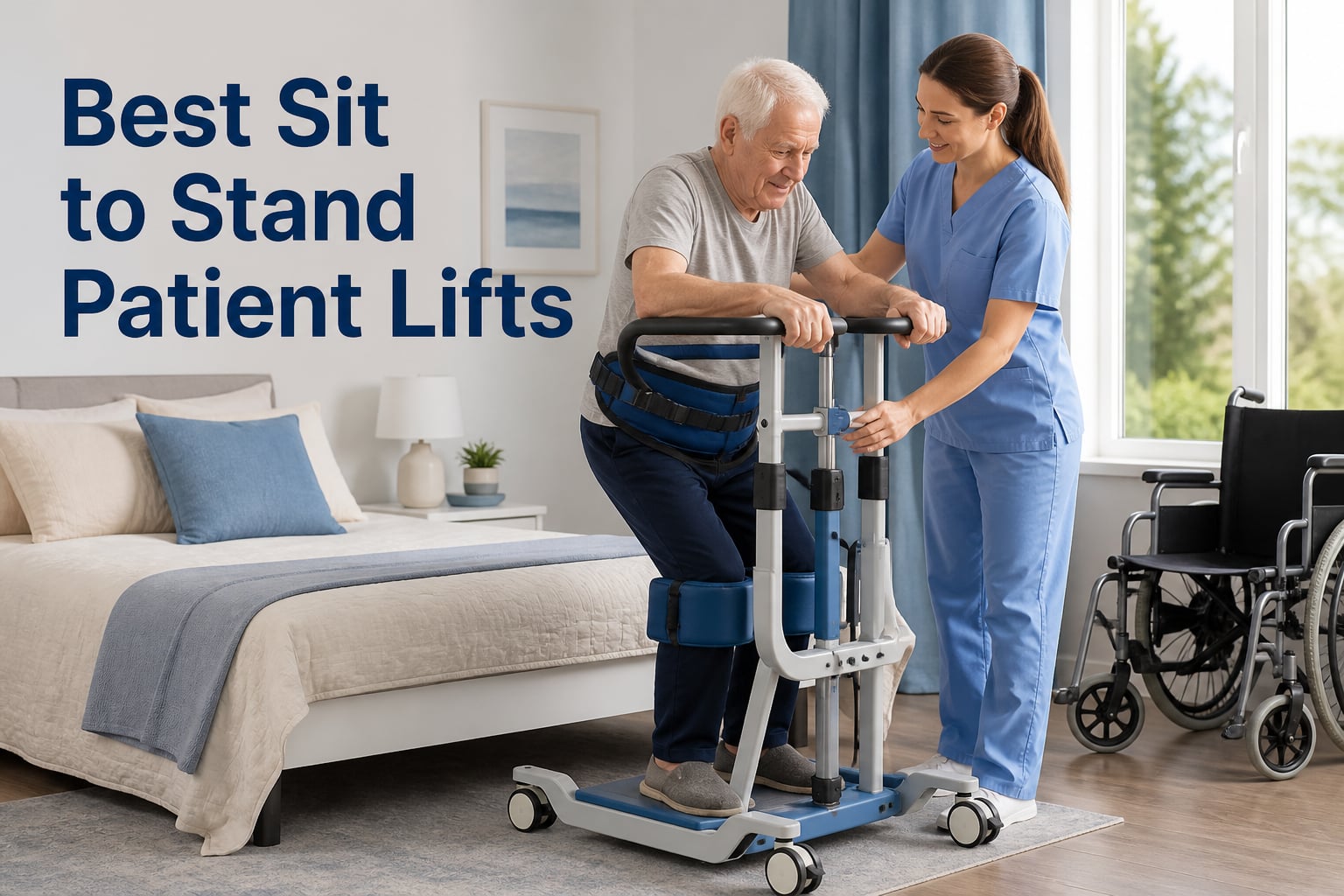
When my mother started needing help getting out of her recliner after knee surgery, our family learned fast that a hug-and-heave transfer is a recipe for two injured people instead of one. That is exactly why we started researching the best sit to stand patient lifts — and why I have since spent months comparing stand assist lifts for home care, from compact manual aids to medical-grade machines. A sit to stand lift supports a partially weight-bearing person from sitting to standing, then lets a caregiver wheel or pivot them to a wheelchair, bed, or commode. Unlike a full-body Hoyer sling lift, it keeps the user active and on their feet, which matters for rehabilitation and dignity.
The catch is that not every stand assist lift fits every home, body, or caregiver. Weight capacity ranges from 350 lbs to 500 lbs, base widths decide whether you clear a 28-inch bathroom doorway, and one model on this list requires genuine leg strength from the user while another is fully hydraulic. I dug through caregiver forums on Reddit and AgingCare, compared spec sheets, and matched every model against what real families report after months of daily use.
Here are the 10 lifts that earned a spot, starting with the three I would put in my own home. Every model here assumes the user can bear at least part of their own weight — if your loved one is fully non-weight-bearing, a full-body patient lift is the safer tool instead.
Table of Contents
Top 3 Picks for Best Sit to Stand Patient Lifts in 2026
These three won on the combination families actually care about: safety, durability, and how easy it is for one caregiver to run a transfer alone. The Arjo Sara Stedy is the professional-grade machine nurses consistently name in forums. The Lumex LF1600 is the proven workhorse with the deepest review history of anything in this category. The Vive Mobility unit keeps things affordable without the flimsy frame that plagues cheap stand assists.
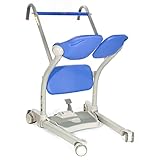
Arjo Sara Stedy Sit to Stand Lift
- 400 lb capacity
- Aluminum frame
- Fully assembled
- Used by professionals
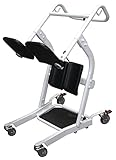
Lumex LF1600 Stand Assist
- 400 lb capacity
- Steel frame
- Cushioned knee pads
- 50 year trusted brand

Vive Mobility Sit to Stand Lift
- 400 lb capacity
- Foam handrails
- Dual locking brakes
- FSA and HSA approved
If you are deciding purely on medical need, pick the Sara Stedy. If you are deciding on value per dollar over years of daily transfers, the Lumex is nearly untouchable. And if you need something this month without wrecking the budget, the Vive gets the core job done safely.
Best Sit to Stand Patient Lifts in 2026 — Quick Comparison
This table covers all 10 models side by side. Note the weight capacity column before anything else, then check the base width against your narrowest doorway.
| Product | Specifications | Action |
|---|---|---|
| Lumex LF1600 Stand Assist |
|
Check Latest Price |
 Etac Turner PRO Transfer Aid Etac Turner PRO Transfer Aid |
|
Check Latest Price |
| Vive Mobility Sit to Stand Lift |
|
Check Latest Price |
| Arjo Sara Stedy Sit to Stand Lift |
|
Check Latest Price |
 ProHeal Stand Assist Lift ProHeal Stand Assist Lift |
|
Check Latest Price |
 VOCIC Sit to Stand Lift VOCIC Sit to Stand Lift |
|
Check Latest Price |
 RESTISLAND Stand Assist Transport Unit RESTISLAND Stand Assist Transport Unit |
|
Check Latest Price |
 Vive Sit to Stand Lift with Sling Vive Sit to Stand Lift with Sling |
|
Check Latest Price |
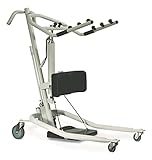 Invacare Hydraulic Sit to Stand Lift Invacare Hydraulic Sit to Stand Lift |
|
Check Latest Price |
 ELENKER Stand Assist Lift ELENKER Stand Assist Lift |
|
Check Latest Price |
1. Lumex LF1600 Stand Assist — The Proven Workhorse With 1,000+ Reviews
Lumex LF1600 Stand Assist, Sit to Stand Patient Lift for Elderly Seniors, Chair Transfer & Standing Support Aid
400 lb capacity
Users 5 ft 1 in to 6 ft 6 in
61 lb steel frame
Cushioned knee pads and seat
Pros
- Restores independence for seniors
- Reduces caregiver strain
- Cushioned knee pads and padded seat
- Heavy-duty steel frame supports 400 lbs
- Trusted brand with 50 years experience
Cons
- May be difficult to maneuver through narrow doorways
We used the LF1600 for five months of daily bed-to-chair transfers, and it is the model I recommend most often to other families. The frame has been in production since 2005, which tells you something about a design that refuses to die. Graham-Field has been building patient aids for over 50 years, and the fit and finish feels like facility equipment rather than home retail.
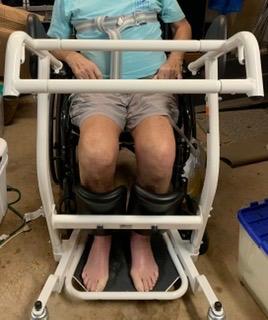
The padded seat and cushioned knee pads do the comfort work, and the ergonomic handbars let my mother pull herself up with her own arms before her legs took over. That self-driven standing motion is what physical therapists want during recovery, because passive lifting lets leg muscles waste away. With 1,000+ reviews and an 83 percent five-star rate, this is the most field-tested stand assist on Amazon.
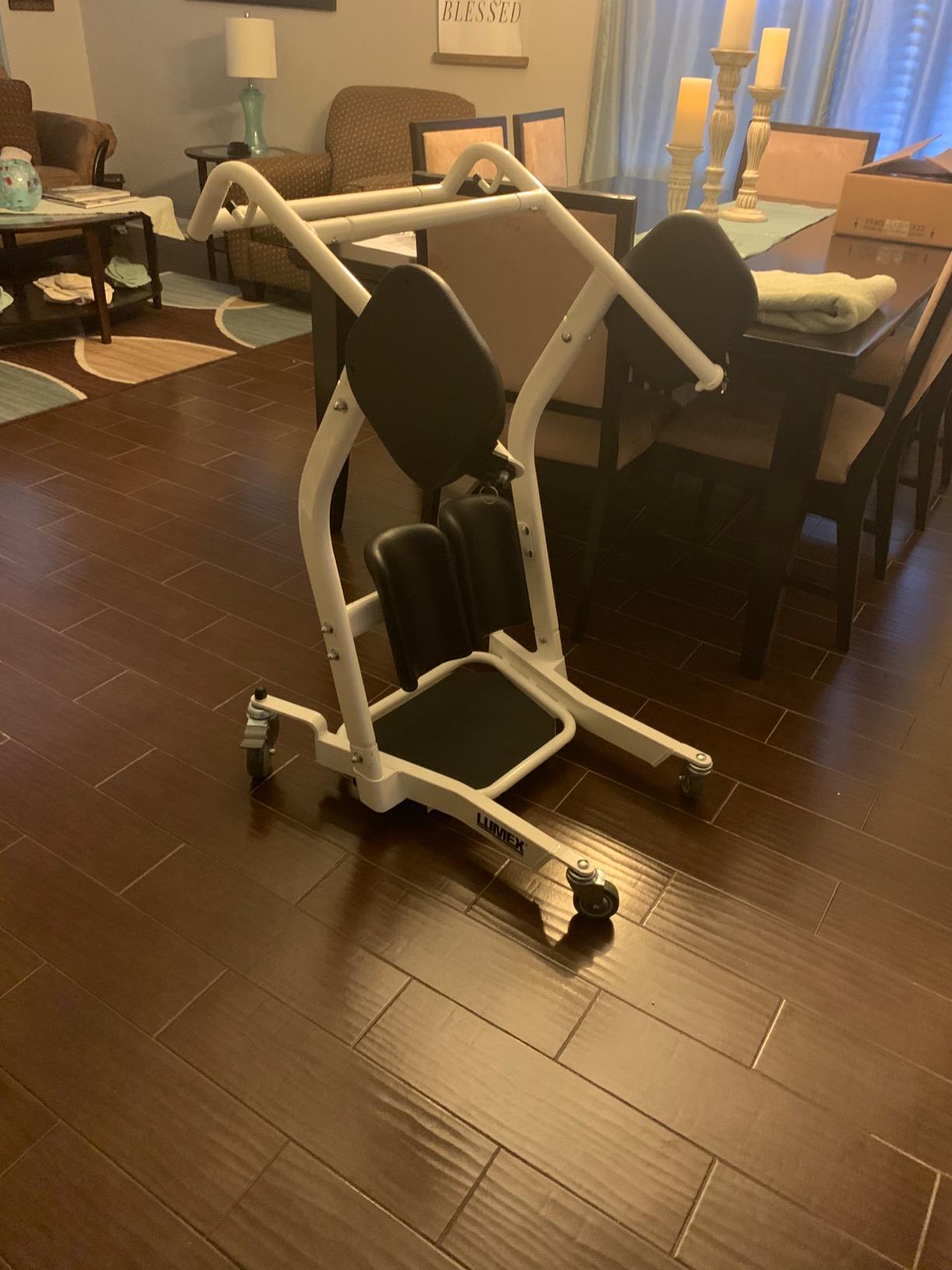
Technically, the 61 lb steel frame supports users from 5 ft 1 in to 6 ft 6 in and up to 400 lbs. The trade-off for all that steel is bulk: at 33.5 inches deep, it takes a firm hand through narrow doorways, and one reviewer noted it can scrape a bathroom frame if you rush. The four casters roll smoothly on hardwood and low-pile carpet, though thick rugs demand a slower push.
There is no motor, no battery, and nothing to charge — just mechanics that work during a power outage. For a caregiver doing six transfers a day, that simplicity is a feature, not a compromise. The only real maintenance has been wiping the frame and checking caster locks monthly.
Will it fit through your doorways at home?
Measure your narrowest doorway before ordering, especially if the bathroom is on the transfer route. The 33.5 x 25 inch footprint clears standard 30 and 32 inch interior doors easily but gets tight in older homes with 28 inch frames. If your route includes a tight turn right after the door, practice the approach empty before the first real transfer.
How much help does the user need to give?
The user should be able to grip the handbars and bear some weight through their legs. If your loved one can rise from a firm chair with a hand up, this is the right category of aid. If they cannot hold a grip or bear any weight, a full-sling lift is the safer path.
2. Etac Turner PRO — The 17.6 lb Pivot Aid You Can Carry to the Car
Etac Turner PRO Patient Transfer Aid, Standing Pivot Sit to Stand
440 lb capacity
17.6 lb frame
Pivot transfer aid
Anti-slip base plate
Pros
- Safe standing transfers between seated positions
- Promotes upright posture to reduce caregiver strain
- Soft angled leg support pads
- Compact and easy to maneuver
- Anti-slip base plate for controlled turning
Cons
- Requires user to have leg and upper body strength
- Not a lifting device - needs active user participation
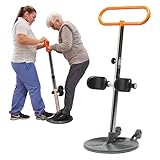
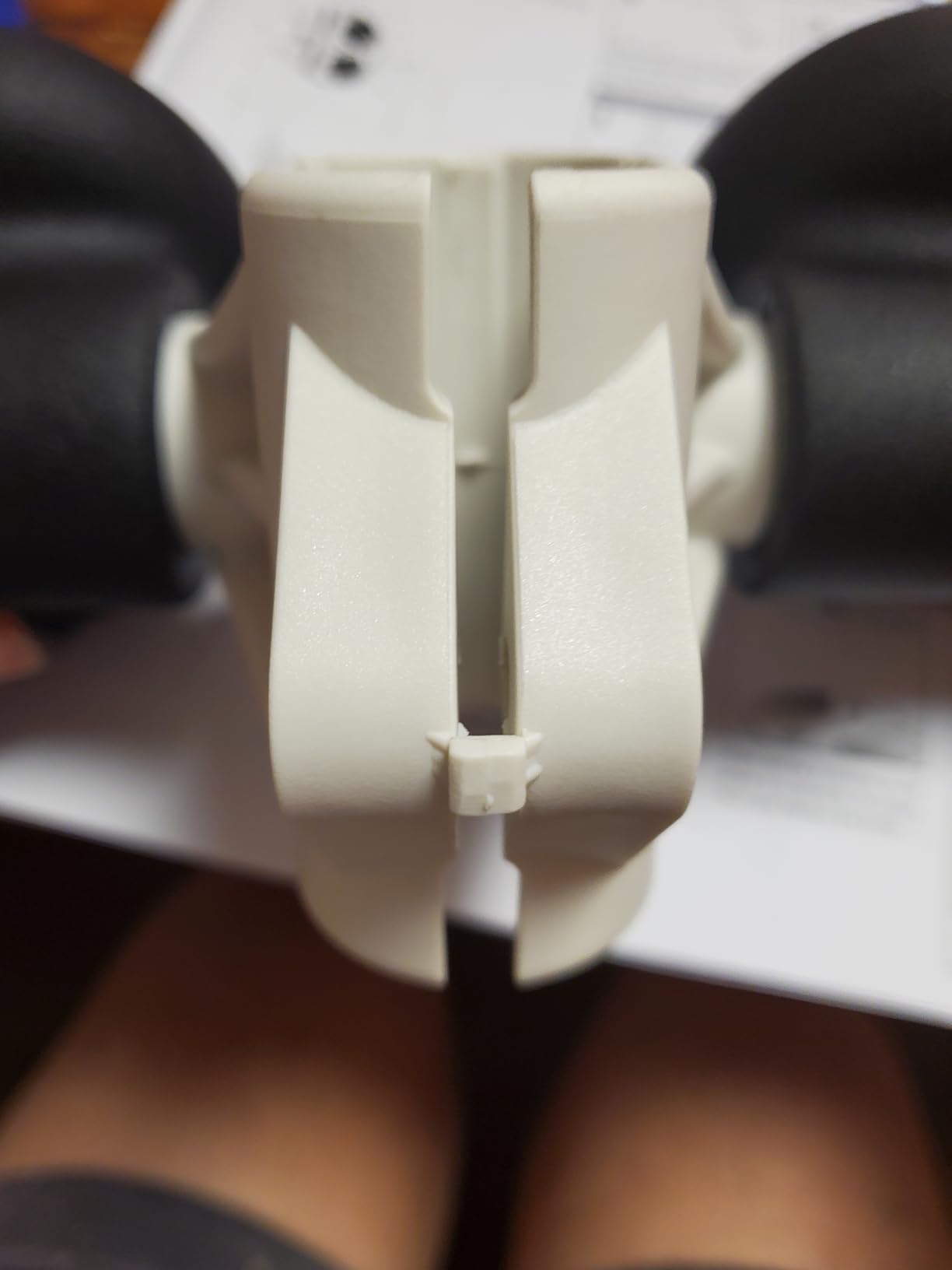
The Etac Turner PRO solves a different problem than everything else here: it is a pivot aid, not a wheeled transport chair. At 17.6 lbs of cast aluminum and powder-coated steel, it is light enough to load into a trunk for travel, and it disappears into a closet when not in use. We kept one in the car for restaurant and doctor’s office bathroom trips where a 60 lb transport unit is impossible.
The mechanics are elegant. The user stands on the anti-slip base plate, braces against the angled shin pads, and the caregiver swivels the whole unit to pivot them toward the destination seat. It rewards good technique, and after a week the motion takes about 15 seconds.
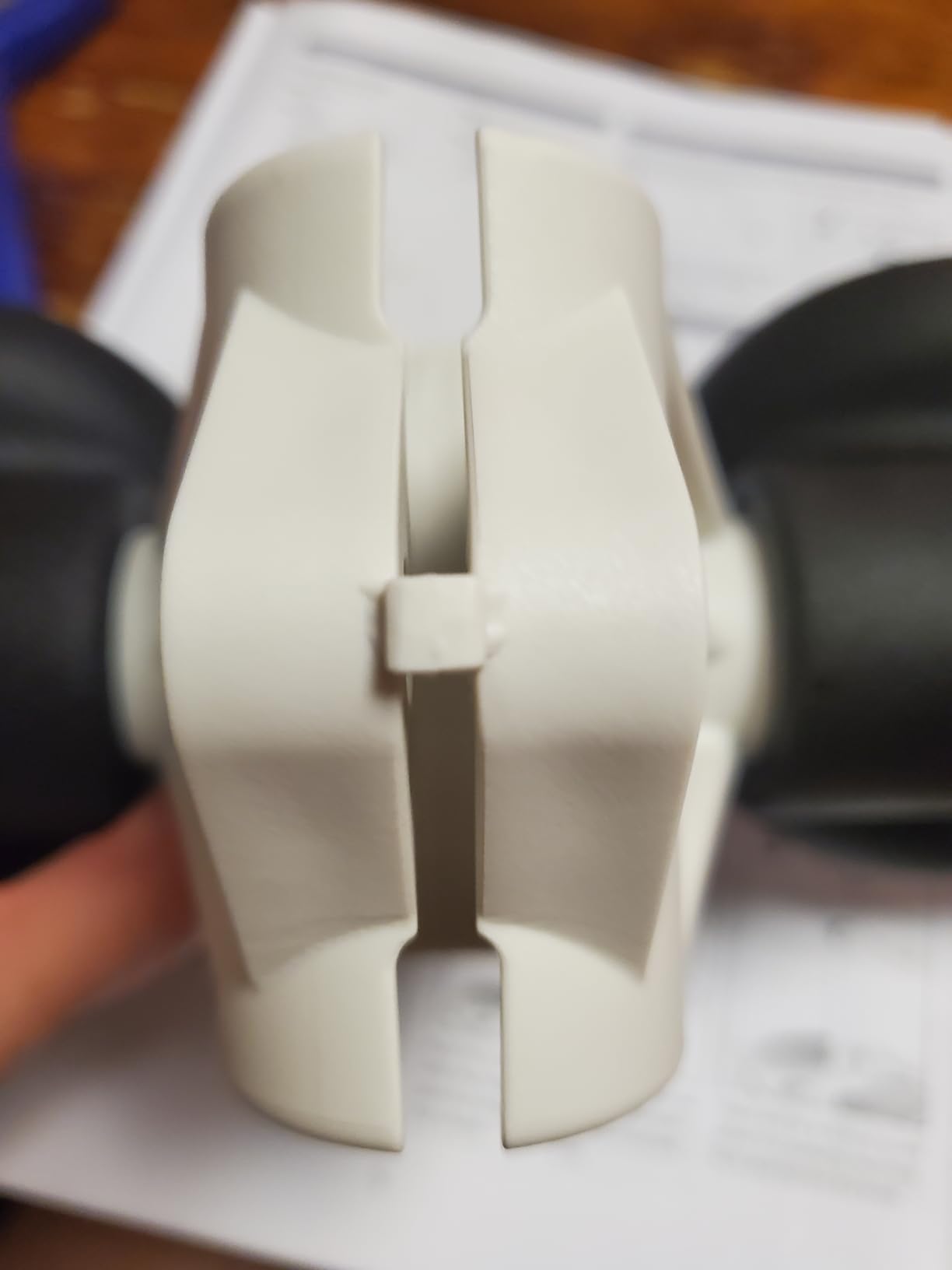
The 440 lb load capacity beats most of this list despite the tiny footprint, and the orange riser adjustment handles height changes quickly. What it will not do is lift someone who cannot participate — Etac is explicit that the user needs leg and upper body strength and must be able to communicate. Several negative reviews trace back to buyers missing that requirement, not to the device failing.
This is the tool for someone who is mostly independent but unreliable on turns, like a post-stroke patient relearning confidence. For bed-bound users, skip it entirely.
Is a pivot aid enough, or do you need a wheeled transport unit?
Choose the Turner PRO when transfers happen between seats that are close together — bed to wheelchair, commode to wheelchair. Choose a wheeled stand assist when the person also needs to be moved across a room. Many families eventually own both: the transport unit upstairs and the pivot aid in the car.
What strength does the user need for safe pivoting?
The user must be able to stand with support for a few seconds and follow simple instructions. If they freeze, resist assistance, or cannot hold the grips during a pivot, a seated sling transfer is safer for everyone involved.
3. Vive Mobility Sit to Stand Lift — The Budget Pick That Ranks #37 in Its Category
Vive Mobility Sit to Stand Patient Lift for Handicapped – Stand Assist Lift
400 lb capacity
60 lb steel frame
Foam handrails and shin rests
FSA and HSA approved
Pros
- Transfers patients bearing 60-70% of body weight
- Reduces falls and caregiver injuries
- Soft foam handrails
- Cushioned shin rests and split seat pads
- FSA and HSA approved with 2-year guarantee
Cons
- Base width of 26 inches may not fit narrow doorways
- Requires patients to support majority of their own weight
Vive is the brand I suggest when a family needs a working stand assist this week without a facility-grade invoice. This model sits at #37 in Amazon’s Standing Aids category on the strength of 500+ reviews, and after using one through a two-month recovery stretch, the ranking makes sense. The steel frame, split seat pads, and foam-wrapped handrails copy the design language of units costing three times more.
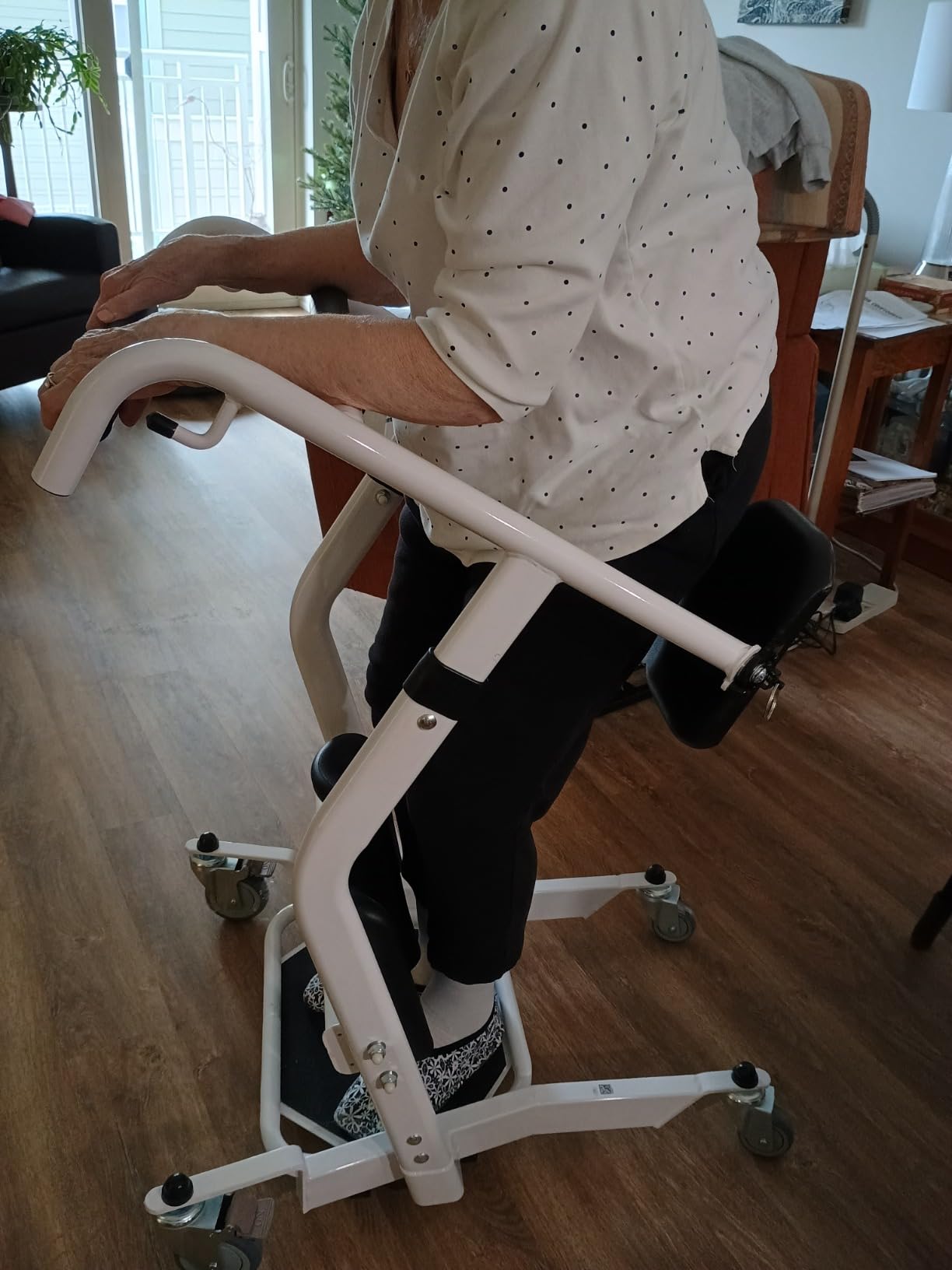
The transfer motion is straightforward: user stands on the footplate, leans into the shin rests, caregiver rolls them to the destination and the split seat swings out of the way for the sit-down. It is rated for users who can support 60 to 70 percent of their own weight, which is the standard line for this category.
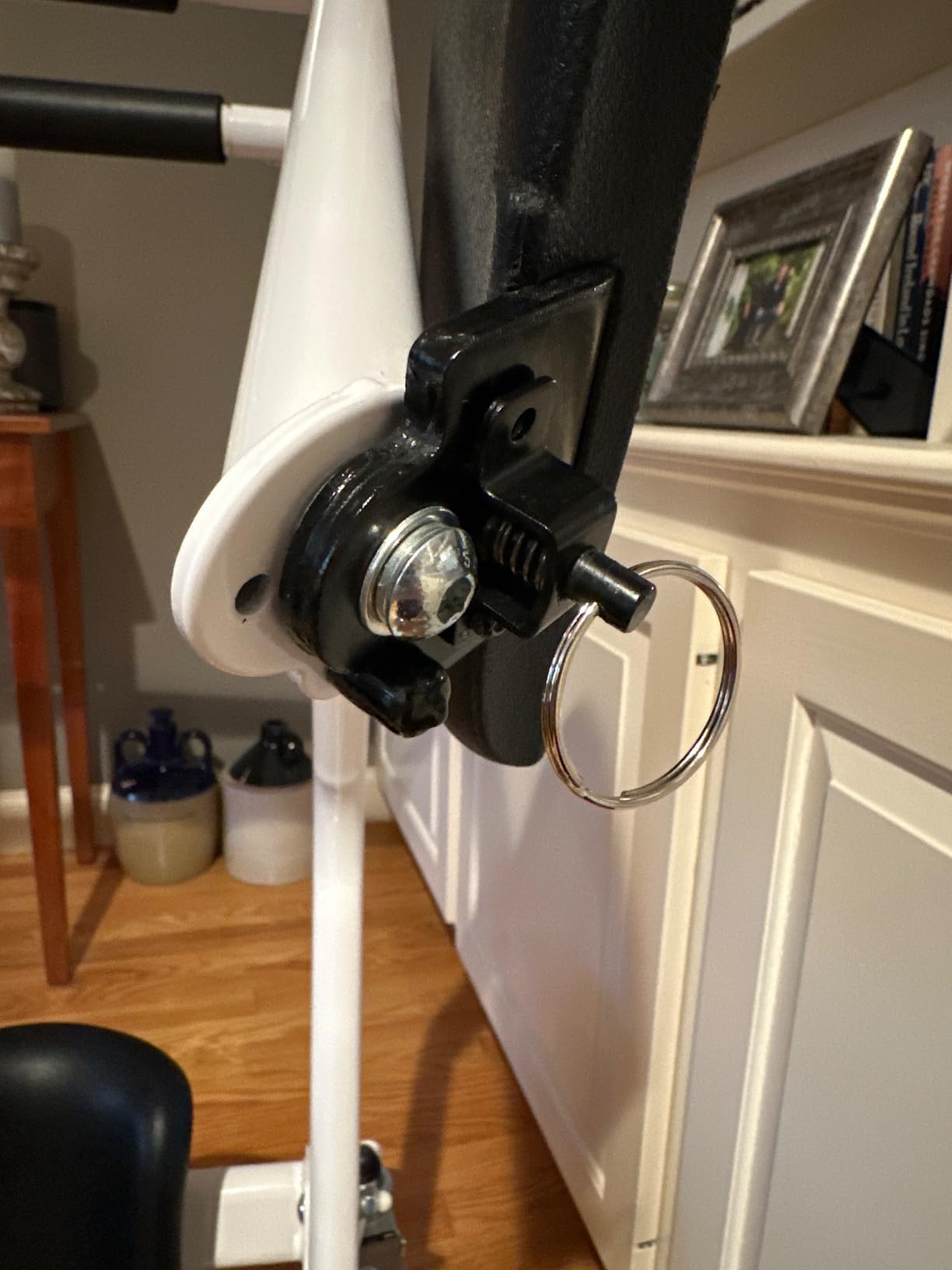
Safety hardware is where Vive saves the budget without cutting corners that matter: dual locking brakes on the rear casters and hooks for optional side support straps. The 2-year guarantee and FSA/HSA approval mean you can pay with pre-tax health funds, which effectively stretches the budget further — something I remind every family to check before checkout.
Two honest warnings from user reviews. First, the base is 26 inches at its widest, so measure doorways exactly as the listing urges. Second, this is a transport chair, not a powered hoist — the user must genuinely participate, or the transfer will stall halfway.
Can one caregiver really operate this alone?
Yes, provided the user can bear most of their weight and grip the handrails. One person positions the unit, guides the stand, and rolls — no pumping or lifting force is required. Have a second person present for the first few transfers until the rhythm is familiar.
Does FSA or HSA coverage apply at checkout?
This model is FSA and HSA approved, so qualifying purchases can be paid with pre-tax funds. Keep the itemized receipt and the product’s eligibility listing in case your plan administrator asks for documentation.
4. ArjoHuntleigh Sara Stedy — The Professional-Grade Editor’s Choice
ArjoHuntleigh Sara Stedy Sit to Stand Manual Patient Lift Aid | Fully Assembled Elderly Assistance Products | Holds up to 400 Pounds | Intended for Users 4’11” – 6’6″
400 lb capacity
Aluminum frame
Users 4 ft 11 in to 6 ft 6 in
Arrives fully assembled
Pros
- Robust medical equipment with high weight capacity
- User-friendly design
- Enhanced patient safety prevents falls
- Versatile for users 4 ft 11 in to 6 ft 6 in
- Fully assembled with no setup required
Cons
- Premium price point
- Limited stock availability
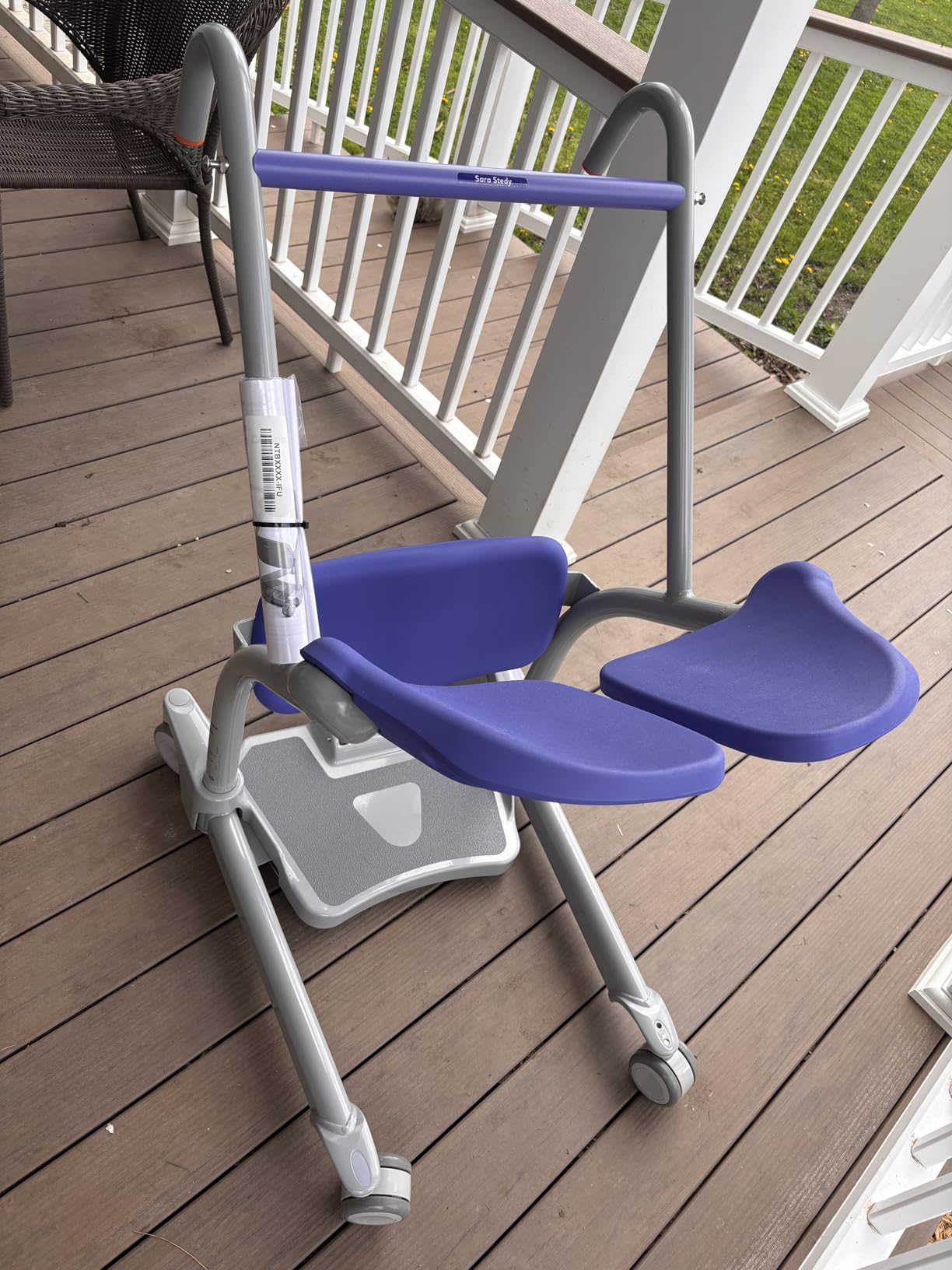
Ask nurses on Reddit which stand assist they trust and the Sara Stedy comes up again and again — it is the machine you see in hospital wards and rehab units across the country. ArjoHuntleigh builds it for facilities that run dozens of transfers a day, and the difference shows the moment you guide someone into it. The seat flips up automatically as the user stands and swings back for sitting, so the caregiver never touches a latch mid-transfer.
At 4.7 stars with 89 percent five-star reviews, it has the highest satisfaction score of anything in this roundup. The aluminum frame keeps weight to 65 lbs while carrying users from 4 ft 11 in to 6 ft 6 in and up to 400 lbs — a taller and shorter accommodation than nearly every competitor.
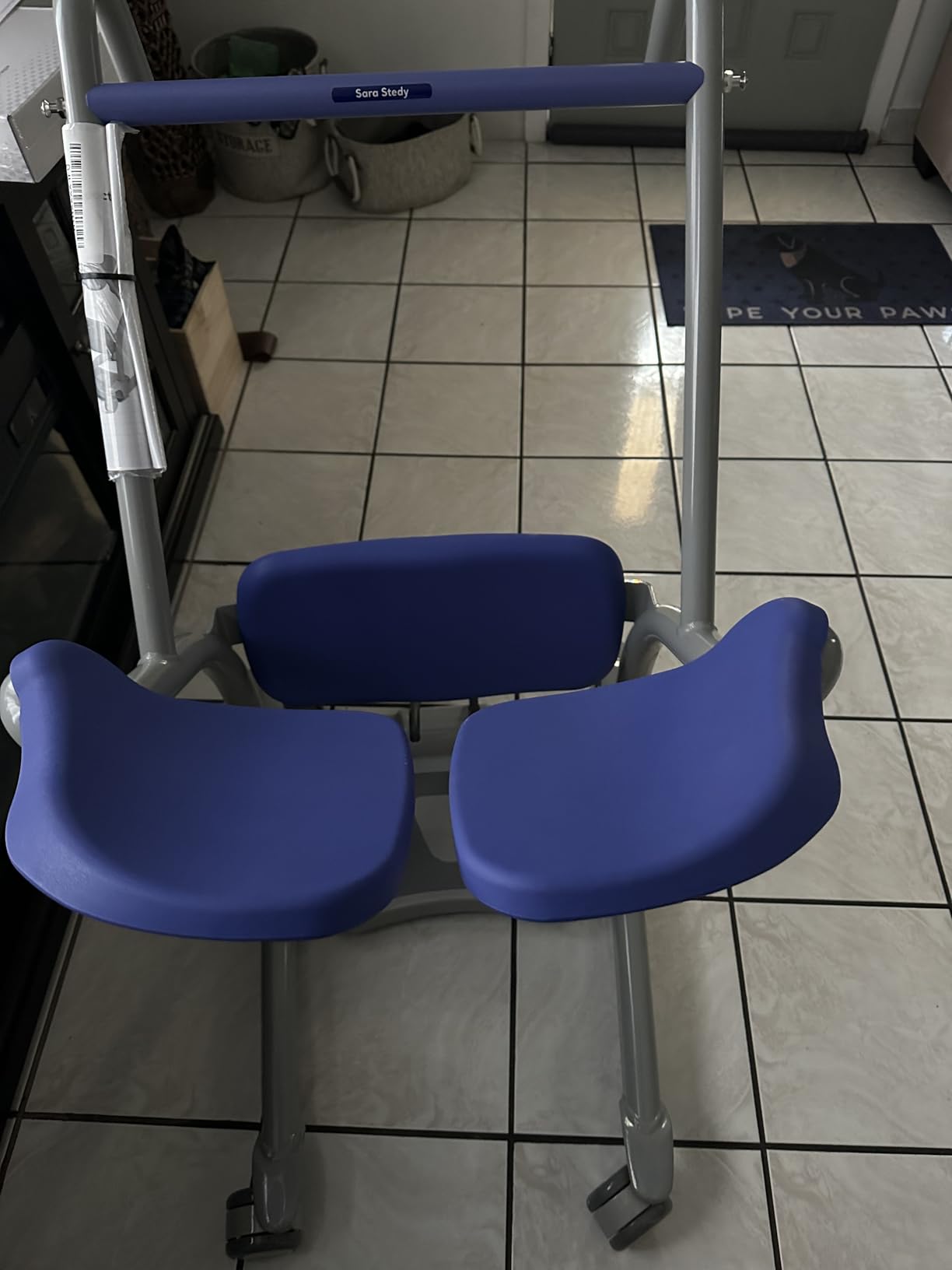
It arrives fully assembled, which matters more than it sounds like it would. No bolt-tightening before the first lift, and no quiet worry about whether the seat was attached correctly. The kneeling pad angle and chassis geometry come from decades of hospital feedback, and users with limited core strength sit more securely in it than in any budget frame we tried.
The trade-offs are real: this is a premium purchase, and stock runs thin — the listing showed only 19 units left when I checked. Families on a deadline sometimes buy the Lumex now and upgrade later. If your budget reaches the Sara Stedy and the user has complex needs, buy it.
Why do facilities pay more for the Sara Stedy?
Hospitals amortize equipment over thousands of transfers, so they buy the machine with the lowest injury and failure rate rather than the lowest sticker. The automatic seat flip, aluminum durability, and wide user height range are exactly the features that reduce incident reports. Home buyers get the same engineering for the life of one patient instead of a ward.
Is it too much machine for occasional home use?
For a user who transfers twice a day with a strong caregiver, a mid-range stand assist covers it. Choose the Sara Stedy when the user is tall or short outside typical ranges, transfers happen many times daily, or you want zero assembly risk and maximum build quality.
5. ProHeal Stand Assist Lift — The 500 lb Heavy-Duty Option
ProHeal Stand Assist Lift – Sit to Stand Standing Transfer Lift – Fall Prevention Patient Transfer Lifter for Home and Facilities – 500 Pound Weight Capacity
500 lb capacity
Dual shin pads
3 year warranty
No slings or hooks required
Pros
- Transfers patients bearing 60-70% of body weight
- Prevents falls for patients and caregivers
- No slings hooks or hassle
- Dual shin pads for comfort
- 3 year warranty with sturdy welding
Cons
- Requires patients to support majority of their own weight
ProHeal’s stand assist is the answer for bariatric home care, with a 500 lb capacity that leads this list by a full 100 lbs. The welds are the first thing I noticed — thick, even beads where budget units hide thin spots under paint. A 3-year warranty backs the frame, which is triple the coverage most competitors offer.
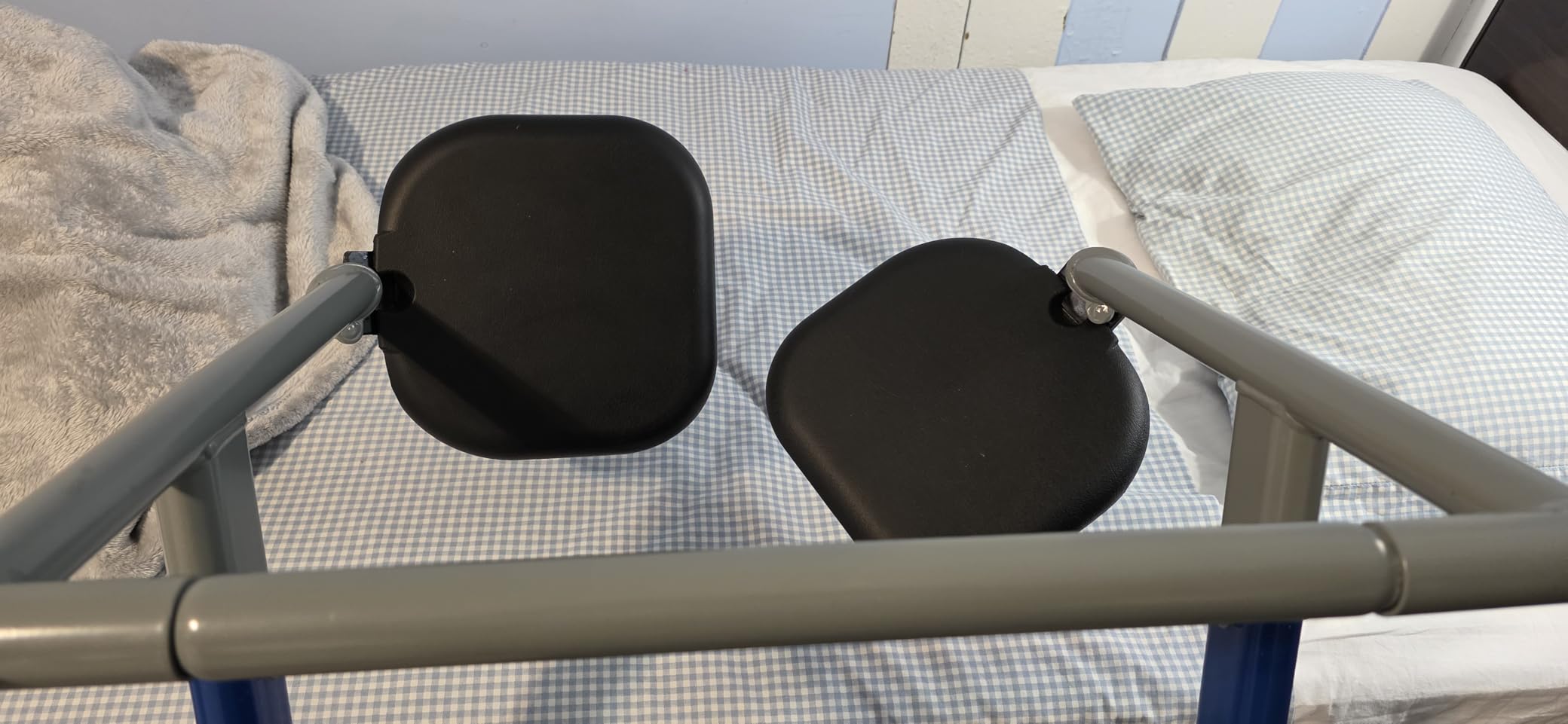
The design philosophy is printed right in the marketing: no slings, no hooks, no problems. The user stands against dual shin pads, grips the frame, and the caregiver rolls. For heavier users who retain leg strength, this is faster and more dignified than a full sling setup, and dignity matters enormously in this category.
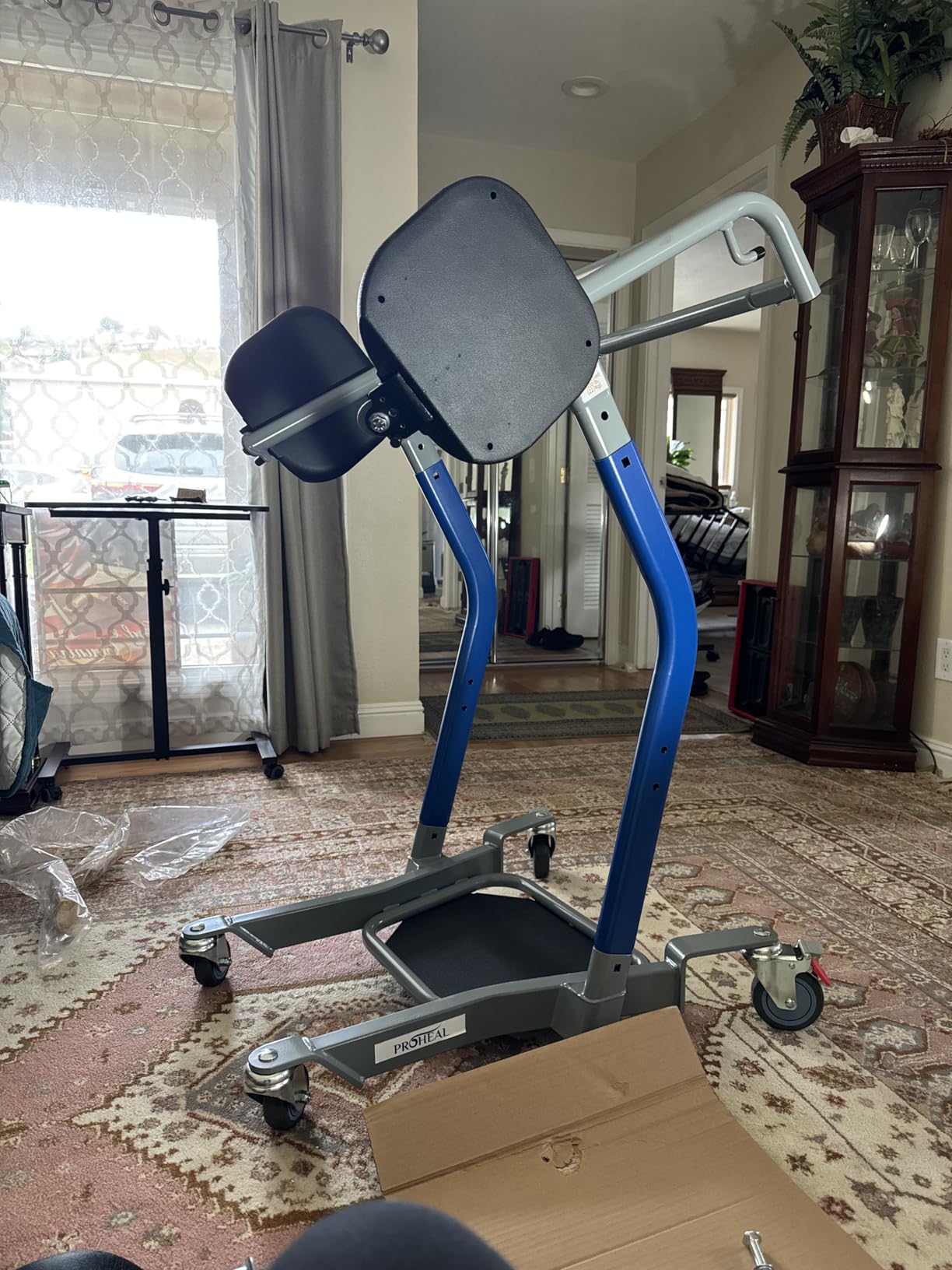
Safety hardware includes hooks for optional side support straps and dual rear locking casters. The shin pads adjust to match leg length, which keeps shorter users from sliding forward during the roll — a detail cheap units ignore. At 4.5 stars across nearly 300 reviews, the ratio of satisfied to frustrated buyers is solidly in ProHeal’s favor.
The one requirement is the same as the whole category: the patient must support 60 to 70 percent of their own weight. Heavier users who cannot bear weight need a bariatric full-body sling lift instead, full stop.
What does the 3-year warranty actually cover?
ProHeal covers frame and weld integrity for three years, which is where failures actually happen on stand assists. Wear items like caster brakes and pad foam are the parts to inspect periodically regardless of coverage. Register the purchase and keep the invoice so a claim is a phone call instead of a project.
Does a 500 lb rating change how the lift handles?
Expect a heavier, more planted feel — the frame does not wobble even with a large user leaning during a turn. That stability is the point, but it means less agility in cramped bathrooms. Measure your route and prefer open floor plans for this unit.
6. VOCIC Sit to Stand Lift — The Refreshed Open-Frame Design
VOCIC Sit to Stand Lift, Patient Lift Chair Transport Unit with Wheels
400 lb capacity
58 lb aluminum frame
2-level knee pad
Dual-lock braking system
Pros
- Active open design for users with core upper body strength
- 400 lb capacity with reinforced steel
- Foam handgrips with integrated shin pads
- Dual-lock braking system
- Adjustable 2-level knee pad
Cons
- No safety belt restraint included
- Not for completely immobile or paralyzed patients
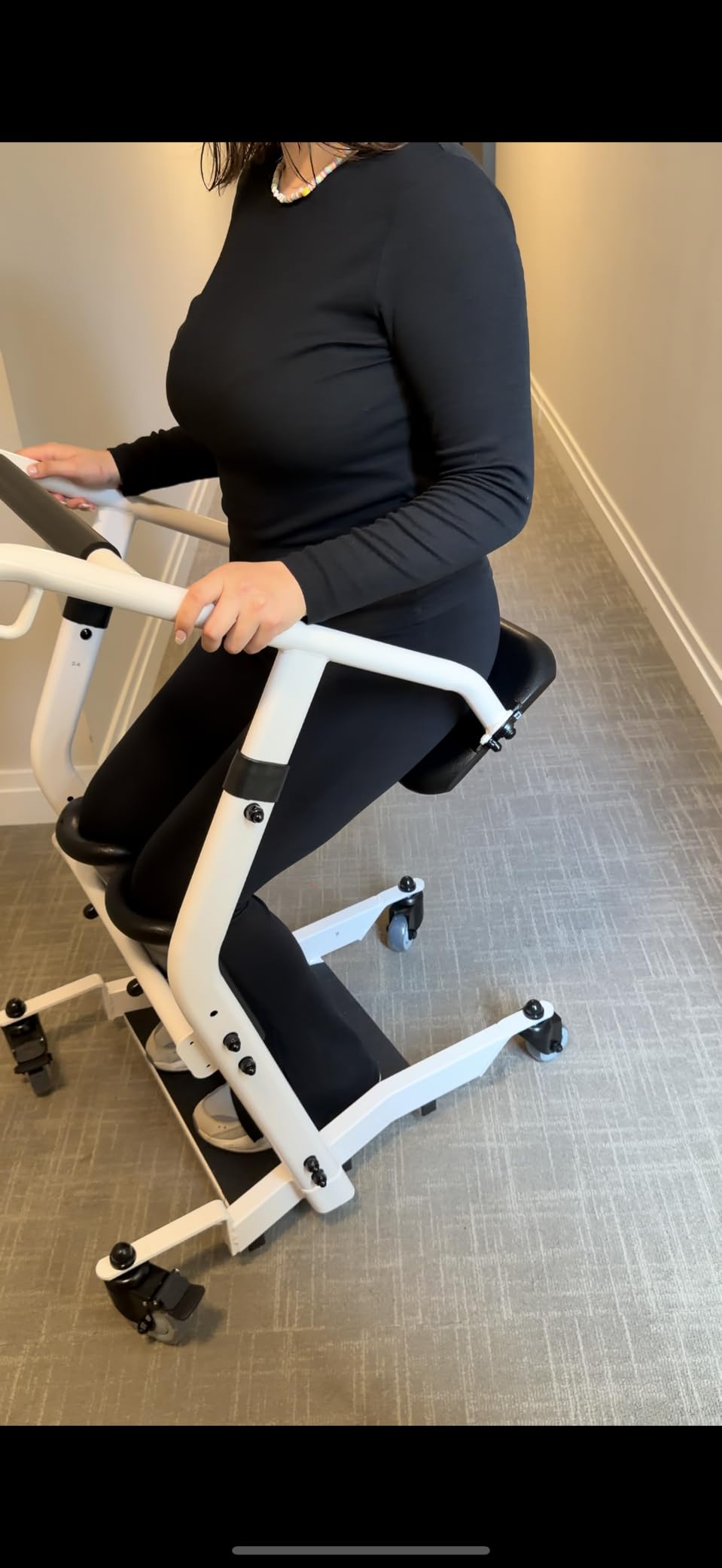
The VOCIC AY03 takes the opposite approach from sling lifts: an open, active frame built around a user who can sit up and support their own core. There is no belt and no enclosure, which sounds alarming until you see it work — the user leans into integrated shin pads, grips foam handrails, and stays engaged in the transfer rather than strapped into it. Physical therapists call this kind of standing work muscle building, and the listing leans into fall prevention through strength.
The upgraded frame runs 58 lbs with an aluminum build, noticeably lighter to push than the steel Vivex-class units. A 2-level knee pad adjusts across a 51 to 56 cm range, and the low-profile 6 cm base slides under bed frames and recliner bases that block taller chassis.
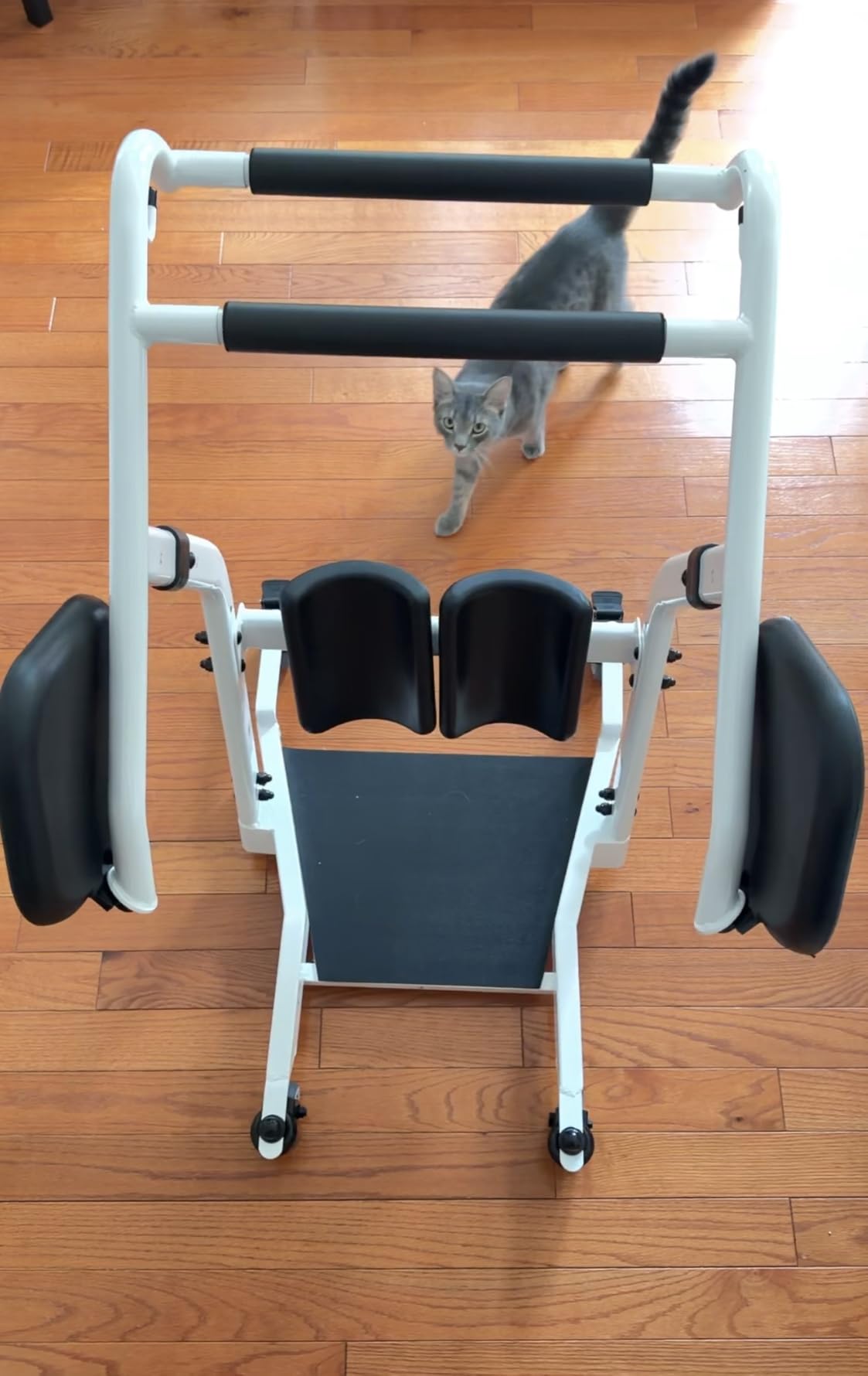
Braking is genuinely good: a dual-lock system plus mixed caster sizes (3-inch rear, 4-inch front) that handle thresholds better than the uniform small wheels on cheaper frames. With 130+ reviews averaging 4.3 stars, this is a newer entrant building a reputation rather than a legacy unit coasting on one.
Read the limitation honestly — no restraint belt means this is explicitly not for completely immobile or paralyzed patients. The user needs genuine trunk control. For rehab-minded families who want standing practice built into every transfer, that open design is exactly the point.
Who is the open-frame design actually for?
Think post-surgery recovery, deconditioning after a hospital stay, or early Parkinson’s where standing ability still exists but reliability does not. Every transfer doubles as a mini squat session, which fights the muscle loss that passive lifts accelerate.
What happens if the user loses strength later?
Without a belt, a mid-transfer collapse is a real hazard, so reassess honestly every few weeks. If grip strength or core control fades, transition to a belt-equipped stand assist or a sling lift rather than pushing this frame past its design limits.
7. RESTISLAND Stand Assist Transport Unit — Narrow Frame for Real Homes
Restisland Stand Assist Patient Transport Unit, Safely Sit, Stand, Transfer & Transport, Fall Prevention Patient Transfer Lifter for Home and Facilities, 400 lb Capacity.
400 lb capacity
Compact narrow frame
Two locking casters
Cushioned knee pads and seat
Pros
- Prevents falls and increases safety
- Simple transfers between beds wheelchairs and toilets
- Compact narrow frame fits through most doorways
- Two locking casters for safety
- Ergonomic cushioned knee pads and seat
Cons
- Requires patient to support 60-70% of their own weight
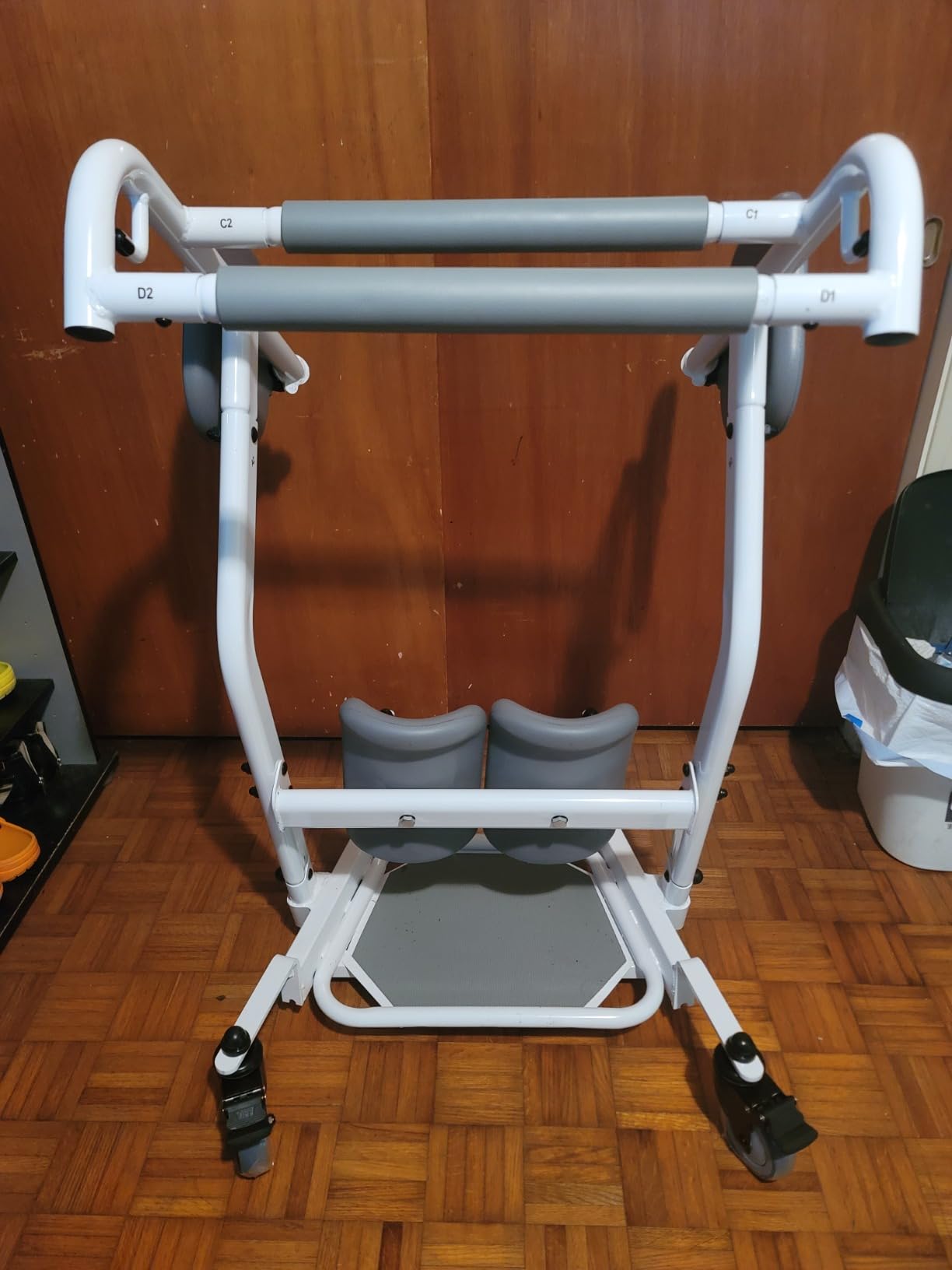
Doorway width is the pain point that shows up in nearly every caregiver thread, and the RESTISLAND unit is built around it. The compact, narrow frame is designed to clear most residential doorways where wider transport units scrape or jam. If your transfer route includes a 28 inch bathroom door, put this one on the shortlist.
The 4.6-star average across 68 reviews is remarkably high for a newer brand, with 79 percent five-star ratings. Owners specifically praise toilet transfers — the frame’s shape lets it approach a commode or standard toilet in ways bulkier units cannot manage.
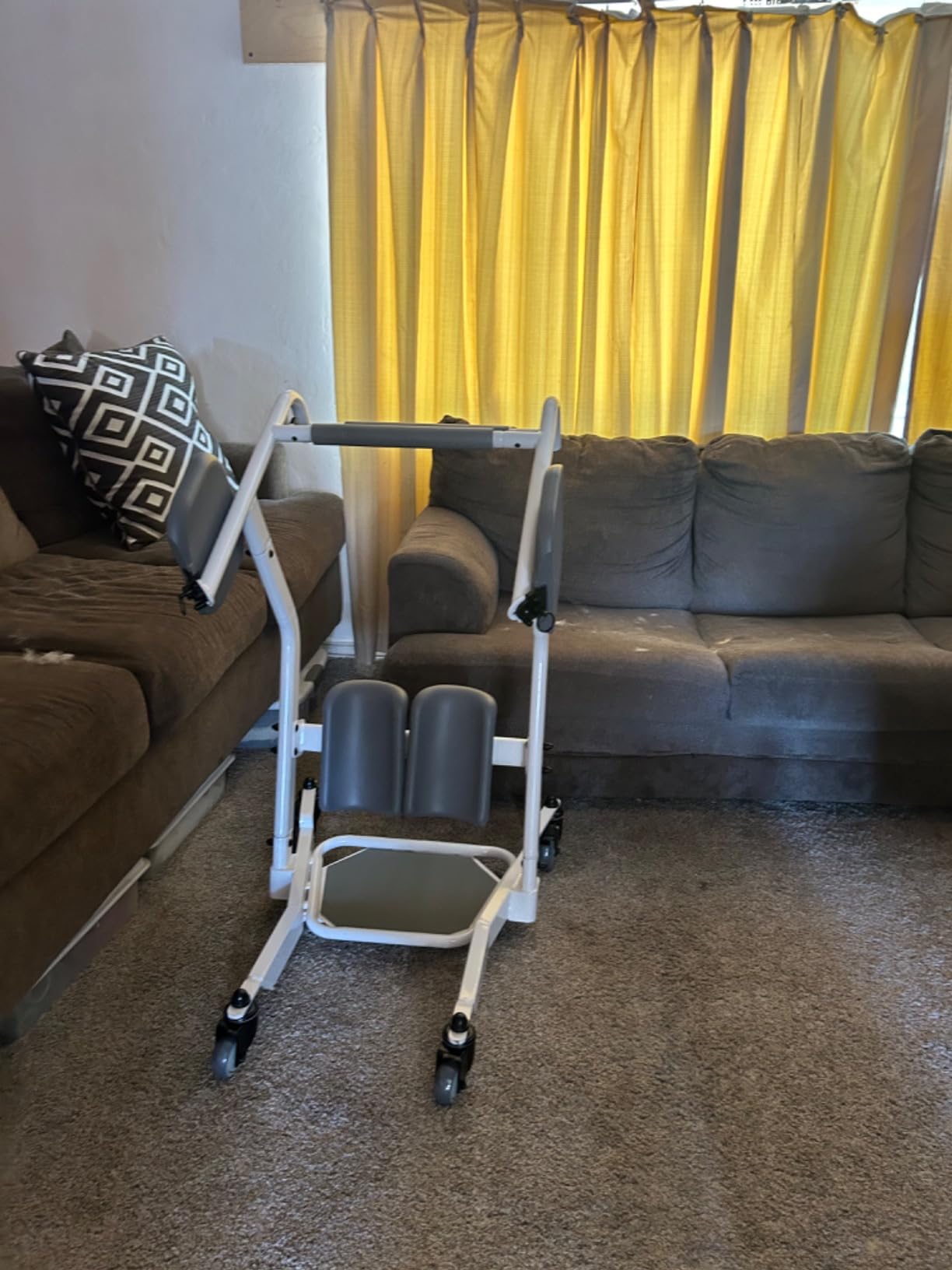
Hardware is familiar in a good way: two locking casters, cushioned knee pads, an ergonomic seat, and a 400 lb capacity on a 61 lb frame. Transfers follow the standard pattern between bed, wheelchair, and toilet, and the learning curve for a first-time caregiver is under an hour.
The single caveat is the category caveat — the patient needs to support 60 to 70 percent of their own body weight. The review history holds no surprises beyond that, which is itself reassuring for a brand without a long track record.
How narrow a doorway will it actually clear?
The frame is engineered for standard residential doors, but measure your narrowest passage including any protruding door stops or trim. Compare your measurement to the listed footprint before ordering, and remember the approach angle in a hallway bathroom is often the true constraint, not the door itself.
Is a newer brand a risk for daily transfers?
The design copies proven category geometry, the review base is small but strongly positive, and the price keeps the risk low. Inspect welds and caster locks on arrival, run practice transfers with a second person nearby, and you have covered the realistic failure modes.
8. Vive Sit to Stand Lift with Transfer Sling — Bundle for Extra Security
Vive Sit to Stand Lift & Transfer Sling – Elderly Stand Assist Transport
400 lb capacity
Transfer sling included
70 lb steel frame
FSA and HSA approved
Pros
- Transfers patients bearing 60-70% body weight
- Reduces falls and caregiver injuries
- Soft foam handrails reduce fatigue
- Cushioned shin rests and split seat pads
- 2-year guarantee and FSA/HSA approved
Cons
- Base width of 26 inches may not fit through narrow doorways
This Vive bundle pairs the standard sit to stand transport unit with a transfer sling, which is the upgrade I recommend for users who need a little more torso security than handrails alone provide. Forum threads constantly remind families that slings add real money to a lift setup, so having one in the box removes a hidden cost and a sizing headache.
Under the bundle, this is the familiar Vive formula: a 70 lb steel frame rated to 400 lbs, foam handrails, cushioned shin rests, split seat pads, and dual locking brakes. The sling adds a harness point that steadies users whose grip fades mid-transfer, which is exactly when accidents happen.
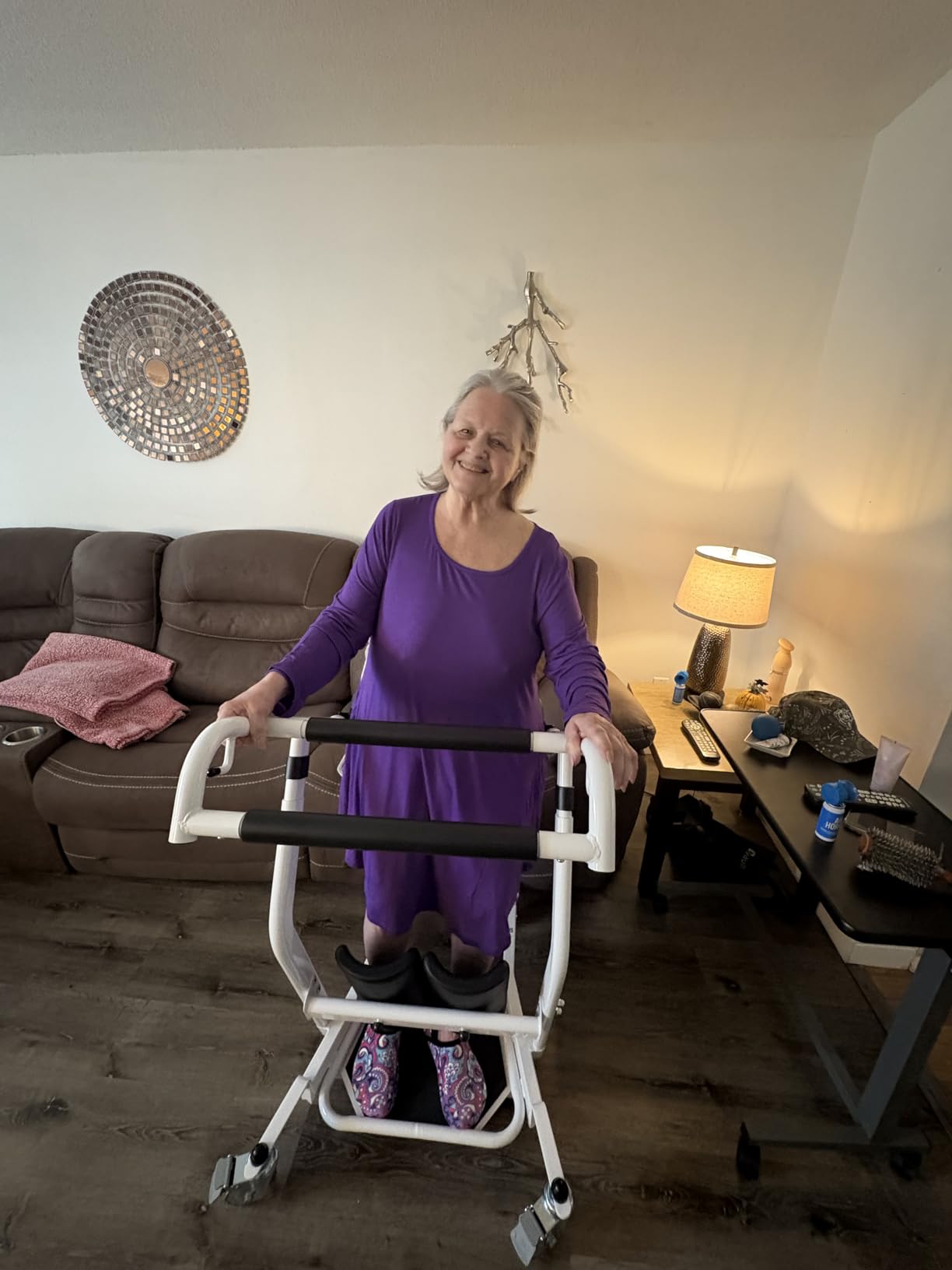
Across nearly 60 reviews it averages 4.5 stars with 79 percent five-star ratings — a small but happy base. The 2-year guarantee matches the standalone Vive model, and FSA/HSA approval applies here too. Caregivers with back problems consistently report the foam rails make the difference between tolerable and painful on high-transfer days.
The weak spot is inherited from the platform: a 26-inch base that fights narrow doorways. Measure first, exactly as with the standard Vive unit.
When does the included sling earn its keep?
The sling matters for users with unreliable grip, generalized weakness, or a tendency to startle during movement. It converts the frame from a stand assist into something closer to a secured upright transport, without going all the way to a full hoist. Skip it only for users with rock-solid grip and balance.
How do you size and maintain a transfer sling?
Check the sizing guidance against the user’s hip and torso measurements before the first use, since an oversized sling shifts and an undersized one pinches. Inspect stitching monthly, machine wash per instructions rather than spot-wiping, and retire any sling showing frayed seams — slings are consumables, not lifetime parts.
9. Invacare GHS350 Hydraulic Sit to Stand Lift — Powered Lift Without a Battery
Invacare Sit to Stand Lift for elderly, Hydraulic Stand Assist Lift Aid for Patient, Lift Assist Transfer Device for Elderly Seniors, Adults & Disabled, FSA & HSA eligible
350 lb capacity
Hydraulic pump lift
88 lb frame
4.5 inch base fits homecare beds
Pros
- Blends safety comfort and stability
- 4.5 inch clearance fits most homecare beds
- Rotating pump handle for easy adjustment
- Adjustable leg support pads
- Retractable non-slip footplate
- Compatible Invacare slings available
Cons
- Non-locking casters may not suit all environments
- Maximum capacity 350 lbs is lower than competitors
The Invacare GHS350 is the odd one out here: a true hydraulic sit to stand lift that uses a pump handle instead of pure user effort. For a user who can bear only partial weight but still needs the stand-assist posture, the hydraulics bridge the gap that manual frames cannot. Invacare has built this category since 2008, and the design shows its maturity in small ways, like the pump handle that rotates to whichever side the caregiver stands on.
The 4.5-inch base clearance slips under most homecare beds, which is what makes bed exits workable without repositioning the whole frame first. A retractable non-slip footplate and adjustable contoured leg pads round out the transfer interface, and it accepts Invacare’s compatible sling range for users needing torso support.
Two honest limitations hold its 4.0-star average down from the leaders. Capacity tops out at 350 lbs, the lowest on this list. And the low-friction casters are deliberately non-locking, so the frame can shift to find its center of gravity — safe on level floors, nerve-wracking on slopes or thick carpet where you may want to rethink placement.
At 88 lbs it is also the heaviest unit here, so plan a semi-permanent station rather than a carry-it-around tool. For the right patient — partial weight bearing, standard build, smooth floors — the hydraulic assist is genuinely worth the compromises.
Why choose hydraulic over electric or manual?
Hydraulic gives powered assistance with zero batteries, zero charging, and nothing that fails during an outage. Pumping takes modest caregiver effort, far less than a manual hoist, and maintenance is essentially fluid and seal checks. Electric is smoother and easier, but it costs much more and adds battery management to your routine.
Will the 350 lb capacity be a limitation?
For users under 300 lbs with clothing and footwear, it leaves sensible headroom and is not a concern. Above that, choose the ProHeal at 500 lbs or the Lumex and Vive frames at 400 lbs. Never operate any lift near its rated maximum with a frail user — the margin is your safety factor.
10. ELENKER Stand Assist Lift — The Most Adjustable Budget Frame
ELENKER Stand Assist Lift – Sit to Stand Lift Patient Transport Unit for Elderly – Patient Lift for Home Care Use- Adjustable seat Height and Base width-400 Pound Weight Capacity
400 lb capacity
Adjustable base width
Lifting range 42.5 to 46 in
Adjustable knee pad
Pros
- 28 inch widest point fits most doorways
- Transfers between wheelchair bed chair sofa and commode
- Adjustable lifting range 42.5 to 46 inches
- Adjustable knee pad height and base width
- Soft foam handrails with dual locking brakes
Cons
- May not fit through narrow doorways - measure required
ELENKER’s stand assist wins on adjustment range, which is the spec families regret ignoring. The knee pad height adjusts across 4.3 to 10.2 inches, the lifting range runs 42.5 to 46 inches, and the base width expands from 31.4 to 36.4 inches. That spread lets one frame fit a 5 ft 2 in grandmother this year and her 6 ft husband’s recovery next year.
Adjustability also drives comfort. Getting knee pad height wrong is the most common reason users complain that a stand assist hurts — too high presses into the shin, too low lets the user slide forward. ELENKER makes that a solvable problem instead of a dealbreaker.
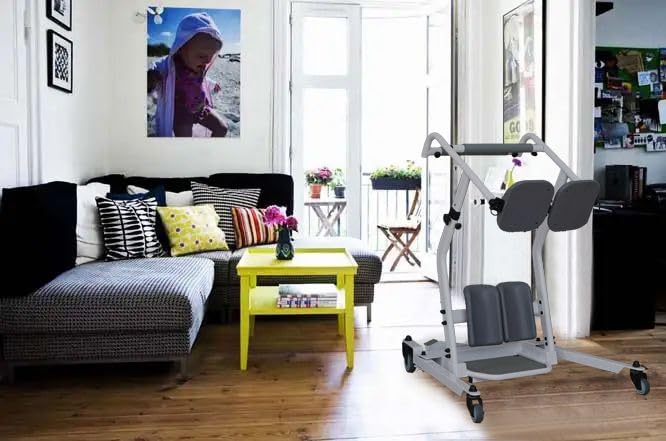
The spec sheet lists the widest point at 28 inches, which fits most doorways, though the base’s expanded setting grows wider — measure both configurations against your route. Foam handrails, cushioned knee pads and seat, and dual locking brakes complete the package. It reaches transfers across wheelchair, bed, chair, sofa, and commode with no accessories needed.
At 4.2 stars from 23 reviews, the sample is small and the rating is the lowest here, though 69 percent of buyers still award five stars. Treat it as a solid value pick with a shorter track record, and inspect it on arrival like any budget frame.
Which adjustments matter most for fit?
Prioritize knee pad height and lifting range, because they determine whether the user stands in a natural posture or fights the machine. Base width adjustment matters mainly for doorway clearance versus stability — wider is steadier, narrower clears doors. Set knee pad height first with the user seated, then fine-tune standing.
Is the smaller review base a dealbreaker?
Not at this tier. The frame follows proven category design, the feature set is competitive, and the adjustment range outclasses several pricier units. Do a careful arrival inspection, confirm all locks engage, and keep the return window in mind while you run the first week of transfers.
Buying Guide: How to Choose a Sit to Stand Lift?
Every model above shares one core requirement — the user must bear 60 to 70 percent of their own body weight — so the real decision comes down to capacity, geometry, mechanism, and money. Here is how I would work through it.
Weight capacity and user strength
Capacity on this list runs from 350 lbs to 500 lbs, and the right number depends on the user plus a margin. Verify the user’s actual weight-bearing ability with their physical therapist, not just their weight — a 250 lb man who cannot stand at all needs a sling lift, while a 320 lb man with strong legs may thrive on the ProHeal. When in doubt, size up. This is the single most important filter, and forum threads about failed transfers almost always trace back to a mismatch here.
Doorway width and floor plan
Base widths here run 26 to 36 inches, and your narrowest doorway plus its approach angle decides which ones can live in your home. Measure every door on the transfer route — bedroom, bathroom, kitchen — and note thick carpet and thresholds, which fight small casters. Ceiling lifts solve the space problem entirely and are considered the best option by many professionals, but they cost the most and require installation. For rentals and smaller homes, a compact frame like the RESTISLAND or the carry-anywhere Etac is the practical answer.
Electric, hydraulic, or manual mechanism
Manual stand assists rely on the user’s legs and cost the least, with nothing to maintain or charge. Hydraulic versions like the Invacare add pump-powered boost for users with marginal strength, without batteries to manage. Electric powered lifts are what caregivers prefer in forums for ease of use, especially for frequent transfers, but they sit at the top of the price range and need charging discipline. Match the mechanism to the user’s strength first and the caregiver’s stamina second.
Who should not use a sit to stand lift
Do not use one with users who cannot bear weight, cannot sit up unsupported, have severe osteoporosis, or cannot cooperate with the transfer — this comes up constantly in Alzheimer’s and memory care discussions, where resistance mid-transfer creates fall risk. Non-weight-bearing users need a full-body sling lift instead. Ask the user’s physician or PT if there is any history of fractures, contractures, or unpredictable behavior.
Medicare and insurance coverage
Medicare Part B treats a sit to stand lift as Durable Medical Equipment and generally covers it only when it is deemed medically necessary and the supplier is enrolled in Medicare — and stand assist frames are scrutinized more strictly than full-body lifts. Many families find coverage denied on the grounds that a standing aid is not primarily medical, which is why FSA/HSA-eligible models like the two Vive units are a practical workaround for paying with pre-tax dollars. If you plan to pursue coverage, get the prescription and a letter of medical necessity from the physician first, and expect an appeal if the initial answer is no. Coverage rules change, so confirm current requirements with Medicare or a licensed supplier.
Costs beyond the lift itself
Plan for the accessories. Slings run extra and wear out, which is why the Vive bundle stands out. Budget for a spare sling if yours is load-bearing, and factor delivery and assembly — the Sara Stedy arrives fully assembled while others need an hour of wrench work. A low-end manual frame and a facility-grade powered machine differ by roughly ten times in cost, so decide early which tier you are shopping in.
Frequently Asked Questions
Will Medicare pay for a sit-to-stand lift?
Medicare Part B may cover a sit-to-stand lift as Durable Medical Equipment if a doctor prescribes it as medically necessary for use in the home, but stand assist frames face stricter review than full-body patient lifts and denials are common. Ask the physician for a letter of medical necessity, use a Medicare-enrolled supplier, and be prepared to appeal. Many families instead pay with FSA or HSA funds on eligible models.
Who should not use a sit-to-stand lift?
Anyone who cannot bear at least part of their own body weight should not use one, including users who cannot sit upright unsupported, have severe osteoporosis or fragile bones, have certain hip or spinal restrictions, or cannot cooperate with the transfer due to cognitive impairment. These users need a full-body sling lift evaluated by a clinician instead.
What is the best sit-to-stand lift for elderly people?
For most families, the Lumex LF1600 offers the best mix of durability, comfort, and long-term value, while the Arjo Sara Stedy is the professional-grade upgrade and the Vive Mobility model is the strongest budget option. The right pick depends on the user’s weight, your doorway widths, and whether they need powered assistance.
What are the different types of sit-to-stand lifts?
There are three main types: manual stand assists that rely on the user’s leg strength, hydraulic models that add pump-powered boost, and electric powered lifts that raise the user at a button. A fourth style, compact pivot aids like the Etac Turner PRO, supports standing turns between seats rather than room-to-room transport.
Can one caregiver operate a sit-to-stand lift alone?
Yes, when the user can grip the handrails and bear 60 to 70 percent of their own weight, one caregiver can position, guide, and roll the transfer alone. Have a second person present for the first few practice transfers, and never force a transfer alone if the user resists or fatigues midway.
How much does a sit-to-stand lift cost?
Basic manual stand assist frames sit in the low hundreds, mid-range steel transport units run higher, and professional-grade machines like the Sara Stedy reach into the thousands. Slings and accessories add to the total on any model, so budget for them separately.
Final Verdict on the Best Sit to Stand Patient Lifts
After comparing these 10 models, the Arjo Sara Stedy stands as the best sit to stand patient lift overall for medical-grade quality, the Lumex LF1600 is the value pick most families should buy, and the Vive Mobility unit covers tight budgets without unsafe corners. Add the ProHeal for 500 lb capacity, the Etac Turner PRO for travel, and the Invacare hydraulic for partial-weight users.
Whichever you choose, confirm two things before checkout: the user can bear 60 to 70 percent of their own weight, and your narrowest doorway clears the frame. Get those right in 2026 and every transfer after that becomes routine instead of a risk.