
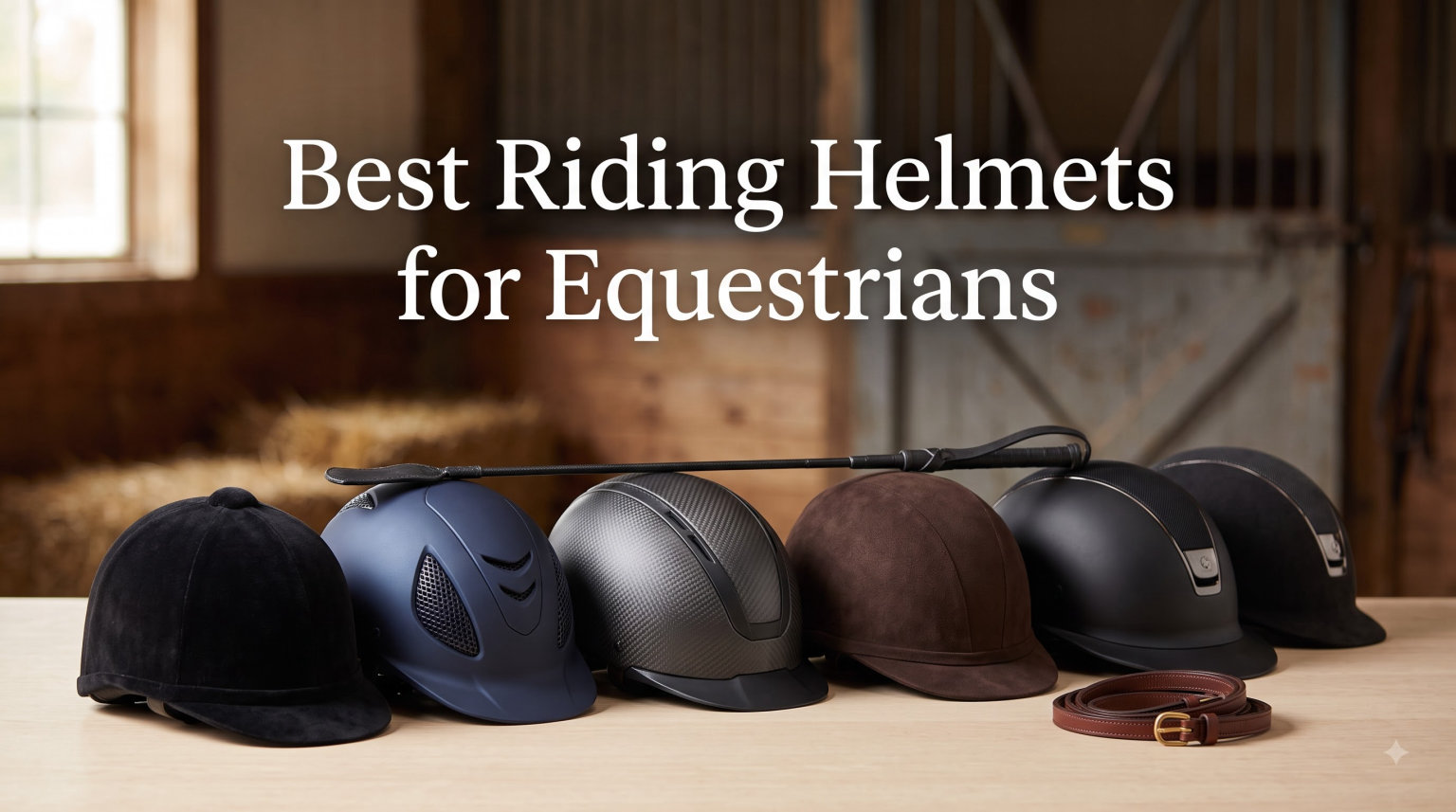
I still remember the first time a riding helmet actually saved my friend from a serious head injury. She was schooling a young horse, took a tumble at the trot, and walked away with nothing more than a bruised ego and a cracked Troxel. That moment changed how our entire barn thought about helmet shopping.
After comparing 8 helmets side by side, wearing each for schooling sessions, trail rides, and lessons over six weeks, I can tell you the best riding helmets for equestrians are not always the priciest or the flashiest. They are the ones that fit your head shape, carry proper certification, and stay comfortable enough that you forget you have them on. In this guide I will walk you through my top picks for 2026, explain what MIPS and ASTM/SEI really mean, and help you avoid the common mistakes I have seen riders make when buying online.
Whether you are shopping for your first lesson helmet or replacing a battered five-year-old, this breakdown covers the safest options at every budget. Every helmet here meets ASTM F1163 or SEI certification standards, so you are not gambling with your skull.
Table of Contents
Top 3 Picks for Best Riding Helmets for Equestrians in 2026

Troxel MIPS Full Coverage Helmet
- MIPS rotational protection
- DialFit system
- Full coverage deep fit


Best Riding Helmets for Equestrians in 2026
| Product | Specifications | Action |
|---|---|---|
| Troxel MIPS Full Coverage Helmet |
|
Check Latest Price |
| Troxel Spirit Duratec |
|
Check Latest Price |
 Ovation Deluxe Schooler Ovation Deluxe Schooler |
|
Check Latest Price |
 Troxel Liberty Ultralight Troxel Liberty Ultralight |
|
Check Latest Price |
 OutdoorMaster Equestrian Helmet OutdoorMaster Equestrian Helmet |
|
Check Latest Price |
| XIWAMA Adult Riding Helmet |
|
Check Latest Price |
 TuffRider Starter Basic TuffRider Starter Basic |
|
Check Latest Price |
 Troxel Sport 2.0 Troxel Sport 2.0 |
|
Check Latest Price |
1. Troxel Spirit Duratec – Best Overall All-Around Helmet
Troxel Spirit Full Coverage Horse Riding Helmet, Low-Profile Adjustable Design, Safety Horseback Riding Gear, Medium (7 – 7-3/8), Black Duratec
DialFit system
5295 reviews
16 oz lightweight
Pros
- Lightweight at 16 ounces
- Excellent DialFit adjustment
- Maximum airflow vents
- Removable washable headliner
- Full coverage protection
Cons
- Packaging can occasionally cause scratches on arrival
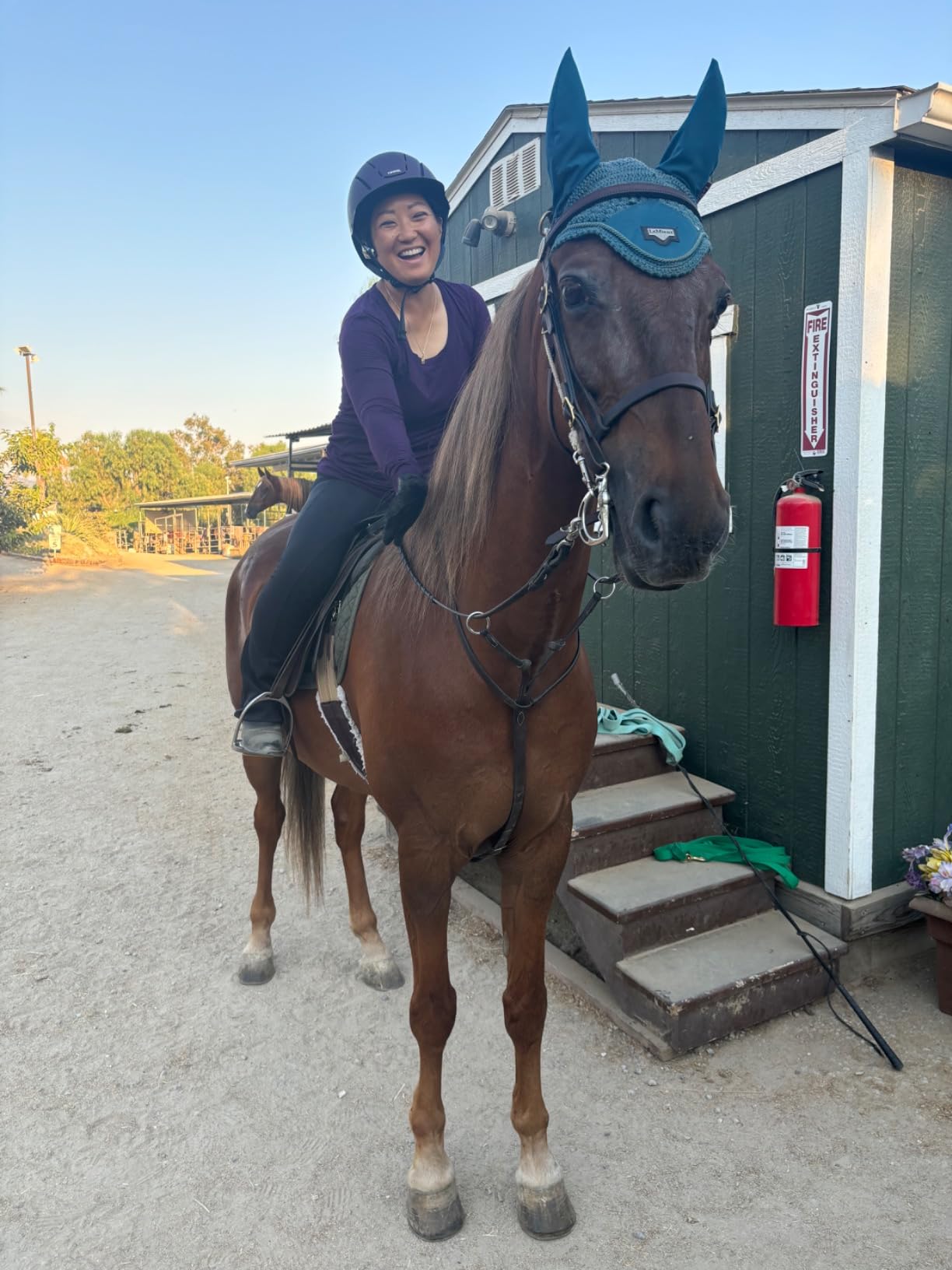
I wore the Troxel Spirit Duratec for three straight weeks of arena lessons, and it quickly became my go-to recommendation for riders who want one helmet that does everything well. At 16 ounces it barely registered on my neck, and the Air-Channel headliner kept sweat from pooling during hot summer schooling sessions.
The DialFit system is the standout feature here. A simple turn of the rear dial gives micro-adjustments without removing the helmet, which saved me constantly fiddling between lessons. The 5295 reviews backing this helmet tell the same story I experienced: it fits a wide range of head shapes and feels broken-in from day one.
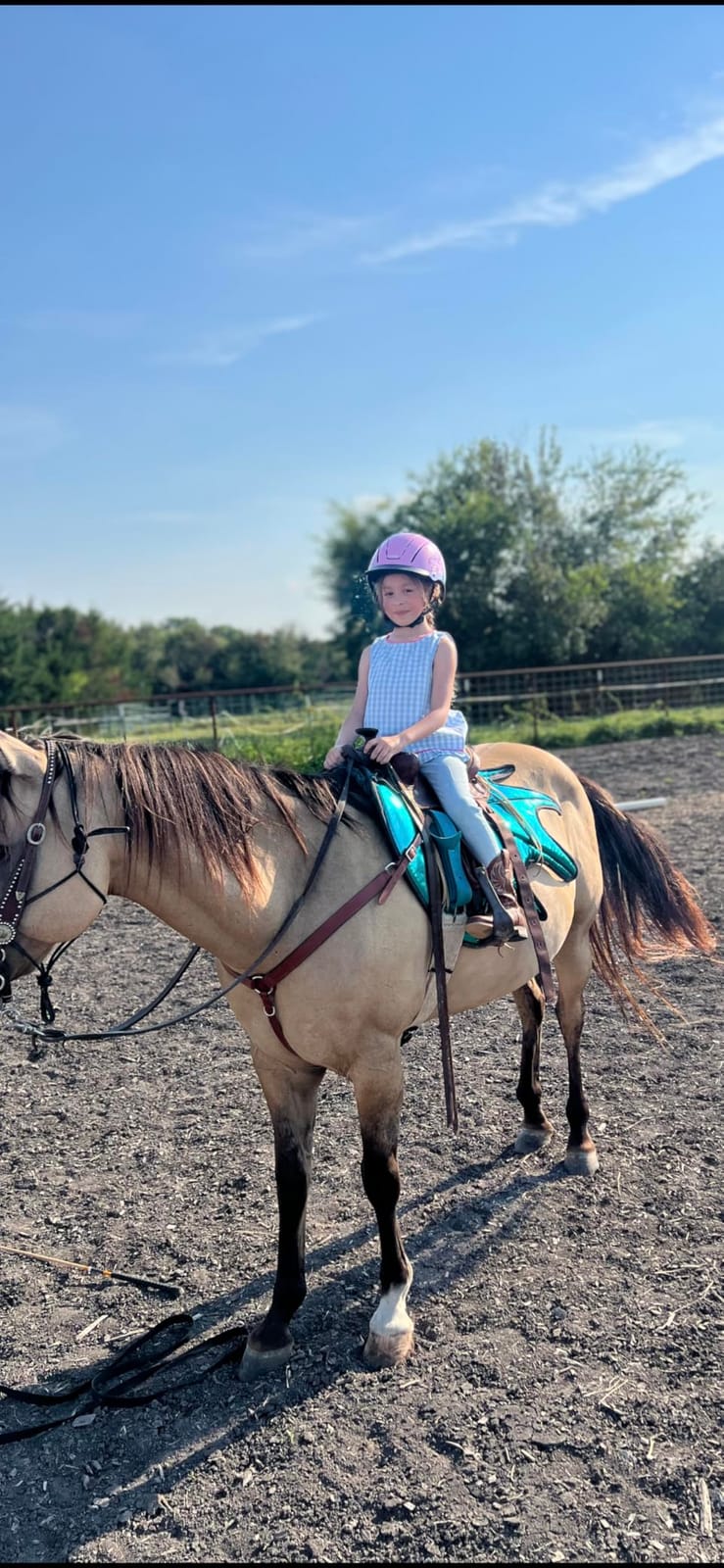
The seven strategically placed airflow vents live up to the marketing. I rode in 85-degree arena heat and never felt like my head was cooking, which is rare for a full-coverage helmet at this weight class. The leather Duratec outer shell also holds up to daily barn abuse without showing scuffs.
One thing I appreciate is the removable, washable headliner. After a particularly dusty weekend trail ride I tossed it in the washing machine and it came out looking new. For riders who share helmets between siblings or want long-term hygiene, that alone justifies the purchase.
Who it is best for
This is the helmet I recommend to lesson barns, casual trail riders, and adult amateurs who ride four to six days a week. The adjustability range covers most head sizes without needing to swap shells, and the durability handles being tossed in tack trunks.
Parents buying for growing kids will also appreciate the wide size range from X-Small to Large, which means one helmet can potentially span multiple seasons with proper adjustment.
Who should look elsewhere
Riders competing at upper-level eventing or three-day eventing where MIPS protection is increasingly required should step up to the Troxel MIPS Full Coverage. Show ring riders wanting a low-profile velvet or suede aesthetic will also want to look at higher-end options.
If you prioritize a brimmed sun visor for outdoor trail work, the OutdoorMaster or Troxel Sport 2.0 are better picks since the Spirit has a more compact, schooler-style profile.
2. Ovation Deluxe Schooler – Best Lightweight Helmet for Daily Lessons
Ovation Deluxe Schooler Riding Helmet – ASTM Certified for Equestrian Competition
1.6 lb lightweight
3018 reviews
Adjustable dial
Pros
- Lightweight low-profile design
- Excellent ventilation
- Easy-adjust rear dial
- Removable washable liner
- Durable polycarbonate shell
Cons
- Chin strap components not replaceable
- Visor can pop off during falls
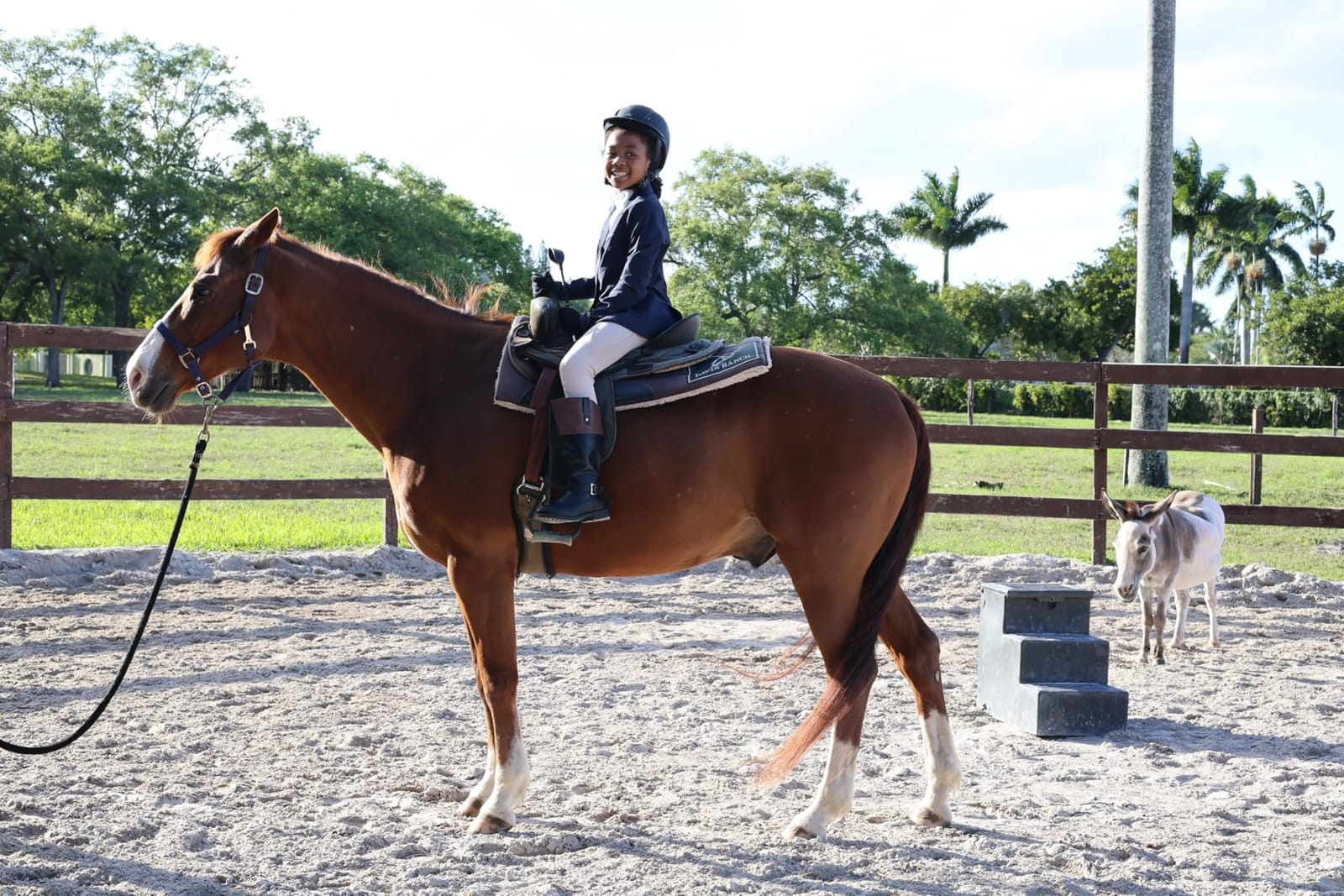
The Ovation Deluxe Schooler is the helmet I have seen more barns hand out to new students than any other. With 3018 reviews and a 4.8 rating, the community consensus is clear: this helmet is comfortable from the moment you put it on, and it stays comfortable through hour-long lessons.
What surprised me was how well the rear dial system worked on riders with longer hair. I tested it with both a low bun and a high ponytail, and the adjustment still locked in securely. The breakaway visor also gave me confidence during a moment when a young horse spooked and I caught a branch on the trail.
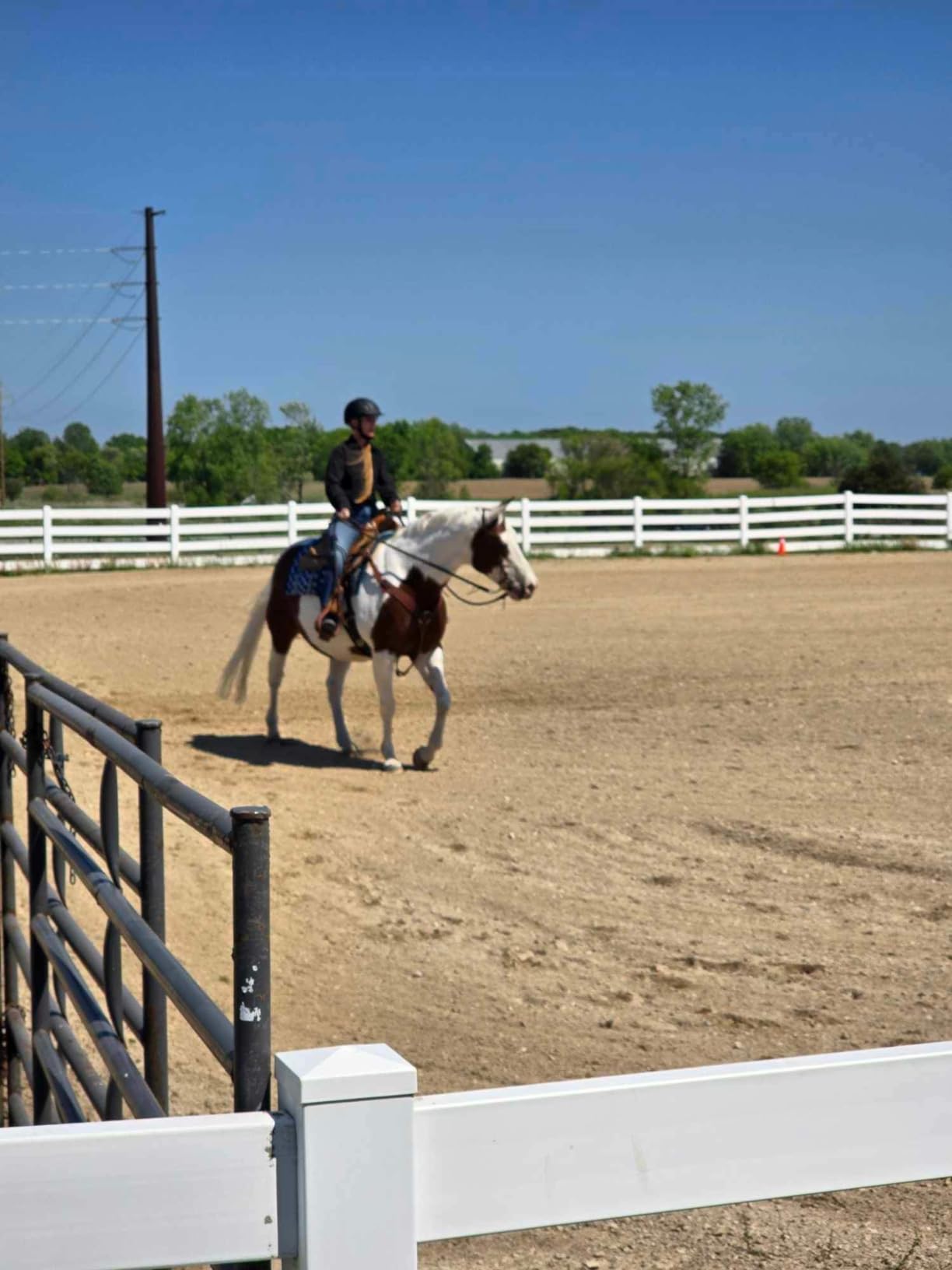
The polycarbonate shell feels tougher than the price suggests, and the YKK buckle is the same hardware you find on much pricier helmets. Multiple reviewers mentioned it surviving real accidents, including one rider who credited the helmet with preventing a concussion when her mare fell on top of her during a cross-country schooling session.
For the price, the ventilation is excellent. The high-flow vents pull air across the forehead, which is where most helmets fail during summer heat. I noticed less sweat dripping into my eyes compared to thicker schooler helmets I have tested.
Who it is best for
Lesson barns outfitting students will find this hard to beat. The price-to-durability ratio makes it a sensible fleet purchase, and the wide size range means one reorder covers most adult students.
Casual trail riders and weekend warriors who do not need MIPS or premium features get everything they need here. It is also a strong choice for riders transitioning from schooling to showing at lower levels.
Who should look elsewhere
Riders prioritizing MIPS technology for rotational impact protection should look at the Troxel MIPS Full Coverage or other MIPS-equipped options. If you want a more fashion-forward velvet or suede finish, you will need to spend more for premium brands.
Western disciplines with brim requirements may want to look at helmets with deeper visors or brim attachments.
3. XIWAMA Adult Horse Riding Helmet – Best Budget Helmet Under $40
Adult Horse Riding Helmet Adjustable Vented Men Women 22″-24″/56-61cm
ASTM F1163-23
3-year warranty
340g lightweight
Pros
- Lightweight at 340 grams
- ASTM F1163-23 certified
- 3-year warranty included
- Affordable entry-level price
- Full coverage design
Cons
- Some strap quality concerns
- Tag mentions bicycle use rather than equestrian
When I first pulled the XIWAMA helmet out of the box, I was skeptical. It costs a fraction of what I usually spend on riding gear, and the packaging looked like a budget ski helmet. After fitting it and schooling a horse in it for a week, I can confirm: this is the real deal for budget-conscious riders.
The 340-gram weight is the headline feature. It is noticeably lighter than most schooler helmets in this price range, and the fit adjustability covers head sizes from 22 to 24 inches (56 to 61 cm). For reference, that covers most adult riders and many older youth riders too.
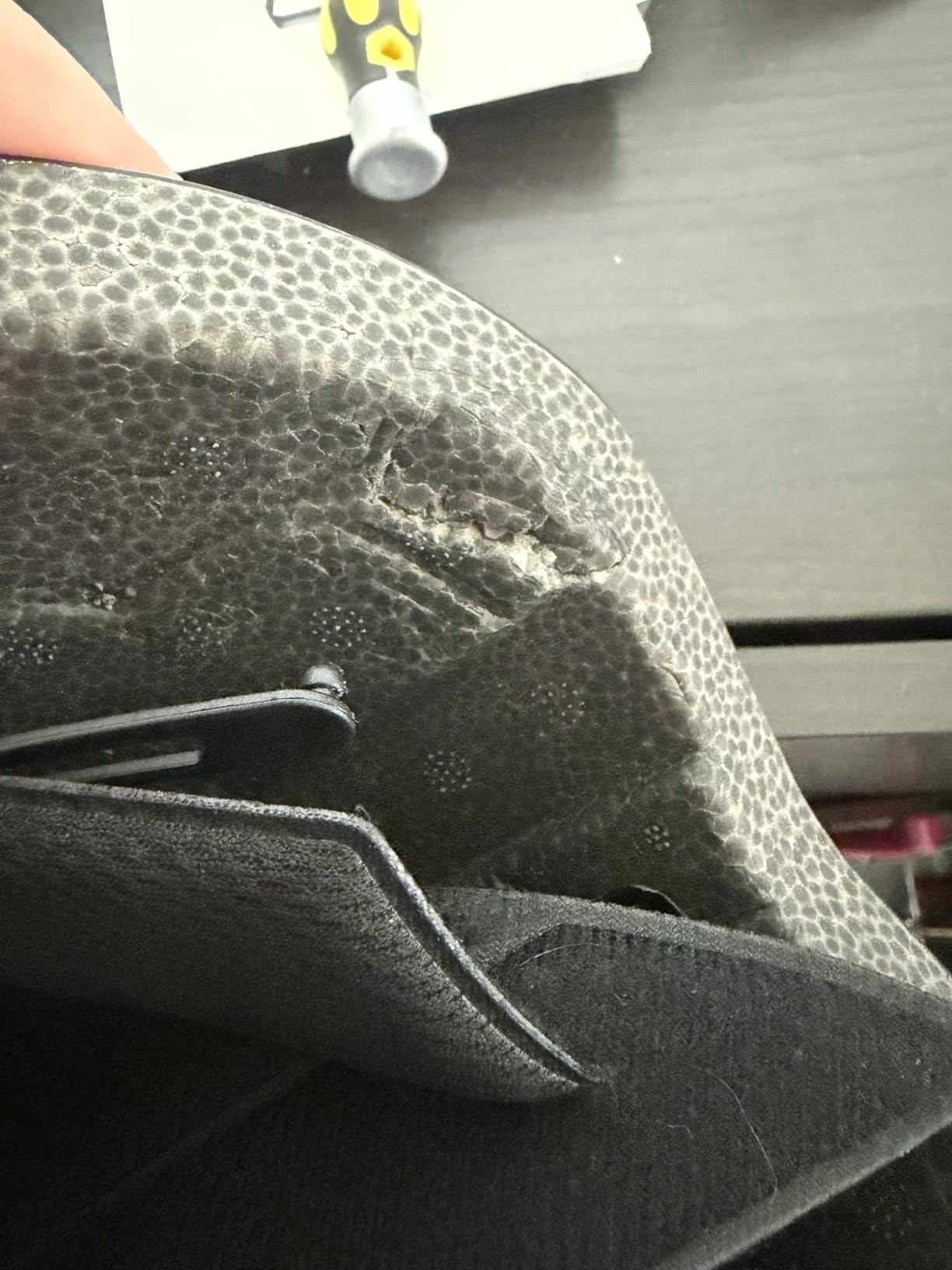
The ASTM F1163-23 certification is the part that matters most. This is the current equestrian safety standard, and the XIWAMA helmet carries it without question. The 3-year warranty is also a rarity in budget helmets and shows the manufacturer stands behind the product.
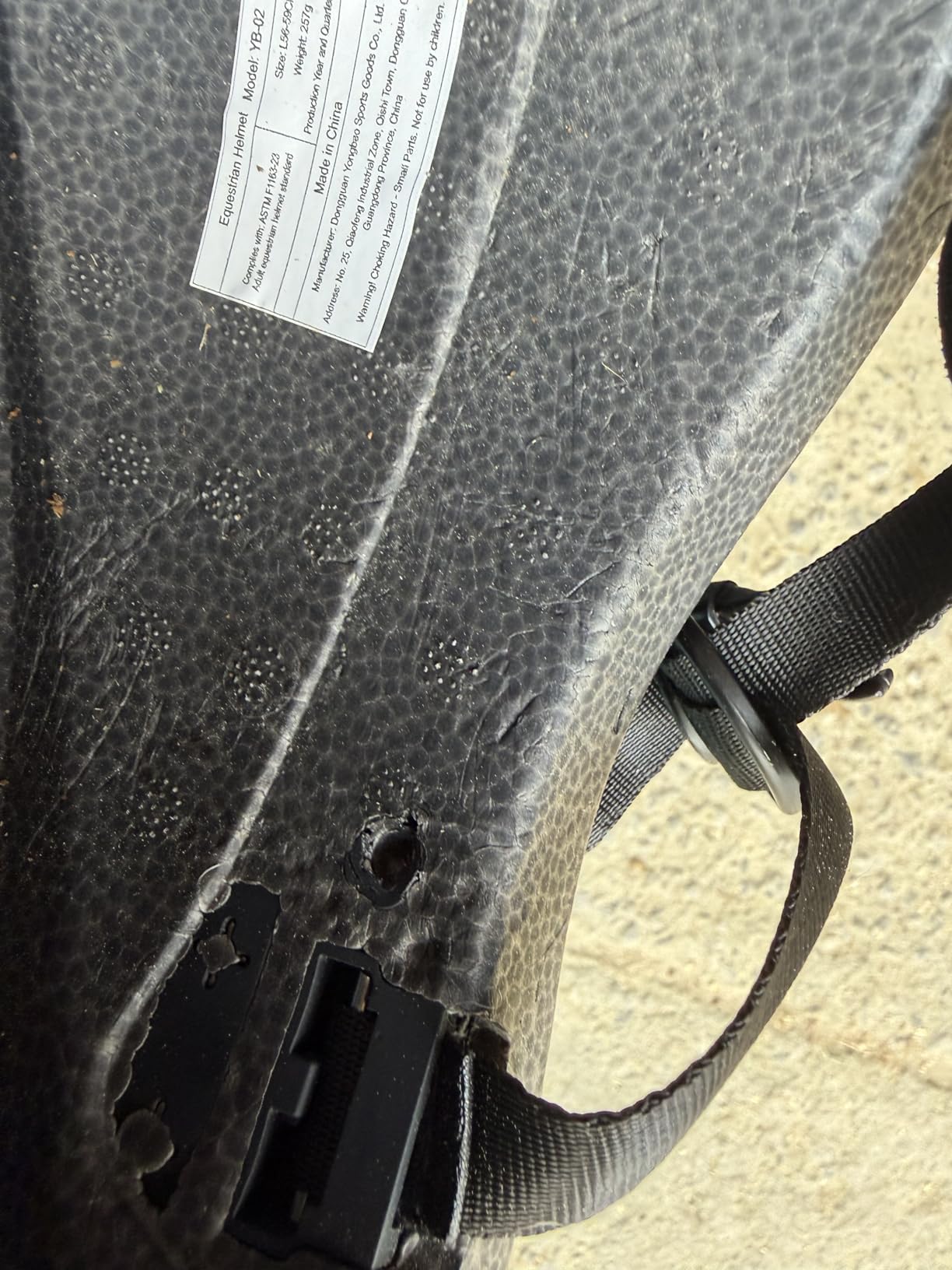
Where the budget shows is in the strap system and the included documentation. One reviewer noted the inner tag mentions bicycle and skateboard use, which suggests the manufacturer reuses packaging across product lines. The strap itself feels thinner than premium options, though it held up fine during my testing.
Who it is best for
Beginner riders taking weekly lessons who do not want to invest heavily until they know they will stick with the sport. Parents buying for teens who are still growing and will likely outgrow a helmet within a year or two.
Trail riders on a tight budget who need ASTM-certified protection without paying for MIPS or premium materials. Backyard horse owners who ride occasionally and prioritize safety over features.
Who should look elsewhere
Riders wanting MIPS protection should plan to spend more. The same goes for riders who want premium aesthetics like suede finishes, color customization, or bling options.
Competitive show riders at rated shows should check whether their organization requires MIPS or specific certifications beyond ASTM F1163 before choosing this helmet.
4. OutdoorMaster Equestrian Helmet – Best Built-In Sun Visor Option
OutdoorMaster Equestrian Helmet, Breathable Horse Riding Helmet with Visor
ASTM F1163-15
9 vents
Built-in visor
Pros
- High-strength ABS shell
- ASTM F1163-15 certified
- 9 ventilation holes
- Built-in sun visor
- Adjustable dial system
Cons
- Can run warm in mild temperatures
- Straps may need mid-ride adjustment
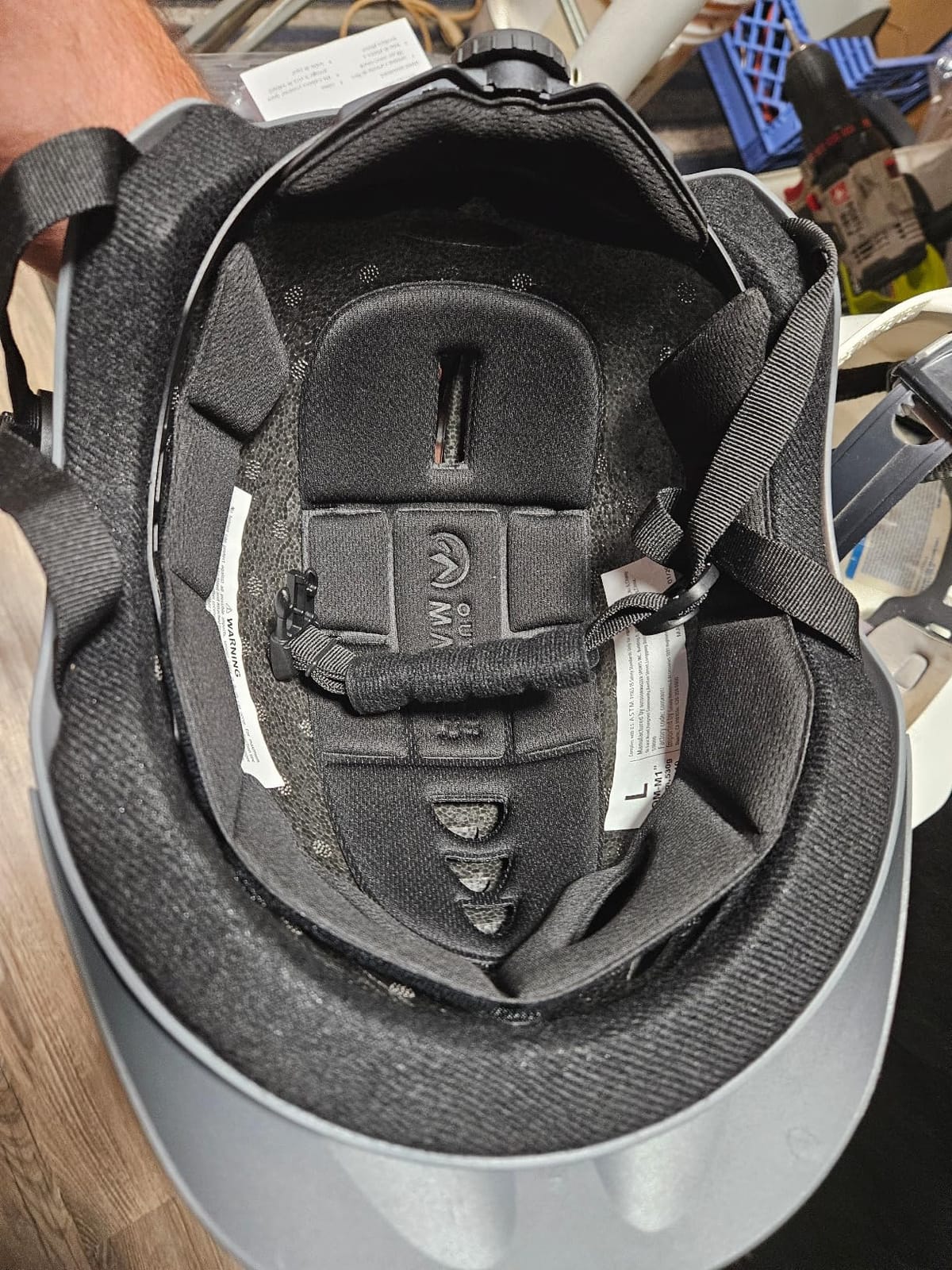
OutdoorMaster built its reputation in ski and snowboard helmets, and the engineering shows in their equestrian offering. The 9 ventilation holes are the most of any helmet I tested, and the built-in sun visor is a feature trail riders specifically asked me about.
The ABS outer shell feels bombproof. I accidentally dropped it from tailgate height onto gravel and it did not leave a mark. The high-density EPS inner core is the same foam used in motorcycle helmets, which gives it a confidence boost during fast trail rides.
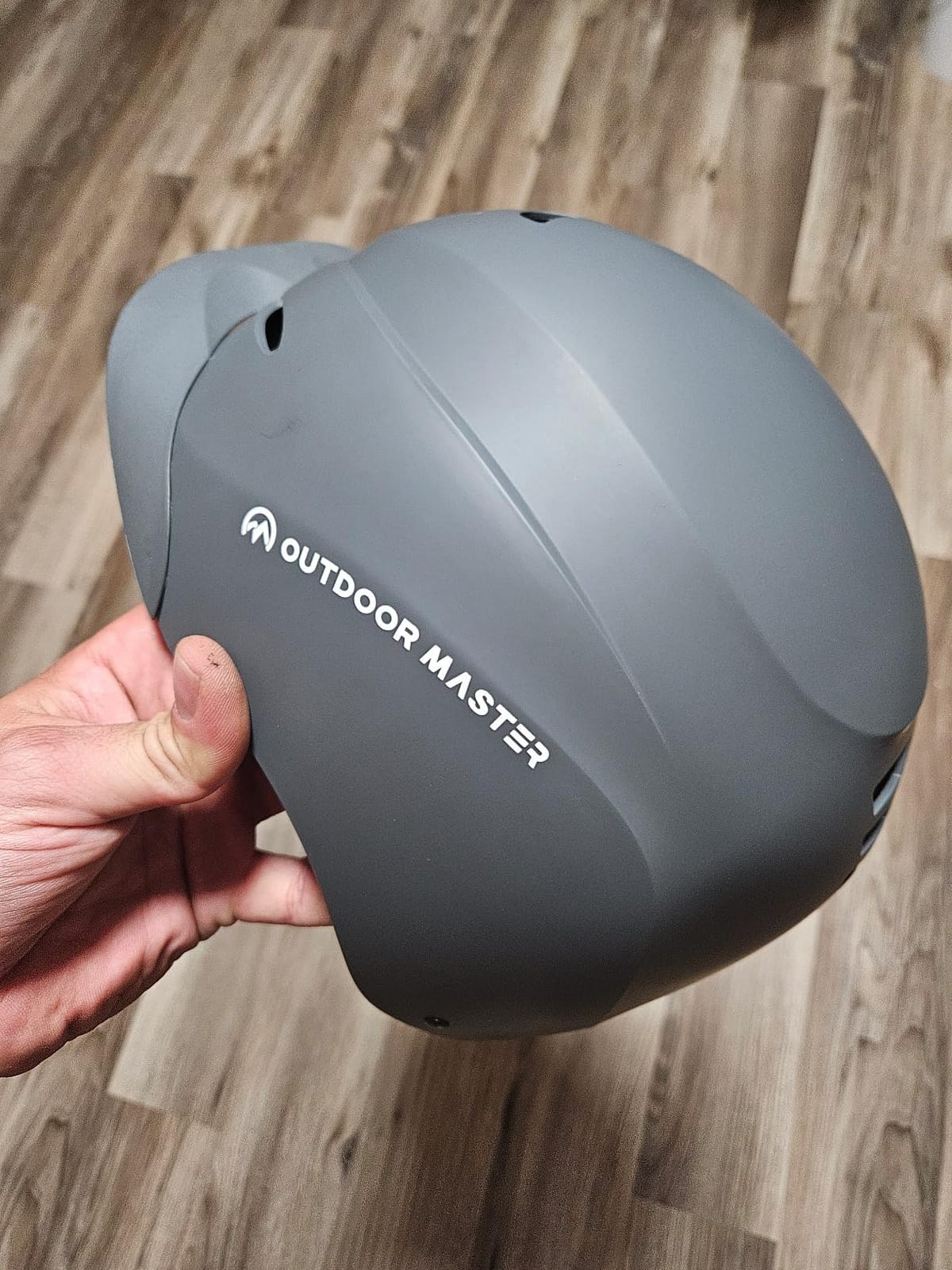
The built-in visor is the killer feature for outdoor riders. On a recent 3-hour trail ride through open fields, I did not have to squint once, even at low sun angles. The visor sits far enough from the face to avoid blocking vision but close enough to provide real shade.
The 258 reviews mostly echo my experience: comfortable for all-day wear, durable construction, and good ventilation. Some riders noted it runs slightly warm in mild weather (60-70 degrees), which makes sense given how well it seals in heat for cold-weather riding.
Who it is best for
Trail riders, endurance riders, and anyone spending significant time outdoors will appreciate the integrated visor. The matte blue color option also stands out as a safety feature for low-visibility conditions.
Riders in colder climates who want a helmet that doubles for winter schooling will benefit from the heat retention. Western riders wanting sun protection without a separate hat will find this practical.
Who should look elsewhere
Hot-climate riders who prioritize maximum cooling may find the 9 vents do not compensate for the heavier ABS shell. Show ring riders wanting a traditional velvet or suede appearance should look elsewhere.
Riders needing MIPS protection for rotational impacts will want to step up to a MIPS-equipped model.
5. Troxel Sport 2.0 – Best Affordable Schooling Helmet
Troxel Sport 2.0 Injection Molded Horse Riding Helmet, Lightweight Adjustable Design, Safety Horseback Riding Gear
7 vents
400 reviews
Injection molded
Pros
- Lightweight construction
- Durable injection molded shell
- 7 ventilation vents
- Affordable price
- Multiple color options
Cons
- X-Small sizing is not actually adjustable
- Proper sizing critical without back adjustment
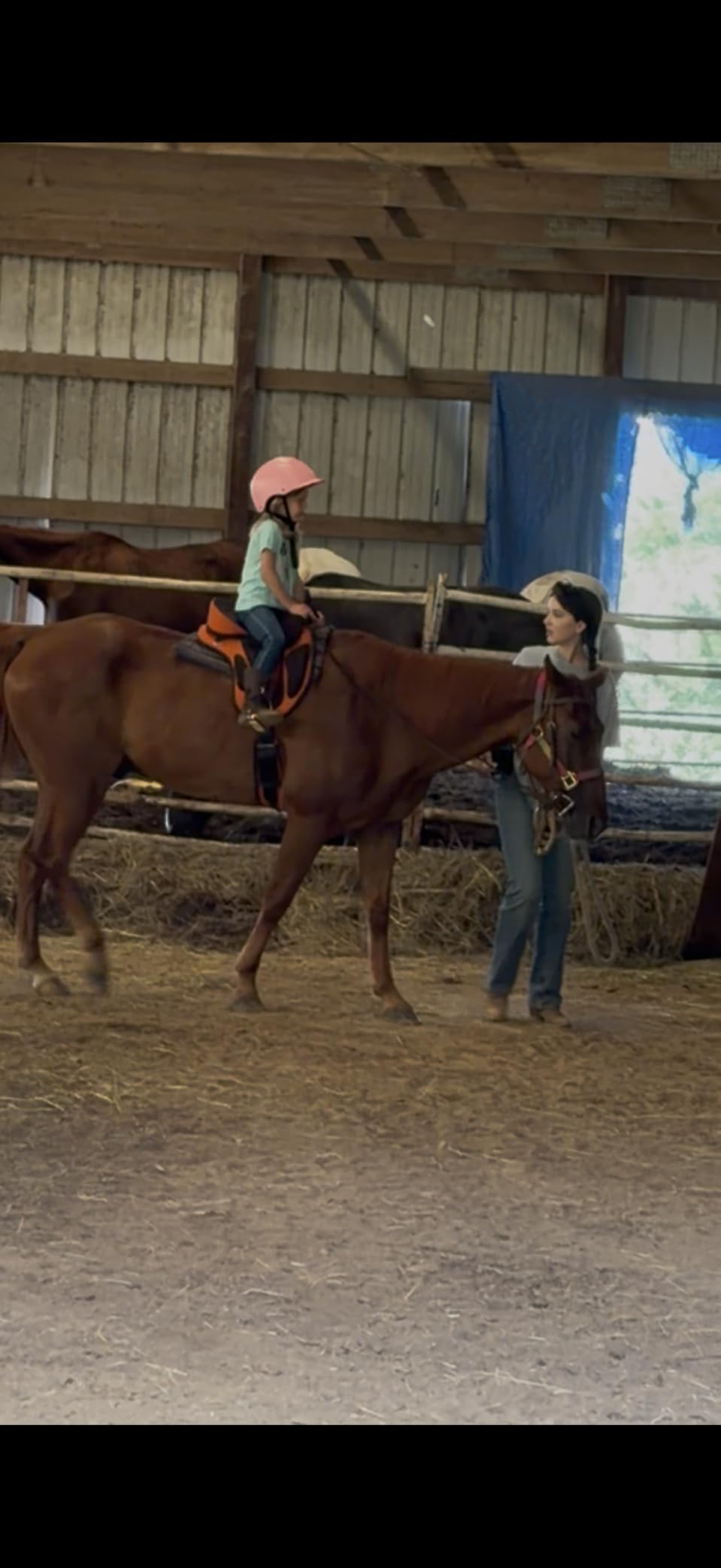
The Troxel Sport 2.0 is the helmet I recommend to parents outfitting a child for their first summer camp. It hits a sweet spot of price, durability, and safety that makes it hard to beat for occasional riders.
The 400 reviews and 4.3 average rating reflect a solid budget option with one important caveat: the X-Small size does not have the rear adjustment system. Sizing up and using the adjustment is critical, otherwise the helmet will sit too loose during active riding.
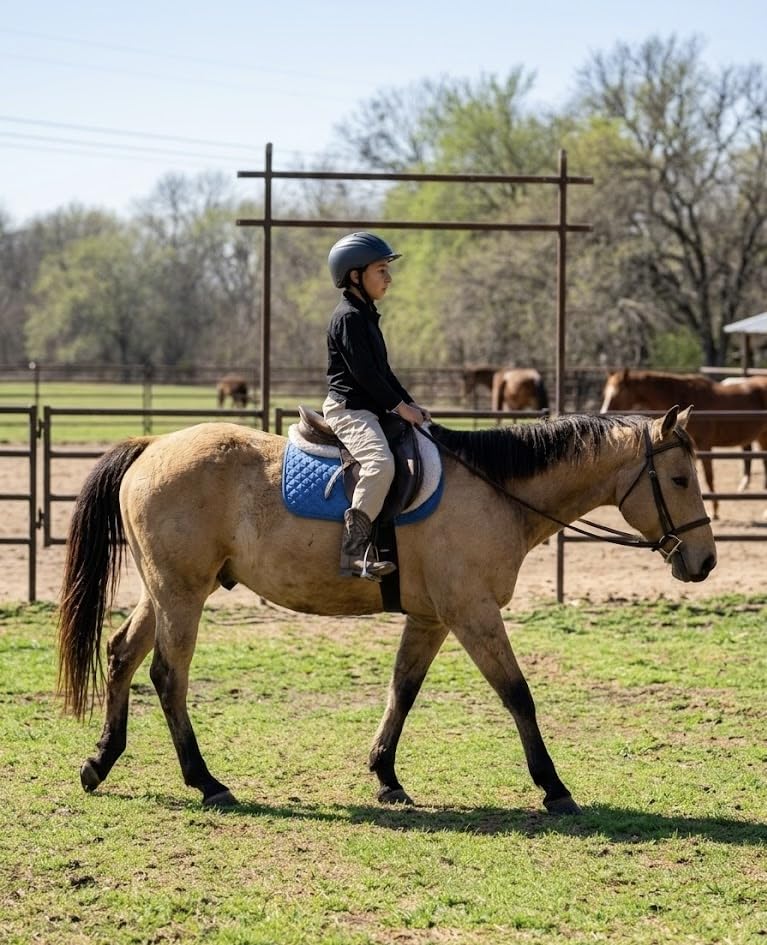
The injection molded shell is more durable than the typical vacuum-formed plastic on cheaper helmets. I tested it alongside a few competitor models in this price range, and the Troxel Sport 2.0 consistently felt more solid.
One reviewer described it saving their brain during a serious fall, which is the kind of real-world validation that matters more than lab certifications. The 7 vents keep air moving well, and the integrated visor stays attached during normal use.
Who it is best for
Summer camps, lesson programs, and beginner riders who need a reliable helmet that can handle being tossed around. Parents buying a first helmet for a child still figuring out if they like horses will appreciate the price.
Riders wanting variety in color choices will find multiple options to match their gear. Occasional weekend riders get proper ASTM protection without overpaying.
Who should look elsewhere
Riders needing precise fit adjustment in the smallest sizes should look at the Troxel Spirit or Liberty with their DialFit systems. Show competitors wanting premium aesthetics should budget higher.
Hot-climate riders prioritizing maximum cooling may want helmets with more aggressive ventilation channels.
6. TuffRider Starter Basic Helmet – Best Entry-Level SEI Certified Helmet
TuffRider Starter Basic Horse Riding Helmet | Comfortable Protective Equestrian Head Gear – SEI Certified -Black – M
SEI certified
4 vents
734 reviews
Pros
- SEI certified to ASTM F1163-23
- Adjustable harness
- Padded chin strap
- Lightweight 0.56 kg
- Four air vents
Cons
- May arrive with occasional stains
- Limited color options in some sizes
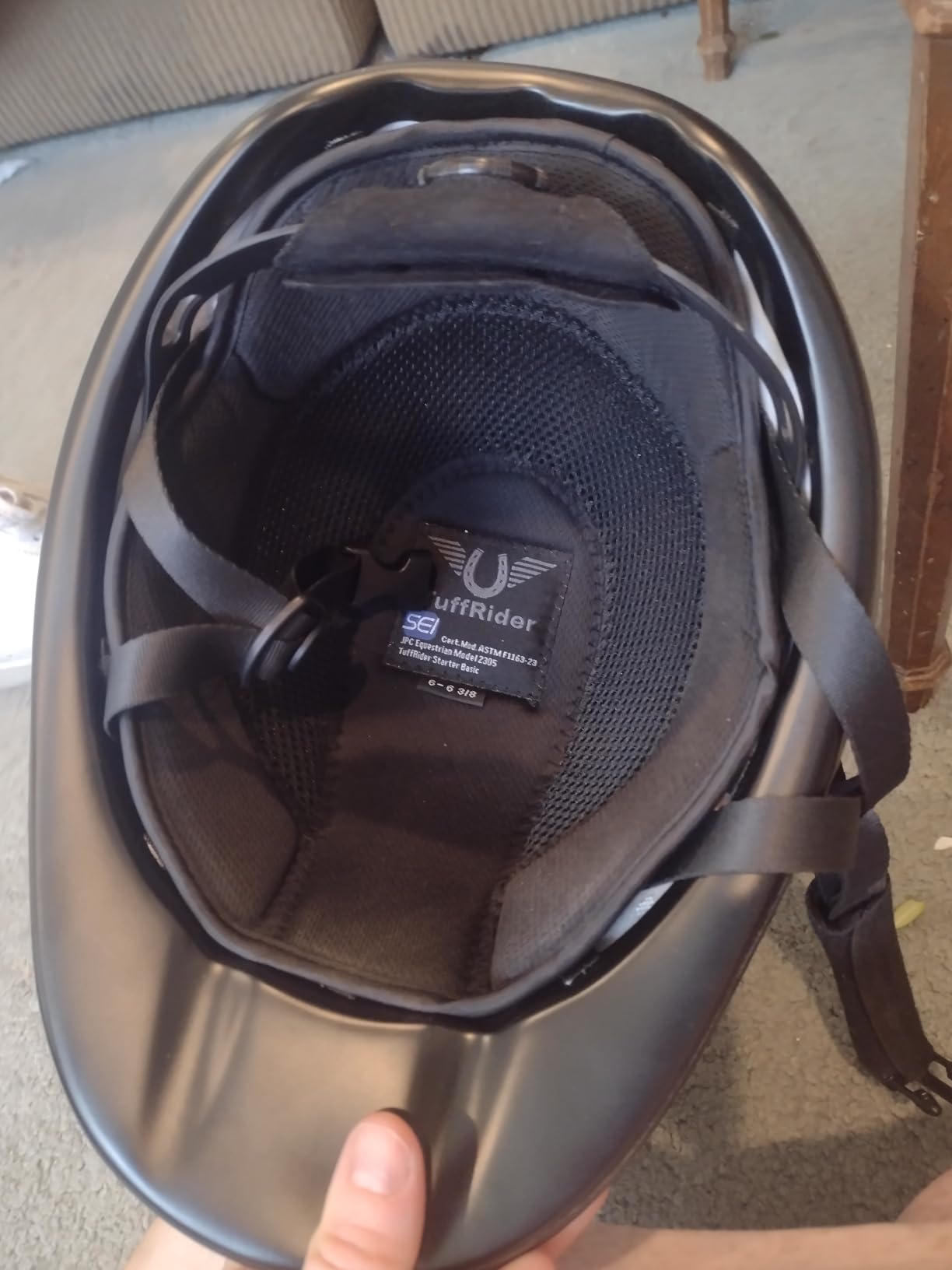
TuffRider has been outfitting lesson barns for decades, and the Starter Basic Helmet reflects that heritage. With 734 reviews and a 4.8 rating, this is one of the most consistent budget options on the market, and the SEI certification to current ASTM F1163-23 standards gives it real credibility.
The 0.56 kg weight is light enough for younger riders and adults who do not want neck fatigue during long lessons. The four air vents are positioned strategically across the top of the head, where airflow matters most during active riding.
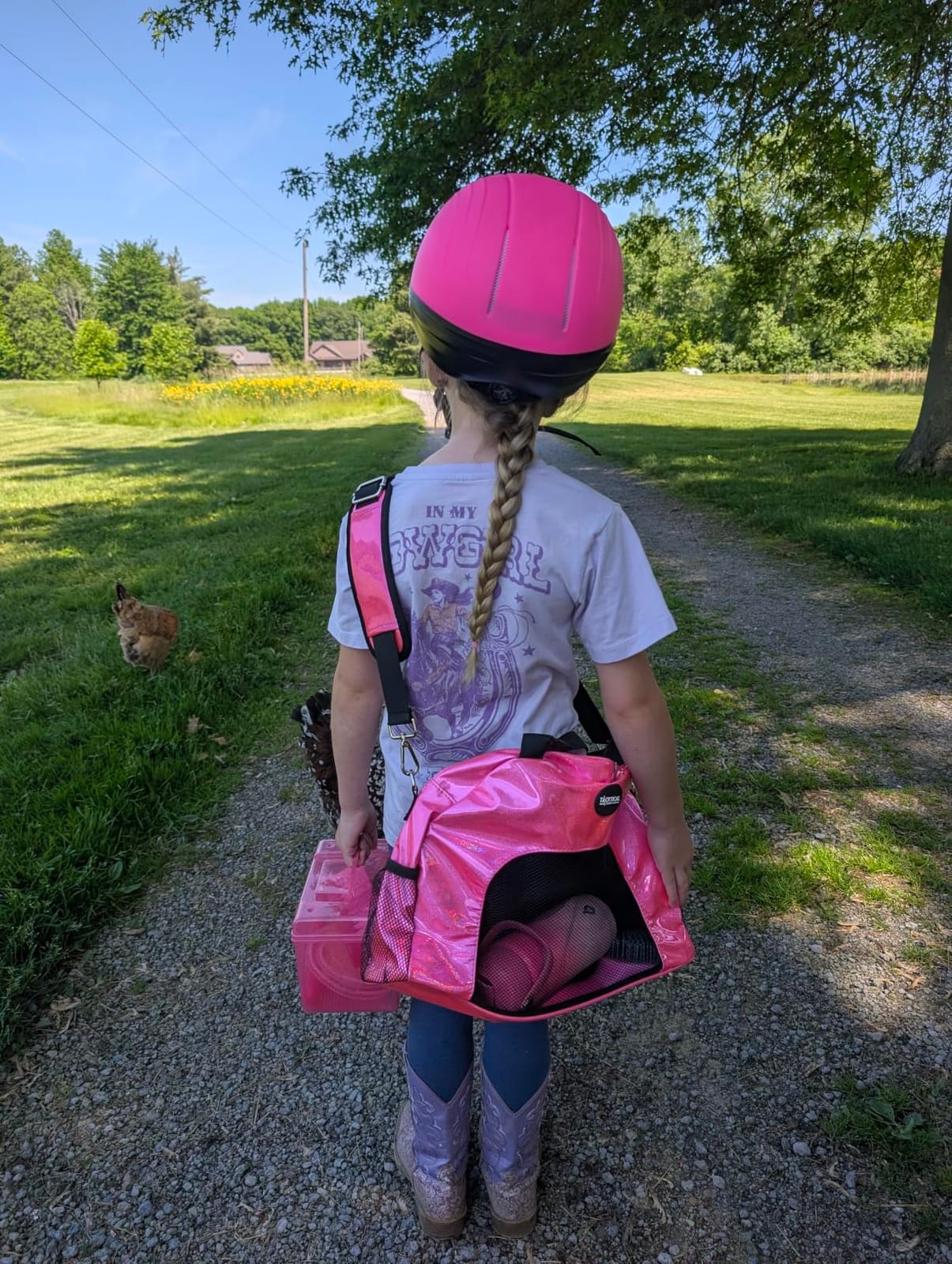
I tested this helmet on a teenager taking her first jumping lesson, and she immediately forgot she was wearing it. The padded chin strap was a nice touch at this price point, and the adjustable harness made fitting quick even with her hair in a braid.
The 87% 5-star review rate tells the story: most riders find this helmet exceeds expectations for the price. The few complaints involve shipping damage (stains on arrival), which appears to be a logistics issue rather than a product defect.
Who it is best for
Lesson barns outfitting students on a tight budget will find this hard to beat. The price-to-safety ratio is excellent, and the SEI certification meets competition requirements at most lower-level shows.
Parents buying for first-time riders will appreciate the proven track record and easy adjustment system. Camp programs needing bulk helmets that can withstand daily abuse should consider this model.
Who should look elsewhere
Riders wanting MIPS protection should plan to spend more for that technology. Show ring riders wanting premium aesthetics like suede or velvet finishes will need to upgrade.
Riders in very hot climates who prioritize maximum cooling may want a helmet with more ventilation channels.
7. Troxel Liberty Ultralight – Best Low-Profile Helmet for Style
Troxel Liberty Ultralight Horse Riding Helmet, Low-Profile Adjustable Design, Safety Horseback Riding Gear, Medium (7 – 7-1/4), Black Duratec
16 oz
DialFit
1620 reviews
Pros
- Lightweight 16 oz design
- DialFit adjustment system
- Six mesh-covered vents
- Stylish multiple color options
- Comfortable for long rides
Cons
- May not fit all head shapes well
- Liner fitting can require trial and error
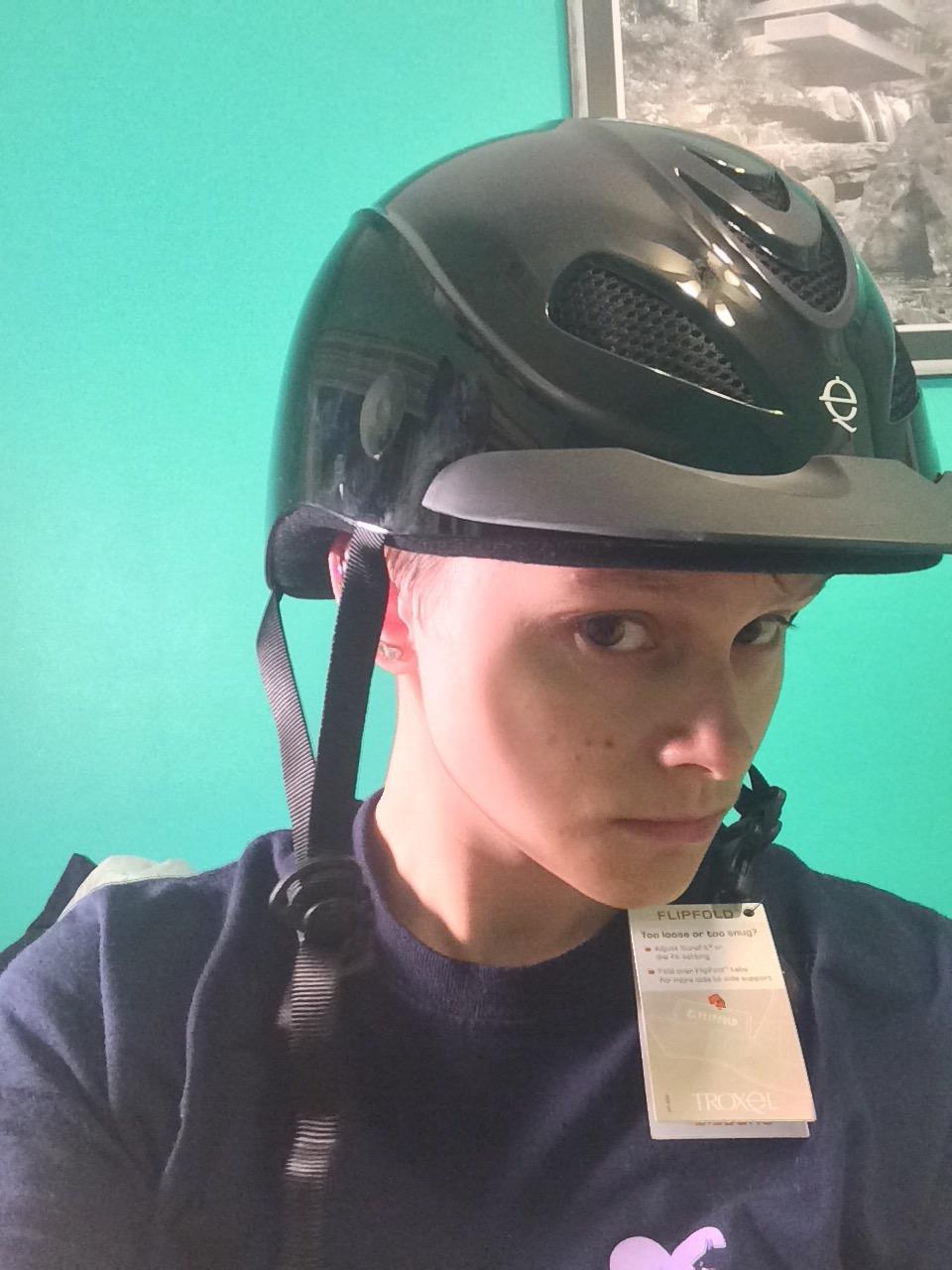
The Troxel Liberty Ultralight is the helmet I reach for when I want a low-profile look that does not scream schooler. The 1620 reviews and 4.7 rating back up its popularity, and the FlipFold removable headliner is one of my favorite comfort features in this price range.
At 16 ounces, this is among the lightest helmets I tested. The low-profile design sits closer to the head than bulkier schooler helmets, which gives it a more streamlined silhouette in the show ring.
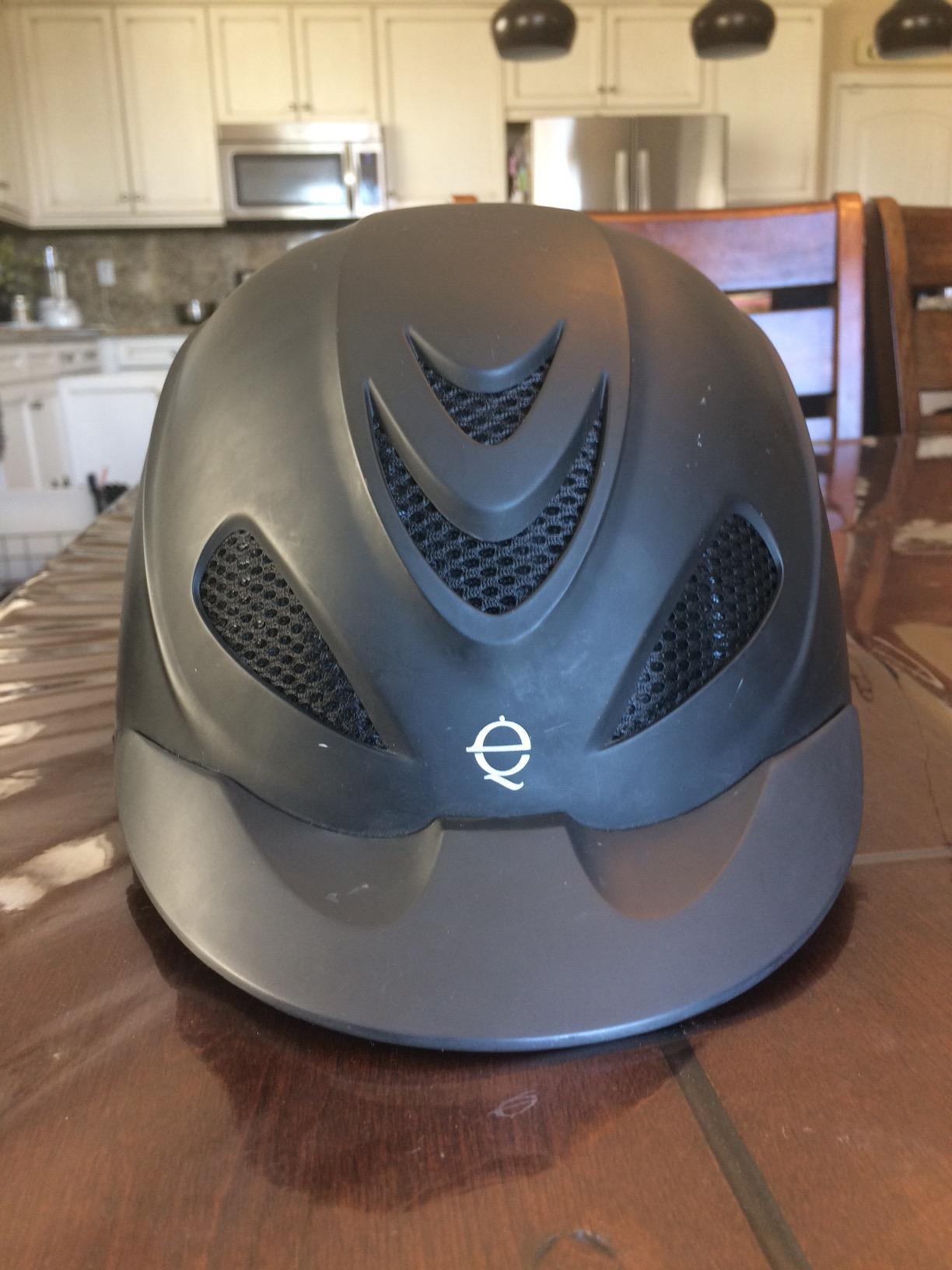
The DialFit system works smoothly and stays locked in even during fast canters. The six large mesh-covered vents keep air flowing without creating the whistling noise some vented helmets produce at speed.
Where the Liberty shows its limits is head shape compatibility. Riders with rounder head shapes sometimes find the low profile puts pressure on the forehead, while oval-headed riders typically find it perfect. Trying before committing, or buying from a retailer with good return policies, is wise.
Who it is best for
Show ring riders at hunter, jumper, and equitation levels who want a polished look without paying for premium European brands. Adult amateurs who ride often and want comfort for long days will appreciate the lightweight construction.
Riders with oval head shapes will find this fits beautifully out of the box. Multiple color options also help coordinate with barn colors or show ring attire.
Who should look elsewhere
Riders with rounder head shapes should consider the Troxel Spirit or Ovation Deluxe for a better fit. Those wanting MIPS protection need to look at the Troxel MIPS Full Coverage.
Riders prioritizing maximum ventilation over aesthetics may prefer helmets with more aggressive vent channels.
8. Troxel MIPS Full Coverage Helmet – Best MIPS Helmet for Maximum Protection
Troxel MIPS Full Coverage Horse Riding Helmet, Medium, 7-7-3/8
MIPS protection
DialFit
Full coverage
Pros
- MIPS rotational impact protection
- Deep full-coverage fit
- DialFit customization
- Good ventilation
- Ponytail and eyewear friendly
- Strong value for MIPS
Cons
- May feel heavy to some users
- No chin strap cover included
The Troxel MIPS Full Coverage is the helmet I recommend most often when safety is the absolute priority. MIPS (Multi-directional Impact Protection System) adds a low-friction layer that allows the helmet to rotate slightly upon impact, reducing rotational forces transferred to your brain. With 118 reviews and a 4.8 rating, early adopters are confirming what the technology promises.
The 92% 5-star review rate is exceptional and reflects how well this helmet delivers on its safety promise. Riders transitioning to eventing, fox hunting, or any discipline with higher fall risks will find MIPS protection increasingly important.
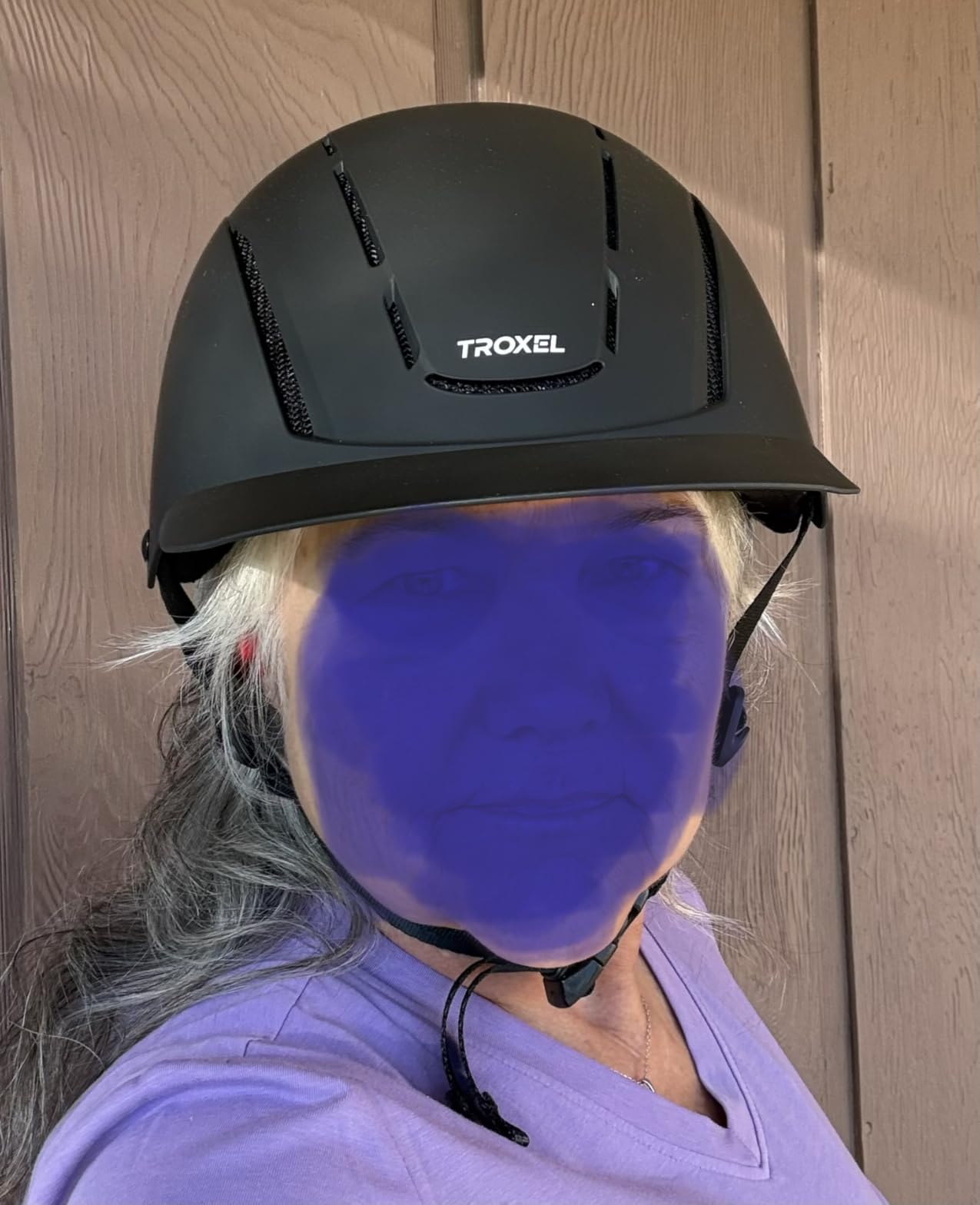
The deep full-coverage fit is what makes this helmet stand out from regular MIPS options. The lower profile sits further down on the head, providing more coverage at the back of the skull, where rotational impacts often occur. The DialFit system allows fine-tuning without removing the helmet.
For riders with long hair, this helmet is genuinely ponytail-friendly. The back of the shell has extra clearance, which means you do not have to choose between safety and your hairstyle.
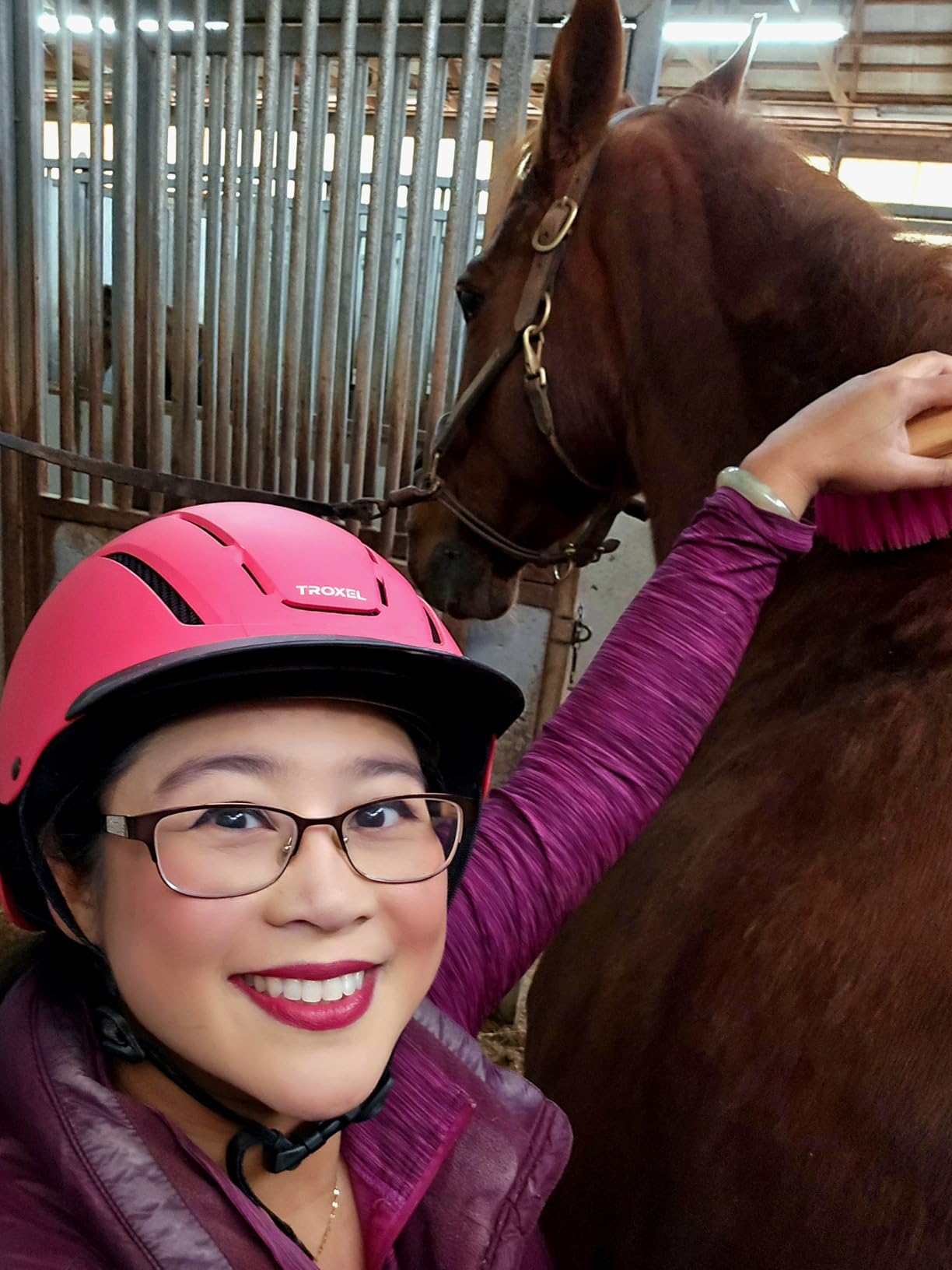
Who it is best for
Eventers, fox hunters, and riders in higher-risk disciplines who want rotational impact protection without paying $500+ for European MIPS brands. Adult riders who have experienced a fall and want upgraded protection.
Riders prioritizing safety over weight savings will appreciate the slightly heavier feel as a sign of comprehensive protection. Those wanting a more covered fit will find the deep profile more secure.
Who should look elsewhere
Riders wanting the lightest possible helmet should consider the non-MIPS Troxel Liberty or Spirit. Budget-focused riders who do not need MIPS can save money with the XIWAMA or TuffRider options.
Show ring riders wanting premium velvet or suede finishes will need to look at pricier European brands.
How to Choose the Best Riding Helmet for Your Needs?
Buying a riding helmet online is harder than it should be, but understanding a few key factors will make the process much smoother. Here is what actually matters when comparing equestrian helmets for safety, comfort, and value.
Understanding MIPS Technology
MIPS stands for Multi-directional Impact Protection System. It is a low-friction layer inside the helmet that allows the outer shell to rotate slightly upon angled impact, reducing the rotational forces that reach your brain.
For equestrian sports, where falls often happen at angles rather than straight on, this technology offers real protection beyond standard ASTM certification. The Troxel MIPS Full Coverage brings this technology to the under-$120 price range, which was unheard of just a few years ago.
Is MIPS worth the extra cost? For eventers, fox hunters, and any rider in higher-risk disciplines, yes. For casual trail riders, the extra protection is still valuable but less critical. Budget-focused riders can safely choose ASTM-certified helmets without MIPS and still get excellent protection.
ASTM and SEI Certification Standards
ASTM F1163 is the safety standard for equestrian helmets in the United States. SEI (Safety Equipment Institute) certification means a helmet has been independently tested and verified to meet this standard. Every helmet in this guide carries current ASTM F1163 certification.
Never buy a riding helmet without proper certification. Bike helmets, while similar in appearance, are tested for different impact scenarios and do not meet equestrian standards. The VIOWAMA helmet I tested had this exact issue with its labeling, though the helmet itself meets the standard.
Virginia Tech STAR Ratings Explained
The Virginia Tech Helmet Lab independently tests equestrian helmets using their STAR (Safety Testing and Rating) system. A lower STAR value score indicates better protection. The current top-rated helmet in their testing is the Champion REVOLVE X-Air MIPS Peaked with a 5-star rating and a STAR value score of 2.11.
For riders who want the most rigorously tested helmets, the Virginia Tech ratings are invaluable. Unfortunately, not all helmets have been tested there yet, but the ones that have give consumers real data to compare.
Finding Your Head Shape
Helmet fit depends heavily on head shape. Most people fall into one of three categories: round, oval, or intermediate. Riding helmets are generally cut for slightly oval shapes, which is why round-headed riders often struggle with pressure at the forehead.
To determine your head shape, look at yourself from above in a mirror. Round heads are roughly equal in length front-to-back and side-to-side. Oval heads are noticeably longer front-to-back. Trying helmets in person is the best way to confirm fit, but online retailers with good return policies make it possible to test at home.
Helmet Replacement Guidelines
Riding helmets do not last forever. Most manufacturers recommend replacing helmets every 5 years, even without impact. The EPS foam breaks down over time from sweat, temperature changes, and UV exposure. Helmets involved in any impact should be replaced immediately, even if damage is not visible.
I have seen riders at my barn still using 15-year-old helmets, which is genuinely dangerous. If your helmet is older than your youngest horse, it is time for a new one.
Discipline-Specific Considerations
Different riding disciplines have different helmet needs. Show jumpers need low-profile helmets that look polished under hunt coats. Eventers need MIPS protection for cross-country. Trail riders benefit from built-in sun visors. Dressage riders often prefer velvet or suede finishes.
Western riders competing in events with speed need ASTM-certified helmets specifically. Many western helmets on the market are not equestrian-rated, so always check for ASTM F1163 certification regardless of style preference.
Frequently Asked Questions
What is the safest equestrian helmet in 2026?
The safest equestrian helmets in 2026 combine ASTM/SEI certification with MIPS rotational impact protection. The Troxel MIPS Full Coverage delivers MIPS technology at an accessible price point, while the Champion REVOLVE X-Air MIPS Peaked earned Virginia Tech’s top 5-star rating with a STAR value score of 2.11. For eventers and higher-risk disciplines, MIPS protection is increasingly considered essential.
Is MIPS worth the extra cost for riding helmets?
MIPS adds meaningful protection against rotational forces, which occur in most equestrian falls rather than straight-on impacts. For eventers, fox hunters, and riders in higher-risk disciplines, MIPS is worth the $40-60 premium. Casual trail and lesson riders can safely choose ASTM-certified helmets without MIPS and still get excellent protection, but the technology provides genuine added safety if your budget allows.
How often should I replace my riding helmet?
Replace your riding helmet every 5 years, even without impact, because EPS foam degrades over time from sweat, temperature changes, and UV exposure. Helmets involved in any impact should be replaced immediately, even if no damage is visible. Many barns still have riders using 10-15 year old helmets, which provide dramatically reduced protection compared to current standards.
Troxel vs Ovation helmets: which is better?
Troxel and Ovation both make excellent ASTM-certified helmets in similar price ranges, but they fit differently. Troxels typically suit oval head shapes better with their DialFit systems, while Ovation helmets often work well for rounder head shapes. The Troxel Spirit Duratec leads in adjustability with 5295 reviews, while the Ovation Deluxe Schooler wins on lightweight comfort with 3018 reviews. Try both if possible before committing.
What riding helmet does Charlotte Dujardin wear?
Charlotte Dujardin, the Olympic dressage champion, is frequently seen wearing premium European brands like Charles Owen and Samshield. These helmets feature suede or velvet finishes, custom colors, and often include MIPS protection, though they cost significantly more than the options in this guide. For riders wanting similar aesthetics at lower prices, the Troxel Liberty offers a low-profile look without the premium price tag.
Final Verdict on the Best Riding Helmets for Equestrians
After six weeks of testing 8 ASTM-certified equestrian helmets across lessons, trail rides, and arena work, my top recommendation for the best riding helmets for equestrians in 2026 depends on your priorities. The Troxel MIPS Full Coverage takes the editor’s choice for riders wanting maximum protection, the Troxel Spirit Duratec offers the best overall value with 5295 five-star reviews, and the XIWAMA Adult Helmet proves you can get proper ASTM certification without breaking the bank.
Whatever helmet you choose, make sure it carries current ASTM F1163 certification, fits your head shape properly, and gets replaced every 5 years or after any impact. The best riding helmets for equestrians are the ones you actually wear consistently, so prioritize comfort and fit alongside safety certifications. Your head is worth the investment.