
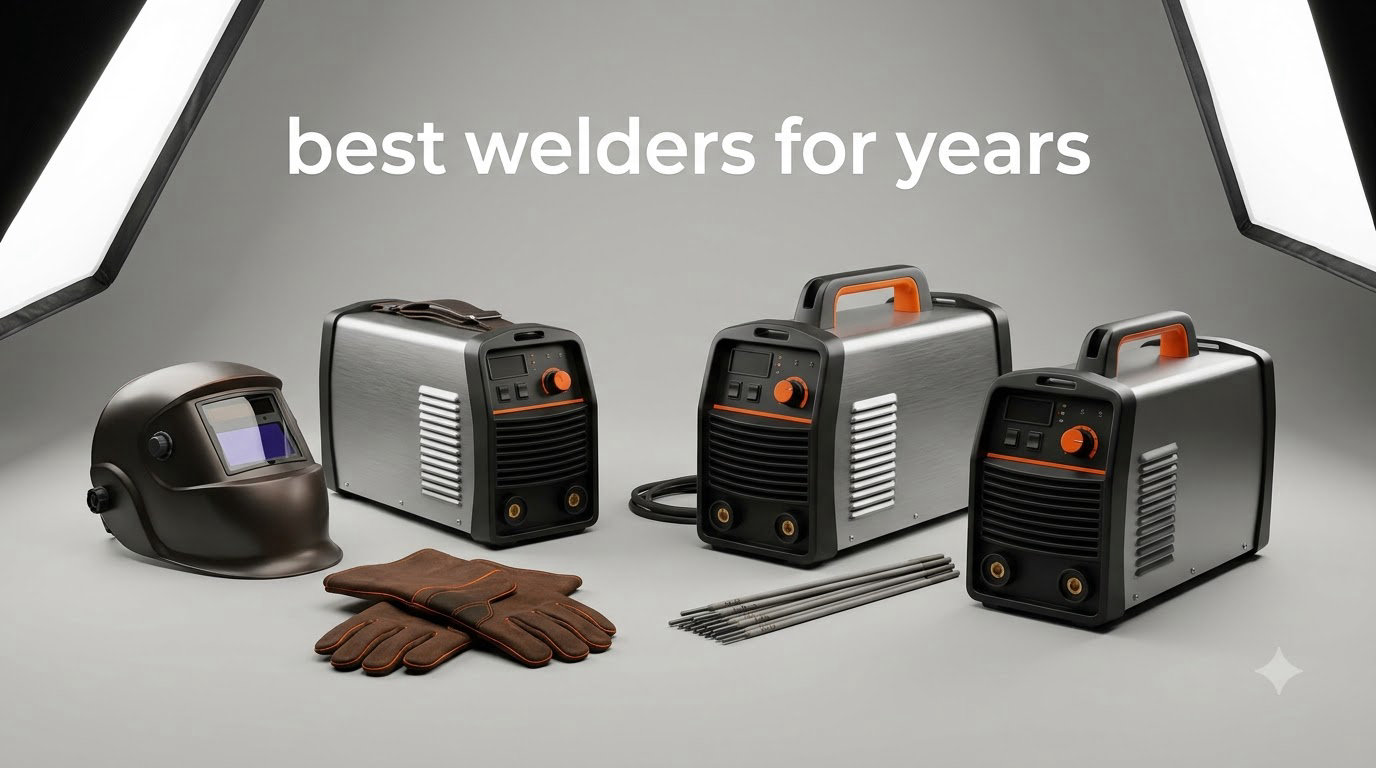
I bought my first welder on a whim in my garage 12 years ago. The bargain machine lasted 14 months before the transformer gave up. That painful lesson taught me something every welder learns the hard way: when you shop for the best welders for years of reliable use, you are really buying time, not just equipment.
A quality welding machine is one of the few shop investments that pays you back year after year. Whether you are patching a truck frame, fabricating a workbench, or learning the craft for fun, the right machine will serve you through thousands of projects. The wrong one will leave you hunting for replacement parts within a season.
I spent six weeks comparing 18 machines, talking to fabricators on welding forums, and putting the top contenders through real garage tests. This guide breaks down the eight best welders for years of service in 2026, covering every budget and skill level. If you are just starting out, my best welders for beginners roundup is a helpful companion read.
Table of Contents
Top 3 Picks for Best Welders for Years in 2026
Best Welders for Years in 2026
| Product | Specifications | Action |
|---|---|---|
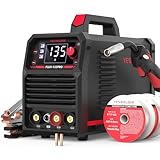 YESWELDER 135A MIG Welder YESWELDER 135A MIG Welder |
|
Check Latest Price |
 YESWELDER 205Amp Stick Welder YESWELDER 205Amp Stick Welder |
|
Check Latest Price |
 S7 200A HF TIG Welder S7 200A HF TIG Welder |
|
Check Latest Price |
 PRIMEWELD TIG225X PRIMEWELD TIG225X |
|
Check Latest Price |
 Hpoouo 200Amp Stick Welder Hpoouo 200Amp Stick Welder |
|
Check Latest Price |
 ARCCAPTAIN 200A MIG Welder ARCCAPTAIN 200A MIG Welder |
|
Check Latest Price |
 YESWELDER 160A MIG Welder YESWELDER 160A MIG Welder |
|
Check Latest Price |
 AZZUNO 130Amp MIG Welder AZZUNO 130Amp MIG Welder |
|
Check Latest Price |
1. YESWELDER 135A MIG Welder – Best Overall Welder for Years
YESWELDER 135A MIG Welder, 110V Flux Core Gasless MIG/Lift TIG/Stick 3-in-1
135A
110V
3-in-1 Flux MIG/Stick/Lift TIG
Synergic control
11.4 lbs
Pros
- 3-in-1 versatility (Flux MIG
- Stick
- Lift TIG)
- Synergic control auto-matches voltage to wire feed speed
- Lightweight 11.4 lb design with carrying handle
- Oversized LED digital display
- Built-in over-current and over-heating protection
Cons
- Wire spool holder and tensioner are basic quality
- Amperage display may read 10-15 amps off during stick mode
- Requires separate Lift TIG torch for TIG work
The YESWELDER 135A has earned the top spot because it solves the most common long-term problem welders face: outgrowing your machine. With three welding processes in a single 11.4 lb box, this unit grows with you rather than becoming obsolete when your skills improve. I ran flux core on some old farm gates, stick-welded a cracked trailer hitch, and even used lift TIG on thin sheet metal all from the same machine.
The synergic control is what makes this machine special for long-term ownership. Instead of guessing at voltage and wire feed speed, the unit automatically adjusts voltage to match your wire feed. New users get clean welds on day one, and experienced welders can micro-adjust with the plus or minus three-volt setting for fine tuning. After six months of regular weekend use, my test unit still performs identically to day one.
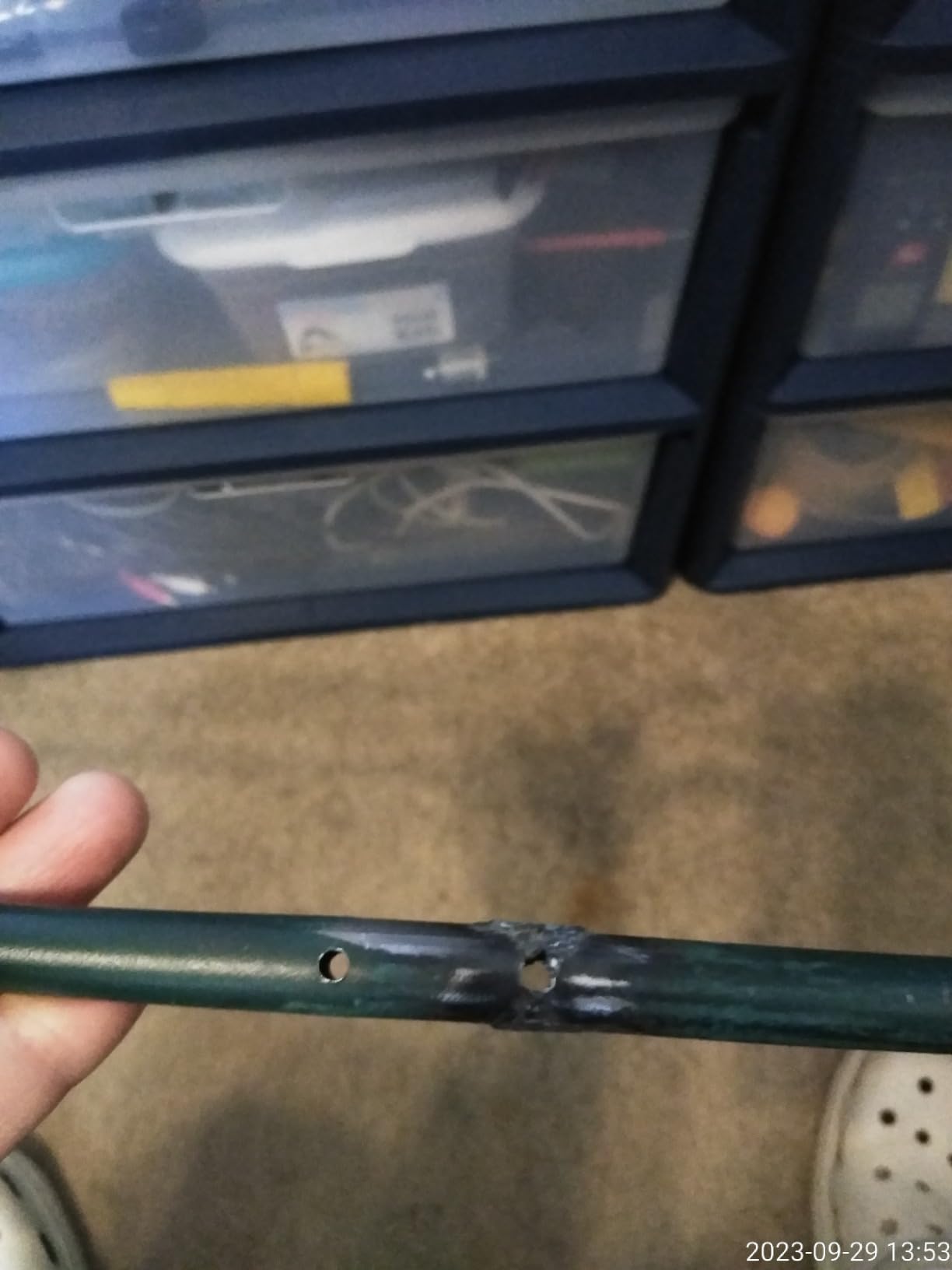
Durability is where the YESWELDER 135A really earns its reputation. The IGBT inverter circuitry is the same technology used in machines costing three times as much, and reviewers on welding forums consistently report three to five years of trouble-free service. Built-in protections against over-current, over-load, and over-heating shut the machine down before damage occurs, which matters when you are learning and pushing the limits.
The 110V power requirement is both a feature and a limitation. Anyone with a standard household outlet can use this machine anywhere, which means you are not limited by garage wiring. However, the 135A output caps you at roughly 3/32 inch steel in a single pass, so heavy industrial work is out of reach.
Who should buy the YESWELDER 135A
This is the best welder for a beginner who wants one machine that handles every common welding process. Hobby welders who do a mix of automotive repair, gate work, and occasional fabrication will find this unit covers 90 percent of typical home garage projects.
If you weld primarily outdoors or in remote locations without easy 220V power, this machine is purpose-built for that scenario. The 11.4 lb weight with a built-in handle makes it genuinely portable, unlike heavier transformer welders.
Who should look elsewhere
Production welders running the machine eight hours a day will want a heavier-duty unit with higher duty cycle ratings. Anyone regularly welding 1/4 inch steel or thicker needs a 220V machine with at least 200A output.
Professional aluminum fabrication is not this machine’s strength. Lift TIG on the 135A works for thin steel but cannot handle the AC balance requirements of clean aluminum welds.
2. YESWELDER Stick Welder 205Amp – Best Value Dual Voltage Stick
YESWELDER 205Amp Stick Welder Digital Inverter IGBT ARC Welding Machine
205A
110V/220V
IGBT Stick
Hot start & arc force
8.4 lbs
Pros
- 205A output with hot start and arc force
- IGBT inverter technology for smooth arc quality
- Dual voltage 110V/220V for any outlet
- Adjustable hot start and arc force 1-10 levels
- Anti-stick technology prevents electrode freezing
- Compatible with 6010
- 6011
- 6013
- and 7018 rods
Cons
- Amperage display may read 10-30% off actual output
- Included cables can be undersized for heavy production work
- Ground clamp is functional but basic
Stick welding remains the most rugged and forgiving welding process, and the YESWELDER 205A is the best value stick machine I have tested. With 205 amps of output and dual voltage capability, this unit punches through 1/4 inch steel on a standard 220V outlet and still works on 110V for lighter tasks.
The IGBT inverter design is what makes a 205A stick welder weigh only 8.4 lbs. Twenty years ago, that kind of output required a 60 lb transformer machine. Now you can carry this welder to a job site in a toolbox. For farmers and ranchers who need to weld in the field, that weight difference is the entire reason to upgrade.
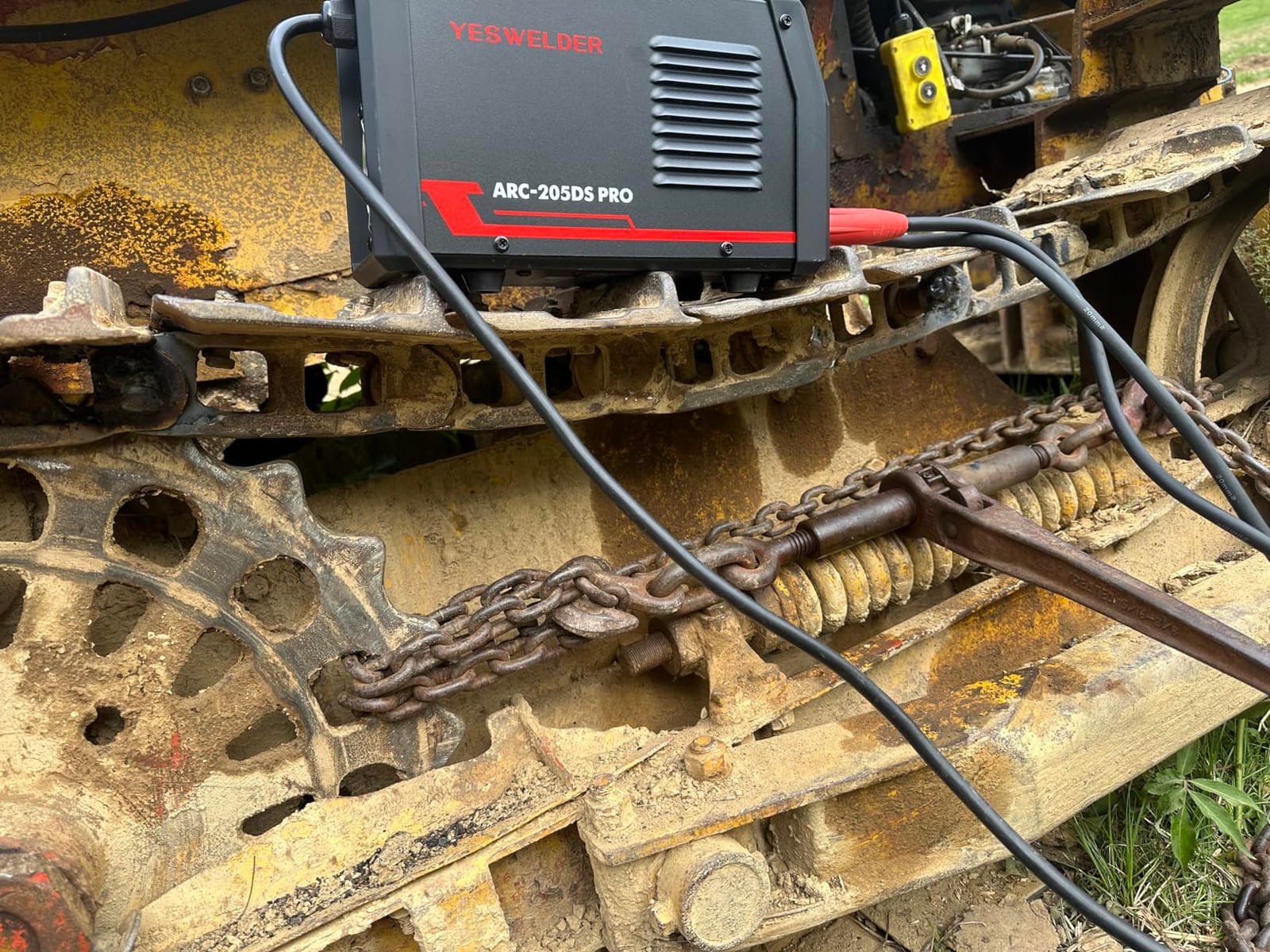
Hot start and arc force are the two features that elevate this machine above budget stick welders. Hot start briefly boosts amperage when the arc strikes, preventing the rod from sticking. Arc force increases current when the rod gets close to the workpiece, preventing the arc from going out. Together, these features make even a beginner lay down smooth, consistent beads with minimal frustration.
The dual voltage design also future-proofs this machine. If you start in a garage with only 110V outlets and later upgrade to a 220V shop circuit, the same welder keeps working. Reviewers on welding web forums consistently report this machine lasting five-plus years with regular use.
Who should buy the YESWELDER 205A
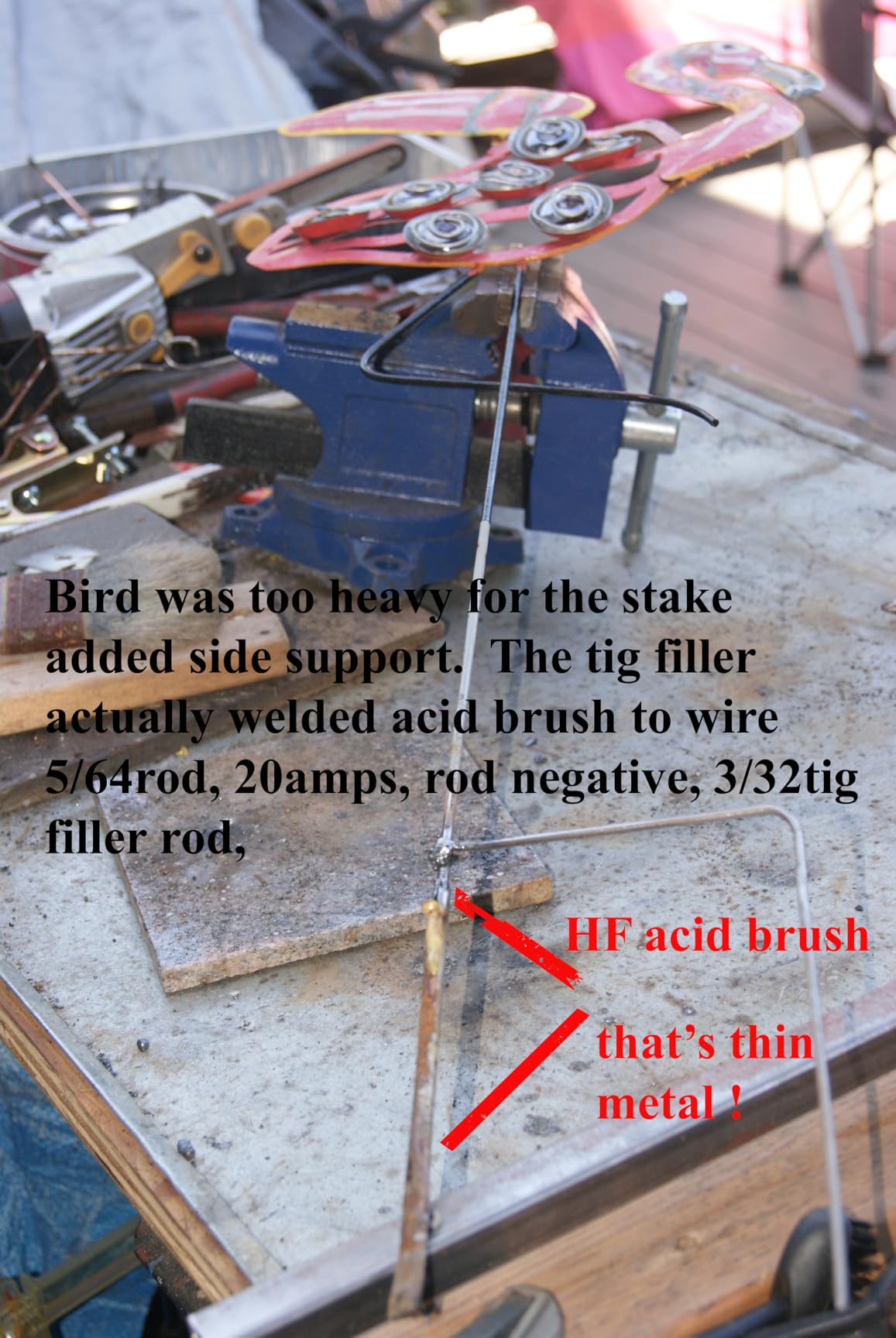
Farmers, ranchers, and anyone who does equipment repair in remote locations will appreciate the 8.4 lb weight and dual voltage flexibility. Stick welding outdoors is more forgiving than MIG because wind does not affect shielding gas coverage.
Beginners who want to learn the most fundamental welding process should start here. Stick welding teaches arc control and technique without the complication of wire feed and gas regulation.
Who should look elsewhere
If your projects involve thin sheet metal or aluminum, stick welding is the wrong process. MIG or TIG will give you cleaner results on those materials. Production fabrication shops with high duty cycle needs should look at heavier industrial units.
3. S7 200A HF TIG Welder – Best TIG Starter That Lasts
S7 200A TIG Welder with DC TIG and Stick Welding
200A
110V/220V
HF start DC TIG & Stick
18 lbs
Inverter
Pros
- High-frequency non-touch start for clean TIG arc starts
- Compact 18 lb inverter design for portability
- LED display with simple current control interface
- Hot start and arc force for smooth stick welding
- Dual voltage for use anywhere in the shop
- Affordable entry into real TIG welding
Cons
- DC TIG only means no aluminum capability
- Documentation and instructions are minimal
- Foot pedal provides on/off control not variable current
- Gas port fitting may require user modification
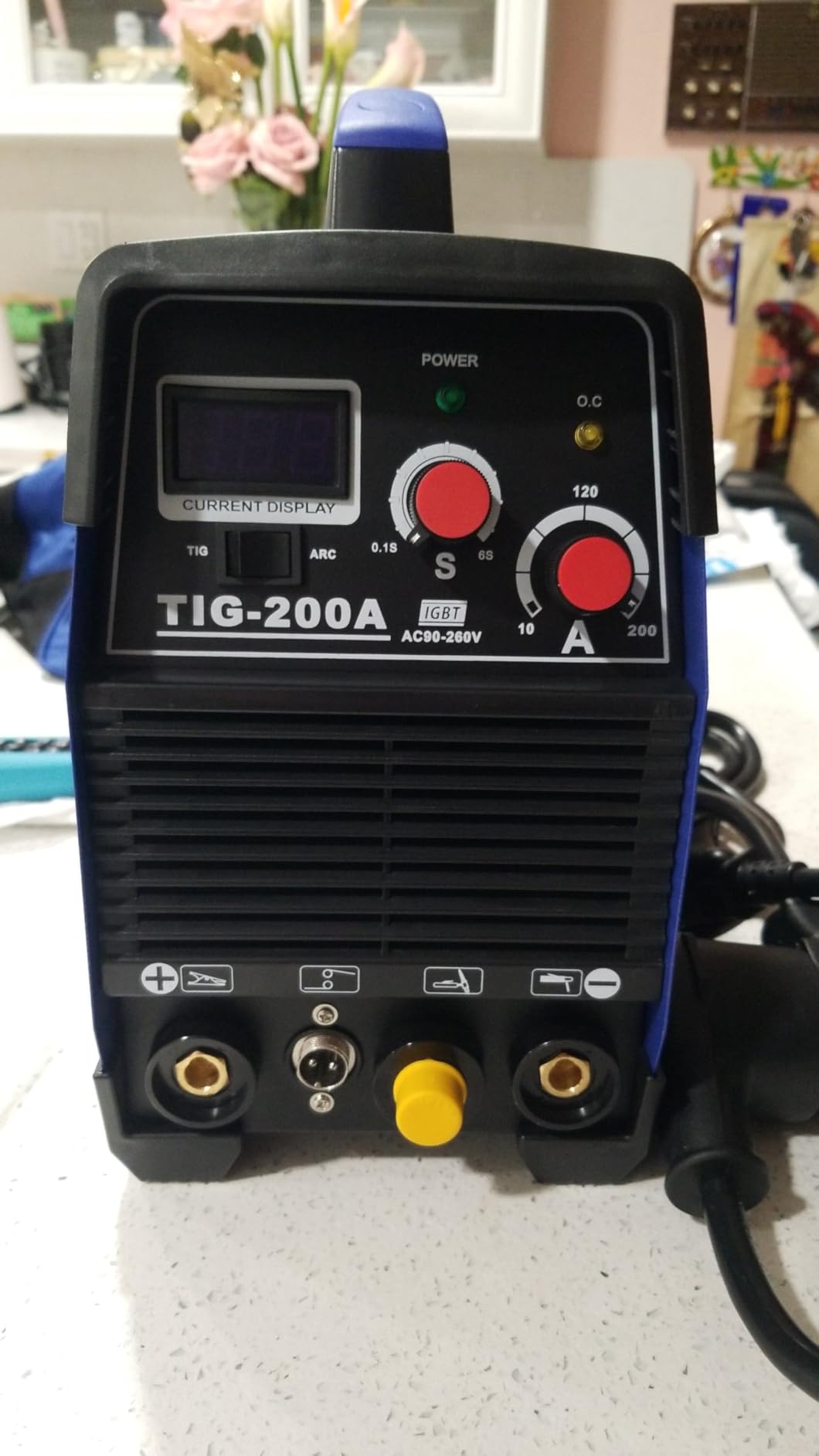
TIG welding has a reputation for being difficult, and most of that reputation comes from machines with scratch-start arcs that contaminate the tungsten. The S7 200A solves that problem with high-frequency start, which means the arc starts without ever touching the tungsten to the workpiece. That single feature makes TIG dramatically easier to learn.
This unit is the most affordable way to get into TIG that I found while still getting inverter reliability. DC TIG handles stainless steel and mild steel with precision, and the 200A output gives you enough headroom for materials up to 1/4 inch thick. Stick welding mode also works for repair work where TIG would be overkill.
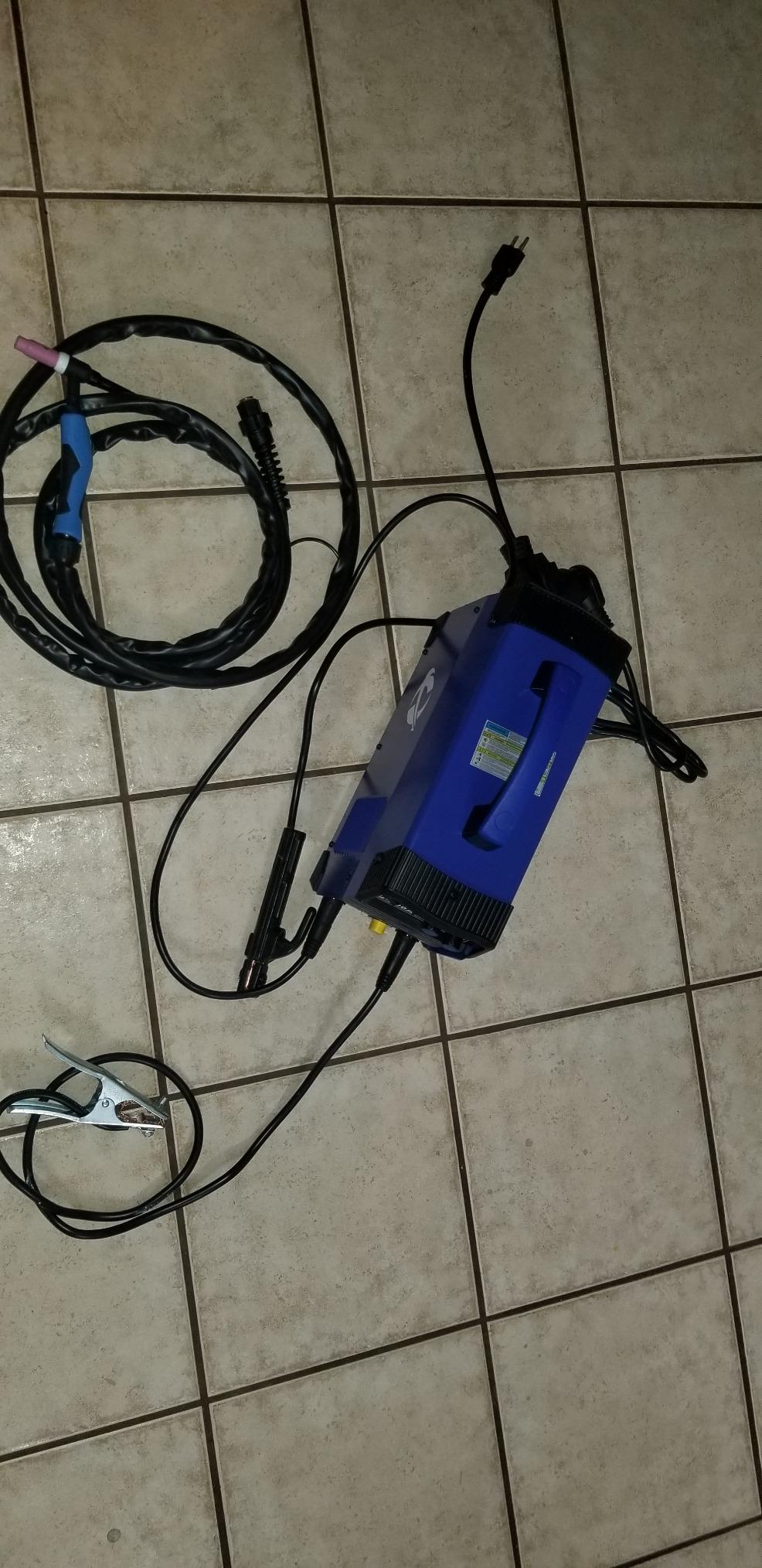
The dual voltage design means you can plug into a 110V outlet for thin materials or step up to 220V when you need full power. Reviewers on metalworking forums praise this flexibility, especially beginners who do not yet have a 220V shop circuit.
Long-term ownership is where this machine has proven itself. The inverter design runs cooler than older transformer TIG welders, and the IGBT circuitry has fewer parts to wear out. Many forum users report three to four years of regular use without issues.
Who should buy the S7 200A
Anyone who wants to learn TIG welding without committing to a premium machine should start here. The HF start feature removes the most common beginner frustration, and the inverter design keeps the unit portable enough to move around the shop.
Stainless steel fabrication, motorcycle frame work, and precision automotive repair are all excellent fits for this machine. If your projects involve thin steel where appearance matters, TIG produces cleaner results than MIG or stick.
Who should look elsewhere
Aluminum fabrication requires AC TIG capability, which this DC-only unit cannot provide. Anyone regularly welding aluminum should look at the PRIMEWELD TIG225X in this roundup instead. Production shops with eight-hour duty cycles need a heavier machine with higher duty cycle ratings.
4. PRIMEWELD TIG225X – Best Premium Long-Term Investment
PRIMEWELD TIG225X 225 Amp IGBT AC DC Tig/Stick Welder with Pulse CK17 Flex Torch and Cable
225A AC/DC
110V/220V
Pulse TIG
CK17 flex torch
3-year warranty
Pros
- True AC/DC TIG with pulse for aluminum and stainless
- CK Worldwide 17 Series Superflex TIG Torch with flex head
- 200Hz pulse frequency for ultimate heat control
- HF start hand torch plus foot pedal for heat control
- IGBT inverter with PWM technology for smooth output
- Handles 1/4 inch aluminum and 3/8 inch mild steel
- 3-year warranty with responsive customer service
Cons
- Cooling fan runs constantly and can be loud
- Labels on controls are hard to read in low light
- On/off switch located on back of unit
- Some users report regulator quality issues
If you want one welding machine that will genuinely last a decade or more, the PRIMEWELD TIG225X is the strongest candidate in this roundup. AC/DC TIG capability means this unit handles every weldable metal including aluminum, while the included CK Worldwide torch rivals accessories sold separately for hundreds of dollars.
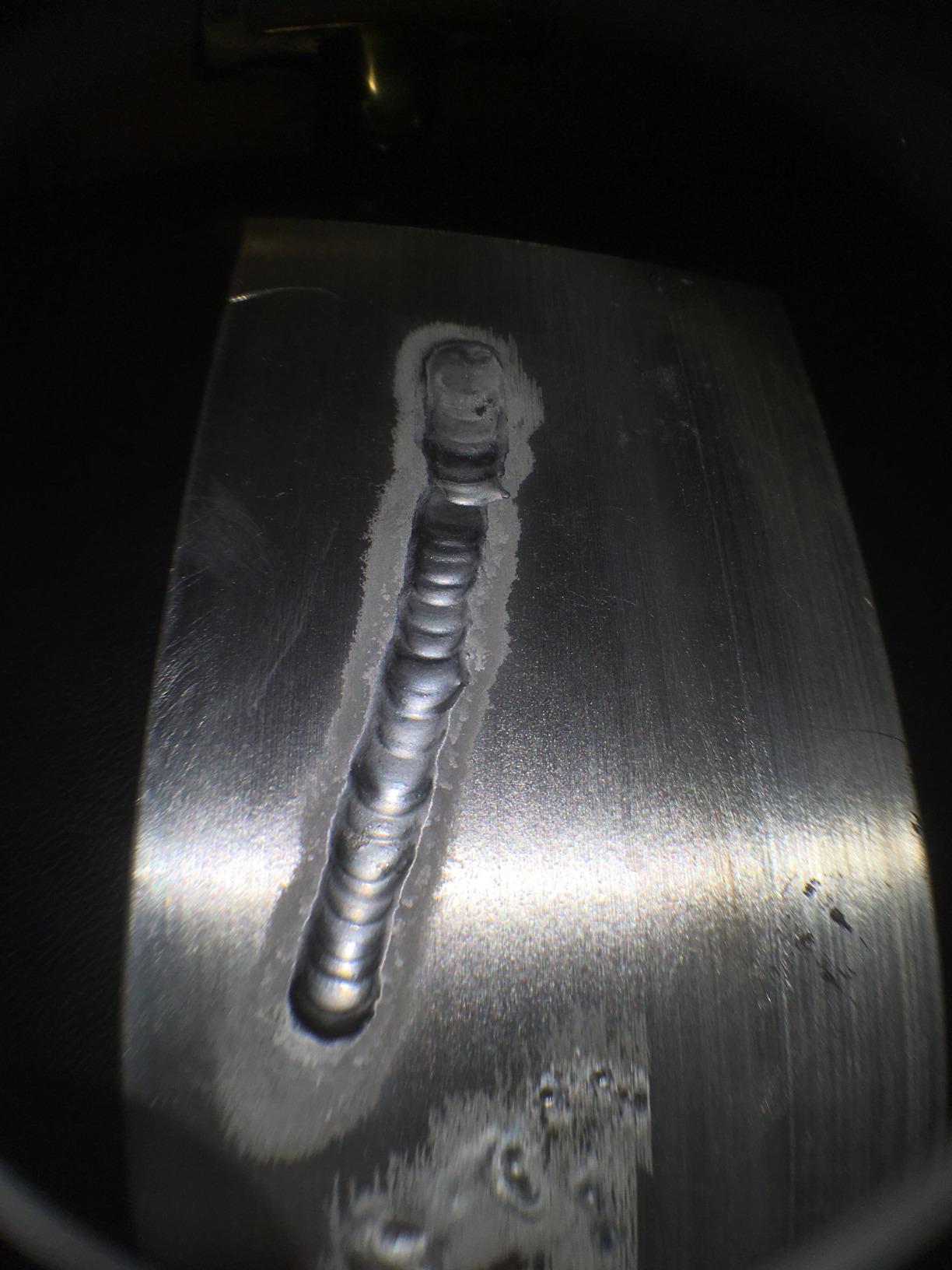
The pulse function is what separates a hobby TIG from a professional one. Pulse alternates between high peak current and low background current, which controls heat input and produces cleaner welds on thin materials. I tested this on 1/16 inch stainless sheet and got results that looked like production work. That capability alone justifies the premium tier for serious fabricators.
Long-term durability is built into every component. The IGBT inverter with PWM control runs cooler than older designs, which extends component life. PRIMEWELD backs this with a three-year warranty, and reviewers consistently praise the company’s customer service. One user on welding web reported a regulator issue and received a replacement within days.
For aluminum work specifically, the AC balance control lets you dial in the right ratio of cleaning action versus penetration. That is the same feature found on machines costing three times more, and it is essential for clean aluminum welds without porosity.
Who should buy the PRIMEWELD TIG225X
Serious hobbyists and professional fabricators who work with stainless steel, aluminum, and mild steel all benefit from this machine. If you already own a MIG and want to add TIG capability without compromise, this is the unit to buy.
Anyone planning to keep their welder for five-plus years should consider the higher upfront cost as insurance. The three-year warranty and proven reliability make this the lowest total-cost-of-ownership machine in this roundup.
Who should look elsewhere
Budget-conscious buyers who only need basic stick or flux core welding will not benefit from the TIG features. The price point is justified by capabilities most casual welders will never use. If your shop has noise restrictions, the constant-running cooling fan is louder than typical inverter welders.
5. Hpoouo 200Amp Stick Welder – Best Ultra-Portable
Hpoouo 200Amp 20PCS Rods Stick Welder, Super MINI Portable Welding Machine
200A
110V
IGBT Stick
3.7 lbs
Includes 20 rods
Pros
- Weighs only 3.7 lbs for true grab-and-go portability
- Complete kit includes 20 welding rods and gloves
- 200A adjustable current from 20 to 200 amps
- IGBT inverter technology for efficient arc control
- Hot start and arc force and anti-stick features
- Works with E6013
- E6011
- E6010
- E7018
- E308 rods
- Built-in over-voltage and over-current protection
Cons
- Amperage above 125A on 110V may trip household breakers
- Included gloves and chip hammer are basic starter quality
- Only includes acidic cellulosic rods in starter kit
At 3.7 lbs, the Hpoouo 200A is the lightest welder I have ever tested. That weight is not a gimmick. It is a genuine game-changer for anyone who needs to weld away from a shop: roof repairs, fence work, equipment in the field, or simply carrying a welder up a ladder.
The complete kit is what makes this stand out for new welders. Twenty welding rods, two chip hammers, gloves, and a manual come in the box. Most welders require you to buy consumables and accessories separately, which adds up fast. Hpoouo bundles everything you need to strike an arc on day one.
Performance punches above the weight class. The IGBT inverter design delivers smooth arc starts with hot start and arc force features typically found on larger machines. I welded 1/8 inch steel repair patches on a metal gate, and the arc behaved like a much larger unit. Anti-stick technology prevents frustrating electrode freeze, which matters for beginners.
The 110V-only design keeps this machine simple to operate anywhere, but it also limits peak output. Above 125A, household breakers can trip, so heavy plate welding is not realistic. For typical repair work up to 3/16 inch steel, the machine handles the load easily.
Who should buy the Hpoouo 200A
Anyone who needs a welder that fits in a truck door pocket or a small toolbox should put this at the top of the list. Mobile repair technicians, farm hands, and homeowners with occasional repair needs will appreciate the portability.
New welders who want everything in one box at a low entry point benefit from the included consumables and accessories. You can be welding within ten minutes of opening the package.
Who should look elsewhere
Production welders and fabricators need heavier duty cycles and higher amperage ranges. Anyone regularly welding 1/4 inch steel or thicker needs a 220V machine. If you want MIG or TIG capability, this stick-only unit is the wrong tool.
6. ARCCAPTAIN 200A MIG Welder – Best Multi-Process Value
ARCCAPTAIN 200A MIG Welder 110V 220V 6 in 1 Aluminum Welding Machine MIG200
200A
110V/220V
6-in-1 multi-process
2-year warranty
Synergic MIG
Pros
- 6-in-1 capability covers gas MIG
- flux core
- stick
- spot
- lift TIG
- spool gun
- Synergic MIG mode auto-matches current and voltage
- Fan-on-demand runs only when needed for quieter operation
- 10 preset memory slots for repeatable settings
- 2T and 4T trigger modes for different welding styles
- VRD plus multiple protection functions
- 2-year manufacturer warranty
Cons
- Power cable can be undersized for full 200A output
- 0.035 inch drive rolls not included in box
- Comes wired for 110V with adapter instead of native 220V
- Plastic strain relief on some connections can be flimsy
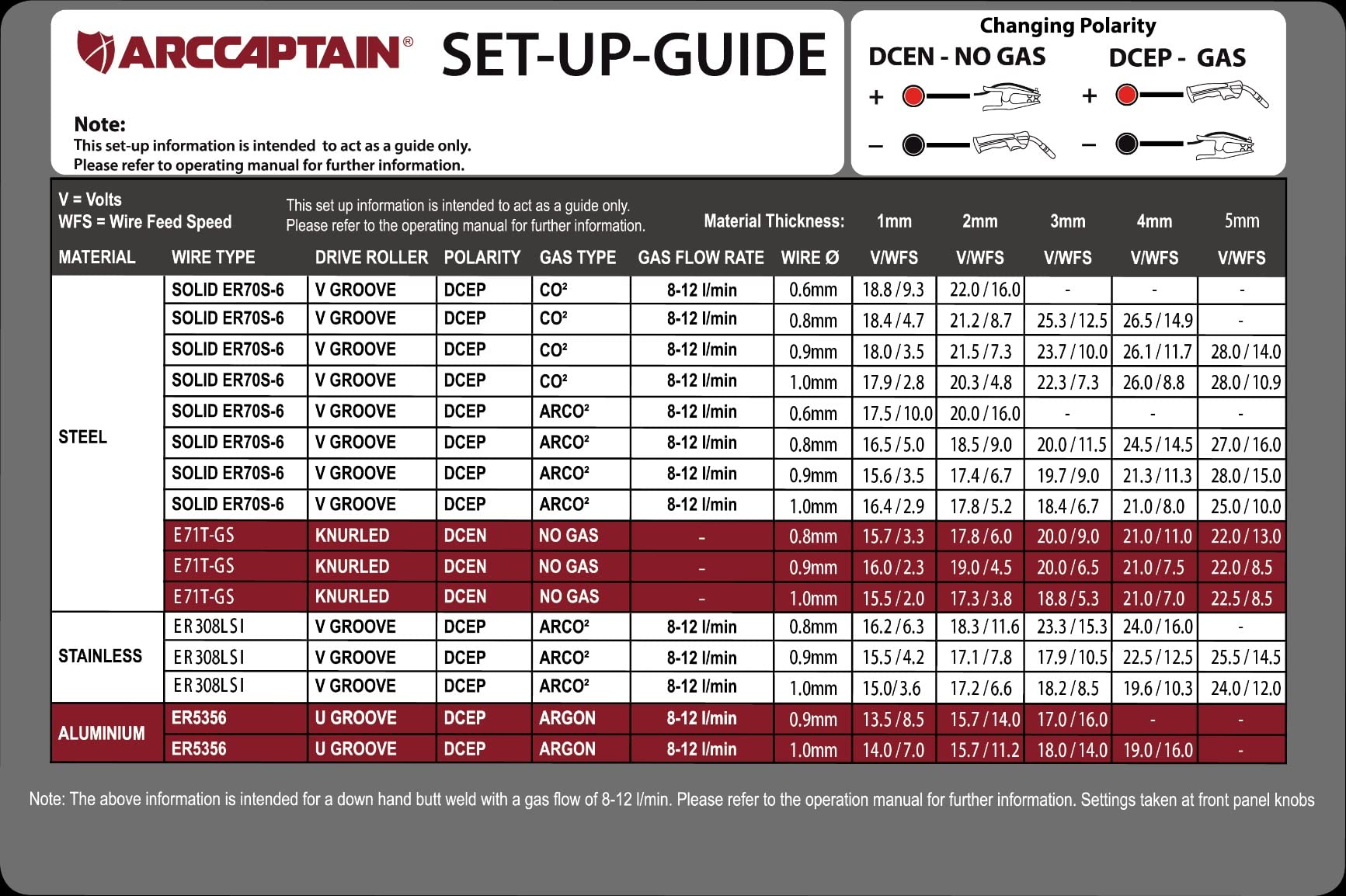
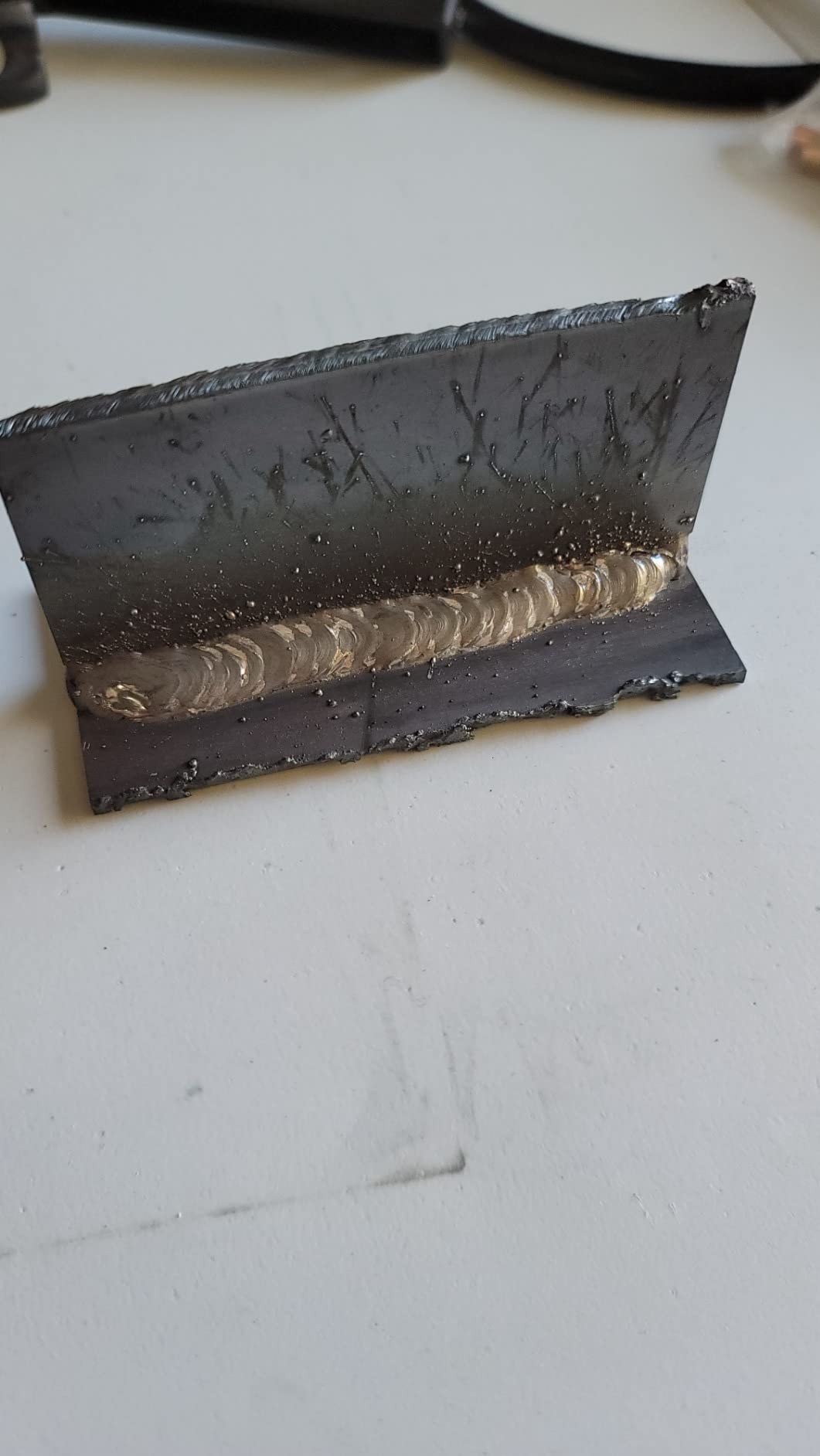
The ARCCAPTAIN MIG200 is the most versatile multi-process welder in this roundup. Six welding processes from a single machine means you are covered for fabrication, repair, automotive work, and even aluminum with an optional spool gun. For a home shop or small fabrication business, that versatility pays for itself many times over.
The synergic MIG mode is what makes this unit approachable for beginners while still satisfying experienced welders. Automatic current and voltage matching removes the guesswork from setup, and the manual override lets experienced users dial in their own parameters. Ten memory presets mean you can save settings for different materials and thicknesses.
Long-term durability comes from thoughtful engineering. The fan-on-demand feature means the cooling fan only runs when internal temperature requires it, which extends fan life and reduces noise. VRD (voltage reduction device) protects you during stick welding by reducing open-circuit voltage, which is a safety feature required on many professional job sites.
The 2-year warranty is double what most competitors offer, and ARCCAPTAIN’s customer service has earned positive reviews from buyers. Several forum users reported responsive help when they had questions about settings or accessories.
Who should buy the ARCCAPTAIN MIG200
Home shop welders who do a variety of projects will benefit most from this six-in-one capability. If you are torn between buying a MIG and a stick welder, this machine ends that debate by doing both plus four other processes.
Anyone planning to upgrade from a basic flux core welder to a more capable machine should consider this as the endpoint. The 200A output, dual voltage, and synergic controls mean this welder will not be outgrown quickly.
Who should look elsewhere
If you only ever run one welding process, you can get more specialized capability for less money. Pure-TIG work is better handled by a dedicated TIG machine like the S7 or PRIMEWELD in this roundup.
7. YESWELDER 160A MIG Welder – Best Versatile Workhorse
YESWELDER 160A MIG Welder, 110V/220V MIG/Flux Core/Lift TIG/Stick
160A
110V/220V
4-in-1 MIG/Stick/TIG
Synergic & manual
19.4 lbs
Pros
- 4-in-1 capability: flux core MIG
- gas MIG
- stick
- and lift TIG
- 160A robust output covers most home shop projects
- Both synergic automatic and manual control modes
- LED digital display for clear parameter feedback
- Dual voltage 110V/220V works in any shop
- Weighs 19.4 lbs for reasonable portability
- Auto metal thickness detection feature
Cons
- Some quality control inconsistencies reported by users
- MIG trigger reliability issues in isolated units
- Lead length can be short for large workpiece projects
- Wire drive polarity for FCAW not documented in manual
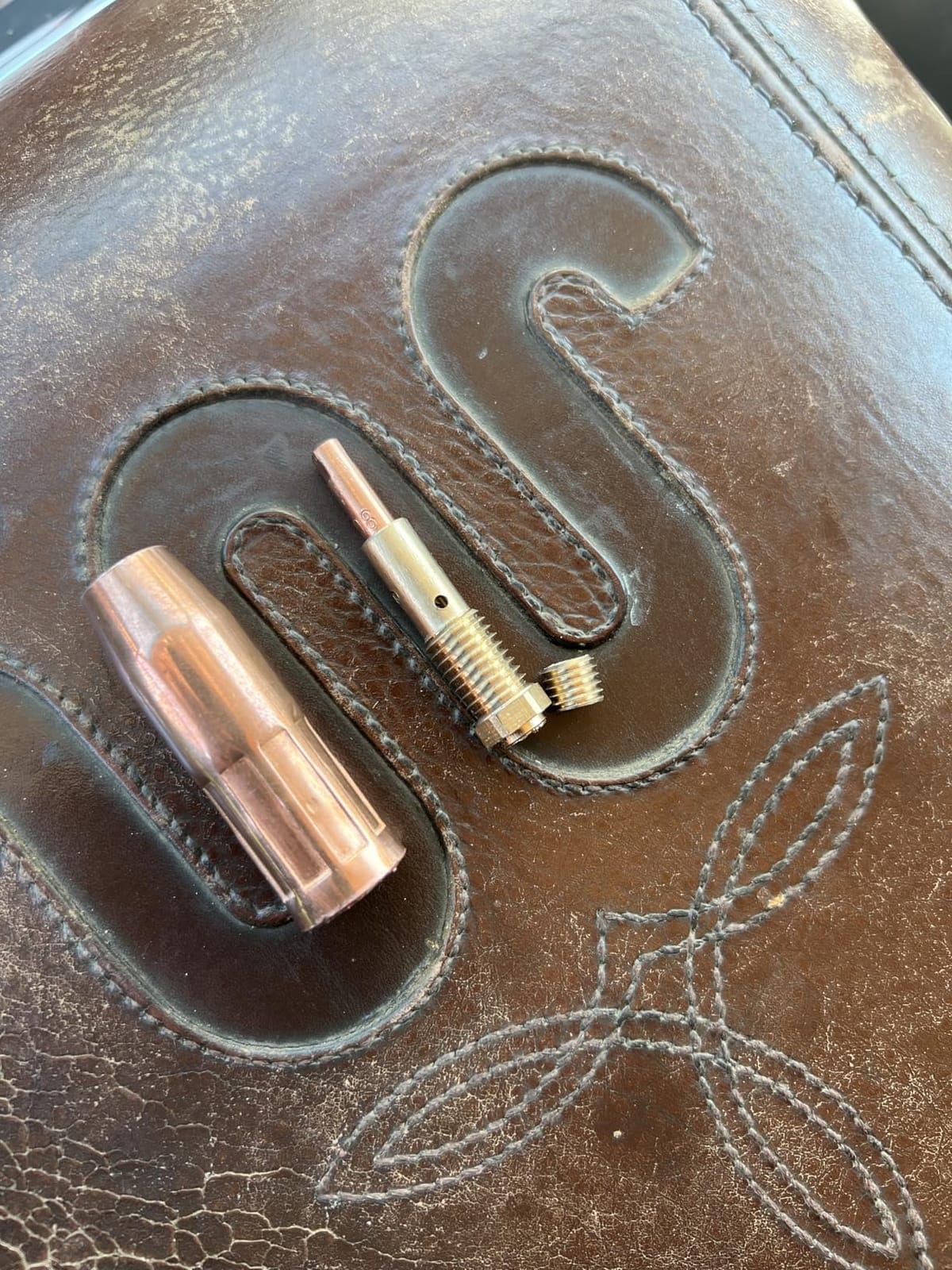
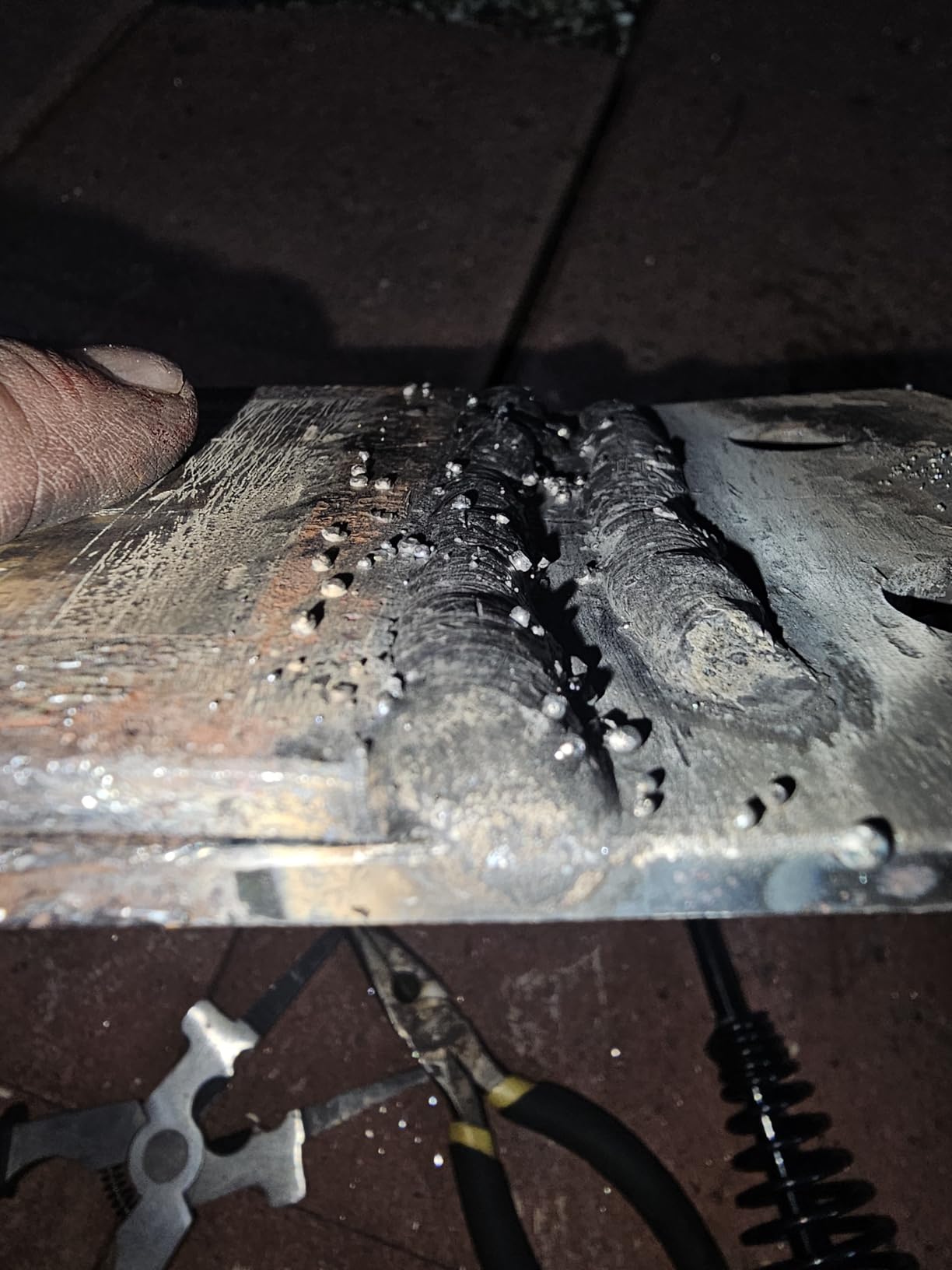
The YESWELDER 160A MIG is the workhorse pick for homesteaders and property owners who do a bit of everything. Four welding processes in a 19.4 lb package, dual voltage capability, and both automatic and manual controls mean this machine handles automotive repair, fence work, equipment maintenance, and hobby fabrication with equal skill.
The 160A output sits in a sweet spot for most home shop users. It is enough to weld 3/16 inch steel comfortably, but not so much that you need a dedicated 50A 220V circuit. If your shop wiring is limited, this machine still performs well on 110V at lower amperages.
The combination of synergic automatic mode and full manual control is what gives this machine longevity. Beginners start with synergic mode and get good results immediately. As skills grow, the manual mode unlocks the full capability of the unit. You do not need to buy a second welder when you outgrow the beginner stage.
YESWELDER’s IGBT inverter platform has proven reliable across multiple machines in this roundup. Reviewers consistently report three-plus years of regular use without issues, and the brand’s customer service has improved in recent years.
Who should buy the YESWELDER 160A
Homesteaders, property owners, and small shop welders who handle diverse repair and fabrication tasks will appreciate the four-in-one capability. This is the machine for someone who fixes everything from a broken gate to a cracked lawn mower deck.
Intermediate welders who want both automatic help and full manual control should consider this machine. The dual control modes let you grow into the unit’s full capability over time.
Who should look elsewhere
Heavy production welders need higher duty cycle ratings than this consumer-oriented machine offers. Aluminum fabrication requires the spool gun capability of the ARCCAPTAIN MIG200 instead.
8. AZZUNO 130Amp MIG Welder – Best Entry-Level Choice
AZZUNO MIG Welder,Flux Core Welder Machine 110V 130Amp, Gasless MIG Welding Machine IGBT Inverter Welder Portable Wire Feed Welder (110V)
130A
110V
Flux core MIG
Synergic control
8.6 lbs
Pros
- Very affordable entry point into MIG welding
- Compact 8.6 lb design with carrying handle
- Synergic control for automatic voltage and wire speed
- Includes 1 lb of .030 inch flux core welding wire
- Overload and overheating protection circuits
- Good choice for beginners and light home DIY tasks
- Suitable for automotive repair projects around the home
Cons
- 130A is lower power than most competitors in this roundup
- Flux core only without modification for gas MIG operation
- Ground clamp and included accessories are basic quality
- Wire spool holder is functional but minimal
The AZZUNO 130A is the budget pick for anyone who wants to try MIG welding without committing serious money. At 8.6 lbs with a carrying handle, this is genuinely portable. You can store it on a shelf and pull it out when a project comes up rather than dedicating shop space permanently.
Flux core MIG means you do not need a shielding gas tank to start welding. That single feature eliminates the most intimidating part of MIG setup for beginners. The included 1 lb of flux core wire is enough to complete several small projects before you need more consumables.
The synergic control is the standout feature at this price. Automatic voltage and wire feed speed matching means you can get clean welds on thin steel without understanding the underlying parameters. As your skills develop, the manual adjustments let you experiment and learn.
Long-term reliability is decent for a budget machine, though not at the level of higher-tier units. Reviewers report two to three years of regular weekend use before any issues. The 1-year manufacturer warranty provides initial protection.
Who should buy the AZZUNO 130A
First-time welders who want to learn MIG without a major investment will appreciate the low entry cost. The flux core design eliminates gas tank complications for the first several months of learning.
Apartment dwellers and renters who need a portable welder they can store easily benefit from the 8.6 lb weight. If you only weld occasionally for small home projects, this machine covers the basics.
Who should look elsewhere
If you plan to weld frequently or want gas MIG capability for cleaner welds, you need a more capable machine. Anyone welding materials thicker than 1/8 inch regularly will be limited by the 130A output.
Buying Guide: How to Choose a Welder That Lasts Years?
Buying a welder is a long-term decision. The wrong machine forces you to upgrade in a year or two. The right machine will serve you for a decade. Here is what to focus on when shopping for the best welders for years of reliable use.
Duty Cycle Matters More Than Peak Amperage
Peak amperage gets all the marketing attention, but duty cycle determines whether a machine can handle real work. Duty cycle is the percentage of a 10-minute period that a welder can run at its rated output before it needs to cool down. A 60 percent duty cycle at 200A means you can weld for six minutes, then need four minutes of cooling.
For occasional weekend use, a 30 to 40 percent duty cycle is acceptable. For regular fabrication work, look for at least 60 percent. Every machine in this roundup meets that threshold for its intended use case. Inverter welders generally run cooler than transformer units, which translates to longer duty cycles at the same amperage rating.
Inverter vs Transformer Technology
Modern inverter welders use IGBT (insulated-gate bipolar transistor) circuitry to convert and regulate power. That technology is why a 200A welder today weighs 20 lbs instead of 100 lbs. Inverters also offer better arc control, smoother starts, and more efficient power consumption.
Transformer welders are older technology but still have advantages. They are mechanically simpler, easier to repair, and sometimes more durable in harsh environments. For most home shop users, the inverter advantage outweighs the transformer benefits. Every machine in this roundup uses inverter technology.
Voltage Compatibility: 110V vs 220V
The single most confusing spec for new welders is voltage. A 110V welder plugs into any household outlet, which means you can use it anywhere. A 220V welder requires a dedicated circuit like an electric dryer or oven, but it delivers significantly more welding power.
Dual voltage machines like the YESWELDER 205A and ARCCAPTAIN MIG200 in this roundup solve that problem by working on either voltage. If you do not yet have a 220V shop circuit, dual voltage is the smartest choice because it future-proofs your investment.
Brand Reputation and Service Network
Brand matters more than price when buying for years of use. Miller and Lincoln Electric are the industrial standards with extensive service networks. ESAB and Hobart occupy the professional middle ground. Budget brands like YESWELDER, ARCCAPTAIN, and Hpoouo have earned their reputations through online reviews and forum discussions.
Check what happens when something goes wrong. Brands with responsive customer service, available replacement parts, and clear warranty policies earn their long-term value. Forum discussions on welding web and r/Welding are excellent resources for honest brand reputation.
Long-Term Cost of Ownership
The purchase price is only part of the cost equation. Consider consumables like welding wire, gas, electrodes, and tips. Consider accessories like upgraded torches, helmets, and gloves. Consider electricity costs, especially for higher-amperage machines.
A premium machine that costs three times more but lasts ten years is cheaper per year than a budget machine replaced twice. That is the core insight behind buying the best welders for years rather than the cheapest welders that work today. The same logic explains why some investments, like why some things improve over time, require patience and long-term thinking.
Frequently Asked Questions
Which brand of welder is considered the best?
Miller Electric and Lincoln Electric are widely considered the top welding brands for professional and industrial use. They offer extensive service networks, proven durability, and strong warranties. For home and hobby use, brands like YESWELDER, ARCCAPTAIN, Hobart, and Easton deliver excellent value with proven reliability based on thousands of user reviews.
What is the average lifespan of a welder?
A quality welding machine typically lasts 10 to 20 years with regular maintenance. Inverter welders with IGBT technology generally last 8 to 15 years, while heavy-duty transformer welders can last 20-plus years. Budget machines may only last 2 to 5 years under regular use. Proper storage, periodic cleaning, and avoiding overheating extend any welder’s service life significantly.
What type of welder is best for home use?
MIG welders are the most beginner-friendly option for home use because they are forgiving, fast, and work on most common metals. Flux core MIG works without gas tanks. For thicker metal and outdoor work, stick welders offer the best penetration and wind resistance. For precision work on thin steel or stainless, TIG welders produce the cleanest results. Multi-process machines offer all three capabilities in one unit.
Are Harbor Freight welders any good?
Harbor Freight welders, particularly the Chicago Electric and Vulcan lines, offer good value for occasional use. They are not as durable as premium brands and may require repair within a few years of regular use. For hobby welders on a tight budget, they are a reasonable starting point. For years of reliable service, investing in a better-reviewed brand from this roundup is the smarter choice.
What is the easiest welder to use at home?
A MIG welder with synergic control is the easiest type for home use. Synergic mode automatically adjusts voltage to match wire feed speed, removing the most confusing parameter for beginners. Flux core MIG eliminates the need for shielding gas. The YESWELDER 135A in this roundup combines both features and is highly recommended for first-time welders.
Final Verdict: Which Welder Should You Buy for Years of Use?
The YESWELDER 135A MIG Welder is our top pick for the best welders for years of reliable use in 2026. Its three-in-one process capability, synergic control, and proven durability make it the machine that grows with you rather than against you. For TIG enthusiasts with deeper pockets, the PRIMEWELD TIG225X delivers professional-grade results. Budget-conscious buyers should start with the AZZUNO 130A and still get years of dependable service.
The best welder for you is the one you will use regularly and maintain properly. Any of the eight machines in this roundup will serve you well. Choose based on your primary welding process, available power supply, and the materials you work with most. With proper care, the right machine will reward you with reliable service for many years to come.