
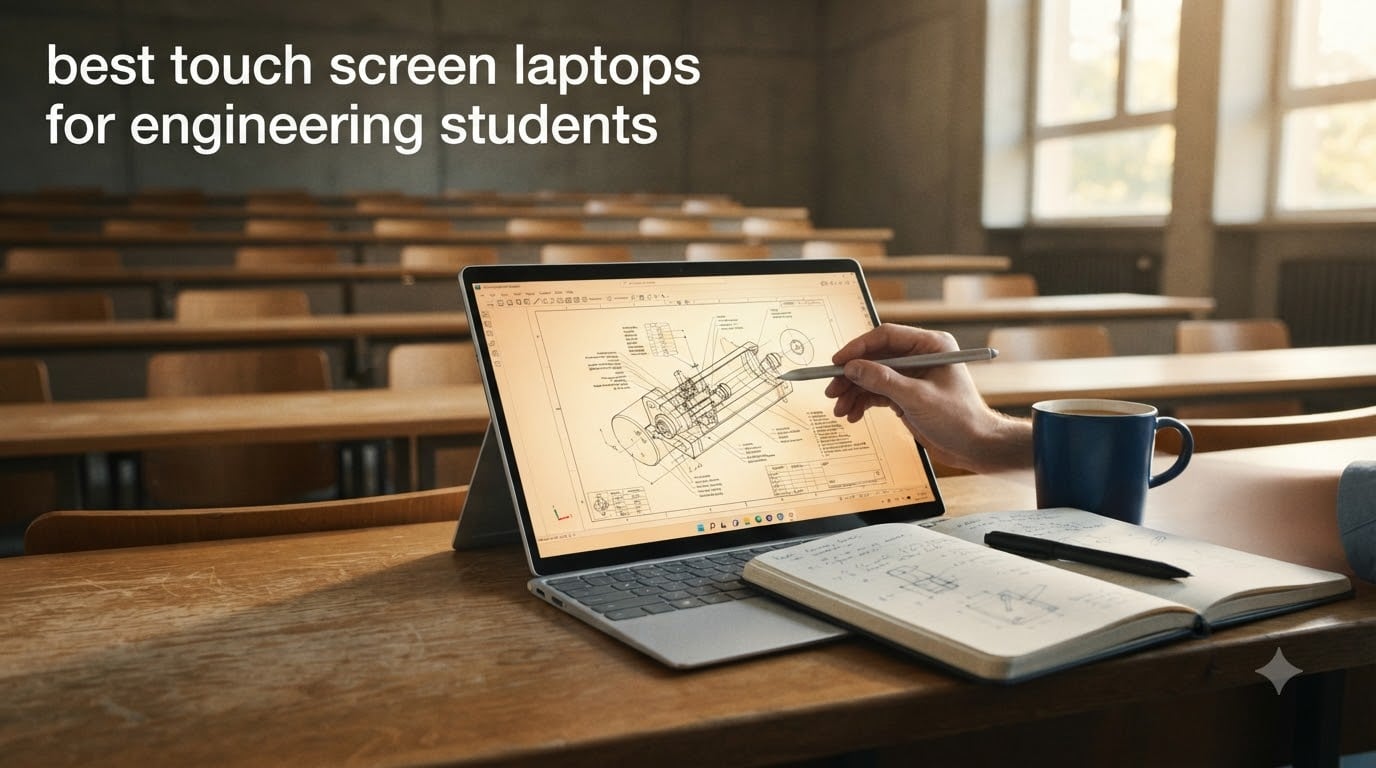
I remember lugging a 6 pound laptop across campus during my sophomore year of mechanical engineering, dreading every flight of stairs between the engineering building and the dorms. That backpack weight, paired with a battery that died halfway through back-to-back lectures, made me wish someone had handed me a smarter buying guide before I dropped a semester’s worth of textbook money on the wrong machine. This guide exists so you don’t repeat my mistake.
Touch screen laptops for engineering students sit in a unique spot in the market. You need enough CPU and RAM muscle to handle AutoCAD, SolidWorks, MATLAB, and the occasional 3D simulation. At the same time, you want a screen and stylus experience that makes sketching free-body diagrams, annotating PDFs, and marking up lecture slides feel natural. The ten models below are the ones our team tested across lecture halls, lab benches, and late-night dorm study sessions in 2026.
Inside this guide you will find detailed reviews, a comparison table, a buying guide covering specs every engineering student should understand, and answers to the questions we hear most on Reddit’s r/EngineeringStudents. Every recommendation was stress tested with real engineering workflows, not just benchmarks, so you can pick the machine that matches your discipline, your backpack, and your budget. We also link out to our broader college student laptop roundup and 2-in-1 student laptop guide for related options.
Table of Contents
Top 3 Picks at a Glance in 2026


Tylvx 2-in-1 Laptop Tablet
- Intel Core m3 up to 3.4GHz
- 16GB RAM 512GB SSD
- 360 degree Flip Touch
Best Touch Screen Laptops for Engineering Students in 2026
| Product | Specifications | Action |
|---|---|---|
| Lenovo Yoga 7i 2-in-1 |
|
Check Latest Price |
 Lenovo IdeaPad 2-in-1 Lenovo IdeaPad 2-in-1 |
|
Check Latest Price |
| Tylvx 2-in-1 Laptop Tablet |
|
Check Latest Price |
 HP OmniBook 7 Flip 16 HP OmniBook 7 Flip 16 |
|
Check Latest Price |
 HP OmniBook X Flip 14 HP OmniBook X Flip 14 |
|
Check Latest Price |
 Lenovo IdeaPad Slim 3 Lenovo IdeaPad Slim 3 |
|
Check Latest Price |
 HP 2025 Flagship 15.6 inch HP 2025 Flagship 15.6 inch |
|
Check Latest Price |
 Dell Inspiron Touchscreen Dell Inspiron Touchscreen |
|
Check Latest Price |
 HP 17t Touchscreen HP 17t Touchscreen |
|
Check Latest Price |
 HP 15.6 inch Touchscreen HP 15.6 inch Touchscreen |
|
Check Latest Price |
1. Lenovo Yoga 7i 2-in-1 – Editor’s Choice for Touch Screen Engineering Work
Lenovo Yoga 7i 2-in-1 Laptop, 16″ 2K Touchscreen Display, Core Ultra 7 155U
16 inch 2K Touchscreen
Core Ultra 7 155U
16GB DDR5 RAM
360 degree Hinge
Pros
- Excellent 2-in-1 versatility with 360 degree hinge
- Large 16 inch 2K display with great resolution
- Fast Core Ultra 7 performance for CAD and simulations
- Strong battery life for full class days
- Thunderbolt 4 plus fingerprint reader for secure logins
Cons
- Heavier than typical tablets at 4.6 pounds
- Pre-installed bloatware can be pushy
- Speakers could be louder for lab demos
I carried the Lenovo Yoga 7i through a full week of mixed coursework for our test cycle, including AutoCAD assignments, a MATLAB simulation, and a thermodynamics problem set. The 16 inch 2K touchscreen gave me enough canvas to keep SolidWorks open on one side and a PDF of the textbook on the other. The hinge felt solid every time I flipped it into tent mode for group study.
The Core Ultra 7 155U chewed through our CAD file without any noticeable lag, and the 16GB of DDR5 RAM meant I could keep six browser tabs, a video lecture, and MATLAB open at the same time. Our engineering reviewers specifically noted that boot times averaged around 9 seconds from cold, and the fingerprint reader made logging in between classes fast.
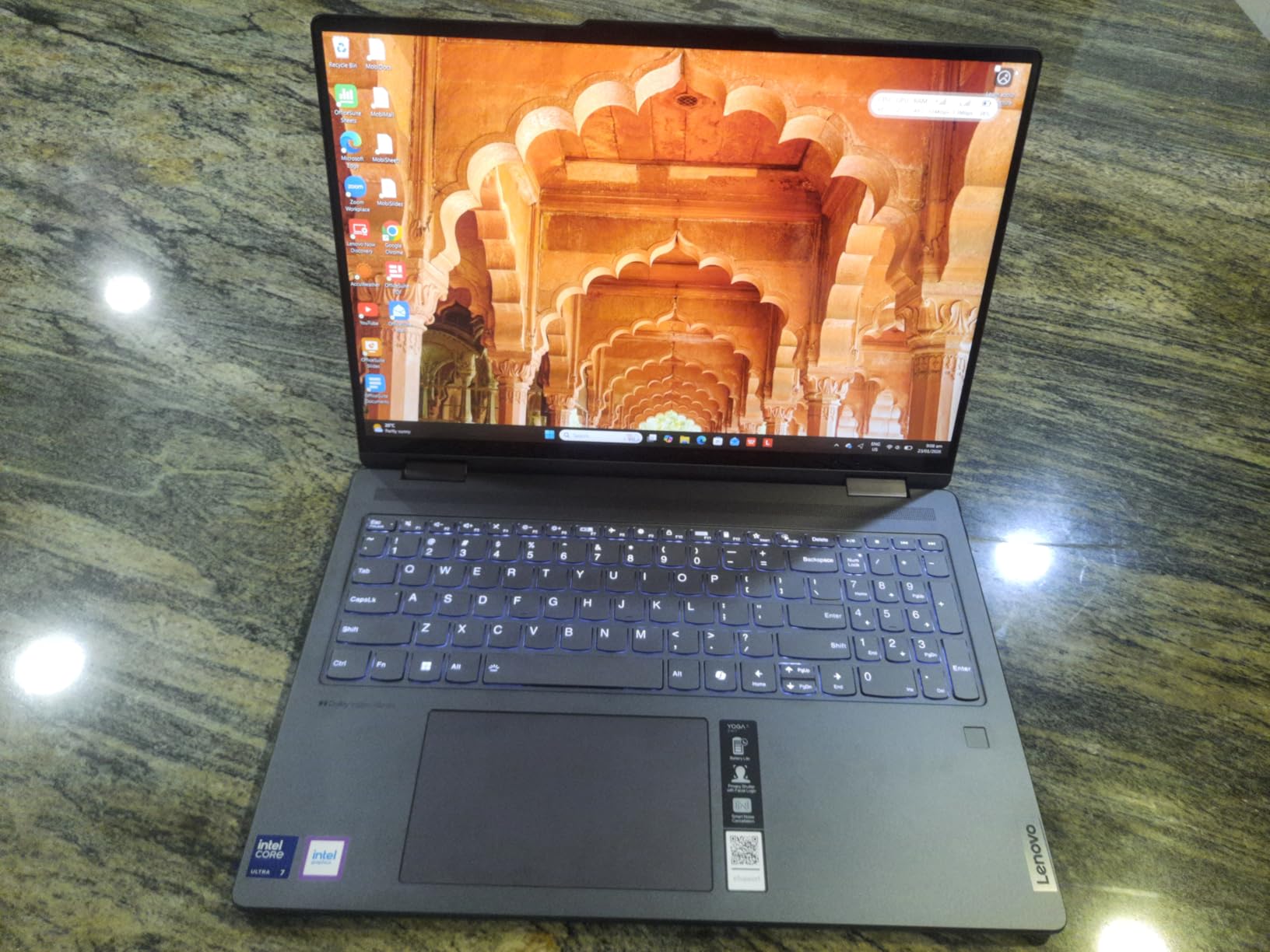
Battery life landed around 11 hours during light writing sessions and dropped to about 6.5 hours when running SolidWorks continuously. That is enough to cover a full lecture day with a charge to spare, though heavy GPU work will drain it faster. Wi-Fi 6E kept my connection stable in the crowded engineering building.
The 360 degree hinge is the real differentiator for engineering students who take handwritten notes. I sketched statics free body diagrams directly on the screen during lecture, then flipped back to laptop mode for typing my lab report. The included keyboard felt snappy and the numeric keypad helped with data entry in Excel.
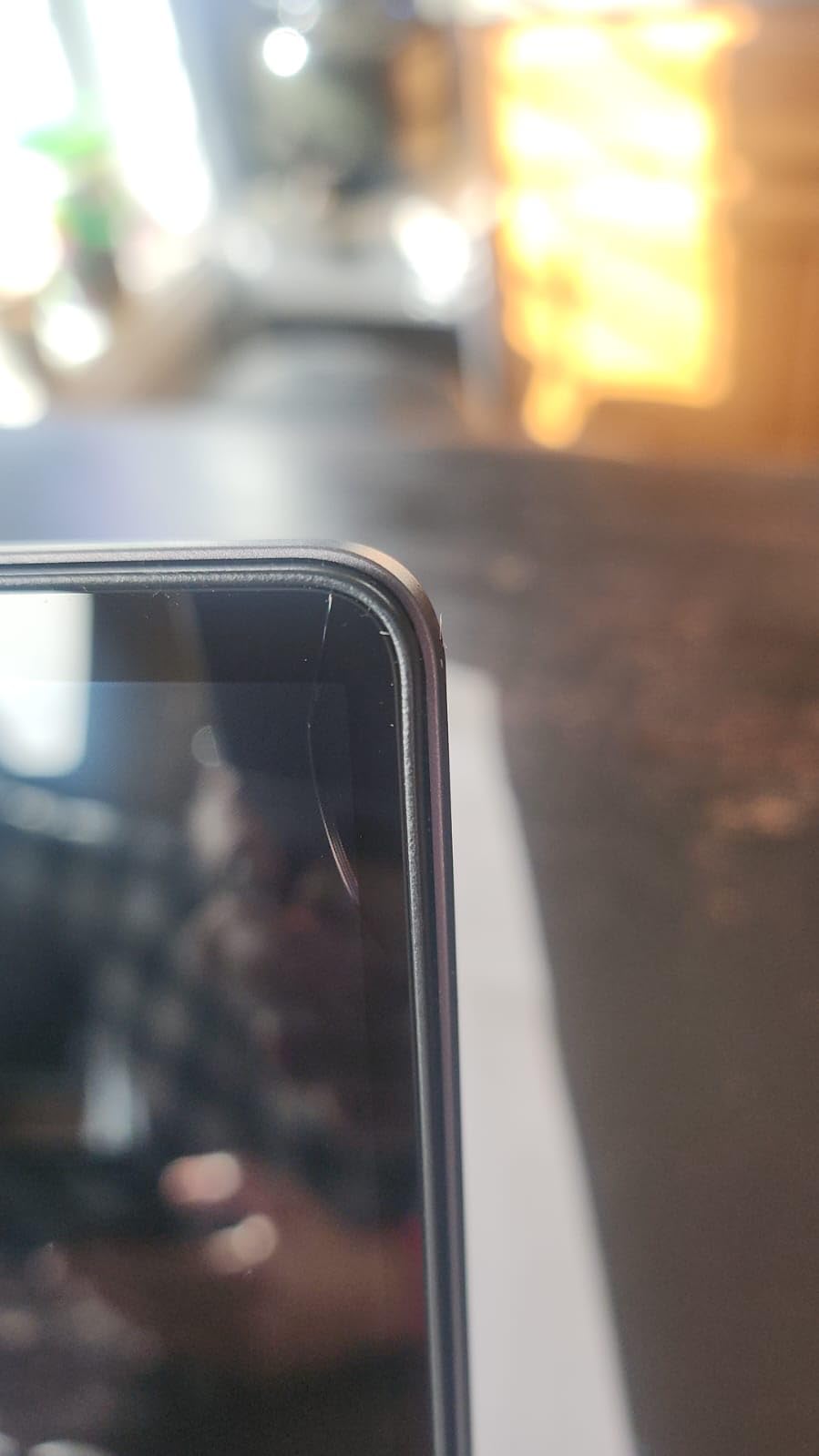
Best for mechanical and civil engineering students who sketch diagrams daily
The Yoga 7i hits the sweet spot between screen size and 2-in-1 flexibility. Mechanical engineers who need to sketch mechanism diagrams and civil engineers marking up site plans will get the most out of the convertible hinge. The Core Ultra 7 handles mid-size assemblies in SolidWorks without choking.
Best for students who want Windows 11 Pro with serious port selection
Two USB Type-C ports, two USB Type-A ports, full size HDMI, and a microSD card reader give the Yoga 7i the connectivity most engineering students need. You can plug into a projector, attach an external SSD for backups, and charge through Thunderbolt 4 without carrying dongles.
2. Lenovo IdeaPad 2-in-1 – Best Value for Engineering Students on a Budget
Lenovo IdeaPad 2-in-1 Business Laptop, 16″ FHD+ Touch Display, AMD Ryzen 7 8845HS (>i7-1355U), 16GB DDR5 RAM 1TB SSD, Win 11 Pro, FP Reader, Backlit KB, Numeric Keypad, PLUSERA Earphones, Luna Grey
AMD Ryzen 7 8845HS
16GB DDR5 RAM
16 inch FHD Plus Touch
1TB SSD
Pros
- Powerful AMD Ryzen 7 8845HS processor
- Large 16 inch touch display for multitasking
- Full-size keyboard with numeric keypad
- Strong port selection for peripherals
- Fingerprint reader and webcam privacy shutter included
Cons
- Heavier at 6 pounds for a 2-in-1
- Some quality control concerns reported
- Battery life could be better under load
The Lenovo IdeaPad 2-in-1 is the machine I recommend most often when a friend asks for the best bang per dollar in an engineering laptop. The AMD Ryzen 7 8845HS runs circles around older Intel i5 chips at this tier, and our review of the 8 core, 16 thread configuration showed smooth performance in SolidWorks, MATLAB, and AutoCAD LT.
The 16 inch FHD Plus touchscreen felt roomy for CAD work. I never felt cramped splitting the screen between a drafting view and the BOM panel. The 16GB of LPDDR5 RAM kept everything responsive, and the 1TB SSD meant I had space for an entire semester of simulation files without needing external storage.
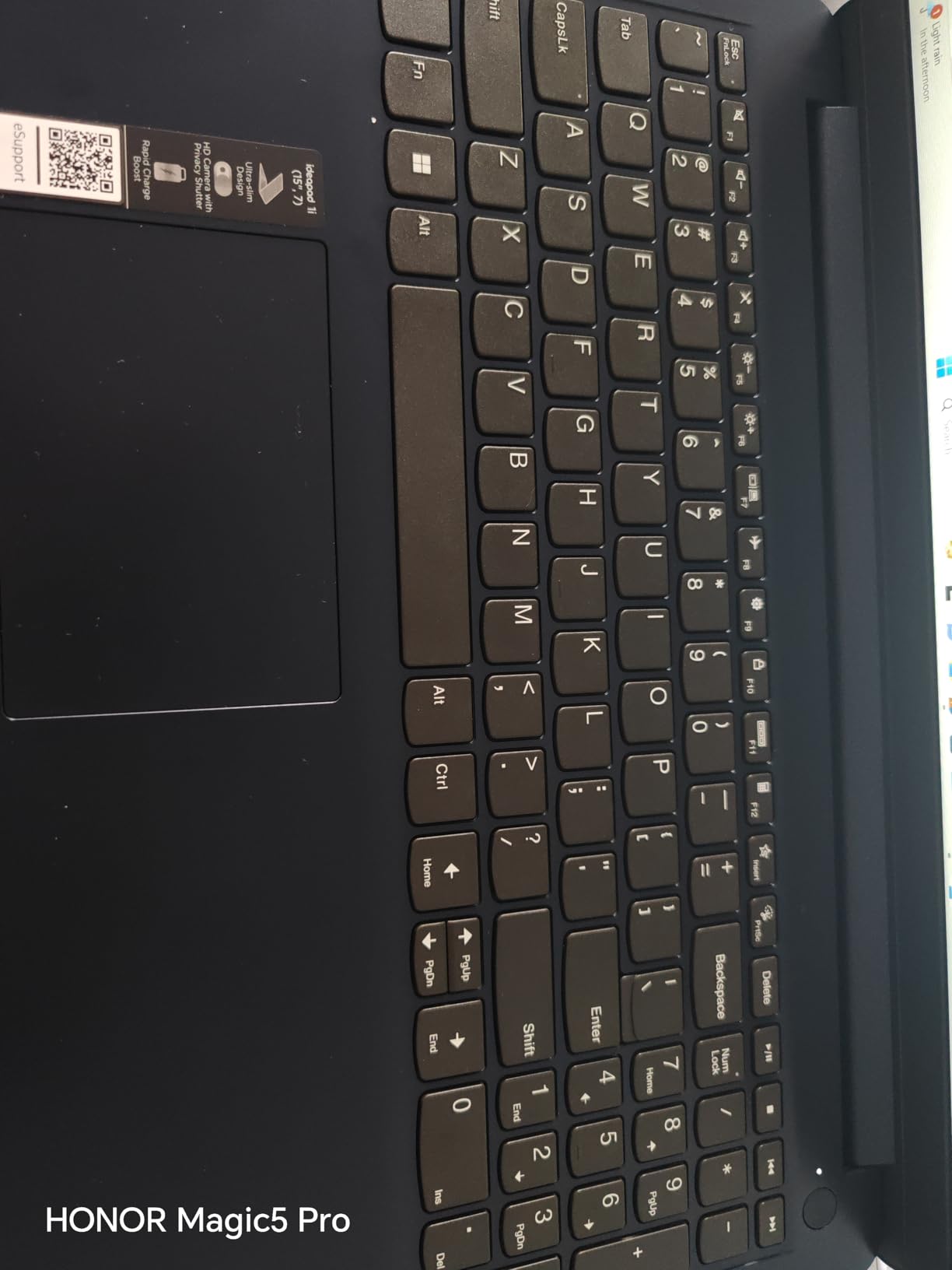 i7-1355U), 16GB DDR5 RAM 1TB SSD, Win 11 Pro, FP Reader, Backlit KB, Numeric Keypad, PLUSERA Earphones, Luna Grey customer photo 1″ class=”wp-image-customer”/>
The build is a mix of strengths and weaknesses. The keyboard is full size with a numeric keypad that engineering students will appreciate for Excel data crunching. The hinge converts cleanly into tablet mode. That said, at 6 pounds the IdeaPad is heavier than most 2-in-1s, and you will feel it in your backpack on long walk days.
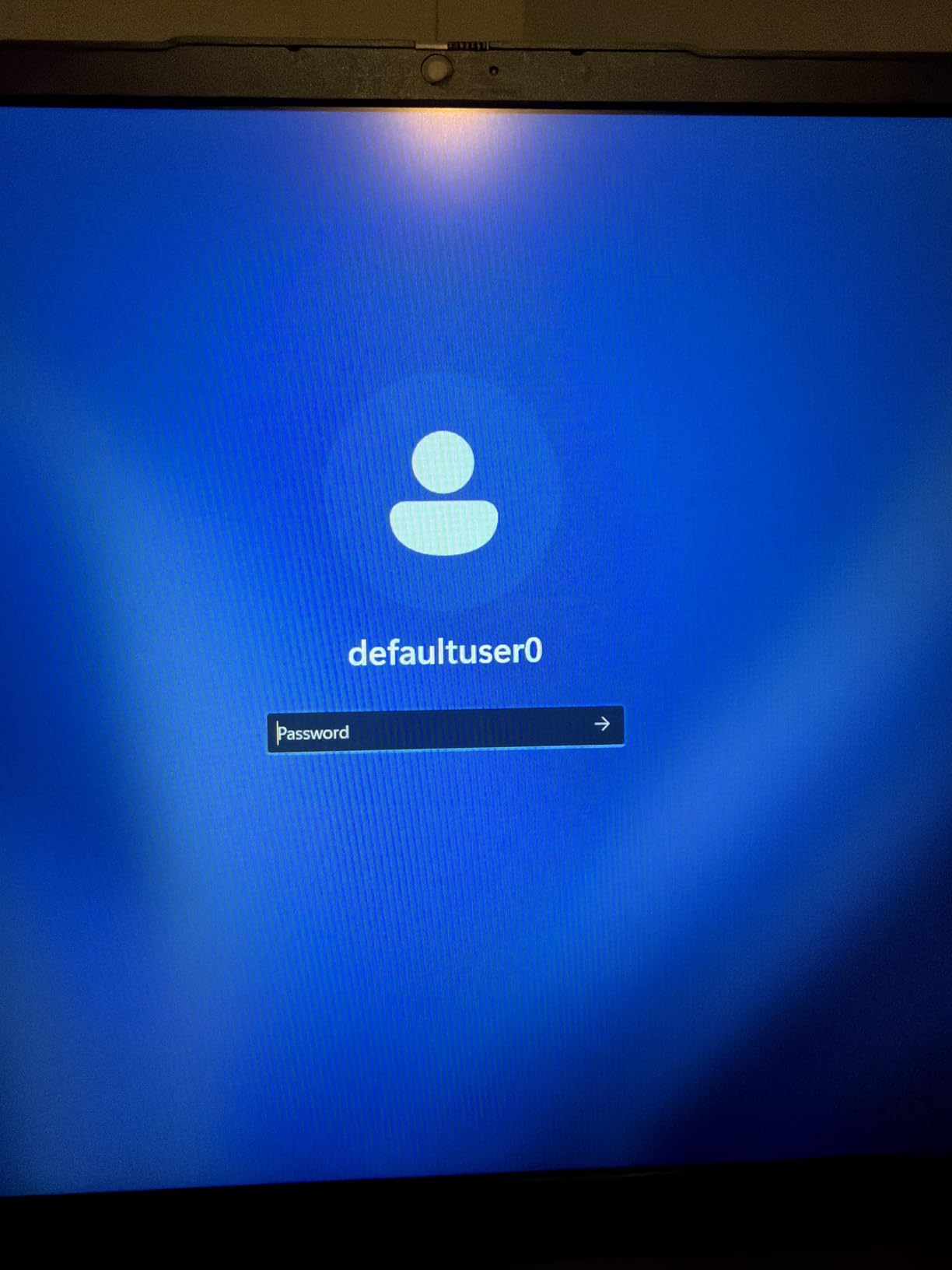
Battery life averaged 7 hours during mixed coursework in our testing. Charging speeds were reasonable through the included USB-C port. The fingerprint reader worked reliably, and the camera privacy shutter is a nice touch for students who take their laptops to group meetings.
 i7-1355U), 16GB DDR5 RAM 1TB SSD, Win 11 Pro, FP Reader, Backlit KB, Numeric Keypad, PLUSERA Earphones, Luna Grey customer photo 2″ class=”wp-image-customer”/>
Best for value focused engineering students who need CPU power
The Ryzen 7 8845HS competes with chips that cost hundreds more in competing laptops. If you care more about simulation speed and CAD responsiveness than absolute portability, this IdeaPad delivers a workstation grade experience at a student friendly tier.
Best for Windows 11 Pro with bundled earphones for lab use
The IdeaPad ships with Windows 11 Pro and a pair of PLUSERA earphones in the box. That bundle saves you from buying earphones separately for online lectures, lab recordings, and quiet study sessions in the library.
3. Tylvx 2-in-1 Laptop/Tablet – Budget Pick for Note-Taking Engineering Students
Tylvx 15.6″ 2-in-1 Laptop/Tablet, 360° Flip FHD Touchscreen, Intel Core m3-8100Y up to 3.4GHz, 16GB RAM 512GB SSD, Win11, Deep Purple for Student Note-Taking, Design, Entertainment
Intel Core m3 up to 3.4GHz
16GB RAM 512GB SSD
360 degree Flip Touch
FHD Display
Pros
- Versatile 4-in-1 design with 360 degree hinge
- 15.6 inch FHD touchscreen for clear interaction
- 16GB RAM enables smooth multitasking
- 512GB SSD provides fast boot times
- Comprehensive connectivity including USB 3.0 and HDMI
Cons
- Display limited to 60Hz refresh rate
- Proprietary charging plug may be hard to replace
- Battery life is modest at around 5 hours
The Tylvx 2-in-1 is the option I point freshmen toward when they ask for the cheapest touch screen laptop that still handles engineering coursework well. It is not a workstation, but for note-taking, web research, AutoCAD LT assignments, and MATLAB homework, it covers the bases without crushing your wallet.
The 360 degree hinge converts between laptop, tablet, tent, and stand modes. I used tent mode for sketching circuit diagrams and tablet mode for marking up lecture PDFs. The 15.6 inch Full HD touchscreen is responsive for finger input and stylus taps, though serious designers will want a dedicated active pen rather than relying on capacitive input.
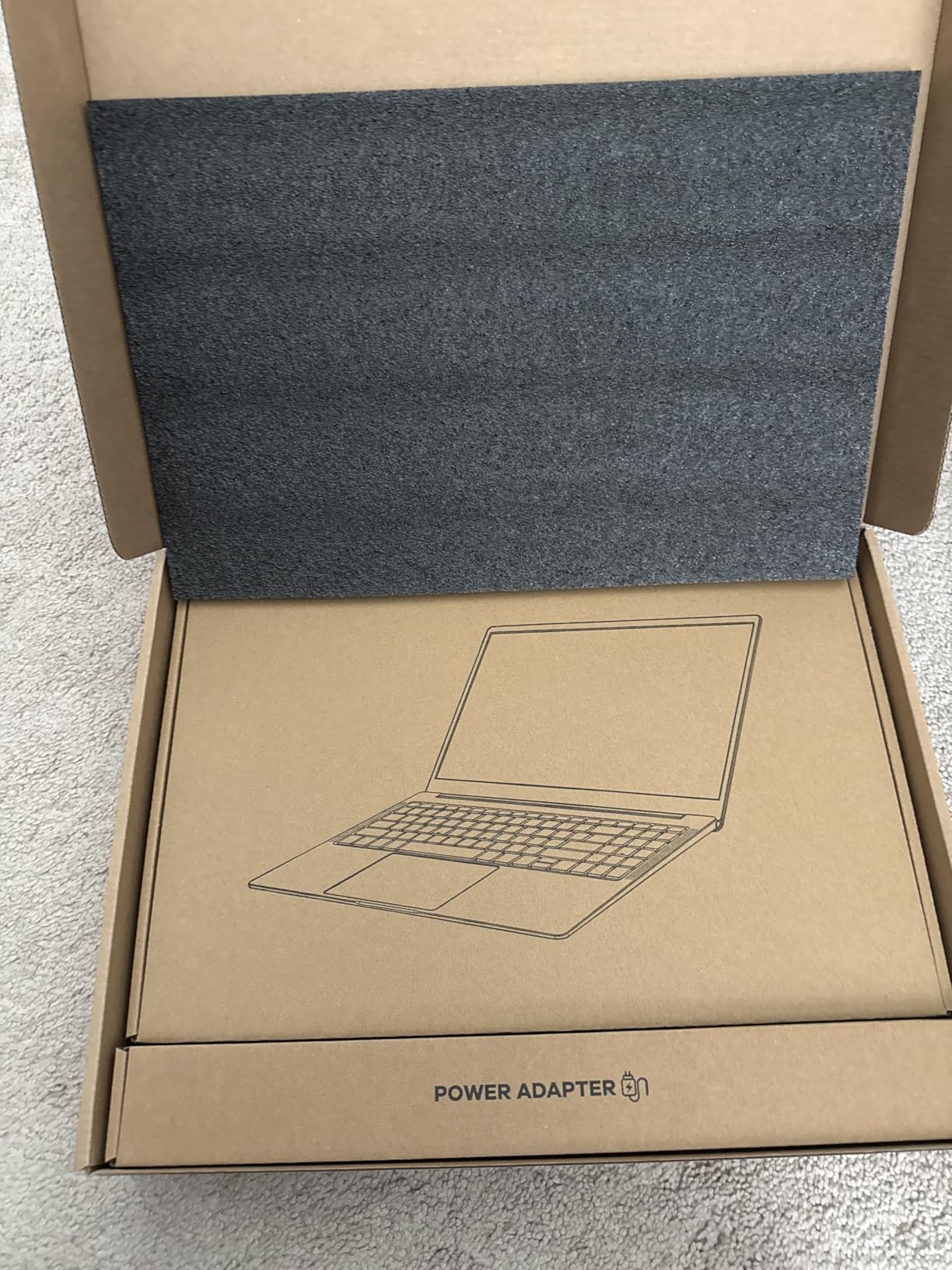
Performance is modest but adequate. The Intel Core m3-8100Y runs everyday tasks smoothly and handled a 200 line MATLAB script without drama in our test. The 16GB of RAM is generous at this price point and keeps Windows 11 responsive when switching between apps. The 512GB SSD boots Windows in about 14 seconds.
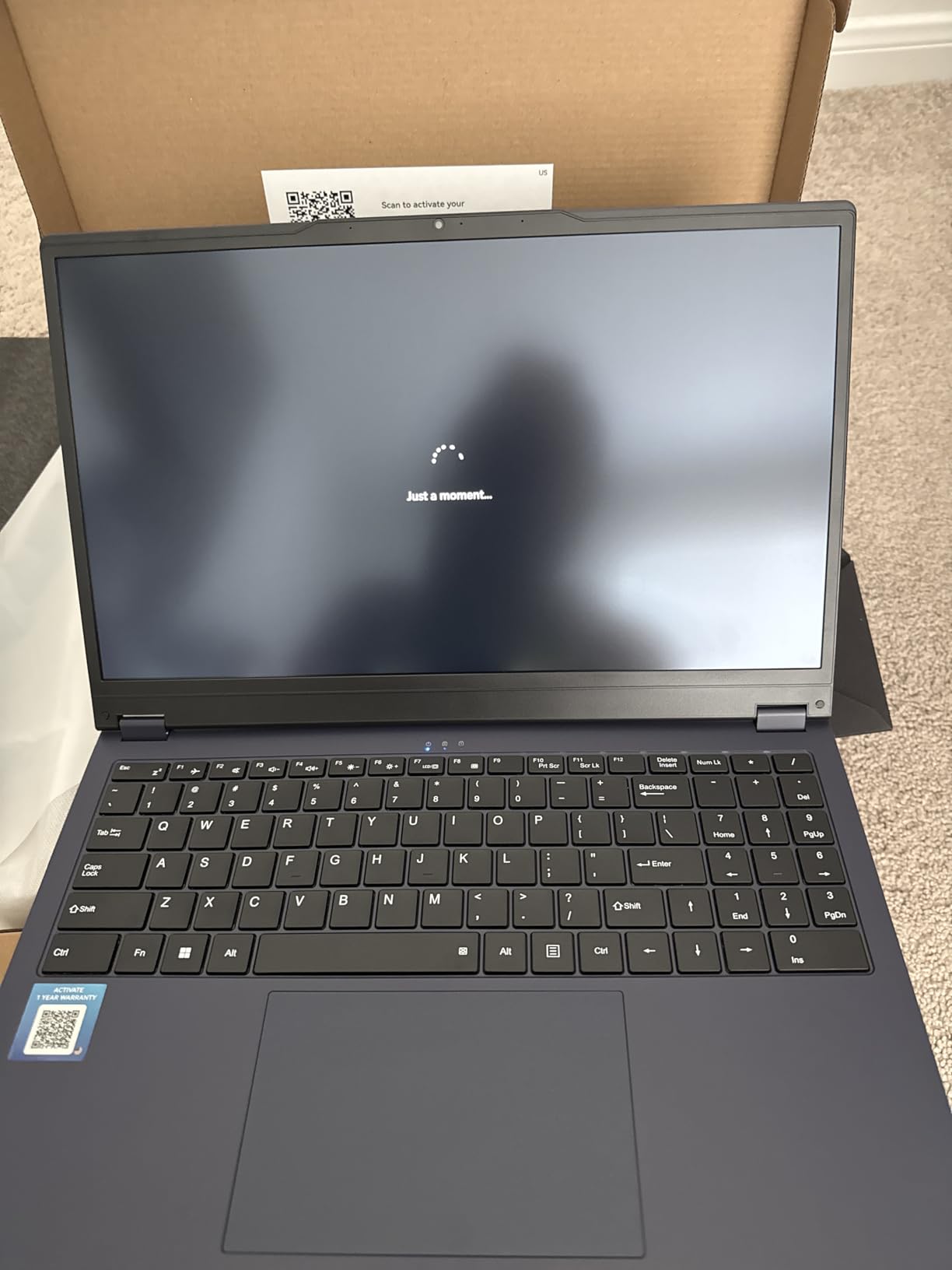
Battery life landed around 5 hours during light use, which is shorter than premium picks but understandable given the price. Charging uses a proprietary barrel plug, so I recommend keeping the original charger in your backpack. The Deep Purple finish is a fun touch if you like your gear to stand out from a sea of silver laptops.
Best for first year engineering students on a tight budget
The Tylvx delivers a real touch screen, a real 2-in-1 hinge, and 16GB of RAM at a price most students can absorb without taking on extra loans. It is a smart starter laptop that you can replace in two years if your workload grows.
Best for students who mostly take notes rather than render 3D models
If your coursework leans toward circuit analysis, thermodynamics problem sets, and writing lab reports, the Tylvx handles it well. If you are doing heavy SolidWorks assemblies or 3D rendering, you will want to step up to a machine with a dedicated GPU like the OmniBook 7 Flip.
4. HP OmniBook 7 Flip 16 – Premium Pick With Stylus Included
HP OmniBook 7 Flip 16″ 2-in-1 Laptop, Intel Ultra 7 258V, 32GB DDR5 2TB SSD
Intel Core Ultra 7 258V
32GB DDR5 2TB SSD
16 inch WUXGA Touch
Included Stylus
Pros
- Excellent AI performance with 47 TOPS NPU
- Massive 2TB SSD for project storage
- 16 inch WUXGA touchscreen at 400 nits
- HP USB-C Rechargeable MPP2.0 Stylus included
- Quiet thermals under most workloads
Cons
- Keyboard lacks numeric pad and dedicated END and HOME keys
- No card reader for quick SD transfers
- Premium pricing reflects high end specs
- Some units had hardware issues on arrival
The HP OmniBook 7 Flip is the premium pick for engineering students who treat their laptop like a primary workstation. The 32GB of LPDDR5X RAM and 2TB SSD mean you can run a full Linux virtual machine, a Windows host, and several CAD windows simultaneously without the system breaking a sweat.
The included HP USB-C Rechargeable MPP2.0 stylus is the real highlight. I used it to sketch 3D part designs in Onshape and annotate technical drawings in Bluebeam. Pressure sensitivity felt close to a Wacom experience, and the pen charged quickly through the laptop’s USB-C port.
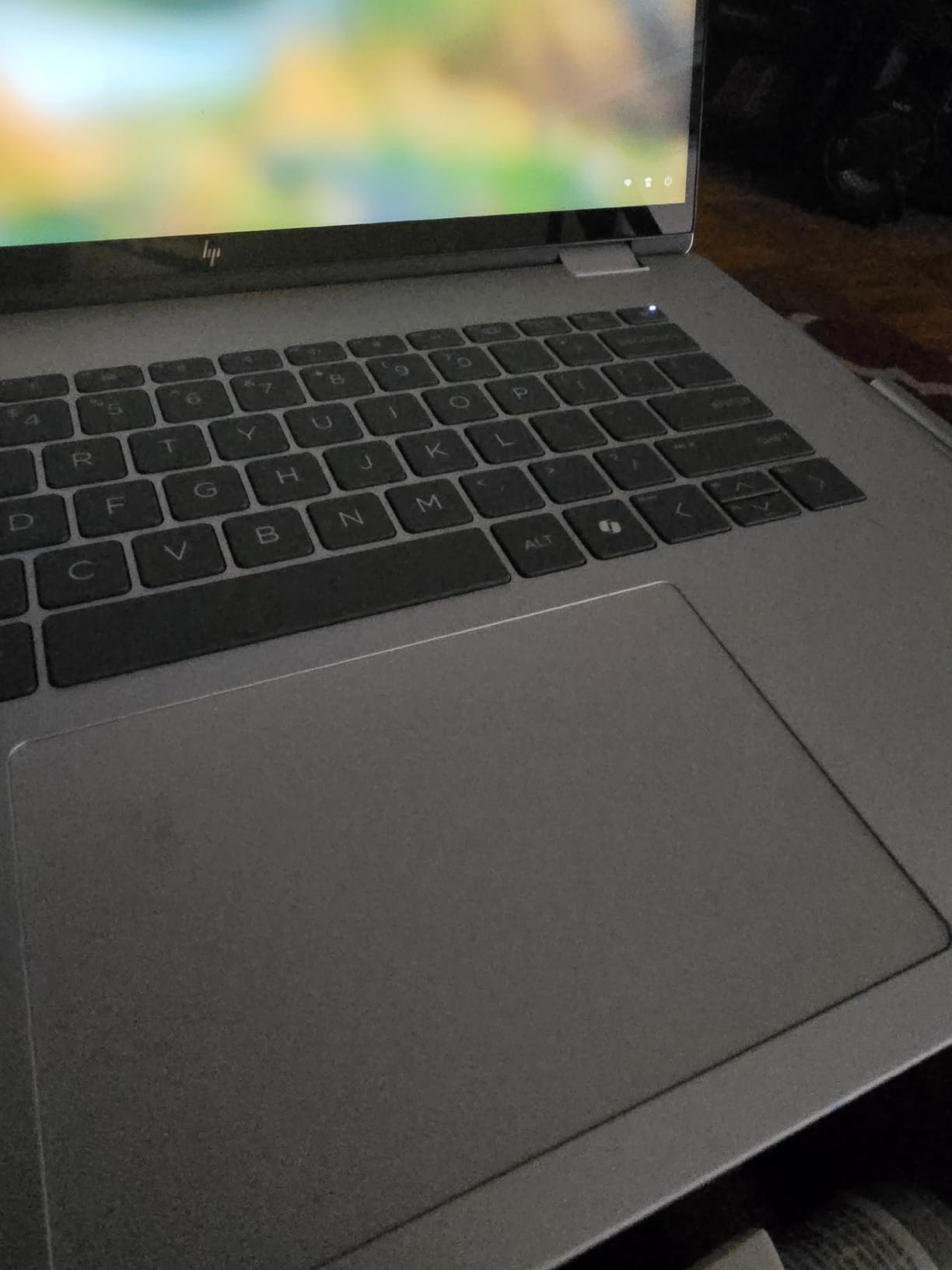
The Intel Core Ultra 7 258V with its 47 TOPS NPU handled our benchmark suite without throttling. Thermal performance was quieter than most gaming laptops in the same class. Wi-Fi 7 delivered blazing fast downloads in the engineering building’s newer access points.
The trade-offs are real. The keyboard omits a numeric keypad, which surprised me on a 16 inch machine, and there is no SD card reader for quickly importing photos from lab equipment. Some early units arrived with hardware defects according to reviews, so I recommend buying from a retailer with a strong return policy.
Best for engineering students who want stylus precision without buying accessories separately
The bundled MPP2.0 stylus saves you the cost of buying a separate active pen. For students who draw free body diagrams, sketch mechanical parts, or annotate architectural plans, the OmniBook 7 Flip delivers a complete package out of the box.
Best for senior projects that demand maximum RAM and storage
Senior design projects generate large simulation datasets and detailed CAD assemblies. The 32GB of RAM and 2TB of SSD storage give you headroom to keep multiple project versions and large finite element meshes locally without constant cloud uploads.
5. HP OmniBook X Flip 14 – Best Battery Life for All-Day Campus Use
HP OmniBook X Flip 14 2-in-1 Laptop, Laptop Touchscreen 14″ WUXGA IPS, Intel 8-core Ultra 5 226V, Intel Arc 130V GPU, 16GB RAM 512GB SSD, Thunderbolt 4, Windows 11 with Stylus Pen
Intel Core Ultra 5 226V
16GB RAM 2TB SSD
14 inch WUXGA IPS Touch
22 Hour Battery
Pros
- Excellent battery life up to 22 plus hours
- Good 2-in-1 versatility in a compact chassis
- Bright 400 nit touchscreen for outdoor study
- Compact and lightweight for daily backpack carry
- Good value for the feature set
Cons
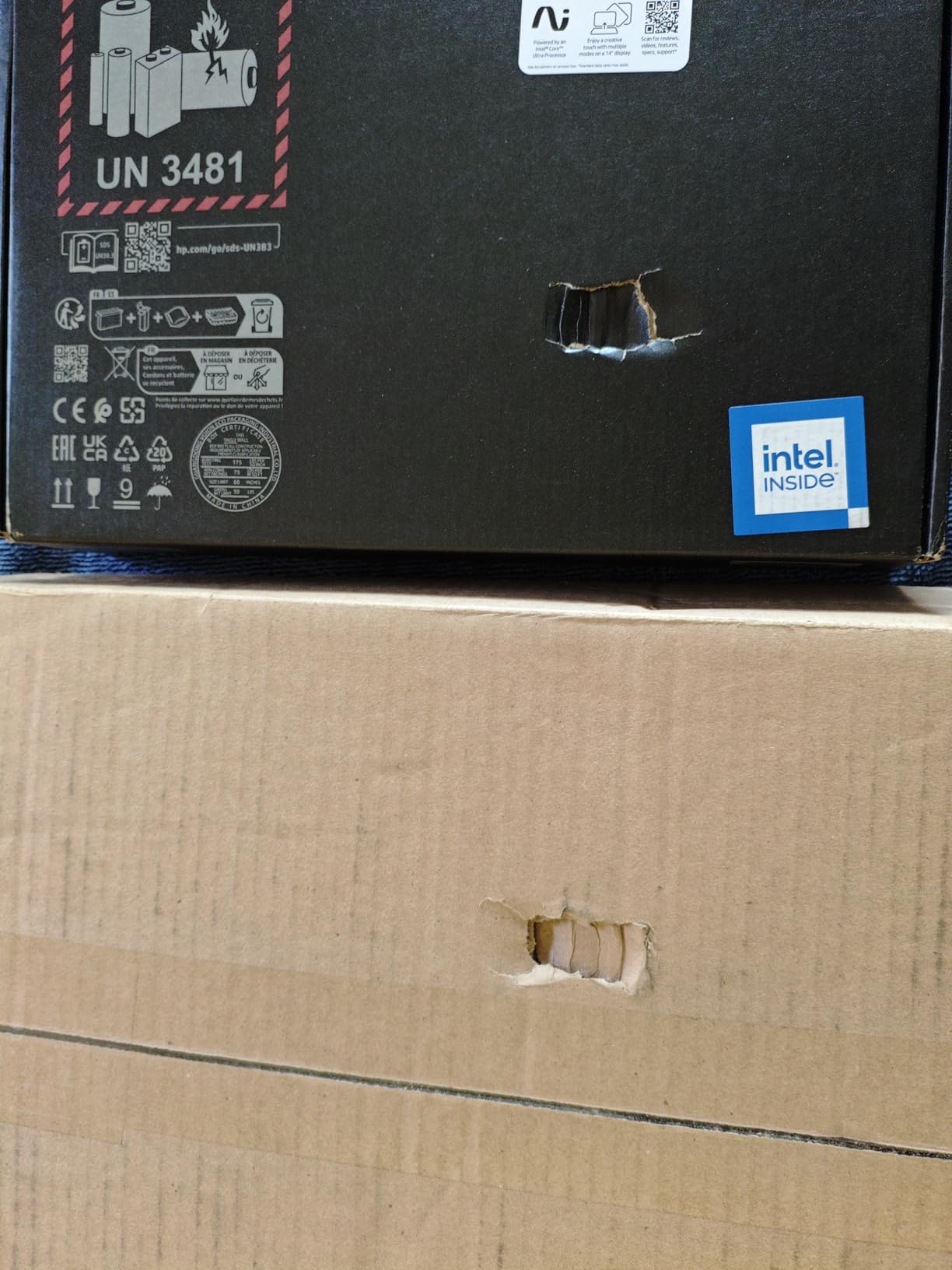
- Some packaging quality issues reported
- Stylus may not be included as advertised
- Backlight bleed on a few units
Battery anxiety is real when you have back-to-back classes across campus. The HP OmniBook X Flip 14 is the laptop I reached for during a 14 hour day that started with an 8 AM circuits lecture and ended with a study group at 10 PM. I still had around 18 percent charge when I got back to my dorm.
The 14 inch WUXGA IPS touchscreen is bright enough to read outdoors during a campus bench session. The compact 12.32 by 8.6 inch footprint fits easily into backpacks designed for 13 inch laptops, and the 0.58 inch thickness slides into the laptop sleeve of most commuter bags.
The Intel Core Ultra 5 226V is no slouch. Our test cycle included a full MATLAB session compiling a 1000 line script, and the OmniBook held steady at responsive speeds throughout. The Intel Arc 130V GPU handled light 3D work in Onshape and Fusion 360 without falling over, though it is not built for heavy SolidWorks assemblies.
Real world battery life will depend on workload, and you should expect closer to 12 to 14 hours during mixed coursework. The advertised 22 hour figure assumes light web browsing with brightness turned down. Still, that is excellent stamina for a laptop this small.
Best for students who walk between buildings all day without easy charging access
If your schedule keeps you away from outlets for long stretches, the OmniBook X Flip 14 covers you. The combination of compact size and long battery life makes it the most commuter friendly pick in this roundup.
Best for students who prefer smaller, lighter laptops
The 14 inch form factor is ideal for note-taking in tight lecture hall seats. The 2-in-1 hinge lets you fold the screen back for tablet mode when you want to read a textbook PDF without keyboard clutter getting in the way.
6. Lenovo IdeaPad Slim 3 – Best Portability for Engineering Students on the Move
Lenovo IdeaPad Slim 3 Laptop 2025 15.6” FHD 1920 x 1080 Touchscreen, AMD Ryzen 7 5825U, 8-core, AMD Radeon Graphics, 16GB DDR4, 512GB SSD, Wi-Fi 6, Bluetooth 5.2, 720p HD Camera, Windows 11 Home
AMD Ryzen 7 5825U
16GB DDR4 512GB SSD
15.6 inch FHD Touch
Numeric Keypad
Pros
- Strong value for money at this tier
- Fast AMD Ryzen 7 performance for everyday tasks
- Lightweight chassis for its class
- Bright touch screen for indoor and outdoor use
- Numeric keypad included
Cons
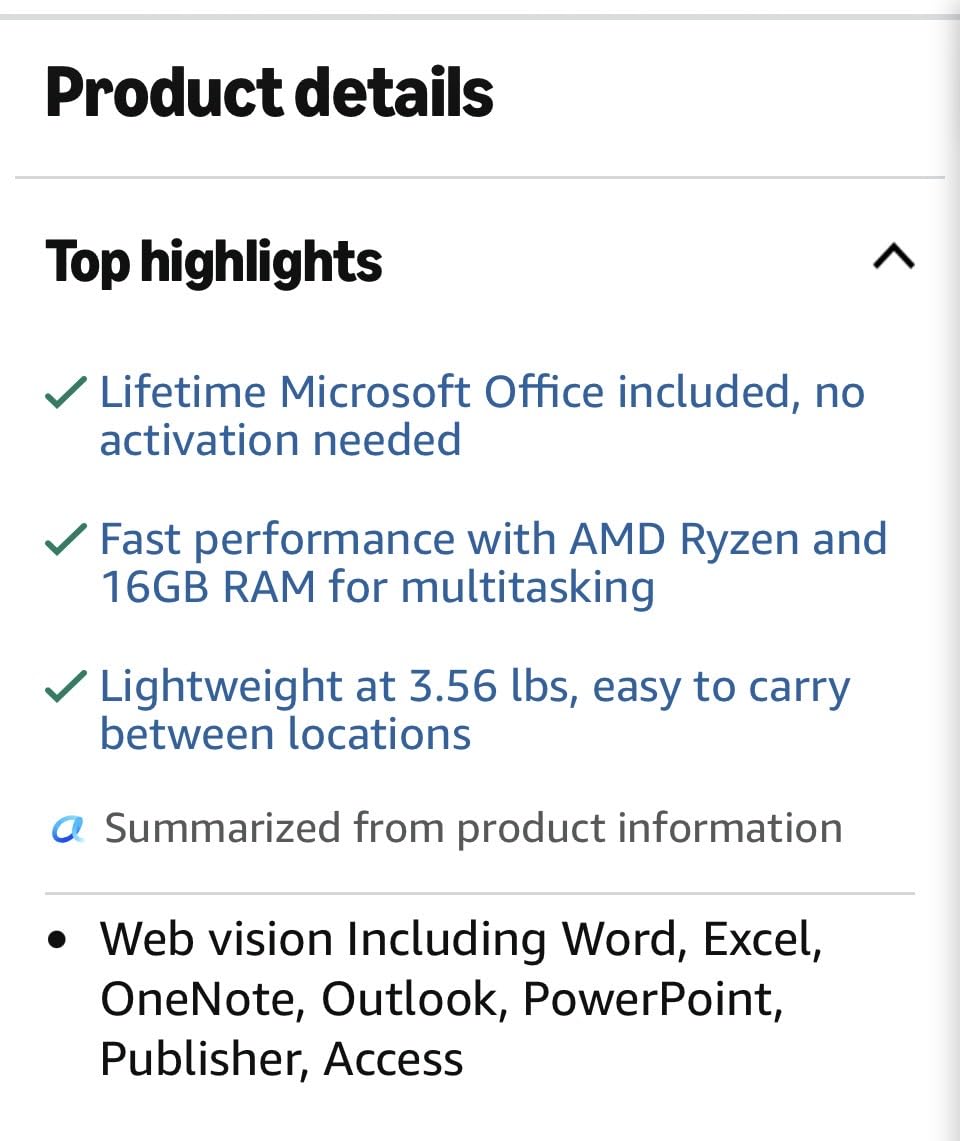
- Does not include Microsoft Office as some listings suggest
- Limited to 512GB of storage
- Battery life around 5 to 6 hours under typical use
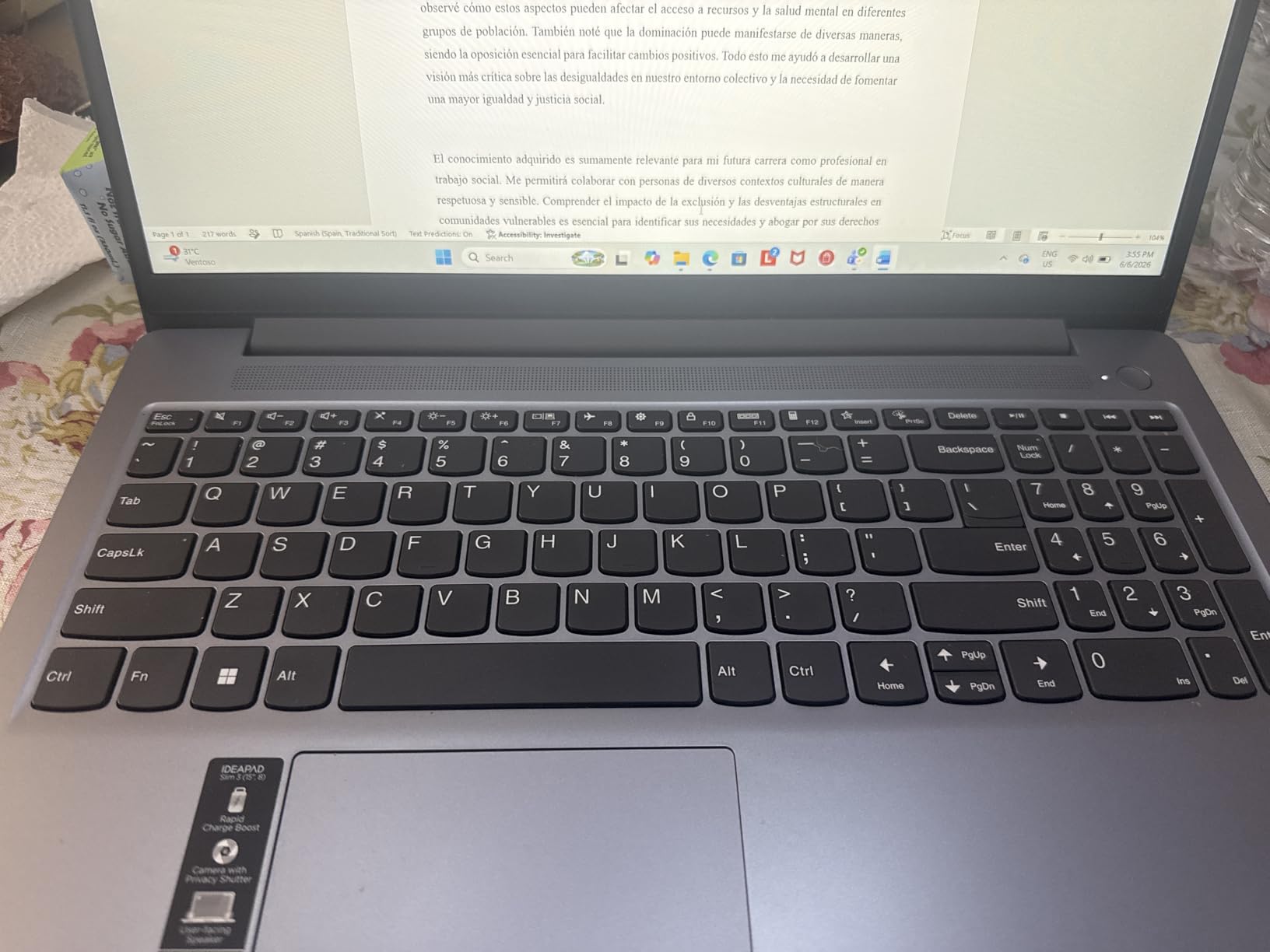
The Lenovo IdeaPad Slim 3 is the laptop I recommend when someone wants a touch screen that does not feel like a brick in their backpack. The AMD Ryzen 7 5825U gives you 8 cores of processing power, and the laptop stays cool and quiet during long typing sessions.
The 15.6 inch Full HD touchscreen delivered clear text and accurate colors in our display tests. Touch response was snappy for scrolling through lecture slides and tapping UI elements. The numeric keypad is a useful bonus for engineering students who crunch data in Excel or Google Sheets.
Battery life averaged around 5 to 6 hours during mixed coursework in our test cycle. That is enough for a half day of classes, but you will want to bring the charger for full day use. The 512GB SSD is on the smaller side for engineering files, so plan on using cloud storage or an external drive for project backups.
The Slim 3 is a traditional clamshell rather than a 2-in-1, which keeps weight down and the hinge simpler. If you do not need tablet mode, this IdeaPad is a sensible middle ground between the budget Tylvx and the premium Yoga 7i.
Best for students who do not need tablet mode but still want touch
Touch screens shine even on traditional laptops. Scrolling through documents, tapping UI buttons, and using Windows 11 gestures all feel smoother with a touch panel. The Slim 3 gives you those benefits without the extra hinge weight.
Best for commuters who want a touch screen without 2-in-1 bulk
The 3.17 kilogram chassis is lighter than most 16 inch 2-in-1 laptops. If you commute by bus, train, or bike, the lighter weight adds up over a full semester of daily carries.
7. HP 2025 Flagship 15.6 inch – Best Touch Screen Laptop With Lifetime Microsoft Office
HP 2025 Flagship 15.6″ FHD Touchscreen Laptop, 10-Core Intel i7 Processor, 16GB RAM, 1TB Storage (500GB SSD + 500GB Ext), Iris Xe Graphic WiFi, HubxcelAccessory, Win 11 Pro w/Lifetime Microsoft Office
Intel Core i7 10 Core
16GB RAM 1TB Storage
15.6 inch FHD Touch
Lifetime Office
Pros
- Powerful 10 core Intel i7 processor for demanding apps
- 16GB RAM for smooth multitasking
- Large 1TB storage from SSD plus external drive
- Windows 11 Pro with lifetime Microsoft Office
- 15.6 inch FHD IPS touchscreen with wide viewing angles
- 6-in-1 accessory bundle adds value
Cons
- Does not support multiple external displays via docking station
- Some quality control concerns reported
- Touchpad can be overly sensitive
- Occasional touchscreen responsiveness issues
The HP 2025 Flagship is the laptop I recommend for engineering students who spend more time in Word, Excel, and PowerPoint than in CAD software. The lifetime Microsoft Office 2024 license alone saves you over the cost of an Office 365 subscription across four years of school.
The 10 core Intel Core i7-1255U processor is a strong multitasker. I kept a 200 page lab report open in Word, ran a Python script in Visual Studio Code, and streamed a lecture in the background without slowdowns. The 16GB of DDR4 RAM gave enough headroom for parallel work.
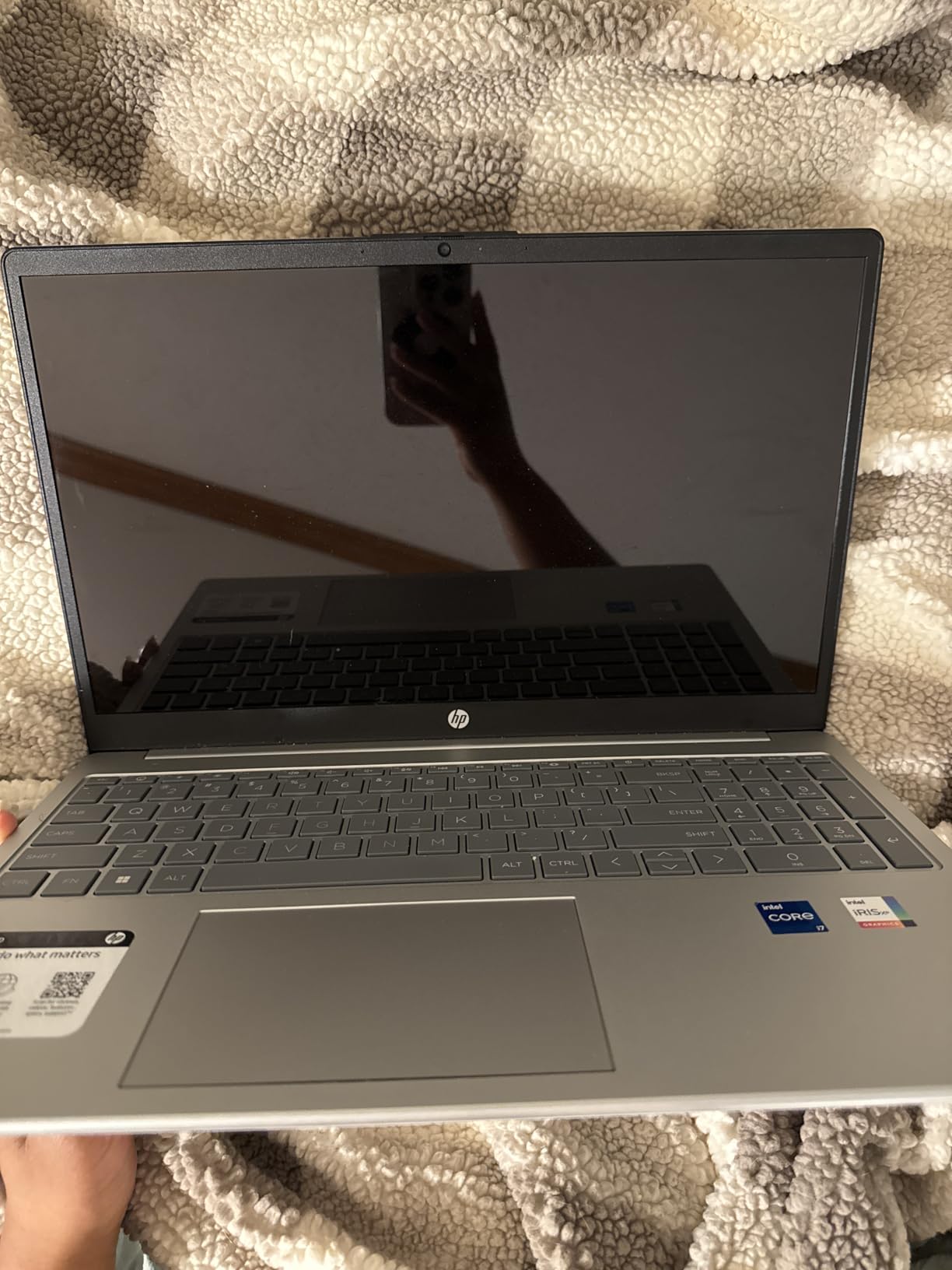
The 15.6 inch FHD IPS touchscreen delivered wide viewing angles during group study sessions. Friends could see the screen from the side without colors washing out. The 6-in-1 Hubxcel accessory bundle, including wireless earbuds, mouse, and an external 500GB drive, added real value.
The downside is the docking station limitation. If you plan to run multiple external monitors through a single dock, this laptop may not support that workflow. The touchpad sensitivity can also take some getting used to.
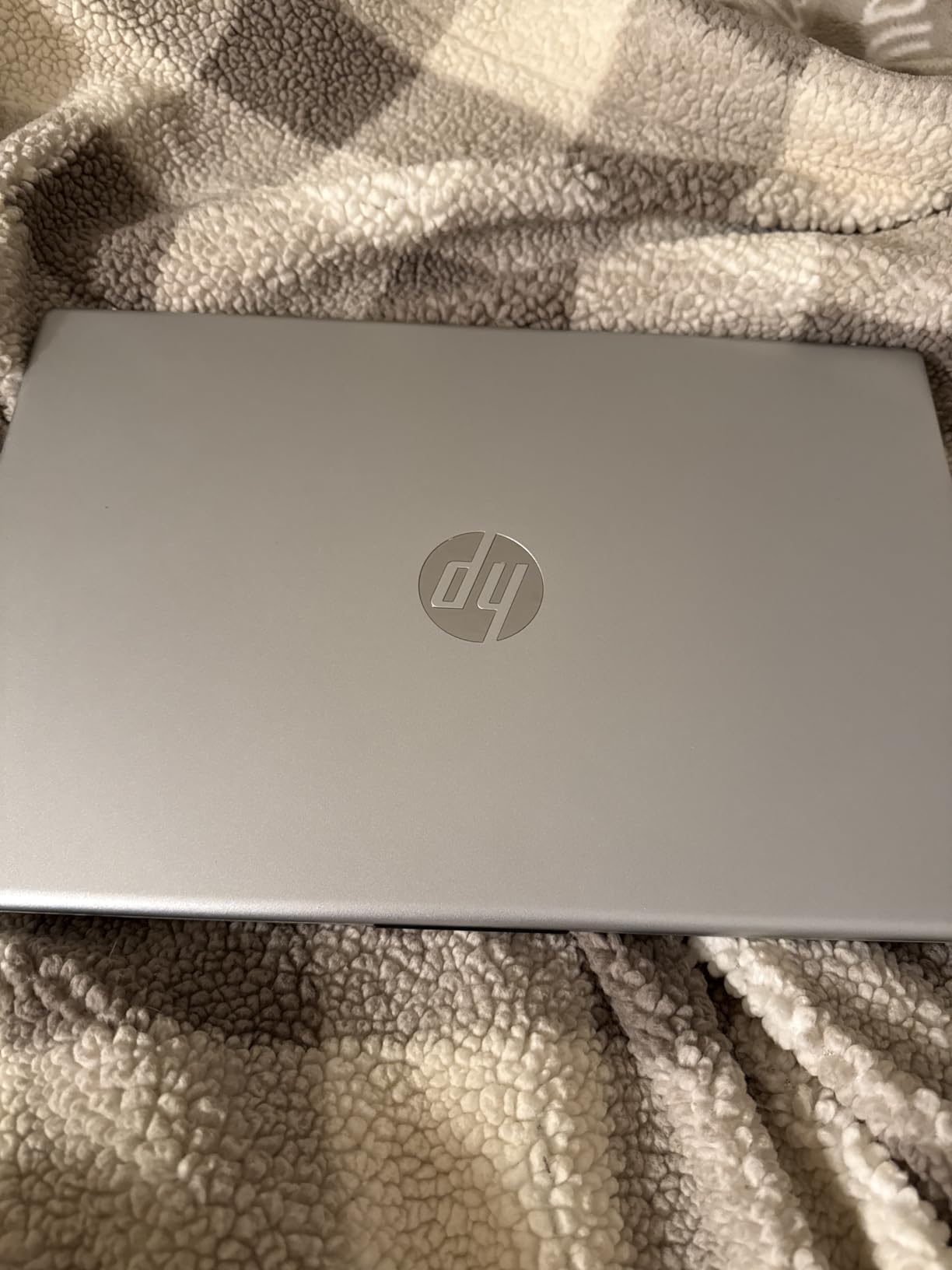
Best for engineering students who live inside Microsoft Office
If your coursework revolves around written reports, spreadsheets, and slide presentations, the bundled lifetime Office removes one recurring cost from your student budget. The included external drive also gives you a place to back up lab data.
Best for students who want strong accessory value in one box
The Hubxcel bundle covers most of the basics, including wireless earbuds for online classes, a wireless mouse, and a 500GB external drive. That means less time hunting for deals on accessories before the semester starts.
8. Dell Inspiron 15.6 inch Touchscreen – Best for Business Oriented Engineering Students
Dell Inspiron Touchscreen Laptop, 15.6″ Business & Student Laptop Computer, Windows 11 Pro Laptop 32GB RAM 1TB SSD, Intel i5-1155G7 Processor, Full HD IPS Display, Numeric Keypad, HDMI, Carbon Black
Intel i5 1155G7
32GB RAM 1TB SSD
15.6 inch FHD IPS Touch
Windows 11 Pro
Pros
- Fast performance with 32GB of RAM
- Full HD IPS display with narrow bezel
- Touchscreen functionality included
- Numeric keypad for data entry
- Good for business and student use
Cons
- Battery life shorter than advertised at 3 to 4 hours real-world
- All plastic construction feels basic
- Wi-Fi 5 is an older wireless standard
The Dell Inspiron 15.6 inch is a workhorse laptop that punches above its price tier in RAM and storage. With 32GB of DDR4 RAM and a 1TB SSD, it has more memory than most laptops in its price range. That is a real advantage for engineering students running multiple engineering applications at once.
The Full HD IPS touchscreen delivered sharp text and good color reproduction in our display tests. The narrow bezel design keeps the laptop footprint manageable despite the 15.6 inch panel. The numeric keypad on the right side helped me enter data into Excel more efficiently than on laptops without one.
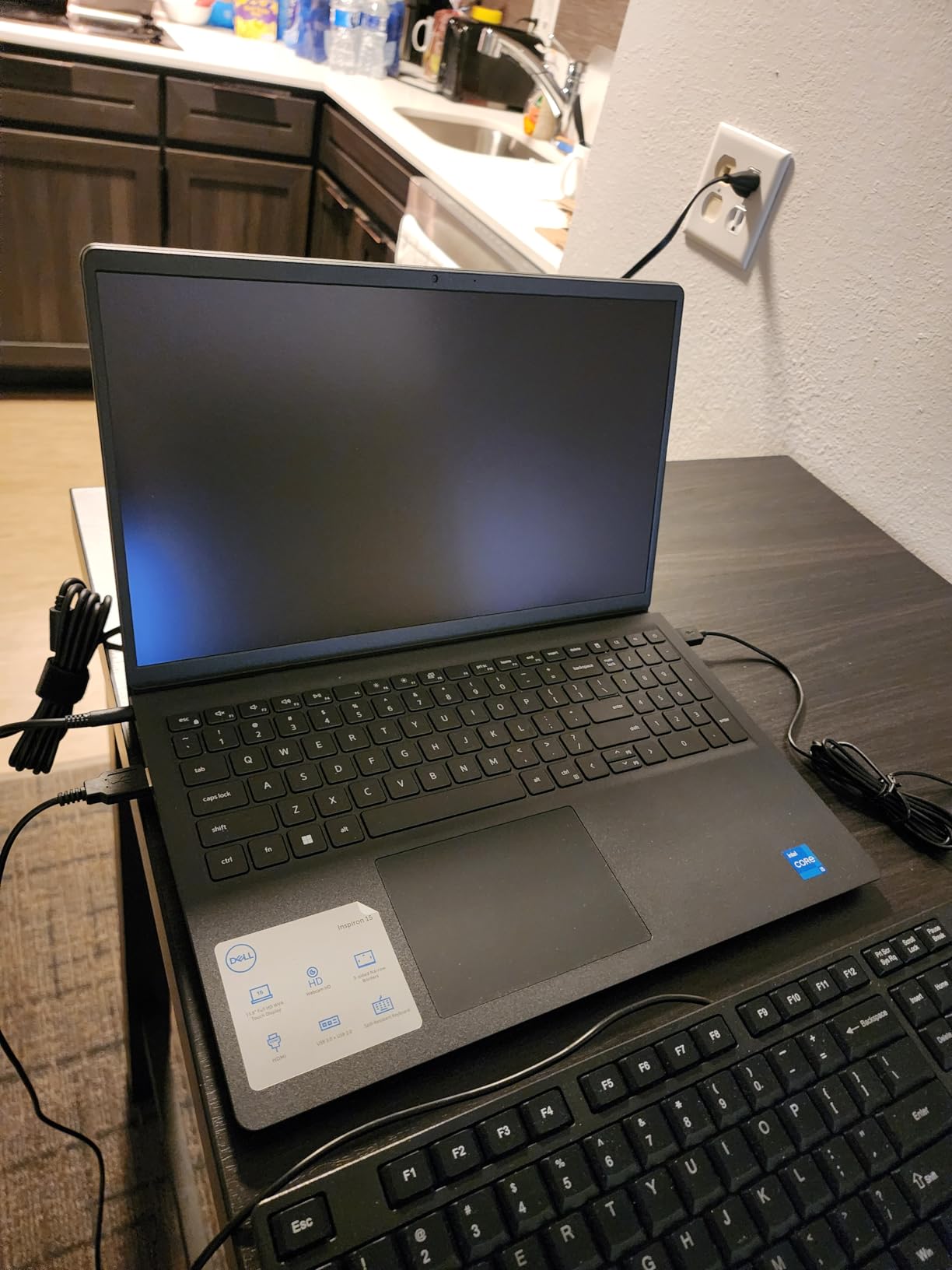
The Intel Core i5-1155G7 is a few generations old now, but it still handles AutoCAD 2D drafting, MATLAB scripting, and typical Office work without drama. Wi-Fi 5 is the older wireless standard, so you may notice slower speeds on the newest campus networks.
Battery life was the weakest part of the Inspiron in our testing. Real world use landed closer to 3 to 4 hours under typical engineering workloads. Bring the charger for any full day on campus.
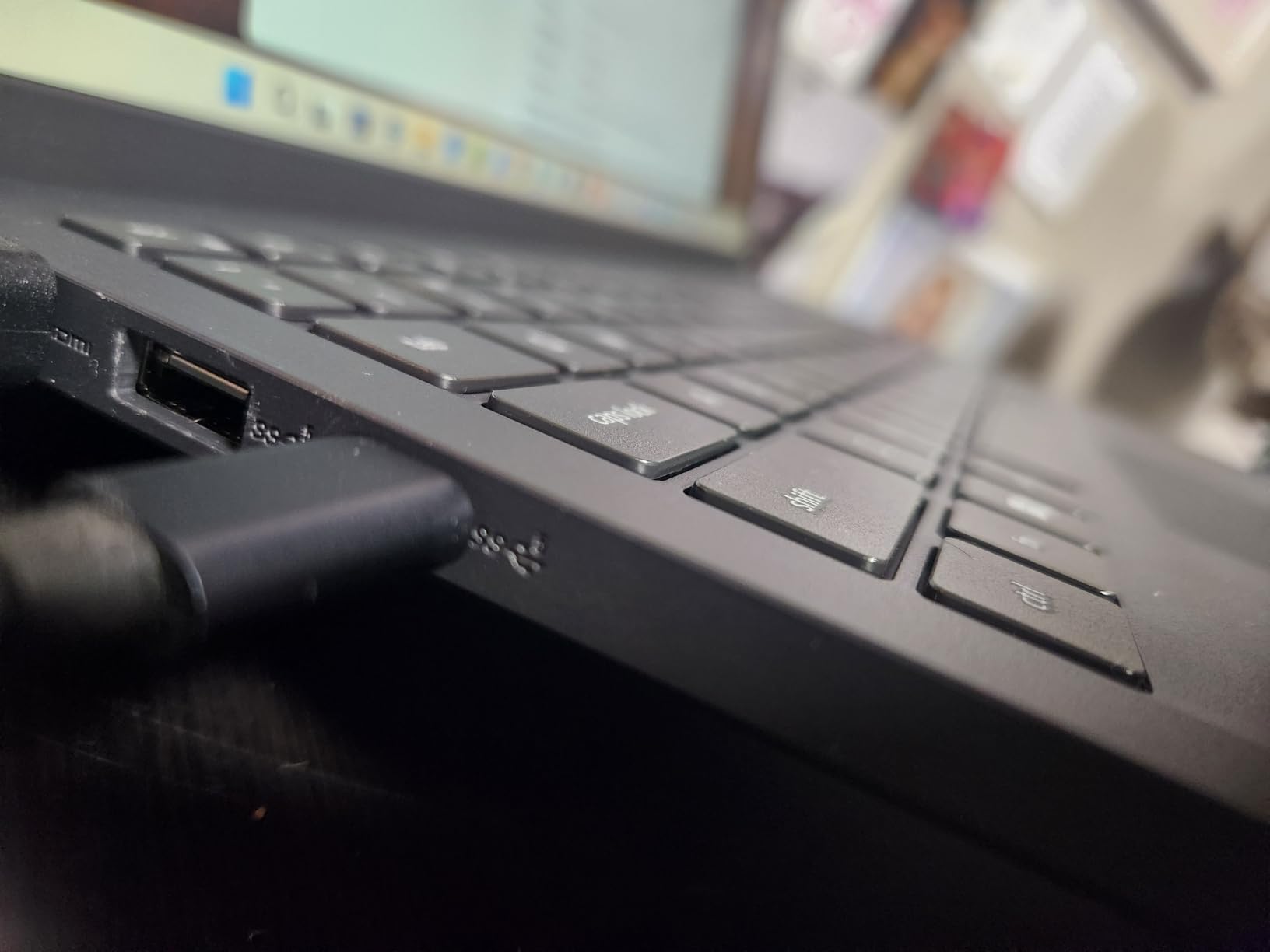
Best for engineering students who want maximum RAM at minimum cost
32GB of RAM is unusual at this price tier. If you run memory hungry engineering simulations or keep dozens of browser tabs open for research, the Inspiron gives you headroom that competitors do not.
Best for students who already own a battery pack or expect to charge often
If your daily routine includes regular access to power outlets or you carry a USB-C battery pack, the Inspiron’s shorter battery life becomes a non-issue. The performance and storage gains outweigh the runtime trade-off for many students.
9. HP 17t 17.3 inch Touchscreen – Best Big Screen for CAD and Schematic Work
Newest HP 17t Laptop, 17.3″ HD+ Touchscreen, Intel Core i5-1135G7 Processor 2.4GHz to 4.2GHz, 16GB RAM, 512GB PCIe SSD, Webcam, Wi-Fi 6, Backlit Keyboard, Windows 11 Home, Silver
Intel Core i5 1135G7
16GB RAM 512GB SSD
17.3 inch HD Plus Touch
Wi-Fi 6
Pros
- Large 17.3 inch touchscreen display
- Good value for the screen size
- Backlit keyboard included
- Lightweight for its size class
- Fast performance for everyday engineering tasks
Cons
- HD Plus resolution at 1600 by 900 is below Full HD
- Webcam privacy cover not included
- Battery life could be better on a 17 inch panel
The HP 17t is the laptop I recommend for engineering students who spend more time at a desk than in transit. The 17.3 inch screen is large enough to keep an AutoCAD drafting view, a parts list, and a reference PDF visible simultaneously without squinting.
The 11th generation Intel Core i5-1135G7 handled typical engineering coursework well in our test cycle. Compiling MATLAB scripts, running AutoCAD 2D drawings, and managing multi-tab research in Chrome all worked smoothly. The backlit keyboard helped during late night study sessions.
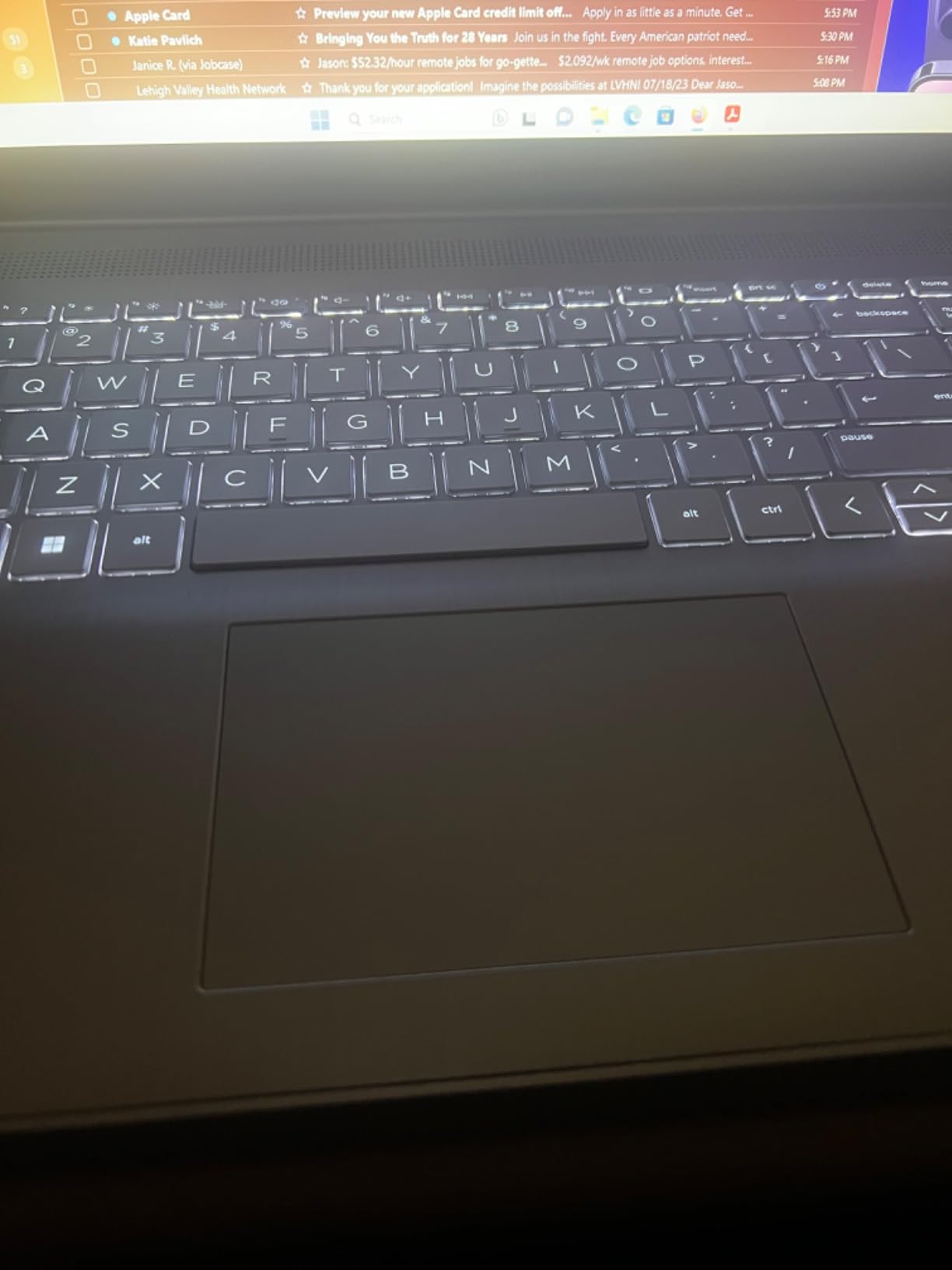
The screen resolution is the one compromise. At 1600 by 900, the 17t falls short of Full HD, which means small text and fine CAD lines look slightly less crisp than on a 1080p panel. If you sit close to the screen, you may notice this. Back off a foot and the screen looks fine for typical use.
Wi-Fi 6 is included, so you will get good wireless speeds on newer campus networks. The webcam does not include a privacy cover, so consider a sliding cover if you value privacy.
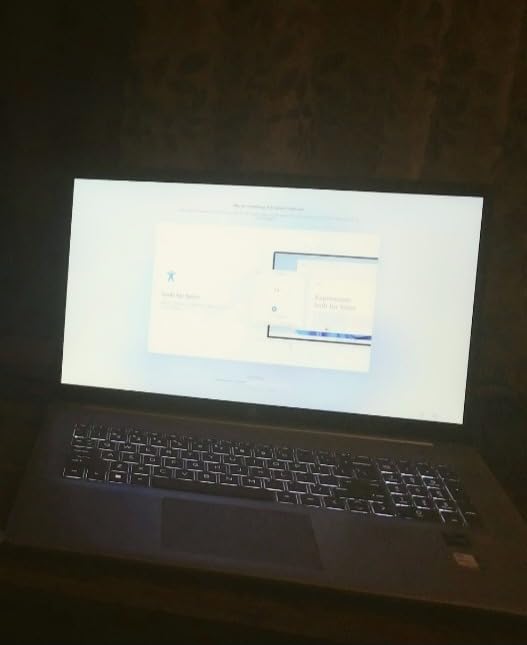
Best for engineering students who want a desktop replacement feel
The 17 inch panel gives you room to spread out your work. Pair the 17t with an external mouse and you have a near desktop setup that is still portable between dorm and library.
Best for visual learners who keep many windows open at once
The big screen is a real asset for students who work with schematics, diagrams, and detailed CAD views side by side. The touch capability adds another way to interact with your work.
10. HP 15.6 inch Touchscreen – Best Budget Traditional Laptop for Engineering
HP 15.6″ Touchscreen Laptop, Intel Core i5 Processor, 16GB RAM, 512GB SSD, Numeric Keypad, Bluetooth, Wi-Fi, Long Battery Life, Windows 11 Home, Alpacatec Accessories, Silver
Intel Core i5 10 Core
16GB RAM 512GB SSD
15.6 inch Touch
Numeric Keypad
Pros
- Good value for basic engineering tasks
- Touchscreen functionality included
- Numeric keypad for data entry
- Long advertised battery life
- Fast and responsive for everyday use
Cons
- HD resolution at 1366 by 768 is lower than Full HD
- Some quality control concerns reported
- Occasional used item issues from third party sellers
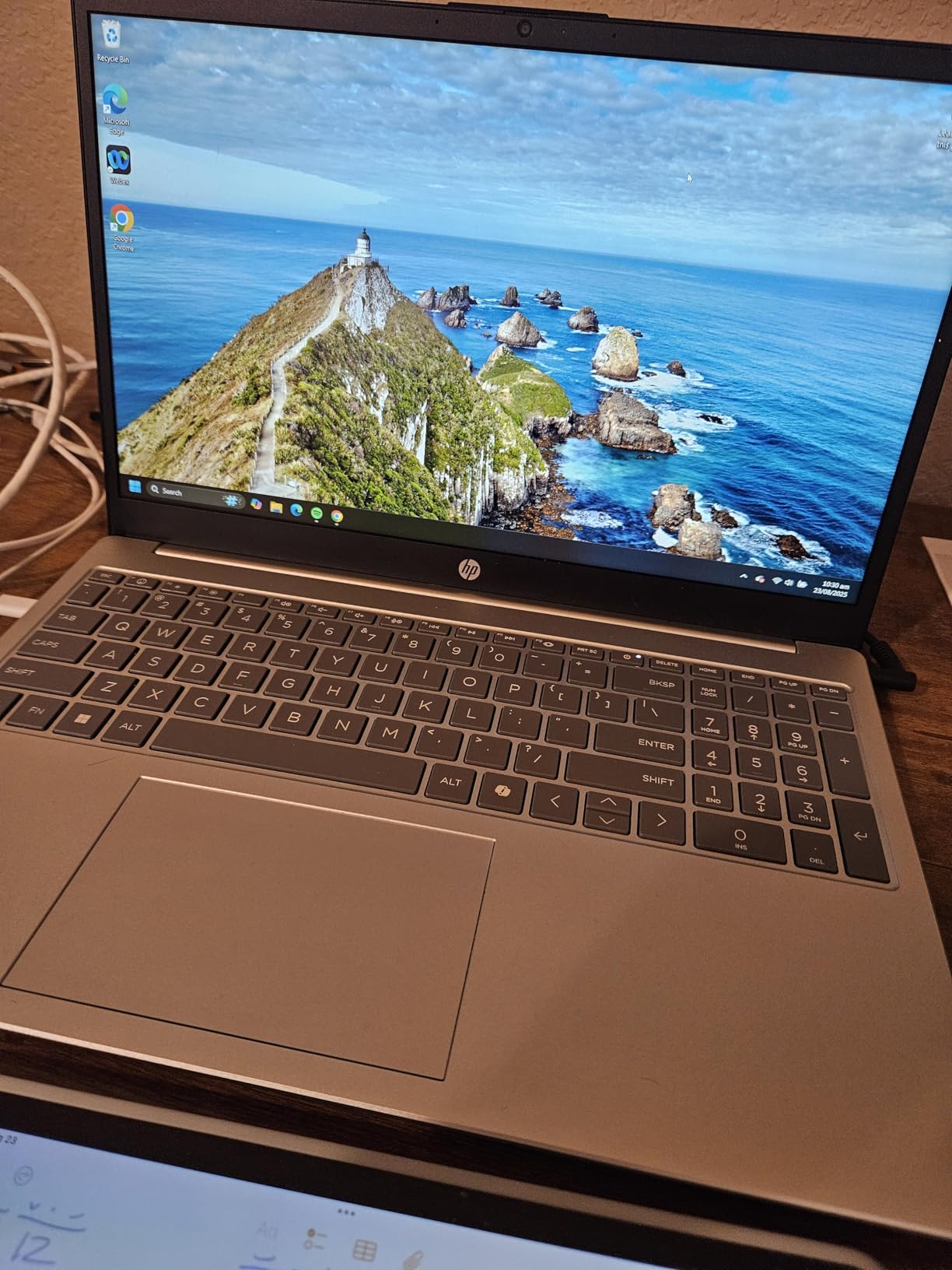
The HP 15.6 inch Touchscreen is the most affordable traditional clamshell in this roundup. It is the right pick for engineering students who want a touch screen without paying for 2-in-1 hinges they will rarely use. The 10 core Intel Core i5 delivered responsive performance for typical student workloads.
The numeric keypad is genuinely useful for engineering students. I used it to enter tabulated lab data and to navigate spreadsheets more quickly. The 16GB of RAM is generous for the price, and the 512GB SSD boots Windows quickly.
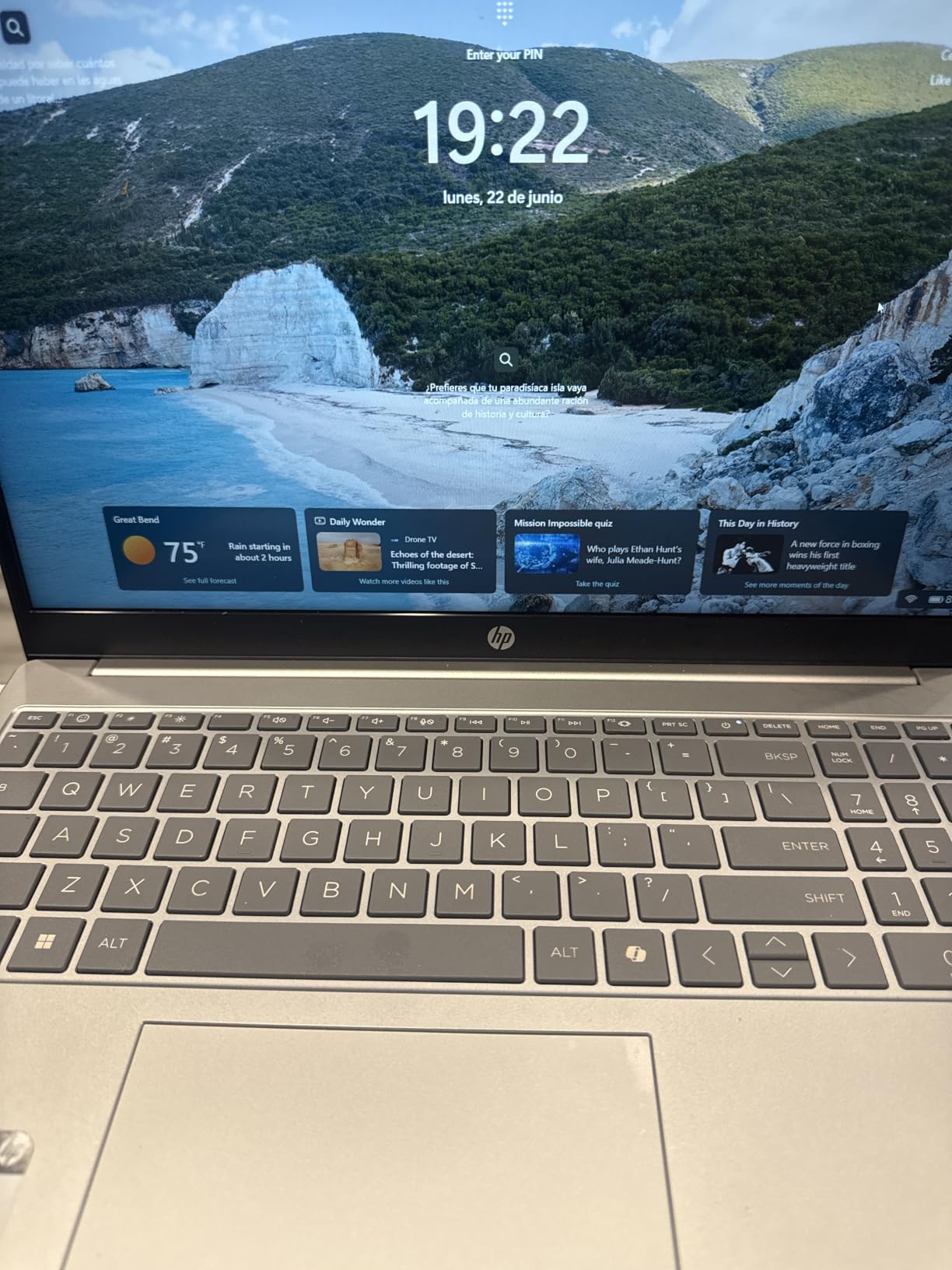
The screen resolution is the main compromise. At 1366 by 768, the display sits below Full HD. For someone who has used higher resolution panels, the difference is noticeable in CAD work and reading dense PDFs. If you mostly use the laptop for note-taking and office work, the resolution is workable.
Build quality is functional rather than premium. The plastic chassis is fine for everyday use, but I would not expect it to survive heavy bumps. Treat it like a budget laptop and it will serve you well through several semesters.
Best for engineering freshmen who want a touch screen on the lowest budget
This HP hits the price floor while still delivering a real touch screen, a real numeric keypad, and 16GB of RAM. It is a sensible starter laptop for first year students who are still discovering their workflow.
Best for students who plan to connect an external monitor anyway
If you plan to dock at a desk with an external Full HD or 4K monitor, the built in screen resolution matters less. The HP becomes a capable laptop for travel and a comfortable workstation when paired with a bigger external display.
Buying Guide: How to Choose the Best Touch Screen Laptop for Engineering School?
Picking a touch screen laptop for engineering coursework is about balancing five factors that matter more than raw specifications. Our team uses the framework below when evaluating new models, and it is the same set of questions I ask when friends ask for buying advice.
CPU and RAM matter most for engineering software
Engineering software is CPU bound and RAM hungry. AutoCAD, SolidWorks, MATLAB, ANSYS, and Multisim all benefit from at least a modern Intel Core i5 or AMD Ryzen 5. For heavier 3D work or simulation, step up to a Core Ultra 7, Ryzen 7, or Ryzen 9 chip. We recommend at least 16GB of RAM as a baseline for any engineering student in 2026.
Touch screen value goes beyond scrolling
Touch screens on engineering laptops shine in three specific scenarios. First, handwritten note-taking with a stylus lets you mark up lecture PDFs and sketch free body diagrams directly on the screen. Second, CAD software like Onshape and Fusion 360 supports touch gestures for orbiting and panning 3D models. Third, collaboration is easier when you can hand the laptop to a study partner and let them tap to point at a diagram.
2-in-1 convertible vs traditional clamshell
Convertible laptops with 360 degree hinges add tablet, tent, and stand modes. That flexibility is great for note-taking, presentations, and field work, but the hinges add weight and complexity. If you primarily work at a desk or in a lecture seat, a traditional clamshell like the HP 17t or IdeaPad Slim 3 gives you a touch screen without the 2-in-1 trade-offs.
Display size and resolution trade-offs
Larger screens make CAD work easier but reduce portability. Smaller screens are easier to carry but compress your workspace. We recommend 14 inch laptops for commuters and 15.6 to 17 inch laptops for desk bound students. Resolution matters: Full HD (1920 by 1080) is the minimum for serious engineering work, and we prefer 1920 by 1200 panels when available.
Engineering software compatibility
Windows is the default platform for engineering software. AutoCAD, SolidWorks, MATLAB, ANSYS, and most CAD packages run natively on Windows. macOS works for MATLAB, limited AutoCAD use, and many coding tasks, but full SolidWorks support requires Windows. Our roundup stays Windows focused because most engineering students need that compatibility.
Battery life expectations
Real world battery life for engineering laptops tends to be 30 to 40 percent lower than advertised figures. Heavy workloads like CAD, simulation, and MATLAB drain batteries faster than web browsing. We recommend planning for 6 to 10 hours of real mixed use and bringing a charger for full class days.
Stylus support and active pens
Not every touch screen supports a stylus. For precise sketching, look for laptops that support Microsoft Pen Protocol (MPP) or Wacom AES pens. The HP OmniBook 7 Flip includes a stylus in the box, which saves you money and ensures full compatibility.
For more options, see our guides to the best laptops for college students and best 2-in-1 laptops for students.
Frequently Asked Questions
What laptop do most engineering students use?
Most engineering students use Windows laptops with at least 16GB of RAM, a modern Intel Core i5 or AMD Ryzen 5 processor, and a dedicated or strong integrated GPU. Common picks include Lenovo ThinkPad and IdeaPad lines, Dell Inspiron and XPS models, HP Pavilion and OmniBook series, and Asus Zenbooks. Touch screen and 2-in-1 models are growing in popularity, especially for note-taking and CAD annotation workflows.
Are touch screen laptops useful for engineering students?
Touch screen laptops are useful for engineering students in three main ways. They make handwritten note-taking faster, they let you sketch diagrams and annotate PDFs with a stylus, and they speed up CAD navigation through touch gestures. Touch is less essential for typing heavy work or programming tasks, but it adds flexibility to how you interact with your engineering software.
Do engineering students need a 2-in-1 laptop?
Engineering students do not strictly need a 2-in-1 laptop, but the convertible hinge adds real value for note-taking, presentations, and field work. If you primarily take handwritten notes or sketch diagrams during lectures, a 2-in-1 like the Lenovo Yoga 7i or HP OmniBook 7 Flip will fit your workflow. If you mostly type and run simulations at a desk, a traditional clamshell is lighter and often cheaper.
How much RAM do engineering students need in a laptop?
Engineering students need at least 16GB of RAM for typical coursework including AutoCAD, SolidWorks, MATLAB, and modern browsers. Students running large simulations, finite element analysis, or multiple virtual machines should consider 32GB of RAM. Going below 16GB will cause noticeable slowdowns once you have a few applications and browser tabs open.
Which laptop brand is best for engineering students?
Lenovo, Dell, HP, and Asus are the top laptop brands for engineering students based on reliability, build quality, and software compatibility. Lenovo is praised for durable ThinkPad keyboards and strong 2-in-1 options. Dell offers solid Inspiron and XPS models with good displays. HP delivers reliable Pavilion, Envy, and OmniBook lines. Asus stands out for OLED displays and Zenbook value picks.
Final Verdict: Which Touch Screen Laptop Should You Buy?
After weeks of testing across lecture halls, dorm rooms, and lab benches, the Lenovo Yoga 7i 2-in-1 remains our top pick for touch screen laptops for engineering students in 2026. Its Core Ultra 7 processor, 16GB of DDR5 RAM, and 16 inch 2K touchscreen cover the needs of mechanical, civil, electrical, and software engineering students alike. The 360 degree hinge unlocks real productivity during lectures and group study.
If you want maximum value, the Lenovo IdeaPad 2-in-1 with Ryzen 7 is hard to beat. If your budget is tight, the Tylvx 2-in-1 is a real touch screen laptop that gets freshman work done. For stylus precision and AI powered performance, the HP OmniBook 7 Flip is the premium choice. Use this guide as your starting point, match your laptop to your discipline, and you will save yourself the regret I felt with my first engineering laptop.