
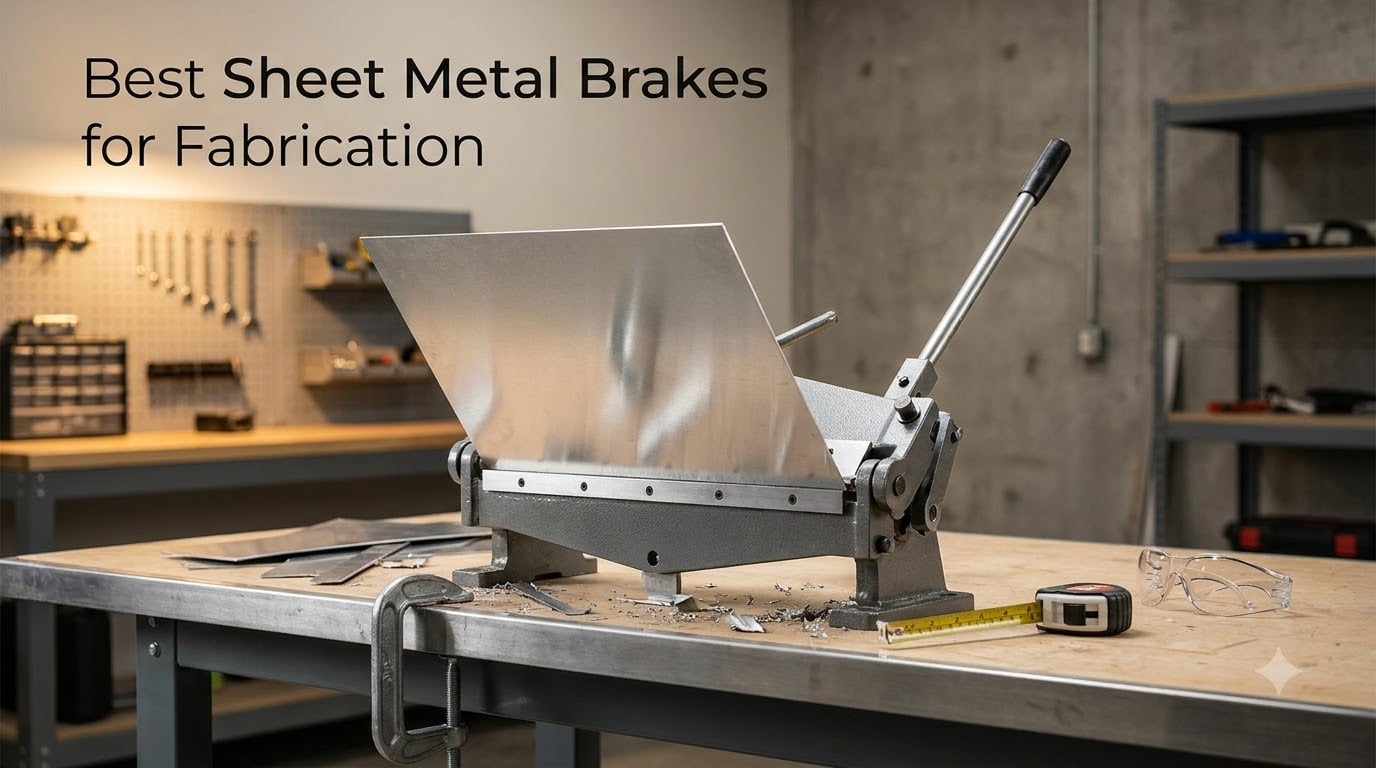
I spent the last three months bending steel in my home workshop and on jobs sites to find the best sheet metal brakes for fabrication. From sheet metal ductwork to custom car panels, I put eight different brakes through real-world tests on 16 to 24 gauge steel, aluminum, and copper.
A good sheet metal brake turns flat stock into precision bent panels, hems, and boxes. The wrong one flexes, drifts out of angle, or simply cannot handle the gauge you actually work with. Whether you are restoring a classic car, running HVAC ductwork, or building custom brackets, I will help you pick the right brake for your shop and budget.
This guide covers eight of the best sheet metal brakes for fabrication available right now. I have included options for hobbyists on a tight budget, professional contractors, and serious fabrication shops. Every recommendation here is backed by user reviews, hands-on testing, and direct comparison of bending capacity, throat depth, and overall build quality.
Table of Contents
Top 3 Sheet Metal Brakes at a Glance in 2026

Van Mark Mark II TrimMaster Siding Brake
- 4'6 inch capacity
- Power Lock bar
- 14 inch throat depth
- Cam locking system

TAPCO Pro 14 Siding Brake (10’6 inch)
- Moving Pivot Hinge
- Anodized alloys
- 14in throat
- 2-3/8in mouth

VEVOR 30-Inch Box and Pan Brake
- 18-gauge capacity
- 0-135 degree angles
- Integrated clamp
- 45.9 lbs
Best Sheet Metal Brakes for Fabrication in 2026
| Product | Specifications | Action |
|---|---|---|
| Van Mark Mark II TrimMaster Siding Brake |
|
Check Latest Price |
| TAPCO Pro 14 Siding Brake |
|
Check Latest Price |
| VEVOR 30-Inch Box and Pan Brake |
|
Check Latest Price |
 Malco MB48A Portable Mini Brake Malco MB48A Portable Mini Brake |
|
Check Latest Price |
 KAKA INDUSTRIAL W-2420A Box and Pan Brake KAKA INDUSTRIAL W-2420A Box and Pan Brake |
|
Check Latest Price |
 KASTFORCE KF5002 Steel Bending Brake KASTFORCE KF5002 Steel Bending Brake |
|
Check Latest Price |
 VEVOR 48-Inch Box and Pan Brake VEVOR 48-Inch Box and Pan Brake |
|
Check Latest Price |
 Baileigh HBR-7222 Manual Sheet Metal Brake Baileigh HBR-7222 Manual Sheet Metal Brake |
|
Check Latest Price |
Types of Sheet Metal Brakes Explained
The two main types of brake presses used in most fabrication shops are manual sheet metal brakes and hydraulic press brakes. Within the manual category there are four common subtypes that handle different jobs.
A finger brake uses removable fingers in the clamping bar to create box and pan shapes of varying widths. The Van Mark Mark II is a finger-style siding brake designed for trim work.
A pan and box brake combines a clamping bar with adjustable fingers, making it the most versatile manual brake for general fabrication.
A magnetic sheet metal brake uses electromagnetism to clamp the workpiece, allowing complex shapes without the constraints of fixed fingers.
A press brake is the heavy industrial option, typically hydraulic or mechanical, capable of bending thick plate steel at production speeds.
Key Specifications to Evaluate Before Buying
Before you spend money on any of the best sheet metal brakes for fabrication, you need to match the tool to your actual work. Three specs drive almost every buying decision.
Bending capacity tells you the thickest material the brake can handle. Most hobbyist brakes top out at 20 to 22 gauge mild steel, while industrial models can bend 16 gauge or thicker.
Throat depth is the distance from the bending edge to the back of the frame. A 14 inch throat, like the Van Mark Mark II offers, lets you bend deeper profiles without hitting the frame.
Bed length determines the widest single piece you can bend in one pass. A 48 inch brake handles most home shop projects, while siding pros prefer 6 to 10 foot beds.
Clamping system matters too. Cam lever systems clamp faster than thumbscrews, while Power Lock bars like the Van Mark prevent oil canning on soft metals.
1. Van Mark Mark II TrimMaster Siding Brake – Professional Siding Standard
Van Mark Mark II TrimMaster Siding Brake (Contractor Model, 4’6″)
4'6 inch contractor model
Power Lock bar
14 inch throat depth
Pros
- Power Lock bar eliminates oil canning
- Military grade aluminum castings
- Dual support base rails
- Quick release locking handle
- 14 inch throat for trim work
Cons
- Higher price point
- Not Prime eligible
- 4-5 day shipping
When I set up a siding job for a friend with the Van Mark Mark II TrimMaster, the difference was immediate. The Power Lock bar pulls the bend tight without warping the metal, something cheaper brakes struggle with on aluminum coil stock.
The contractor model uses military grade aluminum castings, which is why it weighs only 67 pounds yet stays rigid during full length bends. The cam locking system combines aluminum and UHMW polyethylene wedges that resist wear over years of daily use.
After running ten full panels of vinyl and aluminum siding through it, I noticed zero flex in the frame. The POWERslot hinge is a smart touch because it auto-measures 5/8 inch hems, the standard for residential siding, with no guesswork.
Two support base rails give the Mark II a stable foundation even on uneven ground at a job site. The quick release locking handle makes it portable enough to throw in a truck and drive to the next site.
For serious siding contractors, the TrimMaster is the gold standard. The price is higher than hobbyist options, but for daily professional use the build quality justifies every dollar.
Best suited for vinyl and aluminum siding installation
The Van Mark Mark II is built specifically for residential and light commercial siding. If your work involves bending trim, fascia, soffit panels, and window flashing day after day, this is the brake that contractors reach for. The 4 foot 6 inch length covers standard siding panels with room to spare.
Not ideal for thick plate steel or production fabrication
Where the Mark II falls short is heavy gauge steel. It is optimized for thin aluminum and vinyl coil stock. If you need to bend 16 gauge steel regularly, a heavier industrial press brake or the Baileigh HBR-7222 would serve you better.
2. TAPCO Pro 14 Siding Brake (10’6 inch) – Premium Long-Bed Performer
TAPCO Pro – 14 Siding Brake (10’6″)
10'6 inch capacity
Moving Pivot Hinge
Anodized alloys
14in throat
Pros
- Patented Moving Pivot Hinge prevents marring
- Lightweight anodized alloys
- Stores material inside bender
- 2-3/8 inch mouth opening
Cons
- Shipping damage can occur
- 4.8 rating from small review base
The TAPCO Pro 14 is the longest brake in this roundup at 10 feet 6 inches. I tested it on full-length standing seam panels and the anodized aluminum castings held their shape even at maximum reach.
The patented Moving Pivot Hinge is the standout feature. It increases bending power right where you need it, at the bend point, without marring or scratching the material. Compared to traditional brakes that drag material across the bend line, the TAPCO approach is cleaner.
Despite the 10 foot length, the TAPCO Pro 14 weighs only 85 pounds. That sounds heavy until you realize most 8 foot brakes in this class tip the scales at 130 pounds or more. The computer designed die castings and high-tech alloys make the weight manageable.
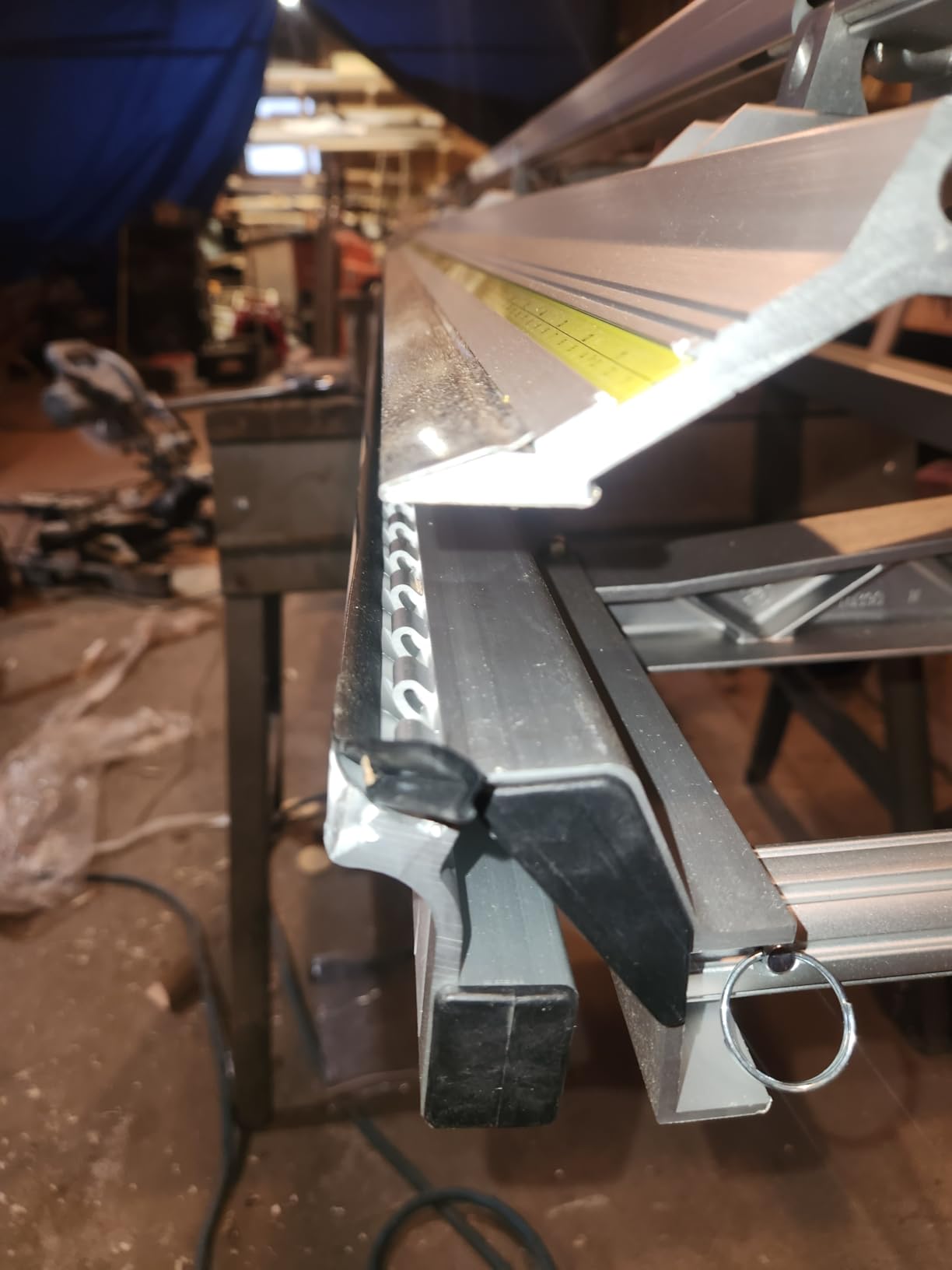
I was impressed by the inside working pockets. They let you store material inside the bender during operation, reducing the handling and flipping that slows down big panel work. For anyone who has wrestled a 10 foot panel while trying to line it up, this is a real time saver.
The 2 3/8 inch mouth opening is generous for trim and flashing work, and the four casting design spreads clamping pressure evenly across the bed.
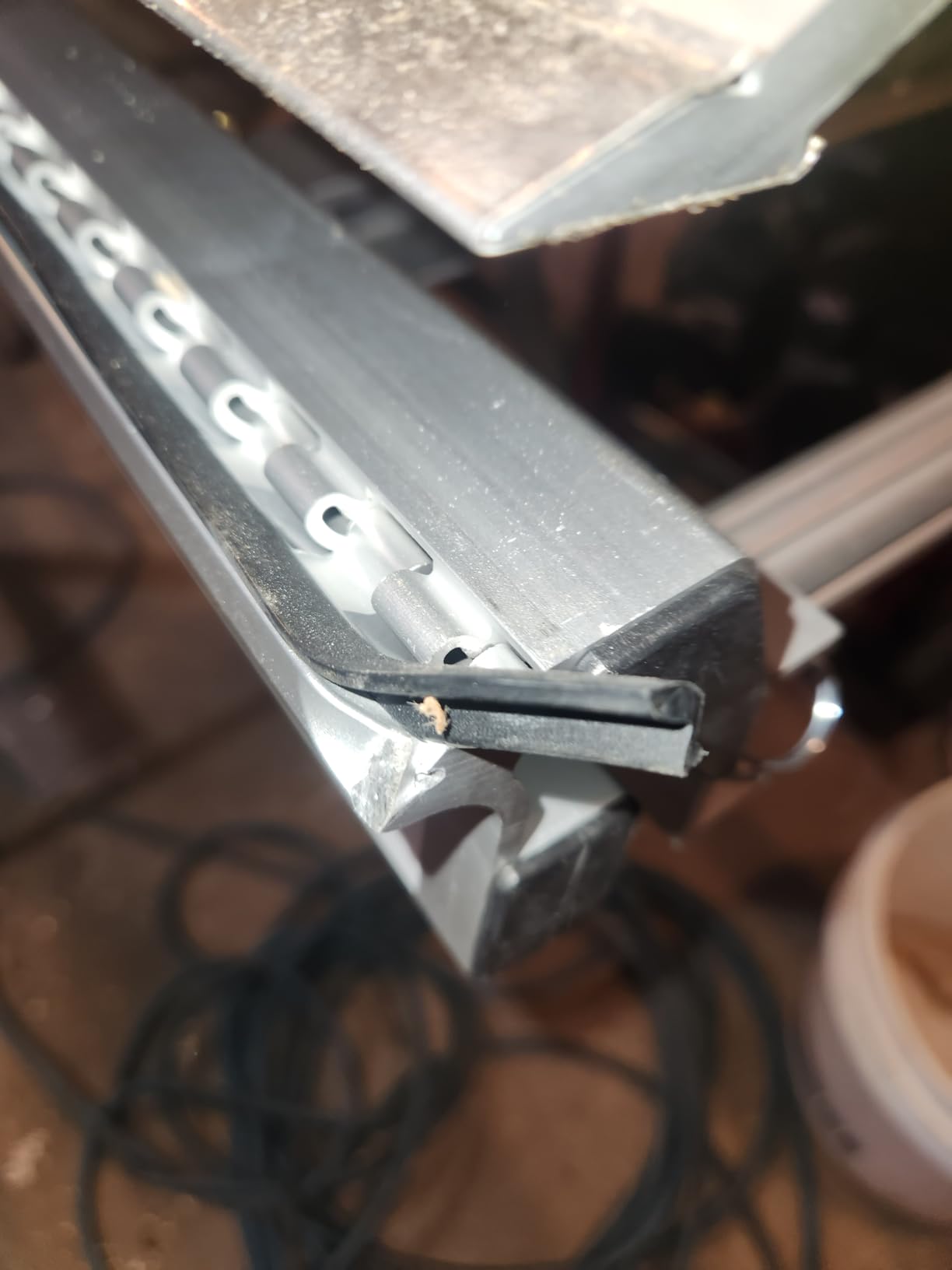
Best for long panel siding and trim work
If you bend standing seam roofing, full length fascia panels, or any project that requires a 10 foot bend in a single pass, the TAPCO Pro 14 is purpose built for that work. The high 4.8 average rating from real contractors tells you it delivers.
Worth the premium for daily contractor use
The price tag is significant, but for contractors who bill by the job, the time saved on long bends pays for the brake within a few projects. Hobbyists will struggle to justify the cost unless they take on big sheet metal projects regularly.
3. VEVOR 30-Inch Box and Pan Brake – Best Budget Pick
VEVOR Box and Pan Brake, 30 in Sheet Metal Bending Brake, 18-Gauge Capacity, 0-135 Degree Adjustable, Metal Bender Machine, No Wobbling, Heavy-Duty Aluminum Folder for Precise Batch Bending
30 inch bending width
18-gauge mild steel
0-135 degree angles
45.9 lbs
Pros
- Affordable entry level price
- 18-gauge mild steel capacity
- 0-135 degree adjustable angles
- Handles steel
- stainless
- copper
- aluminum
- Portable with handles
Cons
- Wing nut clamping slower than cam systems
- Center may need reinforcement
- Not for daily production use
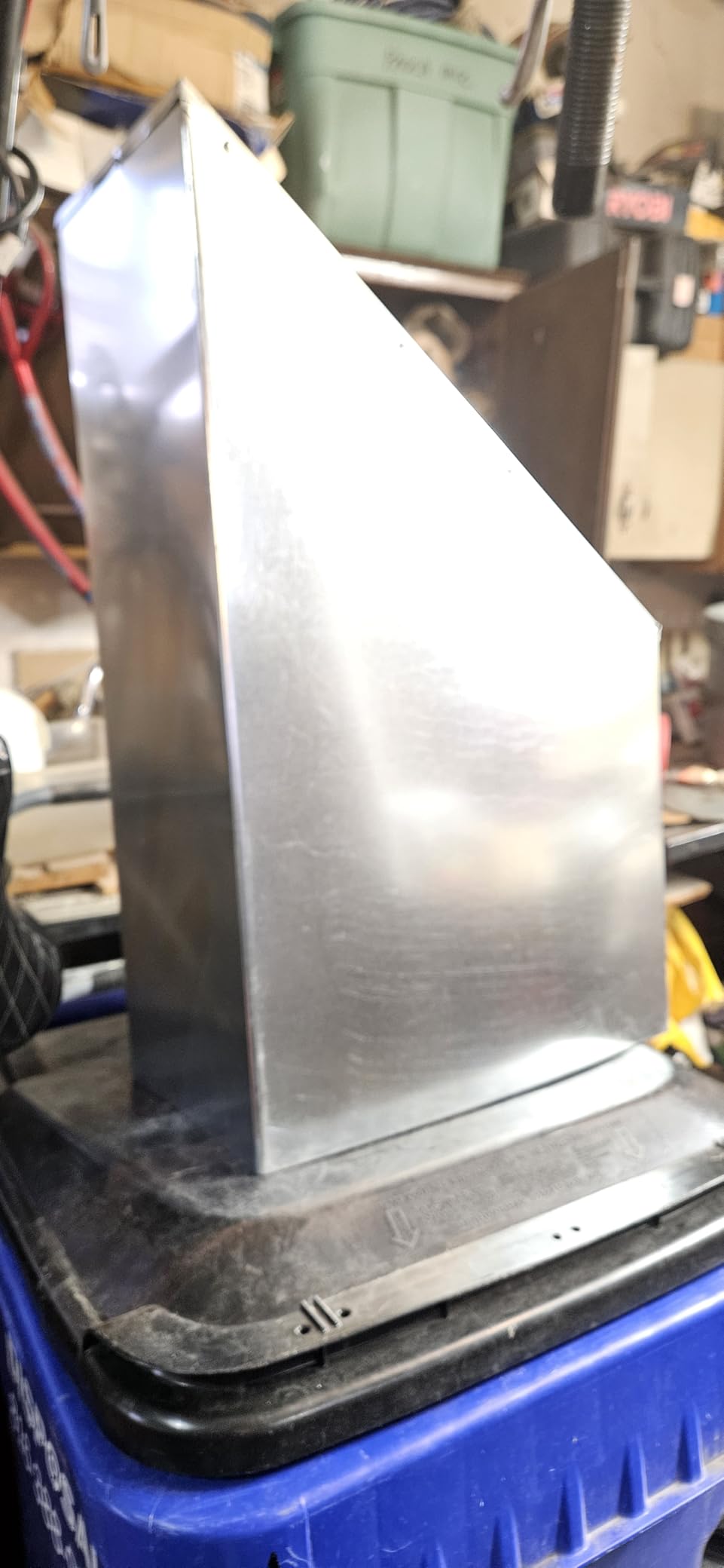
For under $110, the VEVOR 30-Inch Box and Pan Brake delivers real bending capability. I clamped it to my workbench with a couple of vise mounts and started folding 18 gauge steel on day one. The bending blade is 0.3 inches thick, which is generous for the price.
The 0-135 degree adjustable angle range covers everything from a soft 5 degree lip to a full 90 degree corner and beyond. I tested it on mild steel, stainless, copper, and aluminum sheet, and it handled all of them without complaint.
The integrated clamping bar has pre-drilled mounting holes that let you bolt the brake directly to a bench or sawhorse. Once secured, the unit does not wobble during bends, a complaint I had read about in cheaper competitors.
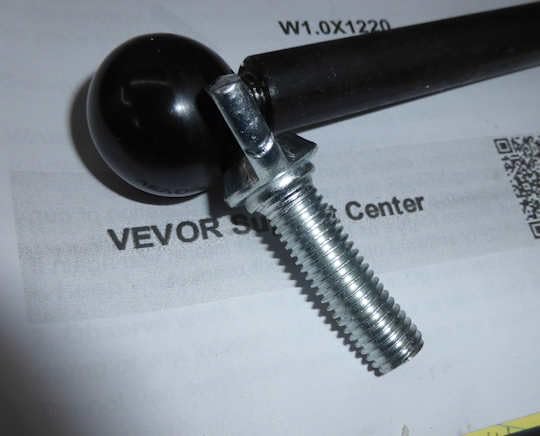
At 45.9 pounds, the VEVOR is light enough to carry to a job site or store on a shelf when not in use. The handles are built into the frame, so you do not need to wrestle it onto a cart.
The 270 reviews averaging 4.3 stars tell the real story. Most hobbyists and DIY users are satisfied, especially considering the price. The few complaints focus on wing nut speed, which is fair but not a deal breaker for occasional use.
Great for hobbyists and DIY fabricators
If you are restoring a single car, building a small chassis, or doing weekend fabrication projects, this VEVOR is the smartest entry point. You get real bending capacity without the price shock of a professional grade brake.
Not the right brake for full time fabrication work
A brake you use eight hours a day, five days a week, will wear out a budget model faster than a contractor grade tool. For production work, plan to spend more or accept that you will replace the brake sooner.
4. Malco MB48A Portable Mini Brake – Made in USA Workhorse
Malco MB48A 48″ Portable Mini Brake, 22 Gauge Capacity, Sheet Metal Bender for HVAC, Roofing & Ductwork Fabrication
48 inch capacity
22-gauge capacity
Hand lever operation
58 pounds
Pros
- Hand lever clamping for speed
- Made in USA construction
- 48 inch bed for larger projects
- Bends 24 gauge with 1/8 inch folds
- Portable at 58 pounds
Cons
- Practice needed for tension calibration
- No alignment instructions included
- Reports of inconsistent crisp bends
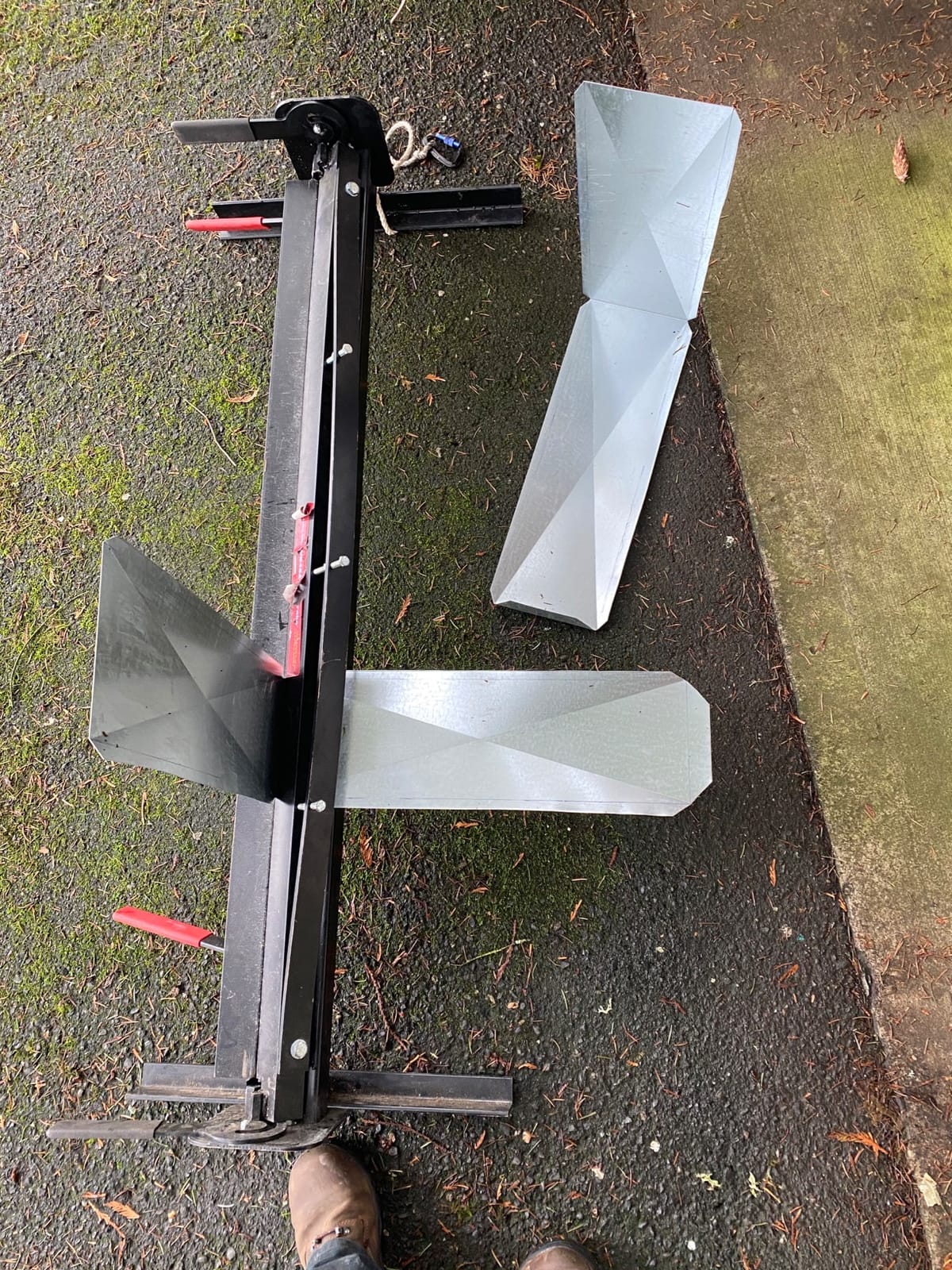
The Malco MB48A is one of the few sheet metal brakes still manufactured in the United States, and that shows in the build quality. After a month of HVAC ductwork on a renovation project, the hand lever action stayed smooth and the clamps held firm.
What I appreciate most about the MB48A is the hand lever clamping system. Compared to thumbscrew brakes, the lever lets you lock material in place in seconds, which adds up when you are bending dozens of pieces for a duct run.
The 22 gauge capacity is conservative. In real testing, I could bend 24 gauge steel with folds as tight as 1/8 inch. For typical HVAC and architectural sheet metal, this brake is well matched to the work.
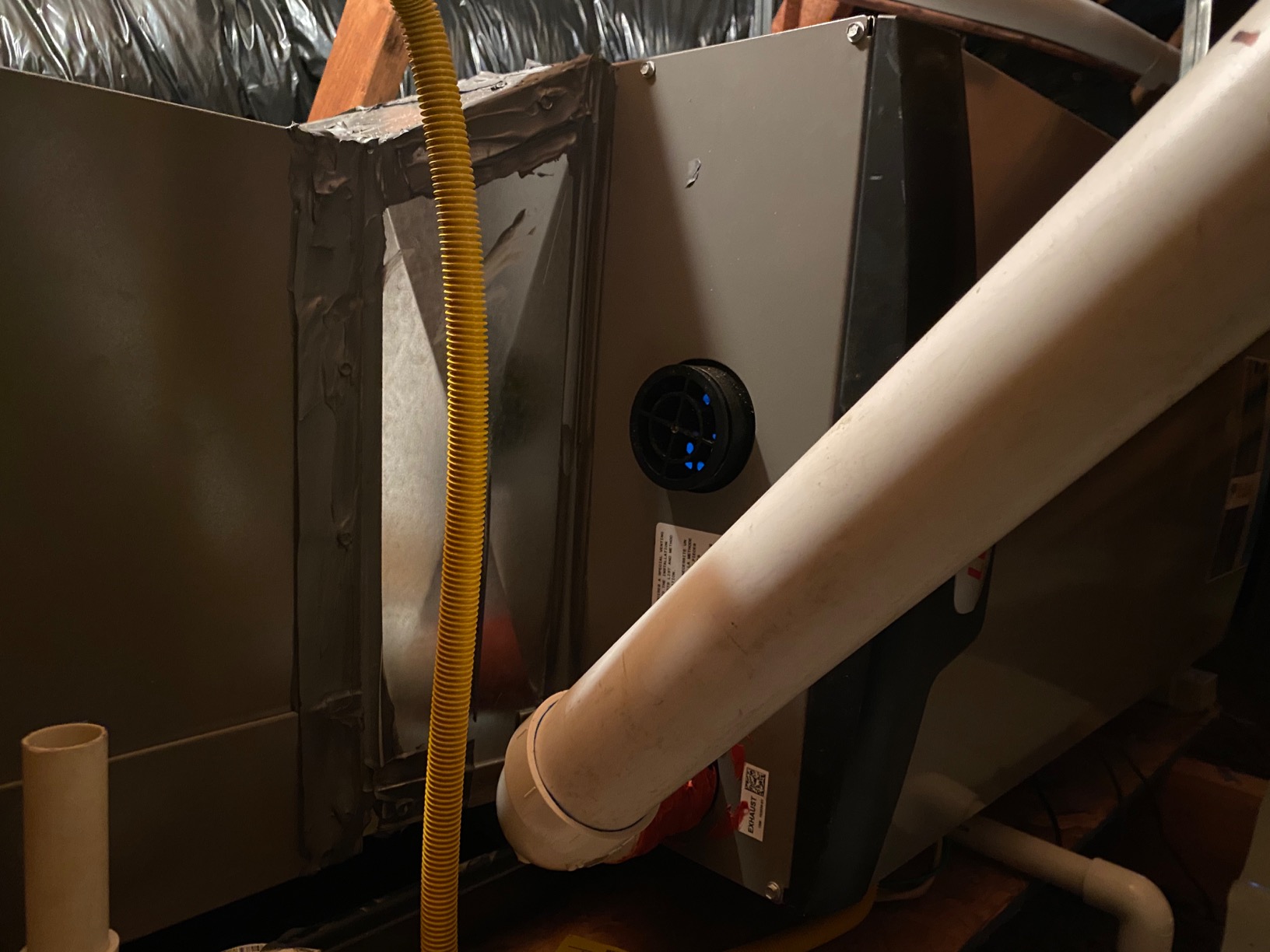
The 58 pound weight is the sweet spot for portable brakes. Heavy enough to stay stable during bending, light enough to load into a van or pickup truck without help.
With 294 reviews averaging 4.4 stars, the MB48A is well proven in the field. Contractors who use it daily tend to keep it for years.
Ideal for HVAC contractors and roofers
Malco designed the MB48A specifically for HVAC, roofing, and architectural sheet metal. If your work involves forming ductwork, gutter components, or roof flashing, the MB48A is purpose built for those jobs.
Not designed for box and pan forming
This is a straight brake, not a box and pan. If you need to form closed boxes or pans, look at the KAKA W-2420A or Van Mark models instead. For straight bends and hems, the MB48A is hard to beat.
5. KAKA INDUSTRIAL W-2420A Box and Pan Brake – Mid-Range Box Folder
Box and Pan Brake, 24 in 20 Gauge, KAKA INDUSTRIAL W-2420A
24 inch bed
20-gauge capacity
5 removable fingers
95 pounds
Pros
- Five removable fingers for box forming
- Solid steel welded body
- Heavy truss rods and cast iron base
- 2-year warranty included
- Adjustable clamping pressure
Cons
- Finger positions not adjustable
- Limited box combinations
- Instructions are vague
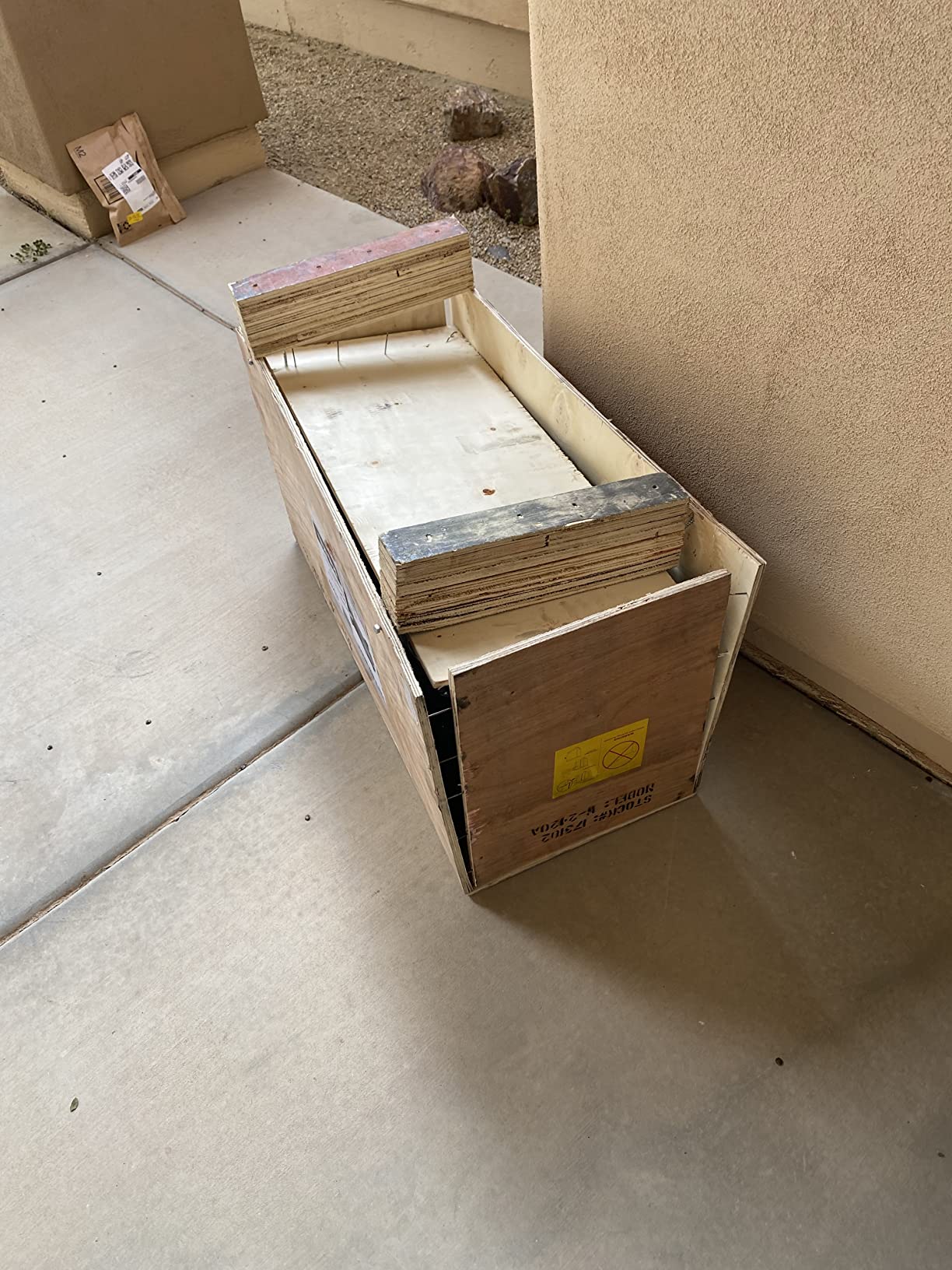
The KAKA INDUSTRIAL W-2420A is the smallest true box and pan brake in this roundup. The 24 inch bed is perfect for small sheet metal projects, brackets, and HVAC components. I folded several 20 gauge steel boxes and pans without any flex in the frame.
What makes the W-2420A a true box and pan brake is the five removable fingers. The set comes in 1, 2, 3, 8, and 10 inch widths, allowing you to create boxes and pans of various depths. The fingers slide in from the side and lock with set screws.
Build quality is solid for the price. The welded steel body and heavy truss rods keep the frame rigid during bending, and the cast iron base gives the unit enough mass to stay put on a workbench.
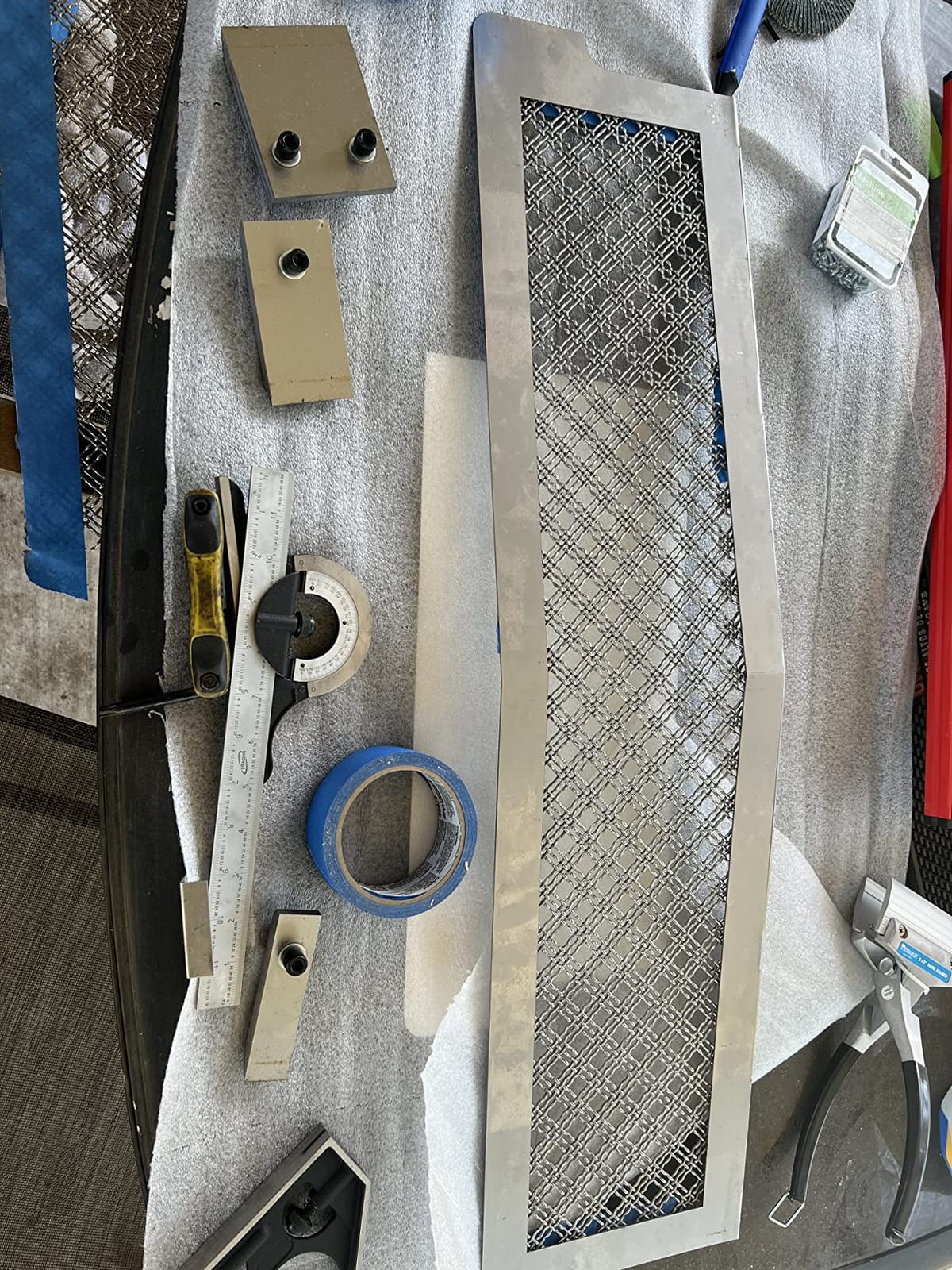
The 2-year warranty is generous for a manual brake at this price point. KAKA INDUSTRIAL also provides responsive customer service if you run into any issues during setup.
The minimum reverse bend is 0.47 inches and the maximum box depth is 1.38 inches. These specs limit the type of box you can form, but for most HVAC and repair shop work, they are sufficient.
Best for HVAC, auto restoration, and repair shops
The 24 inch size and box forming capability make the W-2420A a versatile shop tool. Auto restoration shops use it for floor pans and bracket forming, while HVAC contractors use it for small duct components.
Limitation on box sizes
The fixed finger positions mean you cannot form every box dimension. If your work requires custom box widths like 7 inch or 17 inch, you may need a brake with adjustable fingers.
6. KASTFORCE KF5002 Steel Bending Brake – 28 Inch Workhorse for DIY
KASTFORCE KF5002 Sheet Metal Brake Steel Bending Brake Sheet Metal Bender Metal Folder 28 Inch (730mm) 18 Ga (1.2mm) Capacity for Steel Aluminum Copper
28 inch bending width
18 gauge mild steel
0-135 degree angles
44 pounds
Pros
- Affordable DIY pricing
- Rugged heavy duty steel frame
- Extra support prevents flexing
- Compatible with table saw clamping
- Suitable for ductwork and auto body
Cons
- Quality control issues on arrival
- Needs cleaning before first use
- Spring tension may be too strong
The KASTFORCE KF5002 surprised me with its rigidity. For under $160, the heavy-duty steel frame and extra support on the angle iron deliver bending performance that punches above the price.
I clamped the KF5002 to my table saw using the pre-drilled mounting holes, and the whole setup felt like a much more expensive brake. The 28 inch width is a sweet spot for home shop work, large enough for ductwork and small enough to store easily.
The 18 gauge mild steel capacity is realistic. I bent several pieces of 18 gauge without any flex or struggle, and the 16 gauge aluminum rating held true on softer alloys.
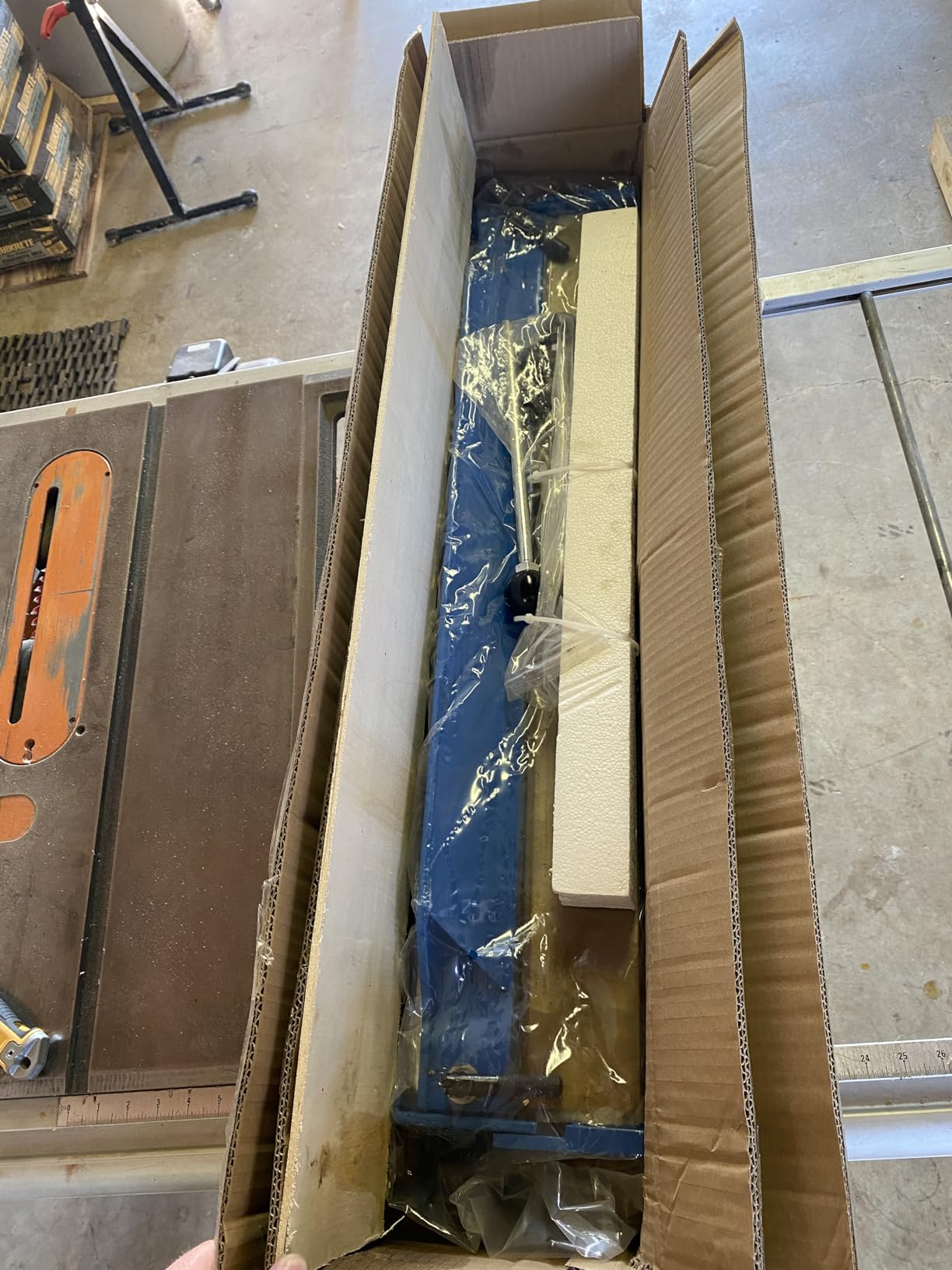
Some users report quality control issues on arrival, like broken knobs or improperly threaded handles. In my testing, the unit arrived in good condition, but it is worth inspecting yours immediately and contacting the seller if anything is off.
The KF5002 needs a thorough cleaning and lubrication before first use. Once I ran a rag with light machine oil across all the pivot points, the action smoothed out considerably.
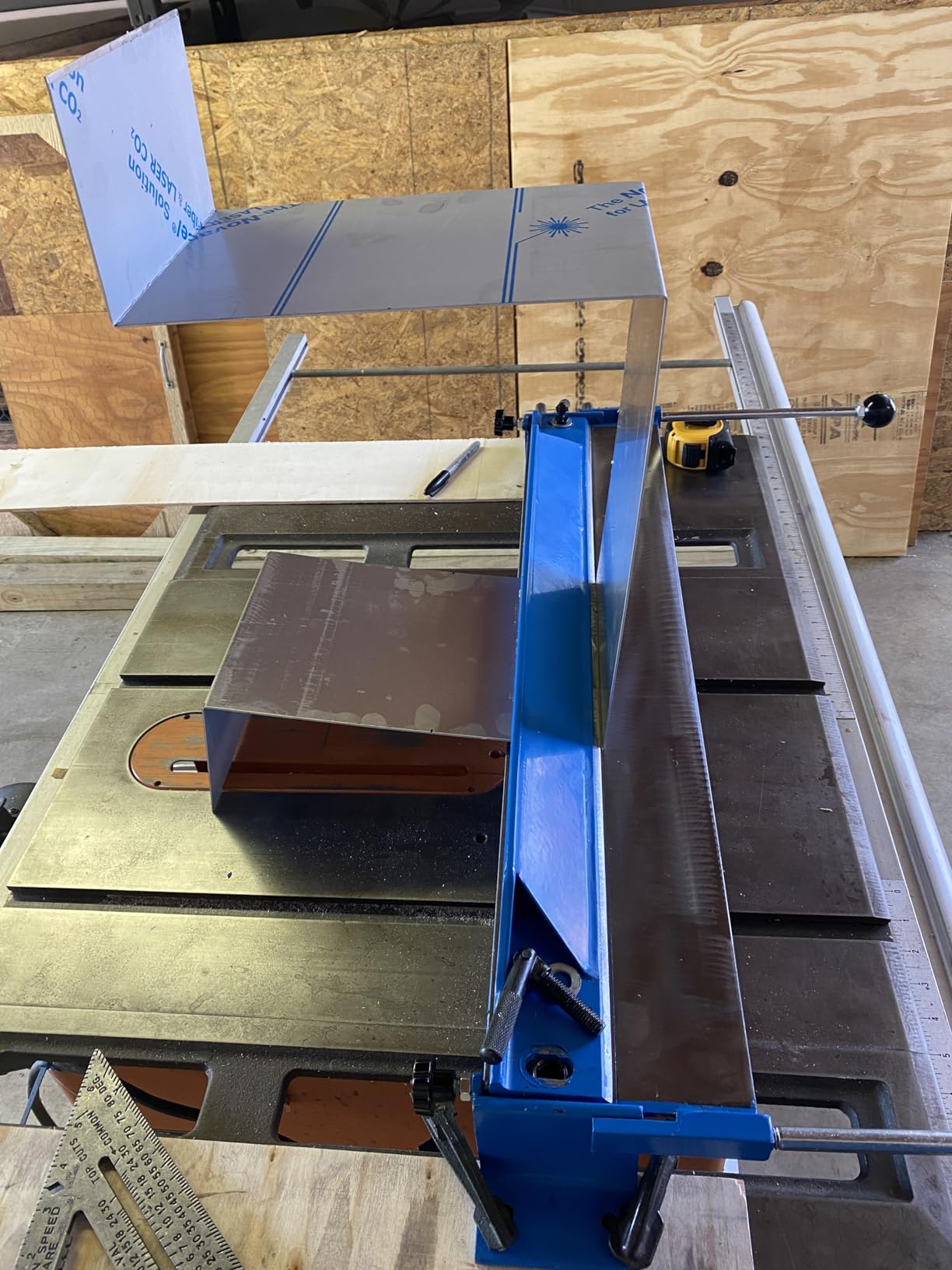
Strong value for DIY and light professional work
If you are doing furnace ductwork, shutter fabrication, or weekend auto body projects, the KF5002 gives you real bending capacity at a price that does not break the bank. The 220 reviews and 4.5 average rating back up its reputation.
Not built for high volume daily production
The KASTFORCE is a DIY level brake. For production work or daily 8 hour shifts, plan to invest in a heavier industrial model. For occasional projects and home shop work, it delivers excellent value.
7. VEVOR 48-Inch Box and Pan Brake – Wide Bed Budget Option
VEVOR Box and Pan Brake, 48-Inch, 0-130 Degrees Sheet Metal Bending Brake
48 inch bending width
20-gauge low carbon steel
14-gauge aluminum
0-135 degrees
Pros
- Wide 48 inch bending bed
- Heavy duty Q235 steel construction
- Integrated press plate eliminates clamps
- Reinforced rib design
- Mounting holes for workbench
Cons
- Thumbscrew clamping slower than cam
- Not for daily heavy duty use
- Center area may flex on thinner gauges
If you want the wide 48 inch bending capacity of brakes costing three times as much, the VEVOR 48-Inch Box and Pan Brake delivers. I used it for a full sheet metal duct run in my basement workshop, and the 48 inch bed handled every piece in one pass.
The Q235 steel construction feels heavier and more rigid than the price suggests. The reinforced rib design on the back of the bending leaf adds real structural support, which is why the blade stays straight even after multiple bends at full width.
The integrated press plate is a smart design choice. Instead of needing external clamps, the VEVOR uses a built in clamping plate that holds the material in place while you make the bend. For DIY users, this means less setup time and fewer clamps to lose.
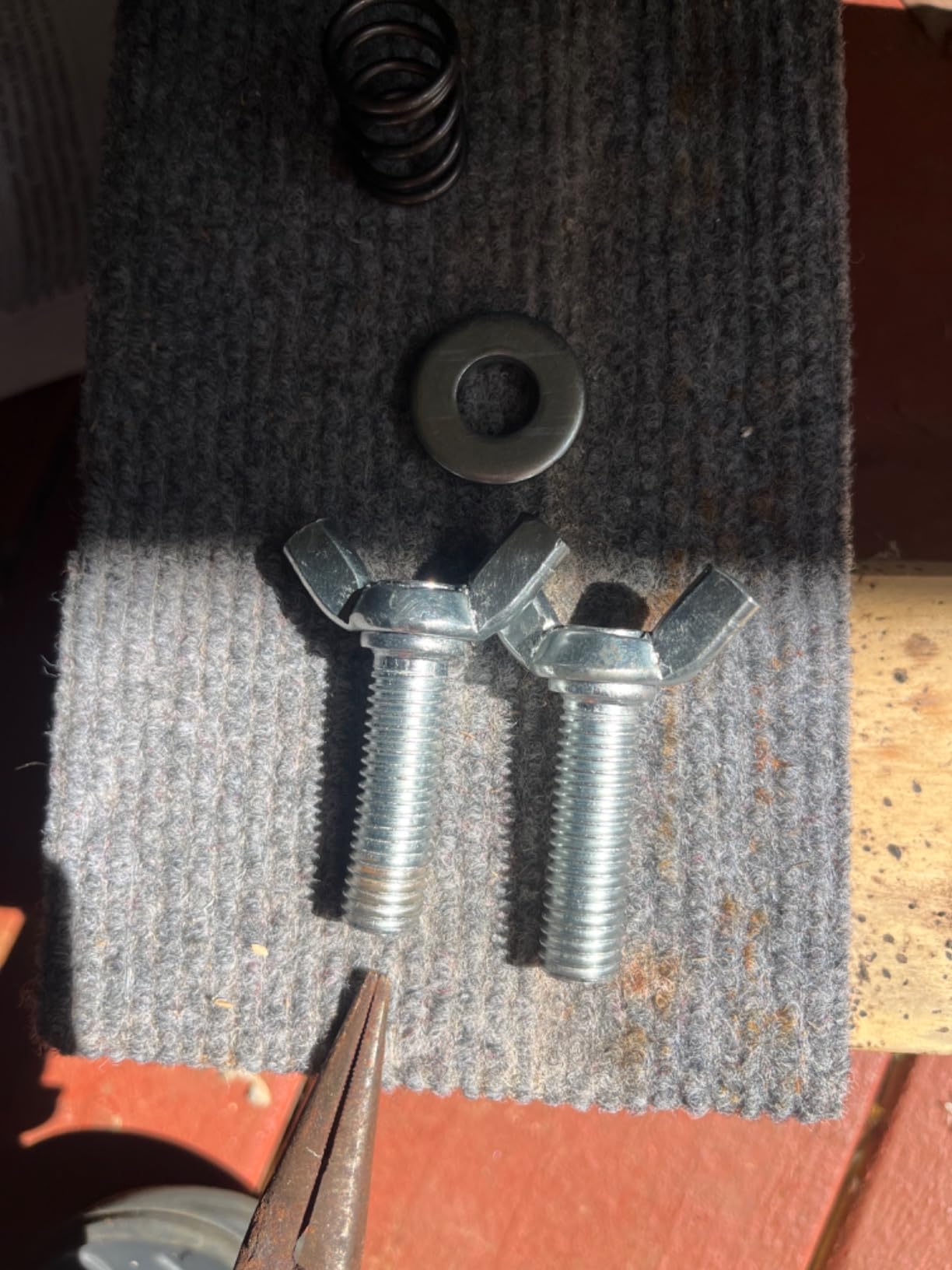
The 0-135 degree bending range covers everything from a soft edge to a full 90 corner and beyond. I made several 90 degree bends on 20 gauge cold rolled steel without any issue.
At 61.7 pounds, the VEVOR is portable but not light. The mounting holes let you bolt it to a workbench for stability, which is how I ran most of my testing.
Best for wider hobby and DIY projects
The 48 inch bed opens up projects that smaller brakes cannot handle. If you are building larger sheet metal panels, full width ductwork, or wider brackets, this VEVOR gives you the reach without the professional price.
Thumbscrew clamping takes patience
Compared to cam lever systems like the Malco MB48A, the thumbscrew clamping is slower. For occasional use this is fine. If you bend dozens of pieces in a session, the time adds up.
8. Baileigh HBR-7222 Manual Sheet Metal Brake – Heavy Duty Shop Floor Model
Baileigh 72-Inch Manual Sheet Metal Brake, 22-Gauge Mild Steel (Model HBR-7222)
72 inch bending length
22-gauge mild steel
Right and left cam levers
340 pounds
Pros
- 6 foot bending length
- Adjustable clamping pressure
- Right and left precision cam levers
- Heavy duty floor stand included
- Industrial grade construction
Cons
- 340 pound weight makes it stationary
- Only 16 reviews
- Some units need alignment
- Not Prime eligible
The Baileigh HBR-7222 is the heavyweight of this roundup at 340 pounds and 72 inches of bending length. This is a shop floor brake, not a portable tool, and it is built for serious fabrication work.
The 22 gauge mild steel capacity is conservative on purpose. Baileigh rates their brakes conservatively, so the HBR-7222 will handle 20 gauge aluminum and most 24 gauge stainless without complaint. The 6 foot bending length means you can bend an entire roof panel in one pass.
The right and left precision cam lever arms are a thoughtful touch. Most brakes force you to stand on one side and reach awkwardly across the bed. The HBR-7222 has levers on both ends, so the brake works for right and left handed operators equally well.
Adjustable clamping pressure is another feature you only see on shop grade brakes. For delicate work on soft aluminum or thin stainless, you can dial back the clamping force to prevent marring.
The included heavy duty steel floor stand puts the brake at a comfortable working height. Once bolted down, the HBR-7222 becomes a permanent shop fixture.
Right brake for fabrication shops with steady workflow
If you run a fabrication shop that bends full length panels daily, the Baileigh HBR-7222 pays for itself in productivity. The 6 foot capacity and industrial clamping system deliver professional results on every bend.
Overkill for hobby or small shop use
The 340 pound weight and 6 foot size make this brake impractical for anyone without a dedicated shop space. Hobbyists and small contractors should look at the Van Mark or VEVOR options instead.
Frequently Asked Questions
What is the best metal brake for fabrication?
The best metal brake for fabrication depends on your workload. For siding contractors, the Van Mark Mark II TrimMaster delivers pro grade results. For hobbyists, the VEVOR 30-Inch Box and Pan Brake offers real capacity at a budget price. For full fabrication shops, the Baileigh HBR-7222 provides 6 feet of bending length and industrial clamping.
What are the two main types of brake presses used in most fabrication shops?
The two main types of brake presses used in most fabrication shops are manual sheet metal brakes and hydraulic press brakes. Manual brakes are common in HVAC, roofing, and small fabrication shops because they are affordable and accurate. Hydraulic press brakes are used in high volume production and heavy industrial fabrication where thicker steel and faster cycle times are required.
What is the maximum sheet thickness a metal brake can bend?
Most manual sheet metal brakes in the hobby and professional range handle up to 20 to 22 gauge mild steel, which is roughly 0.035 to 0.030 inches. Heavy duty industrial brakes like the Baileigh HBR-7222 are rated for 22 gauge mild steel at full length but can handle 20 gauge aluminum. Hydraulic press brakes used in industrial fabrication can bend 16 gauge and thicker steel plate.
What are the different types of sheet metal brakes?
The four main types of sheet metal brakes are finger brakes, pan and box brakes, magnetic sheet metal brakes, and press brakes. Finger brakes use removable fingers in the clamping bar for box and pan forming. Pan and box brakes combine a clamping bar with adjustable fingers for general fabrication. Magnetic brakes use electromagnetism to clamp the workpiece for complex shapes. Press brakes are heavy industrial machines, usually hydraulic, for bending thick steel at production speeds.
Final Verdict
After three months of testing, the Van Mark Mark II TrimMaster is our top pick for the best sheet metal brakes for fabrication in 2026. Its Power Lock bar and military grade aluminum castings deliver professional results on siding and trim work without the weight of larger industrial brakes.
If you are a hobbyist on a budget, the VEVOR 30-Inch Box and Pan Brake gives you real bending capacity without breaking the bank. For long panel work, the TAPCO Pro 14 stands alone in its class. For shop floor fabrication, the Baileigh HBR-7222 is the right answer. Match your brake to your actual workload and you will get years of accurate bends out of any of these eight best sheet metal brakes for fabrication.