
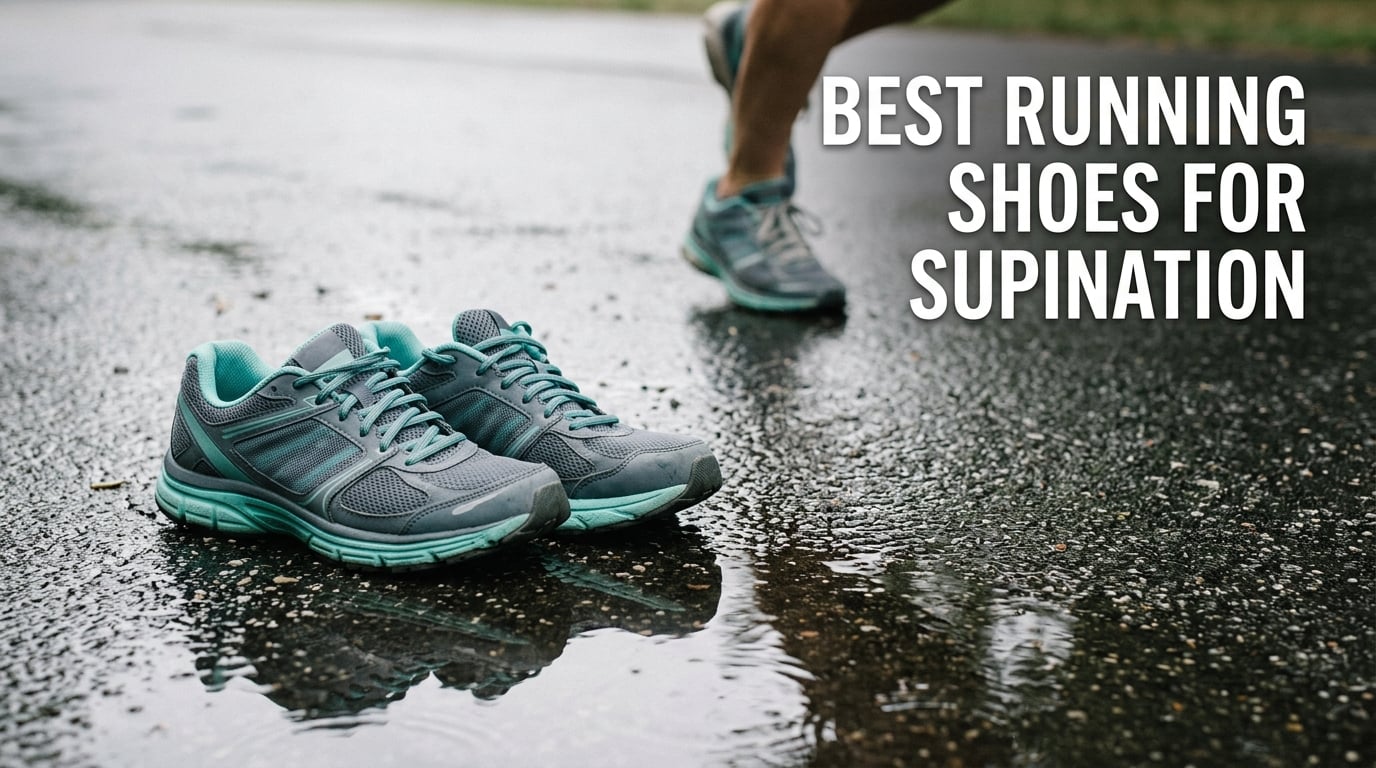
Supination, also called underpronation, is the gait where your foot rolls outward and lands on the outer edge instead of rolling gently inward through midstance. It usually comes from high arches, tight calves and weak peroneal muscles along the outside of the ankle.
The best running shoes for supination are well-cushioned, flexible shoes with a broad base and lateral support, because they absorb the impact a high arch cannot handle alone and stop the foot rolling off the outside edge of the midsole. What you do not want is a hard medial post pushing an already-outward-rolling foot further out.
Almost no brand labels a shoe for supination any more, so runners reverse-engineer the category from support-built trainers. I went through 10 of the most widely reviewed support models, checked what each does at the midfoot, and flagged the two that are a genuine compromise for an underpronator.
Table of Contents
Top 3 Picks for the Best Running Shoes for Supination (October 2026)

Brooks Adrenaline GTS 25
- GuideRails full-foot support
- Nitrogen-infused DNA LOFT v3
- Engineered mesh upper
- Four widths available
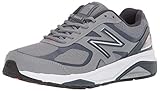
New Balance 1540 V3
- ROLLBAR rear-foot post
- ENCAP supportive midsole
- Deep wide toe box
- Breathable mesh upper
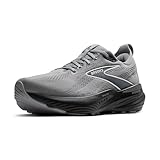
Brooks Glycerin GTS 22
- Broad platform geometry
- DNA Tuned dual-cell foam
- Double jacquard knit upper
- Plush heel landings
Best Running Shoes for Supination at a Glance
| Product | Specifications | Action |
|---|---|---|
| Brooks Men’s Adrenaline GTS 25 Running Shoe |
|
Check Latest Price |
 ASICS Men’s Gel-Kayano 32 Running Shoes ASICS Men’s Gel-Kayano 32 Running Shoes |
|
Check Latest Price |
 Brooks Men’s Addiction GTS 15 Running Shoe Brooks Men’s Addiction GTS 15 Running Shoe |
|
Check Latest Price |
| Brooks Men’s Glycerin GTS 22 Supportive Running Shoe |
|
Check Latest Price |
 Saucony Men’s Hurricane 24 Sneaker Saucony Men’s Hurricane 24 Sneaker |
|
Check Latest Price |
 ASICS Men’s GT-1000 14 ASICS Men’s GT-1000 14 |
|
Check Latest Price |
 Saucony Men’s Guide 18 Sneaker Saucony Men’s Guide 18 Sneaker |
|
Check Latest Price |
 ASICS Men’s GT-2000 14 Running Shoes ASICS Men’s GT-2000 14 Running Shoes |
|
Check Latest Price |
 HOKA Men’s Arahi 8 HOKA Men’s Arahi 8 |
|
Check Latest Price |
| New Balance Women’s Made in US 1540 V3 Running Shoe |
|
Check Latest Price |
How to Tell If You Supinate
Guesswork is the biggest reason supinators end up in the wrong shoe, so run these four checks first.
Look at your oldest pair. An outsole worn flat on the outside edge while the inner edge still has tread is a classic underpronation pattern. A shoe that leans outward at the heel before the midsole is dead is telling you the same thing.
Notice where you land. Land even slightly on the outside of your foot and you are in the supination camp. High-arched heavy heel strikers are the most common version.
Recall your injury history. Repeated shin splints, ankle sprains, outer-knee or IT band pain and plantar fasciitis in an active runner all point toward a lateral load issue.
Get an actual measurement. A gait analysis or foot scan at a specialty running store is the only real answer, and it takes a few minutes. This is worth more than any product list, including ours.
One caveat: plenty of runners assume they supinate because their foot rolls out, when what they actually have is a high arch and a neutral gait. A foot scan keeps you from over-correcting in a shoe that was never the problem.
1. Brooks Adrenaline GTS 25 – Best Overall for Supination
Brooks Mens Adrenaline GTS 25, Primer Grey/Ebony/Jasmin 9.5 Wide
GuideRails support
DNA LOFT v3 cushioning
Engineered mesh upper
Four width options
Pros
- Dependable support through the heel and arch
- Soft nitrogen-infused DNA LOFT v3 that holds up over long days
- Wide forefoot adds lateral room for wider feet
- Available in narrow standard wide and X-Wide
- Breathable engineered mesh with a flat-knit collar
Cons
- New version feels squishier through the sole than the previous iteration
- Laces can be tightened too snug for some wearers
- Wide-size colour options are limited
This is the shoe I keep coming back to for supinators because its support is spread across the whole foot instead of concentrated in one hard post. Reviewers describe reliable support through the heel and arch, and several owners report relief from plantar fasciitis and lower-back pain after switching into it.
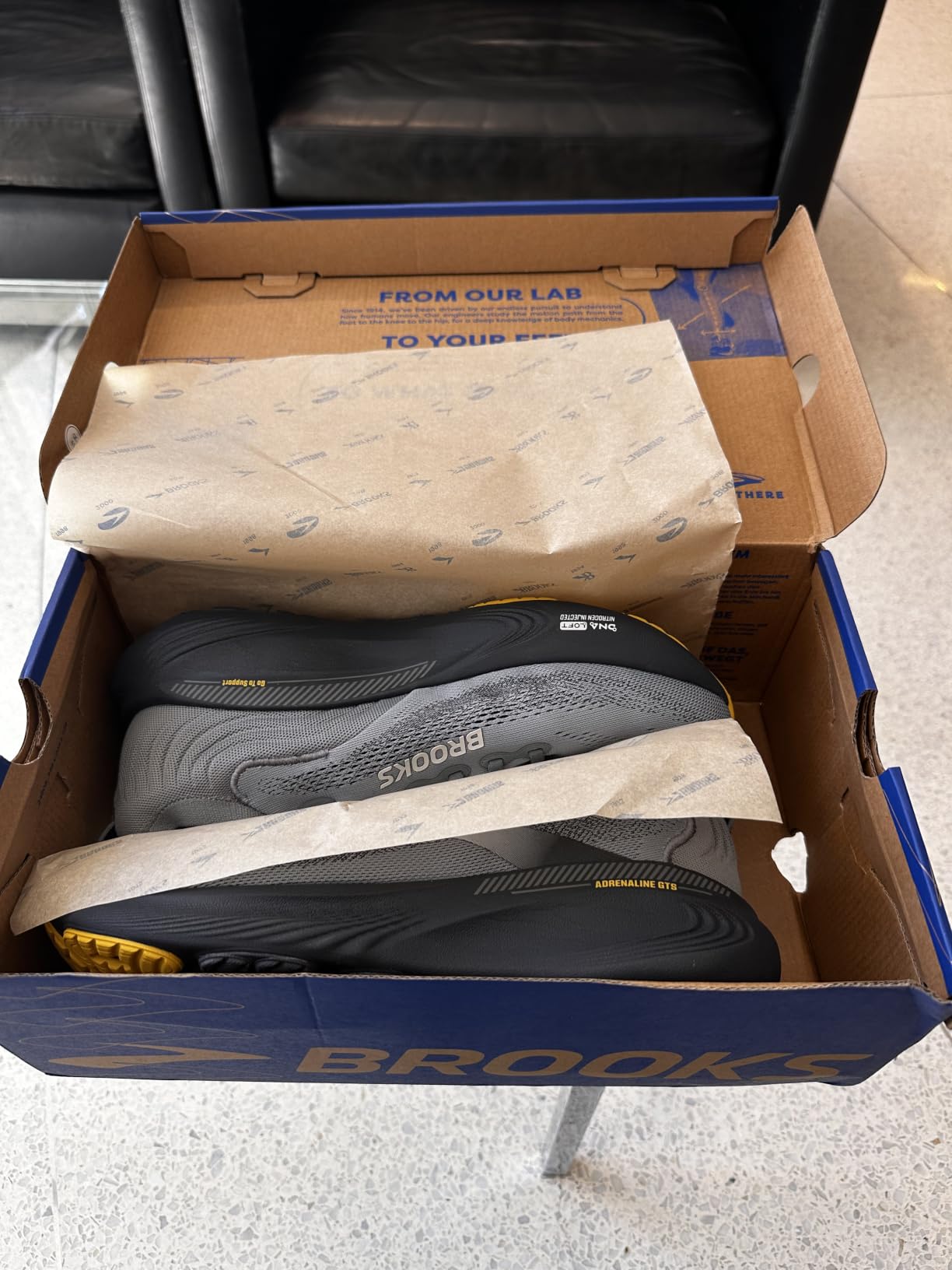
That whole-foot approach matters for an underpronator. Rather than shoving the arch back inward, it gives the lateral side enough substance that the foot stops tipping off the outside edge on landing. The nitrogen-infused DNA LOFT v3 stays soft mile after mile rather than flattening out, and at 1.5 pounds the weight sits in the midsole where you want it.
Sizing is the one thing to plan for. Narrow, standard, wide and X-Wide are all offered, which is unusual in this category and useful when a supinating foot is also a wide foot. The colour range in the wider sizes is thinner.
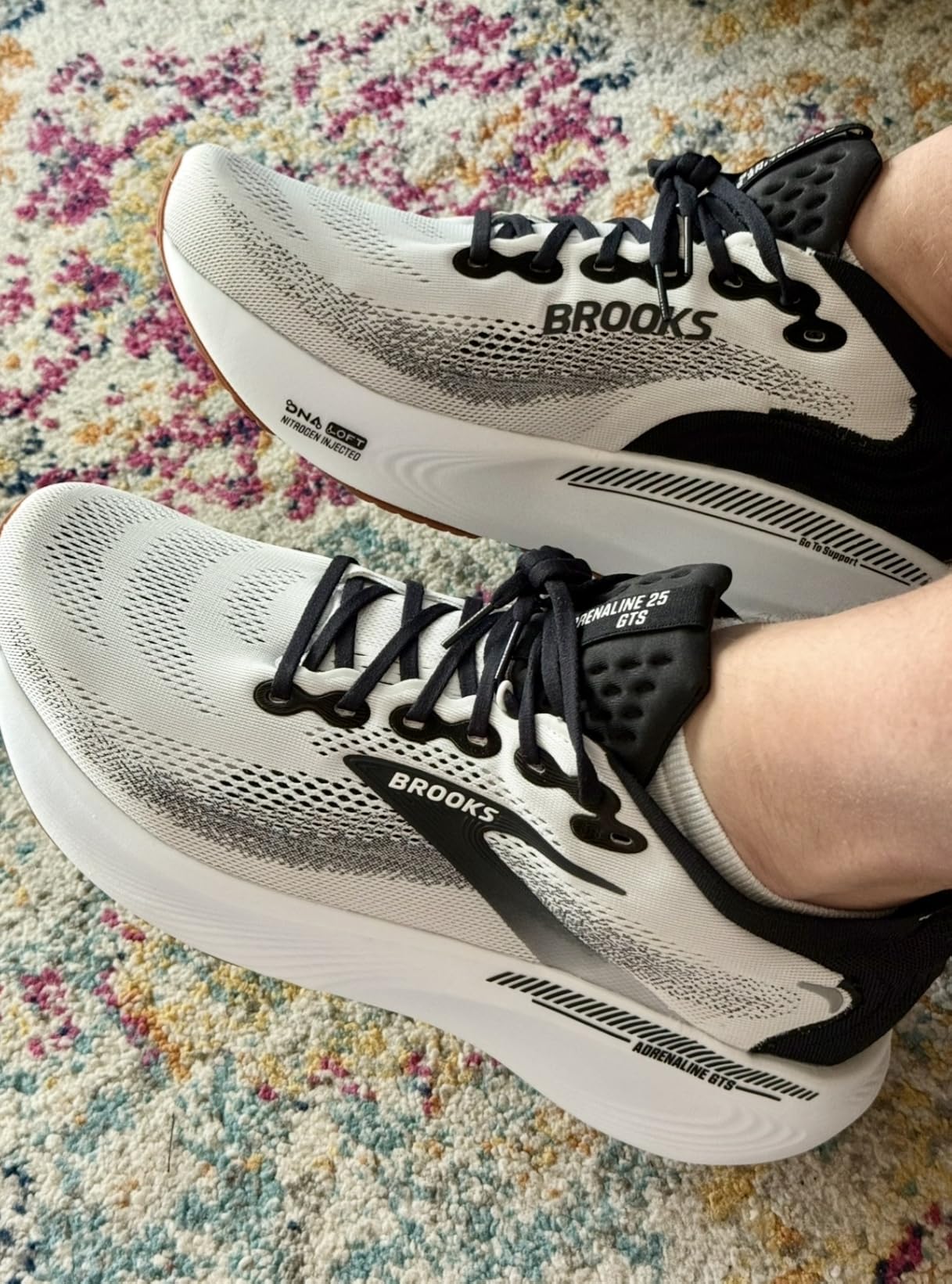
What You Get From The Full-Foot Support
GuideRails shapes the cushioning so the foot sits inside a fuller, more level platform, and the base underneath is wide enough that load spreads across the whole sole on impact. You get lateral containment without feeling pinned, and the PDAC A5500 diabetic certification is a decent signal of how structured the midfoot is.
Where It Falls Short
Some wearers find the newest model noticeably squishier through the sole than the version it replaced, so if you liked the old Adrenaline for a firmer ride, expect a change of character. The lacing also lets you over-tighten the midfoot, which is the opposite of what a high arch needs.
2. ASICS Gel-Kayano 32 – Best for High Arches
ASICS Men’s Gel-Kayano 32 Running Shoes, 9.5, Piedmont Grey/Gravel
4D Guidance System
PureGEL rearfoot
FF BLAST PLUS midsole
OrthoLite sockliner
Pros
- 4D Guidance pods respond under load without feeling intrusive
- Rearfoot PureGEL is roughly 65 percent softer than standard GEL
- Lightweight engineered mesh reduces bulk
- Knit heel pull tab makes the shoe easy to slip on
- Offered in standard Wide and X-Wide widths
Cons
- Structured midfoot feels firmer than a neutral trainer
- Heavier build than a neutral shoe of similar cushioning
The Kayano 32 is the model most often named when runners ask which shoes brands actually market to supinators, and it earns that reputation with cushioning depth rather than correction hardware. Buyers consistently cite all-day comfort, and the rearfoot PureGEL is listed as roughly 65 percent softer than standard GEL.
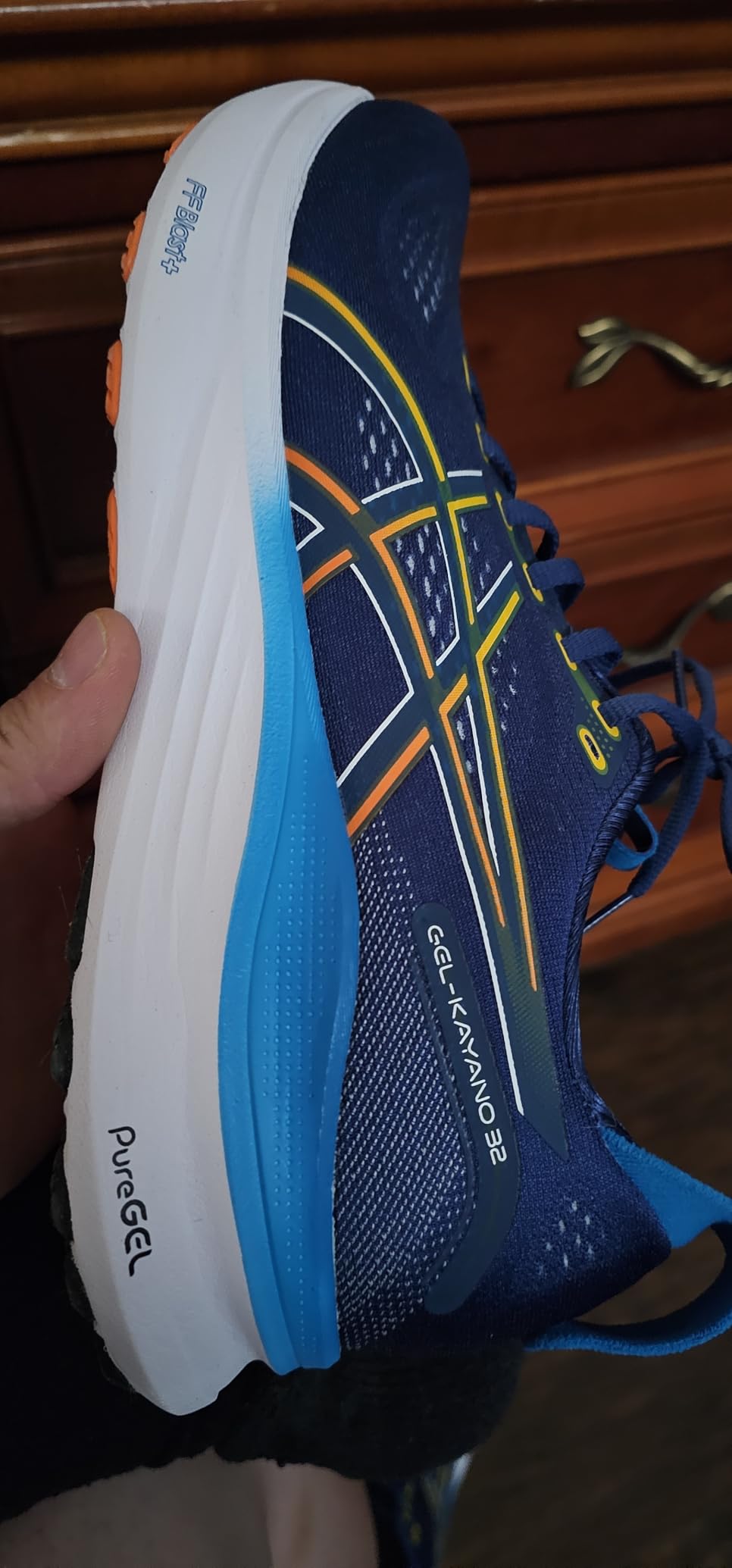
For a high arch, that soft rearfoot landing plus a responsive FF BLAST PLUS midsole is the whole point. The arch gets foam underneath it rather than a hard edge pressing into it, and the 4D Guidance pods react only under excessive load, which reviewers describe as smooth and non-intrusive. It guides without shoving.
The engineered mesh upper is light and breathable, and the knit heel pull tab makes a daily shoe less annoying to put on. The OrthoLite X-55 sockliner adds cushioning and moisture management for both running and all-day wear.
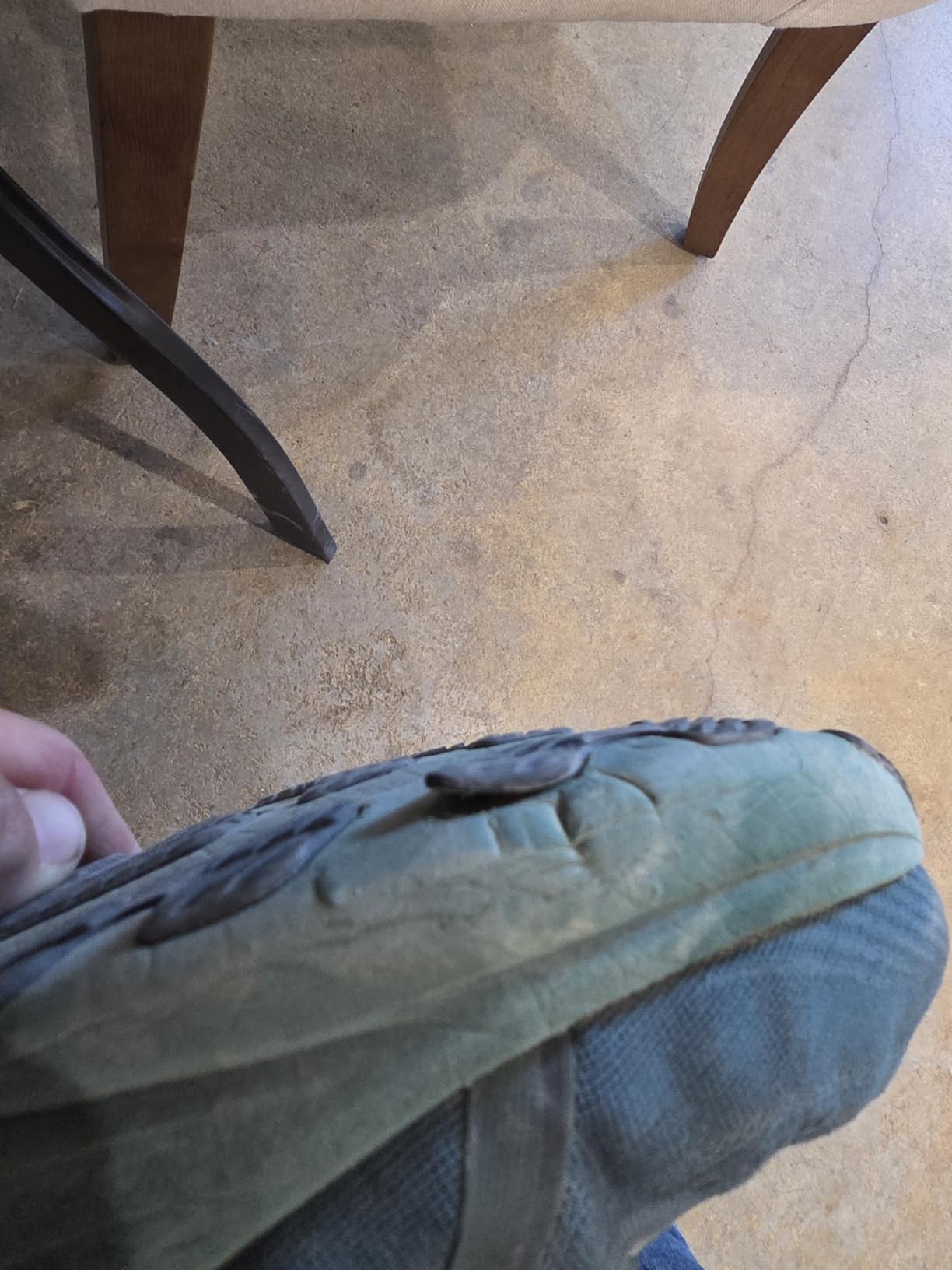
Why The Wide Options Matter Here
Standard, Wide and X-Wide are all available, and for a supinator with a high arch and a broad forefoot that range is often the difference between a shoe that works and one that pinches the fifth toe on long runs. It is a structured trainer, so give it a couple of weeks if you are used to something soft and unstructured.
Where It Falls Short
It is a heavier build than a neutral trainer of similar cushioning, and the midfoot feels firmer than most neutral dailies. If you want the same arch comfort with a lighter, more flexible ride, the cushioned daily trainer further down runs lighter.
3. Brooks Addiction GTS 15 – Best for Long Standing Days
Brooks Men’s Addiction GTS 15 Supportive Running Shoe – Black/Black/Ebony – 8.5 Narrow
GuideRails to the knee
BioMoGo DNA cushioning
Roomy orthotic fit
Engineered Air Mesh
Pros
- Maximum support through heel and arch
- Roomy toe box that anchors orthotics securely
- Excellent ventilation for all-day wear
- Durable outsole that handles work environments
- Widths available up to 4E and X-Wide
Cons
- Runs small so several buyers size up
- Mesh texturing around the toe box is hard to clean
- Heavier feel with limited heel softness versus plush trainers
The Addiction GTS 15 is the most aggressively supportive shoe here, and for a supinator that is both the reason to like it and the reason to test it in a store first. GuideRails stabilises beyond the foot, up to the knees, and BioMoGo DNA cushioning adapts to your stride, weight and speed.
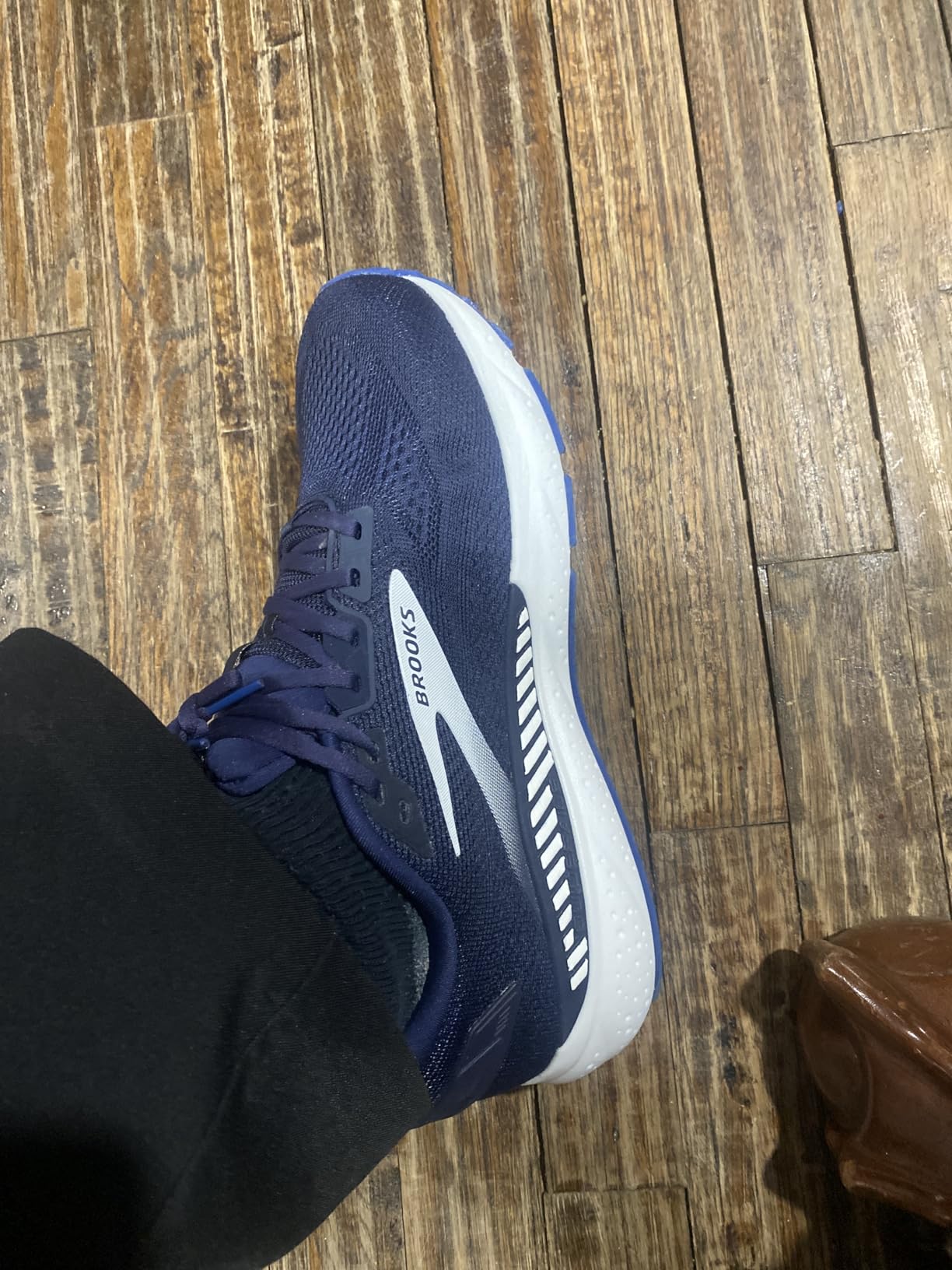
Reviewers with severe overpronation report dramatic reductions in foot, knee and back pain. That is impressive data, but it comes from people whose feet roll inward. What does carry over to supinators is durability and fit: the outsole holds up in warehouse and retail work, and the Air Mesh upper gets praised for ventilation on long standing days.
The roomy toe box accommodates orthotics and high-volume feet, and owners note it stops heel slip. At 1.6 pounds it is not light, and heel cushioning is firmer than in soft trainers.
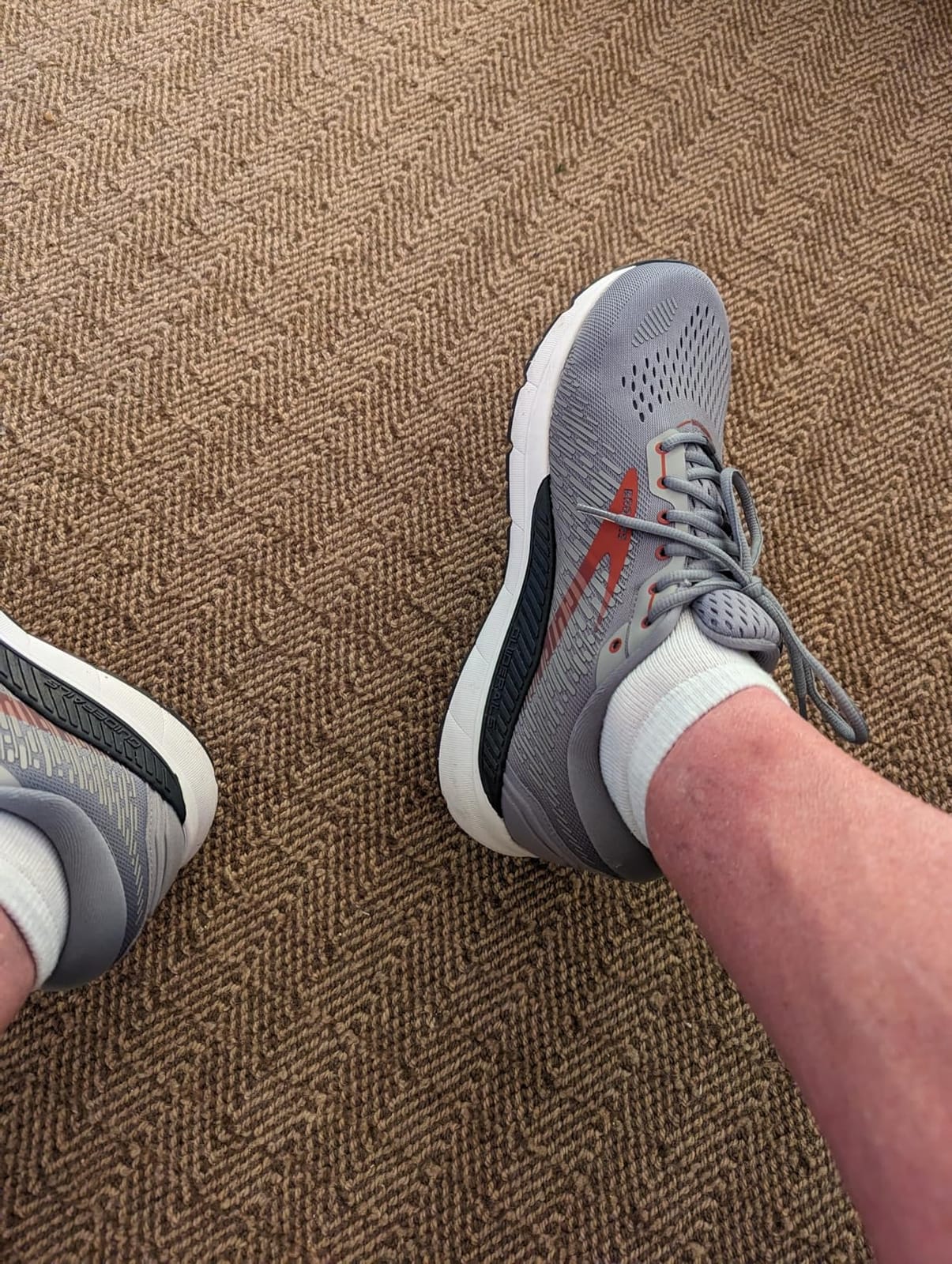
When The Roomy Fit Earns Its Place
Supinators with wider feet struggle to find a supportive shoe that is not also narrow at the forefoot. This toe box, with widths to 4E and X-Wide, is the strongest answer to that combination. The mesh texturing around it is hard to clean, though, which matters if the shoe lives on a workshop floor.
Where It Falls Short
This is the shoe most likely to feel like too much if your gait is genuinely neutral-to-supinated, because the support is built to pull an inward-rolling foot back to centre. It also runs small, so buy a half size up and wear it for a full day before deciding.
4. Brooks Glycerin GTS 22 – Top Rated Cushioned Support Pick
Brooks Men’s Glycerin GTS 22 Supportive Running Shoe – Primer Gray/Ebony/Bluewash – 8.5 Medium
GuideRails support
DNA Tuned dual-cell foam
Double jacquard knit
Broad platform
Pros
- Highest-rated shoe in this roundup at 4.6 stars
- Plush landings from large-cell DNA Tuned heel cushioning
- Broad platform that stays stable without feeling rigid
- Breathable double jacquard knit upper flexes with the foot
- Works for running cross-training and gym use
Cons
- Platform feel is firmer than softer max-cushion stability shoes
- Heavier at 2 pounds than most trainers here
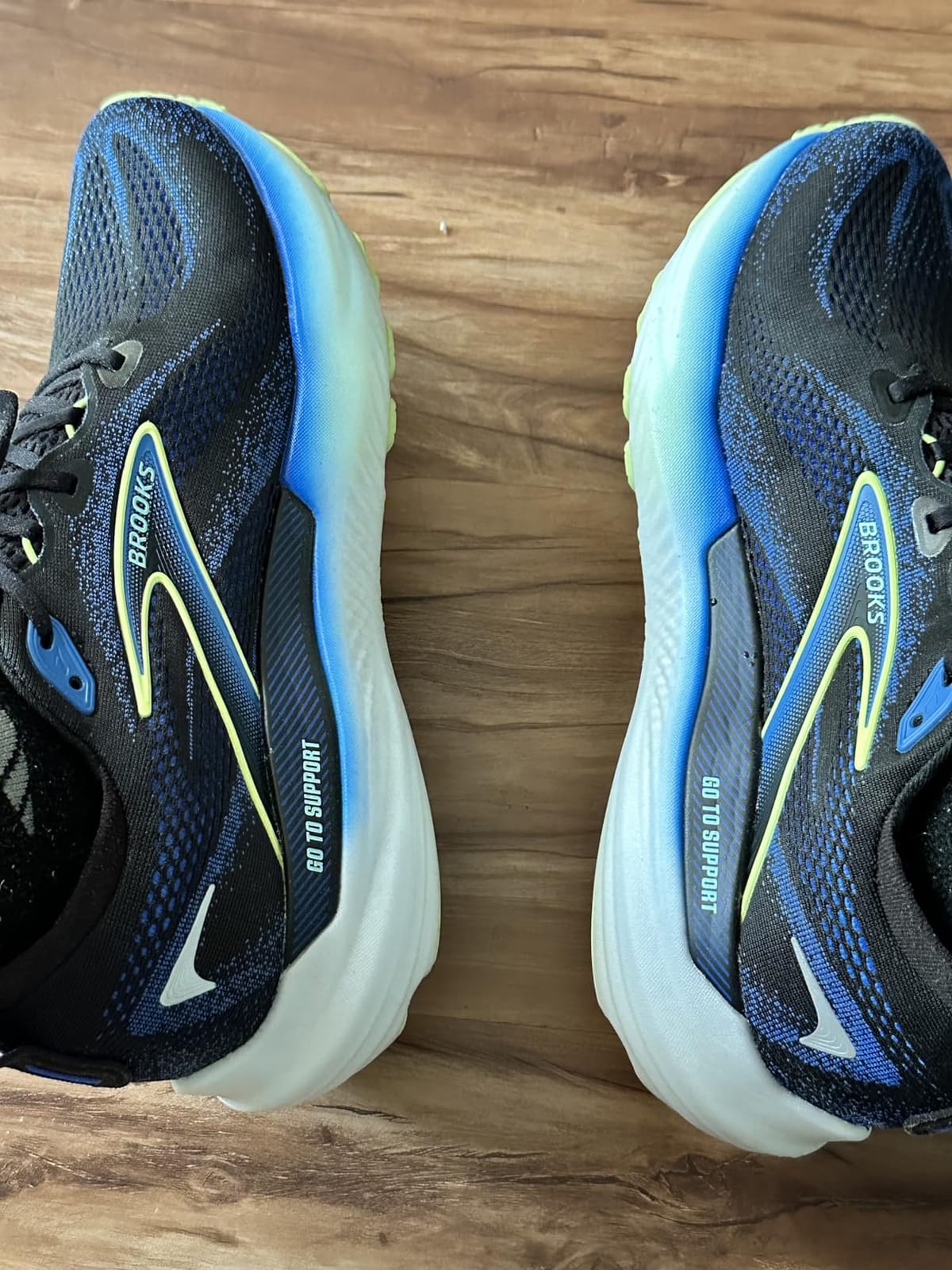
The Glycerin GTS 22 rated highest of every shoe we looked at, at 4.6 stars across 1543 reviews, and the reason is a balance that is hard to achieve. You get the plush landings of a cushioned trainer and the broad, stable base of a supportive one.
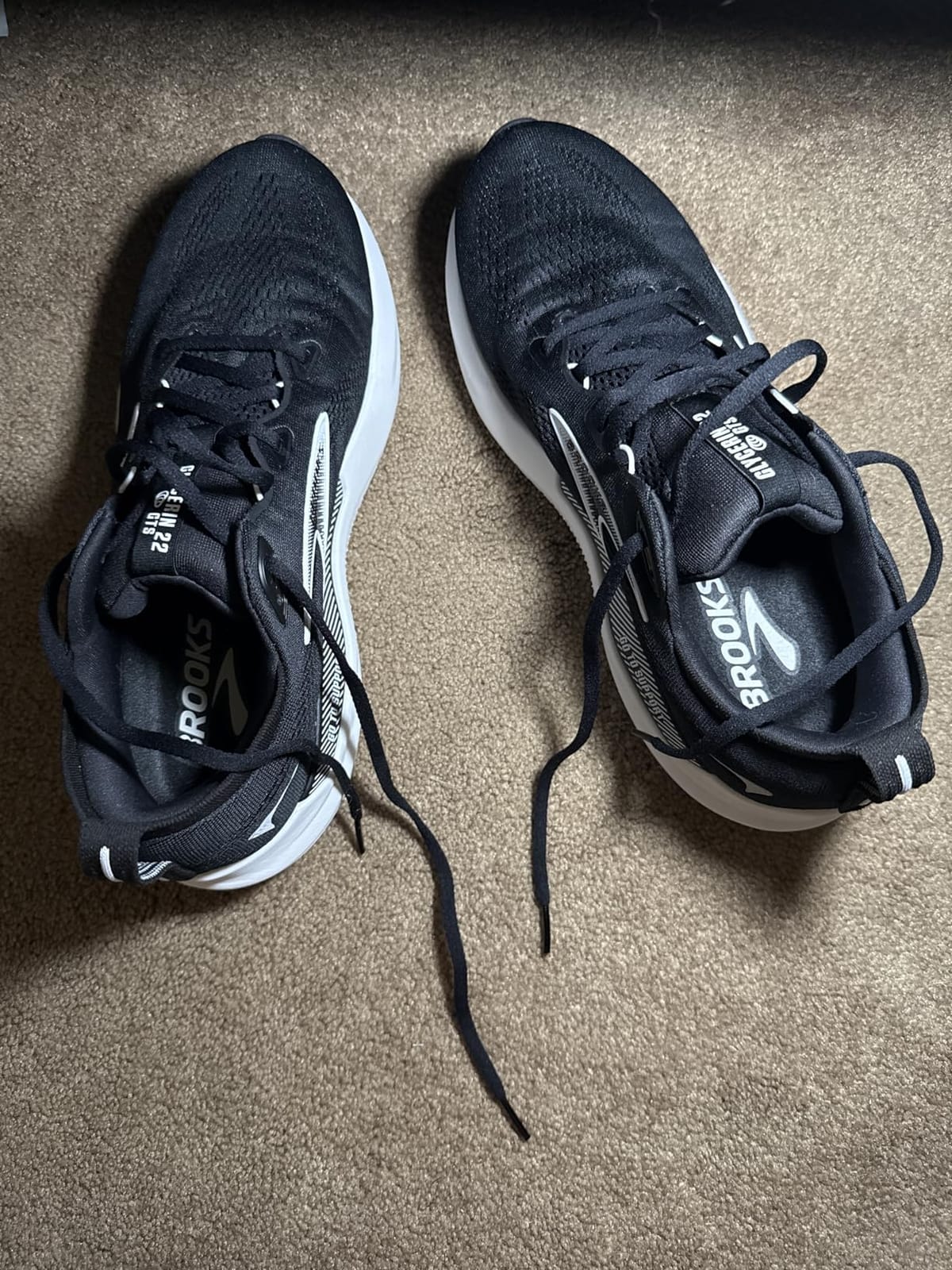
The DNA Tuned midsole uses dual-size cells, larger in the heel, so the softness sits exactly where a supinator lands hardest. Eighty percent of reviews are five stars, and the recurring theme is plush landings plus stable, non-intrusive support. At 2 pounds it is the second-heaviest shoe we cover, and that is the trade for the cushioning.
The double jacquard knit upper is praised for flexibility and breathability, which matters because a stiff upper over a high arch creates pressure points long before the midsole is the problem.
Why The Broad Platform Is The Real Feature
The tuned heel and forefoot create a wide base that keeps the foot stable through transitions without turning the shoe rigid. For a supinator that geometry is the whole point: the arch sits inside the platform instead of perched on the outer edge of it. Reviewers also use it for cross-training and gym work.
Where It Falls Short
Some wearers find the platform firmer than softer max-cushion stability shoes, so it will not feel as sinky on a long run. And at 2 pounds it is not the tool for short, faster sessions. Brooks publishes a curated list of shoes for underpronation, and this is the highest-rated model on it.
5. Saucony Hurricane 24 – Best Cushioned Daily Trainer
Saucony Men’s Hurricane 24 Sneaker, Flint/Navy, 11
Stability platform
PWRRUN+ midsole
Engineered mesh upper
Rubber outsole
Pros
- Wide base keeps pronation and supination in check
- Soft supportive foam that resists bottoming out
- Good ankle support and comfort for long standing work
- Holds up well at roughly a year of daily mileage
- Non-intrusive stability with no arch hotspot
Cons
- Heavier build not suited to faster pace work
- Runs about a size small so size up
- Build consistency varies between pairs
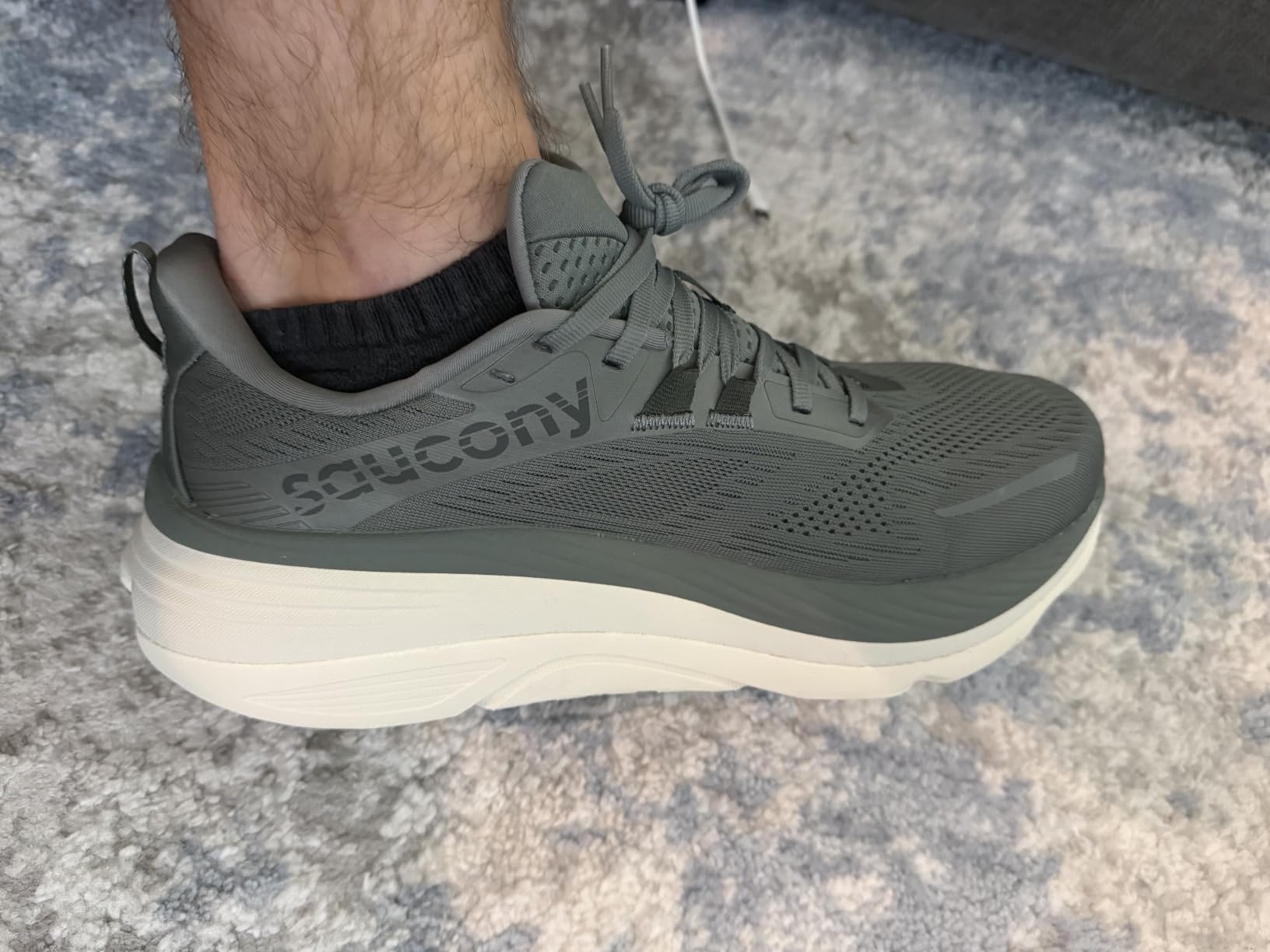
The Hurricane 24 is one of the most comfortable high-stack stability shoes here, and its wide base is the feature that matters for supinators. Owners specifically describe it as keeping pronation and supination in check, one of the few support shoes in the category that addresses both directions.
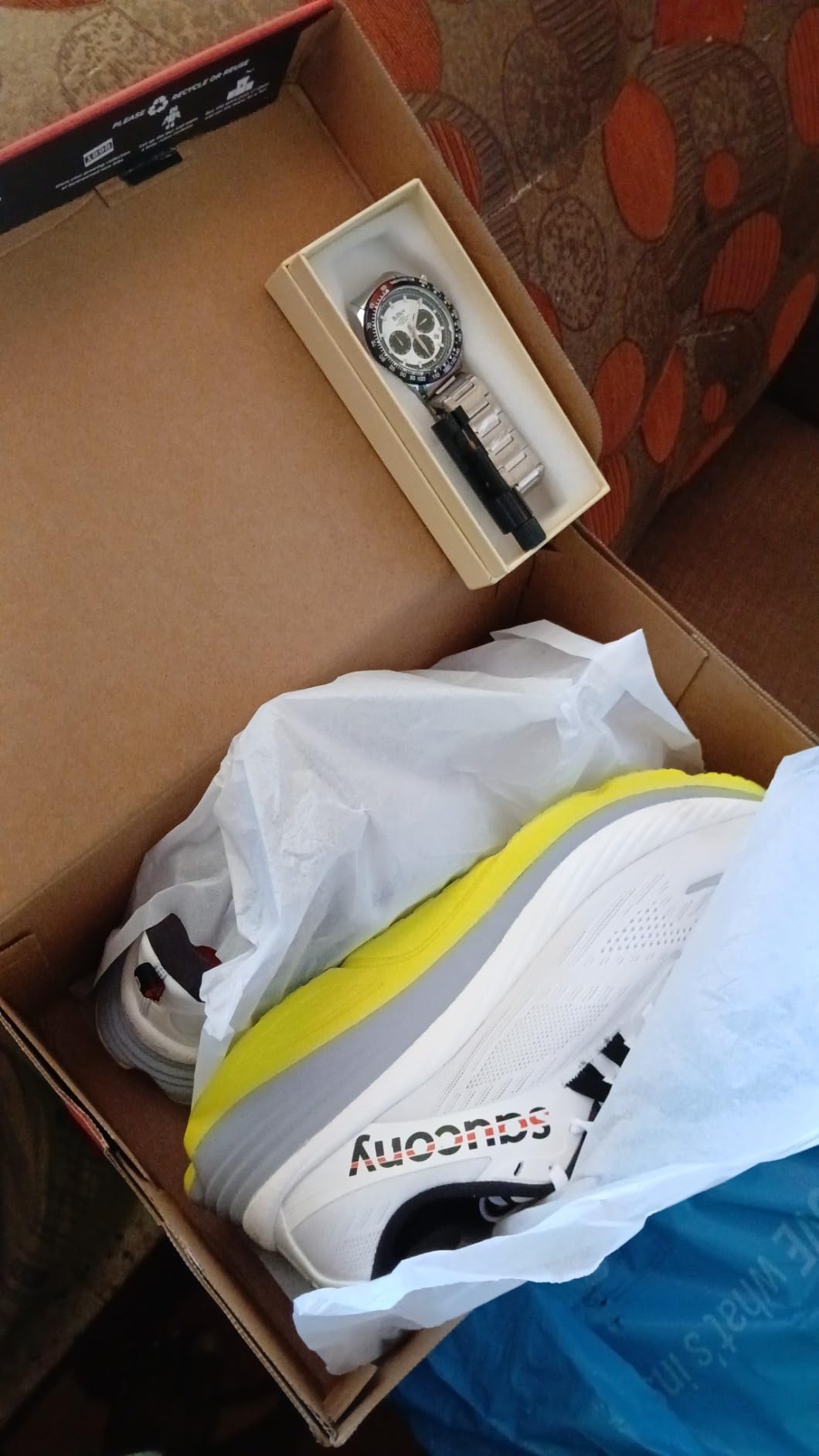
PWRRUN+ cushioning is soft and supportive and, according to reviewers, resists bottoming out on long runs. That is the difference between a shoe that works for 5km and one that works for a long training block. At 2.25 pounds it is the heaviest shoe in this roundup, and the consensus is that the weight limits it to recovery and long runs rather than speed sessions.
Sizing is the other recurring theme. It runs about a size small, and a narrow fit can cause foot pain beyond 20km distances.
Good For Walking As Well As Running
Reviewers mention good ankle support and comfort for all-day standing work, and the heel-to-toe transition keeps the ride smooth on pavement and trail alike. The engineered mesh handles airflow and the rubber outsole gives reliable traction, so it is a strong candidate if you need one shoe for both jobs.
Where It Falls Short
Some buyers report build consistency varying between pairs, and a few note noise when walking. It is also a stability platform tuned for overpronation control, so it is not the choice if you want zero correction architecture. For a softer, lighter daily option without that structure, see the budget pick below.
6. ASICS GT-1000 14 – Best Value for Daily Miles
ASICS Men’s GT-1000 14 Running Shoes, 11, Black/Black
3D Guidance System
FF BLAST midsole
PureGEL rearfoot
AHAR LO outsole
Pros
- Adaptive on-demand stability from the 3D Guidance System
- Soft FF BLAST foam with a responsive PureGEL rearfoot
- Lightweight at 1.44 pounds
- Breathable engineered mesh upper
- Versatile for daily training and walking
Cons
- Runs small so most buyers size up
- Support is less pronounced than dedicated motion-control models
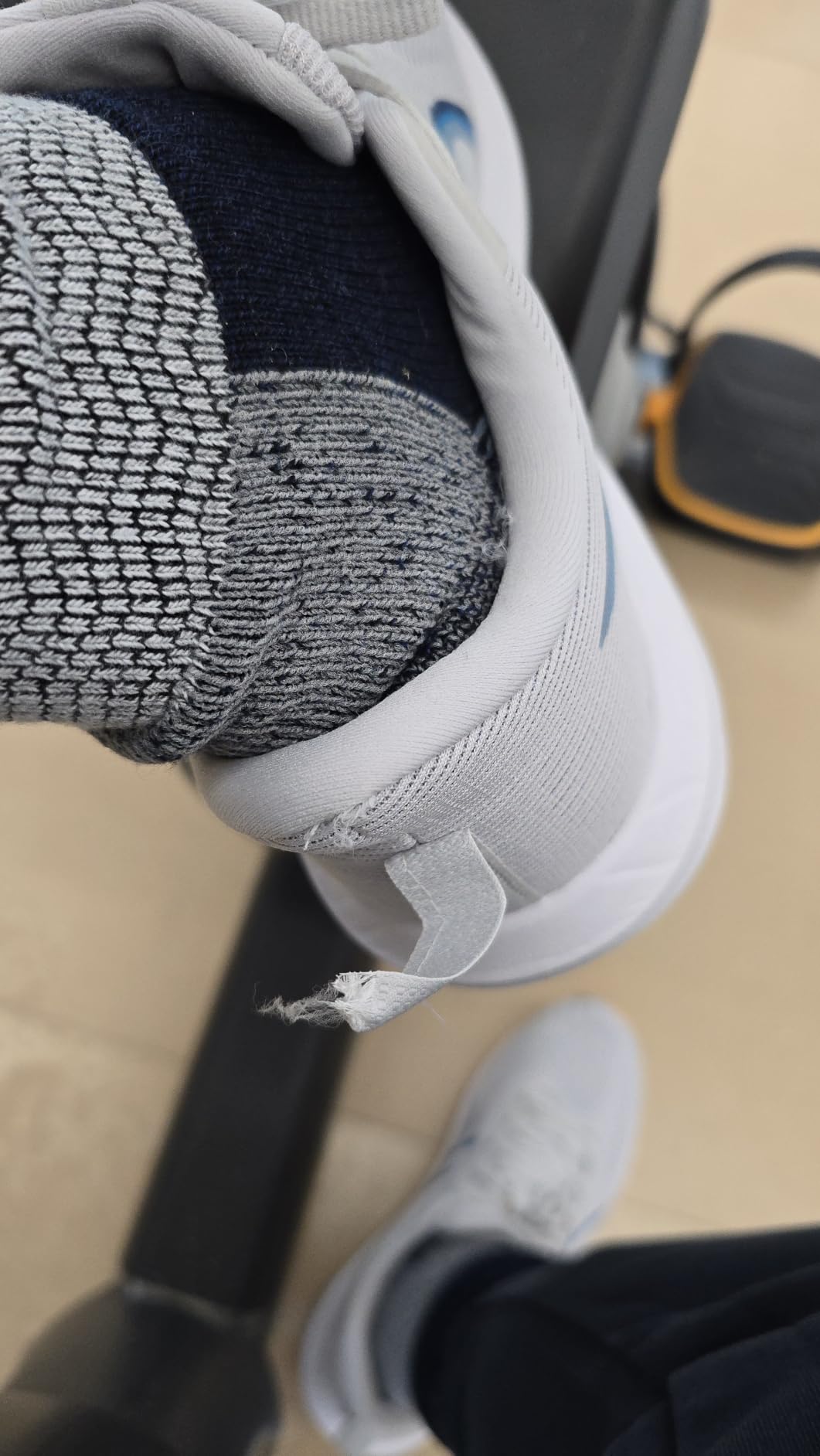
The GT-1000 14 is the lightest dedicated support shoe here at 1.44 pounds, and that makes it a genuinely useful entry point for a supinator who wants adaptive support without a heavy build. The 3D Guidance System uses platform geometry and controlled deformation to deliver adaptive, on-demand stability rather than a fixed correction.
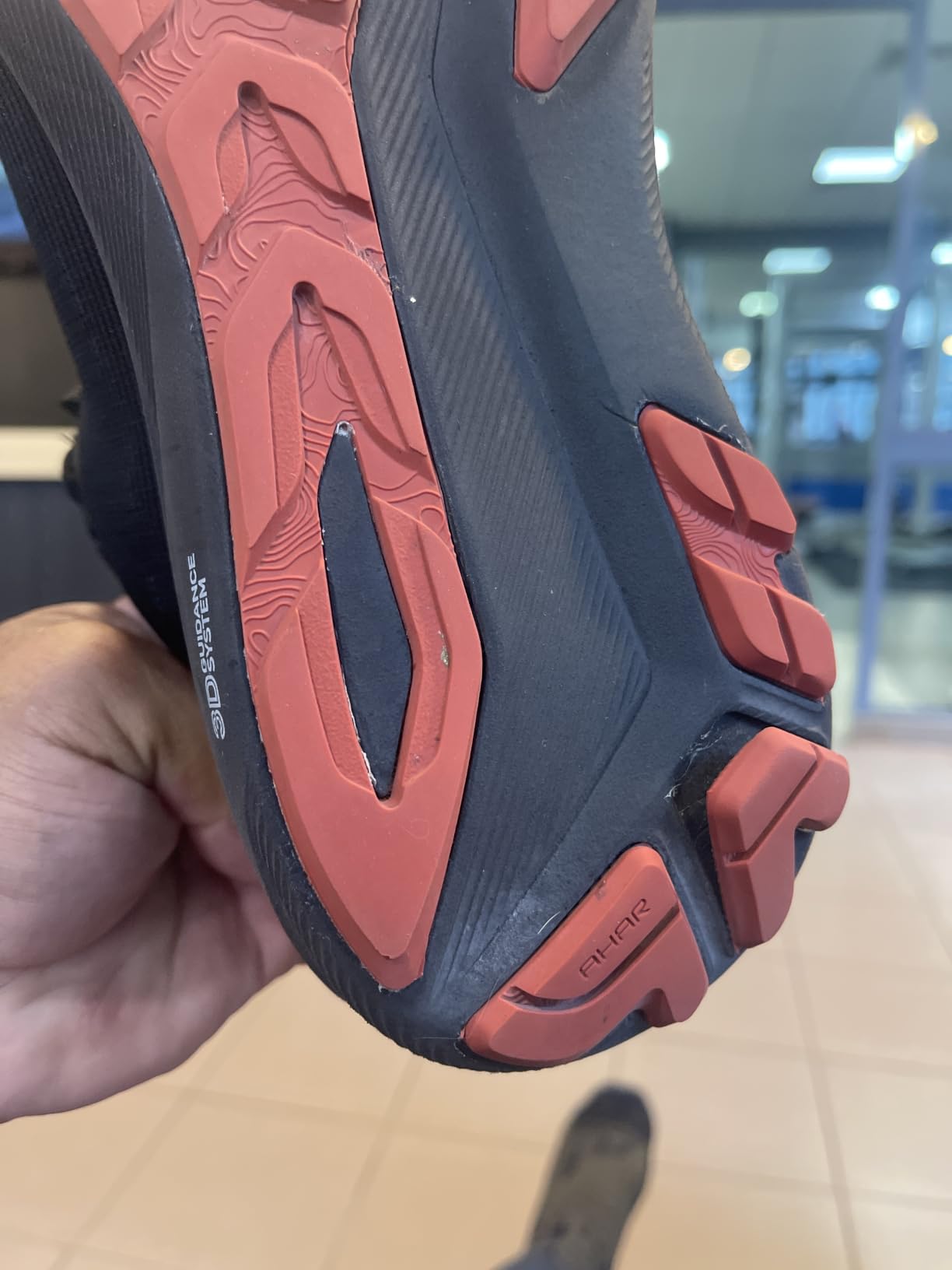
For a supinator, on-demand is exactly the right word. Stability that switches on only under load does not push a high arch sideways the way a permanent post can. FF BLAST midsole gives a blend of softness and response, and the rearfoot PureGEL is roughly 65 percent softer than standard GEL, so the landing is cushioned where you load hardest.
The Hybrid Max Lite sockliner manages moisture, and the AHAR LO outsole gives grip without sacrificing durability. It works for daily training and for walking in the same week.
The Gentlest Support In The List
What makes this a budget pick rather than a compromise is the philosophy: guidance is adaptive, the foam is soft, and the shoe is light enough that you will reach for it on days you do not feel like training. The caveat reviewers name most is that the support is less pronounced than dedicated motion-control models.
Where It Falls Short
The fit runs small and the product details say so explicitly, so most buyers size up. It is also the least cushioned shoe here, and if impact absorption is your main problem the FF BLAST midsole will not protect you the way the Glycerin or Hurricane do.
7. Saucony Guide 18 – Best for Wide Forefeet
Saucony Men’s Guide 18 Sneaker, Flint/Navy, 9.5
Center Path geometry
Broad base platform
PWRRUN foam
XT-900 outsole
Pros
- Maximal cushioning with inherent support from broad geometry
- Center Path Technology guides the foot from lateral crash to toe-off
- Soft responsive PWRRUN foam
- XT-900 carbon rubber outsole for durable traction
- Breathable supportive engineered mesh upper
Cons
- Lowest rating in this roundup at 4.3 stars reflects mixed experiences
- Less explicit motion control than GuideRails or GTS models
The Guide 18 supports you through geometry rather than a post, and for a supinator that is a comfortable place to land. Center Path Technology uses asymmetric geometry to centre the foot from lateral crash through to toe-off, and the broad base seats the foot deep in a stable platform.
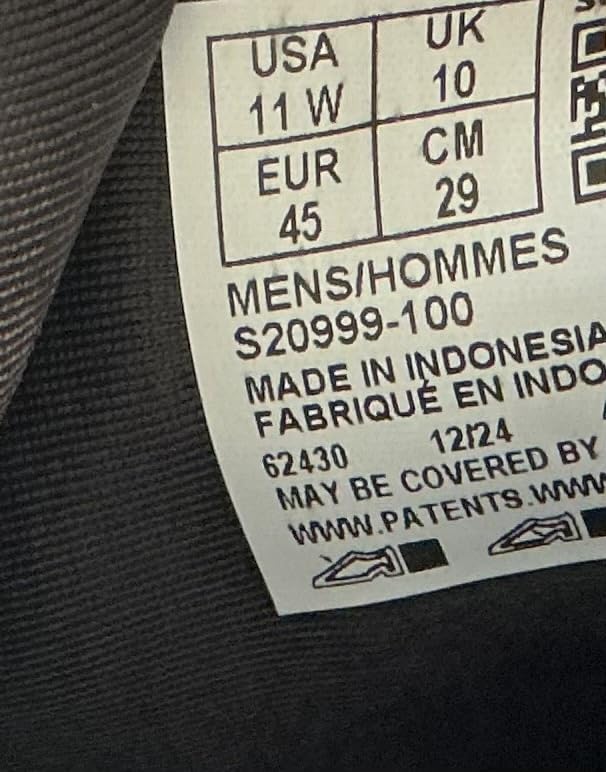
In plain terms, the shape of the midsole does the work instead of a hard wedge, so there is no firm lump under your arch to roll off. At 1.87 pounds it is lighter than the other Saucony here, and the XT-900 carbon rubber outsole is built for durable traction.
Its 4.3 star average is the lowest on this list, and the distribution shows why: 68 percent five stars but 6 percent one star. That is a wider spread of experiences than the other picks, which is worth weighing.
Best Fit For Wide Feet And High Arches Together
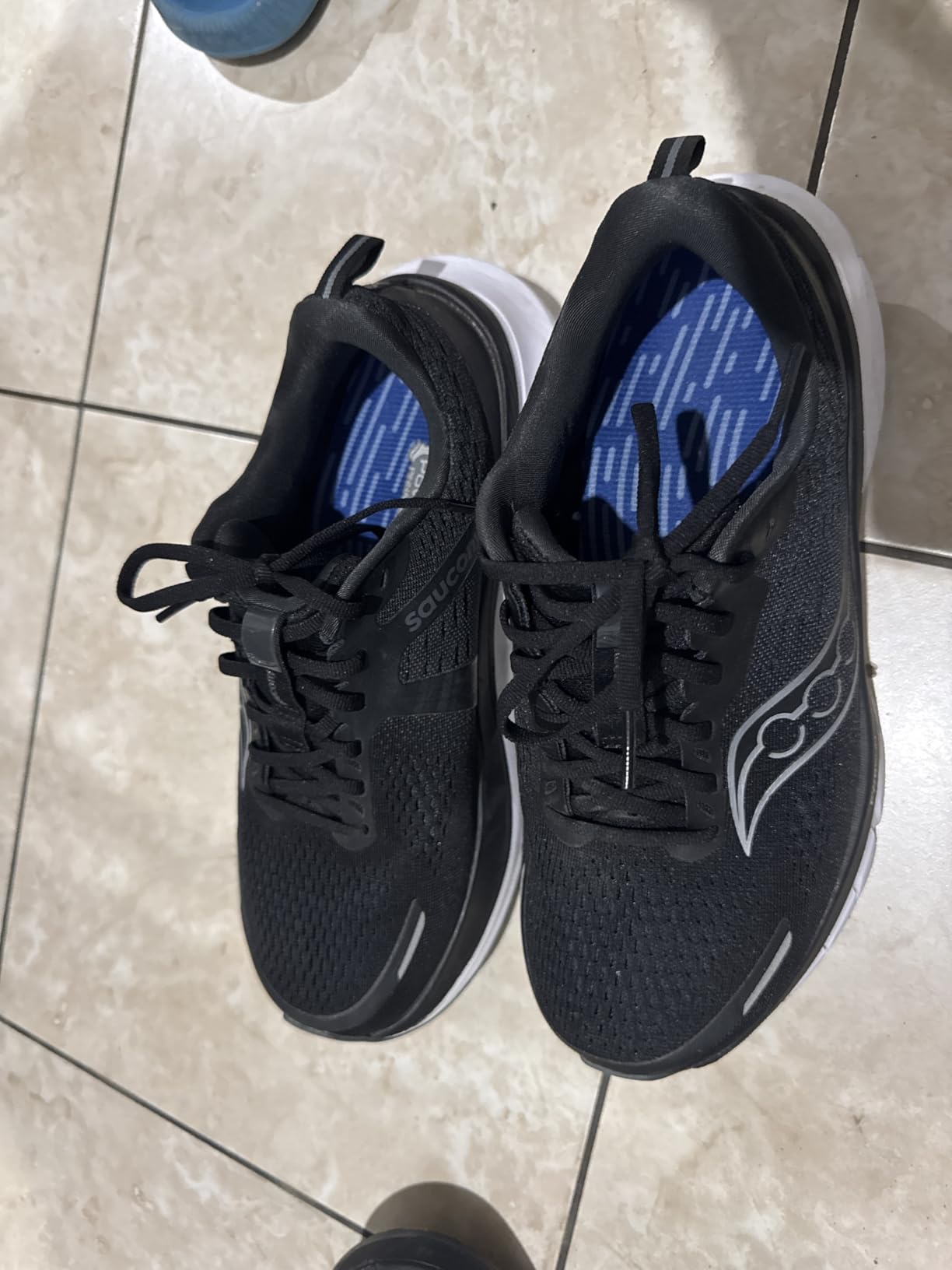
Plenty of runners have both a high arch and a wide foot, which is the hardest combination to fit, and this is the shoe with the widest, most accommodating platform relative to its weight. Because support comes from the base rather than a post, it also suits split gaits where one foot behaves differently from the other.
Where It Falls Short
The lower rating reflects mixed experiences, and the specific complaint is that motion control is less explicit than in dedicated GuideRails or GTS models. For firmer cushioned support, our [list of cushioned running shoes for long distances](https://www.spencerlocke.net/best-cushioned-running-shoes-for-long-distances/) compares the plush options in detail.
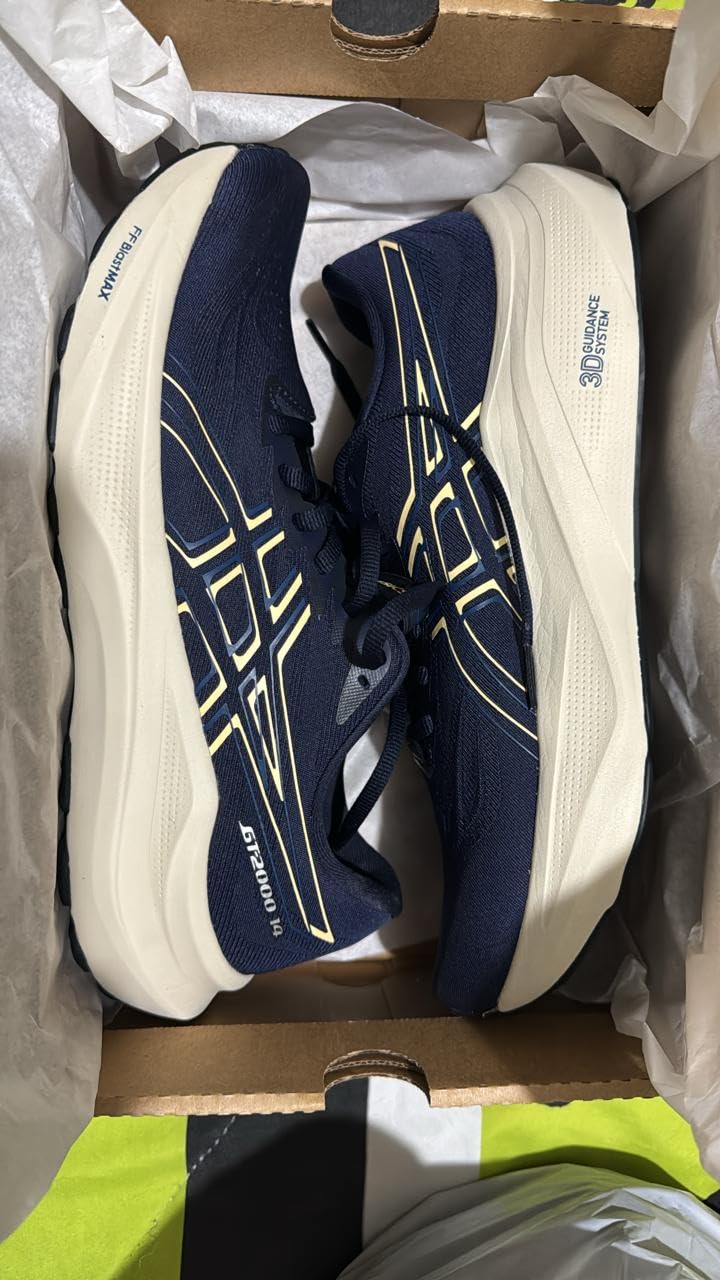
8. ASICS GT-2000 14 – Best for Energy Return
ASICS Men’s GT-2000 14 Running Shoes, 14, Blue Fade/Tranquil Teal
FF BLAST MAX midsole
PureGEL rearfoot
Trampoline outsole pod
Woven mesh upper
Pros
- Soft FF BLAST MAX cushioning with strong energy return
- 3D Guidance System gives adaptive support
- Trampoline-inspired outsole pod captures more energy at toe-off
- Woven mesh upper keeps feet dry and breathable
- Offered in Wide widths
Cons
- Runs small so buyers size up
- Outsole initially slippery on smooth indoor surfaces
- Lower two-thirds of the tongue is unpadded so laces press through
The GT-2000 14 is the most energetic shoe in this roundup. FF BLAST MAX is one of ASICS’ softest and most responsive foams, and the trampoline-inspired outsole pod is designed to capture more energy return at toe-off than a standard midsole.
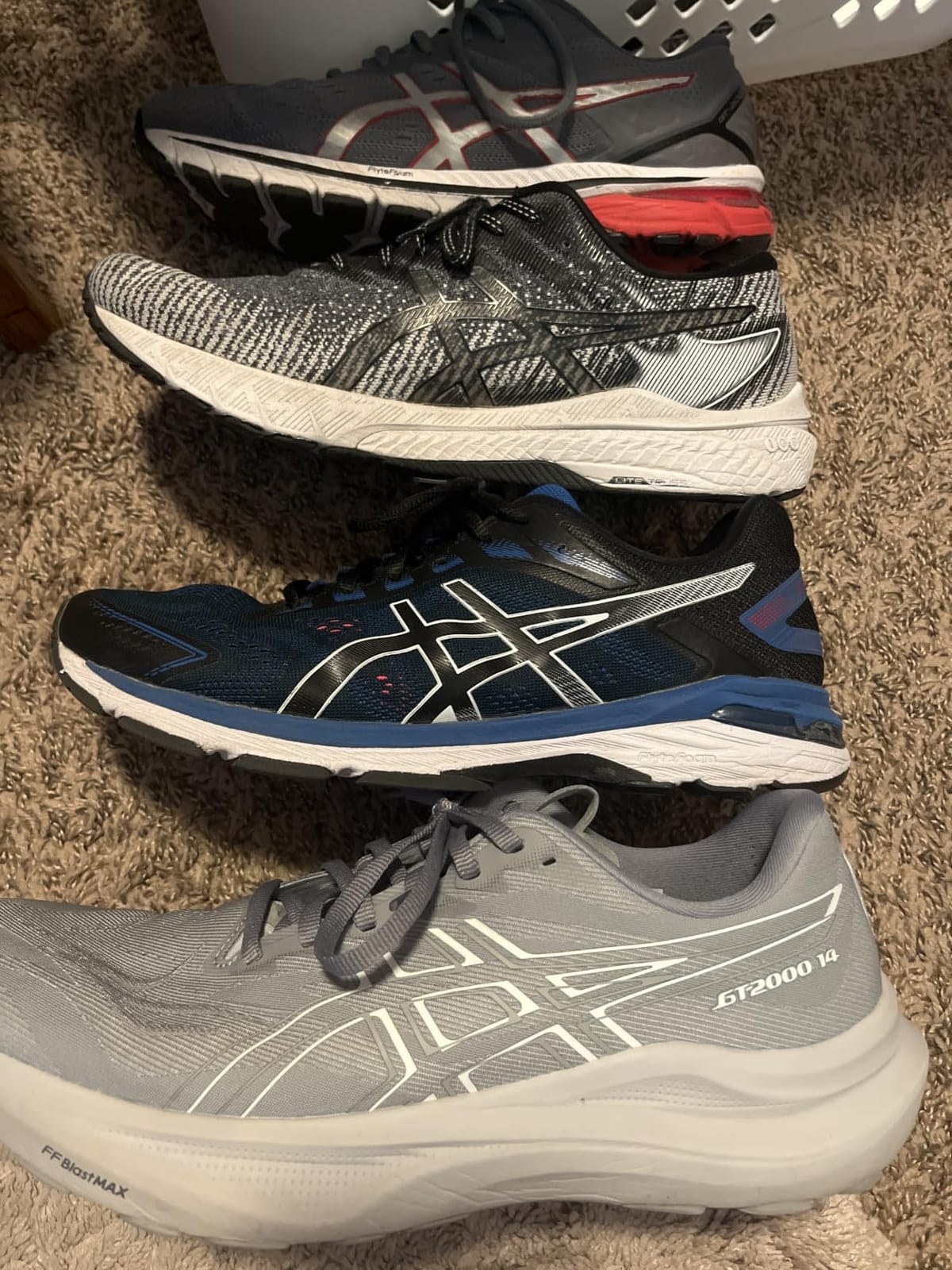
The 3D Guidance System and the roughly 65 percent softer rearfoot PureGEL make it a comfort shoe as much as a performance one. The woven mesh upper keeps feet dry, the asymmetric tongue wing secures the midfoot, and runs hold up over a year of daily wear. At 1.44 pounds it is one of the lightest support shoes here.
We want to be direct about one thing though. The most revealing reviewer comment is that its corrective effect is strong enough that neutral runners feel pushed toward supination. If that is already your gait, this shoe asks you to fight it.
The One To Be Careful With
That does not disqualify it. Plenty of supinators run it happily for the cushioning, and the adaptive 3D Guidance is gentler on a high arch than a fixed post would be. But test it before committing, especially if you are drawn to it purely for the energy return.
Where It Falls Short
It runs small, the outsole is initially slippery on smooth indoor surfaces, and the lower two-thirds of the tongue is unpadded so laces press through on longer runs. Our [overpronation guide](https://www.spencerlocke.net/best-running-shoes-for-overpronation/) covers the models built for the opposite gait if this one feels too corrective.
9. HOKA Arahi 8 – Best for Lateral Containment
Hoka Men’s Arahi 8 Black/Skyward Blue 9 Medium
Active Foot Frame platform
Wide stable sole base
Jacquard knit upper
Textile lining
Pros
- Cradles the heel securely on all sides with prominent but soft arch support
- Wide sole base resists side-to-side foot roll
- Impressively lightweight for a stability shoe
- Roomy well-shaped toe box that is true to size
- Owners report roughly 1000 miles with minimal sole wear
Cons
- Pronounced heel bevel takes adjustment to get used to
- Requires an initial break-in period
The Arahi 8 is the most direct answer here to the specific problem supinators have, which is the foot rolling off the outside edge. The Active Foot Frame platform and a wide, stable sole base are both designed to limit side-to-side roll, and reviewers describe the heel being cradled on all sides with prominent but soft arch support.
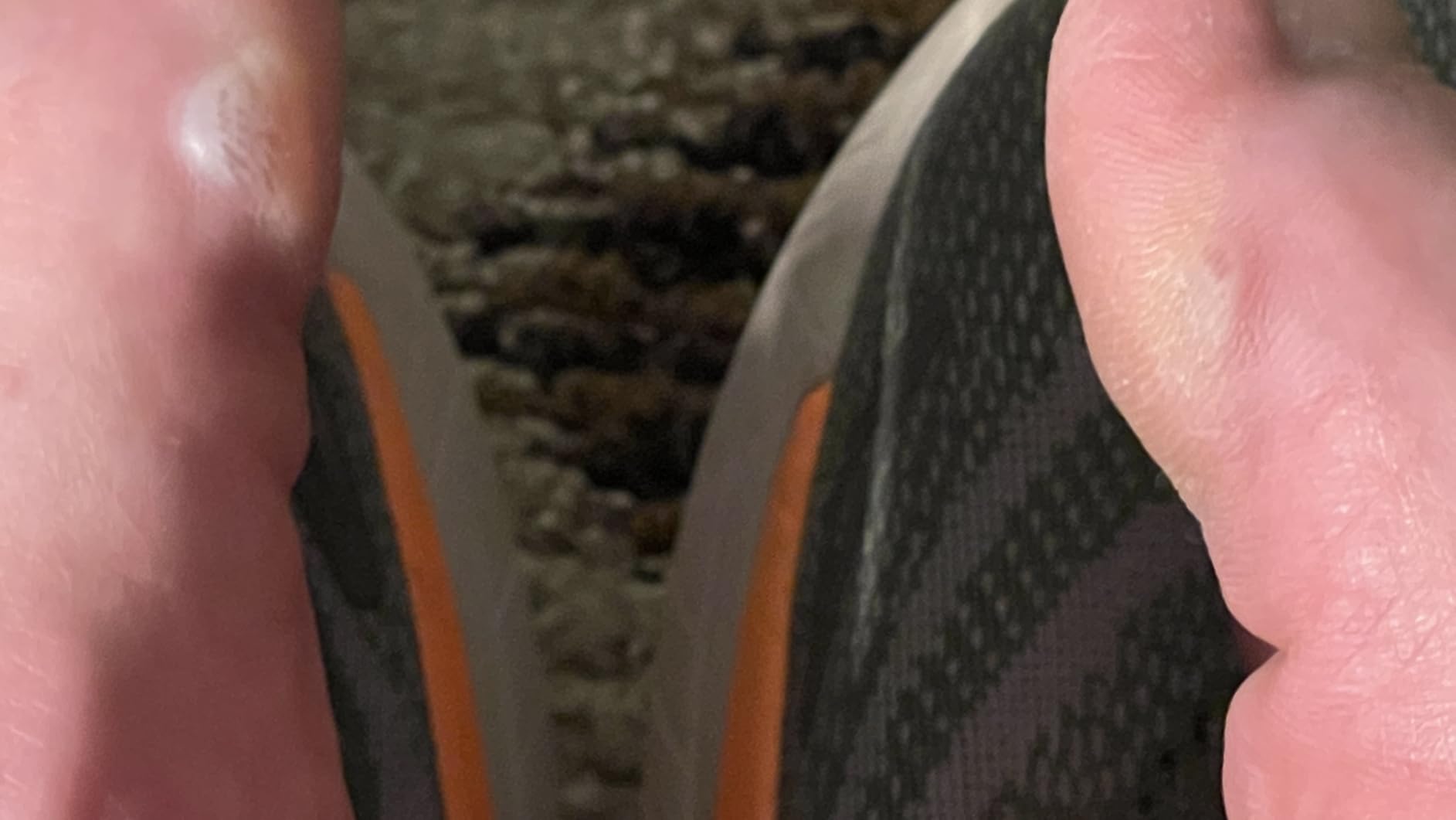
It is also, oddly, impressively light for a stability shoe. Eighty percent of reviews are five stars, and the recurring theme is reduced foot, leg and back fatigue during long standing days. The jacquard knit upper is durable, breathable and flexible, the toe box is roomy, and it comes true to size.
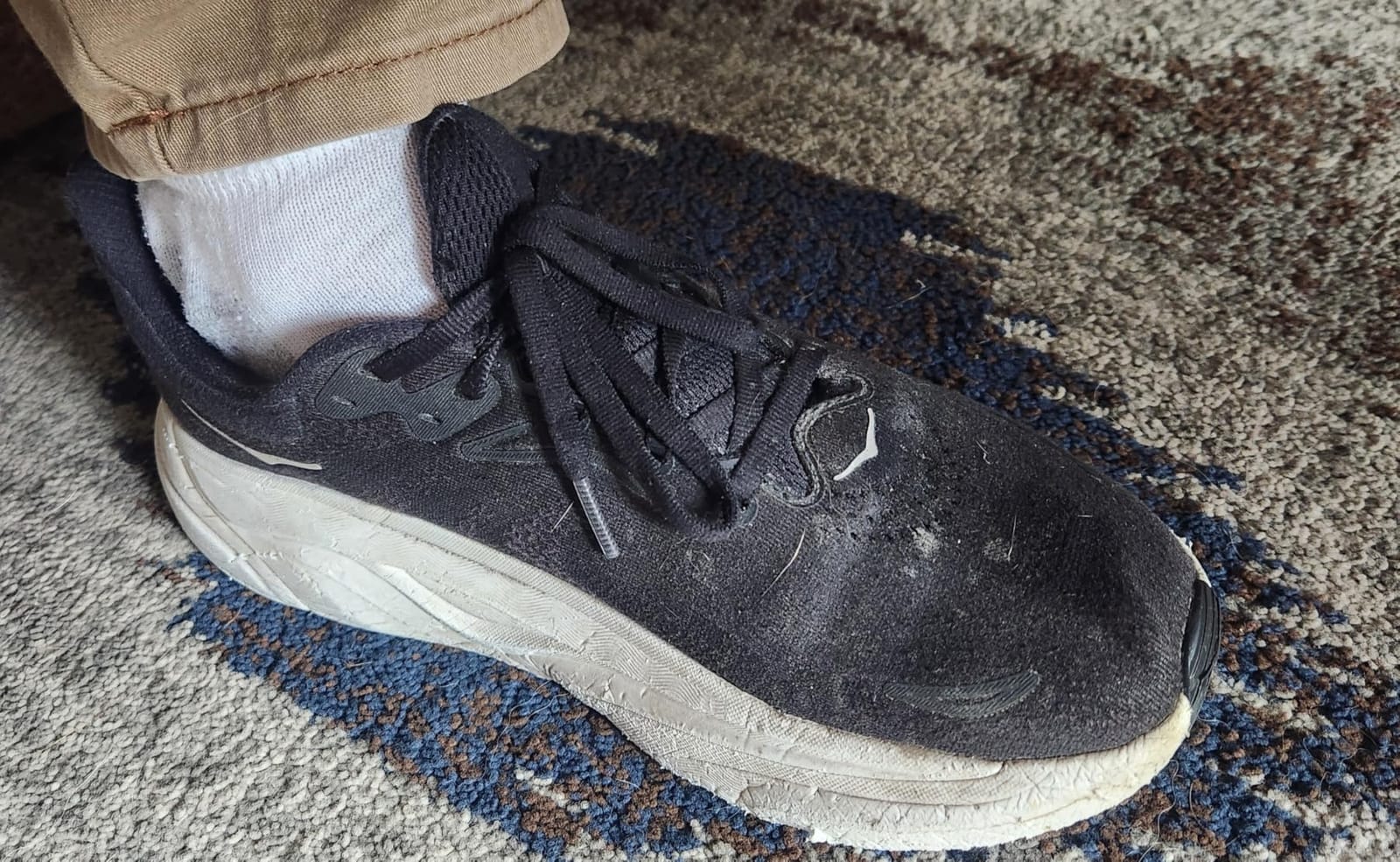
The durability number stands out too. Owners report roughly 1000 miles with minimal sole wear, and that matters more for a supinator than for most runners.
Durability Is A Supinator Feature
Almost no roundup mentions this. A supinator loads the outer heel and lateral edge on every strike, so those zones wear several times faster than the middle of the outsole. When the outer edge collapses, the roll gets worse, which is the cycle you are trying to break.
Where It Falls Short
There is a real adjustment period. The heel bevel is pronounced and you need time to adapt to the gait it puts underfoot, so buy it weeks before a race rather than days. It is also the least reviewed shoe in this roundup, so the long-term picture is less well documented than for the Brooks models.
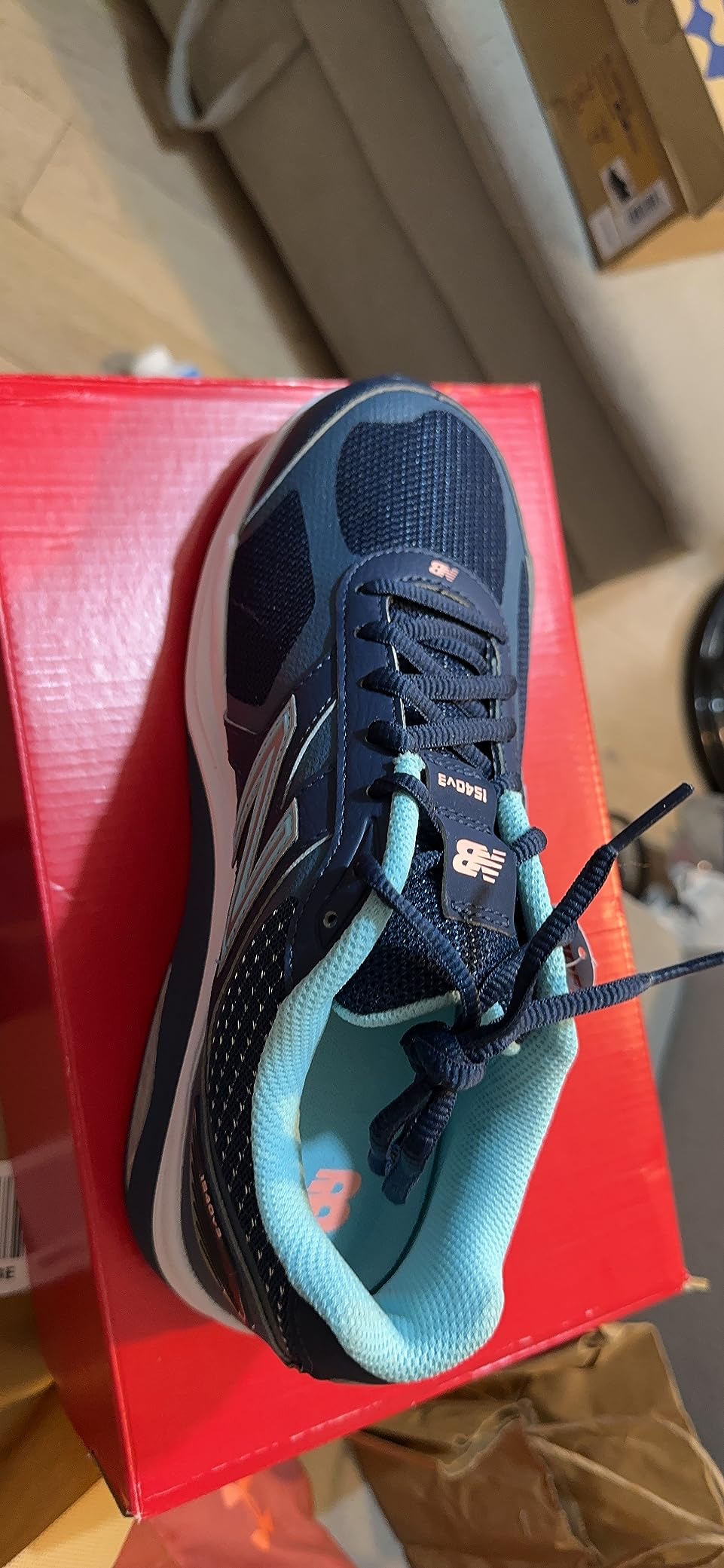
10. New Balance 1540 V3 – Budget Pick, Test the ROLLBAR First
New Balance Women’s Made in US 1540 V3 Running Shoe, Gunmetal/Dragonfly, 6 M US
ROLLBAR rear-foot post
ENCAP midsole rim
Deep wide toe box
Mesh and synthetic upper
Pros
- Most reviews of any shoe in this roundup at 2981
- Deep wide toe box that accommodates orthotics
- Excellent arch support praised even by physical therapists
- Durable outsole that handles high daily step counts
- Outstanding value against other stability shoes
Cons
- ROLLBAR post is a rear-foot control device so test it in store
- Heavier than comparable trainers
- Runs large for some buyers and laces loosen quickly
The 1540 V3 is the most proven shoe in this roundup, with 2981 reviews at a 4.4 star average, and it is a women’s fit. If you shop women’s road running shoes, this is the one most likely to still fit you correctly in a year.
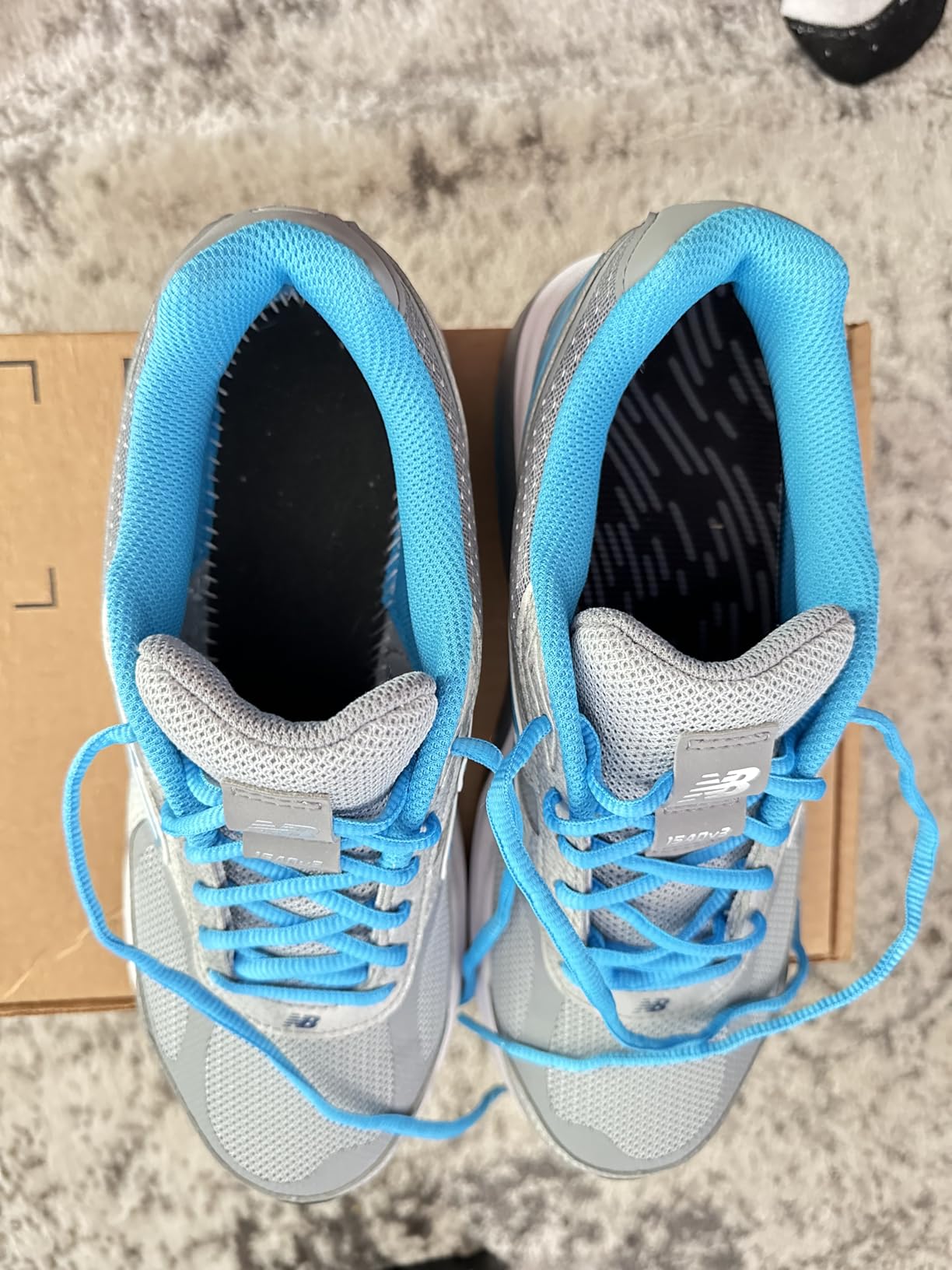
The ENCAP midsole combines lightweight foam with a supportive polyurethane rim around the perimeter, and the deep, wide toe box draws praise from owners with flat feet, high arches and plantar fasciitis alike. Physical therapists get named in the reviews as endorsing the arch support, and the outsole holds up across 10,000-step days.
The catch is the ROLLBAR stability post system, which controls rear-foot movement. That is a corrective component, and a corrective component is exactly what a supinator does not usually need. We include it because the rim, the toe box and the value are excellent, but this is the one shoe here we would not buy blind.
Ideal For Walking And Everyday Wear
For someone who wants one shoe across running, walking and standing, the combination of value and durability is hard to argue with, and the low-key mesh and synthetic profile works off the run. It also accommodates orthotics well, though some wearers find it less supportive than the discontinued 1122 model.
Where It Falls Short
It is heavier than comparable trainers, runs large for some buyers, and the shoelaces loosen quickly. The offered width range stops at 4E, so check your size first. Our [stability shoe guide](https://www.spencerlocke.net/best-stability-running-shoes-for-overpronation/) covers models with more consistent width ranges.
What to Look for in a Supination Shoe
This is the same three-part framing that shows up in the AI answers at the top of the search results, and it is the correct filter regardless of which shoe you end up buying.
Neutral Design: a neutral or minimally corrective platform. Your foot rolls outward, so a hard medial post under the arch pushes the problem further outboard. Adaptive guidance that responds only under load is fine; a fixed post is not.
Extra Cushioning: high-arched feet do not naturally absorb shock well, so a thick, soft midsole protects your joints on every landing. Prioritise heel cushioning specifically, since that is where a supinator loads first.
Broad Base: a wide platform stops the arch rolling over the edge of the midsole. Check the outsole width, not just the toe box, and look for perimeter foam rather than a narrow waist.
Avoid stability and motion-control shoes built around firm medial midsole correction. They are engineered to correct inward rolling and can worsen supination, which is the most common shoe-buying mistake in this community.
On Insoles, Podiatry And Split Gaits
Insoles. Most supinators do not need added arch support, and over-correcting with a rigid orthotic can create the hotspot you were trying to avoid. If you do use one, a neutral or mildly contoured insole is usually enough, and the roomy toe boxes on the Addiction and 1540 both accommodate them. Forum regulars on the Slowtwitch running forums repeatedly flag this as the fix for shoes that feel wrong despite a correct gait type.
Podiatry. A podiatrist will usually start with a neutral, well-cushioned shoe with a wide base and add strengthening work, and that lines up with what runners find works. The recurring conflict online is not about the shoes but the diagnosis, so a gait analysis settles it faster than another opinion.
Split gaits. Plenty of runners have one foot that supinates and another that overpronates. That is common and not a contradiction, and the usual answer is a neutral shoe with a broad base that accommodates both, which is another argument for geometry-based picks over post-based ones.
Can you train it out? Partly. Strengthening the peroneals, the intrinsic foot muscles and the calves, plus mobility work at the ankle, reduces the roll for many runners over months. It does not reliably change bone structure, so treat it as injury management rather than a cure and let the shoe keep doing the load-absorption work.
Frequently Asked Questions
What type of running shoe should a supinator wear?
A supinator should wear a neutral or minimally corrective running shoe with extra heel cushioning and a broad, wide base. The foam absorbs impact that a high arch cannot handle alone, and the wide platform stops the arch rolling off the outer edge of the midsole. Avoid shoes with a hard medial post, because they are built to correct inward rolling and can push an outward-rolling foot further outboard.
What shoes would a podiatrist recommend for supination?
A podiatrist typically recommends a neutral, well-cushioned shoe with a wide base and a soft heel, paired with strengthening work for the peroneal muscles, the intrinsic foot muscles and the calves. They may suggest a neutral insole rather than a rigid corrective orthotic, and they will usually ask for a gait analysis or foot scan to confirm the diagnosis first.
Can you have supination with flat feet?
Yes, though it is less common. Flat feet describe arch height while supination describes how the foot moves when it lands, and a flat foot can still roll outward if the ankle and calf are tight or the foot muscles are weak. A foot scan or gait analysis is the only reliable way to know which you have, because arch height alone does not predict gait.
What muscles are weak if you supinate?
The peroneal muscles along the outside of the lower leg are usually the weakest link, since they are the ones that slow the outward roll. Tight calves and a stiff ankle often contribute too, and the intrinsic foot muscles that grip the ground tend to be underused. Strengthening the peroneals and calves, plus ankle mobility work, reduces the roll for many runners over several months.
Do you need arch support if you supinate?
Usually not, and a rigid arch-support insert can create a pressure hotspot under a high arch. Most supinators do better with a neutral or mildly contoured insole and a shoe that already provides broad, cushioned support through the midsole itself. If you have been prescribed an orthotic, look for a roomy toe box and a removable sockliner so the insert fits properly.
The Verdict
The Brooks Adrenaline GTS 25 is our pick for the best running shoes for supination in 2026, because its support is distributed across the whole foot rather than concentrated in a corrective post, it comes in four widths, and its DNA LOFT v3 cushioning holds up over long days. With 2470 reviews at 4.5 stars, it also has the most dependable data behind it.
Runners who want a deeper heel landing should try the Glycerin GTS 22, which rated highest of everything we reviewed. Anyone prioritising lateral containment and durability should look at the HOKA Arahi 8, and anyone on a budget should start with the ASICS GT-1000 14.
Whatever you choose, get a gait analysis first and return the shoe if the outer edge starts to feel unstable. If you are still narrowing things down, our [guide to the best running shoes for men](https://www.spencerlocke.net/best-running-shoes-for-men/) covers neutral daily trainers, and our [trail shoe picks](https://www.spencerlocke.net/best-trail-running-shoes-for-rugged-terrain/) cover grip if your mileage moves off pavement.