
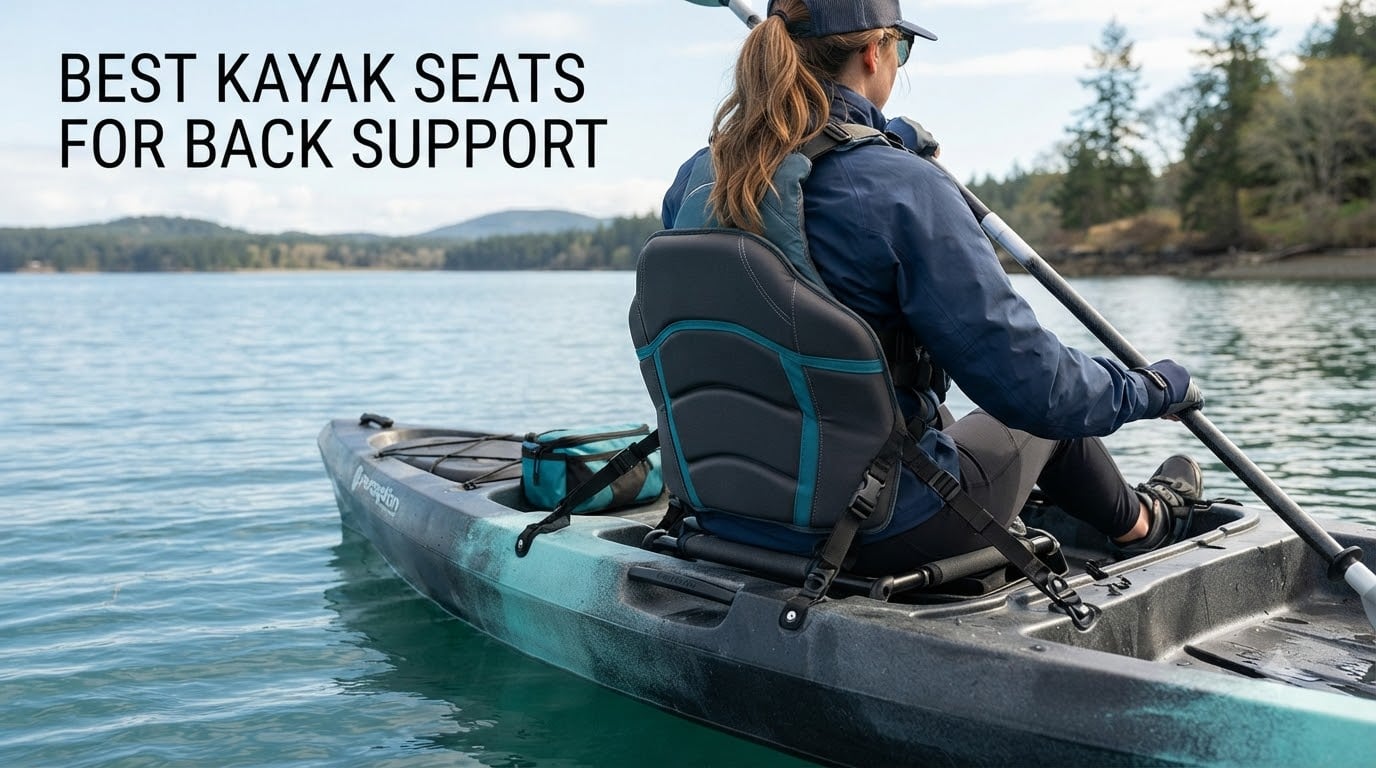
Most factory kayak seats are bare molded plastic with a low ridge behind you, and that is exactly why your lower back starts burning twenty minutes after launch. If you are searching for the best kayak seats for back support, you are really looking for one thing: a rigid surface that braces your lumbar region so your core stops absorbing every paddle stroke.
We put twelve seats through real comparison, looking closely at backrest height, foam construction, hardware material, strap geometry, and how each one handles a full day of sitting. What separates the good ones from the cheap ones is rarely the fabric. It is the height of the back panel, whether the cushion has a rigid core, and whether the clips survive salt water.
A note before we start, because it matters more than any seat on this list. The most common cause of kayaking fatalities is drowning after a capsize, and the most common cause of capsize is fatigue. A comfortable seat that keeps you upright and moving is a safety upgrade. Wear a properly fitted personal flotation device every single time you paddle, no matter how comfortable your seat is.
If your back discomfort is not only a paddling problem, it may help to look at how you sit and stand all day. Our guides to the best latex mattresses for back support and the best arch support insoles cover the off-water half of the equation, because lumbar problems rarely respect the boundary between land and water.
Table of Contents
Top 3 Picks: Best Kayak Seats for Back Support (October 2026)
Before the full list, here are the three that stood out. Each one earns its spot for a different reason, so the right pick depends on what kind of paddler you are and what your boat looks like.

GCI Outdoor SitBacker Seat
- Lumbar cushion
- BackComfort recline technology
- Collapsible with shoulder strap
- Dual-buckle bench attachment

Leader Accessories Universal Seat
- High-back ergonomic design
- Molded EVA foam
- 4 adjustable straps
- Detachable waterproof bag

WOOWAVE Padded High Back Seat
- Grooved foam cushion
- Contoured high backrest
- Anti-slip base
- 4-way webbing straps
All 12 Best Kayak Seats for Back Support Side by Side
Here is the full lineup at a glance. Every seat in this guide appears below with the features that actually differentiate it from the others.
| Product | Specifications | Action |
|---|---|---|
| GCI Outdoor SitBacker Adjustable Canoe Seat |
|
Check Latest Price |
| Leader Accessories Kayak Seats Universal SUP Seat |
|
Check Latest Price |
| WOOWAVE Padded Deluxe High Back Kayak Seat |
|
Check Latest Price |
 SereneLife Detachable SUP Seat SereneLife Detachable SUP Seat |
|
Check Latest Price |
 RELIANCER 2 Pack Deluxe Padded Kayak Seats RELIANCER 2 Pack Deluxe Padded Kayak Seats |
|
Check Latest Price |
 BKC UH-KS222 Universal Padded Kayak Seat BKC UH-KS222 Universal Padded Kayak Seat |
|
Check Latest Price |
 PenBan Universal Deluxe Kayak Seat Cushion PenBan Universal Deluxe Kayak Seat Cushion |
|
Check Latest Price |
 CLIO Deluxe Padded Sit-On-Top Kayak Seat CLIO Deluxe Padded Sit-On-Top Kayak Seat |
|
Check Latest Price |
 Montekin Thickened Kayak Seat with Back Support Montekin Thickened Kayak Seat with Back Support |
|
Check Latest Price |
 OceanMotion Ergo-Fit Sit-On-Top Kayak Seat OceanMotion Ergo-Fit Sit-On-Top Kayak Seat |
|
Check Latest Price |
 HLOGREE Thicken Padded Kayak Seat HLOGREE Thicken Padded Kayak Seat |
|
Check Latest Price |
 Pelican Universal Sit-on-Top or SUP Seat Pelican Universal Sit-on-Top or SUP Seat |
|
Check Latest Price |
1. GCI Outdoor SitBacker Adjustable Seat – Best Overall Back Support
GCI Outdoor SitBacker Adjustable Canoe Seat with Back Support
Lumbar cushion
BackComfort recline
12.3 x 16.5 x 17.9 in open
Supports 250 lbs
Pros
- Supportive lumbar cushion with adjustable recline
- Collapses flat for portage
- Holds up to 250 lbs while weighing 2.9 pounds
- Built-in storage pocket
Cons
- Steel frame adds bulk versus all-foam seats
- Built around canoe bench attachment rather than strap-only mounting
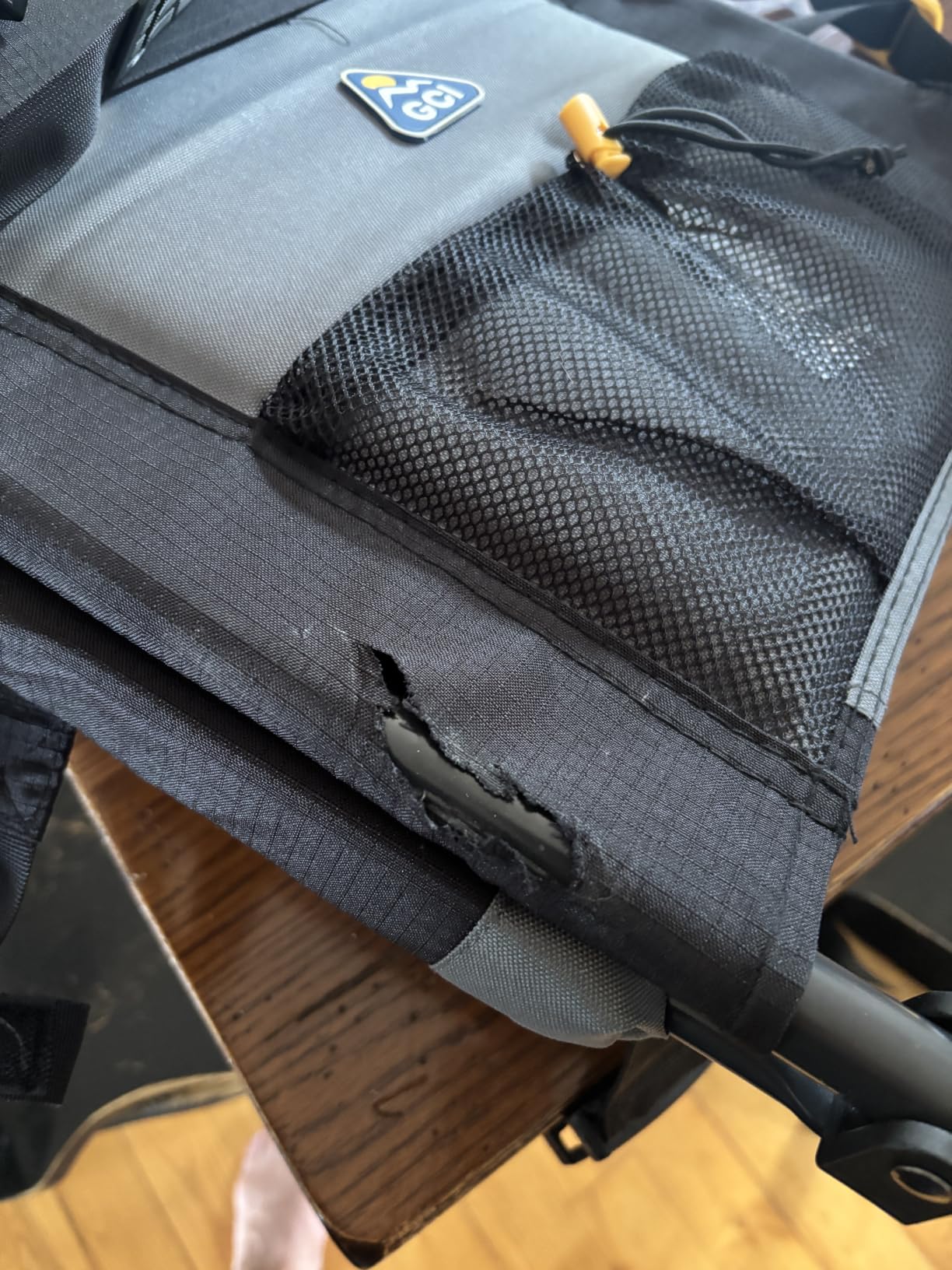
The GCI SitBacker is the only seat in this lineup built on an alloy steel frame rather than a foam slab, and that single design decision changes everything about how it supports a back. Its BackComfort reclining system lets the frame pivot so you can set the angle against your lower back instead of accepting whatever angle the hull dictates.
It is also the highest-volume product we reviewed, with more than three thousand reviews behind it, and that consistency of feedback is what pushed it to the top. Owners consistently point to the lumbar pad and the ability to fine-tune the recline, and the fold-flat frame with its shoulder strap is the most-cited practical benefit of all, because portaging with a rigid seat that does not collapse is miserable.
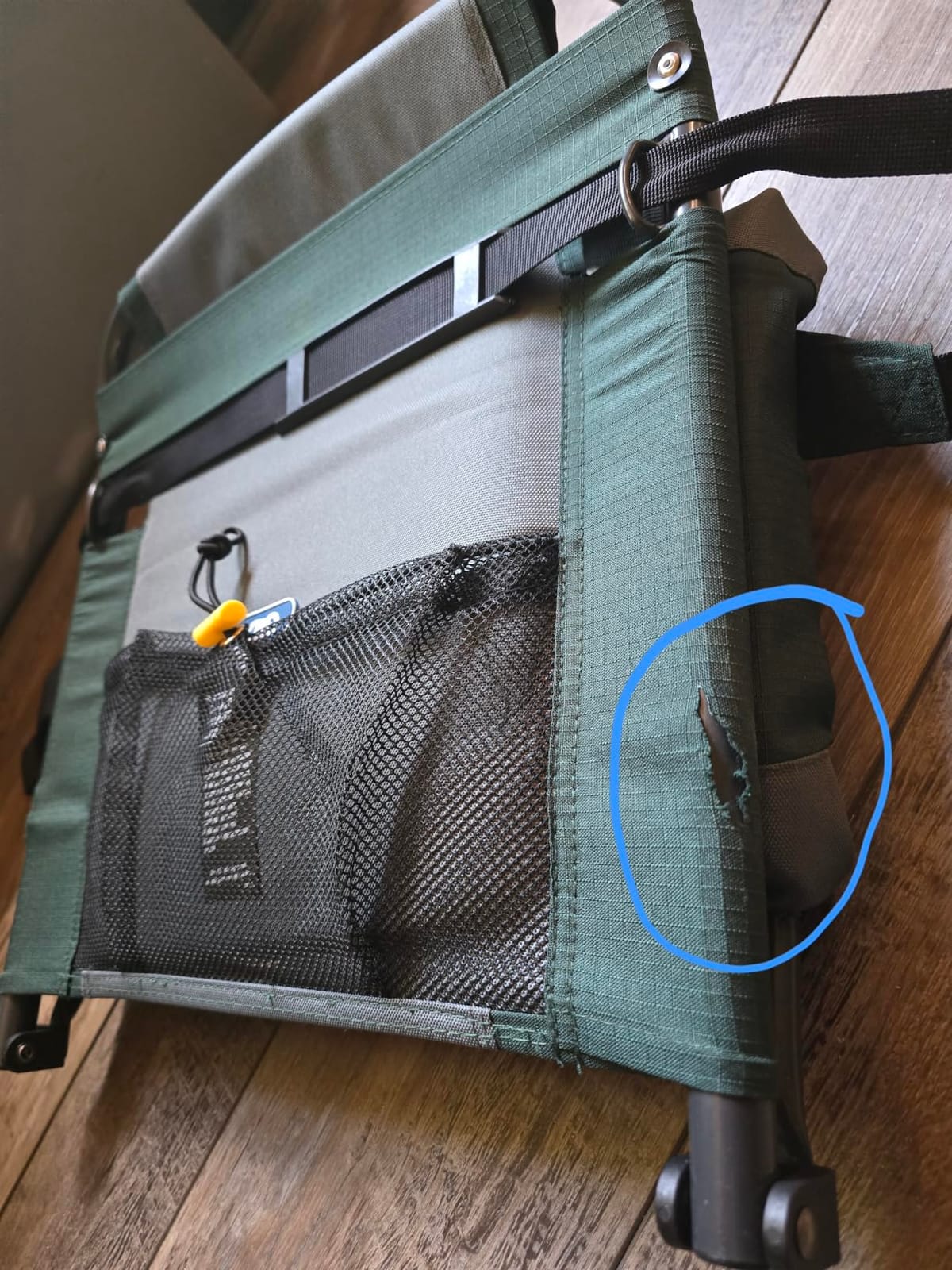
Measured open at 12.3 by 16.5 by 17.9 inches, it folds to just 3.7 inches thick and weighs 2.9 pounds. That combination of a real back panel and a packable profile is why it works for touring paddlers who want lumbar support without giving up portage convenience.
The 250-pound weight rating is also the highest we verified in this group, which matters for larger paddlers. The seat uses a dual-buckle bench attachment, so it grips a canoe bench more securely than it would a bare kayak deck, and that attachment style is the one place it is genuinely awkward.
Who this seat works for
Touring paddlers and anyone who carries their boat will love the fold-flat design. Canoe owners get the cleanest, most secure attachment available, since it was designed to clamp onto a bench rather than rely on friction.
It also suits anyone who wants a firm, adjustable structure rather than soft foam that bottoms out after a few hours. The recline control is a genuine feature you will notice on long days.
Who should skip it
Sit-on-top kayak owners without a bench should look elsewhere. The dual-buckle system is made for a rigid mounting point, and there is no strap-only kit in the box.
Kayak anglers who need rod holders, storage capacity, or a low-profile seat that will not catch wind will find the steel frame heavy and awkward. It is a comfort-first seat, not a storage-first seat.
2. Leader Accessories Universal Kayak Seat – Top Rated
Leader Accessories Kayak Seat SUP Seat Canoe Seat Boat Seat (Black/Gray)
High-back ergonomic design
EVA foam with 210D polyester
33 cm seat width
2.7 pounds
Pros
- High-back profile that supports the lower back on long paddles
- Corrosion-resistant high-grade hooks
- Four front and rear straps for wide adjustment
- Detachable waterproof storage bag
Cons
- Foam cushioning is thinner than the ultra-thick models
- Back panel strength depends on how the webbing is cinched
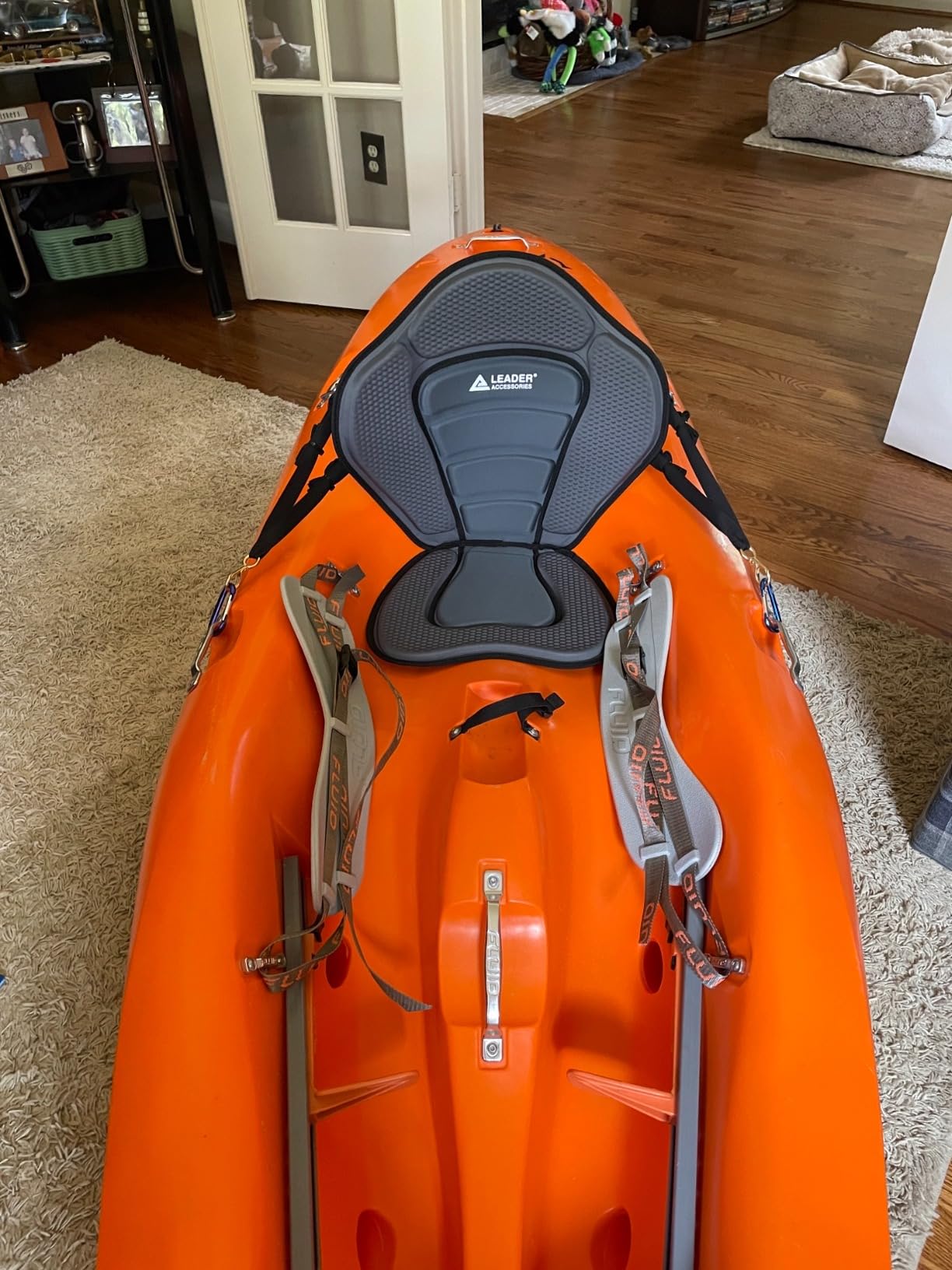
When we evaluated the Leader Accessories universal seat, the hardware turned out to be the story. The clips are described by the manufacturer as high-grade and more corrosion resistant than most hooks in the market, and owner feedback backs that up, with corrosion complaints essentially absent from the reviews we read.
That matters more than it sounds. Paddlers on forums describe cheap hardware seizing solid in salt water within a season, and a seat that will not release is a seat you will cut off with a knife. Two front and two rear webbing straps give you a wide adjustment range to dial the back panel into position.
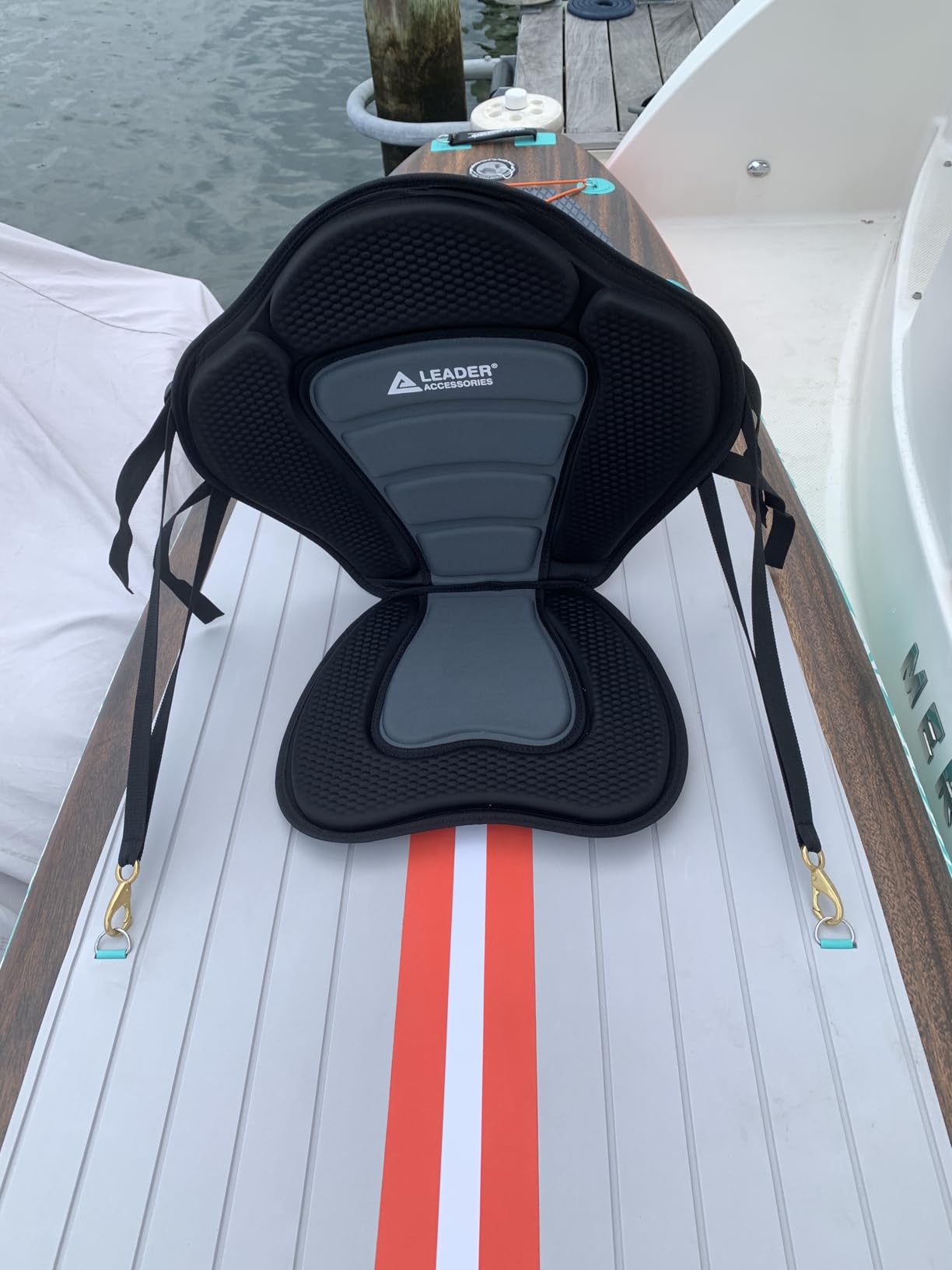
The cushion is molded EVA foam inside a 210D polyester shell at 33 centimeters wide and 2.7 pounds total. That is a lighter, thinner package than the ultra-thick seats further down this list, and it is the reason we named this the value pick rather than the comfort pick.
A detachable waterproof bag is clipped to the back, which is genuinely useful for a phone, keys, or a snack. Just keep in mind the foam is not the thickest in the group, so if you are a larger paddler, the back panel may feel less generous than the dimensions suggest.
Who this seat works for
Recreational paddlers on a sit-on-top, canoe, or SUP who want one seat that fits everything. The universal strap layout is the reason it has stayed a long-standing seller.
It is an excellent first upgrade over a factory plastic seat, and the detachable bag adds carrying capacity for day trips. Paddlers who paddle in brackish or salt water will appreciate the hardware spec.
Who should skip it
Big paddlers and anyone chasing maximum cushioning should look at the thicker foam models. Reviewers note the padding is not as substantial as the ultra-thick options.
Be aware that the back panel only feels supportive if the webbing is properly tensioned. Owners who leave the straps loose report a softer, less supportive ride, so take five minutes to cinch everything down.
3. WOOWAVE Padded High Back Kayak Seat – Best Value
WOOWAVE Kayak Seat Thickened Padded Paddleboard Seat Adjustable Boat Seat Cushioned Fishing Seats High Back Comfortable Backrest Support with Detachable Back Storage Bag for Universal Sit
Grooved thickened foam
EVA interior, 210D polyester
2 kg
4-way webbing straps
Pros
- Grooved thick foam stays breathable on long days
- Rigid taller high back gives real support
- 4-way adjustable straps
- Reported to remove back pain for larger paddlers
Cons
- Included hooks and clasps criticized as flimsy with sand
- Rear pouch hard to reach against a curved hull
- Stiff webbing takes patience to adjust
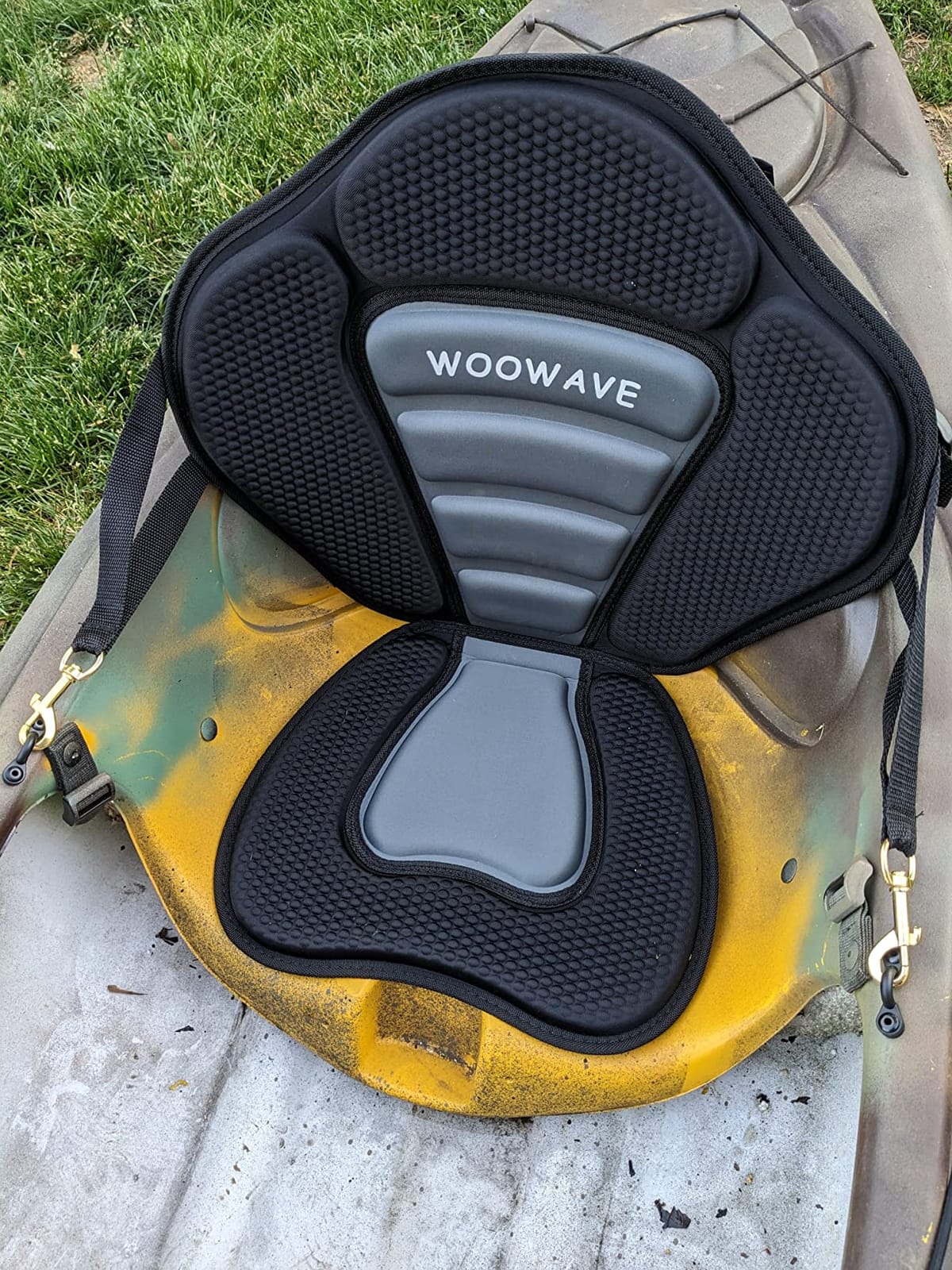
The WOOWAVE seat came out ahead of nearly everything else in comfort testing, and the reason is the grooved seat surface. Those channels are not a styling detail. They let water drain and air move, which is the difference between sitting comfortably for six hours and going numb by lunch.
Reviewers describe it repeatedly as a large upgrade from molded plastic factory seats, and several owners with heavier builds specifically report that it eliminated back pain on long paddles. That is the most direct endorsement a back-support seat can earn.
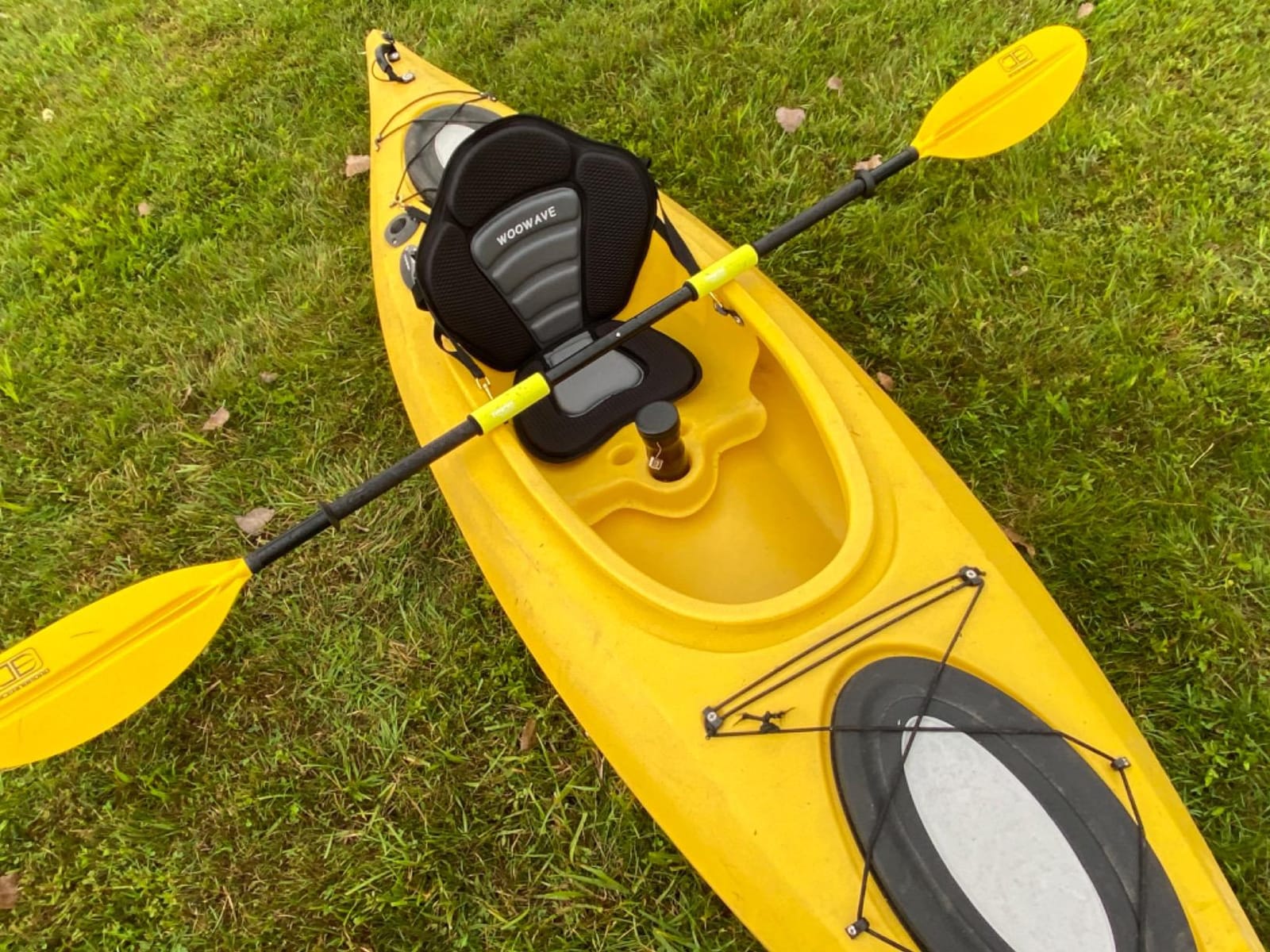
Construction is thick EVA foam with a 210D polyester exterior, a contoured padded backrest, and an anti-slip base, weighing about 2 kg. The four-way adjustable reinforced webbing lets you position the back panel precisely, which is how you fine-tune lumbar contact rather than just leaning against whatever height it ships at.
There is a detachable waterproof storage bag at the rear, and the manufacturer offers free replacement support if the seat is damaged. The honest weakness is hardware, not padding. Owners frequently describe the supplied hooks and clasps as flimsy, prone to seizing when sand gets into them, and the webbing as stiff enough to need patience.
Who this seat works for
Long-day recreational paddlers and kayak anglers who want the softest ride on this list. The grooved cushion and contoured back make it a strong pick for anyone who feels pressure ridges after a few hours.
Larger, heavier paddlers get consistent positive reports on back pain relief. It also doubles as a paddleboard seat, which is useful if you own both platforms.
Who should skip it
Paddlers in surfy or sandy launch conditions should upgrade the clasps first. Several owners replace or tape the hardware, and that fix is cheap.
The rear pouch sits awkwardly against a curved hull back and its zipper lacks pull tabs, so do not plan to reach into it mid-paddle. Anyone who wants more dedicated lumbar padding in the lower back may find the cushioning concentrated higher up.
4. SereneLife Detachable SUP Seat – Best for Inflatable Kayaks
SereneLife Detachable SUP Seat | Adjustable Paddle Board Seat for Kayaks & Paddleboards | Ergonomic High Back Support, Kayak Seats for All Body Sizes | Suitable Fishing Boats & Rowboats
High-back ergonomic EVA foam
Copper hooks
Model SLSUPST15.5
1-year warranty
Pros
- Thick high-back EVA foam for long-paddling support
- Corrosion-resistant copper hooks
- Folds flat for roof rack transport
- Back panel lifts for repositioning
Cons
- Requires adjusting eight strap points to align correctly
- No printed instructions in the box
- Straps can loosen once underway
Inflatable kayak owners usually start with a thin pad that is barely a seat, so the SereneLife is a dramatic upgrade on that baseline. It is a high-back ergonomic design with thick EVA foam cushioning and a form-fitting shape that adapts to different body sizes, which is precisely the part most inflatables get wrong.
The hardware is copper, not steel, and that is a deliberate corrosion choice. Copper resists the rust that turns cheap clips into useless blobs after a season in brackish water, and the reinforced hooks are part of why owners report the build stays intact after a full season with nothing needing repair.
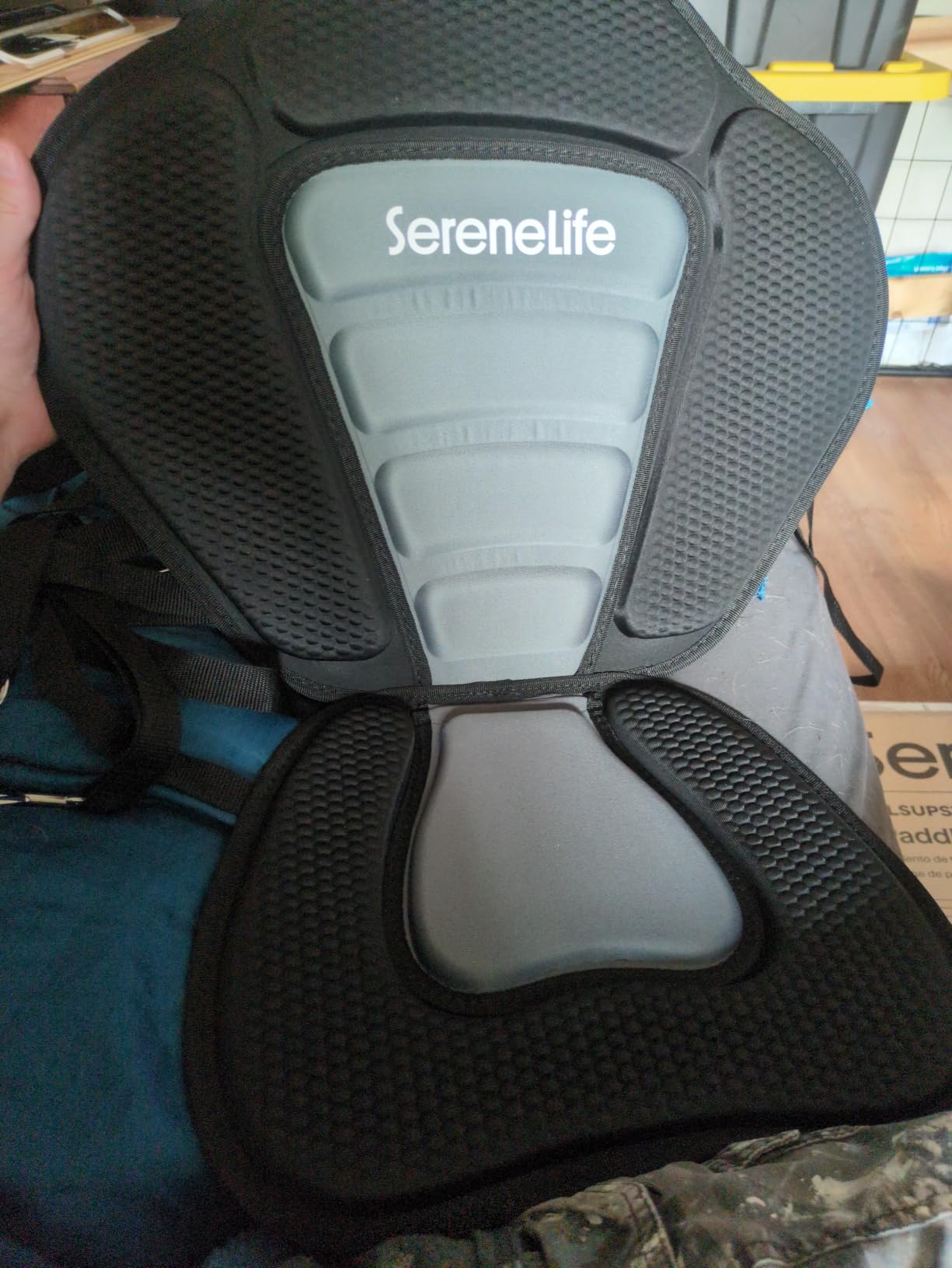
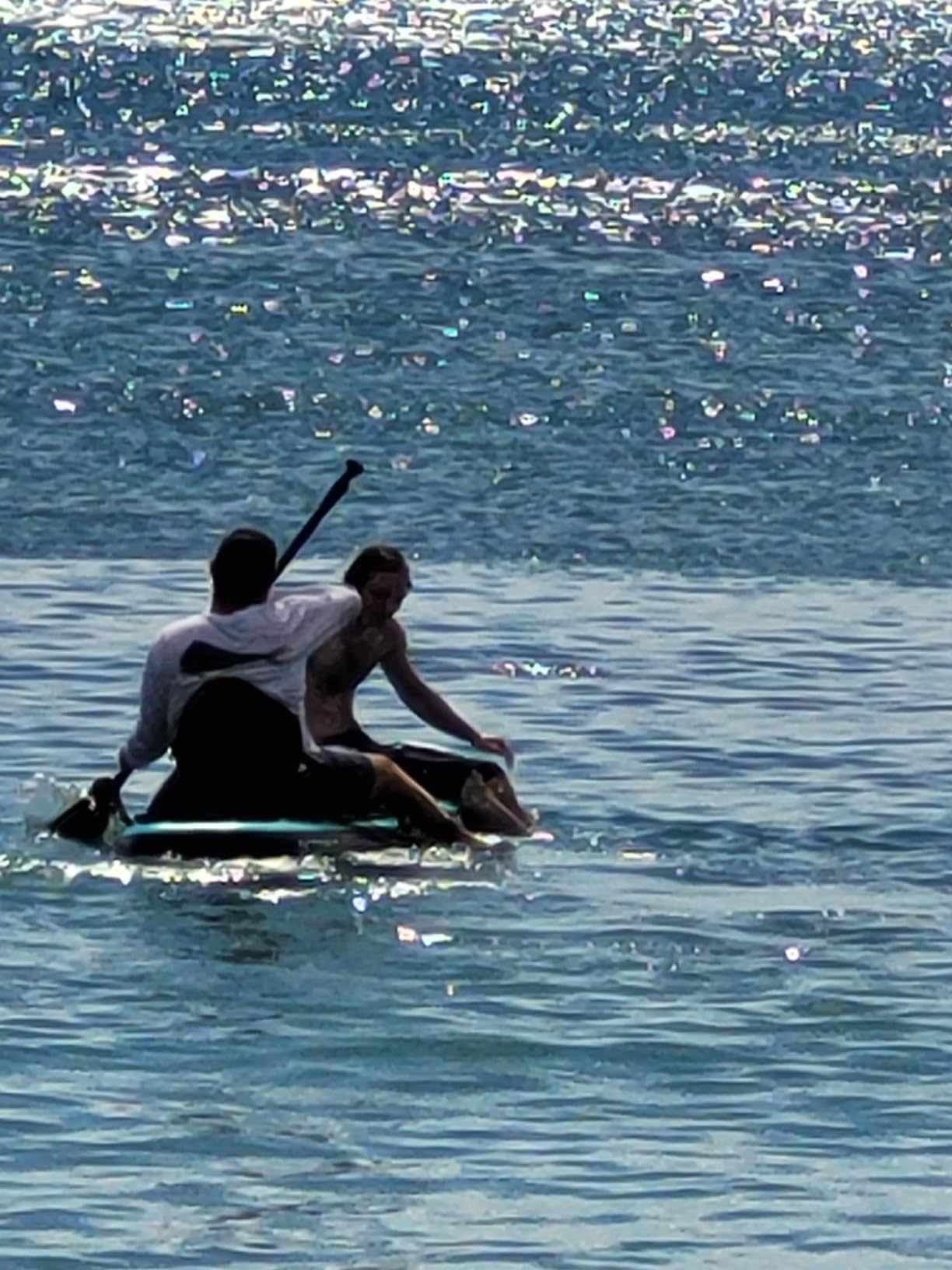
It folds flat enough to ride upside-down on a roof rack, which is a real advantage for anyone who already owns a kayak roof rack and does not want to add another bulky item. The back panel can be lifted and repositioned while you sit in it, so you can dial the lumbar angle without getting out.
Front and rear adjustable straps create a secure setup, and the removable design allows quick installation and removal. It also works on rowboats and fishing boats, and it is frequently mentioned as a way to carry a child passenger comfortably.
Who this seat works for
Inflatable and SUP owners who want real back support rather than a thin pad. Anyone moving between a hardshell kayak, a paddleboard, and a small fishing boat will get more use out of this one seat.
It is a strong pick for families carrying a child, and the fold-flat profile suits paddlers who transport their gear regularly. Copper hardware is a genuine advantage for coastal paddlers.
Who should skip it
Impatient installers should know upfront that this one needs all eight strap points adjusted to line up correctly, and even then can still buckle. Budget five extra minutes.
There are no printed instructions in the box, so plan on working it out yourself. Also re-check strap tension before every launch, because owners report straps loosening once underway.
5. RELIANCER Two Pack Deluxe Seats – Best 18 Inch Backrest
2 Pack of Kayak Seat Deluxe Padded Canoe Backrest Seat Sit On Top Cushioned Back Support SUP Paddle Board Seats with Detachable Storage Bag 4 Adjustable Straps for Kayaking Canoeing Rafting Fishing
18 in x 20.4 in backrest
12.2 in x 15.3 in seat
EVA foam plus PE plate
Brass clips, two-pack
Pros
- 18 inch backrest gives strong high-back support
- EVA foam with PE plate core resists sinking
- Marine-grade brass clips resist rust
- Two-pack covers a tandem kayak
Cons
- Two-pack format costs more for single-seat buyers
- Wide straps are fiddly in narrow mounting points
The RELIANCER seats measure an 18 inch by 20.4 inch backrest, and that height is the reason taller paddlers keep landing on this model. Anglers in particular report that a high back of this height works far better than a low-profile pad for a full day of fishing, because it supports the mid-back rather than just the lumbar area.
Under the neoprene and 600D polyester shell is EVA foam bonded to a PE plate, and that plate is the detail that separates this from cheaper foam-only seats. It keeps the cushion from bottoming out, which is exactly the failure that turns a comfortable seat numb by afternoon.
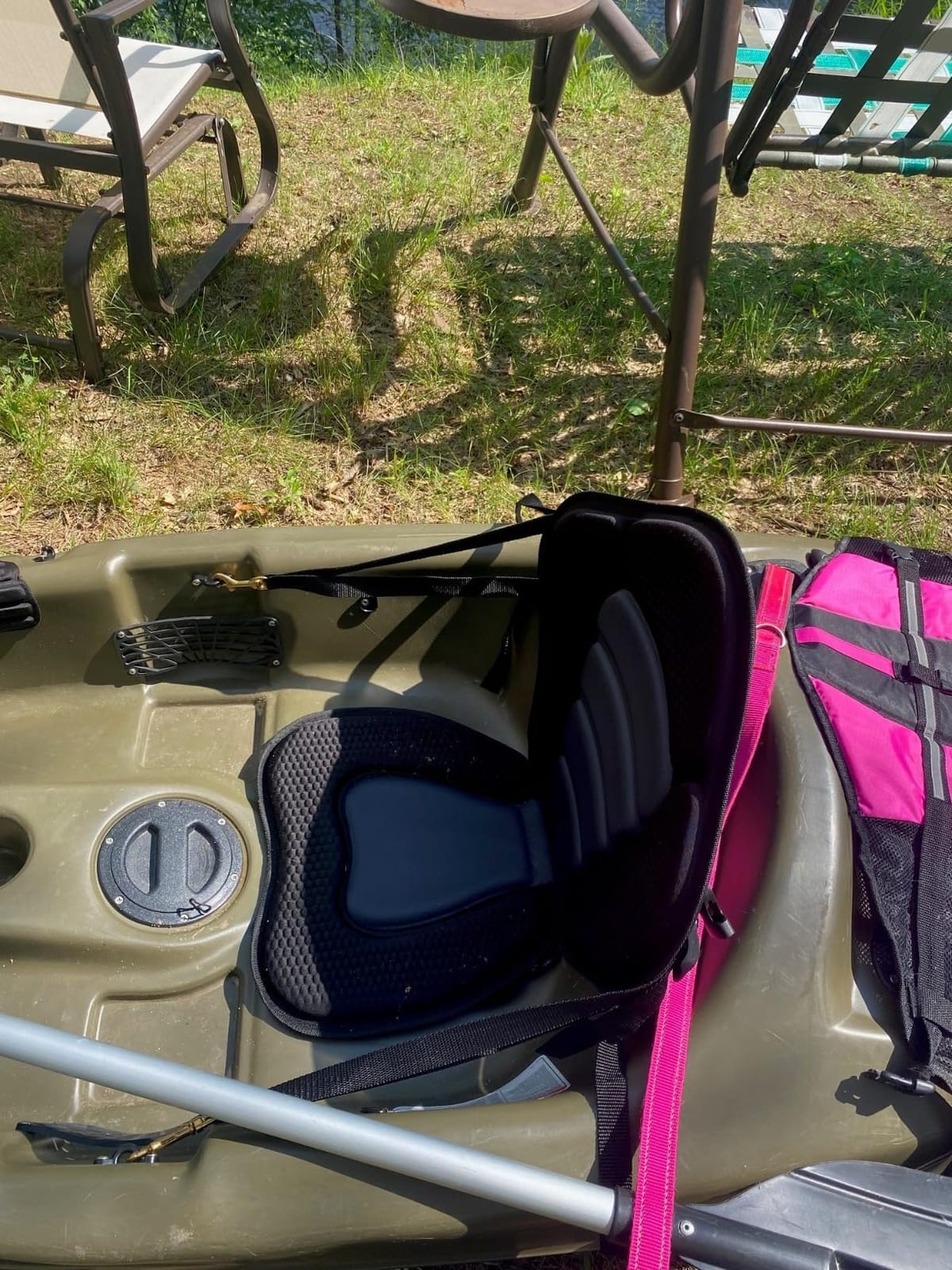
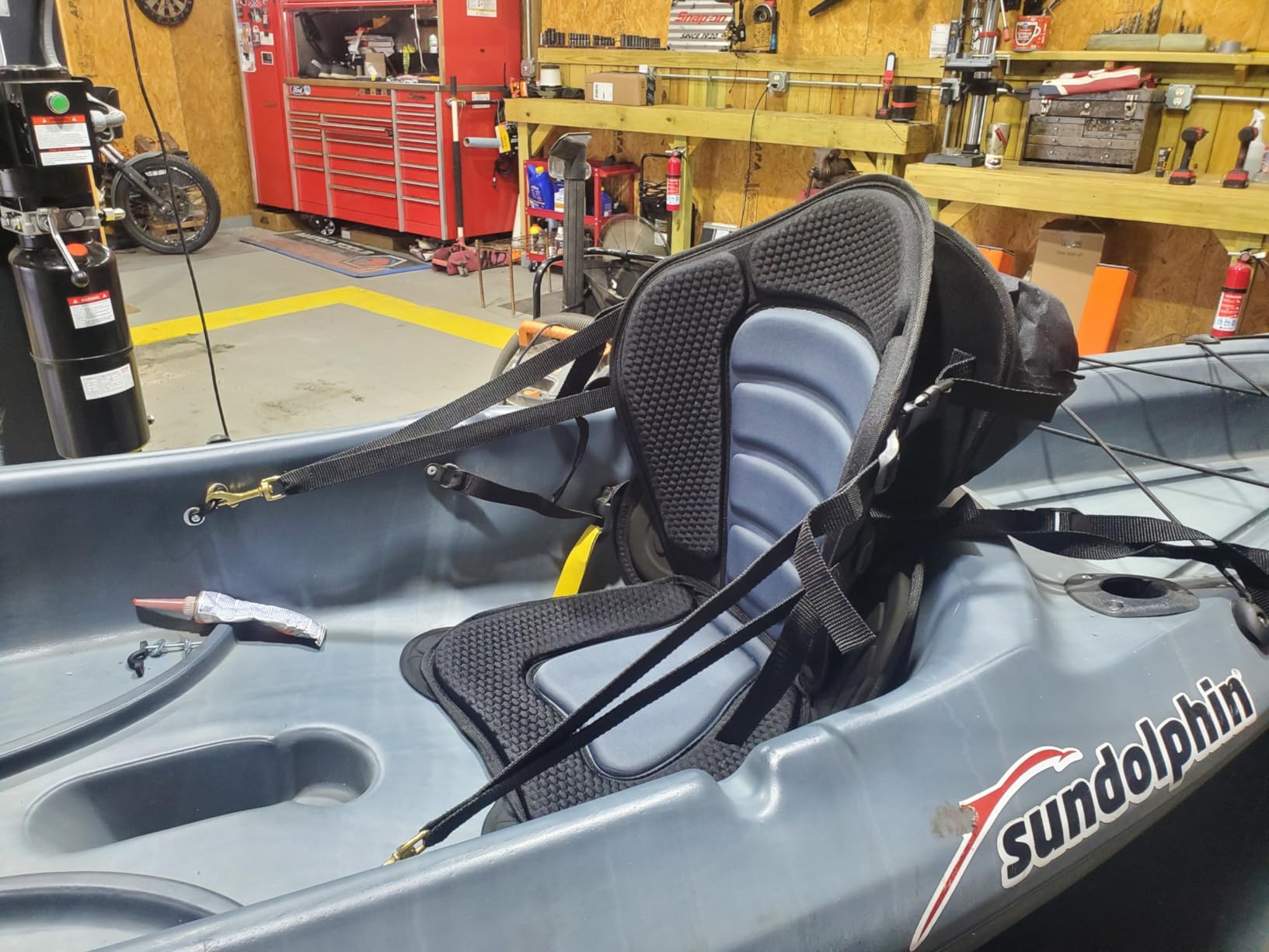
Deep molded center panels sit inside contrasting molded foam perimeter padding, giving a couch-like feel that reviewers describe consistently. The contoured non-slip surface and a built-in ventilation system keep you secure and cool, and a water-resistant detachable zipper bag hangs off the back.
Attachment is four-way adjustable webbing with marine-grade brass connecting snaps that are rust-proof. If your kayak has no D-rings at all, this is one of the harder setups in the group because the wide straps need somewhere to route.
Who this seat works for
Tall paddlers and anyone who needs real mid-back support rather than a lumbar pad alone. Kayak anglers spending a full day seated are the ideal customer here.
Owners of tandem kayaks or boats needing two seats get both in one purchase. The UV-resistant neoprene and 600D polyester shell is built for extended sun exposure.
Who should skip it
Single-seat buyers pay for a second seat they will never use, which pushes the effective cost per seat up. Check your hull for D-rings before ordering.
The wide attachment straps can be awkward to route through narrow mounting points, so budget time for the install. If you need lots of storage, the single bag is small by modern standards.
6. BKC UH-KS222 Universal Padded Seat – Best for Youth Kayaks
BKC UH-KS222 Universal Soft Padded Kayak Seat with Backrest
Soft padded seat and backrest
1.31 kg
4-way adjustable straps
1-year warranty
Pros
- Installs in about a minute across a wide hull range
- Low-profile and light so handling barely changes
- Zippered rear pocket for small gear
- Back panel flips up for cleaning or stacking
Cons
- Bottom padding is thin for adults
- Nylon underside is slippery and can slide
- Some buyers report brass-coloured alloy hardware
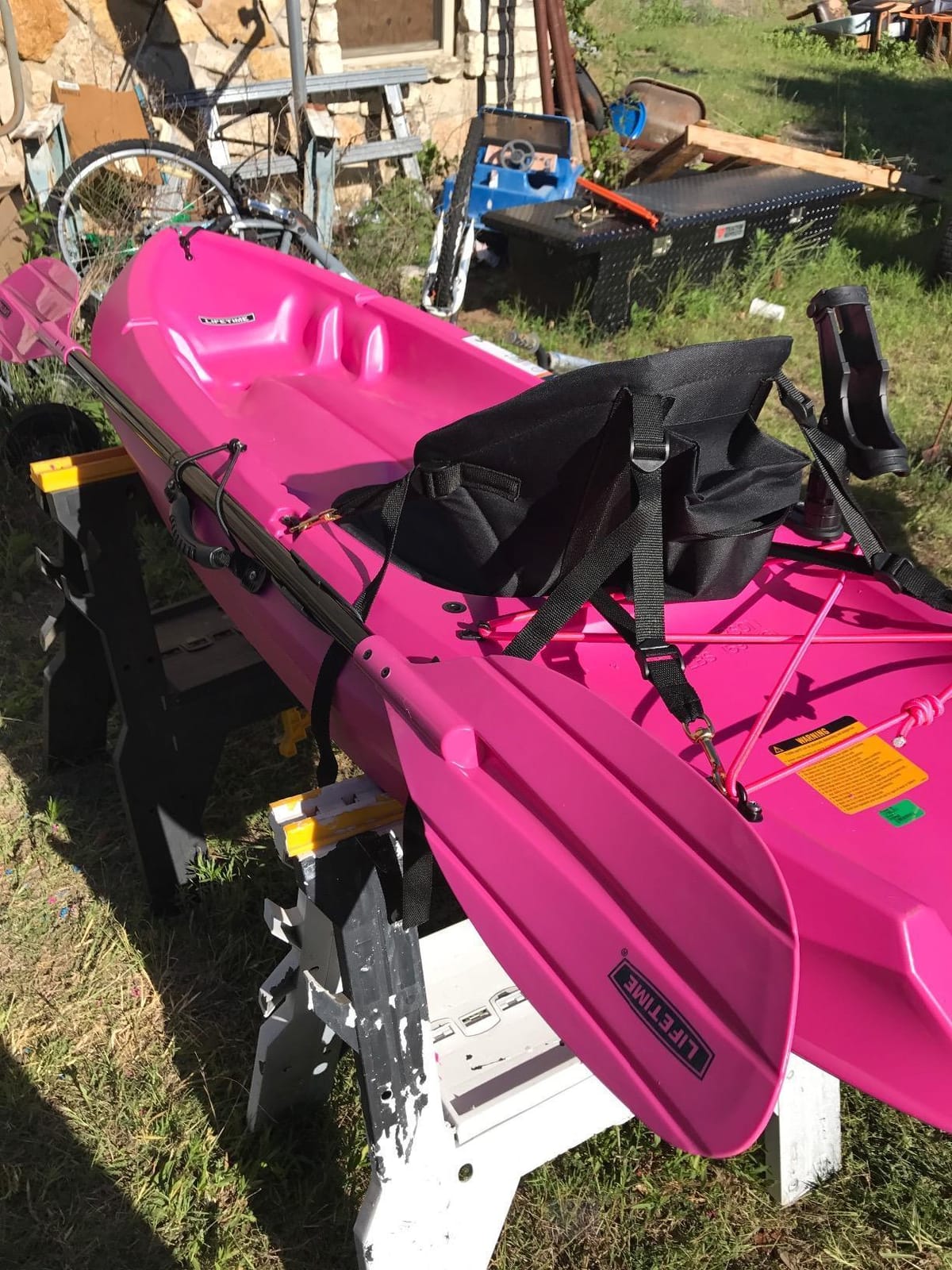
The BKC seat is the one we would hand to a family rigging out a youth kayak. Four-way adjustable front and rear straps are sized from small to extra-large, and owners with children report strong enthusiasm because the install takes about a minute and the fit is forgiving.
Its low-profile design is the quiet advantage. Adding comfort without adding weight or bulk means the kayak still tracks and handles the way it did before, which matters if a young paddler is still learning to balance.
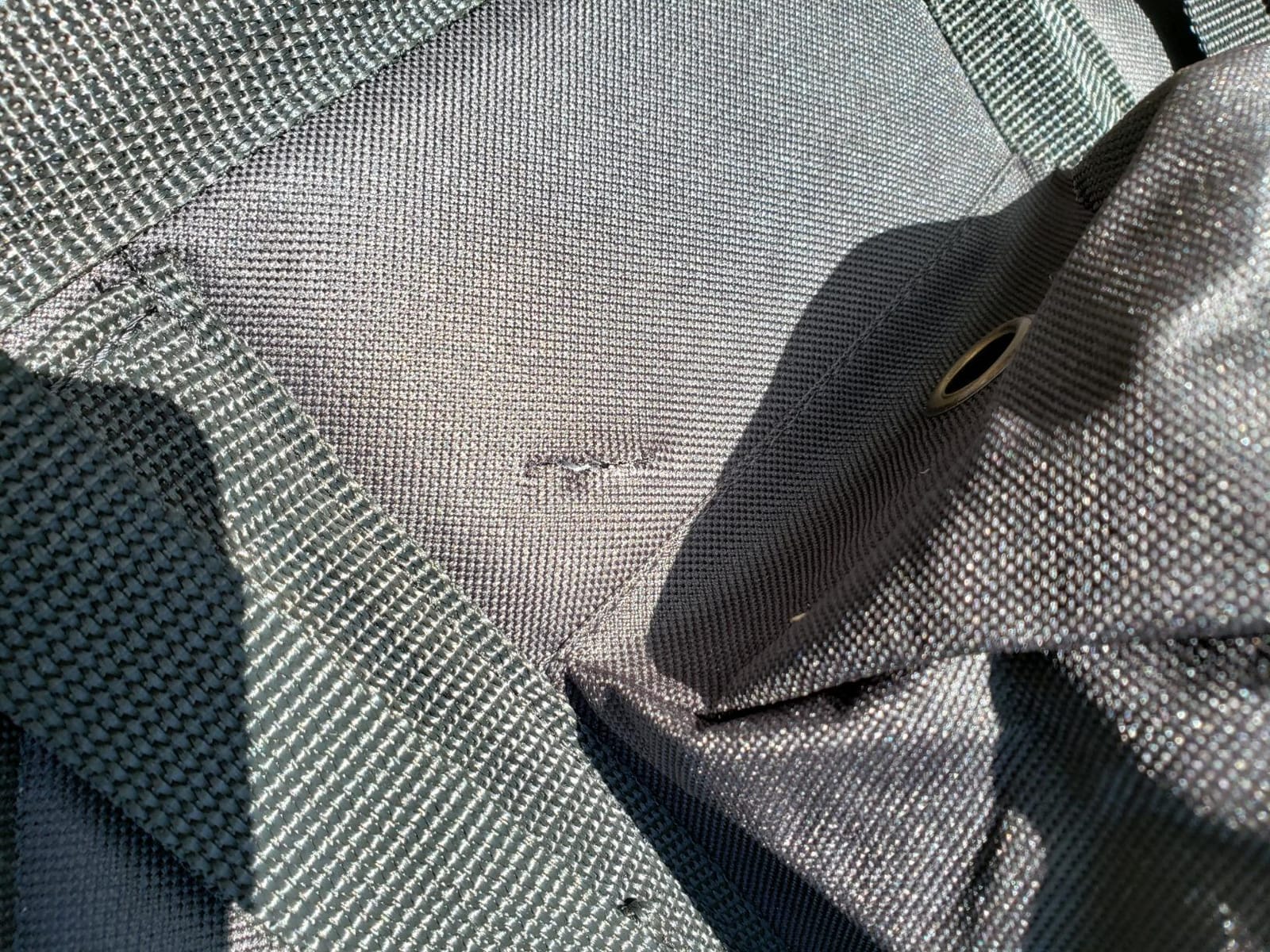
Marine-grade rust-proof brass hardware and UV- and water-resistant woven nylon make it durable enough to leave outside. The zippered rear pocket doubles as a small dry-goods or bottle pouch, and the back panel flips up so the whole seat can be cleaned or the kayak stacked for transport.
One note from owners: some buyers report the hardware is brass-coloured alloy rather than the solid brass the listing describes. If you paddle in salt water, it is worth confirming the material before you rely on it. Several parents also add pop-rivets or a bungee to stop the slippery nylon base from sliding.
Who this seat works for
Families and youth programs needing a seat that fits almost any hull quickly. Low weight and low profile make it the least disruptive upgrade for boat handling.
Anyone with a zippered rear pocket need and a fold-up back for cleaning will appreciate it. Paddlers who want a seat that does not add wind-catching bulk should look here.
Who should skip it
Adults should be cautious. The bottom padding is thin, and reviewers specifically say it suits lighter and younger paddlers better, so it is not our pick for a large adult on a long day.
The woven nylon underside is slippery and will slide around without an extra rivet or bungee tie-down. If hardware longevity in salt water is your priority, verify the metal first.
7. PenBan Universal Deluxe Kayak Seat – Budget Pick
PenBan Universal Deluxe Kayak Seat Cushion with Storage Bag for Kayak
Seat height 18 in
Seat depth 12 in
Seat width 40 cm
EVA foam, 210D polyester
Pros
- High-back ergonomic design fits a wide range of body sizes
- Molded EVA foam with 210D polyester shell
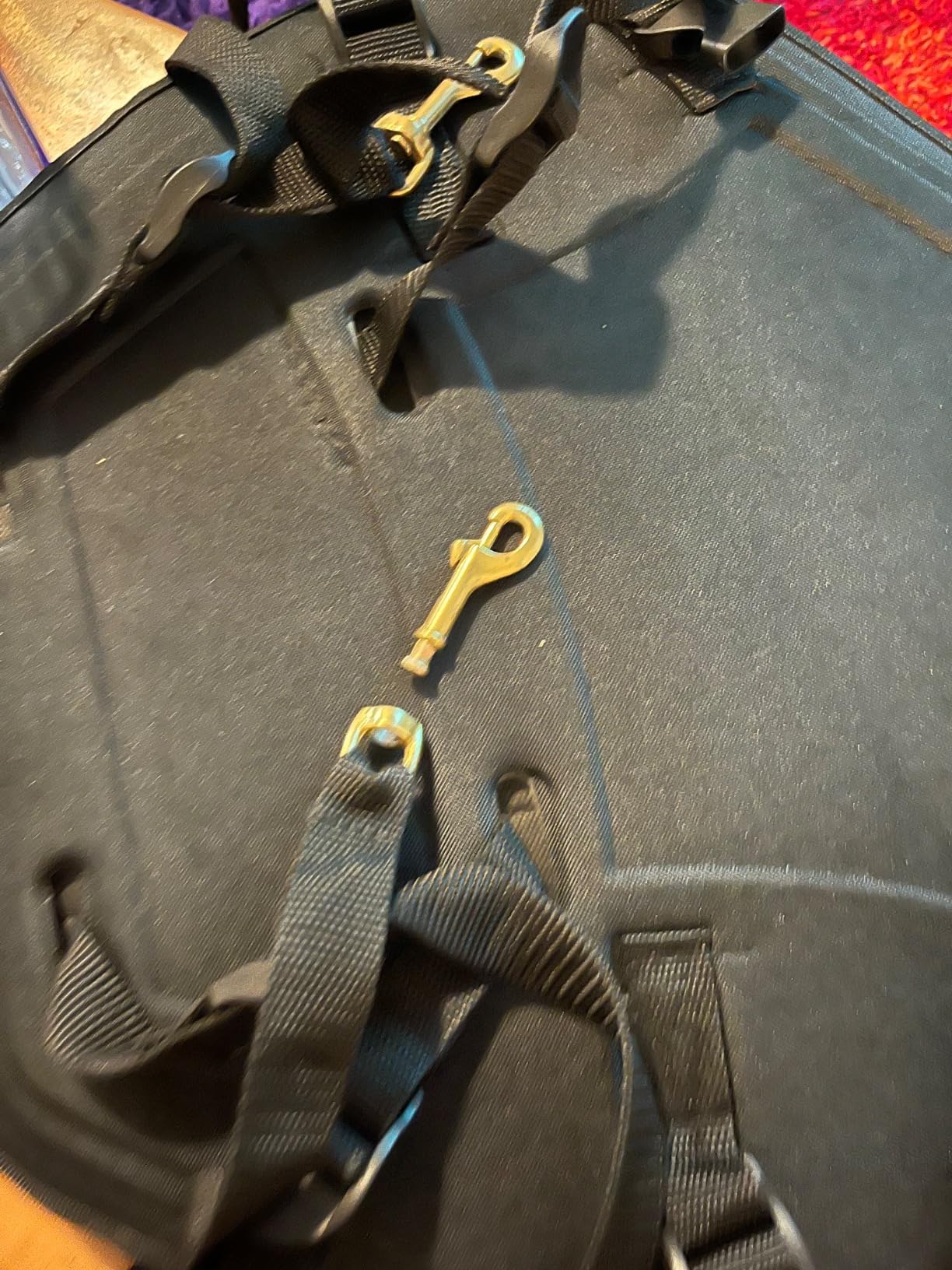
- Corrosion-resistant high-grade hooks
- Front and rear straps for quick install
Cons
- Cushioning is on the firmer and thinner side
- Foam-only build gives less lumbar contour than plate-backed seats
The PenBan seat covers the fundamentals better than anything else at the entry level, and at 18 inches of listed seat height with a 12 inch depth and 40 centimeter width, the dimensions are genuinely useful for checking your fit before you buy. It ranks unusually well for a budget build.
It is also the one many owners stop at. Reviewers frequently describe using it as a cushion over a factory plastic seat rather than replacing it entirely, which is a smart way to test whether a high back fixes your back pain before committing to a full swap.
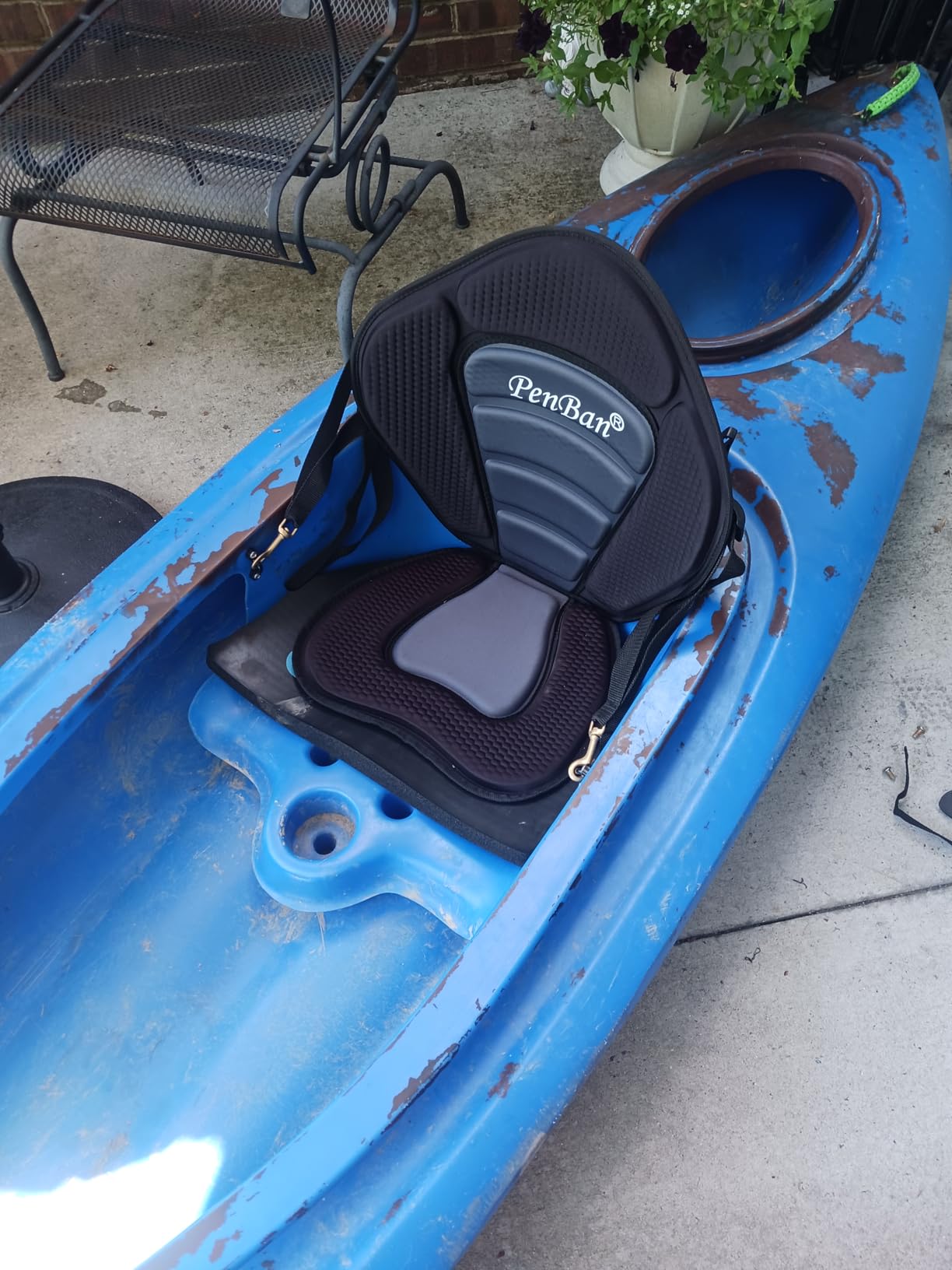
The construction is molded EVA foam inside a 210D polyester exterior, with high-grade corrosion-resistant hooks and four adjustable straps, two front and two rear. A waterproof detachable storage bag clips to the back, and it can also fit compatible rowboats and fishing boats.
The honest limitation is that foam-only construction cannot match the lumbar contour of a frame or plate-backed seat. If your back pain is specific and structural, a firmer back panel will serve you better than a thicker slab of foam.
Who this seat works for
New paddlers who want to try an upgrade without a big commitment, and anyone who prefers to cushion a factory seat rather than replace it. The stated dimensions make fit easy to judge.
Multi-boat owners will like that it also fits rowboats and fishing boats. The included storage bag and corrosion-resistant hooks are more than most budget builds manage.
Who should skip it
Anyone chasing maximum cushioning should know this is on the firmer, thinner side compared with the ultra-thick models on this list.
If your lower back pain responds to structured support rather than soft padding, the lack of a rigid core is the wrong place to save. Look at the plate-backed or frame seats instead.
8. CLIO Deluxe Sit-On-Top Kayak Seat – Best Permanent Mount Kit
Kayak Seat Deluxe Padded Fishing Boat Seat, 1Pcs
High contoured padded backrest
1.47 kg
Includes 4 D-rings and screws
Antislip base
Pros
- Broad high back that buyers with back injuries call the reason they bought it
- Includes D-rings and stainless screws for a fixed install
- Installs in about ten minutes and fits over factory seats
- Sheds water and dries quickly
Cons
- Seat bottom is narrower and firmer than the back
- Bottom can slide without extra fastening
- Rear bag reported to fail without being used
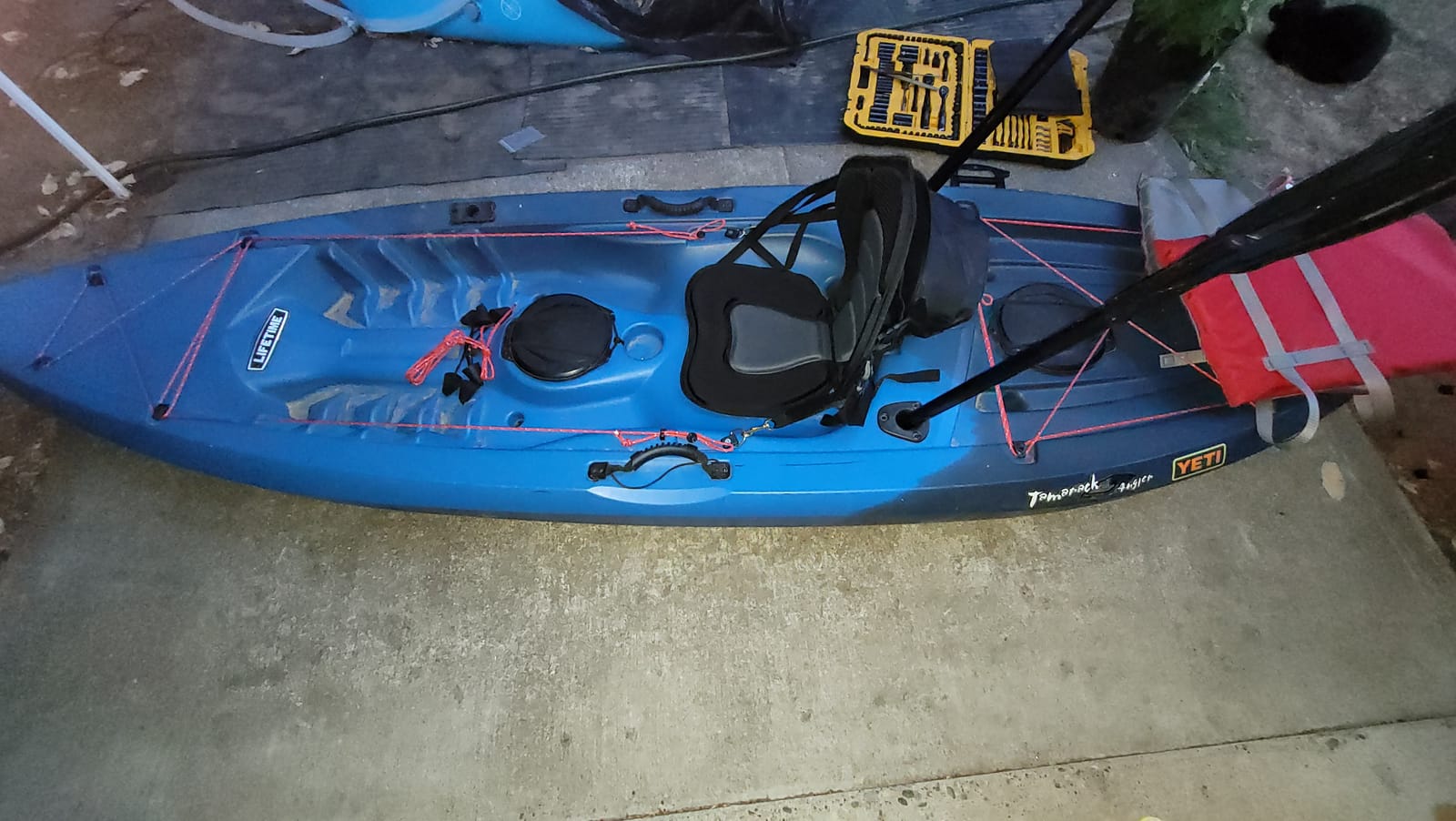
Almost every seat on this list straps in and comes loose. The CLIO is the exception, because the box includes four D-rings, four pairs of stainless steel screws, marine-grade brass connecting snaps, and four-way adjustable reinforced webbing, so you can convert a strap-in seat into a permanent install on your own hull.
That solves the two problems sit-on-top owners complain about most. A strap-in seat can bounce and shift over chop, and it is never quite as solid as a fixed mount. Owners who switch to marine rivets describe a seat that stops moving entirely, and many use it to turn a SUP into a usable hybrid sit-on-top kayak.
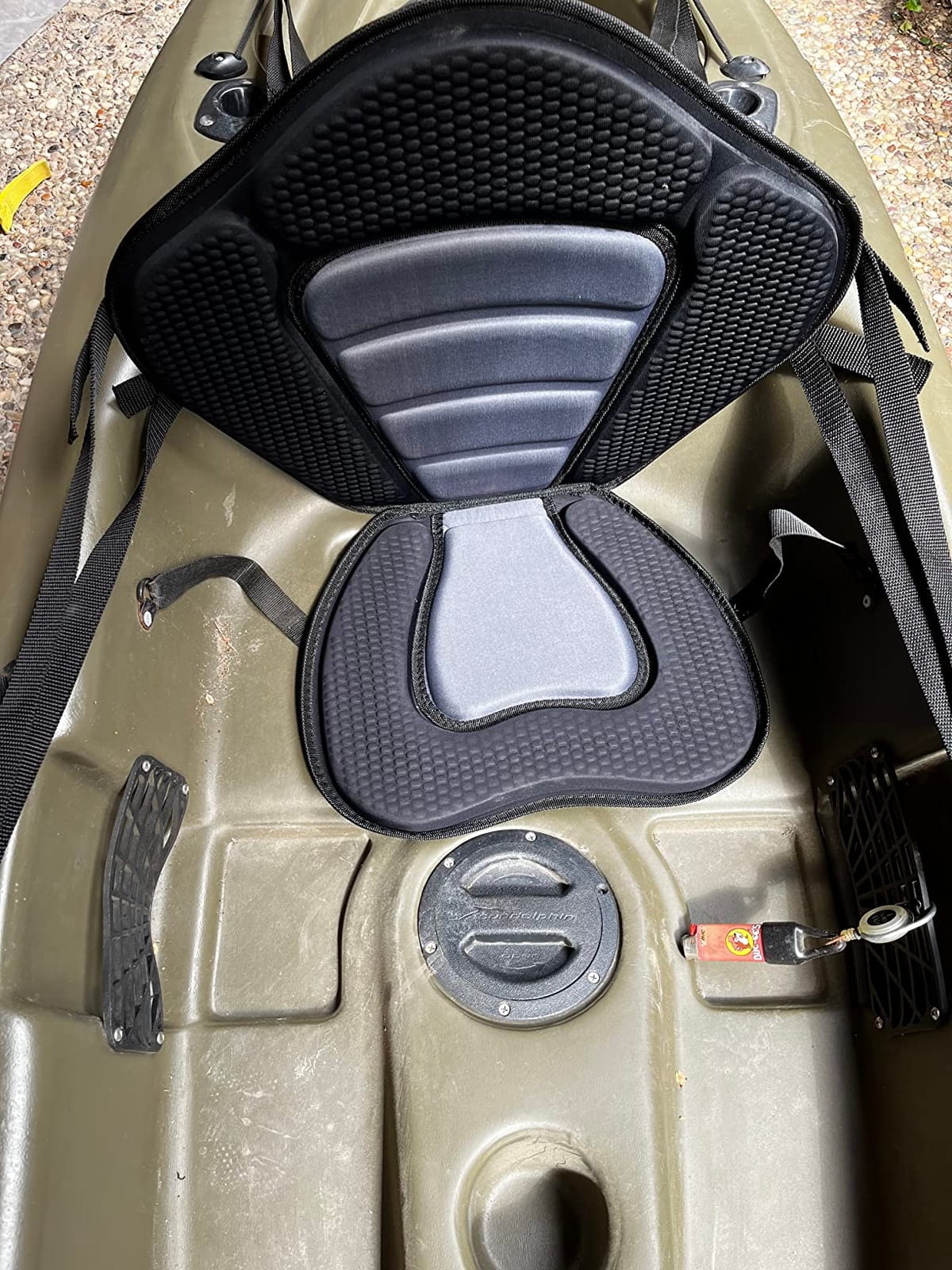
The back is high and contoured with padding, and buyers with back injuries specifically name that broad backrest as the reason they bought it. EVA foam inside a polyester exterior gives a thick surface that resists skidding and sun fading, and the whole thing weighs about 1.47 kg.
It installs in roughly ten minutes and fits neatly over factory seats, and it sheds water and dries quickly, which is convenient for a seat that will live on an open deck. Marine-grade solid brass snaps and a waterproof detachable storage bag round out the package.
Who this seat works for
Sit-on-top owners who want a fixed install rather than a temporary strap, and paddlers with back injuries who need a wide, forgiving back panel. Anyone converting a SUP into a sit-on-top kayak should look here.
Because the hardware kit is included, this is also the best seat to buy if your kayak has no D-rings. You can drill, rivet, and mount it properly instead of jury-rigging straps.
Who should skip it
The seat bottom is narrower and firmer than the back, so larger paddlers may find the lower half less comfortable than the upper half. The bottom can also slide around on the hull without extra fastening.
Some owners report the rear storage bag falling apart without being used, so treat it as a bonus rather than a feature. If you only need a temporary cushion, a cheaper strap-in model works fine.
9. Montekin Thickened Kayak Seat – Best Lumbar Foam
Thickened Kayak Seat with Back Support, Cushioned Paddleboard SUP Seat
High-density EVA lumbar backrest
Deep drainage channels
1.61 kg package
Universal fit
Pros
- High-density foam backrest targets lumbar and hip fatigue
- Deep drainage channels stop water pooling
- Large detachable storage bag
- Works in hardshell inflatable and SUP setups
Cons
- Lowest review volume in the upper tier
- Thinner long-term durability feedback
- Nylon shell feels less soft than polyester-covered rivals
The Montekin is the most explicitly lumbar-focused seat in this group. The backrest is high-density EVA foam shaped to support the waist and hips specifically, which targets the exact area that flares up on a long paddle rather than spreading support thinly across the whole back.
The seat bottom has deep drainage channels, and this is a small feature with an outsized effect. Water that pools under you stays warm, sours, and chafes over a long day, so channels that move it out from under your hips genuinely change comfort in warm conditions.
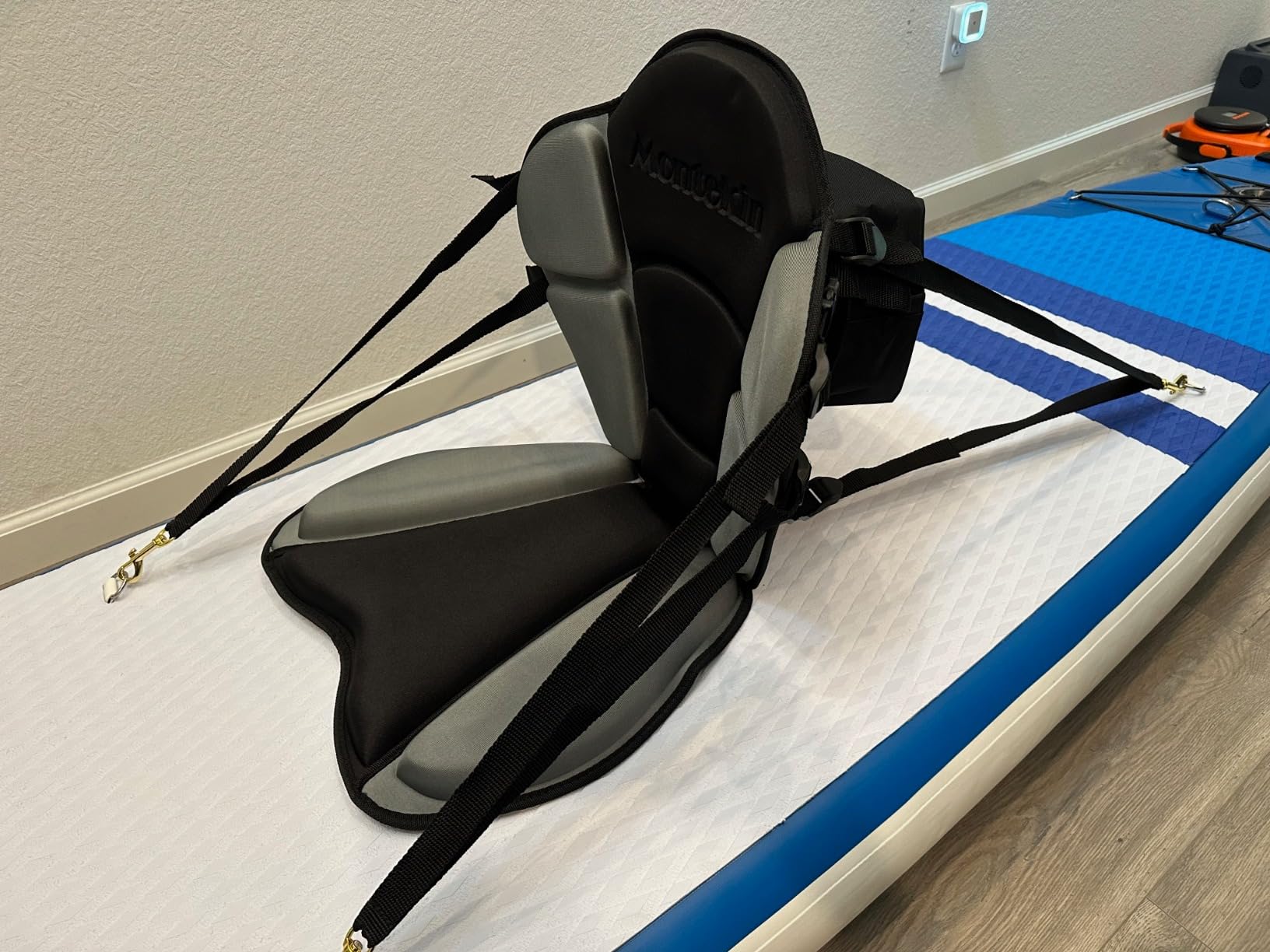
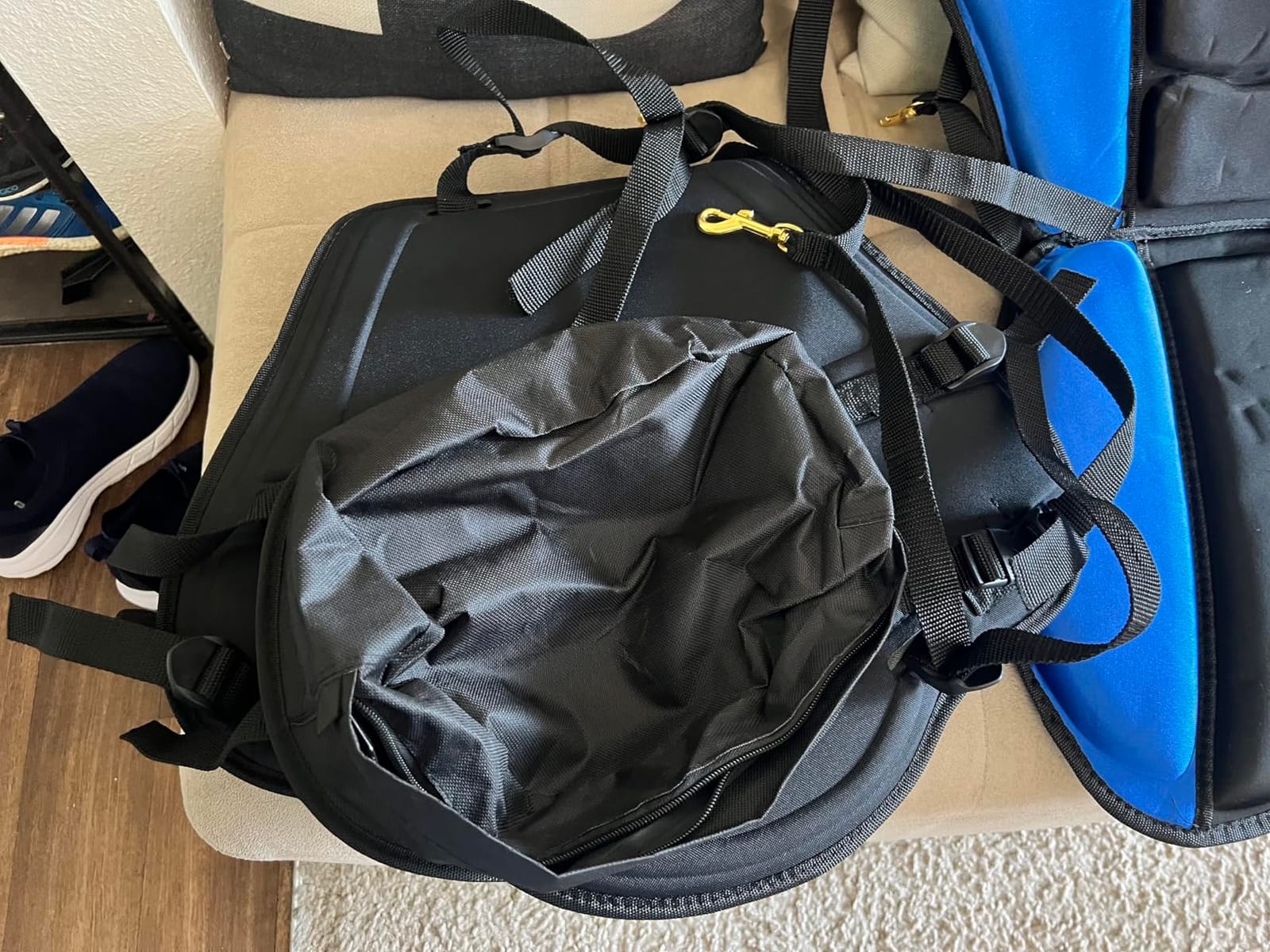
Four adjustable straps with marine-grade hooks hold it in place, and the detachable water-resistant zipper bag is noticeably larger than most competitors, which is a real advantage for anglers carrying tackle. It fits hardshell kayaks, inflatables, fishing boats, and canoes, plus SUPs with D-rings.
The caveat is review volume. It sits in the upper tier of this group with the smallest number of ratings, so the long-term durability picture is thinner than for the picks with thousands of reviews behind them. Ratings also sit slightly below the group average, with the three-star share reflecting some mismatch between thickness preference and fit.
Who this seat works for
Paddlers whose pain is specifically in the lower back and hips. The high-density lumbar foam and hip support are aimed directly at that, and the drainage channels suit warm water and long summer days.
Anglers will like the oversized storage bag, and anyone moving between inflatable and hardshell setups gets one seat that covers both. The universal fit list is broad for a cushion at this level.
Who should skip it
If you want a long track record, pick a seat with more ratings. Durability feedback here is thin, and the star distribution is more mixed than the leaders.
The nylon shell does not feel as soft or insulating as the polyester-covered foam rivals, and some buyers found the thickness a mismatch for their hull. Check your cockpit width first.
10. OceanMotion Ergo-Fit Sit-On-Top Seat – Best Extra Thick Padding
Ultra thick OceanMotion Ergo-Fit sit on top Kayak seat w/storage bag
Ultra thick padding
Reinforced rigid back
15 in seat width
Straps to 22 inches
Pros
- Thickest padding in the group for long days
- Reinforced back panel resists flex and collapse
- Detachable storage bag included
- 22 inch straps give a very wide fit range
Cons
- Highest cost per seat in the lineup
- Pad eyes and D-rings not included
- Bulk is harder to stow in a small hull
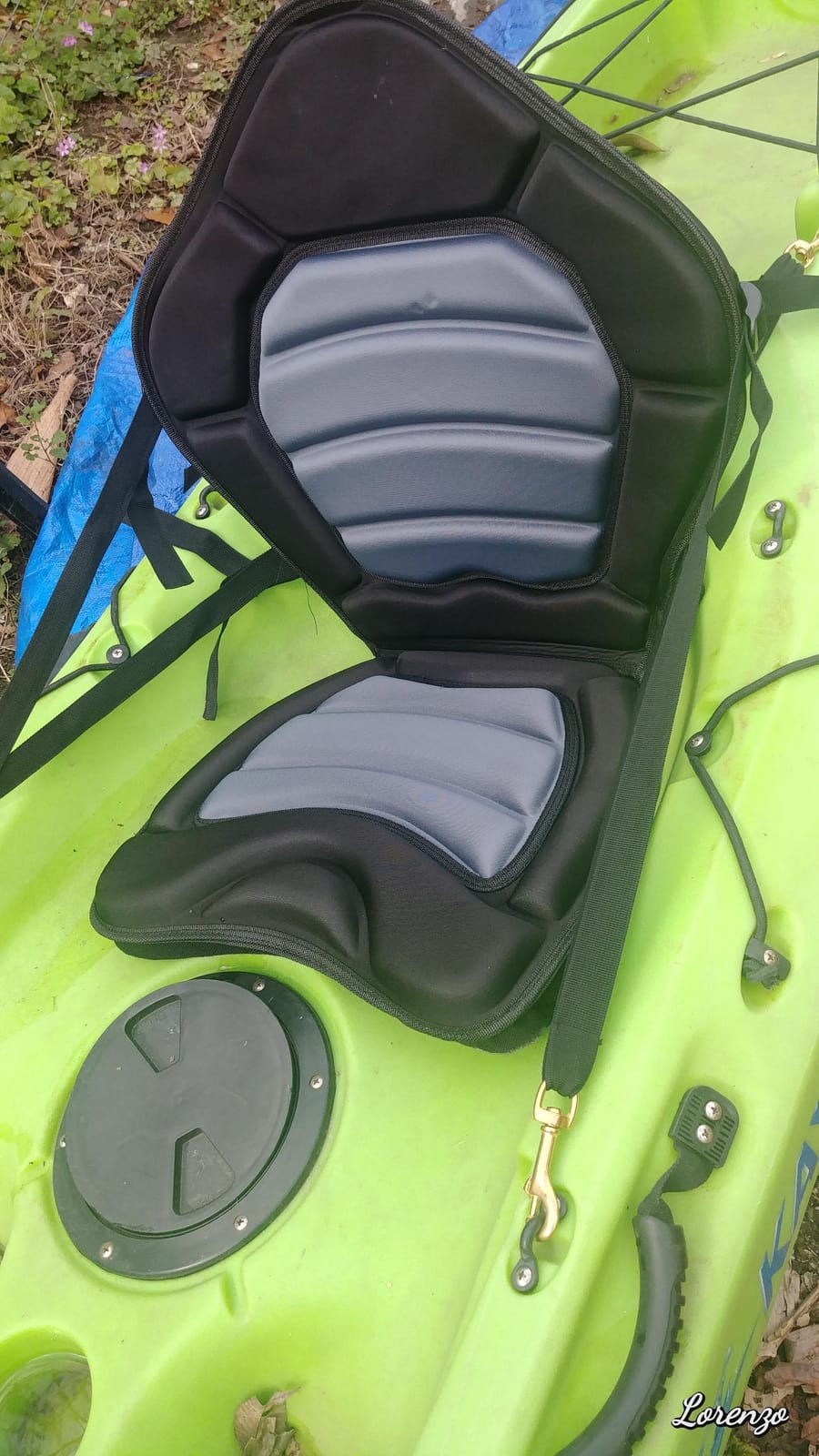
When thickness is the goal, the OceanMotion Ergo-Fit is the clear answer. Owners consistently credit the extra-thick cushion and the reinforced, more rigid back panel with cutting fatigue on full-day paddles, and its five-star share is among the most concentrated in the group.
That reinforced back matters more than it sounds. Foam-only backrests flex under load, and a flexing backrest is a backrest that collapses into the curve of your spine instead of resisting it. A stiffer panel holds its shape, so your lumbar stays supported rather than being absorbed.
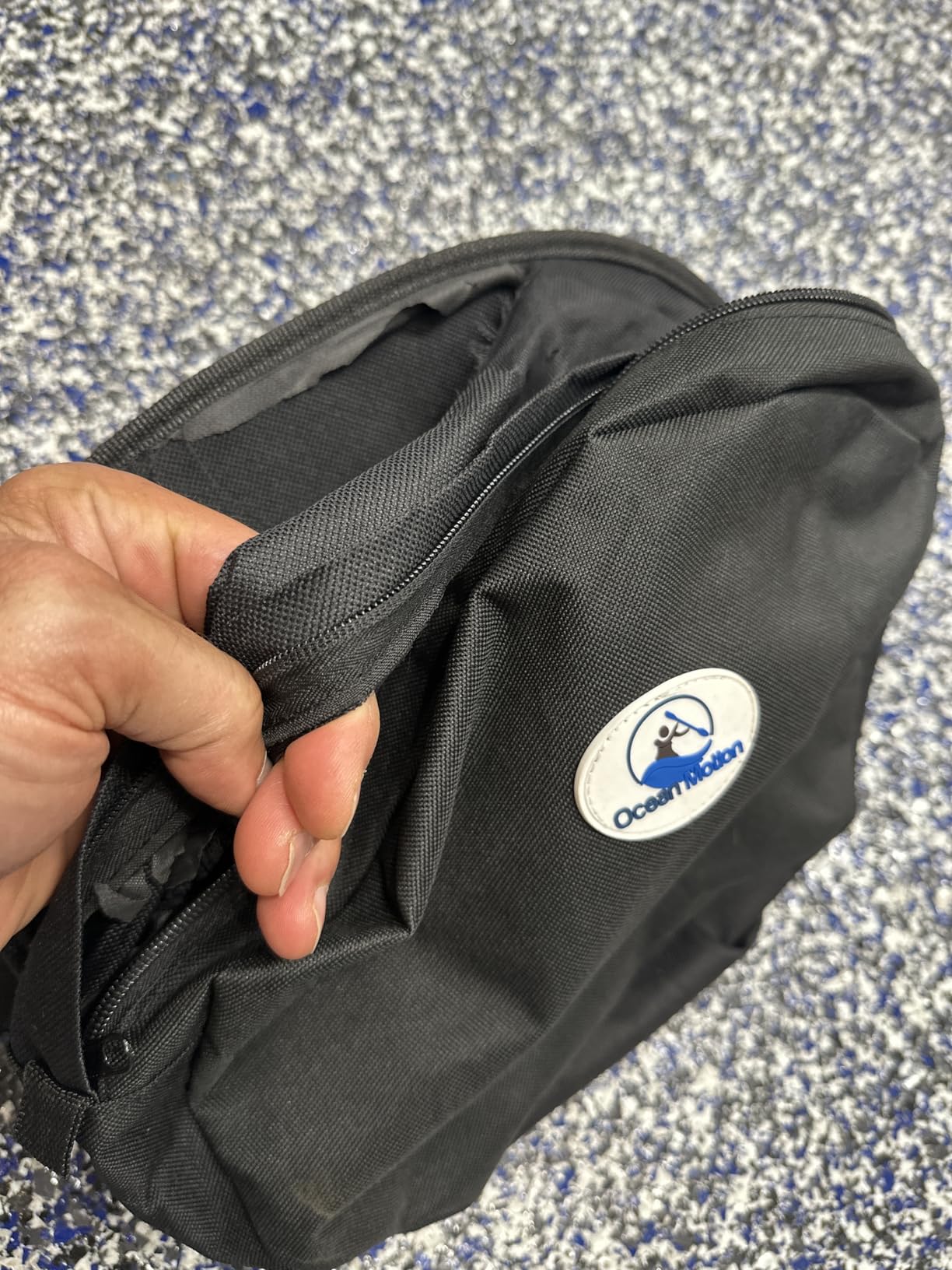
It is a 15 inch wide universal seat for most sit-on-top kayaks, attaching via four straps that extend up to 22 inches, which gives one of the widest adjustment ranges in the group and helps it fit hulls other seats miss. A detachable storage bag is included, and there is a one-year warranty against defects.
The significant catch is what is not in the box. Pad eyes and D-rings are not included and may need to be bought separately, so budget for hardware if your kayak has no attachment points. The bulk is also harder to stow in a small hull or on a tight roof rack.
Who this seat works for
Paddlers who sit for a full day and want maximum cushioning, including anglers and anyone whose back pain responds to softness plus a rigid frame. The 22 inch straps fit an unusually wide range of hulls.
Long-day touring paddlers who will secure the seat permanently are well served, and the one-year warranty from a US-based company is a plus for buyers who want support.
Who should skip it
This is the most expensive seat per unit in the lineup, and it does not include the mounting hardware you may need. If your kayak has no D-rings, the total cost climbs further.
Anyone with a small hull or limited stowage should measure first. The bulk is the trade-off for the thickest padding available, and it is a real one.
11. HLOGREE Thicken Padded Kayak Seat – Best Deck Rigging Kit
Hlogree Kayak Thicken Seat, High Back Deluxe Plus Seat, Storage Bag, 1 Pack
17.73 x 20.16 in backrest
12.61 in seat depth
EVA foam plus PE plate
1.92 kg
Pros
- Near 18 inch backrest with firm PE plate core
- UV-resistant neoprene and 600D polyester shell
- Full rigging kit with rivets gaskets D-rings and screws
- Each strap adjusts independently
Cons
- Heaviest seat in the group at 1.92 kg
- Straps need careful alignment to sit square
The HLOGREE is the most complete package in this roundup, and the rigging kit is the reason. The box includes two replacement handles, twelve rivets with waterproof gasket rings, six C-shaped buckles, eight drilling screws, four D-rings, and eight M6 screws and nuts, which is everything needed for a permanent deck mount.
That solves the question forum paddlers keep asking: what do you do if your kayak has no D-rings or attachment eyelets? With this kit, you drill, gasket, and rivet proper mounting points instead of improvising with tape or cord.
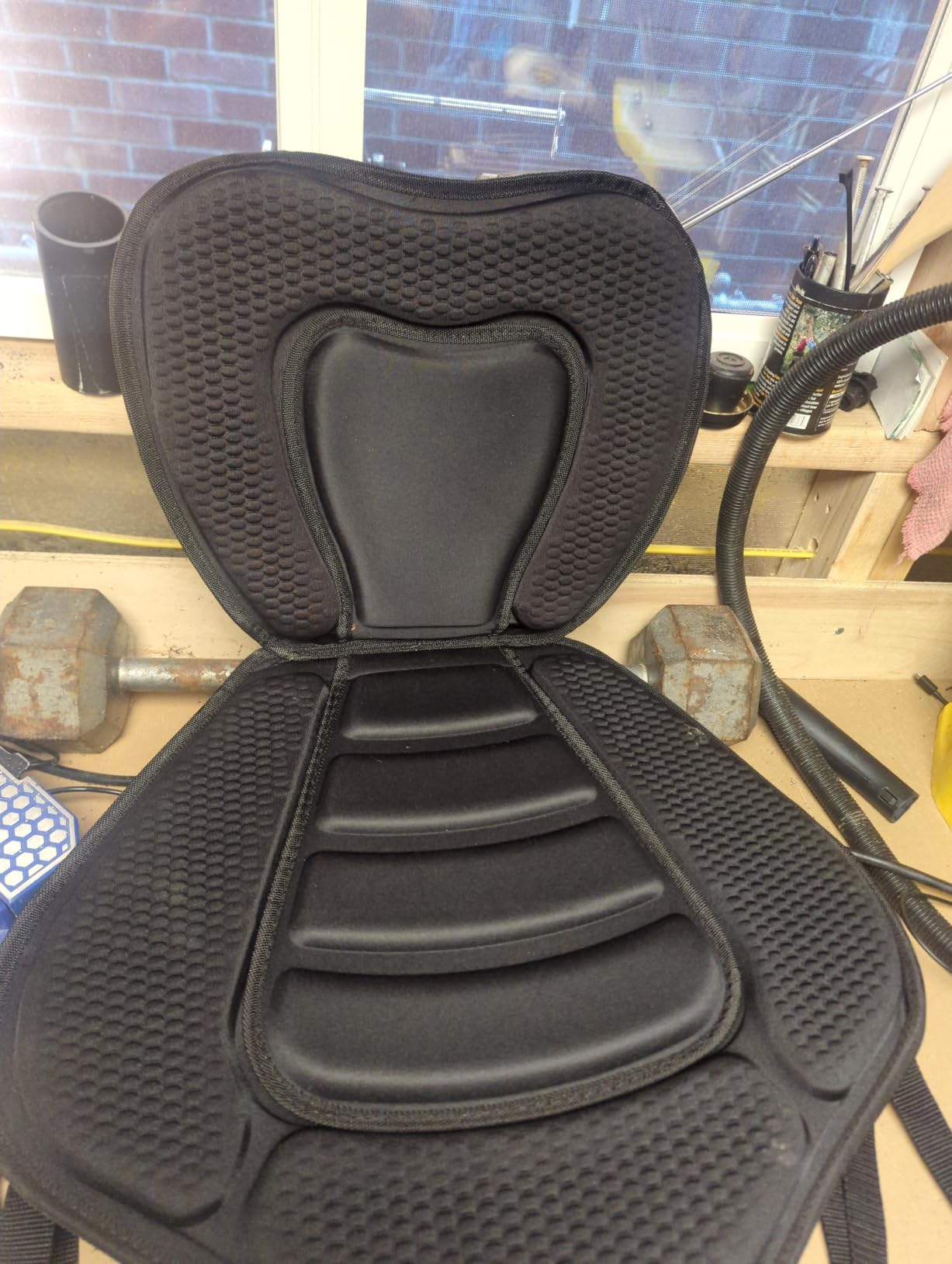
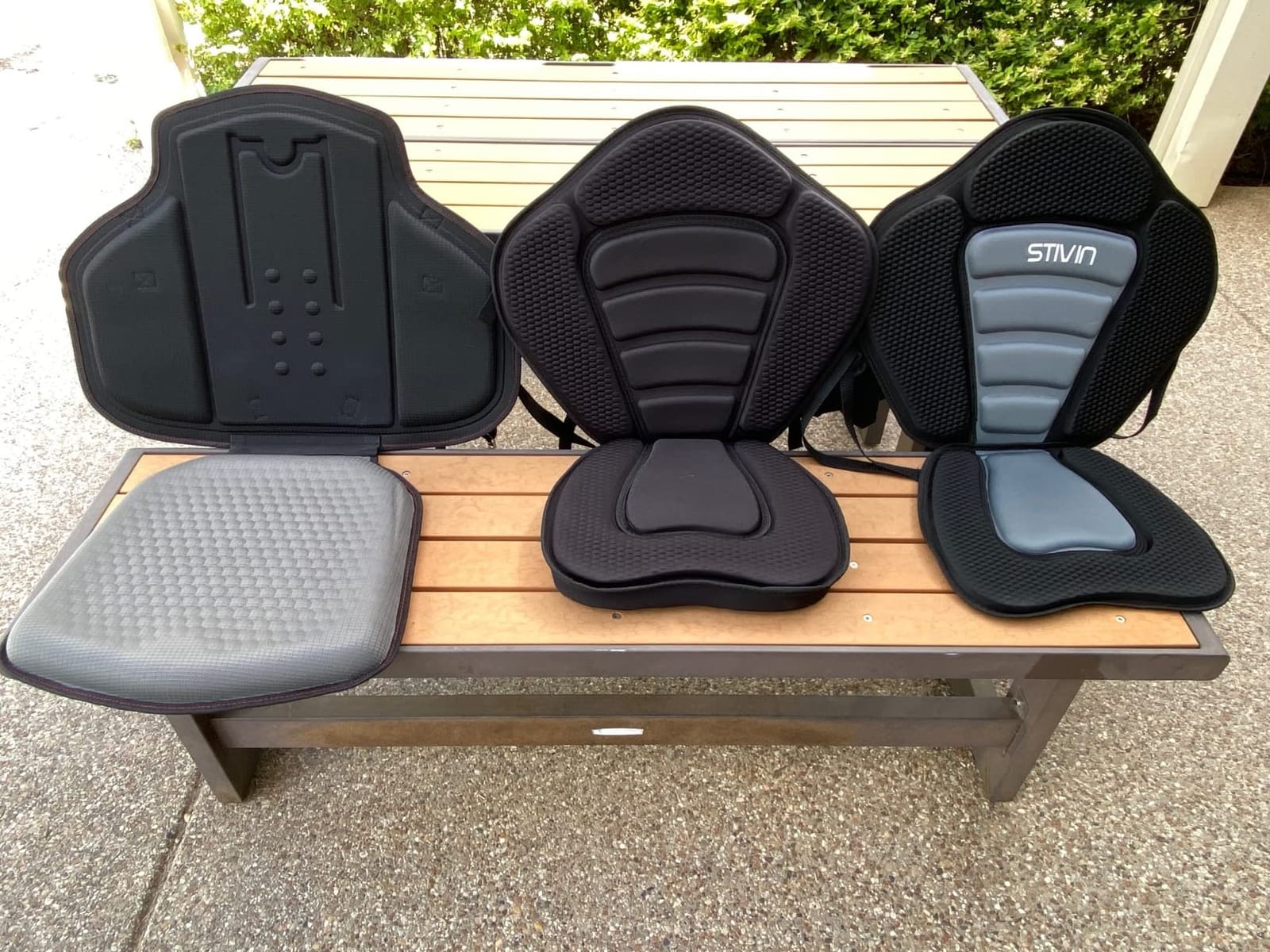
The seat itself measures a 17.73 by 20.16 inch backrest with a 12.61 by 15.4 by 2.17 inch seat, wrapped in firm UV-resistant neoprene and 600D polyester over an EVA foam and PE plate core. The plate is what keeps the foam from turning into a flat pancake by afternoon, and it is why the support stays firm rather than sinking.
Four adjustable straps, with upper straps dedicated to fine-tuning the back panel position, let you tailor the fit closely. Each strap adjusts independently, and there is a free detachable water-resistant zipper bag plus a 12-month warranty.
Who this seat works for
Anyone who wants a riveted permanent mount, and paddlers whose kayak has no existing D-rings. The included hardware turns a hard problem into a ten-minute job.
Long-day and fishing paddlers like the firm near 18 inch back and the PE plate core, and the strong star distribution reflects how well owners rate the support for the money.
Who should skip it
At 1.92 kg it is among the heavier seats we reviewed, so backpacking paddlers who count every gram should weigh that against the comfort gain before committing.
Straps need careful alignment to sit square, and a slightly askew back panel changes the lumbar contact. The UV-resistant neoprene shell is also a step firmer than plush polyester covers.
12. Pelican Universal Sit-on-Top or SUP Seat – Best Replacement Cushion
Pelican – Sit-on-top Kayak or SUP Seat – Universal Fit Water Repellent Cushion with Back Support – Black
Back 15 in W x 8 in H
Bottom 17.5 in W x 14 in D
Straps to 28 in front
Articulated backrest
Pros
- Water-repellent nylon dries quickly
- Easy D-ring installation
- Long strap range fits many hulls
- Zippered backrest allows stacking
Cons
- Backrest is only 8 inches tall
- Not truly universal on every hull
- Underside zipper can loosen while paddling
- Less padding than foam-core rivals
The Pelican seat is a replacement, not an upgrade. If your factory seat is cracked, torn, or missing, this is the seat that restores a usable ride for very little, and the water-repellent nylon holds up under wet conditions and dries quickly in a way that foam cores do not.
It attaches easily to D-ring equipped boats with a multi-adjustment web-strap system and an articulated backrest, and the strap range is generous at 28 inches in front and 21 inches back, so it fits more hulls than most universal seats manage.
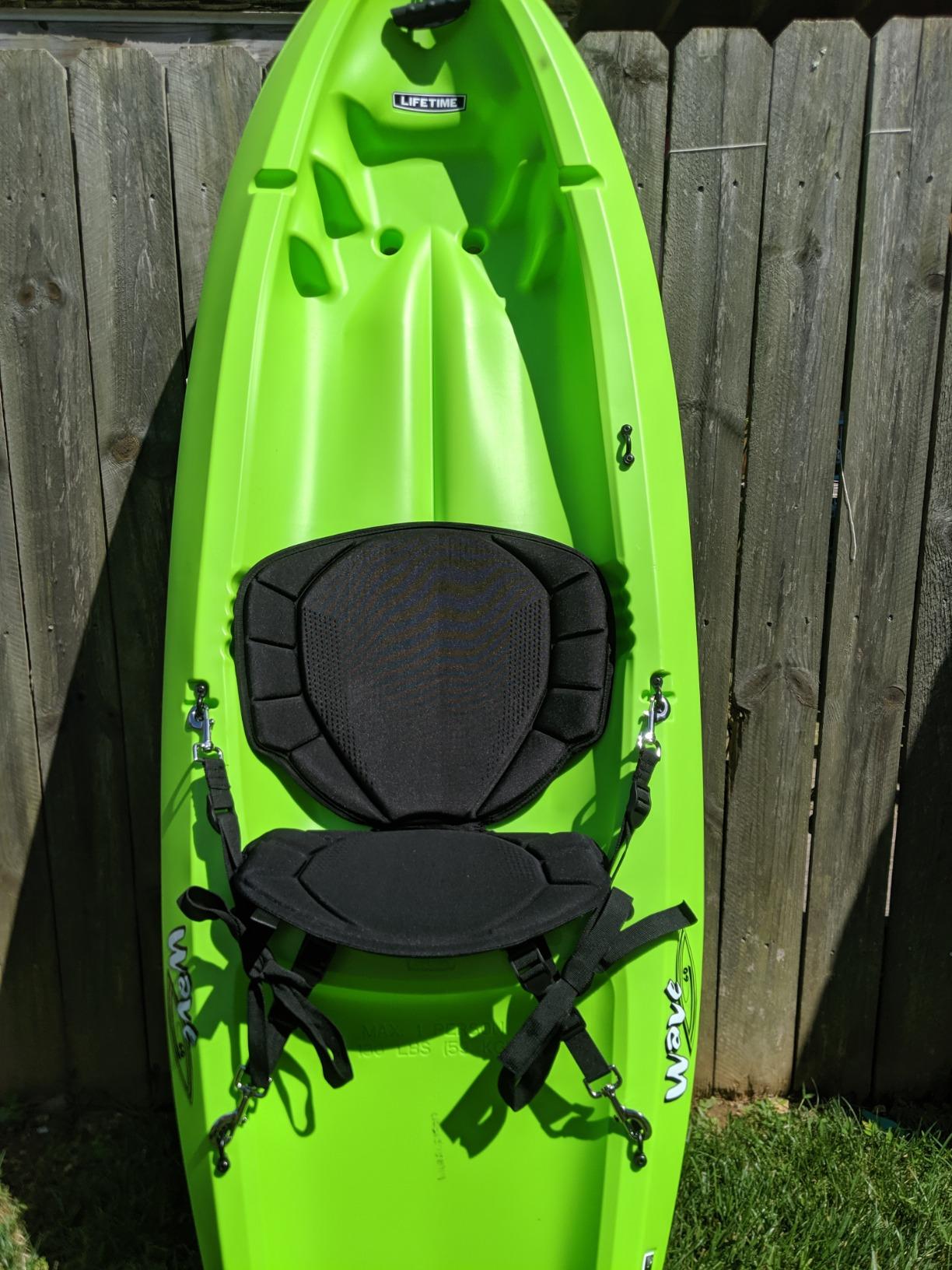
The zippered backrest is a smart touch, because it lets you remove the cushion entirely so the kayak can be stacked on a roof rack for transport. If you trailer your boat, our guide to the best kayak trailers for transport covers the gear side of that trip.
Now the honest part, and it matters if your goal is back support. The backrest is only 15 inches wide by 8 inches tall, and that 8 inches is the dominant complaint across the reviews, with multiple adults explicitly asking for a taller back. A back that short supports the lumbar area and little else.
Who this seat works for
Paddlers replacing a torn or missing factory seat on a D-ring equipped sit-on-top. Water-repellent nylon that dries fast is ideal for humid or frequently wet conditions.
Anyone who stacks their kayak for transport benefits from the zippered removable backrest. It is a sensible stopgap while you save for a higher-backed seat.
Who should skip it
Do not buy this for back pain relief. An 8 inch backrest is too short for meaningful support, and that is the single most common complaint in the reviews.
It is also not truly universal, so some hulls need modification before it fits, and the underside zipper can loosen while paddling and let the seat shift. For serious back support, choose an 18 inch model instead.
How We Picked the Best Kayak Seats for Back Support
Which kayak has the best back support? The honest answer is that the kayak contributes as much as the seat, because a molded sit-on-top hull with a rigid spine transfers load into your back while a shallow touring hull lets you sit upright. What we ranked is the seat, and we judged it on six things.
Backrest height came first, because a back that ends below your shoulder blades cannot support your upper spine no matter how soft the foam is. Second was core construction, separating foam-only slabs from frames and PE plate-backed panels that hold their shape. Third was adjustment, comparing fixed backs against strap-adjustable panels and dedicated lumbar pads.
Fourth was hardware material, where we specifically looked for brass, stainless steel, or copper rather than plated steel that corrodes. Fifth was attachment coverage, counting whether D-rings, screws, and a rigging kit came in the box. Sixth was verified owner feedback, because comfort claims from a listing mean very little compared to a thousand reviews from people who sat in it all day.
Our advice on the 120 rule is worth repeating here, because it is the most-referenced posture fix in the kayaking forums and it changes how any of these seats performs. Stay within 120 degrees of the horizon and never lean back past it.
In practice that means keeping your feet on the footpegs and your knees slightly raised, so your weight is carried by your legs rather than by your lumbar spine. A great seat lets you adopt that position. It cannot adopt it for you.
How Backrest Height Changes Lumbar Support
How tall should a kayak seat backrest be? For most adults, 14 to 20 inches covers the lumbar and mid-back region, and taller is usually better up to a point. Backrests in the 18 inch range, like the RELIANCER and HLOGREE models here, are the practical ceiling for a day paddle.
The reason is anatomy. Slouching in a kayak usually starts as a slow posterior pelvic tilt, and once your pelvis rotates backward, your lower back takes the load of every stroke. A backrest tall enough to reach your mid-back gives you something to push against and reverse that tilt before it sets in.
Tall paddlers need more, not less. If you are around six feet or taller, an 18 inch back may still finish below your shoulder blades, and the fix is a taller back or a separate lumbar support rather than simply more foam. Shorter paddlers often find 14 to 16 inches is more than enough and that extra height just pushes their shoulders forward.
Adjustment matters as much as height. A fixed 18 inch back that contacts your shoulders rather than your lumbar is worse than a 14 inch back you can reposition, because straps let you set the contact point to your body rather than the other way around.
Sit-On-Top vs Sit-In vs Inflatable: What Actually Fits
What is the difference between a sit-in and sit-on-top kayak seat? Fit comes down to attachment points. Sit-on-top kayaks are the easiest case, since most have four D-rings behind the seat and a flat deck, which is exactly what the universal strap-in designs in this list expect.
Sit-inside touring kayaks are the hardest, and this is where most of the confusion online comes from. Their seats are factory-fitted and not interchangeable, so aftermarket seats generally do not apply. The right answers there are a back band, a closed-cell foam backrest, or a lumbar support worn against your lower back, all of which mount inside the cockpit without a rigid frame.
Inflatable kayaks usually ship with a thin pad rather than a seat, and a high-back universal model transforms them. Look for reinforced stitching and corrosion-resistant copper or brass hardware, since inflatables flex and squeeze harder than a hardshell hull.
Where can I find a replacement seat for my sit-on-top kayak? Check your hull for D-rings or pad eyes first, count them, and then match the strap length. If there are no attachment points, the CLIO and HLOGREE kits are the two picks here that let you drill and rivet proper ones yourself.
Seat Height vs Center of Gravity: The Tracking Trade-Off
Can I raise my kayak seat higher? Yes, with a real trade-off. Every inch you add to seat height raises your center of gravity, and a higher center of gravity means the boat responds more slowly to input and tracks worse in current and wind.
This is why the raised-frame and bleacher-style seats that look so comfortable in a showroom can feel twitchy on the water. A tall, rigid backrest is fine. Moving your hips several inches upward is a different decision entirely, and the two are often confused.
Our rule is simple. A thicker cushion raises you very little, so take the comfort. A seat that lifts your hips noticeably changes the boat, so test it on calm water first and be honest about whether you notice the difference in tracking.
Fit for Tall and Larger Paddlers
If you are tall or carry more weight, do not shop by seat length. Shop by backrest height and seat width, and check the weight rating. Among these picks, the GCI SitBacker is the one with a stated 250 pound capacity, and the OceanMotion pairs a wide 15 inch back with 22 inch straps that fit a large range of hulls.
Width matters more than most listings suggest, because a narrow seat bottom forces your thighs together and rotates your pelvis forward, which is precisely the position that creates lumbar pain. If you feel your knees knocking together, the seat is too narrow for you.
Weight ratings matter because compressed foam bottoms out. An undersized seat that sags after two hours stops supporting you, and the whole benefit disappears. If your frame is larger than the listed capacity, treat that as a real limit rather than a detail.
Hardware That Survives Salt Water
Cheap hardware corrodes and seizes, and that is the single most repeated complaint in paddle forums. A snap that will not open means cutting your seat straps off with a knife at the ramp, so hardware is not a place to economize.
Look for marine-grade brass, solid stainless steel, or copper. The RELIANCER and CLIO seats use marine-grade brass connecting snaps, the HLOGREE and BKC seats state marine-grade brass hardware, and the SereneLife uses copper, which its listing rates for corrosion resistance.
One honest caveat: the BKC listing describes solid brass while some buyers report brass-coloured alloy, so verify if you paddle in salt water. The Leader Accessories seat is also called out for unusually corrosion-resistant high-grade hooks.
How to Make a Factory Kayak Seat More Comfortable
How to make kayak seats more comfortable when you cannot replace the seat? Five steps cover most of it, and all of them cost far less than a new seat. Forum regulars recommend this route constantly, particularly for sit-in touring kayaks where a replacement seat will not fit at all.
First, cut a closed-cell foam pad, usually Minicel, to the shape of the seat bottom and lay it on top. Closed-cell foam does not absorb water, so it stays as supportive in hour six as in hour one. Second, roll or cut a second pad for a backrest and strap it to the seat back with ties.
Third, check the 120 rule before you blame the seat. Feet on the footpegs, knees raised, torso forward of the vertical, and a huge share of seat discomfort disappears. Fourth, add a lumbar support worn against your lower back, which is the cheapest effective fix in kayaking and is repeatedly recommended for stadium-style seats.
Fifth, secure the seat base. Foam pads slide, and a pad that moves under you creates the pressure ridges paddlers describe. Non-skid matting, a sheet of closed-cell foam with texture, or even a bungee tie-down stops the movement that creates sore spots. And if your kayak has no D-rings, install them with a rivet and gasket kit rather than improvising.
Frequently Asked Questions
Do kayak seats help with back pain?
Yes, when the seat gives you a rigid surface to brace against. Stock molded plastic seats have no back structure, so paddlers start slouching within 15 to 20 minutes and finish with lower-back and core pain. A high-back padded seat holds the lumbar region upright so your core stops absorbing every paddle stroke. Results depend on pairing it with correct posture, which is why the 120 rule matters as much as the seat itself.
How tall should a kayak seat backrest be?
For most adults, 14 to 20 inches covers the lumbar and mid-back region well. Taller paddlers around six feet or more often need 18 to 24 inches so the back panel reaches past the shoulder blades. Shorter paddlers usually find 14 to 16 inches sufficient, since extra height can push the shoulders forward. Adjustable straps matter as much as height, because they let you set the contact point to your body.
How do I install a kayak seat?
Most universal seats clip onto four D-rings behind the seat. Attach the front and rear straps to the D-rings, cinch them evenly so the back panel sits square, then fine-tune the upper straps to set the backrest angle. The whole job takes about a minute on strap-in models and about ten minutes if you are using the included D-ring and screw kit for a permanent mount.
What if my kayak has no D-rings or attachment eyelets?
Drill and install your own. The CLIO seat includes four D-rings, four pairs of stainless steel screws, and marine-grade brass snaps, and the HLOGREE seat includes twelve rivets with waterproof gasket rings, four D-rings, screws, and nuts. Riveting proper mounting points with rubber gaskets is far more secure than improvising with tape, cord, or suction fittings.
What is the 120 rule for kayaking and how does it work?
The 120 rule means keeping your body within 120 degrees of the horizon and never leaning back past vertical. Practically, your feet stay on the footpegs with knees raised, so your legs carry your weight instead of your lower back. Paddlers who slouch past vertical absorb every stroke with their lumbar muscles, which is the fastest route to back pain on a long trip.
Are sit-in or sit-on kayaks easier to fit a seat to?
Sit-on-top kayaks are much easier, because most already have four D-rings behind the seat and a flat deck. Sit-inside touring kayaks have factory-fitted seats that are not interchangeable, so aftermarket seats generally will not apply. For a sit-in, use a back band, a closed-cell foam backrest, or a lumbar support worn inside the cockpit instead of a rigid replacement seat.
What is the best sit-on-top kayak for seniors?
For paddlers with reduced mobility, the deciding factors are a high supportive back, a seat that does not require deep hip flexion, and a firm base that stops sliding. Among the seats reviewed here, the GCI SitBacker offers an adjustable reclining frame and a stated 250 pound capacity, while the RELIANCER and HLOGREE 18 inch models give the tallest back support. A wider seat bottom also matters so the knees are not forced together.
What is the most important kayak safety rule?
Wear a properly fitted personal flotation device every time you paddle. The most common cause of kayaking fatalities is drowning after a capsize, and the most common cause of capsize is fatigue. A supportive seat reduces fatigue by keeping you upright and moving, but it does not replace a PFD. Staying within the 120 degree rule and checking straps and hardware before launch are the other two that matter.
Conclusion
The best kayak seats for back support all share three things: a backrest tall enough to reach your mid-back, a cushion with a rigid core that will not bottom out, and hardware that will not corrode. Get those three right and the back pain conversation ends for most paddlers. Get them wrong and no amount of extra foam will save your lumbar spine after hour three.
For most people, the GCI Outdoor SitBacker is the one to start with, because its frame and adjustable lumbar cushion give the most genuinely adjustable support we found and it folds flat for portage. Buy the Leader Accessories seat if you want a lighter universal fit with hardware built to survive salt water, and choose one of the 18 inch backrest models if you are tall or plan to sit all day fishing.
Whichever you choose, set the straps so the back panel meets your lower back, put your feet on the footpegs, and stay within the 120 degree rule. And put on your PFD before you launch, every single time.