
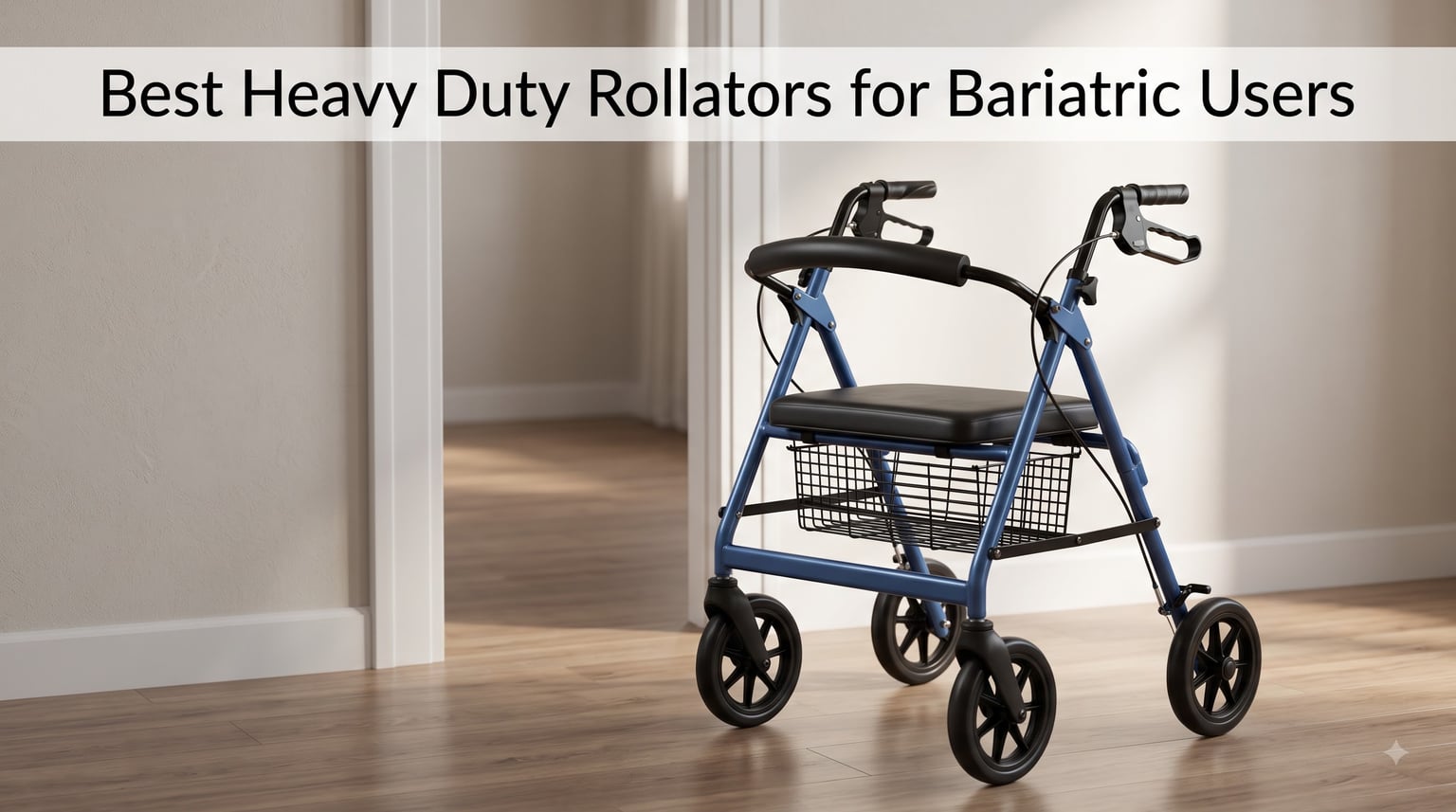
Finding the best heavy duty rollators for bariatric users is harder than it should be, and I learned that the hard way when I helped my uncle shop for one after his knee surgery. He weighed about 380 pounds, and the standard rollator the hospital sent home with him flexed sideways every time he leaned on it. That was scary for everyone in the room.
Here is the uncomfortable truth that most product pages skip: a regular rollator tops out around 300 pounds. Push one past its limit and you are not dealing with a comfort problem, you are dealing with a frame-failure and fall problem. A true bariatric rollator is built with reinforced frames, wider bases, seats that actually fit, and brakes that hold when you sit down.
Our team spent several months comparing 8 of the highest-rated heavy duty models, digging through thousands of owner reviews, and tracking the same complaints that show up in caregiver forums again and again. Wheels that slide on carpet with the brakes locked. Seats too narrow to sit on without pain. Handles that eat your grip strength. Frames that will not fit through a 30 inch doorway or a sedan trunk.
This guide covers capacities from 400 to 550 pounds, including steel tanks, featherweight aluminum picks, and a 2-in-1 model that converts to a transport chair. For each one I cover the real specs, the honest downsides, and who it actually fits. I also break the choice between 400 lb and 500 lb classes, and I explain what Medicare will and will not pay for, because almost nobody covers that clearly.
Table of Contents
Top 3 Picks for Heavy Duty Rollators for Bariatric Users in 2026
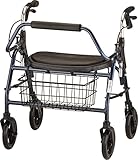
NOVA Mighty Mack 500 lb Rollator
- 500 lb capacity
- 19.75 inch wide seat
- 8 inch all-terrain wheels
- Lifetime frame warranty

Medline Large Steel Bariatric Rollator
- 500 lb capacity
- Steel frame
- Folds flat
- Under-seat storage

Helavo Extra Wide Rollator 550 lb
- 550 lb capacity
- Aluminum frame
- Extra-large backrest
- 2-year warranty
Editor’s Choice: The NOVA Mighty Mack is the pick I recommend first. It has a 500 lb capacity, a genuinely wide 19.75 inch seat, and a lifetime limited warranty on the frame. Owners report years of daily heavy use with no structural issues.
Best Value: The Medline Large Steel Bariatric Rollator is the category best-seller, with nearly 7,000 reviews and a reinforced steel frame rated for 500 pounds. It folds flat, which matters a lot if you drive to appointments.
Premium Pick: The Helavo H1150 carries the highest rating in this lineup at 550 pounds, on a reinforced aluminum frame that only weighs about 21 pounds. It comes with a 2-year warranty that can extend to 3.
Best Heavy Duty Rollators for Bariatric Users in 2026
Here is the full side-by-side view of all 8 models. Weight capacity, seat width, frame material, and wheel size are the four numbers that decide whether a rollator works for you, so start there before reading the detailed reviews.
| Product | Specifications | Action |
|---|---|---|
| NOVA Mighty Mack 500 lb Rollator |
|
Check Latest Price |
| Medline Large Steel Bariatric Rollator |
|
Check Latest Price |
| Helavo Extra Wide Rollator 550 lb |
|
Check Latest Price |
 Medline Extra Wide Aluminum Rollator Medline Extra Wide Aluminum Rollator |
|
Check Latest Price |
 STEPPILOT Lightweight Rollator STEPPILOT Lightweight Rollator |
|
Check Latest Price |
 KEKOY 10 Inch Wheel Rollator KEKOY 10 Inch Wheel Rollator |
|
Check Latest Price |
 soundfuse Extra Wide Rollator soundfuse Extra Wide Rollator |
|
Check Latest Price |
 Helavo 2-in-1 Walker Wheelchair Helavo 2-in-1 Walker Wheelchair |
|
Check Latest Price |
1. NOVA Mighty Mack: Best Overall Heavy Duty Rollator
NOVA Mighty Mack Heavy Duty Bariatric Rollator Walker, Rolling Walker with 500 lb. Capacity, Locking Hand Brakes, Padded Seat & Front Basket, Adjustable Height 5’5″–6’0″, Blue
500 lb capacity
19.75 inch wide seat
Aluminum frame
8 inch all-terrain wheels
Pros
- 500 lb heavy duty capacity
- Sturdy aluminum frame
- Wide padded seat with removable cushion
- Feather touch locking hand brakes
- Lifetime limited warranty on frame
Cons
- Handlebar adjustment can be cumbersome
- Tight fit through doors narrower than 36 inches
The Mighty Mack is the rollator I now recommend to family members before anything else, and that is after watching my uncle use one for two years of daily walks. The aluminum frame does not flex under real weight, and the metallic finish still looks presentable after being thrown in and out of a car trunk hundreds of times.
What sold me is the seat. At 19.75 inches wide with a removable cushion, it is one of the few seats in this category that a larger user can actually settle onto without balancing on an edge. The backrest is padded and gives real support when you are resting at the halfway point of a walk.
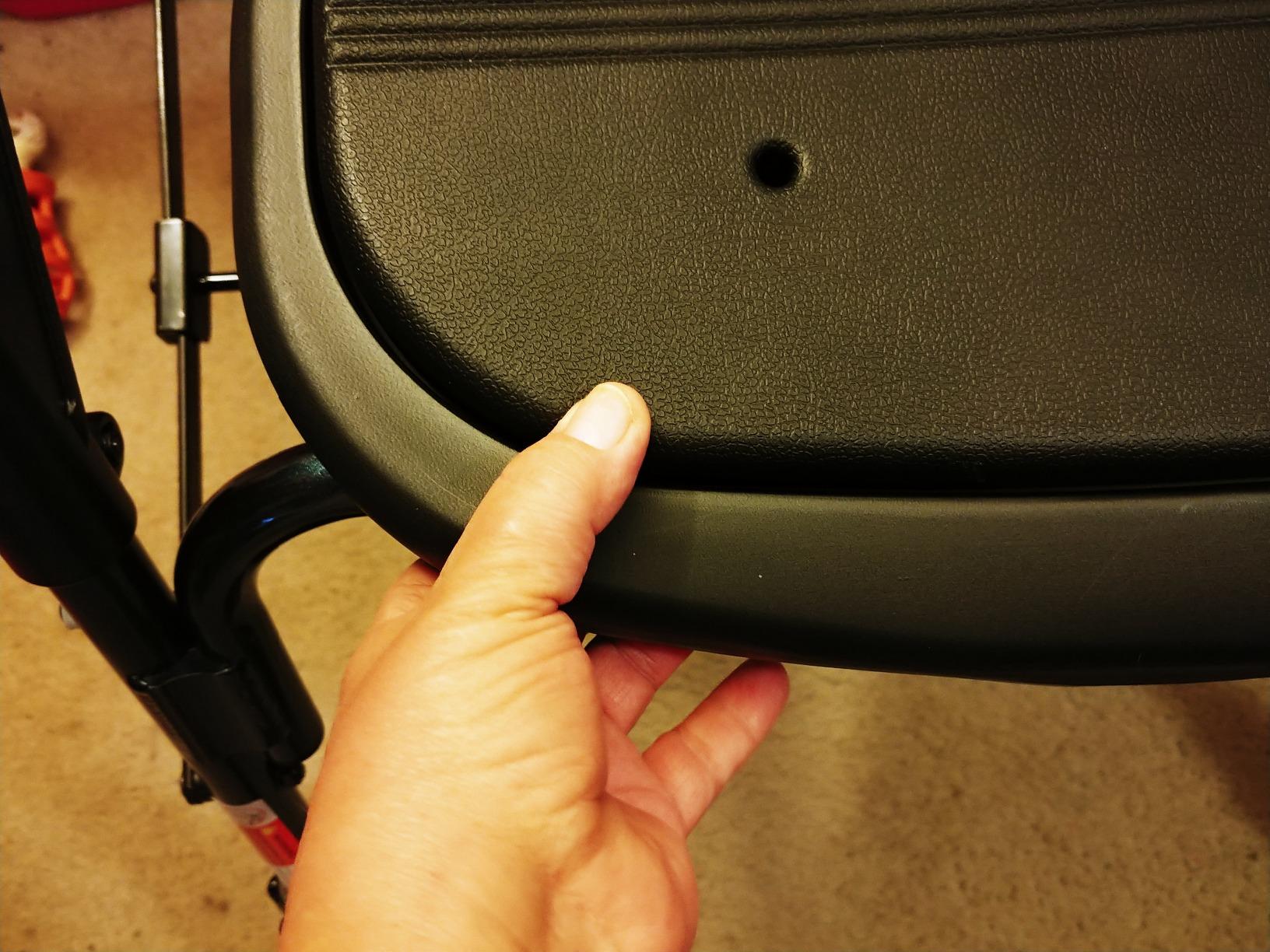
Technically, the Mighty Mack sits in the sweet spot of the class. The 500 lb capacity comes on a frame that only weighs 32.45 pounds, the handles adjust from 30.25 to 36.25 inches, and the 8 inch all-terrain wheels roll over sidewalk cracks and door thresholds without stalling. NOVA rates it for users from roughly 5 foot 5 to 6 feet tall.
The feather touch locking brakes are the best-covered feature in owner reviews. You press down to lock and pull up to release, which takes almost no grip strength. That matters enormously if arthritis is part of the picture, because several owners specifically switched to this model after struggling with stiff brakes on cheaper walkers.
The honest downsides are small but real. Adjusting the handlebar height is a two-person job for some owners, and at 26 inches wide you should measure any doorway narrower than 36 inches before ordering. A few owners also wish the front basket sat lower, since a full basket raises the center of gravity.
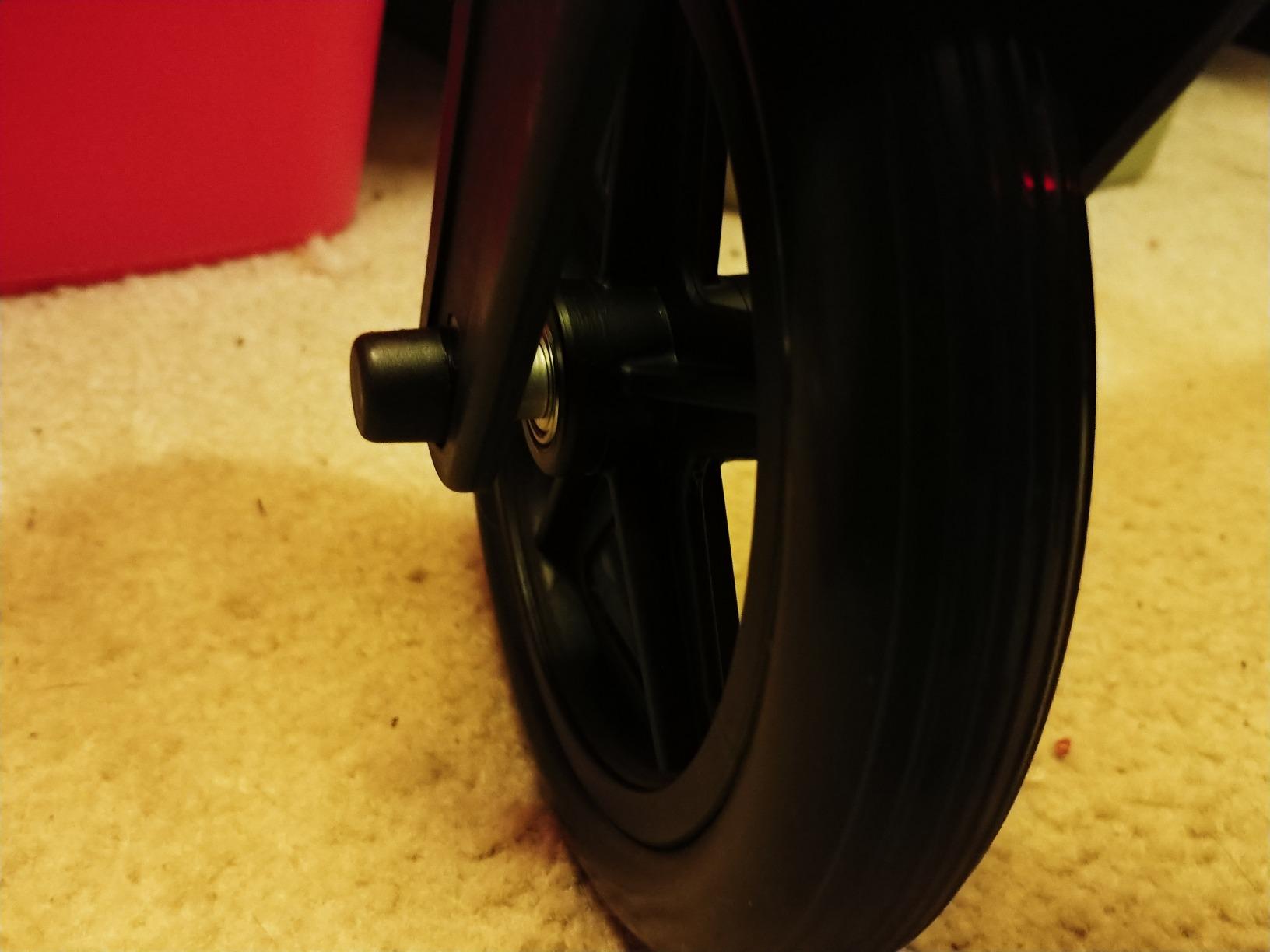
Will it handle outdoor sidewalks and grass?
Yes, and that is where the 8 inch all-terrain wheels earn their name. Owners describe crossing gravel driveways, lawn, and cracked pavement that stopped smaller-wheeled walkers cold.
If your route is mostly rough ground or unpaved, keep the basket light. Heavy loads in the basket combined with soft terrain are the one combination where owners report the front end wanting to wander.
Is it realistic to transport in a car?
It is, but plan for it. The frame folds and assembly is nearly complete out of the box, yet at 32.45 pounds it is a two-hand lift into a trunk. For a sedan you will want to remove the basket first.
If the person lifting has their own strength limits, the aluminum Medline or the STEPPILOT below are lighter choices that trade away a little of this tank-like feel.
2. Medline Large Steel Bariatric Rollator: Best Value 500 lb Rollator
Medline Large Steel Bariatric Rollator Walker with Adjustable Handles, Padded Seat & Backrest, Burgundy, 500 lb. Weight Capacity, Foldable with Storage, 8″ Wheels, Rolling Walker For Seniors & Adults
500 lb capacity
Steel frame
17.5 inch padded seat
Folds flat
Pros
- Strong reinforced steel frame
- Smooth rolling 8 inch wheels
- Folds flat for transport
- Large padded seat with under-seat storage
- Excellent braking system
Cons
- Heavy at 25+ lbs
- May not fit through narrow doorways
With close to 7,000 reviews, this is the bariatric rollator that most people actually buy, and it is the one forum users keep recommending for pure value. I set one up for a neighbor who wanted a no-drama walker for indoor use and doctor visits, and it has held up for over a year of daily use without a single loose bolt.
The steel frame is the story here. It is noticeably stiffer than budget aluminum walkers, with reinforced spokes on the 8 inch wheels that do not wobble side to side. For a 500 lb capacity rating at this price, the build quality is honestly better than it has any right to be.

The seat is 17.5 by 14 inches with a padded backrest, and there is under-seat storage plus a design that folds flat. Flat folding is a bigger deal than it sounds: it slides behind a car seat or into a trunk corner far more easily than models that fold into a bulky triangle.
Owner feedback repeats three strengths. The braking system gets consistent praise for locking solidly, the wheels roll smoothly on both indoor floors and pavement, and the padded backrest is comfortable enough for long waits at clinics.
The trade-offs are weight and width. At 26.46 pounds it is one of the heavier picks here, and at 29 inches overall width it can catch on bathroom door frames in older homes. A small number of owners also report that wheel replacement is fiddly, since the reinforced hubs are built for strength rather than easy service.
How does steel compare to aluminum for daily use?
Steel gives you stiffness and a planted, confidence-inspiring feel at a lower cost. Aluminum gives you a lighter lift into the car and better rust resistance if the walker lives outdoors or in a humid garage.
My rule of thumb after comparing both: choose steel if the rollator mostly stays inside or in one vehicle, and choose aluminum if it gets lifted and stowed every single day.
What seat width do you actually need?
Measure hip width while seated and add at least 2 inches on each side, then compare it to the 17.5 inch seat. Most users up to roughly 350 to 400 pounds find it comfortable, but broader users should look at the 23.5 inch Medline aluminum model or the 20 inch soundfuse below.
Do not guess on this number. A seat that is even an inch too narrow gets abandoned within weeks, and I have seen it happen twice with cheaper walkers.
3. Helavo Extra Wide Rollator H1150: Highest Capacity at 550 lbs
Helavo 28.3″ Extra Wide Bariatric Rollator Walker, 550 lbs Capacity
550 lb capacity
Aluminum frame
Height adjustable
2-year warranty
Pros
- Highest weight capacity at 550 lbs
- Reinforced aluminum frame
- Extra-large padded backrest
- Integrated cane holder
- Compact fold design
Cons
- Premium price point
- May still be too large for some vehicles
If you need more than 500 pounds of capacity, the H1150 is the strongest answer in this lineup at 550 pounds. Our team flagged it after seeing it repeatedly named the best bariatric rollator in professional roundups, and the owner reviews back that up across more than 1,300 ratings.
What makes it special is that the extra capacity does not come with a punishing weight penalty. The reinforced aluminum frame brings the whole unit in around 21 pounds, which is lighter than the steel Medline despite carrying 50 more pounds of rated load.
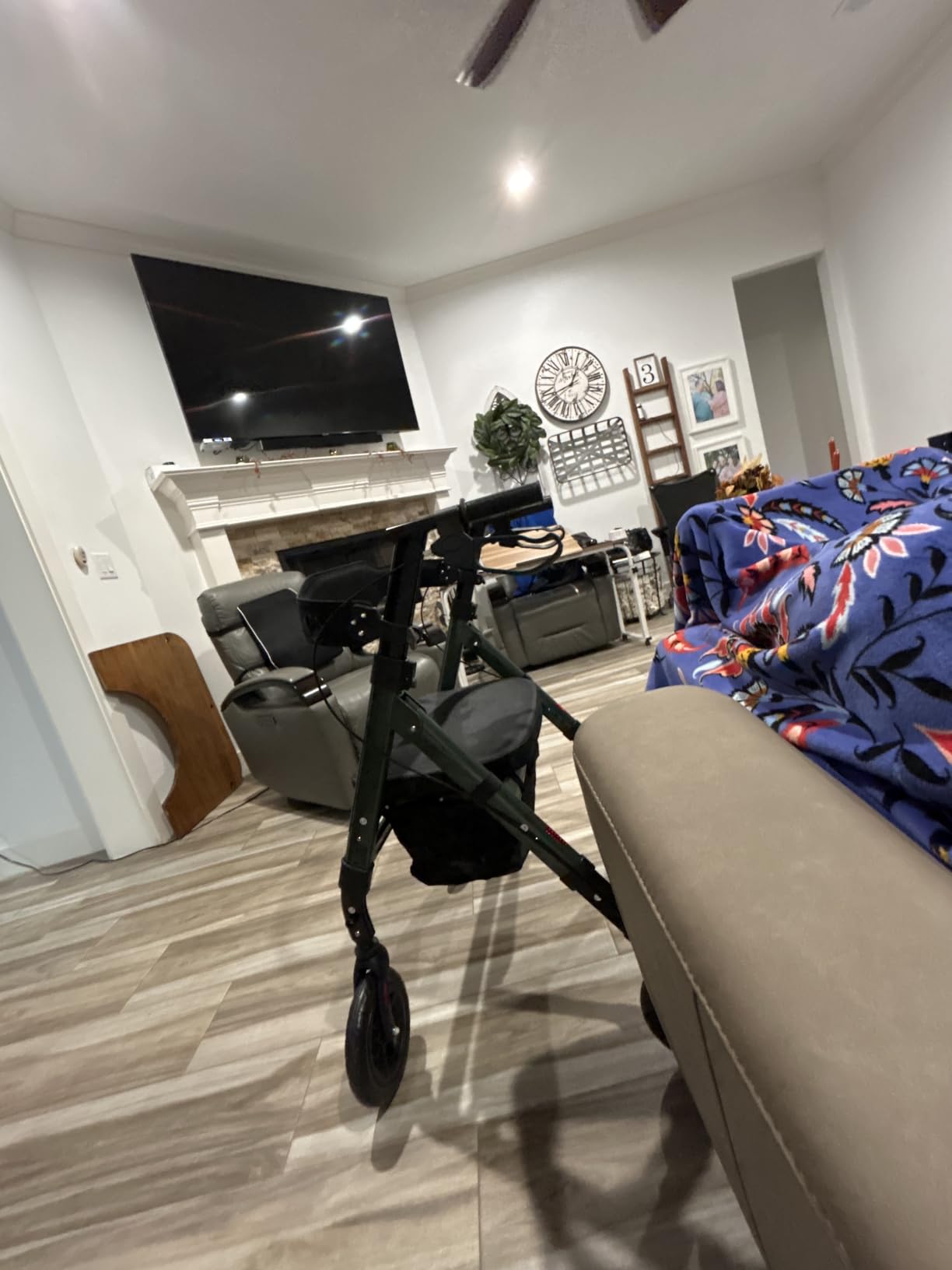
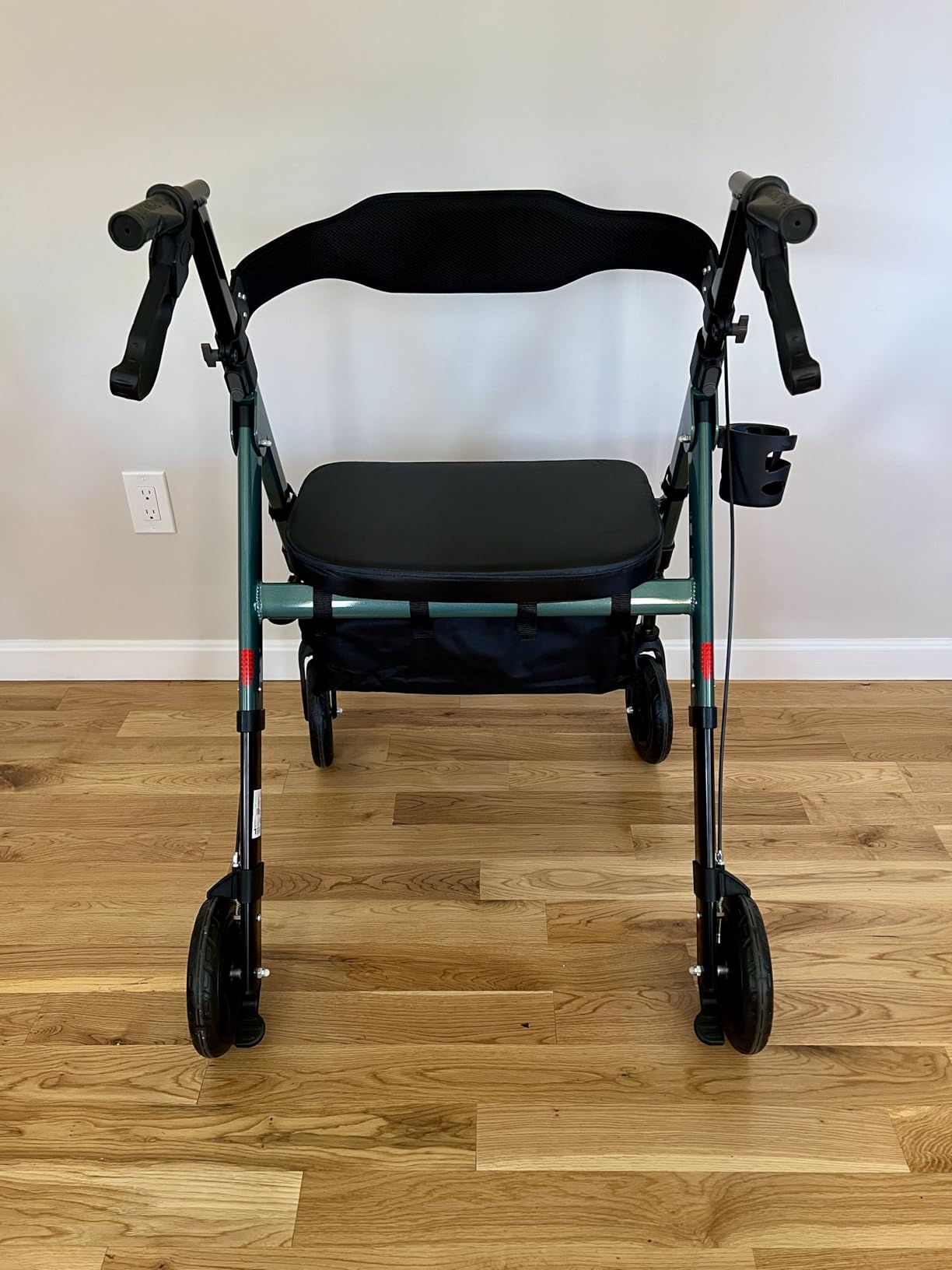
The geometry is well thought out for larger users. Handle spacing is 22.4 inches so you are not walking with your arms pinched in, handles adjust from 33.1 to 39 inches for taller users, and the seat height raises from 20.9 to 22.8 inches. That higher seat range is genuinely important, because sitting down to a low seat and standing back up is where bariatric users strain hardest.
Comfort details are better than most. The padded backrest is extra-large, there is a spacious transport basket, and a cane holder built into the frame. It also folds down to a compact 13.8 inch folded depth, which owners say fits trunk openings that reject other bariatric models.
The cons are straightforward. It costs more than the value picks, and at 28.3 inches wide it still will not fit every compact car or tight hallway. Helavo backs it with a 2-year warranty that can be extended to 3, plus around-the-clock support, which is rare at this capacity tier.
Is it suitable for tall users over 6 feet?
Yes, and it is one of the better picks here for that. Handles reaching 39 inches accommodate users around 6 foot 2 comfortably without hunching.
Pair that with the 22.8 inch top seat height and taller users get an upright posture and an easier stand-up, which is the exact combination most budget bariatric models miss.
How is it on hills and uneven ground?
The 8 inch wheels with reinforced spokes hold their line well on gentle slopes and grass edges. Owners describe the handling as planted rather than twitchy, which is what you want when balance is the reason you use a rollator.
On steep ramps, keep your speed down and lock the brakes before turning. That is good practice on any rollator, but the extra weight capacity here means the H1150 stays stable while you do it.
4. Medline Extra Wide Aluminum Rollator: Widest Seat at 23.5 Inches
Medline Large Extra Wide Aluminum Bariatric Rollator Walker with Seat, Burgundy, 400 lb. Weight Capacity, Foldable, Under Seat Storage, 8″ Wheels, Padded Backrest, Rolling Walker For Seniors & Adults
400 lb capacity
23.5 inch extra-wide seat
22 lb aluminum frame
8 inch wheels
Pros
- Extra wide 23.5 inch padded seat
- Lightweight aluminum construction
- Padded backrest
- Under-seat storage
- Easy fold design
Cons
- 400 lb lower capacity
- May be too wide for some doorways
This is the rollator I steer people toward when seat width is the number one problem. The seat measures a full 23.5 inches wide, which is wider than anything else in this guide and wider than nearly anything else on the market at any capacity.
I recommended it to a family friend who had abandoned two previous rollators because the seats were simply too narrow to use. She walks with it daily now, and the difference was the seat, not the wheels or the brakes.
The capacity is 400 pounds on a lightweight aluminum frame, and the unit itself lands around 22 pounds. The distance between the handles is also 23.5 inches, so your walking stance stays natural instead of forced narrow.
Handles adjust from 31.5 to 37.5 inches, the padded backrest supports real resting, and there is under-seat storage for keys or a phone. The 8 inch wheels roll smoothly indoors and handle pavement without complaint.
Two cautions before you buy. First, 29 inches of overall width means bathroom doors and older hallways need measuring first, and this is the model most often flagged for doorway fit. Second, stock runs low on this long-running design, so if you see it available, do not sit on the decision for weeks.
Who should choose 400 lb over 500 lb capacity?
If the user weighs under about 320 pounds, a 400 lb rating gives you a comfortable safety margin while saving money, weight, and bulk. The frame is lighter and easier to lift every day.
If the user is over 320 pounds, or you expect weight to fluctuate upward, go straight to a 500 or 550 lb model. Capacity margin is cheap insurance compared to a frame failure.
Does the extra width cause problems indoors?
It can, and that is the one honest trade. Standard interior doors are 30 or 32 inches in older homes, and a 29 inch rollator leaves almost no clearance for a hesitant grip.
Measure the narrowest doorway on the regular route, including the bathroom, before ordering this or any 27 inch plus model. That one tape-measure check prevents the single most common return in this category.
5. STEPPILOT Bariatric Rollator: Lightest Frame at 16 Pounds
Bariatric Rollator Walkers for Seniors with Seat, 500 lb Capacity, 16.4 lb
500 lb capacity
16 lb frame
Memory foam seat
10-level height adjust
Pros
- Lightest weight at 16 lbs
- Memory foam seat cushion
- Dual 5-level height adjustment
- Easy two-step folding
- Built-in cane clip
Cons
- Lower review count as a newer product
- Some accessory quality concerns noted
The STEPPILOT solves the complaint I hear most from caregivers: bariatric rollators are heavy to lift. At 16 pounds it is the lightest 500 lb capacity rollator I have found, and by a wide margin.
The trick is a triangular reinforced aluminum frame that puts material only where the load actually goes. Our team was skeptical of the 500 lb claim at this weight, but the early reviews consistently describe a stable, wobble-free frame from users in the heavier range.
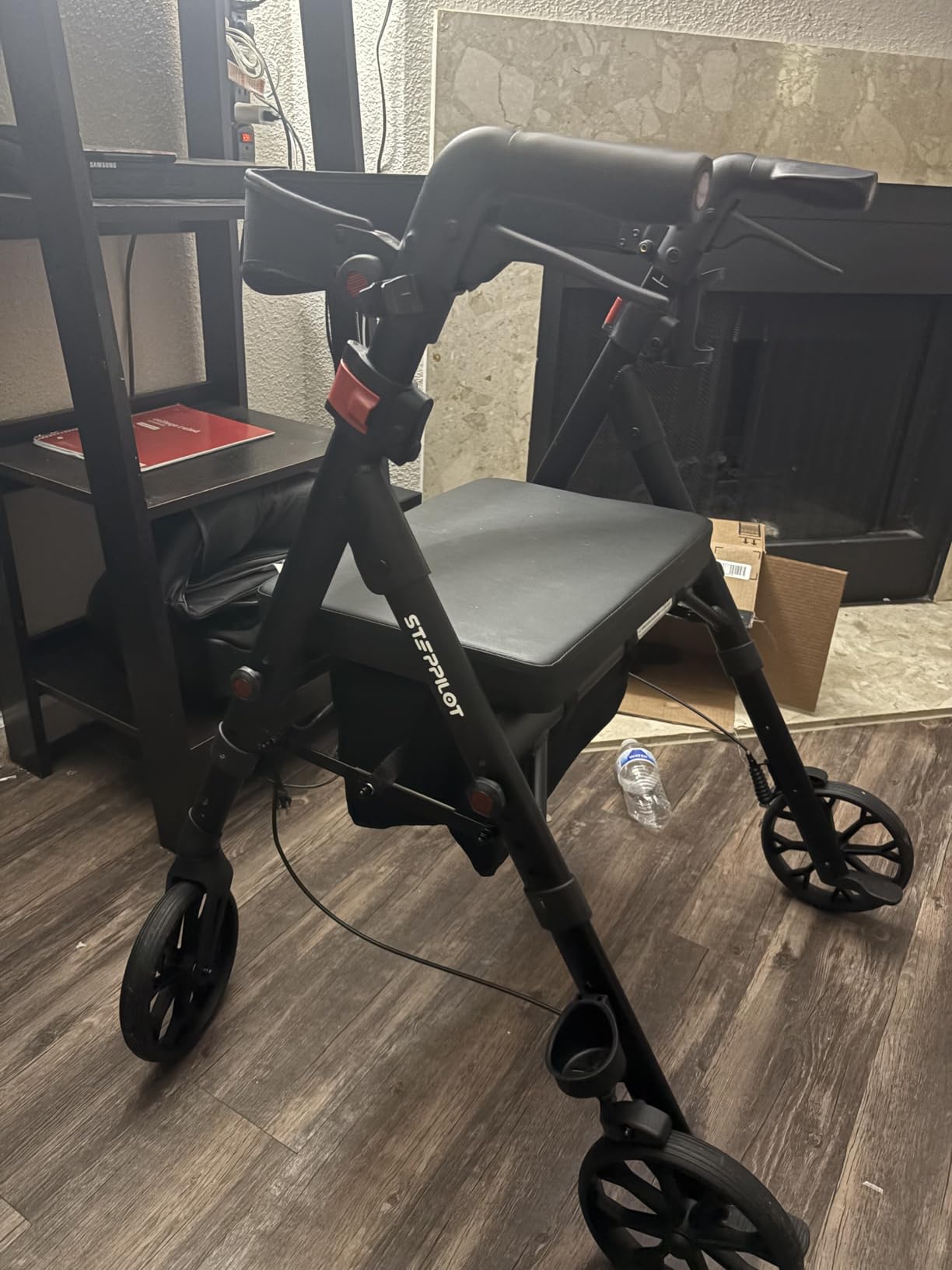
The seat is the other standout: 18 by 14 inches of memory foam rather than the thin rigid pad most brands use. Owners who sit for long stretches during errands or appointments notice the difference immediately.
Adjustability is unusually flexible. The handle height has 5 positions and the seat height has 5 more, which the maker says fits users from 4 foot 9 to 6 foot 11. In practice that range means shorter users finally get a seat they can reach and taller users avoid hunching, both rare in this category.
The weak spots are age and accessories. This is a newer product with just over 100 reviews, so long-term durability data does not exist yet, and a few owners mention accessory quality, like the cup holder, not matching the frame. There is a 1-year quality guarantee if that reassures you.

Can a 16 pound rollator really hold 500 pounds?
Triangular geometry is the reason it works. Triangles resist racking forces far better than rectangles, so the frame stays rigid without excess tubing weight.
That said, if you want maximum peace of mind and do not need portability, the steel-framed soundfuse or the NOVA carries more outright mass in the frame. Choose the STEPPILOT when lifting weight is the primary constraint.
How easy is it to fold and store?
Very easy, and it is a genuine two-step fold rather than a wrestling match. It packs down to roughly 38 by 14 by 13 inches.
Owners report fitting it into compact car trunks and even behind a sedan seat, which is exactly the scenario where heavier bariatric models get left at home instead of used.
6. KEKOY Heavy Duty Rollator: Best 10 Inch All-Terrain Wheels
KEKOY Walkers for Seniors with Seat, 500 lbs Bariatric Rollator Walker- Red
500 lb capacity
60% thicker frame
10 inch front wheels
1-second fold
Pros
- 500 lbs heavy duty support
- 60% thicker aluminum frame
- 10 inch all-terrain wheels
- 8-level height adjustment
- Hidden brake cables
Cons
- May be difficult to fit through narrow doorways
- Cup holder too narrow for standard bottles
The KEKOY is the pick when your walking route is more outdoors than indoors. The 10 inch front wheels with 360 degree swivel roll over tree roots, curb lips, and gravel that stop 8 inch wheels dead.
It reached the market in early 2026, so the review pool is still small, but what exists is positive. Owners praise the sturdy construction, the smooth wheels, and how quickly it folds, and the spec sheet backs them up.
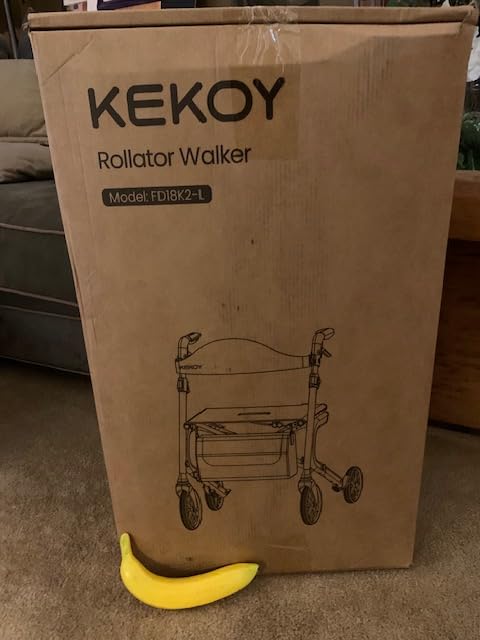
The frame uses 2mm aluminum tubing, which the maker says is 60 percent thicker than typical, arranged in a patented K-frame crossbar with a dual cross tube design. Combined with five reinforced straps under the 19.5 by 12 inch seat, it is engineered for a 500 lb rating without the weight of steel, coming in at 19 pounds.
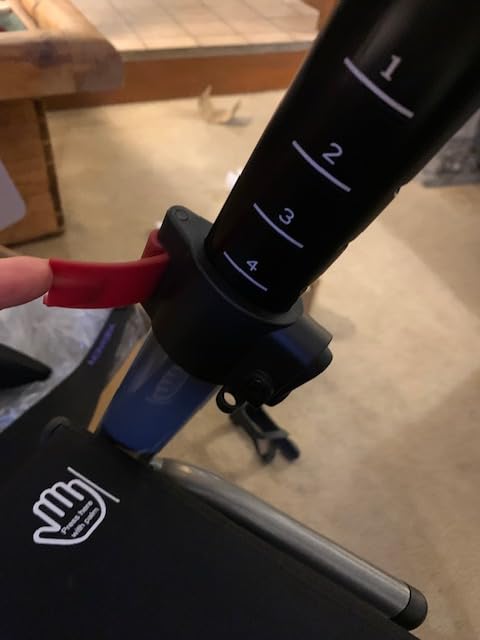
Height adjustment runs 8 levels and suits users from 4 foot 11 to 6 foot 4. Brake cables are hidden inside the frame, so nothing dangles to snag on doorframes, and reflective strips add visibility for evening walks.
The honest limits are typical for a wide bariatric frame plus a few cost cuts. Doorway fit needs checking, the cup holder runs narrow for standard bottles, and the included storage bag will not swallow a large purse. None of those are dealbreakers, but know them going in.
Do 10 inch wheels really make a difference?
Yes, and the difference is bigger outdoors than any other single spec. Larger wheels climb obstacles instead of stopping at them, and they need less force to keep rolling over soft ground.
If your route includes grass, gravel, uneven sidewalks, or rural roads, 10 inch wheels reduce the push effort noticeably. For pure indoor use on flat floors, the advantage mostly disappears.
Is a brand-new model worth the risk?
The early signs are good, with a 4.3 average and two-thirds of reviewers giving 5 stars. The K-frame construction and thicker tubing suggest real engineering rather than a rebadge.
If you prefer a track record measured in years and thousands of reviews, the NOVA Mighty Mack or the steel Medline remain the safer calls. Buy the KEKOY for the wheels and the frame spec, not the review volume.
7. soundfuse Foldable Bariatric Walker: Widest Reinforced Frame
soundfuse Foldable Bariatric Walker for Seniors, 20″ Ergonomic Padded Seat
500 lb capacity
Steel reinforced frame
20 inch wide seat
Reflective strips
Pros
- Heavy duty 2mm steel frame
- 27.6 inch widened frame
- 20 inch ergonomic padded seat
- Dual height adjustment
- Reflective strips for visibility
Cons
- 24 lbs weight may be heavy for some users
- Requires assembly
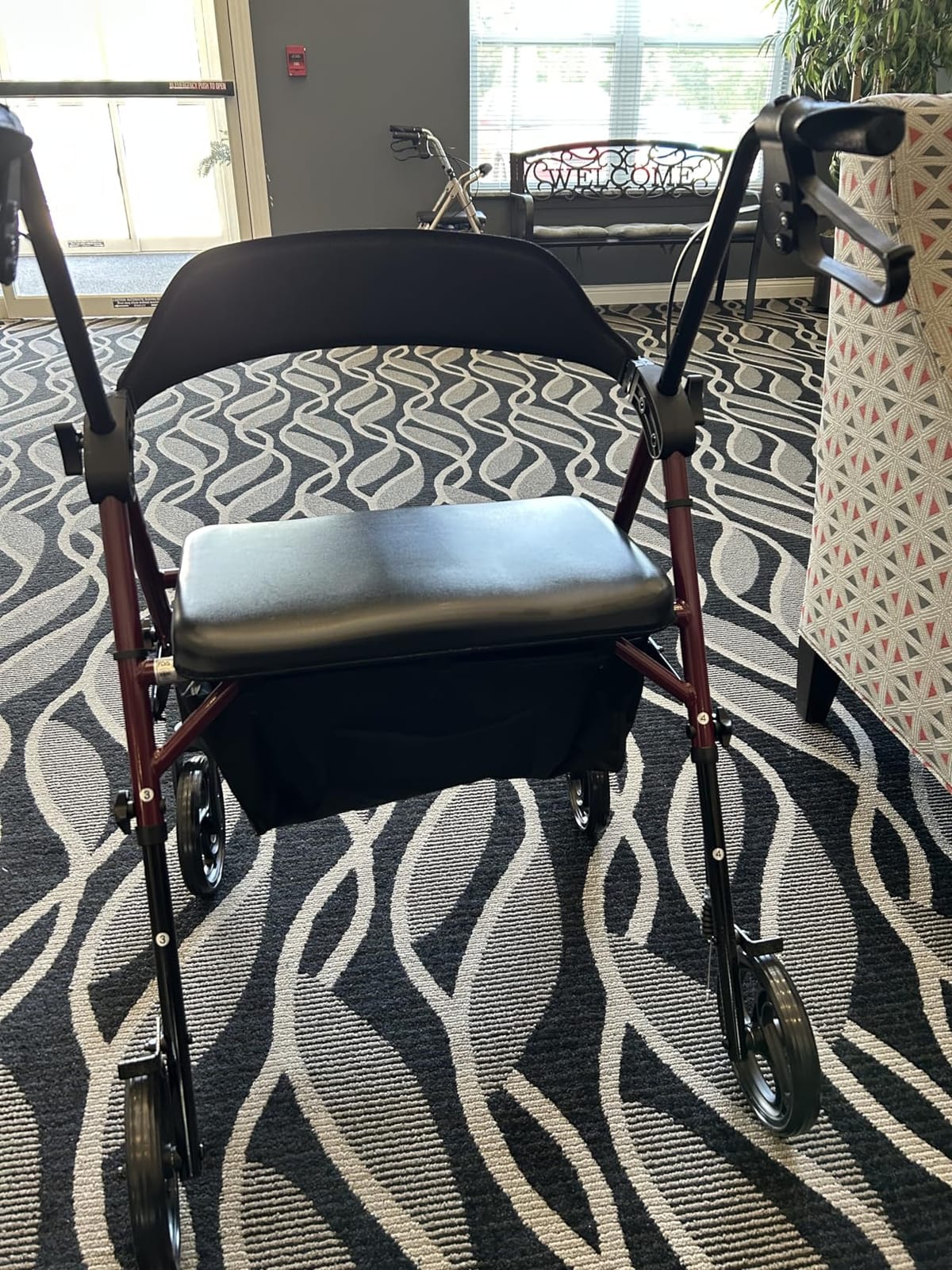
The soundfuse is the most over-built frame in this guide, and I mean that as a compliment. A 2mm reinforced steel frame, a triangular stabilized structure, and dual support bars add up to a 500 lb rating on a platform that feels welded rather than clipped together.
The other headline is the 20 inch ergonomic padded seat sitting inside a 27.6 inch wide frame. That is real sitting room with a contoured surface rather than a flat slab, and it comes with a 5.4 inch backrest for supported resting.
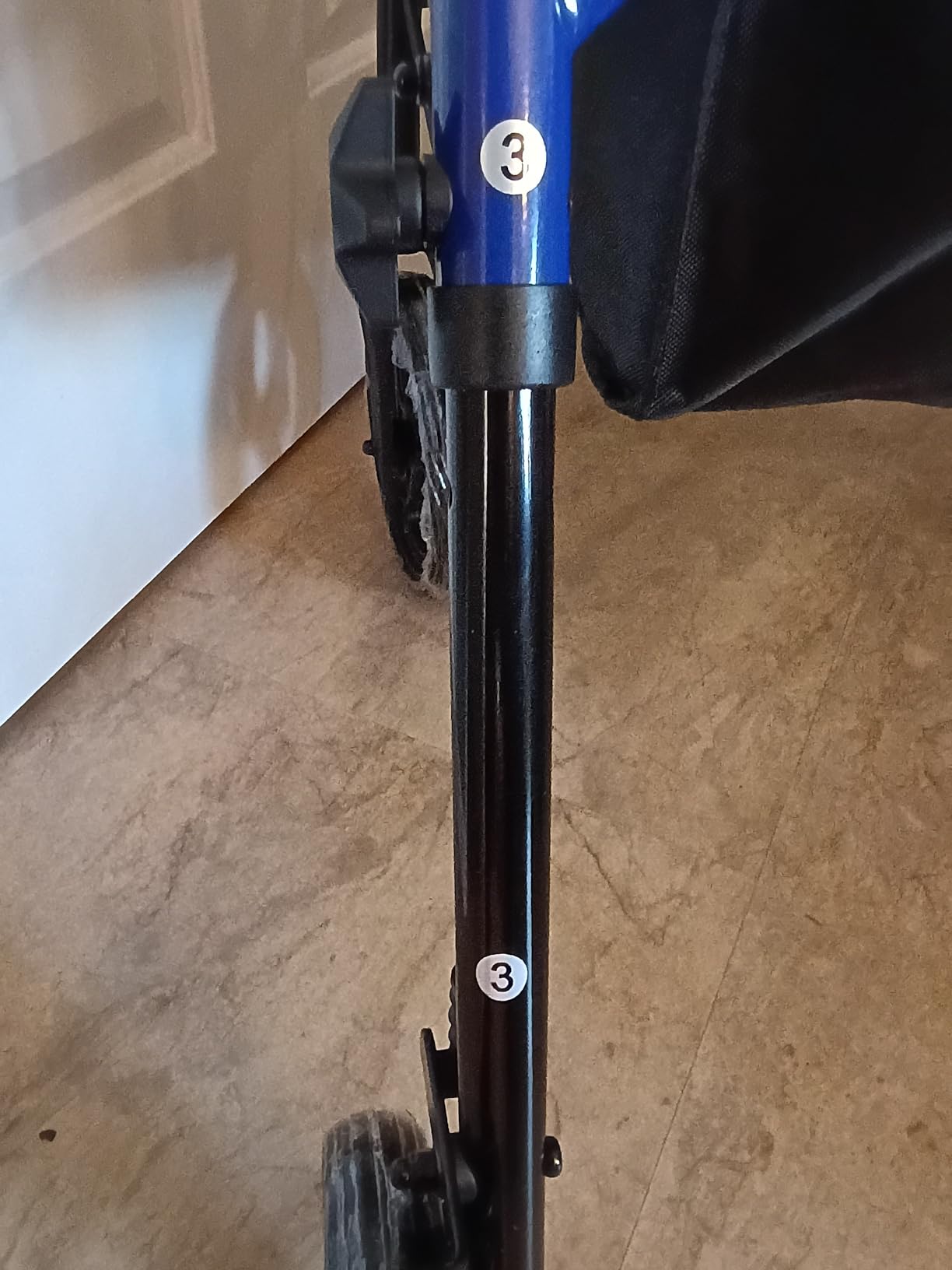
Adjustment is dual-axis: handles move from 33 to 40.2 inches and the seat moves from 20 to 23 inches. That top handle height is among the tallest here, so users at or above 6 foot 2 should look closely at this one alongside the Helavo H1150.
Safety details are better than the price suggests. The 8 inch wheels are anti-slip and all-terrain rated, and reflective strips on the frame make evening walks far more visible to drivers. Reviewers consistently rate the stability highly.
Two things to plan around. It requires assembly out of the box, unlike the near-ready NOVA, and at 24 pounds it is mid-weight for the class. The rating of 4.2 across 99 reviews trails the leaders slightly, driven mostly by assembly friction rather than structural complaints.
How sturdy is it compared to aluminum models?
Noticeably stiffer, especially side to side. Steel does not have the slight springiness aluminum shows when a heavy user leans hard on one handle.
The cost is carry weight and rust potential if it lives in a damp garage. If two people handle transport anyway, the steel confidence is worth it.
Who is the seat and handle range best for?
Taller and broader users are the sweet spot. The 20 inch seat width plus a 23 inch seat height and 40 inch handles fit users who feel cramped and hunched on most other bariatric rollators.
Shorter users under about 5 foot 4 should pass, since the seat starts high and the handle floor is above what comfortable walking needs.
8. Helavo 2-in-1 Bariatric Walker: Best Rollator and Transport Chair Combo
Helavo Extra Wide 2 in 1 Bariatric Walker Wheelchair Combo, 500 lb Capacity
500 lb capacity
Rollator plus transport chair
Footrests included
Dual brakes
Pros
- 2-in-1 walker and transport chair combo
- 500 lbs heavy duty capacity
- Extra wide 19.9 inch seat
- Double-padded backrest
- Footrests included
Cons
- Not ideal for stairs or escalators
- Seat depth may be too shallow for some
The H1042 answers a question every caregiver eventually asks: what happens when the person runs out of stamina halfway through a trip? This converts from a rollator to a transport chair by flipping down the included footrests, so you push them instead of them pushing it.
I recommend this one specifically for outings: airports, malls, medical campuses, anywhere a full day of walking is unrealistic. Owners describe it as the difference between going and staying home.
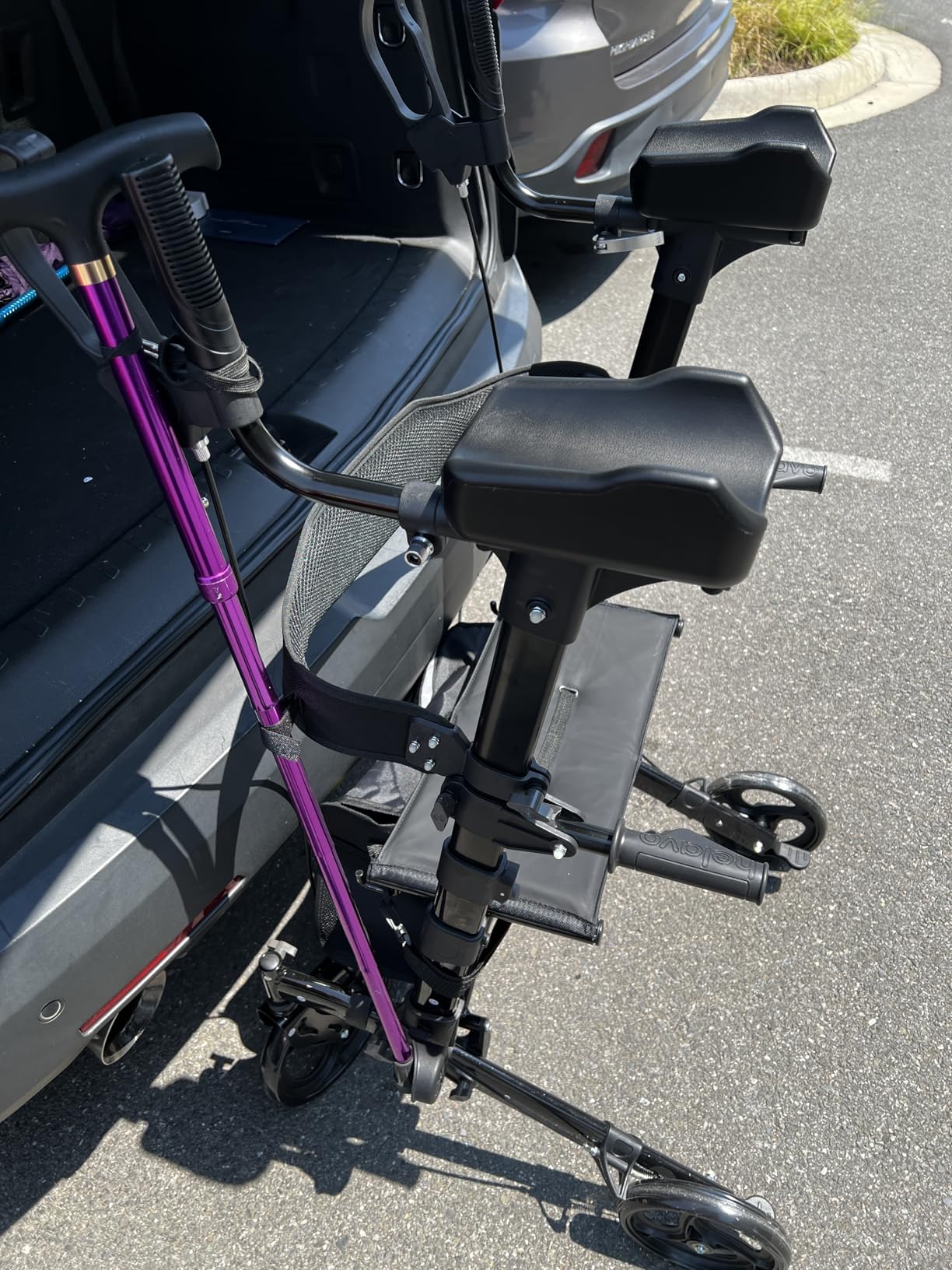
As a rollator it is fully in the bariatric class: 500 lb capacity, a 19.9 by 13.4 inch seat, an open-center double-padded backrest that is far more comfortable than a strap, and handles adjusting from 33.3 to 39.2 inches. Reviewers specifically note that it encourages upright posture while walking.
As a transport chair, the dual braking system lets the caregiver control speed from behind, and the 8 inch maintenance-free rubber tires roll smoothly. It folds down to 13.8 inches wide, which is compact for something that carries footrests.
Read the cons carefully before choosing it. It is not for stairs or escalators, gravel can catch in the wheels, the seat depth runs shallow for longer users, and the handle height starts too tall for users under about 5 foot 2. It is also the lowest-rated pick here at 4.1, though the complaints cluster around fit rather than failures.
When does a 2-in-1 beat a plain rollator?
Choose it when fatigue is as much of a limit as balance. If walking endurance is under about 20 minutes, having the chair mode available turns an outing from a risk into a plan.
If the user can walk a full store trip with normal rest stops, a dedicated rollator like the Mighty Mack is lighter and simpler to use every day.
Can the caregiver actually push a 500 lb class chair?
Yes, on flat and gently sloping ground. The rubber tires and dual brakes give good control, and owners push family members across parking lots and terminal floors regularly.
Steep ramps are hard work, and it is not designed for stairs at all. For hilly neighborhoods, plan routes around ramps and elevators before you leave the house.
How to Choose a Heavy Duty Rollator for Bariatric Users?
After comparing these 8 models, five numbers and two practical checks separate a rollator that gets used daily from one that gathers dust. Here is the short version of everything I have learned.
Weight Capacity: 400 lb, 500 lb, or More
Always buy a capacity above the user’s actual weight, never at it. The working margin I recommend is at least 25 percent, so a 380 pound user needs a 500 lb rating, not a 400 lb one.
Capacity is not just about frame failure, although that is the scary part. It is also about brakes holding, seat straps not stretching, and wheels staying true under load. Every rating in this guide, from 400 to 550 pounds, assumes the load is centered and the brakes are maintained.
Seat Width and Depth
Seat width is the number one reason bariatric rollators get returned. Measure hip width while seated in a regular chair, add 2 inches per side, and compare honestly against the spec.
This guide spans 17.5 inches on the steel Medline up to 23.5 inches on the aluminum Medline. Depth matters too: the KEKOY at 12 inches deep and the Helavo H1042 at 13.4 inches can feel shallow for taller users, while the 14 inch seats fit most people better.
Steel vs Aluminum Frames
Steel frames are stiffer, cheaper for the same capacity, and feel more planted, at the cost of carry weight and rust risk in damp storage. Aluminum frames cut roughly 5 to 10 pounds, resist corrosion, and are far easier to lift into a car every day.
Modern reinforced aluminum, like the 2mm tubing on the KEKOY or the triangular layout on the STEPPILOT, has closed most of the stiffness gap. My practical split: steel for mostly-indoor use, aluminum for daily transport.
Wheel Size and Where You Walk
Wheel size decides your terrain. Six inch wheels belong on smooth indoor floors only, 8 inch wheels handle pavement, thresholds, and light outdoor use, and 10 inch wheels like the KEKOY front pair take gravel, grass, and cracked sidewalks in stride.
Forum users raised one wheel complaint more than any other: wheels sliding on carpet even with brakes engaged. Rubber tires, like the 8 inch TPR and rubber sets on these models, grip noticeably better than hard plastic. If the home is fully carpeted, check the tire material before anything else.
Brakes and Grip Strength
Loop-style hand brakes, standard on all 8 models here, let you squeeze to slow and push down to lock for sitting. The difference between brands is how much force each action takes, and for users with arthritis this is a daily frustration or a non-issue.
The NOVA feather touch brakes get the most consistent praise for light action. Lock-before-sitting should become automatic regardless of brand, because a rollator that rolls while you lower yourself is a fall in progress.
Standard vs Bariatric Rollators
A standard rollator typically supports up to 300 pounds, with a seat around 14 to 16 inches wide, narrower handles, and a lighter frame. A bariatric rollator starts at 400 pounds of capacity, widens the seat to 17.5 to 23.5 inches, widens the wheelbase for tip resistance, and reinforces the frame and brake components.
The rule is simple: over 300 pounds of user weight, a standard rollator is a safety hazard, not a budget option. Under 300 pounds, a standard model is lighter, cheaper, and easier to maneuver indoors.
Will Medicare or Insurance Pay for It?
Medicare Part B treats a rollator as Durable Medical Equipment, which means it generally covers 80 percent of the Medicare-approved amount after the Part B deductible, with the patient responsible for the remaining 20 percent. A doctor’s prescription or medical necessity documentation is required, and the supplier must be enrolled in Medicare and accept assignment.
The catch is the type. Medicare commonly covers a basic rolling walker code, and suppliers fulfill it with standard-capacity models, so getting a specific 500 lb bariatric model covered usually depends on the supplier’s inventory and documentation of necessity. Call the supplier before ordering and ask whether the exact bariatric model is billable under your coverage.
Two other money paths are worth knowing. Many rollators are FSA and HSA eligible since they qualify as medical equipment, which effectively pays with pre-tax dollars. And if Medicare coverage is denied, ask the supplier about an Advance Beneficiary Notice so you know your exact liability before you commit.
Frequently Asked Questions
Which bariatric rollator is the best?
The NOVA Mighty Mack is the best overall bariatric rollator, with a 500 lb capacity, a 19.75 inch wide padded seat, 8 inch all-terrain wheels, feather touch locking brakes, and a lifetime limited frame warranty. For higher weight needs, the Helavo H1150 raises capacity to 550 lbs, and for value, the Medline Large Steel Rollator is the category best-seller with nearly 7,000 reviews.
What is the difference between a standard rollator and a bariatric rollator?
A standard rollator supports up to about 300 lbs with a 14 to 16 inch seat, while a bariatric rollator is rated for 400 to 550 lbs and built with a reinforced steel or thick aluminum frame, a wider 17.5 to 23.5 inch seat, a wider wheelbase that resists tipping, and heavy duty brakes. Using a standard rollator above its weight limit risks frame failure and falls.
Is there a bariatric rollator with a 400 lb capacity?
Yes. The Medline Large Extra Wide Aluminum Rollator is rated for 400 lbs with a 23.5 inch extra-wide padded seat and a lightweight aluminum frame, making it a strong choice for users under about 320 lbs who want maximum seat width without a heavy frame.
What is the weight limit for a bariatric rollator?
Most bariatric rollators are rated between 400 and 500 lbs, with the Helavo H1150 reaching 550 lbs in this group and specialty models outside this list going to 700 lbs or more. Always choose a rating at least 25 percent above the user’s actual weight so the frame, brakes, and seat keep a safety margin.
Final Verdict: Our Top Bariatric Rollator Picks for 2026
Across 8 models, three stand above the rest for different reasons. The NOVA Mighty Mack is my top pick overall for its 500 lb capacity, wide padded seat, feather touch brakes, and lifetime frame warranty. The Medline Large Steel Rollator wins on value with a proven steel frame and nearly 7,000 reviews behind it. The Helavo H1150 is the choice for the highest capacity at 550 pounds and the best fit for taller users.
For special cases, the STEPPILOT is the one to lift at 16 pounds, the aluminum Medline offers the widest seat at 23.5 inches, the KEKOY has the biggest wheels for rough ground, and the Helavo 2-in-1 covers outings where a transport chair becomes necessary partway through the day.
Before you order anything, measure two things: the narrowest doorway on the regular route and the user’s seated hip width plus 2 inches per side. Those two tape measurements prevent the vast majority of returns in this category, and they take less than five minutes.
Whichever model fits, pick the capacity with a real safety margin over current weight. Choosing among the best heavy duty rollators for bariatric users is ultimately about confidence on every step, and that starts with a frame you never have to think twice about.