
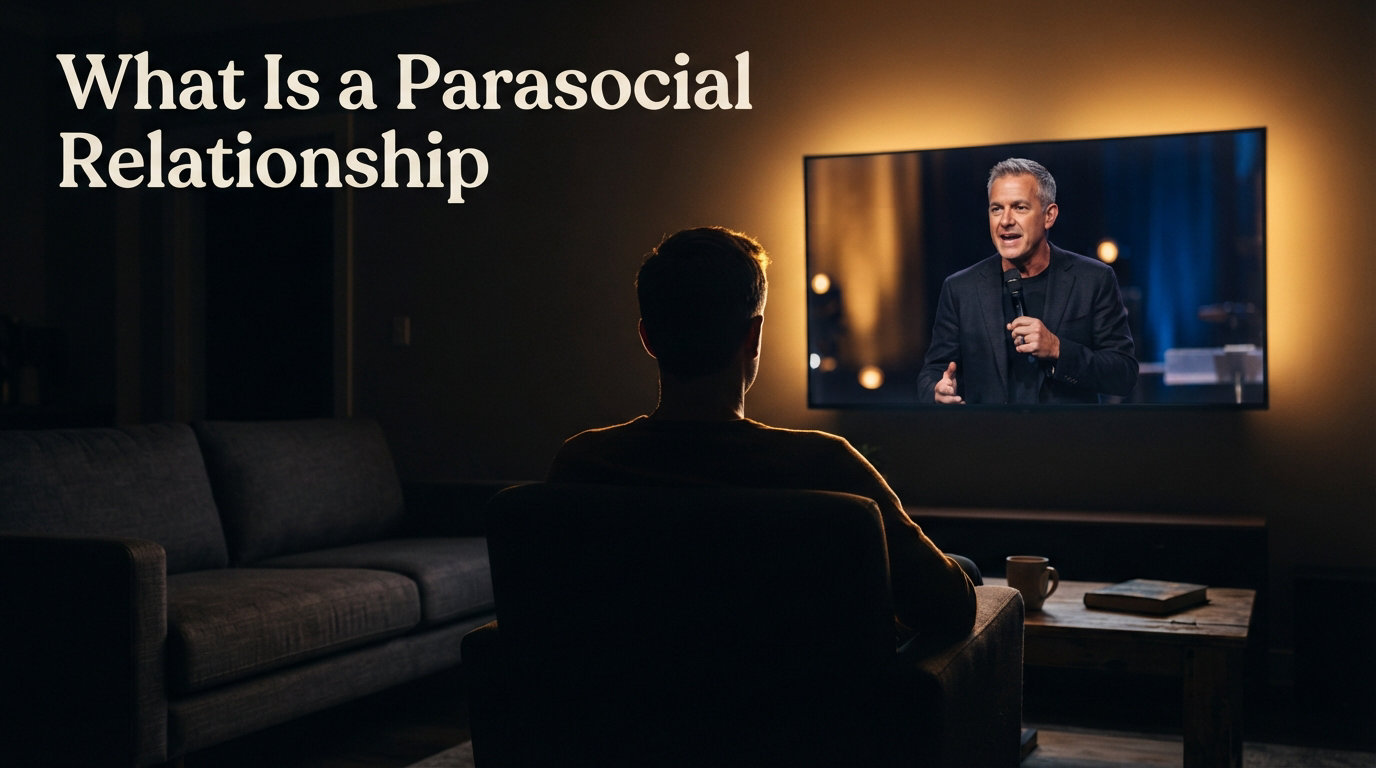
A parasocial relationship is a one-sided relationship where you develop a strong emotional connection with a celebrity, influencer, streamer, or fictional character who does not know you exist. You feel real friendship, loyalty, or even love toward them, while they remain unaware of your feelings.
I remember watching a late-night host for years and feeling genuinely upset when he left his old network. I had never met him, never spoken with him, yet his departure hit me like a friend moving away. That strange, one-sided grief is exactly what researchers have been studying since the 1950s, and it has only intensified in 2026 with the rise of social media, streaming platforms, and AI companions.
In this guide, I’ll walk you through the psychology behind parasocial relationships, the signs you might have one, common examples in modern life, the impact on your mental health, and practical ways to keep these attachments healthy. Whether you are a casual fan or someone who feels a bit too invested in a YouTuber, this article will help you understand what is happening inside your brain.
Table of Contents
What Is a Parasocial Relationship?
A parasocial relationship is a one-sided psychological bond that feels like a real friendship or emotional connection with a media figure you do not actually know. The term was first coined in 1956 by social psychologists Donald Horton and R. Wohl in their study of how audiences interact with television performers. They described the phenomenon as a “seeming face-to-face relationship” with someone who exists primarily on a screen.
The key characteristic of a parasocial relationship is the illusion of intimacy. You feel you know the person deeply, even though the relationship flows in only one direction. They have no idea who you are, yet you may know their morning routine, their pet’s name, their breakup history, and their favorite snack. That imbalance is what makes the relationship “para” (meaning “beside” or “alongside”) social.
To be clear, a parasocial relationship is different from a parasocial interaction. A parasocial interaction is a single moment of feeling connected, like laughing at a comedian’s joke or feeling sad when your favorite character dies. A parasocial relationship is a longer-term pattern of repeated parasocial interactions that builds into a stable emotional bond over weeks, months, or years.
Common characteristics of a parasocial relationship include:
Strong emotional investment in someone who does not know you exist
Sense of personal connection or friendship with a media figure
Feeling joy, sadness, or anger based on the person’s public life events
Believing the person “would love you” if they met you in real life
Defending the person against criticism as if they were a personal friend
The Psychology Behind Parasocial Relationships
Parasocial relationships form because human brains are wired to respond to social cues, even simulated ones. When you watch a streamer speak directly into a camera or see a celebrity post a “good morning” story, your brain activates the same neural pathways used in real face-to-face conversations. You experience an illusion of intimacy that feels just as real as any friendship in your life.
Attachment theory explains why some people form stronger parasocial bonds than others. People with anxious attachment styles often crave constant reassurance and may look to media figures for the validation they feel is missing from real relationships. People with avoidant attachment, on the other hand, may prefer parasocial relationships because they offer closeness without the vulnerability of true intimacy. Both patterns can deepen parasocial bonds beyond healthy fandom.
Dopamine also plays a major role. Every new post, video, or stream from your favorite figure triggers a small reward in your brain. Over time, this reward loop becomes a habit. You check your phone not because something important happened, but because your brain craves the next micro-dose of connection. The same loop powers slot machines, and it is just as effective with creators who post consistently.
Social identity theory adds another layer. When you bond with a celebrity or creator, you often borrow parts of their identity. Their taste becomes your taste, their enemies become your enemies, their triumphs become your triumphs. This is why fandoms feel like tribes, and why criticism of a beloved figure can feel like a personal attack on your own values.
Signs You May Have a Parasocial Relationship
Not every fan has a parasocial relationship. Liking a band or following a sports team is normal. But when your feelings about a media figure start shaping your daily decisions, emotions, or sense of self, the line between healthy fandom and parasocial attachment has likely been crossed. Here are some signs to watch for.
Five common signs of a parasocial relationship include:
You feel personally hurt by their real-life decisions. When they break up, get a new partner, retire, or change careers, you feel genuine grief as if a close friend betrayed you.
You follow their content compulsively. You check their social media multiple times per day, watch every livestream, and feel anxious when you fall behind on their posts.
You imagine personal interactions with them. You have detailed fantasies about meeting them, often involving them recognizing you as special or seeing you as a peer rather than a fan.
You defend them aggressively online. Any criticism, even mild or constructive, triggers an emotional response and you feel compelled to argue on their behalf.
You neglect real relationships because of the bond. You would rather stay home and watch their content than meet friends, attend family events, or pursue hobbies you once loved.
You feel shame about the intensity of your feelings. You recognize the bond is one-sided but cannot stop the emotional response, and you hide how invested you are from people in your life.
If two or more of these signs describe your behavior, you are likely in a parasocial relationship. The good news is that recognizing the pattern is the first step toward a healthier relationship with media and your own emotions.
Examples of Parasocial Relationships in Modern Life
Parasocial relationships are not new, but technology has dramatically expanded the opportunities to form them. In 2026, you can develop a parasocial bond with someone through their podcast, their Instagram stories, their Twitch streams, or even their AI chatbot persona. Let’s look at the most common forms.
Parasocial Relationships with Celebrities
Classic parasocial relationships involve movie stars, musicians, and athletes. Think of fans who wait outside hotels for a glimpse of a pop star, or sports fans who feel personally attacked when their team loses. Hollywood has studied this phenomenon for decades, dating back to the “matinee idols” of the 1950s that Horton and Wohl first observed.
What has changed is scale. A single Instagram post from a major celebrity can reach hundreds of millions of people, and each of those viewers may feel the post was meant for them personally. Algorithms personalize feeds so the experience feels one-on-one, deepening the illusion of intimacy.
Parasocial Relationships with YouTubers and Streamers
YouTubers and streamers have made parasocial relationships more intense and more personal. These creators often speak directly to their audience, share daily routines, answer questions live, and even respond to comments. To the viewer, it feels like a real friendship, especially when streams run for hours and become a daily ritual.
When a streamer you watch for three hours every evening suddenly takes a break, you might experience genuine anxiety, sadness, or even a sense of abandonment. That reaction mirrors real relationship loss and is now recognized as a parasocial breakup, which I’ll cover in more detail later.
Parasocial Relationships with TV or Film Characters
You do not need to follow a real person to develop a parasocial bond. Fictional characters can trigger the same emotional response. I have grieved the deaths of television characters as if they were real people I knew, and I know I’m not alone. Writers design characters to trigger attachment, and audiences often respond with deep emotional investment in the character’s journey.
This is especially common with long-running series. After 10 seasons of a show, viewers feel they have grown up alongside the characters and form genuine grief when the series ends.
Parasocial Relationships with AI Companions
The newest frontier is parasocial bonds with AI companions, virtual influencers, and chatbot personas. Apps like Replika, Character.AI, and even AI versions of real creators allow users to have direct “conversations” with artificial personalities. The bond can feel intensely real because the AI is designed to respond to you personally, remember your details, and simulate care.
Researchers are still studying the long-term effects of these AI parasocial relationships. Early evidence suggests they can ease loneliness for some users while creating dependency for others, especially when the AI is the user’s primary source of emotional support.
The Impact on Mental Health
Parasocial relationships are not inherently good or bad. Like most things in psychology, their impact depends on how intense they are, how they fit into your life, and whether they replace or complement real-world relationships. Let me walk through both the positive and negative sides.
Positive Aspects of Parasocial Relationships
For many people, parasocial relationships offer genuine benefits. They can provide companionship during lonely periods, especially for people who are isolated, homebound, or part of marginalized communities seeking representation. LGBTQ+ youth, for example, often report finding hope and identity-affirming role models through parasocial bonds with public figures who share their experiences.
Parasocial bonds can also reduce stress, create a sense of belonging through fandoms, and offer low-pressure social connection. When you are feeling down, watching a familiar creator can feel like spending time with a friend, without the energy cost of real-life interaction.
Negative Aspects of Parasocial Relationships
The downsides appear when parasocial relationships become the primary source of emotional connection. Heavy investment can lead to social withdrawal, anxiety when your favorite creator is inactive, and financial harm through excessive merchandise spending or donations.
In extreme cases, parasocial attachment can fuel obsessive behaviors like stalking, harassment, or violent “defense” of the public figure. Most parasocial relationships stay well within the healthy range, but the line between fan and stalker is crossed more often than people realize.
A comparison can help clarify the difference:
Healthy fandom means you enjoy a creator’s content, share it with friends, and feel general goodwill toward them. Unhealthy parasocial attachment means the creator’s life events dominate your emotions, you neglect real relationships, and you feel personally entitled to their time or attention.
How to Maintain Healthy Boundaries
The goal is not to eliminate parasocial feelings, because they are normal and even helpful in moderation. The goal is to keep them in balance with your real life. Here are five strategies I recommend based on both research and personal experience.
1. Notice when feelings cross into real-life impact. If your mood, sleep, or relationships are affected by a creator’s content, pause and take inventory. Awareness is the foundation of healthy boundaries.
2. Diversify your sources of connection. Make sure your social and emotional needs are met through multiple channels, including real friends, family, hobbies, and offline communities. Parasocial bonds work best as a supplement, not a substitute.
3. Limit your consumption intentionally. Set a daily limit on how much time you spend with a creator’s content. Turn off notifications. Schedule “media-free” hours. Boundaries feel restrictive at first but become freeing with practice.
4. Practice the “stranger test.” Periodically ask yourself: “If I met this person on the street and they had no idea who I was, how would I feel?” If the answer makes you uncomfortable, your attachment has likely become too intense.
5. Know when to seek help. If a parasocial bond is causing significant distress, financial harm, or strain on real relationships, talk to a therapist. Cognitive behavioral therapy and other approaches can help you understand the underlying needs driving the attachment.
You should also know what a parasocial breakup is and how to handle one. A parasocial breakup is the grief you feel when your favorite creator retires, stops posting, or makes a public choice you find painful. Because the relationship was one-sided, the loss can feel confusing and shameful. Give yourself permission to feel the loss, talk about it with friends, and gradually shift your attention to other sources of joy.
Frequently Asked Questions
What is an example of a parasocial relationship?
A common example of a parasocial relationship is feeling deeply connected to a YouTuber you watch every day, even though they do not know you exist. Other examples include grieving when a TV character dies, sending supportive messages to a celebrity on social media, or following a Twitch streamer for years and feeling like they are a close friend.
Are parasocial relationships healthy?
Parasocial relationships can be healthy in moderation. They offer companionship, emotional support, and a sense of belonging, especially for people who are isolated or seeking representation. They become unhealthy when they replace real relationships, trigger obsessive behavior, or cause significant distress when the media figure is absent or inactive.
What are the three types of parasocial relationships?
Researchers generally describe three types: (1) celebrity-focused parasocial relationships, where the bond is with a real public figure like an actor or musician; (2) media character parasocial relationships, where the bond is with a fictional character in a show or movie; and (3) AI or virtual persona parasocial relationships, where the bond is with a chatbot, virtual influencer, or AI character.
What counts as a parasocial relationship?
A parasocial relationship counts when you repeatedly feel a strong, one-sided emotional bond with a media figure such as a celebrity, streamer, fictional character, or AI persona. The defining features are one-sided emotional investment, the illusion of intimacy, and the sense that you know the person personally even though they have no awareness of you.
What are the signs of a parasocial bond?
Common signs include feeling personally hurt by their real-life decisions, checking their content compulsively, imagining personal interactions with them, defending them aggressively online, neglecting real relationships because of the bond, and feeling shame about the intensity of your feelings. Recognizing these signs is the first step toward healthier boundaries.
What is a parasocial breakup?
A parasocial breakup is the grief and emotional distress you feel when a media figure you were bonded with retires, stops posting, dies, or makes a major life change that breaks the pattern of connection. Because the relationship was one-sided, the grief can feel confusing. Common responses include sadness, anxiety, and a sense of loss similar to a real friendship ending.
Final Thoughts on Parasocial Relationships
A parasocial relationship is one of the most common modern emotional experiences, and feeling one does not mean anything is wrong with you. Our brains evolved to form social bonds, and media figures simply provide a new target for that ancient wiring. The key is recognizing when the bond is enriching your life versus when it is crowding out real connections.
Be honest with yourself about your emotional investment. Diversify your sources of connection. Set gentle limits on consumption. If you do these things, your parasocial relationships can stay fun, comforting, and supportive rather than consuming. After all, enjoying a creator’s content is one of the great pleasures of modern life; we just want to make sure the joy runs in both directions, starting with the life you actually live.