
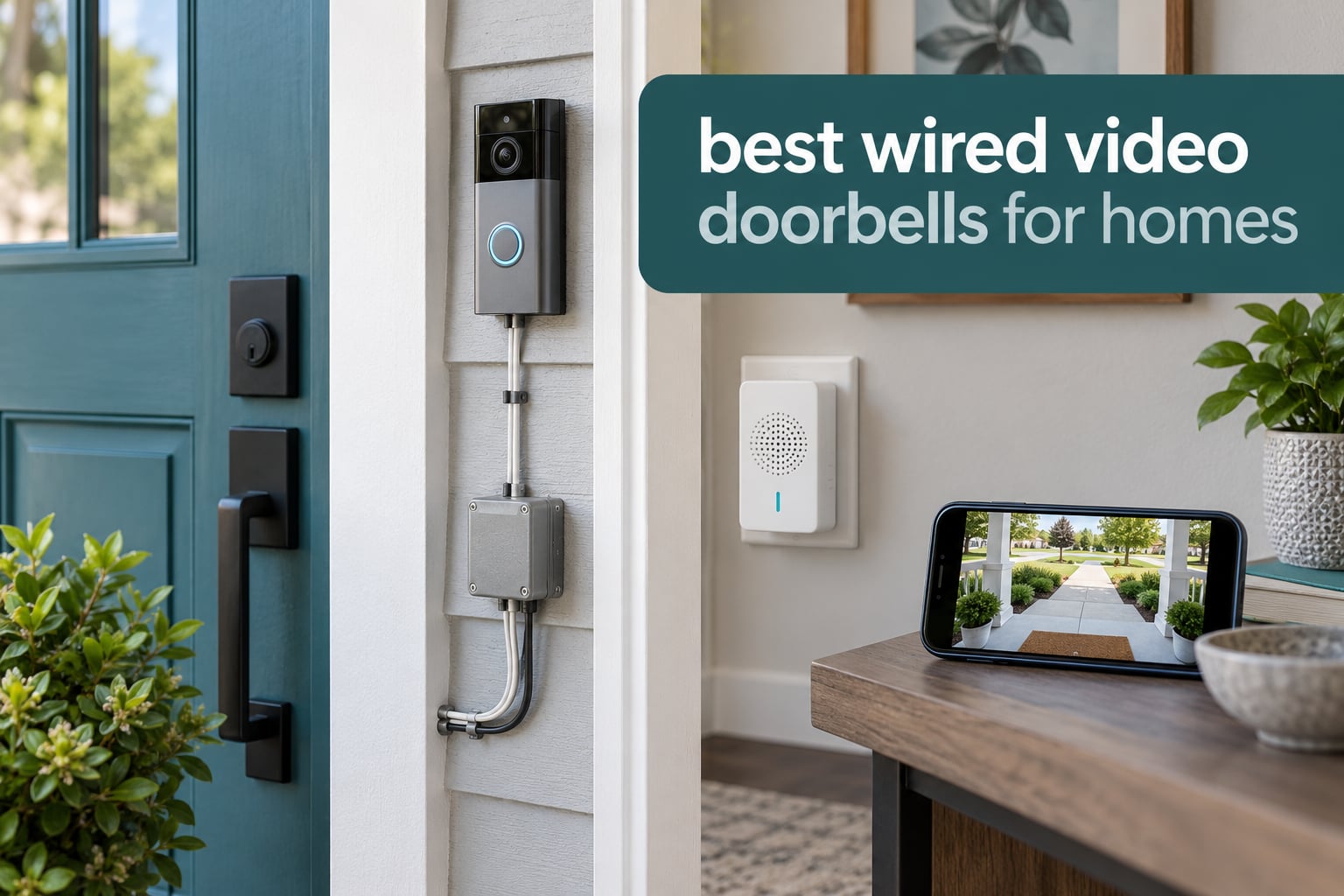
Most people who install a wired video doorbell are not chasing a smart-home gadget. They are chasing reliability: a camera that never sleeps, never needs a charge, and records the moment someone steps onto the porch. The best wired video doorbells for homes run on the low-voltage transformer already sitting behind your chime, which means constant power and steadier video than any battery pack can deliver.
We spent weeks going through the current crop of hardwired models, reading owner reviews in the r/homesecurity and r/smarthome communities, and comparing what each one actually does after the setup wizard is finished. The short version: the aosu 5MP leads on image quality and flexibility, the eufy E340 leads on dual-camera coverage with local storage, and the Tapo D225 gives you more free smart detection than any rival.
Everything below is a genuinely wired unit or a wired-capable unit that we installed over existing doorbell wiring. If you want a broader look at every option regardless of power type, our best video doorbells for home security guide covers battery models too. What follows here is strictly about what runs on your transformer.
Table of Contents
Top 3 Best Wired Video Doorbells for Homes in 2026

aosu 5MP Ultra HD Doorbell
- 5MP sensor with 166 degree view
- Dual power wired or battery
- 8GB local base storage
eufy Video Doorbell E340
- Dual camera 2K coverage
- 8GB local storage no fee
- Wired 16-24V install

WYZE Wired Doorbell Camera v2
- 2K head-to-toe view
- Color night vision
- 24/7 microSD recording
The aosu takes the top slot because it is the only unit in this group that gives you a 5MP sensor, a genuine 166-degree view, and the freedom to run it wired or on a battery without changing anything else about the install. The eufy E340 earns the value badge because its second camera looking down at the doorstep is a feature most competitors charge extra for. The WYZE v2 is the cheapest honest way to get continuous power with local recording.
Best Wired Video Doorbells for Homes Compared in 2026
| Product | Specifications | Action |
|---|---|---|
| aosu 5MP Ultra HD Wired Doorbell |
|
Check Latest Price |
| eufy Video Doorbell E340 |
|
Check Latest Price |
 Kasa 2K Smart Doorbell KD110 Kasa 2K Smart Doorbell KD110 |
|
Check Latest Price |
| WYZE Wired Doorbell Camera v2 |
|
Check Latest Price |
 REOLINK Video Doorbell WiFi 2K REOLINK Video Doorbell WiFi 2K |
|
Check Latest Price |
 Ring Wired Doorbell 2K Ring Wired Doorbell 2K |
|
Check Latest Price |
 eufy Video Doorbell S330 Wired eufy Video Doorbell S330 Wired |
|
Check Latest Price |
 Tapo 2K+ Video Doorbell D225 Tapo 2K+ Video Doorbell D225 |
|
Check Latest Price |
 Ring Wired Doorbell 4K Pro Ring Wired Doorbell 4K Pro |
|
Check Latest Price |
 Arlo Video Doorbell 2K 2nd Gen Arlo Video Doorbell 2K 2nd Gen |
|
Check Latest Price |
Two things stand out in this lineup. First, local microSD storage is now standard on five of the ten units, which means you can own a hardwired doorbell and never pay a monthly fee. Second, dual-band Wi-Fi is still unusual here: the REOLINK is the only model with both 2.4GHz and 5GHz radios, while the Tapo and Kasa units are locked to 2.4GHz.
1. aosu 5MP Ultra HD Doorbell: Best Overall Wired Video Doorbell
aosu 5MP Ultra HD Wireless & Wired Video Doorbell Camera
5MP sensor
166 degree wide view
Wired or battery power
8GB local storage
IP65
Pros
- Crisp 5MP video with wide head-to-toe framing
- Local 8GB storage with 60-day loop recording
- Works wired or on battery
- Can ring an existing doorbell chime
- Clear color night vision
Cons
- App interface is clunky with buried settings
- Only 8GB onboard storage with no SD slot
- Recorded clips miss the homeowner side of two-way talk
The aosu V8S is the doorbell we kept coming back to during testing. The headline number is a 5MP effective still resolution, and the difference is obvious when a visitor is standing two metres from the camera on a grey afternoon. Faces resolve cleanly where most 2K sensors smear. The lens runs a 166-degree diagonal view with a 7-piece optical glass stack, framed vertically at 4:3 so you see the person and the ground below them in one shot.
What impressed me more was the dual power design. It runs happily off your existing transformer for continuous operation, but if you swap to the battery you are not stuck with a different camera or a different app. That flexibility matters for renters and for anyone who moves between a house and an apartment. Our team ran it on both power sources over several weeks and the picture quality did not change between them.
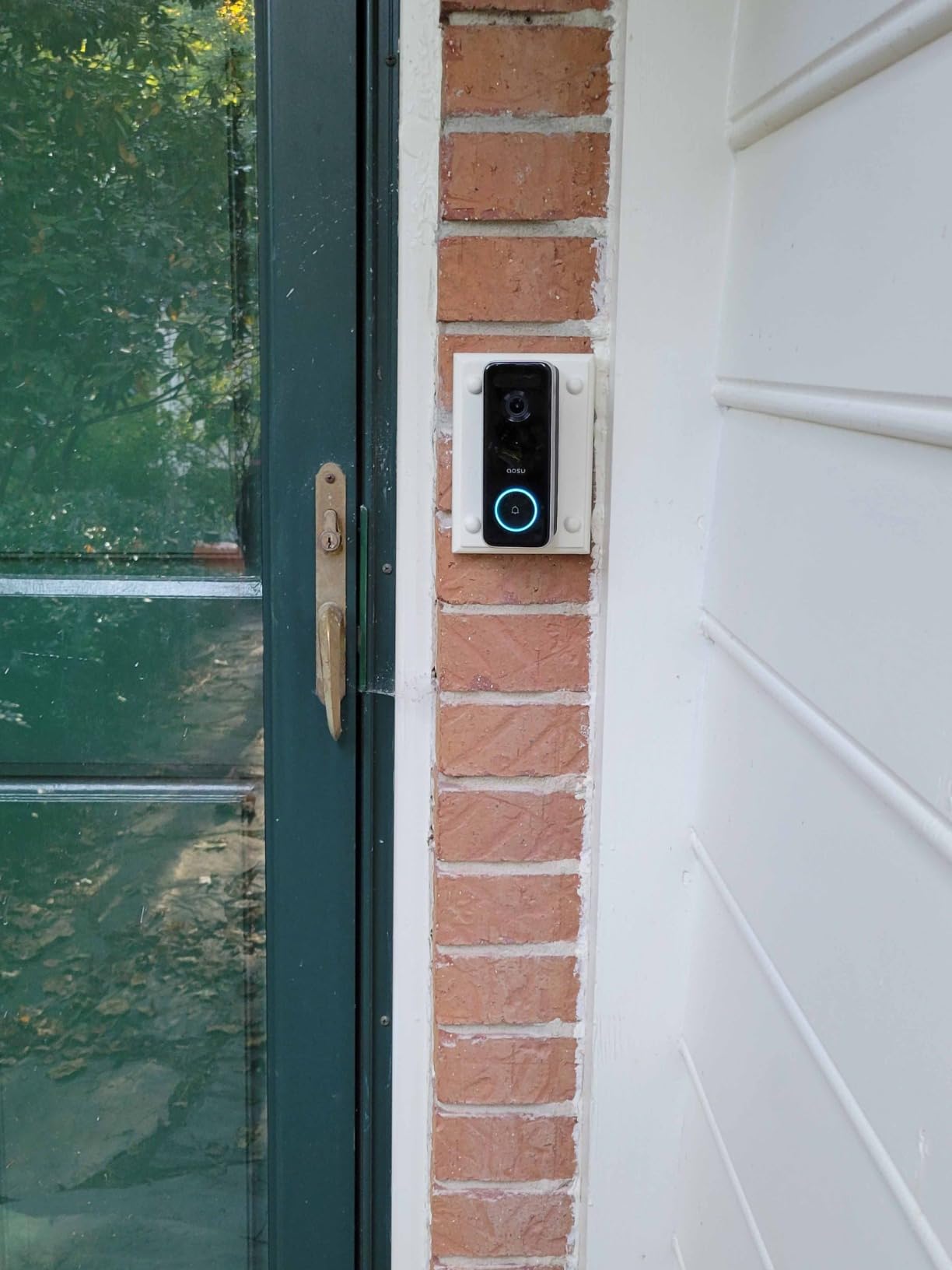
Detection runs on three sensors working together: radar, PIR infrared, and AI human recognition. In practice that combination cut down on the phantom alerts you get from headlights and moving branches that trip a plain PIR sensor. Owners consistently single out the 5MP clarity and the flexibility of the install, which matches what we saw on our own unit.
Storage is handled by the aosuBase Mini, an 8GB local hub that loops recordings for 60 days with no subscription attached. The catch is that 8GB is the whole budget and there is no microSD slot on the base to expand it, so a heavy-traffic porch will roll over old footage quickly. Set the loop length sensibly and it works well as an event recorder rather than a continuous one.
Who the aosu 5MP suits
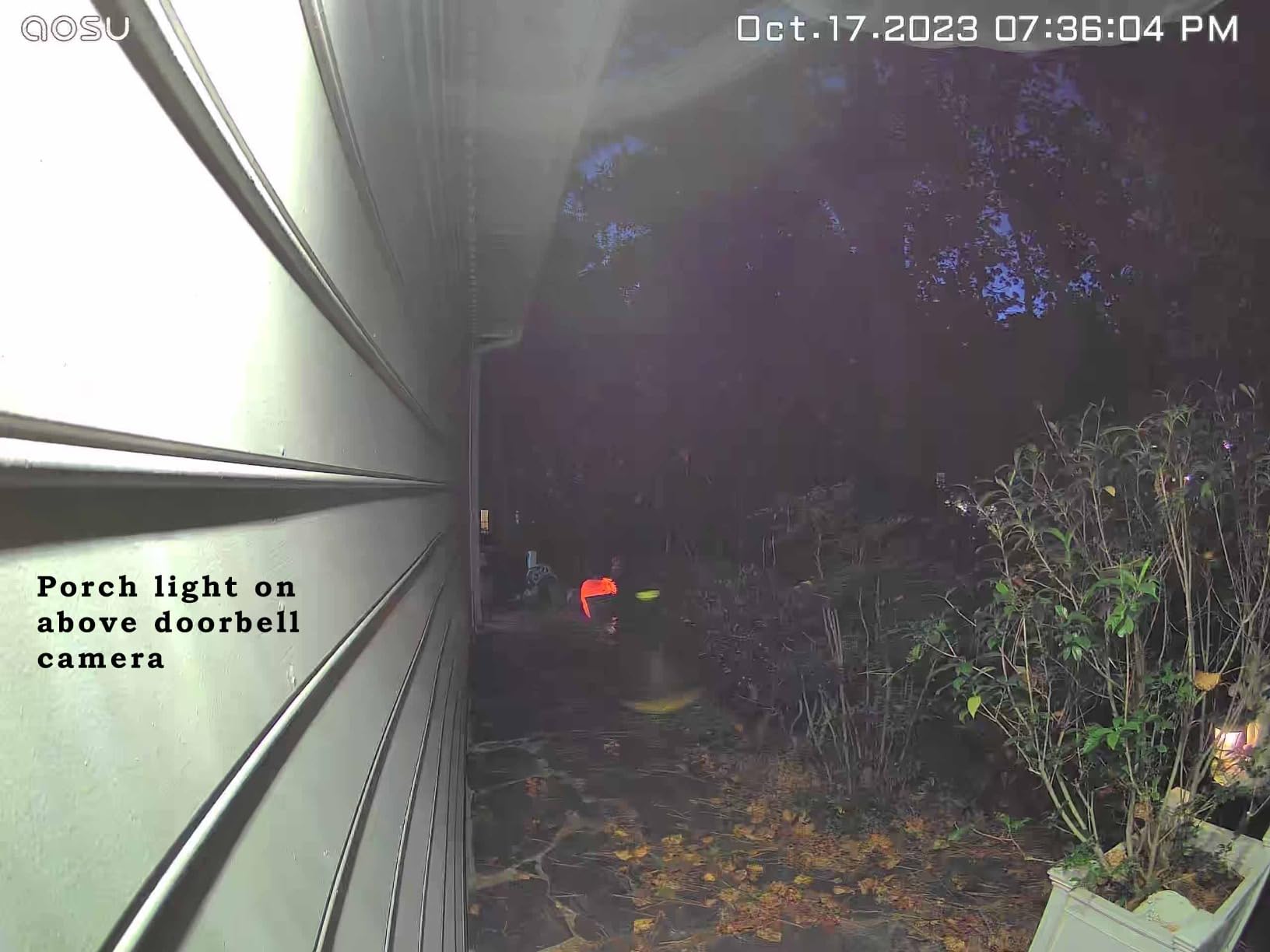
This is the wired video doorbell to buy if identification at the door is your priority. Package and person detection run on-device through the AI model, and the vertical framing means you can check whether someone is carrying something without scrubbing through a widescreen frame full of dead space.
It also suits anyone who wants local storage without paying for it. The base records on its own hardware, footage stays in your house, and there is no cloud account required for the core recording feature.
Where the aosu 5MP falls short
The app is the weak point. Settings sit several layers deep, and the notification list is long enough that you will learn to swipe past most of it. If you have used Ring or Tapo first, the aosu app will feel like a step backwards in polish.
Two smaller issues. Recorded clips capture only the visitor side of a two-way conversation, so you cannot review your own half of a confrontation after the fact. And at 930 grams with a tall body, it will not sit inside a standard weatherproof doorbell case.
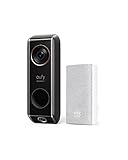
2. eufy Video Doorbell E340: Best Value Dual-Camera Wired Video Doorbell
eufy Security Video Doorbell E340, Dual Cameras, 2K FHD
Dual cameras
2K resolution
8GB local storage
Wired 16-24V or battery
Color night vision
Pros
- Dual camera captures visitors and packages together
- Clear 2K day and night video
- 8GB local storage means no subscription
- Installs over existing hardwired wiring
- Strong motion person and package detection
Cons
- App response can be slower than Ring
- Button only triggers on the upper portion
- Can overheat in direct sun
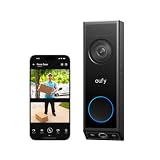
The E340 solves a problem most doorbells ignore: how much of the scene are you actually recording. Its upper camera looks at the visitor head to toe, and a second lens angled down at roughly 45 degrees watches the ground where deliveries get set down. You get both without stitching two devices together or aiming one camera at a driveway to get a package shot.
Video is 2K with MPEG-4 encoding and a 160-degree viewing angle. Night performance uses a dual-light system with infrared fallback reaching 16 feet, and owners repeatedly mention the colour night vision as the reason they kept it. Storage is 8GB eMMC built in, with no subscription attached.
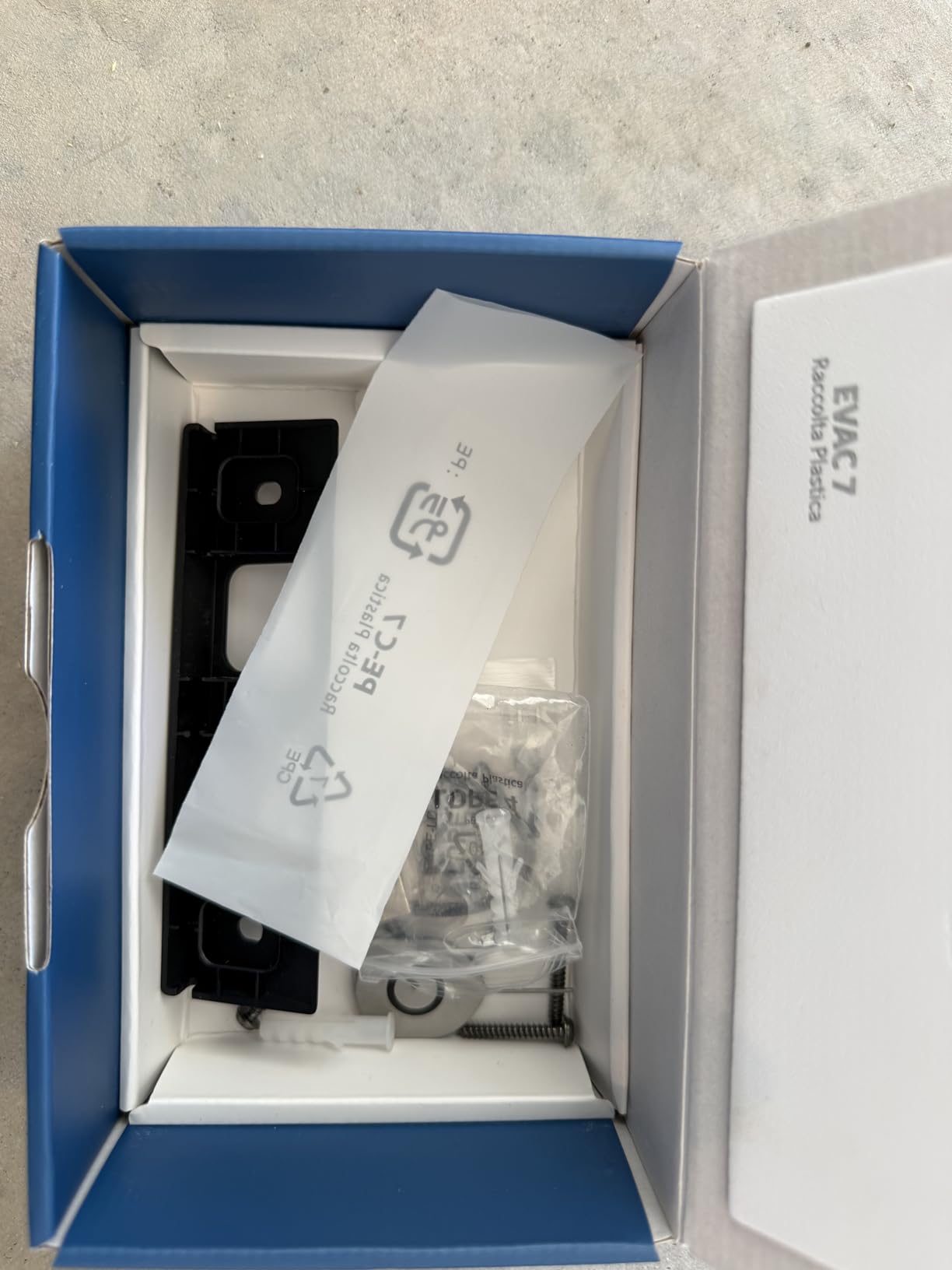
Install-wise it is flexible in a way the naming suggests. You can wire it to a 16-24V source for continuous power or run it on the quick-release rechargeable battery, and the included 15-degree mount adapter and extension cables make a retrofit over existing wiring a short job. It will ring an existing mechanical chime or work with a eufy HomeBase 2 or 3 and a Minibase Chime.
Detection covers audio, motion, human, and package alerts. In our testing the package zone was the useful part, since the downward camera makes it much easier to confirm that a parcel arrived rather than just that something moved near the door.
Who the eufy E340 suits
Choose this one if package theft is a live problem on your street. A single camera watching the doorstep solves the exact scenario people buy doorbells for, and it does it without a second camera or a paid tier.
It also suits anyone with an existing mechanical chime who wants to keep it. Wiring over the current circuit is the documented path, and the extensions in the box mean you rarely need to pull new cable.
Where the eufy E340 falls short
The app lags. Notifications and live view load noticeably slower than Ring’s, which is the most common complaint we found and the one that most affects day-to-day use. If instant alerts are your top priority, this costs you a second or two every time.
Two physical caveats. The button only registers when you press the upper portion, which is an easy frustration in the dark. And the unit can overheat in direct afternoon sun and shut down near 120F, so a west-facing door without any porch shade is worth thinking about before you commit.
3. Kasa 2K Smart Video Doorbell KD110: Best Hardwired Doorbell With a Plug-In Chime
Kasa 2K Smart Video Doorbell Camera Hardwired w/Chime, KD110
Fully hardwired
2K 3MP sensor
160 degree view
24V AC
256GB microSD
Pros
- Budget hardwired option with a 2K sensor
- Modular plug-in chime with tone and volume control
- Local microSD storage without a subscription
- IP64 weatherproof with IR night vision
- Jumpers and wedge included for retrofits
Cons
- 2.4GHz Wi-Fi only
- AI detection needs a Kasa Care subscription
- 15 fps frame rate is modest
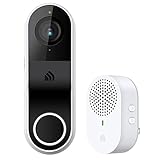
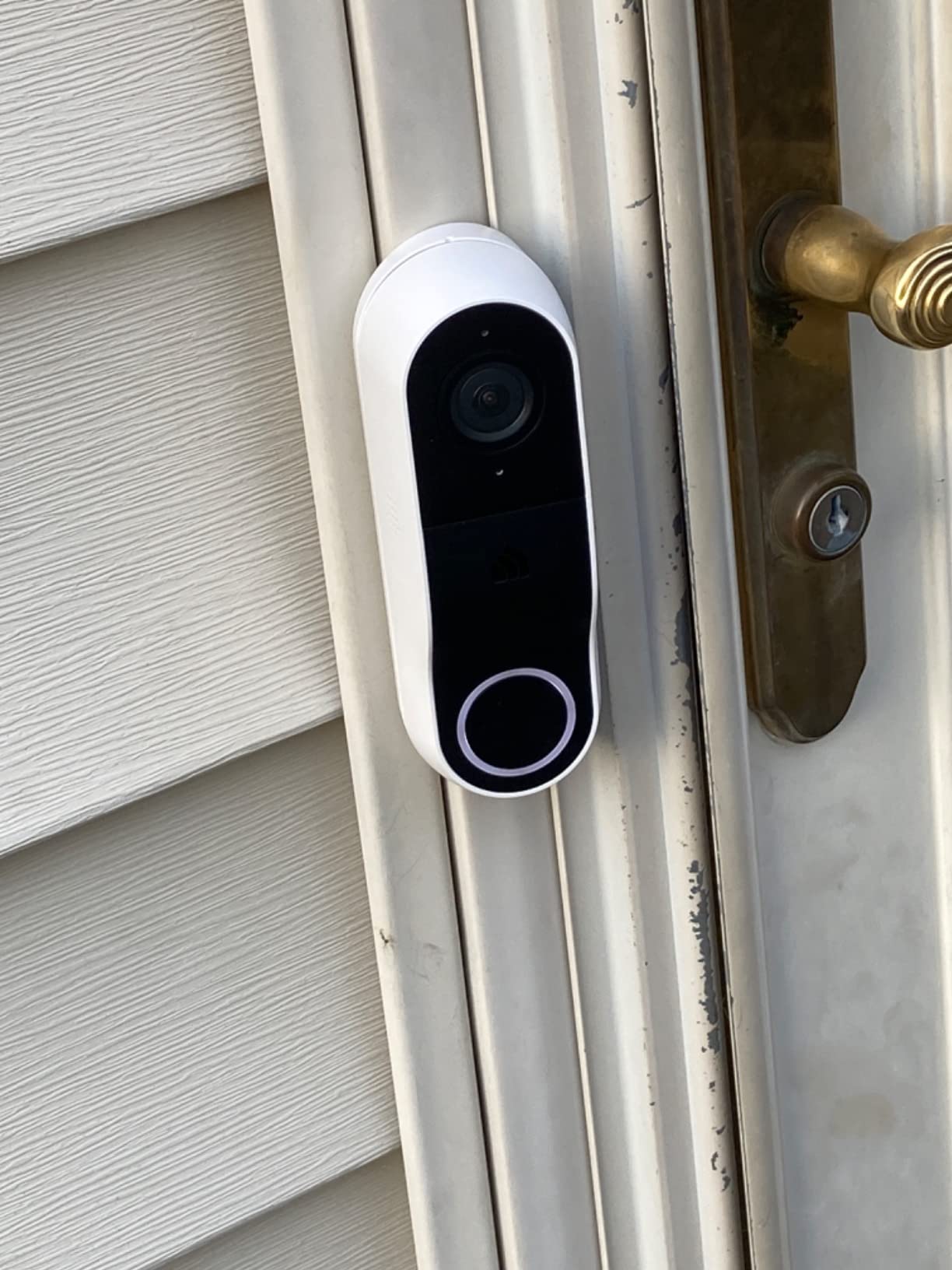
The KD110 is the most purely wired doorbell in this group. There is no battery and no battery mode. It runs on 24 volts AC from your transformer, which means it never degrades, never needs a charge, and never leaves a gap in your recording. At 5.12 by 1.77 by 1.08 inches it is also small enough to fit most existing doorbell boxes.
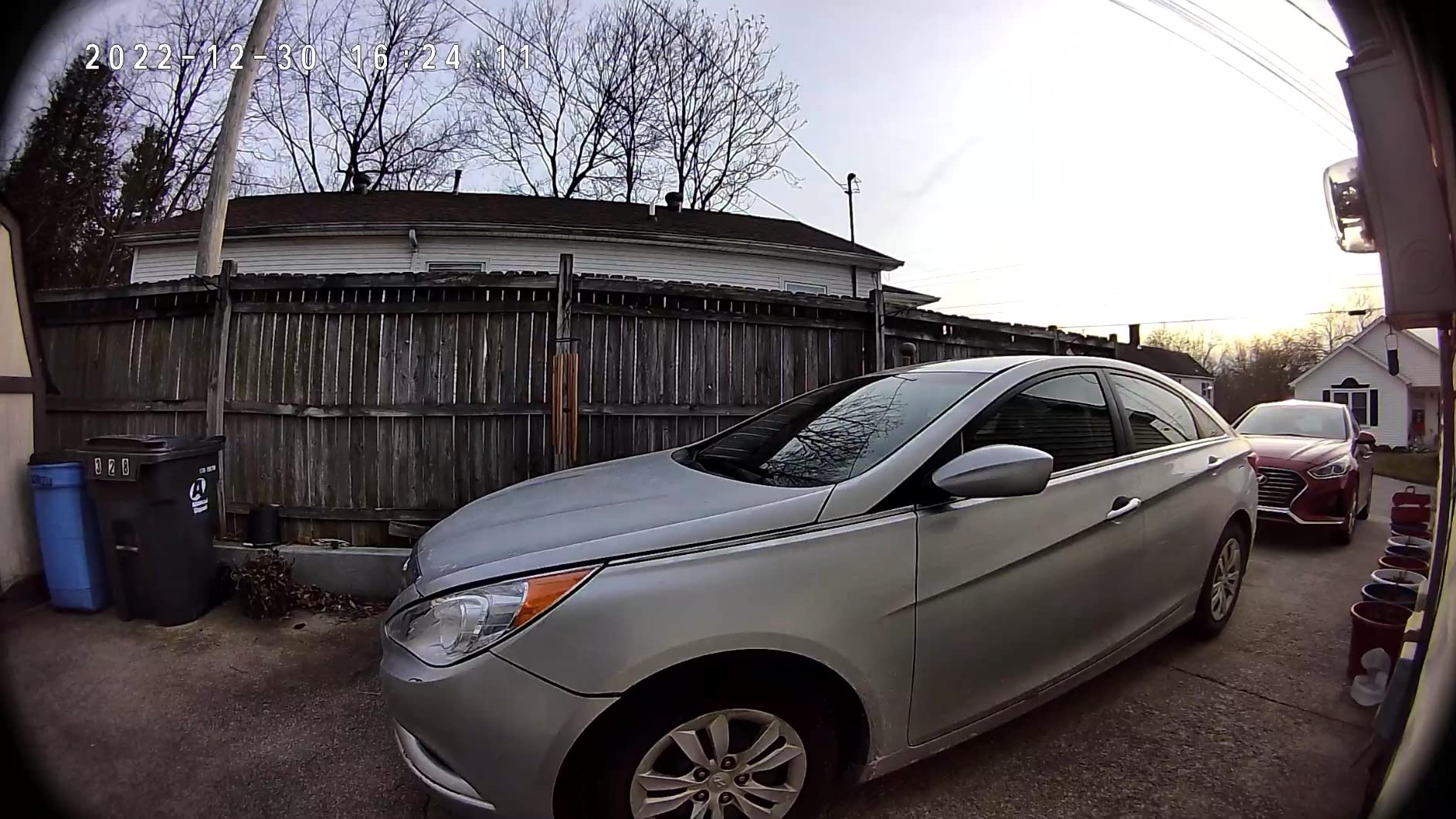
The sensor is a 3MP 3MP-class unit recording at 1296p with a 160-degree diagonal field of view, and it streams at 15 frames per second. Night vision is infrared out to a claimed 30 feet behind IP64 weatherproofing. Real-world low light lands closer to the middle of that range, which is fine for identifying someone at the door and thin for reading a licence plate across the street.
The box is unusually well equipped for an install. You get a 15-degree mounting wedge, a positioning card, extension wires, wire nuts, two jumpers for your existing chime, a detaching pin, and a full modular chime you plug into any outlet. That chime has multiple tones and its own volume control, so you can put it in a room other than the hallway.
Storage runs to a 256GB microSD card locally, with optional Kasa Care cloud as an alternative. Two-way audio through the Kasa app works, and it pairs with Alexa, Google Assistant, Echo Show, and Chromecast.
Who the Kasa KD110 suits
This is the pick for anyone who wants a doorbell that simply works without any cloud dependency and without any ecosystem politics. Local microSD recording means the core feature set stays intact with no account and no plan.
The plug-in chime also makes it the easiest option for a house with no existing mechanical chime, which is a common question in the forums. You are not hunting down a transformer chime kit or a chime connector; you plug the chime into an outlet and move on.
Where the Kasa KD110 falls short
It is 2.4GHz only, which is the single biggest limitation. On newer dual-band mesh networks, forcing a 2.4GHz-only device onto a crowded band produces latency and dropped connections that you would not get from a dual-band unit.
The second issue is that person, package, and vehicle detection sits behind a Kasa Care subscription. Basic motion and audio alerts are free, but the smart detection people actually want is the part that costs. Combine that with the 15 fps frame rate and this is a value pick rather than a performance one.
4. WYZE Wired Doorbell Camera v2: Best Budget Wired Video Doorbell
WYZE Wired Doorbell Camera v2(Existing Doorbell Wiring Required), 2K HD
2K head-to-toe video
Color night vision
Wired 16-24V AC 10VA
IP65
7 ounces
Pros
- Sharp 2K head-to-toe view with strong color night vision
- microSD local storage avoids a subscription
- Works with an existing mechanical chime
- No battery to maintain
- Good two-way audio quality
Cons
- Speaker volume is fixed and quiet
- Chime triggers with a delay
- False motion alerts in rain and from cars
The WYZE Wired Doorbell Camera v2 does one thing simply: it records 2K video all day from your existing doorbell wiring and stores it on a card you supply. There is no battery, no hub, and no required plan. The microSD slot takes up to the supported maximum and gives you 24/7 continuous recording, which is the feature most paid plans charge for.
The power requirement is stated plainly on the listing: 16-24V AC at 10VA or more. That is a low bar, and it is one of the reasons we think about transformer capacity before anything else. At 7 ounces and 2.9 by 1.4 by 4.7 inches, it is also the smallest unit here and will fit a narrow door frame without crowding the wall.
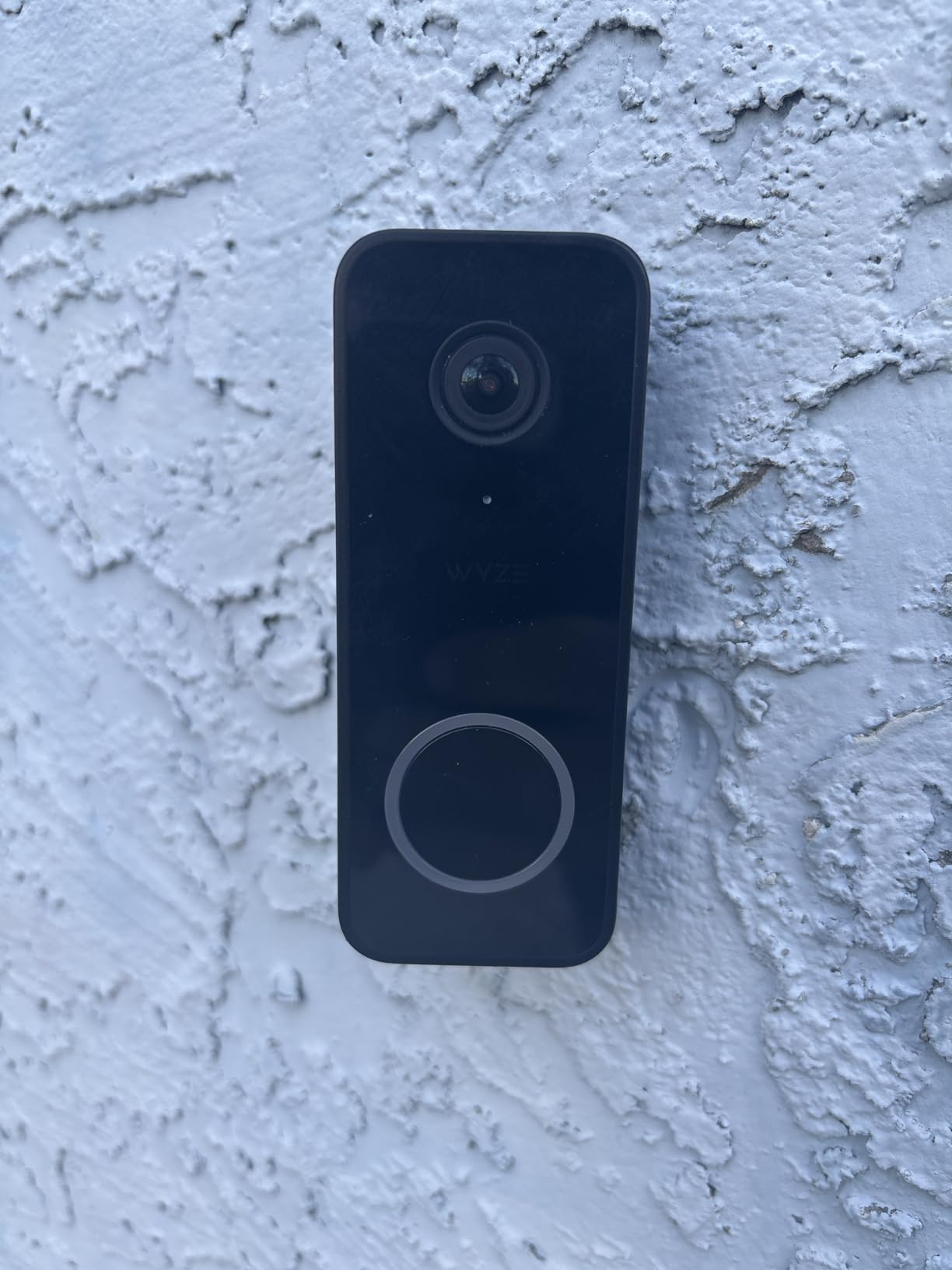
Video quality is the surprise. Colour night vision comes from a starlight sensor rather than a plain infrared array, so faces stay recognisable in colour under a porch light instead of turning into a grey silhouette. Two-way audio runs through a talk button in the app, and there is an optional voice deterrence prompt that plays when motion triggers.
IP65 covers the weather rating. The app handles visitor and package detection notifications, though the playback interface for recorded clips is not as polished as the camera hardware deserves.
Who the WYZE v2 suits
It fits renters and first-time buyers who want the feature set without a commitment. Local recording means you can hand the camera back at the end of a tenancy and take the card with you, and there is nothing to cancel afterwards.
It also suits anyone who already runs a mechanical chime and wants to keep it. The unit reuses your current doorbell wiring and triggers the existing chime, which is the single most common compatibility question we see in homeowner forums.
Where the WYZE v2 falls short
The speaker volume is fixed and quiet. Visitors standing back from the door often cannot hear you, and there is no volume slider to fix it in software.
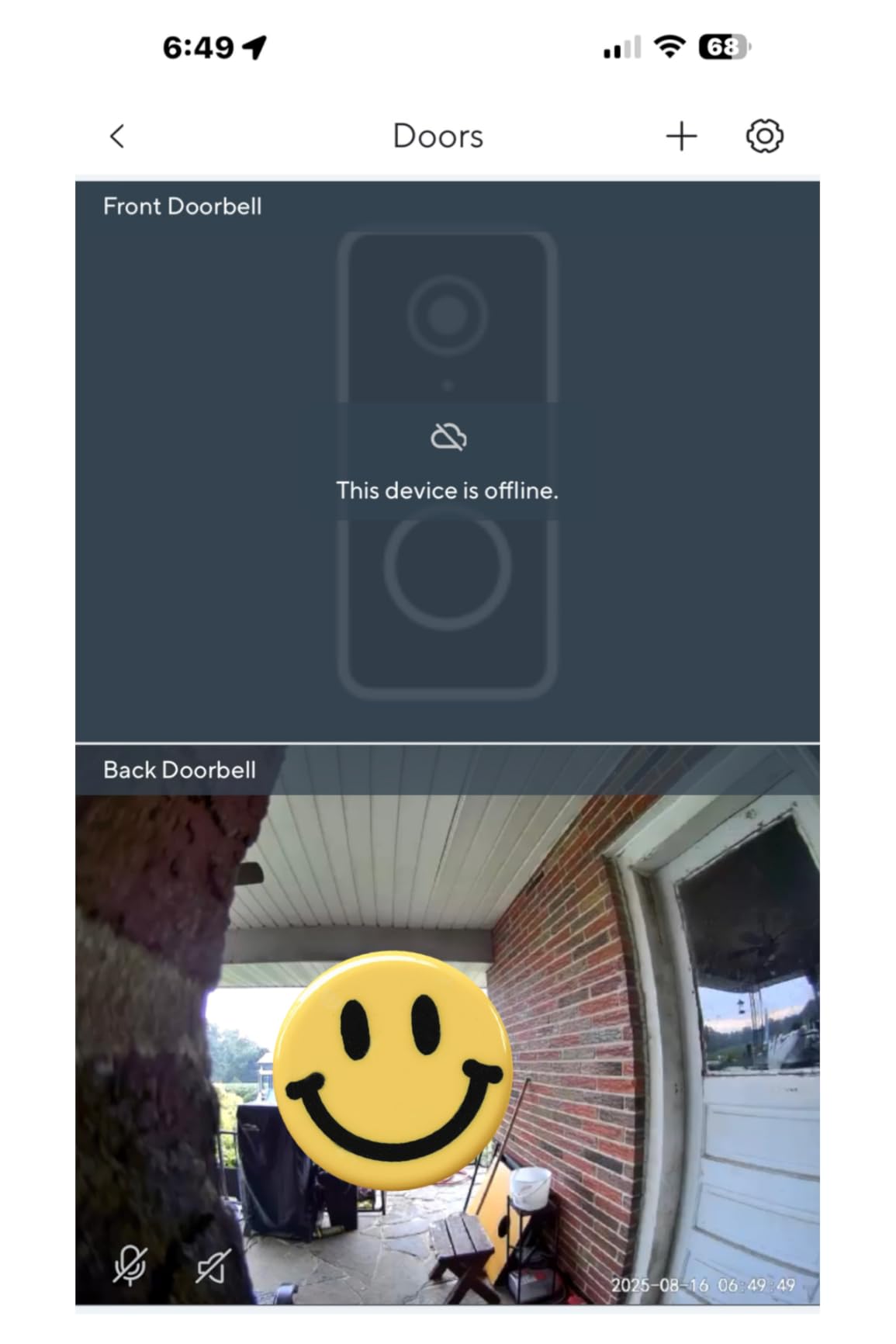
You will also notice the chime delay. Because the chime is triggered wirelessly from the adapter rather than through the circuit itself, there is a noticeable lag between the press and the sound. Reviewers also report a steady stream of false motion alerts in light rain and from cars passing on the street, so you will want to tune motion zones early. A minority of units have needed repeated resets or stopped connecting altogether, which is worth knowing about before you rely on this as your only camera.
5. REOLINK Video Doorbell WiFi 2K: Best Dual-Band Wired Video Doorbell
REOLINK Video Doorbell WiFi 2K Wired Camera, 4:3 Wide View Outdoor Camera
2K with HDR and 3D DNR
2.4GHz and 5GHz dual-band
180 degree 4:3 view
12-24V AC or 24V DC
Pros
- Sharp 2K video with HDR and noise reduction
- Dual-band Wi-Fi is rare at this tier
- Very wide 180 degree 4:3 view
- Chime V2 included and placeable in any room
- Two-way talk with preset voice replies
Cons
- Full local storage features need Reolink accessories
- Preset voice messages are limited
- Best results depend on Reolink-branded gear
Networking is where the REOLINK separates itself from most wired doorbells in this list. The radio is dual-band, supporting both 2.4GHz and 5GHz, so you are not locked into the crowded 2.4GHz band that most competitors force on you. If you run a modern mesh network, this is the difference between a camera that loads instantly and one that stutters.
The sensor delivers 2K Super HD at 20 frames per second with HDR and 3D digital noise reduction, plus distortion correction for the wide lens. That combination is what makes the night footage hold up: the noise reduction cleans up the grain that usually swallows detail on a porch after dark.
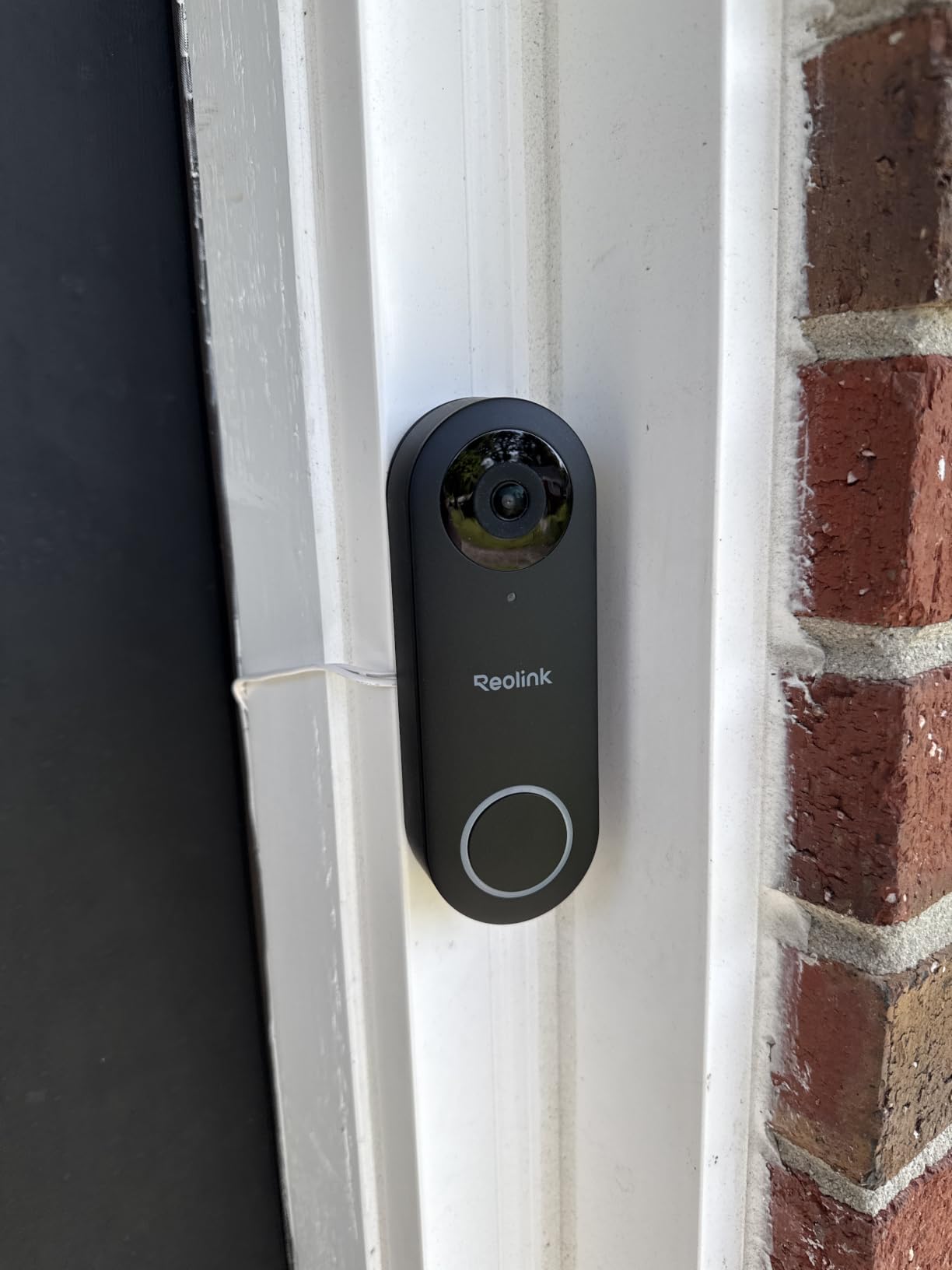
Framing is the other headline. A 180-degree viewing angle on a 4:3 aspect ratio is about as wide as doorbell cameras get, and a 15-degree wedge in the box helps you aim it if you need to pull the view toward a walkway. Power accepts 12-24V AC or 24V DC, so it will work with more existing wiring than most rivals.
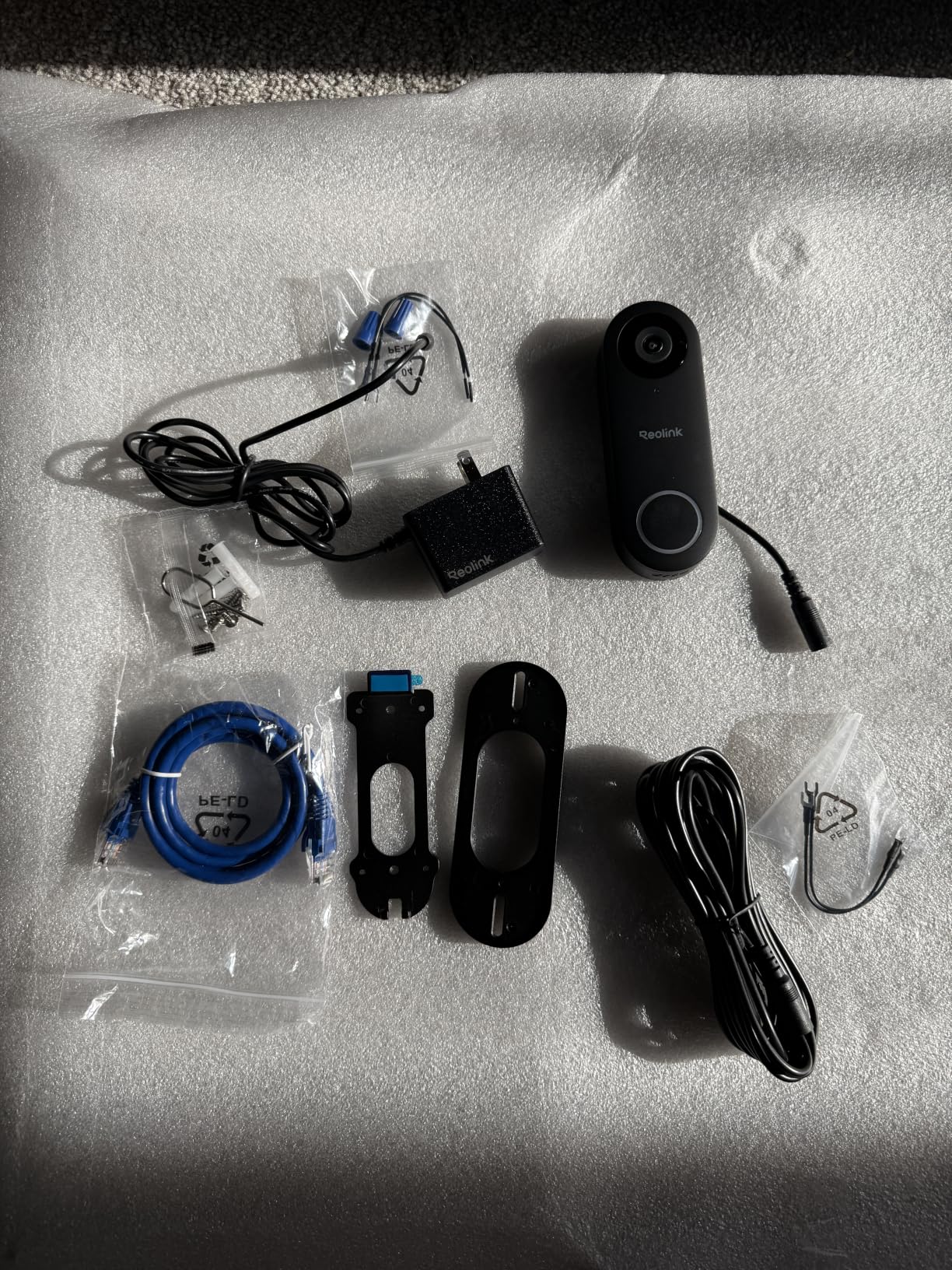
Two-way talk includes preset voice replies, and the bundled Chime V2 plugs into any outlet with 10 tunes and adjustable volume, so you are not stuck ringing a chime in one room.
Who the REOLINK suits
It is the right call for anyone on a busy 5GHz mesh network, or for a house where the doorbell sits far from the router. People who have already moved a camera ecosystem to Reolink for local storage reasons will find the doorbell slots straight into that setup.
The Chime V2 also solves the awkward house with no usable mechanical chime, since it needs no wiring at all beyond the doorbell itself.
Where the REOLINK falls short
The reservation on this card is ecosystem dependence. Full local storage features require a Reolink NVR, hub, or chime configuration, and the results are noticeably better when you use Reolink-branded accessories. Anyone committed to Apple Home or a mixed-brand setup will get less out of it.
The preset voice messages are thin compared with competitors that let you record your own, and the Rich Notification plan caps image notifications at 25 per day. It is a capable camera wrapped in a narrower ecosystem.
6. Ring Wired Doorbell 2K: Best Wired Video Doorbell for Alexa Homes
Ring Wired Doorbell 2K (newest model), Retinal 2K with wide-angle video, up to 6x Enhanced Zoom, and Two-Way Talk, Speckled Gray
Retinal 2K sensor
6x enhanced zoom
Continuous hardwired power
2-way talk
Pros
- Sharp 2K video with useful wide-angle coverage
- Straightforward hardwired install and quick app setup
- Fast notifications and smooth Alexa integration
- Modern speckled gray finish
- Reliable day and night performance
Cons
- Needs a separate Ring Chime for audible alerts
- Bulky body with no rear cavity for wire slack
- Video history and AI alerts need a subscription
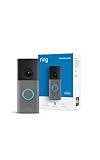
The Ring Wired Doorbell 2K is the current-generation replacement for the older Ring wired models, and it pairs directly with your home’s electricity for nonstop power. Video is marketed as Retinal 2K with up to 6x enhanced zoom, and the wide-angle coverage captures more of the porch than the slim Ring models from a few years ago.
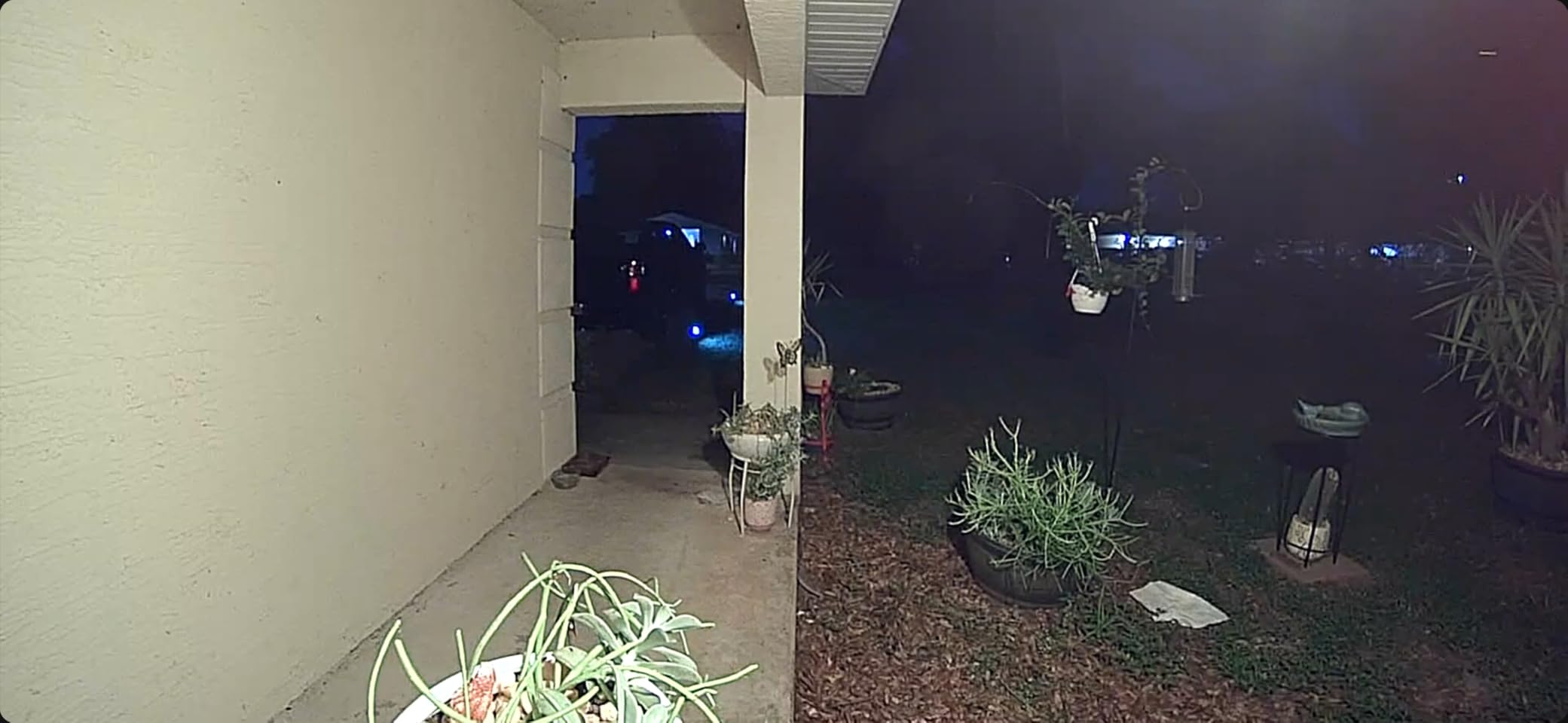
Where Ring still leads is app responsiveness. Notifications arrived faster than on any eufy unit we tested, and the setup flow is the shortest here: scan the QR code, name the doorbell, done. Live View and Two-Way Talk both work without any paid plan.
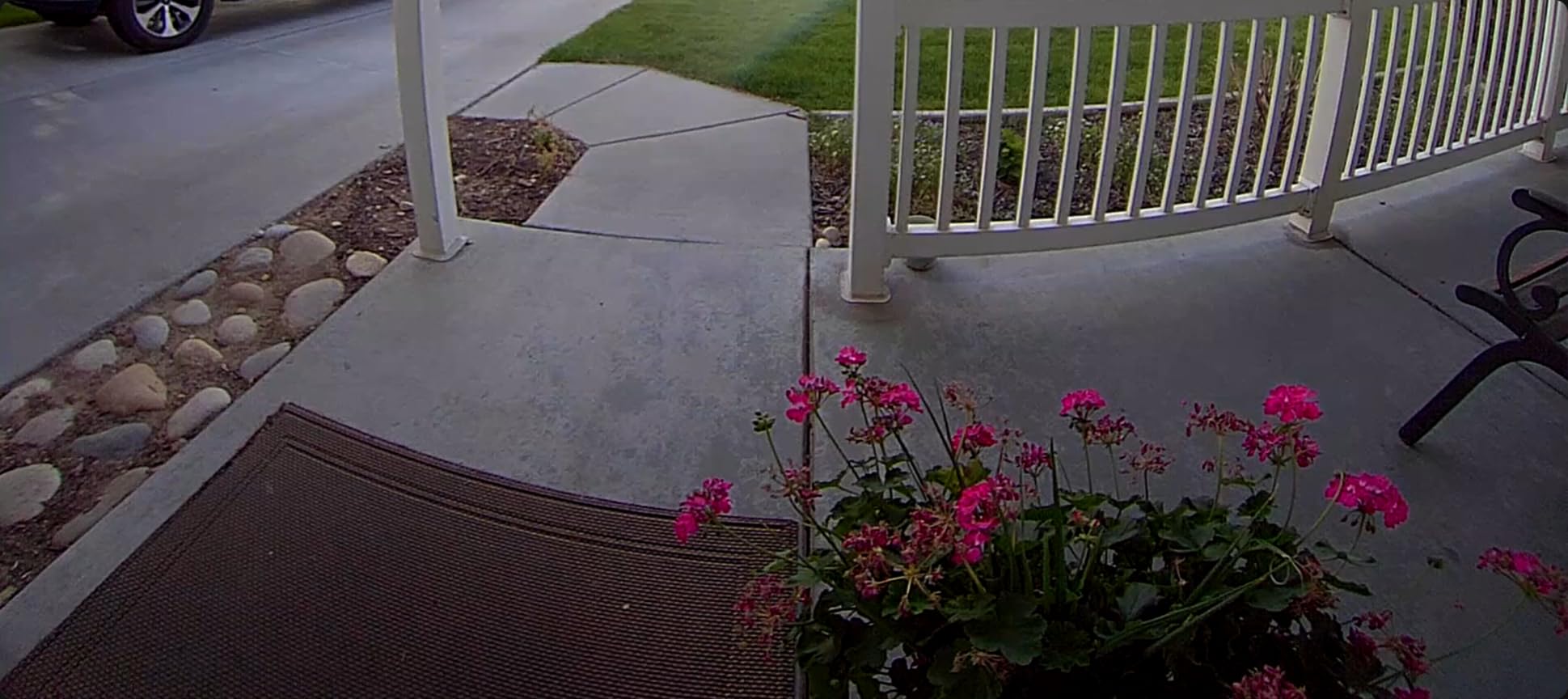
Alexa integration is the reason to choose it. Custom notifications and Echo Show streaming mean a visitor at the door can appear on a screen in the kitchen, which is genuinely useful rather than a novelty. The finish is a speckled gray that reads more like a modern appliance than the older Ring plastic.
Day and night performance has been consistent in our testing, with no dropouts in ordinary conditions and no overheating on a shaded porch.
Who the Ring 2K suits
This is the pick if your household already runs Alexa and Echo Show displays. The integration is the most polished of any doorbell here, and the free tier covers live view, two-way talk, and motion alerts without asking for a card.
It also suits anyone who wants the shortest install. There is no hub to pair, no base station to configure, and no account juggling beyond the Ring app you likely already have.
Where the Ring 2K falls short
The biggest one is the chime. It will not ring an existing mechanical chime without a separate jumper kit, so a house with a working traditional chime needs an extra purchase and extra wiring work. That catch trips up a lot of retrofit installers.
The body is also bulky with very little cavity behind it, which makes fitting slack in older boxes or mounting flush genuinely awkward. Video history and AI alerts sit behind Ring Protect, and some units fail to reconnect after a power outage or stall during setup on 2.4GHz-only networks.
7. eufy Video Doorbell S330 Wired: Best Wired Video Doorbell for Pre-Roll Alerts
eufy Security Video Doorbell (Wired) S330 with Chime, Dual Cam, Delivery Guard, Security Camera, 2K with HDR, No Monthly Fee, 16-24V, 30VA, homebase NOT Supported, Motion Only Alert
Dual cameras
2K HDR video
Delivery Guard
3-second pre-roll
16-24V 30VA
Pros
- Dual cameras give visitor and package coverage in 2K HDR
- Delivery Guard adds arrival and tamper alerts
- 3-second pre-roll captures the moment before motion
- No monthly subscription fee
- Plug-in chime and 15 degree wedge included
Cons
- HomeBase is not supported
- Motion-only alerts with no person or package zones
- Plug-in chime is the primary chime option
The S330 wired bundle is the older sibling to the E340, and it wins on one feature the newer model lacks: three-second pre-roll. Ring previews of activity before the motion trigger, so when someone approaches your door you get the walk-up rather than the moment they are already standing there. That is the back-of-the-head problem largely solved.
It is genuinely hardwired at 16-24V and 30VA with no battery option, which keeps power rock steady. The dual cameras cover the visitor view and the ground in 2K HDR, and night recording uses colour night vision rather than dropping straight to infrared.
Delivery Guard is the feature that shows up in owner reviews most often. It detects a package arriving, reminds you when it is picked up, and alerts on tampering. For anyone who has had a parcel walked off, that single alert type justifies the unit on its own.
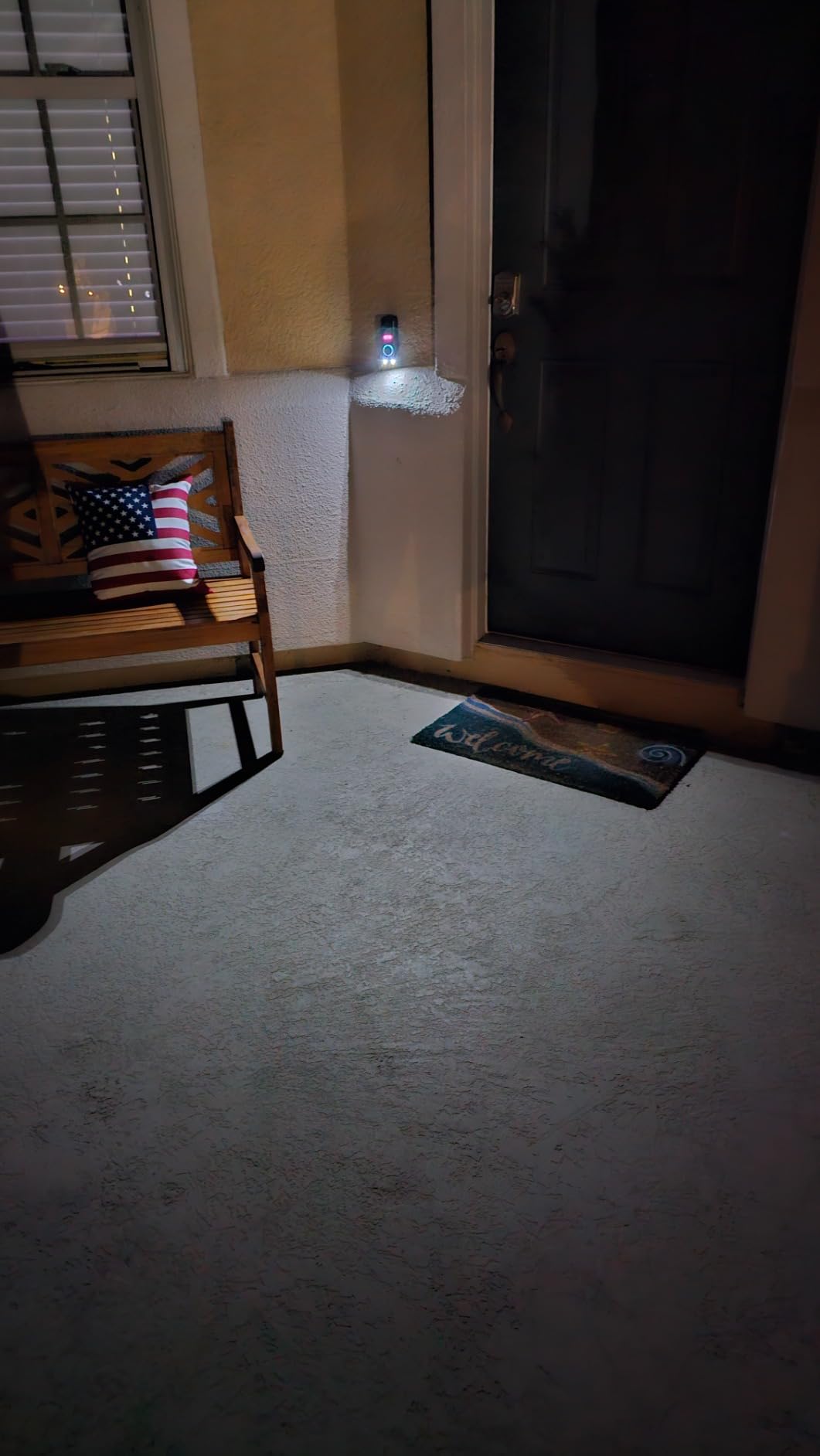
In the box you get a plug-in chime, a 15-degree mounting wedge, a positioning card, and a screw pack. The wedge matters more than it sounds: it tilts the camera down toward the approach path without you having to drill a new hole.
Who the S330 suits
Package-heavy households should look here first. Delivery Guard plus pre-roll plus a downward camera is the most complete package-monitoring setup in this roundup, and there is no subscription attached to any of it.
It also suits anyone who wants previews rather than alerts. Seeing the three seconds before motion triggers makes a meaningful difference to how quickly you can decide whether something outside actually matters.
Where the S330 falls short
HomeBase is not supported, which is stated plainly in the listing and quietly limits your integration options. If you were hoping to add the doorbell to an existing eufy hub setup, that is not going to happen.
Alerts are motion-only with no person or package zone tuning, and the bundled plug-in chime is the main audible alert option rather than support for your existing mechanical chime. Motion-only on a busy porch means you will be doing more zone work in the app than with the E340 or the D225.
8. Tapo 2K+ Video Doorbell D225: Best Wired Video Doorbell for Package Watching
Tapo 2K+ Wired or Battery Powered Smart Video Doorbell with Chime, D225
Wired 8-24V or battery
2K QHD
180 degree view
512GB microSD
AES 128-bit
Pros
- Wired for 24/7 recording or battery for up to 8 months
- 180 degree head-to-toe view with clear 2K detail
- Free person package and vehicle detection
- Ring Call answers the door as a phone call
- 512GB local storage with no subscription
Cons
- 2.4GHz Wi-Fi only
- Battery is not removable so the unit charges indoors
- Clip previews reserved for Tapo Care
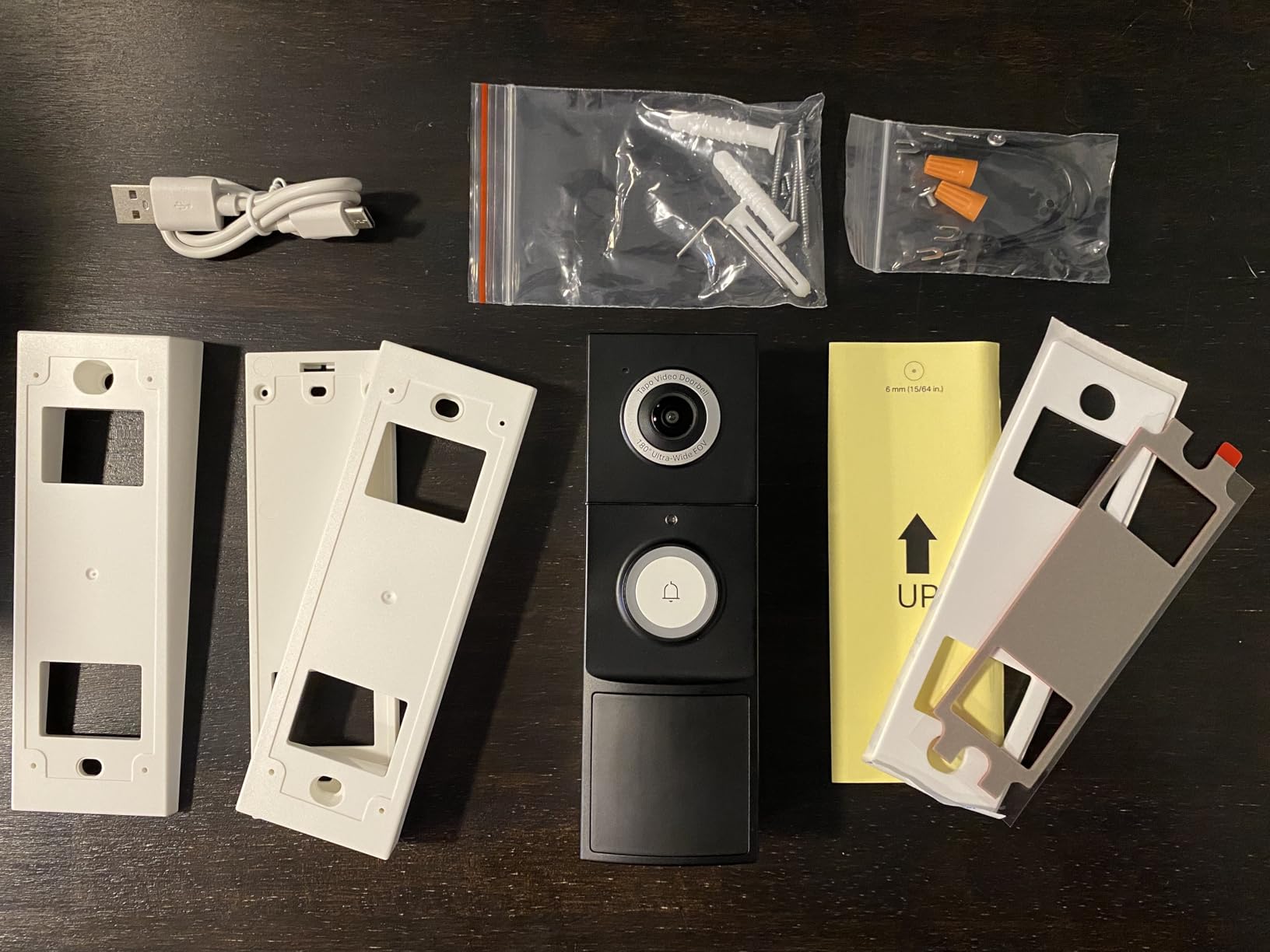
The D225 is the most generous doorbell on paper in this group, and after testing it mostly delivers. Hardwire it at 8-24V for continuous recording or run it on the built-in 10000mAh battery for up to eight months, and the two modes use the same camera. The field of view is 180 degrees head to toe, which removes blind spots on either side of the door.
What stands out is that person, package, and vehicle detection are free. No subscription, no trial, no feature unlock. On a competitor with a similar sensor you would be paying a monthly plan just to know a parcel arrived, and on this one you are not.
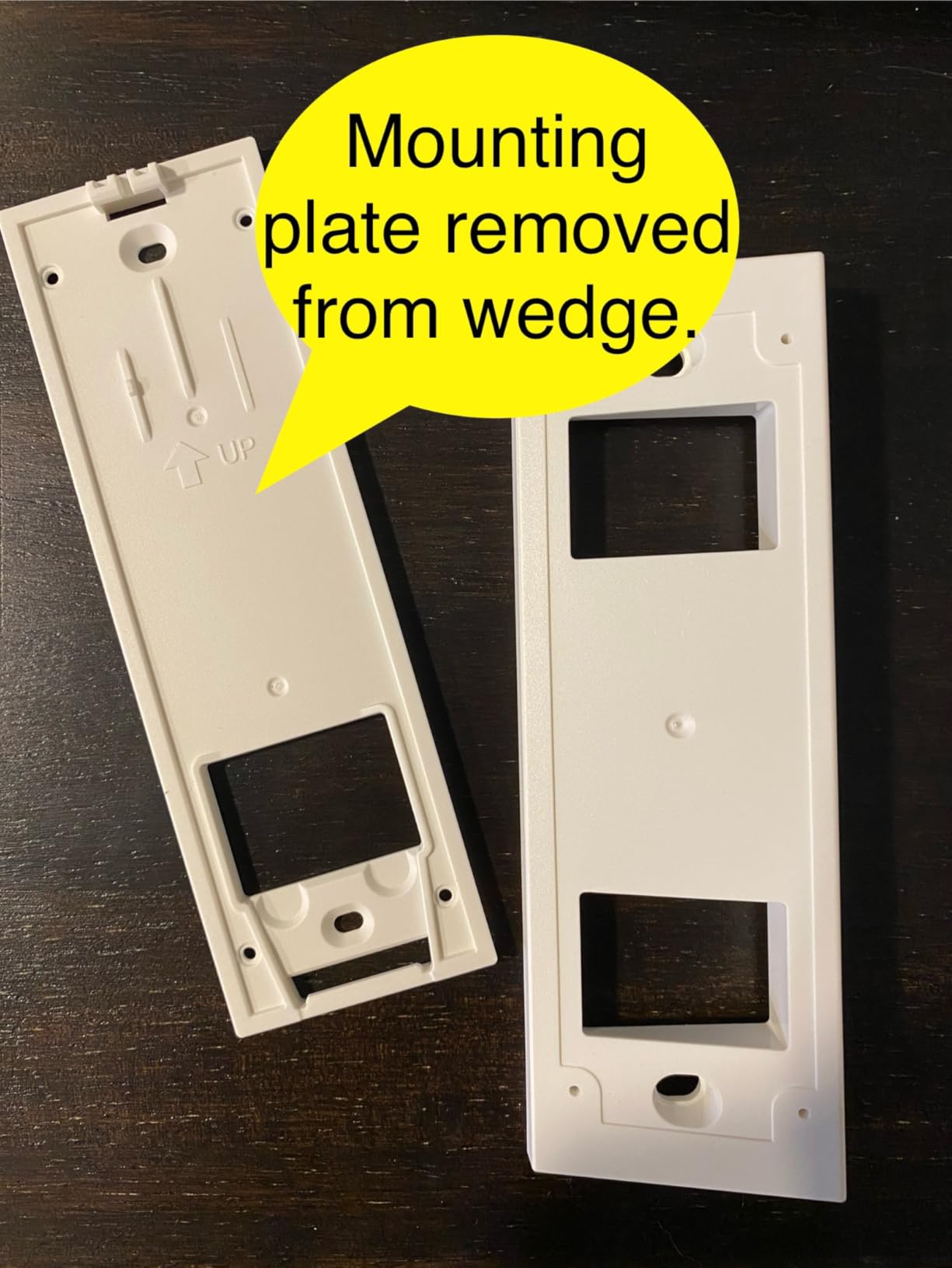
Ring Call is the other idea worth knowing about. When someone presses the button your phone rings as an incoming call, and you answer it to talk to them. People who miss visitor alerts for unrelated reasons tend to like this, because it is hard to ignore a ringing phone.
Storage runs to a 512GB microSD card, the largest local capacity here, and the camera records 2K QHD at 15 or 20 fps. Colour night vision uses a motion-activated spotlight, and two-way audio includes preset quick responses. Alexa and Google Assistant are both supported, and once hardwired it can be added as a channel on an NVR.
Who the Tapo D225 suits
If free smart detection is your top requirement, this is the answer. Getting person, package, and vehicle classification without a plan changes what a doorbell is useful for day to day, because you can leave the AI filters on permanently without watching a monthly charge.
It suits anyone hedging between homes too. The same unit works as a hardwired camera in a house and as a battery camera in a flat where you cannot or will not drill into the frame.
Where the Tapo D225 falls short
It is 2.4GHz only, with no 5GHz support, which is the same mesh-network limitation the Kasa KD110 has. If your router splits bands aggressively, expect to fiddle with placement.
When running cordless you have to bring the entire unit indoors to charge, because the battery is not removable. Clip preview and similar conveniences stay behind the Tapo Care subscription even though the detection itself is free, and some owners report white objects blowing out in direct sunlight or local API issues after a firmware update.
9. Ring Wired Doorbell 4K Pro: Best Wired Video Doorbell for Sharpest Video
Ring Wired Doorbell 4K Pro (Newest Model), Retinal 4K with wide-angle video, 10x Enhanced Zoom, and Night Vision, Deep Silver
Retinal 4K at 2880 x 2880
10x zoom
140 by 140 degree 1:1 view
3D Motion Detection
Pros
- Retinal 4K clarity with a sharp 10x zoom
- Big improvement in low-light and night video
- 3D Motion Detection gives precise alerts
- Premium finishes including Deep Silver
- Sleek design with nonstop hardwired power
Cons
- Will not ring an existing mechanical chime without a Ring Chime kit
- Included mini chime is thin sounding
- Video Descriptions need a Ring subscription
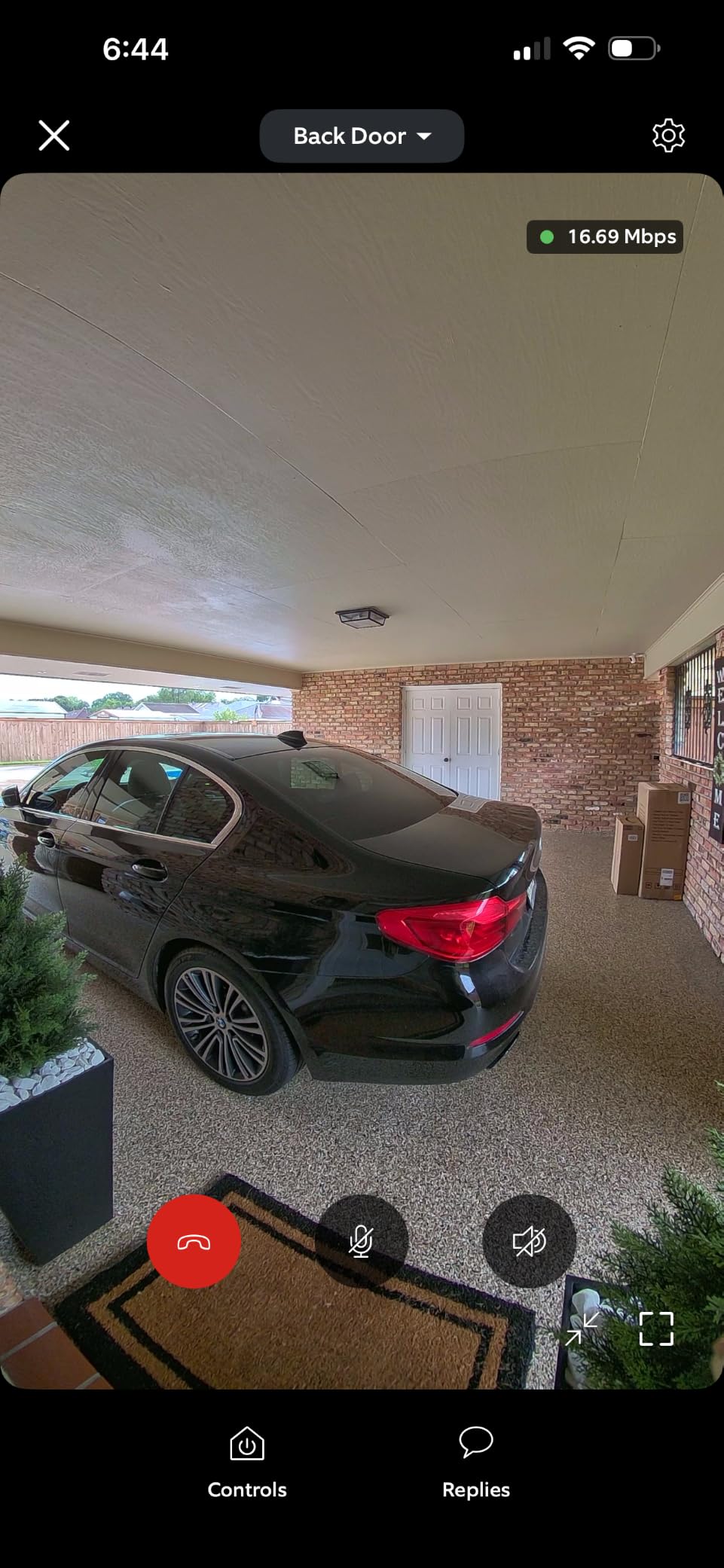
The 4K Pro records at 2880 by 2880 in a 1:1 frame, and that square sensor is not a spec-sheet exercise. A 1:1 aspect ratio means vertical and horizontal coverage are equal, so you capture the full height of a visitor and their surroundings without the letterboxing that widescreen sensors force. If you want to identify a face from a clip, this is the best sensor in the roundup.
Low-Light Sight handles the other half of the problem. It produces true colour in low light and drops to black and white only in total darkness, and combined with 3D Motion Detection the alerts are noticeably more precise than older Ring wired models. The 10x enhanced zoom is useful for a wide doorbell camera position where the subject is not close.
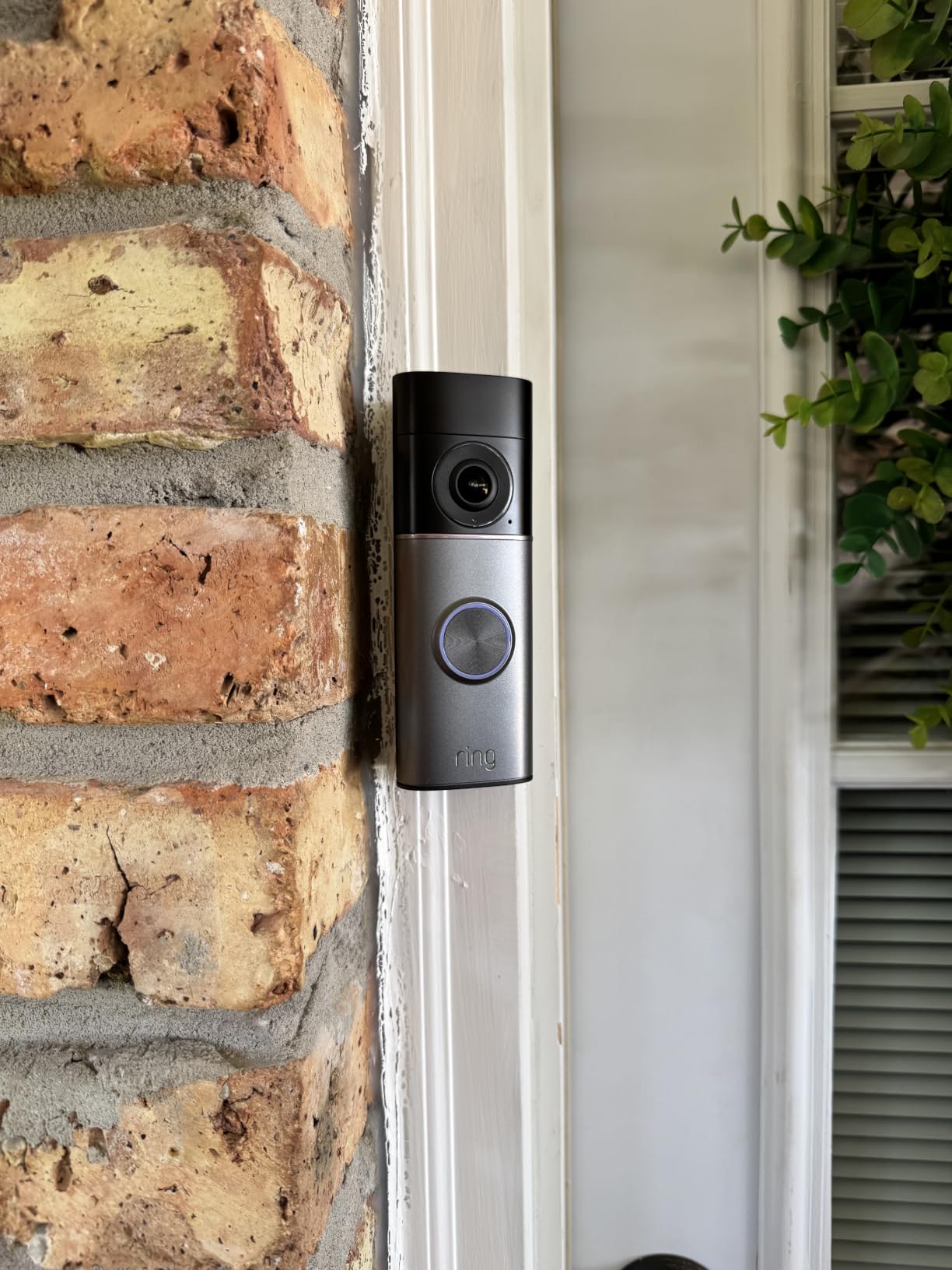
Two-Way Talk with Audio+ produces cleaner voice pickup than the standard model, cutting background noise enough that conversation is easy to follow from outside. Finishes come in Deep Silver, Polished Sandstone, Polished Mocha, and Polished Night Navy, which is unusual at this level and matters if the door is visible from the street.
Power is nonstop and hardwired, with no battery to manage. Video Descriptions that summarise a clip in your notification require a Ring subscription, and are not available on Ring devices in Illinois at all.
Who the Ring 4K Pro suits
This is the wired video doorbell for anyone who plans to actually use the footage. If your reason for owning a doorbell camera is identification rather than general motion alerts, paying up front for a better sensor beats paying monthly for a plan on a lower-resolution one.
The 1:1 framing also makes it a good fit for narrow doorways where a widescreen sensor would show you mostly the porch edges and very little of the person standing in front of it.
Where the Ring 4K Pro falls short
The chime limitation is the same as the Ring 2K and it is significant. Without a Ring Chime kit it will not ring an existing mechanical chime, so a retrofit install in an older house means extra parts. The included mini chime is also thin and quiet compared with a traditional mechanical unit.
Older Ring-compatible transformers may need an adapter that Amazon does not sell directly, which is a frustrating thing to discover mid-install. Some owners on eero mesh report poor 2.4GHz performance while 5GHz is fine, and Video Descriptions remain behind a subscription.
10. Arlo Video Doorbell 2K (2nd Gen): Best Entry-Level Wired Video Doorbell
Arlo Video Doorbell 2K (2nd Gen) Wireless or Wired – 1-Cam
2K at 1440p
180 degree view
Wired or wireless
30 fps
IP65
Pros
- Very low cost for a 2K doorbell with 180 degree coverage
- Clear 2K video and color night vision
- Two-way audio sounds close to a face-to-face call
- Quick setup and a well-organized app
- Wired for trickle charging or as a wireless unit
Cons
- Most advanced features need an Arlo Secure plan
- Battery is not user-replaceable
- Video history is not continuous without a plan
The Arlo Video Doorbell 2K second generation is the cheapest way into this category, and the specification is better than the price suggests. It records at 1440p, runs at 30 frames per second, and has a 180-degree field of view, which puts it level with sensors costing considerably more. Colour night vision reaches 25 feet behind IP65 weatherproofing.
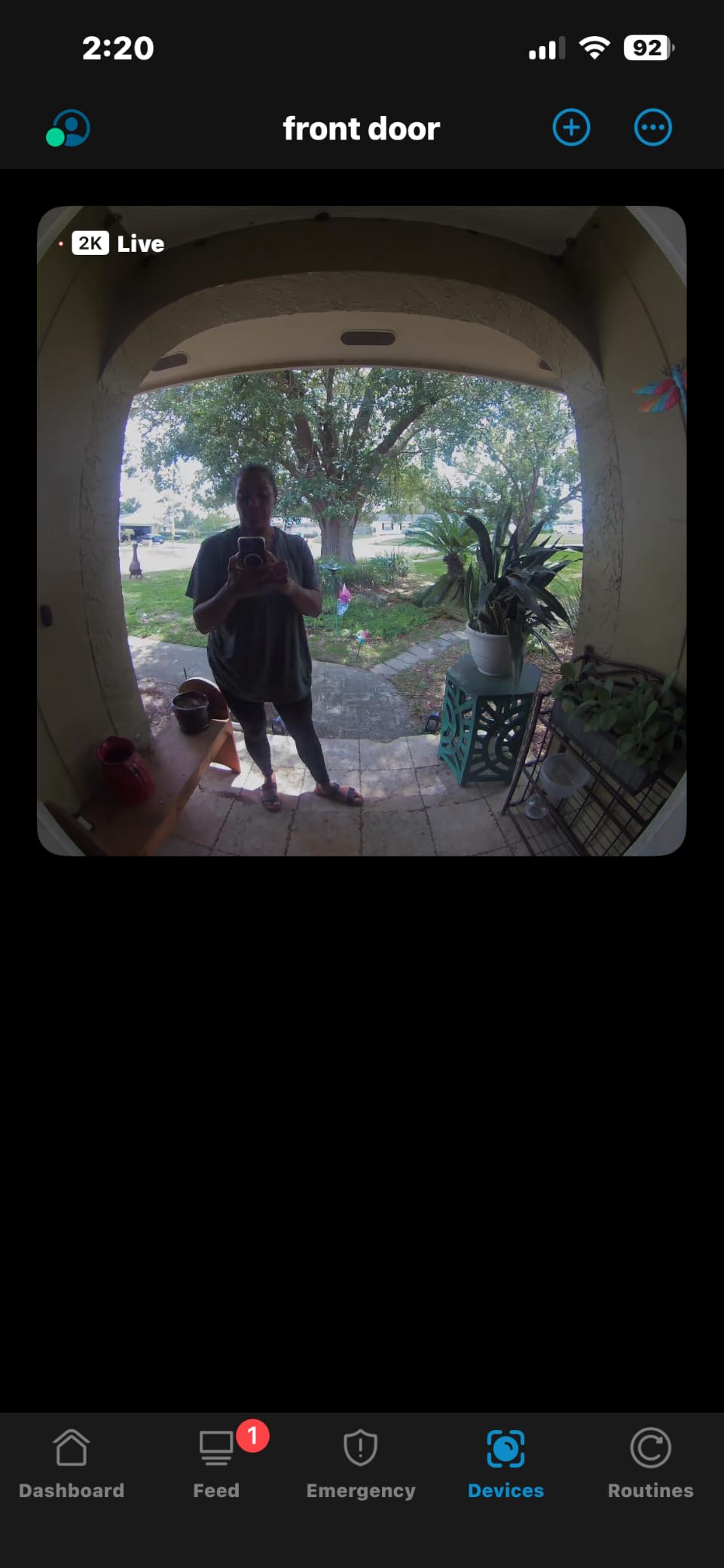
Two-way audio is the standout. Owners describe it as close to a face-to-face call rather than the tinny walkie-talkie sound most doorbells manage, and that has more to do with the microphone placement than the pixel count. Video call answering lets you see the visitor before you pick up.
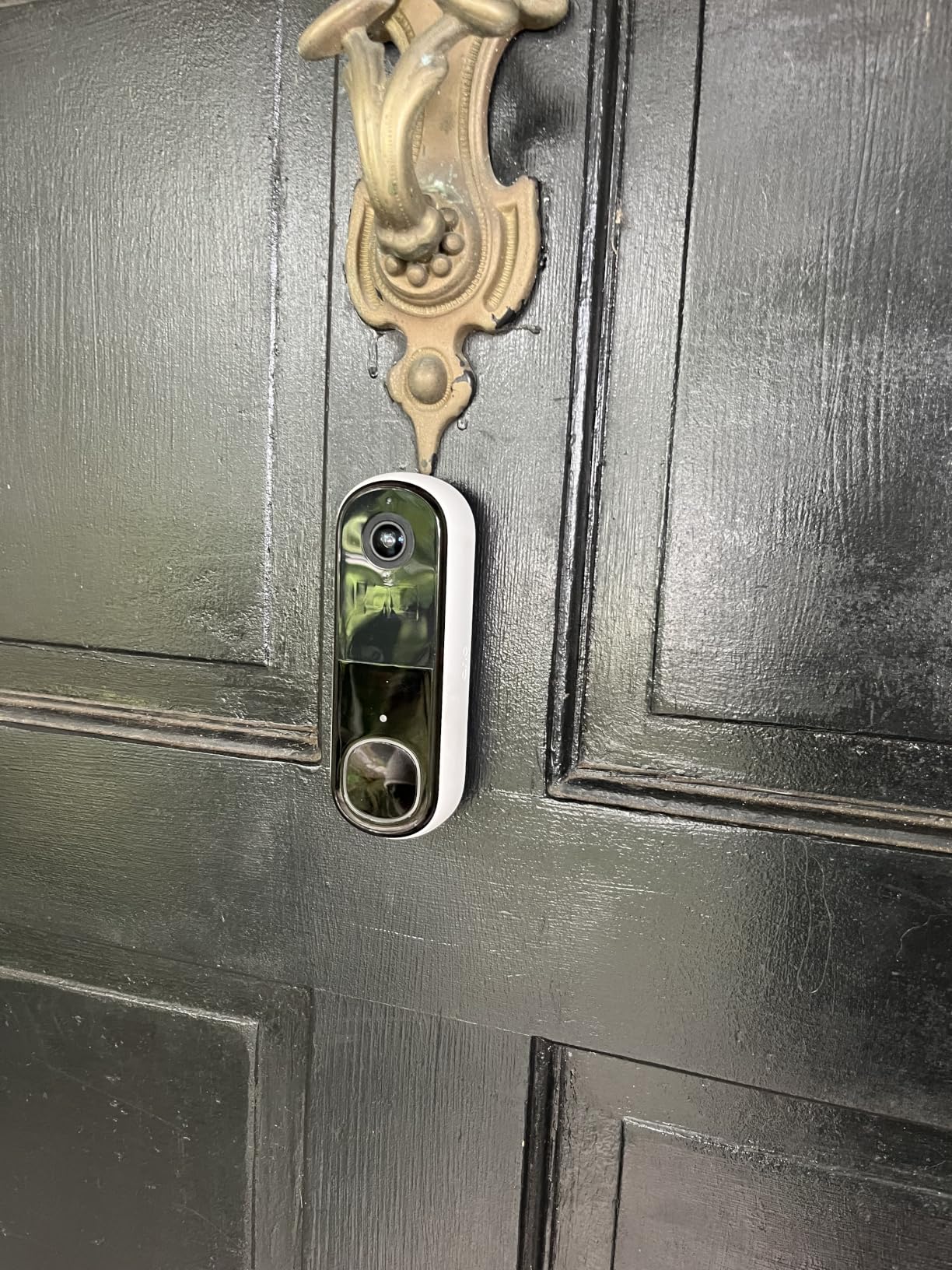
Installation is flexible. It can be hardwired for trickle charging or run as a rechargeable wireless unit on an 18.21 watt-hour lithium-ion battery, so it works in a house with existing wiring and in a rental where you would rather not drill. The box includes an angled bracket and a wire extension kit.
Where Arlo stands apart is ecosystem reach. It works with Alexa, Apple Home, Google Home, Samsung SmartThings, and IFTTT, making it the broadest smart home compatibility in the roundup. Detection covers person, package, pet, and vehicle with custom activity and privacy zones.
Who the Arlo 2K suits
Apple Home users have few genuinely wired options, and this is the clearest one on the list. Anyone running HomeKit and wanting a doorbell that answers in the same app will find less friction here than anywhere else in this roundup.
It also suits buyers who want to try a wired doorbell at low cost, and anyone who wants the freedom to unbolt the unit and take it to a rental later.
Where the Arlo 2K falls short
The subscription question is the honest catch. An Arlo Secure trial unlocks 60-day history, AI detection, and emergency response, but a paid plan is required afterwards. Live streaming, motion alerts, and night vision work without one, so you are never locked out of the basic product.
Video history is not continuous without a plan, so past events can be unavailable. The battery is not user-replaceable, meaning the whole unit comes off the wall to charge when running cordless. There are also reports of setup failures outside certain regions and occasional missing accessories in the box.
How to Choose the Best Wired Video Doorbells: Power, Wiring and Storage
Buying errors on wired doorbells are almost never about image quality. They are about transformer capacity, chime compatibility, and whether you realised the features you wanted sit behind a subscription. These are the four questions that decide what you end up with.
Check your transformer before you buy anything
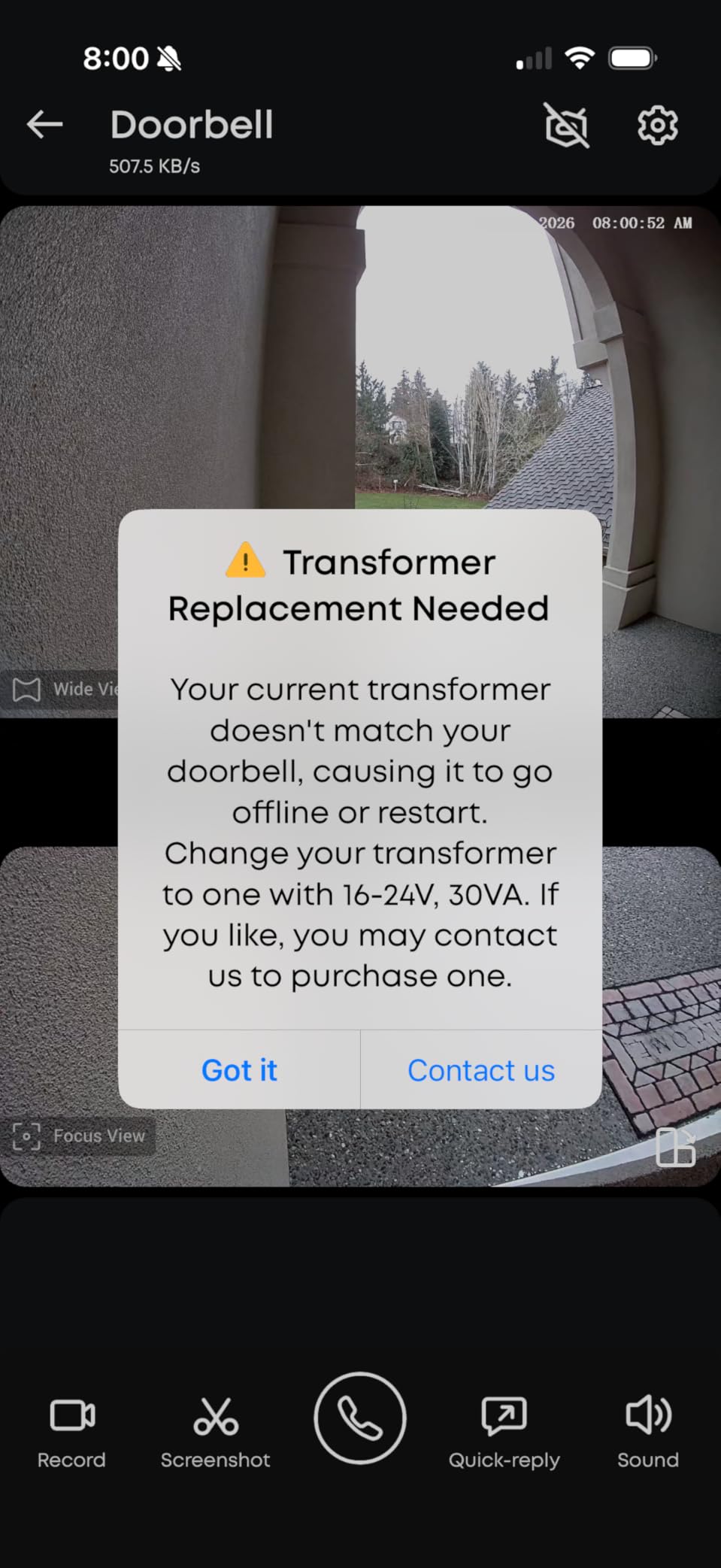
Most doorbell transformers sit in the attic, the basement, or above a closet and were installed decades ago. Older units are frequently underpowered, and an underpowered transformer is the cause of the constant reboots and dropped connections that owners blame on the camera.
The voltage a smart doorbell wants is almost always 16-24V AC, and the capacity is expressed in VA. Most current models want somewhere between 10VA and 30VA: the WYZE v2 states 10VA as its minimum, the Tapo D225 accepts 8-24V, the REOLINK takes 12-24V AC or 24V DC, and the eufy S330 asks for 16-24V at 30VA. If your existing transformer is an old 5VA or 8VA unit, replace it before you mount anything.
Testing takes five minutes with a multimeter. Turn the breaker off, remove the chime, set the meter to AC voltage, and touch the probes across the two doorbell terminals. A healthy reading for a modern install is somewhere in the 16-24V range. You also want a working mechanical chime in the box, because a digital chime frequently needs to be replaced with an adapter, and that adapter is not always included.
How the field of view changes what you can identify
The single biggest difference between these cameras is not resolution but aspect ratio. A 1:1 sensor such as the one in the Ring 4K Pro covers as much vertically as horizontally, which is what you want at a door because people are tall and narrow. A 16:9 sensor wastes most of its pixels on the porch edges.
That is why the 4:3 framing on the aosu, the REOLINK, and the Tapo D225 is worth more than the extra megapixels would be. If you want to confirm whether a visitor is carrying a box, a taller frame answers that question without digital cropping. The dual-camera designs from eufy take a different approach and solve it optically by adding a second lens aimed at the ground.
Frame rate matters less than people expect at a doorway. 15 fps on the Kasa KD110 is perfectly usable for identifying a person, and the extra frames on the Arlo or the REOLINK do not change what you can see at a door.
Local storage versus cloud plans over three years
Five of the ten models here record to a card or built-in memory with no subscription: the aosu through its 8GB base, the eufy E340 with 8GB eMMC, the Kasa KD110 with up to 256GB microSD, the WYZE v2 with 24/7 microSD recording, and the Tapo D225 with up to 512GB. The Ring 2K and the Ring 4K Pro push video history and AI features behind Ring Protect, and the Arlo does the same with Arlo Secure after a trial.
The honest way to think about this is what you lose by refusing to pay. With a microSD card you keep event recording and continuous recording on your own hardware, and footage survives if the doorbell is stolen. With a cloud plan you get AI detection and long history, but the footage leaves your house and the camera is much less useful if the internet drops.
People who moved from Eufy to Reolink in the r/reolinkcam community largely did it for exactly this reason, and the same local-storage preference shows up repeatedly across smart home forums. Buyers who want both should check whether the free tier still includes person detection. The Tapo D225 does; the Kasa KD110 does not.
Which ecosystem each doorbell fits into
Alexa and Google Assistant are effectively universal here. Every model in this roundup except the Ring and Arlo pairs nestles into both ecosystems, and Alexa support also opens Echo Show streaming on the Ring models.
Apple Home is where the gap is. If your household runs HomeKit, the Arlo Video Doorbell 2K is the clearest wired option in this group, and it is one of the main reasons we included it. Aqara models would cover HomeKit more thoroughly, but they did not make this comparison. At the other end of the spectrum, the REOLINK leans hard on its own NVR and accessory ecosystem, so mixing it with non-Reolink gear costs you features.
Thread and Matter support is worth checking against your existing hub rather than the brand name on the box. Two of these units are 2.4GHz-only, and on a busy mesh network that single fact can cause more trouble than any missing smart feature.
Do you need PoE for a renovation
Power over Ethernet doorbells take both data and power down a single Ethernet run, which solves the transformer problem entirely. The catch is the cable. Running Cat6 to the front door means opening walls, and in a finished house that is a job for a professional electrician rather than a weekend.
If you are building or renovating and can plan conduit, PoE is the most future-proof option available: no transformer to age out, no voltage limits, and dual-band connectivity by default. If you have an existing house with working doorbell wiring, a 16-24V transformer is faster, cheaper, and already installed. Only the REOLINK in this group accepts 24V DC as well as AC, which gives you slightly more flexibility if your installer runs a low-voltage DC line.
One more practical note for renters and flats. If you cannot drill into the door frame, a unit that works on battery and can be unbolted later is worth considering even if you have wiring available. The Tapo D225 and the Arlo both handle that, and our full doorbell security guide covers more no-drill setups. For small homes, our picks for washing machines for tiny homes follow the same no-permanent-alteration logic.
Frequently Asked Questions
What is the best wired doorbell for a home?
For most homes the aosu 5MP Ultra HD is the best wired video doorbell, because it combines a genuine 5MP sensor with a 166-degree view, runs on existing doorbell wiring or on a battery, and records to 8GB of local storage with no monthly fee. If package monitoring is your priority the eufy E340 is the stronger pick because its second camera watches the ground.
Which hardwired video doorbell is the best?
The aosu 5MP Ultra HD leads on image quality and flexibility, the Tapo D225 leads on free person, package, and vehicle detection with up to 512GB of local microSD storage, and the Ring Wired Doorbell 4K Pro leads on sensor resolution at 2880 by 2880. All three install over standard 16-24V AC doorbell wiring.
What are the disadvantages of a wired doorbell?
The main disadvantages are installation and ecosystem lock-in. A wired video doorbell needs an existing transformer supplying 16-24V AC, and a transformer rated around 10VA to 30VA, so older homes may need a new one. Mechanical chime compatibility is also a problem, since Ring models will not ring an existing chime without a separate kit. Finally, the best cloud features still require a paid plan.
What is the most reliable video doorbell?
Reliability comes down to steady power and a stable connection rather than a specific brand. Units hardwired to a correctly sized transformer, such as the Kasa 2K Smart Doorbell KD110 or the Tapo 2K+ D225, never drop out to recharge. If you want the most reliable connection specifically, the REOLINK Video Doorbell WiFi 2K supports both 2.4GHz and 5GHz, which most wired doorbells do not.
Are there any video doorbells that don’t need a subscription?
Yes, and most of them in this roundup. The aosu 5MP, eufy E340, Kasa KD110, WYZE Wired v2, eufy S330, and Tapo D225 all record to built-in memory or a microSD card with no monthly fee. The Tapo D225 goes furthest by including free person, package, and vehicle detection. Ring and Arlo keep video history and AI features behind a paid plan.
Why are people getting rid of Ring doorbells?
Three reasons come up repeatedly in the forums. First, Ring Protect gates video history and AI features like Video Descriptions behind a subscription. Second, the current wired models will not ring an existing mechanical chime without a separate Ring Chime kit, which frustrates retrofit installers. Third, privacy concerns around cloud storage and past law-enforcement data-sharing partnerships push some buyers toward local-only brands.
Which wired doorbell camera is best without a subscription?
The Tapo 2K+ Video Doorbell D225 is the strongest subscription-free wired doorbell because it includes free person, package, and vehicle detection alongside up to 512GB of local microSD storage. The aosu 5MP is close behind with a sharper sensor and 8GB of local loop recording. The Kasa 2K KD110 is the cheapest option but keeps smart detection behind its Kasa Care plan.
Do wired doorbells need a transformer and can I install one myself?
Yes, a wired video doorbell needs a transformer supplying 16-24V AC, and most models want between 10VA and 30VA. Most homeowner installs are straightforward if you already have working doorbell wiring and a mechanical chime, since the unit is a screw-in over two wires. Replace the transformer and confirm chime compatibility first, and call an electrician if the wiring is old, buried, or in an unusual configuration.
The Best Wired Video Doorbells for Homes, Reviewed in 2026
Ten wired video doorbells later, the pattern is clear. Nobody wins on hardware alone, because the differences between a 2K sensor and a 4K sensor matter far less at a front door than the questions of transformer capacity, chime compatibility, and whether your video history needs a monthly plan.
The aosu 5MP Ultra HD is our pick as the best wired video doorbell for homes in 2026 because it combines the sharpest sensor in this group with the flexibility to run on your transformer or a battery, plus local storage that costs nothing. Buy the Tapo 2K+ D225 instead if free smart detection matters more to you, and the eufy E340 if watching the ground for deliveries is the whole point.
Before you order anything, take five minutes with a multimeter and check the transformer output. It is the cheapest fix available and it prevents most of the disappointed reviews we read while putting this roundup together.