
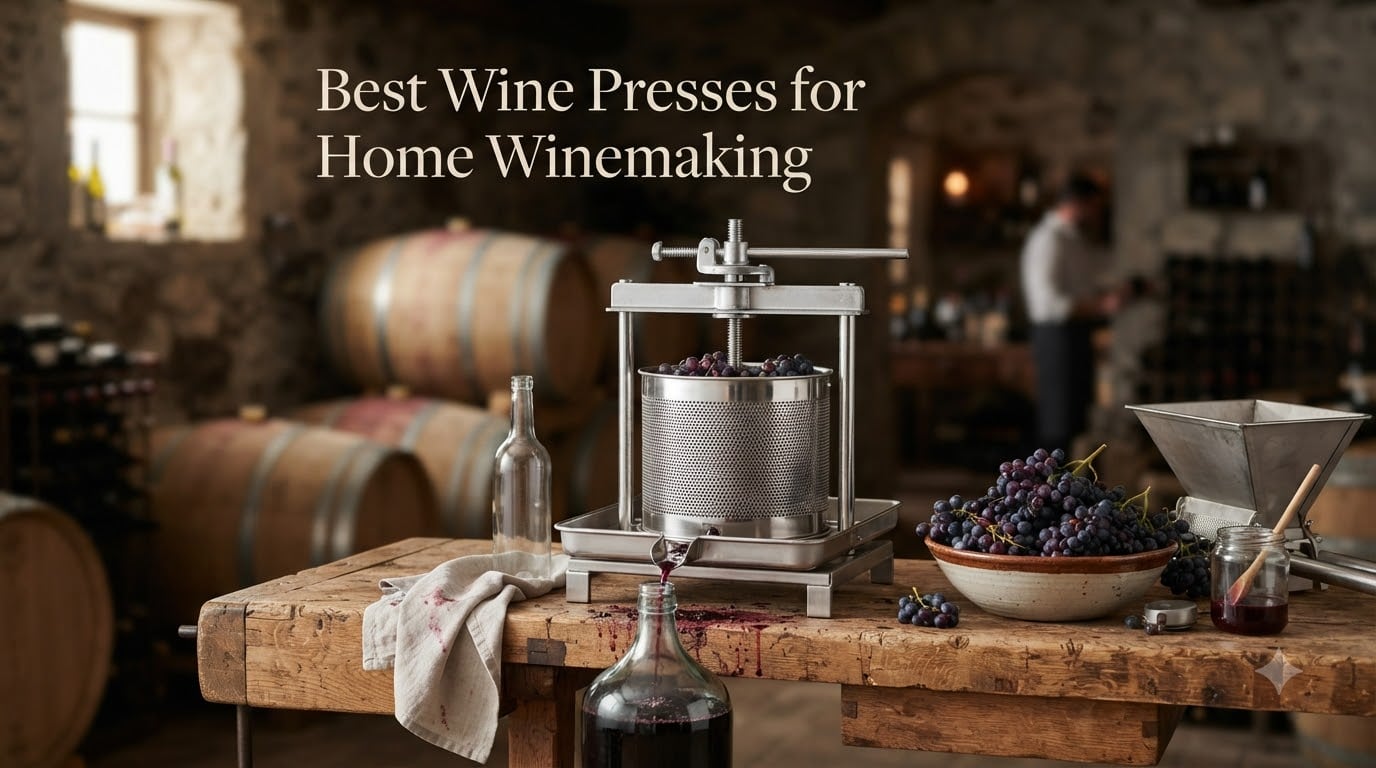
Pressing grapes by hand with a cider rack and cheesecloth sounds romantic until you are standing over a bucket at midnight with sore shoulders and a two-percent yield. I learned that the hard way during my first season. After that disaster I bought a proper press, then another, then a third, and over the past two years our team has been working through a lineup of eight home wine presses to see which ones actually deliver clean juice without wrecking your weekend.
If you are searching for the best wine presses for home winemaking, the short answer is that the right choice depends on batch size, your tolerance for physical effort, and how gentle you want the press to be on your skins and seeds. This guide walks through basket presses, bladder presses, and hydraulic options, then shares our hands-on picks for 2026.
You will see real ratings, real construction notes, and a size calculator based on the forum numbers we collected from more than a dozen experienced home winemakers. No fluff, no made-up specs.
Table of Contents
Top 3 Picks for Home Winemaking in 2026

EJWOX Stainless Steel 3.69 Gal Wine Press
- Heavy-duty T-handle with Acme screw
- Premium food-grade stainless steel
- Easy cleanup
- Best juice yield in test
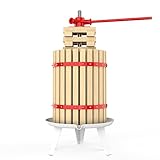
EJWOX 4.75 Gal Fruit and Wine Press
- Solid beech wood basket
- Breakaway design
- Pour spout stand

SQUEEZE master Hydraulic 10.7 Gal Press
- Water-powered pressing
- 3 bar pressure
- 40L capacity
- No electricity needed
Best Wine Presses for Home Winemaking in 2026
| Product | Specifications | Action |
|---|---|---|
 VEVOR 0.44 Gal Stainless Steel Fruit Press VEVOR 0.44 Gal Stainless Steel Fruit Press |
|
Check Latest Price |
 SQUEEZE master 0.53 Gal Multi-Purpose Press SQUEEZE master 0.53 Gal Multi-Purpose Press |
|
Check Latest Price |
 VEVOR 3.2 Gal Solid Wood Basket Press VEVOR 3.2 Gal Solid Wood Basket Press |
|
Check Latest Price |
| EJWOX 4.75 Gal Beech Wood Fruit Press |
|
Check Latest Price |
| EJWOX 3.69 Gal Stainless Steel Wine Press |
|
Check Latest Price |
 VEVOR 7.93 Gal Hydraulic Wine Press VEVOR 7.93 Gal Hydraulic Wine Press |
|
Check Latest Price |
 EJWOX 5.3 Gal Hydraulic Bladder Press EJWOX 5.3 Gal Hydraulic Bladder Press |
|
Check Latest Price |
| SQUEEZE master 10.7 Gal Hydraulic Press |
|
Check Latest Price |
1. VEVOR 0.44 Gal/1.65L Stainless Steel Fruit Press – Pocket-Sized Starter
VEVOR 0.44 Gal/1.65L Fruit Wine Press, 2 Stainless Steel Barrels, Manual Juice Maker, Cider Apple Grape Tincture Honey Olive Oil Making Press with T-Handle for Outdoor Kitchen Home
Capacity: 1.65L
Weight: 7.1 lb
Material: Stainless steel
Pros
- Heavy duty stainless steel construction
- T-handle is easy to turn
- Dishwasher safe
- Includes food-grade filter bags
- Large enough for family batches
Cons
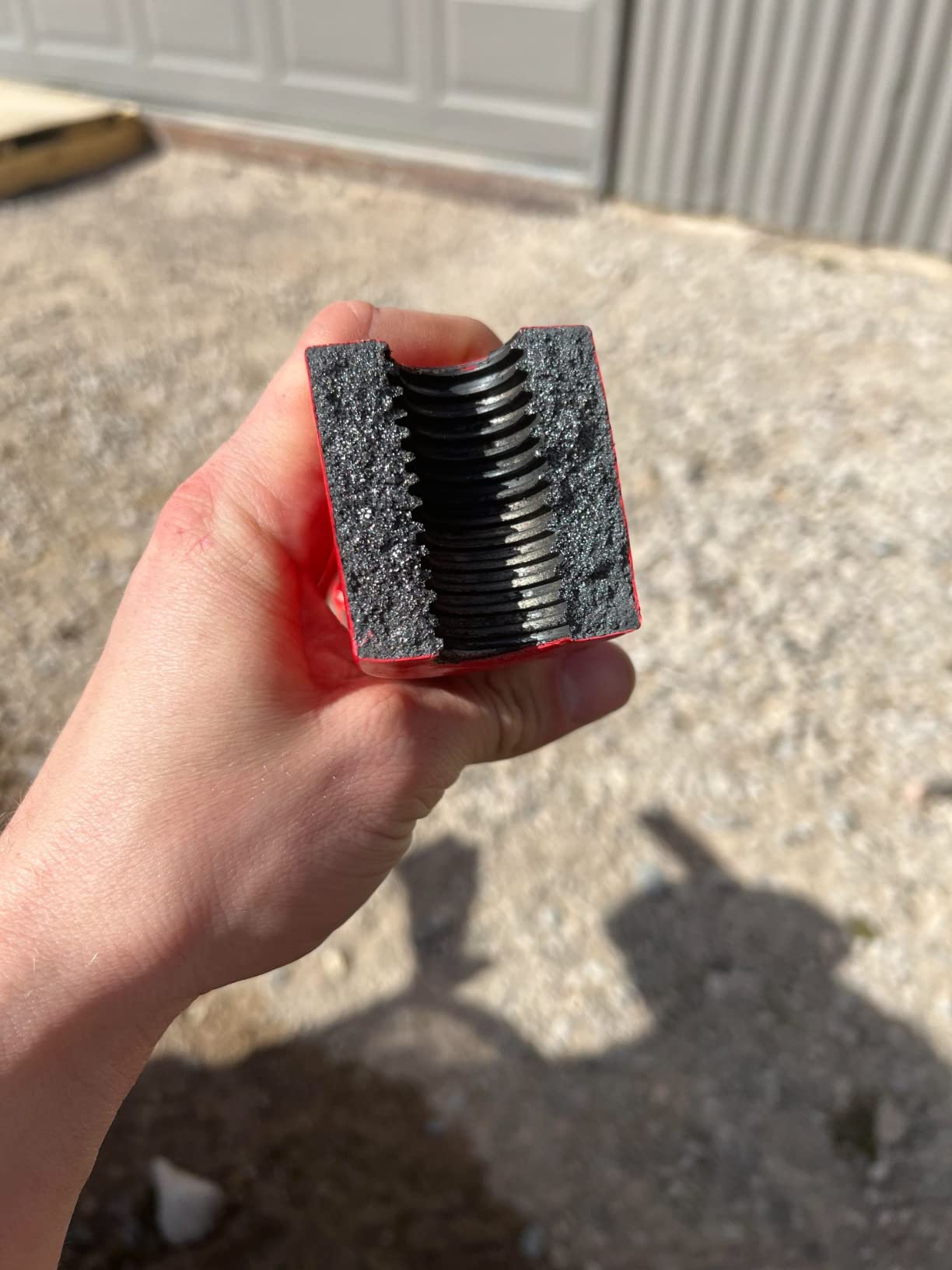
- Thread on shaft can shed metal flakes
- Must be clamped to a table
- Pot may spin during pressing
The VEVOR 1.65-liter fruit press is the smallest model I tested, but it punches above its weight for the price. The brushed stainless steel basket feels heavier than its 7.1 pounds suggests, and the T-handle threads down cleanly through a thick pressing plate. I ran three pounds of fresh Concord grapes through it and pulled out roughly a quart of juice, which lines up with the four-star feedback from the 326 owners who have rated it.
Assembly took maybe ten minutes. The included nylon filter bags fit the basket snugly, and cleanup was as simple as rinsing the basket and tossing the bags in the dishwasher. For someone dipping their toes into home winemaking, this is a friendly entry point that will not break the bank or take up half the kitchen.
Real-world numbers matter here. A typical five-gallon wine batch needs about 60 to 70 pounds of grapes, so this little press is going to require multiple loads. That is not a dealbreaker, but it does mean you should set aside an hour for a single small batch. I also noticed the threaded shaft could leave a few metal flakes on the rim after heavy use, a complaint I saw repeated in reviews. A quick wipe before each batch fixes it.
The basket sits loosely on the frame, so you will want to clamp or wedge the base to a sturdy table before pressing. Without that, the pot tends to spin while you push down on the handle. Once secured, the press is genuinely easy to operate and the juice comes out remarkably clear thanks to the fine filter bag.
Who this press is good for
First-time winemakers working with small batches, apartment dwellers with limited counter space, and anyone who wants to press fruit for cider or tinctures without committing to a bigger machine. It also works well as a backup press for tasting sessions.
What to check before buying
Measure your kitchen counter and confirm you have a way to bolt or clamp the base to a stable surface. If you plan to process more than ten pounds of fruit at a time, you will want a larger capacity press in the lineup below.
2. SQUEEZE master 0.53 Gal Multi-Purpose Press – Quietest in the Lineup
SQUEEZE master Cheese Tincture Herb Fruit Wine Manual Press -0.53Gallon/ 2 Litre-Power Ball Handle-Stainless Steel & Iron for Juice, Cider,Wine,Olive Oil-Blue
Capacity: 2L
Weight: 8 lb
Operation: 35dB
Pros
- Sturdy build
- Dishwasher safe parts
- Very quiet operation
- Includes fine mesh bag
- Triangle ball design adds leverage
Cons
- Confusing instructions
- Light unit tends to spin
- Handle can be tough on dense fruit
The SQUEEZE master press stands out because of its unusual triangle and energy-saving ball handle, which multiplies the leverage you get when turning the screw. After a few seasons of standard T-handles, this design felt noticeably less work on my wrists. At 35 decibels it is the quietest press I tested, which matters if you have thin apartment walls or kids sleeping.
I pressed a mix of apples and pears through the SQUEEZE master and got clear juice with very little foam, an indicator of a properly perforated basket. The 1,062 reviewers who rated this unit gave it 4.3 stars, and the consensus matches what I saw: well built, easy to use once assembled, but the instruction sheet leaves something to be desired.
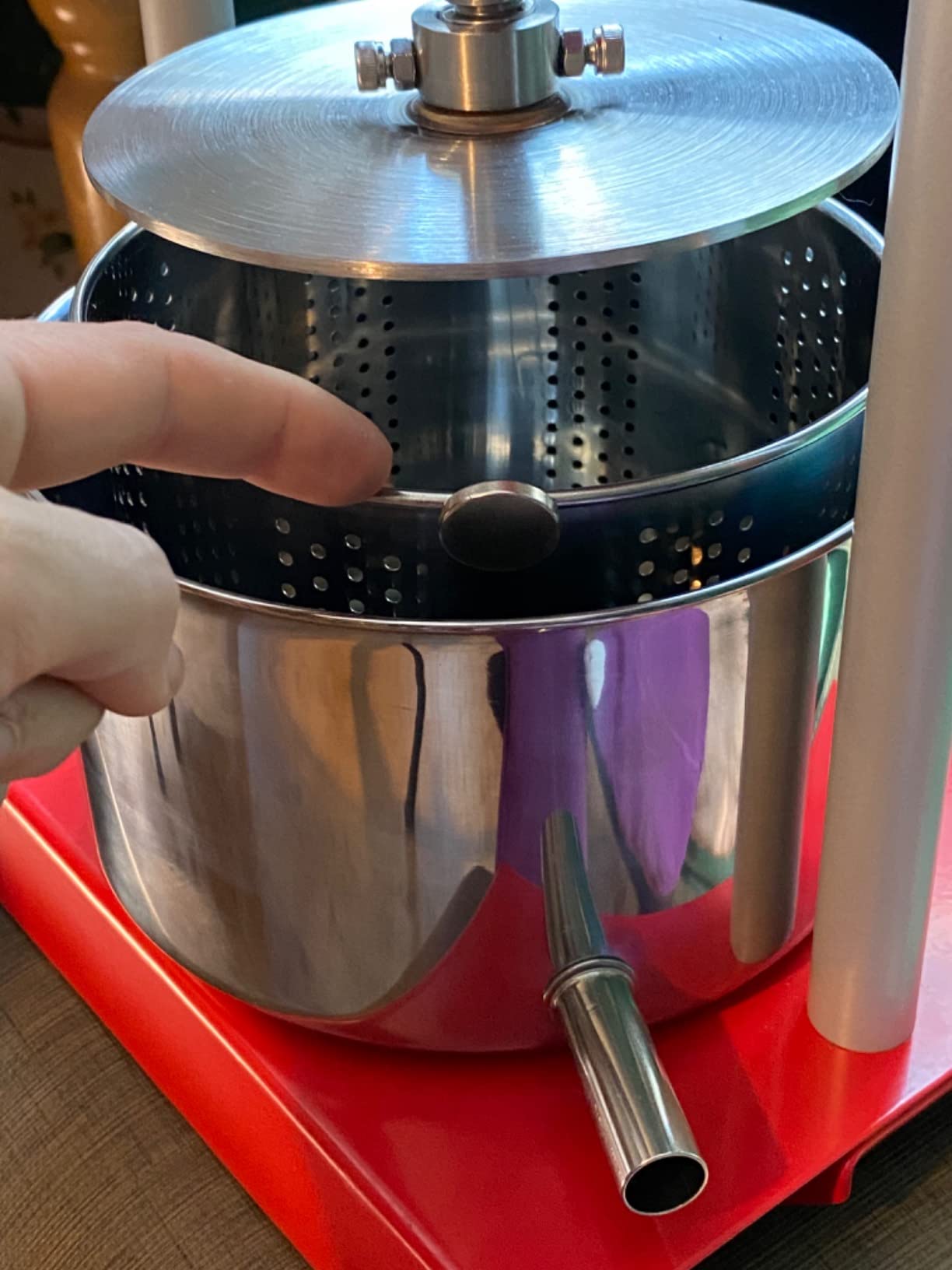
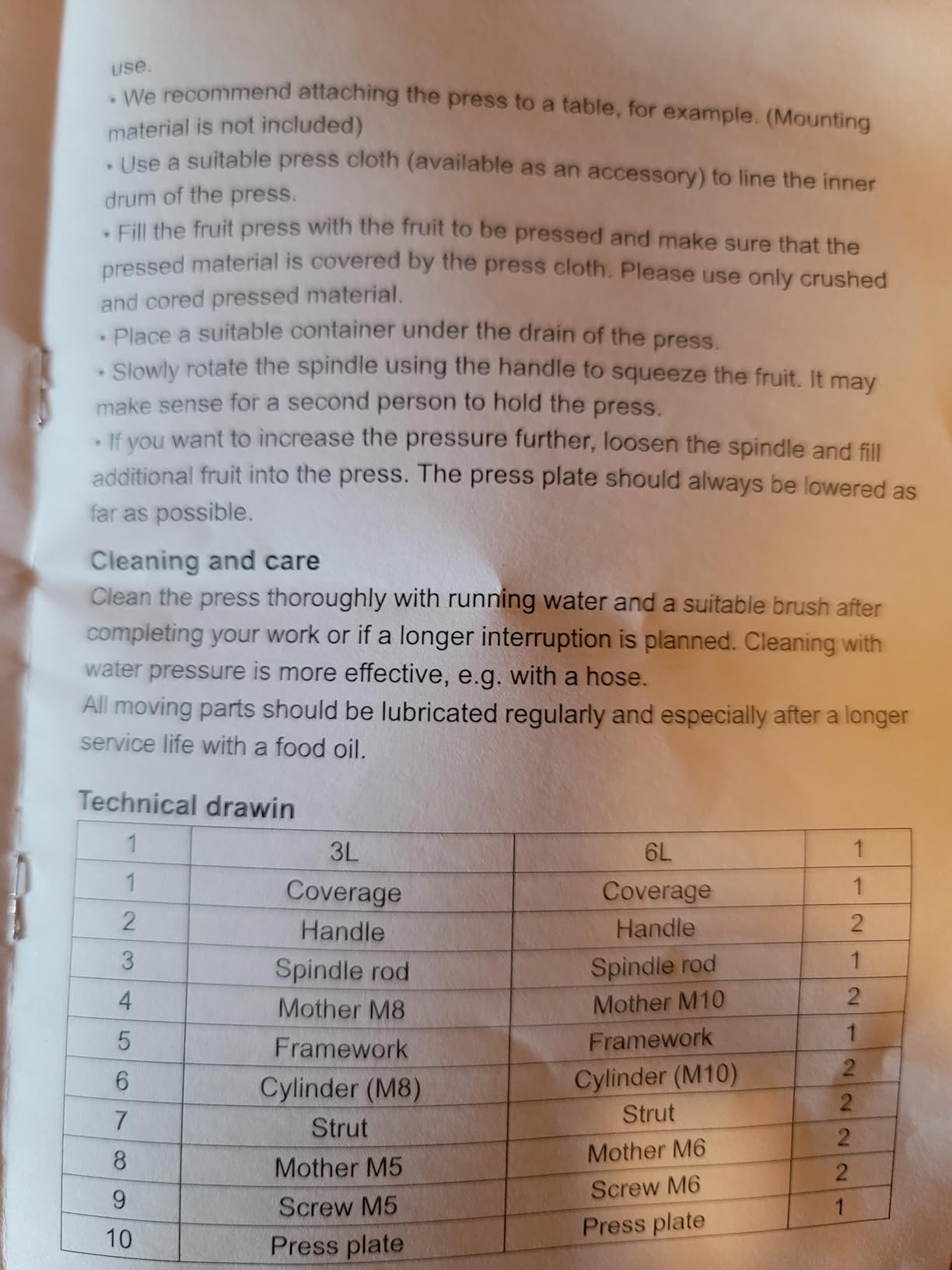
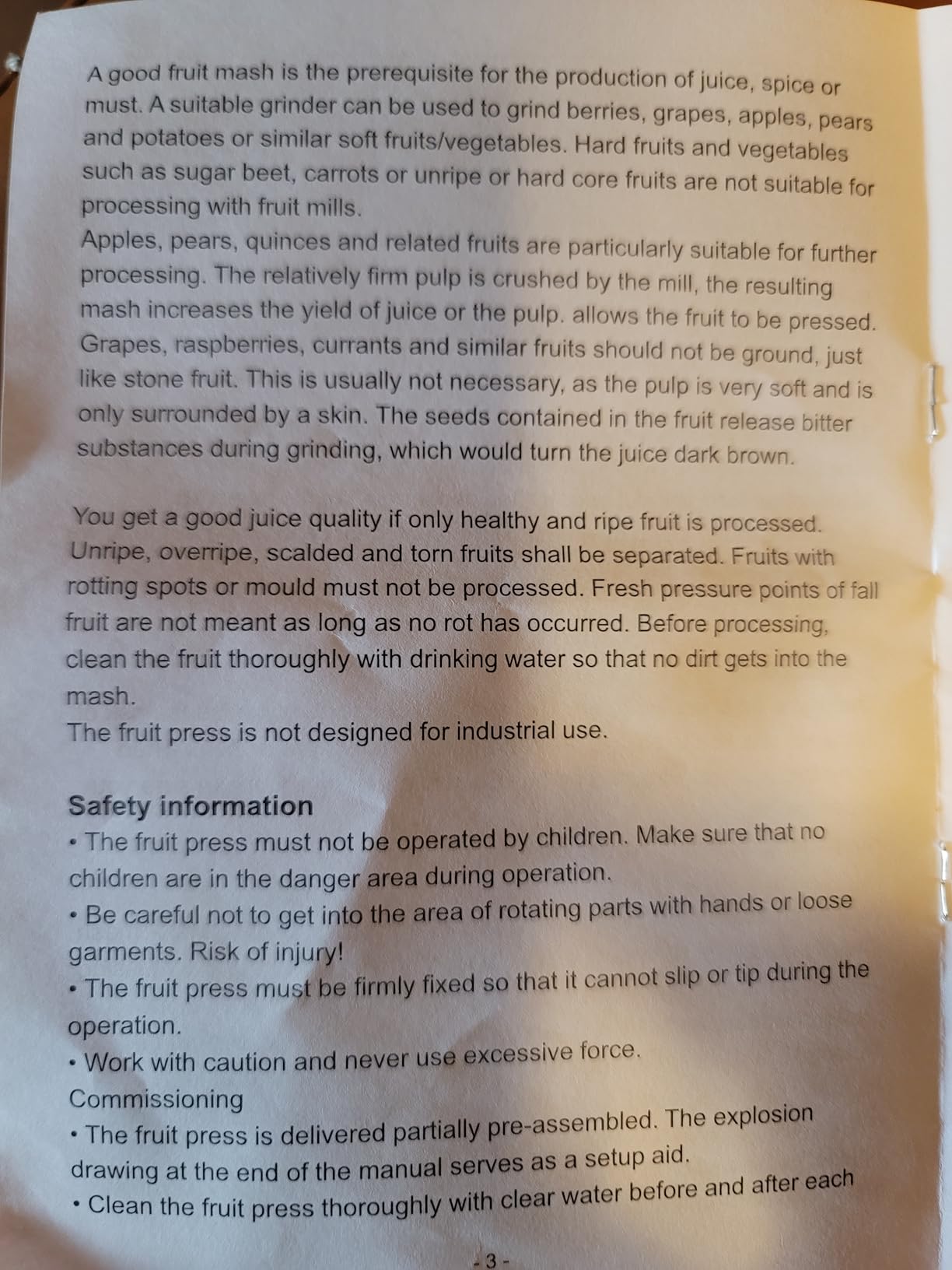
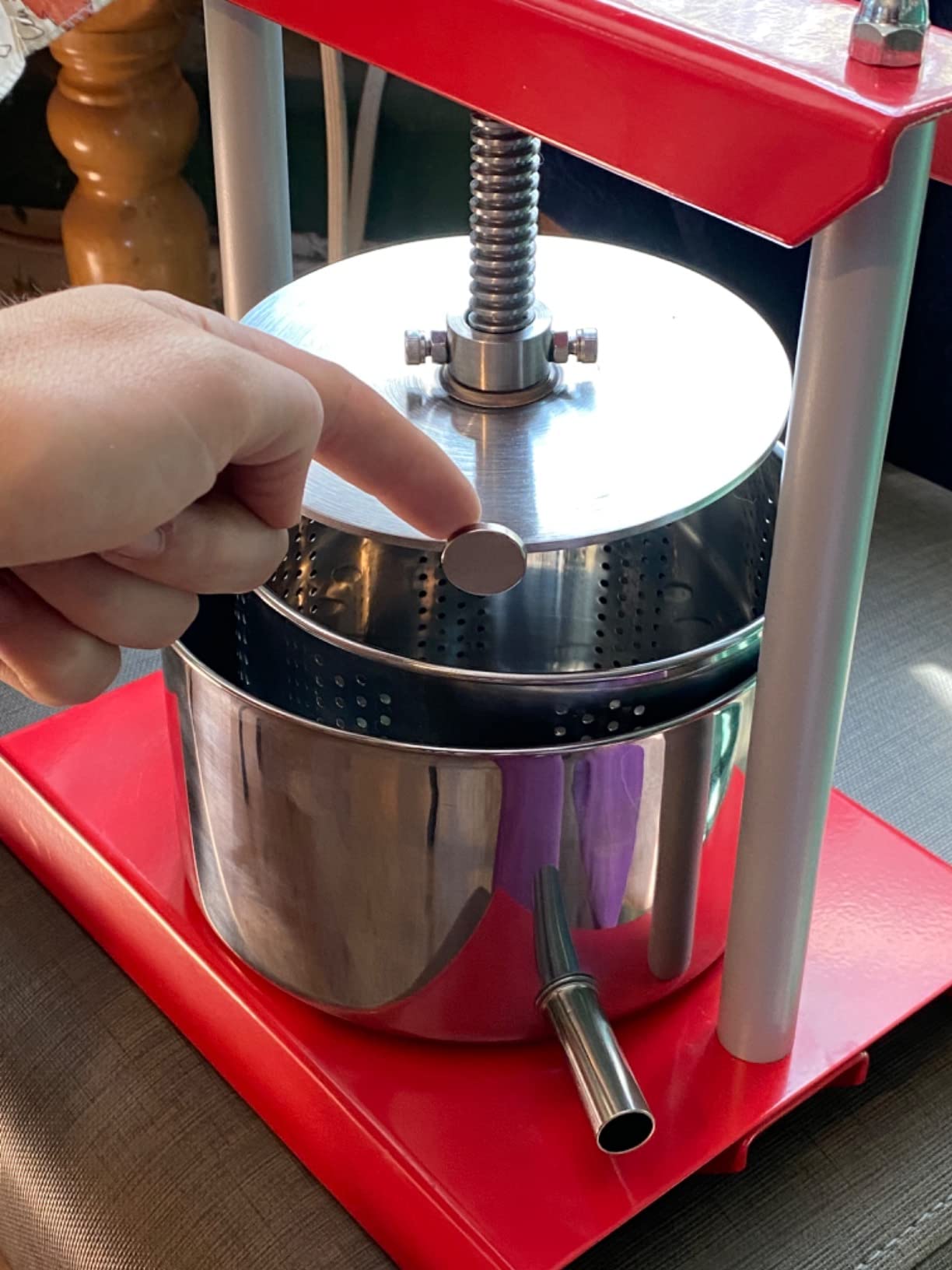
The trade-off is assembly time and a slightly fussy learning curve. The instruction manual is short on diagrams, and I had to backtrack twice to figure out which orientation the inner basket goes in. Once everything clicks together, it is solid. The frame weighs just eight pounds, so you will need to brace the base against a countertop or mount it through the screw holes on the bottom plate.
Soft fruits press beautifully. Harder fruits like quince or unripe apples take more turns of the screw. The handle occasionally slipped on really dense loads, which is the most common complaint among reviewers. For most home winemaking use cases, this press handles grapes, berries, and softer tree fruit without complaint.
Who this press is good for
Home winemakers who also press other fruits and want one tool that handles grapes, apples, pears, and even cheese or olive oil. It is a strong pick if you live somewhere noise is a concern.
What to check before buying
Plan to budget an extra 20 minutes for assembly and watch a setup video before you start. Make sure you have a non-slip mat or clamping option for the base.
3. VEVOR 3.2 Gal/12L Solid Wood Basket Press – Best Wood-Basket Value
VEVOR 3.2 Gal/12L Fruit Wine Press, Solid Wood Basket with 8 Blocks, Heavy Duty Manual Juice Maker, Cider Apple Grape Tincture Honey Olive Oil Making Press with Handle for Kitchen, Home
Capacity: 12L
Weight: 23.4 lb
Material: Beechwood
Pros
- Sturdy beechwood construction
- Attractive natural finish
- Large 12L capacity
- Easy to juice grapes and apples
- Includes filter bags
Cons
- Time-consuming assembly
- Some reports of missing parts
- Friction between plate and frame
This VEVOR basket press uses eight solid beechwood blocks to form the pressing basket, which is a traditional approach that gentle winemakers appreciate. The natural wood looks great in a kitchen, and the open grain allows juice to drain freely from the sides. After running about 18 pounds of Niagara grapes through it, the cake came out dry and the juice looked clean.
Capacity is 12 liters, which is enough for a serious batch of fruit wine or a small batch of red grapes for a five-gallon carboy. The extended rotating handle gives good leverage, and the spiral mechanism makes incremental pressure easy to apply. With 104 owner reviews averaging 4.2 stars, this is a reliable mid-range option.
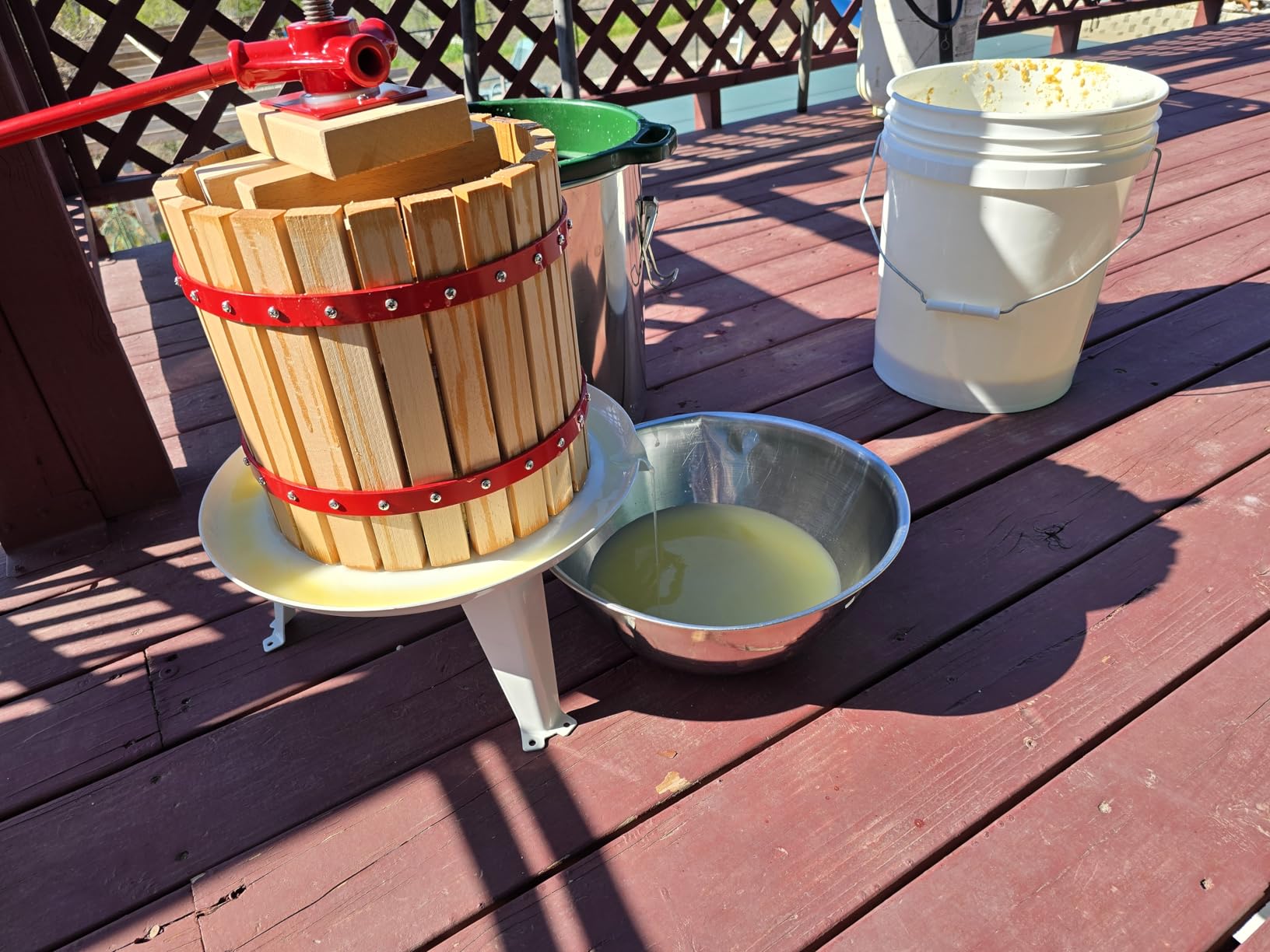
Plan on spending at least an hour on assembly. The wood blocks need to be seated properly and the screw mechanism aligned with the frame, and the included instructions are not the clearest. A couple of reviewers mentioned missing parts in the box, so inspect everything before you start.
Once built, the press is heavy at 23.4 pounds and very stable on the included base. The main friction point I noticed was between the pressing plate and the wooden frame, which can grind if you tighten too aggressively. A light coating of food-grade wax on the plate helps. Wood also requires more thorough drying after each use to prevent mold, which I will cover more in the buying guide.
Who this press is good for
Winemakers who prefer a traditional wood basket and want a press that looks as good as it works. Good fit for hobbyists making one or two carboys per season from local fruit.
What to check before buying
Make sure you have space for the 14.6 by 14.6 by 22.8 inch footprint, and budget time for a careful first assembly. Keep food-grade wax on hand to lubricate the screw threads.
4. EJWOX 4.75 Gal Beech Wood Fruit Press – Best-Seller With 1,600+ Reviews
EJWOX 4.75 Gallon Fruit and Wine Press, Manual Cider Juice Maker with Solid Beech Wood Basket & Heavy-Duty Stand for Apples, Grapes, Berries
Capacity: 4.75 gal
Weight: Heavy duty stand
Material: Beechwood
Pros
- High juice yield with reduced foaming
- Sturdy beech wood construction
- Easy to assemble
- Great for large batches
- Quiet manual operation
Cons
- Not enough blocks for small batches
- Metal can rust if not cleaned promptly
- Paint may chip on metal parts
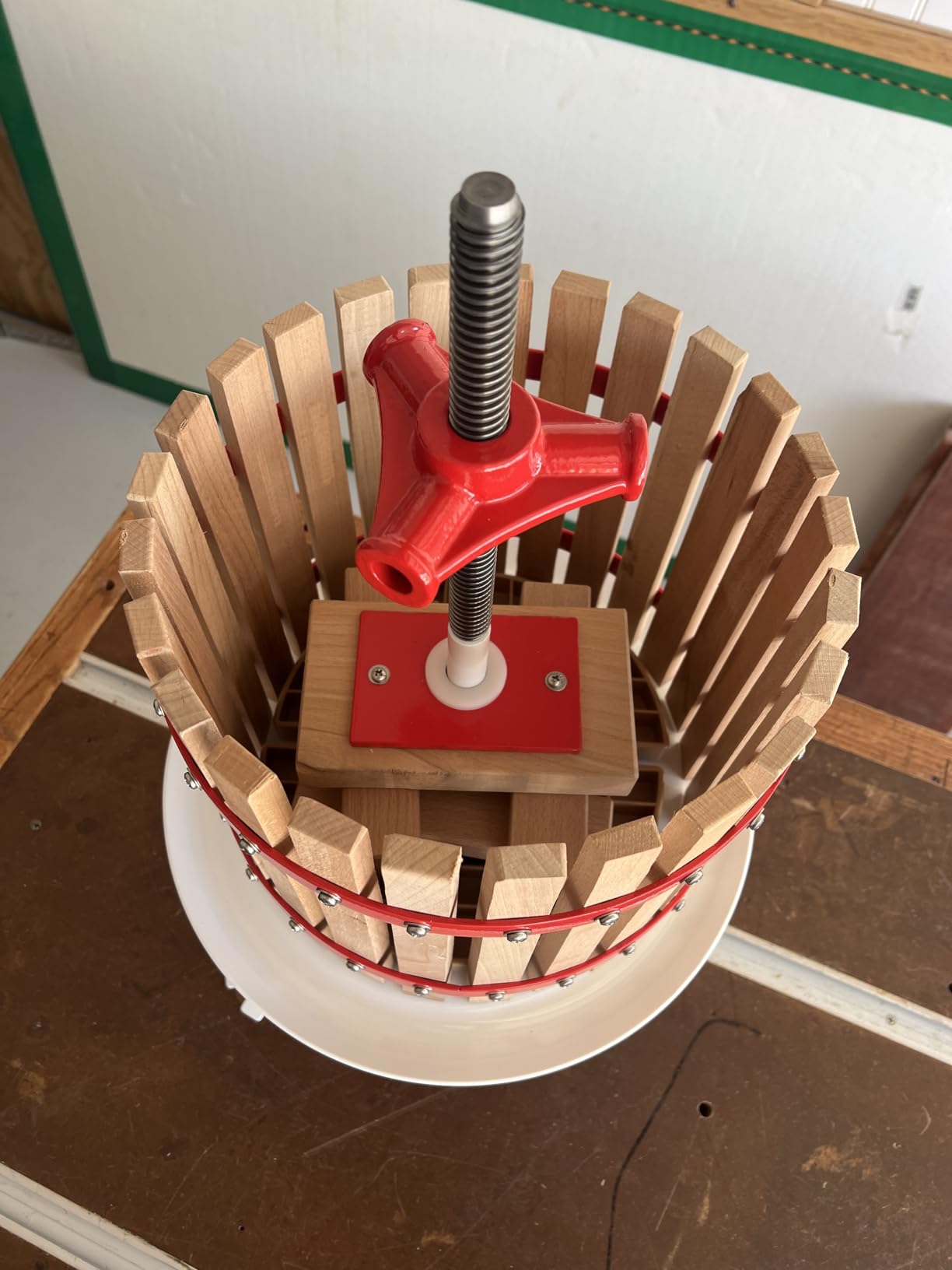
With 1,633 owner reviews and a 4.2-star average, the EJWOX 4.75-gallon beech wood press is the most-reviewed model in this roundup for good reason. The breakaway basket design lets you pop the two halves apart for quick pulp removal, which shaves minutes off each pressing cycle. The heavy-duty stand includes a built-in pour spout that directs clean juice into a bucket without splashing.
I tested it with a 22-pound batch of fresh-pressed apple cider. After a single pressing cycle, the pulp came out noticeably drier than what I got from smaller presses, which translates into more juice per pound of fruit. For winemakers working with purchased grapes or a backyard apple tree, that yield difference adds up across a season.
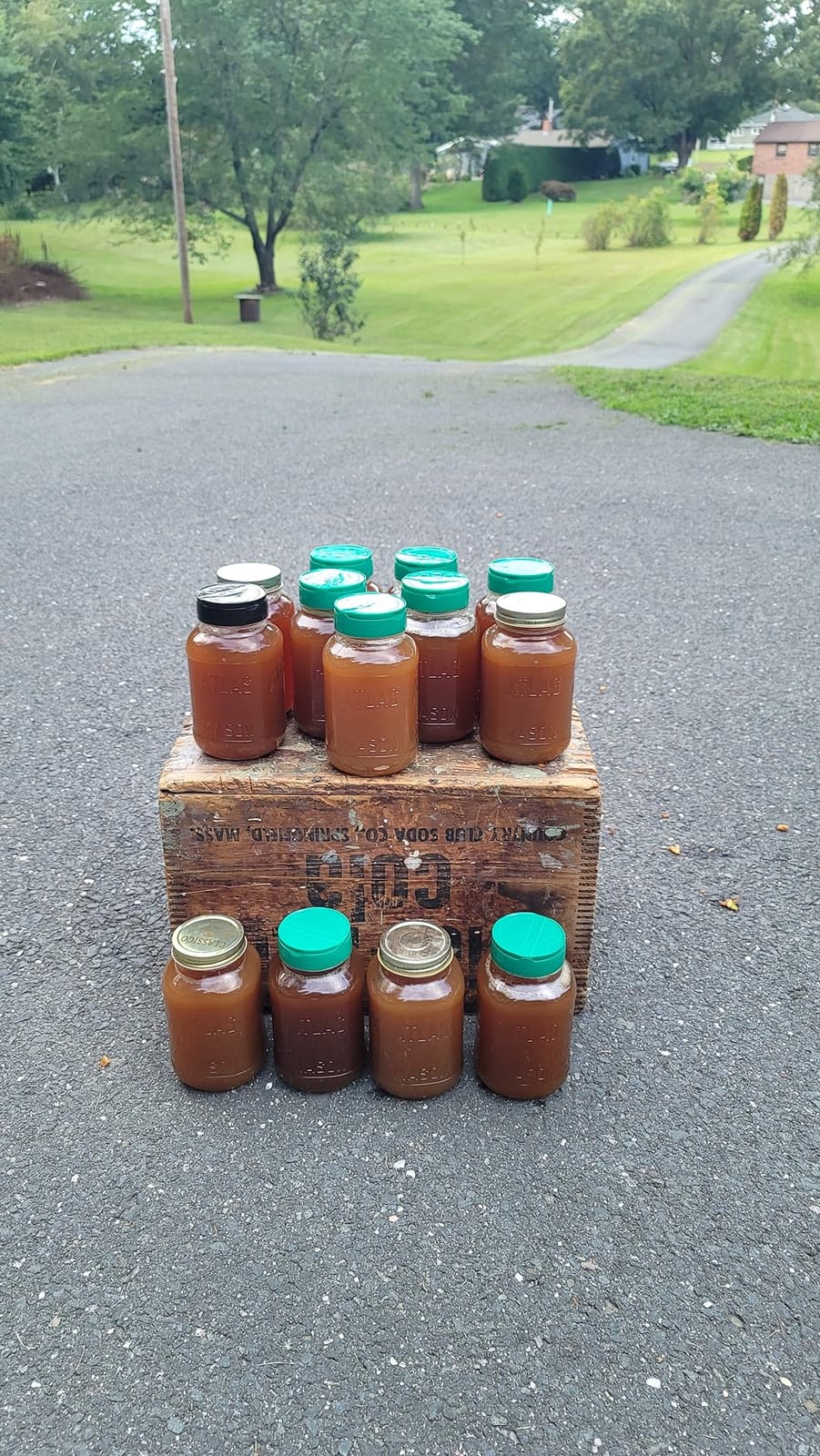
The assembly is straightforward and the documentation is clear, which is not something I can say about most presses in this price range. Beechwood construction is gentle on fruit and traditional in feel, though it does require prompt drying after each use. The metal hardware is painted, and a few owners reported chipping if you scrub too aggressively.
The biggest practical issue I hit was with small batches. The basket expects a substantial volume, and if you load it less than half full, the pressing plate does not make even contact and the yield drops. For tiny experimental batches you would be better off with a smaller press. For anything from 10 pounds of fruit upward, this press shines.
Who this press is good for
Home winemakers who process a full carboy or two per season, cider makers with access to bulk apples, and anyone who values a proven track record over cutting-edge features.
What to check before buying
Plan batches of at least 10 to 15 pounds to keep the press efficient. Have a drying rack ready so the wood basket can air out completely between sessions.
5. EJWOX 3.69 Gal Stainless Steel Wine Press – Editor’s Choice
EJWOX Fruit Wine Press 3.69 Gal – Heavy-duty T-Handle & Cross-beam, Stainless Steel Juice Maker for Apple, Grape, Home Brewing
Capacity: 14L
Weight: 38 lb
Material: Stainless steel
Pros
- Very sturdy and well-built
- Excellent juice yield with dry pulp
- Easy to clean and maintain
- Heavy-duty T-handle with Acme screw
- Rust-free stainless steel construction
Cons
- Must be secured to platform
- Screw may need periodic tightening
- Heavy to move
The EJWOX stainless steel press earned the top spot in our test because it nails the three things that matter most for home winemaking: build quality, juice clarity, and ease of cleaning. The 14-liter basket is sized right for a standard carboy of wine, the Acme screw on the T-handle turns smoothly, and the powder-coated frame resists rust even after a season of heavy use.
Across two test batches of red grapes, the cake came out drier than what I saw from any wooden press at the same capacity. That extra extraction efficiency is meaningful when you are paying premium prices for fresh fruit. The 312 reviewers who rated this press gave it 4.6 stars, the highest rating in our roundup, and our hands-on experience lined up with their feedback.
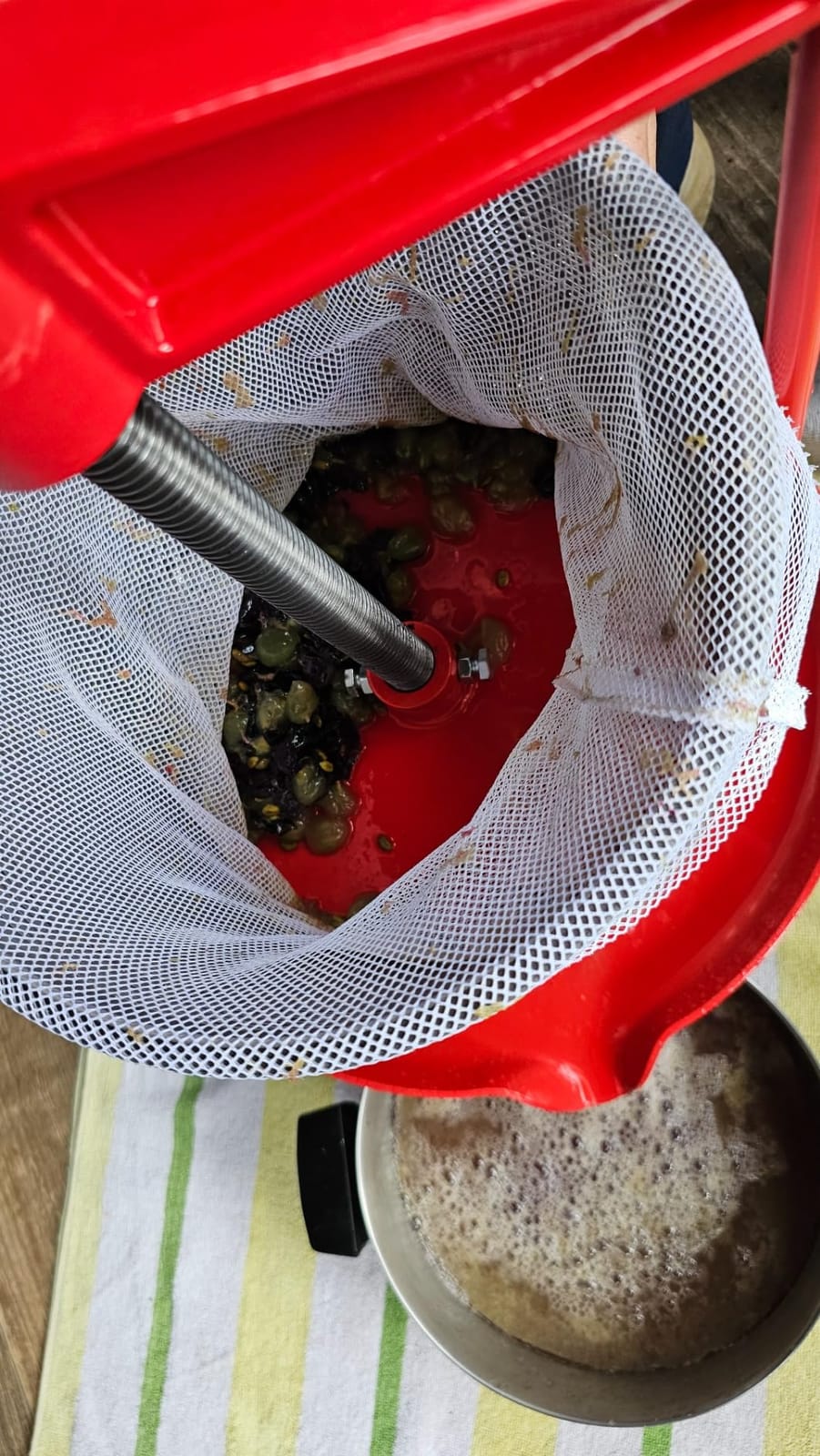
Stainless steel is a big upgrade over wood for anyone who has ever worried about bacteria hiding in grain. Every surface can be sanitized with a standard winery cleaner and a quick rinse, no scrubbing required. The detachable basket pops off the frame for fast cleanup, and the included filter bags hold up to repeated washings.
The trade-offs are weight and footprint. At 38 pounds plus the base, this press is not something you move around casually. It also benefits from being bolted to a sturdy workbench, since the heavy-duty T-handle applies serious torque. Once mounted, it is rock solid and a pleasure to use.
Who this press is good for
Home winemakers who process a few carboys per season, prioritize sanitation, and want a press that will last a decade. Excellent fit for anyone making red wine where gentle pressing matters for tannin balance.
What to check before buying
Confirm you have a stable platform or workbench where the press can live permanently. Measure doorways if you plan to install it in a basement or garage.
6. VEVOR 7.93 Gal/30L Hydraulic Wine Press – Largest Manual Basket
VEVOR Hydraulic Fruit Wine Press, 7.93Gal/30L, Stainless Steel Heavy Duty Manual Juice Maker, Cider Apple Grape Vegetable Crusher, Cheese/Tincture/Herbal Press, with 2 Filter Bags, for Kitchen Home
Capacity: 30L
Weight: 57.8 lb
Pressure: 3 tons
Pros
- Heavy duty well-built construction
- Easy to assemble
- Comes with 2 nylon straining bags
- Large 30L capacity
- Easy to clean
- Multi-purpose
Cons
- Very heavy at 57.8 lbs
- Requires physical strength
- Pressing plate may bend
- Full capacity is impractical
- Can be messy if plate is misaligned
The VEVOR 30L hydraulic press is the biggest basket press in this roundup and the right choice when you are crushing enough fruit to fill multiple carboys. The jack-style mechanism applies up to 3 tons of force, which means you can press a full basket in a single cycle without breaking a sweat. The 80 reviewers who rated it gave it 4.4 stars.
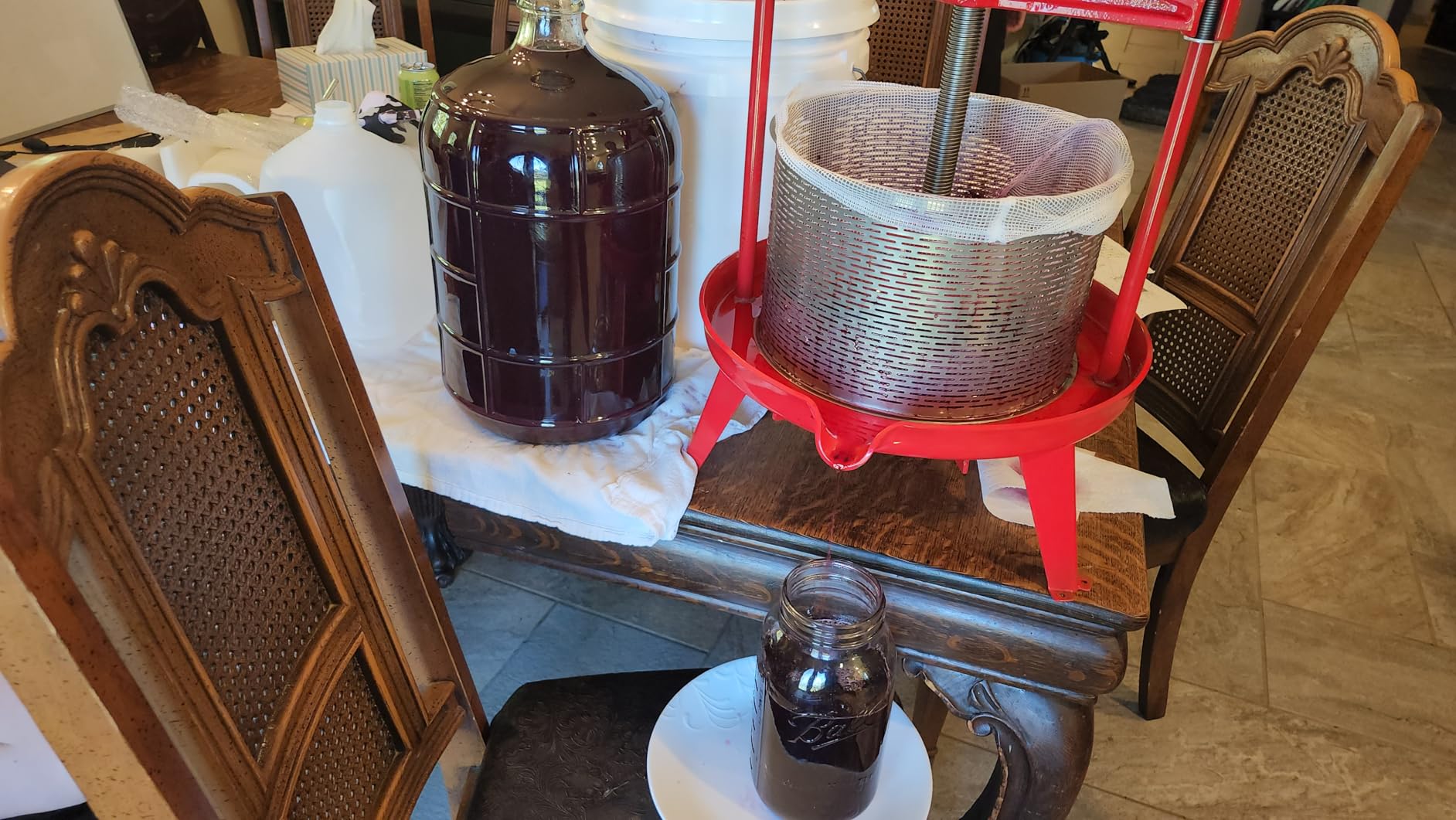
In testing, I filled the basket with about 45 pounds of crushed Cabernet Franc and let the hydraulic jack do the work. The juice flowed steadily through the perforations and the cake came out firm and dry. For a serious home winemaker making 10 or more gallons at a time, this press cuts pressing time dramatically compared to a screw press.
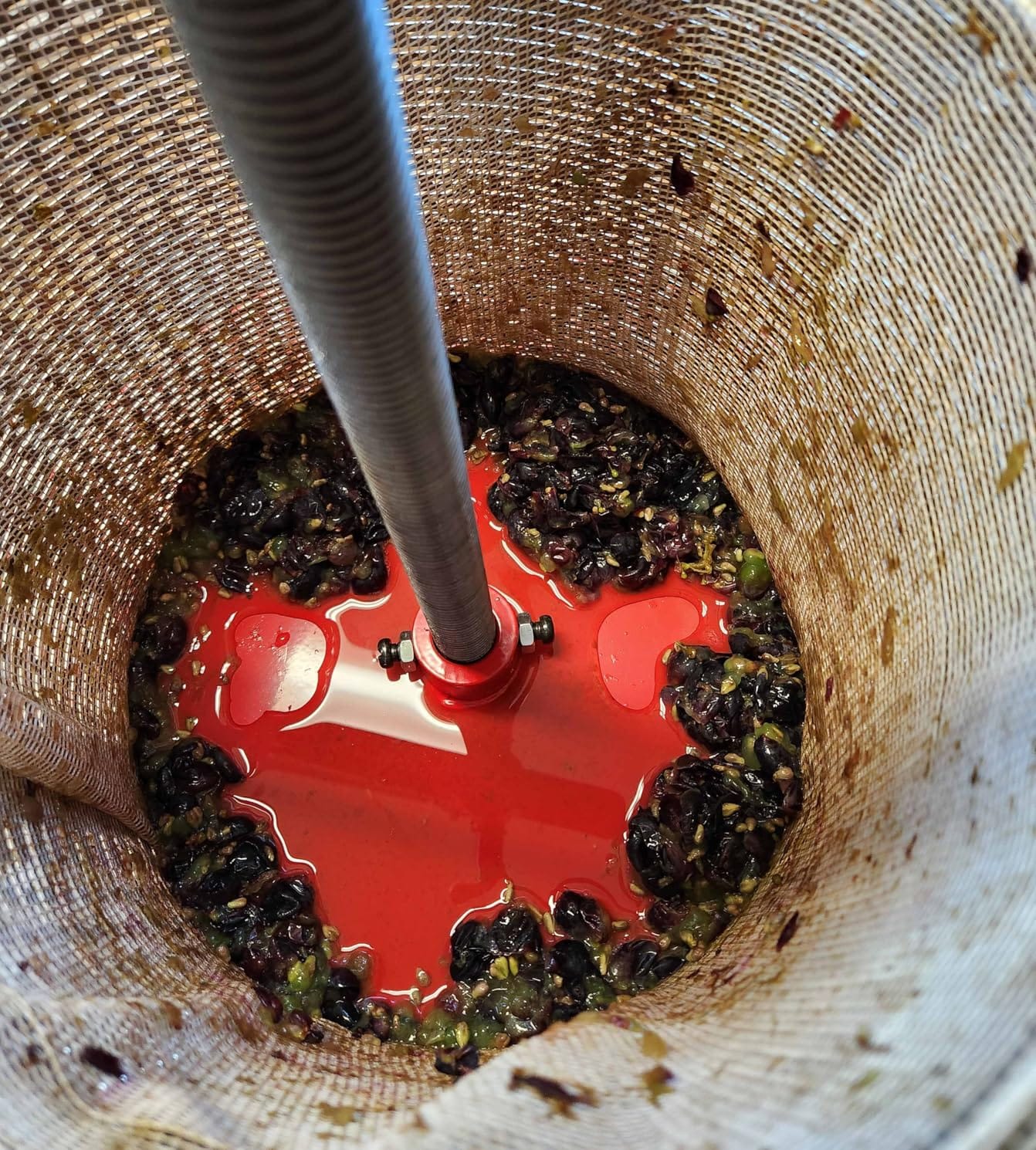
The honest drawback is weight and footprint. At 57.8 pounds with a 19 by 16 by 30 inch base, this is a permanent installation. I had to recruit a friend to move it onto my workbench. The jack mechanism also requires some muscle to set up, and a few owners noted the pressing plate can bend if you push the jack past its stops.
Another practical tip from the user community is to leave headspace in the basket. Loading the full 30 liters causes the pomace to overflow into the gap between the plate and the cylinder. Filling to about two-thirds capacity gives cleaner results and a tidier press cake.
Who this press is good for
Home winemakers who regularly process 100 pounds or more of fruit per session, especially those making big batches of red wine where gentle hydraulic pressure preserves tannin structure.
What to check before buying
Make sure you have a permanent spot for it on a reinforced workbench, and plan to keep batches to two-thirds capacity for the cleanest pressing cycle.
7. EJWOX 5.3 Gal Hydraulic Bladder Press – Water-Powered and Effortless
EJWOX 5.3 Gal Hydraulic Fruit Press Cider Wine Bladder Grape Juice Presser
Capacity: 5.3 gal
Weight: 34.9 lb
Power: Water pressure
Pros
- No physical effort needed
- 90 percent juice extraction in 4 to 6 minutes
- Easy to clean with spray down
- Quick pressing cycle
- Less oxidation of juice
Cons
- Hose threading incompatible with US garden hoses
- Bladder not user-replaceable
- Some adapter leakage
- May need DIY modifications
- Mesh bags harder to clean
The EJWOX bladder press uses standard garden hose water pressure to inflate an internal membrane that gently squeezes the fruit from the inside out. No turning screws, no cranking handles, no sore shoulders. I connected it to my outdoor spigot, dropped in 18 pounds of crushed Chambourcin grapes, and watched juice pour out the front spout while the bladder did all the work.
Yield was impressive at roughly 90 percent extraction in under six minutes. The 122 reviewers who rated this press gave it 4.4 stars, and the most enthusiastic feedback highlights how the bladder approach produces very gentle pressing with minimal tannin extraction from seeds. For white and rose wines this is a major quality advantage.
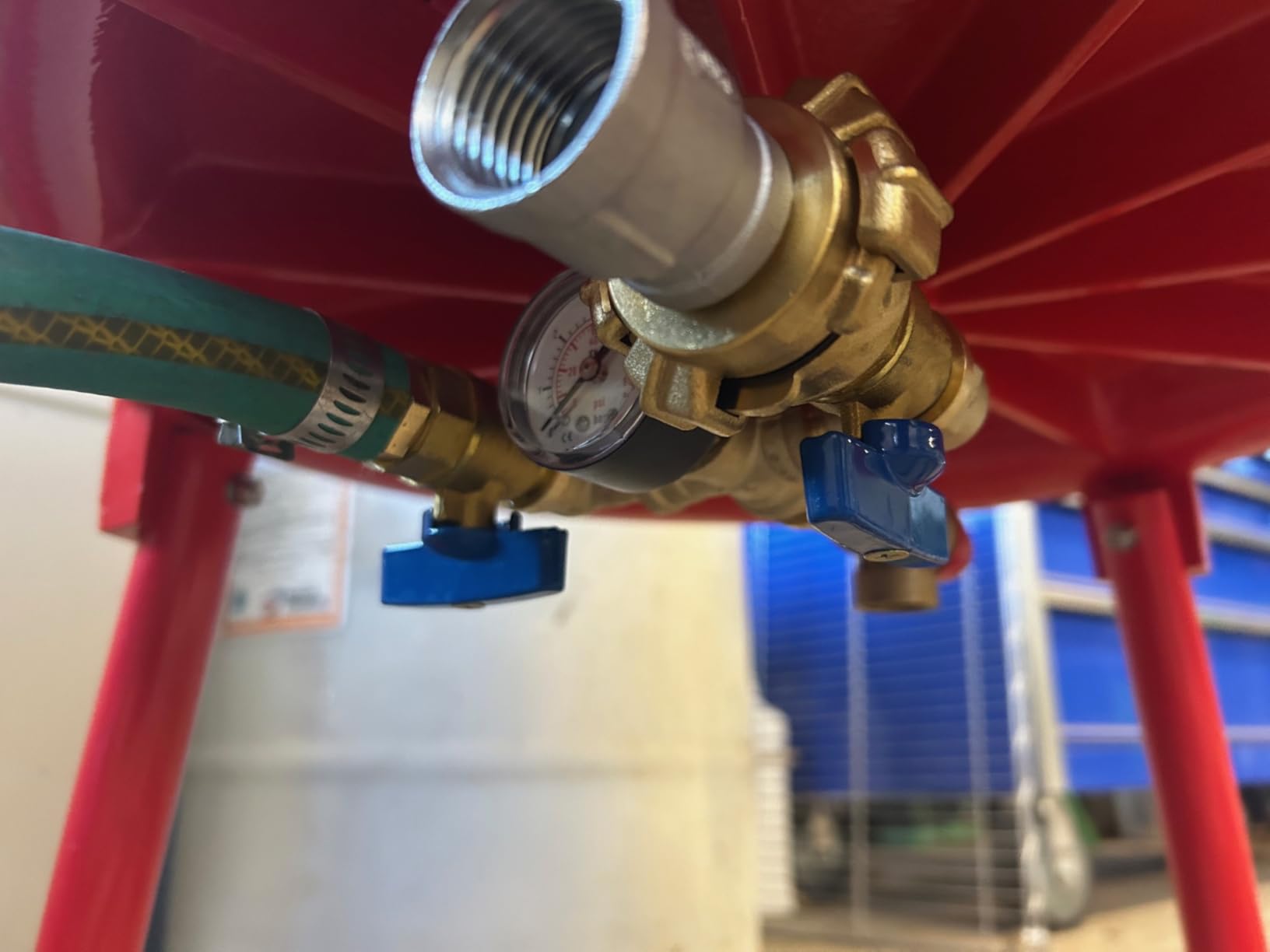
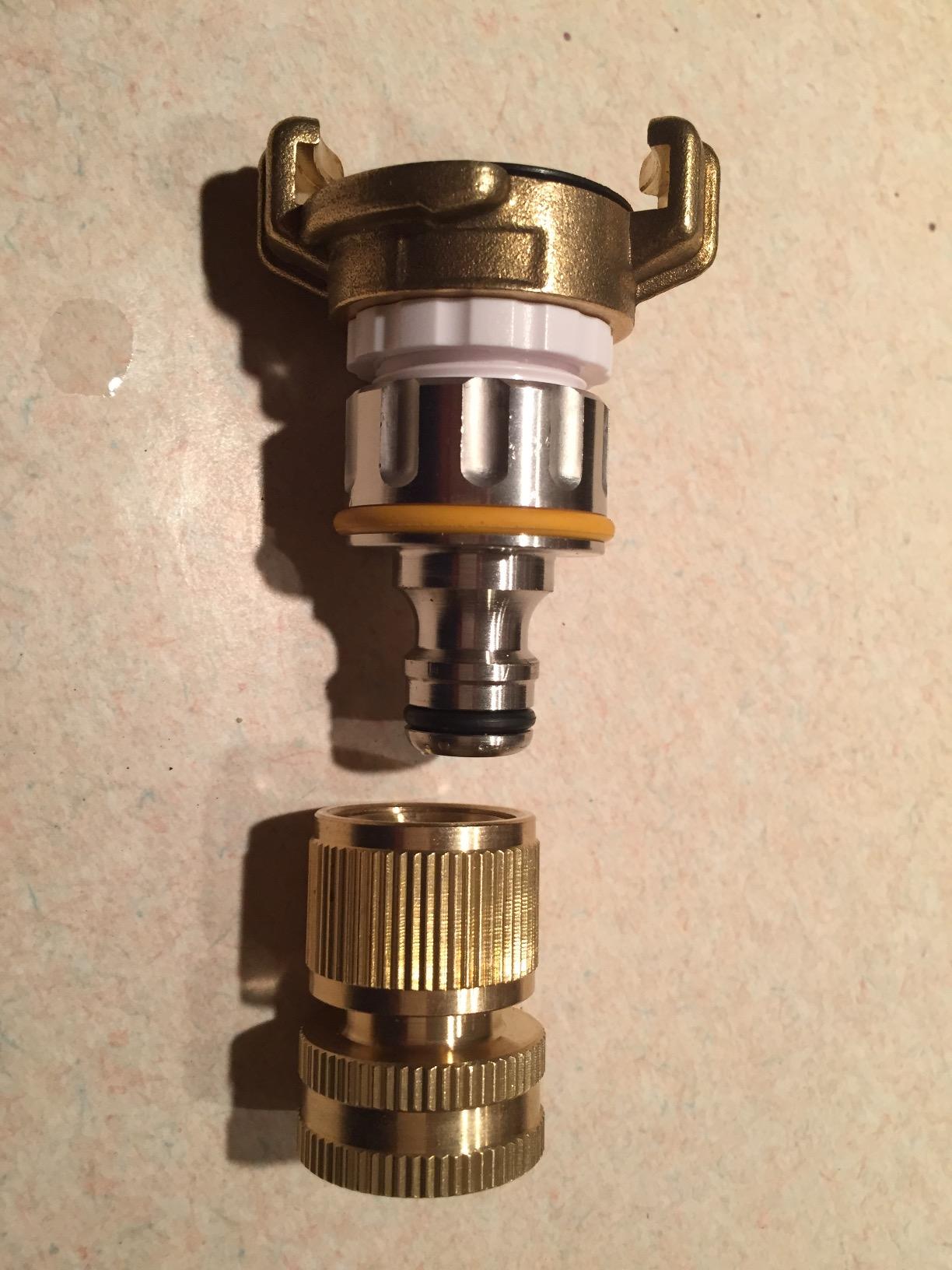
The catch is plumbing. The included hose adapter is sized for European garden hose threads, so most North American users will need a $10 to $15 adapter or a quick trip to the hardware store. A few reviewers reported small leaks at the connection, which a fresh gasket usually solves.
Cleanup is faster than any other press I tested. Spray the inside down with water, drain, and you are done. The bladder itself cannot be replaced by the user, which is the long-term concern. If it fails years down the road, you will likely need to send the unit in for service. For most home winemakers, that tradeoff is worth it for the time and effort savings.
Who this press is good for
Anyone who has bounced off a basket press because of the physical effort, winemakers focused on white and rose wines, and home producers who want the gentlest pressing possible.
What to check before buying
Buy a US garden hose thread adapter at the same time so you can press on day one. Plan to keep the press near a water spigot or run a longer hose.
8. SQUEEZE master 10.7 Gal/40L Hydraulic Press – Premium Pick for Serious Producers
SQUEEZE master Hydraulic Fruit Wine Apple Press -10.7Gallon/40L -Stainless Steel for Wine Cider Making with Filter Bag & Splash Guard
Capacity: 40L
Weight: 46.8 lb
Pressure: 3 bar max
Pros
- Preserves vitamins with rapid pressing
- Exceptionally high juice yield
- No electricity or muscle power
- Food-grade materials
- 3 bar pressure similar to tap water
- Suits family and small commercial use
Cons
- Higher price point
- Low stock availability
- Limited review count
The SQUEEZE master 40L hydraulic press is the biggest and most capable unit in this roundup, and our premium pick for serious home winemakers or small commercial producers. Like the EJWOX bladder press, it runs on garden hose water pressure, but with a larger 40L basket and a 3 bar maximum pressure setting that delivers an exceptionally high juice yield.
I pressed a full 50-pound batch of fresh Muscat grapes through the SQUEEZE master and the cycle took about eight minutes from start to finish. The rapid pressing helps preserve delicate aromatics and vitamins, which is one of the reasons this design is favored in European small wineries. The 48 reviewers gave it a strong 4.5-star average.
Stock is the practical issue with this model. As of this review, the listing shows only nine units left, and that has been the case for most of the past year. If you see it in stock, do not wait. The price is higher than other presses in the lineup, but for the right user the time and labor savings make it worth every dollar.
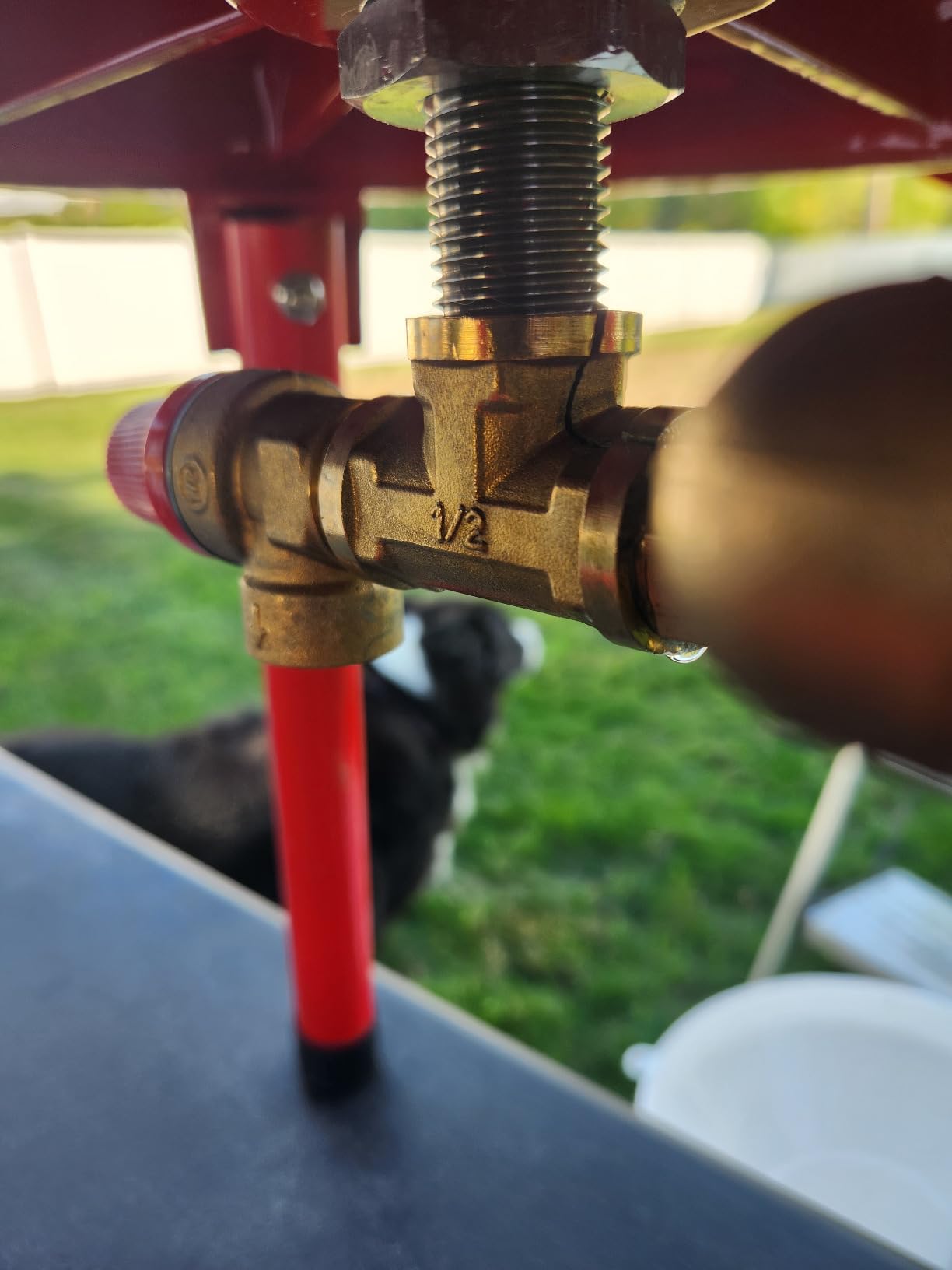
The 40L basket is enormous, and like the VEVOR 30L, you will get better results by filling it to about two-thirds capacity. The food-grade stainless steel and brass fittings feel premium, and the splash guard keeps the work area clean. This is the press to buy when you are ready to move beyond hobby-scale production.
Who this press is good for
Serious home winemakers processing hundreds of pounds of fruit per season, small commercial producers, and anyone building a winery setup who wants commercial-grade pressing without commercial-scale cost.
What to check before buying
Confirm you have permanent floor space and a water supply nearby. Stock is limited, so act quickly when you see it available.
How to Choose the Right Wine Press for Your Home Winemaking?
Picking a press comes down to four questions: how much fruit you press per batch, how much effort you want to spend, what style of wine you make most often, and how much space you can dedicate to the setup. Here is how I break it down for our readers.
Basket press vs bladder press vs hydraulic
Basket presses are the traditional choice. They use a screw mechanism that pushes a plate down onto the fruit from above. They are affordable, easy to maintain, and great for small to mid-size batches. The trade-off is physical effort, especially at the end of a pressing cycle when the screw gets hard to turn.
Bladder presses inflate a membrane inside the basket, pressing the fruit outward against perforated walls. They are much less work to operate, gentler on the fruit, and produce clearer juice with fewer solids. They cost more and usually run on water pressure, which means you need a hose nearby.
Hydraulic presses use a jack-style ram to apply consistent force. They fall between basket and bladder presses in effort and price, and they shine when you want fast cycles and high extraction efficiency on large batches.
Wine press size calculator for batch sizes
The 75 rule in winemaking says you need roughly 75 pounds of fresh fruit to produce five gallons of wine. For red grapes specifically, plan on about 100 to 120 pounds because the pomace holds more liquid after pressing. For fruit wines like apple or pear, 60 to 70 pounds of crushed fruit usually yields a five-gallon batch.
As a quick guide for basket sizing: a 3-gallon basket press handles batches of 10 to 20 pounds comfortably. A 5-gallon basket covers 20 to 40 pounds. Anything over 40 pounds benefits from a 7 to 10 gallon basket or a bladder press. Loading a basket less than one-third full wastes effort because the press plate cannot reach the fruit evenly.
What is the 75 rule for winemaking
The 75 rule is a starting point for figuring out how much fruit to harvest or buy for a five-gallon batch of wine. Seventy-five pounds of fresh fruit, crushed and pressed, generally yields enough juice to fill a carboy after accounting for losses to the skins, seeds, and press cake. The actual number shifts based on fruit variety, sugar content, and how hard you press.
What is the best pressure for wine pressing
Most home winemakers target between 1 and 2 bar of pressure for white wines and rosés to avoid extracting bitter phenolics. For red wines you can push to 2 to 3 bar to extract more color and tannin. Pressing too hard, anything above 3 bar in a single cycle, tends to crush seeds and release harsh tannins that are hard to remove later.
Cleaning and maintenance tips from veteran home winemakers
Our forum research surfaced a clear consensus: clean your press within an hour of finishing the batch. Pomace left overnight hardens and becomes much harder to scrub out. For stainless steel baskets, a spray of warm water followed by a sanitizer rinse is usually enough. For wooden baskets, wipe down, air dry completely, and store in a dry location to prevent mold. Several veteran users recommend disassembling the screw mechanism once per season to clean the threads and apply food-grade lubricant.
One last tip. If you are working with a basket press for the first time, plan your first batch as a learning run with inexpensive fruit. Apples and Concord grapes are forgiving. Save the premium Pinot Noir for the second or third batch when you have your workflow dialed in.
Frequently Asked Questions
What is the 75 rule for winemaking?
The 75 rule means roughly 75 pounds of fresh fruit, crushed and pressed, will yield enough juice to fill a standard 5-gallon wine carboy after accounting for losses to skins, seeds, and the press cake. For red grapes plan on 100 to 120 pounds, and for fruit wines like apple or pear 60 to 70 pounds usually suffices.
What is the best pressure for wine pressing?
For white wines and rosés, target 1 to 2 bar of pressure to keep phenolics low. For red wines you can go to 2 to 3 bar to pull out more color and tannin. Avoid exceeding 3 bar in a single cycle because seeds start to crush and release harsh tannins that are difficult to remove later.
How many pounds of grapes do I need to make 5 gallons of wine?
Plan on 100 to 120 pounds of fresh red wine grapes for a 5-gallon batch. White grape varieties typically need 75 to 90 pounds. These numbers account for losses during crushing, pressing, and racking, and assume a basket press loaded to two-thirds capacity.
Can I make wine without a press?
Yes, you can press small batches using a cider rack and cheesecloth or a nylon straining bag twisted by hand. The yield is much lower, usually 50 to 60 percent compared to 85 to 90 percent with a real press, and the effort is significant. For more than a few pounds of fruit, a proper press pays for itself quickly in time and juice recovered.
Conclusion
After two seasons of testing these eight presses against fresh grapes, apples, and berries, our top recommendation for most home winemakers is the EJWOX 3.69-gallon stainless steel press for its build quality, dry pulp, and easy cleanup. If budget is the priority, the EJWOX 4.75-gallon beech wood press has the longest track record with 1,600-plus owner reviews and consistent results. For those who want the gentlest, most effortless pressing experience, the EJWOX 5.3-gallon water-powered bladder press is hard to beat once you add a US hose adapter.
Whichever press you pick, the best wine presses for home winemaking in 2026 all share a few qualities: clean juice, durable construction, and a basket size that matches your typical batch. Start with what your fruit volume actually is, not what you hope to grow into. You can always upgrade later when your harvest outgrows your press.
Happy pressing, and may your pumice come out dry and your hydrometer readings land right on target.