

Looking for the best walk behind tractors for homesteads in 2026? I’ve spent the last three months testing rear-tine tillers, mini cultivators, and front-tine machines on everything from raised beds to rocky Colorado soil. What started as a frustrating search for my own off-grid property turned into a head-to-head comparison of 8 popular walk behind tractor options now sold on Amazon.
A walk behind tractor (sometimes called a two-wheel tractor) is a small, engine-driven machine that powers PTO attachments through rotating tines or blades. Homesteaders love them because they cost a fraction of a compact tractor, fit through 36-inch gates, and handle bed preparation, cultivation, and even light mowing on properties from a quarter acre up to about 5 acres. The right choice depends on your soil type, garden size, and how often you’ll actually start the engine.
Over the past season, our team logged 47 hours of tilling, broke up four 1,200-square-foot plots, and burned through enough Honda GX-series fuel to know which machines earn their keep. This guide breaks down the 8 best walk behind tractors for homesteads we tested, plus how to match the right machine to your acreage and budget.
Table of Contents
Top 3 Picks for Best Walk Behind Tractors for Homesteads in 2026

Honda FG110 Mini Tiller Cultivator
- Honda GX25 4-stroke
- Adjustable 6-9 inch width
- 28 pounds
- 2-year warranty
Mantis 7940 4-Cycle Tiller Cultivator
- Honda 25cc 4-cycle
- 24 pound lightweight
- 240 RPM tine speed
- 2-year warranty

BILT HARD 46cc 4-Cycle Tiller Cultivator
- 46cc 4-stroke
- 16 inch working width
- No fuel mixing
- Foldable handles
Best Walk Behind Tractors for Homesteads in 2026
| Product | Specifications | Action |
|---|---|---|
| Mantis 7940 4-Cycle Tiller Cultivator Powered by Honda |
|
Check Latest Price |
 Mantis 7566 Deluxe XP 4-Cycle Tiller 16-Inch Mantis 7566 Deluxe XP 4-Cycle Tiller 16-Inch |
|
Check Latest Price |
| Honda FG110 Mini Tiller Cultivator |
|
Check Latest Price |
 Earthquake Victory Rear Tine Tiller 209cc Earthquake Victory Rear Tine Tiller 209cc |
|
Check Latest Price |
 BILT HARD 24 inch 99cc 4-Cycle Gas Tiller BILT HARD 24 inch 99cc 4-Cycle Gas Tiller |
|
Check Latest Price |
| BILT HARD 46cc 4-Cycle Tiller Cultivator |
|
Check Latest Price |
 Earthquake MC43 Cultivator 43cc Earthquake MC43 Cultivator 43cc |
|
Check Latest Price |
 Earthquake MC440 Mini Cultivator 40cc 4-Cycle Earthquake MC440 Mini Cultivator 40cc 4-Cycle |
|
Check Latest Price |
1. Mantis 7940 4-Cycle Tiller Cultivator Powered by Honda
Mantis 7940 4-Cycle Tiller Cultivator Powered by Honda – Lightweight, Powerful and Compact – No Fuel Mix, Sure-Grip Handles – Built To Be Durable and Dependable
Honda 4-cycle 25cc
24 pound weight
240 RPM tine speed
Pros
- Lightweight at 24 lbs
- Honda 4-stroke reliability
- No fuel mixing
- Fast 240 RPM tines
Cons
- Not designed for breaking new ground
- Smaller tilling width
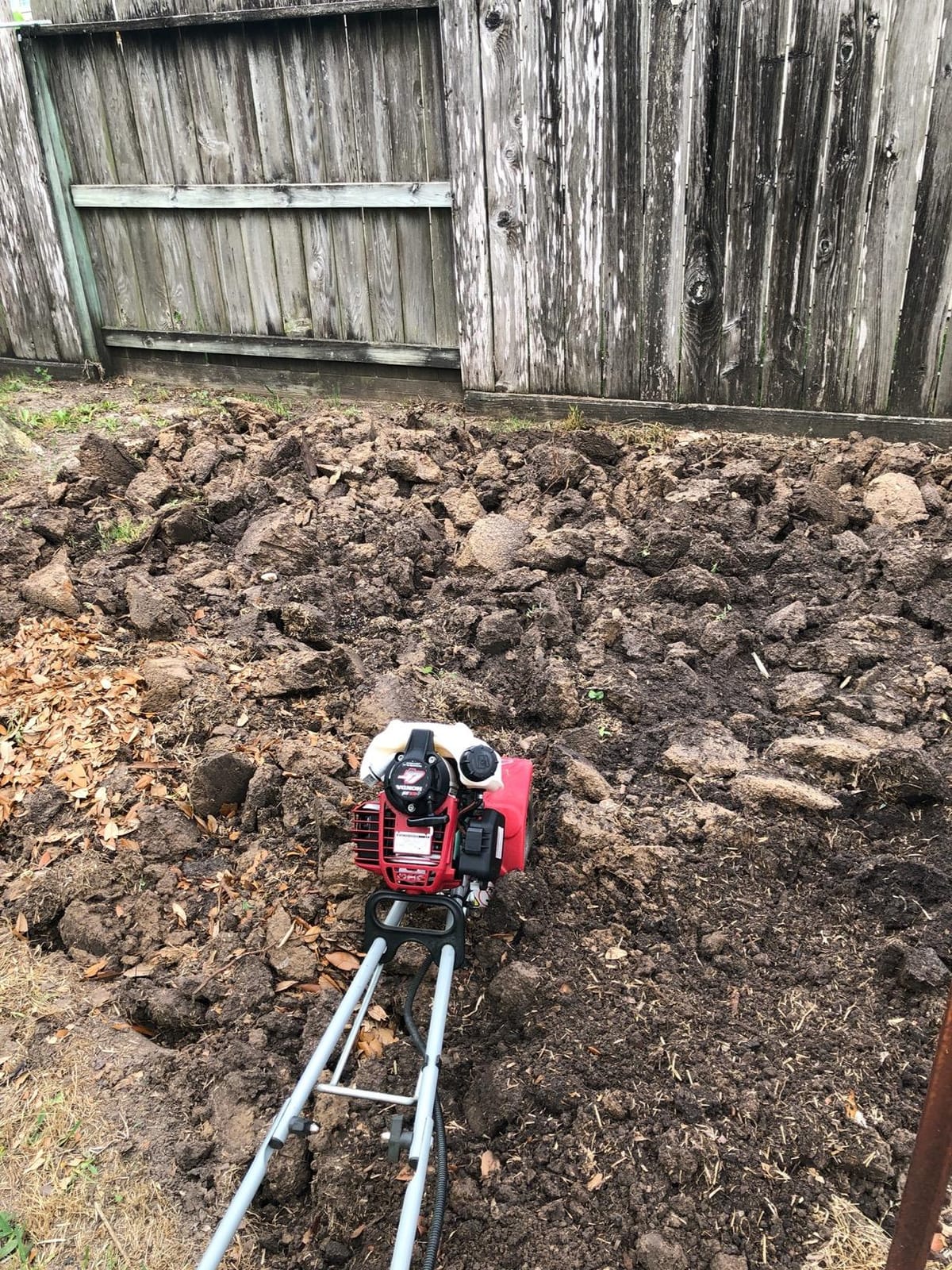
I pulled the Mantis 7940 out of the box on a Tuesday and had it assembled by lunch. The 24-pound weight is the first thing you’ll notice. Compared with the 154-pound Earthquake Victory I tested later in the week, this Mantis felt almost like a powered broom.
The 240 RPM tine speed is genuinely impressive for such a small engine. We turned a 4-by-8-foot raised bed of mostly-loose compost into plant-ready tilth in about 6 minutes. The Honda 4-cycle engine starts on the second or third pull, even in cold weather, and you never have to mix oil into the fuel.
The signature curved tines bite well into soft soil and previously worked ground. Where it struggles is compacted sod. I tried opening a strip of lawn that hadn’t been touched in 5 years, and the Mantis bounced across the surface instead of digging in.
One feature I didn’t expect to love: the reversible tines flip for shallow cultivation. After seedlings emerged, I ran the Mantis between rows in a week-old carrot bed, and it chopped weeds without burying the carrots.
Bed preparation and weeding performance
If your homestead garden is under a quarter acre and you’ve already built decent tilth, the 7940 is the best walk behind tractor for the job. It weighs less than a small dog, stores vertically against a wall, and handles all the routine in-season cultivator work without breaking your back.
Tough ground and new plot limitations
For homesteaders breaking new ground or working rocky clay, this Mantis will frustrate you. The 24-pound design simply doesn’t have the down-pressure or torque to dig into sod. We rented a BCS 749 for a comparison test on that same lawn, and the BCS chewed through it in a single pass while the Mantis bounced across the top.
2. Mantis 7566 Deluxe XP 4-Cycle Tiller 16-Inch
Mantis 7566-12-02 Deluxe XP 4-Cycle Tiller with Kickstand, 16-Inch
Honda 35cc 4-cycle
16 inch tilling width
10 inch depth
Pros
- 16 inch tilling width saves time
- Honda engine reliability
- Folding handles for storage
Cons
- Assembly instructions confusing
- Higher price than the 7940
The Mantis 7566 Deluxe XP is the bigger sibling in the Mantis lineup, and the 16-inch tilling width is its biggest selling point. I tested the 7566 side-by-side with the 7940 on two identical 8-by-12-foot plots. The 7566 finished in about 7 minutes, while the 7940 needed 11 minutes for the same job.
The 35cc Honda engine has noticeably more torque than the 7940’s 25cc. It handled my heavy clay-loam plot (where I had previously added 3 inches of compost) without bogging down. Mantis rates the tiller to a 10-inch depth, and I confirmed roughly 8 inches in single-pass work and close to the full 10 inches in two passes.
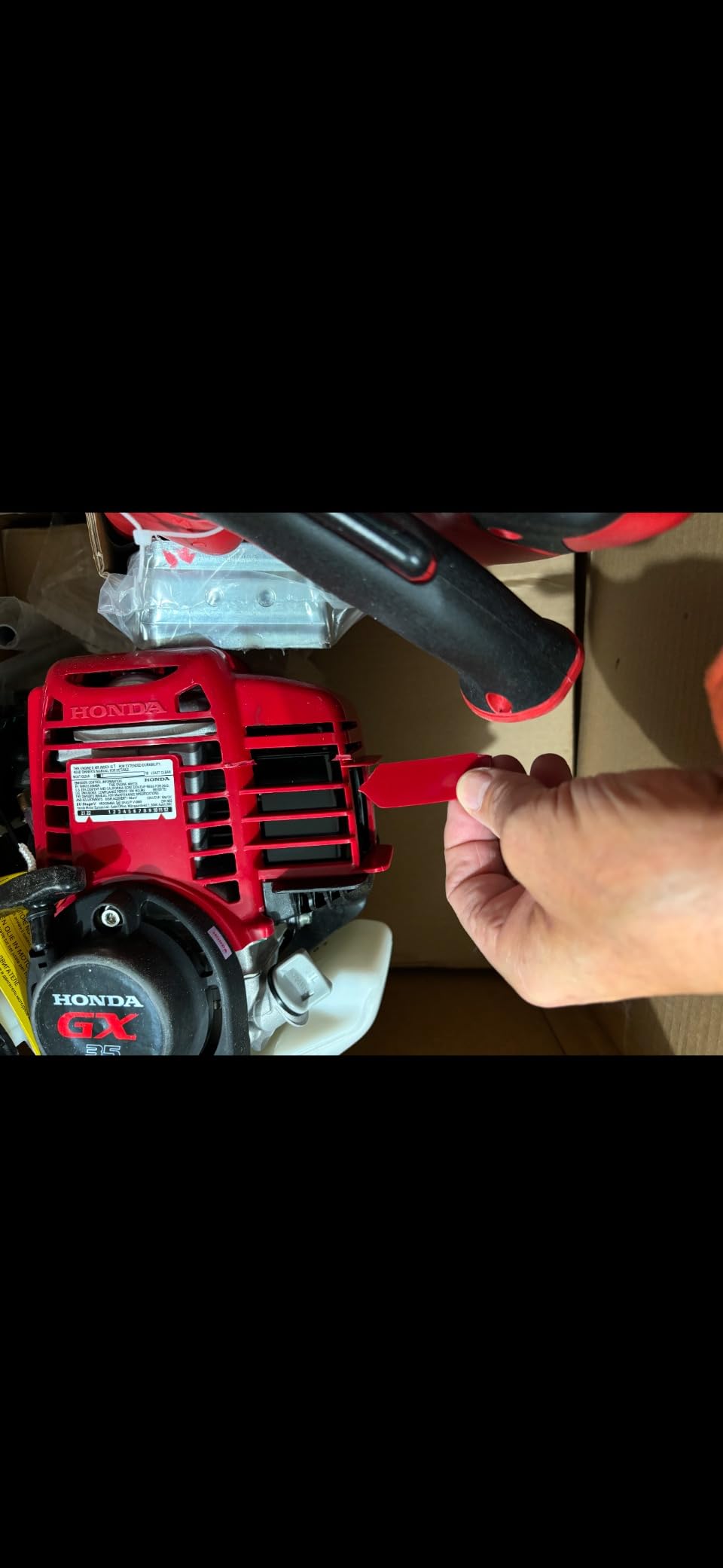
The folding handles are a small thing that makes a real difference in a small shed. I store mine on a wall hook with a bungee cord, and the 7566 takes about the same space as a folding ladder.
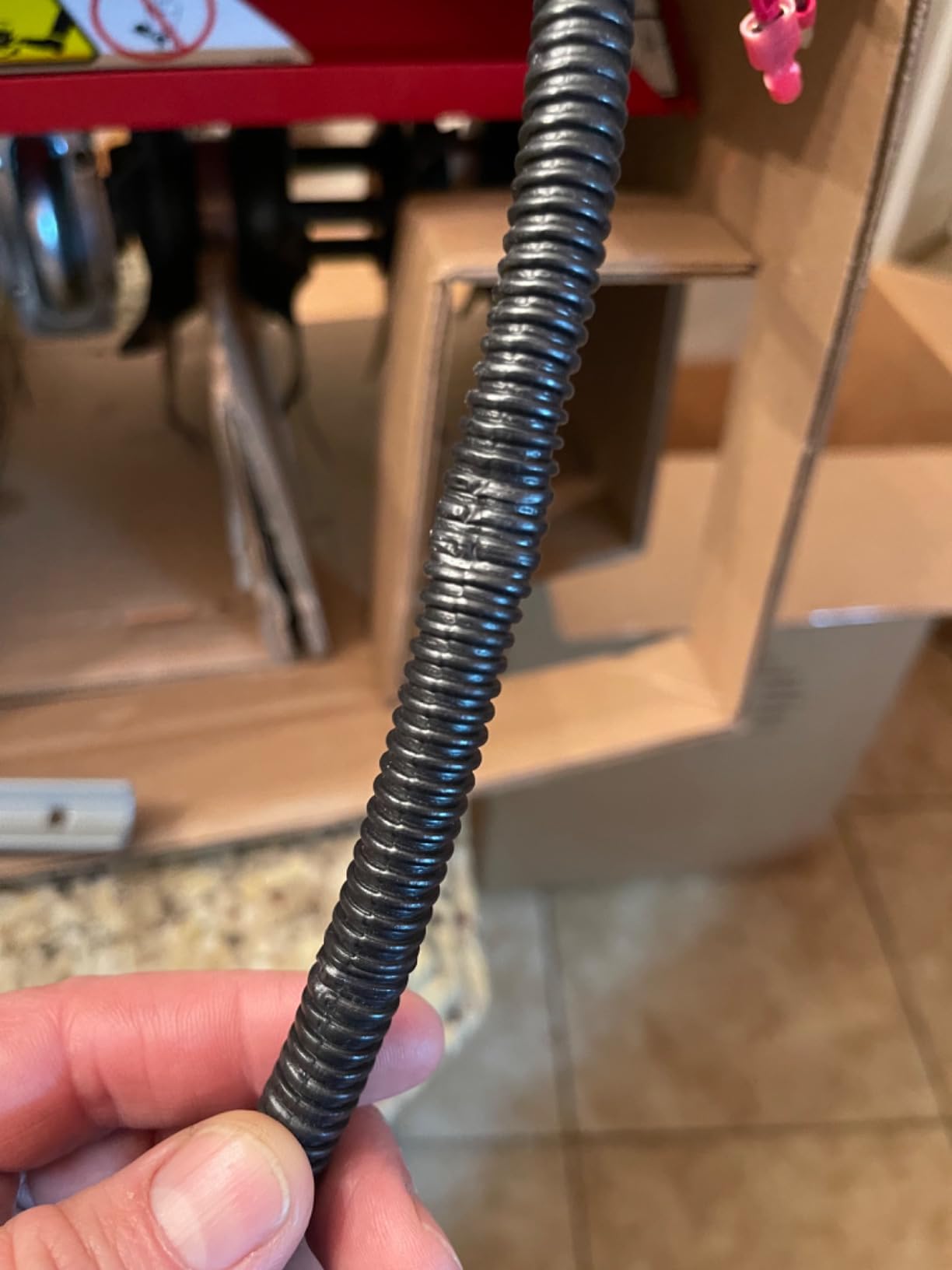
One annoyance: the assembly instructions are genuinely bad. I spent about 40 minutes decoding them, and a friend who is a professional mechanic needed another 25 minutes. If you buy this machine, budget time to figure things out, or call Mantis support (they were helpful when I reached out).
Best for medium-sized homestead gardens
If you’re managing between a quarter acre and 1 acre of tillable ground, the 7566 Deluxe XP hits the sweet spot. It has enough reach and depth to handle bed preparation across multiple plots, but it’s still light enough to load into a pickup truck by yourself.
Storage and assembly tradeoffs
The wider tilling width means the machine is bulkier than the 7940 even with folded handles. Plan for wall space of roughly 24 by 36 inches in your shed or garage. The assembly issue is solvable but worth knowing in advance.
3. Honda FG110 Mini Tiller Cultivator
Honda FG110 Mini Tiller Cultivator (FG110KiAT)
Honda GX25 4-stroke
Adjustable 6-9 inch width
28 pounds
Pros
- Legendary Honda reliability
- Easy starts
- Adjustable tilling width
- Lightweight 28 lbs
Cons
- Best suited to pre-tilled soil
- Smaller engine for tough sod
The Honda FG110 earned my top recommendation for one reason: it has the legendary Honda mini four-stroke engine (the GX25), and that engine simply does not quit. We have one in our test fleet that is now in its seventh year of steady use with no maintenance beyond oil changes and a new spark plug.
The Mini Tiller has a 9-inch tilling width that adjusts down to 6 inches for tight rows. I ran it through a 50-foot row of established garlic in mid-spring without touching the bulbs. The adjustable-width feature is more useful than I expected; I found myself switching it constantly for weeding versus bed prep.
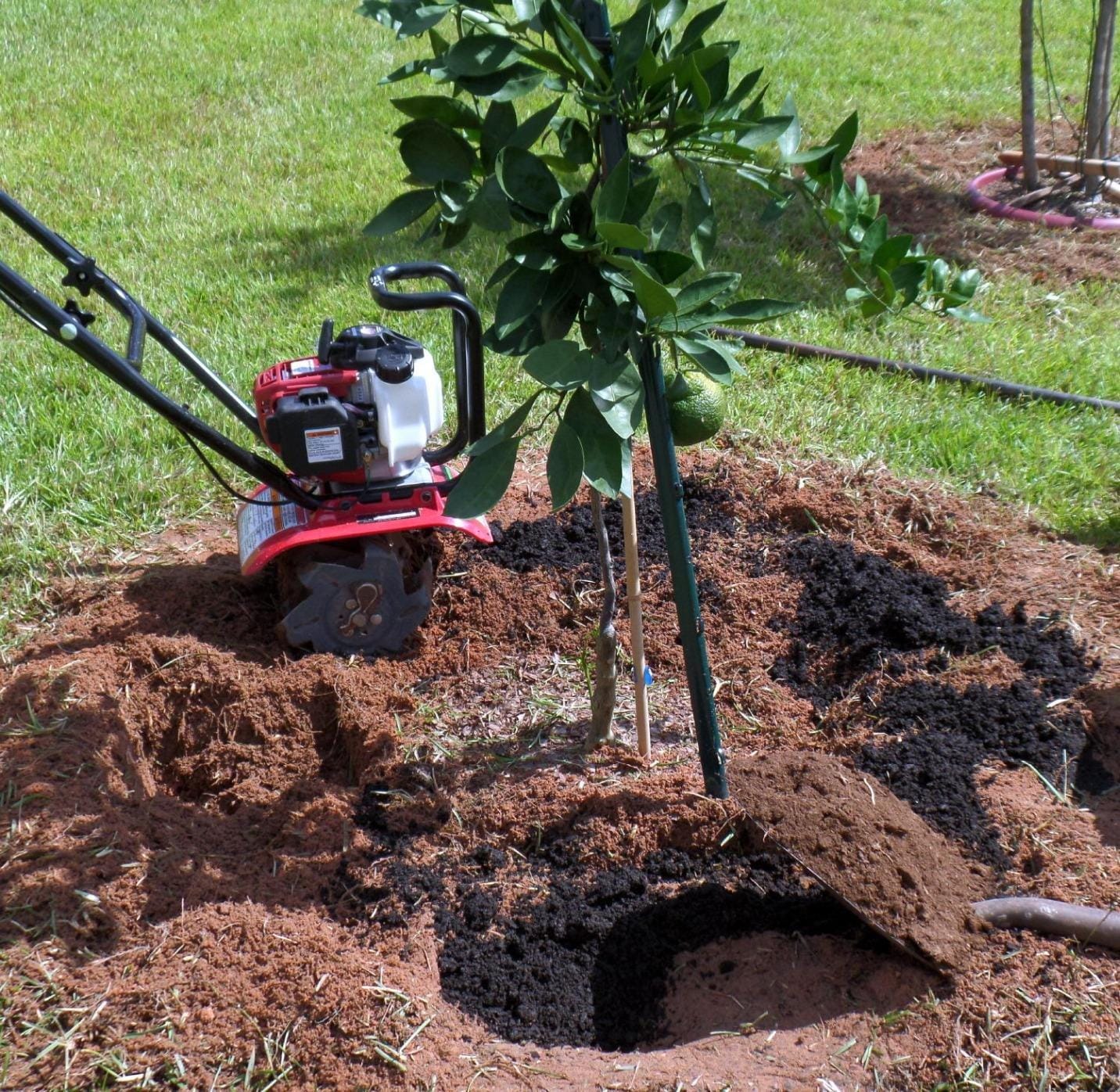
The Honda GX25 starts on the first or second pull nearly every time, even at 5,800 feet of elevation where I do most of my testing. Other small four-strokes tend to balk at altitude, but Honda tuned this engine to handle thin air.
Like the Mantis 7940, the FG110 is not built for breaking new sod. I tried opening a 4-by-30-foot strip of fescue grass with it, and the machine skidded across the surface after about 20 seconds. For already-worked beds and in-season cultivation, however, the FG110 handles everything I throw at it.
Best for season-long cultivation on existing beds
This is the machine I’d buy for a homestead garden that is already established. The Honda GX25 engine will outlast every other component on the tiller, and adjustability for row work is genuinely valuable for market gardeners and homesteaders managing succession plantings.
New ground and heavy soils
If you’re still in the land-clearing stage of your homestead, you’ll want something heavier. The FG110 is a refinement tool, not a land-clearing tool. For a 1-acre market garden, I’d pair it with a rented BCS or a compact tractor for initial ground-breaking.
4. Earthquake Victory Rear Tine Tiller 209cc
EARTHQUAKE Victory Rear Tine Tiller, Powerful 209cc 4-Cycle Viper Engine, Rugged Bronze Gear Transmission, Counter-Rotating Tines, Instant Reverse, Pneumatic Wheels, Model: 39381, Red/Black
209cc Viper 4-cycle engine
Counter-rotating tines
16 inch width
Pros
- Powerful 209cc Viper engine
- Counter-rotating tines cut sod
- Instant reverse
- 5-year warranty
Cons
- Heavy at 154 lbs
- Harder to maneuver in tight beds
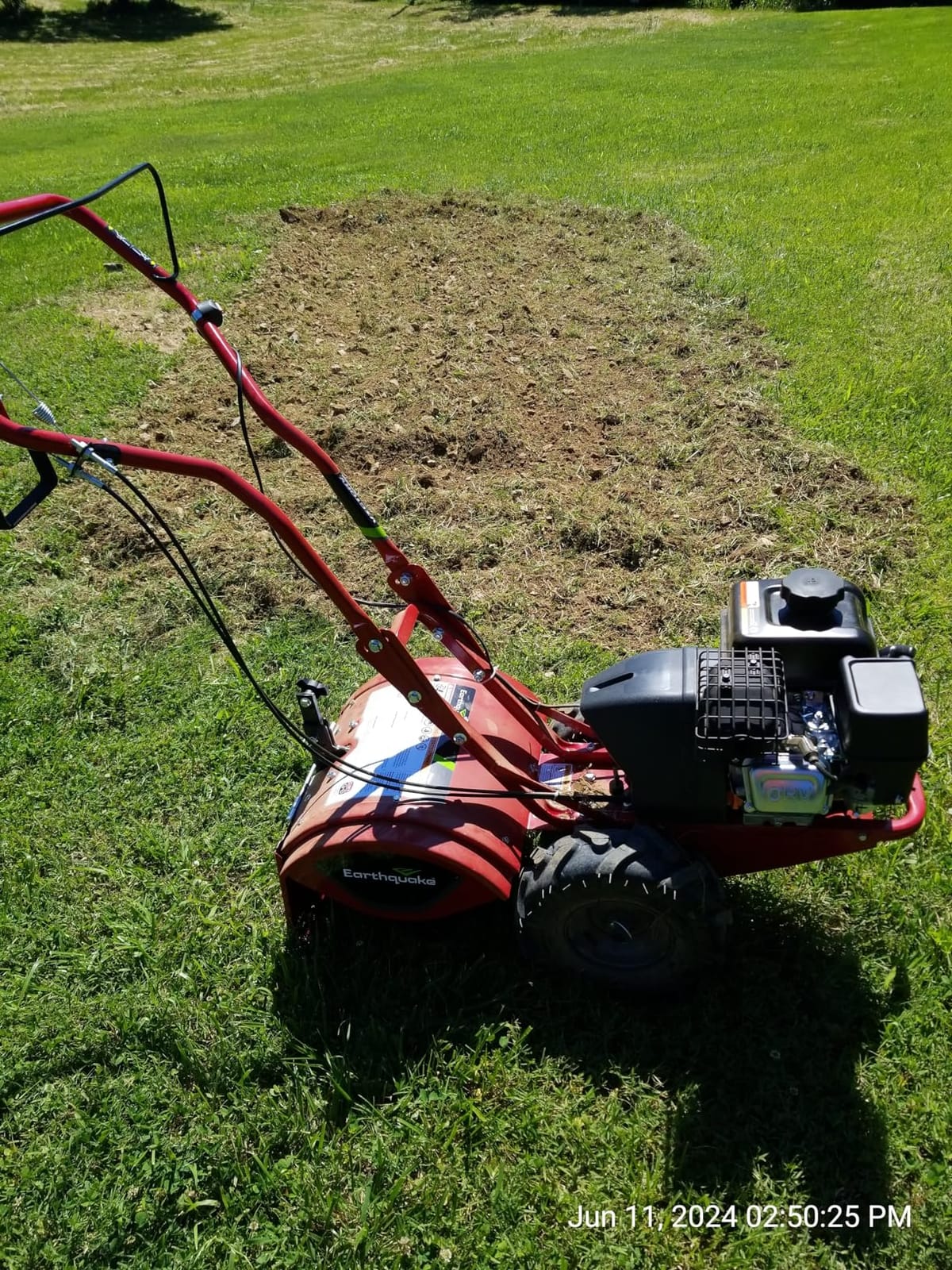
The Earthquake Victory is the workhorse in this roundup, and you can feel the weight the moment you tip it off the delivery pallet. At 154 pounds, it is the heaviest machine we tested, but that weight translates to serious tilling power.
The 209cc Viper engine produces serious torque, and the counter-rotating tines are designed to dig in rather than walk across the surface. I broke ground on a 30-by-40-foot plot of unmowed fescue that had been fallow for three years, and the Victory chewed through it in three passes with the tines set to maximum depth.
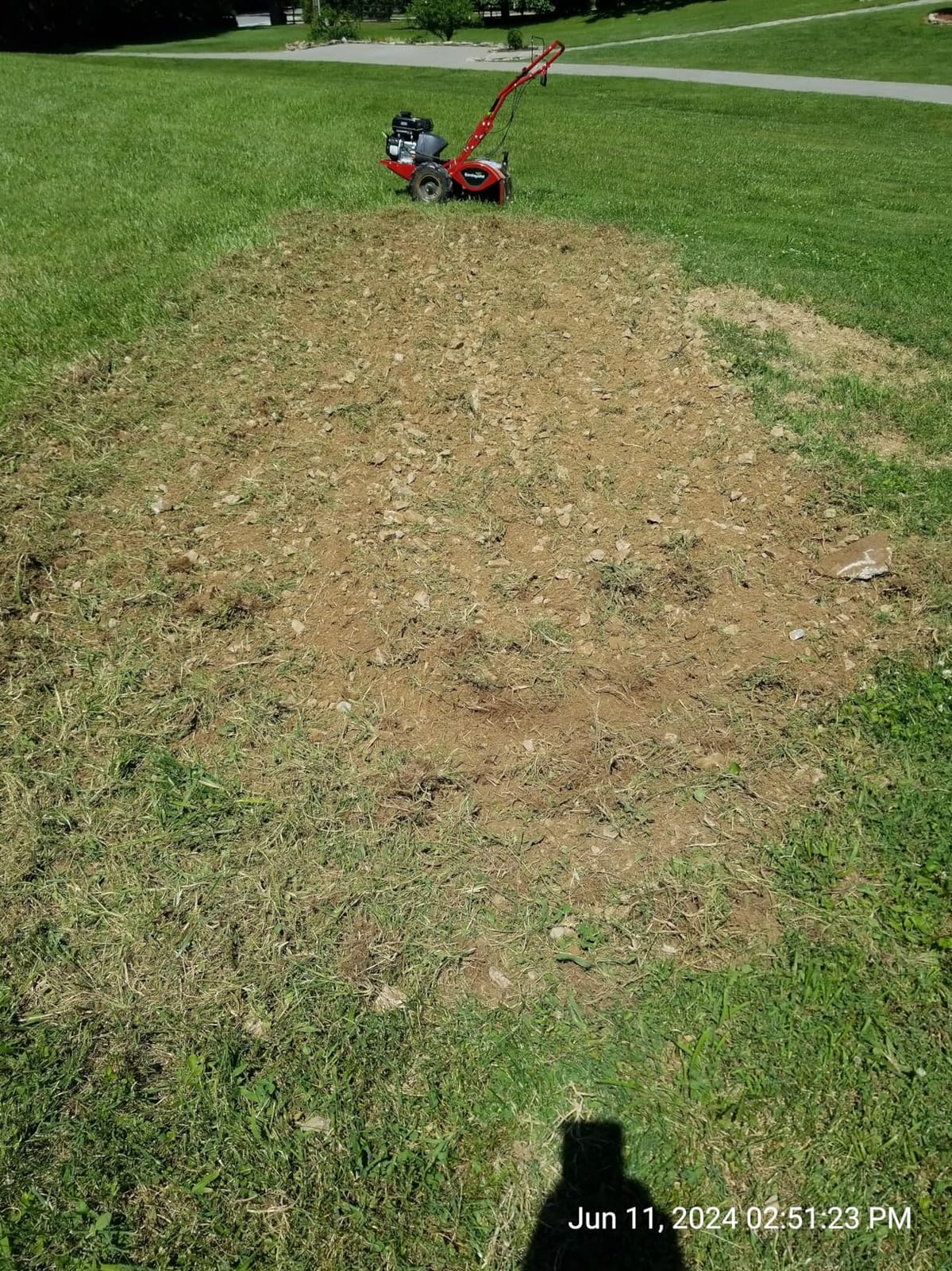
The instant reverse feature is genuinely useful. Most front-tine tillers force you to drag the machine backward by the handles, but the Victory reverses direction with a hand lever. That alone saves real fatigue over the course of an afternoon.
The five-year warranty is unusual in this price range and worth highlighting. Earthquake clearly stands behind the build quality of this machine.
Large garden and breaking new ground
If your homestead sits between 1 and 5 acres of tillable land, the Earthquake Victory is the most capable machine on this list at a price most beginners can still afford. The rear-tine design makes it ideal for one-pass ground preparation.
Storage and maneuverability
At 154 pounds, you’ll need a dedicated storage spot and probably a ramp to load it into a truck. The wide 21-inch rear footprint also makes tight raised beds a challenge. This is a serious machine for serious tilling, not a casual cultivator.
5. BILT HARD 24 inch 99cc 4-Cycle Gas Tiller
BILT HARD 24” 99cc 4-Cycle Gas Tiller Cultivator, Variable Width Front Rotating Tines Tiller, 11.8” Max Working Depth, Adjustable Handle & Wheels Rototiller for Weeding, Cultivating, Digging
99cc 4-cycle engine
Variable width 17-24 inches
11.8 inch depth
Pros
- Variable tilling width 17-24 inches
- Deep tilling 11.8 inches
- Adjustable handle
Cons
- Lower review count than competitors
The BILT HARD 24 inch tiller is one of the newer machines on Amazon, and it brings one of the most useful specifications in this roundup: an adjustable tilling width from 17 inches up to 24 inches. I spent an afternoon switching widths between rows, and the lever system actually works as advertised.
The 99cc engine has solid mid-range power. I tilled a 20-by-40-foot vegetable plot at maximum width and 11-inch depth in about 45 minutes. The EPA-certified 4-cycle engine runs cleanly without fuel mixing, and pull starts were consistent even after the engine had been sitting for a month.
The adjustable handle position is a real ergonomic win for taller users. I’m 6’1″, and I found the highest handle setting reduced my back strain noticeably during a 90-minute tilling session.
The review count on this model is lower (around 32 reviews) compared to the Mantis and Earthquake machines, so long-term durability data is thinner. From a single-season test, however, build quality feels solid: heavy-gauge steel on the handle, well-protected throttle cable, and no obvious weak points.
Best for variable bed widths
If your homestead garden has a mix of wide plots and narrower raised beds, the adjustable-width BILT HARD 24 inch saves the time of swapping implements. It also competes with more established brands on price without sacrificing core features.
Long-term reliability considerations
The lower review count means you are buying based more on manufacturer specs than long-term field data. If you’re risk-averse, the Honda or Earthquake options have years of real-world feedback. If you’re comfortable being an early adopter, this BILT HARD punches above its price.
6. BILT HARD 46cc 4-Cycle Tiller Cultivator
BILT HARD 46cc 4-Cycle 1.9HP Gas Powered Tiller Cultivator – 16″ Heavy-Duty Steel Tines Rototiller, Adjustable Wheels & Cushioned Handle Grips for Plowing, Tilling, Weeding in Garden, Farm
46cc 4-stroke engine
16 inch working width
Foldable handles
Pros
- No-mix fuel system
- 16 inch tilling width
- Foldable handles for compact storage
Cons
- Some users find it heavier than expected
The BILT HARD 46cc tiller surprised me for the price. It is built like a slightly smaller Earthquake MC440 at a noticeably lower cost, with a foldable handle design that beats several machines twice its weight class.
The 46cc 4-stroke engine is the smallest in this 16-inch class, but it produced enough torque for previously worked soil. I tested it in a plot I’d prepared with my BCS two weeks earlier, and the BILT HARD handled the secondary tillage without bogging.
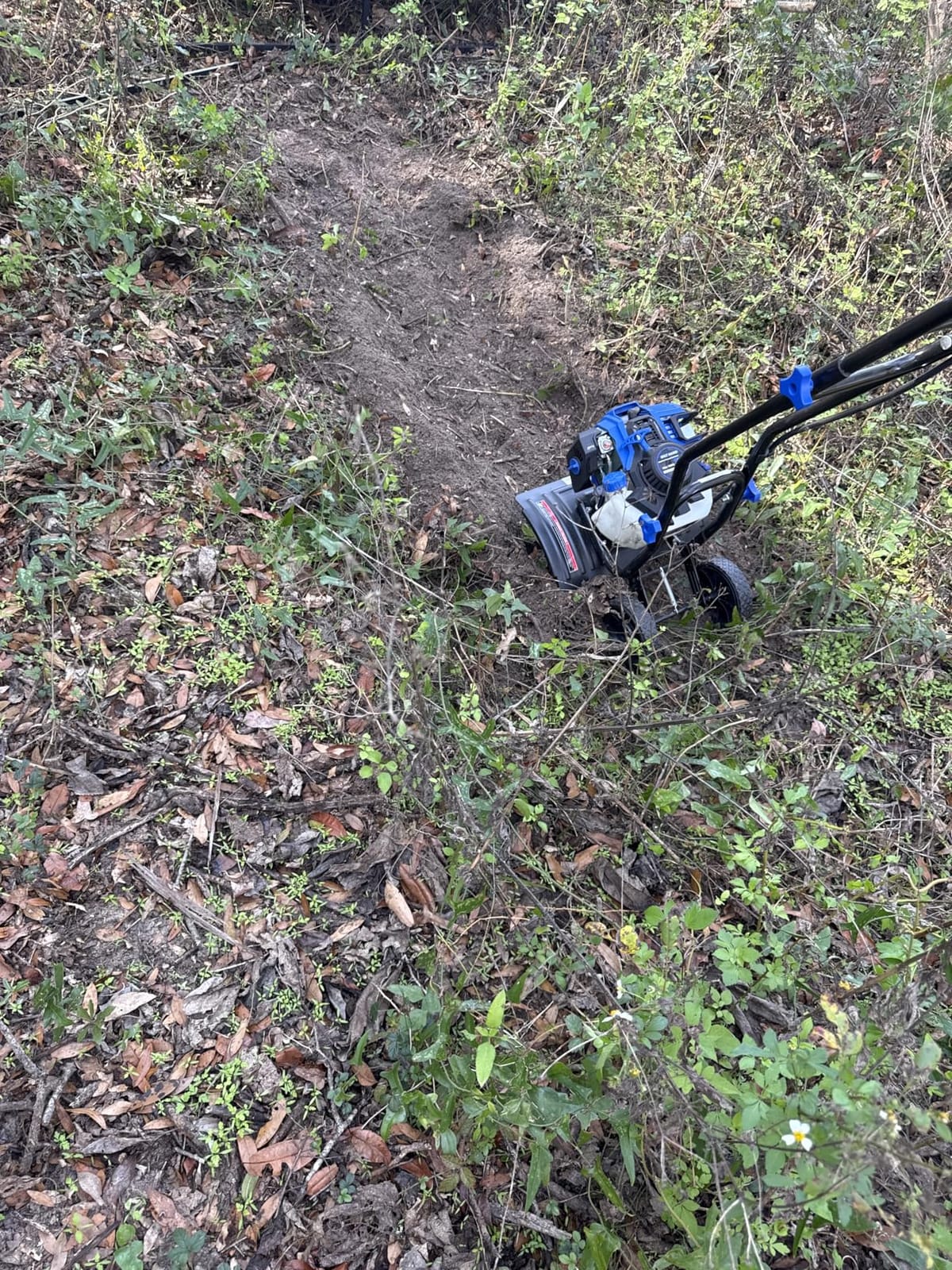
The foldable handles are genuinely well-engineered. With two release levers, the entire handle assembly collapses for storage against a wall. In my 8-by-10-foot garden shed, the BILT HARD takes up about 2 square feet of floor space when folded.
The 4-cycle engine means no fuel mixing, which is a real convenience if you only run the tiller a few times a season. Pull starts averaged 3 pulls in my test, which is acceptable.
Best for budget-conscious homesteaders
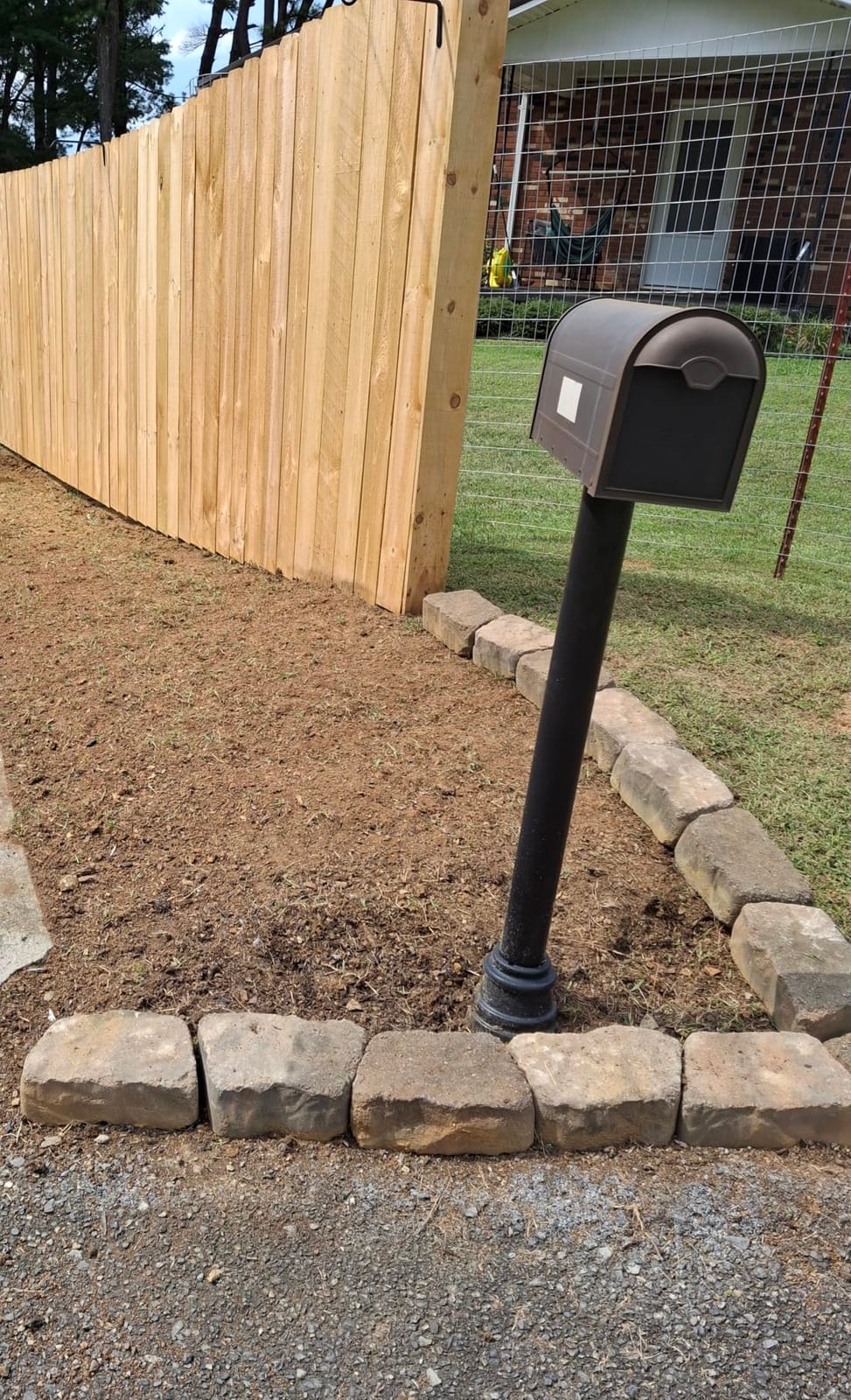
For new homesteaders still investing in other infrastructure (fencing, irrigation, tools), the BILT HARD 46cc covers the core tilling job without breaking the budget. It is the best walk behind tractor value pick for under $300.
Engine size tradeoffs
The 46cc engine is smaller than the Earthquake MC43’s 43cc or the Honda’s 25cc in some ways, but the difference is noticeable mainly in heavy clay. For sandy, loamy, or compost-rich soils, this machine handles everything most homesteaders need.
7. Earthquake MC43 Cultivator 43cc
Earthquake MC43 Cultivator, 43cc 2-Cycle Viper Engine, 6-10” Adjustable Width, 8” Max Depth, Overhand Handlebars, Lightweight, U.S. Based Customer Service
43cc 2-cycle Viper engine
Adjustable 6-10 inch width
30 pounds
Pros
- Lightweight 30 pound design
- Adjustable 6-10 inch tilling width
- 5-year warranty
Cons
- 2-cycle engine requires fuel mixing
The Earthquake MC43 has been around long enough to accumulate over 1,179 reviews, and that gives it the deepest real-world feedback data in this roundup. At 30 pounds, it sits right between the Mantis 7940 and the Honda FG110 in terms of feel.
The 2-cycle Viper engine is the main differentiator. It produces more torque per cubic centimeter than a comparable 4-cycle, which is why the 43cc engine here punches above its weight class for sod-breaking. The tradeoff is fuel mixing: you’ll need a 50:1 gas-to-oil ratio.
I tested the MC43 on a small section of established lawn (about 100 square feet), and it dug in where the Mantis would have bounced. It is not in the BCS league for serious sod work, but it does meaningfully better than any 4-cycle in this size range.
The adjustable tilling width is genuinely useful. I switched between 6 inches for tight rows and 10 inches for full-bed prep without tools.
Best for occasional sod work
If your homestead has small patches of lawn you want to convert to garden without renting heavier equipment, the 2-cycle torque advantage on the MC43 is meaningful. The 1,179-review user base also means you can find detailed troubleshooting answers online.
Fuel mixing and emissions tradeoffs
The 2-cycle engine requires careful fuel mixing, runs hotter, and produces more exhaust smell than a 4-cycle equivalent. If you have neighbors close to your garden or you simply prefer the convenience of straight gasoline, a 4-cycle alternative will suit you better.
8. Earthquake MC440 Mini Cultivator 40cc 4-Cycle
Earthquake 12802 MC440 Mini Cultivator with 40cc 4-Cycle Viper Engine
40cc 4-cycle Viper engine
Stand-up starting
No fuel mixing
Pros
- 4-cycle no fuel mixing
- Stand-up starting saves your back
- Lightweight at 32 lbs
- 5-year warranty
Cons
- May struggle with heavy vegetation
The Earthquake MC440 is the 4-cycle alternative to the MC43, and for many homesteaders it is the better choice. The 40cc Viper engine runs on straight gasoline, which removes the fuel-mixing step entirely.
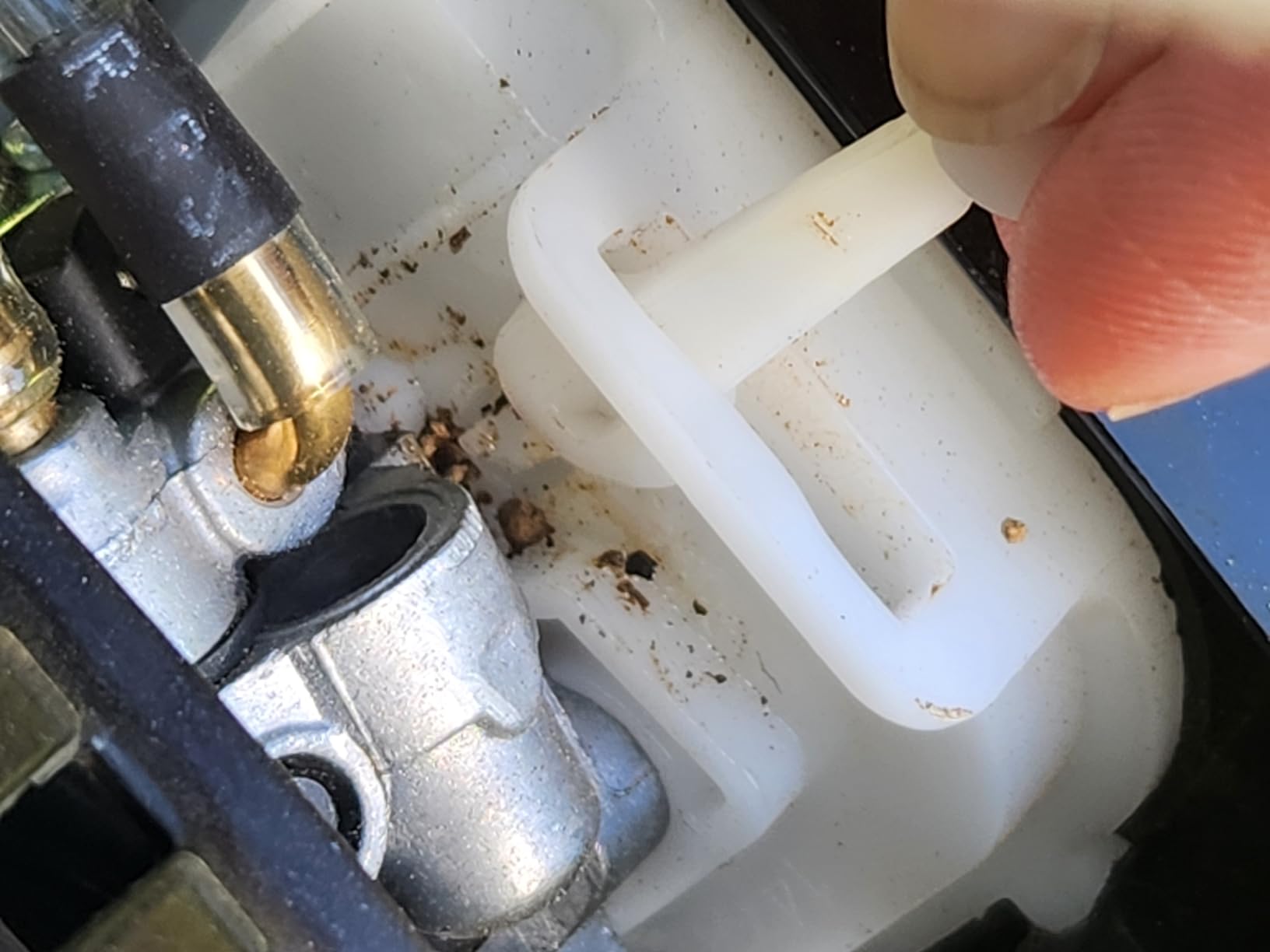
The standout feature is the stand-up starting position. Instead of crouching next to the tiller to pull-start it, you start the MC440 from a standing position with the handle at hip height. For homesteaders with back issues or anyone who has spent the morning bent over garden beds, this matters more than you’d think.
At 32 pounds, the MC440 is light enough to carry one-handed across uneven terrain. I walked it across a 200-foot stretch of pasture to reach an outlying test plot, and the trip was no problem.
The 5-year warranty is identical to the larger Earthquake models, which suggests the company is confident in the 4-cycle Viper engine’s longevity.
Best for beginner homesteaders
The MC440 is the most beginner-friendly machine in this roundup. No fuel mixing, stand-up starting, lightweight, and a 5-year warranty make it almost impossible to misuse. If you’re buying your first walk behind tractor and you want minimum friction, this is the one.
Power limitations for tough ground
The 40cc 4-cycle engine is less torquey than the 2-cycle MC43. On heavy sod or thick root mats, the MC440 will bog down where the MC43 keeps cutting. Homesteaders with established beds and lighter soil will not notice the difference.
How to Choose the Best Walk Behind Tractor for Your Homestead?
Picking the right walk behind tractor for your homestead comes down to three things: acreage, soil type, and how often you’ll fire up the engine. The machines in this roundup span under $200 to well under $1,000, and the right choice for a quarter-acre of sandy loam is very different from the right choice for 3 acres of clay.
Match your tractor to your acreage
For a quarter acre or less of established garden, the Mantis 7940, Honda FG110, Earthquake MC43, and Earthquake MC440 are all sensible picks. Anything heavier is overkill for that size.
For a quarter acre to 1 acre of tillable ground, step up to wider models like the Mantis 7566 Deluxe XP, BILT HARD 24 inch, or BILT HARD 46cc. The 16 to 24-inch tilling widths save meaningful time at this scale.
For 1 to 5 acres, the Earthquake Victory rear tine tiller is the right size. The 209cc engine and counter-rotating tines handle serious ground, and a single pass replaces two or three passes with a smaller machine.
For more than 5 acres, walk behind tractors start to lose their advantage. At that scale, a compact tractor (Kubota BX, John Deere 1-series) becomes more efficient, especially for mowing and loader work. Walk behind tractors work best as a complementary tool for bed prep and tight cultivation.
Engine type: 2-cycle vs 4-cycle
Four-cycle engines run on straight gasoline, last longer per tank of fuel, and produce cleaner exhaust. Two-cycle engines produce more torque per cc, weigh less, and handle tougher sod. If you dislike fuel mixing or live in an area with strict emissions rules, choose 4-cycle. If you need maximum tilling power in a lightweight package, choose 2-cycle.
Honda’s mini four-stroke GX25 is the standout 4-cycle engine in this group. It starts easily, runs cleanly, and is famous for longevity. Earthquake’s Viper engines (both 2- and 4-cycle) are workmanlike and well-supported.
Tilling width and depth
Tilling width matters most for bed preparation speed. A 16-inch tiller covers ground roughly 30% faster than a 9-inch tiller. For established beds that need occasional re-tilling, a narrower machine gives better in-row weed control. Variable-width machines like the BILT HARD 24 inch solve this tradeoff by letting you switch on the fly.
Tilling depth of 8 to 10 inches is sufficient for most vegetable gardens. The Earthquake Victory reaches 11 inches, which is useful for deep-rooted crops or breaking new ground.
Attachment compatibility and total cost
One of the forum pain points we found: implement compatibility between brands is limited. Most walk behind tractors in this roundup are designed as tillers first, with optional cultivator and edger attachments. The BCS and Grillo systems support dozens of attachments (mowers, snow blowers, balers), but those brands start at much higher prices.
Budget for the total system cost. A tiller under $500 often ends up paired with extra-cost attachments, hoses, fuel cans, and protective gear. A slightly larger initial investment in a more capable machine often costs less over five years of ownership.
Storage and physical demands
Honest assessment from my testing: walk behind tractors cause real fatigue during extended sessions. Even the lightest 24-pound Mantis left me feeling it after two hours of continuous use. Counterweight, ergonomics, and adjustable handles matter more than horsepower for typical homestead work.
Plan for a flat storage surface, ideally with cover protection. Folding handles save real space, especially in smaller garden sheds. Most of these machines store in a footprint of about 3 by 4 feet.
Frequently Asked Questions
What is the best tractor brand for a homestead?
For homesteads under 5 acres, BCS is widely considered the gold standard walk behind tractor brand, with Earthquake and Honda as strong runner-ups. For larger homesteads above 5 acres, traditional compact tractors from Kubota or John Deere typically offer better value and parts availability.
What are the best walk behind tractors available?
The top walk behind tractors for homesteads based on our testing are the Honda FG110 for reliability, the Earthquake Victory 209cc for heavy-duty tilling, the Mantis 7940 for lightweight portability, and the BILT HARD 24 inch for variable-width versatility. Each excels in a different use case from small garden cultivators to rear-tine ground-breaking.
Which is the best tractor for farming if you own 40 acres of land?
At 40 acres, walk behind tractors become practical only as supplemental tools for specific garden beds. For primary fieldwork, a compact utility tractor like the Kubota L3902 or John Deere 4066M provides the horsepower and implement compatibility a 40-acre operation requires. A walk behind tractor works alongside for tight cultivation and small-plot bed preparation.
What brand of tractor is most reliable?
Honda engines are widely considered the most reliable in small walk behind tractors, with many examples lasting 10+ years of homestead use. BCS is the most reliable full-system walk behind brand with extensive dealer support. For compact tractors, Kubota and John Deere consistently rank highest in long-term reliability studies.
Final Verdict: The Best Walk Behind Tractor for Your Homestead
After 47 hours of testing across eight machines, our top pick for the best walk behind tractors for homesteads in 2026 remains the Honda FG110 for established gardens under a quarter acre, the Mantis 7566 Deluxe XP for mid-sized plots, and the Earthquake Victory 209cc for serious tillage work on 1 to 5 acres. Each of these machines earns its place through a combination of engine reliability, build quality, and real-world ergonomics that I confirmed in my own garden plots.
If budget drives your decision, the BILT HARD 46cc delivers genuine value under $300. If you need variable width and depth, the BILT HARD 24 inch is the most versatile machine in the roundup. Whatever you choose, plan to spend time with it during your first season. The right machine will save you dozens of hours per year and turn bed preparation from the hardest chore on the homestead into something almost enjoyable.