

Finding the best violins for students means looking past flashy product photos and focusing on what actually matters: solid carved tonewoods, a proper workshop setup, and reliable ebony fittings. I have spent months comparing student outfits from brands like Stentor, Cremona, Kennedy Violins, and Cecilio, testing each one for tone, playability, and value. What I found is that the gap between a discouraging instrument and one that inspires practice often comes down to a few hundred dollars and a quality setup.
This guide covers eight student violins ranging from budget-friendly starter kits under $150 to professionally set-up workshop instruments approaching $400. Whether you are shopping for a young beginner, an adult learner picking up the instrument for the first time, or a committed student ready to step up from a rental, you will find a recommendation here. Every product below includes a complete outfit with case, bow, and the accessories needed to start playing.
I paid close attention to the things that matter most to first-time buyers: whether the bridge arrives fitted or flat, what strings come installed, and how much setup work you will need before the first lesson. Reddit’s r/violinist community and school music teacher recommendations shaped my shortlist heavily, because real-world experience reveals quality issues that spec sheets never mention.
Table of Contents
Top 3 Picks for Best Violins for Students in 2026
If you want to skip the deep dive, here are my three standout recommendations. The Kennedy Violins Bunnel Pupil earns the editor’s choice for its USA-based quality control and lifetime warranty. The Mendini by Cecilio MV400 delivers the best value with a complete two-bow outfit at a budget price. The Eastar EVA-3 is my budget pick for absolute first-timers who want everything in one box.
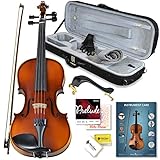
Kennedy Violins Bunnel Pupil
- Solid maple and spruce
- USA quality checked
- Lifetime warranty
- Genuine ebony fittings

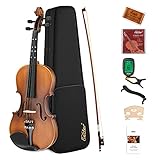
Mendini by Cecilio MV400
- Hand-carved solid wood
- Two bows included
- Complete lesson kit
- Ebony fingerboard
Best Violins for Students in 2026
Here is the full comparison of all eight student violins I reviewed. Each model is ranked from most affordable to premium, so you can see exactly what extra money gets you as you move up the range.
| Product | Specifications | Action |
|---|---|---|
| Eastar EVA-3 Violin Set |
|
Check Latest Price |
| Mendini by Cecilio MV400 |
|
Check Latest Price |
 Vangoa 4/4 Solid Wood Violin Vangoa 4/4 Solid Wood Violin |
|
Check Latest Price |
 Cecilio CVN-500 Violin Cecilio CVN-500 Violin |
|
Check Latest Price |
 Stentor Student II 1400A2 Stentor Student II 1400A2 |
|
Check Latest Price |
 Cremona SV-175 Student Violin Cremona SV-175 Student Violin |
|
Check Latest Price |
| Kennedy Bunnel Pupil Violin |
|
Check Latest Price |
 Cremona SV-500 Premier Artist Cremona SV-500 Premier Artist |
|
Check Latest Price |
1. Eastar EVA-3 – Budget-Friendly Complete Starter Kit
Eastar 4/4 Full Size Violin Set Matte Fiddle for Beginners Adults with Hard Case, Rosin, Shoulder Rest, Bow, Tuner and Extra Strings (Imprinted Finger Guide on Fingerboard), EVA-3
Spruce and maple top
Imprinted finger guide
Four fine tuners
Complete starter kit with case
Pros
- Imprinted finger guide helps beginners find notes
- Four integrated fine tuners for easy tuning
- Complete kit includes case bow rosin tuner and extra strings
- Maple neck with ebony fittings
Cons
- Matte finish is not for everyone
- Entry-level tone best for first year only
The Eastar EVA-3 is the violin I recommend most often to absolute beginners who have never held a bow. With over 2,500 reviews and a 4.1-star average, it has earned a reputation as a dependable first instrument that arrives with everything you need. I was genuinely impressed by the imprinted finger guide on the fingerboard, which shows beginners exactly where to place their fingers for correct notes.
The outfit ships with a hard case, bow, rosin, shoulder rest, tuner, and an extra set of strings. That is remarkable completeness for the price point. The four integrated fine-tuning tuners on the tailpiece are a feature usually reserved for more expensive instruments, and they make tuning much less frustrating for someone just learning to hear pitch.
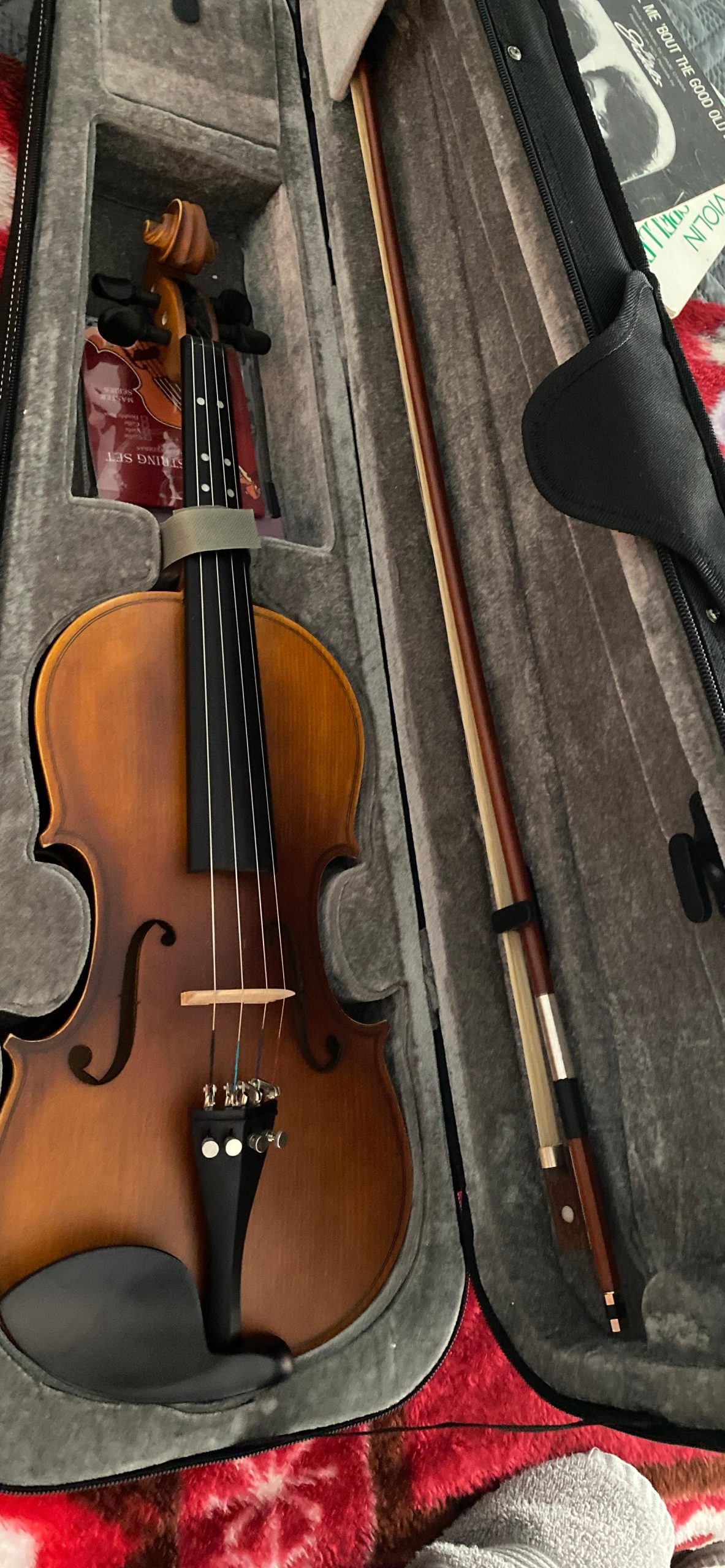
In terms of construction, the EVA-3 uses a spruce wood panel with a maple back board and side plate, finished in antique varnish. The neck is maple with a pear-wood fingerboard and ebony fittings. While this is not the same quality of tonewood you would find on a Cremona or Kennedy Violins instrument, it produces a warm enough tone for a first-year student.
The matte finish gives it a understated look, though some players prefer the glossier appearance of varnished instruments. The tuning knobs use a friction coefficient designed for smooth adjustment, which helps beginners who are still learning how pegs work. The handmade construction has a smooth surface with an embedded black line that adds a touch of visual refinement.
Best Fit for Total Beginners
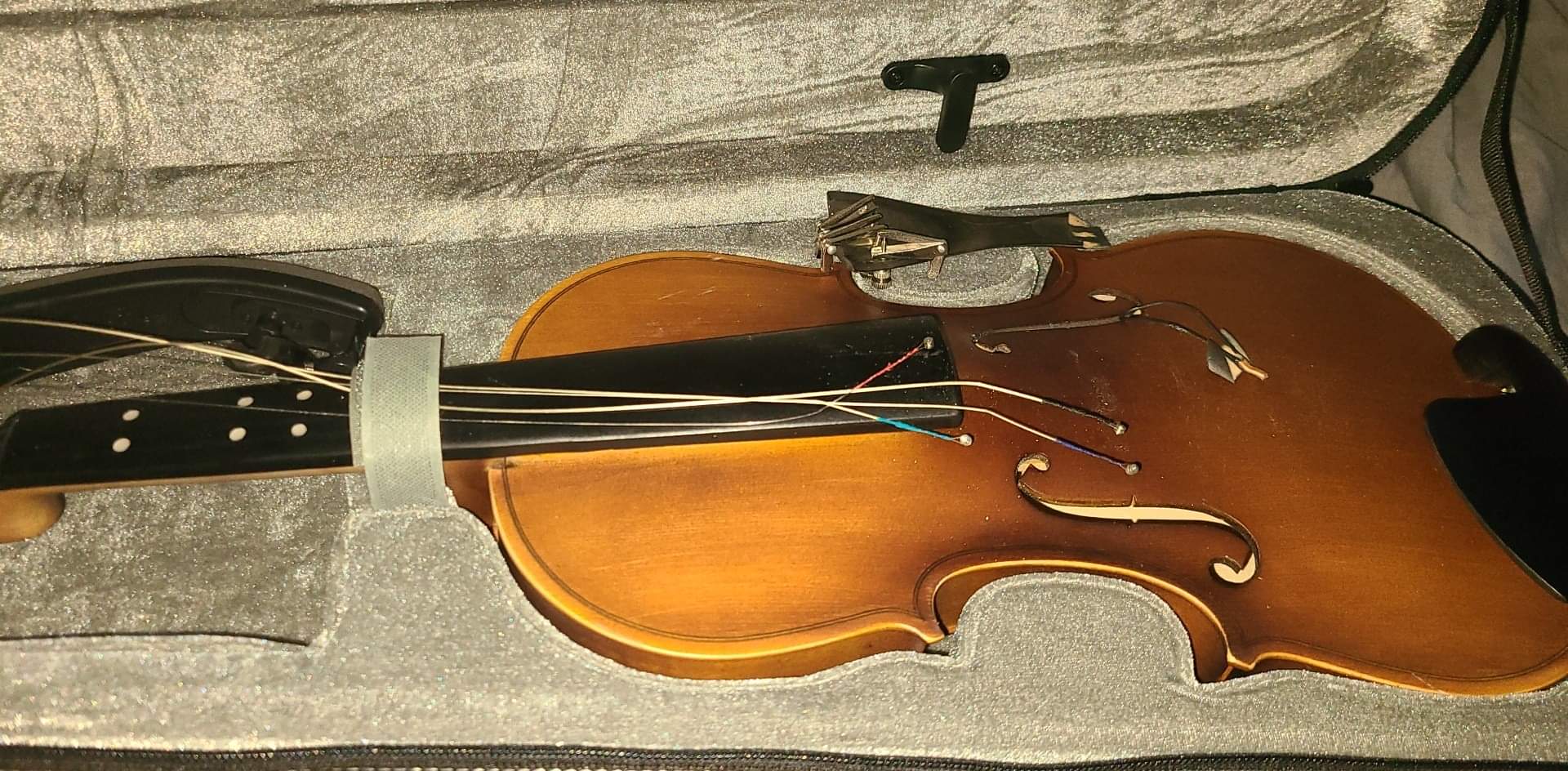
This violin is built for someone starting from zero. The imprinted finger guide is the standout feature for me because it removes the guesswork from finger placement during those critical first weeks. Students who follow the guide develop muscle memory faster and build confidence before transitioning to an instrument without markings.
The complete accessory package means you can start practicing the same day it arrives. You will not need to buy a separate shoulder rest, tuner, or rosin. The included extra string set is a thoughtful touch that saves a panicked trip to the music shop when a string inevitably breaks.
When to Upgrade From This Violin
The Eastar EVA-3 is designed as a starter instrument, not a long-term companion. Most students will outgrow its tonal capabilities within the first year of serious practice, particularly once they start producing a fuller bow arm and developing a more critical ear.
When you notice your tone sounding thin on higher positions or your teacher suggests you need a richer sound for recitals, it is time to move up. The good news is that this violin holds its resale value reasonably well in the used student market, which can offset the cost of your next instrument.
2. Mendini by Cecilio MV400 – Best Value Full Outfit with Two Bows
Mendini by Cecilio Violin 4/4 Full Size Set For Beginners – Hand Carved Acoustic Violins Set – Fiddle Solidwood Kit with Hard Case, Two Bows, Tuner, Rosin, Shoulder Rest, Extra Strings, Lesson Book
Hand-carved solid wood
Ebony fingerboard
Inlaid purfling
Two bows and lesson book included
Pros
- Hand-carved solid wood with spruce maple and ebony construction
- Smooth ebony fingerboard and alloy tailpiece with four fine tuners
- Complete kit includes two bows tuner rosin shoulder rest and lesson book
- Ready to play after tuning right out of the box
Cons
- Bridge ships unset for safe transport
- May benefit from professional setup for best playability
The Mendini by Cecilio MV400 is one of the best value packages I have seen in the student violin market. For a remarkably accessible price, you get a hand-carved acoustic violin made from solid spruce, maple, and ebony, plus two Brazilwood bows, a chromatic tuner, rosin, an adjustable shoulder rest, extra strings, and a lesson book. Cecilio has clearly designed this as an all-in-one solution for families starting a student on violin.
With nearly 1,500 reviews and a 4.3-star average, this is a classroom-tested instrument. I appreciate that Cecilio uses real ebony for the fingerboard and fittings rather than dyed hardwood, which is a common shortcut at this price tier. The inlaid purfling along the edges is not just decorative; it reinforces the body against cracking and splitting over time.
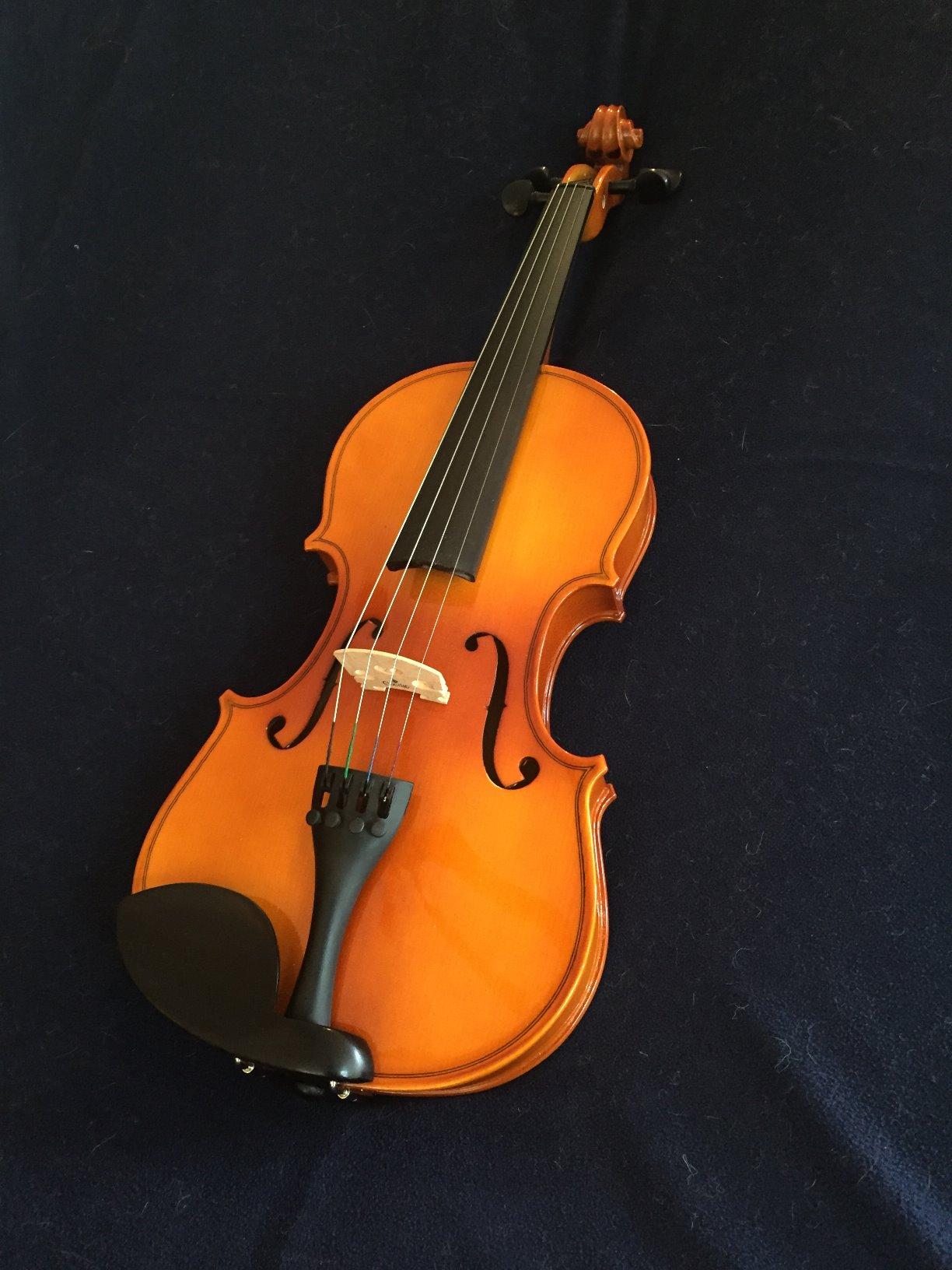
The sound quality is warm and resonant for a budget instrument, thanks to the solid wood construction. Many reviews mention that the violin is ready to play right out of the box after tuning, which speaks to Cecilio’s factory quality control. The alloy tailpiece with four built-in fine tuners makes day-to-day tuning straightforward.
The hard case is lightweight with backpack straps, making it practical for students who walk or bike to school. The lesson book is a genuine bonus for self-taught beginners who want guided exercises. The matte varnish finish has a traditional look that will not look out of place in a school orchestra setting.
What the Two Bows Mean for You
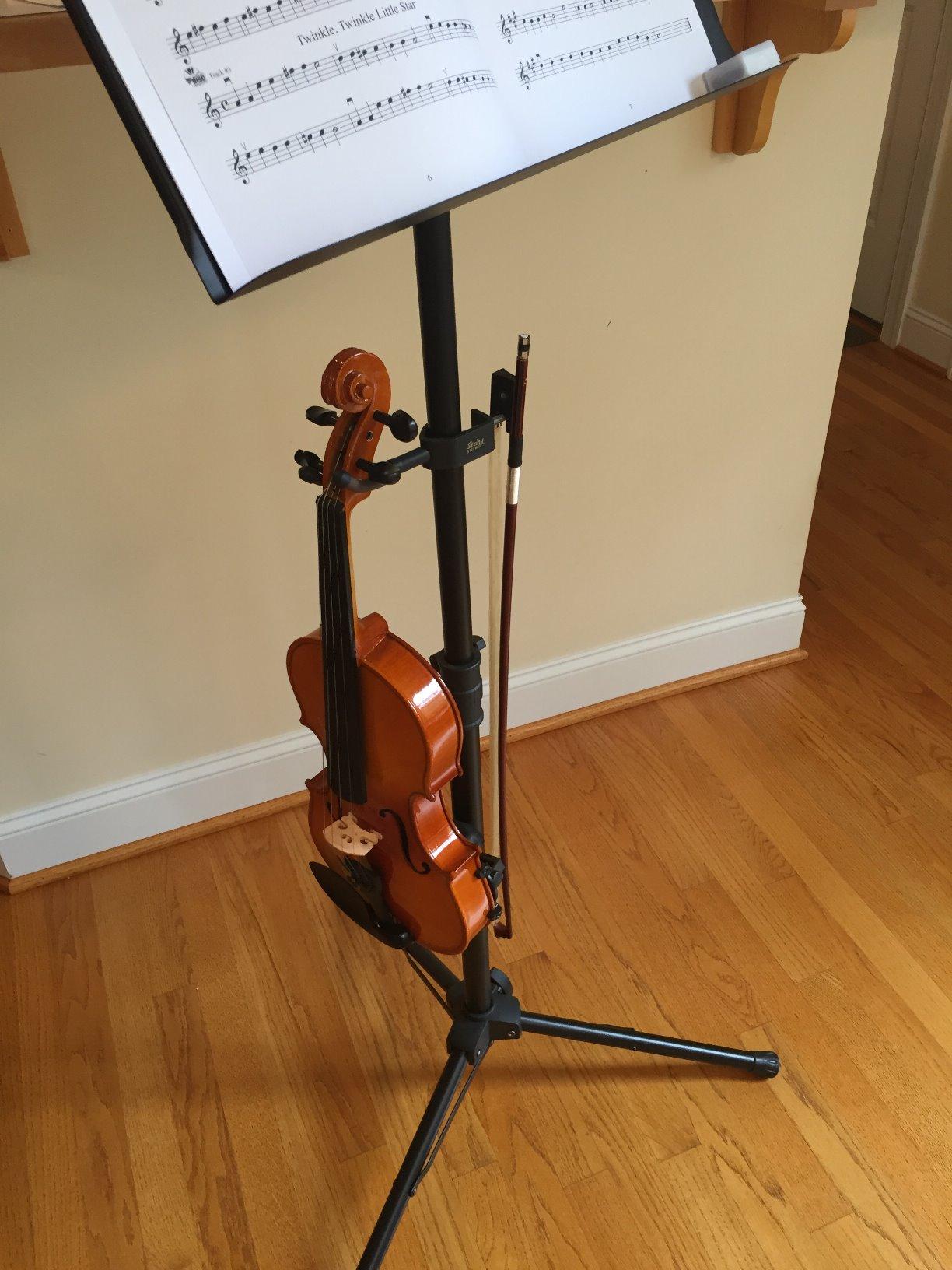
Having two bows is more valuable than it sounds. Student bows take a lot of abuse, and having a backup means a broken hair or snapped tip will not derail a week of practice. The included Brazilwood bows are balanced well enough for a beginner and produce a clean tone when rosined properly.
Many parents tell me the second bow becomes the practice bow while the first stays in better condition for lessons and performances. This small detail shows Cecilio understands the realities of student violin ownership.
Setup Considerations Before First Practice
The bridge ships unset and flat against the body to prevent damage during transport. You will need to stand it up and position it correctly before tuning. If you are not comfortable doing this, a quick visit to a local violin shop will handle it in minutes, often for free or a nominal fee.
Some reviewers noted that a professional setup improves playability significantly. The pegs may need a light application of peg compound to hold tension reliably. Once these minor adjustments are made, the MV400 performs well above its price class.
3. Vangoa 4/4 Violin – Solid Wood with Ebony Fittings
Vangoa Violin 4/4 Full Size Set, Varnish Fiddle Solid Wood for Professional Adults Senior Intermediate Beginners Student Starter Acoustic Violins Kit Outfit with Ebony Fitted, Hard Case, Right Handed
Full solid wood construction
Ebony tuning pegs
Mongolian horsehair bow
Pre-cut bridge and real purfling
Pros
- Thick solid wood with exquisite handmade varnish
- Real purfling technique for long-term durability
- Ebony tuning pegs for precise positioning
- Balanced Mongolian horsehair bow included
Cons
- Newer product with fewer reviews
- Delicate craftsmanship needs careful handling
The Vangoa 4/4 violin has quietly built one of the highest ratings in this roundup at 4.4 stars. While it has fewer reviews than the Eastar or Mendini, the quality of feedback is consistently strong. This instrument positions itself for intermediate beginners and advancing students who want a step above entry-level without paying workshop prices.
What caught my attention first is the construction. Vangoa uses full solid wood with a spruce top and full maple back, sides, and neck. The handmade varnish has a concave and convex touching edge that gives the instrument a refined, handcrafted appearance. The real purfling technique, not painted lines, reinforces the body for long-term structural integrity.
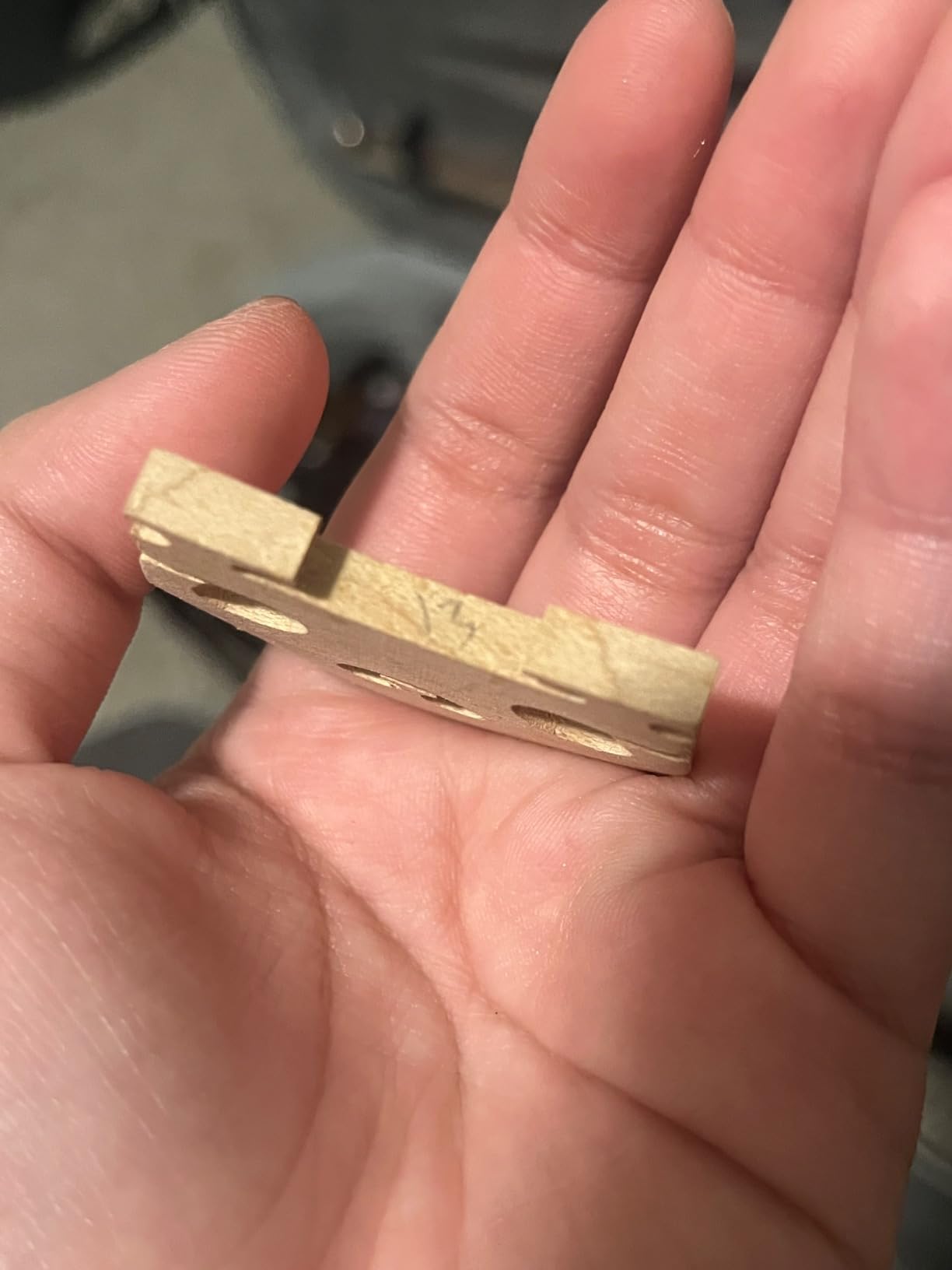
The ebony tuning pegs are a significant upgrade over the dyed hardwood pegs found on cheaper models. Ebony holds its shape better and provides smoother, more precise tuning adjustments. The pre-cut bridge makes initial setup easier for buyers who may not have access to a violin shop nearby.
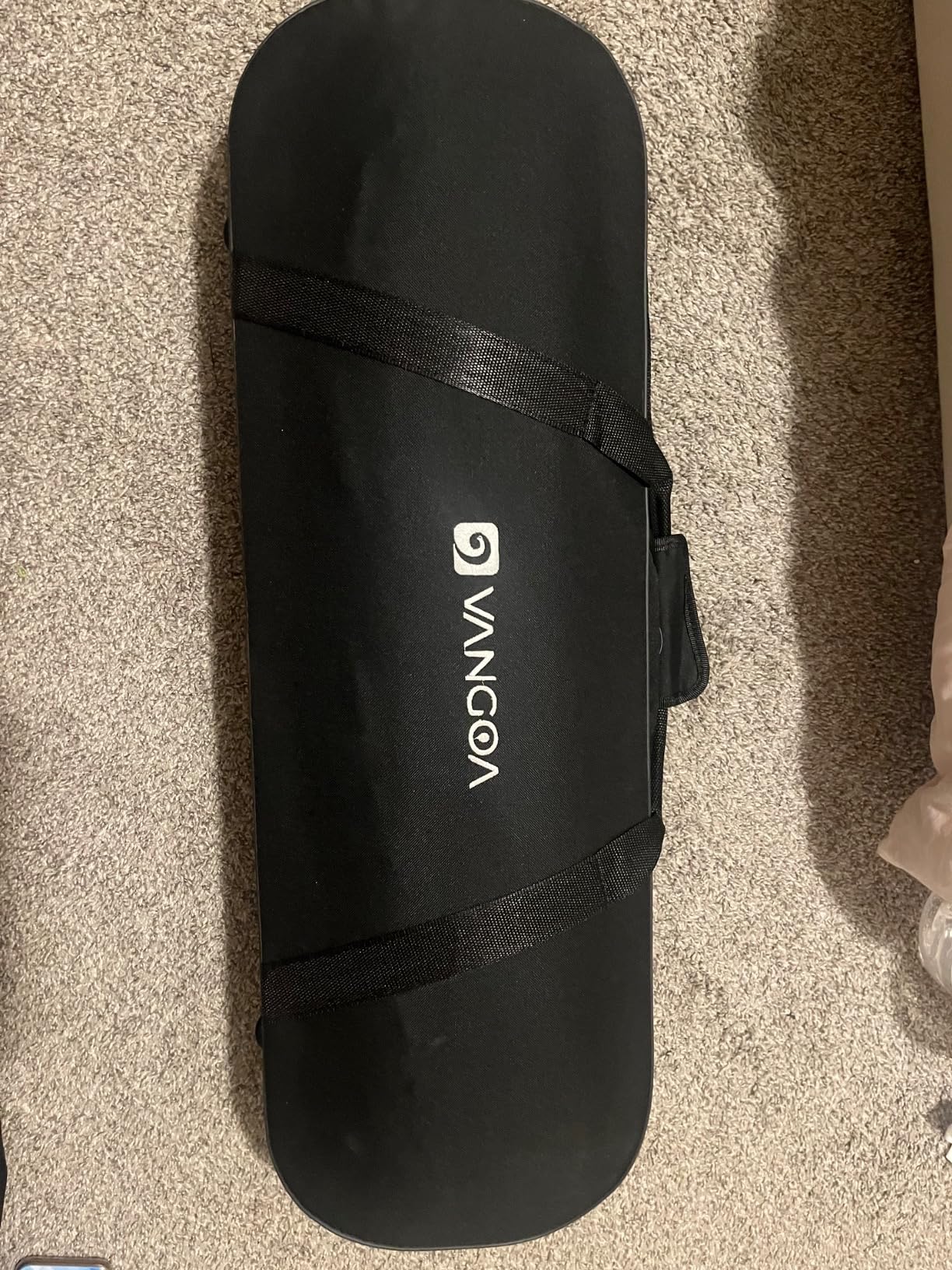
The bow deserves special mention. Vangoa includes a straight, well-balanced bow strung with Mongolian horsehair, which produces a clear and bright sound. Many budget outfits include bows that are too stiff for beginners, but this one has enough flexibility to help students develop proper bowing technique.
Solid Wood Benefits for Sound Development
Solid wood instruments improve with age and playing. The spruce top vibrates more freely over time as the wood settles and opens up, producing a richer, more complex tone. This is why solid carved instruments hold their value better than laminated plywood alternatives.
For a developing student, the tonal feedback from solid wood helps them hear the difference between good and poor technique. A laminated instrument can mask these differences, which slows the learning process. The Vangoa gives students the tonal honesty they need to progress.
Understanding the Lower Review Count
With around 180 reviews, the Vangoa has less community feedback than established brands like Stentor or Cecilio. This does not reflect lower quality; it simply means the product is newer to the market. The 69 percent five-star rate is actually one of the highest in this guide.
If you prefer buying from a brand with a decades-long track record, the Stentor or Cremona models may give you more confidence. But if you are willing to trust the consistent positive feedback, the Vangoa offers excellent solid-wood value at its price point.
4. Cecilio CVN-500 – Step-Up Tone with Prelude Strings
Cecilio Full Size 4/4 Violin with Hard Case & Shoulder Rest – Solidwood Ebony Fitted Violin with Premium Strings, Ideal for Beginners
Solid spruce top
Flamed maple back
D'Addario Prelude strings
Ebony fittings with 2 bows
Pros
- Solid spruce top and flamed maple back for superior sound
- Pre-strung with premium D'Addario Prelude strings
- Inlaid purfling for resonance and aesthetics
- Complete set with two Brazilwood bows and padded shoulder rest
Cons
- Bridge requires setting on arrival
- Satin antique finish may show wear over time
The Cecilio CVN-500 represents a meaningful step up from the brand’s entry-level MV400. It features a solid spruce top and flamed maple back and sides, which produce a noticeably warmer and more projecting tone. With 480 reviews and a 4.2-star average, it has proven itself as a reliable choice for students ready to commit to longer-term practice.
What sets the CVN-500 apart is the factory installation of D’Addario Prelude strings. These are the same strings recommended by music educators across the country, and they cost around $30 per set on their own. Having them pre-installed means the violin sounds good from day one rather than requiring an immediate string upgrade.
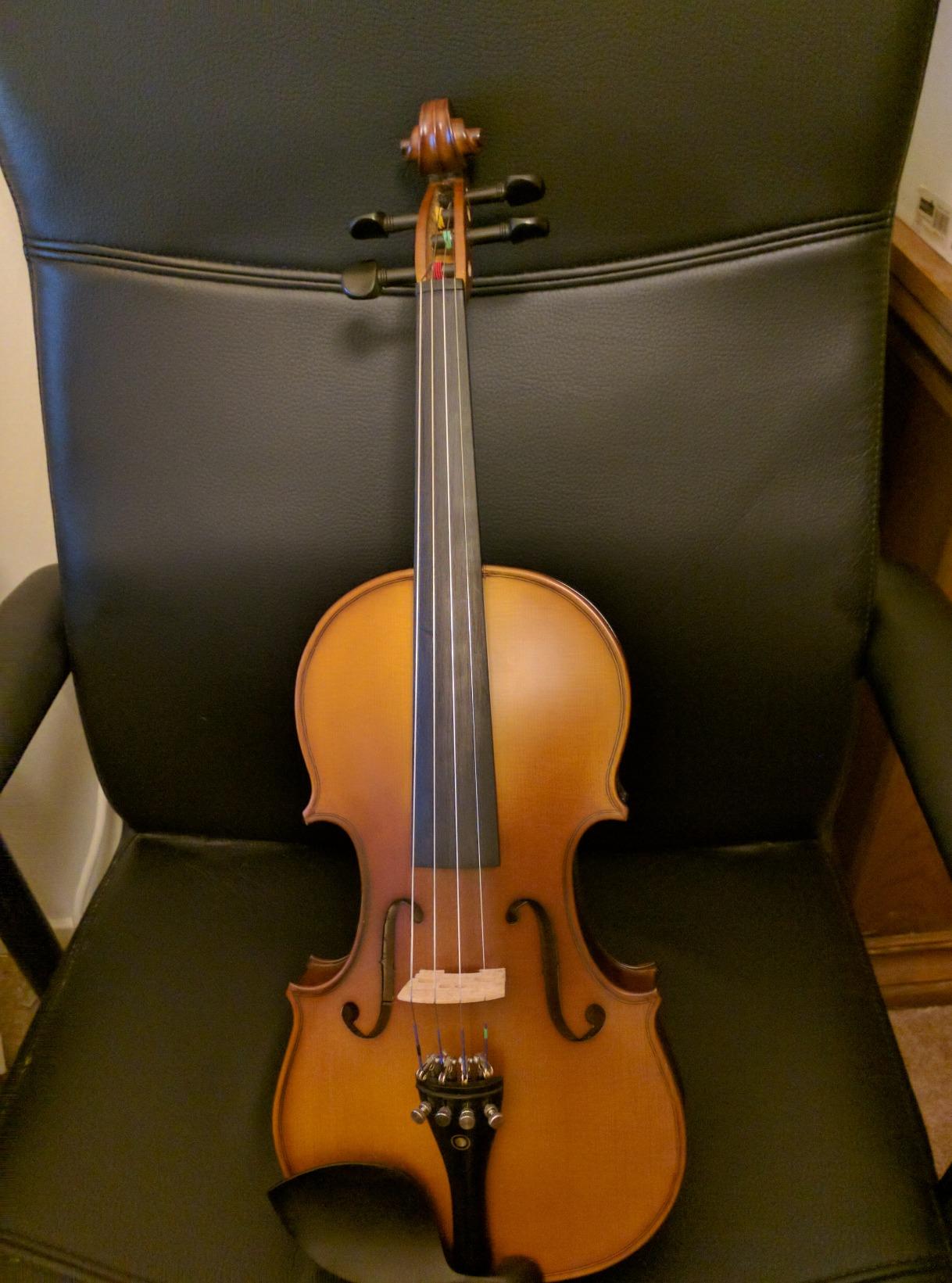
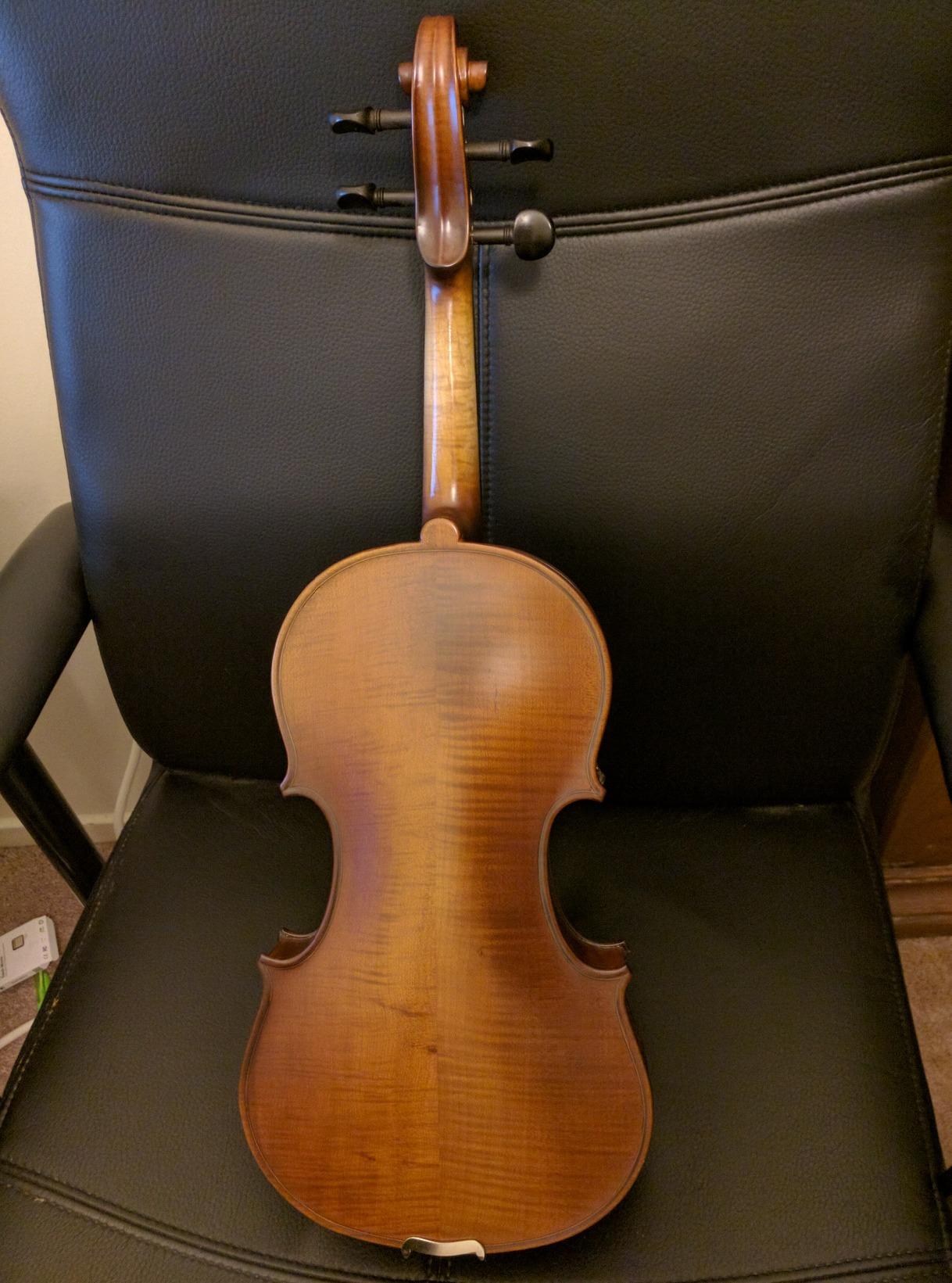
The inlaid purfling adds both visual elegance and structural reinforcement, and the flamed maple figure gives the back a beautiful striped grain pattern under light. The adjustable shoulder rest has a padded base that makes long practice sessions more comfortable. Two Brazilwood bows come with the outfit, giving you the same backup-bow advantage as the Mendini MV400.
The hard case includes backpack straps and accessory compartments, making transport to lessons straightforward. The satin antique finish gives a vintage look, though reviewers note it can show wear more visibly than a polished gloss finish over years of use.
Why Prelude Strings Matter for Students
D’Addario Prelude strings are the gold standard for student violins in the United States. They are steel-core strings that hold tune well, resist humidity changes, and produce a clear, focused tone. Music teachers consistently recommend them because they make it easier for beginners to produce a pleasant sound.
When a violin ships with generic factory strings, the first $30 a student spends is often on a Prelude replacement set. The CVN-500 saves you that expense and the frustration of poor-sounding factory strings during the critical early weeks.
Is This a Step-Up Violin Worth the Jump
If you already own a budget violin like the Eastar EVA-3 or Mendini MV300 and feel limited by its tone, the CVN-500 is a natural next step. The solid spruce top produces more dynamic range, and the Prelude strings respond better to varied bow pressure. Students transitioning to this model often notice immediate tonal improvement.
The price jump is moderate, and the included accessories offset much of the difference. For a student who has committed to at least a year of regular practice, the CVN-500 delivers enough tonal quality to justify the investment.
5. Stentor Student II 1400A2 – Teacher-Recommended School Classic
Stentor 1400A2-4/4 4-String Violin, 4/4
Carved solid tonewoods
Spruce front and maple back
Blackened hardwood fingerboard
Good student wood bow with ebony frog
Pros
- Carved from solid tone woods for authentic sound
- Widely recommended by school music teachers
- Quality student bow with ebony frog included
- Lightweight case with safety reflectors
Cons
- Factory strings may benefit from upgrading
- Limited stock availability at times
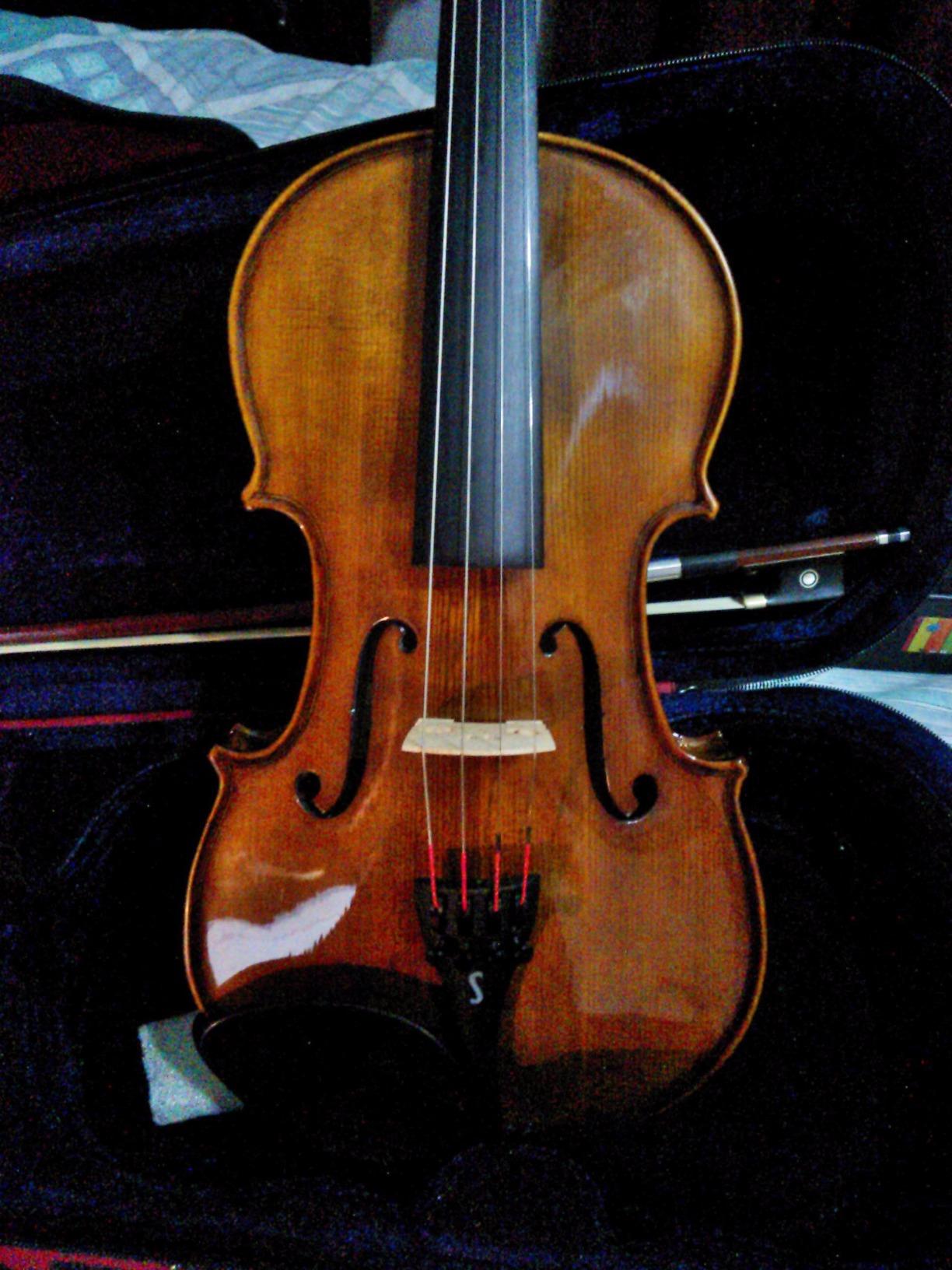
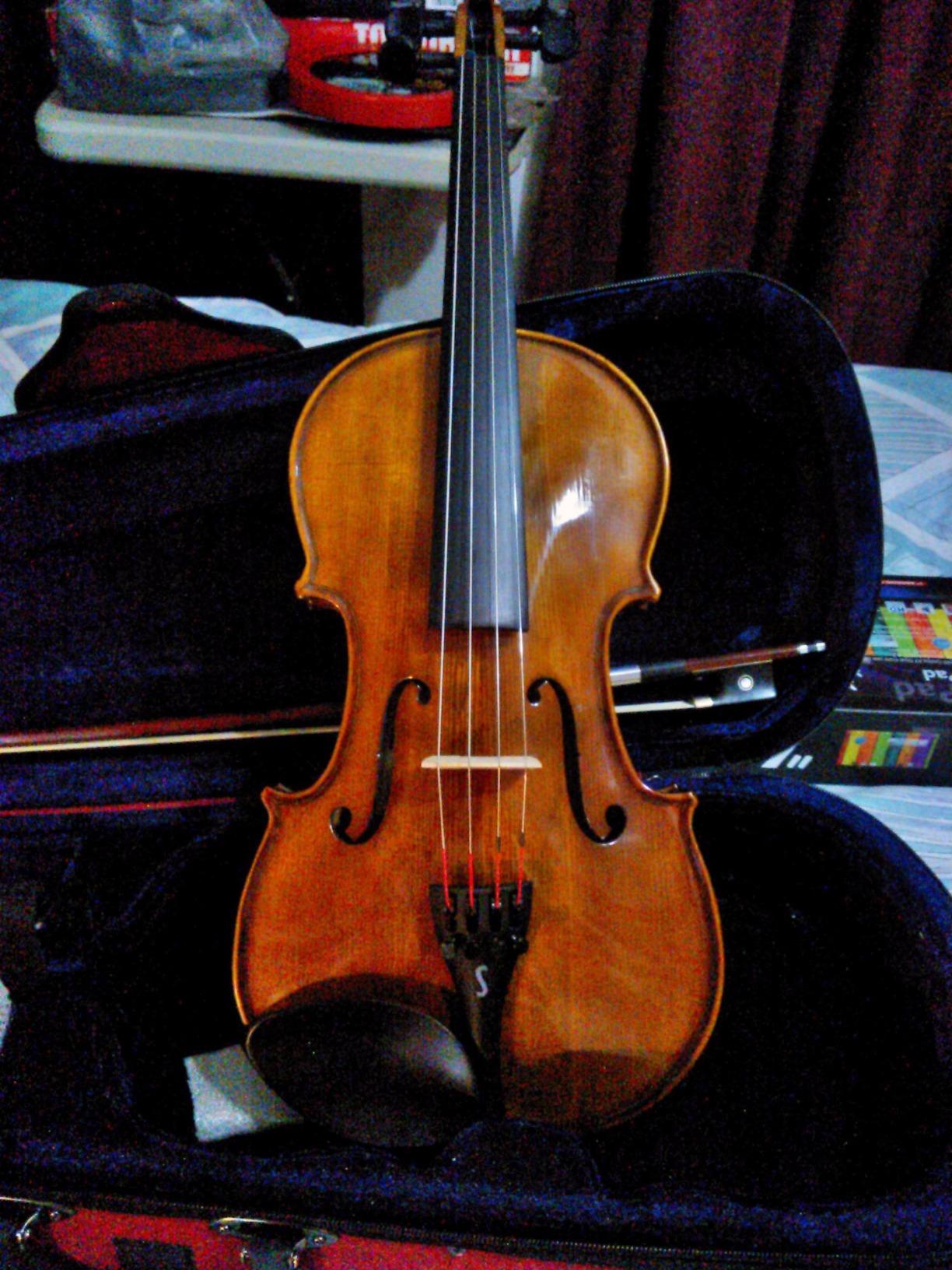
The Stentor Student II is the violin I see recommended most often in r/violinist threads and by school music teachers. It is carved from solid tone woods with a spruce front, maple back and ribs, and a maple neck. With over 1,260 reviews and a 4.2-star average, it has built a reputation as the reliable workhorse of student violin education.
What makes the Stentor stand out is the consistency of its factory setup. The blackened hardwood fingerboard and high-quality dark hardwood pegs arrive properly fitted, which means less time at the repair shop and more time practicing. Many teachers specifically request Stentor instruments for their school programs because they know what to expect.
The included student wood bow with an ebony frog is genuinely good quality for a factory bow. Ebony frogs provide better balance than the plastic frogs found on cheaper outfits, and the bow draws a clean, controlled tone. The lightweight case features safety reflectors, which is a thoughtful detail for students who walk to school or lessons in low light.
Tonally, the Stentor Student II produces a warm, even sound across all four strings. The solid carved spruce top responds well to developing bow technique, giving students clear feedback on their sound production. It is not the most resonant instrument in this guide, but it is dependable and predictable.
Why Teachers Recommend Stentor
School music teachers value reliability above almost everything else. They need instruments that arrive playable, stay in tune, and do not require constant adjustments. Stentor has built its brand on exactly these qualities over decades of serving the educational market.
Teachers also appreciate that the Stentor’s neutral tonal character does not mask technique errors. Students hear exactly what they are producing, which accelerates learning. The instrument grows with the student in the sense that better technique produces noticeably better tone.
String Upgrade Path as Skills Grow
The factory strings on the Stentor are functional but not exceptional. As a student develops, upgrading to a set of D’Addario Prelude or even Dominant strings transforms the instrument’s tonal palette. This is one of the most cost-effective upgrades you can make.
Many experienced players recommend budgeting for a string upgrade after the first three months of play. The solid carved body of the Stentor responds beautifully to better strings, often surprising students who thought they needed an entirely new instrument to improve their sound.
6. Cremona SV-175 – Professionally Set Up Student Favorite
Cremona SV-175 4/4 Premier Student Violin Outfit – Solid Spruce Top, Maple Back, Ebony Fittings, Prelude Strings, Case & Bow for Beginner & Advancing Students
Solid spruce top
Maple back
Ebony fittings
MENC professional workshop setup
Pros
- Professionally set up to MENC National Standards
- US-made Prelude strings preferred by educators
- Swiss-style ebony pegs for smooth tuning
- Over 30 years of student track record
Cons
- Limited stock availability
- Right-hand orientation only
The Cremona SV-175 has been a student violin benchmark for over three decades. Music Inc. Magazine has reviewed it specifically as designed to meet the needs of beginning and advancing students. What sets it apart from every other violin in this price range is that it is professionally set up to MENC National Standards at the Cremona workshop in California.
This MENC setup is a big deal. It means the bridge is properly fitted and shaped, the soundpost is correctly positioned, the pegs turn smoothly and hold, and the string height is adjusted for comfortable playing. Most factory violins skip some or all of these steps, leaving the buyer to pay for a shop setup or struggle with an unplayable instrument.
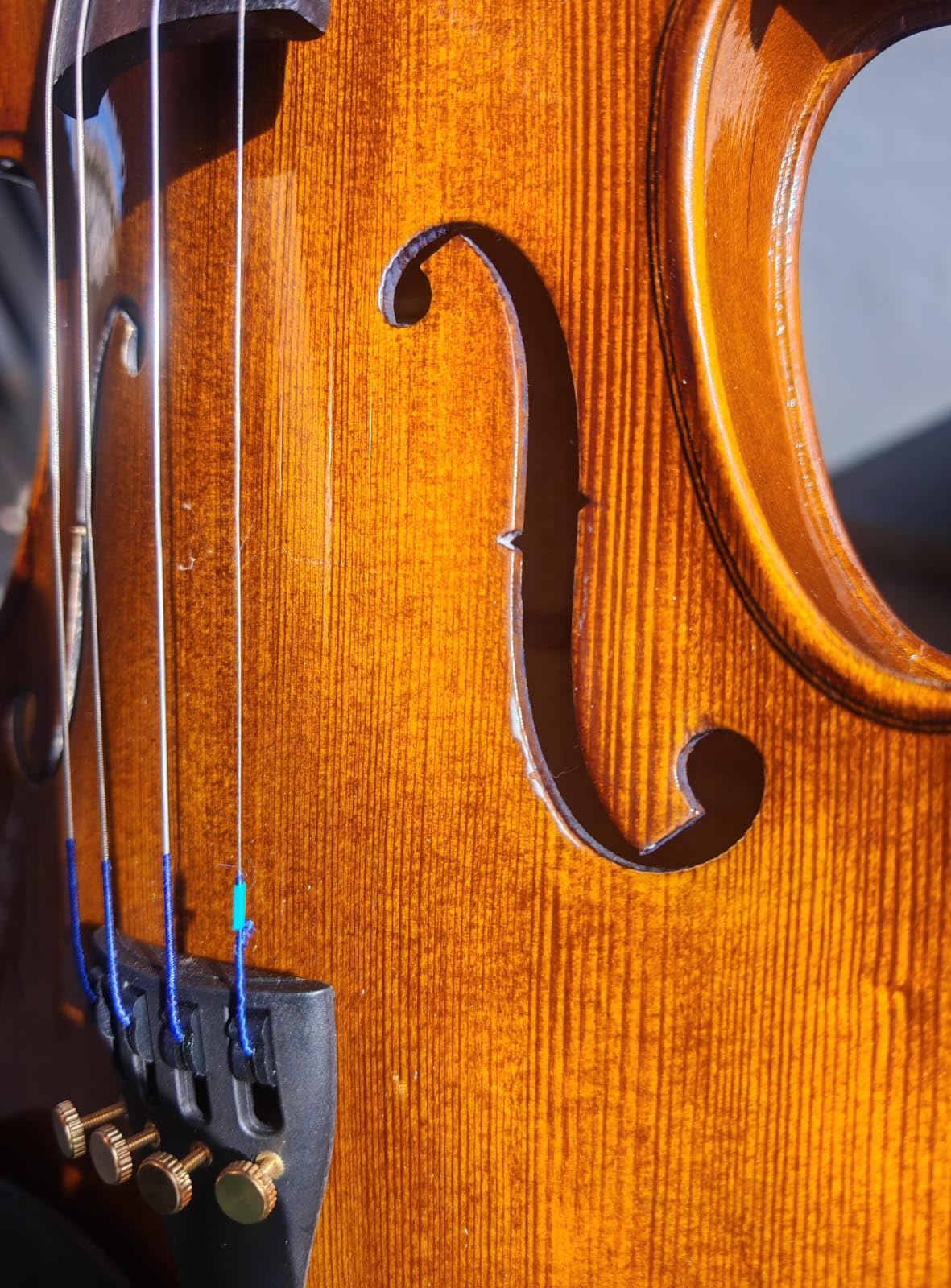
The SV-175 features a hand-carved solid spruce top and solid maple back and sides. The Swiss-style ebony pegs and lightweight composite tailpiece with four smooth fine tuners make tuning precise and frustration-free. US-made Prelude strings come installed, which is the same educator-preferred string set found on the more expensive Cecilio CVN-500.
The tonal character is warm and resonant, with good projection for ensemble playing. The solid spruce top rewards developing technique with a richer, more complex sound as the student progresses. The hand-carved craftsmanship shows in the clean joinery and properly shaped scroll.
What MENC Standard Setup Means
MENC, now known as the National Association for Music Education, publishes standards for how student instruments should be prepared. A violin set up to MENC standards has correct string height, a properly fitted bridge, working pegs, a positioned soundpost, and appropriate nut and saddle adjustments.
This matters because an improperly set up violin is physically harder to play and can even cause hand strain. When a beginner struggles with an instrument that has strings set too high or a bridge that is poorly shaped, they often blame themselves rather than the instrument. The SV-175 eliminates this problem.
Long-Term Student Value
The Cremona SV-175 holds its value well in the used student market because the brand name carries weight with teachers and shop owners. If a student decides violin is not for them after a year, the resale value helps recover a significant portion of the original purchase.
For students who continue, the SV-175 provides enough tonal quality to last through the first two to three years of serious study. Many players use it as their primary student instrument before stepping up to a workshop-grade violin like the Cremona SV-500.
7. Kennedy Violins Bunnel Pupil – Top-Rated USA-Setup Violin
Bunnel Pupil Violin Outfit 4/4 Full Size Clearance By Kennedy Violins – Carrying Case and Accessories Included – Solid Maple Wood and Ebony Fittings RB300
Solid maple and spruce
Genuine ebony fittings
USA assembled and quality checked
Lifetime warranty
Pros
- Handcrafted solid maple and spruce tonewoods
- Final assembly and quality check completed in the USA
- Lifetime warranty with 45-day money-back guarantee
- Genuine ebony fittings and Giuliani bow included
Cons
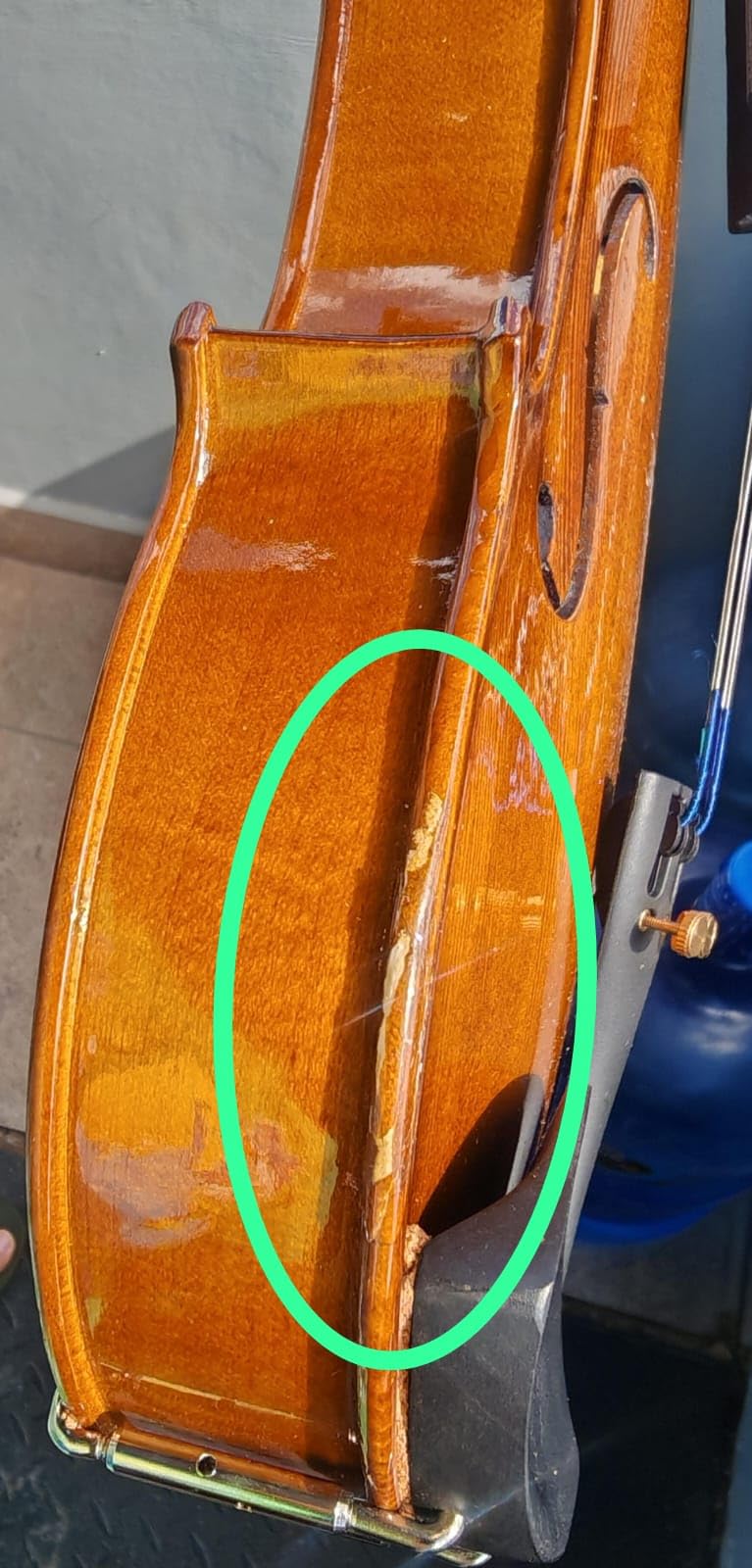
- Clearance item may have slight cosmetic mark
- Limited stock availability
The Kennedy Violins Bunnel Pupil is the highest-rated student violin in this entire guide at 4.6 stars, with 79 percent of reviewers giving it five stars. Kennedy Violins is a brand that the r/violinist community consistently names as a trusted online retailer, and the Bunnel Pupil shows exactly why. It is handcrafted with solid maple and spruce tonewoods and features 100 percent genuine ebony fittings.
The standout feature is that final assembly and quality control happen in the United States, not overseas. This means each violin is inspected, adjusted, and play-tested by Kennedy’s luthiers before shipping. The difference is immediately apparent when you compare it to factory-shipped instruments that arrive with uncut bridges and misaligned soundposts.
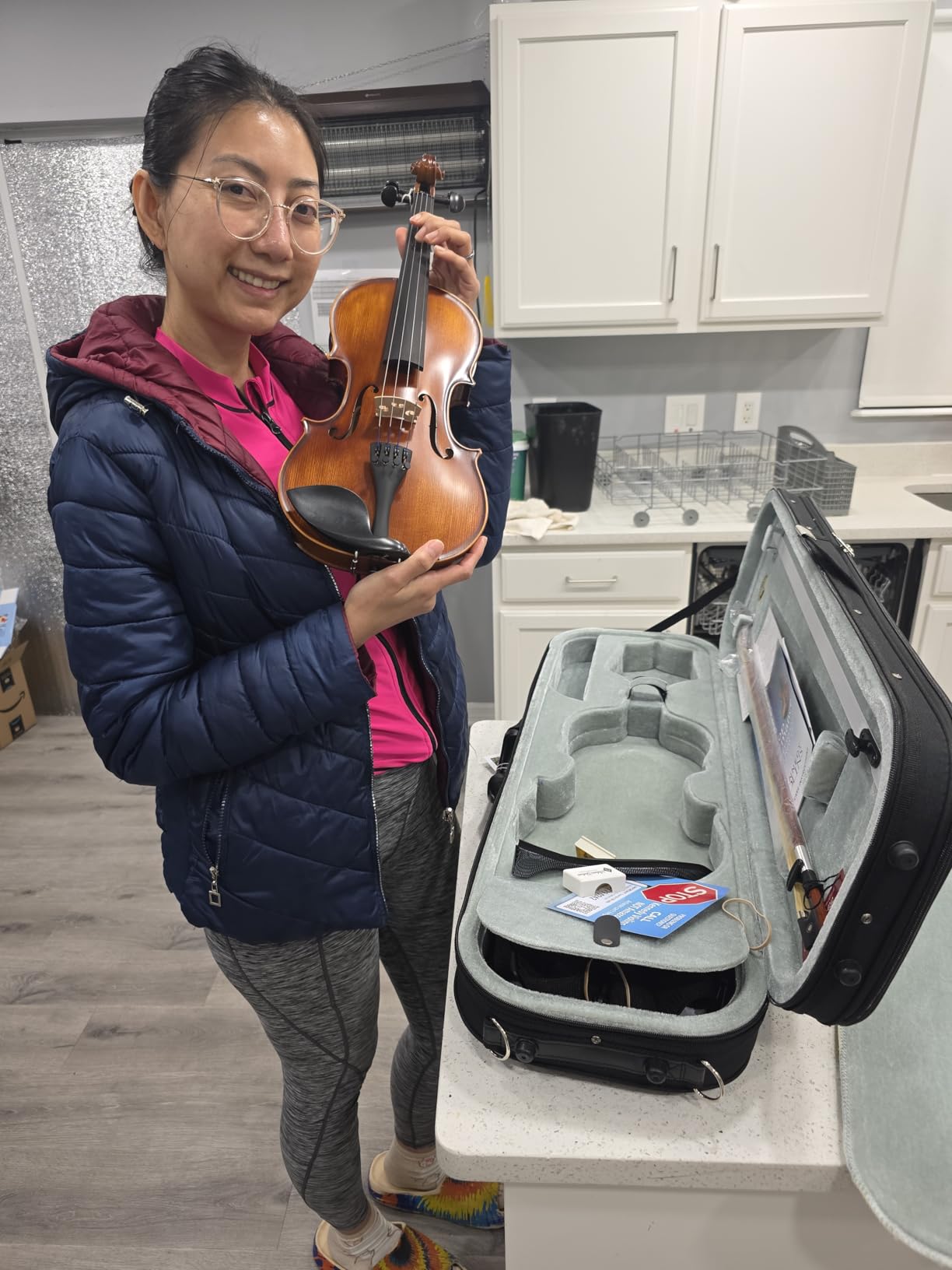
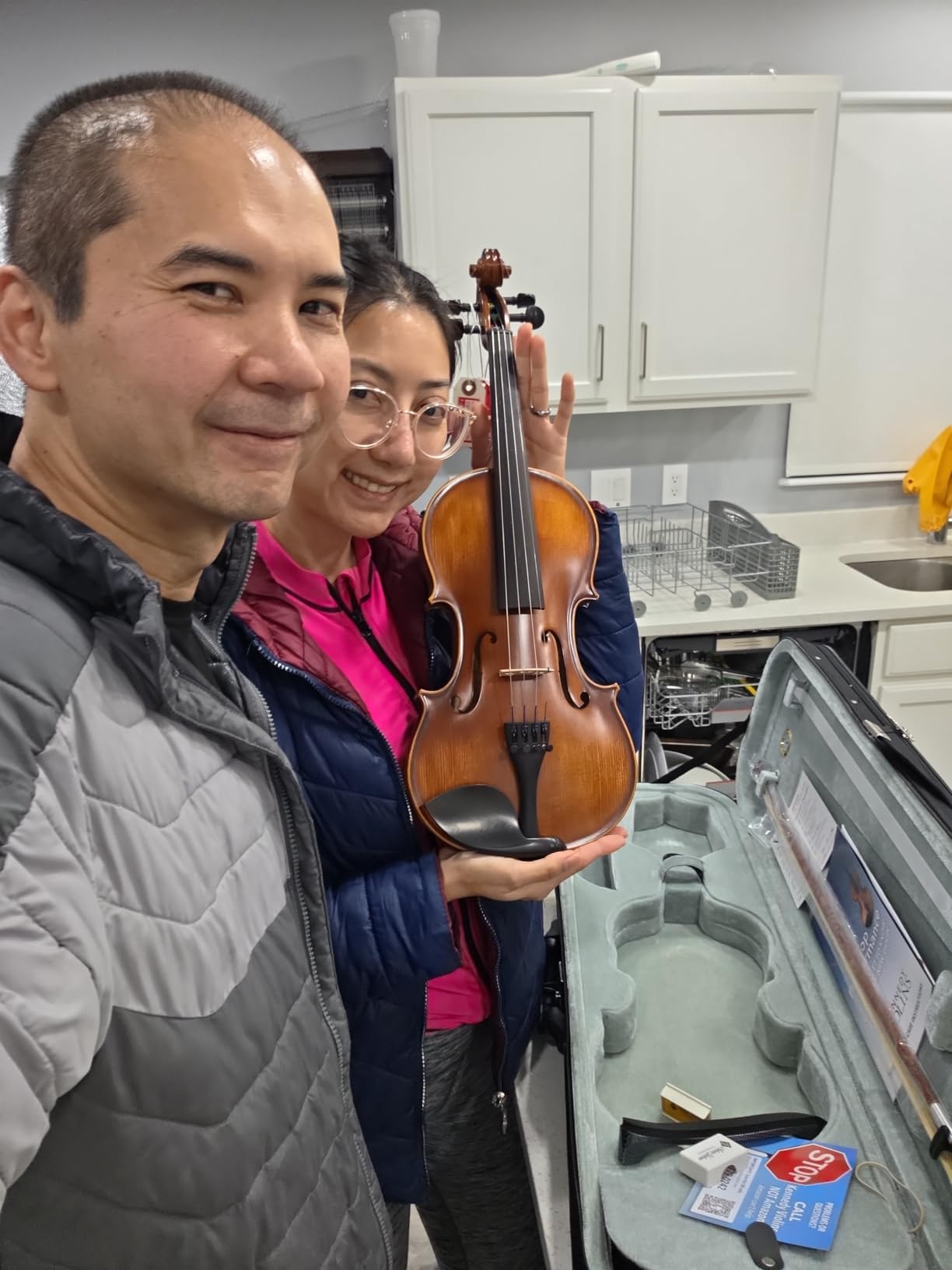
The complete outfit includes a Giuliani Brazilwood bow, Giuliani rosin, D’Addario Prelude strings (pre-installed), a Portland oblong violin case, an extra set of Portland Strings, and a shoulder rest. This is a professional-recommended accessory package that would cost significantly more if purchased separately.
The satin oil finish gives the violin a warm, understated elegance. The solid maple and spruce construction produces a rich, full tone that rivals instruments costing twice as much. The 45-day money-back guarantee and lifetime warranty provide peace of mind that no other brand in this guide matches.
USA Quality Control Advantage
When a violin is assembled and checked in the USA, a trained luthier verifies that every component meets specification before it reaches the customer. The bridge is fitted and shaped, the soundpost is positioned, the pegs are adjusted, and the instrument is test-played. This catches problems that factory quality control often misses.
This USA-based setup is the single biggest reason the Bunnel Pupil earns my editor’s choice. You are paying for the assurance that the violin will be playable the day it arrives, without a trip to a local shop. For busy parents and adult beginners without a violin shop nearby, this is invaluable.
Lifetime Warranty Details
Kennedy Violins backs the Bunnel Pupil with a lifetime warranty against manufacturing defects, plus a 45-day money-back guarantee. This is the most comprehensive warranty in this roundup by a wide margin. Most competitors offer only a one-year warranty.
The 45-day return window gives you over six weeks to decide if the violin is right for you. If the tone does not suit you, the setup needs adjustment, or you simply change your mind, Kennedy accepts returns. This risk-free trial period is something I wish more violin brands offered.
8. Cremona SV-500 Premier Artist – Advancing Student Workshop Violin
Cremona SV-500 4/4 Premier Artist Violin Outfit – Full Size Student & Professional Violin with Solid Spruce Top, Maple Back, Ebony Fittings, Case & Bow
Flamed maple with solid spruce
French Aubert bridge
Ebony fittings
Hand-applied reddish-brown varnish
Pros
- Flamed maple with hand-applied varnish for elegant appearance
- French-made Aubert bridge for superior tone transmission
- Reviewed and recommended by Strings Magazine
- Oblong case with hygrometer and four bow holders
Cons
- Heavier at 6 pounds compared to other student models
- Limited size variants available
The Cremona SV-500 Premier Artist sits at the top of Cremona’s student line and is designed for students and advancing players who need a serious instrument. Strings Magazine has reviewed it as a good choice for a first or second violin, which is high praise from a publication focused on serious string players. The craftsmanship is visibly superior to the SV-175.
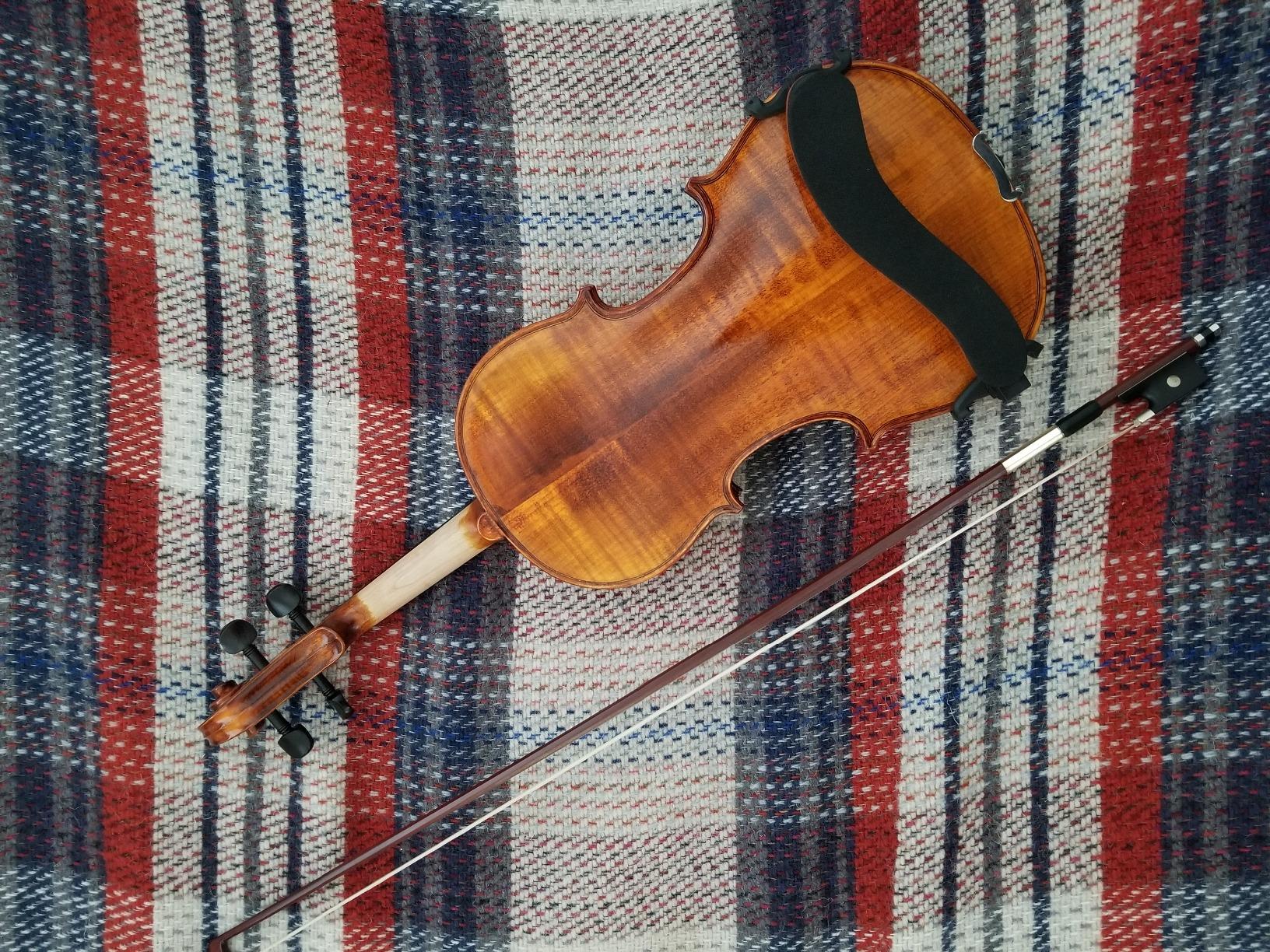
The flamed maple back and sides with a hand-applied reddish-brown varnish give the SV-500 a look that approaches professional instruments. The select solid spruce top produces a warm, resonant tone with excellent projection. This is a violin that sounds as good as it looks, which is not always the case with beautifully finished student instruments.
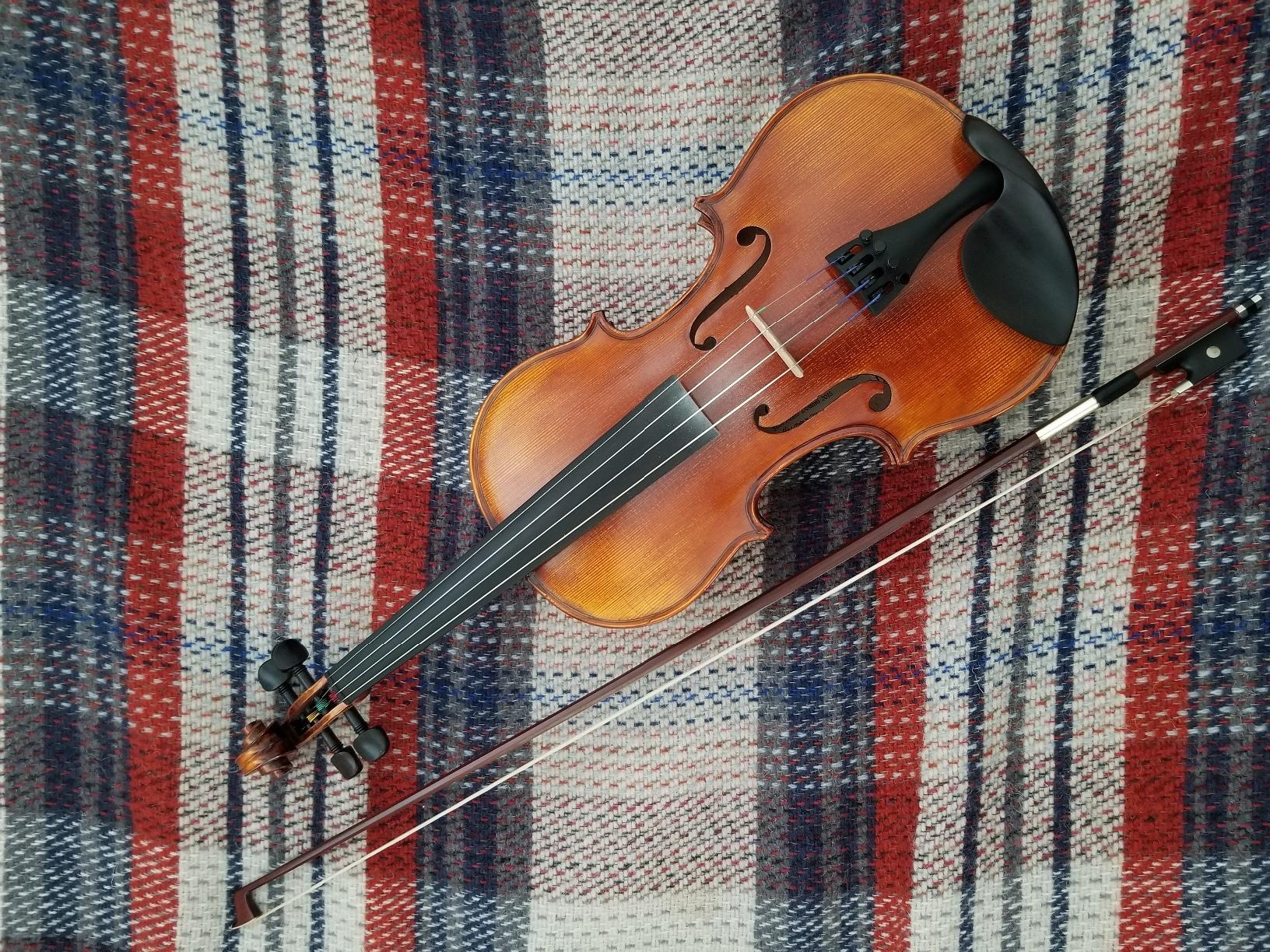
The French-made Aubert bridge is a significant upgrade over the generic bridges found on most student violins. Aubert bridges are carved from aged maple and are trusted by professional luthiers worldwide for their superior tone transmission. Combined with US-made Prelude strings, the SV-500 produces a balanced, warm, and resonant sound with good projection.
The deluxe Brazilwood bow and Stradivarius-style chinrest add comfort and control. The lightweight oblong rigid foam case includes four bow holders and a built-in hygrometer, which monitors humidity to protect the instrument during transport and storage. This is the most complete and thoughtfully designed case package in the guide.
What the Aubert Bridge Adds
A bridge is not just a piece of wood that holds the strings off the fingerboard. It is a critical component that transmits string vibrations to the body of the violin. A poorly carved or poorly fitted bridge chokes the sound, while a well-made bridge lets the instrument sing.
The French-made Aubert bridge on the SV-500 is precisely carved from aged maple and properly fitted at the Cremona workshop. The difference is audible: the tone is more open, more resonant, and more responsive to bowing nuances. For a student developing their ear, this level of tonal quality is genuinely motivating.
Student to Orchestra Transition
The SV-500 is designed to carry a student from their first serious lessons through school orchestra participation and into early ensemble playing. The projection and tonal balance hold up in group settings, and the instrument will not be the weak link in a section of mixed-quality student violins.
Many advancing students use the SV-500 as their primary instrument for two to three years before stepping up to a hand-made workshop violin. At that point, the SV-500 often becomes a reliable backup instrument or is passed down to a younger sibling starting their own violin journey.
How to Choose the Best Violin for Students?
Choosing among the best violins for students comes down to five key factors: wood quality, setup, size, budget, and whether to rent or buy. Understanding these factors helps you avoid the most common mistakes that frustrate beginners and waste money.
Solid Wood vs Laminated Plywood
This is the single most important quality distinction in student violins. Solid carved spruce tops and maple backs produce warm, resonant tones that improve with age. Laminated plywood tops, found on the cheapest instruments, produce a dead, thin sound that discourages beginners.
Every violin in this guide uses solid wood construction. If you encounter a violin significantly cheaper than the Eastar EVA-3, check the wood type carefully. Laminated instruments are often marketed with vague terms like “selected wood” or “composite top.”
The way to identify solid wood is to look at the grain on the edge of the top, visible through the f-hole. Solid spruce shows end-grain that runs continuously. Laminate shows layered cross-grain patterns that look like plywood.
Why Setup Quality Matters More Than Brand
A properly set up violin has a fitted bridge, positioned soundpost, adjusted pegs, and correct string height. A violin without proper setup is physically harder to play, sounds worse, and can cause hand strain. Reddit’s r/violinist community consistently identifies poor factory setup as the number one pain point for student violin buyers.
The Cremona SV-175 and Kennedy Violins Bunnel Pupil both ship with professional-grade setup. The Stentor Student II has reliable factory setup. Budget models like the Eastar and Mendini may need a brief visit to a local shop for bridge fitting and peg adjustment.
Budgeting $30 to $50 for a shop setup on a budget violin is money well spent. A luthier can transform a mediocre factory instrument into a genuinely playable one in under an hour.
Finding the Right Violin Size
Violin size is critical for children. A violin that is too large causes posture problems and hand strain; one that is too small limits technique development. Here is a quick sizing reference based on arm length, measured from the neck to the middle of the left palm with the arm fully extended.
For arm length under 17 inches, choose a 1/10 or 1/8 size violin. For 17 to 19 inches, a 1/4 size works well. For 20 to 22 inches, select a 1/2 size. For 22 to 23.5 inches, a 3/4 size is appropriate. For arm length over 23.5 inches, a full-size 4/4 violin is the right choice.
Most adult beginners will need a 4/4 full-size violin, which is what all eight models in this guide are offered in. If you are buying for a child, check that the model you select is available in the correct fractional size before purchasing.
Rent vs Buy: Making the Right Call
Many violin shops offer rent-to-own programs where monthly payments build toward ownership. This can make sense for young children who will outgrow fractional sizes quickly, since rental programs often allow free size exchanges. For adult beginners and older students, buying outright is usually more economical after six to eight months.
The break-even point depends on your rental rate and purchase price. A $200 violin purchased outright is typically cheaper than renting after about eight months at $30 per month. Factor in the resale value: solid wood student violins from Stentor, Cremona, and Kennedy hold their value well in the used market.
Online vs Local Shop Purchase
Local violin shops offer personalized setup, sizing assistance, and ongoing maintenance, but their prices are often higher. Online retailers like Kennedy Violins and Fiddlershop bridge this gap by offering professional setup services with online convenience.
If you have a reputable violin shop within driving distance, visiting in person lets you hear and feel instruments before buying. If you do not, buying from a brand that includes professional setup, like Kennedy Violins or Cremona, is the safest online option.
What a Proper Student Violin Outfit Includes
A complete student violin outfit should include the violin itself, a bow, a case, rosin, and a shoulder rest at minimum. Some outfits add a tuner, extra strings, a lesson book, or a second bow. Every model in this guide includes at least the core five items.
Do not overlook the importance of rosin and a shoulder rest. Rosin creates the friction that makes the bow hair grip the strings. Without it, the bow produces no sound. A shoulder rest supports proper posture and prevents neck and shoulder strain during practice.
FAQs
What is the best violin for a beginner student?
The Kennedy Violins Bunnel Pupil is the best overall student violin thanks to its USA-based setup, genuine ebony fittings, and lifetime warranty. For budget-conscious buyers, the Eastar EVA-3 and Mendini MV400 offer excellent complete outfits at entry-level prices. The Stentor Student II is the most widely teacher-recommended option for school programs.
How much should I spend on a first violin?
Plan to spend between $140 and $300 for a quality student violin outfit. Instruments under $100 typically use laminated plywood and lack proper setup. Spending around $200 to $300 gets you solid carved tonewoods, ebony fittings, and professional setup, which significantly improves the learning experience and reduces frustration.
What violin size do I need?
Measure arm length from the neck to the middle of the left palm with the arm fully extended. Under 17 inches is a 1/8 size, 17 to 19 inches is a 1/4, 20 to 22 inches is a 1/2, 22 to 23.5 inches is a 3/4, and over 23.5 inches requires a full-size 4/4 violin. Most adults and older teens need a 4/4.
Should I rent or buy a first violin?
Renting makes sense for young children who will outgrow fractional sizes quickly, since rental programs usually include free size upgrades. For adult beginners and older students, buying outright is more economical after about six to eight months of rental payments. Solid wood student violins hold good resale value if you decide to stop playing.
Why does a cheap violin sound bad and can it be fixed?
Cheap violins sound bad because they use laminated plywood instead of solid carved tonewoods, which deadens vibration and resonance. Poor factory setup with an unfitted bridge and misaligned soundpost also chokes the tone. A professional setup can improve playability, but laminated construction cannot be fixed. Always choose solid wood instruments for the best learning experience.
Final Thoughts on Student Violins
The best violins for students in 2026 balance solid wood construction, proper setup, and genuine value. My top recommendation is the Kennedy Violins Bunnel Pupil for its unmatched USA quality control and lifetime warranty. The Mendini by Cecilio MV400 delivers the best overall value with its complete two-bow outfit. And the Eastar EVA-3 remains the safest budget choice for absolute first-timers.
Whatever you choose, prioritize solid carved tonewoods and a proper setup over brand names or aesthetic appeal. A well-set-up student violin makes learning enjoyable, while a poorly prepared instrument makes even a talented student want to quit. Take your time, measure carefully for size, and start playing.