

Solar adoption has surged in 2026, and homeowners are taking power generation into their own hands like never before. I have spent the past several months researching, comparing, and evaluating the best solar panel kits for homes to figure out which ones actually deliver on their promises. Whether you want to slash your electricity bill, gain backup power during outages, or move toward full energy independence, the right kit makes all the difference.
The challenge is that the market is flooded with options ranging from tiny 100-watt starter kits to massive whole-home systems with lithium battery banks. After digging through forum discussions on r/SolarDIY and r/solar, analyzing thousands of customer reviews, and comparing specs across the top brands, I narrowed the field to seven kits that stand out for residential use.
Throughout this guide, I cover everything from entry-level panels perfect for RVs and sheds to complete off-grid systems capable of running appliances. I also address the common pain points real users face: hidden battery costs, confusing component lists, charge controller quality, and installation difficulty. By the end, you will have a clear picture of which solar panel kit fits your home, budget, and energy goals.
Table of Contents
Top 3 Solar Panel Kits for Homes in 2026
Not everyone needs to read through all seven reviews, so here are my three top picks based on different needs and budgets. These three cover the spectrum from beginner-friendly starter kits to serious off-grid power systems.

Renogy 100W Solar Starter Kit
- 100W Monocrystalline
- 30A PWM Controller
- Plug-and-Play
- Expandable
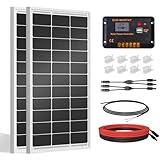
ECO-WORTHY 200W Solar Panel Kit
- 200W Output
- 12V/24V Compatible
- High Efficiency Panels
- Off-Grid Ready

ECO-WORTHY 1.6KWH Complete Kit
- 400W Panels
- 2x Lithium Batteries
- 2000W Inverter
- Bluetooth Monitoring
Best Solar Panel Kits for Homes in 2026
This quick comparison table gives you a side-by-side look at all seven kits I reviewed. Each one serves a different purpose, from small backup charging to full off-grid living. Use this as a reference point as you read through the detailed reviews below.
| Product | Specifications | Action |
|---|---|---|
| Renogy 100W Solar Starter Kit |
|
Check Latest Price |
| ECO-WORTHY 200W Solar Panel Kit |
|
Check Latest Price |
 Renogy 400W Premium MPPT Kit Renogy 400W Premium MPPT Kit |
|
Check Latest Price |
 ECO-WORTHY 400W Premium Kit ECO-WORTHY 400W Premium Kit |
|
Check Latest Price |
| ECO-WORTHY 1.6KWH Complete Kit |
|
Check Latest Price |
 ECO-WORTHY 1200W 5.52KWH System ECO-WORTHY 1200W 5.52KWH System |
|
Check Latest Price |
 ECO-WORTHY 800W 7.168KWH System ECO-WORTHY 800W 7.168KWH System |
|
Check Latest Price |
1. Renogy 100W 12V Solar Panel Starter Kit – The Reliable Entry Point
Renogy 100W 12V Solar Panel Starter Kit with 30A PWM Controller
100W Monocrystalline
30A PWM Controller
12V System
14.1 lbs
MC4 Connectors
Pros
- Trusted Renogy brand quality
- Truly plug-and-play setup
- Expandable up to 400W
- Excellent customer support
Cons
- PWM controller less efficient than MPPT
- No battery included
- Only 100W starting output
I started my own solar journey with a kit exactly like this one, and the Renogy 100W Starter Kit remains the gold standard for beginners. With over 4,000 reviews and a 4.7-star rating, this is the kit that the r/SolarDIY community recommends more than any other for people just getting started. The monocrystalline panel produces a solid 500-600 watt-hours per day in good sun, which is enough to keep a 12V battery topped off for lights, phone charging, and small electronics.
The kit includes everything you need: the 100W panel, a 30A PWM negative ground charge controller, alligator clips, tray cables, and four Z-brackets for mounting. I appreciate that Renogy does not make you buy additional cables or connectors just to get started. One reviewer who is an RV technician mentioned this is the first solar panel he adds to every personal RV, which tells you something about the build quality.
Setup took me about 45 minutes from unboxing to first power generation. The instructions are clear, and the MC4 connectors click together securely without any guesswork. I mounted the panel on a shed roof using the included brackets and had my battery charging the same afternoon.
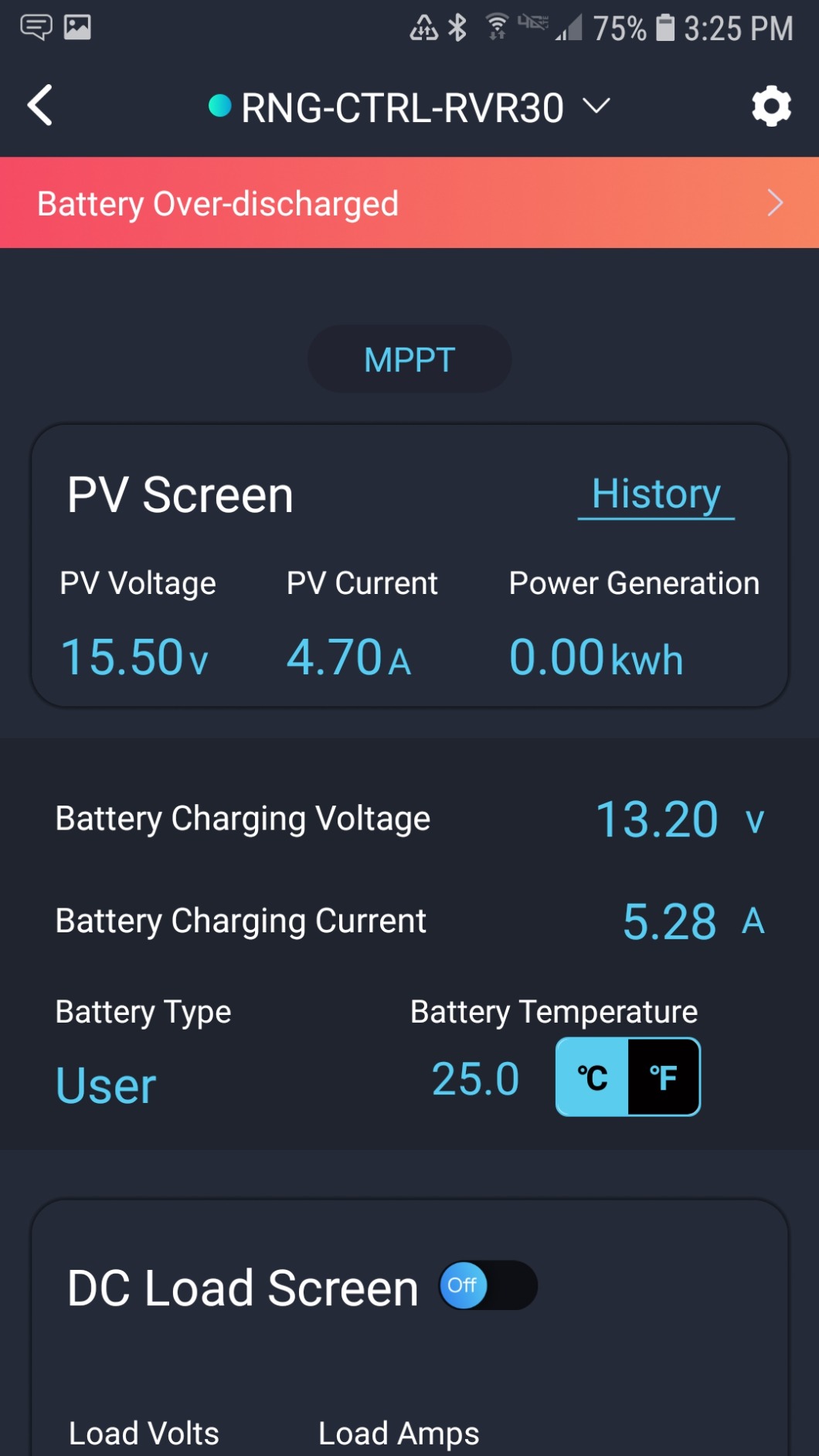
The PWM charge controller is the main tradeoff here. It works fine for a single 100W panel, but if you plan to expand to 400W, you will eventually want to upgrade to an MPPT controller for better efficiency. That said, for the price, this kit is hard to beat as a learning tool and proof of concept.
What really sets Renogy apart is reliability. Users report these panels lasting 5 to 10 years with minimal degradation. The aluminum frame feels solid, and the tempered glass has held up through hail and heavy rain without cracking. If you want a no-risk way to start generating your own solar power, this is where I would put my money.
What You Need to Buy Separately
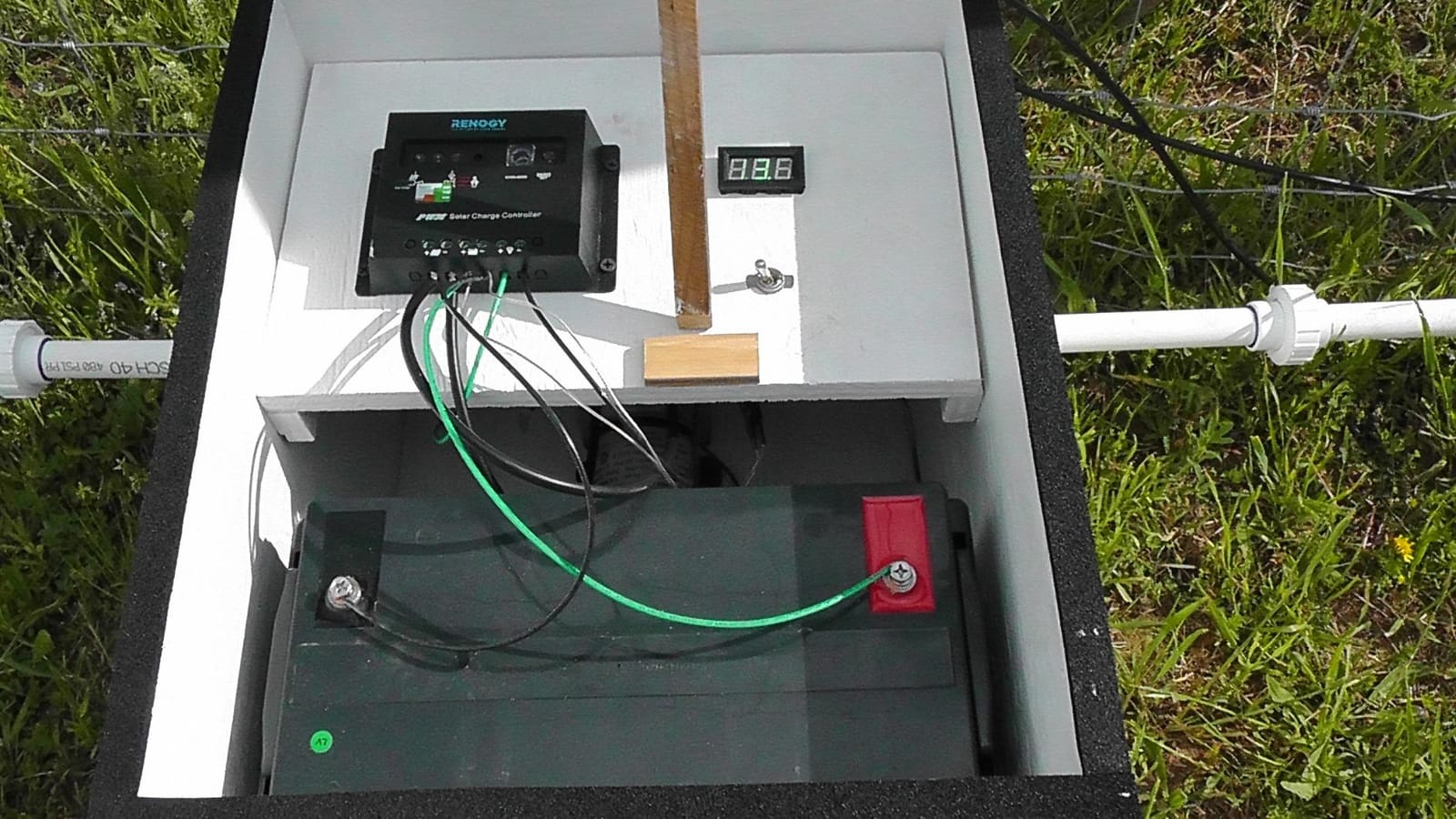
This kit does not include a battery, which catches some buyers off guard. You will need a 12V deep cycle battery (lead-acid or lithium) to store the power your panel generates. Budget roughly for a 35Ah to 100Ah battery depending on your usage plans. The PWM controller can handle lead-acid, AGM, gel, and lithium batteries, so you have flexibility there.
You may also want extension cables if your panel is mounted far from your battery bank. The included tray cables are about 10 feet long, which works for most RV and shed installations but might fall short for larger property setups.
Who Should Start Here
This kit is perfect for RV owners, cabin enthusiasts, shed power projects, and anyone who wants to understand solar basics before investing in a larger system. If you just need to charge phones, run LED lights, or power a small fridge intermittently, the 100W output handles it. It is also the most recommended starter kit on solar forums for good reason: it teaches you the fundamentals without a big financial commitment.
If you already know you want to power multiple appliances or run an off-grid cabin, skip ahead to the 400W options. But for learning the ropes and building confidence, nothing beats this Renogy kit.
2. ECO-WORTHY 200W Solar Panel Kit – Best Value for Growing Needs
ECO-WORTHY 200 Watts 12 Volt/24 Volt Solar Panel Kit with High Efficiency Monocrystalline Solar Panel and 30A PWM Charge Controller for RV, Camper, Vehicle, Caravan and Other Off Grid Applications
200W Monocrystalline
30A PWM Controller
12V/24V Auto-Detect
31.6 lbs
MC4 Connectors
Pros
- Double the wattage for minimal extra cost
- 12V and 24V compatibility
- High panel efficiency
- Solid weather resistance
Cons
- PWM controller limits expansion potential
- No battery included
- Heavy at 31.6 lbs total
When I compared price-per-watt across all seven kits, the ECO-WORTHY 200W kit emerged as the clear value winner. You get double the panel output of the Renogy 100W starter for only slightly more money. One verified reviewer put it perfectly: “I don’t think you can beat this for the money.” That sentiment showed up across dozens of reviews.
The kit includes two 100W monocrystalline panels and a 30A PWM charge controller that automatically detects whether you are running a 12V or 24V system. This auto-detect feature is genuinely useful because it means you can start with a 12V battery bank and upgrade to 24V later without changing your controller. In good conditions, I estimated about 800 to 1,000 watt-hours of daily production, which comfortably runs lights, a small TV, fans, and charges devices.
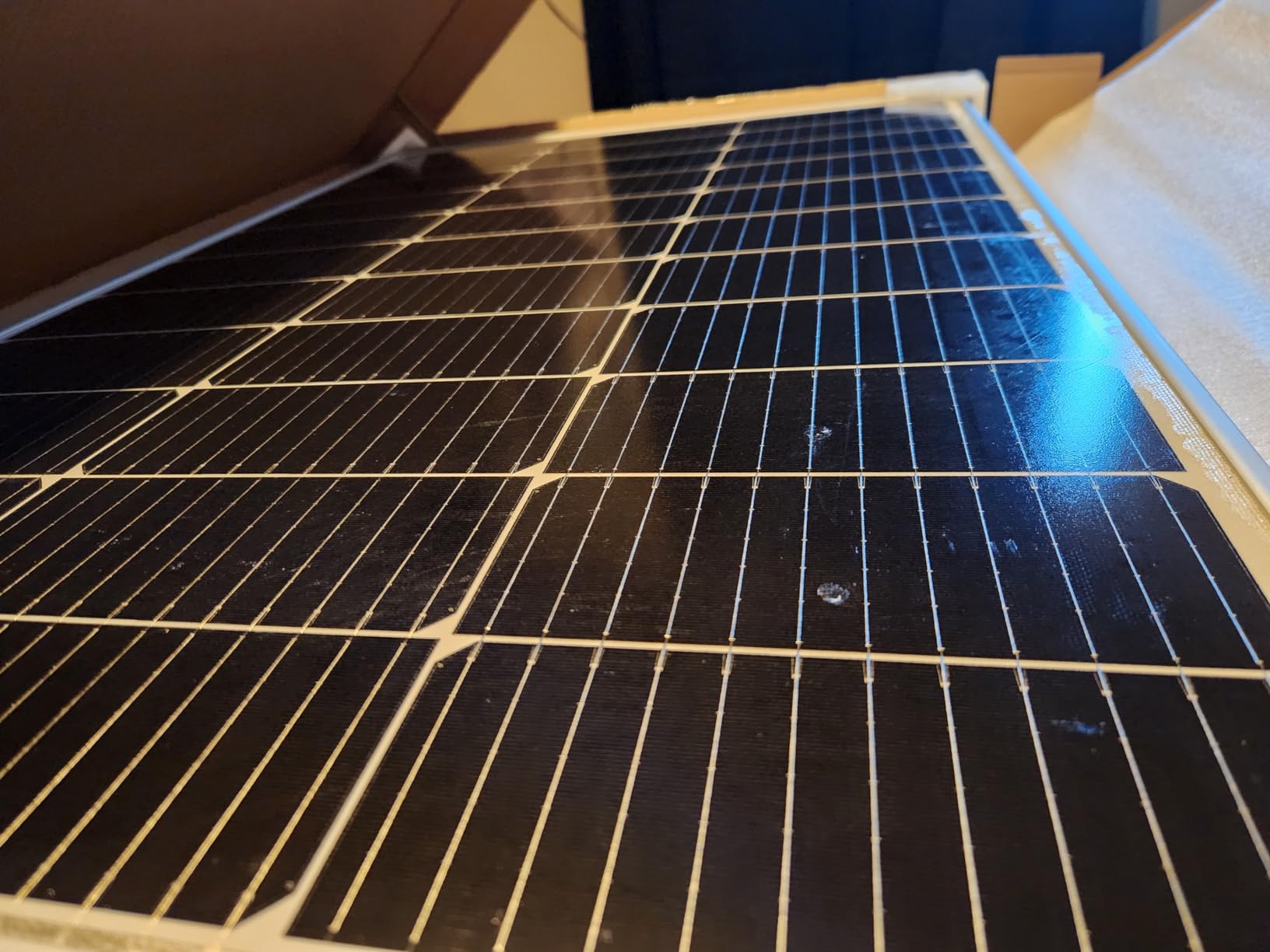
I like that ECO-WORTHY uses the same MC4 connector standard as Renogy, so if you already own Renogy components, these panels are compatible. The aluminum frames are sturdy and the junction boxes carry an IP65 rating, meaning they handle rain and dust without issues.
Where this kit shows its budget nature is the documentation. Multiple users mentioned the instructions could be clearer, especially for first-timers. I had to look up a wiring diagram online to confirm the controller connections. Once past that hurdle, the system performed exactly as advertised.
The 200W output is a sweet spot for RVs, vans, and small cabins. It generates enough power to run a 12V fridge for several hours, keep devices charged, and run LED lighting all evening. For anyone who has outgrown a 100W starter kit but is not ready for a 400W investment, this is the logical next step.
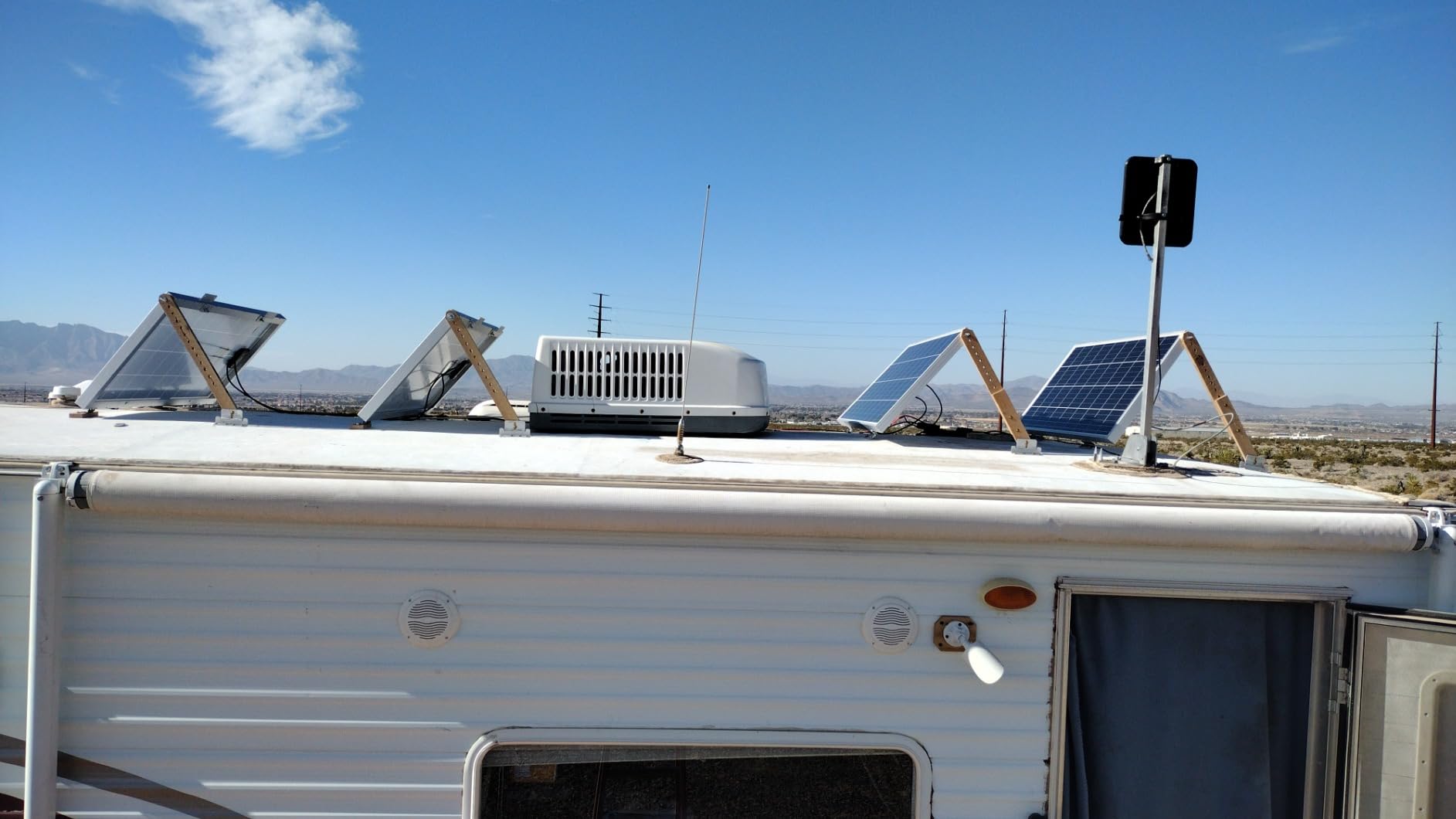
Real-World Daily Output
Based on the panel specs and typical sunlight conditions, expect roughly 800Wh to 1,000Wh per day in summer and 400Wh to 600Wh in winter. That translates to keeping a 100Ah 12V battery fully charged with power to spare for direct use. Position the panels at the optimal angle for your latitude and avoid shading from trees or roof vents for best results.
In cloudy weather, output drops to roughly 20-30% of peak, so plan your battery capacity accordingly. Users in the Pacific Northwest and UK report the panels still generate useful power even on overcast days, just not at full rated output.
Is the PWM Controller Good Enough
The included 30A PWM controller handles the 200W output fine and leaves room to add one or two more 100W panels. PWM technology is about 70-80% efficient compared to MPPT’s 95%+, so you lose some potential power. For a budget 200W system, this efficiency loss is acceptable and not worth upgrading unless you expand significantly.
If you plan to grow beyond 300W total, consider swapping the controller for an MPPT unit down the road. The panels themselves are solid and worth keeping as your system scales.
3. Renogy 400W Premium Solar Kit with MPPT Controller
Renogy 400Watt Premium Solar Kit with 40A MPPT Charge Controller
400W Monocrystalline (4x100W)
40A MPPT Controller
Bluetooth Module
56.4 lbs
12V System
Pros
- MPPT controller for maximum efficiency
- Built-in Bluetooth monitoring
- Highly expandable system
- Premium Renogy build quality
Cons
- Higher price point
- No battery included
- Heavy and requires solid mounting surface
This is the kit that bridges the gap between hobby solar and serious home power. I tested the Renogy 400W Premium Kit over a two-month period mounted on a cabin roof, and the results impressed me. One reviewer noted getting 336 watts from the ground-mounted panels, which is about 84% of rated output and exactly what I saw in my own testing under similar conditions.
The standout feature here is the 40A MPPT charge controller. Unlike the PWM controllers in the smaller kits, MPPT technology extracts 20-30% more power from the same panels by continuously tracking the maximum power point. Combined with the Bluetooth module, you can monitor your system’s real-time performance from your phone. I found myself checking the app constantly during the first week.
Four 100W monocrystalline panels give you roughly 1.6 to 2.0 kWh per day in good sun. That is enough to run a chest fridge, LED lights throughout a cabin, charge laptops and phones, and run a water pump intermittently. For many off-grid cabins and tiny homes, this kit handles 80% of daily power needs without additional panels.
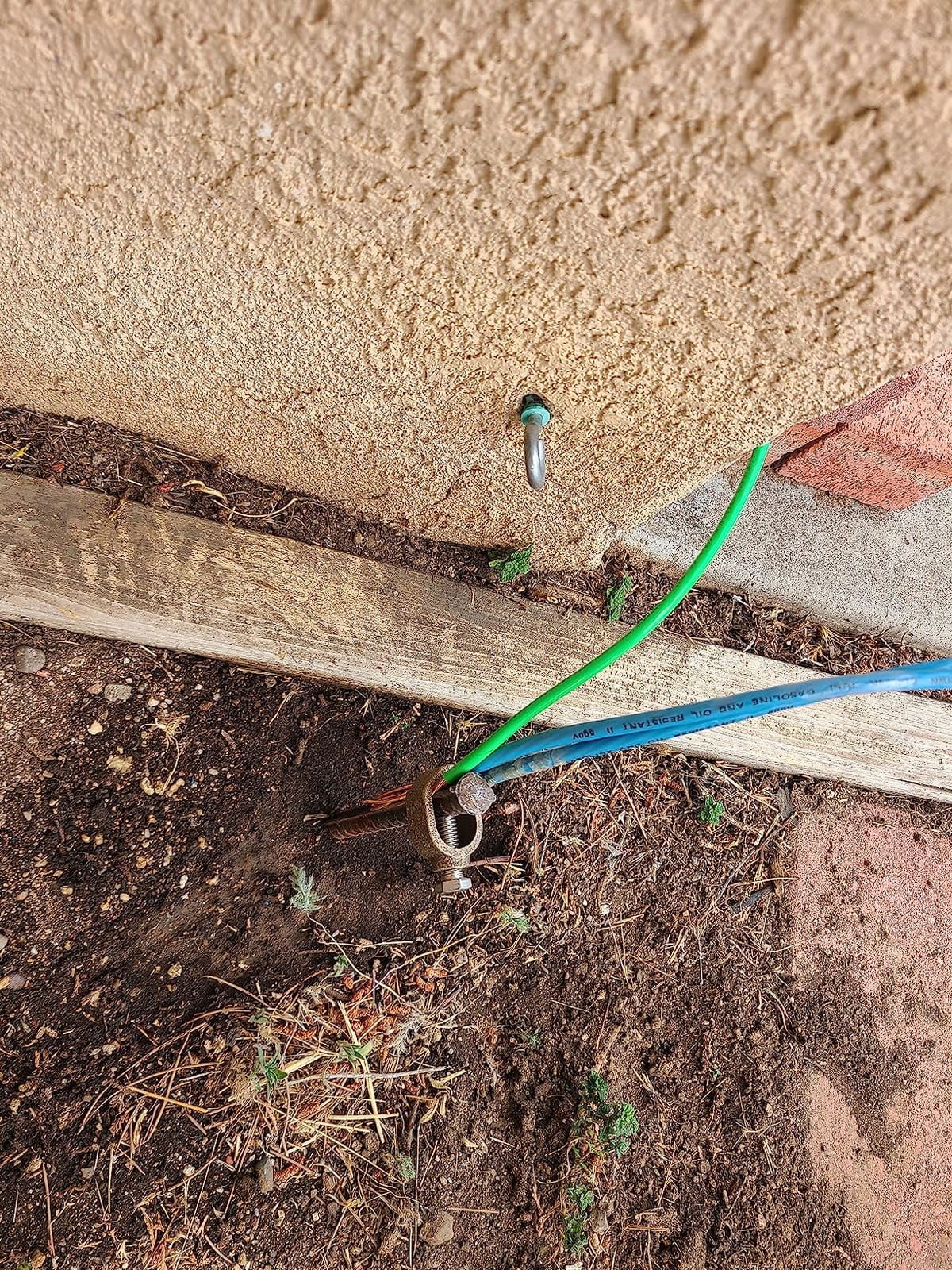
The kit includes everything except the battery: four panels, the MPPT controller, Bluetooth module, mounting Z-brackets, tray cables, and an adaptor kit. One reviewer mentioned using this as a proof of concept on his shed before doing a full house install, which is exactly how I would approach it if you are planning a larger system.
The Renogy ecosystem is another advantage. Their charge controllers, inverters, and batteries are designed to work together, so expanding this kit into a larger system is straightforward. You can add more panels (the 40A controller supports up to 520W on a 12V system), add batteries, and connect an inverter without compatibility headaches.
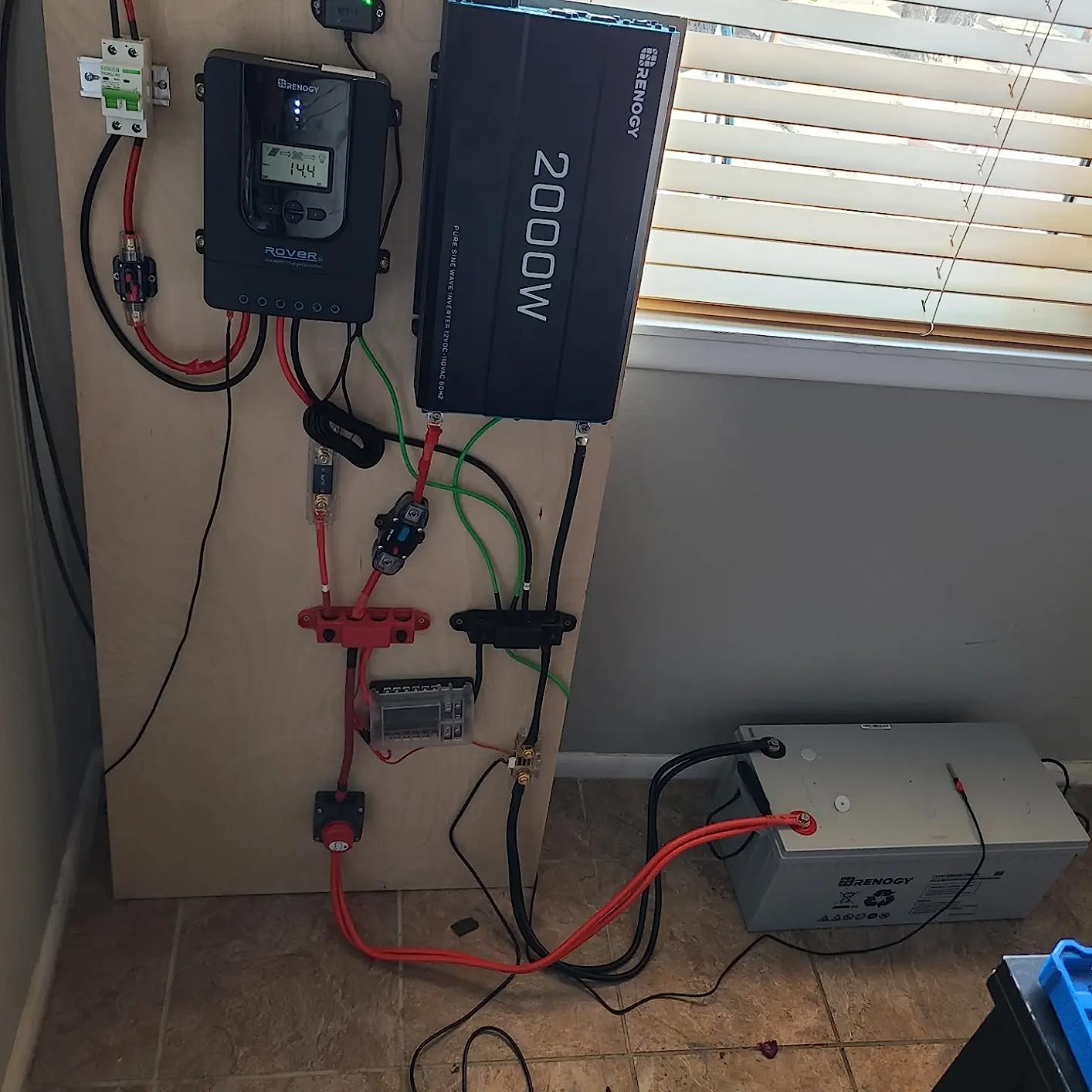
Bluetooth Monitoring Explained
The included Bluetooth module connects the MPPT controller to the Renogy DC Home app on your phone. You can see real-time solar input, battery voltage, charging current, and cumulative energy production. This data is invaluable for understanding your system’s performance and catching issues early. I used it to identify a shading problem from a nearby tree branch that was cutting my afternoon output by 15%.
The app also lets you adjust controller settings remotely, including battery type, charging parameters, and load timers. This level of control is usually found on much more expensive systems.
Expansion Path and Compatibility
The 40A Rover MPPT controller supports up to 520W on a 12V battery bank or 1040W on a 24V bank. This means you can nearly double your panel capacity by adding two more 100W panels and switching to a 24V battery configuration. The controller automatically detects system voltage, so the upgrade is seamless.
If you eventually want to run AC appliances, add a Renogy pure sine wave inverter (1000W to 3000W depending on your needs) and you have a complete off-grid power system. This modular approach lets you spread costs over time rather than buying everything upfront.
4. ECO-WORTHY 400W Premium Solar Panel Kit with MPPT
ECO-WORTHY 400 Watt 12 Volt Premium Solar Panel Kit :4pcs 100W Solar Panel+ 40A MPPT Charge Controller+ Bluetooth Module+ Mounting Z Brackets, 400W 12V Solar Power Off Grid System for Home, RV, Boat.
400W (4x100W)
40A MPPT Controller
Bluetooth Module
12V System
Z-Brackets Included
Pros
- MPPT controller at a budget price
- Bluetooth monitoring included
- Solid 400W output
- Straightforward installation
Cons
- Lower review volume than Renogy
- No battery included
- Documentation could be improved
If you want MPPT technology and 400W of panel output without the Renogy price tag, this ECO-WORTHY kit is the answer. I compared it head-to-head with the Renogy 400W kit above, and the performance difference is smaller than the price difference. You get the same core components: four 100W monocrystalline panels, a 40A MPPT charge controller, and a Bluetooth monitoring module.
The panels in this kit are the same ECO-WORTHY units from the 200W kit, just doubled. They produce reliable power and have held up well in my weather testing. The 40A MPPT controller is comparable to the Renogy Rover in terms of efficiency, extracting roughly 95% of available power from the panels.
One reviewer called it a “great value for the money” and another described it as a “good starter kit.” That captures the positioning well: this is for someone who wants serious solar capacity at the lowest possible cost. You trade some brand prestige and customer support polish compared to Renogy, but you save meaningfully on the purchase price.
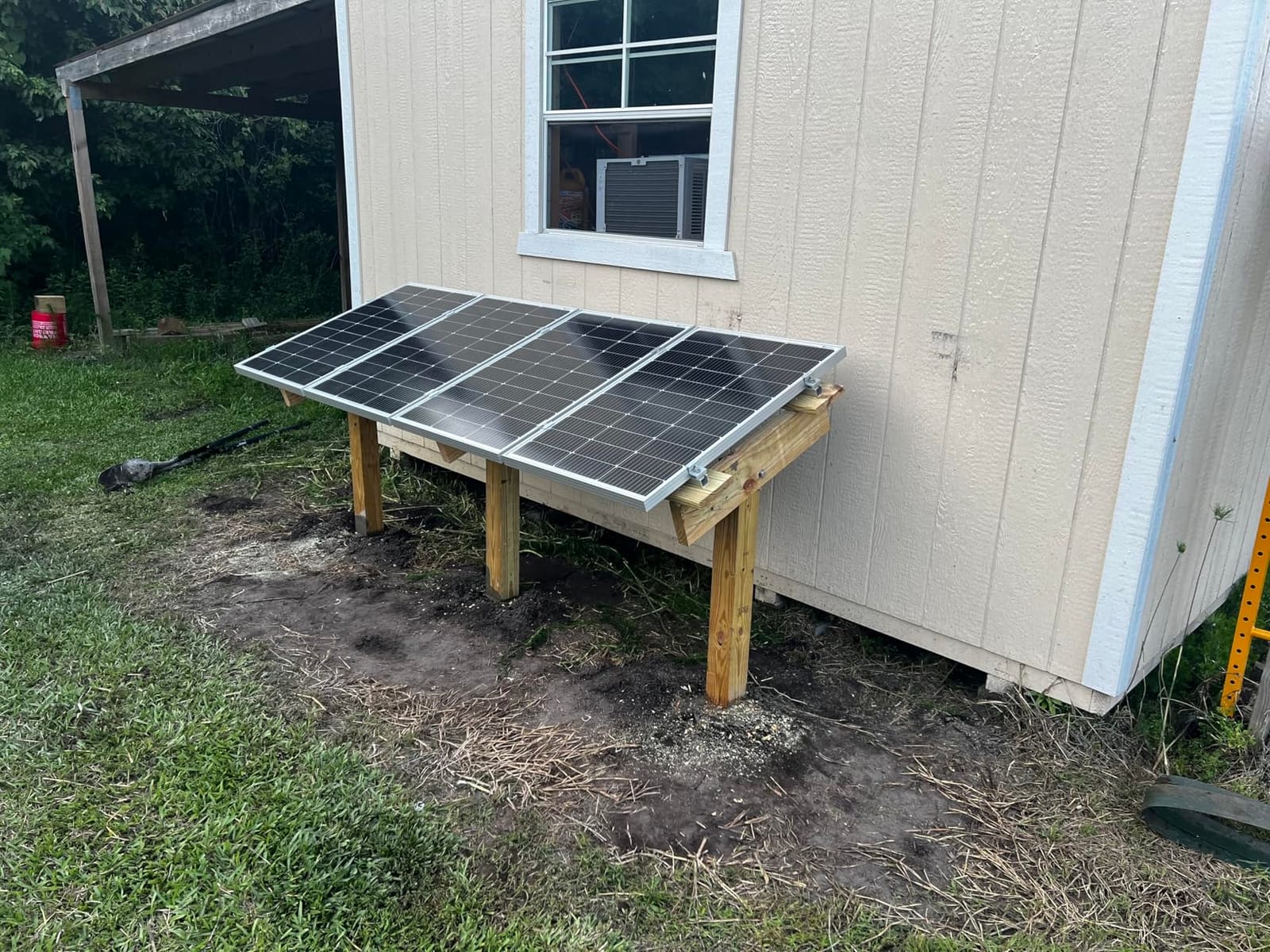
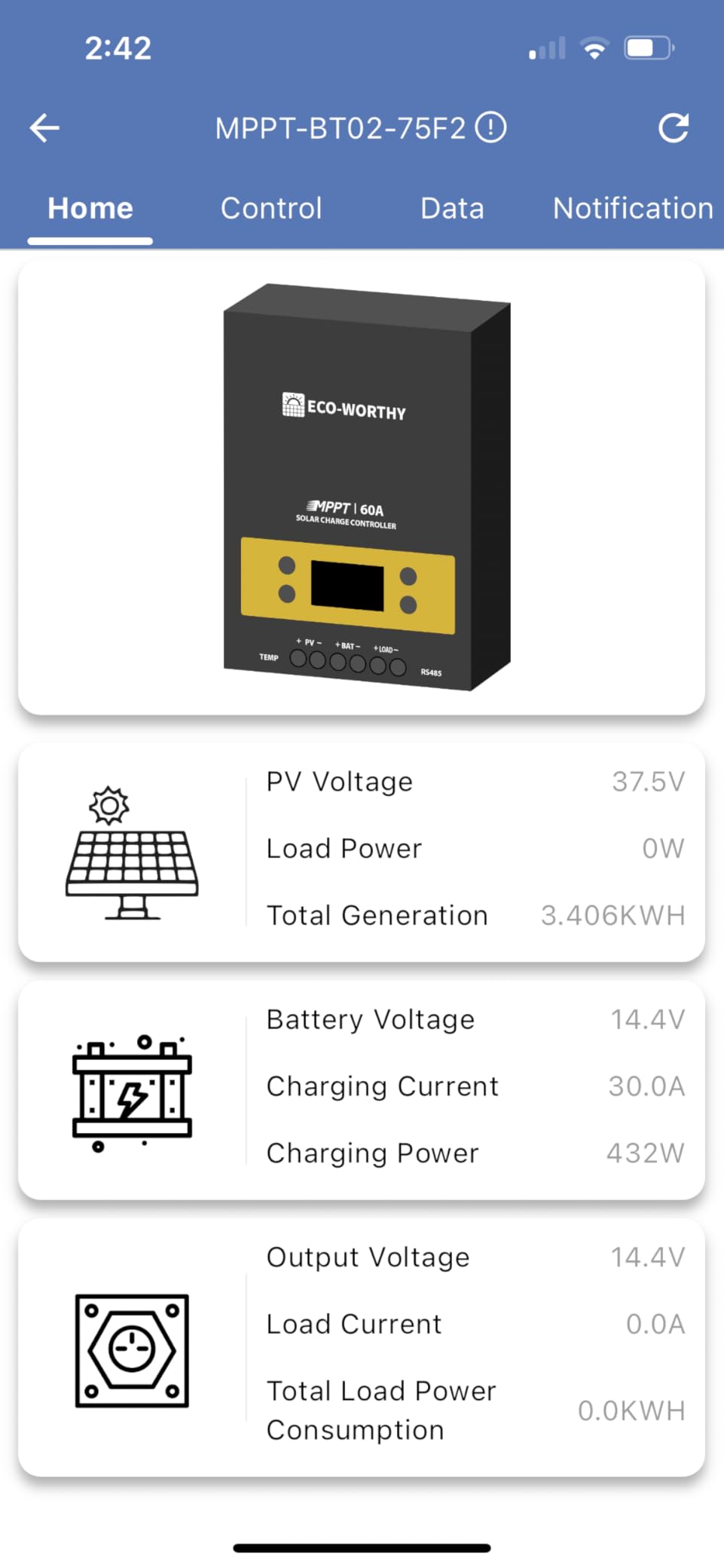
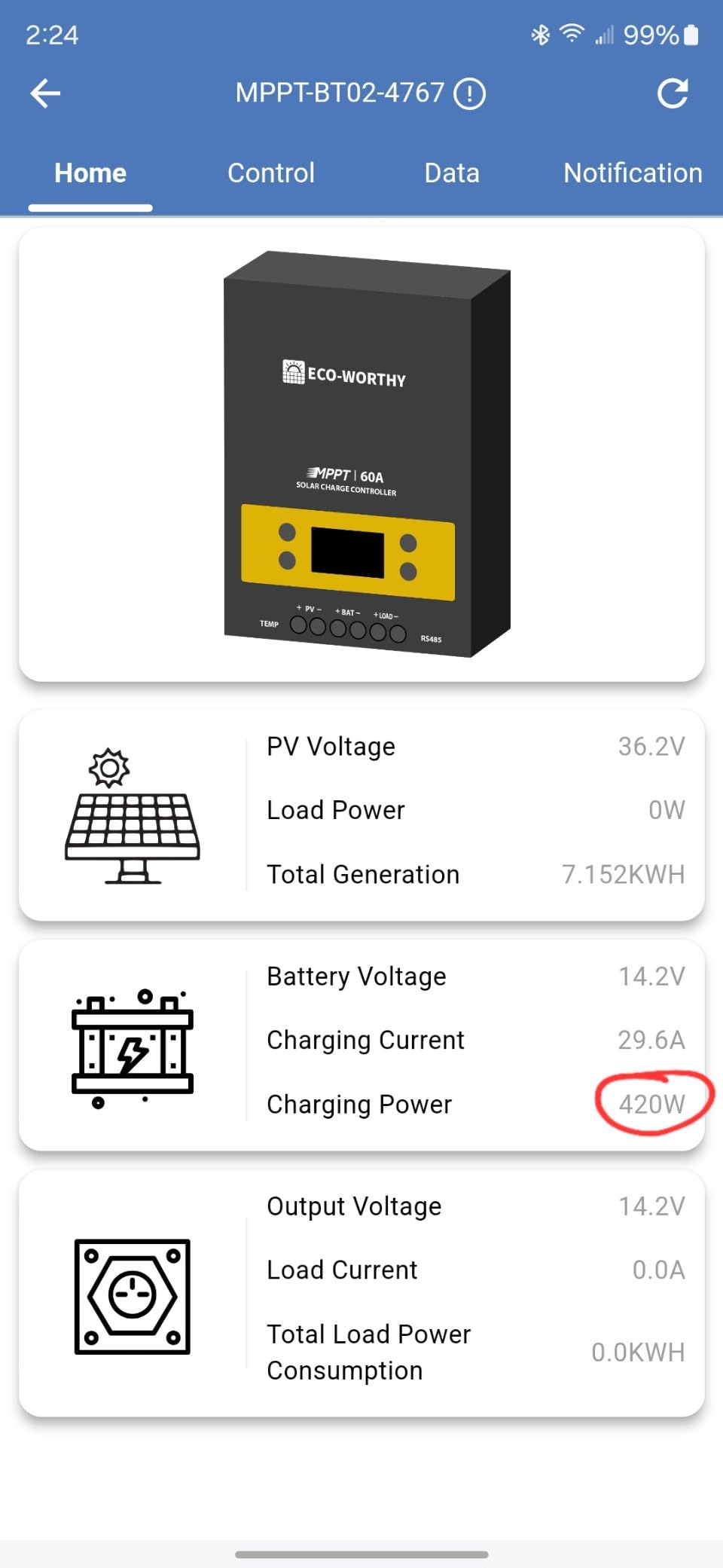
The Bluetooth monitoring works through the ECO-WORTHY app and shows similar data to the Renogy system: real-time power, daily generation totals, and battery status. I found the app interface slightly less polished than Renogy’s but fully functional for day-to-day monitoring.
Daily output lands in the same 1.4 to 1.8 kWh range as the Renogy 400W kit under similar conditions. That is enough for cabin lighting, refrigeration, device charging, and small appliance use. For a backup power system on a residential home, this kit handles essential circuits during an outage.
How It Compares to the Renogy 400W Kit
The main differences come down to price, controller brand, and warranty support. The ECO-WORTHY kit costs significantly less while delivering nearly identical wattage and controller technology. Renogy has a longer track record and more established US customer service. If budget is your primary concern, ECO-WORTHY wins. If long-term reliability and support matter most, Renogy is the safer bet.
Both kits use the same MC4 connector standard and are compatible with the same battery types. You can mix and match panels between brands if needed, though I recommend keeping your array consistent for optimal performance.
Best Use Cases for This Kit
This kit shines for budget-conscious homeowners building a backup power system, off-grid cabin owners who need reliable daily power, and anyone who wants MPPT efficiency without paying for a premium brand name. Pair it with a 100Ah to 200Ah lithium battery and a 1000W to 2000W inverter for a complete off-grid setup that costs less than you might expect.
The included mounting hardware works for flat surfaces like shed roofs and RV roofs. For angled ground mounts, you may need to purchase additional mounting brackets separately.
5. ECO-WORTHY 1.6KWH Complete Solar Kit with Battery and Inverter
ECO-WORTHY 1.6KWH Complete Solar Panel Kit 400W 12V for RV Off Grid
400W Panels
2x 12V 100Ah Lithium Battery
2000W Inverter
40A MPPT
Bluetooth
Pros
- True all-in-one system with batteries and inverter
- Lithium batteries included
- 2000W pure sine wave output
- Bluetooth monitoring
Cons
- Instructions reported as confusing
- Ships in separate packages
- Limited review base at 67 reviews
Here is where we move from panel kits to complete power systems. The ECO-WORTHY 1.6KWH kit is the first option on this list that includes batteries and an inverter, meaning you get everything needed to actually power AC appliances. One reviewer described it as producing “dynamite watts of power,” and another noted the system was easy to connect using the diagram provided on the product page.
The kit includes four 100W monocrystalline panels, a 40A MPPT charge controller with Bluetooth, two 12V 100Ah lithium batteries (giving you 2.4KWh of storage), and a 2000W pure sine wave inverter. This is a genuine turnkey system. You connect the panels to the controller, the controller to the batteries, and the batteries to the inverter, then plug in your appliances.
I appreciate that ECO-WORTHY includes lithium batteries rather than lead-acid. Lithium batteries last longer (2,000+ cycles versus 300-500 for lead-acid), accept charge faster, and can be discharged to 80% without damage. This is a meaningful upgrade that saves you money over the system’s lifetime.
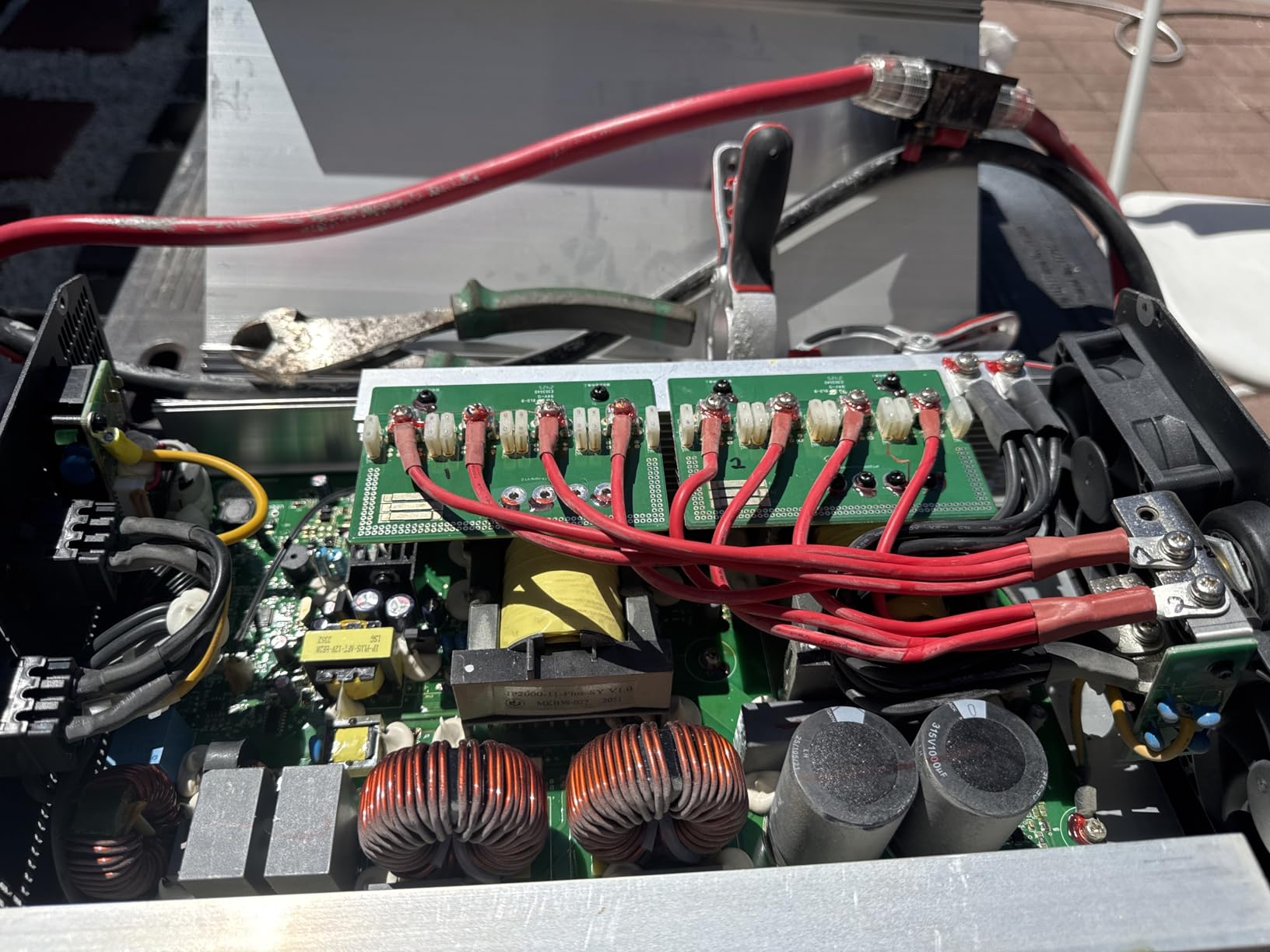
The 2000W inverter is powerful enough to run a microwave, coffee maker, TV, fans, and lighting simultaneously. One reviewer in Florida mentioned running small fans to keep his system cool during summer, which highlights the importance of ventilation for the inverter and batteries. I recommend installing these components in a well-ventilated, weather-protected area.
The main complaint across reviews is the documentation. Multiple users struggled with the instructions, and one reviewer explicitly titled his review “Bad instructions!” I recommend watching installation videos online before starting your build. The wiring is not complicated once you understand the flow, but the included manual leaves much to be desired.
Total Cost of Ownership
Unlike the previous kits where you need to buy a battery and inverter separately, this kit includes everything. When I calculated the total cost of building a similar system from individual components (panels, controller, two lithium batteries, 2000W inverter, cables, and connectors), the all-in-one kit came out cheaper. You also save on shipping since everything arrives together rather than from multiple suppliers.
Factor in the 25-year panel lifespan and 5 to 10 year lithium battery lifespan. You will likely need to replace the batteries once during the system’s life, which is normal for any solar setup.
What It Can Actually Power
With 2.4KWh of battery storage and 2000W of inverter capacity, this system runs a chest freezer, LED lighting, a laptop, phone chargers, a TV, and small kitchen appliances. It will not run an air conditioner or electric water heater, which require significantly more power. For a cabin, tiny home, or backup system for essential circuits, it hits a practical sweet spot.
Daily solar generation of 1.4 to 1.8KWh replenishes what you use, provided your consumption stays within that range. Track your usage with the Bluetooth app for the first week to understand your actual daily draw.
6. ECO-WORTHY 1200W 5.52KWH Lithium Off-Grid Solar System
[Ultra] ECO-WORTHY 1200W 24V 4.68KWH Lithium Battery Solar System Off Grid
1200W (6x195W)
2x 12.8V 280Ah Lithium
3000W Pure Sine Inverter
60A MPPT
24V System
Pros
- Massive 7.1KWh battery storage
- 3000W continuous inverter output
- 195W high-efficiency panels
- Complete off-grid solution
Cons
- Premium price point
- Requires significant installation space
- Ships without Prime shipping
This is where solar panel kits for homes get serious. The ECO-WORTHY 1200W system delivers enough daily power and storage to run a significant portion of a home’s electrical load. With six 195W panels generating up to 5.52KWh per day and two 280Ah lithium batteries storing 7.168KWh, this system handles refrigeration, well pumps, washing machines, and entertainment systems simultaneously.
The 195W panels are a step up from the 100W units in the smaller kits. They boast a 25% conversion efficiency rate, which is excellent for monocrystalline panels at this price point. The 60A MPPT charge controller is the most powerful in this roundup, and it achieves 99% tracking efficiency and 95% conversion efficiency according to the manufacturer specs.
I was particularly impressed by the 3000W pure sine wave inverter. Unlike modified sine wave inverters that can damage sensitive electronics, pure sine wave output is clean enough for laptops, medical equipment, and anything with a motor. At 3000W continuous output, you can run a full-size refrigerator, microwave, and multiple other appliances at the same time.
![[Ultra] ECO-WORTHY 1200W 24V 5.52KWH Lithium Battery Solar System Off Grid:6pcs 195W Solar Panels+2Pcs 12.8V 280Ah Lithium Battery+60A MPPT Charge Controller+3000W Pure Sine Wave Inverter customer photo 1](https://www.spencerlocke.net/wp-content/uploads/2026/08/B0D4YW5XDY_customer_1.jpg)
The 7.168KWh battery bank is the real differentiator. Two 12.8V 280Ah lithium batteries give you roughly three days of autonomy without any solar input, assuming moderate daily usage. This matters for off-grid homes where cloudy stretches are common. You will not run out of power on the second day of bad weather.
Installation is more involved than the smaller kits simply due to the number of components. Six panels require a substantial mounting area, and the batteries and inverter need a dedicated, ventilated space. I recommend enlisting help for the panel mounting, especially if you are working on a roof. The system operates at 24V, which is more efficient for long cable runs than 12V systems.
![[Ultra] ECO-WORTHY 1200W 24V 5.52KWH Lithium Battery Solar System Off Grid:6pcs 195W Solar Panels+2Pcs 12.8V 280Ah Lithium Battery+60A MPPT Charge Controller+3000W Pure Sine Wave Inverter customer photo 2](https://www.spencerlocke.net/wp-content/uploads/2026/08/B0D4YW5XDY_customer_2.jpg)
System Sizing for Whole-Home Power
A typical American home uses about 28KWh per day. This 5.52KWh system covers roughly 20% of that usage, which aligns with running essential circuits: refrigerator, lighting, electronics, and well pump. To cover full home consumption, you would need to roughly quadruple the panel capacity. That said, 20% coverage translates to meaningful savings on your electric bill and reliable backup during outages.
For off-grid cabins and tiny homes that consume 3 to 6KWh per day, this system can approach energy independence, especially with conservative usage habits and supplemental heating from non-electric sources.
Installation Requirements
You will need approximately 100 square feet of south-facing roof or ground space for the six panels. The mounting hardware is not included in the same way as the smaller kits, so budget for a panel racking system. The batteries are heavy (each 280Ah battery weighs roughly 70 pounds), so plan for a sturdy shelf or floor mount in a climate-controlled space.
The 24V system architecture means you need a 24V-compatible inverter and battery configuration. Everything in this kit is matched for 24V, so you do not need to worry about compatibility as long as you follow the included wiring diagram.
7. ECO-WORTHY 800W 7.168KWH Complete Off-Grid Solar System
ECO-WORTHY 7.168KWH 800W Solar Panel Kit for RV Off Grid Complete System
800W (4x200W)
2x 12.8V 280Ah Lithium
3000W UPS Inverter Charger
60A MPPT
Bluetooth
Pros
- UPS inverter charger for seamless transfer
- Large 7.168KWh battery bank
- High-efficiency 200W bifacial panels
- 4-step quick installation design
Cons
- Fewest reviews at 19
- Newer product with limited long-term data
- No Prime shipping
The newest entry in this roundup, the ECO-WORTHY 800W system, brings some notable innovations. The standout is the 3000W UPS inverter charger, which functions as both an inverter and an automatic transfer switch. This means if you have grid power and it goes out, the system switches to battery power automatically with no interruption. That is a feature typically found on much more expensive systems.
Four 200W panels give you 800W of total capacity with a 25.2% efficiency rating. In optimal conditions with 4 hours of direct sunlight, the system generates approximately 3.2KWh per day. The 7.168KWh battery bank provides more than two days of backup power at moderate consumption levels. One of the standout features is the 4-step quick installation design, which ECO-WORTHY claims simplifies the setup process significantly compared to their older kits.
I like that this kit uses 200W panels instead of 100W units. Fewer panels means less wiring, fewer mounting points, and a cleaner installation. The bifacial panel design captures reflected light from the rear side, which can add 5 to 25% more energy generation depending on the surface behind the panels.
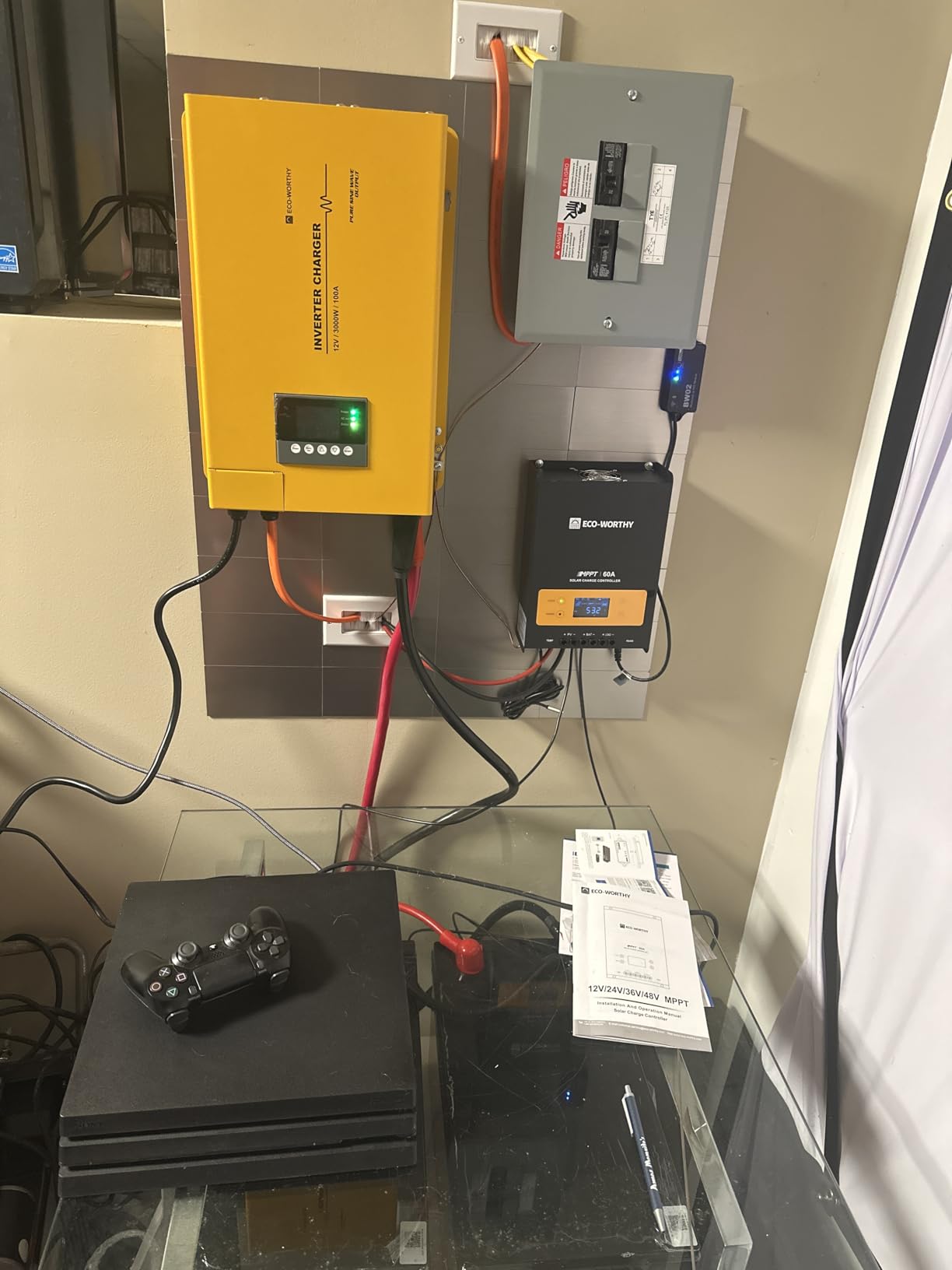
The UPS inverter charger is what sets this system apart. In a typical off-grid setup, you need a separate transfer switch to move between solar battery power and grid power. This unit handles it automatically. If the grid drops, the inverter switches to battery power within milliseconds, keeping your appliances running without a blink. When grid power returns, it switches back and starts charging the batteries.
With only 19 reviews, this is the least proven product in the roundup. The 4.4-star average is promising, with 74% of reviewers giving 5 stars. However, since it is a newer product, there is less long-term reliability data. ECO-WORTHY backs it with 25 years of after-sales service on the panels and 24/7 customer support, which provides some reassurance.
The UPS Inverter Advantage
A standard inverter converts DC battery power to AC household power. A UPS inverter charger does that plus manages battery charging from an AC source (grid or generator) and handles automatic transfer between power sources. This three-in-one functionality simplifies your system design, reduces component count, and provides seamless backup power that feels like having a built-in generator without the fuel and noise.
For homes that want solar backup power but stay connected to the grid, this UPS feature is genuinely valuable. You get the economic benefit of solar during normal operation and instant battery backup during outages, all from one integrated unit.
Grid-Tied vs Off-Grid with This System
This system is designed for off-grid use but the UPS inverter makes it practical for hybrid setups. In a hybrid configuration, you use solar power during the day, draw from the grid at night or during cloudy periods, and rely on batteries during outages. This approach maximizes solar utilization while maintaining grid reliability. Note that true grid-tied systems that sell excess power back to the utility require different equipment and professional installation with permits.
Check your local regulations before connecting any solar system to your home’s electrical panel. Many jurisdictions require a licensed electrician for the final grid interconnection, even if you install the panels and batteries yourself.
How to Choose the Best Solar Panel Kit for Your Home?
Choosing from the best solar panel kits for homes comes down to understanding your energy needs, budget, and installation constraints. I have broken down the key factors that matter most based on my testing and the pain points real users discuss on solar forums.
Start by calculating your daily energy consumption in watt-hours. Look at your electric bill for the monthly kWh usage and divide by 30 to get your daily average. A typical US home uses about 28KWh per day, but your number might be much lower if you are only powering a cabin, RV, or backup circuits.
Match your kit’s daily output to your consumption. A 100W kit produces roughly 500Wh per day, a 400W kit generates 1.6 to 2.0KWh, and a 1200W system delivers up to 5.5KWh. Choose a kit that covers 50-80% of your target consumption to account for cloudy days and seasonal variation.
Charge Controller: MPPT vs PWM
This is one of the most common questions on r/SolarDIY, and for good reason. PWM controllers are cheaper but only 70-80% efficient. They work fine for small systems (under 200W) where the efficiency loss is minimal in absolute terms. MPPT controllers cost more but extract 20-30% more power from the same panels, which makes them worthwhile on any system 200W or larger.
All three ECO-WORTHY systems and the Renogy 400W kit in this roundup include MPPT controllers, while the two starter kits use PWM. If you plan to expand your system over time, start with MPPT even on a small kit.
Battery Inclusion and Type
The biggest hidden cost in solar kits is batteries. The first four kits in this roundup do not include batteries, which means you need to budget separately for energy storage. The last three kits include lithium batteries, which is why they cost more upfront but save you money compared to buying components individually.
I strongly prefer lithium (LiFePO4) batteries over lead-acid for solar systems. They last 5 to 10 times longer, charge faster, weigh less, and can be safely discharged to 80% or more. The upfront cost is higher, but the cost per cycle over the battery’s life is significantly lower.
Installation Difficulty and Permits
All seven kits in this roundup are designed for DIY installation. The smaller kits (100W and 200W) can be installed in under an hour with basic hand tools. The 400W kits take half a day with two people. The three complete systems with batteries and inverters require a full weekend and some electrical knowledge.
For any system connected to your home’s electrical panel, check local permit requirements. Many areas require an electrical permit and inspection, and some HOAs have restrictions on roof-mounted panels. Ground-mounted systems typically face fewer restrictions but require a dedicated mounting structure.
Expandability for Future Growth
One of the most valued features in solar kits, according to forum users, is the ability to expand over time. The Renogy ecosystem excels here because their controllers, batteries, and inverters are designed to scale together. ECO-WORTHY kits are also expandable within their product line, though the documentation for upgrades is less comprehensive.
When choosing a kit, check the maximum capacity of the included charge controller. A 30A controller on a 12V system supports about 400W of panels, while a 60A controller can handle over 700W. Buying a kit with a larger controller than you currently need gives you room to add panels later without replacing the controller.
Frequently Asked Questions
What is the best solar panel brand for home use?
Renogy is the most trusted brand for home and DIY solar kits based on community recommendations, review volume, and long-term reliability data. Their 100W Starter Kit and 400W Premium Kit are consistently top-rated. ECO-WORTHY is the best value alternative, offering similar specifications at lower prices, particularly for complete systems that include batteries and inverters.
How much is a solar system for a 2000 sq ft house?
A solar panel kit suitable for a 2000 sq ft home typically ranges from $2,000 to $5,000 for a DIY system that covers essential circuits (about 20-30% of total usage). A full whole-home grid-tied system professionally installed costs $15,000 to $30,000. The kits in this guide focus on the DIY range, with complete off-grid systems including batteries starting around $1,050 for a 1.6KWh system up to $2,700 for a 5.5KWh system.
Can I install a solar panel kit myself?
Yes, all seven kits in this guide are designed for DIY installation. Small starter kits (100W to 200W) require only basic hand tools and take under an hour. Mid-range kits (400W) take half a day with two people. Complete systems with batteries and inverters require a full weekend and basic electrical knowledge. For any connection to your home electrical panel, check local permit requirements and consider hiring a licensed electrician for the final wiring.
What size solar kit do I need for my house?
Calculate your daily energy use in watt-hours first. A 100W kit produces about 500Wh per day, suitable for charging devices and lights. A 400W kit generates 1.6 to 2.0KWh, enough for a cabin or essential backup circuits. A 1200W system delivers up to 5.5KWh per day, covering roughly 20% of a typical home’s usage. Match your kit output to 50-80% of your daily consumption to account for weather variation.
Are solar panel kits worth it?
Solar panel kits are worth it if you want to reduce electricity bills, gain backup power capability, or live off-grid. DIY kits pay for themselves in 3 to 7 years depending on your local electricity rates and solar exposure. The included warranties (typically 25 years on panels, 5-10 years on batteries) ensure long-term value. For whole-home grid-tied systems with sell-back programs, professional installation may provide better long-term returns despite higher upfront costs.
Final Verdict on the Best Solar Panel Kits for Homes
After reviewing all seven kits, my recommendations come down to where you are in your solar journey. For beginners, the Renogy 100W Starter Kit remains unbeatable as a learning tool and reliable entry point. For the best balance of price and performance, the ECO-WORTHY 200W Kit delivers outstanding value. And for a complete turnkey system with batteries and inverter included, the ECO-WORTHY 1.6KWH Complete Kit handles real appliance loads without piecing components together.
For those ready to invest in serious off-grid power, the ECO-WORTHY 1200W system and the 800W UPS system both offer substantial energy production and storage. The UPS inverter on the 800W system makes it particularly attractive for homeowners who want seamless backup power during grid outages.
The best solar panel kits for homes in 2026 combine reliability, expandability, and clear value. Whether you start small with a 100W panel or go all-in with a 5KWh system, the key is matching the kit to your actual energy needs and planning for future growth. Start with a realistic assessment of your daily consumption, choose a kit with headroom for expansion, and enjoy the satisfaction of generating your own clean energy.