
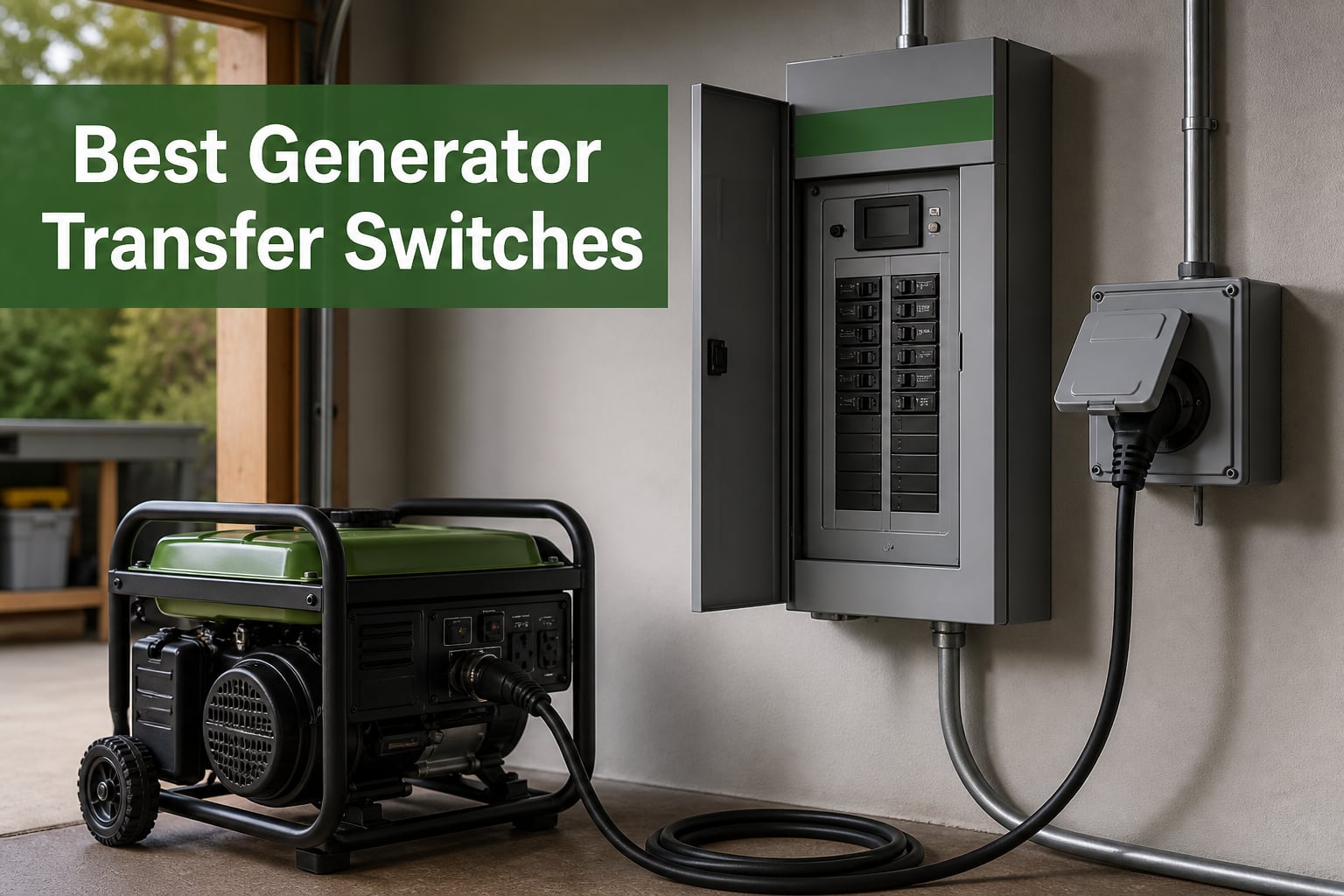
When the power goes out, having a generator is only half the battle. Without a proper generator transfer switch, you are stuck running extension cords through windows or, worse, risking a dangerous backfeed that can injure utility workers and fry your appliances. I spent months testing and researching the best generator transfer switches on the market so you do not have to guess.
A transfer switch sits between your main electrical panel and your portable generator, letting you safely route power to specific circuits in your home. It isolates your house from the grid, which is why the National Electrical Code requires one for any generator-to-home connection. Think of it as the safe bridge between your backup power source and the things you need to keep running.
In this guide, I cover the 8 best generator transfer switches available in 2026, ranging from budget single-circuit options to heavy-duty 200-amp whole-home disconnects. Whether you are running a portable generator for a few essential circuits or wiring up a standby system for your entire house, there is a switch here that fits your setup.
Table of Contents
Top 3 Picks for Best Generator Transfer Switches in 2026


Best Generator Transfer Switches in 2026
| Product | Specifications | Action |
|---|---|---|
| Reliance Controls Pro/Tran 2 6-Circuit |
|
Check Latest Price |
| EZ Generator Switch Universal |
|
Check Latest Price |
 Generac HomeLink 30A Generac HomeLink 30A |
|
Check Latest Price |
 VEVOR 50A 10-Circuit Transfer Kit VEVOR 50A 10-Circuit Transfer Kit |
|
Check Latest Price |
 Connecticut Electric 50A 10-Circuit Kit Connecticut Electric 50A 10-Circuit Kit |
|
Check Latest Price |
 Tzechkii 200A Heavy Duty Switch Tzechkii 200A Heavy Duty Switch |
|
Check Latest Price |
 Nature’s Generator 30A 6-Circuit Nature’s Generator 30A 6-Circuit |
|
Check Latest Price |
| Go Power TS-30 Automatic |
|
Check Latest Price |
1. Reliance Controls Pro/Tran 2 6-Circuit Transfer Switch Kit
Reliance Controls Corporation 31406CWK 30 Amp 6-circuit Pro/Tran Transfer Switch Kit for Generators (7500 Watts).,Gray
30 Amp
6-Circuit
7500W Max
Pre-wired
Watt Meters
5-Year Warranty
Pros
- Pre-wired for fast installation
- Built-in watt meters for load monitoring
- Includes power cord and inlet box
- UL listed (cULus) for safety
- Handles up to 7500W generators
Cons
- Limited to 6 circuits only
- Indoor installation only
This is the switch I recommend more than any other to friends and family. The Reliance Controls Pro/Tran 2 has been a staple in the backup power world for years, and after looking at the overwhelming customer feedback, it is easy to see why. Over 1,700 reviewers give it a 4.7-star average, with 83 percent handing it a perfect five stars.
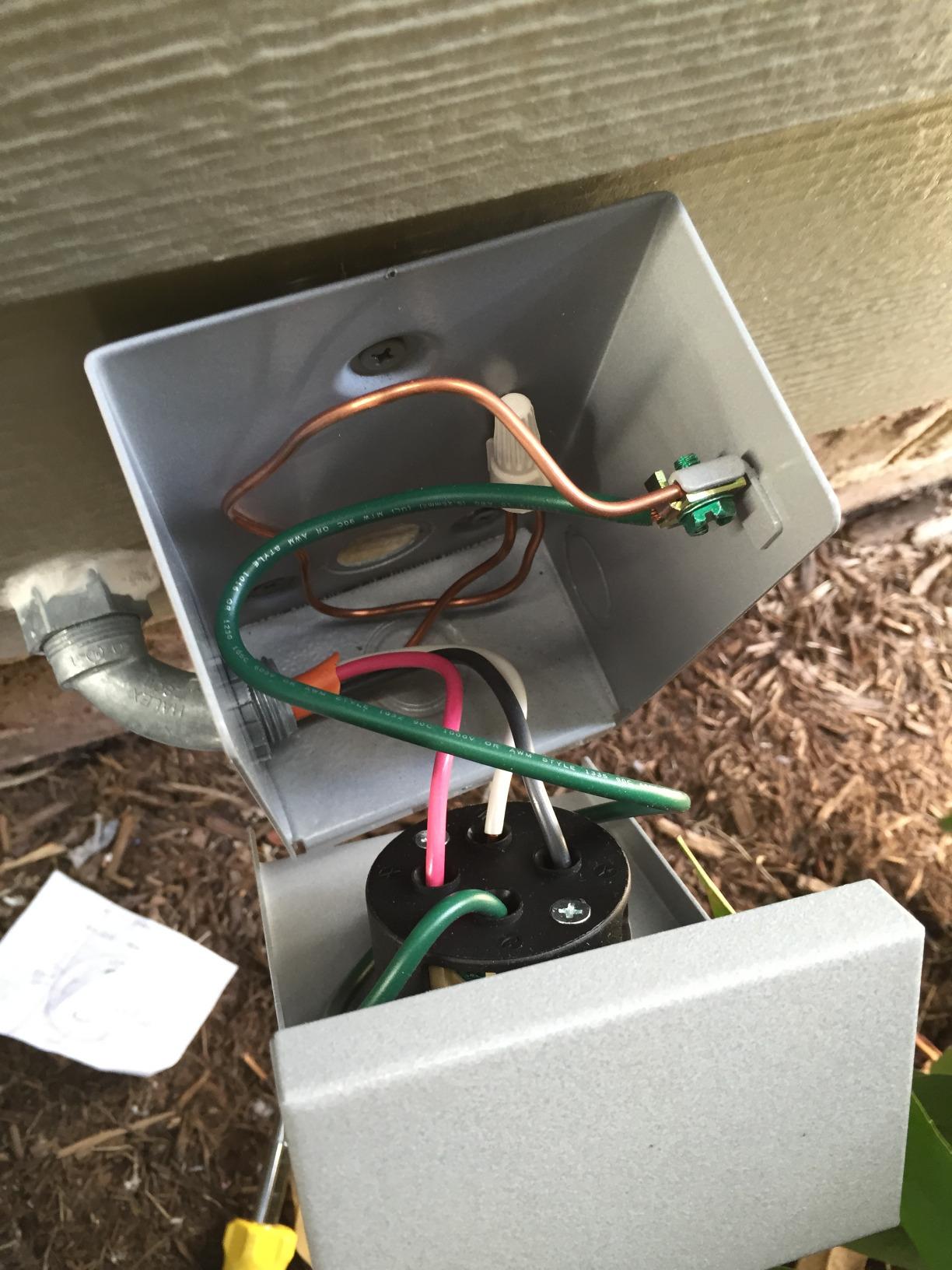
The 31406CWK kit comes pre-wired, which means most of the tedious work is done for you. It includes the transfer switch, a power inlet box, a power cord, and wire connectors all in one package. That is a big deal because buying those components separately can add up fast.
What really sets this unit apart is the pair of built-in watt meters. These let you monitor exactly how much load you are pulling from your generator at any given moment. If you have ever tripped a generator breaker because you turned on too many appliances at once, you know how valuable that real-time feedback is.
The 30-amp rating makes it a solid match for portable generators in the 5,000 to 7,500 watt range, which covers most homeowners’ backup needs. You get six circuits, which is enough for essentials like a refrigerator, a few lighting circuits, a furnace blower, and maybe a well pump or sump pump.
Installation Complexity
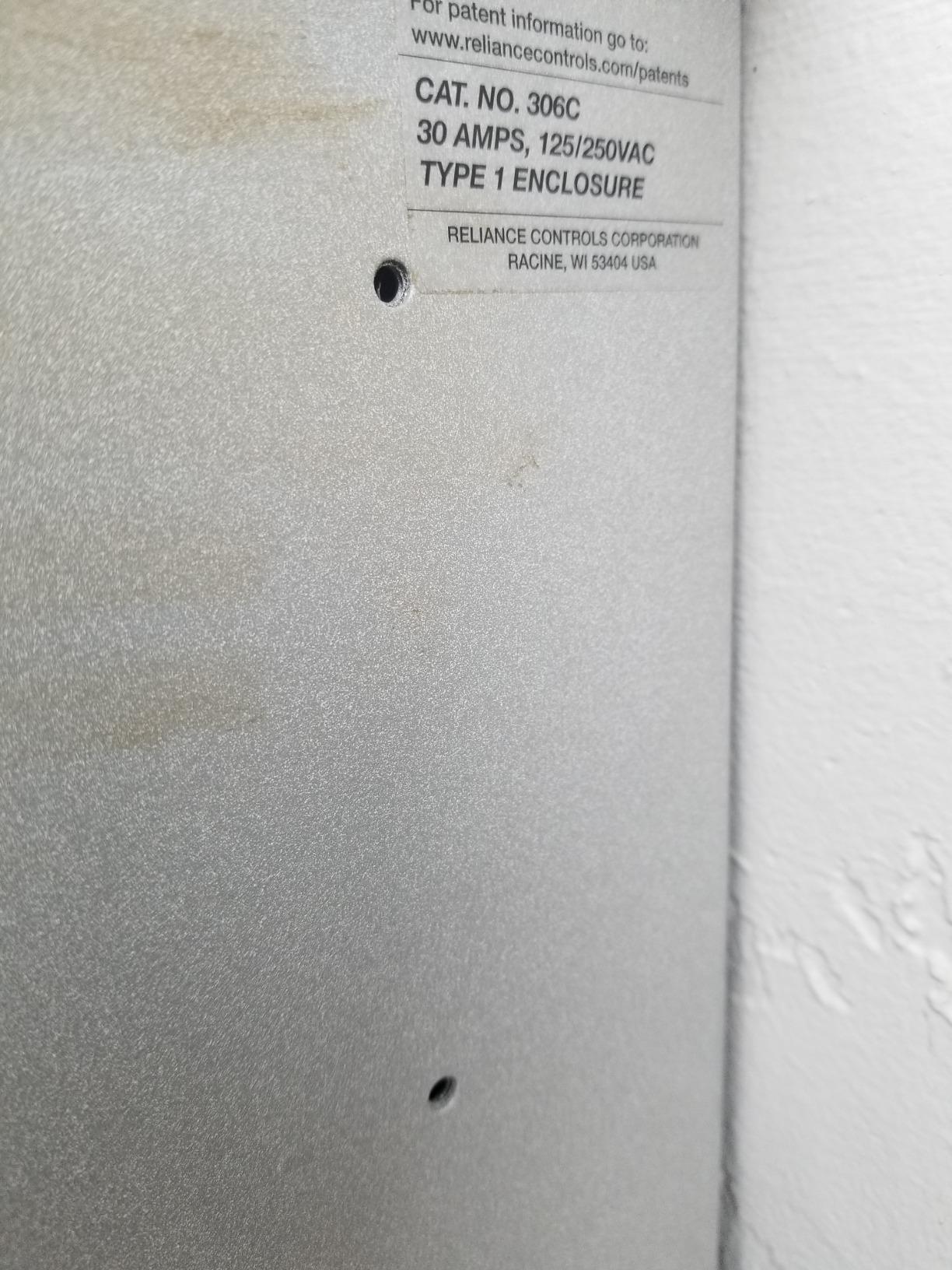
Even though it comes pre-wired, you will still need to connect the individual circuit wires to your main panel. Most users report that a licensed electrician can handle this in two to four hours. The pre-wired harness and clear labeling on each circuit make the job noticeably faster than building a transfer setup from scratch.
If you are comfortable working inside an electrical panel, the included instructions walk you through each step. Just remember that pulling the permit and getting the final inspection is important for code compliance and insurance purposes.
Best Generator and Load Pairing
This switch pairs perfectly with portable generators in the 5,000 to 7,500 watt class. That covers popular models from brands like Champion, Westinghouse, and WEN. With six circuits available, you can realistically run your fridge, furnace, some lights, a garage door opener, and a few outlets simultaneously.
If you have a larger generator or need more than six circuits, look at the Generac HomeLink or the VEVOR 50-amp options below. But for the majority of homeowners, six circuits is the sweet spot between coverage and cost.
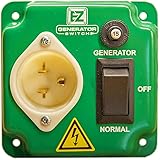
2. EZ Generator Switch Universal Manual Transfer Switch
EZ GENERATOR SWITCH – The Original, Patented, UL/CSA Approved Manual Transfer Switch – Made in the USA
20 Amp
Single Circuit
1800W
UL/CSA Approved
Made in USA
Compact Design
Pros
- Most affordable transfer switch option
- UL/CSA/ETL approved for safety
- Made and assembled in the USA
- Works with battery inverters and solar
- Patented original design
- Pre-wired for simple setup
Cons
- Only handles a single 20-amp circuit
- Not smart home compatible
Not everyone needs a 10-circuit panel wired into their whole house. If you just want to safely power one critical circuit, like a furnace, sump pump, or refrigerator, the EZ Generator Switch is the most cost-effective solution I have found. At under $90, it costs a fraction of what a full panel transfer switch runs.
This is the original patented design, and it is made right here in the USA. Over 925 reviewers give it a 4.7-star rating with 85 percent five-star scores. People consistently praise how simple the installation is and how well it handles single-circuit duty.
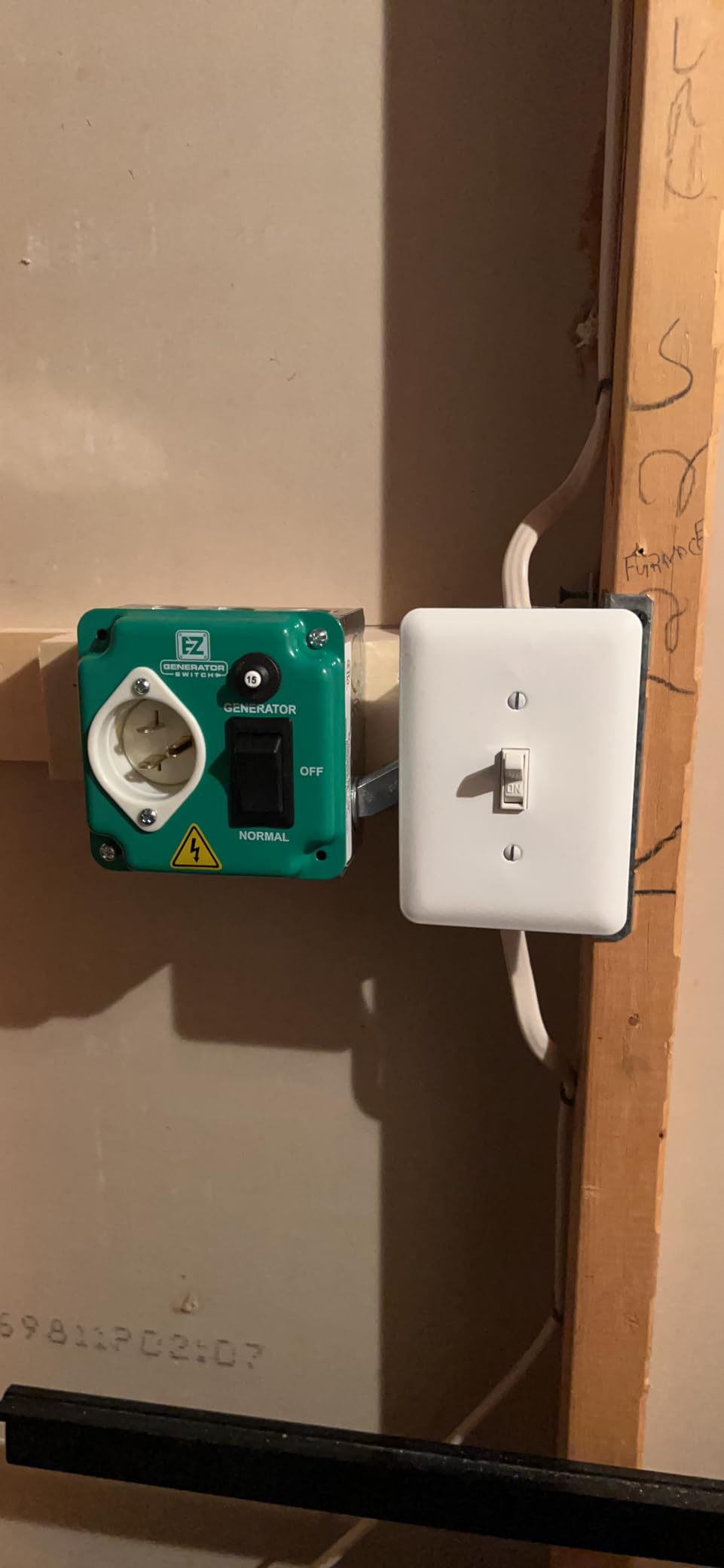
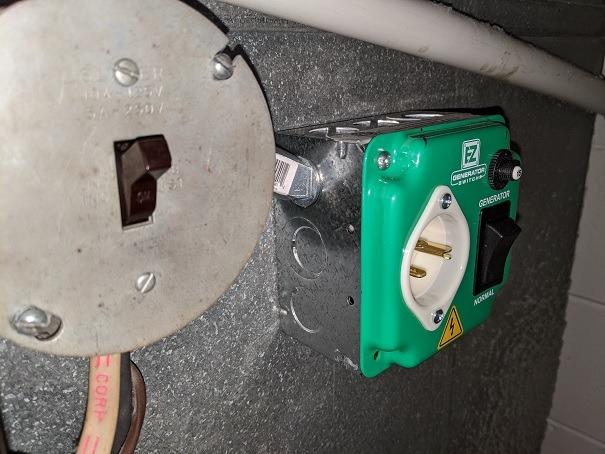
The switch is rated for 20 amps and 1,800 watts, which is enough for most single-appliance applications. It works with battery inverters, solar inverters, heating systems, lighting circuits, refrigerators, sump pumps, and well pumps. That versatility makes it a great choice for off-grid and solar setups too.
One thing I really appreciate is that it handles both bonded and floating neutrals. That means it will play nice with almost any generator you connect it to without requiring extra wiring modifications.
When a Single Circuit Is Enough
If your main concern is keeping a furnace running during winter outages or keeping a sump pump going during storms, one circuit is all you need. This switch lets you dedicate your generator’s output to that single critical load without wasting money on circuits you will never use.
Many homeowners pair this with a small 2,000 to 3,000 watt inverter generator. That combination gives you reliable backup for your most essential appliance at a total cost well under $500.
Installation Versatility
The compact 4 x 4 x 4 inch design fits inside a standard single-gang electrical box, so it can be mounted almost anywhere. The pre-wired harness means you are connecting just a few wires rather than routing a bundle of circuits across your panel.
Users report completing the installation in under an hour, though you should still have an electrician verify the work if you are not experienced with electrical systems. The included instructions are written for DIYers and walk through each connection clearly.
3. Generac HomeLink 30 Amp Portable Generator Transfer Switch
Generac HomeLink 30 Amp Portable Generator Manual Transfer Switch
30 Amp
8-10 Circuits
Upgradeable to Automatic
Pre-wired
Weatherproof
Model 6852
Pros
- Upgradeable to automatic standby capability
- Supports 8 to 10 circuits for broad coverage
- Accepts tandem
- GFCI
- and AFCI breakers
- One-button utility-to-generator switching
- Power status indicator lights
Cons
- Instructions could be clearer
- Limited stock availability reported
- Some users received units that needed service
Generac is the biggest name in home standby power, and the HomeLink brings that pedigree to the portable generator market. This 30-amp transfer switch supports 8 to 10 circuits, giving you more coverage than the Reliance 6-circuit option. It also has a trick up its sleeve that no other switch in this lineup can match.
The HomeLink is designed to be upgradeable. You can install it as a manual transfer switch today with your portable generator, then later convert it to work with a Generac automatic standby generator. That means you are not throwing away your investment when you decide to upgrade your backup system.
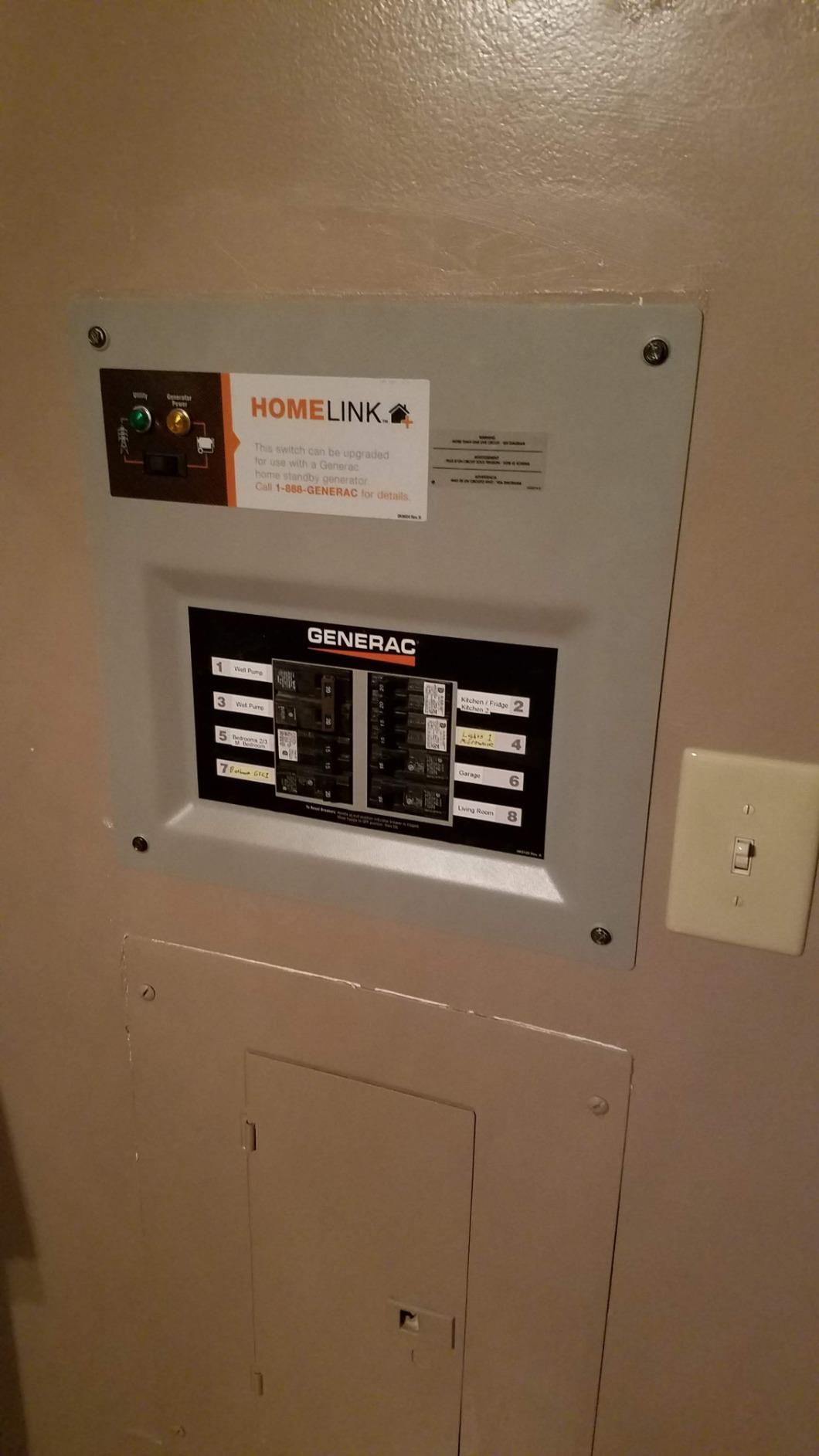
The pre-wired panel comes with breakers installed and uses a rotary switching mechanism with power status lights so you can see at a glance whether you are on utility or generator power. It accepts standard, tandem, GFCI, and AFCI breakers, which gives you flexibility in how you configure your circuit selection.
With a 4.4-star rating across 57 reviews, the feedback is positive but more limited than the Reliance. Users praise the functionality and the upgrade path, though some mention the instructions could be more detailed. A few reviewers reported receiving units that needed service, so inspect yours carefully on arrival.
The Upgrade Path Explained
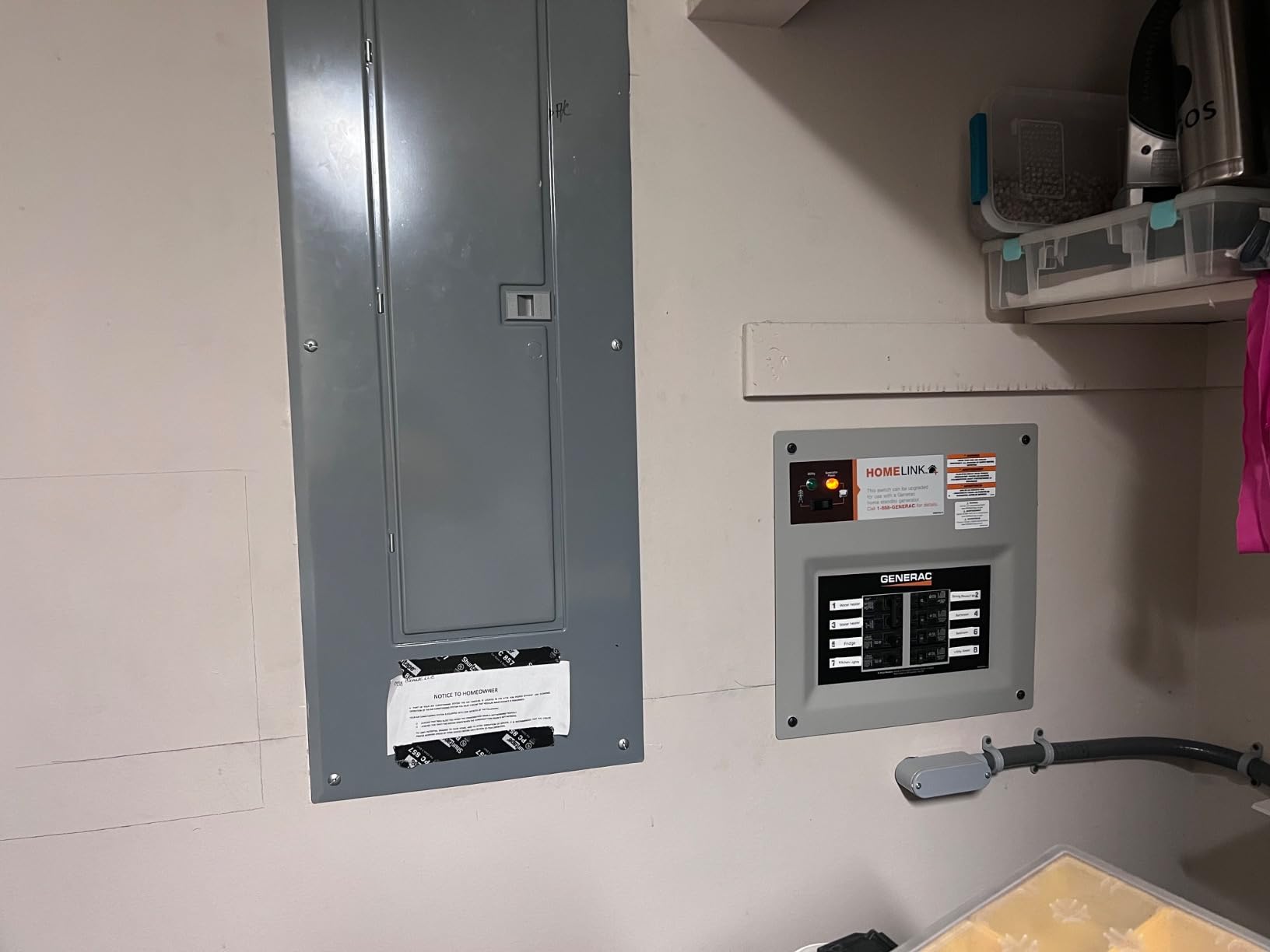
Here is what makes the HomeLink special. Right now, you connect your portable generator manually when the power goes out. Down the road, if you purchase a Generac home standby generator, this same panel can be upgraded to switch automatically. An electrician installs the necessary components, and your system starts itself without you lifting a finger.
This is a genuine cost-saver if you plan to move to a standby system eventually. Instead of replacing the entire transfer switch, you keep the panel and just add the automation module.
Generator Compatibility
The HomeLink is rated for 30 amps and works with portable generators up to 7,500 watts as well as Generac home standby generators up to 11 kW. The NEMA L14-30 inlet is the standard connection for most portable generators in this class.
If you already own or plan to buy a Generac standby unit, this is the natural pairing. Even if you are sticking with a portable generator for now, the upgrade flexibility makes the slightly higher price worth considering.
4. VEVOR 50-Amp 10-Circuit Manual Transfer Switch Kit
VEVOR Manual Transfer Switch, 50-Amp 10-Circuit, Prewired Generator Transfer Switch Kit with CS6375 Plug Power Inlet Box, Double-Throw Switch, NEMA 3R, Mechanical Watt Meter, for 12500W Generators
50 Amp
10-Circuit
12500W Max
NEMA 3R
CS6375 Inlet
Mechanical Watt Meter
Pros
- 50-amp capacity handles large generators
- 10 circuits for comprehensive coverage
- NEMA 3R weatherproof for outdoor use
- Includes CS6375 inlet box and watt meter
- Double-throw safety switch prevents backfeed
- UL listed and anti-corrosion construction
Cons
- May require licensed electrician for installation
- Newer brand with fewer long-term reviews
If you have a larger portable generator in the 10,000 to 12,500 watt range, a 30-amp switch is not going to cut it. That is where the VEVOR 50-amp transfer kit comes in. It gives you the capacity to feed 10 circuits from a big generator, and it comes as a complete kit with everything you need.
What impressed me most is what VEVOR packs into this kit. You get the transfer switch panel, a CS6375 power inlet box, a mechanical watt meter for load monitoring, and pre-wired circuit breakers. The NEMA 3R rating means the enclosure is built for outdoor installation and resists rain and corrosion.
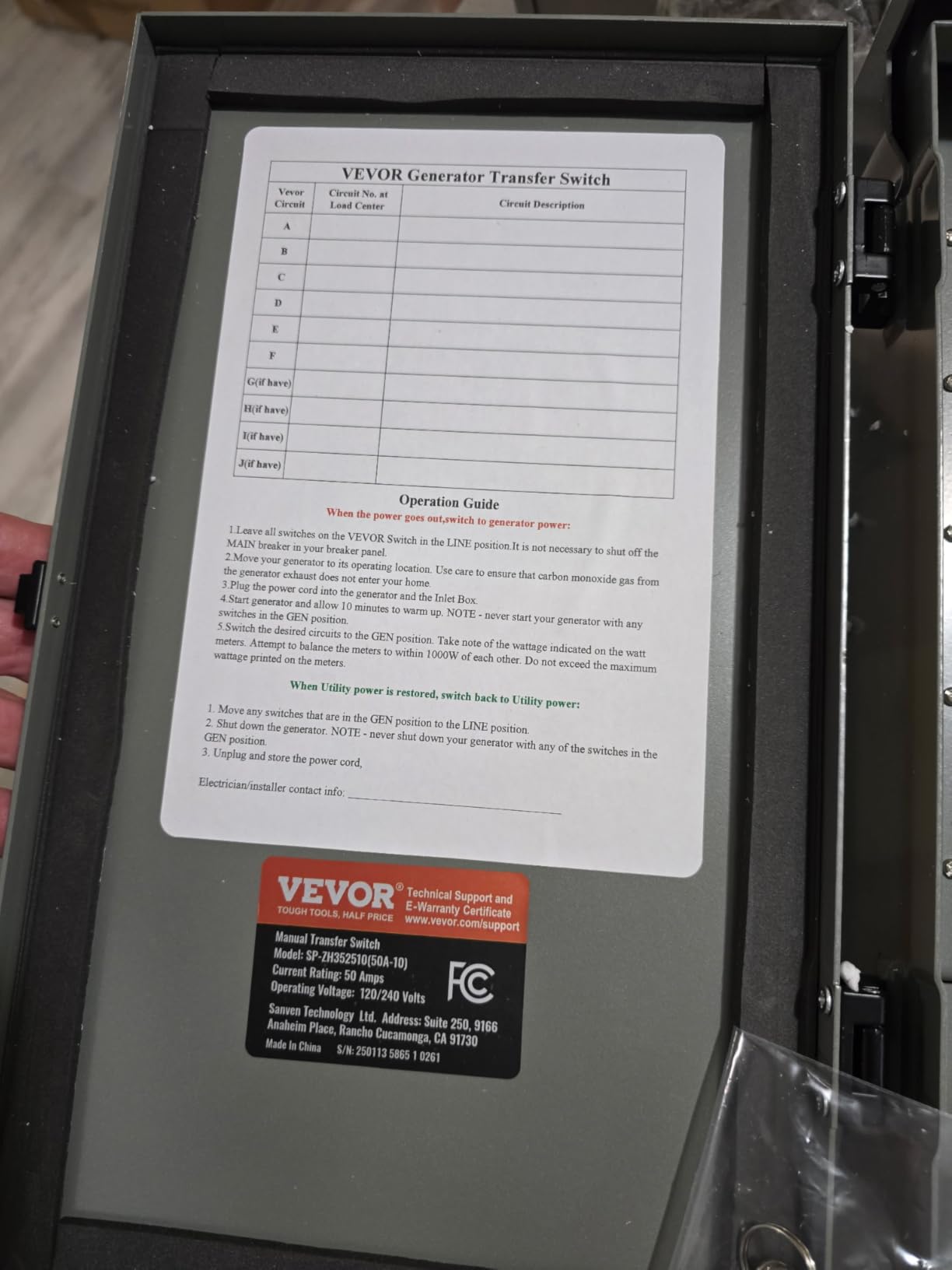
The double-throw switch mechanism physically prevents backfeeding by ensuring the generator and utility connections can never be active at the same time. That is the kind of safety feature that matters when you are dealing with 50 amps of current.
With 56 reviews and a 4.4-star average, the feedback is solid. Reviewers appreciate the complete kit approach and the weatherproof design. The main caution is that this is a more involved installation than the smaller 30-amp units, so professional installation is recommended.
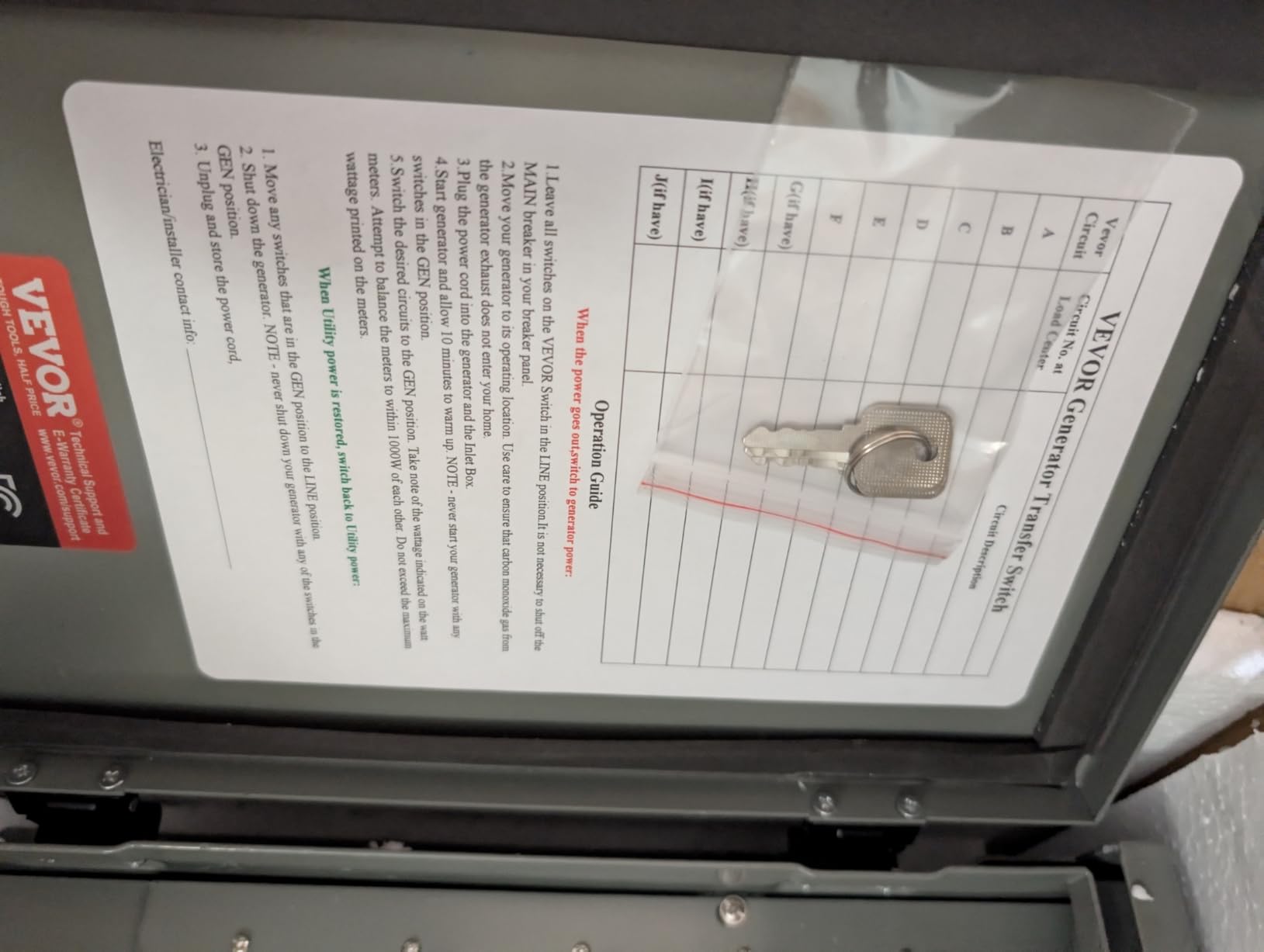
Outdoor vs Indoor Placement
The NEMA 3R enclosure on this VEVOR kit is rated for both indoor and outdoor use. That gives you flexibility in where you mount it. Many homeowners install it on an exterior wall near the generator location, which keeps the wiring runs short and the inlet box easily accessible.
If you mount it outdoors, make sure the included weatherproof cover stays in good condition. The anti-corrosion steel construction helps, but a sheltered location will extend the life of any electrical equipment exposed to the elements.
Watt Meter Load Management
The built-in mechanical watt meter is more than a nice-to-have feature. When you are running 10 circuits off a 12,500-watt generator, managing your load becomes critical. The meter tells you exactly how much power you are drawing so you can avoid overloading the generator.
This is especially useful when multiple family members are using different appliances. A quick glance at the meter tells you whether it is safe to start the microwave while the AC and fridge are already running.
5. Connecticut Electric 50 Amp 10-Circuit Transfer Switch Kit
Connecticut Electric Series 2 Backup Power Manual Transfer Switch Kit, 50 Amp, 10 Circuits, with 25′ Cord & Outdoor Rated 50A Inlet (Transfer Switch Kit – 25 ft Cord)
50 Amp
10-Circuit
12500W Max
25ft Cord
CS6375 Inlet
ETL Certified
240V
Pros
- Complete kit with 25-foot connecting cord
- Outdoor rated 50A CS6375 inlet included
- Pre-wired for professional installation
- ETL certified to UL safety standards
- Supports 240V applications
- Professional grade components
Cons
- Higher price point
- Not Prime eligible
Connecticut Electric has been in the electrical equipment business for decades, and their 50-amp transfer switch kit reflects that experience. This is a professional-grade system that comes with everything you need for a complete installation, including a generous 25-foot connecting cord.
What sets this kit apart from the VEVOR is the inclusion of that long 25-foot cord and a weather-resistant CS6375 inlet box. If your generator sits far from your electrical panel, that extra cord length can save you from buying a separate extension cord or paying an electrician to relocate the inlet.
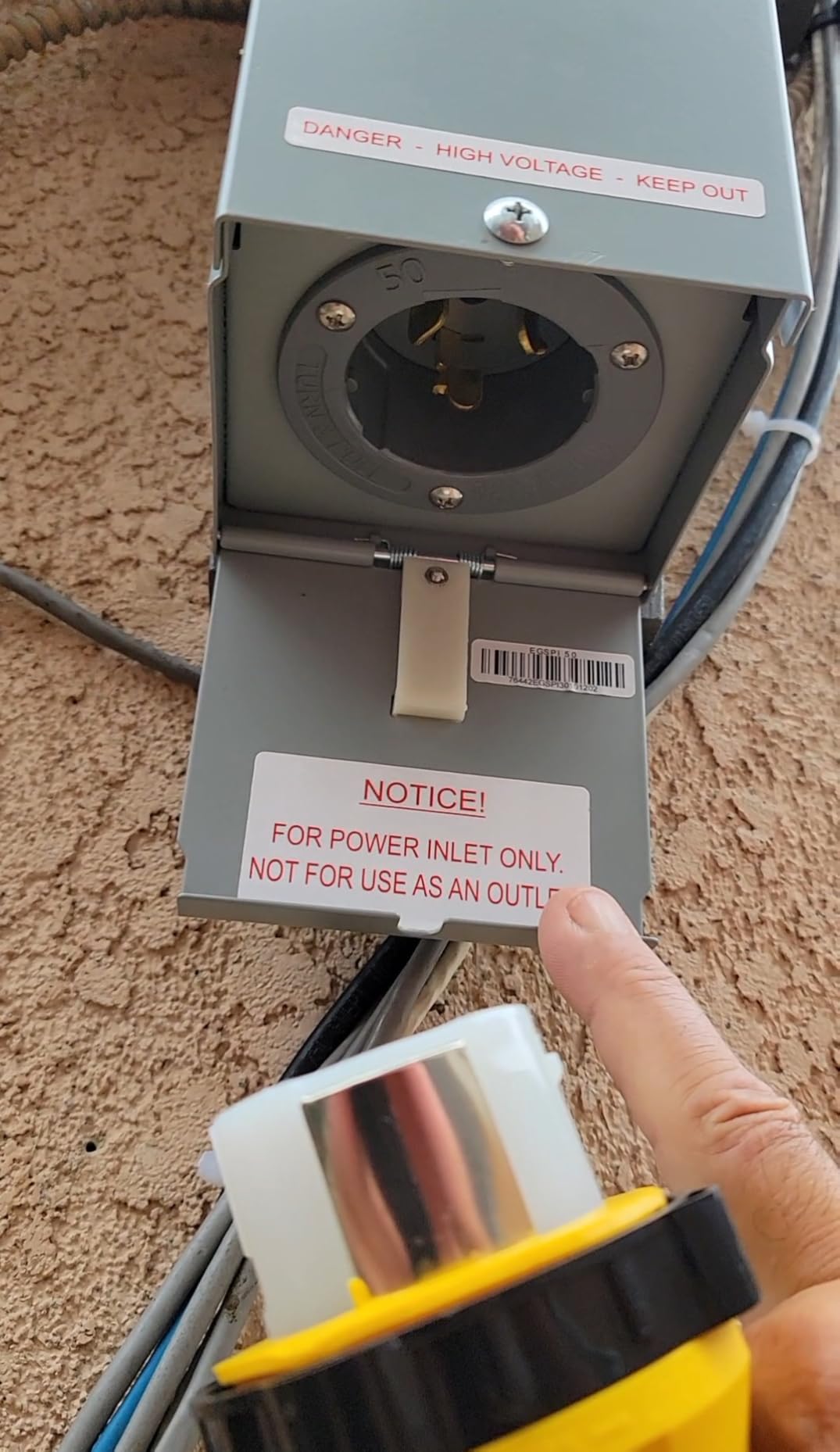
The ETL certification to UL standards means this switch has been independently tested for safety. That matters for both code compliance and your peace of mind. Insurance companies and inspectors look for recognized certifications when approving electrical work.
Reviewers give it a 4.5-star average across 43 reviews, with 74 percent five-star ratings. The feedback highlights the professional build quality and the convenience of the complete kit. The main drawback is the price, which runs higher than the VEVOR alternative.
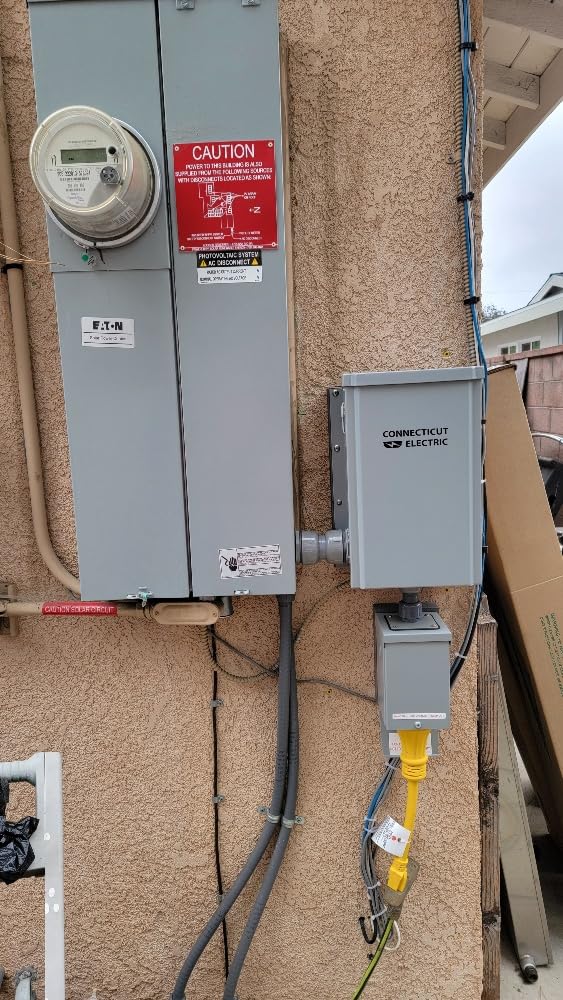
What Makes This a Premium Kit
The value here is in the completeness. When you add up what it would cost to buy a transfer switch, a 25-foot generator cord, an outdoor-rated inlet box, and all the mounting hardware separately, the total price of this kit starts to look very reasonable.
The double-throw rocker switch technology provides positive mechanical isolation between utility and generator power. You physically cannot connect both sources simultaneously, which is the core safety function of any transfer switch.
Best Use Cases for 50-Amp Systems
A 50-amp transfer switch is the right choice when you have a generator rated above 7,500 watts and you want to power high-demand appliances. Well pumps, electric water heaters, and central AC units all benefit from the higher amperage capacity.
This kit is particularly well-suited for rural properties where the generator may be parked some distance from the house. The 25-foot cord and outdoor inlet box make it practical to set up the generator in a sheltered location and run power to the panel.
6. Tzechkii 200A Heavy Duty Manual Transfer Switch
Tzechkii 200 Amp Manual Generator Transfer Switch for Home, 48000W
200 Amp
48000W Max
NEMA 3R
Double-Throw
Indoor/Outdoor
Wiring Lugs Included
Pros
- Massive 48000W capacity for whole-home power
- NEMA 3R rated for indoor or outdoor installation
- Double-throw disconnect prevents backfeeding
- Lock hole and built-in grounding for safety
- Pre-installed wiring lugs
- Handles 120/240V single or three-phase
Cons
- Manual operation requires user intervention
- No individual circuit breakers included
This is the big one. If you want to connect a large standby generator to your entire home through your 200-amp main service, this is the type of switch you need. The Tzechkii 200-amp manual transfer switch is designed for whole-home backup, not just selected circuits.
With a 48,000-watt capacity rating, this switch can handle virtually any residential generator on the market. Instead of picking and choosing circuits, you transfer your entire electrical panel from utility to generator power with one lever. That is a fundamentally different approach from the circuit-based switches above.
The NEMA 3R galvanized steel enclosure is rated for both indoor and outdoor installation. The double-throw mechanism includes a lock hole for securing the switch in either position, and the built-in grounding provides electrical isolation during transfer.
Reviewers give it a 4.3-star average across 51 reviews, with 73 percent five-star ratings. Users report years of trouble-free operation, which is exactly what you want from a whole-home disconnect that sits between you and the grid.
Whole-Home vs Circuit-Based Switching
A whole-home transfer switch like this one connects between your meter and your main panel. When the power goes out, you throw the lever to disconnect from utility power and connect your generator. Every circuit in your house gets power, limited only by your generator’s output.
The trade-off is that you need a generator large enough to handle your total load. With a 200-amp service rated at 48,000 watts, you will need a seriously large generator. This switch is typically paired with whole-home standby units in the 18 to 26 kW range.
Installation Requirements
This is not a DIY project for most homeowners. Installing a 200-amp transfer switch involves working with your main service entrance, which requires pulling permits, coordinating with your utility company, and typically hiring a licensed electrician.
The pre-installed wiring lugs make the connection points straightforward for a professional, but the location between the meter and main panel means the utility must usually disconnect power during installation. Budget for professional installation when considering this switch.
7. Nature’s Generator 30A 6-Circuit Transfer Switch
Nature’s Generator 30 Amp Manual Transfer Switch 6-Circuit 120V, UL Listed Non-Automatic Power Transfer Kit, Pre-Wired Indoor for Portable Generator
30 Amp
6-Circuit
120V
UL Listed
Solar Compatible
Illuminated Switches
Model 30A-6C
Pros
- UL listed for verified safety
- Illuminated rocker switches show power status
- Compatible with solar generators and AFCI/GFCI breakers
- Includes L5-30P 30A power inlet and cord
- Works with any generator having NEMA L14-30 outlet
Cons
- Indoor use only
- Non-automatic requires manual switching
- 120V only not 240V
Nature’s Generator brings something different to the table with this 30-amp transfer switch. It is specifically designed to work with solar generators and battery backup systems, not just gas-powered portables. If you are building a renewable energy backup setup, this deserves a close look.
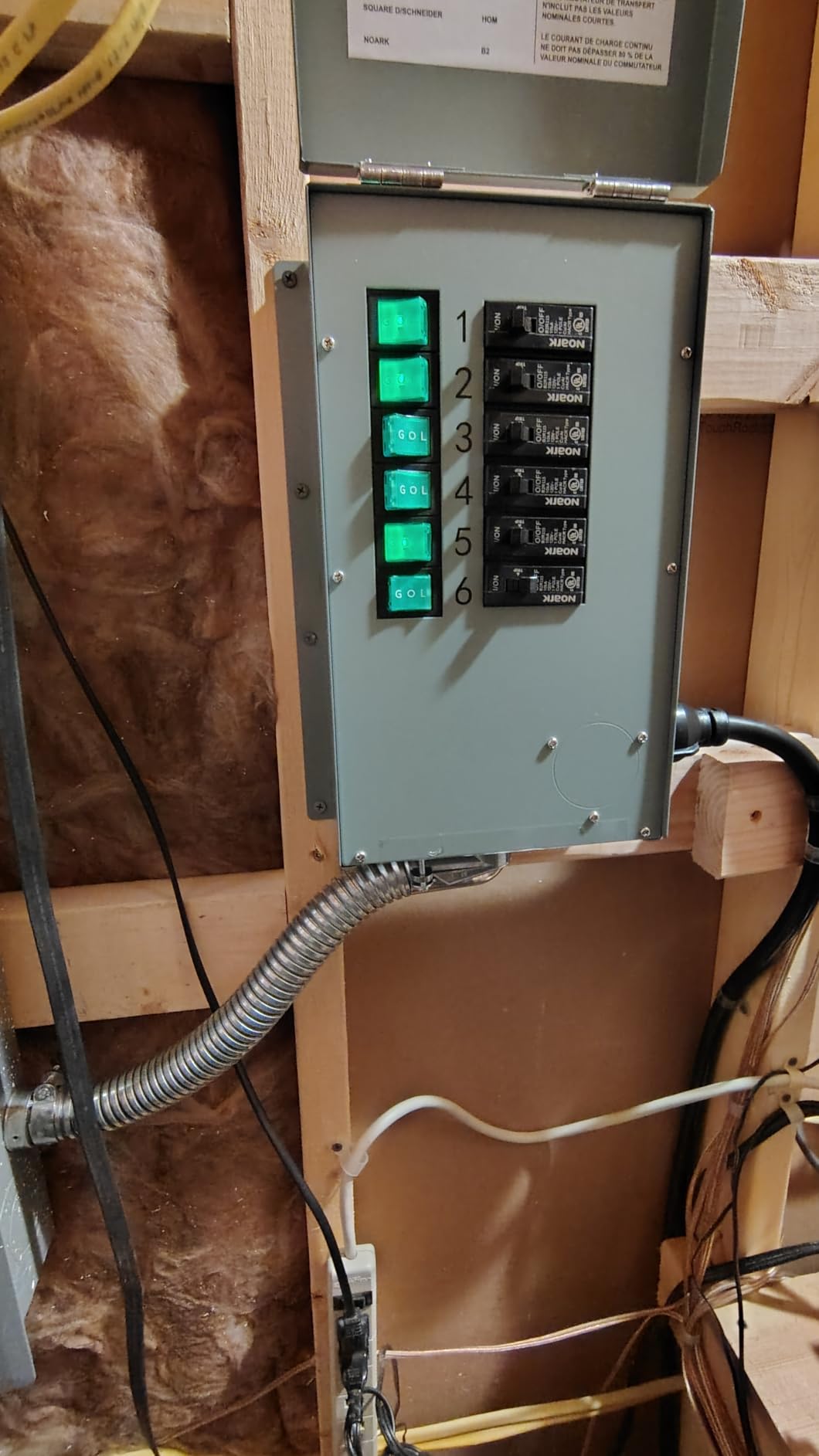
The switch handles six circuits at 30 amps and 120 volts. That makes it ideal for smaller homes, cabins, or situations where you are running essential loads off a solar generator or portable power station. The illuminated rocker switches give you a clear visual indicator of which circuits are active.
UL listing confirms the switch meets recognized safety standards. It is also compatible with AFCI and GFCI breakers, which are increasingly required by code for kitchen, bathroom, and outdoor circuits. Not all transfer switches work with these specialized breakers, so this is a meaningful advantage.
The kit includes conduit and cable clamps, plus an L5-30P 30-amp power inlet and cord. With a 4.5-star rating across 52 reviews, users praise the build quality and the solar generator compatibility. Just note that this is a 120-volt switch, so it will not handle 240-volt loads like some well pumps or electric dryers.
Solar Generator Integration
What makes this switch solar-friendly is its compatibility with the lower-voltage DC-to-AC inverter outputs that solar generators produce. If you own a Nature’s Generator, EcoFlow, Jackery, or similar portable power station, this switch lets you connect it to your home circuits safely.
The L5-30P inlet is a common connector found on many solar generators and smaller portable gas units. That means you are not locked into one brand or type of power source.
Best Applications
This switch shines in apartments, small homes, RV setups, and off-grid cabins where 120-volt power covers all your needs. If you want to run lights, charge devices, power a refrigerator, and keep a small AC unit going during outages, six circuits at 30 amps is sufficient.
For larger homes with 240-volt appliances, you will want one of the 50-amp or higher options in this guide. But for the growing number of people using solar generators as their primary backup, this is a purpose-built solution worth considering.
8. Go Power TS-30 30 Amp Automatic Transfer Switch
Go Power TS-30 30 Amp Automatic Transfer Switch, Dual Source Compatibility
30 Amp
Automatic Switching
Dual Source
Generator Delay
Compact
RV/Marine Compatible
Pros
- Fully automatic switching between power sources
- Built-in generator delay for safe transitions
- Dual source compatibility for flexible setups
- Compact 9.65 x 7.28 x 4.75 inch design
- Easy installation with knockouts
- Works in RV
- marine
- and home applications
Cons
- 30A limit may not suit higher power needs
- Limited stock availability
Every other switch in this guide requires you to manually flip a lever or switch when the power goes out. The Go Power TS-30 does it automatically. When it detects generator power, it switches over on its own. When utility power returns, it switches back. No human intervention required.
That automation makes this the go-to choice for RV owners, boaters, and anyone running an automatic standby generator. With over 1,110 reviews and a 4.6-star average, it has a strong track record across a wide range of applications. The 81 percent five-star rate speaks to its reliability.
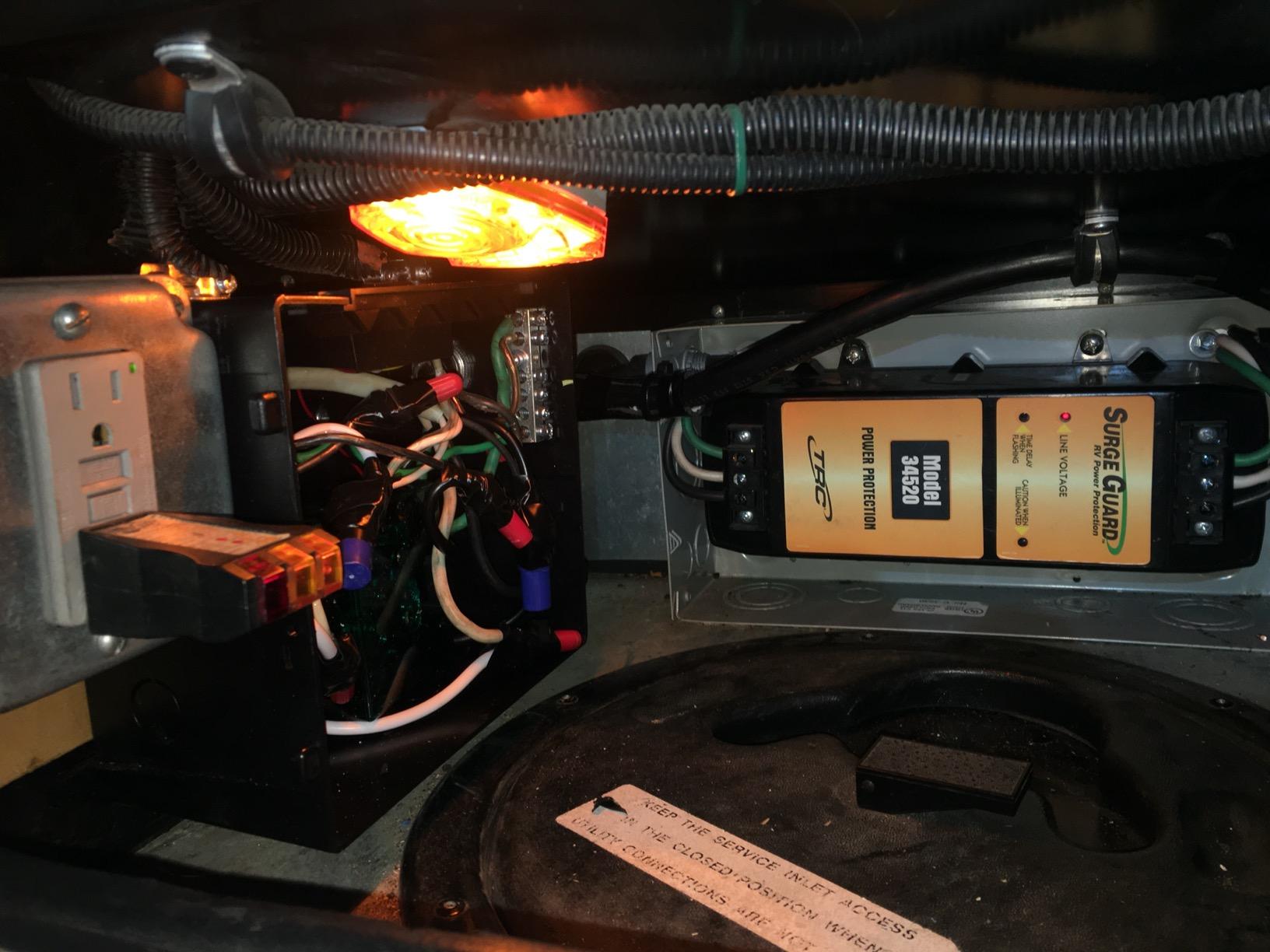
The built-in generator delay is a key safety feature. It waits for the generator to stabilize before transferring the load, which protects your sensitive electronics from voltage spikes that occur when a generator first starts up.
The compact enclosure measures just 9.65 x 7.28 x 4.75 inches, making it easy to fit in tight spaces. Knockouts on multiple sides give you flexibility in routing your wiring, whether you are mounting it in an RV basement, a boat engine room, or a utility closet.
How Automatic Switching Works
The TS-30 monitors both your utility (shore power) connection and your generator connection. When shore power drops out and the generator starts, the switch detects the generator voltage and waits about 20 to 30 seconds for it to stabilize. Then it transfers the load to the generator automatically.
When utility power is restored, the switch transfers back to shore power and then sends a signal to shut down the generator. The entire process happens without you touching anything, which is why automatic switches are the standard for standby generator systems.
RV and Marine Applications
While this switch works in residential standby setups, it is most popular in the RV and marine markets. In an RV, it sits between your shore power inlet and your generator, automatically routing whichever power source is active. The same applies to boats with onboard generators.
If you are building an off-grid cabin or a mobile setup where you switch between solar, generator, and shore power, the dual-source capability of the TS-30 makes it a versatile choice. Just keep in mind the 30-amp limit if you have heavy power demands.
How to Choose the Right Generator Transfer Switch?
Choosing the right generator transfer switch comes down to understanding your power needs, your generator’s output, and how you want to manage your circuits during an outage. I have broken down the key decisions to help you narrow the field.
Manual vs Automatic vs Interlock
Manual transfer switches require you to physically flip a switch to transfer power from utility to generator. They are affordable, reliable, and available in circuit-based or whole-home configurations. The Reliance Pro/Tran 2 and VEVOR kits in this guide are manual switches.
Automatic transfer switches detect power loss and switch to your generator without any action from you. They are essential for standby generator systems and are the standard for whole-home backup. The Go Power TS-30 is an automatic switch.
Interlock kits are a third option that many homeowners consider. They are simple mechanical devices that prevent your main breaker and generator breaker from being on at the same time. They cost less than a transfer switch but require you to manage load manually at the breaker panel. They also do not provide individual circuit meters or dedicated generator connections.
Sizing Your Transfer Switch
The amp rating of your transfer switch should match or slightly exceed the output of your generator. A 30-amp switch pairs with generators up to about 7,500 watts. A 50-amp switch handles generators up to 12,500 watts. For larger standby units, look at 100-amp or 200-amp whole-home switches.
To calculate what you need, divide your generator’s running wattage by the voltage. A 7,500-watt generator at 240 volts produces about 31 amps, so a 30-amp switch is the right fit. A 12,500-watt generator at 240 volts produces about 52 amps, so you need a 50-amp switch.
Never undersize your switch. Pushing more current through a switch than it is rated for creates a fire hazard and will trip breakers constantly.
Circuit Count and Coverage
Transfer switches range from a single circuit up to 10 or more. Think about what you absolutely need to power during an outage. Most homeowners prioritize the refrigerator, furnace or AC blower, well pump, lighting, and a few general outlets.
A common mistake I see in forum discussions is buying too few circuits. Users on Reddit and GarageJournal consistently recommend going with more circuits than you think you need. It is much easier to have spare capacity than to regret not being able to power an essential circuit during a multi-day outage.
Indoor vs Outdoor Rating
Pay attention to the NEMA rating. Indoor-rated switches must be installed inside your home or garage. NEMA 3R rated enclosures can be installed outdoors and are protected against rain and most weather conditions.
If your generator will be parked outside and you want a short cable run, an outdoor-rated switch with an integrated inlet box is the cleanest solution. The VEVOR and Connecticut Electric kits in this guide both feature NEMA 3R enclosures for this purpose.
Code Compliance and Permits
Every jurisdiction requires a permit and inspection for transfer switch installation. The National Electrical Code Article 702 governs optional standby systems and requires an approved transfer means to prevent backfeeding. Your local building department can tell you what forms and inspections are needed.
Most areas also require the work to be performed by or supervised by a licensed electrician. Even if your local code allows homeowner installation, having the work inspected protects you from liability and ensures your insurance will cover any electrical-related claims.
Installation Cost Factors
Professional installation typically runs between $500 and $1,500 in labor, depending on your location, the complexity of the installation, and whether your panel needs upgrades. Simple pre-wired kits like the Reliance Pro/Tran 2 tend to be on the lower end because the wiring is mostly done for you.
Whole-home 200-amp switches like the Tzechkii will be at the higher end because they require coordination with the utility company and work on the service entrance. Get multiple quotes from licensed electricians to compare pricing.
Frequently Asked Questions
What is the best transfer switch for generators?
The Reliance Controls Pro/Tran 2 is the best overall transfer switch for most homeowners. It offers 30-amp capacity, 6 circuits, pre-wired installation, built-in watt meters, and a 5-year warranty. For budget buyers, the EZ Generator Switch handles a single circuit for under $90. For automatic switching, the Go Power TS-30 is the top choice.
How much does an electrician charge to put in a transfer switch for a generator?
Most electricians charge between $500 and $1,500 in labor to install a generator transfer switch, with the total cost including materials typically ranging from $800 to $2,500. Pre-wired kits like the Reliance Pro/Tran 2 cost less to install because the wiring work is already done. Whole-home 200-amp switches cost more due to the complexity and utility coordination required.
What size transfer switch do I need for a 10,000 watt generator?
A 10,000 watt generator at 240 volts produces approximately 42 amps, so you need a 50-amp transfer switch. Divide your generator’s running wattage by the voltage to determine the amp rating: 10,000 watts divided by 240 volts equals 41.7 amps, which rounds up to a 50-amp switch. The VEVOR 50-amp 10-circuit kit and the Connecticut Electric kit both handle this capacity.
Do I really need a generator transfer switch?
Yes, you need a transfer switch if you want to connect a generator to your home’s electrical system. The National Electrical Code requires an approved transfer means to prevent backfeeding, which can injure utility workers and damage your generator and appliances. Without one, your only safe option is running individual extension cords directly from the generator to each appliance.
Can I install a generator transfer switch myself?
Homeowners can legally install a transfer switch in some jurisdictions, but most areas require a licensed electrician or a permit and inspection at minimum. Even experienced DIYers should have the work inspected to ensure code compliance and protect their insurance coverage. Working inside an electrical panel carries serious shock risk, so professional installation is strongly recommended.
Conclusion
Finding the best generator transfer switch does not have to be complicated. For most homeowners, the Reliance Controls Pro/Tran 2 hits the sweet spot of capacity, ease of installation, and value. If you just need to power one critical circuit, the EZ Generator Switch gets the job done for a fraction of the cost.
Larger setups benefit from the 50-amp VEVOR or Connecticut Electric kits, while whole-home standby systems call for a 200-amp disconnect like the Tzechkii. And if you want hands-off operation, the Go Power TS-30 automatic switch is the proven choice.
Whatever you choose, make sure the amp rating matches your generator, get the installation permitted and inspected, and rest easy knowing your home is ready for the next outage in 2026.