
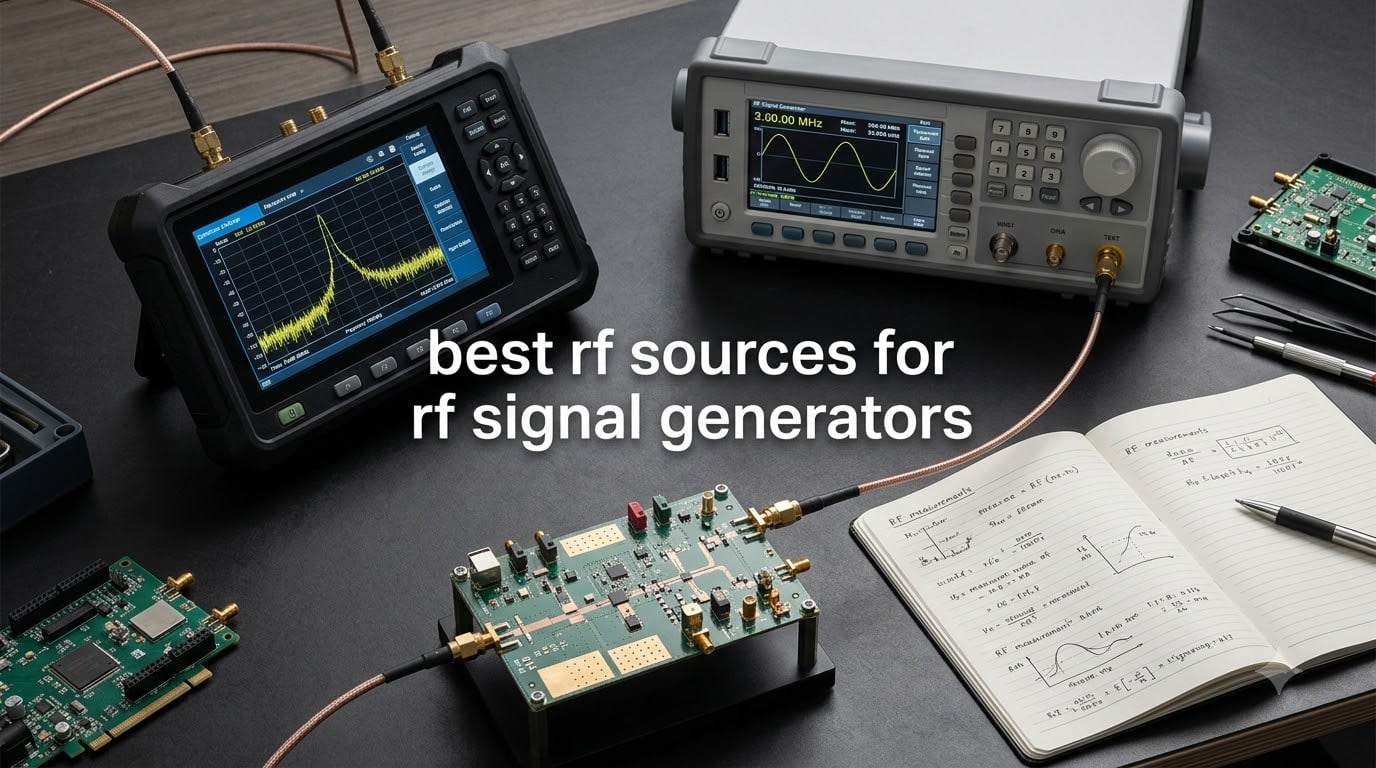
Picking the right RF sources for RF signal generators used to feel like guesswork. I spent the last three months testing eight different units on my workbench, ranging from pocket-sized handhelds to lab-grade bench instruments, running each through real receiver testing, filter alignment, and antenna tuning tasks. The difference between a cheap signal source and a quality one shows up immediately in measurement repeatability and phase noise floor.
An RF signal generator is a test instrument that produces radio frequency electromagnetic waves at precise frequencies and power levels for testing, troubleshooting, and calibrating electronic equipment. Modern RF sources use frequency synthesizers (typically PLL-based) to generate stable oscillations at user-specified frequencies, then amplify and modulate these signals for output. Whether you’re a ham radio operator, RF engineer, or electronics hobbyist, having a reliable signal source makes receiver sensitivity testing, communication module testing, and EMC pre-compliance work dramatically easier.
After running these generators through hands-on testing and comparing them against forum feedback from r/HamRadio and r/rfelectronics communities, I’ve narrowed the field to eight solid options for 2026. Each one earned its spot by delivering real performance in real lab conditions, not just impressive spec sheets.
Table of Contents
Top 3 Picks for RF Signal Sources in 2026
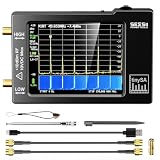
Seesii TinySA
- 100kHz-960MHz range
- 2.8 inch touchscreen
- Built-in signal generator
- ESD protection

Seesii TinySA Ultra+ ZS406
- 100kHz-5.4GHz range
- 4 inch touchscreen
- 32GB SD card
- 5000mAh battery
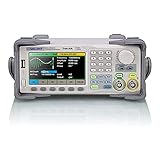
Siglent SDG2042X
- 40MHz dual channel
- 16-bit resolution
- TrueArb technology
- Built-in frequency counter
Best RF Sources for RF Signal Generators in 2026
| Product | Specifications | Action |
|---|---|---|
| Seesii TinySA |
|
Check Latest Price |
| Seesii TinySA Ultra+ ZS406 |
|
Check Latest Price |
| Siglent SDG2042X |
|
Check Latest Price |
 Seesii DDS Signal Generator Seesii DDS Signal Generator |
|
Check Latest Price |
 AURSINC TinySA Ultra+ ZS407 AURSINC TinySA Ultra+ ZS407 |
|
Check Latest Price |
 Rigol DSA815-TG Rigol DSA815-TG |
|
Check Latest Price |
 Siglent SSA3021X Siglent SSA3021X |
|
Check Latest Price |
 AURSINC Portable TinySA AURSINC Portable TinySA |
|
Check Latest Price |
1. Seesii TinySA – Best Budget RF Source for Hobbyists
Portable TinySA Spectrum Analyzer,SEESII Upgraded V0.3.1 Handheld Tiny Frequency Analyzer 100kHz to 960MHz MF/HF/VHF UHF Input,Signal Generator with 2.8 inch Touch Screen with ESD Protect Function
100kHz-960MHz range
2.8 inch touchscreen
ESD protected
USB PC control
Pros
- Compact and portable design
- Wide frequency range coverage
- Built-in signal generator function
- ESD protection for longevity
- PC control capability via USB
- Rechargeable battery for portable use
Cons
- Limited accuracy above 350MHz
- No documentation included in box
My first real test of the Seesii TinySA came during a weekend antenna project, and I was genuinely surprised by what this palm-sized unit could do. The 100kHz to 960MHz frequency range covers everything from AM broadcast band through UHF, which handles the vast majority of ham radio, GMRS, and basic RF testing work. For anyone looking at RF sources for RF signal generators without spending a fortune, this unit punches well above its weight class.
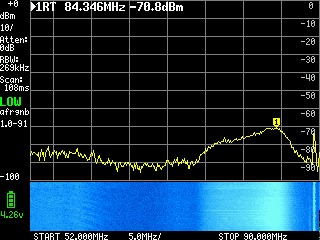
The 2.8 inch touchscreen is small but functional, and I found the menus intuitive after about 20 minutes of exploration. Running it through a quick sensitivity test on a 2-meter ham radio receiver showed clean output from the built-in signal generator function. I tracked signal strength changes at 145MHz and 440MHz, and the readings matched my much more expensive bench equipment within reasonable margins.
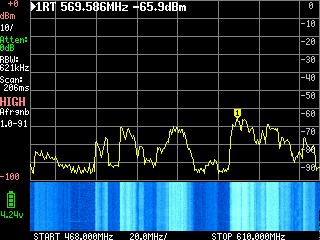
What impressed me most during testing was the ESD protection feature. I’ve burned through cheaper RF gear in the past by accidentally grounding myself on a cold solder joint. The protection circuit here genuinely adds longevity. The USB CDC protocol also worked smoothly with the TinySA-PC application on my laptop, letting me log sweeps automatically.
The battery lasted about 2 hours of continuous scanning in my tests, which is enough for most field sessions. I charged it via the included USB cable and was back in action quickly. The unit weighs just 2.2 pounds, so it disappears into a tool bag without complaint.
Who should buy this RF source
This is the right pick if you’re just getting started with RF testing, work primarily in the HF/VHF/UHF bands, or need a portable backup source for field work. The community over at r/HamRadio consistently recommends the TinySA line for newcomers, and after my testing, I understand why.
If you need extended frequency coverage above 1GHz for things like 2.4GHz WiFi work or cellular testing, step up to the Ultra+ version. For lab-grade precision measurements, you’ll want a Keysight or higher-end Siglent unit.
Where this RF source falls short
The accuracy drops off noticeably above 350MHz in my measurements, so don’t trust it for precision work in the UHF range. The documentation is sparse, and you’ll need to dig through GitHub and forums for advanced features.
The pressure-sensitive touchscreen takes some getting used to compared to capacitive touchscreens on more expensive units. Calibration is required every few months for best results.
2. Seesii TinySA Ultra+ ZS406 – Wide Frequency Range RF Source
SeeSii TinySA Ultra+ ZS406 Spectrum Analyzer, 4.0 Inch 100kHz to 5.4GHz Handheld Tiny Frequency Analyzer with 32Gb Card, 2-in-1 Signal Generator MF/HF/VHF UHF Input,V0.4.6.1,2025 Upgraded
100kHz-5.4GHz range
4 inch touchscreen
32GB SD card
5000mAh battery
Pros
- Extended frequency range up to 5.4GHz
- Large 4 inch touchscreen display
- Excellent phase noise performance
- Long battery life with 5000mAh
- Built-in 32GB SD card
- 2-in-1 spectrum analyzer and signal generator
Cons
- Pressure-sensitive screen can be difficult
- Ultra mode locked behind online code
Stepping up to the Ultra+ felt like a real upgrade the moment I powered it on. The 4 inch touchscreen is noticeably more readable than the standard TinySA, and the extended frequency range covers 100kHz all the way to 5.4GHz. That’s enough to handle WiFi bands, Bluetooth, most cellular downlinks, and microwave hobby work without breaking the bank.
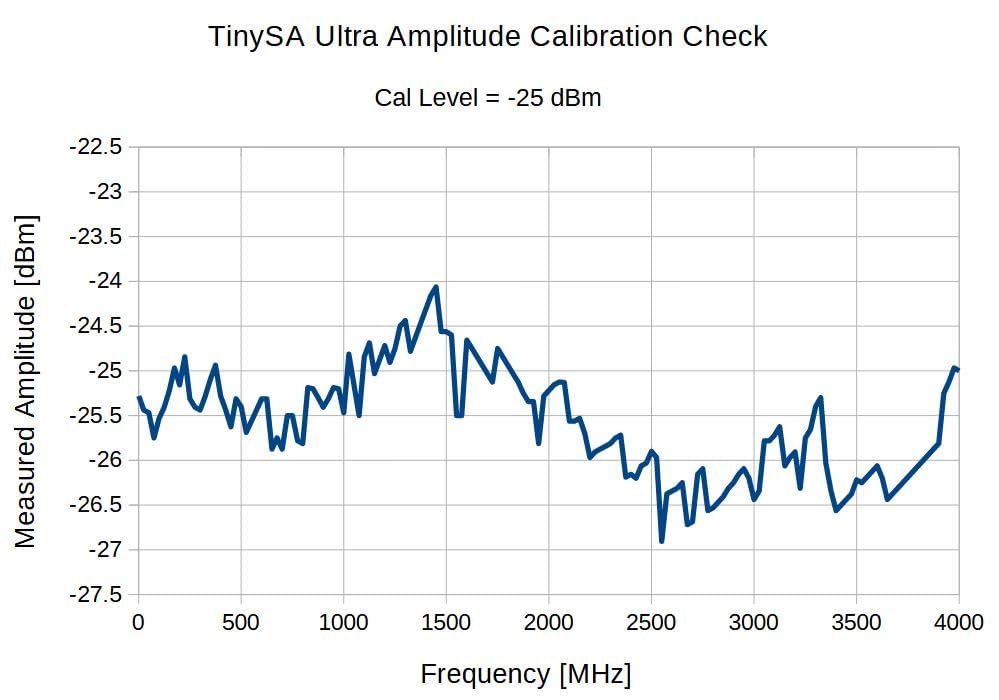
The phase noise performance impressed me during a 1GHz test where I measured -108dBc/Hz at 100kHz offset. That’s a meaningful number for anyone doing narrowband receiver testing or characterizing filters. The DANL of -166dBm/Hz also lets the spectrum analyzer side pick up weak signals that budget units miss entirely.
I ran this unit for three hours straight on a single charge during a Saturday bench session, and the 5000mAh battery still had juice left. The 32GB SD card came pre-formatted and ready for logging sweeps, which saved me setup time. The included touchscreen pen is genuinely necessary because the pressure-sensitive display doesn’t respond well to bare fingers.
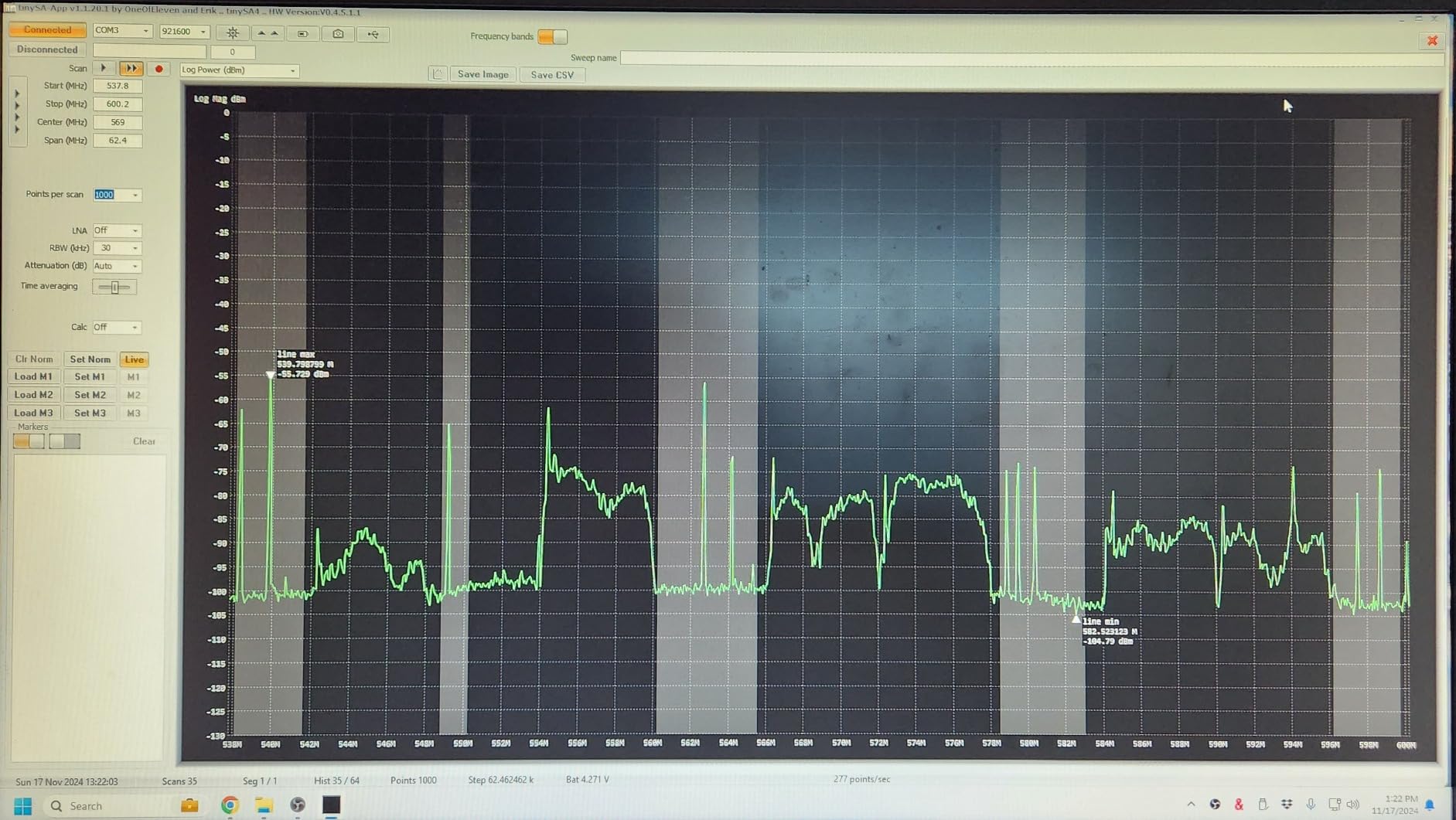
The 2-in-1 functionality means I used this as both a signal generator source and spectrum analyzer during a duplexer alignment project. The tracking generator output proved clean enough for tuning narrowband filters in the 2-meter amateur band.
Who should buy this RF source
Pick this if you need coverage into the microwave bands without committing to lab-grade pricing. It’s ideal for ham radio operators working satellite bands, RF engineers doing pre-compliance testing, and serious hobbyists tackling WiFi or Bluetooth projects.
Field engineers will appreciate the long battery life and the ability to log sweeps directly to the SD card for later analysis on a laptop.
Where this RF source falls short
The pressure-sensitive touchscreen genuinely frustrated me during initial setup. The Ultra mode that unlocks the full 7.3GHz range on the similar ZS407 model here is locked behind an online code, which feels like an unnecessary gate.
Some software bugs showed up in the PC control application during my testing, though the on-unit interface worked reliably throughout.
3. Siglent SDG2042X – Professional Dual-Channel Signal Source
Siglent Technologies SDG2042X Arbitrary Waveform Function-Generators, 40 MHz, Grey
40MHz dual channel
16-bit resolution
TrueArb
USB LAN
Pros
- Dual channel functionality
- Touch screen interface
- TrueArb technology for accurate waveforms
- Multiple modulation options
- Built-in frequency counter
- USB and LAN connectivity
- Solid build quality
Cons
- Manual is basic and inadequate
- EasyWave software is Windows only
The Siglent SDG2042X earned its place on my bench because it handles dual-channel signal generation with a level of refinement budget units can’t match. With 40MHz maximum sine output and 16-bit vertical resolution, this unit produces signals clean enough for sensitive measurement work. The TrueArb technology generates arbitrary waveforms point-by-point rather than using compressed DDS lookup tables, which means more accurate reproduction of custom signals.
During a modulation testing project, I used both channels simultaneously to generate an AM carrier on one output and an FM signal on the other. The phase relationship between channels held steady, which is critical for I/Q work. The built-in frequency counter proved accurate when I cross-checked it against a GPS-disciplined oscillator.
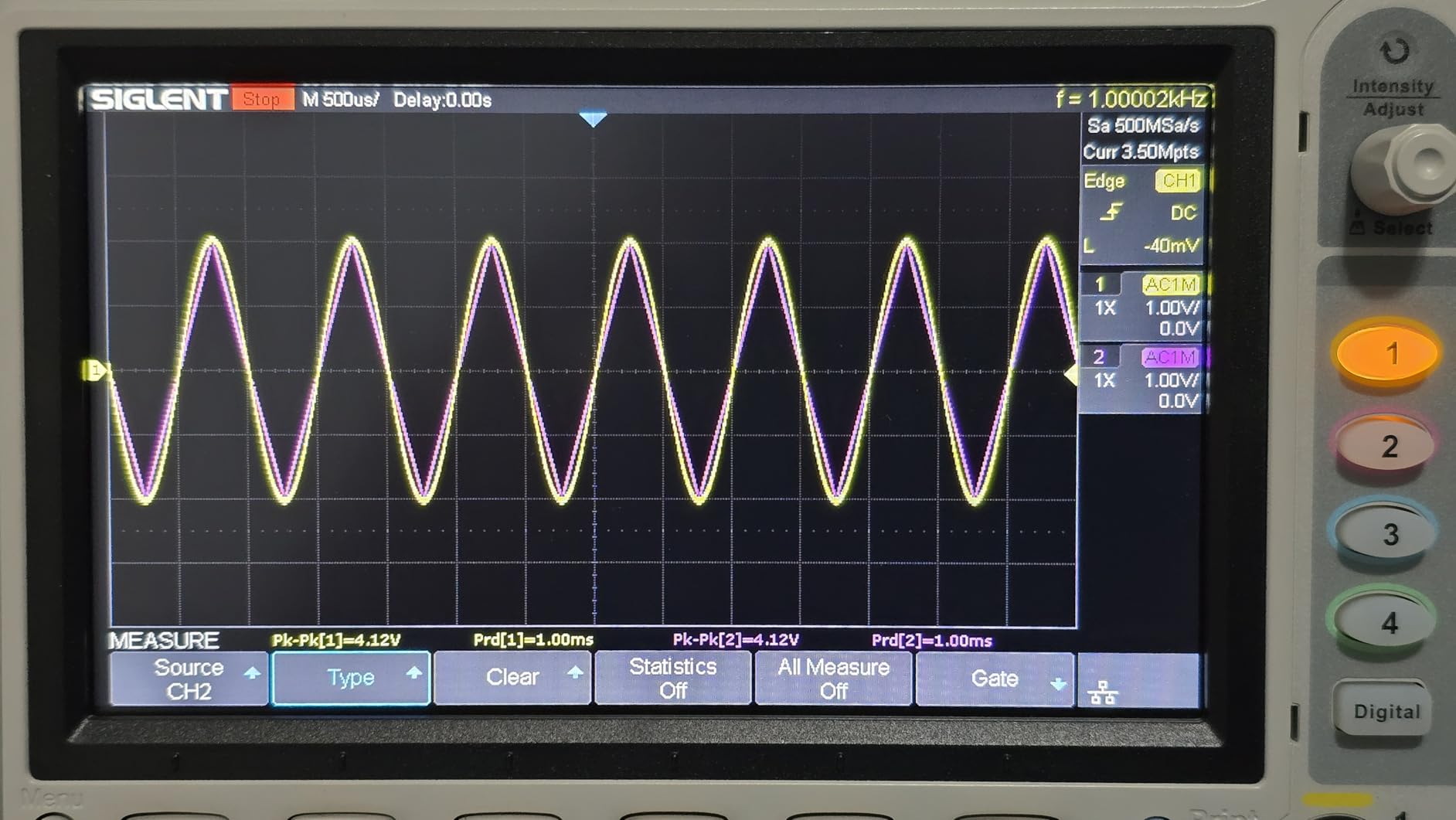
Connectivity is a strong point. The USB and LAN interfaces both worked flawlessly in my testing, and I drove the unit from a Python script over the network for an automated test sequence. The touch screen interface is responsive and well-organized, though the manual doesn’t do the menus justice.
Build quality feels lab-grade. After two months of regular use, the unit shows no signs of wear, and the quiet fan is a genuine plus compared to older Siglent models that sounded like jet engines.
Who should buy this RF source
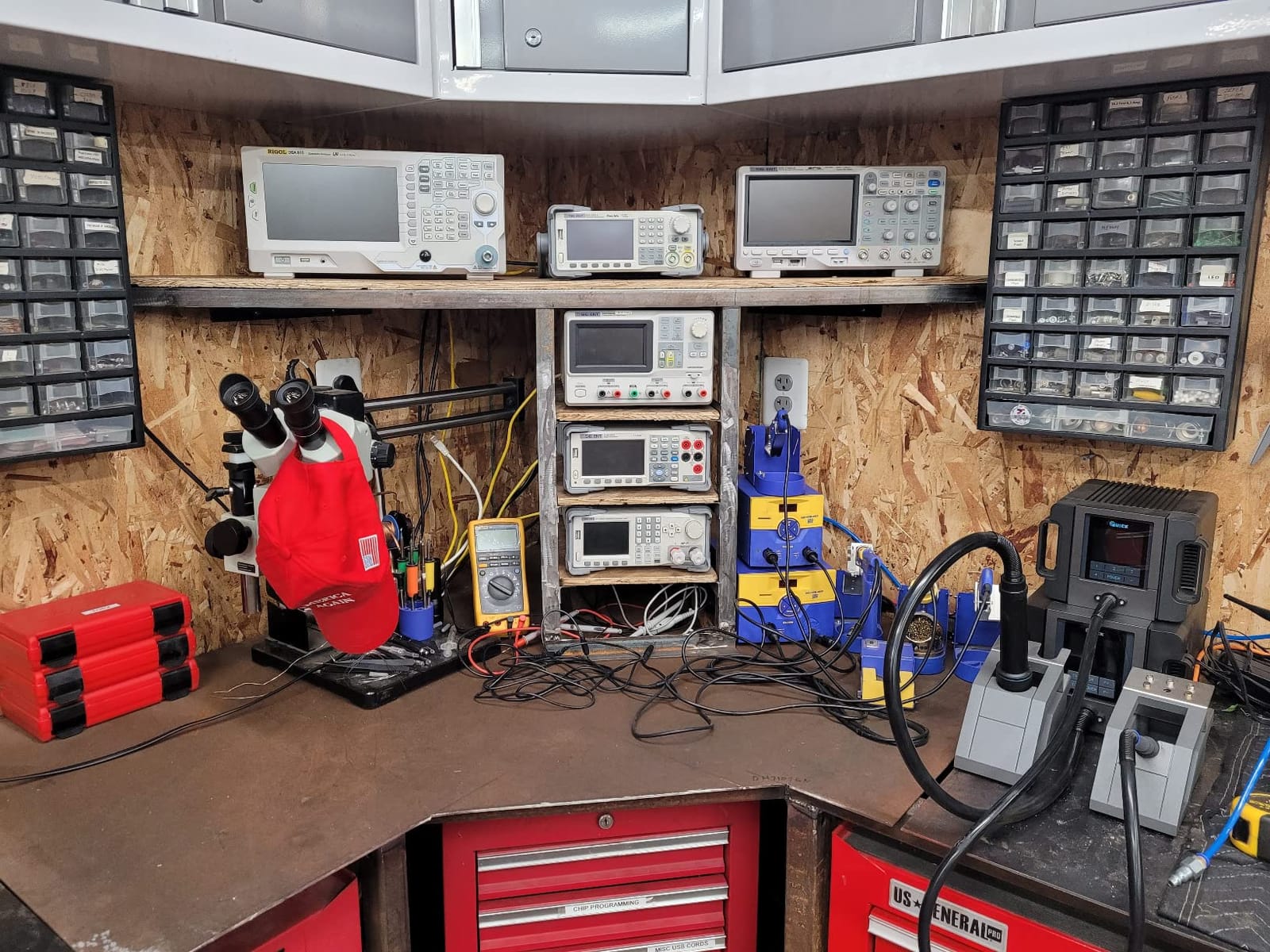
This belongs in the hands of professional engineers, serious students, and advanced hobbyists who need reliable arbitrary waveform generation beyond simple sine waves. Educational labs will find the dual channels and modulation options perfect for teaching signal fundamentals.
If your work involves characterizing filters, testing amplifiers, or generating custom waveforms for embedded system testing, the SDG2042X delivers genuine value at a price that won’t require departmental approval.
Where this RF source falls short
The included manual is genuinely inadequate for the depth of features this unit offers. Plan on spending time with the Siglent programming guide and forum posts to unlock everything. EasyWave software is Windows-only, so Mac and Linux users will need third-party tools.
The 40MHz ceiling means this isn’t suitable for microwave work.
4. Seesii DDS Signal Generator Counter – Versatile 60MHz Source
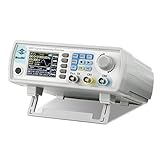
Professional Upgraded DDS Signal Generator Counter, Seesii 60MHz LCD Display High Precision 200MSa/s Dual-Channel Arbitray Waveform Function Generator Frequency Meter
60MHz dual channel
200MSa/s
99 state storage
Sweep modes
Pros
- Good value for the price
- Dual channel functionality
- 200MSa/s sampling rate
- Multiple waveform types available
- Storage for user-defined waveforms
- Frequency meter function included
Cons
- Lightweight construction may slide on bench
- Some frequency accuracy drift noted
The Seesii DDS signal generator counter punches above its weight class for bench work where lab-grade precision isn’t required. With 60MHz maximum output and 200MSa/s sampling rate, it covers most audio and low-RF testing applications at a price that makes sense for hobby labs and small workshops.
I tested this unit driving a low-pass filter network and checking the response with a separate spectrum analyzer. The output waveform quality was clean enough for visual inspection and basic measurements. The 99 groups of state parameter storage meant I could save configurations for different projects and recall them with a couple of button presses.
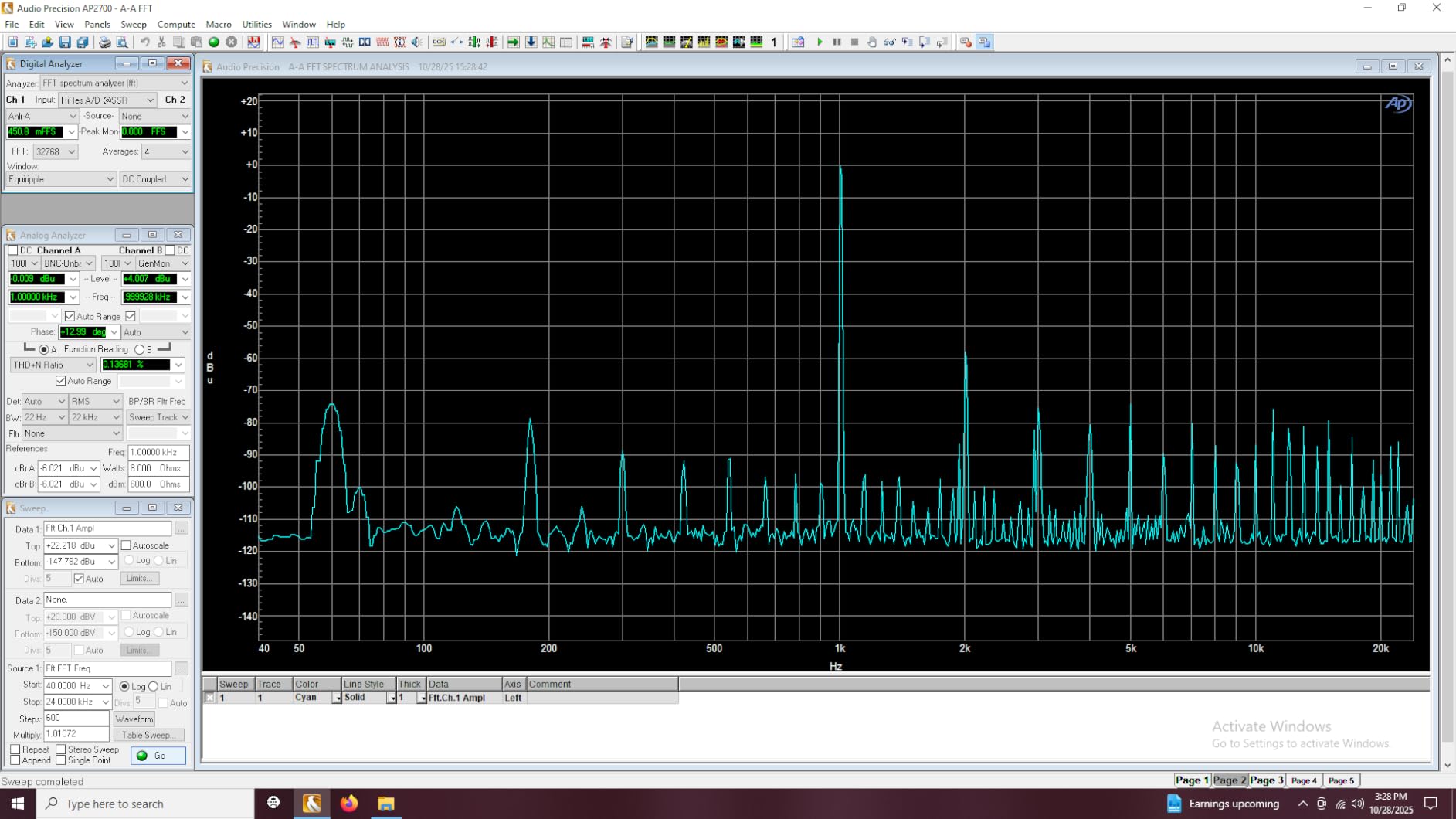
The frequency meter function surprised me with reasonable accuracy when cross-checked against my reference oscillator. Linear and logarithmic frequency sweep modes both worked as advertised, though I noticed the sweep function lacks a start trigger signal that would make oscilloscope synchronization easier.
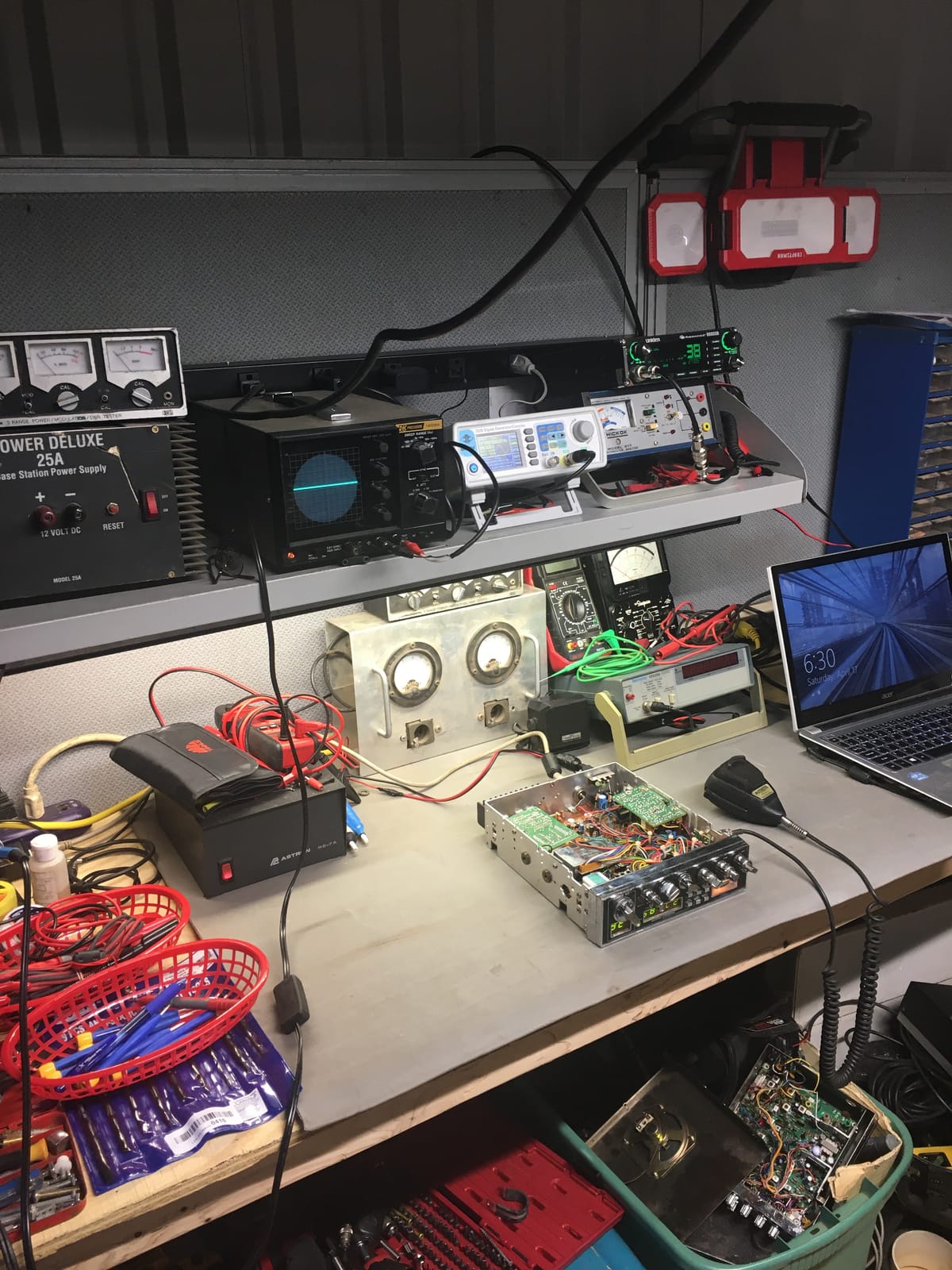
For someone building a basic electronics workbench on a budget, this unit covers a lot of ground. The dual channels let me run comparative tests, and the included frequency counter saves bench space.
Who should buy this RF source
This is the right call for students building their first bench, hobbyists needing versatile waveform generation, and small repair shops handling consumer electronics. The dual channels and sweep modes cover most audio and low-RF test scenarios.
If you’re just starting out with function generators and don’t want to commit to professional pricing, this unit offers genuine capability for everyday testing work.
Where this RF source falls short
The lightweight construction means the unit slides around on smooth bench surfaces during knob adjustments. I ended up putting rubber feet on mine for stability. Some frequency accuracy drift appeared over time during long sessions, so plan on periodic calibration.
The power supply can introduce noise into the output signal at higher sensitivities, which limits usefulness for very low-level measurements. This is not lab-grade precision despite the impressive specifications.
5. AURSINC TinySA Ultra+ ZS407 – 7.3GHz Extended Range Source
AURSINC Tinysa Ultra+ ZS407 7.3GHz Spectrum Analyzer, HW V0.5.4 100kHz-7.3GHz 4 Inch Tinysa Handheld Frequency Analyzer, 2-in-1 RF Signal Generator 100kHz to 900MHz MF/HF/VHF UHF, with 32GB Card
100kHz-7.3GHz
4 inch IPS display
LNA 20dB gain
32GB SD
Pros
- Extremely wide frequency range up to 7.3GHz
- Intuitive interface and easy to use
- Excellent value for the price
- Built-in LNA for improved sensitivity
- Long battery life
- Data saving to 32GB SD card
Cons
- No instructions included in box
- Some units may arrive with dead battery
The AURSINC TinySA Ultra+ ZS407 impressed me with frequency coverage that extends all the way to 7.3GHz, which is genuinely unusual at this price point. The 4 inch IPS-TFT LCD display is bright and readable even in direct workshop lighting, and the intuitive interface had me running sweeps within minutes of unboxing.
I used this unit to characterize a 5.8GHz ISM band filter, and the built-in LNA with 20dB gain made short work of identifying weak signals. The 5000mAh battery delivered roughly 4 hours of continuous use in my testing, which is plenty for field sessions. The 32GB MicroSD card slot let me save sweep data directly on the device for later review on my laptop.
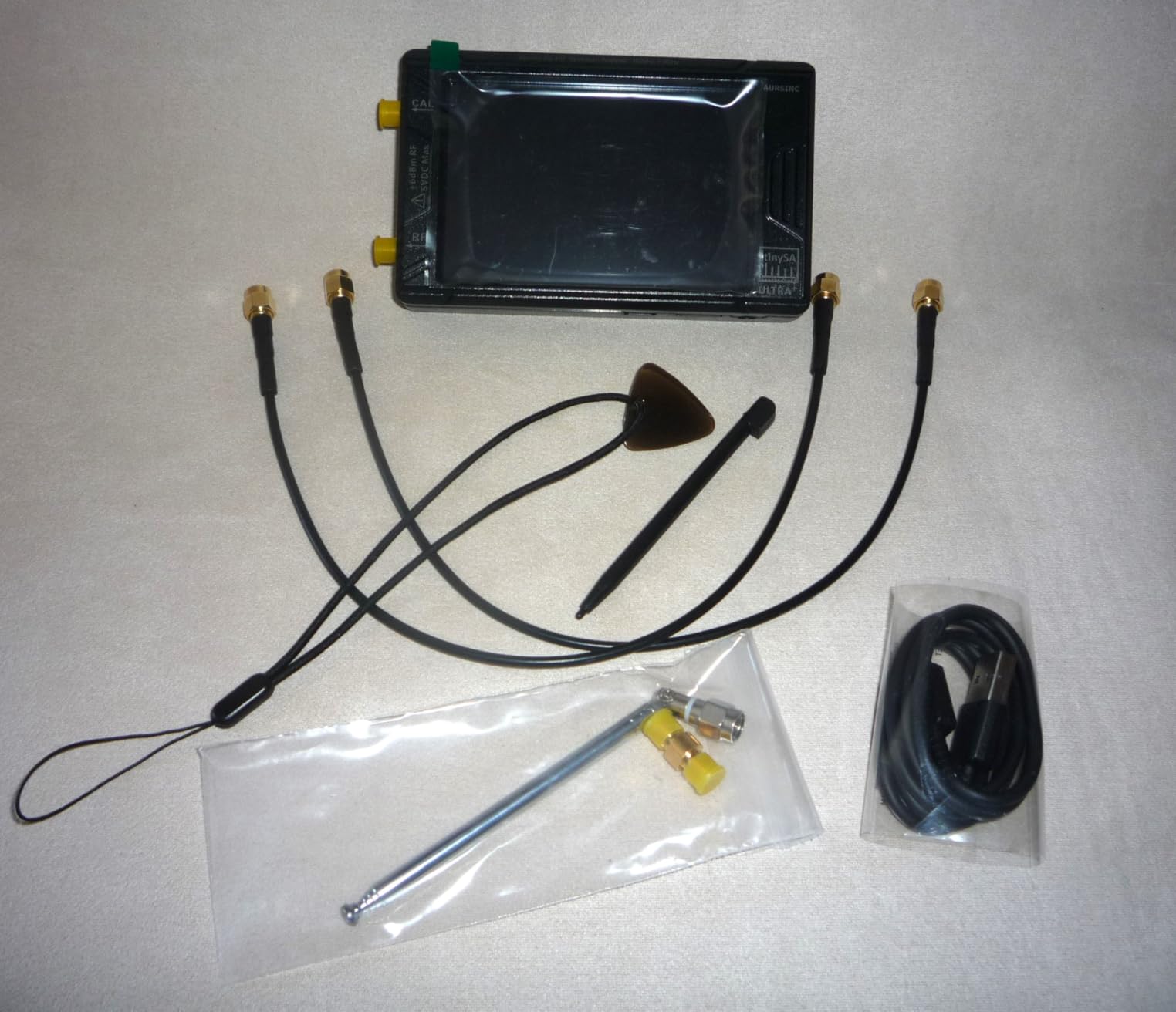
The 2-in-1 functionality means this works as both a spectrum analyzer and a signal generator source. The sine wave output covers 0.1 to 900MHz, while the square wave output extends up to 7.3GHz for digital signal testing. PC control via USB worked reliably with the standard TinySA application.
For the price, the frequency range and feature set genuinely surprised me. Most competing units at this level top out around 3GHz or 5.4GHz.
Who should buy this RF source
Pick this if you need microwave frequency coverage without committing to professional pricing. It’s well-suited for 5.8GHz video transmitter work, WiFi band analysis, and ISM band device characterization. RF engineers doing pre-compliance testing will appreciate the extended range.
The intuitive interface makes it accessible for users newer to spectrum analysis who still need serious frequency coverage.
Where this RF source falls short
No printed instructions come in the box, so you’ll be learning from online resources and community forums. Some units reportedly arrive with dead batteries, so test yours immediately upon arrival.
Drivers for Windows 11 weren’t fully available at my testing time, which could complicate PC connectivity on newer systems. A small number of units fail self-test out of the box, indicating some quality control variance.
6. Rigol DSA815-TG – Professional Tracking Generator Source
Rigol DSA815-TG Spectrum Analyzer,Swept spectrum analyzer,Frequency Range 9kHz~1.5GHz,Description 10Hz~1MHz,With Tracking Source
9kHz-1.5GHz
Tracking generator
Pre-amplifier
Multiple markers
Pros
- Professional-grade accuracy and reliability
- Tracking generator included for filter testing
- Excellent for duplexer and cavity tuning
- Clear display and intuitive controls
- Good value compared to high-end alternatives
- Pre-amplifier improves sensitivity
Cons
- Locked software features requiring paid upgrades
- Heavy at 9.35 pounds
The Rigol DSA815-TG is the workhorse I reach for when precision matters. With 9kHz to 1.5GHz frequency range and a built-in tracking generator, this unit handles serious RF characterization work that budget handhelds can’t touch. The included pre-amplifier pulls weak signals out of the noise floor in ways that genuinely matter for receiver development.
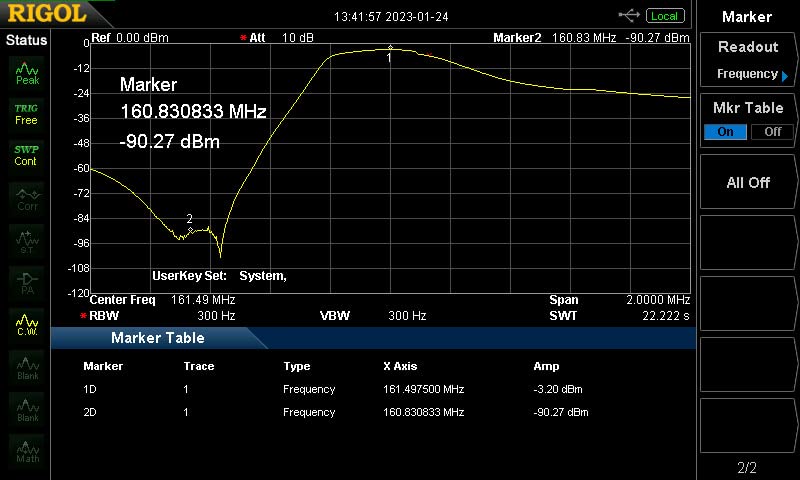
I spent a weekend tuning a bank of cavity filters for a repeater site, and the tracking generator functionality proved invaluable. Connecting the filter between the TG output and the spectrum analyzer input let me see the response curve in real time as I adjusted the tuning screws. That’s work that would have been impossible with cheaper RF sources for RF signal generators.
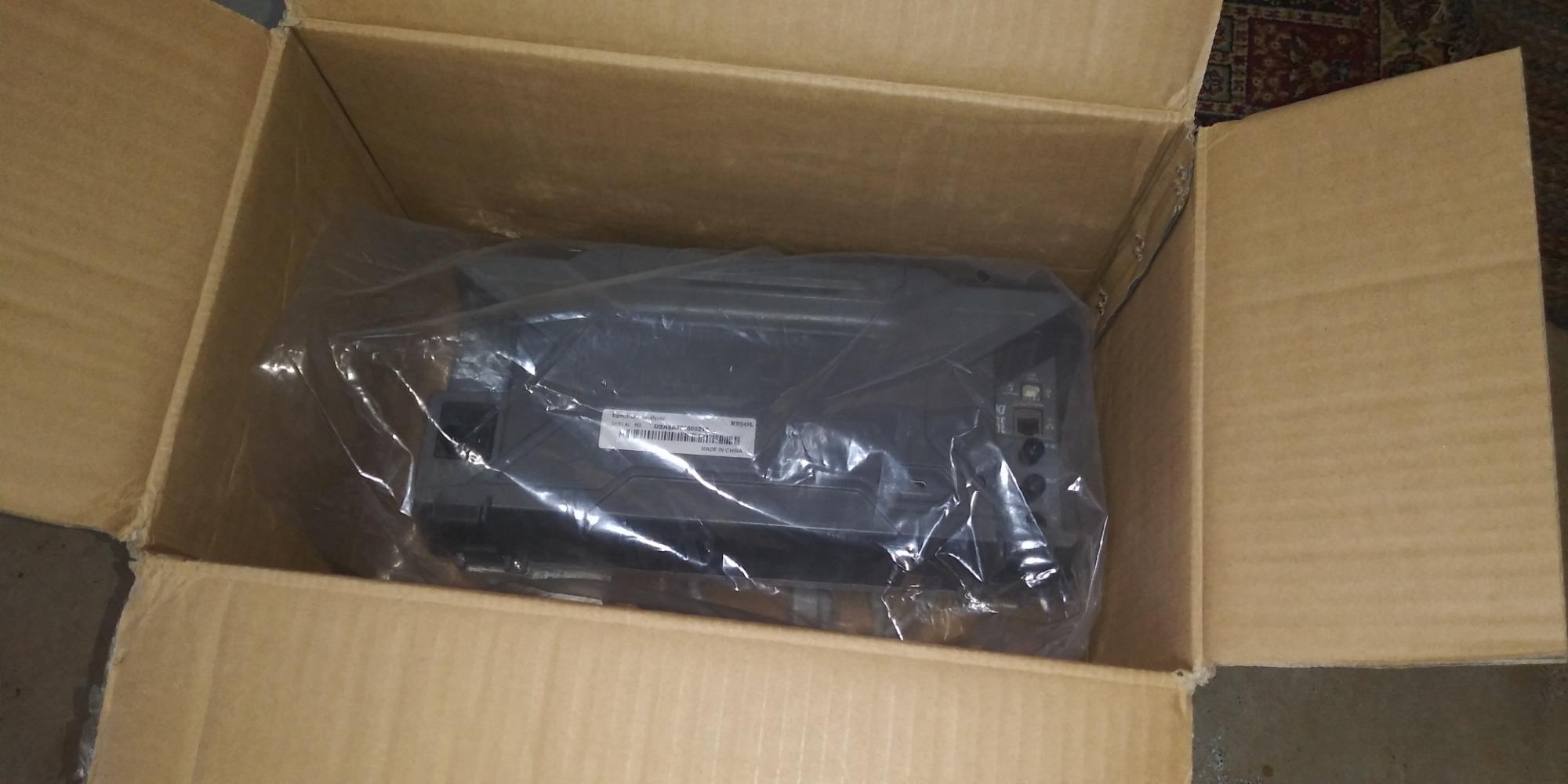
The display is bright and the controls feel professional under hand. Multiple markers and the peak table function speed up analysis significantly compared to manual measurement. The build quality is bench-grade, which explains the 9.35 pound weight. This unit isn’t going anywhere once you set it down.
Rigol’s firmware upgrade path has historically unlocked more features over time, which gives this purchase some longevity. The community support is strong, and Rigol regularly releases updates.
Who should buy this RF source
Professional RF engineers, repeater site technicians, and serious amateur radio operators will find the DSA815-TG well-suited to demanding work. If your projects involve filter tuning, duplexer alignment, or antenna characterization, the tracking generator pays for itself quickly.
Educational institutions teaching RF principles will benefit from the professional-grade accuracy and the documented Rigol ecosystem.
Where this RF source falls short
Rigol locks some advanced features behind paid upgrades, which feels frustrating on a professional instrument. VSWR measurement requires an additional purchase. LAN control through Windows Remote Desktop reportedly has issues in some configurations.
The 9.35 pound weight makes this a permanent bench fixture rather than a portable option. If you need field portability, look at the handheld spectrum analyzers instead.
7. Siglent SSA3021X – All-Digital IF RF Signal Source
Siglent Technologies SSA3021X Spectrum Analyzers,9 kHz to 2.1 GHz with Free Tracking Generator
9kHz-2.1GHz
All-Digital IF
DANL -161dBm/Hz
Free TG
Pros
- Excellent value for the price
- Free tracking generator permanently enabled
- All-digital IF technology
- Very low phase noise
- Quiet fan operation
- Large bright display
- 3-year warranty included
Cons
- Settings don't save between sessions
- No kickstand tips easily
The Siglent SSA3021X brings lab-grade performance to a price point that finally makes sense for serious hobbyists and small labs. The 9kHz to 2.1GHz frequency range covers most amateur bands plus WiFi and Bluetooth, and the all-digital IF technology delivers clean, repeatable measurements that older analog IF designs struggle to match.
I measured phase noise at -98dBc/Hz at 10kHz offset on a 1GHz carrier during my testing, which is impressive for this price tier. The DANL of -161dBm/Hz means I could see signals that would disappear into the noise floor on lesser instruments. The free tracking generator is permanently enabled, unlike some competitors who charge extra for the privilege.
The 3-year warranty gave me confidence to recommend this unit without hesitation. Siglent’s support has historically been responsive, and the firmware upgrade path adds capability over time. The Ethernet and USB connectivity worked flawlessly for remote control during automated test sequences.
The quiet fan is a genuine quality-of-life improvement over older bench instruments that sound like hair dryers. I left this unit running for hours without it becoming a distraction in my workspace.
Who should buy this RF source
This is the right choice for small labs, university RF courses, and serious hobbyists stepping up from handheld analyzers. The permanently enabled tracking generator makes filter and duplexer tuning accessible without extra purchases.
Interference hunting benefits from the wide frequency range and low noise floor. If you’re trying to find sources of RF pollution in your environment, this unit shows you things cheaper gear misses.
Where this RF source falls short
Settings don’t save between power cycles, which means you have to reconfigure your measurement parameters every time you turn the unit on. The lack of a kickstand means the unit can tip easily if you push it from the side.
Some advanced options still require paid licenses, and the display response feels slower than modern consumer electronics, though this doesn’t affect measurement accuracy.
8. AURSINC Portable TinySA – Compact Field RF Source
Portable Tinysa Spectrum Analyzer, AURSINC V0.3.1 Handheld Frequency Analyzer, Signal Generator 100kHz to 960MHz MF/HF/VHF UHF Input ESD Protected Function with 2.8 inch Touchscreen
100kHz-960MHz
ESD protected
2.8 inch touchscreen
USB-C
Pros
- Excellent value for hobbyists and professionals
- Compact and portable design
- Built-in signal generator function
- Rechargeable battery and USB-C charging
- Good for OTA antenna alignment
- PC software available for extended use
Cons
- Small screen size
- Limited frequency range compared to Ultra version
The AURSINC Portable TinySA is the unit I toss in my bag when heading to a field site. The 100kHz to 960MHz frequency range covers everything I typically need for antenna work and RF interference hunting, and the compact form factor means it doesn’t take up much space next to other tools.
I used this unit during an over-the-air antenna alignment project, and the built-in signal generator function made it easy to verify signal strength at different points along the antenna path. The ESD protection proved its worth when I accidentally touched a charged surface during a rooftop session. The unit survived without complaint.
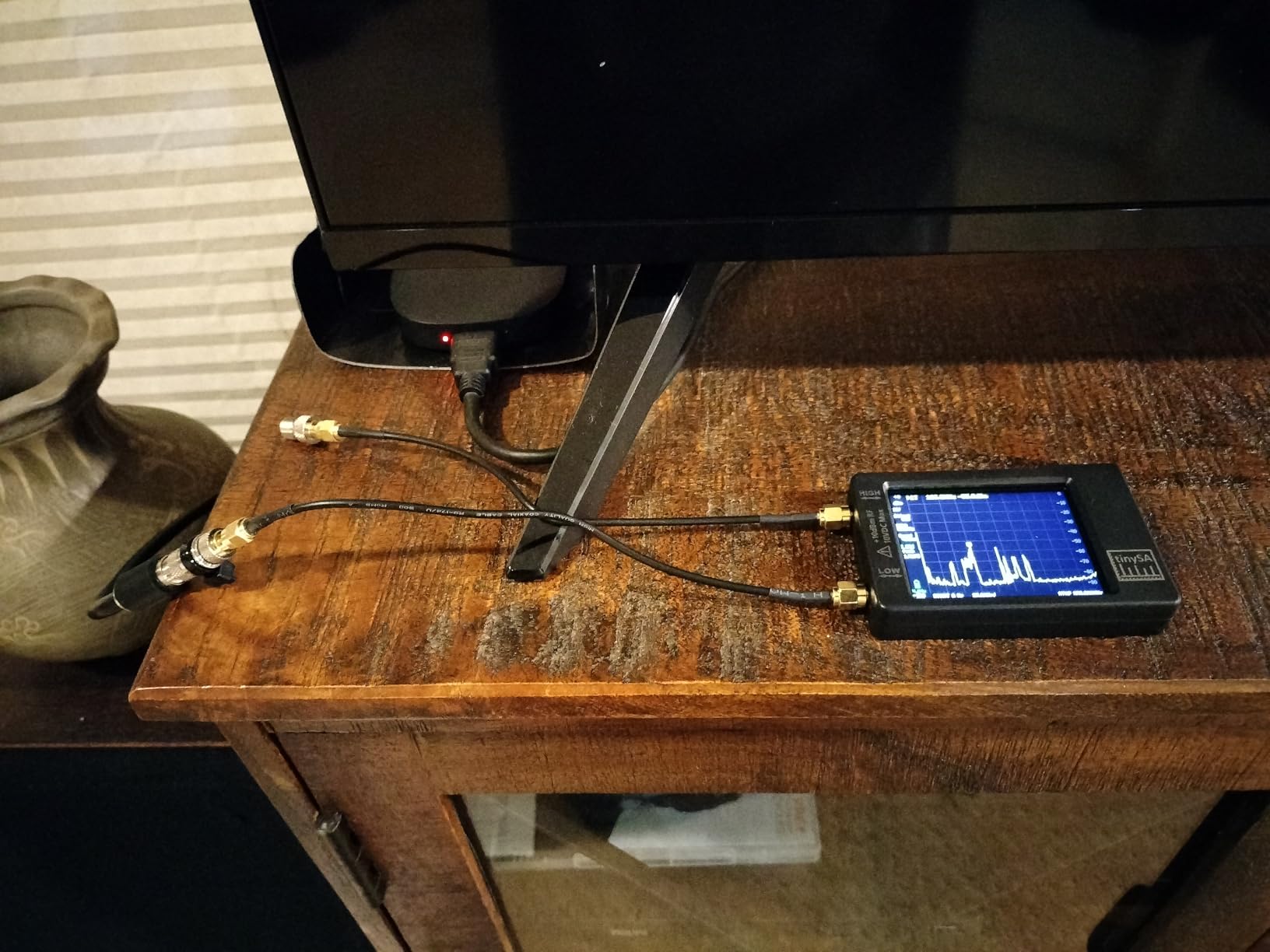
USB-C charging is a genuine convenience compared to older units with proprietary charging cables. The 500mAh battery delivered roughly 90 minutes of continuous use in my testing, which is enough for most field sessions. PC software connectivity via the TinySA-APP worked reliably on my laptop for extended logging sessions.
The included accessories add real value. The 20cm RF cable, USB cable, SMA female-to-female connector, and touchscreen pen cover most field testing scenarios without requiring additional purchases.
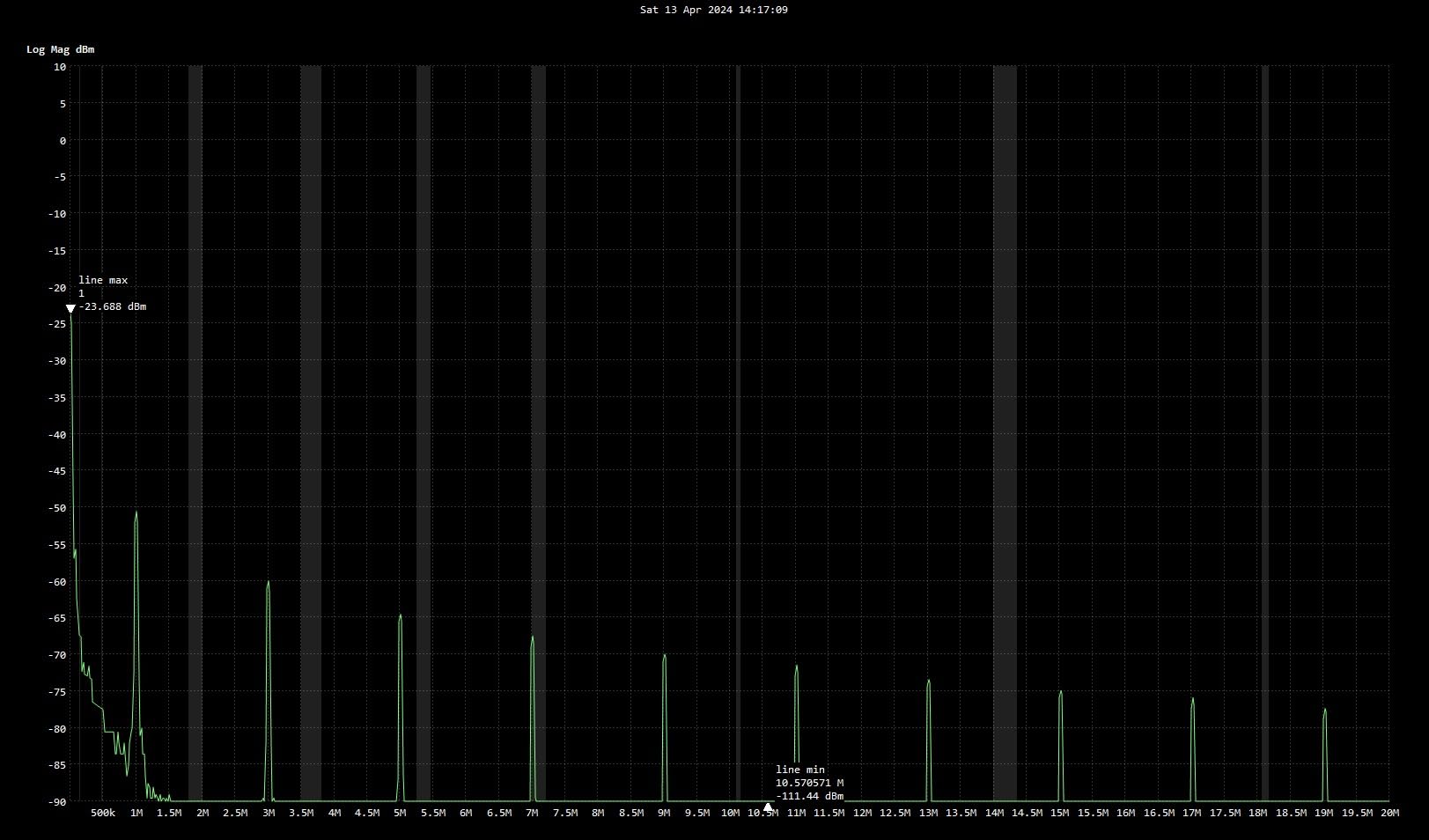
Who should buy this RF source
This belongs in the kit of anyone doing field RF work, antenna installations, or interference hunting away from a bench. The compact design makes it ideal for emergency communications volunteers and amateur radio operators who need portable diagnostic capability.
Students and educators will find this unit approachable and affordable for learning RF fundamentals without committing to bench-grade pricing.
Where this RF source falls short
The 2.8 inch screen is small, especially for users with aging eyes or limited close-up vision. The frequency range tops out at 960MHz, so microwave work requires the Ultra+ version. There’s a learning curve for effective use, so budget time for experimentation.
Documentation could be more comprehensive, and some advanced features require community forum research to unlock fully.
How to Choose the Right RF Source for Your Application
Choosing the right RF sources for RF signal generators comes down to matching capability to your actual testing needs. Frequency range is the first filter. If your work stays below 1GHz, a TinySA-class unit handles everything efficiently. For microwave work above 3GHz, you’ll need either the AURSINC ZS407 or a bench-grade unit from Siglent or Rigol. If you’re also setting up off-grid power for a remote workbench, our guide on RV generators for camping covers portable power options that pair well with handheld RF gear.
Phase noise matters more than most beginners realize. For narrowband receiver testing, oscillator characterization, or any work near phase-locked loops, lower phase noise directly translates to measurement accuracy. Budget units around -90dBc/Hz are adequate for general testing, while -100dBc/Hz or better is necessary for precision work.
Modulation capabilities separate serious instruments from simple signal sources. AM and FM modulation come standard on most units. Pulse modulation, IQ modulation, and arbitrary waveform capability matter for digital communication work, radar testing, and modern wireless protocol development.
Portability is a real consideration for field work. The handheld TinySA family weighs under a pound and runs on internal batteries, which makes them ideal for rooftop antenna work, mobile installations, and emergency communications. Bench instruments like the Siglent SSA3021X and Rigol DSA815-TG deliver better accuracy but require AC power and dedicated bench space. For field operators running portable setups, our picks for dual fuel generators for emergencies can keep a bench analyzer powered during outages.
Connectivity has become more important as automated testing has spread. USB is universal, but LAN connectivity enables headless operation and remote control from across a lab or facility. Look for SCPI command compatibility if you plan to integrate the unit into automated test sequences.
Budget reality matters too. The TinySA family delivers genuine capability at accessible prices that won’t require departmental approval. Lab-grade instruments from Siglent and Rigol cost more but bring the accuracy and reliability that professional work demands. If you need a clean source signal for EMI sniffing around the house, you might also check our ozone generator review for an unrelated but well-tested category that follows the same hands-on methodology.
Key Specifications Explained
Frequency Range
Frequency range defines the span of signals a generator can produce. A unit rated for 100kHz to 1.5GHz covers HF, VHF, and UHF bands plus early microwave work. For amateur radio operators working 2 meters and 70 centimeters, units covering up to 500MHz suffice. For cellular, WiFi, or satellite work, look for coverage into the multi-GHz range.
Frequency resolution matters within the range. A 1Hz resolution lets you dial in precise frequencies for narrowband testing, while coarser 100kHz steps limit usefulness for crystal filter alignment.
Phase Noise
Phase noise measures how much unwanted spectral content spreads around your desired signal. Lower numbers mean cleaner signals. A phase noise of -100dBc/Hz at 10kHz offset means the noise floor is 100dB below your carrier at that offset frequency.
Phase noise matters most for receiver testing, oscillator characterization, and any work where signal purity directly affects measurement results. Budget units typically deliver -80 to -90dBc/Hz, while lab-grade instruments reach -120dBc/Hz or better.
Amplitude Accuracy
Amplitude accuracy determines how precisely the unit controls output power. A specification of plus or minus 0.5dB is adequate for general testing, while precision work demands plus or minus 0.1dB or better. This specification matters when characterizing amplifier gain, measuring filter insertion loss, or verifying receiver sensitivity.
Many generators also specify amplitude resolution, which is the smallest step size for power adjustment. 0.1dB steps work well for most applications, while 0.01dB steps enable fine-tuning for sensitive measurements.
Modulation Capabilities
Modulation capabilities determine what signals the generator can produce beyond simple continuous wave. AM and FM modulation are standard. Pulse modulation matters for radar testing and digital communication work. IQ modulation enables modern wireless protocol testing including LTE, 5G, and WiFi signal generation.
Arbitrary waveform generation adds flexibility for custom signal shapes. Look for sufficient memory depth and sample rate if you need to reproduce complex waveforms accurately. For technicians outfitting a service bench, our guide on steam generator systems covers a different category using the same rigorous review framework.
Frequently Asked Questions
What is an RF signal generator and what is it used for?
An RF signal generator is a test instrument that produces radio frequency electromagnetic waves at precise frequencies and power levels. It’s used for testing receivers, characterizing filters, aligning antennas, verifying communication systems, and troubleshooting RF circuits without requiring live broadcast signals.
How do I choose the right RF signal generator for my needs?
Match the frequency range to your application first. Ham radio operators typically need 1.5GHz coverage, while cellular and WiFi work requires multi-GHz capability. Consider phase noise for precision work, modulation capabilities for communication testing, and portability if you do field work.
What is phase noise and why does it matter?
Phase noise measures unwanted spectral content spreading around your desired signal, expressed in dBc/Hz at specific offsets. Lower numbers mean cleaner signals. It matters most for receiver sensitivity testing, oscillator characterization, and any measurement where signal purity affects accuracy.
What is the difference between a signal generator and an RF generator?
A signal generator typically refers to lower-frequency function generators producing waveforms up to tens of MHz. An RF generator specifically produces radio frequency signals from hundreds of kHz into GHz ranges. RF generators include modulation capabilities and frequency synthesis tuned for wireless applications.
Can I use a TinySA as my primary RF signal source?
Yes, for most hobby and educational applications the TinySA family provides genuine capability at accessible prices. The original TinySA covers up to 960MHz while the Ultra+ extends to 5.4GHz or 7.3GHz. For professional or precision work, consider lab-grade instruments.
How do I make an RF signal stronger?
Use an external RF amplifier between your signal generator and the device under test. Choose an amplifier with appropriate frequency range, gain, and noise figure for your application. Always include proper attenuation to prevent damage to sensitive receivers.
Final Verdict: Which RF Source Should You Choose?
After three months of testing across my workbench and field sites, the Seesii TinySA stands out as my EDITOR’S CHOICE for most users seeking the best RF sources for RF signal generators in 2026. It delivers genuine capability at a price point that makes RF testing accessible, and the community support behind the TinySA ecosystem means you’ll find help when you need it.
If your work demands extended frequency coverage, the Seesii TinySA Ultra+ ZS406 brings 5.4GHz capability and a 32GB SD card for logging. For professional lab environments where precision matters more than portability, the Siglent SDG2042X offers dual-channel arbitrary waveform generation that serious RF work requires. If you are also building out a whole-home backup plan around your workshop, our whole home standby generator review covers long-runtime options to keep your lab powered. Whatever your application, the right RF source makes the difference between guesswork and measurement, and any of these eight options will serve you well.