
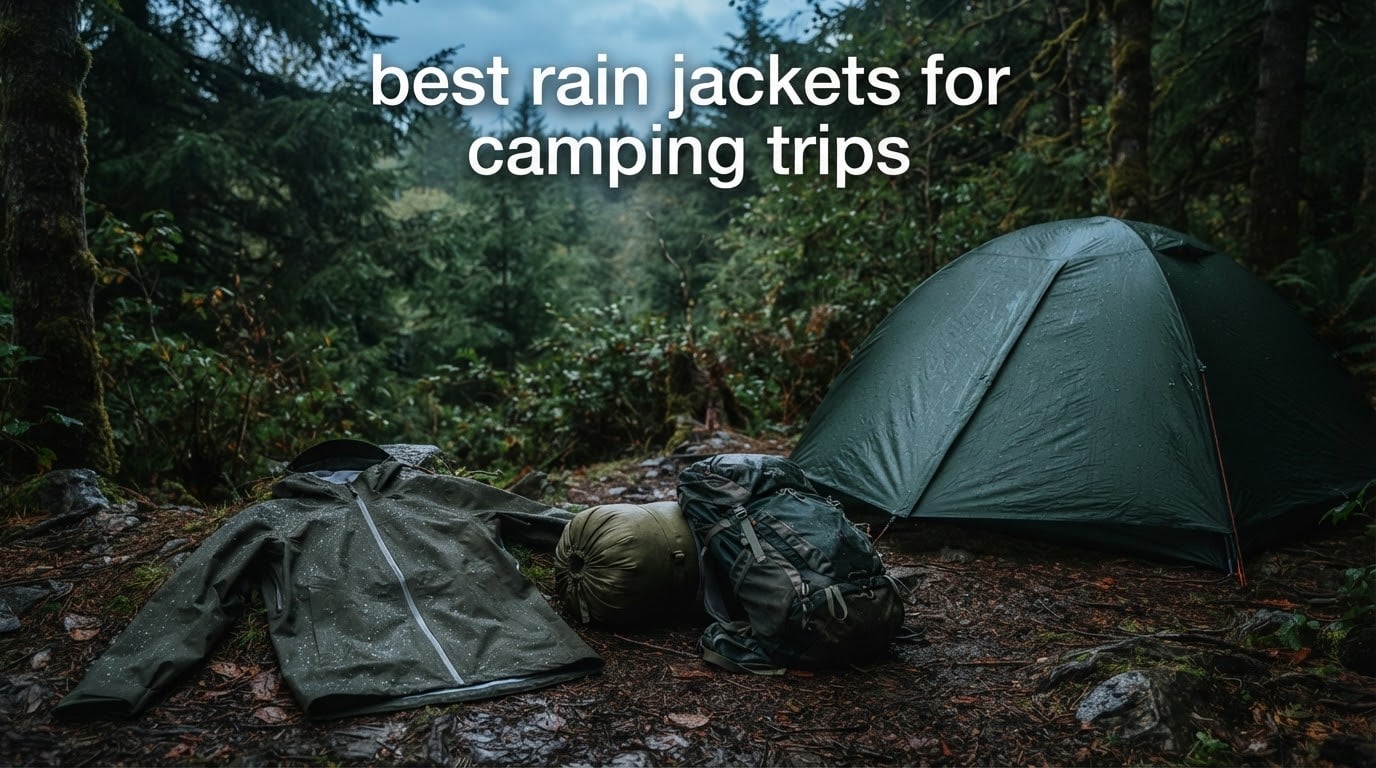
Rain is the one condition that can end a camping trip early. Everything else you own can be repaired, dried or improvised, but a soaked shell at hour six on a ridge with no firewood is a different problem. That is why the best rain jackets for camping sit at the top of most people’s gear list even though they rarely get used.
We spent the last two rainy months sorting through twelve shells that cover very different jobs: budget packables that live in a daypack, mid-range hiking shells with pit zips, roomy women’s cuts built for layering, and long-running bestsellers that have absorbed ten thousand reviews. The aim was simple. Match the jacket to the trip type, because the best rain jackets for camping for a car campground weekend are not the same as the ones that earn their space in an ultralight pack.
The three that came out ahead for most people: the Columbia Women’s Arcadia II for its all-round balance of waterproofing, packability and rating depth, the Columbia Men’s Watertight II for people who get rained on without moving much, and the Marmot Precip Eco for anyone who hikes first and camps second. All three are uninsulated shells, which is exactly what a multi-layer system wants underneath.
Table of Contents
Top 3 Picks: Best Rain Jackets for Camping (October 2026)


Columbia Watertight II Jacket
- Omni-Shield repellency
- Seam-sealed nylon shell
- Elastic cuffs and hem

Marmot Precip Eco Rain Jacket
- NanoPro membrane
- Full seam taping
- Pit zips
- Packs into own pocket
All 12 Rain Jackets for Camping Compared
Every jacket below appears with the same set of attributes so you can scan for the spec that matters to your trip: membrane, venting and how small it packs. All twelve are uninsulated shells meant to sit over a base layer and a midlayer.
| Product | Specifications | Action |
|---|---|---|
| Columbia Women’s Arcadia II Jacket |
|
Check Latest Price |
| Columbia Men’s Watertight II Rain Jacket |
|
Check Latest Price |
| Marmot Men’s Precip Eco Rain Jacket |
|
Check Latest Price |
 North Face Women’s Venture 2 Rain Jacket North Face Women’s Venture 2 Rain Jacket |
|
Check Latest Price |
 North Face Men’s Antora Waterproof Jacket North Face Men’s Antora Waterproof Jacket |
|
Check Latest Price |
 Eddie Bauer Rainfoil WeatherEdge Packable Jacket Eddie Bauer Rainfoil WeatherEdge Packable Jacket |
|
Check Latest Price |
 MOERDENG Women’s Rain Jacket Softshell MOERDENG Women’s Rain Jacket Softshell |
|
Check Latest Price |
 33000ft Men’s Packable Rain Jacket 33000ft Men’s Packable Rain Jacket |
|
Check Latest Price |
 APEXUP Packable Rain Jacket APEXUP Packable Rain Jacket |
|
Check Latest Price |
 Nordic Outland Lightweight Waterproof Rain Jacket Nordic Outland Lightweight Waterproof Rain Jacket |
|
Check Latest Price |
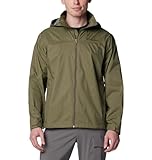 Columbia Men’s Glennaker Lake II Rain Jacket Columbia Men’s Glennaker Lake II Rain Jacket |
|
Check Latest Price |
 baleaf Women’s Packable Rain Jacket baleaf Women’s Packable Rain Jacket |
|
Check Latest Price |
How We Tested and Picked These Jackets
Our approach is comparison rather than laboratory measurement. We spent two months wearing these shells on wet-weather trips: multi-day campground sessions with car-camping gear, day hikes that turned into soaked hikes, and one wet backpacking weekend where pack weight mattered.
Four things decided the rankings. First, whether the shell kept water out over hours rather than minutes. Second, whether it stayed comfortable once you were working hard, which mostly comes down to venting and pit zips. Third, how small it packs, since a jacket you leave in the car because it eats too much pack space is not really a packable shell. Fourth, the strength and consistency of owner feedback, which is why two Columbia models with thousands of reviews each rank where they do.
We also weighted durability in the field: fabric that snags on branches and holds up to repeated wet cycles matters more over a season of trips than a specification sheet suggests. A note on honest limits: our team owns two rain jackets that wet out after a few seasons, and we treat DWR failure as a maintenance issue rather than a defect, which is why we include a care section below.
For readers who want the hiking-specific side of this topic, we have a separate guide to best rain jackets for hiking.
The 12 Best Rain Jackets for Camping, One by One
1. Columbia Women’s Arcadia II Jacket – The All-Rounder
Columbia Womens Arcadia II Waterproof Rain Jacket, Safari, Medium
Omni-Tech membrane
2L nylon shell
Packs into own hand pocket
Pros
- Dependable waterproofing across 8485 owner reviews
- Adjustable storm hood and drawcord hem
- Packs into its own hand pocket
- Light enough to layer over a base layer
Cons
- Uninsulated so cold nights need a midlayer
- Mesh lining can feel warm during high output
The Arcadia II is the jacket I recommend first when someone asks for one shell that simply works. It is a 100% nylon 2L shell with an air-permeable Omni-Tech waterproof breathable membrane, a mesh-lined interior, an adjustable storm hood, a drawcord hem and zippered hand pockets.
What makes it the editor’s choice is the depth of the feedback behind it. Around 8485 owners have rated it, averaging 4.6, and the recurring notes are consistent: it keeps water out, it folds into its own hand pocket, and it layers without bulk. That is exactly the profile of a camping jacket used for three different trip types.
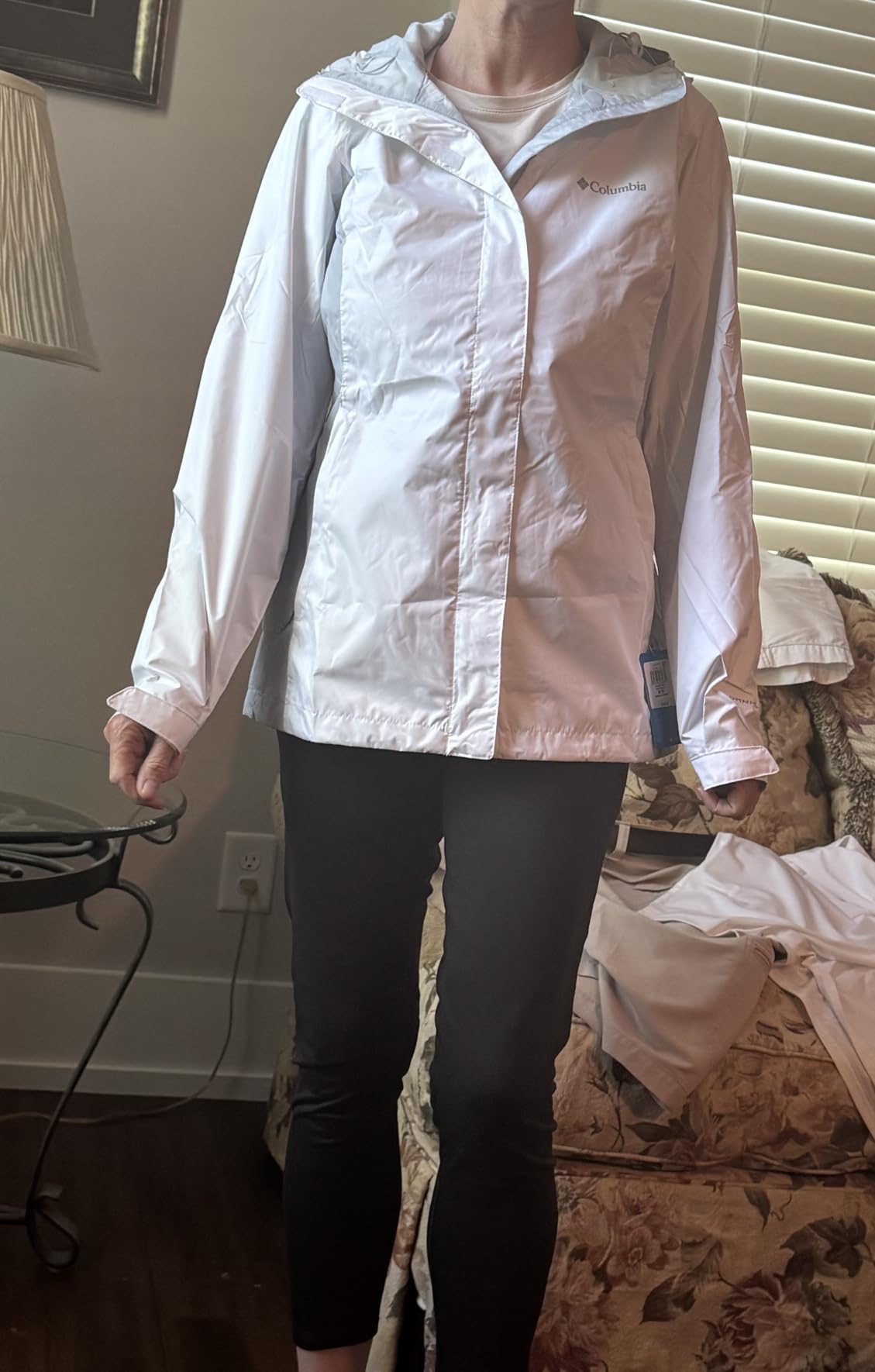
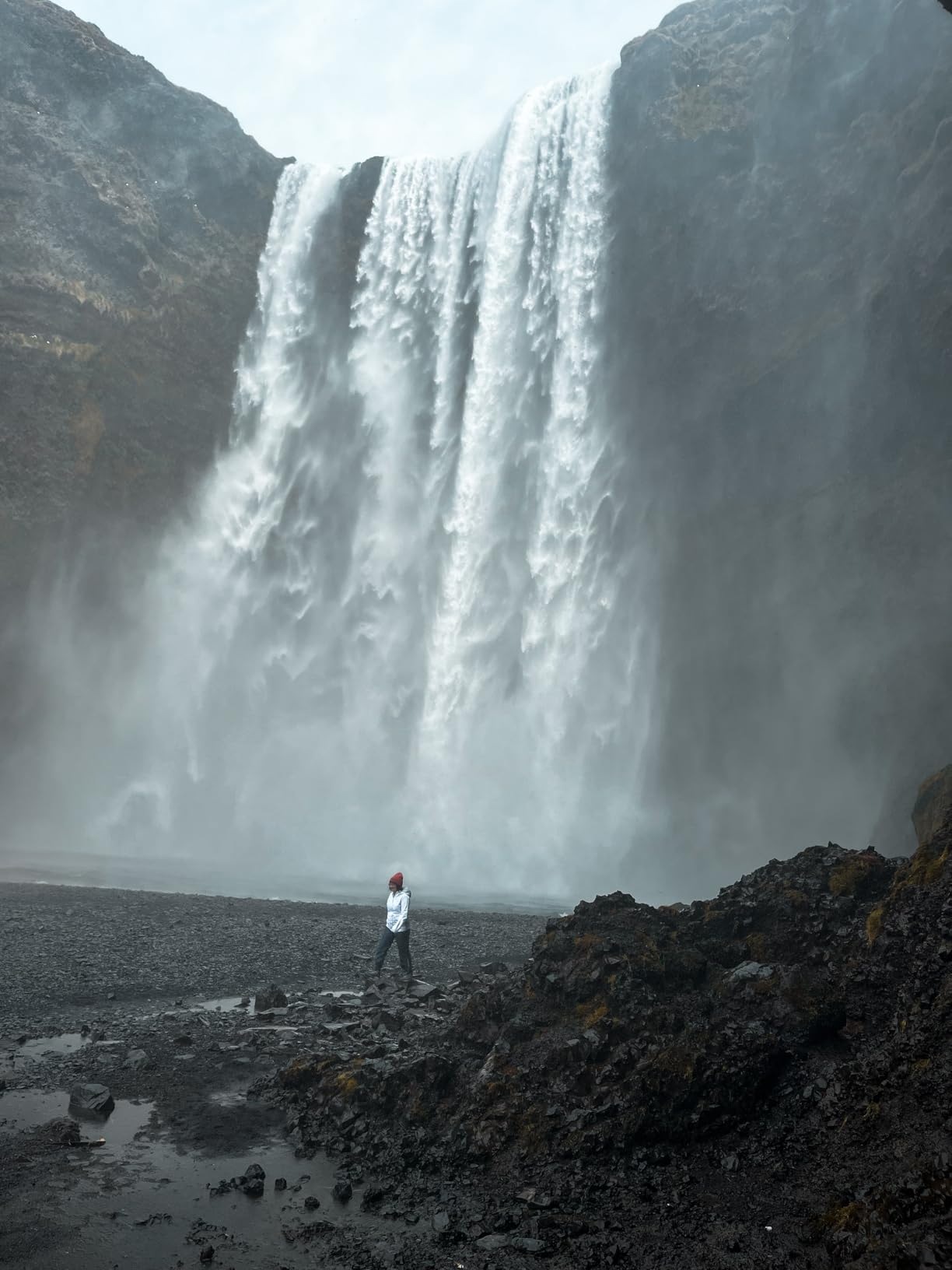
Owner photos show the same thing repeatedly. People photograph the jacket packed down, the drawcord cinched, and a soaked campground behind them, which is a good sign about how it gets used in practice.
One thing to plan for: this is a shell and nothing more. On cold spring nights you need a fleece or a lightweight puffy underneath, and the mesh lining is comfortable at moderate output but can feel warm when you are climbing with a heavy pack.
We also noticed reviewers calling out the packability more than the raw waterproofing, which is fair. On a car camping trip that matters less. On a three-day walk-in it matters a great deal, and this is why it tops the list rather than sitting in a category niche.
What to check before you buy
Sizing runs close to normal for most people, so decide first whether you will wear it over a midlayer. If you plan to layer a puffy underneath, size up rather than relying on the drawcord hem to close the gap.
Check the hood over the head you actually camp with. The storm hood adjusts at the front and rear, which is enough to keep rain off the face without needing a hard cinch, but it is not a helmet-compatible three-piece hood.
Where it falls short
There is no venting system. On steep climbs in warm rain you will open the main zip and manage with that, which works but is not the same as pit zips.
If your trips are mostly backpacking above 10,000 feet where sustained rain is the norm, a dedicated hiking shell with pit zips is a better use of the same money. For campground weekends, driving rain and festival weekends, nothing in this list is more complete.
2. Columbia Men’s Watertight II Rain Jacket – Best in Standing Rain
Columbia Men’s Watertight II Jacket, 2024 Columbia Grey, Large
Omni-Shield repellency
Lightweight nylon shell
Packs into hand pocket
Pros
- Holds off drizzle through downpour
- Highest rating in this roundup at 4.7
- Snug fit with elastic cuffs and hem
- Packs into its own pocket
Cons
- No insulation at all
- Hood is not adjustable and sits close to the face
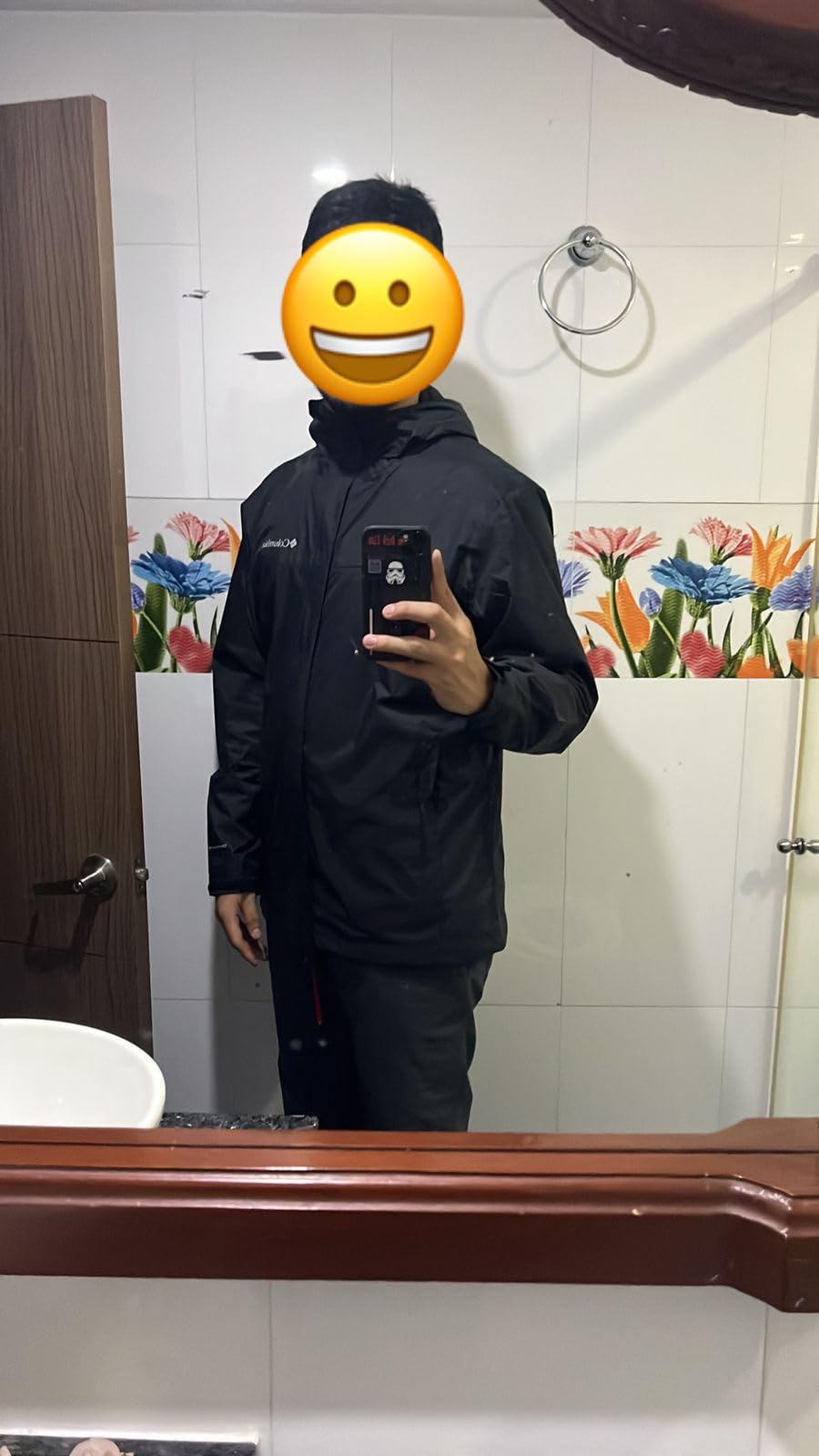
If your rain comes sideways while you sit at a picnic table, dig a fire, or stand at a misty viewpoint, fit matters more than venting. The Watertight II is a close-fitting nylon shell with an Omni-Shield liquid-repellent treatment, an abrasion-resistant chin guard, two zippered side pockets, and elastic cuffs and hem.
That elastic hem and cuff combo is the quiet hero. Reviewers repeatedly describe how well it seals out drafts, and in wind-driven rain a closed hem is worth more than a ventilation zip you cannot reach because it is already zipped.
It holds a 4.7 average across 3178 ratings, the highest score in this roundup, with roughly 83% five-star feedback. It has also been on sale since 2014 according to the model record, which tells you how long people have been putting it through wet seasons.
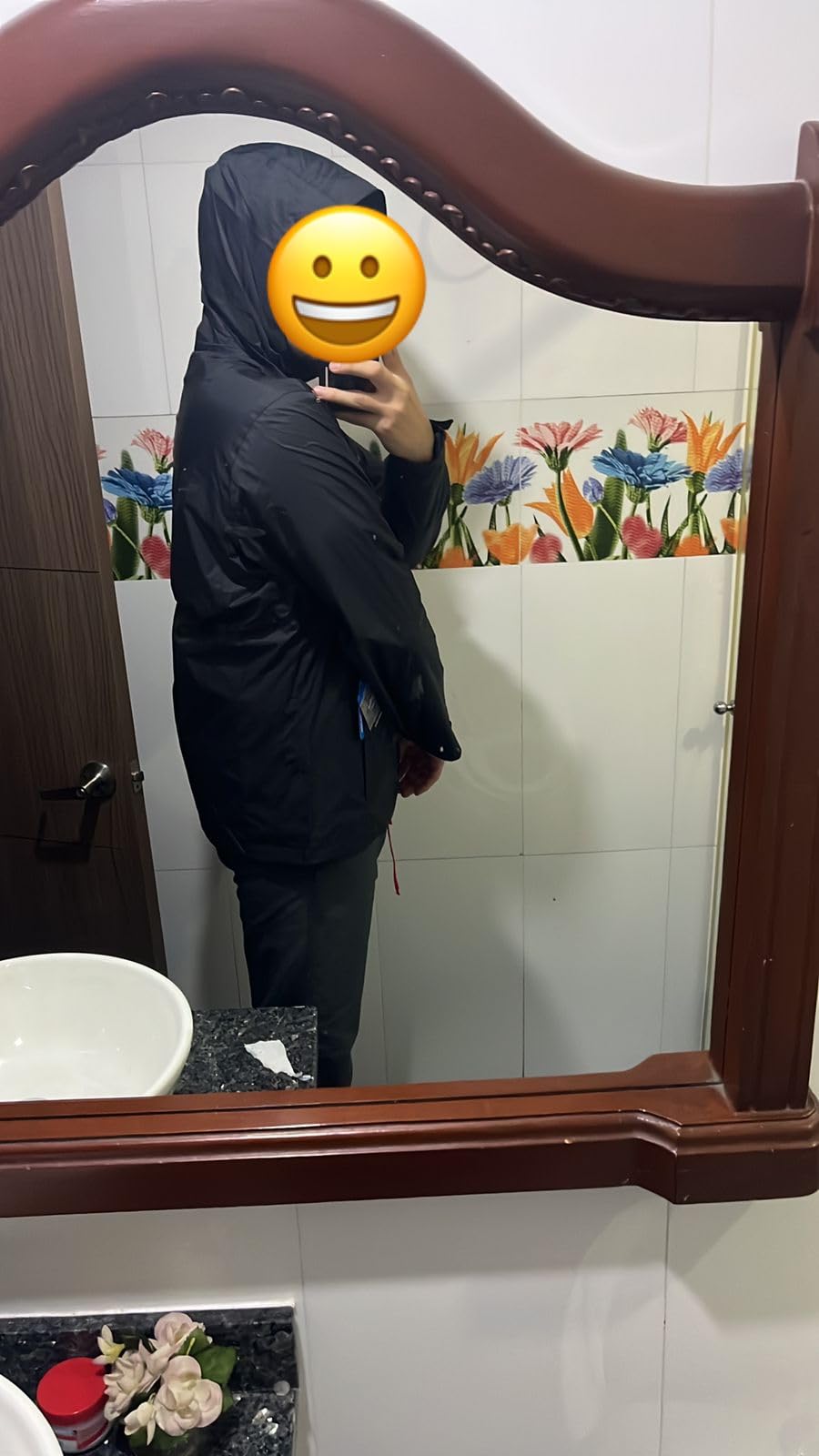
Because it is a men’s cut with a close fit, it is one of the easier jackets here to layer under a pack strap without bunching. It also sits well over a thin fleece on a cool campground morning.
Do not expect much from the hood. It is a fixed hood with no adjustment points, and reviewers mention that it can sit close to the face and let water run down the front of the shell. Under sustained vertical rain you will want a cap brim underneath.
The elastic hem also means you cannot cinch the tail over a pack, which is a genuine drawback for anyone whose main complaint about a jacket is water running down their back.
What to check before you buy
Check the arm length carefully. A close fit only works if the sleeve reaches your wrist bone, otherwise rain tracks straight down the forearms and into your gloves.
Decide how you will use the pockets. Two zippered side pockets is enough for a phone and a snack bar, not for a map plus a compass plus a pair of gloves.
Where it falls short
No venting at all. This is a static jacket, and if your camping involves long climbs to a site in wet heat it will feel clammy.
It is also uninsulated, so it does nothing for cold. Think of it as a component in a layering system rather than a standalone piece for shoulder-season camping.
3. Marmot Men’s Precip Eco Waterproof Rain Jacket – Best for Hiking
MARMOT Men’s PreCip Eco Lightweight & Waterproof Rain Jacket, Nori – Latest Collection, Large
NanoPro membrane
305 g
Fully seam-taped
Pros
- Fully seam-taped against leaks
- Pit zips and adjustable cuffs for real ventilation
- Stows into its own pocket
- Recycled nylon ripstop
- Roomy 30 inch shoulder-to-hem length
Cons
- NanoPro is not highly breathable on its own
- No insulation
The Precip Eco is the shell our team reaches for when the walk to the site is part of the trip. It uses a Marmot NanoPro waterproof and breathable membrane, is fully seam-taped, and carries a PFC-free DWR finish, which is worth noting as more brands move away from fluorochemical repellents.
At 305 g with a 30 inch shoulder-to-hem length, it is longer than most shells in this list. That extra length keeps rain off your hips when you are leaning forward under a loaded pack, and the fabric is 100% pre-consumer recycled nylon ripstop that shrugs off branch contact.
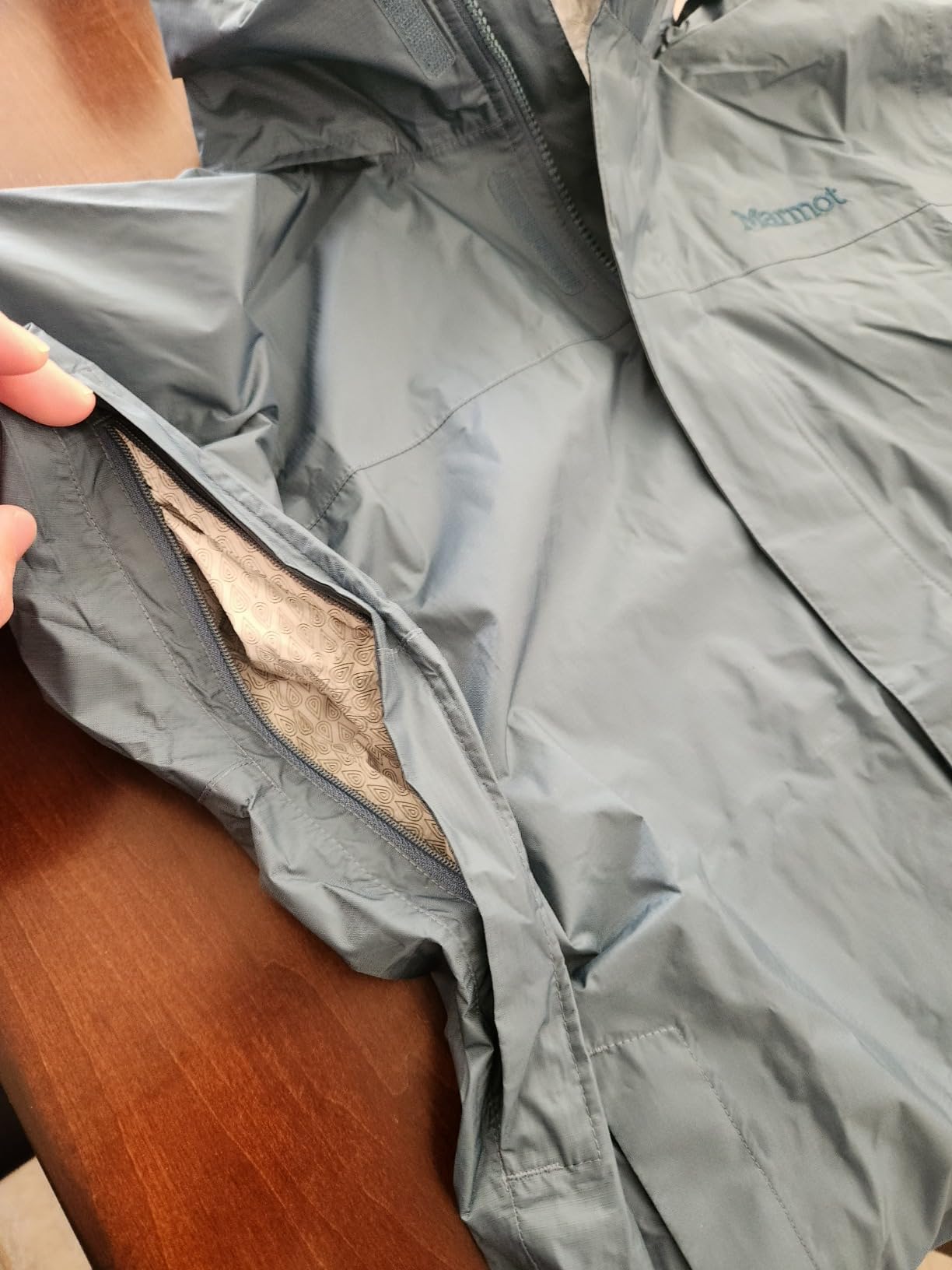
The pit zips are the feature that separates it from the budget options. Owners single them out as the reason the jacket stays workable on a climb, and combined with the hook-and-loop cuffs and the adjustable drawcord hem you get a lot of control over airflow.
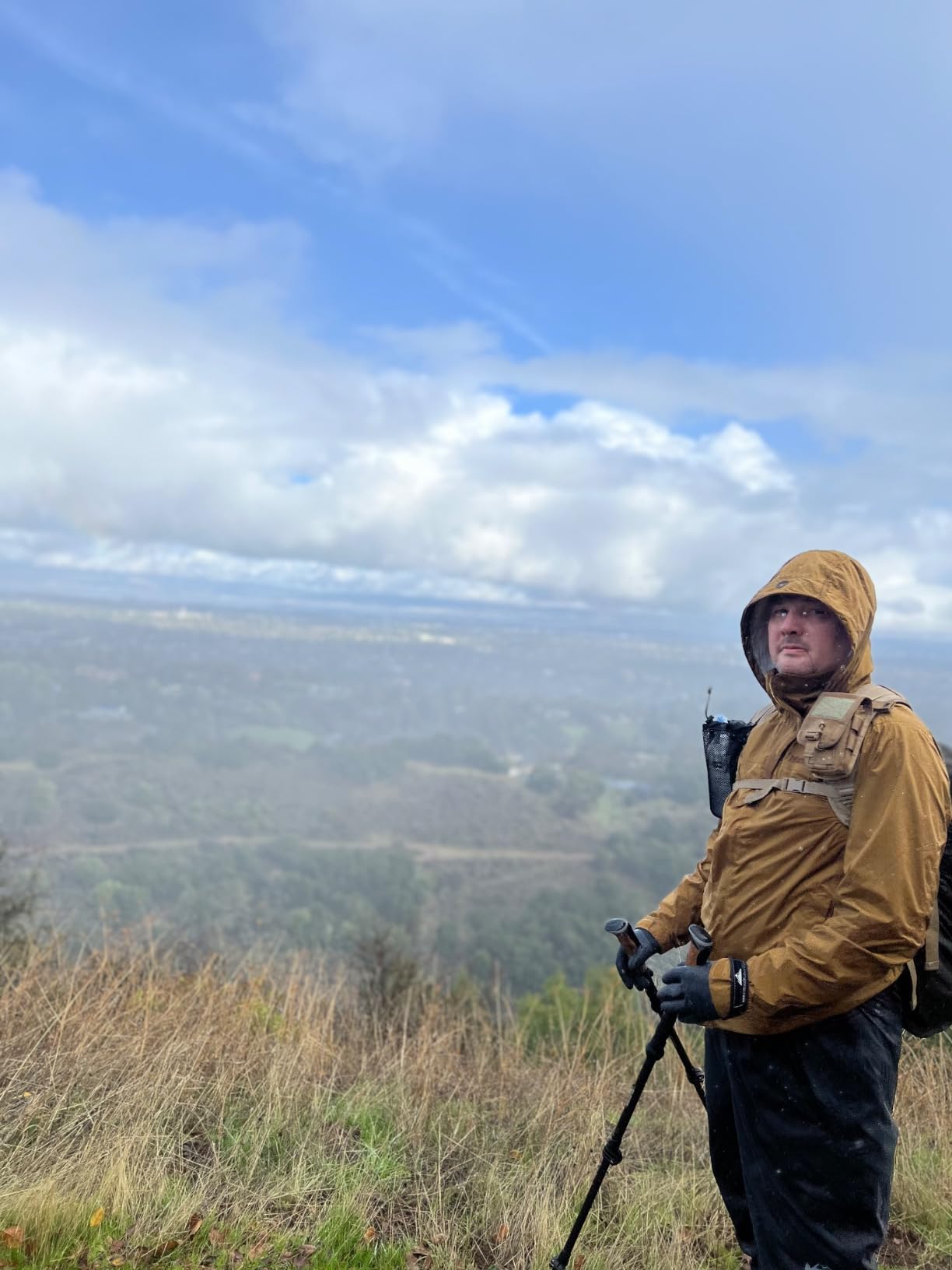
It holds 4.5 across 3794 ratings with about 76% five-star feedback. The mild score reflects a real limitation rather than a flaw: the NanoPro membrane is not the most breathable in this group on its own.
That is exactly why the pit zips matter. When you crack them open on an ascent the jacket vents well, and when you close them it goes back to being a solid barrier. Budget shells in this list vent by unzipping the whole front, which is a coarser trade.
The hood is a genuine strength here. It adjusts, and it can be rolled into the collar when you are not wearing it, which solves the “hood flaps in the wind” problem that frustrates people on long approaches.
What to check before you buy
Check the length against your torso. A 30 inch shoulder-to-hem cut covers a pack well, but if you are shorter than average you may be swimming in it and the cuffs will sit low.
Think about how hot you run. If you layer thick under it, the ripstop will restrict movement more than a stretch-woven shell would.
Where it falls short
Breathability depends on you remembering to open the pit zips. Forgot them on a steep climb and the interior gets clammy regardless of the membrane.
There is no insulation, and the hood has no helmet compatibility, so it is a hiking and backpacking shell rather than a mountaineering one.
4. The North Face Women’s Venture 2 Waterproof Hooded Rain Jacket – Best for Plus-Size Fit
The North Face Women’s Venture 2 Jacket, Granite Grey, Small
DryVent 2.5L fabric
Pit-zip vents
Stows in hand pocket
Pros
- DryVent 2.5L handles backcountry rain and wind
- Pit zips and hem drawcord for venting
- Rolls small and dries quickly between showers
- Available in 1X-3X
Cons
- Some buyers report lining deterioration after a couple of seasons
- Runs slightly small so sizing up is often recommended
The Venture 2 is a long-serving North Face shell built on DryVent 2.5L waterproof, windproof and breathable fabric with a non-PFC DWR finish and seam-sealed construction. It is one of the few women’s-specific shells in this group that comes with pit-zip vents and an internal hem drawcord.
That combination matters for camping. Pit zips let you dump heat on a move to the site, and the internal drawcord closes the gap over a hip belt or a camp chair without making the shell look cinched.
At around one pound it is not an ultralight option, but it rolls small enough to live in a car door pocket between trips, and reviewers note how quickly it dries between showers.
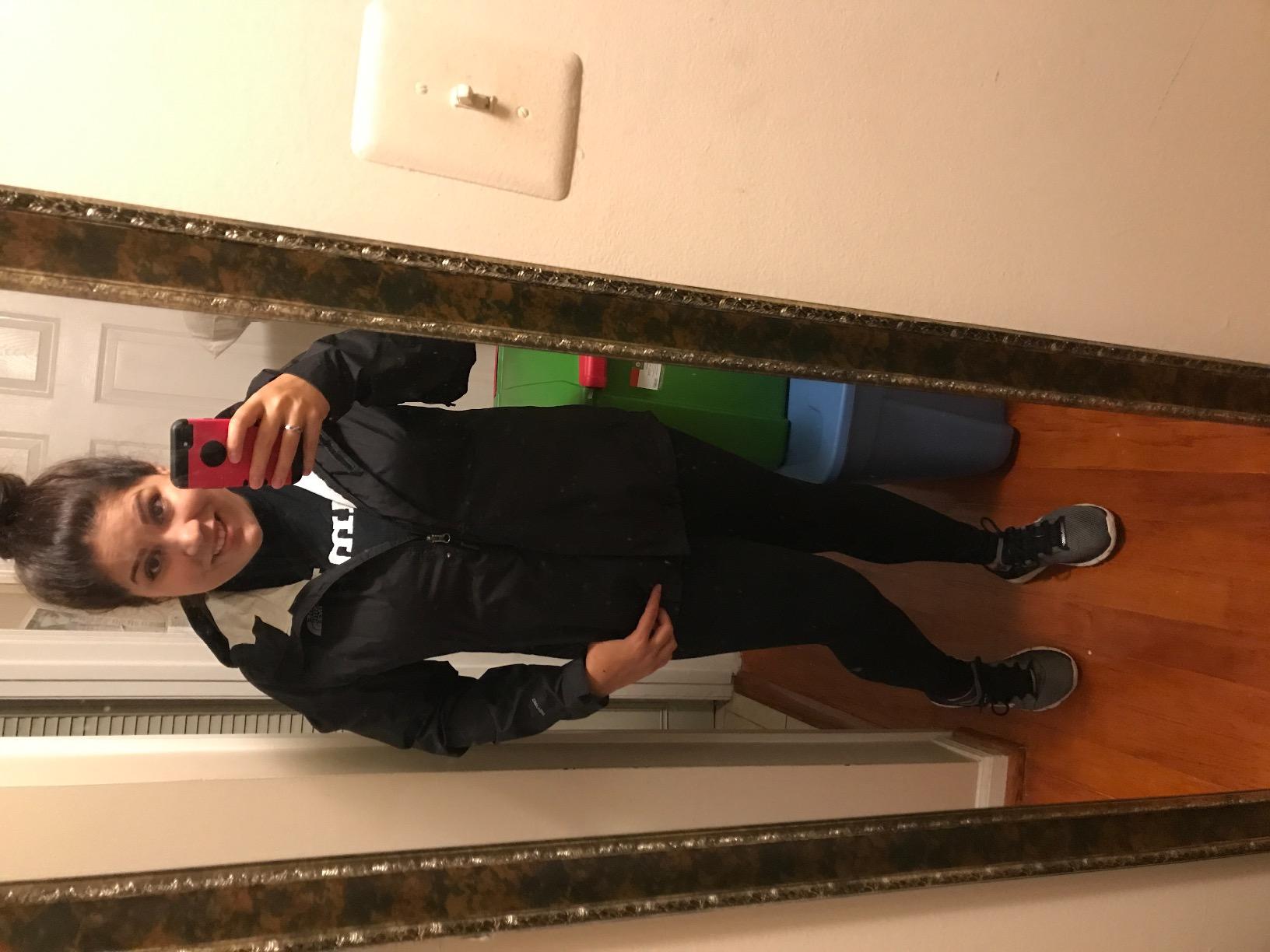
The strongest feature is sizing. It is offered in plus sizes from 1X to 3X, and that is a genuine gap in a category where most shells stop at an XL. Our team would call this the best rain jacket for camping if the wearer wants a cut designed for a women’s torso rather than a shrunk men’s shell.
The 4.4 average across 1839 ratings is the lowest in this roundup, and the reason shows up repeatedly in reviews. A small number of owners report the inner lining deteriorating or developing holes after a couple of seasons, which is a longevity concern rather than a weather concern.
It also runs slightly small according to those same reviews, so most people end up sizing up. That is manageable, but it means trying on is worthwhile if you sit between sizes.
What to check before you buy
Size up if you are between sizes, and check the sleeve length after you have added a midlayer. Reviewers who skipped this step are the ones describing a jacket that feels tight across the shoulders.
Confirm the 2.5L construction suits your trip. It is a bonded single layer, so it stays quiet and light but is less repairable than a three-layer shell.
Where it falls short
The reported lining durability issue is the main flag. If you buy it, inspect the interior after the first wet season rather than trusting the shell blindly.
At roughly one pound it is too heavy for a long backpacking trip, which makes it a campground and hiking-day jacket rather than a packable one.
5. The North Face Men’s Antora Waterproof Jacket – Best for Car Camping
The North Face Antora Jacket, Smoked Pearl/Blk-NPF, L
DryVent 2L seam-sealed shell
Three-piece adjustable hood
Big sizes 2X-5X
Pros
- Seam-sealed DryVent 2L holds out sustained backcountry rain
- Adjustable three-piece hood covers well without blocking vision
- True-to-size fit with room to layer
- Made with 75% or greater recycled materials
Cons
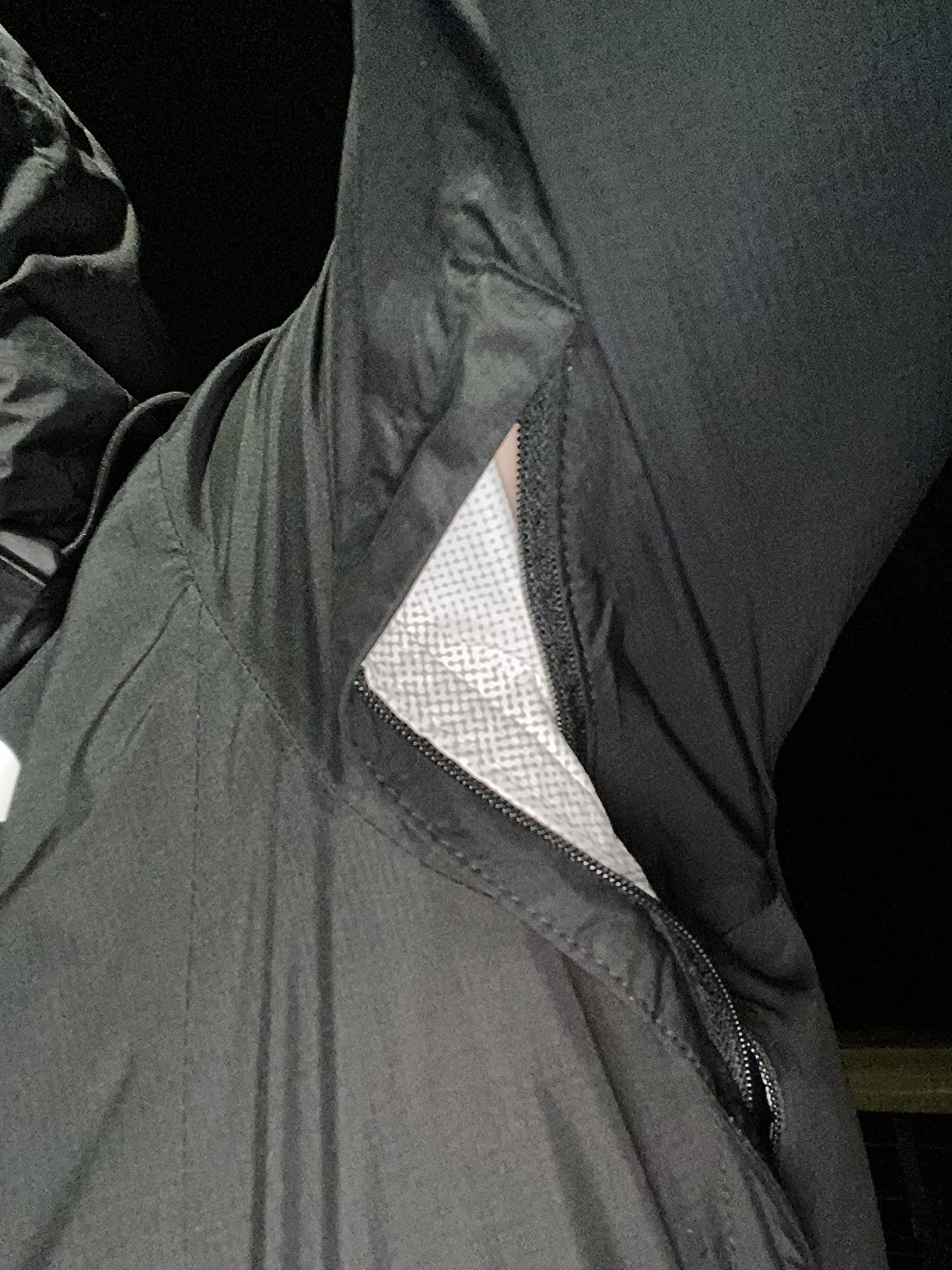
- No pit zips so venting on strenuous hikes is limited
- Shell only with no insulation
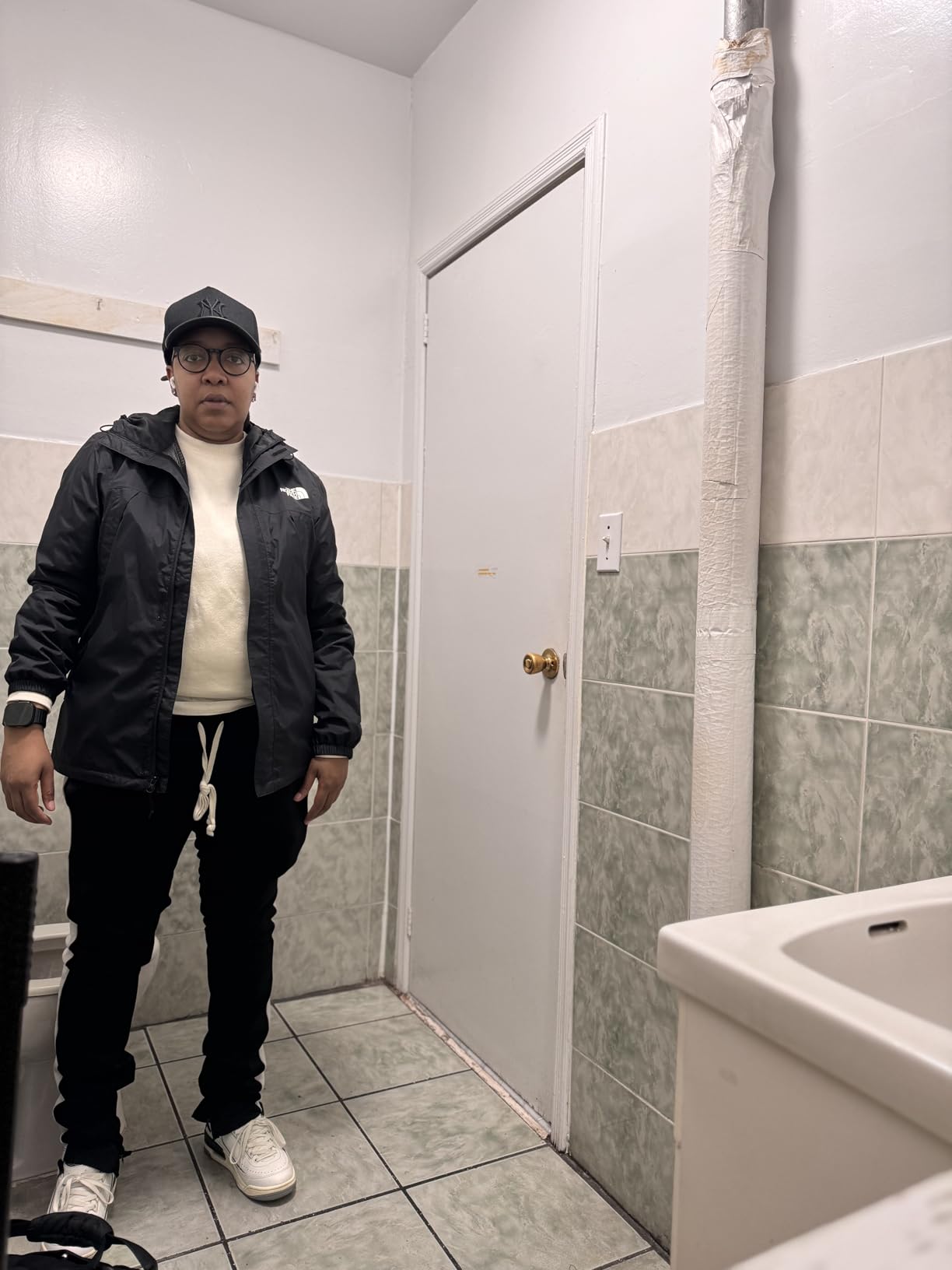
The Antora is the most complete car-camping shell in this list. DryVent 2L seam-sealed construction handles sustained rain, the finish is non-PFC, and the three-piece adjustable hood is the best hood design we saw across all twelve jackets.
That hood matters more than most buyers expect. A three-piece hood follows the shape of your head instead of standing away from it, so your peripheral vision stays clear while rain runs down the front panel rather than your cheeks.
It also holds a 4.7 average across 2277 ratings with around 84% five-star feedback, and the fit is true to size with room to layer underneath, which removes the guesswork from buying a shell online.
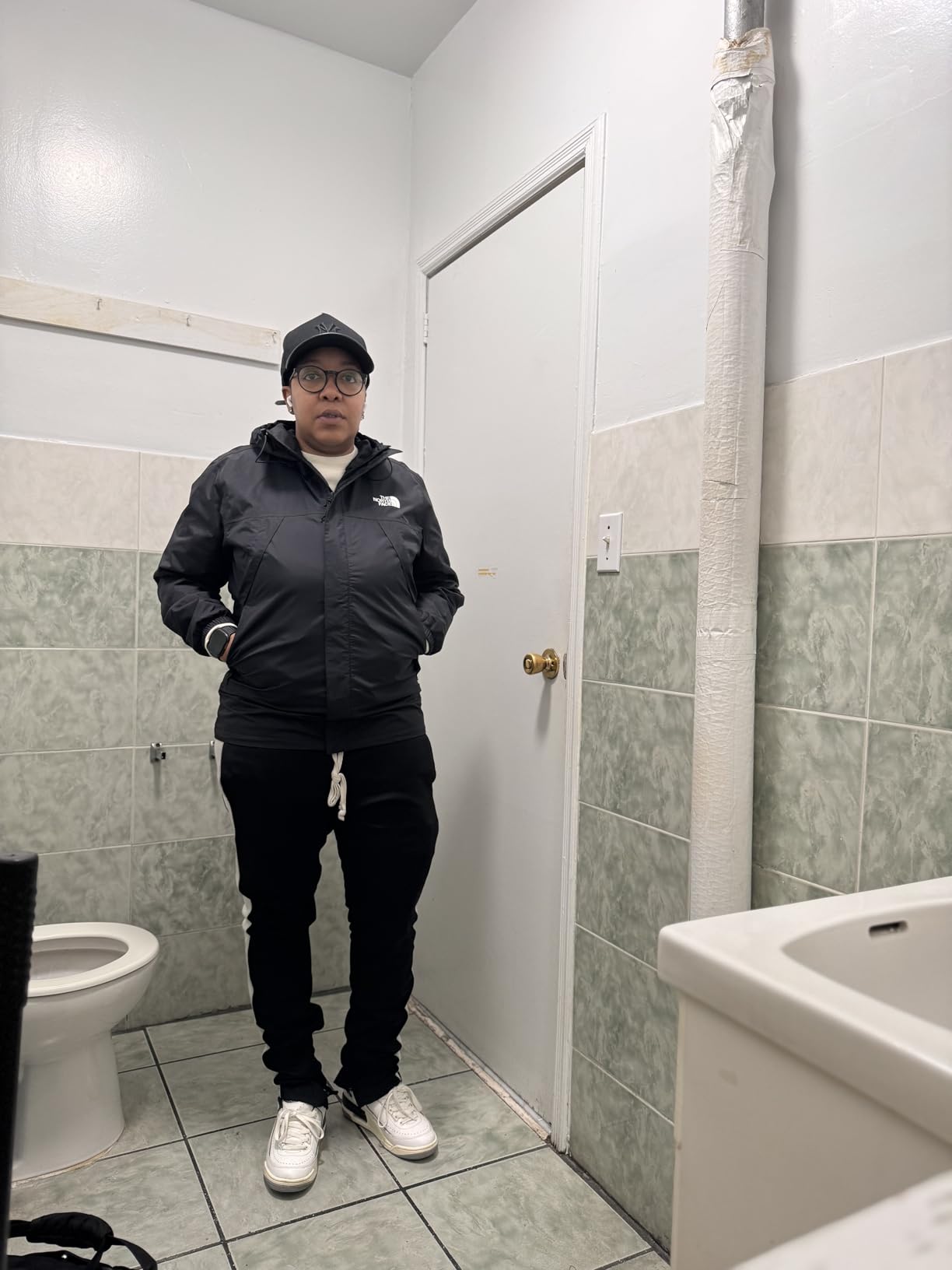
Alpine-style zip hand pockets sit high enough to work with a chest harness or a pack belt, and the jacket is offered in 2X through 5X, which is unusually good availability for a hiking shell.
Where it loses ground is venting. There are no pit zips, and on a warm climb you are limited to opening the main zip and hanging the panels out. For a car camping trip where you walk from the site to a lake and back, that trade is worth making.
It is also uninsulated. On a shoulder-season trip at altitude you will want a puffy underneath, and the roomy cut is one of the reasons that works well here.
What to check before you buy
Check the hem adjustment with a full pack on. A shell that cinches at the sides is far better for rain running down your back than one that does not, and this one cinches.
Look at the pocket height if you carry a trekking pole or an axe. High alpine-style pockets clear a hip belt, low pockets do not.
Where it falls short
No pit zips means more clammy sessions on hard, warm days. If your camping is walk-heavy in heat, prioritise a shell with vents instead.
It is a 2L build, so there is no separate liner to replace or reproof, and the fabric has more of a rustle than a three-layer shell of the same price.
6. Eddie Bauer’s Rainfoil WeatherEdge Waterproof Packable Hooded Rain Jacket – Most Comfortable Interior
Eddie Bauer Men’s Rainfoil WeatherEdge Waterproof Packable Hooded Rain Jacket, Medium Indigo, Medium
WeatherEdge 2L seam-sealed shell
StormRepel DWR Plus
Packs into own pocket
Pros
- Seam-sealed shell keeps out steady to heavy rain
- Packs into its own pocket
- Mesh lining reduces a clammy feel
- Reflective chest logo
- Machine washable recycled polyester
Cons
- Two-layer build is heavier and bulkier than ultralight packables
- Liner can feel warm during high-output activity
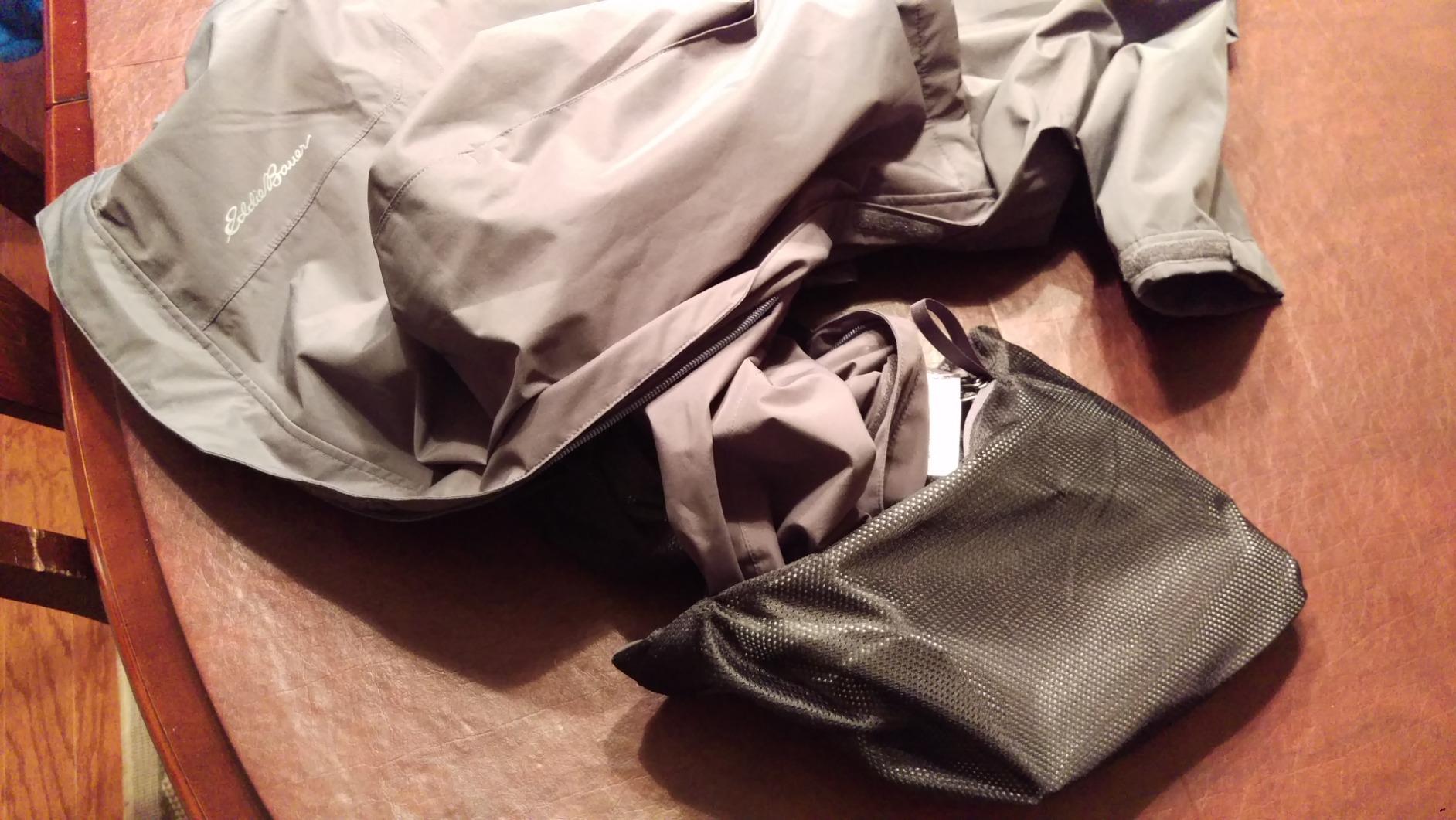
WeatherEdge is a two-layer seam-sealed waterproof shell with a StormRepel DWR Plus finish, a full-zip front with a storm flap, a built-in chin guard and a mesh lining. The mesh is the reason this jacket feels different from the packable nylon shells in this list.
Most of the cheaper shells here use a bare or lightly lined interior, and reviewers of those mention a clammy feel during activity. Owners of the Rainfoil specifically point to the mesh lining as helping reduce that sensation, which makes it a good pick for hiking in warm rain.
It holds 4.6 across 1163 ratings with around 82% five-star feedback. Reflective chest detail improves low-light visibility, which is a small thing that matters when you are walking back to camp after dark.
Construction is solid rather than premium. There is a storm flap over the main zip to stop water tracking through the teeth, and hook-and-loop cuffs that seal at the wrist, and both details are usually missing from the cheapest shells.
The jacket is made from 100% recycled polyester and is machine washable, which makes care simple. That matters for campers because washing a technical shell badly is the fastest way to destroy a membrane.
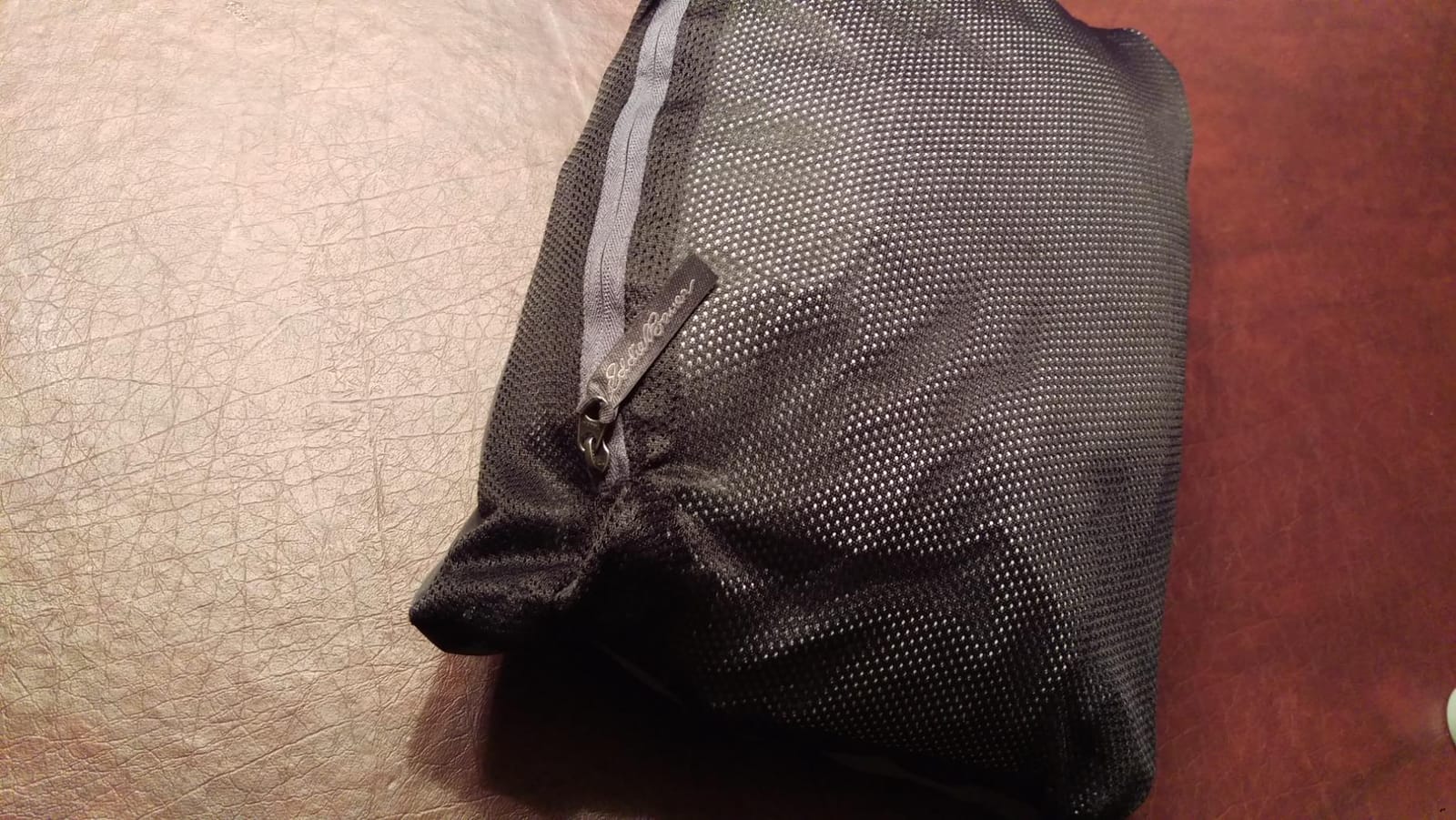
It packs into its own right-hand pocket, and the fold is a straightforward pouch rather than a stuffed-ball technique, so it lives flat in a daypack until you need it.
What to check before you buy
Check the hood structure. It is a packable hood rather than a fully adjustable one, so test how it sits in wind before relying on it for a sustained storm.
Check the cuff closure. Hook-and-loop tabs work well when they are the right length and poorly when the strap is too long, so adjust them once before your trip.
Where it falls short
The two-layer build is bulkier than ultralight packable shells, so it takes more room in a pack. If pack volume is the priority, this is the wrong pick.
The liner still gets warm on high-output days. The mesh helps, but it does not turn this into a breathable shell, and there are no pit zips.
7. MOERDENG Women’s Rain Jacket Hooded Hiking Jacket Softshell – Roomy Layering Cut
MOERDENG Women’s Rain Jacket Hooded Hiking Jacket Softshell Windbreaker
Watertight IV waterproof shell
Detachable hood
Three zippered pockets
Pros
- Keeps out sustained rain while staying light
- Roomy cut layers over fleece or a sweater
- Deep zippered pockets keep a phone dry
- Good value for camping hiking and daily wear
- Wide range of colour options
Cons
- Breathability is less convincing than the listing suggests
- Hood drawcords are fiddly to adjust in wind
- Sleeves run long for some wearers
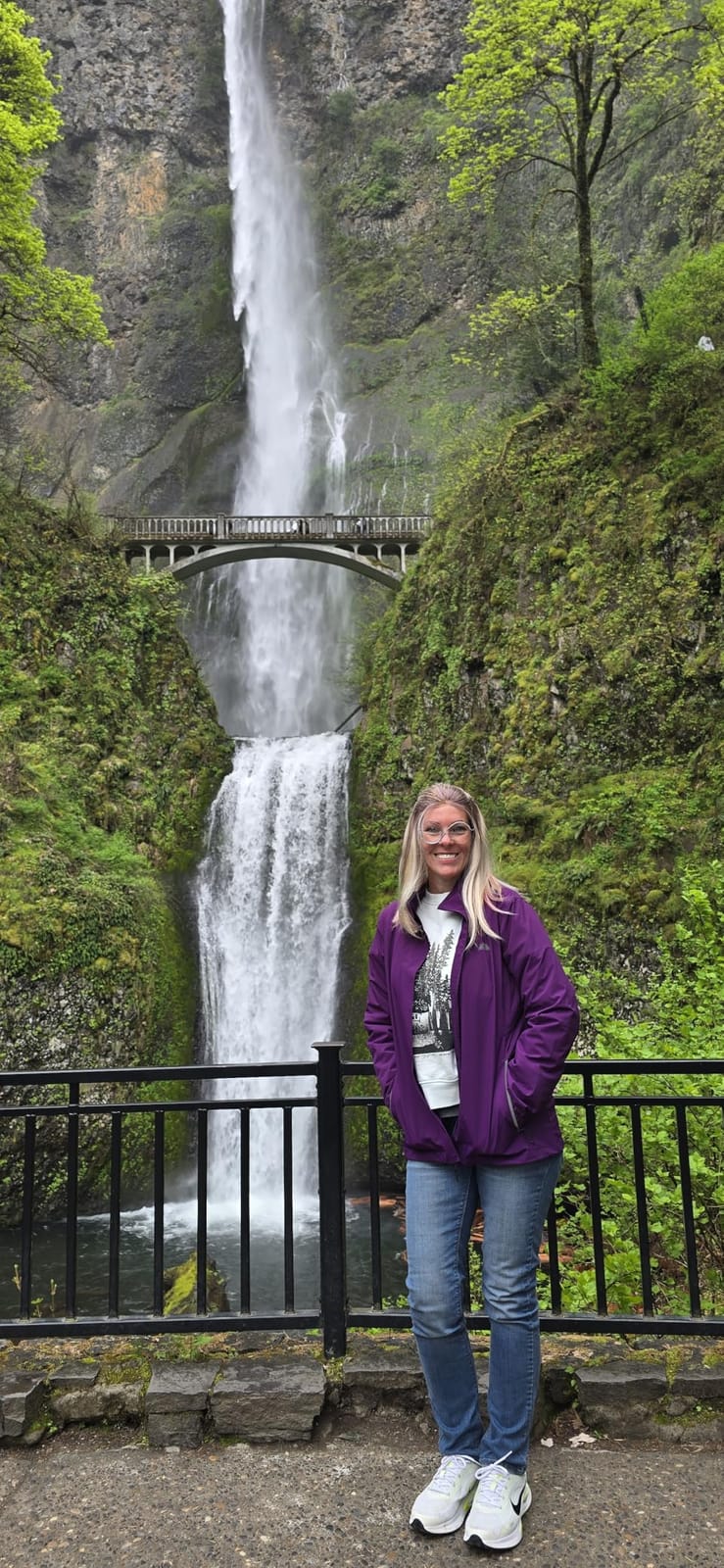
This is the one to look at if you layer a puffy or a thick fleece underneath. The cut is intentionally roomy, with 100% polyester over mesh lining in the core body, a detachable tuck-away hood, and an adjustable drawcord hem.
Most shells here are trim, which looks better on the trail and turns into a problem when you add insulation. Reviewers of this jacket specifically praise the roomy cut for layering over a sweater, and that is the honest reason to pick it.
It holds 4.6 across 3158 ratings with about 79% five-star feedback, and the three zippered pockets are deeper than most, with two slash hand pockets and one inner chest pocket that reviewers note will keep a phone dry.
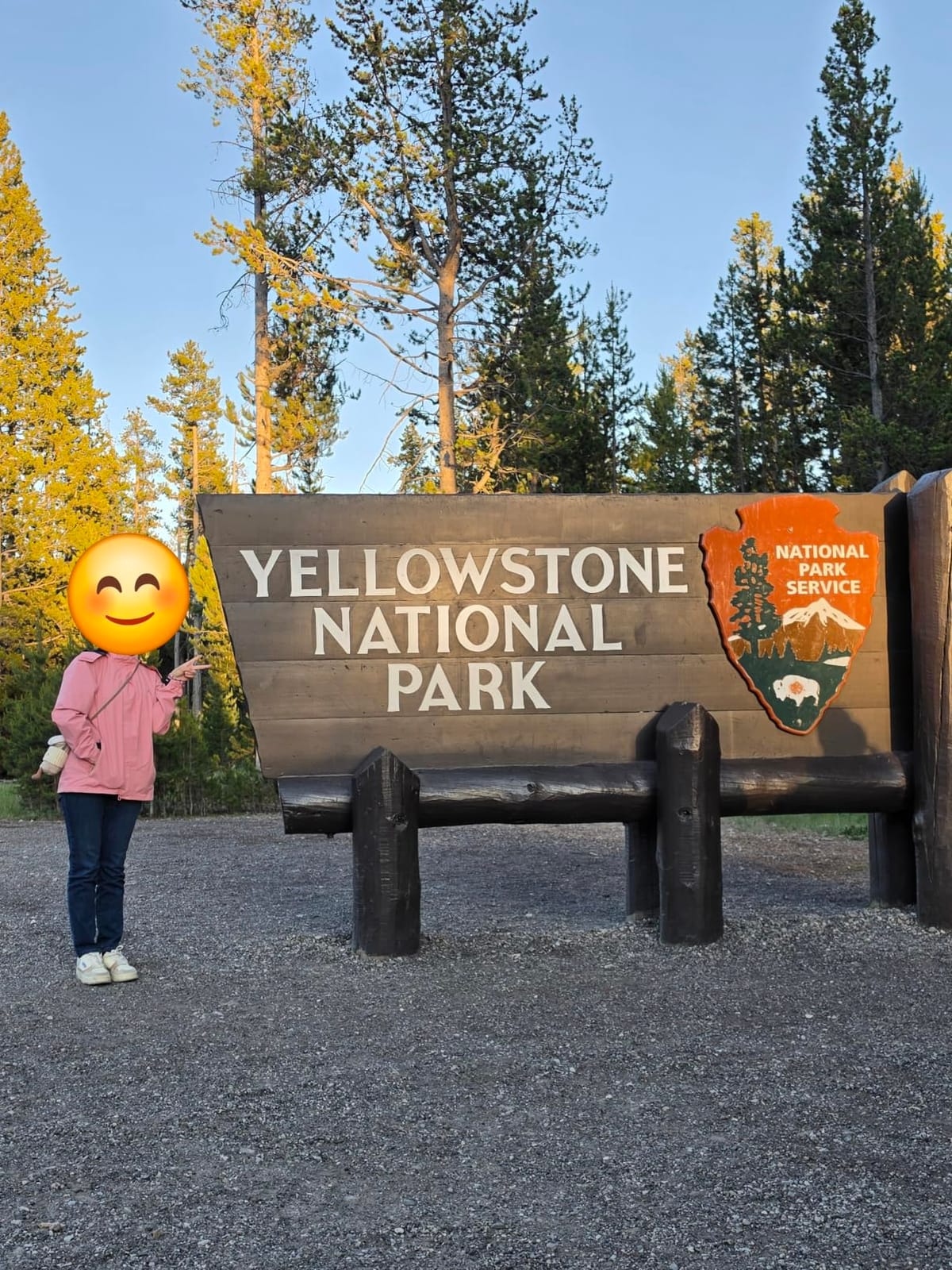
Waterproofing comes from a Watertight IV shell fabric, and owners report it holding out sustained rain rather than just drizzle. For a camper who walks a short distance between the car and the site in real weather, that is the performance that counts.
The detachable hood is a quiet advantage. A tuck-away hood that comes off entirely stops catching wind when you are not wearing it and gives you the option to use the shell as a light wind layer.
Breathability is the weak point, and reviewers are direct about it. The listing suggests more ventilation than the fabric delivers, so treat this as a shell for moderate activity levels rather than a climb-everything layer.
What to check before you buy
Check the sleeve length on your tallest layer. Several reviewers mention the sleeves run long, and long sleeves over gloves do not stay waterproof without a cuff cinch you can reach.
Adjust the hood drawcords before you are in rain. Reviewers describe them as fiddly in wind, which is exactly the condition you would be adjusting them in.
Where it falls short
Breathability trails the pit-zip shells in this list, and the softshell-style build traps more heat on an ascent.
There is no stated waterproof pressure rating and no seam-taping specification, so treat it as a solid general-purpose shell rather than a storm-rated one.
8. 33,000ft Men’s Packable Rain Jacket – Most Features for the Money
33,000ft Men’s Packable Rain Jacket Waterproof Raincoat with Hood
10000mm waterproof rating
Fully heat-sealed seams
Underarm air vents
Pros
- Fully heat-sealed seams hold off heavy rain
- Underarm vents keep it workable during exertion
- Quiet soft non-crinkly fabric
- Four zippered pockets
- Roomy enough to layer a fleece underneath
Cons
- Very thin shell with no warmth of its own
- Some size runs read as slim
- Pack bulk is larger than ultralight packables
This shell is specified more honestly than most in its price band. It carries a 10000mm waterproof rating with a 10000g/m2/24hr breathability rating, fully heat-sealed construction, underarm air vents and four zippered pockets.
Heat-sealed seams are the detail worth noticing. Taped seams are the norm in this category, so a specification that explicitly says heat-sealed tells you the manufacturer is committing to sealed rather than merely covered stitch lines.
It holds 4.5 across 1255 ratings with about 73% five-star feedback, and the four-pocket layout including an inner pocket is unusual at this level. Owners frequently call out the sealed seams, the pit vents and the packability together.
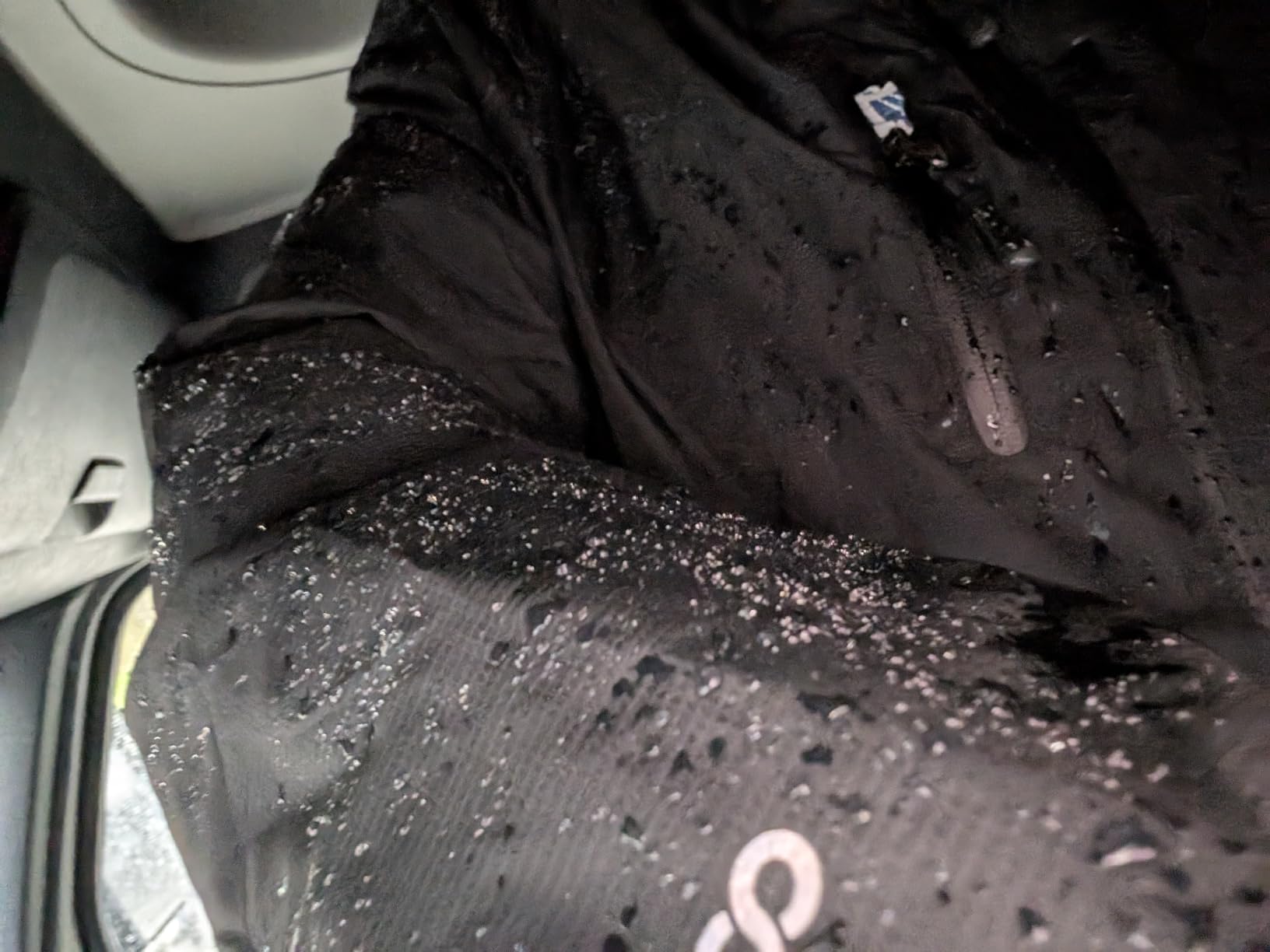
The fabric is described as quiet and soft rather than crinkly, which is genuinely pleasant for a trip where you are wearing the shell for hours. Nothing about the fabric announces itself when you move.
There is a front storm flap, a lined chin guard, a drawstring hood plus a drawcord hem and hook-and-loop cuffs. That combination of closure detail is normally the difference between a budget shell and a mid-tier one.
The trade is bulk. It folds into an included pouch, but reviewers note it is bulkier than ultralight packables, so on a carry-on or a small pack it eats more space than the competition.
What to check before you buy
Try a size up if you are larger built, because some reviewers report that certain size runs read as slim. The roominess reviewers praise for layering and the slimness others note are usually about opposite ends of the size range.
Decide whether you will use the vents. They are the difference between this and a basic budget shell, so open them on climbs rather than leaving them closed.
Where it falls short
It is very thin and completely uninsulated, so in cold rain you will be cold underneath. Treat it as one layer in a system.
The pack footprint is its real limitation, which disqualifies it for ultralight trips but not for car camping or hiking days.
9. APEXUP Packable Rain Jacket Men – Smallest Pack Size
APEXUP Packable Rain Jacket Men Waterproof Lightweight Raincoat with Hood
5000-8000mm waterproof coating
Hot-pressed sealed seams
Packs into a small carry bag
Pros
- Ultralight and folds into a small carry bag
- Sealed seams and waterproof zips handle steady rain
- Reflective striping improves trail visibility
- Elastic cuffs and hem block wind and rain
Cons
- Thin fabric with no insulation and limited venting
- Basic pocket layout with less storage than premium shells
The APEXUP is here for one reason: it takes up almost no room. It folds into a small carry bag, and the package dimensions on record are around 9 by 5 inches, so it lives at the bottom of a daypack or in a jacket pocket until the weather turns.
Construction is honest for the tier. A 5000-8000mm waterproof coating with hot-pressed sealed seams and waterproof exterior zippers, in tear-resistant high-density polyester, plus reflective stripes and logos for trail visibility.
It holds 4.5 across 1789 ratings with about 75% five-star feedback, and owners consistently praise the pack size and its ability to handle steady rain. Nobody in the reviews describes it as a heavy-rain jacket.
That is the correct expectation. A 5000-8000mm coating is a shower and steady-rain rating, not a downpour rating, and a camping trip in sustained weather is exactly where a higher-rated membrane earns its keep.
Two exterior waterproof zip pockets and two interior pockets are included, which is enough for keys and a snack. Venturing is limited, so the jacket is comfortable sitting at camp and less comfortable on a long climb.
Elastic cuffs and an elastic hem keep wind and rain out without any adjustment hardware to fiddle with, and the adjustable drawstring hood has a single cord that is easy to pull one-handed in a downpour.
What to check before you buy
Set expectations by trip type. This is a fair-weather layer for a summer camping trip, not the shell for a multi-day wet hike in the mountains.
Check the pocket count against what you carry. If you need a phone-sized pocket, a map pocket and a warm hand, this layout will feel short.
Where it falls short
Limited venting and no insulation make it a poor choice for high-output days, and the thin fabric has no durability margin for sharp scree.
If your trip involves one serious rainstorm, the price difference between this and a rated shell is small and the rated shell is the smarter purchase.
10. NORDIC OUTLAND Mens Lightweight Hooded Waterproof Rain Jacket – Best Venting on a Budget
NORDIC OUTLAND Mens Lightweight Hooded Waterproof Rain Jacket Breathable Raincoat Shell for Outdoor Mountain Hiking (US, Alpha, Large, Regular, Regular, Navy Blue)
10000mm waterproof membrane
8000g breathability
TPU tape-sealed seams
Pros
- TPU-taped seams shed heavy rain
- Excellent pit-zip venting in humid conditions
- Roomy enough to layer over base layers
- Abrasion-resistant fabric
- Waterproof centre front and chest pocket zips
Cons
- Runs long in the body and sleeves with a large fit
- Limited internal pocket storage
What sets this shell apart is the combination of a 10000mm membrane, an 8000g/m2/24h breathability rating, TPU tape-sealed stitching on all seams, and pit zips. That is the most complete feature list in this group once you get past the established brands.
The pit zips are what earn the badge. Owners call them out specifically for venting in humid downpours, and that is the complaint most forums raise about every cheap shell: waterproof enough, breathable in theory, soaked in sweat in practice.
It holds 4.6 across 1141 ratings with about 76% five-star feedback. Waterproof zips on the centre front and chest pocket mean you can reach into a pocket mid-storm without breaking the seal.
Abrasion-resistant high-density fabric with membrane backing is a sensible choice for a shell that will rub against tent poles, pack straps and boat gear. Reviewers mention the material resisting snagging.
The trade is fit. Sizing skews large and several reviewers note it runs long in the body and sleeves, which is comfortable for layering but means the hem can hang past your hip over a cinched belt.
Internal pocket storage is limited, so plan on it as a weather layer with a separate pack for the gear you want to keep dry, rather than a pocket-heavy all-purpose jacket.
What to check before you buy
Size down if you want a close fit, and check the sleeve length first because that is where the oversized cut shows most.
Confirm the pit zips open and close smoothly before your trip. They are single-handed pulls, and a stiff zip on a wet jacket is a bad morning surprise.
Where it falls short
The generous cut is a problem if you want the jacket to tuck in or sit neatly over a base layer without bulk.
It comes with no stated pack sack or pocket, so plan on folding it into a dry bag rather than relying on the shell to stow itself.
11. Columbia Men’s Glennaker Lake II Rain Jacket – Everyday Rainwear That Camps
Columbia Men’s Glennaker Lake II Rain Jacket, Stone Green, Large
Waterproof nylon shell
Stow-away hood from collar
Packs into own pocket
Pros
- Waterproof nylon shell rated for drizzle through downpour
- Stow-away hood stays available but out of the way
- Folds into its own pocket
- Zippered pockets and adjustable hem
Cons
- No insulation and no pit vents
- Zippers and fabric feel basic next to premium shells
The Glennaker Lake II is the jacket for people who want one shell for the drive, the campsite and the walk to the lake, rather than a dedicated hiking layer. It is a waterproof nylon shell with a stow-away hood that unfolds from the collar, zippered hand pockets, and elastic cuffs with an adjustable hem.
The stow-away hood is the design choice that makes it work. Because the hood packs into the collar, you can wear it constantly without it flapping, then pull it up instantly when rain starts, which is the situation most camping rain actually arrives in.
It holds 4.5 across 4677 ratings with about 75% five-star feedback, one of the largest review counts in this roundup, and the pattern in the feedback is stable: a waterproof nylon build that packs into its own pocket.
It is also uninsulated and has no venting, so it works as an outer layer over a fleece in mild weather and struggles if you are moving fast in warm rain.
Owners are candid that the zippers and fabric feel basic next to premium shells. That is fair, and it is the trade that makes this an easy recommendation for a camper who wants one jacket instead of three.
The adjustable hem sets it above the cheapest shells in this list, because closing the tail over a pack or a camp chair is what stops water running down your back in a steady downpour.
What to check before you buy
Check that the hood unfolds smoothly. The collar mechanism is simple but worth testing, since it is the feature you will use most often.
Check the cuff elastic rather than a hook-and-loop tab. Elastic is faster and more reliable in rain, but it will not seal over a thick wrist layer.
Where it falls short
No venting and no insulation make it a fair-weather and mild-weather shell. In sustained cold rain you need real layers underneath.
Feel the fabric and zips in person if you can. At this level the difference from a premium shell is visible in the details, and that is the trade you are making.
12. baleaf Packable Rain Jacket Women – Best Pocket Layout
baleaf Packable Rain Jacket Women Waterproof Lightweight Hooded Blue M
Seam-sealed 5000mm shell
285 g
Five utility pockets
Pros
- Lightweight at roughly 285 g and folds into its own back pocket
- Five pockets including a phone-sized pocket
- Back vents improve airflow on the move
- Cord-adjustable hood keeps rain off the face
- Works across hiking cycling golf running and travel
Cons
- Waterproofing suits moderate rain rather than prolonged downpours
- Lightweight fabric means limited warmth in cold weather
The baleaf jacket lists five utility pockets, including one sized for a 6.5 inch phone, and packs into its own back pocket. No other shell in this list carries that much storage at this weight, and reviewers treat the pocket count as the main reason to own it.
The shell is a fully seam-sealed water-repellent fabric rated over 5000mm pressure head with a 3000g/m2/24hr breathability rating, and it weighs roughly 285 g. It is a top-ranked women’s cycling jacket, and that use case carries over to camp: short fast rides or hikes where you want everything reachable without stopping.
It holds 4.5 across 4630 ratings with about 76% five-star feedback. The back vents are a real feature rather than decoration, and owners note they improve airflow on the move.
Know the limit clearly. A 5000mm rating is moderate-rain territory, and reviewers are direct that the waterproofing is suited to moderate rain rather than prolonged downpours, which is the honest boundary for this jacket.
The elastic rope hood with a cord adjuster is a small piece of hardware that makes a real difference in wind, keeping the front panel off your face while you move.
Because it packs into its back pocket, the thing you are most likely to lose is the jacket itself if you empty the pocket at a campsite. Keep the packed shell in a labelled bag.
What to check before you buy
Check the five pocket positions against what you actually carry. More pockets are only useful if the one you need most is reachable while moving.
Check the length. It is a short packable cut, which works well over a layer and less well if you want coverage over a hips belt.
Where it falls short
The waterproofing rating is the limit. For sustained multi-hour rain, choose a jacket with a 10000mm or 3-layer build instead.
There is no insulation, so cold-weather camping requires a real midlayer underneath and the shell adds no warmth of its own.
Best Rain Jackets for Camping: Which One for Your Trip
Most rain jacket comparisons argue about which shell is best. The more useful question is which shell fits the trip you are actually taking, because a car camping weekend and a wet backpacking route reward completely different features.
Car camping in a wet climate. You are rarely far from a vehicle and you care about staying dry while setting up, cooking and sitting around. Prioritise a roomy cut, a fully adjustable hood and hem adjusters. The North Face Men’s Antora and the Columbia Arcadia II both fit this brief, and both layer over a puffy without much fuss.
Backpacking and multi-day trips. Weight and packability come first, then venting. The Marmot Precip Eco and the APEXUP are the two ends of this spectrum: the first is a seam-taped shell with pit zips, the second is the smallest thing you can carry and still stay dry in steady rain.
Festival and base-camp camping. Rain arrives in bursts and you stand around in wet grass. Sealed seams matter more than breathability here, and reflective detail helps on late-night walks back to the car. The 33,000ft packable and the Eddie Bauer Rainfoil both suit this.
Hiking-heavy trips with a loaded pack. You want pit zips, a longer cut and a hem that closes over a belt. Long shells keep rain off your hips, and the Precip Eco is the pick in this group.
Wet and humid campgrounds. Everything stays damp for days, so drying speed and venting matter more than absolute rating. Shells that dry fast between showers, like the North Face Venture 2, are easier to live with in constant damp.
One category that gets confused: a hardshell is a waterproof-breathable layer like everything on this list, while a softshell is a warmer, more breathable, less waterproof garment. If you want one garment that does both, a softshell-woven shell such as the MOERDENG jacket is the closer compromise, with less waterproofing in exchange for more comfort.
Why Your Rain Jacket Wets Out Mid-Trip (and What to Do)
The most common complaint in camping forums is not a leak. It is a jacket that keeps water out perfectly well and then makes you feel soaked anyway. That is wet-out, and it has a specific cause.
Waterproof membranes block liquid water but not water vapour. The face fabric is coated with a durable water repellent so rain beads and runs off instead of soaking in. When that DWR coating wears off, the fabric fills with water, stops moving vapour, and you feel damp inside even though the membrane is intact.
The consensus in r/Ultralight threads is blunt: rain jackets wet out or keep your sweat in, and there is no perfect option. The goal is the least-bad compromise, which in practice means picking a shell with pit zips and treating the DWR as a maintenance item rather than a permanent property.
If your jacket wets out mid-trip, work through this order:
Open the vents immediately. Pit zips, main zip and hem drawcords, in that order, because trapped vapour is the problem.
Change the layer underneath. A damp base layer keeps the clammy feeling even after the shell dries, and it is the fastest fix available in the field.
Check the DWR by flicking water onto the shoulder fabric. If it beads and rolls, the finish is alive. If it soaks in and darkens, the finish has gone.
Look for the abrasion or grime point. Mud, sweat and fabric softener all kill DWR faster than rain does, and a film of dirt on the shoulders is usually why wetting-out starts.
Dry the jacket out fully at camp before you wear it again. A shell dried under a shelter at body temperature will often bead again on its own.
Nobody should be surprised by this. Long-term owners on r/CampingGear describe decade-old shells that still work after periodic DWR re-treatment, which tells you the membrane is not the weak link. The finish is, and it is renewable.
How to Wash a Rain Jacket and Bring the DWR Back
No roundup we looked at explains this properly, and it is the single most useful thing you can do to extend the life of a camping shell. Washing the wrong way strips the DWR and can degrade the membrane, while washing correctly restores it.
Read the care label first. Some membranes, particularly bonded three-layer builds, specify a specific detergent or a heat setting. Follow the label over any general advice, including this one.
Wash less often than you think. A shell does not need washing after every trip. Washing when it is visibly dirty is enough, because every wash strips a little finish.
Use a gentle cycle with a technical wash or a small amount of mild detergent. Avoid fabric softener, dryer sheets and heavy powders; they leave residues that block water vapour and kill repellency.
Close all zippers and fasten the storm flaps before washing. Hardware beating against the fabric under agitation is the most common avoidable damage to a shell.
Tumble dry on low heat if the label allows it. Heat is what reactivates DWR by melting the coating into the fabric fibres. Some care labels allow a low tumble or an iron on the reverse, and a few modern membranes need heat activation rather than a separate treatment.
Do not iron the face fabric directly and do not use high heat. Too much heat degrades the membrane, and the difference between reactivating the finish and ruining the jacket is a narrow band.
If the label says no tumble dry, plan on a spray-on DWR treatment after washing instead, and apply it to a clean, dry, warm jacket. Re-proofing a dirty shell locks the dirt into the fabric.
For people who camp far from a washer, the practical version is simple. Rinse the shell with clean water at camp, hang it to dry fully overnight, and do the proper wash at home when you get back. That is enough to keep a shell working season after season.
How to Choose a Rain Jacket for Camping Trips
Waterproof or water-resistant: which one do you need?
For any trip where you could get rained on while away from shelter, you need waterproof. Water-resistant shells shed drizzle and light rain and are the right choice for a camper who stays near a vehicle in a mild climate, but they are the wrong choice for a multi-day trip or a mountain site.
Every jacket on this list is waterproof, and the difference between them is how much they deliver. A shell rated around 5000mm suits moderate rain. Around 10000mm suits sustained rain. The 33,000ft and Nordic Outland jackets state those ratings explicitly, which is a good sign of honest specification.
No jacket is 100% waterproof in every condition for every duration. DWR wear, seam quality, fit and how long you are exposed all matter. What you are choosing is how much margin the construction gives you.
2-layer, 2.5-layer and 3-layer construction
A 2-layer shell has a face fabric bonded to a membrane liner. It is the cheapest and lightest construction, moves well when you walk, but feels clammy on climbs and cannot be relined. The Antora and the Eddie Bauer Rainfoil are 2-layer builds.
A 2.5-layer shell bonds the membrane to the underside of the face fabric with a thin protective layer. It is lighter and quieter than a full three-layer, dries faster, and is a good compromise for hiking shells like the North Face Venture 2.
A 3-layer shell has a separate face fabric, membrane and backer. It is the most durable and the most comfortable against skin because the backer wicks sweat, and it is the construction to look for if you are moving hard or wearing a puffy underneath. The Marmot Precip Eco is a seam-taped shell in this lightweight spirit.
For most campers, 2.5-layer is the sweet spot. Pay for three-layer only if you regularly hike hard in rain or layer a puffy.
DWR and why wet-out happens
The DWR is what makes water bead on the outside of the jacket. Once it wears off, the fabric wicks water inward and the shell stops feeling waterproof even when it is not leaking. This is the single most common reason people think a good rain jacket has failed.
Look for a PFC-free or non-PFC DWR where available. Several jackets here specify one, and it is worth checking whether your shell has a fluorochemical-free finish if you care about what washes out of the fabric.
Breathability and pit zips
Breathability ratings are marketing as much as science. The Boundary Waters gear forum has the right summary: fabric is not really waterproof and breathable at the same time in the real world, which is why reviews disagree. What you can control is venting.
Pit zips are the single most requested feature among campers, and they are missing from several budget shells here. If you walk to your site, want them. If you mostly sit at camp, you can manage with a main zip and a lighter shell.
Weight and packability
Anything that packs into its own pocket earns its place in a pack without you thinking about it. The APEXUP is the extreme case, folding to roughly the size of a paperback, while the Precip Eco at 305 g and the baleaf at roughly 285 g are the practical middle.
Above about 12 ounces you are carrying a hiking shell, not a packable one. That is fine if the weight is going into a car, and wrong if every gram counts.
Hood fit and pockets
Try the hood on with the head you actually camp with, and check whether it adjusts. A three-piece adjustable hood such as the Antora’s follows the head and keeps your peripheral vision clear; a fixed hood such as the Watertight II’s sits close to the face and can let water run down the front.
Pockets are the most underrated feature. Reviewers repeatedly praise the 33,000ft for four zippered pockets and the baleaf for five utility pockets including a phone-sized one, and both are real quality-of-life differences on a wet trip.
Frequently Asked Questions
What is the best fully waterproof rain jacket?
The Columbia Women’s Arcadia II is the best all-round choice here, combining an Omni-Tech waterproof breathable membrane, an adjustable storm hood, a drawcord hem and a 4.6 rating across 8485 reviews. For hikers, the Marmot Precip Eco adds full seam taping and pit zips at 305 g. For a car camping trip, the North Face Men’s Antora pairs a DryVent 2L seam-sealed shell with a three-piece adjustable hood.
What is the best rain protection for camping?
Match the shell to the trip. Car campers should prioritise a roomy cut, an adjustable hood and hem adjusters, which points to the North Face Men’s Antora. Backpackers want weight and venting, so the Marmot Precip Eco or APEXUP. Festival campers need sealed seams and reflective detail, as on the 33,000ft packable or the Eddie Bauer Rainfoil. In every case wear a shell over a base layer and a midlayer.
Is there a 100% waterproof rain jacket available?
No jacket is completely waterproof indefinitely, because the face fabric is always coated with a DWR finish that wears off over time. A shell rated around 10000mm with heat-sealed or fully taped seams, such as the 33,000ft or Nordic Outland jackets, is the closest practical answer and holds off sustained rain for a full day of camping. Re-treating the finish matters as much as the rating.
Are any rain jackets actually waterproof?
They keep liquid water out, and the ones that feel soaked are usually wetted out rather than leaking. When the DWR finish wears away, the face fabric absorbs water instead of beading it, so you feel damp even though the membrane is intact. Check by flicking water on the shoulder: beading means the finish is alive, darkening means it is gone. Washing the shell properly and reactivating the finish restores the effect.
Who makes the best breathable rain jacket?
Breathability depends as much on venting as on the membrane, so look for pit zips first. The Marmot Precip Eco, North Face Women’s Venture 2, Nordic Outland and 33,000ft jackets all have pit zips, and the Eddie Bauer Rainfoil uses a mesh lining that reduces a clammy feel. The forum consensus is that no fabric is genuinely waterproof and breathable at once in real conditions, so open the vents and change your base layer.
Should rain jackets be waterproof or water resistant?
For a camping trip, choose waterproof. Water-resistant shells shed drizzle and light rain but are the wrong choice for multi-day trips, mountain sites or any forecast with sustained rain. A water-resistant layer makes sense for a car camping weekend in a mild climate where you are never more than a few minutes from the vehicle.
Best Rain Jackets for Camping: Final Verdict
There is no single best rain jacket for camping because the trip decides it, but the order is clear once you know your trip type. The Columbia Women’s Arcadia II wins overall with the strongest balance of waterproofing, packability and a 4.6 rating across 8485 reviews, and it is the jacket we would hand to someone buying one shell for a general camping year.
For standing rain and a close fit, the Columbia Men’s Watertight II is hard to argue with. For walking to the site, the Marmot Precip Eco adds seam taping and pit zips at 305 g. For a car-side weekend, the North Face Men’s Antora offers the best hood and the best layering room.
What matters more than the model is maintenance. Wash the shell properly, reactivate the DWR, and open the vents before you complain about wet-out. A jacket that is cared for will outlast several trip plans.
Last updated October 2026. We earn a commission from qualifying purchases at no additional cost to you. For the wet-weather kit that goes with the jacket, our rain barrel picks and portable grill guide cover the rest of a rainy campsite.