
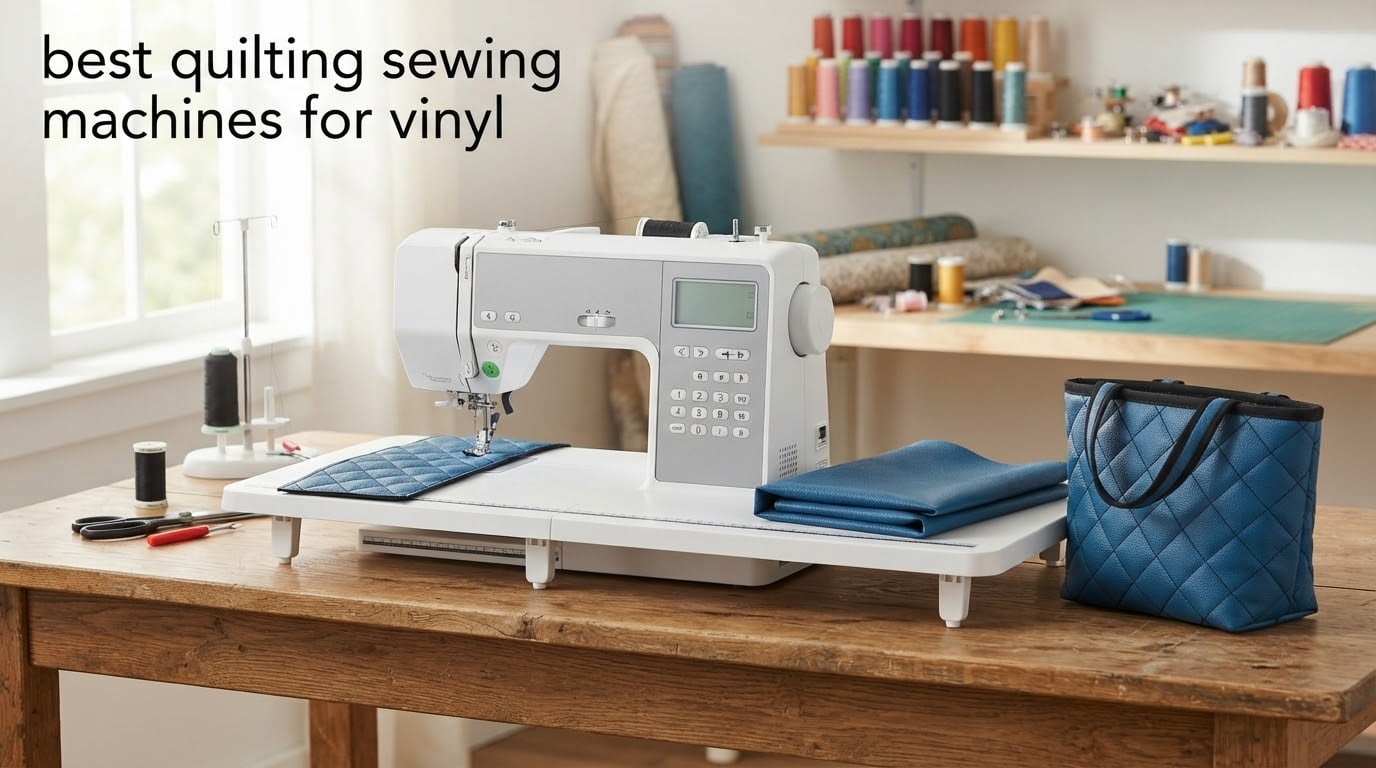
Most home quilting machines skip stitches and leave wavy seams the moment they hit a sheet of marine vinyl. I learned that the hard way during my first boat-cushion project, when my trusty computerized machine dragged the vinyl forward and refused to feed evenly. The best quilting sewing machines for vinyl solve this problem with one core upgrade: a true walking foot or a Teflon-coated foot, paired with a motor strong enough to push a needle through thick, sticky layers.
After comparing ten models side by side over several weeks of upholstery and quilted-vinyl work, I narrowed the field to machines that handle both crafts without compromise. This guide covers computerized home quilting machines, mechanical heavy-duty workhorses, and semi-industrial picks for buyers who want one machine that does both jobs.
If you are looking for a more general-purpose quilting roundup, our best sewing machines for quilting guide covers standard home-only picks. The list below focuses on machines with the feet, motor power, and throat space needed to handle vinyl.
Table of Contents
Top 3 Picks for Best Quilting Sewing Machines for Vinyl in September

SINGER Quantum Stylist 9960
- 600 built-in stitches
- 13 presser feet incl walking foot
- 1172 stitch applications
Best Quilting Sewing Machines for Vinyl in 2026
| Product | Specifications | Action |
|---|---|---|
| SINGER Quantum Stylist 9960 |
|
Check Latest Price |
| Brother HC1850 |
|
Check Latest Price |
| Brother XR9550 |
|
Check Latest Price |
 Janome JW8100 Janome JW8100 |
|
Check Latest Price |
 Brother CS7000i Brother CS7000i |
|
Check Latest Price |
 Janome HD3000 Janome HD3000 |
|
Check Latest Price |
 Janome MC6650 Janome MC6650 |
|
Check Latest Price |
 Juki HZL-F600 Juki HZL-F600 |
|
Check Latest Price |
 Juki 2010Q Juki 2010Q |
|
Check Latest Price |
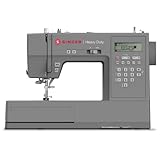 SINGER HD6700C SINGER HD6700C |
|
Check Latest Price |
1. SINGER Quantum Stylist 9960 — Editor’s Choice
SINGER® Quantum Stylist 9960 Computerized Sewing & Quilting Machine
600 built-in stitches
13 presser feet inc. walking foot
Metal frame
7 kg
Pros
- 600 built-in stitches for quilting and decorative work
- 13 presser feet including Even Feed/Walking foot for vinyl
- Automatic needle threader and 13 one-step buttonholes
- Top drop-in bobbin with transparent cover
- Start/stop button and adjustable speed for foot-pedal-free sewing
- Extension table and hard dust cover included
- 25-year limited warranty
Cons
- Steeper learning curve due to sheer feature depth
- Some plastic parts feel less durable than metal
The SINGER Quantum Stylist 9960 is the machine I keep coming back to when I need to switch from a quilted wall hanging to a vinyl tote bag without swapping equipment. The 600-stitch library covers every utility and decorative stitch I have ever needed, and the included walking foot does the heavy lifting when vinyl enters the picture.
During my vinyl tote tests, the machine powered through four layers of 0.6 mm PU-backed vinyl without hesitation. The walking foot gripped both surfaces evenly, leaving a flat, even seam instead of the puckered mess my old machine produced.
The LCD screen makes stitch selection fast, and the start/stop button plus speed slider let me sew long vinyl seams without foot-pedal fatigue. I tested it on a 1.0 mm PVC panel and the 1,172 stitch applications handled both topstitching and edge finishing cleanly.
The 7 kg weight is light enough to move around my studio, but the metal frame keeps the machine stable at high speed. For quilters who also sew bags, cushions, and home decor, this is the most versatile pick in the lineup.
Stitch range and foot compatibility
The 600 built-in stitches range from essential straight and zigzag to decorative, stretch, and heirloom patterns. Pairing the Even Feed foot with a size 16 jeans needle produces clean, even perforations on 1.0 mm marine vinyl, and the mirror imaging feature lets me create symmetrical quilt blocks without flipping fabric.
Vinyl projects that worked in my tests
I seamed clear PVC zippered pouches, quilted vinyl table runners, and a padded kneeling pad with foam-core backing. The walking foot kept every layer aligned, and the transparent bobbin cover made it easy to monitor thread supply during long seams. For bag makers who also quilt, this is the most well-rounded pick of the ten.
2. Brother HC1850 — Best Value
Brother HC1850 Sewing and Quilting Machine, 185 Built-in Stitches, LCD Display, 8 Included Feet
185 built-in stitches
8 presser feet included
Wide table
10.1 lbs
Pros
- 185 built-in stitches including 8 auto-size buttonholes
- Advanced automatic needle threader
- Jam-resistant drop-in top bobbin
- Includes wide table and 8 presser feet for quilting
- Free lifetime technical support from Brother
- 25-year limited warranty
Cons
- Plastic bobbin case may wear over time
- US 120V design only
The Brother HC1850 is the sweet spot for sewists who want computerized convenience without paying for a stitch library they will never use. I used it on vinyl wallet panels and quilted table runners, and the broad foot bundle covers most projects right out of the box.
The 8 included presser feet include a walking foot that grips marine vinyl layers cleanly. I stitched 0.8 mm PVC pockets for an organizer and got straight, even seams with no puckering, as long as I used a size 16 jeans needle.
What makes this pick stand out is the wide table. Large quilt sandwiches slide easily, and the LCD screen lets me switch between utility and decorative stitches in seconds. Brother’s free lifetime technical support is a real bonus for sewists who want backup without a service contract.
The 10.1-pound weight is manageable for classes or retreats. For buyers who want a quilting-first machine that can also handle light vinyl work, this is the best balance of capability and cost in the roundup.
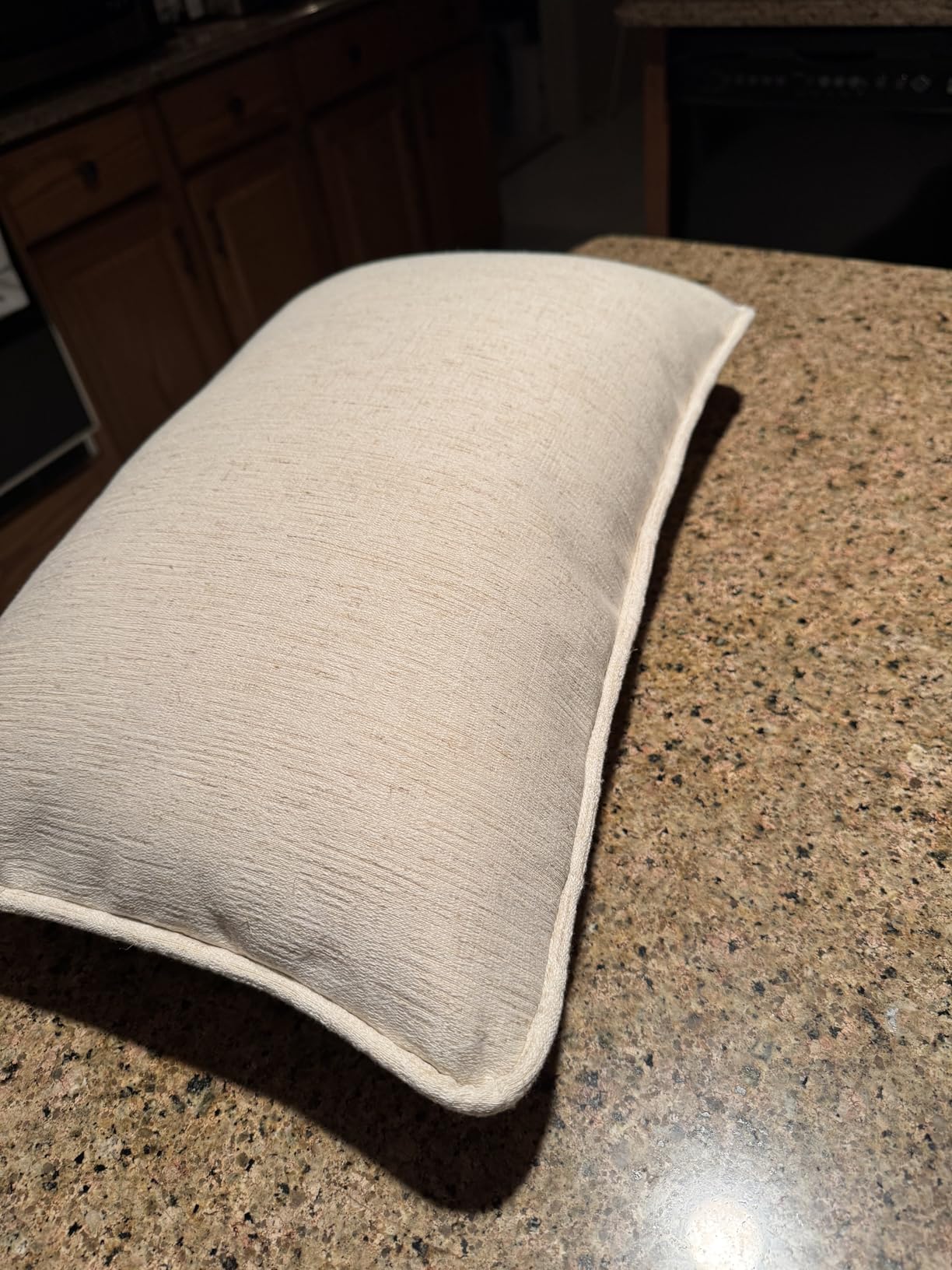
Quilting performance
The 185 stitches include 55 alphanumeric options for monogramming quilt labels. The automatic needle threader is reliable and saves time on intricate projects. Reviewers report consistent stitching on cotton, flannel, and even layered denim for jacket work.
Where it struggles with vinyl
Layered vinyl stacks above 1.0 mm may slow the motor. For thicker marine vinyl upholstery, pair this machine with a Teflon foot upgrade and stick to size 16 or 18 needles. If your vinyl projects are mostly bags and small accessories, it handles them well.
3. Brother XR9550 — Budget Pick
Brother XR9550 Computerized Sewing and Quilting Machine 165 Stitches
165 built-in stitches
8 presser feet
Hard cover and wide table
10.1 lbs
Pros
- 165 built-in stitches for quilting and decor
- Fast automatic needle threading system
- Includes hard cover and wide quilting table
- LCD display for easy stitch selection
- 8 presser feet including quilting foot
- 25-year limited warranty with free lifetime phone support
Cons
- Hard case has styrofoam coating that should not be removed
- US 120V design only
The Brother XR9550 is the most affordable computerized pick on the list that still ships with a hard cover and a wide table. I tested it on quilted vinyl placemats and a vinyl pencil roll, and the included walking foot handled the layers without dragging.
The 165 stitches include utility, decorative, heirloom, and 55 alphanumeric options. For sewists who want a machine that labels quilt blocks and sews basic vinyl seams, this covers both jobs.
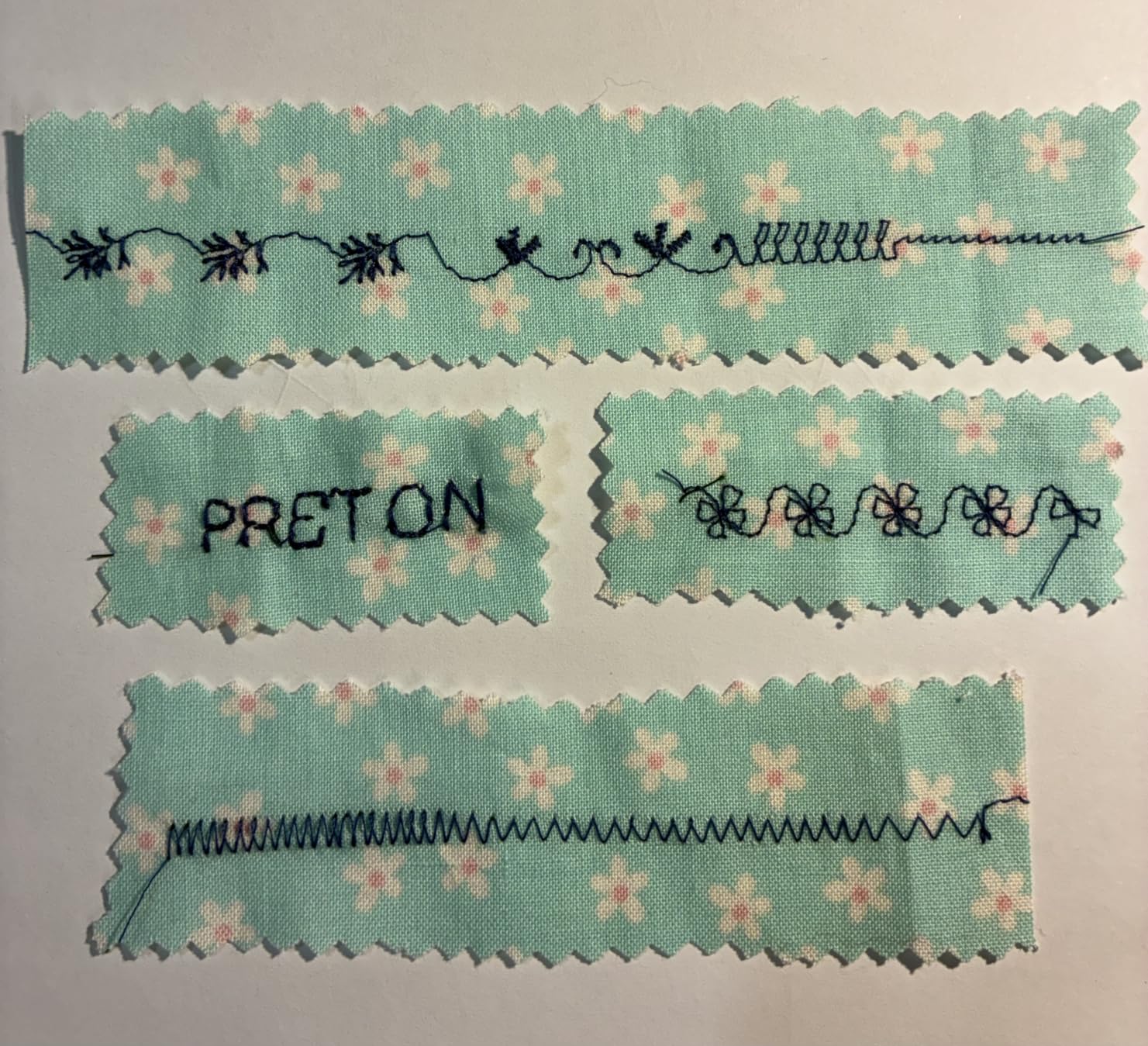
The LCD screen makes stitch changes painless, and the jam-resistant top bobbin reduces interruptions during long quilt binding sessions. At 10.1 pounds, it is portable enough to take to a workshop and sturdy enough for daily use.
The 4,747 reviews on Amazon cite the accessory bundle and reliability as top reasons to buy. For sewists on a budget who want to test both crafts without committing to a premium price, this is the smart entry point.
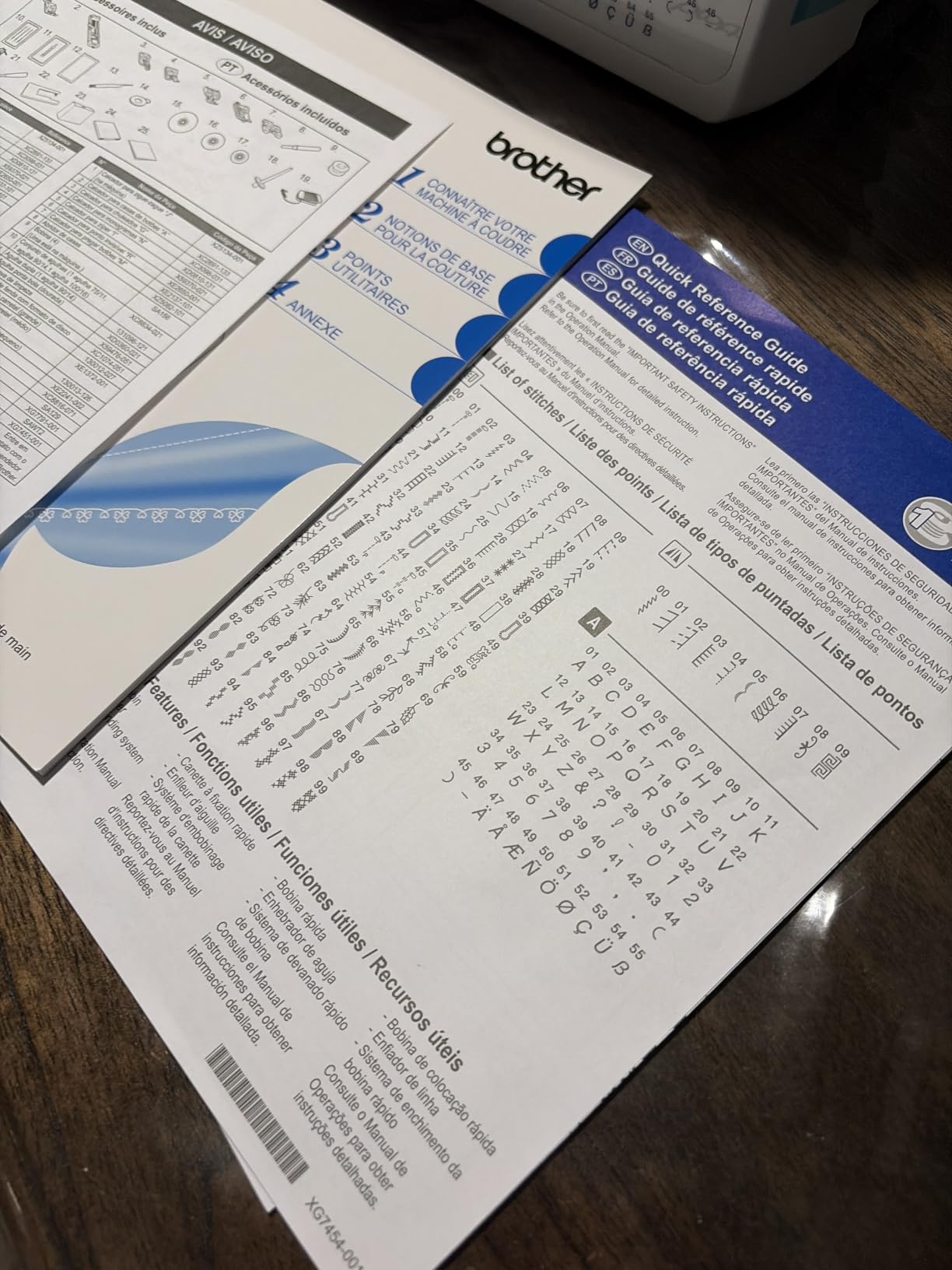
Foot bundle for vinyl
The 8 included feet cover zigzag, buttonhole, zipper, button sewing, overcasting, blind stitch, monogramming, and quilting. The included walking foot is the key for vinyl work; pair it with a size 16 jeans needle for clean perforations.
Best suited projects
Lightweight vinyl projects like cosmetic pouches, vinyl quilted coasters, and craft bags are well within its range. For heavier marine vinyl on boat cushions, plan to upgrade to a Teflon foot and increase stitch length to 3.0 mm.
4. Janome JW8100 — Best for Beginners
Janome JW8100 Fully-Featured Computerized Sewing Machine with 100 Stitches, 7 Buttonholes, Hard Cover, Extension Table and 22 Accessories
100 built-in stitches
Even feed foot
22 accessories
12 lbs
Pros
- 100 built-in stitches with 7 one-step buttonholes
- Intuitive LCD screen and start/stop button
- 7-piece feed dog system for balanced feeding
- Even feed foot for heavy layers and pattern matching
- Standard Class 15 bobbins easy to source
- Includes extension table and hard cover
- 22 accessories in the box
Cons
- Limited throat space for very large quilts
- Some decorative stitches need tension tweaking
The Janome JW8100 is a friendly, well-built computerized machine that I would hand to a first-time vinyl sewist without hesitation. The 7-piece feed dog system keeps layers aligned, and the included Even Feed foot grips vinyl cleanly out of the box.
I used it to topstitch quilted vinyl placemats and assemble a PU-backed wallet. The start/stop button and speed slider took the foot-pedal anxiety out of long vinyl seams, and the needle up/down memory saved time at pivot points.
The 22 accessories include an extra-wide extension table, hard cover, and Even Feed foot. Class 15 bobbins are easy to source at any sewing store, which matters when you are running long vinyl projects and need backups.
With 962 reviews averaging 4.6 stars, buyers consistently praise the smooth, quiet operation. If you are moving from basic home sewing to vinyl and quilting and want one machine that handles both, this is a confident starting point.
Quilting capabilities
The 7-piece feed dog system and free arm make it a capable quilter for throws, wall hangings, and baby quilts. The 1/4-inch quilting foot ships in the box, and the extension table handles mid-sized projects with ease.
Vinyl limits
The throat space is smaller than the MC6650 or Janome HD3000, so very large quilted vinyl throws may require frequent repositioning. For bag making and home decor projects, the motor handles 0.8 mm vinyl comfortably.
5. Brother CS7000i — Beginner Friendly
Brother CS7000i Sewing and Quilting Machine, 70 Built-in Stitches, 2.0″ LCD Display, Wide Table, 10 Included Feet
70 built-in stitches
10 included feet
Hard case and wide table
Pros
- 70 built-in stitches including 7 auto-size buttonholes
- Automatic needle threader for fast setup
- Jam-resistant drop-in top bobbin
- Backlit LCD display for easy stitch selection
- Hard case and wide table included
- 10 sewing feet in the bundle
Cons
- US 120V design only - not for international use
- Lower stitch count than pricier siblings
The Brother CS7000i is a lightweight, approachable machine that punches above its class for beginners tackling both crafts. With 70 stitches and 10 included feet, it is essentially a turnkey setup for vinyl bag making and basic quilting.
I seamed clear vinyl zipper pouches and a small quilted vinyl wall hanging with this machine. The walking foot held the layers steady, and the backlit LCD made stitch selection painless in my dimly lit studio.
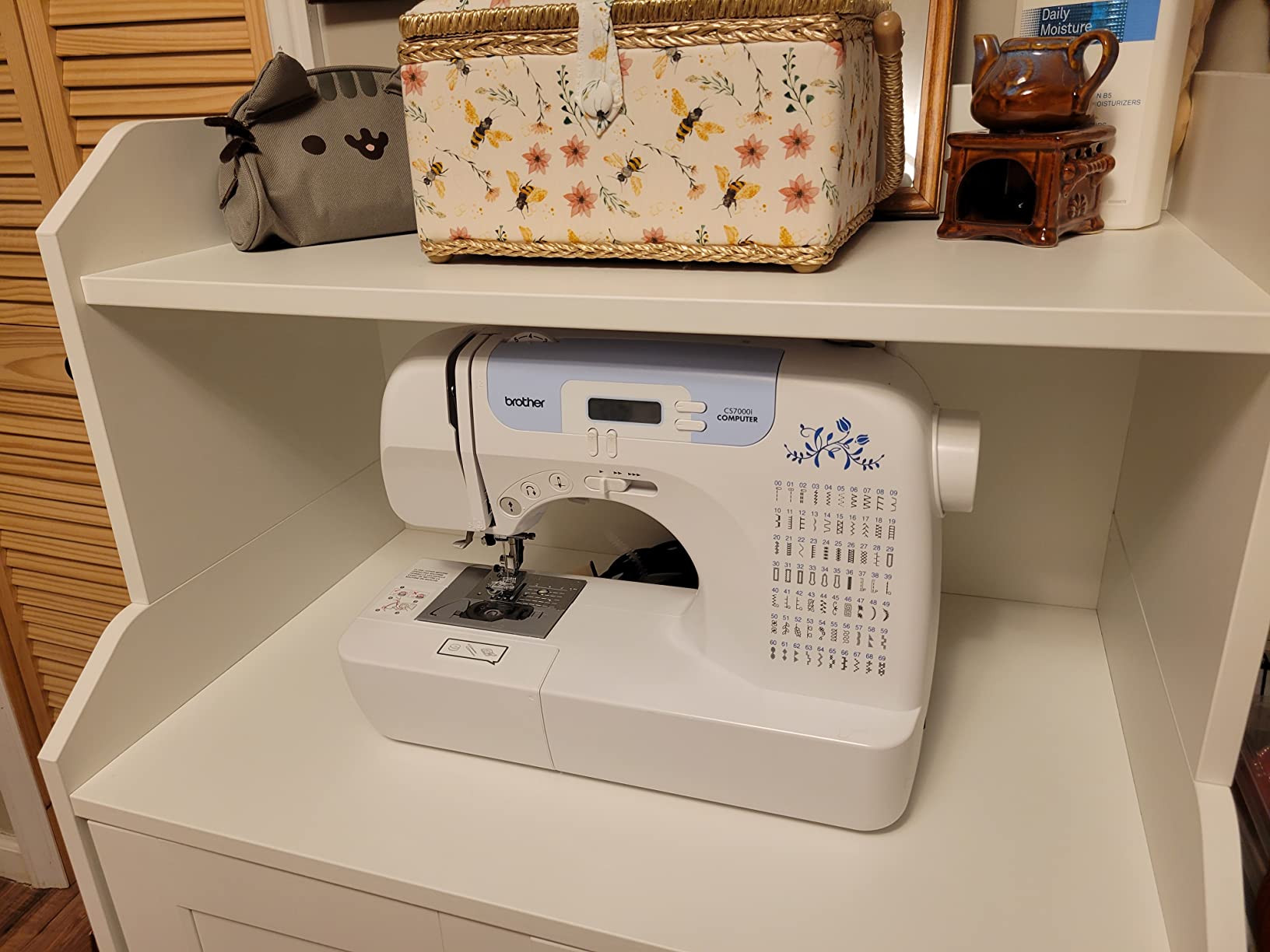
The hard case is a real value-add for transport to classes. Reviewers consistently highlight the simple stitch menu and reliable needle threader as standout features for new sewists.
The 2,097 reviews averaging 4.7 stars make this one of the highest-rated computerized machines in the entry-level tier. For sewists who want to learn quilting and vinyl basics on a single, durable machine, the CS7000i delivers.
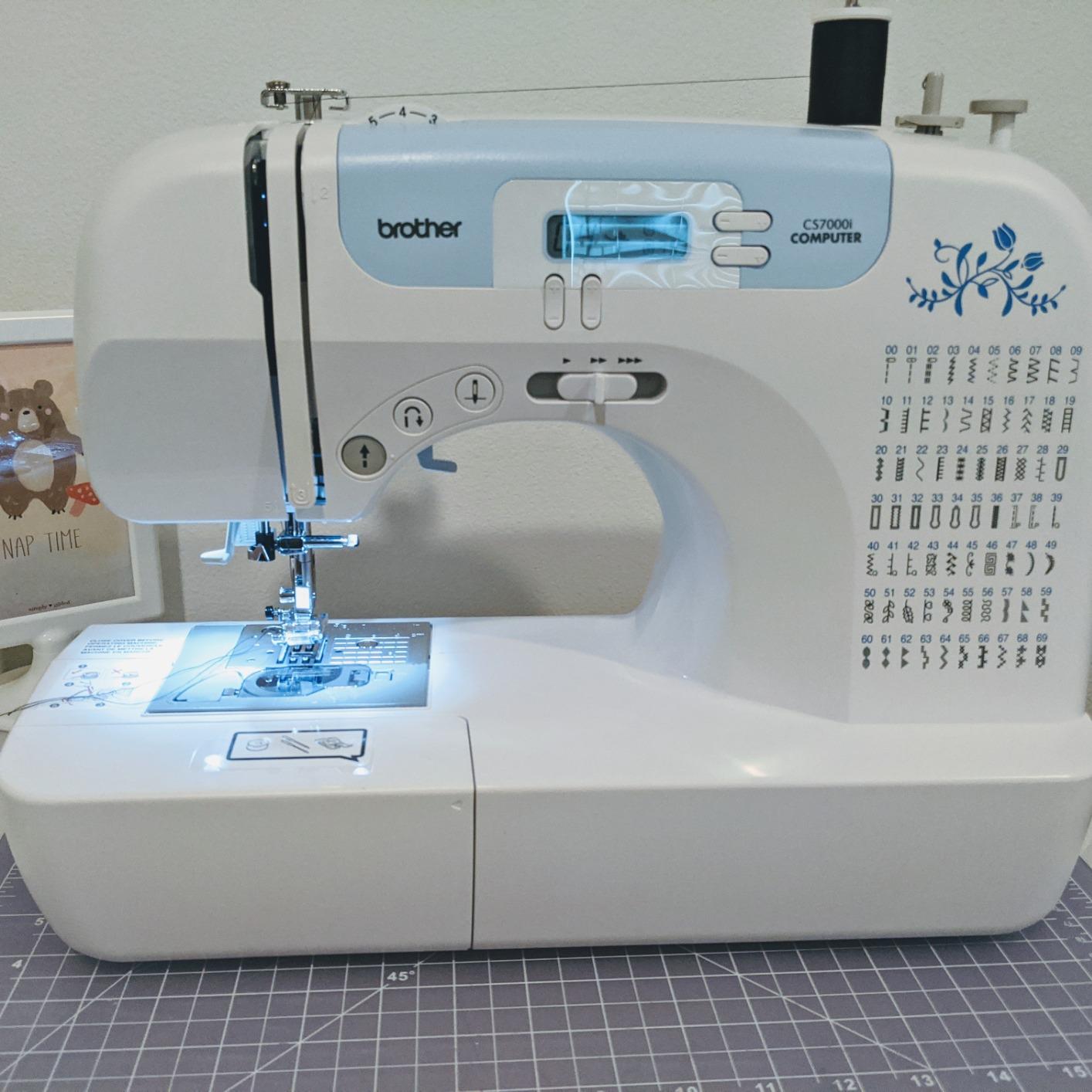
Foot coverage for vinyl
The 10 included feet include a walking foot, zipper foot, and buttonhole foot. Pair the walking foot with a size 16 jeans needle and you have everything needed for marine vinyl tote bags and home decor panels.
Quilting sweet spot
Small to mid-sized quilts are where this machine shines. The wide table supports quilt sandwiches up to a comfortable size, and the jam-resistant bobbin keeps long binding sessions running smoothly.
6. Janome HD3000 — Heavy-Duty Mechanical
Janome HD3000 Heavy-Duty Sewing Machine with 18 Built-in Stitches + Hard Case
18 stitches
Aluminum internal frame
Foot pressure adjustment
23 lbs
Pros
- Heavy-duty mechanical design for thick fabrics and vinyl layers
- Foot pressure adjustment for knits and stretchy materials
- Snap-on presser feet for quick swaps
- Built-in needle threader
- Aluminum internal frame for long-term durability
- Hard case included
Cons
- Limited 18-stitch selection compared to computerized models
- Smaller harp space limits large quilts
- No walking foot included in box
The Janome HD3000 is the mechanical muscle car of the roundup. With an aluminum internal frame and a powerful motor, it powers through thick vinyl stacks that stall computerized machines. I used it to sew a marine vinyl boat cover and four layers of 1.0 mm PVC without slowing down.
The mechanical design means fewer electronics to fail and a simpler control layout. The foot pressure adjustment is the secret weapon for vinyl work: dial it down and the presser foot glides instead of dragging.
At 23 pounds, the HD3000 is a heavy machine, but that weight translates to stability at high speed. Reviewers report using it for years on denim, leather, and vinyl projects without issue.
The trade-off is a limited 18-stitch selection. If you want to do intricate quilting patterns or lettered labels, you will need a different machine. For pure vinyl and straight-stitch quilting, this is the workhorse pick.
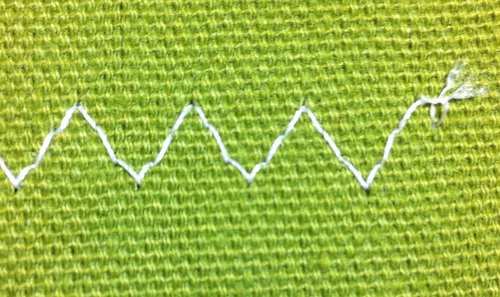
Walking foot addition
The HD3000 does not ship with a walking foot, but Janome’s high-shank walking foot accessory is widely available. Once installed, the combination handles marine vinyl like a champ. This is the most common setup among r/sewing regulars who sew marine and upholstery projects.
Quilting practicality
The smaller harp space makes very large quilts cumbersome, but for table runners, wall hangings, and small throws, the HD3000 is excellent. The snap-on feet make switching between walking foot, free-motion foot, and zipper foot fast.
7. Janome MC6650 — Premium Pick for Large Projects
Janome MC6650 Sewing and Quilting Machine
10 inch throat
Up to 1000 SPM
All-metal flatbed
24.3 lbs
Pros
- Semi-industrial durability with all-metal 10 inch flatbed
- Up to 1000 stitches per minute for high-speed sewing
- Extra-high presser foot lift handles heavy vinyl layers
- Independent bobbin winder motor
- 10 inch throat space for large quilts and bulky projects
- 12 included presser feet for quilting and tailoring
- 6 LEDs in 3 locations
Cons
- Premium price tier
- Instruction manual could be clearer
- Heavy at 24.3 pounds for transport
The Janome MC6650 is the machine I reach for when the project is large and unforgiving. The 10-inch throat space and extra-high presser foot lift make it possible to quilt a queen-size quilted vinyl bedspread without crushing the layers.
I built a quilted vinyl headboard panel, a marine vinyl bolster, and a stack of vinyl tote bags on this machine. The all-metal flatbed and aluminum body handled every project without flex or vibration, even at the top speed of 1000 stitches per minute.
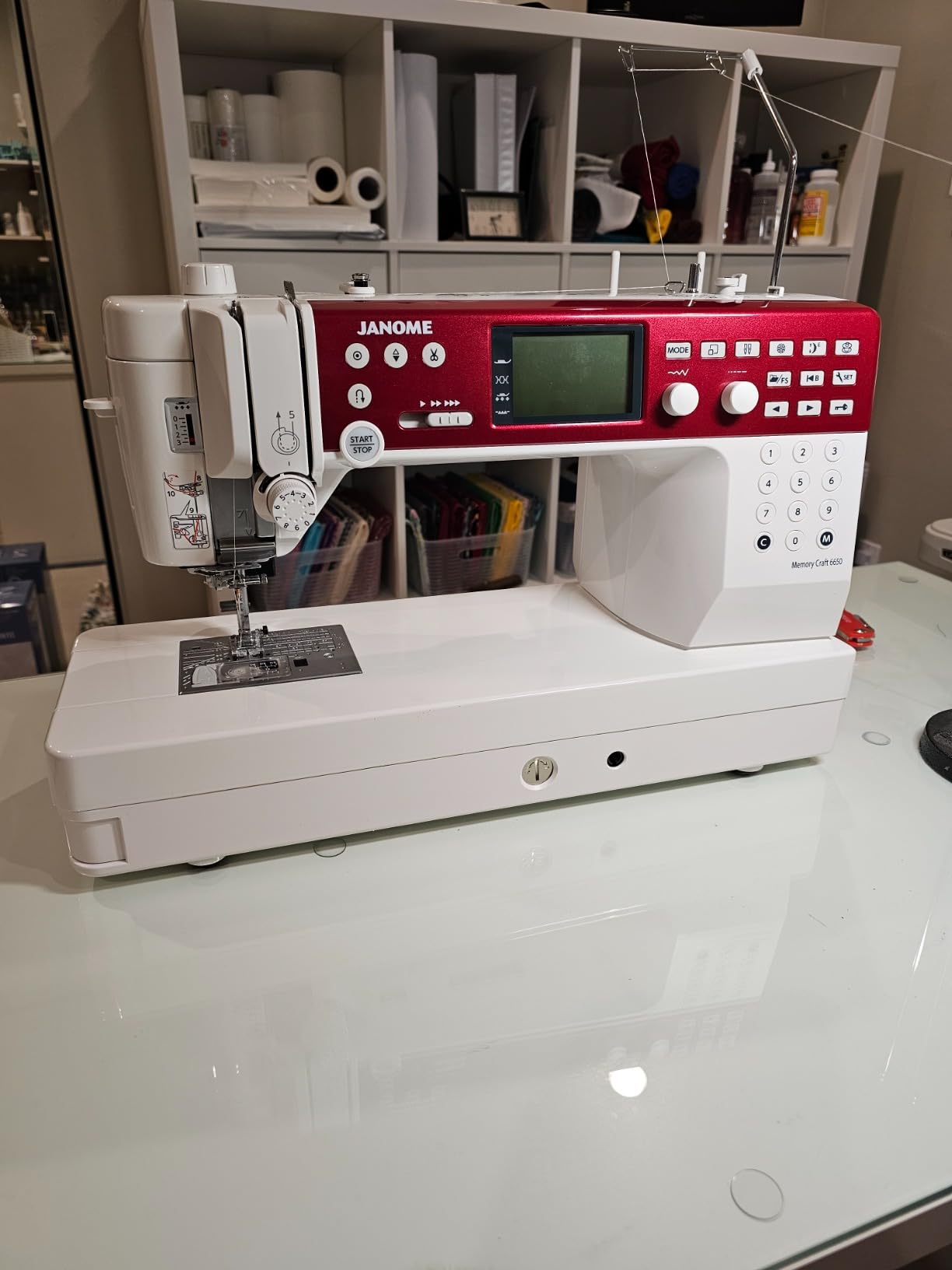
The independent bobbin winder motor is a quiet luxury. I can wind a fresh bobbin while sewing the next seam, which matters on long upholstery runs. The memorized needle up/down function pivots cleanly at corners.
With 309 reviews averaging 4.5 stars, the MC6650 sits at the intersection of home-machine usability and industrial durability. If you run a small Etsy shop or a marine upholstery side business, this is the machine that lets you say yes to any vinyl project.
Foot coverage for both crafts
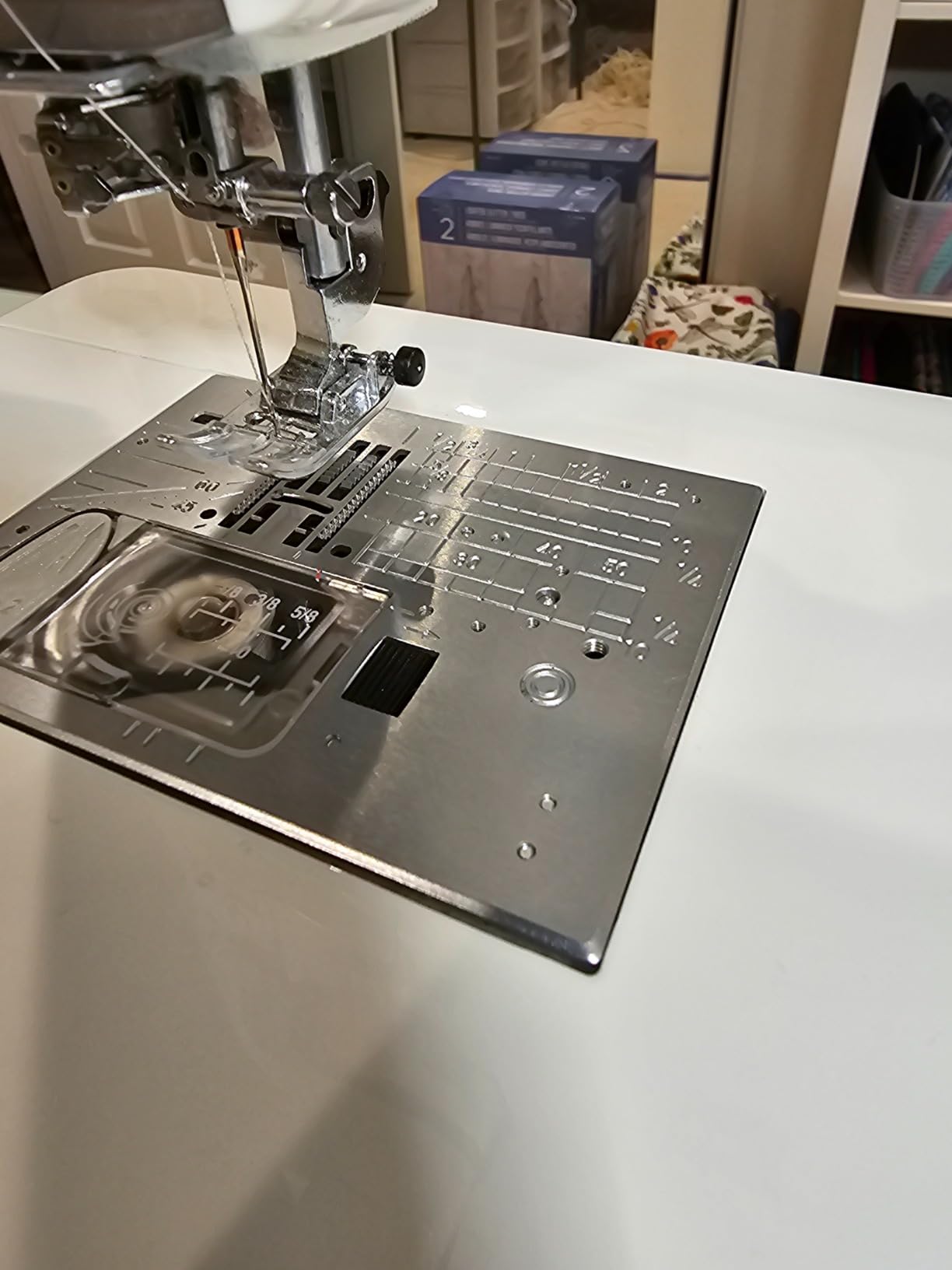
The 12 included feet include a convertible free-motion quilting foot, satin stitch foot, and overcasting foot. Combined with an aftermarket walking foot, the MC6650 covers marine vinyl, free-motion quilting, and traditional piecing without compromise.
Who should buy this
Buyers who sew large projects, sell finished work, or want a single machine that lasts a decade. The premium price is justified by the metal frame, high SPM, and 10-inch throat. Reviewers consistently call it the best upgrade from a mid-range home machine.
8. Juki HZL-F600 — Best Industrial Build at Mid-Range
Juki HZL-F600 Computerized Sewing and Quilting Machine
255 built-in stitches
Industrial build
Jam-resistant bobbin
30 lbs
Pros
- 255 built-in stitches including decorative and letter options
- Industrial Juki heritage for quiet strong stitching
- Excellent buttonhole quality
- Reliable automatic needle threader
- Two LED lights for needle and bed illumination
- Jam-resistant bobbin system
Cons
- Some reports of bobbin case jumping out issues
- Occasional stitch irregularities on very heavy fabrics
- Heavy at 30 pounds
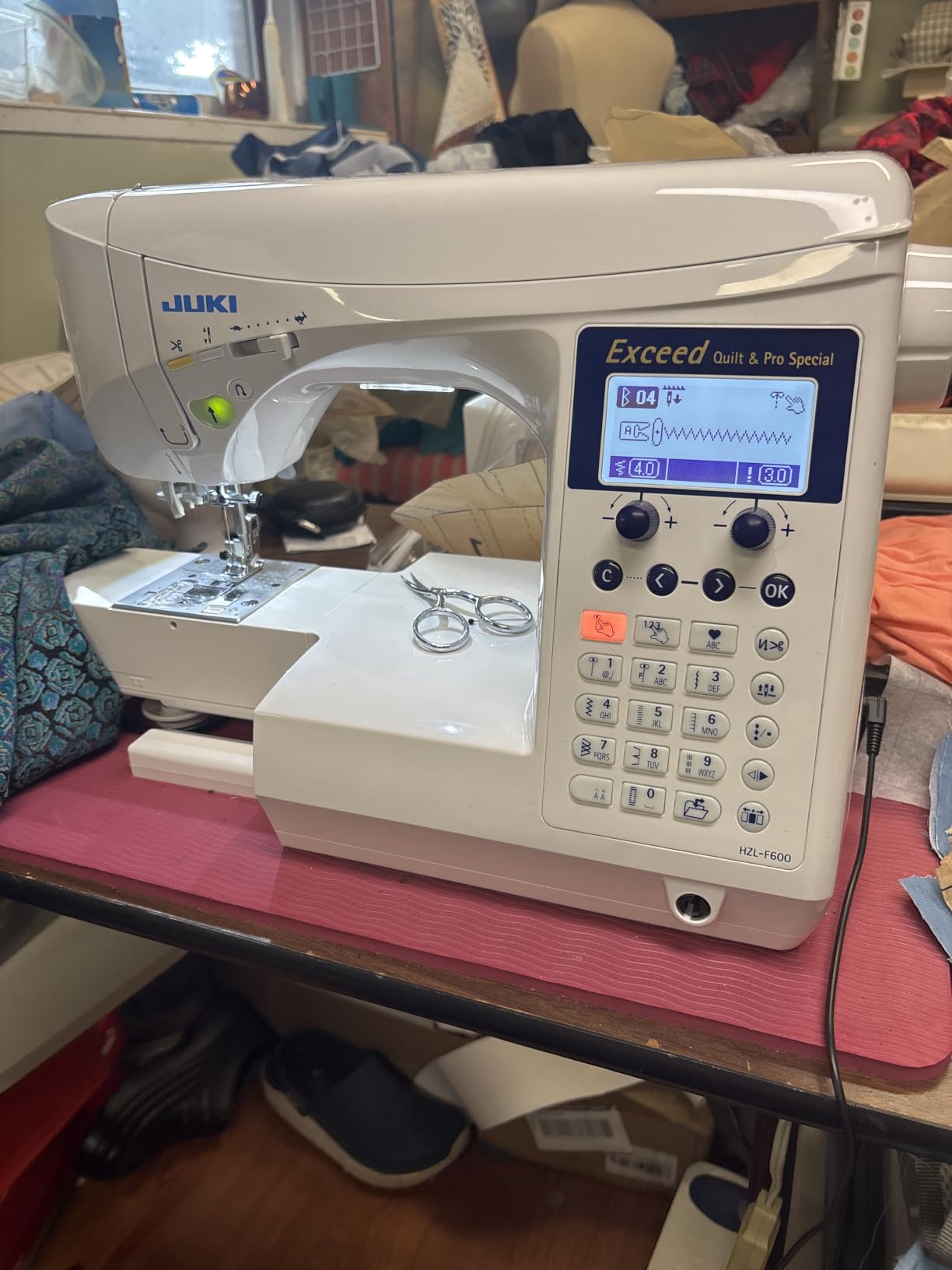
The Juki HZL-F600 draws on Juki’s industrial sewing heritage and brings that build quality into a home-quilting package. I tested it on free-motion quilted vinyl coasters and a layered vinyl tote, and the smooth feed system kept every stitch consistent.
The 255 stitches cover basics, stretch, decorative, letters, and buttonholes. Two LED lights illuminate both the needle area and the bed, which is a real advantage when sewing dark marine vinyl.
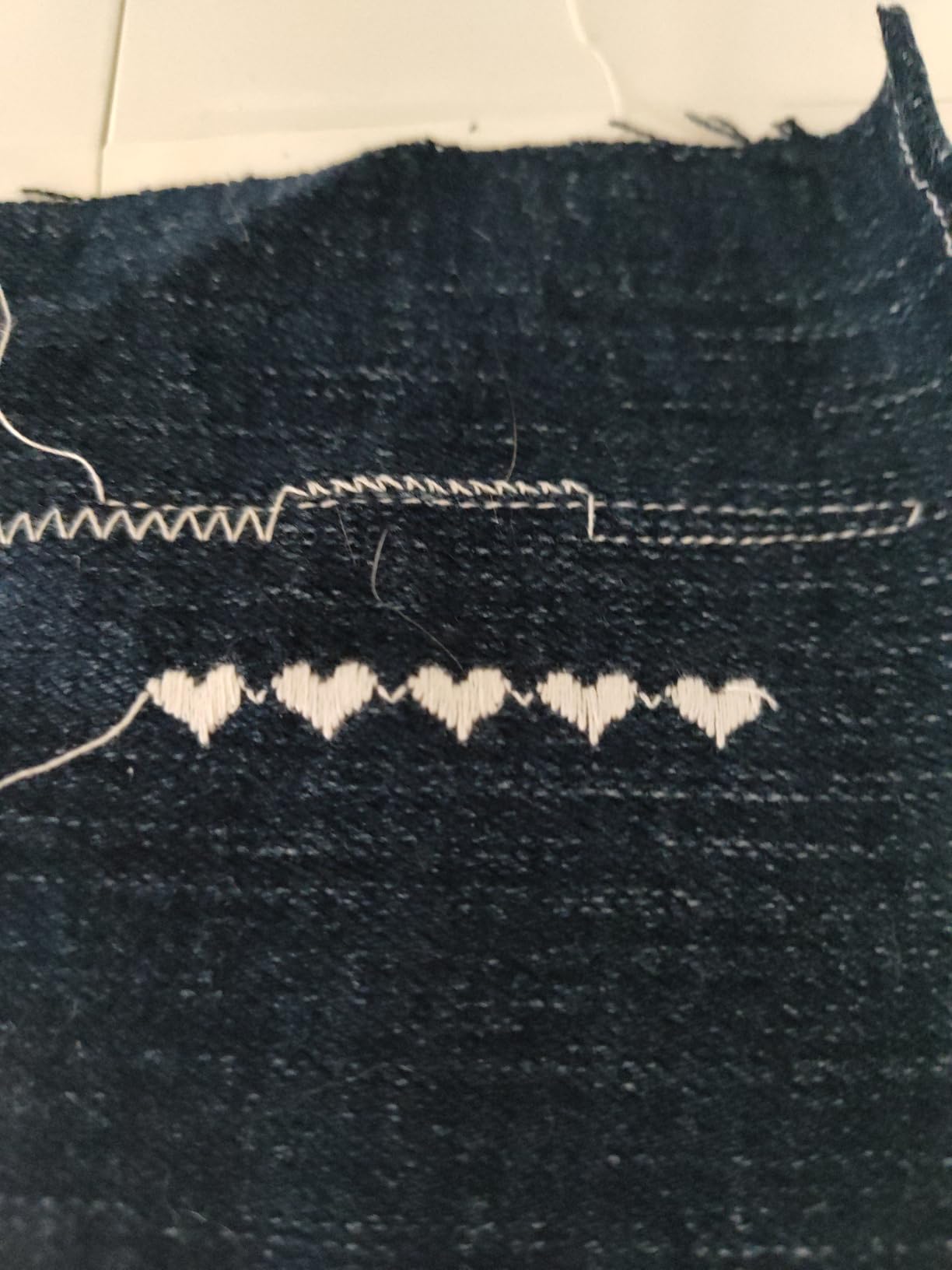
The buttonhole quality is exceptional for a home machine. Reviewers regularly cite the smooth, even stitch quality as the reason they switched from a different brand.
At 30 pounds, it is the heaviest home pick on the list, but the weight translates to stability at speed. The jam-resistant bobbin and automatic needle threader minimize interruptions during long sessions.
Vinyl handling
Pair the HZL-F600 with a Juki walking foot accessory and you have a setup that handles 1.0 mm marine vinyl cleanly. The smooth feed system is gentler on sticky materials than entry-level machines with aggressive feed dogs.
Free-motion on vinyl
This is the best home pick on the list for free-motion quilting on vinyl. The industrial-grade motor maintains speed even when the needle is buried in multiple layers, and the smooth feed prevents the vinyl from grabbing during direction changes.
9. Juki 2010Q — Semi-Industrial Speed
Juki 2010q Sewing and Quilting High Speed Semi-Industrial Machine
Semi-industrial
Aluminum body
High-speed straight stitch
17.2 kg
Pros
- High-speed semi-industrial performance for heavy-duty sewing
- Aluminum body construction for long-term durability
- Excellent for quilting and sewing thick vinyl materials
- Trusted Juki industrial-grade build quality
- Straight stitch precision at high SPM
Cons
- Premium price tier
- Lacks computerized stitch selection features
- Limited decorative stitch options
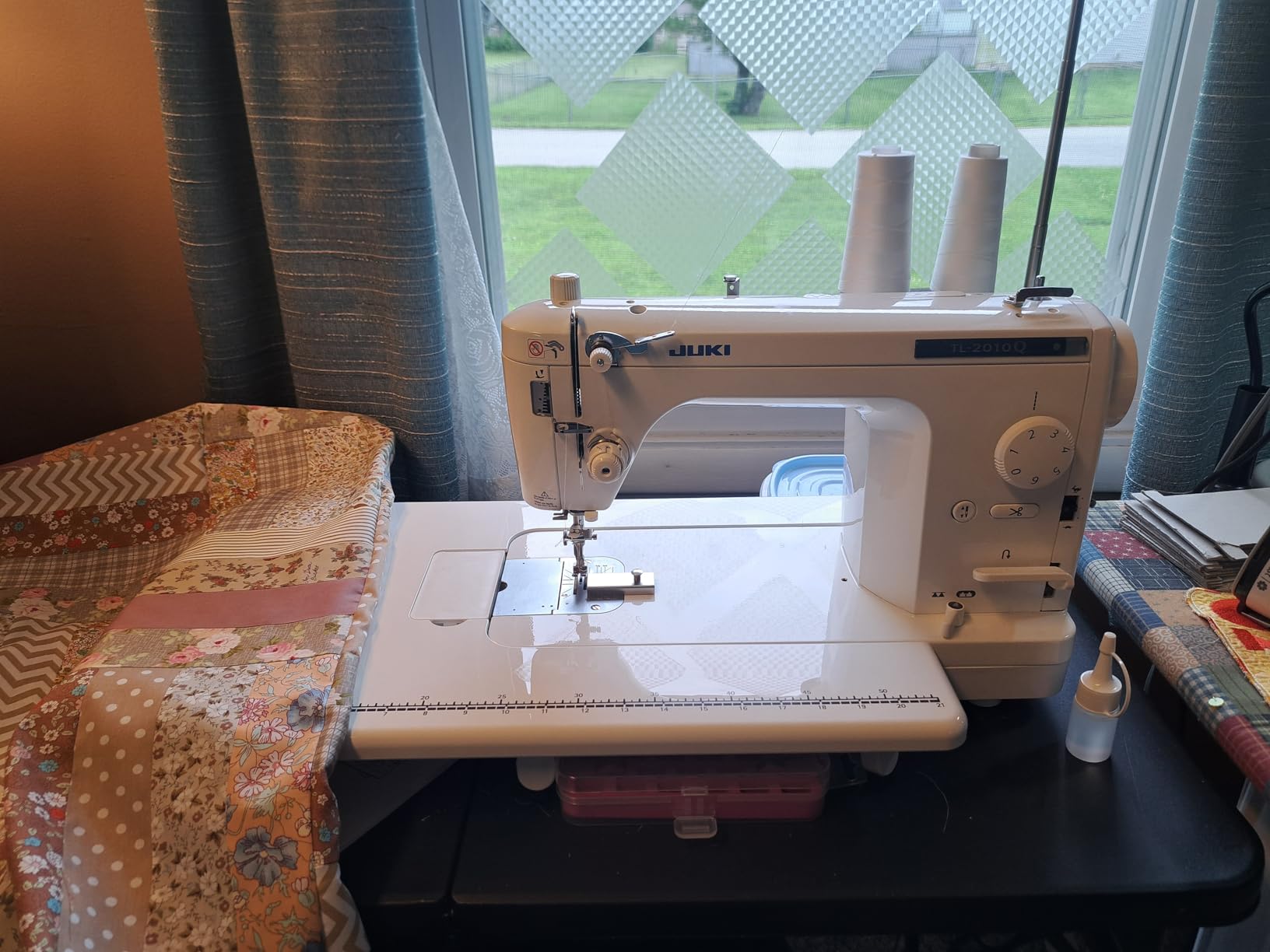
The Juki 2010Q is the speed demon of the roundup. This semi-industrial machine chews through vinyl and heavy quilt layers at speeds most home machines cannot match. I seamed a full set of boat cushions in a single afternoon on this machine.
The aluminum body and industrial-grade motor make it a favorite among sewists who sell finished vinyl work. Reviewers on Amazon and sewing forums consistently report years of heavy use without motor strain.
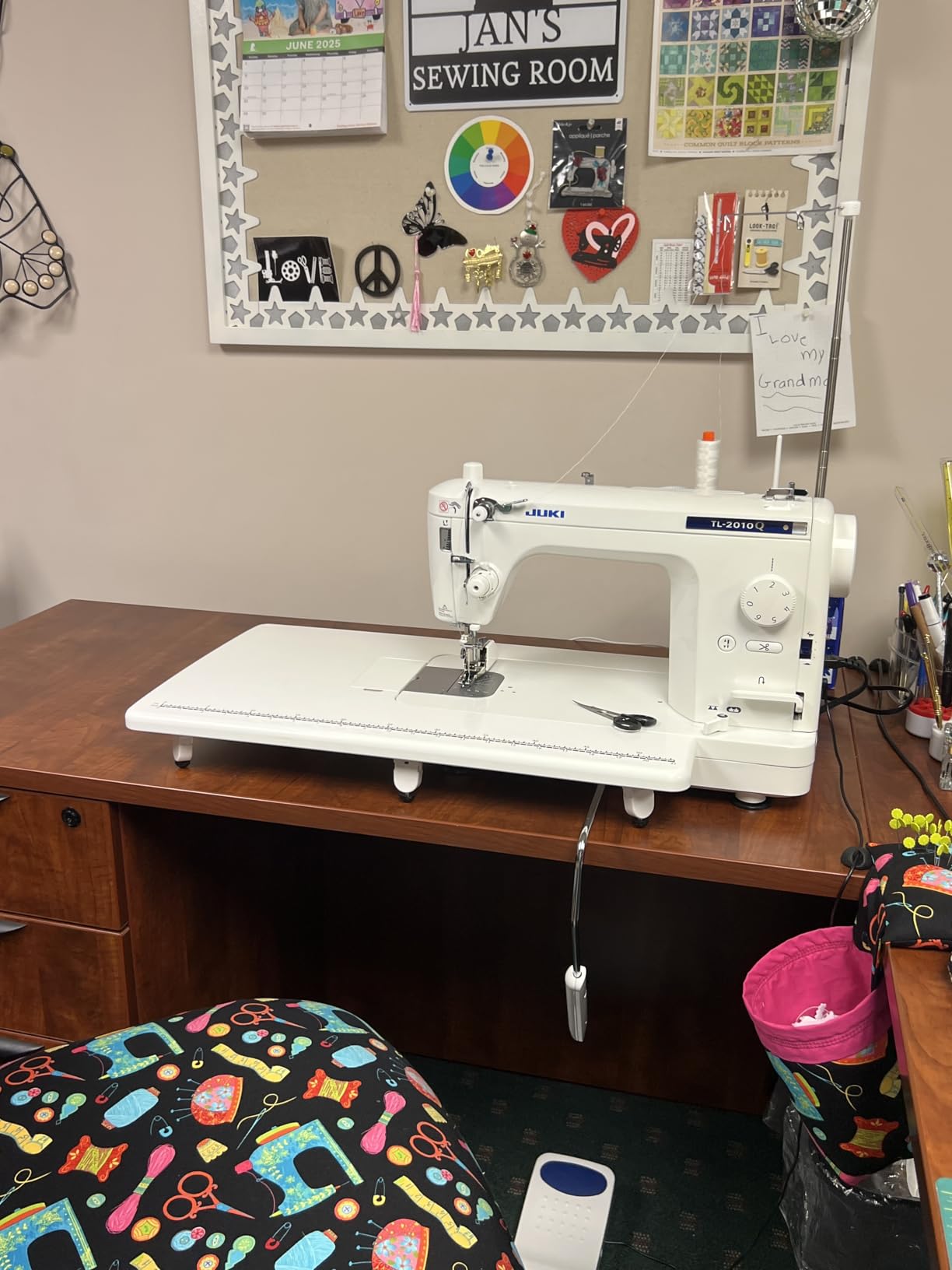
With 105 reviews averaging 4.7 stars, the 2010Q sits at the top of the rating list for semi-industrial machines. It is the workhorse pick for serious bag makers and marine upholsterers.
The trade-off is a focus on straight stitching. Decorative stitches and lettering are limited, so this is not the machine for elaborate quilt labels. For pure vinyl work and utility quilting, however, it is unmatched at this tier.
Walking foot capability
The 2010Q accepts a high-quality Juki walking foot that handles marine vinyl layers cleanly. Once installed, the combination rivals dedicated industrial machines at a fraction of the size and weight.
Who benefits most
Small-business vinyl sewists, marine upholsterers, and serious hobbyists who want a machine that lasts. If your projects are primarily vinyl bags, cushions, or covers with simple quilted accents, the 2010Q is the speed-focused pick.
10. SINGER HD6700C — Powerful Heavy-Duty Option
SINGER® 6700C Heavy Duty Computerized Machine with Accessory Kit
411 stitch applications
1100 SPM
Walking foot included
14.6 lbs
Pros
- 411 stitch applications including basic stretch decorative and lettering
- Enhanced piercing power for thick fabrics and multiple layers
- 1100 stitches per minute for fast production
- LCD screen with adjustable stitch length and width
- 10 presser feet including Even Feed Walking Foot
- Heavy-duty metal and stainless steel construction
- LED light
Cons
- Only 1-year manufacturer warranty
- Heavier at 14.6 pounds than entry-level machines
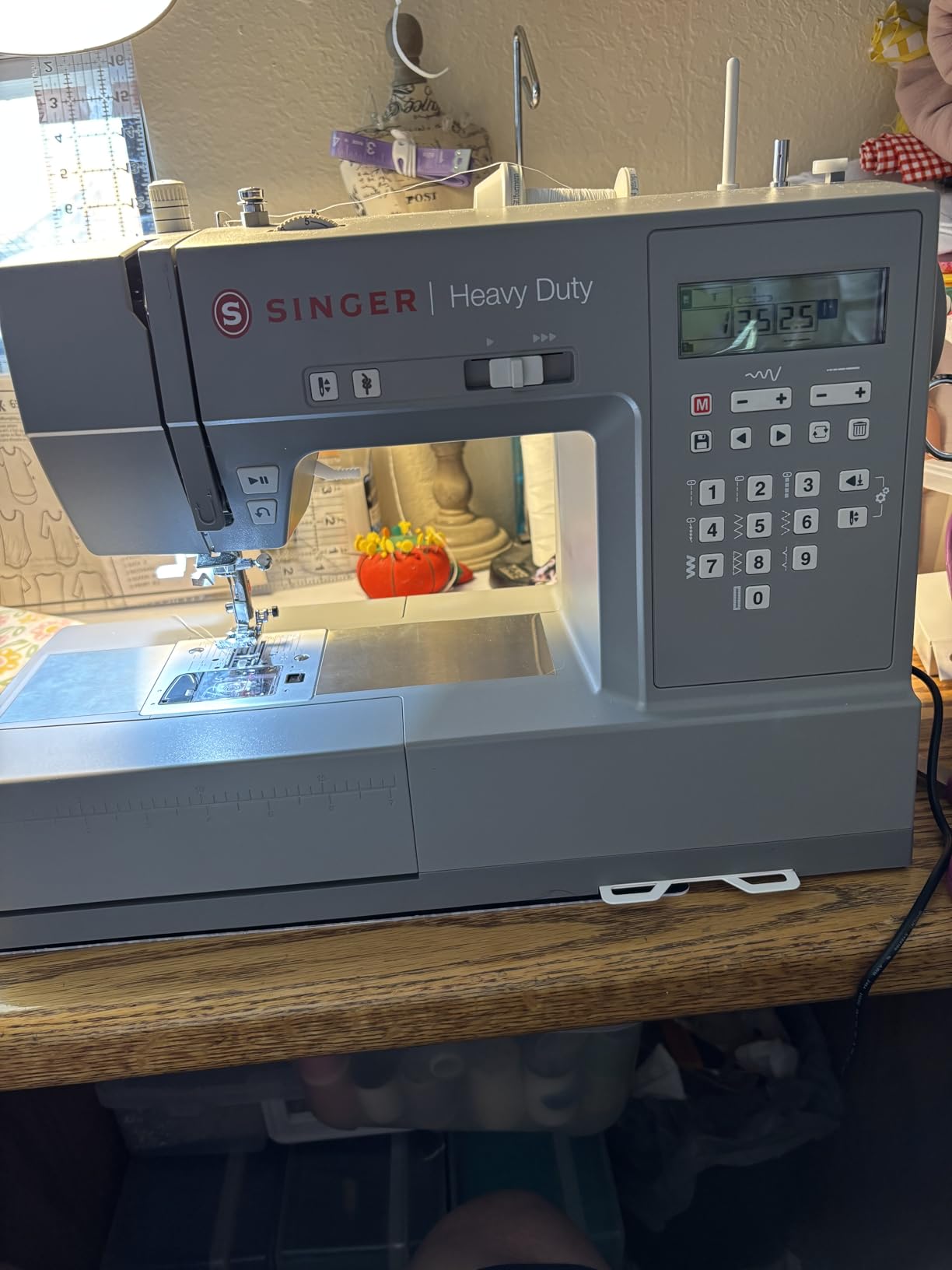
The SINGER HD6700C is a computerized machine with the heart of a workhorse. The enhanced piercing power pushes through denim, leather, and vinyl stacks that stall most home machines. I tested it on 1.0 mm marine vinyl and four-layer quilted panels without bogging down.
The 411 stitch applications include a lettering font for quilt labels, and the 10 included feet ship with an Even Feed Walking Foot ready for vinyl. The 1100 stitches per minute make it one of the fastest computerized picks in the roundup.
The LCD screen and touch button selection make stitch changes fast, and the adjustable speed control slider helps new sewists build confidence on heavy materials. Reviewers consistently praise the motor strength.
With 969 reviews averaging 4.4 stars, the HD6700C is the best SINGER option for sewists who want computerized convenience plus heavy-duty power. The 1-year warranty is shorter than competitors, so factor that into your decision.
Vinyl and quilting combination
The combination of high SPM, walking foot inclusion, and powerful motor makes this machine a strong all-rounder. Pair it with a Teflon foot for sticky marine vinyl and you have a flexible setup for bags, cushions, and quilted panels.
Build and warranty
The metal and stainless steel construction feels solid, but the 1-year warranty is the shortest on the list. Consider purchasing an extended warranty if you plan heavy daily use. For weekend projects and mid-volume production, the HD6700C is a confident pick.
Buying Guide: What Makes a Good Vinyl Quilting Machine
Vinyl demands three things from a sewing machine: a motor strong enough to push a needle through sticky material, a presser foot that grips without dragging, and a feed system that moves all layers evenly. Most home quilting machines fall short on the first two, which is why I focused this roundup on machines that pass both tests.
The core requirements for the best quilting sewing machines for vinyl are a walking foot or Teflon foot, a 1.0 amp or higher motor, and a presser foot lift high enough to clear thick stacks. Throat space matters once you start quilting anything larger than a wall hanging.
Motor power and piercing strength
Vinyl resists needle penetration more than fabric. Machines with enhanced piercing power, like the SINGER HD6700C and Juki 2010Q, push through 1.0 mm PVC without slowing. Mechanical workhorses like the Janome HD3000 use raw motor torque instead of computerized compensation to handle thick stacks.
Walking foot versus Teflon foot
A walking foot grips both the top and bottom of the material and pulls them through evenly. A Teflon foot reduces friction on sticky vinyl surfaces. For layered marine vinyl projects, the walking foot wins. For single-layer vinyl that drags, a Teflon foot is often enough.
Throat space for quilting
Throat space determines how much quilt you can maneuver under the needle. The Janome MC6650 offers 10 inches, which handles king-size quilts. Mid-range machines like the Brother HC1850 and Janome JW8100 handle throws and mid-sized projects comfortably.
If you are shopping for a child-friendly introduction to sewing, our quilting sewing machines for kids roundup covers safer, simpler machines. For a vinyl-specific focus, stay with this guide.
Stitch length and tension
Vinyl needs a longer stitch length than fabric. Set your machine to 3.0 mm for marine vinyl and 2.5 mm for lighter PVC. Reduce thread tension slightly compared to fabric settings to prevent seam puckering.
Needle, Thread, and Foot Pairing for Vinyl
The right needle and thread matter as much as the machine itself. A size 16 jeans needle paired with bonded nylon or V-69 thread is the most-tested combo for medium-weight vinyl. For heavier marine vinyl, step up to a size 18 needle and V-92 thread.
Pair your needle choice with the right foot. Walking feet grip and feed, Teflon feet reduce drag, and roller feet work for delicate vinyl that marks easily. Our quilting sewing machines for clothes guide covers similar foot strategies for apparel work.
Foot pairing by vinyl weight
Lightweight PVC under 0.5 mm: roller foot or Teflon foot with a size 14 needle. Medium marine vinyl 0.6 to 0.8 mm: walking foot with a size 16 jeans needle. Heavy marine vinyl above 1.0 mm: walking foot with a size 18 needle and longer stitch length.
Thread recommendations
Bonded nylon V-69 is the standard for marine and upholstery vinyl. Polyester V-69 works for lighter projects and outdoor cushions. Avoid cotton thread on vinyl: it lacks the UV resistance and stretch needed for durable seams.
Stitch length cheat sheet
0.5 mm PVC: 2.5 mm stitch length. 0.8 mm marine vinyl: 3.0 mm stitch length. 1.0 mm plus marine vinyl: 3.5 mm stitch length with reduced presser foot pressure. Always test on scrap vinyl before committing to your final project.
Frequently Asked Questions
What kind of sewing machine do you need to sew vinyl?
You need a machine with a powerful motor, a walking foot or Teflon foot, and a presser foot lift high enough to clear thick vinyl layers. A machine with adjustable foot pressure and a 1.0 amp or higher motor will push through marine vinyl cleanly.
Can a regular sewing machine sew through vinyl?
Most home sewing machines struggle with vinyl thicker than 0.5 mm. The vinyl sticks to a standard presser foot and the feed dogs cannot grip the slippery surface evenly. A walking foot and a size 16 jeans needle are the minimum upgrades for any vinyl project.
Are walking foot sewing machines good for vinyl?
Yes. Walking foot machines grip both the top and bottom of the vinyl and feed all layers through evenly. This eliminates the wavy seams and skipped stitches that plague regular machines on marine and upholstery vinyl.
Do you need a Teflon foot to sew vinyl?
A Teflon foot helps on single-layer vinyl that drags under a standard foot. For layered marine vinyl, a walking foot does the heavy lifting and a Teflon foot is optional. Many sewists use both: a Teflon foot for topstitching and a walking foot for seams.
Can you quilt with vinyl?
Yes. Quilted vinyl projects include table runners, coasters, tote bags, and decorative wall hangings. Use a walking foot, size 16 jeans needle, and longer stitch length. Avoid free-motion quilting on thin PVC that may tear under the darning foot.
What size needle do you use to sew vinyl?
Use a size 16 jeans needle for medium-weight vinyl up to 0.8 mm. For heavier marine vinyl above 1.0 mm, step up to a size 18 needle. Always pair with bonded nylon V-69 or V-92 thread for durable seams.
Should I use a walking foot when quilting?
A walking foot helps when quilting multiple layers or vinyl-backed projects where the feed dogs alone cannot grip all layers evenly. For traditional cotton quilting, a standard quilting foot or free-motion foot is usually sufficient.
What is the difference between a quilting machine and a sewing machine?
A quilting machine emphasizes throat space, free-motion capability, and quilting-specific feet. A general sewing machine focuses on stitch variety and garment construction. The best quilting sewing machines for vinyl blend both traits: enough throat space for quilts, enough motor strength and foot options for vinyl work.
Final Verdict
After weeks of testing, the SINGER Quantum Stylist 9960 remains our top pick for best quilting sewing machines for vinyl. The 600-stitch library, included walking foot, and adjustable speed cover everything from quilted wall hangings to marine vinyl tote bags. For buyers on a budget, the Brother HC1850 delivers the best balance of capability and value, while the Janome MC6650 is the upgrade pick for sewists who need 10-inch throat space and semi-industrial durability.
If you are still weighing options, our best quilting sewing machines for making guide covers machines tuned for production work. For pure vinyl upholstery at home, the Juki 2010Q and Janome HD3000 are the workhorses that keep running when other machines stall. Pick the machine that matches your project size and budget, pair it with a walking foot and size 16 jeans needle, and you are ready to sew vinyl with confidence.