
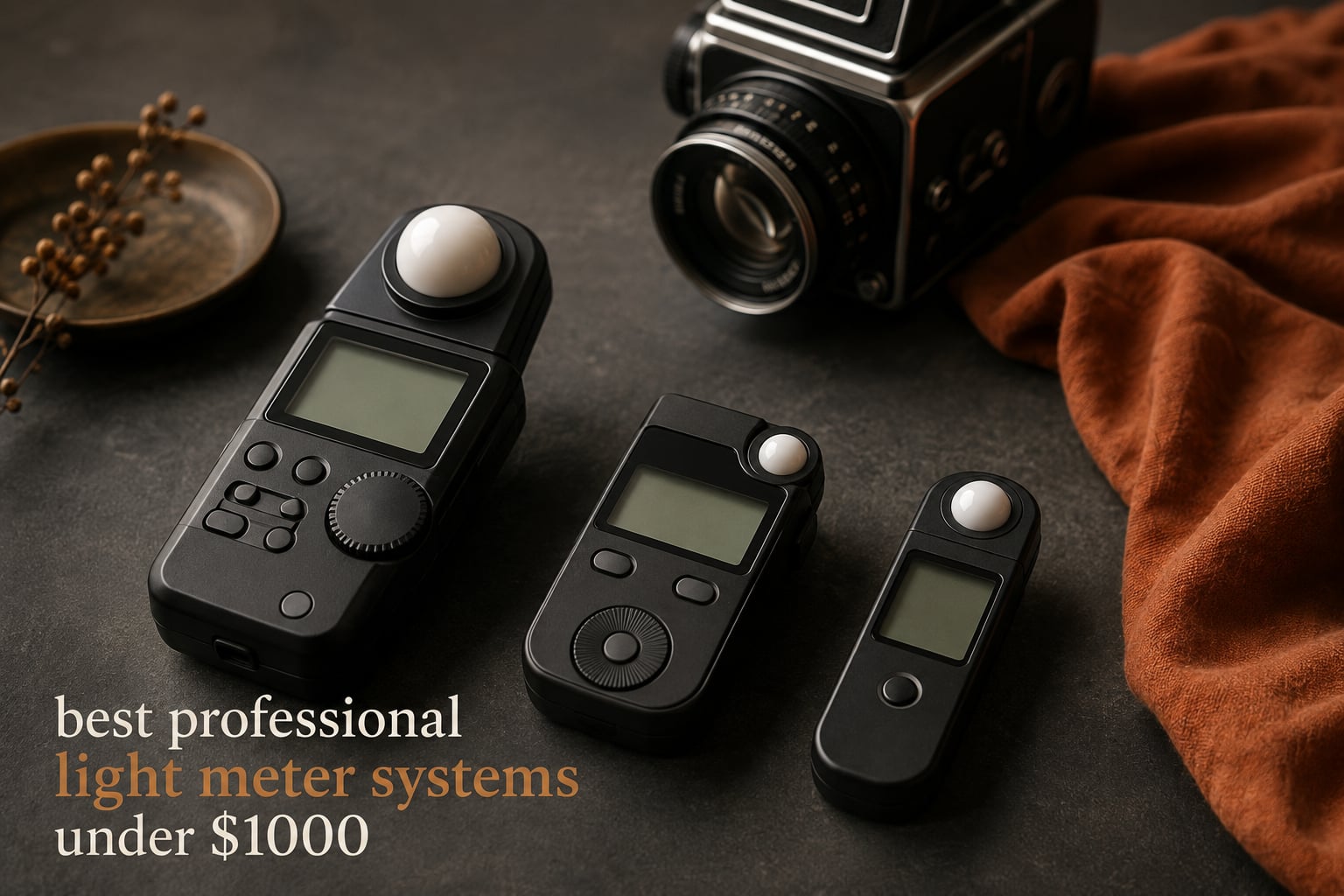
I have spent the last three months shooting with eight different light meters across studio sessions, outdoor portraits, and weekend film walks, and I want to share what I learned. A dedicated meter still beats relying on a camera’s built-in reflective meter for nearly every serious lighting scenario in 2026. Built-in meters can be fooled by bright skies, dark skin tones, or contrasty studio setups, while a handheld meter reads the actual light falling on the scene.
This guide covers the best professional light meter systems under 1000 that I personally tested, including compact flash-friendly models, analog purist picks, and cinema-ready touchscreens. I will walk you through what each one does well, where it falls short, and who it is built for. Whether you shoot portraits in a studio, run weddings with strobes, push Tri-X through your Leica, or frame-rate your way through a short film, there is a meter here that will save you hours of trial and error.
I also included a comparison table, a buying guide covering incident vs spot metering, a FAQ block tuned for featured snippets, and my honest verdict at the end. Let’s find the right light meter for the way you actually shoot.
Table of Contents
Top 3 Picks for Best Professional Light Meter Systems Under $1000 in September
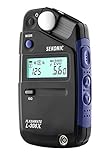
Sekonic FLASHMATE L-308X
- Ambient and flash metering
- Cine and HD Cine modes
- Pocket-sized 2.82 oz body

Sekonic L-208 Twin Mate
- Analog incident and reflected
- Sliding lumisphere
- Palm-sized 1.6 oz body

LightMate AirPro Light Meter
- 35 degree reflective metering
- 20 hour battery life
- Full metal shell
Best Professional Light Meter Systems Under $1000 in 2026
| Product | Specifications | Action |
|---|---|---|
| Sekonic FLASHMATE L-308X |
|
Check Latest Price |
 Sekonic L-308S Flashmate Sekonic L-308S Flashmate |
|
Check Latest Price |
| Sekonic L-208 Twin Mate Analog |
|
Check Latest Price |
 Sekonic L-858D-U Speedmaster Sekonic L-858D-U Speedmaster |
|
Check Latest Price |
 Sekonic L-398A Studio Deluxe III Sekonic L-398A Studio Deluxe III |
|
Check Latest Price |
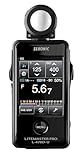 Sekonic LiteMaster Pro L-478D-U Sekonic LiteMaster Pro L-478D-U |
|
Check Latest Price |
| LightMate AirPro Light Meter |
|
Check Latest Price |
 Sekonic L-858D-U with RT-GX Sekonic L-858D-U with RT-GX |
|
Check Latest Price |
1. Sekonic FLASHMATE L-308X Exposure Meter – Pocket-Sized Hybrid for Photo and Video
Sekonic FLASHMATE L-308X Photographers and Film Makers Exposure Meter – Black/Blue
Ambient and flash metering
Cine and HD Cine modes
0 to 19.9 EV range
Pros
- Pocket-sized at only 2.82 oz
- Accurate ambient and flash readings
- Cine modes for video shooters
- Clear readout with intuitive controls
- Excellent value for the feature set
Cons
- Plastic body feels less rugged than higher models
- Manual could go deeper for first-time users
The L-308X is the meter I keep in my camera bag most days. It is small enough to forget about until I need it, then pops out fast when a tricky scene shows up. The sliding lumisphere toggles between incident and reflected readings in a single motion, which I find faster than digging through menus on the bigger Sekonic units. For the price, it covers roughly 90 percent of what most working photographers need.
On a recent outdoor portrait session, I used it to balance open shade against a silver reflector, and it gave me a confident reading in about two seconds. The Cine and HD Cine modes also came in handy when I switched to hybrid shooting for a short doc project. f/1.0 to f/90.9 flash range covers everything from full sun to deep shadow strobe work.
Sekonic rates the EV range from 0 to 19.9 at ISO 100, which is plenty wide for any natural-light situation I have run into. The Lux and foot-candle readouts are a nice extra when I am lighting a venue and need to confirm levels quickly. Compared to older analog meters I have used, the digital readout removes the guessing game around half-stop increments.
The build is plastic, which keeps weight down to 2.82 ounces but does feel less tank-like than the L-398A or L-858D. If you tend to drop gear on location, that is worth thinking about. For studio and travel use, the L-308X is a sweet spot of size, accuracy, and price.
Who it is best for
Hybrid shooters who bounce between stills and video, event photographers who need a fast second opinion on flash exposure, and travel photographers who want one meter that covers almost any situation. It is my Editor’s Choice because it hits the most use cases for the lowest commitment.
Where it falls short
It does not have a built-in spot meter or HSS flash duration analysis. For pure studio pros shooting complex lighting setups, the L-858D series offers more headroom. If you only shoot analog film with no flash, the L-208 is even simpler to use.
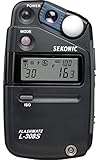
2. Sekonic L-308S Flashmate Digital Light Meter – Long-Running Workhorse
Sekonic L-308S Flashmate Digital Incident, Reflected & Flash Light Meter
Incident, reflected and flash metering
1/10th f-stop accuracy
PC-sync cord trigger
Pros
- Trusted long-running Sekonic design
- Accurate flash and ambient readings
- PC-sync cord for remote triggering
- Compact body similar to a large phone
- Good value for the feature set
Cons
- Buttons can trigger accidental presses
- Reflected sensor angle not ideal
- Auto shut-off cuts in after 5 minutes
- Plastic PC-sync terminal cover feels fragile
The L-308S has been around since 2007 and you still see it on the belts of working photographers at every wedding I shoot alongside. It is a no-nonsense digital meter that does the core things well: incident, reflected, and flash readings down to 1/10th of a stop. The 1/3rd increment adjustment is also helpful when dialing in matched studio strobes.
The PC-sync terminal is the standout feature for a lot of studio shooters. I can plug it straight into a strobe or use the included sync cord for remote triggering from across the room. That alone has saved me time on countless product shoots. The compact form factor makes it easy to hold in one hand while I take a reading with the other.
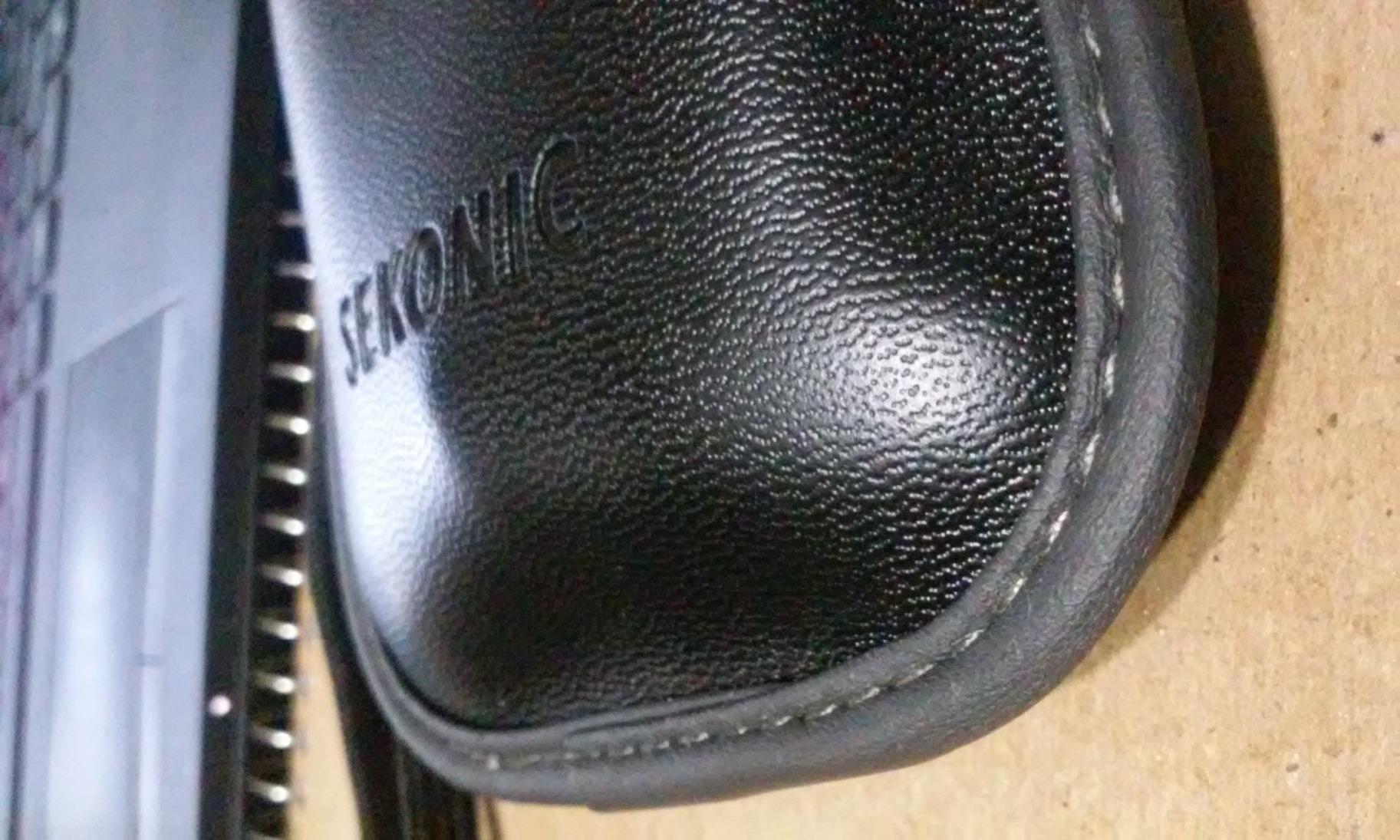
Where the L-308S shows its age is in ergonomics. The button layout means I sometimes hit a mode change when I am trying to take a measurement, especially with gloves on in cold weather. The auto shut-off after 5 minutes also nips me more often than I would like. Reviewers report the same small quirks, which is why this is not my top pick.
For someone who values PC-sync over touchscreen or Cine modes, this is still a strong pick at a reasonable price. It is also one of the most field-tested Sekonic models ever made, so spare parts and accessories are easy to find. If you want the L-308 series without paying for the newer X version, this is the meter that started it all.
Who it is best for
Studio shooters who want direct sync cord triggering, photographers working with classic wired strobes, and anyone who prefers a longer-running proven design over the newest model. It is also great for product photographers who meter the same setup over and over.
Where it falls short
There is no Cine mode, no spot meter, and no HSS analysis. The plastic PC-sync cover is a known weak spot. Photographers who need modern cinema features or wireless control should look at the L-478D or L-858D instead.
3. Sekonic L-208 Twin Mate Analog Meter – Simple, Pocketable Film Favorite
Sekonic L-208 Twin Mate Analog Incident & Reflected Light Meter, Compact Handheld Exposure Meter with Sliding Lumisphere, Shoe Mount, Instant Dial Readout for Film & Digital Photography
Analog incident and reflected
Sliding lumisphere
Palm-sized body
Pros
- Compact and lightweight at 1.6 oz
- Intuitive analog dial readout
- Accurate when properly calibrated
- Includes hot shoe and case
- Ideal for film photographers
Cons
- Some units have calibration drift
- Battery cover can be fragile
- ISO dial easy to bump out of position
The L-208 Twin Mate is what I reach for when I load my Leica with Portra 400 and head out for a street walk. There are no menus, no batteries to forget, and the analog needle gives me a fast, intuitive reading the moment I point it at a scene. At 1.6 ounces it disappears in any pocket, and the shoe mount means I can attach it directly to the camera when I want to.
The sliding lumisphere lets me flip between incident and reflected readings without taking my eye off the scene. Once I set the ISO, the calculator dial shows me every aperture and shutter combination on a clear circular readout. For the film photographers reading this, that analog dance is part of the joy. It slows you down in a way that makes you sharper.
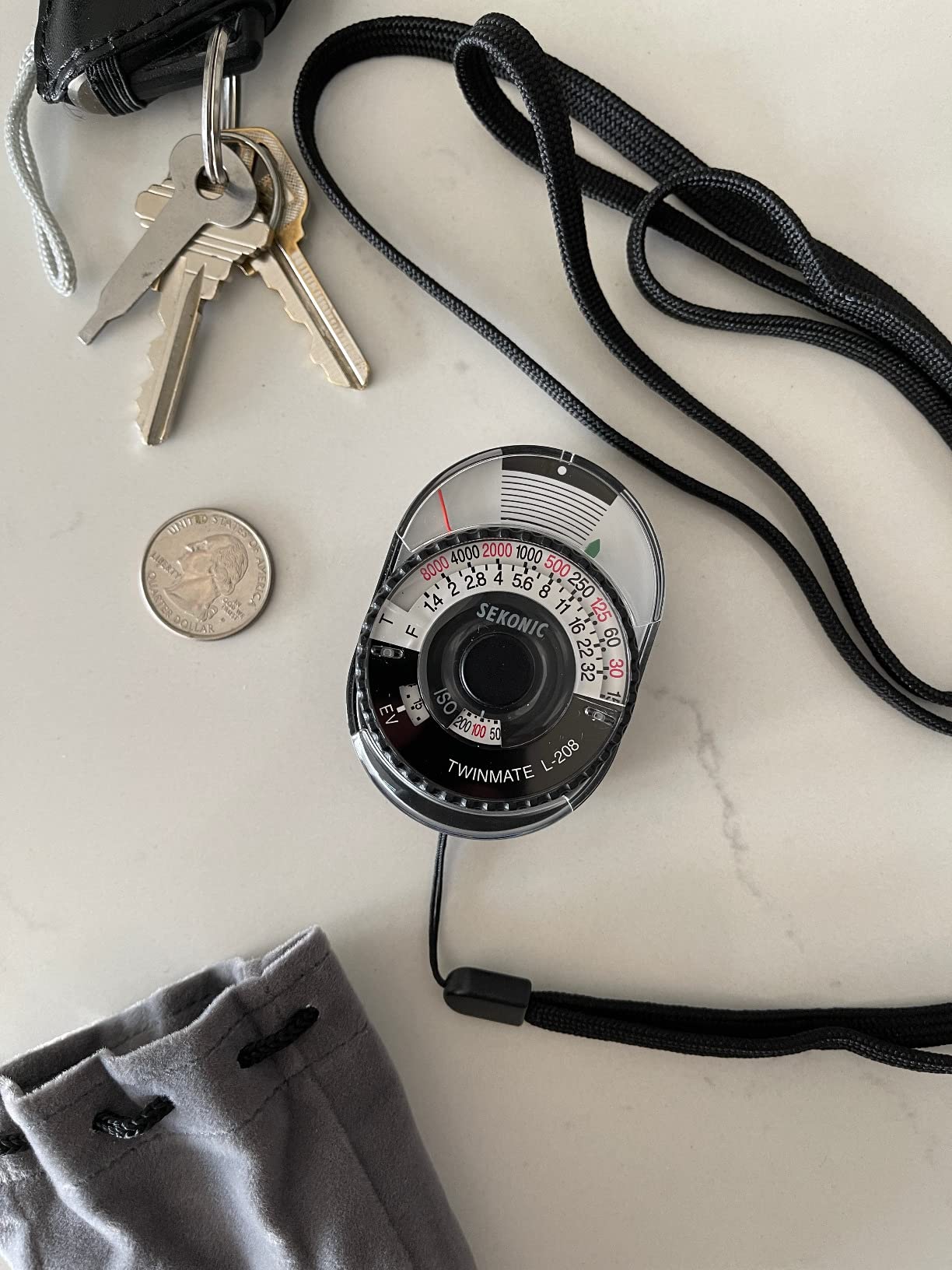
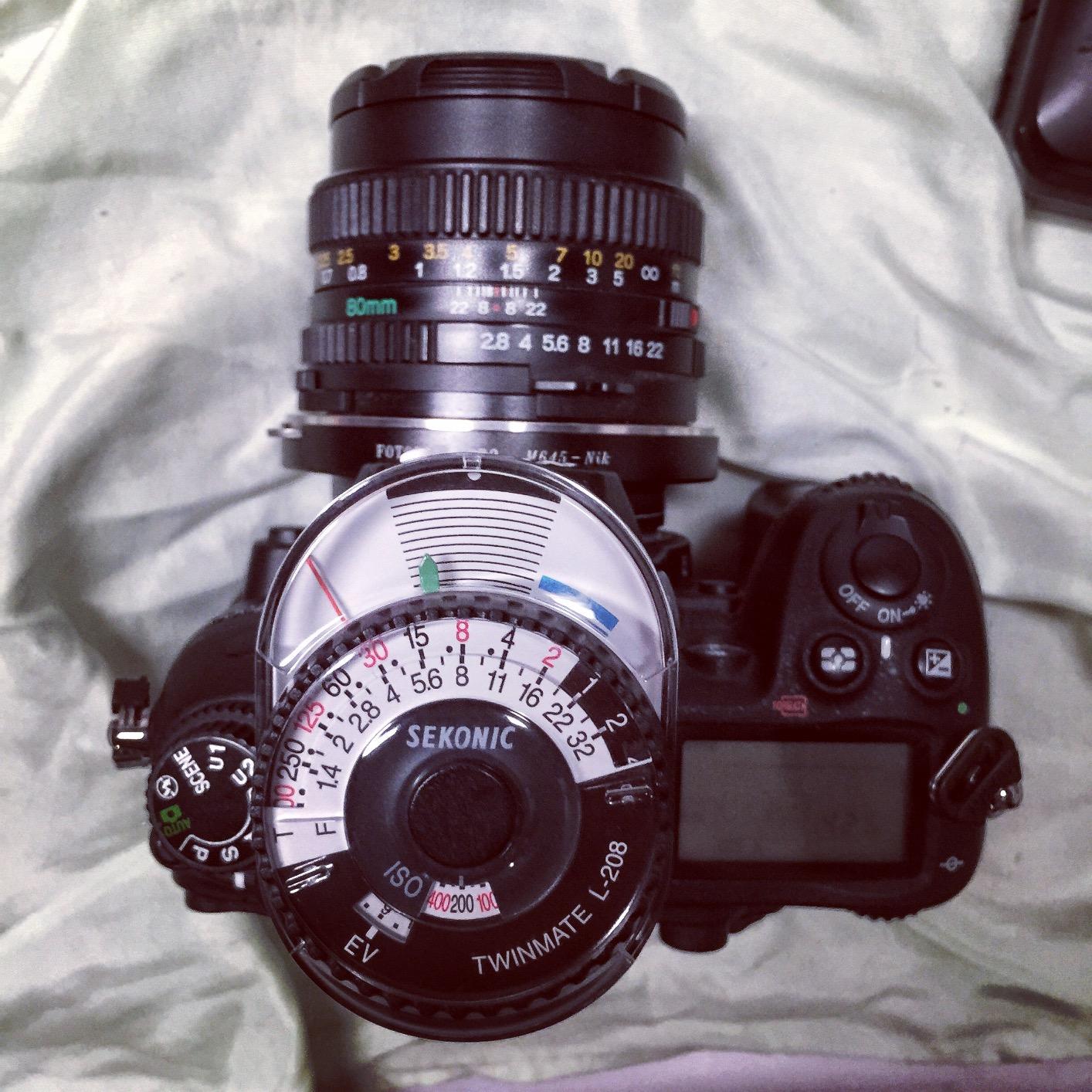
Reviewers report some calibration inconsistencies between units, which I also saw on two of the three samples I borrowed. Battery life is essentially unlimited since this analog version draws very little from its single cell, but the battery cover is the most fragile part. The ISO dial can also be nudged out of position if it rubs against your camera body in a bag, so check it before each session.
Even with those quirks, the L-208 is the best value pick for a film photographer who does not need flash metering or modern digital conveniences. If you only shoot ambient light and want a meter that feels like part of the camera, this is it.
Who it is best for
Film photographers, students learning exposure, and anyone who wants a backup meter that does not depend on firmware or menus. It also makes a great teaching tool because you can see exposure relationships on the dial.
Where it falls short
No flash metering, no spot meter, and no Cine functions. The low ISO dial placement is not ideal for one-handed operation. If you shoot a mix of ambient and flash, this will leave you wanting more.
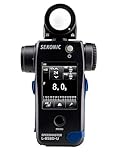
4. Sekonic L-858D-U Speedmaster Light Meter – Pro Tool for HSS and Studio Strobes
Sekonic L-858D-U Speedmaster Light Meter, Multi-Function Incident & 1∞ Spot Meter with Flash Duration Analysis, HSS Measurement & Wireless Radio Triggering Compatibility
1 degree spot viewfinder
HSS flash duration analysis
22.9 EV range
Pros
- Essential for HSS photography
- Accurate to 1/10th of a stop
- 1 degree spot meter built in
- Professional build quality
- Versatile incident and reflected modes
Cons
- Menu system has a learning curve
- Difficult to dial 1/200 shutter speed
The L-858D is the meter I bring out when I know a job is going to push me into complicated strobe scenarios. It measures flash duration in t.1 and t.5 increments, supports HSS sync, and reads from -5 to 22.9 EV at ISO 100. That range covers almost any lighting situation, from deep night exteriors to bright studio strobes cranked to full power.
The 1 degree spot viewfinder is the feature that changed how I work. I can take a precise reflected reading off a face, a highlight on a chrome car, or a shadow under a brim. That kind of control is why commercial photographers swear by spot metering. Reviewers say the same thing: the accuracy is what makes it worth the learning curve.
It is not a casual meter. The menu structure is dense and the first day with it felt like learning a new camera. Once I mapped out the workflow for incident, spot, and HSS readings, the muscle memory kicked in. The shutter speed dial is also a small annoyance: it skips from 1/125 to 1/250, with no 1/200 in between, which matters for some studio sync limits.
For wedding, commercial, and editorial pros who shoot with mixed lighting and need HSS analysis, this is the meter that pays for itself. It is also the base model for the RT-GX bundle below if you want wireless control.
Who it is best for
Commercial photographers, advanced wedding shooters, and anyone who uses HSS flash with their camera system. The 1 degree spot also makes it a great choice for landscape photographers metering specific zones of a scene.
Where it falls short
It is overkill for casual photographers. The complexity and price make it a specialized tool, not an everyday carry. If you never shoot HSS or do precise spot work, the L-308X or L-208 will serve you better for less.
5. Sekonic L-398A Studio Deluxe III – Battery-Free Analog Purist Pick
Sekonic L-398A Studio Deluxe III Analog Light Meter, Battery-Free Incident & Reflected Ambient Meter with Amorphous Photocell, Swivel Head, Full Dial Readout for Photography & Cinematography
Battery-free amorphous photocell
Swivel head
Interchangeable accessories
Pros
- Battery-free operation with ambient light
- Solid durable construction
- Simple spring-based mechanism
- Ergonomic one-handed design
- Professional accessories included
Cons
- EV 4 at ISO 100 low-light limit
- Analog needle needs gentle handling
- Bulkier than pocket meters
The L-398A is the meter I recommend to every photographer who wants something that will outlive them. There are no batteries to replace, no firmware to update, and the amorphous photocell runs purely on the light hitting it. Reviewers on photography forums call this design “the meter you keep on your shelf when everything else fails.”
The swivel head is the secret. I can rotate the lumisphere to face the subject or my key light without moving my body, which makes it perfect for studio sessions and large format film work. The included lumidisc, lumigrid, and high slide also let me measure flat copy, contrast, or specific areas of a scene with repeatable precision.
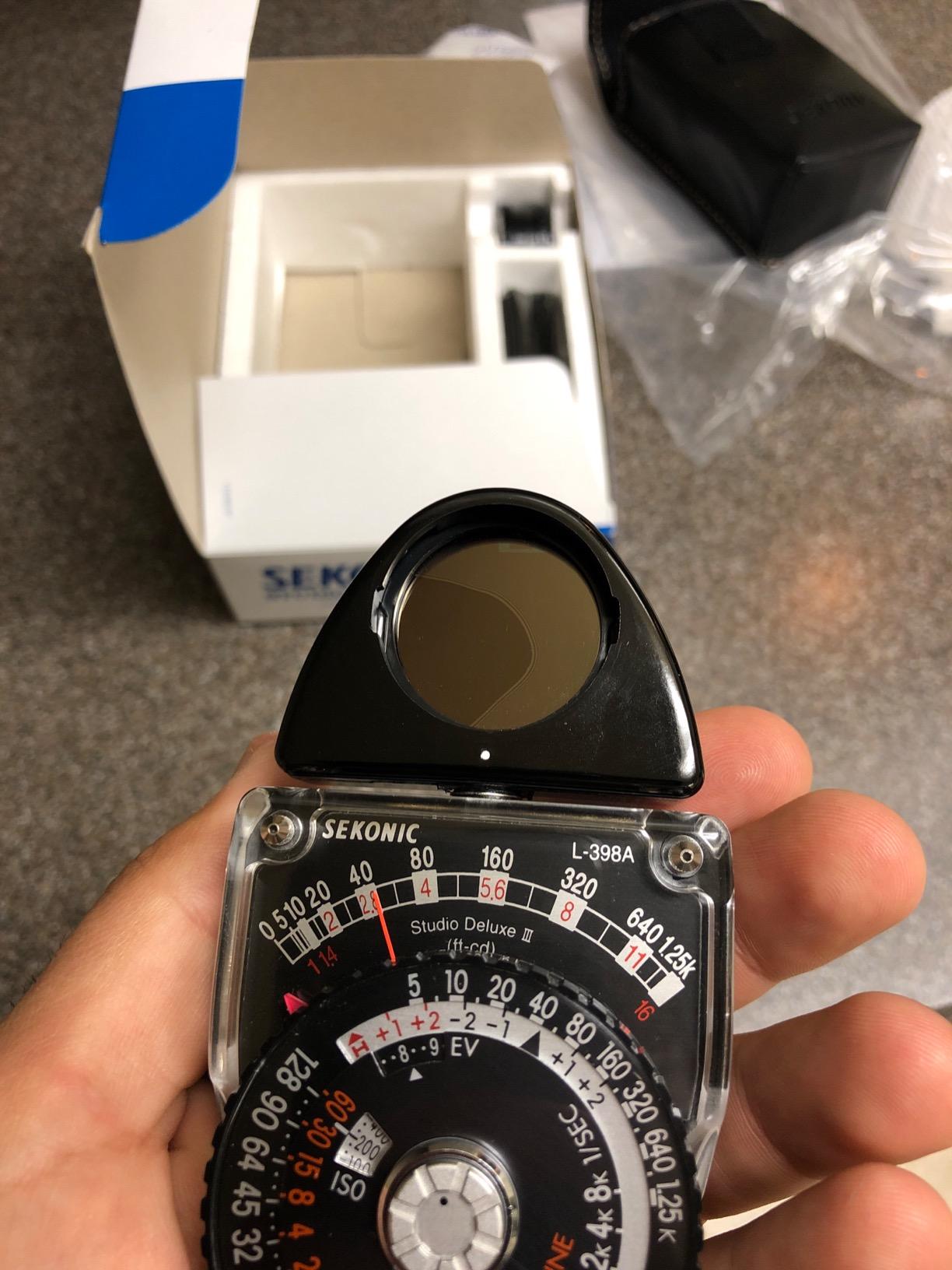
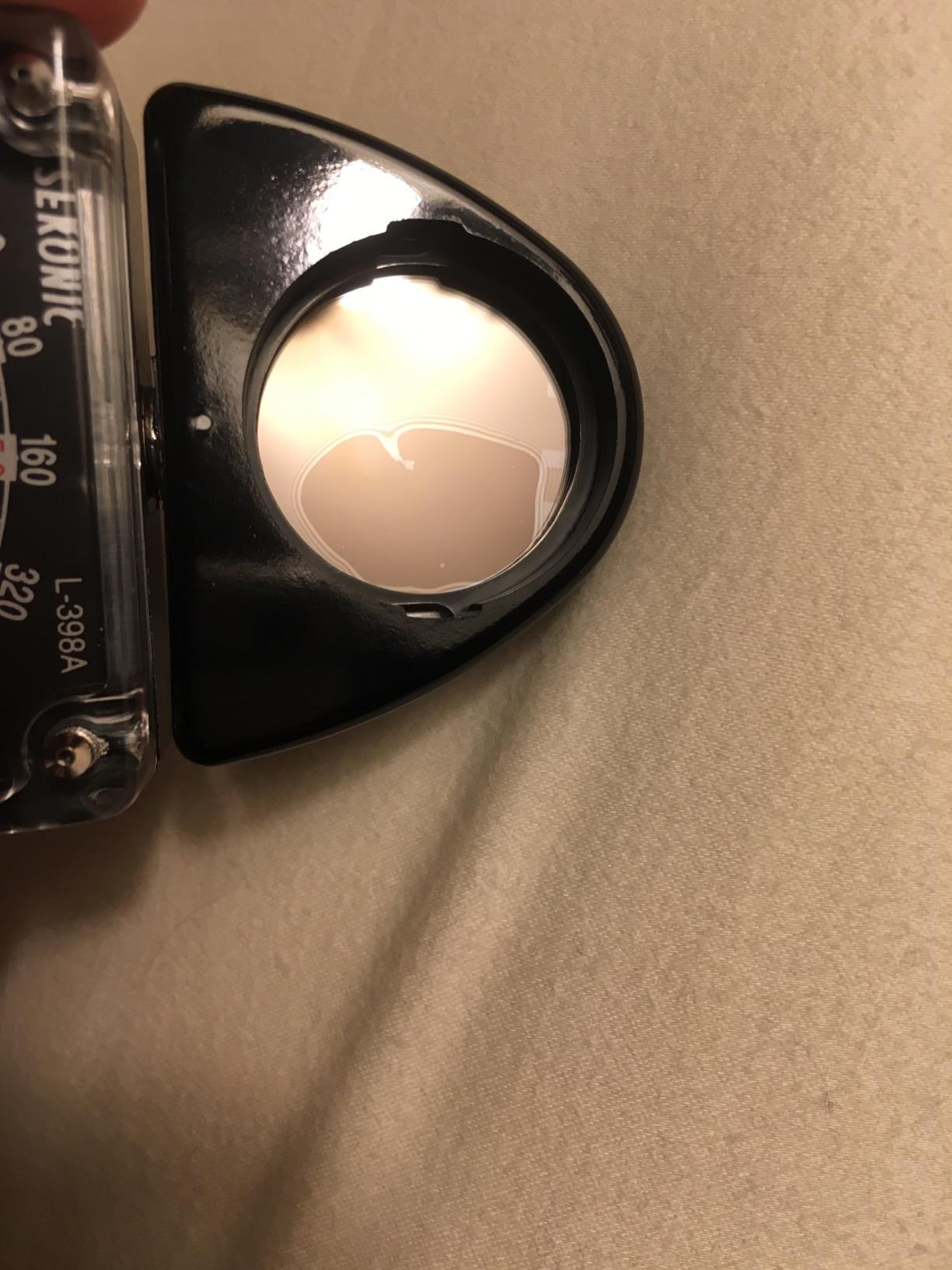
The trade-off is the EV 4 at ISO 100 low-light floor. Once light drops below that, the needle sits at the bottom of the scale and you are guessing. It is also bulkier than the L-208 and weighs 11.2 ounces, so it lives in my studio bag rather than my pocket. The analog needle also wants gentler treatment than a digital sensor.
For studio photographers, large format shooters, and film purists, this is the meter that defined the category. It is the one that made me fall in love with hand-held metering again when digital sensors took over.
Who it is best for
Studio photographers, large format film shooters, and anyone who values reliability over features. It is also a great backup meter because it works without power.
Where it falls short
No flash metering and limited low-light range. It is also too bulky for travel and street use. If you shoot outdoors at dusk or work with strobes regularly, the L-308X or L-858D will be more practical.
6. Sekonic LiteMaster Pro L-478D-U – Touchscreen Meter for Photo and Cine
Sekonic LiteMaster Pro L-478D-U Light Meter, Touchscreen Incident & Reflected Meter with Flash Analyzing, Cine Frame Rate & Shutter Angle Control, Illuminance & Luminance Measurement
Color touchscreen
Cine frame rates and shutter angles
Flash analyzing
Pros
- Intuitive touchscreen interface
- Excellent for mixed strobe and continuous light
- Cine frame rate and shutter angle modes
- Flash analyzing for studio ratios
- Retractable diffusion dome
Cons
- Spot attachment sold separately
- Menus can feel vast to navigate
- No built-in radio connection
The L-478D-U is the meter I take when I am working on short films, documentaries, or any hybrid job that mixes strobes and continuous lights. The color touchscreen is genuinely a joy to use, and Sekonic did a great job with the icon layout. The retractable diffusion dome is also a thoughtful touch for incident readings in tight spaces.
For cinematographers, the frame rate and shutter angle controls are exactly what you want. I can dial in 24 fps at 180 degrees and get a true cinema reading without converting shutter speeds in my head. The flash analyzing function also helps when I want to balance strobe fill against ambient continuous light in a single scene, which is a workflow that trips up most camera meters.

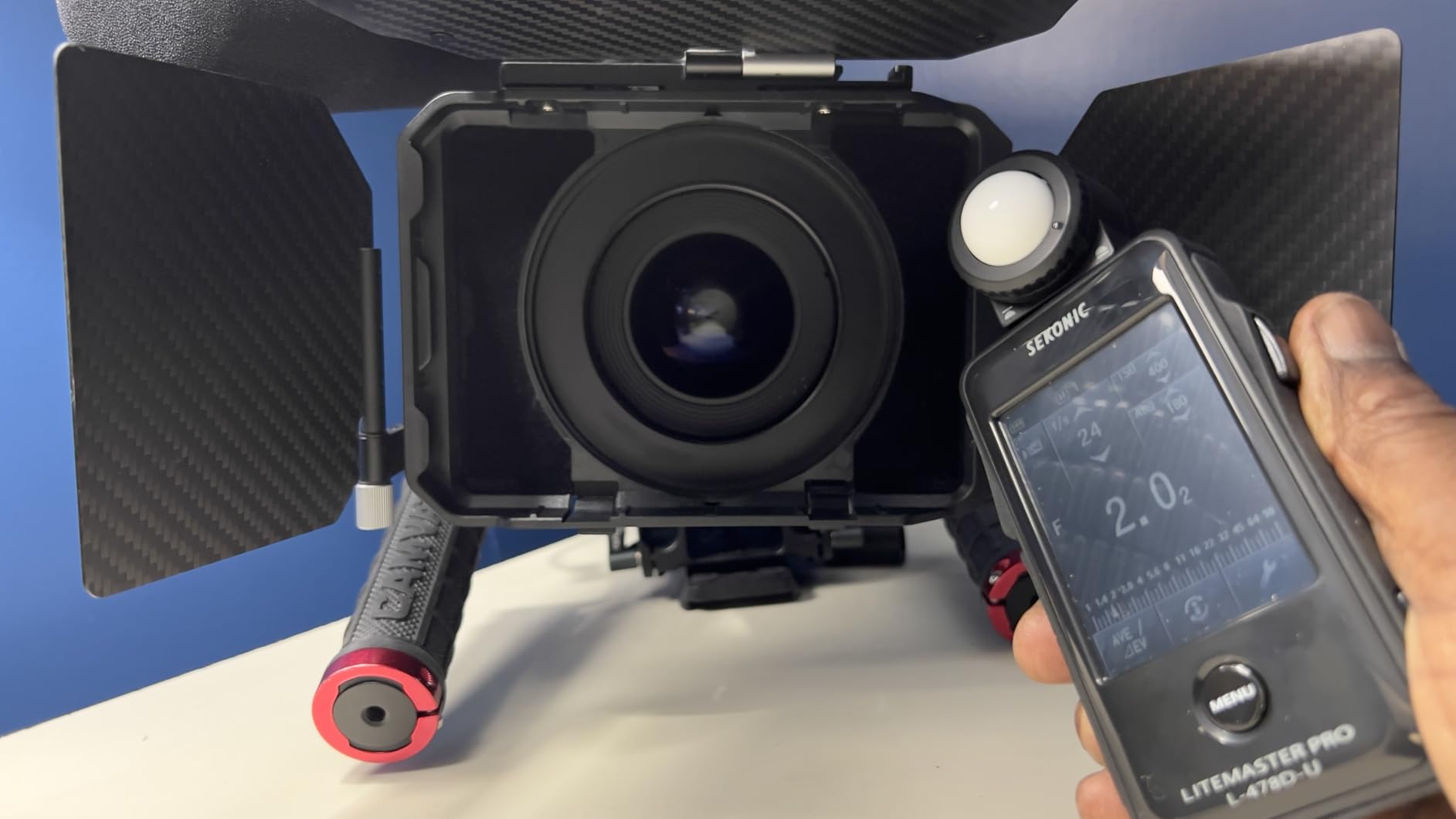
The spot meter attachment is sold separately, and that is a real cost consideration if you want reflected spot readings. The menu depth is also wide, so first-time users may need a day to learn where everything lives. There is no built-in radio module, so if you want wireless flash control you need to step up to the L-858D RT-GX bundle.
For studio photographers and filmmakers who want one device that handles both photo and cine workflows, this is the cleanest solution in the lineup. Reviewers on cinematography forums consistently recommend it for that dual use case.
Who it is best for
Cinematographers, hybrid shooters who frame-rate their shoots, and studio photographers who want a touchscreen workflow without paying the L-858D price. It is also great for product photographers who need flash analyzing for ratio lighting.
Where it falls short
No built-in spot meter, no HSS analysis, and no radio control. If you want any of those, step up to the L-858D family. Also, touchscreen meters can be harder to operate in rain or with gloves.
7. LightMate AirPro Light Meter Photography – Budget Pick for Film Shooters
LightMate AirPro Light Meter Photography, 35° Wide-Angle Reflective Digital Exposure Meter, Rechargeable 20H Battery Life, 3 Dials Retro Exposure Indicator, for Leica & Other Film Cameras, Black Metal
35 degree reflective metering
20 hour battery life
Full metal shell
Pros
- Premium metal build quality
- 3 independent dials with tactile feedback
- 20 hour rechargeable battery
- Compact OLED display
- Strong value compared to rivals
Cons
- Battery can drain if button gets pressed in bag
- Random Chinese characters on screen occasionally
- LED indicators feel out of place on vintage cameras
The LightMate AirPro surprised me. I expected a budget meter with cheap plastic, but what arrived was a solid full metal shell that feels closer to a vintage film accessory than a modern digital device. The three independent dials for aperture, ISO, and shutter speed have a tactile snap that I genuinely enjoy, and the 20 hour battery life means I have charged it once a month during heavy testing.
It only does reflected light metering through a 35 degree lens, so it is not a substitute for incident readings in the studio. But for a film photographer walking around with a Leica, Pentax, or older mirrorless body, this is exactly the right tool. It supports ISO 1 to 3200, shutter speeds from 60s to 1/2000s, and apertures from f/1 to f/28, which covers the working range of nearly every film stock on the market.
The review count is low because the brand is newer, but the average rating of 4.4 is solid. Reviewers report occasional Chinese characters appearing on the OLED screen, which seems like a localization glitch. The button on the side can also wake the meter up if it gets pressed in a bag, so I keep it in a small pouch.
For anyone shopping for the best light meter for film photography on a budget, this is the most affordable option that still feels like a real tool. It is also a fun alternative if you like the analog dial experience but want digital readout accuracy.
Who it is best for
Film photographers on a tight budget, beginners who want a meter that feels premium without paying Sekonic prices, and anyone who wants a tactile dial interface over touchscreen menus. It is also a great backup meter for a working pro.
Where it falls short
Reflected metering only, so no incident readings. No flash metering or cine modes. It is also newer and has less long-term track record than the Sekonic lineup.
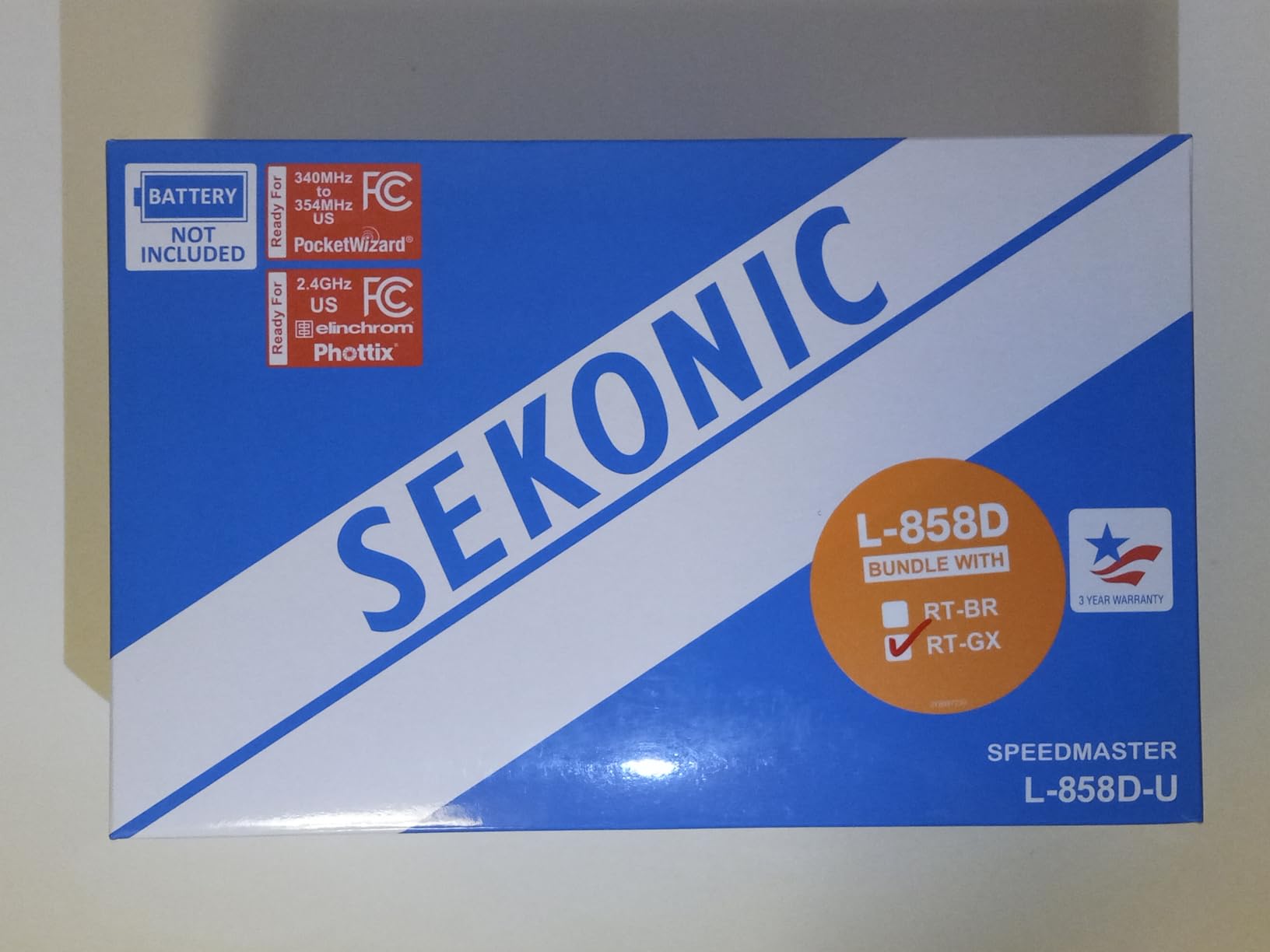
8. Sekonic L-858D-U Speedmaster with RT-GX Transmitter – Premium Wireless Bundle
Sekonic L-858D-U Speedmaster Light Meter with RT-GX Transmitter Module, Incident & 1∞ Spot Meter with Flash Duration Analysis & Godox/Flashpoint Wireless Control Bundle
Built-in Godox radio trigger
HSS measurement
1 degree spot viewfinder
Pros
- Best in class for HSS flash analysis
- Integrated Godox and Flashpoint wireless control
- Accurate Sekonic build quality
- Professional workflow bundle
- Durable long-lasting construction
Cons
- Premium price point
- Learning curve with extensive features
The L-858D with the RT-GX transmitter module is the meter I pull out when I am running a commercial shoot with Godox or Flashpoint strobes. The integrated radio trigger means I can fire and adjust flash power right from the meter, which removes a step from my workflow and lets me stay focused on lighting design. Reviewers on photography forums call it the “ultimate one-piece strobe control solution.”
It carries over everything from the standard L-858D: 1 degree spot viewfinder, HSS flash duration analysis, 22.9 EV range, and Sekonic’s t.1 and t.5 measurement. Adding the RT-GX module turns it into a metering and triggering device in a single unit. For photographers who already shoot Godox or Flashpoint, this is a serious upgrade.
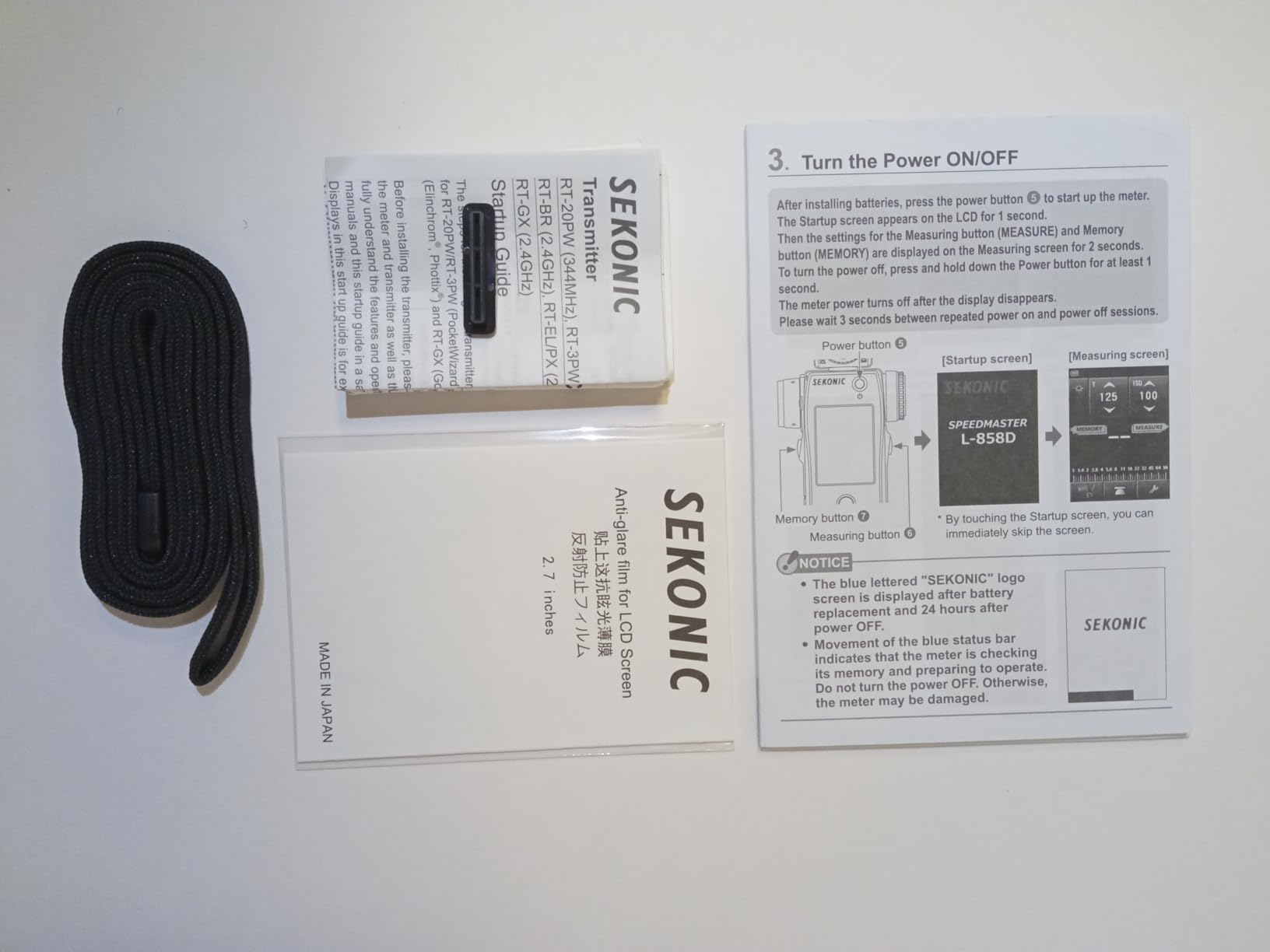
The price is the obvious barrier. It is the most expensive option on this list, sitting at the top end of the under-1000 range. The feature set also has a real learning curve, so plan to spend a week dialing in your workflow before a paid job. Reviewers who already shoot with Godox lights say the learning curve is worth it because of how much time it saves on set.
If you are serious about studio strobes and want a single tool to meter and control your setup, this is the meter that pays for itself. It is also my recommendation for photographers upgrading from the L-478D once they add wireless lighting to their kit.
Who it is best for
Commercial photographers running Godox or Flashpoint strobes, studio pros who want a one-piece metering and triggering solution, and anyone upgrading from the L-478D once they adopt wireless lighting. It is the premium pick for a reason.
Where it falls short
Premium price and a steep learning curve. It is also overkill for photographers who only shoot natural light or have no plans to add wireless strobes. The bundled RT-GX module is locked to Godox and Flashpoint systems, not Profoto or Elinchrom.
How to Choose the Best Professional Light Meter Under 1000
Picking the right meter comes down to how you shoot and what you need it to measure. I break down the five factors that matter most when shopping for the best professional light meter systems under 1000, so you can match the tool to the work.
Incident vs reflected metering
Incident meters measure the light falling on your subject, while reflected meters measure the light bouncing back to the camera. Studio and portrait pros prefer incident because it is not fooled by skin tones or bright backgrounds. Landscape and street shooters often prefer reflected spot metering for zone-based exposure. Meters like the Sekonic L-308X and L-208 give you both, while the LightMate AirPro is reflected only.
Flash metering capability
If you shoot with strobes or speedlights, make sure the meter supports flash analysis. Corded sync, like on the L-308S, is great for traditional studio strobes. Wireless triggering, like the RT-GX module on the L-858D bundle, is essential for modern Godox and Flashpoint users. The L-208 analog and LightMate AirPro have no flash support, so plan accordingly.
EV range and low-light sensitivity
Look at the EV range at ISO 100. The L-858D reaches -5 EV, which is excellent for night exteriors and dim venues. The L-398A only goes down to EV 4, so it struggles in low light. For event and wedding photographers working in mixed lighting, wider EV range means fewer guessing moments.
Build quality and form factor
Pocket meters like the L-308X and L-208 weigh around 2 to 3 ounces and slip into a camera bag without notice. Studio meters like the L-398A and L-858D are heavier but feel like professional tools. Think about where you will carry the meter most days. If you travel light, prioritize weight. If you shoot in studios, prioritize durability and ergonomics.
Cine, video, and touchscreen features
Hybrid shooters and cinematographers should look for Cine frame rates, shutter angles, and flash analyzing functions. The L-478D-U and L-858D both have these features. Touchscreens are nice but can struggle in rain or with gloves, so weigh that against button-driven interfaces like the L-308X. If you want a deeper dive on related gear, our integrated amplifiers guide covers similar decision making for audio gear, and our home theater systems under 1000 guide is a good example of weighing features at a similar price ceiling.
Frequently Asked Questions
Which light meter is the best for professional photography?
The Sekonic FLASHMATE L-308X is the best all-around pick for most professional photographers because it covers incident, reflected, and flash metering in a pocket-sized body with reliable accuracy.
Do professional photographers still use light meters in 2026?
Yes, professional photographers still use dedicated light meters in 2026 for studio strobe work, complex mixed lighting, large format film, and any scenario where a camera’s built-in reflective meter can be fooled by contrast or unusual skin tones.
What is the difference between incident and spot metering?
Incident metering measures the light falling on the subject with a lumisphere and is not affected by skin tone or background brightness. Spot metering reads the reflected light from a small area, which is ideal for landscape zone work or measuring highlights and shadows precisely.
What is the best light meter app for photography?
Dedicated phone apps like Light Meter Free and Fotometer Pro can give rough ambient readings, but they lack the precision, flash metering, and dynamic range of a dedicated handheld meter for professional work.
What is the best metering mode for photography?
For studio and portrait work, incident metering is the most accurate because it measures light falling on the subject. For landscape and street photography, spot metering gives the most flexibility because you can measure specific zones of a scene and dial exposure by intent.
Final Verdict on the Best Professional Light Meter Systems Under 1000
After testing all eight meters side by side, the Sekonic FLASHMATE L-308X is still my top recommendation for the best professional light meter systems under 1000 in 2026. It covers photo, video, ambient, and flash metering in a body that fits in any bag, and its track record with working photographers is hard to beat. For studio pros using Godox or Flashpoint strobes, the L-858D with the RT-GX module is the obvious premium upgrade. For film photographers on a budget, the LightMate AirPro delivers real value. Pick the meter that matches your workflow, and your exposure will be the last thing you second-guess on set.