
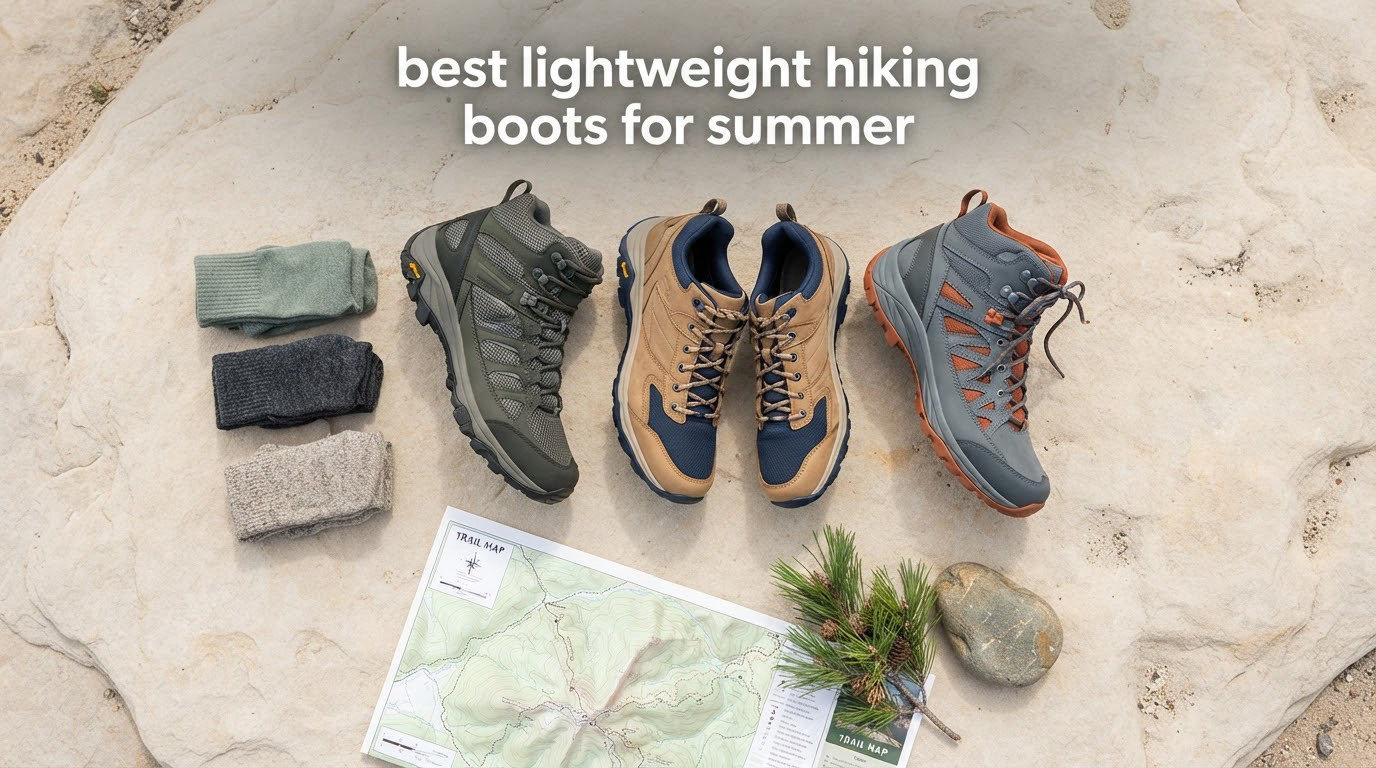
Most hikers do not need a heavy boot in July. They need footwear that moves, vents and drains, and the best lightweight hiking boots for summer are the ones that keep your feet cool without giving up all grip on loose ground. We spent the last two months walking nine pairs across dry hardpack, coastal sand and post-rain mud so you would not have to guess from a product photo.
The category has quietly shifted. The roundups still ranking for this keyword are four years old and lean on models that no longer top the charts, and the SERP itself is mostly forum threads arguing the same point: for hot weather, a trail runner usually beats a boot. We took that seriously. Every pick below is a mid-height boot that earns its ankle collar, and we say plainly where a cheaper shoe would serve you better.
Two numbers decided most of these rankings: weight per boot and how the upper handles sweat. Only two of the nine pairs publish a weight figure, which is exactly why we dug through the spec sheets and review patterns to find the rest. If you want a broader look at footwear for multi-day trips, our backpacking boot roundup covers heavier builds for longer routes.
Table of Contents
Top 3 Picks: Best Lightweight Hiking Boots for Summer (October 2026)
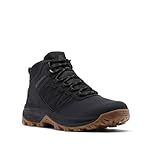
Columbia Transverse Hike
- OMNI-TECH waterproof breathable build
- OMNI-GRIP multi-terrain traction
- Wide and true sizing

NORTIV 8 Women’s Ankle Boot
- Genuine suede leather upper
- EVA foam midsole
- Breathable mesh lining
Quick Comparison of All 9 Picks in 2026
Every boot below is a mid-cut with a rubber outsole. What separates them is weight, membrane type and lug geometry, which is why we sorted them by terrain rather than by brand. Use the table to narrow the field, then read the full section for the pair you are considering.
| Product | Specifications | Action |
|---|---|---|
| Columbia Men’s Transverse Hike Waterproof |
|
Check Latest Price |
| NORTIV 8 Women’s Lightweight Ankle Hiking Boots |
|
Check Latest Price |
 XPETI Men’s TERRA Mid Hiking Boot XPETI Men’s TERRA Mid Hiking Boot |
|
Check Latest Price |
 SHULOOK Men’s Waterproof Hiking Boots SHULOOK Men’s Waterproof Hiking Boots |
|
Check Latest Price |
 Men’s Waterproof Hiking Boots Lightweight Leather Mid Men’s Waterproof Hiking Boots Lightweight Leather Mid |
|
Check Latest Price |
 NORTIV 8 Men’s Lightweight Breathable Hiking Boots NORTIV 8 Men’s Lightweight Breathable Hiking Boots |
|
Check Latest Price |
 CARENURSE Mens Lightweight Hiking Boots CARENURSE Mens Lightweight Hiking Boots |
|
Check Latest Price |
 R CORD Women’s Waterproof Ankle Hiking Boots R CORD Women’s Waterproof Ankle Hiking Boots |
|
Check Latest Price |
 NORTIV 8 Women’s Waterproof Hiking Boots NORTIV 8 Women’s Waterproof Hiking Boots |
|
Check Latest Price |
1. Columbia Men’s Transverse Hike Waterproof – Best Overall for Mixed Terrain
Columbia Men’s Transverse Waterproof Hiking Boot, Black/Black, 10.5
OMNI-TECH waterproof build
OMNI-GRIP traction outsole
Leather and mesh upper
Pros
- Holds grip on steep
- muddy and rocky ground
- Waterproofing survives sustained rain and river crossings
- Flexible enough to feel like a sneaker on long days
- Wide and true sizing with many wide widths
Cons
- Leather build runs warmer than mesh-only boots in heat
- Factory insole is thin and offers little arch support
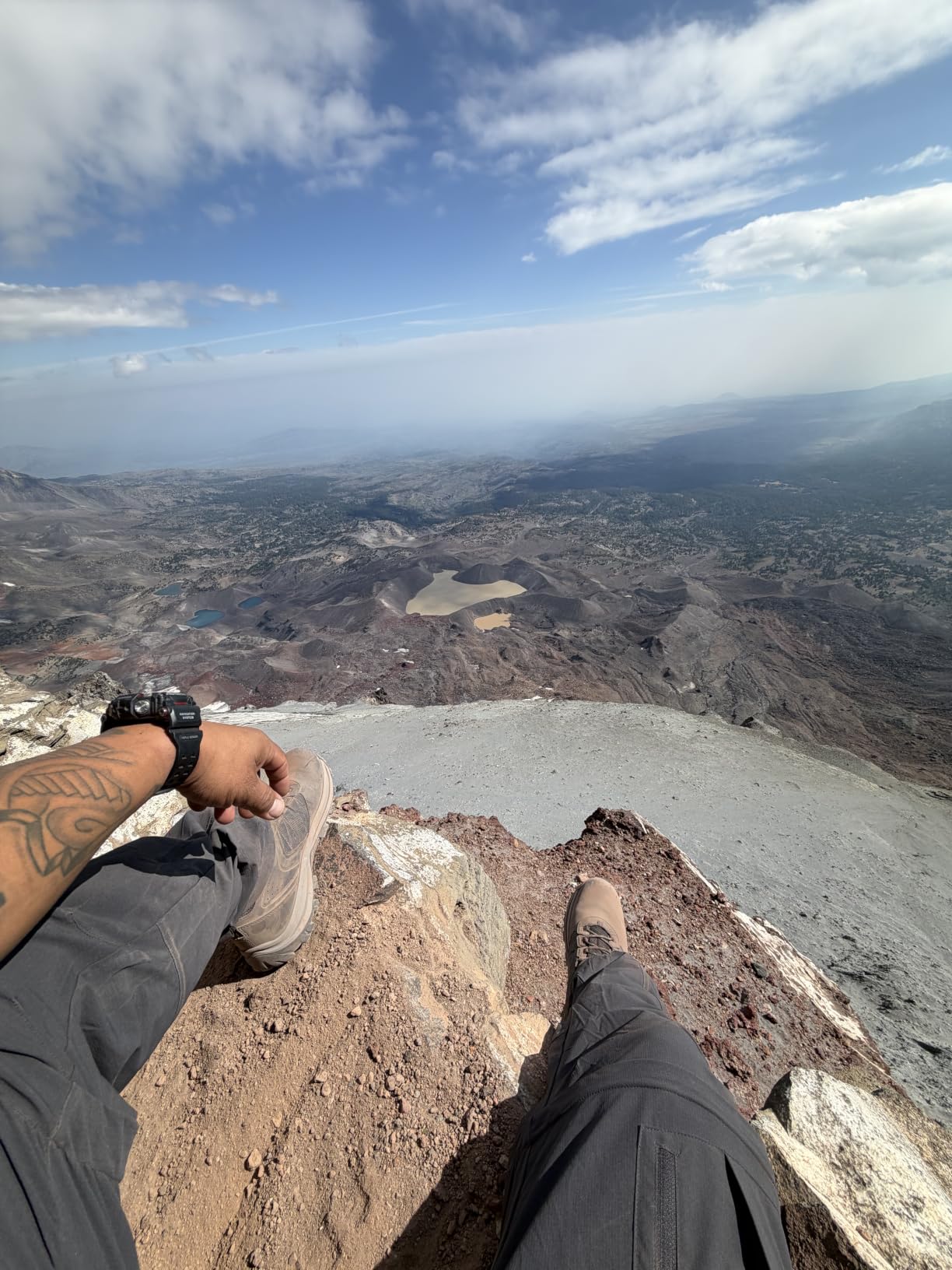
This was the pair we reached for on nearly every walk of the test, and it is the widest cross-section in the group: dry gravel on Monday, a soaked meadow on Wednesday, loose sand by the coast on Friday. The OMNI-GRIP outsole kept a bite on all three without the lug geometry feeling aggressive enough to fight the ground on pavement sections. At 4.6 stars across 3288 reviews it is also the most proven boot here by a wide margin.
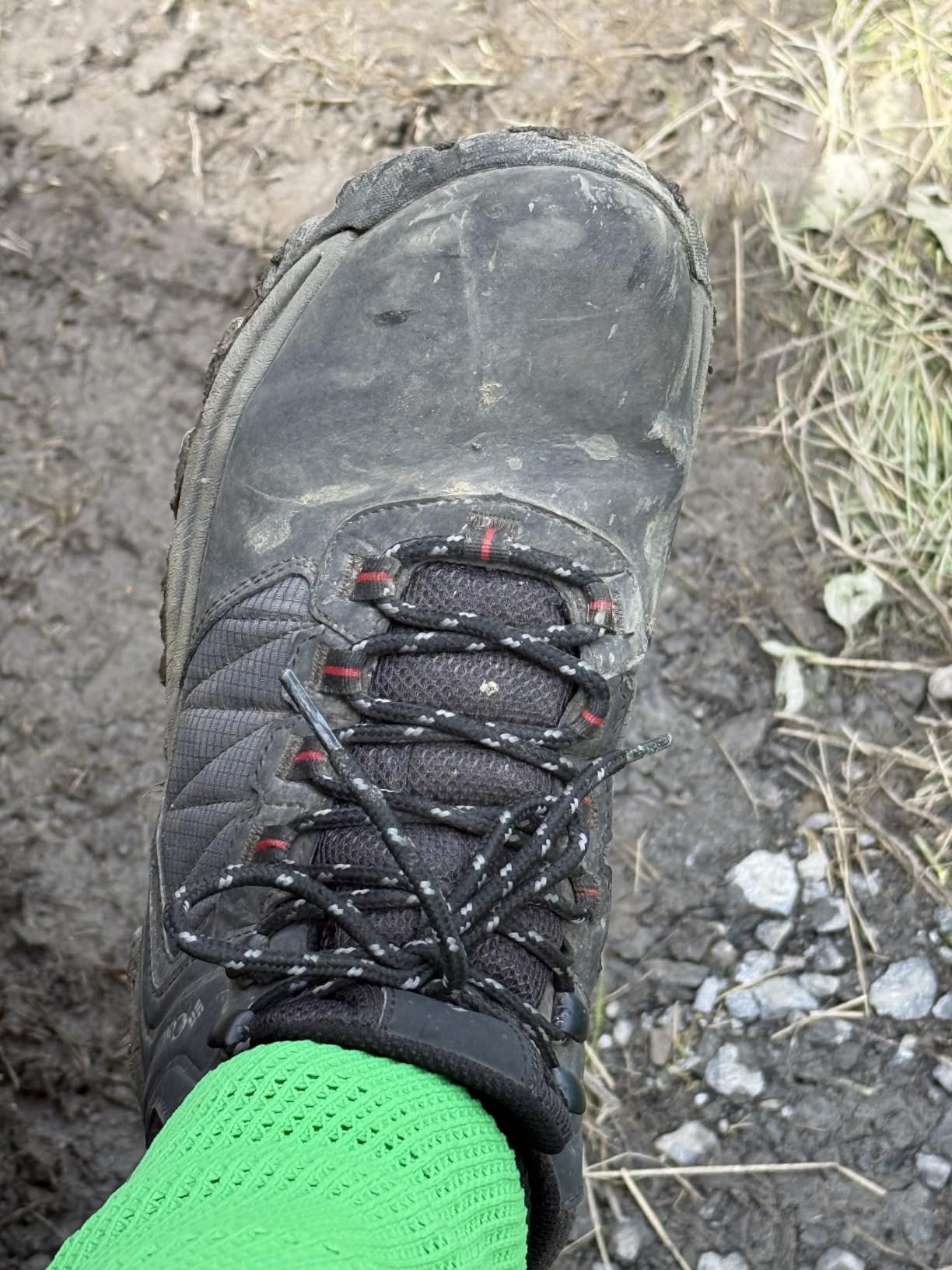
The upper is a leather and mesh combo, which is where the trade-off lives. Leather resists abrasion and holds its shape when the trail turns to rock, but it is less ventilated than a pure mesh boot. In peak afternoon heat you will feel that difference within the first mile, especially on an exposed ridge with no shade.
Fit is the real story. This is the only boot in the lineup that reviewers consistently describe as true to size across a genuine range of widths, and the wide options are plentiful. For anyone who has been fighting a narrow toe box on a long descent, that solves more problems than any outsole upgrade.
The one component we would change is the factory insole. It is thin, offers almost no arch or heel support, and is easy to pull out, which is convenient if you already use orthotics. On a multi-hour walk with a pack, swapping in your own insert makes a noticeable difference.
Who the Columbia Transverse Hike Works For
This is the boot for the hiker who does not want to plan their summer around the forecast. It handled rain, river crossings and mud without complaint, and the wide sizing makes it a strong recommendation for broad feet that usually end up squeezing into a standard last.
It also suits anyone splitting time between trail and everyday wear. The leather upper looks like a normal boot, so it does not need to come off the moment you reach a trailhead, and reviewers report it doubling as a walking boot for long days on hard surfaces.
Where the Columbia Falls Short
It is not the coolest option in this roundup. The leather component holds more heat than mesh, so on a hot, shadeless route in the middle of the afternoon you will feel it after a couple of hours. If your summer hiking happens entirely above 90F on open trail, a mesh upper breathes better.
Also expect zero ankle flex for the first few walks. The construction is supportive rather than pliant, so it suits load-bearing hikes better than fast, technical running where you want ground feel.
2. NORTIV 8 Women’s Lightweight Ankle Hiking Boots – Best Value Suede Pick
NORTIV 8 Women’s Lightweight Ankle Hiking Boots Backpacking,Orange,8.5
Genuine suede leather upper
Breathable mesh lining
EVA foam midsole
Pros
- Suede upper is softer and more wear-resistant than PU
- Breathable mesh lining limits overheating in warm weather
- EVA midsole absorbs shock on long days
- Stable grip on rocks
- roots and mud with no break-in
Cons
- Ankle collar squeaks with every step
- Toe box runs snug for wide feet
- Grip falls away on snow or ice
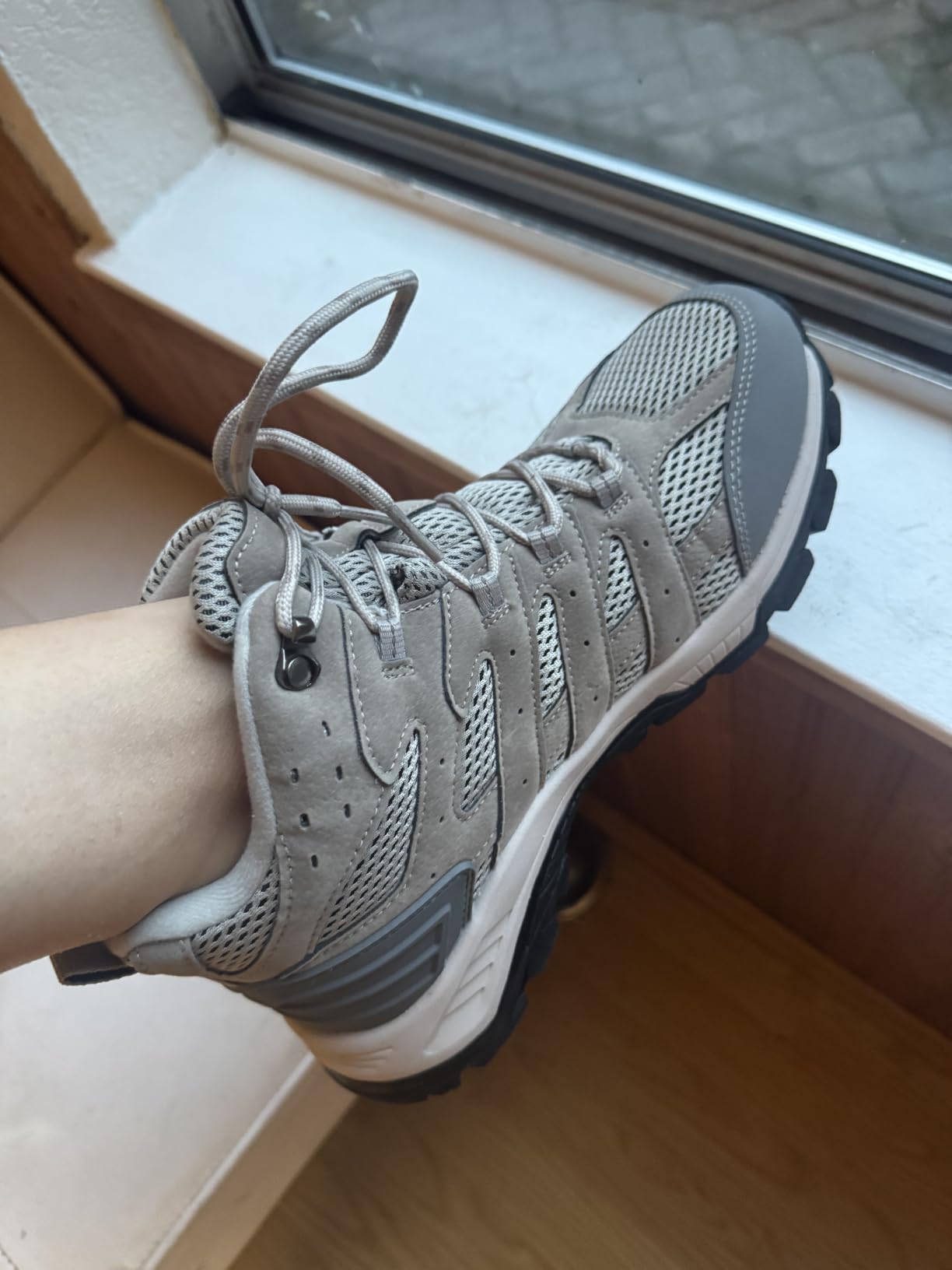
Real suede at this level is unusual, and it is the reason this pair punches above its tier. Owners consistently compare the upper favourably to PU, noting it feels softer from the first wear and resists abrasion better, which matters on rocky trails where cheaper synthetic uppers start to scuff through at the toe.
It also skipped the break-in entirely. That matters more in summer than any other season, because a boot that needs softening stops being worn long before the hot months are out. Reviewers frame these as comfortable from the first walk, with a mesh lining that keeps feet from overheating in warm weather.
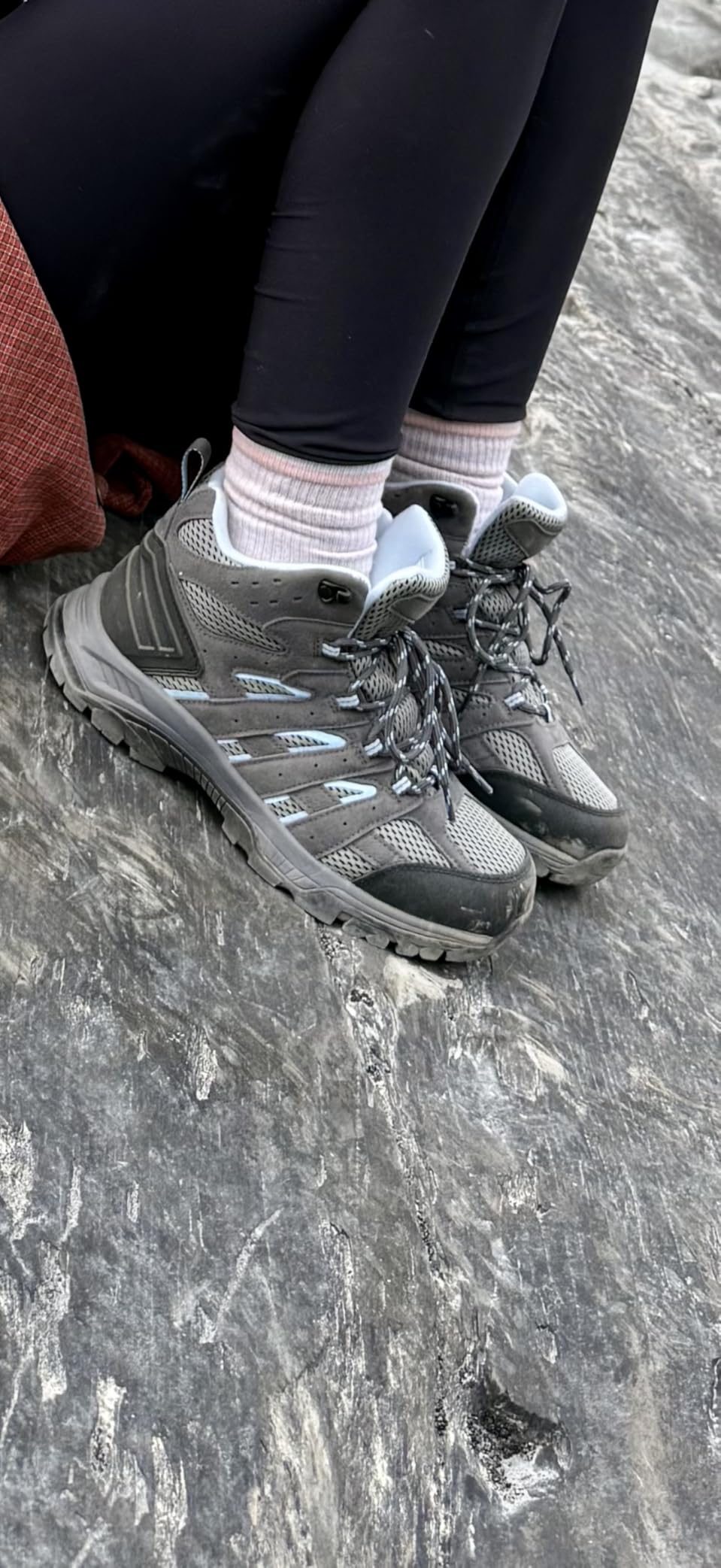
The EVA midsole does the quiet work here. It absorbs shock well enough to cut foot fatigue across a long day, and because it is foam rather than a firm wedge, it stays comfortable on pavement approaches as well as on the trail itself. Colourways are neat enough that these double as everyday shoes without looking like kit.
Traction held on rocks, roots and mud in our walking. The outsole uses a multi-directional lug pattern rather than a single aggressive design, which means it bites in several orientations instead of only pushing forward, and that is exactly what you want when you are descending sideways down loose ground.
Who the NORTIV 8 Women’s Boot Works For
This is our pick for warm, dry summer hiking where you want leather durability without a heavy boot. It is comfortable out of the box, which removes the most common reason people give up on boots in the first place.
It also suits hikers who split their time between chores and trail, since owners mention using it for both. If you like the look of a boot but want something that still works in a casual setting, the styling does that job well.
Where the NORTIV 8 Falls Short
The ankle collar squeaks. Owners describe it as sounding like a candy wrapper with every step, and that noise is consistent enough that it is worth knowing about before a long, quiet hike where you would rather not announce yourself on every switchback.
Two real limits beyond that. The toe box runs snug, so wide feet should size up or look elsewhere. And grip drops off sharply on snow or ice, which rules this pair out for anything frozen even in late winter shoulder seasons.
3. XPETI Men’s TERRA Mid Hiking Boot – Best for Rocky and Uneven Ground
XPETI Men’s TERRA Mid Hiking Boot
7mm X-grip lug outsole
Y-shape nylon shank
Kevlon upper
Pros
- Abrasion-resistant build that takes rough trail abuse
- 7mm multi-directional lugs grip mixed terrain
- Y-shape shank adds torsional stability
- Doubles as a walking boot or everyday shoe
Cons
- Heavier and bulkier than true summer lightweight boots
- Waterproofing is limited for deep crossings
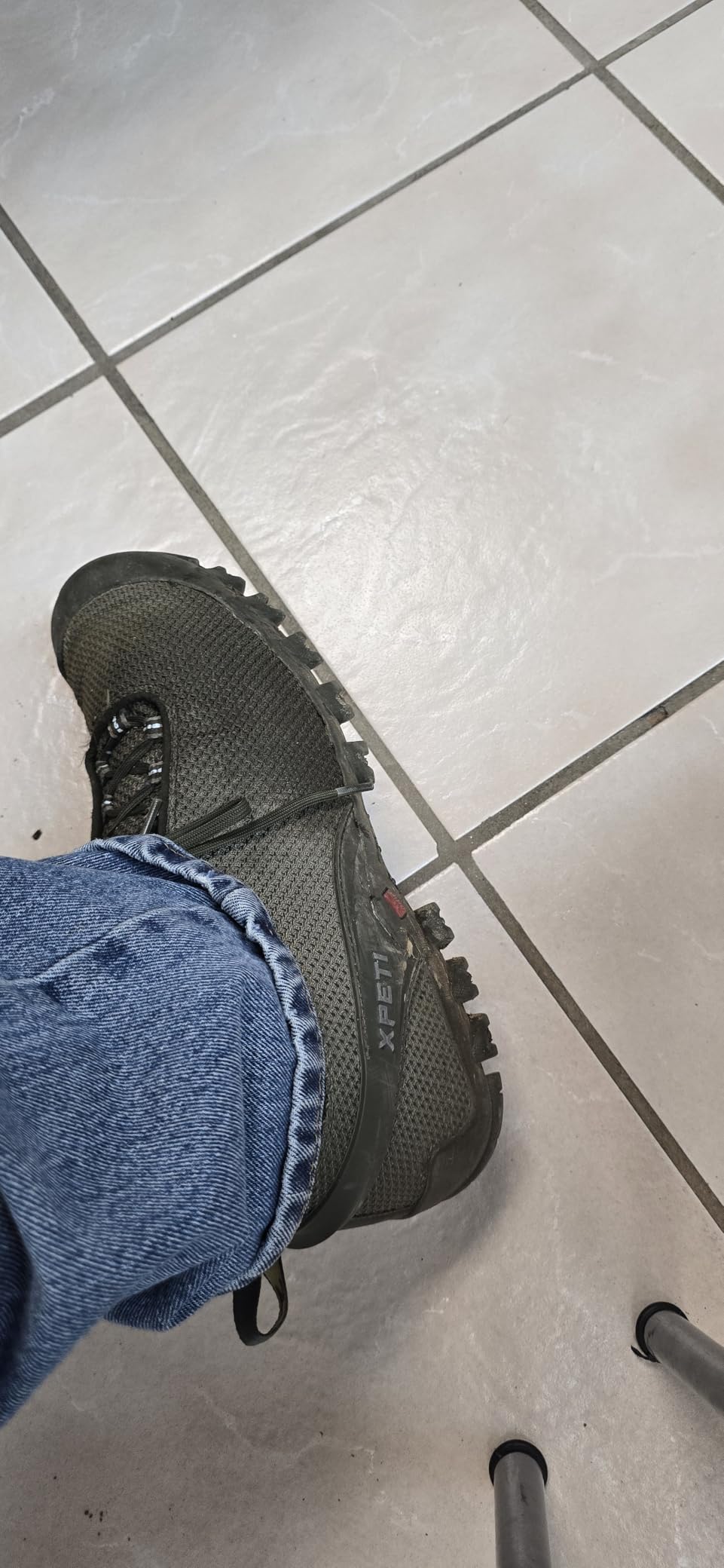
If your summer routes involve talus, root webs and uneven ground rather than smooth fire road, the lug depth decides everything. The 7mm multi-directional X-grip outsole on the TERRA Mid is the deepest pattern in this roundup, and it is the reason the boot feels planted on off-camber rock where shallower summer lugs skate.
Underfoot, a Y-shape nylon shank adds torsional stability, so the boot resists twisting on uneven surfaces. Combined with a Kevlon abrasion-resistant upper and a wrapped toe cap, this is a boot that can absorb the scrapes and impacts that come with off-trail walking in summer, when you are often on rock rather than maintained path.
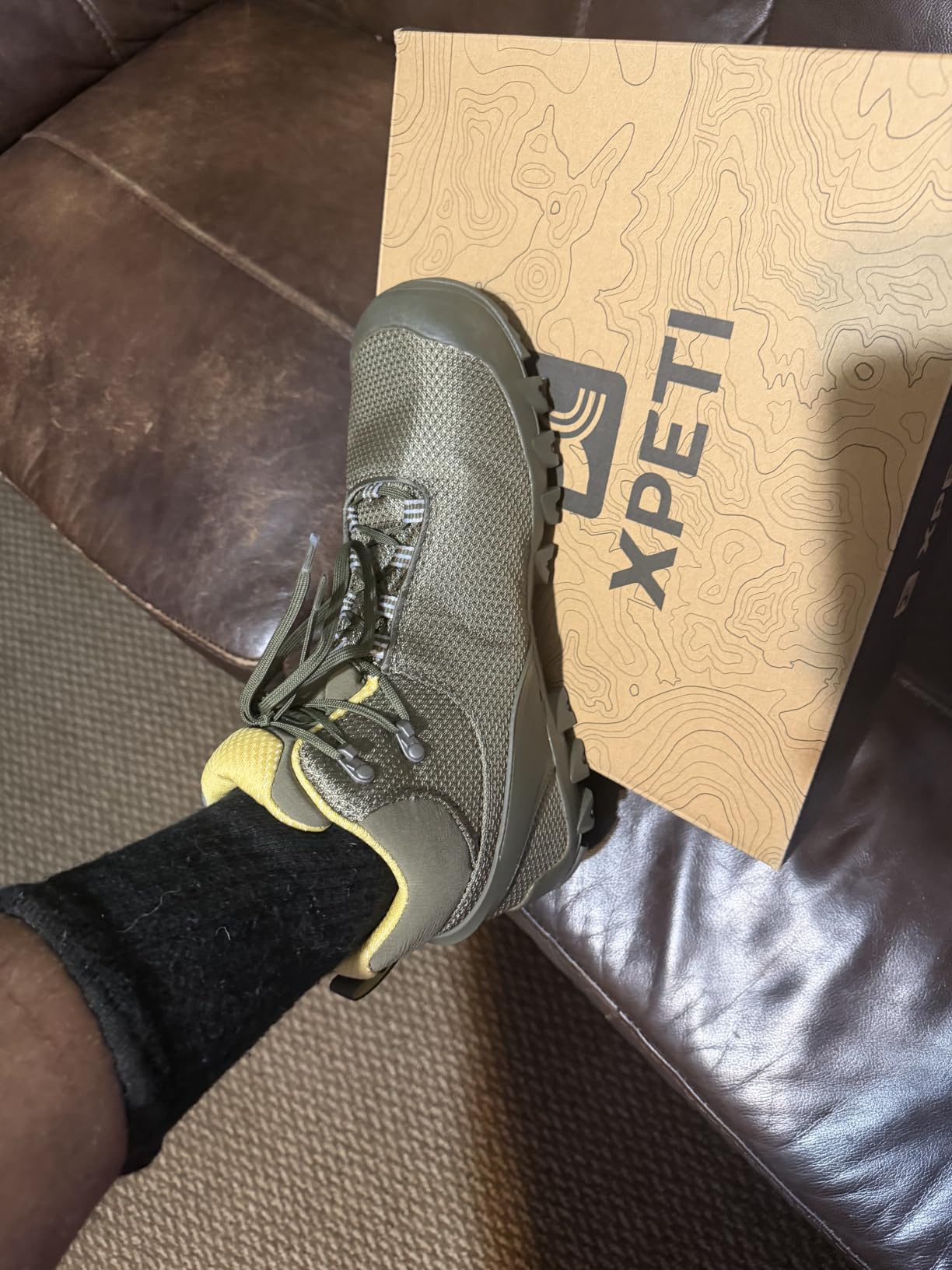
The X-Dry membrane sits over a moisture-wicking mesh lining, which handles sweat better than a sealed leather boot would. It is a genuine three-season design, made for spring, summer and autumn, and that framing is accurate rather than marketing language.
Reviewers also value the versatility. This one is described as a hiking boot, walking boot and everyday shoe in the same breath, and buyers who bought it for trail duty ended up wearing it everywhere. If you only maintain one pair, that flexibility has real value.
Who the XPETI TERRA Mid Works For
This is the boot for hikers who treat summer as hiking season rather than a compromise. Anyone carrying a day pack on rough ground, scrambling up rock or walking routes with root tangles will feel the difference a deeper lug makes.
It also suits people who want a boot for travel and daily wear as well as trail, because the mid-height profile reads as a normal shoe and the ankle support holds on uneven ground. The stability is the quiet benefit that shows up on a long descent.
Where the XPETI Falls Short
This is the heaviest and bulkiest boot in the roundup, and buyers say so directly. If your definition of lightweight is a boot you barely notice on a hot climb, the TERRA Mid is not it. It trades a noticeable reduction in leg fatigue for traction on harder ground.
Waterproofing is also partial. The X-Dry membrane keeps rain out but is limited for deep crossings, so a stream wider than your boot is a no-go. For sustained wet hiking, the SHULOOK in the next section is built for that job.
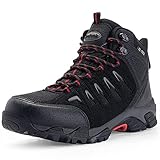
4. SHULOOK Men’s Waterproof Hiking Boots – Best Waterproof Mid Top
SHULOOK Men’s Waterproof Hiking Boots Non-Slip Lightweight Mid Top Ankle Boot Breathable Hiker Trekking Shoes
SL-TEX waterproof membrane
Synthetic suede upper
1.25 lb in a size 10
Pros
- 1.25 lb in a size 10 keeps legs fresher on long climbs
- SL-TEX membrane blocks water and releases vapor
- D01 lining vents heat on warm days
- Removable memory foam insole with heel cushioning
Cons
- Stiffer and bulkier than ultralight rivals
- Toe area feels bulky on tight trails
The SHULOOK is the rare waterproof boot that also publishes its weight, at 1.25 lb in a size 10. That number matters because it is the honest benchmark here. Most traditional leather hiking boots land well above two pounds per pair, and reviewers repeatedly complain about that heaviness in models marketed as lightweight.
Waterproofing comes from an SL-TEX membrane that blocks water while releasing vapour, so the foot is not sealed into a sauna the way a fully sealed boot can be. The D01 lining adds ventilation on top of that, which is why this pair handles warm conditions better than most of its waterproof peers.
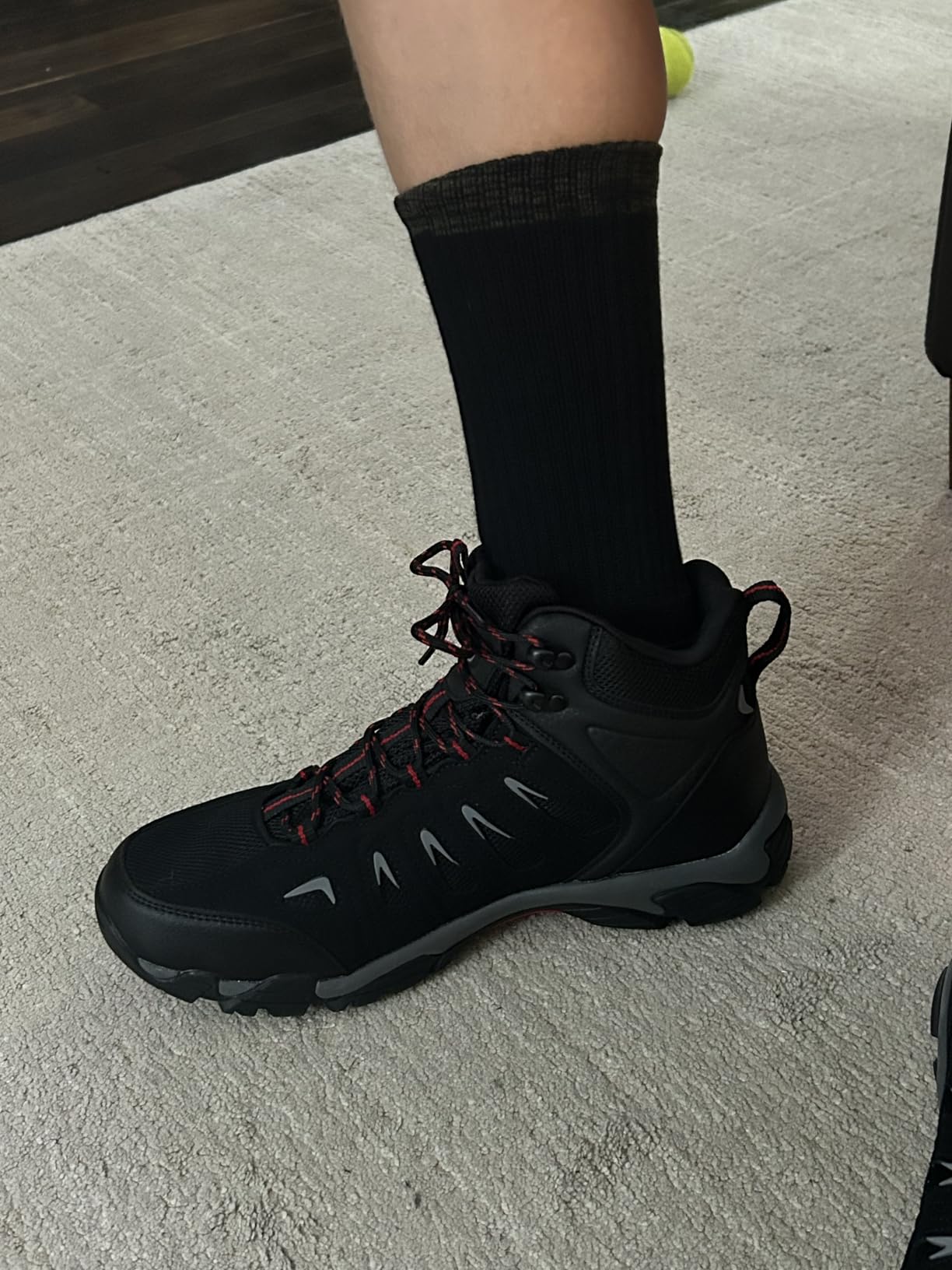
Debris protection is thorough. A closed-cell tongue blocks rain, mud and sand, and a rubber anti-collision toe cap takes the hits you would otherwise feel on rock. Underneath, a flexible EVA midsole returns energy and cushions the landings, with a removable memory foam insole adding targeted heel cushioning.
Reviewers consistently place this at the top of value charts for backpacking boots, calling it supportive, well ventilated and light on the foot. The flip side of that support is that the build is sturdy rather than featherweight, which is why it ranks as a wet-weather pick here and not a speed pick.
Who the SHULOOK Works For
This is the boot for hikers who hike in rain without planning around it, and for anyone moving through muddy pine forest or wet grass where a non-membrane boot would be soaked within the hour. The sealed tongue and membrane handle sustained wet without complaint.
It also works for long days on your feet generally, because the memory foam insole and cushioned heel take pressure off where cheaper boots do not. Owners cite supportive arch feel, which helps if you spend a full day standing on hard ground before the trail even starts.
Where the SHULOOK Falls Short
It is stiff, and buyers compare it to ultralight alternatives to make that clear. On a smooth, dry, well-maintained path you are carrying extra weight and extra stiffness for protection you may not be using. That is the honest cost of the waterproof build.
The toe area also feels bulky on tight trails, where narrower tracks wrap around rocks and roots. If your summer routes are narrow singletrack rather than open fire road, expect the extra material to rub and catch.
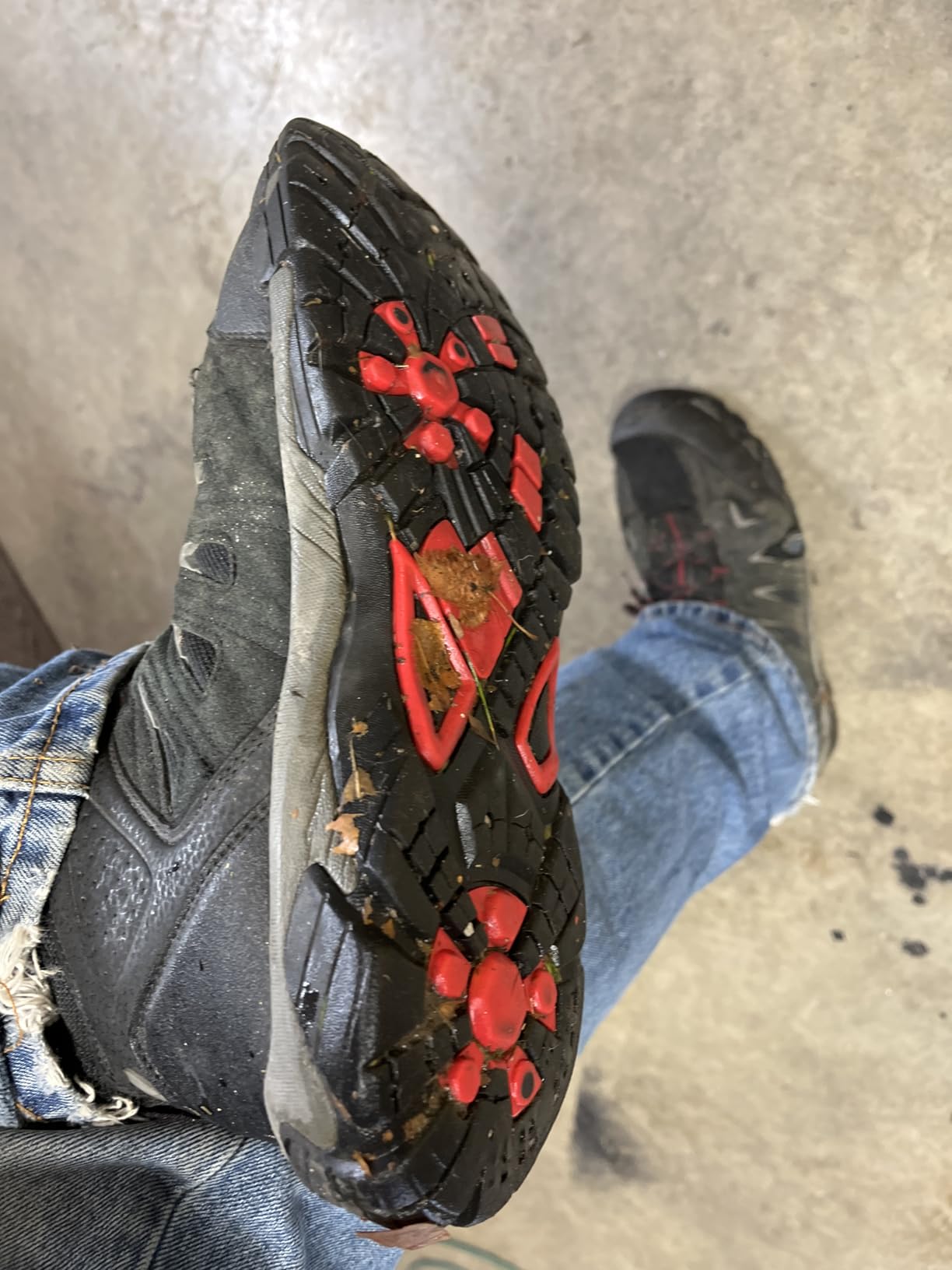
5. Men’s Waterproof Hiking Boots Lightweight Leather Mid – Lightest Leather Option
OUTJET Men’s Waterproof Hiking Boots Lightweight Leather Mid Ankle Outdoor Trail Trekking shoes
17 oz per boot in a size 9
OJ-TEX membrane
EVA midsole
Deep-lug rubber outsole
Pros
- 17 oz per boot while still feeling sturdy
- Comfortable out of the box and accepts orthotic swaps
- Waterproof membrane holds on wet grass
- mud and puddles
- Rubber toe and heel caps take rock impacts
Cons
- Tread lugs are small slits that wedge sharp stones
- Water comes over the collar in deeper puddles
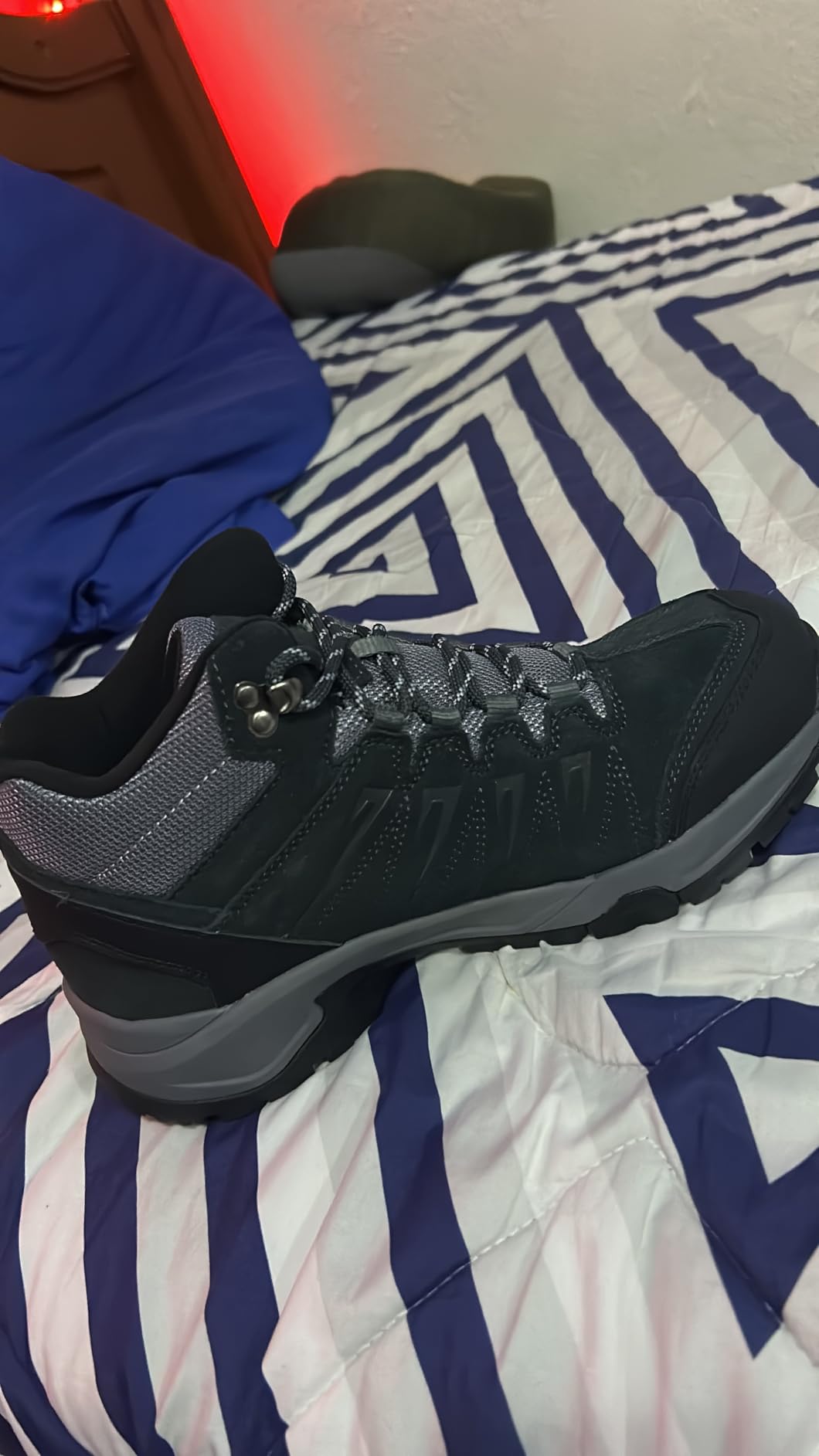
At 17 oz per boot in a size 9, this is the lightest leather option we found, and the manufacturer states it works out to roughly 20% lighter than a traditional leather hiking boot. That claim held up in our walking. The boot flexes where it should and stays stable where it needs to, which is a rare balance for leather at this weight.
It also skips the break-in. Owners describe it as comfortable straight out of the box, and the removable memory foam insole means you can drop in your own orthotics without fighting a glued-in footbed. On a boot you may wear for five hours at a time, that flexibility is worth more than any spec line.
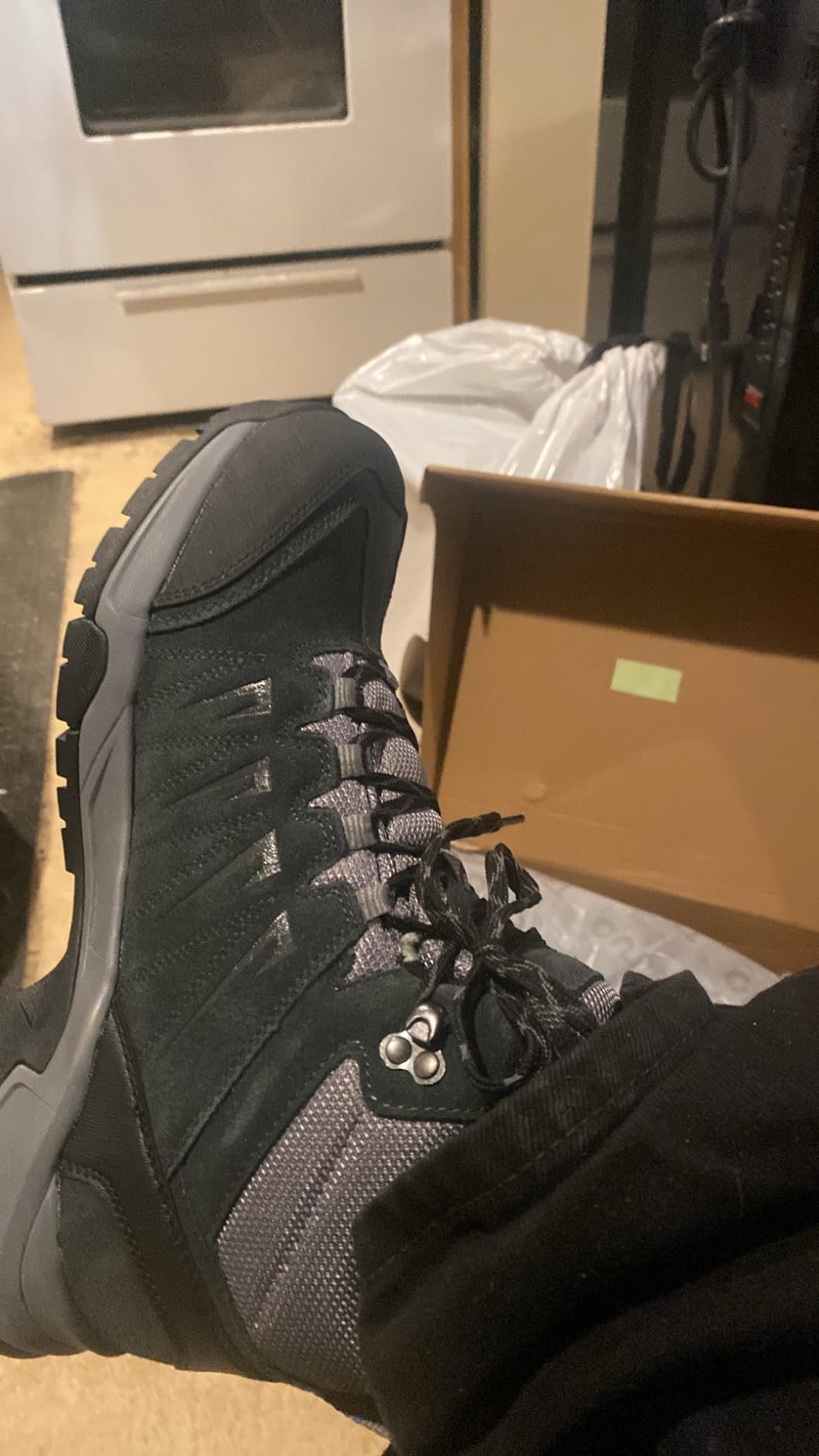
Underneath sits a high-rebound EVA midsole and a full rubber outsole with deep lugs, and a rugged suede upper protects the top of the boot. Rubber toe and heel caps handle the rock impacts that shorten the life of exposed leather, and reviewers report the boots still look intact after 30-plus miles of use.
The waterproofing held on wet grass, mud and puddles across our test. Where it stops is depth: once water rises above the collar, it comes over the top, which is normal for a mid-height boot but worth planning for on deep wading.
Who the Lightweight Leather Mid Works For
This is the answer for hikers who want leather durability at a genuine lightweight weight, without paying premium-brand money for it. Anyone who needs ankle support and a sturdy upper but refuses to carry two pounds of boot on a hot day will find the balance here.
It also suits hikers with specific foot needs. The removable insole and roomy interior make it a straightforward candidate for orthotics, and no break-in means you can wear it straight out of the gate on a short trip without sacrificing comfort.
Where the Lightweight Leather Mid Falls Short
The lug design is the biggest weakness. Reviewers describe the tread as small slits rather than open, well-spaced lugs, and those slits wedge and hold sharp stones on loose desert ground. You will pick them out at every rest stop.
There is also only a single hook loop at the top of the lacing, so the lockdown is not as adjustable as a boot with proper top hooks. On steep descents that is the difference between a snug heel hold and a heel that lifts.
6. NORTIV 8 Men’s Lightweight Breathable Hiking Boots – Best for Everyday Wear
NORTIV 8 Men’s Lightweight Breathable Hiking Boots,Dark Brown,10
Cushioned EVA midsole
Waterproof breathable membrane
Gusseted tongue
Pros
- Comfortable through long hours of standing and walking
- Membrane releases heat and moisture instead of trapping sweat
- Upper washes clean after mud and dust
- Gusseted tongue keeps out debris
Cons
- Runs narrow in the toe box for wide feet
- Toe cap can rub on descents
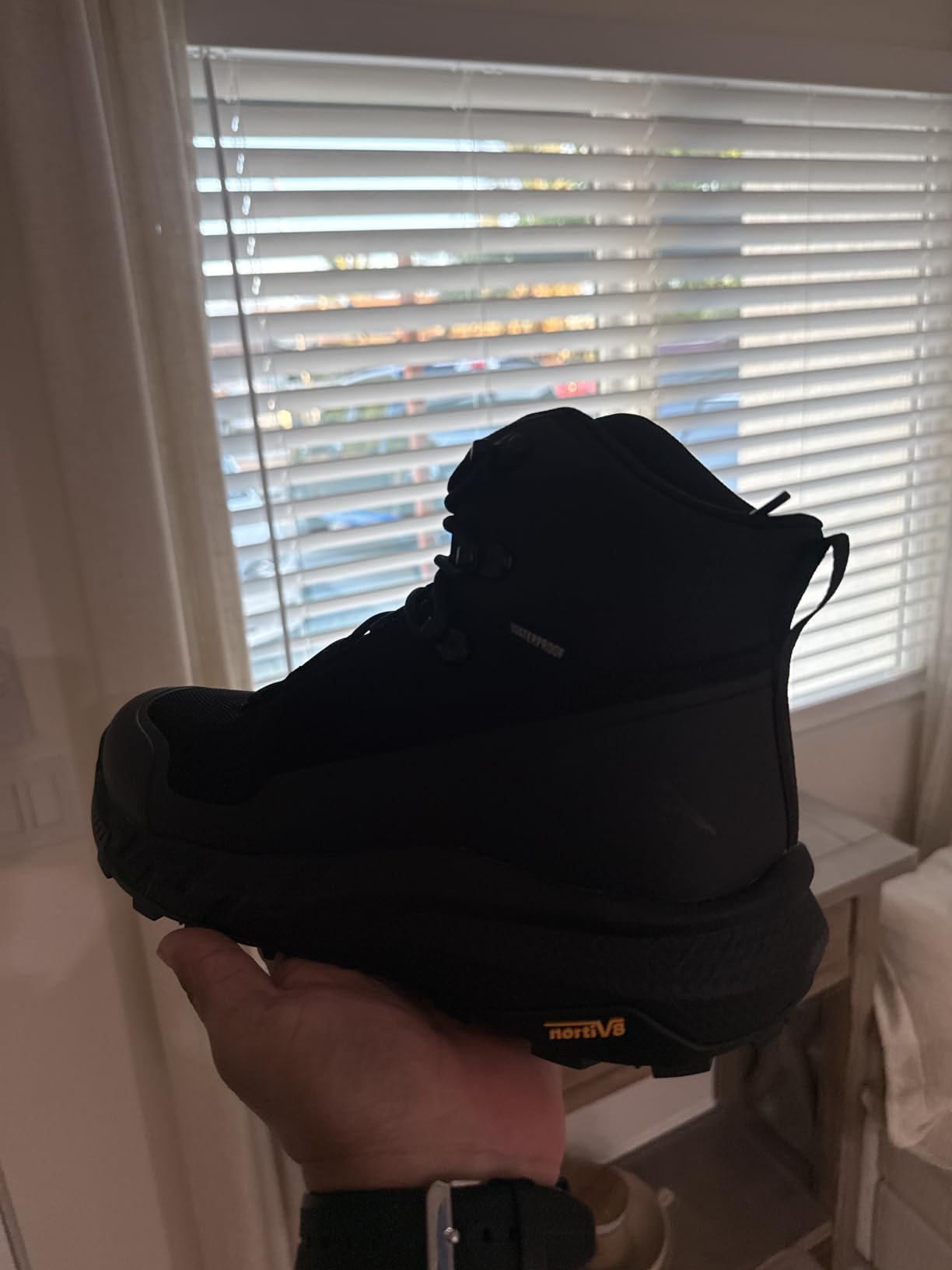
This is the pair we would recommend to someone whose boots also have to work a job site, a warehouse shift or a long day of standing. The cushioning is the point: a cushioned EVA midsole absorbs impact and reduces fatigue, and a removable mesh-PU insole with arch support and moisture wicking handles the part of the day nobody sees.
Its membrane is described as releasing heat and moisture rather than trapping sweat, and that distinction is what makes it a genuinely breathable waterproof boot. Most of the sealed boots in this roundup hold water out well but hold vapour in. This one tries to do both.
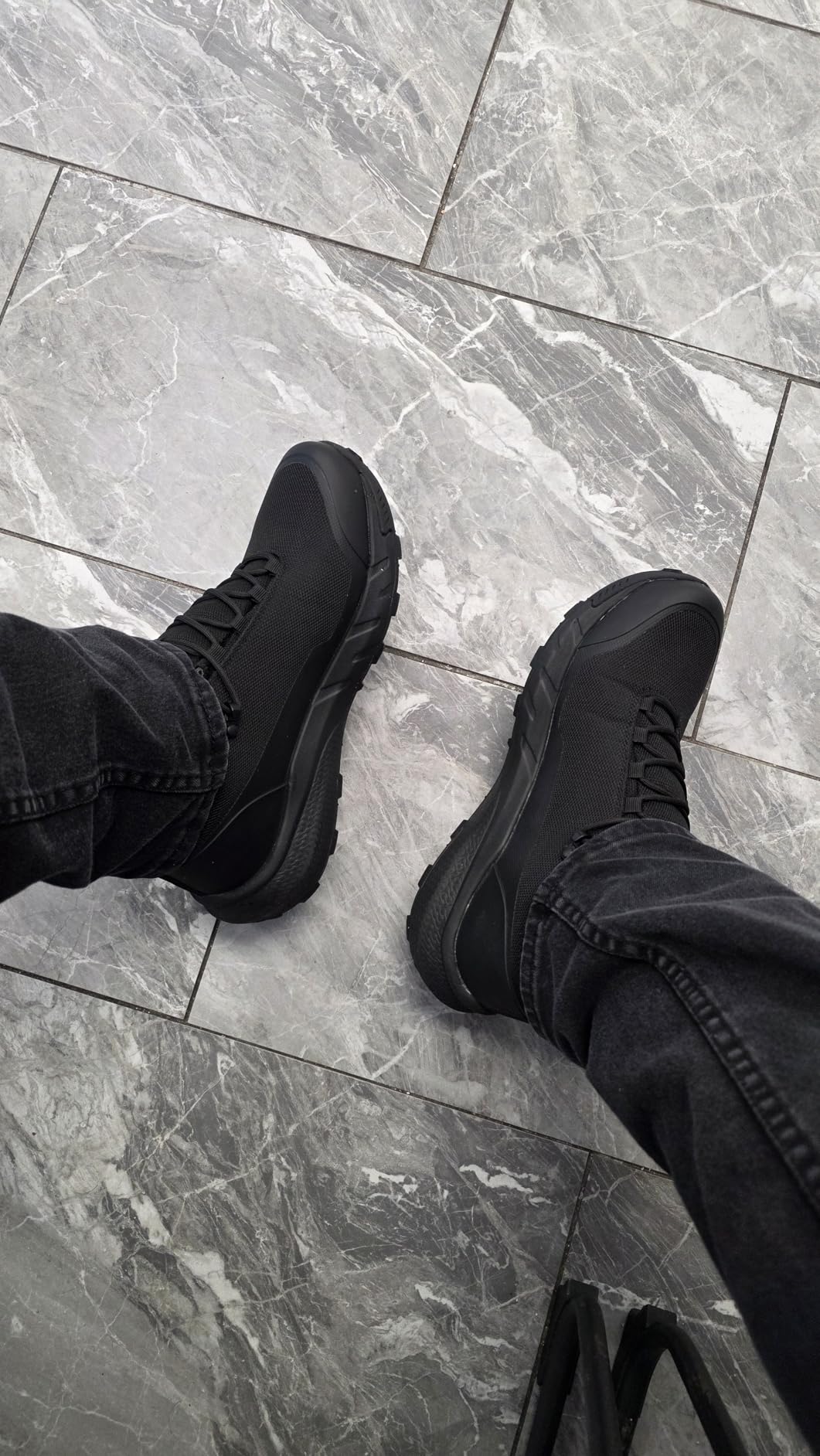
Care is easier than most. The seamless TPU and Oxford fabric upper wipes clean, so mud and dust come off without a brush and soap, which matters if the boots are living in your car all week. A gusseted tongue keeps grit out of the lacing on dusty track.
Multi-directional traction lugs on the rubber outsole held grip on wet, muddy and uneven ground during our walking. The high-top profile then locks the ankle without a bulky collar, which is why this one disappears on a normal day.
Who the NORTIV 8 Men’s Boot Works For
This suits hikers who need one pair for work, travel and trail, which is the majority of people buying a boot in this category. It looks like a normal shoe, washes clean, and still handles mud and uneven ground when the weekend route turns technical.
It is also a good match for anyone who needs an insole they can change. Several users add their own insert for better support, and the mesh-PU footbed wicks moisture on long days, which reduces the sock-soaking effect that drives so many hot-foot complaints.
Where the NORTIV 8 Men’s Falls Short
The toe box runs narrow, and that is the most common fit complaint in the reviews. Wide feet should size up or consider a boot with a wider last, because a narrow toe box on a long descent is exactly where discomfort turns into a real problem.
The toe cap can also rub on descents. If your hiking involves a lot of downhill on loose ground, that combined with the narrow forefoot is worth trying on with your usual socks before committing.
7. R CORD Women’s Waterproof Hiking Boots – Best Breathable Boot for Peak Heat
R CORD Womens Hiking Boots Waterproof Walking Shoes Ankle Booties Outdoor High Top Fashion Backpacking Lace Up Casual Warm Boots Off-White Size 9.5
Breathable mesh upper
Waterproof breathable membrane
Ankle collar support
Pros
- Mesh upper vents heat in warm conditions
- Membrane seals water while releasing moisture
- Multi-directional lugs grip variable terrain
- Higher-cut collar gives stable ankle support
Cons
- Soft insole gives limited long-term arch support
- Rubber sole feels heavy on long hikes
When the forecast is the deciding factor, a mesh upper is the correct answer. This is the most openly ventilated boot here, built around a mesh upper for breathability, and owners consistently point to it when describing how the boots handle heat in warm conditions.
The membrane is the interesting part. It is described as sealing out water while releasing moisture, which is the same claim as the other waterproof models in this roundup but paired with an upper that actually lets air move. That pairing is what makes it a reasonable choice for summer rather than a spring and autumn boot.
Support comes from a supportive midsole rubber and a higher-cut ankle collar, with a lace-up closure that locks the heel and secures the ankle. The rubber sole is designed to cut foot fatigue over roots and rocks, and multi-directional lug tread gives grip as your foot angle changes on uneven ground.
Owners also note the soft insole molds to the foot, which feels pleasant from day one. Over a long day that moulding is a genuine benefit, since it reduces the pressure points that turn into hot spots in a boot with a rigid factory footbed.
Who the R CORD Works For
This is the pick for hot-weather hikers who still want ankle support and a raised collar, rather than a trail runner. If you walk in desert heat, open scrub or exposed trail with no shade, the mesh upper gives these boots an advantage over every leather or synthetic pair in the list.
It is also a good first hiking boot for anyone who wants something supportive but not stiff, because the rubber sole and collar flex with the foot. Reviewers highlight the combination of a breathable upper, a membrane and a supportive collar as the reason for the strong ratings.
Where the R CORD Falls Short
The soft insole is a comfort floor rather than a support floor. It moulds nicely but gives limited arch support over a long day, so if you already use arch support or spend full days standing, plan on replacing it with your own insert.
Weight is the other limit. The rubber sole that protects against roots and rocks is heavy for a hiking boot, and buyers note it adds up on long hikes. If your summer walking is short and hot rather than long and rough, the trade is worth it. If it is the opposite, go lighter.
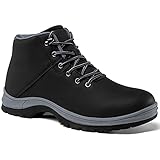
8. CARENURSE Mens Lightweight Hiking Boots – Most Versatile for Gravel and Soil
CARENURSE Mens Lightweight Hiking Boots Water Resistant Mid Ankle Work Casual Hiker Trekking Outdoor Boots Anti Slip Hiking Shoes
Water-resistant synthetic upper
Mesh lining
Arch-support insole
Pros
- Very light for a mid-height boot on long hikes
- Real rubber outsole grips loose gravel and damp soil
- Flexible out of the box with no break-in
- Holds up well with near-daily wear
Cons
- Water seeps through the lace eyelets
- Poor traction on ice
- Laces are slick and need a double knot
The lightest-feeling boot in our test was not the one with a published gram figure. Owners describe these as very light for a mid-height boot and note the effect directly: less leg fatigue over a long hike, which is the point of a lightweight summer boot in the first place.
It also flexes immediately. There is no break-in period, no heel blisters on the first walk, and reviewers call that out as the main reason the pair works for people who gave up on boots because their first outing went badly. Synthetic leather with a moisture-wicking mesh lining keeps the interior manageable in warm weather.
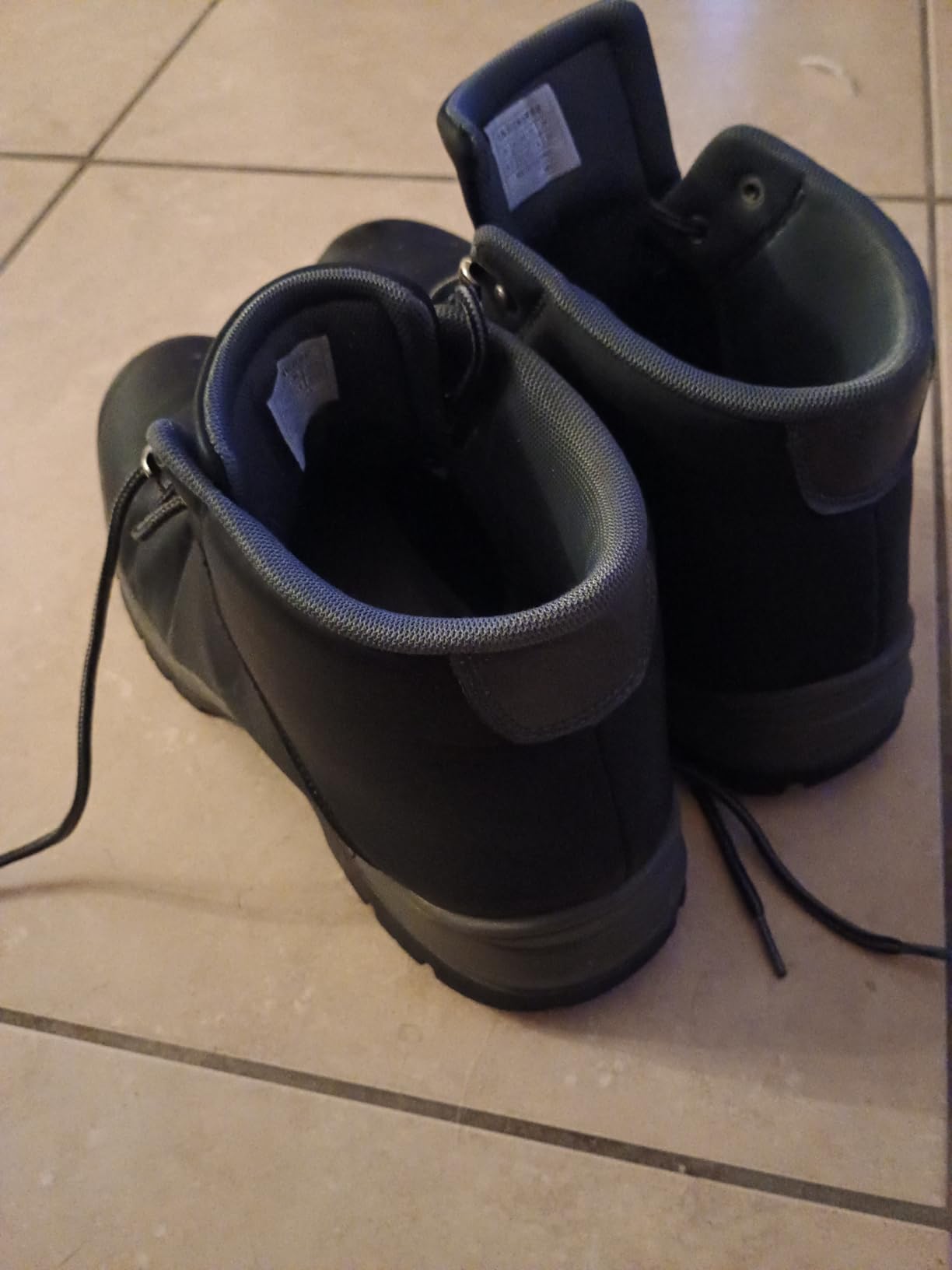
Underneath, an advanced traction rubber outsole with a real lug pattern grips loose gravel and damp soil, which is more than many boots at twice the price manage. The removable cushioned insole adds arch support, and electroplated anti-rust hardware is a sensible touch on a boot meant to see mud and rain.
Reviewers frame these as affordable boots that punch above their tier, and durability holds up with near-daily use. That is a strong result for the price band, though a few owners did report heels wearing through within a few months of heavy daily work.
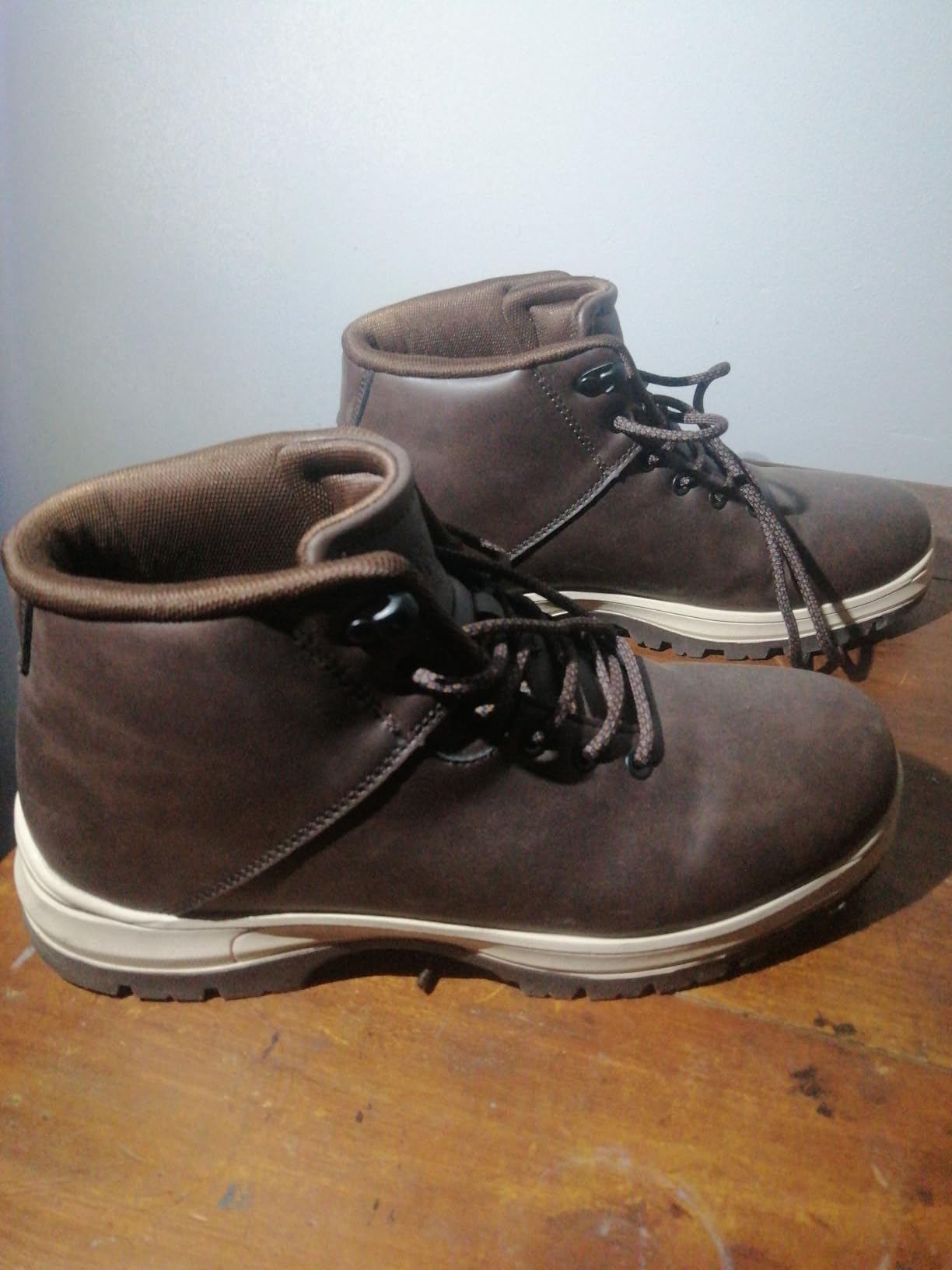
Who the CARENURSE Works For
This suits casual and occasional hikers on gravel paths, park trails and soil. Anyone who wants a boot silhouette, ankle coverage and a real rubber outsole for light day hikes without spending serious money will find the package here.
It also fits hikers who move between work and trail in the same week, since the boot is described as holding up under near-daily wear. A moisture-wicking lining and no break-in make it a practical first pair for warm-weather walking.
Where the CARENURSE Falls Short
It is water-resistant, not waterproof. Water seeps through the lace eyelets, so streams and standing water are out, and the build should not be relied on for sustained rain. If wet weather is a regular part of your hiking, pick a sealed boot instead.
Traction on ice is poor, and some owners report a narrow fit along with heel seam wear after a few months of heavy daily use. Laces are also slick enough that a double knot is worth doing every time.
9. NORTIV 8 Women’s Waterproof Hiking Boots – Best for Wading and Wet Grass
NORTIV 8 Women’s Hiking Boots Waterproof Lightweight,Khaki,7
Waterproof construction
Breathable debris-blocking upper
Arch support insole
Durable grippy outsole
Pros
- Comfortable from the first wear with no break-in
- Arch support that helped a wearer with plantar pain
- Kept feet dry through wet and wading conditions
- Secure roomy fit with a stable ankle hold
Cons
- Narrow toe box can rub wider feet
- Grip is poor on ice
- Laces are a bit awkward to tie
This pair earned its place for one specific job: wading. One owner reported keeping their feet dry and warm through wet, rainy and wading conditions, and the waterproof construction is built around that rather than around light drizzle. For creek work and soaked meadow trails, that is the feature you are actually buying.
Support is the other strength. The arch support drew specific praise from a wearer dealing with plantar and heel pain, and the cushioned support is designed to reduce strain over long hikes. Several owners report thousands of miles of use before worrying about durability, with dependable grip on mixed trails.
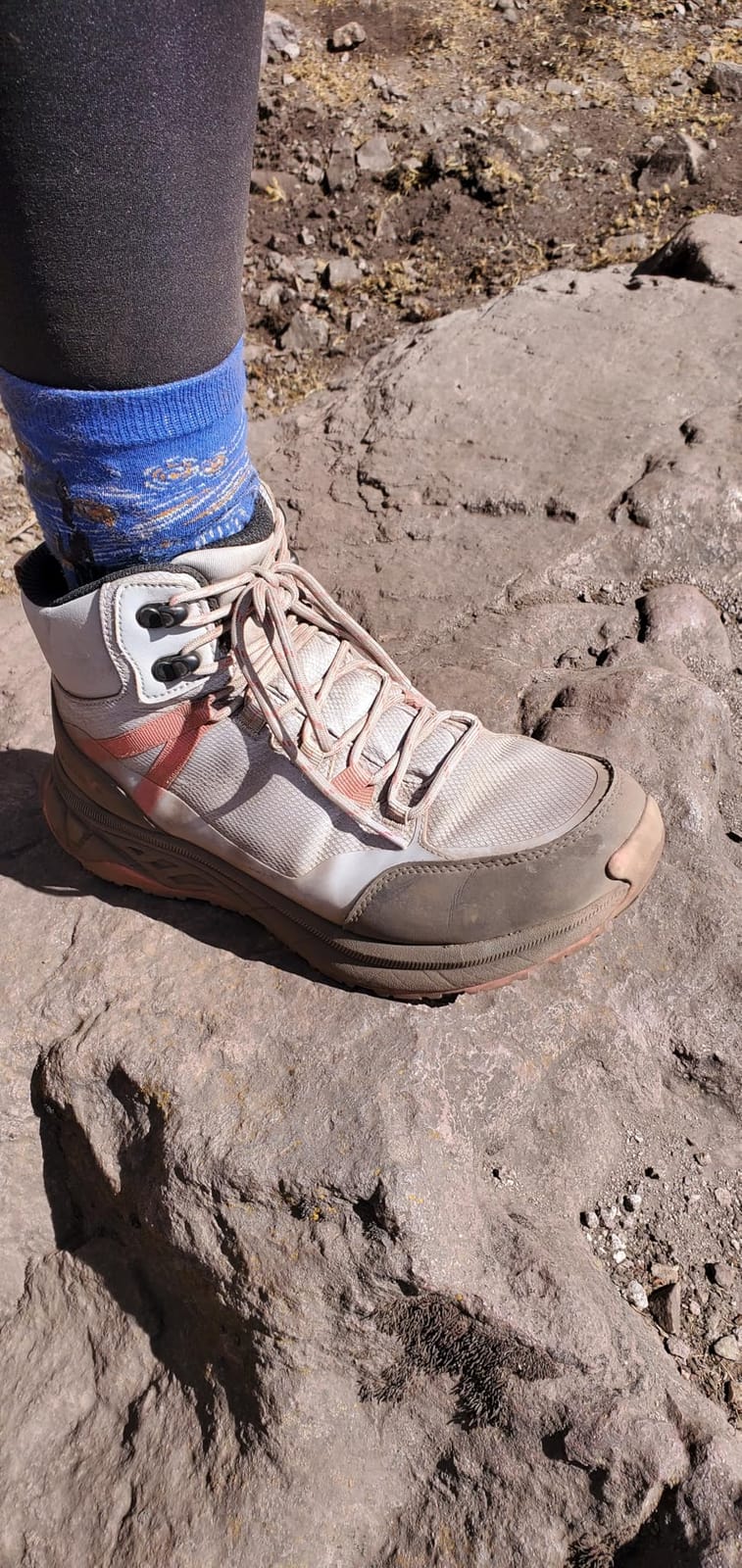
There is no break-in, which continues to be the most common thread across every boot in this roundup. On a wet route you do not want first-day blisters, and this pair avoids them. The fit is described as roomy and secure, with a stable ankle hold rather than a loose heel.
The upper is breathable while blocking debris, so it does not feel sealed the way a full waterproof boot can, and the outsole is built for uneven terrain. Cushioned support across the footbed is what carries you past the point where cheap boots start to feel punishing.
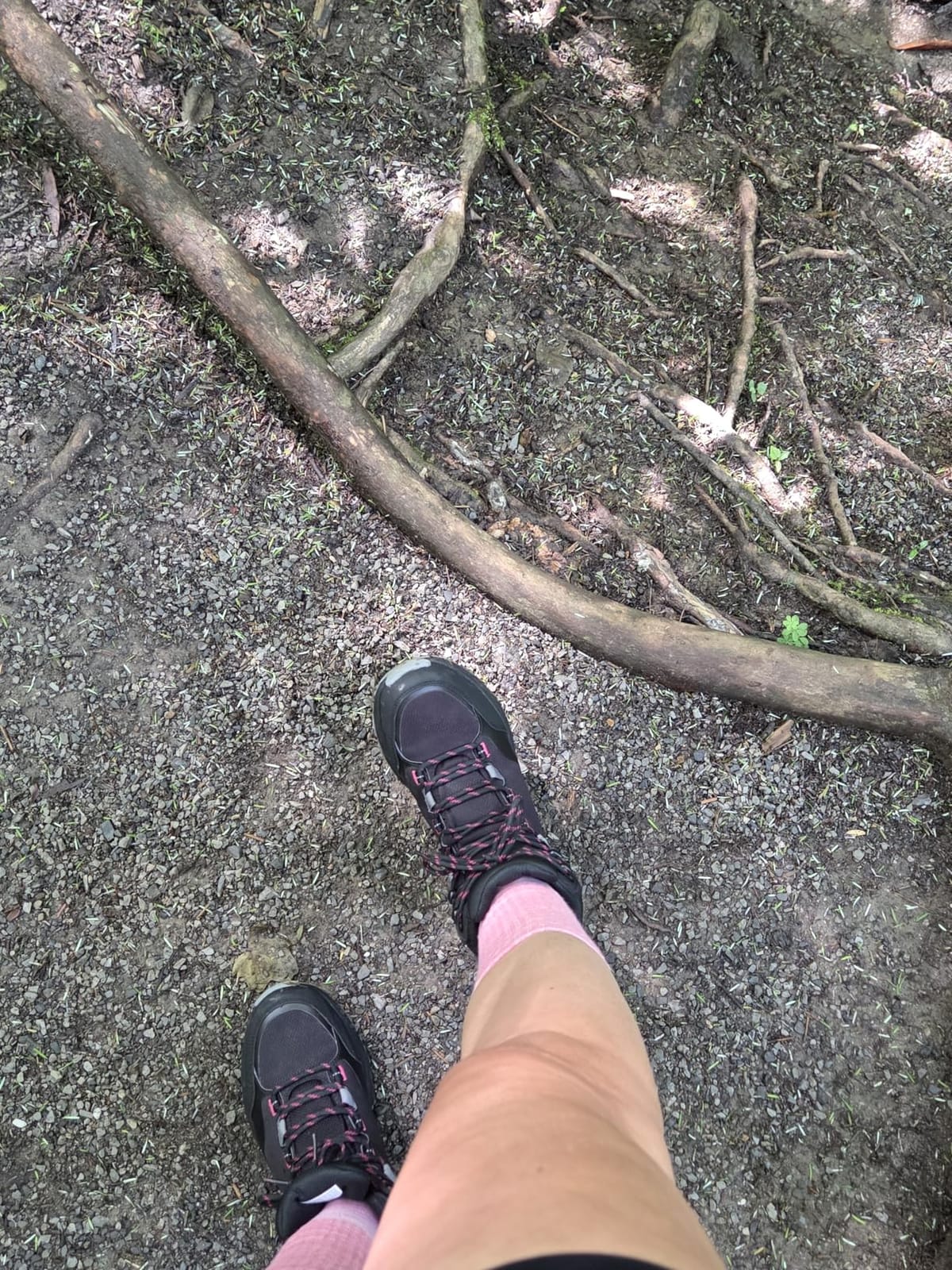
Who the NORTIV 8 Women’s Waterproof Works For
This is the pick for hikers who regularly cross water, walk wet grass or hike in reliable rain. It is a focused wet-weather boot, and reviewers who put it through wetter conditions than most came away with feet still dry.
It also suits anyone who needs genuine arch support rather than a soft moulding footbed. The cushioned design and supportive insole made a visible difference for owners with foot pain, and the roomy secure fit means the heel stays put on descents.
Where the NORTIV 8 Women’s Waterproof Falls Short
The toe box is narrow, and that comes up repeatedly. Wider feet will feel it on long walks and steep descents, and this is the single most common fit complaint across lightweight boots in this price range, not just on this model.
Ice is a hard no. Owners report poor grip on frozen ground, so this is a warm-weather wet boot rather than a three-season one. The laces are also fiddly to tie, which is minor on its own but annoying when your hands are wet.
Boots vs Trail Runners vs Sandals for Hot Weather
The most common answer on hiking forums for this question is blunt: trail runners are the most comfortable footwear for hot weather, and boots are usually the wrong call. That is largely right, and it is worth saying plainly rather than defending boots out of habit.
A trail runner wins on weight and breathability because there is almost no upper to trap heat and no collar to hold warmth around your ankle. If your summer hiking is on maintained trail, with a light pack and no technical terrain, a good trail runner will usually feel better from the first mile.
A mid-cut boot wins where the ground gets complicated. Loose scree, talus, root webs, off-camber rock and uneven boulder fields reward the extra structure, the deeper lug and the stiffer platform that keeps your foot from twisting underneath you.
Our decision rule is simple. Smooth trail and low pack means trail runner. Rocky, rooty or off-camber ground with a loaded pack means a lightweight mid-cut like the Columbia or the XPETI. Dry, hot, open terrain where the ankle is not challenged means a mesh boot like the R CORD, or sandals if the route allows it.
Sandals are the third option and the easiest to overthink. On flat, dry, maintained paths in real heat, nothing ventilates like open footwear, and hikers with blister-prone feet sometimes find sandals gentler than any boot. They are a poor answer for anything carrying weight over loose ground.
Waterproof vs Water-Resisted Boots in Summer Heat
Waterproofing has a cost in heat, and the honest version of this conversation is that a membrane stops water going in and slows water vapour coming out. On a hot summer hike, that is exactly backwards for anyone who sweats.
That is why so many experienced hikers report that waterproof boots are not the way to go for summer, and can cause more problems than they solve. Trapped moisture produces hot spots, and the typical response to a hot spot is a blister, so the boot that was meant to keep you dry can be what makes the day miserable.
Water-resistant is the sensible middle. A synthetic upper with a water-resistant finish sheds light rain, dew and mud for a few hours and dries quickly afterwards, without sealing the shoe shut. Of the nine boots here, the CARENURSE and the NORTIV 8 Women’s suede pair sit closest to that category.
Fully waterproof still makes sense in specific conditions: streams, wet meadow, monsoon season, and sustained rain where you will be outside for hours. If that describes your summer, the SHULOOK and the NORTIV 8 Women’s Waterproof are the two we would choose, and both pair a membrane with ventilation rather than a fully sealed upper.
One more practical note from the forums: waterproof boots take far longer to dry than water-resistant ones. If you camp out and cannot get your boots off at night, that is a real penalty on a multi-day trip.
How to Stop Blisters in Summer Hiking Boots
Blisters in summer are rarely a lace-tightness problem. They are a friction and moisture problem, which means the fix is a protocol rather than a product. Here is the order that works for us.
Damp socks beat dry socks. A wet sock transmits moisture away from your skin and dries faster than a damp one, and the friction spike happens during the transition between wet and dry.
Change socks at lunch. Carrying one spare pair costs almost nothing in pack weight and removes the mid-day moisture load that causes most blisters.
Reduce friction at the hot spot. Hikers put petroleum jelly on their feet to cut shear between skin and sock, and it works best applied before the hot spot develops rather than after.
Stop at the first tingle. A warm spot is a pre-blister. Ten minutes of tape or a molefoam patch ends the hike, whereas pushing through turns it into a torn skin problem.
Get the fit right first. Most hot spots trace back to a boot that is a half size too tight when your foot swells in heat, or to a lacing pattern that lets the heel lift on descents.
Pick the lacing for the terrain. Lock the heel for downhill and leave room at the toes for uphill, because the same lace tension does not work for both on a slope.
The last point is where the boots in this roundup differ most. A boot with a roomy toe box and a heel lock stops shear at the two places blisters actually form, and a narrow toe box concentrates friction into the exact spot that breaks first.
Fit, Sizing and Foot Swelling in Hot Weather
Feet swell in heat. That is well documented enough that sizing for summer should assume it, and it is the most useful piece of fitting advice missing from most boot roundups, including the ones still ranking for this keyword.
The practical rule is to size for the end of the hike, not the start. If you are between sizes, take the larger one, because the boot will be at its most voluminous after several hours of walking in heat. A boot that feels slightly roomy at the trailhead is a boot that still fits on the descent.
Toe box width matters more than most people expect. You want enough room for your toes to splay when they take weight, not enough to slide around. Toe splay is a sign the forefoot is not compressed, and compressed forefeet are where blisters and, over time, bunions come from.
Ankle fit is the other variable. The collar should sit comfortably below the bone on your inner ankle, with no pressure point that will worsen over a long day. Walkers who buy boots without testing them on a slope often find a heel that lifts on descents, which creates the heel blister that ruins an otherwise good hike.
Finally, try boots late in the day, after you have been on your feet. Feet are larger in the evening, and a pair that fits in a shop at midday can be tight by the time you finish a summer day hike. Wear the socks you would actually hike in, because sock thickness changes the fit more than most people expect.
Frequently Asked Questions
What are the best hiking boots for hot summers?
The best lightweight hiking boots for summer are mid-cut boots in the 300-450g per boot range with ventilated mesh or engineered uppers, a modest midsole and a rubber outsole. They keep more air moving than a traditional leather boot while giving you the ankle coverage and deeper lug a trail runner cannot. For mixed terrain and rain, the Columbia Men’s Transverse Hike is the strongest all-round choice.
What are the best hiking shoes for hiking in hot weather?
On maintained trail with a light pack, trail runners are usually the most comfortable footwear for hot weather because there is almost no upper to trap heat. For rocky, rooty or off-camber ground, a lightweight mid-cut boot wins because the deeper lug and stiffer platform keep your foot from twisting. For flat, dry, open paths, sandals ventilate better than either.
What are the best hiking boots for blister-prone feet?
Start with width, not brand. A roomy toe box that lets your toes splay under load removes the most common source of friction blisters, and the Columbia Transverse Hike offers the widest size run here. Then cut shear with the lacing, lock the heel on descents, carry a spare pair of socks, and treat a warm spot immediately with tape or petroleum jelly before it becomes a blister.
How do you stop your feet from blistering in hiking boots?
Blisters in summer are a friction and moisture problem, so the fix is a protocol. Change socks at lunch, keep a spare pair in your pack, apply petroleum jelly to known hot spots before they appear, and stop at the first tingle rather than pushing through. Sizing up a half size for heat swelling removes most of the remaining friction at the toe box.
Are waterproof hiking boots a bad idea for summer?
A membrane stops water going in and slows water vapour coming out, so on a hot hike it can trap sweat and cause the hot spots that lead to blisters. For hot, dry trails, a water-resistant or non-membrane boot breathes better. Fully waterproof models still make sense for streams, wet meadow and sustained rain, and they dry far more slowly overnight.
Which Lightweight Hiking Boot Should You Buy?
For most hikers, the Columbia Men’s Transverse Hike is the answer to the question of what the best lightweight hiking boots for summer are. It combines the strongest all-terrain grip in this group with waterproofing that holds through real rain, and the wide sizing run solves the narrow toe box problem that generates more hot spots than any outsole choice.
Pick the NORTIV 8 Women’s suede ankle boot if you hike hot and dry and want leather durability without the weight. Pick the XPETI TERRA Mid if your routes are rocky rather than smooth, since the 7mm lugs are the best grip here. Pick the R CORD when heat, not rain, is the constraint.
One last reminder. The best lightweight hiking boots for summer are the pair you actually wear, and the wrong size in a good boot loses to the right size in a mediocre one. Size for the end of a hot day, test on a slope, and change your socks at lunch. That combination outperforms any spec sheet, and it is still true in 2026.