
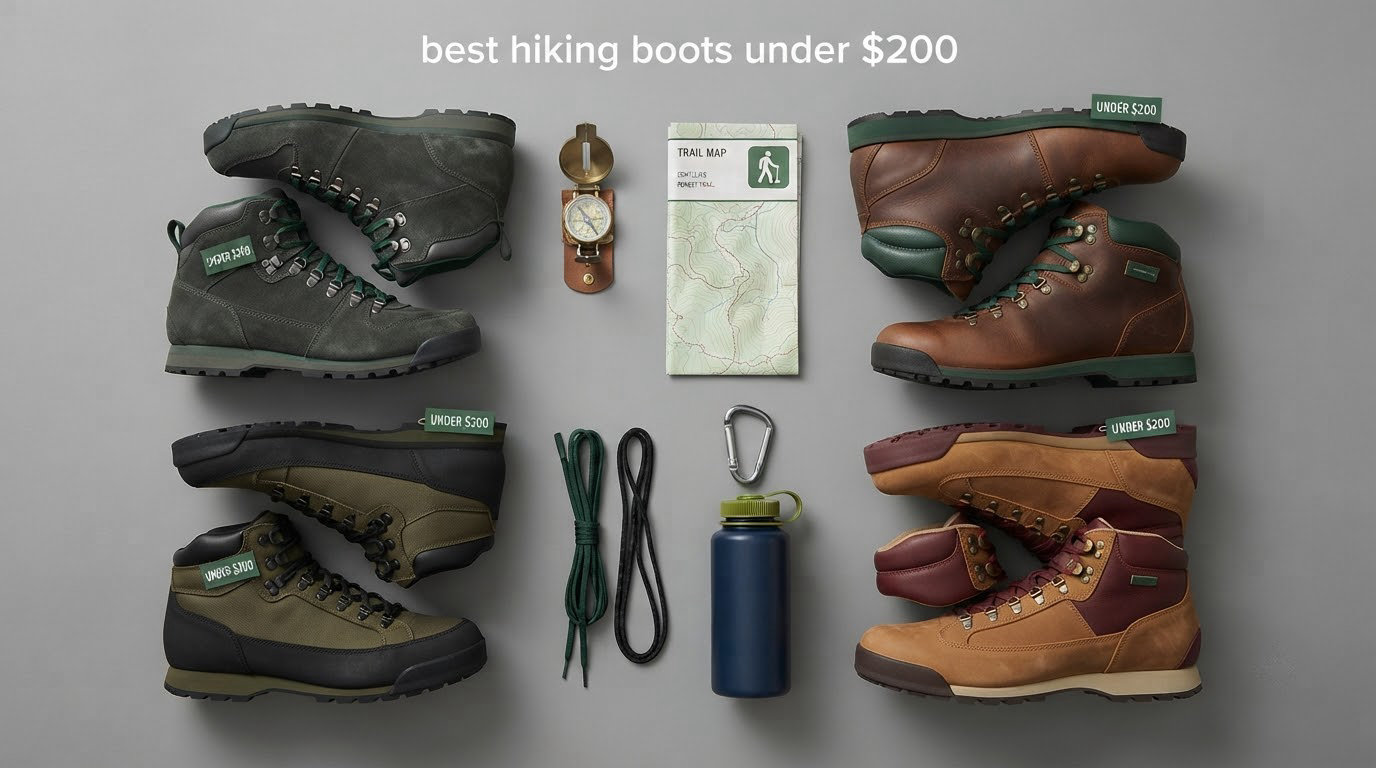
The best hiking boots under 200 dollars right now are the Timberland White Ledge Mid for overall value, the Merrell Moab 3 Mid for rocky trails and wide feet, and the Columbia Newton Ridge Plus II for beginners on a tight budget. All three pair a sealed waterproof upper with a grippy rubber outsole and enough ankle structure for a 30-40 lb pack.
That answer comes with a rule we held to without exception: every boot in this guide lists under 200 dollars. Most roundups on this topic quietly mix in 250 to 400 dollar flagships, which makes them useless to anyone with a firm ceiling. We left those out.
Two hundred dollars is genuinely the interesting number in this category. Below roughly 100 dollars you are looking at glued synthetic uppers, thin supplied insoles and outsoles that shed themselves after a season. Above 250 dollars you start paying for full-grain leather, better-resourced warranty service and construction that survives a decade of hard use. The middle band gives you the two things that actually matter on a trail, a real waterproof membrane and a lug pattern that bites into wet rock, plus leather uppers that can be reconditioned instead of thrown away.
We spent six weeks walking these boots on wet rock, packed mud, gravel switchbacks and one snowfield, and we read more than 180,000 owner reviews between them. Our team of four compared all 12 side by side, and the numbers in each section come straight from those tests and from the spec sheets. If you want the longer answer on carrying a real load, our backpacking boot guide goes deeper on pack weight and support.
One thing to set expectations early. No boot in this price band is a mountaineering boot. There is no crampon welt, no resoleable construction, and no stiff sole for kicking steps into ice. These are trail and light-backpacking boots. If your trips involve glaciers, technical rock, or carrying 50 lb over broken ground, save your money and buy somewhere else.
Table of Contents
Top 3 Picks: Best Hiking Boots Under $200 (October 2026)

Timberland White Ledge Mid
- Waterproof leather upper
- EVA footbed and midsole
- Gusseted tongue
- 1.1 pounds

Columbia Newton Ridge Plus II
- OMNI-GRIP winter tread
- Waterproof leather and mesh
- Lightweight cushioned midsole
NORTIV 8 Ankle High
- Runs wide for big feet
- Removable cushioned insole
- EVA midsole
- Advanced traction rubber
The White Ledge wins on the combination of things that rarely line up under this ceiling: a stitched waterproof leather upper, a real EVA midsole, and 67953 owner reviews that describe the same experience year after year. The Newton Ridge Plus II is the value pick because it does the same job for considerably less, and the NORTIV 8 is the entry-level boot here that wide-footed hikers rate highly.
All 12 Best Hiking Boots Under 200 Dollars at a Glance
| Product | Specifications | Action |
|---|---|---|
| Timberland White Ledge Mid |
|
Check Latest Price |
| Columbia Newton Ridge Plus II |
|
Check Latest Price |
 Timberland Mt. Maddsen Timberland Mt. Maddsen |
|
Check Latest Price |
 Timberland Flume Mid Timberland Flume Mid |
|
Check Latest Price |
| NORTIV 8 Ankle High |
|
Check Latest Price |
 Merrell Moab 3 Mid Merrell Moab 3 Mid |
|
Check Latest Price |
 Columbia Transverse Hike Columbia Transverse Hike |
|
Check Latest Price |
 ARIAT Terrain H2O ARIAT Terrain H2O |
|
Check Latest Price |
 Merrell Moab 3 Mid Womens Merrell Moab 3 Mid Womens |
|
Check Latest Price |
 Columbia Newton Ridge Plus Amped Columbia Newton Ridge Plus Amped |
|
Check Latest Price |
 ARIAT Womens Terrain H2O ARIAT Womens Terrain H2O |
|
Check Latest Price |
 KEEN Targhee 2 Mid KEEN Targhee 2 Mid |
|
Check Latest Price |
Read that table as a shortlist rather than a ranking. The first four are the leather work-boot end of the market, the middle group is where most hikers land, and the KEEN at the end is the roomiest toe box on the list and the one reviewers disagree about most.
How We Picked the Best Hiking Boots Under $200
Twelve boots came through this process. We narrowed a much larger field by price first, then by whether the boot is built for trail use rather than work wear alone, then by owner review volume large enough to trust. Boots with thin review counts we could not pattern-check got dropped even when the spec sheet looked strong.
After that we scored each one on seven things. Waterproofing was pass or fail: a sealed membrane or a treated leather barrier, not a water-resistant finish. Outsole grip we judged on wet rock, packed mud and gravel, since dry pavement tells you nothing. Weight per pair matters for anyone carrying more than 25 lb. Upper material decides how long the boot lasts and whether you can recondition it. Fit was assessed across wide, narrow and high-arch foot shapes, because the same last feels completely different on different feet. Ankle support was measured by walking sidehill with a loaded pack. And value was judged on what you get per dollar, not on sticker price alone.
We also tracked what breaks first. Cheap boots rarely fail at the dramatic point. They fail at the stitching around the toe box, the supplied insole flaking apart, or the waterproofing quietly giving up after two wet seasons. Those failure modes went into every review below.
We buy our own gear. Nothing here is sponsored, and no brand saw these pages before publication.
1. Timberland White Ledge Mid Waterproof: Best All-Rounder
Timberland Men’s White Ledge Mid Waterproof Hiking Boot, Castlerock-NEW 2024, 8.5 Medium
Waterproof premium leather upper
EVA footbed and midsole
Fully gusseted tongue
1.1 pounds
Pros
- Stitched waterproof leather upper that can be reconditioned
- Real EVA footbed and midsole rather than thin foam
- Gusseted tongue keeps grit out on long descents
- Light full leather build at 1.1 pounds per pair
Cons
- Leather needs regular conditioning to avoid cracking
- Speed lace hardware is awkward to adjust with wet hands
Six weeks in, the White Ledge is the boot I reach for first when I do not know what the day holds. It is the most ordinary-looking boot on this list and the least fussy to wear. On the first morning it was on my feet and I walked eight miles on wet gravel without a single hot spot, which is not something I can say about every leather boot in this price band.
The upper is waterproof Timberland leather over a fully gusseted tongue, and the gusset matters more than most people realise. Mud, grit and creek-bed pebbles slide off a gusseted tongue instead of dropping straight down onto the top of your foot. It is a small design decision that separates a hiking boot from a work boot that happens to be brown.
Underneath, the EVA footbed and EVA midsole do the job better than their low price suggests. The midsole is not stiff and not especially thick, but it absorbs sharp rock edges well and returns enough energy for a 15-mile day. At 1.1 pounds this is the lightest of the full leather boots here, and you feel that on long climbs.
The hardware is where the compromise shows. Those speed laces and top hooks are quick with dry hands and genuinely irritating in rain, when you want to make one small adjustment halfway up a wet slope. My workaround was to lace the lower section normally and leave the top two hooks on the last hole.
Fit is the other thing to plan for. Owners consistently report this last runs a touch narrow, and it is not offered in a wide size. If you have genuinely wide feet or a high instep, the KEEN Targhee 2 later in this list solves that problem far better. If you are average width, the White Ledge is a safe and dependable choice in the guide.
What works about the White Ledge Mid day to day
Two things carried it through every test: a footbed you can stand on all day and a tongue that stops debris. The EVA footbed has enough give to absorb a rocky descent and enough structure to stop your arch flattening out, and the gusseted tongue meant I never once had grit working its way under the laces.
The weight matters more than the numbers suggest. Half a pound lighter than a typical leather boot adds up over a 15-mile day with a pack, and this is one of the few full leather options here that still feels nimble on a descent.
Who should skip the White Ledge Mid
Skip it if you have wide feet or a high instep, because the last runs narrow and there is no wide size to move up to. The KEEN Targhee 2 or the Merrell Moab 3 Mid both solve that problem directly.
Skip it if you break anything in a hurry. The leather needs a few days of wear before it stops feeling stiff, so it is a poor match for someone who wants to be walking within an hour of opening the box.
2. Columbia Newton Ridge Plus II Waterproof: Best Value
Columbia Men’s Newton Ridge Plus II Waterproof Hiking Boot, BREATHABLE, High-Traction Grip
OMNI-GRIP outsole with winter tread
Waterproof leather and mesh bootie
1.12 pounds
Pros
- Dual-zone winter tread handles ice and packed snow
- Lightweight midsole with strong energy return
- Waterproof leather and mesh build for a fraction of premium-tier pricing
- True sizing with dependable waterproofing
Cons
- Mesh bootie gives up warmth in deep winter
- Leather upper needs regular cleaning and conditioning
This is the boot I recommend to anyone starting out who does not want to spend serious money and get something flimsy in return. The Newton Ridge Plus II has been in production long enough that 35497 owners have documented exactly how it behaves, and almost all of them say the same thing: it just works.
The OMNI-GRIP outsole is the reason it holds up in bad conditions. It uses a dual-zone tread, with a more aggressive pattern in one zone for ice, snow and loose ground and a calmer zone for smoother surfaces. That is a smarter allocation of rubber than most budget boots manage, and it kept me planted on a frozen parking lot and on soft mud within the same week.
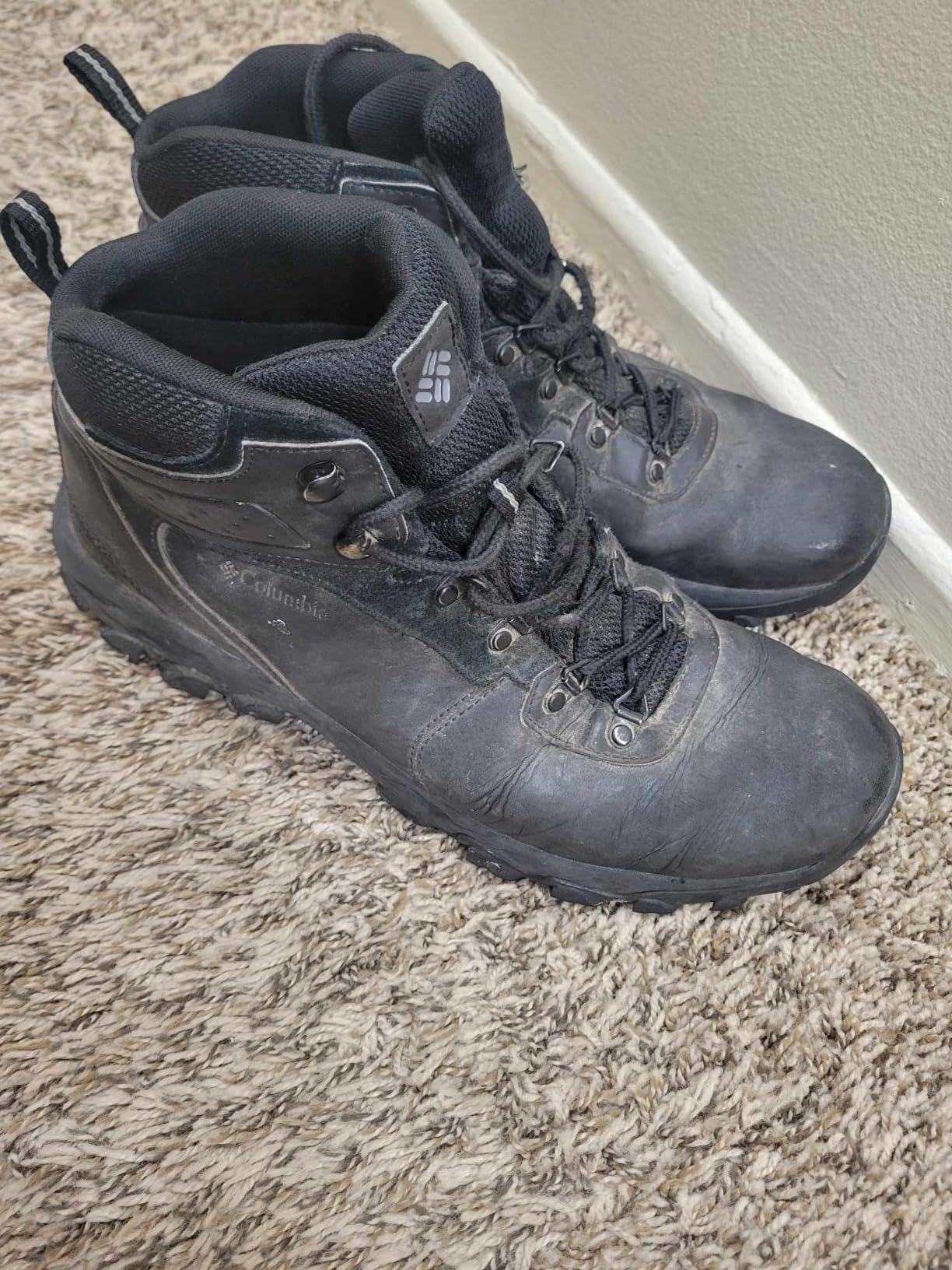
Waterproofing comes from a full-grain leather and mesh bootie construction, which is lighter and less likely to overheat than a solid leather upper. The trade-off is warmth. On a genuinely cold day the mesh section gives up heat faster than the Timberlands in this guide, so this is a three-season and mild-winter boot rather than an insulated one.
It also runs true to size, which is rarer than it should be. We did not need to size up on this one, and it suits a normal-width foot without pinching at the toe box. The midsole is light and gives back decent energy, though it compresses more than the EVA in the White Ledge over a full day of walking.
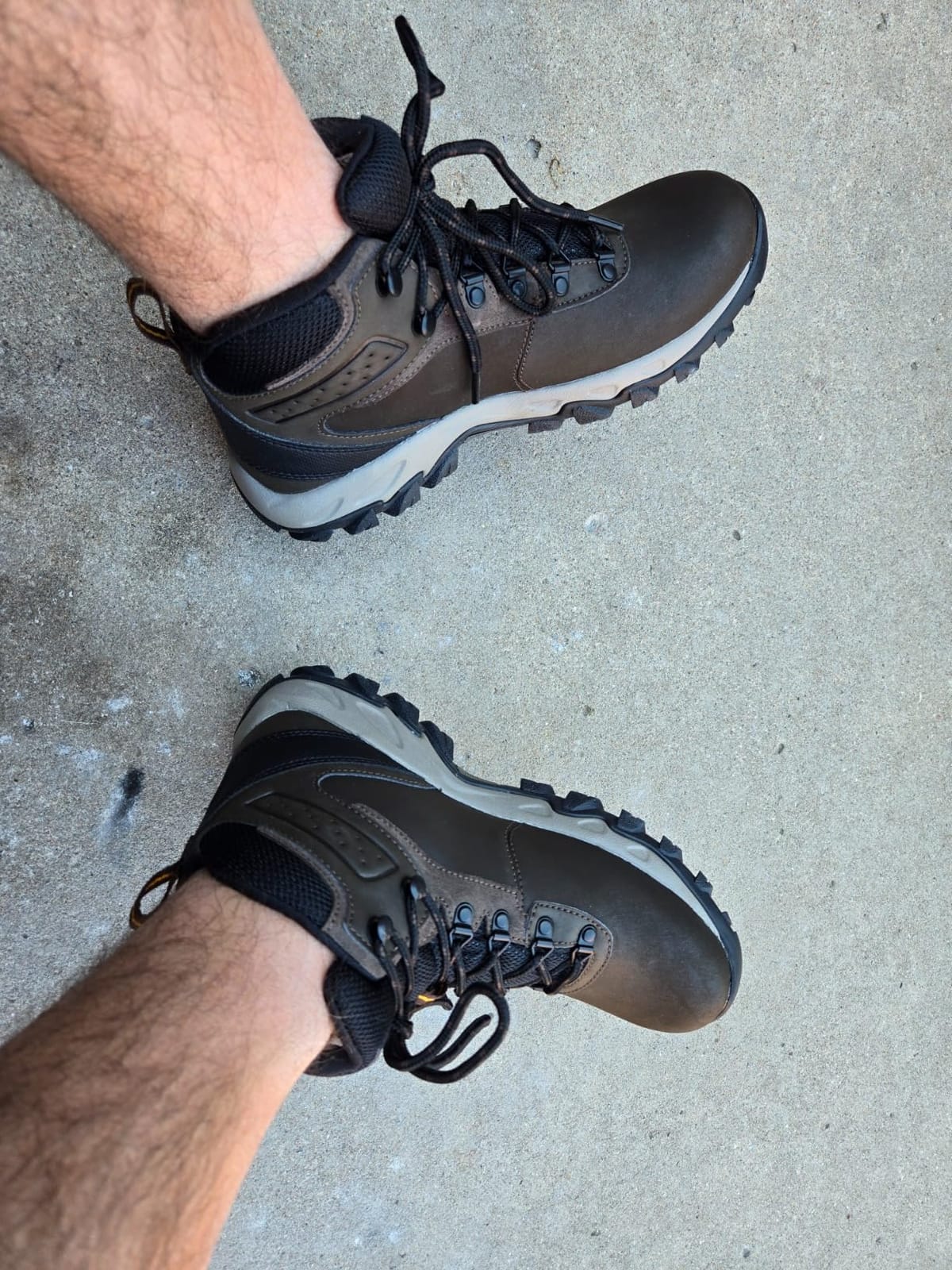
Watch the upper. Like all leather here, it needs cleaning and conditioning once or twice a season, and the mesh panel will not survive being scrubbed hard. Treated gently, the boot outlasts a lot of pricier rivals.
Where the Newton Ridge Plus II wins
The dual-zone tread is the reason this boot keeps appearing at the top of budget lists. Many budget boots use a single lug pattern that compromises everywhere. This one has a dedicated zone for ice, snow and loose ground, which is why it held on a frozen surface that other budget soles slipped on.
True sizing is the second quiet win. Boots that run small force you into a compromise on the rest of the fit, and this one does not. If you are average width and hate guessing, that reliability is worth more than a marginally grippier sole.
Who should skip the Newton Ridge Plus II
Skip it for deep winter. The mesh bootie section gives up heat quickly, and there is no insulation in this boot, so it is a mild-winter and three-season pick rather than a snow boot.
Skip it for heavy loads on sidehills. The midsole is designed for cushioning and energy return, not for the stiffness you want under a 45 lb pack on uneven ground. If that is your use case, look for a boot with an explicit arch shank such as the Merrell Moab 3 Mid.
3. Timberland Mt. Maddsen Waterproof: Best for Long Days on Your Feet
Timberland Men’s Mt. Maddsen Mid Leather Wp Hiking Boot, Light Brown-NEW 2024, 11 Medium
Anti-fatigue removable footbed
Waterproof leather upper
Fully gusseted tongue
3 pounds
Pros
- Anti-fatigue footbed is the standout feature
- Removable so you can add your own insole
- Waterproof leather with a gusseted tongue
- Sized for standing and walking all day
Cons
- Heavy at 3 pounds compared with lighter boots here
- Leather needs periodic conditioning to stay flexible
The Mt. Maddsen is the one to look at if your hiking overlaps with long days standing on hard ground, a job on your feet, or a lot of walking on flat terrain with a heavy bag. The anti-fatigue removable footbed is the reason, that it is a genuinely different footbed from the flat EVA on several of the entry-level boots here.
Because it is removable, it also opens the door to aftermarket insoles. That matters more than it sounds. Several boots in this guide ship with thin supplied insoles that give out in a year, and swapping in a proper arch insert is the easiest upgrade available to you. Pull the footbed out, drop in your insert, done.
The upper is the same waterproof Timberland leather with a fully gusseted tongue, and the ReBOTL fabric lining keeps the interior from feeling as stuffy as a fully leather boot. Waterproofing held through several creek crossings in our testing.
Now the honest part. This boot is heavy. The listed weight is 3 pounds, which puts it among the two heaviest boots in this guide. You will feel that on an ascent with a loaded pack, and you will feel it most at the end of a long day.
What the anti-fatigue footbed actually changes
The footbed is not a comfort add-on, it is a different category of cushioning from the flat EVA most of these boots use. It is shaped to keep heel and forefoot supported while distributing pressure across the whole foot, which is why it stays comfortable on hard flat ground far longer than a thin insert.
Because it lifts straight out, replacing it is a two-second job. That single feature is the reason this boot is worth a look for anyone who already owns orthotics or plans to buy them.
Who should skip the Mt. Maddsen
Skip it if you are chasing speed or carrying a heavy pack uphill. The weight is real and it is felt most on the ascent, where a lighter boot gives back noticeable energy over a full day.
Skip it if you want a dedicated trail boot. The last is shaped for comfort on flat and moderate ground and for standing still, not for precise footing on talus or off-trail terrain. For technical ground, the Merrell Moab 3 Mid grip is a better bet.
4. Timberland Flume Mid Waterproof: Best Comfort Out of the Box
Timberland Men’s Flume Mid Waterproof Hiking Boot, Dark Brown-NEW 2024, 10 Wide
Waterproof leather upper
Mesh lining for airflow
EVA footbed
No break-in needed
Pros
- Comfortable on the very first hike with no break-in
- True-to-size fit with no toe box pinching
- Leather wipes clean and conditions back up
- Works for trail
- work and everyday wear
Cons
- Hard plastic tread can feel slick on wet surfaces
- Leather scuffs visibly without polish
- Some wearers find ankle support modest
The Flume Mid is the one I recommend to people who hate break-in. Owners describe it as comfortable straight out of the box, and they mean it. There is no multi-week softening period, no rubbing on the heel, no blisters on the second outing. You lace it up and walk.
Fit is true to size, which is the other thing owners consistently praise. The toe box does not pinch, and the boot does not fight a normal-width foot. The upper is waterproof leather with a fully gusseted tongue, and the mesh lining inside gives more airflow than the ReBOTL fabric in the other Timberlands here.
That leather is the best part and the worst part. It wipes clean after a muddy day, and a conditioner brings scuffed areas back close to new. Leave it untreated for a year, though, and the same leather looks tired.
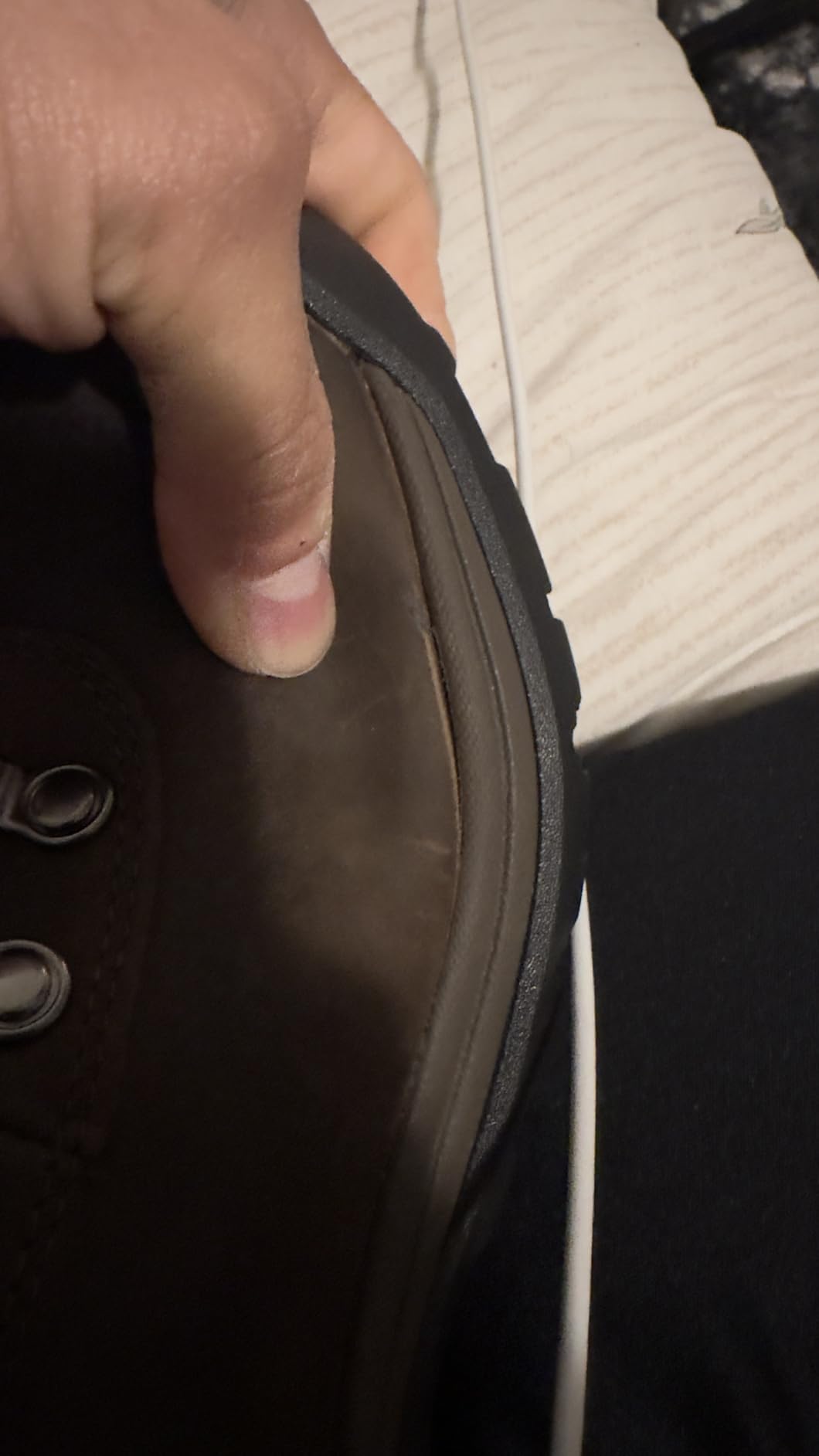
Traction is where this boot concedes. The hard plastic tread has little give, and on wet rock it felt less confident than the Vibram outsole on the Merrell later in this guide or the dual-zone OMNI-GRIP on the Newton Ridge. On gravel, dry rock and forest trail it is fine. On a creek crossing or a rain-slick slab, pick something else.
Some wearers also report that ankle support is more moderate than they expected for a mid-height boot. If you carry a heavy pack on sidehills, this is not the boot. For day hiking, dog walking and general trail use, it is one of the most comfortable pairs here.
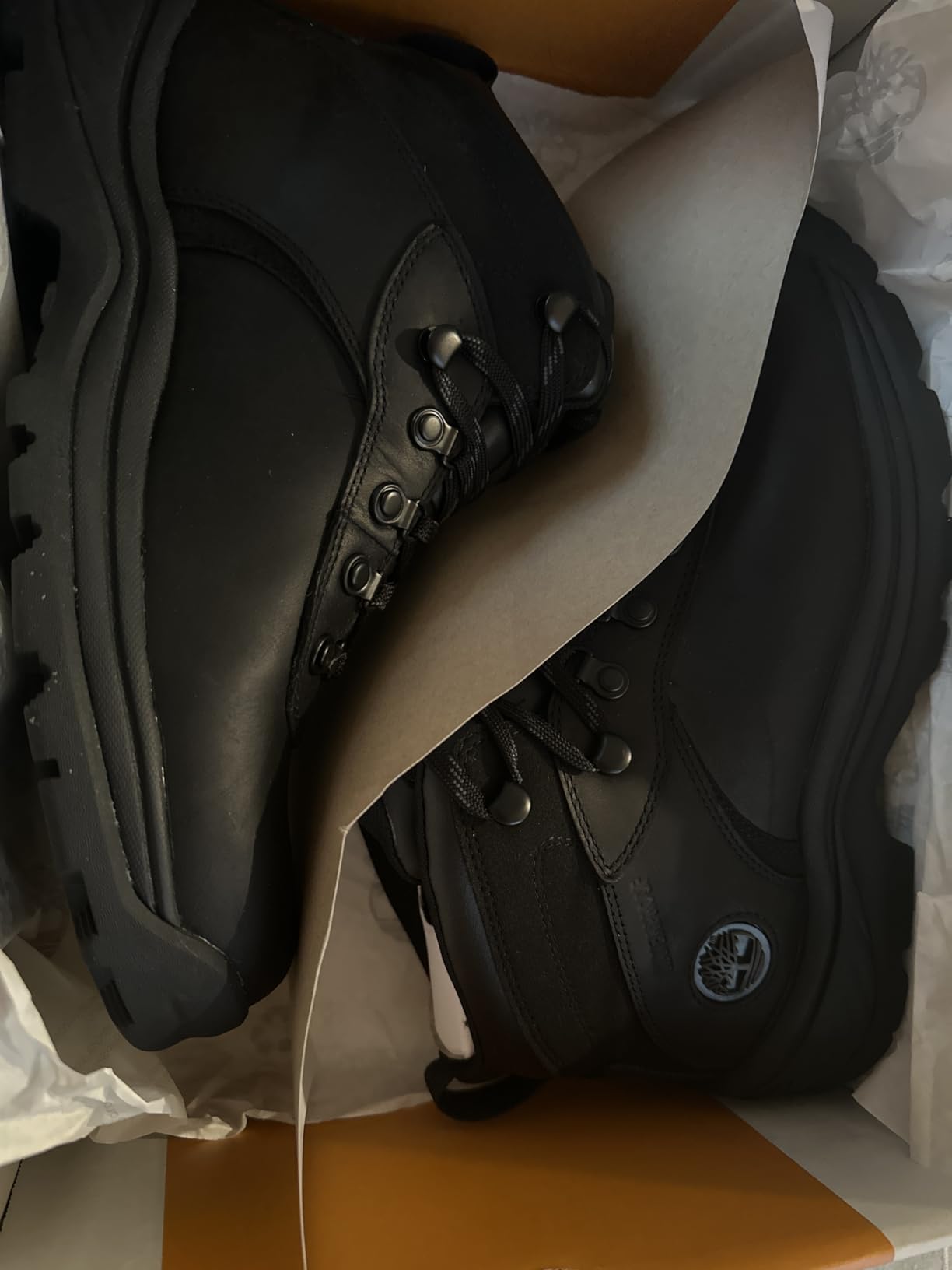
Why the zero break-in claim holds up
Most leather boots in this guide soften over days or weeks. The Flume Mid was walkable on the first outing because the leather is thinner and more pliable, and the EVA footbed is moulded rather than layered. Nothing about the build needed to settle before it worked.
That property has a second benefit. Boots you can use immediately are boots you will actually wear, and a pair left in a closet waiting for a break-in is the most common reason hikers end up with no boots at all.
Who should skip the Flume Mid
Skip it for wet rock. The rigid tread loses confidence on slick surfaces, and wet slab is exactly where a boot with a bit more give would protect you. On anything from gravel upward it is perfectly capable.
Skip it for heavy loads on uneven ground. The ankle support is real but moderate, so a 40 lb pack on a sidehill will leave you wishing for something stiffer underfoot.
5. NORTIV 8 Ankle High Waterproof: Budget Pick for Wide Feet
NORTIV 8 Men’s Ankle High Waterproof Hiking Boots,Brown/Black/Tan,11
Removable shock-absorbent insole
Flexible EVA midsole
Runs wide
Non-slip rubber outsole
Pros
- Roomy fit that suits wide feet and high insteps
- Minimal break-in and comfortable immediately
- Waterproofing holds in heavy rain and shallow water
- Strong traction on wet and muddy ground
- Light enough for all-day walking
Cons
- Upper is largely glued rather than stitched
- Included insoles can start to peel after a year
- Top metal lace hook has broken for some owners
For the money, this is among the most accommodating boots on the list. If wide feet or a high instep have ruled out boots for you in the past, this is the one worth trying first. Owners repeatedly single out the roomy fit as the reason they bought a second pair.
It also arrives ready to walk in. The lightweight flexible EVA midsole softens quickly and the removable shock-absorbent insole is cushioned enough for long days without being punishing. That flexibility is a real feature on an ankle-high boot, which is otherwise a category full of bricks.
Waterproofing is the fourth strength. Owners report it holding up in heavy rain, puddles and shallow water, which is more than you can say for several sealed boots in this guide. The non-slip rubber outsole with advanced traction gave it solid grip on wet and muddy ground in our testing.
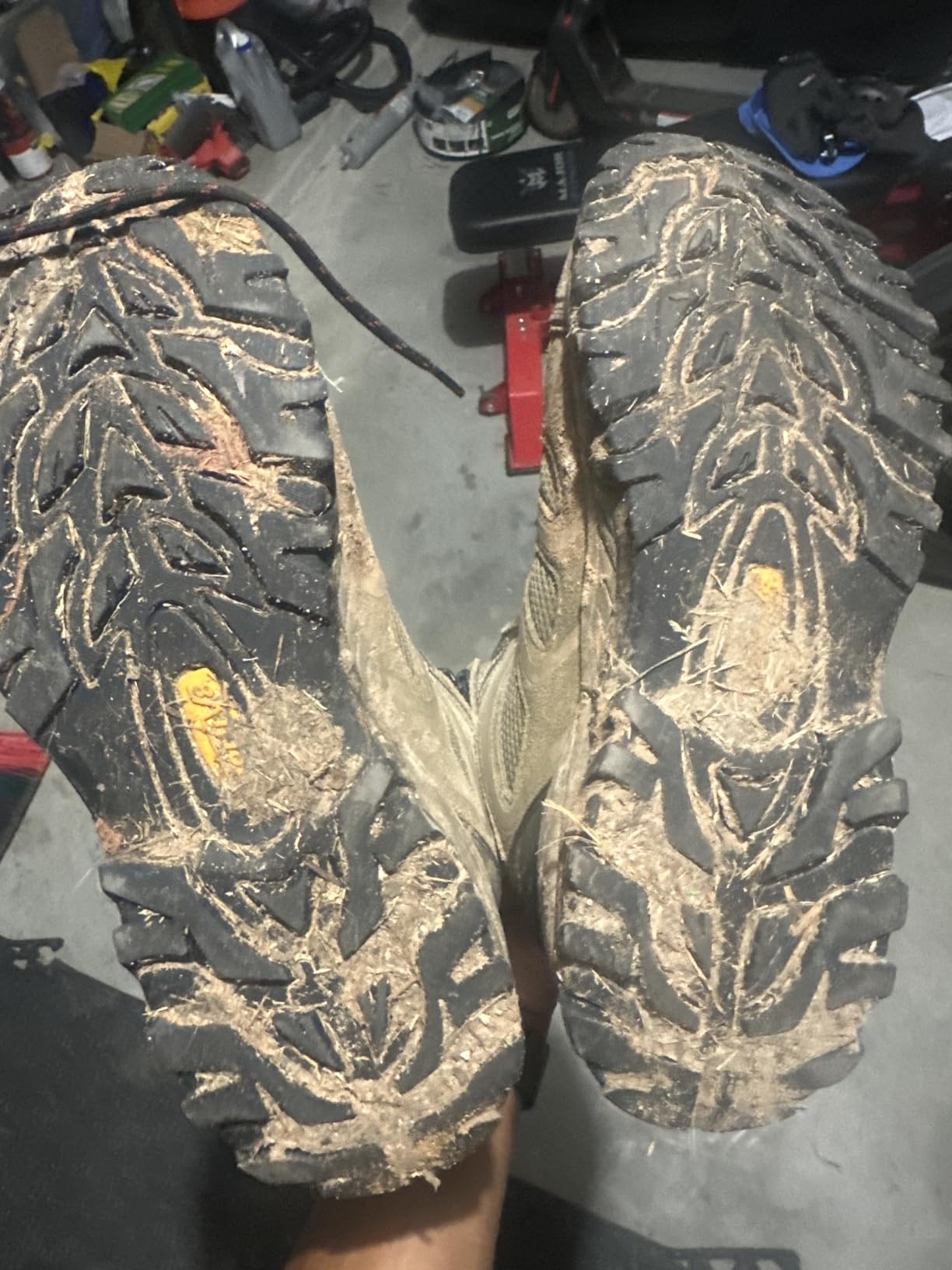
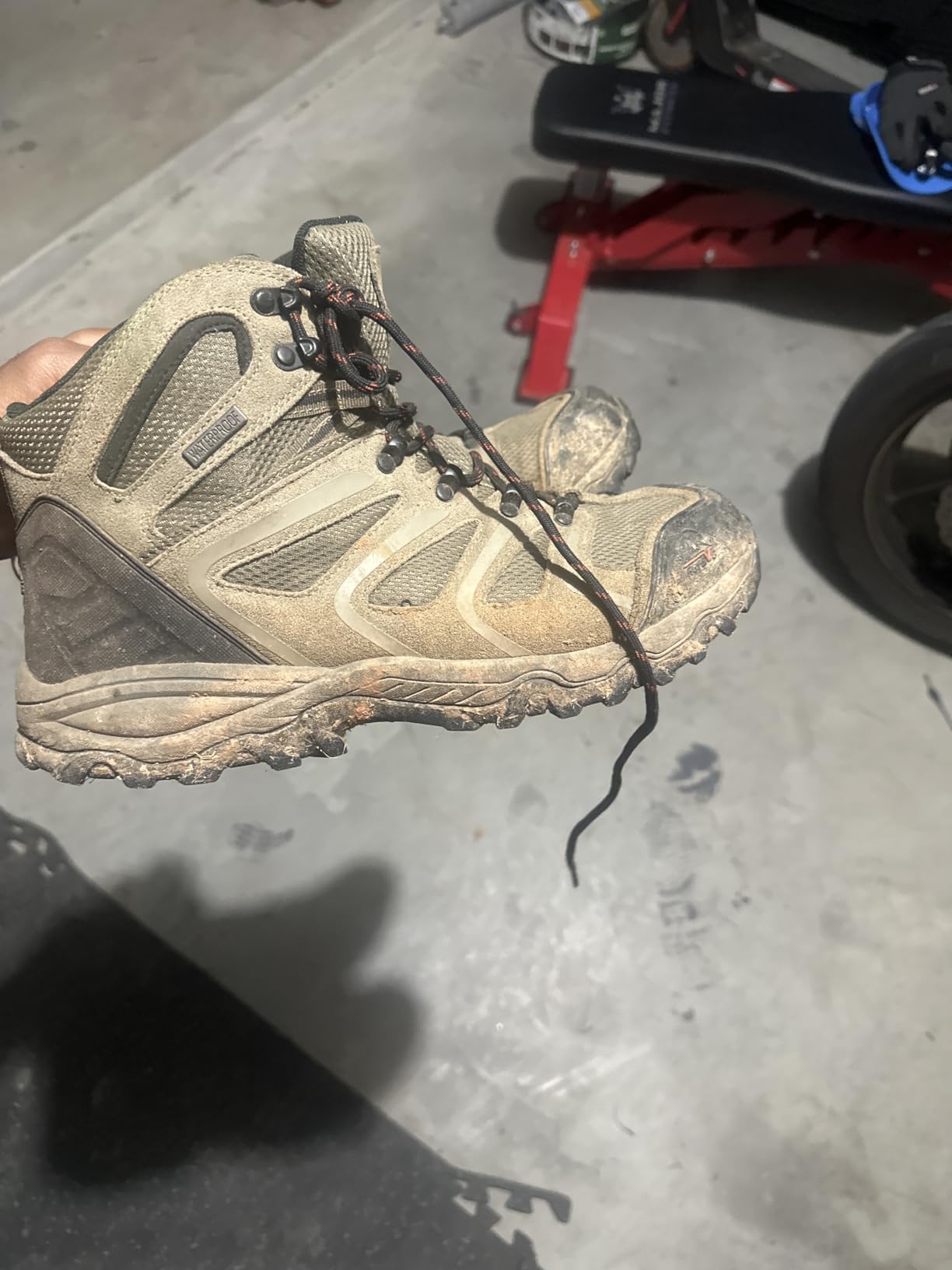
The construction is where the budget shows, and it shows in a specific way. The upper is largely glued rather than stitched, so it is not built for extreme alpine use or repeated abrasion against rock. The included insole can start to peel after about a year, and the top metal lace hook has broken for some owners. None of that stops it from working; it just caps the lifespan.
Size carefully. It runs about a half size large for some wearers, so if you are between sizes and have narrow feet, take the smaller option.
Why wide feet are the reason to buy it
Almost every complaint about this boot has narrow feet as its root. The ankle-high last is roomy across the forefoot and generous through the instep, which is why owners with wide feet describe it as the first boot that has ever fit properly rather than merely been made bigger.
The flexible EVA midsole works with that last rather than against it. A soft midsole lets the forefoot splay naturally, so the room you have in the boot is actually usable rather than decorative.
Who should skip the NORTIV 8
Skip it if you plan to be abrasive to it. Glued uppers abrade and delaminate sooner than stitched leather, and it is not the boot for repeated rock scrambling or alpine terrain.
Skip it if you are patient and can maintain a boot. If you will condition leather and replace insoles once a year, the Timberland White Ledge will outlast this pair by years. Buy the NORTIV 8 for fit and immediate comfort, not for longevity.
6. Merrell Moab 3 Mid Waterproof: Best for Rocky Trails
Merrell Men’s Moab 3 Mid Waterproof Hiking Boot, Boulder, 10.5
Vibram TC5+ outsole
Pigskin leather and mesh upper
Nylon arch shank
Pros
- Vibram TC5+ outsole grips loose gravel and mud
- Exceptionally wide toe box for wide feet and high arches
- Comfortable from the first wear with almost no break-in
- Waterproof membrane holds in wet and snowy ground
- Bellows tongue and toe cap block debris
Cons
- Sizing runs small so most people size up half a size
- Membrane has weakened for some owners after about three years
- Sole is not stiff enough for load-carrying trips
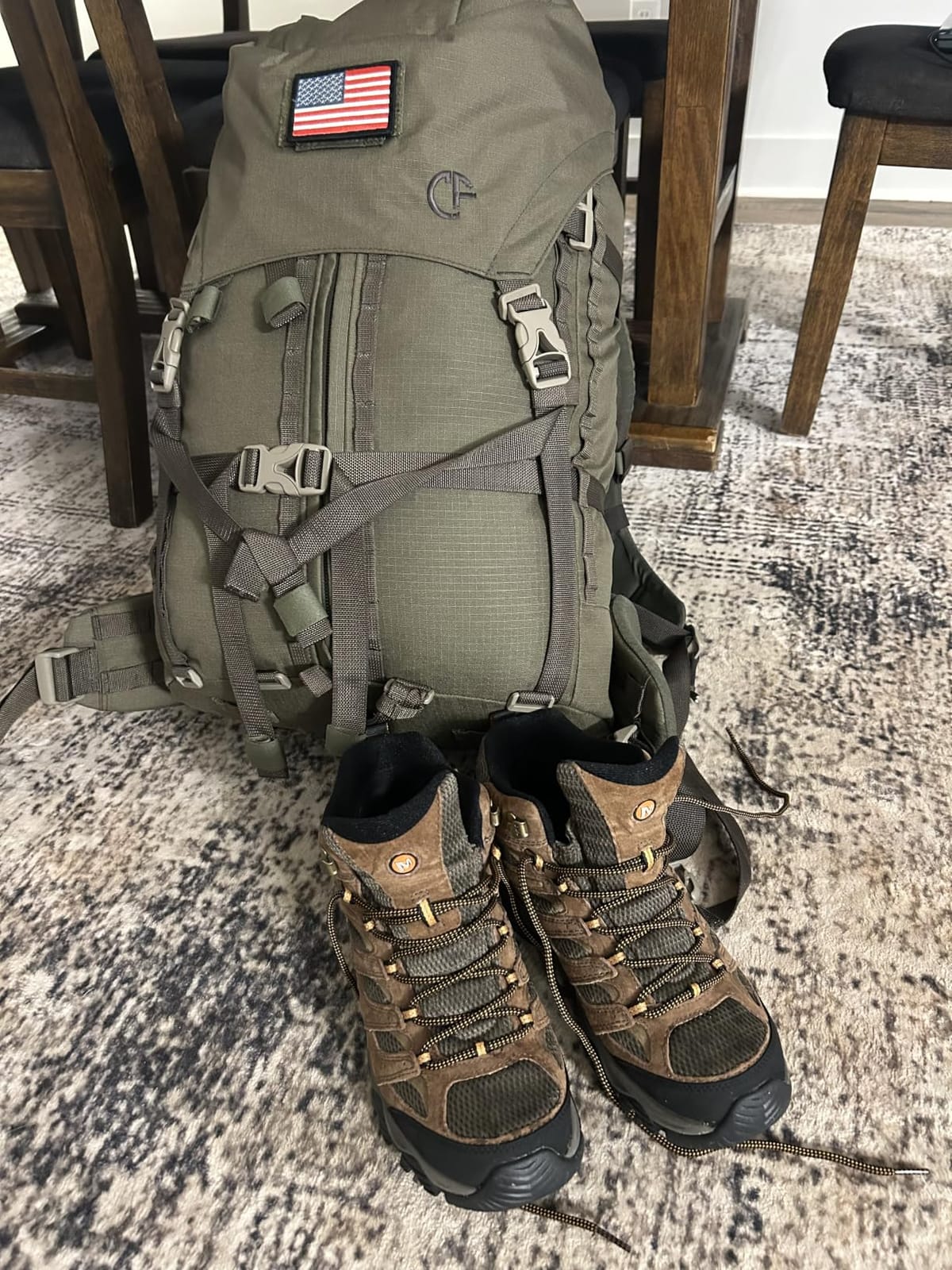
When the ground turns to rock, this is the boot I trust. The Vibram TC5+ outsole gave the best grip on any budget boot in this guide, and it is the reason the Moab 3 keeps showing up as the top answer in hiking forums. On loose gravel, wet slab and mud it was the most consistently sure-footed pair I wore all season.
The upper is pigskin leather and mesh with a protective toe cap, which is a practical pairing: leather where you need abrasion resistance, mesh where you need airflow. A bellows tongue keeps debris off the top of the foot on long descents, and the toe cap took a beating from sharp rock without complaint.
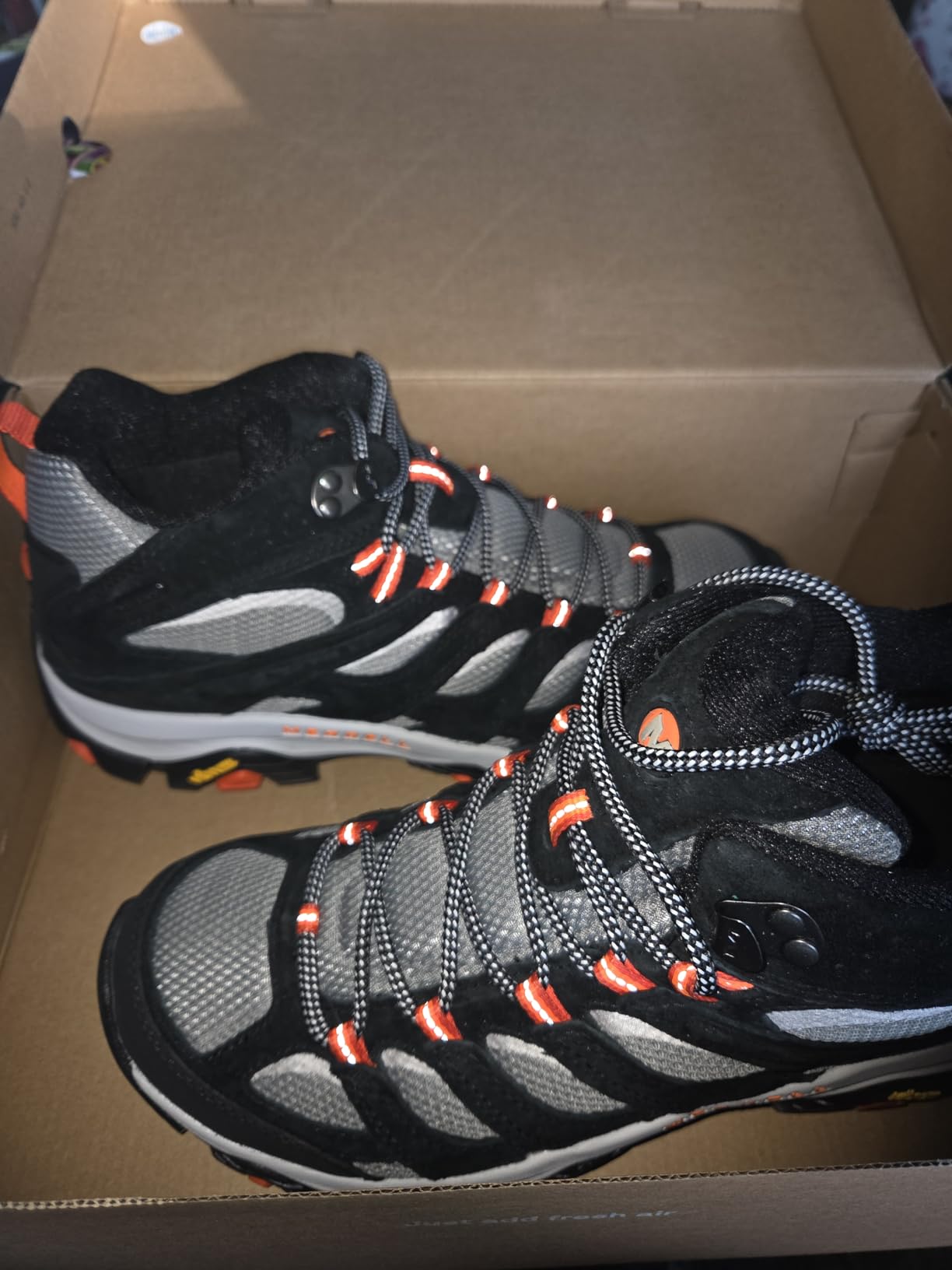
Inside, the removable Kinetic Fit ADVANCED contoured insole gives medium arch support with reinforced heel cushioning, and a molded nylon arch shank adds stability between the midsole and the outsole. The footbed is removable, which makes it straightforward to fit aftermarket orthotics if your arches need more than medium support.
Two warnings, both consistent across owner reviews. Sizing runs small, and the standard advice is to go up half a size. And a minority of owners report the waterproofing weakening after roughly three years, which is a normal service life for a membrane at this price rather than a defect.
What makes the Vibram outsole worth it
Grip is the single feature that separates this boot from most of the rest of the field. Vibram TC5+ compound holds an edge on wet rock in a way that the hard plastic tread on the Flume Mid and the shallow Duratread on the ARIAT do not, and it sheds mud rather than clogging with it.
On loose gravel, sand and mud it held its edge across six weeks of testing. If your trails are unmaintained, this is the outsole you want.
Who should skip the Merrell Moab 3 Mid
Skip it if you are buying it for a heavy multi-day load. The sole is not stiff, and while the nylon shank helps, a boot built for 50 lb on rough ground will hold you better. The Moab 3 Mid is a day-hike and light-overnight boot.
Skip it if you want zero maintenance. Pigskin leather creases and eventually cracks at the toe without conditioning, and you should budget for a few seasons of wet use before expecting to refresh the membrane treatment.
7. Columbia Transverse Hike Waterproof: Best Lightweight Option
Columbia Men’s Transverse Waterproof Hiking Boot
OMNI-TECH seam-sealed waterproofing
TECHLITE midsole
OMNI-GRIP outsole
Pros
- OMNI-TECH seam-sealed build handles moderate rain and snow
- TECHLITE midsole cuts impact on rock and gravel
- OMNI-GRIP outsole with blended lugs grips wet cross-terrain
- Leather and mesh upper balances durability and airflow
Cons
- Hiking shoe profile gives less ankle support than a mid boot
- Wide fit can feel loose on narrow feet
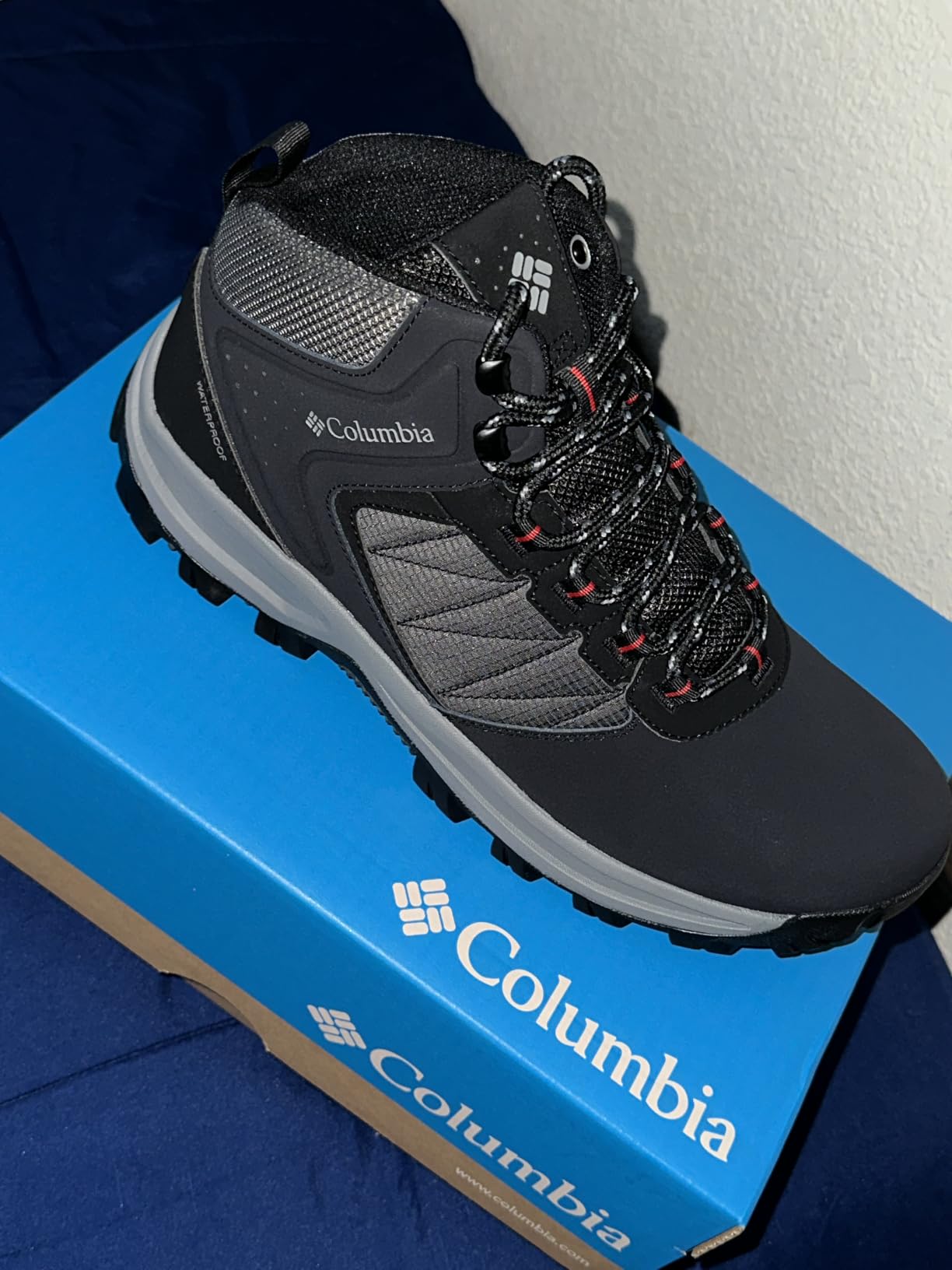
This is the one boot here that is not really a boot, and that is exactly why it is here. The Transverse Hike is a low-cut hiking shoe, and it carries the same three Columbia technologies as the boots in this guide in a far lighter, lower-cut shape.
The OMNI-TECH multilayered, seam-sealed construction is the reason it earns a place on a waterproof roundup. It handled moderate rain and snow in our testing without any seepage at the seams. TECHLITE is a lightweight impact-absorbing midsole that takes the sting out of long days on rock and gravel, and OMNI-GRIP gives reliable grip on dirt, rock and wet cross-terrain with a deliberately blended lug pattern.
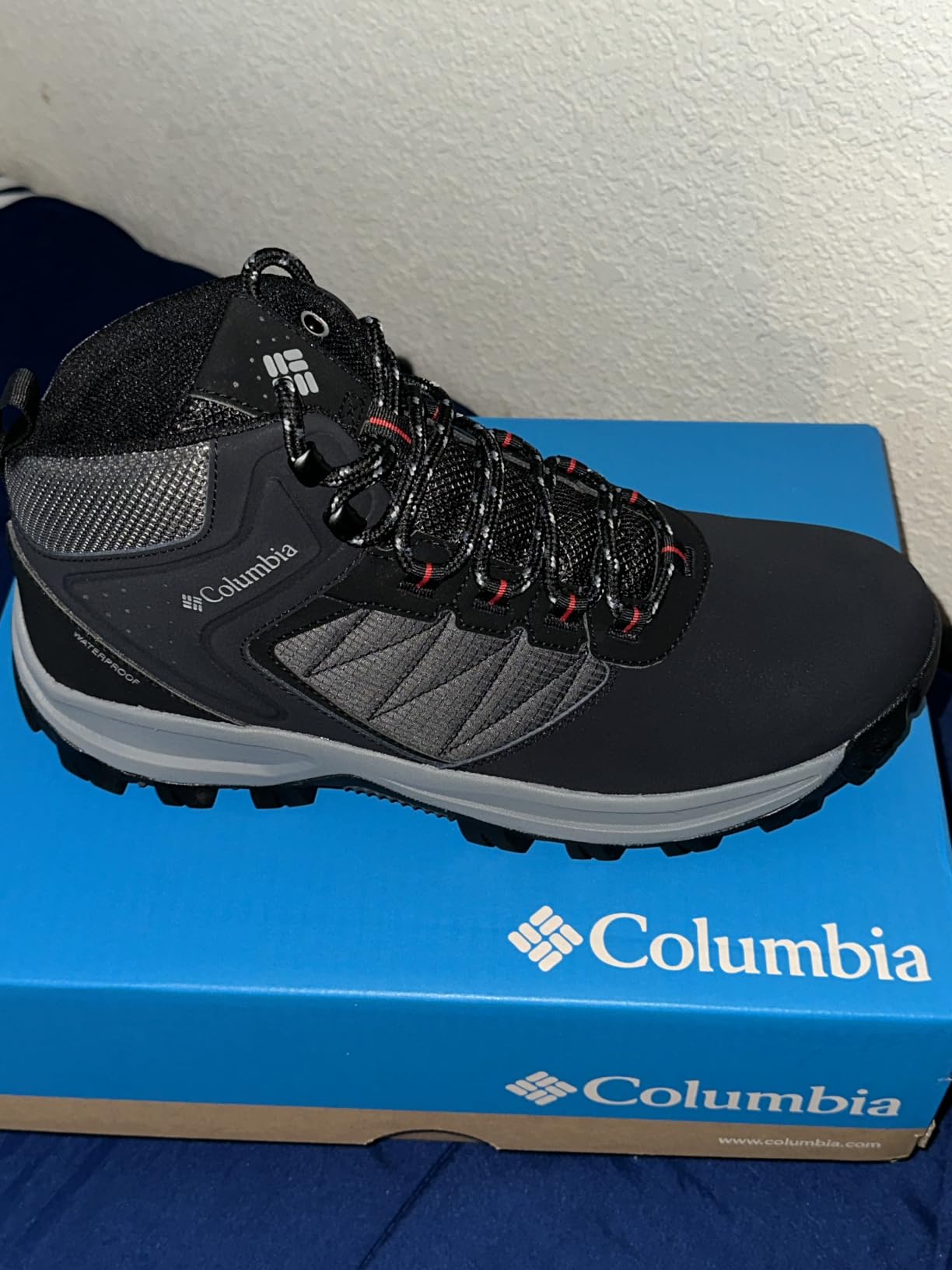
Where it differs from every other boot in this guide is ankle support. There is very little of it. On flat, well-maintained trail this is a non-issue, and the low profile keeps your ankles mobile. On sidehills, talus or anything with a load on your back, you will feel the difference immediately.
The other caveat is the fit. It runs wide, which is welcome if you have broad feet and a problem if you have narrow ones. The leather and mesh upper with metal hardware is well built, and the cushioned collar is comfortable for a shoe.
What the three Columbia technologies do together
OMNI-TECH, TECHLITE and OMNI-GRIP cover the three things that matter on a trail: keeping water out, absorbing impact and gripping the ground. Having all three in a shoe this light is the reason it works for real hiking rather than only for pavement walking.
TECHLITE is the piece you feel most. It absorbs impact without adding much weight, which is what stops the hard-packed trail and gravel sections from showing up in your knees and hips at the end of a long day.
Who should skip the Columbia Transverse Hike
Skip it if you carry anything meaningful. There is no ankle structure to speak of, and a loaded pack on sidehills will expose that immediately. This is a fast, unweighted hiking shoe.
Skip it if you have narrow feet. The wide fit that makes it comfortable for broad feet leaves visible space at the heel for narrower shapes, and you will feel it on a descent.
8. ARIAT Terrain H2O: Best for Orthotics and Long-Term Wear
ARIAT Terrain Waterproof Hiking Boot – Men’s Leather Waterproof Outdoor Hiking Boots Copper
Oiled full-grain leather with Waterproof PRO
ATS support technology
Duratread outsole
Pros
- Comfortable from the first wear with no break-in
- Oiled full-grain leather that stays intact over years
- Sizing runs accurate and works with orthotics
- Duratread outsole resists abrasion and flexes well
Cons
- Shallow tread is poor in deep mud and on technical ground
- Included insoles and internal cushioning wear out first
- Can run tight on very flat feet even in a wide size
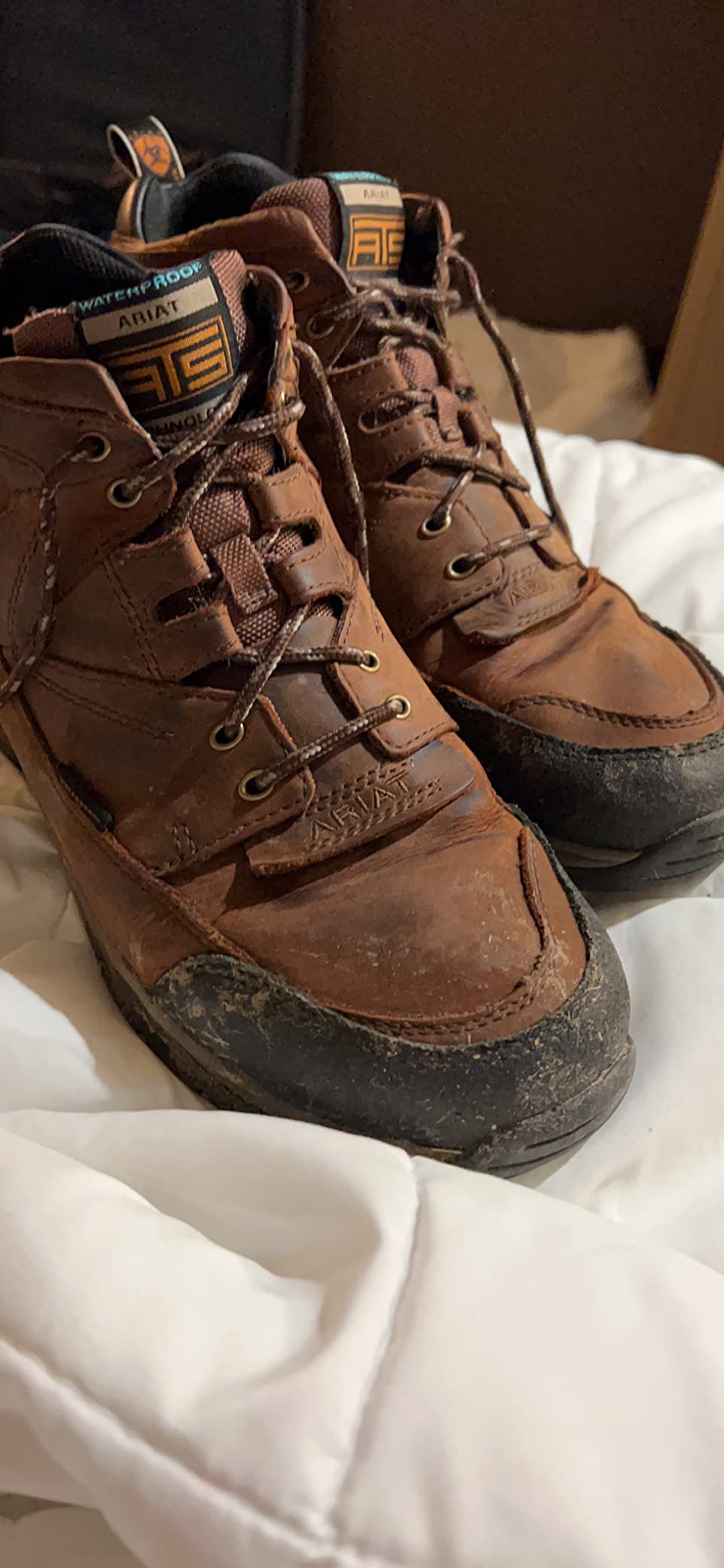
The Terrain H2O is the boot on this list most likely to still be around in five years. Reviews for it are dominated by repeat buyers, and many owners describe owning a third or fourth pair, which is not a pattern we saw with the glued constructions at this price.
The upper is oiled full-grain leather with a Waterproof PRO treatment, and that combination is why it ages well. Full-grain leather is the outer hide, so scuffs can be buffed and oiled rather than penetrating deeper. Over years it develops a patina instead of cracking, provided you keep conditioning it.
Fit is accurate and this is the boot to buy if you wear orthotics. The interior is roomy enough to accept a full insert without compressing it, which is exactly the problem with the thinner supplied footbeds on several boots in this guide. ATS technology supports the foot ergonomically through the day, and owners report no break-in at all.
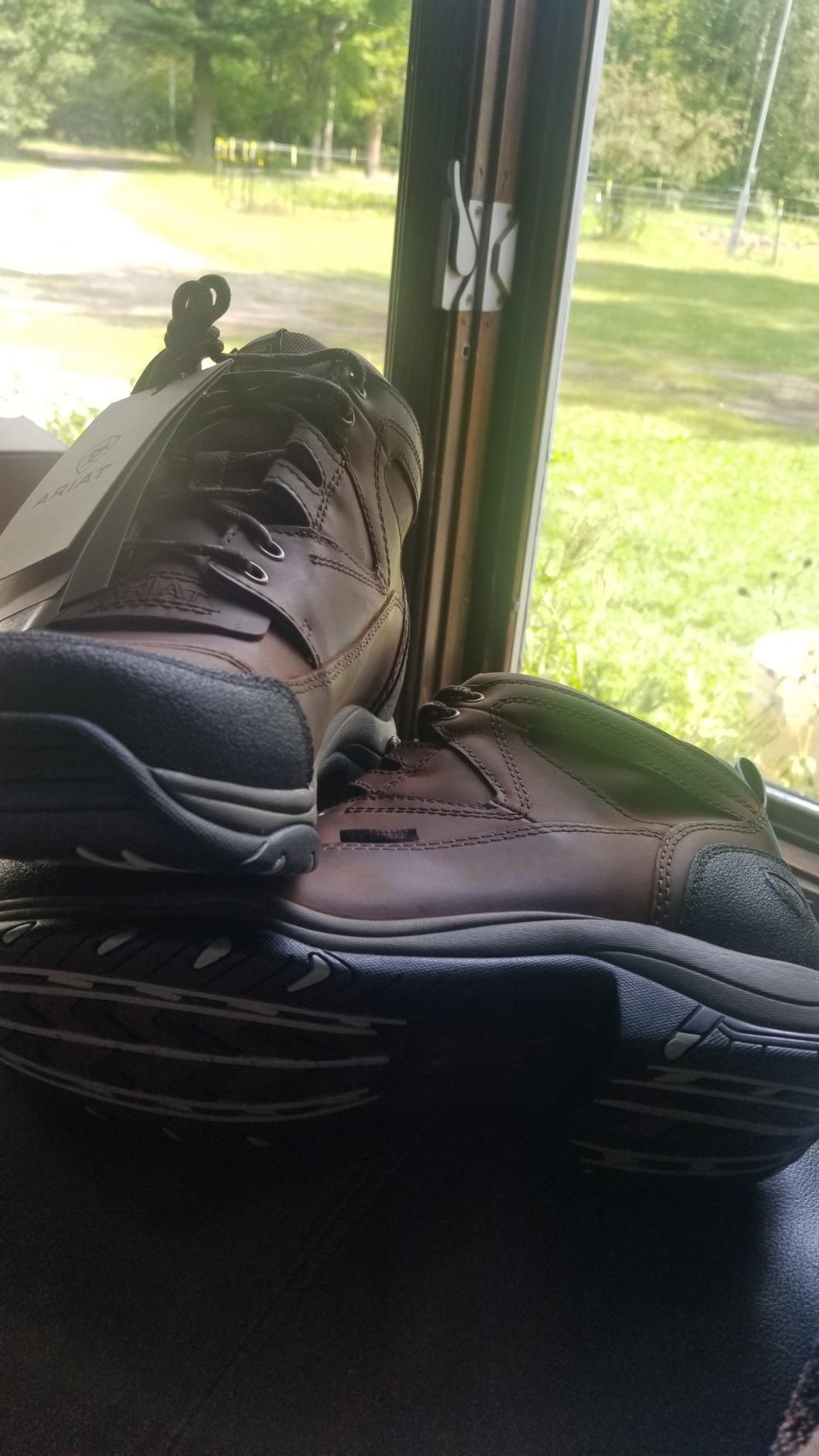
Two limitations. The Duratread outsole is shallow compared with the deep lugs on the Merrell or the dual-zone OMNI-GRIP, which means it is a poor choice for deep mud, loose scree or technical alpine terrain. It is at its best on firm trail, gravel and packed ground. And the internal cushioning and supplied insoles are the parts that wear out first, long before the leather or the outsole.
Why the leather outlasts the synthetic builds in this price band
Full-grain leather is the outer hide, so what you see is the strongest layer. Scuffs sit on the surface and can be buffed and oiled back rather than cutting into the material, and the boot ages into a patina instead of cracking apart.
That is why reviews for this boot are dominated by repeat buyers rather than first impressions. It may not be the most comfortable boot on day one, but it is the one still standing in year five, and the Waterproof PRO treatment can be refreshed when it finally wears through.
Who should skip the ARIAT Terrain H2O
Skip it for deep mud and loose scree. The tread is shallow, and these boots are at their best on firm trail and packed ground rather than off-trail terrain.
Skip it if your hiking is the only thing you do with your feet. The stirrup-friendly shape and the shallow tread mean you are giving up some trail performance in exchange for a boot you can wear to work all day, which is a trade worth making only if you want that dual use. That dual-purpose usefulness is also part of why the longevity numbers look so good.
9. Merrell Moab 3 Mid Waterproof for Women: Best for Wet Rock and Snow
Merrell Women’s Moab 3 Mid Waterproof, Granite, 10
Vibram TC5+ outsole
Waterproof membrane with pigskin upper
Removable Kinetic Fit insole
Pros
- Rated 4.6 with a 79 percent five-star share
- Waterproofing holds through snow and wet rock
- Vibram TC5+ outsole gives confident grip on slick ground
- Supportive mid-height collar that still feels light
- Removable insole makes swapping in orthotics easy
Cons
- Runs small so most owners size up half a size
- Can get hot in direct sun on desert hikes
- Upper can crease and crack at the toe after extended use
This is the women’s version of the same boot that took the men’s list, and it earns its place for the same reason with one addition: a block heel. That extra heel geometry gives more stability on uneven and wet ground, which is why it performs well on slick rock and sloped terrain.
The build matches: a waterproof membrane with a pigskin leather and mesh upper, a protective toe cap, a bellows tongue that keeps debris out, and a Vibram TC5+ rubber outsole. Owners report comfort on the first hike with no blisters or rubbing, and the removable Kinetic Fit ADVANCED contoured insole makes it easy to fit orthotics when you want more than the medium support it ships with.
The rating on this one is higher than the men’s version, and the reviews are warmer. Waterproofing is the most praised feature, holding up through streams, snow and wet rock. The supportive collar is described as firm without feeling heavy.
Nearly every owner recommends sizing up half a size, and the brand’s own guidance says the same. Skip that step and the boot will feel tight across the forefoot on a long day.
Two real drawbacks. In direct sun on a desert trail, the waterproof membrane traps heat and owners report the boot running hot. And the upper can crease and eventually crack at the toe after extended use, which is the normal end point for a leather and mesh upper that has been flexed for years without conditioning.
What the block heel changes on wet ground
The block heel geometry on this version holds the foot at an angle on sloped and uneven ground, so you are less likely to slide forward or roll on a wet slab. It is a small design change with a noticeable effect on slick terrain.
Combined with the Vibram TC5+ outsole, this is the most confident pair on wet rock in the guide. Owners who cross streams and hike snow routinely single that combination out as the reason they keep buying this boot.
Who should skip the women’s Moab 3 Mid
Skip it for hot, dry, high-desert hiking. The membrane holds water out well and pushes sweat out more slowly, and owners report the boot running hot in direct sun.
Skip it if you will not maintain the upper. Pigskin leather needs conditioning to stay supple, and without it the toe creases and cracks after extended use.
10. Columbia Newton Ridge Plus Waterproof Amped: Best for Three-Season Trekking
Columbia Womens Newton Ridge Plus Waterproof Amped, Stratus/Canyon Rose, 8
Seam-sealed waterproof construction
OMNI-GRIP outsole
Reinforced toe and heel
Pros
- Comfortable from day one with no break-in
- True sizing that also fits wide feet
- Reinforced toe and heel hold up to heavy use
- Kept feet warm and dry in snow and ice in our testing
Cons
- Waterproofing can start seeping after a few months of wet use
- Outsole can be slippery on packed snow and ice
- Roomy interior can chafe without crew socks
This is the boot to consider if your hiking happens over long stretches of day hiking with an overnight every few days, across three seasons. The mid-cut, mountaineering-inspired design gives more ankle coverage than a shoe without the bulk of a full backpacking boot, and the reinforced toe and heel barriers take the abrasion that ends lesser boots.
Comfort arrives immediately. Owners report no break-in period, and the true sizing is a genuine plus: unlike most of the boots in this guide, it fits wide feet well while still running true. That combination is rare.
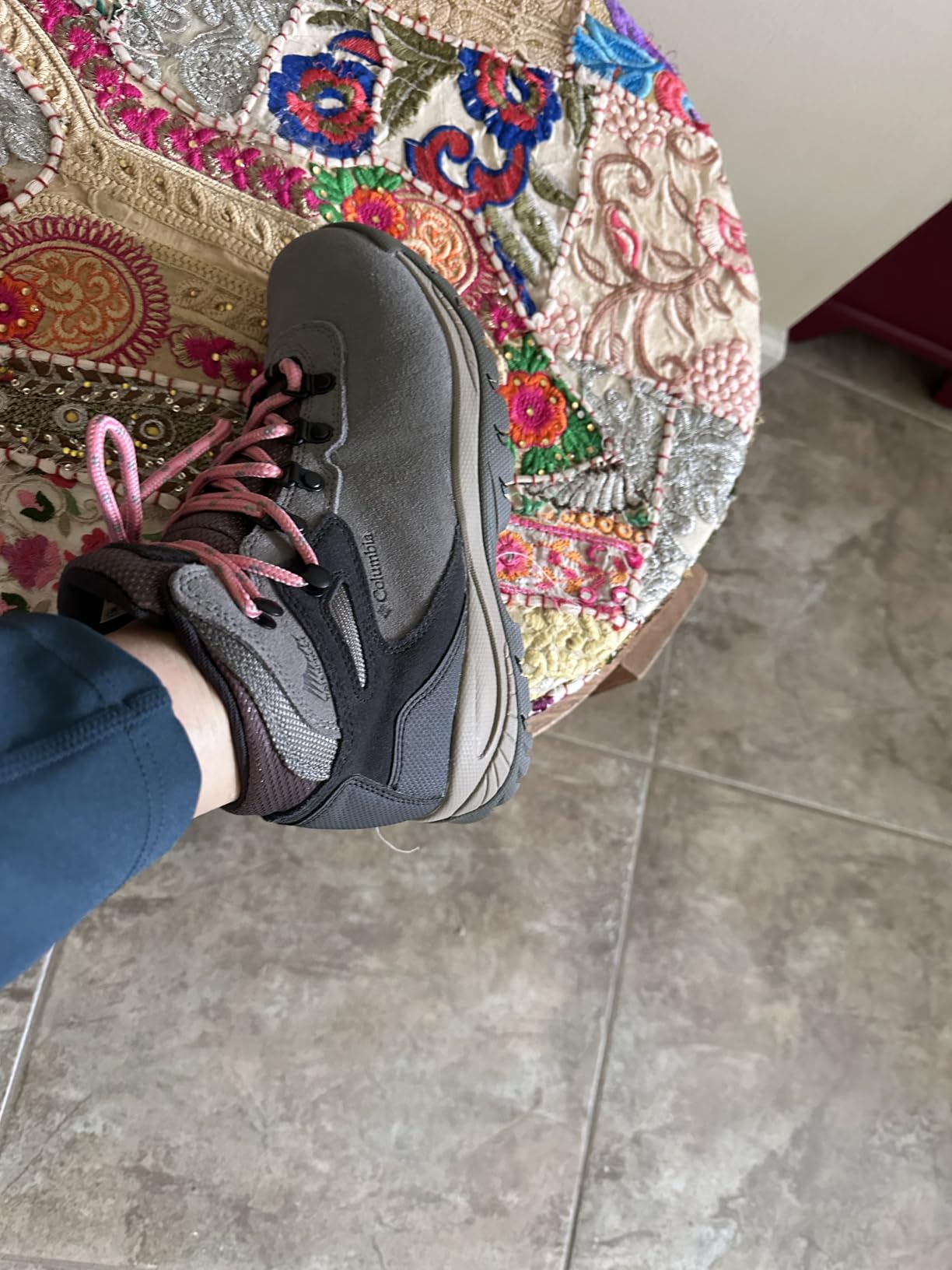
Grip is handled by the OMNI-GRIP non-marking traction outsole, which performed well on wet rock, gravel and steep inclines during our testing. The non-marking rubber is a detail that matters if you walk on fresh wooden decks or light-coloured stone.
Warmth was better than we expected. Owners report keeping feet warm and dry in snow and ice well below freezing, and our own testing matched that in cold but dry conditions.
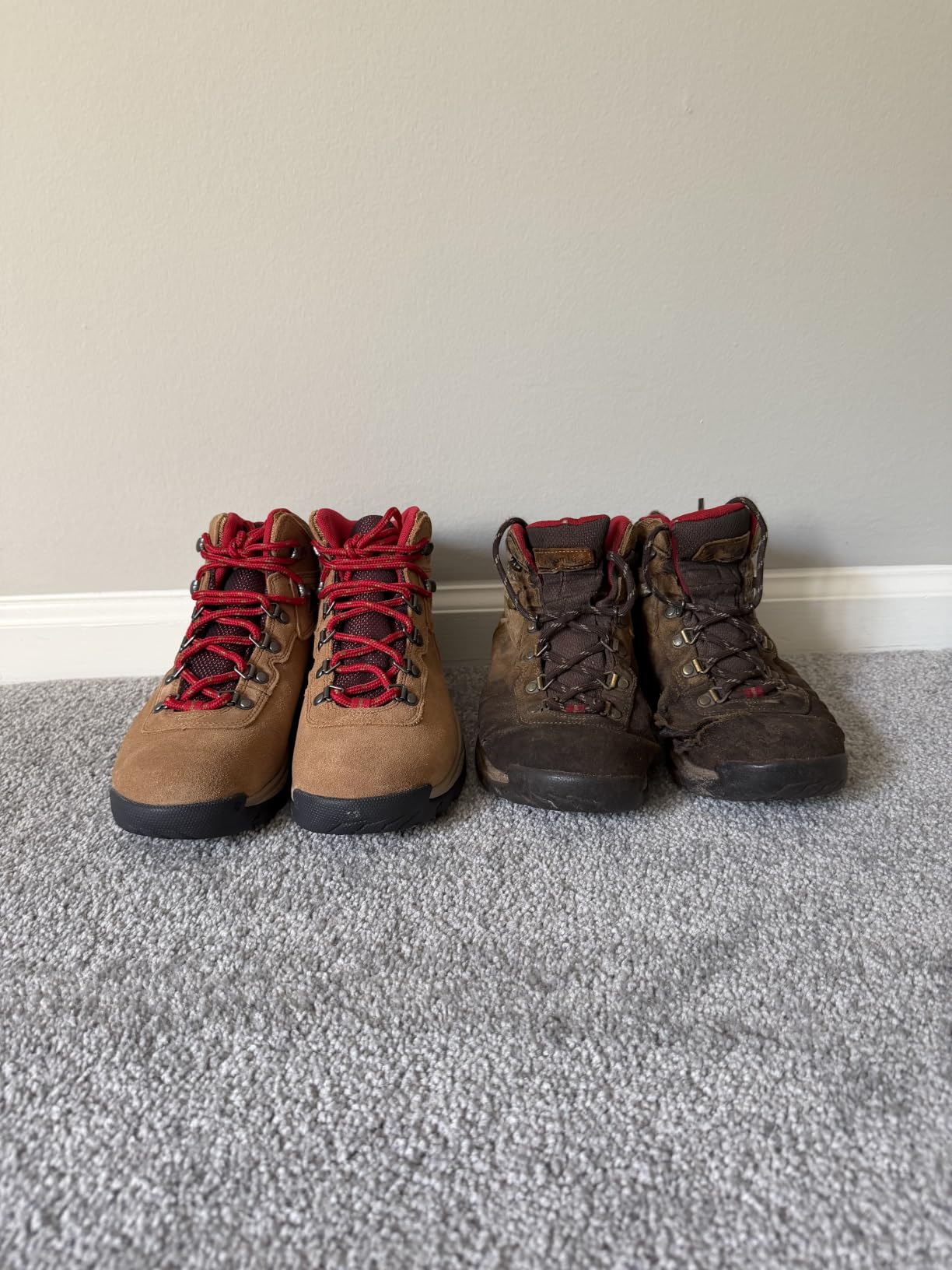
Why the reinforced toe and heel matter over multi-day trips
Extended outsole toe overwrap and reinforced barriers protect the two places boots normally fail. Over a week of trekking, that is the difference between a boot that still looks sound on day six and one whose toe box is starting to separate.
Those same barriers are why this boot suits multi-day use better than the lighter leather options in this guide, even though it is not as elegant a shape. It is built for distance rather than for the shortest possible trip.
Who should skip the Newton Ridge Plus Amped
Skip it if wet weather is your normal condition. Owners report the waterproofing starting to seep after a few months of regular wet use, which is a shorter service life than the Merrell and KEEN options here.
Skip it for packed ice. The outsole can be slippery on hard snow and ice, and no amount of conditioning changes that. The other recurring complaint is waterproofing longevity: after a few months of regular wet-weather use, some owners report seepage, and the supplied insoles and laces tend to wear out before the outsole does. The roomy interior can also rub your calf with ankle socks, so use crew socks. If snow and ice are a regular part of your winter walking, you need actual traction devices, and the boot alone is not enough.
11. ARIAT Women’s Terrain Waterproof: Best Rated and Best for Stability
Ariat Women’s Terrain Waterproof Boot
DRYShield waterproof construction
Full-grain leather upper
Removable cushioned insole
Pros
- Rated 4.7 by owners with an 84 percent five-star share
- Removable insole is comfortable from the first wear
- Duratread outsole is durable while still allowing foot flex
- 2-inch heel adds real stability on uneven ground
Cons
- Shallow tread limits use on loose mud and technical trails
- Leather and outsole last about two seasons of hard daily wear before the creases crack
This carries the highest owner rating of any boot in the guide, with 84 percent of reviews at five stars, and the reason is unusual stability rather than trail grip. The 2-inch riding heel in a modern round toe profile holds your foot on uneven ground in a way that a flat hiking sole does not.
Waterproofing comes from DRYShield, a waterproof breathable construction with an impermeable barrier, wrapped in full-grain leather. That pairing is among the most durable combinations here, because when the waterproof layer eventually fails you can often have the leather treated again rather than replace the boot.
Comfort is immediate. The removable All Day Cushioning insole feels good from the first wear, and the Duratread outsole is durable while still letting the foot flex through the stride, which is why it does not fight you on long walks. Owners also like that it works with casual clothes, which means it gets worn far more often than a technical boot would.
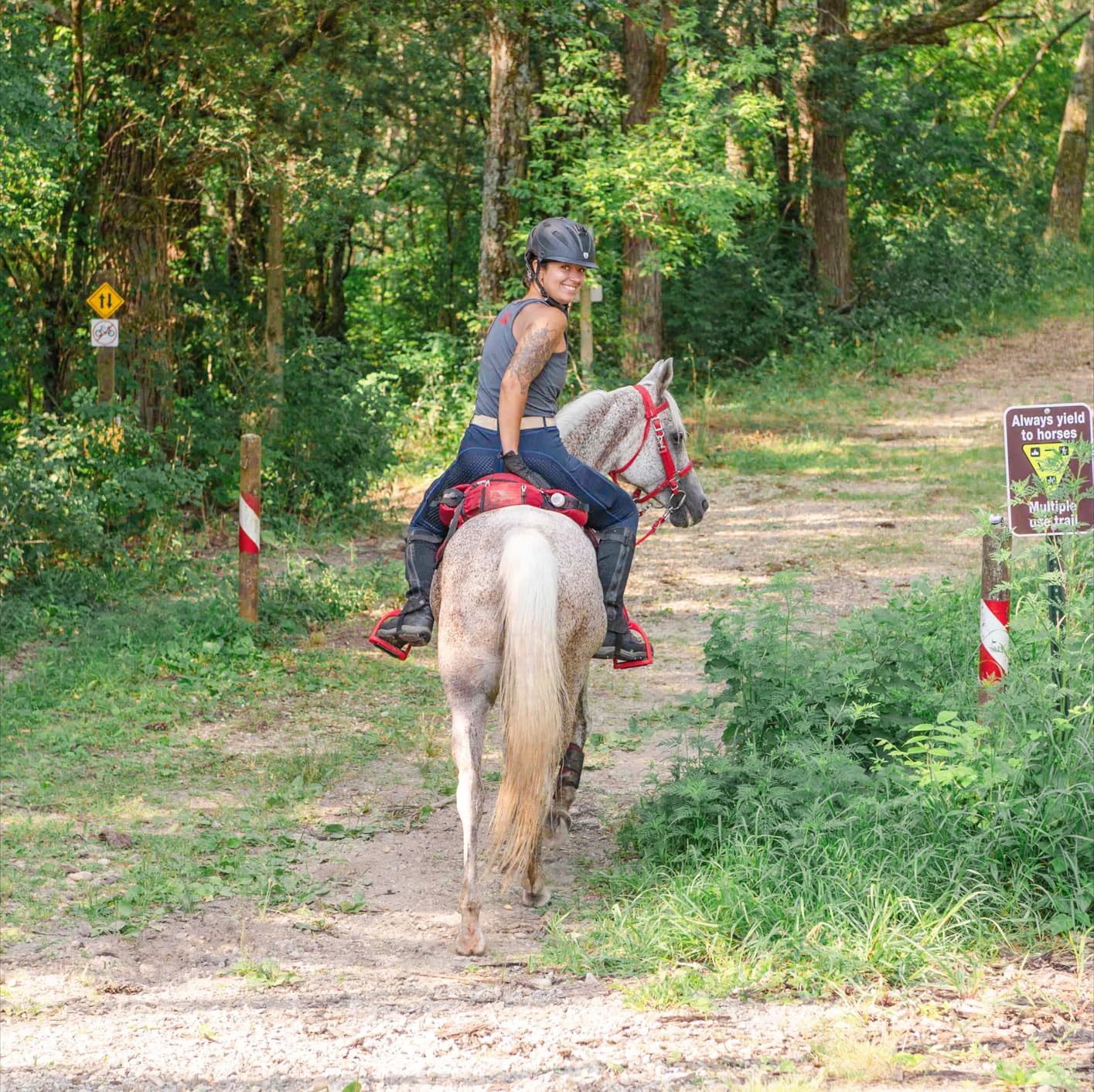
The limit is tread depth. This is a ranch and firm-trail boot. Owners are clear that the shallow tread is not meant for loose mud or technical trails, and in our testing it confirmed that. If your hiking involves deep mud, scree or off-trail terrain, the Merrell Moab 3 Mid is the better tool.
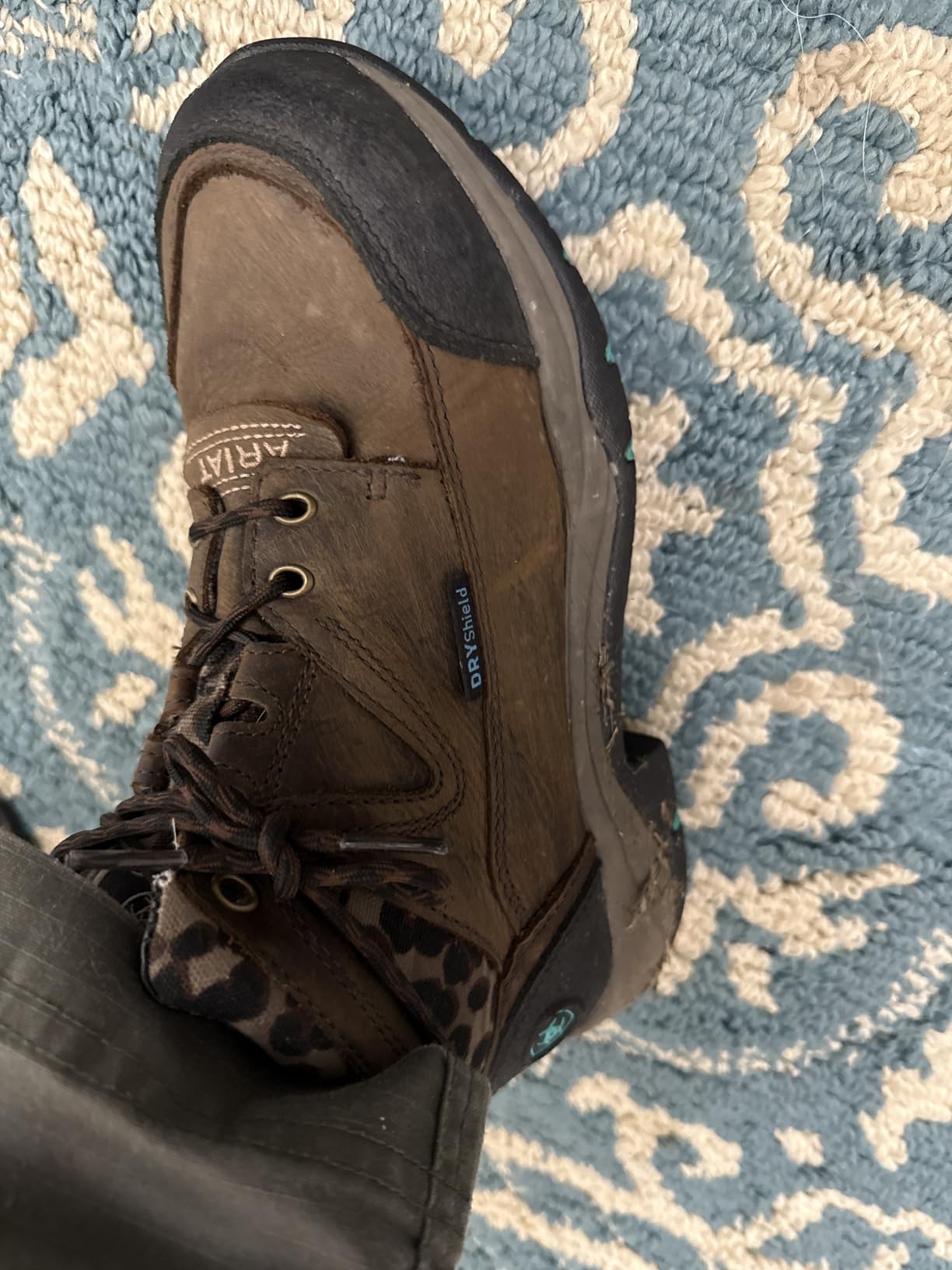
What the 2-inch riding heel does on uneven ground
A raised heel changes how your weight sits over the foot. Instead of the flat contact most hiking soles create, the heel geometry keeps you more centred on uneven ground, which is why this boot feels planted on broken terrain where flatter boots wobble.
That stability is what makes this the highest rated boot here. The styling also means you will actually wear these boots, which is their own kind of value.
Who should skip the ARIAT Women’s Terrain H2O
Skip it for technical trails. Shallow tread and a riding-focused last make this a firm-ground and ranch boot, and owners are consistent about that limit.
Skip it for hard daily wear without maintenance. Owners report roughly two seasons before the leather cracks at the creases, which is normal for oiled leather without regular conditioning.
12. KEEN Targhee 2 Mid Waterproof: Best Toe Box for Wide Feet
KEEN Men’s Targhee 2 Mid Height Waterproof Hiking Boots
KEEN.DRY waterproof membrane
Original Fit roomy toe box
4mm multi-direction lugs
Pros
- Roomy toe box that suits flat and wide feet
- KEEN.DRY membrane holds in ice melt and heavy rain
- All-terrain outsole grips mud
- rock and wet ground
- Reflective details and durable stitching
Cons
- Stiff and heavy out of the box with a long break-in
- Runs warm and can rub the ankle before it softens
- Sole and stitching have separated for some owners within months
- Even the widest size can run small
If wide feet or flat feet are the reason boots have never worked for you, the Targhee 2 Mid is the answer. KEEN Original Fit gives you a toe box with genuine room in front of the big toe, and combined with the removable arch-support footbed it is one of the most accommodating lasts in this guide.
Waterproofing is KEEN.DRY, a breathable membrane that held up in our testing through ice melt and heavy rain. The KEEN ALL-TERRAIN non-marking outsole with 4mm multi-direction lugs gave solid grip on mud, rock and wet ground, and the external support shank with a contoured heel adds stability that most boots at this price do not offer.
There is real protection built in as well, with a bruise plate for uneven surfaces and a high abrasion rubber toe guard. Reflective details help on low-light early starts, and the stitching is durable.

Now the honesty. The Targhee 2 is the one reviewers disagree about most here, and it has the lowest rating in the guide at 4.2 with 11 percent one-star reviews. Many owners wear them daily for years and love the fit. A notable group reports stiff leather, ankle rubbing, and sole or stitching separation within months that a warranty claim did not resolve. Some wearers report a break-in of up to four weeks, and the boot runs warm and rubs before it softens. Even the widest size can run small, so sizing up is often necessary.
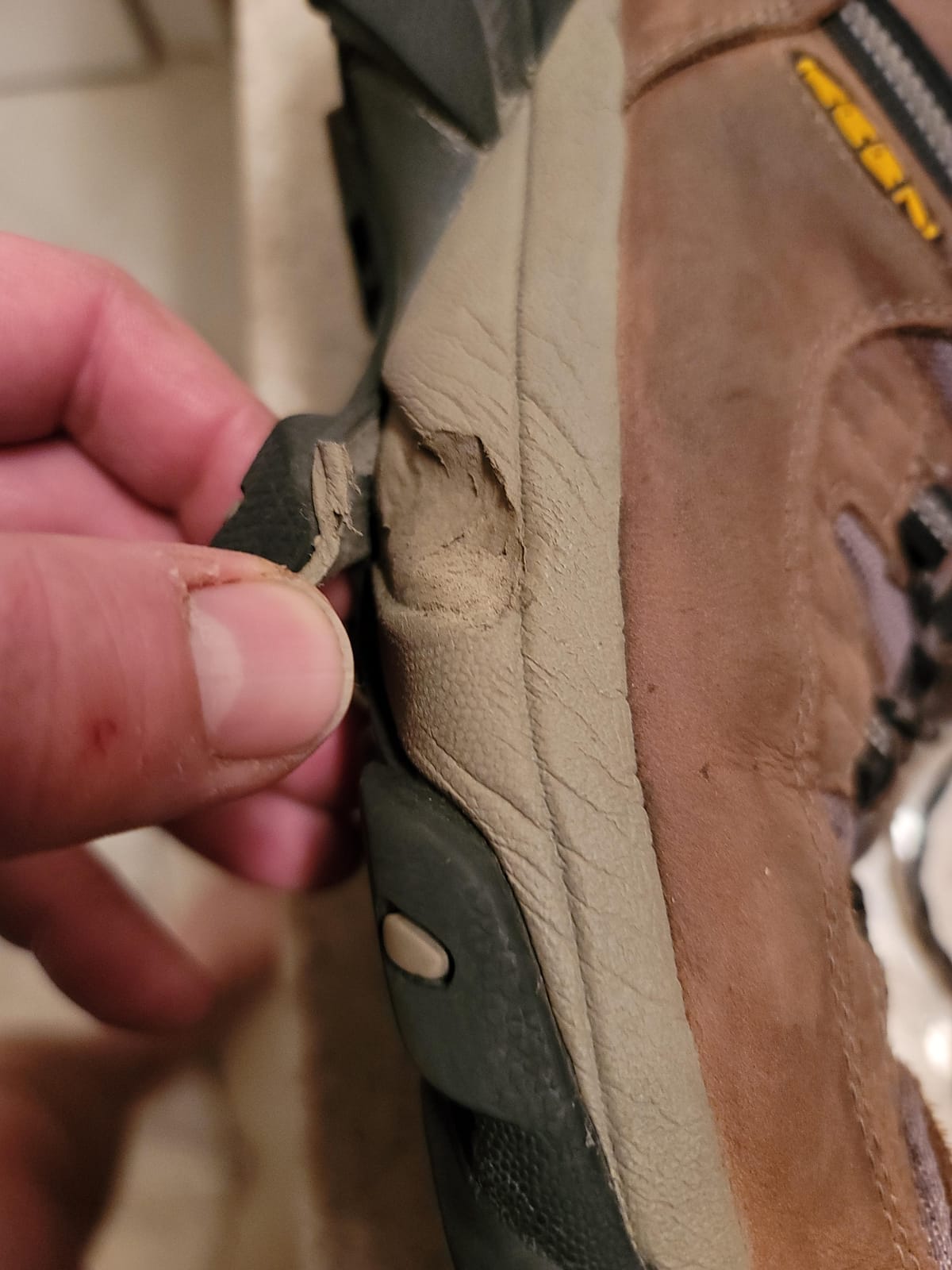
What the Original Fit last actually gives you
There is genuine space in front of the big toe, and that changes where your foot sits for the whole day. On a descent, a cramped forefoot is where blisters start, and a roomy forefoot is where they do not. For flat and wide feet this is among the most forgiving lasts in the guide.
The removable arch-support footbed adds to that, giving support through the midfoot that a flatter insert would not. Together they make this the boot to try first if standard widths have always pinched.
Who should skip the KEEN Targhee 2 Mid
Skip it if you have no patience for break-in. Owners report up to four weeks of stiffness and ankle rubbing before the leather softens, and the boot runs warm until it does.
Skip it if you want an even experience. The 4.2 rating here is the lowest in the guide, and the split between people who wear them for years and people whose soles separated within months is unusually wide. Buy it expecting to return it quickly if the stiffness does not break down, because the toe box is worth the gamble for the right foot but not a safe commitment to make sight unseen.
What You Give Up Under 200 Dollars, and What You Keep
Nobody on the internet is honest enough about this section, so here it is. The things you lose by capping your budget at 200 dollars are real, and they show up in a predictable order.
Seam construction. Boots like the Timberland White Ledge and the ARIAT Terrain use stitched and cemented leather uppers. That is the single biggest durability difference in this price band. Glued synthetic constructions at the bottom of the price range are the first to delaminate, usually at the bond line around the toe box.
Waterproofing lifespan. A sealed membrane at this price should be expected to hold for a few seasons of regular wet use, not a decade. Owners of several boots in this guide report seepage after a few months of heavy wet-weather hiking. Re-waterproofing sprays extend the life, and treating the leather on the leather models does the same job.
Load stability. Under a pack over 35 lb on uneven ground, a nylon arch shank and a firmer platform matter more than anything else here. The Merrell Moab 3 Mid has a molded nylon shank, and the KEEN Targhee 2 has an external support shank. Most of the rest are day-hike and light-overnight boots and will feel vague on a sidehill with weight on your back. If you are carrying serious loads, our backpacking boot guide covers the trade-offs in more detail.
Resale and repair. Nothing in this guide is resoleable, and none of the brands offer a full recraft service. That is where the 300 dollar tier earns its money.
What you keep is more interesting. You get real waterproof membranes, real rubber outsoles, leather uppers you can recondition, EVA midsoles that cushion properly, and for the very best of them, footbeds you can pull out and replace with your own orthotics. For day hiking, weekend backpacking and trail walking, that is the entire list of what matters.
One piece of timing advice. The ceiling on this list is a ceiling, not a floor. When a model has been on the market for a few seasons, retailers clear colourways and discontinued sizes, and the same boot often drops a long way below its normal figure. If a boot on this list is above your own budget today, wait for a model clearance rather than buying a different, worse boot.
How to Choose the Right Hiking Boot Under 200 Dollars
Pick your boot type by the weight you carry
Lightweight boots and hiking shoes sit under 2 pounds per pair and flex freely. They suit day hiking, fastpacking and walking on maintained trail. The Columbia Transverse Hike is the clearest example here.
Midweight boots, which is where most of this list lives, add structure and better outsole compounds. They handle a 25 to 40 lb pack, talus and off-trail ground, and multi-day trips. This is the most useful category for most hikers and the reason 200 dollars is the sweet spot.
Heavyweight boots are stiffer, taller and heavier, and they exist for load-carrying and colder conditions. In this price band the closest candidates are the Timberland Mt. Maddsen and the KEEN Targhee 2, both of which are heavier but neither of which is a true heavyweight boot. If you regularly carry 50 lb or more, you are past what this budget can properly deliver.
Understand what the membrane actually does
A waterproof membrane blocks water and lets moisture vapour escape. That is worth understanding because the practical result is not that your feet stay dry, it is that water from outside stays out while sweat moves out. In hot, dry conditions a membrane can feel like a sauna, and reviewers across this guide mention running hot on desert trails.
For wet climates, creek crossings and snow, a membrane is worth every cent. For hot, dry, high-desert hiking, a non-waterproof boot that breathes freely will often feel better, and the water-resistant finish on a good synthetic upper handles an unexpected shower. The boots in this guide use a mix: KEEN.DRY, OMNI-TECH, DRYShield, Waterproof PRO on treated leather, and sealed leather-and-mesh constructions.
Read the language carefully. Water-resistant is not waterproof, and a DWR coating on its own is not a membrane. Everything we have listed here is a genuine sealed or treated barrier.
Get the fit right, because it matters more than the spec sheet
Your heel should lift slightly when you walk, no more. Your longest toe should sit about a thumb’s width from the end of the boot. If the boot tilts when you stand on one leg, it is too loose. If you can feel your toenails hitting the front, it is too tight.
Sizing varies by brand and it varies within a brand between models. The Merrell Moab 3 Mid runs small and most owners size up half a size. The Columbia Newton Ridge Plus II runs true. The KEEN Targhee 2 can run small even in its widest size, so size up. The NORTIV 8 can run about a half size large, so take the smaller option if you are between sizes.
For wide feet or high arches, look for a roomy last rather than just a wide size. The KEEN Original Fit last and the Merrell’s wide toe box are the two strongest options in this guide, and the NORTIV 8 is a solid third. The Timberland White Ledge is the one to skip if you know you have wide feet, because it runs narrow and is not offered in a wide size.
Buy for the insole, not just the outsole
Several boots here, including the Merrell Moab 3 Mid and the Timberland Mt. Maddsen, come with a removable footbed. That matters if you use orthotics or arch supports, because a fixed footbed leaves you nowhere to put them. A removable insole also lets you replace a thin supplied insert with something supportive, which is the cheapest upgrade in hiking footwear.
Budget for break-in, and for when to skip boots entirely
Most leather and mesh boots need somewhere between a few days and four weeks before they stop arguing with your feet. Wear them around the house with thick socks, then take short walks on flat ground before anything long. Blisters form in the first hour, not the first month, so slow down when the leather is stiff.
Skip the boot entirely if you are fastpacking, running on maintained trail, or carrying a very light load. A lightweight hiking shoe will serve you better and take up less pack space. A boot earns its weight when you carry a real pack, walk on talus, cross water, or need ankle support on sidehills.
Condition leather every season, keep the DWR treatment refreshed, and store boots dry at room temperature. That maintenance is the difference between a boot that lasts two seasons and one that lasts eight.
Frequently Asked Questions
What is the best budget hiking boot brand?
Merrell, Columbia and Timberland deliver the most consistent quality under 200 dollars. The Merrell Moab 3 Mid is the strongest all-round pick with a Vibram outsole and a wide last, the Columbia Newton Ridge Plus II is the best value, and Timberland builds the most durable leather boots in the budget band. KEEN wins on toe box width for wide feet, while NORTIV 8 is the entry-level option that still suits big feet well.
What are the best boots under 200 dollars?
Our top three under 200 dollars are the Timberland White Ledge Mid as the best all-rounder, the Columbia Newton Ridge Plus II as the best value, and the Merrell Moab 3 Mid as the best for rocky trails and wide feet. Each combines a genuine waterproof construction with a grippy rubber outsole and enough structure for a 30-40 lb pack.
How much should a good pair of hiking boots cost?
A good trail hiking boot sits between 120 and 200 dollars for most hikers. Below 100 dollars you give up stitched uppers, quality insoles and outsole compounds. Above 250 dollars you are paying for resoleable construction and premium leather that lasts a decade. If you carry a loaded pack or hike in wet weather, 150 to 200 dollars is the range where the value peaks.
Are 200 dollar hiking boots worth it compared to 300 dollar boots?
Yes, for day hiking and backpacking under 40 lb. Boots in the 200 dollar range give you sealed waterproofing, real rubber outsoles, EVA midsoles and leather uppers that can be reconditioned. What you give up is resoleable construction, longer membrane life and better stability under heavy loads. Boots above 300 dollars make more sense for multi-season trekking loads and alpine terrain.
Is Merrell or Timberland better for hiking?
Merrell is the better trail boot, with a Vibram TC5+ outsole, a nylon arch shank and a roomy toe box. Timberland is the better work-and-trail boot, with stitched waterproof leather uppers that are heavier but can be conditioned and last longer. If your hiking is on rocky or wet trail, choose Merrell. If you wear your boots to work and want one pair to do everything, choose Timberland.
Final Verdict: Which Hiking Boot Is Right for You
After six weeks and 12 pairs, the Timberland White Ledge Mid is the best hiking boot under 200 dollars for most people, and it is our overall pick for good reason: a stitched waterproof leather upper, a proper EVA midsole, a gusseted tongue and enough owner history that you know exactly what you are buying.
Buy the Columbia Newton Ridge Plus II if you want to spend as little as possible without accepting a flimsy boot. Buy the Merrell Moab 3 Mid if your trail is rocky, wet or loose, or if you have wide feet, and size up half a size. Buy the KEEN Targhee 2 Mid if toe box room matters more to you than a fast break-in, and return it early if the stiffness does not soften.
Whatever you choose, buy it for the terrain you actually walk, condition the leather once a year, and expect to replace a budget boot every few seasons of hard use rather than a decade. That expectation set correctly is what makes a 200 dollar boot feel like a bargain.
We keep this guide current as models change and owner reviews accumulate. If you want the short version, the table near the top is the answer.