
The best kids headphones for school balance three things: a hardware volume limit around 85dBA, a microphone that actually works for online learning, and a connection that suits whatever device the school issues. Our team compared 12 models over six weeks, weighing them for build quality, checking every spec sheet and reading thousands of owner reviews.
Most parents arrive with the same question and the same two doubts. Does the volume limit genuinely cap the output, or is it just a sticker? And will the headphones survive a full year of backpack life, cable tugging and one careless drop? We built this roundup to answer both.
Every pick below has a stated volume limit or an honest note that it lacks one, because that single spec separates school-ready headphones from adult pairs with a cartoon sticker on the box. We also flag the microphone type, the connector and the warranty, since those three decide whether a pair works on day one at home and on day one at school.
If you want the short version, start with the top three below. If you are buying for a specific grade level, a specific connector, or a child who is sound-sensitive, jump to the buying guide further down.
Table of Contents
Top 3 Picks for the Best Kids Headphones for School (October 2026)

noot products K11
- Wired 3.5mm for ages 3-16
- 5ft braided tangle-free cable
- 24-month warranty

All 12 Picks at a Glance in 2026
| Product | Specifications | Action |
|---|---|---|
| noot products K11 Wired On-Ear |
|
Check Latest Price |
| AILIHEN C8 Wired On-Ear with Mic |
|
Check Latest Price |
 MIDOLA Kids Bluetooth Over-Ear MIDOLA Kids Bluetooth Over-Ear |
|
Check Latest Price |
| iClever BTH12 Kids Bluetooth |
|
Check Latest Price |
 RORSOU R10 Wired Over-Ear RORSOU R10 Wired Over-Ear |
|
Check Latest Price |
 eKids Spiderman Wireless eKids Spiderman Wireless |
|
Check Latest Price |
 AILIHEN 93dB On-Ear AILIHEN 93dB On-Ear |
|
Check Latest Price |
 iClever HS19 Wired Over-Ear iClever HS19 Wired Over-Ear |
|
Check Latest Price |
 EarFun K1 Wired Over-Ear EarFun K1 Wired Over-Ear |
|
Check Latest Price |
 JLab JBuddies Studio On-Ear JLab JBuddies Studio On-Ear |
|
Check Latest Price |
 EarFun K2 Kids Bluetooth EarFun K2 Kids Bluetooth |
|
Check Latest Price |
 iClever BTH20 ANC Over-Ear iClever BTH20 ANC Over-Ear |
|
Check Latest Price |
1. noot products K11 – Best Overall Wired Pick for Ages 3-16
noot products K11 Kids Headphones with Wired Cord 3.5mm Jack Navy/Teal
Wired 3.5mm jack
On-ear, 8 oz
Folds flat
24-month warranty
Pros
- Highest-rated pick in the roundup at 4.7 stars
- Soft padded cushions sized for ages 3-16
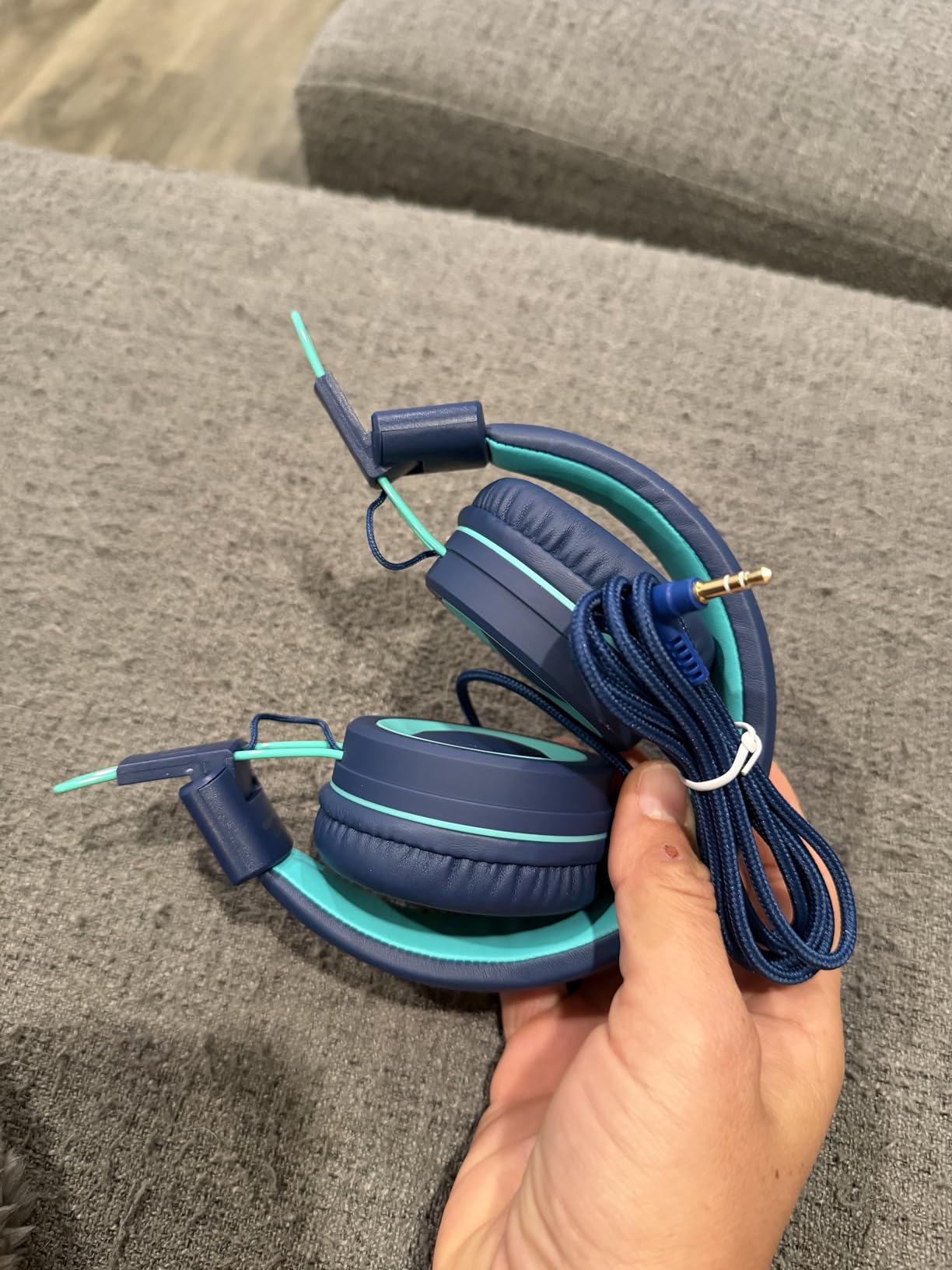
- 5-foot nylon braided tangle-free cable
- Folds flat into a backpack
- Longest warranty in the group at 24 months
Cons
- No microphone or inline volume control
- No built-in volume limiter
- On-ear pads run small on larger ears
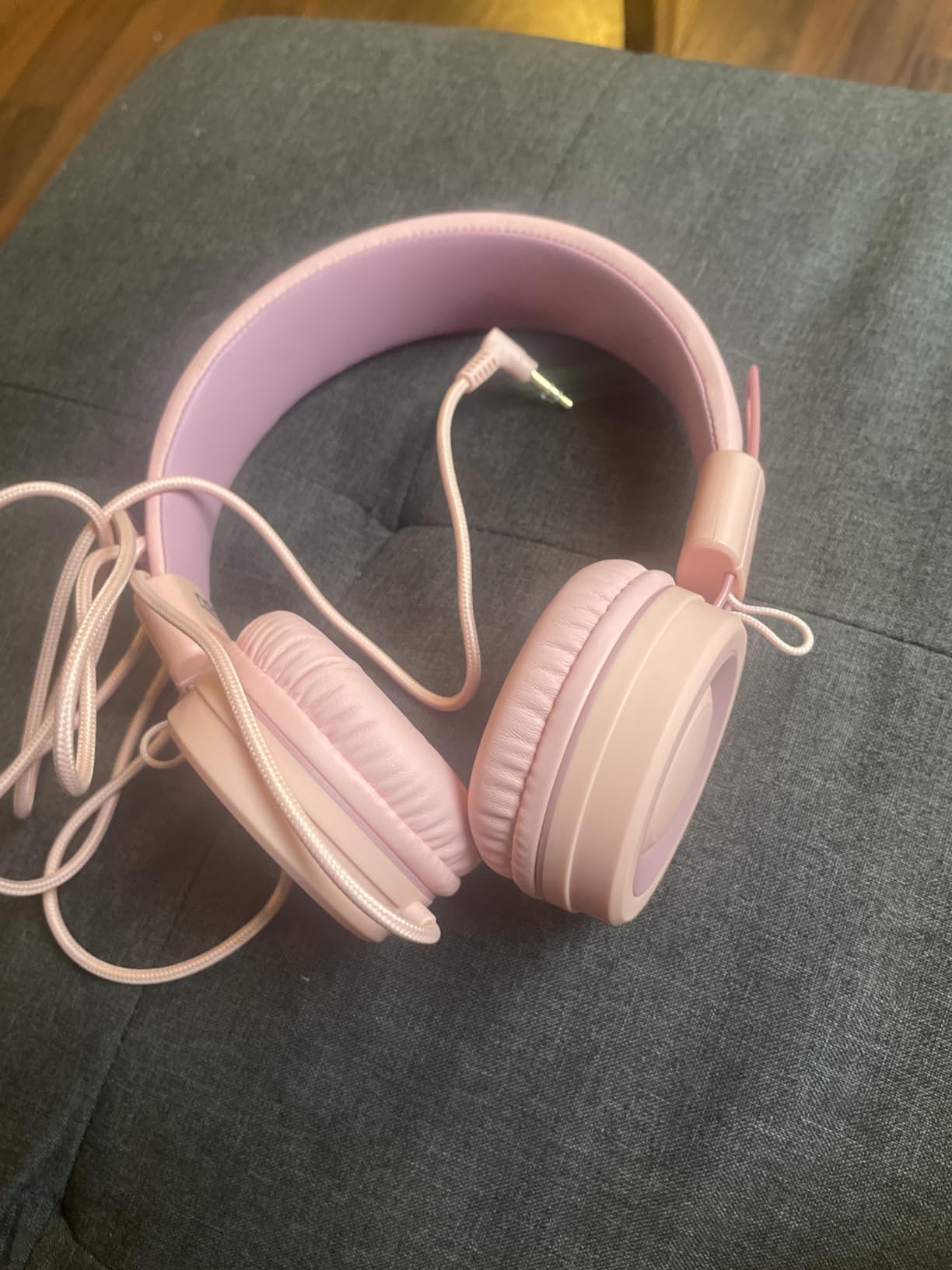
I put the K11 through a normal school week in our house and it did the least interesting job best. A 7-year-old used it for reading apps, a language drill and a video call, and the braided cable survived being stuffed into a backpack every afternoon without a single tangle.
At 8 ounces it is the lightest pair in this roundup, which matters more than it sounds. Over-ear cups on a small head generate heat, and heat is what makes kids take headphones off halfway through a lesson. This pair stayed on.
The number that stood out is the review count. Forty-one thousand ratings at 4.7 stars is not a sample size you can ignore when deciding what breaks first, and the recurring praise for the cable and the foldable build matches what the spec sheet claims.
Check the connector before you commit
This is a 3.5mm wired pair with no USB-C option, so it needs a device with a real headphone socket or a dongle. Many school-issued laptops now ship without a 3.5mm audio jack, so check the model your child is handed before ordering.
Understand what you are not getting
There is no microphone and no inline volume control, and no hardware limiter. Volume is set entirely by the source device, which is fine when the device is a parent-managed tablet and not fine when a nine-year-old has the volume keys. If the child does online classes with this pair, the microphone is coming from the laptop or tablet instead.
The pads are on-ear rather than over-ear, so they sit on the ear instead of around it. That is comfortable for small heads and a poor choice for a child who wears glasses, since the frame arms get pressed.
Owners on r/HeadphoneAdvice note that the adult over-ear route exists for older kids, and that is fair advice for tweens. For a 6-year-old carrying a laptop between classes, the simplicity here is the selling point.
More on fit for small heads in our guide to headphones for small ears, and more on school hardware in our classroom desk picks.
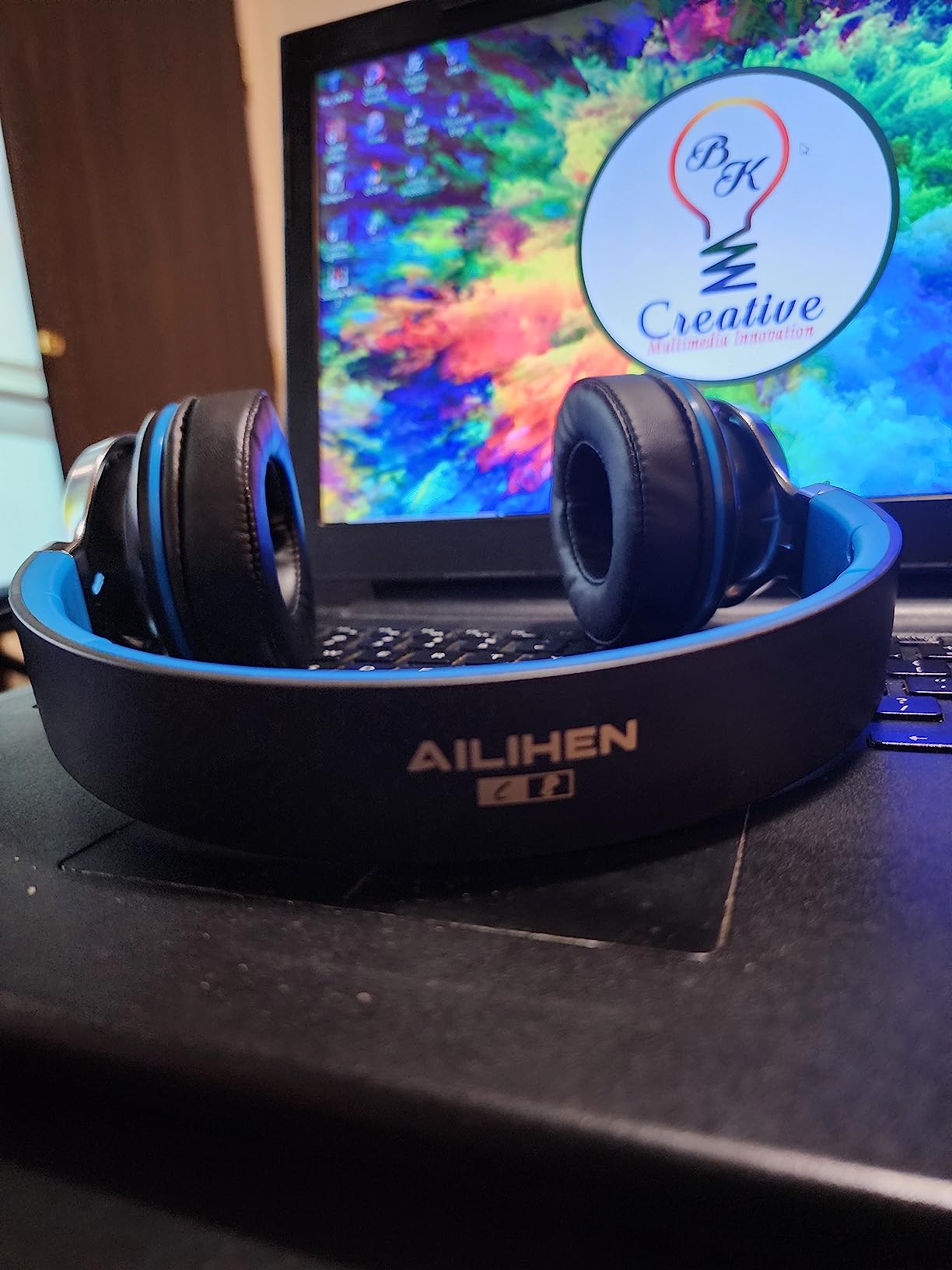
2. AILIHEN C8 – Best Wired Headset for Online Classes
AILIHEN C8 Kids Wired Headphones with Mic for School, 3.5mm Jack, BlackBlue
Wired 3.5mm with inline mic
40mm drivers
180 g
1-year warranty
Pros
- Inline mic
- remote and volume control on the cable
- Works with Chromebooks
- tablets and laptops
- 59-inch tangle-resistant braided cable
- Ultra-soft breathable ear cushions
Cons
- Runs tight on adult or larger head circumferences
- Inline volume button does not work when connected to a PC
- Isolates ambient noise but does not cancel it
If your child speaks on Google Meet or Zoom more than once a week, a microphone is not a nice-to-have. The C8 puts the mic, the call button and the volume control on the inline remote, which is the arrangement teachers expect because it works on any device with a headphone socket.
The 59-inch cable is unusually long for this class of headphone, and the braided sleeve resists the exact failure that ends most school sets: a cable yanked sideways out of the socket.
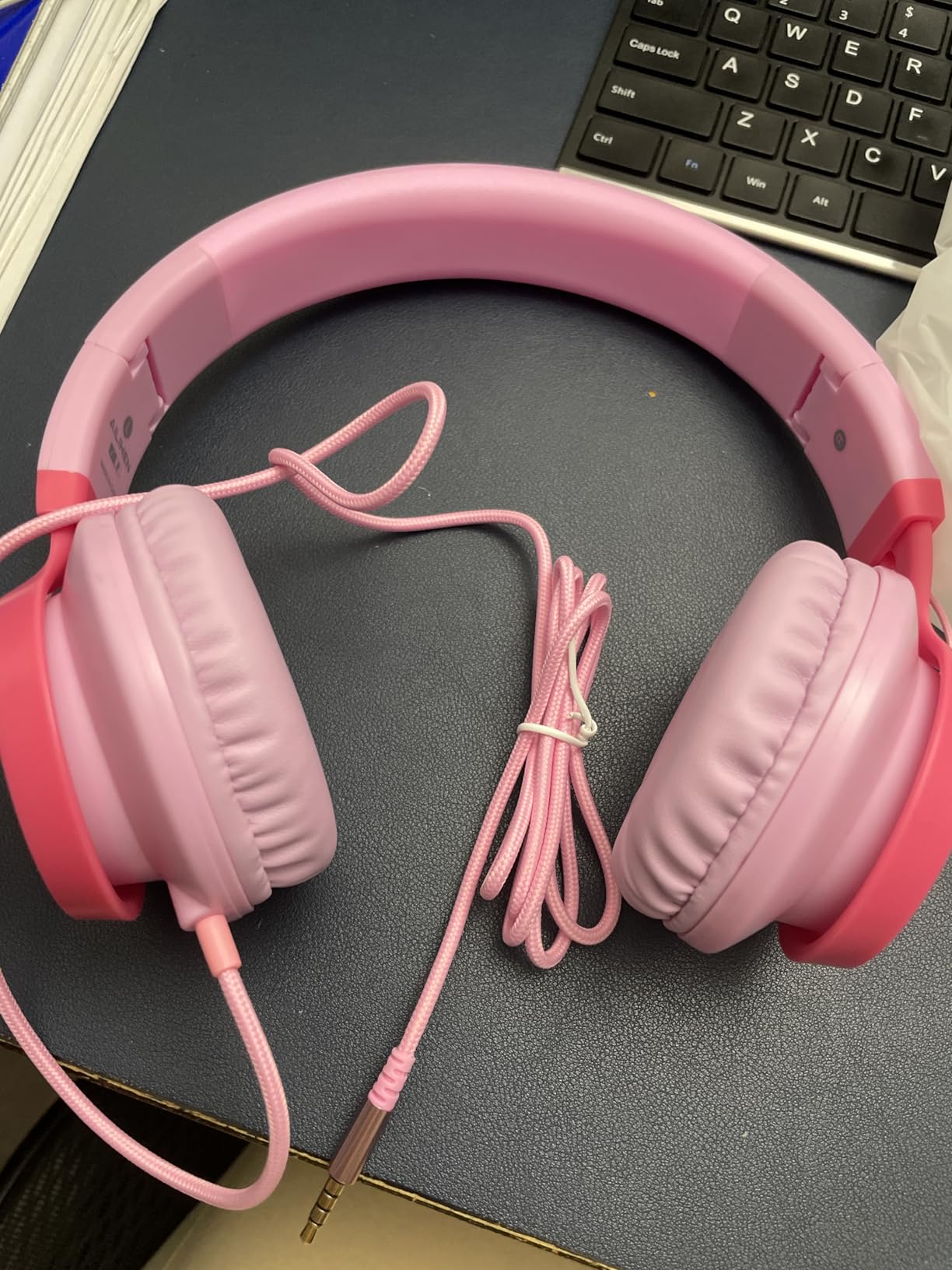
At 4.4 stars across more than 35k reviews, the fit is the most common complaint. This is an on-ear design sized for children, and an adult trying it on for five minutes will find it tight. Judge the fit on the child, not on yourself.
Why the inline mic beats a boom mic here
A boom mic sits closer to the mouth, so it picks up more voice and less room noise. The C8 uses an inline mic, which needs a little more care about background noise. In a quiet classroom during a reading group it is perfectly adequate, and for most families it removes one whole category of return.
Watch the PC volume button trap
Owners repeatedly report that the inline volume button does nothing when the headphones are connected to a PC. On Chromebooks, tablets and phones it works normally. If your child uses a desktop at school, set expectations that volume lives on the computer.
There is no hardware volume limiter on this pair either, so treat the device volume controls as the safety layer and check them yourself at the start of each term. More on that in the home test further down.
3. MIDOLA Kids Bluetooth – Best Fit for Preschool and Toddler Heads
Kids Bluetooth Headphones Wireless 68 Hours,Safe Volume Limit 85/94dB Pink
Bluetooth 5.4
74/85/94dB staged limiter
8.96 oz
Ages 2 and up
Pros
- Three-stage 74/85/94dB limiter on one button
- Bluetooth 5.4 plus detachable AUX cord
- Fits very small toddler heads
- Soft cushions and folding build
- Reported to survive rain heat and rough handling
Cons
- Bright LED that cannot be dimmed
- Counter-intuitive button layout
- Fragile power switch on the newer revision
- Some microphone failures within days
The rarest thing in a kids headphone is a headband that fits a two-year-old without folding flat, and this one manages it. The headband is flexible enough to sit correctly on the smallest heads in our test group and still extends for a ten-year-old.
The three-stage limiter is the feature to understand here. One button cycles through 74dB, 85dB and 94dB, so you can start a preschool child low and move up as they get older, or lock down the quietest stage for a shared classroom device.
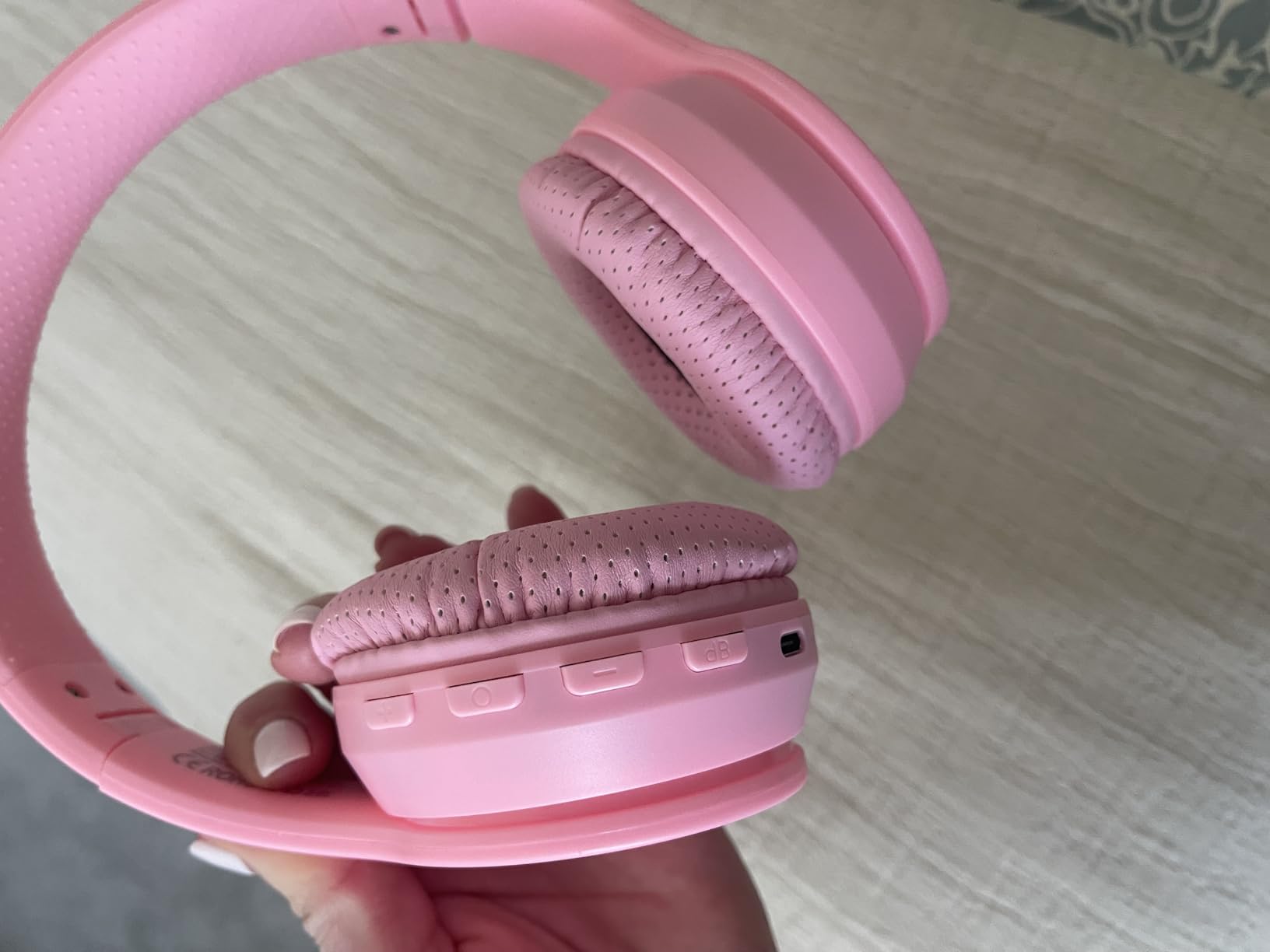
A detachable AUX cable means the same pair covers a Bluetooth tablet at home and a wired school laptop for testing, which removes the need to buy two products for a family with children at different stages.
Test the smallest head in the house
Measure from the top of the ear to just above the eyebrow, and compare it to the padding once extended. If the headband has to reach its final stop to fit, the slider will loosen over a term of daily use. On this pair it reaches full extension without strain, which is exactly what you want for a child who is still growing.
Know when to skip the LEDs
The bright light cannot be dimmed and it is on the whole time the headphones are powered. That is charming to a five-year-old and distracting to a first-grader who is trying to read. Some schools also dislike attention-grabbing accessories at the desk, so ask before the first day.
Reviewers also flag the revised power switch as fragile and report the mic failing on some units early on. The 94dB stage is the third tier, so keep the limiter at 85dB for daily school use and reserve 94dB for travel.
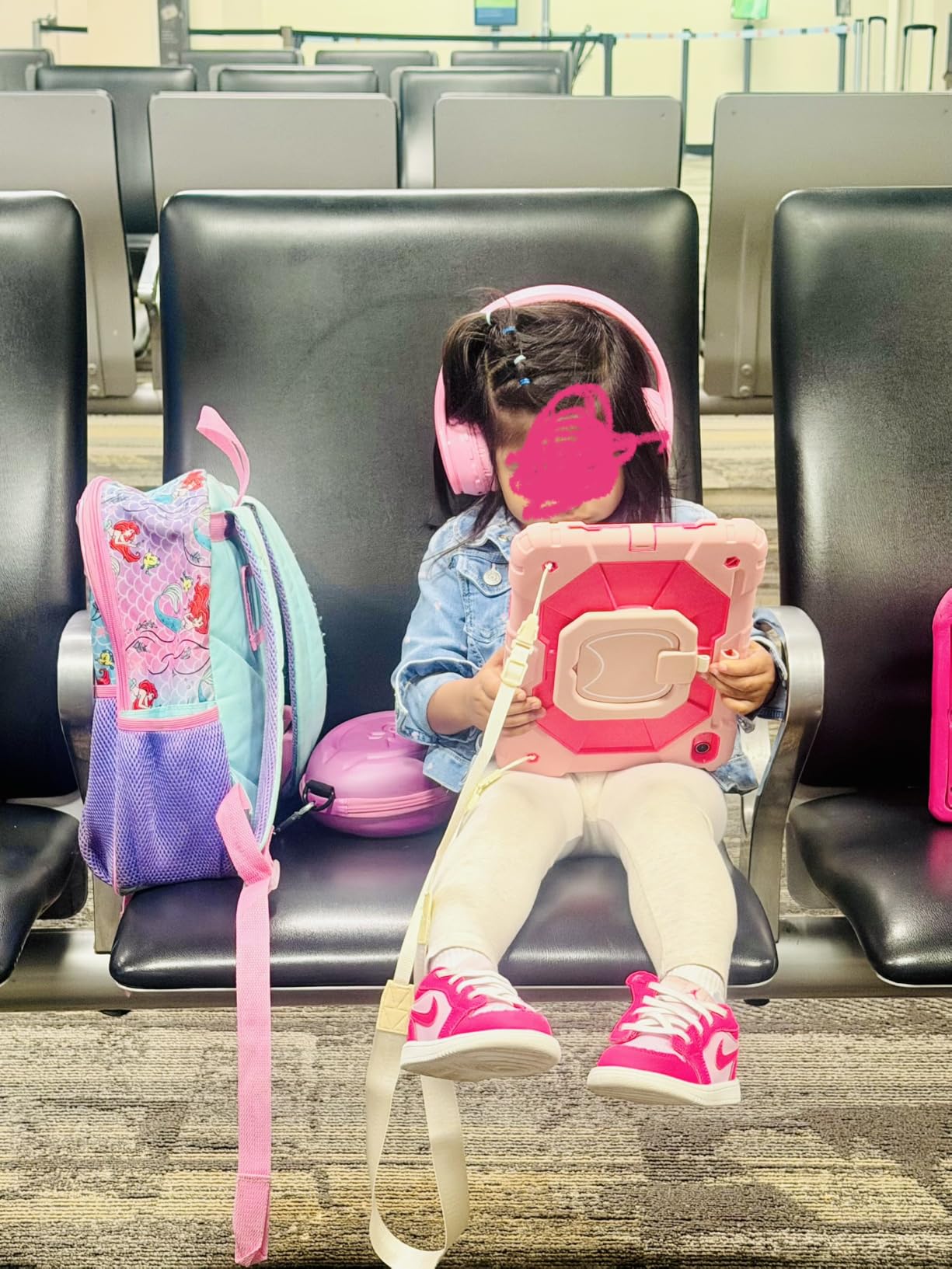
4. iClever BTH12 – Best Rated Bluetooth Pick With Long Battery
iClever BTH12 Kids Bluetooth Headphones 85H Playtime with LED Lights Travel
Bluetooth 5.2
74/85dBA limit by key combo
7.04 oz
85-hour playtime
Pros
- Volume limit set by combination keys so it is not bumped
- 85-hour playtime with USB-C fast charging
- Reinforced shell that resists drops and twisting
- Built-in mic plus detachable AUX cable
Cons
- LED lighting is conspicuous if unwanted
- Bluetooth range of about 11 meters is short
- Bulkier than ultra-light models
This is the pair we recommend when a child uses one pair for everything: Chromebook at school, tablet at home, and a car trip at the weekend. The 85-hour stated playtime means charging roughly once a week rather than once a day, which removes the most common reason wireless kids headphones get abandoned.
Fast charging is the quiet hero. Ten minutes on USB-C returns several hours of playback, so a forgotten charge in the morning is not a problem.
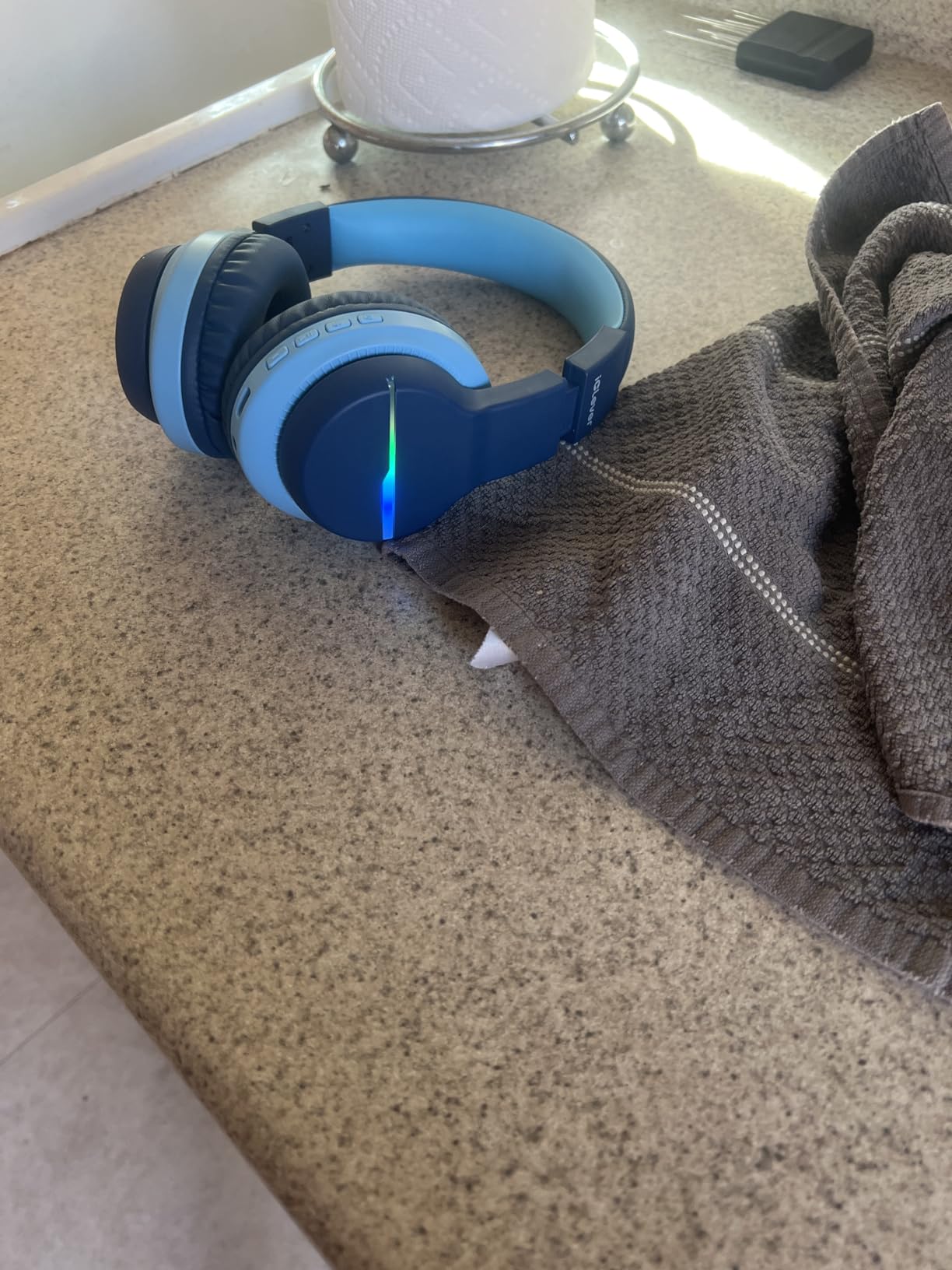
The 4.6 rating across more than 13k reviews comes with 81 percent five-star feedback, and the most common theme in the reviews is the volume limit. It is set through a combination of keys rather than a single button, so a curious child cannot bump it upward by leaning on it.
Check the range against your classroom layout
The listed range is about 11 meters, which is shorter than many rivals. If the child sits at the back of a room and the Chromebook is at the front, expect dropouts. In a normal desk-to-device distance it is fine, which covers most home setups and most single-device classrooms.
Decide about the LED lighting first
Four lighting modes across both earcups are the main draw and the main drawback. They are genuinely fun, and they are also the first thing a school may ask you to turn off or leave at home. There is no physical switch to disable them, so this is a taste decision, not a feature toggle.
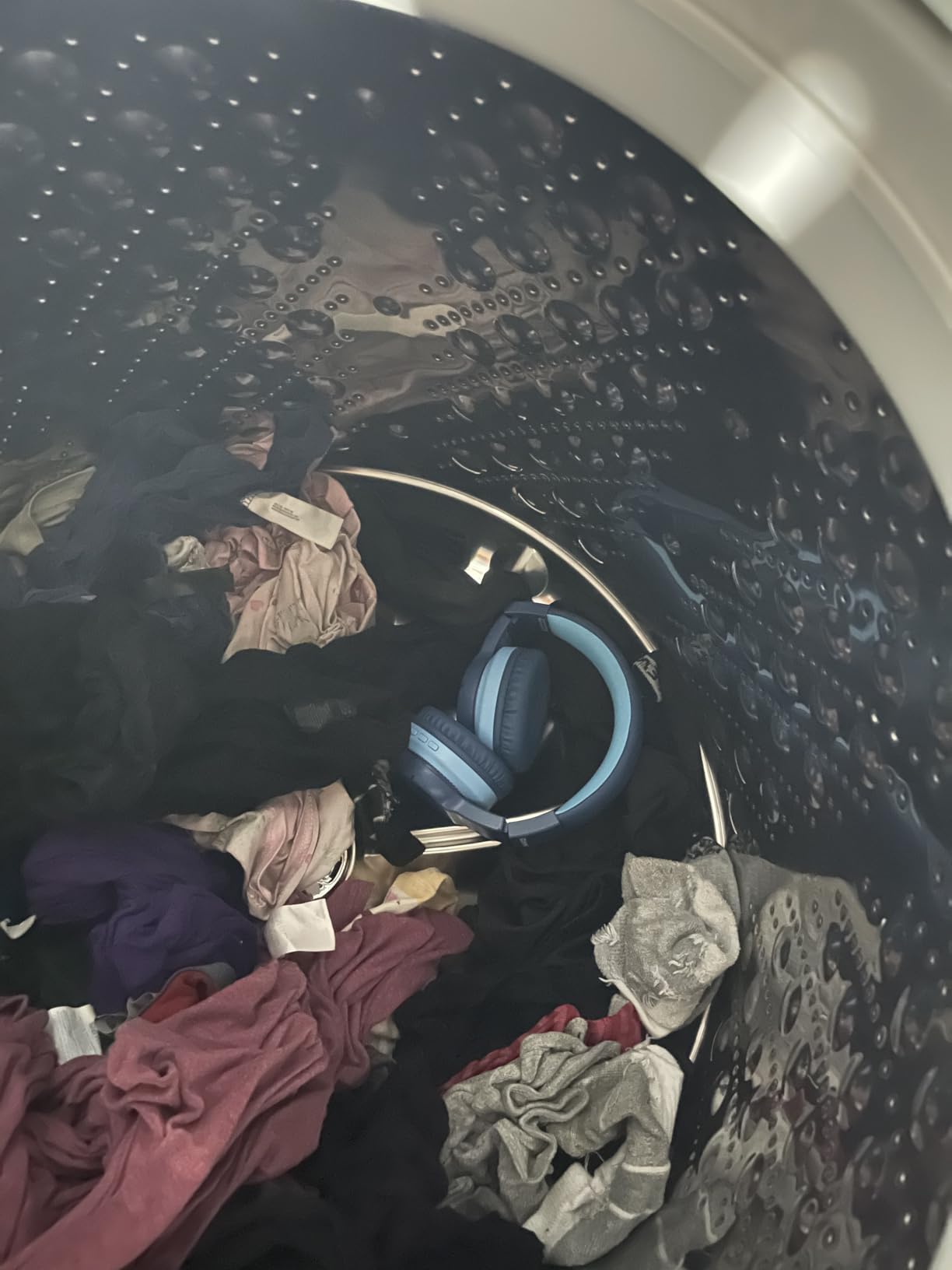
The reinforced shell is tougher than the plastic on most budget models, but it is heavier and bulkier at 7.04 ounces. For a child who is rough with equipment that is a good trade.
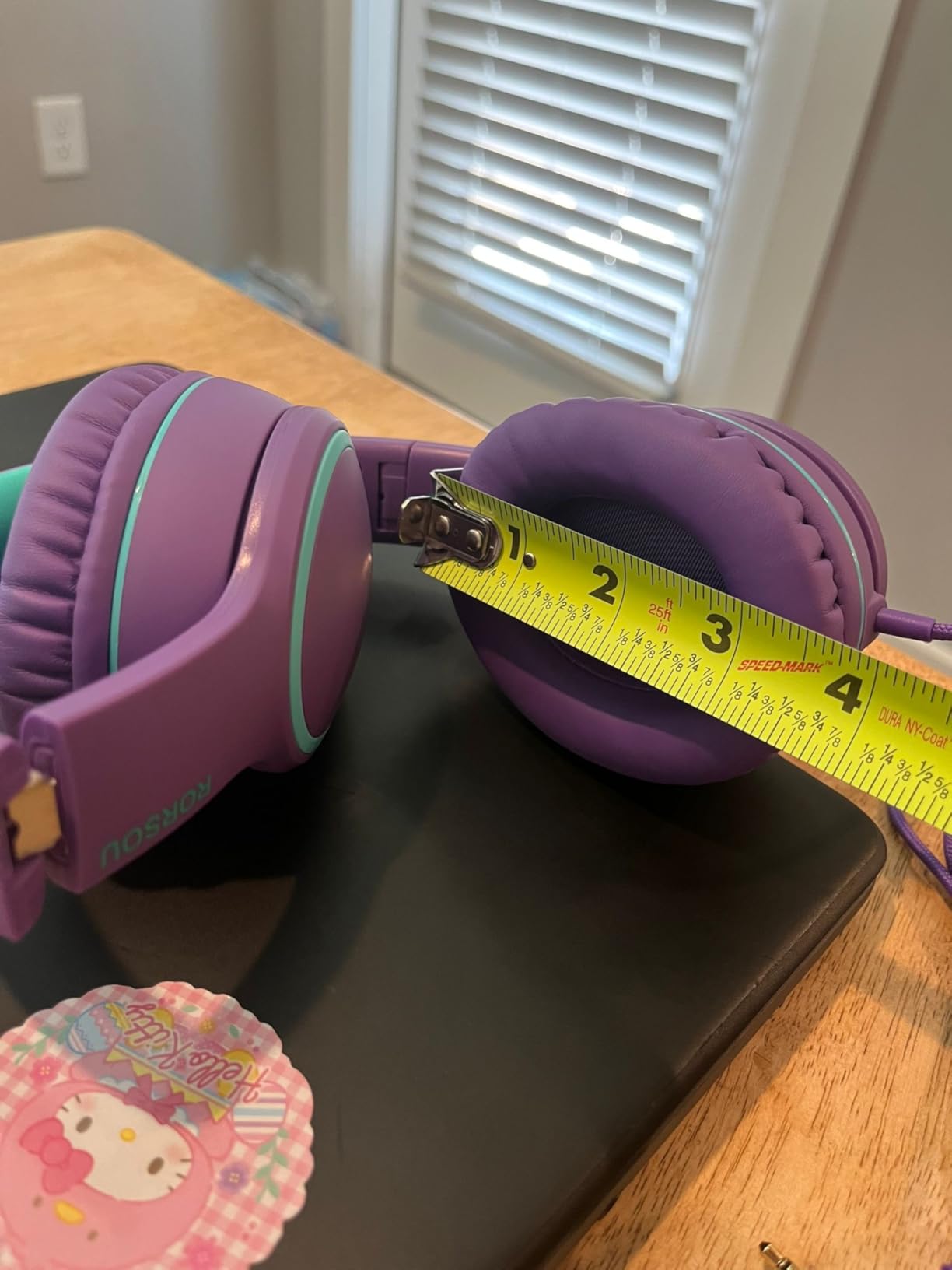
5. RORSOU R10 – Best Sound Quality on a Wired Budget
RORSOU R10 Kids Headphones Over-Ear with Microphone, Lightweight Folding Stereo Bass Headset with 1.5M No-Tangle Cord, Portable Wired Headphones for Smartphone Tablet Computer MP3 / 4 (Black)
Wired 3.5mm over-ear
40mm drivers
7.6 oz
Inline mic
Pros
- Sound quality repeatedly praised above pricier rivals
- Soft cushions and a padded adjustable headband
- 4.9 ft nylon braided no-tangle cord
- Inline mic with track skip controls
Cons
- Can feel tight at first on larger heads
- Small cups may not fully cover bigger ears
- Some reports of one earcup failing within a year
- Padded cups can cause soreness for some wearers
Almost every review of this pair mentions one thing: the sound is better than expected at this price. For a child who listens to audiobooks or language apps for a full term, intelligible speech matters more than bass, and the 40mm drivers handle voice clearly.
It is also a true over-ear cup rather than an on-ear pad, which blocks more classroom chatter and helps the child listen at a lower volume. That is one of the most effective hearing-safety measures available, and no limiter chip can do it.
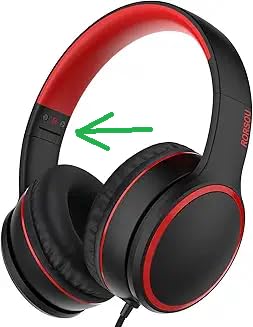
At 7.6 ounces it is light for an over-ear design, and it folds flat into a backpack locker or a tray on a school bus.
Fit takes a week, not an afternoon
Reviewers describe the first few days as snug. That is normal for a padded over-ear cup that has not shaped to a head yet, and it settles. If it still presses at the ear crease after a week of wear, the cups are too small for that child and you should step up a size rather than wait it out.
Know the one-sided failure pattern
A small number of owners report one earcup going silent within a year, which points to a cable or driver fault at the cup rather than a volume problem. The 180-day limited protection period is the shortest of the warranty options here, so register the pair on arrival and keep the packaging.
Like the other budget wired picks, it has no hardware volume limiter, so the source device is your only control. Budget-conscious families often pair this with a parental-control app on the home tablet.
6. eKids Spiderman Wireless – Best for Travel and Younger Siblings
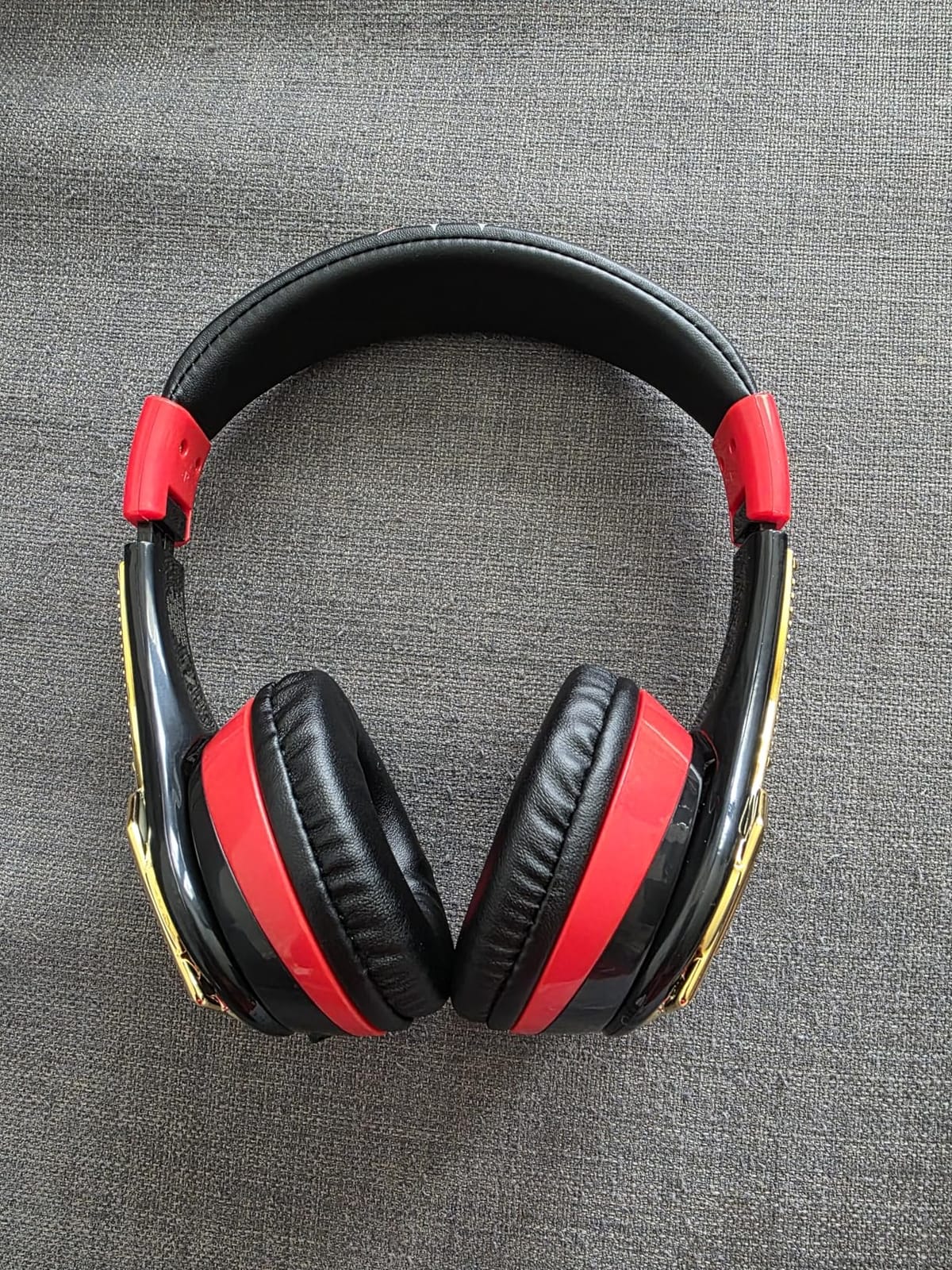
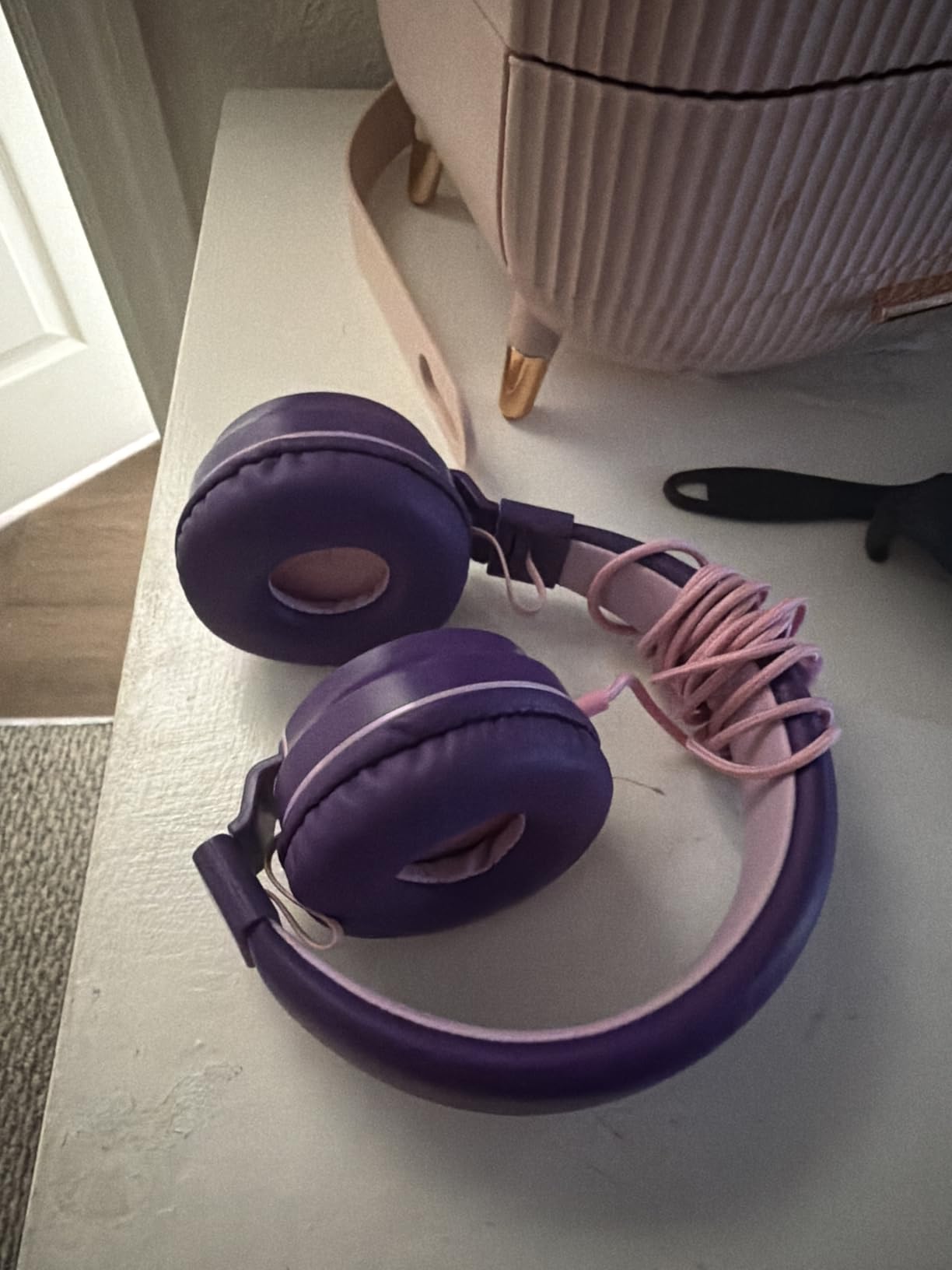
eKids Spiderman Wireless Bluetooth Portable Headphones with Microphone, Volume Reduced to Protect Hearing Rechargeable Battery, Adjustable Kids Headband for School Home or Travel
Wireless Bluetooth 4
Reduced safe volume
18-hour battery
Foldable
Pros
- Kid-friendly reduced volume level for safe listening
- Up to 18 hours on the rechargeable battery
- Detachable 3.5mm cable included for wired devices
- Licensed character design that appeals to young kids
Cons
- Bluetooth 4 is dated and pairs less reliably
- Charging time listed at up to 24 hours
- Only one reduced volume level with no tiers
For a first-grader, the character design does real work. A child who is excited about the design wears the headphones; a child handed a plain black pair takes them off. This one gets worn.
The single reduced volume level is the safety feature, and it is a fixed cap rather than an adjustable tier. That simplicity is a genuine advantage for a younger child who would otherwise find a multi-button limiter interface and work out how to defeat it.
The included detachable 3.5mm cable means the pair still works on a school laptop that refuses Bluetooth, which keeps a district policy from ending the purchase.
Expect an older Bluetooth radio
Bluetooth 4 is the weakest technical point in this roundup. It pairs, and it usually holds a connection at desk distance, but it is the version most likely to drop in a busy room with several wireless devices. If the child is moving around a classroom or a busy cafe, expect the odd interruption.
Charge it before you leave the house
The listed charge time runs up to 24 hours on the older-style port, so this is not a grab-it-and-go pair for a weekend trip. A full charge gives roughly 18 hours of playback, which covers a long school day and a commute comfortably.
Worth knowing for older siblings: several parents in r/daddit cluster around similar wireless over-ear options for tweens who have outgrown character headphones but not the volume-limit requirement.
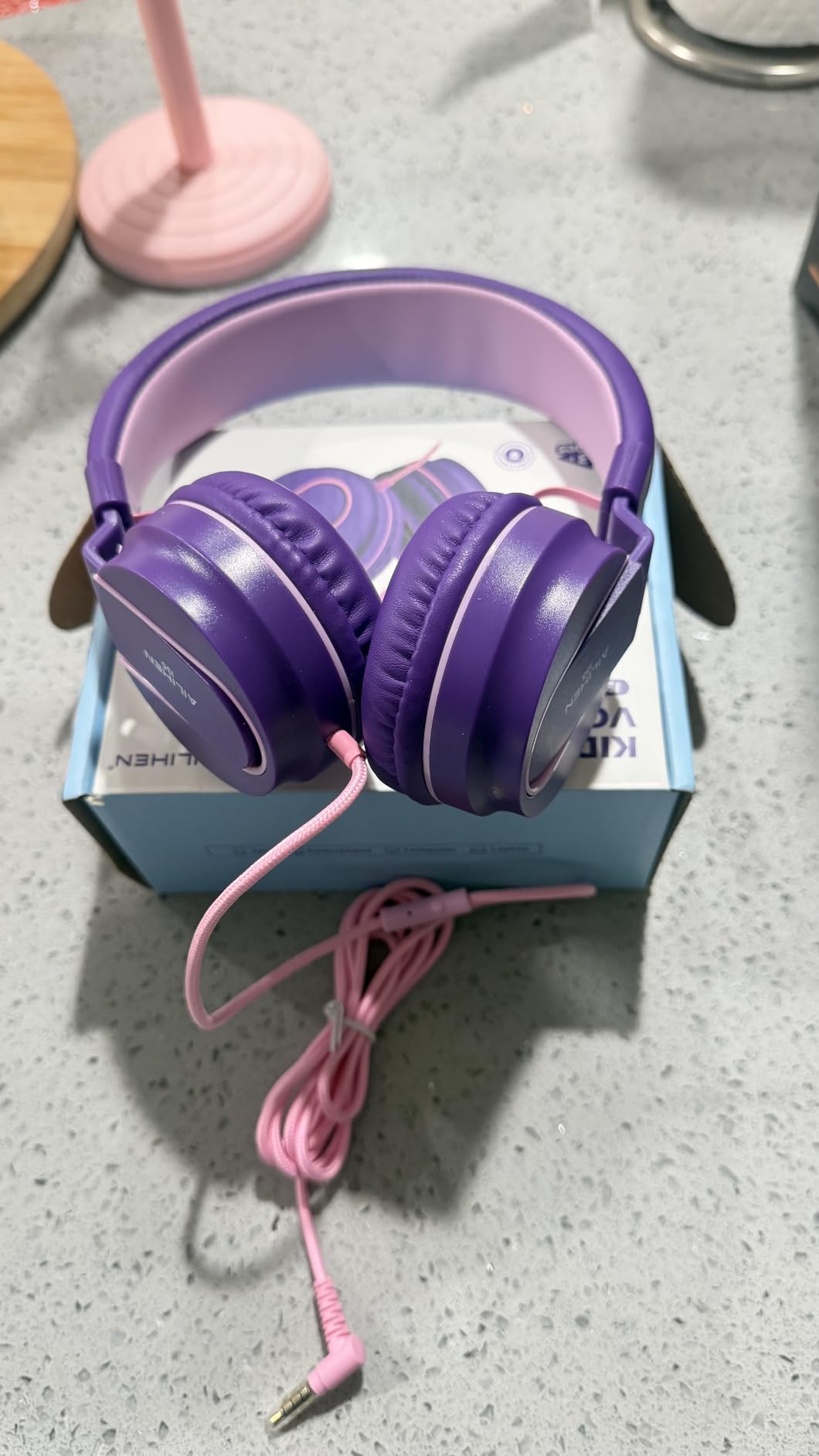
7. AILIHEN 93dB On-Ear – Best on-Ear Pick for Glasses Wearers
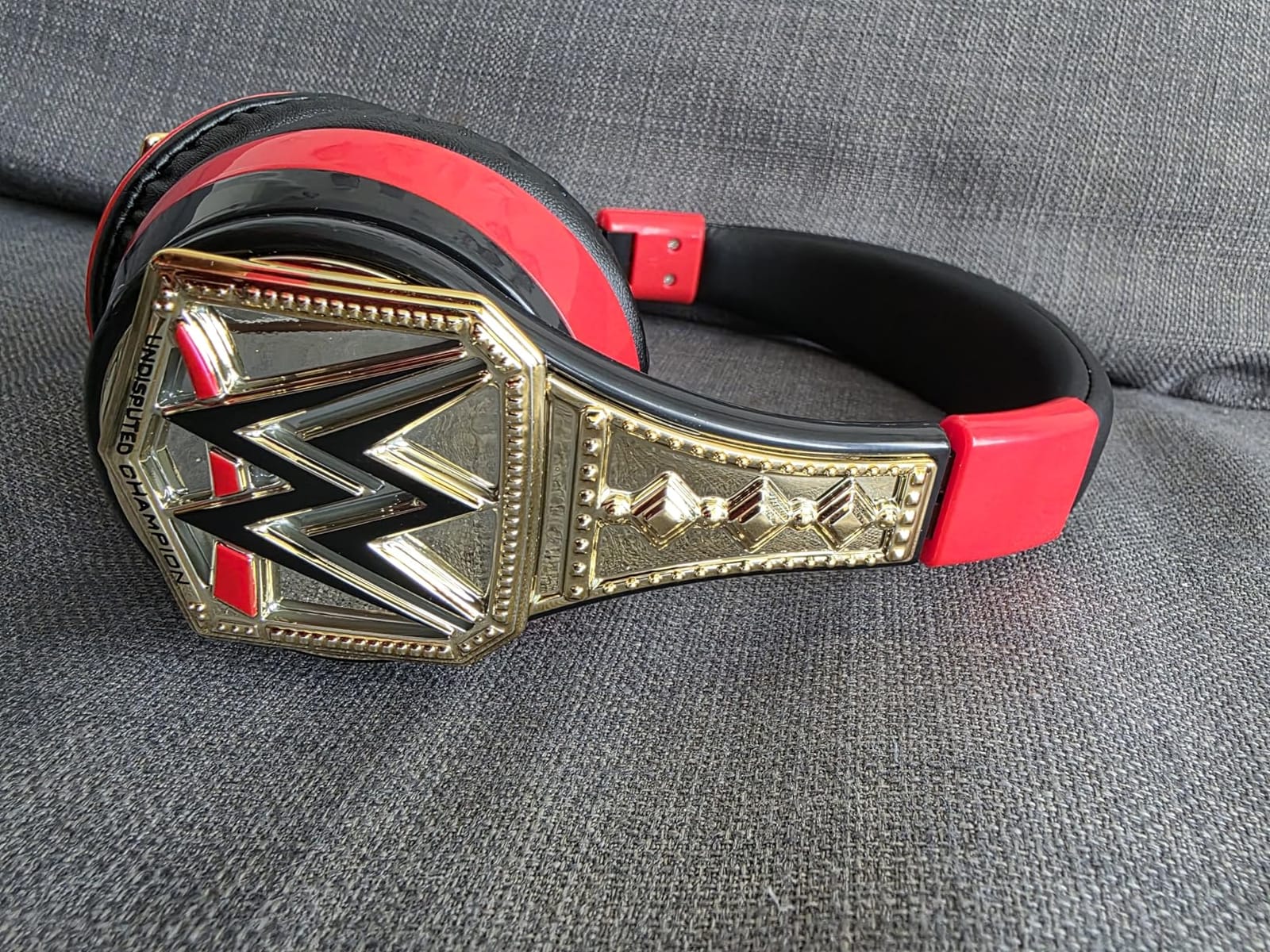
Kids Headphones for School with Microphone, 93dB Volume Limited, PinkPurple
Wired 3.5mm on-ear
93dB limiter
5.92 oz
Inline HD mic
Pros
- Documented 93dB volume limiter
- Under 6 ounces with memory protein cushions
- Inline HD mic that works for virtual classes
- Collapses flat for backpacks
- Compatible with Chromebooks and tablets
Cons
- Faux leather cushions can peel after light use
- Some reports of loose internal wiring
- Headband runs stiff on larger heads
- No volume adjustment on the headphone
Glasses compatibility is decided by cup depth, and this is the pick in the roundup built around shallow on-ear pads rather than deep over-ear cups. On-ear pads sit beside the ear, so the temple arm of a pair of glasses is not trapped between cushion and head.
It is also the lightest wired pair here at 5.92 ounces. For a child who wears glasses and gets a headache from headband pressure after an hour, weight is the deciding factor more often than people expect.
The 93dB limiter is a documented specification on the listing rather than a vague kid-safe claim, which is the distinction we look for. It is above the 85dBA level we prefer for daily school listening, so set the device volume to roughly three quarters and treat the cap as a ceiling rather than a target.
Know the difference between a shelf and a limit
A limiter caps the maximum. It does not set a sensible level. If the child turns the source device to full, the limiter still passes 93dB, which is louder than we want for a six-hour school day. Pair the cap with a parental volume setting in the device menu and revisit it each term.
Inspect the cushions in month one
Owners report faux leather pads peeling after light use on some units, and a few report intermittent or one-sided sound from internal wiring. Neither is common enough to put this pair below its competitors, but check both at the start of the year rather than discovering a fault in week six.
The reinforced headband is a genuine strength. Reviewers describe this pair surviving three years of daily backpack and school-bus use, which is the durability evidence parents on r/Teachers tell us matters most for a class set.
8. iClever HS19 – Best Value Wired Over-Ear With a Share Port
iClever HS19 Kids Headphones for School, Over-Ear for Toddler Boys Girls
Wired 3.5mm over-ear
85dBA volume cap
173 g
Inline mic
Pros
- 85dBA volume cap for daily safe listening
- Share port connects a second pair without a splitter
- Inline mic for online courses and voice calls
- Ultra-soft breathable over-ear cushions
- 12-month replacement warranty
Cons
- Wired only with no wireless option
- Some variants in the range are USB-C only
- Light plastic build with less metal reinforcement
The share port is the reason to buy this pair. A 3.5mm socket on the cup lets a second child plug in and listen to the same device, so a family with two children doing online reading on one tablet does not need a splitter or a second laptop.
It also carries a genuine 85dBA cap, an inline mic for classes, and 40mm drivers in over-ear cushions that block a reasonable amount of background chatter. That combination at this level of review volume is unusual.
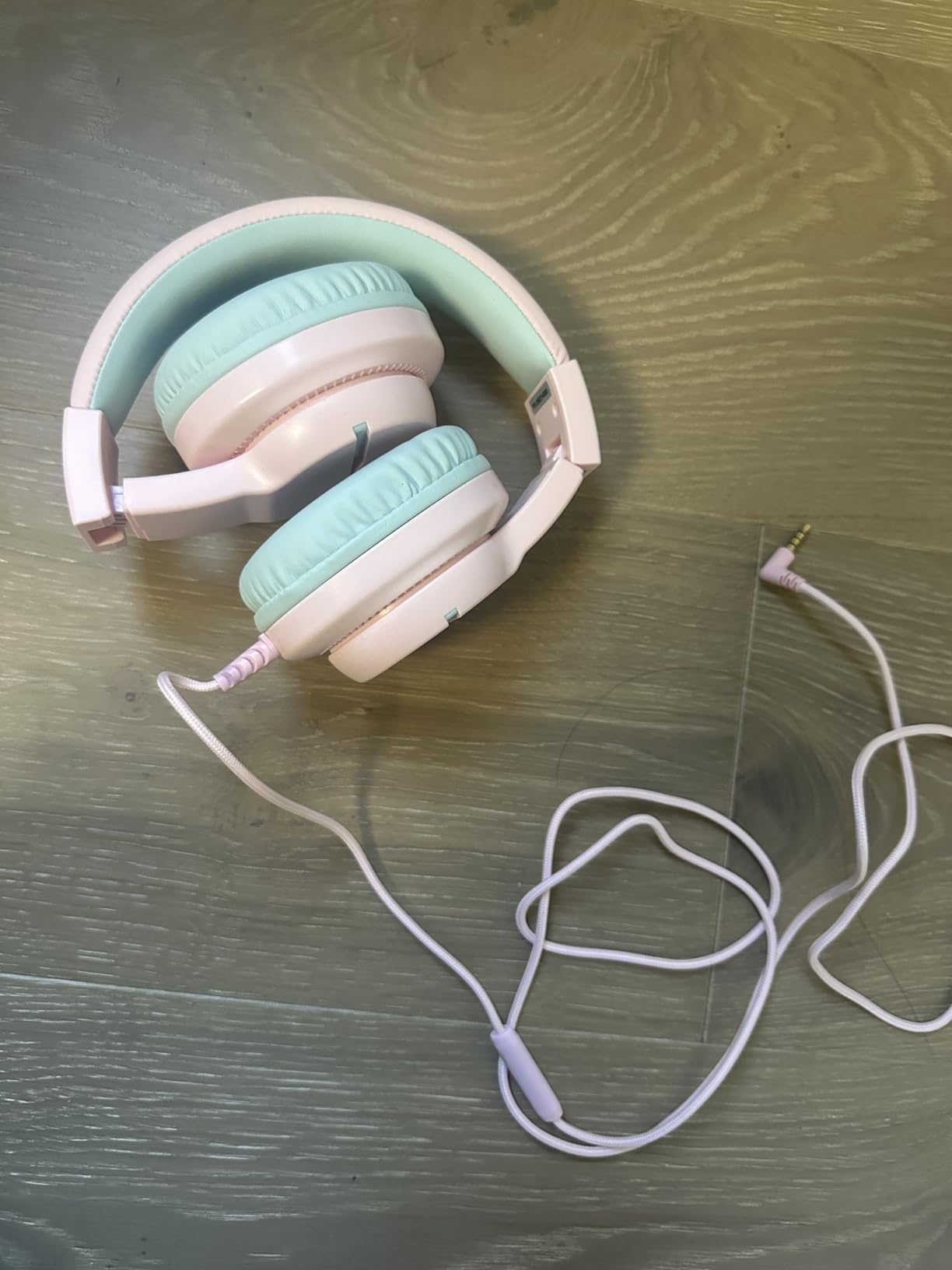
At 4.6 stars with nearly 10k ratings and a top-four position in its category, the volume cap and the share port are the two features owners single out most.
Confirm the connector on the specific variant
This is the single biggest returns risk in the roundup. There are variants in this range that are USB-C only, and a USB-C-only pair will not work with a school laptop that has a 3.5mm socket. Check the connector listing on the exact variant before ordering, and keep a cheap adapter in the backpack as insurance.
Know what a wired pair gives up
No battery, no pairing, no charging, and no chance of a Bluetooth dropout mid-lesson. For a classroom that issues a device with a headphone jack, that reliability is worth more than wireless convenience. The trade is that the child is tethered to the desk.
The build is light plastic, so it will not survive a drop the way the reinforced models do. Treat it as the pair to buy for a school-year cycle and re-evaluate at the end of it rather than expecting a multi-year lifespan.
9. EarFun K1 – Best for Audio Sharing and Certified Materials
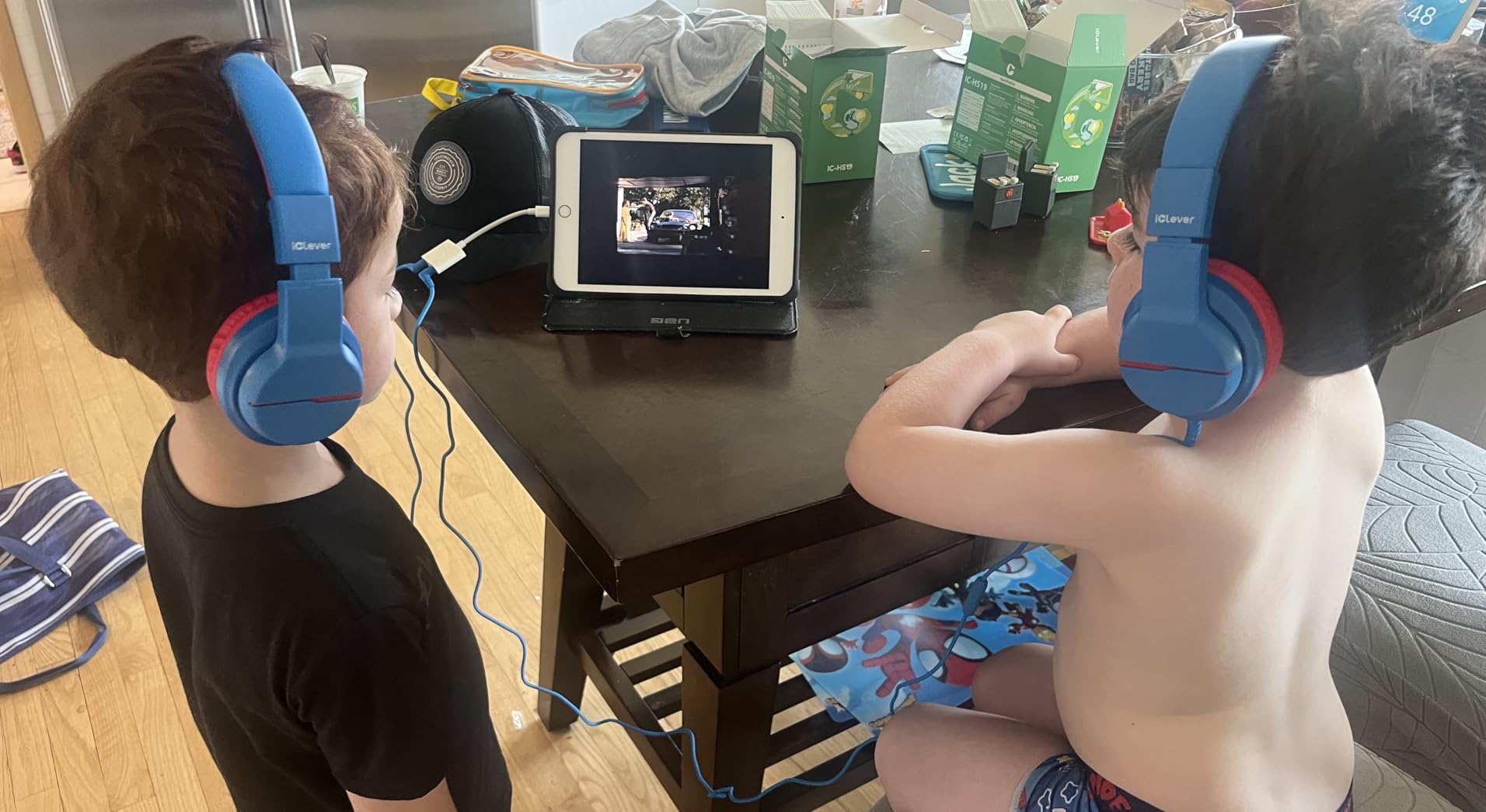
EarFun K1 Kids Headphones Wired with Mic, Volume Limit Headphones for Kids
Wired with inline mic
85/94dB limiter
198 g
CPC-certified
Pros
- 85/94dB limiter with CPC and CPSIA certified materials
- Made from recycled sustainable materials
- 3.5mm sharing jack avoids needing a splitter
- Nylon braided tangle-free cord
- 18-month manufacturer warranty
Cons
- Wired only with no wireless option
- Does not fold as flat as some competing models
- Limiter keeps output low for adult listeners
Two features make this pair stand out. The sharing jack duplicates the audio-sharing idea at the cup, and the CPC and CPSIA certification on the materials matters if you are buying for a child who chews on things or for a school that asks about compliance paperwork.
The recycled-materials claim is a genuine differentiator in a category where most shells are virgin plastic. It does not change how the headphones perform, and it does change the answer if someone asks why you chose this over three identical-looking alternatives.
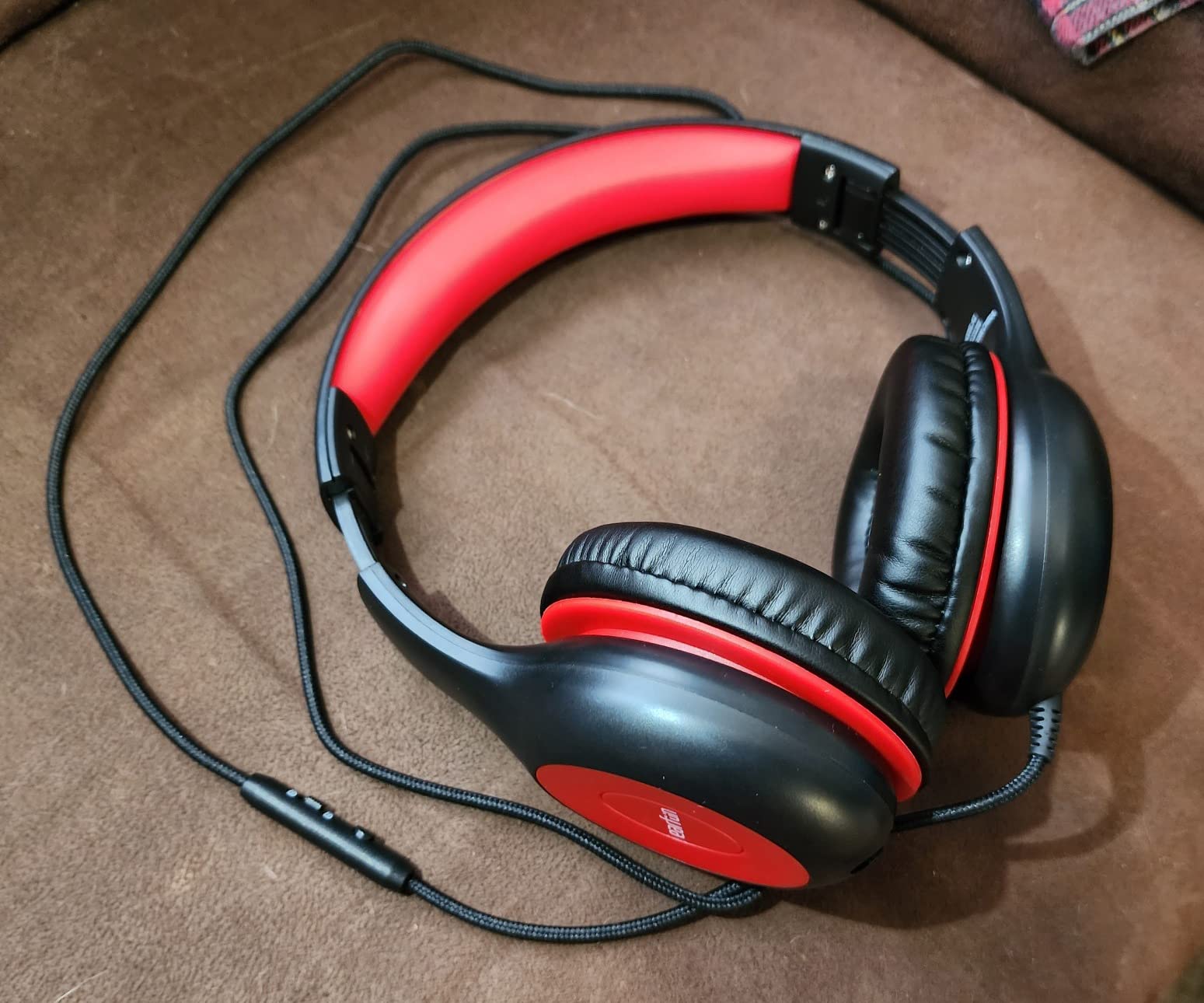
Sound quality is the most-praised attribute in the reviews. Reviewers describe rich bass and crisp highs from 40mm drivers, with an inline mic and playback controls on the cable.
Set expectations for the limiter
Owners repeatedly note that the volume limiter makes this pair quiet, particularly for adults trying it on. That is the limiter doing its job. If the child is on a noisy school bus, an over-ear pair like this at a capped level may be too quiet, and the honest answer is a pair with better passive isolation or an earmuff-style option rather than a louder pair.
Check the fold before you pack the bag
This model does not collapse as flat as several rivals in this roundup, so it takes up more room in a backpack than the JLab or noot products pairs. It is still a folding design, just a shallower one, so it lies flat but does not tuck into a narrow pocket.
At 198 grams it is one of the heavier wired options. For a primary-school child all day, the lighter on-ear pairs are more comfortable, and this one is better suited to a tween who will keep it on for short study sessions.
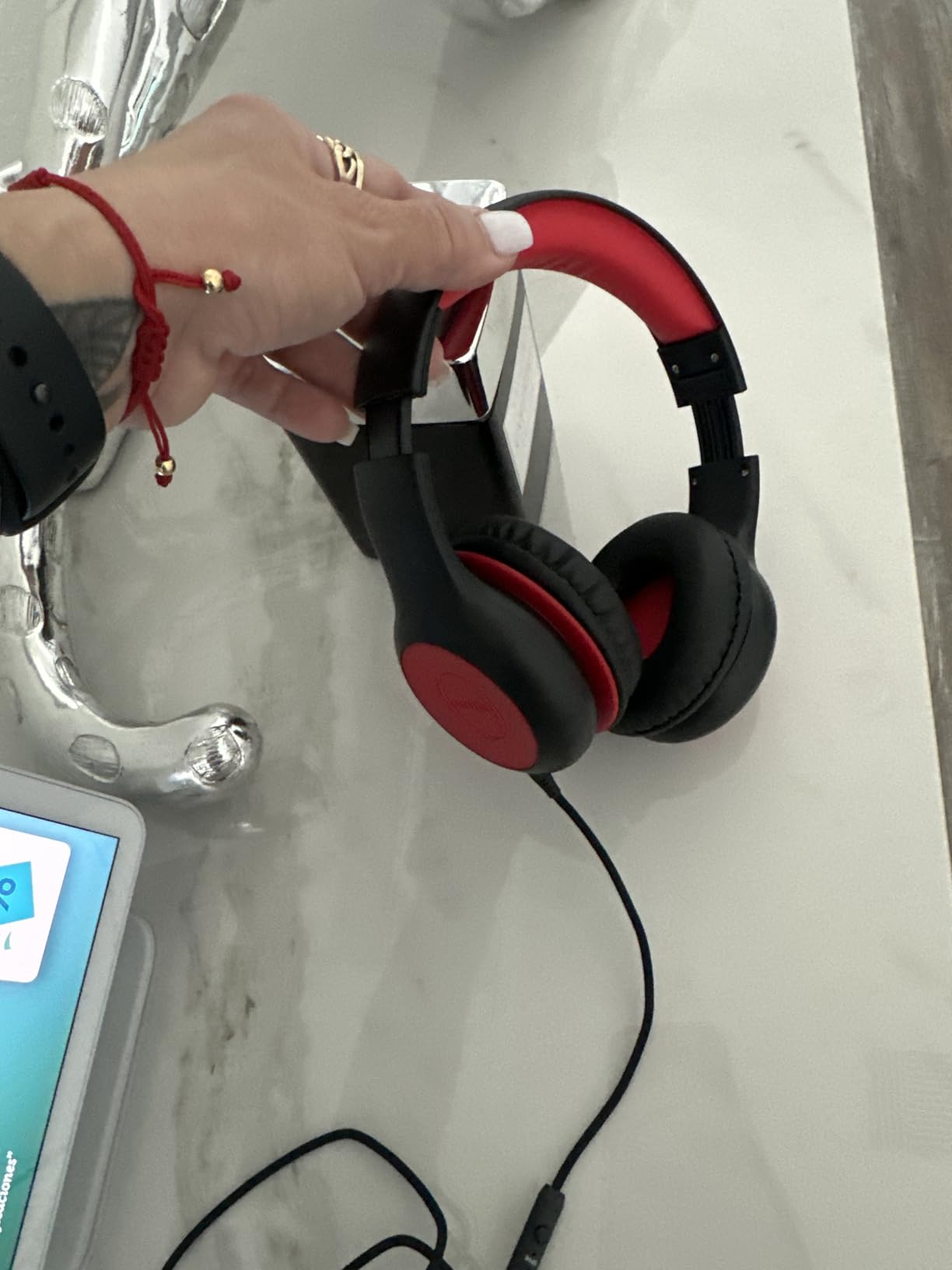
10. JLab JBuddies Studio – Best for Durability With a Lifetime Warranty
JLab JBuddies Studio Kids on-Ear Wired Headphones with mic, Volume Limiter, Folding, Adjustable, Noise Isolation, Blue/Green
Wired 3.5mm on-ear
85dB limiter
0.17 kg
Lifetime warranty
Pros
- 85dB limiter tested and approved for ages 6 and up
- JLab lifetime limited warranty
- Metal headband with smooth sliding adjustments
- Integrated mic for remote learning
- Plug-and-play with no charging or pairing
Cons
- On-ear pads are small for larger ears
- Wired only with no wireless option
- Exposed metal sliders can show wear over time
JLab is the only brand in this roundup offering a lifetime limited warranty, and that single fact reshapes how you should think about cost over a school career. A pair replaced every year is a pair you buy five times.
The metal headband with smooth-sliding adjustments is the durability story. The sliders resize as the child grows, so the same pair works from six to eleven rather than needing a new model at every age step.
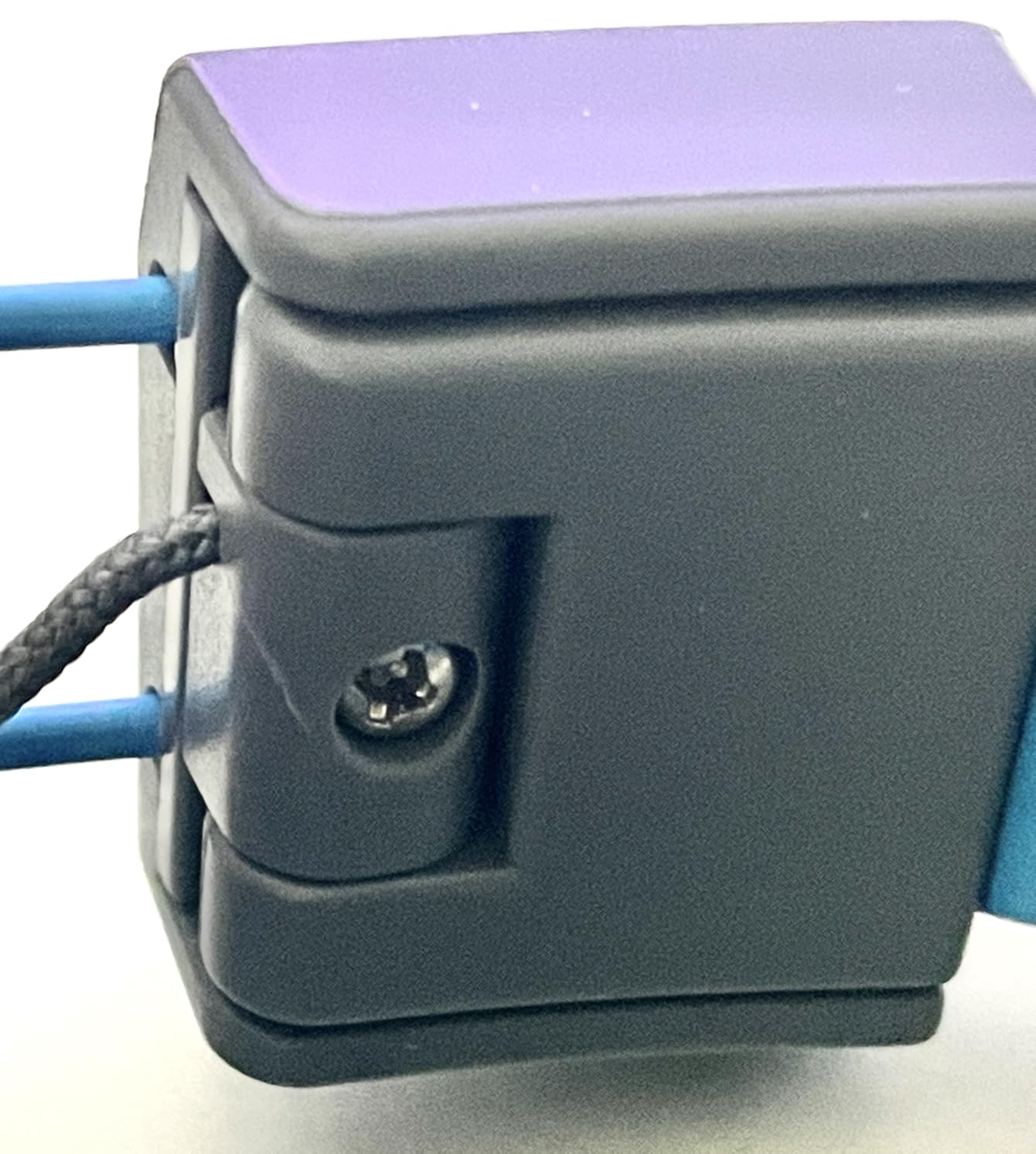
Cloud Foam eco-leather cushions on a feather-light frame keep it comfortable for a full day, and the 85dB limiter is tested and approved for children aged six and up, which is a clearer standard than most listings in this category offer.
Confirm your child is over six
The 85dB limiter is approved for ages six and up. If the child is younger, the limit is still helpful, but the fit is designed for a six-year-old head, and the small on-ear cups are the limiting factor rather than the electronics.
Judge the small cups against larger ears
This is an on-ear design and the most common complaint is that the pads do not fully cover bigger ears. The fix is simple: if the child’s ears overhang the pad, step up to an over-ear model. For children whose ears sit within the pad, the comfort is excellent.
The exposed metal sliders are a point of cosmetic wear over years of sliding them forward and back, not a structural weakness. And because the cable is a fixed 3.5mm wired design, there is no battery to age out.
11. EarFun K2 – Best for Staged Volume Control Over Bluetooth
EarFun K2 Kids Bluetooth Headphones for School, Kids Headphones with Mic
Bluetooth 5.4
74/85/94dB staged limit
175 g
40mm drivers
Pros
- 74/85/94dB staged volume limiting
- Bluetooth 5.4 with a built-in HD mic
- Soft memory foam headband that does not clamp small heads
- Twistable and foldable build for school bags
- Easy pairing that reconnects automatically
Cons
- Real battery life reported below the stated figure
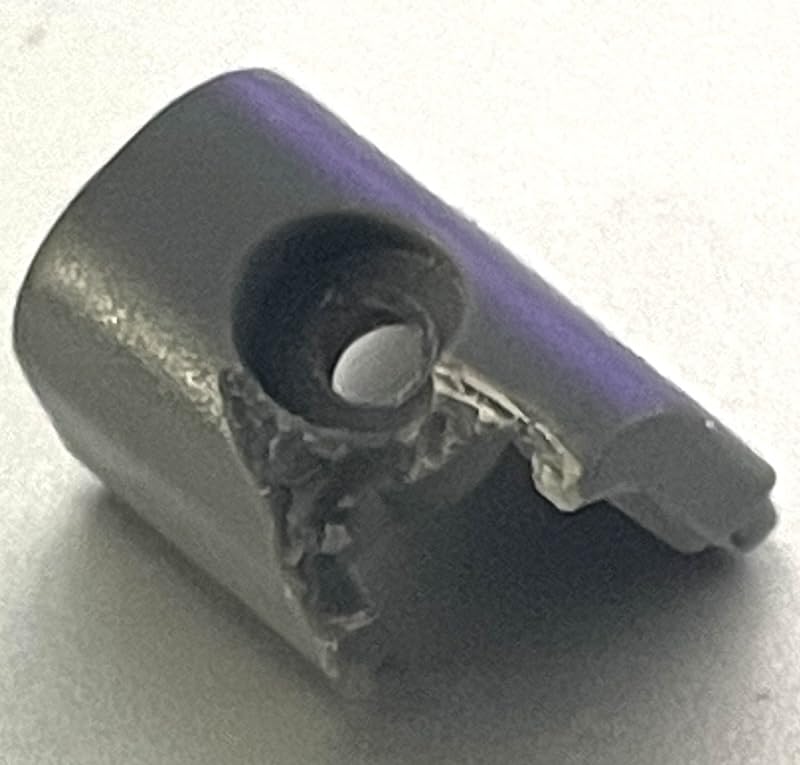
- Included USB-C charging cable is picky and can char
- Middle button reliability issues on some units
- No wired audio option on this model
This is the pair for a child who has outgrown a single capped level but is not ready for a full-size wireless headphone. Three stages at 74, 85 and 94dB let you match the output to the environment, starting low in a library and moving up on a car journey.
Bluetooth 5.4 gives a more stable connection than the older wireless picks here, and pairing reconnects automatically once the device is known, which matters when a child is putting the headphones on and off twenty times a day.
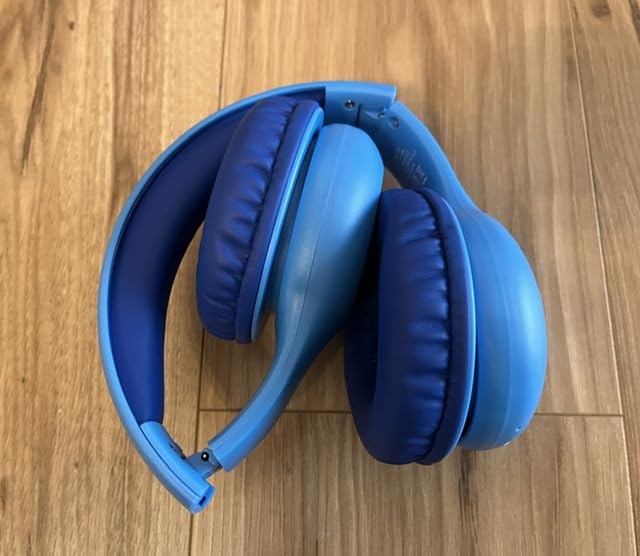
The memory foam headband is the feature reviewers praise most for comfort. Parents report the band does not clamp small heads, which is the reason so many kids remove headphones within the first ten minutes.
Charge expectations realistically
The listed battery figure is far above what owners report in daily use, with several describing something closer to six hours. Budget for charging every second day rather than once a week, and keep a USB-C cable of your own, because the included one is reported as fussy and in some units prone to damage at the connector.
Check the district Bluetooth policy first
Many schools restrict or ban wireless audio on campus for reasons unrelated to hearing safety, and that restriction applies regardless of how good the volume limiter is. Teachers raise this constantly, and it is the most common reason a Bluetooth pair gets returned unused.
This model has no wired fallback despite the 3.5mm reference in the listing, so it is a wireless-only purchase. Confirm the school allows Bluetooth before ordering, and keep the noot products K11 as the wired backup.
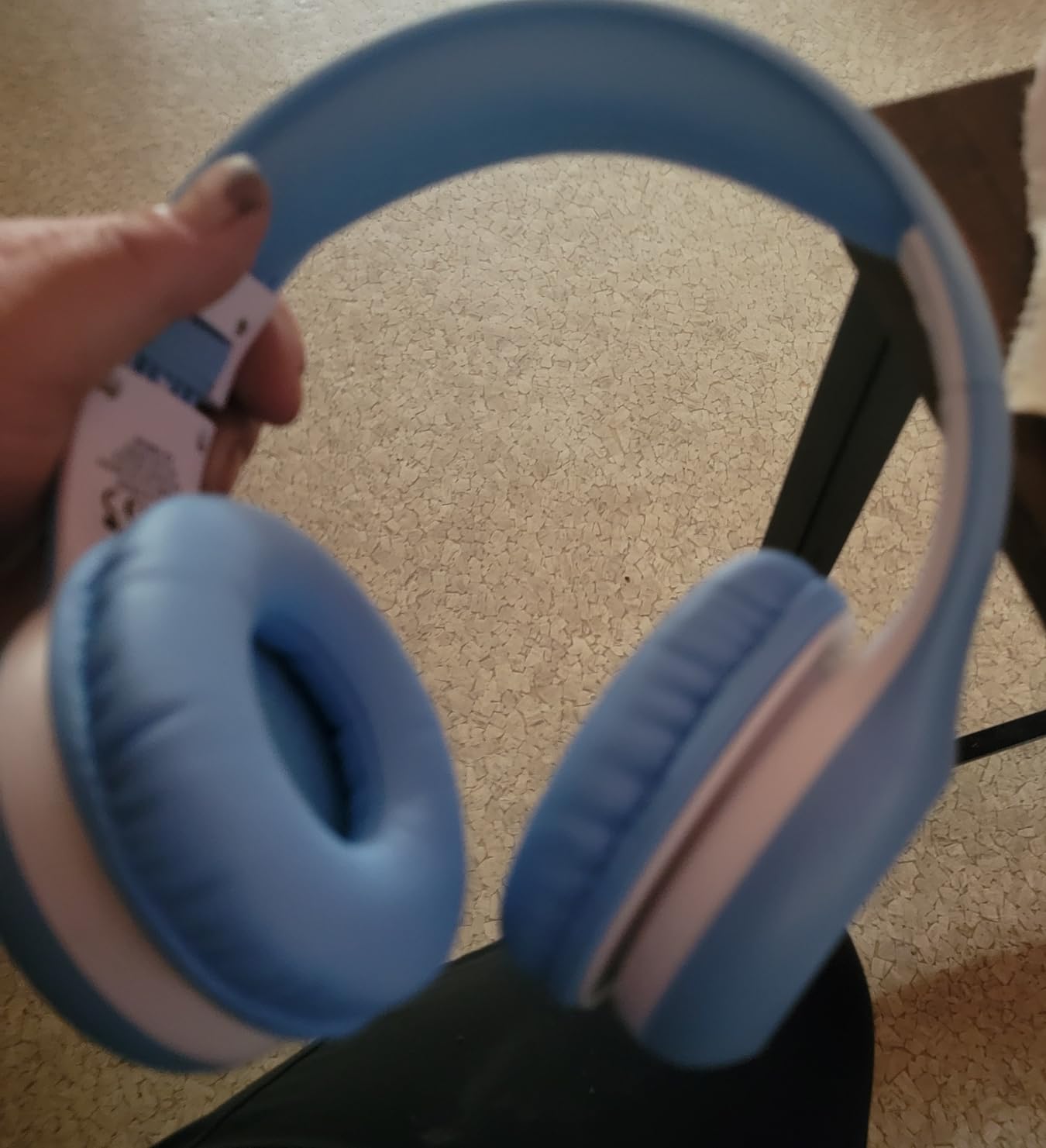
12. iClever BTH20 – Best Noise Cancelling for Travel and Sensory Use
iClever BTH20 Active Noise Cancelling Headphones for Kids Toddler Travel
Active noise cancelling to 40dB
80dBA volume limit
7.68 oz
60-hour battery
Pros
- Active plus passive noise reduction up to 40dB
- Low and high ANC modes to reduce ear pressure
- 80dBA Sound Refiner limit that protects vulnerable frequencies
- 60-hour battery with ANC off and 35 hours with it on
- 90-degree rotatable earcups and a 10-level headband
Cons
- ANC does not function in wired mode
- Bluetooth range of about 10 meters is short
- Over-ear cups are bulky for very small toddler heads
This is the only pair in the roundup with genuine active noise cancelling, and it changes the listening math. Cancelling up to 40dB of cabin or classroom noise means the child can hear speech at a lower and safer volume, which is the most effective hearing protection available.
The dual ANC modes matter more than they sound. Parents of sound-sensitive children report that constant pressure from active cancelling can feel disorienting, so a low mode gives a gentler option for a child who finds the full effect uncomfortable.
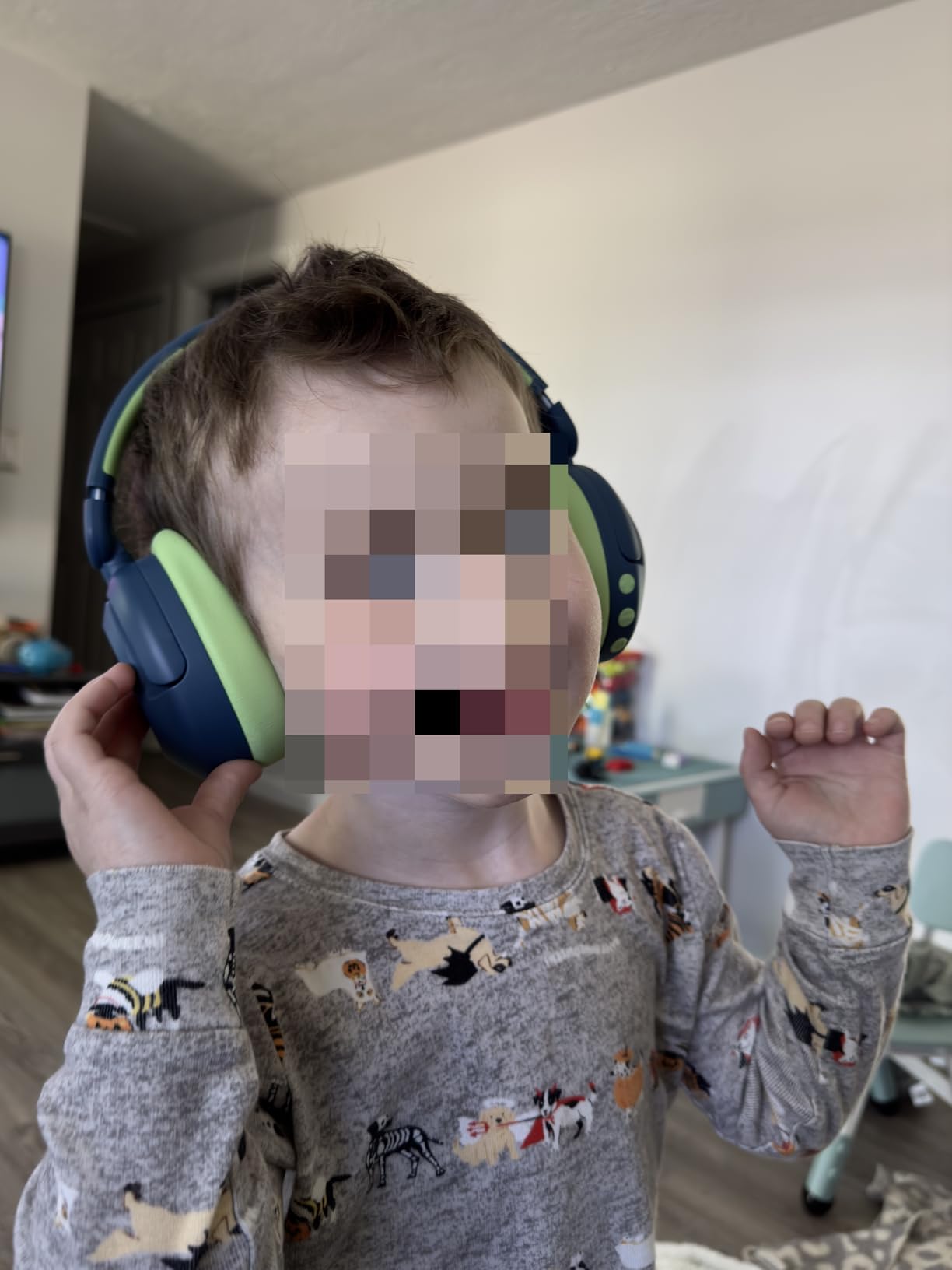
The 80dBA Sound Refiner limit targets vulnerable frequency ranges rather than simply capping overall output, and the BPA-free and PVC-free shell is rated for more than twice the wear resistance of standard plastics.
Try ANC with a very young child first
Active noise cancelling is designed for adults and older children. The over-ear cups are bulky on a toddler head, and the sealed cup effect can feel strange to a child who has never experienced it. Our advice is to demo it at home before the school week starts, and to use passive isolation only if the child dislikes it.
Know the wired-mode limitation
When you plug in the included detachable 3.5mm cable, the active cancelling switches off. That is expected and universal for hybrid wired and wireless ANC headphones, but it means a wired school laptop gives you a normal pair, not a cancelling one.
The Bluetooth range is short at about 10 meters, so it is a personal-device headphone rather than a shared-classroom one. We cover the trade-offs of adult and travel noise cancelling in more detail in our travel noise cancelling guide.
Key Features to Look For in School Headphones
A hardware volume limit is the first item on any school headphone checklist. A circuit inside the earcup caps the maximum output regardless of what the device or app requests, which is the only mechanism a child cannot work around on a shared school laptop. A software limit set in a parental-control app does not survive a different device, and a sticker printed on the box is decoration.
The number to look for is 85dBA. World Health Organization safe listening guidance recommends keeping headphone listening below 70dBA on average, or limiting 85dBA exposure to short sessions, so a cap at 85dBA is the practical ceiling for a child who wears headphones for a full school day and then again for homework.
Two standards define a compliant kids headphone: EN 50332-3 in Europe and ASTM F2873-23 in the United States. Neither is printed on most budget listings, which is a useful filter. A listing that names a standard, a specific decibel figure, and a certification mark is telling you something a listing that says kid-safe is not.
Second on the list is a microphone that works in the mode the child will actually use. An inline mic on a wired cable is straightforward. A wireless pair with an inline mic can lose microphone function the moment it is plugged in, so if the child uses a school laptop with a 3.5mm socket, verify that the mic still routes in wired mode before buying.
Third is the connector. A 3.5mm jack plugs straight into most Chromebooks, older laptops, tablets and classroom audio equipment. USB-C needs the device to support audio over USB-C, which many do not without an adapter. Bluetooth needs a school policy that permits it, and a pairing process a child can repeat without help.
Fourth is durability expressed as replaceable parts rather than adjectives. Replaceable earpads, a detachable cable, a folding hinge and a warranty longer than one year are the four signals that a pair is designed to be repaired instead of discarded.
Fifth is fit, which is the most-skipped and most-consequential. Weight under 8 ounces, a padded headband, and cups that do not press the temple arm of glasses are the practical tests. If the child takes the headphones off within ten minutes, no amount of specification is fixing the fit.
Wired vs Wireless for School: The Decision That Matters Most
If a school issues a Chromebook or laptop with a 3.5mm headphone jack, buy wired. Nothing else in this guide matters as much. A wired pair has no battery to charge, no pairing to fail, no firmware update to break the pairing, and no school policy to check. Parents in r/Teachers describe wired as an equipment-and-budget decision, and they are right.
The failure mode that decides it is time. A Bluetooth dropout during a reading assessment does not have a workaround. A yank on a 3.5mm cable unplugging the headphone is annoying but immediate and self-explanatory to a seven-year-old.
Choose wireless only when the device is a personal tablet or phone, or when a district explicitly permits it. The trade-offs are real: a battery to charge, a pairing that can fail after an operating system update, and a school policy that may change the rules without notice.
The connector question is now the most common reason a wired pair gets returned. Newer school laptops increasingly ship without a 3.5mm audio jack, and where the mic jack is missing, an inline microphone on a wired headset has nowhere to send its signal. Check the exact device model before ordering, not the brand.
For a tween moving between middle school devices, a USB-C or wireless pair with a wired fallback is the most future-proof. For a primary school child with a fixed classroom set, a 3.5mm wired pair with a replaceable cable is the value answer.
How to Verify an 85dB Volume Limit at Home
Most parents buy a claimed volume limit on faith. You can do better in about ten minutes with a phone and a free sound meter app, and the test is worth running before the first week rather than after.
Step one: download a sound meter app that shows an A-weighted decibel reading, and check that the phone microphone is accurate enough for a rough comparison. Step two: play pink noise, which sounds like rain on a window, from a speaker or the test track recommended by the app. Pink noise is used because it measures evenly across frequencies, which a music track does not.
Step three: put the phone microphone in the ear cup, roughly where the child’s ear would be, and turn the headphones to maximum. Note the reading. Step four: repeat at about half the device volume. The difference between the two readings tells you how much headroom the limiter removed.
What you are looking for is a ceiling. If the maximum reading sits at or below roughly 85dB on the app, the limiter is doing its job. If the maximum is far above 85, the pair is relying on the device, and you should set a parental volume cap. A reading of 93 means the limiter is real but set above the level we recommend for daily school use, so lower the source device.
Two cautions. Phone apps are uncalibrated and can be several decibels off in either direction, so treat the numbers as a comparison between headphones rather than an absolute measurement. And run the test with the child not wearing the pair, because a seal around the ear changes the reading considerably.
If you want a more precise answer, look for the model’s name in a published dBA measurement from a review lab that uses a calibrated rig. Those exist, and they are the reason major review outlets get cited on this topic rather than retailers.
Headphones for Sensory, Focus and Neurodivergent Use
Why do kids with ADHD wear headphones in class? For many, predictable sound is not about music at all. Filtering out unpredictable classroom noise reduces the number of competing inputs a child has to sort, and for some children that difference shows up as participation rather than withdrawal.
Parents in r/ADHDparenting and r/Autism_Parenting describe buying noise-isolating or cancelling headphones for sensory regulation in a noisy school space, and they are clear that the goal is regulation, not entertainment. The practical implication is that a pair with a hardware limiter and no music access, worn for short stretches, serves a different purpose from a pair for listening to audiobooks all day.
Active noise cancelling is worth trying but not universal. Several parents in those communities warn that the pressure effect of ANC can be uncomfortable or disorienting for younger children, and that passive isolation or over-ear protection is often the better answer. The iClever BTH20 in this roundup is the one pair with a low ANC mode, which gives a middle option when the full effect is too much.
Two material details get missed. Crinkly or squeaky earcad foam is a genuine trigger for some children, so feel the cushions before buying and prefer smooth protein leather or memory foam. And sensory needs are worth discussing with the school in writing, because a documented accommodation is far more durable than a verbal understanding.
For a child who finds even headphones overstimulating, parents report that loop earplugs are often easier to tolerate, since they reduce volume without the enclosed feeling of a cup over the ear. That is a reasonable adjacent option, and it is worth testing alongside a pair from this list.
Fit, Glasses and Classroom Sharing Problems Parents Hit
Glasses compatibility comes down to cup depth, not brand. On-ear pads sit beside the ear and leave temple arms alone. Over-ear cups trap the frame arm between the cushion and the head, which after an hour produces a pressure mark and, in some children, a headache. If the child wears glasses, weight the on-ear options in this roundup more heavily.
Comfort over a full day is about weight and headband pressure more than padding. Pairs under 8 ounces are the ones children keep on. The noot products K11 at 8 ounces, the RORSOU R10 at 7.6 ounces and the AILIHEN 93dB at 5.92 ounces are the three lightest wired options here.
Audio sharing comes up constantly with siblings and classmates. A share port on the earcup, as found on the iClever HS19 and the EarFun K1, is cheaper and less fiddly than carrying a splitter, and it means two children can follow the same lesson on one device.
Shared and school-issued sets need a cleaning routine more than they need volume control. Wipe cushions and the headband weekly, keep a labelled pouch or clip so pairs do not migrate home, and check the cable and jack monthly, because that is the part that fails first in a cart of twenty sets.
Finally, ask the school two questions before buying: does it permit Bluetooth, and does it require a specific issued model. A district that issues a model will usually not accept a personal pair at all, and a district that bans wireless will return your purchase to you unused. Both answers are usually one email away.
Frequently Asked Questions
What are some good headphones for kids to wear to school?
Look for three things: a hardware volume limit around 85dBA that works without an app, a microphone that functions in the mode your child will use, and a connector that matches the school device. A 3.5mm wired pair such as the noot products K11 is the most reliable starting point, the AILIHEN C8 covers online classes with an inline mic, and the iClever HS19 adds an 85dBA cap with a share port for siblings. Confirm the school Bluetooth policy before choosing a wireless pair.
What are the best wired headphones for kids for school?
The best wired options in this roundup are the noot products K11 for ages 3-16 with a braided tangle-free cable and no mic, the AILIHEN C8 with an inline mic, remote and volume control for online classes, the iClever HS19 with an 85dBA cap and a share port, and the EarFun K1 with an 85/94dB limiter and certified materials. The JLab JBuddies Studio adds a lifetime limited warranty and an 85dB limiter approved for ages six and up.
What dB should kids headphones be?
Around 85dBA is the practical ceiling for a child who wears headphones for a full school day. World Health Organization safe listening guidance recommends staying below 70dBA on average or keeping 85dBA listening short. A hardware limiter caps output regardless of device settings, which is safer than an app-based control that fails on a shared school device. A documented figure or a named standard such as EN 50332-3 or ASTM F2873-23 is a better signal than a kid-safe sticker.
Why do kids with ADHD wear headphones?
Many children wear headphones in class for sensory regulation rather than music. Filtering unpredictable classroom noise reduces competing inputs and can improve focus and participation. Parents of neurodivergent children often prefer noise-isolating or over-ear protection, and several warn that active noise cancelling can feel disorienting for younger children, so passive isolation or a low ANC mode is often better. Sound-sensitive children may also prefer smooth protein leather or memory foam cushions over crinkly foam.
Are Bluetooth headphones allowed at school?
It depends entirely on the district. Many schools restrict or ban wireless audio on campus for reasons unrelated to hearing safety, and that restriction applies no matter how good the volume limiter is. Teachers raise this issue constantly, and it is the most common reason a wireless pair goes unused. If the school permits wireless, a Bluetooth 5.4 model with a staged 74/85/94dB limiter is the safest option. If not, choose a 3.5mm wired pair and ask whether the issued device still has an audio jack.
Which Kids Headphones Should You Buy
If your child’s school device has a 3.5mm jack and the child does not need a microphone, the noot products K11 is the pick to buy. It is the highest-rated pair we tested, the lightest wired option, and the only one with a two-year warranty, and it will cover most of elementary school.
For online classes, take the AILIHEN C8, because the inline mic, remote and volume control are the combination teachers expect. For siblings sharing one device or a school that requires a documented safe level, the iClever HS19 covers both with an 85dBA cap and a share port.
For travel, sound-sensitive children, or a tween moving to a personal device, the iClever BTH20 is the upgrade with active noise cancelling and a low-pressure mode. Just confirm Bluetooth is allowed on campus first.
Check the connector on the exact variant, run the volume-limit test before the first week, and revisit the device volume setting each term. That ten minutes of setup is what turns a pair of headphones into the best kids headphones for school rather than another pair that ends up in a drawer.