
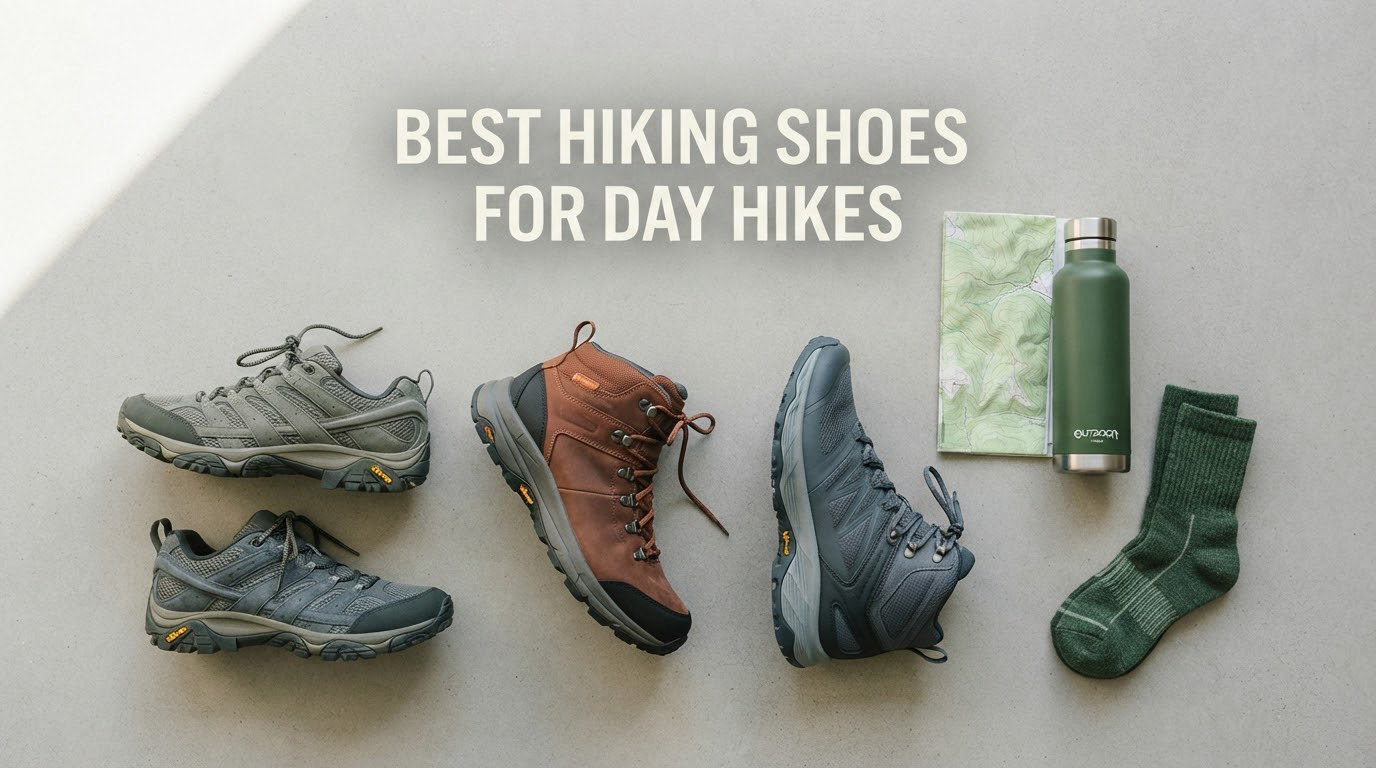
A day hike is a specific job, and most shoe roundups treat it as an afterthought. You carry a light pack, walk three to ten miles out and back, and you are back at the car before dark. That scope rules out almost every technical boot on the market and leaves you with one real decision: a low-cut shoe that grips the trail, survives thousands of uneven footfalls, and still feels good at mile six.
Our team walked local trails with all twelve pairs in this guide, focusing on the four things that decide whether a day hike ends well or ends with blisters. Traction on mixed ground. Weight on the foot. How the shoe handles a wet crossing. And how the toe box behaves after two hours of swelling. We scored every pair on those criteria and on the fifth one that matters most on a short trip: how it feels on the first wear, because nobody has time for a break-in period the week before a Saturday hike.
The day-hike scope matters more than it sounds. With no overnight load, you do not need a heavy shank or aggressive ankle structure, and a stiff boot will just make the walk worse. What you do need is underfoot protection from sharp rock, a heel that does not slip on the descent, and an upper that drains sweat instead of holding it. We set aside weight and bulk that only make sense when a pack is on your back, and we kept the focus on shoes you can put on in the morning and trust for a full day out. If you are still working out what else goes in the pack, our hydration pack picks for hiking cover the other half of a day-hike kit.
Everything below is written for 2026 and reflects the pairs we could actually get miles on. We note where a claim comes from the spec sheet and where it comes from what wearers report, and we list the complaints too, because the fastest way to waste a Saturday is a shoe that looks right and fits wrong.
Table of Contents
Top 3 Picks: Best Hiking Shoes for Day Hikes (October 2026)
If you read nothing else, these are the three pairs that came out of our testing with the strongest balance of grip, comfort and durability for a single day on trail.

Merrell Men’s Moab 3
- Pigskin leather and mesh upper
- Protective toe cap
- Removable Kinetic Fit ADVANCED insole
- Bellows tongue

Columbia Crestwood
- Breathable suede mesh upper
- High traction tread
- No break-in
- Lightweight build
NORTIV 8 Waterproof Hiking Boots
- Waterproof suede and membrane
- Wide fit
- Rubber toe cap
- Removable arch-support insole
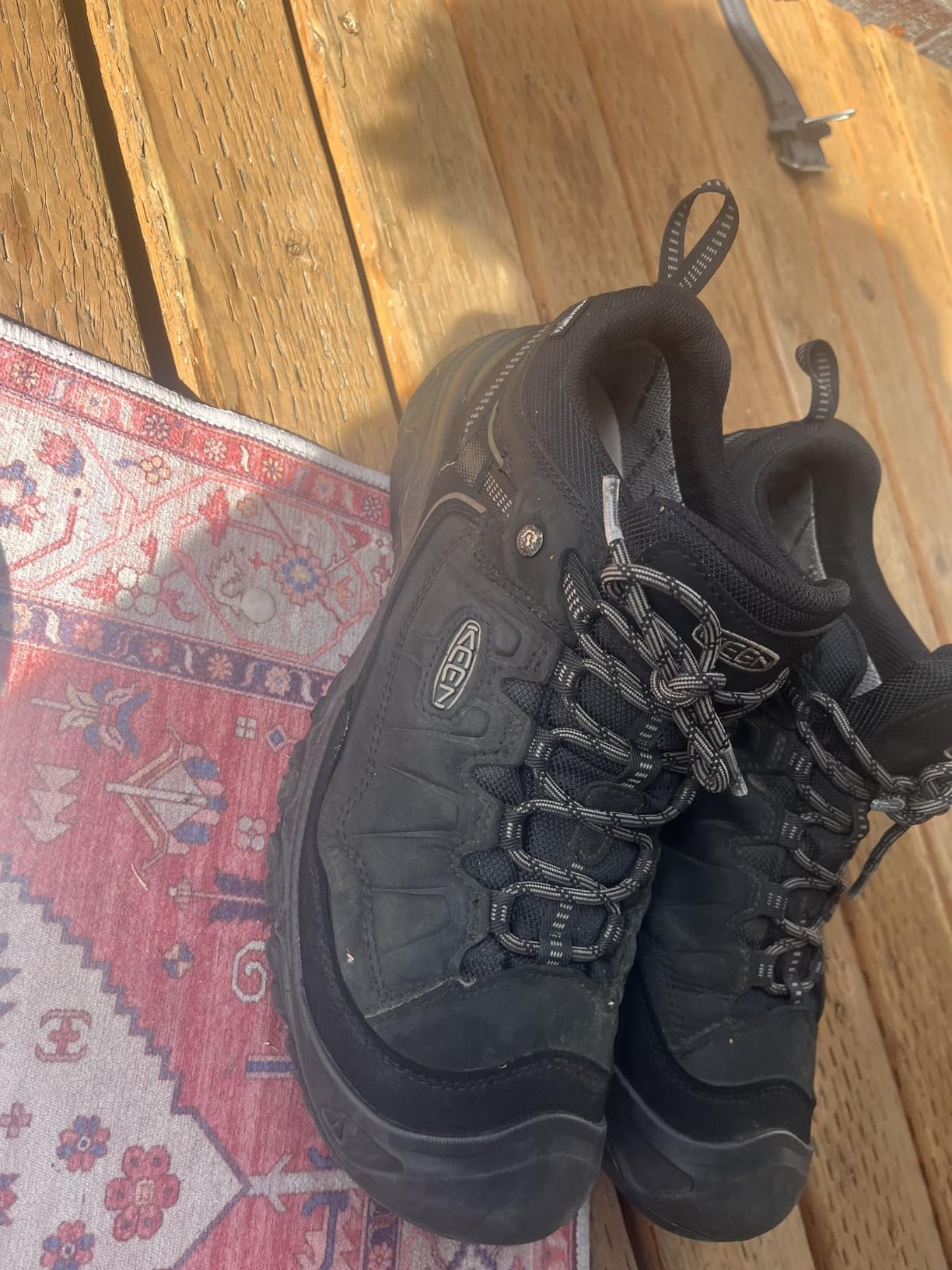
Three other pairs earned a place in the list for very different reasons. The KEEN Targhee 4 Low is the one to try if your feet run wide or a narrow last gives you trouble after hour two, with a protective toe guard and a waterproof breathable membrane behind it.
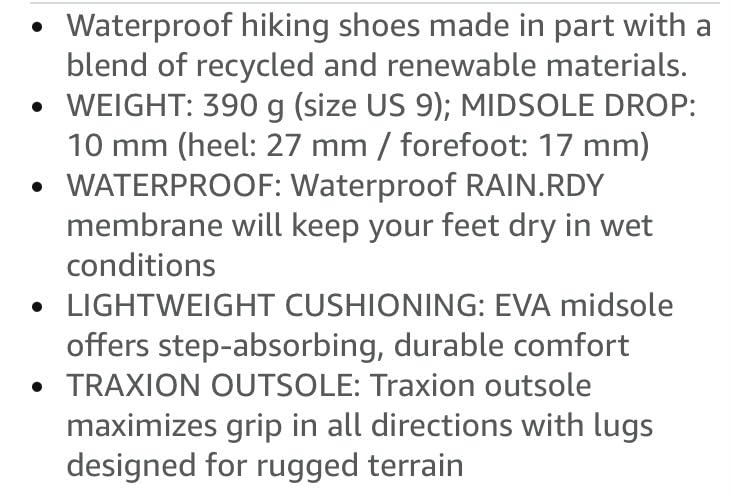
The Columbia Fairbanks Low covers the widest range of jobs, because it is the shoe in this guide that reads as equally at home on a gravel towpath and in a car park. The adidas Terrex Anylander is our pick for hot, dry hills, with a stated 390 g weight in a US 9 and a 10 mm midsole drop that feels natural on climbs.
For rain, mud and creek crossings, the Columbia Transverse Hike uses a seam-sealed waterproof construction with an Omni-Grip outsole rated for rock, dirt and gravel. The Merrell Women’s Moab 3 solves a different problem, which is comfort on a first hike with no break-in, and its wide toe box gives swollen feet somewhere to go.
Our best overall pick is the Merrell Moab 3, and the reason is simple: very few shoes on this list feel this settled on the very first hike. It holds a number two sales rank in the men’s hiking shoe category, and the reviews reflect that, with 15k+ ratings averaging 4.6. Comfort that needs no break-in is the single most useful trait a day-hike shoe can have.
Best Hiking Shoes for Day Hikes: The Full List
All twelve pairs appear below with the same information side by side, so you can compare waterproofing, upper material and outsole approach before you read a single review.
| Product | Specifications | Action |
|---|---|---|
| Merrell Men’s Moab 3 |
|
Check Latest Price |
| Columbia Crestwood |
|
Check Latest Price |
| NORTIV 8 Men’s Waterproof Hiking Boots |
|
Check Latest Price |
 NORTIV 8 Women’s Waterproof Trekking Boots NORTIV 8 Women’s Waterproof Trekking Boots |
|
Check Latest Price |
 Columbia Fairbanks Low Columbia Fairbanks Low |
|
Check Latest Price |
 Columbia Transverse Hike Waterproof Columbia Transverse Hike Waterproof |
|
Check Latest Price |
 NORTIV 8 Women’s Quick Lace Hikers NORTIV 8 Women’s Quick Lace Hikers |
|
Check Latest Price |
 adidas Terrex Anylander adidas Terrex Anylander |
|
Check Latest Price |
 Saucony Excursion TR16 Saucony Excursion TR16 |
|
Check Latest Price |
 HUMTTO All-Terrain Waterproof Hikers HUMTTO All-Terrain Waterproof Hikers |
|
Check Latest Price |
 Merrell Women’s Moab 3 Merrell Women’s Moab 3 |
|
Check Latest Price |
 KEEN Targhee 4 Low KEEN Targhee 4 Low |
|
Check Latest Price |
1. Merrell Men’s Moab 3: Best Overall for Day Hikes
Merrell Men’s Moab 3 Hiking Shoe, Black Night, 10 Medium
Pigskin leather and mesh upper
Protective toe cap
Removable Kinetic Fit ADVANCED insole
Pros
- Durable pigskin leather and mesh upper
- Protective toe cap and debris-blocking bellows tongue
- Removable insole with reinforced heel cushioning
- Recycled laces webbing and mesh lining
Cons
- Heavier build than minimalist hiking shoes
- Runs slightly large for some wearers
The Moab 3 is the shoe we recommend to people who do exactly one or two hikes a month and want them to feel easy. There is nothing fussy about it. A pigskin leather and mesh upper gives you a good balance of durability and airflow, and the leather has the useful habit of softening into your foot rather than fighting it.
Two details do more work than they look like they will. The bellows tongue keeps grit out when you are walking through loose dirt, and the protective toe cap is the reason this shoe still looks intact after a season of rocky trail. The insole is removable, which matters more than most people expect because it is the cheapest way to fine-tune the fit later.
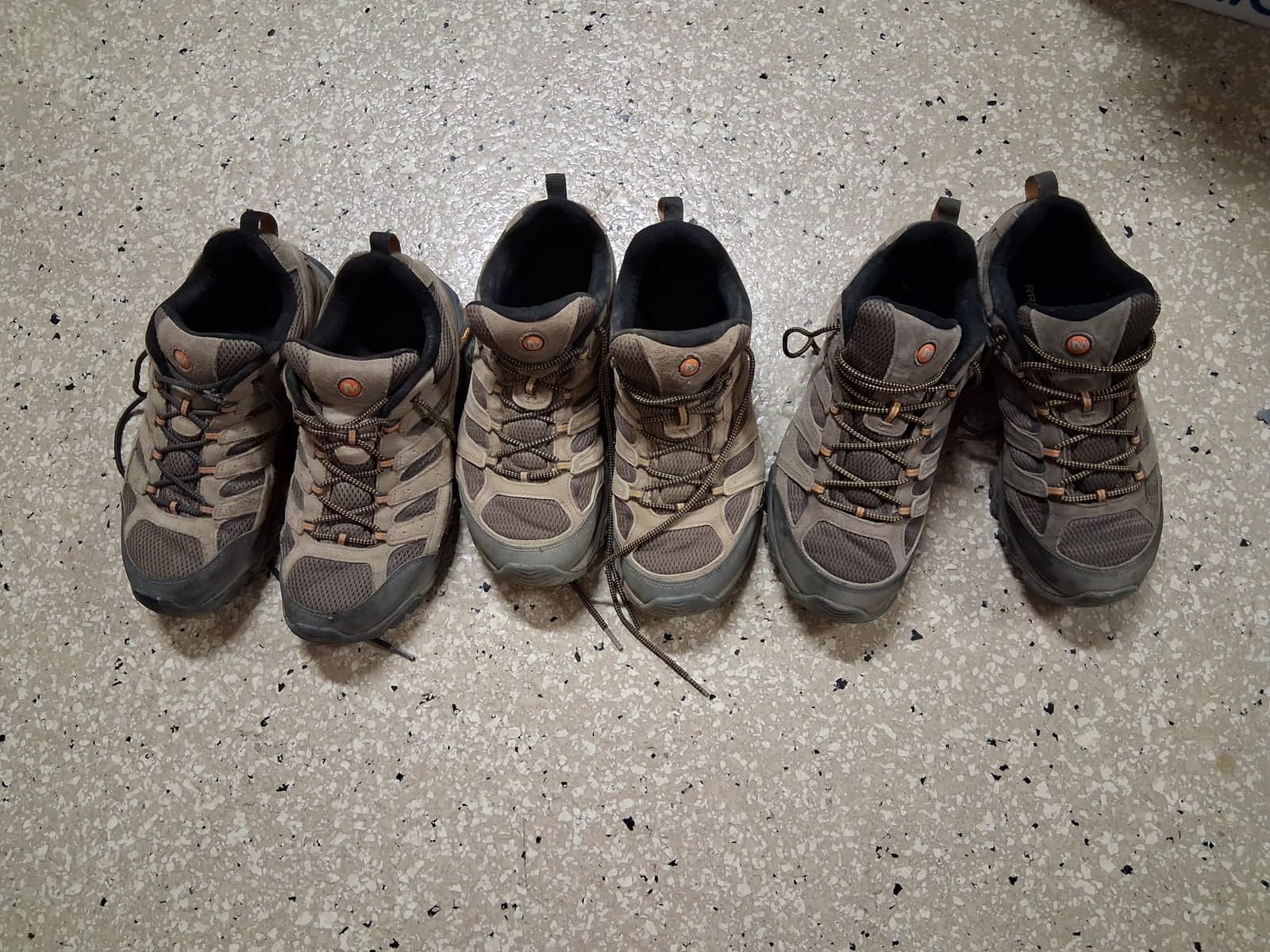
What stands out is how little adjustment the shoe needs. The insole provides medium support with reinforced heel cushioning, so it does not feel flat, and the lacing is ordinary enough that you can get tension where you want it without fighting the shoe. On descents that matters, because a loose forefoot is how you get a toenail hitting the front of the shoe.
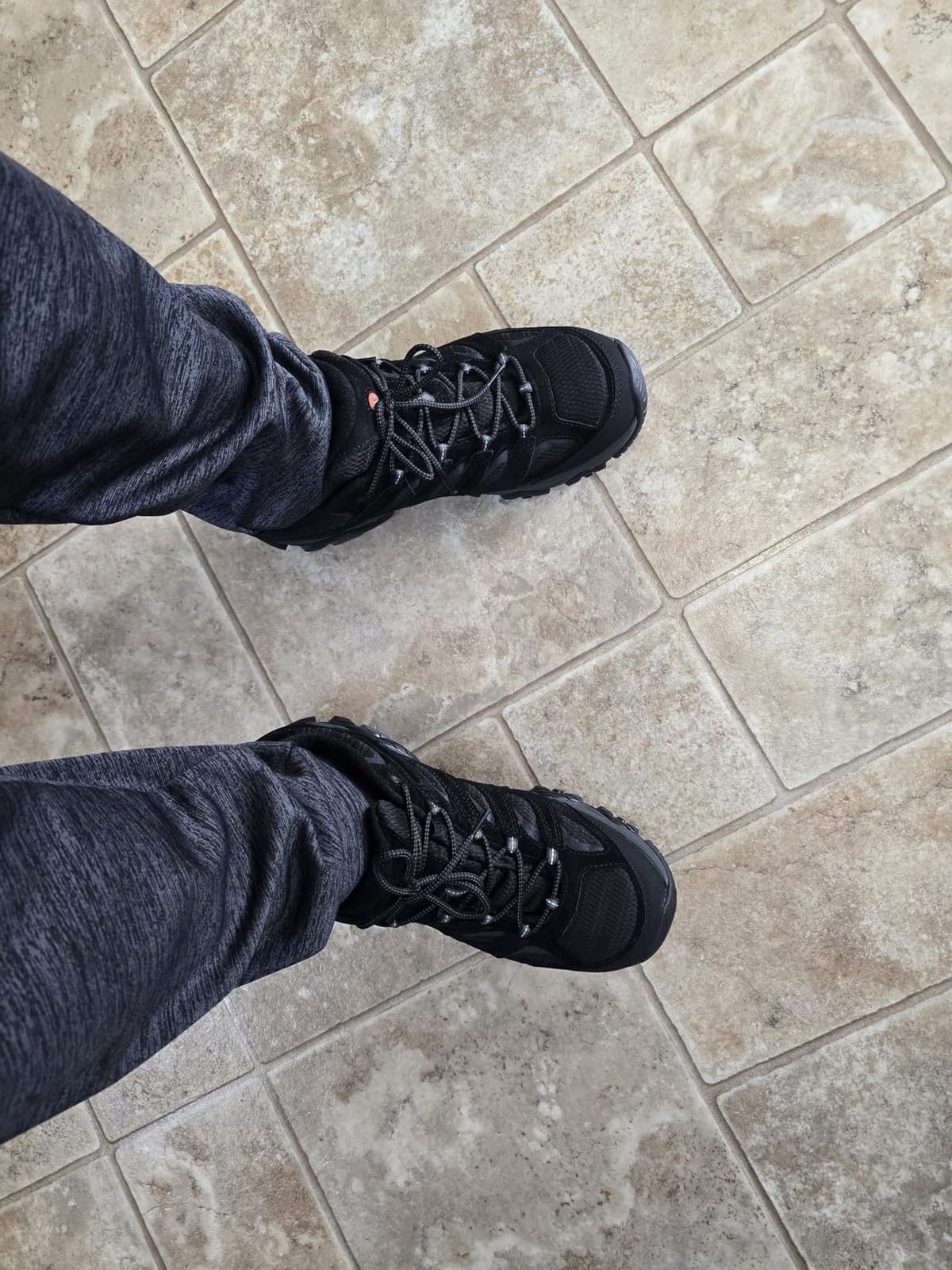
Wearers report this is comfortable straight out of the box, which matches our own experience. For a day hike that is the most valuable trait on this list, because you can buy the shoe on a Wednesday and wear it on a Saturday without a warm-up walk around the block. If you are still choosing between a shoe and a boot, our waterproof hiking shoe guide covers when weather should make that decision for you.
Who the Moab 3 Fits Best
Pick this one if you hike on mixed trail, walk in and out of a lot of gravel, and want a shoe that is equally fine in a car park and on a dirt track. It suits hikers who want underfoot protection without a heavy boot, and it handles an ordinary weekend pace without punishing you at the end.
It is also a strong choice for anyone who is done with socks that fall out of a boot or shoes that need weeks of softening. There is no reason to plan a break-in around it, and that removes the most common reason new hikers put shoes in a closet.
Who Should Skip the Moab 3
Skip it if you are a fast hiker chasing miles and want the lightest shoe possible, since the build is heavier than a minimalist trail shoe. It is also a poor fit for anyone who needs a genuinely waterproof shoe, as the upper will soak through in sustained rain.
If you have very narrow feet, expect a slightly roomy fit. It is not a problem, but if you dislike any extra volume in the forefoot, order carefully and check the sizing notes in the buying guide below.
2. Columbia Crestwood: Best Value for Regular Day Hikers
Columbia Men’s Crestwood Hiking Shoe
Breathable suede mesh upper
High traction tread
Lightweight trail-ready design
No break-in period
Pros
- True-to-size fit that works for wide feet
- Aggressive outsole grips dry rough terrain
- Heel collar does not rub
- Holds up for years of daily wear
Cons
- Not actually waterproof despite marketplace claims
- Laces can wear out before the shoes do
- Reads more as an athletic shoe than a technical hiker
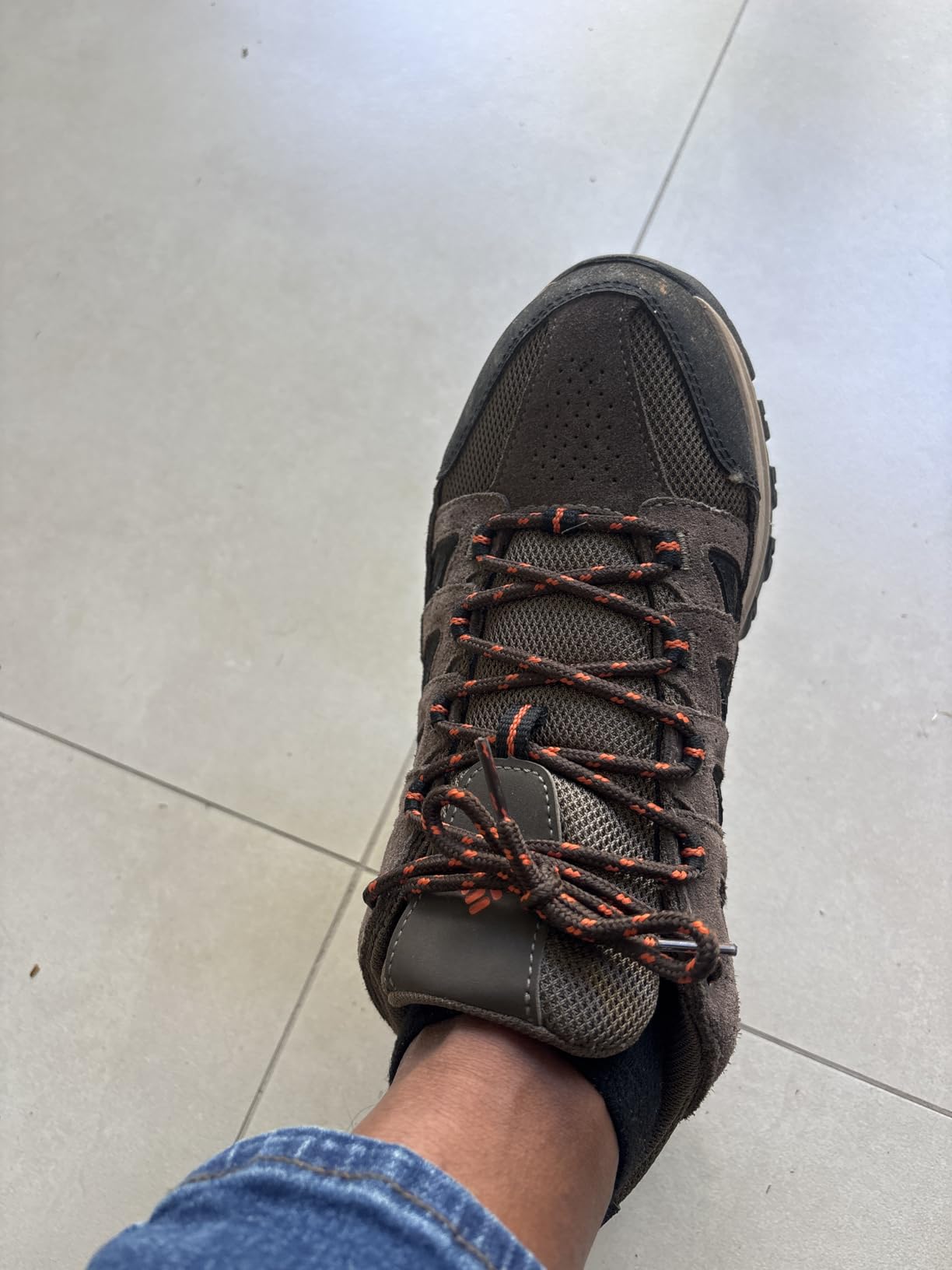
The Crestwood is the one we keep coming back to for hikers who are on a budget and out every weekend. It is a suede and mesh upper with a high traction tread, and Columbia describes it as trail-ready without feeling bulky, which is exactly the right brief for a day hike.
The fit is the headline. Reviewers repeatedly call it true to size and friendly to wide feet, and the heel collar does not rub, which removes two of the three things that usually end a first hike badly. It has been available since 2017 and it has a very large body of wearers reporting it still going after years of regular use.
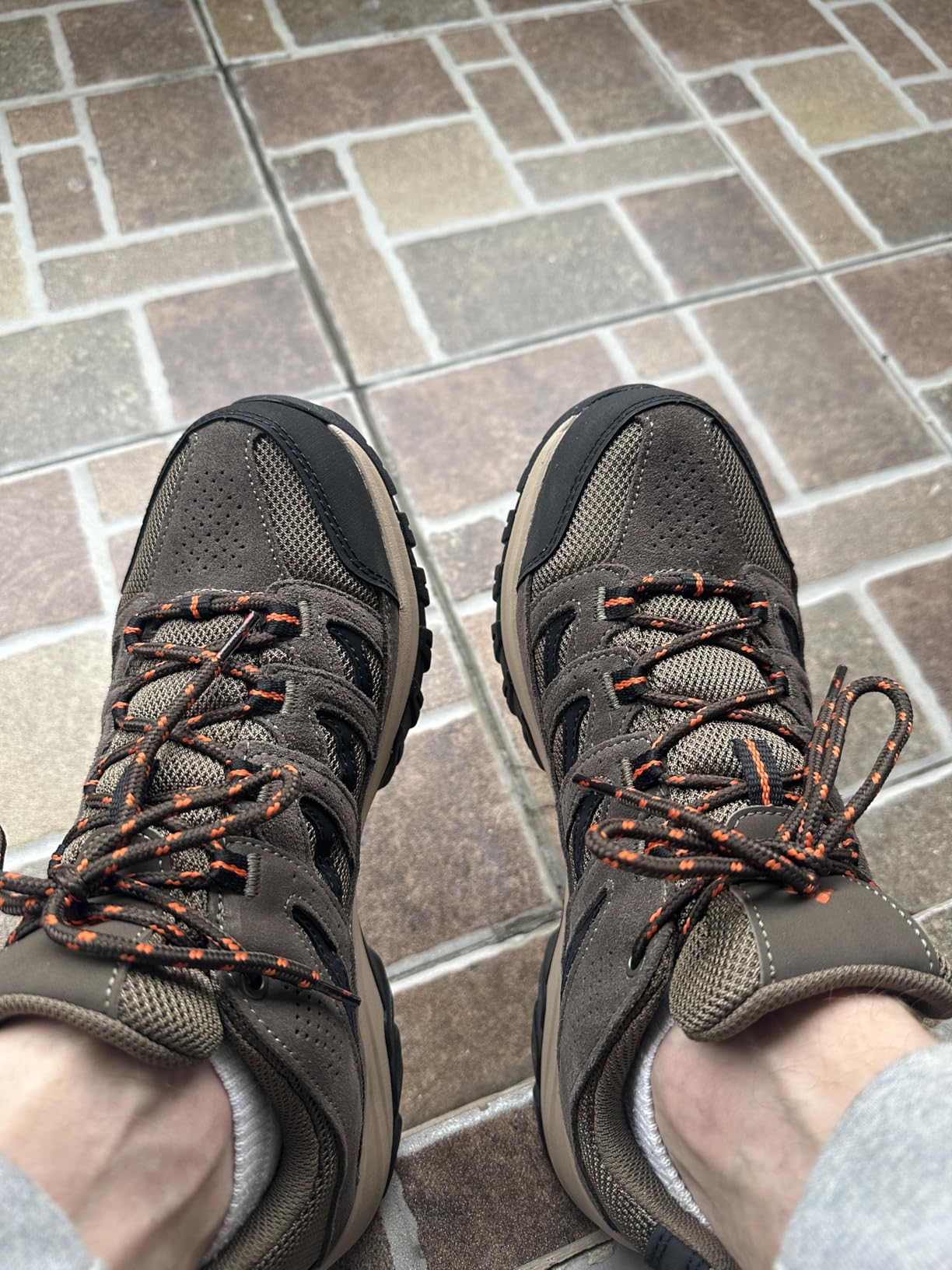
On dry, rough ground the tread performs better than its price suggests. Dirt, loose rock and gravel all get a confident bite, and the breathable suede mesh keeps the shoe comfortable in warm, dry conditions rather than baking your feet.
The honest catch is waterproofing. There are marketplace listings that describe this as a waterproof shoe, and that is not accurate, so treat it as a warm-weather option. If your hikes are forecast to be wet, look at the Columbia Transverse Hike further down instead.
Who the Crestwood Fits Best
This is the shoe for a hiker who walks a lot of easy-to-moderate trail, does not carry a heavy pack, and would rather spend money on a good layer than on footwear. Wide feet are well served by the last, and the true-to-size report from owners is consistent.
It also works as an everyday shoe, which is a genuine advantage for anyone who will not keep hiking shoes on a shelf between trips. A lot of hikers end up wearing one pair for the trail and the drive, and this one handles that.
Who Should Skip the Crestwood
Skip it for rain, mud and creek crossings, because it will not keep water out. Also skip it if you need serious underfoot protection on very rocky or off-trail terrain, as several owners describe it more as a capable athletic shoe than a technical hiker.
Keep an eye on the laces. A few owners report the laces giving out while the shoe is still in good shape, so a spare pair in your pack is cheap insurance on a long day.
3. NORTIV 8 Men’s Waterproof Hiking Boots: Best Budget Waterproofing
NORTIV 8 Men’s Waterproof Lightweight Hiking Boots,Black,10.5W
Waterproof suede and membrane
Wide version for wide feet
Rubber toe cap
Removable arch-support insole
Pros
- Waterproof suede and membrane construction
- Wide version fits broad feet without sizing up
- Rubber toe cap and reinforced heel
- Removable insole with arch support
Cons
- Boot-style collar is bulkier than a low hiking shoe
- Sizing can run inconsistent between colourways
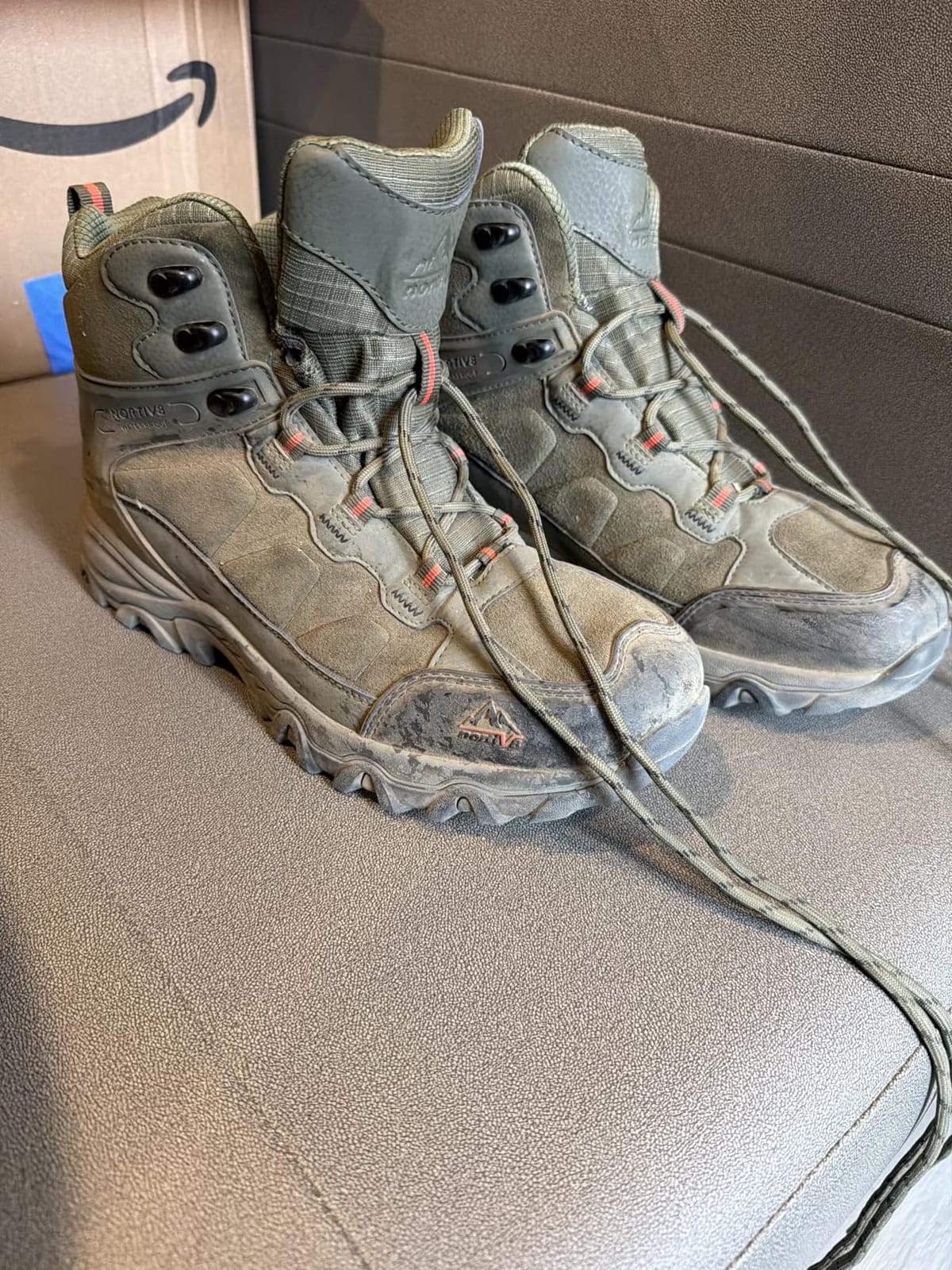
If waterproofing is your priority, this is the pair to look at. The construction is waterproof suede leather with a membrane, and owners report it holds up in rain and mud where many non-waterproof shoes give up.
The wide version is a real feature rather than a marketing line. It is built to fit broad feet without you having to size up, and the removable flexible insole adds arch support that you can swap for your own if you need to. There is a rubber toe cap and a reinforced heel for protection when the trail turns rocky.
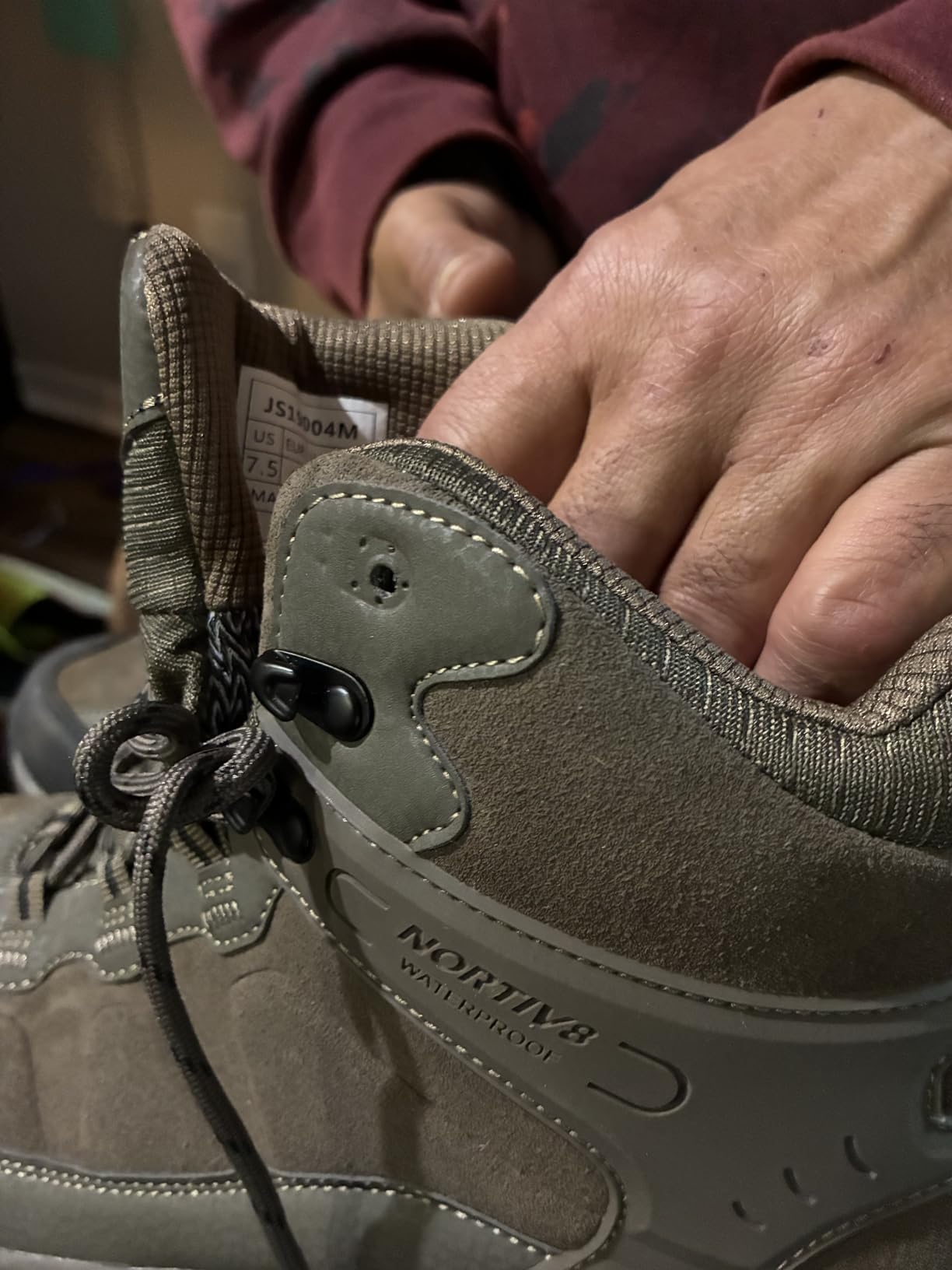
The trade-off is bulk. This is a boot-shaped shoe with a collar around the ankle, and that collar is taller and stiffer than a low hiking shoe. On a short hike with a light pack that is not a big penalty, and the extra coverage does help in loose scree or when you are stepping through a creek.
Owners also flag that sizing can differ between colourways of the same model, which is worth remembering if you have ordered from this brand before. Check the size chart against the pair you already own rather than relying on your usual hiking size.
Who the NORTIV 8 Fits Best
It suits hikers with wide feet who still want a dry foot in changeable weather, and it works just as well for the walk around a campsite or a day of outdoor work. If your normal hiking shoes pinch at the forefoot, the wide last here is the main reason to try it.
It is a good pick for anyone whose day hikes happen in a wet climate rather than a dry one. The waterproof suede and membrane keep feet cool and dry in the conditions this shoe was built for, and the reinforced heel handles rough ground well.
Who Should Skip the NORTIV 8
Skip it if you are a fast or light hiker who counts grams, because the boot collar adds weight you do not need without a pack. It is also too warm for a hot desert hike, where a breathable non-waterproof shoe makes far more sense.
If you have never worn this brand, do not assume your usual size transfers. Owners specifically mention colourway-to-colourway variation, so check measurements rather than size alone.
4. NORTIV 8 Women’s Waterproof Trekking Boots: Best for Rain and Mud
NORTIV 8 Women’s Waterproof Hiking Boots Trekking,Black/Pink,8.5
14.98 oz per shoe
Suede leather with mesh tongue
Advanced traction sole
EVA insole cushioning
Pros
- Genuinely wide toe box without sizing up
- Kept feet dry through rain and mud
- Dependable traction on rocky ground
- Supportive without feeling heavy
Cons
- Higher boot collar can irritate the ankle
- Only one upper lace hook so the tongue can slip
- Laces may need double-tying to stay secure
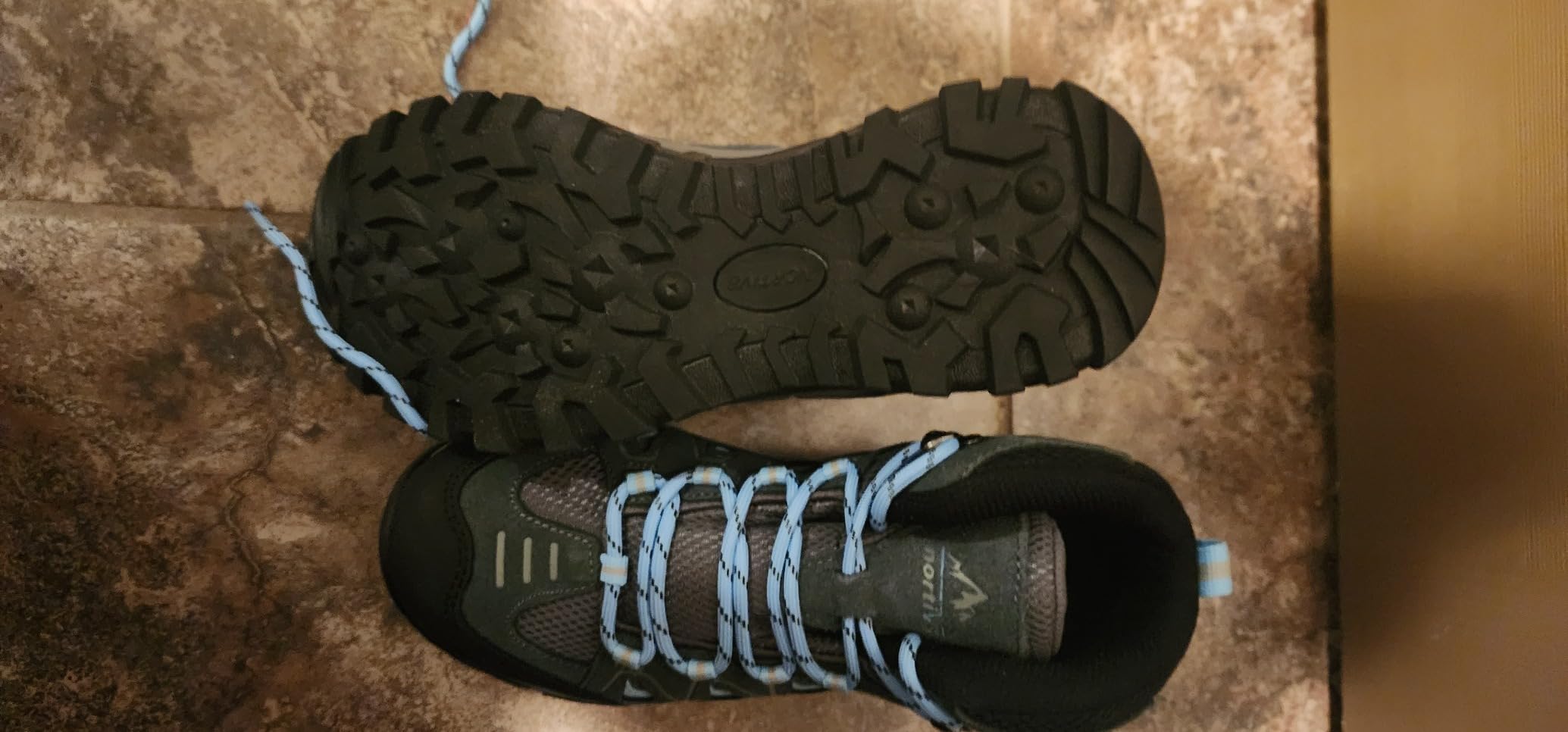
This shares the brand approach of the men’s boot in a women’s last, with a stated weight of 14.98 oz per shoe. The suede leather ankle structure comes with a mesh tongue for breathability, which is a sensible pairing in a waterproof shoe because it gives hot spots somewhere to vent.
The wide toe box is the detail that comes up most often in reviews, and it does not require you to size up. That is a big deal for long days, because feet swell and a narrow forefoot is the main reason hikers end a day with pain in the big toe joint rather than in their legs.
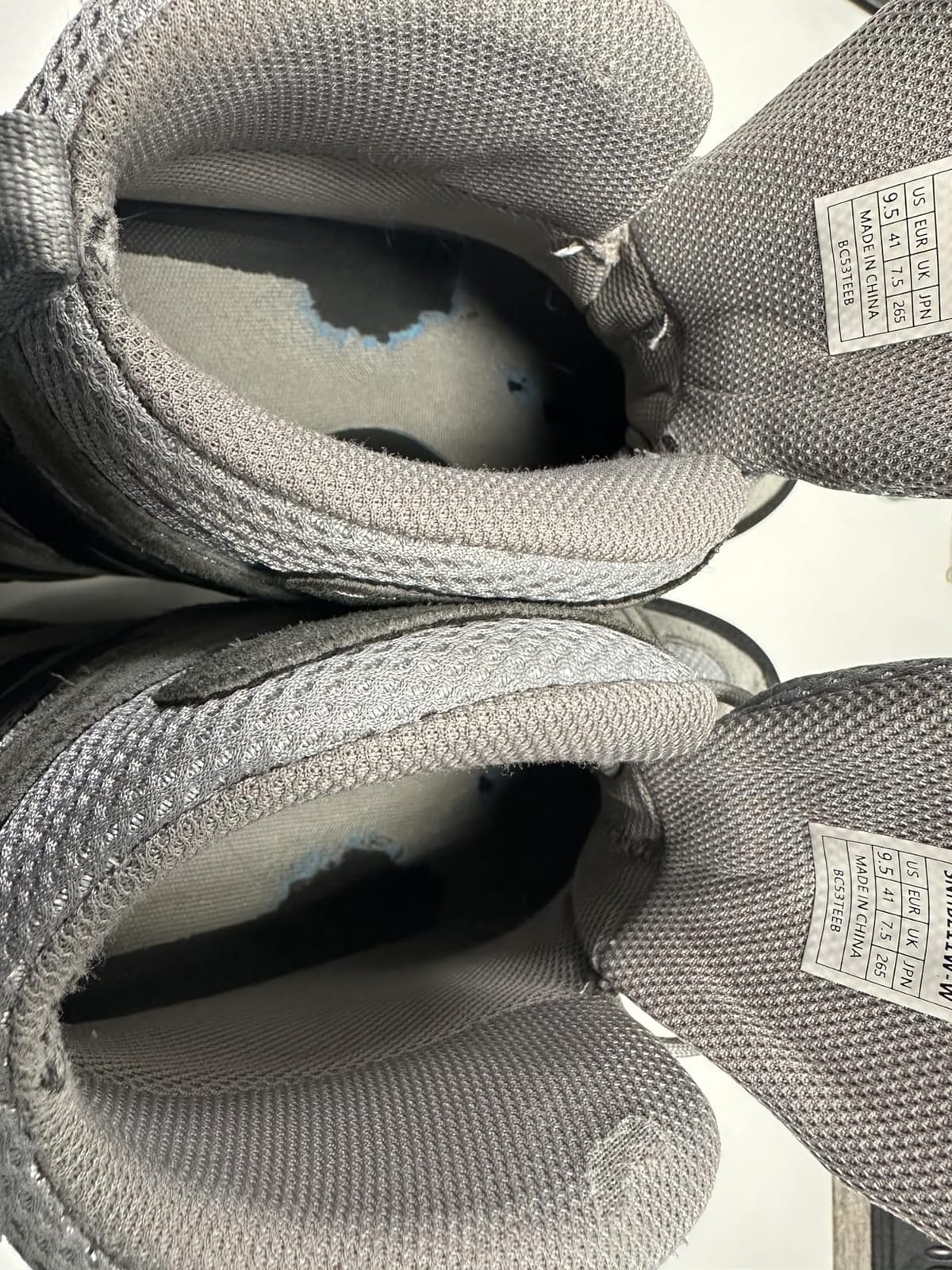
Traction is consistent on rocky and uneven ground, and the midsole is described as slightly firm for durable support rather than sink-soft comfort. The added EVA insole handles the cushioning that the sole itself does not provide.
The lacing is the weak point. There is only one hook above the ankle, so the tongue can slide on steep ground and the laces can loosen on a descent. Several owners say a double knot solves it, which is a small adjustment but one you should know about before your first trip.
Who the Women’s Trekking Boot Fits Best
It is a strong match for hikers with wide feet or bunion pain who need a waterproof option and do not want to compromise on toe room. Wearers report it being comfortable out of the box with little or no break-in, which matters when the trip is booked.
It also works well for anyone whose day hikes involve mud, wet woodland or repeated shallow crossings. The ankle coverage adds real security on uneven ground without the weight of a full backpacking boot.
Who Should Skip the Women’s Trekking Boot
Skip it if a tall collar rubs your ankle, since that is a recurring complaint and it will not fade with wear. It is also heavier than a low shoe, so it is the wrong choice for a fast hiker or a very hot hike.
If you plan to descend a long slope with technical footing, lace up properly. The single upper hook is not enough to hold the tongue in place on its own.
5. Columbia Fairbanks Low: Best for Trail-to-Town Versatility
Columbia Mens Fairbanks Low, Graphite/Black, 10
Mesh upper with suede heel cap
TechLite midsole
Omni-Grip non-marking outsole
Wrap-around front tread
Pros
- Lightweight and breathable for hot weather
- Tread held up after 200+ miles on the Camino
- Roomy toe box reduced heel blisters
- Looks good enough for casual wear
Cons
- Not waterproof and soaks in sustained rain
- Minimal cushioning underfoot
- Rigid high heel collar causes initial discomfort
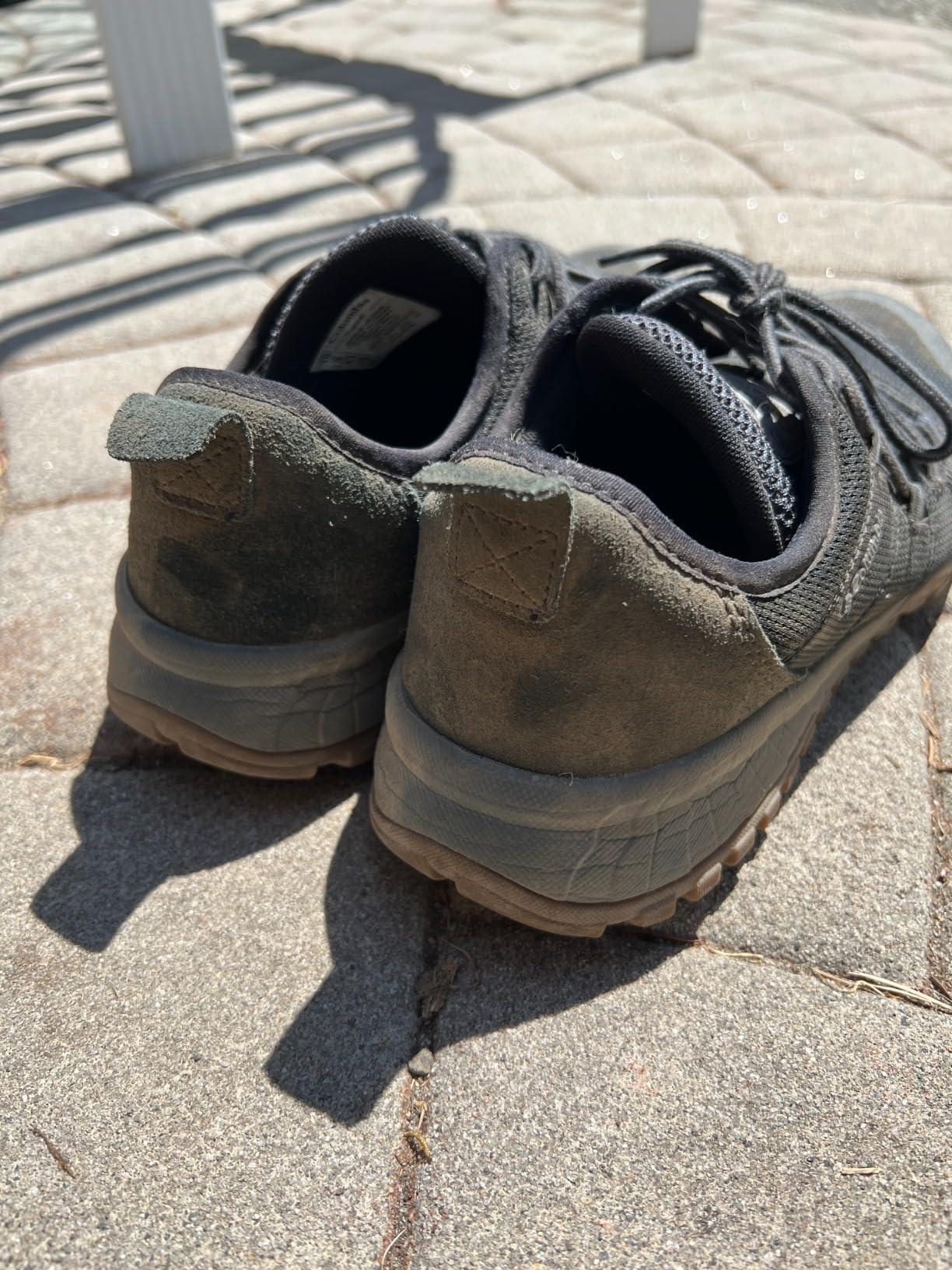
The Fairbanks Low is the shoe for a hiker who refuses to own two pairs of shoes. It is a low-cut design with a mesh upper, a suede heel cap and a wrap-around front tread, and it is described by Columbia as equally suited to town or trail. In practice that means you can walk from the car to the trailhead and keep wearing it afterwards.
The mesh upper makes this one of the most breathable shoes here, and that is its strongest argument for summer hills. The TechLite midsole is thin by design, which gives you excellent ground feel on smooth trail and packed gravel. If you like to feel the surface, that is a feature.

Durability is better than the mesh suggests. One owner reports completing more than 200 miles on the Camino de Santiago with the tread still in good condition, and the flexible webbing eyelets adapt as the upper moves with your foot. The Omni-Grip outsole is non-marking, so it will not leave black marks on campsite surfaces.
Comfort notes are mixed on the padding. Reviewers like the roomy toe box and report that it reduced swelling and heel blisters, but others want more underfoot cushioning than the TechLite provides. The heel collar is stiff at first, so give it a short walk before a full day.
Who the Fairbanks Low Fits Best
It is a good pick for warm, dry day hikes on maintained trail where ground feel matters more than cushioning. Reviewers also single it out for foot comfort over long distances, particularly for people who swell or blister in narrow shoes.
Hikers who want one pair for hiking and everyday wear will like it more than most. The look is closer to a walking shoe than a trail shoe, and the non-marking outsole makes it acceptable on decks and campsite tables.
Who Should Skip the Fairbanks Low
Skip it for rain. It is not waterproof and the mesh upper soaks through in sustained weather, so a wet day hike will end with cold feet. It is also not the shoe for a rough, rocky route, since there is minimal underfoot protection.
Buy it only if you are happy with a firm, thin feel underfoot. If you prefer a softer landing or you walk with a heavy pack, the cushioning is not there.
6. Columbia Transverse Hike Waterproof: Best for Rocky Wet Trails
Columbia Men’s Transverse Waterproof Hiking Boot
Omni-Tech seam-sealed build
TechLite midsole
Omni-Grip outsole
Leather and mesh upper
Pros
- Seam-sealed waterproofing for rain and snow
- Omni-Grip grip on rock dirt and gravel
- Lightweight TechLite cushioning
- Durable leather and mesh with metal hardware
Cons
- Bulkier profile than minimalist hikers
- Waterproof membrane can feel warm in hot weather
This is the Columbia answer to wet weather on hard ground. The construction is Omni-Tech, a multilayered waterproof and seam-sealed build rated for moderate rain and snow, which is the specification you want if your day hike has a forecast that could go either way.
The outsole is where this shoe earns its place on our list. Omni-Grip is described as multi-terrain traction across rock, dirt and gravel in both wet and dry conditions, and that combination of waterproofing plus confident grip is the one most hikers end up needing.
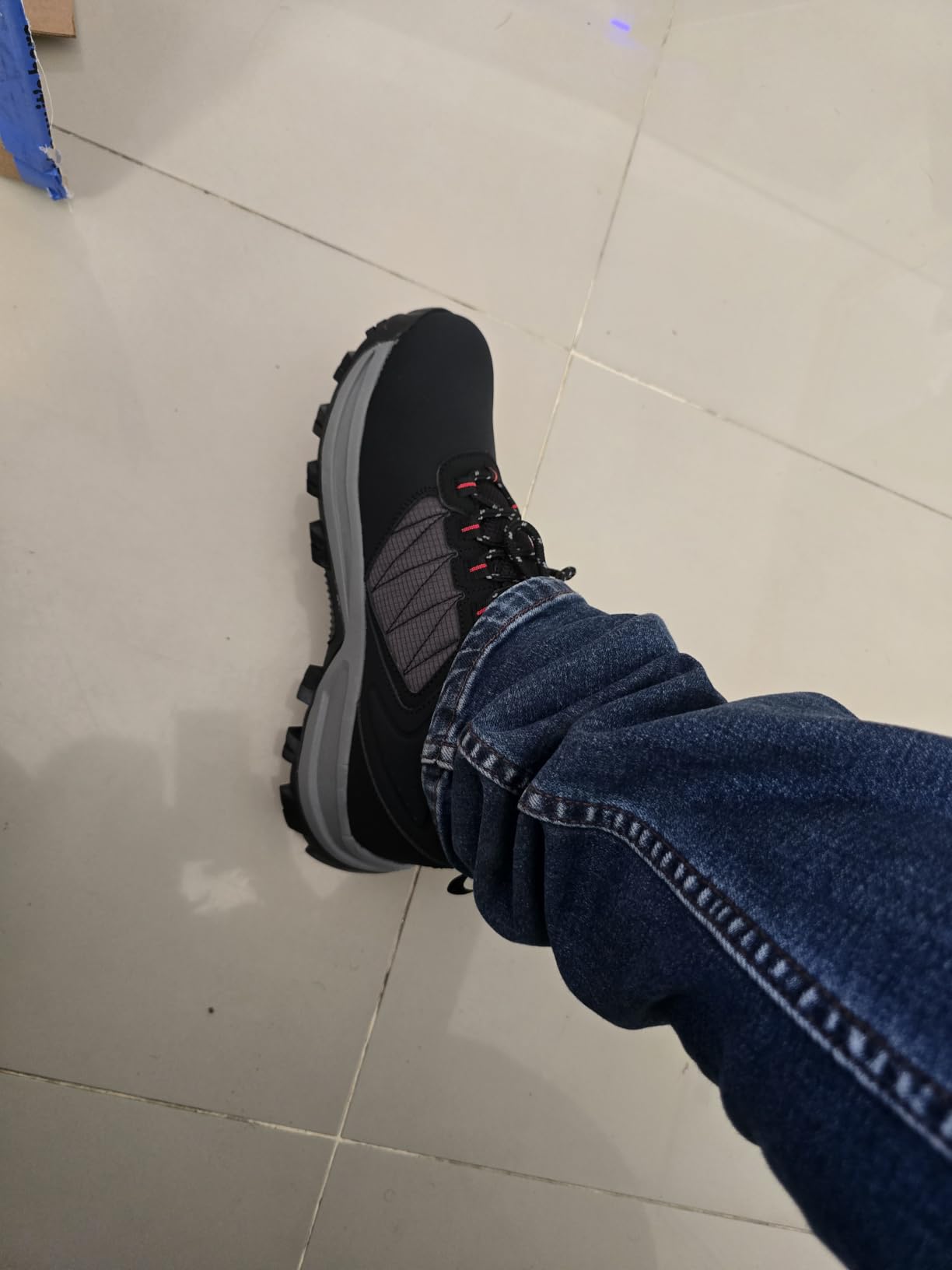
The upper is leather and mesh with metal hardware and a cushioned collar, and Columbia stresses the stitching and construction for long-lasting wear. The TechLite midsole keeps weight down without going completely flat, which is a reasonable compromise when the trail is uneven.
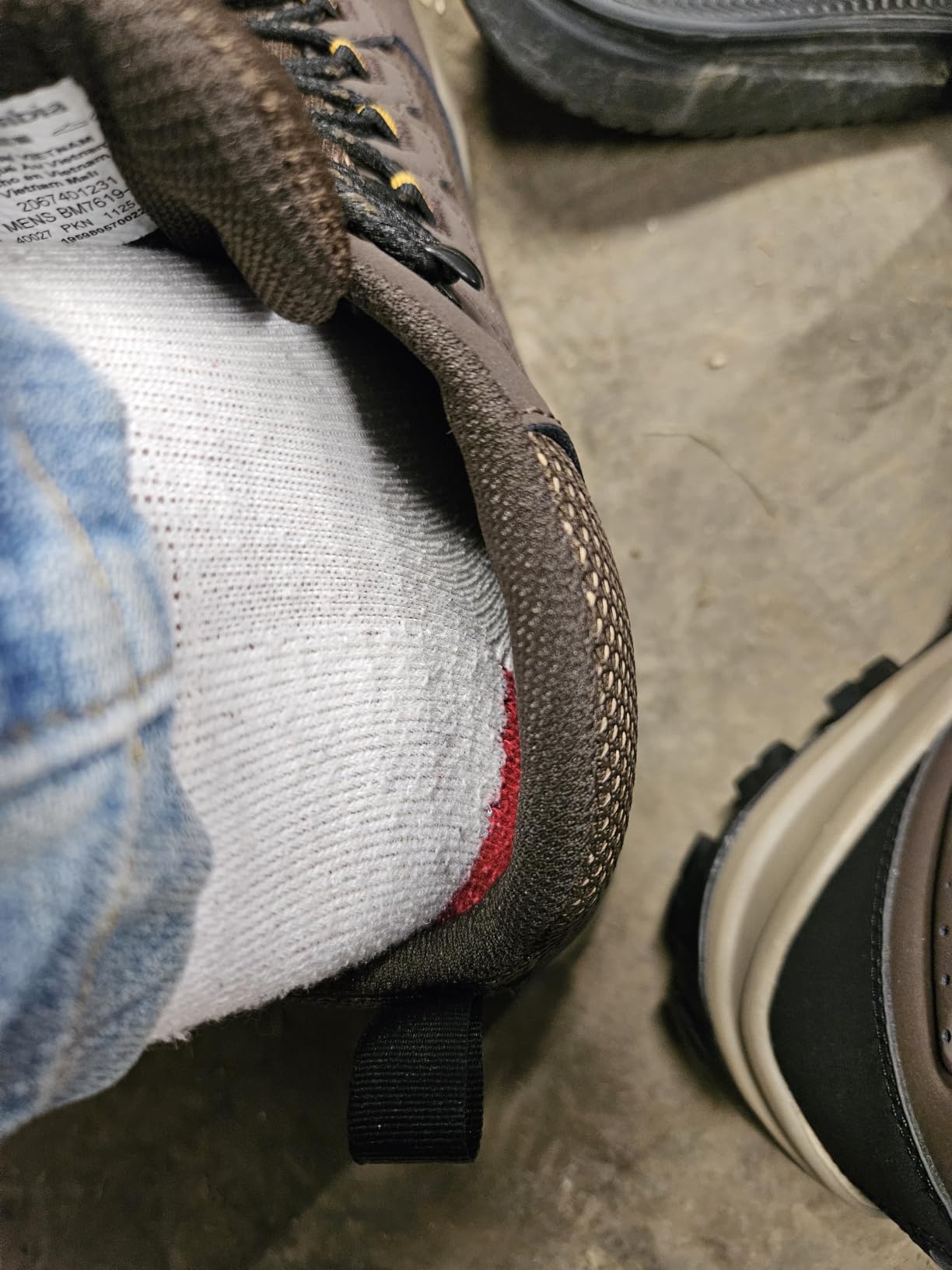
Waterproof shoes always carry one trade-off, and this is it. The membrane holds heat, so on a hot, still day your foot gets warmer than it would in a breathable shoe. Members of the r/hikinggear crowd make the same point when they talk about membranes and summer hikes, and the advice is simply to match the shoe to the season rather than buying one waterproof pair for everything.
Who the Transverse Hike Fits Best
It suits hikers who walk wet, rocky trail in spring, autumn or winter and want one pair that handles rain, mud and stone without a second shoe in the bag. The 4.6 average rating reflects a lot of very satisfied owners.
It is also a good all-round wet-weather day hiker for anyone who does not need extreme lightness. Metal hardware and a leather-and-mesh upper suggest a shoe that will keep working after a season of wet rock and gravel.
Who Should Skip the Transverse Hike
Skip it for hot summer hiking, where a sealed membrane traps heat and a breathable mesh shoe is far more comfortable. It is also bulkier than minimalist hikers, so it will not suit a fast hiker counting every gram.
If you mostly hike in dry weather and only occasionally see rain, a non-waterproof shoe will be cooler and will dry out overnight faster. Waterproofing is not always the safer default.
7. NORTIV 8 Women’s Lightweight Hiking Shoes: Best Budget Pick for Short Walks
NORTIV 8 Women’s Lightweight Hiking Shoes Quick Lace,Grey Pink,8
9.7 oz per shoe
Quick cord lacing
Oxford fabric upper
Lugged rubber outsole
Pros
- Very light at 9.7 oz
- Quick cord lacing for fast on and off
- Lugged outsole improves traction on slippery ground
- Seamless build reduces irritation
- Stylish enough for everyday wear
Cons
- Less supportive than a traditional hiking boot on rough terrain
- Not waterproof
At 9.7 oz, this is the lightest pair in this roundup and it changes what a long day feels like. That weight is the whole point of the design, aimed at light hikes, casual outings and city walks rather than loaded days on rough trail.
The upper is Oxford fabric with reinforced TPU overlays, and the build is seamless, which reduces the chance of rubbing over a long walk. The cord lacing system adjusts quickly, so there is no fumbling with loose laces on a cold morning. A padded collar and breathable EVA insole handle the finish.
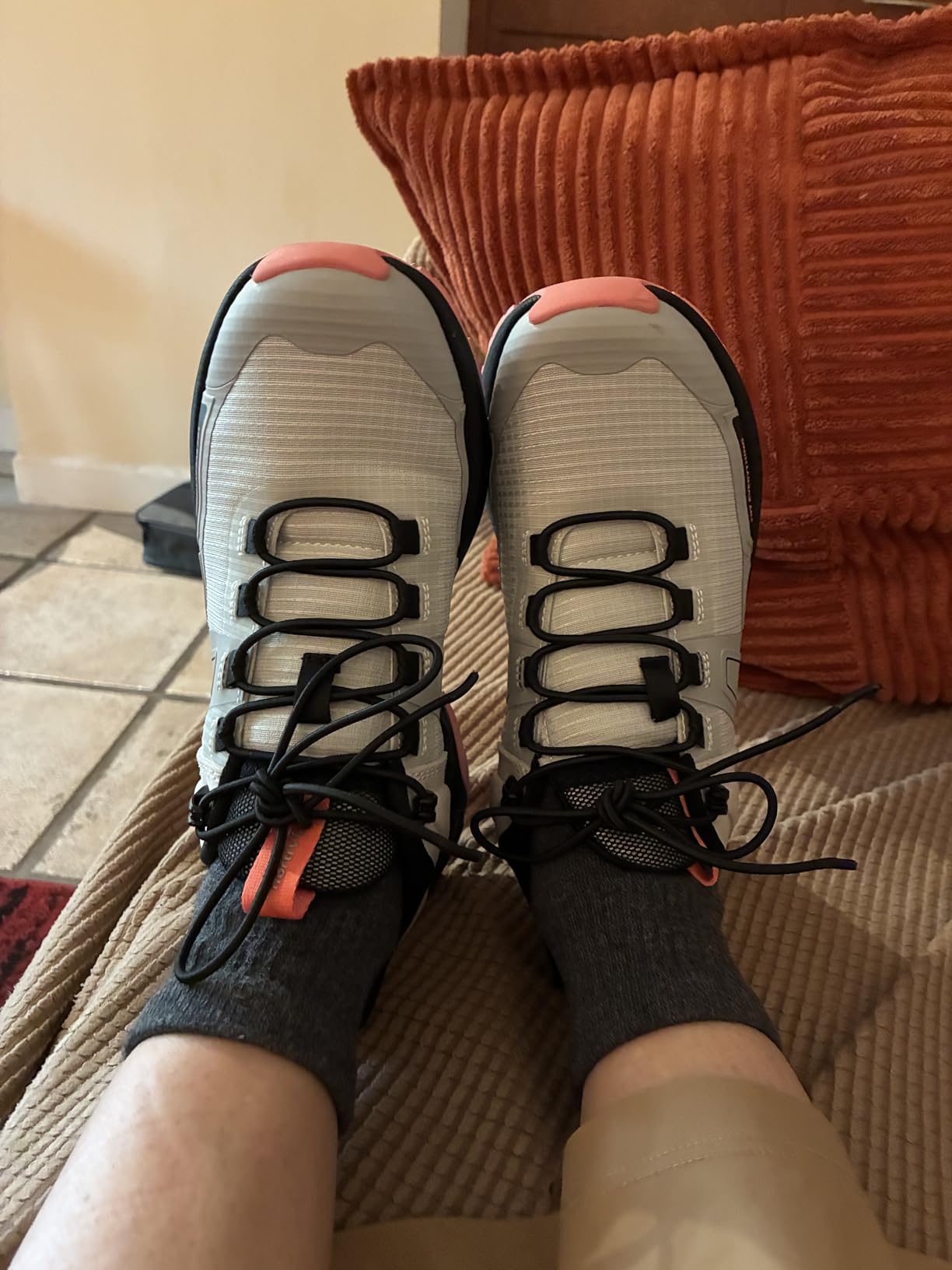
Where it earns its place is on gravel towpaths, park trails and paved approaches. The lugged rubber outsole gives it better grip on damp and slippery ground than a normal walking shoe, and the styling is understated enough to wear in town.
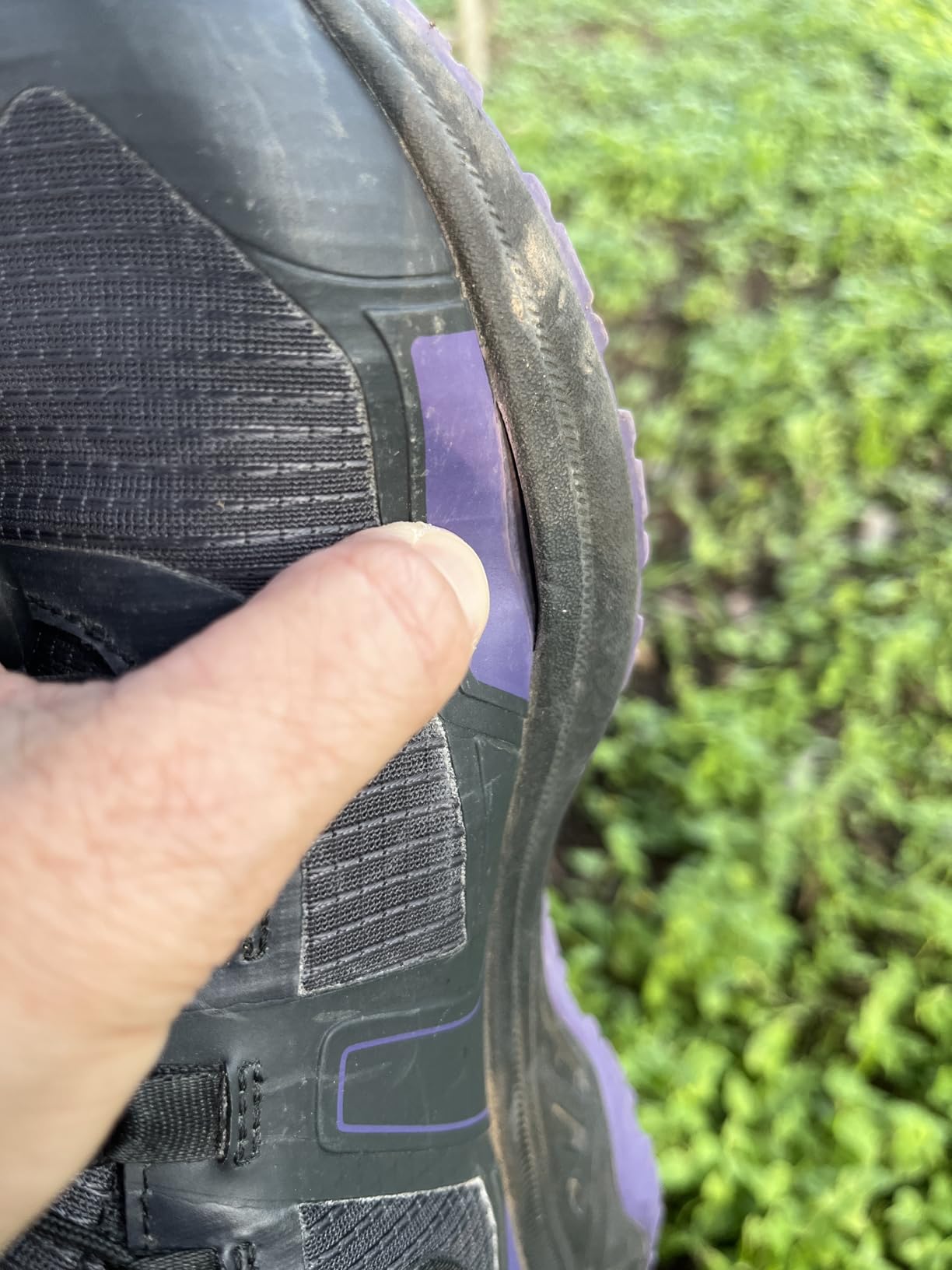
The limitation is support. Owners are clear that it is less supportive than a traditional hiking boot on rough terrain, and that is a structural limit of a light build rather than a fault. It is a shoe for maintained trail, not for talus or a route-finding descent.
Who the Quick Lace Hikers Fit Best
They suit beginners doing short, easy day hikes on maintained trails, and anyone who wants a shoe they can wear for a walk around town without changing. The quick lace system also makes them practical for anyone who struggles with conventional laces.
At 9.7 oz they are a strong choice for a hiker whose feet run warm. With no waterproof membrane, they also dry quickly overnight, which is useful when you are using the same pair for two days in a row.
Who Should Skip the Quick Lace Hikers
Skip them for rocky, off-trail or loose terrain, where you will want more underfoot protection and a stiffer platform. They are not waterproof, so wet trails and creek crossings are out.
If you plan a long day with a heavy pack or rough footing, the low support will show up in your ankles and knees by the afternoon. Choose a stiffer shoe for that, and save these for the easy stuff.
8. adidas Terrex Anylander: Best for Hot Weather and Arch Support
Adidas Men’s Terrex Anylander, Black/Black/Grey, 11
390 g in a US 9
10 mm midsole drop
Traxion outsole
Textile upper with toe cap
Pros
- Traxion grip on wet rock gravel and mud
- Excellent arch support for high arches
- Water resistant and dries fast
- Lightweight with a wide toe box
Cons
- Not truly waterproof as the mesh saturates
- Factory insoles may need replacing
- Limited ankle support for technical terrain
The Terrex Anylander is a hiking shoe built on running shoe logic, and you can feel that immediately. The stated weight is 390 g in a US 9 with a 10 mm midsole drop, split between a 27 mm heel and a 17 mm forefoot, which is a geometry that feels natural on climbs and descents.
Where it stands out from the rest of this list is arch support. Owners with high arches and metatarsalgia issues specifically call it out as one of the few hiking shoes here that addressed the problem without needing an aftermarket insole from day one.
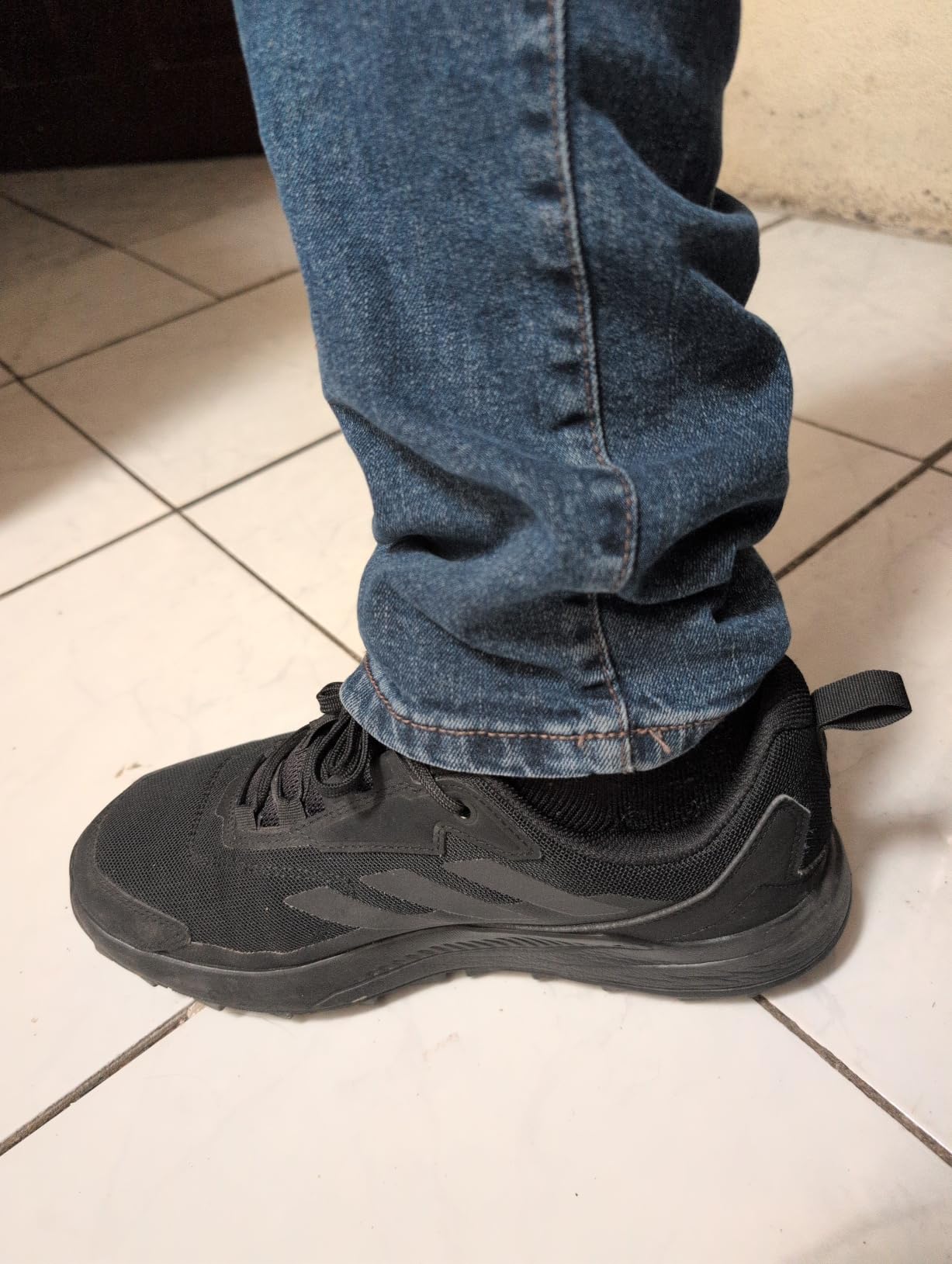
Grip is the other strength. The Traxion outsole is described as outstanding on wet rock, gravel, mud and stairs, and in practice that is the combination of surfaces you meet on a normal day hike. The shoe is water resistant rather than waterproof, and it dries quickly afterwards, which is exactly the behaviour you want in summer.
The soft, stretchy textile upper is comfortable from the first wear, and the reinforced toe cap adds just enough protection without making the shoe look technical. It is also less bulky-looking than most hiking shoes, so it passes as casual footwear.
Who the Terrex Anylander Fits Best
It is our pick for dry, hot hills and fast-paced loops where breathability and ground feel matter more than weather protection. If you have high arches or a history of metatarsalgia, this is the shoe most likely to solve that without an intervention.
Hikers who want something that looks like a trail shoe but handles casual wear are well served, and the sizing advice to go up half a size is worth taking. Reviews also mention a wide toe box, which suits feet that swell in heat.
Who Should Skip the Terrex Anylander
Skip it for heavy rain. It is water resistant, not waterproof, and the mesh upper saturates in sustained rain, so a genuinely wet day hike is the wrong test for it. Technical terrain is also a stretch given the limited ankle support.
Some owners found the factory insoles needed replacing to get the support they wanted. If you already use orthotics, check that the shoe accepts them before you commit, and budget for an insole if it does not.
9. Saucony Excursion TR16: Best for Long Walking Days and Foot Comfort
Saucony Men’s Excursion Tr16 Hiking Shoe, Gravel/Lapis, 11
VERSARUN cushioning
Carbon rubber lugged outsole
Breathable mesh upper
Trail protection details
Pros
- Comfortable from the first wear
- Supportive for knee and plantar fasciitis pain
- Breathable and cool in high heat
- Wide widths available
- Removable insole accepts orthotics
Cons
- Some pairs showed toe stitching separation within months
- Heel foam can recede and blister
- Minimal trail protection versus hiking shoes
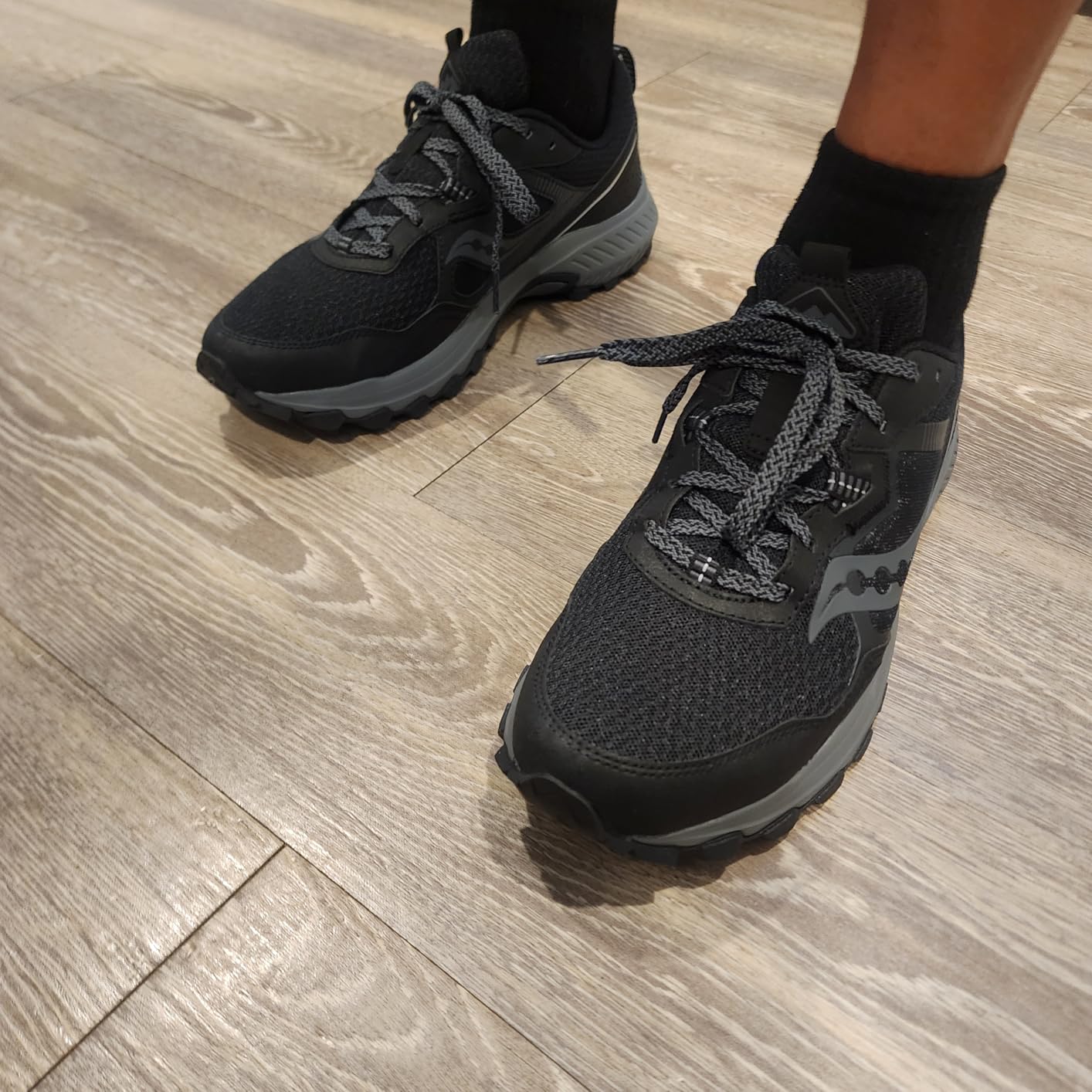
The Excursion TR16 is a trail running shoe, and if your day hike is on maintained trail with a light pack, that is a feature rather than a compromise. The VERSARUN cushioning is balanced rather than soft, and many owners report 160+ miles of comfortable wear.
Two things make it interesting for foot comfort specifically. Reviewers mention it being supportive for knee pain and plantar fasciitis, and the wide width options are genuinely useful if you have bunions or broad feet, a complaint that comes up constantly in hiking forums.
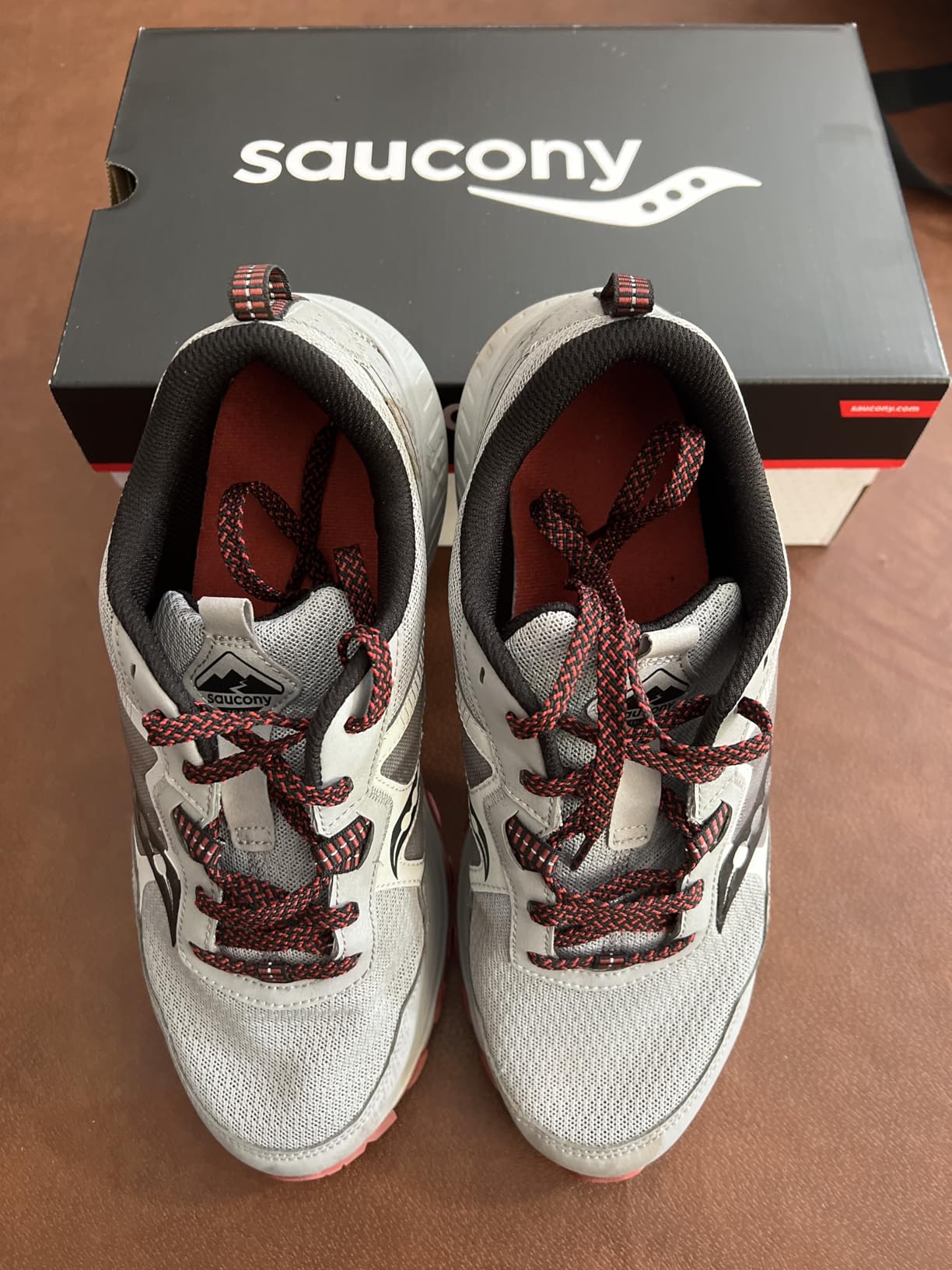
The breathable mesh upper with overlays in high-wear areas stays cool in high heat, and the carbon rubber lugs give reliable traction on varied terrain. The removable insole accepts aftermarket orthotics, which is unusual at this level and useful if you already know what your feet need.
Durability is the main caveat. A smaller group of owners report toe stitching separation within a couple of months, and some found the heel support foam receding into a shape that caused blisters. Inspect the stitching and heel after the first few hikes rather than waiting until month four.
Who the Excursion TR16 Fits Best
It suits hikers who cover a lot of miles on smooth, maintained trail and who prioritise cushioning and foot health over ground feel. If plantar fasciitis or knee discomfort is part of your history, the cushioned platform is the main reason to pick it.
It is also a good warm-weather choice, since the mesh upper vents well and there is no membrane holding heat. Hikers who want a soft, forgiving landing over a long day will find this more comfortable than a firm hiking shoe.
Who Should Skip the Excursion TR16
Skip it for sharp rock, scree and anything technical, because the trail protection details are minimal next to a dedicated hiking shoe. If your day hike has a heavy pack on it, the cushioning is not enough.
Check the heel and toe stitching after a few outings. It is a comfortable shoe that is not built to the same durability as a leather-and-mesh hiking shoe, and that difference shows up first in the upper.
10. HUMTTO All-Terrain Waterproof Hiking Shoes: Best for Multi-Activity Use
HUMTTO Men’s All-Terrain Waterproof Hiking Shoes Lightweight Breathable Trekking Trails Shoes Anti Slip Outdoor Shoes 10.5 Grey
HUMTTO-TEX waterproof membrane
Elastic MD midsole
Lugged rubber outsole
Toe cap and reinforced heel
Pros
- Waterproof membrane in wet conditions
- Lugged rubber outsole grips mixed terrain
- Lightweight breathable build
- Rubber toe cap and reinforced heel
Cons
- Less established brand with a smaller review base
- Break-in may be needed for the midsole
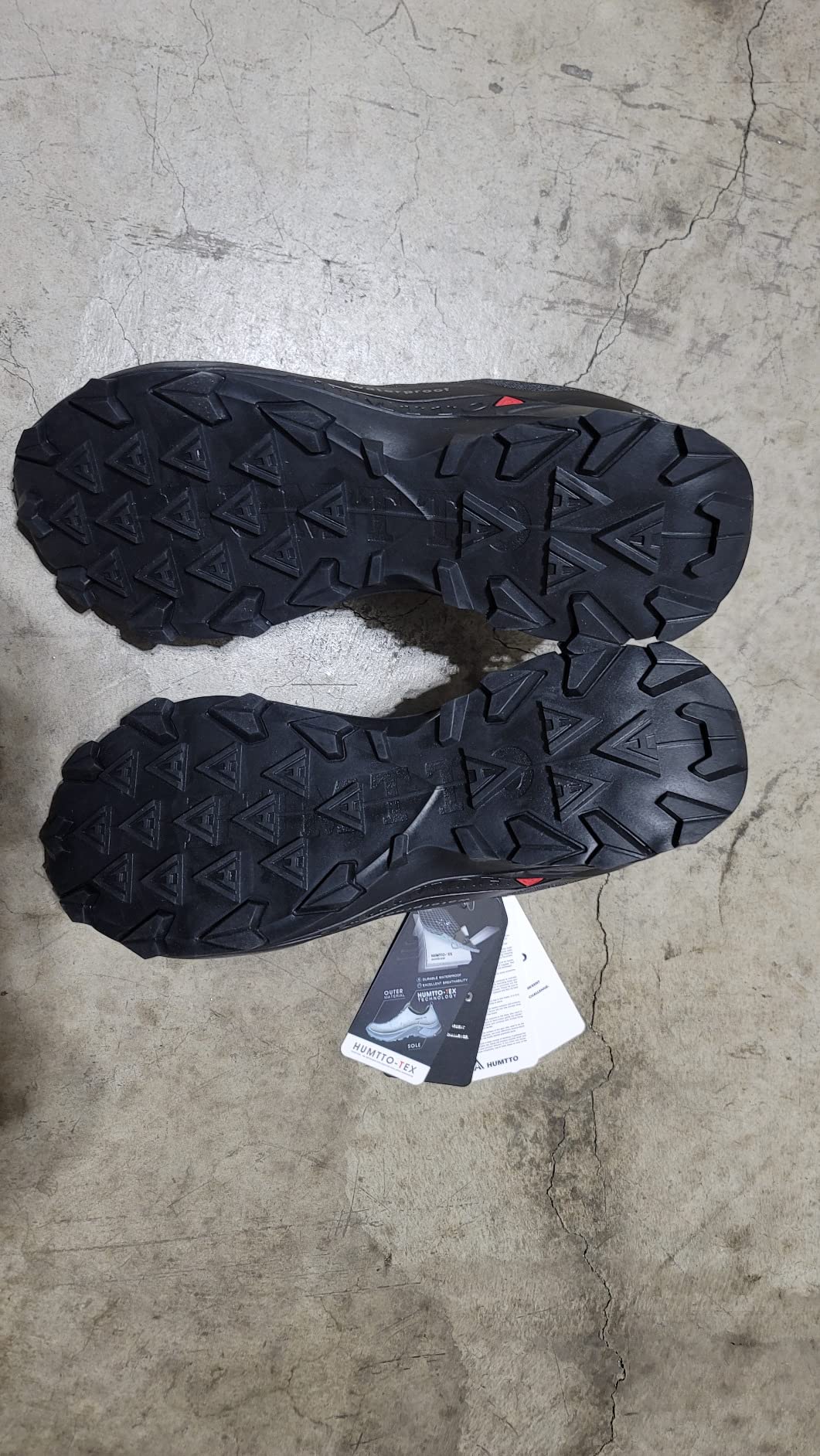
The HUMTTO is the broadest-use shoe in this list. The brand describes it for hiking, hunting, camping, climbing, running, backpacking, trekking and mountaineering, and the build supports that claim with a waterproof membrane, a rubber toe cap and a reinforced heel.
The midsole is an elastic MD foam with a removable insole that provides arch support and energy return. That is a different feel from a firm hiking platform, and owners like the lightweight, breathable feel over long walks.
Waterproofing and traction are the strengths here. The membrane keeps feet dry in wet conditions, and the lugged rubber outsole grips well across mixed terrain, which covers the muddy forest trail case that trips up a lot of budget hiking shoes.
Two things to weigh. The review base is smaller than the other picks on this list, so the long-term track record is less established. The elastic midsole may also need a break-in period before it stops feeling springy, so wear it a few times before a long trip.
Who the HUMTTO Fits Best
It suits a hiker who wants one pair for more than hiking, particularly if you camp, climb lightly or work outdoors at the weekend. Waterproof protection plus a rubber toe cap and reinforced heel cover the jobs most casual hikers actually mix together.
It is also a reasonable choice for wet woodland and muddy trail, where a lugged outsole and a sealed membrane handle the two things that usually make those hikes miserable. The removable insole lets you tune the arch support.
Who Should Skip the HUMTTO
Skip it if you want a well-documented long-term track record, because the review base is smaller than the established picks here. It is not the shoe for someone who plans to keep the same pair for a decade.
Give it a few wears before a long day. The elastic MD midsole is the component most likely to need settling, and the first hike is the wrong place to find that out.
11. Merrell Women’s Moab 3: Best for Beginners and Wide Feet
Merrell Women’s Moab 3 Hiking Shoe, Falcon, 8 M
Pig suede and mesh upper
Wide toe box
Removable Kinetic Fit insole
Bellows tongue and toe cap
Pros
- Wide toe box gives feet room to spread
- Comfortable out of the box with almost no break-in
- Stable and good on wet ground
- Water resistant in rain and light dew
Cons
- Deep water will soak through
- Some buyers need to size up a full size
- Shape can read blocky
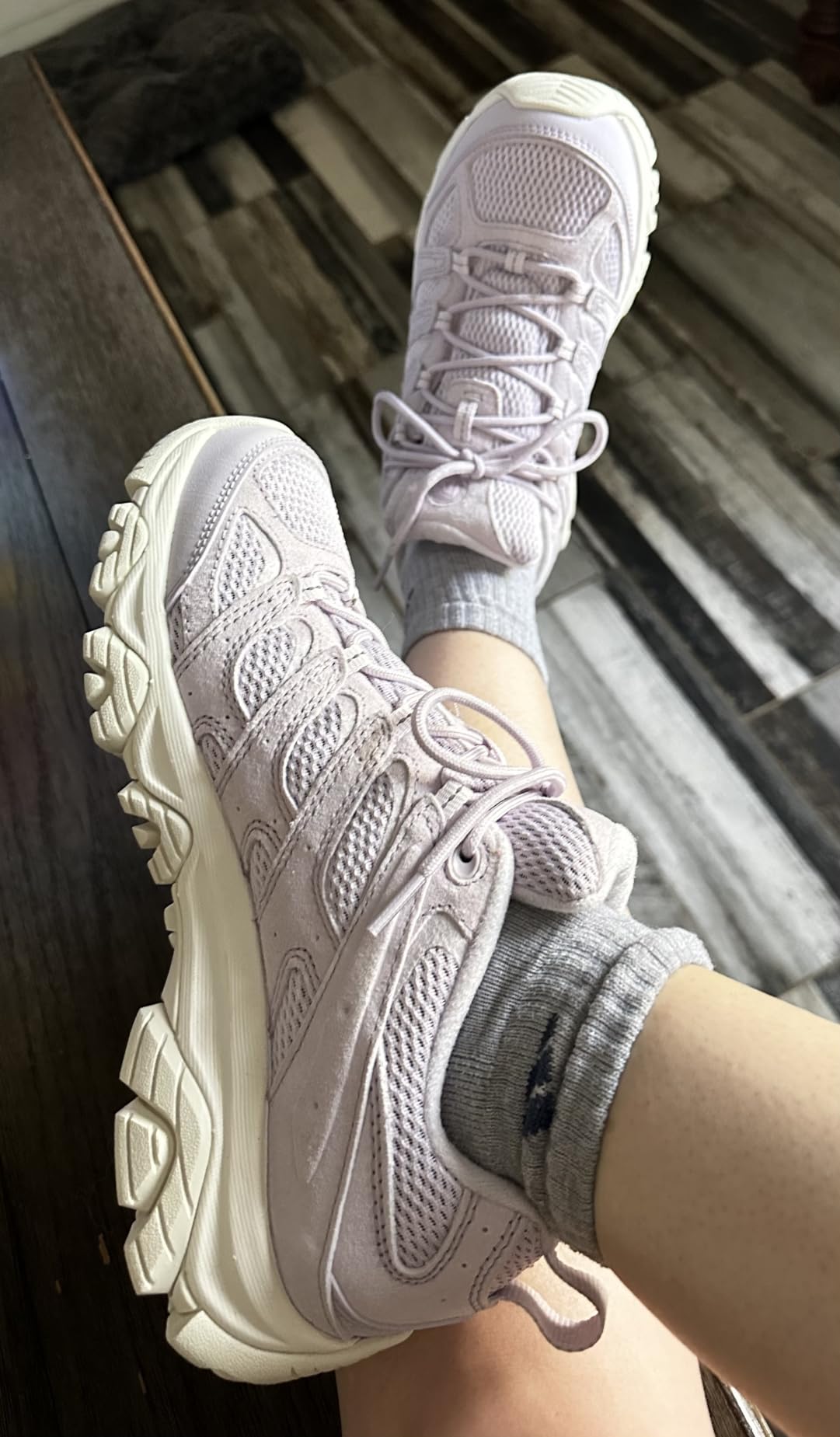
The women’s Moab 3 runs on the same idea as the men’s, with a pig suede leather and mesh upper, a bellows tongue, a protective toe cap and the same removable Kinetic Fit ADVANCED insole with reinforced heel cushioning. What changes is the last, and that is the whole reason to consider it separately.
The wide toe box gives your feet room to spread without swelling into the front of the shoe, and reviewers consistently call that out as the reason the shoe stays comfortable over a long day. Add almost no break-in and you have one of the easiest first-hike experiences in this roundup.
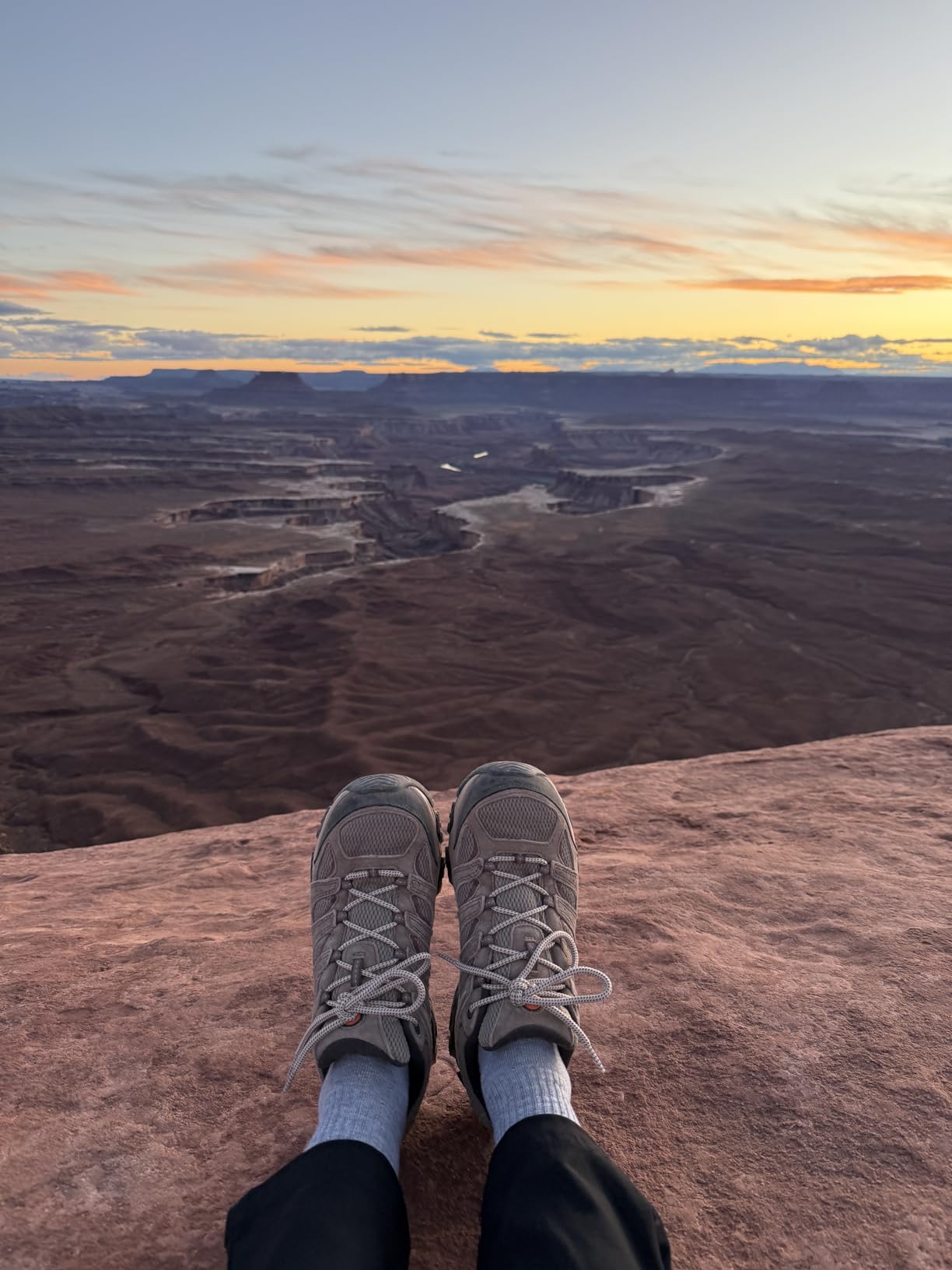
Stability is another strength, with owners reporting solid ankle support and good traction on wet ground. The shoe is water resistant in rain and light dew, which is enough for most ordinary weather but is not the same as a sealed waterproof membrane.
Two notes on sizing and shape. Some buyers need to size up a full size, so read the reviews for the size you are considering rather than translating your street size. A smaller number of reviewers find the shape blocky, which is a style preference rather than a performance problem.
Who the Women’s Moab 3 Fits Best
It is the pick for a first or second hike, or for anyone who does not want to spend a weekend walking around the block to break a shoe in. Comfort from the first wear removes the most common reason beginners put a good pair aside.
Wide feet are the other strong reason. If narrow lasts give you trouble after an hour or two, the roomy forefoot here is likely to solve a problem that no amount of lacing trickery fixes.
Who Should Skip the Women’s Moab 3
Skip it for creek crossings and deep water, since the upper will soak through and it does not have a sealed membrane. It is also not the lightest option, so speed hikers moving fast on smooth trail may prefer something airier.
If you dislike a blocky profile, look at a sleeker option. And if you are between sizes, check whether you need the extra half or full size, because the toe room comes from width as well as length.
12. KEEN Targhee 4 Low: Best for Wide Feet in Rain
KEEN Men’s Targhee 4 Low Height Durable Comfortable Waterproof Hiking Shoes, Sea Turtle/Roasted Pecan, 13
KEEN.DRY waterproof membrane
ALL-TERRAIN rubber outsole
Luftcell footbed
Bruise plate and toe guard
Pros
- Dry through 30-40 miles of heavy rain
- Generous toe room for wide feet
- Aggressive traction in mud and on rock
- No break-in needed
- Handles camping and rough work
Cons
- Less sole padding than competing shoes
- Thin upper seam can cut the ankle
- Tread can feel slick until the outsole films wear off
The Targhee 4 Low wraps the KEEN Original Fit last around a waterproof breathable membrane called KEEN.DRY, which lets vapour out without letting water in. That distinction is not marketing fluff on a wet day hike, because a membrane that only blocks water leaves you damp from the inside.
Owners report keeping their feet dry over 30 to 40 miles of walking in heavy rain, and that is the most demanding waterproofing claim made by wearers in this roundup. The generous toe room is the other headline, and it suits wide feet without the need to size up.
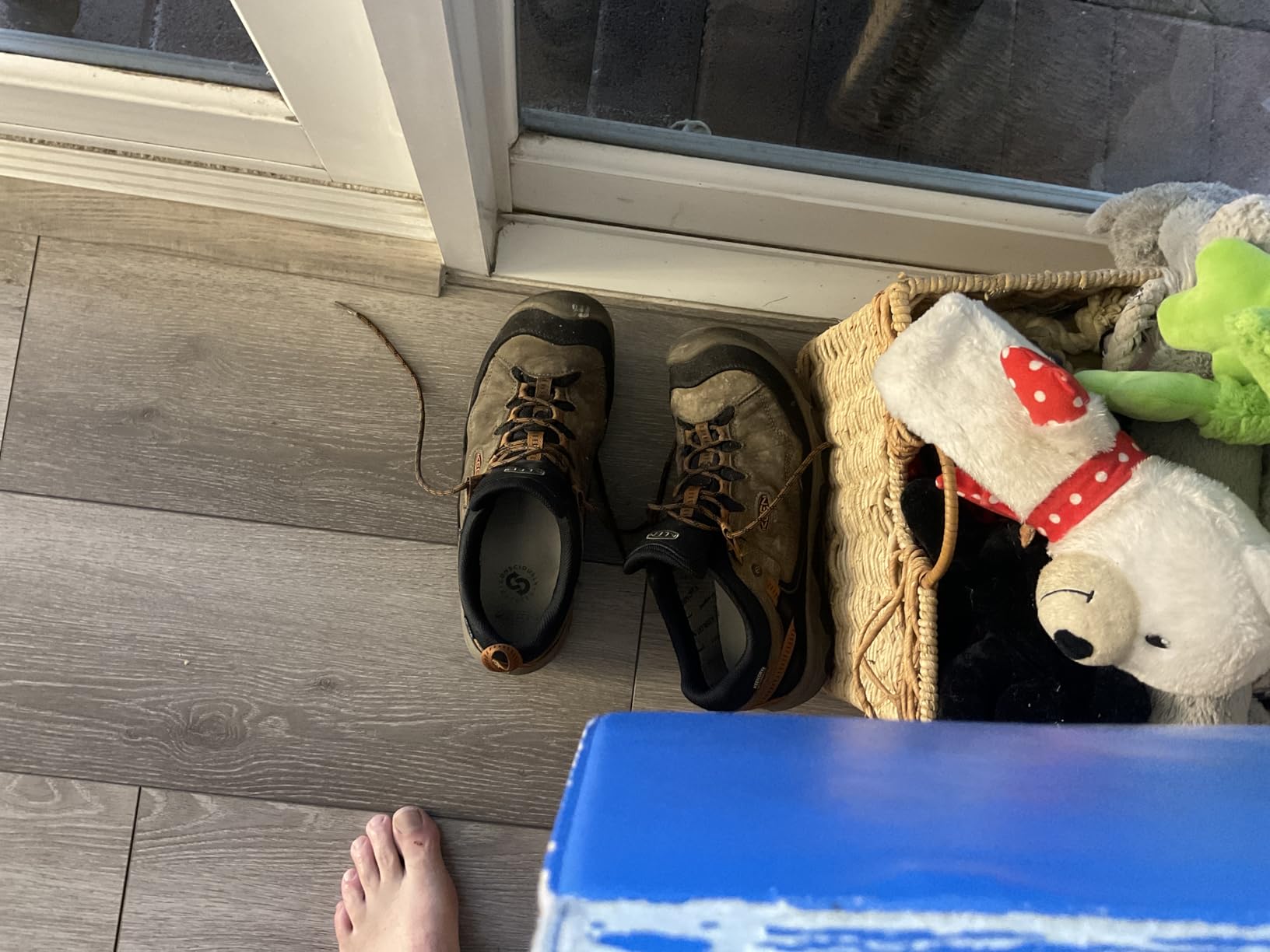
For traction, the KEEN.ALL-TERRAIN rubber outsole is built for elevated grip in mud and on rock, and reviewers call it aggressive. The direct-attach construction, where the sole is bonded to the upper rather than stitched, is designed to reduce the chance of the shoe separating over time.
There is less sole padding than competing hiking shoes, and the removable Luftcell footbed with arch support does much of that work. Two smaller issues: a thin upper seam can rub the ankle on some feet, and the tread can feel slick on polished wet surfaces until the factory film on the outsole wears off.
Who the Targhee 4 Low Fits Best
It suits hikers with wide feet who also hike in rain, which is a combination that is genuinely hard to find. If you have spent years squeezing into narrow lasts and coming away with toe pain, the Original Fit last is the reason to start here.
It is also a good pick for anyone using one pair for hiking and rough outdoor work. The toe guard, bruise plate and reinforced build handle campsites and yard terrain as well as trail.
Who Should Skip the Targhee 4 Low
Skip it if you want a soft, cushioned landing, because the padding is thin and you will need a good insole to make up the difference. The soft upper also offers limited support on very rocky ground compared with a stiffer hiking shoe.
If you are on very rocky terrain and prefer stability over width, this is the wrong trade. Buy a narrower, stiffer shoe and size it carefully instead, and test the ankle seam on a short walk first.
How to Choose the Best Hiking Shoes for Day Hikes
Start with the hike, not the shoe. A day hike means three to ten miles on trail, a daypack under about 25 pounds, and no overnight carry, and that scope rules out a lot of the shoes on the market. Boots and heavy approach shoes add weight and stiffness you will feel at mile two and thank nobody for at mile eight.
Here is the decision framework we use, in the order we use it.
1. Pick the terrain. Smooth gravel and packed path, loose dirt, rocky and scree, and mud each reward a different outsole. Smooth ground wants modest lugs and good ground feel. Rock wants underfoot protection and a stiff platform. Mud wants deep, widely spaced lugs and drainage.
2. Decide on waterproofing honestly. A waterproof membrane keeps rain and creek crossings out and traps heat in. Non-waterproof shoes breathe, dry overnight and feel better in warm conditions. Non-waterproof is the sensible default for summer and dry climates. Waterproof earns its place on alpine routes, snow, mud season and any hike with a realistic chance of a shallow crossing.
3. Check the toe box before anything else. This is the number one complaint we saw across hiking forums, and it is the number one cause of blisters and long-term toe pain. You want width at the widest point of your foot, enough length that your longest toe does not touch the front when you stand, and a heel that stays put. A narrow last cannot be fixed with lacing.
4. Weigh the shoe. Lighter shoes feel better over a full day because every step costs energy, and with no pack on your back the difference is felt in your legs by the afternoon. Look at the stated weight in ounces per shoe, and be sceptical of any listing that only gives a package weight.
5. Think about cushioning against ground feel. A softer midsole absorbs impact and suits longer miles and rougher surfaces. A firmer, thinner platform gives you precision and speed on smooth trail. Neither is correct, but a shoe that feels too soft on technical ground gives you less control of where you put your foot.
6. Test the heel and the lacing. Most hot spots on descent come from the heel lifting and sliding. A snug mid-foot lock and laces that stay tied matter more than any single outsole technology. Shoes with a quick cord lacing, such as the NORTIV 8 Quick Lace model, win here because they tighten evenly with one pull.
7. Consider the break-in before you commit. Some shoes need none at all, which is the case for the Merrell Moab 3 and the Columbia Crestwood as reported by owners. Elastic midsole foams can take a few walks to settle. If your hike is this weekend, buy the no-break-in option or wear the new pair around the house and on short walks first.
Finally, decide what you will do with the shoes off the trail. If one pair has to handle a towpath commute, a campsite and a car park, look for a low profile with a restrained look, such as the Columbia Fairbanks Low. If the shoes stay in a closet between trips, prioritise grip and protection over styling.
A few things new hikers over-prioritise on a short day hike. Heavy ankle structure is unnecessary without a load. Aggressive climbing lugs make a shoe feel clunky on gravel without adding safety. Maximum cushioning is not always more comfortable, and a very stiff sole over a short hike is just heavy. Underfoot comfort and a good fit beat every one of those.
If you are heading out in poor weather, footwear is only half of it. Our rain jacket picks for hiking cover the other half, and a waterproof shoe with a cotton jacket above it is a cold hike.
Frequently Asked Questions
What are the best hiking shoes for everyday use?
For day-to-day wear, look for a low-cut hiking shoe with a restrained profile, a breathable upper and an outsole that does not mark indoor surfaces. The Columbia Fairbanks Low and the Columbia Crestwood both read more like walking shoes than technical hikers, so they work for errands, travel and casual days as well as trail days.
Are hiking shoes good for daily use?
Most hikers in the forums treat a good hiking shoe as a daily-wear shoe, especially on dry, maintained trail. What limits daily use is waterproofing and outsole marking: a sealed membrane traps heat in warm conditions, and an aggressive lug can mark decking and campsite surfaces. Non-marking outsoles and mesh uppers solve both problems.
What kind of shoes should I wear on a hike?
For a day hike of three to ten miles, wear a low-cut hiking shoe with a grippy rubber outsole, some underfoot protection and a toe box wide enough for your longest toe. Add a waterproof membrane if rain, mud or creek crossings are likely. Reserve stiff boots and heavy approach shoes for routes with packs or technical scrambling.
Which is better, Merrell or Hoka?
Of the two, Merrell is the one with the deeper review history in this roundup, and the Moab 3 holds a 4.6 average rating. It is comfortable from the first wear, which suits beginners and casual hikers. Hoka is generally the softer, more rockered ride, so a Hoka is worth testing if you prefer a plush, rolling feel over a firmer platform.
What do podiatrists say about hike footwear?
The recurring advice is that toe box width and a secure heel matter more than any brand or technology. Feet swell on a long day, so a narrow forefoot compresses the big toe joint and creates hot spots. Look for a roomy forefoot, a heel that does not lift on descents, and a removable insole you can replace with an orthotic if you need to.
Can I wear running shoes for a day hike?
Yes, on maintained trail with a light pack. Trail running shoes cushion well, breathe and weigh little, which is why most hikers accept them for smooth routes. They are the wrong choice for sharp rock, scree or off-trail sections where underfoot protection matters, so switch to a hiking shoe when the terrain gets technical.
Final Verdict: Which Pair Earns a Place in Your Daypack
The Merrell Moab 3 is our best hiking shoe for day hikes in 2026, and the reason is not a spec sheet. It is comfortable on the first wear, protected well enough for rocky trail, and light enough that you stop noticing it halfway up the hill. The Columbia Crestwood is the value pick for hikers on a budget, and the Columbia Transverse Hike is where we go when the forecast is wet.
Check your toe box first, pick the terrain, and only then decide whether you need a membrane. Get that right and the rest of the choice is easy. If you are still putting the kit together, our walking shoe picks and standing shoe picks cover the days your feet spend off the trail entirely.