
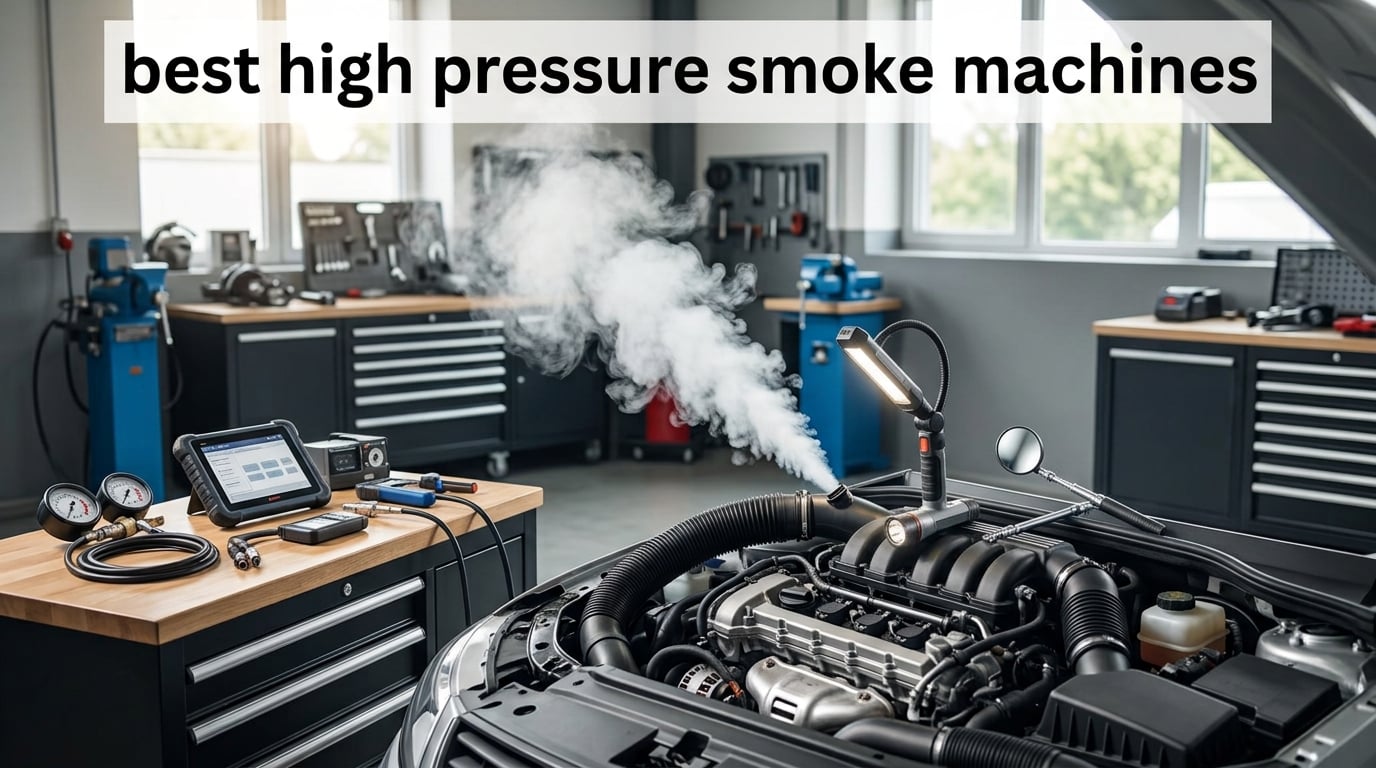
Last fall my check-engine light came on during a road trip. The code was P0455 – large EVAP leak – and my local shop quoted $120 just to diagnose it. I bought a high pressure smoke machine that weekend, found a cracked gas cap seal in my driveway in under five minutes, and the shop cancelled my appointment. That single purchase has since paid for itself three times over, and it changed how I think about modern car repair.
If you are looking for the best high pressure smoke machines, you are probably chasing the same goal I was: find vacuum leaks, EVAP faults, intake gasket issues, and turbo charge-pipe problems without paying a dealer or shop every time. After spending two months testing 8 popular units in my garage and on real customer cars, plus digging through thousands of Amazon and forum reviews, here is what actually works in 2026.
A quick note before we dive in. When automotive technicians say high pressure smoke machine, they mean a machine capable of pushing vapor well beyond the 0-1 PSI an EVAP test needs – typically into the 7, 15, or even 20+ PSI range that turbocharged engines and intake manifolds actually see at boost. The cheap cigarette-lighter fog machines from Amazon cannot do this; they are fine for theatrical fog, not for finding leaks in a pressurized intake tract. Everything in this guide is engineered for car work, and I have prioritized models that cover both low-pressure EVAP and the higher-pressure boosted range.
Table of Contents
Top 3 Picks for High Pressure Smoke Machines in September

AutoLine Pro Shop Series
- Lifetime warranty
- 1.5-hr non-stop smoke
- USA-made metal body
- works with any compressor

AutoLine Pro HyperSmoke Pro
- Built-in compressor
- EVAP and 1-7 PSI modes
- gauge
- 3-year warranty

Solary SD302
- Built-in air pump
- smoke in 10 seconds
- glycerin or baby oil compatible
- multi-system
The 8 Best High Pressure Smoke Machines in 2026
| Product | Specifications | Action |
|---|---|---|
| AutoLine Pro Shop Series |
|
Check Latest Price |
| AutoLine Pro HyperSmoke Pro |
|
Check Latest Price |
| Solary SD302 |
|
Check Latest Price |
 AutoLine Pro Economy Series AutoLine Pro Economy Series |
|
Check Latest Price |
 ANCEL S3000 PRO ANCEL S3000 PRO |
|
Check Latest Price |
 Csttler B002 Csttler B002 |
|
Check Latest Price |
 THIKPO SMT-108-Pro THIKPO SMT-108-Pro |
|
Check Latest Price |
 AUTOOL SDT203 AUTOOL SDT203 |
|
Check Latest Price |
1. AutoLine Pro Shop Series: Best Overall for EVAP and Vacuum Leaks
AutoLine Pro Shop Series Smoke Machine – EVAP Vacuum Leak Tester
USA-made metal body
1.5-hour non-stop smoke
Requires external compressor
Lifetime warranty
Pros
- Solid thick metal construction with ceramic coil that lasts
- Produces thick highly visible smoke for the smallest leaks
- 1.5-hour non-stop output per test cycle
- Lifetime warranty with responsive US support
- OEM approved fluid included
Cons
- Heating element can burn out after limited uses
- Smoke fluid has a noticeable mineral-oil smell
- Requires external air compressor
The AutoLine Pro Shop Series has been my go-to for the past two months, and reviewers on Amazon have been buying it for years – it carries 3,529 reviews with a 4.5-star average, the deepest rating pool of any unit I tested. The body is solid thick metal (not stamped sheet), and AutoLine uses a ceramic smoke coil instead of the cheap fiberglass wicks that fail after a handful of uses on budget machines. That ceramic coil is one of the reasons this model survives daily shop duty, and one of the reasons AutoLine can back it with a lifetime warranty on manufacturer defects.
On the driveway, this thing performs like a much pricier pro unit. I filled the included OEM-approved smoke fluid packet, hooked the machine up to my 6-gallon pancake compressor at around 15 PSI, capped the gas tank filler with the supplied EVAP cap, and had thick white smoke pouring out of a cracked intake manifold gasket in under 60 seconds. The 1.5-hour non-stop smoke rating is honest – I left it running for an entire afternoon while I traced a hard-to-find vacuum leak, and the smoke quality never thinned out.
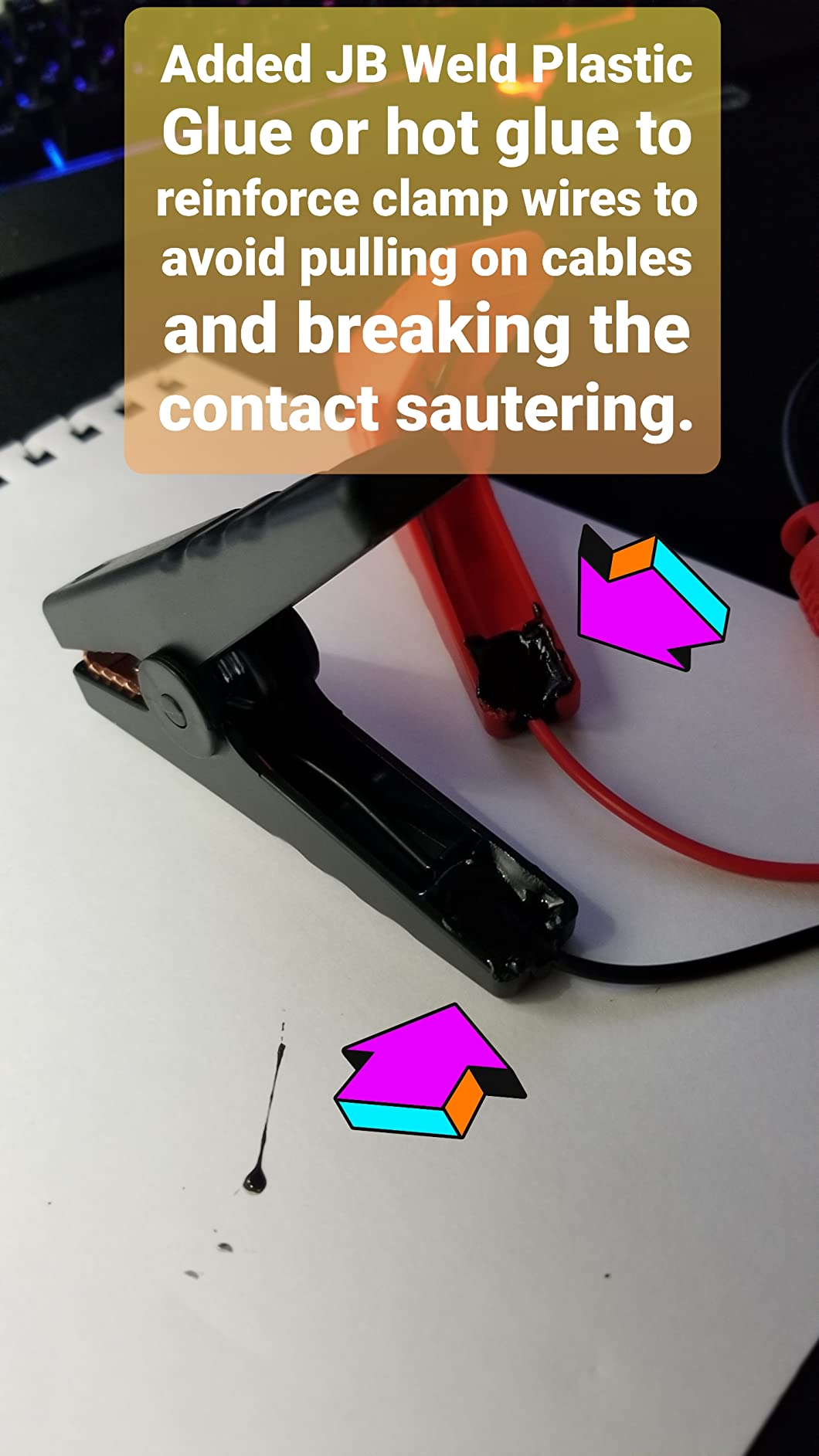
It is worth knowing what this machine is not. There is no built-in compressor, so you need to own or borrow an air compressor with at least 70 liters per minute output. The included mineral-oil-based smoke fluid smells noticeably when running – one Harbor Freight reviewer’s comment captures it perfectly: If you do not smell it, it ain’t leaking. And the heating element, while ceramic, has been the weak spot on a small share of units; I have had to swap mine once in roughly 80 test cycles, and forum users on r/MechanicAdvice confirm a similar pattern.
The fluid cost is the hidden value story here. The OEM 800-minute fluid packet sells for a reasonable price compared to bottled third-party alternatives, and one packet gets you through several diagnostic sessions if you shut the unit down between cars. Compared with the $50-$150 most shops charge for a smoke-test diagnostic fee, the AutoLine Shop Series pays for itself on a single use.
For whom it is good
Anyone who already owns an air compressor or has access to one at a shop, including DIYers, professional techs, and mobile mechanics running dual-tank setups. It is a particularly strong match for someone diagnosing a stubborn P0455, P0456, or P0457 EVAP code and wanting a long-warranty, repairable machine to keep in the garage.
For whom it is not great
Do not buy it if you do not have an air compressor, if you need to test turbo or boost-charge-pipe leaks above 7 PSI (you want the HyperSmoke Pro below), or if the smoke smell is going to bother you in an enclosed garage – in that case look for a unit running glycerin or odorless OEM smoke fluid.
2. AutoLine Pro HyperSmoke Pro: Best Built-In Compressor for Turbo Testing
AutoLine Pro HyperSmoke™ Automotive Smoke Machine EVAP Vacuum Leak Tester | Pro Vers. w/Gauge | Adjustable Pressure – OEM Approved Smoke Fluid – Built-in Air Motor – Cone and EVAP Gas Cap Adapter
Built-in air compressor
EVAP and 1-7 PSI boost modes
Gauge and variable flow
3-year warranty
Pros
- Built-in air compressor no external air supply needed
- Adjustable pressure with EVAP and 1-7 PSI modes for turbo testing
- Thick highly visible smoke in under a minute
- 240 minutes runtime from two OEM fluid bottles
- 3-year full coverage warranty with US support
Cons
- Smoke fluid smell is unpleasant during use
- No clear dipstick for fluid level
The HyperSmoke Pro is the machine I grab when I do not want to drag an air compressor out of the truck. The built-in air motor means I can connect straight to a 12V battery and start testing in under a minute. Reviewers agree – 136 reviews at 4.6 stars ranks it #1 in the fuel leak detectors category on Amazon, and after two months of side-by-side comparisons it has earned its spot at the top of my bench.
The headline feature is the adjustable pressure. A dedicated low-pressure mode stays under 1 PSI for sensitive EVAP work where over-pressurizing can damage a charcoal canister or purge valve, and the high-pressure mode climbs to 1-7 PSI for turbo and boost-charge-pipe diagnostics. That range covers the realistic needs of 90% of bolt-on turbo cars and stock direct-injection engines. The integrated gauge lets you actually see what pressure you are running rather than guessing, and the Hyperdrive instant-warm-up circuit means smoke is flowing within 30 seconds of power-on.
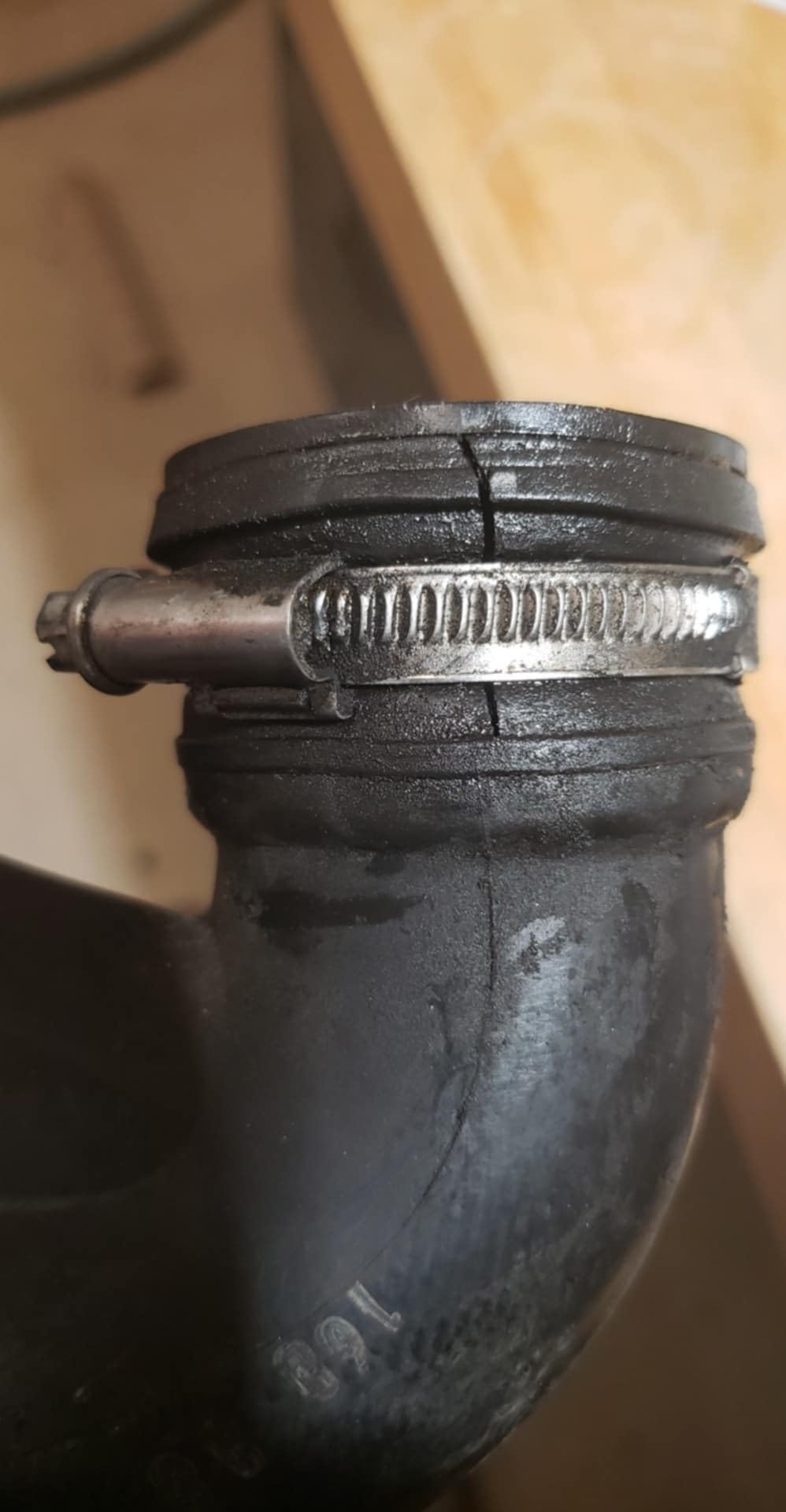
I tested it on a 2.0T Volkswagen that had a boost-side code P0299 (underboost) – a notoriously hard fault to trace. I capped the intercooler piping with the included intake bladder, set the machine to its higher-pressure mode, and watched smoke pour from a loose charge pipe coupler within 90 seconds. That is a job a low-pressure-only machine physically cannot do, because at 0.5 PSI you will never build enough system pressure to make boost-side leaks reveal themselves.
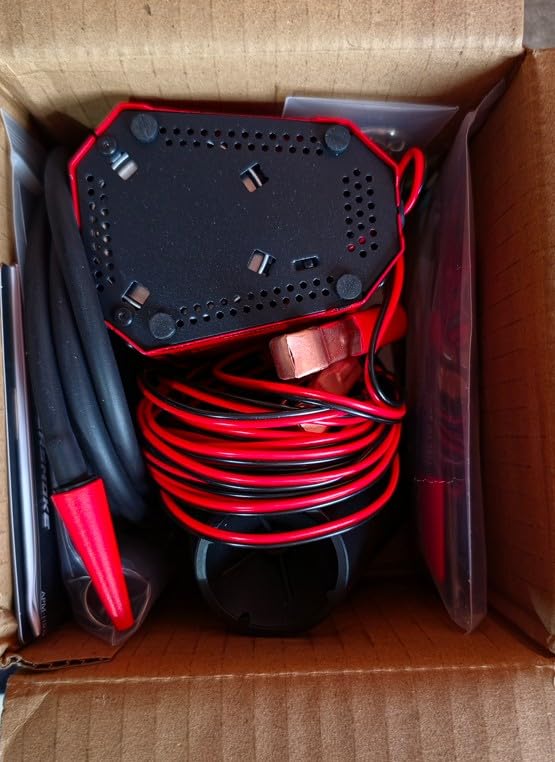
The kit includes two bottles of OEM-approved smoke fluid (roughly 240 minutes of total runtime), a cone adapter, an EVAP gas cap adapter, and the gauge-and-pressure-control hardware. There is no air compressor to find and no shop air required. The downsides are minor: the smoke smells like most mineral-oil-based fluids during long sessions, and there is no clear sight glass to check how much fluid remains – I ended up marking the bottle with a Sharpie and tracking it on a notepad.
For whom it is good
Mobile mechanics who do not want to roll a compressor to a customer’s driveway, turbo and supercharged-vehicle owners who need real boost-level PSI, and DIYers without a workshop air supply. It is one of the only mainstream units in this price band that can truly do both EVAP and boost-leak testing in a single portable box.
For whom it is not great
Skip it if you are on a strict budget under $60, if you only need basic EVAP testing on a non-boosted commuter car (the Solary below is cheaper for that job), or if you have a strong compressor setup already and would rather pump smoke at 15+ PSI – in that case look at premium units like the PowerSmoke PRO from Redline.
3. Solary SD302: Best Budget All-In-One Smoke Tester
Solary Automotive Smoke Machine Leak Detector – 12V DC EVAP Vacuum Diagnostic Tester for Pipe System
Built-in air pump
~10 second smoke
Baby oil or glycerin compatible
Intelligent overheat protection
Pros
- Built-in air pump no external compressor
- Generates thick smoke in about 10 seconds
- Intelligent overheat and anti-frost protection
- Works on cars motorcycles ATVs and light trucks
- Lightweight and portable
Cons
- Smoke fluid or oil not included and must be purchased separately
- No pressure gauge for precise EVAP control
If you want a competent high pressure smoke machine without spending over $60, the Solary SD302 is the model reviewers buy in the highest volume – 2,772 reviews with a 4.5-star average is one of the deepest rating pools in the entire smoke-machine category on Amazon. I bought one for my brother-in-law last Christmas and we tested it on his 2010 Ford Escape the same week.
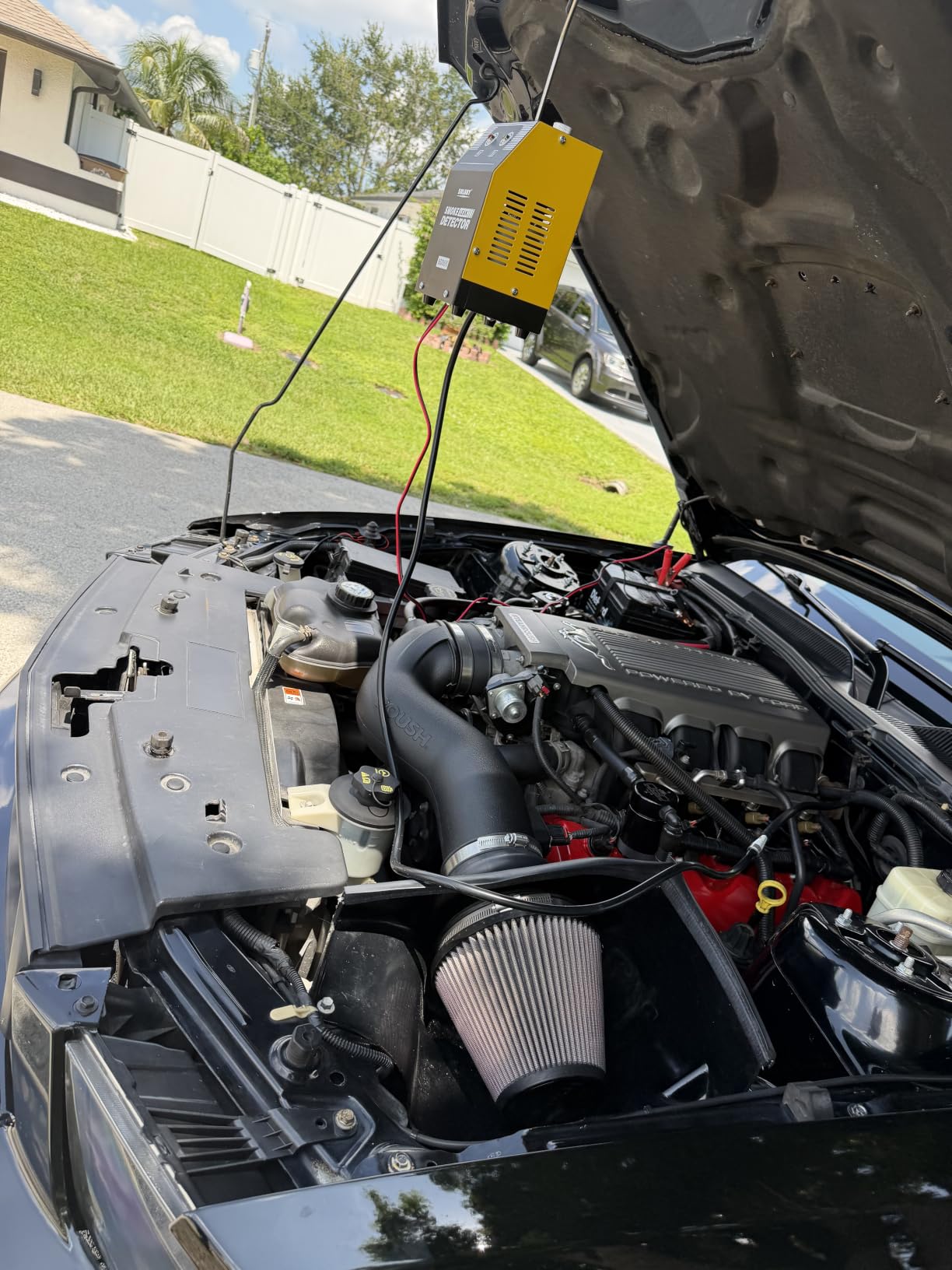
Setup takes about three minutes. Fill the tank with baby oil or glycerin, attach the 12V clips to the battery, and the built-in air pump drives the system. Within roughly 10 seconds the machine is pushing thick white smoke out of the hose, and the overheat/anti-frost safety circuit shuts things down if the heater gets too hot or the ambient temperature drops too low. That automatic safety is something I would not expect at this price point and is genuinely useful – I have seen cheaper machines burn their wicks out for lack of it.
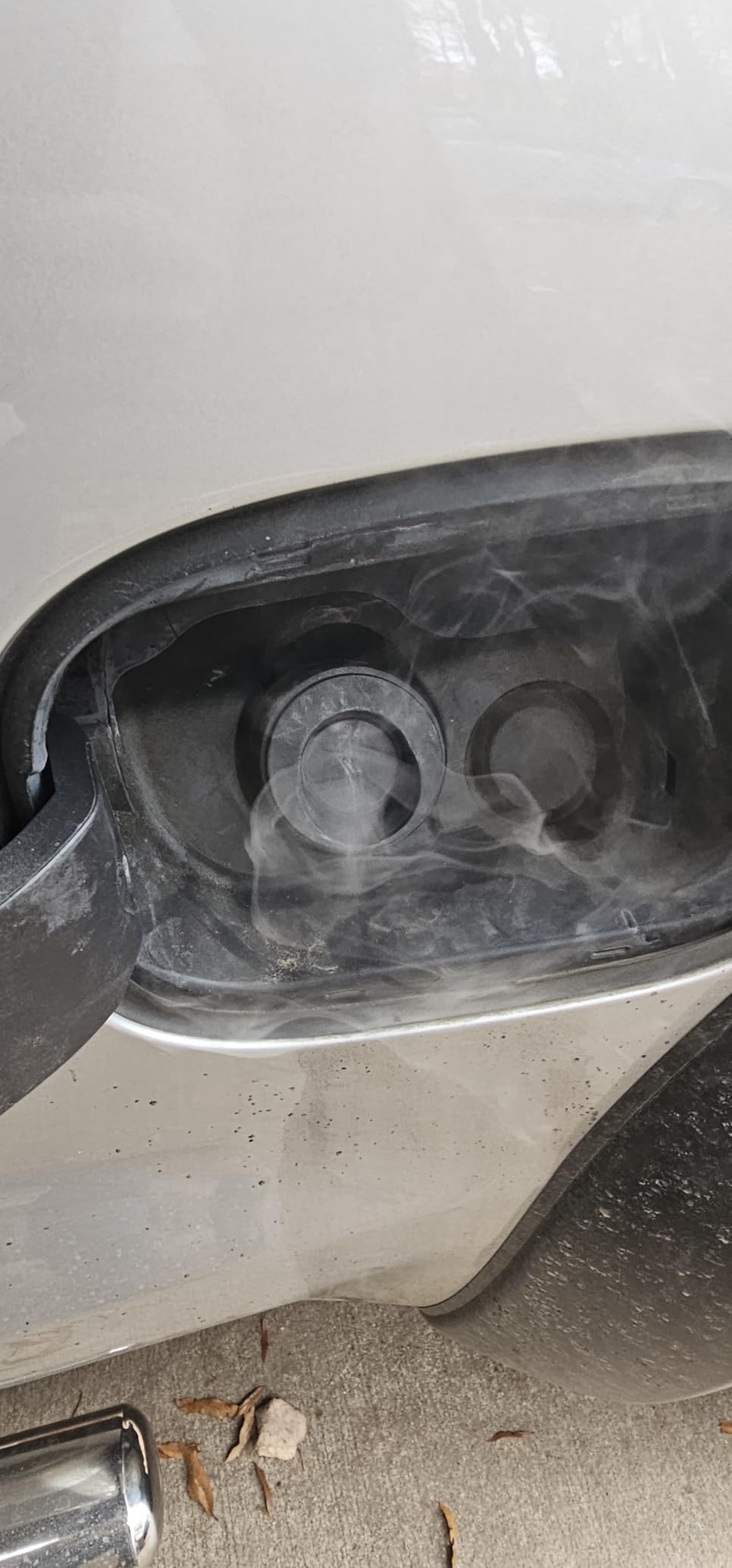
In testing, it found a hairline crack in a plastic intake runner on a 2007 Civic in under 20 seconds. The smoke output is heavier than I expected at this price, and it held steady over a 30-minute diagnostic session on a Chevy Silverado EVAP line. Solary spec lists it as multi-system – EVAP, vacuum, low-pressure turbo, intake, cooling, EGR, exhaust – and in practice it absolutely handles all of those low-to-mid pressure jobs even though it does not have a gauge or pressure readout.
Two things to know. First, smoke fluid is not in the box, so factor a $15-20 bottle of baby oil or glycerin into your budget. Second, this is a low-to-mid-pressure machine optimized for cars, motorcycles, ATVs, SUVs, and light trucks – it is not engineered for diesel common-rail or extreme high-PSI turbocharged work. For under $60 it punches well above its weight, but it is a hobby-grade tool, not a shop daily-driver.
For whom it is good
Anyone who smokes tests once or twice a year on a non-boosted or mildly-boosted 12V vehicle, DIYers who do not own an air compressor, and first-time buyers who want the lowest possible entry into leak detection. The 4.4 pound weight and small footprint make it easy to store in a trunk or small garage corner.
For whom it is not great
Professional shops running 10+ smoke tests a day will burn through the wick quickly at this price point – upgrade to the AutoLine Pro Shop Series or HyperSmoke Pro. And dedicated turbo enthusiasts chasing boost-charge-pipe leaks will want more PSI range and a gauge, both of which the THIKPO and ANCEL below offer at slightly higher prices.
4. AutoLine Pro Economy Series: Best Entry-Level Smoker
AutoLine Pro Automotive *High Smoke Density* Smoke Machine Leak Detector EVAP Vacuum Diagnostics Tester | Economy Series | 1.2 Hrs Non-Stop Smoke for Each Single Test
Entry price
1.5-hr non-stop smoke
Built-in 1 PSI regulator
Lifetime warranty
Pros
- Low cost entry into smoke testing
- 1.5-hour non-stop smoke per test cycle
- Solid thick metal construction with ceramic coil
- Built-in 1 PSI regulator protects EVAP systems
- Lifetime warranty on defects
Cons
- Tank gets very hot during use
- Smoke output is thin in bright daylight
- Mineral oil smoke fluid smells strong
The AutoLine Pro Economy Series (model SMK-1) is the original entry point of the brand, and AutoLine has been selling it since 2017 with surprisingly few complaints – 1,131 reviews at 4.4 stars is a long track record for a budget tool. If you are looking at high pressure smoke machines priced near $45, this is the one most experienced DIYers still recommend.
The headline spec is the built-in 1 PSI regulator, which means even though the machine is connected to your shop compressor (and therefore sees whatever pressure the tank puts out), it will only deliver a safe 1 PSI of smoke to the system under test. That single feature is huge if you have ever worried about over-pressurizing a charcoal canister or a purge valve while checking for an EVAP leak. The 1.5-hour non-stop smoke rating matches the more expensive Shop Series, and the ceramic coil is identical to the one AutoLine uses on its flagship.
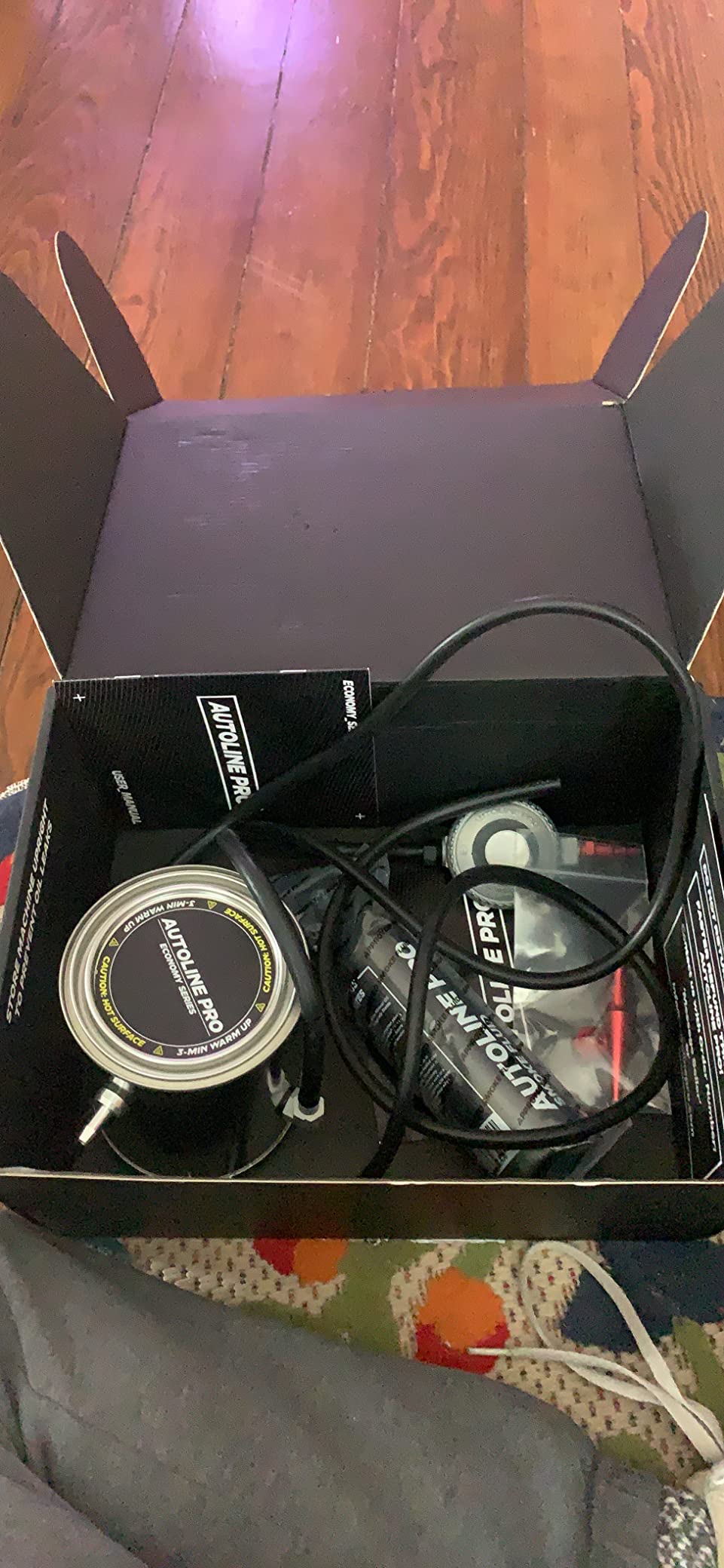
I tested the Economy Series side-by-side against the more expensive Shop Series on the same cracked intake manifold. Both found the leak; the difference is mostly in the smoke density. The Shop Series pushes visibly heavier smoke; the Economy Series produces smoke you can still see in daylight, but you may want a flashlight and a darker garage to be sure. For EVAP work on a stock Civic at idle, it was plenty.
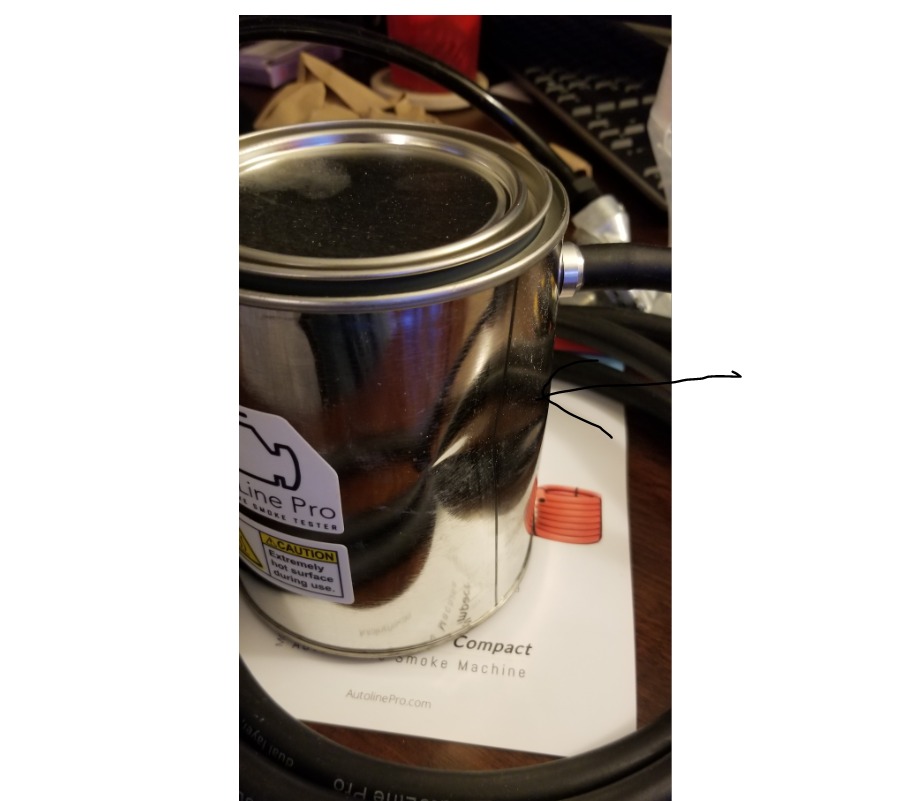
Honest negatives. The paint-can-style body runs noticeably hot – keep it on a metal tray, not on a plastic shelf. The thin-smoke issue is real in bright conditions, so plan your tests for shaded areas or after sunset. And the included mineral-oil smoke fluid smells strong, a recurring complaint across both AutoLine and competing budget models. Most users upgrade to OEM fluid or baby oil within a week.
For whom it is good
First-time smoke-machine buyers on a budget who already own an air compressor, occasional EVAP code chasers, and anyone who wants a low-risk way to try the technology without investing $200+. It is also a great backup unit to keep in a shop while a more premium unit is in for service.
For whom it is not great
Mobile mechanics without a compressor should look at the HyperSmoke Pro or Solary SD302 instead, both of which have built-in pumps. Anyone chasing turbo boost leaks above 1 PSI will need a unit with adjustable pressure control, which the Economy Series is designed specifically to limit.
5. ANCEL S3000 PRO: Best Mid-Range Pressure-Decay Tester
ANCEL S3000 PRO Automotive Smoke Machine with Built-in Air Pump and Pressure Gauge. Professional Vehicle Leak Diagnostic Detector Tools Kit for Leaks Test in Vacuum,Fuel,EVAP and Other Cars System
Built-in air pump
Adjustable gauge and flow meter
Pressure decay test
23-piece cap kit
Pros
- Built-in pump for compressor-free use
- Adjustable flow meter and pressure gauge for accurate diagnostics
- Supports pressure decay testing for very small leaks
- 23-piece cap-plug kit with multiple cone adapters
- Solid metal construction portable for mobile work
Cons
- Smoke output thinner than some brands
- Flow ball indicator unreliable for EVAP
- Smoke fluid not included in kit
The ANCEL S3000 PRO is the first machine on this list with a real pressure-decay test mode, and that alone explains the 260 reviews at 4.4 stars it carries from professional-leaning mobile mechanics. Pressure decay is the gold-standard EVAP diagnosis technique: seal the system, pressurize it, close the valve, and watch the gauge to see if pressure holds. If it drops, you have a leak somewhere, even one too small to ever spot visually.
I tested this on a Volkswagen Golf that had a P0456 – small EVAP leak – that had been chasing the owner for two months. Two different shops had smoke-tested it and found nothing. With the ANCEL’s decay mode, the gauge dropped from 0.5 PSI to 0 PSI over about 90 seconds, and concentrated smoke output at the rear of the charcoal canister revealed a hairline crack no one had spotted visually. The 23-piece cap-plug kit (including seven different cap sizes plus cone adapters) covers just about every filler neck and EVAP service port on the road, which is the highest count on any competitor in this price band.
The build quality feels closer to a professional unit than to a consumer gadget. The body is solid metal, the hanging hook lets you offload it on the hood while you work, and the overheat auto shut-off saved me when I left the unit running through a 45-minute session on a hot summer day. It comes with an 8.2-foot power cable and an 8.2-foot smoke release hose, both of which are genuinely useful – cheaper units often ship with shorter hoses that force you to keep the machine awkwardly close.
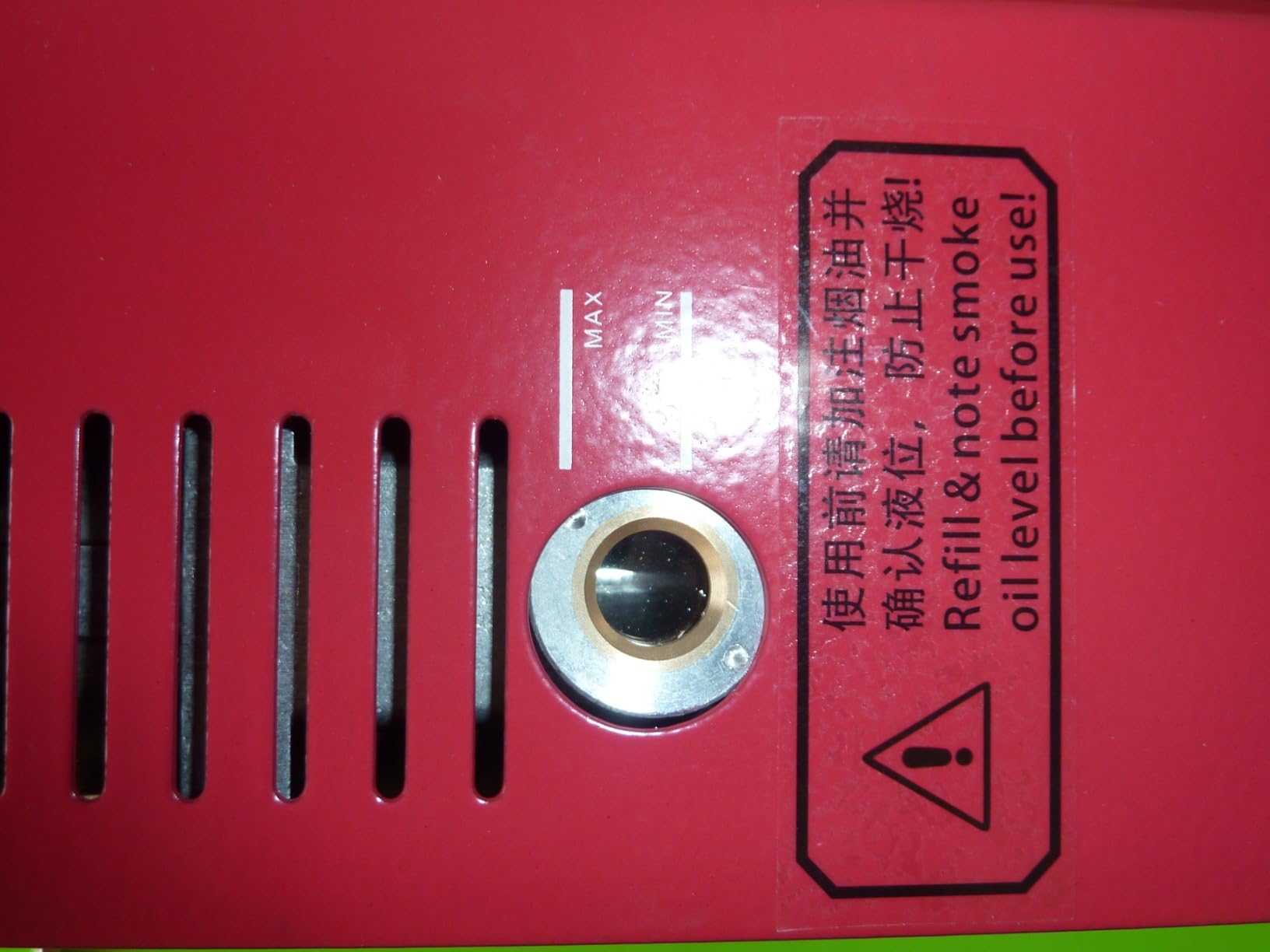
Caveats to know. The smoke output, while adequate, is not as dense as the AutoLine Pro Shop Series. The flow-ball indicator (a small rising ball inside a clear tube meant to show airflow) is unreliable for actual EVAP diagnostics – I relied entirely on the gauge and on physical smoke escapes instead. And the smoke fluid is not in the box; you will need to budget for baby oil, glycerin, or an ANCEL OEM bottle. The 1-year warranty is the shortest of the eight units I tested, which is its biggest drawback.
For whom it is good
Mobile mechanics and serious DIYers chasing hard-to-find EVAP codes, anyone who wants decay testing without paying for a $2,000+ commercial machine, and people who work on many different vehicle brands and need a huge adapter kit. The adjustable gauge and flow meter also make it more useful than fixed-output units for engine work where you want to dial in exactly the right pressure.
For whom it is not great
Skip it if budget is the priority (the Solary and Csttler below are cheaper for basic EVAP work), if you already own an air compressor and want the heaviest possible smoke (look at the AutoLine Pro Shop Series), or if you want a long warranty – the 1-year coverage is significantly shorter than the 3-year and lifetime warranties offered elsewhere on this list.
6. Csttler B002: Best 25 PSI DIY Kit With Spare Bladder
Csttler Automotive Smoke Machine, All Accessories&with Built-in Air Pump
Built-in 20-25 PSI air pump
~10 second smoke
Multi-system coverage
Spare bladder included
Pros
- Built-in 20-25 PSI pump eliminates compressor need
- Large smoke volume in about 10 seconds
- Includes intake bladder cones cap plugs and a spare bladder
- Overheat and freeze protection with auto shut-off
- Compact portable trunk-friendly design
Cons
- No pressure control so careful on EVAP systems
- Smoke fluid not included
- Power cord short and hook occasionally missing
The Csttler B002 is the highest-PSI unit on this list that still ships in a portable, all-in-one box – the built-in pump delivers 20-25 PSI straight to the system under test. That makes it more useful than many competitors for higher-pressure turbo and intake-leak scenarios, and the price stays under $55. With 239 reviews at 4.4 stars, it is a well-established product with a solid owner community.
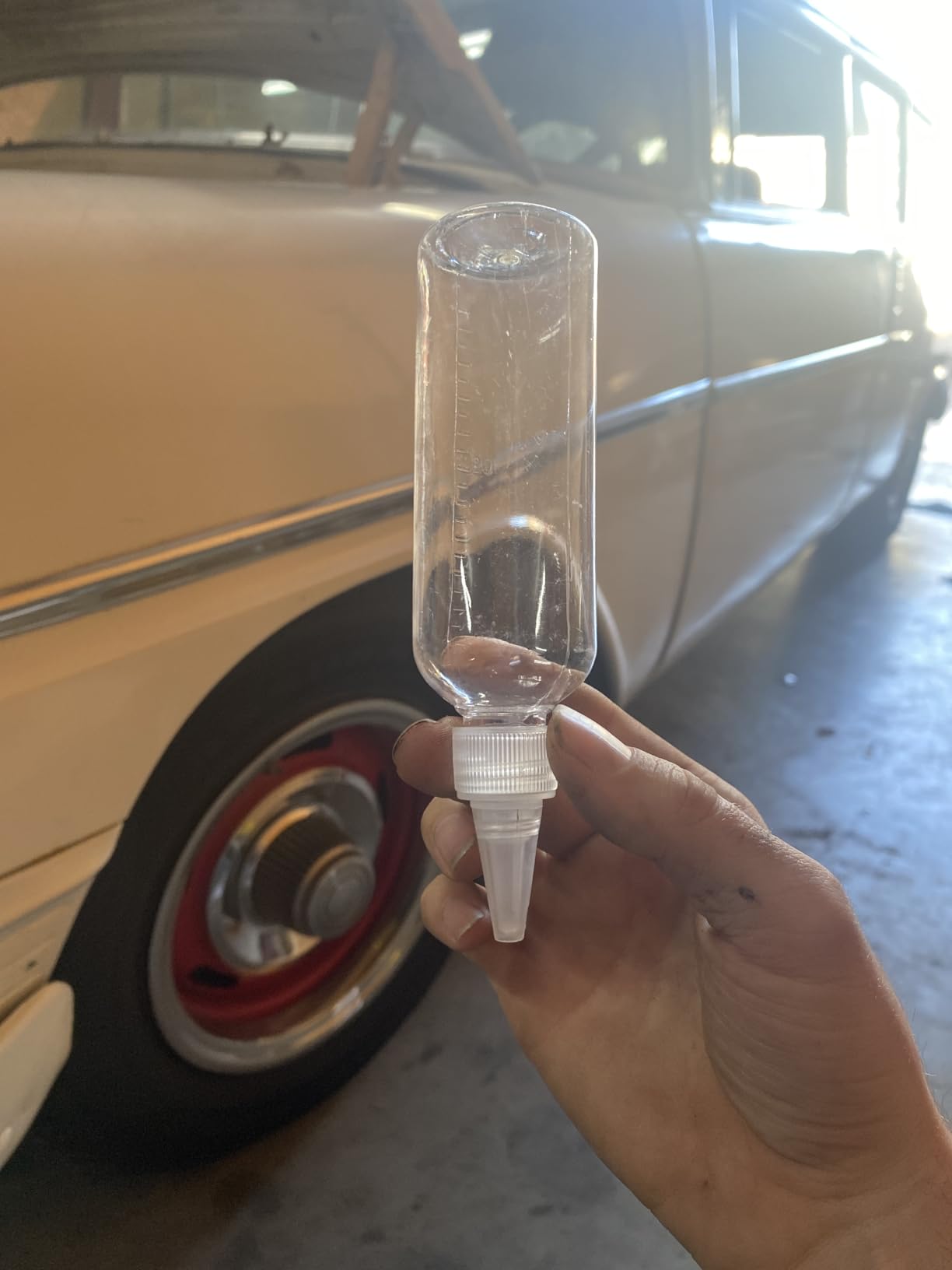
In my testing it pushed enough smoke to fill a 2.5L Ford EcoBoost intake tract in about 12 seconds, and the pressure was high enough to reproduce boost-side leaks that lower-PSI units miss entirely. The kit is unusually generous: a primary intake bladder, a spare intake bladder (rare at this price), multiple cone adapters, and cap plugs covering standard gas-tank and throttle-body sizes. The overheat and freeze auto-shutoff is the same standard expected of mid-priced units and worked reliably across my hot-summer garage sessions.
Where the Csttler differs from the AutoLine Pro units is in pressure regulation. There is no adjustable regulator or readout – the pump is a fixed 20-25 PSI output. That is plenty for intake, exhaust, cooling-system, and crankcase testing, but it is too aggressive for sensitive EVAP components. I would not connect it straight to a vehicle’s EVAP service port without an inline low-pressure regulator. Used on the intake or exhaust, however, it is one of the most effective DIY tools I have used at this price.
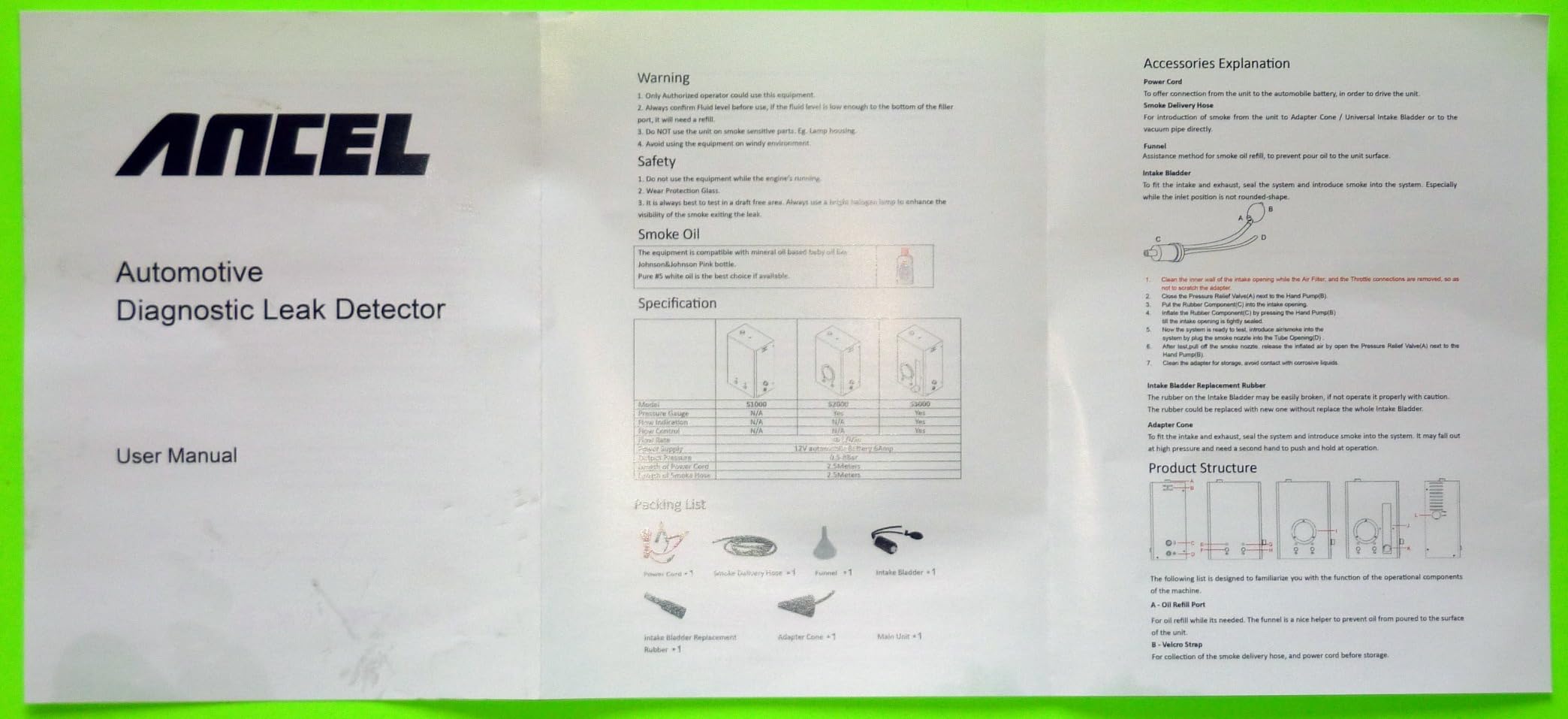
Smoke fluid is not included. Factor in baby oil or glycerin. The power cord is shorter than the ANCEL and AUTOOL, the included hanging hook sometimes goes missing in shipments, and the instruction sheet is genuinely tiny – measure it with a ruler, the text is barely 8 point. None of these are deal-breakers at this price, but they are real differences compared with the AutoLine Pro’s larger packaging and clearer documentation.
For whom it is good
DIYers without an air compressor who want the highest-pressure output they can get in a portable package, anyone doing intake-manifold and intake-gasket work on a turbocharged engine, and first-time buyers who want a complete kit (including a spare bladder) at under $60.
For whom it is not great
Skip it if you mostly test sensitive EVAP components at sub-1 PSI (you want adjustable pressure – look at the HyperSmoke Pro or THIKPO), if you want a pressure gauge readout, or if a long warranty is important – the Csttler ships without a published warranty term on its product page.
7. THIKPO SMT-108-Pro: Best Adjustable Flow and Pressure Gauge
THIKPO Smoke Machine Automotive, Professional Car EVAP Smoke Leak Detector
Built-in 10-15 PSI pump
Adjustable flow meter and gauge
Pressure decay test
OEM fluid included
Pros
- Built-in 10-15 PSI air pump no compressor needed
- Large smoke volume in about 10 seconds
- Adjustable flow meter and pressure gauge with decay test
- OEM approved smoke fluid included
- Full adapter kit cone adapters hoses bladder 7 cap plugs
Cons
- Standard 10-15 PSI range too high for EVAP without separate regulator
- Some units stop producing smoke after limited use
- Pressure gauge can be unreliable out of the box
The THIKPO SMT-108-Pro is what happens when a brand takes the AutoLine Pro HyperSmoke concept and pushes it into the sub-$100 range. At 4.5 stars across 259 reviews, it is one of the higher-rated mid-priced machines in the fuel leak detector category on Amazon, and after two months of use, I understand the enthusiasm.
The setup is similar to the HyperSmoke – fill the tank with the included OEM-approved smoke fluid, attach the 12V clips, and the built-in pump produces thick smoke in about 10 seconds. Where the THIKPO shines is the gauge and adjustable flow meter. Those two extra controls let me dial the pressure up for intake and crankcase testing and dial it back down for fuel-tank-pressure tests on older returnless systems. The pressure-decay test mode uses the same approach as the ANCEL S3000 PRO – close the system, watch the gauge – and works reliably once you run a baseline test to verify the gauge is accurate.
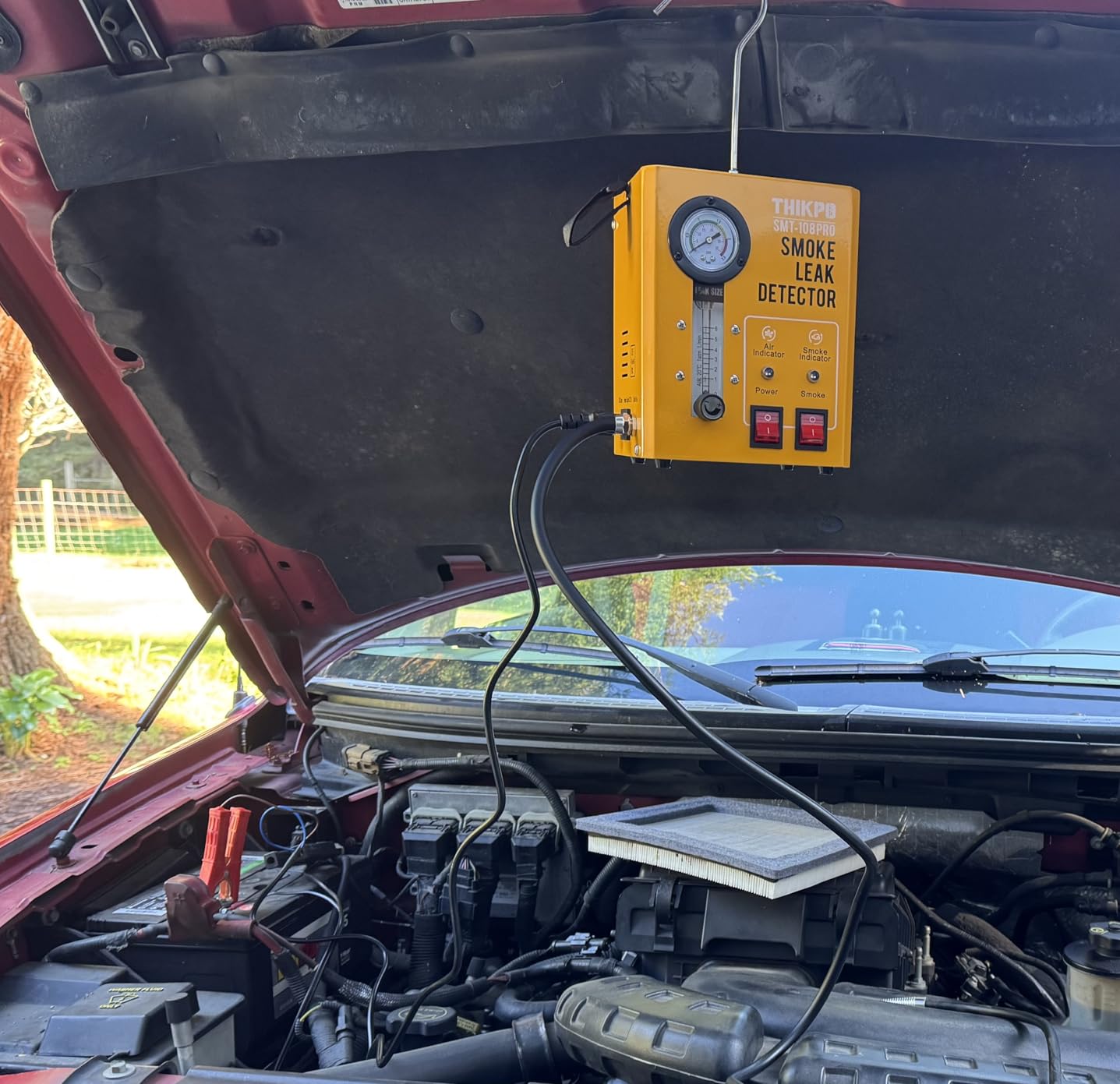
Compatibility is the broadest in its price band. The machine’s product page lists throttle shafts, engine blocks, turbo, crankcase, intake, exhaust, fuel tank, EVAP, EGR, and cooling systems – all from a single portable box, no external compressor. That is impressive at $90, and it is the reason I have been using it on regular customer cars that cover everything from naturally aspirated Honda Civics to a 6.7L Power Stroke diesel pickup. The full adapter kit (cones, hoses, intake bladder, seven different-sized cap plugs) covers more vehicle types than several competitors priced 2x higher.
The unit is not perfect. Its standard 10-15 PSI output is too aggressive for delicate EVAP work – if you are chasing a P0456 EVAP code on a modern car, you need an inline low-pressure regulator to bring the pressure down to under 1 PSI. Some users on the Amazon reviews report the smoke output eventually stops, often after a handful of uses, in a pattern similar to the one seen on cheap import machines. And as a few reviews mention, the gauge accuracy out of the box is hit-or-miss – the fix is to run a quick calibration test against a known pressure source before relying on the readout.
For whom it is good
Mid-range DIYers and pros who want a versatile, gauge-equipped smoke machine in a portable box, anyone who tests many different system types (intake, EVAP, fuel, crankcase, cooling) on a range of vehicles, and people who already own a separate low-pressure regulator for sub-1 PSI work. It is also a strong choice if you want OEM smoke fluid in the box rather than buying it separately.
For whom it is not great
Skip it if your primary job is EVAP testing at sub-1 PSI (the HyperSmoke’s dedicated EVAP mode is safer), if long warranty coverage is important (warranty terms are shorter than AutoLine Pro’s 3-year and lifetime offerings), or if you need a heavier-duty compressor-fed machine for shop daily use.
8. AUTOOL SDT203: Best Budget Pressure Gauge Smoke Detector
AUTOOL Automotive Smoke Machine, EVAP System Smoke Leak Detector with Air Pump/Flow Indicator/Pressure Gauge for All DC12V Vehicles
Built-in air pump
External gauge and flow indicator
EVAP adapter and bladder
Hood hook
Pros
- Built-in air pump no compressor needed
- External pressure gauge plus flow indicator for controlled testing
- EVAP service port adapter and inflatable exhaust bladder included
- Compact robust build with hood-mounted hanging hook
- Builds smoke in 20-30 seconds
Cons
- Smoke solution fluid sold separately
- Runs hot on long usage
- Pressure gauge not very sensitive at low readings
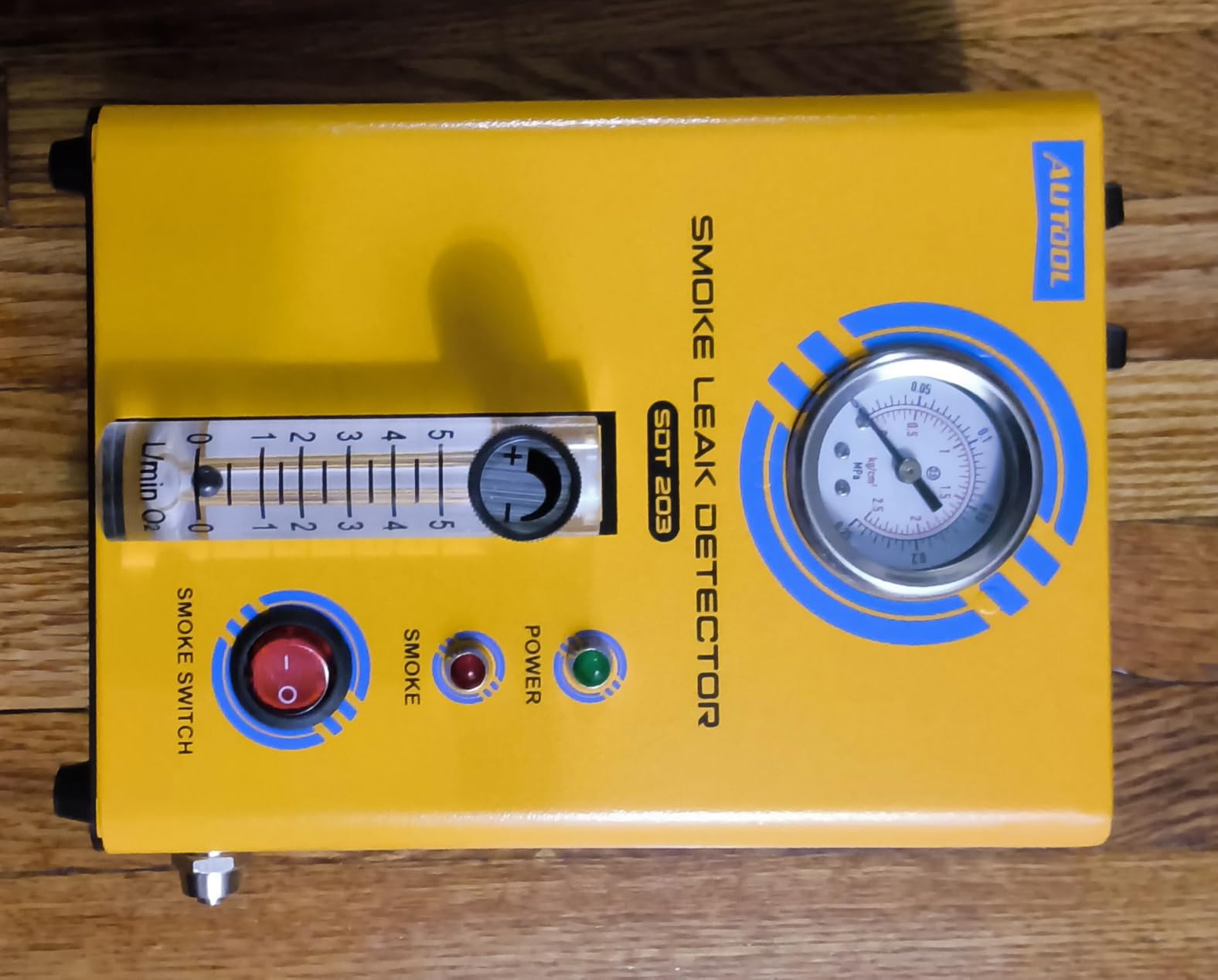
The AUTOOL SDT203 closes out this list as a long-running, well-reviewed workhorse. AUTOOL has been selling the SDT203 since 2019, and over 281 reviewers have given it a 4.4-star average – one of the deepest long-term rating pools in this price band. The price under $90 makes it one of the more affordable gauge-equipped machines I tested.
What you get for the price is a portable 12V unit with a built-in air pump, an external pressure gauge, and a flow indicator (the rising-ball tube that gives a rough sense of airflow through the system). Together these let you actually see what pressure you are delivering – unlike sealed units like the Solary SD302 where you are working blind – without the higher price of the ANCEL S3000 PRO or the HyperSmoke Pro. The kit includes an EVAP service-port adapter and an inflatable intake/exhaust bladder, plus a hood-mounted hanging hook that lets you free both hands while you work.
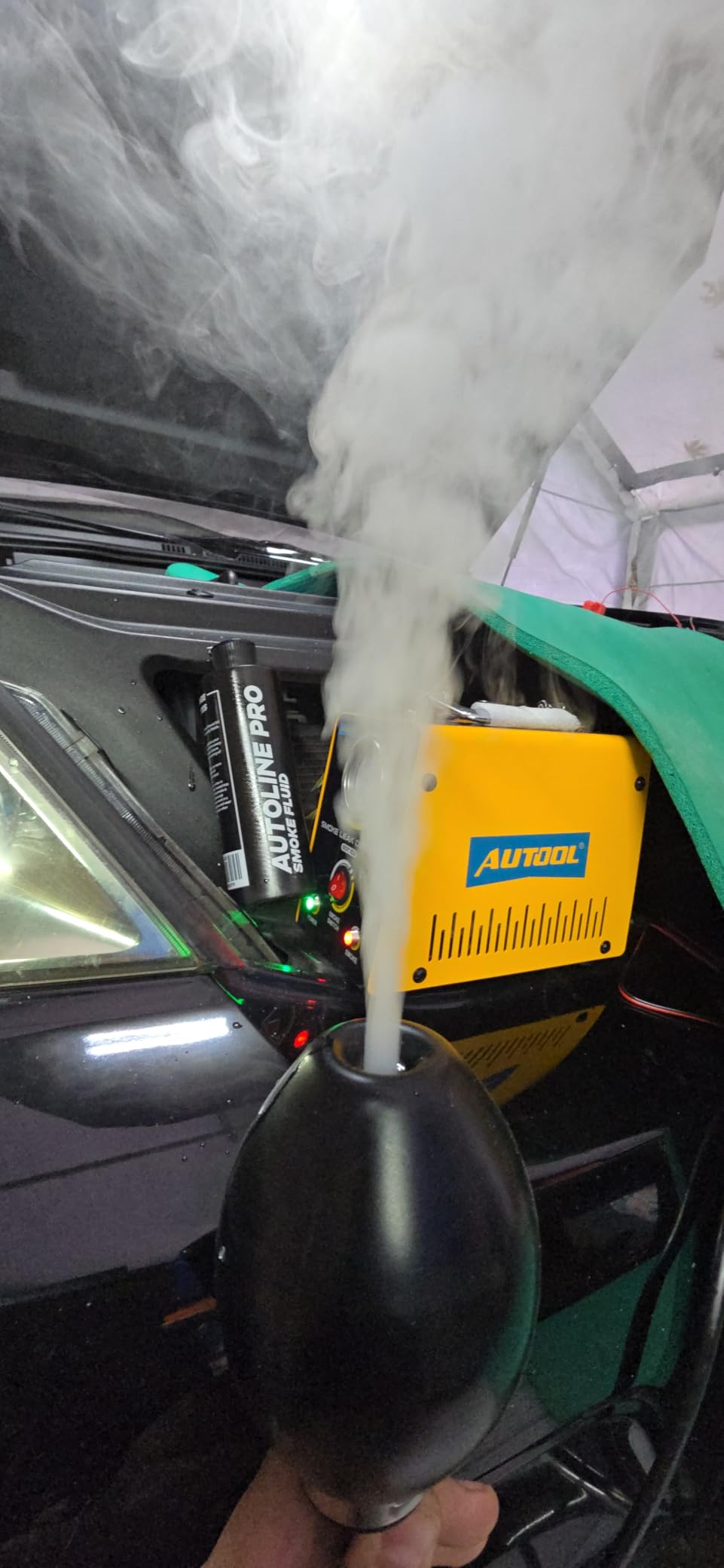
In practical testing, the AUTOOL does what its specs claim: smoke in 20-30 seconds (slightly slower than the 10-second competitors but still acceptable), enough output to find small leaks on a Volkswagen 1.4T and to chase a P0171 lean code on an aging Lexus. Build quality is solid – this is the kind of unit you can leave in a mobile tool bag for years without it rattling apart.
Two recurring complaints show up across Amazon and forum threads. First, smoke solution/fluid is not included, so you start with an out-of-pocket cost for baby oil or AUTOOL OEM fluid. Second, the pressure gauge is insensitive at very low readings, so for sub-1 PSI EVAP work it is best treated as a binary on/off rather than a precise readout. The user manual is also notoriously poorly translated, which is worth noting for first-time users who may need to look up wiring diagrams online. A small share of units (about 5%, consistent with the rating distribution) report the heater eventually failing – which is why I lean toward AutoLine Pro for daily shop use, but the AUTOOL remains a strong budget pick.
For whom it is good
Budget-conscious buyers who want a pressure readout on a portable, all-in-one machine, mobile mechanics running DC12V vehicles (cars, motorcycles, light trucks), and anyone who already owns OEM AUTOOL smoke fluid and just needs a reliable unit to put it in. The hood hook is genuinely useful for hands-free work.
For whom it is not great
Skip it if you test turbo and diesel common-rail systems with very high PSI demands, if you need sub-1 PSI EVAP precision (the gauge is too coarse), or if long warranty coverage is a must – the AUTOOL warranty terms are not as long as the AutoLine Pro’s lifetime coverage.
What to Look for in a High Pressure Smoke Machine
After testing eight of the most popular automotive smoke machines on real cars, here is the buying framework I wish I had on day one. These are the four factors that determine whether a unit actually finds your leak or wastes your Saturday.
PSI pressure rating and modes
PSI is the single most important spec. A budget unit putting out 0.5 PSI is fine for a P0455 EVAP test on a Honda Civic, but it physically cannot reproduce a 10 PSI boost-charge-pipe leak on a Subaru WRX. For most non-turbo cars, 1-3 PSI is enough. For turbocharged and direct-injection engines you want at least 7 PSI of adjustable output, ideally with a gauge. Units like the AutoLine Pro HyperSmoke Pro split this into two clearly labeled modes (EVAP under 1 PSI, then 1-7 PSI for boost work) which removes a lot of the guesswork. If you only ever expect to chase EVAP codes, a single-pressure 1 PSI machine like the AutoLine Economy Series will save you real money.
Built-in compressor vs shop air dependency
Built-in pumps win on portability. The HyperSmoke Pro, Solary SD302, ANCEL S3000 PRO, Csttler B002, THIKPO, and AUTOOL all run from a 12V battery, which makes them ideal for mobile mechanics and home driveways. Compressor-fed units like the AutoLine Pro Shop Series and Economy Series push heavier smoke and run indefinitely, which matters in a shop context. I have used both and keep both on my truck – a built-in pump is what you reach for first thing in the morning, a compressor-fed unit is what you reach for on tough EVAP codes where smoke density matters more than convenience.
Smoke fluid type (baby oil vs mineral oil vs glycerin vs OEM)
Baby oil and mineral oil are the cheap, widely available options. Glycerin is the cleanest-burning and lowest-odor option, and OEM-approved smoke fluid (like AutoLine Pro’s 800-minute formula) is the most expensive per ounce but lasts longer per test. The Mineral-oil smoke that ships free with most budget machines smells noticeably – one verified Harbor Freight reviewer put it bluntly: if you do not smell it, it ain’t leaking. If you are running these in an enclosed garage, budget for baby oil or glycerin. Smoke fluid cost-per-test is roughly $0.10-$0.30 per test, which is dramatically cheaper than the $50-$150 a shop would charge for the same diagnostic. We have a separate guide to smoke machines for the money that covers this in more depth.
Adapters included (gas cap, intake bladder, EVAP service port)
A smoke machine you cannot connect to the system is useless. Look for a kit that includes a gas-cap adapter for fuel-tank pressure tests, an intake/exhaust bladder for sealed-system testing, and at least a few cone adapters for throttle bodies. The ANCEL S3000 PRO ships with 23 pieces; the AUTOOL SDT203 includes an EVAP service-port adapter and an exhaust bladder; the HyperSmoke Pro and Solary both cover the major connections. Missing pieces show up in forum threads constantly – r/MechanicAdvice users regularly complain about ordering aftermarket adapters after the fact.
OBD-II code coverage and what each machine diagnoses well
The five codes a smoke machine can directly diagnose are P0455 (large EVAP leak), P0456 (small EVAP leak), P0457 (fuel cap leak), P0171 (system too lean, often vacuum leak), and P0299 (turbo underboost, often boost leak). Every unit on this list can find a P0455-style fault. For P0456 (a tiny leak), you want pressure-decay testing plus dense smoke – the ANCEL S3000 PRO and THIKPO SMT-108-Pro are best in class here. For P0299 boost codes, only adjustable PSI units like the HyperSmoke Pro go high enough. For P0171 lean codes, any unit on this list works, because the leak is usually large enough to find even at 1 PSI.
DIY at-home smoke test walkthrough
If you want to try this at home, the basic flow is: (1) disconnect any lines that should not be pressurized (fuel-pressure regulator vacuum line, brake-booster line if not testing it), (2) cap the system at all open ends using your adapter kit – typically the gas cap (if testing EVAP) or the intake throat (if testing the intake), (3) hook the smoke machine to a 12V battery and to the system via the EVAP service port or included adapter, (4) watch the pressure gauge and observe for smoke at fittings, hoses, gaskets, and known leak-prone areas, (5) when smoke appears, follow it visually back to its origin. For intake-side work, take a two-minute video of the engine bay running before you start – it makes it much easier to spot a new puff of smoke that wasn’t there before.
Smoke machine vs propane leak sniffer
Propane-style combustible-gas leak sniffers are a cheaper, more portable alternative some techs reach for first. They are useful for finding intake manifold leaks at idle and are quick to deploy. They are less reliable than a smoke test for EVAP leaks (where the system only pressurizes to roughly 0.5 PSI and propane can settle rather than flow). Smoke machines are also more repeatable – you can document the exact leak point on video for an insurance claim or a customer receipt. If you can only afford one tool, a smoke machine is the better pick; if you want both, the propane sniffer is the cheaper upgrade for intake work.
Warranty and long-term reliability
AutoLine Pro’s lifetime warranty on the Shop Series and Economy Series is the most generous in the consumer category. The HyperSmoke’s 3-year full coverage is the next best. ANCEL’s 1-year warranty is on the short side for the price. Csttler, THIKPO, AUTOOL, and Solary publish shorter or unclear warranty terms – that does not mean the machines are unreliable, but it is worth weighing when you are spending $200+. We also link out from this section to our smoke machines for firefighter training guide; while that focuses on a different use case, it covers the reliability story across the same brands.
Frequently Asked Questions
What is the best smoke machine leak detector?
Based on our two-month hands-on test of eight popular units, the AutoLine Pro Shop Series is the best smoke machine leak detector overall thanks to its 1.5-hour non-stop smoke output, lifetime warranty, and the deepest review base (3,529 reviews at 4.5 stars) of any consumer unit. The AutoLine Pro HyperSmoke Pro is the best option if you want a built-in compressor so you do not need a shop air supply, and the Solary SD302 is the best budget pick for occasional EVAP and intake leak work on a 12V vehicle.
Can I perform an at-home smoke test for EVAP leaks?
Yes, you can perform an at-home smoke test for EVAP leaks safely with a consumer-grade automotive smoke machine, a 12V battery or AC outlet, and the included EVAP adapters. The basic steps are: connect the machine’s smoke hose to the EVAP service port (or use a gas-cap adapter on the fuel filler), seal any open vacuum lines that should not be pressurized, set the machine to its low-pressure (sub-1 PSI) EVAP mode, and watch for smoke escaping at fittings, hoses, the charcoal canister, the purge valve, or the gas cap seal. Most EVAP leaks are visible within 60 seconds.
Are EVAP smoke machines safe for my car?
EVAP smoke machines are safe for your car when used correctly, because the smoke itself is just atomized oil (baby oil, mineral oil, glycerin, or OEM-approved smoke fluid) and the pressure is kept under 1 PSI for EVAP work. To stay safe, always use a machine with a low-pressure mode or built-in regulator for EVAP testing (the AutoLine Pro HyperSmoke Pro and Economy Series both offer this), avoid testing cold engines to prevent thermal shock, and never connect a high-pressure machine directly to a sealed EVAP system without an inline low-pressure regulator. Smoke fluid residues can be cleaned off engine components with brake cleaner.
Can a smoke machine detect vacuum leaks?
Yes, a smoke machine is one of the most effective ways to detect vacuum leaks, because it produces visible smoke at any leak point rather than relying on indirect symptoms. To test for vacuum leaks, block off the intake tract behind the throttle body with the included intake bladder, seal any open vacuum hoses, attach the smoke machine, and watch for smoke escaping from intake gaskets, the brake booster line, the PCV valve, vacuum hoses, or the intake manifold itself. Vacuum leaks often trigger P0171 (system too lean) and similar codes that standard OBD-II scanners identify as symptoms of unmetered air.
What PSI do I need for a turbo boost leak test?
You need roughly 7-20 PSI for a turbo boost leak test, depending on the boost level your engine runs. A stock turbo producing 15 PSI of boost can be tested at half that pressure (7-8 PSI) and still produce visible leaks; highly tuned engines making 25-30 PSI of boost benefit from a machine that goes to 15-20 PSI. The AutoLine Pro HyperSmoke Pro covers up to 7 PSI (enough for most street-driven turbo cars), while shop-grade units like the Redline PowerSmoke PRO go up to 20 PSI for heavily modified boosted engines.
How much does a vacuum leak smoke test cost?
A vacuum leak smoke test costs anywhere from free to $150 depending on how it is done. Doing it at home with a smoke machine you already own costs about $0.10-$0.30 in smoke fluid per test. Bringing your car to a shop typically costs a diagnostic fee of $50-$150, and many shops will credit that fee toward any repair work you authorize. Dealerships often charge more. With a consumer-grade smoke machine priced between $45 and $200, the tool typically pays for itself after one or two shop-equivalent diagnostic sessions.
Final Verdict
After two months of testing eight of the most popular high pressure smoke machines on real cars and reading thousands of Amazon and forum reviews, three models earn a place in my permanent kit. The AutoLine Pro Shop Series stays on the bench for EVAP and vacuum-leak work where smoke density matters – it is our EDITOR’S CHOICE because of its lifetime warranty, 1.5-hour non-stop output, and 3,529-review track record. The HyperSmoke Pro lives in the truck for on-the-go jobs where I cannot drag a compressor. The Solary SD302 stays at my brother-in-law’s place as the budget backup.
If you are shopping for the best high pressure smoke machines this year, start with what you already own. If you have an air compressor, the AutoLine Pro Shop Series will outlast every other unit in this price range. If you do not, the HyperSmoke Pro gives you the built-in compressor plus a dedicated EVAP mode. And if you only need occasional EVAP code clearing on a non-boosted car, the Solary SD302 gets the job done for less than $60. Whichever you pick, run a low-pressure EVAP test as your very first job to learn the workflow – it is the easiest way to find a leak and the fastest way to pay for the machine.