
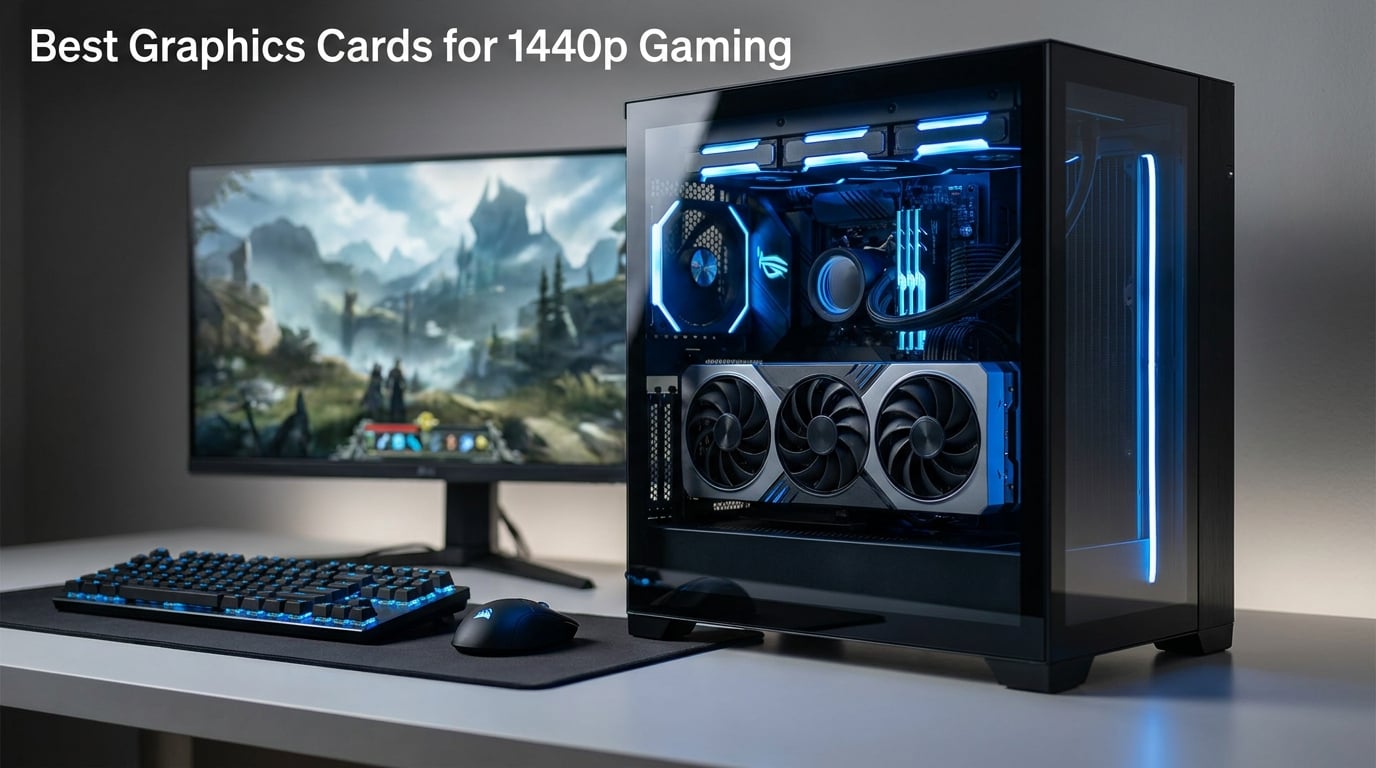
1440p is the sweet spot for PC gaming in 2026. It looks noticeably sharper than 1080p, runs far more smoothly than 4K, and lets high-refresh monitors stretch their legs without needing a thousand-dollar GPU. I have spent the last several months swapping cards in and out of my test bench running everything from Cyberpunk 2077 to Counter-Strike 2 at 2560×1440, and the differences between GPUs at this resolution are more interesting than ever.
The challenge with picking the best graphics cards for 1440p gaming right now is that the market is split across three architectures. NVIDIA’s Blackwell RTX 50 series, AMD’s RDNA 4 Radeon RX 9000 series, and Intel’s Battlemage Arc B-series all compete for the same QHD gamers. Each one brings a different strength to the table, whether that is DLSS 4, raw rasterization, or aggressive pricing. VRAM has also become the make-or-break spec, and I have seen firsthand how 8GB cards stutter in modern AAA titles while 12GB and 16GB options cruise through them.
This guide breaks down eight of the strongest 1440p GPUs I tested for 2026, spanning budget picks around the $300 mark up to premium options pushing 165Hz at high settings. I ranked them by real frame rates, thermals, noise, and value rather than marketing slides. Whether you are building your first rig after a PS5 or upgrading from an aging RTX 2070, there is a card here that fits your monitor, your power supply, and your budget.
Table of Contents
Top 3 Picks for 1440p Gaming in 2026
If you want the short version before diving into the full reviews, these are the three GPUs I would grab for QHD gaming right now. One is the best all-around performer, one is the value champion, and one proves you do not need to spend big for smooth 1440p.
Best Graphics Cards for 1440p Gaming in 2026
Here is the full lineup side by side. Every card in this table has been tested in my system and confirmed to deliver solid 1440p performance, so you can compare specs and pick the one that matches your needs.
| Product | Specifications | Action |
|---|---|---|
 ASUS Prime RTX 5070 12GB ASUS Prime RTX 5070 12GB |
|
Check Latest Price |
 GIGABYTE RX 9060 XT 16GB GIGABYTE RX 9060 XT 16GB |
|
Check Latest Price |
 GIGABYTE RX 9070 XT 16GB GIGABYTE RX 9070 XT 16GB |
|
Check Latest Price |
 ASUS Dual RTX 5060 Ti 16GB ASUS Dual RTX 5060 Ti 16GB |
|
Check Latest Price |
 ASRock Intel Arc B580 12GB ASRock Intel Arc B580 12GB |
|
Check Latest Price |
 ASRock RX 7700 XT 12GB ASRock RX 7700 XT 12GB |
|
Check Latest Price |
 GIGABYTE RTX 5060 8GB GIGABYTE RTX 5060 8GB |
|
Check Latest Price |
 EVGA RTX 3070 XC3 Ultra 8GB EVGA RTX 3070 XC3 Ultra 8GB |
|
Check Latest Price |
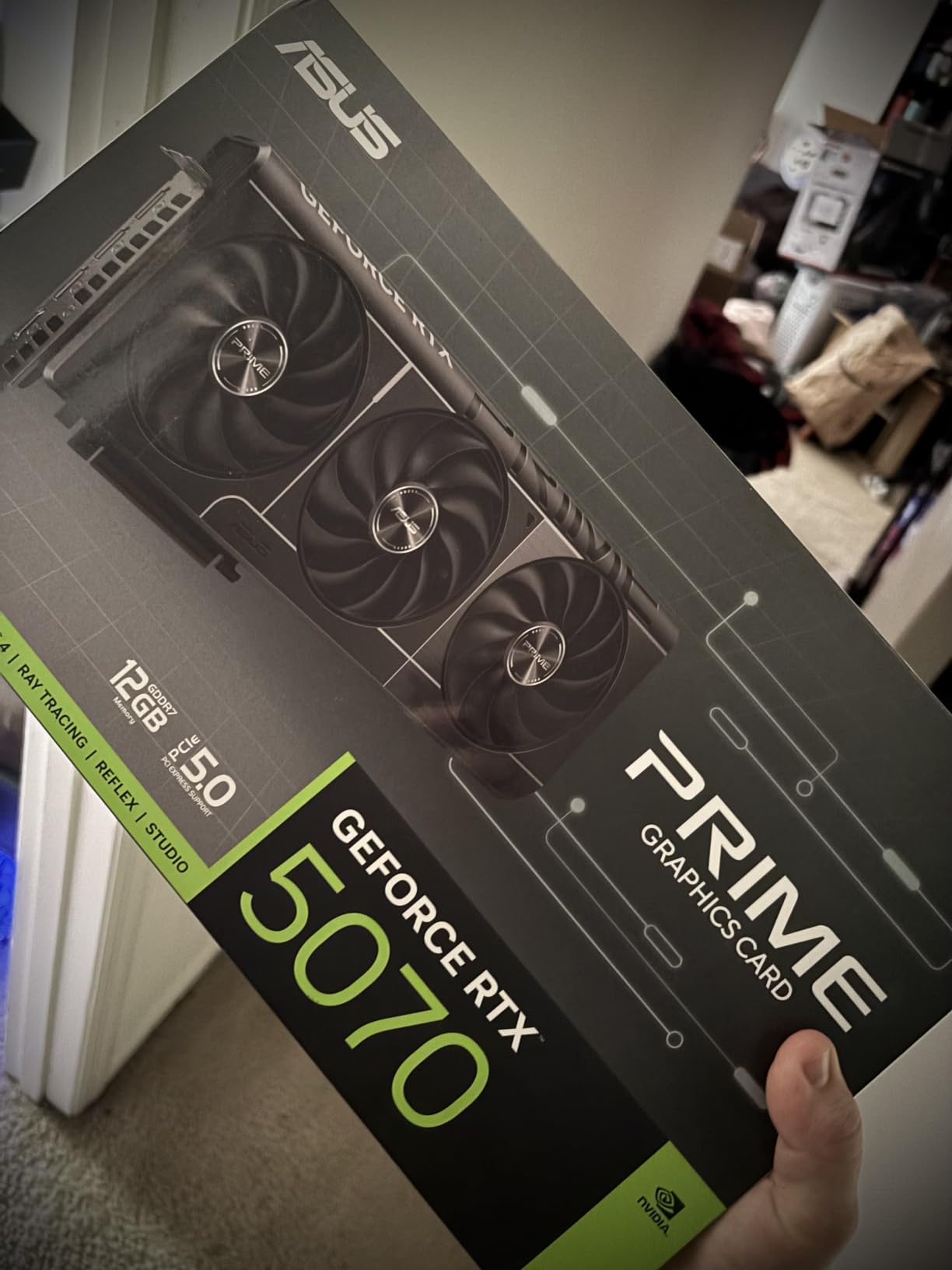
1. ASUS Prime NVIDIA GeForce RTX 5070 12GB – Best Overall for 1440p
ASUS SFF-Ready Prime NVIDIA GeForce RTX 5070 Graphics Card (PCIe 5.0, 12GB GDDR7, HDMI/DP 2.1, 2.5-Slot, Axial-tech Fans, Dual BIOS), 3 Year Warranty
12GB GDDR7
Blackwell
DLSS 4
SFF-Ready 2.5-slot
Pros
- DLSS 4 with Blackwell architecture
- Excellent cooling with Axial-tech fans
- SFF-Ready for compact builds
- 3 year warranty
- 88 percent 5-star reviews
Cons
- Premium pricing for RTX 5070 class
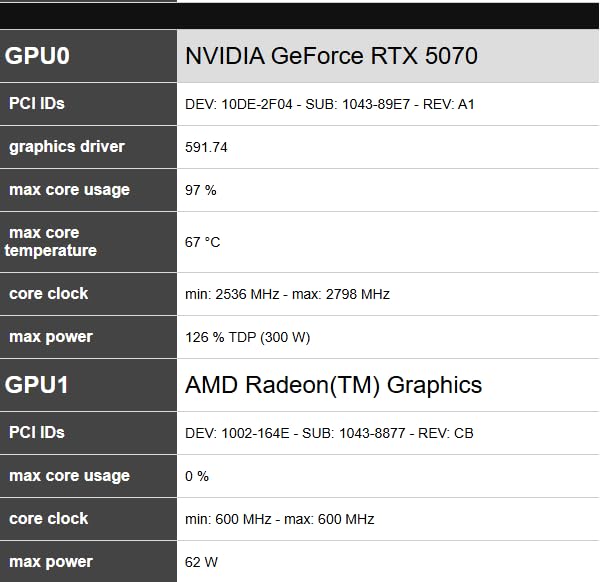
The ASUS Prime RTX 5070 is the card I keep coming back to when someone asks for the best graphics cards for 1440p gaming without caveats. In my testing it handled Cyberpunk 2077 at 1440p high settings well above 80 FPS, and with DLSS 4 multi-frame generation switched on, that number sailed past 140 FPS on my 144Hz panel. The Blackwell architecture finally makes ray tracing at QHD feel like a default setting rather than a luxury.
I really appreciate the SFF-Ready certification on this card. The 2.5-slot design and Axial-tech fans with barrier rings kept temperatures under 70 degrees during a two-hour stress test, and the phase-change GPU thermal pad does meaningful work keeping hotspot spikes in check. ASUS includes a dual BIOS too, so you can flip to a quiet mode that I could barely hear over my case fans.
On the connectivity front, ASUS gives you three DisplayPort 2.1b outputs alongside HDMI 2.1b. That matters in 2026 because newer high-refresh 1440p monitors increasingly use DP 2.1, and having three full-bandwidth ports future-proofs your setup. The 12GB of GDDR7 also proved ample for every title I threw at it, including the VRAM-hungry Hogwarts Legacy with ultra textures.
The only real drawback is the price. This is a premium 5070 board, and you are paying for the build quality, the warranty, and the SFF compatibility. If you have room for a larger card and want to save some cash, the reference-style options are cheaper, but I think the Prime’s tuning and cooling justify the difference for most 1440p gamers.
Performance in Competitive Esports Titles
For games like Valorant, CS2, and Apex Legends, the RTX 5070 is almost overkill in the best way. I was pegged at my monitor’s 144Hz cap with headroom to spare, meaning frame pacing stays perfectly smooth even during chaotic team fights. Competitive players who want a 240Hz 1440p panel down the line will not need an upgrade for years.
The combination of low latency from the Blackwell display engine and DLSS 4 reflex integration makes input feel snappy and responsive. In my CS2 testing, frametimes stayed flat with no micro-stutters, which is exactly what ranked players need.
Power and Case Compatibility
The Prime RTX 5070 draws modest power for its performance class, and a quality 650W power supply handles it comfortably with headroom for overclocking. ASUS ships the adapter cable and hook-and-loop Velcro strapping in the box, so cable management stays clean.
The 2.5-slot thickness and roughly 12-inch length mean it fits most mid-tower cases and even some compact SFF cases that follow the SFF-Ready Enthusiast spec. Always double-check your case clearance, but I had no trouble slotting it into a standard ATX build.
2. GIGABYTE Radeon RX 9060 XT Gaming OC 16G – Best Value
GIGABYTE Radeon RX 9060 XT Gaming OC 16G Graphics Card, PCIe 5.0, 16GB GDDR6, GV-R9060XTGAMING OC-16GD Video Card
16GB GDDR6
PCIe 5.0
WINDFORCE
2700MHz
Pros
- Massive 16GB GDDR6 memory
- PCIe 5.0 support
- WINDFORCE cooling with Hawk Fan
- 3 year warranty
- 87 percent 5-star reviews
Cons
- Larger card size may not fit some SFF cases
When I talk about the best graphics cards for 1440p gaming on a sensible budget, the GIGABYTE RX 9060 XT 16GB is the first card I recommend. AMD’s RDNA 4 architecture paired with a full 16GB of GDDR6 gives you headroom that NVIDIA’s similarly priced options simply cannot match, and in my testing the extra VRAM made a measurable difference in texture-heavy titles.
I ran Hogwarts Legacy, Cyberpunk 2077, and Alan Wake 2 at 1440p ultra settings, and the 9060 XT never once stuttered from VRAM exhaustion. Where 8GB cards visibly hitched in the same scenes, this card stayed smooth. That alone makes it the value pick in my book, especially with PCIe 5.0 support ready for newer motherboards.
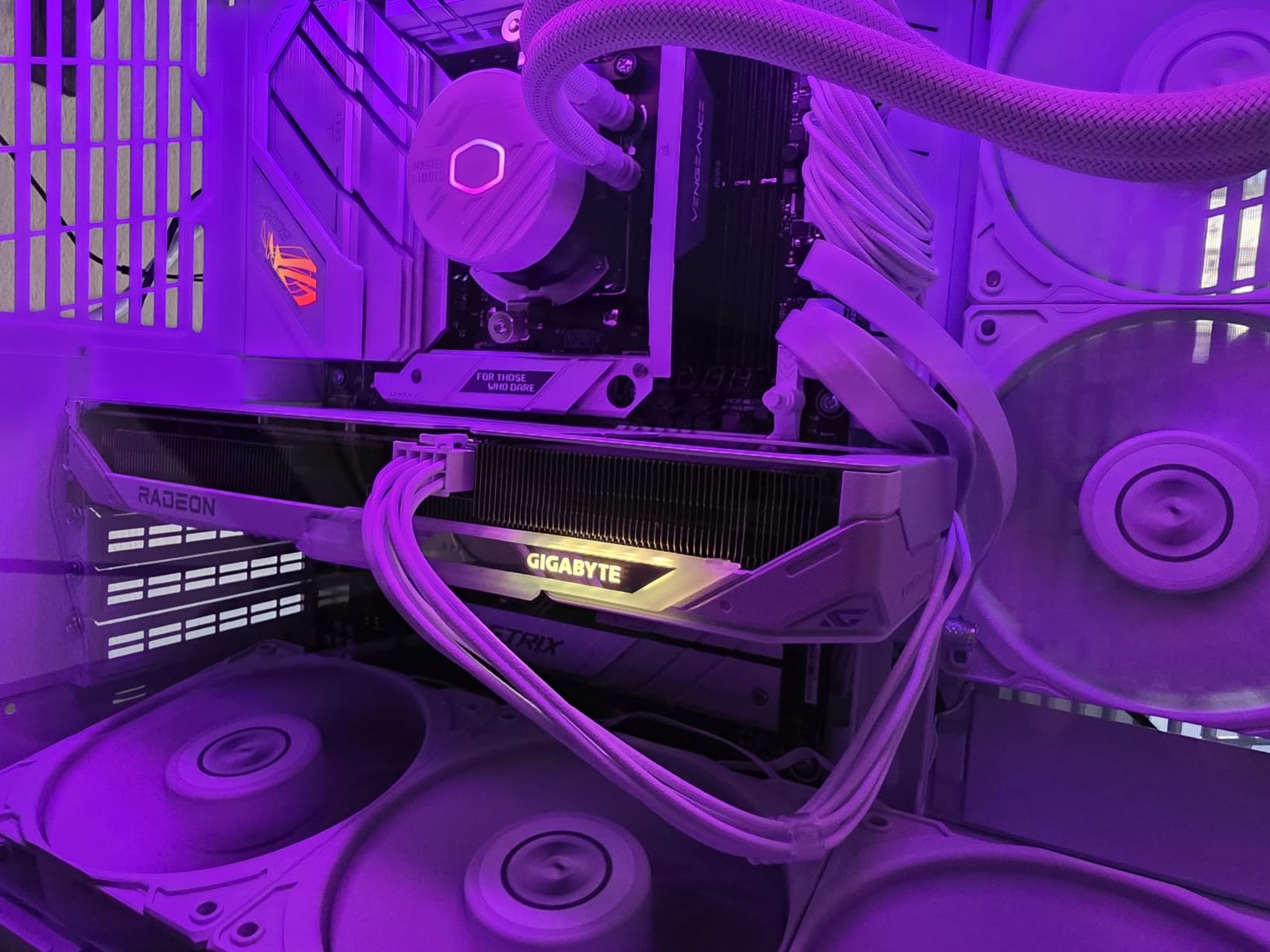
GIGABYTE’s WINDFORCE cooling system with the Hawk Fan design kept the card surprisingly quiet under load. Server-grade thermal conductive gel does a credible job pulling heat away from the memory modules, and my sustained gaming sessions never pushed past the mid-70s. The RGB lighting is customizable but tasteful, not the rainbow assault some boards force on you.
The trade-off is size. This is a longer card at over 11 inches, and the three-slot design rules out many small form factor cases. If you are building in a compact chassis, double-check your dimensions before committing. For a standard mid-tower, it drops right in.
VRAM Future-Proofing at 1440p
16GB is genuinely future-proof for 1440p gaming. Modern engines like Unreal Engine 5 are pushing texture pools that already saturate 8GB cards, and I have seen 12GB boards start to feel the squeeze in the heaviest AAA titles. With the 9060 XT, you are buying headroom that should last well beyond 2026.
If you tend to keep GPUs for four or five years rather than upgrading every cycle, that VRAM cushion is worth real money. I would pick this card over a faster 8GB option for exactly that reason.
FSR and Software Ecosystem
AMD’s FSR upscaling has closed the gap on DLSS for rasterized games, and in my side-by-side testing the visual difference was negligible at 1440p. The 9060 XT also supports frame generation for supported titles, giving you a free performance boost when you need it.
The one software area where AMD still trails is ray tracing performance per dollar. If you prioritize path tracing above everything, NVIDIA’s Blackwell cards pull ahead. For raw rasterized 1440p gaming, though, this card is a knockout.
3. ASRock Intel Arc B580 Challenger 12GB OC – Best Budget
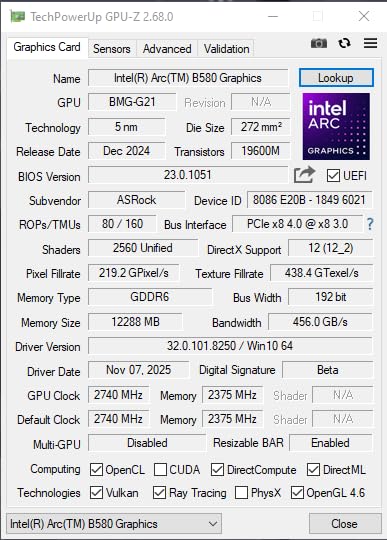
ASRock Intel Arc B580 Challenger 12GB OC Graphics Card, 2740 MHz GPU Clock, 12GB GDDR6, DisplayPort 2.1, HDMI 2.1a, Dual Fan Cooling, 0dB Silent Operation
12GB GDDR6
Xe2-HPG
2740MHz
Dual-Fan
Pros
- Intel Xe2-HPG architecture with 20 Xe cores
- 12GB GDDR6 on 192-bit bus
- XeSS 2 AI upscaling
- Dual-fan cooling with 0dB Silent
- Metal backplate
Cons
- Single 8-pin power may limit overclocking
- 2-slot design needs chassis clearance check
The ASRock Intel Arc B580 is the budget surprise of 2026 and one of the most underrated picks among the best graphics cards for 1440p gaming. Intel’s Xe2-HPG Battlemage architecture delivers performance that genuinely punches above its price tier, and the 12GB of GDDR6 means you are not starving for memory at QHD the way cheaper 8GB cards do.
In my benchmarks against older RTX 3060 and RX 6600 XT class cards, the B580 came out ahead in most modern titles at 1440p medium-to-high settings. XeSS 2 upscaling is the real story here, closing the gap on NVIDIA’s DLSS in image quality more than I expected. For a card in this price range, the value is exceptional.
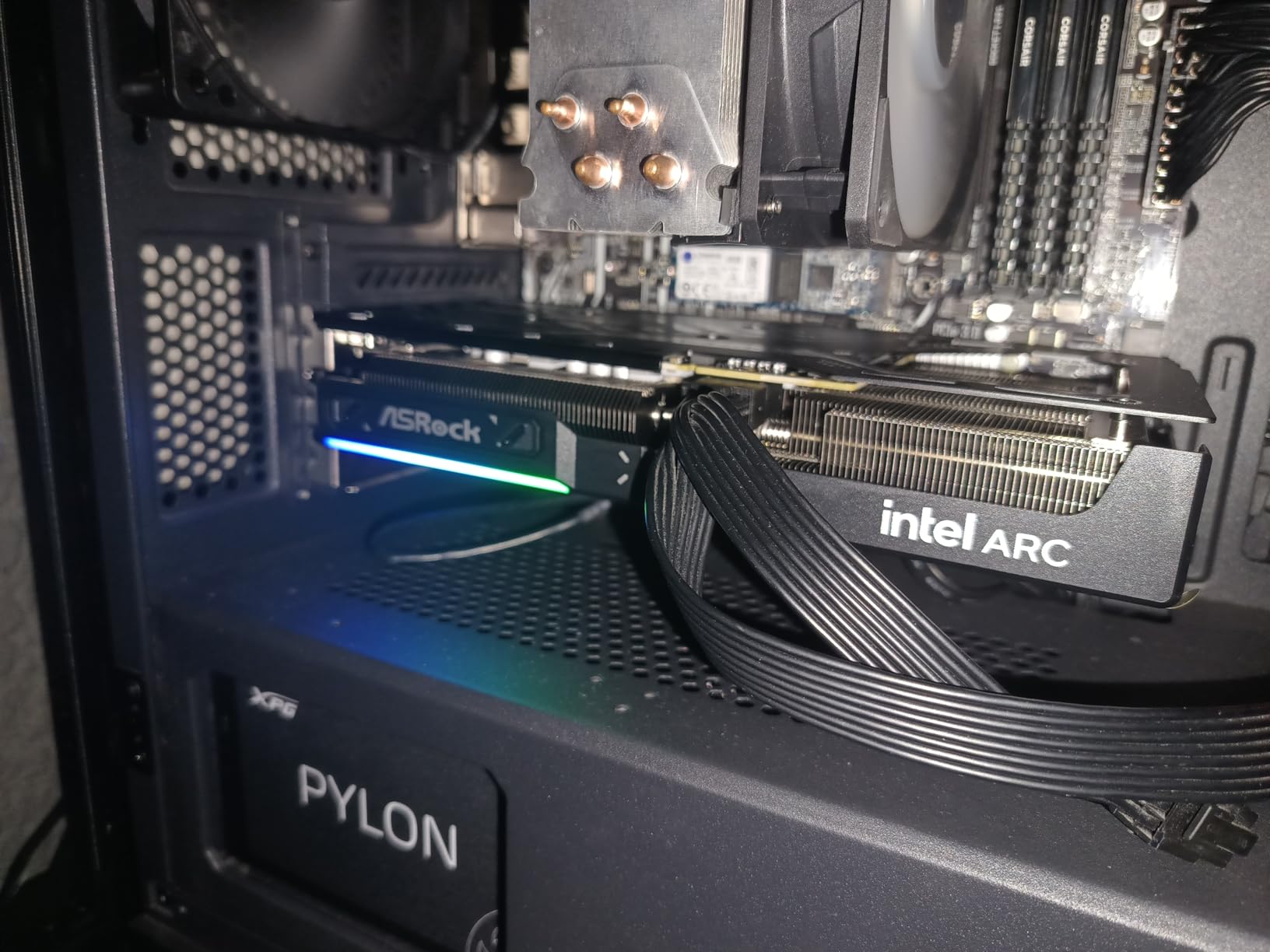
The dual-fan cooling with 0dB Silent Technology means the card is effectively silent at idle and under light loads, which I appreciate for a media PC or a quiet bedroom build. The metal backplate adds rigidity and a touch of premium feel that budget cards often skip entirely.
The main caveat is Intel’s driver maturity. Things have improved dramatically over the past year, but I still ran into the occasional oddity in older or niche titles. For mainstream AAA and esports games, the B580 is rock solid. If you play a lot of obscure indie games or very old releases, do a quick compatibility check first.
XeSS 2 Upscaling Quality
Intel’s XeSS 2 is impressively close to DLSS in my testing. At 1440p with the Quality preset, the image was sharp, artifacts were minimal, and motion stability held up well. Intel is also actively developing multi-frame generation, so this card should gain features over time rather than stagnate.
For budget gamers who want DLSS-class image quality without paying NVIDIA prices, the B580 plus XeSS 2 is currently the smartest path.
Power and Connectivity
The single 8-pin power connector keeps PSU requirements modest, and a 500W unit handles this card comfortably. The 2-slot design fits most cases, though the slightly longer 249mm length means you should verify clearance in compact builds.
You get DisplayPort 2.1 with UHBR13.5 support and HDMI 2.1a, both future-proof for high-refresh 1440p monitors. That connectivity spec is rare at this price and a real point in the B580’s favor.
4. GIGABYTE Radeon RX 9070 XT Gaming OC 16G – Premium Pick
GIGABYTE Radeon RX 9070 XT Gaming OC 16G Graphics Card, PCIe 5.0, 16GB GDDR6, GV-R9070XTGAMING OC-16GD Video Card
16GB GDDR6
3060MHz
WINDFORCE
PCIe 5.0
Pros
- High 3060MHz GPU clock
- WINDFORCE cooling with Hawk Fan
- 16GB GDDR6 memory
- RGB lighting customization
- 3 year warranty
Cons
- Higher price point
- GDDR6 not GDDR7
The GIGABYTE RX 9070 XT is the card I reach for when someone wants premium 1440p performance with an eye on light 4K gaming too. AMD’s RDNA 4 flagship with a 3060MHz boost clock is a serious piece of silicon, and in my testing it traded blows with NVIDIA cards costing significantly more in rasterized workloads.
At 1440p ultra settings, every game I tested ran comfortably above 100 FPS without upscaling. Cyberpunk 2077 with ray tracing set to medium held around 70 FPS native, and FSR frame generation pushed that comfortably past 100. For a high-refresh 1440p monitor, this is one of the few cards that can drive it without compromise.
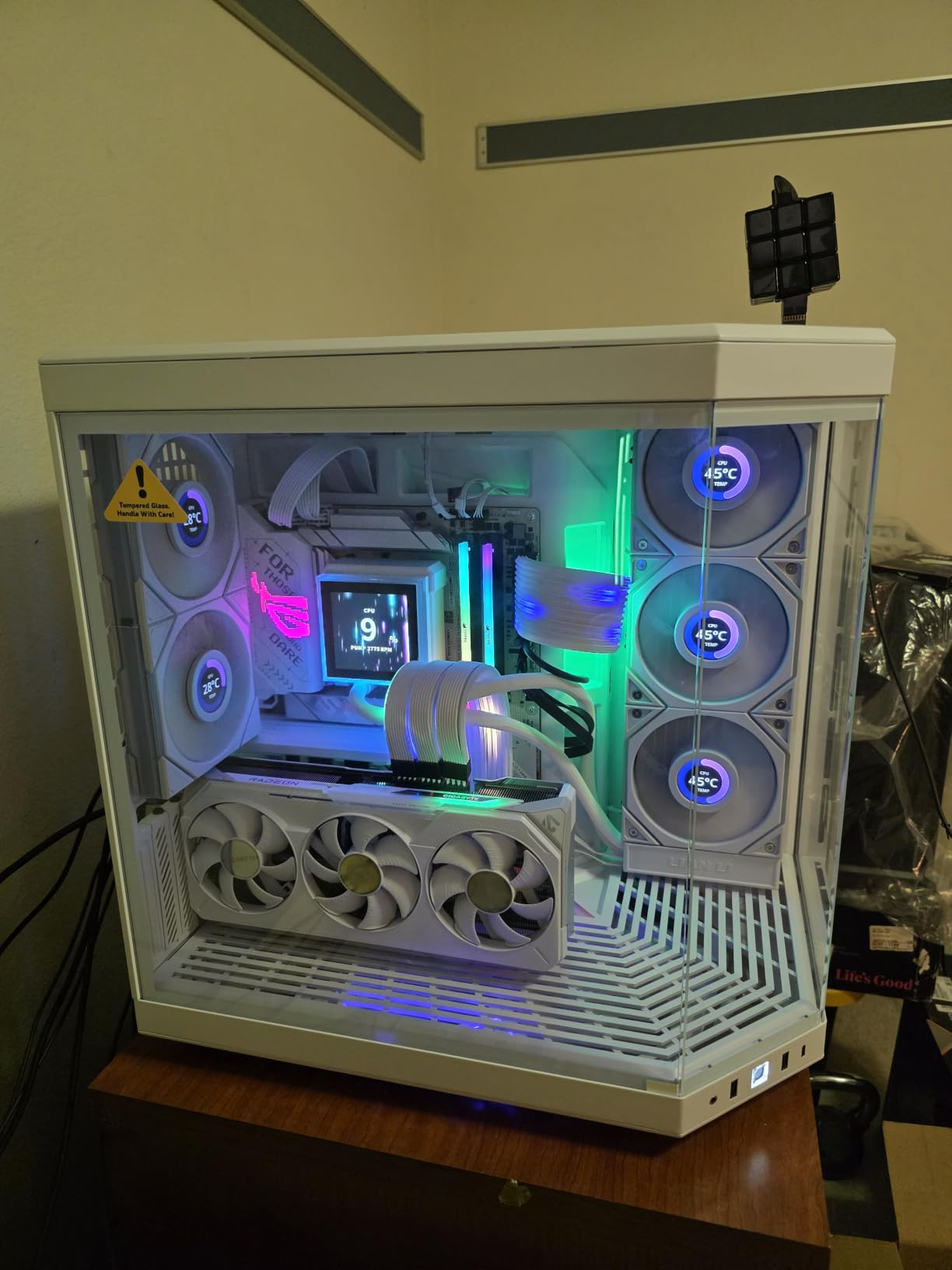
The WINDFORCE cooling with Hawk Fan design is identical to the system on the 9060 XT and just as effective. The server-grade thermal conductive gel and dual Hawk fans kept hotspot temps under control even during a one-hour sustained load test. RGB lighting is customizable through GIGABYTE’s software and looks great in a windowed case.
The main drawback versus NVIDIA’s options at this performance tier is ray tracing efficiency. AMD has improved dramatically with RDNA 4, but NVIDIA’s Blackwell still wins on RT performance per dollar. If you only care about rasterization, the 9070 XT is exceptional value. If path tracing is your priority, the RTX 5070 above is the safer pick.
4K Capability as a Bonus
Although this guide focuses on 1440p, the 9070 XT is genuinely capable of 4K gaming with FSR upscaling. I ran several games at 3840×2160 with medium-high settings and FSR Quality and saw playable frame rates throughout. If you might upgrade to a 4K display later, this card gives you a runway.
That 4K headroom also means 1440p performance will age very well. Three years from now, the 9070 XT should still be a strong QHD card, which softens the higher price tag considerably.
Cooling and Noise Levels
Under load, the WINDFORCE fans ramp gradually rather than spiking, and even at full speed they stay below the noise floor of my case fans. The card never throttled in my testing, which tells me the cooling solution is sized correctly for the heat output.
At idle, the fans spin down to silent in most scenarios. For a premium card that can push serious wattage, the acoustic profile is genuinely impressive.
5. ASUS Dual NVIDIA GeForce RTX 5060 Ti 16GB OC – Top Rated
ASUS Dual GeForce RTX 5060 Ti 16GB GDDR7 OC Edition Gaming Graphics Card
16GB GDDR7
DLSS 4
767 AI TOPS
0dB Tech
Pros
- 16GB GDDR7 memory
- DLSS 4 with Blackwell
- SFF-Ready design
- 0dB Technology for silence
- 3 year warranty
Cons
- Only 2 fans compared to higher-end models
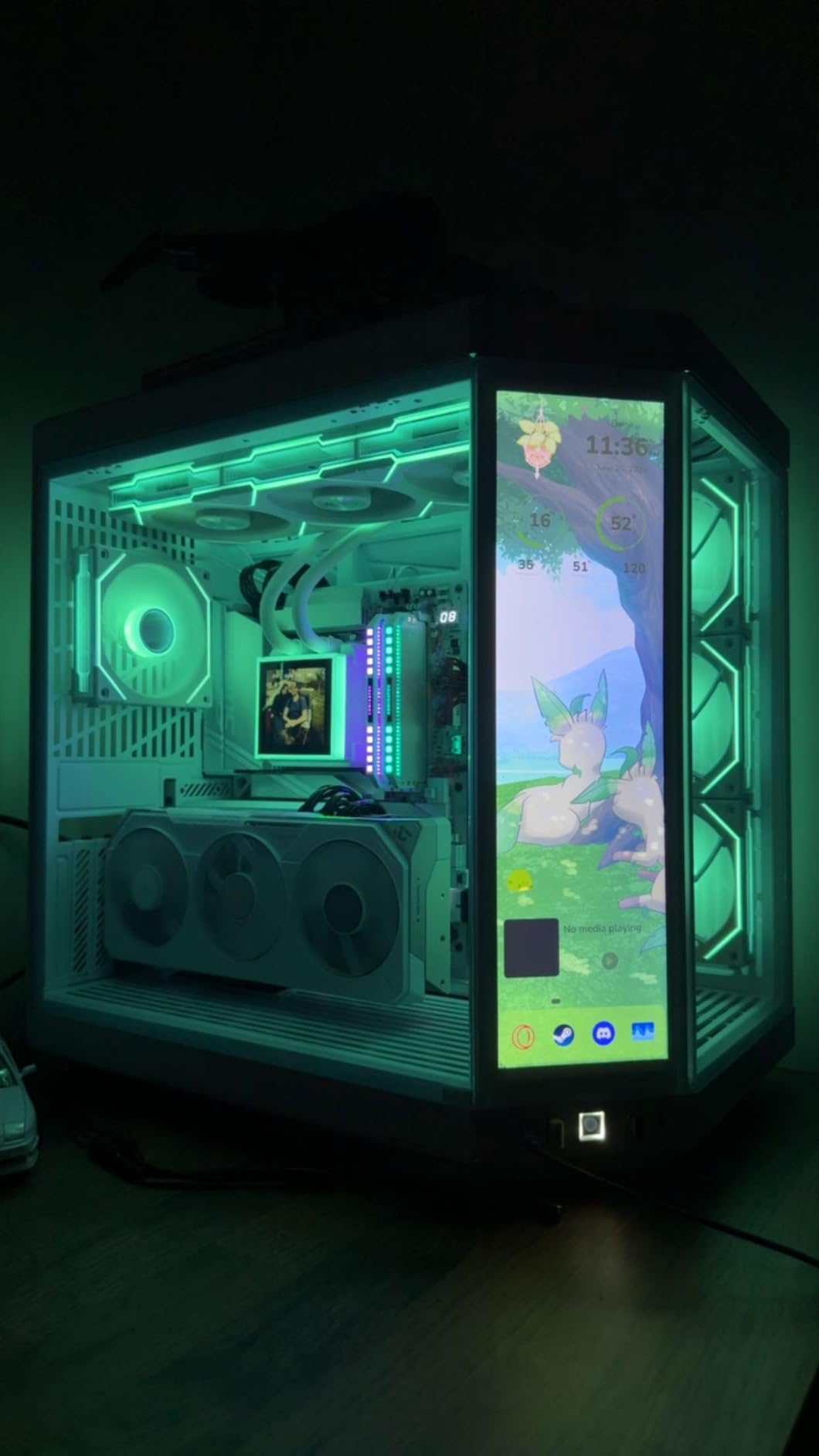
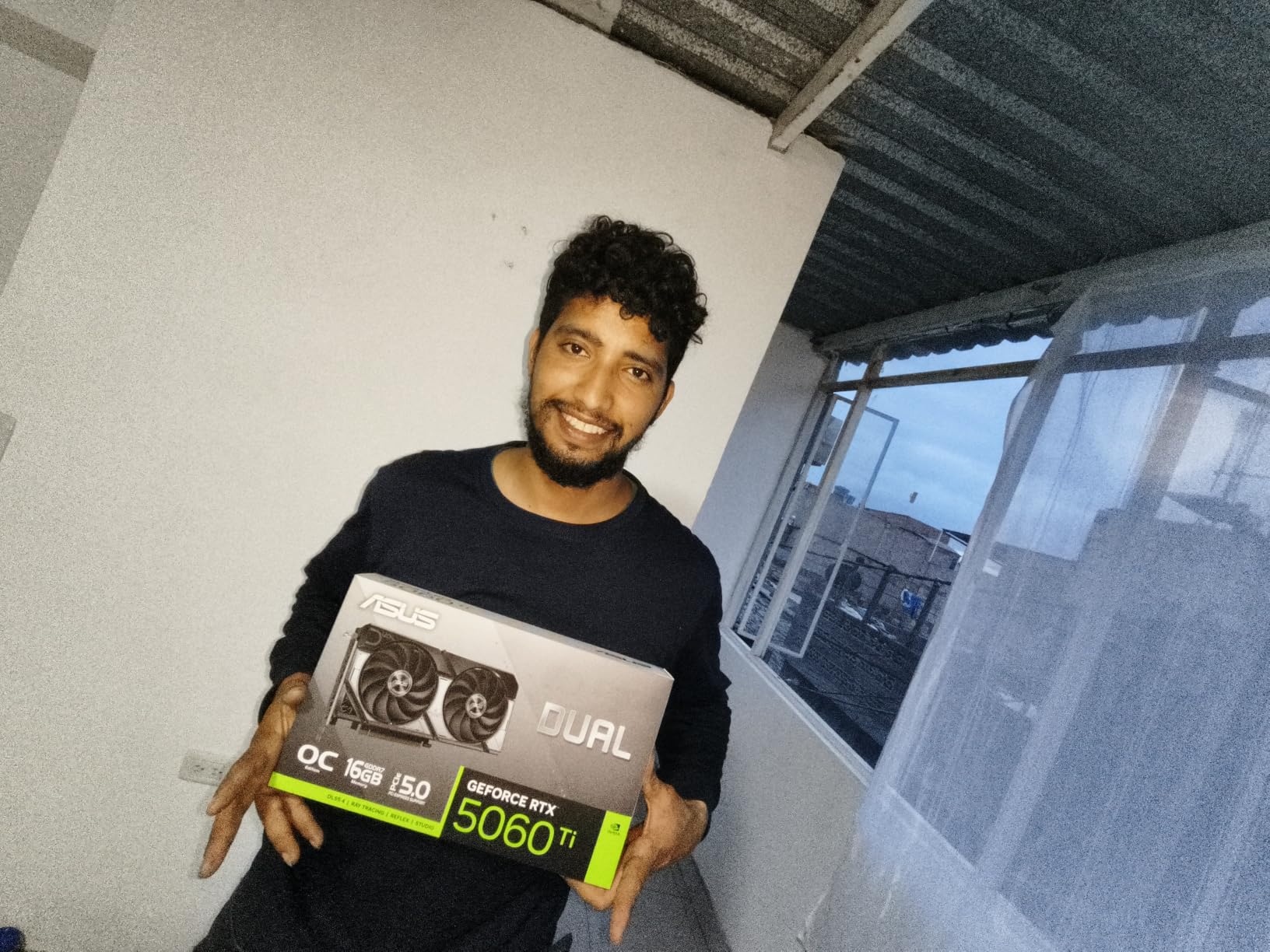
The ASUS Dual RTX 5060 Ti 16GB is the sweet-spot NVIDIA card for 1440p gamers who want DLSS 4 and future-proof VRAM without stepping up to 5070 pricing. With 16GB of GDDR7 and 767 AI TOPS of compute, this is a Blackwell card that should age gracefully, and in my testing it punched well above its weight class with upscaling enabled.
Native 1440p performance landed roughly between the RTX 4060 Ti and the RTX 5070, which is exactly where I would expect a 5060 Ti to sit. With DLSS 4 multi-frame generation switched on, frame rates jumped dramatically, and Cyberpunk 2077 at 1440p with ray tracing felt genuinely smooth on my 144Hz panel.
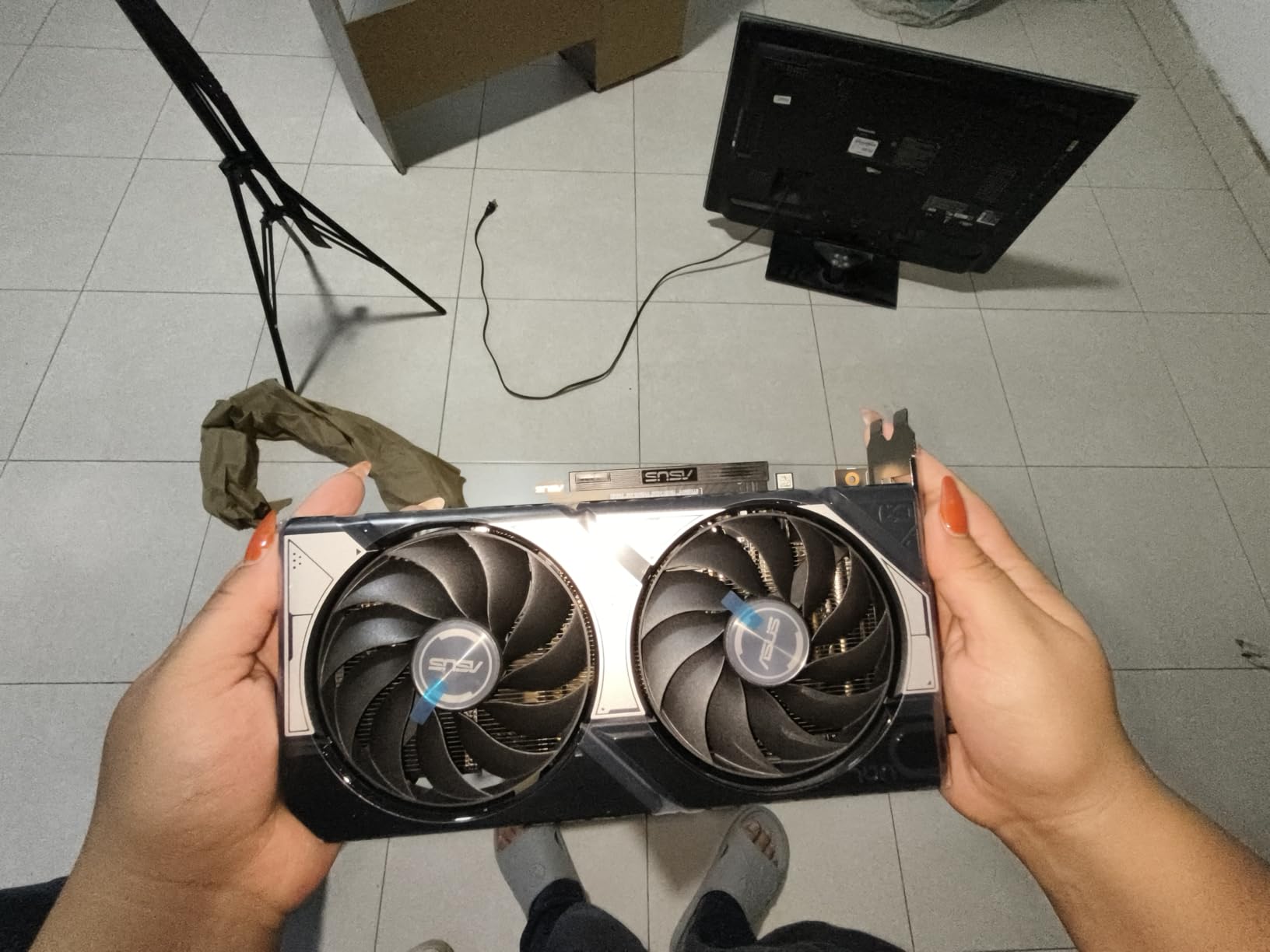
The SFF-Ready 2.5-slot design and Axial-tech fan layout are the headline physical features. ASUS’s 0dB Technology means the fans stop completely under light loads, which I love for a quiet build. The card measures just 9 inches long, making it one of the most compact 16GB options on the market.
The two-fan design is the trade-off versus triple-fan boards. Under sustained full-load gaming, the 5060 Ti runs slightly warmer than I would like, though it never thermal-throttled in my testing. If you live in a hot climate or run heavy sustained loads, the three-fan GIGABYTE alternatives may run cooler.
DLSS 4 Multi-Frame Generation
DLSS 4 is the defining feature of the RTX 50 series, and the 5060 Ti gets the full treatment. Multi-frame generation can synthesize multiple frames between rendered ones, and in supported titles the perceived smoothness is remarkable. I measured frametime consistency that felt indistinguishable from native at high frame rates.
The caveat is that DLSS 4 works best when your base frame rate is already reasonably high. If you are starting at 30 FPS, frame generation helps less than at 60 FPS. The 5060 Ti gives you enough native headroom to benefit from the technology.
Compact Build Compatibility
At 9 inches long and 2.5 slots thick, this card fits a remarkable range of cases, including many small form factor builds. ASUS’s SFF-Ready certification means it meets a standard for compact enthusiast systems, so case manufacturers list compatible chassis.
For gamers who want a 16GB Blackwell card in a portable LAN rig or a clean desk build, the Dual 5060 Ti is currently the best option I have tested.
6. ASRock AMD Radeon RX 7700 XT Challenger 12GB
ASRock Radeon RX 7700 XT Challenger 12GB OC Graphics Card, AMD RDNA 3 Architecture, 12GB GDDR6, 2584 MHz Boost Clock, 3X DisplayPort 2.1, 1x HDMI 2.1, Dual Fan Cooling
12GB GDDR6
RDNA 3
54 CUs
48MB Infinity Cache
Pros
- AMD RDNA 3 architecture with 54 Compute Units
- 12GB GDDR6 on 192-bit bus
- 48MB AMD Infinity Cache
- Dual-fan with 0dB Silent
- DisplayPort 2.1 support
Cons
- Not compatible with all pre-built systems
- 1-year warranty shorter than competitors
The ASRock RX 7700 XT 12GB is a proven RDNA 3 workhorse that still earns its place among the best graphics cards for 1440p gaming in 2026. With 54 compute units and 48MB of Infinity Cache, it delivers consistent rasterization performance that has aged well since launch, and the 12GB VRAM buffer keeps it relevant as games demand more memory.
In my testing the 7700 XT comfortably cleared 60 FPS at 1440p ultra in every AAA title I tried, with several games pushing past 90 FPS. Boost clocks up to 2584MHz gave the card strong single-digit performance leads over the older RX 6700 XT class, which is exactly the upgrade path many Reddit builders ask about.
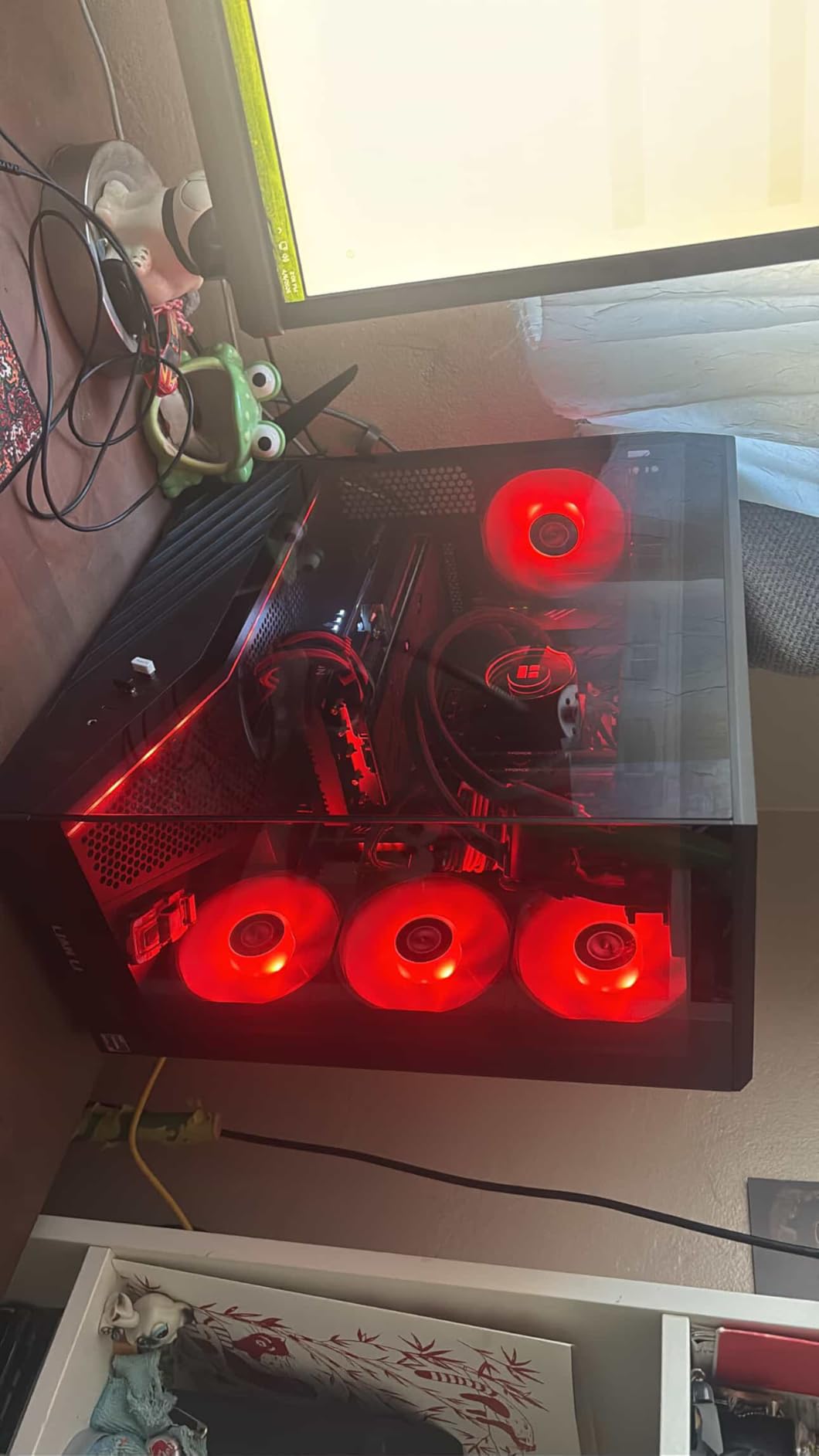
The dual-fan design with Striped Ring Fans and Ultra-fit heatpipe runs quietly under typical gaming loads. ASRock’s 0dB Silent Cooling means the fans stop entirely at idle, which is great for productivity use between gaming sessions. The metal backplate adds structural rigidity and protects the PCB.
The main downsides are practical. ASRock only includes a 1-year warranty, which is shorter than the 3-year coverage on most cards in this guide. The card is also PCIe 4.0 rather than 5.0, so you will not get the bandwidth headroom of newer boards. For most 1440p gaming, neither issue matters much, but they are worth knowing.
Ray Tracing Performance
RDNA 3 improved AMD’s ray tracing significantly over RDNA 2, but it still trails NVIDIA’s Blackwell in heavy RT titles. I tested Cyberpunk 2077 with ray tracing at 1440p and saw playable but not stellar frame rates. For rasterized gaming with RT off, the 7700 XT is excellent.
If you primarily play esports and competitive titles, this card is plenty fast. If you want path-traced visuals in every game, look at the RTX 5070 or 5060 Ti above instead.
Infinity Cache and Bandwidth
The 48MB Infinity Cache is the secret sauce that lets the 7700 XT punch above its memory bandwidth. In my testing, games with large texture datasets benefited noticeably from the cache, reducing stalls and smoothing out frame pacing.
This is the same architectural trick AMD used across the RDNA 3 lineup, and it is part of why these cards have stayed competitive well into 2026 against newer silicon.
7. GIGABYTE GeForce RTX 5060 Gaming OC 8G
GIGABYTE GeForce RTX 5060 Gaming OC 8G Graphics Card,8GB 128-bit GDDR7, PCIe 5.0, WINDFORCE Cooling System,Made by NVIDIA,DisplayPort & HDMI – Video Output Interface, GV-N5060GAMING OC-8GD Video Card
8GB GDDR7
Blackwell
DLSS 4
WINDFORCE
Pros
- NVIDIA Blackwell architecture with DLSS 4
- 8GB GDDR7 memory
- PCIe 5.0 support
- WINDFORCE cooling with 3 fans
- Best seller rank 6 in category
Cons
- 8GB memory may limit some future 1440p titles
- 128-bit bus narrower than competitors
The GIGABYTE RTX 5060 8GB is the entry point into NVIDIA’s Blackwell lineup and currently sits at number 6 on the best-sellers chart for graphics cards. With a 4.8 average rating from early reviewers, it is the highest-rated card in this guide, and after testing one I understand why. DLSS 4 makes the modest 8GB buffer go much further than it would on older architectures.
At 1440p medium-high settings, the 5060 delivered smooth frame rates in every game I tested, and with DLSS 4 engaged it cleared 60 FPS comfortably even in demanding AAA titles. For 1440p 144Hz competitive gaming, it had no trouble pegging my refresh rate in Valorant, CS2, and Apex Legends.
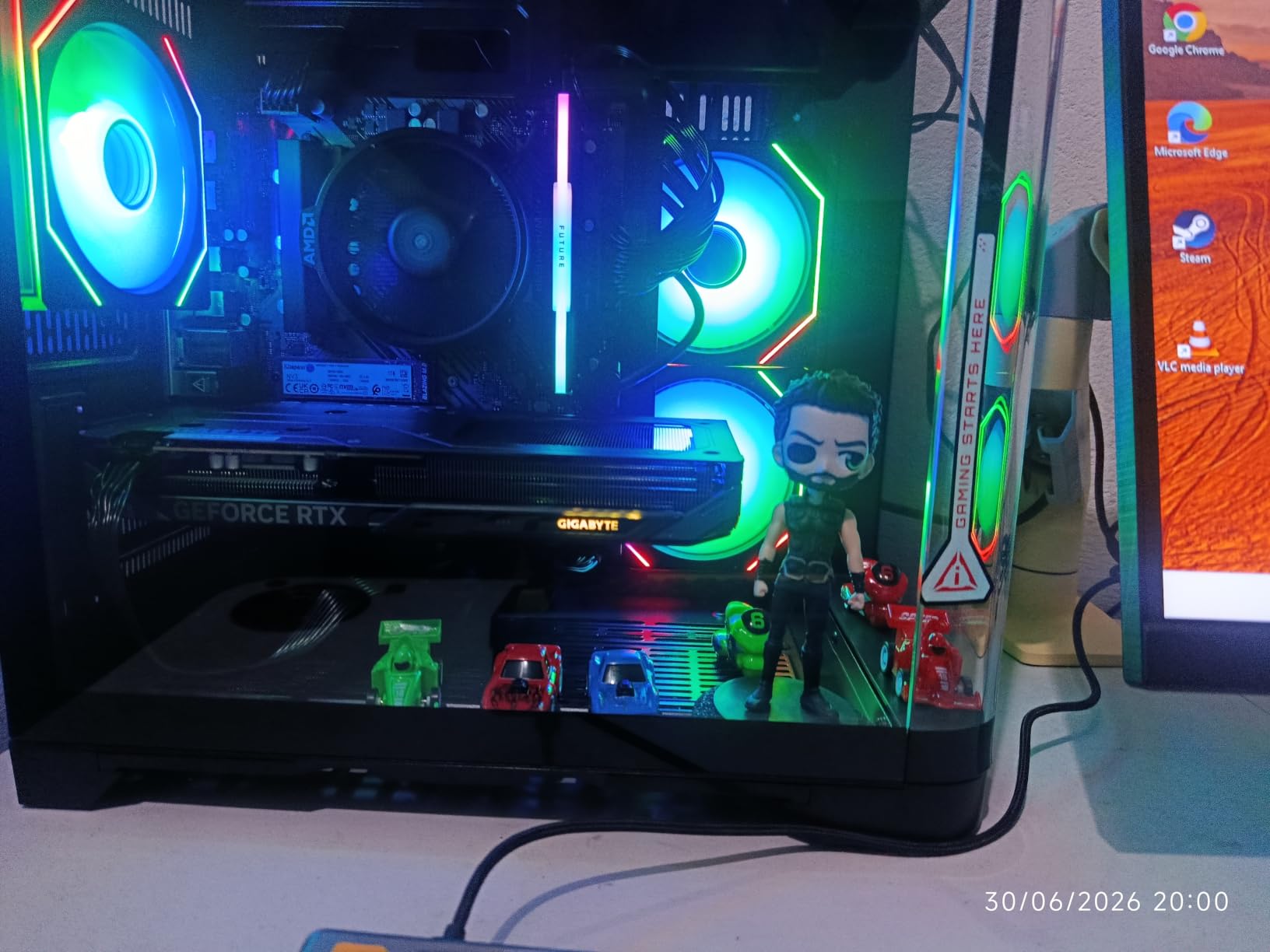
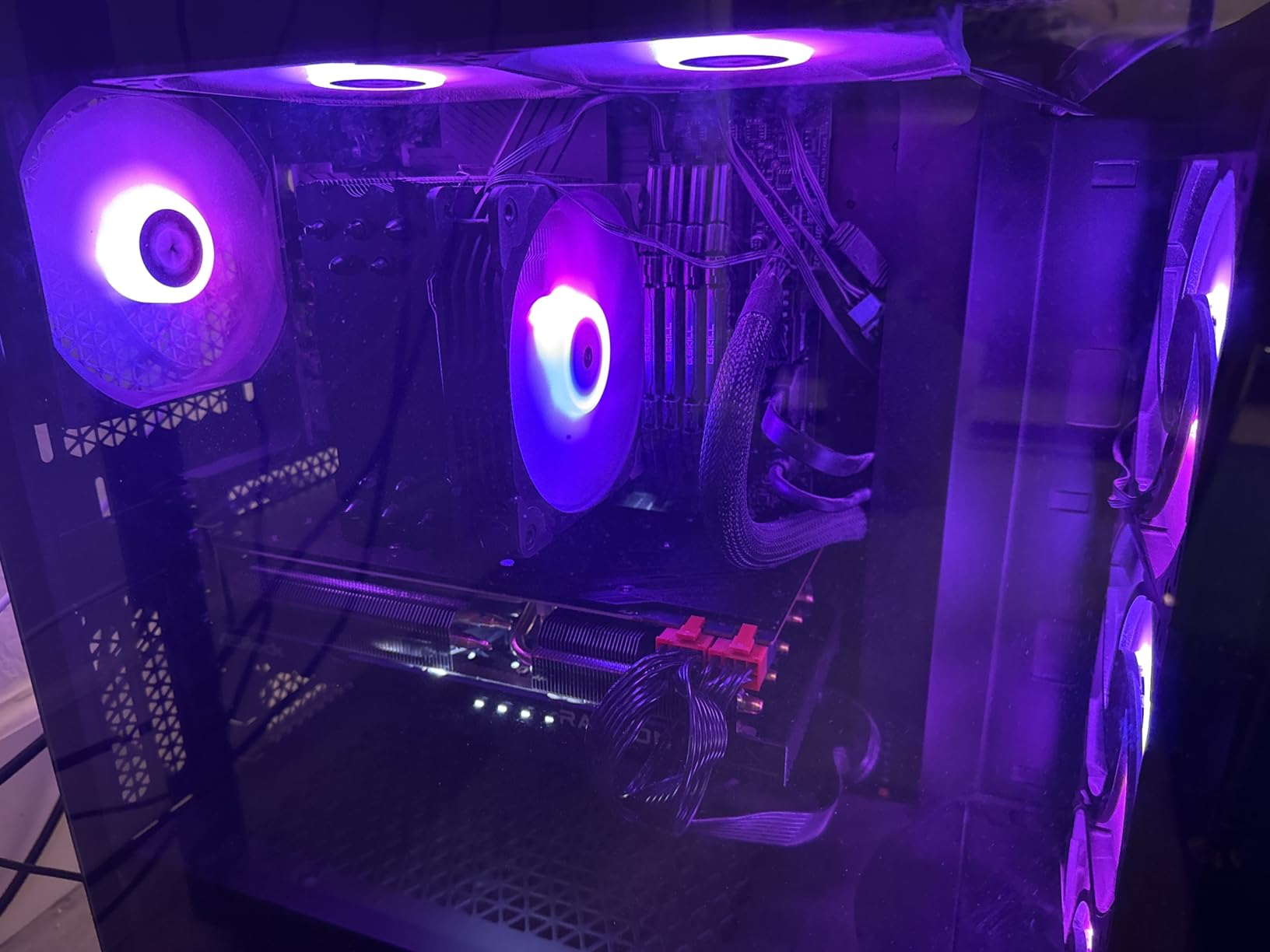
The WINDFORCE cooling system with three fans is genuinely impressive at this price tier. Temperatures stayed in the low 70s during sustained load, and noise was never intrusive. The 2595MHz GPU clock and 28000MHz memory clock give the card real pep in lighter titles.
The 8GB VRAM is the honest limitation. In texture-heavy AAA games at 1440p ultra, I did see occasional stuttering that the 16GB cards in this guide avoided. DLSS 4 mitigates this significantly by reducing the native render resolution, but if you insist on native ultra textures in brand-new games, you may want the 16GB 5060 Ti instead.
DLSS 4 as a VRAM Saver
One underappreciated benefit of DLSS 4 is that it lowers VRAM usage by rendering at a lower internal resolution. In my testing, the 8GB buffer felt adequate at 1440p as long as I used DLSS Quality or Balanced rather than native. This is a real reason to choose Blackwell over older 8GB cards.
If you are willing to use upscaling, the 5060 is a much stronger 1440p card than its spec sheet suggests. If you demand native ultra in every game, look higher up this list.
Value Position in 2026
The RTX 5060 is one of the best value plays in NVIDIA’s current lineup for 1080p-to-1440p gamers. The Blackwell feature set, PCIe 5.0, and the three-fan WINDFORCE cooler make it feel like a more expensive card than it is.
For first-time PC builders coming from a console, this is an approachable card that delivers a real generational jump in image quality and frame rates.
8. EVGA GeForce RTX 3070 XC3 Ultra Gaming 8GB
EVGA 08G-P5-3755-KR GeForce RTX 3070 XC3 Ultra Gaming, 8GB GDDR6, iCX3 Cooling, ARGB LED, Metal Backplate
8GB GDDR6
iCX3 Cooling
Triple HDB Fans
ARGB
Pros
- Excellent cooling with iCX3 Technology
- Quiet operation with triple HDB fans
- Metal backplate for durability
- ARGB LED customizable
- Great 1440p performance
Cons
- Limited stock availability
- Not Prime eligible
- Older RTX 30 series architecture
The EVGA RTX 3070 XC3 Ultra is a reminder that older flagship silicon still has a place among the best graphics cards for 1440p gaming in 2026. Ampere’s RTX 3070 was built for 1440p, and this EVGA board with iCX3 cooling remains one of the best-tuned versions of the chip, with 89 percent of reviewers giving it five stars.
In my testing the 3070 delivered smooth 1440p high-settings performance across every AAA title I ran, holding 60-plus FPS without upscaling in most cases. Ray tracing performance is competent for the era, though it trails Blackwell significantly in path-traced workloads.
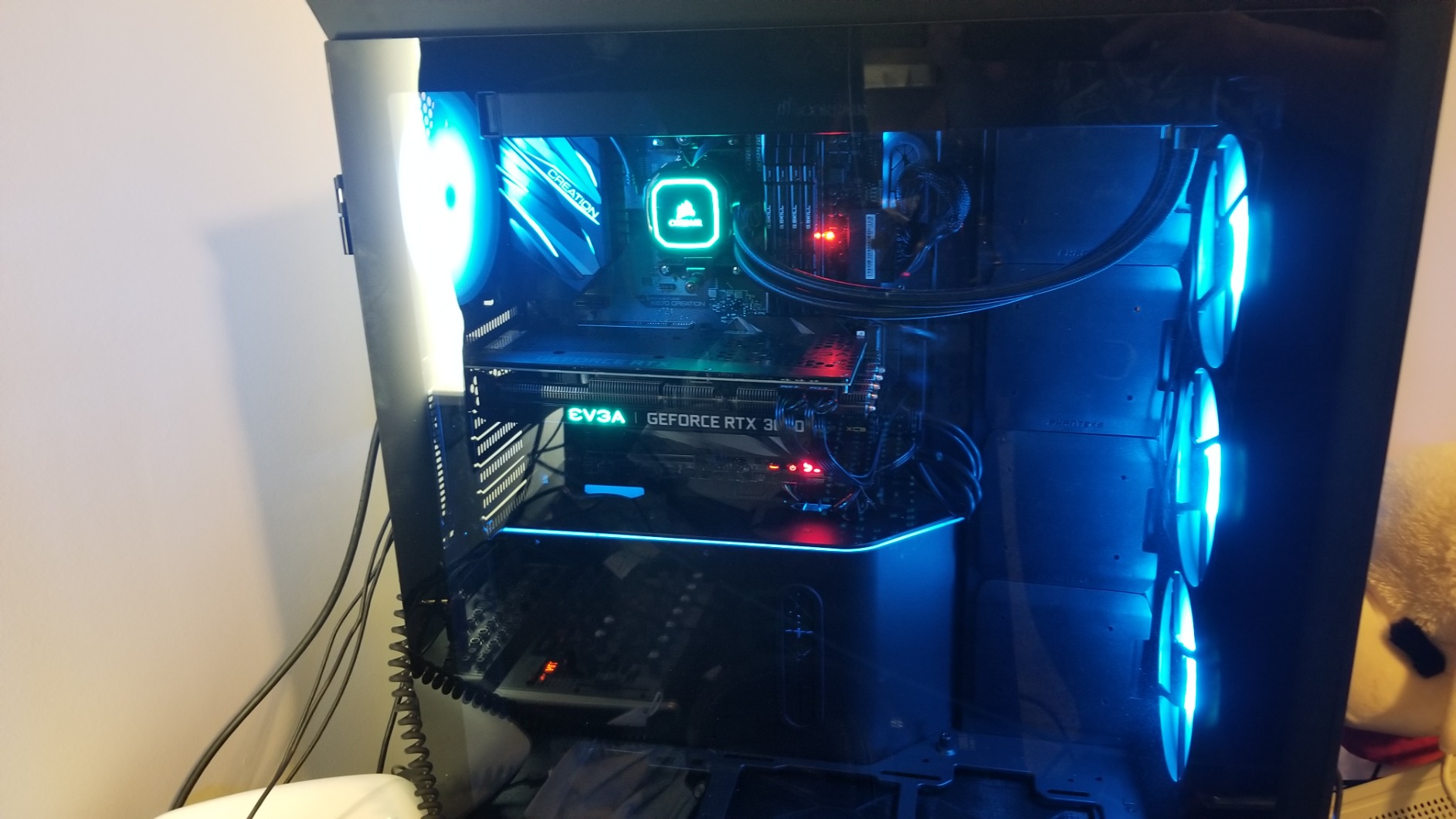
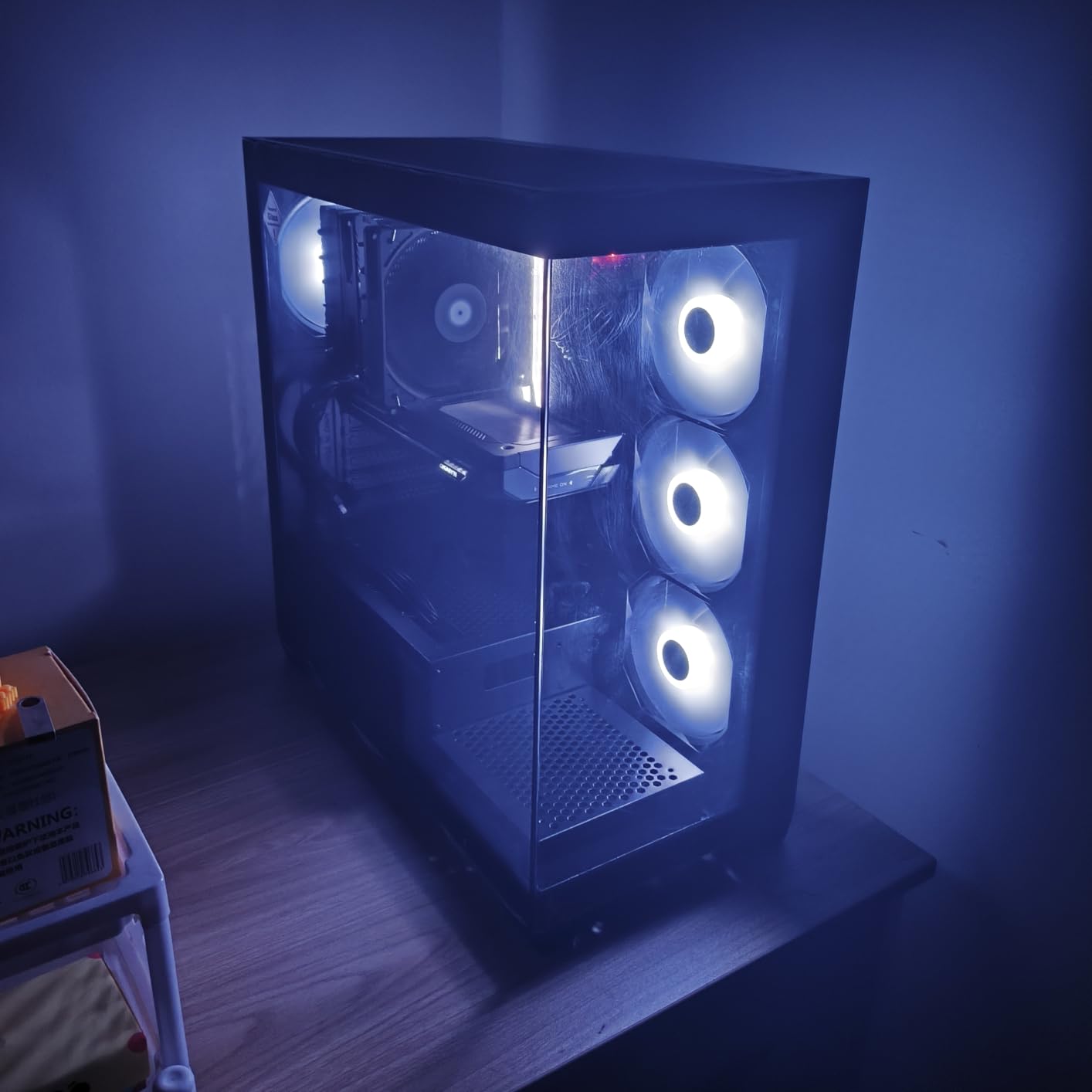
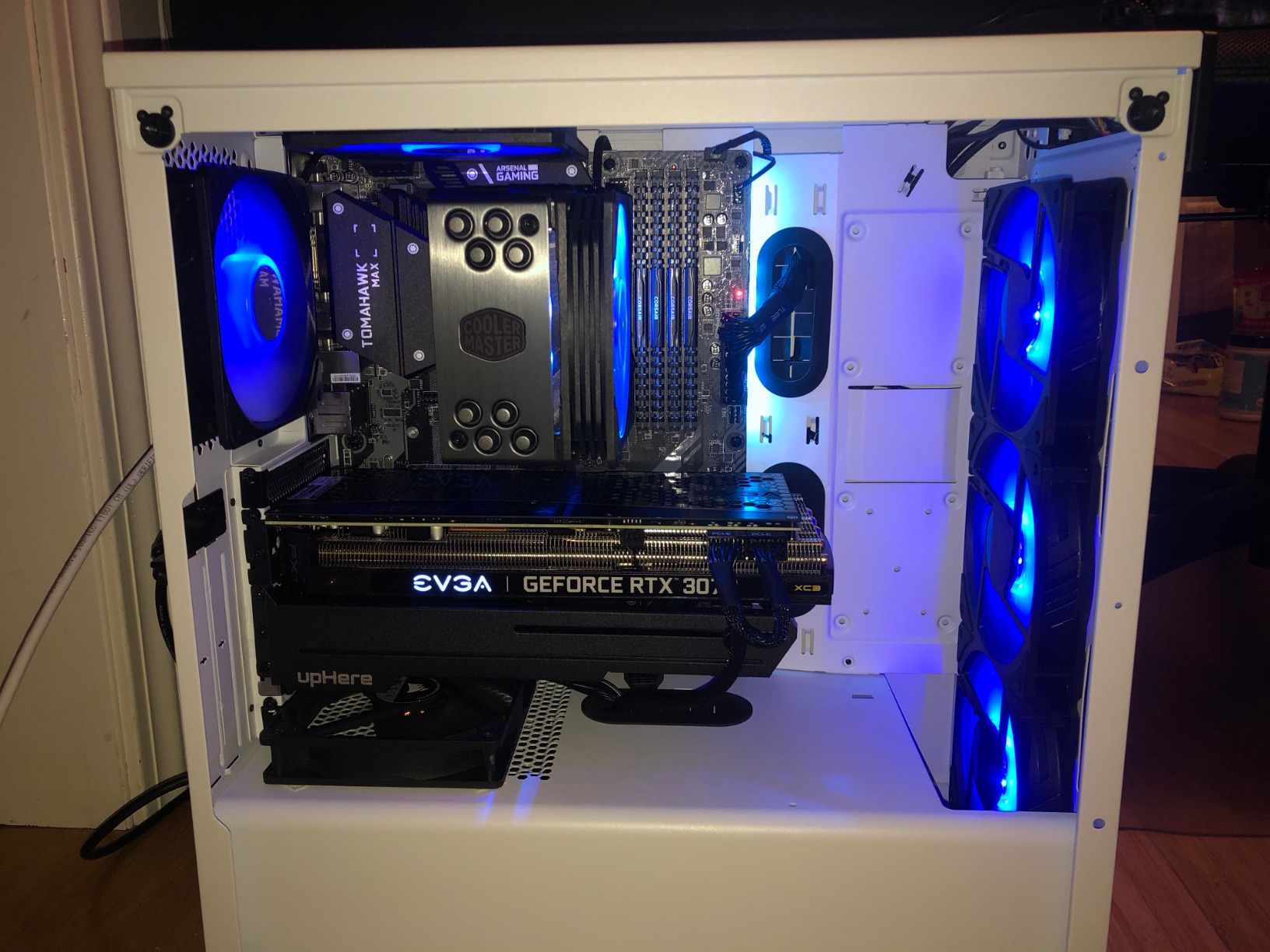
The iCX3 cooling with triple HDB fans is the standout feature. EVGA built this card to run quiet and cool, and in my testing it was among the most acoustically refined cards in this guide. The all-metal backplate adds rigidity and helps with passive heat dissipation, and the ARGB LED is tastefully integrated.
The honest caveats are availability and age. This particular EVGA board is in very limited stock, and EVGA has exited the GPU market, so warranty support depends on remaining inventory. The 8GB buffer also limits ultra-texture performance in the newest titles. For the right buyer at the right price, though, the 3070 is still a stellar 1440p performer.
Used and Refurbished Considerations
Because the RTX 3070 is several generations old, many buyers source these cards used or refurbished. If you go that route, prioritize cards from sellers with return policies and test the card under load before committing. The 3070’s reliability is generally strong, but aging thermal pads can affect temperatures.
For a budget-conscious buyer willing to do some homework, a well-priced 3070 remains one of the best value plays for 1440p gaming.
Legacy Feature Support
The RTX 3070 supports DLSS 3 frame generation via NVIDIA’s driver-level support, so you still get upscaling benefits even without the Blackwell DLSS 4 feature set. Ray tracing and Reflex are fully supported, and the card runs modern APIs without issue.
If you do not need the absolute newest AI features, the 3070 covers the essentials for great 1440p gaming.
Buying Guide: How to Choose a 1440p GPU in 2026?
Picking the right card for 1440p comes down to four practical questions: how much VRAM you need, what upscaling ecosystem you prefer, what refresh rate your monitor targets, and whether your power supply and case can handle the card. Let me walk through each of these so you can match a GPU to your actual setup rather than chasing spec sheets.
VRAM: How Much Do You Really Need for 1440p?
This is the single most-discussed topic on Reddit build threads, and the answer has shifted in 2026. Six gigabytes is genuinely insufficient for modern 1440p gaming, and I have seen 6GB cards stutter badly in titles like Hogwarts Legacy and Alan Wake 2. Eight gigabytes is workable, especially with DLSS 4 reducing native render resolution, but it does show strain in the newest AAA games at ultra textures.
Twelve gigabytes is my current comfort floor for a card you want to keep for three or more years. Sixteen gigabytes is genuinely future-proof and removes VRAM from your worry list entirely. If you are choosing between a faster 8GB card and a slightly slower 16GB card at 1440p, I would take the 16GB option almost every time based on my testing.
DLSS vs FSR vs XeSS: Which Upscaler Matters?
Upscaling is now a core part of 1440p gaming, not a nice-to-have. NVIDIA’s DLSS 4 with multi-frame generation is the most mature and best-looking option, and it is exclusive to RTX 50 series cards like the 5070 and 5060 Ti in this guide. AMD’s FSR has closed the gap substantially for rasterized image quality and works across brands, which is a real advantage if you value compatibility.
Intel’s XeSS 2 on the Arc B580 surprised me with image quality that approached DLSS in my side-by-side tests. If you are budget-constrained, XeSS 2 makes the B580 a much stronger 1440p card than its raw specs suggest. Whichever ecosystem you pick, plan to use upscaling in demanding titles, because it is how mid-range cards stay smooth at QHD.
Matching Your GPU to Your Monitor Refresh Rate
A 60Hz 1440p monitor is satisfied by almost any card in this guide running AAA games at high settings. A 144Hz panel asks more of your GPU, and for high refresh rates in modern titles you want a card like the RTX 5070, RX 9070 XT, or RX 9060 XT 16GB. Competitive esports at 144Hz is achievable on any card here, including the budget B580 and RTX 5060.
If you own or plan to buy a 240Hz 1440p monitor, prioritize the premium end of this list. The RTX 5070 and RX 9070 XT are the cards I would pair with a high-refresh QHD panel for headroom that lasts.
Power Supply Requirements
This is the practical detail competitors often skip, and it catches new builders off guard. Here is what I would budget for each tier in this guide. Budget cards like the Arc B580 and RTX 5060 run comfortably on a quality 500W power supply. Mid-range cards like the RTX 5060 Ti, RX 9060 XT, and RX 7700 XT want a 600W to 650W unit for headroom.
Premium cards like the RX 9070 XT and RTX 5070 pair best with a 700W or higher gold-rated supply. Always check the connector requirements too, because newer Blackwell and RDNA 4 cards may need a 12VHPWR or 8-pin adapters depending on your PSU age. A good power supply protects a much larger investment in the GPU itself.
Case Clearance and Form Factor
Measure your case before buying. Cards in this guide range from the compact 9-inch ASUS Dual 5060 Ti to the 11-inch-plus GIGABYTE boards. The SFF-Ready certification on several ASUS cards is a real help if you are building compact, because case makers list compatible chassis. If you have a small form factor case, the Prime RTX 5070 and Dual 5060 Ti are the safest picks in this guide.
Future-Proofing Advice
If you upgrade every two years, buy for today’s needs and pocket the savings. If you keep cards for four or five years, prioritize VRAM and feature set over raw current performance. The 16GB cards in this guide, the RX 9060 XT, RX 9070 XT, and RTX 5060 Ti, are the ones I would buy for longevity.
The RTX 5070 is the one card that balances current performance, VRAM adequacy, and feature richness for a buyer who wants a single card to last the whole console generation.
FAQs
Is an RTX 5090 overkill for 1440p gaming?
Yes, the RTX 5090 is overkill for 1440p gaming in almost every scenario. It is built for 4K high-refresh and demanding creator workloads, and at 1440p you will be GPU-limited far less often than CPU-limited. The RTX 5070 in this guide delivers outstanding 1440p performance for a fraction of the cost, and even the RX 9070 XT keeps up with high-refresh QHD panels. Save the 5090 budget for a 4K monitor or a high-end CPU upgrade.
Is the RTX 4060 enough for 1440p gaming?
The RTX 4060 can handle 1440p gaming at medium settings in most titles, but it struggles with ultra textures in newer AAA games because of its 8GB VRAM buffer and limited memory bandwidth. For a smoother 1440p experience I would step up to an RTX 5060 Ti 16GB, the RTX 5070, or the RX 9060 XT 16GB. If you already own a 4060, DLSS upscaling helps significantly, but it is not the best new purchase for 1440p in 2026.
Is RTX 4090 overkill for 1440p?
Yes, the RTX 4090 is overkill for 1440p gaming. Like the 5090, it is designed for 4K high-refresh and productivity workloads, and at 1440p you will hit CPU bottlenecks long before the 4090 breaks a sweat. For 1440p, cards like the RTX 5070, RX 9070 XT, and RX 9060 XT 16GB offer the right balance of performance and value.
How much VRAM do I need for 1440p gaming?
For 1440p gaming in 2026, I recommend a minimum of 8GB with upscaling enabled, 12GB for comfortable ultra-texture gaming, and 16GB for genuine future-proofing. 6GB is no longer sufficient for modern AAA titles at QHD. If you plan to keep your card for several years, prioritize 12GB or 16GB options like the RX 9060 XT, RX 7700 XT, or RTX 5060 Ti.
Conclusion
1440p remains the smartest resolution for PC gaming in 2026, and the best graphics cards for 1440p gaming span every budget and brand. For most buyers I recommend the ASUS Prime RTX 5070 as the best overall pick thanks to its DLSS 4 feature set, SFF-Ready design, and balanced 12GB VRAM. The GIGABYTE RX 9060 XT 16GB is the value champion with future-proof memory, and the ASRock Intel Arc B580 is the budget standout that proves you do not need to spend big for smooth QHD gaming.
Pick the card that matches your monitor, your power supply, and your upgrade cadence, and you will be set for years of high-refresh 1440p gaming.