
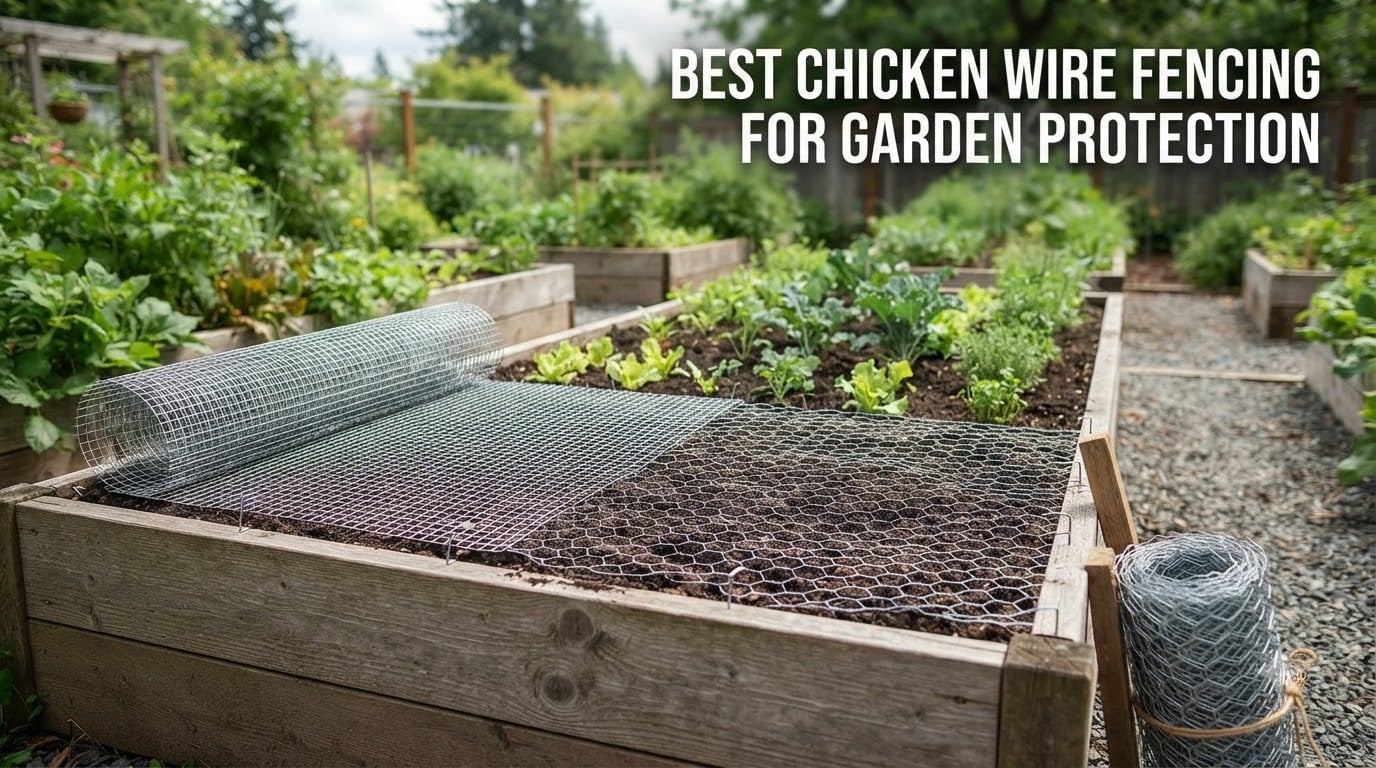
I have pulled apart chicken wire, hardware cloth and hex netting rolls in three different garden projects, and the failure pattern is always the same: people buy mesh with openings too large for the animal they are trying to stop, or they lay thin wire flat on damp soil and it corrodes through in a season. This guide breaks down the twelve rolls and panels worth your attention in 2026, with the gauge, mesh opening, height, length and finish for each one stated plainly.
If you are searching for the best chicken wire fencing for garden protection, the honest answer up front is that there is no single winner for every job. Hexagonal chicken wire is the cheapest way to keep chickens out of a vegetable bed. Welded hardware cloth at one-half inch is what you want the moment rabbits, snakes or raccoons are involved. The differences are in the wire gauge and the coating, not the marketing.
Below is the quick verdict, then the full roundup, then the buying decisions that actually change whether a fence holds. Everything here is based on published specifications and buyer feedback, and I updated the whole list for 2026. Where the honest answer is that chicken wire is the wrong product, I say so.
Table of Contents
Top 3 Picks: Best Chicken Wire Fencing for Garden Protection (October 2026)
These three cover the widest range of garden jobs. Pick the TOYPOPOR roll if you want the most length per dollar for basic bird exclusion, the SEBOSS roll if you are fencing a whole property perimeter, and the Land Guard panel if you want one-half inch protection in a manageable size.

TOYPOPOR 16in Hex Chicken Wire
- 82 ft of 1 inch hex mesh
- 0.6mm galvanized wire
- 100 ties included


Chicken Wire Fencing Specs at a Glance in 2026
Every roll in the roundup, side by side. The mesh opening column is the one to read first, because it decides what stays out of your garden.
| Product | Specifications | Action |
|---|---|---|
| TOYPOPOR 16 in x 82 ft Hex Chicken Wire |
|
Check Latest Price |
| Land Guard 19 Gauge Hardware Cloth 16 in x 50 ft |
|
Check Latest Price |
| SEBOSS Hardware Cloth 48 in x 100 ft |
|
Check Latest Price |
 Amagabeli Hardware Cloth 48 in x 50 ft Amagabeli Hardware Cloth 48 in x 50 ft |
|
Check Latest Price |
 LAN JIA Hardware Cloth 48 in x 100 ft LAN JIA Hardware Cloth 48 in x 100 ft |
|
Check Latest Price |
 GoldPeak Black Hardware Cloth 48 in x 100 ft GoldPeak Black Hardware Cloth 48 in x 100 ft |
|
Check Latest Price |
 VEVOR Hardware Cloth 36 in x 50 ft VEVOR Hardware Cloth 36 in x 50 ft |
|
Check Latest Price |
 vensovo 1 Inch Hex Poultry Netting 48 in x 150 ft vensovo 1 Inch Hex Poultry Netting 48 in x 150 ft |
|
Check Latest Price |
 Gbekery Hardware Cloth 16 in x 25 ft Gbekery Hardware Cloth 16 in x 25 ft |
|
Check Latest Price |
 VEVOR Black Vinyl Hardware Cloth 24 in x 50 ft VEVOR Black Vinyl Hardware Cloth 24 in x 50 ft |
|
Check Latest Price |
 HOSTIC Hex Chicken Wire Netting 6 ft x 150 ft HOSTIC Hex Chicken Wire Netting 6 ft x 150 ft |
|
Check Latest Price |
 SANZEUS Hardware Cloth 48 in x 100 ft SANZEUS Hardware Cloth 48 in x 100 ft |
|
Check Latest Price |
1. TOYPOPOR 16 in x 82 ft Hex Chicken Wire: Best for Chicken-Proof Beds on a Budget
16in x 82ft Chicken Wire, TOYPOPOR 40cm x 25m Poultry Wire Netting Hexagonal Galvanized Mesh Garden Fence Barrier for Pet Rabbit Chicken Fencing (16In x 82FT)
16 in x 82 ft roll
0.6mm galvanized wire
Hexagonal mesh
100 ties included
Pros
- Longest hex roll for the money
- Low 2.07 kg weight is easy to handle alone
- Galvanized finish resists surface rust
- Includes 100 ties
Cons
- Wire is thinner than it looks
- 1 inch opening will not stop rabbits or snakes
- Hex mesh sags more than welded wire
This is the roll I keep coming back to for quick jobs around vegetable beds. It is a 16 inch wide by 82 foot roll of galvanized hexagonal wire with 0.6mm wire diameter, and it weighs about 2.07 kg in total. That low weight is the quiet advantage: I could unroll, shape and staple a whole bed surround in an afternoon by myself.
The real strength here is length. At 82 feet you can wrap a large raised bed, fence a nursery section, or run a seasonal barrier around a plot of seedlings without a single splice. One of the best patterns I have seen on r/gardening is exactly this: scrap 2x2s driven into the ground, wire wrapped around the rail, and stapled along the top. A roll this length makes that build painless.
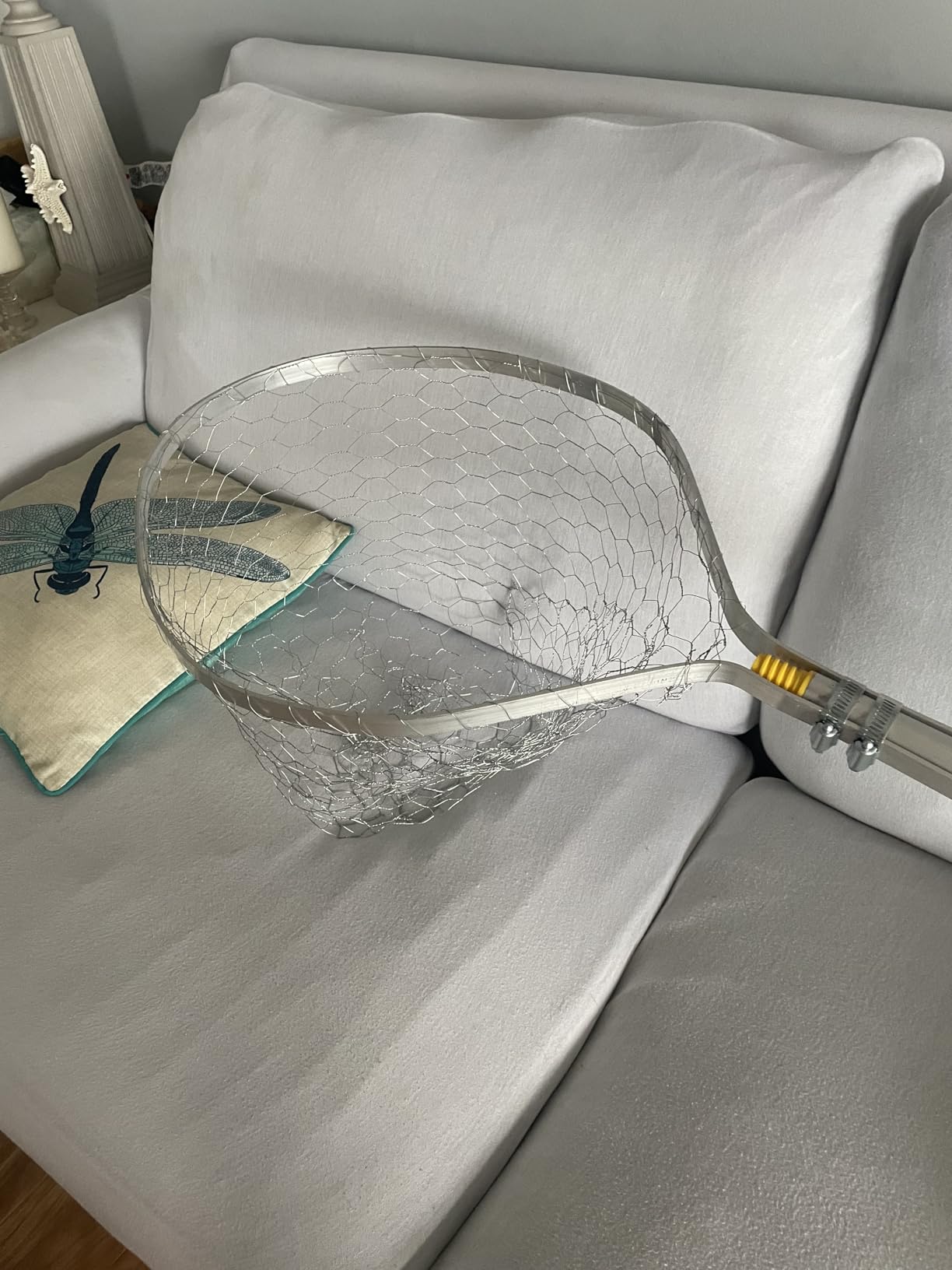
Buyers like the value and the ease of cutting. This wire cuts with ordinary scissors and bends around corners without springing back, which is what makes it good for curved bed shapes and hoop-style crop cages. The galvanized coating gives it a silver finish that resists surface rust in normal weather.
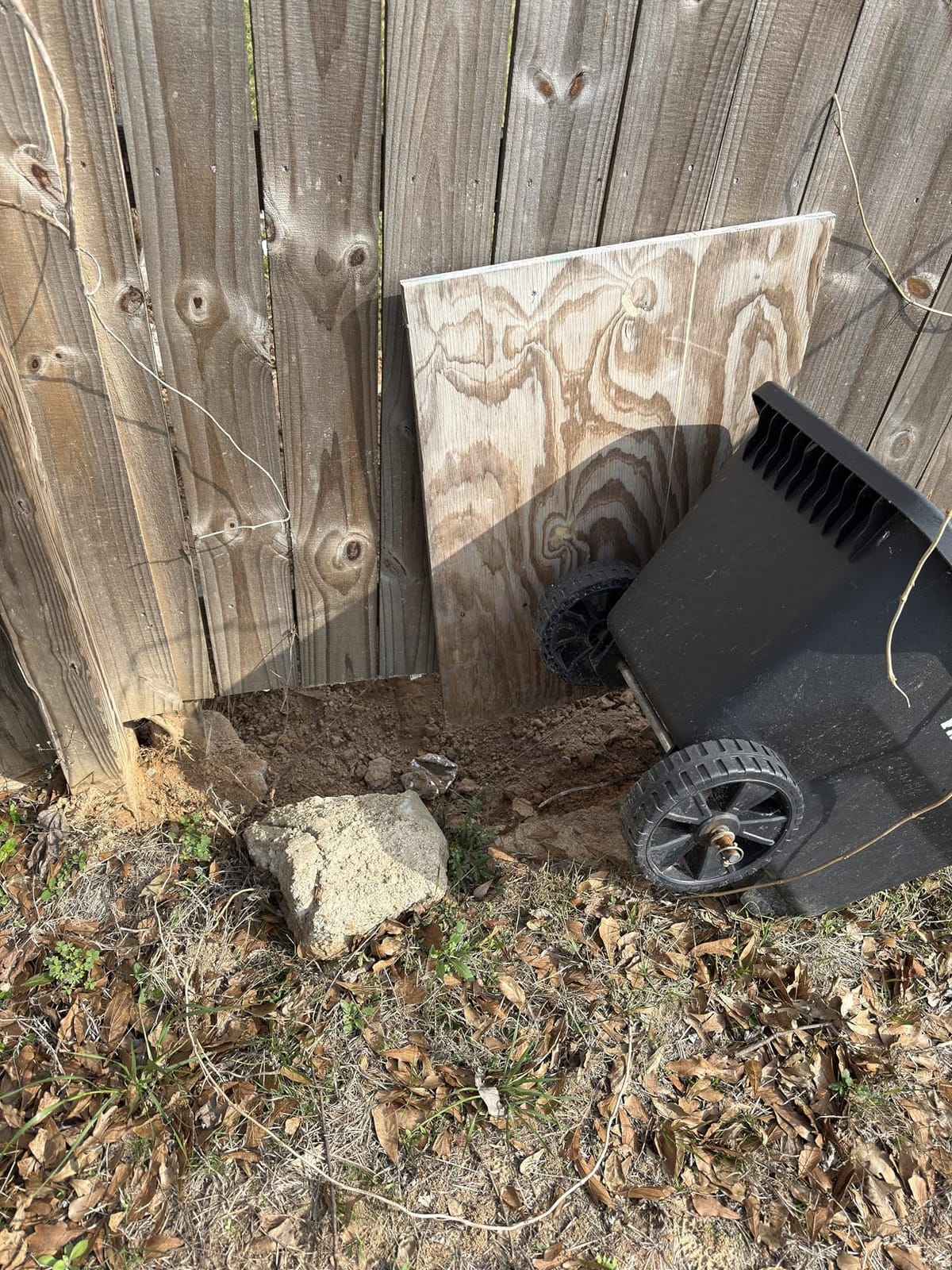
Now the part that matters. One-inch hex mesh stops chickens, ducks and large birds. It will not stop a determined rabbit, and it offers nothing at all against snakes, weasels or raccoons. If that is your situation, skip to the hardware cloth picks below. A user on thechickenchick.com documented the limit the hard way, losing a five-week-old Silkie to a hawk that reached through one-inch openings.
Where this roll works best
If your problem is your own flock or a neighbour’s birds raiding a bed, this is the right tool. It is also the correct choice for temporary seasonal barriers that come down at the end of the season, because it is light enough to move alone.
The 100 included ties are a genuine convenience. You get zip-style ties for securing the wire to stakes without buying a separate pack.
Where it will disappoint you
The most common complaint is that the wire is thinner than buyers expect once they cut into the roll. That is a fair criticism at this diameter. It also sags noticeably over a long unsupported span, which means it needs closer post spacing than the welded rolls.
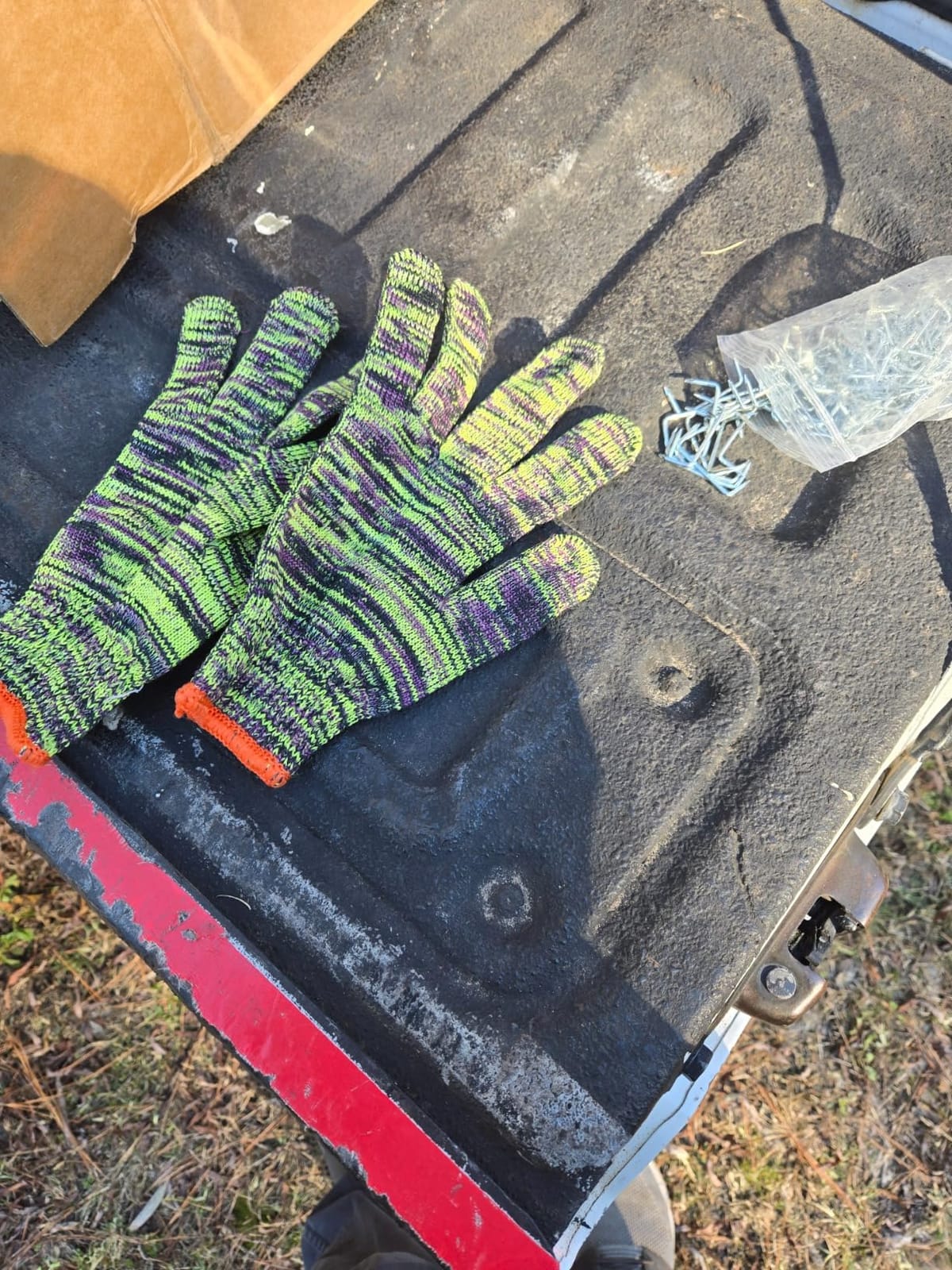
Sharp cut ends need gloves to handle. Budget an afternoon and a pair of work gloves rather than assuming this is a ten-minute job.
2. Land Guard 19 Gauge Hardware Cloth, 16 in x 50 ft: Budget Pick for One-Half Inch Protection
Land Guard 19 Gauge Hardware Cloth, 1/2 inch Chicken Wire Fence, Galvanized Welded Cage Wire Mesh Roll Supports Poultry Netting Cage Fence…
19 gauge
1/2 in x 1/2 in mesh
16 in x 50 ft
Hot-dipped galvanized
Pros
- Highest rating in the roundup at 4.7
- Welded square mesh holds a straight line
- Half inch openings stop rabbits and snakes
- Hot-dip galvanizing resists corrosion
- 66.5 sq ft of coverage in one panel
Cons
- Heavier than expected
- Needs two people to unroll
- Only 16 inch wide so projects need multiple rolls
This is the panel I recommend to anyone who has never bought mesh before. It is 19 gauge hot-dipped galvanized wire in a one-half inch by one-half inch welded square grid, supplied as a 16 inch by 50 foot roll covering about 66.5 square feet. The rating sits at 4.7 across more than 1700 reviews, which is the strongest consistency of any pick here.
The difference between welded and twisted hex mesh is not marketing language. Welded intersections resist the twisting pull that makes hex netting deform, so this roll stays flat against a frame and holds a fence line that looks intentional in a front yard. Buyers repeatedly single out how cleanly it cuts and shapes with standard wire cutters.
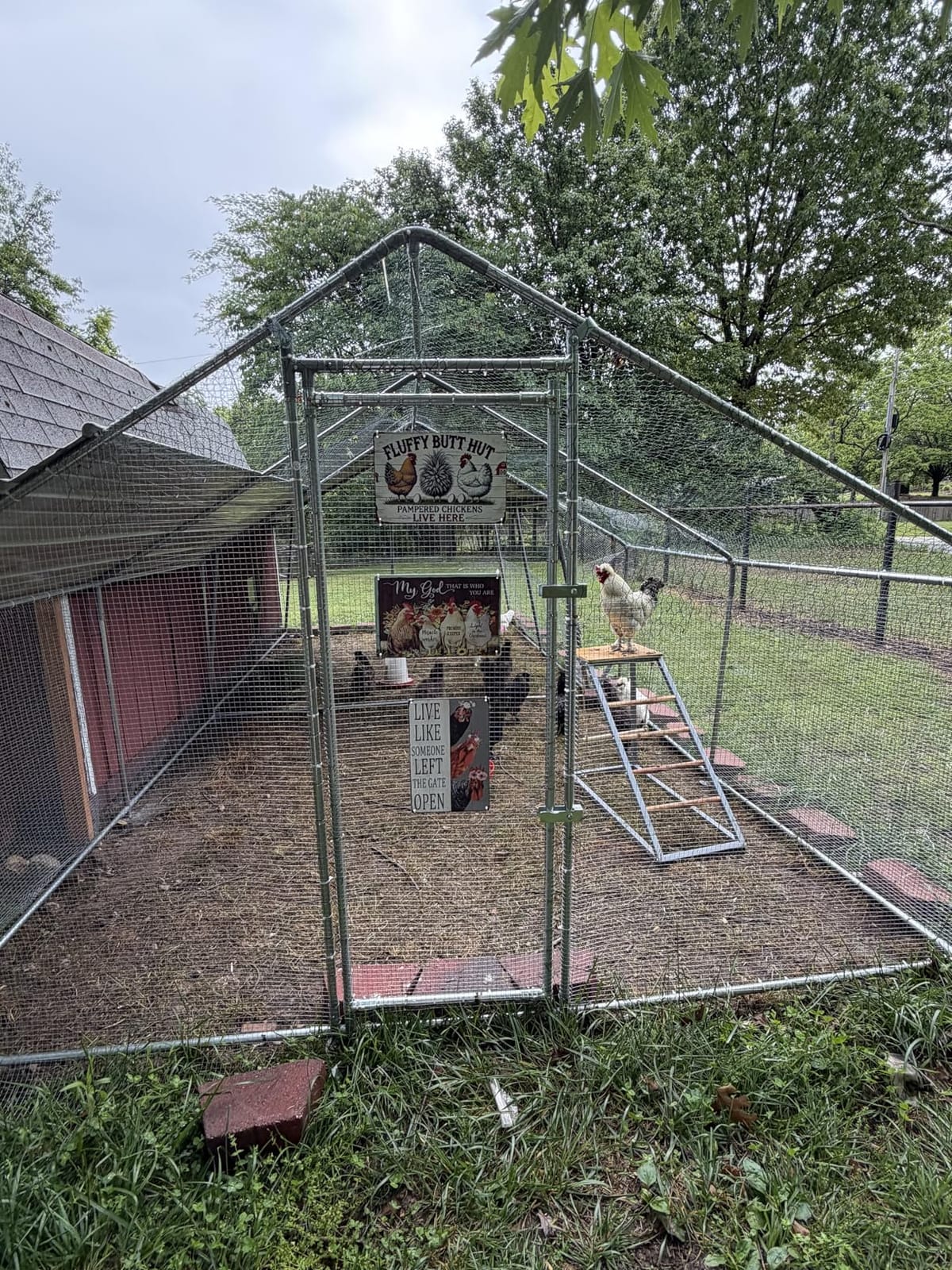
One-half inch openings are the practical sweet spot for a vegetable garden. They exclude rabbits, gophers, snakes and rats, which covers nearly every complaint gardeners bring to forums. They are also large enough that seedlings grow through without tangling and you can water without fighting the mesh.
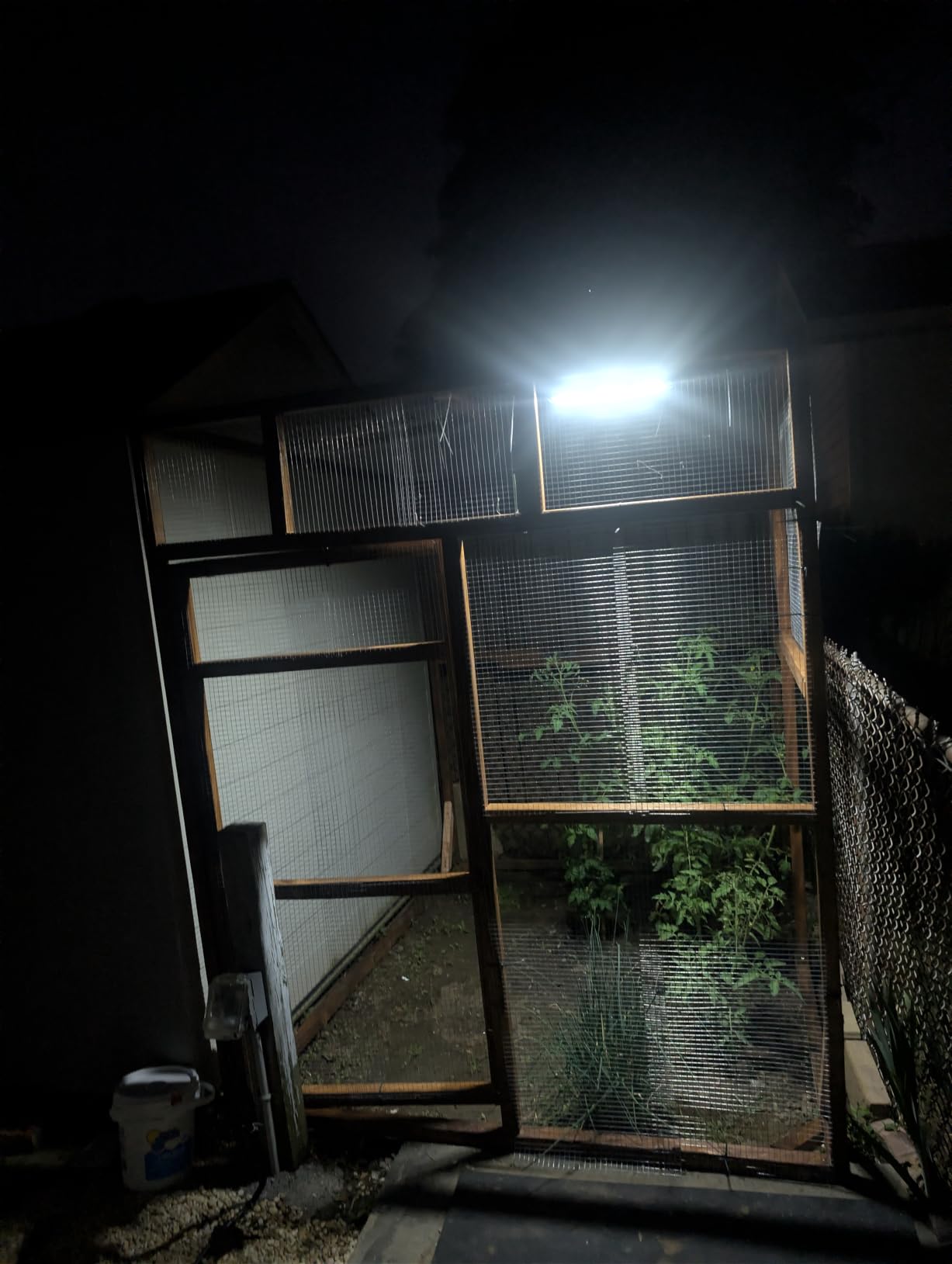
Hot-dip galvanizing is the finish to look for on any roll that lives outside. Several buyers confirm the wire shows no surface corrosion after multiple seasons, including on fence lines that get sprinkler overspray.
Where this panel works best
Perfect for one raised bed, one section of border, or a gopher guard around a young tree. It is also the pick if you want one-half inch protection without committing to a 50 pound roll, because 16 inches of height is all a bed surround needs.
For wider projects, plan on buying more than one roll and overlapping the edges. A user on lumberjocks.com reported about an hour of cutting and fitting per modular frame section with this style of mesh, so budget time accordingly.
Where it will disappoint you
It is heavier than buyers anticipate, and multiple reviewers say a second person makes installation far easier. Sharp edges mean gloves are not optional once you start cutting into the grid.
The 16 inch width is the main limitation. Covering a long bed with this roll means splicing several lengths, and the seam line is a spot animals test. Splice with clips and screws rather than staples where a determined animal is the concern.
3. SEBOSS 48 in x 100 ft Hardware Cloth: Best for Whole-Perimeter Projects
SEBOSS Hardware Cloth 1/2 inch Chicken Wire Fencing 48 x 100 Ft 19-Gauge
48 in x 100 ft
1/2 in mesh
19 gauge
Galvanized after welding
Gloves included
Pros
- Large 48 in x 100 ft roll covers a big run
- Hot-dip galvanizing applied after welding
- Gloves and staples included in the box
- 5-year quality guarantee
- Low-carbon steel core gives good strength
Cons
- Roll weighs about 50.6 lb
- Occasional reports of welding defects
- Some buyers question true 19 gauge
- Coils up during installation
When the job is a whole garden rather than a single bed, roll width becomes the deciding factor. This one is 48 inches tall and 100 feet long at one-half inch mesh and 19 gauge, and it carries a 4.7 rating across more than 2000 reviews. Very few products in this category have both the volume of feedback and the consistency.
Two details separate it from the crowd. First, the galvanizing is applied after welding, so every weld point carries a zinc coat rather than only the wire surfaces. Second, the box includes gloves and staples, which sounds minor until you are halfway through a 100 foot run with bare hands and no hardware in the house.
The 48 inch height covers a four-foot garden fence without an extension strip, and 100 feet is enough for a substantial border or an enclosed run. Reviewers consistently describe it as good value compared with buying several smaller rolls, largely because of the square-foot coverage per roll.
The stated low-carbon steel core gives the mesh enough give to follow uneven ground while still holding a straight top line. That combination is why so many buyers call it easy to cut and install despite the size.
Where this roll works best
Large gardens, multi-bed layouts, and anyone building a run where chickens must stay in and predators stay out. The one-half inch opening handles snakes and rats as well as rabbits, which covers the most common garden complaints.
If you are bottom-lining a raised bed or gopher-guarding new plantings, the height gives you usable offcut for the liner without another purchase.
Where it will disappoint you
At roughly 50.6 pounds, this is firmly a two-person job. Several buyers report that the roll fights back and springs open while you are trying to position it.
A small number of reviews report welding defects in spots on their roll, and some buyers question whether the wire is truly 19 gauge. Inspect the mesh before you unroll it and photograph any flaws. The 5-year guarantee is worth having on file.
4. Amagabeli Double Galvanized Hardware Cloth, 48 in x 50 ft: Best for Buried Aprons
Amagabeli Hardware Cloth 1/2 inch 48 in x 50 ft True 19 Gauge Chicken Wire Double Galvanized Welded Wire Fencing Mesh Roll Garden Plant Support Poultry Netting Rabbit Cage Snake Gopher Fence
True 19 gauge
1/2 in mesh
48 in x 50 ft
Double hot-dip galvanized
Pros
- True 19 gauge spec
- double galvanizing
- Explicitly rated for burial underground
- Blocks snakes rats and rabbits
- Multiple rolls splice together easily
- Cuts with scissors or wire cutters
Cons
- Heavier than basic chicken wire at 28.9 lb
- Costs more than lightweight poultry netting
- Sharp edges need gloves
This is the roll I would choose for any part of the fence that goes into the ground. It is listed as true 19 gauge with one-half inch mesh in a 48 inch by 50 foot format, and the finish is described as double hot-dip galvanizing with reinforced seams. Buyers confirm it holds up when buried, which is exactly what a buried apron needs.
That last point matters more than it sounds. The most common complaint in poultry and garden forums is chicken wire laid flat on the soil as an apron that rusts out within a year. A user on chickenforum.com described that failure in detail, and the cause is usually thin coating plus constant soil contact. A double-galvanized roll solves it.
The dense one-half inch grid is the other argument. Reviewers mention it specifically as effective against snakes, rats and rabbits, which are the three animals most often reported as getting into raised beds.
It also splices well. The manufacturer notes multiple rolls can be joined for larger coverage, and buyers confirm the wire cuts and bends without specialised tools. That makes it straightforward to build the L-footer apron that rabbit and squirrel exclusion depends on.
Where this roll works best
Any fence line with a buried bottom section, gopher guards around trees and shrubs, and raised bed liners where you need the mesh to sit against damp soil all season.
The 48 inch height also suits a full-height border fence that will be buried 12 inches at the bottom, leaving 36 inches of visible barrier. That height is the sweet spot for rabbits in most gardens.
Where it will disappoint you
At 28.9 pounds this is a serious two-handle roll. It is heavier and more expensive than lightweight poultry netting, and that difference shows up fast if you are covering several hundred feet.
One buyer also notes the wire can be tougher than expected to bend by hand once it is cut. Work it over a sawhorses or a post rather than trying to fold it with your palms.
5. LAN JIA 1/2 inch Hardware Cloth, 48 in x 100 ft: Best Long Warranty Coverage
LAN JIA 1/2” Galvanized Hardware Cloth 48″ x 100′ 19 Gauge Wire Mesh Roll
48 in x 100 ft
1/2 in square mesh
19 gauge
Hot-dip galvanized after welding
Pros
- 4.8 rating
- the highest in the roundup
- 8-year quality guarantee
- Hot-dip galvanizing after welding
- Carton packaging protects the roll in transit
- Multiple size variants available
Cons
- Heavy roll for one person
- Some reports of gauge inconsistency
- Sharp edges require gloves
This is the highest-rated product I included, at 4.8 stars from more than 1200 reviews. It is 19 gauge alloy steel with one-half inch square openings, galvanizing applied after welding, in a 48 inch by 100 foot roll. The 8-year quality guarantee is the longest stated coverage among the picks.
Long guarantees matter here because the failure mode is slow. Wire that is not properly coated does not snap overnight; it thins, weakens and tears at a staple point over two or three seasons. A guarantee spanning eight years is a reasonable signal that the coating process is holding.
Buyers describe it working well for gopher guards, chicken coops and garden borders, and several note the carton packaging keeps the roll from being dented in transit. That detail saved my own install once, when a bare-wrapped roll arrived kinked and fought every attempt to lie flat.
One-half inch openings and 19 gauge is the same combination as several other picks, so the decision comes down to roll size and guarantee length rather than spec differences.
Where this roll works best
Long fence lines and large gardens where a single roll needs to cover 400 square feet of panel area. It suits chicken coops, gopher guards and perimeter borders equally well.
If you plan to keep a fence in place for many seasons, the guarantee makes this the least risky of the 48 inch options.
Where it will disappoint you
A small number of reviewers report gauge inconsistency between rolls from the same brand, so check the wire thickness against a caliper if precise spec matters to your project.
Like the other 48 inch rolls, it is a heavy lift for a single person. Plan a two-person unroll and keep gloves within reach.
6. GoldPeak Black Vinyl Coated Hardware Cloth: Best for a Front-Yard Garden
GoldPeak Black Hardware Cloth 1/2 Inch Mesh 48 Inch x 100 Foot 19 Gauge
48 in x 100 ft
1/2 in mesh
19 gauge
Black vinyl over galvanized core
5-year warranty
Pros
- Black finish disappears against planting and mulch
- Galvanized inside plus vinyl outside for double rust protection
- Includes gloves
- 5-year warranty
- Easy to cut and bend
Cons
- Weighs 49 lb
- Vinyl can abrade tender stems
- Some buyers question 19 gauge thickness
- Not suited to heavy predator chewing
Everything in this roundup is functionally sound, but only one disappears in a planting bed. The GoldPeak roll is 19 gauge with one-half inch mesh in a 48 inch by 100 foot format, finished in black vinyl over a galvanized core. Two coats mean rust resistance from inside and outside.
Aesthetics matter more in a front garden than most buying guides admit. Bright galvanized wire draws the eye and makes a vegetable plot look like a temporary build. Black coated mesh reads as a deliberate garden structure, and buyers consistently single out the appearance as the deciding factor.
The flat mesh surface is easy to fasten and gives you a clean line to staple or screw. Gloves are included, which helps given the 49 pound weight.
One caution for living plants: forum users warn that vinyl-coated wire abrades tender stems. If you are training peas, squash or beans directly up the mesh, keep a gap between the coating and the stems or use the galvanized option instead.
Where this roll works best
Front-yard vegetable beds, ornamental borders and any fence line the neighbours will actually see. It is also a good pick for a chicken run where the black finish resists the visual clutter of bare wire.
The double coating makes it a sensible choice in humid regions or anywhere with heavy sprinkler overspray.
Where it will disappoint you
Vinyl coating is not predator-proof. If raccoons or dogs are your concern, bare galvanized welded mesh survives chewing better. Reviewers also question whether the wire is genuinely 19 gauge.
At 49 pounds it needs two people, and the one-half inch squares are too small for standard hog ring clips, which matters if you plan to use ring fasteners on the frame.
7. VEVOR 1/4 inch 23 Gauge Hardware Cloth: Best for Mice and Small Rodents
VEVOR Hardware Cloth, 1/4 inch 36in x 50 ft 23 Gauge, Hot Dipped Galvanized Wire Mesh Roll, Chicken Wire Fencing, Wire Mesh for Rabbit Cages, Garden, Small Rodents
36 in x 50 ft
1/4 in mesh
23 gauge
Hot-dip galvanized
16.1 lb roll
Pros
- Quarter inch mesh blocks mice and small rodents
- Lighter at 16.1 lb so one person can install it
- Hot-dip galvanizing with post-weld coating
- Salt spray tested for corrosion
- Reinforced five-layer packaging
Cons
- Thinner 23 gauge wire
- Only 36 in x 50 ft coverage
- Some reports of rust over time
- Fine mesh is harder to cut and shape
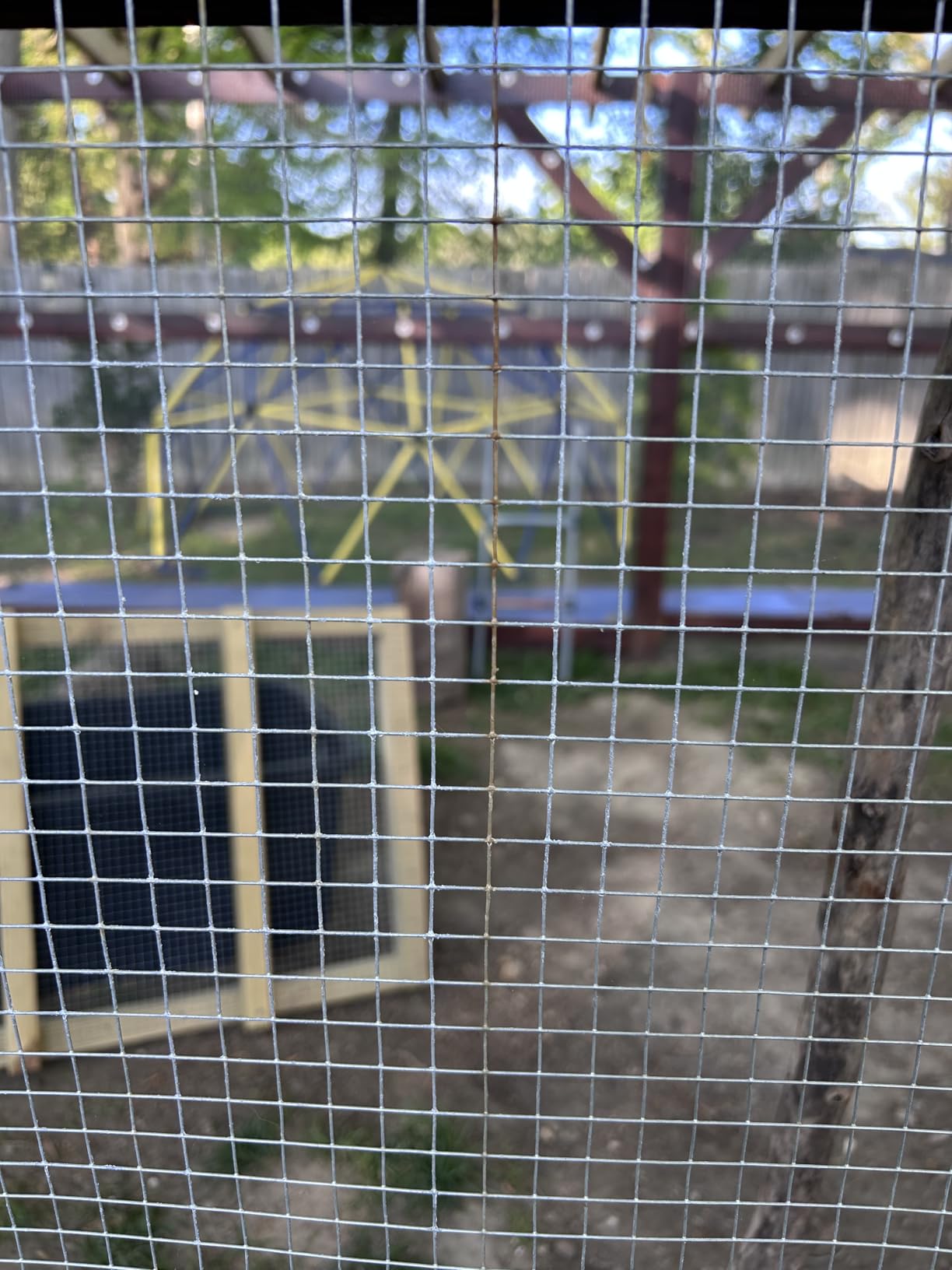
One-quarter inch mesh exists for one reason: some rodents are small enough to walk through one-half inch openings. This VEVOR roll is 23 gauge at one-quarter inch in a 36 inch by 50 foot format, and it weighs 16.1 pounds, which makes it the lightest of the hardware cloth picks and the easiest to install alone.
The coating process is well specified. The wire is hot-dip galvanized after welding so each weld point is zinced, and the product is salt spray tested for corrosion resistance. That testing is unusual detail at this price point and worth noting.
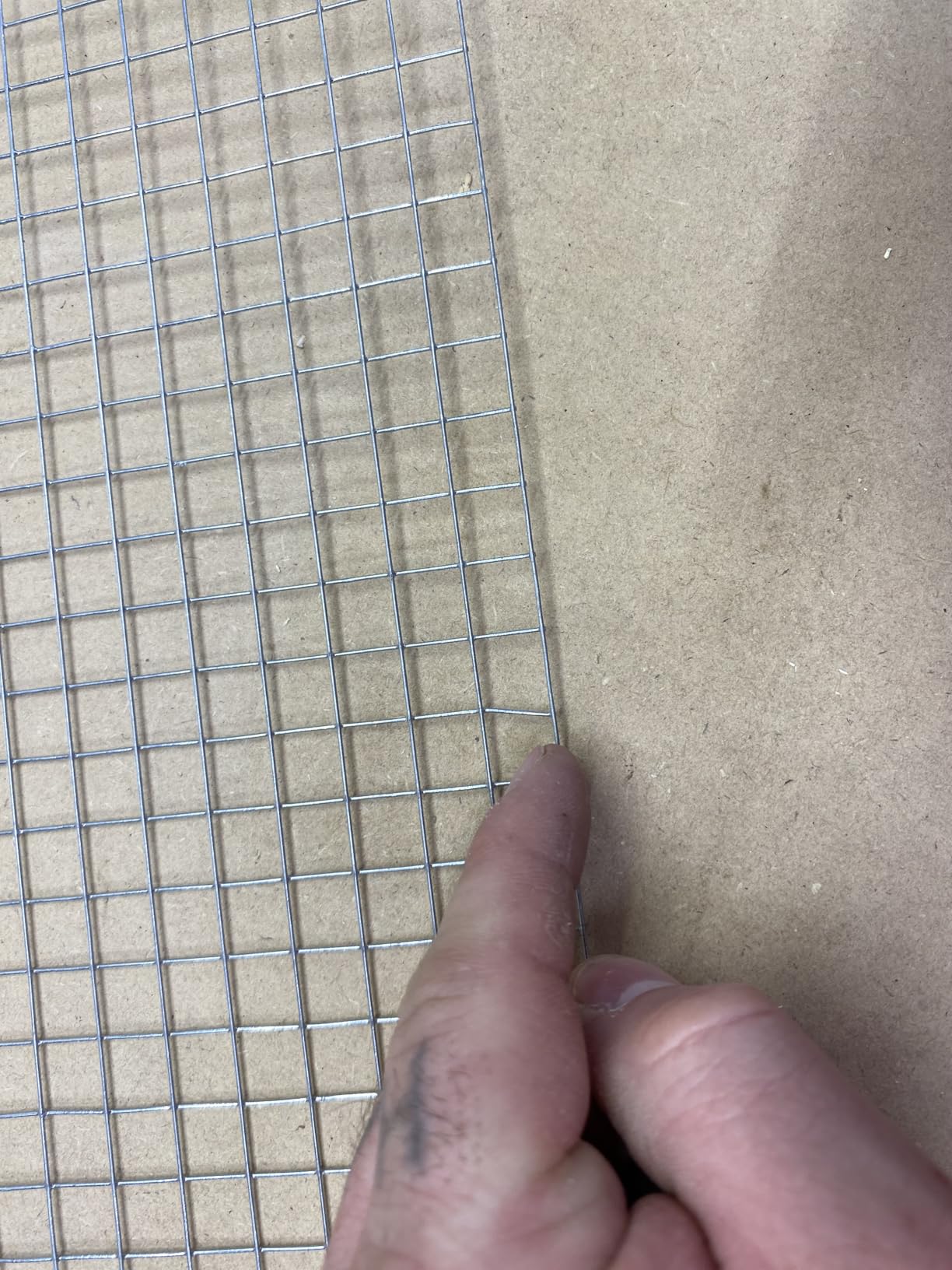
Be clear-eyed about the limitation. One-quarter inch cloth does not stop voles. A Houzz discussion from 2015 makes that point directly: voles are small enough to pass through quarter-inch openings, so the cloth works for larger burrowers only. Use a finer woven barrier or a trap line if voles are your specific problem.
Where it genuinely excels is mouse and rat exclusion around a compost pile or a bed of young seedlings, where those rodents do most of their damage.
Where this roll works best
Wrapping compost piles, protecting seedling trays and covering newly planted beds where mice are the threat. The light weight makes it practical for anyone building a cage on their own.
It is also a good liner under a raised bed where the concern is surface rodents rather than burrowing moles.
Where it will disappoint you
Twenty-three gauge is genuinely thin wire. It dents easily, snaps under pressure and does not hold a tall fence line without close post spacing.
The 36 inch width is the smallest coverage in the roundup, so a raised bed needs two strips. Reviewers also report occasional rust appearing over time, and the fine grid is fiddly to cut cleanly.
8. vensovo 1 Inch Hex Poultry Netting, 48 in x 150 ft: Best Budget Coverage for Large Areas
vensovo Chicken Wire Mesh, 1-Inch Poultry Netting Fence, 48 in x 150 ft
48 in x 150 ft
1 in hex mesh
0.5mm wire
Hot-dip galvanized
Pros
- Longest roll in the roundup at 150 ft
- Lowest cost per linear foot of any pick
- Hot-dip galvanized and lead free
- Double twist braid adds sturdiness
- Multiple size variants available
Cons
- Only 0.5mm wire diameter
- One inch opening blocks nothing small
- Not predator proof against raccoons or dogs
- Lower rating than the hardware cloth picks
When your goal is to fence a very large area on a limited budget, cost per linear foot matters more than anything else. This 48 inch by 150 foot roll of one-inch hexagonal poultry netting gives you the most fence line of any pick here, and buyers describe it as the best value per foot for simple fencing needs.
The wire is hot-dipped galvanized iron with no lead, built with a double twist braid that adds sturdiness compared with a single twist. It weighs 25.8 pounds, which is light for a roll this size and manageable by one person.
Read the mesh opening carefully. One-inch hex keeps chicks and adult chickens in, which is the product’s actual job. It will not stop rabbits, snakes, rats or weasels, and it offers no meaningful resistance to a determined raccoon or dog.
Where this roll works best
Large temporary barriers, seasonal frost protection around beds, and dividing a run from an adjoining yard where chickens need to stay contained. It is also a reasonable choice for craft and trellis work where the mesh disappears into planting.
If your plants will climb it, plan staples or clips at roughly 12 inch intervals so the wire does not bow outward as vines load up.
Where it will disappoint you
At 0.5mm this is the thinnest wire in the roundup and reviewers compare it unfavourably to hardware cloth on stiffness and durability. Expect to replace it sooner if it takes repeated contact.
Its rating sits below the rest of this list, and buyers report some quality inconsistency between rolls. Check the whole length before you staple it down.
9. Gbekery 1/2 inch Hardware Cloth, 16 in x 25 ft: Best for Small Patches and Repair Jobs
Gbekery Hardware Cloth 1/2in 16x25ft, 19Ga Hot-dip Galvanized After Welding
16 in x 25 ft
1/2 in mesh
19 gauge
Galvanized after welding
Pros
- Small roll is easy to carry and handle
- Galvanized after welding coats every joint
- Smooth welded edges reduce scratches
- Effective against rabbits snakes and gophers
- Flexible enough to shape around curves
Cons
- Only 16 in by 25 ft coverage
- 19 gauge thinner than some expect for heavy work
- Multiple rolls needed for larger projects
Not every project needs 100 feet of mesh. This Gbekery roll is 16 inches by 25 feet of 19 gauge welded wire with one-half inch openings, galvanizing applied after welding so every joint is coated. At about 1.89 kg it is the most manageable roll in the roundup.
What stands out in buyer feedback is the smooth welded edges. Reviewers mention fewer scratches during cutting and installation than with rougher mesh, which is a small thing that matters on a project you do with bare hands.
Customers consistently describe it as substantial enough to be sturdy while still being flexible to work with. That balance is what makes it good for curved bed surrounds rather than straight runs only.
Where this roll works best
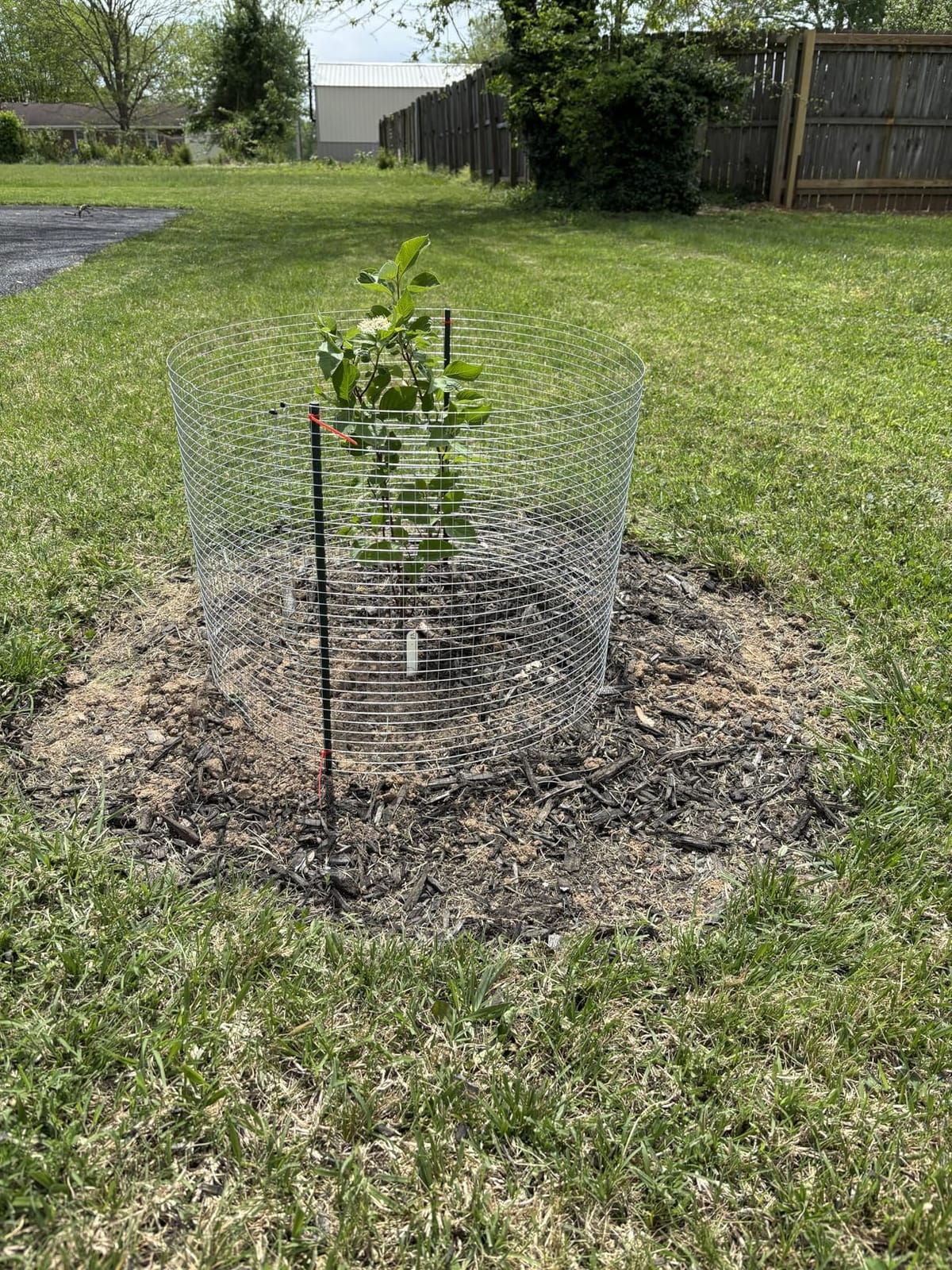
Single raised beds, herb spirals, small orchard surrounds, and repair patches where an existing fence has torn. If you only need to close a gap around one bed, buying a small roll avoids leftover material.
It also works well as a gopher guard ring around a young shrub, since 16 inches of height is enough for a collar.
Where it will disappoint you
Twenty-five feet is short. Any project longer than a single bed means multiple rolls and overlapping seams, and those seams are the weak point animals find first.
Some buyers report the 19 gauge is thinner than they expected for heavy-duty work. It is garden-scale wire, not structural fencing.
Measure your bed perimeter twice and add 10 percent for overlap and waste before you open the roll, because cutting a 19 gauge grid takes longer than most buyers expect. Use screws and washers rather than staples if a determined animal is the concern. Staples pull out far too easily once something starts pushing.
10. VEVOR Black Vinyl Coated Hardware Cloth, 24 in x 50 ft: Best All-in-One Kit
VEVOR Hardware Cloth 24 in x 50 ft, 1/2 in 19 Gauge Galvanized Wire Mesh Roll, Weather-Resistant Vinyl Coated Chicken Wire Fencing, Heavy Duty Welded Garden Plant Fencing for Rabbit Cage Snake Fence
24 in x 50 ft
1/2 in mesh
19 gauge
Black vinyl coated
Cutter and gloves included
Pros
- Box includes a heavy-duty cutter and gloves
- Black vinyl coating doubles rust protection
- Light at 12.06 lb for easy handling
- Good for chicken runs and catios
- Trims cleanly to size
Cons
- Vinyl coating can be scratched through in places
- Some reports of dimensions short of advertised
- Less rigid on uneven fence lines
- Not as sturdy as bare galvanized wire for cage bottoms
This roll solves the two annoyances that trip up first-time builders: no cutters and no gloves. The 24 inch by 50 foot box includes a heavy-duty cutter, cut-resistant gloves and an installation guide, which removes two trips to the hardware store.
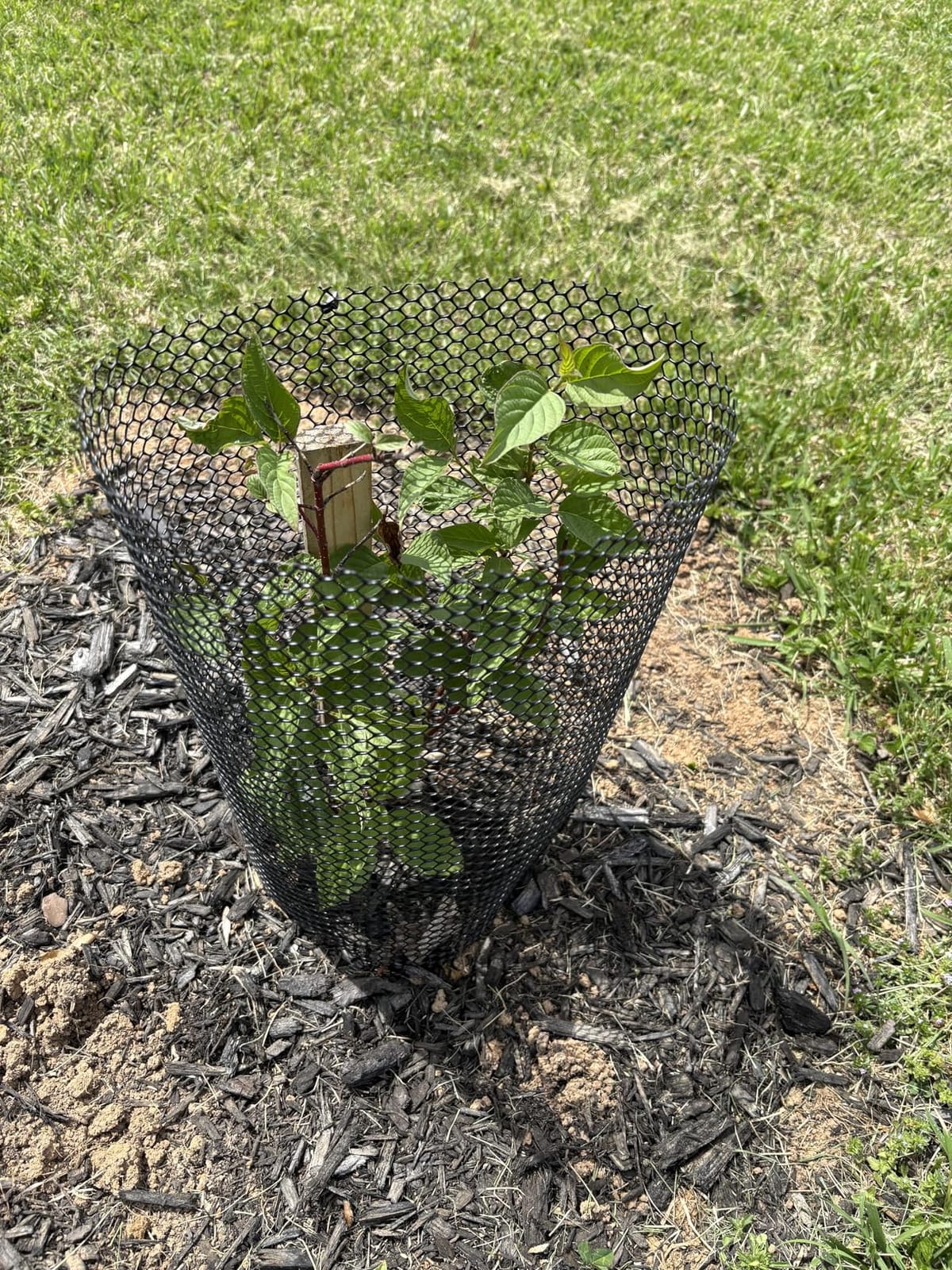
The wire is 19 gauge galvanized steel with a black vinyl coating, giving double rust protection and a look that suits an ornamental area. At 12.06 pounds it is one of the lighter rolls here and trims cleanly to size with the included tool.
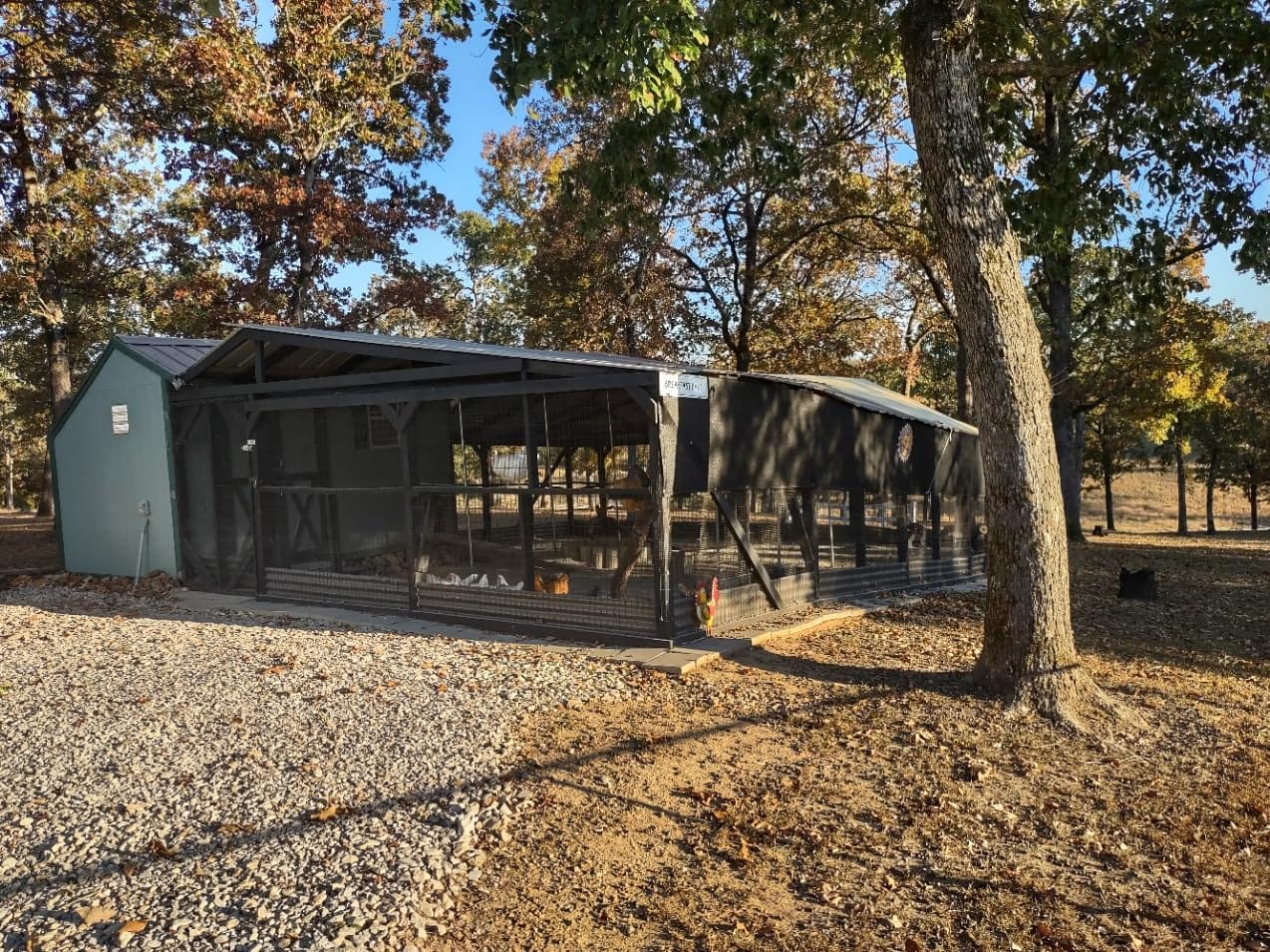
The one-half inch opening blocks rabbits, rodents and small puppies, and buyers cite chicken runs and catios as their most common uses. It is a solid garden fence where the pressure is moderate.
Watch the coating during unrolling. Reviewers report spots where the vinyl is damaged in places, exposing bare wire that will eventually rust. Inspect the run before you fasten it and mark any weak points.
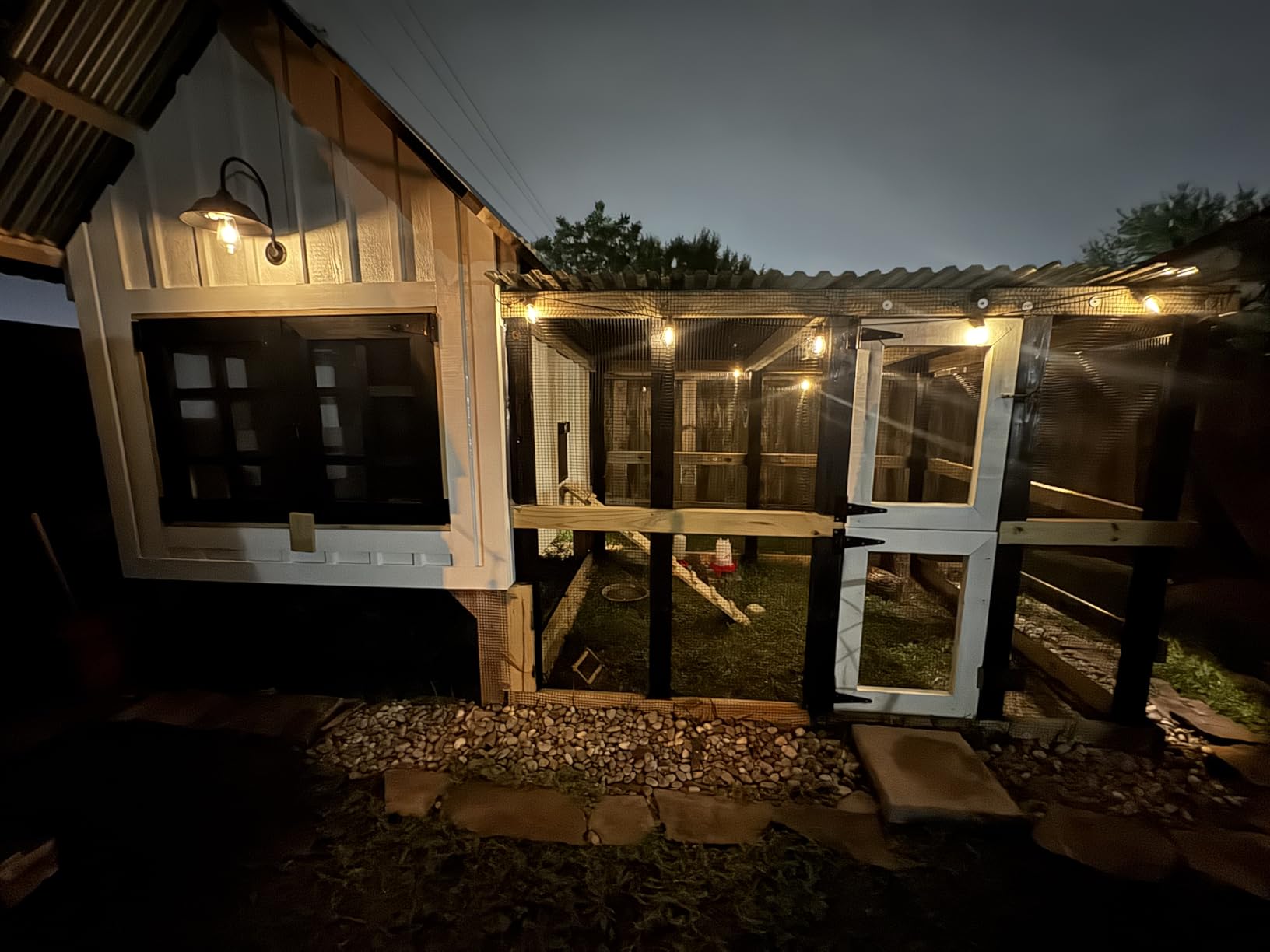
Where this roll works best
Medium projects where you want a complete kit and a finished look. It suits chicken runs, catios, garden borders and seedling protection where animals are browsers rather than serious diggers.
The 24 inch height is a good middle ground, taller than a bed cover and shorter than a full run fence, so it works for both with one purchase.
Where it will disappoint you
Coated wire is less rigid than bare galvanized mesh on uneven ground, so a wavy fence line shows more. It is also not the right choice for cage bottoms or heavy chewing pressure.
Several buyers report the actual dimensions coming up slightly short of what was advertised, so measure your project against the real roll rather than the label.
11. HOSTIC 2 Inch Hex Chicken Wire Netting, 6 ft x 150 ft: Best for Long Perimeter Runs
HOSTIC 6FTx150FT Chicken Wire Netting 2IN Galvanized Wire Mesh Hexagonal for Poultry Garden Fencing Barrier
6 ft x 150 ft
2 in hex mesh
0.9mm steel wire
Hot-dip galvanized
Pros
- Thicker 0.9mm wire than standard netting
- Very long 150 ft roll with 6 ft height
- Good pliability for shaping curves
- Hot-dip galvanized for rust resistance
- Cuts with ordinary scissors
Cons
- Two inch openings are far too large for small pests
- Heaviest roll in the roundup
- Hex weave is trickier than welded mesh
- Sharp cut ends need gloves
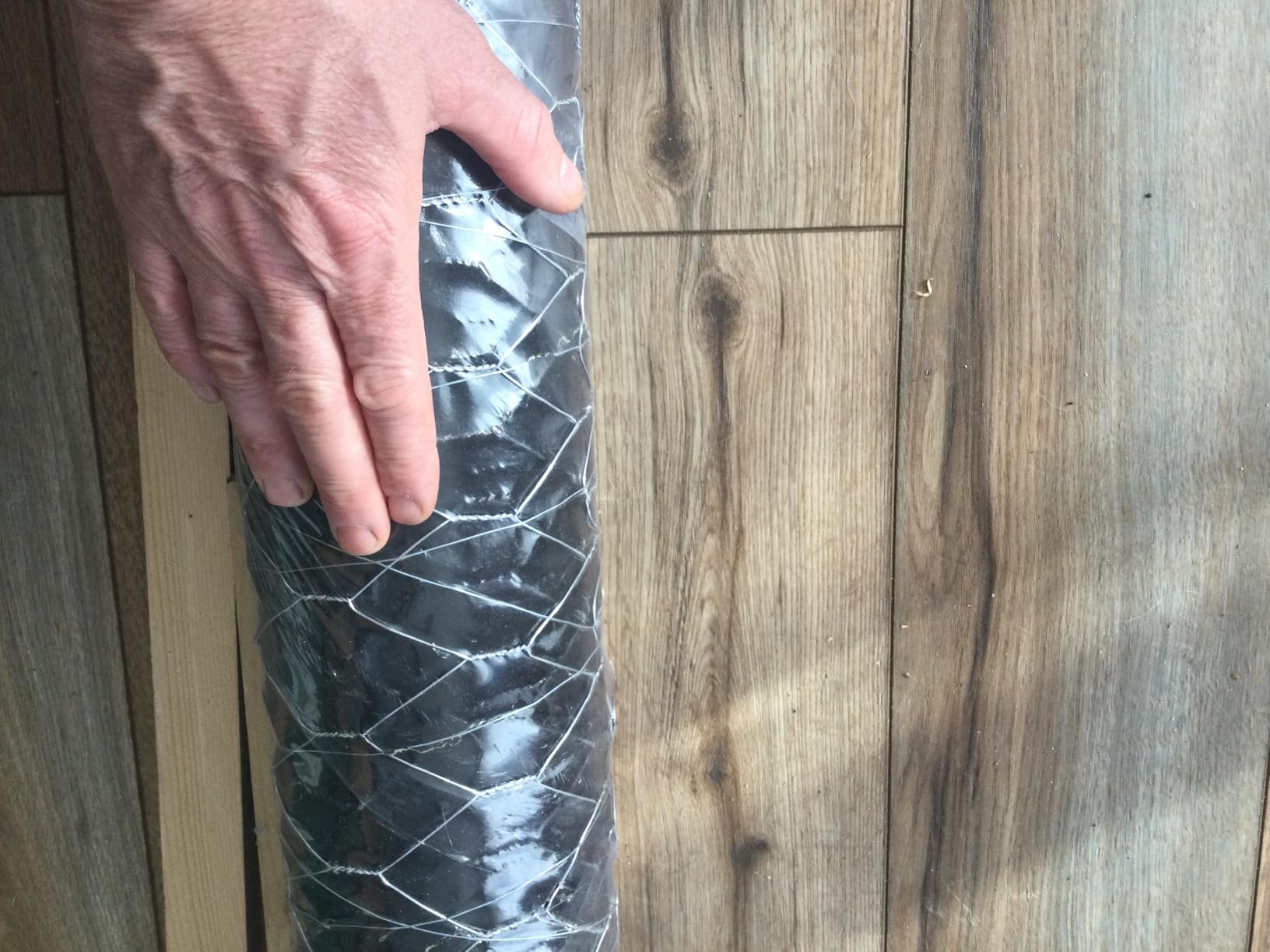
This is a perimeter product rather than a garden-protection product, and I include it because the wire quality is genuinely a step up. It uses 0.9mm steel wire against the 0.6mm common in standard chicken wire, in a 6 foot by 150 foot roll with hot-dip galvanized iron construction.
That thicker wire is the reason to consider it. It resists the deformation that makes lightweight hex netting collapse into a sagging curve, and it holds a tall fence line over a long run much better than anything else in this roundup.
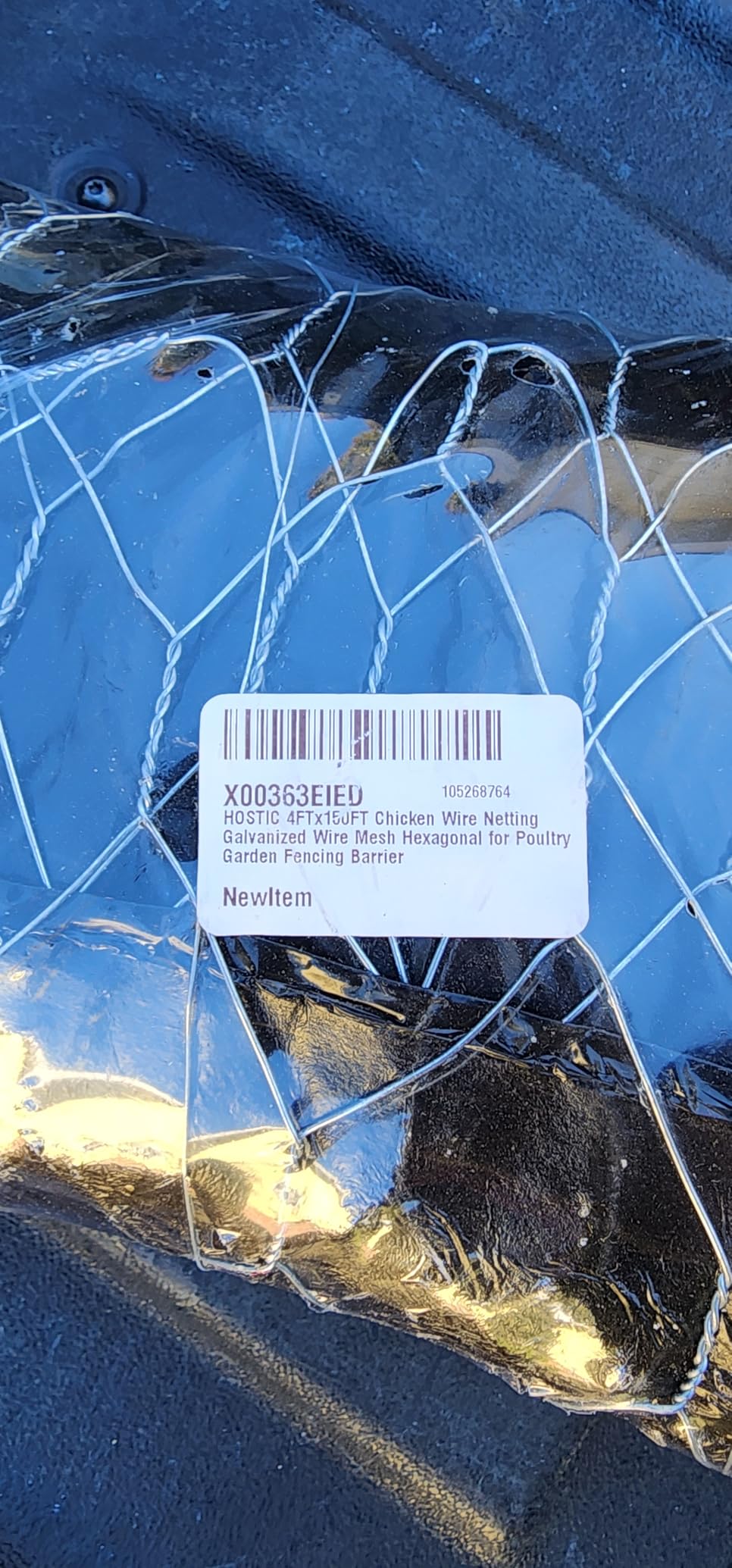
The mesh opening, however, is roughly two inches across. That is wide enough for a weasel, a rat, a snake or a rabbit to walk straight through. Buyers are blunt about this, and they rate it as a large-poultry containment product rather than a small-pest barrier.
Other size variants exist in 4 foot by 150 foot and 6 foot by 50 foot formats, which helps if your perimeter height does not need to be six feet.
Where this roll works best
Backyard poultry enclosures, duck runs, and dividing an existing yard from a neighbour’s property where the goal is containment of large birds rather than pest exclusion. It also works as a trellis for heavy climbers because of the wire thickness.
Use it where the fence line is long and visible from the street, since the extra strength shows most in tall unsupported spans.
Where it will disappoint you
It is the heaviest roll in this roundup, so plan the unroll carefully and do not attempt it solo. The two-inch opening rules it out entirely for any garden pest smaller than a chicken.
Twisted hex weave is also harder to cut and shape than welded grid, and the ends come out sharp enough to require gloves every time.
12. SANZEUS 1/2 inch Hardware Cloth, 48 in x 100 ft: Best for Raised Bed Siding
SANZEUS Hardware Cloth, 48in x 100ft 1/2in Mesh, 19GA Chicken Wire Fencing
48 in x 100 ft
1/2 in mesh
19 gauge
Double galvanized after welding
Pros
- 19 gauge black annealed steel with double galvanizing
- Every weld point galvanized for rust protection
- Easy to cut and conforms to curved shapes
- 48 in height covers a full raised bed side
- Improved packaging prevents shipping damage
Cons
- 48 lb roll is a two-person job
- Wire slightly thinner than some expect
- Occasional delivery delays
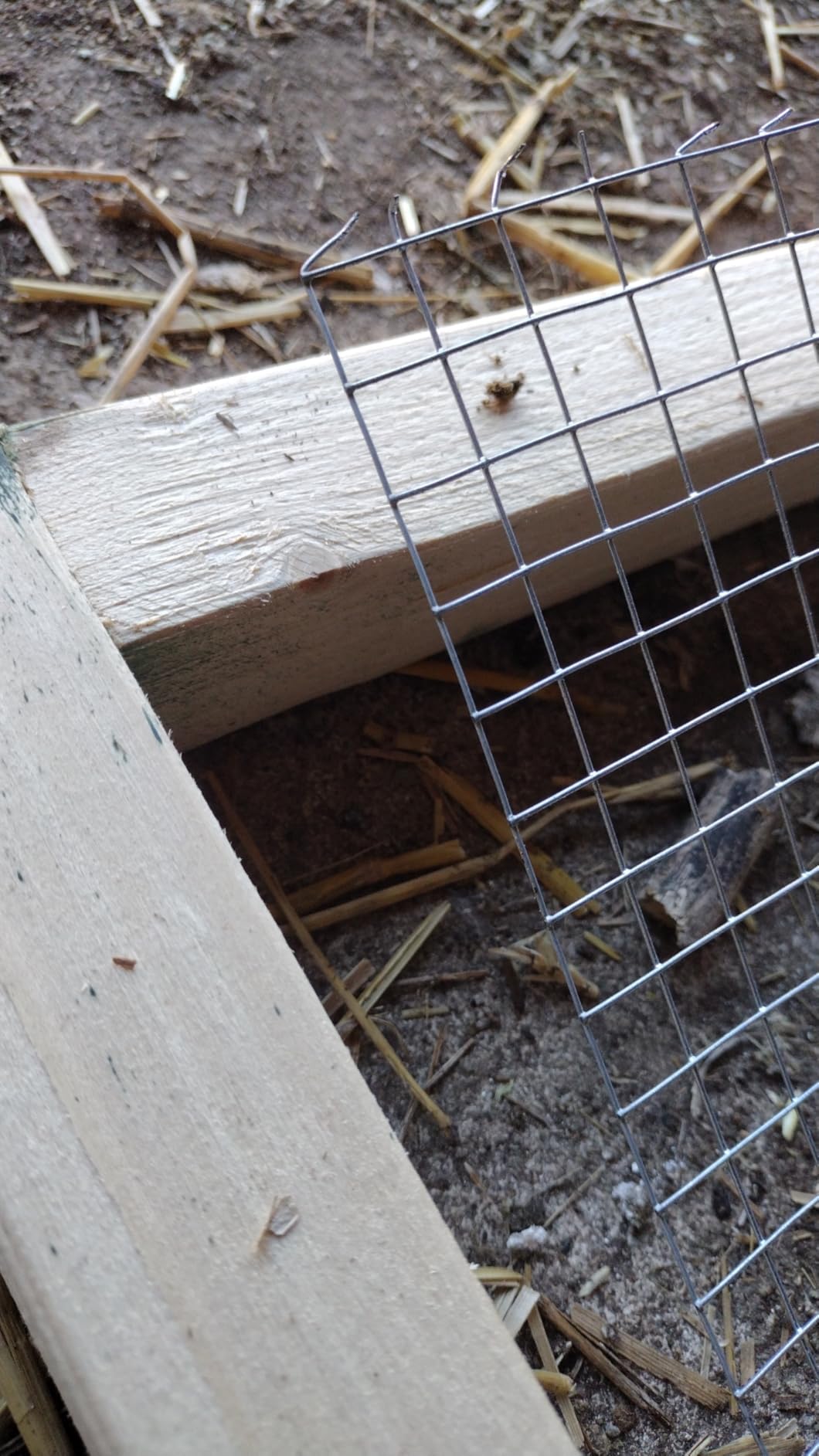
If your project is skinning the outside of raised beds, this is the roll I would specify. It is 48 inches by 100 feet of 19 gauge black annealed steel with one-half inch openings, double galvanized after welding with every weld point coated. Buyers rate it 4.7 across more than 700 reviews.
Black annealed wire is worth noting for formability. It is softer than standard steel and conforms to curved shapes without springing back, which is exactly what you need when wrapping mesh around an arched bed frame or a rounded corner.
The manufacturer lists a wide range of uses beyond raised beds, including tree guards, gutter guards and soil sifters. That versatility is real, and several buyers confirm using the offcuts for gopher guards.
Packaging gets an unusual amount of mention in reviews, with transparent film and paper boxes preventing the dents and kinks that ruin a roll. That matters more than it sounds when you are about to spend a Saturday installing it.
Where this roll works best
Raised bed siding, arched bed frames, curved bed surrounds and multi-bed layouts that need a continuous run of mesh. The 48 inch height covers a typical bed wall in a single strip with no seaming.
It is also a solid general-purpose garden fence where you want one-half inch exclusion without paying for coated wire.
Where it will disappoint you
At 48 pounds it is a two-person unroll. Plan the installation around a helper rather than discovering mid-roll that the mesh is springing back at you.
A small number of buyers find the wire slightly thinner than they expected, and there are occasional reports of delivery delays. Check the packaging on arrival before you start cutting.
Chicken Wire vs. Hardware Cloth vs. Welded Wire
Hardware cloth beats chicken wire for most garden jobs. Chicken wire is twisted hexagonal mesh that is cheap and flexible, hardware cloth is a welded square or rectangular grid that is stiffer and stronger, and welded wire is a heavier gauge version of the same welded idea used for permanent perimeter fencing.
Where chicken wire still wins is cost per linear foot and flexibility on curved, temporary builds. It also remains the right answer for keeping your own chickens contained, because nothing cheaper does that job as cleanly.
What is better than chicken wire for gardens is hardware cloth at one-half inch openings in 19 gauge. That is the single most-repeated recommendation across the sources I checked, and it is the specification behind nine of my twelve picks.
For anyone weighing the wider fencing category, our guide to the best garden fencing for vegetable gardens covers the non-wire options worth comparing against.
Which Mesh Opening Stops Which Pest?
Match the opening to the animal, not the other way round. Use one-inch hex for chickens and large birds, one-half inch for rabbits, gophers and snakes, and one-quarter inch for mice and rats. Voles need a dedicated approach rather than a finer mesh, since they are small enough to pass through quarter-inch openings.
Here is the mapping in full:
Chickens and ducks: one-inch hex mesh is enough. This is the product’s native job.
Rabbits: one-half inch welded mesh. One-inch hex will not hold them, which is the most common buying mistake in this category.
Squirrels: one-half inch mesh plus a buried L-footer apron. A user on r/Minnesota_Gardening reported burying large sheets of chicken wire over tulip bulbs and calling it foolproof against squirrels.
Moles and voles: mesh does not solve this. Bottom-line the bed with hardware cloth and accept that voles can pass through one-quarter inch openings, as discussed on Houzz in 2015. A user on gardening-forums.com confirms hardware cloth stapled to the bottom of a raised bed deters moles.
Groundhogs and gophers: one-half inch mesh with a buried apron, plus the fence itself must be strong enough not to be pushed aside.
Snakes and rats: one-half inch or one-quarter inch. GoldPeak buyers specifically note that one-half inch openings keep out everything except snakes.
Raccoons and opossums: chicken wire fails entirely. Raccoons tear through hex netting, so use welded hardware cloth fastened with screws and washers.
Deer: mesh is not a deer solution at all. If deer are your problem, read our best deer fencing for gardens guide instead.
Dogs: chicken wire is the wrong material. A determined dog removes hex netting quickly, and large-dog containment calls for heavier fencing such as the chain link options in our chain link fencing guide.
How to Install Chicken Wire Fencing for Garden Protection
Install the posts first, then the wire, then the buried apron, then the top cap. That order keeps the fence line straight and stops you from having to dig under tensioned mesh. Budget most of a weekend for a 100 foot run with one helper.
1. Mark the line. Walk the perimeter and drive a stake at each corner and every 8 to 10 feet. For chicken wire or hex netting, tighten that to 6 to 8 feet because hex mesh sags between supports more than welded mesh does.
2. Set the posts. Use 6 foot steel garden stakes or 1×2 pressure-treated posts. Drive them at least 8 inches into the soil, and add 6 inches of depth for every foot of fence height you want buried.
3. Attach the bottom rail and the wire. Screw or staple a horizontal rail near the top of the posts, then fasten the mesh with poultry staples or, better, screws and washers. A user on r/vegetablegardening tied wire to posts with metal tie wire, which is stronger than staples alone.
4. Tension as you go. Pull the mesh taut before the final fastener. Tension is what stops a fence line from ballooning outward when an animal leans on it.
5. Build the buried apron. Fold 12 to 24 inches of mesh flat at the base, pin it with lawn staples every 12 to 18 inches, and leave the extra length underground. Backyardchickens.com users treat 18 to 24 inches as the standard for stopping diggers. If you are laying mesh flat on soil for a season, use a double-galvanized roll such as the Amagabeli, not thin chicken wire.
6. Cap the top. Fold the top edge over the rail or bend the wire ends inward. A raw cut edge is both a hazard and an invitation to claw.
For temporary or seasonal runs, the modular frame approach is faster: cut mesh panels to fit a frame section by section. A user on lumberjocks.com put each section at about an hour.
Frequently Asked Questions
What type of wire is best for a vegetable garden fence?
19 gauge galvanized welded hardware cloth with one-half inch openings is the best all-around choice for a vegetable garden fence. It excludes rabbits, snakes, gophers and rats, resists rust, and holds a straight fence line. One-inch hexagonal chicken wire is a cheaper option that works when you only need to exclude chickens and large birds.
Is chicken wire safe for vegetable gardens?
Yes, for containment. Galvanized chicken wire is non-toxic to plants and does not abrade stems the way some vinyl coatings can. The safety concern is the opposite one: loose or low mesh sitting against tender growth can scrape leaves as it sags, and ungalvanized wire can shed rust onto soil and leaves.
Is chicken wire predator proof?
No. Chicken wire is a containment material, not a security material. Raccoons, dogs and hawks tear through it, and one-inch openings let small predators reach in. The standard upgrade for coops and predator-prone areas is one-half inch galvanized hardware cloth fastened with screws and washers rather than staples.
How far apart should chicken wire fence posts be placed?
Six to eight feet apart for hexagonal chicken wire and poultry netting, and eight to ten feet apart for welded hardware cloth or welded wire. The twisted hex weave sags more between supports, so it needs closer spacing to stay taut and to prevent animals exploiting the gap.
Should I put hardware cloth under my raised garden bed?
Yes, if moles or gophers are your problem. Staple hardware cloth across the bottom of the bed frame before adding soil and pin the edges down. Be aware that quarter-inch mesh will not stop voles, which are small enough to pass through it, so treat them as a separate problem.
Final Verdict: Which Chicken Wire Should You Buy in 2026?
Pick the TOYPOPOR 16 inch by 82 foot hex roll if your only problem is chickens and you want the most fence line for the money. Pick the Land Guard panel for one raised bed where rabbits and snakes are the concern. Pick the SEBOSS 48 inch by 100 foot roll for a whole garden perimeter, and the Amagabeli double-galvanized version for any fence with a buried apron.
That is the short version of the best chicken wire fencing for garden protection: match the mesh opening to the smallest animal first, buy galvanized-after-welding wire if any of it touches soil, and space posts closer for hex netting than for welded mesh. Everything else in the spec sheet is secondary.
This roundup was last updated in 2026. Every gauge, mesh size and dimension quoted comes from the manufacturer listing, and every rating and review count reflects what buyers reported at the time of writing.