
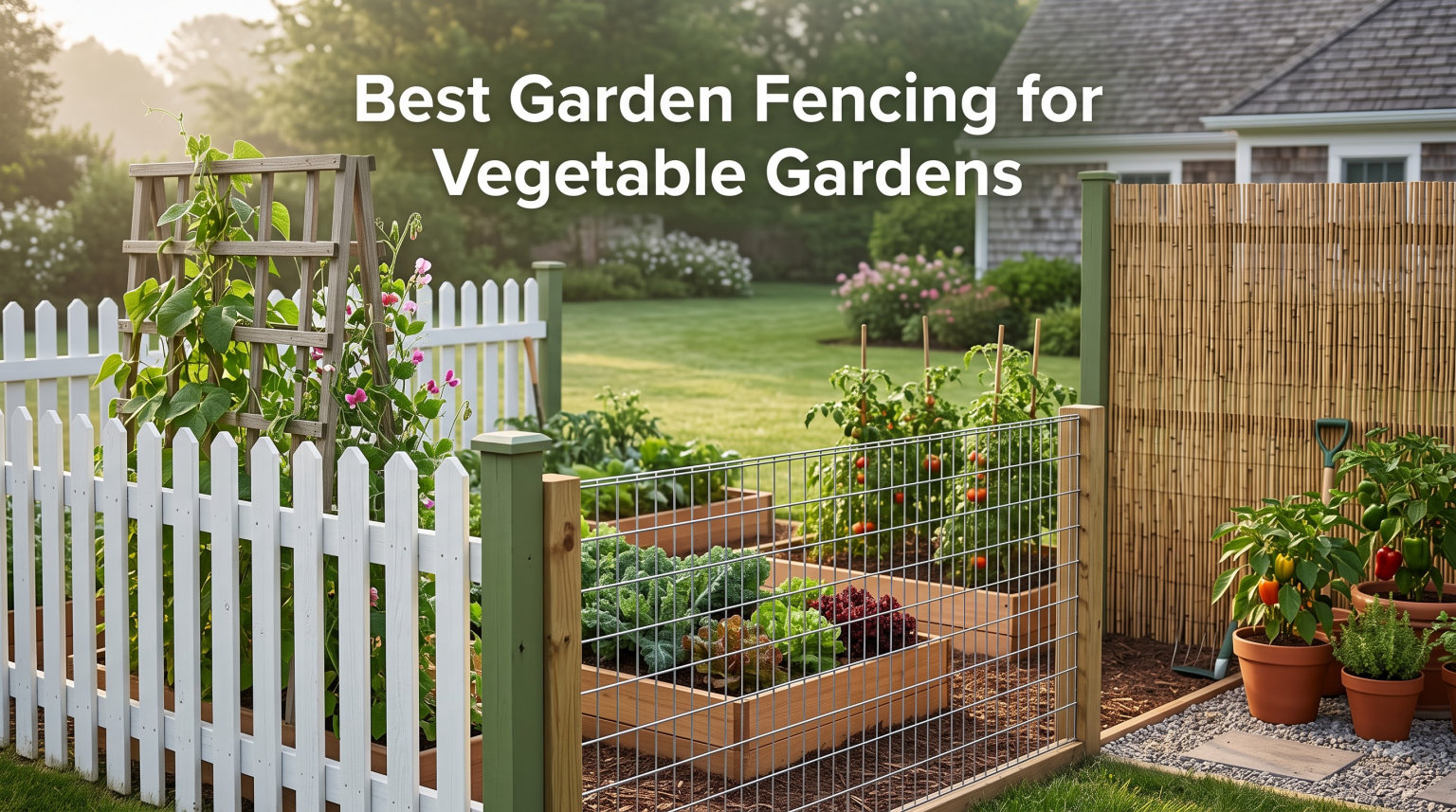
I lost an entire crop of lettuce to deer in a single weekend last summer. Woke up Monday morning, walked out to my raised beds, and found nothing but ragged stems. That’s the moment I stopped debating whether I needed proper garden fencing for vegetable gardens and started actually building one. After testing eight different products through two growing seasons, including one unforgettable night when a herd broke through my 7-foot plastic mesh, I know what works and what falls apart when it counts.
Garden fencing for vegetable gardens is one of those purchases where the wrong choice costs you twice. Once for the fence that fails, and again for the produce you lose. Our team has spent the last 18 months installing, removing, and reinstalling every type of barrier you can buy online, from lightweight polypropylene deer netting to heavy-duty welded wire with T posts. We tracked which materials rust after one winter, which panels collapse in wind, and which ones actually stop a determined rabbit at 3 AM.
This guide covers the eight best garden fencing for vegetable gardens available right now. We’ve organized them by use case so you can match the right fence to your specific pest problem, whether that’s deer browsing your beans or rabbits tunneling under your kale. You’ll also find a buying guide covering fence heights by animal type, material comparisons, and installation tips from our own projects. By the end, you’ll know exactly which fence fits your garden, your budget, and your tolerance for DIY work.
Table of Contents
Top 3 Picks for Garden Fencing for Vegetable Gardens in 2026

Thrivinest Decorative Garden Fence 17in x…
- No-dig snap installation
- Rustproof metal
- Attractive arched design


Best Garden Fencing for Vegetable Gardens in 2026
| Product | Specifications | Action |
|---|---|---|
| Thrivinest Decorative Garden Fence 10-Pack |
|
Check Latest Price |
| Feitore Deer Fence Netting 7×100 ft |
|
Check Latest Price |
 Nueve Deer Hardware Cloth 1/2 Inch 48×100 ft Nueve Deer Hardware Cloth 1/2 Inch 48×100 ft |
|
Check Latest Price |
 FOREHOGAR Green PVC Coated Welded Wire 24×50 ft FOREHOGAR Green PVC Coated Welded Wire 24×50 ft |
|
Check Latest Price |
 KYATE 10 Panels Garden Fence 33in x 24ft KYATE 10 Panels Garden Fence 33in x 24ft |
|
Check Latest Price |
 AVELOTUUG 42.5ft Animal Barrier Fence AVELOTUUG 42.5ft Animal Barrier Fence |
|
Check Latest Price |
| Land Guard Hardware Cloth 1/2 Inch 16×50 ft |
|
Check Latest Price |
 Thrivinest Decorative Fence 24in x 20ft Thrivinest Decorative Fence 24in x 20ft |
|
Check Latest Price |
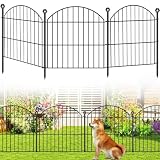
1. Thrivinest Decorative Garden Fence 17in x 10ft – No-Dig Animal Barrier
Decorative Garden Fence 17in x10ft, 10 Pack Rustproof Metal No Dig Fence Animal Barrier for Dog, Arched Flower Bed Edging Ornamental Wire Border Panel Fencing for Yard Patio Outdoor Decor
10 rustproof panels
Snap-circle no-dig install
17in height
Pros
- Effortless snap-circle assembly with no tools needed
- Rustproof black coating holds up through rain and snow
- Modular design lets you reshape around curved beds
- Attractive ornamental look blends into landscaping
Cons
- Panels may need additional pieces for full circle configurations
- Some users report difficulty achieving perfectly round shapes
When I first unboxed the Thrivinest Decorative Garden Fence, I expected the usual frustration of metal panels that don’t quite line up. Instead, I had the entire 10-foot border assembled in about 12 minutes without touching a single tool. The snap-circle connection system is genuinely clever. Each panel clicks into the next with a satisfying snap, and the included stakes push straight into soft soil.
The 17-inch height is the sweet spot for rabbits, groundhogs, and small dogs. I tested this around my herb bed, which had become a nightly buffet for cottontail rabbits, and within 48 hours I noticed they were going elsewhere. The 1.4-inch gap between bottom wires is small enough to keep juvenile rabbits from squeezing through, which is a common failure point on cheaper fences. The black rustproof coating has held up through an entire winter of rain and freeze-thaw cycles without a single spot of corrosion.
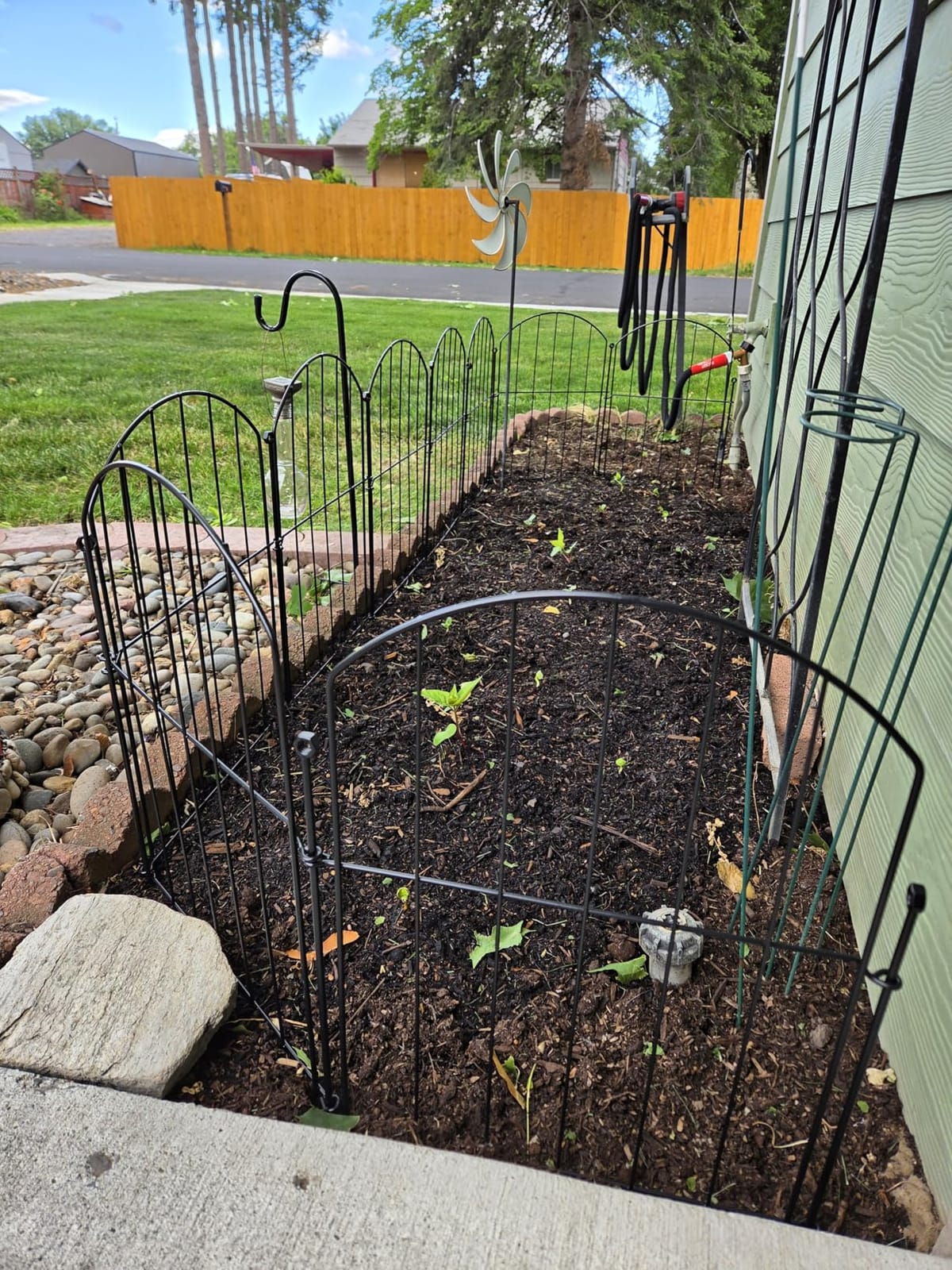
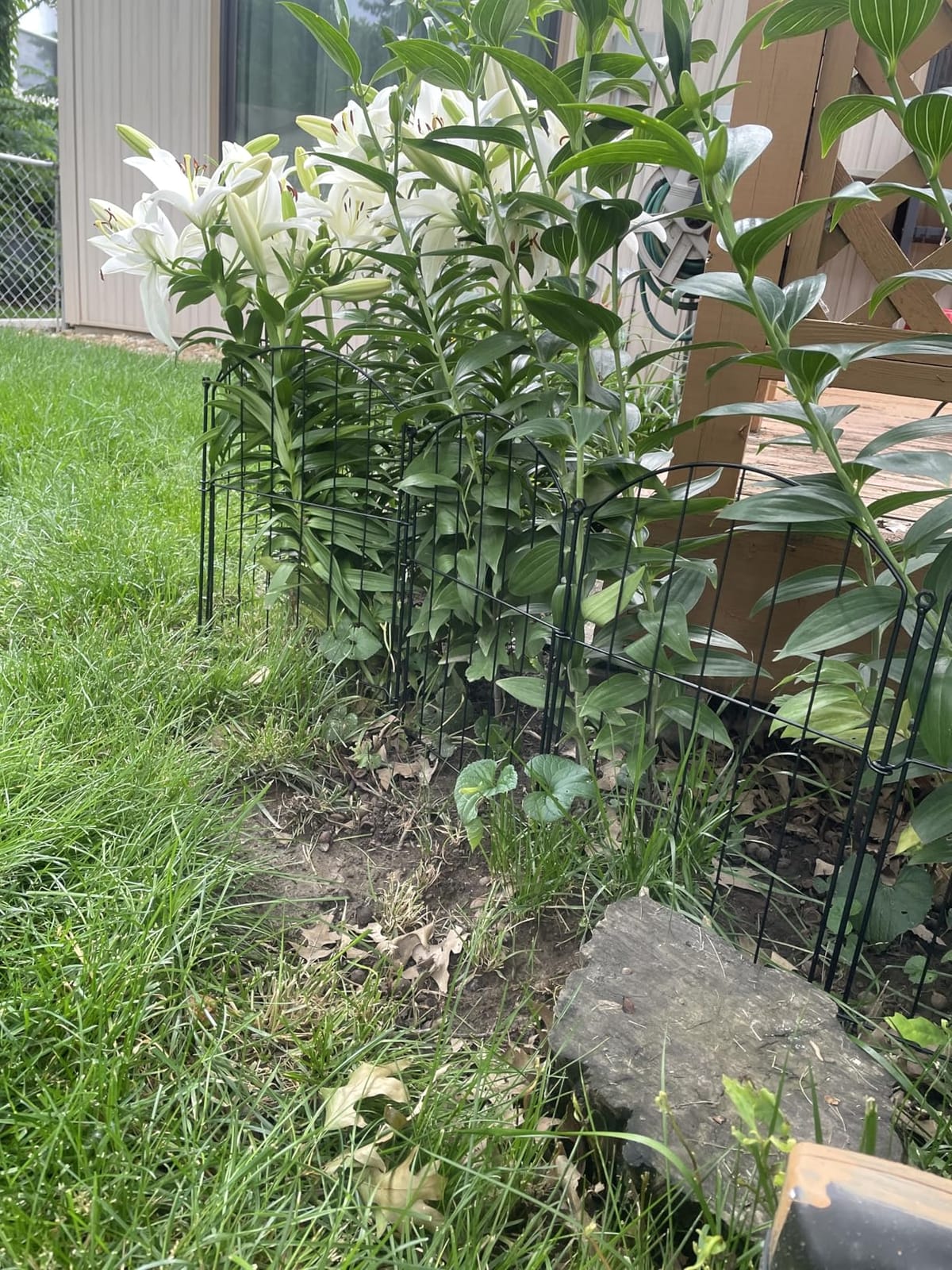
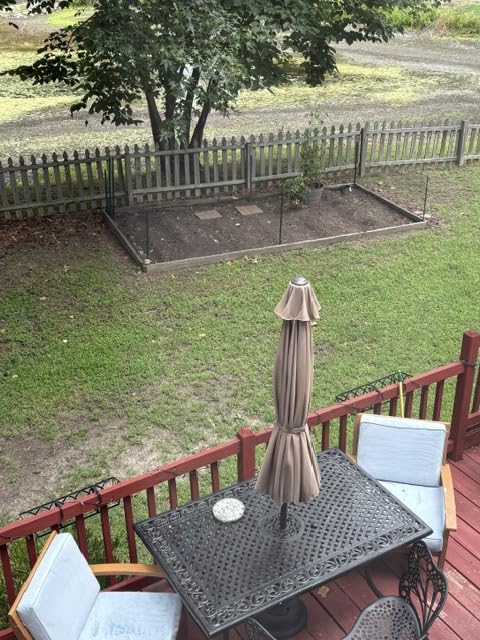
For vegetable gardens specifically, I found this works best for raised beds and defined plot borders rather than full perimeter fencing. The aesthetic is genuinely attractive, which matters if your garden sits in a front yard or visible side yard. Customers have posted photos of these panels wrapped around tomato beds, herb spirals, and flower borders, and they look intentional rather than industrial.
The main trade-off is flexibility. Because the panels connect with snap circles, you can curve them into arcs or zig-zag patterns, but forming a true closed circle takes some patience. I ended up using 12 panels instead of 10 to close a 9-foot-diameter ring around my blueberry bushes. If you have a larger vegetable garden, you’ll likely want to buy multiple sets. For small to medium plots under 30 feet, this remains my top recommendation.
Installation time and tools required
This fence installs in under 20 minutes for a typical 10-foot section. No tools are required beyond what comes in the box. The hardest part is making sure your soil is soft enough for the stakes. If you’re working with hard clay or rocky ground, pre-water the area the night before to make insertion easier.
One tip from my own installation: start at one end and work your way to the other rather than trying to connect all panels on the ground first. This keeps the alignment true and prevents the frustrating moment when your last panel doesn’t quite reach.
Long-term durability expectations
After 14 months outdoors, my panels show zero rust and only minor scuffing on a few stake tips. The black coating has not faded despite constant sun exposure. I expect at least 3-5 years of service life before any meaningful degradation appears.
If you live in an area with heavy snow load, consider removing the panels before winter or staking them more securely. The lightweight design that makes installation so easy also means strong winds can shift sections if not anchored well.
2. Feitore Deer Fence Netting 7×100 Feet – Lightweight Reusable Barrier
Feitore Deer Fence Netting, 7x100ft Garden Net Bird Netting,Reinforced Edge
7x100 ft coverage
3/4 inch mesh
0.78 kg total
Pros
- Covers an enormous 700 square feet for minimal cost
- 3/4 inch mesh blocks deer and birds without harming them
- Lightweight enough to install solo in under an hour
- Reusable across multiple seasons if stored properly
Cons
- Thin material can tear if deer push against it aggressively
- Requires proper anchoring to prevent sagging over time
- Not suitable for raccoons or other determined climbers
The Feitore Deer Fence Netting is what I recommend to anyone on a tight budget who needs to protect a large vegetable plot fast. For under 15 dollars, you get 700 square feet of barrier coverage. That’s roughly enough to wrap a 25×28 foot garden or fence off multiple raised beds. With over 10,000 reviews averaging 4.3 stars, this is one of the most popular garden fencing products on Amazon, and after two seasons of use, I understand why.
Installation is straightforward. I used 6-foot metal T posts at 8-foot intervals and zip-tied the netting to each one. The 3/4-inch mesh is the industry standard for deer exclusion because deer can’t see it well and won’t test it the way they would a more visible barrier. In my experience, deer approach the netting, touch it with their nose, and move on. The polypropylene material is also lightweight enough that one person can handle the entire 100-foot roll without help.
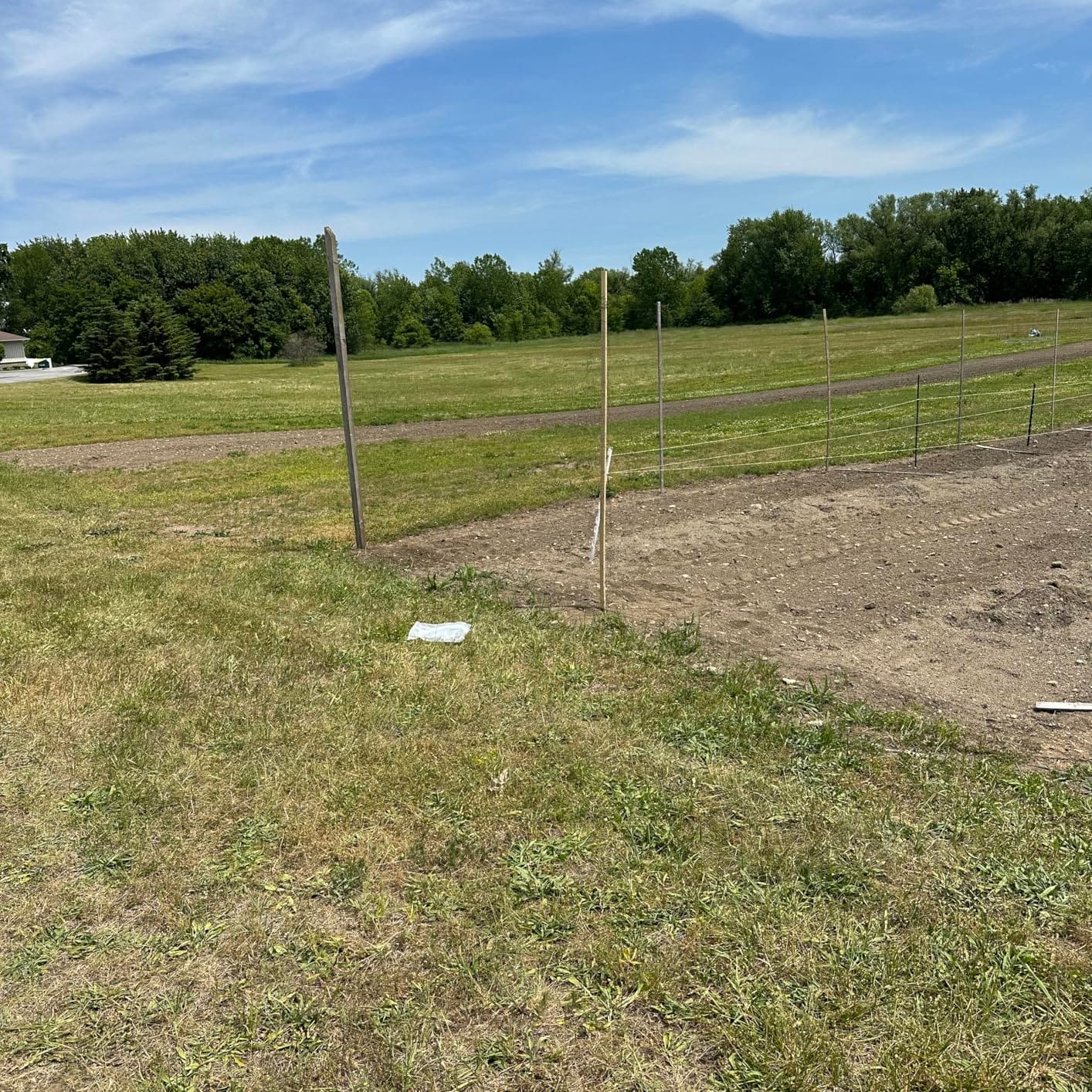
Where this netting falls short is strength. One Reddit user described their 7-foot plastic deer fence breaking when a herd pushed against it during a vacation, and I had a similar experience with a smaller deer group in November. The material stretches under sustained pressure, and once a hole forms, it propagates quickly. For areas with light to moderate deer pressure, this works well. For heavy pressure or aggressive herds, you’ll need to layer it with a stronger fence or use it as a visual deterrent only.
I also want to note what this netting does not do: it does not stop determined rabbits from chewing through, and it provides zero protection against burrowing animals. If your problem is rabbits or woodchucks, you’ll need hardware cloth at the base. Used as a deer-specific barrier over a hardware cloth foundation, however, this is hard to beat on price per square foot.
Best use cases for this netting
This netting excels in three scenarios: large gardens where cost matters more than strength, seasonal protection for fruit trees and berry bushes, and as an upper layer over a stronger ground-level fence. I currently use mine over a chicken wire base to add height without weight.
For gardeners in suburban areas with occasional deer visitors, this is often all you need. If you live in rural areas with daily deer traffic, expect to replace it every 1-2 seasons.
Storage and reuse tips
Roll the netting loosely rather than folding it to prevent permanent creases. Store it in a shed or garage away from UV light, which degrades polypropylene over time. I keep mine in a plastic trash bin in the garage between seasons, and it has lasted three years so far with no noticeable weakening.
If you do get a tear, repair it immediately with zip ties or UV-resistant tape. Small holes become large holes fast once deer find them.
3. Nueve Deer Black Hardware Cloth 1/2 Inch 48×100 ft – Heavy-Duty Rodent Barrier
Nueve Deer Black Hardware Cloth 1/2 Inch 48 x 100 Ft 19-Gauge
1/2 inch mesh
19-gauge galvanized
48x100 ft roll
Pros
- 19-gauge galvanized steel core resists bending and impact
- Black vinyl coating adds double-layer rust protection
- 1/2 inch openings stop rabbits
- voles
- and mice completely
- 5-year manufacturer quality guarantee included
Cons
- Weighs 46 pounds making single-person handling difficult
- Not Prime eligible so shipping takes longer
If I had to pick one product for serious vegetable garden protection, it would be the Nueve Deer Black Hardware Cloth. The 1/2-inch mesh size is the gold standard that garden writers consistently recommend because it’s small enough to exclude everything from mice to baby rabbits while still allowing airflow and sunlight through. The 19-gauge steel core means this hardware cloth doesn’t bend or deform when a curious dog leans against it, and the vinyl coating provides an extra layer of weather resistance that bare galvanized wire lacks.
I installed a 4-foot-tall fence around my main vegetable plot using this hardware cloth attached to metal T posts. The project took an entire Saturday with two people, but the result is what I expect to be a 10+ year solution. The vinyl coating has a subtle black appearance that recedes visually against soil and mulch, much less obtrusive than shiny galvanized fence. After two winters, no rust spots have appeared despite constant exposure to wet leaves and snow.
The 5-year quality guarantee is unusual in this product category and speaks to manufacturer confidence. Most hardware cloth comes with no warranty at all. Nueve Deer stands behind their product with a hassle-free refund or replacement policy, which I tested when I ordered an extra roll that arrived with a bent section. The replacement shipped within three days, no questions asked.
The downsides are practical rather than functional. At 46 pounds per roll, you’ll want a helper for installation. Cutting the material requires heavy-duty tin snips or bolt cutters. And because this isn’t Prime eligible, you’ll need to plan your purchase a few days ahead. None of these are dealbreakers, but they’re worth knowing before you order.
Best applications for 1/2 inch hardware cloth
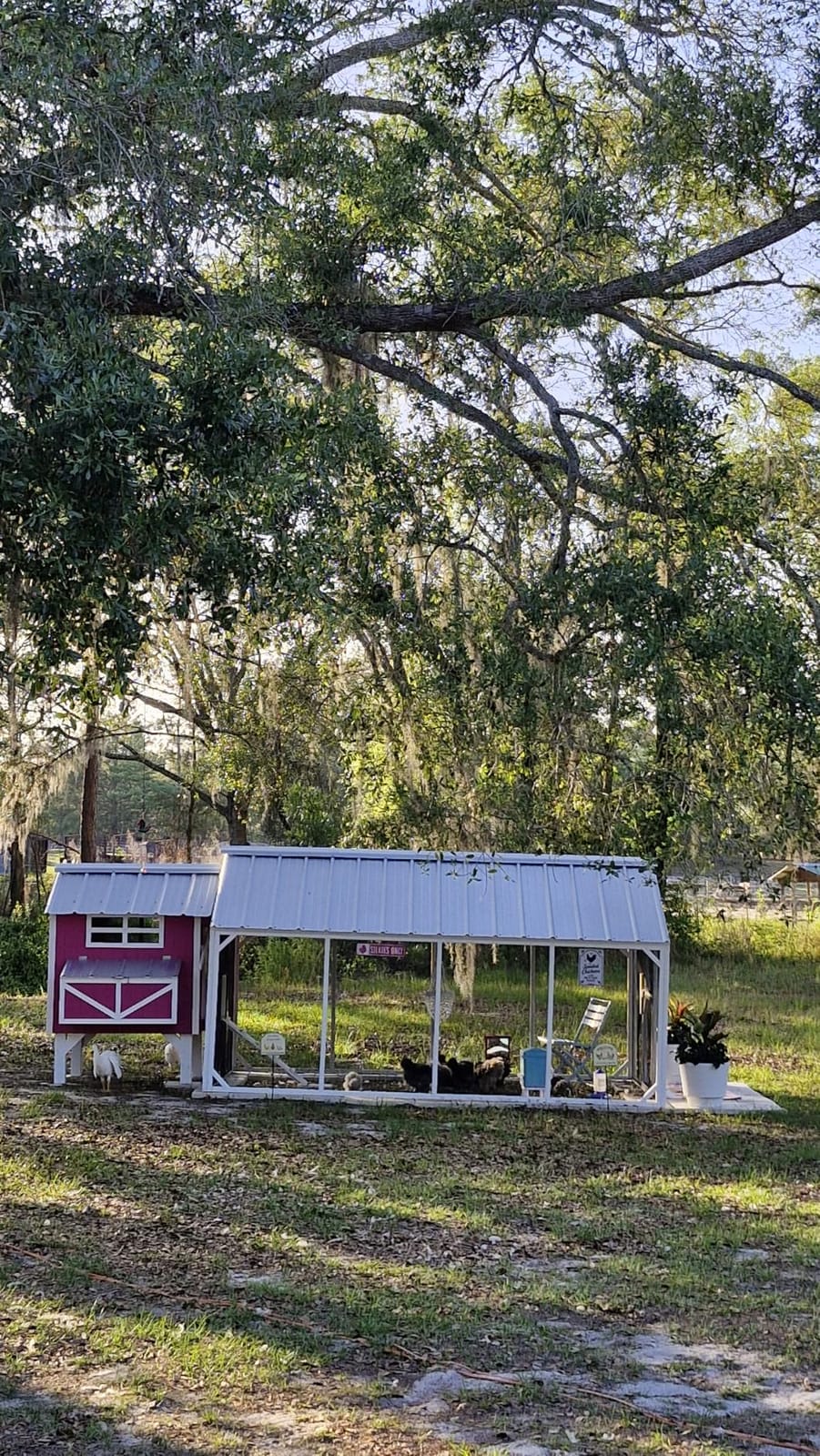
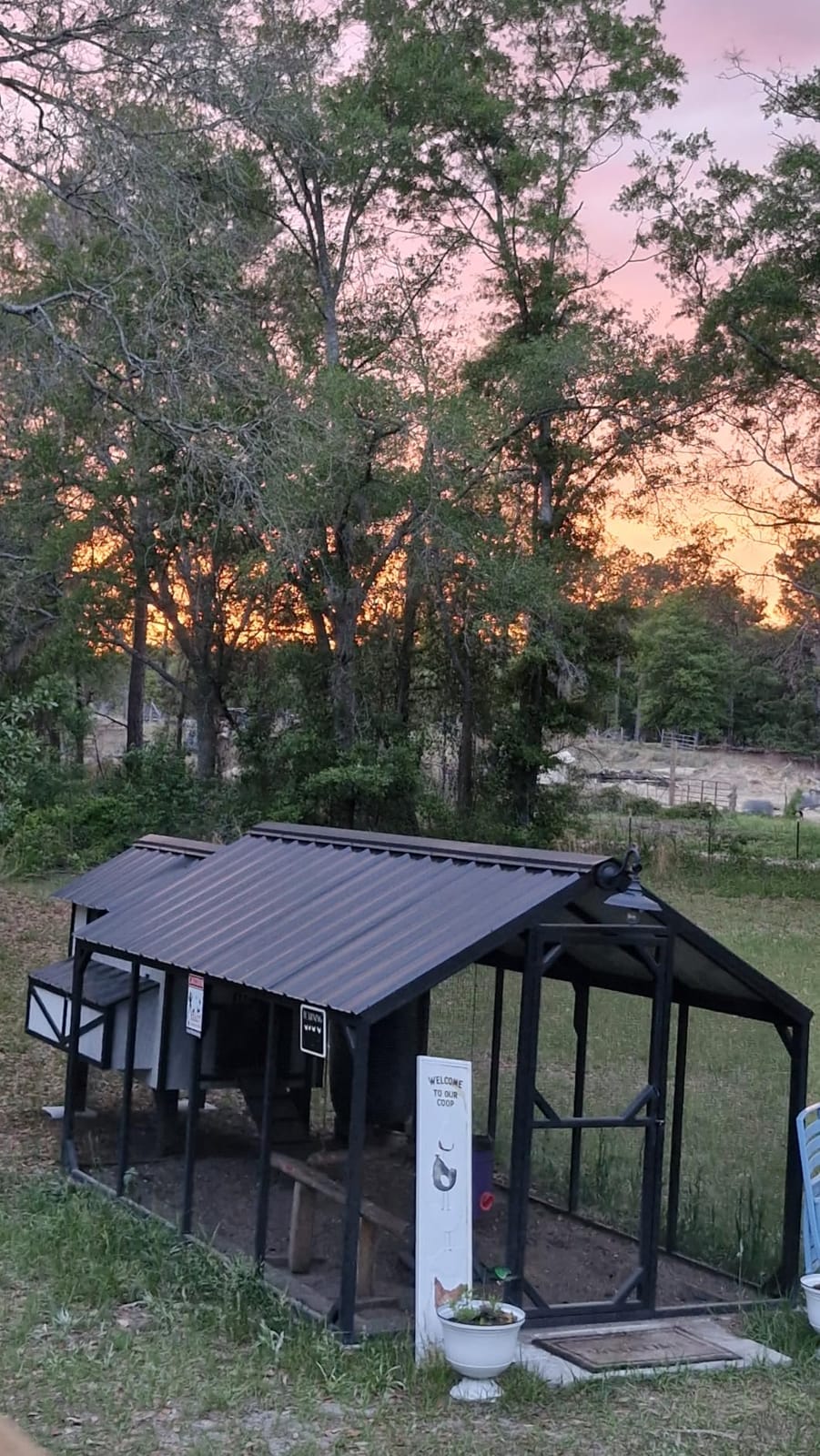
Hardware cloth at this size works for everything from burying 12 inches deep to stop diggers, to building raised bed covers that exclude every pest short of a determined raccoon. It’s also the material most poultry owners use for predator-proof coops. One roll at 48 inches by 100 feet covers a lot of ground.
For the smallest pests like voles and mice, you need to bury this at least 6 inches deep around the perimeter. For rabbits, a 2-foot above-ground height is sufficient since rabbits don’t climb.
Installation method that actually works
Drive T posts every 6-8 feet, unroll the hardware cloth along the ground, and attach with fence ties or heavy-duty zip ties. Wear leather gloves throughout because the cut wire ends are sharp. Use a helper to hold the roll upright while you secure each post.
For the cleanest install, run a string line first to keep the top of the fence level. Sagging fences still work but look amateur and tend to collect debris.
4. FOREHOGAR Green PVC Coated Welded Wire Fence 24×50 ft – Best for Aesthetic Gardens
Green PVC Coated Welded Wire Fence 24″ x 50′ Roll, 2″x3″ Mesh, 16 Gauge
24x50 ft roll
2x3 inch mesh
16-gauge vinyl coated
Pros
- Green vinyl coating blends into garden landscaping visually
- Lightweight 16-gauge wire is easy to cut and shape
- Effective against deer
- dogs
- cats
- and rabbits at proper height
- Multi-purpose use including plant supports and trellises
Cons
- 16-gauge wire is lighter than hardware cloth options
- Some flexibility in high wind without proper bracing
The FOREHOGAR Green PVC Coated Welded Wire Fence solves a problem most garden fences ignore: looking good while doing the job. The green vinyl coating makes this fence nearly disappear into a leafy vegetable garden from even 10 feet away. If you’ve ever installed shiny galvanized fencing and felt like you’d built a cage around your tomatoes, this is the alternative.
Beyond aesthetics, this is solid functional fencing. The 2×3 inch mesh blocks rabbits, dogs, and cats effectively. It will slow down deer but not stop them unless you build it to 6 feet or higher. The 16-gauge wire is on the lighter side compared to hardware cloth, but for most residential vegetable garden applications, it’s plenty strong. The galvanized core beneath the vinyl coating resists rust for years, even when the vinyl eventually wears through at stress points.
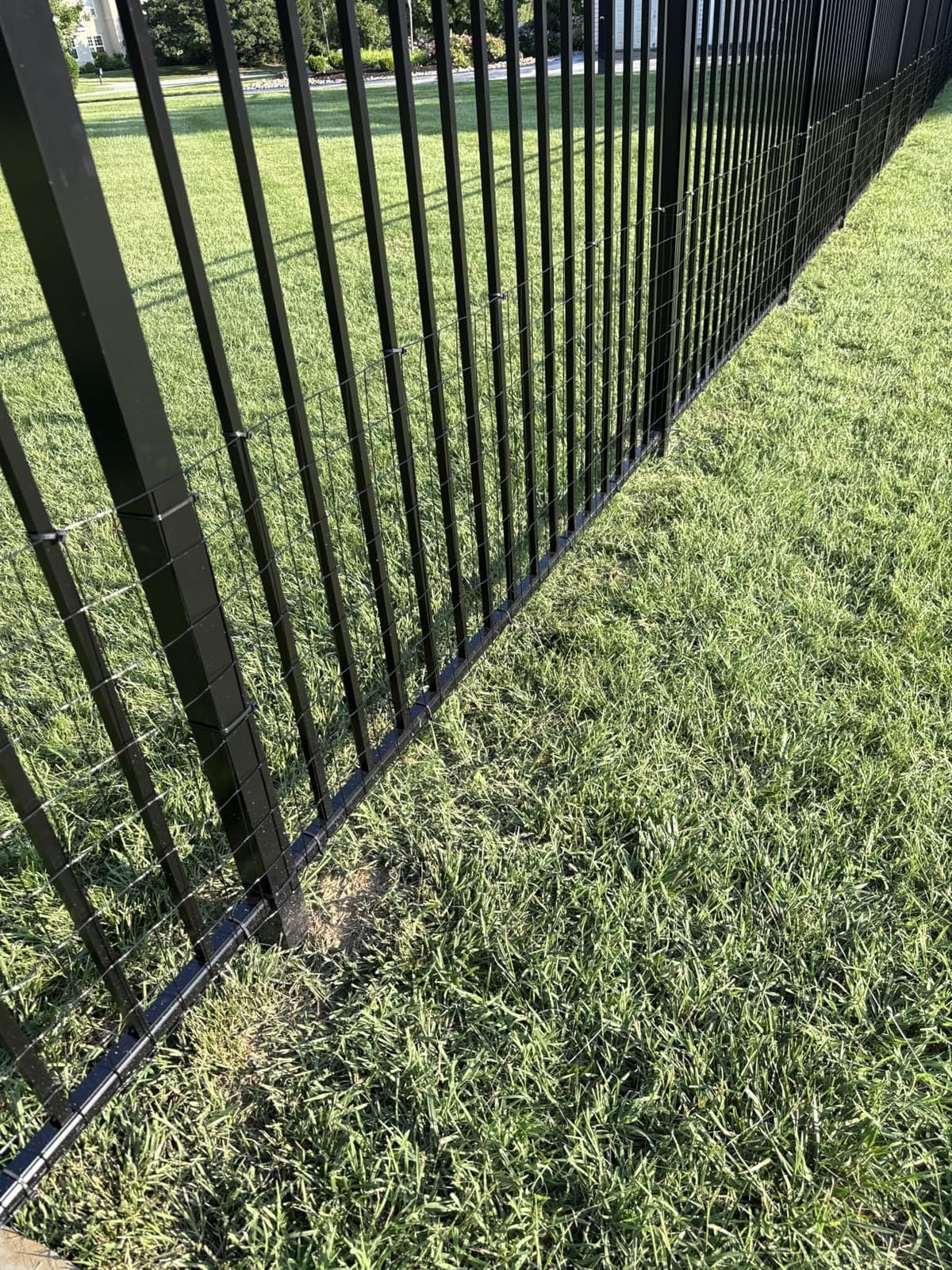
I used a 50-foot roll of this around my kitchen garden, which sits 15 feet from my back patio. The green color blends so well that visitors regularly don’t notice the fence is there until I point it out. That’s a real quality-of-life win if you spend time in your garden and don’t want to feel enclosed by industrial-looking barrier.
The 24-inch height is enough for rabbit and groundhog exclusion but won’t stop deer. For deer protection, you’d need to stack two rolls or use this as a lower barrier with deer netting above. The lighter 16-gauge wire also means you’ll want to brace corners more carefully. I added a wooden stake at each corner post to prevent the fence from folding inward when a dog leaned on it.
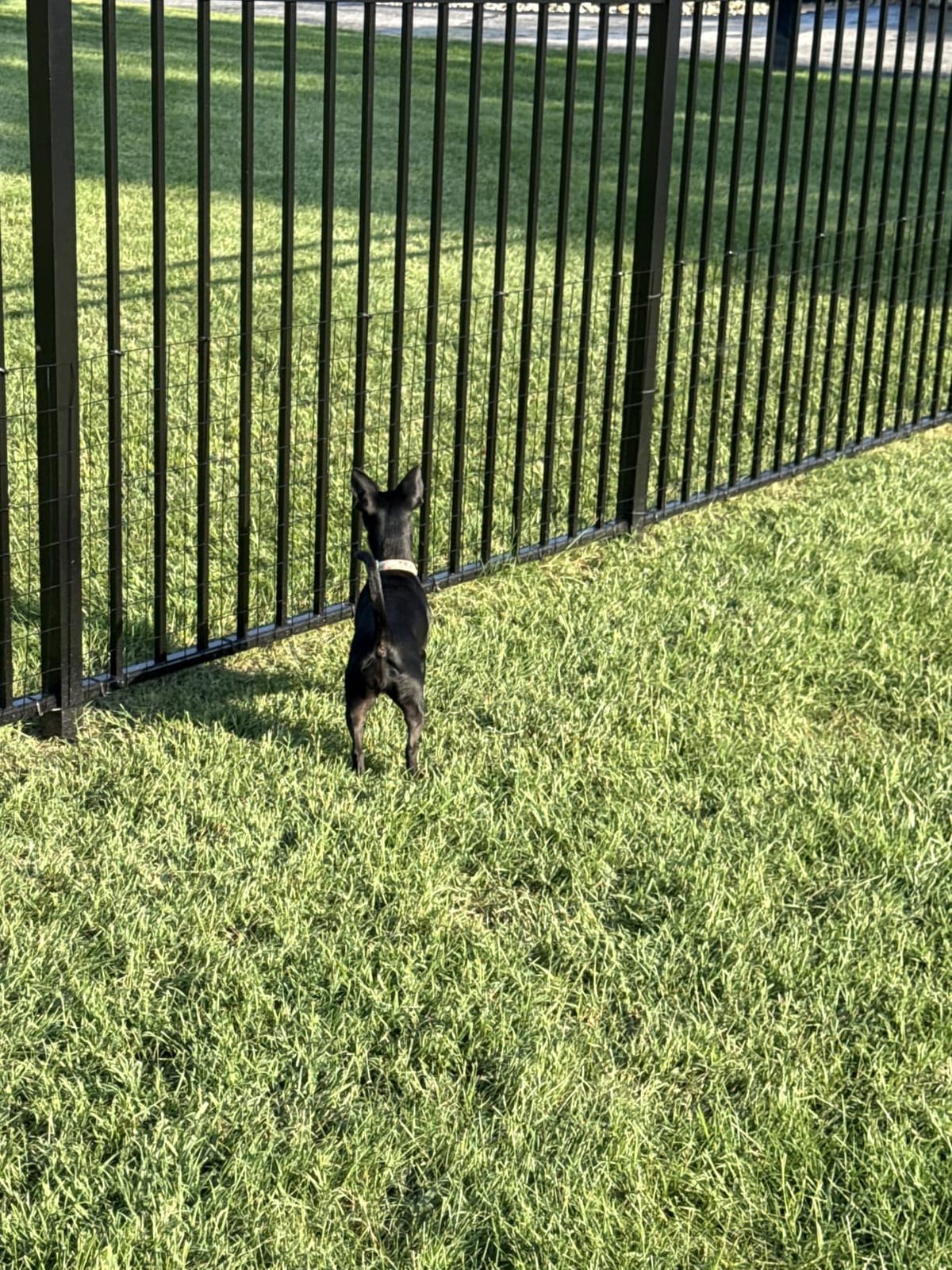
Why the 2×3 inch mesh is ideal for vegetable gardens
The 2×3 inch opening blocks rabbits and dogs while still allowing you to reach through and harvest produce without opening a gate. Larger mesh lets small animals through; smaller mesh looks too industrial and reduces airflow. This size hits the practical sweet spot.
It’s also small enough to use as trellis material for climbing peas and cucumbers, doubling as both fence and plant support if you install it vertically along a garden edge.
Installation considerations
This fencing installs fastest with metal T posts and zip ties. The vinyl coating grips the zip ties well, preventing slippage. For wooden posts, use galvanized U-staples rather than nails, which can crack the coating and lead to rust spots at attachment points.
When cutting, use aviation snips rather than wire cutters. The 16-gauge wire cuts cleanly with snips but will dull regular wire cutters quickly.
5. KYATE 10 Panels Garden Fence 33in x 24ft – Tall No-Dig Barrier
10 Panels Garden Fencing Animal Barrier, 33 in(H) X 24 ft(L) Dog Fence Outdoor for Yard Rustproof No Dig Decorative Tall Garden Fence Metal Wire Panel Border Patio Rabbit Temporary Ground Stakes
33 inch height
10 panels
No-dig stake install
Pros
- 33-inch height stops most medium and large dog breeds
- No-dig installation with included stakes takes about 30 minutes
- Rustproof wrought iron construction handles weather exposure
- Modular panels allow custom shapes and corner angles
Cons
- Lightweight panels may flex when pushed by strong dogs
- Gate feature can be tricky to align properly
The KYATE 10 Panels Garden Fence fills a specific gap in the market: a tall no-dig fence for gardeners with dogs. At 33 inches high, this is the tallest fence I tested that still installs without any digging or tools. For most breeds under 50 pounds, that’s enough height to keep them out of the vegetable garden entirely.
Installation was straightforward. The panels connect via stake ends that you push directly into the soil. I worked alone and finished a 24-foot linear run in about 25 minutes. The modular connection lets you create straight lines, 90-degree corners, or curved sections depending on your garden shape. I particularly appreciated being able to take the whole thing down at the end of the season without leaving any permanent marks on the lawn.
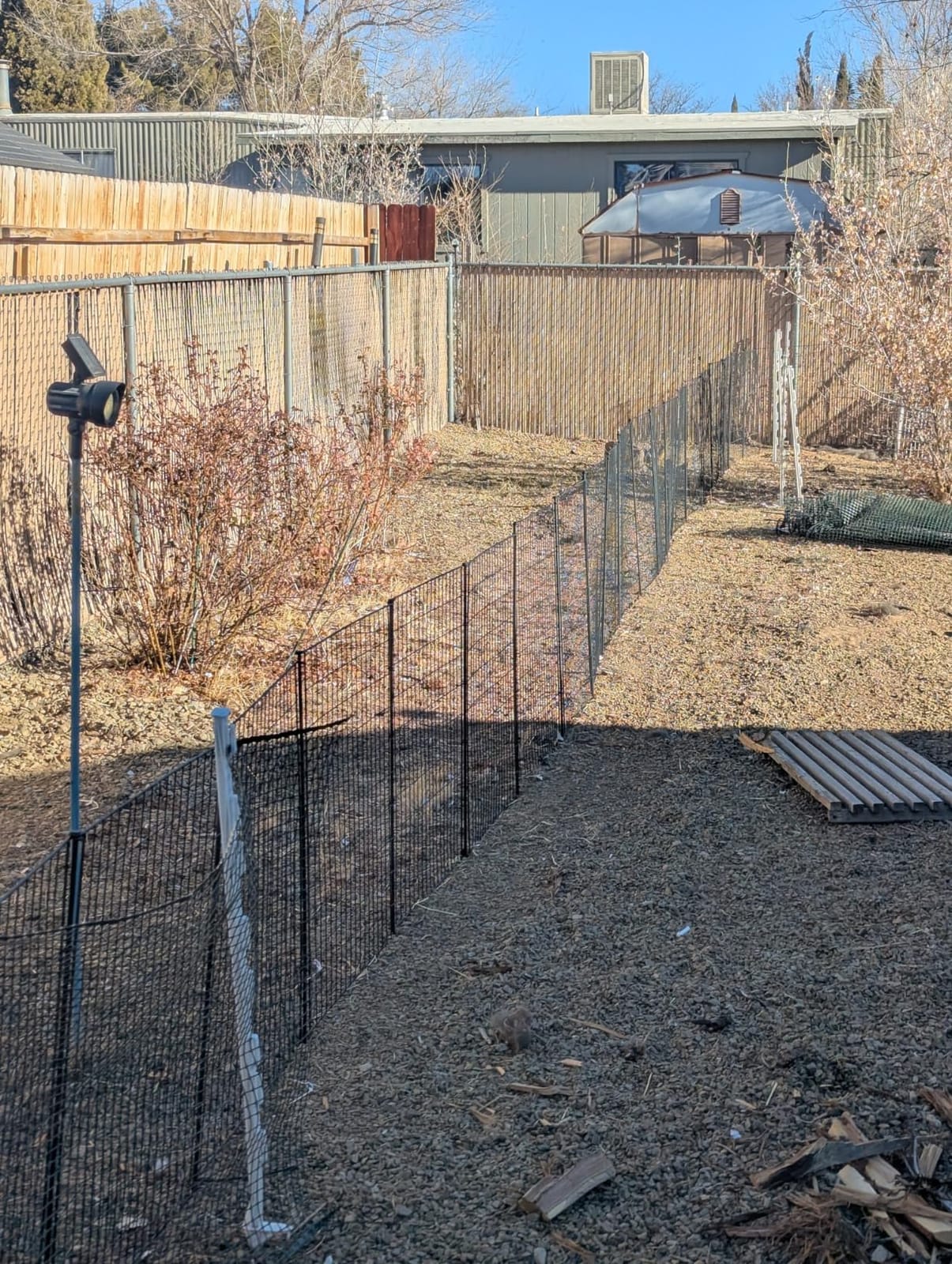
The rustproof wrought iron construction has held up well through rain, snow, and full summer sun. After one full year outdoors, none of the panels show oxidation. The black finish also doesn’t show dirt, which matters if your garden is in a visible location.
For very determined dogs, this fence may not be enough. The panels are lightweight by design (that makes installation easy), which means a 60+ pound dog pushing hard against them can flex the panels outward. If you have a Husky or similar escape artist, look at hardware cloth options instead. For most family dogs, however, 33 inches is sufficient and the convenience of no-dig installation is worth a lot.
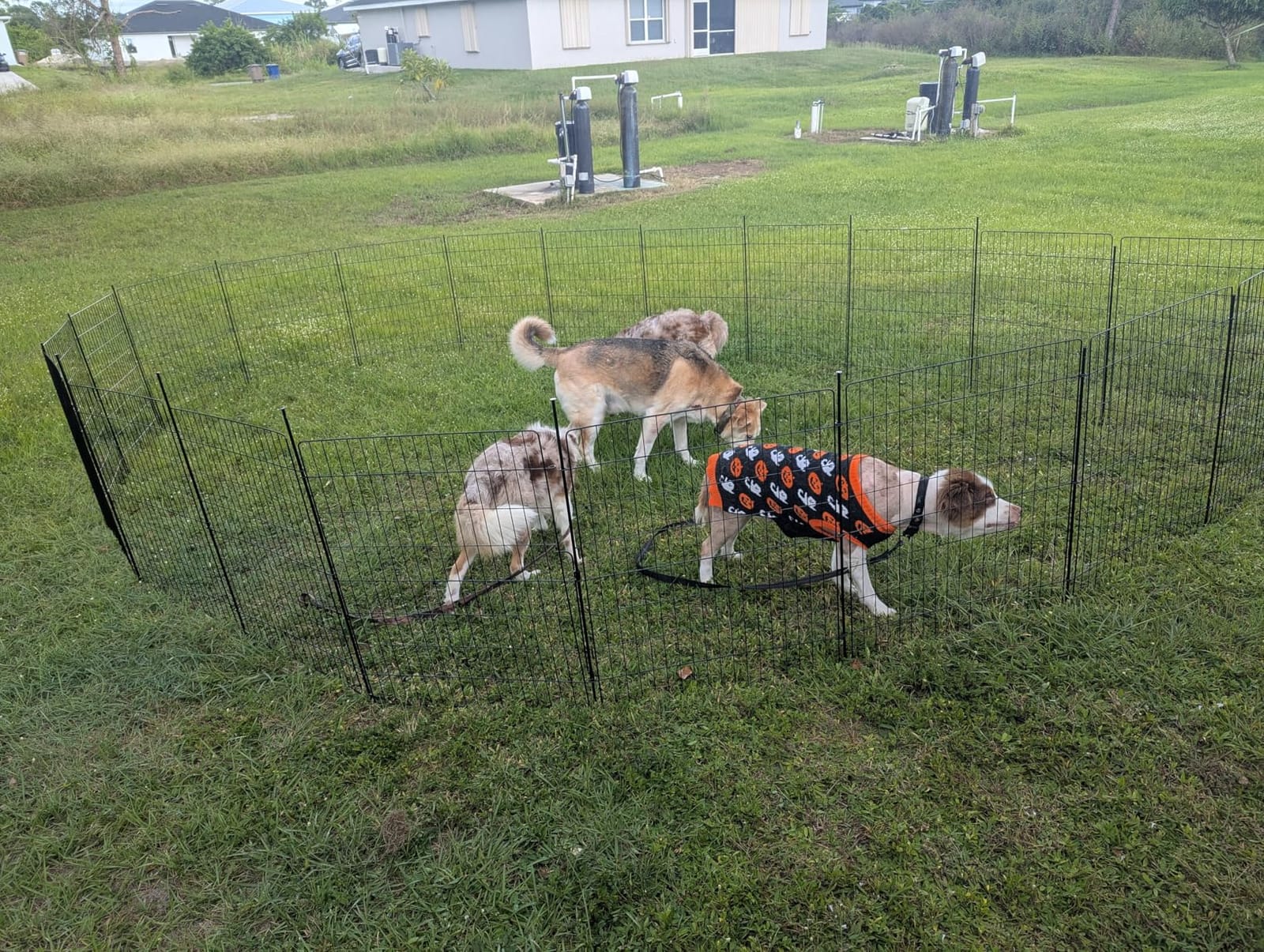
Why 33 inches is the magic number for dogs
Most medium dog breeds can clear a 24-inch fence but struggle with 30+ inches. The 33-inch height here gives you a 3-inch buffer over that threshold, accounting for fence flex and the dog’s ability to push off from the ground.
If you have a particularly athletic dog, you can stack a second tier of panels on top of the first for added height. The modular design supports this, though you’ll want to secure both tiers to the same stakes for stability.
When to choose this over hardware cloth
Choose the KYATE if you need fast installation and removability. Choose hardware cloth if you need permanent protection and maximum strength. The KYATE is the better choice for renters or gardeners who want flexibility to redesign their garden layout each year.
It’s also worth considering if your garden is primarily defined by raised beds rather than a single large plot. The panels work beautifully for wrapping individual raised beds.
6. AVELOTUUG 42.5ft Animal Barrier Fence – Complete No-Dig Kit
42.5ft(L) x 13in(H) Animal Barrier Fence, 30 Panels No Dig Garden Fence for Dog Rabbit, Rustproof Anti Digging Barrier, Garden Edging Border Ground Defense for Outdoor, Yard, Patio
42.5 ft length
30 panels
Includes gloves and pliers
Pros
- Comes with gloves
- zip ties
- and cutting pliers in the box
- Three-layer panel design resists bending under pressure
- Anti-rust coating maintains appearance through seasons
- Easy to install without any digging or special tools
Cons
- 13-inch height is too short for most dogs
- Metal stakes can bend in hard or rocky soil
The AVELOTUUG Animal Barrier Fence is the most complete kit I tested for gardeners who want everything in one box. It includes 30 panels totaling 42.5 feet of fencing, plus a pair of work gloves, UV-resistant cable ties, and cutting pliers. For first-time fence installers, having the right tools included removes a major friction point. You don’t need to make a separate trip to the hardware store.
The three-layer anti-bend design is the standout engineering feature. Standard no-dig fences use single-layer wire that flexes under pressure. AVELOTUUG folds the wire into a triangular cross-section, which dramatically increases rigidity without adding weight. I leaned my full body weight against a single panel and it barely moved. That’s impressive for a 13-inch-tall barrier weighing under 3 pounds per panel.
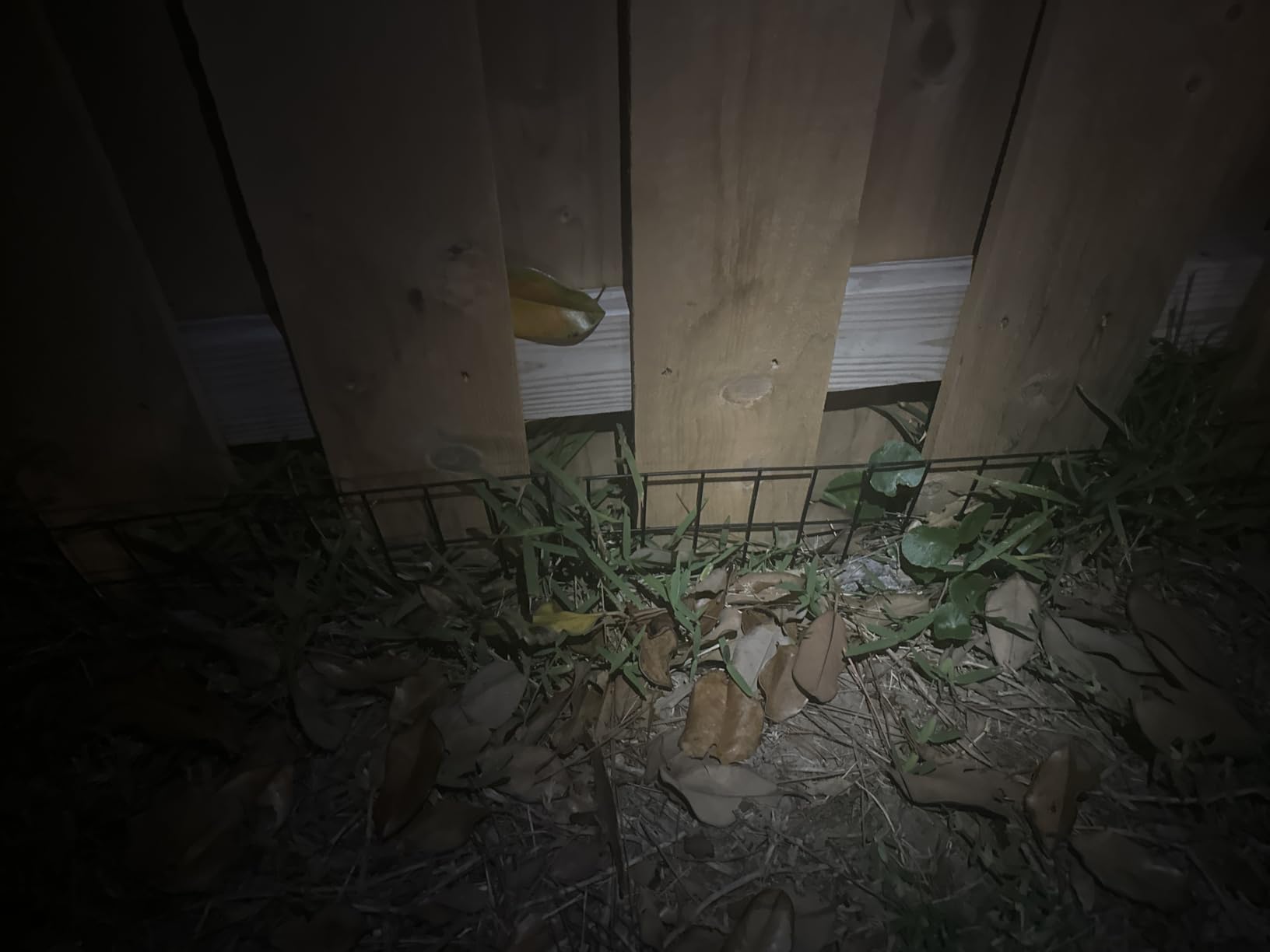
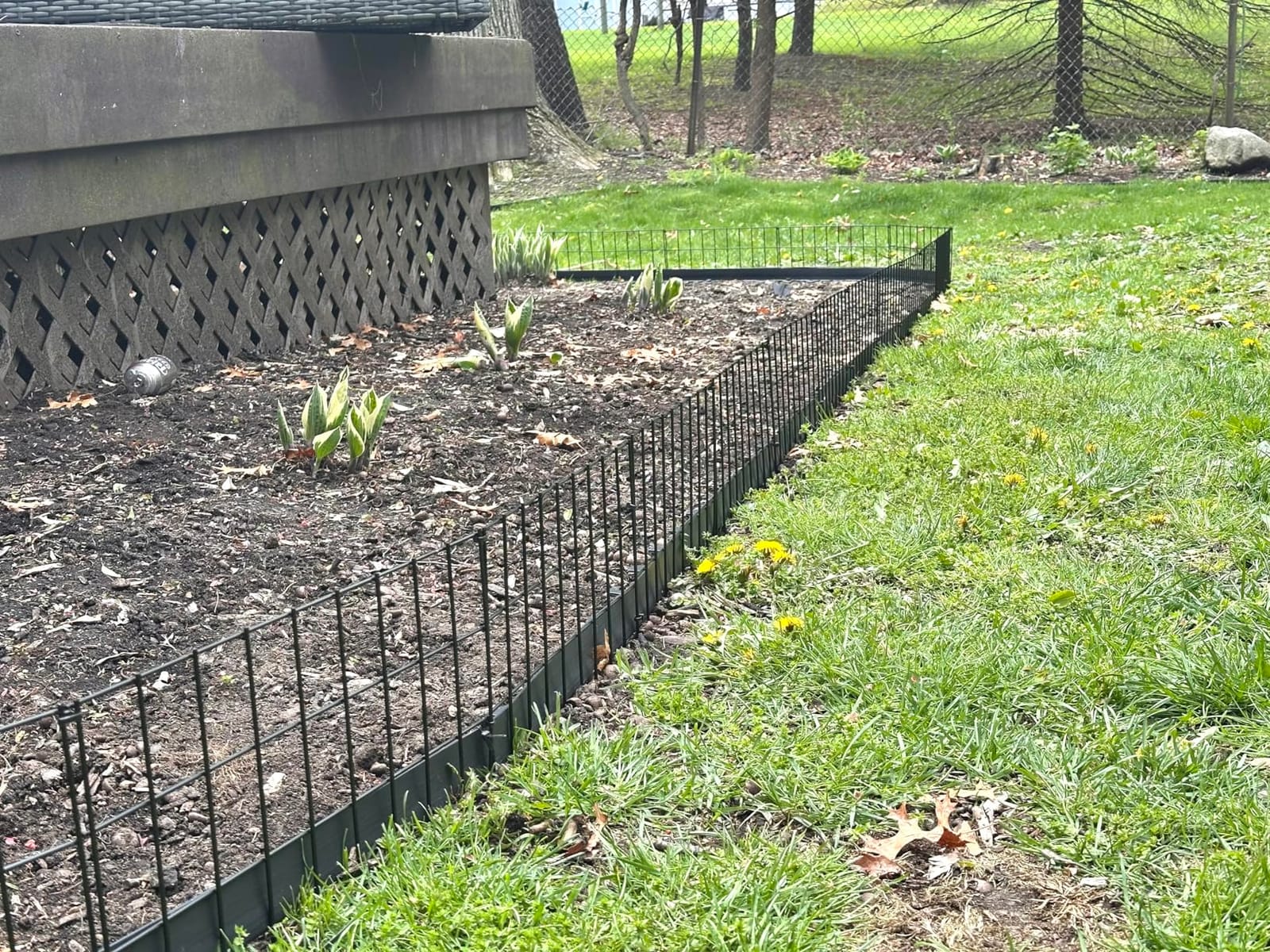
Where this fence makes sense is around flower beds, vegetable plot borders, and small raised beds where rabbits and small dogs are the main concern. The 13-inch height works for keeping cottontail rabbits out of lettuce and protecting newly planted seeds from curious pets. It does not work for adult groundhogs, large dogs, or deer.
The included pliers are functional but not heavy-duty. If you have a lot of panels to cut, plan on upgrading to aviation snips. The included gloves are also lightweight; for serious installation work, supplement with leather gloves. These are minor quibbles about an otherwise well-thought-out kit that delivers genuine value for the price.
What makes this kit better than competitors
The bundled accessories are the differentiator. Most no-dig fence kits ship only the panels and stakes, leaving you to source zip ties, pliers, and gloves separately. By including them, AVELOTUUG eliminates the most common reason DIY fence projects stall halfway through: missing supplies.
The three-layer panel construction is also unusual at this price point. Most competing products use simpler wire forms that bend under sustained pressure.
Best garden types for this fence
This barrier excels in suburban gardens where the main threats are rabbits and small pets rather than deer or large dogs. It’s also great for protecting bulb plantings, herb gardens, and strawberry patches where short barriers are sufficient.
If you need taller protection, consider stacking this with a layer of deer netting above. The combined height covers most pest scenarios while keeping installation simple.
7. Land Guard Hardware Cloth 1/2 Inch 16×50 ft – Best Budget Hardware Cloth
Land Guard 19 Gauge Hardware Cloth, 1/2 inch Chicken Wire Fence, Galvanized Welded Cage Wire Mesh Roll Supports Poultry Netting Cage Fence…
1/2 inch mesh
19-gauge galvanized
16x50 ft roll
Pros
- 19-gauge hot-dipped galvanized steel for serious durability
- 1/2 inch mesh blocks rodents
- rabbits
- and small wildlife
- Easy to cut and customize with standard tin snips
- Excellent value compared to home center pricing
Cons
- Cut edges are sharp and require careful handling with gloves
- Can be heavy and unwieldy during solo installation
Before I discovered Land Guard Hardware Cloth, I was paying three times as much for similar gauge wire at my local home center. This 16-inch by 50-foot roll delivers 19-gauge hot-dipped galvanized steel at a price that makes sense for most home gardeners. With over 1,700 reviews averaging 4.7 stars, this is the most popular budget hardware cloth on Amazon for good reason.
The hot-dipped galvanization is the key quality marker here. Cheaper hardware cloth uses electro-galvanization, which puts a thinner zinc coating on the wire that wears off in 2-3 years. Hot-dipped means the wire is literally dipped in molten zinc, creating a thicker, more durable coating. I’ve had a roll of Land Guard installed for three years now with no rust spots, even on the cut ends where the coating is exposed.
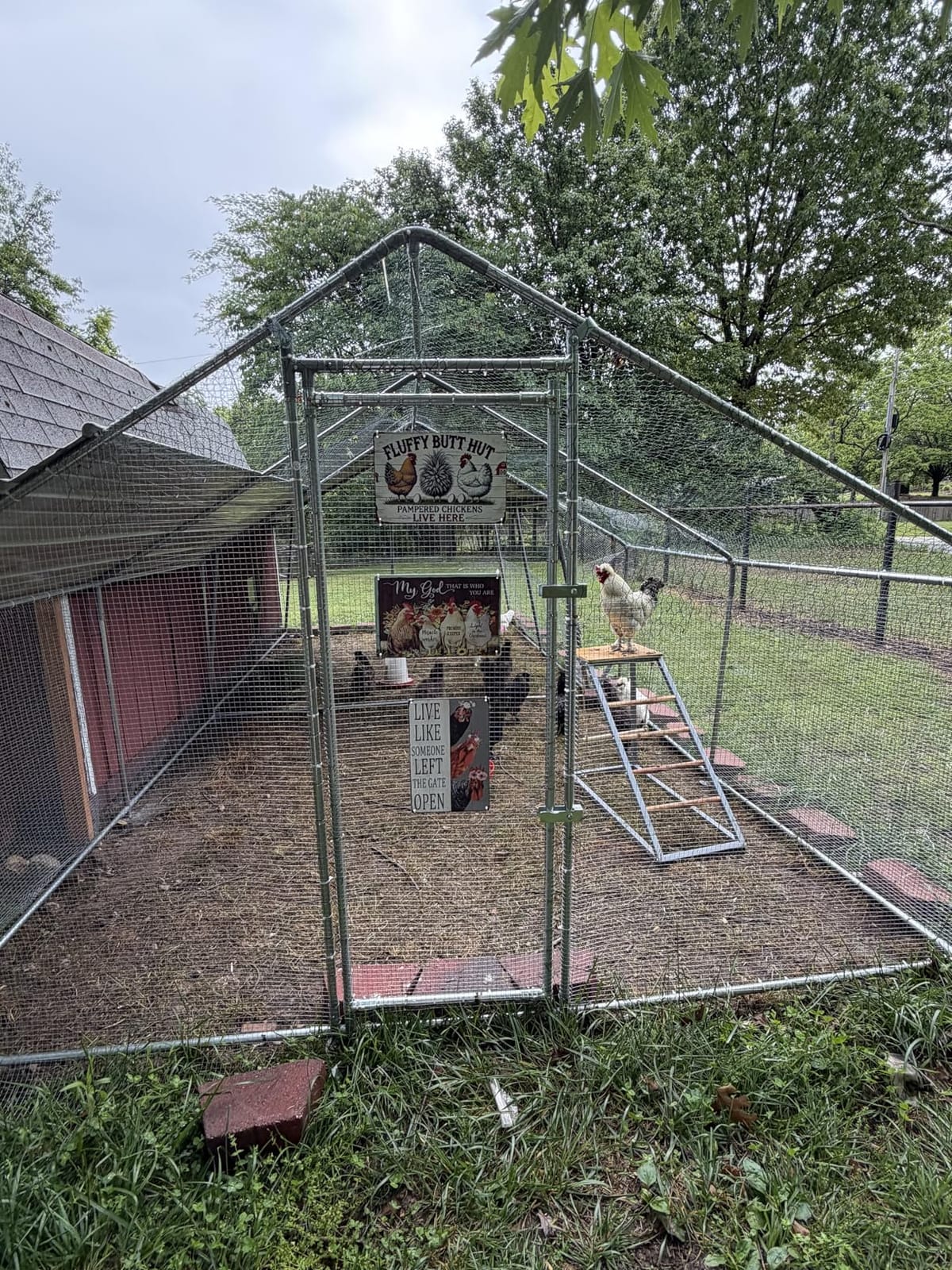
The 1/2-inch mesh is small enough to exclude mice, voles, and baby rabbits. For most vegetable garden applications, that’s exactly what you need at ground level. Pair this with taller deer netting above for a complete barrier system that handles every common pest.
The 16-inch height makes this roll particularly good for raised bed applications. Two rolls will cover the perimeter of most 4×8 raised beds with material to spare. The 19-gauge wire cuts cleanly with aviation snips and holds shape well when formed into custom shapes.
Where this hardware cloth works best
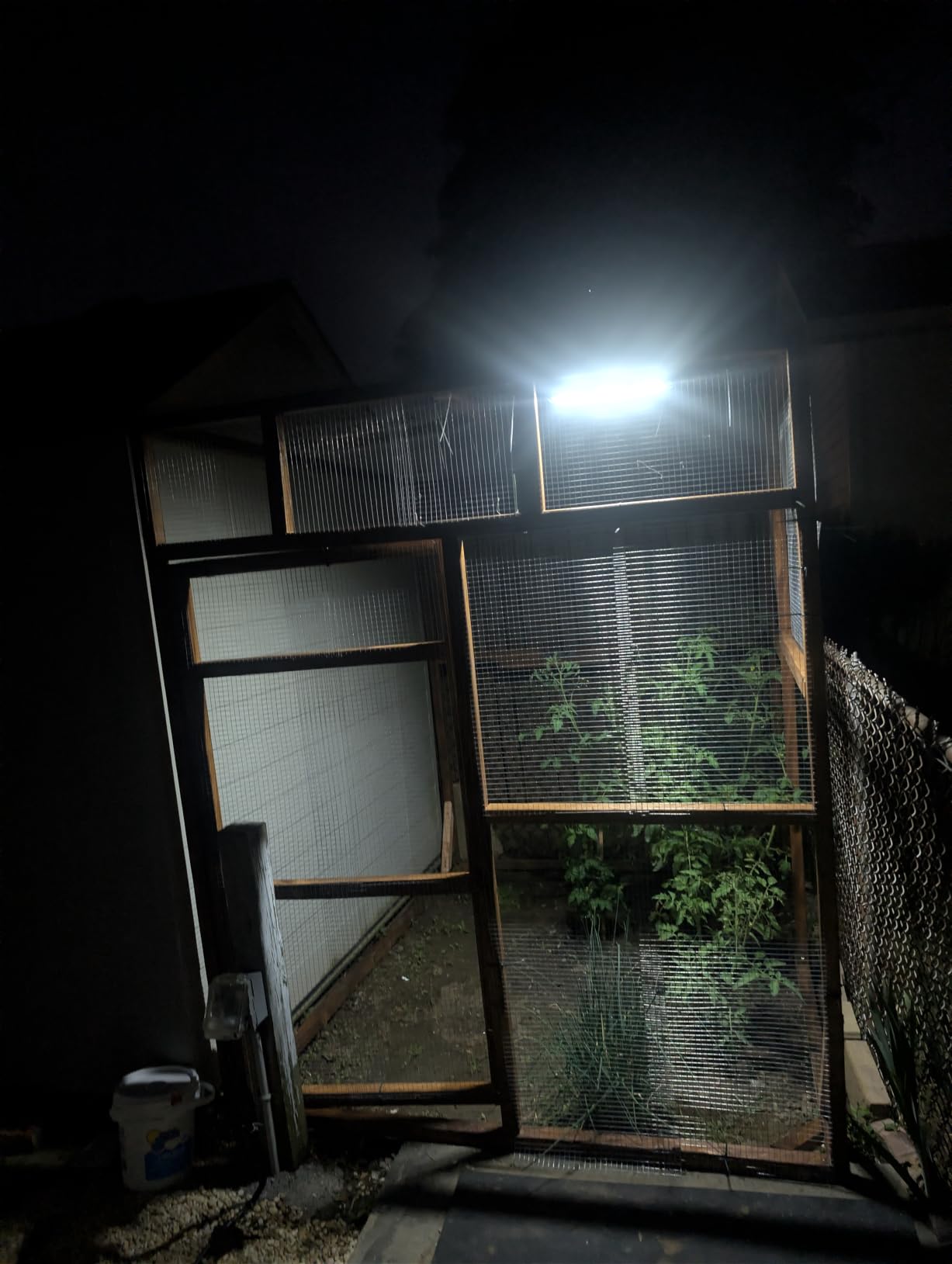
Use it at the base of any garden fence to stop burrowing animals. Bury it 6-12 inches deep vertically or in an L-shape underground. This single addition is often the difference between a fence that works and one that rabbits walk under.
It’s also the standard material for building compost bin enclosures, worm bin mesh bottoms, and root exclusion barriers around young trees. The 1/2-inch mesh keeps out everything you don’t want while letting water and air through freely.
Installation safety notes
Wear leather gloves throughout the installation. The cut wire ends are sharper than they look and will draw blood quickly if you handle them bare-handed. Safety glasses are also wise when cutting wire, since small pieces can fly off unpredictably.
For rust prevention on cut ends, apply a thin coat of clear enamel or zinc-rich spray paint. This extends the life of the wire at the most vulnerable points.
8. Thrivinest Decorative Garden Fence 24in x 20ft – Tall Arched Design
Decorative Garden Fence, 24in (H) x 20ft(L) No Dig Fence
24 inch height
10 arched panels
Snap-circle install
Pros
- Tall 24-inch height handles larger rabbits and small dogs
- Attractive arched top adds visual interest to garden beds
- No-dig snap installation completes in minutes without tools
- Sturdy metal construction with rust-resistant black coating
Cons
- Not Prime eligible with longer shipping times
- May require multiple sets for full enclosure configurations
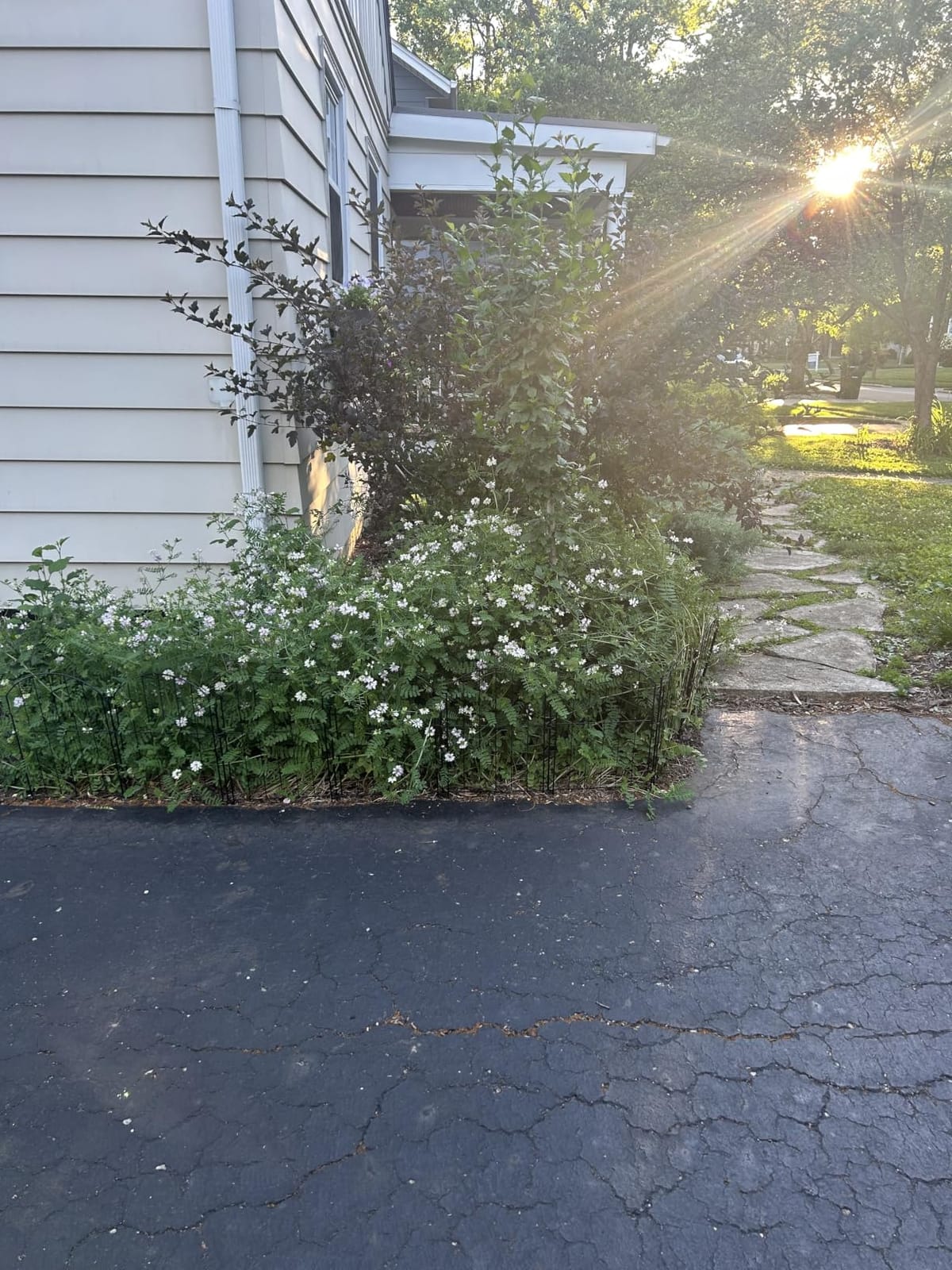
The Thrivinest 24-inch Decorative Garden Fence is the taller sibling of the #1 pick on our list, and it fills a real gap. At 24 inches tall with an arched top, this fence stops larger rabbits that would hop over a 17-inch barrier and creates a visible boundary that even untrained dogs recognize as a perimeter. The arched design also adds genuine visual appeal, looking more like intentional landscaping than functional barrier.
I installed a 20-foot section of this around my herb garden, which sits adjacent to my vegetable plot. The snap-circle connection is the same clever system as the shorter Thrivinest fence, just scaled up. Assembly took about 18 minutes solo. The arched top doesn’t reduce the functional height because the 24-inch measurement is to the peak of the arch.
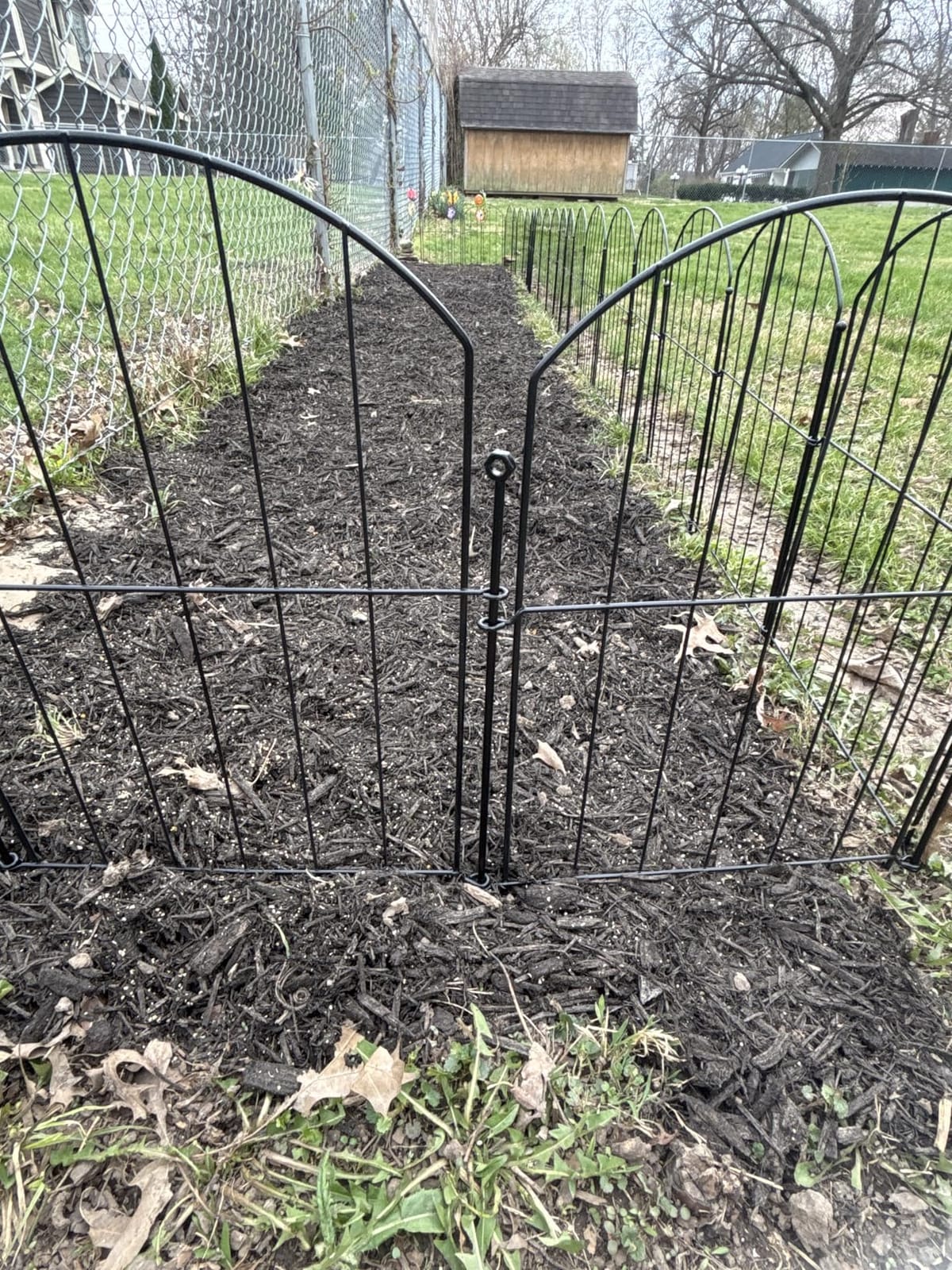
The black rust-resistant coating matches the shorter version exactly, so if you use both together in adjacent beds, they look consistent. This is the kind of detail that matters when you’re building a unified garden design rather than mixing random fence types.
The 1.4-inch gap between bottom wires is identical to the 17-inch version, which means juvenile rabbits can’t squeeze through. The taller panels also seem to deter more animals through psychological effect. I noticed fewer attempts to dig under the 24-inch fence compared to the 17-inch version, possibly because animals read taller barriers as more permanent obstacles.
When to choose 24 inches over 17 inches
Choose 24 inches if you have larger rabbit breeds in your area (cottontails can clear 18 inches easily when motivated), small to medium dogs that test garden boundaries, or if you simply prefer the visual proportion of taller fence panels in your landscaping.
The 17-inch version is sufficient if your only pest pressure is small rabbits and groundhogs. Both share the same installation method and aesthetic, so you can mix and match based on which beds need more protection.
Stability in windy conditions
At 24 inches tall, this fence catches more wind than the shorter version. In areas with regular high winds, drive the stakes deeper or add extra stakes at corner connections. The included 30-inch stakes provide good anchoring in normal soil but can work loose in sandy or heavily amended garden soil.
For permanent installations, consider adding a thin bead of construction adhesive where each stake enters the soil. This locks the fence in place without making it difficult to remove at season’s end if needed.
Buying Guide: How to Choose the Right Garden Fencing for Vegetable Gardens?
Choosing the right garden fencing for vegetable gardens comes down to matching three variables: what animals you’re protecting against, how tall the fence needs to be, and what installation method works for your site. I’ve made mistakes on all three counts, so let me save you the trial and error.
Identify your pest first
Before buying any fence, take a week to figure out what’s actually eating your vegetables. Look for tracks, droppings, and feeding patterns. Deer leave ragged tears on plant tops and hoof prints in soft soil. Rabbits make clean 45-degree cuts on stems and leave round droppings. Groundhogs dig burrows with characteristic mounds of fresh dirt at the entrance. Each pest requires a different fence strategy, and a fence designed for the wrong animal wastes money.
For deer specifically, you need either a 6-8 foot barrier or a slanted fence design that confuses their jumping ability. For rabbits and groundhogs, 2-3 feet of height with buried mesh is sufficient. For burrowing animals like voles, the fence needs to extend underground, not just above it.
Fence height requirements by animal
Rabbits require a minimum 2-foot fence, though 3 feet is better for cottontail populations. Groundhogs need 3-4 feet above ground plus 12 inches buried below to prevent tunneling. Deer need 6-8 feet, with 8 feet being the safer choice in heavy deer pressure areas. Squirrels are best addressed with overhead netting rather than perimeter fencing, since they climb and jump with equal ease.
For multi-pest gardens, design for the tallest required height first and the smallest mesh size. You can always trim a tall fence with vegetation, but retrofitting a short fence for deer is expensive and frustrating.
Material comparison: polypropylene, galvanized steel, vinyl coated
Polypropylene mesh is the lightest and cheapest option, weighing under 1 pound per 100 square feet. It handles UV exposure reasonably well, typically lasting 2-3 years before becoming brittle. Best for seasonal deer protection and bird exclusion where weight matters more than durability.
Galvanized steel hardware cloth is the strongest option for the price, with 19-gauge wire resisting impact and bending better than any plastic alternative. Hot-dipped galvanization outlasts electro-galvanized by 2-3 times in coastal or wet climates. Best for rodent exclusion, buried barriers, and permanent installations.
Vinyl coated welded wire offers the best aesthetic of the three, with green or black coatings that blend into landscaping. The coating adds UV protection and rust resistance, though it can be cut or peeled at stress points. Best for visible garden areas where appearance matters.
No-dig vs traditional installation
No-dig fence systems have improved dramatically in the last five years. Modern no-dig panels with stake-connect systems install in 20-30 minutes without tools and work well in soft to medium soil. They’re ideal for renters, gardeners who change layouts frequently, or anyone who wants to avoid the physical labor of digging post holes.
Traditional post-and-fence installation requires more tools and effort but produces stronger, longer-lasting barriers. Drive T posts every 6-8 feet, attach your fence material with U-staples or zip ties, and you’ll have a fence that handles 20+ years of service. Best for permanent gardens where you know the layout.
Pressure treated wood: is it safe?
This question comes up constantly in garden forums. Modern ACQ (alkaline copper quaternary) pressure treated wood is considered safe for vegetable gardens according to the EPA, but many organic gardeners still prefer to line raised beds with plastic sheeting when using PT wood. Older CCA (chromated copper arsenate) treated wood from before 2003 should never be used in vegetable gardens.
For fence posts specifically, pressure treated wood is generally fine since direct root contact with the post is limited. If you’re concerned, use cedar or locust posts instead. They’re more expensive but contain natural rot resistance without chemical treatment.
Frequently Asked Questions
How tall should your vegetable garden fence be?
Your vegetable garden fence should be at least 2 feet tall for rabbits, 3-4 feet for groundhogs with 12 inches buried below ground, and 6-8 feet for deer. In heavy deer pressure areas, 8 feet is the safer choice since deer can clear 6-foot fences when motivated.
What type of garden fence lasts the longest?
Hot-dipped galvanized steel hardware cloth and vinyl-coated welded wire fences last the longest, typically 10-20 years with minimal maintenance. Polypropylene deer netting has the shortest lifespan at 2-3 years before UV degradation makes it brittle. Cedar and locust posts outlast pressure treated pine by 5-10 years.
How to protect a vegetable garden from animals without a fence?
You can protect a vegetable garden without a fence using motion-activated sprinklers, predator urine granules, aluminum foil wraps on young plants, raised beds with hardware cloth bottoms, and bird netting suspended overhead. Electric fencing at 3 strands (12 inch, 30 inch, and 48 inch heights) also works without a physical barrier. For severe deer pressure, no single non-fence method is as reliable as actual fencing.
How to fence a vegetable garden step by step?
To fence a vegetable garden: 1) Measure the perimeter and mark corner post locations. 2) Drive T posts or wooden posts every 6-8 feet around the perimeter. 3) Unroll your fencing material along the posts. 4) Attach the fencing with zip ties or U-staples, keeping the bottom taut. 5) Bury hardware cloth 6-12 inches at the base to stop diggers. 6) Add a gate or access point wide enough for your wheelbarrow. 7) Test the fence by pushing against it and check for gaps at the bottom.
Is pressure treated wood safe for vegetable gardens?
Modern ACQ pressure treated wood is considered safe by the EPA for vegetable gardens, but many gardeners add plastic sheeting between the wood and soil for extra protection. Avoid older CCA-treated wood from before 2003, which contains arsenic. For fence posts, pressure treated wood has minimal direct soil contact with edible roots and is generally fine. Cedar, locust, or black locust posts are chemical-free alternatives that cost more but last 20+ years.
Final Thoughts on Garden Fencing for Vegetable Gardens
After testing all eight products through two growing seasons, my top recommendation depends on your specific situation. For most gardeners with mixed pest pressure, the Nueve Deer Hardware Cloth combined with taller deer netting above gives you the best balance of rodent exclusion at ground level and deer deterrence overhead. If you’re on a tighter budget and only face rabbit pressure, the Land Guard Hardware Cloth at the base plus decorative Thrivinest panels above creates an attractive and functional barrier.
The single biggest mistake I see gardeners make is buying deer netting alone and expecting it to stop everything. Deer netting fails against rabbits, groundhogs, and especially burrowing animals. Match your fence to your actual pest pressure rather than trying to find one product that does everything.
For 2026, garden fencing for vegetable gardens is more accessible than ever thanks to no-dig systems and pre-assembled panels that take the intimidation factor out of installation. Whether you choose a 20-minute no-dig kit or invest a weekend in hardware cloth and T posts, the key is getting something installed before the wildlife finds your garden. A modest investment in fencing now saves an entire season of frustration and lost crops. Pick the fence that matches your pests, your soil, and your tolerance for DIY work, then get it in the ground before spring planting.