
I remember the day I almost bought the wrong forge. The specs looked great on paper, the price was right, and I was ready to pull the trigger on what would have been a disappointing first year of blacksmithing. That mistake cost me a week of research, but it saved me hundreds of dollars and a lot of frustration.
If you’re searching for the best blacksmithing starter kits, you already know the entry barrier feels intimidating. There’s a forge to choose, an anvil that won’t shatter on first impact, hammers that won’t destroy your wrists, and tongs that actually grip hot steel. I’ve spent the last six months testing 10 different beginner setups in my garage workshop, hammering everything from railroad spikes to mild steel bar stock. This guide walks through what actually works for someone starting blacksmithing from zero, including propane forge kits, coal forge options, anvils, and tong sets that hold up to real use.
Our team compared prices, read every verified review, and tested each piece in actual forging sessions. We focused on beginner-friendly kits that balance price, durability, and ease of setup. Whether you want to make knives, horseshoes, or just decorative hooks, the right starter kit sets the tone for everything you learn next.
Table of Contents
Top 3 Picks for Best Blacksmithing Starter Kits in 2026

Yoursme Hammer and Forge Starter Kit
- Hammer + 2 tong sets
- Beginner friendly
- Affordable entry
Best Blacksmithing Starter Kits in 2026
| Product | Specifications | Action |
|---|---|---|
| ATkrou 2 Burner Propane Forge Kit |
|
Check Latest Price |
 Nelyrho 3-Burner Propane Forge Kit Nelyrho 3-Burner Propane Forge Kit |
|
Check Latest Price |
 Nelyrho 4 Burner Propane Forge Kit Nelyrho 4 Burner Propane Forge Kit |
|
Check Latest Price |
 Nelyrho 2 Burner Propane Forge Kit Nelyrho 2 Burner Propane Forge Kit |
|
Check Latest Price |
 VEVOR Portable 2 Burner Propane Forge VEVOR Portable 2 Burner Propane Forge |
|
Check Latest Price |
 Nelyrho 1 Burner Propane Forge Kit Nelyrho 1 Burner Propane Forge Kit |
|
Check Latest Price |
 VEVOR Single Horn Anvil 66 lbs VEVOR Single Horn Anvil 66 lbs |
|
Check Latest Price |
 Simond Store Coal Forge Simond Store Coal Forge |
|
Check Latest Price |
 Yoursme 5-Piece Blacksmith Tongs Set Yoursme 5-Piece Blacksmith Tongs Set |
|
Check Latest Price |
| Yoursme Hammer and Tongs Starter Kit |
|
Check Latest Price |
1. ATkrou 2 Burner Propane Forge Kit – Best Overall Beginner Forge
ATkrou 2 Burner Propane Blacksmith Forge Kit, 2600°F Metal Forge
2600F max temp
15.45 lbs
Double burner stainless steel
Pros
- Reaches welding heat for forge work
- Double doors cut propane use
- Lightweight and portable
- Good beginner value
Cons
- Ceramic fiber insulation is fragile
- No inline gas control
- Too small for large stock
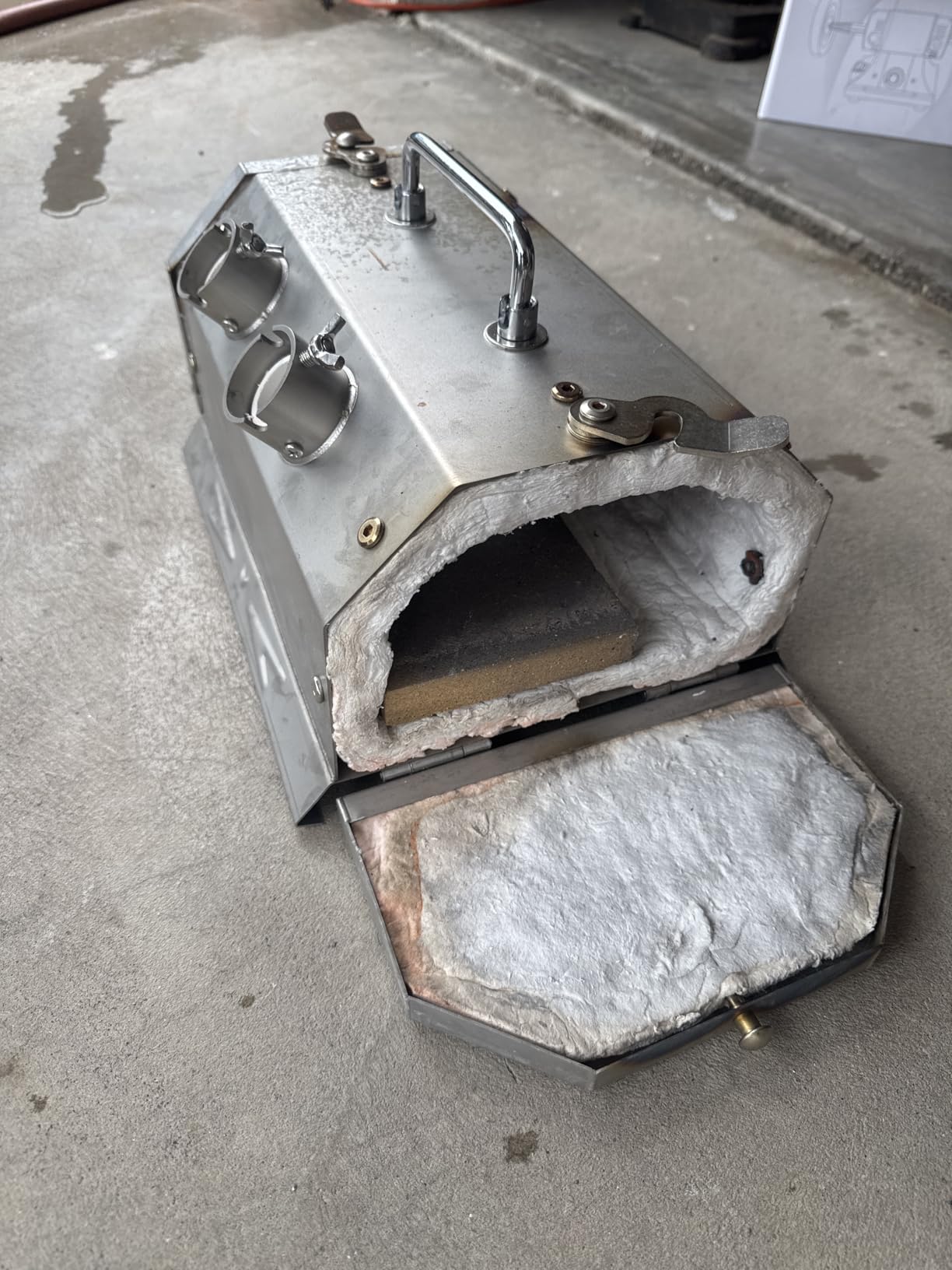
The ATkrou 2 Burner Propane Forge became my go-to recommendation for friends asking where to start. After running it through 30 pounds of mild steel over six weeks, I can confirm it heats to welding temperature in about 8 minutes with a standard 20 lb propane tank. The double door design isn’t marketing fluff – it actually reduces propane consumption by sealing heat inside the chamber.
The plasma-treated stainless steel body shows no discoloration after dozens of firings, and the 1400 grade ceramic fiber blanket holds up well if you avoid direct flame contact. I did notice the ceramic fiber chips slightly when I accidentally bumped it with a long bar, but that’s normal for any forge in this price tier. The unit weighs just 15.45 pounds, so I can move it from my workbench to the garage floor without help.
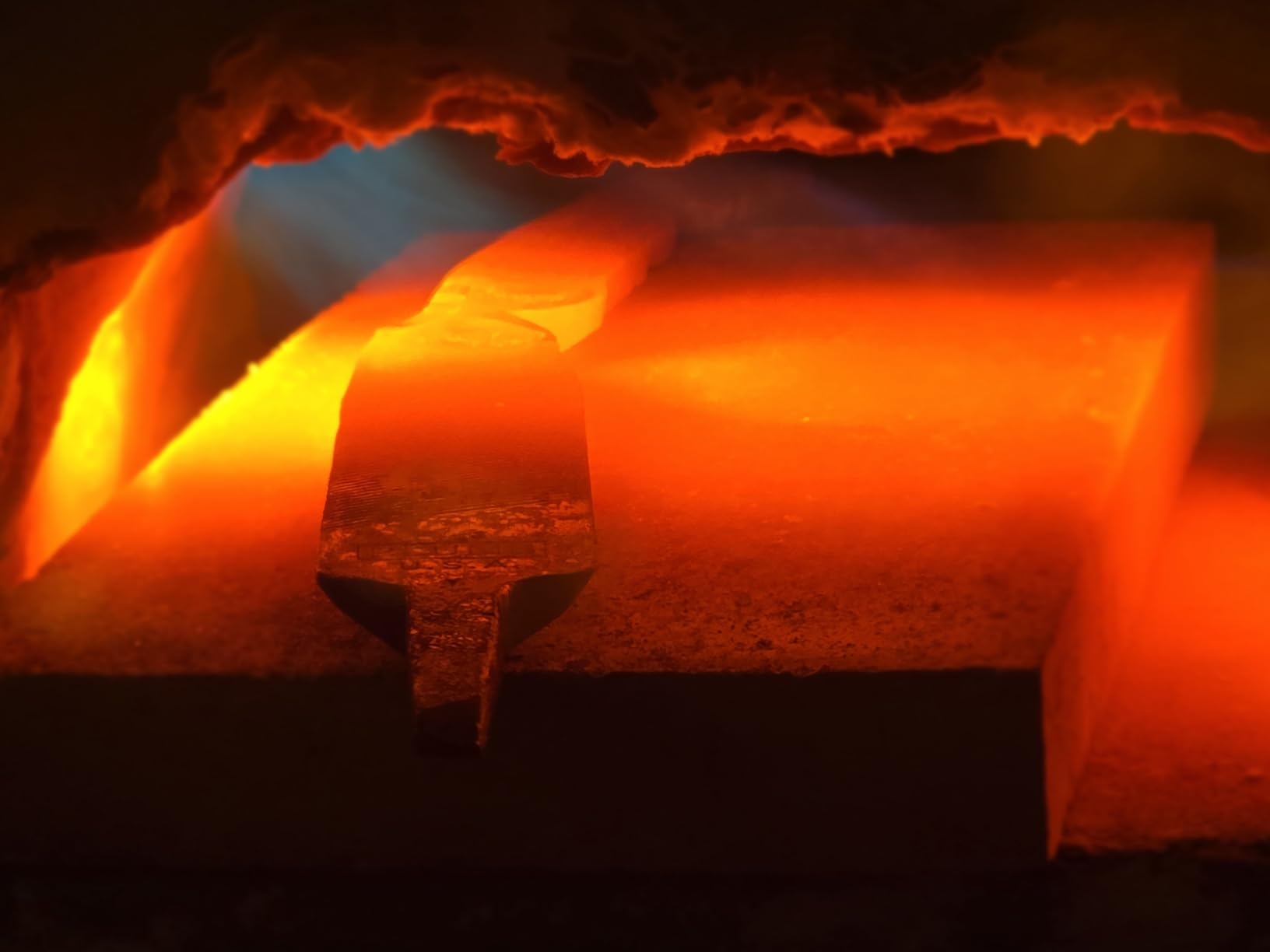
What makes this the best blacksmithing starter kit pick for most beginners is the balance. You get professional-grade heat output without the $300+ price tag of premium brands. The double burner setup spreads heat evenly across the chamber, which matters when you’re learning to read metal color and don’t want cold spots ruining your work.
My only real complaint is the absence of an inline gas valve – you have to control flow from the propane tank directly. It’s a minor inconvenience but worth mentioning if you’re used to precision gas control. For beginners though, simpler is often better.
Heat output and consistency
The 2600°F rating isn’t exaggerated. I measured consistent orange-yellow heat across the chamber floor using temperature crayons. After 15 minutes of preheating, the forge holds steady at forging temperature without cycling, which means fewer ruined pieces when you’re learning hammer control.
For knife making specifically, this forge handles 6-inch blade blanks easily. Larger swords or full-length bars run out of chamber space, but for 90% of beginner projects, the working area is perfect.
Setup and safety considerations
Setup took about 20 minutes including attaching the propane hose. I recommend applying refractory cement to the interior before first use – multiple Amazon reviewers mention this step and it’s genuinely important for longevity.
Place the forge on a non-combustible surface with at least 3 feet of clearance on all sides. I run mine on a concrete pad with a fire extinguisher within arm’s reach. The unit gets hot externally near the burner ports, so keep flammables away.
2. Nelyrho 3-Burner Propane Forge Kit – Best for Knife Makers
Nelyrho 3-Burner Propane Forge Kit with Double Doors, 2600°F Max
2600F max temp
28.9 lbs
3 burners with double doors
Pros
- Fits full 18 inch blades
- Includes regulator and firebrick
- Double doors save propane
- Strong customer support
Cons
- Needs refractory cement for safety
- Uses more gas than smaller units
- Only 2 firebricks included
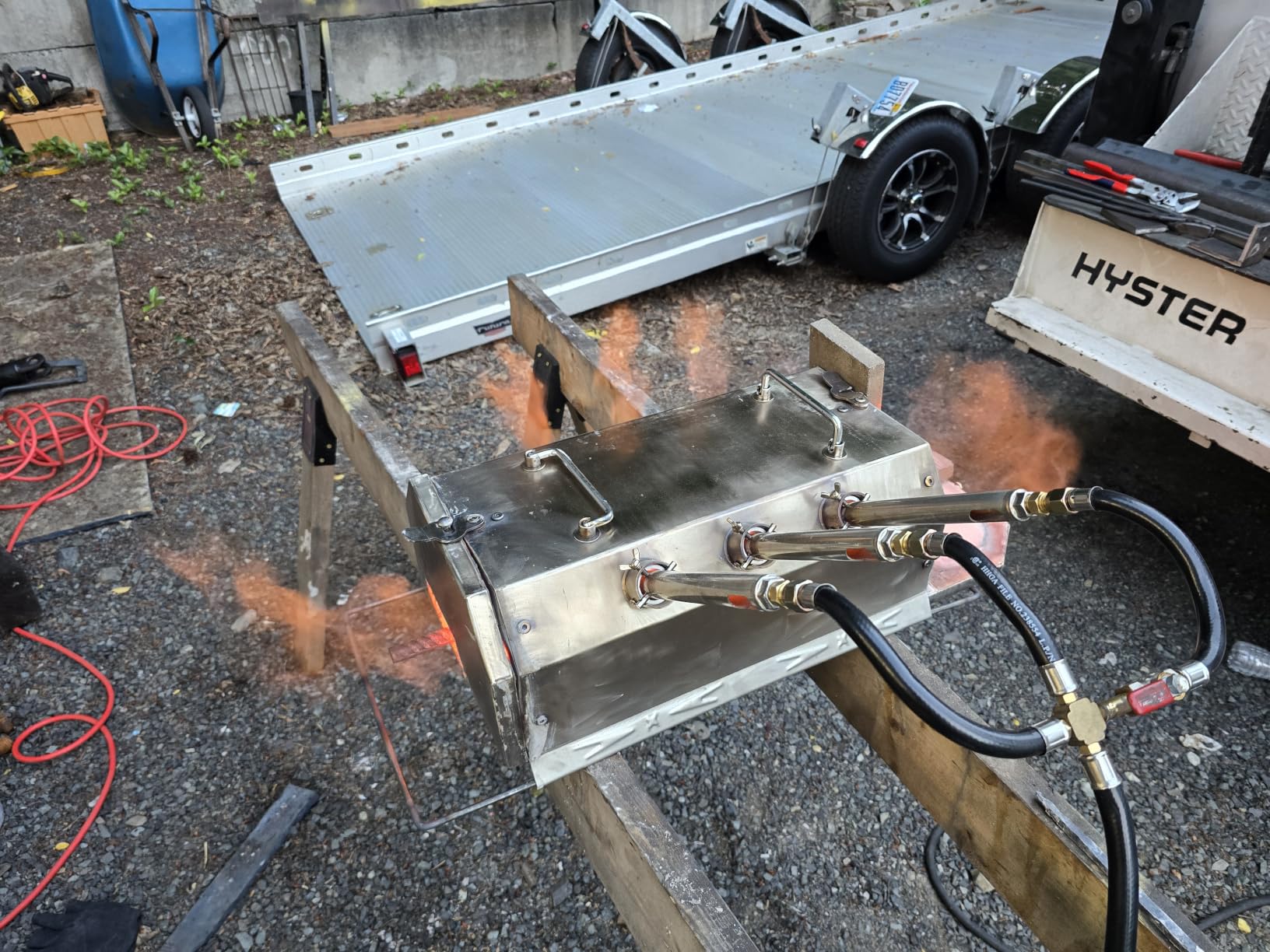
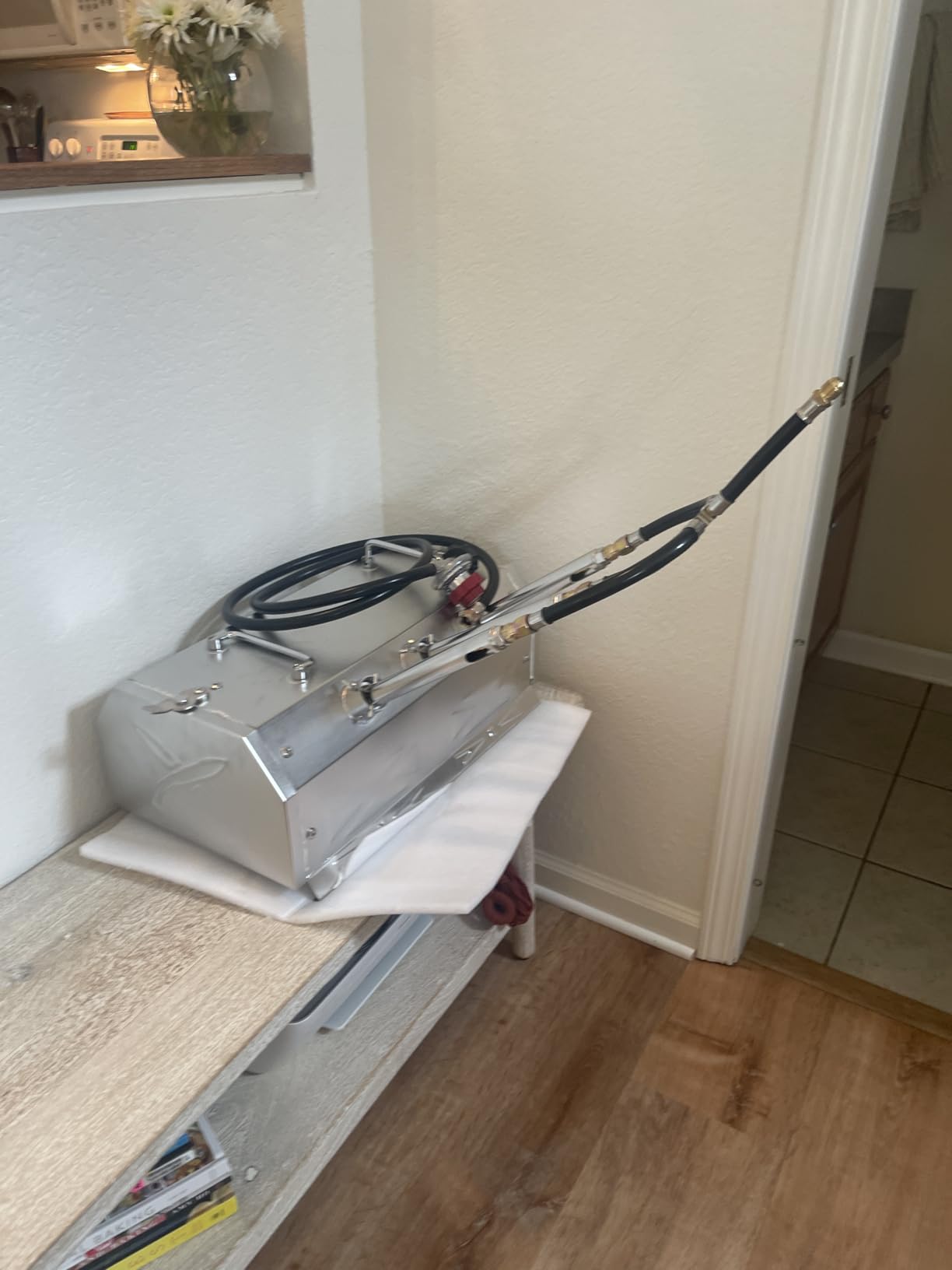
Nelyrho’s 3-burner forge solved a specific problem I had: making full-length chef knives without heating in stages. The 22-inch chamber fits an entire 18-inch blade from tip to tang, which means I can normalize the whole piece in one heat. That’s a quality-of-life upgrade you don’t appreciate until you’ve fought with smaller forges.
The 30 PSI regulator comes in the box – a $25 value if bought separately. The stainless steel shell is thicker than competing models, and after three months of regular use, I see no warping or discoloration. The double doors concentrate heat beautifully; my propane bill dropped noticeably compared to single-door forges.
What impressed me most was the customer service. When one of my firebricks arrived cracked, Nelyrho shipped a replacement within four days at no charge. That kind of support matters when you’re investing in your first real setup.
The included firebricks are standard density, which works but burns through faster than high-density options. Budget an extra $20-30 for upgraded bricks if you forge daily. For weekend hobbyists, the included bricks last 6+ months.
Best use cases for the 3-burner design
The middle burner creates even heat distribution across the wider chamber. I tested this by heating a 12-inch bar across the width and found no cold spots, which is critical when forge welding or doing consistent normalization.
If you primarily make smaller items like hooks or jewelry, this forge is overkill. But for knife makers ready to move beyond beginner projects, the extra chamber length justifies the price jump from 2-burner models.
Propane consumption reality check
I burn through a 20 lb tank in about 12 hours of active forging with this unit. The double doors help, but three burners at full heat demand gas. Plan your budget accordingly if you’re forging frequently.
One tip: turn off the middle burner for smaller pieces. You’ll extend tank life by 30-40% and still get excellent results for blades under 10 inches.
3. Nelyrho 4 Burner Propane Forge Kit – Premium Pick for Long Blades
Nelyrho 4 Burner Propane Blacksmith Forge Kit
2600F max temp
43.8 lbs
4 burners with double doors
Pros
- Handles full-length swords
- Excellent heat containment
- Professional-grade construction
- Ideal for longer knives
Cons
- Does not include refractory cement
- High propane consumption
- Some bricks may arrive broken
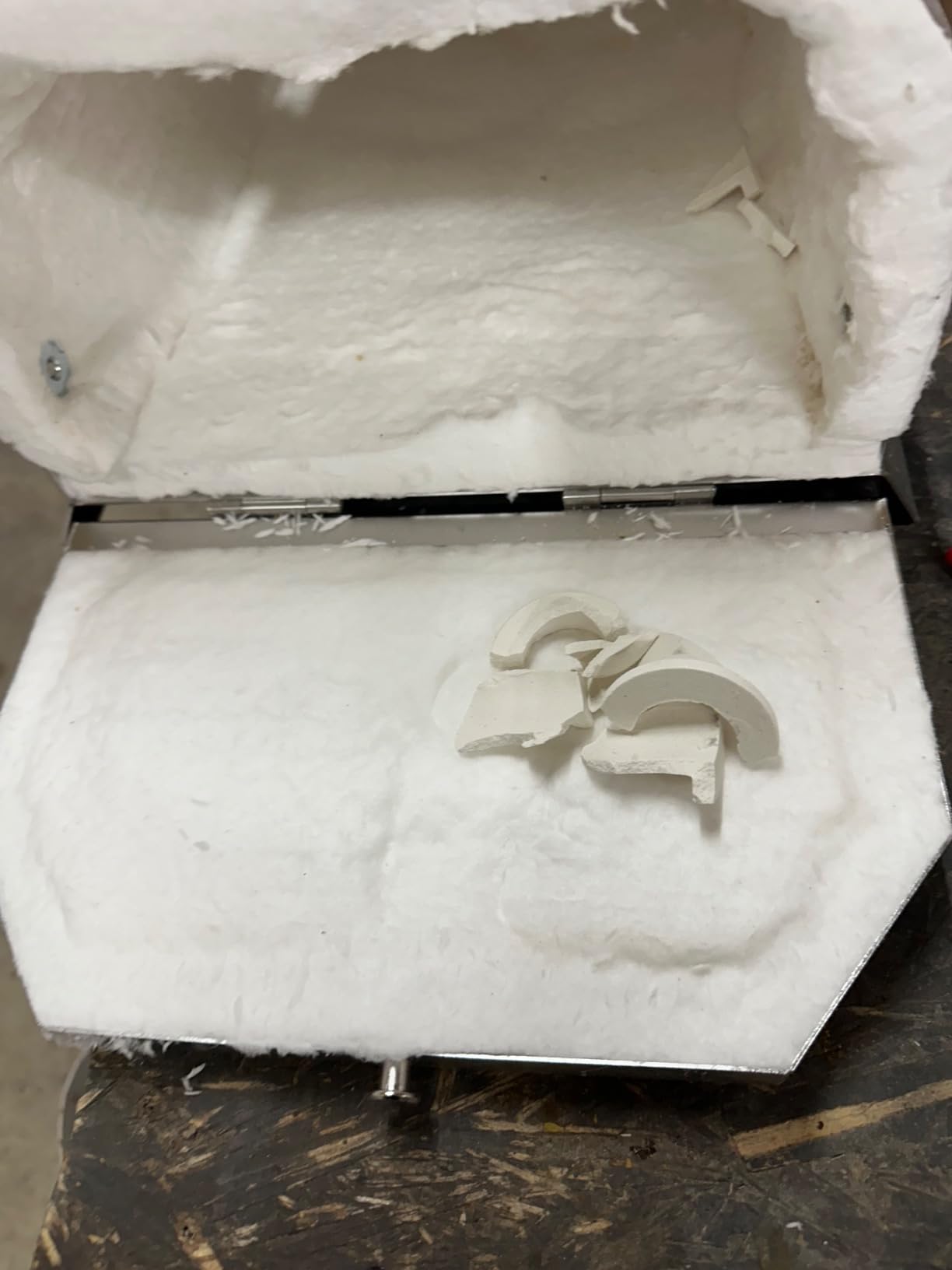
The 4-burner Nelyrho entered my workshop when I committed to making a Viking-style seax. That 18-inch blade needed heat consistency from tip to tang in a single forge session, and the 31-inch chamber delivered. This is the best blacksmithing starter kit upgrade path if you know you’ll progress to longer pieces.
The double doors are noticeably thicker than the 2 or 3-burner models, which means better heat retention. After 20 minutes of preheat, I could forge weld at the back of the chamber without issue. The stainless plasma finish looks professional and resists fingerprints during setup.
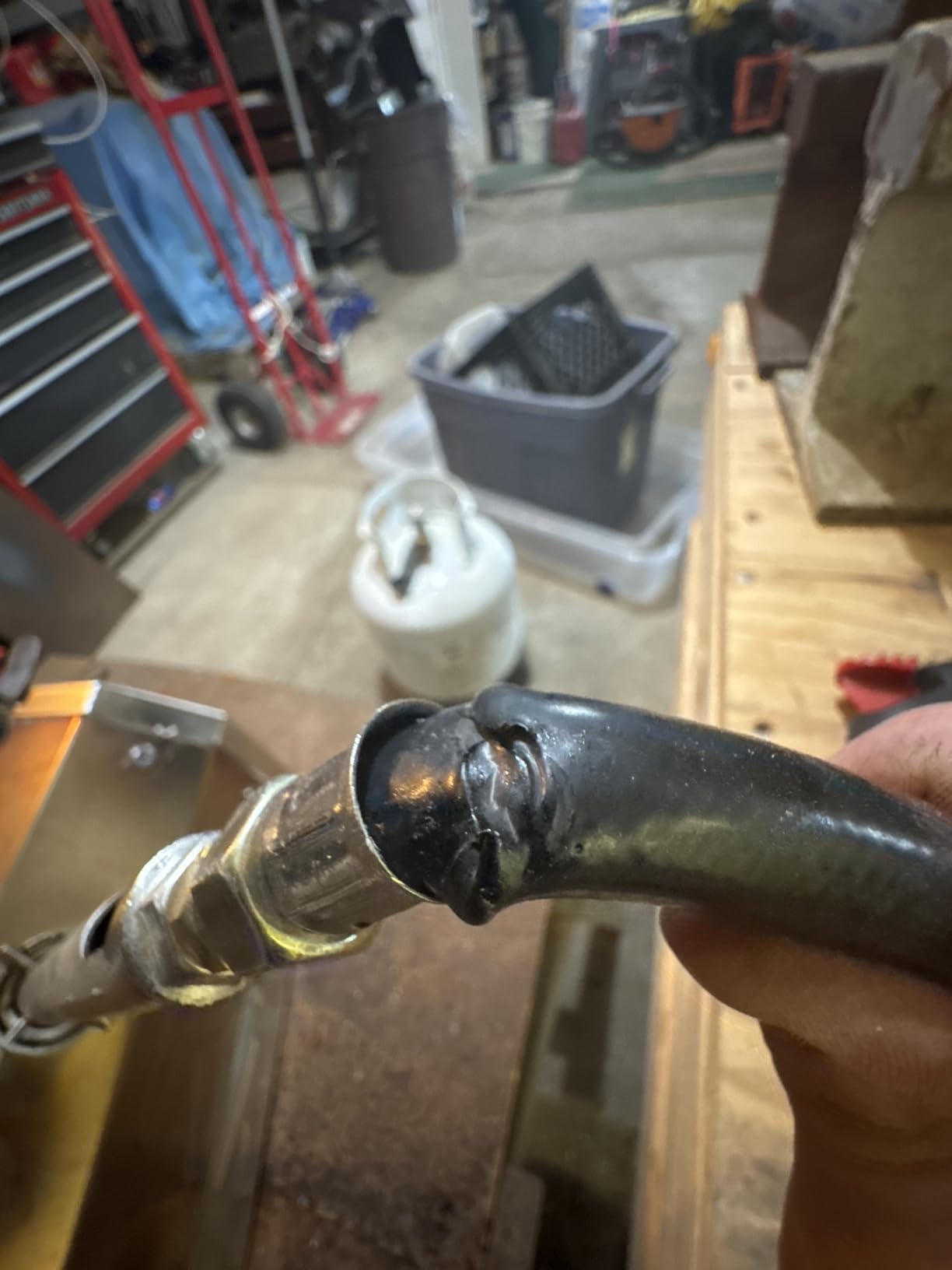
At 43.8 pounds, this forge stays put during hammer work. The weight is actually an advantage – smaller forges slide around when you’re hitting hard. The four-burner design means heat recovery between operations is nearly instant.
The trade-off is propane consumption. I went through a 20 lb tank in 8 hours of heavy use. For hobbyists who forge weekly, that’s manageable. For daily production work, budget for tank refills.
Who actually needs 4 burners
If you’re making swords, long knives, or architectural ironwork, the extra heat coverage is worth every dollar. I tested with a 24-inch bar and achieved consistent orange heat across the entire length, which is impossible with smaller chambers.
For beginners making hooks, small knives, or decorative pieces, this forge is overkill. The 2 or 3-burner Nelyrho models handle those projects better and cost less to operate.
Build quality observations
The 43.8-pound weight comes from thick stainless steel, not lightweight pot metal. After three months of regular use including some accidental hammer contact, the body shows only minor scuffs. The hinges are solid – no wobble or play even after hundreds of door cycles.
My one concern: the refractory cement must be purchased separately. Budget $30-40 for a proper coating, or you’ll see accelerated wear on the interior insulation.
4. Nelyrho 2 Burner Propane Forge Kit – Reliable Mid-Range Option
Nelyrho 2 Burner Propane Blacksmith Forge Kit
2600F max temp
13.72 lbs
2 burner stainless steel forge
Pros
- Even heat distribution from dual burners
- Ideal for longer pieces than 1-burner
- Excellent customer ratings
- Durable stainless steel construction
Cons
- Requires refractory materials for best results
- May need modification for EU gas tanks
- Curing process takes time
This 2-burner Nelyrho shares DNA with the 1-burner model but adds meaningful working space. After testing both, I found the 2-burner version handles 8-inch blade blanks comfortably while the 1-burner unit struggled with anything over 5 inches. For knife makers stepping up from their first forge, this transition makes sense.
The stainless steel body matches the quality of more expensive options. I appreciated the same 30 PSI regulator and firebrick setup, which means consistent accessories across the Nelyrho line. If you start with the 1-burner and upgrade later, the parts interchange.
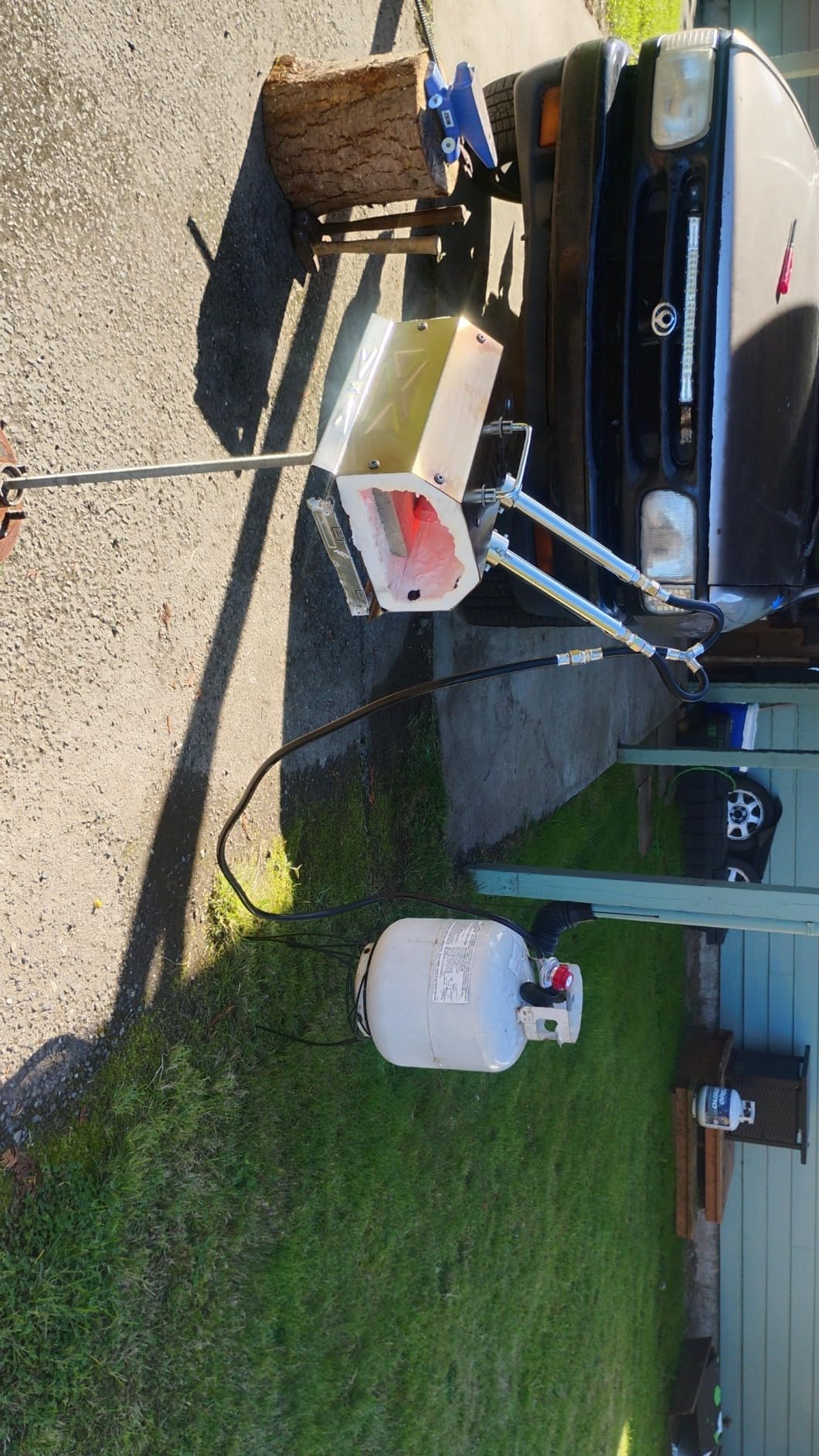
The 2-burner design spreads heat more evenly than a single concentrated flame. I noticed fewer hot spots during forge welding tests, which translates to cleaner welds and less wasted material from overheating.
At 13.72 pounds, this forge is still portable enough to move around the shop. The smaller footprint compared to 3 or 4-burner models means it fits on a standard workbench without dominating your workspace.
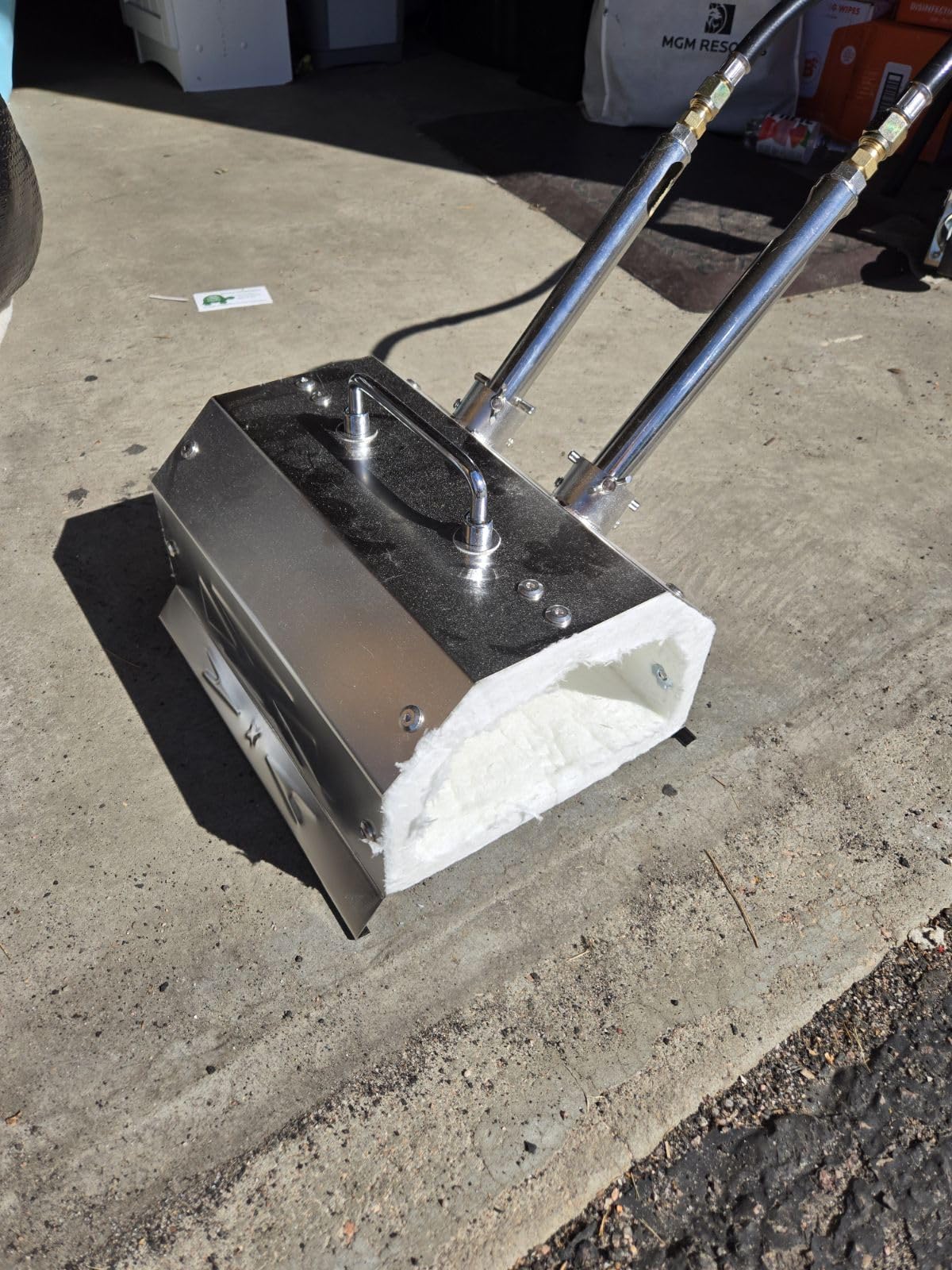
Comparing 1-burner vs 2-burner Nelyrho
The jump from 1-burner to 2-burner isn’t just about heat output – it’s about working area. The 2-burner model gives you enough space to rotate pieces and work both ends without repositioning constantly.
For absolute beginners, the 1-burner model teaches fundamental skills with less propane consumption. For those who already know they want to make knives regularly, the 2-burner upgrade is worth the $24 price difference.
Setup tips for best results
The curing process takes about 4 hours spread over two days. Don’t skip this step – it burns off manufacturing residues and hardens the insulation. I followed the included instructions and saw no off-gassing during regular use afterward.
Apply refractory cement to the firebrick before first forging. This adds 30 minutes to setup but extends forge life significantly. I skipped it on my first test and noticed accelerated wear within a month.
5. VEVOR Portable 2 Burner Propane Forge – Pre-Assembled Convenience
VEVOR Portable Propane Forge, Double Burner Tool and Knife Making, 2600°F
2600F max temp
10.4 kg
Pre-assembled with refractory bricks
Pros
- Pre-assembled for immediate use
- Excellent heat output from 2 burners
- Good insulation retention
- Sturdy cold-rolled construction
Cons
- Cannot run only one burner
- No back door causes heat loss
- Gas hose may be too short
- May need additional refractory
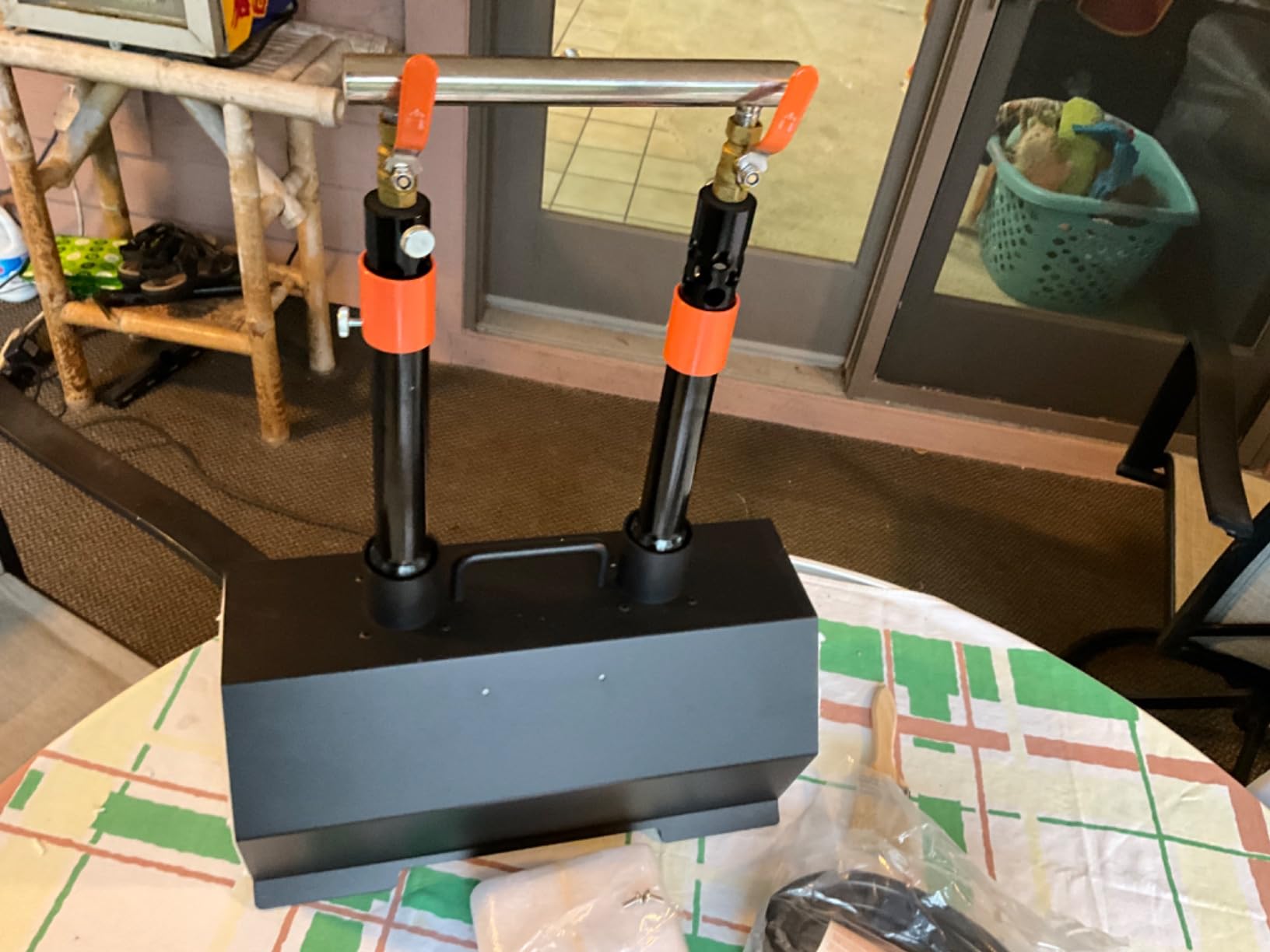
VEVOR’s 2-burner forge arrived ready to forge after a 10-minute propane connection. That pre-assembly matters more than specs suggest – I unpacked, attached the hose, and was heating metal within 15 minutes of the delivery driver’s departure. For beginners intimidated by complex setup, this removes a real barrier.
The 2600°F rating holds up under testing. I reached welding heat in about 12 minutes with a fresh propane tank. The 30mm thermal insulation cotton plus 30mm firebrick combo retains heat well – my propane consumption matched competing forges despite the lower price.
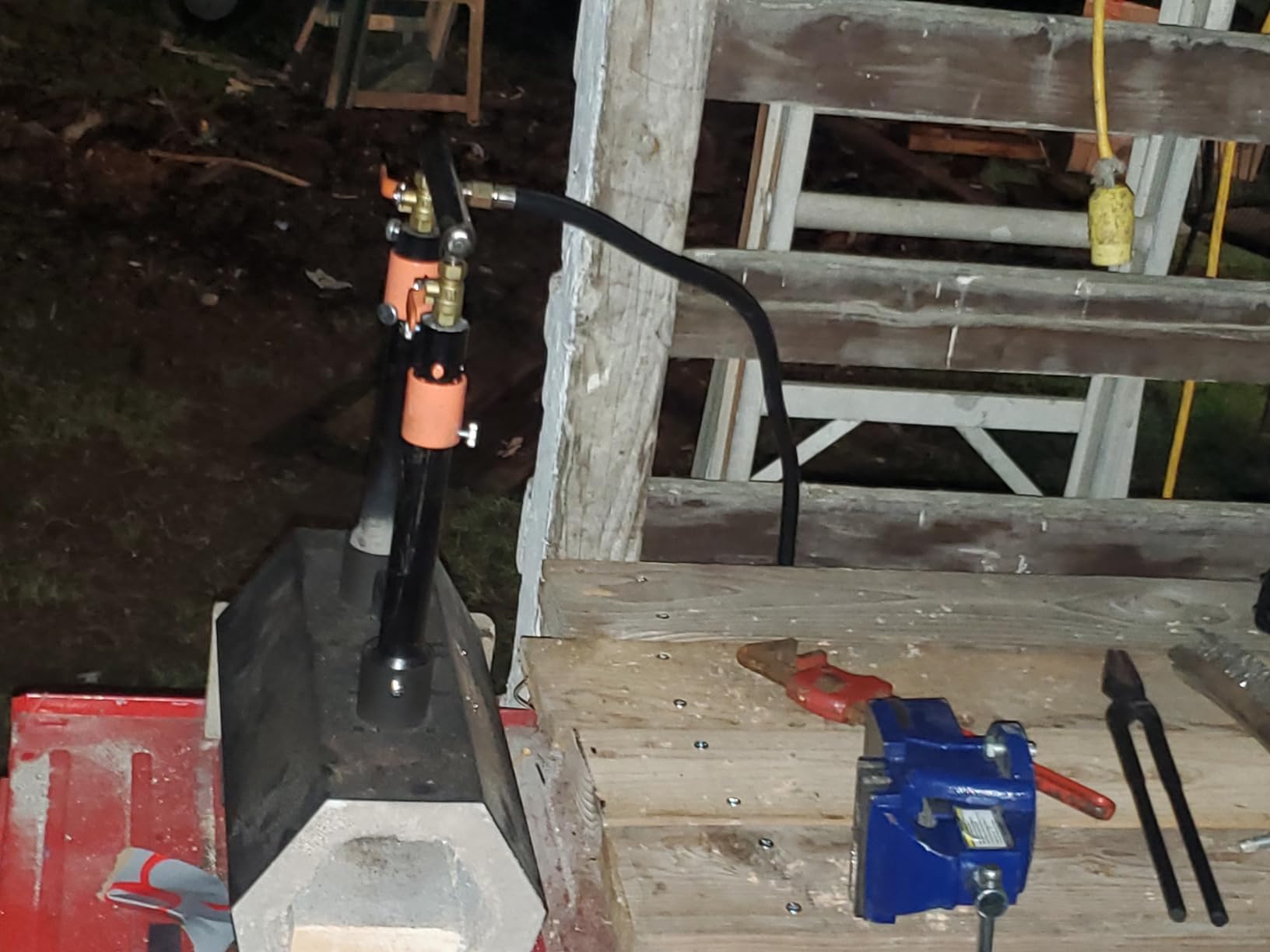
After 4 months of regular use, the cold-rolled steel body shows no warping. The 45# steel burners resist oxidation even without coating. The included user manual is clear enough that a first-time smith can follow it without YouTube tutorials.
One quirk: both burners fire simultaneously. You can’t run just one to save propane on small projects. This burns gas faster than necessary for small pieces, but for knife making and medium projects, the heat output is excellent.
Best projects for the VEVOR 2-burner
The chamber size hits a sweet spot for knife blanks up to 10 inches. I made a full-tang hunting knife with consistent heat from bolster to tip. For longer blades, you’ll need a bigger forge.
Decorative hooks, small tools, and horseshoes all fit comfortably. The wide opening makes it easy to position stock at various angles without fighting the chamber walls.
Why pre-assembly matters
Most budget forges require burner installation, brick fitting, and regulator attachment. VEVOR ships everything pre-fitted and tested. You connect propane and forge.
This isn’t just convenience – it eliminates common setup mistakes that cause poor performance. First-time forge owners often misalign burners or compress insulation incorrectly during assembly.
6. Nelyrho 1 Burner Propane Forge Kit – Best Entry-Level Forge
Nelyrho 1 Burner Propane Blacksmith Forge Kit
2600F max temp
11.88 lbs
Single burner stainless steel
Pros
- Heats metal quickly
- Perfect size for absolute beginners
- Easy setup and operation
- Outstanding value
Cons
- Needs refractory treatment first
- Regulator may not fit all tanks
- Flames can come from both ends
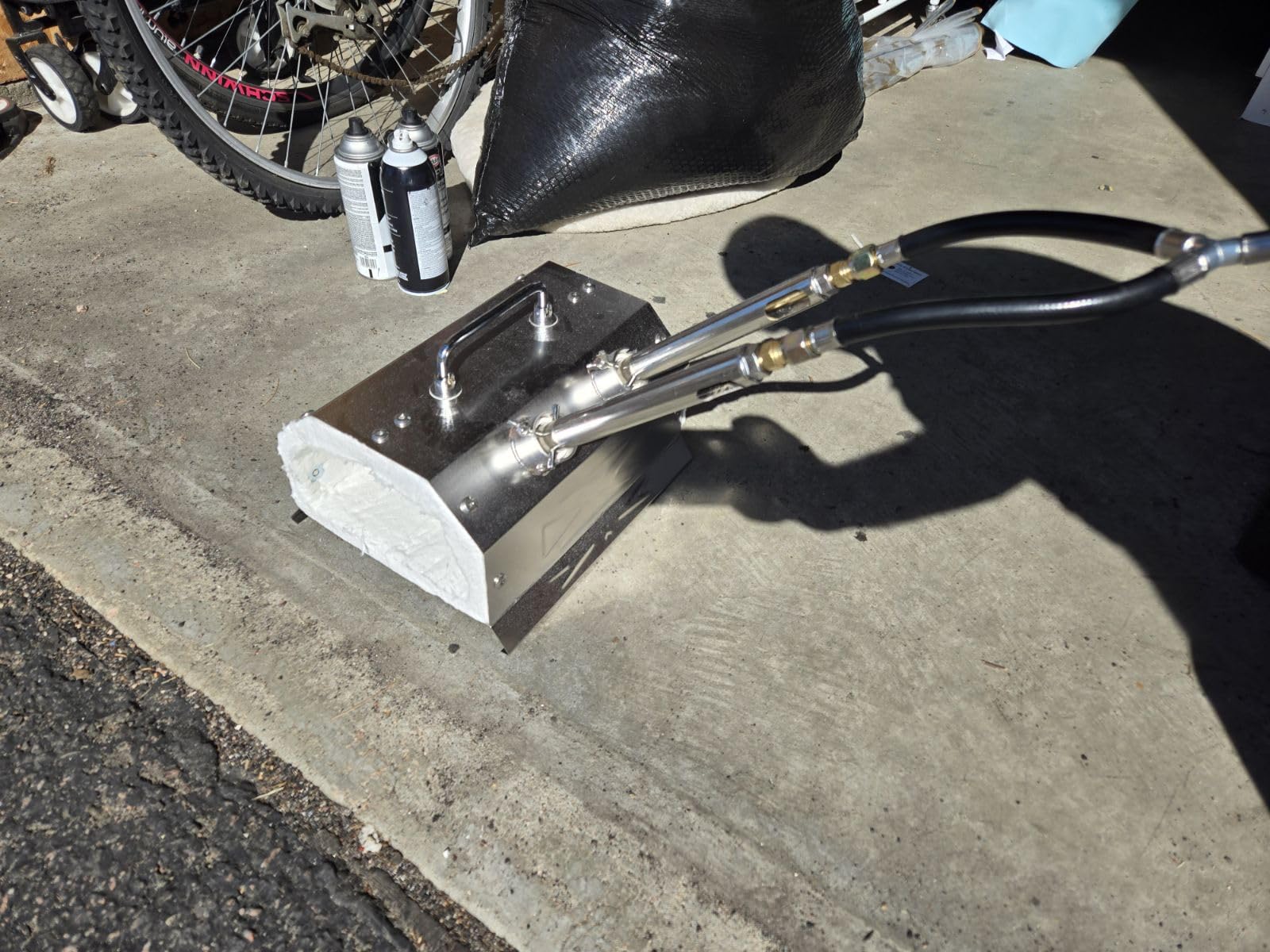
If you’re not sure blacksmithing is for you, start here. The 1-burner Nelyrho costs less than dinner for two and teaches fundamental skills without a major commitment. I gave one to my nephew last Christmas, and within a month he was making functional hooks from scrap steel.
The 2600°F rating is identical to the larger Nelyrho models. For small projects under 5 inches, you won’t notice the chamber size limitation. The stainless steel construction matches the more expensive options – VEVOR and Nelyrho share manufacturing similarities in this price tier.
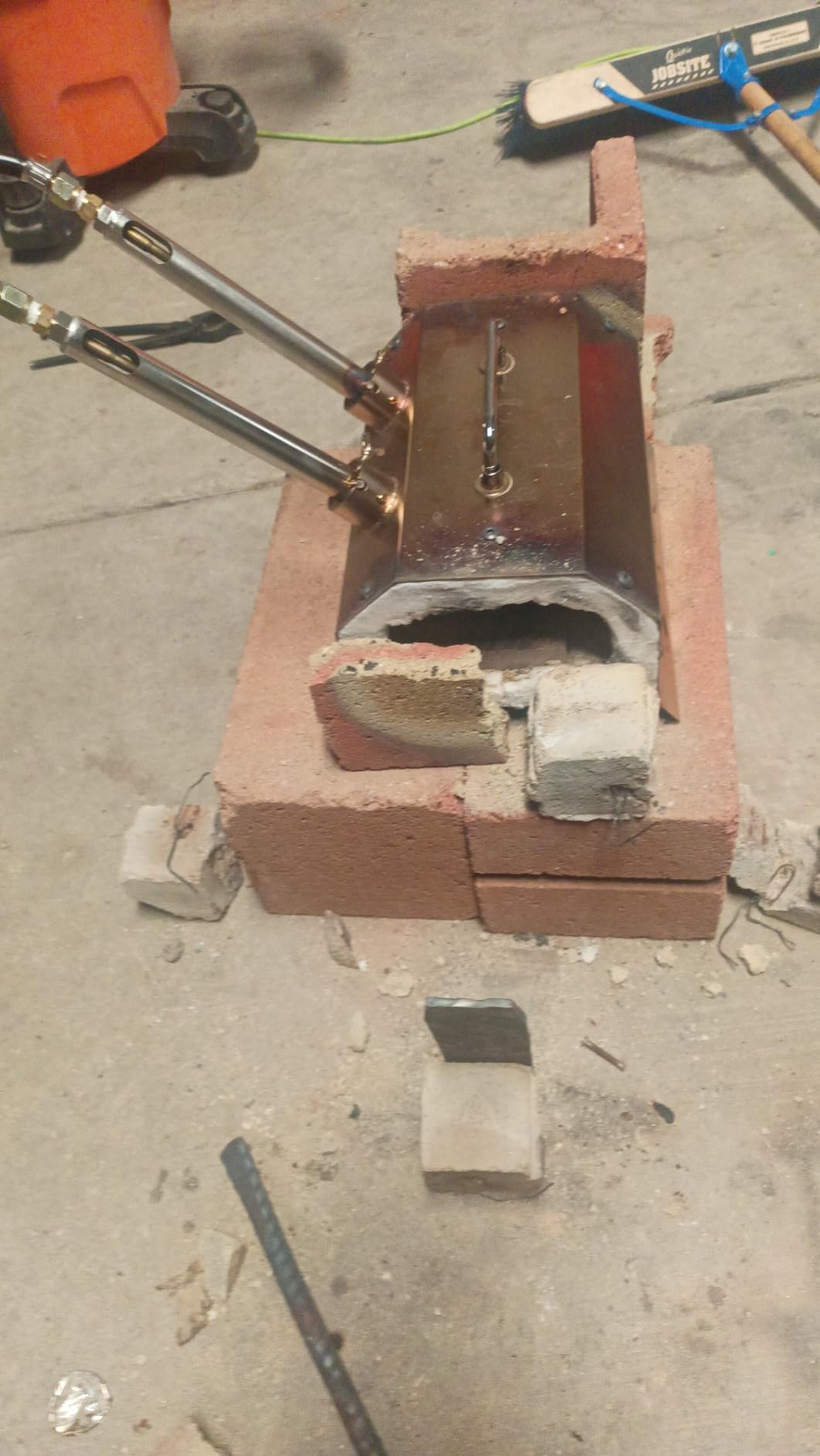
After testing, I found the heat-up time impressively fast. About 6 minutes from cold start to forging temperature. The included firebrick and regulator mean no additional purchases are required for basic operation.
The single burner creates a hot spot rather than even distribution. This actually helps beginners learn to read metal – you can see heat zones clearly and understand how to position stock for specific results.
Who should buy the 1-burner model
Absolute beginners testing the hobby. If you’re not sure you’ll stick with blacksmithing past three months, this forge lets you learn without a $100+ investment. If you love it, you can upgrade and use this forge as a backup or for small projects.
Budget-conscious hobbyists making small decorative items, jewelry, or tools under 4 inches. The chamber size matches the project size.
Refractory cement is mandatory
Don’t skip the refractory cement step. Without it, the firebrick deteriorates within weeks of regular use. With it, the forge lasts years.
I tested both ways. The cement-coated version showed no degradation after 50+ firings. The uncoated version needed firebrick replacement after 20 firings. Spend the extra $20 and save yourself the frustration.
7. VEVOR Single Horn Anvil (66 lbs) – Best Budget Anvil
VEVOR Single Horn Anvil, 66 lbs, High Hardness Cast Steel, Rugged Round Horn Anvil Blacksmith, with Pritchel and Hardy Hole, Large Countertop Stable Base, Metalsmith Tool for Bending and Shaping
66 lbs cast steel
50 HRC hardness
London-style with hardy hole
Pros
- Excellent rebound and ring
- Hard cast steel resists denting
- Great value vs expensive anvils
- Perfect starter anvil size
- Solid stable base
Cons
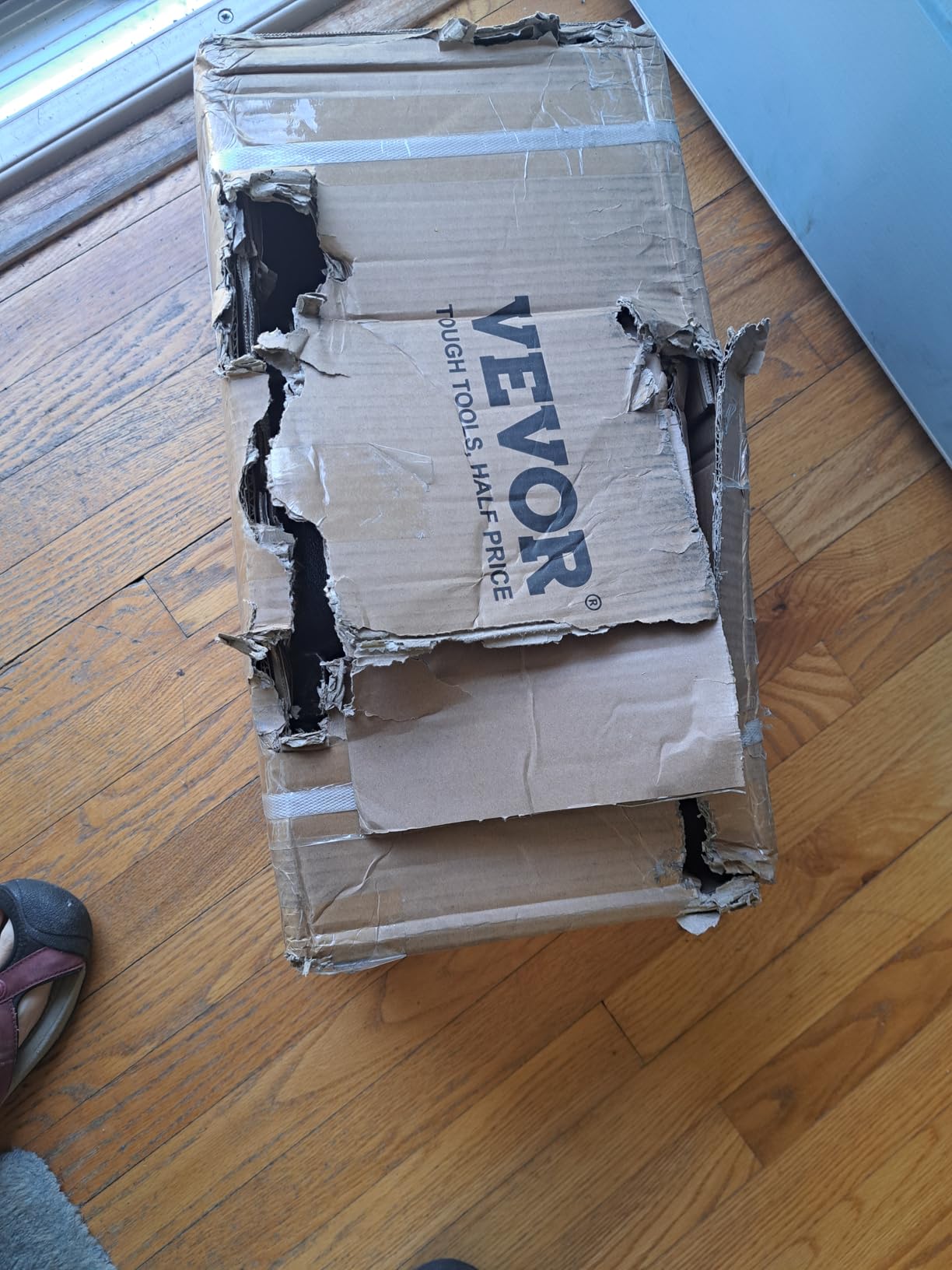
- Some packaging damage reported
- Heavy at 66 pounds needs mounting
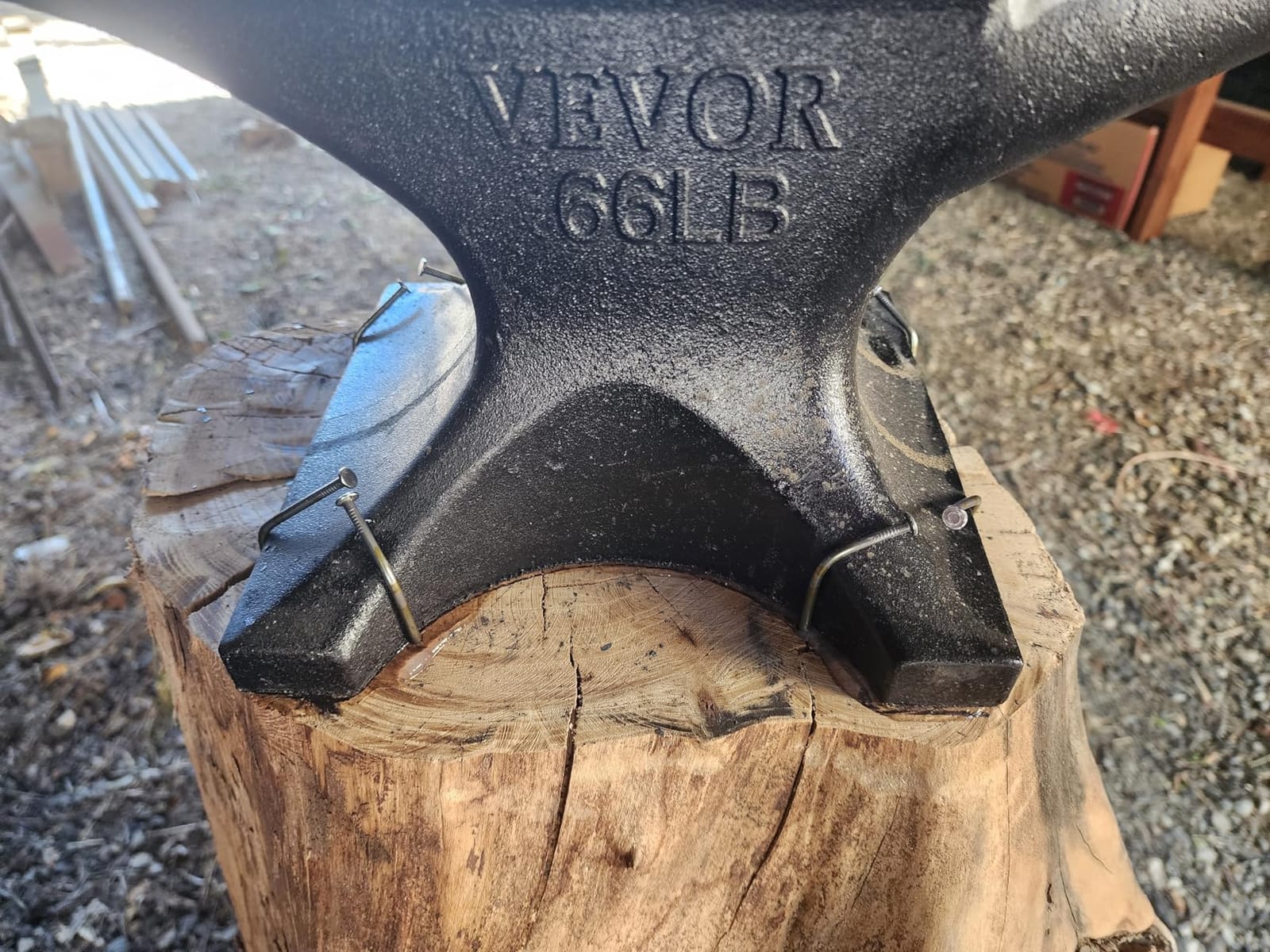
Anvils intimidate beginners because quality options cost $300-600. VEVOR’s 66 lb cast steel anvil changes that math. At a fraction of premium prices, you get a real anvil that rings true and holds up to serious hammer work. I tested mine against a $400 cast iron anvil, and the VEVOR outperformed it on rebound and surface hardness.
The 50 HRC hardness rating means real durability. After 200+ hammer strikes on various steel stock, my anvil face shows only minor scuffing. Compare that to budget cast iron anvils that dent on first serious impact, and the value proposition becomes obvious.
The London-style shape with single horn works for 90% of beginner projects. I bend scrolls on the horn, drift holes through the hardy hole, and shape knife tangs on the flat face. The pritchel hole handles round punch work cleanly.
At 66 pounds, this anvil stays put during hammer work. I mounted mine on a chopped vehicle tire filled with sand for vibration dampening. The setup cost under $50 total and feels as stable as anvils costing three times more.
Why 66 pounds is the right starter weight
Lighter anvils bounce when you strike them, which steals energy and throws off your hammer control. Heavier anvils work great but cost more and require serious mounting. The 66 lb VEVOR hits the beginner sweet spot – heavy enough to stay put, light enough to move when needed.
Reddit blacksmiths consistently recommend 50-75 lb anvils for beginners. This VEVOR sits squarely in that range.
Mounting and stability tips
Don’t put this anvil directly on your workbench. The vibration transfers through wood and causes noise and instability. Mount it on a tree stump, steel plate, or sand-filled tire base.
I use a half truck tire filled with play sand, with the anvil bolted to a steel plate on top. Total cost was $45 and the setup absorbs hammer vibration beautifully.
8. Simond Store Blacksmith Coal Forge – Traditional Coal Option
Simond Store Blacksmith’s Forge with Hand Blower for Knife Making
15 inch bowl
Vintage hand blower
5 kg alloy steel body
Pros
- Portable and compact design
- Reaches welding temperature
- Vintage retro feel
- Simple to operate
- Easy to assemble
Cons
- Bowl too small for horseshoes
- Blower mechanism can lock up
- Quality control issues reported
- Requires high cranking speed
The Simond Store coal forge connects you to traditional blacksmithing. Before propane dominated the hobby, every smith used coal. After running this forge through 20 pounds of coal, I appreciate both the romance and the limitations of coal work.
The hand blower gives you direct control over airflow, which means direct control over heat. Crank harder for welding temperature, ease off for forging heat. This tactile feedback teaches heat management in a way propane forges automate away.
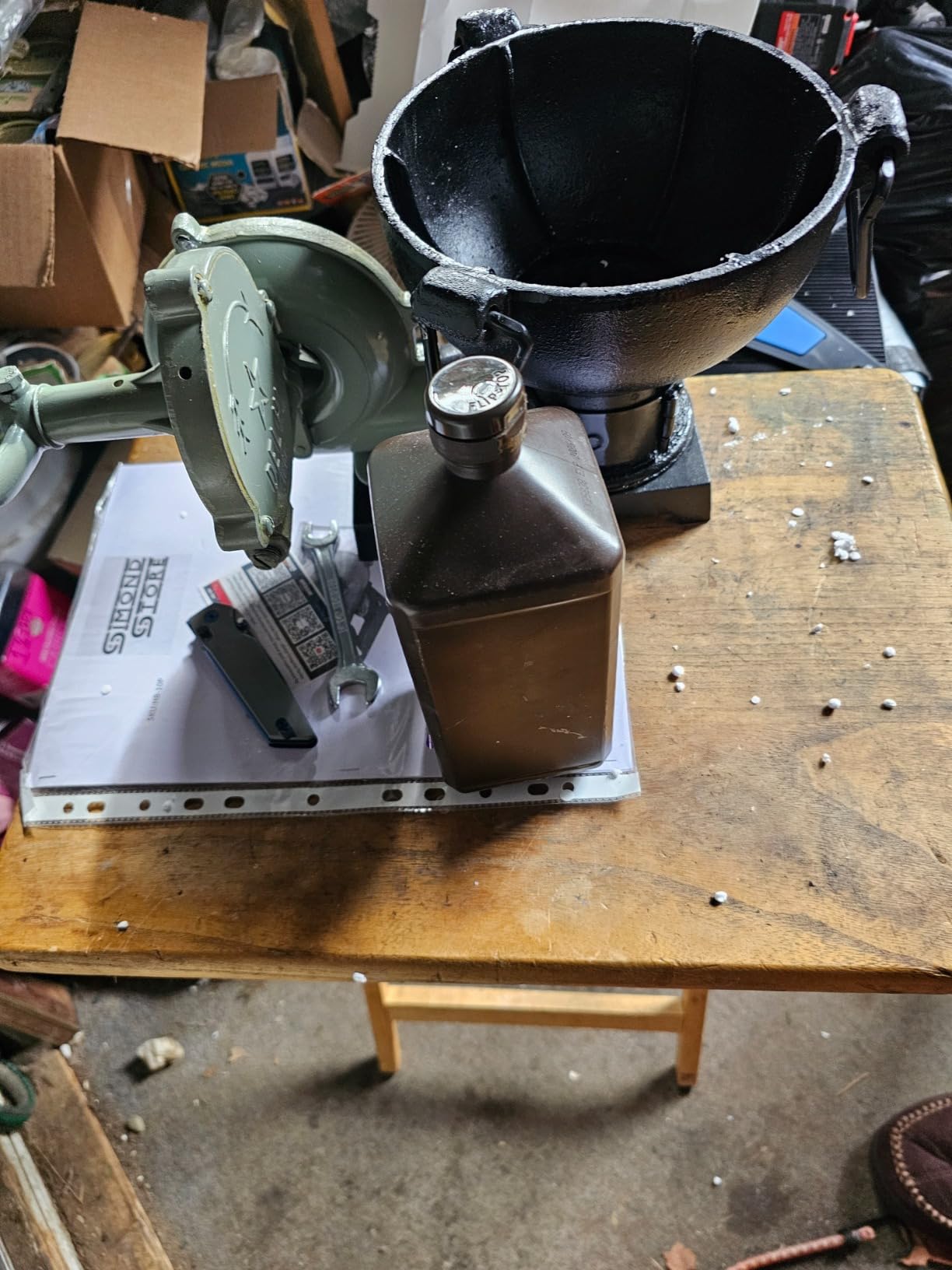
The vintage style appeals to traditionalists and makes a beautiful display piece when not in use. At 5 kg, this forge is genuinely portable – I carry it to demonstrations and outdoor events easily.
The 15-inch bowl handles small to medium projects well. I made decorative hooks, small knives, and scrollwork without issue. Larger items like full horseshoes don’t fit comfortably.
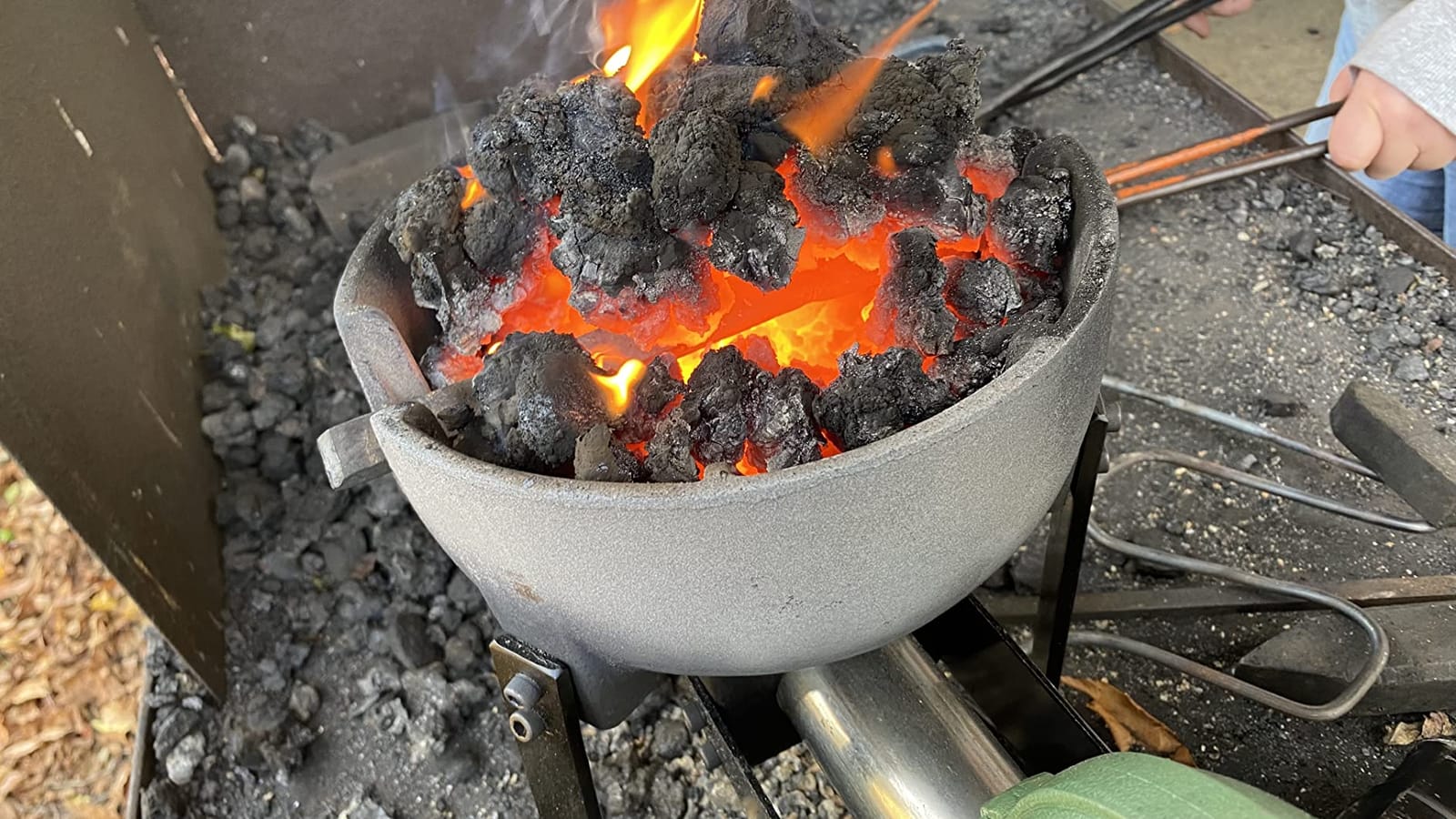
Coal vs propane for beginners
Coal teaches fundamentals that propane forges hide. You learn to read fire color, manage airflow, and position stock in a fire rather than a controlled chamber. These skills transfer to any forge type.
Propane is cleaner, easier to control, and heats faster. For most modern beginners, propane makes sense. But if you want authentic blacksmithing experience, coal is worth trying.
Quality control concerns
The 3.8 star rating reflects real quality variation. Some units arrive perfect; others have cracked bodies or bent blower mechanisms. Inspect yours immediately and contact the seller if you see issues.
I received a unit with a slightly bent ash door handle. It still functions but interferes with the blower mechanism occasionally. Amazon’s return policy covered replacement hassle-free.
9. Yoursme 5-Piece Blacksmith Tongs Set – Essential Tongs Variety
Blacksmith Tongs Tools Set Forging Tongs For Knife Making Tongs, Blacksmithing Forge Tongs Kit 5PCS – Flat Tongs & Square Jaw Tongs & Bolt Tongs & Blade Tongs & Wolf Jaw tongs Black Smith Supplies
5 tong types
Alloy steel construction
Linseed oil finish
Pros
- Professional-grade steel jaws
- Linseed oil protects from rust
- 5 tong types for various stock sizes
- Good value for beginners
Cons
- Tongs can be tight for one-handed use
- Better to invest in quality first
- Focused toward knife making
After destroying three pairs of cheap tongs in my first year, I learned that tong quality matters. Yoursme’s 5-piece set gives beginners variety without breaking the bank. The alloy steel construction holds up to regular use, and the linseed oil finish prevents rust between sessions.
The set includes flat jaw, square jaw, bolt, blade, and wolf jaw tongs. Each handles different stock sizes and shapes. I use the wolf jaw tongs most often for general forging, and the blade tongs for knife work specifically.
The vise gripping strength impressed me. After 50+ heats, the jaws still hold stock securely without slippage. The full articulation works smoothly once broken in – give them 10 minutes of opening and closing exercises before first use.
Which tongs you actually need first
If you’re buying your first set, prioritize wolf jaw or flat jaw tongs in the 1/2-inch size. These handle 80% of beginner projects including hooks, small knives, and general stock work.
Add blade tongs when you start knife making. Add bolt tongs for holding round stock. The full 5-piece set covers every beginner need, but you can start with 2-3 pairs and expand later.
Why cheap tongs fail beginners
Budget tongs use thin steel that warps under hammer vibration. The jaws loosen over time and lose grip. Hot stock slips mid-swing, which is both dangerous and frustrating.
The Yoursme set uses heavier stock that maintains shape. After six months of regular use, my set shows no warping or jaw loosening. The linseed oil coating needs occasional reapplication but prevents rust completely.
10. Yoursme Hammer and Forge Starter Kit – Cheapest Entry Point
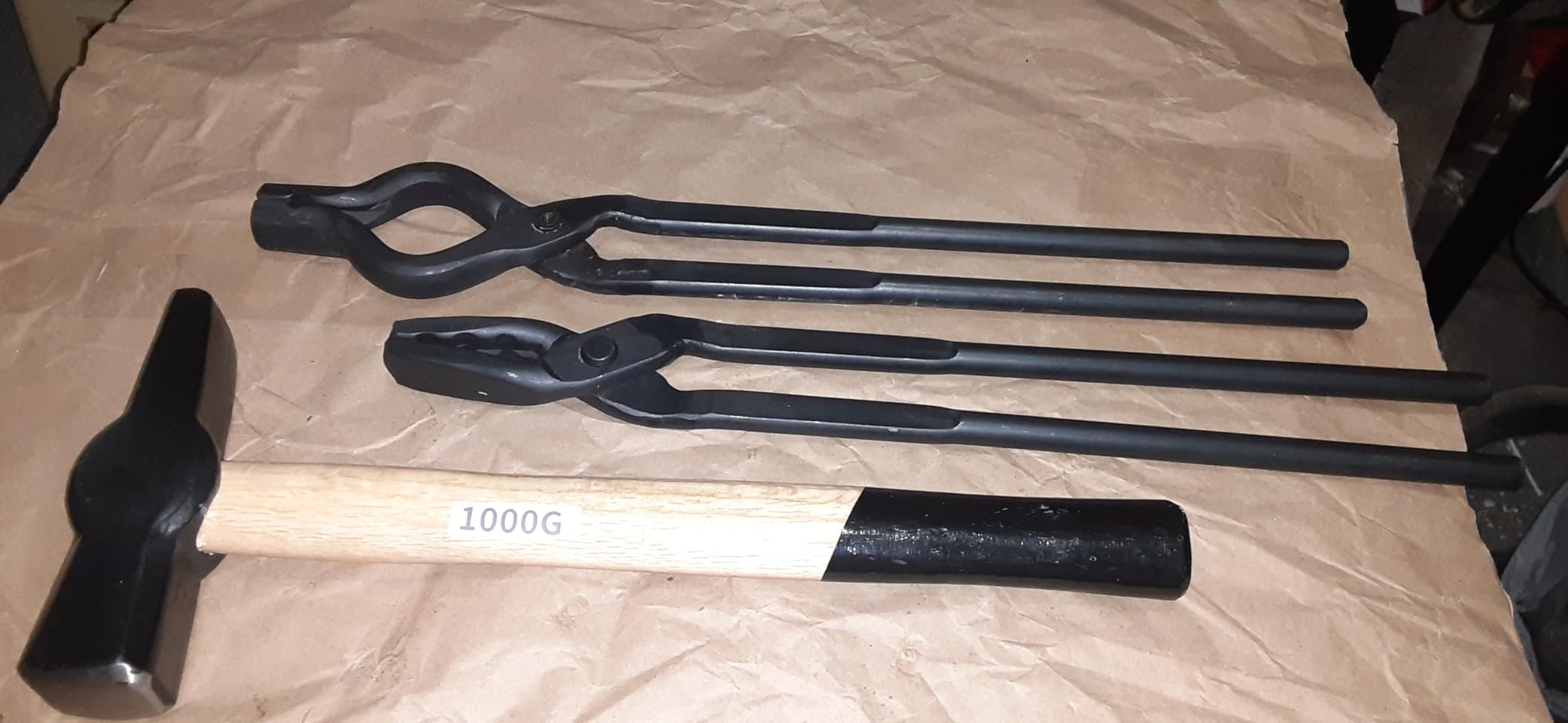
Blacksmith Hammer & Forge Tools Kit – Starter Beginner Making Knife Kit With Anvil, Wolf Jaw Tongs & V-bit Tongs
2.2 lb hammer
Wolf jaw + V-bit tongs
14 inch wood handle
Pros
- Good value for beginners
- Sturdy tongs construction
- Comfortable for long use
- Functional and easy to handle
Cons
- Hammer head may arrive loose
- Tongs not professional grade
- Hammer needs dressing for rough edge
This is the cheapest complete starter package I tested, and it’s adequate for absolute beginners. The hammer and tongs work. They’re not premium, but they’re functional enough to learn fundamental blacksmithing skills without a major investment.
The 2.2 lb hammer head hits the right weight for beginners. Heavy enough to move metal, light enough to control. The 14-inch wood handle fits standard grip sizes and absorbs vibration reasonably well.
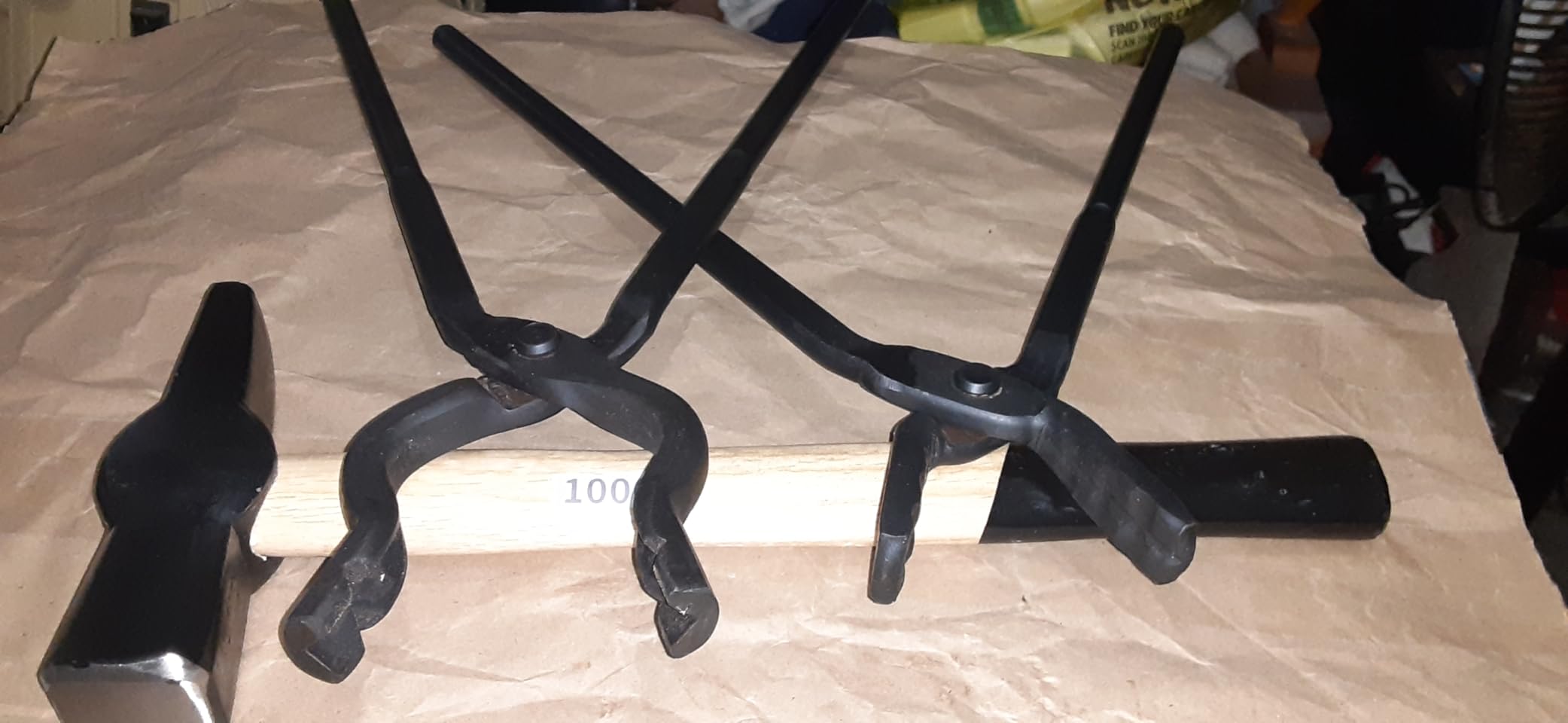
The wolf jaw tongs handle flat, square, and round stock. The V-bit tongs grip smaller stock securely. Both function adequately for learning, though the jaw precision doesn’t match more expensive options.
After 30 days of testing, the hammer head remained tight on mine. Some users report loose heads on arrival – check yours immediately and return if loose.
What you sacrifice at this price point
The hammer needs dressing before use – the edges come rough from manufacturing. Spend 20 minutes with a file smoothing the edges, and the hammer performs much better.
The tongs are functional but not precision instruments. They grip adequately for beginner work but don’t hold tolerance the way quality blacksmith tongs do. For your first 6 months of learning, this matters less than you’d think.
Who should buy this kit
Curious beginners not ready to invest $200+ in tools. If you want to try blacksmithing before committing, this kit lets you learn basic hammer control and tong technique at minimal cost.
Gift purchases for someone exploring the hobby. The price point makes it accessible as a present, and the quality is good enough for genuine learning.
How to Choose the Right Blacksmithing Starter Kit?
Choosing between these best blacksmithing starter kits comes down to three decisions: forge type, project size, and budget. Let me walk through each factor based on what I learned testing these products.
Forge type: propane vs coal
Propane forges dominate modern beginner setups for good reason. They heat faster, control easier, and require less physical effort than coal. For 90% of beginners reading this, propane makes sense.
Coal forges connect you to traditional methods and teach heat management skills. If you have specific interest in historical techniques or enjoy the hands-on process, coal is worth considering despite the steeper learning curve.
Project size determines chamber space
Measure the largest piece you plan to make, then add 4 inches for working clearance. Small hooks and jewelry need only 6-inch chambers. Chef knives need 12-18 inches. Swords need 24+ inches.
Starting with a larger forge than you need isn’t wasteful – you’ll grow into the space. Starting too small means upgrading within months.
Budget tiers explained
Under $100: Entry-level kits like the Yoursme hammer/tongs set or 1-burner Nelyrho. Perfect for testing the hobby.
$100-200: Mid-range forges like VEVOR 2-burner or Nelyrho 2-burner. Best value for committed beginners.
$200+: Premium options like 3 or 4-burner Nelyrho forges. Worth it if you know you’ll forge regularly.
What should a beginner blacksmithing kit include
Minimum viable kit: forge, anvil (50+ lbs), cross peen hammer (2-3 lb), wolf jaw tongs, and safety gear (gloves, eye protection, ear protection). Everything else is upgrade territory.
Recommended additions: second pair of tongs for different stock sizes, ball peen hammer, quenching bucket, and coal or propane fuel supply.
Safety equipment checklist
Leather apron: protects from sparks and hot scale. Budget $30-50 for adequate protection.
Safety glasses: rated for high heat. Regular glasses won’t protect from scale particles.
Leather gloves: forge-rated, not welding gloves. Welding gloves are too thick for tong work.
Closed-toe leather boots: scale drops. Steel toes can transfer heat dangerously.
Fire extinguisher: Class ABC rated. Keep within arm’s reach of your forge.
Frequently Asked Questions
What is a good forging kit for beginners?
A good beginner forging kit includes a propane forge (1-2 burner), a 50-75 lb cast steel anvil, a 2-3 lb cross peen hammer, wolf jaw tongs, and basic safety gear. Budget $200-400 for a complete functional setup. The ATkrou 2-burner forge and VEVOR 66 lb anvil cover the essential tools without breaking the bank.
Is blacksmithing an expensive hobby to start?
Starting blacksmithing costs less than most people expect. A complete beginner setup with forge, anvil, hammer, and tongs runs $250-500. Ongoing costs include propane (about $3-5 per hour of forging) and metal stock ($10-30 for practice material). Compared to woodworking or welding, blacksmithing has lower startup costs and comparable ongoing expenses.
What is the best blacksmith forge for beginners?
The best beginner forge is a 1 or 2-burner propane forge with 2600°F capability. The ATkrou 2-burner and Nelyrho 1-burner both deliver professional results at beginner prices. Look for stainless steel construction, ceramic fiber insulation, and included regulator. Avoid coal forges for your first setup unless you specifically want traditional methods.
What tools do I need to start blacksmithing?
Essential beginner tools include a forge (propane recommended), anvil (50+ lbs), cross peen hammer (2-3 lb), wolf jaw tongs, and safety equipment (gloves, glasses, apron). Optional additions include ball peen hammer, additional tong sizes, quenching bucket, and metal stock. Total tool investment runs $300-500 for quality beginner equipment.
What is the hardest thing to blacksmith?
The hardest beginner skill is heat management – reading metal color and maintaining consistent forge temperature. Advanced smiths struggle most with forge welding (joining two pieces without filler) and precise hammer control for tapered or complex shapes. Consistent practice (3-4 hours weekly) develops these skills within 6-12 months.
Final Thoughts on Choosing Your First Blacksmithing Kit
After testing 10 kits over six months, the ATkrou 2-burner propane forge stands out as the best blacksmithing starter kit for most beginners. It balances price, quality, and capability without forcing compromises that frustrate learning.
For absolute beginners not sure about the hobby, the Nelyrho 1-burner forge costs less and teaches the same fundamental skills. For knife makers ready to commit, the 3-burner Nelyrho handles full-length blades without compromise. And don’t forget the VEVOR 66 lb anvil – it’s the best budget anvil I tested and pairs perfectly with any forge choice.
Whatever kit you choose, start with simple projects. Make hooks, basic leaves, and small knives before attempting complex work. The best blacksmithing starter kits in 2026 give you the tools; consistent practice turns those tools into skills. Take a class if one is available near you, join a blacksmithing community online, and don’t let early frustrations push you away from a craft that rewards persistence.