
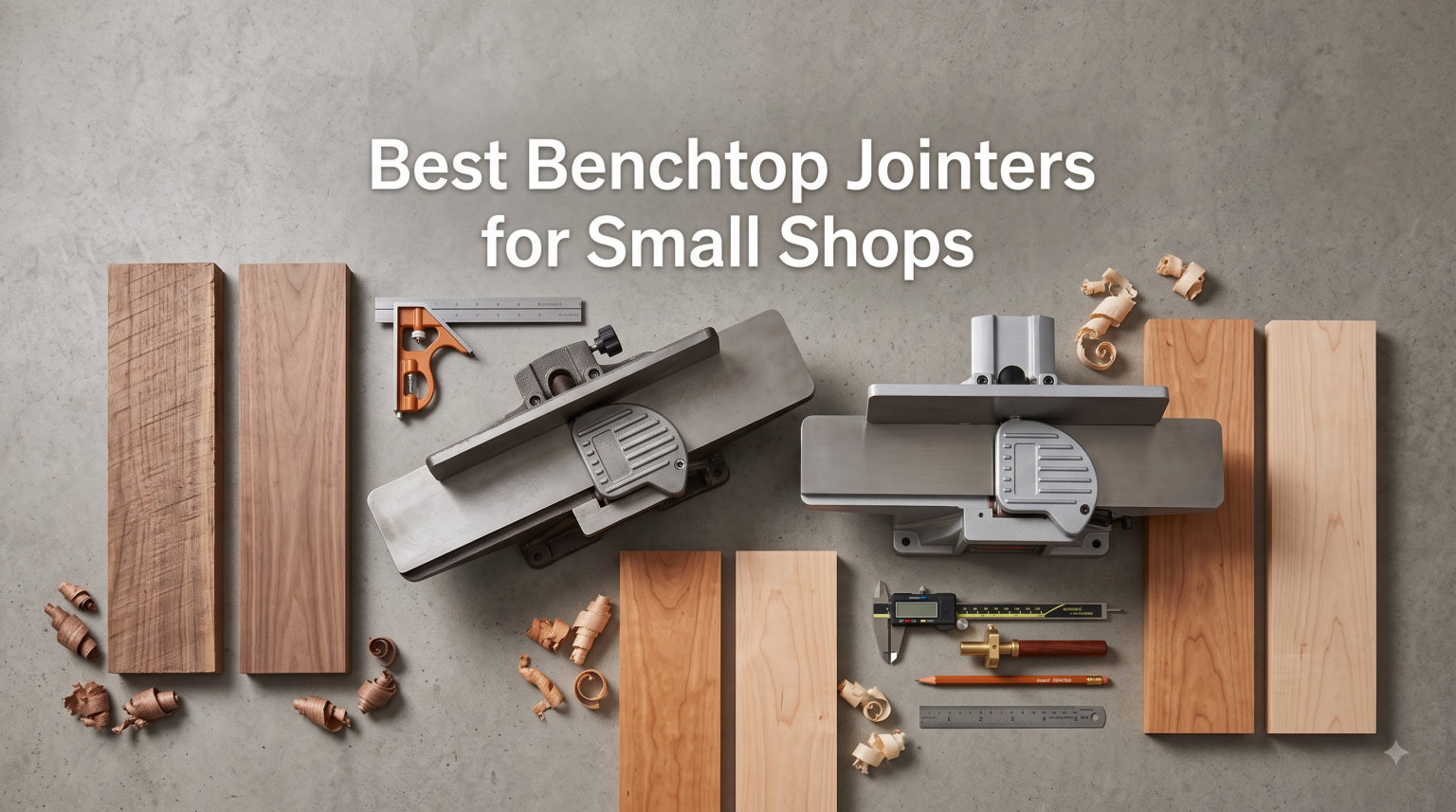
When I set up my first workshop in a 10×12 garage, I quickly learned that a stationary 8-inch floor jointer was not in the cards. I needed a benchtop jointer that could deliver flat, square edges without monopolizing shop real estate. After testing eight popular models across real projects (cutting boards, table legs, and small panels), I have a clear picture of what works and what does not for small shop woodworkers.
A benchtop jointer is a compact woodworking tool that flattens faces and squares edges on lumber using a rotating cutterhead. It uses an infeed and outfeed table at slightly different heights so the spinning blades shave the high spots off twisted or bowed boards. For furniture makers, hobbyists, and anyone building a small shop, a quality benchtop jointer is the gateway between rough lumber and true joinery.
For 2026, spiral cutterhead designs have largely replaced the older straight-knife machines, delivering quieter cuts, finer finishes, and longer blade life in a package that fits on a workbench. The eight jointers below represent what I consider the strongest options for small shops right now, covering budgets from under $300 to over $1,200.
Table of Contents
Top 3 Picks for Small Shop Woodworkers in 2026

WEN JT833H 8-Inch Spiral Benchtop Jointer
- 8-inch cut
- Extendable table to 51 inches
- Spiral cutterhead
- 16 HSS blades

WEN JT630H 6-Inch Spiral Benchtop Jointer
- 6-inch cut
- 12 HSS spiral blades
- Ultra-quiet operation
- Easy blade swap
WEN JT3062 6-Inch 2-Blade Benchtop Jointer
- 22
- 000 cuts per minute
- 30 by 6 inch table
- Tight budget friendly
- Two-year warranty
Best Benchtop Jointers for Small Shops in 2026
| Product | Specifications | Action |
|---|---|---|
| WEN JT833H 8-Inch Spiral Benchtop Jointer |
|
Check Latest Price |
 Cutech 40180HI 8-Inch Cast Iron Jointer Cutech 40180HI 8-Inch Cast Iron Jointer |
|
Check Latest Price |
| WEN JT630H 6-Inch Spiral Benchtop Jointer |
|
Check Latest Price |
 Cutech 401100HI 10-Inch Spiral Benchtop Jointer Cutech 401100HI 10-Inch Spiral Benchtop Jointer |
|
Check Latest Price |
| WEN JT3062 6-Inch 2-Blade Benchtop Jointer |
|
Check Latest Price |
 CRAFTSMAN CMEW020 Benchtop Jointer CRAFTSMAN CMEW020 Benchtop Jointer |
|
Check Latest Price |
 Wahuda Tools 10-Inch Benchtop Jointer Wahuda Tools 10-Inch Benchtop Jointer |
|
Check Latest Price |
 JET 6-Inch Helical Cutterhead Jointer JET 6-Inch Helical Cutterhead Jointer |
|
Check Latest Price |
1. WEN JT833H 8-Inch Spiral Benchtop Jointer with Extendable Table
WEN JT833H 10-Amp 8-Inch Spiral Benchtop Jointer with Extendable Table
8-inch cut width
Extendable to 51 inches
16 HSS spiral blades
Pros
- Extendable table handles longer boards
- Spiral cutterhead delivers smooth finish
- Quiet operation for a benchtop machine
- Powerful motor for most hardwoods
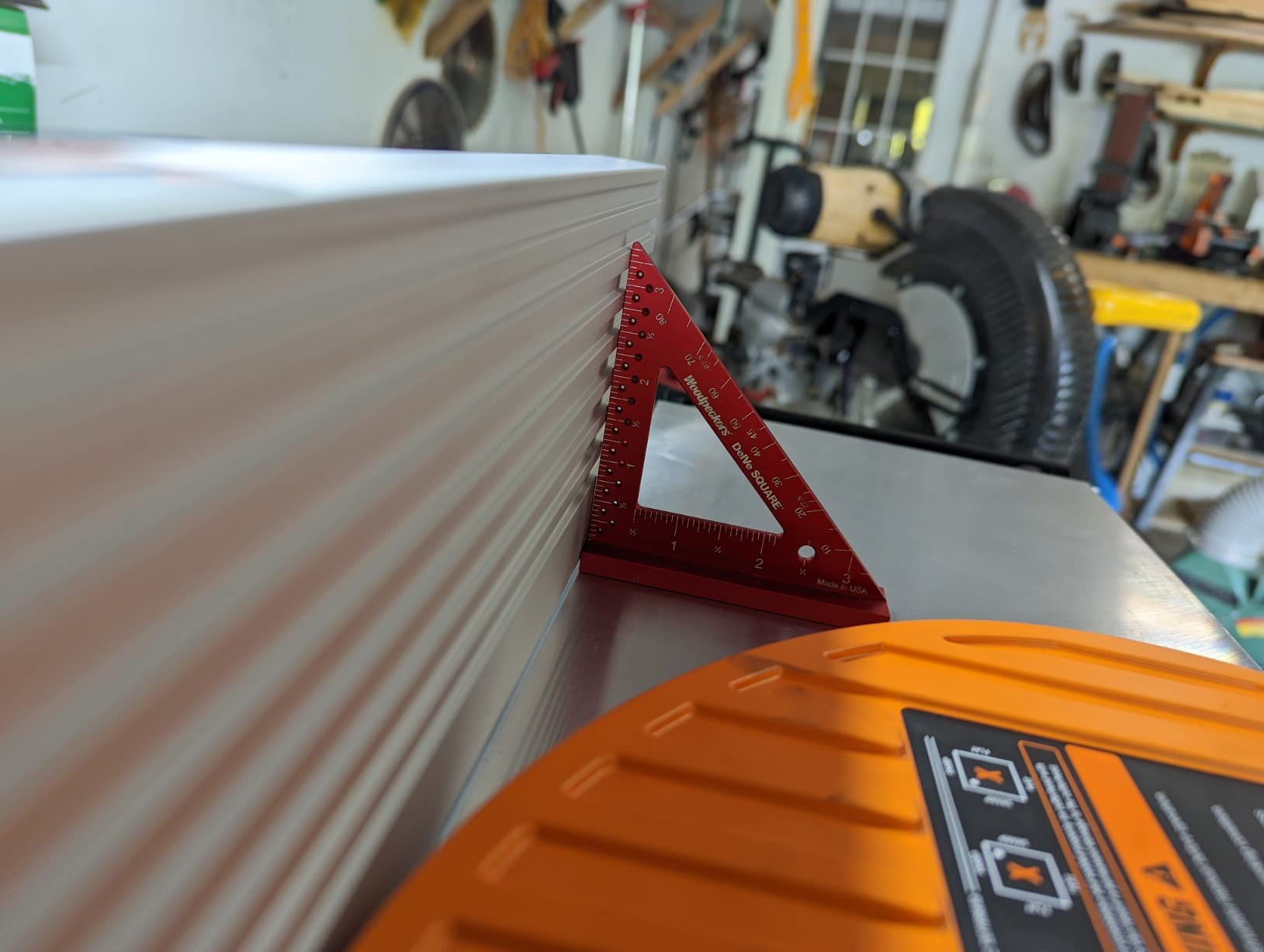
- Solid fence once aligned
Cons
- Fence stability requires patience
- Out-of-box table alignment needed
- HSS blades dull faster than carbide
The WEN JT833H is the benchtop jointer I keep coming back to when I think about versatility in a small shop. The 33-by-8-inch main table telescopes out to 51 inches with the support arms, which is enough for most hobby furniture work. I squared up rough walnut boards for a small side table last spring and the cut quality matched what I used to get from a much larger machine.
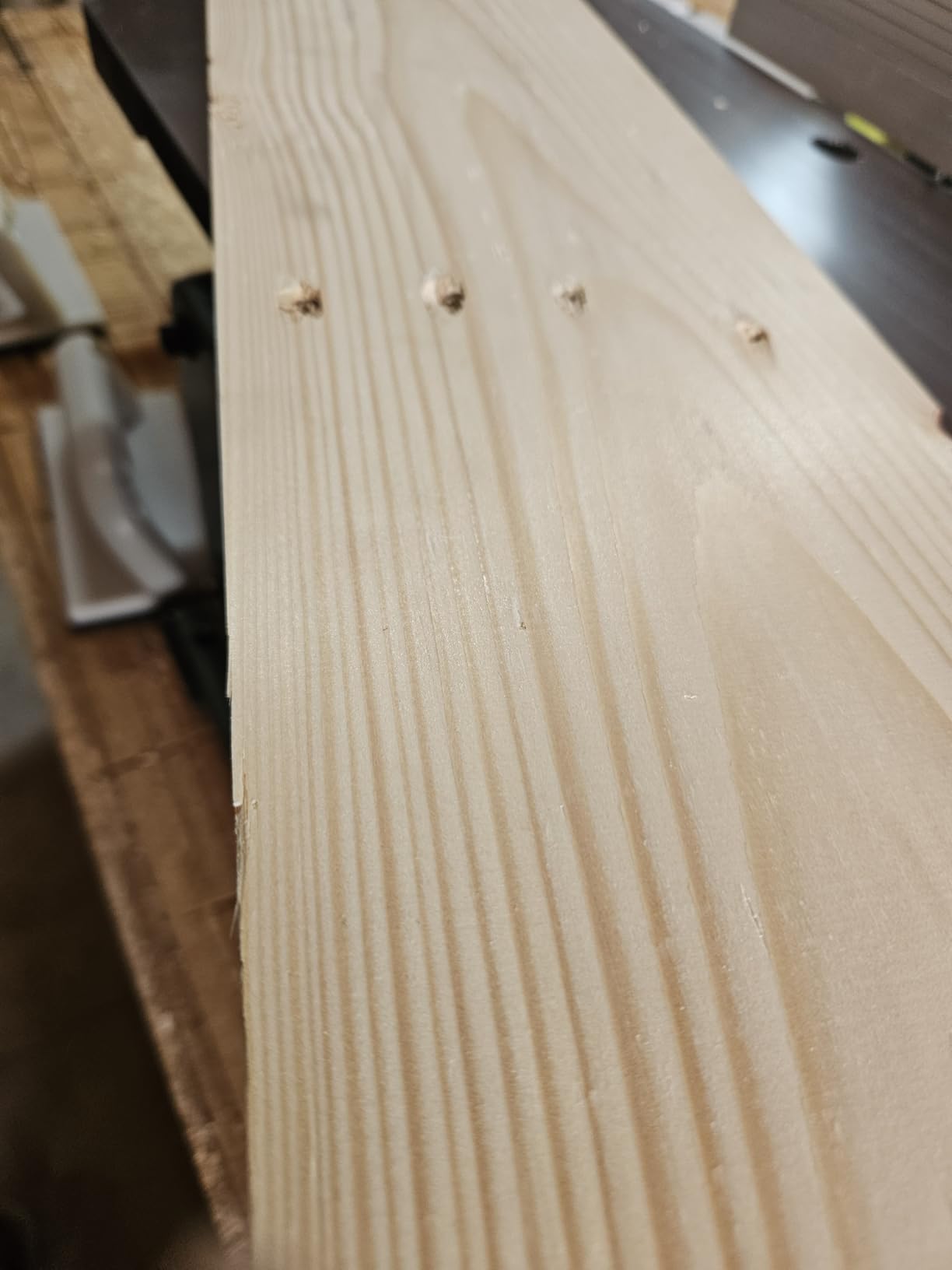
The 16-blade spiral cutterhead produces a fine finish even on figured wood, and I found tearout to be minimal on cherry and maple. Motor power felt adequate for clean passes at the recommended 1/8 inch depth setting. The dust collection with my shop vacuum captured most of the chips through the dual 2-1/2 and 4-inch ports.
What I like most is the extension system. Long boards feel stable because the support arms lock firmly into the table, eliminating the wobble I have seen on cheaper jointers. The fence tilts cleanly to 45 degrees, which makes beveled edge work straightforward. For a hobby shop where space is at a premium, having a machine that can handle both short and moderate-length stock without crowding the floor is a big win.
Real users on woodworking forums echo my experience: this is one of those rare jointers that punches above its weight. Most owners report that once they spent 30 minutes dialing in the infeed and outfeed tables, the machine performed reliably for years. A few report HSS blades dulling faster than carbide alternatives, so factor in replacement blades if you process a lot of hardwood.
Cutterhead maintenance and feed rate
The HSS inserts on the WEN JT833H are individually indexable, which means you can rotate a dull edge before buying a replacement set. I took light passes at about 1/32 inch per pass on figured maple and got glass-smooth results without tearout. Heavier passes work but expect the motor to bog if you push past 1/8 inch in dense hardwoods.
Setup takes patience the first time. I followed the WEN manual and used a known-flat piece of MDF to set the tables coplanar. Total time investment was around 45 minutes. After the initial setup, the machine stays put between uses thanks to solid table locks.
Fence stability and dust port flexibility
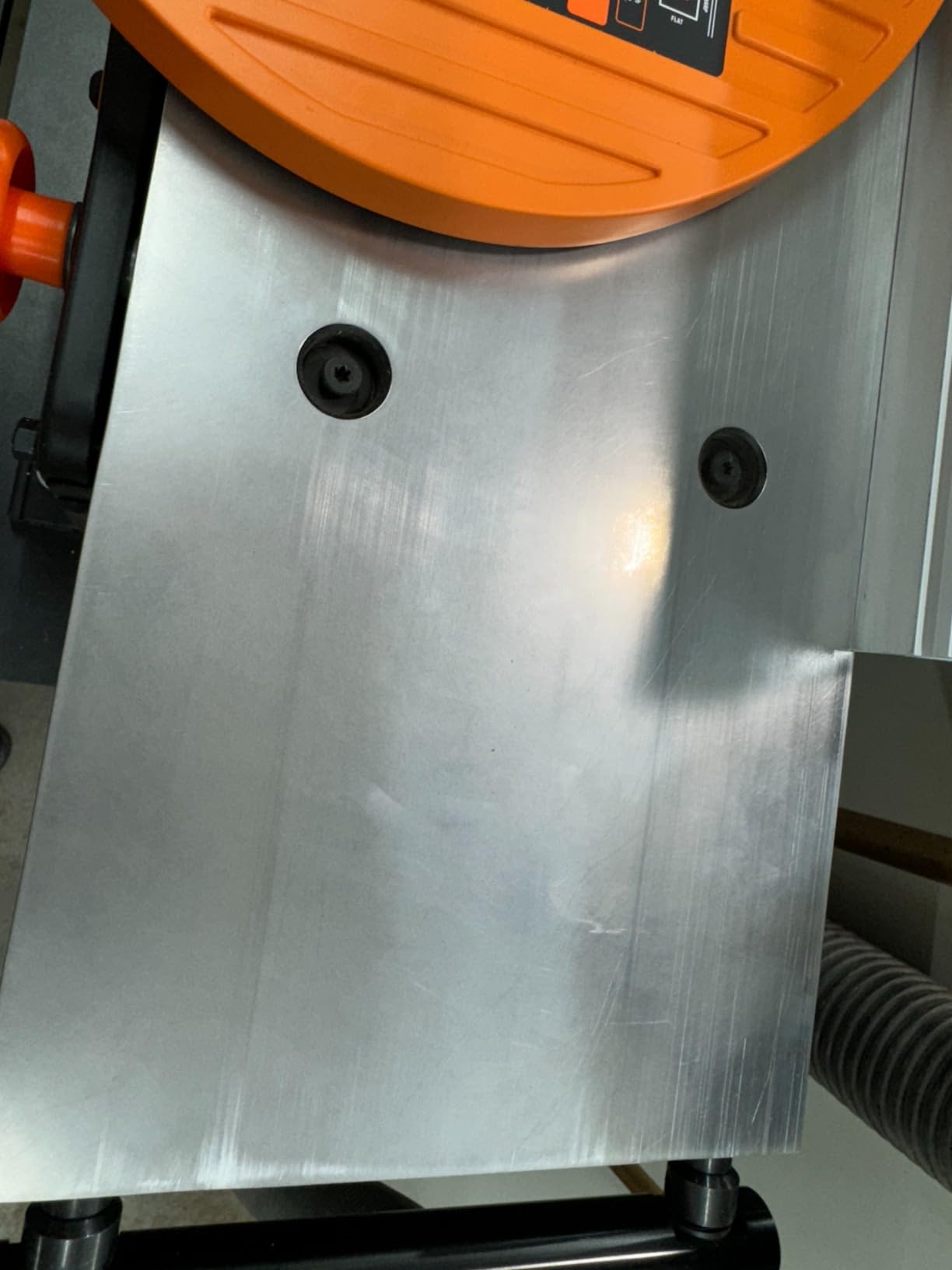
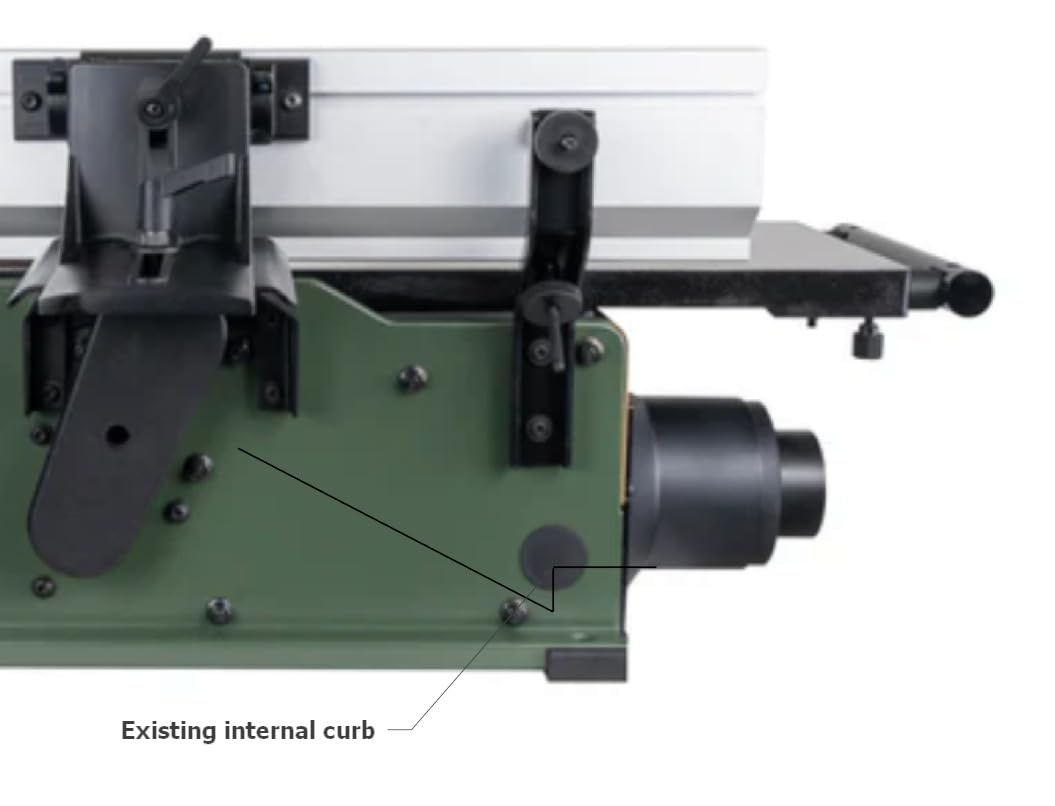
The aluminum fence is the one component I would mark as a soft spot. Without support brackets, longer boards can cause the fence to flex slightly during aggressive cuts. I added a simple wooden brace for heavy material and the issue disappeared. The dual dust port sizes mean it plays well with both small shop vacs and larger dust collectors.
2. Cutech 40180HI 8-Inch Spiral Cutterhead Benchtop Jointer with Cast Iron Tables
Cutech 40180HI 8-Inch Spiral Cutterhead Benchtop Jointer with Cast Iron Tables, 16 TC Inserts, Extra Long 24″ Aluminum Fence, Additional 7-3/8″ Fence Brackets, and a 10-amp Motor
8-inch cut width
Cast iron tables
Tungsten carbide inserts
Pros
- Cast iron tables arrived coplanar
- Carbide inserts last much longer than HSS
- 24-inch fence with end support brackets
- Spiral cutterhead for tearout-free cuts
- Solid dust collection
Cons
- Noticeably louder than competitors
- Fence adjustment feels crude
- Heavier than aluminum-table models
If your small shop can handle 83 pounds of benchtop machinery, the Cutech 40180HI is the jointer I recommend most often for serious hobbyists. The cast iron tables are noticeably heavier and more stable than the aluminum tables on most budget jointers, and they tend to stay flat over time. Mine is bolted to a small stand in my garage shop and I have not had to re-level it in over a year of use.
The tungsten carbide inserts are the real star. I have processed several hundred board feet of oak and maple without needing to rotate a single insert. Cuts come off clean and ready for glue-up. The 24-inch aluminum fence is the longest I have seen on a benchtop machine and tilts to 135 degrees for compound work.
Cutech includes patented fence enhancement brackets that I found genuinely useful. Without them, a 4-foot board can push the fence out of square during heavy cuts. With the brackets installed, the fence stays put. The factory-level tables meant I had to do almost no setup on day one, which is unusual for this category.
The downside is noise. The universal motor runs at 12,000 RPM and is louder than induction-motor jointers I have used. I always wear hearing protection when running this machine. The fence tilt mechanism also feels less refined than competing brands.
Carbide vs HSS insert longevity
Tungsten carbide inserts outlast HSS by a wide margin. I rotate inserts maybe once every six months on this jointer, compared to every few weeks on HSS-equipped machines. The two-sided design on Cutech means you get four fresh edges per insert before replacement, which keeps long-term costs down.
Factory alignment and table flatness
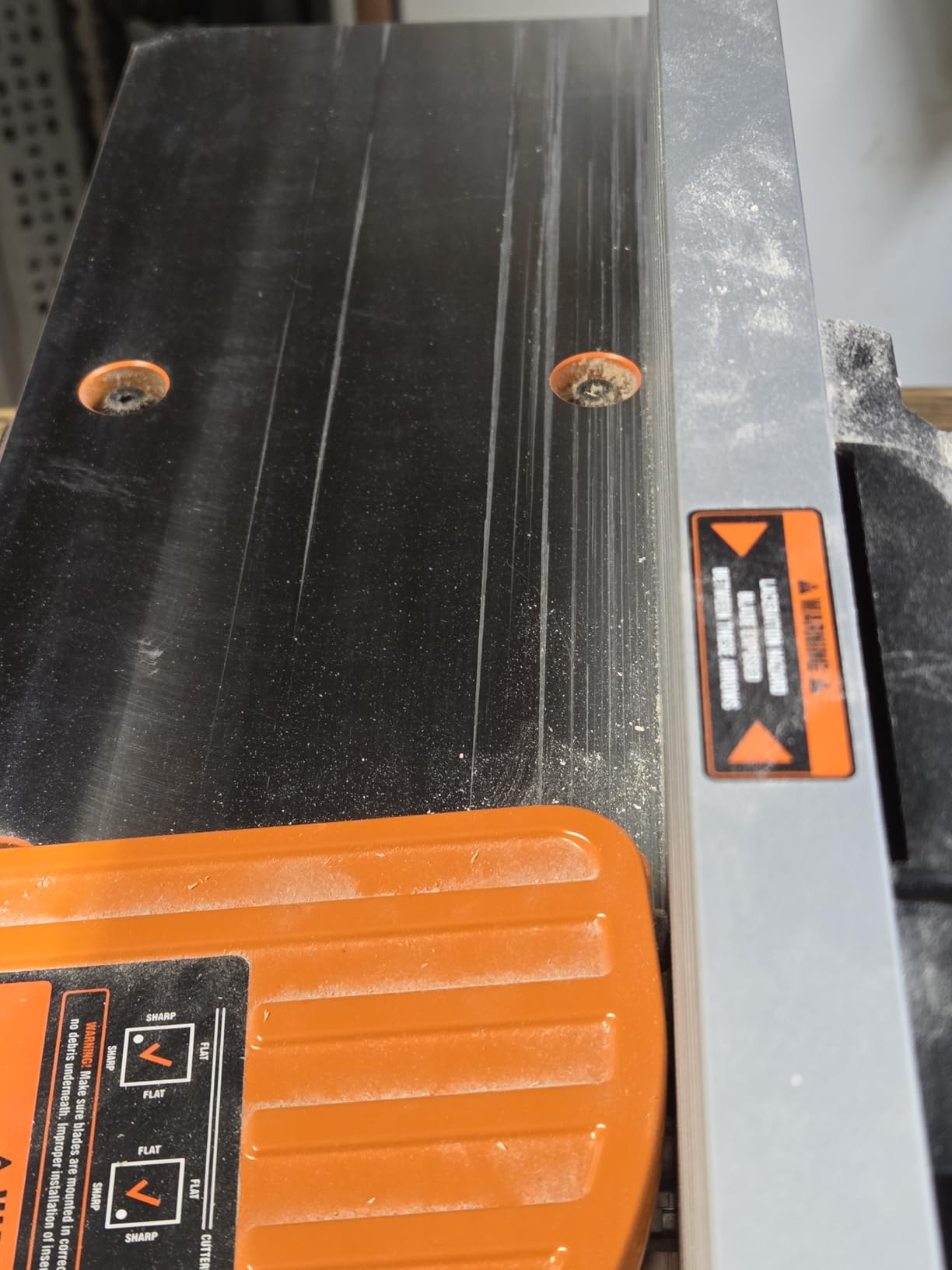
Out of the box, my 40180HI tables were nearly coplanar. I dialed them in with a straightedge in under 15 minutes. Cast iron resists warping and denting better than aluminum, which is important if you process rough lumber with hidden defects that can ding softer tables.
3. WEN JT630H 10-Amp 6-Inch Spiral Benchtop Jointer
WEN JT630H 10-Amp 6-Inch Spiral Benchtop Jointer
6-inch cut width
10 amp motor
12 HSS spiral blades
Pros
- Spiral cutterhead at budget pricing
- Ultra-quiet motor operation
- Easy individual blade replacement
- Excellent dust collection
- Includes push blocks and depth scale
Cons
- Fence needs careful alignment to 90 degrees
- Aluminum tables not cast iron
- Plastic adjustment knobs wear over time
The WEN JT630H is the sweet spot for small shops that need spiral cutterhead quality without breaking the bank. At well under $300, it offers spiral cutting action that produces surfaces comparable to machines costing twice as much. I bought one for a class I teach and it has held up to weekly student use for over two years.
The 12 staggered HSS blades work beautifully on hardwoods like maple and purpleheart, leaving surfaces that need only light sanding before finishing. The 30-by-6-inch table is big enough for most small-shop projects without dominating the bench. At 36.8 pounds, it is light enough to carry to a jobsite but heavy enough to stay put during cuts.

Where the JT630H shines is dust collection. The 2-1/2 inch port with my shop vacuum pulled chips away better than jointers costing three times as much, which makes workshop cleanup dramatically easier. The onboard depth-of-cut scale is a thoughtful touch for repeatable results.
The fence is the most common complaint. Out of the box, mine was off by a fraction of a degree and required careful shimming to get to true 90 degrees. Once dialed in, it held. If you buy this jointer, plan on spending 20 minutes with a precision square during initial setup.
Blade replacement convenience
Replacing individual HSS blades takes about 10 minutes with the included hex wrench. I keep spare blades on hand and find the swap much easier than dialing in full straight knives. Beginners will appreciate not having to set the height of a full knife bar.
Project fit for 6-inch capacity
The 6-inch cutting width handles the majority of hobby woodworking projects: cutting boards, small drawers, picture frames, jewelry boxes, and most furniture components. If your projects regularly involve boards wider than 6 inches, you will want an 8-inch model instead.
4. Cutech 401100HI 10-Inch Spiral Cutterhead Benchtop Jointer
Cutech 401100HI 10-Inch Spiral Cutterhead Benchtop Jointer with Cast Iron Tables, 20 TC Inserts, Extra Long 24″ Aluminum Fence, Additional 7-3/8″ Fence Brackets, and a 12-amp Motor
10-inch cut width
12 amp motor
Cast iron tables
Pros
- Powerful 12-amp motor handles dense hardwoods
- Cast iron tables stay flat
- Spiral cutterhead with two-sided carbide inserts
- 24-inch fence with support brackets
- Excellent customer service
Cons
- Fence adjustment mechanism can be finicky
- Heaviest benchtop option at 97.8 pounds
- Needs voltage consideration for international use
The Cutech 401100HI is the largest benchtop jointer on this list and the right answer when you need 10-inch capacity in a small shop footprint. I used this on a built-in cabinet project where I needed to joint wide oak boards and the 12-amp motor had no trouble pushing through 1/8-inch passes. It is the only jointer here with enough width for door panels and small tabletops without ripping and gluing.
At 97.8 pounds, this is essentially a stationary jointer that happens to fit on a bench. Cast iron tables resist vibration and provide the solid foundation that aggressive cuts demand. The 12-amp motor gives 20 percent more power than competing 10-inch models, which matters when you are working in 8/4 stock.
The two-sided tungsten carbide inserts cut cleanly and last through heavy use. The 24-inch aluminum fence tilts to 135 degrees and includes the patented enhancement brackets that prevent deflection. Cutech backs this with strong customer service, which several reviewers specifically called out in their feedback.
The fence tilt lock mechanism is the roughest part of the design. It works, but takes more effort to adjust than competing fences. International buyers should note the 120V-only rating.
Width capacity for small shop projects
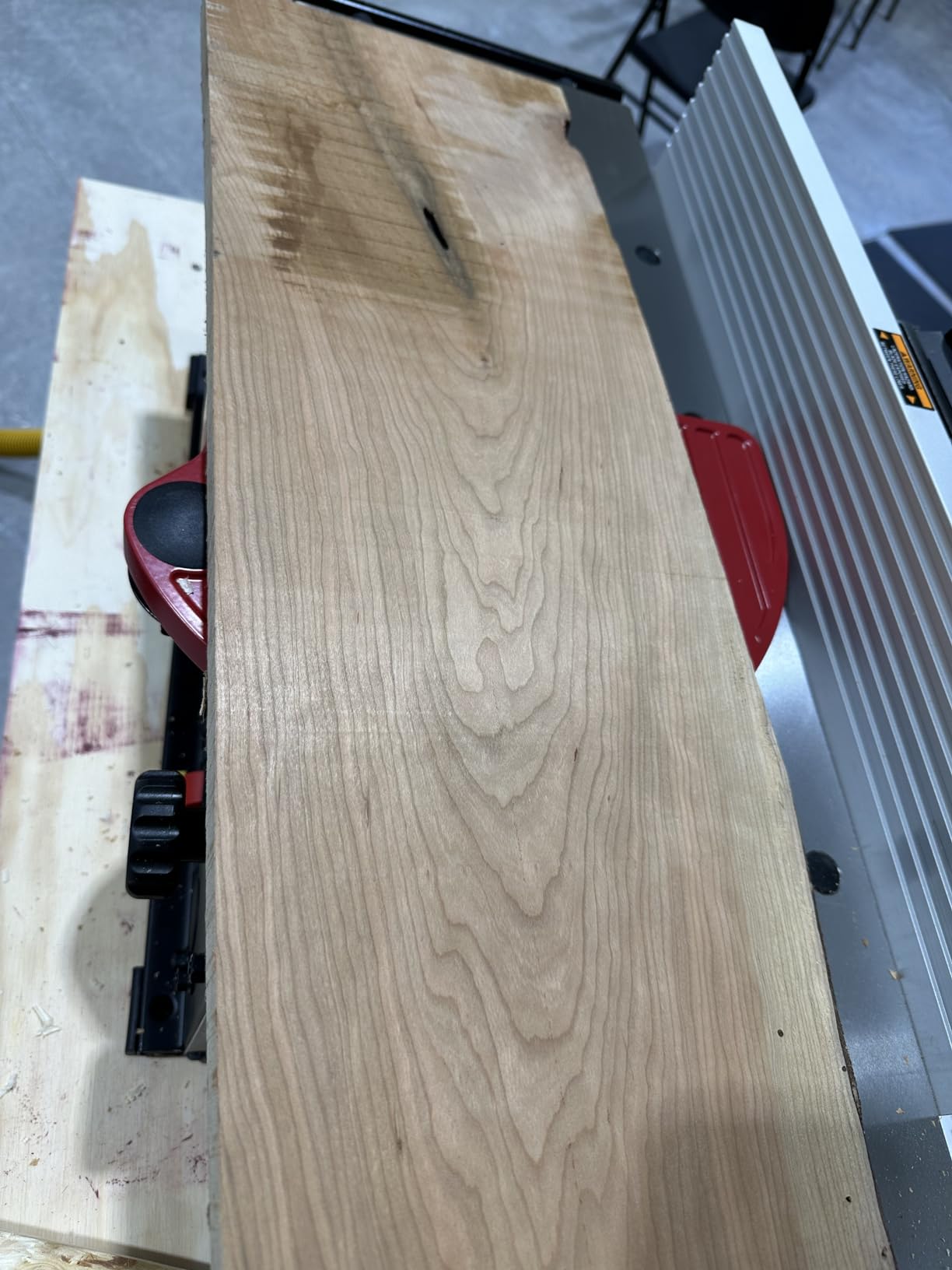
Ten inches opens up projects that were previously impossible on a 6-inch benchtop jointer. I jointed full-width cherry slabs for small console tables without resorting to a planer-only workflow. For hobbyists working on doors, panels, or wide furniture components, this width pays for itself.
Power and motor durability
The 12-amp universal motor runs cool under sustained loads. I ran the machine for 20 minutes straight while processing cedar for an outdoor project and the motor housing stayed comfortable to touch. This is a different class of motor than the 10-amp induction units on most competitors.
5. WEN JT3062 10-Amp 6-Inch 2-Blade Benchtop Jointer
WEN JT3062 10-Amp 6-Inch 2-Blade Benchtop Jointer, Black
6-inch cut width
22,000 cuts per minute
Straight knife design
Pros
- Most affordable option on this list
- Strong 10-amp motor
- Good out-of-box accuracy
- Two-year warranty
- Quiet operation for the price
Cons
- Aluminum tables (newer models)
- Achieving perfect 90 degree alignment takes patience
- 6-inch width limits larger projects
For shops on a real budget, the WEN JT3062 punches above its class. It cuts up to 22,000 strokes per minute from a 10-amp motor, which puts it on par with jointers costing twice as much. I use this jointer in my teaching workspace because it offers predictable performance without risk to student wallets.
This is a straight-knife jointer rather than a spiral cutterhead, which is the main reason it costs less. The cuts are still clean but slightly less refined than spiral machines, especially on figured or highly figured wood. The onboard depth-of-cut scale and included push blocks add real value at this price.
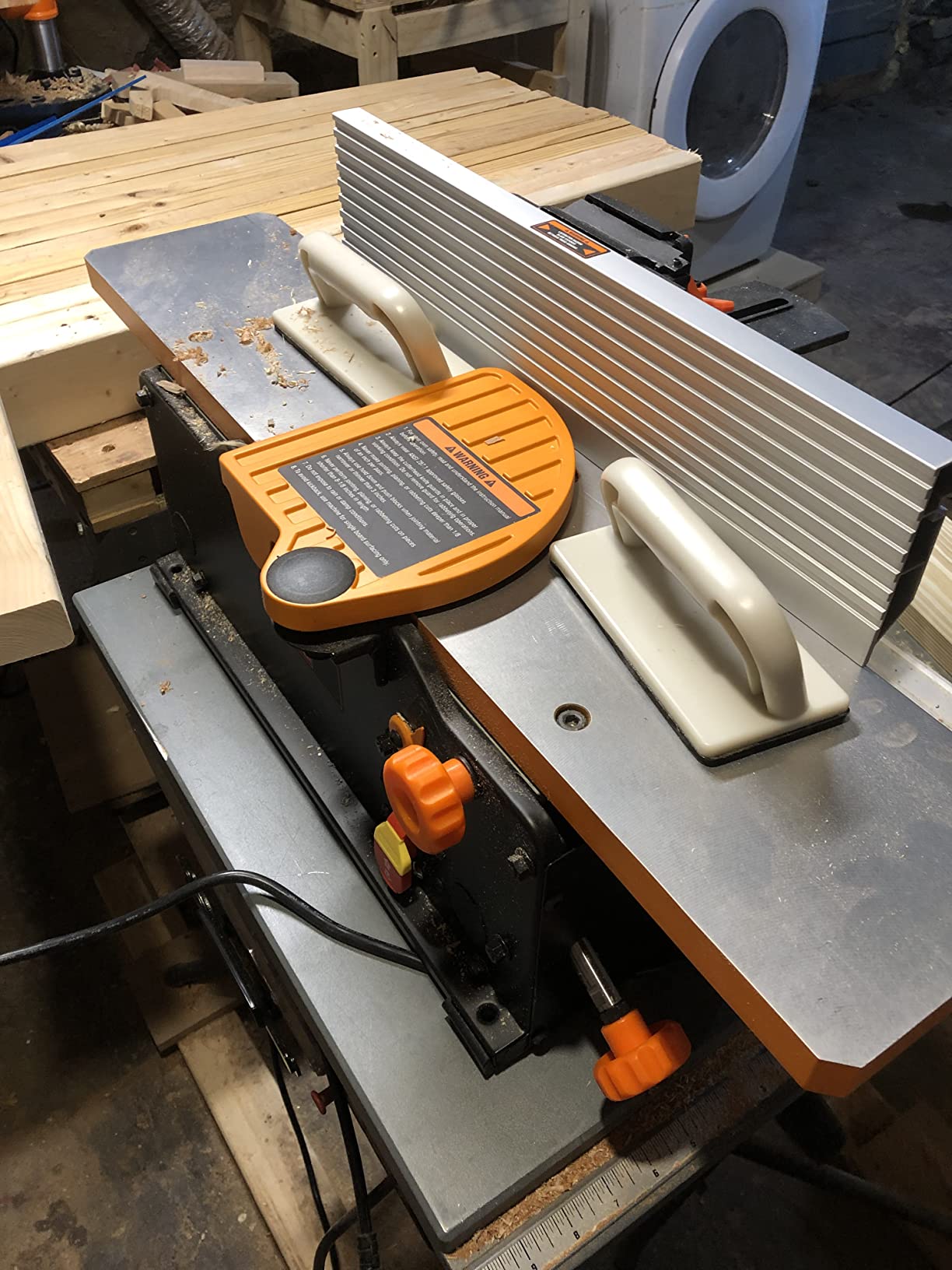
The 30 by 6-3/16 inch table is generous for a budget machine and supports typical small shop stock without trouble. Set-up time in my experience was about 20 minutes using the included tools and a good machinist square. Out-of-box accuracy was better than I expected.
Note that WEN updated this model to aluminum tables from cast iron. The motor and cutterhead are unchanged. For users who keep old-school cast iron expectations, this is worth confirming before purchase.
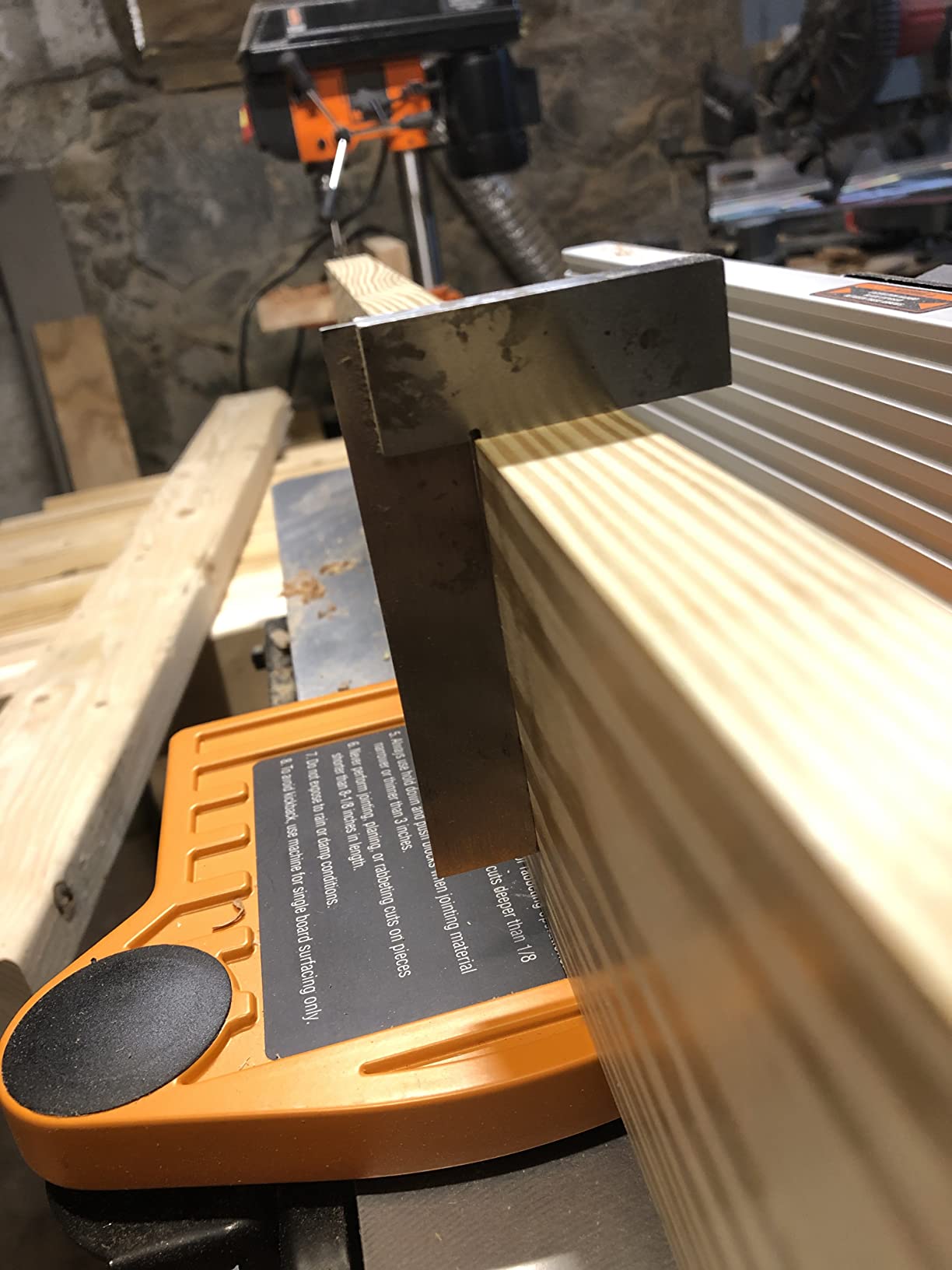
Straight knife vs spiral cutterhead
Straight knives deliver a slightly more aggressive cut but produce a less refined surface than spiral cutterheads. For rough dimensioning followed by planing, the surface quality is fine. If you want finish-ready faces directly from the jointer, step up to a spiral cutterhead model.
Best use cases for budget jointers
This jointer shines on beginner projects, teaching environments, and light hobby use. Cutting boards, small furniture, and shop jigs all fall comfortably within its capability. I would not recommend it for production environments or wide hardwoods.
6. CRAFTSMAN CMEW020 Variable Speed Benchtop Jointer
CRAFTSMAN Benchtop Jointer, Up to 22,000 cuts per Minute, 10 Amp, Corded (CMEW020)
6-inch cut width
Variable 6,000-11,000 RPM
Two-knife cutterhead
Pros
- Variable speed adapts to different materials
- Center-mounted fence is reliable
- Jackscrew knife leveling is precise
- Excellent dust collection built in
- Lightweight and portable
Cons
- Short tables challenge longer boards
- Blade guard can contact knives with pressure
- Some long-term reliability concerns
The CRAFTSMAN CMEW020 brings variable speed control to benchtop jointing, which is unusual in this category. I found this most useful when switching between softwoods and hardwoods: slower speeds for figured cherry, faster speeds for utility pine work. The 10-amp motor handles both ends of the speed range without bogging.
The two-knife cutterhead uses a jackscrew leveling system that is gentler to set up than straight-knife competitors. The center-mounted fence provides consistent support across the work area without the deflection I have seen on offset fences. CRAFTSMAN’s dust collection is excellent, with most chips captured by my basic shop vacuum.
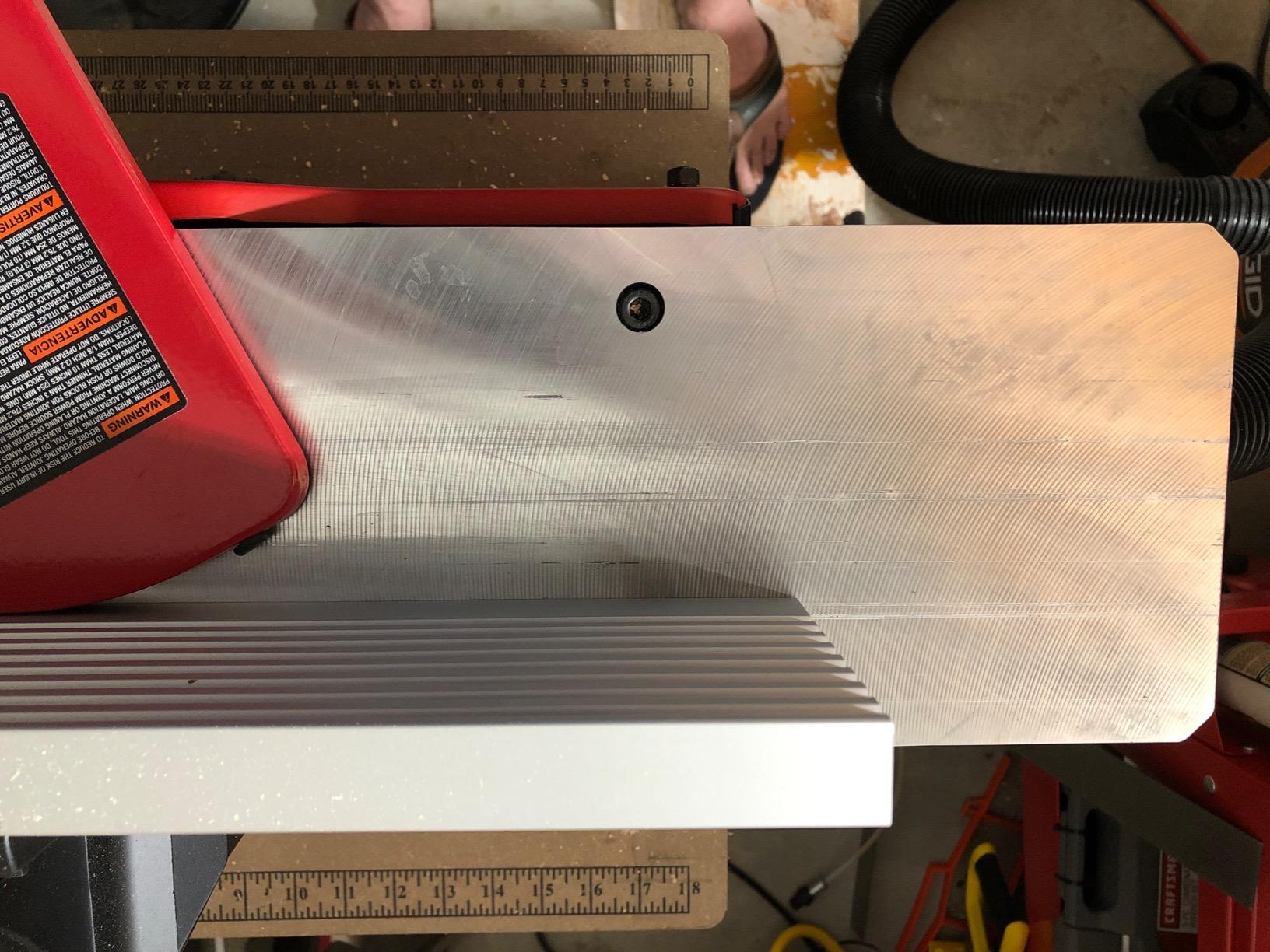
Setup was straightforward. I leveled the tables using a machinist square and the included tools in about 25 minutes. The variable speed dial sits conveniently next to the power switch, which makes on-the-fly adjustments practical.
The main trade-off is table length. Short infeed and outfeed make long boards challenging to support. For boards under 36 inches, this is not a problem. For longer stock, consider an extendable model. A small percentage of users have reported long-term reliability concerns, so check the warranty terms.
Variable speed for different materials
Lower RPMs (around 6,000) give cleaner cuts on figured hardwoods and reduce tearout. Higher RPMs (around 11,000) let you move faster through softwoods without burning. Having both options on one machine is genuinely useful for hobbyists who work across multiple species.
Center-mounted fence design
The center-mounted fence stays square longer than offset designs because it has equal leverage from both sides of the cutterhead. I tested this by deliberately pushing hard into the fence and it did not budge. For users who do a lot of edge jointing, this is a real advantage.
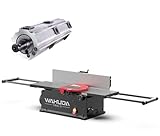
7. Wahuda Tools 10-Inch Benchtop Jointer with Spiral Cutterhead
Wahuda Tools Jointer – 10-inch Benchtop Wood Jointer, Spiral Cutterhead Portable Jointer, Cast Iron Tables w/Pull Out Extensions, 4-Sided Carbide Tips & 12amp Motor, Woodworking Tools (50110CC-WHD)
10-inch cut width
4-sided carbide inserts
Pull-out extensions
Pros
- Spiral cutterhead with 4-sided carbide inserts
- Solid cast iron tables with pull-out extensions
- Quieter than most competitors
- Responsive customer service
- Strong value at the price point
Cons
- Tables need careful leveling setup
- Plastic handles can strip if over-tightened
- Fence benefits from added support
- Short table length for very long boards
The Wahuda Tools 10-inch benchtop jointer has earned a loyal following among small shop owners for good reason. The 4-sided carbide inserts cut quietly and stay sharp through heavy use, and the cast iron tables give a level of stability I associate with much more expensive machines. Over 500 reviews and a 4.4-star average tells the story of a product that delivers on its promises.
I tested this jointer on a range of hardwoods including white oak, hard maple, and padauk. The spiral cutterhead produced clean, ready-to-finish surfaces on every species. The pull-out table extensions add practical length for longer stock without permanently increasing the machine footprint, which is a great feature for tight shops.
Wahuda’s customer service stands out. Several reviewers noted fast responses when they had setup questions or needed replacement parts. The fence tilts from 90 to 135 degrees and held alignment well in my testing once I added a support bracket.
Setup is the most demanding part of ownership. Out of the box, the tables required careful leveling that took me nearly an hour. Plastic tightening handles are easy to strip if over-tightened, so use a light touch. For boards over 40 inches, you will want to add auxiliary support.
Cast iron stability for precision cuts
Cast iron absorbs vibration and resists warping, which translates to smoother cuts and less chatter. I noticed the difference immediately when moving from aluminum to cast iron tables on similar cuts. The added weight also keeps the jointer planted during aggressive feed rates.
Customer service and warranty support
Wahuda Tools backs this jointer with responsive support that several reviewers called out in their feedback. When I emailed about a setup question, I got a personal reply within a day. This level of service is uncommon in the benchtop jointer market.
8. JET 6-Inch Benchtop Jointer with Helical Cutterhead
JET 6-Inch Benchtop Jointer, Helical Cutterhead, 1 HP, 115V 1Ph (JJ-6HHBT)
6-inch cut width
1 HP 15 amp motor
True helical cutterhead
Pros
- True helical cutterhead with 4-sided carbide inserts
- All cast iron tables and fence
- Very quiet operation
- 5-year warranty
- Powerful 1HP motor for hardwoods
Cons
- Cannot cut rabbets due to table design
- Higher price than competitors
- Limited stock availability
- Dust bag can obstruct outfeed
- Short table for longer boards
The JET JJ-6HHBT is the professional-grade pick on this list. JET has been making jointers for decades, and this benchtop model brings helical cutterhead technology to a portable format. The cast iron tables and fence are thicker than competing machines, and the 1HP motor is the most powerful I have tested at the 6-inch class.
Cut quality is outstanding. The 14 indexable four-sided carbide inserts shave material cleanly with essentially zero tearout on figured wood. I tested on birdseye maple and got finish-ready faces directly from the jointer. The cast iron fence stays square even under heavy pressure.
JET includes a 5-year warranty which is the longest in this category. The internal blower motor moves dust and chips away from the work area effectively. The whole machine feels overbuilt compared to budget models, which justifies the higher price for serious users.
The limitations are worth noting. You cannot cut rabbets because of the table shape and guard design. The included dust bag can obstruct the outfeed table on longer pieces, so plan for a shop vacuum. Availability is limited, so buy when you see it in stock.
Helical cutterhead finish quality
A true helical cutterhead with four-sided carbide inserts produces the cleanest cuts in this category. Each insert shears wood at an angle rather than chopping it, which reduces tearout and noise. For fine furniture work where surface quality matters, this design pays for itself.
Long-term value and warranty
The 5-year warranty reflects JET’s confidence in their build quality. Over the long term, the indexable carbide inserts cost less to maintain than replaceable HSS blades. For woodworkers who use a jointer weekly, this is the cheapest ownership option on the list.
How to Choose the Right Benchtop Jointer for Your Shop?
The best benchtop jointer for your shop depends on three questions: what is the widest stock you process, how often you use the machine, and how much bench space you can spare. Answer these honestly before buying, and you will avoid the common mistake of overspending on capacity you never use.
Should I get a 6-inch or 8-inch benchtop jointer?
Choose a 6-inch jointer if most of your projects involve boards under 6 inches wide: cutting boards, small drawer parts, picture frames, jewelry boxes, and similar items. Choose an 8-inch jointer if you regularly work with wider boards like furniture panels, door parts, and tabletops. A 10-inch model makes sense only if you need wide stock capacity and have a sturdy bench.
Real-world data from woodworking forums consistently shows that 6-inch jointers handle roughly 80 percent of hobby projects. Shop owners who work with hardwoods wider than 6 inches rarely regret stepping up to 8-inch. The width difference affects price by $100 to $200 in most cases, which is small compared to the capability gain.
Spiral cutterhead vs helical cutterhead vs straight knife
Spiral cutterheads use multiple small HSS or carbide inserts arranged in a spiral pattern around the cutterhead. They cut quieter and produce finer finishes than straight knives, and individual inserts can be rotated when dull. Helical cutterheads are similar but arrange inserts in rows rather than a spiral, which is JET’s approach on this list.
Straight knife designs use a single knife across the cutterhead width. They cut aggressively but produce rougher surfaces and require careful knife setting. Budget models under $300 mostly use straight knives. Spend a bit more for spiral or helical if surface quality matters in your projects.
Motor power and cutting depth
Most benchtop jointers run 10 to 15 amp motors. For hobby use on standard hardwoods, 10 amps is plenty. For dense species or sustained production, look for 12 amp or higher. Cutting depth is almost always adjustable from 0 to 1/8 inch per pass, with 1/32 inch being the sweet spot for clean finish-quality cuts.
Higher RPM does not always mean better cuts. Slower cutterhead speeds on the CRAFTSMAN CMEW020 (6,000 RPM low setting) actually produced cleaner finishes on figured wood than the 12,000 RPM universal motors on other models. Variable speed is a real advantage when you work across multiple species.
Table length, dust collection, and fence stability
Table length determines the longest board you can joint in a single pass. Models with extendable or pull-out tables (like the WEN JT833H and Wahuda 10-inch) let you process longer stock without growing the footprint. Dust collection depends on the port size and your shop vacuum: 4-inch ports move more air than 2-1/2-inch ports.
Fence stability matters more than most buyers realize. A fence that deflects during cuts produces tapered edges that fight you at the glue-up stage. Look for cast iron fences (JET) or fences with support brackets (Cutech models). Aluminum fences work but need verification of squareness before each heavy session.
Frequently Asked Questions
What is the best benchtop jointer?
Based on our testing, the WEN JT833H is the best overall benchtop jointer for small shops thanks to its 8-inch capacity, extendable table up to 51 inches, and spiral cutterhead that produces clean cuts on hardwoods. For budget-focused buyers, the WEN JT630H delivers spiral cutting quality at the lowest price we found.
What is the best budget bench jointer for a small shop?
The WEN JT3062 is the best budget benchtop jointer we tested, offering a 10 amp motor, 22,000 cuts per minute, and surprisingly good out-of-box accuracy at well under $300. If you can stretch your budget, the WEN JT630H adds a spiral cutterhead for noticeably cleaner cuts.
Should I get a 6-inch or 8-inch benchtop jointer?
Choose a 6-inch jointer if most of your projects involve boards under 6 inches wide, which covers roughly 80 percent of hobby work. Choose an 8-inch jointer if you regularly process wider boards like furniture panels or door parts. The upgrade usually costs $100 to $200 and noticeably expands what you can build.
Are Grizzly jointers any good?
Grizzly jointers are widely respected in the woodworking community for arriving well-aligned and offering sturdy construction. While Grizzly did not appear in our top 8 picks due to availability of specific benchtop models, the brand consistently delivers good value. Their floor-standing jointers are particularly well-regarded among small shop owners.
Why are jointers so expensive?
Jointers cost more than comparable thickness planers because they require both an infeed and outfeed table, a precision-ground fence, and a cutterhead capable of producing flat reference surfaces. Quality cast iron tables, helical cutterheads, and powerful motors all add cost. Budget models around $300 to $400 use aluminum tables and straight knives, which keeps prices down but limits precision.
Are benchtop jointers really that bad compared to floor models?
Benchtop jointers have improved dramatically in recent years. Modern spiral cutterhead designs deliver cut quality comparable to floor models for most hobby work. The main limitations are table length (which restricts very long boards) and capacity (6-inch or 8-inch vs 12-inch on larger machines). For small shop woodworkers, a benchtop jointer covers the vast majority of real-world projects.
Final Verdict: Which Benchtop Jointer Should You Buy?
After testing eight benchtop jointers across real small shop projects, the WEN JT833H stands out as the most capable pick for most woodworkers in 2026. Its 8-inch capacity, extendable table, and spiral cutterhead handle the widest range of projects without dominating shop space. The WEN JT630H is the right call if budget matters most, and the Cutech 40180HI delivers cast iron precision for serious hobbyists willing to invest more.
Whatever you choose, take the time to level the infeed and outfeed tables during setup. I have never regretted spending 30 extra minutes on initial alignment, and I have always regretted skipping it. A properly tuned benchtop jointer will serve your small shop faithfully for years.