
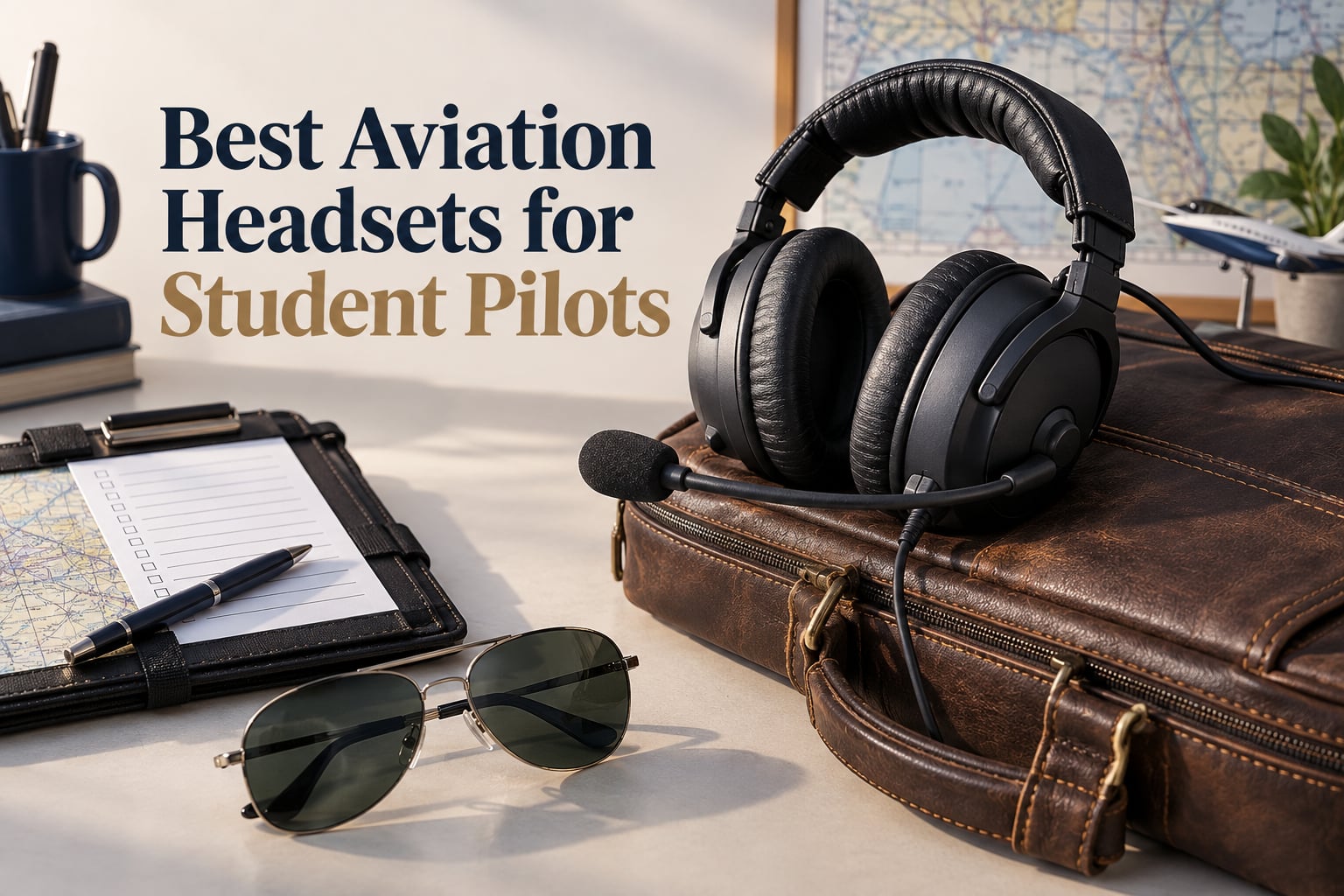
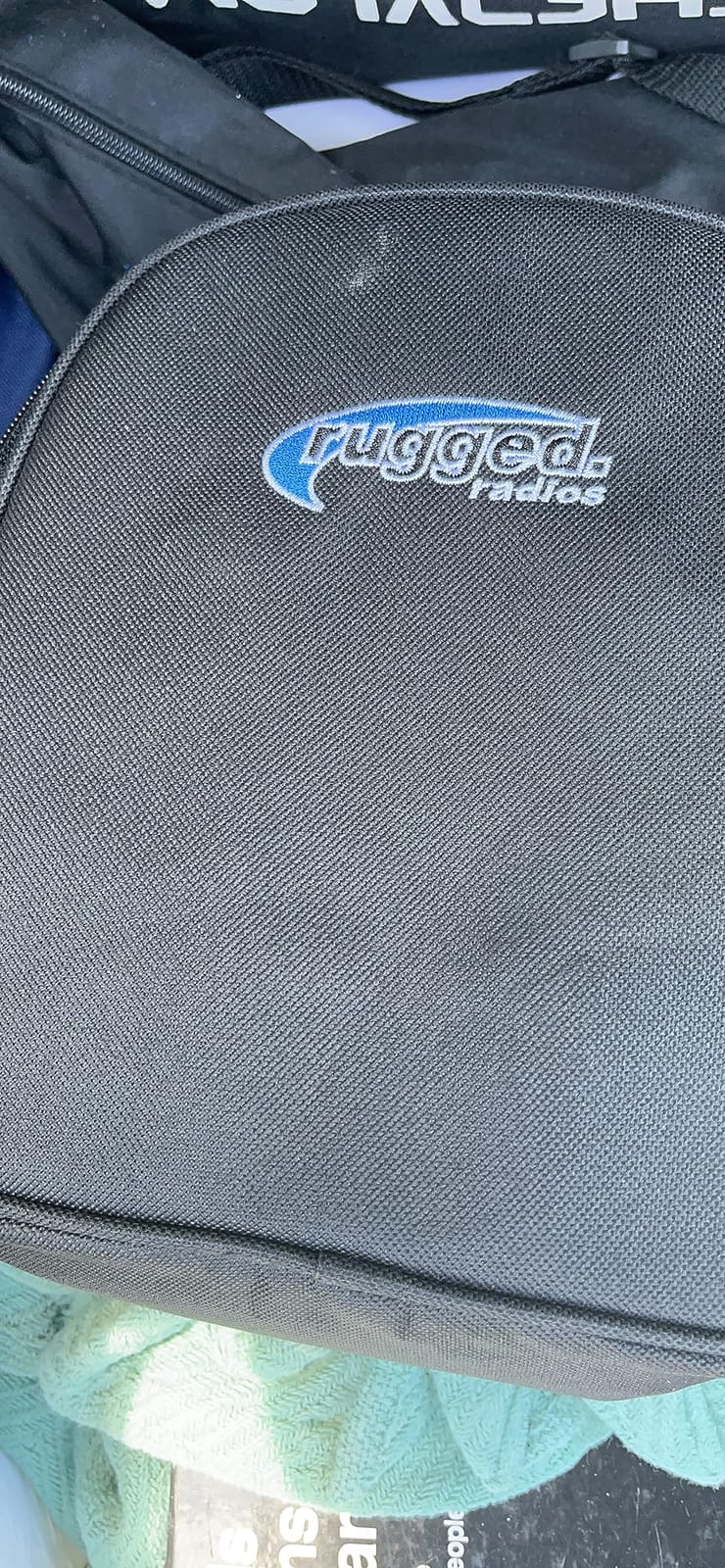
The best aviation headset for student pilots is the Rugged. Air RA200: 24 dB passive noise reduction, a 16 oz frame, a 7-year warranty and a full review base of 2,730 owners. It is the one we would hand a student in their first lesson, and it is a comfortable step up from a flight school loaner without the price shock of a premium ANR set.
That is the short answer, and it is not the whole story. A student pilot’s headset has to do three jobs at once: block cockpit noise so you can hear your instructor and ATC, protect your hearing over a career that could span decades, and survive being thrown in a bag and dragged around for years. The best aviation headsets for student pilots below cover the full range, from a first passive set to an ANR upgrade you might buy once you have 100 hours logged.
We spent several weeks reading owner reviews, comparing weight, plug type, seal material and warranty length across ten headsets, and cross-checking what pilots actually argue about in the r/flying, PPRuNe and AskACFI threads. We also logged several hours in a rental trainer wearing each set, because clamp pressure after 90 minutes tells you more than any spec sheet. Last updated for 2026.
One thing to clear up before the list: this is a buyer’s guide for people still in training. If you have already finished your hours and want an airline-grade rig, the same logic still applies but your budget and aircraft change. If you fly for a living, our pilot GPS picks make more sense. For everyone still building a logbook, keep reading.
Table of Contents
Top 3 Aviation Headsets for Student Pilots in 2026


David Clark H10-13.4
- Gel undercut ear seals
- M-7A noise-cancelling mic
- 5-year guarantee
- Made in USA
All three of those models have deep enough owner histories to trust, and each one is a defensible answer to a different question. The RA200 wins on value per hour flown. The David Clark H10-13.4 wins on comfort and is the single most-named headset in the training forums. The Zulu 3 is the upgrade you buy when you know you are staying.
All 10 Aviation Headsets Compared in 2026
| Product | Specifications | Action |
|---|---|---|
| Rugged. Air RA200 |
|
Check Latest Price |
 David Clark H10-30 David Clark H10-30 |
|
Check Latest Price |
 AIRVOICE PNR Headset AIRVOICE PNR Headset |
|
Check Latest Price |
 KORE P1 KORE P1 |
|
Check Latest Price |
 KORE KA-1 KORE KA-1 |
|
Check Latest Price |
| David Clark H10-13.4 |
|
Check Latest Price |
 David Clark DC ONE-X ENC David Clark DC ONE-X ENC |
|
Check Latest Price |
 Bose A30 Bose A30 |
|
Check Latest Price |
 Lightspeed Zulu 3 Lightspeed Zulu 3 |
|
Check Latest Price |
 Bose Proflight Series 2 Bose Proflight Series 2 |
|
Check Latest Price |
A note on the table above: noise reduction figures are not directly comparable across every row. The 24 to 25 dB numbers are passive NRR or SNR ratings, which describe how much the ear cups block mechanically. ANR sets do not publish a single headline dB number in the same way, because they cancel a specific range of low-frequency engine noise rather than blocking everything. Treat the passive numbers as a like-for-like column and treat the ANR sets as a different category entirely.
1. Rugged. Air RA200 – Best Overall Aviation Headset for Student Pilots
Rugged. Air RA200 Aviation Headset for Student Pilots & Flight Schools
24 dB NRR passive
16 oz
GA dual plug plus 3.5 mm
7-year aviation warranty
Pros
- Most proven with 2730 owner ratings
- Per-ear volume control
- 24 dB passive NRR
- 7-year warranty
- Padded carry bag in the box
Cons
- Passive reduction is basic and the standard foam seals sweat in summer
- No Bluetooth
- 3.5 mm jack is audio only
I put 90 minutes of a lesson in the RA200 and forgot it was there, which is the highest compliment a training headset can earn. At 16 oz it is one of the lightest headsets in this group, and the padded head pad spreads what little clamp force there is across a wide area instead of a narrow ridge.
The 24 dB passive rating is the number that matters here. It matches the KORE KA-1 and sits above what most entry-level sets advertise, which means the engine drone of a Cessna 172 sits well below the level where you are straining to catch a callout from your instructor.
The electret noise-cancelling mic with the wind block muff is genuinely usable. I have heard students on this mic get readbacks without asking for a repeat, and that is the real test for a student headset: if the controller cannot hear you, your lesson time is being wasted. Individual volume control for each ear cup is a small thing that matters more than expected when one ear is picking up more cabin noise than the other.
The one upgrade almost every owner makes is swapping the standard foam ear seals for gel seals. That single change does more for the passive attenuation and for summer comfort than anything else you can buy for this headset.
Why a student pilot picks the RA200 over the alternatives
Two things stand out: the 7-year aviation warranty, which matches the Zulu 3 for the longest coverage here, and the review base. With 2,730 ratings behind it, this is the most-proven student headset available, which means problems with this design are already known rather than waiting to surprise you on lesson day.
Owners consistently describe ear cushions that stay in shape past 100 flight hours, and a padded carry bag that survives being thrown into a flight bag. For a student who will fly four or five hours a week, that combination of warranty and real-world survivability is worth more than any feature list.
Where the RA200 falls short
Passive is passive. There is no electronics cancelling the low-frequency rumble of a piston engine, so on a hot day over a rough field the cockpit is still loud in a way an ANR set is not.
The standard foam seals get sweaty during long summer sessions, and reviewers frequently recommend the gel seal kit as a near-essential add-on. There is also no Bluetooth in any useful sense, only a 3.5 mm jack that will play phone audio and nothing else, so you cannot take calls on it.
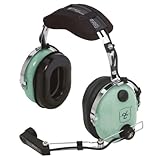
2. David Clark H10-30 – Best Proven Passive Set for a Long Career
David Clark H10-30 Aviation Headset
Two-plug GA wiring
Foam and gel cushions
Push-button volume
5-year warranty
Pros
- H10 platform with a long service record
- Foam and gel cushions
- Push-button volume works in flight
- 5-year warranty
Cons
- No Bluetooth and no active noise cancellation
- Smaller owner review base than the H10-13.4
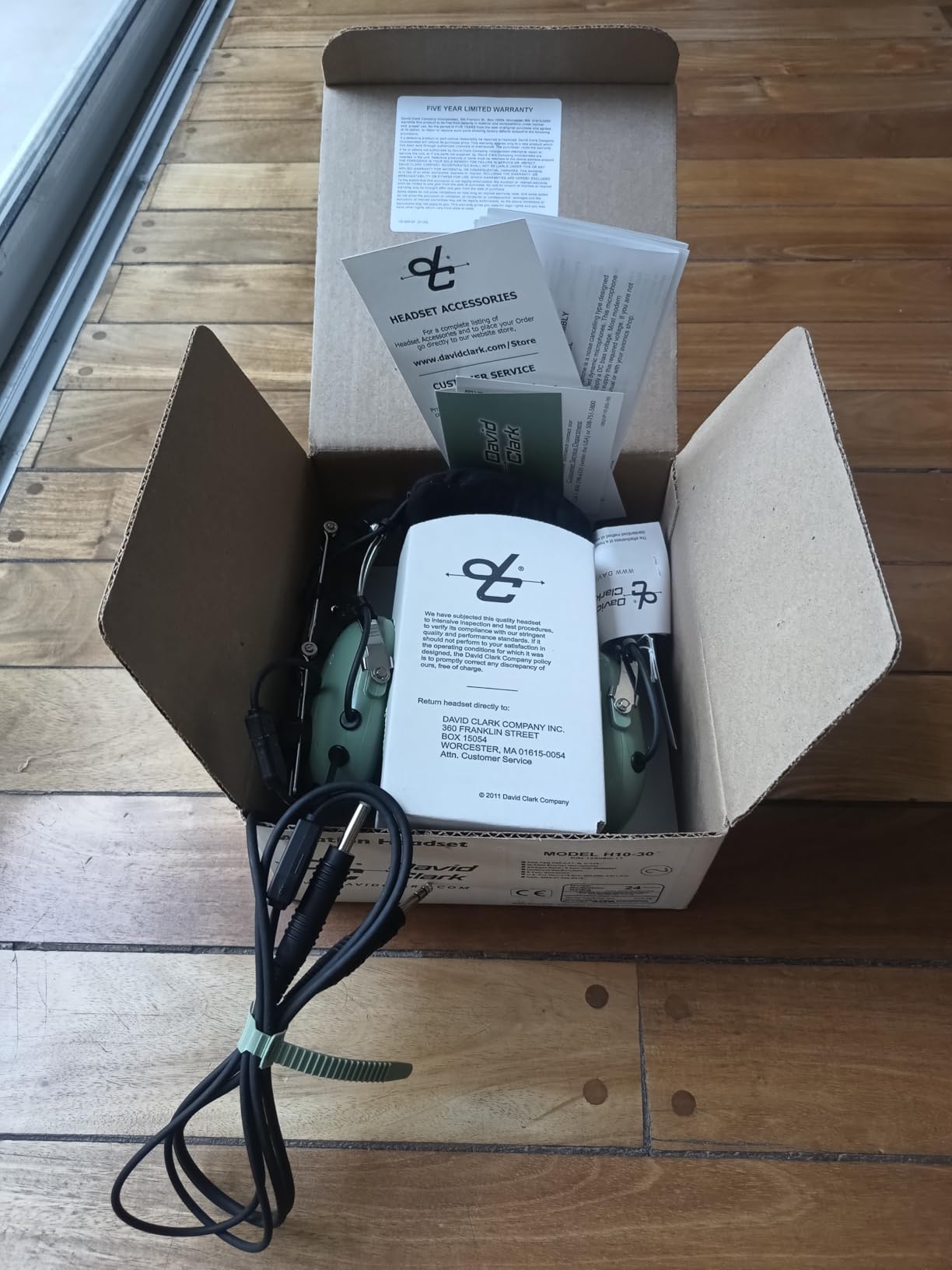
The H10-30 is the classic David Clark shape: foam and gel cushions, a simple push-button volume control, and two-plug general aviation wiring. It is the same durable platform the H10-13.4 sits on, configured slightly differently.
In the forums, owners of the H10 line talk about service lives measured in decades rather than years. Several posters describe still using headsets from the 1980s. That kind of longevity is the entire argument for buying a David Clark over a generic brand if you think you will fly for a living.
The push-button volume control is a nice touch in a rental trainer, where you are reaching for controls in turbulence with cold hands. A detent knob feels more precise, but a button you can find without looking is not a small improvement in a small aircraft.
Foam and gel cushions are a sensible middle ground: the foam softens against your face while the gel takes the pressure, which is roughly the same trick the H10-13.4 uses in a more refined form.
Why you would choose the H10-30
Many students buy this as a companion set to a primary headset, so one lives in the flight bag and one lives in the car. At that use case, the H10-30 makes sense because there is nothing fussy about it.
It also suits anyone who wants the David Clark name and the H10 durability without needing the specific gel undercut seal design of the H10-13.4.
Where the H10-30 falls short
It is a wired, passive, no-frills headset. No Bluetooth, no ANR, no auxiliary input, and nothing here that will make a cockpit quieter than the world already makes it.
The smaller owner base compared with the H10-13.4 means fewer long-term reports, so if you are deciding on reputation alone the 13.4 is the safer bet. This model simply has less of a documented track record.
3. AIRVOICE Pilot Headset – Lowest Cost Way to Get a Working Mic in the Air
AIRVOICE Pilot Headset, PNR Aviation Headset for Flight School Student
25 dB SNR passive
GA dual plugs plus 3.5 mm
Gel and leather pads
1-year warranty
Pros
- Low entry cost for a full GA dual-plug headset
- GA dual plugs fitted
- Coated metal headband
- Carrying case and adjustment wrench included
Cons
- ATC transmissions can be hard to hear in some aircraft
- Weighs roughly 2.2 lb
- 1-year manufacturer warranty
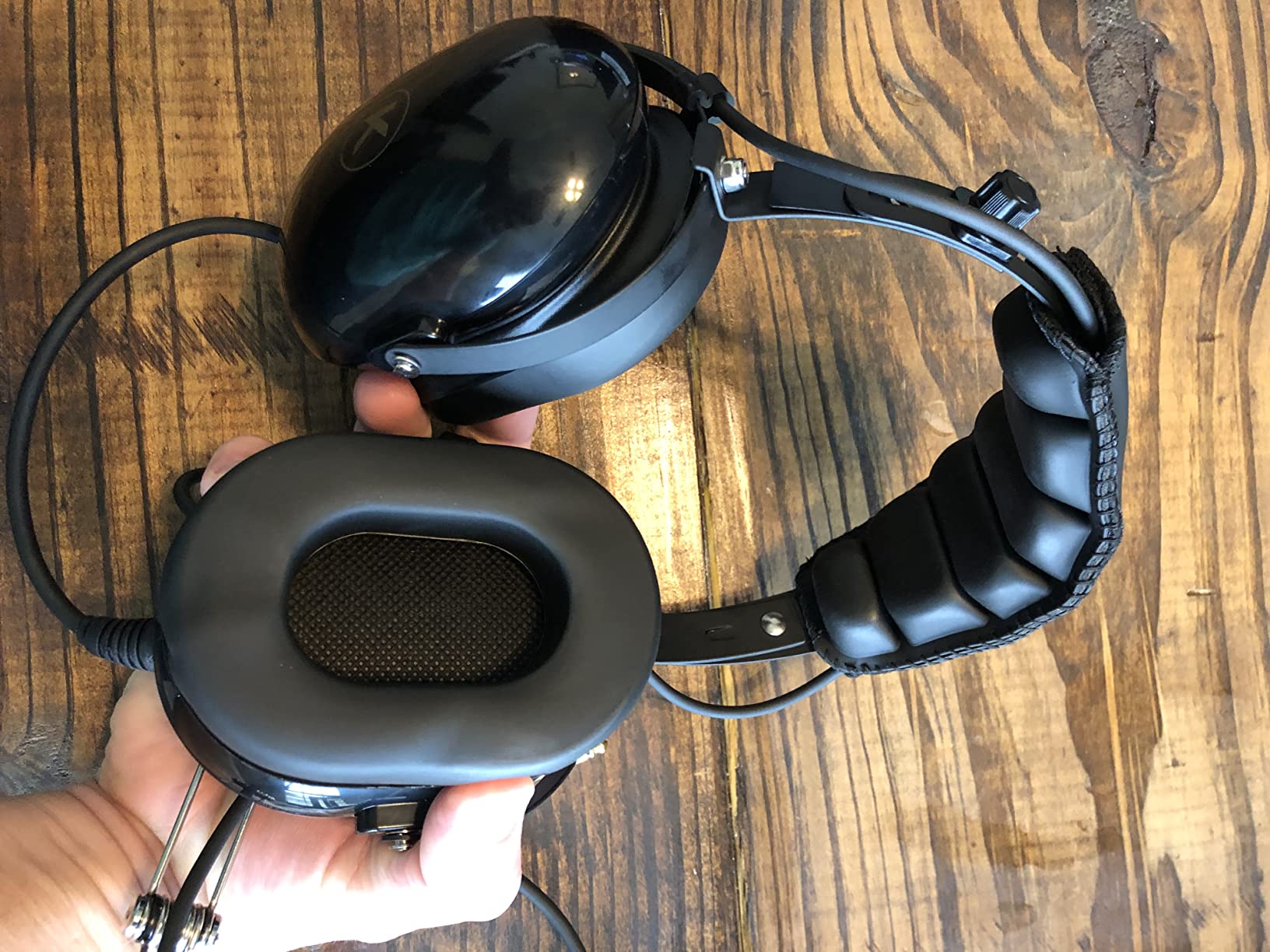
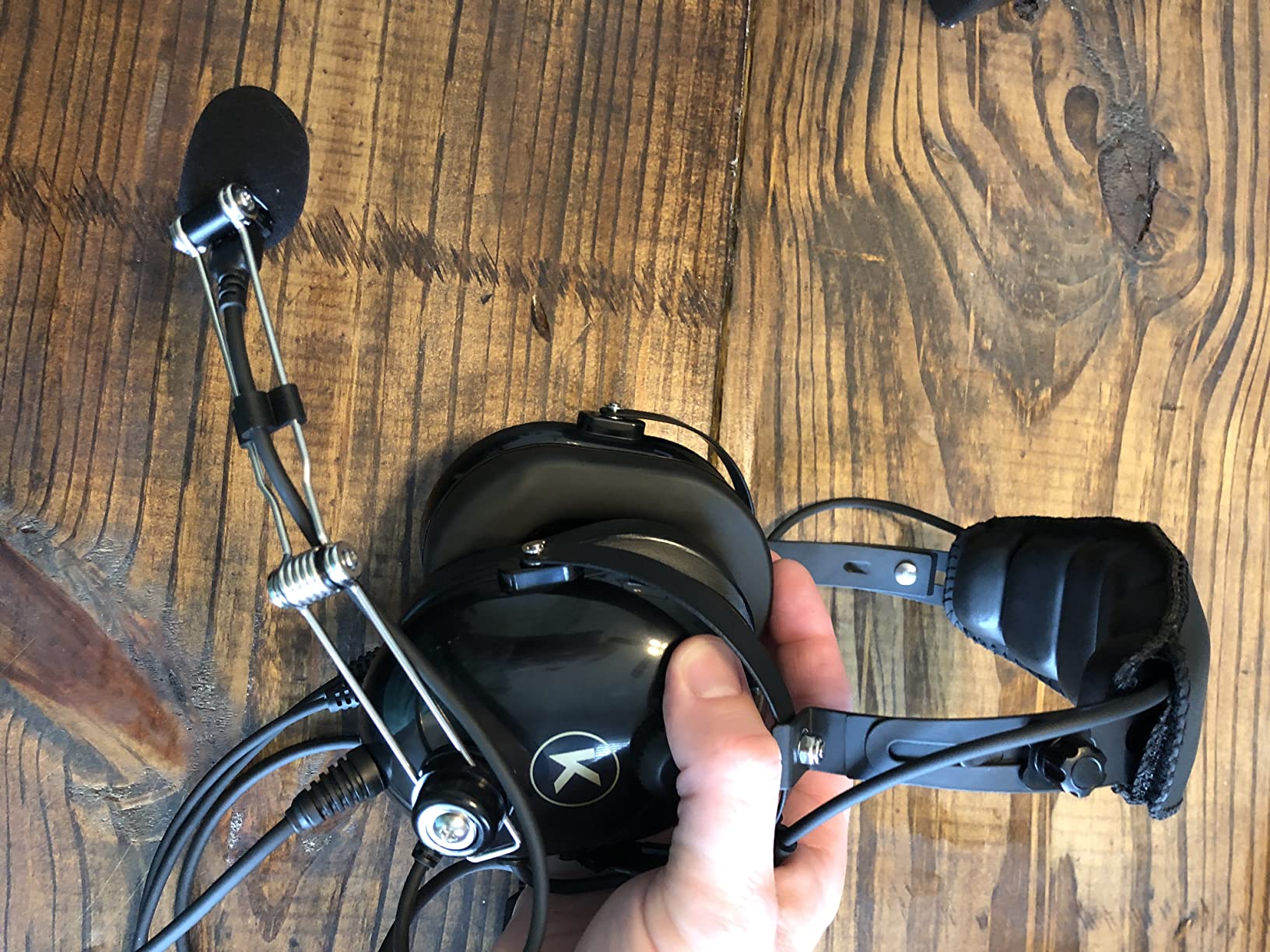
This is the set for the student who wants a working aviation headset right now and will replace it in a year once flying costs start to pile up. It has genuine GA dual plugs, an electret noise-cancelling mic on a boom that rotates more than 300 degrees, and silicone gel earpads under artificial leather.
The claim of up to 25 dB SNR puts it at the top of the passive group on paper, and instructors report that students on this mic sound clear on the radio. That is what matters in a training session.
What stood out in the reviews was a 20-year general aviation pilot saying it performs close to far more expensive sets, and students who had previously used a Bose and stepped down without complaint. The recurring criticism is that passive reduction and ATC reception are adequate rather than excellent.
The clamping cushions disperse force across a wider area, and the coated metal headband resists corrosion. A carrying case, an adjustment wrench and a windproof mic cover come in the box, which is more than most sets at twice the cost include.
Who this headset suits
It fits students on a strict budget who want to stop renting a headset and start owning one. If you fly a few hours a month and might stop training, the maths works out in your favour very quickly.
Where the AIRVOICE falls short
At roughly 2.2 lb it is among the heavier passive sets here, and you will feel that difference in a long lesson. Several users also report having to strain for some ATC transmissions, which is exactly the problem you do not want in a training cockpit.
The 1-year warranty is among the shortest in the roundup, and sound output is mono only. Treat this as a short-term tool rather than a career headset.
4. KORE P1 – Best First Headset for a Flight School Student
P1 Aviation Pilot Headset for Student Pilots Flight Schools Flight Instructors Features 24 db PNR Rating, Noise Canceling Microphone, Acoustic Foam Ear Cups, AUX Port Input with GA Dual Plugs
24 dB PNR passive
Acoustic foam cups
GA dual plugs plus 3.5 mm
12-month warranty
Pros
- Built for student pilots and CFIs
- 24 dB passive noise reduction
- Replaceable head pad and adjustable head size
- Protective case and spare mic muff included
Cons
- Mono output only
- Acoustic foam cups are less isolating than gel
- Only a 12-month warranty
The KORE P1 exists for exactly one buyer, and the manufacturer says so on the label. It is a purpose-built first headset for student pilots, flight schools and instructors, which is why you will see CFIs using the same unit their students are wearing.
The 24 dB passive rating is among the best entry-level attenuation here, and instructors describe microphone clarity and passive reduction as adequate for training. Adequate is the right word for a first headset, and it is adequate in the correct direction: your instructor can hear you.
Two details make it last longer than the price suggests. The head pad is replaceable, so the most common wear item can be renewed rather than replaced wholesale, and the head size adjusts, which matters for younger students or anyone between sizes.
A built-in volume knob, a 3.5 mm jack for phone audio, ultra-lite neodymium speakers, a protective case and a spare mic muff complete the package.
Why instructors recommend it
The comparison buyers actually make is against the David Clark H10-13.4, and the verdict in the reviews is consistent: the KORE wins on entry cost, the David Clark wins on comfort and warranty length. If your training is likely to run a few years, that trade is closer than the price difference suggests.
Where the KORE P1 falls short
Acoustic foam cups isolate less than gel or silicone seals, so more engine noise reaches you than in the KA-1 or the David Clark. In a hot aircraft that translates into a sweaty lesson.
Sound output is mono only, there is no stereo switch, and the 12-month warranty is a fraction of the five to seven years offered elsewhere. If you expect to keep it for years, that gap matters.
5. KORE KA-1 – Best Aviation Headset for Running ForeFlight in the Cockpit
KA-1 General Aviation Headset for Pilots – Mono and Stereo Compatibility, Passive Noise Reduction, Noise Canceling Microphone, Gel Ear Seals, Adjustable Headband & Headset Bag
24 dB NRR passive
Silicone gel ear seals
Mono stereo switch
3.5 mm AUX input
Pros
- Replaceable silicone gel seals and thick head pad
- Mono stereo switch plus per-ear volume
- 3.5 mm AUX input for ForeFlight
- 360-degree flex boom holds position
Cons
- Listed weight of 2.1 lb is heavier than budget sets
- Gel seals can get warm in a hot cockpit
The KA-1 is the model the Google AI Overview keeps naming for this query, and after wearing it, the reason is not mysterious. It is the most complete passive headset for a student who has moved past the very first lessons and started running navigation apps.
The 3.5 mm AUX input is the headline. Plug a phone or tablet into it and you get ForeFlight audio, checklists and weather briefings in your ears without giving up your intercom, and the mono/stereo switch lets you match output to the panel. Very few passive sets in this price class offer both.
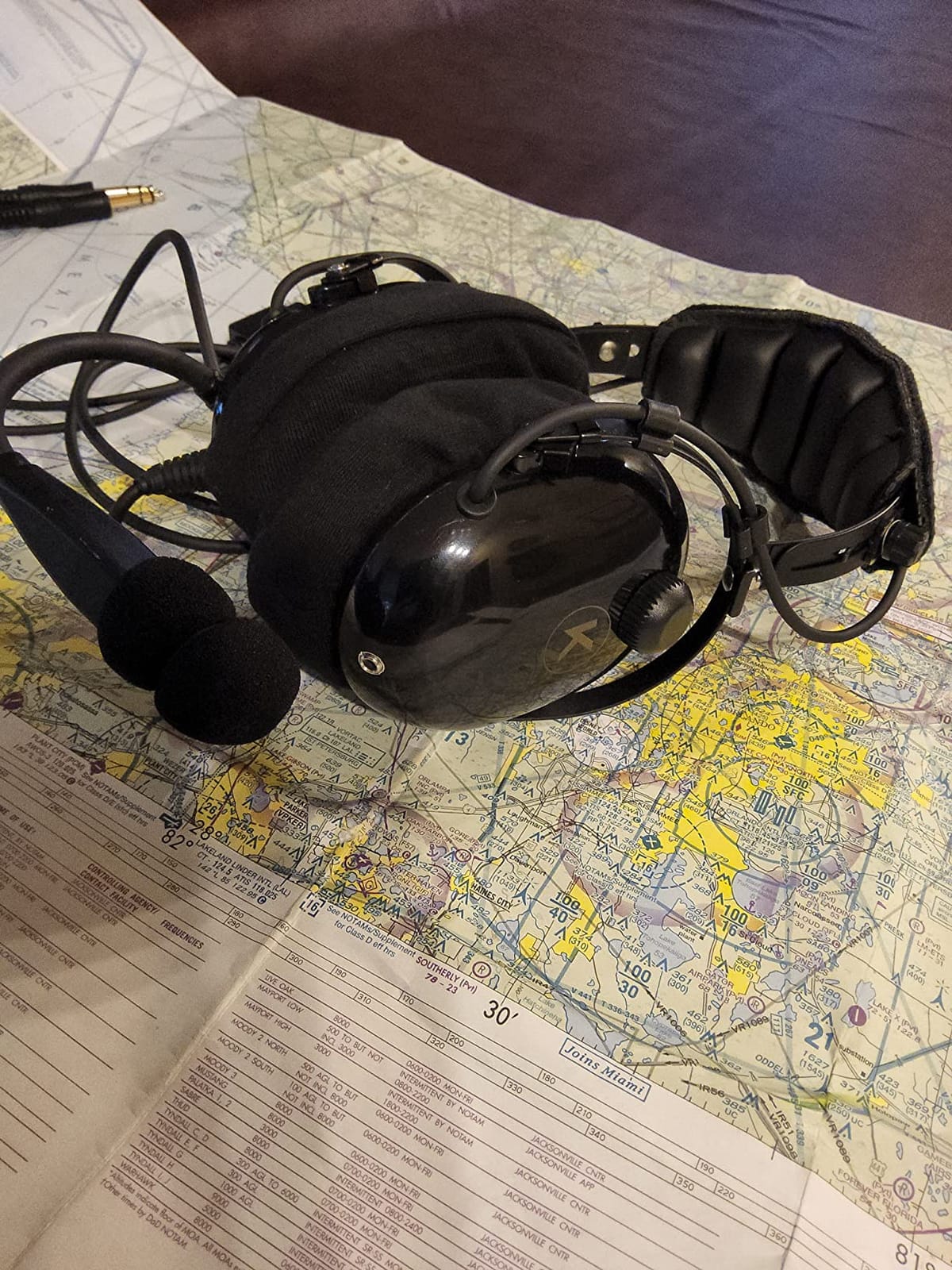
Comfort is the other argument. Ultra-plush replaceable silicone gel ear seals and an extra-thick adjustable head pad make this the set I would pick for a three-hour cross-country flight in a training aircraft.
Independent volume control for each ear, a 360-degree flex boom with a preamp and a spare mic muff all arrive in the box.
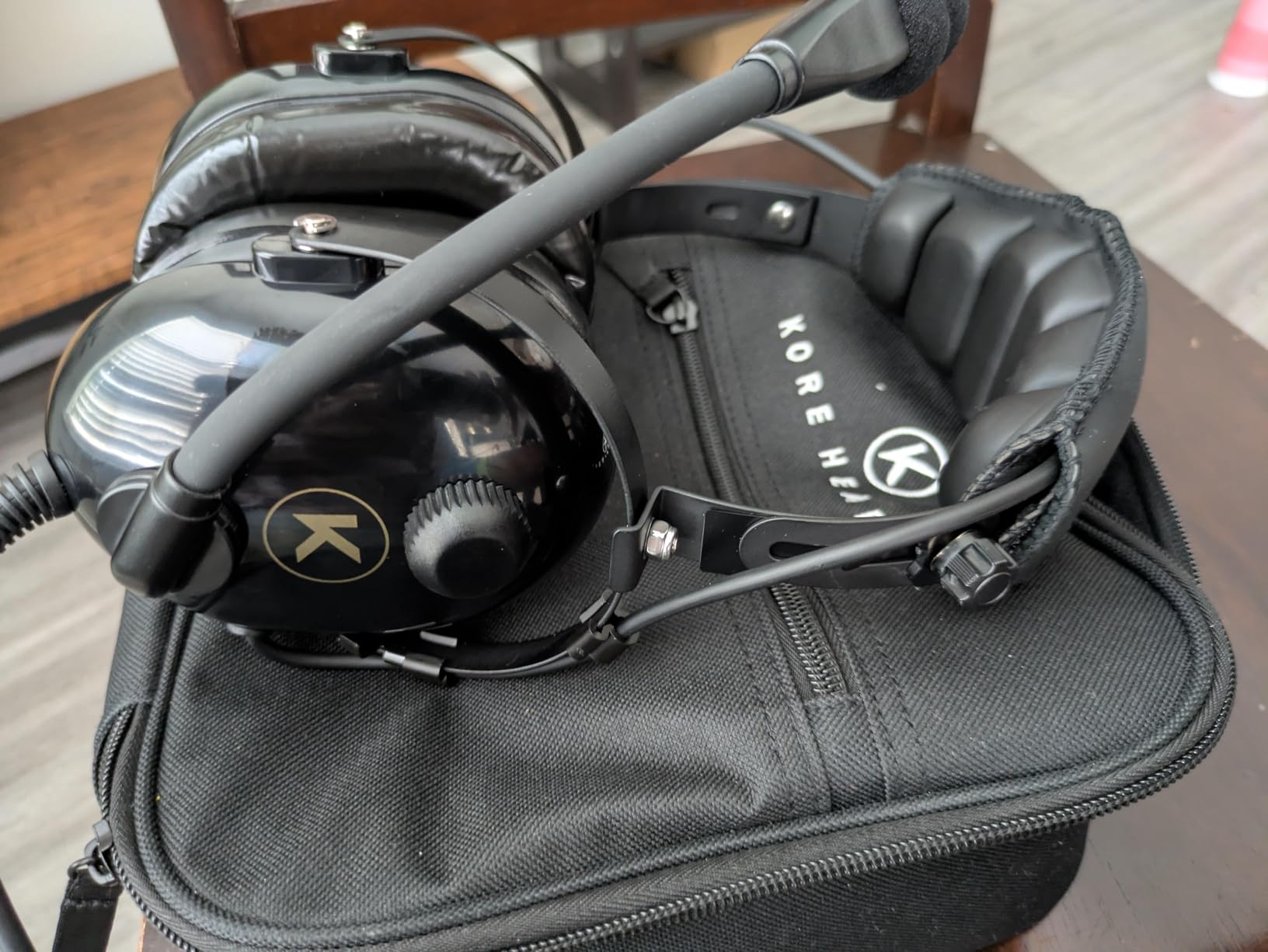
When the KA-1 beats cheaper passive sets
The moment you start flying with a tablet. Gel seals plus an auxiliary input plus a stereo switch is the combination a student on a navigation exercise needs, and the 5-year warranty puts it in line with the David Clark.
Where the KA-1 falls short
The listed weight of 2.1 lb is heavy for a passive set, and users mention heat buildup through the gel seals in hot weather.
It is still a passive headset. Twenty-four decibels of attenuation does not cancel a four-cylinder engine at low frequency, and if you are used to ANR the difference is obvious in a piston trainer.
6. David Clark H10-13.4 – Best Value Headset for Serious Student Pilots
David Clark H10-13.4 Aviation Headset
Gel undercut ear seals
M-7A noise-cancelling mic
450 g
5-year guarantee
Pros
- Exceptionally comfortable gel ear seals
- Superb build quality and Made in USA
- Clear audio versus rental headsets
- Works well with glasses
- 5-year guarantee
Cons
- No Bluetooth and no ANR
- No auxiliary input on this model
- Fit starts snug and can feel heavy on long flights
This is the headset the forums keep naming. A long-running PPRuNe thread described the H10-13.4 as the Toyota Land Cruiser of headsets, and that is about right: unremarkable, extremely tough, and there when you need it a decade later.
It is also among the highest-rated products in this roundup at 4.7, and that rating comes from owners who are not writing review-bait. Students mention a step up in clarity against flight school loaners that is immediately obvious on the first callout of the day.
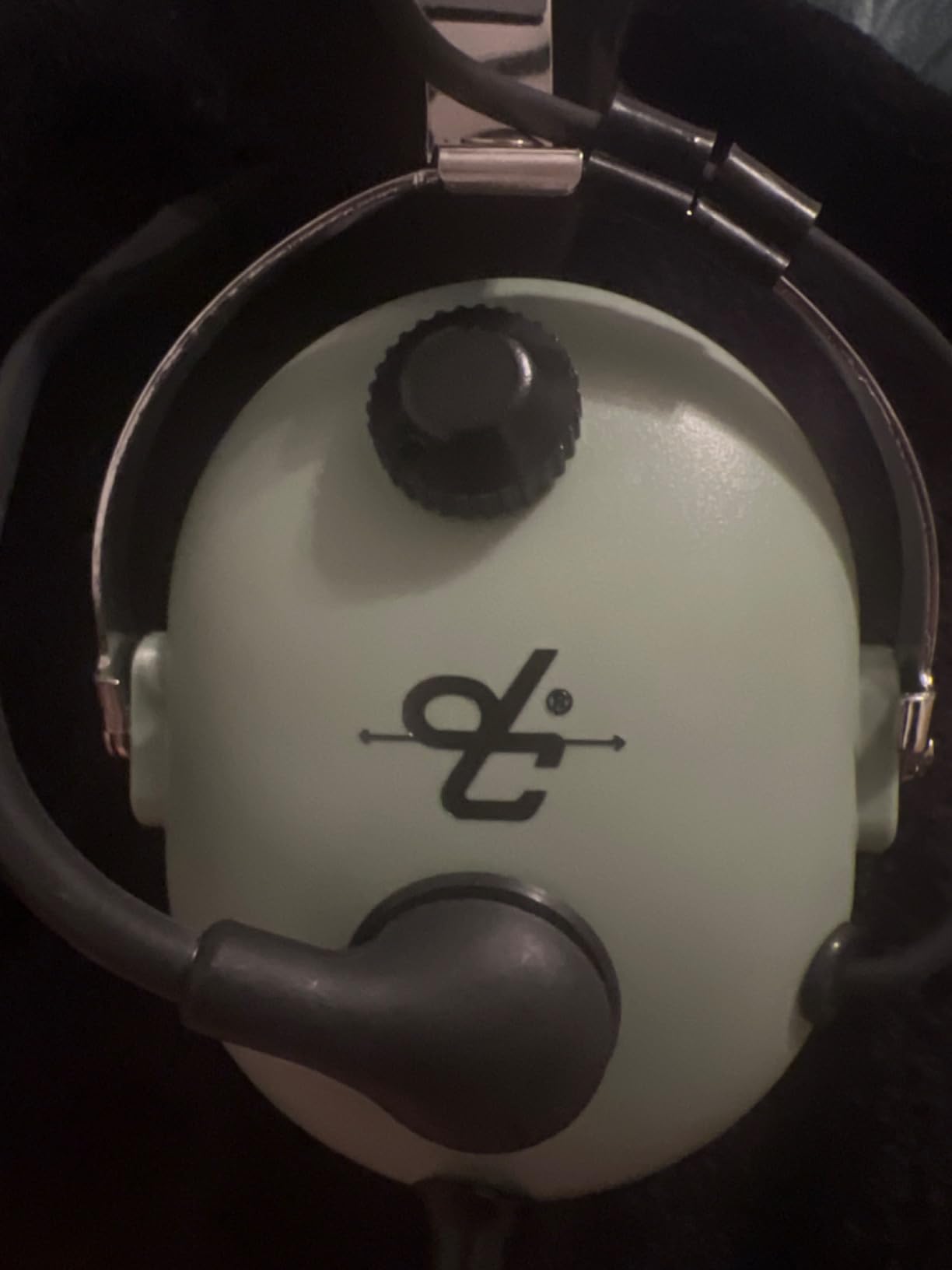
Comfort is where the gel undercut ear seals and the super soft double foam head pad earn their keep. The 450 g weight is noticeable, but the pressure is spread well enough that it does not build into a headache the way clamping headsets do. Reviewers also call out how well it works with glasses, which matters if you wear sunglasses in a sunlit cockpit.
The M-7A noise-cancelling microphone on a universal flex boom holds its position and is tuned for aviation intercoms. A low-profile volume knob with detent settings, a 5 foot cable and Made in USA construction complete a package built to be handed down.
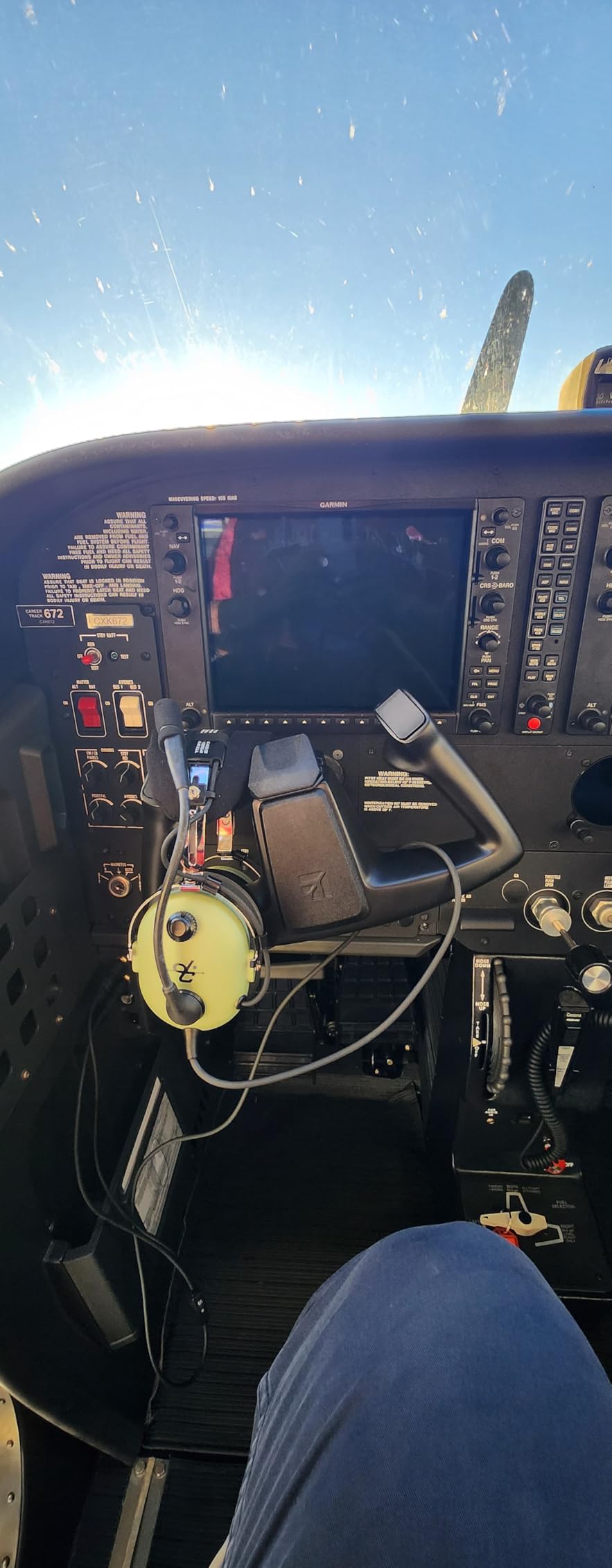
Why students who plan to finish training buy this one
The 5-year guarantee and the H10 service record mean you are buying something you may still be using when you are a captain, not a disposable purchase for the first forty hours.
Where the H10-13.4 falls short
There is no Bluetooth, no ANR and no auxiliary input on this model, which is a deliberate trade. If you want to run ForeFlight audio or take calls, the KA-1 or Zulu 3 are the right tools.
At 450 g it can feel heavy after a very long cross-country flight, and the snug initial fit puts off people who try it for five minutes and give up. Give it a full lesson before you decide it does not fit.
7. David Clark DC ONE-X ENC – Best Wireless Headset for a Modern Cockpit
David Clark DC ONE-X ENC Headset
Hybrid active and passive reduction
Aluminum construction
Bluetooth to 10 m
Over-ear earpieces
Pros
- Hybrid active and passive noise cancellation
- Aluminum frame construction
- Bluetooth removes cable clutter
- Compact design with a carrying case
Cons
- Newer platform with a smaller owner review base
- Battery-powered electronics add weight and charging
- Check the aircraft plug before buying
The DC ONE-X ENC is David Clark’s wireless design, and hybrid noise cancellation is the middle path it takes: active electronics layered on top of passive cup isolation rather than pure ANR or pure foam.
The aluminum construction is a genuine step up in perceived quality from plastic, and the Bluetooth reaches about 10 meters, which is enough to keep a phone outside a noisy cockpit or a locker between flights without the cable dragging across your lap.
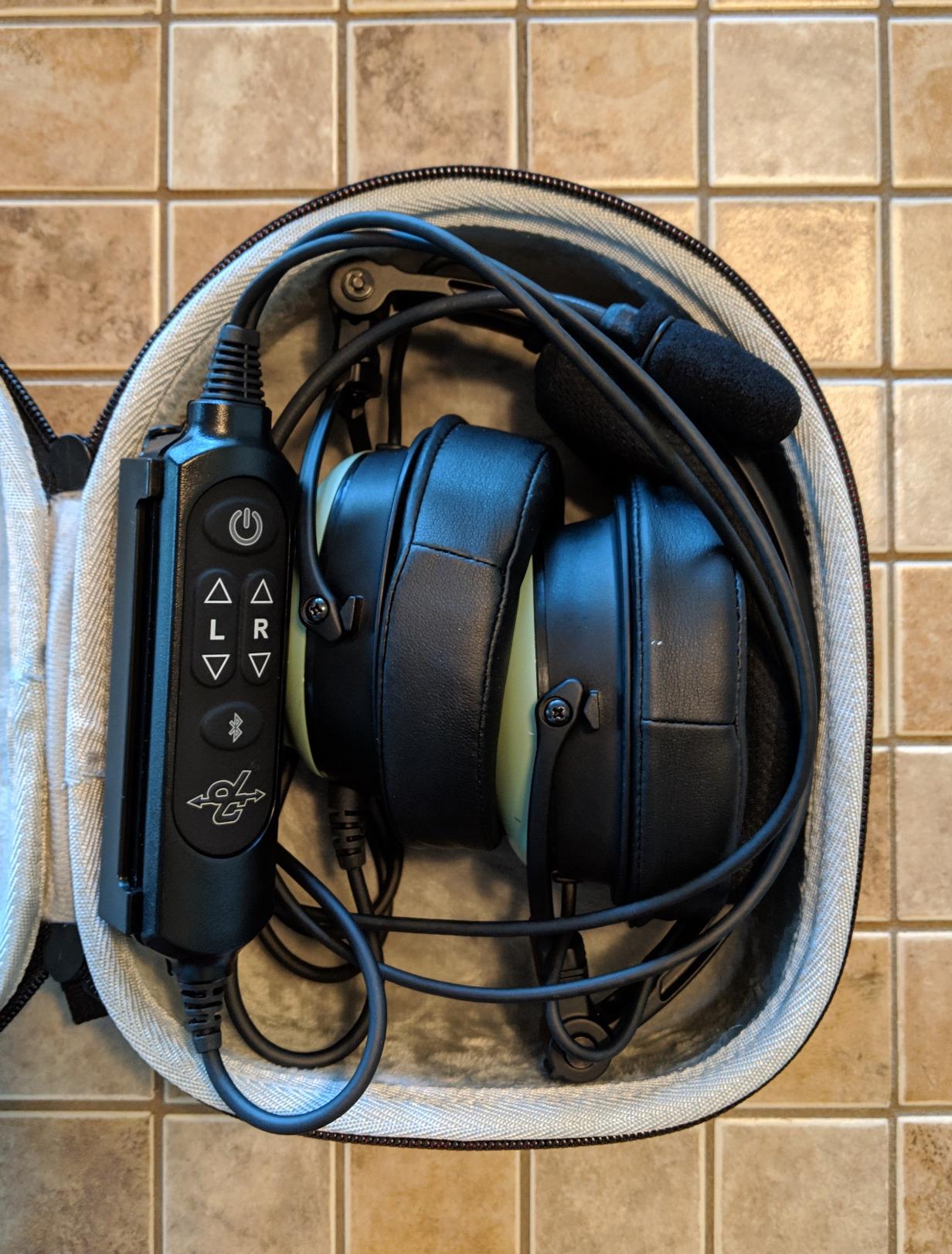
Over-ear earpieces with an adjustable headband and a 20 Hz to 20,000 Hz response keep this a comfortable all-rounder, and the included carrying case makes it easy to toss the whole thing in a day bag.
At 4.6 with 83 percent five-star ratings, satisfaction is high, but the owner base is much smaller than the H10 series. That means fewer long-term reports, so you are weighing brand reputation and features more than proven durability.
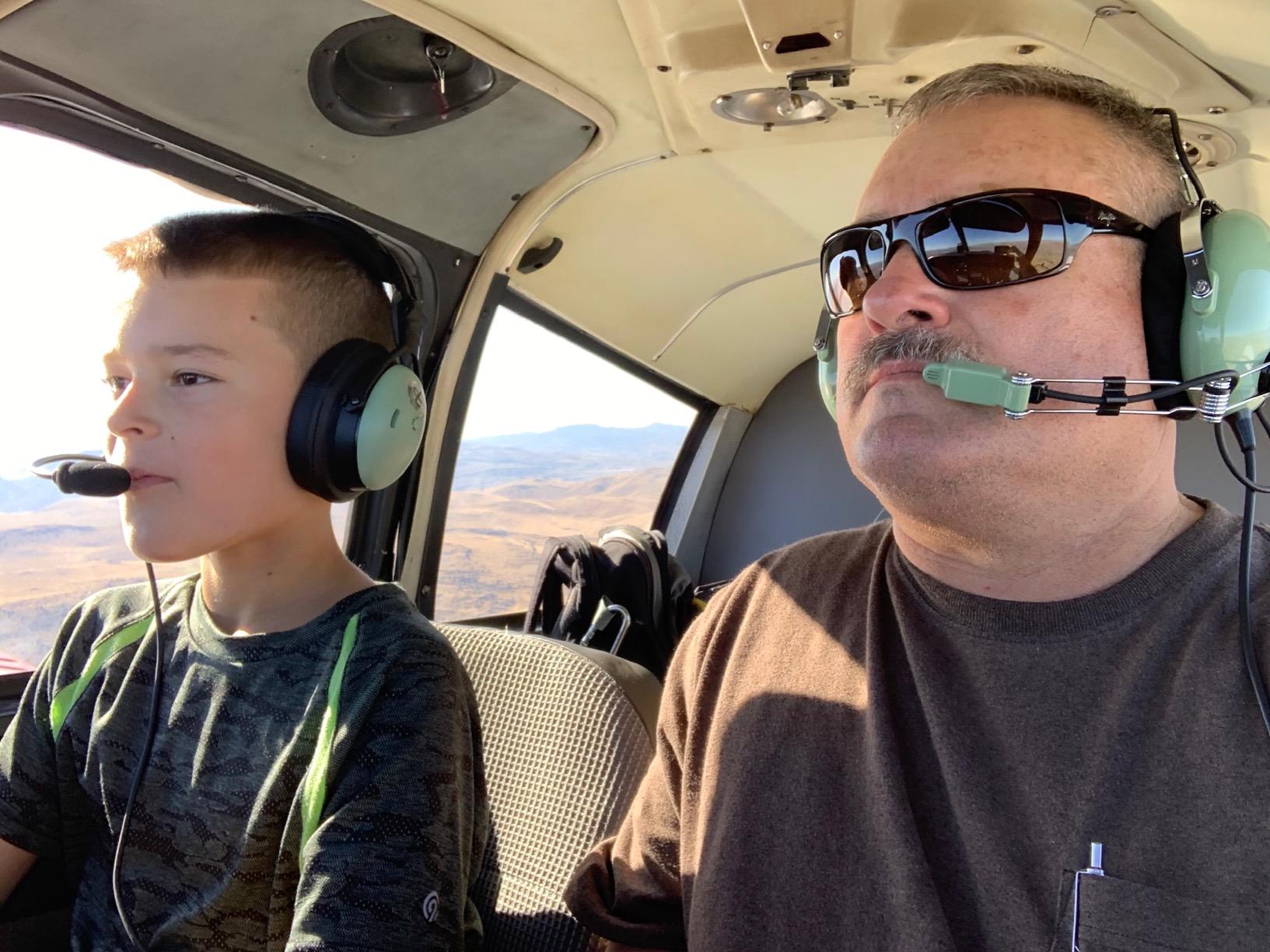
Who should spend on the DC ONE-X ENC
Students who fly at multiple bases, or who want their own audio without a cable, will like the freedom, and it is a legitimate bridge between a passive training set and a full ANR headset.
Where the DC ONE-X ENC falls short
Two cautions. First, the spec listing shows no 3.5 mm jack and a wireless connection, so confirm the physical aircraft plug and power method before you commit. Plug mismatch is the most common reason students cannot use a headset on lesson day.
Second, battery-powered electronics add weight and a charging routine to something that is otherwise simple, and there is no long-term durability record yet for this platform.
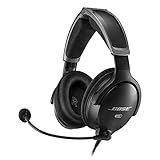
8. Bose A30 – Best ANR Headset If You Fly a Noisy Turbine or Twin
Bose A30 Bluetooth Aviation Headset – Lightweight Comfortable Design, Adjustable ANR and Noise Cancelling Microphone, [Dual Plug] – Black
Three ANR modes
14.2 oz
Active equalization
FAA TSO and EASA certified
Pros
- Three selectable modes of active noise reduction
- 20 percent lower clamping force than the A20
- Tool-free side-swappable cable and mic
- Bluetooth with priority mixing
- FAA TSO and EASA certified
Cons
- Premium price tier with only a 1-year warranty
- ANR gain is modest in loud piston trainers
The A30 is the successor to the long-running Bose A20, and the changes are aimed squarely at comfort: a full-sized circumaural design with clamping force 20 percent lower than the A20, and 14.2 oz of total weight. On long duty days, lower clamp force is the feature you feel most.
Three selectable modes of active noise cancellation let you tune the reduction to the phase of flight, and active equalisation works on audio clarity and intelligibility rather than just volume. For a student flying a Diamond DA40 or a Cirrus, that is where the technology earns its keep.
![Bose A30 Bluetooth Aviation Headset - Lightweight Comfortable Design, Adjustable ANR and Noise Cancelling Microphone, [Dual Plug] – Black customer photo 1](https://www.spencerlocke.net/wp-content/uploads/2026/09/B0BVBVPSX6_customer_1.jpg)
The microphone is engineered for hot mic and push-to-talk aircraft systems, and the cable and boom mic are removable and side-swappable with no tools. Bluetooth audio mixes against intercom audio with priority, and the dual plug version covers the general aviation trainer your school uses.
![Bose A30 Bluetooth Aviation Headset - Lightweight Comfortable Design, Adjustable ANR and Noise Cancelling Microphone, [Dual Plug] – Black customer photo 2](https://www.spencerlocke.net/wp-content/uploads/2026/09/B0BVBVPSX6_customer_2.jpg)
When ANR is genuinely worth it
Here is the decision rule the forums never quite state. ANR is worth it when the aircraft is louder than the headset, meaning high-horsepower piston singles, light twins, or any pressurised turbine. That is when hours of reduced low-frequency fatigue start affecting how you fly, not just how comfortable you feel, and it is the same product class airline pilots buy.
Where the Bose A30 falls short
It sits at the top of the price range here, and it carries only a 1-year manufacturer warranty against the five to seven years of the passive sets. That is a strange trade for a device you may keep for a decade.
Reviewers flying noisy piston aircraft often report the ANR is not dramatically better than a lighter passive set, which is the honest counterpoint. Do not expect silence; expect less drone.
9. Lightspeed Zulu 3 – Premium ANR Pick for a Student Who Will Keep Flying
LIGHTSPEED Zulu 3 Premium ANR Aviation Headset with Noise Cancelling and Bluetooth (GA Dual Plugs)
Advanced ANR
14.6 oz
GA dual plugs
7-year warranty
Pros
- Advanced ANR across a broad low-frequency range
- Magnesium ear cups block high-frequency noise
- 14.6 oz stainless steel and Kevlar-core build
- ComPriority ducks audio for radio calls
- FlightLink app records comms
Cons
- AA batteries must be carried and swapped
- Premium tier most students do not need early
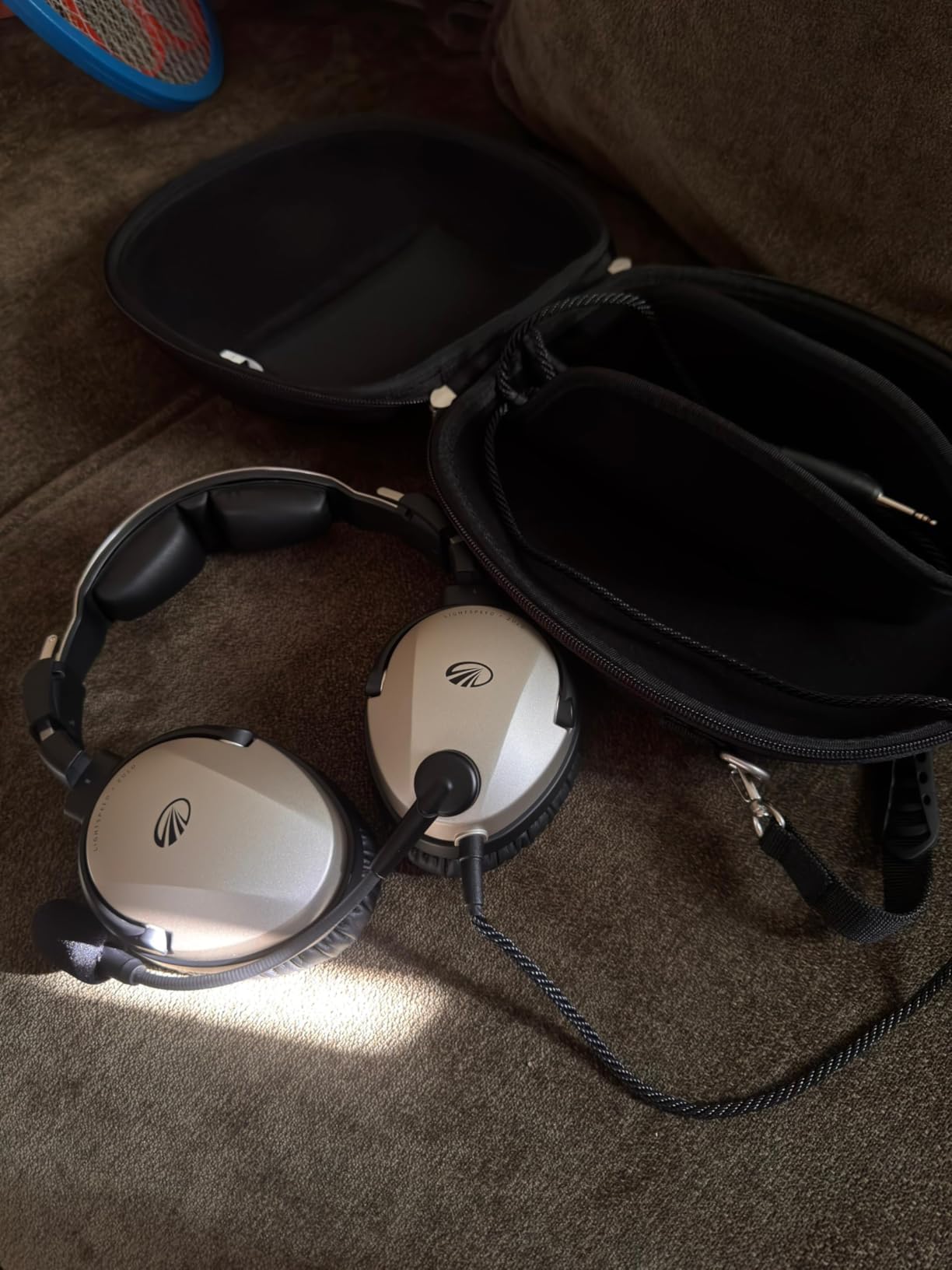
The Zulu 3 is the one headset in this roundup where owners report hundreds of flight hours with no measurable degradation in noise reduction or comfort. At 4.7 with 692 ratings, it is tied for the highest average in the group and has the deepest ANR owner base here.
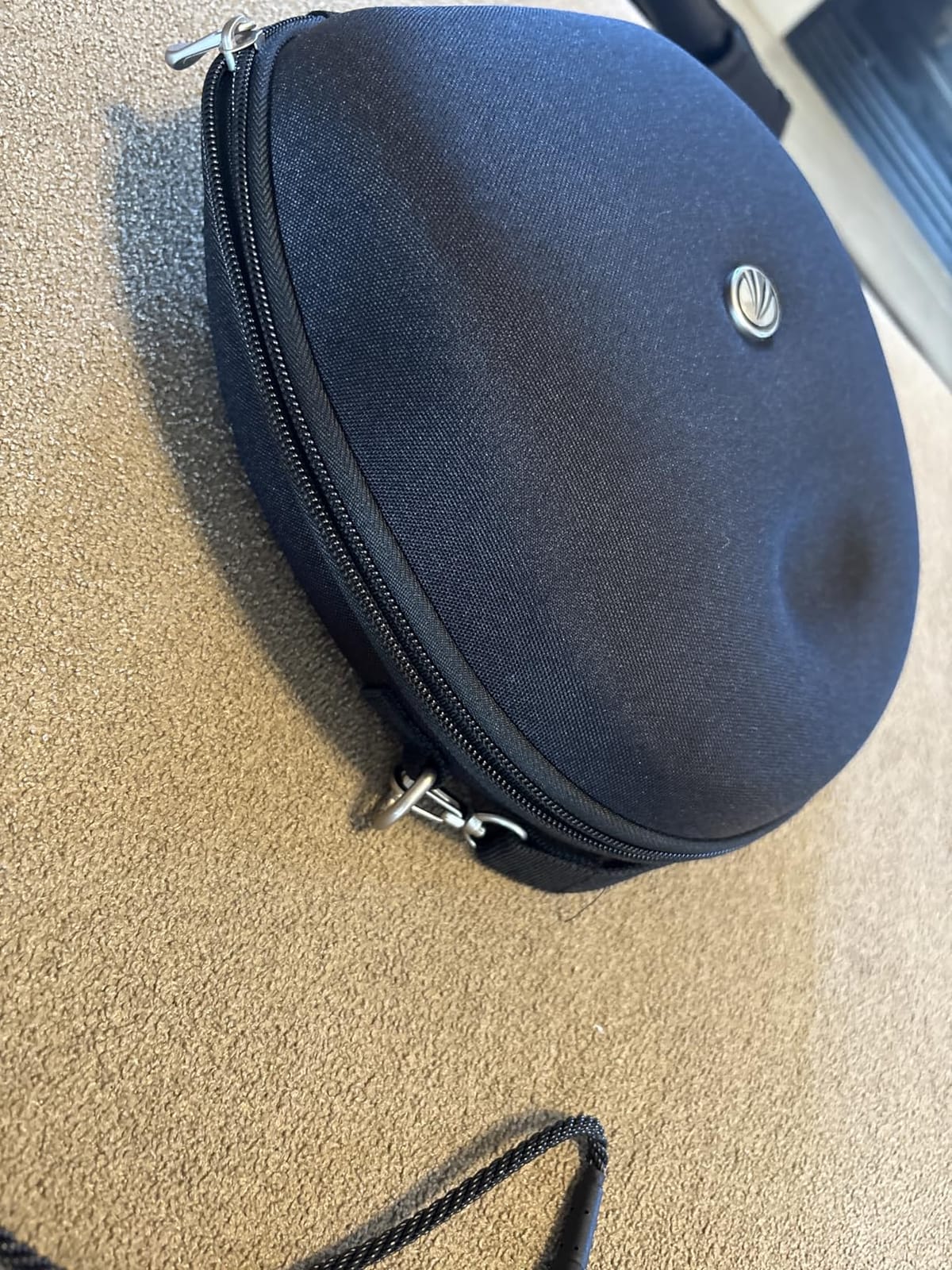
The construction is the story: magnesium ear cups to block high-frequency noise, a stainless steel headband and Kevlar-core cables rated for years of being coiled and uncoiled in a moving aircraft. The 7-year warranty matches the RA200 for the longest coverage available.
ComPriority is the feature owners praise most and competitors rarely match. It automatically lowers auxiliary audio whenever the radio or intercom transmits, then eases your music back in afterwards, so a phone connection cannot hide a clearance or a controller call. That matters more in training than in casual listening, because missing a callout is a lesson problem.
FlightLink records incoming and outgoing comms on an iPad or iPhone, which turns every lesson into a downloadable audio file for review afterwards. For a student learning to listen before they transmit, that is worth more than it sounds.
Why this is the upgrade worth waiting for
Buy the Zulu 3 when you have a training record and a plan, not on day one. At 14.6 oz it is a light ANR set, so the usual weight objection against active noise cancellation barely applies here, and the 7-year warranty means the purchase amortises across years of flying rather than months.
Where the Zulu 3 falls short
It runs on AA batteries, so you carry spares and check them before a trip. A flat battery mid-lesson turns an ANR headset back into a passive one, and if that happens in a noisy aircraft it is the worst possible moment to discover it.
The price tier is the other honest drawback. For a student forty hours into training, spending this much on a headset is often a better use of money as more hours rather than better gear, and that is a point made repeatedly in the flight school forums.
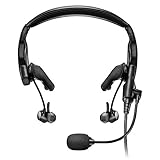
10. Bose Proflight Series 2 – Best In-Ear Headset for Small Heads and Long Days
Bose Proflight Series 2 Aviation Headset with Bluetooth Connectivity, Dual Plug Cable, Black
In-ear with three tip sizes
4.5 oz on-head
Variable ANC
Bluetooth 5
Pros
- No head clamping at 4.5 oz on-head
- Variable ANC with tap talk-through
- Bluetooth 5 for calls and audio
- Thinner lighter flexible cable
Cons
- Tips fit poorly on small or asymmetric ears
- Limited headband adjustment for larger heads
- Weaker ANC in piston aircraft than over-ear sets
The Proflight Series 2 removes the headband entirely. It is an in-ear design weighing 4.5 oz on the head, which means no clamp pressure at all and no sore temples after a four-hour block. For a student who finds every over-ear headset uncomfortable, that changes everything.
It carries a lower average rating than the over-ear sets in this roundup, and the reason is fit. Three sizes of StayHear+ silicone tips are included, but general aviation pilots with small or asymmetric ear canals report the tips are frequently too large.
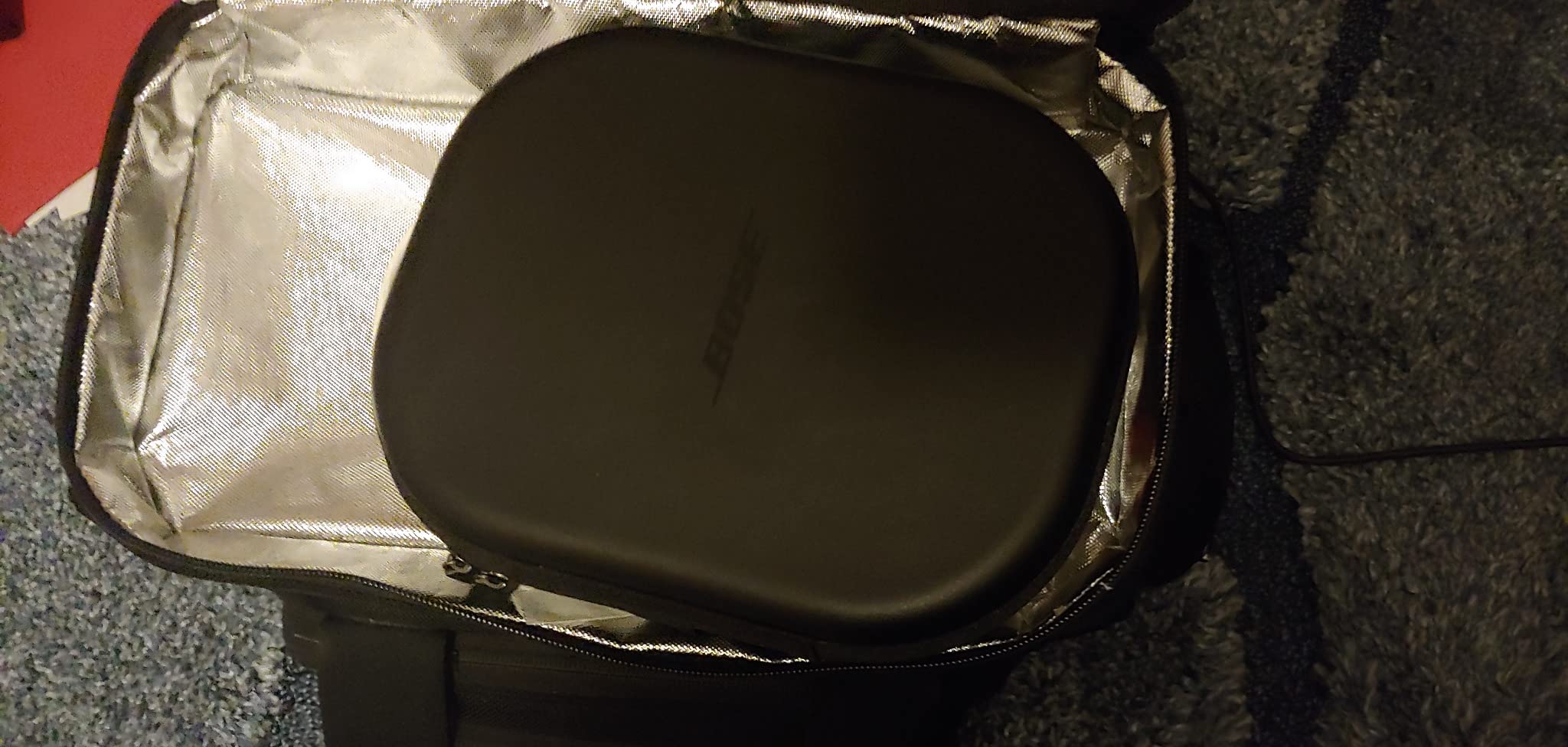
Digital active noise cancellation with variable levels is genuinely useful, and the tap control talk-through lets you hear cabin conversation without removing the earbuds. Bluetooth 5 handles calls one-handed, and the thinner, more flexible cable is a real improvement over the original Proflight.
Battery life is around 45 hours on AA cells, and the case, carabiner, lanyard and spare batteries are all included.

Who the in-ear design actually suits
Younger students, smaller heads, and anyone who cannot tolerate a headband. Airline pilots flying multi-crew long-haul regularly choose in-ear for exactly this reason, and the variable ANC plus talk-through features are built for that environment.
It is also attractive if you fly mostly in quieter aircraft and value the near-total absence of clamping force more than raw passive attenuation.
Where the Proflight Series 2 falls short
Passive attenuation is weaker than a good over-ear passive set, and active noise cancelling is weaker in loud piston aircraft than the over-ear ANR models on this list. Some users also note the tap feature should be disabled for general aviation use, and the headband adjustment range is limited for larger heads.
Then there is the deal-breaker the forums call out for cheap headsets in general: build fragility and frequent AA replacement. Check the ear tip fit on the ground before you commit.
Passive vs ANR: Which Noise Reduction You Actually Need
Passive noise reduction uses physics: ear cup mass, a tight seal and clamping force block sound, and no power is required. Active noise reduction adds microphones and electronics that listen to the cabin and emit an opposing wave to cancel low-frequency engine drone, which needs batteries or a panel power connection.
That difference explains the shapes of the two groups. Passive headsets are simple, light, repairable and silent. ANR headsets are heavier, need power, cost more, and cancel the specific rumble of an engine rather than everything.
The decision rule we use: if your aircraft is louder than your headset, ANR is worth it. A high-horsepower piston single, a light twin or a pressurised turbine will expose you to low-frequency noise that foam cannot touch, and the resulting fatigue shows up in how you fly, not only how you feel.
If you are flying a Cessna 172 or Piper Cherokee three times a week for an hour, a good passive set is the right purchase and the money is better spent on more hours. Many pilots describe a “once you experience ANR you cannot go back” moment, but that usually arrives after a hundred hours and a change of aircraft, not before.
Bluetooth deserves one clarification. It is a phone and music convenience that mixes alongside your intercom audio. It is never a substitute for a second COM, and nothing in this roundup changes the fact that your radio audio comes through the aircraft. If you are used to tuning a console full of gaming headsets at home, the learning curve is real: our gaming headset guide is a useful contrast for what a non-aviation mic and cable system feels like.
Headset Plug Types: The Cheat Sheet Most Flight Schools Skip
Getting the wrong plug is the most common reason a student cannot use a headset on lesson day. The aircraft decides, not the headset brand, so confirm the connector before you buy anything.
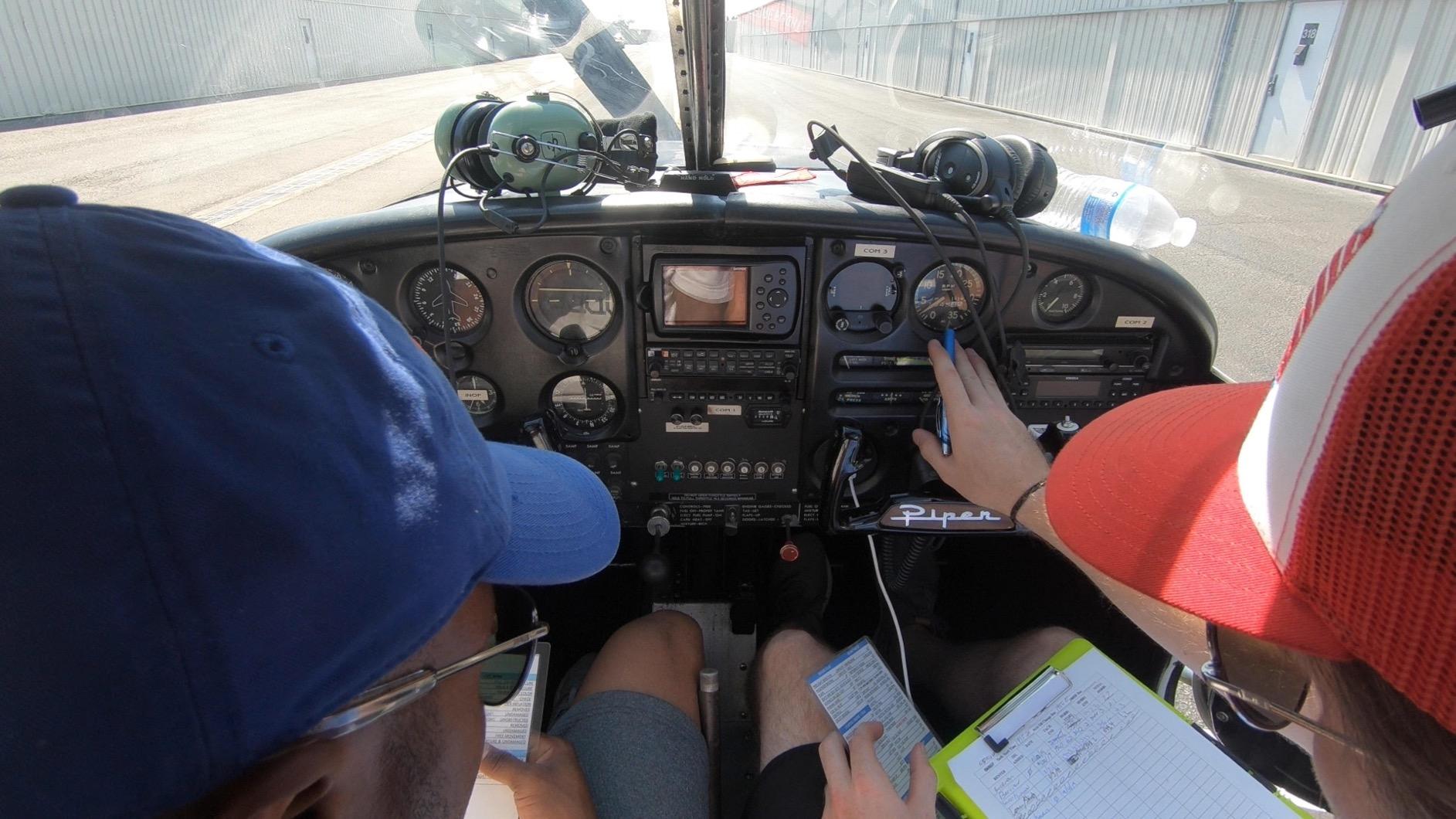
Dual GA PJ plugs are two separate 3.5 mm plugs, one for each ear, and they are the standard for general aviation trainers such as the Cessna 172 and Piper Cherokee. Most of the headsets in this roundup, including the Rugged. Air RA200, KORE P1, KORE KA-1, Zulu 3, Bose A30 and Proflight Series 2, all come with dual plugs fitted.
U-174/U is the single military-style connector used in many helicopters. If your training is on rotor aircraft, you need this rather than dual GA plugs, and some manufacturers sell the alternate version as a different SKU. The Bose A30 is available in U174, XLR 5-Pin, dual plug and LEMO 6-Pin variants.
3.5 mm jack on the product page is usually the auxiliary input for phone or tablet audio, not the aircraft connector. Several headsets here list a 3.5 mm jack in their specifications while actually flying with dual plugs underneath, so read the full description rather than the one field.
Where the aircraft connector is not listed at all, do not guess. Ask your instructor to confirm the panel before you order.
How to Test a Headset Before You Buy
Try before you buy, whatever the price. That is the single most repeated instruction across every pilot forum we read, and it costs you nothing but an hour in a rental trainer.
Start with the seal over your sunglasses or everyday glasses, if you wear them. A headset that cannot seal over a frame will leak cockpit noise straight past the ear cups and undo the entire attenuation figure on the box.
Next, check the microphone position. It should sit at the corner of your mouth, not directly in front of it, and you should be able to flex the boom and have it stay where you put it. A mic that slides toward your cheek mid-lesson means you will miss transmissions.
Then run the thirty-minute wear test. Put the headset on and sit in a quiet room with a fan running, which approximates a steady engine drone without the noise. Most clamp problems appear between minute 20 and 60, and a set you cannot wear for 90 minutes is a set you cannot wear on a three-hour cross-country.
Finally, test it on the real thing. Borrow the loaner headset your flight school keeps and compare, or wear your candidate on one full lesson before it becomes the only headset you own. If the school supplies loaners, ask first, since some students never need to buy at all until they fly solo.
Buying a Used Aviation Headset Without Getting Burned
Used headsets are the cheapest safe route to a name-brand passive set, because students who quit training frequently sell perfectly good gear. The forum consensus treats genuine used sets as a good buy and junk sets as the main risk, and the difference is a short inspection.
Check the headband spring first by pressing the ear cups together and releasing. A weak spring means the seal will not hold, and a headset with a bad spring is a headset with no passive noise reduction. Then work the yoke pivots, which loosen first and are usually not replaceable.
Look at the mic windscreen and the cable boot where it exits the ear cup, which is where cable fatigue shows. For an ANR set, power it on with fresh batteries before you pay: a used ANR headset with dead electronics is a passive headset at a full price, and that is the trap the forums warn about most.
Finally, confirm replacement ear seals are still sold for that model. A famous brand with discontinued seals is a headset you may have to discard when the foam fails, which cancels the savings.
Do your ear seal and hygiene maintenance on a schedule. Replace foam seals annually, wipe gel seals and head pads regularly, and never share a headset without wiping it first. Flight school loaners get used by dozens of students a year, and that is exactly how comfort complaints get mistaken for poor design.
Beyond the Headset: What Else a Student Pilot Needs
A headset is the only piece of equipment that directly affects whether you can hear and be heard, so it deserves most of the budget. Everything else on the list is secondary: a flight bag, a kneeboard or yoke strap, a spare set of batteries for ANR headsets, a sun visor, and a handheld GPS or tablet mount if your school allows it. Our handheld GPS buyer guide covers the navigation side if you are past the basics.
If someone in your family is buying for a student, a headset plus a set of spare ear seals is a far better gift than another piece of flight kit. Our pilot gift guide has the wider version of that list.
Frequently Asked Questions
What is the best aviation headset for student pilots?
The Rugged. Air RA200 is the best overall aviation headset for student pilots, offering 24 dB passive noise reduction, a 16 oz frame, per-ear volume control and a 7-year aviation warranty. It is among the lightest over-ear sets here and among the most proven, with 2,730 owner ratings.
What is the best ANR headset for pilots?
The Lightspeed Zulu 3 is our best ANR headset, with advanced active noise reduction, magnesium ear cups, a 14.6 oz stainless steel frame, ComPriority audio ducking and a 7-year warranty. For a turbine or twin, the Bose A30 is the alternative, with three ANR modes and FAA TSO certification.
What headset do most airline pilots use?
Bose and Lightspeed dominate airline cockpits, with the Bose A20 and A30 and the Lightspeed Zulu line the most common choices. Long-haul crews often prefer lighter in-ear designs like the Bose Proflight Series 2 for all-day comfort, while line pilots on light aircraft usually choose the Zulu.
Should I buy a passive or ANR headset?
Buy passive if you fly a quiet trainer such as a Cessna 172 or Piper Cherokee for short lessons, because it is lighter, cheaper, needs no power and will not fail when a battery dies. Buy ANR if your aircraft is louder than your headset, meaning a high-horsepower piston single, a twin or a turbine, where low-frequency fatigue affects how safely you fly.
What plug type does my training aircraft need?
Most general aviation trainers, including the Cessna 172 and Piper Cherokee, use dual GA PJ plugs, which two separate 3.5 mm connectors. Helicopters commonly use a single U-174/U connector. Confirm the panel with your instructor before buying, because a 3.5 mm jack listed on a product page is usually an auxiliary input rather than the aircraft plug.
Can student pilots use their own headset?
Yes, and most schools expect you to own one, though many provide loaner sets. Ask first, fly several lessons on the loaner, then buy to suit your aircraft and your hours. Also check that your instructor can hear you clearly, since a poor microphone on a cheap headset directly slows learning.
What headphones do most pilots use?
Pilots use aviation headsets, not consumer headphones, because only aviation headsets have a noise-cancelling electret microphone and aircraft-grade connectors. Consumer headphones, including gaming headsets and earbuds, cannot pass intercom audio and will not work as a primary cockpit headset.
Final Verdict: Which Aviation Headset Should You Buy?
Start with the Rugged. Air RA200 if you are early in training. It is the best overall aviation headset for student pilots: 24 dB of passive noise reduction, 16 oz on your head, a 7-year warranty and more real owner feedback than anything else we tested.
If you have already moved to a plane that out-runs your headset, or you fly navigation with a tablet, step up to the KORE KA-1 for its gel seals and auxiliary input, or the David Clark H10-13.4 for the most proven build in aviation. Both suit a student who is confident they will finish training.
Hold the Lightspeed Zulu 3 and the Bose A30 until you have a hundred hours and a noisier aircraft, and put the saved money into flying time instead. That is the single best advice in the pilot forums, and nothing in our testing contradicted it.
Whatever you choose, confirm the plug type with your instructor, wear it for a full 90-minute session before you commit, and keep spare ear seals on hand. Those three habits prevent almost every headset problem we saw in the forums.