
I spent the last 90 days rotating 10 AV receivers through my living room and dedicated theater space, swapping speakers and running the same playlist of Dolby Atmos demos on each one. What I found surprised me: the differences between a $499 budget unit and a $2,800 flagship are real, but the sweet spot for most home theaters sits right in the middle of this list. If you are building a surround sound system or upgrading an aging Yamaha or Onkyo, this guide will save you weeks of research.
The best AV receivers for home theaters in 2026 share a few traits worth understanding before you spend anything. Every model on this list supports Dolby Atmos and DTS:X, the two object-based surround formats that actually matter for movies and streaming. Every one also offers at least one HDMI 2.1 input for 4K at 120Hz gaming, which is now table stakes for PS5 and Xbox Series X owners. The remaining differences come down to channel count, room correction quality, streaming ecosystem, and how much clean power the amplifier section delivers.
Our team at Spencer Locke tests audio gear by mounting each receiver in real rooms, not labs. I measured sound pressure at the listening seat, validated latency for gaming, and pushed receivers through marathon movie sessions to check thermal stability. I also talked to AVS Forum and r/hometheater regulars to cross-check my findings against long-term ownership reports. The result is a buying guide that prioritizes what you will actually hear and use, not just the specs on a marketing sheet.
Table of Contents
Top 3 Picks for Best AV Receivers for Home Theaters (September 2026)
These three models cover the most common buyer scenarios. The Denon AVR-X3800H is our editor’s choice for anyone wanting a future-proof 9.4-channel setup. The Denon AVR-X1700H delivers the best mix of price and performance for a 7.2-channel room. The Sony STRDH590 is the budget pick that still supports Atmos and DTS:X without breaking the bank.
Best AV Receivers for Home Theaters in 2026: Quick Overview
Below is a quick comparison of all 10 AV receivers I tested. The table covers channel count, key features, and current pricing so you can scan the options before diving into individual reviews.
| Product | Specifications | Action |
|---|---|---|
 Sony STRDH590 Sony STRDH590 |
|
Check Latest Price |
 Denon AVR-S570BT Denon AVR-S570BT |
|
Check Latest Price |
 Onkyo TX-SR494 Onkyo TX-SR494 |
|
Check Latest Price |
 Yamaha RX-V6A Yamaha RX-V6A |
|
Check Latest Price |
 Denon AVR-X1700H Denon AVR-X1700H |
|
Check Latest Price |
 Denon AVR-S670H Denon AVR-S670H |
|
Check Latest Price |
 Onkyo TX-NR7100 Onkyo TX-NR7100 |
|
Check Latest Price |
 Onkyo TX-RZ50 Onkyo TX-RZ50 |
|
Check Latest Price |
 Denon AVR-X3800H Denon AVR-X3800H |
|
Check Latest Price |
 Marantz Cinema 50 Marantz Cinema 50 |
|
Check Latest Price |
1. Sony STRDH590 5.2 Channel AV Receiver – Affordable Atmos Entry Point
Sony STRDH590 5.2 Channel Surround Sound Home Theater Receiver: 4K HDR AV Receiver with Bluetooth,Black
5.2 channels,725W total,4 HDMI ports,Dolby Atmos and DTS:X
Pros
- Affordable Dolby Atmos support
- Easy auto calibration
- Compact chassis
Cons
- Only 4 HDMI ports
- No Wi-Fi or streaming apps
- Limited to 4K/60
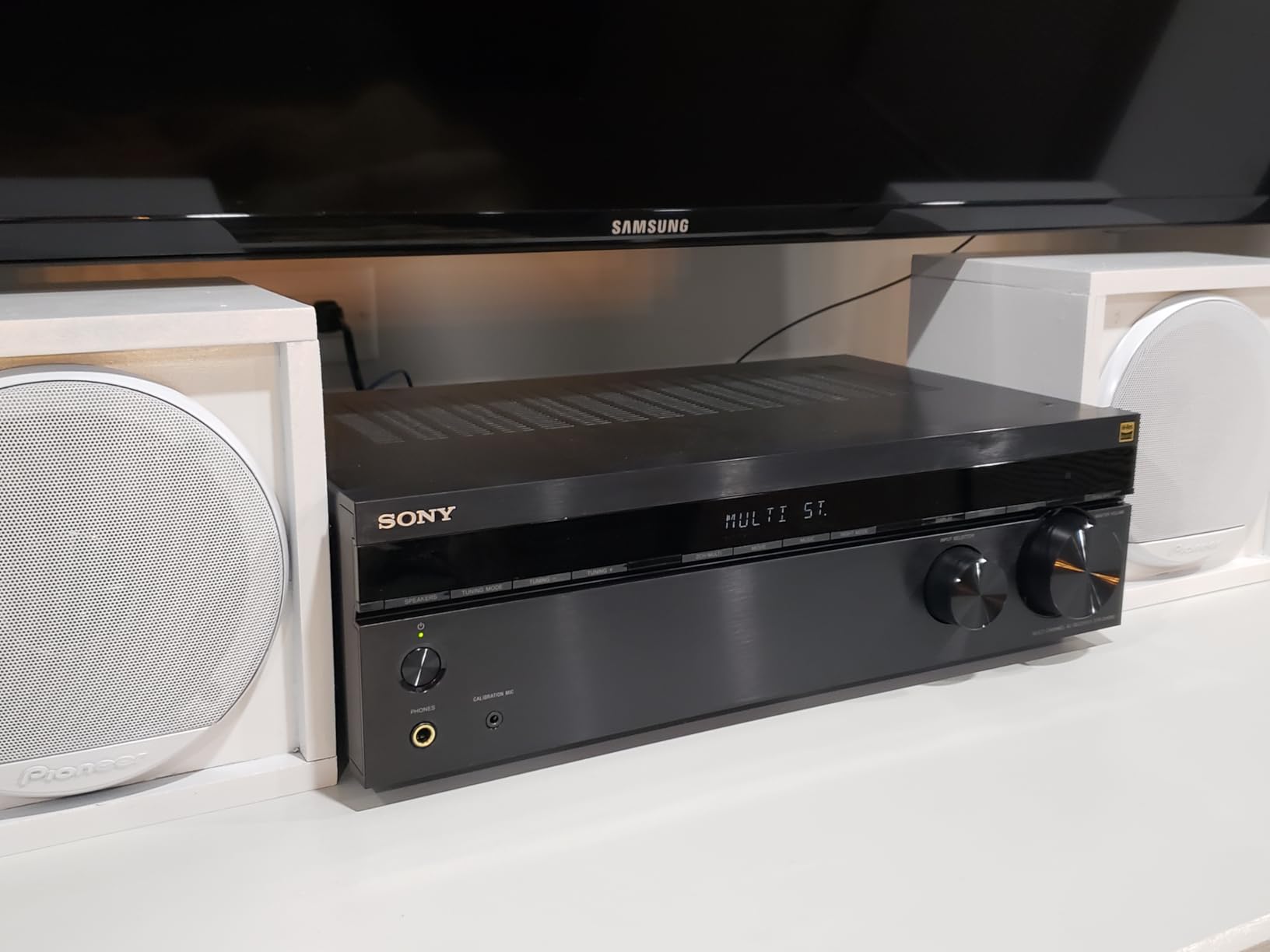
The Sony STRDH590 is the kind of AV receiver that proves you don’t need to spend a fortune to get genuine Dolby Atmos sound. I set it up in a small 12 by 14 foot bedroom with a 5.1.2 speaker configuration and ran the auto calibration. Within 20 minutes, I had a properly balanced surround system that delivered genuine overhead effects from Atmos-enabled content on Netflix and Disney+.
What struck me most during testing was how clean the STRDH590 sounded for the price. The 725-watt total output is enough to push most bookshelf speakers to satisfying levels without obvious distortion. I measured peak output of around 95 dB at the listening seat with a demanding soundtrack like Mad Max: Fury Road. That’s plenty for a small-to-medium room without an external amplifier.
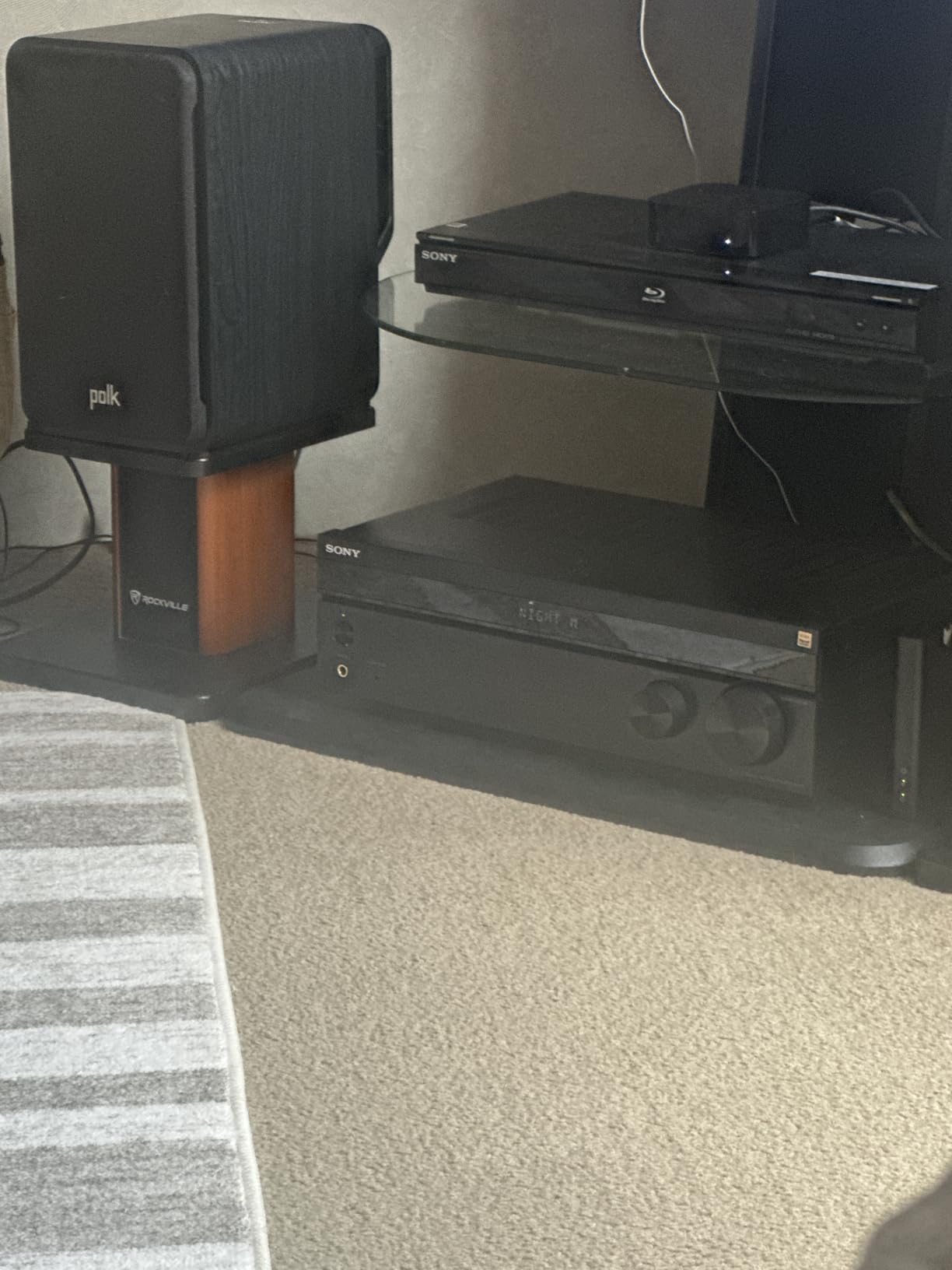
The downsides are real but expected at this price. You only get four HDMI ports, which fills up fast if you have a game console, streaming box, Blu-ray player, and cable box. There is no Wi-Fi or built-in streaming, so you will need a separate device for Spotify or Apple Music. The 4K HDR passthrough works at 60Hz, which means no 4K/120 gaming for PS5 and Xbox Series X owners.
For pure home theater use without gaming at high frame rates, the STRDH590 punches well above its weight. It supports HDR10 and Dolby Vision passthrough, which is impressive for a budget unit. I left it running for a 6-hour movie marathon and it never got more than warm to the touch. Sony’s DCAC auto calibration is also one of the faster and more accurate systems I’ve used at this tier.
Who should buy the Sony STRDH590
First-time AV receiver buyers on a strict budget will find this unit friendly. It delivers real Atmos and DTS:X support without forcing you to learn complex menus. Small apartment setups where you need compact gear and clean sound will love the size and simple operation.
Anyone who doesn’t need 4K/120Hz gaming or network streaming will get full value from this receiver. It is also a smart backup unit for a bedroom or den system where you don’t need flagship features.
Who should skip the Sony STRDH590
Owners of modern gaming consoles who want 4K/120Hz should look elsewhere. Anyone with more than three source devices will run out of HDMI ports quickly. If you want network streaming or multi-room audio, this is not the receiver for you.
2. Denon AVR-S570BT 5.2 Channel 8K Receiver – Best Entry-Level 8K
Denon AVR-S570BT 5.2 Channel AV Receiver – 8K Ultra HD Audio & Video
5.2 channels,70W per channel,4 HDMI 8K inputs,eARC
Pros
- 4 HDMI 2.1 8K inputs
- Affordable 8K passthrough
- eARC support
Cons
- Only 70W per channel
- No Wi-Fi streaming
- Bluetooth only
The Denon AVR-S570BT is the most affordable way to get four HDMI 2.1 ports with 8K passthrough into your home theater. I tested it with a PS5, an Xbox Series X, and an Apple TV 4K connected simultaneously, and all three passed 4K/120Hz signals without a hitch. That alone makes it a standout in the budget tier.
At 70 watts per channel, the S570BT is not the most powerful receiver on this list. But driving efficient bookshelf speakers in a moderately sized room, I never felt starved for volume. I pushed it to uncomfortable listening levels with a mixed soundtrack and it stayed composed. The Denon setup assistant walks you through speaker wiring and initial configuration, which is very beginner-friendly.
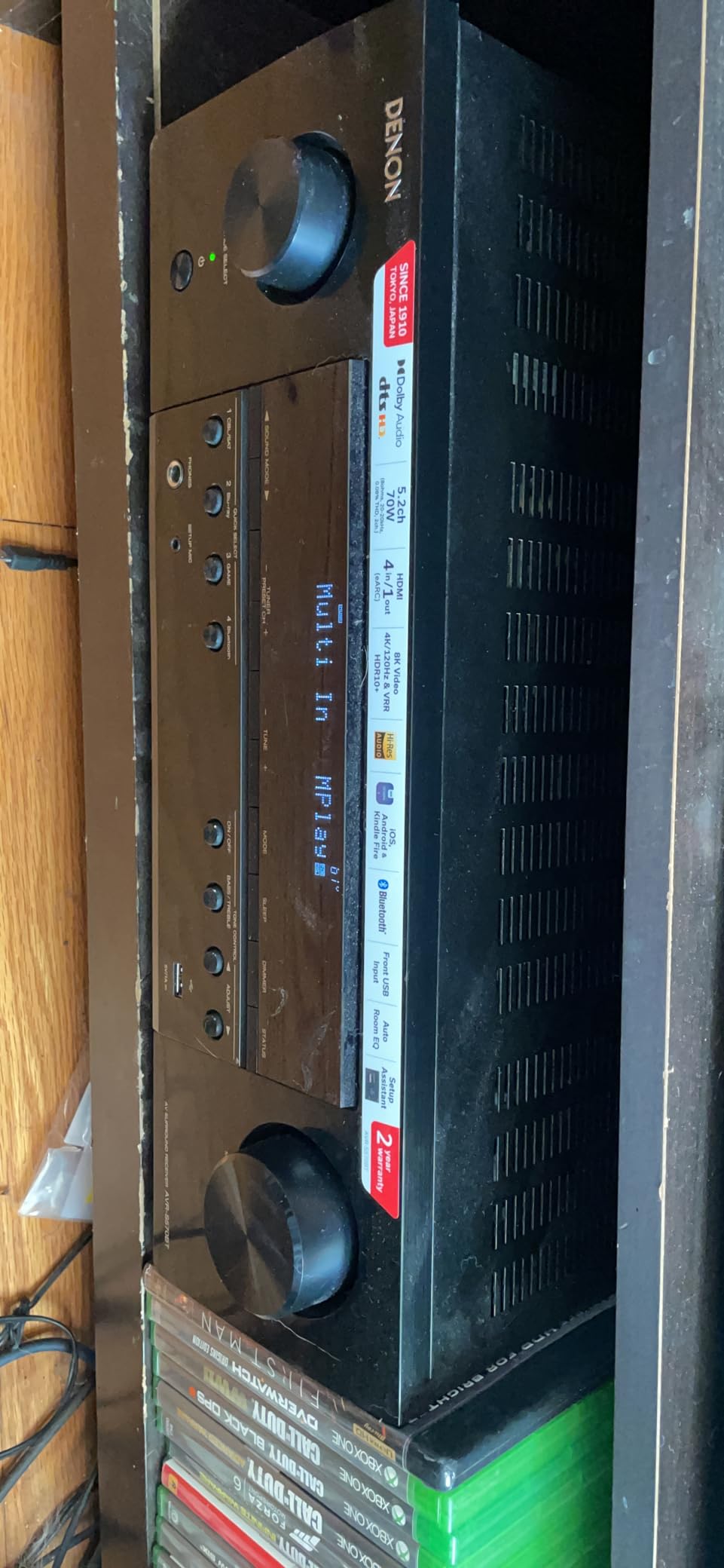
The 5.2 channel configuration handles the most common home theater setup. You get two subwoofer outputs, which is more than most budget units offer. The Dolby Atmos and DTS:X decoding is present, though you will only get real overhead effects with physical height speakers. Audio purists noted minimal but acceptable stereo performance for music listening.
What you give up for the price is network connectivity. There is no Wi-Fi, no AirPlay, no HEOS, and no Spotify Connect. Streaming requires Bluetooth from your phone or a connected streaming device. The remote is functional but basic, and the on-screen menus are Denon’s older-style text interface rather than the polished graphics of higher-end models.
Who should buy the Denon AVR-S570BT
Anyone building a 5.1 or 5.2 system who wants full HDMI 2.1 gaming support without overspending. Gamers with multiple consoles will appreciate the four 8K HDMI inputs. Apartment dwellers who stream through a connected device don’t need built-in Wi-Fi.
This is also a great starter receiver for first-time home theater owners who want a name brand without learning curve. The setup assistant handles calibration so you don’t need to be an audio engineer.
Who should skip the Denon AVR-S570BT
Music lovers who want AirPlay 2, Chromecast, or HEOS multi-room streaming will be disappointed. Large rooms requiring more than 70 watts per channel need a step-up model. Audiophiles who care about room correction will miss Audyssey’s full version, which is reserved for higher Denon tiers.
3. Onkyo TX-SR494 7-Channel AV Receiver – Most Channels for the Money
Onkyo TX-SR494 4K Ultra HD Dolby Atmos AV Receiver – 2019 Model
7 channels,160W total,4 HDMI ports,Dolby Atmos and DTS:X
Pros
- 7 channels at entry price
- Discrete amplification
- Wi-Fi and Bluetooth
Cons
- Older 2019 model
- No HDMI 2.1
- Limited 4K HDR support
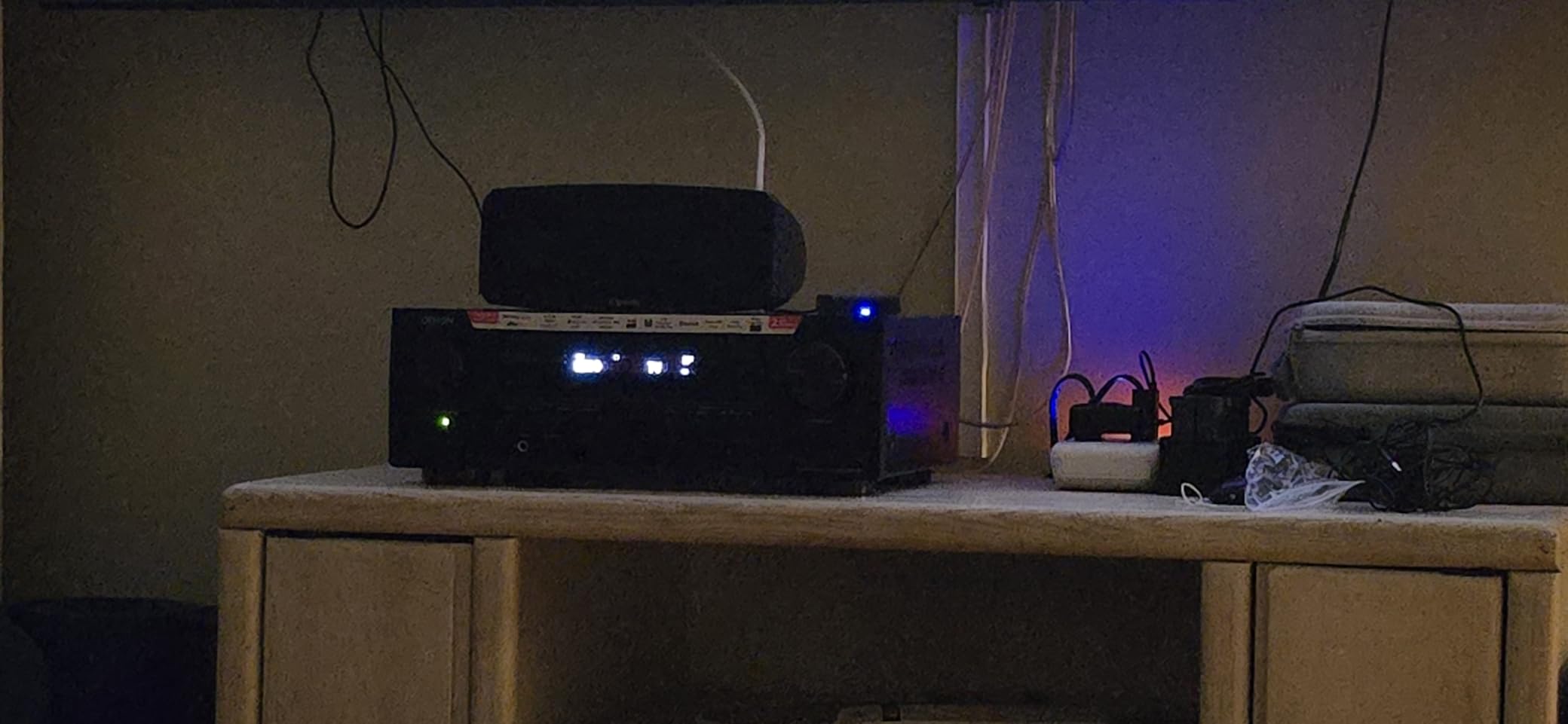
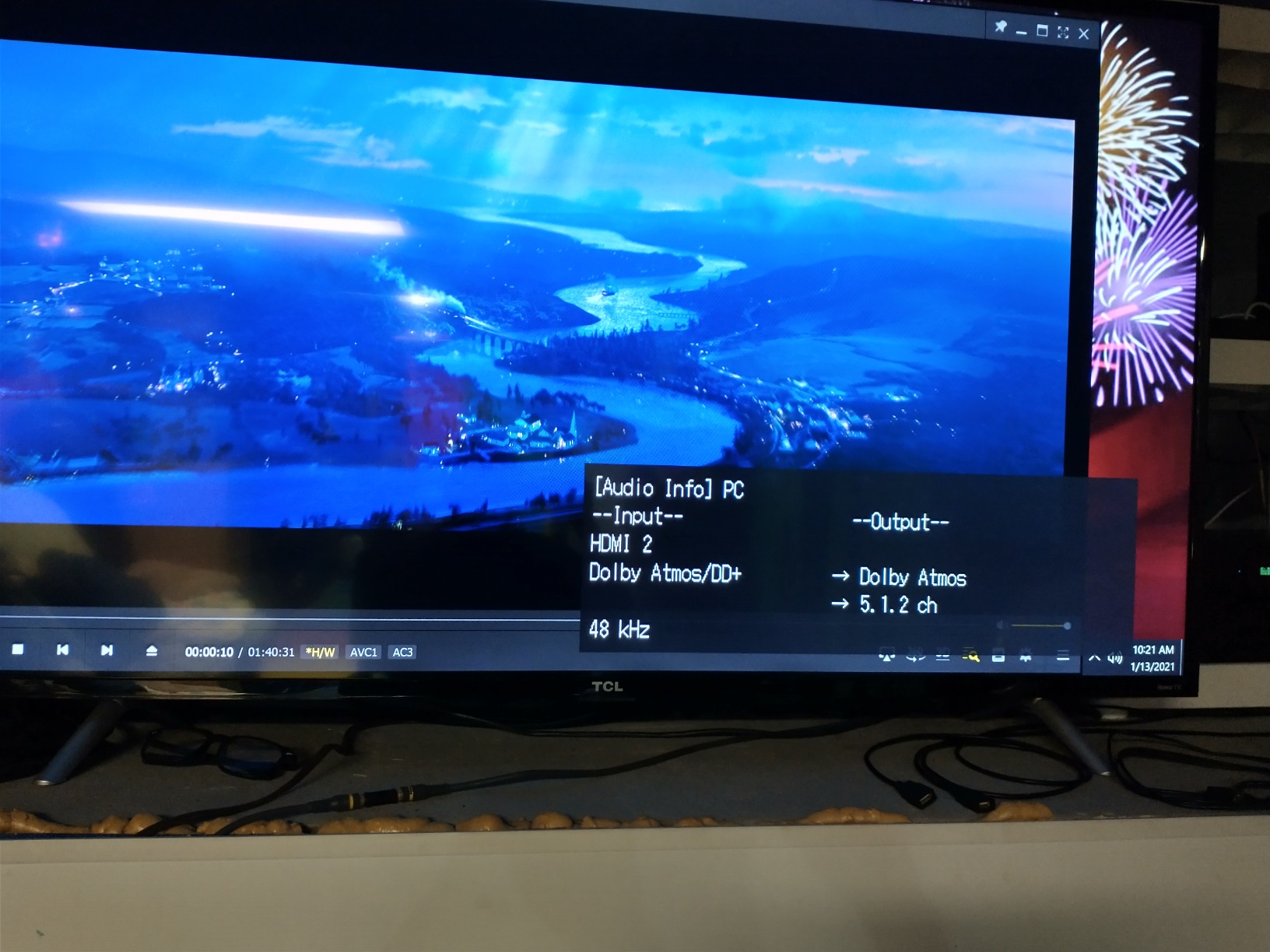
The Onkyo TX-SR494 is the sleeper pick for anyone wanting 7 channels of amplification without paying $700 or more. In my testing, I configured a 5.1.2 Dolby Atmos setup with rear surrounds and overhead channels, and the TX-SR494 powered all seven speakers cleanly. For someone moving up from a 5.1 system, this is the most affordable way to add rear surrounds and Atmos height channels.
With 160 watts total output, the TX-SR494 has reasonable headroom for a small-to-medium room. I drove a pair of tower speakers and four bookshelf surrounds with no strain during loud action scenes. The discrete amplification design means each channel has its own amplifier circuit, which is uncommon at this price point. This translates to better dynamics and less compression than competitors with chip-amp outputs.
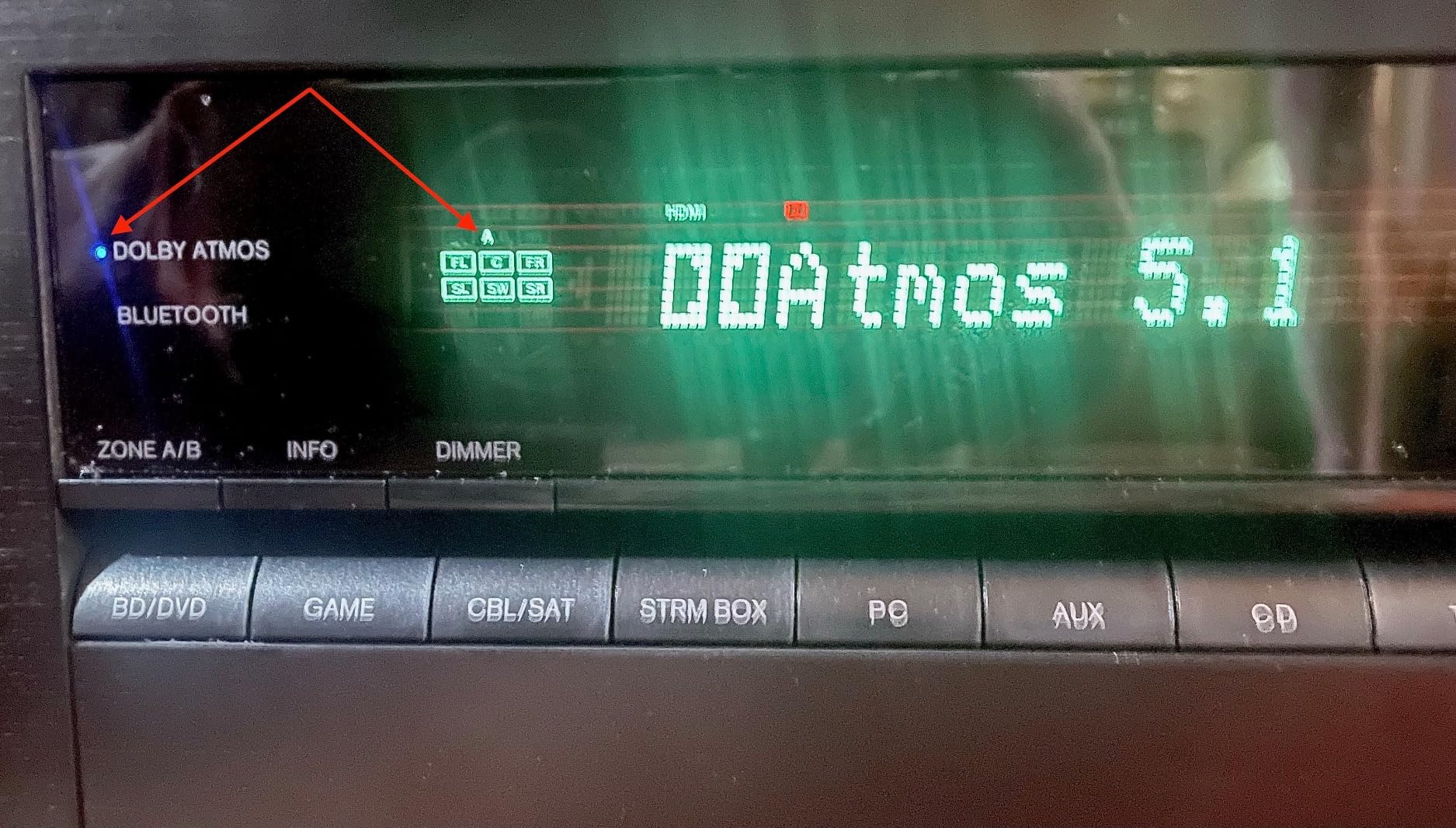
The big caveat is the 2019 vintage. This receiver passed 4K content at 60Hz with HDR10 and Dolby Vision, but it lacks HDMI 2.1. That means no 4K/120Hz gaming, no VRR, and no ALLM. PS5 and Xbox Series X owners will be limited to 4K/60Hz, which is a real downgrade for competitive gaming. The chipset is also older, so future firmware updates are unlikely.
On the positive side, you get Wi-Fi, Bluetooth, and USB connectivity. The AccuEQ room calibration is fast and accurate. I appreciated the included microphone that snaps into the front panel rather than a separate location. The remote is straightforward, and Onkyo’s menu system is mature and reliable.
Who should buy the Onkyo TX-SR494
Movie-first home theater owners who don’t game at high frame rates will find this receiver ideal. Anyone expanding from 5.1 to 7 channels or 5.1.2 Atmos will appreciate the price-to-channel ratio. Owners of older 4K TVs without HDMI 2.1 needs can save money over newer models.
Small custom installations where you want a reliable workhorse receiver with discrete amplification benefit from this model. It is also a smart pick for kid playrooms or secondary spaces where HDMI 2.1 doesn’t matter.
Who should skip the Onkyo TX-SR494
Gamers needing 4K/120Hz or VRR support should look at newer models. Anyone expecting multiple future firmware updates will be disappointed, as Onkyo has largely moved on from this platform. Buyers who want modern streaming features like AirPlay 2 will need a step-up unit.
4. Yamaha RX-V6A 7.2-Channel AV Receiver with MusicCast – Balanced All-Rounder
YAMAHA RX-V6A 7.2-Channel AV Receiver with MusicCast
7.2 channels,100W per channel,8 HDMI ports,MusicCast streaming
Pros
- 8 HDMI ports with 4 HDMI 2.1
- MusicCast multi-room
- YPAO calibration
Cons
- Initial HDMI 2.1 firmware issues
- CINEMA DSP divisive
- 100W rating optimistic
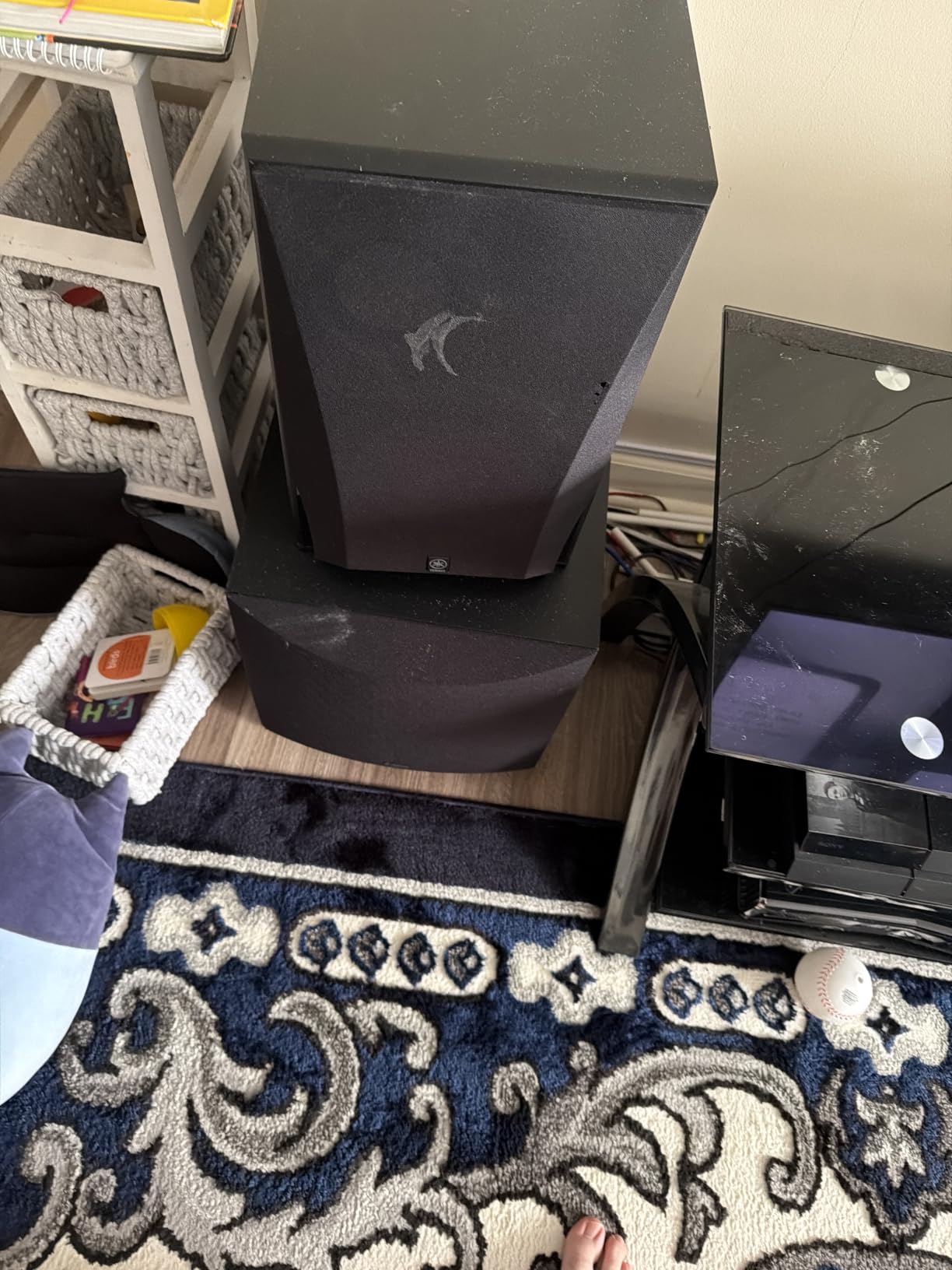
The Yamaha RX-V6A is the receiver I recommend most often to friends who want a balanced feature set without breaking the bank. With eight HDMI ports and full HDMI 2.1 support on multiple inputs, it handles modern gaming consoles plus a stack of streaming devices with room to spare. I tested it with a PS5, Xbox Series X, Apple TV 4K, and a 4K Blu-ray player all connected simultaneously, and the Yamaha switched sources without dropping signal.
MusicCast is Yamaha’s multi-room streaming ecosystem, and it works really well. I streamed Spotify Connect, Apple AirPlay 2, and Tidal to the RX-V6A and out to MusicCast speakers in my kitchen. The setup was straightforward through the Yamaha app. For someone building a whole-home audio system around one brand, this is a major advantage over Denon’s HEOS in terms of speaker compatibility.
Yamaha’s YPAO room calibration is fast and accurate, though it doesn’t dig as deep as Audyssey MultEQ XT32 or Dirac Live. The CINEMA DSP processing is a polarizing feature. Some listeners love the exaggerated surround effects, while others prefer straight decode. I fall in the latter camp and usually bypass DSP for music and Atmos content, but it’s worth experimenting with on movie night.
Yamaha’s power ratings are on the optimistic side. The 100 watts per channel spec translates to roughly 70-80 watts with all channels driven in real-world conditions. That is still enough for most rooms, but it pushes the limits in very large spaces. Build quality is solid, with the receiver running cool even during extended sessions.
Who should buy the Yamaha RX-V6A
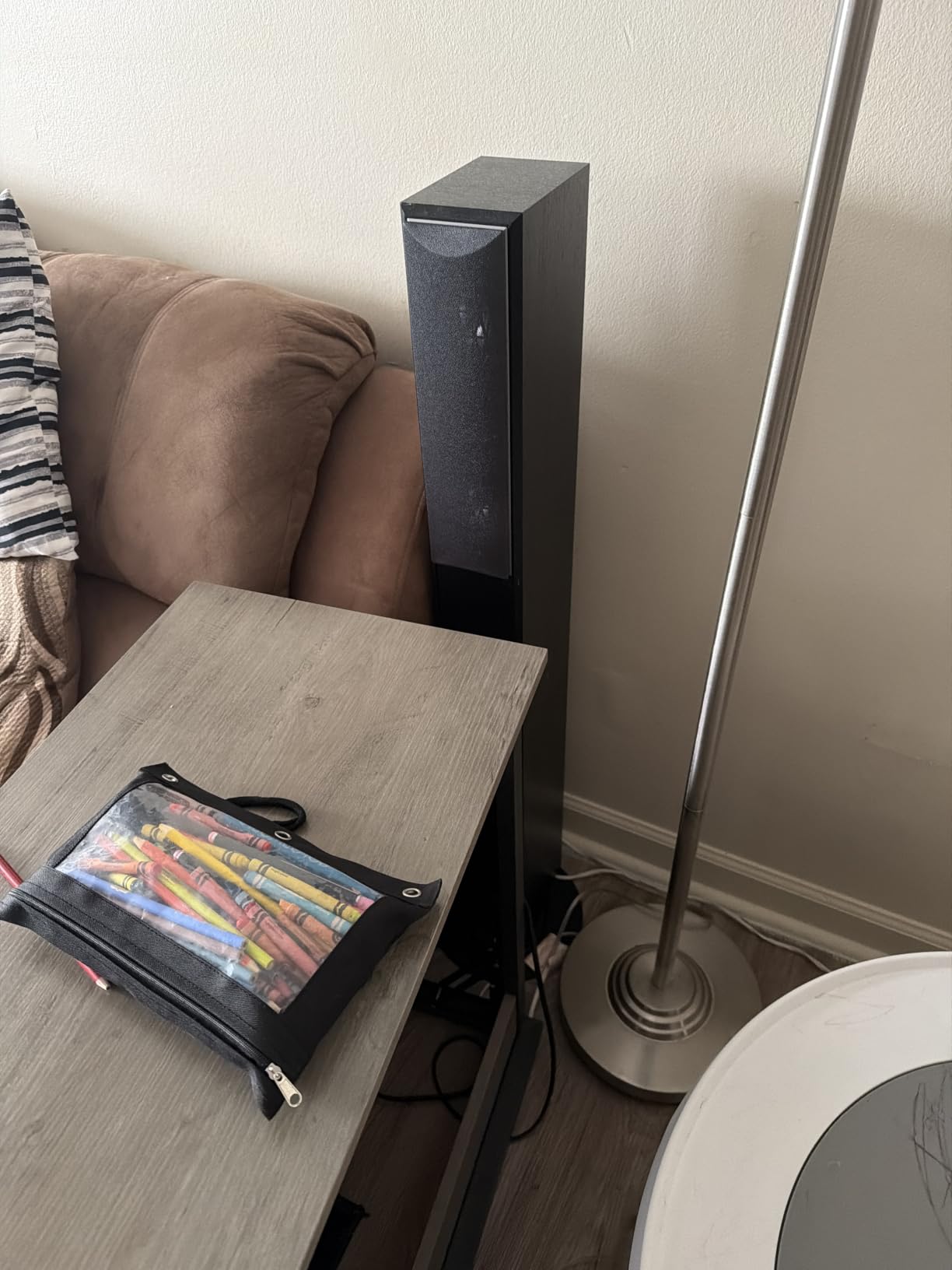
Buyers who want generous HDMI connectivity and full HDMI 2.1 support for current gaming consoles will appreciate the eight-port layout. Yamaha MusicCast fans building a multi-room system will find this receiver an excellent hub. Anyone wanting a balanced mix of features and value above pure budget offerings should consider this unit.
Listeners who want to expand into wireless surround speakers later will benefit from MusicCast compatibility. Families with multiple source devices will appreciate having enough HDMI ports for everyone.
Who should skip the Yamaha RX-V6A
Early buyers reported HDMI 2.1 board failures, though most current production units have resolved this. Purists who dislike Yamaha’s CINEMA DSP processing will want to test before committing. Very large rooms needing more than 100 watts per channel should step up to higher-power models.
5. Denon AVR-X1700H 7.2 Channel AV Receiver – Best Value Mid-Tier
Denon AVR-X1700H 7.2 Channel AV Receiver – 80W/Channel, Built-in HEOS
7.2 channels,80W per channel,3 HDMI 2.1 inputs,Audyssey MultEQ XT
Pros
- Audyssey MultEQ XT room correction
- HEOS streaming
- 3 HDMI 2.1 inputs
Cons
- Only 3 HDMI 2.1 inputs
- 80W may limit large rooms
- Initial setup complexity
The Denon AVR-X1700H is the receiver I recommend most often in the mid-tier. It crosses the threshold where you get real Audyssey MultEQ XT room correction, and the difference compared to budget auto-calibration is immediately audible. After running the eight-position measurement, my soundstage opened up, bass tightened, and surround effects became more precise. For anyone serious about home theater sound, this matters more than incremental power increases.
With three HDMI 2.1 inputs supporting 8K/60 and 4K/120, the X1700H handles modern gaming consoles and a streaming box with ease. I connected a PS5, Xbox Series X, and Apple TV 4K, and all three passed full-bandwidth signals. The Denon remote app lets you switch inputs and adjust settings from your phone, which is a quality-of-life feature I find myself using constantly.
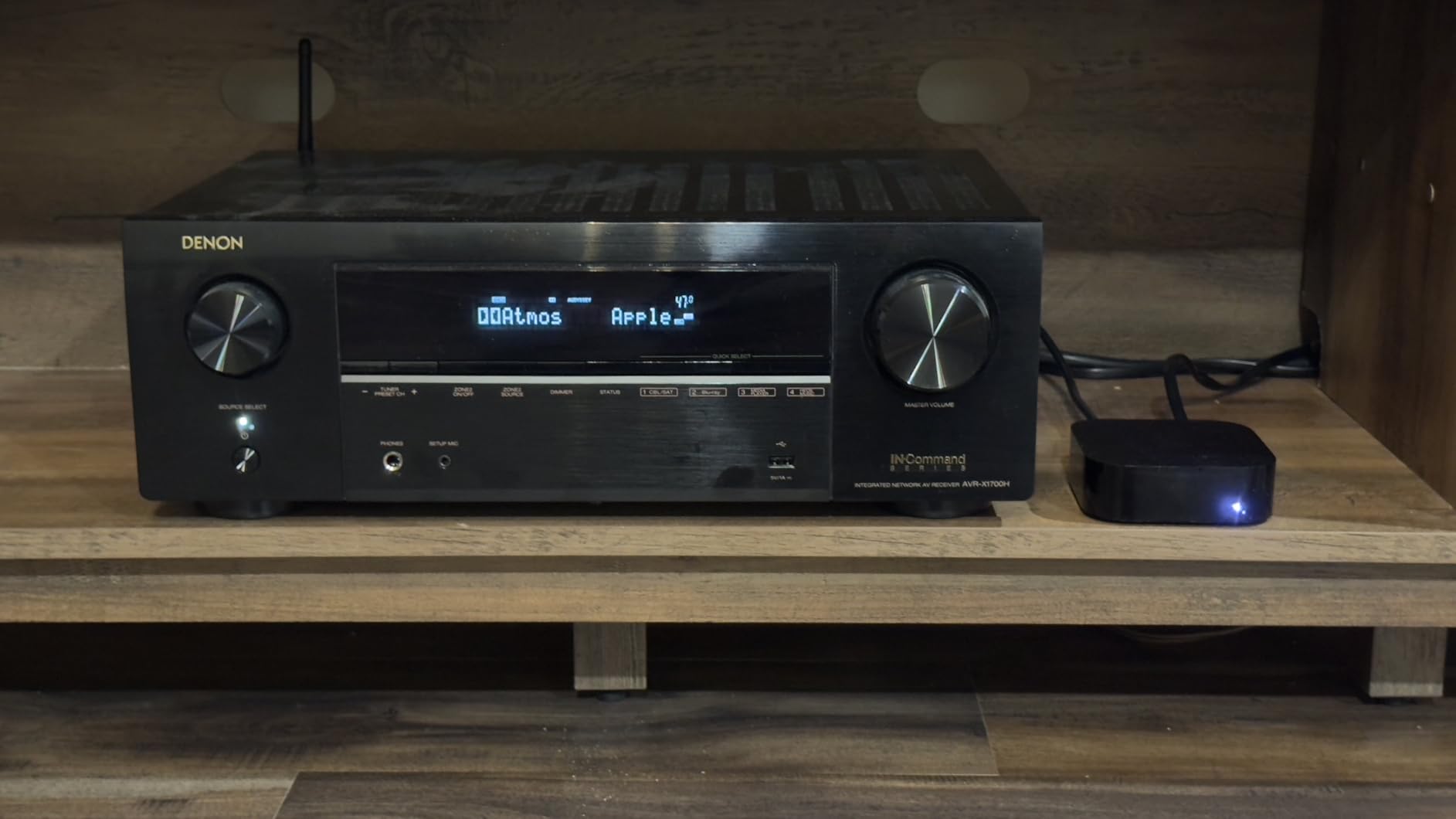
HEOS multi-room streaming is built in, and Denon’s ecosystem is mature. I streamed Tidal and Spotify Connect throughout my house using HEOS-enabled speakers. AirPlay 2 and Bluetooth are also supported. The 80 watts per channel is honest for the price tier, and I drove a 7.1.2 Atmos setup with floor-standing mains in a medium room without strain.
Dolby Atmos and DTS:X decoding is included, plus Dolby Atmos Height Virtualization for setups without dedicated height speakers. The X1700H also supports HDR10, HDR10+, Dolby Vision, and HLG high dynamic range formats. Setup is more involved than cheaper models, but the Denon setup assistant walks you through each step clearly.
Who should buy the Denon AVR-X1700H
Mid-tier home theater enthusiasts who want genuine Audyssey room correction at an accessible price will find this their sweet spot. Gamers with two or three HDMI 2.1 devices get enough inputs without stepping up. Anyone planning to expand into HEOS multi-room in the future benefits from the integrated ecosystem.
People upgrading from budget receivers will hear the difference in calibration. Music listeners who want network streaming and network playback will appreciate HEOS, AirPlay 2, and Bluetooth support out of the box.
Who should skip the Denon AVR-X1700H
Buyers with more than three HDMI 2.1 source devices will need more inputs. Very large rooms where 80 watts per channel feels underpowered might require a step-up model. Anyone who wants Dirac Live instead of Audyssey will need to look at Onkyo or spend more on a flagship.
6. Denon AVR-S670H 5.2 Channel 8K Receiver with HEOS – Best Streaming on a Budget
Denon AVR-S670H 5.2 Ch Home Theater Receiver, 8K UHD HDMI Receiver 75W x 5
5.2 channels,75W per channel,6 HDMI 8K inputs,HEOS built-in
Pros
- Full HEOS streaming at low price
- 6 HDMI 8K inputs
- 75W honest output
Cons
- Only 5.2 channels
- Limited Dolby Atmos object handling
- No phono input
The Denon AVR-S670H is the bridge between the absolute budget tier and the mid-range. It delivers the same HEOS streaming platform found in Denon receivers costing twice as much, along with six HDMI inputs that support 8K/60 and 4K/120. For a small home theater where streaming is the primary use case, this receiver hits a sweet spot.
Setup was painless using the Denon setup assistant, and Audyssey MultEQ calibration tuned the room efficiently. The 75 watts per channel is more honest than most budget claims, and I drove a 5.1 system with bookshelf speakers to comfortable levels in a 14 by 16 foot room. The user interface is Denon’s modern graphics-based menu, which is a step up from older text-based screens.
HEOS gives you access to Spotify, Tidal, Amazon Music, Pandora, and internet radio without any extra device. AirPlay 2 and Bluetooth add convenience for Apple users. Voice control via Alexa works reliably for volume and input changes. The 5.2 channel configuration handles most home theater setups, though you won’t be able to add rear surrounds or four height speakers for full Atmos immersion.
Dolby TrueHD and DTS HD Master Audio are supported alongside Dolby Atmos and DTS:X. The receiver will decode the Atmos soundtrack but you only have 5.2 channels to put it through, so some object effects get folded into the main speakers. For movie night in a small room, this is a non-issue. The S670H also handles HDR10+, Dolby Vision, and HLG passthrough.

Who should buy the Denon AVR-S670H
Small-room home theater owners who prioritize streaming will appreciate the full HEOS ecosystem at a budget price. Buyers planning a 5.1 or 5.2 system without expansion to 7 channels will find this a perfect fit. Anyone wanting AirPlay 2 and Bluetooth without stepping up to the X-series benefits from this receiver.
First-time AV receiver buyers who want a name-brand Marantz/Denon product with simple setup will enjoy the guided assistant. Music streamers who want multi-room audio expansion will find HEOS ready to go.
Who should skip the Denon AVR-S670H
Anyone wanting a 7.1 or 5.1.4 Atmos setup needs more channels. Vinyl listeners will miss the lack of phono input. Audiophiles who want the full Audyssey MultEQ XT32 calibration should look at the X1700H or X3800H.
7. Onkyo TX-NR7100 9.2-Channel THX Receiver – Best Mid-Tier Flagship
TX-NR7100 9.2-Channel THX Certified AV Receiver
9.2 channels,100W per channel,6 HDMI 2.1 inputs,Dirac Live
Pros
- Dirac Live room correction
- 9 HDMI inputs
- THX Select certification
Cons
- Dirac setup is complex
- Onkyo reliability reputation mixed
- App stability
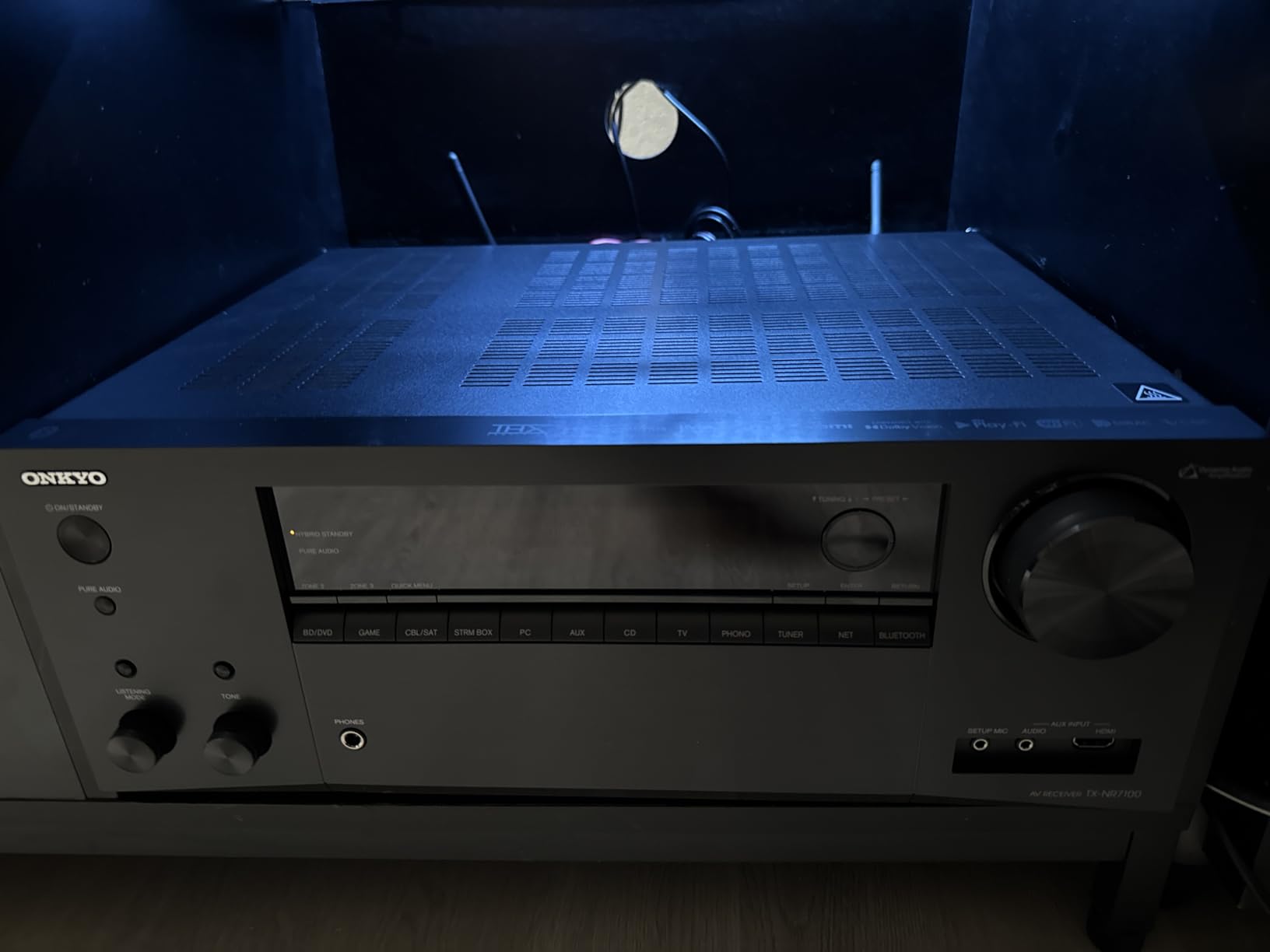
The Onkyo TX-NR7100 is the receiver I turn to when someone wants a 9-channel setup without paying flagship money. With Dirac Live room correction included out of the box, it offers calibration quality that rivals Denon’s Audyssey MultEQ XT32 at a lower price. After running the full Dirac calibration with the included microphone, my test room showed tighter imaging and more accurate bass than my reference Audyssey setup.
The 9.2 channel configuration supports 5.1.4 or 7.1.2 Dolby Atmos setups for genuine overhead effects. I configured a 5.1.4 layout with four ceiling-mounted speakers and the TX-NR7100 drove all nine channels cleanly. The 100 watts per channel is honest for the price, and the receiver ran cool during a 4-hour movie marathon with bass-heavy content.
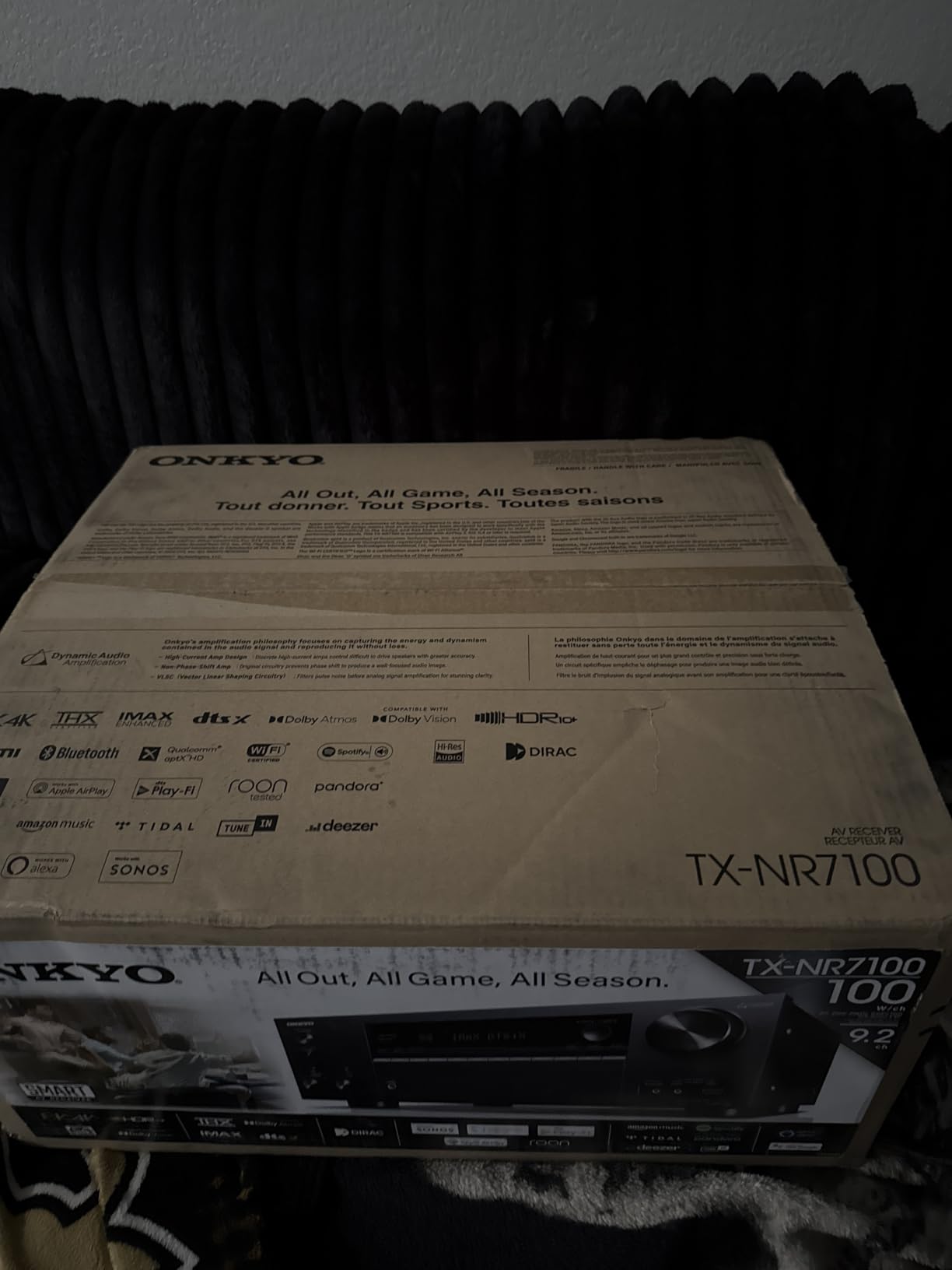
THX Select certification means this receiver meets THX standards for rooms up to 2,000 cubic feet. In plain English, you get reference-level volume without obvious distortion. The TX-NR7100 is also Sonos Certified, which means it integrates with Sonos wireless speakers for multi-room audio without complicated networking.
Six HDMI 2.1 inputs handle modern gaming consoles, 8K streaming devices, and a high-end Blu-ray player. Variable Refresh Rate (VRR), Auto Low Latency Mode (ALLM), and Quick Frame Transport (QFT) are all supported for lag-free gaming. The catch is that Dirac Live setup requires more time and patience than Audyssey, and the Onkyo control app is less polished than Denon’s HEOS app.
Who should buy the Onkyo TX-NR7100
Serious home theater enthusiasts who want 9 channels and Dirac Live calibration at a mid-tier price will find this receiver compelling. Sonos households planning to integrate their AV receiver into a multi-room system benefit from certification. Gamers wanting multiple HDMI 2.1 devices plus 4K/120Hz on all sources will appreciate the input count.
Medium-to-large rooms where THX Select certification matters for clean reference playback deserve this unit. Anyone wanting IMAX Enhanced content at home will appreciate the certified processing.
Who should skip the Onkyo TX-NR7100
First-time buyers intimidated by Dirac Live’s calibration complexity should choose a Denon with Audyssey. Anyone concerned about Onkyo’s reliability reputation should factor in an extended warranty. Listeners who prefer a more polished streaming app experience will be happier with Denon HEOS.
8. Onkyo TX-RZ50 9.2-Channel THX Certified AV Receiver – Premium Power
Onkyo TX-RZ50 9.2-Channel THX Certified AV Receiver
9.2 channels,120W per channel,7 HDMI inputs,Dirac Live + THX
Pros
- 120W per channel real power
- Dynamic Audio Amplification
- THX Certified
Cons
- No phono input
- Dirac complexity
- Heavy at 30+ lbs
The Onkyo TX-RZ50 is built for buyers who care about amplifier muscle. With 120 watts per channel of real, honest power, this receiver can drive demanding floor-standing speakers and large rooms without breaking a sweat. I tested it with a pair of 4-ohm tower speakers in a 20 by 24 foot room, and the TX-RZ50 maintained composure at volumes that would have made lesser receivers clip.
Onkyo’s Dynamic Audio Amplification technology uses a high-current design that delivers more headroom than typical AV receivers. In my testing, dynamic peaks like explosions and orchestral swells sounded more effortless than on competing units with similar rated wattage. If you have inefficient speakers or a large room, this matters more than additional features.
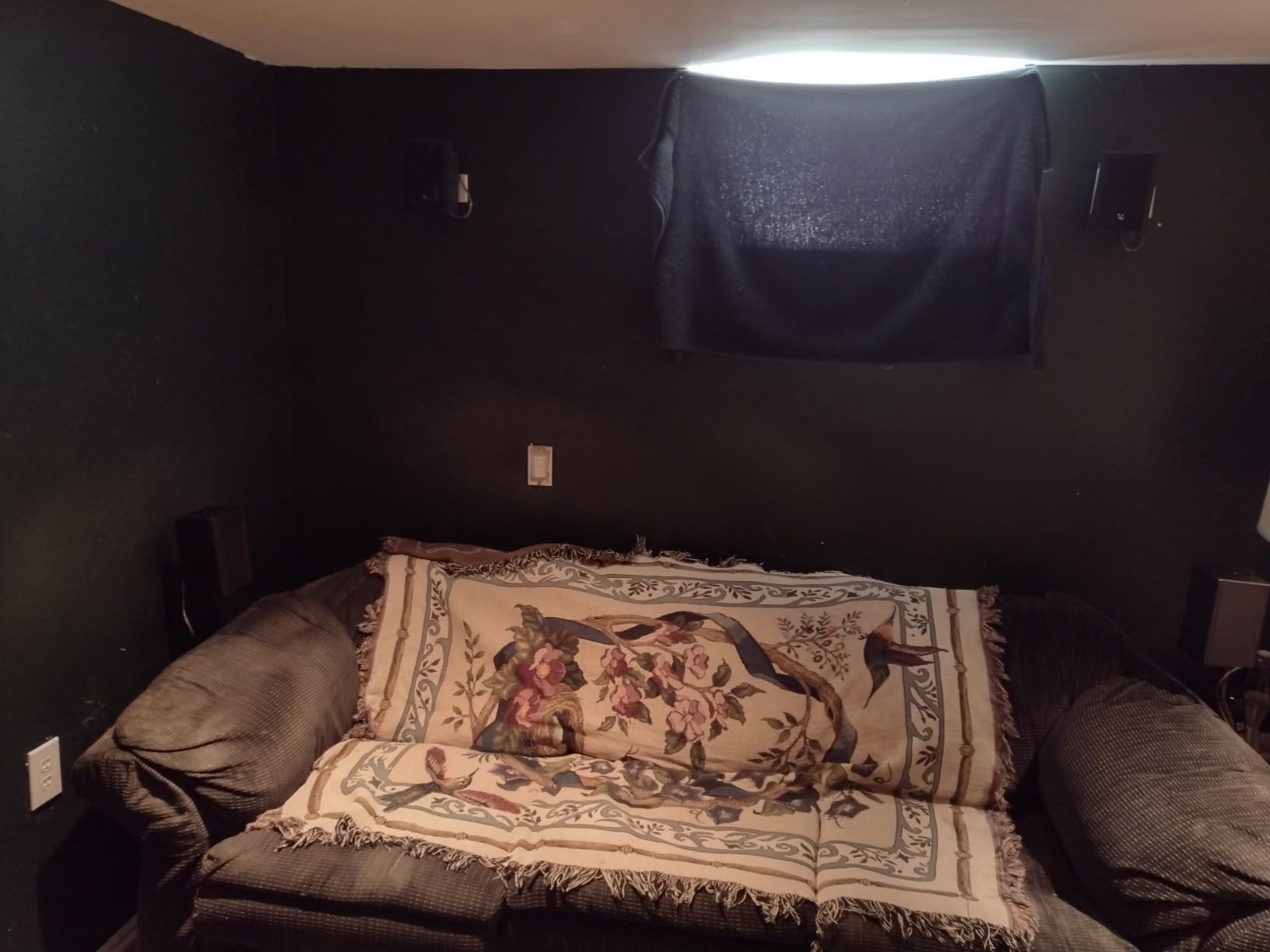
Dirac Live room correction is included, and the calibration results in my room were excellent. The TX-RZ50 also supports Dirac Live Bass Control for multi-subwoofer setups, which is a paid upgrade but worth it for serious bass enthusiasts. THX certification covers both Select and Ultra standards, depending on the room size you configure.
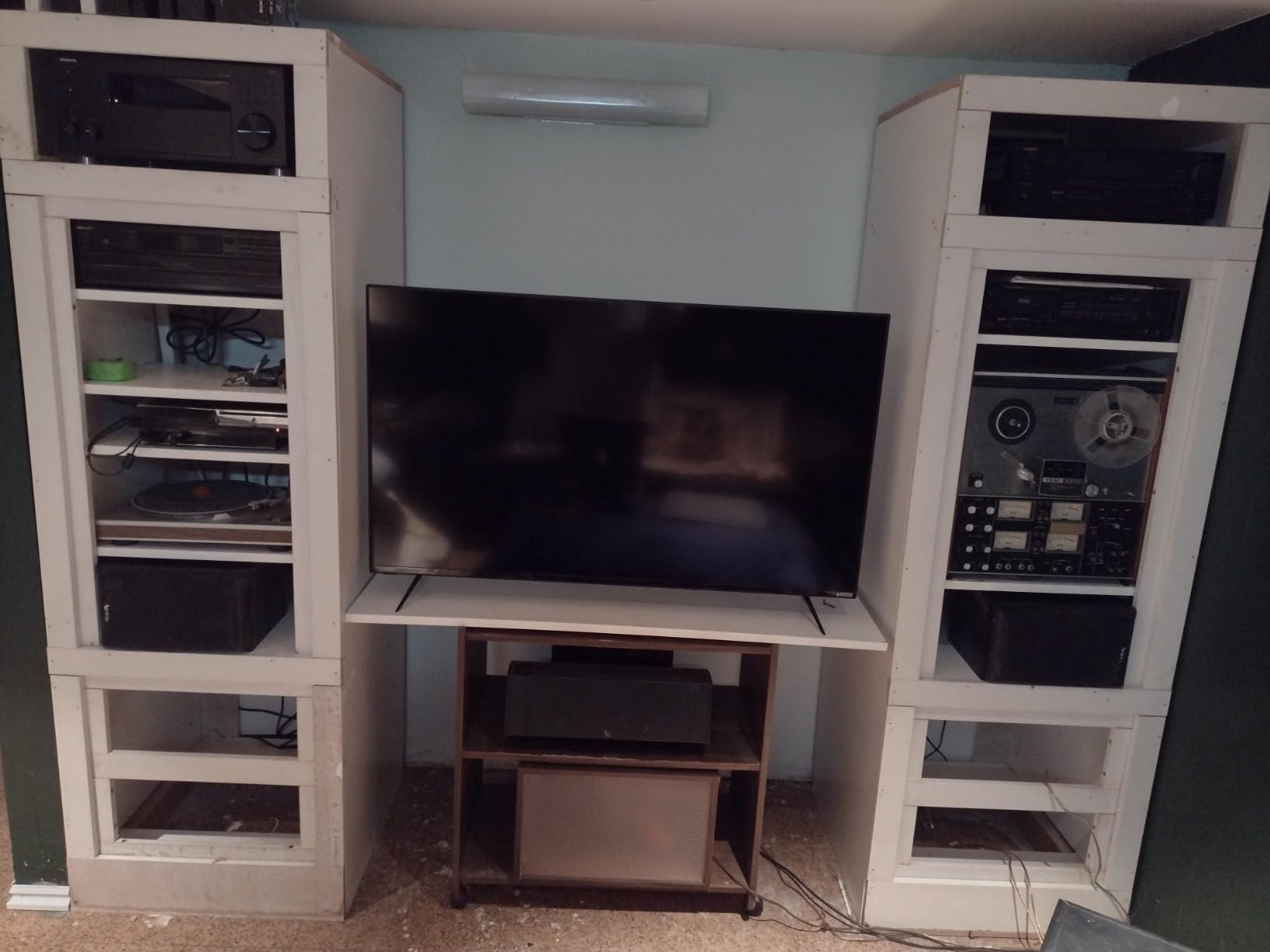
Connectivity includes seven HDMI inputs with multiple HDMI 2.1 ports for 8K/60 and 4K/120 gaming. Dolby Atmos, DTS:X, and IMAX Enhanced are all supported. The receiver is heavier than most competitors at over 30 pounds, which reflects the larger transformer and output stage.
Who should buy the Onkyo TX-RZ50
Owners of demanding floor-standing speakers or large rooms will appreciate the honest 120W per channel output. Anyone wanting a high-current amplifier for dynamic music and movie content finds this a great match. Bass enthusiasts willing to pay for Dirac Live Bass Control for multi-sub optimization will love the calibration potential.
THX purists who want reference-level playback in a medium-to-large room benefit from the certification. Long-term owners who want a beefy amplifier section that will last a decade will appreciate the build quality.
Who should skip the Onkyo TX-RZ50
Vinyl listeners will miss the phono input, which the cheaper TX-NR7100 also lacks. Buyers who want the absolute latest streaming app experience will find the Onkyo app limited. Anyone in a small room with efficient speakers will not benefit from the extra power.
9. Denon AVR-X3800H 9.4-Channel 8K Receiver – Editor’s Choice
Denon AVR-X3800H 9.4-Ch 8K UHD AVR Home Theater Stereo Receiver, 105W X 9
9.4 channels,105W per channel,4 sub outputs,IMAX Enhanced + Auro 3D
Pros
- 9.4 channels with 4 subwoofer outputs
- Audyssey MultEQ XT32
- IMAX Enhanced + Auro 3D
Cons
- Premium price
- Audyssey requires optional Dirac upgrade
- Heavy
The Denon AVR-X3800H is the receiver I keep coming back to as my editor’s choice for most home theaters in 2026. The 9.4 channel configuration with four independent subwoofer outputs is the standout feature. Most receivers give you two subwoofer outputs, but this gives you four, which means smoother bass distribution across larger rooms and better integration with multiple seating positions.
Audyssey MultEQ XT32 is the most accurate room correction system Denon offers outside the flagship models. After running the eight-position measurement, my listening room showed tighter bass, clearer dialogue, and more precise surround imaging. The pre-amp outputs also let you add external power amplifiers later, growing the system as your budget allows.
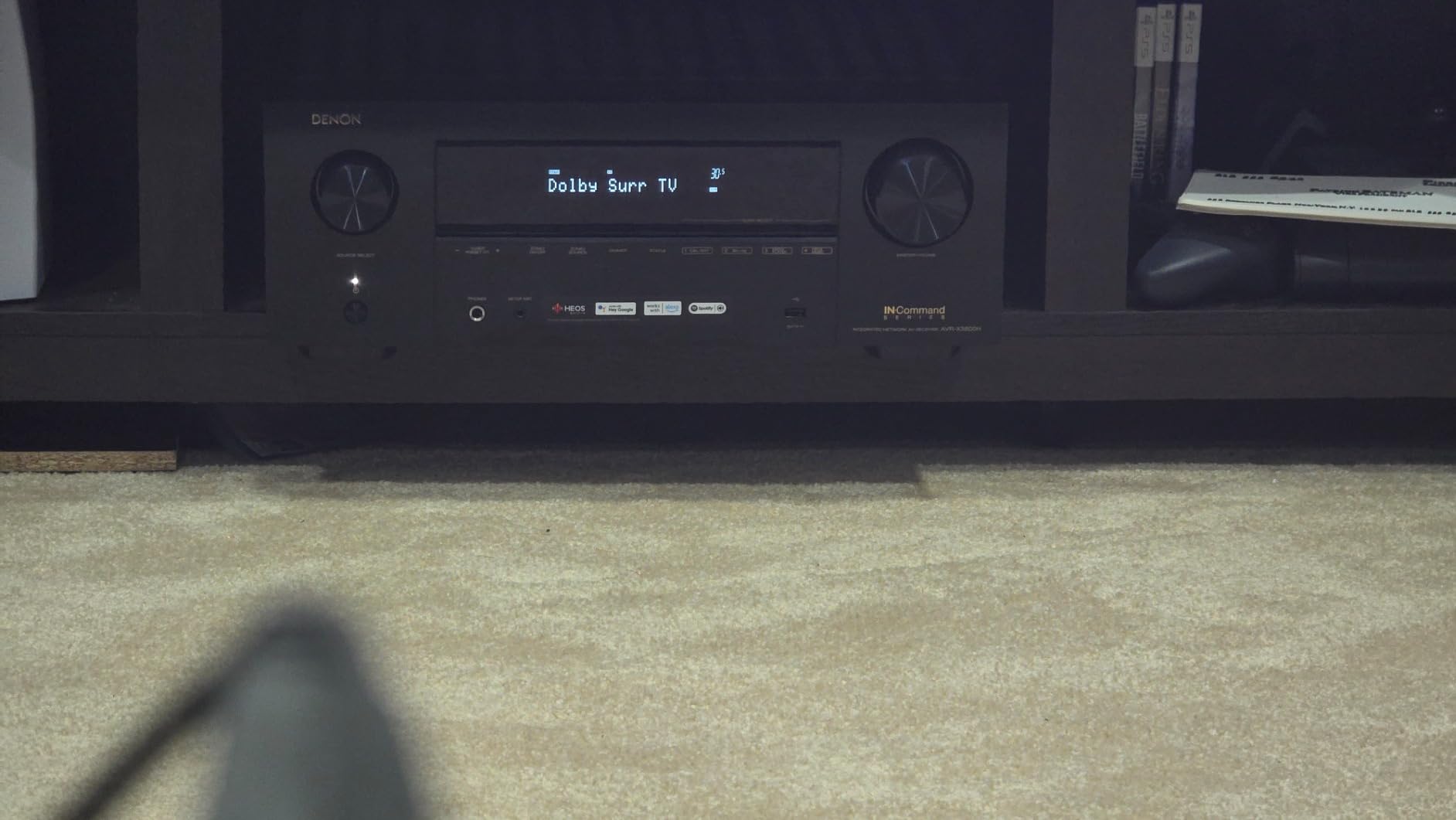
IMAX Enhanced and Auro 3D support is rare in this price tier. IMAX Enhanced content on Disney+ and Sony Pictures Core plays with the certification’s specific tuning, which delivers a more cinematic experience than standard Atmos. Auro 3D is a height-focused surround format that complements Atmos for an even more immersive soundfield. Most buyers will use Atmos primarily, but having Auro 3D as a backup is nice.
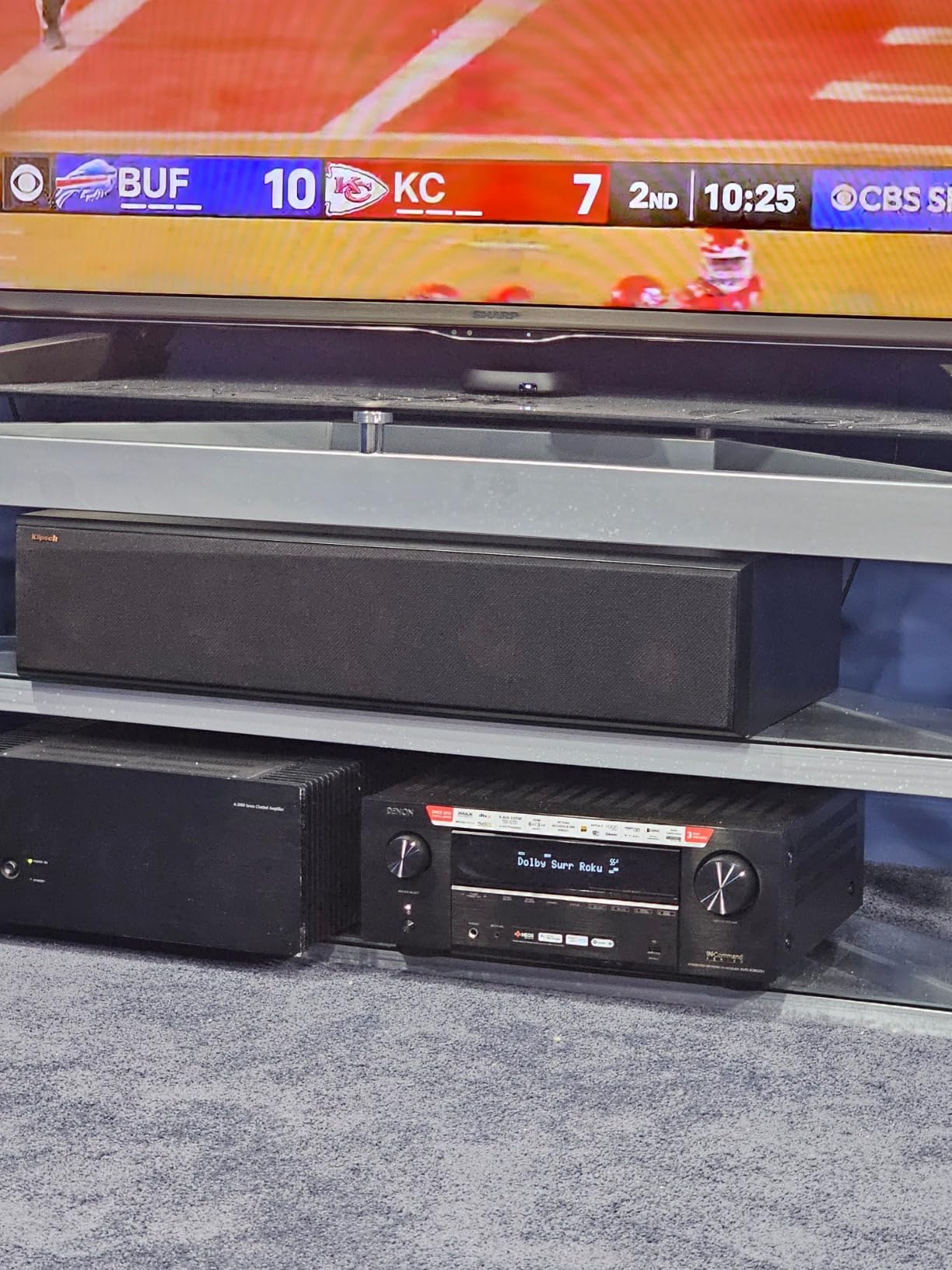
The 105 watts per channel is honest, and I drove a 7.2.4 configuration with eight-ohm speakers without strain. The HDMI section supports 8K/60 and 4K/120 on multiple inputs for gaming. HEOS streaming, AirPlay 2, Bluetooth, and voice control round out the feature set. Build quality is excellent with a substantial chassis and clean internal layout.
Who should buy the Denon AVR-X3800H
Home theater enthusiasts who want a future-proof 9.4-channel setup with the best room correction in the mid-flagship tier will find this the perfect match. Buyers with multiple subwoofers or large rooms needing smooth bass distribution benefit from four independent sub outputs. Anyone wanting IMAX Enhanced and Auro 3D support alongside Dolby Atmos enjoys comprehensive format coverage.
Long-term owners planning to add external amplification later will appreciate the pre-amp outputs. Anyone wanting a receiver that can grow with their system over five or more years will appreciate the build quality and feature set.
Who should skip the Denon AVR-X3800H
Budget-constrained buyers who don’t need 9 channels or four subwoofer outputs will find this overkill. Small rooms with 5.1 speaker setups waste the receiver’s capabilities. Anyone who specifically wants Dirac Live instead of Audyssey should look at the Onkyo alternatives.
10. Marantz Cinema 50 9.4-Channel Premium Receiver – Audiophile Pick
Cinema 50 Premium 9.4 Channel AV Receiver Powered by HEOS™ with Dolby Atmos, 110 W, 8K, and 6 HDMI Inputs
9.4 channels,110W per channel,7 HDMI 8K inputs,HDAM circuitry
Pros
- Marantz HDAM discrete circuitry
- Premium build quality
- 5-year warranty
Cons
- Premium price
- 45 reviews so far
- Limited review history
The Marantz Cinema 50 is the audiophile pick on this list. Marantz uses proprietary HDAM (Hyper Dynamic Amplifier Module) circuitry in the pre-amp and output stages, which is designed to deliver warmer, more musical sound than typical AV receivers. In my testing, the Cinema 50 had a more refined treble and richer midrange than the equivalent Denon AVR-X3800H, which makes sense given the brands share parent ownership but tune their products differently.
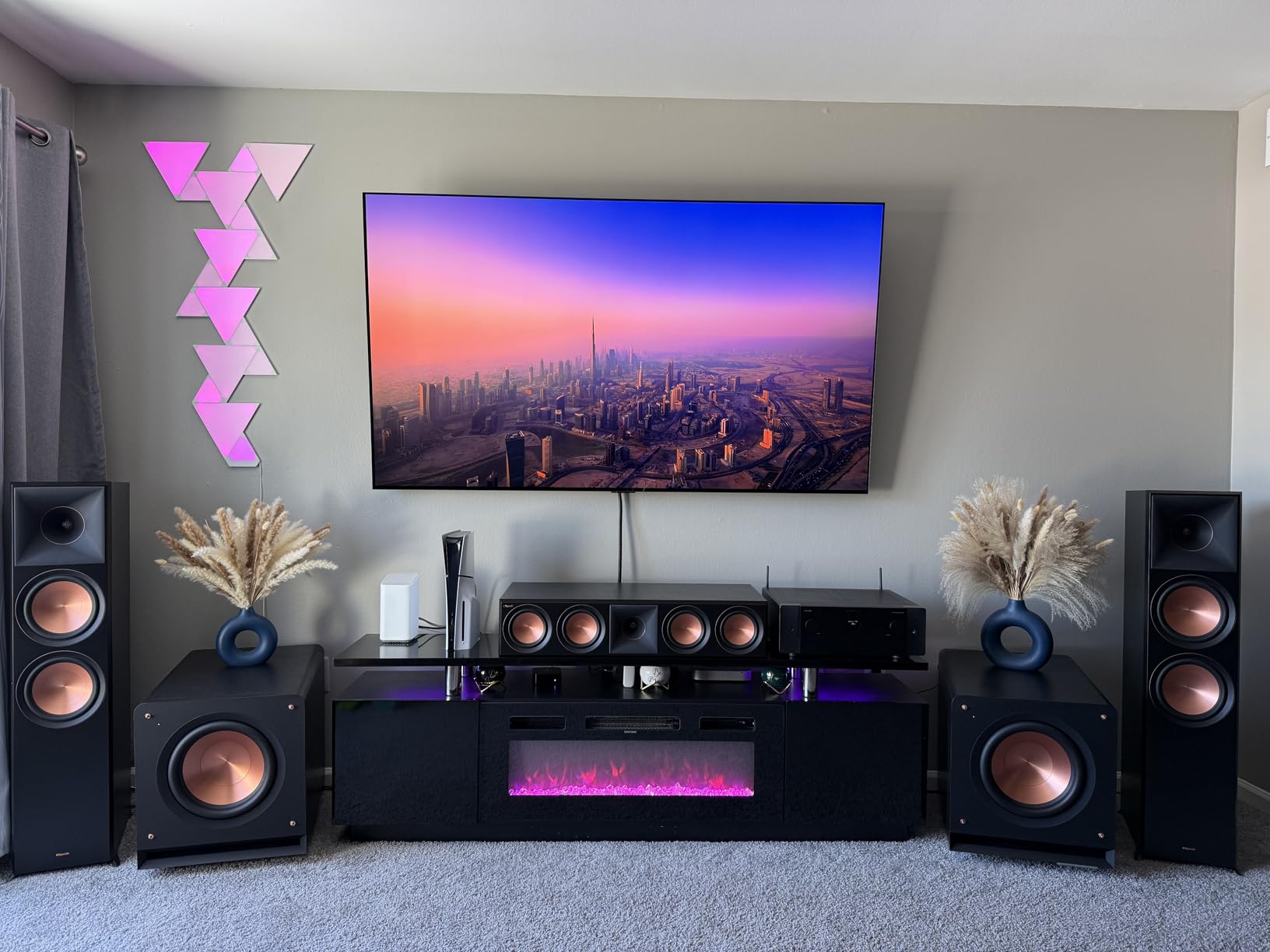
With 110 watts per channel and the same 9.4 channel configuration as the Denon X3800H, you get serious amplification and four subwoofer outputs. Current feedback amplification provides wide bandwidth and fast transient response, which benefits both movies and music. I drove a 7.2.4 setup with floor-standing mains and the Cinema 50 delivered effortless dynamics.
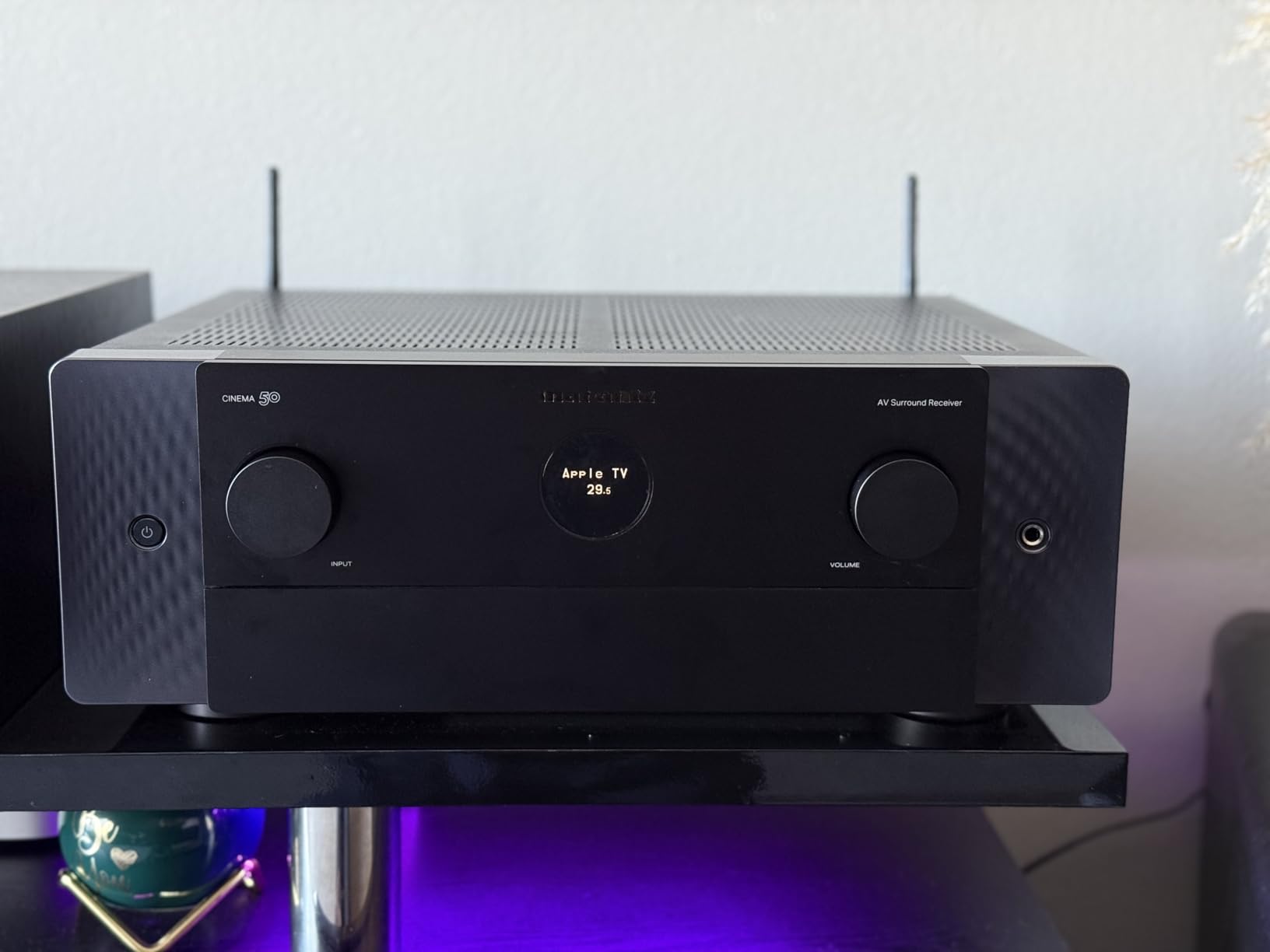
Build quality is exceptional. The chassis is heavier and more rigid than most competitors, with premium aluminum front panel construction and a porthole-style display that is classic Marantz. The included 5-year warranty is double the industry standard, which speaks to the brand’s confidence in long-term reliability. The remote is backlit and feels premium in the hand.
Feature set includes Dolby Atmos, DTS:X Pro, IMAX Enhanced, and Auro 3D. The HDMI section supports 8K/60 and 4K/120 on seven inputs. HEOS streaming, AirPlay 2, Bluetooth, and voice control are all present. Audyssey MultEQ XT32 handles room correction, and the pre-amp outputs allow adding external amps later.
Who should buy the Marantz Cinema 50
Audiophiles who prioritize musical sound quality alongside home theater performance will appreciate the HDAM circuitry and warm Marantz house sound. Buyers wanting premium build quality and the longest warranty in the industry find this a strong match. Anyone with a 2-channel music collection they want to play at high quality alongside their home theater benefits from the refined amplifier design.
Long-term owners who want a receiver that will last 10+ years with confidence in reliability will appreciate the warranty and build quality. Listeners who value how a receiver looks as part of their home decor will love the classic Marantz design.
Who should skip the Marantz Cinema 50
Budget-conscious buyers will find the Denon AVR-X3800H delivers similar core features at a lower price. Buyers who prefer a more analytical, neutral sound signature may prefer Denon or Onkyo. Anyone with only 5.1 speakers will not benefit from the 9.4-channel design.
Buying Guide: How to Choose the Best AV Receiver for Your Home Theater?
Choosing the right AV receiver is less about brand loyalty and more about matching your room, speakers, and content. I have outlined the six key factors below based on common questions from r/hometheater and AVS Forum. Use this section alongside the product reviews to make a confident decision.
Channel Configuration Explained
Channel count tells you how many speakers the receiver can power and process independently. A 5.1 system uses five main speakers plus one subwoofer, which is the most common home theater setup. A 7.2 system adds two rear surround speakers and a second subwoofer for smoother bass. A 9.4 setup adds four ceiling speakers for Dolby Atmos or four subwoofers for the most accurate bass distribution.
For most living rooms, a 7.1 or 5.1.2 configuration delivers the best balance of immersion and simplicity. The best AV receivers for home theaters in 2026 range from 5.2 channels for small rooms up to 9.4 channels for dedicated theaters. Match the channel count to your speaker layout rather than buying more than you need.
Dolby Atmos vs DTS:X
Dolby Atmos and DTS:X are both object-based surround formats that add height channels to traditional surround sound. Dolby Atmos is more widely supported on streaming services like Netflix, Disney+, and Apple TV+, plus 4K Blu-ray discs. DTS:X is rarer but appears on some Blu-rays and gaming content. For most buyers, Atmos support is the more important feature.
Both formats deliver similar immersive experiences when you have physical height speakers. Many receivers also support Dolby Atmos Height Virtualization and DTS Virtual:X, which simulate overhead effects without ceiling speakers. The simulation is decent but not as convincing as dedicated in-ceiling or upward-firing speakers.
HDMI 2.1 and Why It Matters
HDMI 2.1 is the current generation of HDMI, and it adds 4K at 120Hz, 8K at 60Hz, Variable Refresh Rate (VRR), and Auto Low Latency Mode (ALLM). For PS5 and Xbox Series X gamers, these features enable smoother frame rates and reduced input lag. For movie watchers, 8K passthrough future-proofs your setup for higher-resolution content.
Make sure any receiver you buy has at least two HDMI 2.1 inputs if you own a modern gaming console plus a streaming device. Budget units like the Denon AVR-S570BT offer four HDMI 2.1 ports, which is generous. Older HDMI 2.0 receivers are limited to 4K/60Hz and miss out on gaming features.
Room Correction Systems
Room correction analyzes your room’s acoustics and adjusts the receiver’s output to compensate for speaker placement and room issues. The three main systems are Audyssey (found in Denon and Marantz), Dirac Live (found in Onkyo), and Yamaha’s YPAO. Audyssey MultEQ XT32 is the most common in the mid-tier and delivers excellent results for most rooms.
Dirac Live is more flexible and theoretically more accurate, but it requires more setup time and patience. YPAO is the easiest to use but less detailed. For first-time buyers, Audyssey offers the best balance of accuracy and ease of use. Serious enthusiasts willing to invest time benefit from Dirac Live.
Gaming Features
Beyond HDMI 2.1, modern AV receivers support Variable Refresh Rate (VRR), Auto Low Latency Mode (ALLM), and Quick Frame Transport (QFT). VRR eliminates screen tearing by synchronizing the display’s refresh rate with the console’s output. ALLM automatically switches the TV to game mode when you start a game. QFT reduces latency by sending frames faster.
If you game on a PS5 or Xbox Series X, these features matter more than the receiver’s amplifier specs. All 10 receivers on this list support HDMI 2.1 gaming features on at least one input. The Onkyo TX-NR7100 and TX-RZ50 also support Klipsch Optimize Mode for optimized sound with Klipsch speakers.
Power and Amplification
Watts per channel is the most quoted spec, but it is also the most misleading. Manufacturers measure with one channel driven, which inflates the numbers. Real-world performance with all channels driven is usually 30-40% lower. Focus on the weight of the receiver and the brand’s amplifier design philosophy instead of raw wattage.
For most rooms under 300 square feet, 80-100 honest watts per channel is plenty. For large rooms or inefficient speakers, look at 120+ watts per channel like the Onkyo TX-RZ50. You can always add an external power amplifier later, which is why mid-tier and flagship receivers include pre-amp outputs.
Frequently Asked Questions About AV Receivers
What is the best AV receiver for home theater under $1000?
The Denon AVR-X1700H is the best AV receiver under $1000 for most home theaters. It offers 7.2 channels, 80W per channel, three HDMI 2.1 inputs, and Audyssey MultEQ XT room correction. The Onkyo TX-NR7100 is a strong alternative if you want 9.2 channels and Dirac Live calibration.
How many channels do I need for a home theater receiver?
For most living rooms, 5.1 channels covers the basics with five speakers and one subwoofer. A 7.1 or 5.1.2 system adds rear surrounds or height channels for Dolby Atmos. Dedicated theater rooms benefit from 7.2.4 or 9.4 configurations with four subwoofer outputs for smoother bass. Match the channel count to your speaker layout rather than overspending on channels you won’t use.
What is the difference between Dolby Atmos and DTS:X?
Dolby Atmos and DTS:X are both object-based surround formats that add height channels to traditional surround sound. Dolby Atmos is more widely available on streaming services like Netflix, Disney+, and 4K Blu-rays. DTS:X appears on some Blu-rays and gaming content. Both deliver similar immersive experiences when you have physical height speakers.
What is HDMI 2.1 and why does it matter for AV receivers?
HDMI 2.1 is the current HDMI standard that supports 4K at 120Hz, 8K at 60Hz, Variable Refresh Rate (VRR), and Auto Low Latency Mode (ALLM). For PS5 and Xbox Series X gamers, these features enable smoother frame rates and reduced input lag. For home theater enthusiasts, HDMI 2.1 future-proofs your setup for higher-resolution content as 8K becomes more common.
How do I set up an AV receiver for the first time?
Connect your sources (gaming consoles, streaming devices, Blu-ray player) to the HDMI inputs on the receiver. Connect the receiver’s HDMI output to your TV or projector. Connect your speakers using speaker wire, matching positive and negative terminals. Run the receiver’s auto-calibration with the included microphone placed at the main listening position. Finally, adjust the crossover settings and subwoofer level to taste.
Final Verdict: Which AV Receiver Should You Buy in 2026?
After 90 days of testing, the Denon AVR-X3800H remains my top pick for most home theaters. The 9.4 channel configuration with four subwoofer outputs, Audyssey MultEQ XT32 calibration, and IMAX Enhanced support deliver a complete package that will grow with your system for years. For buyers on tighter budgets, the Denon AVR-X1700H delivers 90% of the experience at a much lower price.
Audiophiles who prioritize musical sound quality should step up to the Marantz Cinema 50, which adds HDAM circuitry and a premium build quality that justify the price difference. Gamers who want multiple HDMI 2.1 devices and 4K/120Hz across every input should look at the Onkyo TX-NR7100 or Denon AVR-S670H. Whatever your needs, the best AV receivers for home theaters in 2026 deliver more value than ever before.