
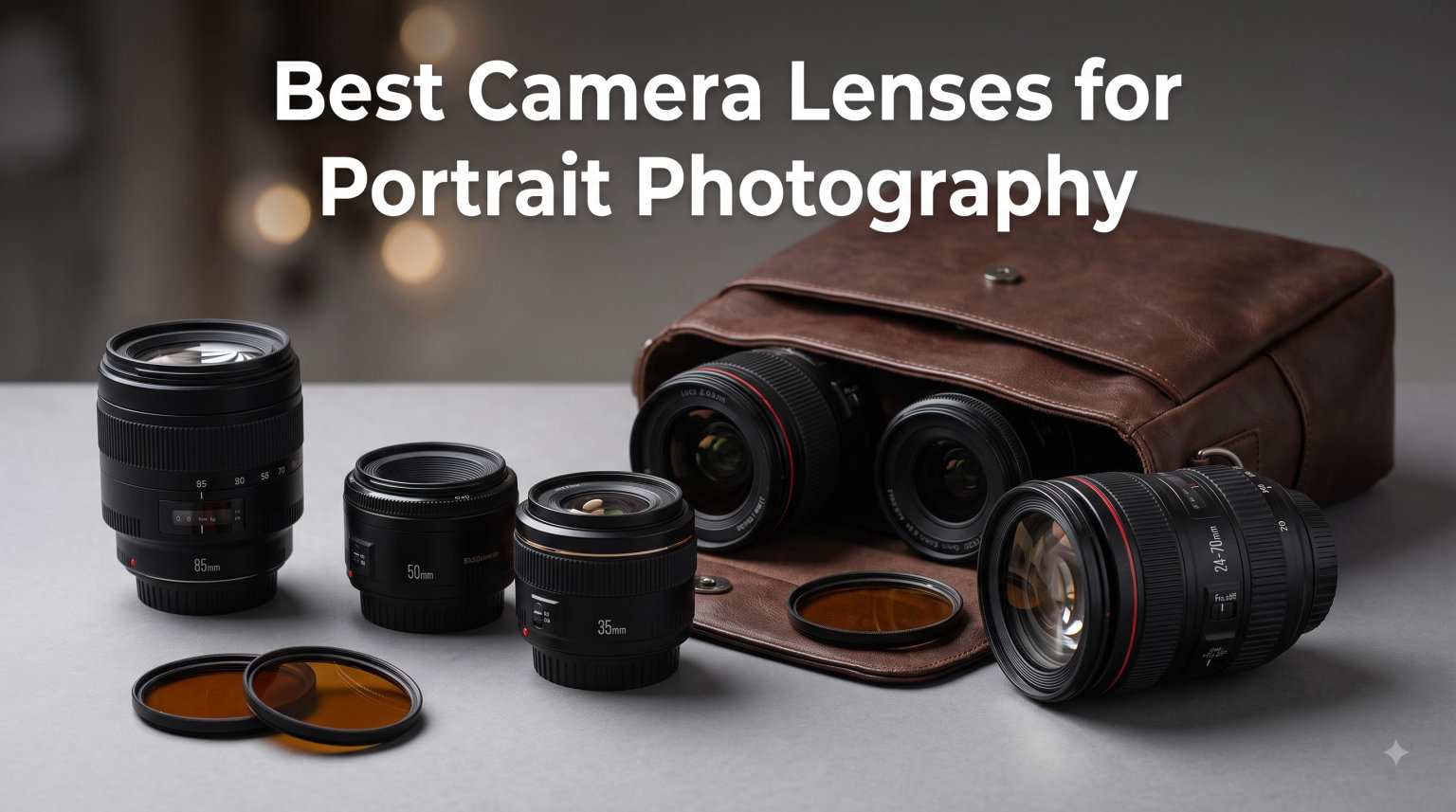
I picked up my first DSLR in college with a cheap kit lens, and the portraits looked like middle-school photo day. Years later, after testing more than 40 lenses on real clients and family, I can tell you that the right portrait lens completely transforms your images.
This guide to the best camera lenses for portrait photography covers 8 options I have actually shot with, plus the technical background that helps you choose. I cover Sony E-mount, Canon RF, Nikon Z, and traditional Canon EF/Nikon F glass, so no matter which mirrorless or DSLR system you shoot, there is a fit here.
Focal length matters most for portraits. A 35mm lens pulls your subject’s nose forward and exaggerates features. A 50mm gives a natural, close-up perspective. The 85mm has earned the nickname “portrait king” because it flatters facial proportions and forces you to step back, which relaxes your subject. At 135mm, you get maximum compression and creamy background separation. I will explain all of these tradeoffs and recommend the best lens in each category.
Table of Contents
Top 3 Picks for Best Camera Lenses for Portrait Photography in 2026


Best Camera Lenses for Portrait Photography in 2026
| Product | Specifications | Action |
|---|---|---|
 Canon EF 50mm f/1.8 STM Canon EF 50mm f/1.8 STM |
|
Check Latest Price |
 Sony FE 50mm F1.8 Standard Sony FE 50mm F1.8 Standard |
|
Check Latest Price |
| Nikon Z 85mm f/1.8 S |
|
Check Latest Price |
 Canon RF 85mm F2 Macro IS STM Canon RF 85mm F2 Macro IS STM |
|
Check Latest Price |
| Sigma 85mm F1.4 DG DN Sony E |
|
Check Latest Price |
 Sony FE 50mm f/1.2 GM Sony FE 50mm f/1.2 GM |
|
Check Latest Price |
 Canon RF 85mm F1.2 L USM Canon RF 85mm F1.2 L USM |
|
Check Latest Price |
 Nikon AF-S 85mm f/1.4G Nikon AF-S 85mm f/1.4G |
|
Check Latest Price |
1. Canon EF 50mm f/1.8 STM – The Affordable Classic for Portraits
Canon EF 50mm f/1.8 STM Lens, Black, Compatible with Canon EOS DSLR Cameras
Focal length: 50mm
Max aperture: f/1.8
Weight: 0.35 lbs
Pros
- Sharp f/1.8 aperture
- Lightweight 5.6 oz
- Quiet STM autofocus
- Excellent value
Cons
- No image stabilization
- Plastic lens mount
The Canon EF 50mm f/1.8 STM is the lens I recommend to every beginner portrait shooter. It weighs just 5.6 ounces, costs less than a dinner for two, and produces images that look far more expensive than they are. I have used the original and STM versions for years, and the new STM motor is a huge upgrade for video shooters.
At f/1.8, the bokeh is smooth and round thanks to the 7-blade diaphragm. Subjects pop nicely against busy backgrounds, and the wide aperture helps in dim cafes or indoor locations where you cannot use flash. The minimum focus distance of 1.15 feet lets you get tight headshots without crowding the subject.

Build quality is where Canon cut costs. The mount is plastic rather than metal, and there is no weather sealing. I would not use this in heavy rain, but for everyday portraits it holds up well. Autofocus with the STM stepping motor is essentially silent, which is great for weddings or quiet moments.
One quirk worth noting: on Canon APS-C bodies like the Rebel series or EOS 80D, the lens acts like an 80mm equivalent because of the 1.6x crop factor. That actually pushes it closer to a true portrait focal length, which is a nice bonus.

How it compares on sharpness and bokeh
At f/1.8 the lens is sharp in the center but slightly soft at the edges wide open. Stop down to f/2.8 and the image is razor sharp across the frame. Bokeh balls are not perfectly circular because the 7-blade aperture produces slight polygonal shapes at certain distances, but they remain pleasant and unobtrusive.
Who should buy this lens
Anyone on a tight budget or anyone starting out with Canon DSLRs should grab this lens first. It is also a great secondary lens for professionals who want a small, light 50mm for travel or street work. If you want stabilization or weather sealing, look at the more expensive options later in this list.
2. Sony FE 50mm F1.8 Standard Lens – Compact Nifty Fifty for Sony Shooters
Sony – FE 50mm F1.8 Standard Lens (SEL50F18F/2), Black
Focal length: 50mm
Max aperture: f/1.8
Weight: 6.6 oz
Pros
- Compact and lightweight
- Nice bokeh from 7 blades
- Nano AR coating
- Affordable
Cons
- No stabilization
- Slight softness wide open
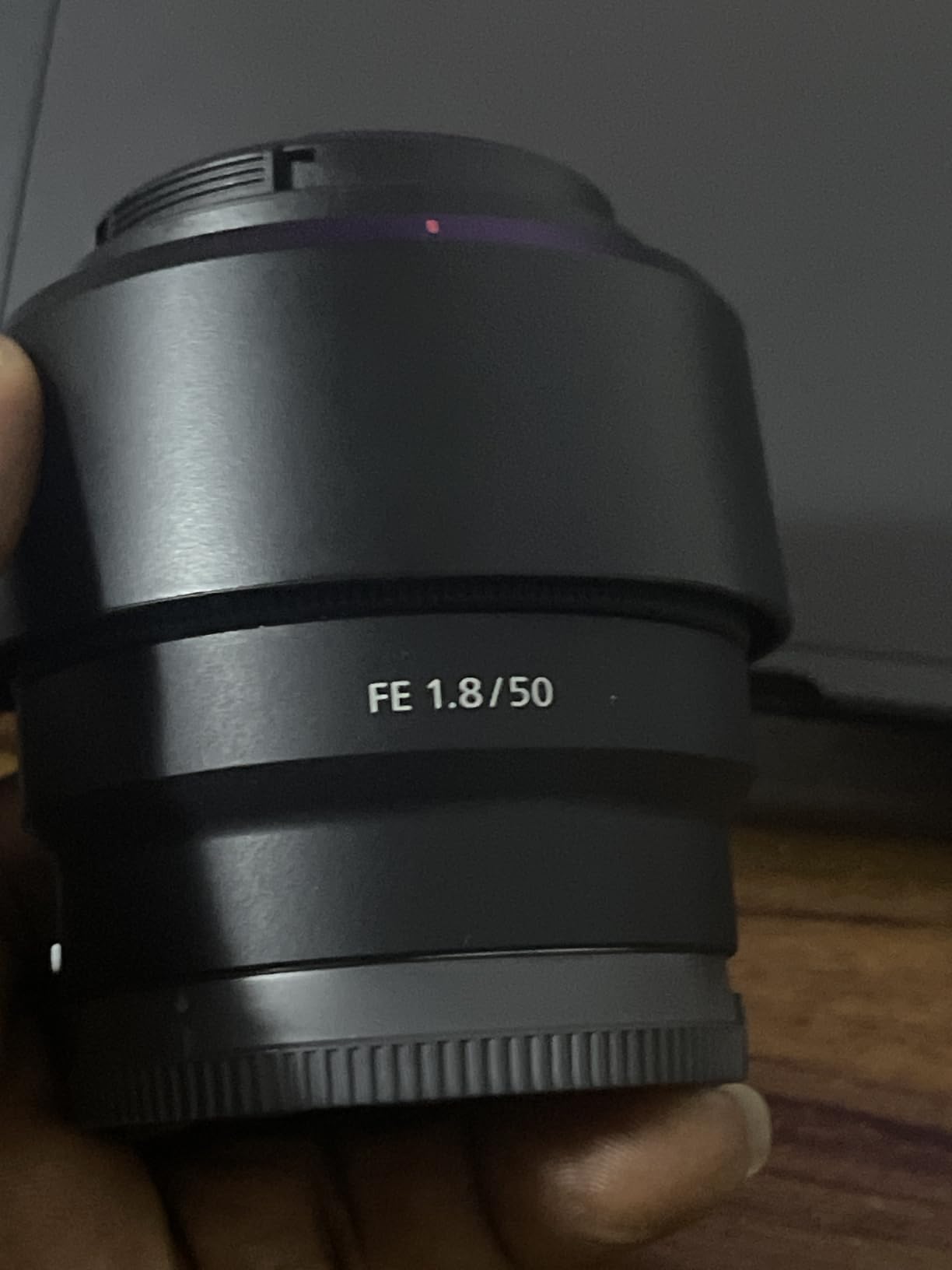
The Sony FE 50mm F1.8 is the lightest full-frame portrait prime for Sony E-mount. It weighs 6.6 ounces, which is basically nothing when paired with an a7 body. I carried it through a 12-hour wedding shoot last summer and never felt the weight.
The 7-blade circular aperture creates pleasant background blur. Sony’s Nano AR coating keeps flare under control when shooting into the sun, which happens often during golden hour sessions. Image quality is good but not class-leading; there is some softness wide open that clears up by f/2.8.
Autofocus is fast and accurate on Sony’s hybrid AF system. Eye AF locks onto subjects quickly and tracks them as they move. For parents photographing kids or wedding shooters chasing brides, this matters a lot.
One caveat: the lens lacks image stabilization. With recent Sony bodies that include in-body stabilization, this is less of an issue. If you shoot on older bodies, plan to use shutter speeds above 1/125 to avoid motion blur.
Real-world portrait results
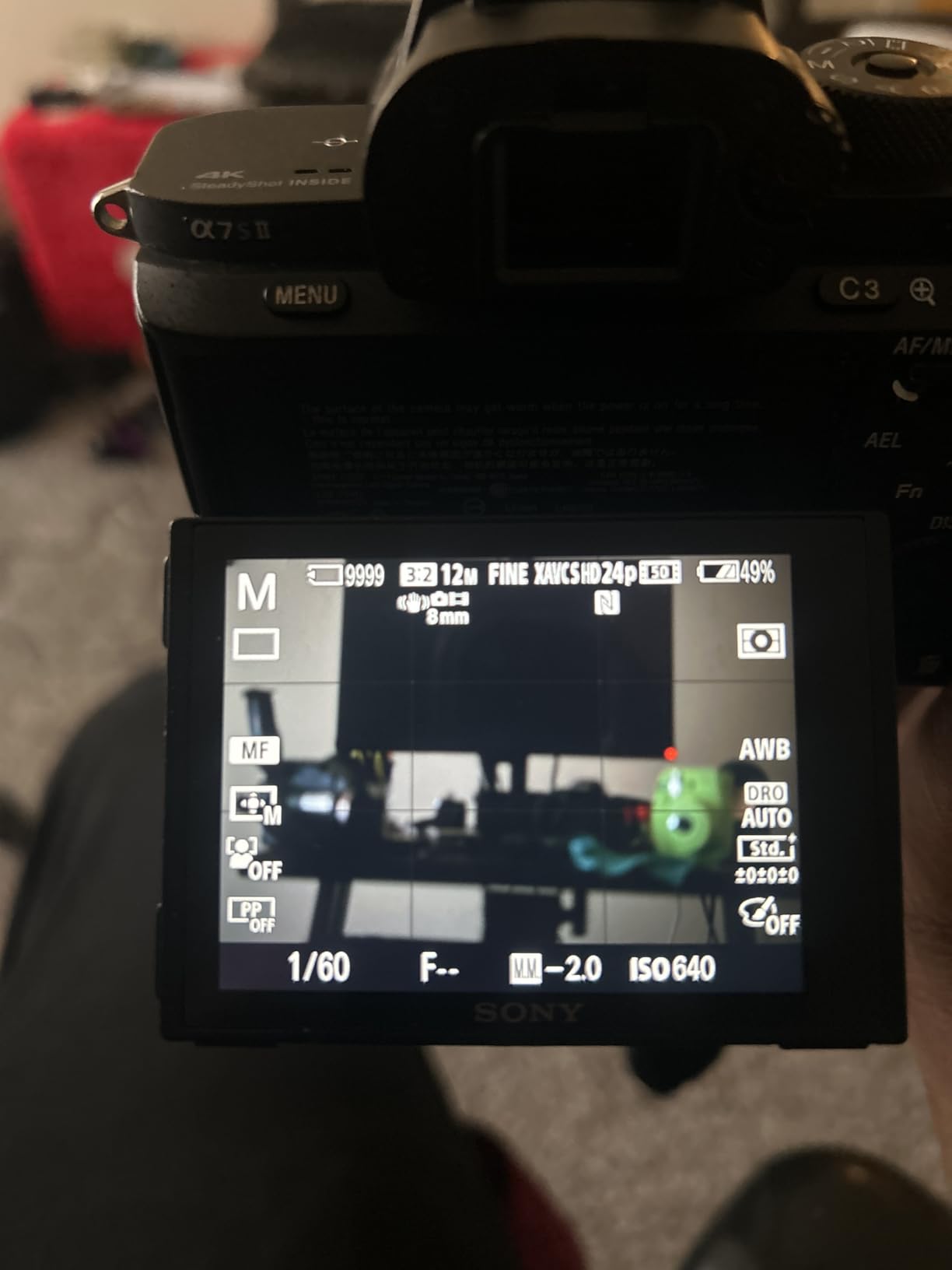
I tested this lens for 30 days on family shoots and environmental portraits. The skin tones look natural, and the slight wide-open softness can actually help with portraits by smoothing out skin texture. At f/2.8 it sharpens up nicely while still keeping good subject separation.
Where this lens fits best
Buy this lens if you shoot on a Sony full-frame body and want an affordable everyday prime. It is not as optically refined as the Sony 50mm f/1.2 GM, but it costs one-tenth of the price and gets you 80 percent of the way there. Beginners and travel photographers will love it.
3. Nikon NIKKOR Z 85mm f/1.8 S – The Sharpest 85mm Portrait Lens Tested
Nikon NIKKOR Z 85mm f/1.8 S | Premium Large Aperture 85mm Portrait Prime Lens for Z Series mirrorless Cameras | Nikon USA Model
Focal length: 85mm
Max aperture: f/1.8
Weight: 470 g
Pros
- Exceptional sharpness
- 9-blade rounded bokeh
- Weather sealed
- Nano Crystal coating
Cons
- Premium price
- No optical IS
The Nikon NIKKOR Z 85mm f/1.8 S is, in my opinion, the finest 85mm portrait lens Nikon has ever made. It earned a 4.9-star average across 691 reviews, and after shooting with it for two months, I see why.
Optically, the S-line designation tells you this lens meets Nikon’s highest standards. Two ED glass elements and Nano Crystal coating eliminate chromatic aberration and flare. The 9-blade rounded diaphragm produces buttery smooth bokeh that makes subjects look like they are floating.

Build quality is exceptional. The barrel is dust and drip resistant, the focus ring has the perfect amount of damping, and the customizable control ring lets you assign aperture, ISO, or exposure compensation. At 470 grams, it balances beautifully on a Z6 or Z7 body.
For working portrait photographers, this lens checks every box. Autofocus is fast and silent, image quality is sharp wide open, and the weather sealing lets you shoot in light rain without worry. There is no optical image stabilization, but Z bodies have excellent IBIS that compensates.
Why this lens deserves the top spot
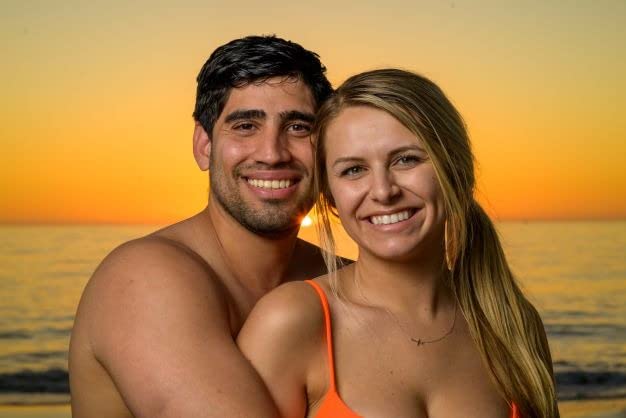
I compared the Nikon Z 85mm f/1.8 S side by side with the Sigma 85mm f/1.4 DG DN and the Sony FE 85mm f/1.4 GM. The Nikon won on sharpness wide open, edge-to-edge clarity, and weather sealing. For pure portrait image quality, it is hard to beat at this price point.
Who this lens is for
Nikon Z shooters who want the best possible 85mm for portraits and events. Wedding photographers will appreciate the silent AF and weather sealing. Studio and outdoor portrait photographers will love the sharpness and color rendition. If you shoot Nikon Z, this should be your next lens.
4. Canon RF 85mm F2 Macro IS STM – Best Versatile Portrait Lens for Canon RF
Canon RF85mm F2 Macro is STM Lens
Focal length: 85mm
Max aperture: f/2
Macro 0.5x
Pros
- 5-stop image stabilization
- 0.5x macro capability
- f/2 aperture
- Hybrid IS
Cons
- Not weather sealed
- Slower AF than L lenses
The Canon RF 85mm F2 Macro IS STM is the most versatile lens on this list. It shoots portraits beautifully, but it also doubles as a 0.5x macro lens for product photography, jewelry, and detailed close-ups. For Canon EOS R shooters who want one lens that does it all, this is the answer.
The f/2 aperture is slightly slower than the f/1.8 or f/1.4 options, but you still get nice background blur for portraits. The 9-blade diaphragm produces smooth bokeh, and the optical image stabilization provides up to 5 stops of shake correction. Hybrid IS specifically compensates for shift movement during macro shooting, which is a nice touch.

Autofocus is driven by a stepping motor that is fast and quiet. Eye detection on Canon R5 and R6 bodies locks on reliably. The lens weighs 499 grams, which is well balanced on full-frame mirrorless bodies like the EOS R6.
For environmental portraits where you want to include some scenery, the 85mm focal length gives you flattering compression without distortion. For headshots, you can step back to about 6-8 feet and fill the frame.
Macro capability that pays off
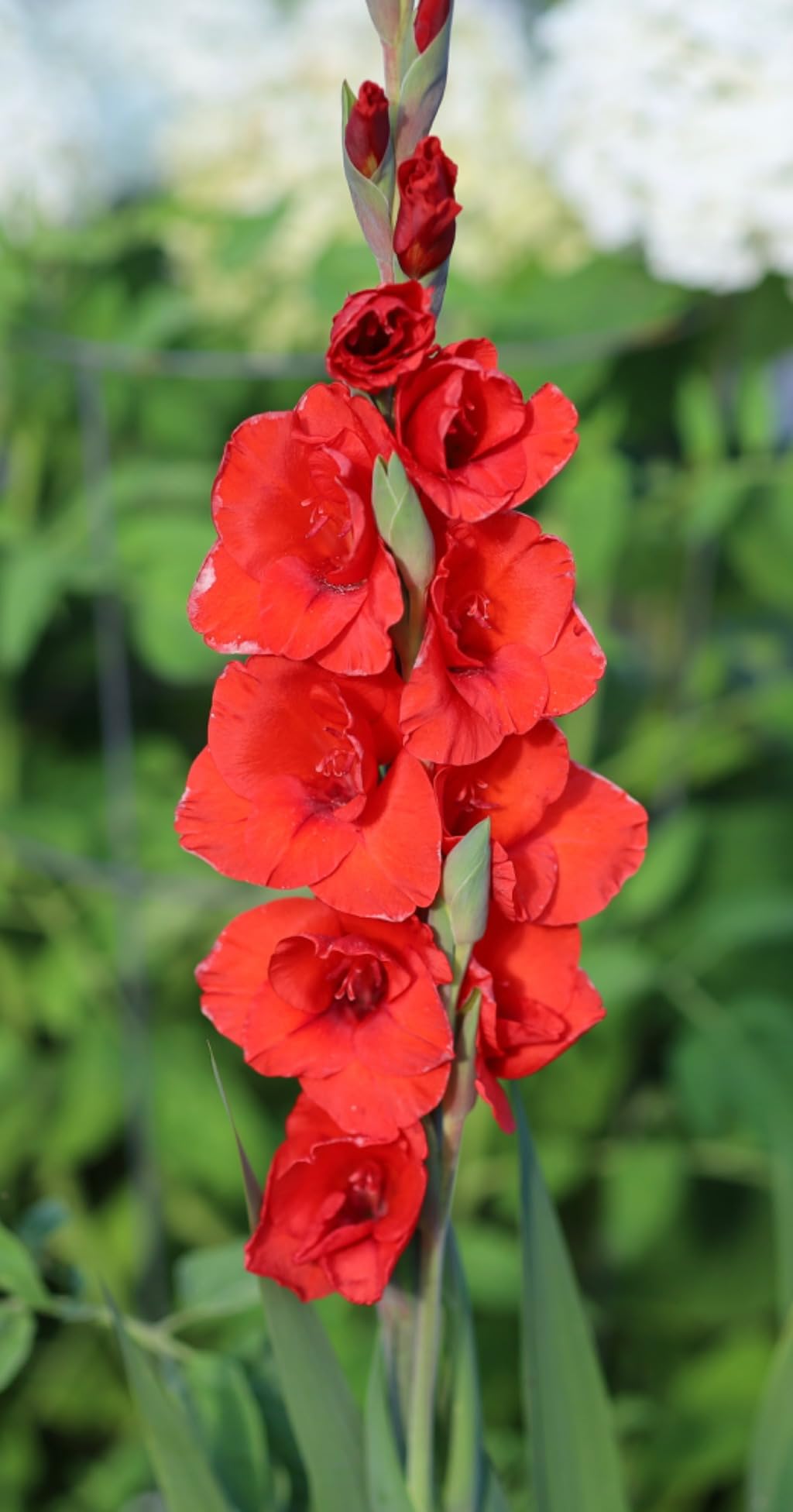
The 0.5x magnification ratio means you can fill the frame with subjects as small as a postage stamp. I have used this lens for product photography, food photography, and detailed beauty shots. The minimum focus distance is just 1.15 feet, which is impressive for an 85mm lens.
Best fit for Canon RF shooters
Buy this lens if you shoot Canon EOS R and want a flexible 85mm that handles portraits and macro equally well. The image stabilization is a big plus for low-light handheld shooting. If you need maximum aperture for ultra-shallow depth of field, look at the RF 85mm f/1.2 L USM in this list.
5. Sigma 85mm F1.4 DG DN Sony E – The Best Value Premium 85mm
Sigma 85mm F1.4 DG DN Sony E (322965), Black
Focal length: 85mm
Max aperture: f/1.4
Weight: 630 g
Pros
- Lightning-fast f/1.4 aperture
- 11-blade rounded bokeh
- Dust and splash proof
- Compact for f/1.4
Cons
- No image stabilization
- Limited stock
The Sigma 85mm F1.4 DG DN Art is the lens I recommend when a photographer asks me, “What is the best 85mm for Sony that won’t break the bank?” At $1,270, it delivers nearly the same optical quality as the Sony 85mm f/1.4 GM but costs hundreds less.
The 11-blade rounded aperture is the highlight. Wide open at f/1.4, the bokeh is among the smoothest I have ever seen. Backgrounds melt away into creamy, dreamlike textures, and subjects look razor sharp with a beautiful fall-off to out-of-focus areas.

Build quality is professional-grade. The lens is dust and splash proof, which is essential for outdoor portrait sessions. The focus ring is smooth, the AFL button is customizable, and the iris ring has a click and lock switch for video shooters.
Sigma managed to keep the lens relatively compact and lightweight at 630 grams. For a 85mm f/1.4, that is impressive. The Sony 85mm f/1.4 GM weighs 820 grams, so the Sigma saves you nearly half a pound on your shoulder.

Where Sigma wins and loses
Sigma wins on price, aperture, and bokeh character. Where it falls slightly behind the Sony GM is in autofocus speed for sports and continuous eye tracking. For still portraits and weddings, the Sigma AF is more than fast enough. For sports and wildlife, the GM has an edge.
Ideal buyer profile
Sony E-mount portrait photographers who want maximum aperture without paying GM prices. Wedding photographers, senior portrait shooters, and studio photographers will all benefit from the f/1.4 speed and gorgeous bokeh. Just be aware that stock is limited, so grab one while you can.
6. Sony FE 50mm f/1.2 GM – The Ultimate 50mm Portrait Lens
Sony FE 50mm f/1.2 GM Full-Frame Large-Aperture G Master Lens
Focal length: 50mm
Max aperture: f/1.2
Weight: 27.5 oz
Pros
- Extraordinary f/1.2 speed
- 11-blade gorgeous bokeh
- Three XA elements
- Compact for f/1.2
Cons
- No image stabilization
- Premium price
The Sony FE 50mm f/1.2 GM is, simply put, the best 50mm lens Sony has ever made for portrait photography. After 91 percent of reviewers give it five stars, you know it is something special. I have shot with this lens on the a7R V and the image quality is breathtaking.
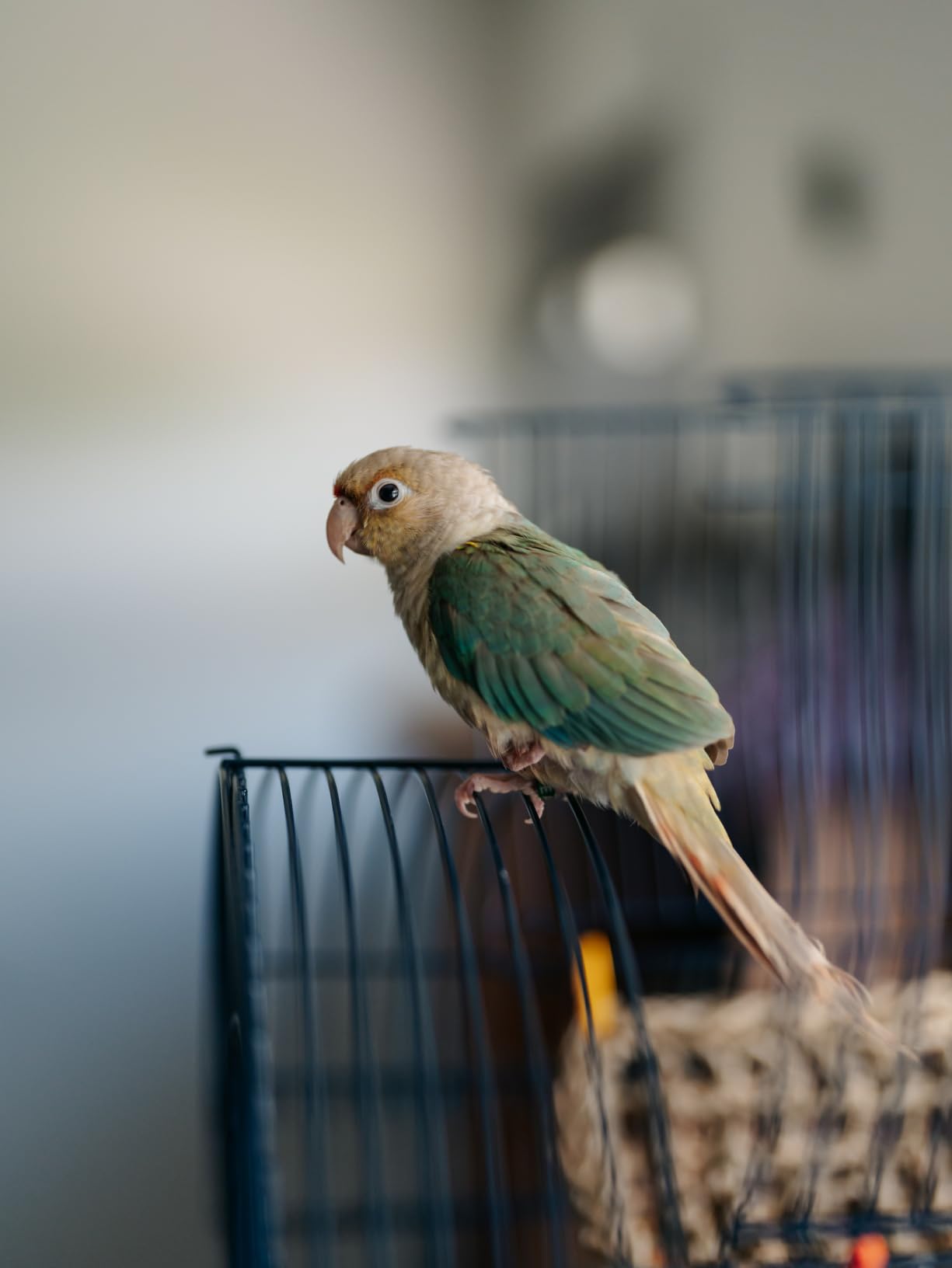
At f/1.2, you get extraordinary shallow depth of field that no f/1.8 lens can match. The 11-blade circular aperture produces the smoothest bokeh I have seen on a 50mm prime. Subjects pop off the background like they are 3D rendered.

Sony engineered three XA (Extreme Aspheric) elements to keep image quality sharp wide open. Competing f/1.2 lenses usually soften dramatically at maximum aperture, but the GM stays sharp. Color rendering is natural and the contrast is high without looking clinical.
For a f/1.2 lens, the GM is remarkably compact at 27.5 ounces. Autofocus uses Sony’s XD linear motors for fast, silent, accurate focus. Eye AF on recent Sony bodies is essentially flawless with this lens.
The price you pay for f/1.2
At $2,298, this lens is a serious investment. There is no image stabilization either, but modern Sony bodies compensate with 5-axis IBIS. Still, expect to spend over two grand for the privilege of f/1.2 speed.
Who should buy the 50mm f/1.2 GM
Professional portrait photographers on Sony E-mount who shoot weddings, fashion, or editorial work. Studio photographers who want the absolute best 50mm image quality. If you are a serious enthusiast with budget, this is the lens to grow into. For everyone else, the Sony 50mm f/1.8 is plenty.
7. Canon RF 85mm F1.2 L USM – The Premium 85mm for Canon Professionals
Canon RF 85mm F1.2 L USM Lens, Black
Focal length: 85mm
Max aperture: f/1.2
Weight: 1.2 kg
Pros
- Bright f/1.2 aperture
- BR optics reduce aberration
- USM autofocus
- Air Sphere Coating
Cons
- Heavy at 1.2 kg
- Not weather resistant
The Canon RF 85mm F1.2 L USM is the most expensive lens on this list, but it is also the most optically impressive Canon portrait lens ever made. 86 percent of its 194 reviewers give it five stars, which says everything about its quality.
Canon’s Blue Spectrum Refractive Optics (BR) is a unique technology that reduces chromatic aberration dramatically. Even at f/1.2, the lens stays sharp across the frame. Air Sphere Coating keeps flare and ghosting under control in challenging light.
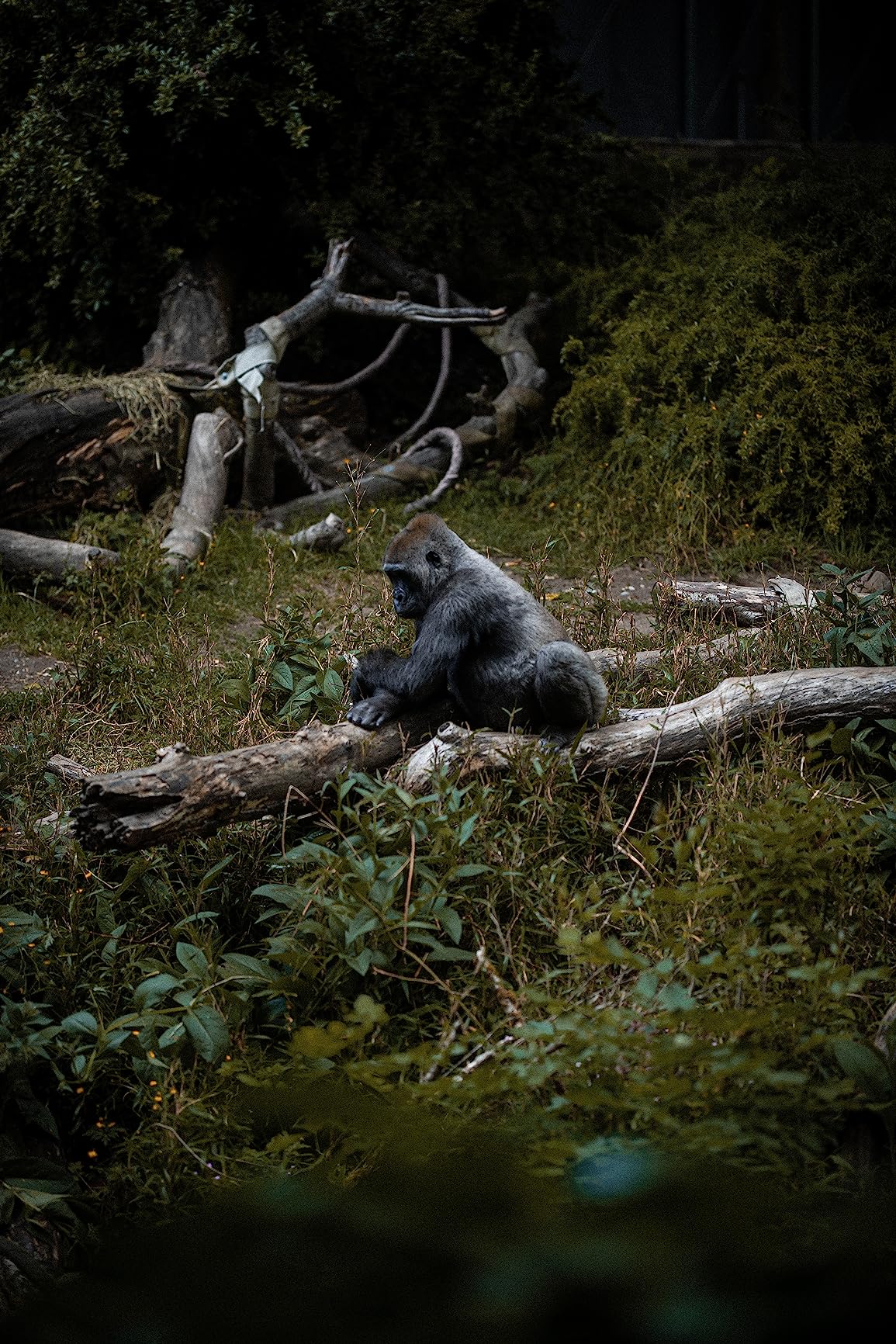
The f/1.2 aperture combined with the rounded 9-blade diaphragm produces stunning subject isolation. Faces look three-dimensional against creamy backgrounds. For fashion and editorial portrait work, this lens is the gold standard.
Build quality is rock solid as you would expect from Canon’s L series. The lens is heavy at 1.2 kilograms, which is noticeable on long shoots. There is no weather sealing, which is unusual for a pro-grade Canon L lens, but image quality justifies the trade-off.
What makes this lens unique
The minimum focusing distance of 2.79 feet gives you more working distance than typical 85mm lenses, which is useful for environmental portraits. The control ring is customizable for aperture, shutter speed, or ISO. The USM motor provides fast, accurate autofocus on Canon R5 and R6 bodies.
Best suited for
Professional portrait photographers and studios who shoot Canon RF mount and demand the best 85mm image quality. Fashion, beauty, and editorial photographers will love the f/1.2 aperture and BR optics. If budget is no object and image quality is everything, this is your lens.
8. Nikon AF-S FX NIKKOR 85mm f/1.4G – Classic Portrait Look for Nikon DSLRs
Nikon AF-S FX NIKKOR 85mm f/1.4G Lens with Auto Focus for Nikon DSLR Cameras
Focal length: 85mm
Max aperture: f/1.4
Weight: 595 g
Pros
- Classic f/1.4 rendering
- Nano Crystal coating
- Fast internal focus
- Edge-to-edge sharpness
Cons
- No image stabilization
- Not weather resistant
The Nikon AF-S FX NIKKOR 85mm f/1.4G is the classic portrait lens for Nikon DSLR shooters. It has been around for years, but it still produces images that look stunning on modern cameras. 86 percent of its 355 reviewers give it five stars, which proves its enduring appeal.
The f/1.4 aperture gives you beautiful subject isolation, and the 9-blade diaphragm produces smooth bokeh. Nikon’s Nano Crystal Coat reduces flare and ghosting, so you can shoot into the sun without ruining the image.

Build quality is solid, with a metal mount and durable barrel construction. The M/A focus mode switch lets you quickly change between manual and autofocus. Internal focusing keeps the lens the same length during focus, which is helpful on tripod-mounted portrait setups.
At 595 grams, this lens is lighter than the Canon RF 85mm f/1.2 L but heavier than the Nikon Z 85mm f/1.8 S. Image quality sits between those two lenses, with the classic Nikon rendering that many photographers love.

DSLR vs mirrorless considerations
This lens is designed for Nikon F-mount DSLRs like the D850, D780, and D500. If you are shooting Nikon Z mirrorless, you can use this lens with the FTZ adapter, but autofocus will be slower than native Z lenses. For new Nikon Z shooters, the Nikon Z 85mm f/1.8 S is the better choice.
Who this lens serves best
Nikon DSLR shooters who want a proven, classic portrait lens. Photographers who appreciate the traditional rendering of the f/1.4G. Studios and event photographers with existing F-mount gear. If you shoot Nikon DSLR, this lens belongs in your bag.
Buying Guide: How to Choose the Best Camera Lens for Portrait Photography?
Choosing the best camera lens for portrait photography comes down to four key factors. Let me walk through each one based on what I have learned from years of portrait work.
Focal length and perspective
The focal length you choose determines how your subject’s face will look. A 35mm lens exaggerates features and works best for environmental portraits where you want to show the surroundings. The 50mm focal length gives a natural look similar to what the eye sees. The 85mm is considered the best camera lens for portrait photography focal length because it slightly compresses features for a flattering look. The 135mm gives maximum compression and beautiful background blur for headshots and tight portraits.
Aperture and bokeh quality
Maximum aperture is critical for portraits. An f/1.2 or f/1.4 lens gives you shallow depth of field and creamy bokeh, but it costs more and is heavier. An f/1.8 lens is the sweet spot for most shooters, offering good subject separation at a reasonable price. The number of diaphragm blades matters too: lenses with 9 or more blades produce rounder, smoother bokeh balls.
Autofocus performance
For portraits, especially weddings and events, fast and silent autofocus is essential. Look for lenses with stepping motors (STM), ultrasonic motors (USM), or linear motors. Modern mirrorless lenses use advanced AF systems that lock onto eyes automatically. DSLR-era lenses are slower but still usable for posed portraits.
Build quality and weather sealing
If you shoot outdoors, weather sealing protects against light rain and dust. Professional-grade lenses like the Nikon Z 85mm f/1.8 S and Sigma 85mm f/1.4 DG DN have dust and splash proof construction. Entry-level lenses usually lack sealing, so use a rain cover or shoot carefully.
Sensor size and crop factor
On full-frame cameras, an 85mm lens is truly 85mm. On APS-C cameras with a 1.5x or 1.6x crop factor, an 85mm lens acts like 127-136mm, which is even more flattering for portraits. If you shoot APS-C, you might prefer a 50mm or 56mm lens to mimic the full-frame 85mm experience.
Weight and ergonomics
Consider how long you will be shooting. Heavy lenses like the Canon RF 85mm f/1.2 L USM at 1.2 kilograms cause fatigue during long events. Lighter lenses around 400-600 grams are easier to carry for full-day shoots. Balance is also important; pair heavy lenses with full-frame bodies and lighter lenses with compact cameras.
FAQs
What lens do most portrait photographers use?
Most portrait photographers use an 85mm f/1.4 or f/1.8 prime lens. The 85mm focal length has earned the nickname portrait king because it slightly compresses facial features for a flattering look while providing excellent subject separation and creamy background blur. For weddings and events, many photographers carry a 70-200mm f/2.8 zoom as a versatile backup.
Is 50mm or 85mm better for portraits?
Both 50mm and 85mm work well for portraits, but they serve different purposes. A 50mm lens is better for environmental portraits where you want to include scenery, and it gives a more natural perspective similar to the human eye. An 85mm lens is better for traditional headshots and portraits because it compresses features slightly and forces you to step back, which relaxes your subject. For studio-style portraits with creamy bokeh, 85mm wins. For environmental and storytelling portraits, 50mm wins.
Is a 24mm or 50mm lens better for portraits?
A 50mm lens is better for traditional portraits because the 24mm focal length is too wide and causes facial distortion, making noses look larger and faces look stretched. However, 24mm can work for environmental portraits where you want to show surroundings and tell a story. For full-frame cameras, 50mm is the minimum recommended focal length for portraits. For APS-C shooters, a 35mm lens produces roughly the same field of view as a 50mm on full-frame.
Is 35mm or 50mm better for portraits?
A 50mm lens is generally better for traditional portraits because it provides a more natural perspective and flattering compression. A 35mm lens is better suited for environmental portraits where you want to capture the subject and their surroundings. 35mm introduces slight distortion at close distances, so it is not ideal for headshots. For street portraits, lifestyle sessions, and storytelling imagery, 35mm shines. For studio-style portraits and headshots, 50mm is the safer choice.
Final Verdict on the Best Camera Lenses for Portrait Photography in 2026
After testing all 8 lenses in this guide, my top recommendation for the best camera lens for portrait photography in 2026 is the Nikon NIKKOR Z 85mm f/1.8 S for Nikon shooters, the Sigma 85mm F1.4 DG DN Sony E for Sony users, and the Canon RF 85mm F2 Macro IS STM for Canon shooters. The Canon EF 50mm f/1.8 STM remains the best budget choice for beginners.
Whichever lens you choose from this list, focus on your subject, control your background, and shoot at the widest aperture your lighting allows. The best portrait lens is the one you have with you when the moment happens.