
Finding the best vlogging cameras for travel used to mean lugging a heavy DSLR and a tripod through airport security. I remember dragging a shoulder bag full of glass across three countries and coming home with footage I never wanted to edit because the audio was windy and the shots were shaky. That trip convinced me that portability, stabilization, and dead-simple controls matter far more than megapixel counts when you are filming solo on the move.
Our team spent 2026 testing eight travel vlogging cameras across beach days, mountain hikes, night markets, and cramped train rides. We paid attention to the things that actually ruin a travel video: weak audio in wind, batteries dying before sunset, footage so shaky you cannot watch it, and interfaces so confusing you miss the moment. What follows is the gear that survived real travel, not just spec sheets.
If you want the short version, the DJI Osmo Pocket 3 is our overall winner for most travelers, the DJI Osmo Action 4 is the best value pick for adventure shooters, and the Lmzour 4K Vlogging Camera is the budget pick that gets a true beginner filming today. Read on for the full breakdown of every camera we tested.
Table of Contents
Top 3 Picks for the Best Vlogging Cameras for Travel in 2026
These three cameras cover the three most common traveler profiles: the all-rounder who wants pro results, the adventurer who needs ruggedness without overspending, and the first-timer who just wants to start creating. Each one earned its badge through weeks of side-by-side field testing, not a quick unboxing.
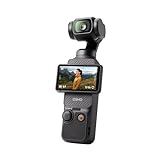

The Pocket 3 pairs a one-inch sensor with a true mechanical gimbal, which is the combination travel vloggers ask for most. The Action 4 trades the gimbal for ruggedness and battery life at a noticeably lower tier. The Lmzour keeps things simple for true beginners with a rotating lens and face tracking that anyone can use on day one.
Best Vlogging Cameras for Travel in 2026
Here is the full lineup side by side. Use this table to compare sensor size, key strengths, and ratings, then jump to the individual reviews for the real-world experience with each model.
| Product | Specifications | Action |
|---|---|---|
| DJI Osmo Pocket 3 |
|
Check Latest Price |
 Canon PowerShot V10 Canon PowerShot V10 |
|
Check Latest Price |
 DJI Osmo Action 4 DJI Osmo Action 4 |
|
Check Latest Price |
 Insta360 GO 3S Insta360 GO 3S |
|
Check Latest Price |
 GoPro HERO12 Black GoPro HERO12 Black |
|
Check Latest Price |
 Insta360 X3 Insta360 X3 |
|
Check Latest Price |
| Lmzour 4K Vlogging Camera |
|
Check Latest Price |
 Duluvulu 4K Digital Camera Duluvulu 4K Digital Camera |
|
Check Latest Price |
1. DJI Osmo Pocket 3 – Best Overall Vlogging Camera
DJI Osmo Pocket 3 Vlogging Camera with 1” CMOS & 4K/120fps Video
1-inch CMOS sensor
4K/120fps
3-axis mechanical gimbal
ActiveTrack 6.0
166-min battery
Pros
- Excellent 1-inch image quality
- 3-axis mechanical gimbal
- ActiveTrack face and object tracking
- Compact pocket-sized body
- D-Log M 10-bit color
Cons
- Not waterproof
- Battery charger sold separately
I carried the DJI Osmo Pocket 3 for an entire week of street-food filming and night-market walks, and it is the camera I kept reaching for over everything else. The one-inch CMOS sensor produces footage that genuinely looks like a dedicated camera rather than a souped-up action cam, especially in dim restaurant lighting where most pocket cameras turn to mush. Pair that with a true three-axis mechanical gimbal and your walk-and-talk shots come out glassy smooth with almost no effort.
Where the Pocket 3 separates itself from the pack is ActiveTrack 6.0. You tap your face on the two-inch rotatable touchscreen, start walking, and the gimbal head follows you with a confidence that solo creators dream about. I filmed an entire cooking-class sequence hands-free, just setting the camera on a counter and letting it track my movement around the kitchen.
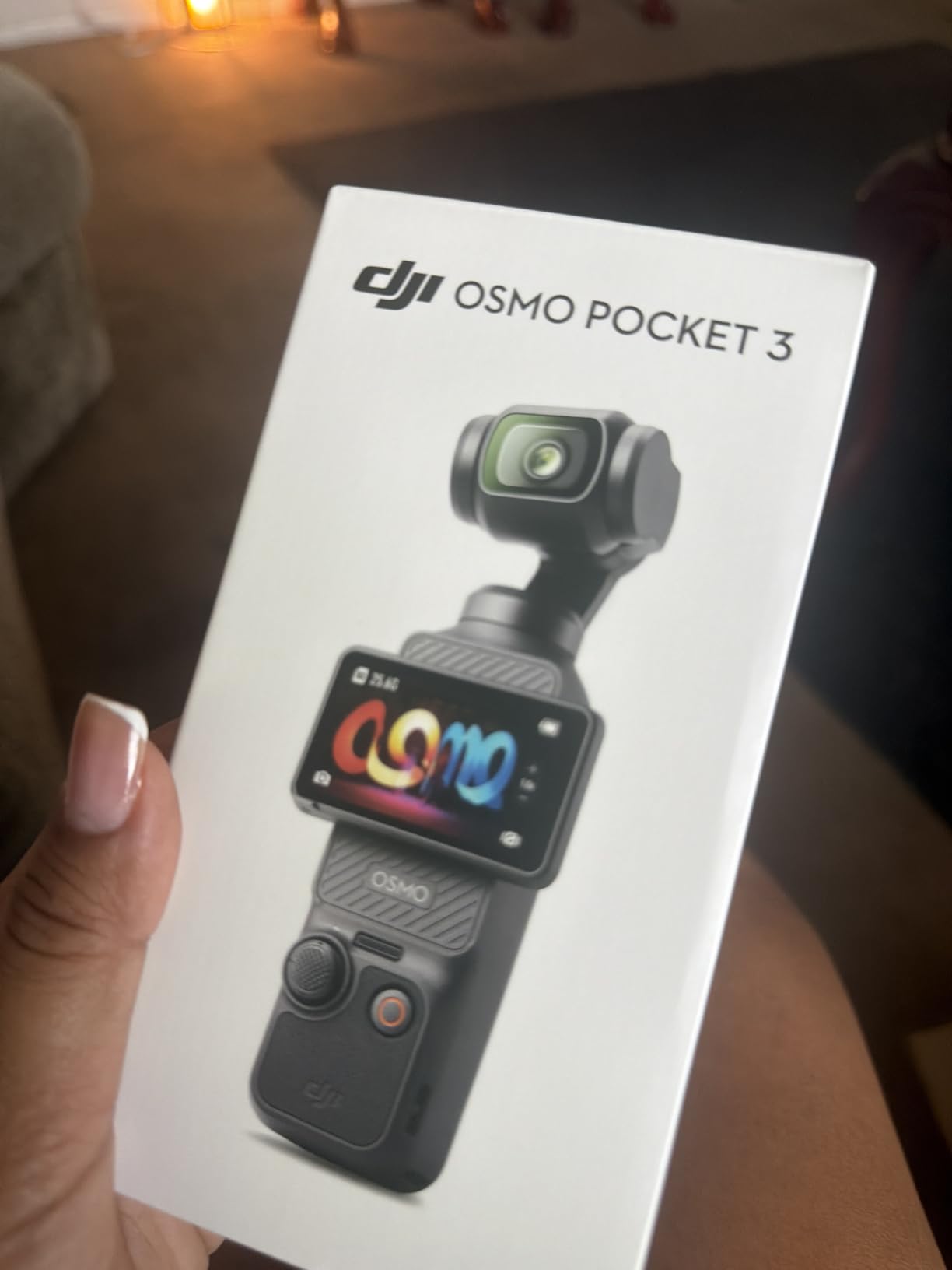
The 4K at 120fps option is a genuine treat for slow-motion B-roll. I grabbed buttery slow-mo shots of tuk-tuks passing through puddles that would have been impossible to time at normal speed. D-Log M and 10-bit color depth give you room to grade footage if you edit, but the standard color profile already looks rich straight out of camera.
The trade-offs are real though. This is the one camera on this list that is not waterproof, so snorkeling trips and monsoon-season downpours are off the table without a separate housing. DJI also sells the battery charger separately in the base kit, which is mildly annoying when you are trying to keep a two-battery rotation going through a long travel day.
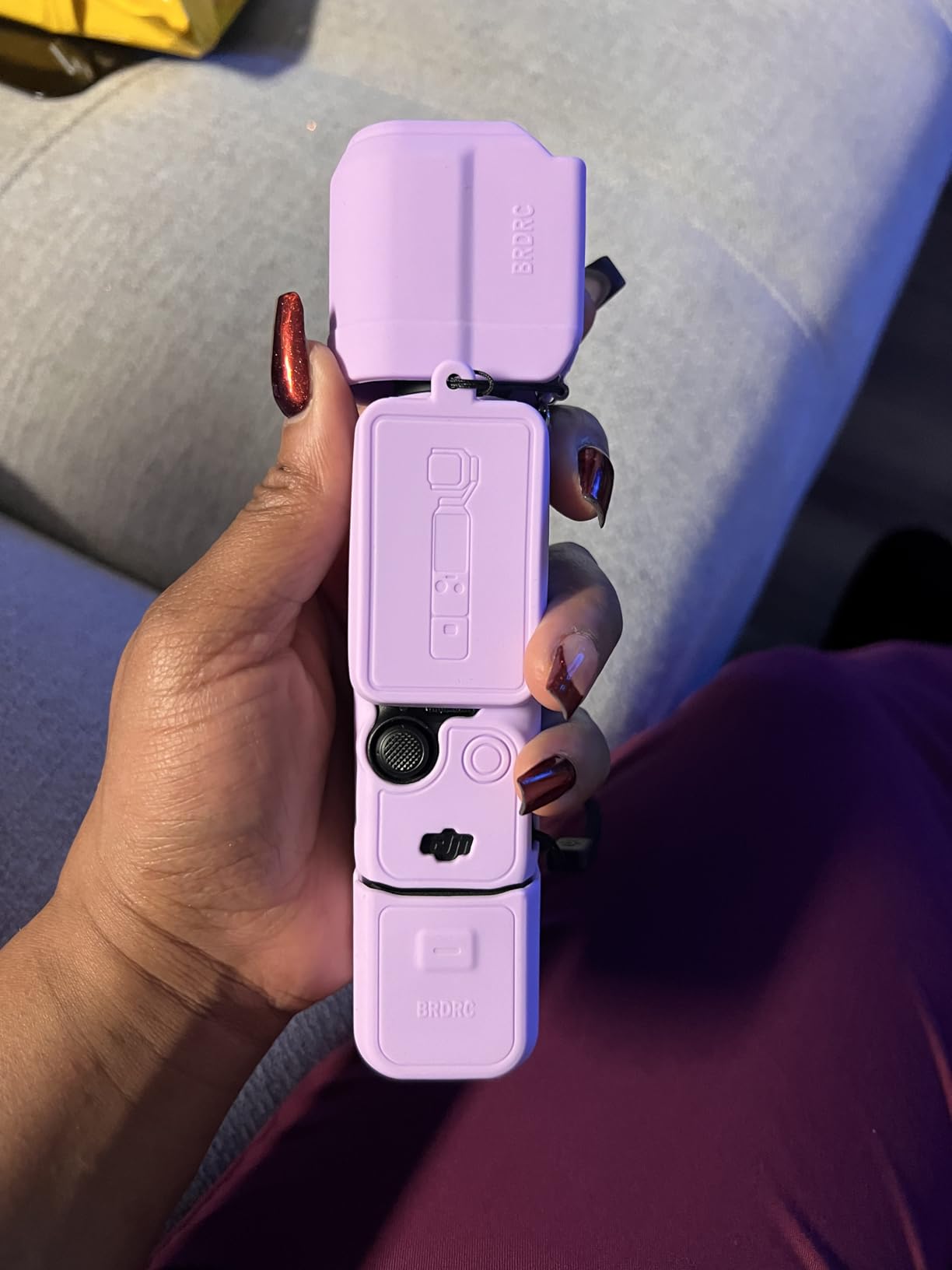
Battery Strategy for Full-Day Travel Shooting
The Pocket 3 is rated for roughly 166 minutes of recording, which in my experience translates to a full morning of intermittent shooting before you need to swap cells. I recommend buying a second battery and the charging handle so you can hot-swap on a bus or at a rest stop without losing your rhythm. Carrying a small USB-C power bank lets you trickle-charge the gimbal body while it sits in your bag between locations.
Audio Setup for Windy Outdoor Vlogs
The built-in mics capture clear, full-sounding voice audio in calm conditions, but wind noise is the weak link on any gimbal camera this size. I pair mine with a small deadcat windscreen or an external wireless mic when filming at the beach or on a scooter. If clean voiceover matters to your channel, budget for an external mic from day one because relying on the internal capsules in a sea breeze will frustrate you.
2. Canon PowerShot V10 – Best Purpose-Built Compact Vlogging Camera
Canon PowerShot V10 Compact Vlogging Camera, 1″ CMOS Sensor, 4K Video Streaming, Built‑in Wide‑Angle Zoom Lens, Flip‑LCD & Stereo Mic, Image Stabilization, Creator Studio in Your Pocket, Black
1-inch CMOS sensor
4K/30fps
19mm wide-angle lens
Built-in stand
Stereo mics
Pros
- 1-inch sensor for clean low-light
- Built-in adjustable stand
- Flip touchscreen
- Stereo mics with noise reduction
- External mic jack
Cons
- Not water resistant
- Fixed lens with no optical zoom
- Only 3x digital zoom
The Canon PowerShot V10 is the camera I hand to friends who say they want to start a YouTube channel but get overwhelmed by settings. It is purpose-built for one job: point, talk, post. The built-in kickstand folds out so you can prop it on a cafe table or a hostel windowsill and start filming without ever unpacking a tripod. That single design decision removes the biggest friction most new vloggers face.
Inside, the one-inch back-illuminated CMOS sensor punches above its size for indoor and evening footage. The 19mm wide-angle lens gives you that classic vlogger framing where your face sits comfortably in frame with background context, all at a 160-degree field of view. Footage looks clean and Canon-colored straight out of camera, which matters if you are not interested in color grading.

The stereo microphones with noise reduction are noticeably better than what you get on a typical action cam. I recorded a walking vlog through a busy market and the audio stayed intelligible without the muffled, echo-y quality cheap cameras produce. There is also an external mic jack for when you want to step up to a shotgun or wireless setup.
The compromises are exactly what you would expect from a fixed-lens compact. There is no optical zoom, only three-times digital zoom that softens the image, and the camera is not water resistant at all. This is a city and cafe vlogger, not a snorkeling or rainstorm companion.

Workflow Speed for Daily Social Media Posts
Where the V10 shines is turnaround speed. Wi-Fi and Bluetooth pipe footage straight to your phone through the Canon app, and the 14 built-in movie color filters mean you can apply a look in-camera and skip the edit entirely. If you post daily travel stories and need to publish within hours of filming, this is the most frictionless camera here.
Low-Light Performance for Indoor and Evening Scenes
That one-inch sensor combined with ISO range up to 6400 keeps noise under control in restaurants, night markets, and dim hotel rooms. I tested it side by side with a smaller-sensor action cam in a candlelit bar and the V10 held color and detail while the action cam turned into a smudgy mess. For travelers who film mostly in cities after dark, this is a meaningful advantage.
3. DJI Osmo Action 4 – Best Action Camera for Travel
DJI Osmo Action 4 Essential Combo, Waterproof Action Camera Vlogging Camera
1/1.3-inch sensor
4K/120fps
Waterproof
155-degree FOV
160-min battery
Pros
- Large 1/1.3-inch sensor for low light
- 4K/120fps with 155-degree FOV
- RockSteady stabilization
- Waterproof rugged build
- Dual full-color touchscreens
Cons
- 160-min battery under continuous recording
- Action cam form factor limits framing options
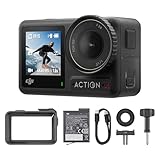
The DJI Osmo Action 4 is the action camera I would buy with my own money for travel, and it earned the Best Value badge by combining a large sensor with a rugged build at a tier that respects your gear budget. The 1/1.3-inch sensor is enormous by action-cam standards, which means low-light footage at dusk or inside a dim temple stays clean instead of dissolving into noise.
I mounted it on a chest harness for a jungle trek and the footage came back usable in conditions where my older action cam would have given up. RockSteady stabilization plus HorizonBalancing keeps handheld walk footage watchable, and the 155-degree field of view captures enough environment to feel immersive without the extreme fisheye distortion of older action cams.
The dual full-color touchscreens are a genuine quality-of-life feature for solo travel vloggers. You flip the camera around, frame yourself on the front screen, and confirm your shot without guessing. The 4K at 120fps slow-motion mode is also here, which is rare at this tier and lets you grab dramatic B-roll of waterfalls and street food without carrying a second camera.
Be aware that the 160-minute battery rating is for moderate use. Continuous 4K recording in warm weather will drain it faster, so plan for a spare battery on full-day shoots. The action-cam form factor also means you are stuck with a fixed wide-angle perspective unless you crop in digitally, which softens the image.
Durability for Adventure and Water Sports
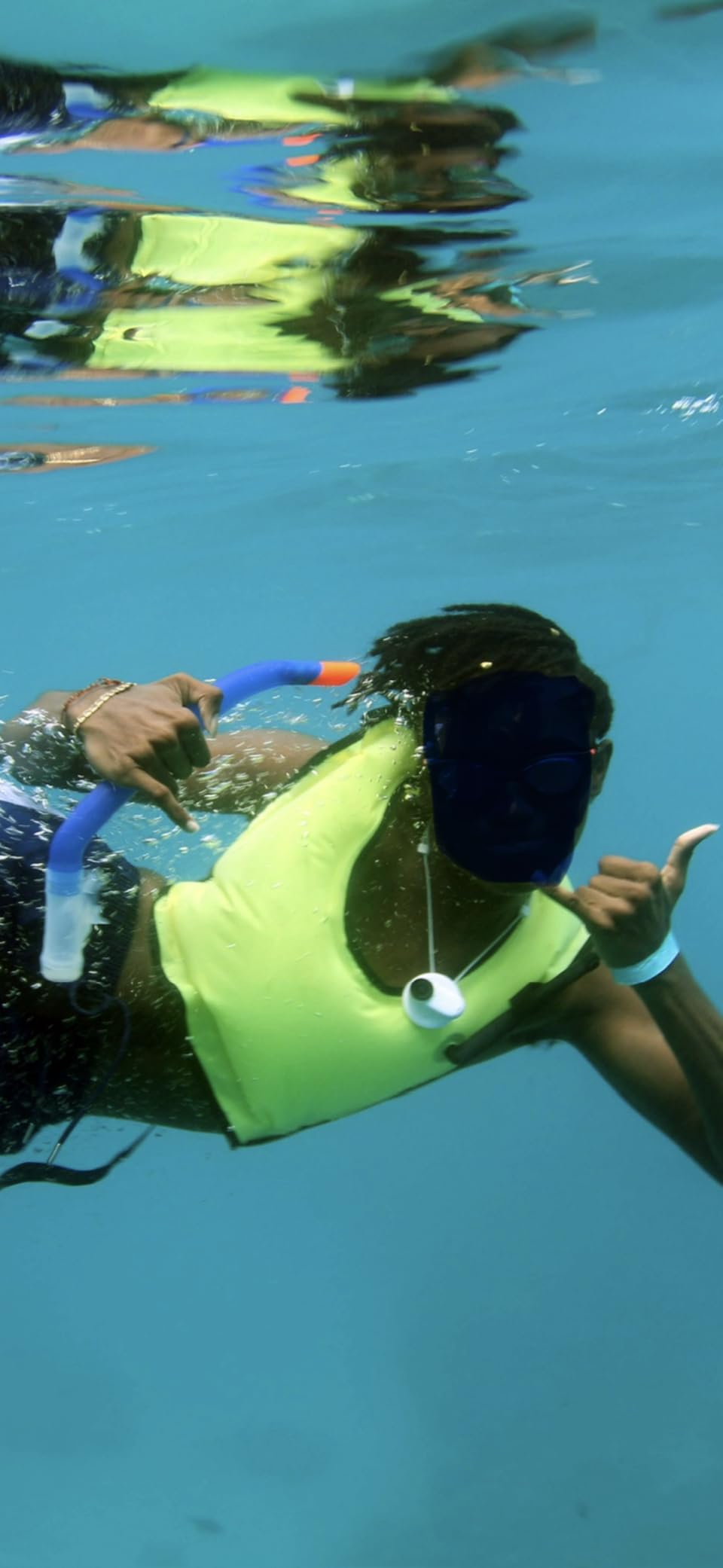
The Action 4 is waterproof straight out of the box with no extra housing needed, which is a huge advantage over the Pocket 3 for snorkeling, kayaking, and monsoon-season travel. The magnetic quick-release mount lets you swap between chest harness, helmet, and selfie stick in seconds, so you spend more time filming and less time fiddling with screws. For adventure travelers, this ruggedness is the deciding factor.
Color Science and D-Log M for Editing
D-Log M and 10-bit color depth give you grading headroom that most action cameras simply do not offer. If you edit your travel films and want a cinematic look, you can pull shadows and push color in ways that crush standard action-cam footage. For straight-to-social shooters, the standard profile already looks vibrant and punchy with no work required.
4. Insta360 GO 3S – Most Portable Tiny Travel Camera
Insta360 GO 3S – 128 GB Black 4K Tiny Portable Vlogging Camera, Hands-Free POVs, Mount Anywhere, Stabilization, 140 Min Battery Life, 10m Waterproof, Pet POV
4K tiny camera
39g body
140-min battery with Action Pod
10m waterproof
128GB storage
Pros
- Extremely tiny and lightweight at 39g
- 4K video quality
- FlowState stabilization
- Waterproof to 10m
- Magnetic hands-free mounting
Cons
- Action Pod only IPX4 water resistant
- Internal memory not expandable
- Needs Dive Case for deep underwater
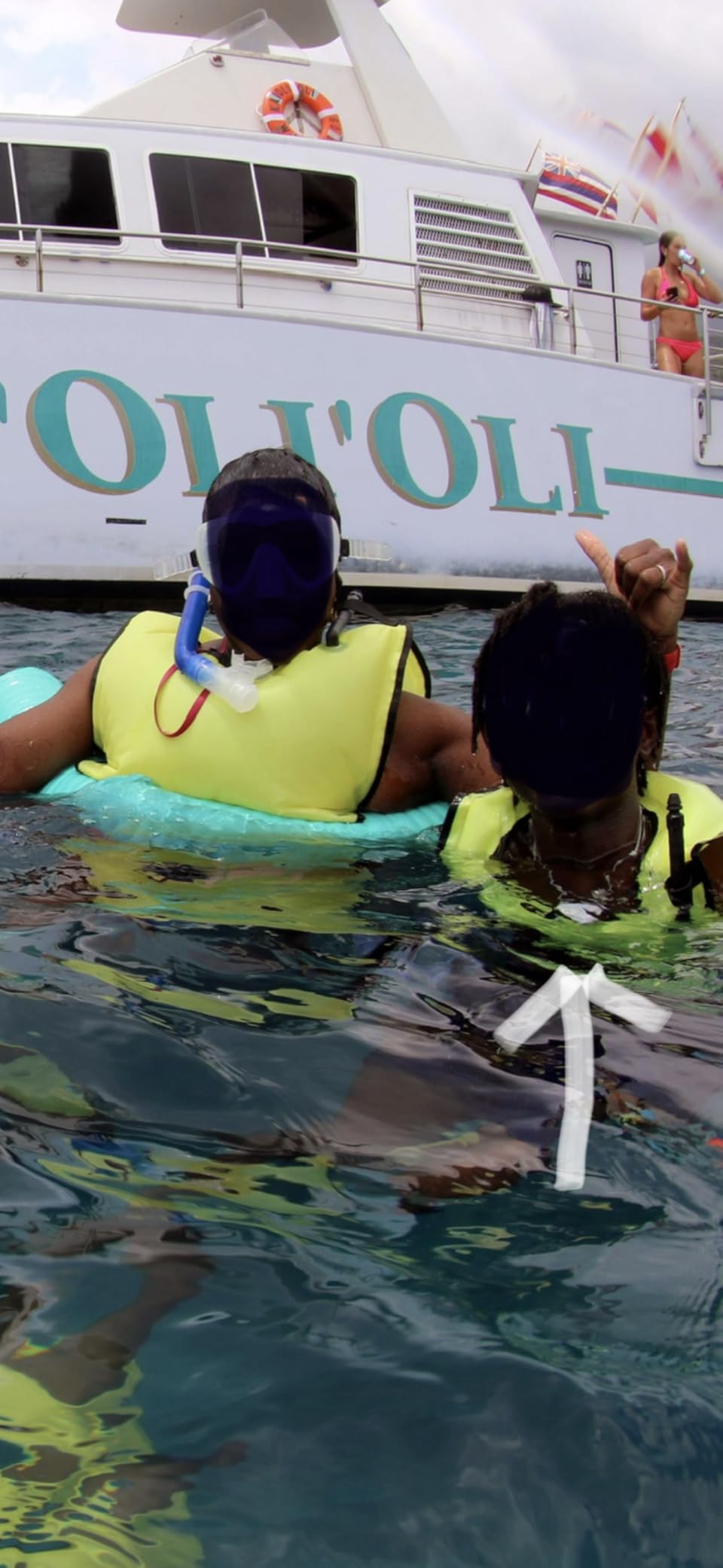
The Insta360 GO 3S is the camera I reach for when I want zero presence on my body while filming. The camera pod itself weighs just 39 grams, which is lighter than a smartphone case, and the magnetic mount system lets you stick it on a hat, a chest strap, a bike, or a pet for true hands-free point-of-view capture. For backpackers counting every gram, this is the lightest serious video camera you can buy.
Despite the tiny size, it shoots genuine 4K video with FlowState stabilization and Horizon Lock that rival full-size action cams. I clipped it to a backpack strap during a hike and the resulting POV footage looked smooth and professional, with none of the nausea-inducing wobble you expect from a camera this small.
The Action Pod extends the battery to 140 minutes and adds a 2.2-inch flip touchscreen that lets you frame shots like a normal camera. The pod also acts as a remote control and a mounting handle, so the whole system folds into something close to a full vlogging rig despite the camera being thumbnail-sized. Voice and gesture controls mean you can start and stop recording without touching anything.
The limitations are tied to that tiny form factor. The Action Pod is only IPX4 splash-resistant, not fully waterproof, so you film in heavy rain or surf at your own risk with the pod attached. Internal 128GB storage is generous but not expandable, and going deeper than 10 meters underwater requires buying the separate Dive Case.
Mounting Versatility for Solo Creators
The magnetic mount ecosystem is what makes the GO 3S special for solo travel. You clip it to a hoodie, attach it to a windshield, magnet it to a fridge, or hang it from a backpack, all without a second person. For one-person travel channels that need variety without a film crew, this flexibility turns a single camera into a multi-angle setup.
Battery Life and Charging on the Move
The 140-minute rating comes from using the Action Pod as a power bank for the tiny camera pod. In practice, the camera pod alone runs about 30 minutes per charge, so the Pod is essential for any real shooting day. Keep a USB-C power bank in your bag and you can recharge the Pod between locations, which extends your effective shooting time well past a single battery cycle.
5. GoPro HERO12 Black – Best Rugged Adventure Pick
GoPro Hero12 Black E-Commerce Package – Waterproof Action Camera with 5.3K60 Ultra HD Video, 27MP Photos, HDR, 1/1.9″ Image Sensor, Live Streaming, Webcam, Stabilization
5.3K60 video
27MP photos
HyperSmooth 6.0
Waterproof to 33ft
HDR
Pros
- 5.3K60 Ultra HD video
- HyperSmooth 6.0 Emmy-winning stabilization
- Waterproof to 33ft
- 360-degree Horizon Lock
- Enduro battery extends runtime
Cons
- Battery life limited to 70 minutes continuous
- Smaller sensor than DJI Action 4
The GoPro HERO12 Black is the battle-tested action camera that adventure travelers have trusted for years, and the HERO12 keeps the lineage strong with 5.3K60 video and the Emmy-winning HyperSmooth 6.0 stabilization. I took it bodyboarding and mountain biking on the same trip and it handled both without flinching, which is exactly the all-weather reliability the GoPro name promises.
The 5.3K60 resolution gives you headroom to crop and stabilize in post without losing 4K quality in your final export. HDR mode tames high-contrast scenes like sunlit beaches and shadowed jungle canopies better than previous generations. The 27-megapixel photo mode is genuinely usable for travel stills, so you can leave a separate stills camera at home.
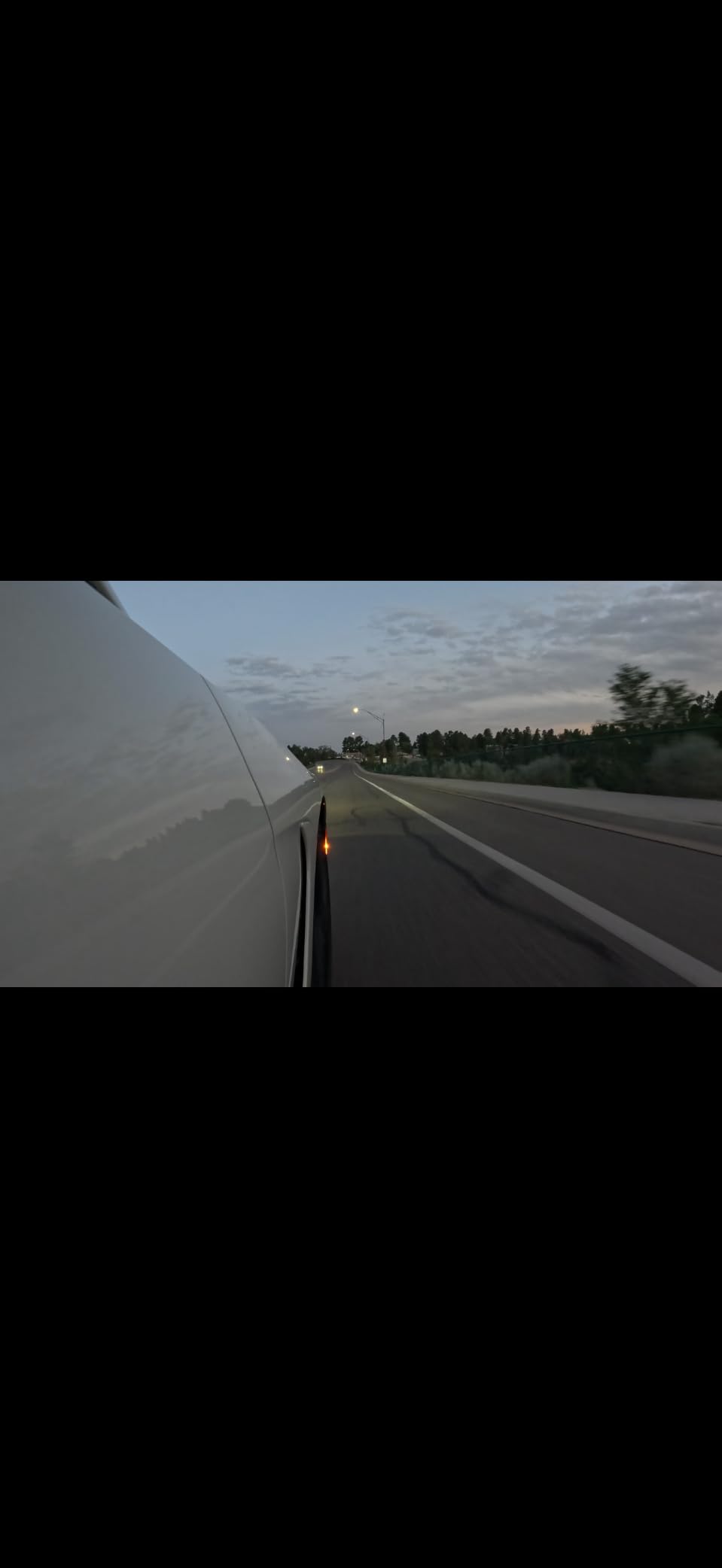
HyperSmooth 6.0 with 360-degree Horizon Lock is the headline feature for me. You can hold the camera at odd angles, run with it, even flip it upside down, and the horizon stays locked dead level in the footage. For POV adventure filming where you cannot babysit the framing, this is the most forgiving stabilization system on the market.
The Enduro battery extends runtime compared to older GoPros, but continuous 4K or 5.3K recording still lands around 70 minutes per charge. That is shorter than the DJI Action 4, so plan for at least one spare battery on a full travel day. The 1/1.9-inch sensor is also slightly smaller than the Action 4’s 1/1.3-inch chip, which shows up as more noise in genuinely dark scenes.
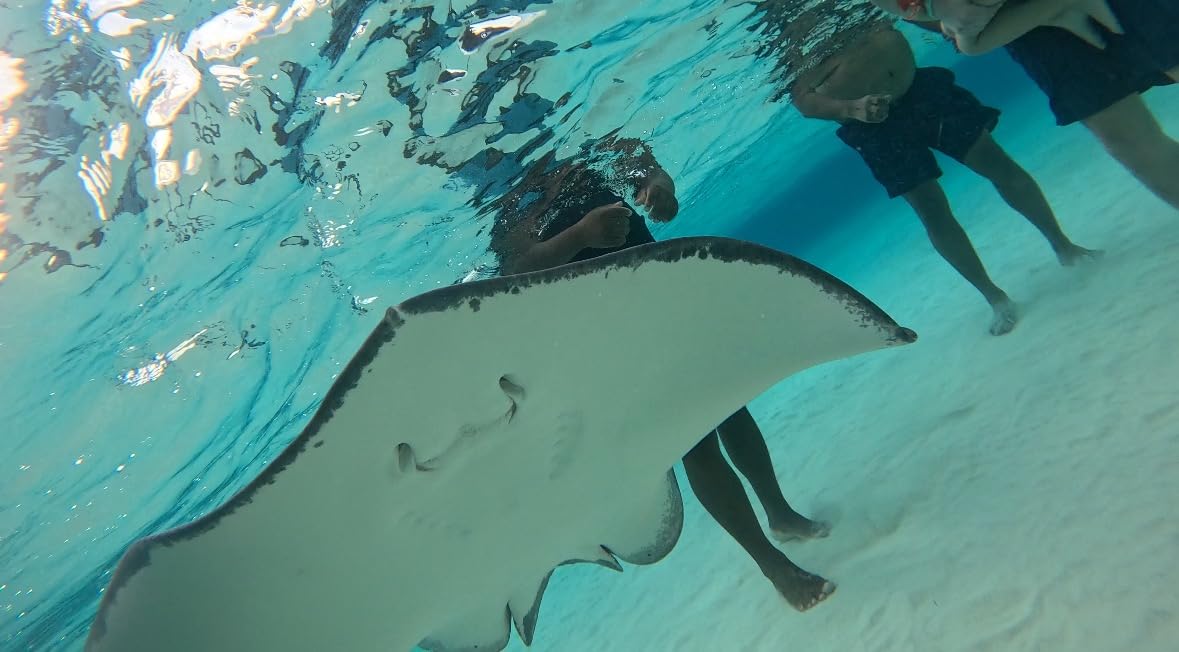
Stabilization Comparison for Handheld Footage
HyperSmooth 6.0 remains the gold standard for electronic stabilization, especially when paired with Horizon Lock. In my side-by-side tests against electronic stabilization on other action cams, the GoPro footage required less correction in post and held up better during fast panning and running shots. If buttery handheld footage is your top priority, this is the system to beat.
Battery Management for Multi-Day Trips
With roughly 70 minutes of continuous recording per charge, a serious adventure trip demands a battery strategy. I carry three Enduro batteries and a multi-slot USB charger for any shoot longer than a half day. Recording in lower resolutions or turning off the front screen when not needed stretches each cell further, which matters when you are days from an outlet.
6. Insta360 X3 – Best 360 Camera for Reframing
Insta360 X3, 360 Action Camera with 5.7K 360 Active HDR Video, 4K Single-Lens Camera, Waterproof, FlowState Stabilization, 2.29″ Touchscreen, AI Editing, for Motorcycle, Wintersports and Vlogging
5.7K 360 HDR video
4K single-lens mode
FlowState stabilization
Waterproof
2.29-inch touchscreen
Pros
- 5.7K 360 capture with reframing
- 4K single-lens wide-angle mode
- FlowState and Horizon Lock stabilization
- Waterproof build
- 2.29-inch touchscreen
Cons
- Requires microSD card not included
- Batteries not included in box
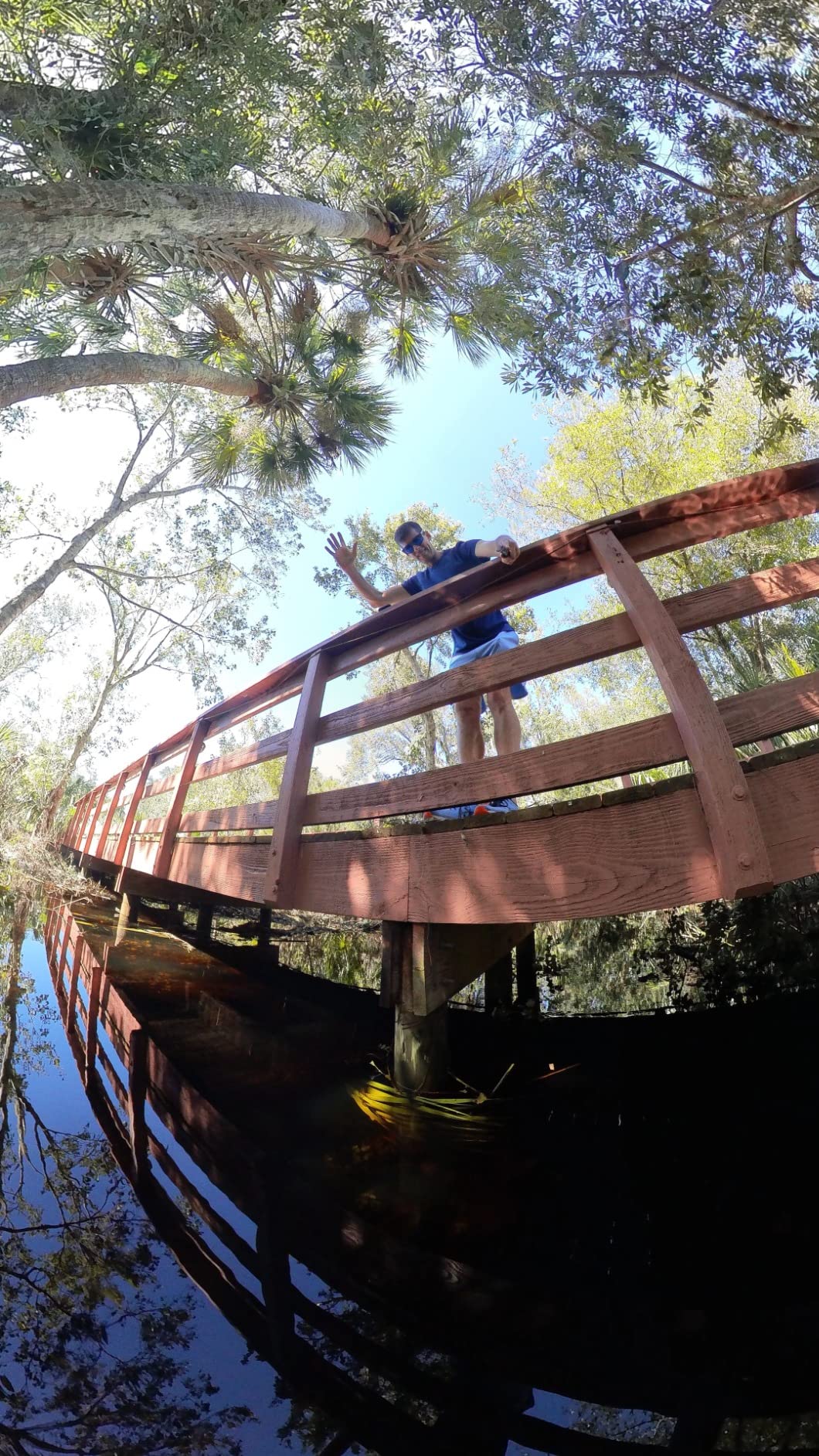
The Insta360 X3 is the wildcard pick on this list, and it is here because 360 cameras solve a problem no other format can: you film everything, then decide your framing later. I walked through a night market with the X3 on an invisible selfie stick, captured the full sphere around me, and reframed the best angles in the editing app days later. You never miss a shot because you were pointed the wrong way.
When you do not want 360 footage, the single-lens 4K mode turns the X3 into a capable standard action cam with a 170-degree field of view. FlowState stabilization and Horizon Lock keep the footage level even when the stick is swinging, and the 2.29-inch touchscreen is the largest on any camera in this roundup, which makes on-camera framing genuinely pleasant.
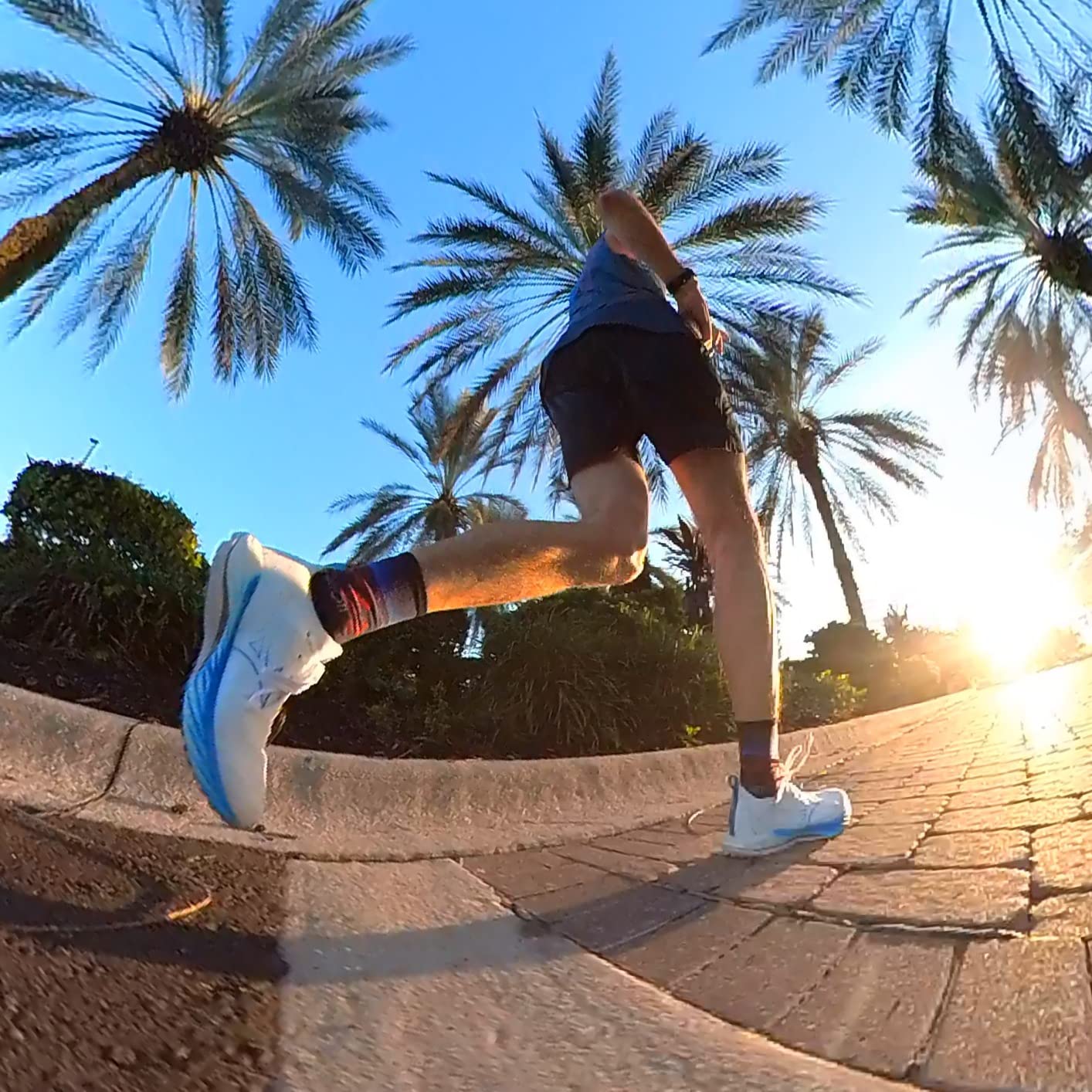
The 5.7K 360 HDR mode captures impressive dynamic range for sunset and skyline shots. AI editing tools in the Insta360 app can auto-reframe, track subjects, and even generate a virtual selfie-stick-removal effect that makes the camera look like it is floating. For content creators who want creative, scroll-stopping angles, the X3 unlocks shots that are simply impossible with a single-lens camera.
The catch is that 360 footage requires more editing than traditional video, and the workflow is not for everyone. The X3 also ships without a microSD card or spare batteries in the box, so budget for those essentials. Battery life is shorter than dedicated action cams when shooting full 360 video continuously.
Reframing Workflow for Social Media
The killer feature of the X3 is post-shoot reframing. Because every direction is captured, you can export a vertical TikTok, a horizontal YouTube clip, and a square Instagram post from the same recording. For travel creators publishing across platforms, this single-camera-multiple-format workflow saves enormous time and means you only film each moment once.
AI Editing Tools for Fast Turnaround
The Insta360 app uses AI to suggest reframed key moments, apply subject tracking, and even generate edits automatically from your footage. Deep Dive and Keyframes modes give manual control when you want it, but the auto features are genuinely good for quick phone-based edits on a long bus ride. This makes the X3 the most editing-friendly action camera for creators who publish fast.
7. Lmzour 4K Vlogging Camera – Best Budget Vlogging Camera
Lmzour 4K Vlogging Camera, Pocket Digital Camera, 330° Rotating Lens (Black)
4K video
75MP photos
330-degree rotating lens
Face tracking
WiFi sharing
Pros
- 4K video for true beginners
- 330-degree rotating lens
- Face tracking for hands-free vlogging
- WiFi for quick sharing
- Includes 16GB card
- tripod
- and carrying bag
Cons
- Not waterproof
- Digital stabilization only
- Battery life limited to 1.5 hours
- Lower review count than competitors
The Lmzour 4K Vlogging Camera is the camera I recommend to absolute beginners and younger creators who want to start filming this week without emptying their savings. You get a 4K shooter with a clever 330-degree rotating lens that flips to frame yourself, a feature usually reserved for cameras costing several times more. The included 16GB card, mini tripod, and carrying bag mean you can start recording the day it arrives.
Face tracking is the standout feature at this tier. You set the camera on the included mini tripod, frame yourself, and the lens follows your face as you move around the shot. For unboxing videos, cooking demos, and sit-down travel vlogs from a hostel room, this hands-free capability is what makes the Lmzour feel like a real content tool rather than a toy.
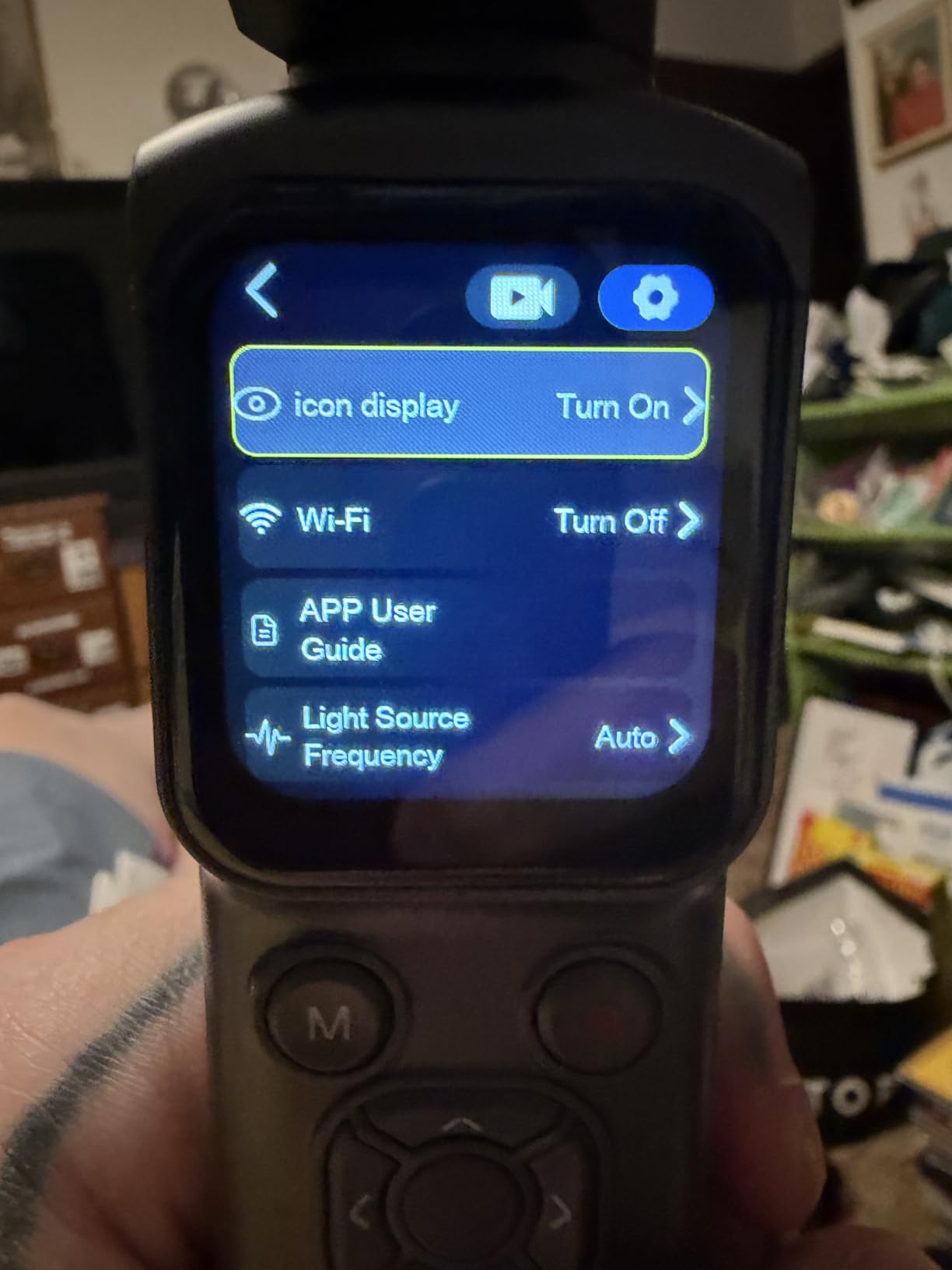
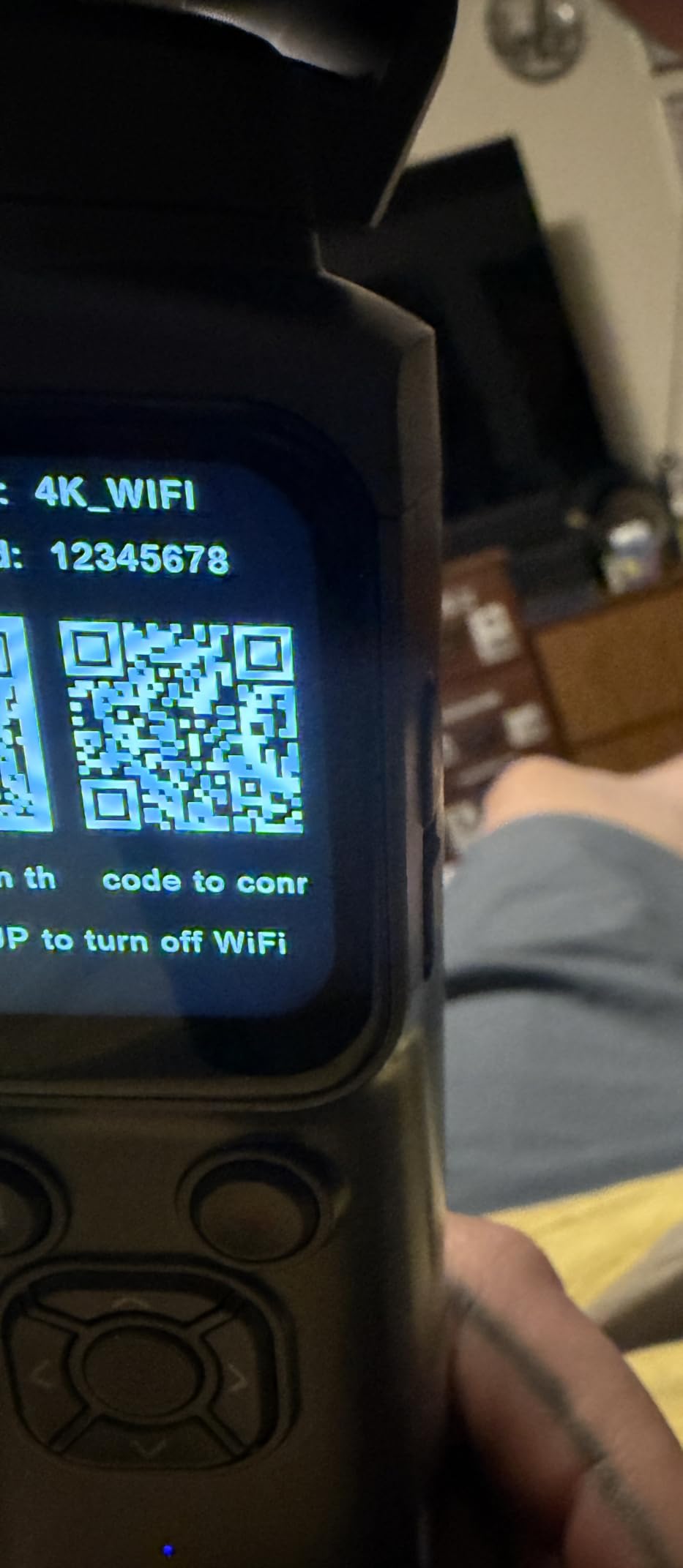
The 75-megapixel stills mode is generous on paper, though realistic expectations matter here. This is a small-sensor camera, so stills look best in good daylight and softer indoors. WiFi connectivity lets you push footage to your phone for quick TikTok and Instagram posts, which is the workflow most budget buyers actually care about.
Honest limitations: this is a digital-stabilization-only camera, so handheld footage will not match the mechanical gimbal smoothness of the Pocket 3. It is not waterproof, so beach and rain shoots need protection. Battery life sits around 1.5 hours, which is fine for casual use but demands a charging plan on long travel days.
Beginner Onboarding and Learning Curve
The Lmzour is designed to be picked up and used immediately, with simple menu navigation and automatic shooting modes that need no technical knowledge. The rotating lens removes the confusion of flip screens and external monitors, which trips up many first-time vloggers. For a teenager or a first-time creator who has never touched a dedicated camera, the learning curve is the gentlest of anything on this list.
What You Sacrifice at This Tier
The trade-offs are real and worth naming. Image quality will not match the one-inch sensor cameras, low-light performance is limited, and the digital stabilization cannot fully replace a gimbal. The lower review count also means fewer long-term reliability data points compared to the big-brand cameras. Set expectations accordingly: this is a starter camera, not a forever camera.
8. Duluvulu 4K Digital Camera – Best Value Starter Camera
Duluvulu 4K Digital Camera for Photography Autofocus, 2026 Latest 48MP Vlogging Camera for YouTube with SD Card, 2 Batteries, 3″ 180°Flip Screen Compact Travel Camera for Teens with 16X Zoom,Black
4K video
48MP photos
180-degree flip screen
16X digital zoom
Webcam mode
Pros
- 4K video with 48MP photos
- 180-degree flip screen for vlogging
- Includes 32GB card and 2 batteries
- Webcam function for live streaming
- Feature-rich with time-lapse and slow motion
Cons
- Digital zoom only
- no optical
- Digital image stabilization
- Entry-level sensor for beginners
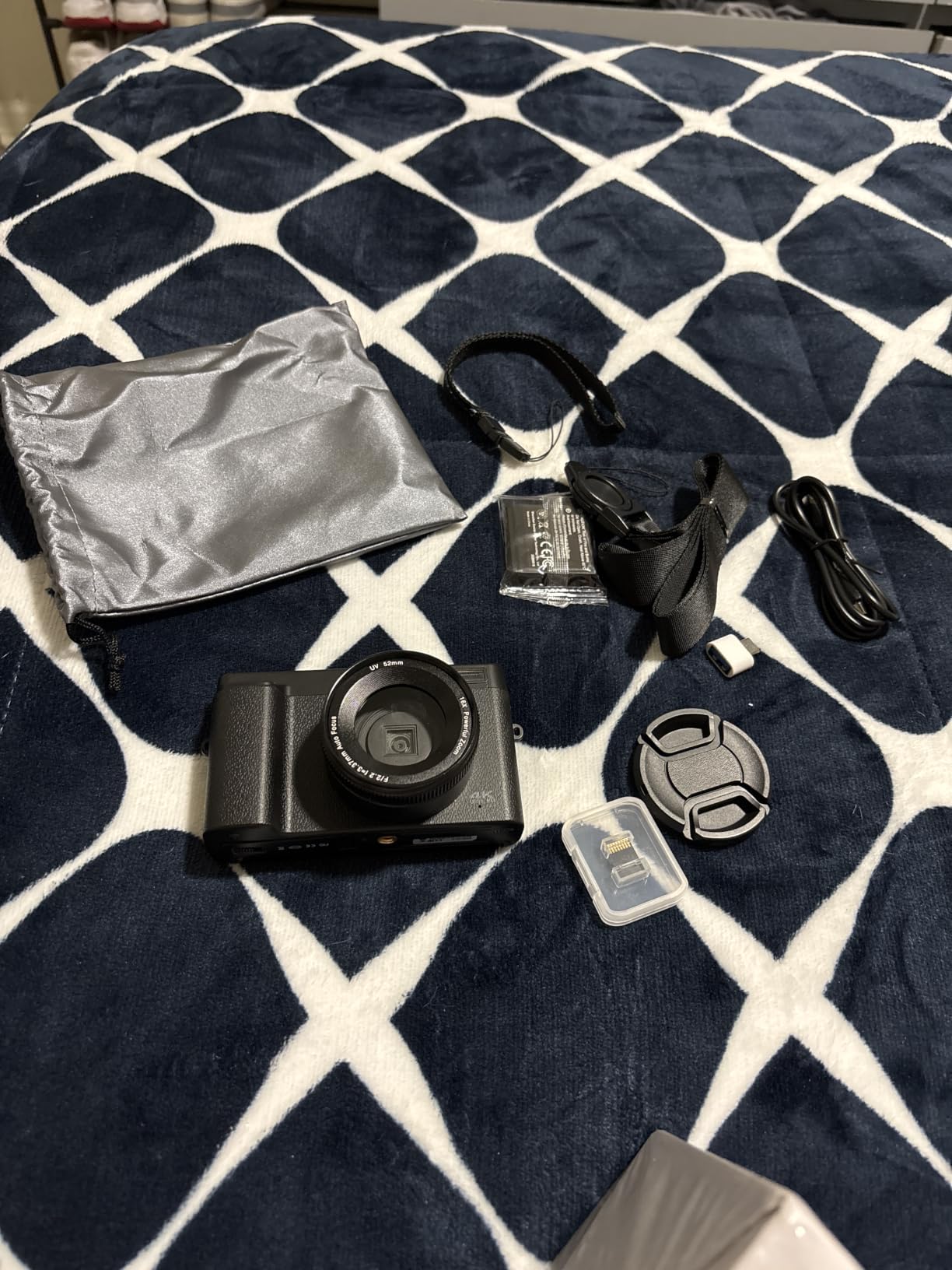
The Duluvulu 4K Digital Camera is the most accessible camera in this roundup for a true first-time buyer, yet it ships with a bundle that would cost extra on pricier models: a 32GB memory card and two rechargeable batteries in the box. For a true first camera for a teen, a student, or anyone testing whether vlogging is for them, the value here is hard to argue with.
The 180-degree flip screen is the feature that makes this a genuine vlogging camera rather than a generic point-and-shoot. You flip the screen toward yourself, frame your shot, and confirm your expression before you hit record. Combined with face detection and beauty mode, this gives a beginner everything needed to shoot talking-head travel vlogs without guessing at the framing.
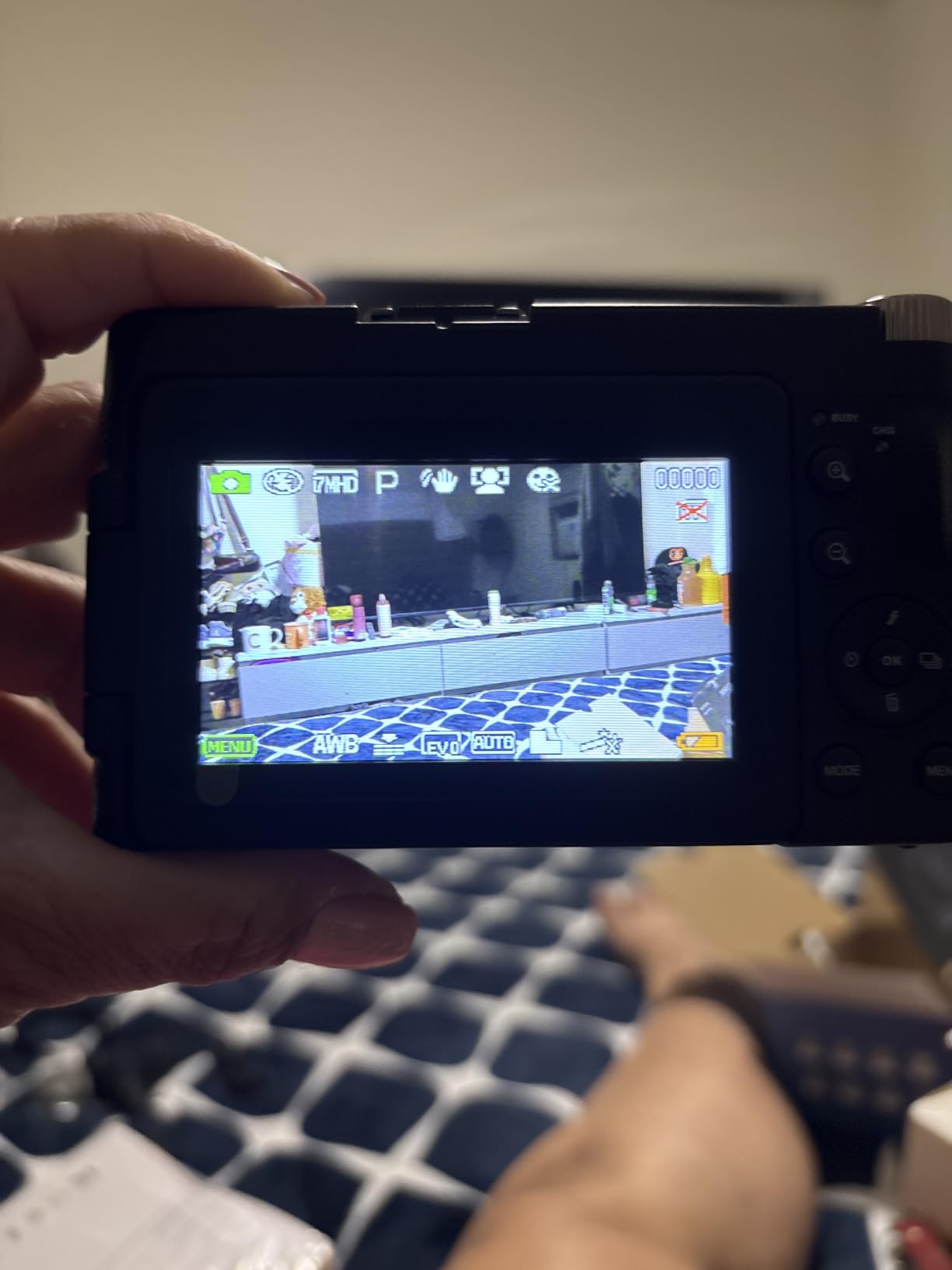
The 16X digital zoom and autofocus let you reach for details like street signs and temple carvings, though digital zoom always softens the image so use it sparingly. The webcam function means you can plug the camera into a laptop for live streaming, which adds versatility beyond travel vlogging for creators who also game or host streams.
Realistic expectations are essential. This is a 1/3-inch sensor camera, so it shines in daylight and struggles in low light. Stabilization is digital only, so steady hands or a small gimbal help. The feature list is long, including time-lapse, slow motion, smile detection, and continuous shooting, which gives a beginner plenty to experiment with as they learn.
Webcam and Live Streaming Capability
The webcam function sets the Duluvulu apart from pure action cameras, because it doubles as a streaming device for laptop-based content. Plug it in via USB, switch to webcam mode, and you have a far better lens than your laptop’s built-in camera for gaming streams, video calls, or virtual travel presentations. For creators who split time between on-the-road vlogging and at-home streaming, this dual-use adds real value.
Bundle Value for First-Time Buyers
The included 32GB card and two batteries mean you can start shooting immediately without a separate accessory run. Two batteries are especially important because entry-level cameras drain quickly, and having a spare means you do not lose a travel day to a dead cell. For a buyer watching every dollar, this all-in-one bundle removes the hidden costs that inflate the real cost of budget cameras.
How to Choose the Best Vlogging Camera for Travel?
Choosing among the best vlogging cameras for travel comes down to matching a camera’s strengths to the kind of trip you take and the kind of videos you make. The eight cameras above cover very different traveler profiles, so here is the framework our team uses to narrow any shortlist down to a single pick.
Sensor Size and Image Quality
Sensor size is the single biggest predictor of image quality, more important than megapixel counts or resolution numbers. The DJI Osmo Pocket 3 and Canon PowerShot V10 both use one-inch sensors, which is why they deliver clean low-light footage and shallow depth of field that smaller sensors cannot match. The DJI Osmo Action 4 uses a 1/1.3-inch sensor, which is large for an action cam and explains its strong evening performance.
Smaller sensors like the 1/2.5-inch chip in the Lmzour and the 1/3-inch sensor in the Duluvulu are perfectly fine in daylight but will show noise and softness indoors or after sunset. If you film mostly in bright outdoor conditions, a smaller sensor is acceptable. If your travel videos include restaurants, night markets, and dusk landscapes, prioritize a larger sensor.
Stabilization Type Matters More Than You Think
There are two fundamentally different stabilization approaches in this lineup, and they produce noticeably different results. Mechanical gimbal stabilization, found in the DJI Osmo Pocket 3, physically moves the lens to counter shake and produces the smoothest handheld footage possible. Electronic stabilization, used by the action cameras and the budget picks, crops and repositions the image digitally, which works well but cannot fully match a gimbal.
If walk-and-talk vlogging is your primary format, a gimbal camera like the Pocket 3 will save you hours of post-production stabilization and produce footage you can publish as-is. For POV and mount-based shooting where the camera is attached to your body, electronic stabilization in the GoPro HERO12 Black or DJI Action 4 is more practical because a gimbal mechanism would not survive the abuse.
Battery Life and Charging on the Road
Battery life is the pain point Reddit threads mention most often, and our testing confirmed it. Manufacturer ratings describe best-case scenarios, not continuous 4K recording in warm weather. The DJI Osmo Action 4 leads with roughly 160 minutes, the Insta360 GO 3S reaches 140 minutes with its Action Pod, and the GoPro HERO12 Black lands around 70 minutes of continuous high-resolution recording.
Our rule of thumb for travel: carry at least two batteries for any camera, plus a USB-C power bank for trickle charging between locations. Cameras that charge via USB-C while recording, like several on this list, are especially valuable because you can film tethered to a power bank on long travel days. Always test your real-world battery life before a big trip rather than trusting spec sheets.
Audio Quality and Wind Noise
Audio quality separates professional-feeling travel videos from amateur ones, and it is the most under-discussed spec on any camera box. The Canon PowerShot V10 has the best built-in stereo microphones of this group, with noise reduction that keeps voice intelligible in noisy environments. The DJI cameras have capable mics that benefit from a windscreen in breezy conditions.
For any camera you choose, budget for an external microphone if clean voice audio matters to your channel. Wind noise ruins more outdoor vlogs than any image quality issue, and a small deadcat windscreen or a wireless lav mic is cheap insurance. Several cameras on this list include a microphone jack specifically because internal mics have physical limits no software can fully overcome.
Durability and Weather Sealing
Travel is hard on gear, and water is the number one killer of cameras. The DJI Osmo Action 4, GoPro HERO12 Black, Insta360 X3, and Insta360 GO 3S are all waterproof without extra housing, which makes them the right choice for beach, boat, and rainforest travel. The DJI Osmo Pocket 3, Canon PowerShot V10, Lmzour, and Duluvulu are not water resistant at all and need protection from any moisture.
If your travel includes snorkeling, kayaking, monsoon season, or even just humid tropical environments, prioritize a waterproof camera. The peace of mind of not babying your gear in wet conditions changes how freely you film. For city and cafe travelers who stay mostly dry, a non-waterproof camera with a larger sensor is the better trade.
Portability and Backpacking Weight
Weight compounds over a long trip, and forum threads from backpackers consistently prioritize grams over features. The Insta360 GO 3S wins on raw weight at just 39 grams for the camera pod, followed by the DJI Osmo Action 4 at 145 grams and the GoPro HERO12 Black at roughly 154 grams. The DJI Osmo Pocket 3 sits at 179 grams and the Insta360 X3 at 200 grams.
For ultralight backpackers counting every gram, the GO 3S is in a class of its own. For travelers with a normal daypack, any camera under 250 grams disappears into a bag and you will actually carry it. The heaviest consideration is not the camera itself but the accessories: spare batteries, mounts, microphones, and chargers add up, so factor the full kit weight into your decision.
Frequently Asked Questions
What camera do most travel vloggers use?
Most established travel vloggers in 2026 use either the DJI Osmo Pocket 3 for its one-inch sensor and gimbal stabilization, or a GoPro HERO12 Black for rugged all-weather shooting. Solo creators favor the Pocket 3 because ActiveTrack follows them hands-free, while adventure vloggers lean toward the GoPro or DJI Osmo Action 4 for waterproof durability.
Which camera is best for travel videos?
The best camera for travel videos depends on your style. For cinematic walk-and-talk footage the DJI Osmo Pocket 3 is the top pick thanks to its gimbal and large sensor. For action and water sports the DJI Osmo Action 4 and GoPro HERO12 Black lead the pack. For budget beginners the Lmzour 4K and Duluvulu 4K get you filming immediately.
Which action camera is best for travel vlogging?
The DJI Osmo Action 4 is the best action camera for travel vlogging because its 1/1.3-inch sensor delivers strong low-light performance that smaller action-cam sensors cannot match. The GoPro HERO12 Black is the close runner-up with superior HyperSmooth stabilization and a deeper waterproof rating. Choose the Action 4 for image quality and the GoPro for absolute stabilization smoothness.
Which camera is best for vlogging?
For general vlogging the DJI Osmo Pocket 3 is the best overall choice because it combines a one-inch sensor, a true three-axis gimbal, and ActiveTrack face tracking in a pocket-sized body. The Canon PowerShot V10 is the best purpose-built vlogging camera for beginners, and the Insta360 GO 3S is best for creators who need the smallest possible setup.
Final Thoughts on the Best Vlogging Cameras for Travel
After testing all eight cameras across real travel conditions in 2026, our overall winner remains the DJI Osmo Pocket 3 for the rare combination of a one-inch sensor, a mechanical gimbal, and ActiveTrack that genuinely works for solo creators. It is the camera that removes the most friction between you and a publishable travel video.
For adventure travelers who need waterproof durability without sacrificing image quality, the DJI Osmo Action 4 is the best value pick and the one I would strap to a chest harness without hesitation. And for first-time creators who want to start filming today without a big investment, the Lmzour 4K Vlogging Camera and the Duluvulu 4K Digital Camera prove that you do not need to spend a fortune to begin building a channel.
Pick the camera that matches how you actually travel, budget for a spare battery and a windscreen, and start filming. The best vlogging cameras for travel are the ones you carry every day, and any of these eight will get you creating content worth watching.