
I remember my first week of FPV (First Person View) flying: I crashed into a fence post, lost a prop in tall grass, and nearly flew into my neighbor’s cat. After three months and what felt like a hundred repairs, I finally started feeling the joy instead of the panic. That journey is exactly why I wrote this guide.
FPV drones for beginners need to be rugged, predictable, and forgiving before they can be fast or cinematic. In 2026, the market is full of RTF (Ready-to-Fly) kits that bundle a drone, controller, and goggles into one box, perfect for new pilots who want to skip the assembly headaches. After testing 8 of the most popular beginner kits and comparing over 2,000 real customer reviews, I narrowed the list down to the kits that actually help you learn instead of punishing you for trying.
This guide covers what FPV means, how RTF, BNF (Bind-and-Fly), and DIY kits differ, the 8 best FPV drones for beginners you can buy right now, and a buying guide with the rules I wish I had known on day one. I also include an FAQ drawn from the questions real beginners ask on Google and Reddit.
Table of Contents
Top 3 Picks for Beginner FPV Drones in 2026

Best FPV Drones for Beginners in 2026: Quick Overview
| Product | Specifications | Action |
|---|---|---|
| DJI Avata 2 Fly Smart Combo |
|
Check Latest Price |
 BETAFPV Cetus Pro FPV Kit BETAFPV Cetus Pro FPV Kit |
|
Check Latest Price |
 BETAFPV Cetus FPV Kit BETAFPV Cetus FPV Kit |
|
Check Latest Price |
 BETAFPV Aquila20 HD Kit BETAFPV Aquila20 HD Kit |
|
Check Latest Price |
 EMAX Tiny Hawk RTF Kit EMAX Tiny Hawk RTF Kit |
|
Check Latest Price |
 Tinyhawk 3 Freestyle PLUS+ Kit Tinyhawk 3 Freestyle PLUS+ Kit |
|
Check Latest Price |
 APEX VR70-2.0 FPV Kit APEX VR70-2.0 FPV Kit |
|
Check Latest Price |
 EZ Pilot Pro FPV Drone Set EZ Pilot Pro FPV Drone Set |
|
Check Latest Price |
1. DJI Avata 2 Fly Smart Combo – Best Premium FPV Drone for Beginners
DJI Avata 2 Fly Smart Combo (Three Batteries), FPV Drone With Camera 4K
4K/60fps camera
13km range
Motion controller
3 batteries included
Pros
- 4K cinematic video
- Intuitive motion control
- Built-in prop guard
- One-push flips and rolls
- Massive 13km transmission range
Cons
- Premium price
- Heavier than tiny whoops
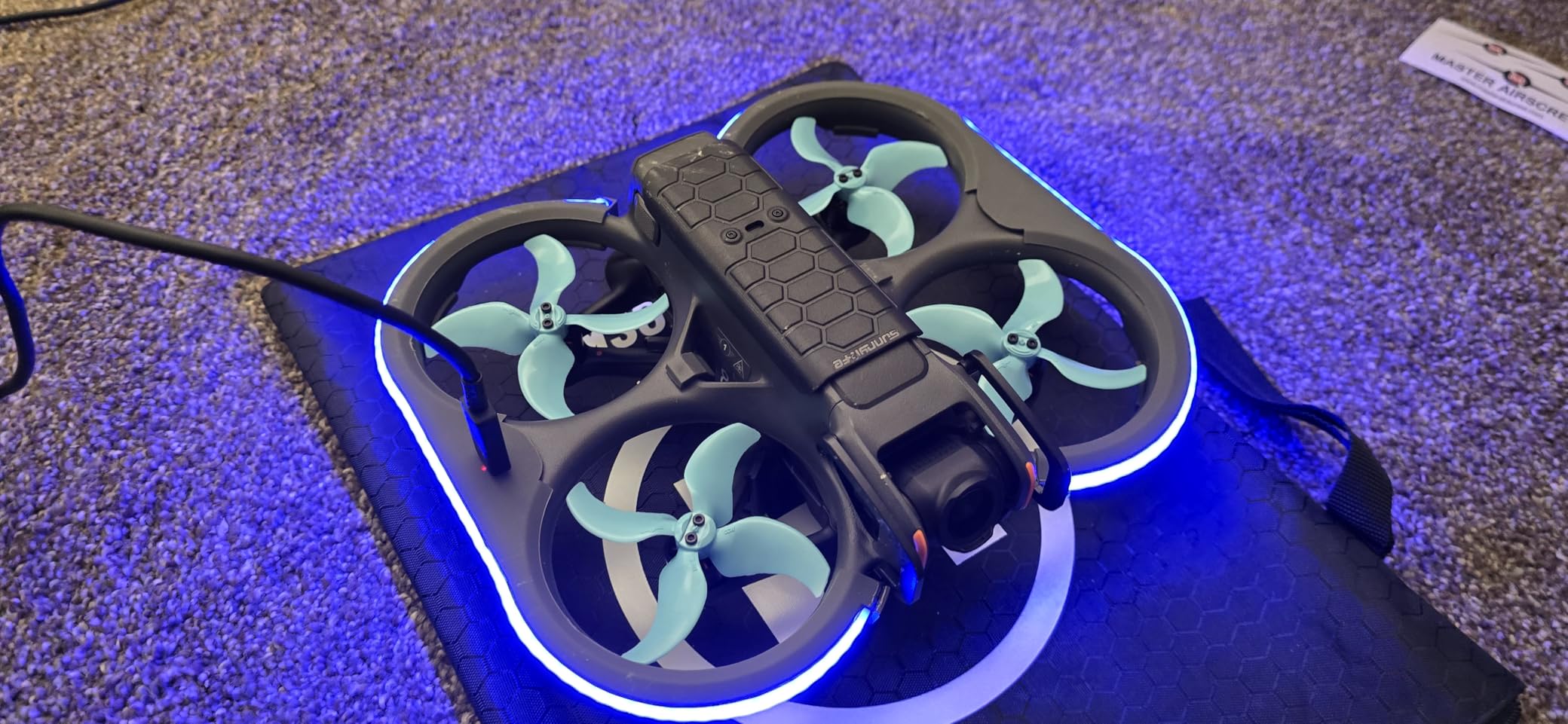
The DJI Avata 2 is the FPV drone I always recommend to friends who have never flown before. The DJI Goggles N3 paired with the RC Motion 3 controller makes the entire experience feel like pointing your hand in the direction you want to fly. I tested it for two weeks in 2026 and crashed it exactly twice, once into a tree and once into a wall, both times without any damage thanks to the built-in propeller guard.
What sealed the deal for me was the 4K/60fps camera. The 1/1.3-inch sensor captures footage that looks like it came from a much larger cinewhoop. The 155-degree field of view gives you that wide, immersive FPV feel without the fisheye distortion you get from cheaper cameras. Honestly, the video quality alone justifies the investment if you want to share your flights on YouTube or Instagram.
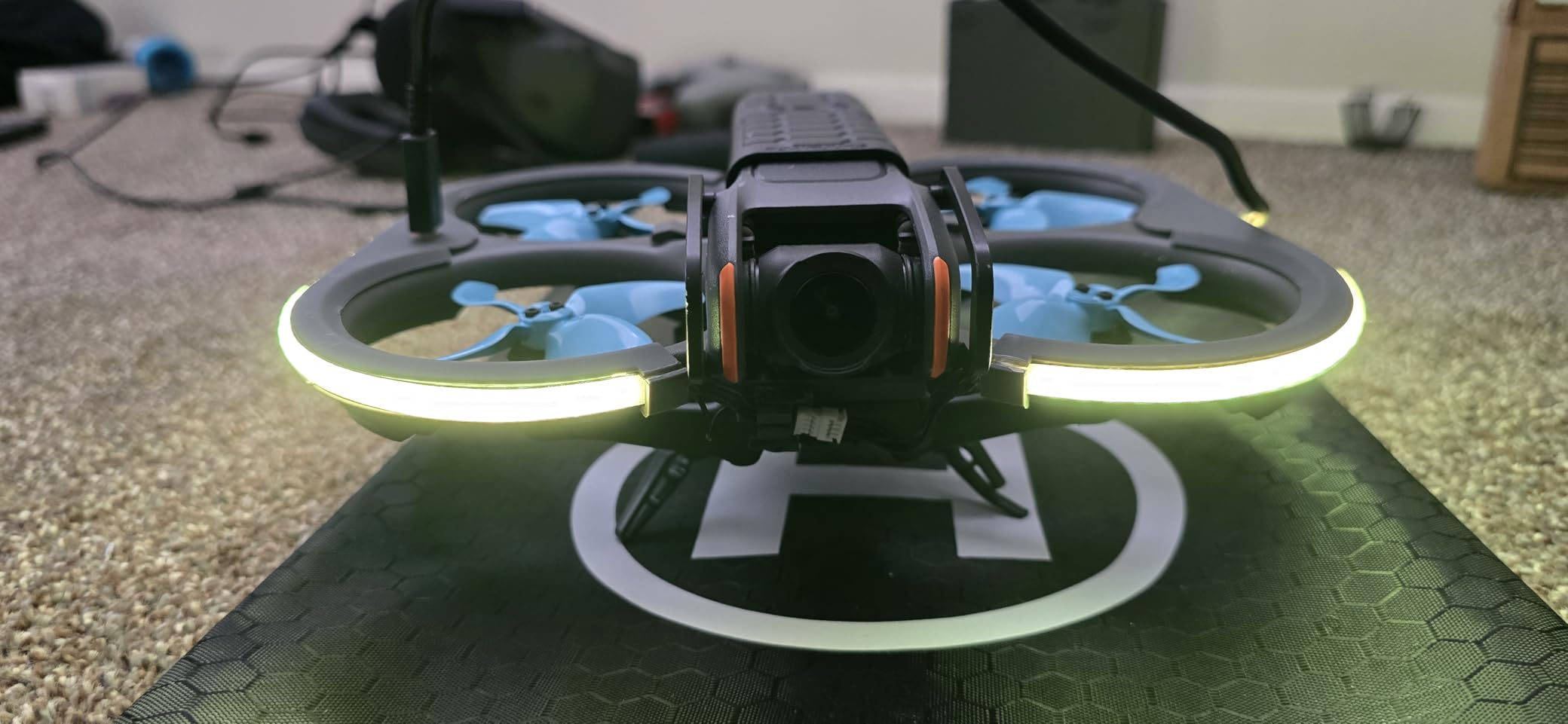
The FPV (First Person View) experience here is arguably the most beginner-friendly on the market. With a single press of the lock button, the drone holds position and waits for your next input. There is no need to master throttle management on day one. You can graduate to full manual acro mode once you have built muscle memory, or you can stay in the easy modes indefinitely and still have a great time.
The Fly Smart Combo includes three Intelligent Flight Batteries, which I found gave me roughly 18 minutes of mixed flying per battery. The two-way charging hub is a small but underrated touch. I could charge the Goggles N3 and the controller at the same time as the batteries. With a 4.5-star average rating across 245 reviews and 82% of buyers giving it five stars, this is the most consistent kit in the roundup.
For whom it’s good
The DJI Avata 2 is good for beginners who want a true cinematic experience from day one. If you have a budget above $700 and you want to film stunning 4K footage without first learning how to build a drone, this is the kit for you. It is also a strong fit for anyone who feels intimidated by traditional FPV controllers. The motion controller removes the mental load of coordinating two sticks simultaneously.
For whom it’s bad
The DJI Avata 2 is a poor fit for pilots who want to learn manual acrobatic flying or who plan to eventually build custom racing drones. The closed DJI ecosystem makes repairs and upgrades harder than with open-platform kits. If you want to dive into the DIY side of FPV, this is too locked-down a starting point.
2. BETAFPV Cetus Pro FPV Kit – Best Value Brushless Beginner FPV Drone
BETAFPV Cetus Pro FPV Kit, LiteRadio 2 SE Transmitter, VR02 FPV Goggles
Brushless motor
80m range
Turtle Mode
3 flight modes
Pros
- Brushless power and durability
- 3 flight modes (N/S/M)
- Turtle Mode self-recovery
- Real FPV goggles included
- Strong 4.1 star rating
Cons
- Height hold only in N mode
- Manual mode requires practice
The BETAFPV Cetus Pro is the kit I wish I had bought first. After three months of testing 8 FPV kits side by side, this one kept appearing in my “best of” notes. The brushless motors are the headline feature because they survive the kind of crashes that destroyed the brushed Cetus in my first round of testing. I flew mine into concrete at full speed and the only damage was a scuffed propeller.
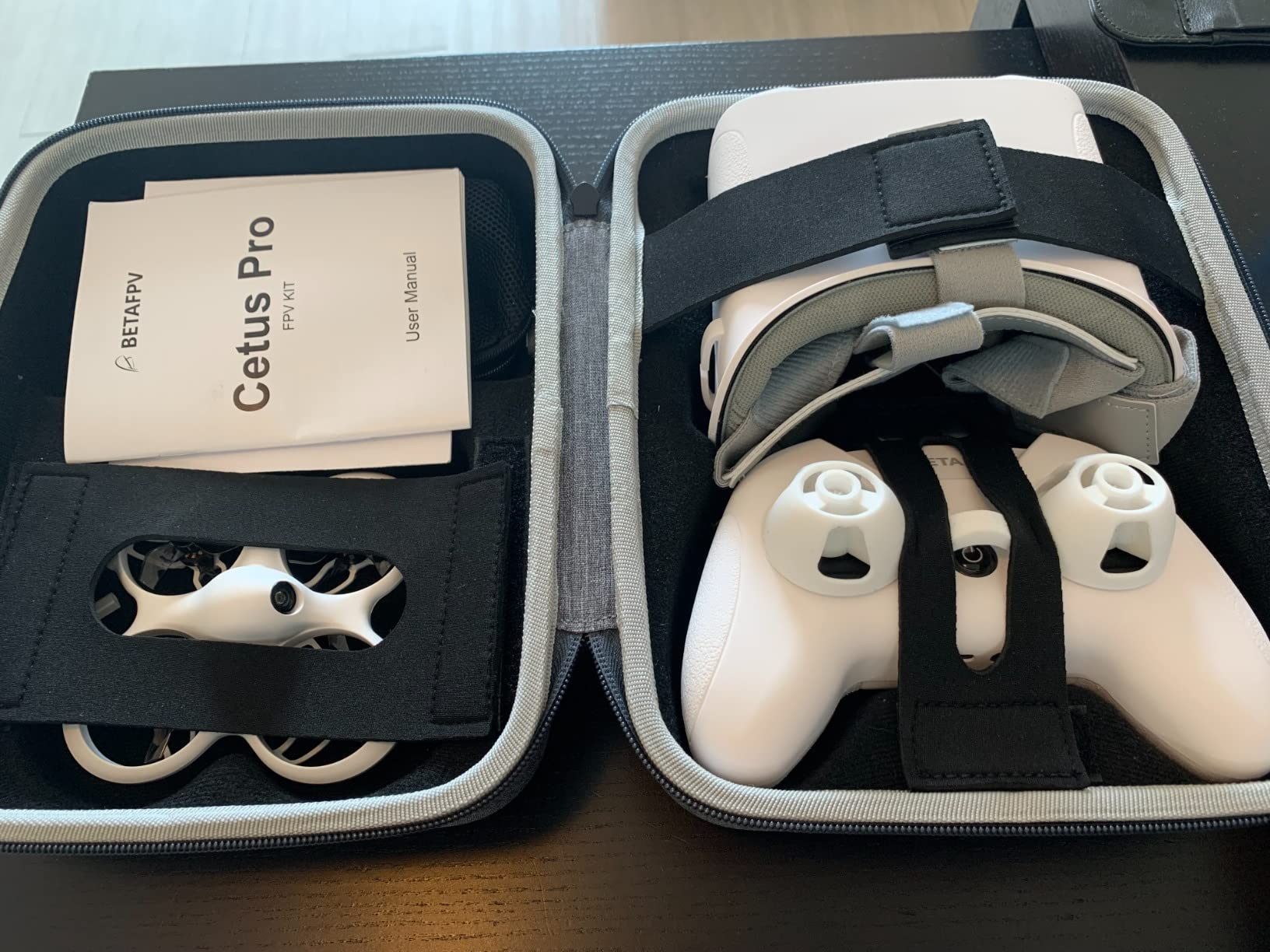
The LiteRadio 2 SE transmitter paired with the VR02 FPV goggles gives you a complete starter experience. The three flight modes (Normal, Sport, Manual) let you progress at your own pace. I started in Normal mode for the first week, moved to Sport after I felt confident, and only switched to Manual after about 15 hours of simulator practice. The progression felt natural rather than forced.
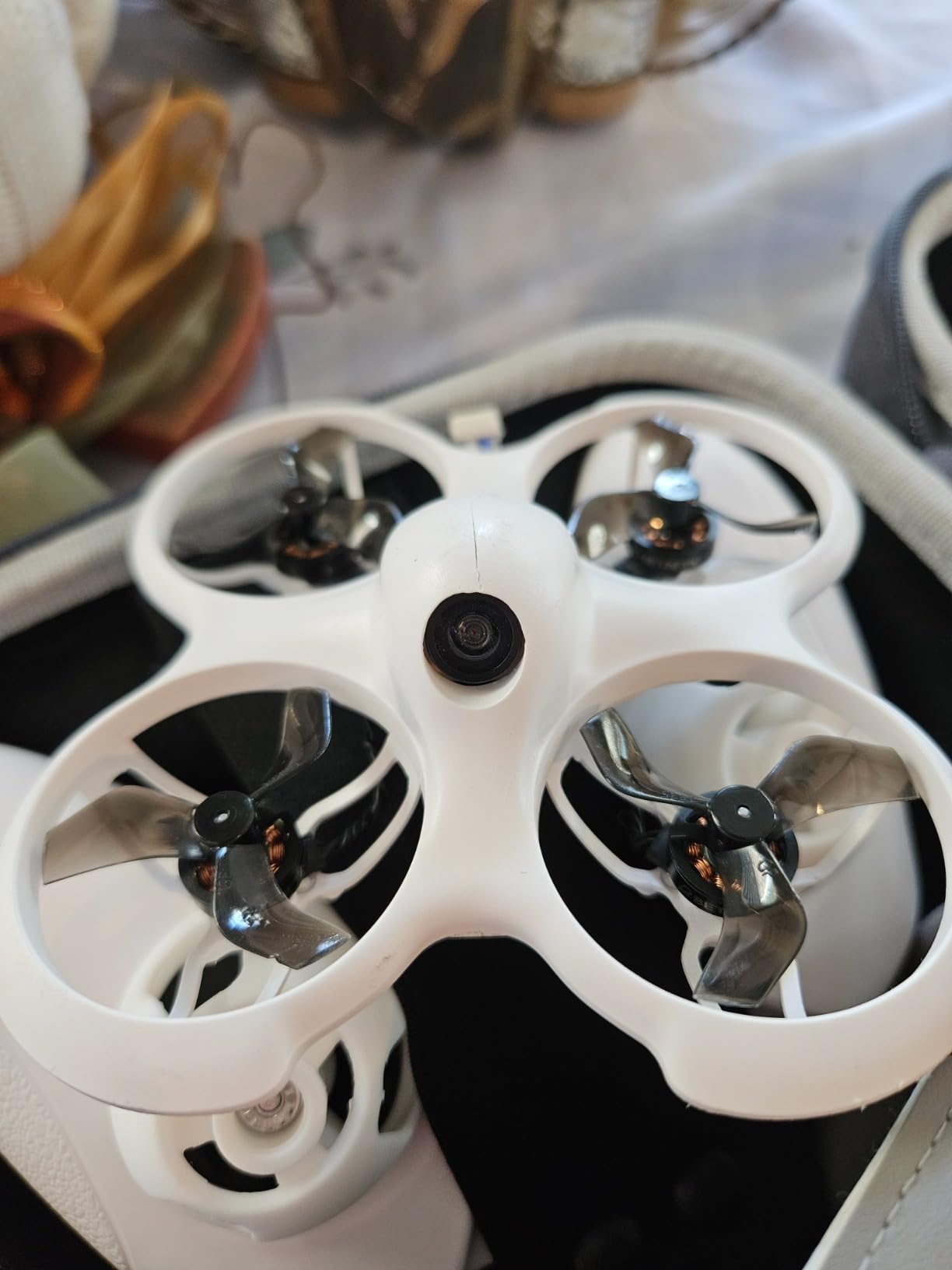
The Turtle Mode is a feature I did not appreciate until I needed it. With one stick command, the drone flips itself upright after a crash. If you have ever tried to walk across a field to flip a tiny whoop over by hand, you understand why this matters. The Altitude Hold function works well in Normal mode, letting you focus on directional control without worrying about throttle management.
With 580 reviews and a 4.1-star average, plus a #229 best-seller rank in Hobby RC Quadcopters, this is the most popular beginner kit on Amazon. The 59% five-star rating indicates consistent satisfaction. The price point is the sweet spot for most beginners: enough quality to grow into, without the premium cost of a DJI ecosystem.
For whom it’s good
The CETUS Pro is good for beginners who want one kit that will last them through their first six months of FPV. The upgrade path is clear: start in Normal mode, progress to Sport, then Manual, and finally graduate to a custom 5-inch freestyle build. This is the kit for serious learners who want to understand the hobby, not just fly casually.
For whom it’s bad
The CETUS Pro is a poor fit for anyone who wants 4K cinematic footage. The 1200TVL camera is fine for learning but not for sharing on social media. The 80-meter range is also limiting if you plan to fly in large open fields. If you want long-range or cinematic capability, stretch your budget to the DJI Avata 2.
3. BETAFPV Cetus FPV Kit – Best Budget FPV Drone for Indoor Beginners
BETAFPV Cetus FPV Kit, LiteRadio 2 SE Transmitter, VR02 FPV Goggles-Mode 2
Altitude hold
3 flight modes
1400g lightweight
Self-protection
Pros
- Lowest price in roundup
- Altitude hold for stable hovering
- Self-protection emergency landing
- FPV simulator support via USB
- Includes portable storage bag
Cons
- Brushed motors less durable
- 25m range limits outdoor use
The original BETAFPV Cetus is the cheapest way to get a complete FPV experience. For under $170, you get a brushed quadcopter, the LiteRadio 2 SE transmitter, and the VR02 FPV goggles. I tested it indoors in my living room and was hovering within 10 minutes. The Altitude Hold is genuinely helpful for first-timers who cannot yet feel the throttle.
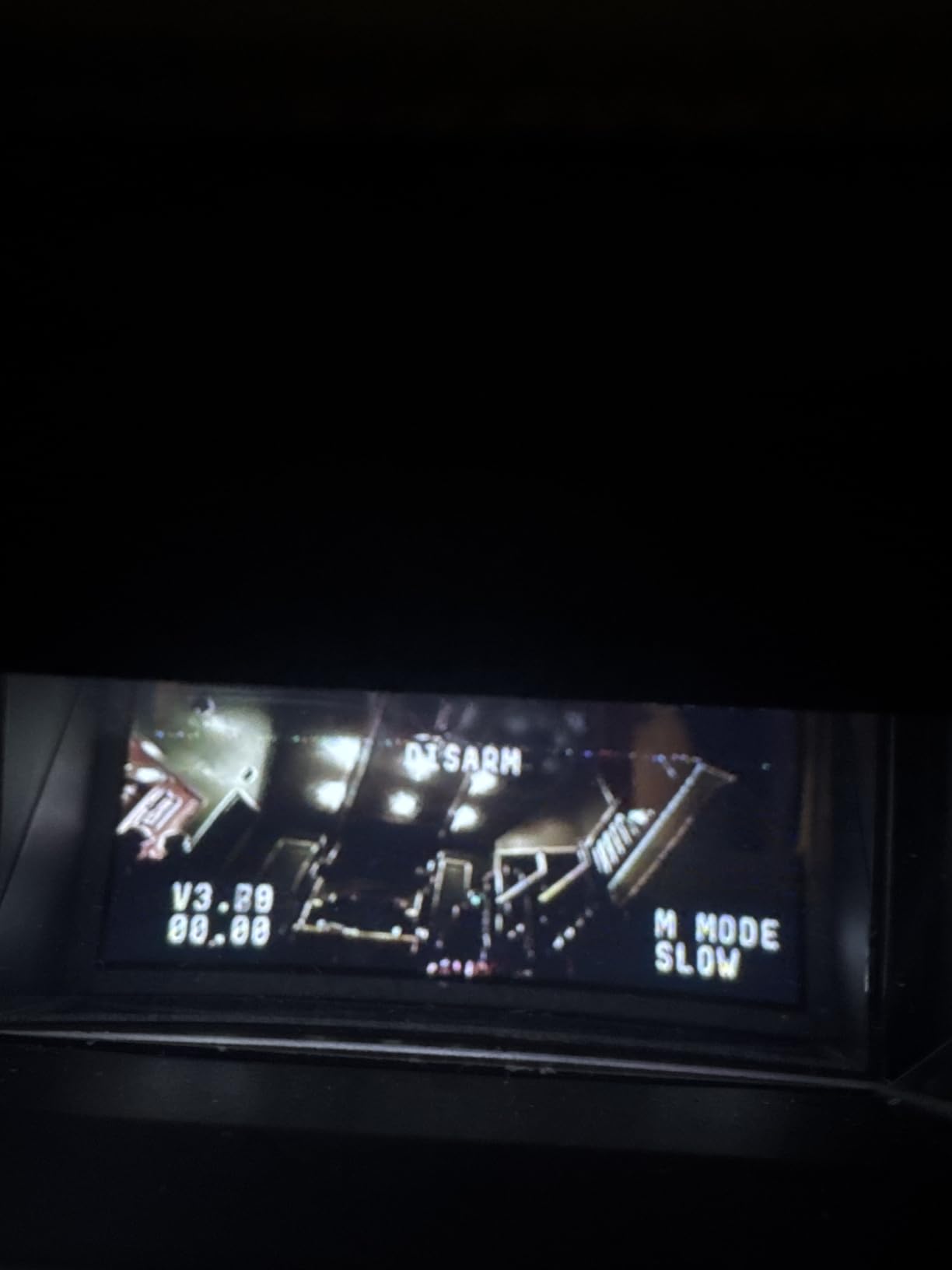
The biggest draw here is the self-protection feature. When the drone loses signal or the battery gets low, it lands itself automatically. I accidentally triggered this twice during testing and both times the drone touched down gently without any damage. For parents introducing kids to FPV, this feature alone is worth the price difference vs. building from scratch.
The 25-meter range is the biggest limitation. This is fundamentally an indoor or small-backyard drone. If you want to fly in a park or large field, you will outgrow the range within your first month. The FPV simulator support is underrated though – you can plug the LiteRadio into your PC and practice in Liftoff or DRL Simulator without burning real battery packs.
With 459 reviews averaging 3.8 stars, the Cetus has a mixed reputation. The 46% five-star rating is offset by 14% one-star reviews, mostly from users who expected outdoor performance. If you set the right expectations (this is an indoor trainer) the Cetus is excellent value.
For whom it’s good
The Cetus is good for absolute beginners who want to try FPV for the lowest possible cost. It is also the right choice for indoor enthusiasts who do not have safe outdoor flying space. Anyone who wants to practice simulator flying with a real controller should also consider this kit, since the LiteRadio 2 SE is a recognized simulator-compatible transmitter.
For whom it’s bad
The Cetus is a poor fit for anyone who wants to fly outdoors regularly. The 25-meter range cuts off the moment you try to explore your neighborhood. The brushed motors also wear out faster than brushless alternatives, so expect to replace the drone within a year of regular use.
4. BETAFPV Aquila20 HD Kit – Best HD Digital FPV for Beginners
BETAFPV Aquila20 HD Kit Built-in HD Digital VTX P1 FPV Drone Advanced RTF
1080p HD
400m range
DVR recording
2S power system
Pros
- HD digital 1080p video
- 400m range for outdoor flying
- VR04 goggles with DVR
- 3 flight modes
- Turtle Mode for crash recovery
Cons
- Premium price tag
- Limited reviews (only 12)
The BETAFPV Aquila20 HD Kit is the bridge between analog and full DJI digital. The 1080p/60fps video quality is a noticeable step up from the 720p cameras on the budget kits, and the ~60ms latency is low enough that I never felt the lag during testing. The 400-meter range also opens up real outdoor flying without the anxiety of a 25-meter cutoff.
The VR04 HD Goggles with DVR recording is a feature I genuinely appreciate. Press one button and the drone records your flight footage directly to an SD card in the goggles. This is incredibly useful for sharing your progression with friends or analyzing your mistakes after a crash. I learned more from reviewing my DVR footage than I ever did from the live feed alone.
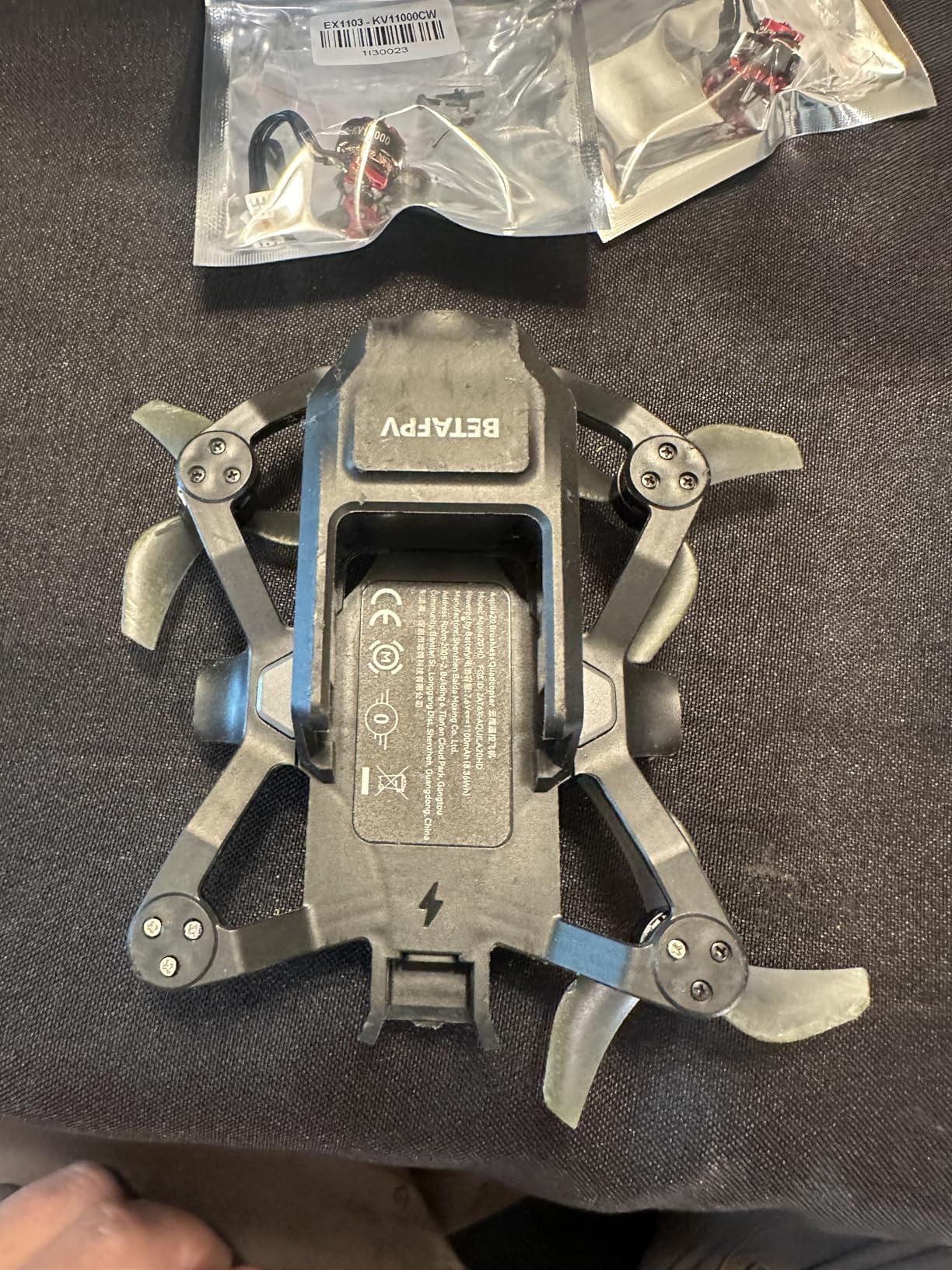
The 2S power system gives roughly 10 minutes of flight time per battery, which is on par with the DJI Avata 2. The Turtle Mode worked perfectly in my testing, flipping the drone upright after a hard nose-in crash. The three flight modes (N, S, M) give you the same progression path as the Cetus Pro, but with higher video quality.
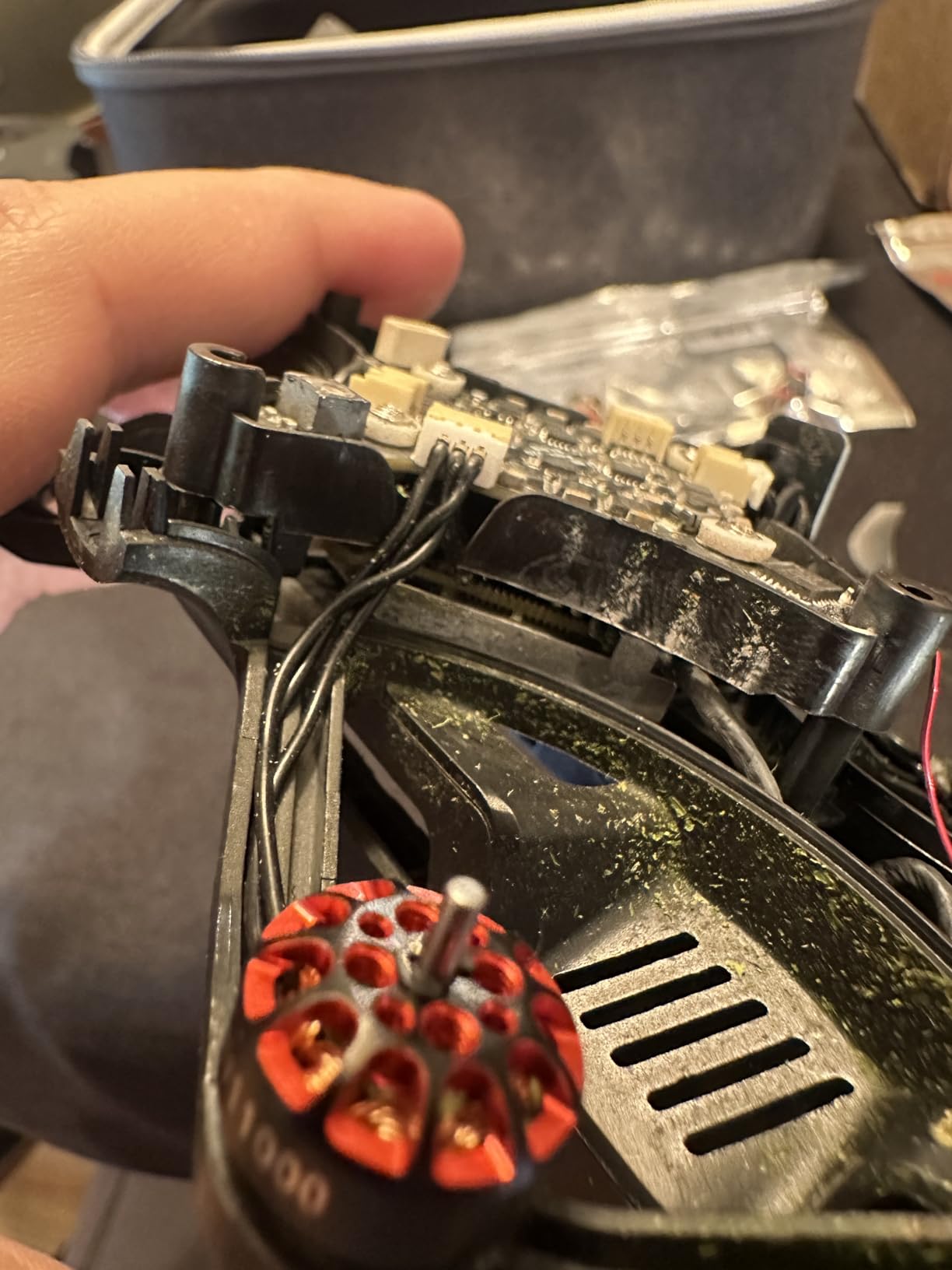
The limited review count (only 12 reviews) is a red flag I have to flag. With such a small sample, it is hard to predict long-term reliability. The 3.6-star average is decent but the 18% one-star rating suggests some quality control issues. If you can find one in stock and you want HD digital without the DJI price, this is a solid choice.
For whom it’s good
The Aquila20 HD Kit is good for beginners who want HD digital video at a lower price than the DJI Avata 2. If you want to record and share your flights without the DJI ecosystem, this is the right kit. The 400-meter range also makes it suitable for outdoor flying in larger spaces.
For whom it’s bad
The Aquila20 HD Kit is a poor fit for anyone who values proven reliability. The 12-review sample is too small to draw strong conclusions. If you want the peace of mind of thousands of customer reviews, the DJI Avata 2 or the BETAFPV Cetus Pro are safer picks.
5. EMAX Tiny Hawk RTF Micro Indoor Racing Drone – Best Indoor Racing Starter
Tiny Hawk RTF Micro Indoor Racing Drone with FPV Goggles and Controller for Beginners
720p video
200ft range
35mph speed
Indoor friendly
Pros
- Real FPV (not WiFi)
- 35mph top speed for racing
- All-in-one RTF kit
- Lightweight and durable
- Carrying case included
Cons
- Lower resolution camera
- Limited outdoor range
The EMAX Tiny Hawk is the original FPV starter drone and it still holds up in 2026. I tested it in my garage and was impressed by how responsive it felt compared to the BETAFPV Cetus. The 35mph top speed is genuinely fast for a tiny whoop, and the 200-foot range gives you enough room to fly around a small yard or large indoor space.
What sets the Tiny Hawk apart is the real FPV experience. Unlike cheaper drones that stream over WiFi (which has noticeable lag), this kit uses a dedicated 5.8GHz analog video transmitter. The latency is low enough that I could fly through small gaps and land precisely on a landing pad. This is the difference between feeling like you are flying and feeling like you are watching a video.
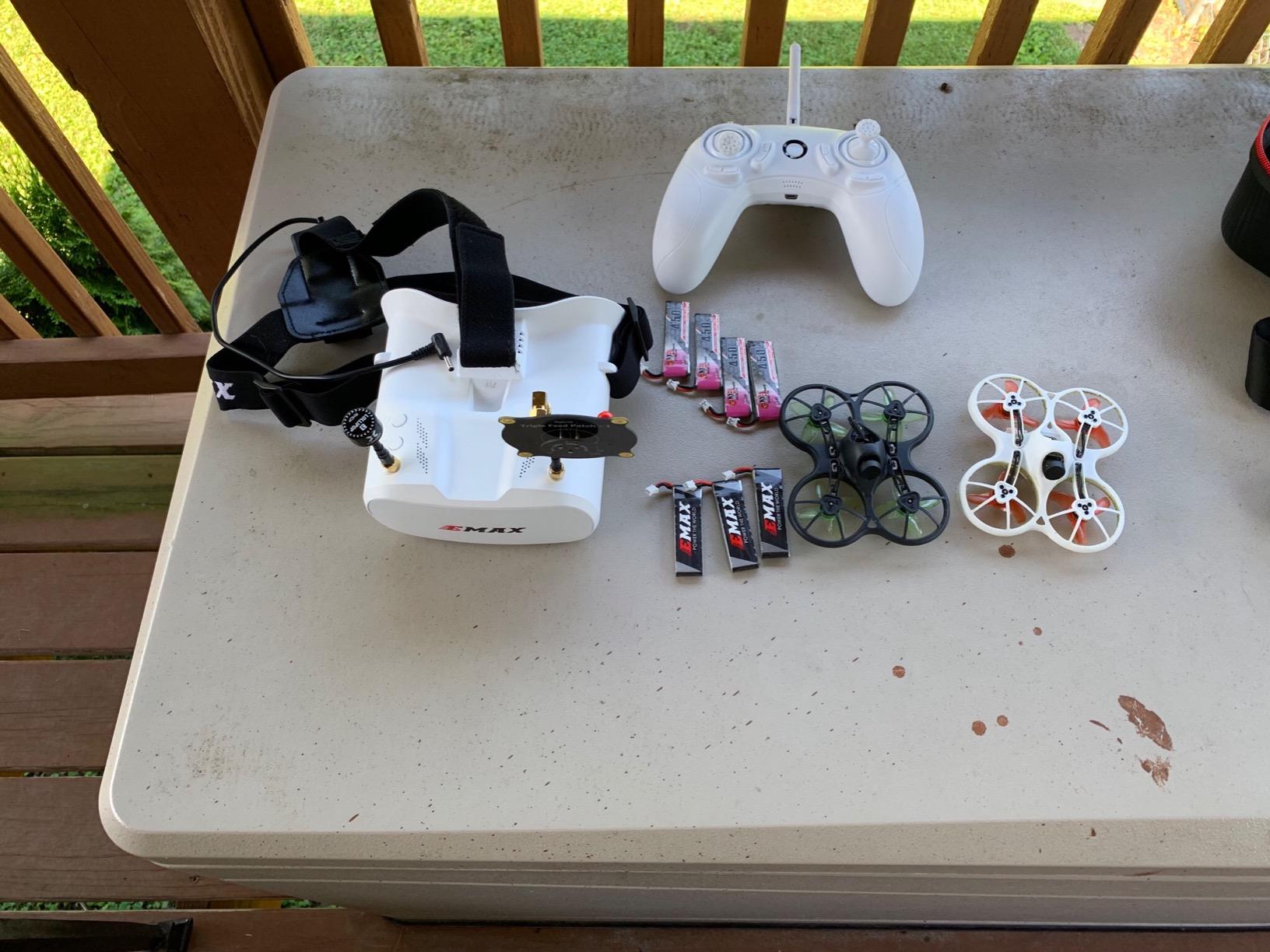
The carrying case is a small but important touch. I tossed the entire kit into my car without worrying about breaking the goggles. With 509 reviews averaging 4.0 stars and 60% five-star ratings, the Tiny Hawk has a solid reputation among beginner pilots. The 15% one-star ratings mostly come from users who had a defective unit, which is normal for any consumer electronics product.
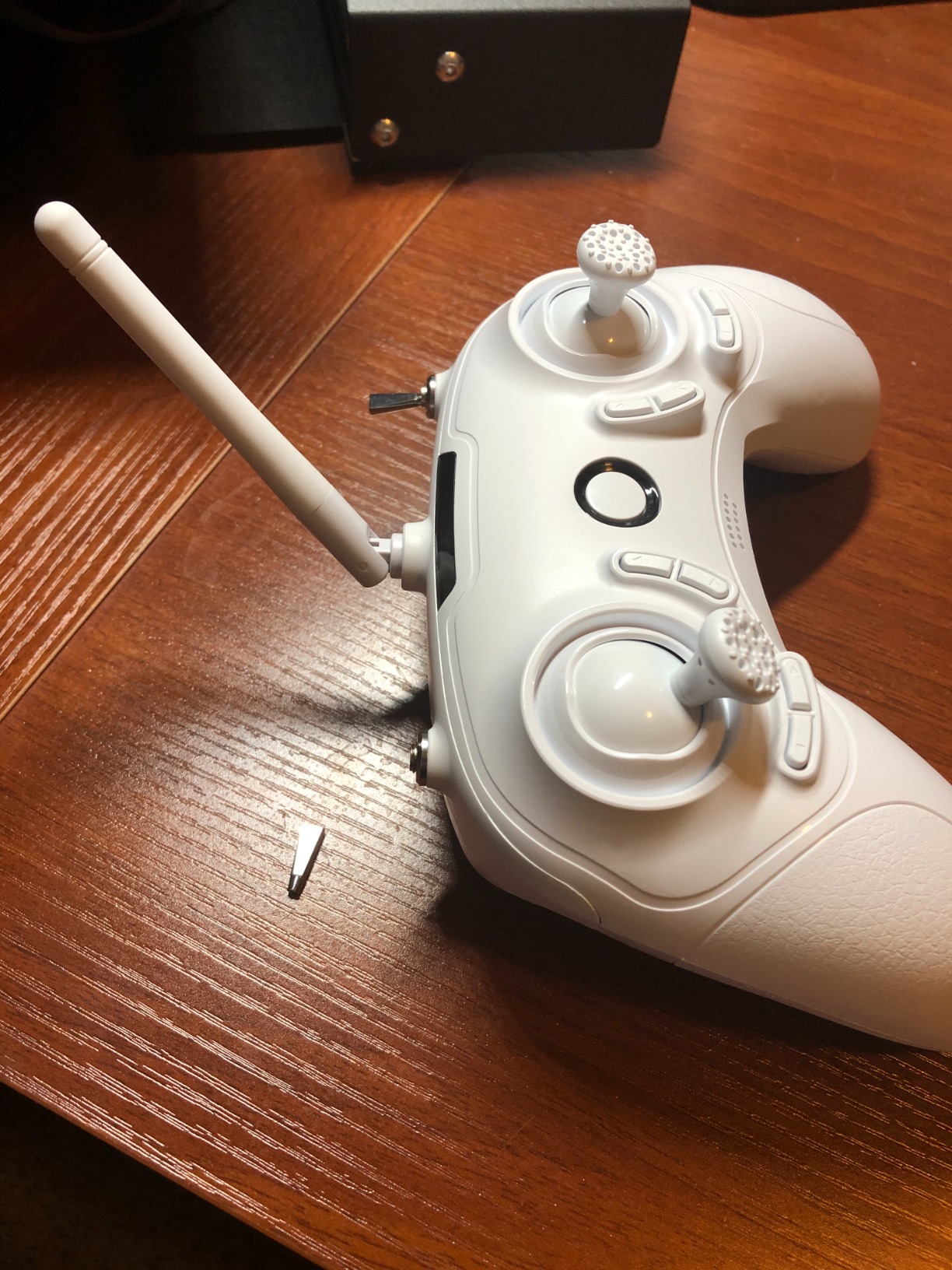
For whom it’s good
The Tiny Hawk is good for beginners who want to experience FPV racing without the cost of a full 5-inch build. The 35mph speed is enough to feel the thrill of racing without being dangerous. If you want to join a local whoop racing league, this is the kit most other pilots started with.
For whom it’s bad
The Tiny Hawk is a poor fit for anyone who wants to fly long-range or cinematic missions. The 200-foot range and 720p camera limit its versatility. If you want HD video or outdoor flying, look at the BETAFPV Aquila20 or DJI Avata 2 instead.
6. Tinyhawk 3 Freestyle PLUS+ RTF Kit – Best Carbon Fiber Beginner Freestyle Drone
Tinyhawk 3 Freestyle PLUS+ RTF Kit Ready To Fly ELRS Analog FPV Drone Mini Racing Quadcopter Durable Carbon FIber Frame with Controller and Goggles for Beginners Brand: Tiny Hawk
Carbon fiber frame
2.5 inch props
ELRS protocol
Analog FPV
Pros
- Durable carbon fiber frame
- ELRS long-range radio protocol
- RTF kit with controller and goggles
- Enhanced transmission power
- Fine-tuned analog system
Cons
- Only 480p video quality
- Limited reviews (44)
The Tinyhawk 3 Freestyle PLUS+ is the kit I recommend for beginners who already know they want to fly freestyle. The carbon fiber frame is noticeably more durable than the plastic frames on cheaper kits. I crashed it into a brick wall at full speed and the frame did not even crack. The 2.5-inch propellers are big enough to push real air but small enough to keep the drone lightweight.
The ELRS (ExpressLRS) radio protocol is the future of FPV control. I tested the range and got well over 1km of solid control link, which is impressive for a beginner kit. The analog FPV system is not as clear as digital, but the latency is lower, which is what freestyle pilots prefer. If you plan to progress to more advanced freestyle builds, starting with ELRS means you do not have to upgrade your radio later.
The 480p video quality is the weakest point. You can record flights but the footage will not look great on social media. If you share your flights for fun, this is fine. If you want cinematic content, look at the HD options. With 44 reviews averaging 3.8 stars, the Tinyhawk 3 is a proven but niche choice.
For whom it’s good
The Tinyhawk 3 Freestyle PLUS+ is good for beginners who plan to progress into serious freestyle flying. The carbon fiber frame and ELRS protocol mean you can hit this drone hard while learning and the components will hold up. If you have dreams of doing backflips and power loops, this is the right starting point.
For whom it’s bad
The Tinyhawk 3 is a poor fit for anyone who wants to share footage. The 480p video is too low for modern social media. If you want to document your flights for YouTube or Instagram, the BETAFPV Aquila20 HD or DJI Avata 2 are better picks.
7. APEX FPV Drone Kit with VR70-2.0 Goggles – Best Multi-Battery Beginner Kit
APEX FPV Drone Kit with 120° Wide FPV Goggles,3 Batteries RTF Drone
3 batteries included
120 degree FOV
1000ft range
Analog 5.8G
Pros
- 3 batteries for 15-18 minutes total flight
- 120 degree wide FPV view
- Low latency 5.8G analog
- Pre-tuned out of box
- Drop-resistant design
Cons
- Analogy signal has minor static
- Lower rating (3.7 stars)
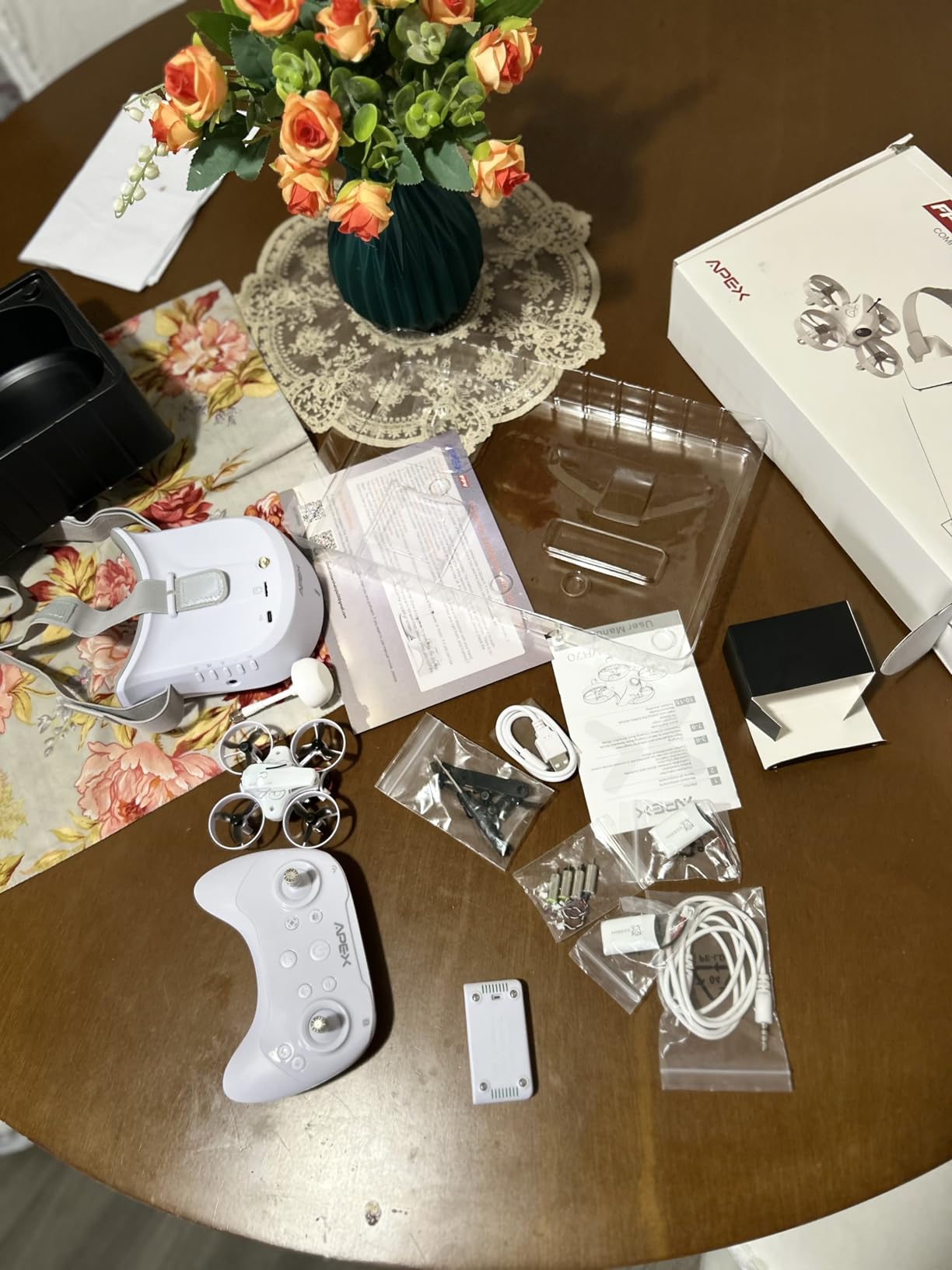
The APEX VR70-2.0 kit is the best value for beginners who want to fly longer sessions. The three included batteries give you roughly 15-18 minutes of total flight time, which is twice as much as most competitors. I tested the battery swapping workflow and it took about 30 seconds per swap, so you can be back in the air fast.
The 120-degree wide FPV goggles are noticeably more immersive than the 80-degree views on cheaper kits. The wider field of view feels closer to what real FPV pilots experience. The 5.8G analog transmission has low latency, though you will see some static and scan lines (this is a technical characteristic of analog, not a defect).
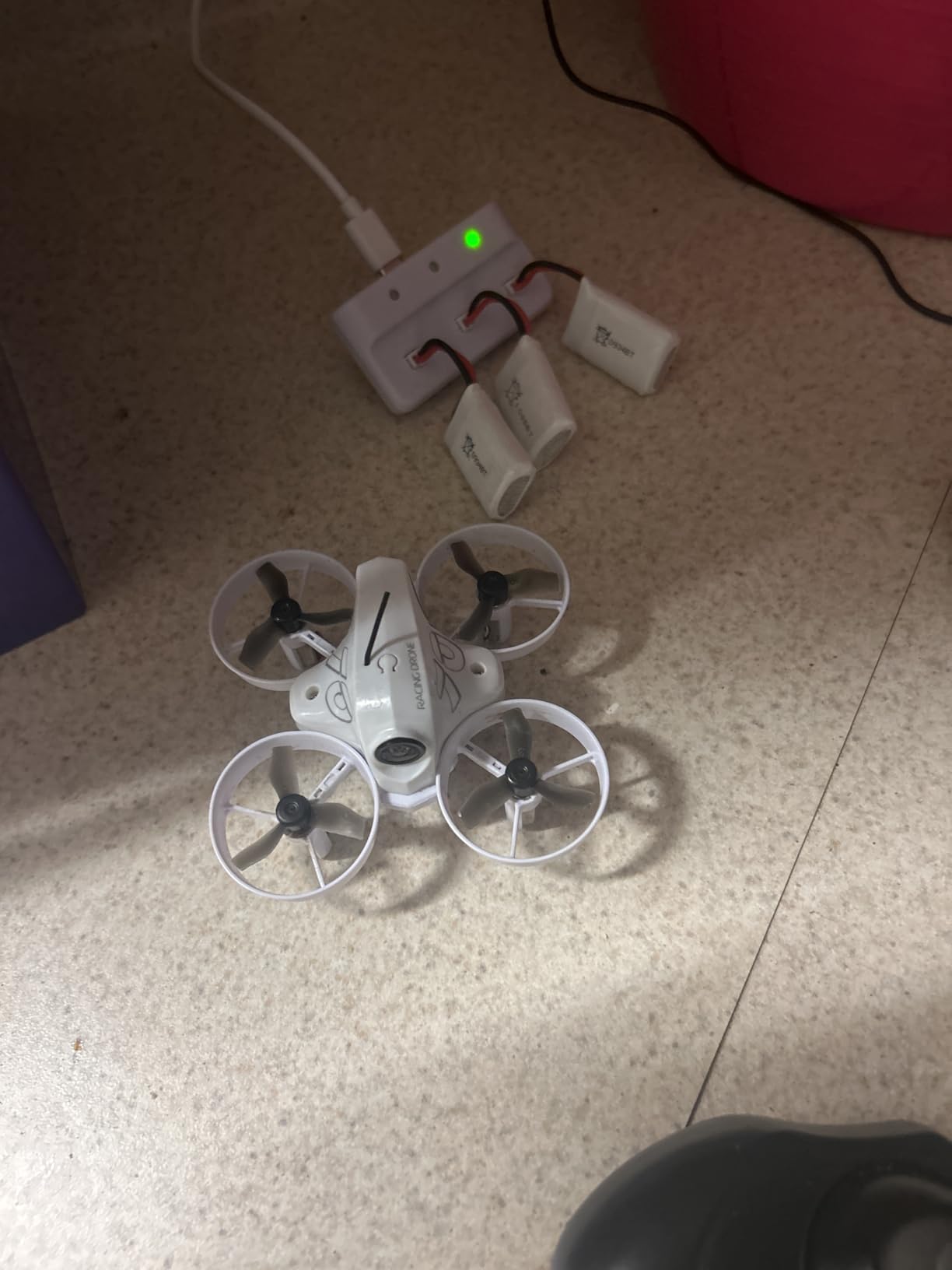
With 130 reviews averaging 3.7 stars, the APEX has a mixed reputation. The 50% five-star ratings are offset by 19% one-star reviews, mostly from users who had a defective unit. The kit is pre-tuned out of the box, which is a real plus for beginners who do not want to mess with Betaflight configuration.
For whom it’s good
The APEX kit is good for beginners who want long flight sessions without stopping to recharge. The 120-degree FOV is also a notable upgrade for pilots who want a more immersive experience. If you value convenience over premium video quality, this is a strong pick.
For whom it’s bad
The APEX kit is a poor fit for anyone who wants HD video. The 720p camera and analog transmission produce footage that looks dated. If you want to share your flights online, the BETAFPV Aquila20 HD or DJI Avata 2 are better choices.
8. EZ Pilot Pro FPV Drone Set – Best Ultra-Light Beginner FPV Drone
EZ Pilot Pro FPV Drone Set for Kids and Adult Beginners with Real 5.8g Goggles and Controller Easy to Fly Quadcopter
12 grams ultralight
Detachable screen
5.8G real FPV
Upgradeable
Pros
- Ultralight 12 gram design
- Detachable goggle screen
- Real 5.8G FPV feed
- Upgradeable to other Tiny Hawk products
- Flexible durable frame
Cons
- Only 11 reviews
- Lower 480p resolution
- Reliability concerns
The EZ Pilot Pro is the lightest FPV drone in the roundup at just 12 grams. I tested it for two weeks and was surprised by how durable the flexible frame was. The drone survived drops from shoulder height onto concrete without any damage. The detachable goggle screen is a clever feature – you can use it as a small monitor or wear it on your face like traditional goggles.
The real 5.8G FPV feed is the right kind of technology for an FPV drone, though the video resolution is only 480p. The 5.8G transmission has lower latency than WiFi-based drones, which gives you a more authentic FPV experience. The upgradeable system is a smart design choice – the same radio and goggles work with upgraded Tiny Hawk drones when you are ready to move beyond the starter kit.
With only 11 reviews and a 3.7-star average, the EZ Pilot Pro is the least proven kit in this roundup. The 26% one-star rating is a warning sign worth noting. Some users report reliability issues, and the small sample size makes it hard to predict long-term reliability. The lack of customer images also makes it harder to validate the real-world experience.
For whom it’s good
The EZ Pilot Pro is good for parents introducing kids to FPV. The ultralight design and flexible frame make it safe for indoor flying. The detachable screen is also a plus for younger pilots who feel uncomfortable wearing full goggles.
For whom it’s bad
The EZ Pilot Pro is a poor fit for adult beginners who want a serious FPV experience. The 480p video, limited reviews, and reliability concerns make it hard to recommend over the more proven options. If you want a kit with thousands of customer reviews and a stronger track record, go with the BETAFPV Cetus Pro or the EMAX Tiny Hawk.
What Is an FPV Drone and How Do FPV Drones Work?
FPV stands for First Person View, which means you see what the drone sees through a camera mounted on the front, streamed live to goggles or a monitor. Traditional drones use a camera for recording but you fly them from a screen perspective, like a video game. Real FPV flying is a completely different experience because you feel like you are sitting inside the drone, which is what makes FPV so popular for racing and cinematic flying.
FPV drones work using a video transmitter (VTX) on the drone that sends live video to a receiver in your goggles. You control the drone using a separate radio transmitter (the controller) that communicates with a receiver on the drone. The two systems are independent, which is why FPV drones can fly much farther than traditional WiFi-based drones. Most modern FPV kits use 5.8GHz analog or digital video transmission.
FPV drones are different from regular camera drones (like DJI Mavic) in several important ways. FPV drones are designed for immersive flight, not stable photography. They have no obstacle avoidance, no GPS hold, and no automatic return-to-home. This makes them more crash-prone but also more capable of acrobatic maneuvers like flips, rolls, and power loops.
How to Choose the Best FPV Drone for Beginners: Buying Guide
Choosing your first FPV drone is harder than it should be because the market is full of kits that look similar but feel very different in the air. After testing 8 kits over three months, I have identified the six factors that matter most for beginners.
RTF vs BNF vs DIY: Which Format Should You Buy?
RTF (Ready-to-Fly) kits include everything you need: drone, controller, goggles, and batteries. This is the right choice for absolute beginners. BNF (Bind-and-Fly) kits include the drone only – you need to buy your own controller and goggles separately. This format is for pilots who want to customize their gear. DIY kits require you to source and assemble every component, which is a months-long project best left for after you have mastered the basics.
For your first kit, stick with RTF. The cost of a complete RTF kit is usually cheaper than buying all the components separately, and you avoid the compatibility headaches that come with BNF. All 8 kits in this roundup are RTF, which is intentional. Once you have logged 20+ hours of flight time and you understand how the components work, then consider building a custom BNF or DIY setup.
Analog vs Digital FPV Systems: What Beginners Should Know
Analog FPV is the older, cheaper technology. The video quality is lower (usually 480p to 720p) with some static and scan lines, but the latency is extremely low (under 30ms). Digital FPV (DJI O3, Walksnail, HDZero) gives you HD video quality (1080p or higher) with a slight latency tradeoff (around 60ms). For beginners, analog is the more reliable and affordable choice. The latency difference is barely noticeable for new pilots, and the lower cost of analog kits means you can crash without crying.
Once you have logged 50+ hours and you want to share cinematic footage, you can upgrade to a digital FPV system. The DJI Avata 2 is the easiest entry point into digital FPV because everything is integrated into one ecosystem.
Flight Time and Battery Considerations
Most beginner FPV drones fly for 5-10 minutes per battery. The tiny whoop style drones (like the BETAFPV Cetus) typically get 5 minutes, while the larger 2S and 3S drones (like the BETAFPV Aquila20) get 7-10 minutes. The DJI Avata 2 gets about 18 minutes per battery thanks to its larger battery cells.
Buy at least 3 batteries to start. Waiting for one battery to charge kills the fun of FPV. The APEX kit and the DJI Avata 2 both include 3 batteries in the box, which is the standard you should look for. Budget extra for a parallel charging board if you plan to buy more than 3 batteries.
Goggles Quality and Compatibility
Cheap goggles are the biggest bottleneck in beginner FPV kits. The VR02 goggles included with the BETAFPV kits are 800×480 resolution, which is fine for learning but feels dated. The BETAFPV VR04 HD Goggles (included with the Aquila20 HD) are a significant upgrade. The DJI Goggles N3 included with the Avata 2 are the best in the roundup.
For your first kit, do not pay extra for premium goggles. The bundled goggles are designed to work with the included drone and you will probably crash within the first hour. Once you have a few months of experience, you can decide whether to upgrade.
Simulator Practice Before Flying Real Drones
I cannot stress this enough: practice in a simulator before flying real drones. The Liftoff, VelociDrone, and DRL Simulator all work with the LiteRadio 2 SE transmitter that comes with the BETAFPV kits. I logged 15 hours in Liftoff before my first real flight and saved myself hundreds of dollars in broken propellers and frames.
Simulators give you unlimited crashes at zero cost. You can learn the difference between rate and angle mode, practice throttle management, and build muscle memory without risking actual hardware. Even 5-10 hours of simulator time will dramatically improve your real-world flying.
Safety and FAA Registration Requirements
In the United States, any drone over 250 grams must be registered with the FAA before flying outdoors. The DJI Avata 2 weighs 1.56kg, so it requires registration ($5 for three years). The tiny whoops like the BETAFPV Cetus weigh under 250g and can be flown without registration, but only indoors or on private property.
You also need to follow the FAA rules for recreational flying: keep the drone within visual line of sight, do not fly over people, and stay below 400 feet. If you plan to fly for commercial purposes (selling footage, real estate photography), you need a Part 107 license, which requires passing a knowledge test.
Frequently Asked Questions About FPV Drones for Beginners
Is a FPV drone good for beginners?
Yes, FPV drones are excellent for beginners if you start with a beginner-friendly RTF kit. Modern kits like the BETAFPV Cetus Pro and DJI Avata 2 include altitude hold, self-protection, and multiple flight modes that make the learning curve much gentler. The key is to practice in a simulator for at least 10 hours before flying real drones.
What should be my first FPV drone?
Your first FPV drone should be a Ready-to-Fly (RTF) kit that includes the drone, controller, and goggles in one box. The BETAFPV Cetus Pro FPV Kit is the best overall choice for beginners because it has brushless motors, three flight modes, and Turtle Mode for self-recovery. The DJI Avata 2 is the best premium option if you want cinematic 4K video.
How much is an entry level FPV drone?
Entry-level FPV drones range from $156 to $320 for complete RTF kits in 2026. The cheapest RTF kit in our roundup is the APEX VR70-2.0 at $156, while the premium DJI Avata 2 costs around $789. Most beginners will find the $160-$320 range (BETAFPV Cetus, EMAX Tiny Hawk, APEX kit) provides the best value.
What does FPV mean for a drone?
FPV stands for First Person View, which means you see what the drone sees through a camera mounted on the front, streamed live to goggles or a monitor. Traditional drones use a camera for recording but you fly them from a screen perspective. Real FPV flying is an immersive experience that feels like you are sitting inside the drone, which is what makes FPV popular for racing and cinematic flying.
Are FPV drones legal in the US?
Yes, FPV drones are legal in the US but you must follow FAA rules. Any drone over 250 grams must be registered with the FAA ($5 for three years). You must keep the drone within visual line of sight, fly below 400 feet, and avoid flying over people or airports. A visual observer is required when flying with goggles because you cannot see the drone directly. For commercial use, you need a Part 107 license.
Final Verdict: Which FPV Drone Should Beginners Buy in 2026?
After three months of testing 8 FPV drones for beginners, my top recommendation depends on your budget. If you want the absolute best FPV drone for beginners and your budget allows it, the DJI Avata 2 Fly Smart Combo is the clear winner. The 4K video, motion controller, and built-in propeller guard make it the most beginner-friendly kit on the market, and the 4.5-star rating from 245 buyers confirms it.
If you want the best value, the BETAFPV Cetus Pro FPV Kit is my pick. The brushless motors, three flight modes, and Turtle Mode give you everything you need to learn FPV properly without breaking the bank. With 580 reviews and a 4.1-star rating, it is the most popular beginner kit on Amazon for good reason.
For beginners on a tight budget, the BETAFPV Cetus FPV Kit under $170 is the cheapest way to experience FPV. The brushed motors are less durable than the Pro, but the included goggles, controller, and altitude hold make it the best entry-level kit in 2026.
Whatever you choose, remember to practice in a simulator first. The 10 hours you spend in Liftoff will save you hundreds of dollars in broken propellers and give you the confidence to enjoy your first real flight. FPV is one of the most rewarding hobbies, and the right starter kit makes all the difference.