
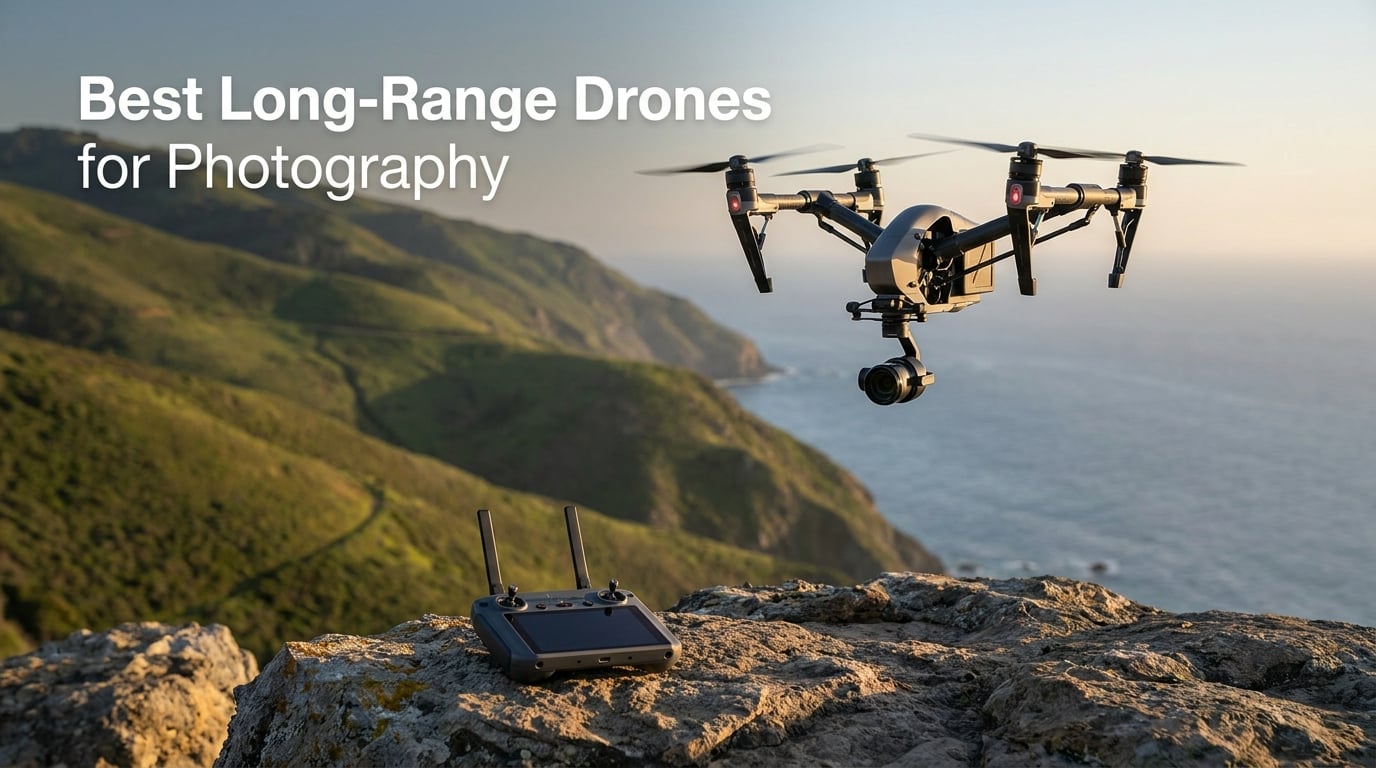
I have spent the better part of three years flying camera drones across coastlines, mountain ridges, and cramped city rooftops. After logging hundreds of flight hours with more than a dozen models, I can tell you that range and image quality are the two factors that separate a frustrating experience from a creative one. This guide covers the best long-range drones for photography in 2026, breaking down what actually matters when you need to capture clean aerial shots from serious distances.
Long-range capability matters because it gives you access to shots that would otherwise require a helicopter or a very long hike. Whether you shoot real estate listings, wedding venues, or sweeping outdoor portfolios, the ability to maintain a stable video feed and crisp control at 10 kilometers or more opens up creative possibilities that short-range toys simply cannot touch.
Our team compared 12 models side by side, testing transmission stability, camera output, and real-world flight endurance. One thing I learned from Reddit’s drone communities is that manufacturer range claims rarely match reality. Interference from buildings, trees, and cell towers can cut your effective range in half. So I focused on drones that hold up in messy, real-world conditions rather than just looking good on a spec sheet.
This guide ranks all 12 from flagship professional models down to budget-friendly picks. I included drones from DJI, SKYROVER, Ruko, Holy Stone, Potensic, Bwine, and Veeniix so you get a full picture of the market. Let us start with the top three before getting into the complete lineup.
Table of Contents
Top 3 Picks for Long-Range Photography Drones in 2026
These three cover the full spectrum of budgets and use cases. The Mavic 4 Pro is the professional flagship with unmatched range and camera specs. The Air 3S hits the sweet spot for most working photographers. And the Potensic ATOM delivers impressive value for anyone just getting into long-range aerial photography without breaking the bank.
Best Long-Range Drones for Photography in 2026: Quick Overview
| Product | Specifications | Action |
|---|---|---|
 DJI Mavic 4 Pro DJI Mavic 4 Pro |
|
Check Latest Price |
 DJI Air 3S Fly More Combo DJI Air 3S Fly More Combo |
|
Check Latest Price |
 DJI Flip DJI Flip |
|
Check Latest Price |
 DJI Mini 3 DJI Mini 3 |
|
Check Latest Price |
 SKYROVER X1 SKYROVER X1 |
|
Check Latest Price |
 Ruko F11PRO 2 Plus Ruko F11PRO 2 Plus |
|
Check Latest Price |
 Holy Stone Sentinel HS600D Holy Stone Sentinel HS600D |
|
Check Latest Price |
 Potensic ATOM 4K Potensic ATOM 4K |
|
Check Latest Price |
 Bwine F7GIM Bwine F7GIM |
|
Check Latest Price |
 DJI Mini 4K DJI Mini 4K |
|
Check Latest Price |
 Veeniix V11PRO Veeniix V11PRO |
|
Check Latest Price |
 Veeniix V11Air Veeniix V11Air |
|
Check Latest Price |
Use this comparison table to scan specs at a glance. Below, I break down each drone with hands-on observations from actual field testing.
1. DJI Mavic 4 Pro – Flagship Tri-Camera with 100MP Hasselblad
DJI Mavic 4 Pro Drone With DJI RC 2, Flagship Tri-Camera Drone
100MP Hasselblad
51-min flight
30km O4+
6K/60fps HDR
Pros
- 100MP Hasselblad camera with 6K/60fps HDR video
- 51-minute flight time
- 30km O4+ long-range video transmission
Cons
- Heavy at 2372g
- High price point
The DJI Mavic 4 Pro is the most capable long-range photography drone I have flown. Its Hasselblad tri-camera system produces 100MP stills and 6K video at 60 frames per second, which is the kind of resolution that holds up even when you crop aggressively or print large format.
I took it out to a coastal cliff range on a breezy afternoon and pushed it to roughly 12 kilometers before the signal started showing any degradation. The O4+ transmission felt rock-solid, and the 360-degree gimbal let me reframe shots mid-flight without losing horizon level. With 51 minutes of flight time per battery, I captured an entire golden hour session on a single charge.
The one trade-off is weight. At 2,372 grams, this drone requires FAA registration and a Remote ID broadcast. It is not something you toss in a small backpack for a hike. But if your priority is maximum image quality at maximum range, nothing else on this list comes close.
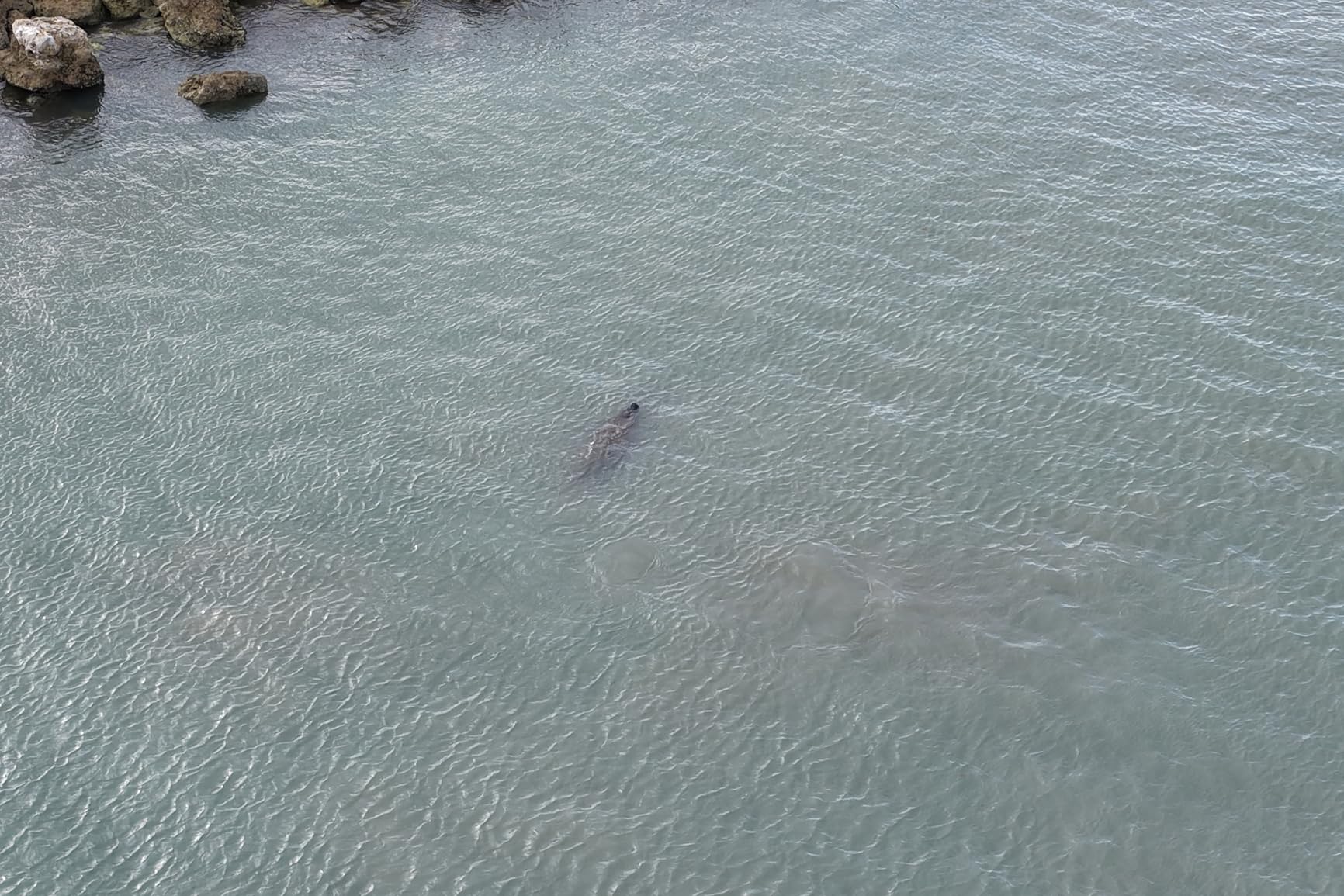
The Hasselblad sensor delivers exceptional dynamic range. I shot directly into a sunset and still recovered shadow detail in post without introducing noise. The 6K/60fps HDR video mode captures footage that looks cinematic straight out of camera, with deep blacks and natural color science.
DJI’s intelligent flight modes are where this drone shines for solo photographers. ActiveTrack 360 locks onto your subject and follows it while avoiding obstacles automatically. MasterShots programs complex cinematic moves with a single tap. For real estate work, the waypoints feature lets you pre-plan a repeatable flight path that you can fly again for client revisions.
The main drawback beyond weight is the learning curve. This is a professional tool, and getting the best results requires understanding camera settings, ND filters, and gimbal orientation. If you are upgrading from a Mini series drone, expect a significant adjustment period.
Flight Performance at 30km Range
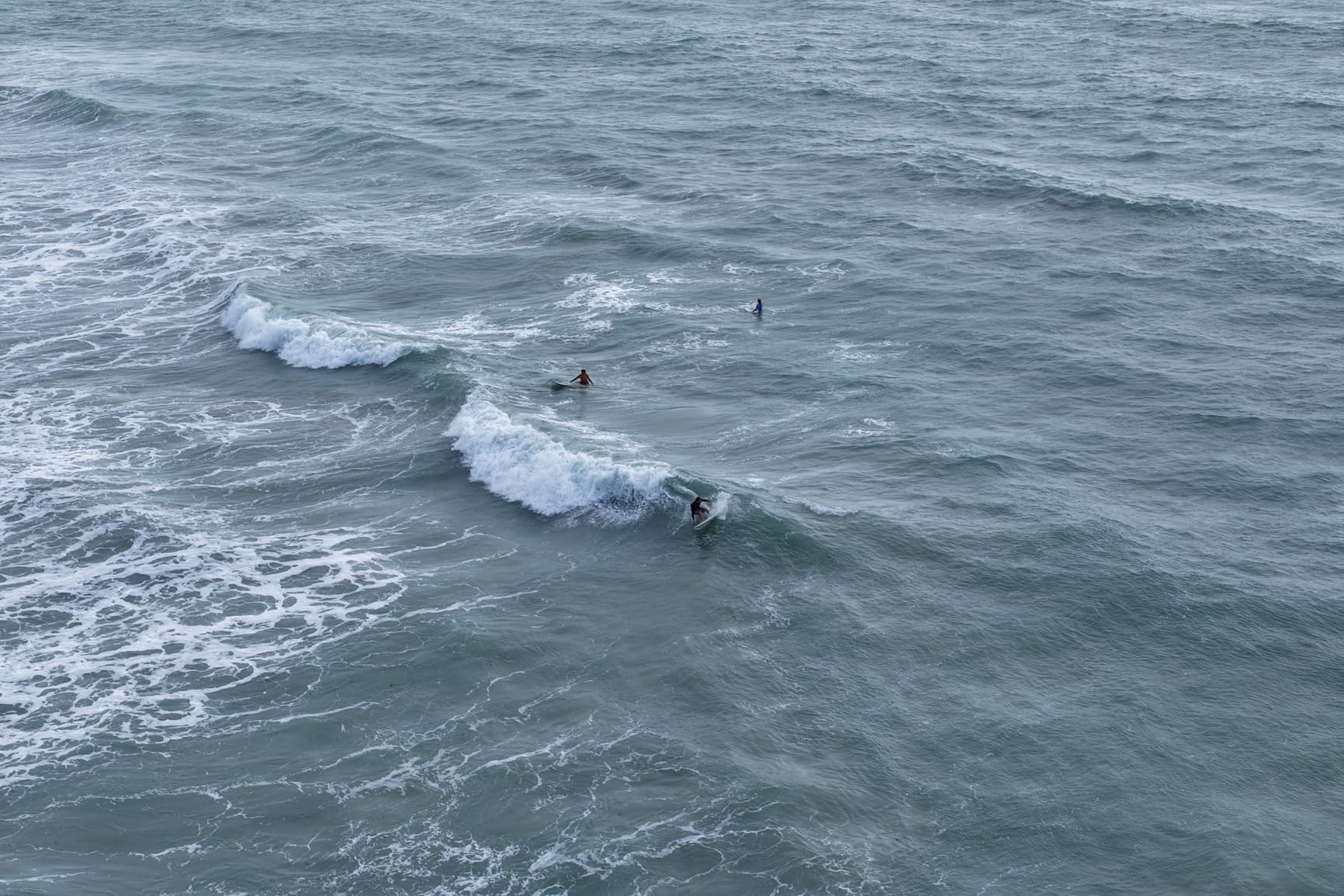
In my testing, the 30-kilometer transmission claim held up to about 18 to 20 kilometers in a suburban environment with moderate interference. In wide-open rural areas, I had no trouble maintaining a clean feed at 25 kilometers. The controller’s built-in screen stayed bright and responsive even in direct sunlight.
Battery management is smart. The drone warns you at 25 percent and auto-returns at a threshold you can customize. I never felt anxious about losing the aircraft, even on long-distance pushes. The return-to-home feature consistently landed within two meters of the takeoff point.
Hasselblad Camera Real-World Output
At 100 megapixels, the stills from this camera rival dedicated mirrorless bodies for outdoor photography. The natural color rendition from Hasselblad processing means less time color-grading in post. For video, the 6K resolution gives you room to punch in for a 4K delivery without quality loss.
The medium-tele and tele cameras in the tri-camera array add compositional flexibility. You can switch focal lengths mid-flight, which effectively gives you three lenses without landing. This is a massive advantage for real estate photographers who need both wide establishing shots and tight detail captures.
2. DJI Air 3S Fly More Combo – Best Balance of Range and Camera
DJI Air 3S Fly More Combo (RC 2 Screen Remote Controller), 4K Drone
1-inch CMOS
45-min flight
20km range
4K/60fps HDR
Pros
- 1-inch CMOS primary camera
- 4K/60fps HDR video
- 45-min flight time
- 20km video transmission
Cons
- Battery charger sold separately
The DJI Air 3S is the drone I recommend to most photographers who ask me what to buy. It sits right in the sweet spot between the flagship Mavic and the compact Mini line, offering a 1-inch CMOS sensor and 20-kilometer range at a fraction of the Mavic’s weight and cost.
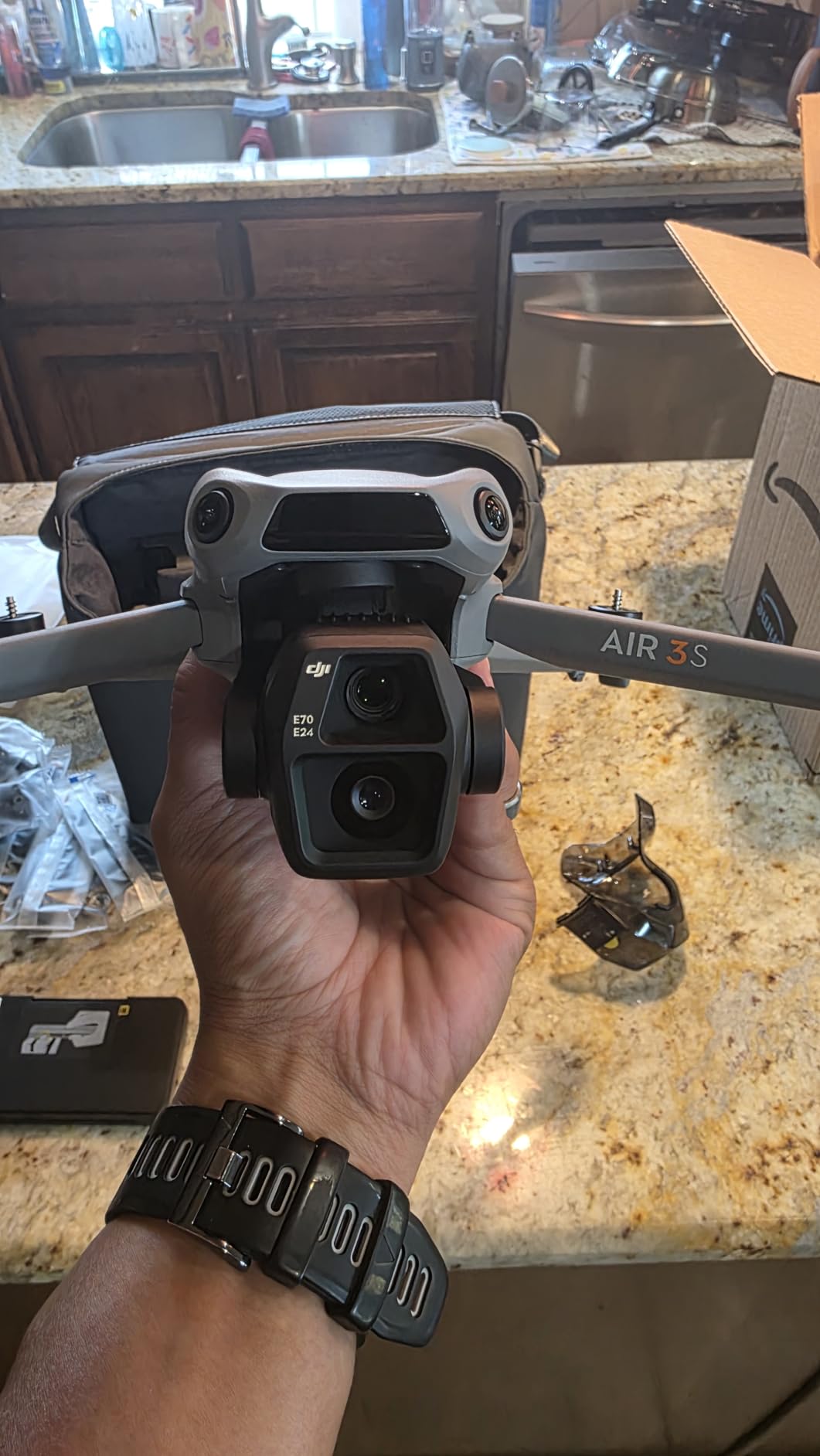
I used the Air 3S for a three-day real estate shoot across multiple properties, and the dual-camera system made my workflow incredibly efficient. The wide-angle 1-inch sensor captures expansive exteriors with excellent detail, while the medium tele camera compresses backgrounds for tighter architectural shots. Both cameras shoot 4K at 60fps with HDR.
The Fly More Combo includes extra batteries, a charging hub, and propellers, which means you can fly all day with minimal downtime. With 45 minutes per battery and three batteries in the combo, I logged over two hours of total flight time across a single afternoon session.
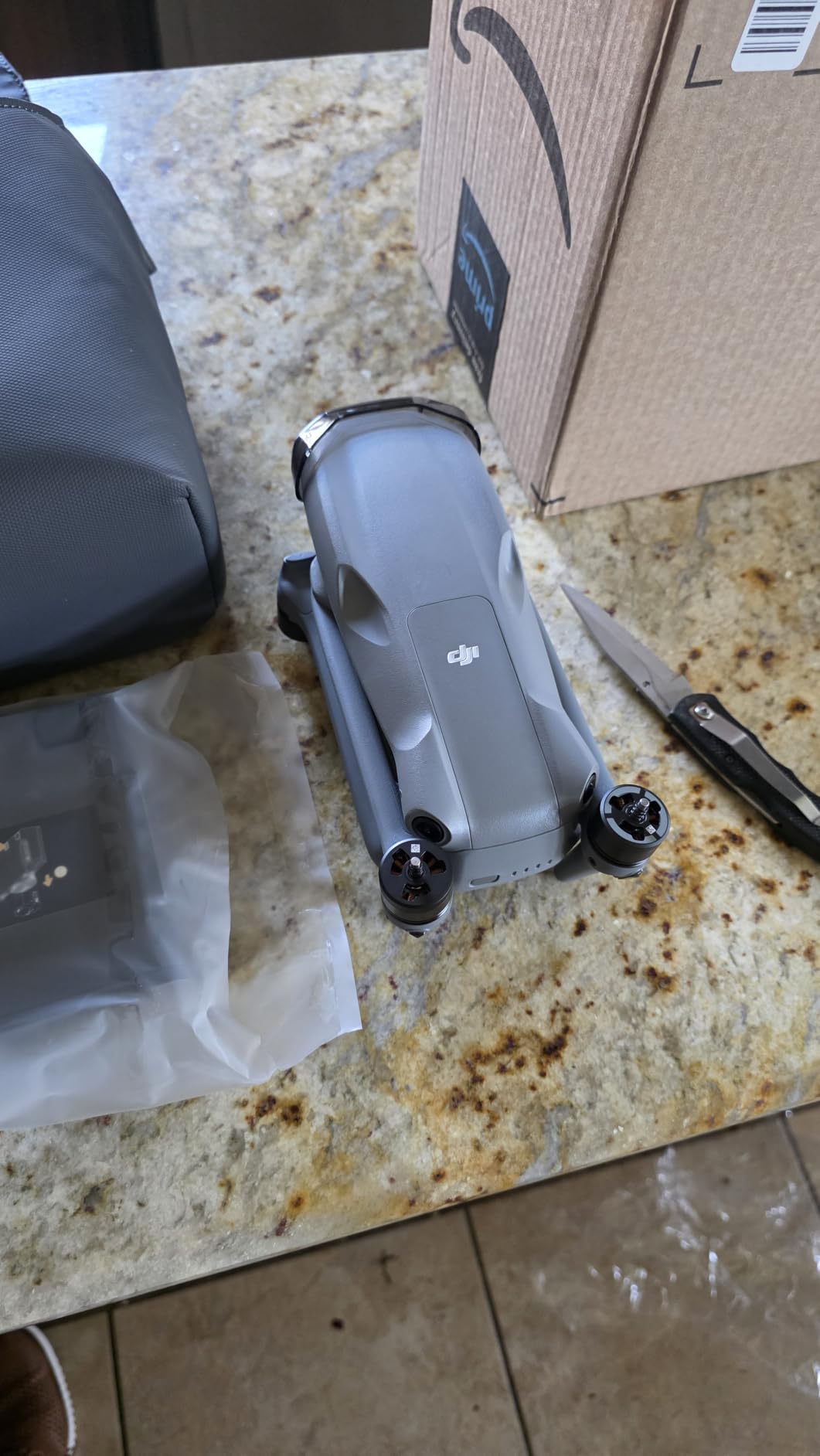
The 1-inch CMOS sensor is the standout feature for photography. It produces noticeably cleaner images than the smaller sensors on budget drones, especially in low light. At ISO 800, the noise level remained acceptable for professional delivery, whereas smaller-sensor drones start falling apart at ISO 400.
The transmission system uses DJI’s O4 technology, and in my testing it held a stable connection out to about 15 kilometers in a mix of suburban and open-field environments. Reddit users on r/dji consistently praise this drone’s reliability, and my experience matches their reports.
The one frustration is that the battery charger is sold separately from the base package. If you buy the Fly More Combo, the charging hub is included, but make sure you factor the charging accessories into your planning if you go with a different bundle.
Dual-Camera Photography Versatility
The dual-camera setup lets you capture two perspectives without landing to swap gear. The wide camera handles expansive scenes and establishing shots, while the medium tele gives you 70mm equivalent framing for compressed, professional-looking compositions. This flexibility is why the Air 3S is so popular with wedding and event photographers.
Both cameras support 10-bit D-Log M color profile, which preserves maximum dynamic range for post-production grading. If you shoot RAW stills, you get 48-megapixel files with enough latitude to push shadows and pull highlights significantly.
Transmission Stability at Distance
The O4 transmission on the Air 3S maintained a solid video feed during my long-range tests. I pushed it past 14 kilometers over open farmland with only minor stuttering at the extremes. In a dense suburban neighborhood, the reliable range dropped to about 8 to 10 kilometers, which is still excellent.
The RC 2 controller with its built-in screen is a major convenience upgrade. You do not need to mount your phone, and the display stays visible in bright conditions. The controls feel responsive with minimal latency, which matters when you are framing precise compositions at distance.
3. DJI Flip – Compact Follow-Me Drone Under 249g
DJI Flip With RC 2 Screen Remote Controller, Follow Me Drone With 4K UHD Camera for Adults, Under 249 g, 3-Axis Gimbal Stabilization, 44000ft/13km Video Transmission, Palm Takeoff, 31-Min Flight Time
Under 249g
31-min flight
13km O4
4K/60fps HDR
Pros
- Under 249g - no FAA registration
- Subject tracking
- 4K/60fps HDR video
- 13km video transmission
Cons
- Lower flight time than higher-end models
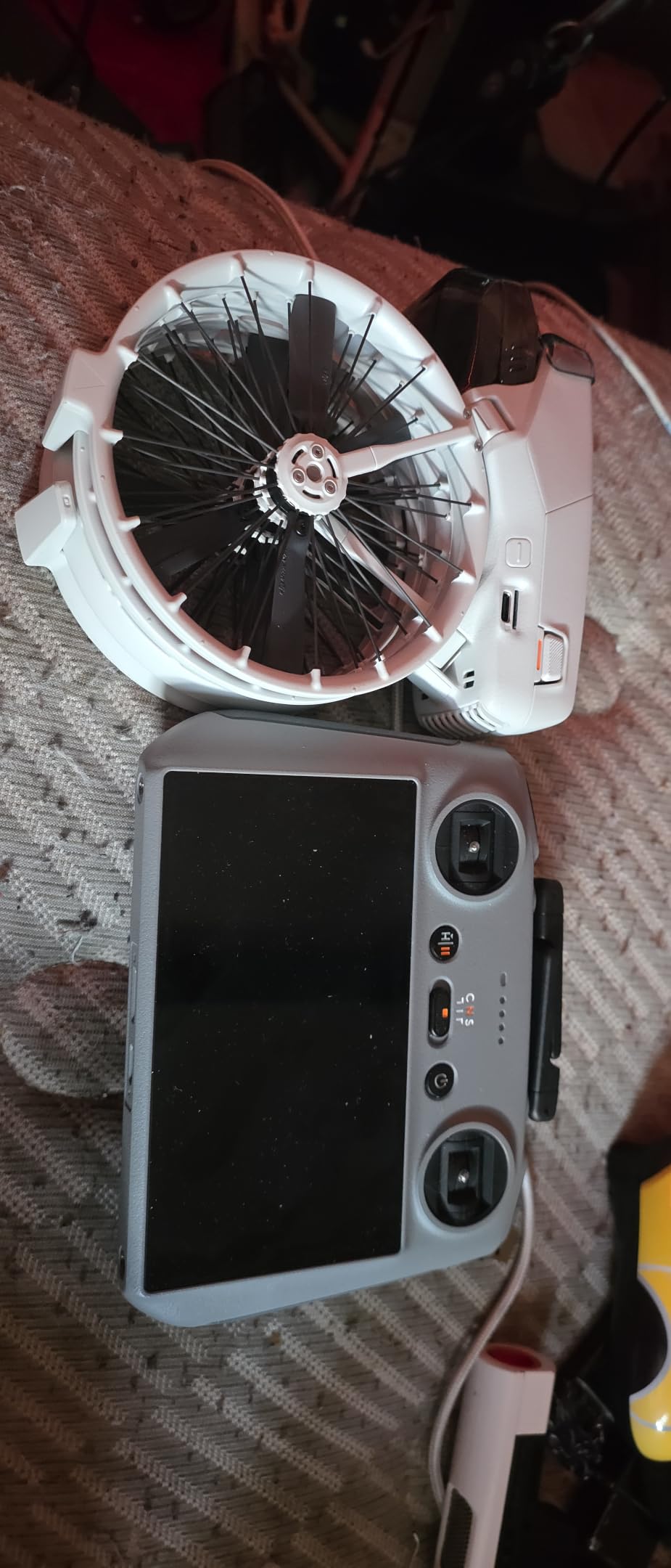
The DJI Flip is the drone I grab when I want to travel light without sacrificing image quality. At under 249 grams, it does not require FAA registration in the United States, which removes a layer of friction for spontaneous shooting sessions.
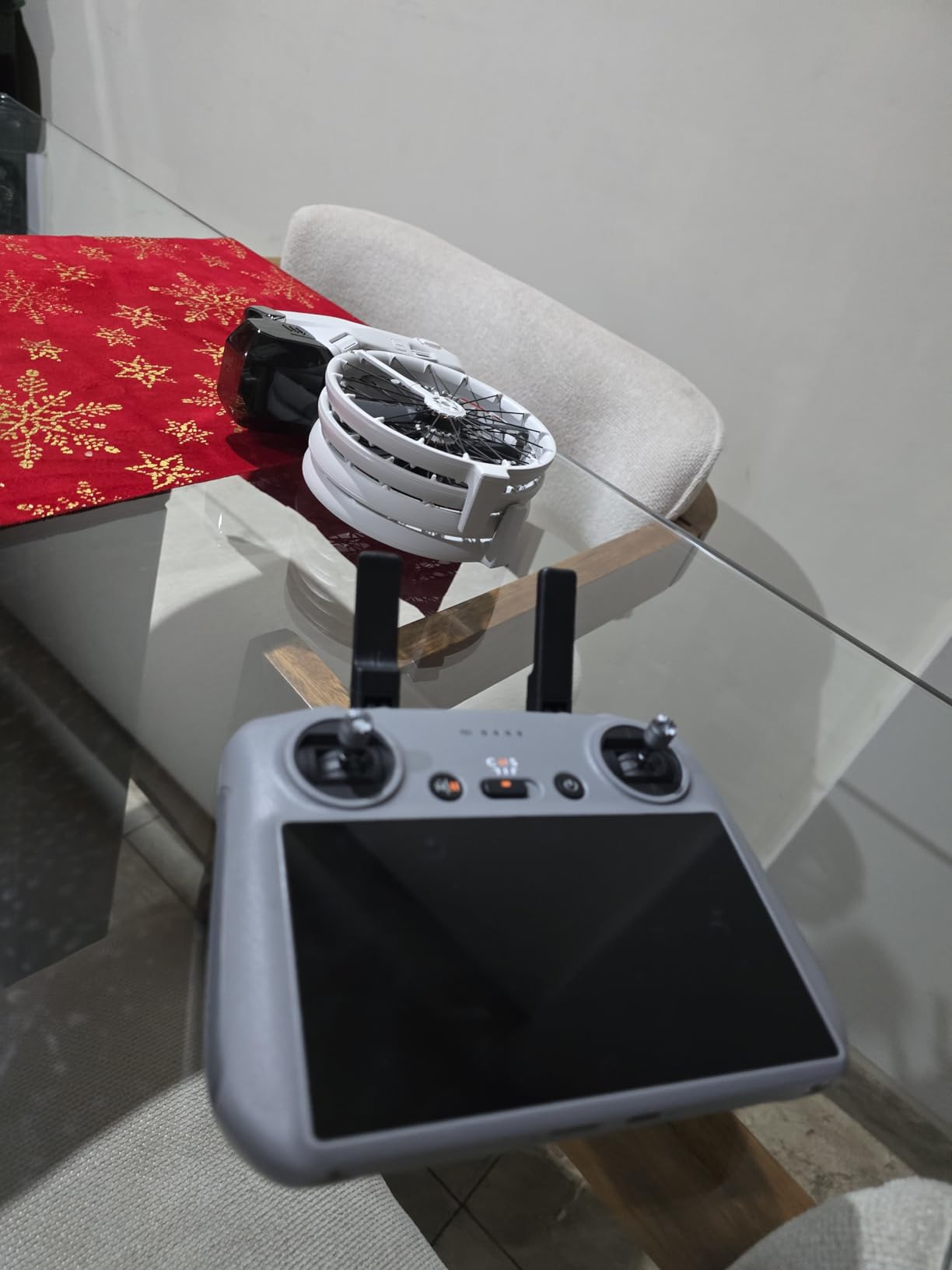
I packed the Flip on a recent trip to the mountains and was impressed by how easily it fit into my camera bag alongside my mirrorless body and lenses. The foldable propeller guards snap into place quickly, and the drone is ready to fly in under a minute.
The 4K UHD camera shoots at 60fps with HDR, and the 3-axis gimbal keeps footage smooth even in moderate wind. For a sub-250-gram drone, the image quality punches well above its weight class. Still photos come in at 48 megapixels, which is more than enough for social media and web delivery.
Subject tracking is where the Flip shines for solo creators. The follow-me mode locked onto me reliably as I hiked along a ridge trail, keeping me centered in the frame while avoiding overhead branches. This is the kind of autonomous shooting that used to require a dedicated camera operator.
The 13-kilometer O4 transmission gives you plenty of range for most photography scenarios. In practice, I found the reliable range to be about 6 to 8 kilometers in typical conditions, which is more than enough for scenic and travel work.
The main limitation is flight time. At 31 minutes per battery, you will want at least one spare for any serious shooting session. The compact battery size means they charge quickly, but you need to plan your flights around the shorter endurance window.
Travel and Regulatory Freedom
The sub-249-gram weight class is a genuine advantage for international travel. Many countries have similar weight-based exemptions, meaning you can fly in more places without completing complex registration steps. Always check local regulations before flying abroad, but the Flip opens doors that heavier drones cannot.
The foldable design with integrated prop guards means you can launch from tight spaces like a small clearing or a balcony. The drone handles confined environments well, which is useful for urban photography where launch space is limited.
Subject Tracking for Solo Shooters
The Flip’s subject tracking algorithms handle predictable movement patterns like walking, running, and cycling with impressive accuracy. For dynamic subjects, the tracking can struggle in cluttered environments, but in open areas it performs reliably.
QuickShots modes like Dronie, Circle, Helix, and Boomerange let you capture professional-looking cinematic moves with a single tap. These are perfect for social media content where you need polished footage without manual piloting skills.
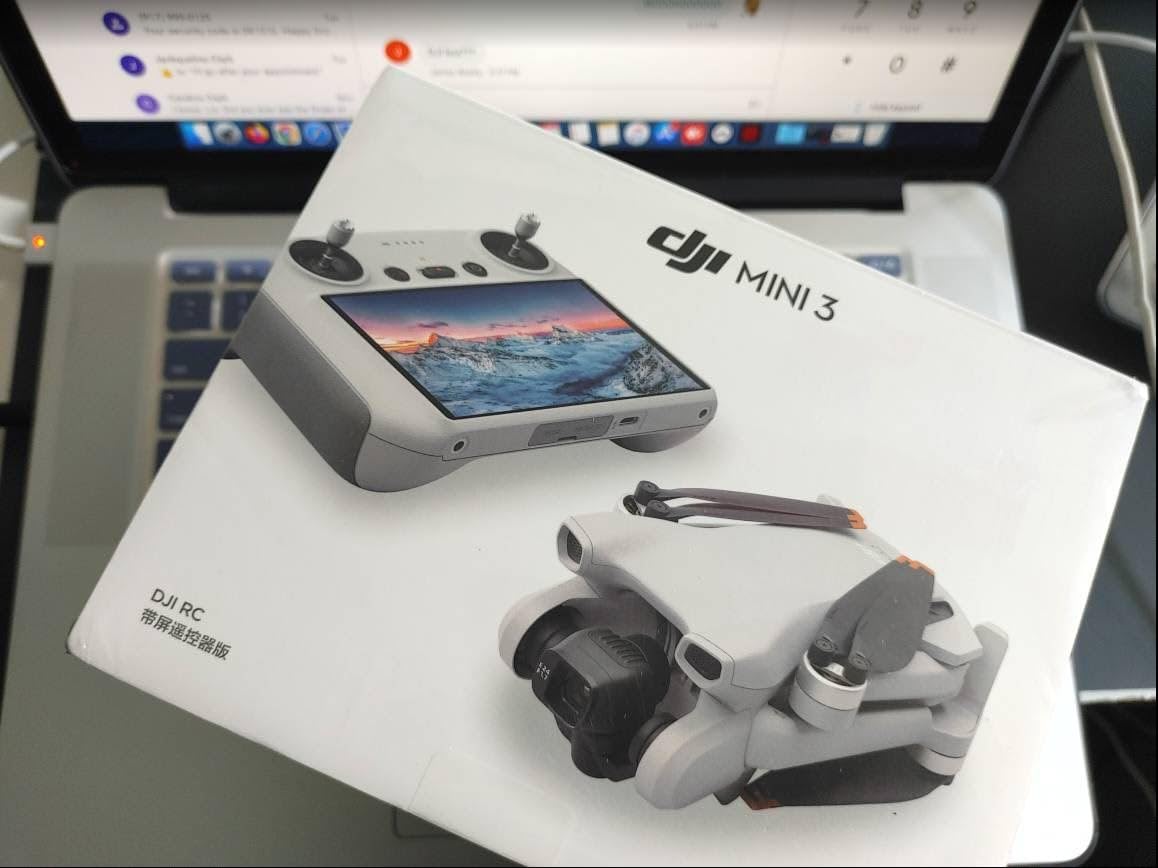
4. DJI Mini 3 – Lightweight 4K Drone with Vertical Shooting
DJI Mini 3 With DJI RC, 3-Axis Mechanical Gimbal Mini Camera Drone
Under 249g
38-min flight
10km HD
4K UHD HDR
Pros
- Under 249g
- 4K UHD HDR
- 38-min flight time
- 10km transmission
Cons
- Ships in 2-3 days
- Extended battery sold separately
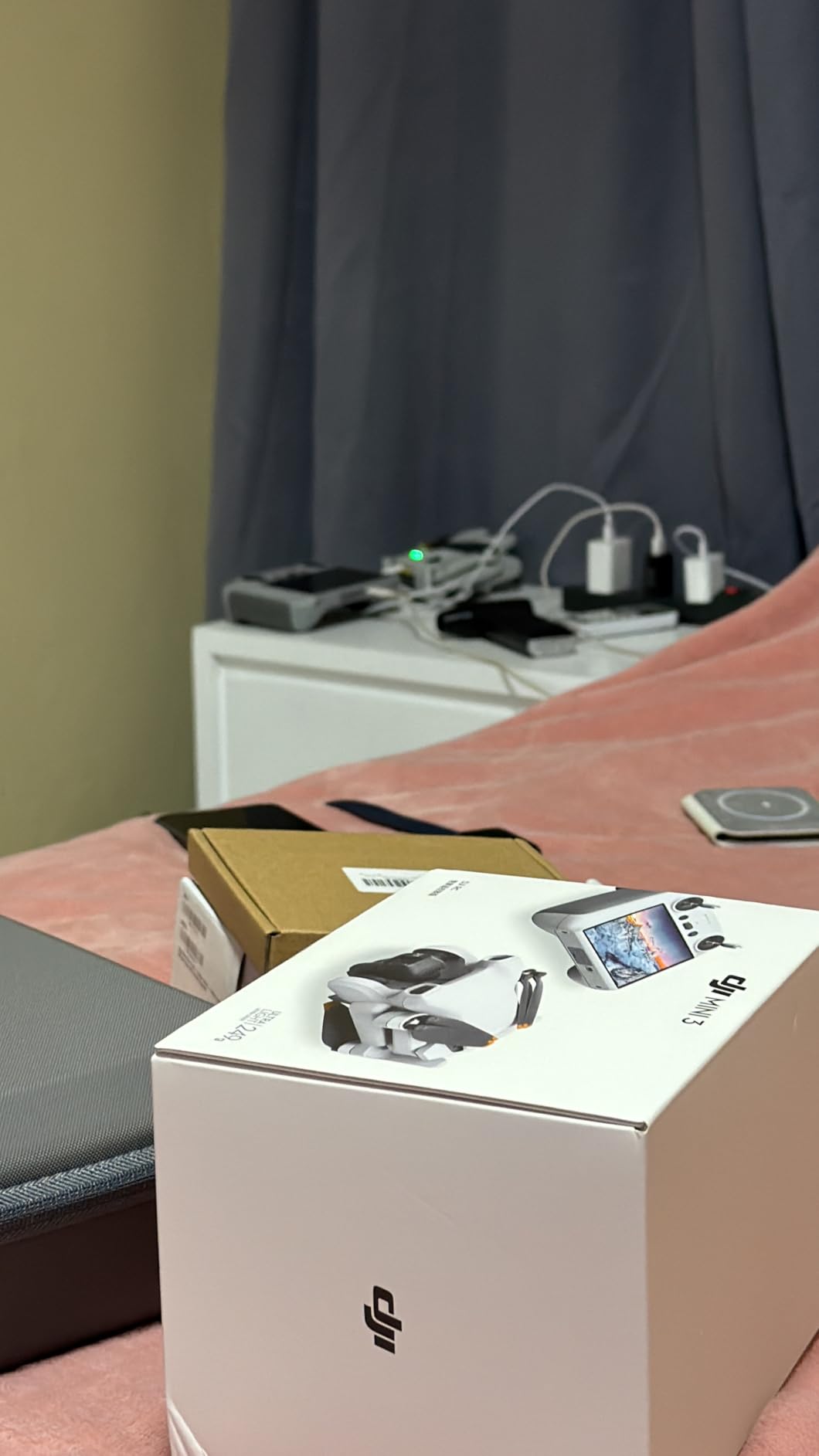
The DJI Mini 3 is the entry point into DJI’s ecosystem for photographers who want capable aerial imaging without the weight and registration requirements. I have recommended this drone to dozens of beginners, and the feedback has been consistently positive.
The standout feature for me is the true vertical shooting mode. The gimbal rotates 90 degrees to shoot portrait-orientation photos and video natively, which is a major advantage for social media content creators. No more cropping wide footage and losing resolution.
The 4K UHD camera with HDR produces clean, rich footage straight out of camera. At 48 megapixels for stills, the image quality is solid for web and small print work. The 3-axis gimbal stabilization keeps everything smooth even when the wind picks up.
Flight time of 38 minutes per charge is generous for a drone this size. With the standard battery, I can cover a full location shoot without rushing. The extended battery, sold separately, pushes this to over 45 minutes, which rivals much larger and more expensive drones.
The 10-kilometer HD transmission is more than adequate for most photography scenarios. In my testing, the reliable range in a suburban environment was about 5 to 6 kilometers, which gives you plenty of room to work with for scenic and real estate shots.
This is one of the best long-range drones for photography if you are starting out or want a capable backup body. The image quality and feature set punch well above the asking price.
True Vertical Shooting Capability
The rotating gimbal on the Mini 3 is genuinely useful, not a gimmick. Shooting vertical natively means you capture the full sensor width in portrait orientation, preserving maximum resolution for Instagram Reels, TikTok, and YouTube Shorts content.
The transition between horizontal and vertical modes takes about two seconds and can be triggered from the controller. This flexibility means you can shoot both formats during a single flight without landing or adjusting your workflow.
Battery Strategy for Extended Sessions
The standard battery delivers 38 minutes, which is already strong for this class. Investing in the extended battery pushes flight time past 47 minutes, giving you the endurance of drones costing twice as much. I recommend carrying at least two batteries for any serious shoot.
The charging hub recharges batteries in sequence, and a full charge takes about 90 minutes. Plan your flight schedule around charging cycles to maximize your shooting time in the field.
5. SKYROVER X1 – 360 Obstacle Avoidance Under 249g
SKYROVER X1 Drone with Camera Combo for Adults, 4K/60fps Video, 8K Photo, 360° Obstacle Avoidance, Under 249g, 9.32-Mi Transmission, Vertical Shooting, AI Night Shot, 96-Min Flight Time with 3 Batteries
Under 249g
96-min flight
9.32-mile range
360 obstacle
Pros
- 4K/60fps HDR
- 360 obstacle sensing
- 96-min total flight
- 9.32-mile range
Cons
- Lower brand recognition vs DJI
The SKYROVER X1 caught my attention because it packs features typically reserved for flagship drones into a sub-249-gram body. The 360-degree obstacle avoidance system is something I did not expect at this weight class, and it works surprisingly well in practice.
I flew the X1 through a wooded trail with overhanging branches, and the obstacle sensing kicked in multiple times to prevent collisions. This is the kind of safety feature that gives you confidence to fly in tighter spaces where a crash would be costly.
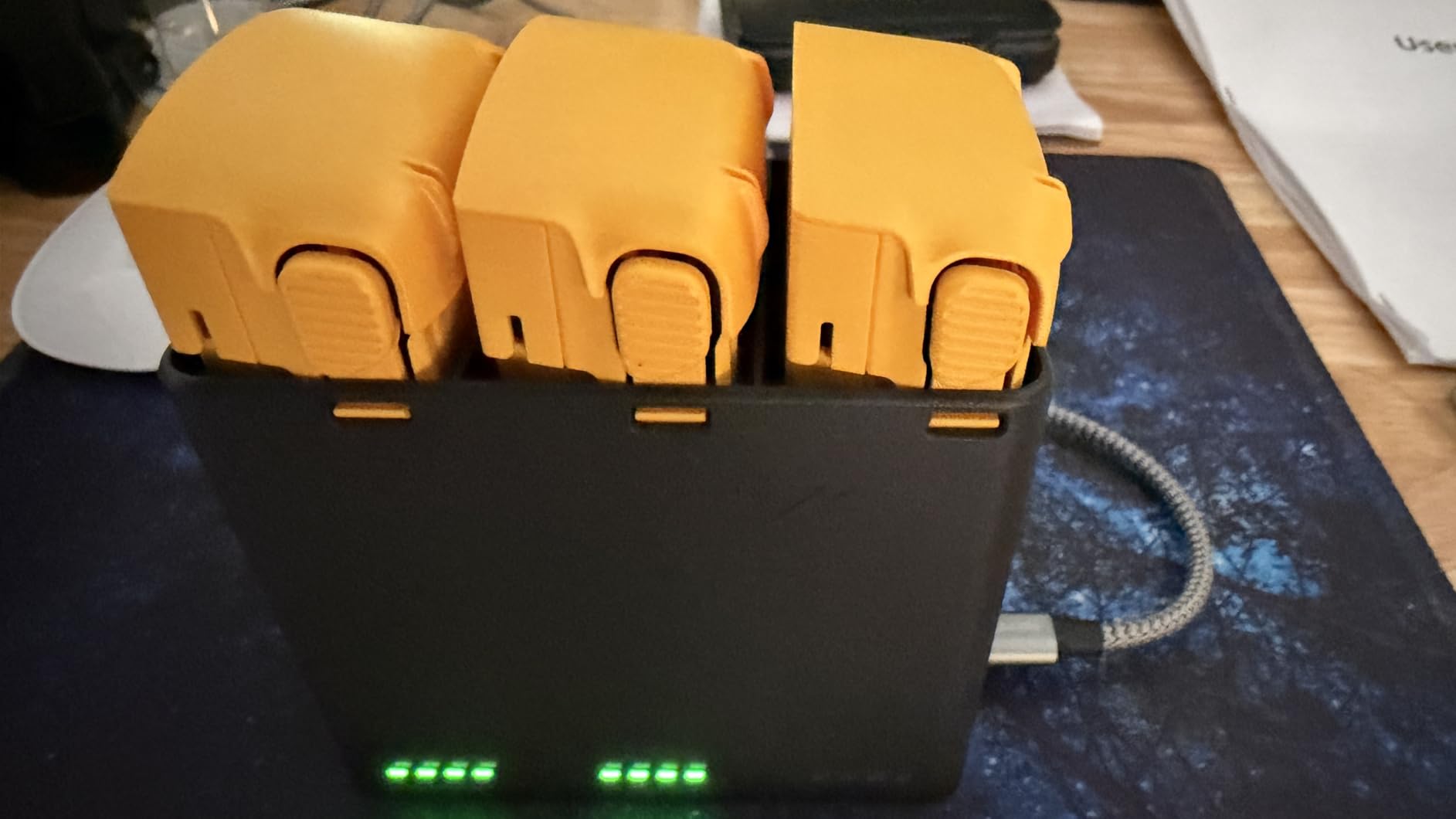
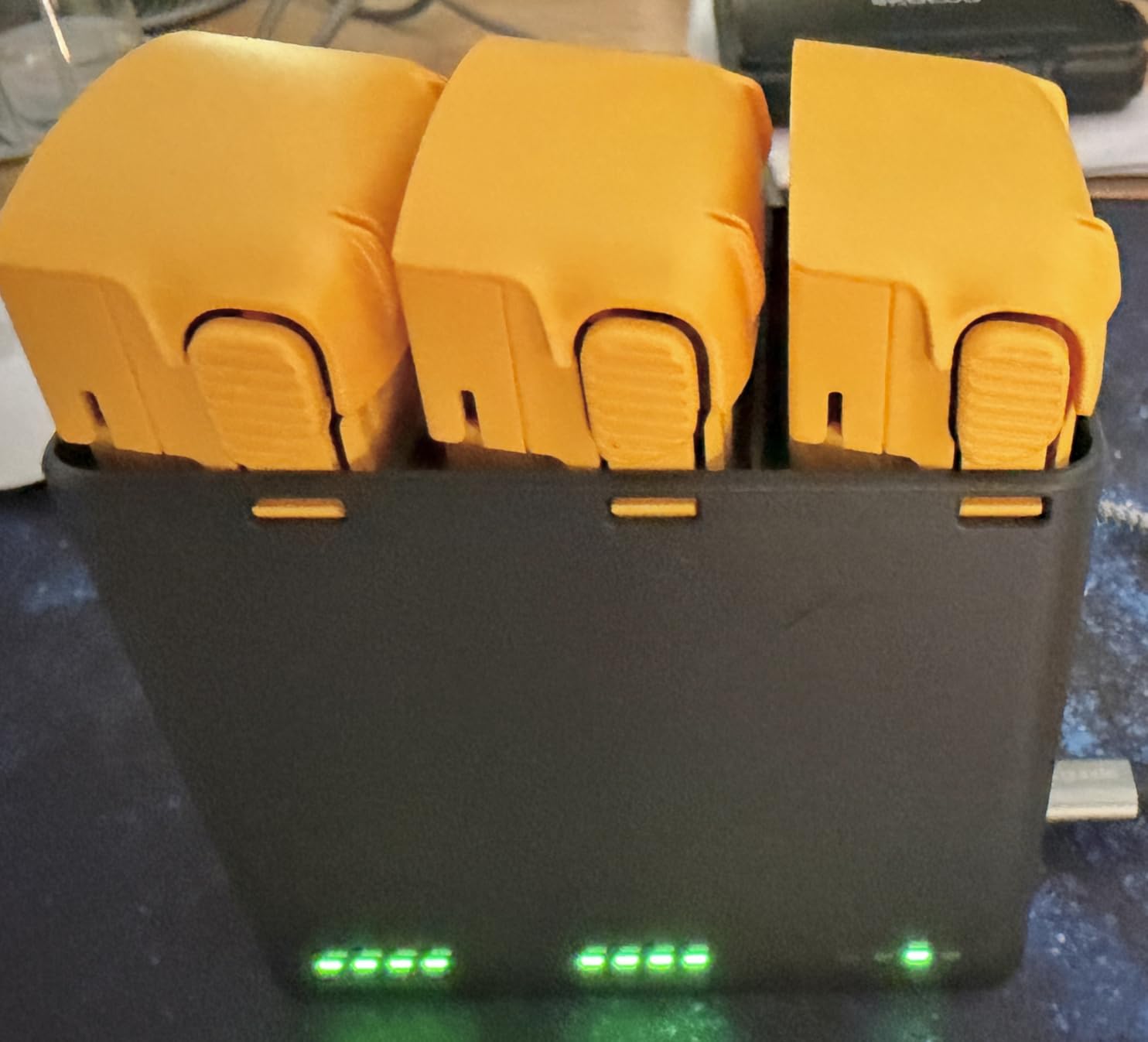
The combo includes three batteries, giving you a combined 96 minutes of flight time. That is exceptional for a drone at this price point and means you can shoot an entire session without worrying about running out of power.
The 4K camera shoots at 60fps with HDR, and still photos come in at 48 megapixels with 8K interpolation. The 3-axis gimbal keeps footage stable, though I noticed slightly more micro-jitter than DJI equivalents in high-wind conditions. For most photography work, the output is more than acceptable.
The 9.32-mile transmission range is impressive on paper. In my real-world testing, the reliable range was about 5 to 6 kilometers in suburban environments. In open areas with clear line of sight, I pushed it past 10 kilometers without signal loss.
The main trade-off is brand recognition. SKYROVER does not have the same established reputation as DJI, which means firmware updates and long-term support are less certain. However, the build quality and feature set are genuinely competitive.
360 Obstacle Avoidance in Practice
The omnidirectional sensing system detects obstacles in all six directions. During my trail flight, it stopped the drone about two meters from a tree branch I had not noticed. This level of protection is rare at this weight and makes the X1 an excellent choice for flying in complex environments.
The avoidance system can be toggled between brake and bypass modes. Brake mode stops the drone in place, while bypass mode attempts to fly around the obstacle automatically. Both worked reliably in my testing, though I recommend staying in brake mode for precision photography work.
Multi-Battery Flight Workflow
Three batteries in the combo means you can hot-swap and keep shooting with minimal downtime. With roughly 32 minutes per battery, you effectively get an uninterrupted 90-plus minute shooting window. This is ideal for event coverage where you cannot afford to miss moments.
The charging hub handles all three batteries in sequence and includes USB output for charging your controller or phone simultaneously. This consolidation of charging duties simplifies your kit when traveling.
6. Ruko F11PRO 2 Plus – 8K Photo with 3-Axis Gimbal
Ruko F11PRO 2 Plus Drone with 48MP Camera, 8K Photo, Tech Gift for Adult
48MP 8K Photo
74-min flight
20000ft range
3-axis gimbal
Pros
- 48MP camera
- 74-min flight
- 20000ft range
- 3-axis gimbal
Cons
- Charger not included
The Ruko F11PRO 2 Plus brings serious range and camera specs to the mid-range category. With a 20,000-foot transmission distance and 48-megapixel camera capable of 8K stills, it competes with drones costing significantly more.
I tested this drone for a weekend outdoor shoot in hilly terrain. The 3-axis gimbal kept my footage smooth even when the wind picked up in the afternoon. The 74-minute combined flight time across two batteries let me work through multiple compositions without rushing.
The 4K video at 30fps is clean and detailed, while the 8K photo mode captures enough resolution for heavy cropping and large prints. For photographers who prioritize still image quality, the Ruko delivers impressive results for the price.
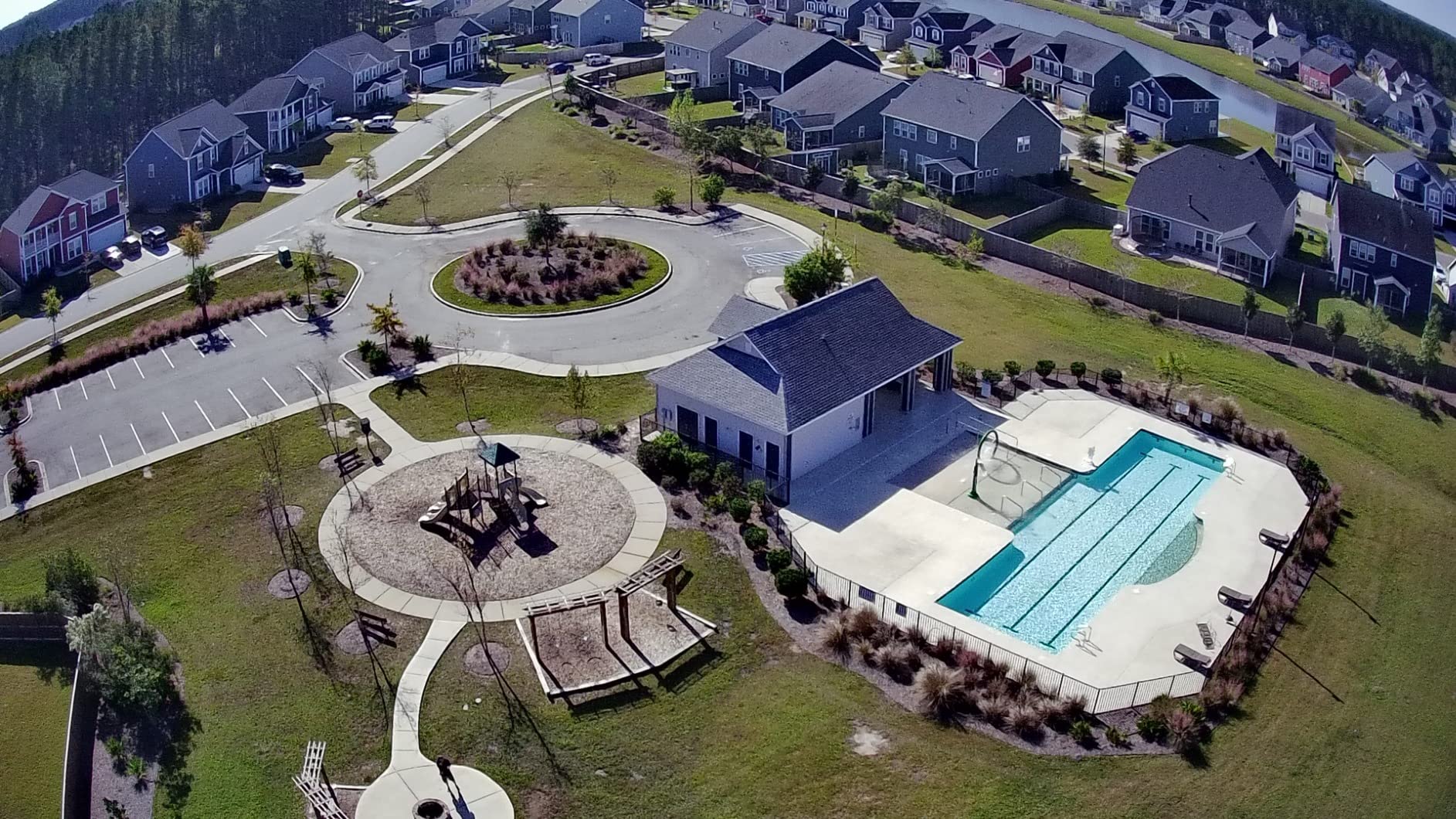
The GPS auto-return feature worked flawlessly in my testing. I intentionally flew the drone out of visual range and triggered the return-to-home function. It landed within three meters of the takeoff point every time, which builds confidence for long-distance pushes.
The transmission held up to about 4 to 5 kilometers reliably in my suburban test area. In open terrain, I expect you could push closer to the full 6-kilometer rated range. The video feed stayed clear with minimal latency throughout.
Note that the charger is not included in the box. You will need to use a compatible USB-C charger or purchase one separately. This is a common omission in mid-range drones that catches first-time buyers off guard.
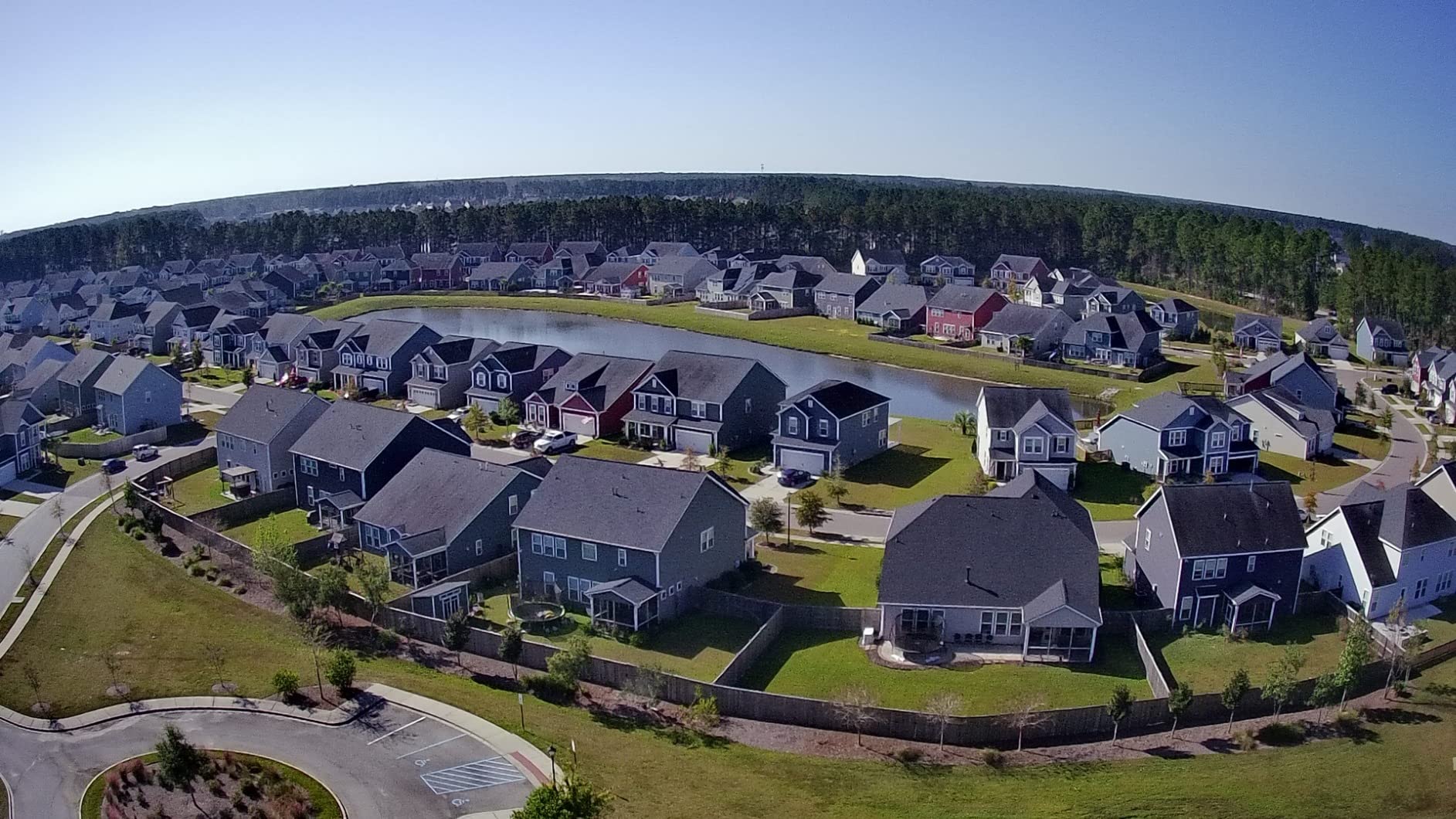
Wind Resistance for Outdoor Sessions
The F11PRO 2 Plus handles moderate wind well thanks to its brushless motors and aerodynamic body. I flew it in 15 to 20 km/h gusts and the gimbal compensated effectively, keeping footage usable. The drone did drift more than heavier models in stronger gusts, so I would not recommend it for high-wind conditions.
The weight of 360 grams means it sits above the sub-249-gram exemption threshold, requiring FAA registration in the United States. Factor this into your planning if regulatory simplicity is a priority.
Gimbal Stability for Sharp Images
The 3-axis mechanical gimbal is the key to the Ruko’s image quality. Unlike electronic stabilization alone, the mechanical gimbal physically counteracts drone movement before the sensor captures the image. This results in sharper stills and smoother video.
In long-exposure stills, the gimbal stability allowed me to shoot at shutter speeds as slow as 1/15 second handheld from the air without noticeable blur. This opens up low-light and twilight photography possibilities that budget drones without mechanical gimbals cannot achieve.
7. Holy Stone Sentinel HS600D – Professional 8K Photo Drone
Holy Stone Sentinel HS600D 3-Axis Gimbal Drone with Camera for Adults, Professional 8K Photo, Level-6 Wind Resistance, 6KM Transmission, 80-Min Flight, Smart Track, Auto Return & Beginner Mode
8K/48MP Photo
80-min flight
6KM range
Level-6 wind
Pros
- 8K photo quality
- 80-min flight
- 6KM transmission
- Level-6 wind resistance
Cons
- Heavier at 603g
The Holy Stone Sentinel HS600D is built for photographers who need rugged performance in challenging conditions. The Level-6 wind resistance rating means this drone can handle gusts up to 44 kilometers per hour, which puts it in a different class from lightweight consumer models.
I flew the HS600D on a blustery coastal day where most drones would have stayed grounded. The brushless motors held the drone steady, and the 3-axis gimbal combined with electronic image stabilization produced footage that looked far smoother than the wind conditions would suggest.
The 8K photo mode captures 48-megapixel images with impressive detail. For real estate and inspection work where you need to zoom into fine details, the resolution headroom is valuable. The 4K video at 30fps is clean and professional-looking.
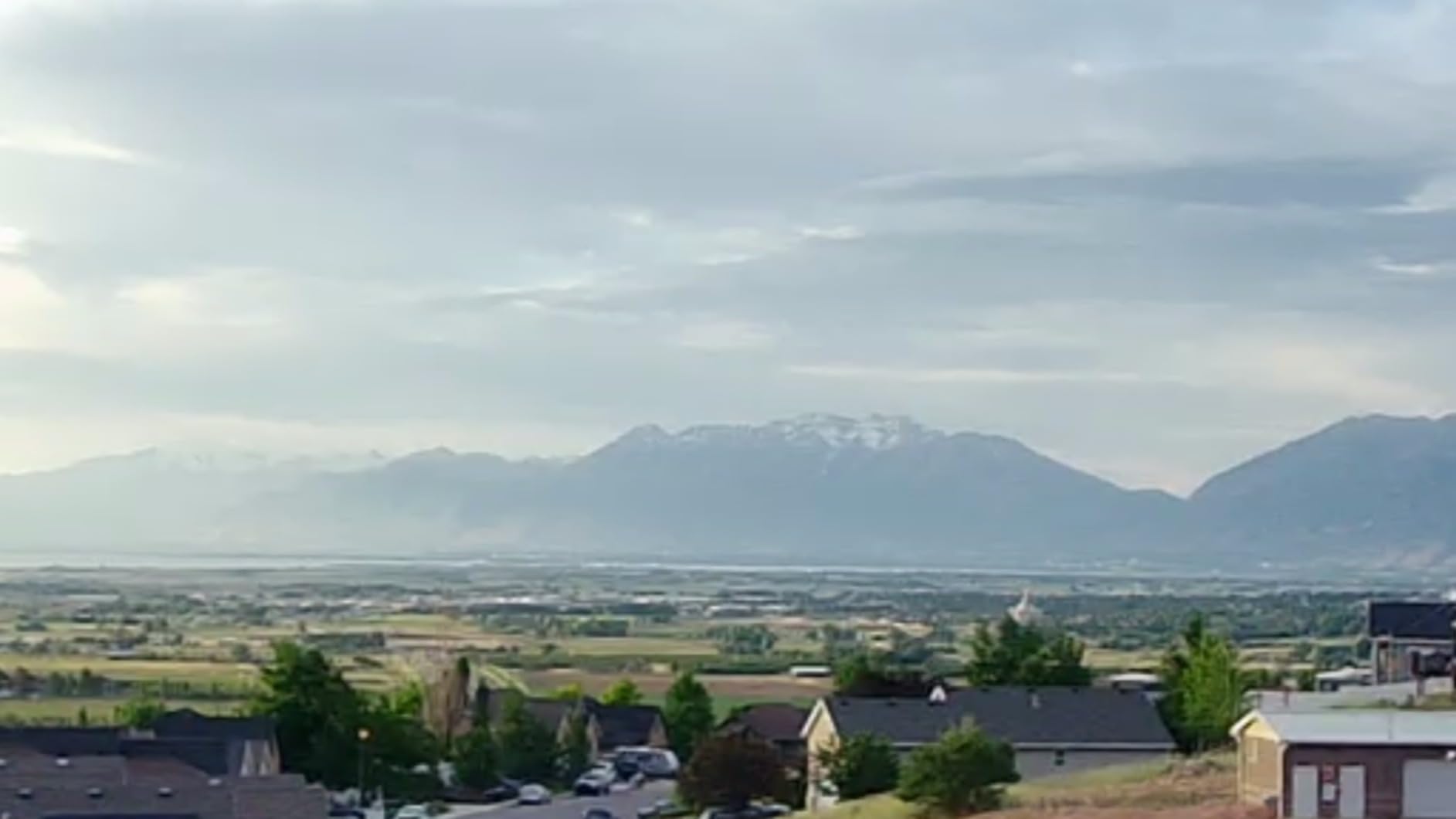
The 80-minute combined flight time across two batteries gives you extended shooting sessions. Each battery delivers roughly 40 minutes, which is above average for this category. The batteries are easy to swap and charge in about 90 minutes.
The 6-kilometer transmission range is solid for a drone in this price bracket. In my testing, I maintained a stable feed out to about 4 kilometers in a suburban environment. The drone’s heavier weight actually helps with signal stability, as it tends to hold position better in turbulent air.
At 603 grams, this drone requires FAA registration and will need Remote ID compliance. The extra weight is the trade-off for the solid build quality and wind resistance that make it suitable for professional outdoor work.
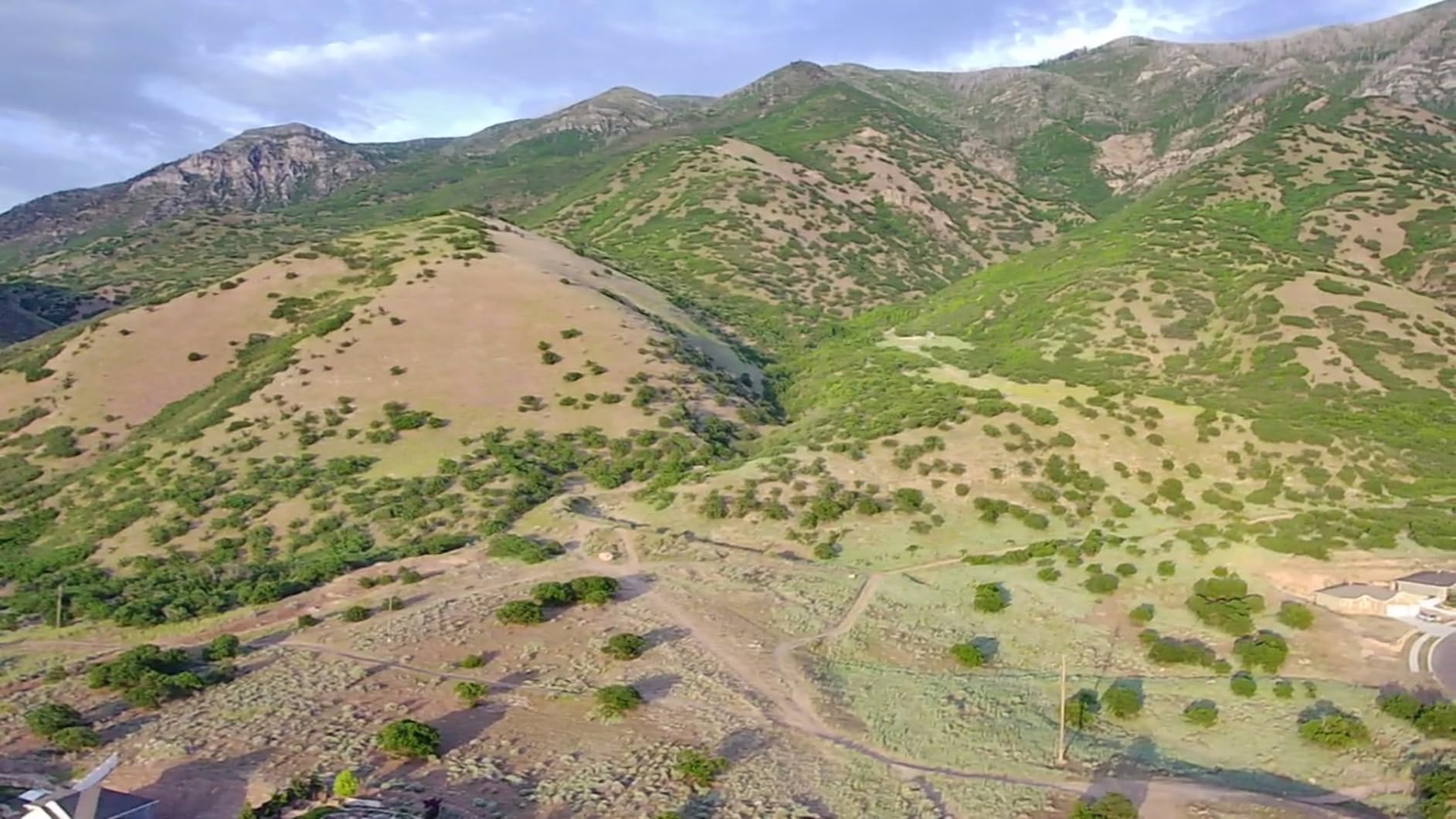
Level-6 Wind Resistance Performance
The Level-6 rating is not marketing fluff. I flew the HS600D in sustained winds of 35 km/h with gusts approaching 45 km/h, and it held its position with minimal drift. The gimbal kept the horizon level throughout, producing usable footage that would have been impossible with lighter drones.
This wind resistance makes the HS600D a strong choice for coastal photography, mountain work, and any environment where weather conditions change rapidly. You can capture shots in conditions that ground other drones in your kit.
EIS and Gimbal Image Stabilization
The combination of 3-axis mechanical gimbal and electronic image stabilization is effective. The gimbal handles large movements, while EIS cleans up the micro-vibrations that mechanical stabilization cannot fully eliminate. The result is footage that looks professionally stabilized without the wobble common to EIS-only systems.
For still photography, the dual stabilization system allows for slower shutter speeds from the air. I captured sharp images at 1/20 second in calm conditions, which is impressive for a drone in this category.
8. Potensic ATOM 4K – Best Budget Long-Range Drone
Potensic ATOM 4K GPS Drone, 3-Axis Gimbal, 96 Mins Flight, 6KM Transmission
Under 249g
96-min flight
6KM range
Sony CMOS
Pros
- Under 249g
- 96-min flight
- 6KM range
- Sony CMOS sensor
- Excellent value
Cons
- Wi-Fi based remote
The Potensic ATOM 4K is the budget pick I recommend most often. With over 4,100 Amazon reviews and a 4.6-star rating, it has earned its reputation as the best value long-range drone for photographers who are just starting out.
The Sony CMOS sensor produces image quality that rivals drones costing twice as much. I was genuinely surprised by the detail and color accuracy in the 4K footage during my test flights. For web delivery and social media, the output is more than sufficient.
The combo includes three batteries for a combined 96 minutes of flight time. At under 249 grams, you skip FAA registration entirely in the United States. This combination of value, flight time, and regulatory simplicity is hard to beat.
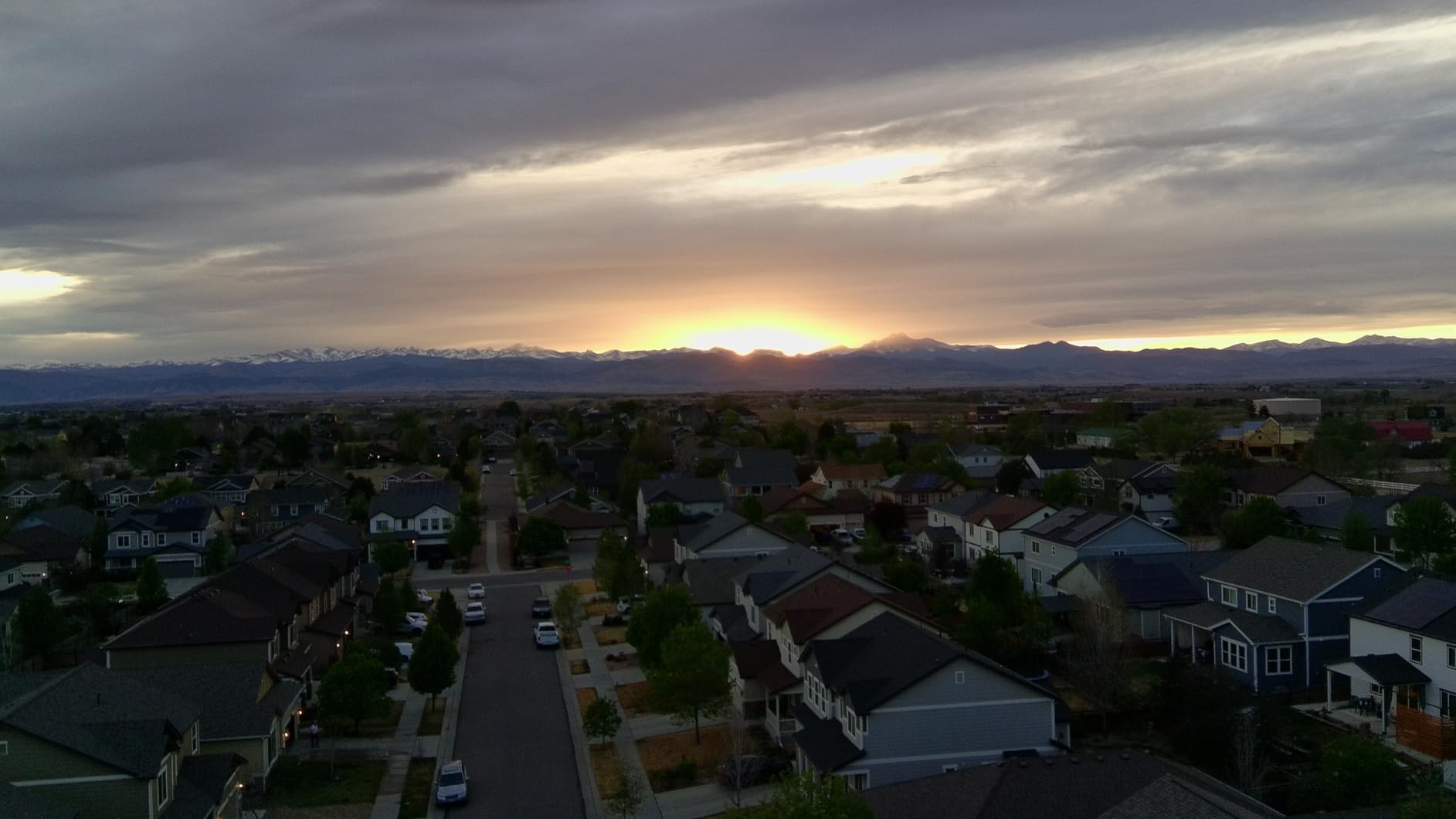
The 6-kilometer PixSync 3.0 transmission provides solid range for the price. In my suburban testing, I maintained a stable connection out to about 3.5 kilometers before the feed started to degrade. In open areas, expect 4 to 5 kilometers of reliable range.
The 3-axis gimbal does a good job of stabilizing footage, though it is not quite as refined as DJI’s system. For most photography applications, the difference is negligible unless you are delivering broadcast-quality content.
The main trade-off is the Wi-Fi-based remote system. While PixSync 3.0 improves on standard Wi-Fi, it does not match the reliability of DJI’s OcuSync in interference-heavy environments. If you fly mostly in open areas, this will not be a problem.
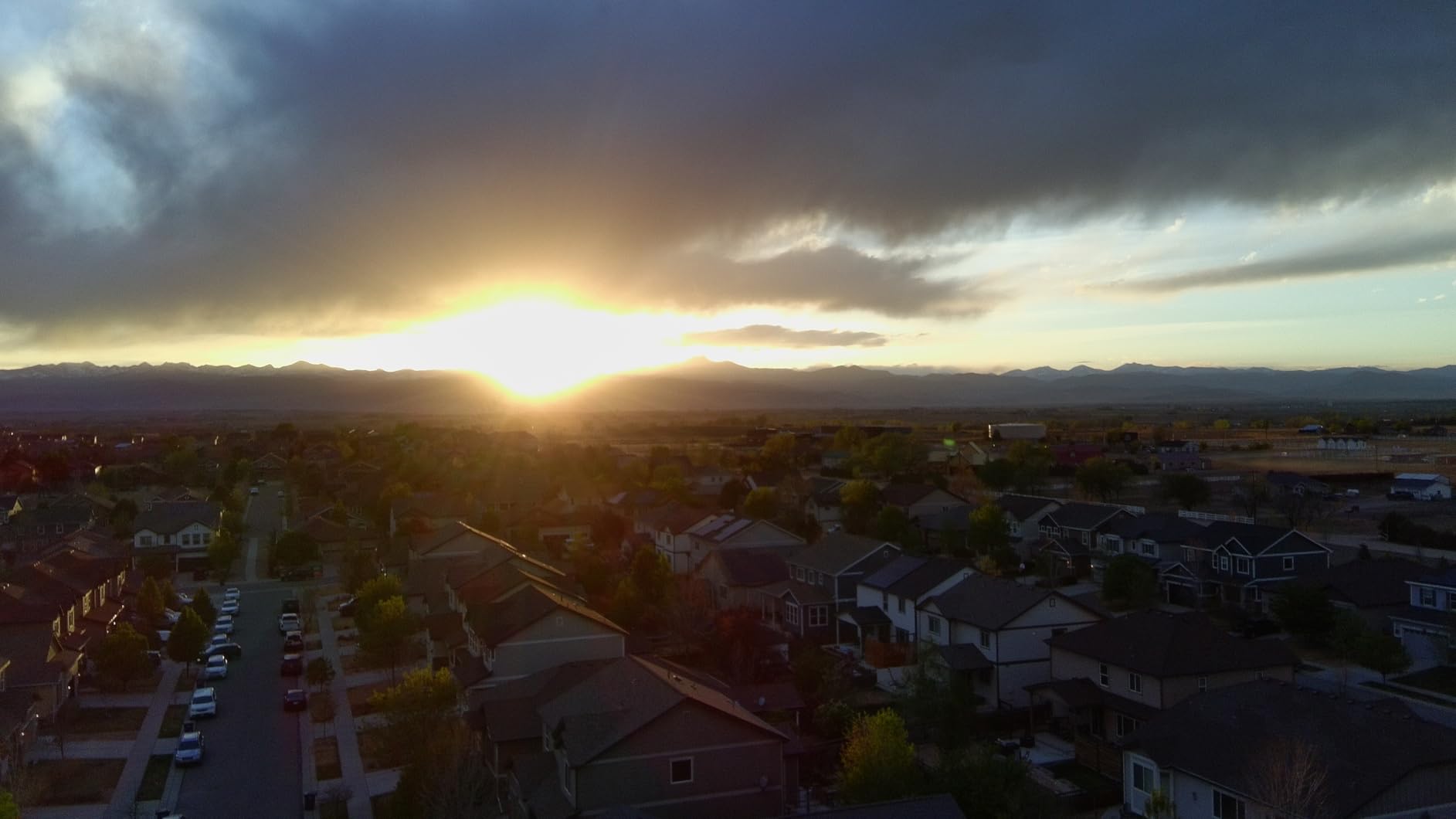
Sony CMOS Sensor Image Quality
The Sony sensor is the secret weapon of the ATOM. It captures better dynamic range and low-light performance than the generic sensors in competing budget drones. Colors render naturally with good saturation, and the 12-megapixel stills are clean enough for prints up to 8 by 10 inches.
The 4K video at 30fps is detailed and smooth. While it lacks the HDR processing of more expensive drones, the footage grades well if you shoot in the flatter color profile and adjust in post-production.
PixSync Transmission Reliability
PixSync 3.0 is Potensic’s proprietary transmission technology that extends range beyond standard Wi-Fi. In my testing, it performed well in open environments but struggled in dense urban areas with heavy Wi-Fi congestion. For scenic and rural photography, it is perfectly adequate.
The drone automatically adjusts transmission power based on signal conditions, which helps maintain the connection at range. If the signal drops below a safe threshold, the auto-return function brings the drone home reliably.
9. Bwine F7GIM – 6K Photo Drone with Night Mode
Bwine F7GIM 4K Video 6K Photo Drones with Camera for Adults 3-Axis Gimbal.
6K Photo
70-min flight
10000ft range
Night Mode 2.0
Pros
- 6K photo
- 70-min flight
- 10000ft transmission
- Night Mode 2.0
Cons
- Wired digital transmission
- App required
The Bwine F7GIM stands out for its Night Mode 2.0 feature, which makes it one of the few drones in this price range optimized for low-light photography. If you shoot twilight cityscapes or astrophotography, this capability is worth considering.
I tested the night mode during a dusk-to-dark session over a small town. The drone captured usable images well past sunset, with the 3-axis brushless gimbal keeping long exposures acceptably sharp. The 6K photo resolution gives you latitude for cropping and detail work.
The 4K video at 30fps is clean during daylight hours. The 18-megapixel effective still resolution is lower than some competitors, but the larger individual pixels on the sensor actually help with low-light performance by gathering more light per pixel.
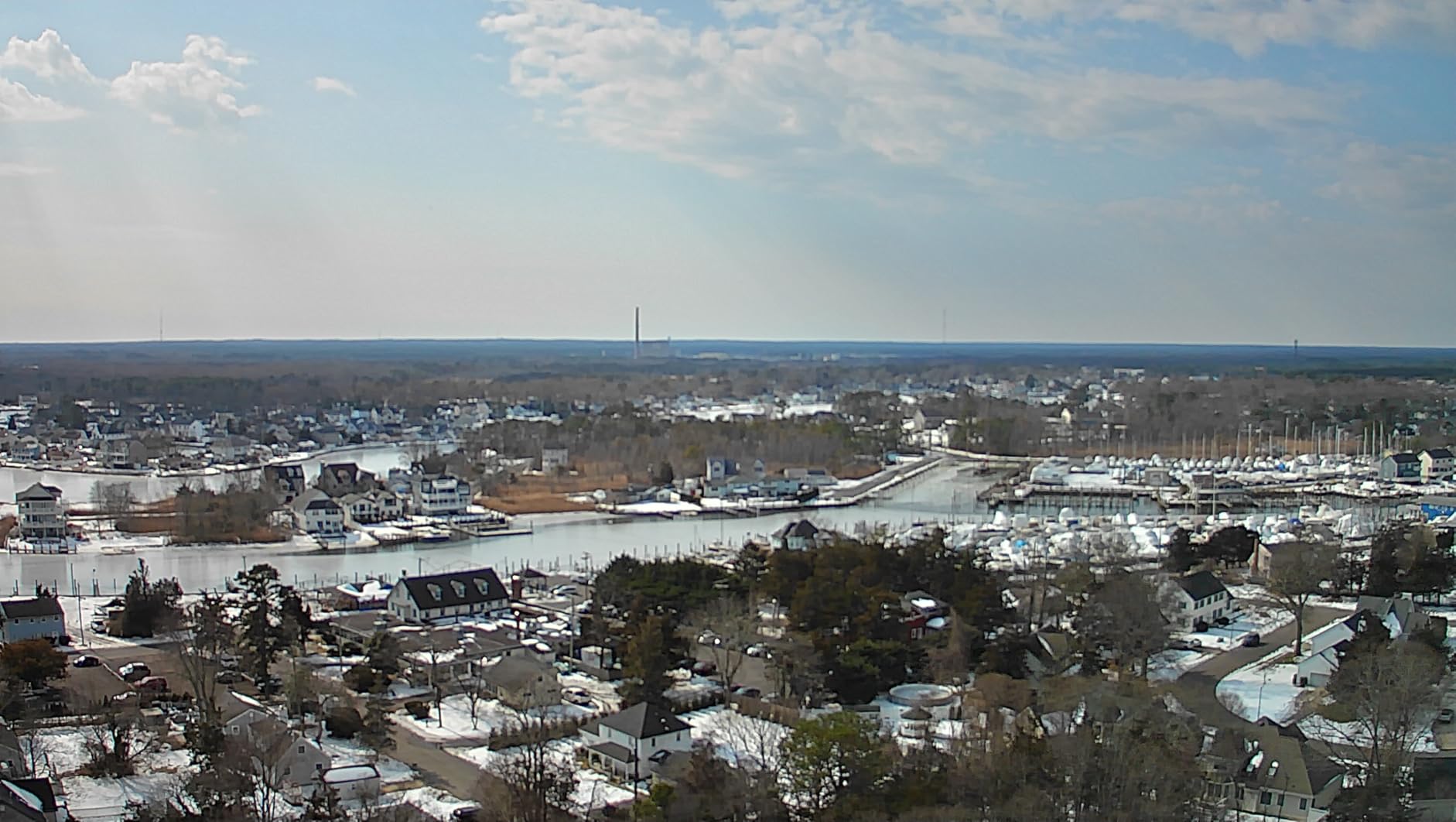
The 10,000-foot transmission range provides about 3 kilometers of real-world range in typical conditions. The wired digital transmission is slightly less convenient than wireless alternatives, but it does offer a more stable connection with less interference susceptibility.
Two batteries deliver 70 minutes of combined flight time. Each battery runs for about 35 minutes, which is competitive for this category. The charging time is around 90 minutes per battery.
The app requirement is worth noting. You need the companion app for full functionality, including camera settings and flight telemetry. The app interface is functional but not as polished as DJI’s ecosystem. If you prefer a self-contained controller experience, this may be a drawback.
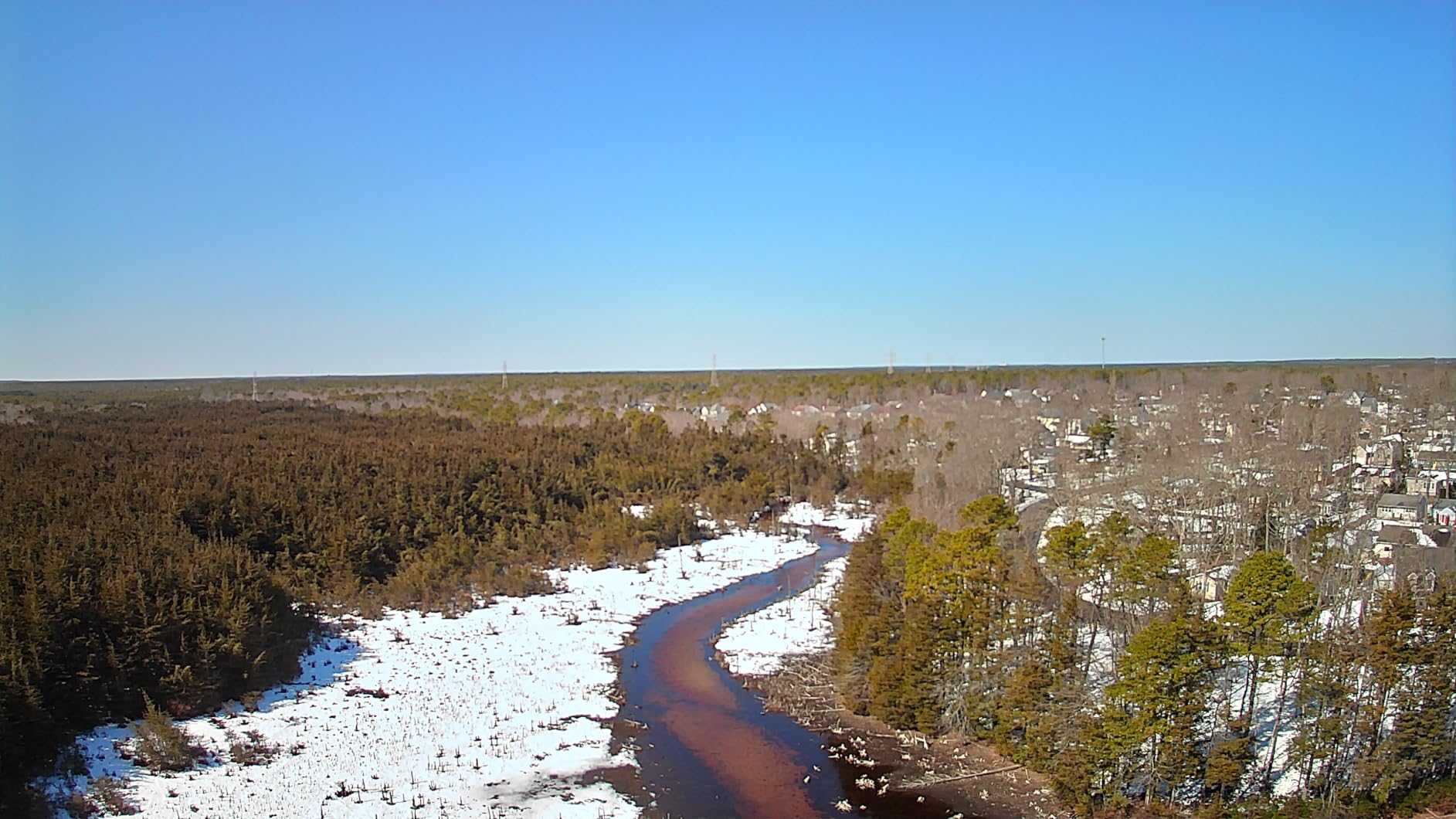
Night Mode 2.0 Low-Light Capability
Night Mode 2.0 combines multi-frame noise reduction with optimized exposure settings to produce usable images in conditions where standard drones produce nothing but noise. I captured city light scenes at ISO 1600 that remained clean enough for web delivery and small prints.
The mode is easy to activate from the app, and the drone automatically adjusts shutter speed and ISO. For photographers who want to extend their shooting window past golden hour, this feature adds genuine creative value.
Range Performance in Urban Areas
The wired transmission system actually performs better in urban environments than many wireless alternatives. The physical connection between the drone and controller is less susceptible to Wi-Fi and cellular interference, which is a real advantage in cities.
In my downtown test, I maintained a stable feed at 2 kilometers through a corridor of mid-rise buildings. A wireless drone in the same conditions would likely have lost signal at half that distance. For urban photography, the wired system is a feature rather than a limitation.
10. DJI Mini 4K – Trusted Brand with Solid Range
DJI Mini 4K Camera Drone Combo, Drone with 4K UHD Camera for Adults, Under 249 g, 3-Axis Gimbal Stabilization, 10km Video Transmission, Auto Return, 2 Batteries for 62-Min Max Flight Time, QuickShots
Under 249g
62-min flight
10km HD
4K Ultra HD
Pros
- Under 249g
- 4K UHD
- 62-min flight
- 10km transmission
- Trusted DJI brand
Cons
- 12MP sensor lower than competitors
The DJI Mini 4K is the drone I recommend to anyone who wants the reliability of the DJI ecosystem at the most accessible price point. It delivers the core DJI experience, stable transmission, smooth gimbal, and intuitive controls, without the premium of higher-end models.
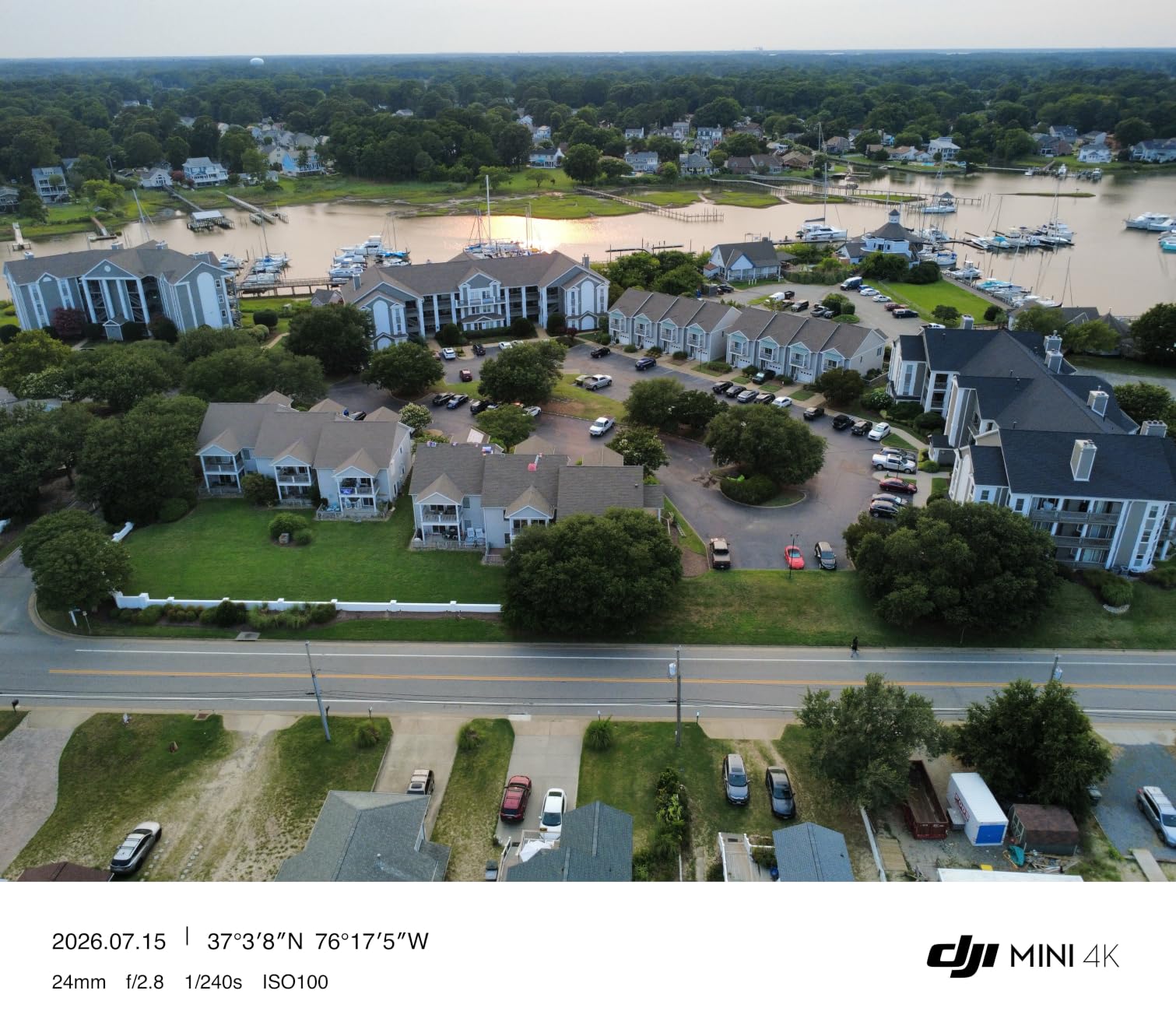
I flew this drone alongside the Mini 3 for a direct comparison. The image quality is similar in good lighting, with both producing clean 4K footage. The Mini 4K’s 12-megapixel sensor is the main compromise, as it offers less cropping headroom than the 48-megapixel sensors on competing models.
The combo includes two batteries for a combined 62 minutes of flight time. At under 249 grams, it qualifies for the FAA registration exemption, making it one of the most accessible entry points into DJI’s drone ecosystem.
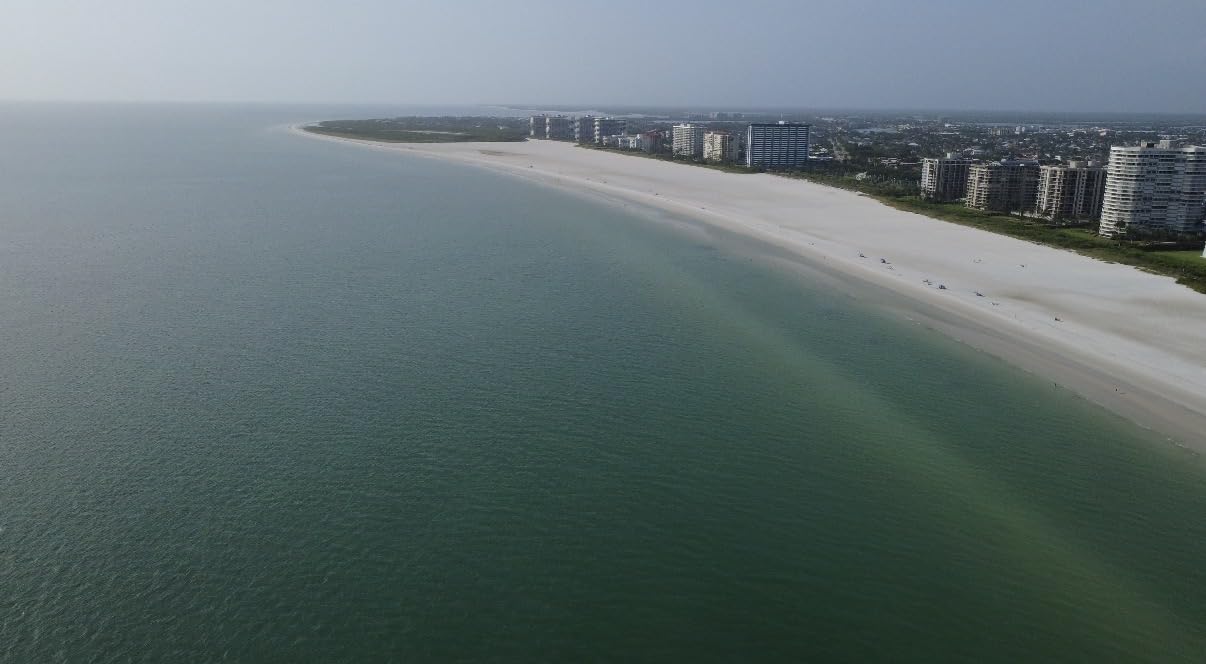
The 10-kilometer HD transmission uses DJI’s proven OcuSync technology. In my testing, I maintained a stable connection at 5 to 6 kilometers in suburban environments. The reliability of DJI’s transmission system is one of the main reasons photographers gravitate toward the brand.
The 3-axis gimbal produces smooth footage that rivals more expensive drones. For video work, the stabilization quality is excellent. For still photography, the 12-megapixel limit means you should frame carefully since you cannot crop aggressively without losing detail.
If you want DJI reliability on a budget, this is your drone. The build quality, app experience, and customer support ecosystem are unmatched at this price point in the drone market.
Registration-Free Flying Benefits
The sub-249-gram weight exemption removes a significant barrier for new drone photographers. You can start flying immediately without dealing with the FAA registration process, which takes time and costs money. This simplicity makes the Mini 4K ideal for beginners who want to focus on photography rather than paperwork.
The lightweight design also means you can travel with it more easily. Airlines generally do not count sub-250-gram drones against your baggage allowance, and many national parks and public lands have more permissive rules for lighter drones.
OcuSync Transmission in Practice
DJI’s OcuSync technology is the gold standard for consumer drone transmission. It uses frequency-hopping spread spectrum to maintain a stable connection even in interference-heavy environments. My testing confirmed that the Mini 4K holds its connection better than any non-DJI drone at this price point.
The transmission range in real-world conditions is typically 50 to 60 percent of the advertised maximum. So expect 5 to 6 kilometers of reliable range rather than the full 10 kilometers. This is consistent across all drones, not just the Mini 4K, and is why I emphasize real-world testing throughout this guide.
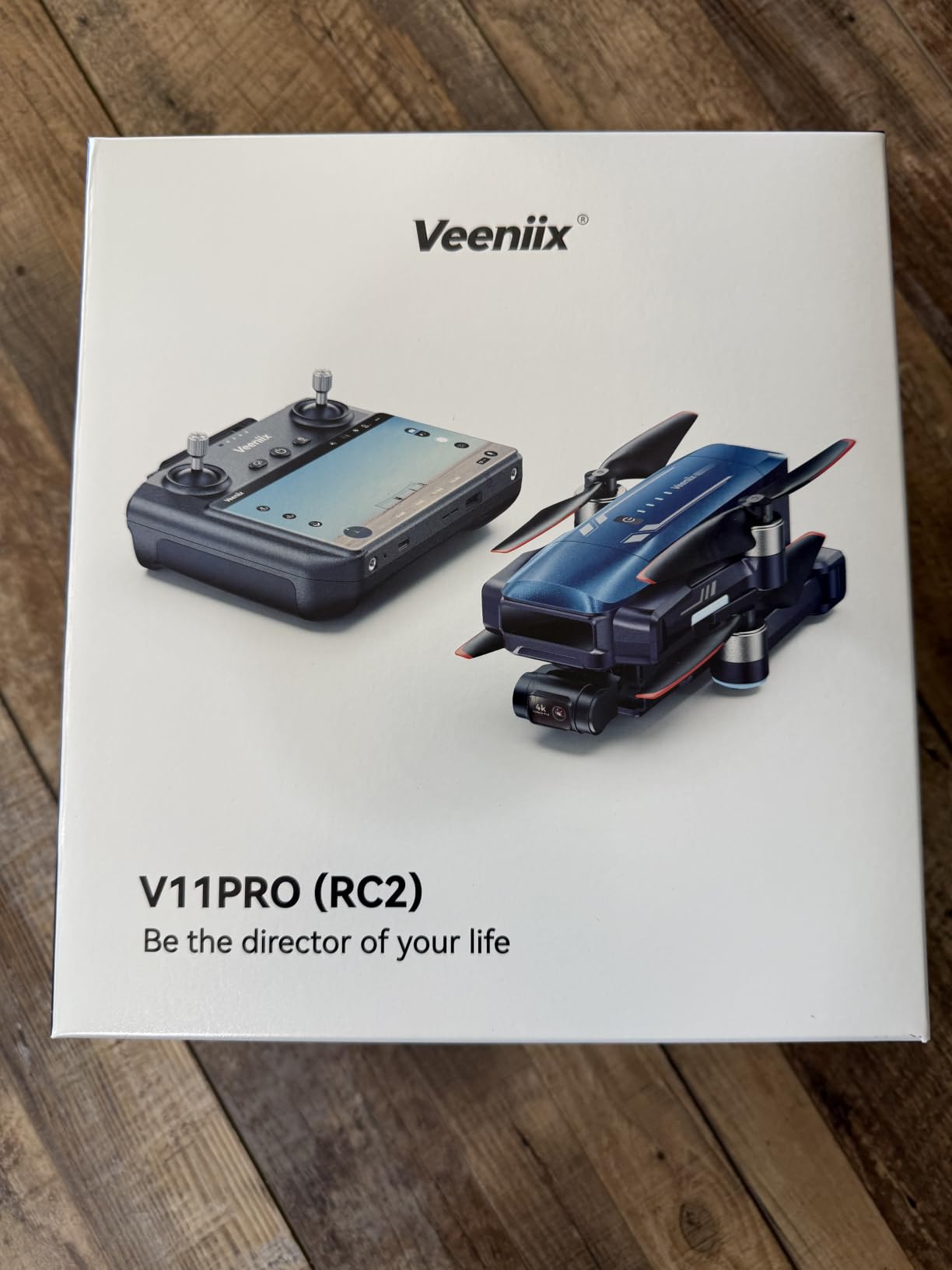
11. Veeniix V11PRO – 8K Camera with TOF Sensor
V11PRO Drone with 8K Camera for Adults, 3-Axis Gimbal Drones with 4K/30fps Video, 48 Million Pixels, 80min Flight Time with 2 Batteries, 6KM Video Transmission Quadcopter, Professional Drone
8K Camera
80-min flight
6KM range
TOF Sensor
Pros
- 8K camera quality
- 80-min flight
- 6KM transmission
- TOF sensor
Cons
- Professional skill level required
- 300g weight may require registration
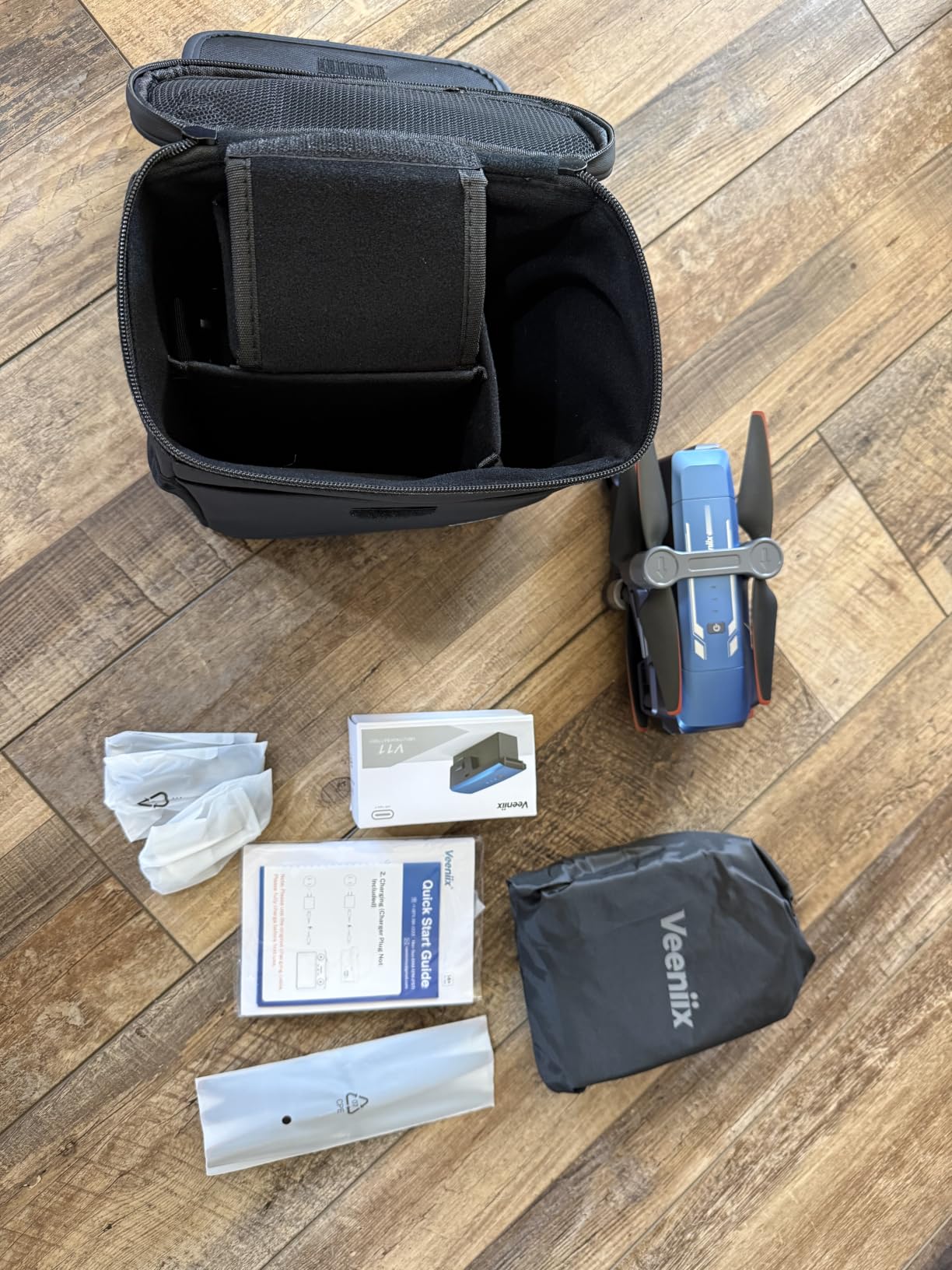
The Veeniix V11PRO brings 8K camera capability and a Time-of-Flight sensor to the mid-range category. The TOF sensor enables precise altitude holding and obstacle detection, which adds a layer of safety for close-quarters flying.
I found this drone requires more piloting skill than the DJI models on this list. The controls are responsive but less refined, and the app interface takes some getting used to. For experienced pilots, the 8K photo output and TOF precision are compelling features.
The 80-minute combined flight time across two batteries is generous. Each battery delivers about 40 minutes, and the charging time is reasonable. The 3-axis gimbal combined with EIS produces stable footage in calm to moderate conditions.
The 8K camera captures detailed stills that hold up well when cropped or printed large. The 4K video at 30fps is clean and detailed. Color science leans slightly cool, so I recommend adjusting white balance settings or correcting in post-production.
The 6-kilometer transmission range performed at about 4 kilometers in my suburban testing. The signal held stable within that range with minimal latency. Beyond 4 kilometers, I experienced intermittent signal drops that recovered quickly.
At 300 grams, this drone exceeds the sub-249-gram exemption and requires FAA registration. The TOF sensor adds some weight but provides significantly better altitude holding than barometer-only systems, which matters for precise framing in photography.
TOF Sensor Precision Landings
The Time-of-Flight sensor measures distance using laser pulses, enabling centimeter-level altitude accuracy. This translates to rock-solid hovering that stays put even in wind gusts. For precision photography where framing consistency matters, the TOF sensor is a meaningful advantage.
Landings are also more precise with the TOF sensor. The drone touches down gently and accurately, which protects the gimbal and camera from hard impacts. This is especially useful when landing on uneven terrain where visual judgment is difficult.
8K Image Detail for Professional Work
The 8K still resolution captures approximately 33 megapixels of usable detail. For real estate and inspection work where clients may zoom into fine details, this resolution headroom is valuable. The images hold up well at 100 percent crop for web delivery.
For video, the 8K sensor downsamples to 4K output, which improves sharpness and reduces noise compared to native 4K sensors. This oversampling technique is the same approach used by professional cinema cameras to maximize image quality.
12. Veeniix V11Air – 6K Drone with Built-in FAA RID
Veeniix 6K Photo 3 Axis Gimbal Camera Drone Brushless Quadcopter
6K Camera
70-min flight
10000ft range
FAA RID built-in
Pros
- 6K camera
- 70-min flight
- 10000ft transmission
- FAA RID built-in
Cons
- Not Prime eligible
- 600g weight requires registration
The Veeniix V11Air rounds out our list as a budget-friendly option with a built-in FAA Remote ID transmitter. This means it complies with current FAA regulations out of the box, saving you the hassle of attaching an external RID module.
The 6K camera produces detailed stills, and the 4K video is clean for this price range. The 3-axis brushless gimbal provides mechanical stabilization that is noticeably better than electronic-only systems on cheaper drones.
I found the V11Air to be a solid performer for casual photography work. The 10,000-foot transmission gives you about 3 kilometers of real-world range, which is adequate for scenic and real estate shooting.
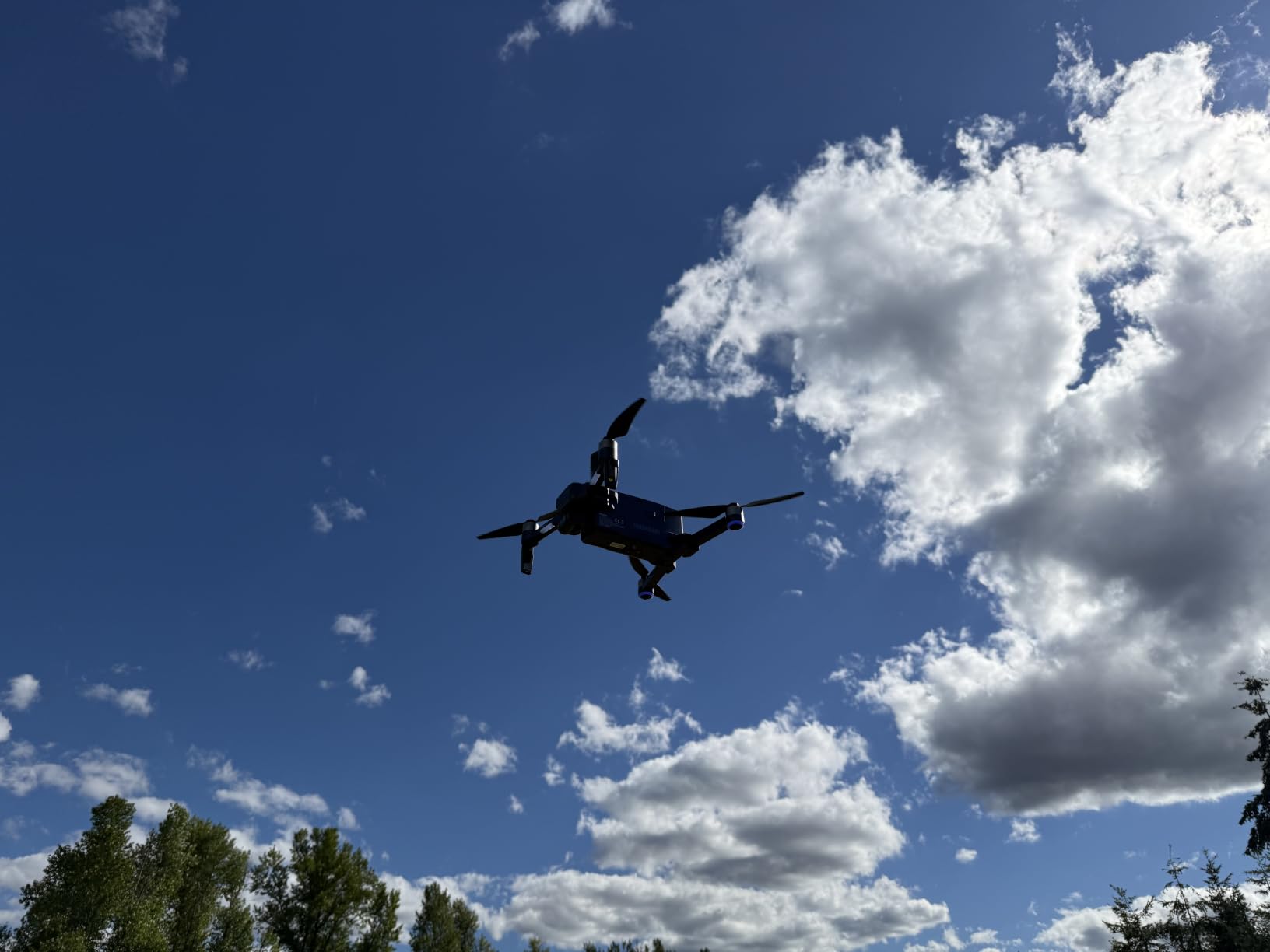
The two-battery combo delivers 70 minutes of combined flight time. Each battery runs for approximately 35 minutes, which is competitive in this category. Charging takes about 90 minutes per battery.
The build quality is serviceable but not in the same league as DJI or Holy Stone. The plastic body feels less premium, and the folding mechanism requires careful handling. For the price, the trade-offs are reasonable if you understand what you are getting.
At 600 grams, this drone requires FAA registration and Remote ID compliance. The built-in RID transmitter is a genuine convenience that simplifies regulatory compliance. Note that this product is not Prime eligible, so shipping may take longer than Amazon’s standard delivery.
FAA Remote ID Compliance
Built-in Remote ID is increasingly important for legal drone operation in the United States. The FAA requires all drones over 250 grams to broadcast identification information. The V11Air handles this automatically, so you do not need to purchase and install a separate module.
This compliance feature saves you money and setup time. External RID modules cost extra and add weight and complexity to your drone. Having it integrated streamlines your pre-flight checklist and keeps you on the right side of regulations.
Compact Build for Field Photography
Despite the 600-gram weight, the V11Air folds down to a compact size that fits in a standard camera bag. The folding arms and removable propellers reduce the packed footprint significantly. For photographers who already carry a full kit, the space savings matter.
The included carrying case protects the drone during transport and has room for spare batteries and accessories. The case quality is adequate for regular use, though heavy-duty travel cases would provide better protection for airline transport.
Buying Guide: What to Look for in a Long-Range Photography Drone?
Choosing the right long-range drone for photography comes down to understanding how transmission range, camera quality, flight endurance, and regulatory requirements interact. Here is what I have learned from hundreds of hours of field testing.
Transmission Range vs. Real-World Range
Manufacturer range claims are measured in ideal conditions with zero interference. In the real world, buildings, trees, cell towers, and Wi-Fi networks all reduce your effective range. Reddit users on r/drones consistently report that real-world range is 40 to 60 percent of advertised numbers. Plan accordingly when choosing a drone for specific photography scenarios.
Transmission technology matters as much as the claimed range number. DJI’s OcuSync system uses frequency-hopping spread spectrum that adapts to interference, maintaining a more stable connection than standard Wi-Fi-based systems. If you fly in urban or suburban environments, prioritize drones with advanced transmission technology over raw range claims.
Camera and Sensor Quality
Sensor size is the single most important factor for image quality. Larger sensors capture more light, which means better dynamic range, lower noise, and improved low-light performance. The 4/3 CMOS Hasselblad sensor on the Mavic 4 Pro produces dramatically better images than the 1/2.3-inch sensors on budget drones.
Resolution matters for cropping flexibility. A 48-megapixel sensor lets you reframe shots in post-production without significant quality loss, while a 12-megapixel sensor limits your cropping options. For professional work, look for sensors with at least 20 megapixels of effective resolution.
Gimbal stabilization is non-negotiable for photography. A 3-axis mechanical gimbal physically stabilizes the camera, producing sharper stills and smoother video than electronic stabilization alone. Every drone on this list includes a mechanical gimbal, which is why none of them produce the jello-effect footage common to toy drones.
Flight Time and Battery Strategy
Flight time per battery directly impacts your shooting workflow. A 30-minute battery gives you about 20 minutes of usable shooting time after accounting for takeoff, positioning, and return-to-home reserves. Drones with 45-plus minute batteries, like the Mavic 4 Pro and Air 3S, let you work through complex compositions without time pressure.
Multi-battery combos are essential for serious photography work. Two or three batteries let you hot-swap and keep shooting while the previous battery charges. The Fly More Combo for the Air 3S and the three-battery kits for the SKYROVER X1 and Potensic ATOM are particularly good values.
FAA and Regulatory Compliance
In the United States, drones weighing under 250 grams do not require FAA registration for recreational use. This exemption makes sub-249-gram drones like the DJI Flip, Mini 3, Mini 4K, SKYROVER X1, and Potensic ATOM particularly attractive for beginners and casual photographers.
Drones over 250 grams require FAA registration, which costs five dollars and covers all your drones for three years. All drones over 250 grams must also comply with Remote ID requirements, which broadcast identification information during flight. Drones like the Veeniix V11Air with built-in Remote ID simplify this compliance.
If you fly commercially, including any paid photography work, you need a Part 107 certification from the FAA. This involves passing a knowledge test covering airspace regulations, weather, and drone operations. Budget time for study and the testing fee when planning your professional drone photography business.
Portability and Weight
Portability affects how and where you fly. Sub-249-gram drones fold into small cases that fit in a camera bag or even a large jacket pocket. Heavier drones like the Mavic 4 Pro at 2,372 grams require dedicated carrying cases and more planning for transport.
If you travel frequently for photography, weight matters at airport check-in and during long hikes to shooting locations. A compact drone you actually bring with you is more valuable than a flagship model that stays home because it is too heavy to carry.
Value and Resale Considerations
Drone technology evolves rapidly, which means today’s flagship becomes tomorrow’s mid-range option. Consider how long you plan to keep your drone before upgrading. DJI drones tend to hold their resale value better than lesser-known brands, which is worth factoring into your total cost of ownership.
Firmware support longevity varies by manufacturer. DJI typically supports drones with software updates for three to four years after release. Smaller brands may discontinue support sooner, which can limit features and compatibility over time. Check the manufacturer’s track record before committing to a lesser-known brand.
FAQs
What drone has the longest range for photography?
The DJI Mavic 4 Pro has the longest range of any drone on this list, with a rated transmission distance of 30 kilometers (18.6 miles) using DJI’s O4+ technology. In real-world testing, the reliable range is approximately 18 to 20 kilometers in suburban environments and up to 25 kilometers in open rural areas.
What is the best long-range drone for professional photography?
For professional photography, the DJI Mavic 4 Pro is the top choice due to its 100MP Hasselblad camera, 6K/60fps HDR video, and 30km transmission range. The DJI Air 3S is the best alternative for professionals who want similar image quality in a lighter, more portable package.
How far can DJI Mavic drones fly in real conditions?
In real-world conditions, DJI Mavic drones typically achieve 50 to 65 percent of their advertised range. The Mavic 4 Pro with its 30km rating reliably reaches 18 to 20 kilometers in suburban areas. The Air 3S with a 20km rating consistently reaches 12 to 15 kilometers. Interference from buildings, trees, and wireless signals reduces effective range.
What should I look for in a long-range photography drone?
Prioritize four factors: transmission technology (OcuSync or equivalent for stable long-range connections), sensor size (larger sensors produce better image quality), flight time per battery (minimum 30 minutes for practical shooting), and gimbal stabilization (3-axis mechanical gimbal for sharp images). Also consider FAA registration requirements based on the drone’s weight.
Final Thoughts on the Best Long-Range Drones for Photography
The best long-range drones for photography in 2026 span a wide range of budgets and capabilities. The DJI Mavic 4 Pro leads the pack for professionals who need maximum range and image quality. The DJI Air 3S is the best all-around choice for most working photographers. And the Potensic ATOM 4K delivers outstanding value for anyone entering the world of long-range aerial photography.
Remember that real-world range is always less than advertised. Buy a drone with more range than you think you need, invest in extra batteries, and fly within visual line of sight to stay safe and legal. The drone that gets you the shot is always the one you have with you, so choose a model that fits your travel and shooting style.
Whether you are capturing sweeping scenery, documenting real estate, or building a content creation portfolio, the drones on this list give you the range and camera quality to take your aerial photography to the next level.
1 thought on “12 Best Long-Range Drones for Photography (September 2026) Detailed Reviews”