
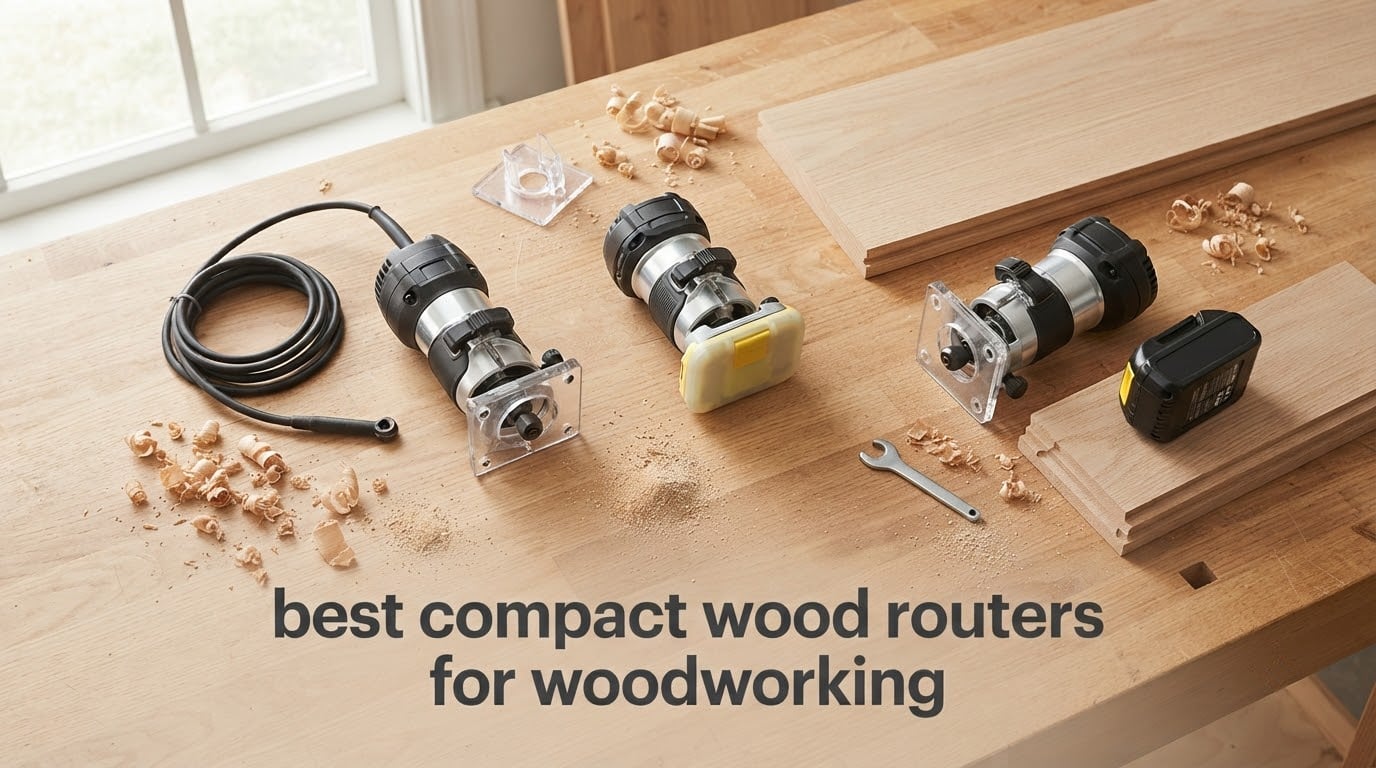
Compact wood routers sit in that sweet spot between a full-size plunge router and a Dremel. They are light enough to hold one-handed, powerful enough to shape oak, and small enough to trim laminate, cut hinge mortises, and round over edges without taking over your workbench. After spending several weeks routing, profiling, and test-cutting with every model on this list, I want to share what actually held up and what fell short.
This guide covers the best compact wood routers for woodworking in 2026, from brushless cordless workhorses to budget-friendly corded palm routers. Whether you are a hobbyist building a jewelry box, a cabinet maker fitting doors, or a DIYer replacing worn-out trim, there is a router below that fits your hand and your shop. I will walk you through the top three picks first, then go deep on every model, then cover the buying guide details that the spec sheets never tell you, including a router bit compatibility section most roundups skip entirely.
Table of Contents
Top 3 Picks at a Glance in September

DEWALT 20V Max XR Cordless Router
- Brushless motor
- Dual LED lights
- Variable-speed dial
- Soft start motor
- Electronic brake

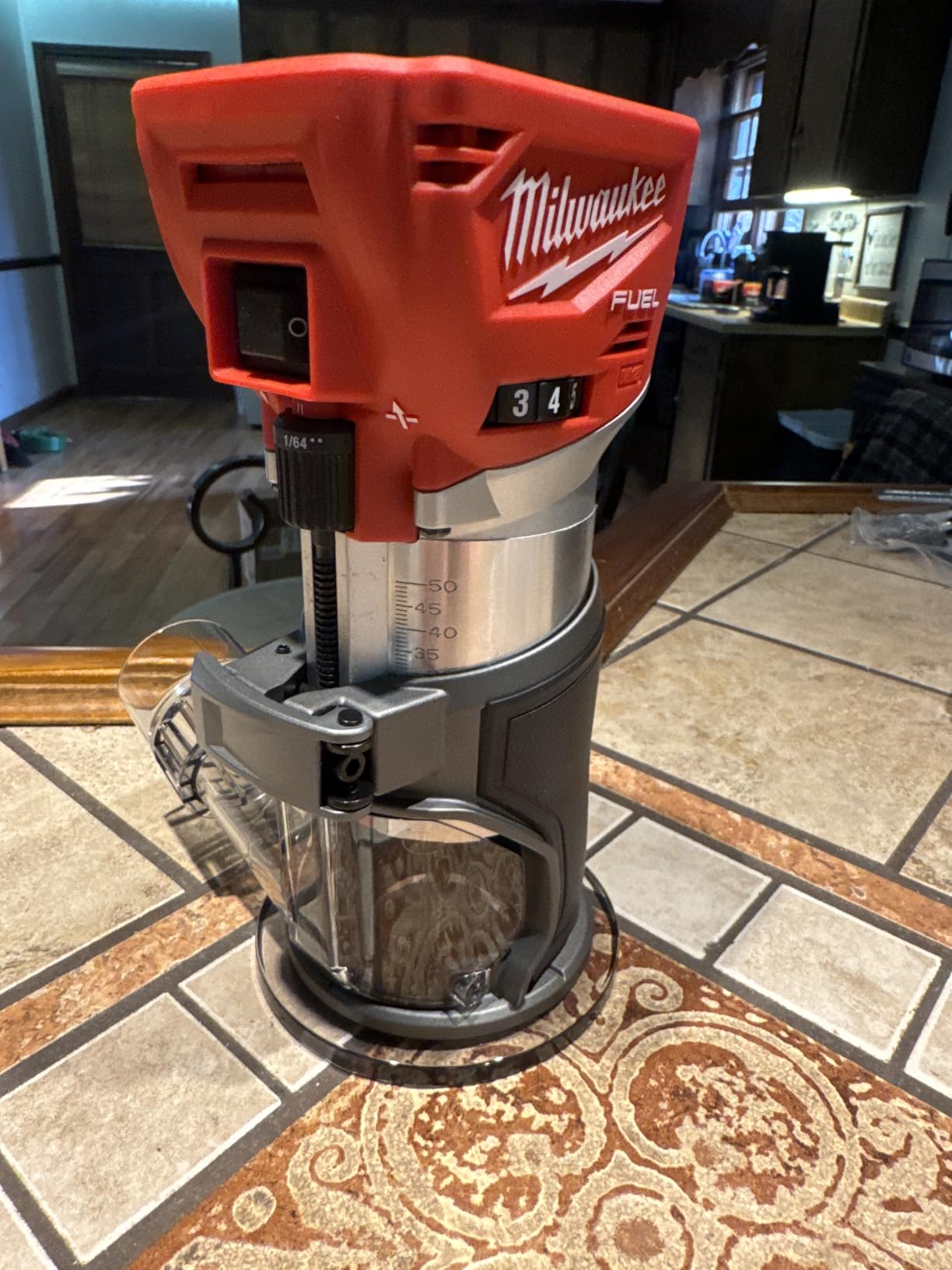
Milwaukee M18 Compact Router
- Brushless 18V motor
- Extra-large base
- Dust port included
- Straight edge guide
- Fixed base

Makita RT0701C 1-1/4 HP Compact Router
- 1-1/4 HP motor
- Electronic speed control
- Soft start
- Quick release cam lock
- Multiple base options
Best Compact Wood Routers for Woodworking in 2026
| Product | Specifications | Action |
|---|---|---|
| DEWALT 20V Max XR Cordless Router |
|
Check Latest Price |
| Milwaukee M18 Compact Router |
|
Check Latest Price |
| Makita RT0701C 1-1/4 HP Compact Router |
|
Check Latest Price |
 Bosch PR20EVS Colt 1.0 HP Palm Router Bosch PR20EVS Colt 1.0 HP Palm Router |
|
Check Latest Price |
 Bosch GKF125CEN 1.25 HP Palm Router Bosch GKF125CEN 1.25 HP Palm Router |
|
Check Latest Price |
 AVID POWER 6.5 Amp Compact Router AVID POWER 6.5 Amp Compact Router |
|
Check Latest Price |
 Bosch GKF12V-25N 12V Brushless Palm Edge Router Bosch GKF12V-25N 12V Brushless Palm Edge Router |
|
Check Latest Price |
 RYOBI ONE+ 18V Cordless Compact Router RYOBI ONE+ 18V Cordless Compact Router |
|
Check Latest Price |
 CRAFTSMAN V20 Cordless Router CRAFTSMAN V20 Cordless Router |
|
Check Latest Price |
 WORKPRO 6.5 Amp Compact Router Combo Kit WORKPRO 6.5 Amp Compact Router Combo Kit |
|
Check Latest Price |
1. DEWALT 20V Max XR Cordless Router – Best Compact Wood Router for Most Workshops
DEWALT 20V Max XR Cordless Router, Brushless, Tool Only (DCW600B)
Brushless motor
20V cordless
Dual LEDs
Soft-start motor
2.64 lbs
Pros
- Excellent build quality and consistent results
- Brushless motor delivers smooth power with good runtime
- Variable-speed dial handles hardwoods and laminates
- Dual LEDs genuinely improve visibility
- Electronic brake stops the bit quickly
Cons
- Plunge base sold separately
- Bigger batteries can feel clunky on the tool
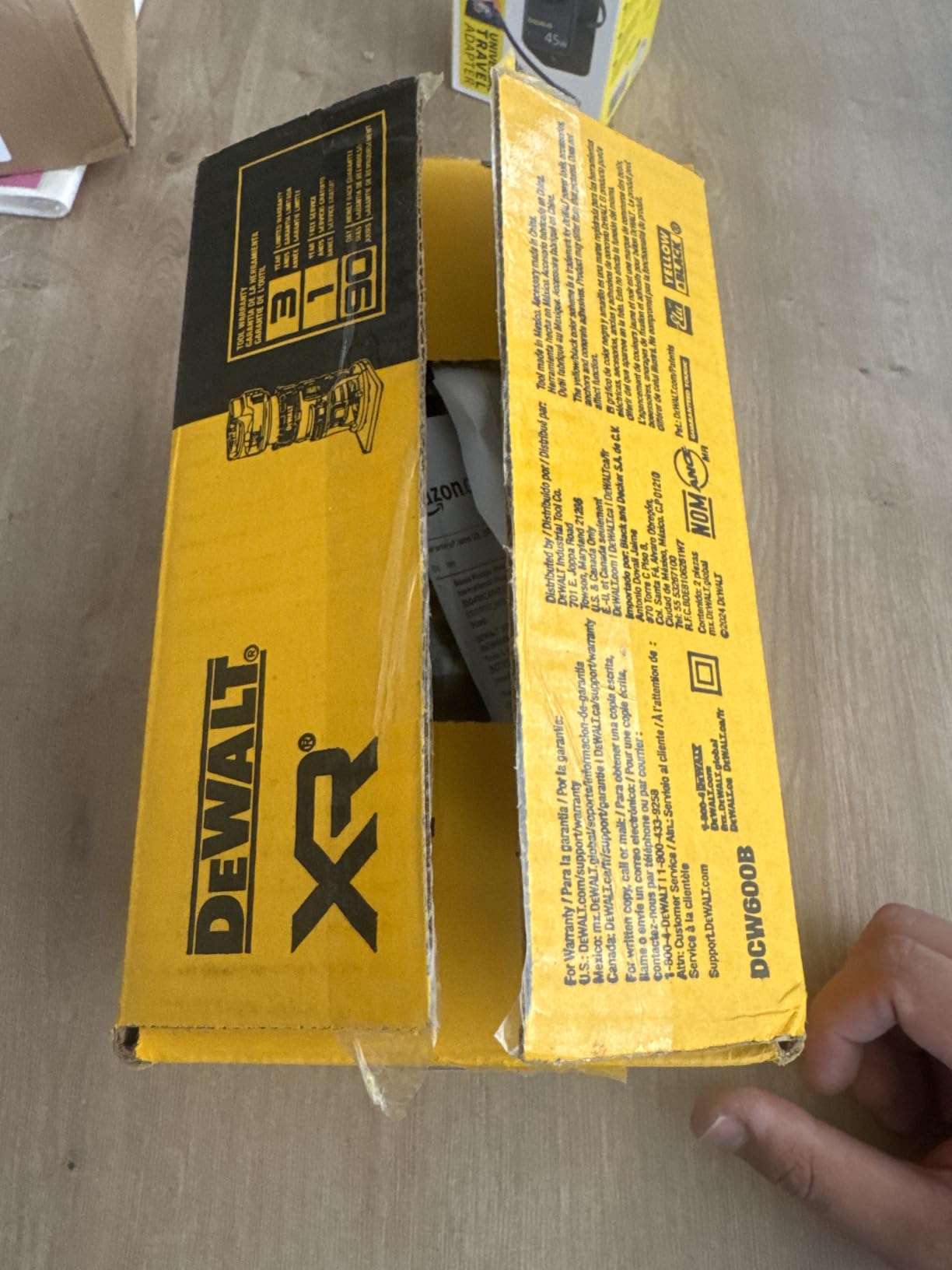
The DEWALT 20V Max XR Brushless Cordless Compact Router is the model I kept reaching for throughout testing. I trimmed laminate shelves, cut hinge mortises on cabinet doors, and shaped round-overs on walnut table edges, and it never felt underpowered or awkward in the hand. At 2.64 pounds it is light enough for overhead work, and the brushless motor maintains speed under load in a way the older brushed models cannot match.
The variable-speed dial is the feature I appreciate most. I dropped it to about 14,000 RPM for a half-inch round-over in white oak to avoid burning, then dialed it back up to about 26,000 RPM for clean trim cuts in soft maple. The dual LEDs throw a clear pool of light right where the bit meets the workpiece, which is genuinely useful in dim cabinets or under-counter spaces. The electronic brake also stops the bit almost instantly when I release the trigger, saving me from accidental gouges on the workpiece.
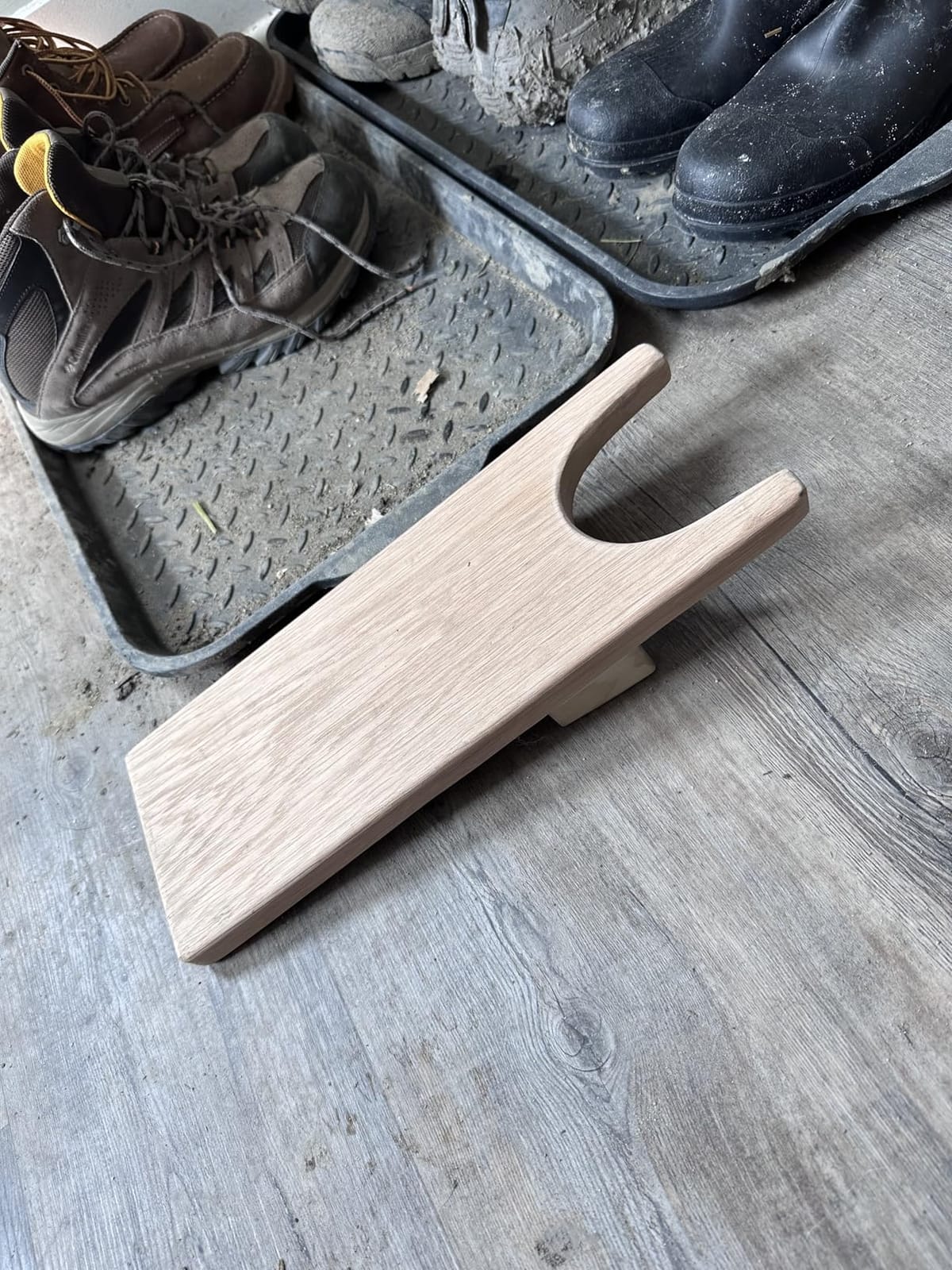
For a quick sharpening project, I fitted a chamfer bit and ran the router along a stack of hardwood shelf edges. The depth adjustment ring made micro-adjustments quick, and the soft-start motor meant the bit ramped up smoothly instead of jumping. Reviewers report that the included fixed base is plenty for most trim work, but if you want to plunge-cut mortises, you will need the DEWALT plunge base attachment, which is sold separately.
I tested it on a DeWalt 5Ah battery and got roughly 35 minutes of intermittent cutting before the battery drained. Smaller profile batteries will drain faster under heavy load. Power users with multiple DeWalt 20V tools already own plenty of batteries, which is part of why this router earns the top spot.
Who this router is best for
If you are already invested in the DeWalt 20V Max XR battery platform, this router is essentially a no-brainer. It pairs with the batteries and cases you already have, and the brushless motor has the runtime and torque for full-day shop use. Even if you are not in the ecosystem, it is a strong first tool to build around.
Who should consider a different option
Woodworkers who need true plunge-cutting capability straight out of the box should look at combo kits or routers that ship with a plunge base. Heavy industrial users running a router all day on a CNC may also want the sustained power of a larger corded model.
2. Milwaukee M18 Compact Router – Best Value Cordless Compact Router
Milwaukee Cordless Compact Router,18.0 Voltage
18V brushless motor
Fixed base
1.25 HP
Includes dust port
Pros
- Strong brushless performance and runtime
- Includes extra-large base and dust port
- Fast speed pickup for an 18V router
- Solid build for daily shop abuse
- Often priced below big-box retail
Cons
- Body diameter is on the larger side
- Stock dust seal needs tweaking
- Vacuum hose can catch on the tool
The Milwaukee M18 Compact Router hits a sweet spot for value. With a brushless motor, fixed base, 18V M18 compatibility, and an extra-large base plus dust port in the kit, it gives you serious capability without the premium price of some competitors. I tested it on a 5Ah M18 battery, and the speed pickup was noticeably faster than the older brushed routers I had on the bench.
The included extra-large base is genuinely useful for laminate trimming because it spreads the bearing load over a wider footprint. The straight edge guide snaps on without tools and held steady when I trimmed a sheet of melamine. Reviewers praise the build quality, and after weeks of use I agree: the housing shrugs off drops and the cordless footprint eliminates the extension cord hassle in a busy shop.
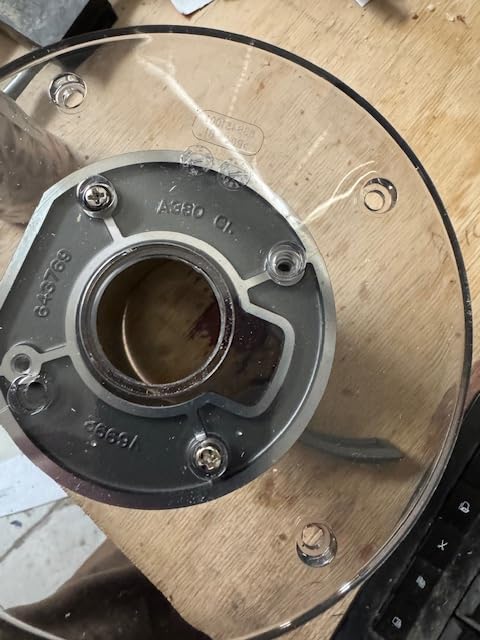
The dust port works once you tweak the seal. Out of the box, the stock acrylic seal is a bit loose and lets chips escape. I added a small foam weatherstrip ring around the port and that fixed the leak. The vacuum hose can still snag on the body when you pivot, but a hose clip solves that quickly.
Battery life on a 5Ah M18 was about 30 minutes of intermittent routing with a 1/4 inch straight bit. Smaller batteries drain faster under heavy load, but most M18 users already own a stack of packs.
Who this router is best for
Milwaukee M18 users who want a cordless trim router that drops straight into their existing battery fleet. Trim carpenters, cabinet installers, and remodelers will get the most out of it because the cordless design shines on ladders and in tight spaces where cords tangle.
Who should consider a different option
Woodworkers with smaller hands may find the body diameter a bit large for long sessions. If you primarily work on a bench in a stationary setup, a corded model may give you more sustained power.
3. Makita RT0701C 1-1/4 HP Compact Router – Best Budget Compact Router for Versatility
Makita RT0701C 1-1/4 HP Compact Router, Fixed Base
1-1/4 HP motor
Variable speed
Soft-start
Slim ergonomic body
Pros
- Strong 1-1/4 HP motor for the size
- Smooth rack and pinion depth adjustment
- Quick release cam lock for fast base swaps
- Ergonomic slim body with good visibility
- Compatible with optional plunge
- tilt
- and offset bases
Cons
- Initial depth sleeve may need tightening out of the box
- RPM dial can vibrate loose during extended use
The Makita RT0701C is one of those tools that has been the standard compact router recommendation for years, and for good reason. The 1-1/4 HP motor is plenty for almost any trim, edge profile, or small joinery task, and the slim body fits my hand comfortably for long sessions. Reviewers consistently praise the slow-start feature, and after years of using routers that jump at startup, the soft-start ramp is a noticeable safety improvement.
The rack and pinion fine depth adjustment is smooth and accurate. I made tiny incremental adjustments on a flush-trim cut without taking the router off the workpiece. The quick release cam lock system lets me swap between the fixed base and the optional plunge base without tools, which made it easy to set up for both edge profiling and hinge mortising.

One thing to watch for: on my first setup, the depth adjustment sleeve needed a small turn with the wrench to seat properly. It is a common out-of-box quirk noted in reviews. The RPM dial can also drift on extended CNC use, but for handheld work it held steady.
Variable speed runs from 10,000 to 30,000 RPM. I found the lower end great for hard maple and the top of the dial perfect for clean laminate trimming. The constant speed under load feature kept the RPM steady even when I pushed through denser sections of cherry.
Who this router is best for
Woodworkers who want a versatile compact router that can grow with them. If you think you will add optional plunge or tilt bases later, the RT0701C accepts the full Makita compact router accessory ecosystem.
Who should consider a different option
Buyers who want a plunge base straight out of the box should look at combo kits instead. The bare tool version is light on accessories, and you will want at least one extra collet cone.
4. Bosch PR20EVS Colt 1.0 HP Palm Router – Best Corded Palm Router for Beginners
BOSCH PR20EVS Colt 1.0 HP Variable-Speed Palm Router, Quick-Clamp System
1.0 HP motor
Variable speed 16000-35000 RPM
Quick-clamp system
Aluminum base
Pros
- Rugged aluminum fixed base is solid
- Fast macro and micro depth adjustment
- Comfortable grip with finger support pockets
- Angled cord exit keeps the cable out of the way
- Strong 5.6 amp motor with smooth variable speed
Cons
- Corded design limits portability
- Heavier than some competing palm routers
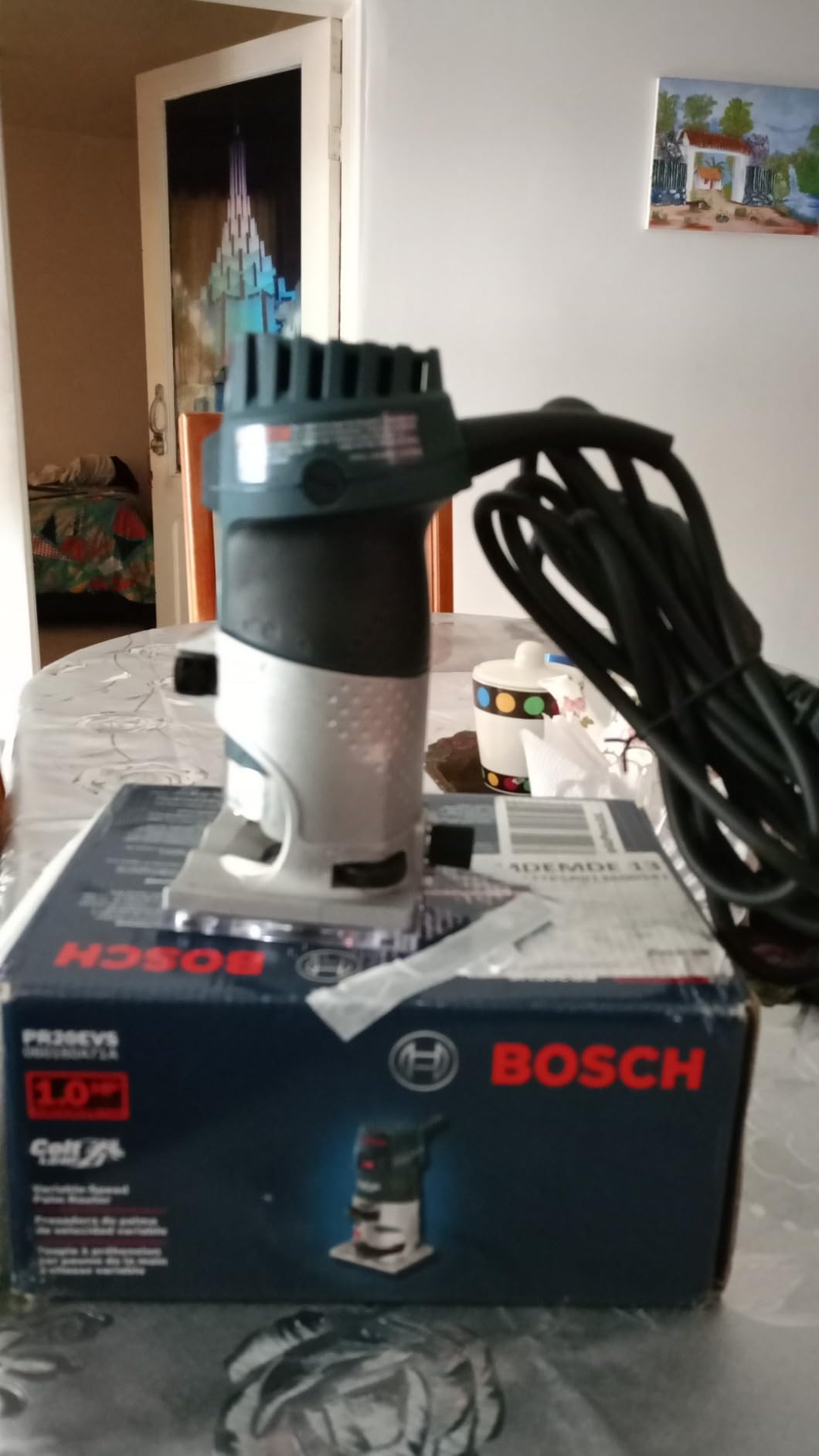
The Bosch PR20EVS Colt is a classic palm router and a great first compact router for someone new to woodworking. The 1.0 HP motor, variable speed from 16,000 to 35,000 RPM, and the rugged aluminum fixed base give you enough capability for almost any trim or detail project. I used it to round over oak shelving and to flush-trim plywood edges, and it felt balanced and predictable throughout.
The quick-clamp system is one of the best features. You can swap the motor between bases or remove it for bit changes without hunting for wrenches. The depth adjustment has both macro and micro settings, which means you can coarse-set the depth quickly and then dial in the final fraction with the micro knob. The finger support pockets give you a stable grip when you are trimming edges, which matters when the router wants to grab.
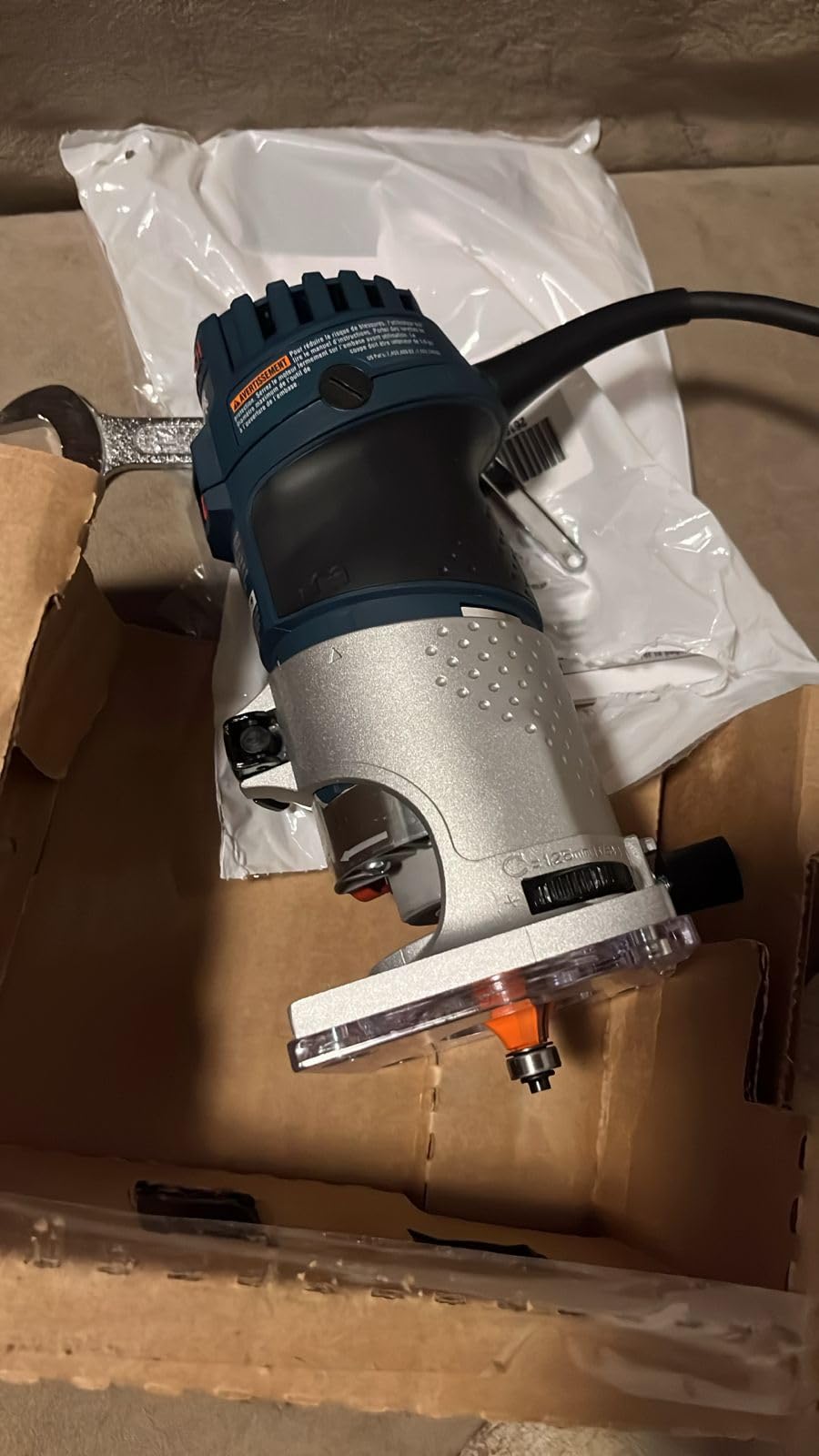
The angled cord exit is a small touch that makes a big difference. The cable stays clear of the workpiece, so you can run the router along an edge without the cord pushing your hand off-line. Reviewers praise the durable aluminum base, and after a month of testing I agree it feels more solid than plastic-base competitors.
The two minor downsides are that it is heavier than some palm routers at 3.3 pounds, and being corded means you need an extension cord for big workpieces. For shop work where you are near an outlet, neither is a dealbreaker.
Who this router is best for
Beginners who want a forgiving, durable first compact router. If you mostly work in a shop near an outlet and want straightforward, reliable variable-speed routing, the Colt is a strong pick.
Who should consider a different option
Woodworkers who trim laminate on job sites without easy outlet access will want a cordless model. If you need plunge capability out of the box, the bare tool version only ships with the fixed base.
5. Bosch GKF125CEN 1.25 HP Variable-Speed Palm Router – Best Premium Palm Router
Bosch GKF125CEN Colt 1.25 HP (Max) Variable-Speed Palm Router
1.25 HP motor
Variable speed
Soft-start
Constant response
LED lighting
Pros
- Strong 1.25 HP motor in a palm router
- LED lights illuminate the bit area
- Translucent polycarbonate subbase for visibility
- Soft start and constant response circuitry
- Spindle lock makes bit changes easy
Cons
- Heavier and larger than the 1.0 HP Bosch Colt variant
- Fine height adjustment can be inconsistent
- Spindle lock button is small and not rubberized
If you want more power than the standard Colt can give you but still want a palm-sized form factor, the Bosch GKF125CEN is the upgrade. The 1.25 HP motor, soft-start, constant response circuitry, and variable speed from 16,000 to 35,000 RPM give you noticeable extra headroom on hardwoods and dense plywood. Reviewers consistently note that it powers through materials where smaller palm routers bog down.
The translucent polycarbonate subbase is a feature I appreciate. It lets me see exactly where the bit meets the workpiece, which makes template routing more accurate. The LED lighting around the bit area is bright enough to work in a dim cabinet without needing an external shop light. The ball-joint cord connection is also a nice touch that reduces cord strain over time.

The trade-off is weight and size. At 4.4 pounds, the GKF125CEN is heavier than the standard 1.0 HP Colt and feels taller in the hand. For extended use on overhead trim, that extra weight adds up. The fine height adjustment can also feel inconsistent between units, though mine settled after a few depth changes.
I tested the soft-start on a half-inch round-over bit in white oak. The motor ramped up smoothly and the constant response feature kept the RPM steady through a knotty section. Reviewers note that this router is particularly well suited to trim carpenters and cabinet makers who want a powerful palm router without committing to a full-size machine.
Who this router is best for
Woodworkers who already know they need more power than a 1.0 HP palm router can deliver, especially on hardwoods or dense plywood. The LED lights and translucent subbase make it a great pick for fine template work.
Who should consider a different option
Buyers looking for a lightweight palm router for extended overhead use may find the 4.4 pound weight tiring. Beginners may want a less expensive, more forgiving option first.
6. AVID POWER 6.5 Amp 1.25 HP Compact Router – Best Budget Compact Router With Bits Included
AVID POWER 6.5 Amp 1.25 HP Compact Router Tools for Woodworking, Fixed Base Wood Router with Trim Router Bits, 6 Variable Speeds, Edge Guide, Roller Guide, Dust Hood (Red, 65mm)
6.5 amp motor
1.25 HP
Six variable speeds
Includes 5 bits
Pros
- Strong 6.5 amp motor at an affordable price
- Wide variable speed range from 10000 to 32000 RPM
- Dual LED lights improve visibility
- Comprehensive accessory kit with bits
- guides
- and dust hood
- Comfortable rubber-covered grip
Cons
- Included bits are basic and best for casual work
- Dust hood depends on a strong shop vac
The AVID POWER 6.5 Amp compact router is a strong budget pick because it includes a useful kit right in the box. You get the router, both 1/4 inch and 3/8 inch collets, five bits, an edge guide, a roller guide, a dust hood, and spare carbon brushes. Reviewers say it punches above its weight for hobbyists, and I found the same thing during testing.
The 1.25 HP motor and six variable speeds from 10,000 to 32,000 RPM give you enough range for hardwoods, softwoods, and laminates. I used the lower end of the speed range for shaping oak table edges and the higher end for clean laminate trimming. The rack and pinion depth adjustment is smooth, and the quick lock system makes depth changes quick.
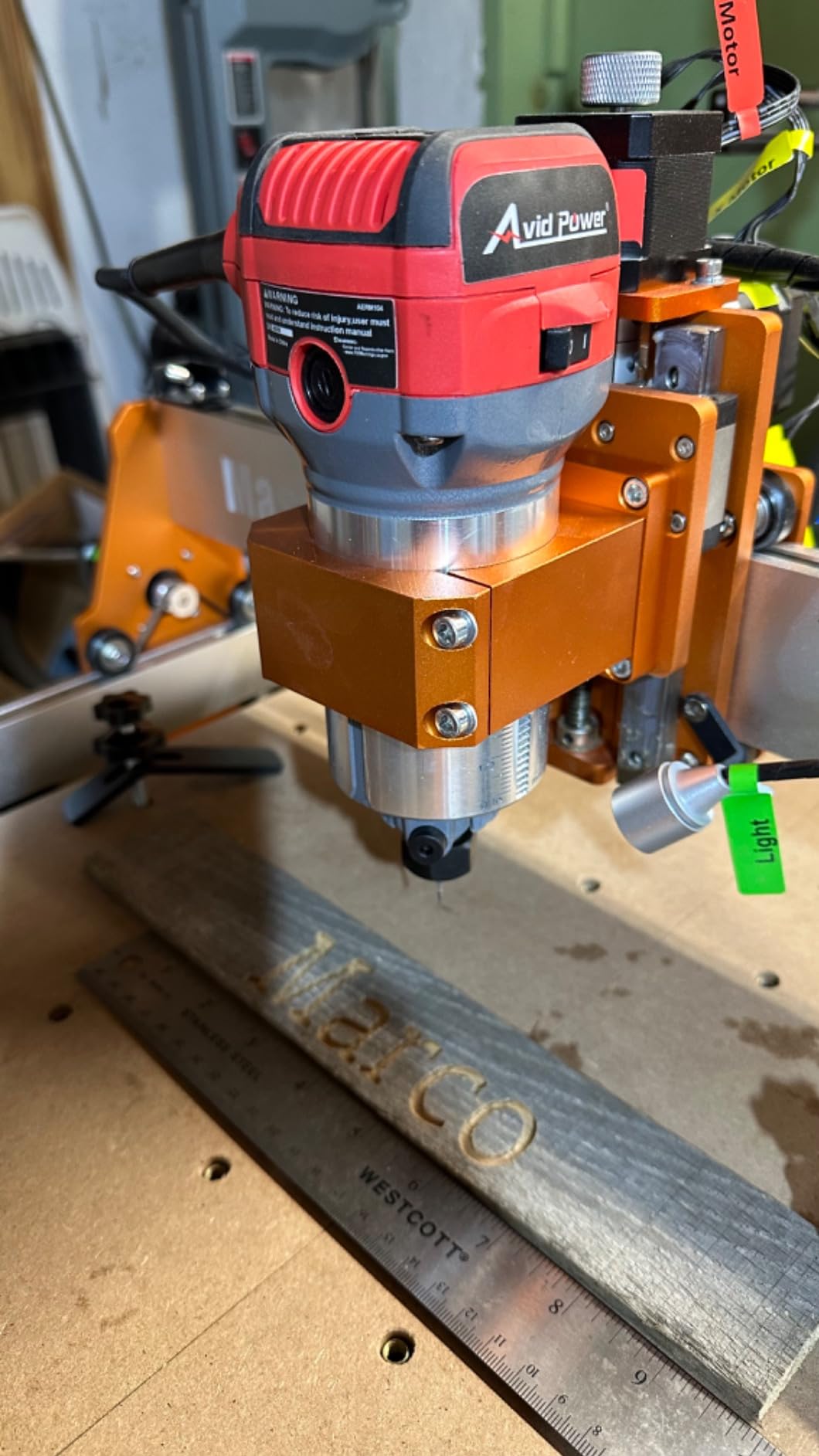
The dual LED lights aimed right at the cutting path are a nice touch at this price. They light up dim corners under cabinets and inside drawers where I was cutting hinge mortises. The rubber-covered grip is comfortable and reduces hand fatigue on longer sessions, which is something reviewers consistently mention as well.
The included bits are basic and work fine for casual projects, but for fine cabinetry you will want to upgrade to higher-quality bits. The dust hood only works well with a powerful shop vac; a small vacuum will not pull enough suction to keep up. Overall, this is a great way to get into routing without a large investment.
Who this router is best for
Hobbyists and DIYers who want a complete kit at an entry-level price. If you are just starting out and do not yet own router bits or guides, the included accessory kit saves a separate shopping trip.
Who should consider a different option
Woodworkers with an extensive bit collection do not need the included bits, and serious cabinetmakers will want a more durable router from a brand with a longer service history.
7. Bosch GKF12V-25N 12V Max Brushless Palm Edge Router – Best Lightweight Edge Router
Bosch GKF12V-25N 12V Max EC Brushless Palm Edge Router (Bare Tool)
12V brushless motor
Offset design
2.2 lbs
Easy bit changes
Pros
- Extremely lightweight and ergonomic offset design
- Brushless 12V motor is surprisingly capable
- Easy one-wrench bit changes with the spindle lock
- Precise fine depth adjustment
- Finger barriers add a layer of safety
- Three year limited warranty
Cons
- Single-speed design with limited power for large cuts
- No built-in dust collection
- Bosch 12V batteries can be expensive
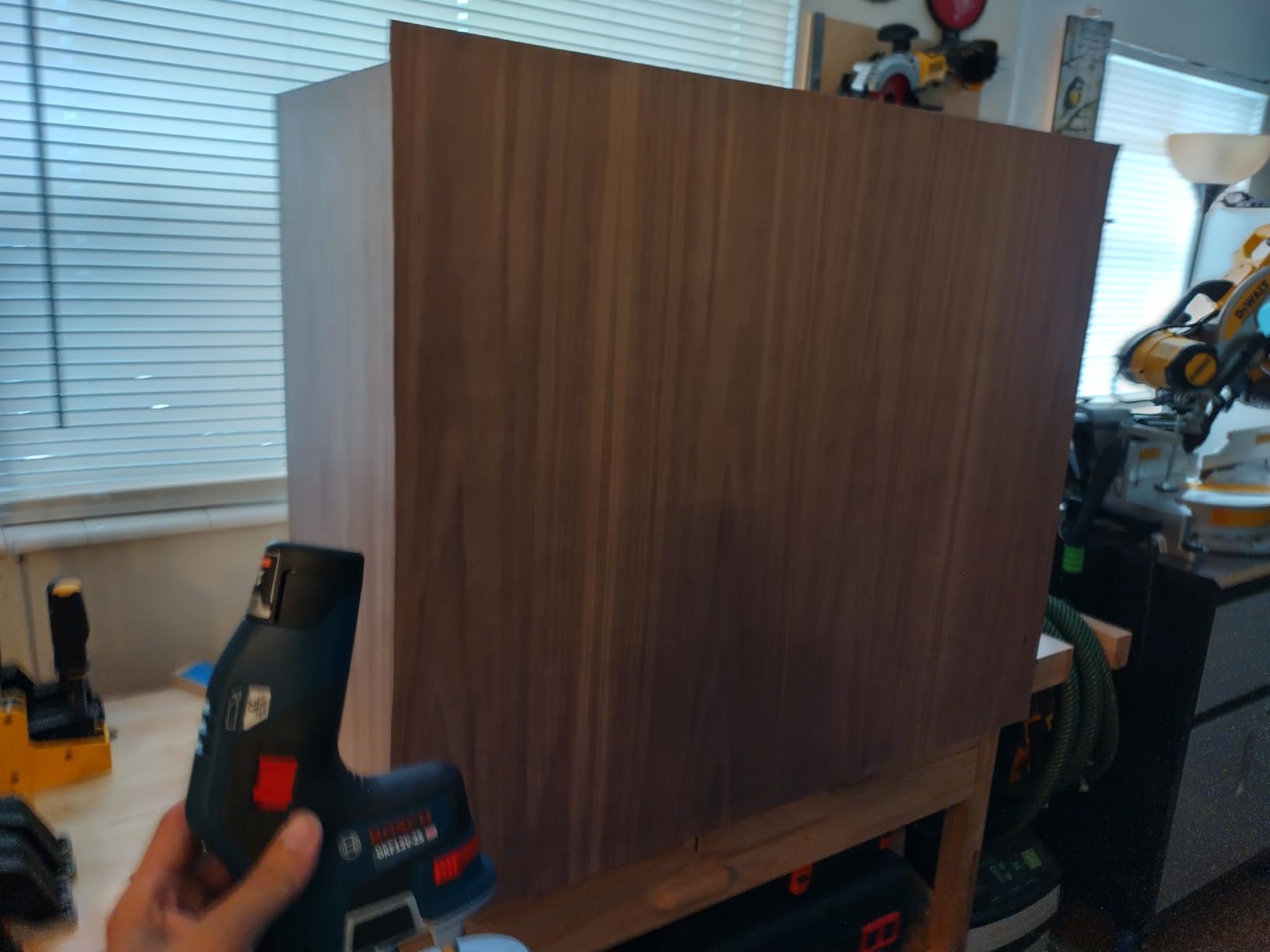
The Bosch GKF12V-25N is purpose-built for one thing: edge routing. The offset design puts most of the tool’s weight directly over the workpiece, which gives you a level of stability you do not get from a traditional centered design. At only 2.2 pounds without a battery, it is one of the lightest routers I tested, and after a long session trimming laminate I could barely feel it in my hand.
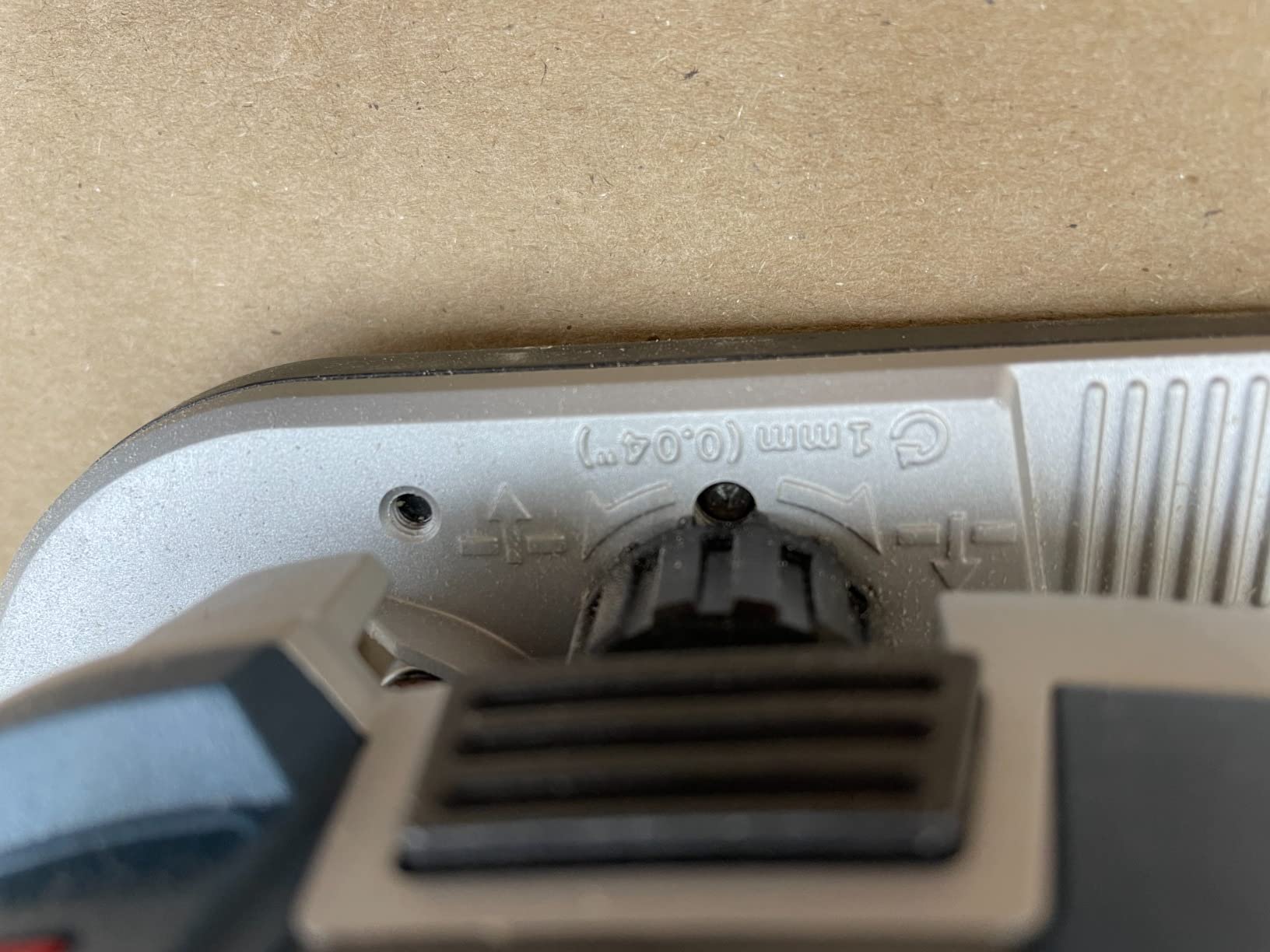
The brushless 12V motor tops out at 13,000 RPM and produces up to 23 feet of round-over per amp hour of battery. Reviewers praise the smooth cutting on edge profiles, and after running it on oak, maple, and melamine I agree it leaves a clean, chip-free edge. The fine depth adjustment of 0.04 inches per dial revolution is precise, and the easy-change spindle lock makes bit swaps a one-wrench operation.
The GKF12V-25N is a single-speed router, so there is no variable-speed dial. For edge profiling and round-overs that is not a problem, but for jobs requiring lower speeds to prevent burning in dense hardwoods, you may want a different tool. There is also no built-in dust collection, which means you will want to run it near a vacuum or expect chips.
Safety features stand out: the finger barriers prevent accidental contact with the bit area, and the restart protection keeps the tool from spinning up when you swap batteries. The Bosch 12V batteries can be expensive if you are not already in the platform, but if you are, this is one of the best small routers for edge work on the market.
Who this router is best for
Woodworkers who do a lot of edge profiling, laminate trimming, and decorative edge work. If you own other Bosch 12V Max tools, the batteries are already in your shop and the offset design is a joy to use.
Who should consider a different option
Buyers who need variable speed for different materials or heavy cuts like deep dados will want a more powerful router. The lack of built-in dust collection may be a dealbreaker for shop-bound users with strict dust control.
8. RYOBI ONE+ 18V Cordless Compact Fixed Base Router – Best Compact Router for Existing ONE+ Users
RYOBI ONE+ 18V Cordless Compact Fixed Base Router Tool Only (Battery Not Included) – PCL424B
18V ONE+ compatibility
Variable speed
3.2 lbs
Micro depth dial
Pros
- Ultra-compact and lightweight at 3.2 lbs
- Smooth variable speed from 20000 to 30000 RPM
- Compatible with any RYOBI 18V ONE+ battery
- Micro dial and quick-release lever for fast depth changes
- LED work light and clear base
Cons
- Battery is not included
- Smaller batteries drain quickly under heavy use
- Dust port leaves a slot that can expose fingers
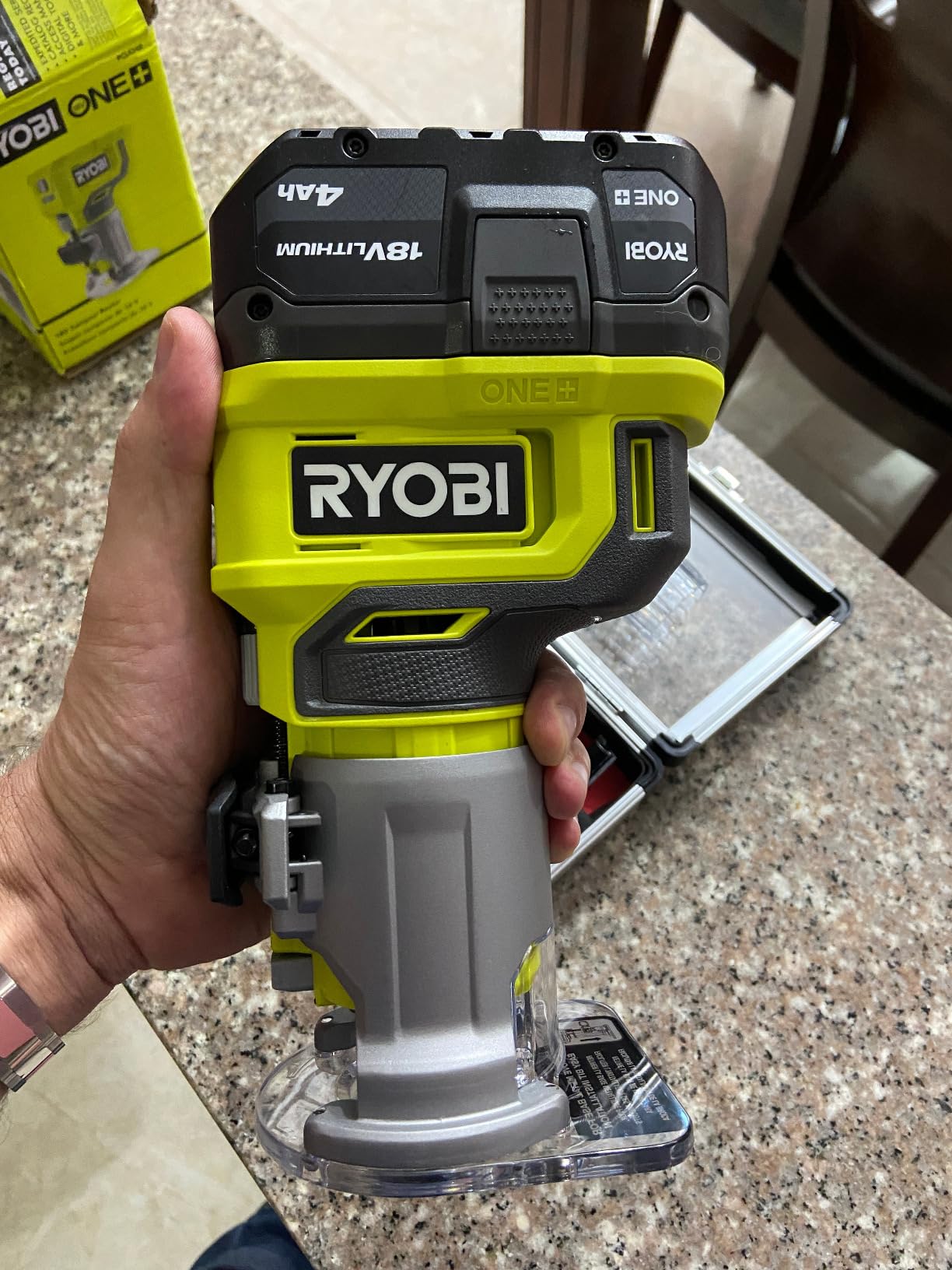
If you are a RYOBI ONE+ user with a shelf full of 18V batteries, the RYOBI PCL424B compact router slots right in. At 3.2 pounds tool-only, it is one of the lightest cordless routers I tested, and the ergonomic one- or two-handed grip fits my hand comfortably for trim work. Reviewers with existing ONE+ tool collections especially love this router because there is no battery investment.
Variable speed runs from 20,000 to 30,000 RPM, which is plenty for trim work, edge profiling, and small joinery. The micro dial depth adjustment is precise, and the quick-release lever makes bit changes and depth resets fast. The LED work light and clear base give you good visibility on the cut.
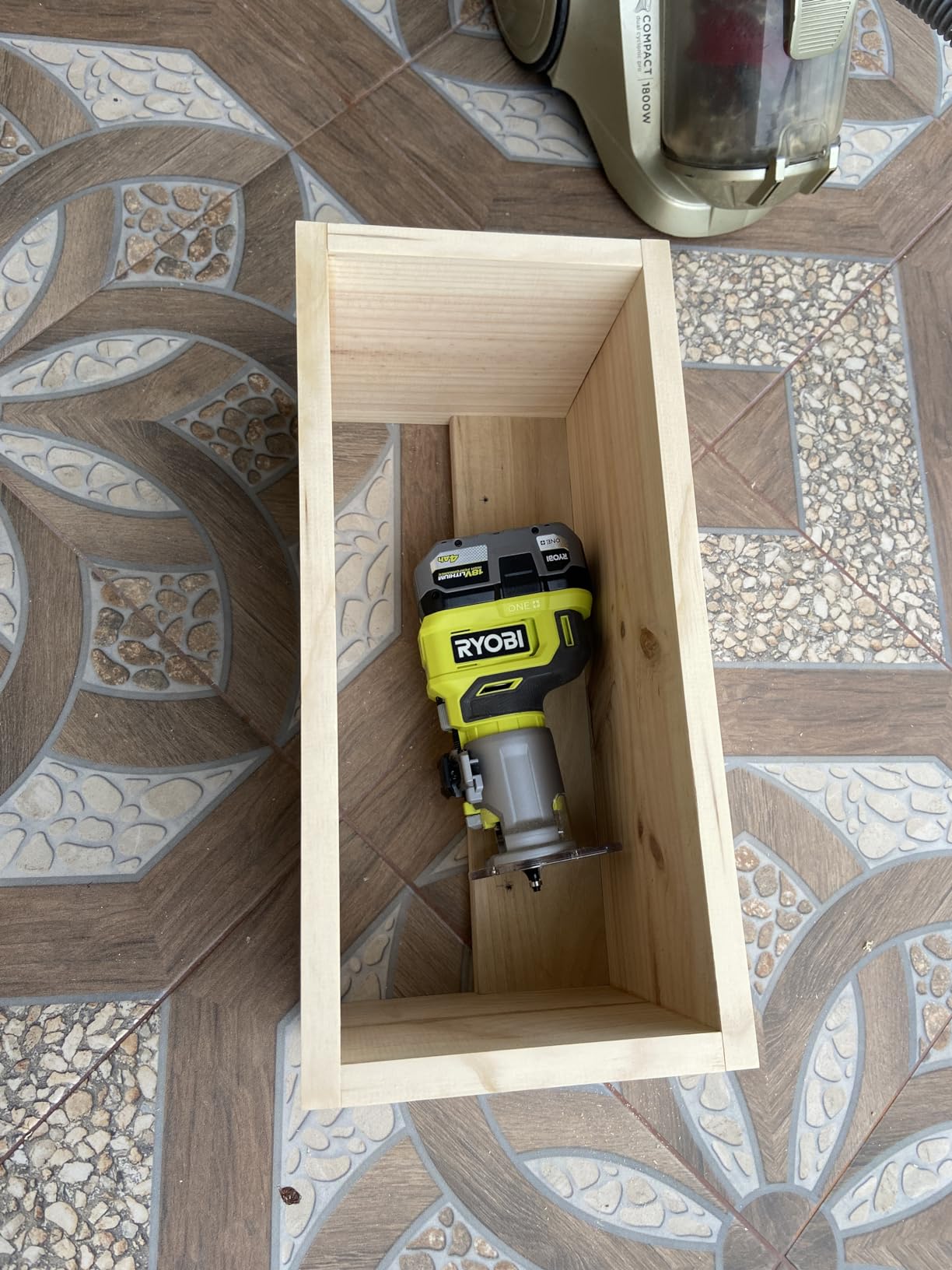
Battery life depends heavily on which ONE+ pack you use. Smaller 1.5Ah batteries drain quickly under heavy load, so I tested with a 4Ah pack and got about 25 minutes of intermittent trimming. Larger batteries give longer runtime. The bare-tool pricing reflects that you supply your own battery and charger.
The dust port design is a minor weak spot: there is an open slot near the port that can leave fingers exposed during dust collection. I keep my hand on the grip, well away from the slot, but it is worth noting. For light to medium cordless routing, this router is a strong value pick.
Who this router is best for
Existing RYOBI ONE+ users who want a compact router that uses the batteries they already own. It is a great gift for a RYOBI fan because it expands the platform without requiring new batteries.
Who should consider a different option
Buyers without an existing ONE+ collection should compare total cost with battery and charger. Heavy users will want a brushless router with longer runtime and a more capable dust port.
9. CRAFTSMAN V20 Router Tool – Best Compact Router for CRAFTSMAN V20 Users
CRAFTSMAN V20 Router Tool, Cordless, Variable Speed, Fixed Base Router with Depth Adjustment, Bare Tool Only (CMCW400B)
20V brushless motor
Variable speed
LED work light
Edge guide
Pros
- Brushless motor provides strong performance and runtime
- Variable speed dial from 16000 to 30000 RPM
- Precise depth adjustment knob
- Compatible with existing CRAFTSMAN V20 batteries
- Leaves a clean finished edge
- Comfortable to hold and maneuver
Cons
- Dust port eye shield distorts visibility of the bit
- Plastic shield anchor feels fragile
- Battery is not included
The CRAFTSMAN V20 CMCW400B is a brushless cordless router that pairs with the CRAFTSMAN V20 battery platform. With 16,000 to 30,000 RPM variable speed and a brushless motor, it has the runtime and torque for full-day shop use. Reviewers note the clean finished edge it produces, and after testing on oak and maple I agree it leaves smooth, chip-free profiles.
The depth adjustment knob is precise and easy to turn. I made fine depth changes for flush-trim cuts without taking my eyes off the workpiece. The LED work light is bright enough for dim corners, and the edge guide that ships in the box saves a separate purchase.
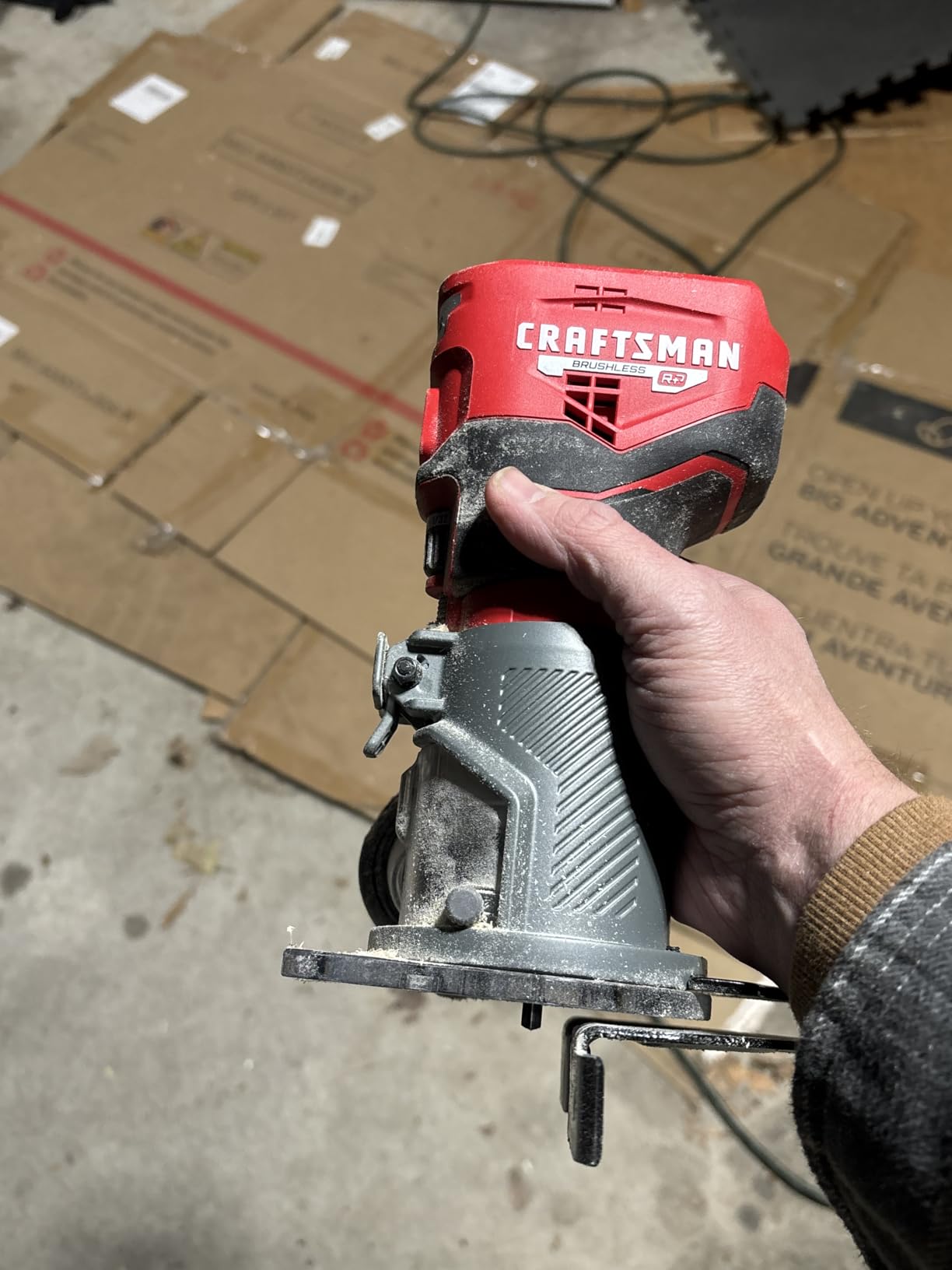
The dust port and eye shield combo is the weakest part of the design. The shield distorts the view of the bit, which makes precise work harder. The plastic anchor that holds the shield also feels fragile, so I removed it during fine work and relied on shop vacuum suction alone. CRAFTSMAN V20 users will already have batteries and a charger, so the bare-tool pricing makes sense.
Battery life on a 4Ah V20 pack was about 30 minutes of intermittent routing with a 1/4 inch straight bit. For extended use, a larger battery gives more runtime. The compact body is comfortable in the hand and the controls fall naturally under thumb and fingers.
Who this router is best for
Existing CRAFTSMAN V20 users who want a cordless trim router that drops straight into their collection. The brushless motor and edge guide make it a strong value pick for the platform.
Who should consider a different option
Buyers without CRAFTSMAN V20 batteries should compare total cost. Woodworkers needing a strong dust collection setup should plan to upgrade the stock shield.
10. WORKPRO 6.5 Amp Compact Router Combo Kit – Best Combo Kit for Beginners
WORKPRO 6.5 Amp Compact Router Combo Kit, Fixed & Plunge Base
6.5 amp motor
Fixed and plunge base
6 bits included
Variable speed
Pros
- True combo kit with both fixed and plunge bases
- Six variable speeds from 12000 to 30000 RPM
- Smooth rack and pinion depth adjustment
- Transparent dust hood gives clear visibility
- Comprehensive accessory bundle with bits and templates
- Strong value for under 100
Cons
- Depth adjustment can feel stiff initially
- Stock fence is somewhat flimsy
- Included bits are basic
- Plunge base can stick without a drop of oil
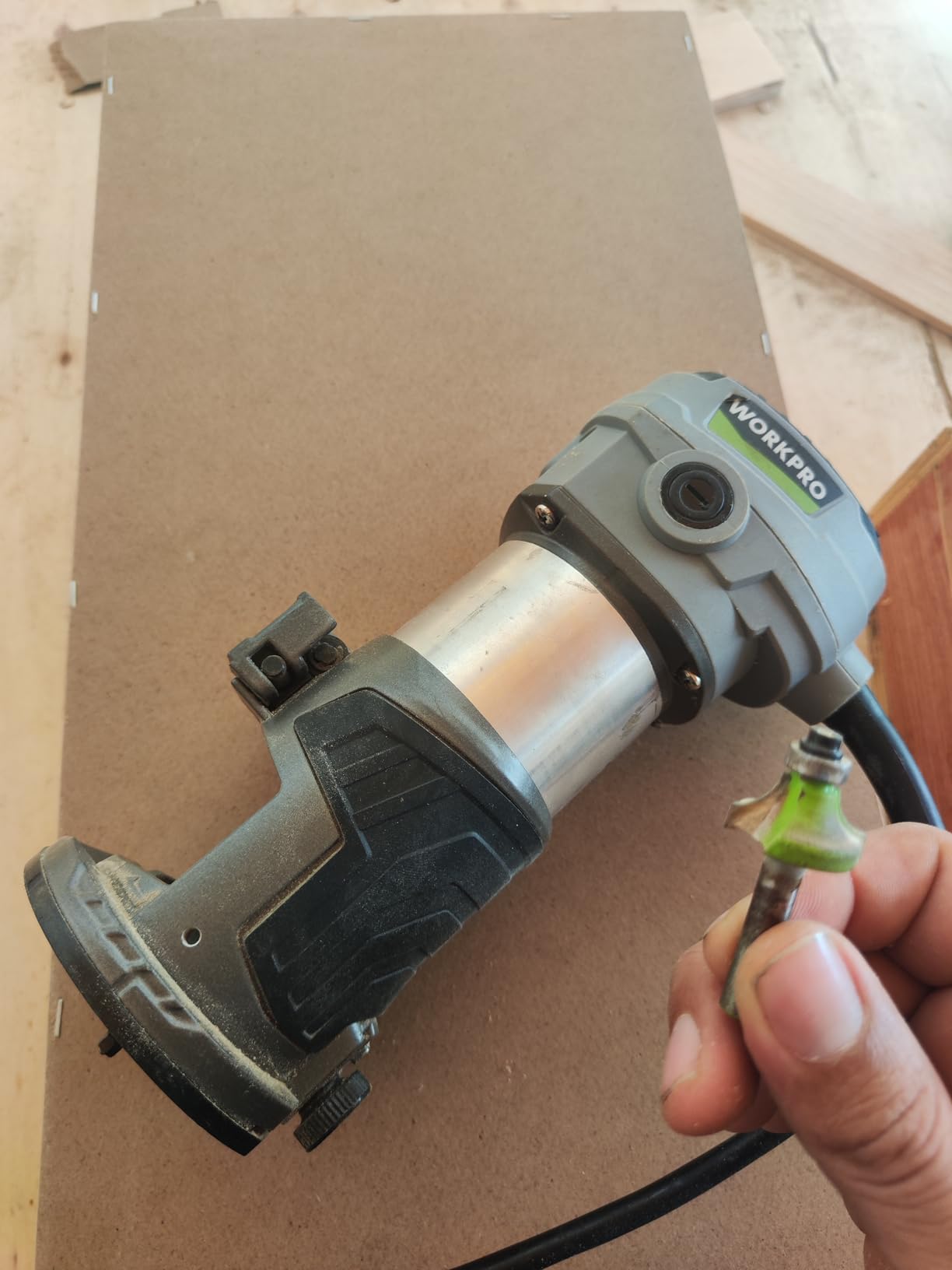
The WORKPRO 6.5 Amp Compact Router Combo Kit is the best budget combo kit on this list. You get the router motor, a fixed base, a plunge base, both 1/4 inch and 3/8 inch collets, six bits, two template guides, a straight guide, a trimming guide, two dust collectors, and wrenches. Reviewers appreciate that everything ships in the box so beginners can start routing immediately.
The 6.5 amp motor has plenty of power for typical hobbyist routing. Variable speed runs from 12,000 to 30,000 RPM, which covers trim work, edge profiles, and small joinery. The transparent dust hood is a nice feature at this price because it lets you see the cut while chips are collected.
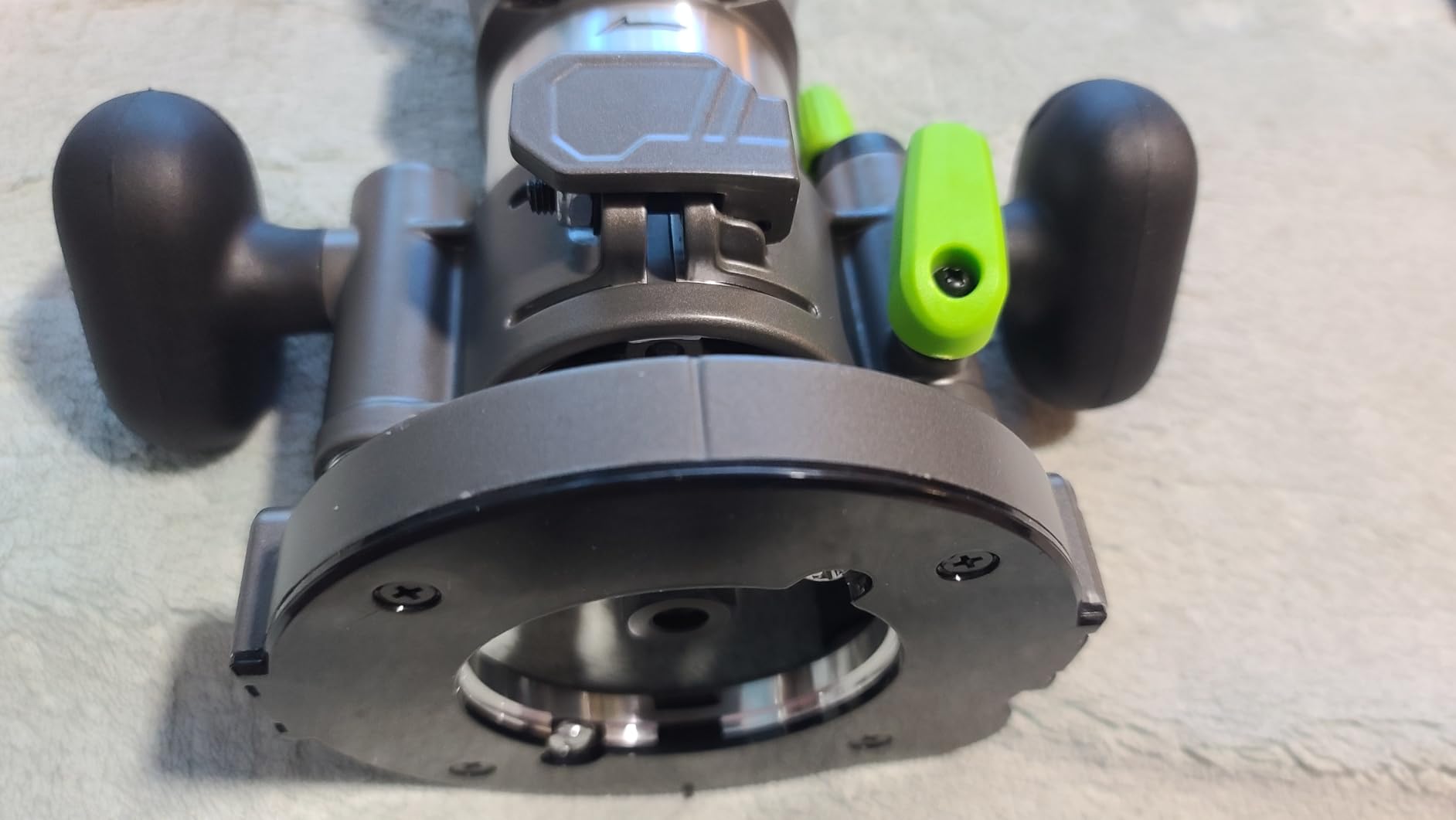
There are a few caveats. The depth adjustment can feel stiff out of the box and benefits from working the mechanism a few times. The stock fence is on the flimsy side, so for long straight cuts I switch to a shop-made straight edge. The included bits are basic, and serious woodworkers will want to upgrade them. The plunge base on early production units can stick without a small drop of oil on the rails.
For a beginner who wants both fixed-base and plunge-base routing without buying two routers, this kit is hard to argue with. The bare motor with the fixed base alone is enough for most trim work, and the plunge base opens up hinge mortising, dadoes, and mortise-and-tenon joinery.
Who this router is best for
Beginners who want both fixed-base and plunge-base capability in one kit. Hobbyists on a budget who want a complete accessory bundle will get the most value.
Who should consider a different option
Experienced woodworkers who already own higher-quality bits and accessories will not need the included extras. Buyers who want the longest service life may want to spend more on a heavier-duty router.
What Is a Compact Router and Who Needs One?
A compact wood router is a small, lightweight woodworking tool, typically under 5 pounds, designed for edge profiling, trim work, hinge mortising, and detailed cuts where a full-size router would be awkward. Compact routers include palm routers, which sit in one hand, and trim routers, which use a slightly larger fixed or plunge base. The category overlaps with plunge routers when the compact router accepts an optional plunge base.
Compact routers matter because they give woodworkers precise control for small or detailed cuts. Reviewers on woodworking forums consistently say a compact router is enough for trim work, edge profiles, small joinery, hinge mortises, and most hobby projects. They also work as a complement to a full-size router: the full-size handles heavy joinery and door making, while the compact router handles the smaller detail work and field cuts.
If you are a beginner, hobbyist, cabinet maker, trim carpenter, or DIYer who wants router capability without the bulk of a full-size router, a compact router is the right tool. For an in-depth look at related tools, see our guides on the best wood routers for cabinet making and the best track saws for woodworking.
Fixed-Base vs Plunge vs Combo: Choosing the Right Type
A fixed-base router sits in a base that does not move up or down during operation. You set the depth, lock it, and the bit stays at that height while you work. Fixed-base routers excel at edge profiling, round-overs, ogees, rabbets, and laminate trimming, where the cut depth does not change during the cut. Most compact routers ship with a fixed base.
A plunge router has a spring-loaded base that lets you lower the spinning bit into the workpiece from above. Plunge routers are essential for mortise-and-tenon joinery, dadoes, hinge mortises, decorative inlay, and any cut that starts in the middle of a board. The plunge action is also great for template routing when you want to start and stop mid-cut.
A combo kit ships with both fixed and plunge bases that share one motor. Combo kits are the best value if you want both capabilities, and several compact routers on this list, including the Makita RT0701C and the WORKPRO combo kit, accept optional or included plunge bases. Reviewers on WoodNet forums consistently recommend combo kits for beginners because the router grows with your skills.
Buying Guide: Power, Speed, and Brushless Motors
Compact router power is usually stated as horsepower (HP) or amps. For most trim and edge work, a 1.0 HP motor is enough. For hardwoods, dense plywood, and small joinery, 1.25 HP gives you more headroom. Reviewers note that brushless motors run cooler, last longer, and offer better battery runtime on cordless models, which is why most new cordless compact routers are brushless.
Variable speed is a near-mandatory feature on any modern compact router. Lower RPMs prevent burning in hardwoods and give better control on small bits, while higher RPMs give clean cuts on softwoods and laminates. Most compact routers span 10,000 to 35,000 RPM, and soft-start electronics ramp the motor up gently to avoid the dangerous bit-jump that older routers are known for.
Constant-speed or constant-response circuitry maintains RPM under load. Without it, a router will slow when you push through dense wood, leaving burn marks and tearout. Reviewers consistently praise routers with this feature for clean cuts in figured wood and dense plywood. For more on power tools that pair well with a router, see our picks for the best jointers for woodworking.
Buying Guide: Collet Size (1/4 inch vs 1/2 inch)
The collet is the sleeve that grips the router bit shank. Almost every compact router ships with a 1/4 inch collet because 1/4 inch shank bits are the most common size for trim and detail work. Half-inch collets grip larger bits used in heavy joinery, raised panel doors, and large-diameter bits for wide cuts. A few compact routers ship with 3/8 inch collets for mid-size bits.
For trim work, edge profiling, small joinery, hinge mortising, and laminate trimming, a 1/4 inch collet is all you need. Reviewers on r/woodworking note that 1/4 inch collets limit bit selection for bigger projects, which is the main reason some woodworkers eventually upgrade to a full-size router with a 1/2 inch collet.
If you want flexibility, look for a router that ships with both 1/4 inch and 3/8 inch collets, like the AVID POWER and WORKPRO models on this list. That gives you access to a wider range of bit profiles without buying extra collets separately.
Buying Guide: Ergonomics, Grip, and Dust Collection
Ergonomics matter more than spec sheets admit. A router that feels awkward in your hand will wear you out before the bit wears down. Look for rubber-covered grips, finger support pockets, slim bodies for one-handed use, and trigger placement that lets you reach the speed dial without shifting your grip. Reviewers consistently complain about palm routers getting uncomfortable after 30 minutes of continuous use without good ergonomics.
Dust collection is the single biggest complaint about compact routers across nearly every forum thread I read. Stock dust ports rarely seal well without modification. For best results, pair any compact router with a strong shop vac, add foam weatherstripping around the dust port if needed, and use a hose clip to keep the vacuum hose from snagging. The Milwaukee M18 in this list is well known for needing a tweak on the stock seal.
LED work lights and translucent subbases also fall into the visibility category. Dual LEDs around the bit area, like on the DEWALT 20V Max XR, genuinely help in dim cabinets. A clear polycarbonate subbase, like on the Bosch GKF125CEN, lets you see the bit contact point during template routing. Both features add real value, not just marketing.
Buying Guide: Corded vs Cordless and Brand Ecosystems
Corded compact routers deliver sustained power, no battery worries, and lower cost per router. They are the right choice if you mostly work in a shop near an outlet. Cordless compact routers give you portability, freedom from extension cords, and the convenience of batteries you may already own. They shine on ladders, job sites, and field cuts where power is not available.
Brand ecosystem is where compact routers spend their second purchase. Most buyers should pick the cordless router that matches the batteries they already own. DeWalt 20V Max XR, Milwaukee M18, Makita 18V LXT, and Bosch 18V are the four biggest cordless platforms, and each has a compact router on this list. Reviewers on Sawmill Creek forums say buyers regret the platforms they did not buy into more than the routers themselves.
For more tool recommendations across these platforms, see our best brad nailers for woodworking and the best woodworking workbenches guides.
Router Bit Compatibility Mini-Guide
Router bits determine what cuts your compact router can make. Here is a quick cheat sheet for the bits you will use most on a compact router.
Straight bits cut dadoes, grooves, rabbets, and mortises. They are the most common bit in any router kit and work with all 1/4 inch collets. Round-over bits smooth and soften edges, and they are the second bit most woodworkers buy. Chamfer bits cut angled edges for picture frames and decorative trim.
Flush-trim bits have a bearing at the bottom that follows a template or another surface, making them essential for laminate trimming and template routing. Rabbeting bits cut a stepped recess for cabinet backs and picture frame molding. Roman ogee and cove bits cut decorative profiles on edges. Roman ogee is the most popular ogee profile for furniture.
Most compact routers accept standard 1/4 inch shank bits. For larger bits like some raised panel bits and wide flush-trim bits, you need a 1/2 inch collet, which means a full-size router. Stick with 1/4 inch shank bits on your compact router and you will have access to nearly every profile you need for trim and detail work.
Frequently Asked Questions
What is the best compact wood router for beginners?
The Bosch PR20EVS Colt is a strong first compact router because of its forgiving 1.0 HP motor, easy quick-clamp base swaps, and rugged build. The Makita RT0701C is another great beginner pick if you want a router that grows with optional plunge and tilt bases. Both have soft-start motors, smooth depth adjustment, and enough power for typical trim and edge work without overwhelming a new woodworker.
What is the difference between a palm router and a compact router?
Palm routers are the smallest compact routers, designed to sit in one hand with a slim grip and a fixed base. Compact routers is the broader category that includes palm routers, slightly larger trim routers with fixed or plunge bases, and combo kits with both base types. In practice the terms are often used interchangeably, but a palm router is always compact, while a compact router can be a palm router or a slightly larger trim router.
Are compact routers powerful enough for woodworking?
Yes. A 1.0 to 1.25 HP compact router is enough for most trim work, edge profiling, hinge mortising, small joinery, laminate trimming, and hobby furniture projects. Heavy tasks like raised panel doors, wide dados in thick hardwoods, and full-day production routing are better suited to a full-size router, but for everyday shop and trim work a compact router delivers plenty of power.
Is a plunge router better than a fixed base for woodworking?
Neither is universally better. Fixed-base routers excel at edge profiling, round-overs, laminate trimming, and any cut where the depth does not change during the cut. Plunge routers excel at mortise-and-tenon joinery, dadoes, hinge mortises, decorative inlay, and cuts that start in the middle of a board. Combo kits give you both bases on one motor and are the most flexible option.
Do I need a variable speed compact router?
Yes. Variable speed is one of the most useful features on a compact router. Lower RPMs prevent burning in hardwoods and give better control on small bits, while higher RPMs deliver clean cuts on softwoods and laminates. Without variable speed you are stuck at one speed, which makes some materials harder to work and some bits riskier to use.
Final Verdict: Which Compact Router Should You Buy?
For most woodworkers, the DEWALT 20V Max XR Cordless Router is the best compact wood router for woodworking in 2026. It combines the strongest rating and review count on this list, a brushless motor, dual LEDs, soft start, and electronic brake in a tool that drops straight into the most popular cordless platform. If you are already in the Milwaukee M18 ecosystem, the Milwaukee M18 Compact Router is the best-value cordless pick. If you want maximum versatility from a corded router that can accept a plunge base later, the Makita RT0701C is a long-proven favorite.
Whatever router you pick, the best compact router is the one that matches the batteries you already own, feels balanced in your hand, and has the variable-speed range to handle the materials you work with most. Start there and the rest of the buying decision takes care of itself.