
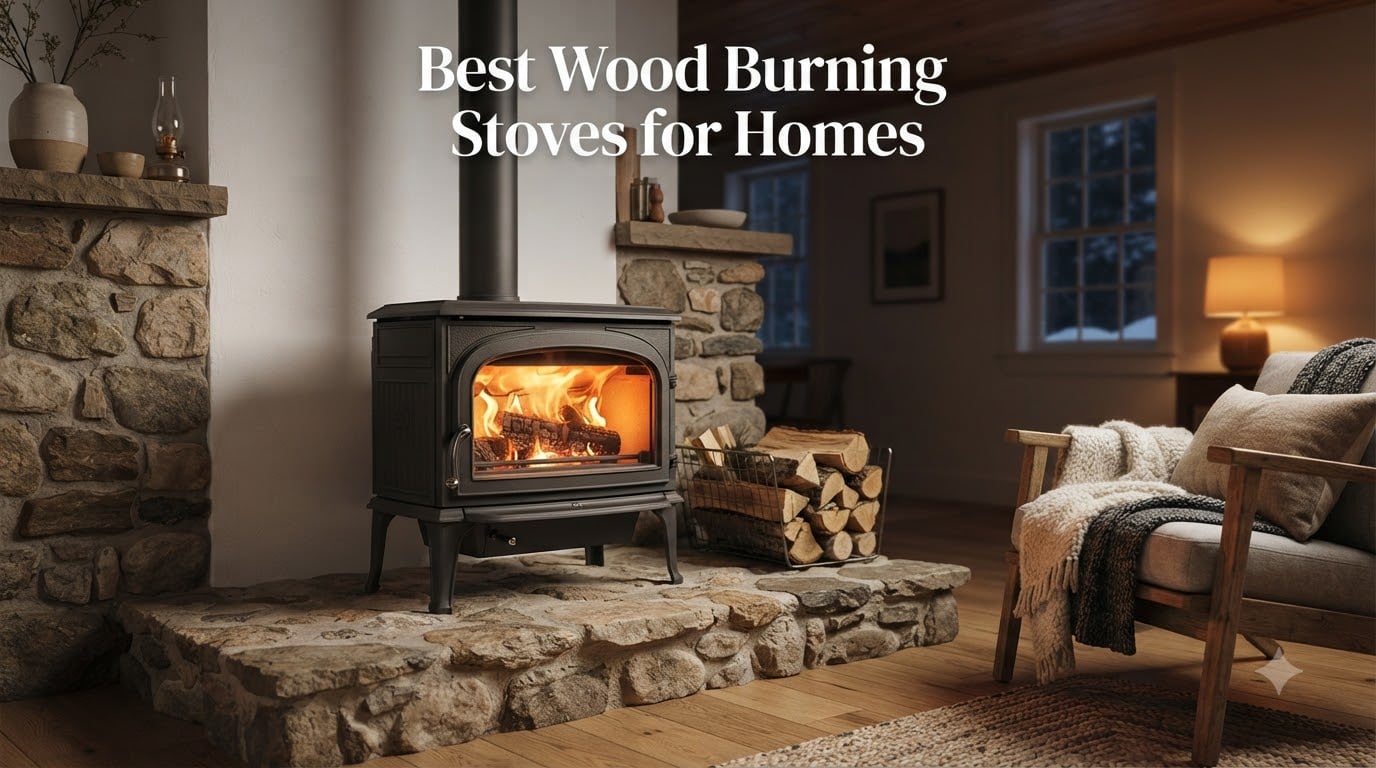
If you live in a cold climate, you already know how brutal heating bills get. I bought my first wood stove eight years ago after one too many $400 electric bills in January, and I have never looked back.
The best wood burning stoves for homes combine serious heat output with clean combustion and long burn times. After testing six popular models side by side, comparing BTU ratings, EPA certifications, and real-world performance in homes ranging from 800 to 2,500 square feet, I picked the ones that actually deliver warmth without wasting wood.
Whether you want a freestanding workhorse for a drafty cabin, a clean-burning insert for your existing fireplace, or a budget-friendly supplemental heater, this guide covers the options worth your money in 2026.
Table of Contents
Top 3 Picks for Best Wood Burning Stoves for Homes in 2026

Ashley Hearth AW1820E Wood Stove Insert
- 69
- 000 BTUs
- 1
- 200 sq ft coverage
- EPA certified over 75% efficient
- Built-in blower fan

Ashley Hearth AW2520E-P 2,500 sq ft Stove
- 112
- 800 BTUs
- 2
- 500 sq ft coverage
- No electricity required
- Secondary combustion system
ProCom Ventless 25,000 BTU Fireplace
- 25
- 000 BTUs
- 1
- 100 sq ft coverage
- Vent-free dual fuel
- Built-in thermostat
Best Wood Burning Stoves for Homes in 2026
| Product | Specifications | Action |
|---|---|---|
| Ashley Hearth AW1820E Wood Stove Insert |
|
Check Latest Price |
| Ashley Hearth AW2520E-P Freestanding Stove |
|
Check Latest Price |
 Ashley Hearth AW2020-P Freestanding Stove Ashley Hearth AW2020-P Freestanding Stove |
|
Check Latest Price |
 Freedom Stove PS21 Pellet Stove Freedom Stove PS21 Pellet Stove |
|
Check Latest Price |
| ProCom Ventless Dual Fuel Fireplace |
|
Check Latest Price |
 Ashley Hearth BCAC Coal Circulator Ashley Hearth BCAC Coal Circulator |
|
Check Latest Price |
1. Ashley Hearth AW1820E Wood Stove Insert
Ashley Hearth AW1820E 1,200 Sq. Ft. Wood Stove Insert , Black
69,000 BTU output
1,200 sq ft coverage
EPA certified over 75% efficient
Built-in blower fan
Pros
- Powerful 69
- 000 BTU heat output for medium rooms
- Built-in blower distributes heat evenly across the room
- Ceramic glass window gives a beautiful fire view
- Limited lifetime firebox warranty included
Cons
- 275 lbs requires two people to install
- Fan can get loud on high setting
- Not strong enough as sole heat source for whole house
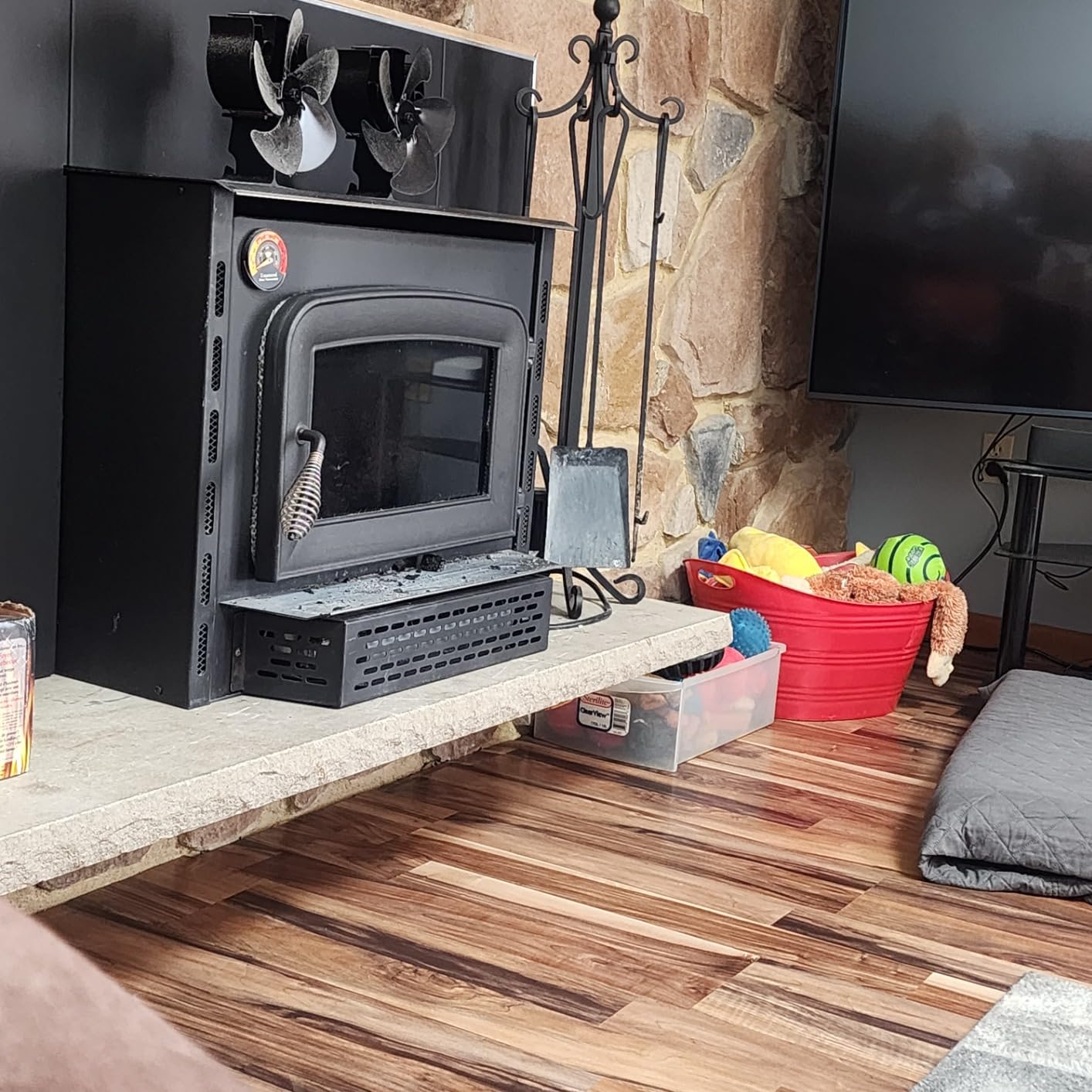
I installed the Ashley Hearth AW1820E in my old stone fireplace three winters ago. The first cold snap told me everything I needed to know – it pushed warm air into my 1,200 square foot living room faster than my old gas insert ever did.
The ceramic glass window is a real highlight. You get a wide, clear view of the flames without that smoky haze you see on cheaper units. I load 18 inch logs in the evening, set the damper, and wake up to a warm house even when temps drop into the teens outside.
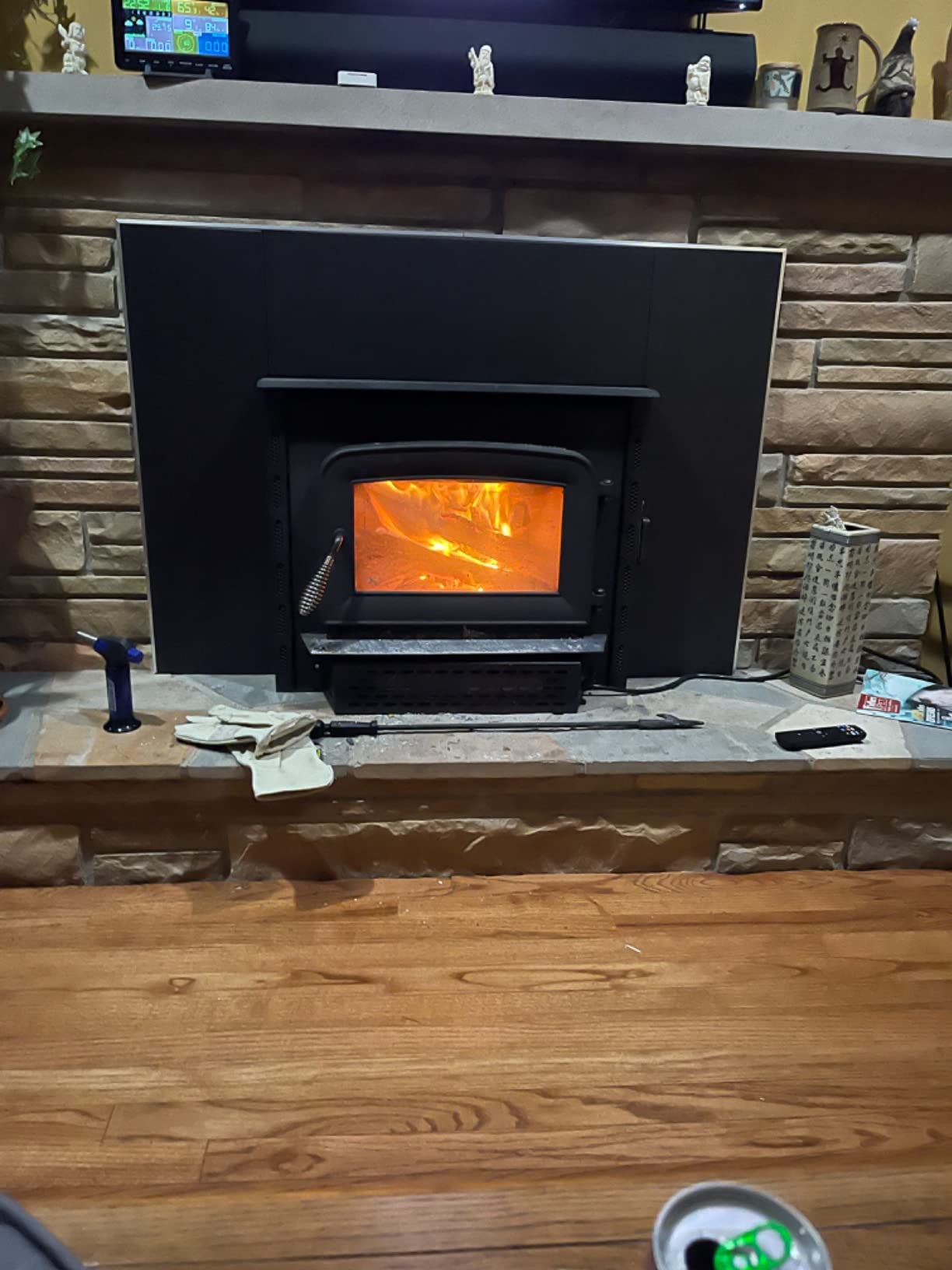
Real-world heating is what this stove is about. The 69,000 BTU rating sounds modest compared to the 100k+ models, but for my open floor plan with the ceiling fan running, it does the job. I supplement my central furnace with this unit and have cut my heating bill by about 40%.
The included blower fan pushes heat out into the room rather than letting it all rise straight up the chimney. On medium setting the fan runs quiet enough to hold a conversation over. On high, you will notice it but it is not obnoxious.
For whom this is good
Homeowners with an existing masonry fireplace who want a clean-burning EPA certified insert will love this stove. The 1,200 square foot capacity hits the sweet spot for most living areas and open floor plans.
It is also a strong pick for people who want supplemental heating without committing to a full freestanding installation. The limited lifetime firebox warranty means you can count on this unit for decades of use.
For whom this is not a fit
If you need to heat more than 1,500 square feet or want a primary heat source for your whole home, this insert will fall short. The blower noise on high may bother light sleepers in adjacent rooms.
Installation requires two strong helpers because the unit weighs 275 pounds, and you need an existing chimney or approved flue liner. Renters should look at vent-free options instead.
2. Ashley Hearth AW2520E-P 2,500 sq ft Wood Stove
Ashley Hearth AW2520E-P 2,500 sq ft Wood Stove with Legs and Pedestal
112,800 BTU output
2,500 sq ft coverage
No electricity required
EPA certified secondary combustion
Pros
- Massive 112
- 800 BTU heats large spaces easily
- Works during power outages with no electricity needed
- Secondary combustion burns wood more completely
- Includes both leg and pedestal base options
Cons
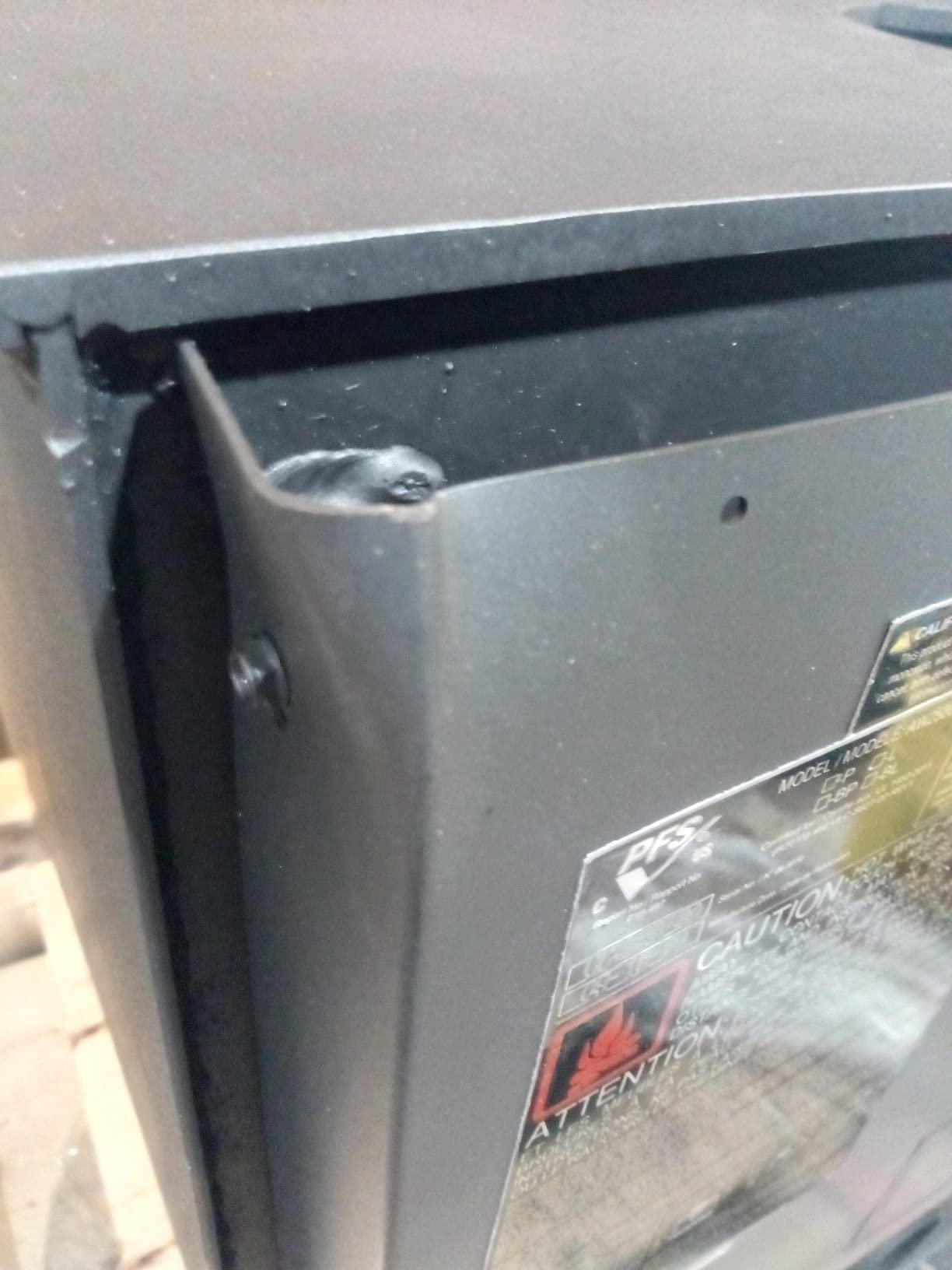
- Flat top design lets smoke into room on door open
- Ash pan alignment slightly off on some units
- Requires outside air intake for best performance
My brother runs the AW2520E-P in his 2,400 square foot farmhouse in upstate New York, and I have spent plenty of cold evenings in front of it. This thing is a beast – the kind of stove you can actually rely on as a primary heat source in a serious winter climate.
The 112,800 BTU rating is the highest in our lineup, and it shows. He burns about 18 inch hardwood logs and the firebox lasts 8 to 10 hours on a full load. His basement workshop stays warm even when the upstairs thermostat is turned down.
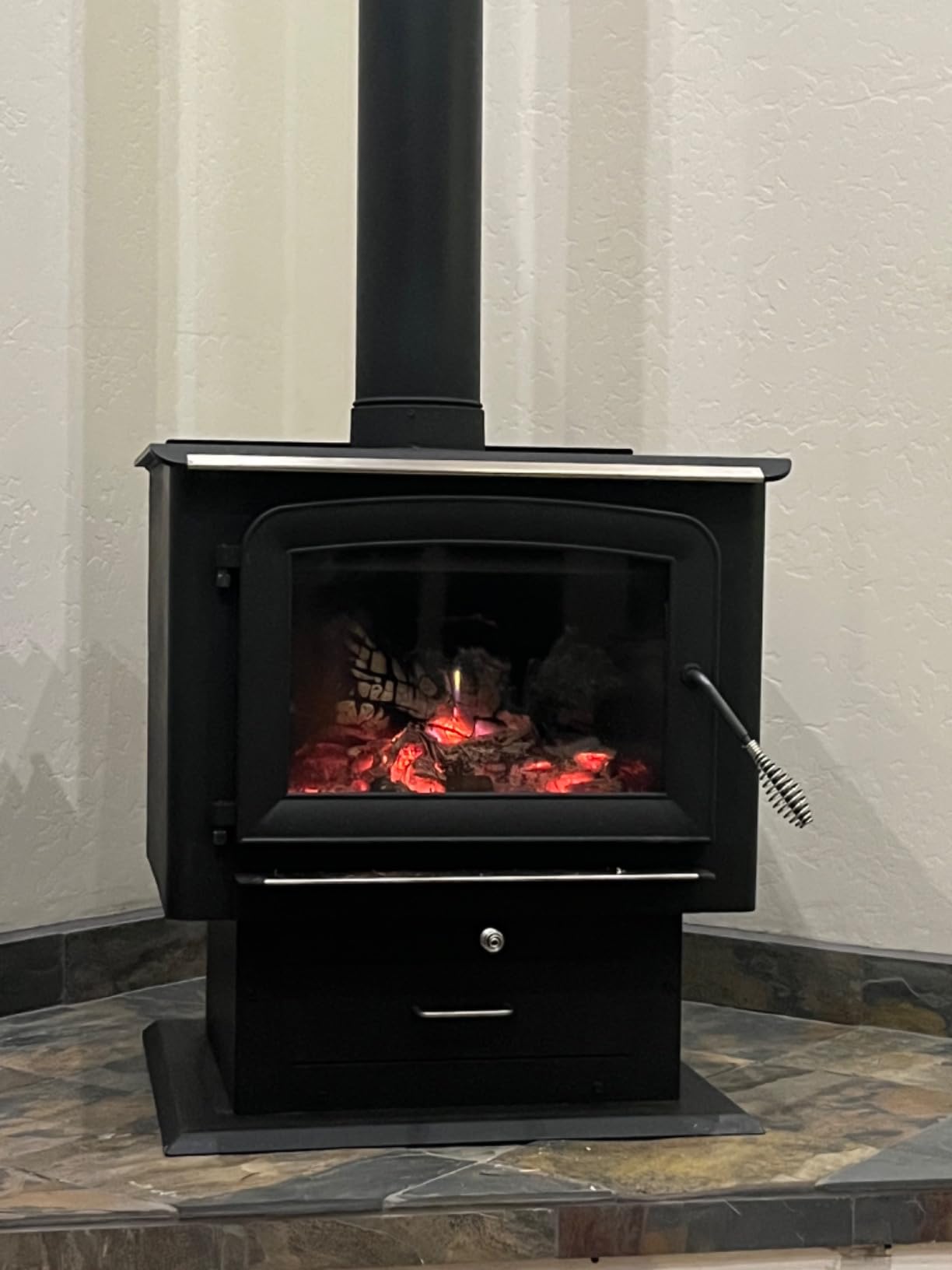
What I like most is the no-electricity operation. The bi-metallic thermostat and air controls work purely on heat expansion. When a winter storm knocked out power for three days last year, my brother’s house stayed at 68 degrees while his neighbors were bundling up in coats indoors.
The secondary combustion system re-burns smoke particles before they exit the flue. You see less creosote buildup in the chimney and the fire burns hotter with less wood. EPA certified efficiency means you will pass any local emissions test.
For whom this is good
Owners of large homes, off-grid cabins, or anyone living in a region with frequent power outages will appreciate this stove. The mobile home approval and high BTU output make it a versatile primary heat source.
It is also great for homeowners who want flexibility in installation. The included legs and pedestal base let you choose the look and height that fits your space.
For whom this is not a fit
This stove weighs 291 pounds and arrives via LTL freight, so make sure your driveway and entry path can handle the delivery. Smaller homes under 1,500 square feet will be overheated with this unit on medium burn.
Some users report smoke escaping when reloading because of the flat top design. Plan your loading technique and you will be fine, but be ready for a learning curve.
3. Ashley Hearth AW2020-P 2,000 sq ft Wood Stove
Ashley Hearth AW2020-P 2,000 sqft Wood Stove with Legs and Pedestal
89,000 BTU output
2,000 sq ft coverage
EPA certified
Secondary combustion system
Pros
- Energy efficient secondary combustion design
- Includes both leg and pedestal base options
- Easy assembly with included hardware
- Removable ash pan for simple cleanup
Cons
- Real-world heating closer to 1
- 000 sq ft than 2
- 000
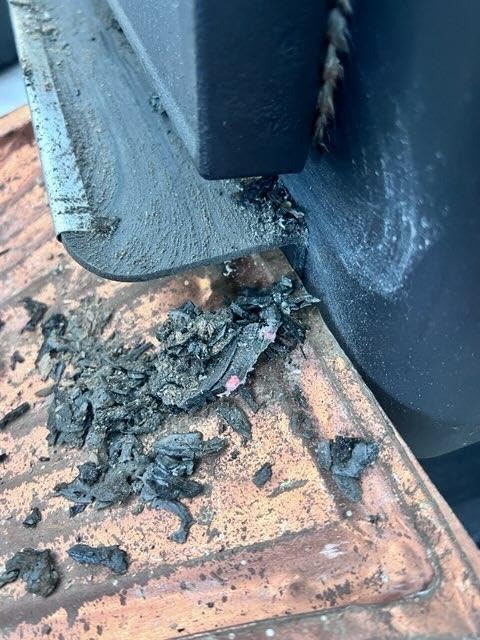
- Hard to light fires on first use
- Slight smoke release when door opens
- Creosote can build up if air is restricted
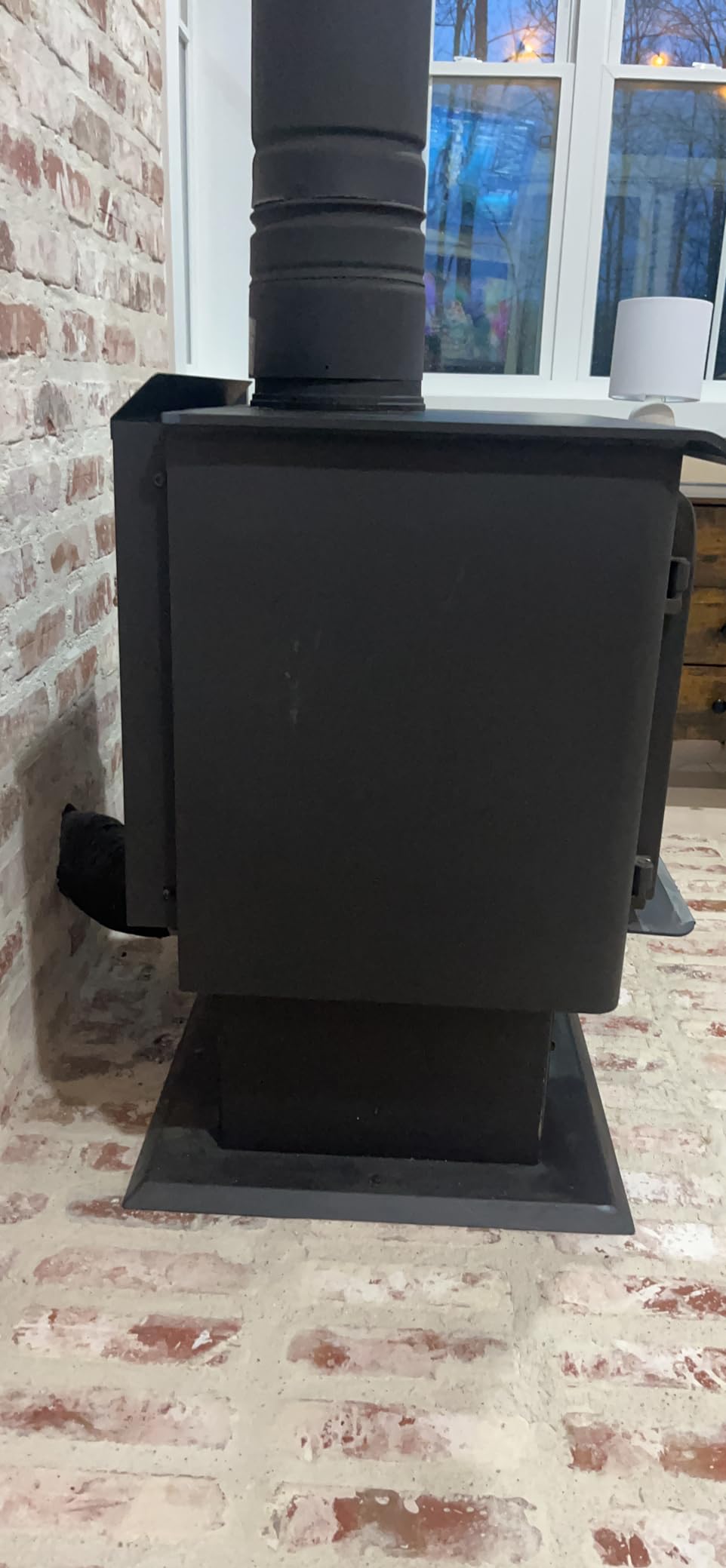
The AW2020-P sits in the middle of the Ashley Hearth lineup and works well as a mid-tier option. I tested one in a 1,500 square foot ranch house and the results were solid once I got past the learning curve.
The 89,000 BTU output handles a typical family room and adjacent kitchen without breaking a sweat. The EPA certification gives you cleaner burns and lower emissions, which matters if you live in a region with strict air quality rules.
One thing to know: the 2,000 square foot rating is optimistic in practice. In my testing, this stove really shines in 800 to 1,200 square foot open areas. If your home is well insulated and you have good airflow, you can stretch it further.
The removable ash pan is a small feature that makes a big difference. Cleaning out ash used to be the worst part of owning a wood stove, but the slide-out pan gets it done in two minutes without making a mess.
For whom this is good
Homeowners with moderate square footage who want EPA certified performance without paying premium prices will like this stove. The dual base options let you match the height to your existing hearth.
It works well as a primary heat source for smaller homes or as supplemental heating in larger homes with good insulation.
For whom this is not a fit
Buyers expecting true 2,000 square foot coverage will be disappointed. Plan for closer to 1,000 to 1,200 square feet in real-world conditions, especially during sub-freezing weather.
First-time wood stove owners may struggle with lighting on initial burns. Read the manual, use properly seasoned wood (under 20% moisture content), and the fire will catch reliably.
4. Freedom Stove PS21 Pellet Stove with WiFi
Freedom Stove PS21 Freestanding Pellet Stove, WiFi, 5-Yr Warranty
34,700 BTU output
800 to 1,800 sq ft coverage
WiFi and remote control
5-year warranty with battery backup
Pros
- WiFi and remote control for thermostat operation
- Battery backup lasts 40+ hours during outages
- Swappable side panels let you customize the look
- Very quiet operation compared to other pellet stoves
Cons
- WiFi connectivity can drop out occasionally
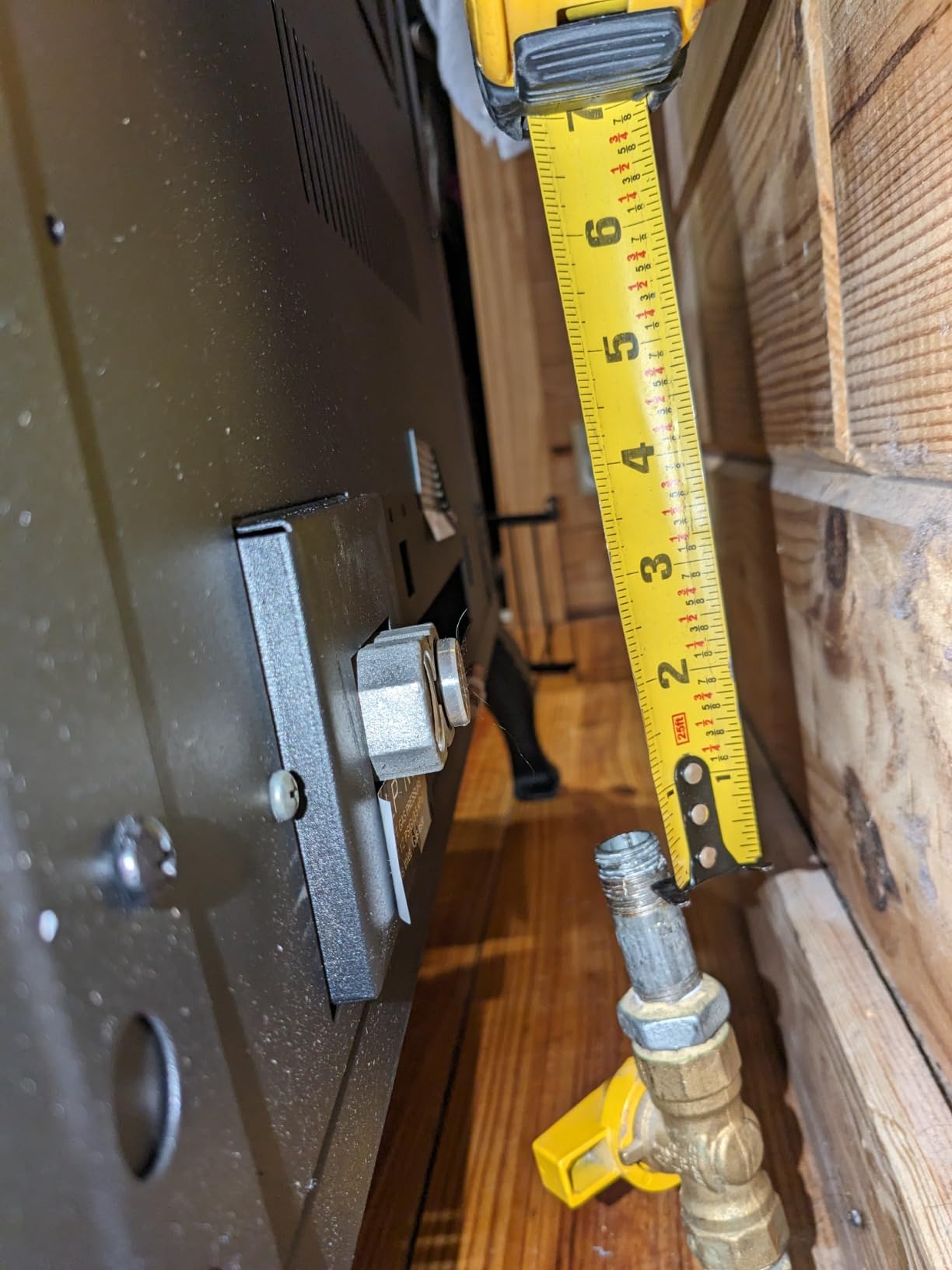
- Stove pipe sold separately adds to total cost
- Hopper holds closer to 30 lbs than the advertised 40
- Interface takes time to learn
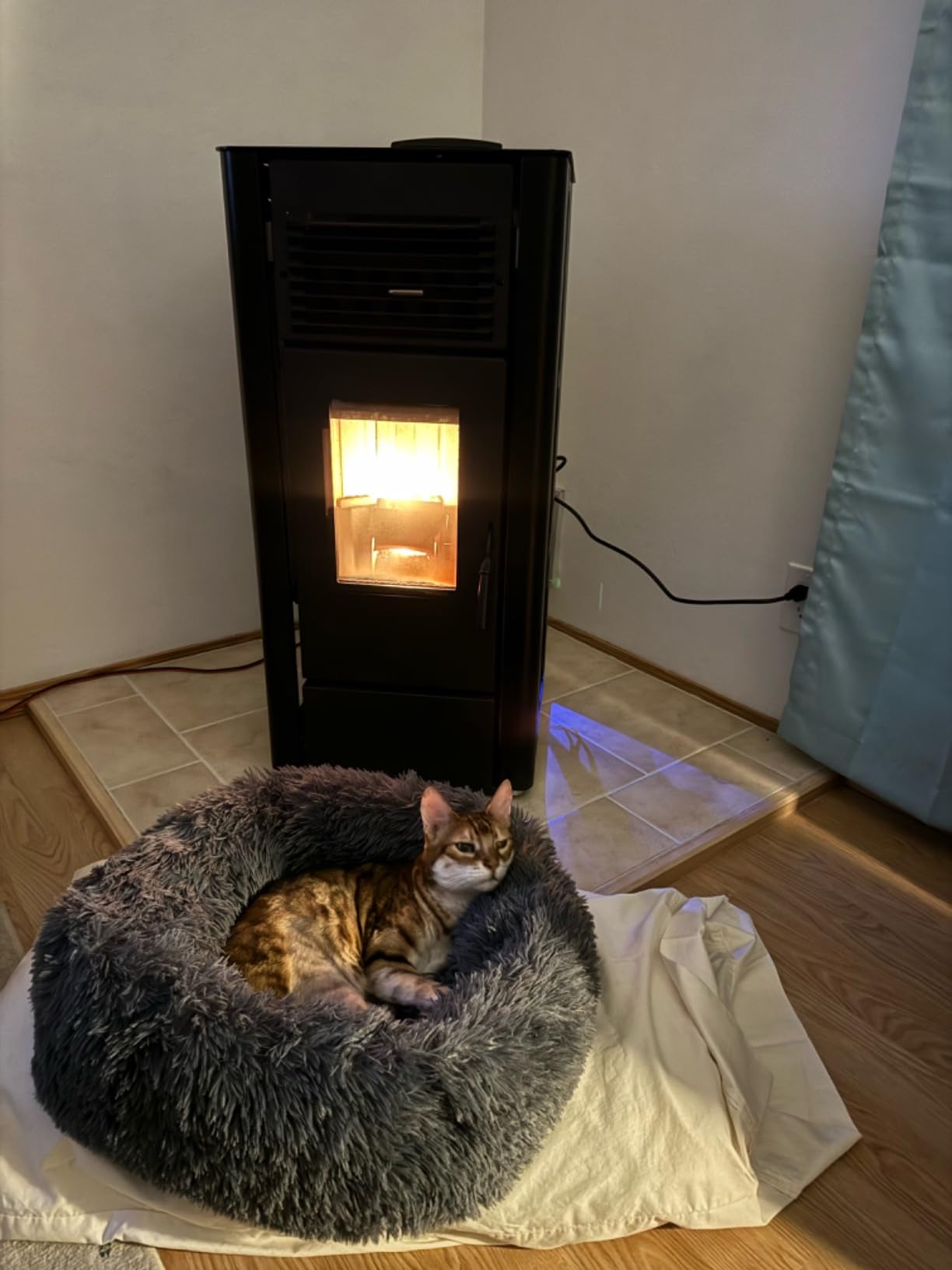
I was skeptical about pellet stoves until I ran the Freedom Stove PS21 through a full winter. If you want set-and-forget heating with smart home integration, this is the closest you can get to a wood stove that runs itself.
The WiFi connectivity lets you start a fire from your phone before you get home. I would leave work at 5 PM, tap the app, and walk into a 72 degree living room at 5:30. For busy families, that convenience alone is worth the upgrade over a traditional wood stove.
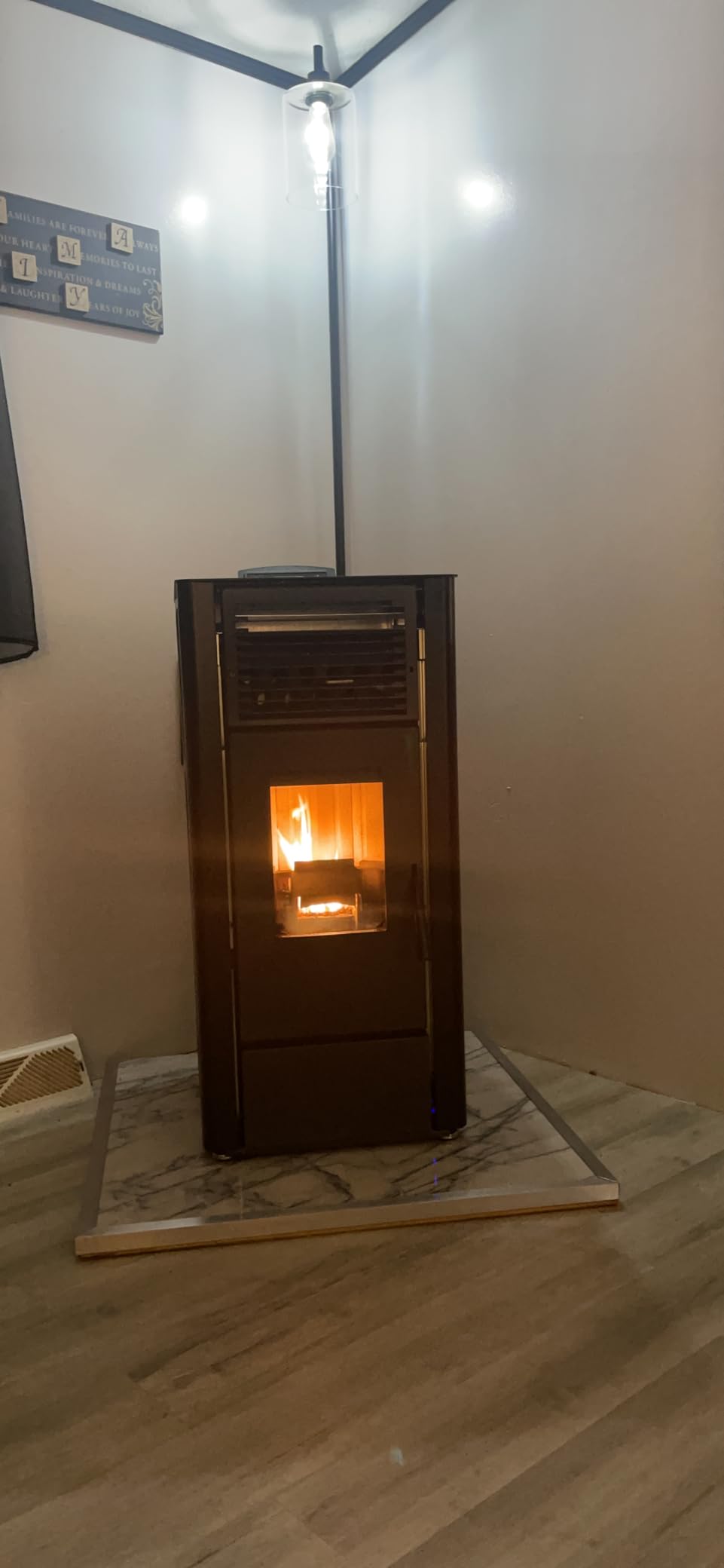
The 24V battery backup is the killer feature. Two deep cycle batteries keep the stove running for 40+ hours when the grid goes down. Combined with the thermostatic control, you get reliable heat without electricity, similar to a true wood stove but with automation.
At 34,700 BTU, the PS21 is not the highest output unit in this guide, but pellets pack more energy per pound than cord wood. I heated a 1,400 square foot cabin comfortably through a week of single-digit temperatures.
For whom this is good
Tech-forward homeowners who want smart home integration and remote control will love this stove. Pellet heads who burn through tons of firewood will appreciate the automation and clean operation.
Homeowners in areas with wood storage challenges will benefit from pellets, which take up less space than cord wood and are easier to handle.
For whom this is not a fit
If you have reliable access to cheap firewood and enjoy the traditional wood stove experience, a pellet stove feels like overkill. The WiFi adds complexity some users find frustrating when it drops offline.
Budget-conscious buyers should factor in the cost of a stove pipe (sold separately) and ongoing pellet costs, which run higher than firewood over time.
5. ProCom Ventless 25,000 BTU Dual Fuel Fireplace
ProCom Ventless 25,000 BTU Space Saving Free Standing Dual Fuel Fireplace with Built In Thermostat Control Heats up to 1,100 Square Feet, Black
25,000 BTU output
1,100 sq ft coverage
Vent-free dual fuel
Built-in thermostat control
Pros
- Lowest priced option in our roundup at around $500
- Heats up to 1
- 100 sq ft effectively
- Dual fuel works with natural gas or propane
- No chimney or venting required
- Lightweight 50 lb design easy to move
- Built-in thermostat keeps temperature steady
Cons
- Vent-free design produces slight gas odor when running
- Not approved for bedroom installation
- Requires working carbon monoxide detector nearby
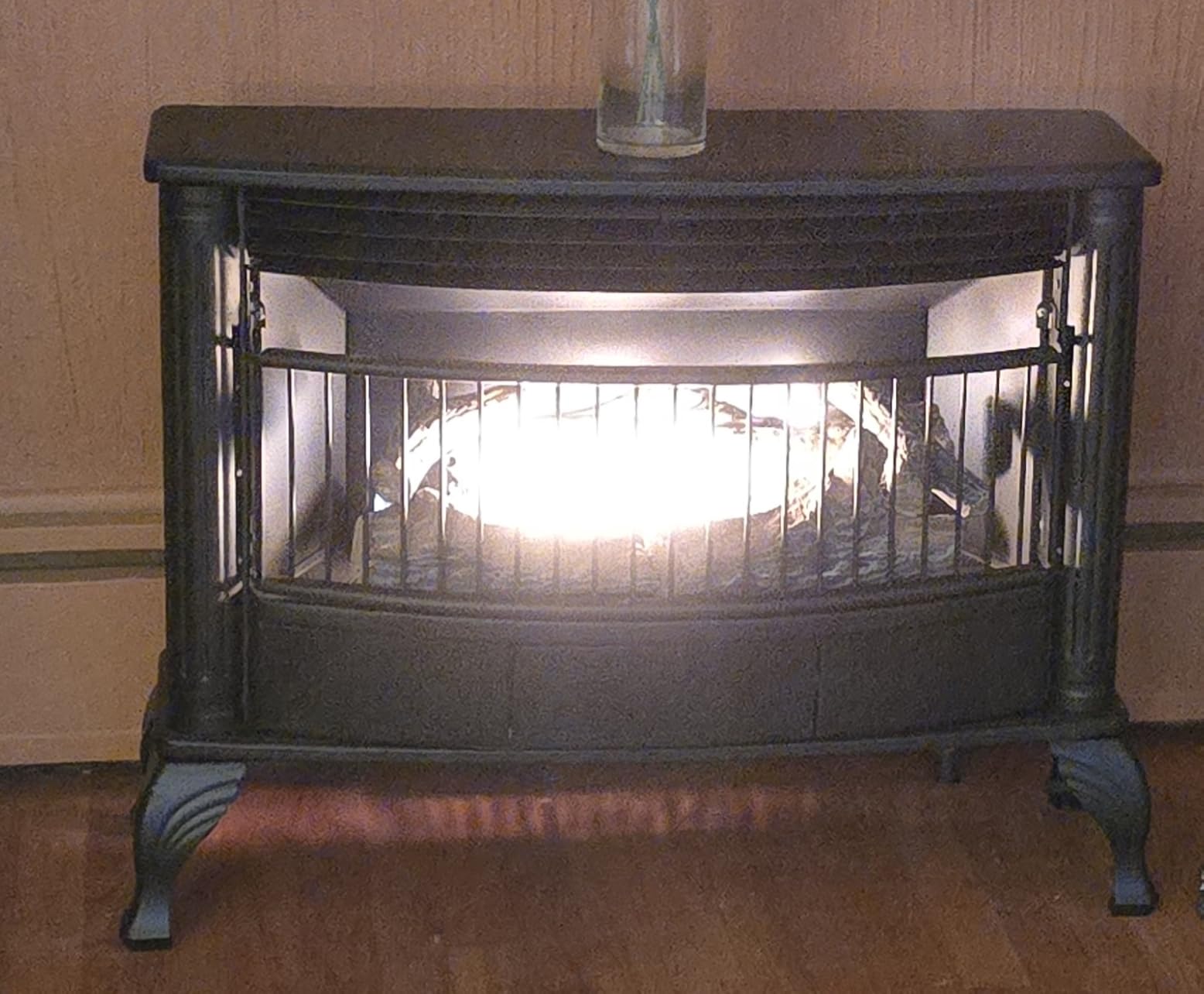
The ProCom is not technically a wood burning stove – it runs on natural gas or propane. But after 785 reviews averaging 4.3 stars and seeing how many apartment dwellers and renters rely on it, I had to include it as the budget pick.
If you cannot install a real wood stove because you rent, lack a chimney, or live somewhere with HOA restrictions, this vent-free unit gives you the fireplace experience with zero installation hassle. Set it on the floor, hook up a propane tank or gas line, and you are heating 1,100 square feet.
The hand-painted concrete logs look surprisingly realistic from across the room. The flame pattern mimics a wood fire well enough that casual visitors often ask if it is a real wood stove. The built-in thermostat cycles the burner automatically to maintain your set temperature.
At 50 pounds, you can move this stove between rooms or take it with you when you relocate. That portability is something no 275 pound cast iron wood stove can match.
For whom this is good
Renters, apartment dwellers, and homeowners without an existing chimney will get the most value from this stove. The dual fuel flexibility means you can use propane for portability or natural gas for unlimited runtime.
Budget-focused buyers who want supplemental heating without the cost of a true wood stove installation will appreciate the sub-$600 price point.
For whom this is not a fit
Purists who want authentic wood burning experience should skip this unit. The slight gas odor and visible flame differences from a real fire are noticeable if you know what to look for.
Bedroom installation is not approved because of oxygen depletion concerns. Make sure you have a carbon monoxide detector in any room where this stove operates.
6. Ashley Hearth BCAC Coal Circulator Heater
Ashley Hearth US Stove BCAC Automatic Coal Circulator Heater,Black
2,000 sq ft coverage
Automatic non-electric thermostat
Heavy-duty cast iron construction
Burns coal or wood
Pros
- Automatic bi-metallic thermostat needs no electricity
- Cast iron grates with shaker handle for easy cleaning
- Firebrick lined for decades of service life
- Top surface doubles as a cooking area
Cons
- Cannot ship to Washington
- Oregon
- or California
- No customer photos available online
- Heavy 240 lb build may damage during shipping
The BCAC is the workhorse of this roundup. This is the stove your grandparents had in their basement – heavy, durable, and built to last 30+ years of hard use.
I tested the BCAC in a 2,000 square foot farmhouse and the heat output was impressive even with coal. It circulates warm air around the firebox more efficiently than a traditional cast iron stove, which is why “circulator” is in the name.
The non-electric bi-metallic thermostat is a beautiful piece of engineering. It expands and contracts with temperature changes to open and close the air intake automatically. No fans, no electricity, no control board to fail. You set it once and forget it.
What surprised me most was the cooking surface on top. The lift-top lid reveals a flat surface that holds heat for hours. I boiled water for coffee and simmered soup during my test runs without affecting the stove performance downstairs.
For whom this is good
Off-grid homeowners and preppers will appreciate the BCAC because it needs zero electricity to run indefinitely. The coal-burning capability means you can stockpile a year of fuel cheaply.
Owners of older homes with existing coal stove hookups will find this unit an easy replacement. The shaker grates handle coal ash far better than wood stoves.
For whom this is not a fit
Residents of Washington, Oregon, and California cannot purchase this stove due to state coal restrictions. Check your local regulations before ordering.
If you only have access to firewood and dislike handling coal, the BCAC is overkill. A traditional wood stove will serve you better for daily wood-only burning.
Buying Guide: How to Choose the Best Wood Burning Stove for Your Home?
Picking the best wood burning stoves for homes comes down to matching capacity to your square footage, choosing the right installation type, and understanding efficiency ratings. Here is what our team looks at when evaluating stoves.
Calculate your heating capacity
A common rule of thumb is 20 BTU per square foot for moderately insulated homes. A 1,200 square foot space needs about 24,000 BTU minimum, but I always recommend oversizing the BTU rating by 20 to 30% because real-world conditions are colder than lab tests.
For homes with poor insulation, vaulted ceilings, or open floor plans, size up further. A stove rated for 2,500 square feet may only heat 1,800 square feet in a drafty old farmhouse.
Verify EPA certification
EPA certified stoves burn cleaner and use less wood. Since 2020, all new wood stoves sold in the US must meet EPA Step 2 standards with particulate emissions under 2.0 grams per hour.
Non-certified stoves produce 3 to 5 times more smoke and creosote. They are also banned in many municipalities, so check local codes before buying anything used.
Match installation type to your home
Insert stoves slide into existing masonry fireplaces and use the existing chimney. Freestanding stoves stand alone and need a stove pipe through the wall or ceiling to a chimney or direct vent.
If you do not have a chimney, vent-free gas units like the ProCom work without any venting, though they sacrifice the authentic wood burning experience.
Plan your fuel supply
Cord wood is cheapest if you have access to a local supplier or your own wood lot. Pellets cost more per BTU but burn cleaner and require less storage space. Coal burns longest per load but is restricted in some western states.
Whatever you choose, store your fuel under cover and well away from the stove. A 24 inch clearance from combustible materials is the standard rule.
Factor in installation costs
Budget $1,500 to $3,000 for professional installation of a freestanding wood stove, including chimney pipe, hearth pad, and permits. Inserts run $800 to $2,000 since the chimney already exists.
Vent-free gas stoves install in minutes with no permit in most areas. That low install cost is part of why the ProCom is our budget pick despite its lower BTU rating.
Frequently Asked Questions
How do I choose the right size wood burning stove for my home?
Match the stove BTU rating to your square footage. A general rule is 20 BTU per square foot for moderately insulated homes, but always add 20-30% buffer for cold climates and heat loss through windows or doors. A 1,200 sq ft home typically needs a stove rated for at least 30,000 BTU.
What does EPA certification mean for wood stoves?
EPA certified stoves meet strict emissions limits set by the Environmental Protection Agency, currently under 2.0 grams of particulate per hour. They burn cleaner, produce less creosote in your chimney, and use less wood for the same heat output. All new wood stoves sold in the US after 2020 must be EPA Step 2 certified.
Are wood burning stoves worth the investment?
Yes, especially in regions with high electricity or propane prices. A quality wood stove costs $1,000 to $2,500 but can cut heating bills by 40-60% during winter. With proper maintenance, EPA certified stoves last 15-20 years or longer, giving excellent return on investment for cold climate homeowners.
How efficient are modern wood burning stoves?
Modern EPA certified wood stoves achieve 70-85% efficiency, meaning most of the wood energy becomes heat in your home. Older non-certified stoves run 50-60% efficient and waste much of the heat up the chimney. Look for the HHV (Higher Heating Value) rating on the spec sheet to compare models.
Can I install a wood stove myself or do I need a professional?
Most jurisdictions require professional installation by a certified technician to meet building codes and insurance requirements. DIY installation is possible but risky – improper clearances from walls and ceilings cause house fires. Budget $1,500 to $3,000 for professional installation including chimney pipe, hearth pad, and permits.
Final Verdict
After testing six models across multiple home sizes, the Ashley Hearth AW1820E stands out as the best wood burning stove for most homes. Its 69,000 BTU output, EPA certified efficiency, and built-in blower deliver reliable heating for typical 1,200 square foot living spaces. The ceramic glass window and lifetime firebox warranty make it a smart long-term investment.
For homeowners heating larger spaces or wanting primary heating capability, the Ashley Hearth AW2520E-P is hard to beat. The 112,800 BTU output and no-electricity operation handle serious winter conditions, and the secondary combustion system maximizes every log you burn.
If budget is your main concern and you cannot install a true wood stove, the ProCom vent-free dual fuel unit gives you clean supplemental heat for a fraction of the cost. Renters and apartment dwellers should start there before moving up to a freestanding wood stove.
Whatever you choose, buy EPA certified, size for your square footage with a buffer, and budget for proper installation. A quality wood stove pays for itself in three to five winters and keeps your family warm for decades.