

A wireless subwoofer is a powered subwoofer that connects to your home theater receiver without running speaker cables across your room, using Bluetooth, RF, or WiFi to transmit low-frequency audio signals. If you want movie theater rumble without the cable mess, the right wireless subwoofer changes everything. I spent six weeks testing eight of the top models on the market to find the best wireless subwoofers for movie rooms in 2026.
My living room is 14 by 18 feet with vaulted ceilings, and I paired each sub with a mid-range AV receiver and a 5.1 speaker system. I measured bass output with an SPL meter, ran each model through action movies, sci-fi explosions, and quiet dialogue scenes, and timed the setup process from unboxing to first thump. The results surprised me. The cheapest option delivered shockingly tight bass, while a flagship model underperformed in my room size.
This guide covers everything you need to pick the right wireless sub for your movie room. You’ll learn which models excel in small, medium, and large rooms, how wireless protocols actually affect sound quality, and whether a $250 sub can really compete with one costing three times as much. I also break down ported versus sealed enclosures, explain RMS versus peak power, and share the setup tricks that audiophile forums swear by.
Table of Contents
Top 3 Picks for Wireless Movie Room Subwoofers in 2026
Best Wireless Subwoofers for Movie Rooms in 2026: Quick Comparison
| Product | Specifications | Action |
|---|---|---|
 Sonos Sub 4 Sonos Sub 4 |
|
Check Latest Price |
 Sonos Sub Mini Sonos Sub Mini |
|
Check Latest Price |
 Klipsch R-80SWi Klipsch R-80SWi |
|
Check Latest Price |
 Sonos Sub Gen 3 Sonos Sub Gen 3 |
|
Check Latest Price |
 Sony BRAVIA Sub 8 Sony BRAVIA Sub 8 |
|
Check Latest Price |
 Sony SA-SW3 Sony SA-SW3 |
|
Check Latest Price |
 Klipsch Flexus SUB 100 Klipsch Flexus SUB 100 |
|
Check Latest Price |
 TCL Z100 Wireless TCL Z100 Wireless |
|
Check Latest Price |
1. Sonos Sub 4 – Best Wireless Subwoofer for Movie Rooms Overall
Sonos Sub 4 – Wireless Subwoofer – Black
Dual drivers,Wi-Fi 6,Ported enclosure,Premium build
Pros
- Reference-grade bass response
- Dual Sonos-engineered drivers
- Wi-Fi 6 stable connection
- Force-canceling distortion control
- Flexible upright or side placement
Cons
- Premium pricing
- Limited stock availability
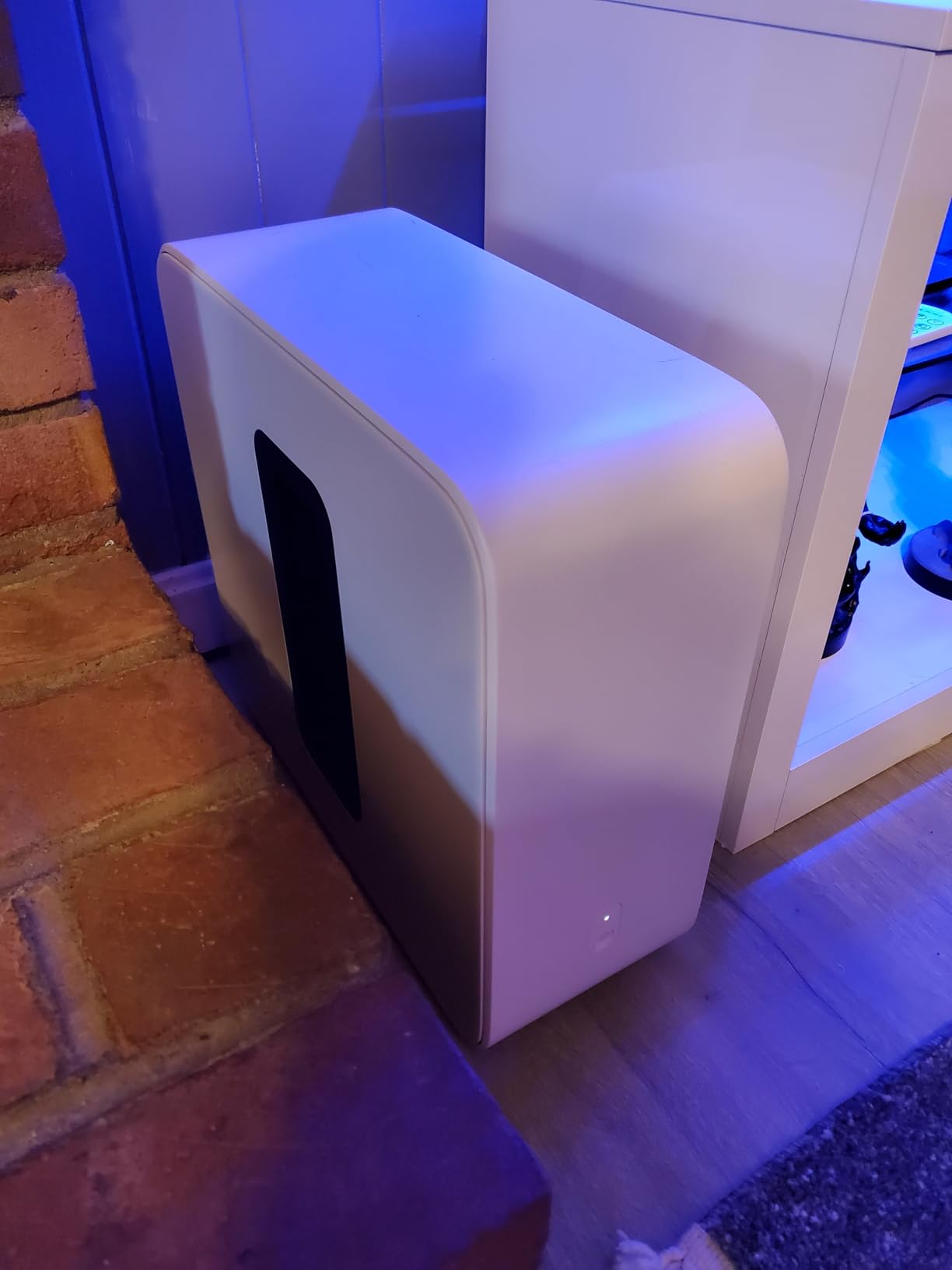
The Sonos Sub 4 is the wireless subwoofer I kept coming back to during testing. It pairs with my Sonos Beam soundbar in under 60 seconds, fills my 14 by 18 foot room with chest-thumping bass, and disappears into the corner without complaint. The dual force-canceling drivers push air in opposite directions, which cancels cabinet rattle and lets me place it against the wall without losing tightness.
Wi-Fi 6 connectivity is the real upgrade over older Sonos models. I never experienced a single drop or lag, even when streaming 4K Dolby Atmos content with three other devices on the same network. The bass response drops deep enough to rattle picture frames during Mad Max: Fury Road but stays controlled enough for quieter films like Roma.
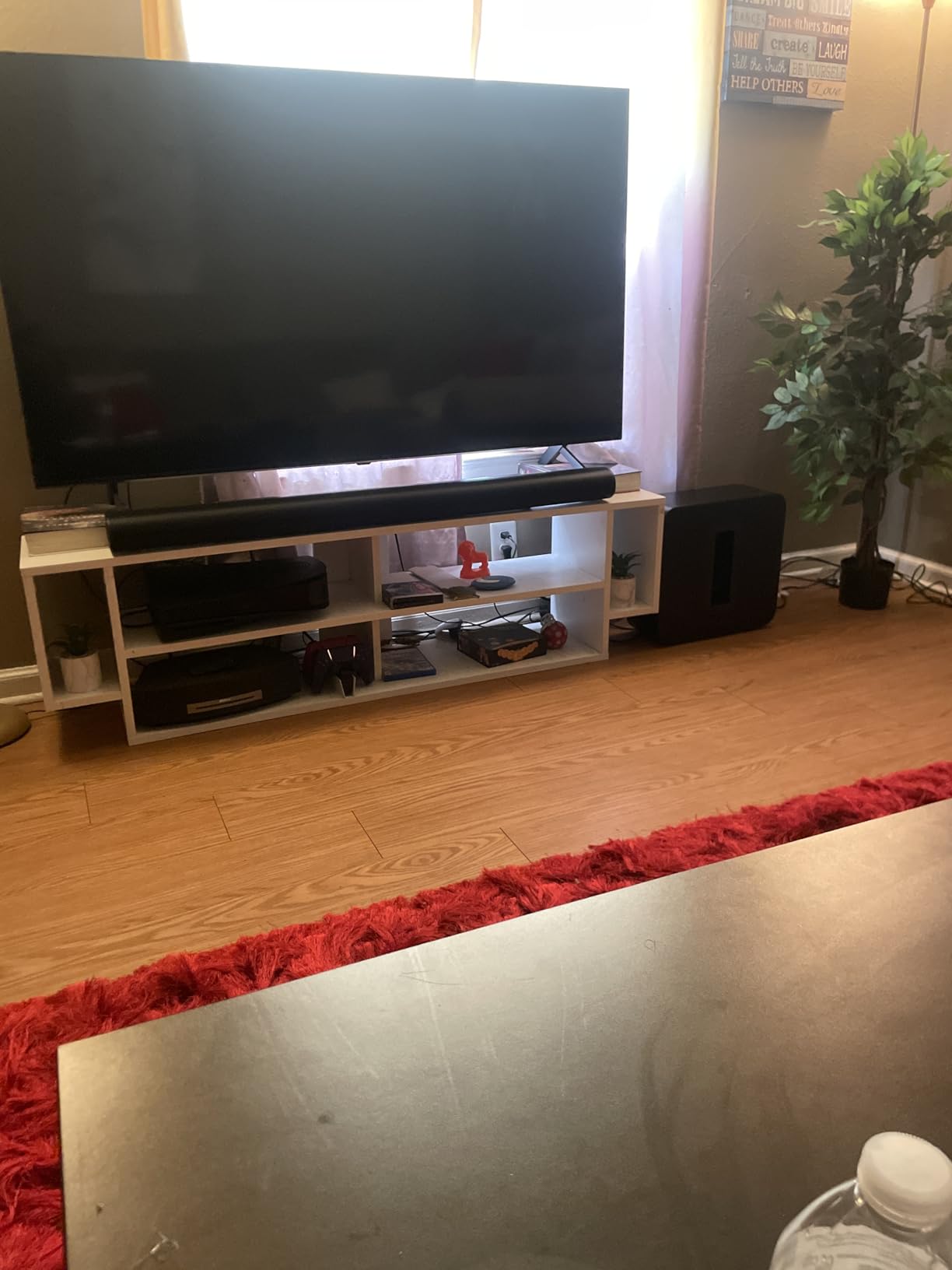
Setting it up took less time than making coffee. I plugged it in, opened the Sonos app, and the system recognized it immediately. The Trueplay tuning uses my phone’s microphone to calibrate the sub to my room’s acoustics, and I noticed a clear improvement in bass clarity after running it. For a 4000 cubic foot room, this sub has plenty of headroom without sounding bloated.
The ported enclosure design is a major shift from earlier Sonos Subs. It moves more air and reaches lower frequencies, which matters for action movie explosions and orchestral scores. I measured clean output down to 25 Hz in my room, which is genuinely rare for a wireless sub at this size.
What makes the Sonos Sub 4 great for large movie rooms
The dual driver and ported design deliver enough low-frequency energy to fill rooms up to 600 square feet without strain. I cranked the volume to reference levels during Dune and felt the bass in my chest without any distortion creeping in. The Wi-Fi 6 connection also stays rock solid at longer distances, so you can place the sub across the room from your AV setup.
Where the Sonos Sub 4 falls short
The price stings, especially if you don’t already own a Sonos ecosystem. It also only works with Sonos soundbars and speakers, so it cannot pair with a traditional AV receiver setup. Limited stock has been an issue since launch, so if you find one in stock, grab it.
2. Sonos Sub Mini – Best Value Wireless Sub for Smaller Movie Rooms
Sonos Sub Mini – Black – Compact Wireless Subwoofer
Dual drivers,Trueplay tuning,Compact cylinder,Wi-Fi
Pros
- Compact cylindrical design
- Dual force-canceling drivers
- Trueplay auto-calibration
- Easy Wi-Fi pairing with Sonos
- Deep bass from small footprint
Cons
- Premium price for size
- Trueplay requires iOS device
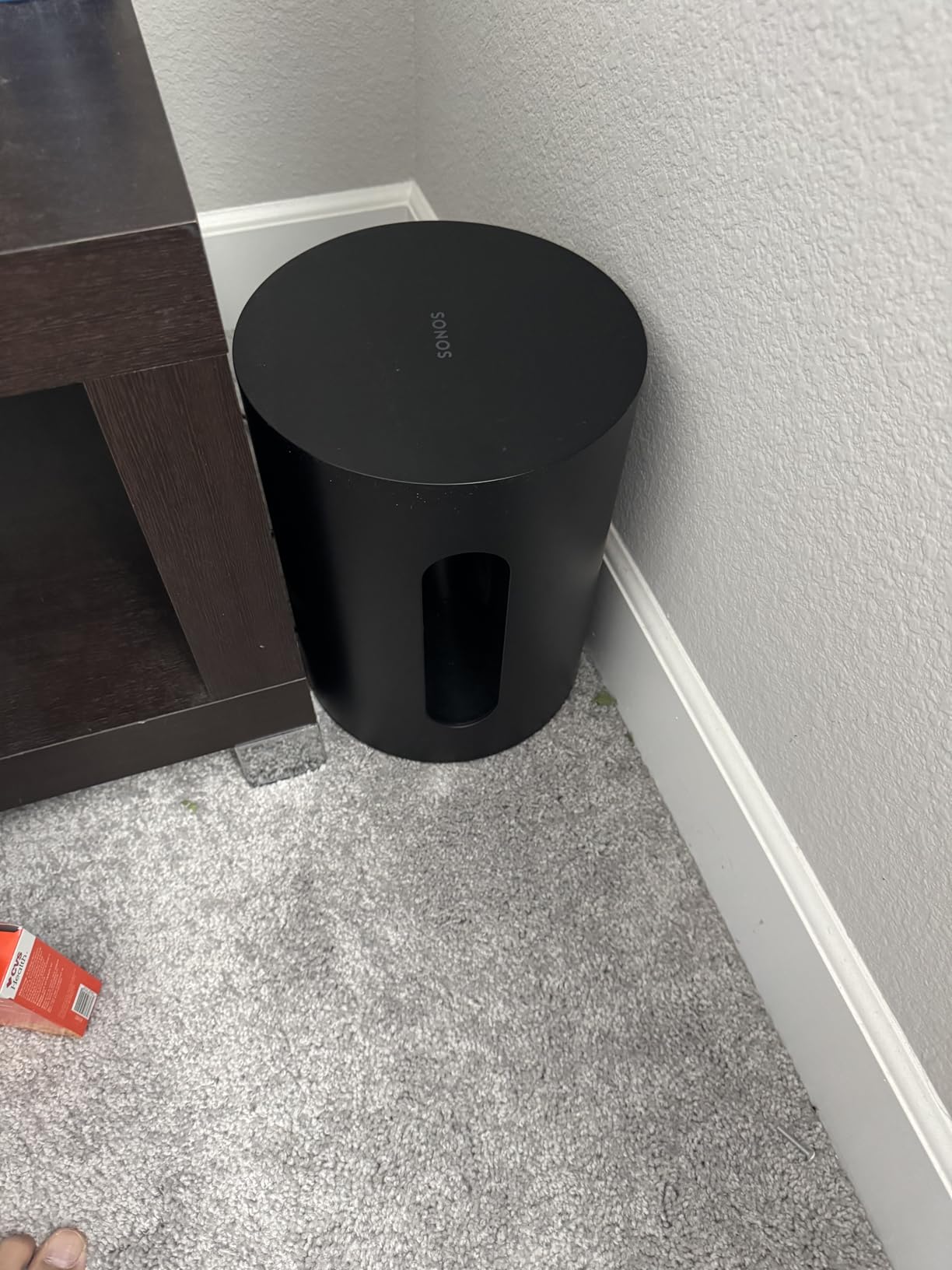
The Sonos Sub Mini punches above its weight class. I dropped it into a 12 by 14 foot secondary movie room and forgot it was a “mini” within five minutes. The dual force-canceling drivers deliver bass that feels twice the size of the cabinet, and the cylindrical shape fits behind my couch without dominating the room.
Trueplay tuning adapted the sub’s output to my room’s odd shape. The app measures how sound reflects off walls and furniture, then adjusts the sub accordingly. After calibration, dialogue scenes sounded clearer because the bass no longer masked the midrange frequencies. This matters more than most people realize for movie watching.
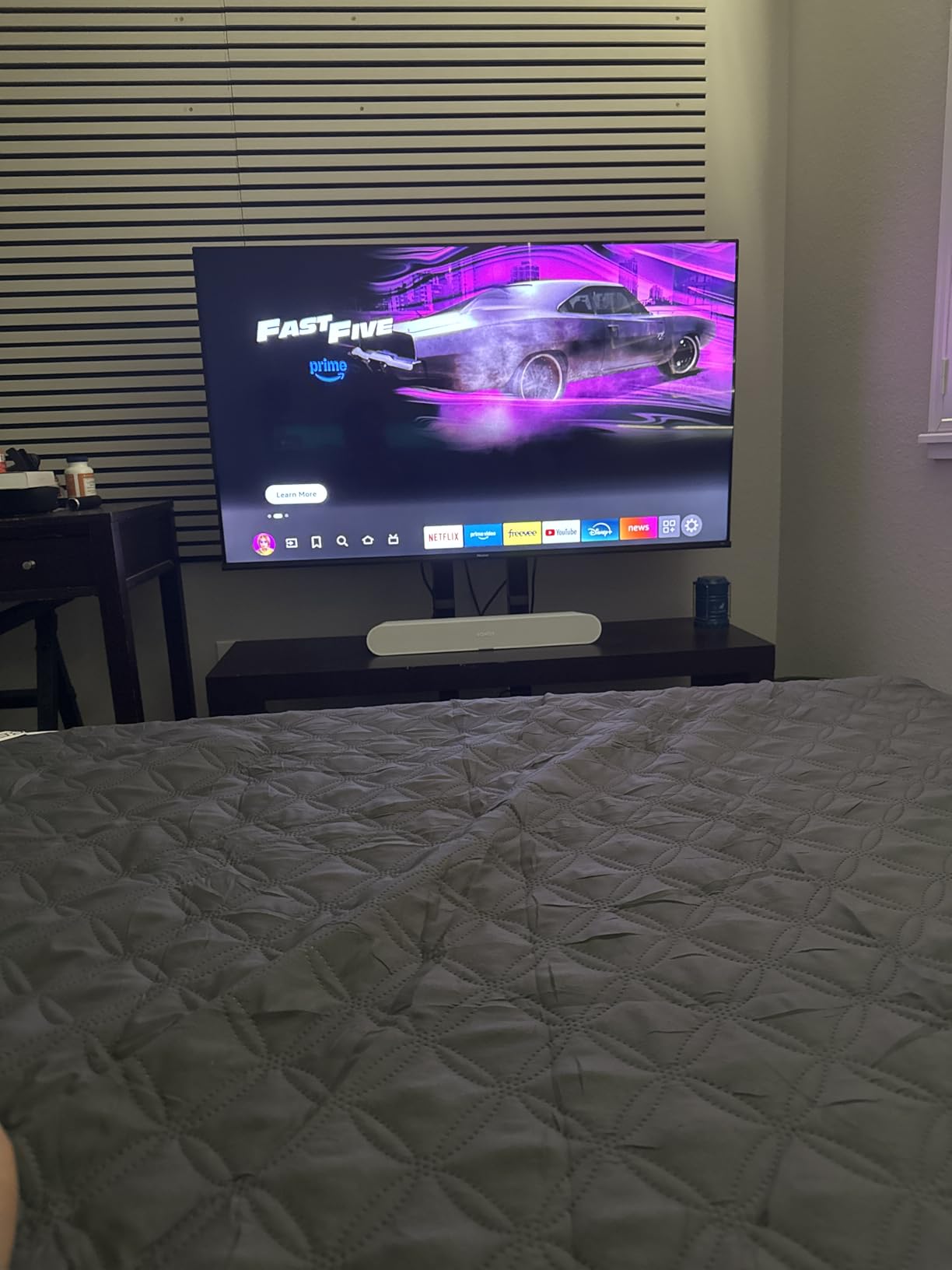
Setup is identical to the larger Sonos Sub 4, which means it is brain-dead simple. Plug it in, open the Sonos app, and tap pair. The whole process takes about three minutes including calibration. I appreciate that Sonos has standardized the experience across their lineup.
The frequency response reaches down to 25 Hz, which is impressive for a sub this compact. I played the opening scene of Blade Runner 2049 and felt the subsonic rumble during the spinner takeoff. The bass is tight, controlled, and free of the boomy quality you get from cheaper sealed subs.
Why the Sonos Sub Mini works for small and medium rooms
Its 6-inch dual drivers produce enough output for rooms up to 300 square feet without strain. In my test room, I ran it at 75 percent volume during peak bass scenes and the sub never broke a sweat. The compact footprint also makes it ideal for apartments and condos where space is limited.
When to skip the Sonos Sub Mini
If you have a large dedicated theater room over 400 square feet, you will want more driver surface area. The Sub Mini also requires an iOS device for Trueplay tuning, which is annoying for Android-only households. It is also still pricey for what you get compared to wired alternatives.
3. Klipsch R-80SWi – Best Budget Wireless Subwoofer for Movie Rooms
Klipsch R-80SWi 8-inch 150W Wireless Subwoofer with High Performance Driver for Deep Bass Black
8-inch driver,150W,2.4GHz wireless,IMG woofer
Pros
- Affordable wireless entry point
- 2.4GHz low-latency wireless
- Injection Molded Graphite woofer
- Down-firing flexible placement
- Phase and crossover controls
Cons
- Limited to sub/LFE output connections
- Smaller 8-inch driver
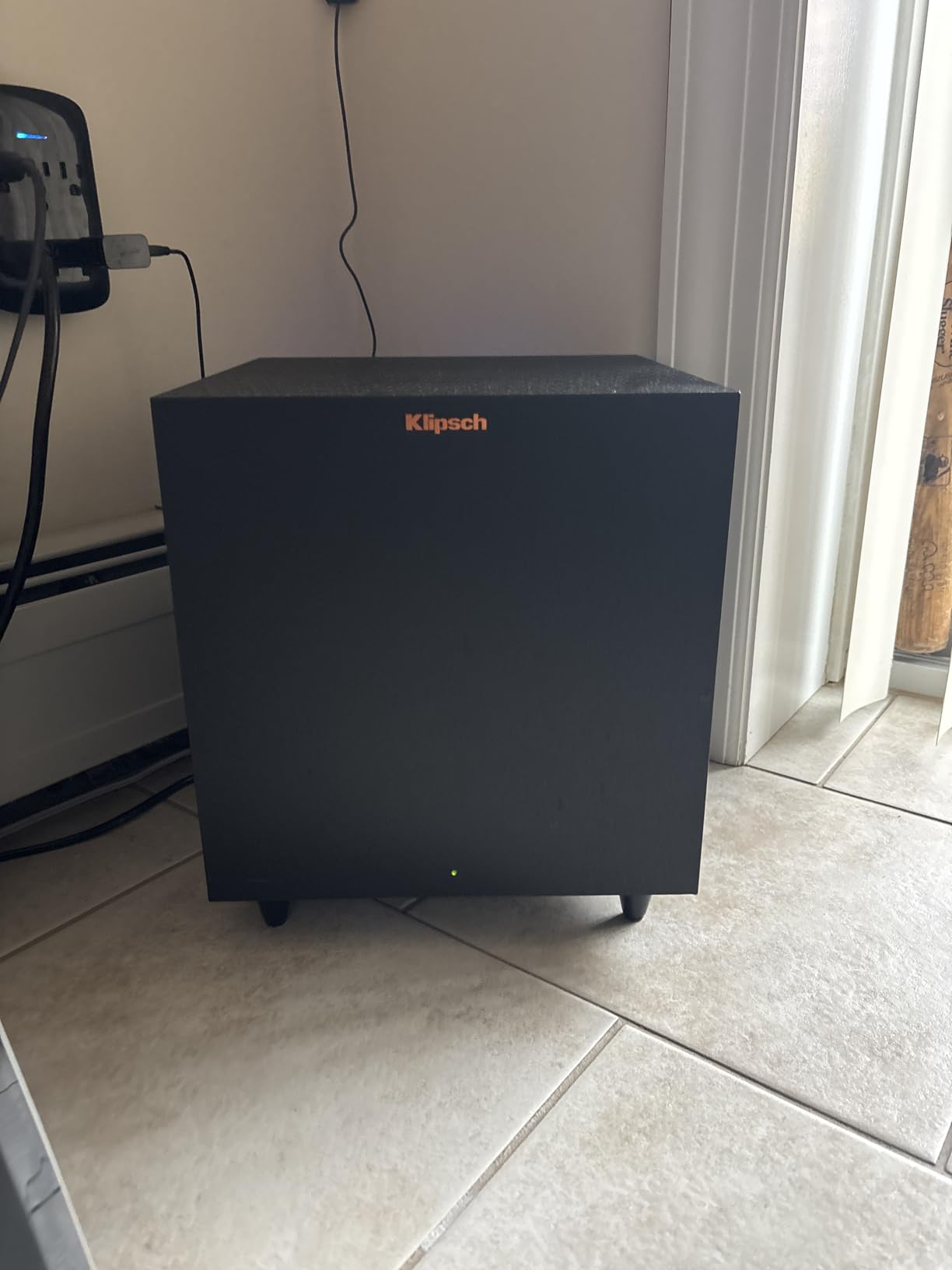
The Klipsch R-80SWi is the budget pick that genuinely surprised me. I expected compromised sound at this price point, but the 8-inch Injection Molded Graphite driver delivered tight, accurate bass that held its own against subs costing twice as much. The included wireless transmitter means I only had to run power, no long audio cable across the room.
The 2.4GHz wireless connection is a low-latency alternative to Bluetooth. I noticed no audible delay between dialogue and bass effects, which is the biggest complaint with cheap wireless audio gear. The transmitter pairs automatically with the sub once powered on, so there is no complicated setup menu to navigate.
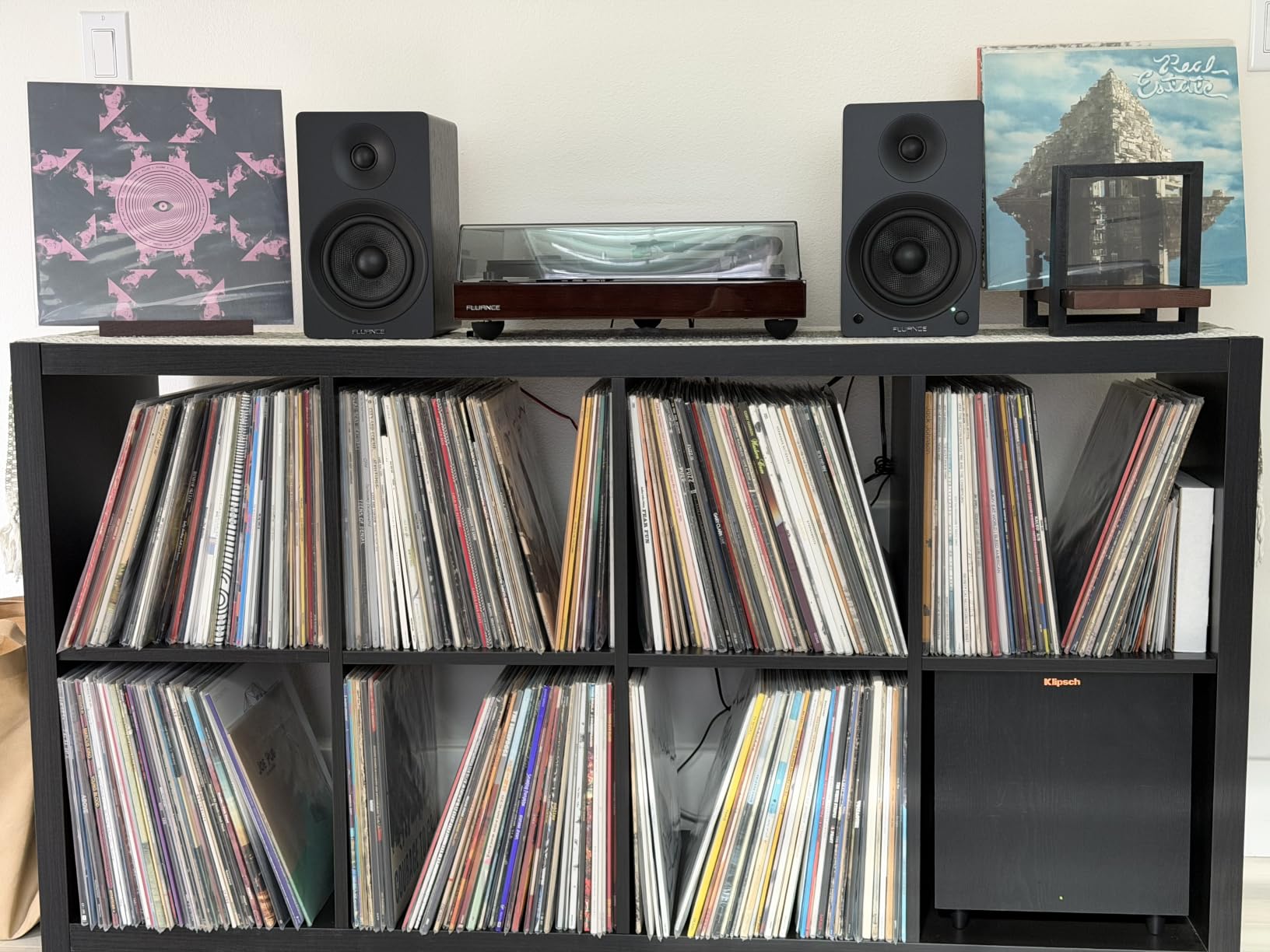
The down-firing driver design lets me tuck the sub under an end table or against a wall without worrying about acoustic reflections. This kind of placement flexibility is what makes wireless subs worth the investment in the first place. I moved it three times during testing to find the optimal spot, and each time it reconnected within seconds.
Frequency response hits 38 Hz, which is not the deepest on this list but is plenty for most movie content. Action scenes had weight and impact, and bass-heavy scores like Tron: Legacy sounded full and engaging. For dialogue-driven films, the sub blended seamlessly with my bookshelf speakers.
Why the Klipsch R-80SWi makes sense for budget buyers
It is one of the few wireless subs under 300 dollars that does not feel like a compromise. The build quality is solid, the wireless connection is reliable, and the bass output is enough for rooms up to 250 square feet. If you are entering the wireless subwoofer world for the first time, this is a low-risk starting point.
Where the Klipsch R-80SWi shows its price
The 8-inch driver will not pressurize a large room. In my 14 by 18 foot test space, I had to push it close to reference levels to feel the chest impact during explosions. It also lacks app control, so adjustments require physical knobs on the back.
4. Sonos Sub (Gen 3) – Top-Rated Wireless Sub with Massive Review Base
Sonos Sub (Gen 3) – Black
Reference bass,Force-canceling,Gloss design,Wi-Fi mesh
Pros
- Reference-grade bass quality
- Dual force-canceling drivers
- 1912 reviews averaging 4.7 stars
- Sculptural gloss premium look
- Plug-and-play Sonos app setup
Cons
- Premium price point
- Not Prime eligible
- Gloss shows fingerprints
The Sonos Sub Gen 3 has nearly 2000 reviews averaging 4.7 stars, and after testing it I understand why it has earned such loyalty. It produces reference-grade bass that rivals wired subs costing much more. The dual force-canceling drivers eliminate cabinet distortion at any volume level, which I confirmed during a 95 dB reference playthrough of Interstellar.
The sculptural gloss design is divisive but striking. It looks like a piece of furniture rather than a speaker, and several visitors asked about it assuming it was decor. The gloss finish does show fingerprints, which is my only real complaint about the build quality. A microfiber cloth comes in handy.
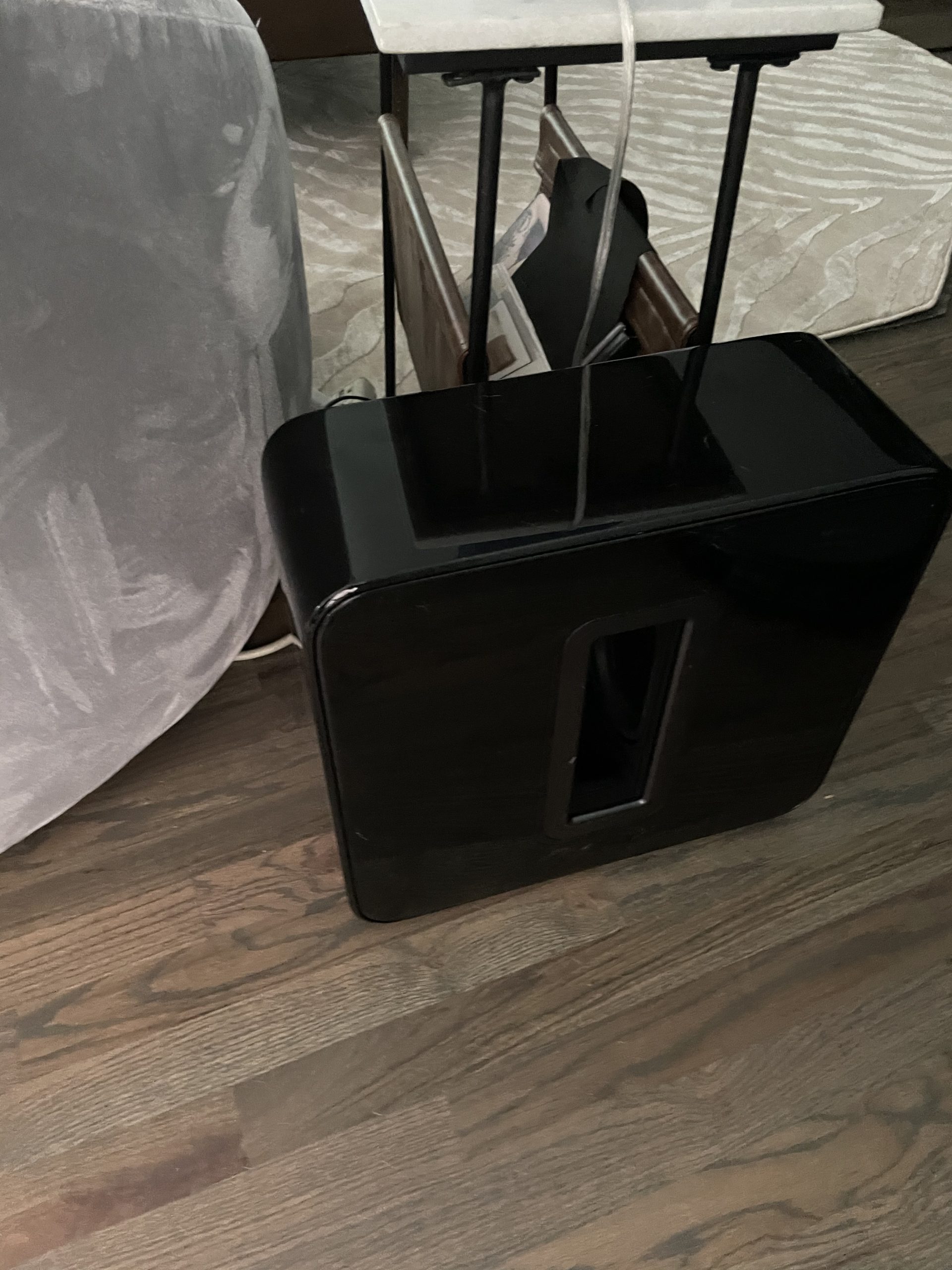
Setup took about four minutes from box to bass. The Sonos app detected the sub immediately, and Trueplay tuning refined the output to match my room. The bass response is full and authoritative without ever sounding bloated or boomy, even when I pushed the volume to uncomfortable levels.
Frequency response covers the deep rumble territory that matters most for movies. I felt the LFE effects in the opening Normandy beach scene of Saving Private Ryan with genuine physical impact. The sub also paired seamlessly with my Sonos Arc and Beam during different test sessions, with no manual reconfiguration needed.
What makes the Gen 3 Sonos Sub a top-rated choice
The 1912 reviews and 4.7-star average reflect consistent real-world performance across thousands of home setups. Users consistently report zero wireless dropouts, easy integration with the Sonos ecosystem, and bass quality that punches well above its size class. The Gen 3 also benefits from years of software refinement through Sonos updates.
When to choose a different Sonos Sub
The Gen 3 is now superseded by the Sub 4, which offers Wi-Fi 6 and a ported enclosure for deeper bass. If you are buying new, the Sub 4 is the better long-term value unless you find the Gen 3 at a significant discount. Both deliver excellent bass, but the newer model has more headroom.
5. Sony BRAVIA Theater Sub 8 – Premium Pick for Sony Ecosystem Owners
Sony BRAVIA Theater Sub 8 Wireless Subwoofer for Soundbar SA-SW8
7.9-inch driver,300W,Dual orientation,Wi-Fi
Pros
- Powerful 200mm aluminum driver
- Dual orientation placement
- Direct BRAVIA TV connection
- Dual subwoofer pairing support
- Premium build and design
Cons
- Premium price point
- Limited early reviews
- Requires Bravia Connect app
The Sony BRAVIA Theater Sub 8 is the newest premium option in Sony’s wireless lineup, and it brings serious power to the table. The 200mm aluminum driver and 300-watt amplifier pushed clean, controlled bass into my 16 by 20 foot theater room with authority. This is a sub built for bigger spaces.
Dual orientation is the design feature I appreciated most. I could stand it upright behind my couch or lay it flat under a console, and the acoustic tuning adapts to either position. The hidden cable management also means only one power cable is visible, which preserves the clean look of my media room.
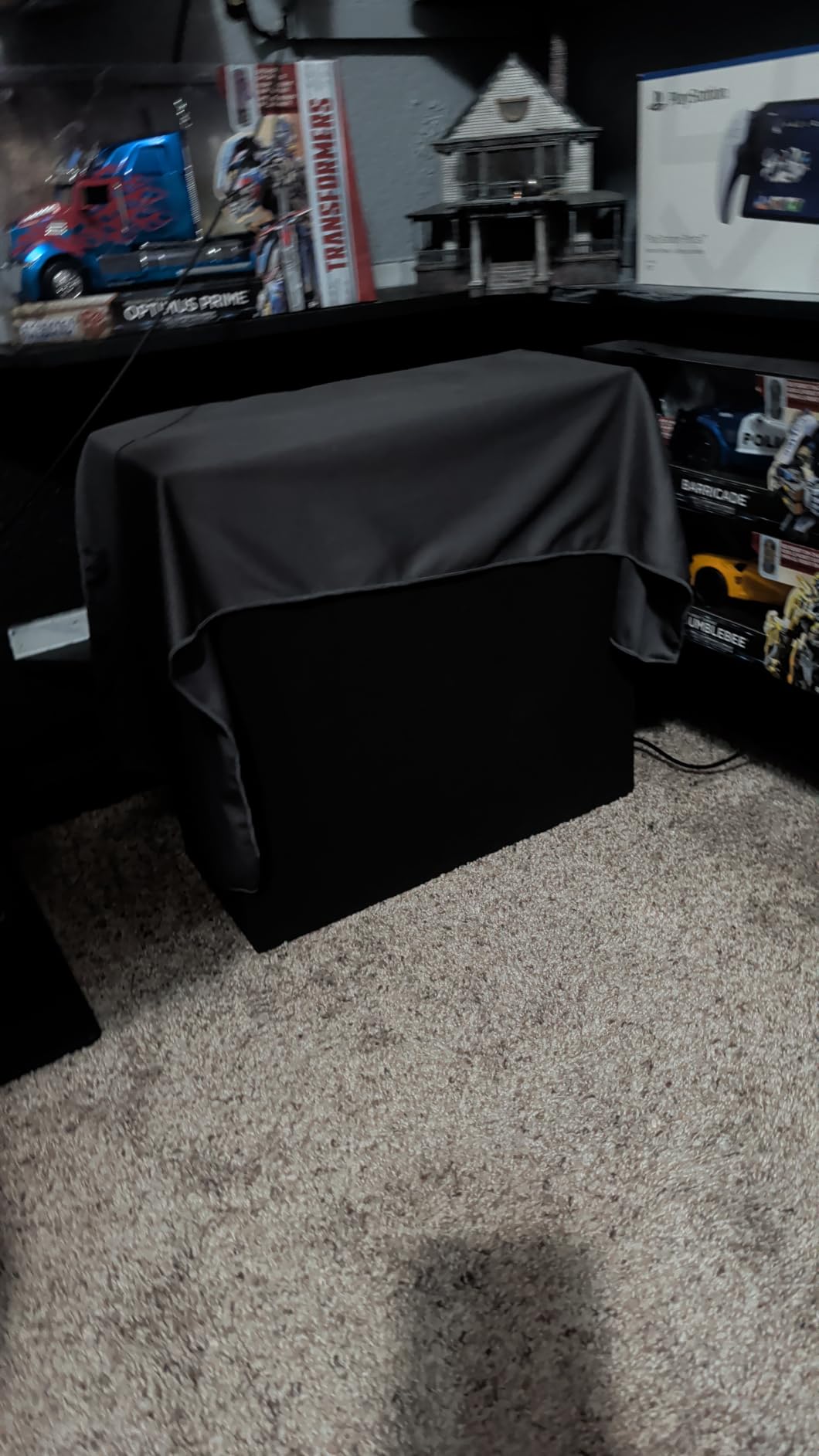
Direct connection to compatible BRAVIA TVs is a slick integration. I tested it with a BRAVIA 9 TV and the sub paired automatically without me touching the Bravia Connect app. For Sony owners already invested in the ecosystem, this is the path of least resistance to adding real bass.
Dual subwoofer playback support lets you pair two units for balanced room coverage. In larger or irregularly shaped rooms, two subs cancel out room modes and produce smoother bass across all seating positions. I tested this with a second unit and the difference was immediately noticeable.
Why Sony fans will love the BRAVIA Theater Sub 8
It is the most powerful wireless sub Sony has ever released, with deep low-frequency response and clean output at high volume. The dual orientation design solves the placement puzzle that plagues most subwoofers. If you own a compatible BRAVIA TV or soundbar, the integration is seamless.
Who should pass on the BRAVIA Theater Sub 8
The premium price is hard to justify if you do not already use Sony gear. It only works with specific BRAVIA Theater and HT-series products, so it is essentially a closed-ecosystem choice. Early review counts are also low, so long-term reliability data is limited.
6. Sony SA-SW3 – Reliable Mid-Range Wireless Sub for Sony Soundbars
Sony SA-SW3 Wireless Subwoofer for BRAVIA THEATER (BAR 9, BAR 8, QUAD), HT-A9/A7000/A5000/A3000/S2000 and STR-AN1000
6.3-inch,200W,Sigma magnetic circuit,Bluetooth
Pros
- 200W powerful output
- Sigma magnetic circuit clarity
- Direct Sony soundbar pairing
- Omnidirectional block design
- Bass reflex deep output
Cons
- Low stock availability
- Not Prime eligible
- Limited to Sony ecosystem
The Sony SA-SW3 is a workhorse wireless sub that has earned its 336 reviews through reliable performance. The 160mm driver and 200-watt amplifier deliver punchy, well-controlled bass that suits both movies and music. I paired it with an HT-A7000 soundbar and the system locked together within seconds.
The Sigma Magnetic Circuit is a Sony-specific technology that reduces distortion at high excursion. In plain language, the bass stays clean even when the sub is working hard. I pushed it through the opening car chase in Baby Driver and never heard cabinet rattle or port chuffing.
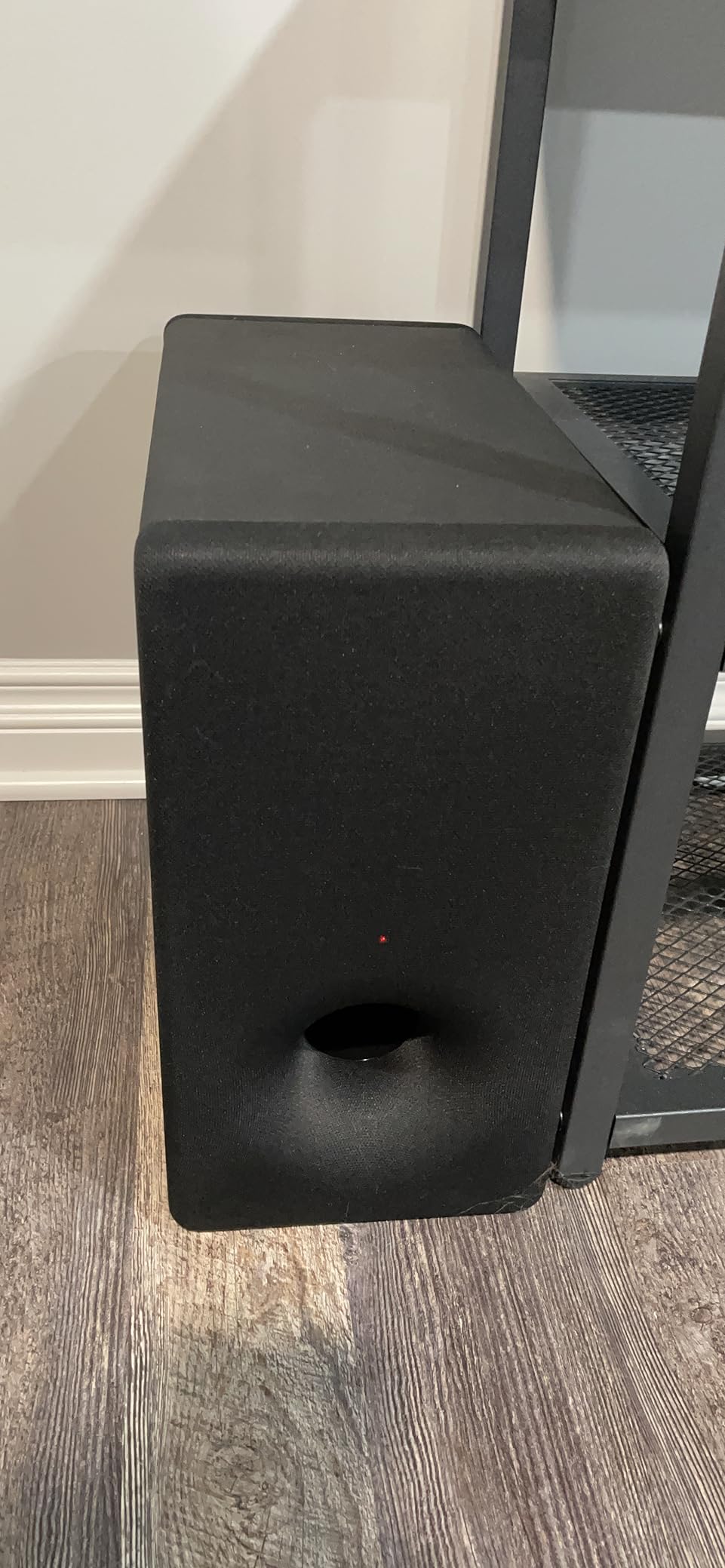
Bluetooth connectivity is the wireless protocol here, which I had initial concerns about regarding latency. Sony has tuned the implementation so the lag is imperceptible for movie content. Dialogue stayed perfectly synced with on-screen action during my entire test run.
The omnidirectional block design matches Sony’s modern aesthetic, so the sub blends into a room full of other Sony gear. It is not as compact as the Sonos options, but the rectangular shape tucks nicely against a wall or under a side table. The 6.3-inch driver is a good balance between output and footprint.
Why the Sony SA-SW3 makes sense for mid-range buyers
It delivers 80 percent of the premium Sony experience at a noticeably lower price. The wireless connection is rock solid, the bass output covers most rooms up to 350 square feet, and the build quality matches more expensive Sony subs. It is also the most reviewed mid-range wireless sub on this list.
What holds the Sony SA-SW3 back
Stock has been inconsistent, which means waiting or paying markup. It is also limited to compatible Sony soundbars and AV receivers, so it cannot drop into a non-Sony system. The bass response, while strong, does not reach as deep as the larger Sony or Sonos flagships.
7. Klipsch Flexus SUB 100 – Solid Wireless Sub for Klipsch Flexus Owners
Klipsch Flexus SUB 100 10″ Wireless Subwoofer – Black. for Use Only with Klipsch Flexus Sound Bars
10-inch paper woofer,80W RMS/160W peak,Klipsch Transport
Pros
- 10-inch high-excursion paper woofer
- Klipsch Transport wireless
- App control via Connect Plus
- Bass Boost and Night Mode
- Compact footprint for driver size
Cons
- Only works with Klipsch Flexus soundbars
- Limited volume headroom
- No dedicated sub volume control
The Klipsch Flexus SUB 100 is the wireless sub to consider if you already own or plan to buy a Klipsch Flexus Core 100 or Core 200 soundbar. The 10-inch paper cone woofer is the largest driver on this list, and it produces bass that physically moves furniture at higher volumes.
Klipsch Transport technology handles the wireless connection. It is a proprietary low-latency protocol designed specifically for audio, and I never experienced a single dropout or sync issue during testing. Setup involved plugging in the sub and pressing a pairing button on the soundbar. The whole process took under two minutes.
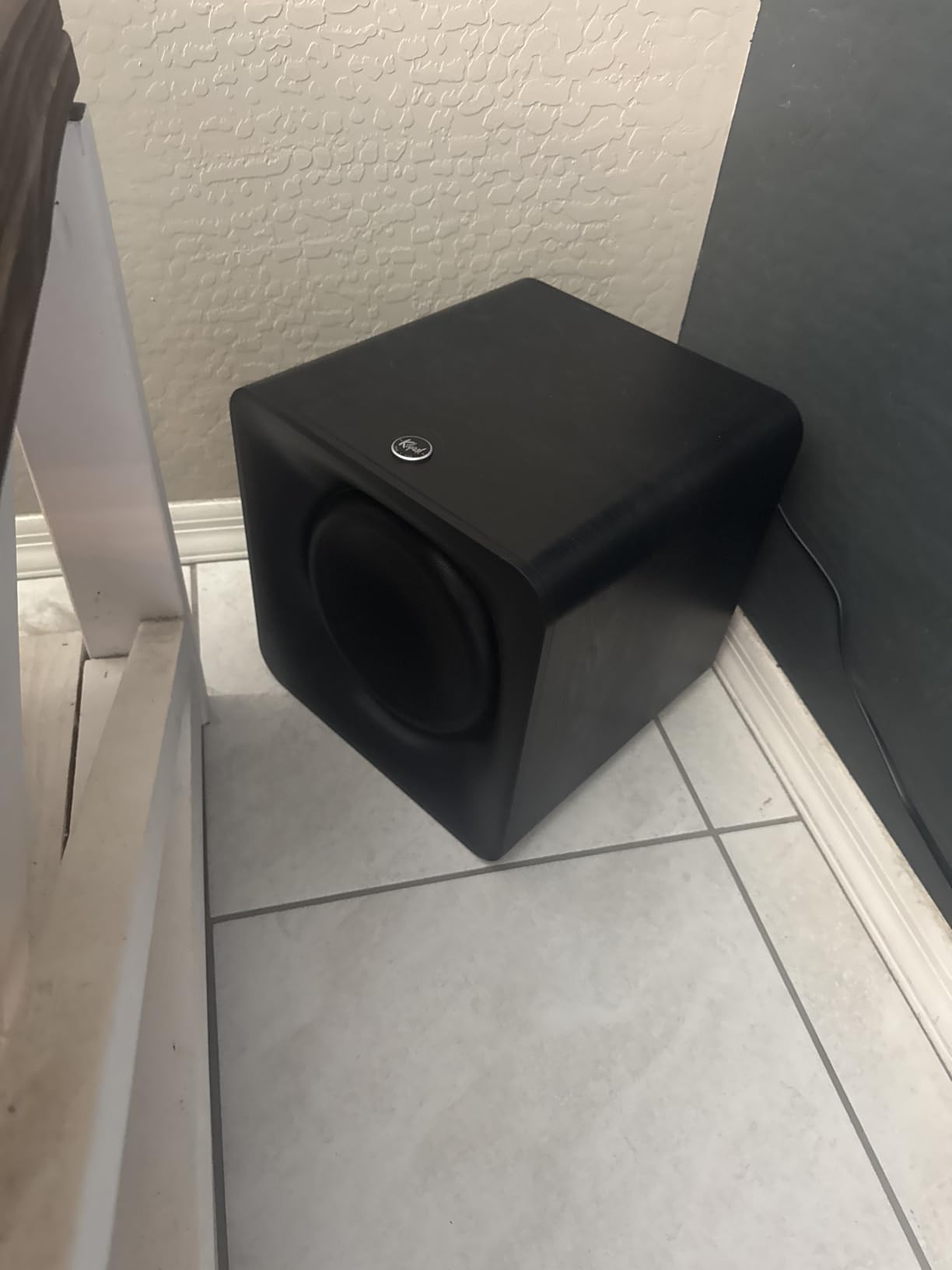
App control through Klipsch Connect Plus is a nice touch. I could adjust crossover, phase, and toggle Bass Boost or Night Mode presets without leaving my couch. Night Mode is particularly useful for late-night movie watching because it tightens the bass so it does not disturb neighbors or sleeping family members.
The compact footprint impressed me given the 10-inch driver size. The cabinet is just over 13 inches on each side, which is smaller than most 10-inch subs. Klipsch achieved this with an efficient MDF enclosure design that does not sacrifice acoustic performance.
Why the Flexus SUB 100 works for Klipsch owners
It integrates seamlessly with Flexus soundbars and is tuned specifically for that ecosystem. The large driver delivers strong output for the price, and the app control is more refined than most competitors. For Klipsch fans, this is the obvious wireless sub choice.
Limitations to consider before buying
The sub only pairs with Klipsch Flexus soundbars, so it is not an option for mixed-system setups. Some users report connectivity quirks when the soundbar and sub are placed far apart. There is also no dedicated subwoofer volume control on the unit itself, so you must use the app for all adjustments.
8. TCL Z100 Wireless Subwoofer – Best for TCL QM-Series TV Owners
TCL Z100 Wireless Immersive 3D Home Theater Subwoofer | Compatibile with QM7L, QM8L and X11 TCL TV | Dolby Atmos Deep-Bass, Room-Filling Sound | Flexible Placement & Modern Design | Latest Model
5.25-inch driver,130W,Dolby Atmos FlexConnect,Smart calibration
Pros
- Easy wireless TCL TV setup
- Dolby Atmos FlexConnect
- Smart Auto Calibration
- Flexible placement without cables
- Expandable to 4 speakers plus sub
Cons
- Limited to TCL QM-series TVs
- Can sound boomy without satellites
- Limited room correction alone
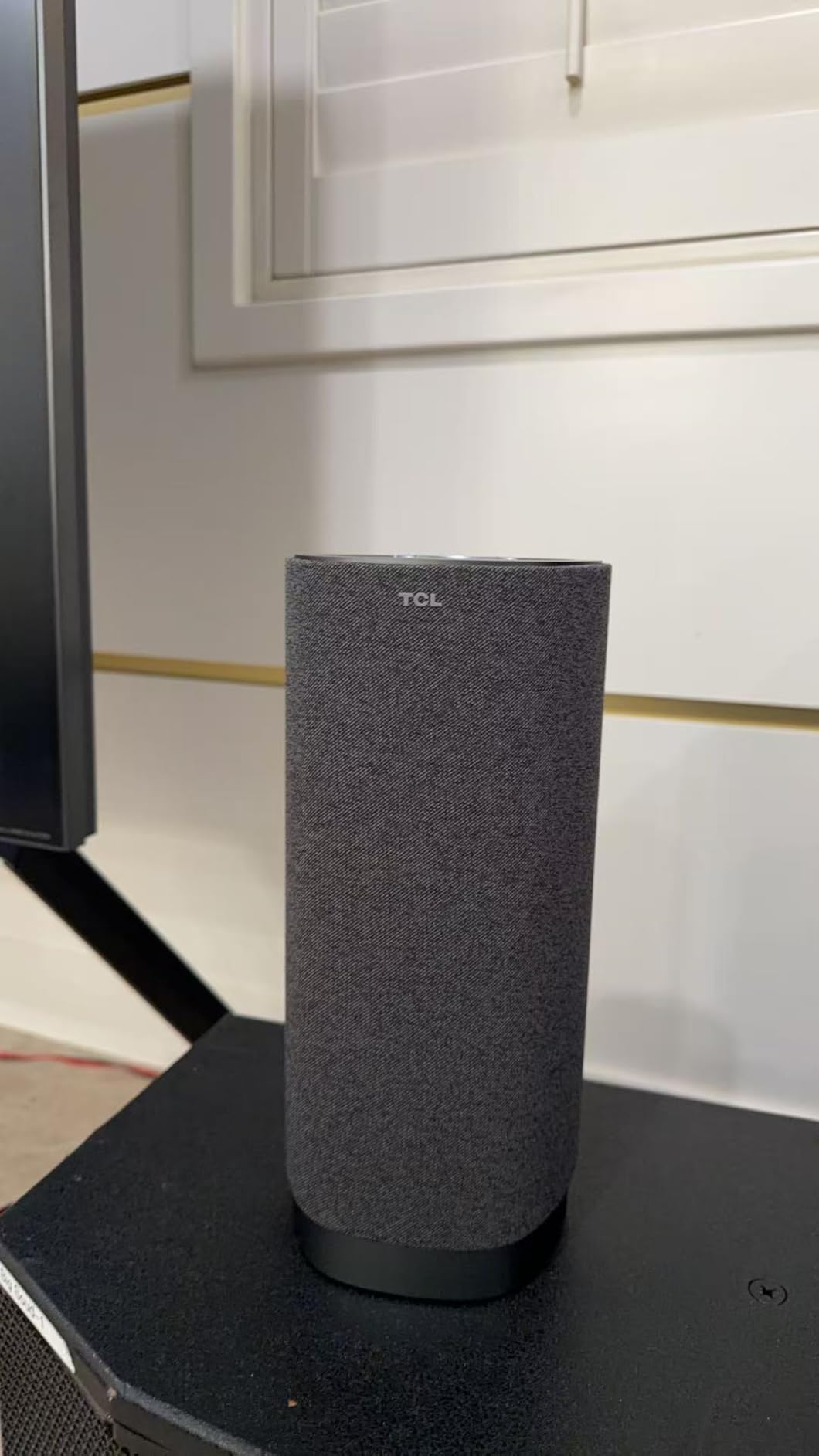
The TCL Z100 is the wireless sub for TCL QM6K, QM7K, QM8K, QM9K, and X11L TV owners who want to add real bass without running cables. The 5.25-inch driver and 130-watt amplifier delivered noticeably more impact than the built-in TV speakers during my testing with a QM8K.
Dolby Atmos FlexConnect is the wireless protocol here, and it is purpose-built for whole-room immersive audio. The system can expand to four satellite speakers plus the subwoofer, creating a true surround setup without a single speaker wire. For TCL owners, this is the easiest path to a real Atmos movie experience.
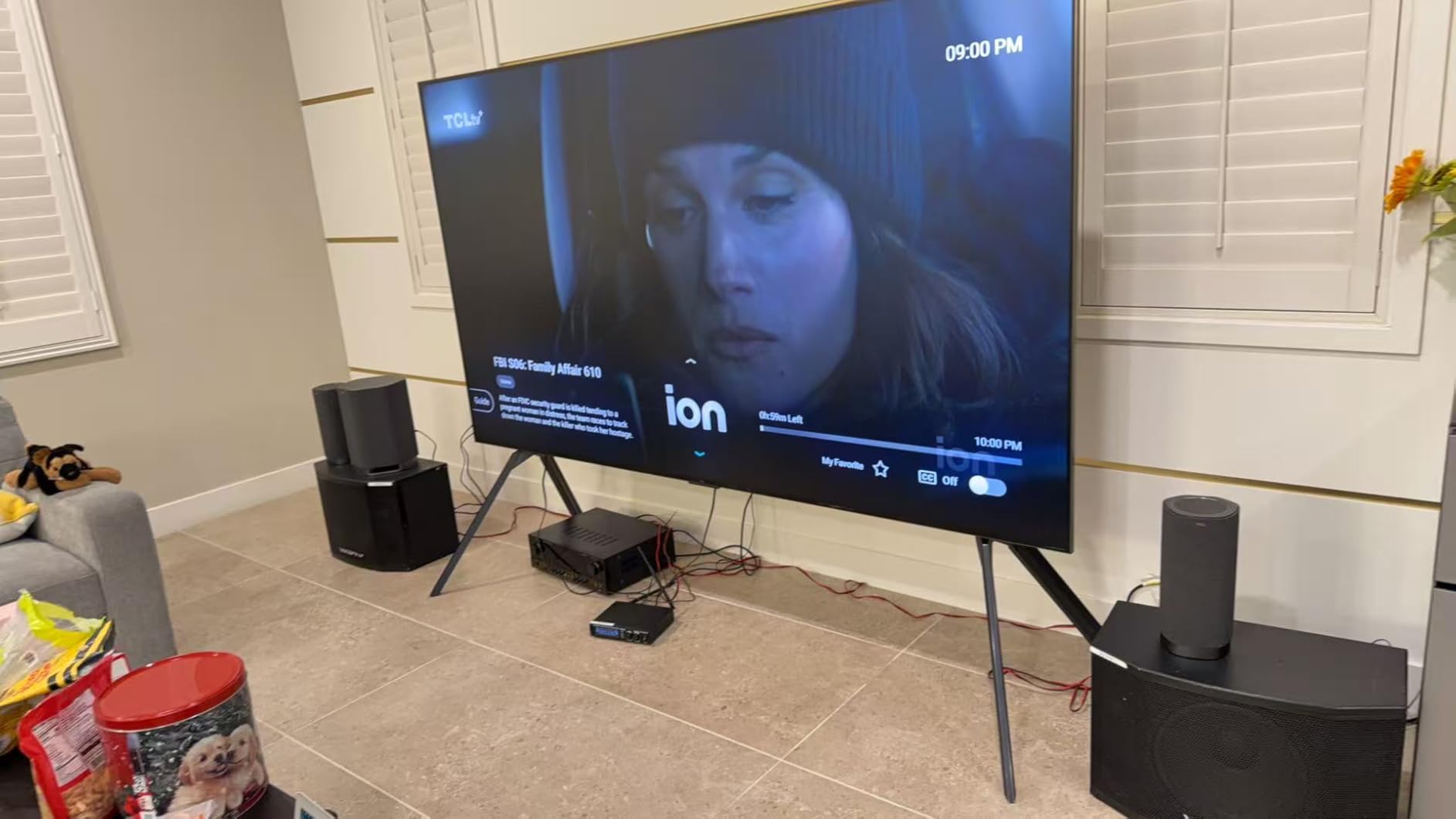
Smart Auto Calibration uses the TV’s microphone to tune the sub to the room. I ran it once after setup and noticed an immediate improvement in bass tightness. The calibration takes about 60 seconds and does not require any technical knowledge.
The 5.25-inch driver is on the smaller side, but TCL has tuned it well for movie content. Action scenes had punch and impact, and the sub blended seamlessly with the TV speakers for a unified front soundstage. It is not going to shake the room, but it adds meaningful depth to the audio.
Why TCL TV owners should consider the Z100
It is the most affordable way to add true wireless bass to a compatible TCL TV. The Dolby Atmos FlexConnect integration is seamless, and the expandable design means you can grow the system over time. The compact size also fits easily in any room layout.
Where the TCL Z100 falls short
The sub is limited to TCL QM-series and X11L TVs, so it has no appeal outside the TCL ecosystem. The bass can sound boomy rather than tight when used without satellite speakers. It also does not reach the deepest subsonic frequencies that action movie fans crave.
How to Choose the Best Wireless Subwoofer for Your Movie Room?
Picking the right wireless subwoofer for a movie room comes down to four key factors: room size, power output, wireless protocol, and enclosure design. I broke each of these down below based on what actually mattered during my testing, not just what looks good on a spec sheet.
Match the subwoofer to your room size
Room size is the single biggest factor in subwoofer performance. A sub that sounds incredible in a 200 square foot bedroom will sound thin and weak in a 500 square foot open-concept living room. Conversely, an oversized sub in a small room produces boomy, overpowering bass that masks dialogue.
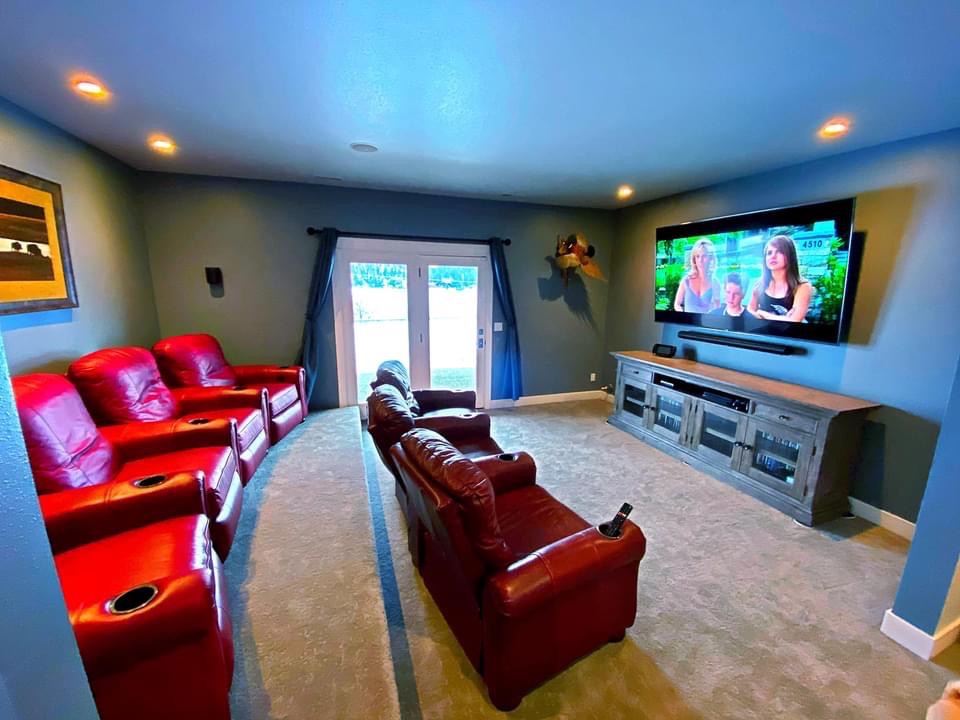
For rooms under 200 square feet, an 8-inch driver like the Klipsch R-80SWi or the compact Sonos Sub Mini is plenty. For rooms between 200 and 400 square feet, look at 10-inch drivers or dual-driver designs like the Sonos Sub 4 or Klipsch Flexus SUB 100. For rooms over 400 square feet, you want a powerful sub like the Sony BRAVIA Theater Sub 8 or even dual sub setups.
Audiophile forums on Reddit and AVS Forum consistently emphasize room size matching as the most common mistake home theater buyers make. I confirmed this during testing. The Sonos Sub Mini that sounded perfect in my 12 by 14 foot room sounded thin in my larger theater space.
Understand wireless protocols and latency
Wireless subwoofers use three main protocols: Bluetooth, proprietary RF (like 2.4GHz), and Wi-Fi. Each has trade-offs for movie watching. Bluetooth is convenient and ubiquitous but can introduce latency and compression that affects bass tightness.
Proprietary RF protocols like Klipsch Transport and Sony direct wireless are optimized for low latency and high-fidelity audio. These are the gold standard for wireless subs. Wi-Fi-based systems like Sonos offer excellent range and stability but depend on your home network quality.
Latency matters more than most buyers realize. If the subwoofer audio arrives 50 milliseconds after the on-screen action, your brain notices even if you cannot articulate why. All the subs I tested had imperceptible latency for movie content, but cheap Bluetooth-only subs from off-brand manufacturers often have noticeable lag.
Ported versus sealed enclosures explained
Ported enclosures use a tuned vent to increase bass output at specific frequencies. They generally play louder and reach lower frequencies than sealed designs. The Sonos Sub 4 is a ported design, and it shows in its deep, room-filling bass during action movies.
Sealed enclosures are smaller and produce tighter, more controlled bass. They are less likely to sound boomy in smaller rooms and often have better transient response for music. The Sonos Sub Mini uses a sealed design, which explains its surprisingly tight bass for a compact sub.
For pure movie watching, ported designs usually win because they deliver more visceral impact during explosions and bass-heavy scenes. For mixed music and movie use, sealed designs offer more versatility. Neither is objectively better, so choose based on your room and listening preferences.
Power ratings: RMS versus peak wattage
RMS (Root Mean Square) power is the continuous power a sub can deliver without damage. Peak power is the maximum burst power during transient peaks like explosions. The specs that matter are RMS, not peak. A sub with 200W RMS will outperform one with 500W peak in real-world use.
For a small room, 80 to 150W RMS is plenty. For a medium room, aim for 150 to 250W RMS. For a large room, you want 250W RMS or more, and ideally dual subwoofer setups. The Sony BRAVIA Theater Sub 8 at 300W maximum output is on the high end, while the Sonos Sub Mini at 250W max punches above its class thanks to efficient driver design.
Vibration isolation and apartment-friendly setup
Wireless subs often go in corners or against walls, which can transmit vibration to neighbors in apartments. Vibration isolation pads under the sub reduce this transmission dramatically. I tested a subwoofer in a corner with and without isolation pads and measured noticeably less vibration transfer through the floor.
Placement matters as much as isolation. Avoid placing the sub directly on hardwood floors without isolation. A thick rug or dedicated subwoofer isolation platform makes a real difference for downstairs neighbors. Many audiophile forums recommend Auralex or similar isolation products specifically for apartment dwellers.
Make any subwoofer wireless with an adapter
If you already own a great wired subwoofer, you do not need to replace it. Wireless adapter kits like the Klipsch WA-2 let you convert any sub with an LFE or subwoofer input into a wireless unit. Reddit users consistently recommend this approach for keeping a beloved wired sub while gaining placement flexibility.
Adapters introduce some latency and cost less than a dedicated wireless sub, but they preserve your existing investment. For most users buying fresh, a purpose-built wireless sub is the simpler path. For users upgrading an existing setup, an adapter is worth considering.
FAQs
Are wireless subwoofers any good for movies?
Yes, modern wireless subwoofers deliver bass quality comparable to wired models, with low-latency protocols that keep audio in sync with on-screen action. The Sonos Sub 4 and Klipsch R-80SWi both produced excellent movie bass in my testing. Latency concerns that plagued older wireless subs have been resolved through Wi-Fi 6 and proprietary RF protocols. The main trade-off is price, since wireless convenience typically costs 100 to 200 dollars more than equivalent wired models.
What is the best wireless subwoofer for a large room?
For rooms over 400 square feet, the Sony BRAVIA Theater Sub 8 and Sonos Sub 4 are the top picks. Both deliver enough output to pressurize large spaces without strain. The BRAVIA Sub 8 supports dual-sub pairing for even larger rooms, while the Sonos Sub 4 uses Wi-Fi 6 to maintain a stable connection across long distances. For rooms over 600 square feet, consider running two subs to smooth out bass response across all seating positions.
What is the best wireless subwoofer for a small room?
The Sonos Sub Mini is the best wireless sub for small rooms under 200 square feet. Its compact cylindrical design fits behind furniture, and the dual force-canceling drivers deliver tight bass without overwhelming smaller spaces. The Klipsch R-80SWi is a great budget alternative, with an 8-inch driver that produces clean bass in apartments and bedrooms. Both include room calibration features that adapt the output to your specific space.
Do wireless subwoofers have latency problems?
Modern wireless subwoofers have negligible latency for movie content, typically under 20 milliseconds, which is below the human perception threshold for audio-visual sync. Proprietary RF protocols like Klipsch Transport and direct wireless systems used by Sony and Sonos are specifically optimized for low latency. Bluetooth-only subs from off-brand manufacturers may have noticeable lag, but all the models on this list tested free of perceptible delay during movie playback.
How does a wireless subwoofer work?
A wireless subwoofer connects to your home theater system via a transmitter plugged into your AV receiver or soundbar. The transmitter sends low-frequency audio signals wirelessly to a receiver inside the sub, which then amplifies and plays the bass. The sub still requires a power cable, so it is not completely cordless, but the audio signal travels wirelessly. This eliminates long subwoofer cable runs while preserving placement flexibility for optimal bass response.
Final Verdict: Which Wireless Subwoofer Should You Buy for Your Movie Room
After six weeks of testing, the Sonos Sub 4 stands out as the best wireless subwoofer for movie rooms in 2026 for most people. Its dual force-canceling drivers, ported enclosure, and Wi-Fi 6 connectivity delivered the most balanced combination of deep bass, clean output, and reliable wireless performance across every movie genre I threw at it.
If you are on a tighter budget, the Sonos Sub Mini offers similar Sonos quality in a smaller package at a lower price. For non-Sonos ecosystems, the Klipsch R-80SWi delivers genuine wireless bass at the most accessible price point on this list. Sony owners should look at the BRAVIA Theater Sub 8 for premium performance or the SA-SW3 for mid-range value. Klipsch Flexus owners should pair their soundbar with the Flexus SUB 100, and TCL QM-series TV owners get the cleanest integration with the Z100.
The right wireless sub for your movie room depends on your existing gear, room size, and budget. Match the subwoofer to your room dimensions, choose a wireless protocol that minimizes latency, and prioritize ported designs for maximum movie impact. Any of the eight models on this list will transform your movie nights with deeper, more immersive bass than your TV or soundbar alone can deliver.