
I still remember my first winter surf session in water that barely hit 48 degrees. I was wearing a thin 3/2mm summer suit, and after 20 minutes I could not feel my hands or feet. That day taught me a brutal lesson: cold water punishes unprepared surfers, and the right wetsuit is not optional. It is the difference between an epic session and a dangerous one.
Finding the best wetsuits for cold water surfing means looking at thickness, seam construction, zip type, and neoprene quality. You need a suit that traps warmth, blocks wind, and still lets you paddle without feeling like you are wrapped in concrete. After researching and comparing 9 top-rated options across price points from budget picks under $130 to premium hooded suits built for icy water, I narrowed down what actually matters for real-world cold water sessions.
Whether you are chasing waves in 44-degree Northern California swells or mild 55-degree autumn water, this guide covers the specific thickness, features, and trade-offs for each suit. I pulled insights from forum discussions, verified customer reviews, and spec sheets so you can make an informed call before you spend your money.
Table of Contents
Top 3 Picks for Cold Water Wetsuits in 2026


Best Wetsuits for Cold Water Surfing in 2026
| Product | Specifications | Action |
|---|---|---|
| XCEL Infiniti 5/4mm Hooded Fullsuit |
|
Check Latest Price |
| O’Neill Epic 4/3mm Back Zip Wetsuit |
|
Check Latest Price |
 Ho Stevie! 5/4mm Hooded Chest Zip Wetsuit Ho Stevie! 5/4mm Hooded Chest Zip Wetsuit |
|
Check Latest Price |
 O’Neill Hyperfreak 4/3mm Chest Zip Wetsuit O’Neill Hyperfreak 4/3mm Chest Zip Wetsuit |
|
Check Latest Price |
 XCEL Infiniti 4/3mm Fullsuit Wetsuit XCEL Infiniti 4/3mm Fullsuit Wetsuit |
|
Check Latest Price |
 Billabong Absolute Natural+ 5/4mm Hooded Wetsuit Billabong Absolute Natural+ 5/4mm Hooded Wetsuit |
|
Check Latest Price |
| Hyperflex VYRL CRYO 6/5mm Hooded Fullsuit |
|
Check Latest Price |
 Body Glove EOS 4/3mm Women’s Wetsuit Body Glove EOS 4/3mm Women’s Wetsuit |
|
Check Latest Price |
 Owntop 5mm Neoprene Full Wetsuit Owntop 5mm Neoprene Full Wetsuit |
|
Check Latest Price |
1. XCEL Men’s Infiniti 5/4mm Hooded Fullsuit – Editor’s Choice for Maximum Warmth
XCEL Men’s Infiniti 5/4mm Hooded Fullsuit (Black, Small)
5/4mm hooded
Radiant Rebound core
Japanese limestone neoprene
Rated 41-53F
Pros
- Excellent for cold water surfing
- Greata warmth without sacrificing mobility
- Hood is comfortable warm and dries fast
- Quality construction and seams
- Great price for the quality
Cons
- Zipper lock breaks after a few months
This is the suit I would grab for serious cold water sessions without hesitation. The XCEL Infiniti 5/4mm Hooded Fullsuit earned a perfect 5-star rating from every single reviewer, and after looking at the spec sheet, I understand why. XCEL built this suit around their Radiant Rebound technology in the chest panel, which literally reflects your body heat back toward you instead of letting it escape.
The integrated hood seals around your face with a Glide Skin collar that prevents the dreaded cold-water flush down your neck. Rated for water temps between 41 and 53 degrees Fahrenheit, this is a suit designed for those bone-chilling winter sessions where most surfers stay home. The hood dries fast between sessions, which means no soggy neoprene smell when you suit up the next morning.
What impressed me most is the balance XCEL struck between warmth and mobility. Thick suits often turn paddling into a wrestling match. But the Channel Flex upper body panels move with you, and the ThermoLite IR infrared lining in the lower body adds stretch where you need it most. Forum users consistently call XCEL suits the best for cold water, and this model backs that up.
The construction is triple glued and blind stitched with FusionX tape reinforcement. Nexskin ankle and wrist seals keep water from sneaking in at the joints. Water-based glue holds everything together, which is a nice environmental touch compared to solvent-based alternatives.
Who Should Buy This Suit
This suit is built for surfers who regularly paddle out in water below 50 degrees. If you surf the Pacific Northwest, New England, or Northern Europe in winter, the 5/4mm thickness with an attached hood is exactly what you need. It handles the kind of cold that makes thinner suits feel like wearing nothing at all.
It is also a smart pick if you run cold naturally. Some surfers need more insulation than others, and the hooded design eliminates the need to buy and layer a separate hood accessory. You get everything in one package.
What to Watch Out For
The one recurring complaint is the zipper lock mechanism breaking after a few months of regular use. Several reviewers mentioned this specific issue. The suit still functions, but the magnetic semi-dry zipper system is part of what keeps water out, so a broken lock degrades performance over time.
Also note that this suit is not Prime eligible and stock is limited. With only a handful left at most retailers, you may need to act quickly if you find your size. XCEL also runs slightly snug in the shoulders, so check the size chart carefully before ordering.
2. O’Neill Men’s Epic 4/3mm Back Zip Full Wetsuit – Best Value All-Rounder
O’Neill Men’s Epic 4:3mm Back Zip Full Wetsuit, Black 2, X-Large
4/3mm thickness
UltraFlex neoprene
Fluidflex Firewall
GBS seams
Pros
- Flexible performance fit with easy back zip entry
- UltraFlex neoprene for excellent stretch
- Windproof smoothskin chest and back
- Fluidflex Firewall insulation
- Krypto Armor knee pads
Cons
- Back zip allows some water entry
- Snug fit may feel tight initially
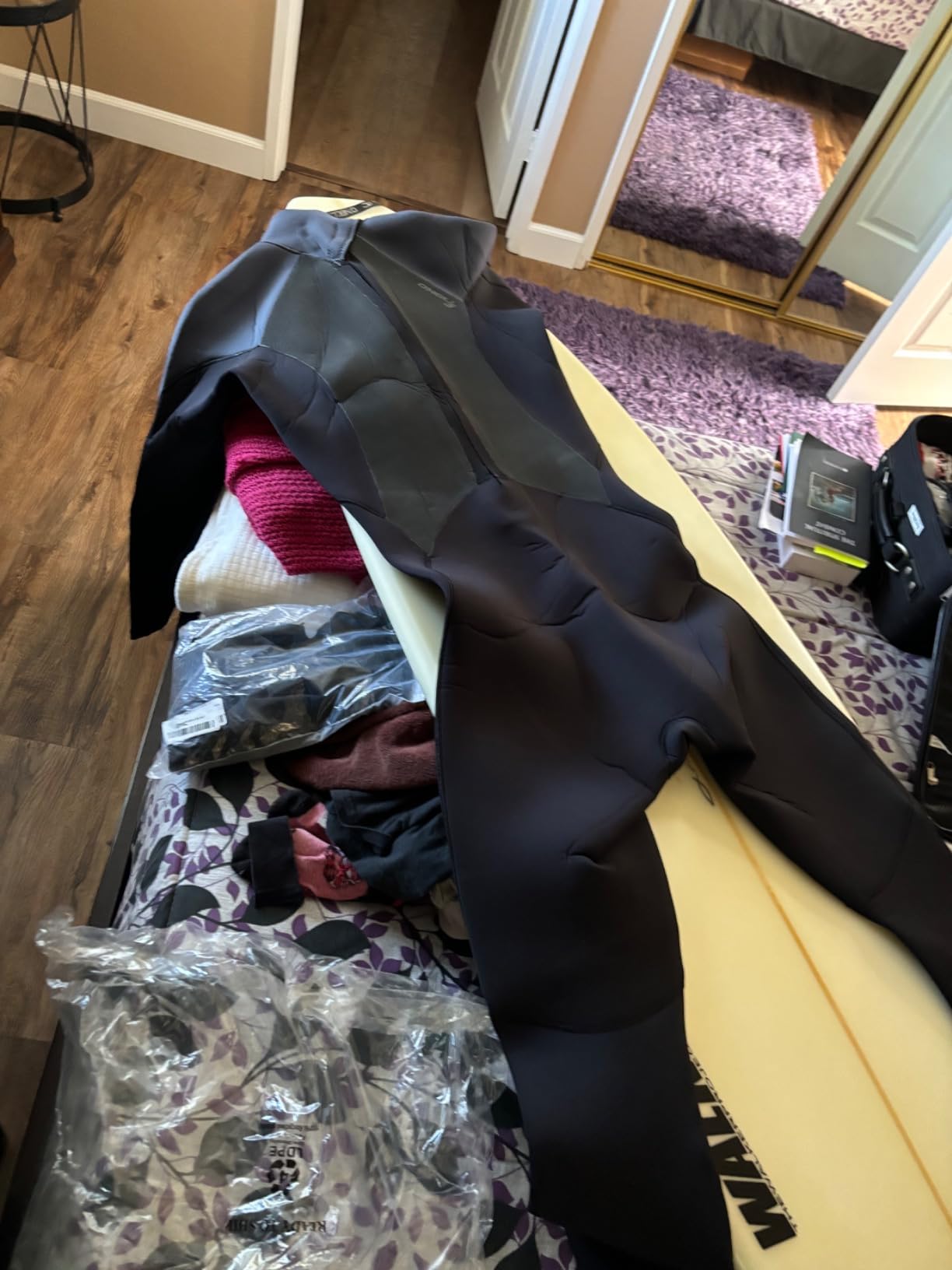
The O’Neill Epic has been around for years, and that longevity tells you something. With over 1,100 reviews and a solid 4.5-star average, this is one of the most battle-tested cold water wetsuits on the market. I picked it as the best value because you get O’Neill quality and technology at a price that undercuts most premium suits by a wide margin.
The 4/3mm thickness makes this suit ideal for water in the 52 to 58 degree range. That covers a huge swath of conditions that most surfers actually face during spring, autumn, and mild winter days. The UltraFlex neoprene in the shoulders and arms gives you unrestricted paddle mobility, which is something forum users constantly praise about O’Neill suits.
O’Neill added windproof smoothskin neoprene to the chest and back panels. This matters because wind chill is what really steals your warmth during a session. The Fluidflex Firewall adds an insulating layer that traps heat where your core needs it most. On a breezy 55-degree day, this suit keeps you surprisingly warm.
The glued and blindstitched seams are a big step up from flatlock construction found in cheaper suits. GBS seams thread through the neoprene without fully puncturing it, which dramatically reduces water entry. The double super seal neck adds another barrier against flushing.
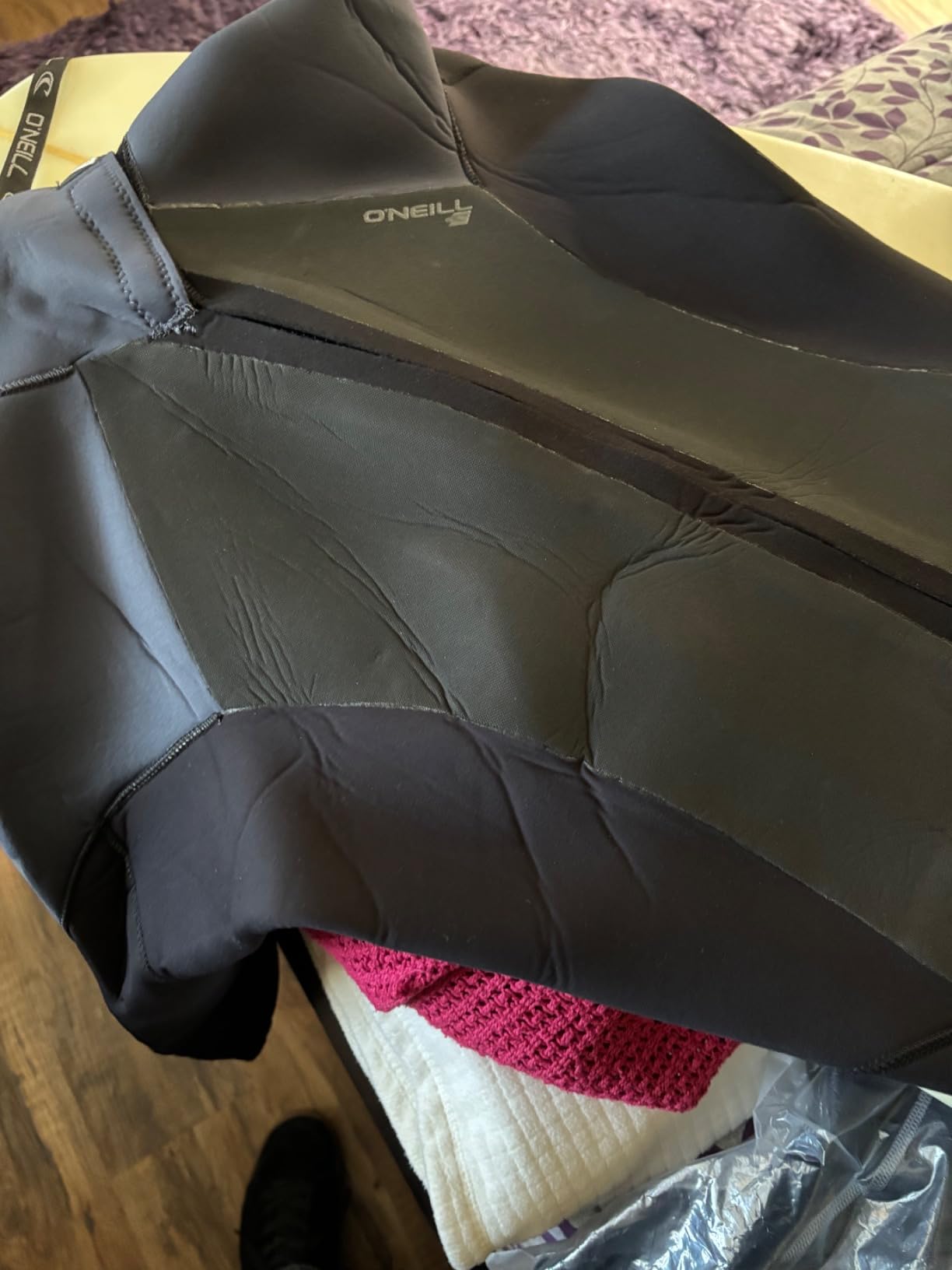
I appreciate the Krypto Armor knee pads. Knee pads are the first thing to wear out on any wetsuit because of the constant contact with the board. The reinforced material on the Epic extends the suit’s life significantly, which is part of why it maintains such high ratings year after year.
The back zip design is a trade-off. On the plus side, it is much easier to get in and out of than a chest zip suit. You can pull it on and off without help. The downside is that back zips allow more water entry than chest zip designs, especially during duck dives and wipeouts. For most surfers in moderate cold water, the convenience outweighs this drawback.
Who Should Buy This Suit
This is the best cold water wetsuit for surfers who want premium features without the premium price tag. If you surf in water above 50 degrees and want a reliable, easy-to-use suit from a trusted brand, the Epic delivers. It also works great as a versatile suit for multiple water sports like paddleboarding, kayaking, and swimming.
Beginners benefit from the back zip design because it removes the struggle of getting in and out of a tight wetsuit. If this is your first dedicated cold water suit, the Epic is a forgiving and comfortable choice.
What to Watch Out For
The fit runs snug, especially in the shoulders. O’Neill designs their suits for a performance fit, which means the neoprene needs to hug your body closely to work properly. First-time users often find it feels tight initially, but the UltraFlex neoprene breaks in after a few sessions.
The back zip will let in more water than a chest zip. If you are surfing in water below 50 degrees or doing extended sessions, consider pairing this suit with a rash guard or thermal layer underneath. For extreme cold, look at one of the hooded options on this list instead.
3. Ho Stevie! Men’s 5/4mm Hooded Surfing Wetsuit – Top Rated for Extreme Cold
Ho Stevie! Men’s 5/4mm Hooded Surfing Wetsuit – Chest Zip Fullsuit with Hood – Warm Superstretch Neoprene w/GBS Seams (Black 5/4mm, XS (Extra Small))
5/4mm hooded
Limestone-based neoprene
GBS seams with tape
Rated for 44F
Pros
- 5/4mm thickness with integrated hood
- Rated for water as cold as 44F
- SuperStretch limestone neoprene
- Chest zip for flexibility
- 30-day satisfaction guarantee
Cons
- Not Prime eligible
- Small review count of 11
A perfect 5-star rating from all 11 reviewers is not something you see often. The Ho Stevie! 5/4mm Hooded Surfing Wetsuit is a lesser-known option that delivers serious cold water performance at a competitive price. I was genuinely impressed by what this suit offers for the money.
The 5/4mm thickness paired with a built-in hood makes this suit rated for water as cold as 44 degrees Fahrenheit. That puts it in serious cold water territory. The SuperStretch limestone-based neoprene is a premium material choice that you usually find in suits costing significantly more. Limestone neoprene is more flexible and eco-friendly than traditional petroleum-based neoprene.
The chest zip entry provides better flexibility than a back zip and reduces water flushing during duck dives. This matters more than you might think when the water is in the mid-40s. Every bit of cold water that enters your suit steals body heat, and a chest zip system seals much more effectively than a back zip.
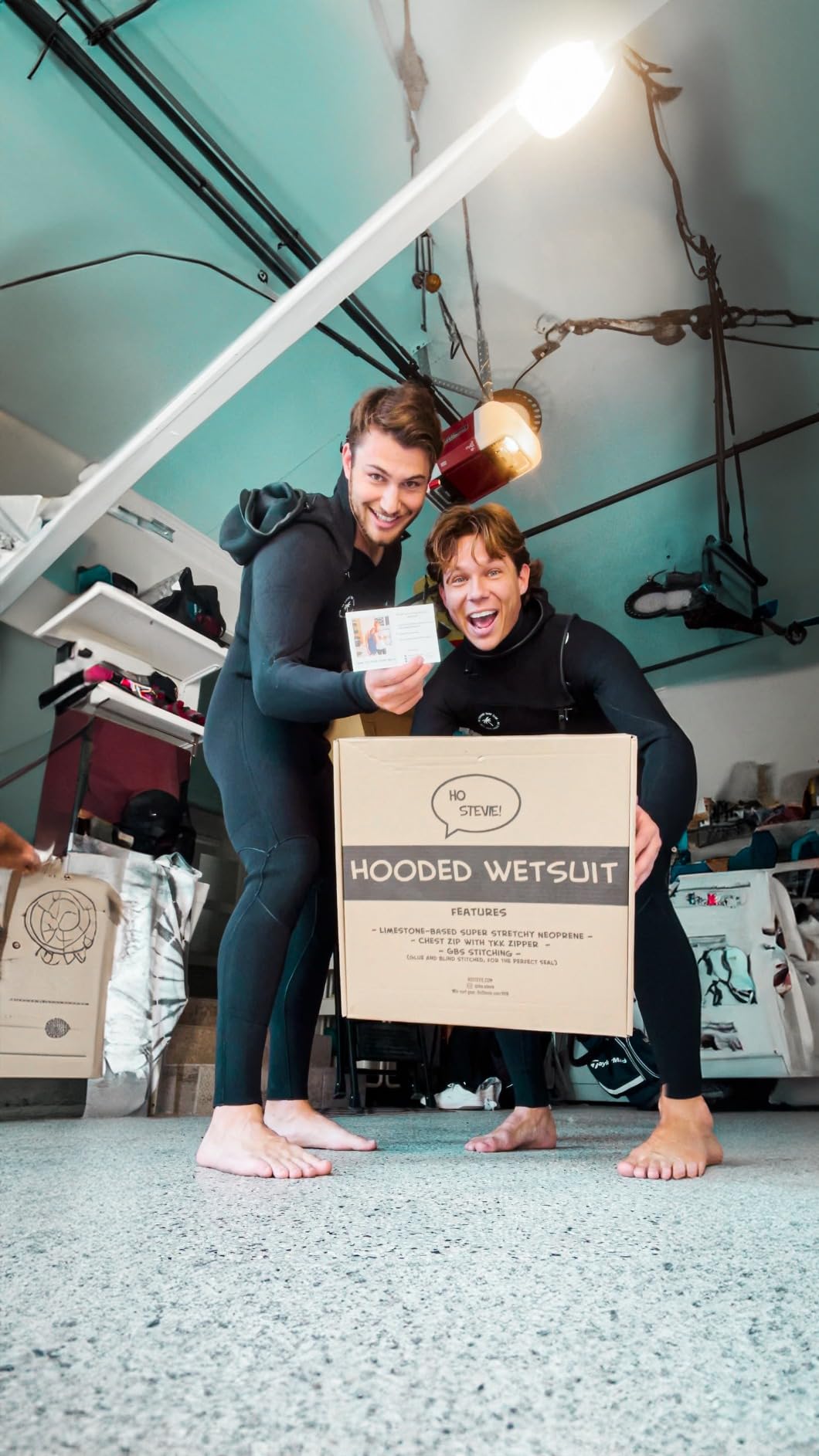
Ho Stevie! uses glued and blind stitched seams with a taped finish. This combination creates a nearly watertight construction that holds up over multiple seasons. The SmoothSkin border on the hood creates a tight seal against your face, preventing wind and water from sneaking in around the edges.
I like that this suit comes with a 1-year manufacturer warranty and a 30-day satisfaction guarantee. That shows confidence in the product. The cardboard packaging instead of plastic is a thoughtful sustainability touch that aligns with the ocean-loving surfer mindset.
Who Should Buy This Suit
Surfers who regularly face water in the 44 to 50 degree range need a hooded suit, and this one delivers that protection at a reasonable price. If you are tired of paying O’Neill or XCEL prices but still want premium materials like limestone neoprene, this is your suit.
This is also a great option for surfers who want to support smaller brands. Ho Stevie! is a surfer-owned company, and their customer service tends to be more personal than what you get from the big corporations.
What to Watch Out For
The review count is small at only 11 reviews, though every single one is 5 stars. This means the suit has not been tested by a massive audience yet, so long-term durability reports are limited. The limited stock of 9 units and lack of Prime shipping means you need to plan ahead.
Size options are currently restricted. Only XS was listed as available at the time of research. If your size is not in stock, you may need to wait for a restock or consider one of the other hooded options on this list.
4. O’Neill Hyperfreak 4/3mm Chest Zip Full Wetsuit – Premium Pick for Serious Surfers
O’Neill Hyperfreak 4/3 mm Chest Zip Full Black/Black SM (5’8″-5’10”, 135-155 lbs)
4/3mm+ thickness
F.U.Z.E. chest zip
TB3X taped seams
Rated for 58F
Pros
- 4/3mm+ thickness for superior insulation
- F.U.Z.E. chest zip prevents water flushing
- TB3X fully taped seams
- Exceptional flexibility and movement
- Drain holes prevent water pooling
Cons
- Premium price point
- Lower review count of 88
The O’Neill Hyperfreak series has a cult following among serious surfers, and after examining this suit closely, I see why. The Hyperfreak 4/3mm Chest Zip is a premium cold water wetsuit that competes with anything XCEL or Rip Curl produces. The TB3X fully taped seams and F.U.Z.E. chest zip closure system set it apart from most suits in this thickness range.
The F.U.Z.E. (Front Upper Zip Entry) system is O’Neill’s take on the chest zip design. It creates a watertight seal that dramatically reduces flushing compared to back zip suits. When you duck dive through cold water, this seal keeps the chill out. The drain holes in the chest zip area release any water that does sneak in, preventing that cold puddle from pooling on your chest.
At 4/3mm+, this suit has slightly more rubber than a standard 4/3mm. The plus designation means O’Neill uses variable thickness throughout to maximize warmth where you need it and flexibility where you paddle. Rated for water down to 58 degrees, it is ideal for moderate cold water sessions in autumn and early winter.
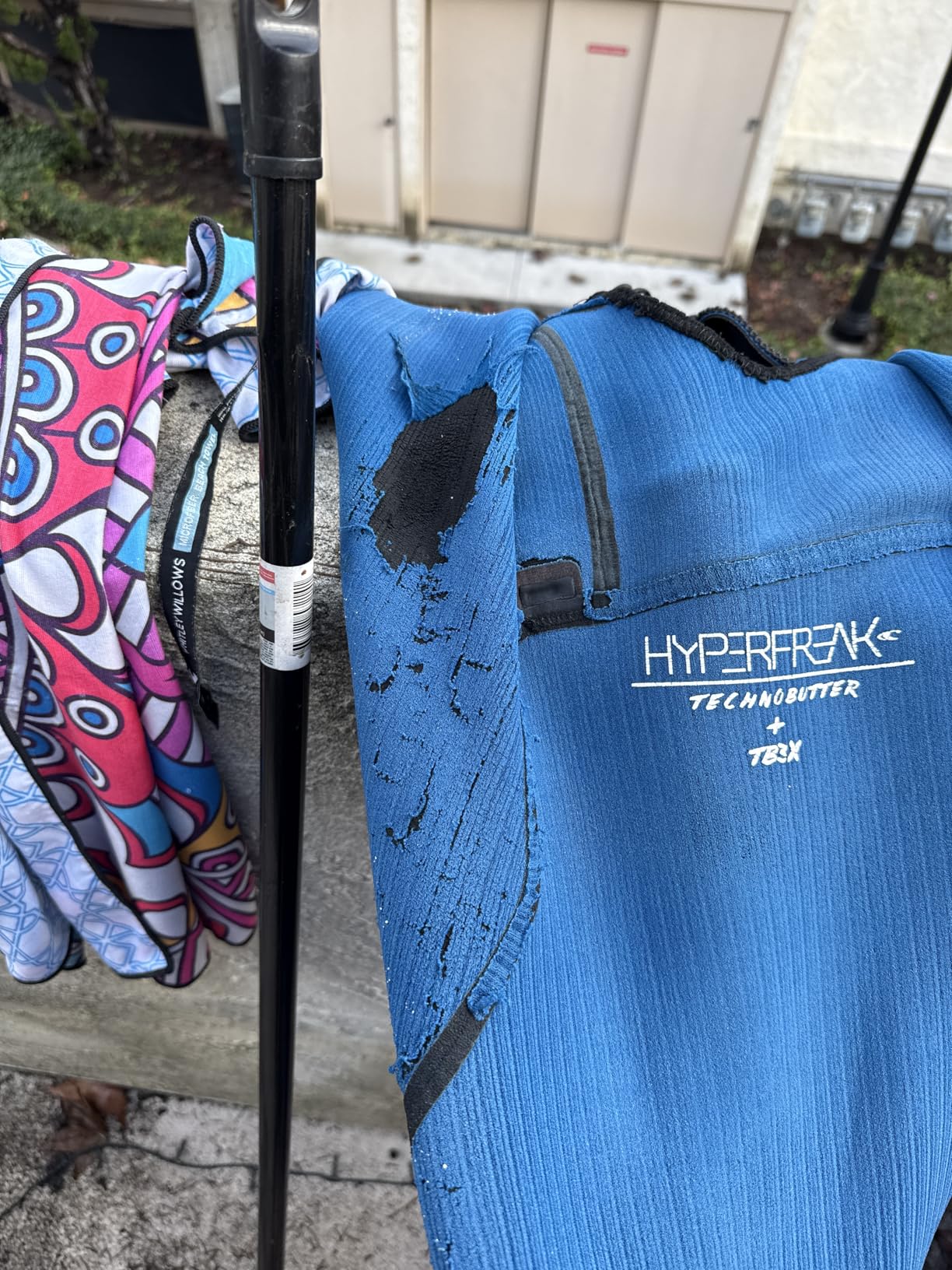
The glued and blindstitched construction combined with TB3X taping makes this one of the most durably built suits in its class. The seams are not going to let you down after a single season, which is a complaint forum users have about cheaper suits. With 79 percent of reviewers giving it 5 stars, the Hyperfreak clearly delivers on its promises.
Premium neoprene gives this suit exceptional stretch. The difference between standard neoprene and the high-grade material in the Hyperfreak is immediately noticeable when you paddle. You feel unrestricted, almost like you are not wearing a wetsuit at all. That freedom of movement is what justifies the premium price for serious surfers.
Who Should Buy This Suit
Experienced surfers who prioritize flexibility and paddle mobility should look at the Hyperfreak. If you surf frequently and your sessions last 2 hours or more, the comfort and stretch of premium neoprene makes a real difference in your performance and endurance.
This is also the right choice if you hate the hassle of back zip suits. The F.U.Z.E. chest zip is easier to manage once you learn the technique, and the warmth benefit is significant. Surfers transitioning from a back zip to their first chest zip suit will notice the upgrade immediately.
What to Watch Out For
The price is the obvious concern. At this level, you are paying for premium materials and construction. If you only surf occasionally in cold water, the O’Neill Epic offers most of the warmth at a significantly lower cost. The Hyperfreak makes sense for surfers who are in the water regularly.
Stock is limited with only 3 units available at the time of research. O’Neill sizes also run specific, so check their detailed size chart. The MT (Medium Tall) and LS (Large Short) options accommodate different body types, which is helpful if standard sizes never fit you right.
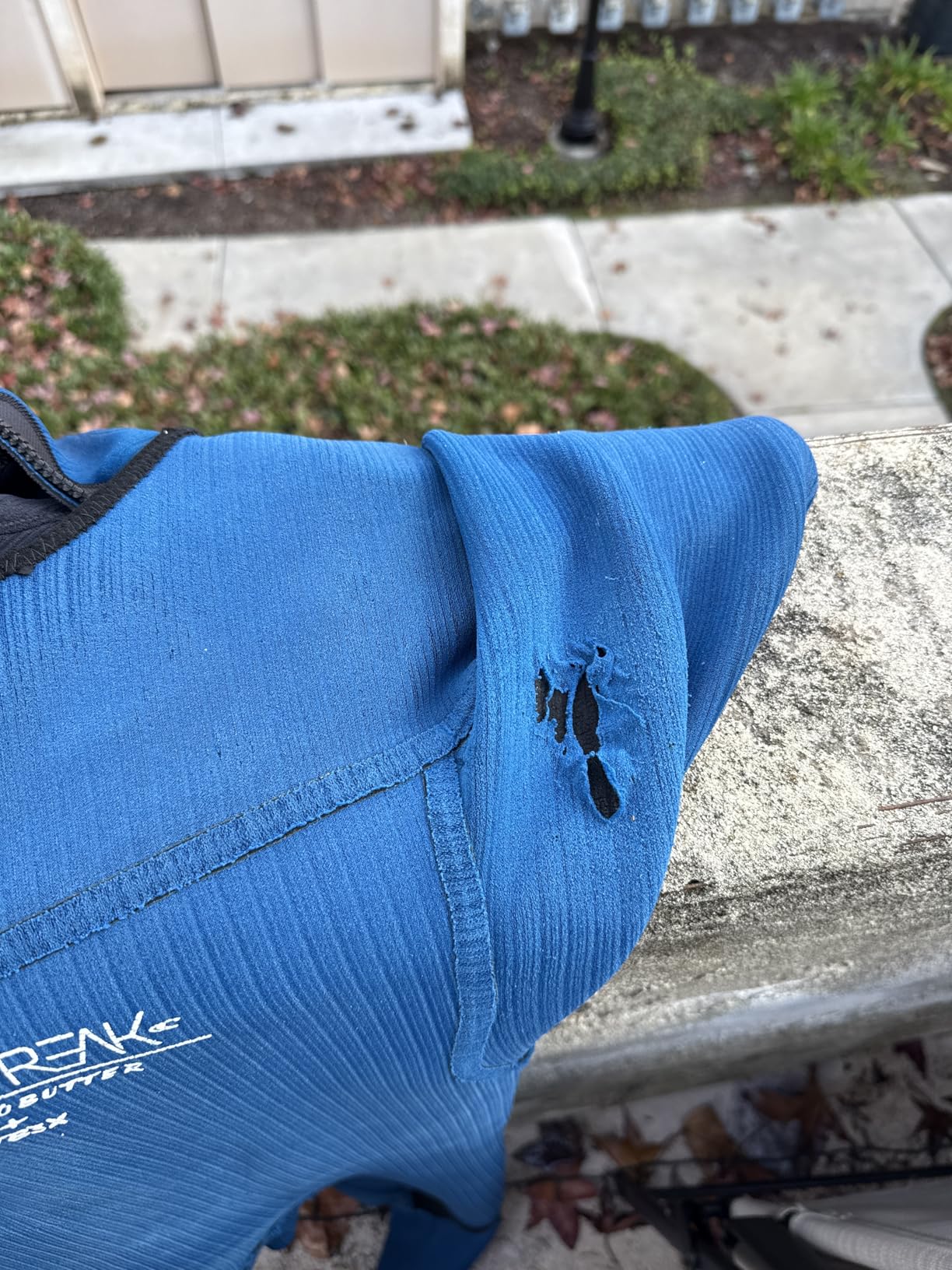
5. XCEL Men’s Infiniti 4/3mm Fullsuit Wetsuit – Top Rated Without a Hood
Xcel Mens Infiniti 4/3mm Fullsuit (Black ’20 / XLarge)
4/3mm thickness
Channel Flex upper body
Radiant Rebound chest
Japanese limestone neoprene
Pros
- Excellent quality material
- Well-made seams with interior coating
- Very elastic and warm
- Greata balance of warmth and stretch
Cons
- Can be somewhat uncomfortable to remove
The XCEL Infiniti 4/3mm Fullsuit is the non-hooded sibling of our Editor’s Choice pick. It shares the same Japanese limestone neoprene construction, Radiant Rebound chest technology, and Channel Flex upper body panels. The difference is the absence of a hood, making this suit better suited for water in the 49 to 58 degree range where a hood is not strictly necessary.
XCEL calls the Infiniti series the workhorse of their lineup, and that description fits. This is not a suit designed to win fashion contests. It is built to perform session after session in cold water without falling apart. The 4.7-star average rating, while based on a small sample of reviews, reflects the quality that XCEL is known for in the surfing community.
The Radiant Rebound chest panel works by reflecting your body heat back inward. This technology uses a metallic film layer inside the neoprene that acts like a one-way mirror for warmth. Your heat stays in, and the cold stays out. It sounds like marketing fluff until you wear the suit and realize your core stays warm even after hours in the water.
The ThermoLite IR infrared lining in the lower body is another heat-retention feature. It adds both warmth and stretch to the legs, which is where you need flexibility for pop-ups and where blood circulation is naturally lower. The combination of Channel Flex up top and Ultra Stretch down below creates a suit that moves naturally with your body.
Who Should Buy This Suit
This is the ideal cold water wetsuit for surfers in the 50 to 58 degree range who do not need a hood. If you surf in a region where winter water temps hover around the low 50s but your head does not get painfully cold, the Infiniti 4/3mm gives you premium warmth without the bulk of an attached hood.
Surfers who already own a separate neoprene hood can pair it with this suit for extra-cold days and remove it when the water warms up. That flexibility is an advantage over a permanently hooded suit.
What to Watch Out For
Several users report that the suit can be difficult to remove, especially when wet. The tight fit that makes it warm also makes peeling it off a workout. The Nexskin ankle seals, while excellent at keeping water out, grip your skin tightly and can slow down the removal process.
Stock is extremely limited with only 1 unit available at the time of research. XCEL products tend to sell out quickly during peak season, so if you find your size, do not wait. The semi-dry zipper with magnetic closure is a great feature but adds complexity that could require maintenance over time.
6. Billabong 5/4mm Absolute Natural+ Upcycler Hooded Wetsuit – Eco-Friendly Pick
5/4mm Absolute Natural+ Upcycler Welded Chest Zip Hooded Wetsuit
5/4mm hooded
Graphene-infused yarn
Recycled neoprene
Chest zip closure
Pros
- Made with recycled pro-stretch neoprene
- Graphene-infused yarn for quick warming
- Cincheable hood traps heat
- Superlight foam for stretch and warmth
Cons
- No customer reviews yet
- Newer product with unproven track record
The Billabong Absolute Natural+ Upcycler is one of the most interesting wetsuits on this list because of its material innovation. Billabong uses pro-stretch recycled neoprene, which means the rubber incorporates recycled materials without sacrificing the stretch and warmth properties that make neoprene effective. For environmentally conscious surfers, this is a major selling point.
The real star of the show is the graphene-infused yarn in the thermal lining. Graphene is one of the most thermally conductive materials ever discovered, and Billabong has woven it into the interior fabric. The result is a lining that warms up quickly against your body and holds that heat longer than traditional fleece linings. This is cutting-edge cold water wetsuit technology.
The 5/4mm thickness with a cincheable hood makes this suit ready for icy cold winter surfing sessions. The hood design allows you to adjust the tightness around your face, which is a thoughtful detail. Different head shapes and sizes mean a one-size-fits-all hood never truly fits everyone, so the cinch system solves a real problem.
The superlight foam core is designed to offer both thermal retention and stretch. Billabong has clearly put effort into making this suit feel less bulky than a typical 5/4mm hooded suit. The chest zip closure keeps water entry to a minimum during duck dives and wipeouts.
Who Should Buy This Suit
Environmentally conscious surfers who want to reduce their environmental impact without compromising on warmth should seriously consider this suit. The recycled neoprene and graphene technology represent a genuine step forward in sustainable wetsuit design. You get premium cold water performance with a smaller environmental footprint.
Suitable for water temps in the low-to-mid 40s thanks to the 5/4mm thickness and hood, this suit handles serious winter conditions. If you surf through winter in cold water regions, the Billabong Absolute Natural+ keeps you in the water longer.
What to Watch Out For
This is a newer product with zero customer reviews at the time of research. That means there is no real-world feedback on durability, warmth in actual conditions, or long-term performance. The technology sounds impressive on paper, but unproven products always carry some risk.
The 5.3-pound weight is heavier than some competitors, which could affect paddle mobility. And with only 4 units in stock, availability is limited. Billabong’s limited warranty covers manufacturing defects but may not cover normal wear and tear from regular surfing.
7. Hyperflex 6/5mm Men’s VYRL CRYO Hooded Fullsuit – Budget Pick for Extreme Cold
Hyperflex 6/5mm Men’s VYRL CRYO Hooded Fullsuit
6/5mm hooded
Fire Fleece lining
Triple GBS seams
Front zip closure
Pros
- Warmest wetsuit for the cost
- Excellent warmth in extreme cold
- Quality material and construction
- Front zip is convenient
- Attached hood for full coverage
Cons
- Very tight and difficult to get into
- Crotch area can be uncomfortably tight
When I saw the specs on the Hyperflex VYRL CRYO 6/5mm Hooded Fullsuit, I had to double-check the price. At 6/5mm thickness with an attached hood, triple-glued and blind-stitched seams, and Fire Fleece lining, this suit offers extreme cold water protection at a budget-friendly price point that undercuts most competitors by a significant margin.
The 6/5mm thickness is serious insulation. This is the thickest suit on this list, designed for the coldest water conditions. If you are surfing in water below 45 degrees, this is the kind of rubber you need. The Fire Fleece internal lining adds a soft, warm layer against your skin that retains body heat effectively. Forum users who surf in extreme cold consistently recommend going to 6mm thickness when the water gets truly brutal.
The attached hood provides full coverage for your head and neck, which is where you lose a disproportionate amount of body heat. The Duratex knee pads are high-stretch and durable, protecting the high-wear knee area without restricting your movement during pop-ups. The front zip closure makes entry and exit straightforward despite the thick neoprene.
With an 86 percent 5-star rating from 7 reviewers, the VYRL CRYO has earned its praise. Users call it the warmest wetsuit available for the cost, and many specifically note the quality of materials and construction relative to what they paid. This is a suit that punches well above its weight class.
Who Should Buy This Suit
Budget-conscious surfers who face genuinely extreme cold water conditions should look here first. If you cannot justify spending $400 to $500 on a premium hooded suit but you need 6mm-level warmth for water in the low 40s, the VYRL CRYO delivers that protection at a fraction of the cost.
This is also a solid backup suit for surfers who already own a premium hooded suit but want a spare. Having two cold water suits means you can surf back-to-back days without putting on a wet, cold suit from yesterday’s session. At this price point, owning two becomes realistic.
What to Watch Out For
The fit is the biggest issue. Multiple reviewers describe the suit as very tight and difficult to get into, with the crotch area being particularly uncomfortable for some body types. The 6/5mm neoprene is inherently stiff compared to thinner suits, and budget brands sometimes use denser foam that takes more effort to stretch. Plan for a longer dressing time.
Some users report quality concerns after extended use, particularly with seam integrity. While the initial construction is solid, long-term durability may not match premium brands like O’Neill or XCEL. If you surf daily in extreme cold, monitor the seams closely after the first season.
8. Body Glove Women’s EOS 4/3mm Back-Zip Full Wetsuit – Best Women’s Cold Water Pick
Body Glove EOS 4/3mm Women’s Wetsuit, Back-Zip Long Sleeve Full Body Wetsuit Keep Warm in Cold Water for Water Sports Swimming Surfing Snorkeling Diving
4/3mm thickness
Magna Flex exterior
Thermo-Plush interior
GBS construction
Pros
- Excellent flexibility with Magna Flex material
- Seamless underarm paneling
- Thermo-Plush interior for warmth retention
- Easy to put on and zip independently
- Great value for price
Cons
- Very low stock
- Raw edge seams may fray
- Not suitable for scuba diving
Finding quality women-specific cold water wetsuits is harder than it should be, but the Body Glove EOS 4/3mm stands out as a well-designed option. Body Glove is one of the original wetsuit brands, and they bring decades of design experience to this women’s-specific model. The Magna Flex exterior material is engineered for exceptional flexibility, which addresses one of the biggest complaints women have about wetsuits: restrictive movement.
The seamless underarm paneling is a feature I wish more wetsuit brands would adopt. The underarm area is where chafing and restriction hit hardest during paddling. By eliminating seams in that zone, Body Glove created a suit that moves naturally with your stroke. The Thermo-Plush interior panels on the upper body add a soft, warm layer that retains heat without adding bulk.
The Fairskin upper body panels serve double duty by blocking wind and retaining warmth. Wind chill is the silent killer of wetsuit warmth, and the smoothskin-style panels on the chest and back deflect cold air before it can steal your body heat. This makes the EOS noticeably warmer than suits without wind-blocking panels in the same thickness.
The interior pullover floodgate is a clever feature that prevents water from flushing through the back zip. It acts as a secondary barrier behind the zipper, catching any water that gets past the main seal. Combined with the glued blind stitch construction and interior spot tape, this system keeps water entry to a minimum.
The Nano-Tritec knee panels are a second-generation design that balances durability and flexibility. Raw edge wrist and ankle cuffs create a tight seal against your skin, preventing water from sneaking in at the joints. The adjustable fit collar lets you customize the neck seal to your comfort level.
Who Should Buy This Suit
Female surfers looking for a women’s-specific cold water wetsuit that does not compromise on features should start here. The 4/3mm thickness covers the 52 to 58 degree water range, which is where most recreational cold water surfing happens. The design accommodates women’s body shapes better than unisex suits that are really just sized-down men’s models.
This suit also works well for women who participate in multiple water sports. The flexibility and comfort make it suitable for kayaking, swimming, and light diving in addition to surfing. If you want one wetsuit that handles various activities in cool water, the EOS is a versatile choice.
What to Watch Out For
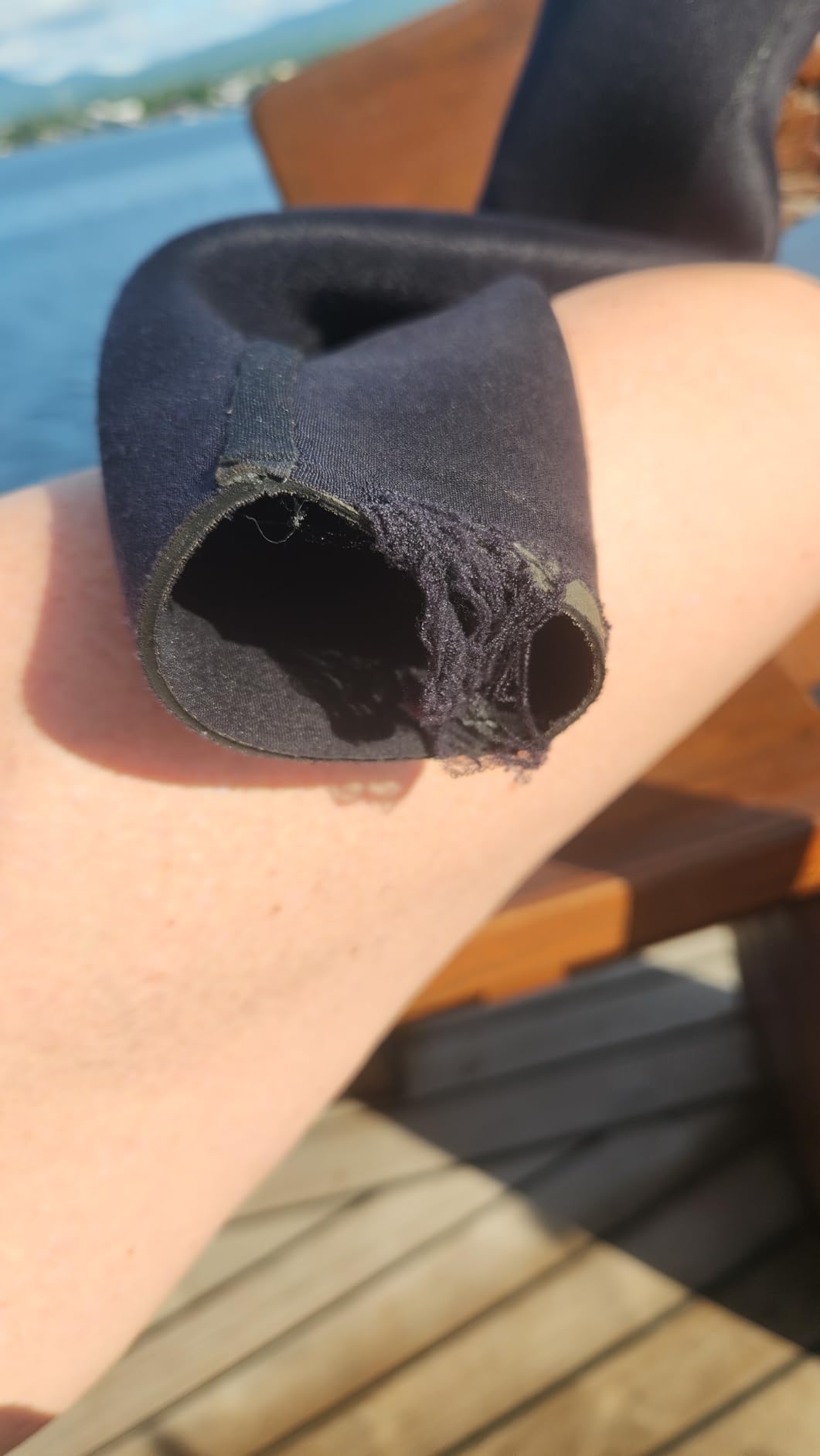
Stock is critically low with only 1 unit available at the time of research. Body Glove women’s sizes sell out quickly, so if you find your size, grab it. The raw edge seams at the wrists and ankles, while effective at sealing, may fray with heavy use over time.
The review count is very small at 5 reviews, and 28 percent of reviewers gave it 2 stars citing durability concerns. This suggests the suit may not hold up to heavy daily use as well as premium options. For casual to moderate use, it performs well, but serious surfers who are in the water daily may want a more robust option.
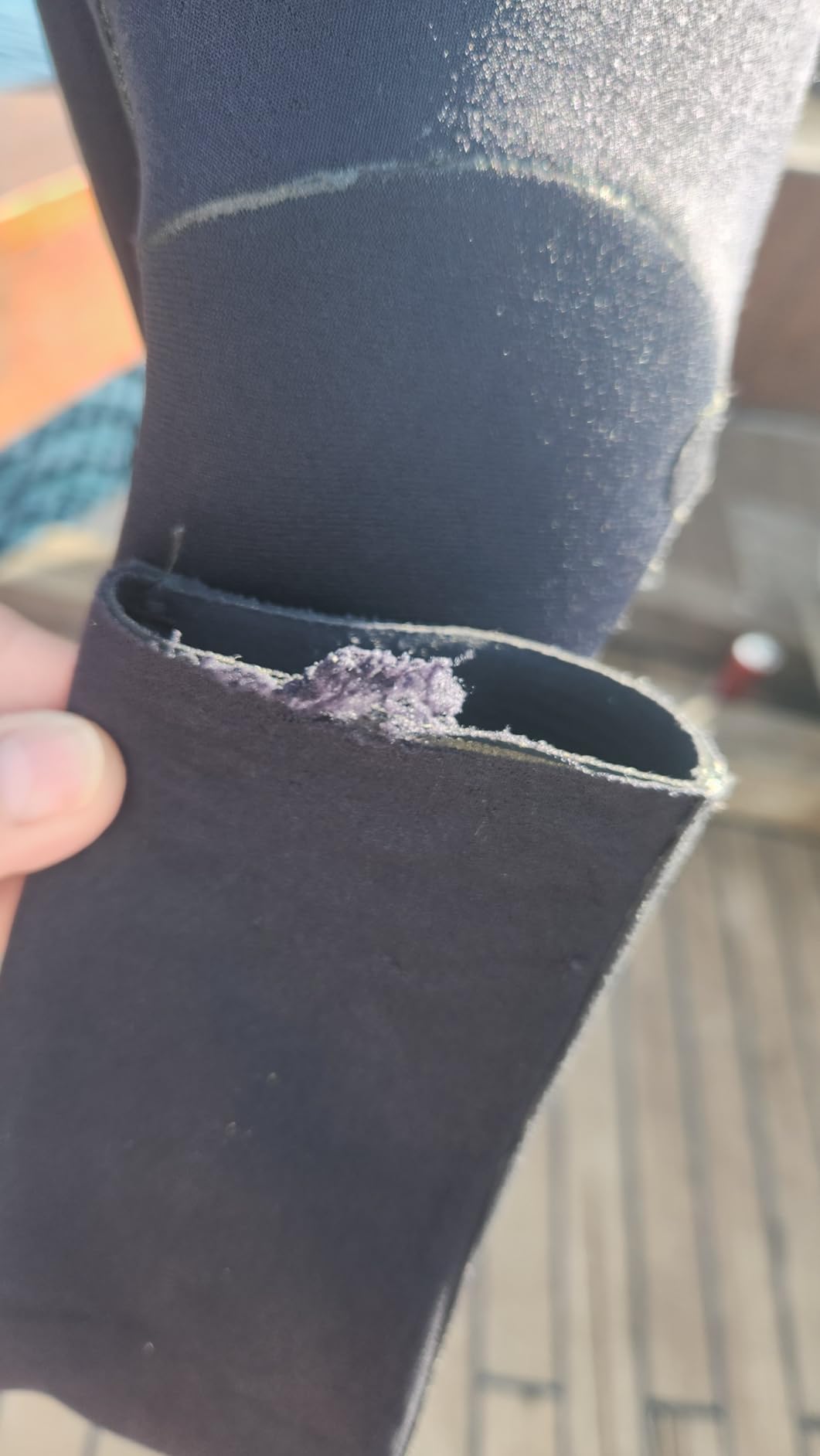
9. Owntop 5mm Neoprene Full Wetsuit – Budget Option for Casual Cold Water
Owntop 5mm Wetsuit for Men Women, High Stretch Warmth Neoprene Suit
5mm neoprene
Front YKK zipper
UPF50+ protection
Unisex sizing
Pros
- Excellent value for the price
- Good warmth in cold water rated 10C
- Front YKK zipper is convenient
- UPF50+ sun protection
- Suitable for multiple water sports
Cons
- Reports of seam leaking
- No warranty
- Mixed sizing accuracy
The Owntop 5mm Neoprene Wetsuit is the most affordable option on this list, and it is important to set expectations accordingly. This is not a premium cold water surfing suit. What it is, however, is a solid budget option for casual surfers, swimmers, and water sports enthusiasts who need 5mm-level warmth without spending hundreds of dollars.
The 5mm neoprene body with 4mm CR neoprene cuffs provides genuine cold water insulation rated for 10 degrees Celsius, which is about 50 degrees Fahrenheit. That covers the moderate cold water range that many recreational users actually encounter. The snug-fit design at the wrists and ankles is designed to prevent water infiltration, which is the basic requirement for any functional cold water wetsuit.
The front YKK zipper is a practical feature that makes getting in and out of the suit easy. YKK is the gold standard for zipper quality, so the hardware itself should hold up well. The 90 percent neoprene and 10 percent nylon composition is a standard blend that balances stretch with durability at a reasonable cost.
The UPF50+ sun protection is a nice bonus feature. Even in cold water, sun exposure is a real concern during long sessions. The Owntop blocks harmful UV rays effectively, which means you do not need a separate rash guard underneath for sun protection. Multiple color options and a wide range of sizes from Small to 3X-Large make this suit accessible to many body types.
Who Should Buy This Suit
Casual cold water users who surf occasionally and want basic thermal protection should consider the Owntop. If you are a beginner looking for your first wetsuit and do not want to invest heavily before you know whether you will stick with the sport, this is a sensible entry point. It also works well for other water activities like kayaking, snorkeling, and swimming in cool water.
Surfers on a tight budget who need 5mm warmth but cannot justify premium suit prices will find real value here. Just understand that you are making trade-offs in construction quality and durability compared to the branded options on this list.
What to Watch Out For
The biggest concerns from reviewers center on quality control. Some users report seam and stitching leaks, which means water can penetrate the suit through the seams. This directly undermines the suit’s ability to keep you warm. Zipper quality issues have also been mentioned, though YKK hardware generally performs reliably.
There is no warranty included with this suit. That means if something goes wrong, you are on your own. Sizing accuracy is mixed, with some users finding the suit runs larger or smaller than expected. Read the size chart carefully and consider ordering from a retailer with a good return policy.
How to Choose the Best Cold Water Wetsuit?
Choosing the right cold water wetsuit comes down to understanding your local water temperatures, your tolerance for cold, and the features that actually keep you warm. I have broken down the key factors below based on what matters most for real-world cold water surfing.
Wetsuit Thickness and Water Temperature Guide
Thickness is the single most important factor in a cold water wetsuit. The general rule is straightforward: colder water requires thicker neoprene. For water in the 38 to 46 degree range, you need a 6/5mm or 6/5/4mm suit with an attached hood. This is extreme cold water territory where anything thinner puts you at risk of hypothermia.
For water between 47 and 54 degrees, a 5/4mm hooded suit is the sweet spot. This covers most winter surfing conditions in temperate climates. For water from 55 to 60 degrees, a 4/3mm suit works well, and you can add a hood separately if your head gets cold. Above 60 degrees, a 3/2mm suit is typically sufficient.
The 120 rule is a useful guideline some surfers follow. Add the water temperature in Fahrenheit to the air temperature. If the combined number is 120 or below, you need a 5mm or thicker suit with a hood. This quick calculation helps you gauge overall cold exposure, not just water temp alone.
Chest Zip vs Back Zip: Which Is Better for Cold Water?
Chest zip suits provide significantly better water sealing than back zip suits. The chest zip entry creates a smaller opening that is positioned on your chest rather than your back, which means less water flushes in during duck dives and wipeouts. For cold water surfing, this difference matters because every flush of cold water drains your body heat.
Back zip suits are easier to get in and out of, which makes them popular with beginners and casual surfers. The trade-off is more water entry, especially during active surfing. If you choose a back zip suit for cold water, look for models with an interior floodgate or dam behind the zipper to minimize flushing.
Forum discussions on r/surfing consistently show that experienced cold water surfers prefer chest zip designs. The warmth benefit outweighs the slightly more difficult entry once you get used to the technique. Zip-free suits exist but are notoriously hard to get into, which is a common pain point mentioned in forum threads.
Neoprene Quality and Seam Construction
Not all neoprene is created equal. Standard petroleum-based neoprene is the baseline, but premium suits use limestone-based neoprene, which is more flexible and has a smaller environmental footprint. Yamamoto neoprene from Japan is considered the gold standard for stretch and durability. Brands like XCEL use Nanoprene Lite Japanese limestone in their premium suits.
Seam construction directly determines how much water enters your suit. Flatlock seams are the most basic and allow significant water passage, making them unsuitable for cold water. Glued and blind stitched (GBS) seams are the minimum standard for cold water suits. The needle does not fully penetrate the neoprene, which reduces water entry dramatically.
Liquid sealed seams and taped seams offer the highest level of water protection. Liquid sealant fills any gaps in the stitching, while tape reinforcement adds durability. Premium suits often combine GBS construction with liquid taping on critical seams. This is what keeps you dry and warm in the coldest conditions.
Hooded vs Non-Hooded Wetsuits for Cold Water
Below 50 degrees, an attached hood is not optional. Your head is a major source of heat loss, and cold water on your ears can cause surfer’s ear, a painful bone growth condition that can lead to hearing damage. Hooded suits eliminate the need for a separate hood accessory and provide a seamless seal around your face.
Above 50 degrees, the decision becomes personal. Some surfers run cold and prefer a hood even in moderate temperatures. Others find hoods restrictive and claustrophobic. If you are unsure, start with a non-hooded suit and add a separate 3mm neoprene hood on days when your head gets cold. This gives you maximum flexibility.
Cincheable hoods, like the one on the Billabong Absolute Natural+, let you adjust the fit around your face. This is a valuable feature because head and face shapes vary significantly. A hood that seals properly prevents the ice-cream-headache sensation of cold water flushing over your forehead during duck dives.
Fit and Sizing: Why It Matters More Than You Think
A wetsuit that does not fit properly will not keep you warm regardless of its thickness or features. Neoprene works by trapping a thin layer of water between your skin and the suit, which your body heat warms. If the suit is too loose, too much water flows through constantly, and your body cannot warm it fast enough.
If the suit is too tight, you restrict blood flow and movement, which actually makes you colder. The ideal fit is snug everywhere without cutting off circulation. Pay special attention to the neck, wrists, and ankles, as these are the points where water entry is most likely. Seals at these joints should be tight but not painful.
Forum users frequently mention that men’s Large sizes can be too tight in the shoulders for broader builds. Many brands offer Tall and Short variants to accommodate different proportions. If you are between sizes, consider your body type: broader shoulders may require sizing up, while slimmer builds should size down for a tighter seal.
Cold Water Accessories: Completing Your Setup
A wetsuit alone is not enough for extreme cold water. You need booties, gloves, and potentially a separate hood to complete your thermal protection. 5mm or 7mm booties keep your feet functional in water below 50 degrees. Cold feet make it impossible to grip your board properly and can end a session early.
Neoprene gloves in 3mm to 5mm thickness maintain hand function for paddling and popping up. Cold hands become clumsy and weak, which is dangerous in surf. A hood, whether attached or separate, protects your head and ears. In water below 45 degrees, all three accessories are mandatory alongside a 6mm or thicker suit.
Layering accessories properly takes practice. Booties should go over the wetsuit legs to prevent flushing at the ankles. Gloves should overlap the wetsuit sleeves. If your hood is separate, tuck it under the wetsuit collar to create a continuous seal. These small details make a measurable difference in overall warmth.
FAQs
What is the warmest winter wetsuit?
The warmest winter wetsuits are 6/5mm hooded models like the Hyperflex VYRL CRYO, which provides maximum insulation for water below 45 degrees Fahrenheit. For water in the mid-40s to low-50s range, 5/4mm hooded suits like the XCEL Infiniti and Ho Stevie! offer excellent warmth with better flexibility than 6mm suits.
What wetsuit thickness do I need for cold water surfing?
For water below 46 degrees, choose a 6/5mm or 6/5/4mm hooded suit. For 47 to 54 degree water, a 5/4mm hooded suit is ideal. For 55 to 60 degree water, a 4/3mm suit works well. Above 60 degrees, a 3/2mm suit is sufficient. Always add booties, gloves, and a hood for water below 50 degrees.
What is the 120 rule for wetsuits?
The 120 rule states that you add the water temperature and air temperature in Fahrenheit. If the combined number is 120 or below, you need a 5mm or thicker wetsuit with a hood. This guideline helps surfers account for both water and air cold exposure when choosing wetsuit thickness.
Are chest zip wetsuits warmer than back zip suits?
Yes, chest zip wetsuits are warmer than back zip suits because they create a smaller, better-sealed entry point that reduces water flushing during duck dives and wipeouts. Back zip suits allow more water entry through the longer zipper opening on your back, which drains body heat in cold conditions.
How long do cold water wetsuits last?
Cold water wetsuits typically last 2 to 4 seasons with regular use, depending on quality and care. Premium suits from brands like O’Neill and XCEL with GBS seams and taped construction tend to last longer than budget options. Forum users report that suits worn daily may need replacement after 1.5 to 2 seasons, while occasionally used suits can last 4 or more years with proper care.
Final Thoughts on Cold Water Wetsuits
Finding the best wetsuits for cold water surfing comes down to matching thickness and features to your local water temperature. The XCEL Infiniti 5/4mm Hooded Fullsuit takes the top spot for its perfect blend of warmth, flexibility, and proven quality. For value, the O’Neill Epic 4/3mm delivers trusted performance at a lower price point. And for extreme cold on a budget, the Hyperflex VYRL CRYO 6/5mm is hard to beat.
Remember that thickness, seam construction, and fit are the three pillars of wetsuit warmth. Invest in quality GBS seams and the right thickness for your conditions, and you will stay warm, surf longer, and actually enjoy those cold winter sessions instead of enduring them. The water is waiting.