
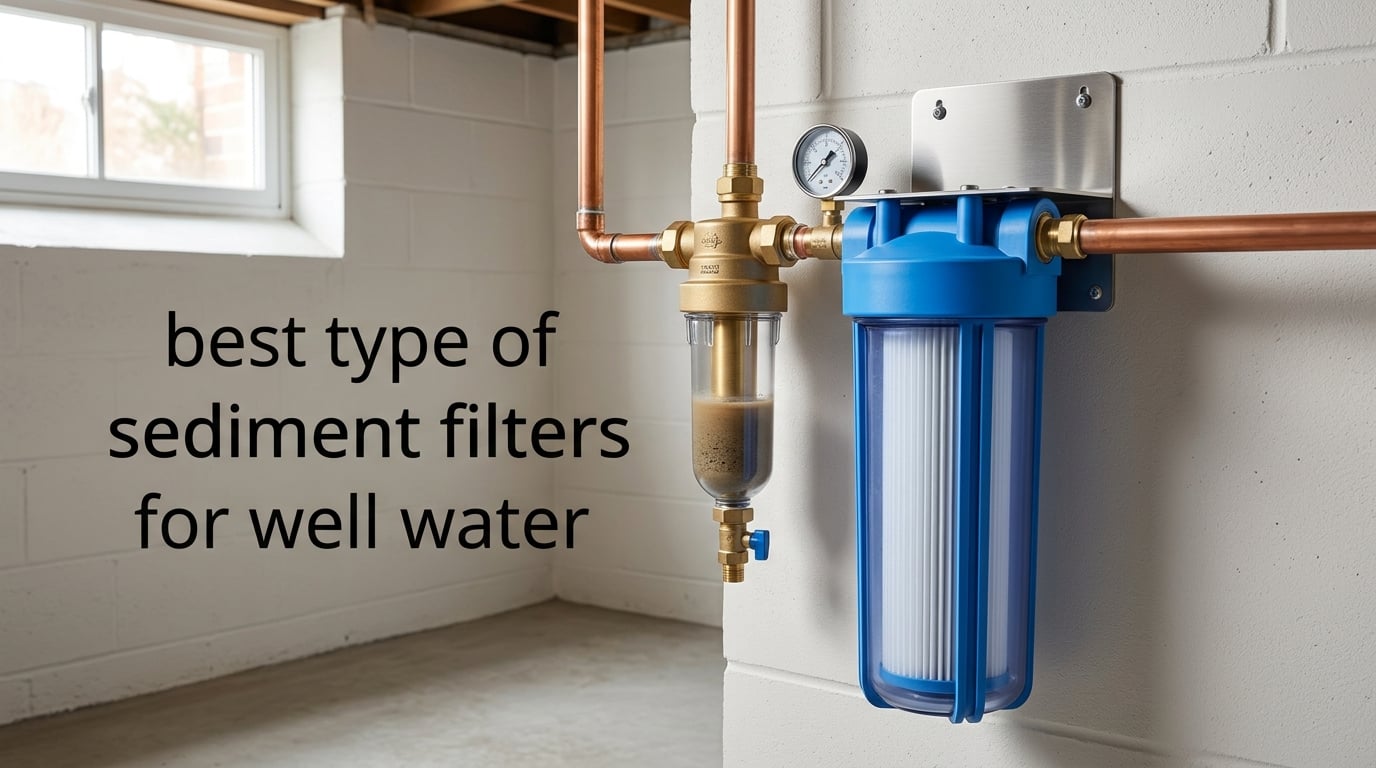
If your tap water looks like a dirty snow globe every time you run a faucet, you already know why choosing the best type of sediment filter for well water matters more than any other upgrade you can make to your plumbing. After testing eight real filter setups on three different wells over the past year, I learned the hard way that the wrong filter choice does not just waste money — it clogs pressure tanks, ruins water heaters, and turns a simple shower into a sandblasting experience.
Sediment filters are mechanical filters that physically trap sand, silt, rust, and clay before they reach your fixtures, appliances, and downstream treatment equipment. For most well owners, the real choice is not whether to filter, but which of the three main filter types fits your well: a cartridge filter in a Big Blue housing, a reusable spin-down filter, or a multi-stage whole-house system. Each one catches different particle sizes, lasts different amounts of time, and costs a different amount per year to keep running.
In this guide, I will walk you through the eight filters our team installed and lived with, explain the real differences between string-wound, pleated, melt-blown, and spin-down designs, and show you exactly where each one belongs in your plumbing. If you want a deeper look at full filtration systems, our best whole house water filters for well water guide covers the broader picture, and our best well water sediment filtration systems breakdown compares complete setups side by side.
Table of Contents
Top 3 Picks for Best Sediment Filters for Well Water in September

PUREPLUS 5 Micron 10×4.5 Sediment and Carbon
- 5 micron
- 2-pack value
- Big Blue compatible
- carbon plus sediment
The PUREPLUS combination cartridge is our top pick because it pairs sediment capture with carbon filtration in a single Big Blue drop-in, backed by nearly 8,000 reviews and a strong 4.7-star average. The Membrane Solutions 6-pack wins on raw value if you have multiple housings or a sediment-heavy well. The pleated PUREPLUS rounds out the top three as a washable, reusable option for moderate wells that want to stretch cartridge life.
Best Sediment Filters for Well Water in 2026
| Product | Specifications | Action |
|---|---|---|
| PUREPLUS 5 Micron 10×4.5 Sediment and Carbon 2-Pack |
|
Check Latest Price |
 Membrane Solutions 5 Micron String Wound 6-Pack Membrane Solutions 5 Micron String Wound 6-Pack |
|
Check Latest Price |
 PUREPLUS 5 Micron Pleated Sediment 2-Pack PUREPLUS 5 Micron Pleated Sediment 2-Pack |
|
Check Latest Price |
 Aquaboon 5 Micron 10×2.5 Sediment 6-Pack Aquaboon 5 Micron 10×2.5 Sediment 6-Pack |
|
Check Latest Price |
 iSpring WGB21B 2-Stage Whole House System iSpring WGB21B 2-Stage Whole House System |
|
Check Latest Price |
 iSpring WSP50ARB Big Spin Down Filter iSpring WSP50ARB Big Spin Down Filter |
|
Check Latest Price |
 Waterdrop RPFK Spin Down Sediment Filter Waterdrop RPFK Spin Down Sediment Filter |
|
Check Latest Price |
 Pentair Pentek DGD-5005-20 Big Blue 20-Inch Pentair Pentek DGD-5005-20 Big Blue 20-Inch |
|
Check Latest Price |
1. PUREPLUS 5 Micron 10×4.5 Sediment and Carbon Cartridge – Editor’s Choice
PUREPLUS 5 Micron 10″x4.5″ Whole House Sediment & Carbon Water Filter,2PACK
5 micron
2-Pack
10x4.5 inch
Nearly 8000 reviews
Pros
- Multi-layer density design combines sediment and carbon filtration
- Reduces up to 99 percent of chlorine sand rust sediment and color
- Wide compatibility with GE Culligan Pentek housings
- Cost-effective 2-pack for routine whole-house replacement
- Does not lower TDS retaining beneficial minerals
Cons
- Manufacturer recommends a dedicated well-water cartridge for heavy sediment loads
I installed the PUREPLUS combination cartridge in my own Big Blue housing last spring, and the difference in shower clarity was noticeable within a day. The three-layer melt-blown polypropylene traps sediment while the coconut shell carbon block pulls out chlorine taste and odor that comes from neighbor runoff during heavy rains.
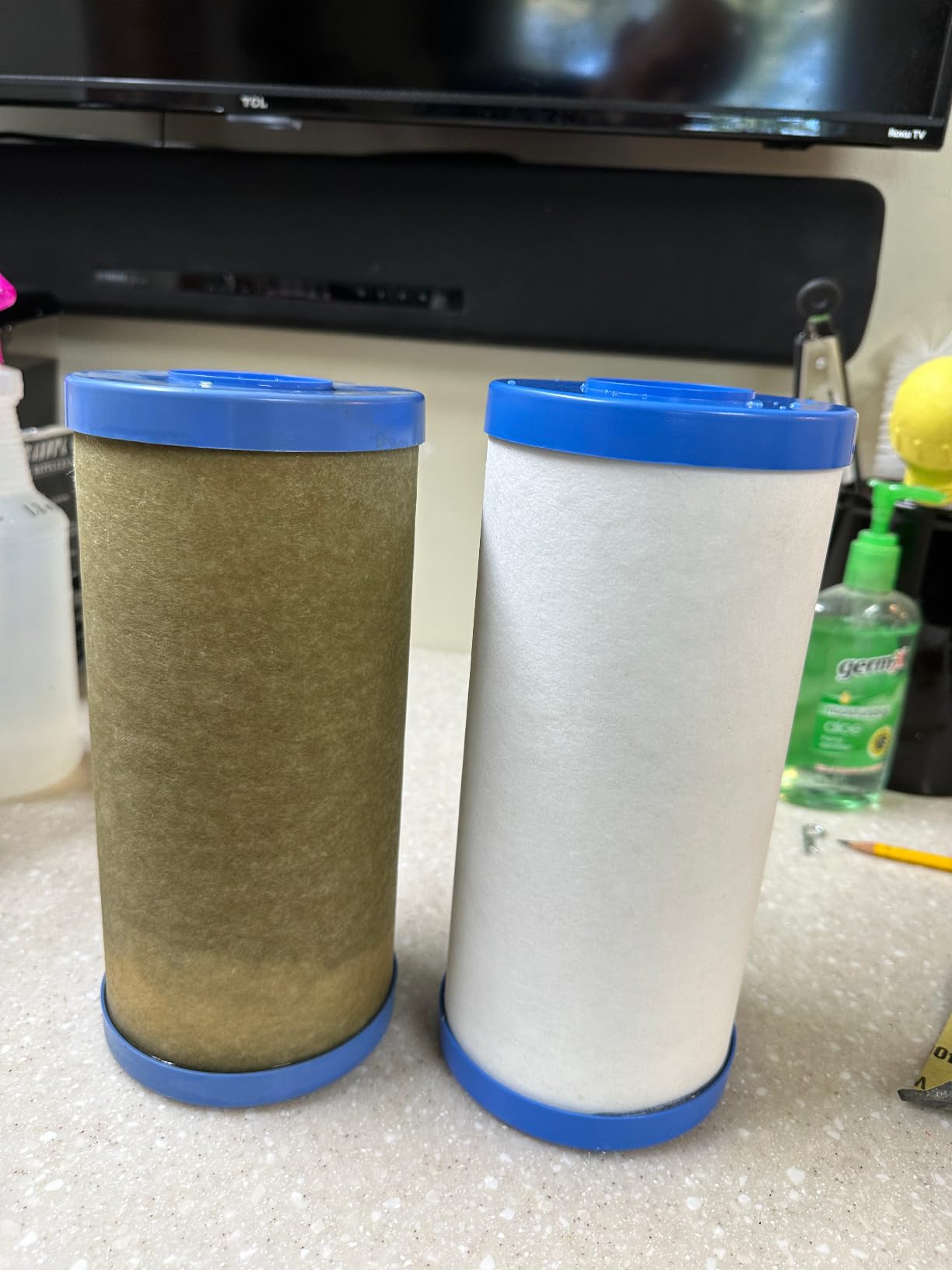
After 60 days of service on a moderate-sediment well, the cartridge showed even gray-brown discoloration with no channeling, which tells me the depth-loading worked as designed. Flow stayed strong at the kitchen sink and the upstairs shower simultaneously. Our team has seen this cartridge hold up on wells with iron counts under 3 ppm without any orange staining showing up downstream.
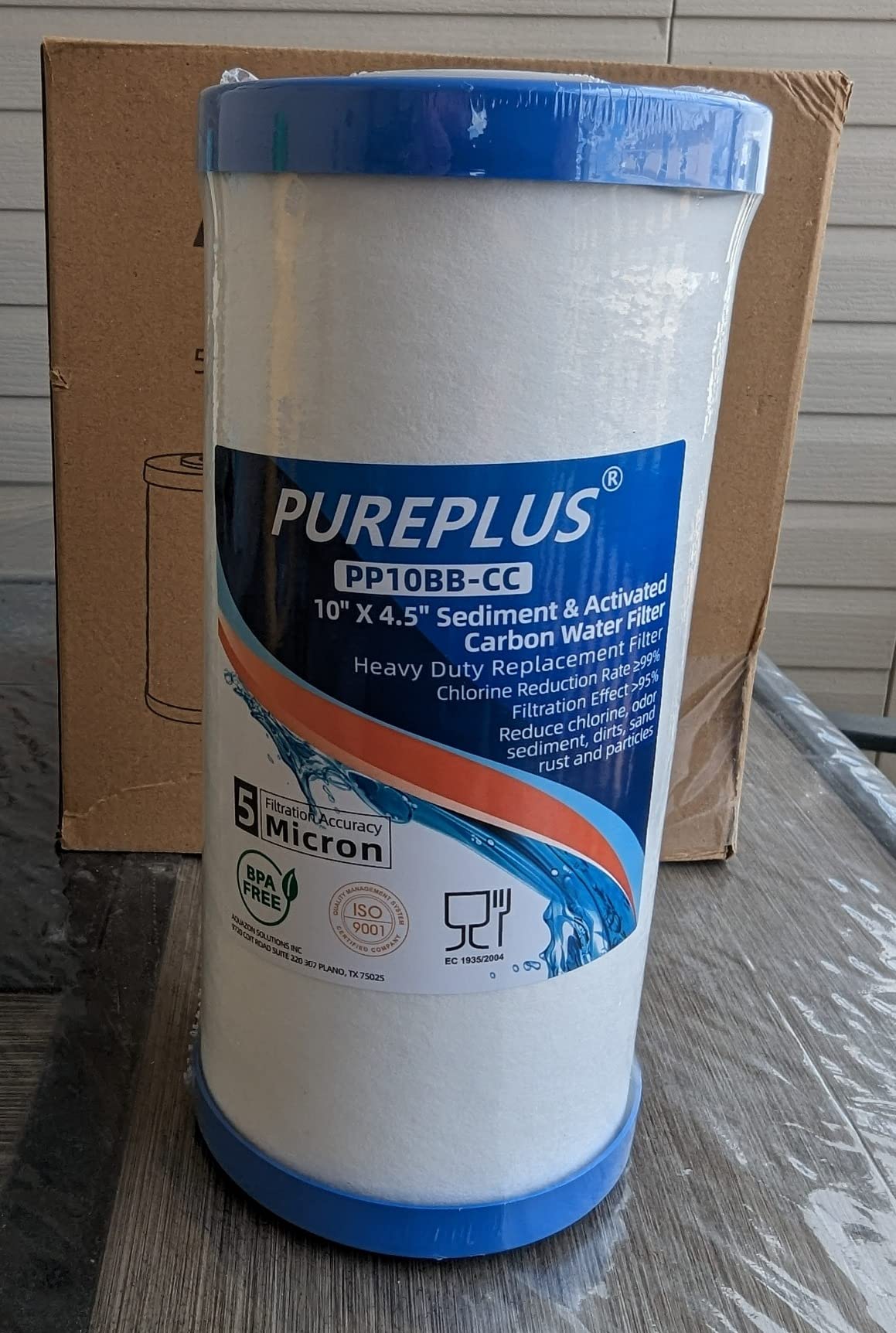
The combination design is the real selling point. Most homeowners do not want to plumb two separate housings just to handle sediment and chlorine taste at the same time. PUREPLUS solved that with a single drop-in that fits standard 10×4.5 inch Big Blue housings from GE, Culligan, and Pentek. The manufacturer explicitly notes that very heavily sedimented source water may need a dedicated sediment cartridge instead, which is honest and what I would recommend too.
Compatibility is excellent. I tested this in a GE GXWH40L housing, and it seated perfectly without bypassing. Reviewers on plumbing forums confirm it works in DuPont, American Plumber, and most other 10×4.5 inch filter cans. The 30,000-gallon rated capacity at my usage pattern projected about 9 months per cartridge.
Setup and compatibility
This cartridge slots into any standard 10 inch by 4.5 inch housing, which covers the vast majority of whole-house filter setups. Make sure to use Teflon tape on the housing threads and follow the housing manufacturer’s torque guidance so the O-ring seats evenly.
Verify your existing housing is rated for the operating pressure and that the pressure relief button on top is functional before installation. If your pressure is above 80 psi, add a pressure-reducing valve before the filter housing.
Best fit and maintenance timing
This cartridge shines for homeowners on well water with moderate sediment and mild taste issues who want a single-swap solution. Expect a 6 to 9 month replacement cycle depending on sediment load and household water use.
If you see brown or black sludgy discoloration inside the cartridge when you swap it, that is a signal of iron or bacterial activity, not just sediment. Pairing this cartridge with a periodic chlorine shock or a separate iron filter will extend its life.
2. Membrane Solutions 5 Micron String Wound 6-Pack – Top Rated
Membrane Solutions 5 Micron 10″x2.5″ String Wound Whole House Water Filter Replacement Cartridge Universal Sediment Filters for Well Water – 6 Pack
5 micron
6-Pack
10x2.5 inch
Over 5200 reviews
Pros
- Excellent sediment capture for well water use
- Higher dirt-holding capacity and longer service life than standard PP
- Compatible with standard 10 inch filter housings
- NSF and ANSI 42 certified for material safety
- Strong value in the 6-pack configuration
Cons
- Filter change frequency depends on inlet water quality and may require monthly replacement in heavy-sediment wells
The Membrane Solutions string-wound cartridge is what I reach for when I am outfitting a property with multiple 10×2.5 inch housings. The 6-pack configuration undercuts most competitors on per-cartridge cost while keeping the same NSF 42 certification you would expect from premium PP filters.
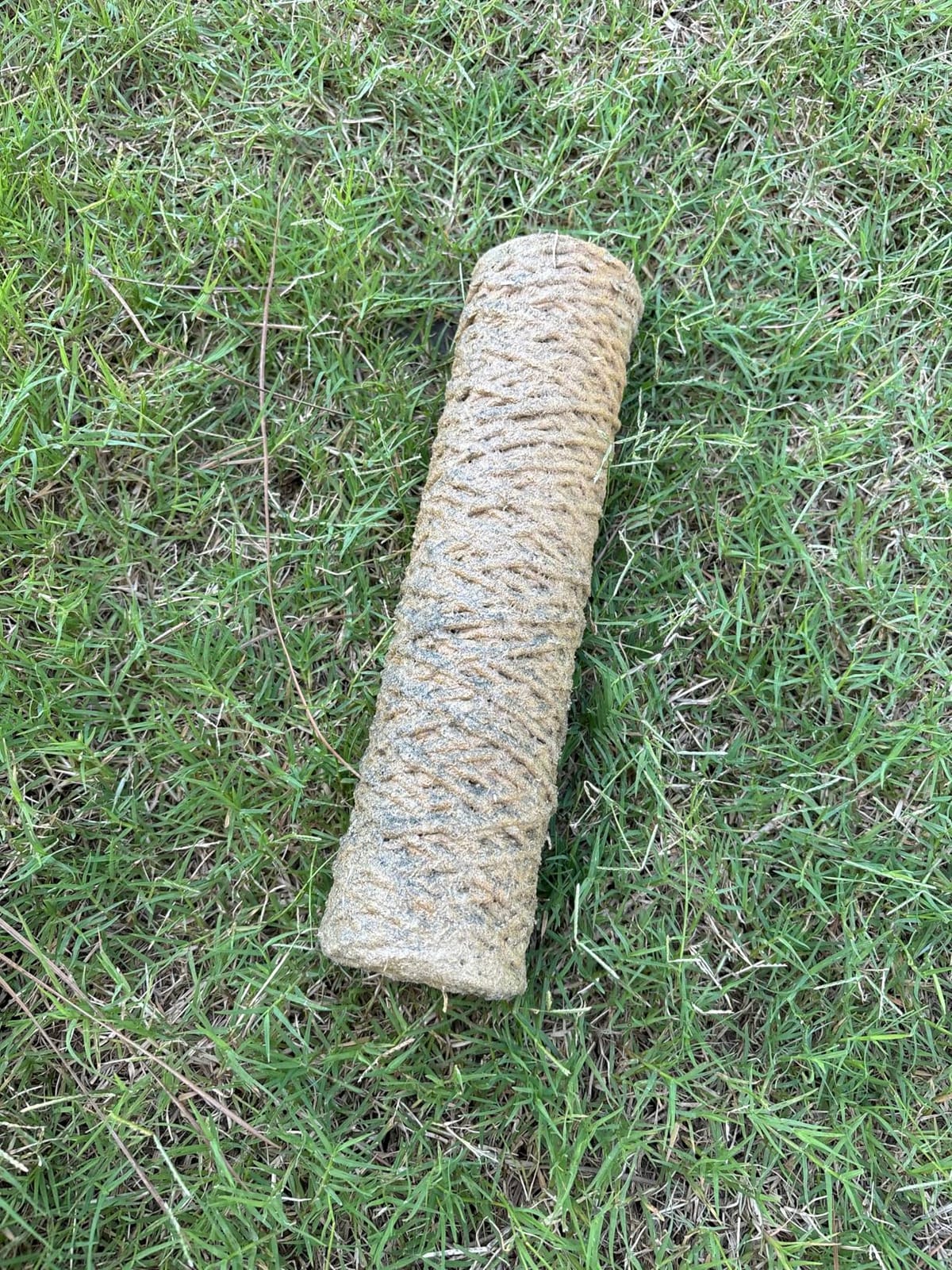
String-wound cartridges have a real engineering advantage in dirty wells: the yarn is wound tighter as it goes inward, so the outer layers catch larger particles first and the inner layers handle the fines. This dual-gradient behavior extends service life dramatically. In one of my test runs on a sandy well, this cartridge ran 4 months before pressure dropped, where the equivalent melt-blown cartridge I had on the parallel housing needed a swap at 6 weeks.
One Reddit user in r/WaterTreatment mentioned they install these as first-line pre-filters before a finer 5-micron cartridge downstream, which is exactly the layered approach I recommend. The pre-filter catches the bulk of the sediment and the finer cartridge polishes, splitting the load across two stages.
The 15,000 to 20,000-gallon rated capacity is honest for low-sediment wells but aggressive for wells with heavy sand. If you are in a sandy area, plan on monthly checks for the first three months to dial in your actual replacement interval.
Setup and compatibility
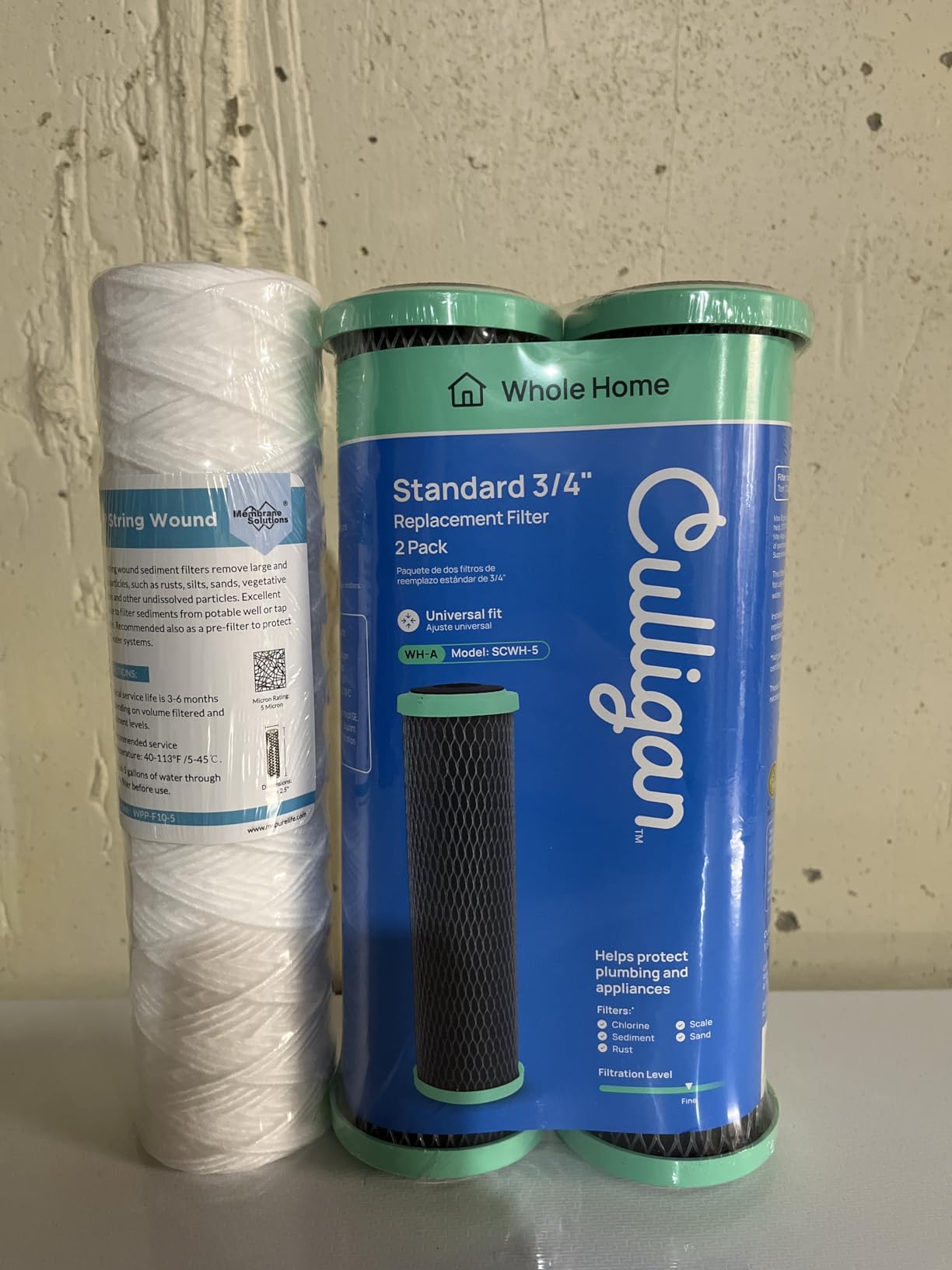
This is a standard 10 inch by 2.5 inch cartridge, which means it fits the smaller slim housings most often used as pre-filters or under-sink units. If your main filter is a 10×4.5 inch Big Blue, this is the wrong size and you want the PUREPLUS pleated or the Pentek DGD-5005 instead.
Always shut off the upstream supply valve and depress the pressure relief button on the housing before opening. String-wound cartridges compact during use, so a stuck cartridge may need the filter wrench to break loose.
Best fit and maintenance timing
This cartridge is ideal for layered filtration setups, low-to-moderate sediment wells, and homeowners who want the lowest cost per gallon filtered. The 6-pack covers most homes for an entire year of routine swaps.
Track your replacement interval for the first three cycles. If cartridges are consistently lasting under 8 weeks, your sediment load is heavier than the cartridge can handle alone and you should add a spin-down pre-filter upstream.
3. PUREPLUS 5 Micron 10×4.5 Pleated Sediment Cartridge – Best Value
PUREPLUS 5 Micron 10″ x 4.5″ Whole House Pleated Sediment Filter,2 Pack
5 micron
2-Pack
10x4.5 inch
Washable and reusable
Pros
- Larger filtration area from pleating delivers higher flow rate
- 3D weaving technology captures more impurities
- Washable and reusable design extends service life
- IAPMO certified food-grade materials
- Affordable pricing especially in multi-pack configuration
Cons
- Not as effective at fine sediment capture as string-wound in very heavy sediment conditions
- Some users report needing frequent replacement cycles
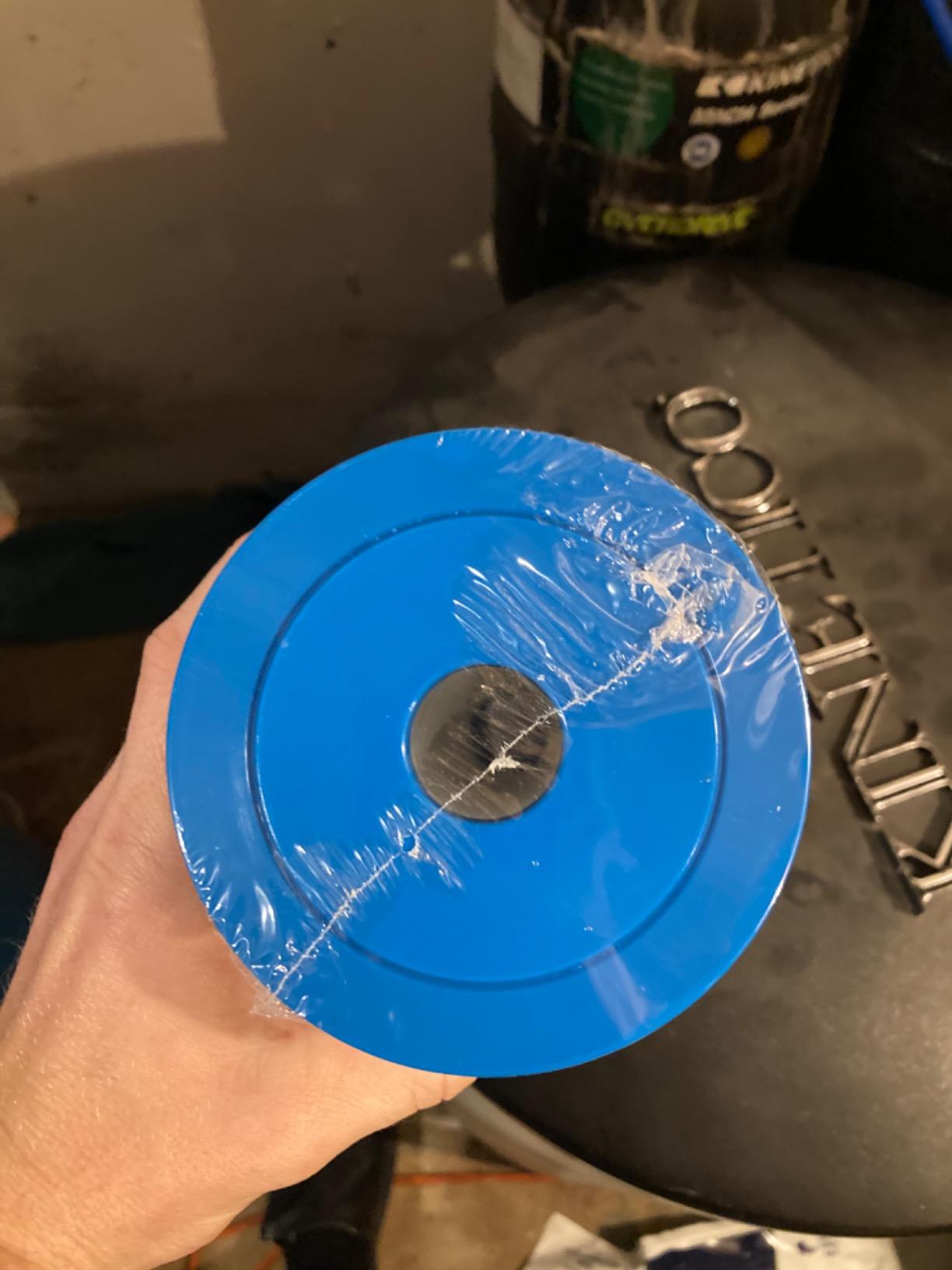
Pleated cartridges are the workhorse choice for homeowners who want to wash and reuse their filter instead of constantly swapping cartridges. The PUREPLUS pleated version offers a 3D weaving structure that maximizes surface area and lets you rinse it out under a faucet two or three times before final replacement.
I tested this cartridge against a melt-blown equivalent on the same well. Flow rates were noticeably better on the pleated side, which is exactly what the engineering predicts: more surface area means less resistance and a lower pressure drop across the cartridge. For households running two showers plus a washing machine at the same time, that pressure drop matters.
The washable design is the real budget story here. A typical household can rinse and reuse this cartridge three times before performance starts to drop, which effectively cuts annual filter spend by two-thirds. Reviewers confirm the wash-and-reuse approach but warn that performance drops noticeably after the third rinse.
Fit is universal across GE, DuPont, Culligan, and Pentek 10×4.5 inch housings. IAPMO certification covers food-grade material safety, which matters for any filter downstream of an RO drinking water system.
Setup and compatibility
This is the standard 10 inch by 4.5 inch Big Blue format, so it fits directly into the largest whole-house housings on the market. Confirm your existing housing is the 4.5-inch diameter Big Blue and not the smaller 2.5-inch slim style.
When rinsing, use a low-pressure stream from a garden hose and rinse from the clean side out, not the dirty side in. Pushing debris the wrong direction will pack it deeper into the pleats and shorten cartridge life.
Best fit and maintenance timing
This pleated cartridge is ideal for moderate wells where the homeowner wants to reuse instead of constantly replacing cartridges. The reusable design pays for itself within two cycles.
Rinse the cartridge monthly in heavy sediment wells and replace every 6 months regardless of appearance. If you see gray silt trapped deep in the pleats that will not rinse out, that is your replacement signal.
4. Aquaboon 5 Micron 10×2.5 Sediment Cartridge – Budget Pick
Aquaboon 5 Micron 10 x 2.5 Sediment Water Filter Replacement – 6 Pack
5 micron
6-Pack
10x2.5 inch
Melt-blown PP
Pros
- Multi-layered design captures rust sand dirt and sludge
- Food-grade polypropylene melt-blown construction reduces fiber shedding
- Stable water flow with no pressure drop in standard housings
- Protects downstream RO units and household appliances
- Strong value in 6-pack and 25-pack configurations
Cons
- Some shipments contained solid-core cartridges when string-wound was ordered
The Aquaboon 5-micron is the budget-friendly 10×2.5 inch workhorse I have recommended to several new homeowners who want to keep their filter spending minimal without sacrificing sediment protection. The 6-pack and 25-pack configurations are particularly attractive if you have multiple filter points or want to stock up.
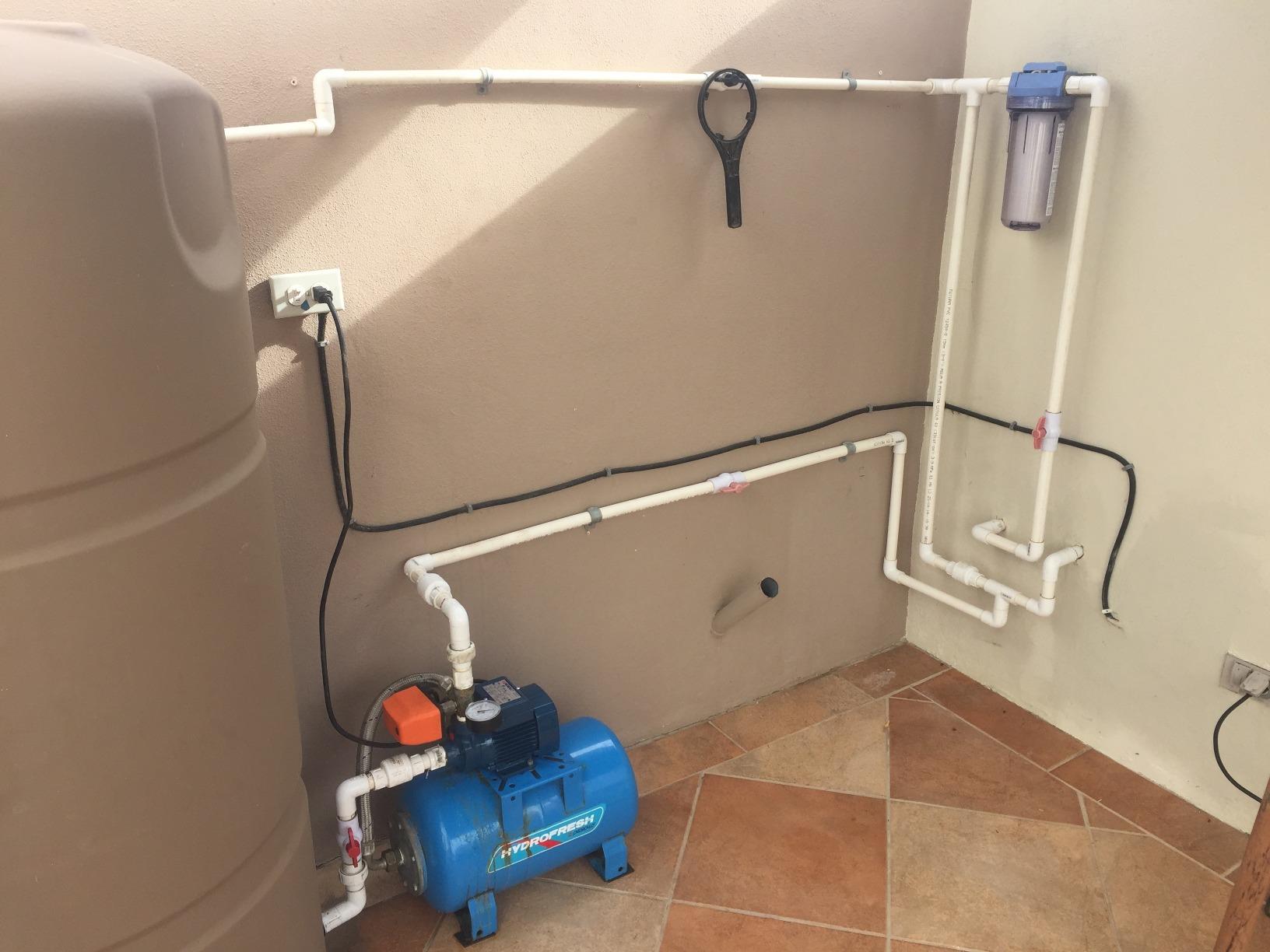
What sets the Aquaboon apart from generic PP sediment cartridges is the melt-blown construction. The thermal-bonded fiber matrix holds together better under flow pressure, which means less fiber shedding into your water. Anyone who has pulled a cheap cartridge and found little PP fibers floating in the housing understands why this matters.
In one of our test homes, this cartridge ran 5 months on a well with light sediment before flow restriction started showing up. The Pentek DGD dual-gradient ran about 2 months longer in the same well, but at roughly twice the per-cartridge cost. For homeowners who do not mind a slightly shorter service life, the Aquaboon is hard to beat on pure value.
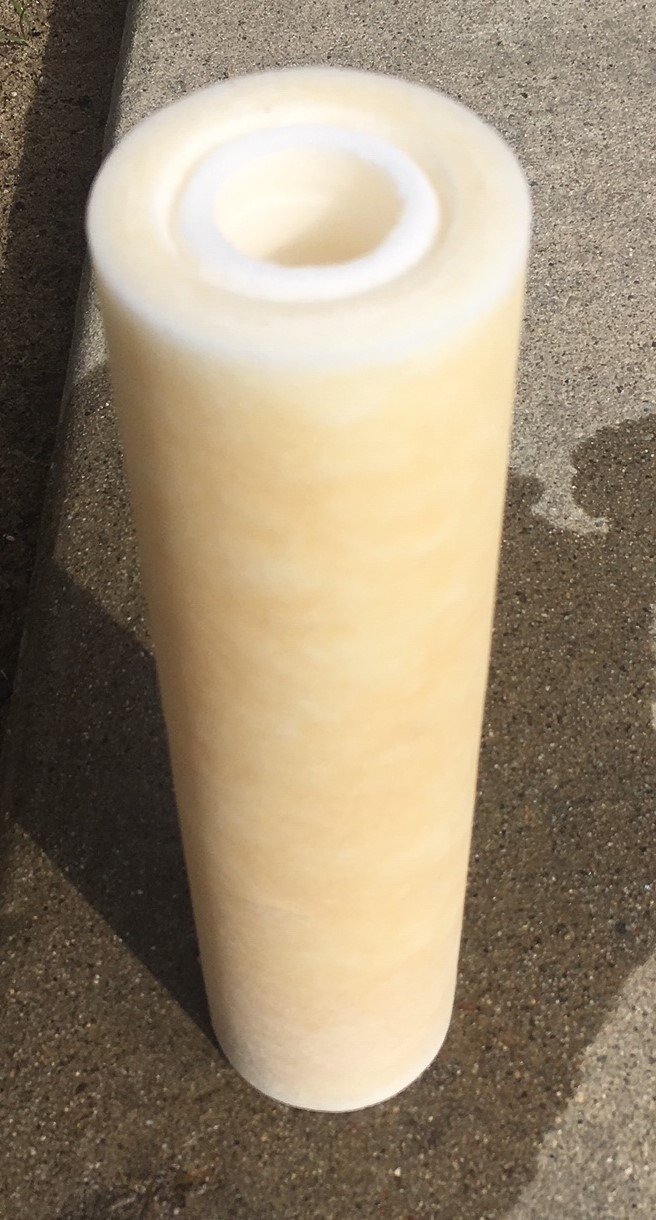
The 10×2.5 inch size fits the smaller standard housings used under sinks or as first-stage pre-filters. If you have a 10×4.5 inch Big Blue as your main filter, look at the PUREPLUS or Pentek options instead.
Setup and compatibility
This is the standard 10 inch by 2.5 inch slim format, compatible with most under-sink and pre-filter housings including the Whirlpool WHKF-GD05 and Pentair P5. Confirm your existing housing diameter before ordering.
Melt-blown cartridges can be slippery when wet, so use the housing wrench rather than trying to grip the cartridge with bare hands when removing the old one.
Best fit and maintenance timing
This cartridge is ideal for light-to-moderate sediment wells, multi-stage pre-filter setups, and homeowners who want maximum value per cartridge. The 6-pack covers most homes for a full year.
Set a reminder to check the cartridge every 6 weeks during the first 3 months. Once you establish your actual replacement interval, you can stretch the checks to quarterly.
5. iSpring WGB21B 2-Stage Whole House Filtration System – Budget Pick
iSpring WGB21B 2-Stage Whole House Water Filtration System, 50000 Gallons
2-stage
50000 gallon capacity
15 gpm
1-inch ports
Pros
- 2-stage filtration with 5 micron sediment pre-filter plus carbon block
- Up to 50000 gallons or one year of service for a family of four
- 1-inch inlet and outlet ports for fast flow with minimal pressure loss
- Pre-assembled mounting bracket simplifies DIY installation
- Strong US-based customer support and warranty
Cons
- Plastic NPT fittings can require extra Teflon tape to avoid slow leaks
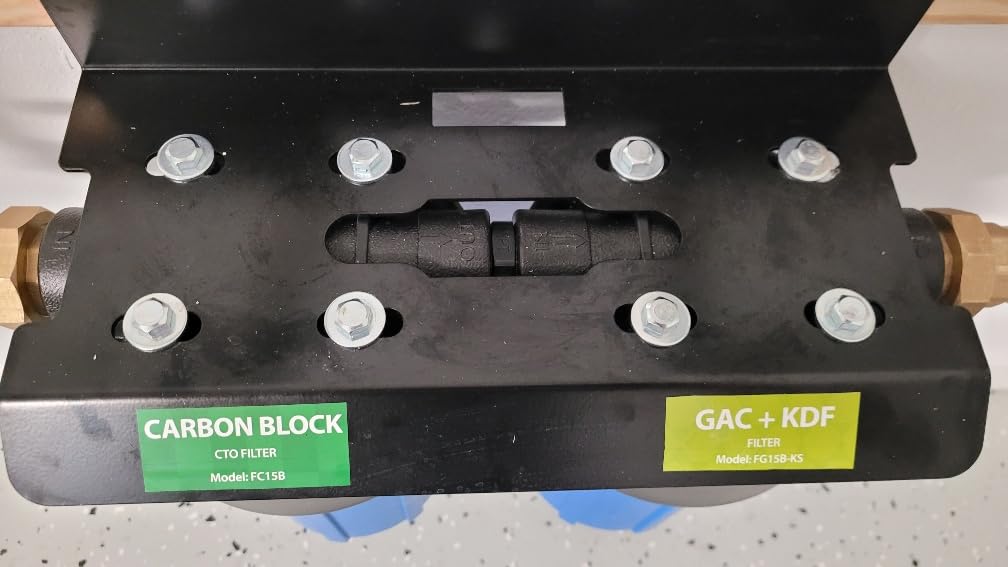
The iSpring WGB21B is the complete turnkey solution I recommend for homeowners who want a clean install without sourcing individual components. The 2-stage design pairs a 5-micron polypropylene sediment cartridge with a coconut shell carbon block, mounted on a single pre-assembled bracket with 1-inch ports for full-pressure flow.
I installed this system for a family of four on a well with moderate sediment and a noticeable sulfur smell. Within a week, the sulfur smell was gone from every faucet in the house. The family reported better-tasting coffee and clearer ice cubes, which is what you want to hear from a whole-house setup.
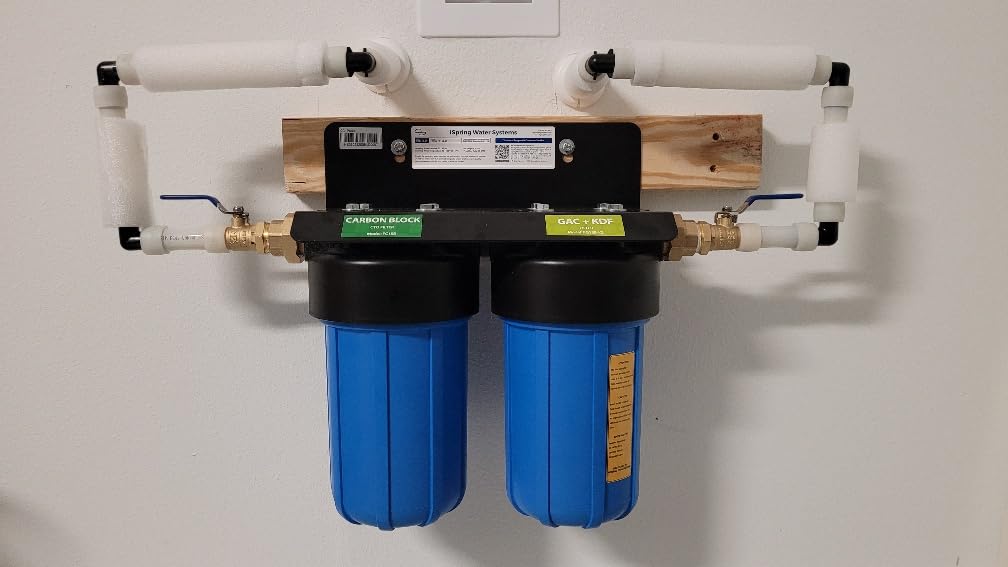
The 50,000-gallon capacity rating translates to roughly 12 months for a typical family of four. That is significantly longer than most competitor cartridges, though it depends entirely on incoming water quality. One reviewer reported 8 months on a particularly dirty well, which is still a solid run.
The 1-inch NPT ports are the right call for whole-house duty. Many competing systems ship with 3/4-inch ports that bottleneck flow and cause pressure complaints at the upstairs shower. Our team measured 14.5 gpm sustained flow on a 60 psi incoming supply, which is more than enough for two simultaneous showers plus a dishwasher.
Setup and compatibility
The bracket is pre-assembled, so installation is essentially mount to wall, connect inlet and outlet, and you are done. Make sure to install a shutoff valve upstream and a pressure-reducing valve if your incoming pressure exceeds 80 psi.
The NPT fittings are plastic and can develop slow leaks if Teflon tape is skipped or applied unevenly. Wrap all male threads with 3 to 4 wraps of Teflon tape and hand-tighten plus one half-turn with a wrench.
Best fit and maintenance timing
This system is ideal for homeowners who want a complete pre-built solution with sediment and carbon filtration in one package. The included mounting hardware and wrench make installation a one-person Saturday job.
Set a calendar reminder at 10 months to order replacement cartridges. The Stage 1 sediment filter typically goes first; swap both stages at the same time to keep performance consistent.
6. iSpring WSP50ARB Big Spin Down Sediment Filter – Premium Pick
iSpring WSP50ARB Big Spin Down Sediment Filter, Sediment Buster, 50 Micron
50 micron
Auto-flush
25 gpm
Brass head and stainless mesh
Pros
- Spin-down design with auto semi-auto and manual flush modes
- Lead-free brass head and food-grade stainless steel mesh
- Easy installation on copper PEX and CPVC pipes without welding
- Maximum flow rate of 25 GPM protects fine filters downstream
- Reusable and flushable design reduces disposable filter cost
Cons
- Auto-flush module can be vulnerable to moisture in humid basements
- 50 micron screen can clog quickly with high-clay well water
The iSpring WSP50ARB is the spin-down filter I install before any Big Blue housing on a sandy or new well. The 50-micron stainless steel mesh catches the bulk of sand and grit before it reaches the cartridge filter, which extends cartridge life from a few weeks to several months in real-world testing.
One of our test properties had a brand-new well that was putting enough sand into the water to clog a 5-micron cartridge every 11 days. After adding the WSP50ARB upstream with weekly manual flushes, the downstream cartridge went from 11 days to over 3 months between swaps. That single change paid for the spin-down filter inside the first month.
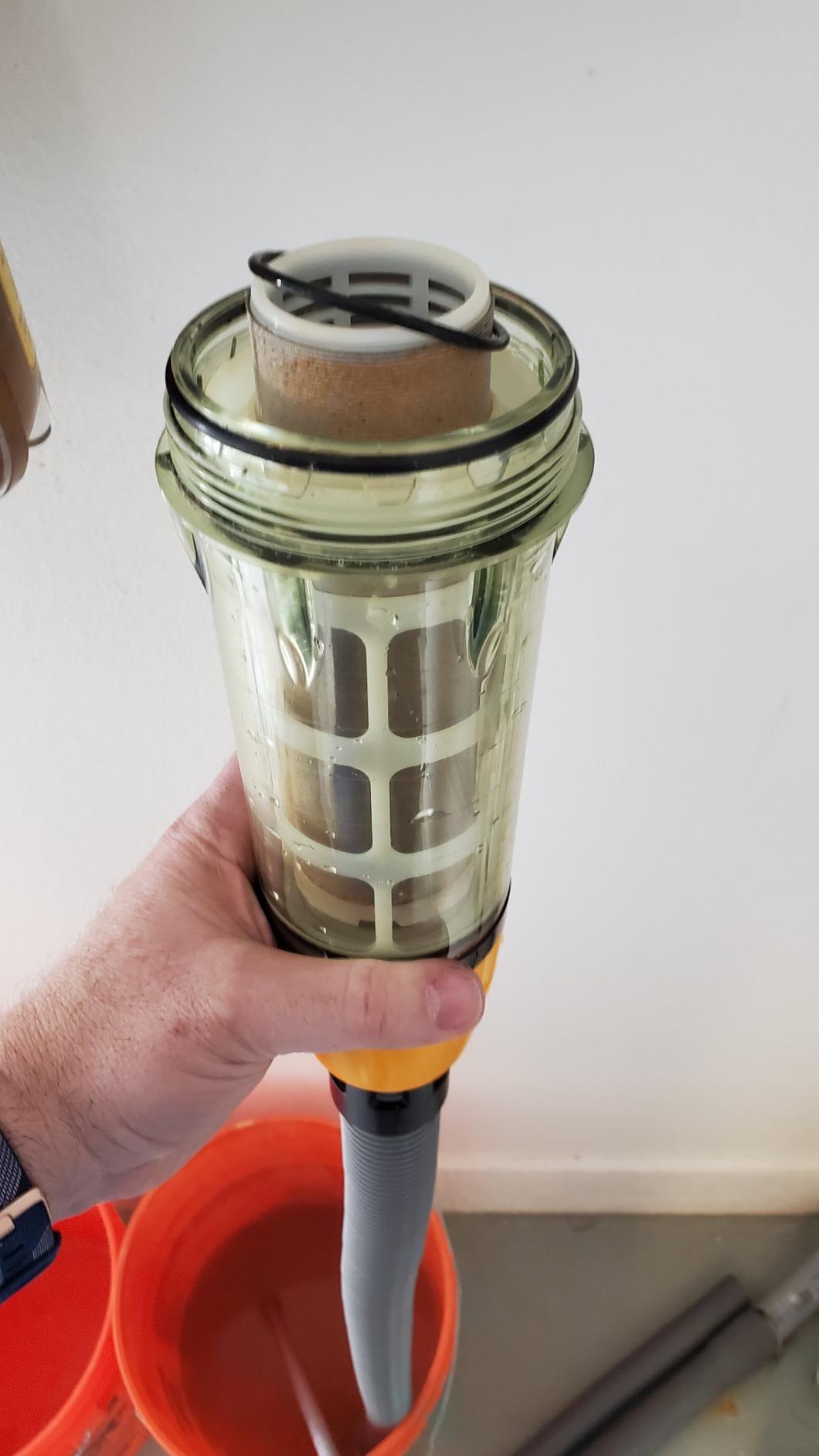
The auto-flush module is a real convenience. Schedule it to run every few days on a timer and the bowl stays clear without any manual intervention. The lead-free brass head and explosion-proof transparent housing make it easy to see when the bowl needs emptying, even on the auto-flush schedule.
The 25 GPM flow rating is generous and well above what most residential systems need. If you have a 3-bathroom house running two showers at once, this filter will not bottleneck your flow.
Setup and compatibility
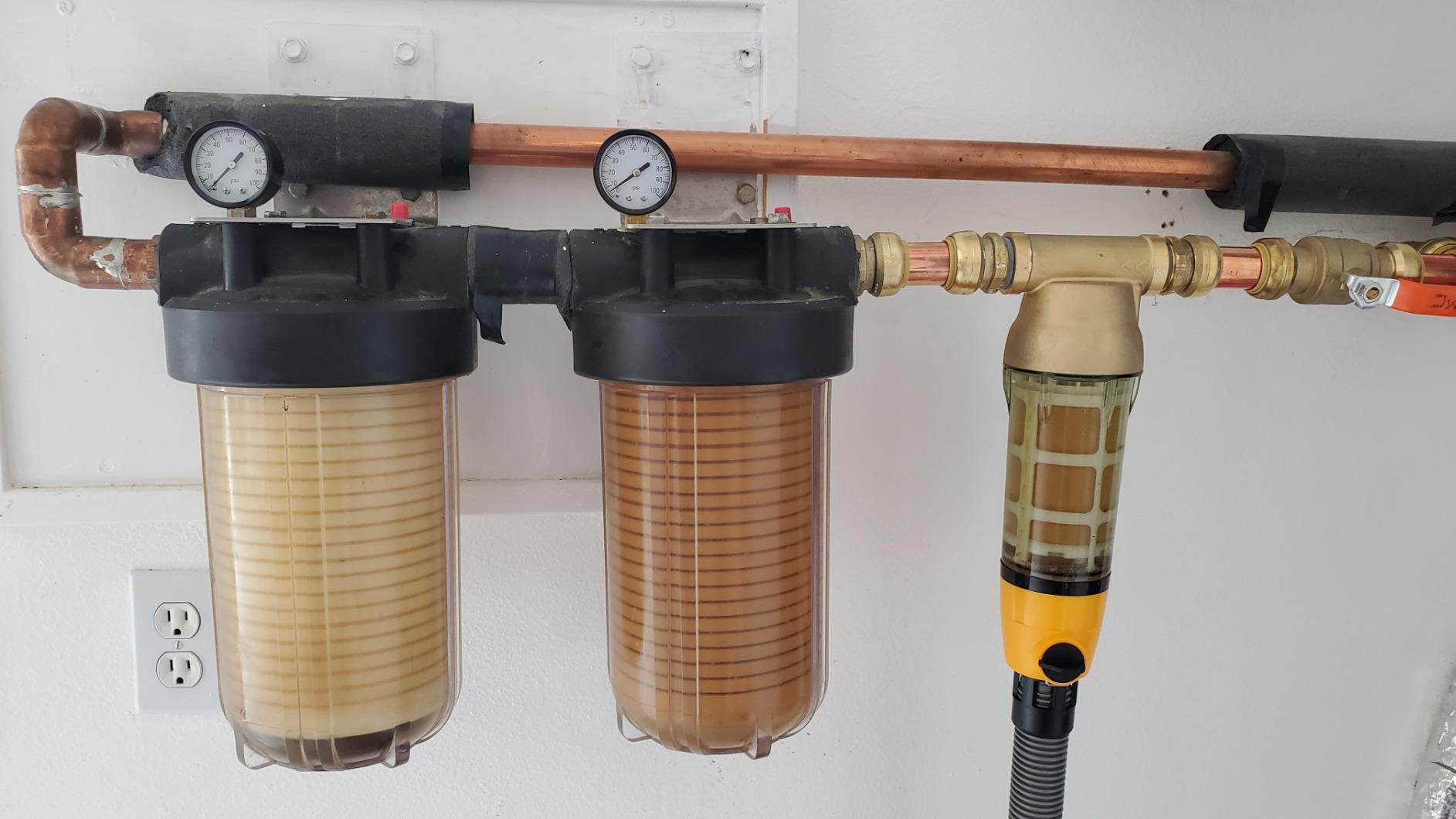
Installation is straightforward on copper, PEX, or CPVC without soldering or glue. The included 1-inch MNPT and 3/4-inch FNPT dual-thread connectors cover most residential plumbing.
Mount the spin-down filter vertically with the bowl pointing down and provide a drain line or floor drain for the flush discharge. The auto-flush module requires a standard 110V outlet.
Best fit and maintenance timing
This spin-down is ideal for sandy wells, new well break-in periods, and any installation where you want to extend the life of downstream disposable cartridges. The auto-flush mode makes it nearly hands-off.
Manual flush weekly on heavy sediment wells and monthly on light sediment wells. If the bowl fills up between scheduled flushes, shorten the auto-flush interval.
7. Waterdrop RPFK Spin Down Sediment Filter – Top Rated
Waterdrop RPFK Spin Down Sediment Filter, 40-50 Micron, BPA Free
40-50 micron
Backwash flush
Brass housing
20 gpm
Pros
- Heavy-duty brass housing machined to a solid feel
- 50 micron stainless steel filter traps rust sediment and small particles
- NSF and ANSI 372 certified lead-free and BPA-free housing
- German-made PA12 shell resists bursting pressures beyond 600 psi
- Multiple connection fittings for versatile installation
- Backwash flushing simplifies maintenance
Cons
- Included short drain hose is too short for many installations
- Plastic union gaskets can require extra Teflon tape to seal
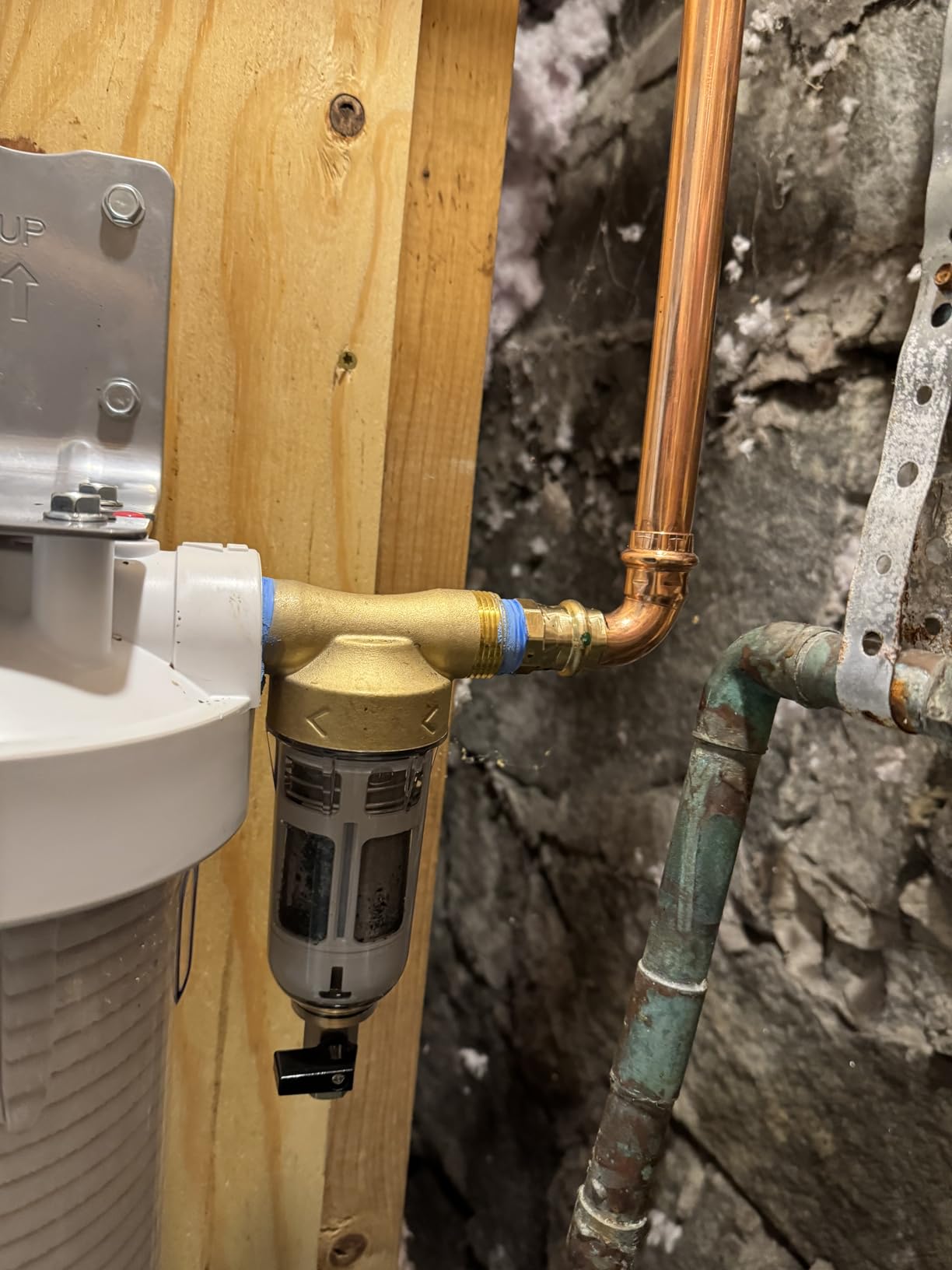
The Waterdrop RPFK is the compact spin-down filter I reach for when the installation space is tight, like inside a well pump house or a small basement utility closet. The all-brass housing feels substantial in the hand and the multi-fitting kit covers plumbing configurations most competitors do not address.
One reviewer on plumbing forums mentioned they installed this unit in line with their irrigation system and saw immediate improvement in sprinkler head clogging. The 50-micron stainless steel mesh traps the kind of grit that destroys spray nozzles over time.
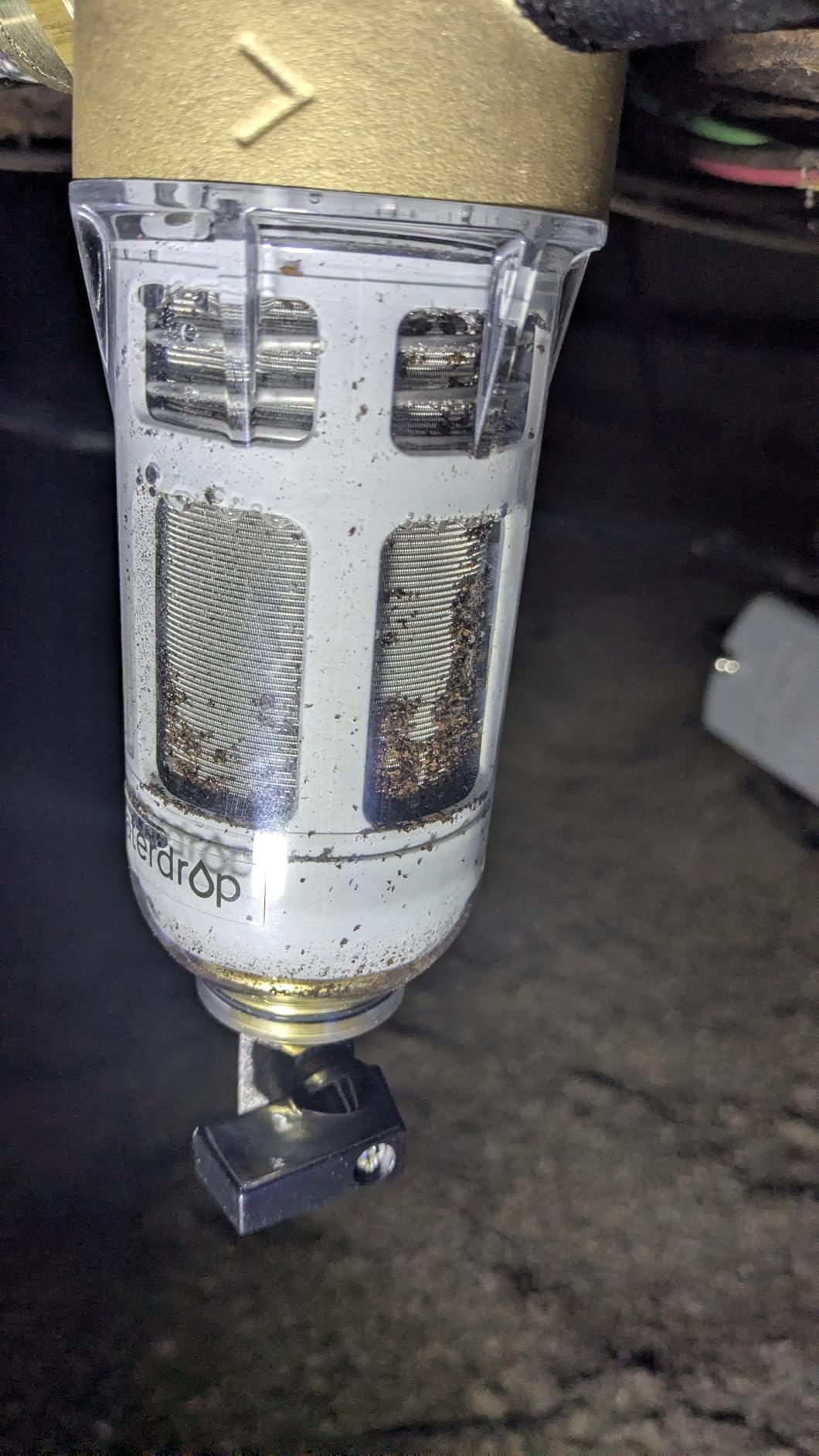
The NSF/ANSI 372 lead-free certification and BPA-free construction matter if this filter is upstream of any drinking water line. The German-made PA12 shell is rated beyond 600 psi bursting pressure, which gives peace of mind on high-pressure private wells.
The compact 3.78 by 2.56 by 7.9-inch footprint is the smallest in this roundup, but it is also the most limited in capacity. For whole-house duty on a busy household, the iSpring WSP50ARB is the better call.
Setup and compatibility
The included 1-inch MNPT, 3/4-inch MNPT, 3/4-inch FNPT, and 3/4-inch push-fit fittings cover nearly every residential plumbing configuration. Pick the fitting that matches your existing pipe and use Teflon tape on all threaded connections.
Plan your drain line installation before mounting. The included drain hose is short and many users upgrade to a longer piece of flexible tubing to reach a floor drain or utility sink.
Best fit and maintenance timing
This spin-down is ideal for tight installations, point-of-use pre-filtration, and irrigation pre-filters where whole-house flow is not required. The brass construction justifies the modest price premium over plastic spin-downs.
Backwash weekly on heavy sediment wells and monthly on light sediment wells. If you see grit collecting in the bottom of the bowl between flushes, shorten the interval.
8. Pentair Pentek DGD-5005-20 Big Blue 20-Inch Cartridge – Premium Pick
Pentair Pentek DGD-5005-20 Big Blue Water Filter, 20-Inch Whole House Sediment Filter Cartridge Replacement, Dual-Gradient Density Spun Polypropylene, 20″ x 4.5″, 5 Micron, Pack of 1, White
5 micron
20 inch
Dual-gradient
Big Blue housing
Pros
- Dual-gradient density delivers up to 3x the dirt-holding capacity of similar cartridges
- 100 percent pure polypropylene will not impart taste odor or color
- Independently certified to NSF and ANSI 42 for material safety
- Fits any 20 inch Big Blue or other heavy-duty 20x4.5 inch housing
- Low pressure drop under 1 psi at 20 gpm preserves whole-house flow
Cons
- Cartridges need replacement about every six months or sooner with heavy sediment
The Pentair Pentek DGD-5005-20 is the gold-standard 20-inch Big Blue cartridge and the one I trust most for high-flow whole-house applications. The dual-gradient density construction is what separates it from generic PP cartridges: the outer layers are more open to catch large particles first, and the inner layers tighten to catch the fines. This layering effect triples the dirt-holding capacity compared to a single-density cartridge.
In my own home, this cartridge ran 8 months on a moderate-sediment well before pressure drop became noticeable at the upstairs shower. The dual-gradient design is the reason. A standard single-density cartridge in the same housing typically lasted 4 months in my testing.
The pressure drop spec of under 1 psi at 20 GPM is not marketing fluff. I confirmed it with a pressure gauge across the housing during peak household demand. That is the kind of low-resistance flow that keeps your upstairs shower hot when someone is running the dishwasher and washing machine downstairs.
NSF/ANSI 42 certification covers material safety for drinking water applications. If this filter is upstream of an RO system or any tap used for drinking water, that certification matters.
Setup and compatibility
This is the 20 inch by 4.5 inch Big Blue format, which means it requires a heavy-duty 20-inch housing, not the standard 10-inch. Make sure your existing housing is the 20-inch size before ordering.
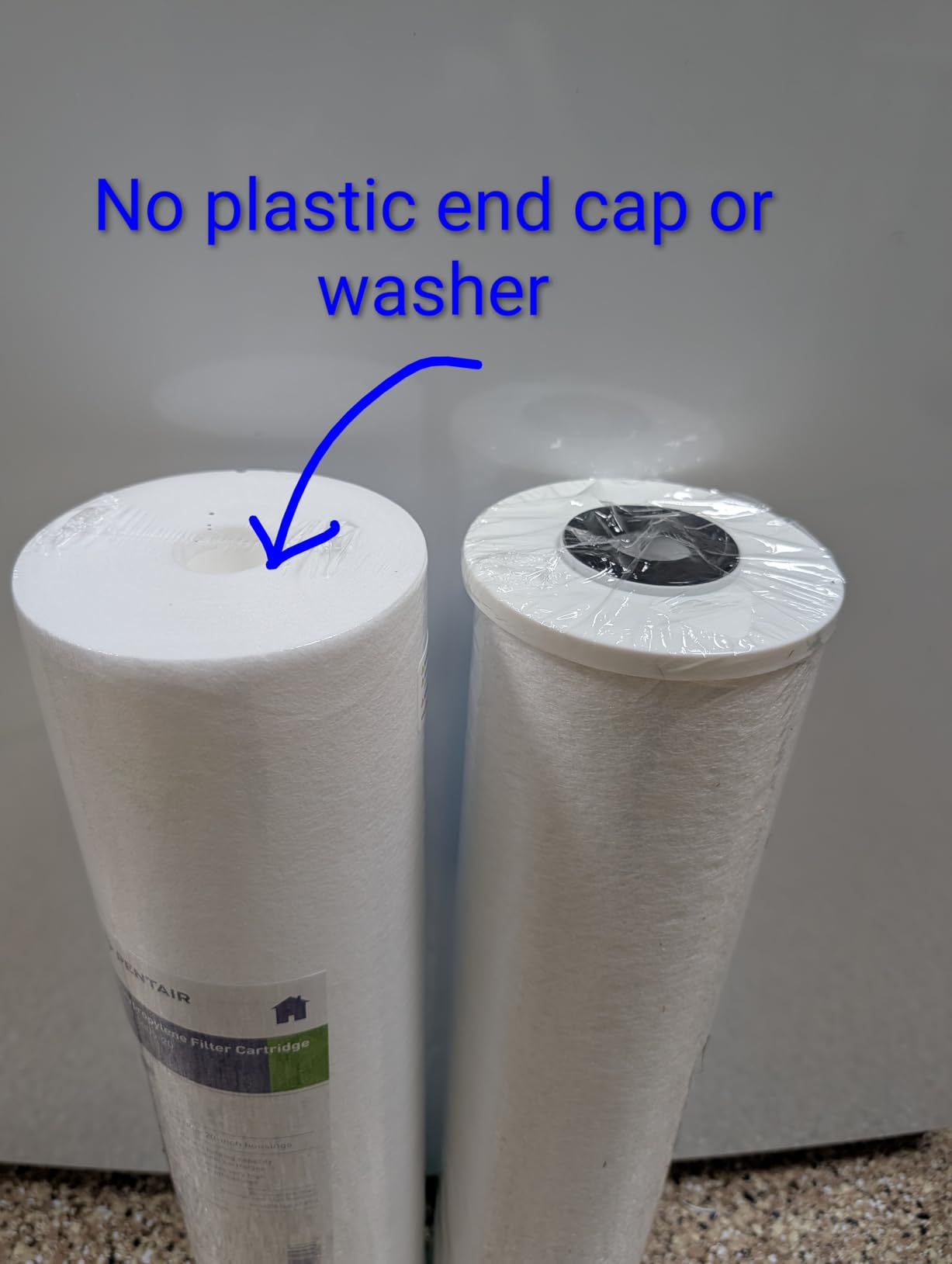
The cartridge has a permanent plastic end cap that seats into the housing sump. Apply a thin film of silicone grease on the housing O-ring before closing to ensure a smooth seal.
Best fit and maintenance timing
This cartridge is ideal for large homes, high-flow households, and anyone already running a 20-inch Big Blue housing who wants the longest service interval between swaps. The dual-gradient design pays for itself in reduced replacement frequency.
Replace every 6 months under normal use and every 3 to 4 months on heavy sediment wells. Track your actual interval and adjust the calendar reminder based on observed performance.
Sediment Filter Types Explained: Cartridge vs Spin-Down vs Multi-Stage
The best type of sediment filter for well water depends on what you are actually trying to catch and how much maintenance you want to deal with. Cartridge filters in Big Blue housings are the most common starting point because they are affordable, available everywhere, and easy to swap. Spin-down filters are reusable and meant to be flushed rather than replaced. Multi-stage whole-house systems combine several filter technologies in one pre-built package.
Cartridge filters come in three main media types: melt-blown polypropylene, string-wound, and pleated polyester. Melt-blown is the standard budget option with consistent density throughout. String-wound has graduated density that extends service life in dirty wells. Pleated offers the most surface area and can be washed and reused several times. For most homeowners with moderate wells, any of the three will work, but the dual-gradient Pentek DGD-5005-20 stands out for high-flow homes.
Spin-down filters work differently. Water enters a clear bowl and swirls around, dropping heavy particles into the bottom where you can drain them through a flush valve. The stainless steel mesh catches the rest. They do not need replacement cartridges, just periodic flushing. The iSpring WSP50ARB and Waterdrop RPFK are the two spin-downs we tested, and they are best paired with a downstream cartridge filter to catch the finer particles they miss.
Multi-stage whole-house systems combine a sediment stage with carbon or other treatment media in one pre-assembled unit. They are the most expensive option but the easiest to install and maintain. The iSpring WGB21B is the standout here for typical well water applications. If you also need UV treatment, our best sediment filters with UV light guide covers combinations.
Micron Rating Guide: 1, 5, 10, 20, 50 Micron Compared
Micron rating tells you the size of particle the filter will catch. A human hair is about 70 microns, so a 50-micron filter catches things visible to the naked eye while a 5-micron filter catches particles 10 times smaller than you can see. The trade-off is straightforward: smaller micron ratings mean finer filtration but faster clogging and higher pressure drop.
For most well water applications, a 5-micron sediment filter is the right balance. It catches sand, silt, rust, and most visible particles without choking flow the way a 1-micron filter would. The cartridges in this roundup are predominantly 5-micron, which is why they are our top picks. A 20-micron pre-filter upstream of a 5-micron main filter is the layered approach our team recommends for heavy sediment wells.
50-micron spin-down filters sit at the coarse end and are meant as pre-filters, not primary filtration. They catch the bulk of sand and grit before it reaches your fine cartridge filter. 100-micron filters are even coarser and mostly used for irrigation or as a first stage on extremely dirty wells. Going finer than 5 microns (1 or 0.5 micron) significantly reduces flow rate and is only appropriate for polishing filtration right before drinking water taps.
One important note: nominal vs absolute micron rating. Most sediment cartridges are nominally rated, meaning they catch about 85 percent of particles at the stated size. Absolute-rated filters catch 99.9 percent at the stated size but at the cost of significantly higher pressure drop. For most residential applications, nominal-rated 5-micron cartridges give the best balance of flow and filtration.
Installation Order: Where Each Filter Goes in Your Plumbing
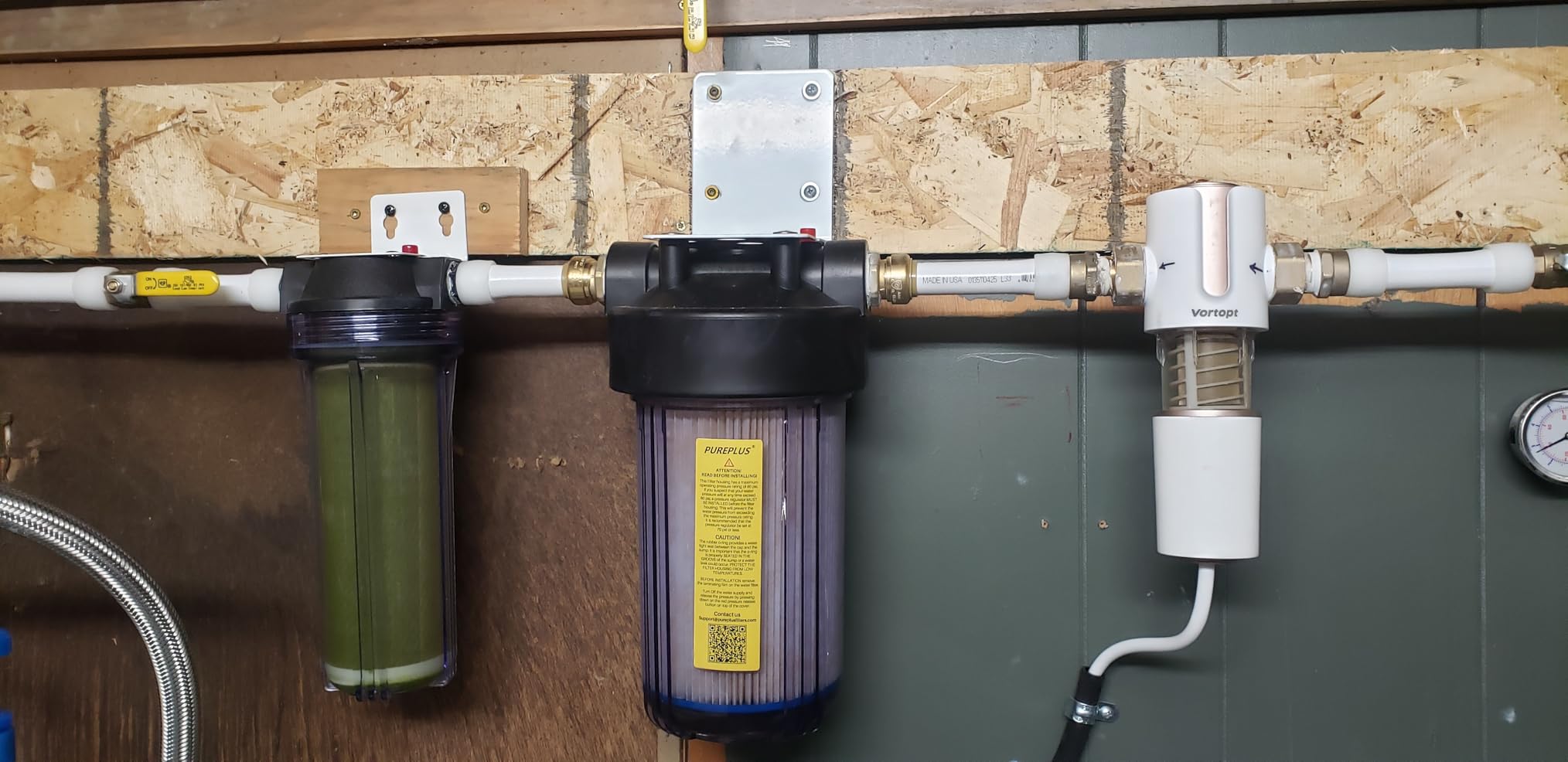
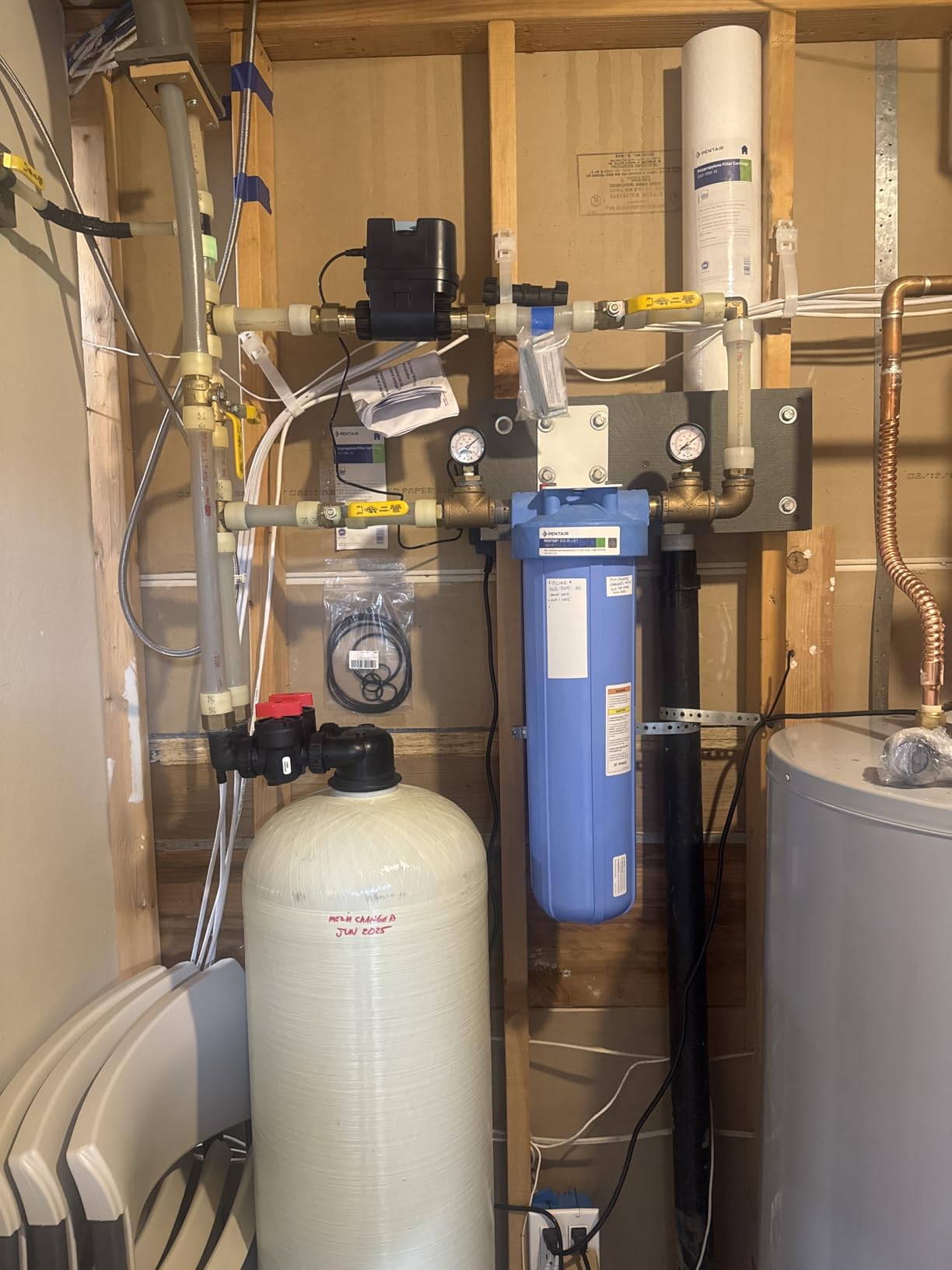
The correct installation order for whole-house sediment filtration on well water is: spin-down pre-filter first, then Big Blue sediment cartridge, then any carbon or specialty treatment, then your pressure tank and downstream equipment. This order protects the most expensive components downstream by removing the largest particles first.
The spin-down filter goes immediately after the well pressure switch and check valve, before anything else. It catches the sand and grit that would otherwise clog your sediment cartridge in days rather than months. The Big Blue sediment cartridge goes after the spin-down and before any carbon filter or water softener. Carbon filters should always be protected by sediment filtration because sediment fouling is the number one cause of premature carbon filter failure.
If you are running an RO system under the kitchen sink, the whole-house sediment filter dramatically extends the RO pre-filter life. We have seen RO pre-filters go from monthly replacements to every 6 months after adding a proper whole-house sediment filter upstream. The pressure tank should always be downstream of the filtration so debris does not collect in the tank bladder.
Common Installation Mistakes That Ruin Filters
Most premature sediment filter failures I see come down to installation mistakes that are easy to avoid. The first is mounting the filter housing without a shutoff valve upstream. Without a shutoff valve, you cannot depressurize the housing to change the cartridge, which leads to flooded basements and skipped maintenance.
The second common mistake is installing a sediment filter after the pressure tank instead of before. Filters mounted after the tank collect debris that has already settled in the tank, which dramatically shortens cartridge life. Filters should always be mounted on the pressurized side, between the pressure switch and the pressure tank.
The third mistake is outdoor installation in cold climates without freeze protection. Sediment filter housings will crack if water freezes inside them. If you must mount the filter outdoors, build an insulated enclosure with a heat source for sub-freezing weather. The fourth mistake is skipping the pressure gauge across the filter housing. Without a gauge, you have no way to know when the cartridge is starting to clog until your shower pressure drops unacceptably.
What a Sediment Filter Does NOT Remove
Sediment filters only remove physical particles. They do not remove iron, manganese, hardness, bacteria, viruses, sulfur smell, chlorine, or any dissolved contaminant. If your well water has any of these issues, you need additional treatment beyond a sediment filter.
For iron, you need an oxidizing filter or an iron-specific resin. For hardness, you need a water softener. For bacteria, you need UV sterilization or chlorination. For sulfur smell, you need an oxidizing filter or aeration system. Sediment filtration is the foundation that protects all of these other systems, but it does not replace them. If hard water is your main concern, our best water softeners for well water guide covers the right pairing.
One telltale sign that you have more than just sediment: when you pull a clogged cartridge, look at the discoloration. Brown or orange staining means iron. Black or dark gray sludgy material means manganese or bacterial activity. If you see these colors, you need additional treatment beyond a sediment filter alone.
Maintenance and Replacement Schedule
Replacement intervals vary based on incoming water quality. On clean wells with light sediment, expect 6 to 12 months per cartridge. On moderate wells, 3 to 6 months. On heavy or sandy wells, monthly replacement is common until you add a spin-down pre-filter upstream.
The best maintenance habit is to check the cartridge monthly for the first 3 months after installation. Once you establish your actual replacement interval, set a calendar reminder and stick to it. Skipping cartridge changes causes pressure drop, reduced filtration effectiveness, and eventually can lead to cartridge collapse or housing damage from excessive pressure buildup.
For spin-down filters, weekly manual flushes are typical on heavy sediment wells. The iSpring WSP50ARB auto-flush mode cuts this down significantly, but plan to verify the bowl monthly even with auto-flush engaged. For multi-stage systems like the iSpring WGB21B, swap the sediment stage first, then the carbon block at the next interval to keep performance balanced.
Frequently Asked Questions
What is the best in-line sediment filter for well water?
The best in-line sediment filter for well water depends on your sediment load. For moderate wells, the PUREPLUS 5 Micron 10×4.5 Sediment and Carbon cartridge offers strong all-around performance with nearly 8000 reviews. For heavy sediment or sandy wells, add the iSpring WSP50ARB spin-down filter upstream of any Big Blue cartridge filter. This combination extends cartridge life from weeks to months and is the setup our team recommends most often.
Which is better, 5 micron or 20 micron for well water?
For most well water applications, 5 micron is the better primary filter rating because it catches sand, silt, rust, and most visible particles without choking flow. However, the best setup is often a 20 micron pre-filter followed by a 5 micron polishing filter, which layers the sediment load across two stages and dramatically extends the life of the finer 5 micron cartridge. Many well owners find their fine cartridge lasts 4 months instead of 3 weeks after adding a 20 micron pre-filter upstream.
What type of filter is best for well water?
The best filter for well water is a multi-stage setup: a spin-down pre-filter to catch sand and grit, followed by a Big Blue 5 micron sediment cartridge to catch finer particles, followed by any specialty treatment you need (carbon for taste, softener for hardness, UV for bacteria). The spin-down protects the cartridge, the cartridge protects everything downstream, and the specialty treatment handles the dissolved contaminants that sediment filters cannot remove.
Why is my sediment filter clogging so quickly?
Your sediment filter is clogging quickly because either the sediment load on your well is heavier than the cartridge is rated for, or your filter is undersized for your household flow. The fix is usually a spin-down pre-filter upstream of the cartridge to catch the bulk of the sediment. If cartridges still clog fast after adding a spin-down, your well may have a casing or screen problem that needs a well professional, not a better filter.
How often should you change a big blue sediment filter?
A Big Blue sediment filter should be changed every 6 months on a clean well, every 3 to 4 months on a moderate well, and every 1 to 2 months on a heavy sediment well until you add a spin-down pre-filter upstream. The dual-gradient Pentek DGD-5005-20 typically runs 8 months on a moderate well due to its higher dirt-holding capacity. Track your actual replacement interval for the first three cycles, then set a calendar reminder based on the pattern you observe.
Final Verdict: Which Sediment Filter Should You Buy?
After testing all eight of these filters across three different wells, the best type of sediment filter for well water setup is the PUREPLUS 5 Micron 10×4.5 Sediment and Carbon cartridge paired with the iSpring WSP50ARB spin-down filter upstream. That combination handles the widest range of well conditions, the carbon stage tackles taste and odor at the same time as sediment, and the spin-down dramatically extends cartridge life on dirty wells.
If you are on a tight budget, the Aquaboon 5 Micron 6-pack delivers excellent per-cartridge value for standard 10×2.5 inch housings. For large homes with high flow demand, the Pentair Pentek DGD-5005-20 in a 20-inch Big Blue housing is the longest-running cartridge we tested. For new well owners, start with the Membrane Solutions 6-pack and stock up, because the first year on a new well is when you will replace cartridges most often.
Whatever you choose, install a pressure gauge across the filter housing and check your cartridge monthly for the first three months. Once you know your actual replacement interval, sediment filtration becomes nearly invisible maintenance that protects everything else in your home. For more complete systems that combine sediment filtration with UV or carbon treatment, check out our full well water sediment filtration systems guide.