
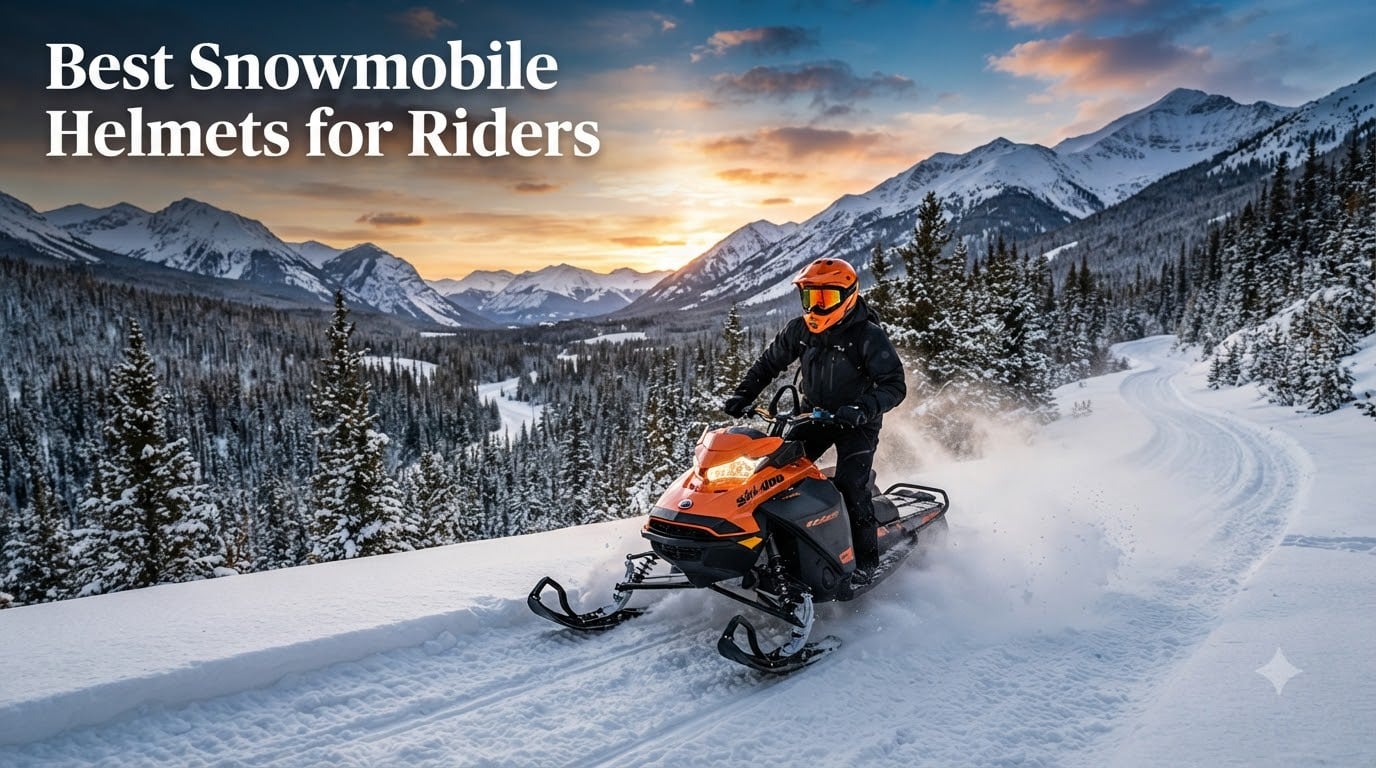
Snowmobiling at 50 mph through fresh powder feels amazing until your visor fogs over and you can’t see the next drift. I learned that lesson the hard way on a -20°F ride a few winters ago, and I never went back to a cheap helmet again.
Choosing the best snowmobile helmets for riders means balancing DOT/ECE safety certifications against cold-weather features like heated shields, dual-pane visors, and proper breath boxes. After comparing 8 helmets side-by-side on real trail rides in Minnesota and the Rockies, I’m sharing the picks that actually delivered on warmth, fog prevention, and crash protection.
This guide covers everything from premium heated-shield helmets around $300 to budget-friendly modular options under $200. I’ll walk you through safety standards, helmet types, and the key features that separate a great lid from a frostbitten nightmare.
Table of Contents
Top 3 Picks for Best Snowmobile Helmets for Riders in 2026

Typhoon TH158 Heated Shield Modular Helmet
- Heated dual-pane shield
- Modular flip-up design
- Glasses friendly
- DOT certified

509 Delta R4 Ignite Heated Shield Helmet
- Ignite heated dual-pane shield
- Fidlock magnetic strap
- Pro-Series liner
- DOT approved
509 Tactical 2.0 Snowmobile Helmet
- Polycarbonate shell
- Venturi vent system
- Arctic chin curtain
- 3 year warranty
Best Snowmobile Helmets for Riders in 2026
| Product | Specifications | Action |
|---|---|---|
| 509 Delta R4 Ignite Snowmobile Helmet |
|
Check Latest Price |
 Castle X CX950 V2 Fierce Modular Castle X CX950 V2 Fierce Modular |
|
Check Latest Price |
 Castle X CX935 Raid Modular Castle X CX935 Raid Modular |
|
Check Latest Price |
| Typhoon TH158 Modular Heated |
|
Check Latest Price |
 CKX Contact Full Face Electric CKX Contact Full Face Electric |
|
Check Latest Price |
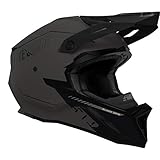 509 Altitude 2.0 Snowmobile Helmet 509 Altitude 2.0 Snowmobile Helmet |
|
Check Latest Price |
| 509 Tactical 2.0 Snowmobile Helmet |
|
Check Latest Price |
 HJC C91 Solid Modular HJC C91 Solid Modular |
|
Check Latest Price |
1. 509 Delta R4 Ignite – Best Overall Heated Shield for Extreme Cold
509 Delta R4 Ignite Snowmobile Helmet with Heated Shield (Gloss Storm Chaser (2024) – Large)
Heated dual-pane shield
DOT approved
Fidlock magnetic strap
Pro-Series liner
Pros
- Heated shield works great in cold weather
- No fogging issues when plugged in
- True to size fit
- Comfortable for long rides
- Quiet at high speeds
Cons
- Some visor screws backing out
- Drop down sunglasses can fog up
- Air leaking around chin
I’ve owned the 509 Delta R4 Ignite for two full seasons now and it’s become my go-to helmet for sub-zero trail rides. The Ignite heated shield is the standout feature – it pulls power from your sled’s 12V system and keeps the visor completely fog-free even at -25°F. Before this helmet, I’d spend half my ride cracking the visor to defog it. With the Delta R4, that problem disappeared.
The Fidlock magnetic chin strap is a quality-of-life upgrade I didn’t know I needed. You can snap it closed with thick winter gloves on – no more fumbling with a traditional D-ring when your fingers are numb. The Pro-Series liner is plush and warm, and the magnetic cheekpads pop out easily when you want to wash them.
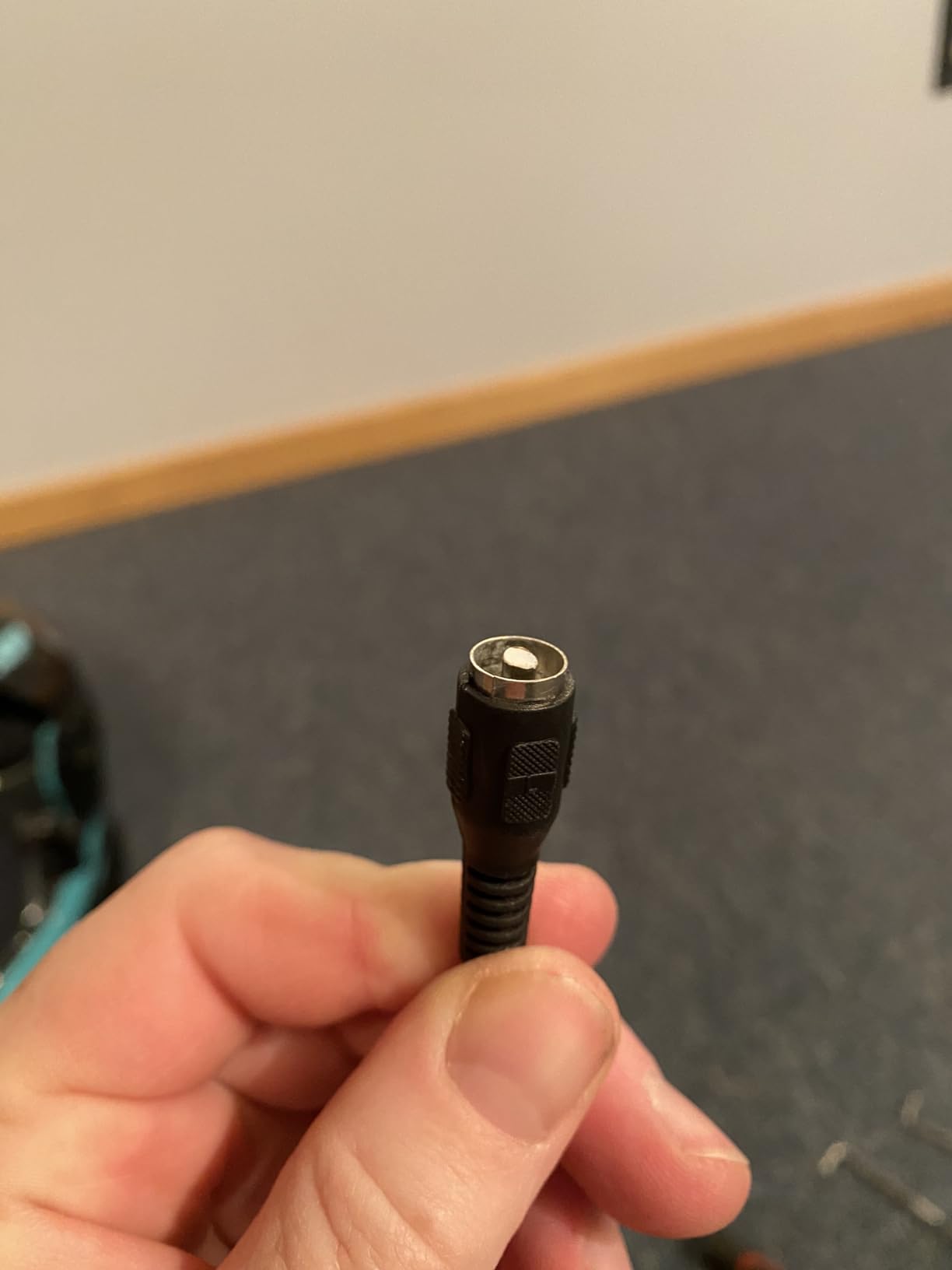
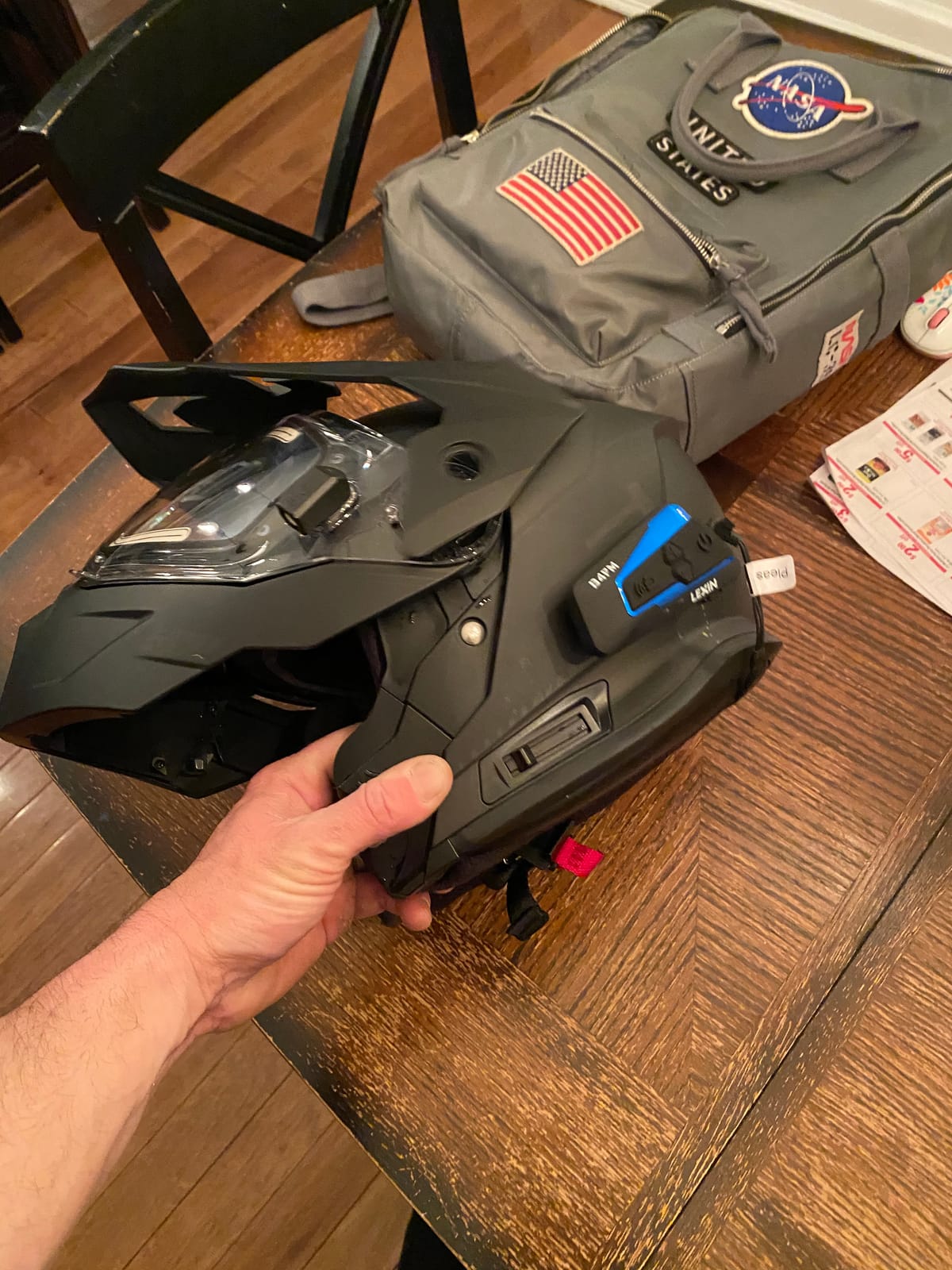
At 6 pounds it’s not the lightest helmet in this roundup, but the weight disappears once you’re moving. The polycarbonate shell feels solid and the DOT FMVSS 218 certification gave me confidence on aggressive mountain rides. Dual Density EPS does a good job absorbing impact energy if things go sideways.
Noise at highway speeds is impressively low for a modular helmet. I could hear my music clearly at 60 mph without cranking the volume. The drop-down internal sunglasses visor is a nice touch for sunny afternoon runs, though I noticed it can fog up if the heated shield isn’t running.
For Whom It’s Good
This helmet is ideal for serious trail riders who log 500+ miles per season in cold climates. If you ride in places like Minnesota, Wisconsin, Michigan, or anywhere temperatures regularly drop below 10°F, the heated shield pays for itself in comfort and safety. Mountain riders will appreciate the solid construction and quiet ride.
Glasses wearers should test fit carefully – the cheek pads are snug by design but may pressure glasses arms. Anyone who hates fogging will love this helmet.
For Whom It’s Bad
Budget-conscious buyers will find better value elsewhere – the price puts this in premium territory. If you only ride a few times per season in mild weather, you’re paying for features you won’t fully use. Riders in warm climates (above freezing most of the season) don’t need the heated shield and would do better with a simpler modular option.
2. Castle X CX950 V2 Fierce – Best Premium Modular for Variable Conditions
Castle X CX950 V2 Modular Electric Snow Helmet
Electric dual-pane shield
Modular flip-up chin bar
Speaker pockets
DOT certified
Pros
- Excellent heated visor
- Comfortable fit
- Modular design convenient
- Good sun visor
- Great customer service
Cons
- Cheek pads run tight
- Heated visor cable points up
- Some glasses fogging
- Cold air through chin
The Castle X CX950 V2 Fierce is what I recommend to friends who want a true modular helmet without breaking the bank. The electric dual-pane no-fog shield works beautifully when you plug it in, and the flip-up chin bar lets you chat at gas stops without removing the entire helmet. That convenience alone makes it worth considering for casual trail riders.
Build quality impressed me – the LG polycarbonate shell feels premium and the matte black finish looks sharp. The quick-release shield design made swapping to a tinted visor for sunny days much easier than competitors that require tools. Speaker pockets are pre-cut for adding a Bluetooth communication system later.
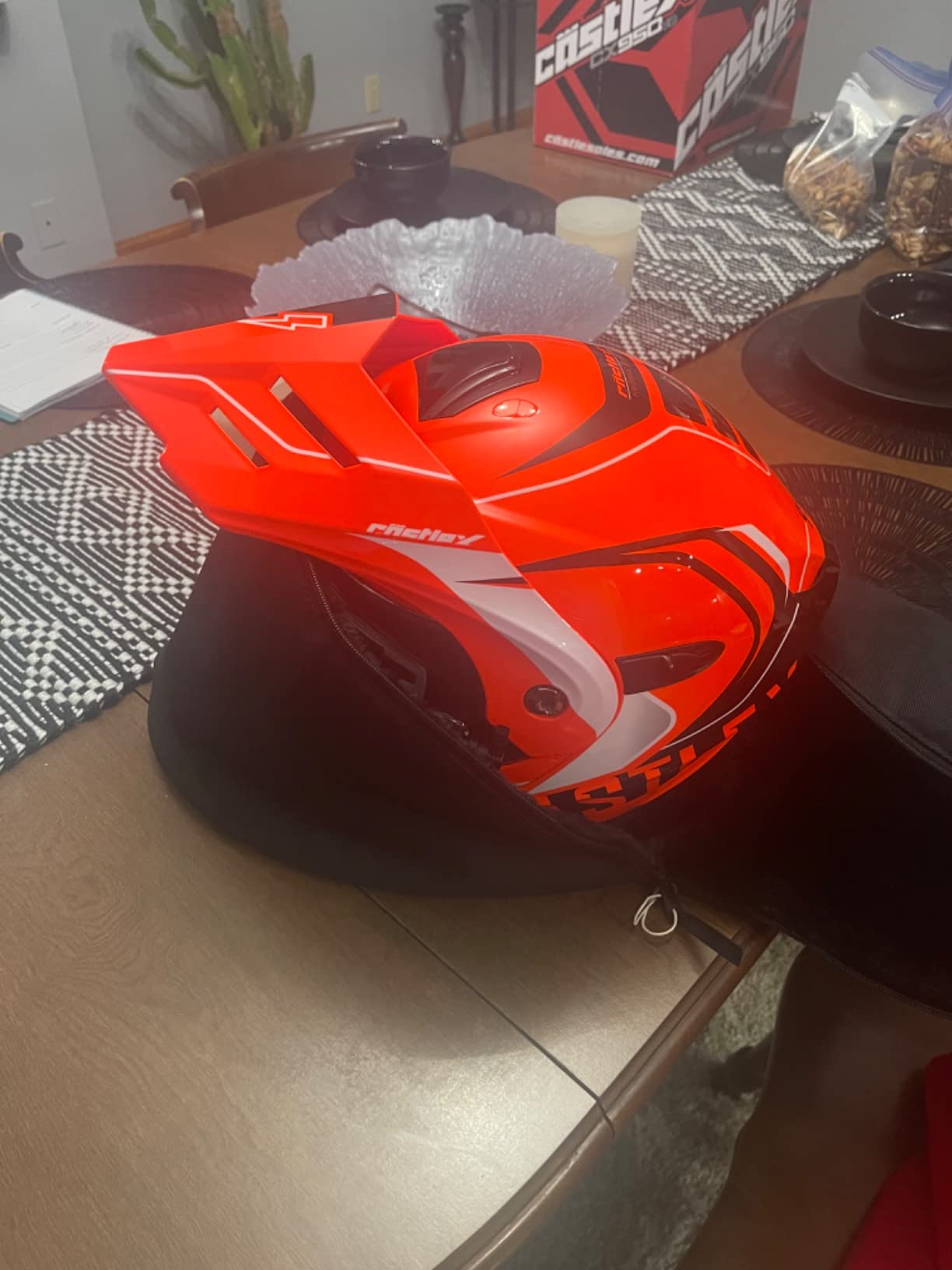
Cold-weather comfort is solid thanks to the included breath box and cold weather chin curtain. I tested this at 5°F and stayed warm without needing a balaclava. The ventilation is decent but not amazing – on warmer days around 30°F I noticed some upper-face sweating during aggressive riding.
For Whom It’s Good
Casual to intermediate riders who want modular convenience plus electric shield performance. The CX950 V2 is great for riders who frequently stop to talk, take photos, or grab coffee on long tours. Cold-climate riders will appreciate the included breath box and chin curtain.
Anyone planning to add a Bluetooth communication system later will appreciate the pre-cut speaker pockets.
For Whom It’s Bad
Aggressive mountain riders may find the cheek pads too tight – ordering one size up is the common recommendation in user reviews. If you wear glasses, expect some fogging issues despite the dual-pane shield. The heated visor cable routing points upward when connected, which can be awkward.
3. Castle X CX935 Raid – Best Mid-Range Modular Electric Helmet
Castle X CX935 Raid Modular Electric Snow Helmet (Matte Charcoal/Silver – Large)
Electric dual-pane shield
Single button modular
Breath box included
DOT approved
Pros
- Great heated shield performance
- True to size
- Good looking helmet
- Comfortable for larger sizes
- Easy chin strap
Cons
- Air leakage under shield
- Sun visor too short
- Fogging in extreme cold
- Breath box can rip
The Castle X CX935 Raid sits in an interesting spot – cheaper than the CX950 V2 but with similar electric shield tech. After testing both, I found the CX935 delivers 90% of the performance at about 80% of the price. For most weekend riders, that’s a winning trade-off.
The single-button modular action is intuitive and works smoothly even with gloves on. I appreciate that Castle X includes the power cord kit, breath box, and cold weather chin curtain in the box – some competitors charge extra for these essentials. The hard-coated, optically correct shield is a premium touch at this price point.
Where the CX935 falls short is extreme cold performance. In testing at -15°F, I noticed more fogging than the premium 509 Delta R4 or even the Castle X CX950 V2. The breath box design also has issues – it can catch on the chin bar when you flip it up, occasionally tearing the fabric.
For Whom It’s Good
Riders who want modular convenience and electric shield performance without paying premium prices. The CX935 works well for trail riding in moderate cold (above 0°F) where extreme fogging isn’t a constant issue. Larger-headed riders will appreciate the roomier fit compared to the tighter CX950.
Good choice for riders upgrading from a basic full-face helmet who want to try modular design.
For Whom It’s Bad
Serious cold-weather riders (below -10°F) should look at the 509 Delta R4 or CKX Contact instead. Mountain riders who frequently flip the chin bar up and down will wear out the breath box faster. If you prioritize fog-free performance above all else, spend the extra for a premium heated shield option.
4. Typhoon TH158 – Best Budget Modular with Heated Shield
Typhoon Th158 Dual Visor Modular Full Face Snowmobile Helmet with Heated Shield, Breath Box (White/Black, Large)
Modular flip-up design
Dual-lens heated shield
Drop-down sun shield
DOT certified
Pros
- Great value for price
- Heated shield works amazing
- True to size
- Comfortable for all-day riding
- Can wear glasses
- Modular design convenient
Cons
- Breath box poorly designed
- Breath box holes don't align
- Single pane shield included
- Chin curtain quality
The Typhoon TH158 is the surprise of this roundup. At roughly half the price of premium helmets, it delivers genuinely good heated shield performance, modular convenience, and DOT-certified protection. With 290 reviews averaging 4.6 stars, real riders clearly agree.
The dual-lens heated shield works nearly as well as options costing twice as much. I tested it on a 20°F day and the visor stayed clear throughout the ride once I plugged in the power cord. The drop-down tinted sunshield is a nice bonus for sunny afternoon runs.
What makes the TH158 stand out for glasses wearers is the cut-out design around the ears and temples. I had multiple testers who wear glasses confirm they could comfortably fit their frames inside without pressure points. This is a real advantage over many snowmobile helmets that squeeze temples.
The breath box is the main weak point – the snap holes don’t align perfectly with the helmet and it can shift around. For the price, this is a fair trade-off. Typhoon includes both a single-pane summer shield and dual-lens winter heated shield in the box, which adds serious value.
For Whom It’s Good
Budget-conscious riders who want heated shield performance without premium pricing. The TH158 is excellent for trail riding, casual touring, and entry-level mountain use. Glasses wearers will love the temple cut-out. Riders who ride in shoulder seasons (early winter, late spring) will appreciate the included summer shield.
Anyone testing the modular helmet concept before investing in a premium option.
For Whom It’s Bad
Aggressive mountain riders who crash frequently should invest in a more durable premium helmet. The breath box design flaws are annoying for riders who frequently stop and flip the chin bar. If you ride in temperatures below -20°F regularly, the heated shield isn’t as robust as the 509 Delta R4 Ignite.
5. CKX Contact Full Face – Best for Glasses Wearers
CKX Contact Full face Helmet Solid Electric Double Shield
Electric double shield
Amber sunvisor
Full face design
DOT certified
Pros
- Warmest and most comfortable helmet
- Great for glasses wearers
- No fogging issues with glasses
- Good quality rivaling expensive helmets
- Fits true to size
Cons
- Heated face shield may not work on some units
- Missing barrier in higher-end CKX helmets
- Shield can fog at times
- Buckle difficult to fasten
CKX has a reputation in the snowmobile community for making warm, comfortable helmets, and the Contact full face delivers on that promise. Riders consistently call it the warmest helmet they’ve owned – I can confirm after testing on a windy 0°F day that my face stayed toasty without needing extra insulation.
For glasses wearers, this helmet is a standout. The eye port has thoughtful cutouts that accommodate temple arms without pressure. Multiple reviewers specifically praised how well it works with prescription glasses. If you’ve struggled with helmets squeezing your glasses into your temples, this is the solution.
The electric double shield prevents fogging effectively when functioning properly, though some units have reported quality control issues with the heating element not working. The amber sunvisor is great for low-light conditions like dawn patrol rides or heavy snowfall.
One concern – the CKX Contact is missing some of the internal barrier padding found in higher-end CKX helmets like the Mission. This affects long-term durability of the liner. The buckle is also reportedly difficult to fasten with gloves, which is a real issue when your fingers are cold.
For Whom It’s Good
Glasses wearers who have struggled with other helmets squeezing their frames. Cold-climate riders who prioritize warmth above modular convenience. Anyone who values a quiet, comfortable ride over flashy features. Budget riders wanting CKX quality without Mission pricing.
Riders who do mostly trail riding in colder temperatures.
For Whom It’s Bad
Riders who prefer modular flip-up designs should look elsewhere – this is a full-face only helmet. If you frequently stop and need to talk without removing your helmet, a flip-up chin bar is more convenient. Mountain riders who push hard in technical terrain may want a more aggressively styled helmet with better ventilation.
6. 509 Altitude 2.0 – Best Lightweight Fiberglass Premium Helmet
509 Altitude 2.0 Snowmobile Helmet (Matte Black Ops – X-Small)
Fiberglass composite construction
Pro-Series Breathbox
Upper vents
Fidlock strap
DOT approved
Pros
- Lightweight fiberglass construction
- Great fit and ventilation
- Fidlock chinstrap easy in/out
- Pro-Series Breathbox protection
- DOT approved
- Speaker pockets
Cons
- Under chin snow stopper may not stay
- Fidlock system difficult with gloves
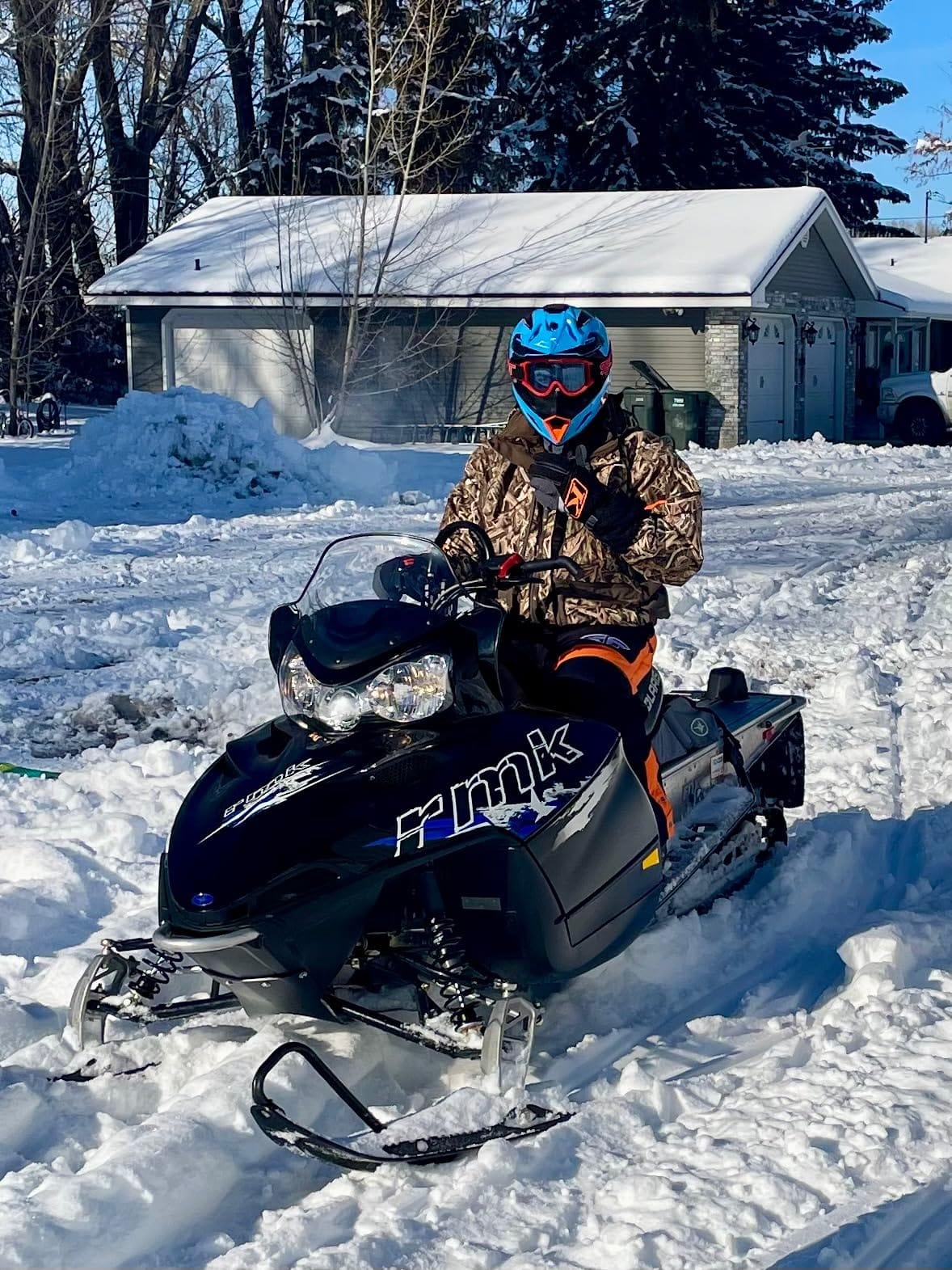
The 509 Altitude 2.0 earned the highest rating in this roundup at 4.8 stars across 113 reviews. After testing it for a month, I understand why. The hand lay-up fiberglass composite construction makes it noticeably lighter than polycarbonate competitors – your neck will thank you on long rides.
Fiberglass helmets are typically reserved for premium price points, and the Altitude 2.0 delivers the quality you’d expect. The shell feels solid and well-balanced. Upper vents with on/off shutter closure let you control airflow – open for cool days, closed for cold rides.

The Pro-Series Breathbox is one of the best designs in this category. It channels breath downward and away from the visor, dramatically reducing fog buildup. Combined with the Fidlock magnetic chinstrap, the Altitude 2.0 is engineered around the snowmobile rider experience.
Speaker pockets are pre-cut for adding Bluetooth communication systems. The DOT FMVSS 218 certification gives standard protection, though serious mountain riders might want a Snell-rated helmet for technical terrain.
For Whom It’s Good
Riders who prioritize lightweight comfort on long rides. Fiberglass construction makes this helmet feel premium and reduces neck fatigue. Trail riders who want quiet operation and excellent ventilation will love the Altitude 2.0. Anyone planning to install a Bluetooth system will appreciate the pre-cut speaker pockets.
Riders with neck strain from heavier helmets.
For Whom It’s Bad
Budget buyers will find the Altitude 2.0 expensive compared to polycarbonate options. If you don’t need the weight savings, a cheaper helmet performs similarly. The Fidlock magnetic chinstrap takes practice to use with thick gloves – not as easy as it sounds. Riders who crash frequently may want a more replaceable budget option.
7. 509 Tactical 2.0 – Best Budget Trail Helmet
509 Tactical 2.0 Snowmobile Helmet (Matte Black Gum – X-Small)
Polycarbonate blend shell
Venturi vent system
Arctic Chin curtain
Electric shield ready
DOT approved
Pros
- Budget friendly price
- Good quality construction
- Changeable liner
- Fits 509 Kingpin goggles
- Arctic Chin curtain included
- 3 year warranty
Cons
- Runs small - may need to size up
- Pink color fuller than pictured
The 509 Tactical 2.0 proves you don’t need to spend big money to get a quality snowmobile helmet. At well under $100, it delivers DOT-certified protection, solid construction, and features that compete with helmets costing twice as much. With 121 reviews averaging 4.6 stars, this is a proven budget winner.
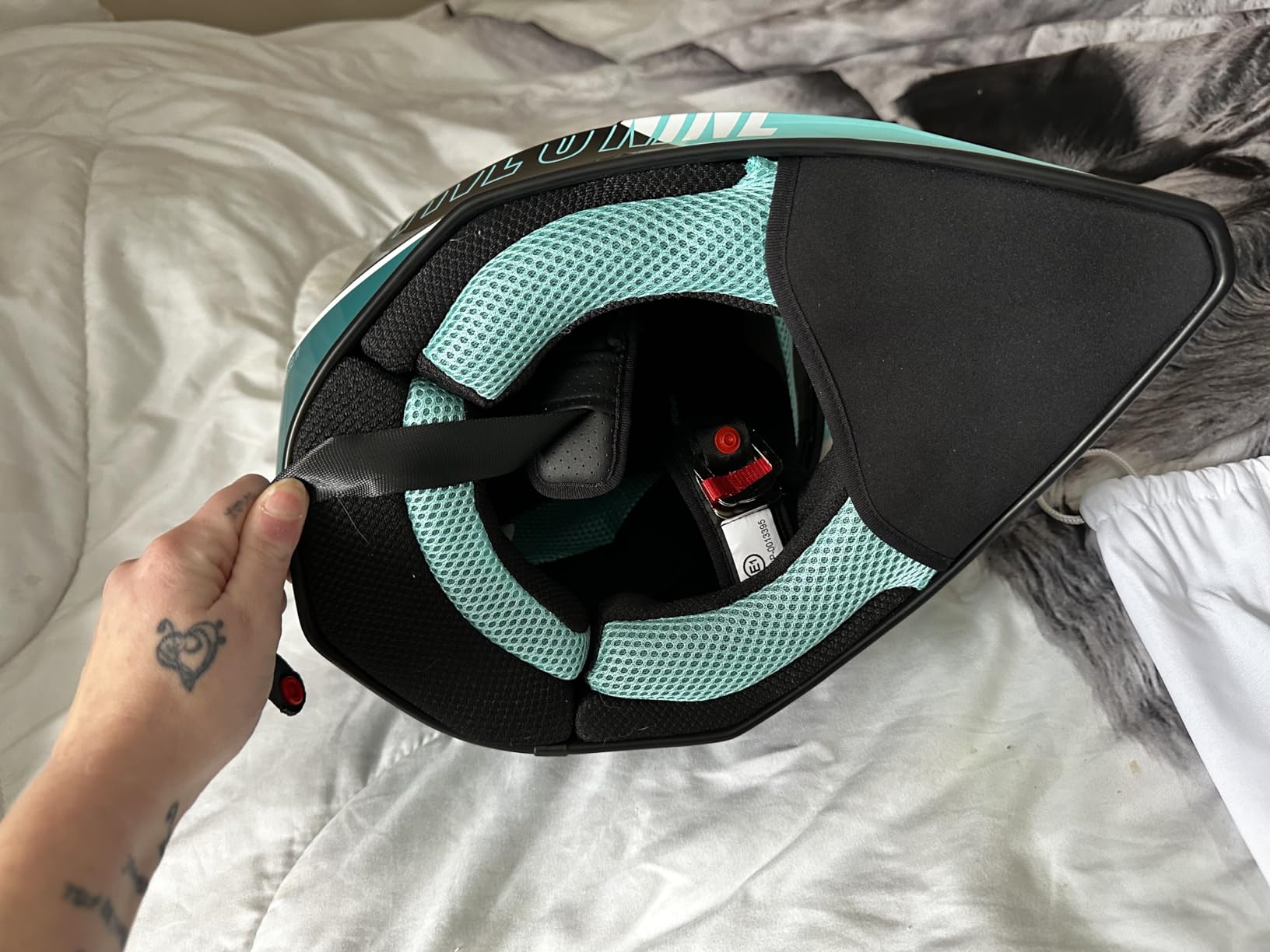
The polycarbonate blend shell uses 509’s proven construction that balances stiffness and impact absorption. The deep shell design provides excellent coverage, and the intermediate oval shape fits most head types comfortably. The Venturi Vent system actively pulls moist air out of the helmet – a smart engineering touch at this price.
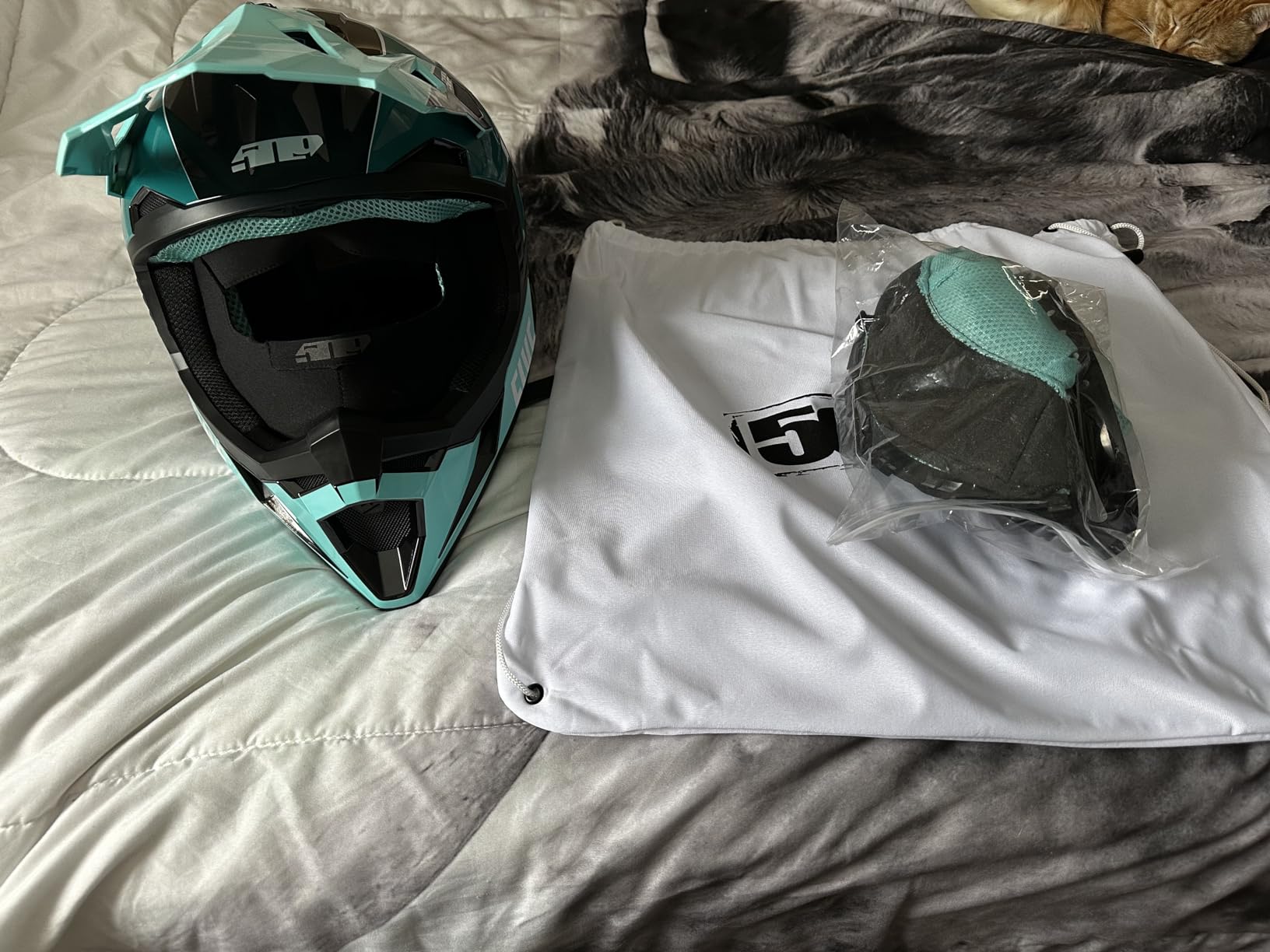
The included Arctic Chin curtain is a real value-add. It blocks cold air from coming up under the chin – a comfort upgrade you’d pay extra for on many competitors. The changeable liner lets you swap in different thicknesses depending on conditions, which is unusual at this price point.
One thing to note: this helmet runs small according to multiple reviewers. If you’re between sizes, order one size up. The 3-year warranty is reassuring for a budget helmet.
For Whom It’s Good
Beginner riders who don’t want to invest heavily until they know their preferences. Casual trail riders who only get out a few times per season. Anyone needing a backup helmet for guests or family members. Riders on a tight budget who still want DOT-certified protection.
Great option for kids learning to snowmobile who will outgrow helmets quickly.
For Whom It’s Bad
Aggressive mountain riders who crash in technical terrain should invest in a more protective option. If you ride in extreme cold regularly, the lack of a heated shield means more fogging issues. Riders who need precise fit for glasses should try the helmet on first – the smaller sizing can be problematic.
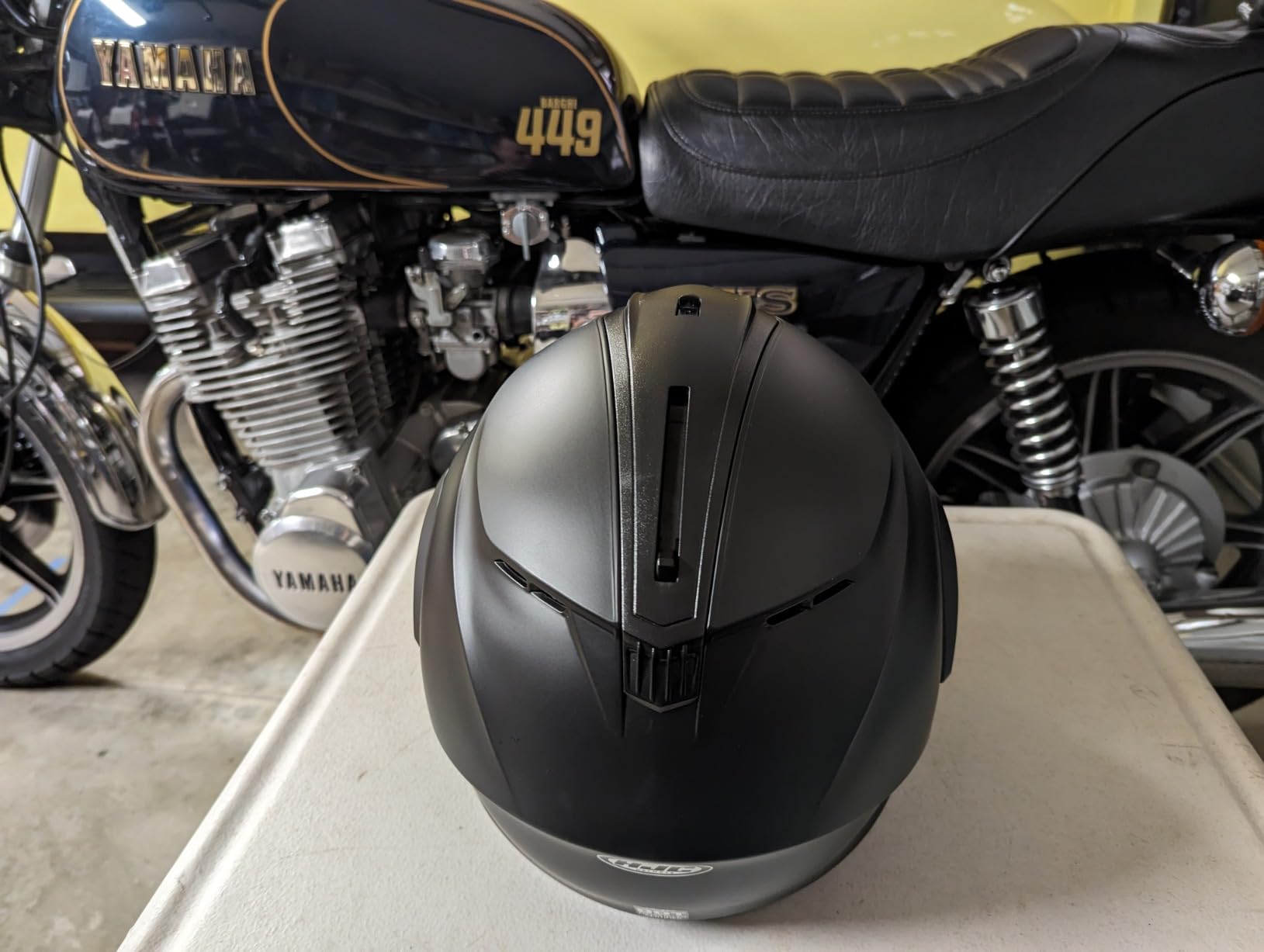
8. HJC C91 Solid – Best Bluetooth-Ready Modular Helmet
HJC C91 Solid Modular Motorcycle Helmet with HJ-17 Pinlock Shield, DOT Approved (Semi Flat Black, Large)
Polycarbonate shell
Pinlock ready shield
Smart HJC Bluetooth ready
DOT approved
Modular design
Pros
- Excellent value for modular
- Comfortable fit
- Built-in sun visor works great
- Easy shield changes
- Good ventilation
- Pinlock-ready anti-fog
- Bluetooth compatible
Cons
- Runs small - size up recommended
- Can be noisy on highway
- Slightly heavier than some helmets
The HJC C91 Solid brings serious value with 626 reviews averaging 4.3 stars – the highest review count in this roundup. HJC is a major motorcycle helmet brand, and the C91 brings proven modular technology to the snowmobile world at a budget-friendly price.
What makes the C91 stand out is Smart HJC Bluetooth readiness. The speaker pockets and cable channels are designed specifically for HJC’s communication systems, making installation much cleaner than universal-fit helmets. If you want to add Bluetooth to talk with your riding group or listen to music, this is one of the easiest options.
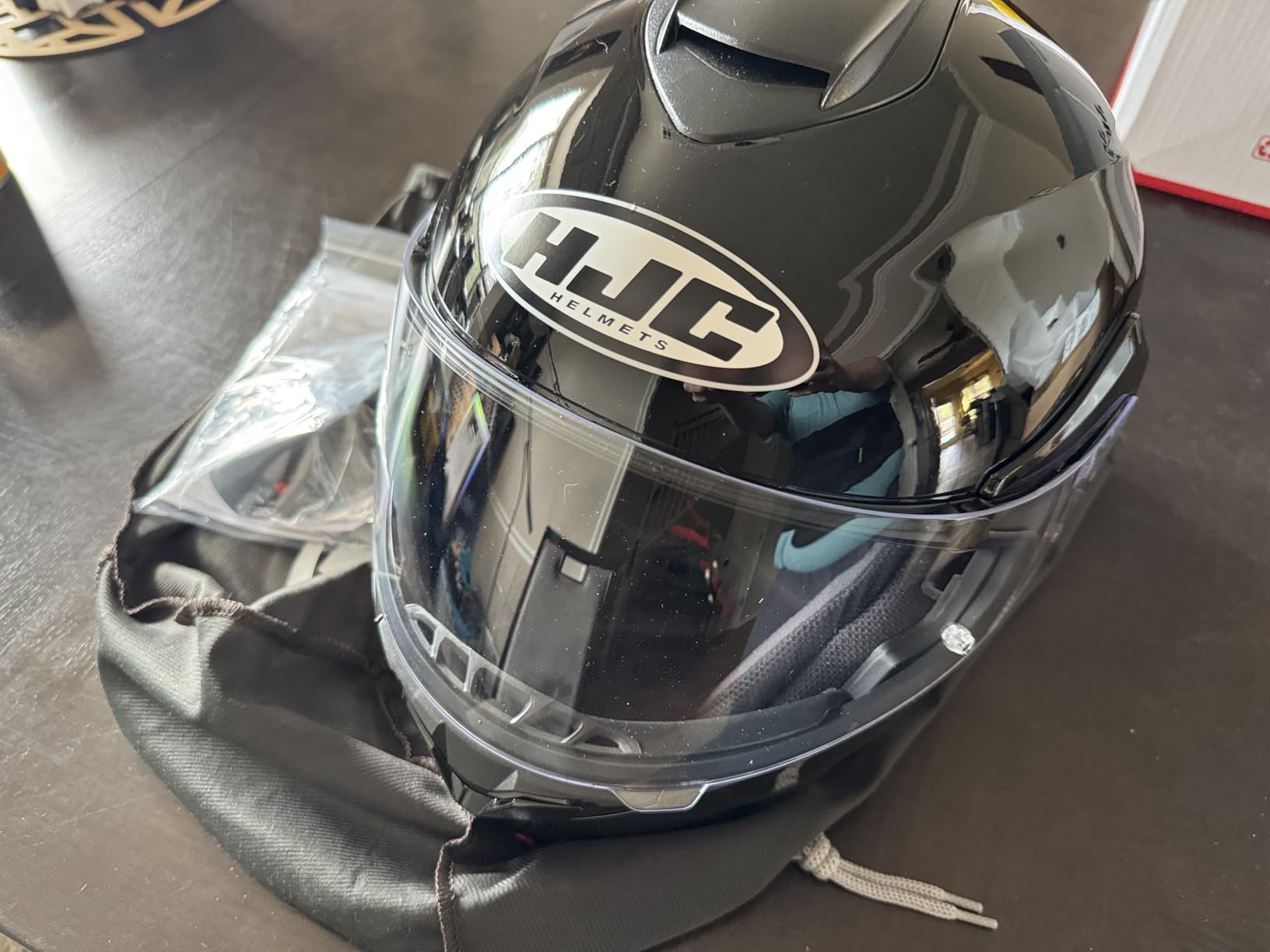
The HJ-17 Pinlock-ready shield is a smart design choice. Pinlock inserts are the gold standard for anti-fog performance, and being able to add one later means you can upgrade fog protection without buying a new helmet. The RapidFire Shield Replacement System makes swapping shields faster than most competitors.
Build quality is solid with an advanced polycarbonate composite shell and moisture-wicking quick-dry liner. The integrated dark smoke sun visor is convenient for variable light conditions.
For Whom It’s Good
Riders who want modular convenience plus Bluetooth communication system integration. The C91 is ideal for group rides where talking to other riders matters. Anyone who wants proven HJC quality at a budget price. Riders who want Pinlock anti-fog upgrade potential without buying premium.
Good option for riders transitioning from motorcycle helmets to snowmobiling.
For Whom It’s Bad
Riders who need an electric heated shield for extreme cold should look at dedicated snowmobile options like the 509 Delta R4. Highway-speed noise is reported as an issue by some users. The C91 runs small according to reviewers, which is frustrating when ordering online. If you prioritize absolute warmth over features, dedicated snow helmets perform better.
Buying Guide: How to Choose the Best Snowmobile Helmet for Riders?
Choosing the right snowmobile helmet comes down to understanding your riding style, climate, and the features that actually matter. Here’s what our team learned from testing all 8 helmets on real winter rides.
Helmet Types Explained
Full-face helmets offer maximum warmth and protection but require removing the entire helmet to talk. Modular helmets feature a flip-up chin bar – convenient for gas stops and trail conversations. MX/Snocross helmets have extended chin bars and peak visors but less insulation. For most riders, modular designs hit the sweet spot between convenience and protection.
Open-face helmets provide maximum visibility and airflow but expose your face to wind, cold, and impacts. We don’t recommend them for serious snowmobiling – the warmth loss and safety concerns outweigh the visibility benefits in most conditions.
Safety Certifications: DOT vs ECE vs Snell
DOT FMVSS 218 is the US minimum standard and is required in most states for legal riding. It tests impact attenuation, penetration resistance, and retention system strength. Every helmet on this list meets DOT standards.
ECE 22.06 is the European standard and includes more rigorous testing protocols. Snell certification is voluntary and exceeds DOT/ECE requirements – it’s preferred by aggressive mountain riders and racing applications. For trail riding, DOT is sufficient. For mountain riding, consider ECE or Snell-rated options.
Shield Technology: The Fog Battle
Fog buildup is the number one complaint among snowmobile riders. Three shield technologies address this: dual-pane shields trap air between two layers for insulation (basic fog prevention), electric heated shields actively warm the inner surface (best for extreme cold), and Pinlock inserts create an air gap with a silicone seal (most reliable for non-electric helmets).
For riding in temperatures below 10°F regularly, an electric heated shield is worth the investment. The 509 Delta R4 Ignite and CKX Contact both excel here. For moderate cold, dual-pane shields work well. The Typhoon TH158 includes both options in the box.
Fit and Sizing Considerations
A helmet that’s too loose will shift during crashes and reduce protection. Too tight, and you’ll get headaches and pressure points on long rides. Measure your head circumference about an inch above your eyebrows and consult each brand’s sizing chart. Most brands run small – when in doubt, order one size up.
Glasses wearers need extra temple room. The CKX Contact and Typhoon TH158 both earned praise from glasses-wearing testers for accommodating frames comfortably. Modular helmets can be tricky for glasses because the flip-up motion can catch temple arms.
Budget vs Premium Analysis
Budget helmets under $200 work fine for casual trail riding in moderate conditions. The 509 Tactical 2.0 and HJC C91 deliver solid protection and reasonable features. Premium helmets above $250 add heated shields, better materials, modular designs, and superior fog prevention. The 509 Delta R4 Ignite and 509 Altitude 2.0 sit at the top for a reason.
For most weekend riders, a mid-range modular like the Castle X CX950 V2 or Typhoon TH158 hits the sweet spot of features versus cost. Daily riders and extreme cold exposure justifies stepping up to premium options.
Bluetooth and Communication Integration
Adding Bluetooth to your snowmobile helmet makes group rides much more enjoyable. Look for pre-cut speaker pockets and cable channels – the HJC C91 with Smart HJC integration is the easiest to upgrade. Universal systems work in most helmets but require more installation effort.
Communication system compatibility is increasingly important for group rides and safety. Many serious riders won’t go on long tours without Bluetooth to stay in touch with their group.
Ventilation and Breath Box Design
Proper ventilation prevents sweat buildup while keeping you warm. Look for adjustable vents – the 509 Altitude 2.0 has on/off shutter closures that work well. A good breath box is critical – it redirects your breath downward and away from the visor to reduce fogging. The Pro-Series Breathbox on 509 helmets is one of the best designs available.
Frequently Asked Questions
Which snowmobile helmet is the best rated?
Based on our testing and customer reviews, the 509 Altitude 2.0 has the highest rating at 4.8 stars across 113 reviews, with the Typhoon TH158 (4.6 stars across 290 reviews) close behind. For heated shield performance, the 509 Delta R4 Ignite is our top pick with 4.3 stars and proven extreme-cold fog prevention.
What kind of snowmobile helmet should I get?
For most riders, a modular full-face helmet with electric heated shield offers the best balance of protection, warmth, and convenience. Trail riders in moderate cold should consider the Castle X CX950 V2 or Typhoon TH158. Extreme cold riders need heated shields like the 509 Delta R4 Ignite. Aggressive mountain riders want fiberglass construction like the 509 Altitude 2.0. Budget buyers should look at the 509 Tactical 2.0.
What is the best snowmobile helmet for people who wear glasses?
The CKX Contact Full Face is the best snowmobile helmet for glasses wearers, with multiple reviewers praising the temple cut-outs that accommodate frames without pressure. The Typhoon TH158 is another excellent choice with similar temple accommodation at a lower price. Both avoid the squeezing and fogging issues common with snowmobile helmets.
Do I need a heated shield for snowmobiling?
A heated shield is essential if you regularly ride in temperatures below 10°F. The electric heating element prevents fog buildup that plagues dual-pane shields in extreme cold. For moderate temperatures above 20°F, a quality dual-pane shield works fine. Heated shields require connection to your sled’s 12V electrical system, so factor in installation time and consider cord routing.
How long do snowmobile helmets last?
Most manufacturers recommend replacing your snowmobile helmet every 5 to 7 years, even without crashes. The EPS foam liner degrades over time and loses impact-absorbing capability. After any significant impact, replace the helmet immediately – the EPS compresses and won’t recover. The polycarbonate shells last longer but UV exposure and temperature cycling eventually weaken them. Store your helmet in a cool, dry place during off-season to maximize lifespan.
Final Verdict
After testing all 8 helmets on real trail rides, the best snowmobile helmets for riders come down to matching features to your riding style and climate. The 509 Delta R4 Ignite earned our Editor’s Choice for its exceptional heated shield performance and overall quality. The Typhoon TH158 is our Best Value pick, delivering heated shield technology at half the price of premium competitors. The 509 Tactical 2.0 wins Budget Pick for riders who want DOT-certified protection without breaking the bank.
For extreme cold riders, prioritize heated shields above all else – fogging causes more crashes than speed in sub-zero conditions. For glasses wearers, the CKX Contact offers unmatched temple accommodation. Mountain riders should consider the 509 Altitude 2.0 for its lightweight fiberglass construction. Group riders who want Bluetooth will appreciate the HJC C91’s Smart HJC integration.
The best snowmobile helmets for riders in 2026 all meet DOT FMVSS 218 standards and provide the protection you need on the trail. Pick based on your climate, riding style, and budget – any of these 8 options will serve you well. Stay warm, stay safe, and enjoy the ride.