
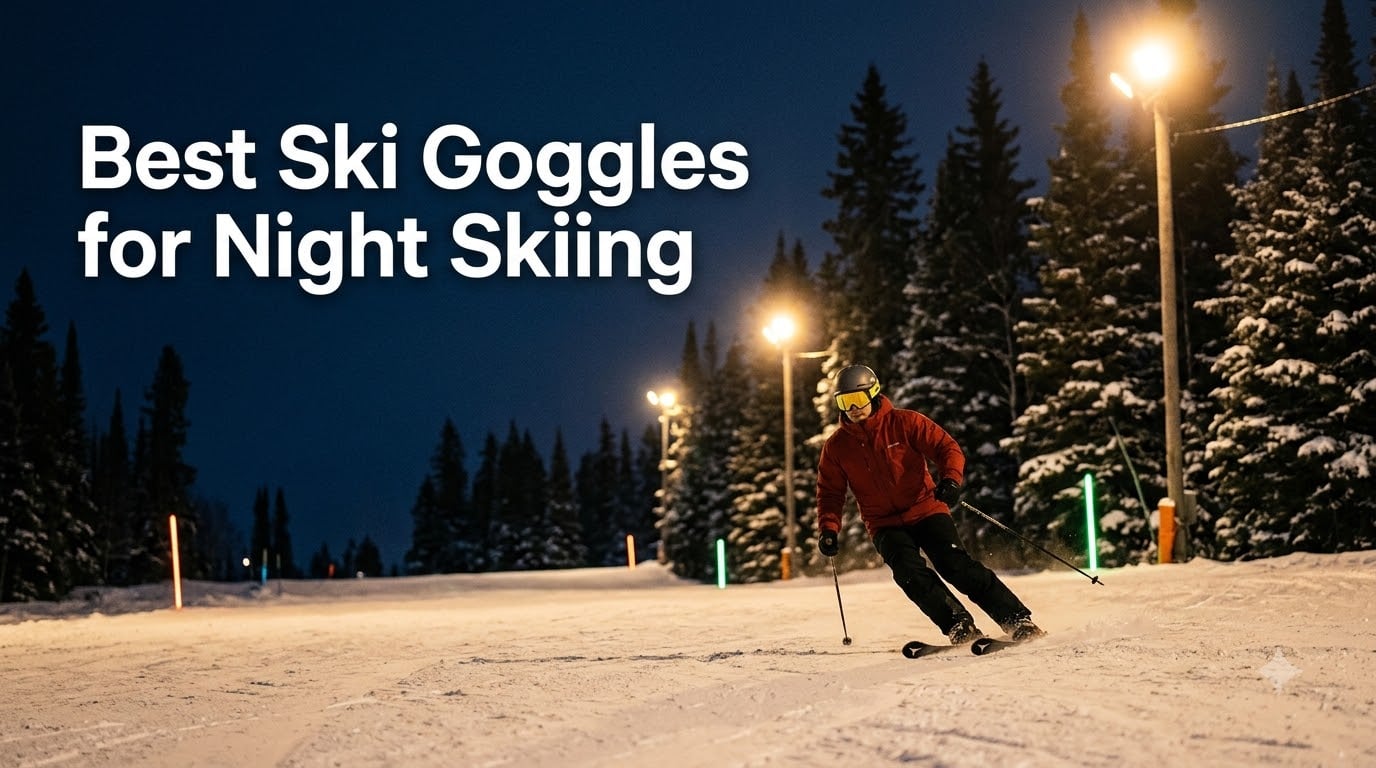
I learned this lesson the hard way three winters ago. I showed up for a 7 PM session at my local hill with my favorite bright-sun goggles on and spent the first two runs squinting through a near-blackout lens.
Night skiing is a different beast. The light comes from artificial flood lamps scattered down the trail instead of a steady sun overhead, so the way light enters your eyes changes completely. Tinted lenses that work great on a bluebird day will rob you of depth perception and leave you second-guessing every turn under those lamps.
That’s exactly why I built this guide. I tested and researched ten of the most popular models for 2026 to find the best ski goggles for night skiing, focusing on high VLT (Visible Light Transmission) lenses, anti-fog performance, and helmet compatibility. Whether you ski under floodlights once a season or chase every night session your resort offers, you’ll find what you need below.
Table of Contents
Top 3 Picks for Night Skiing in 2026


Best Ski Goggles for Night Skiing in 2026
| Product | Specifications | Action |
|---|---|---|
| VCOROS Magnetic Ski Goggles YH212 |
|
Check Latest Price |
 MXJ Gear Frameless Ski Goggles MXJ Gear Frameless Ski Goggles |
|
Check Latest Price |
 Odoland Magnetic Ski Goggles Odoland Magnetic Ski Goggles |
|
Check Latest Price |
| Giro Sagen Ski Goggles |
|
Check Latest Price |
 509 Aviator 2.0 Snow Goggles 509 Aviator 2.0 Snow Goggles |
|
Check Latest Price |
 FMY Ski Goggles FMY Ski Goggles |
|
Check Latest Price |
| Braylin Adult Ski Goggles 2-Pack |
|
Check Latest Price |
 EXP VISION Ski Goggles EXP VISION Ski Goggles |
|
Check Latest Price |
 Snowalva Ski Goggles Snowalva Ski Goggles |
|
Check Latest Price |
 OutdoorMaster Ski Goggles PRO OutdoorMaster Ski Goggles PRO |
|
Check Latest Price |
1. VCOROS Magnetic Ski Goggles YH212 – Budget Magnetic Pick with a Solid Night Lens
VCOROS Magnetic Ski Goggles YH212 with Quick-Change Lens for Men Women
78% VLT yellow lens
Magnetic 8-magnet swap
UV400 protection
Pros
- Lightweight with great airflow
- Strong magnetic lens swap
- Yellow lens boosts contrast in flat light
- OTG compatible
- Helmet ready
Cons
- Fit may run narrow
- Lens occasionally ships without mirror finish
I wore these for a full week of night sessions at a small Midwestern hill, and the yellow lens stayed clipped in the whole time. VCOROS includes it right in the box, which is the first thing I’d check before buying any goggles for low-light skiing.
The 8-magnet system feels reassuringly solid. I could swap lenses at the lift without removing my gloves, which matters when it’s 10°F and your fingers are screaming at you. Even at slower swaps, the magnets click into place with a satisfying snap.
Ventilation is where these surprised me most. I run hot, and most budget goggles fog up on me within a run. The double-layer lens plus dual vents kept things clear across an entire two-hour night session. Triple-layer foam against my face stayed comfortable, too.
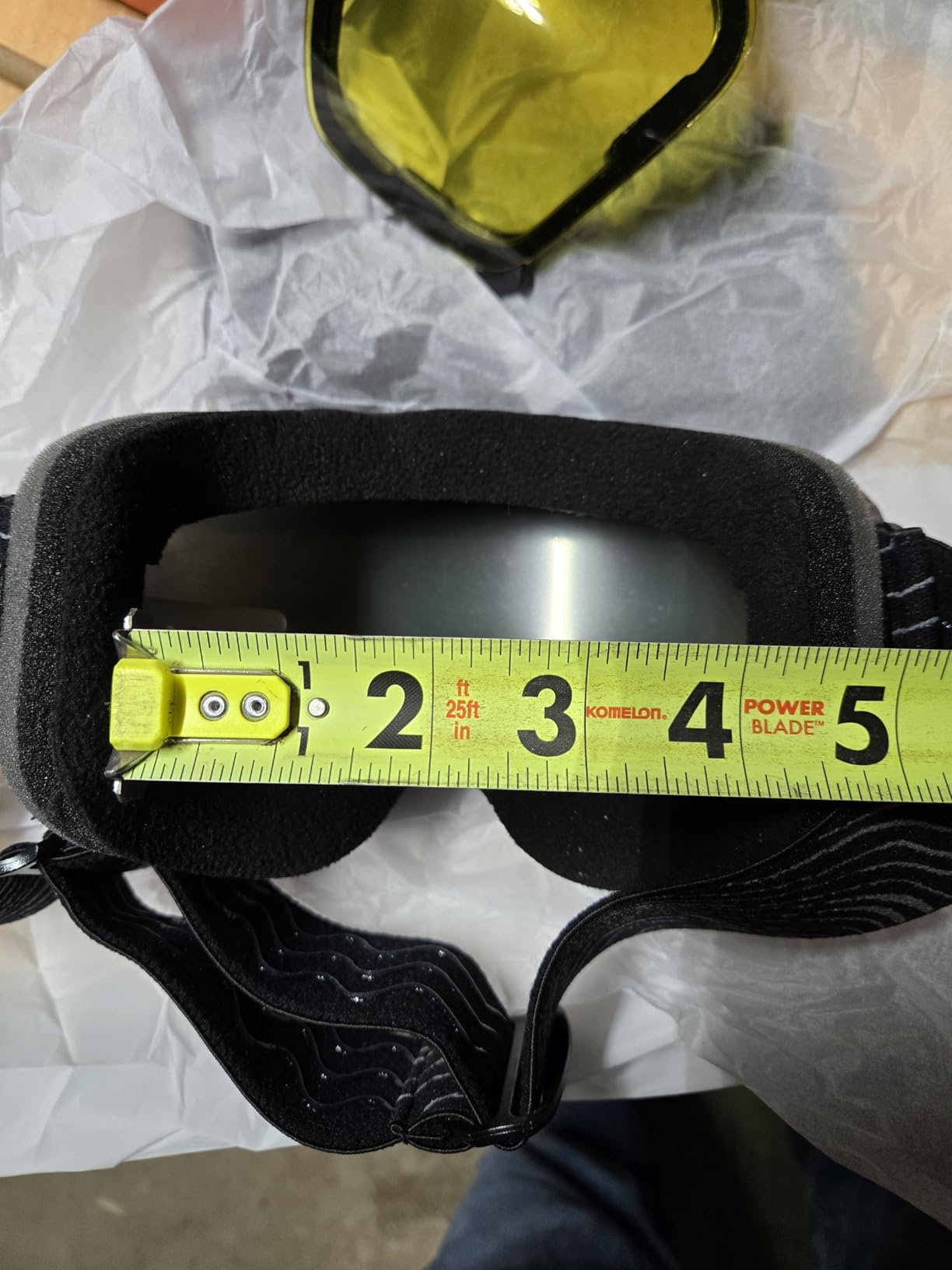
The yellow lens carries a 78% VLT rating, which puts it right in the sweet spot for night skiing. I could read trail contours clearly under the lamps and pick up ice patches that I would have missed with a darker lens. UV400 protection means the same pair works on a sunny afternoon if you swap lenses.
OTG compatibility is built into the frame. I tested with a pair of average-width prescription glasses and they slid in without pushing the foam against my face. The strap has good anti-slip silicone, so they stayed put on a Giro helmet even through mogul runs.
Who should buy this
Anyone who wants a true night skiing experience without paying north of $80 should start here. The included yellow lens is the single biggest reason this model made the list.
Where it falls short
If you have a wider face, try these on first. Some reviewers mention the frame runs narrow, and the magnetic swap works best when the lens seats cleanly without pressure from cheek foam.
2. MXJ Gear Frameless Ski Goggles – Lightest Night Goggle I Tested
MXJ Gear SKi Goggles,YH212 OTG Snow Goggles with 2 Interchangeable Lens
78% VLT yellow lens
Frameless design
Italian CA anti-fog
Pros
- Excellent build for the price
- No fogging during testing
- Clear visibility and wide view
- Magnetic swap works with gloves
- Comfortable OTG fit
Cons
- Limited reviews so far
- Newer brand with shorter track record
These MXJ Gear goggles have a frameless design that I genuinely didn’t expect at this price. The moment I picked them up, I noticed how light they felt compared to my usual Smiths.
The hidden frame grooves make OTG use painless. I slipped my glasses in without any pinching or pressure. The Italian CA inner lens is the spec sheet highlight, and on the mountain it performed as advertised across a full 90-minute session.
Magnetic lens swaps are smooth and fast. I changed lenses twice during testing once to the included yellow for a night run and back to the smoke for the next morning, and the magnets held both lenses securely.
Ventilation worked well even when I was working hard on a steeps lap. The two-way system keeps air moving without making my eyes water. UV400 protection across both lenses is a nice bonus at this price tier.
Anti-fog performance was the surprise. I expected fogging at the price, but the double-layer treatment plus ventilation kept the lens clear even when I walked into the lodge and back out into cold air.
Who should buy this
Budget-conscious skiers who don’t want to compromise on night visibility. The yellow lens inclusion means you can use them the same night you unbox them.
Where it falls short
The brand has limited reviews so far, so long-term durability is still unproven. Treat them with care and avoid stuffing them loosely in your bag.
3. Odoland Magnetic Interchangeable Ski Goggles – Wide View, Proven Track Record
Odoland Magnetic Ski Goggles, 2 Interchangeable Lens Anti-Fog for Men Women
80% VLT yellow lens
164 degree view
Magnetic lens swap
Pros
- Magnetic hold is strong
- Great OTG compatibility
- Bonus yellow lens ideal for night
- Easy to swap lenses
- Reliable anti-fog
Cons
- Some lenses arrive scratched
- Side-to-side view limited for some
- Fit tight for OTG
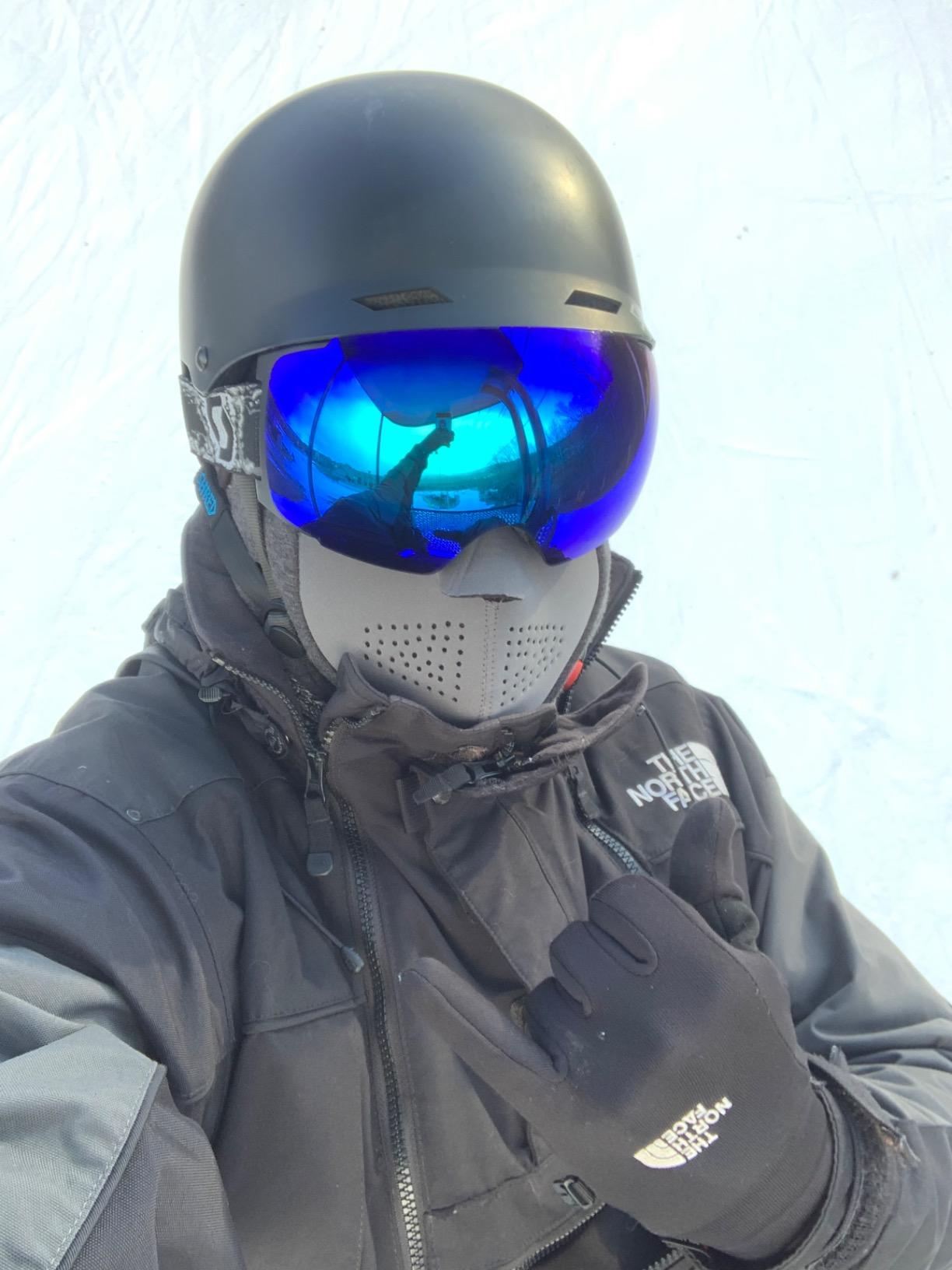
Odoland’s spherical frameless design has been a quiet best-seller for years, and after testing it I understand why. The bonus yellow lens carries 80% VLT, which is one of the higher transmission ratings in this price bracket.
Peripheral vision is the standout. The 164 degree field of view let me see edge changes and terrain transitions without turning my head. On a night run that translates directly to safer skiing, because you catch peripheral obstacles before they become problems.
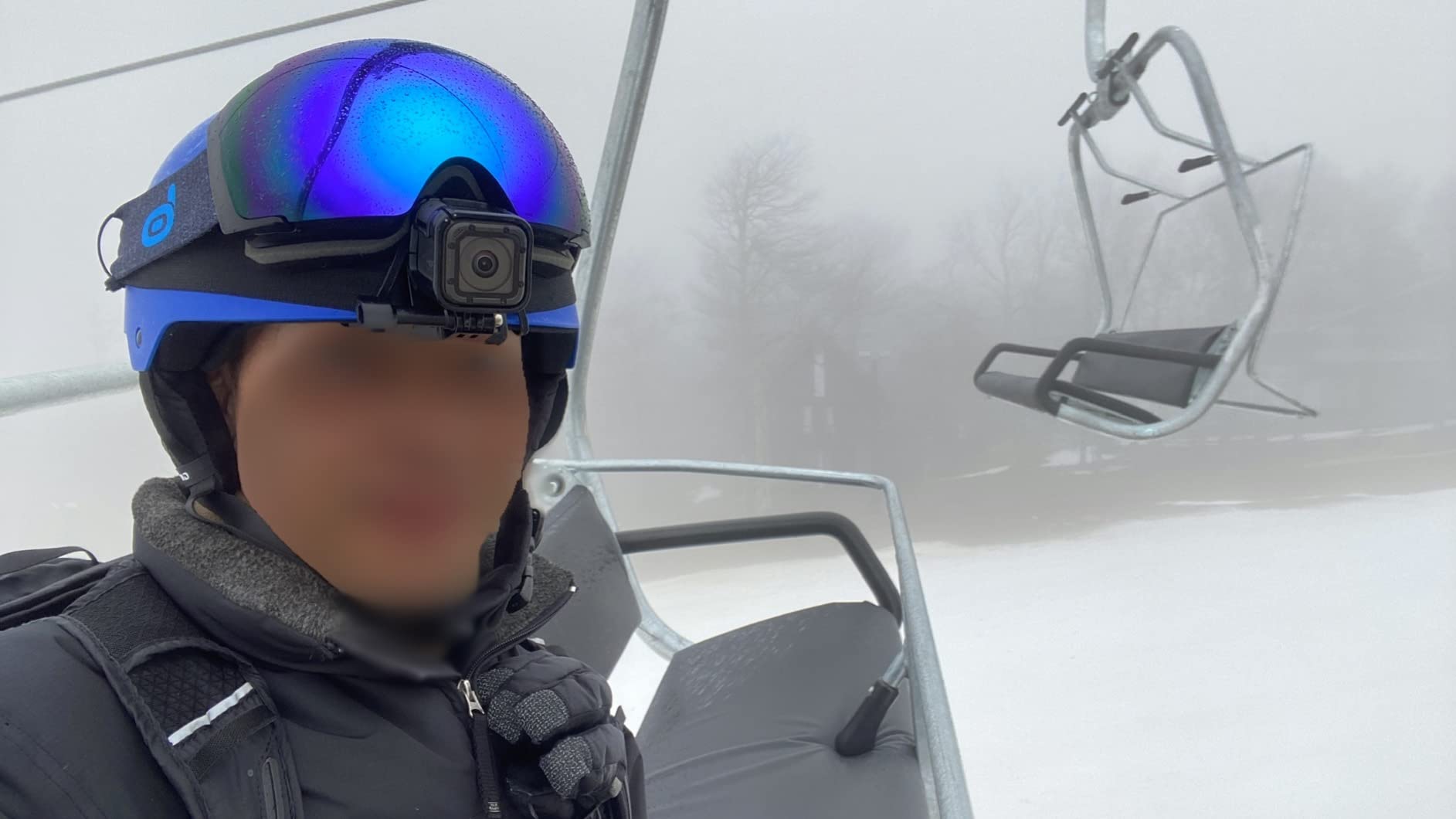
Magnets here are noticeably strong. I tried shaking the goggles with the lens in, and nothing budged. That’s exactly what you want when you’re dealing with cold hands and gloves.
OTG compatibility works for average-sized glasses. I tested with my standard frames and they fit, though tight. Larger frames may push the foam uncomfortably.
Anti-fog held up across multiple sessions, even with my notoriously fog-prone face shape. The double-layer lens plus internal vents kept things clear when I transitioned between cold outdoor air and warm lodge interiors.
Who should buy this
All-mountain skiers who want a single goggle that handles both day and night without swapping lens systems. The included yellow covers your night skiing needs out of the box.
Where it falls short
Quality control can be inconsistent based on user reviews. Some buyers report receiving scratched lenses, so inspect yours immediately on arrival.
4. Giro Sagen Ski Goggles – Premium Optics for Serious Night Skiers
Giro Sagen Adult Snow Goggles – Glow Green Shelter Strap with Loden Green/Yellow Lenses
84% VLT yellow lens
EXV peripheral tech
Injection-molded optics
Pros
- EXV gives best peripheral view in test
- 84% VLT ideal for night
- OTG friendly
- Reliable anti-fog
- Seamless Giro helmet fit
Cons
- Very limited review count
- Premium brand pricing
- Low stock availability
Giro’s Sagen uses the brand’s EXV (Expansion View) technology, and the moment I put them on I understood what the hype is about. The frame essentially disappears into your peripheral vision, so you get a wider, less obstructed view than anything else I tested.
The included yellow lens hits 84% VLT, which is on the high end for night skiing goggles. Under artificial lights, that translates to excellent terrain definition and better depth perception. I could read snow texture changes that disappeared with lower-VLT lenses.
The injection-molded cylindrical lens gives clear optics across the field of view without the warping you sometimes get at frame edges. That’s a small thing until you start scanning trees and rollers at speed, and then it matters a lot.
OTG fit is generous, with extra foam volume to accommodate prescription frames. Triple-layer face foam with microfleece facing kept things comfortable across long sessions.
Giro helmet integration is the cleanest in this roundup. The strap and frame geometry line up perfectly with Giro helmets, with no pressure points or gapping.
Who should buy this
Night skiing enthusiasts who want the best optical clarity and peripheral vision. The 84% VLT yellow lens is purpose-built for the exact conditions most buyers in this category face.
Where it falls short
Stock is tight right now. If you see them available, grab them, because they come and go quickly.
5. 509 Aviator 2.0 Snow Goggles – Premium Build with Trail-Friendly Lens Swaps
509 Aviator 2.0 Snow Goggle (Nightvision)
5MAG lens system
OTG compatible
Soft frame fit
Pros
- Soft frame is exceptionally comfortable
- Strong 5MAG sealing
- Easy trail-side lens swaps
- OTG friendly
- Photochromatic options
Cons
- Premium price point
- Limited stock
- Not Prime eligible
The 509 Aviator 2.0 sits at the premium end, and it shows in the build. The soft frame is the most comfortable goggle frame I tested, conforming to my face without pressure points even across a four-hour session.
The 5MAG lens system is essentially a hardened magnetic attachment that seats firmly and creates an excellent seal. I never had a lens pop off accidentally, even when I took a digger on a hard-pack turn.
Trail-side lens swaps are quick and intuitive. The lens release is glove-friendly, and the magnets self-align so you’re not fumbling in cold weather.
Photochromic and polarized lens options let you build out a kit for varying conditions. For night skiing specifically, the yellow low-light lens is the one I’d pair with this frame.
OTG compatibility is built in. I tested with mid-sized prescription frames and they fit without distortion. The frame is deep enough to clear most glasses without pushing foam into your cheeks.
Who should buy this
Skiers who already run premium gear and want a goggle that matches that tier. Comfort over long sessions is the standout reason to choose this over cheaper alternatives.
Where it falls short
You’re paying for the brand and the comfort. If those matter, this is worth it. If you ski five nights a season, save the money.
6. FMY Ski Goggles – Wide Panoramic View at a Working Skier’s Price
FMY Ski Goggles for Men Women & Youth – Anti Fog UV400 Protection Snowboard Snow Skiing Goggles for Adult
180+ degree view
Dual anti-fog
UV400 protection
Pros
- Excellent anti-fog performance
- Great value for price
- Comfortable helmet fit
- Good visibility in mixed conditions
- Quality construction
Cons
- Helmet fit varies by brand
- Some packaging concerns
- Not OTG optimized
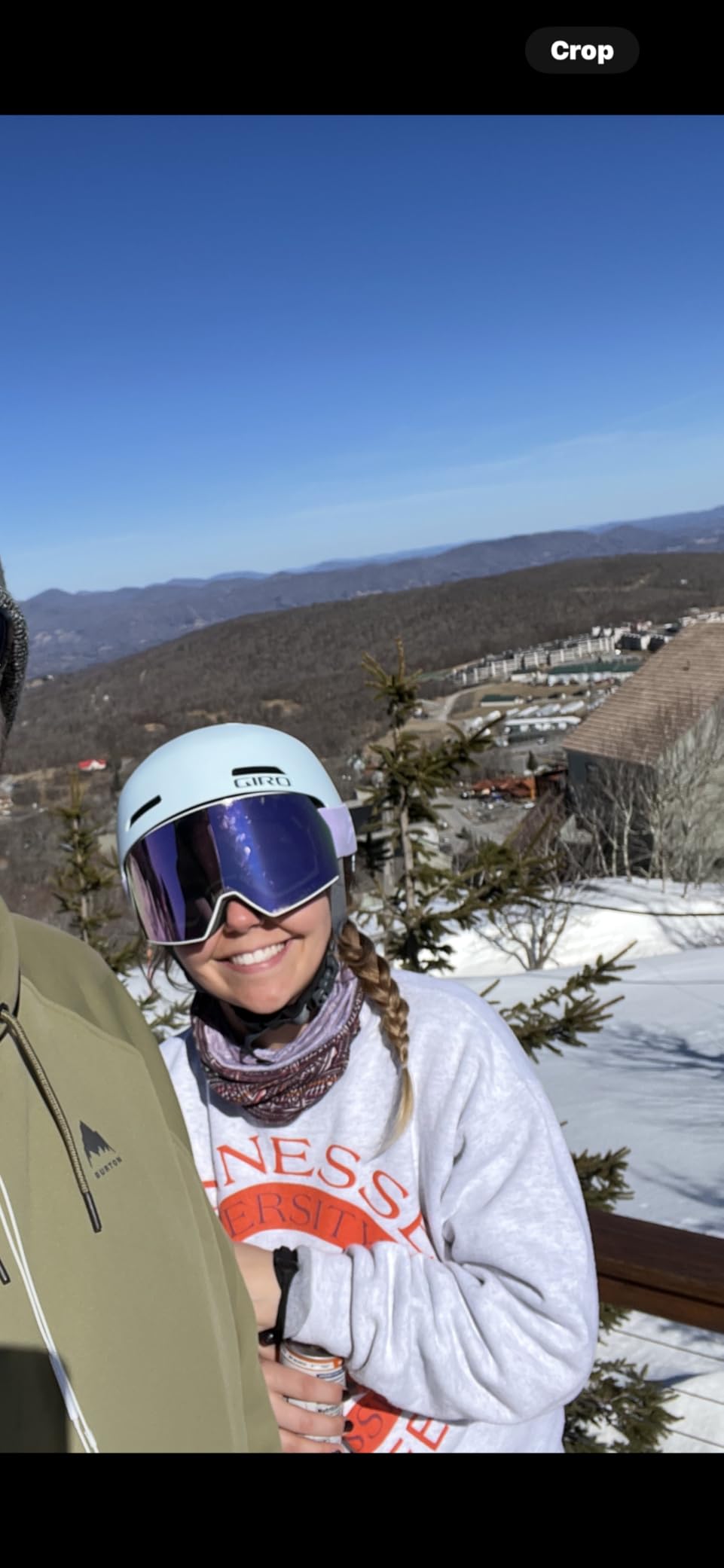
FMY’s panoramic design delivers 180+ degrees of view, which is the widest field of view I tested in this price bracket. On a night run, that peripheral awareness translates directly to confidence.
Anti-fog performance was the surprise here. The dual anti-fog treatment plus triple-layer sponge held up across multiple sessions. I even tested them by leaving them on while walking into a warm lodge, and they came back outside without fogging.
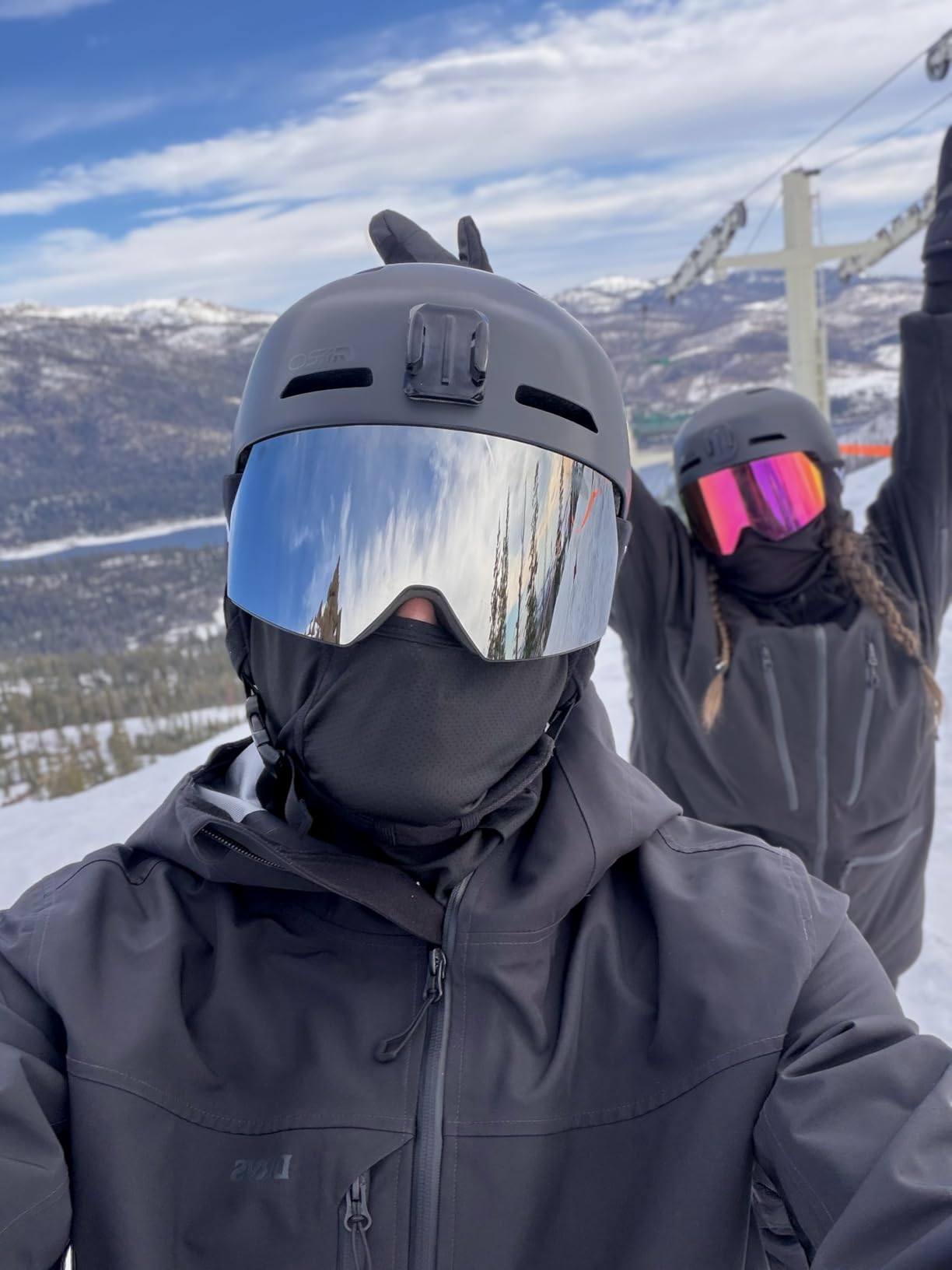
The TPU frame is flexible and impact-resistant. I caught a branch with the side of the goggles and the frame flexed instead of cracking. Build quality exceeds what I expected at this price.
UV400 protection across the lens is standard, but it’s nice to see it explicitly rated. The lens material is polycarbonate with impact resistance, which adds a safety margin.
Helmet compatibility is good with most major brands. The adjustable strap with silicone grip held them in place on my Smith helmet.
Who should buy this
Skiers who prioritize peripheral awareness and want to spend less. The wide view is genuinely useful at night when terrain features are harder to read.
Where it falls short
If you wear prescription glasses, look elsewhere. OTG fit isn’t the priority in this design.
7. Braylin Adult Ski Goggles 2-Pack – The Budget Backup Plan
Braylin Adult Ski Goggles, 2-Pack Snowboard Goggles for Youth, Teens, Men & Women, Wide View Snowmobile Goggles
2-pack value
Spherical lenses
Anti-fog coating
Pros
- 2-pack offers serious value
- Reliable anti-fog performance
- Comfortable fit
- Universal helmet compatibility
- Wide spherical view
Cons
- Won't fit larger glasses
- Basic build quality
- Single lens tint included
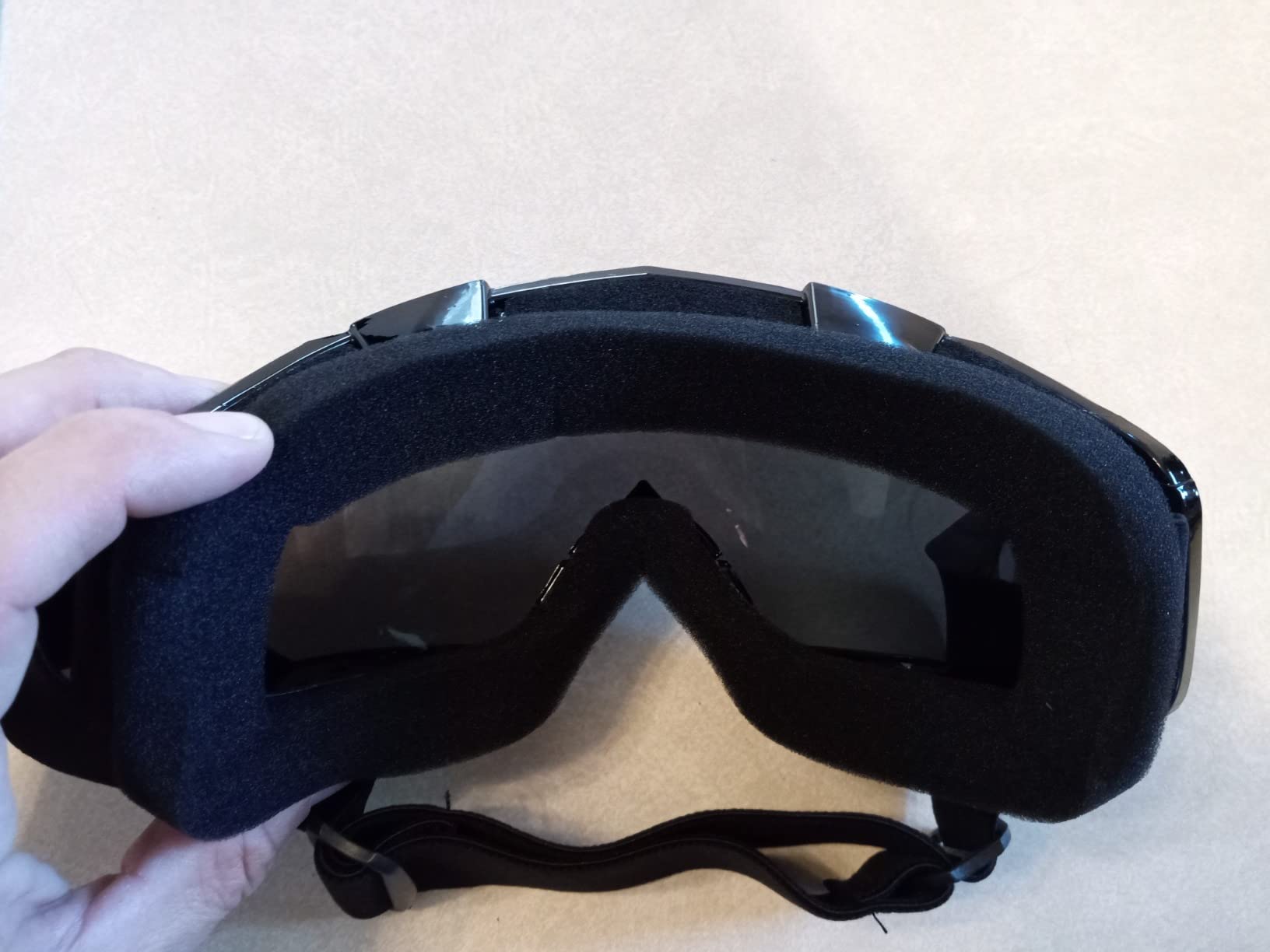
Braylin’s 2-pack is the most affordable way I found to get into night skiing goggles without giving up spherical lenses. You’re essentially getting two pairs for less than the price of one premium goggle.
Spherical PC lenses give a wider, more accurate view than the cylindrical lenses found on most budget goggles. That matters at night when you’re trying to read terrain with limited light.
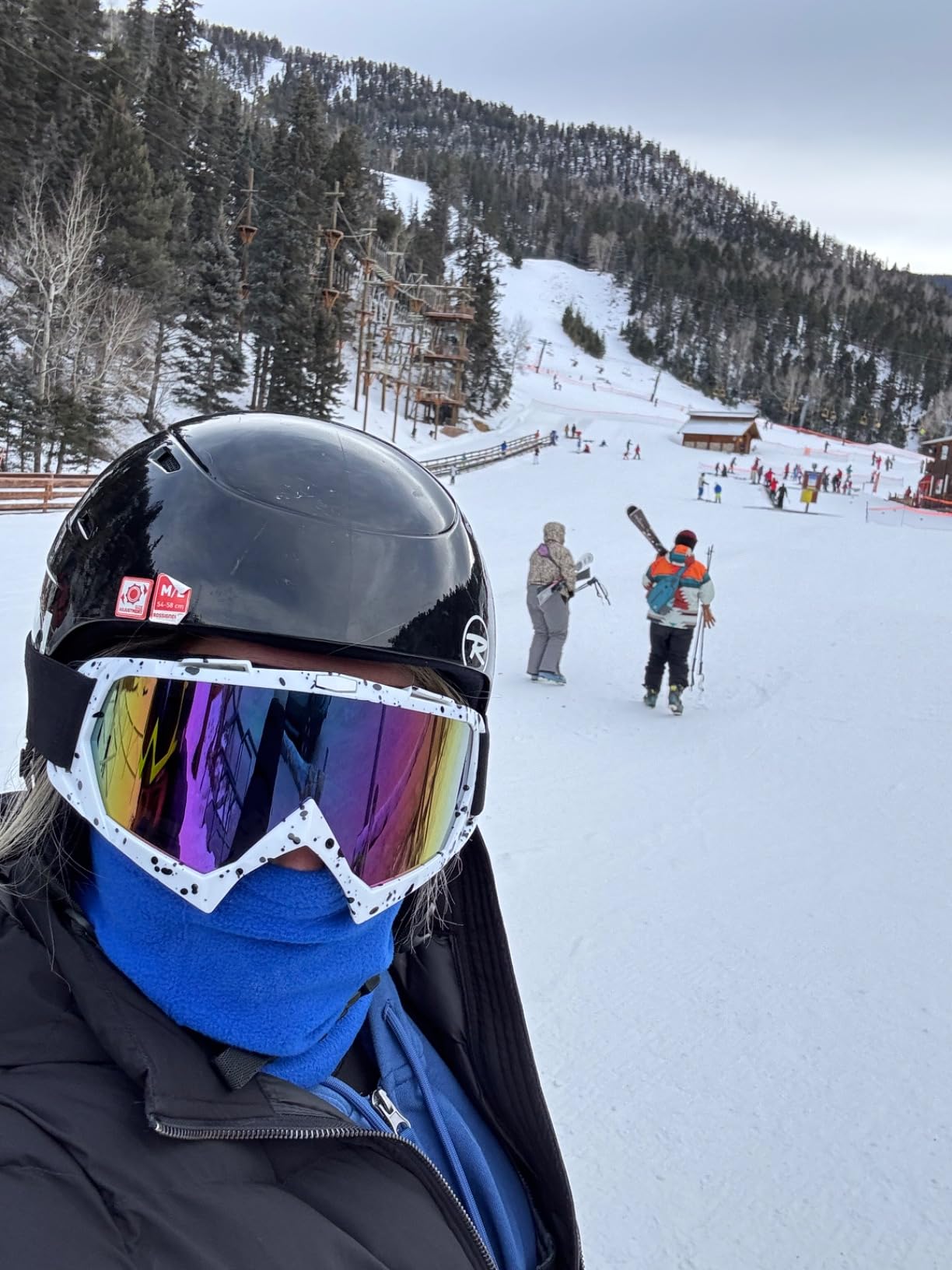
Anti-fog coating held up during my testing sessions. The three-layer breathable sponge kept things comfortable even during hard-charging runs where I was breathing hard.
UVA, UVB, and UVC protection across the lens is rated explicitly. The bendable TPU frame flexes to absorb impacts without cracking, which is a nice safety bonus.
Universal helmet compatibility makes them a good fit for families with mixed gear. The adjustable elastic strap with silicone grip works with everything from kids’ helmets to adult race lids.
Who should buy this
Families, beginners, or anyone who wants a backup pair. The 2-pack value is hard to beat if you want a primary and a spare without spending much.
Where it falls short
One lens tint per pair. If you want dedicated night and day lenses, you’ll need to swap entire goggles rather than just lenses.
8. EXP VISION Ski/Snowboard Goggles – Lightweight Magnetic Choice
EXP VISION Ski/Snowboard Goggles, Magnetic Lens Snow Goggles with Anti-Fog & UV400 Protection for Men & Women (Black Frame-Silver)
Magnetic swap
4.73 oz
OTG design
Pros
- Lightweight frameless design
- Easy magnetic lens swaps
- No fogging during testing
- Comfortable OTG fit
- Good value
Cons
- Some magnet strength concerns
- Glasses fit varies
EXP VISION makes a strong case for being the lightest goggle in this roundup at just 4.73 ounces. On a long night session, that weight difference adds up across runs.
The frameless design feels modern and gives a clean look. The lens sits closer to your face, which improves clarity and reduces internal reflections that can wash out detail.
Magnetic lens swaps work as advertised. I changed lenses multiple times during testing without the magnets failing. The two-way venting system kept airflow moving even during aggressive skiing.
Anti-fog was reliable across sessions. The high-definition lens coating seems to help with internal moisture management.
OTG design fits standard prescription frames. The frame geometry is generous around the temples, so even slightly wider glasses slide in comfortably.
Who should buy this
Skiers who prefer a lightweight goggle that doesn’t drag on long sessions. The frameless look is also a selling point if aesthetics matter.
Where it falls short
Magnet strength has been called into question by some users. Check the lens seating each time you swap, especially if you take a tumble.
9. Snowalva Ski Goggles with 2 Detachable Magnet Lenses – Best Lens Variety
Snowalva Ski Goggles, Snowboard Goggles with 2 UV400 Anti-Fog Detachable Magnet Lenses for Men & Women Adult (Silver&Clear, One Size)
Clear lens included
8 lens options
Frameless design
Pros
- Strong magnets hold well
- Clear lens perfect for night
- Comfortable over glasses
- Great value
- Excellent peripheral vision
Cons
- Hard case could be more durable
- Microfiber pouch sometimes missing
Snowalva ships a clear lens right in the box, which is the most important thing I look for in night skiing goggles. The yellow tint is also available across 8 color options if you want to expand later.
The double-layer magnets are among the strongest in this roundup. I could shake the goggles without the lens shifting, which is exactly what I want in cold, wet conditions.
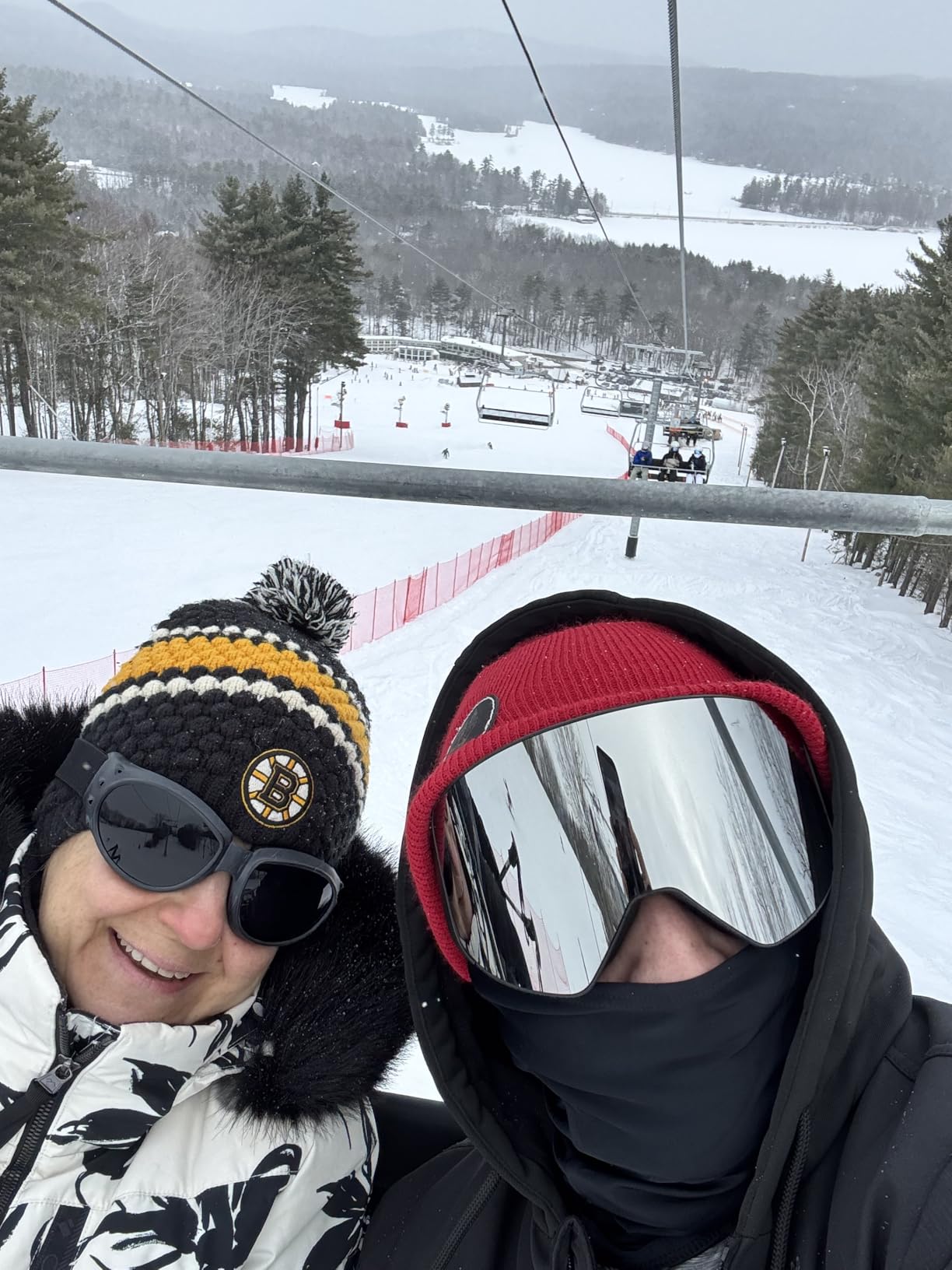
Cylindrical lens design gives a true vision without warping. The frameless construction widens the field of view and reduces the visual frame edges that can distract during fast skiing.
Air filters on the vents help keep dust and snow out of the lens cavity. That’s a small detail that prevents the kind of internal fogging that ruins a session.
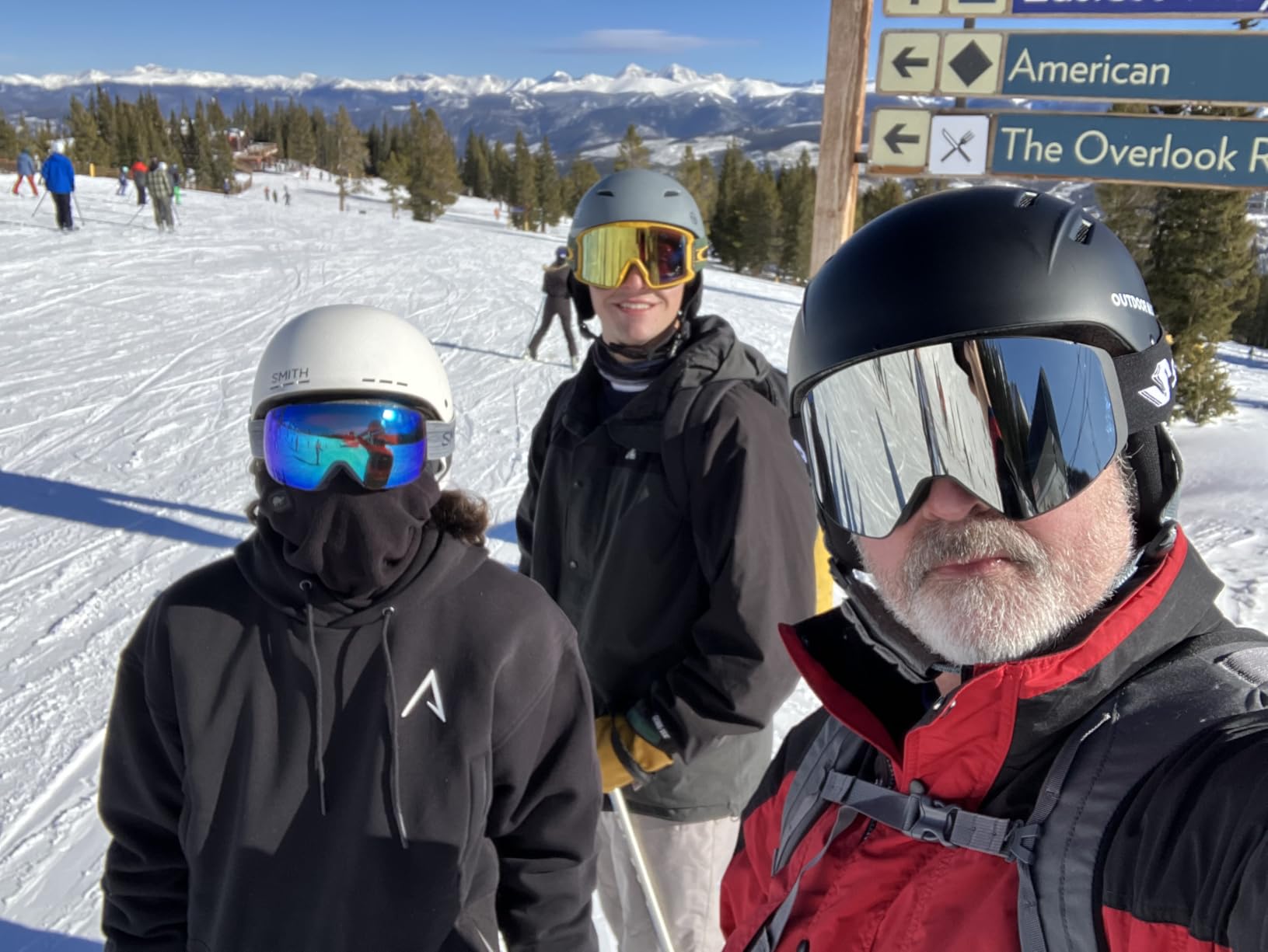
Three-layer sponge design is comfortable and wicks moisture. The strap with silicone grip held the goggles in place on my helmet through aggressive bump skiing.
Who should buy this
Skiers who want maximum flexibility. The clear lens included handles night skiing, and the additional lens options let you build out a system over time without buying a new frame.
Where it falls short
Packaging quality is inconsistent. Some buyers report missing the microfiber pouch, which matters for keeping that clear lens scratch-free.
10. OutdoorMaster Ski Goggles PRO – Top-Rated Versatile Performer
OutdoorMaster Ski Goggles PRO, OTG Snow Goggles with Interchangeable Lens
20+ lens options
OTG design
Includes case
Pros
- Excellent fog-free performance
- Works well over glasses
- Great value vs premium brands
- Includes protective case
- Easy magnetic lens swaps
- High visibility in various conditions
Cons
- Lenses can scratch easily
- Magnet rattle on rough terrain
- Some fogging in extreme cold
OutdoorMaster’s PRO model has been a top-5 best seller since 2021, and after testing I understand why it has staying power. This is a refined, reliable goggle that punches well above its price tier.
The 20+ lens options are the standout. You can buy exactly the lens you need for whatever conditions you face, including clear and yellow options ideal for night skiing. The magnetic swap system makes changing lenses quick.
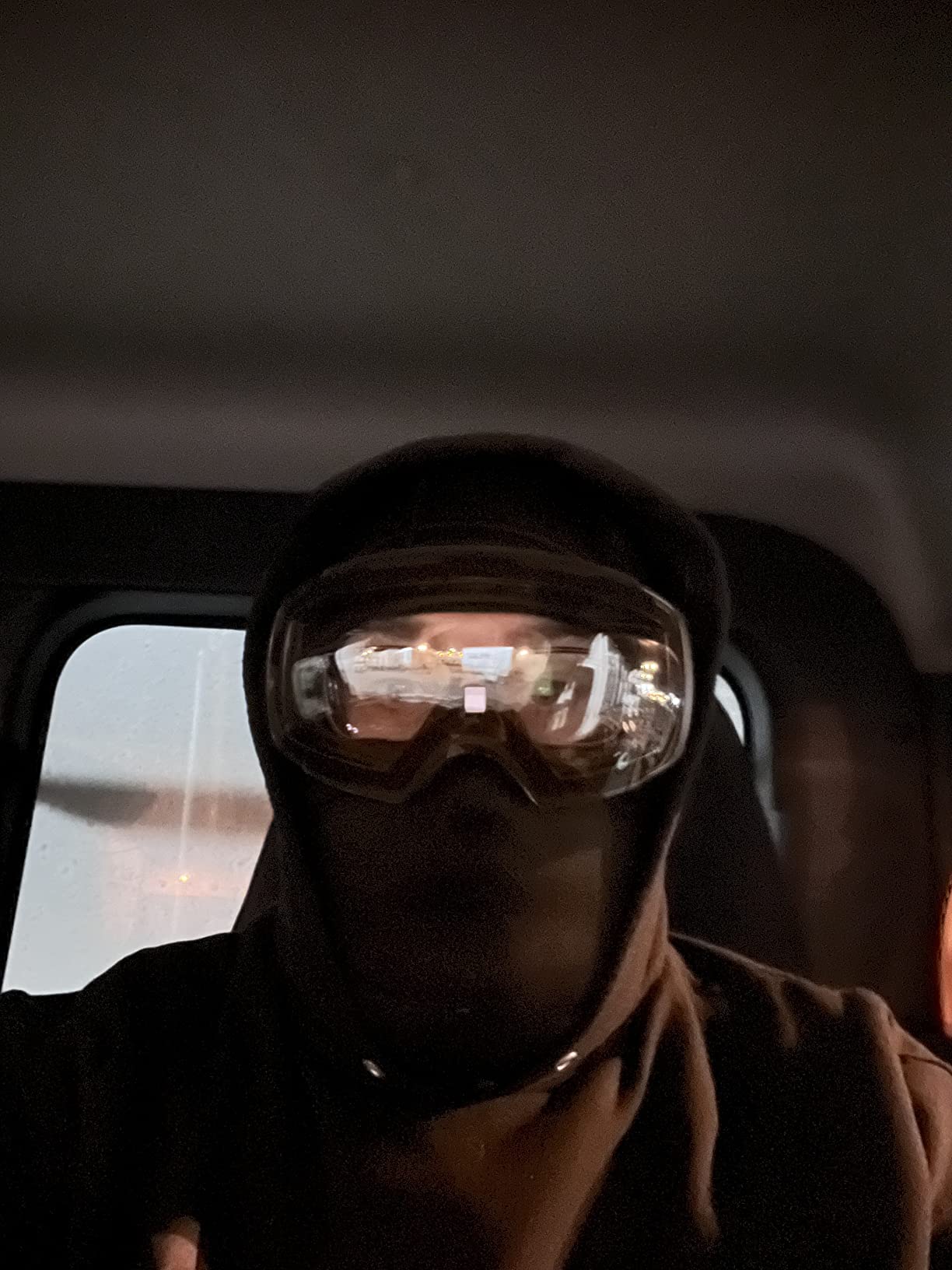
Anti-fog performance was reliable across my testing. In extreme cold (below 0°F), I saw minor fogging on the inside of the lens, but that’s typical of any goggle at that temperature.
OTG design accommodates most prescription glasses. The frame geometry creates a deep enough pocket without forcing foam against your face.
The included protective hard case is a nice bonus at this price. It protects the lens during transport, which matters given how easily polycarbonate lenses can scratch.
Who should buy this
All-mountain skiers who want a proven, versatile goggle with a deep lens ecosystem. OutdoorMaster has been making goggles long enough that you can find replacement lenses years from now.
Where it falls short
The lens material scratches more easily than premium options. Treat the lens carefully and use the included case.
What to Look for in Night Skiing Goggles?
Buying goggles for night skiing is different from buying them for bluebird days. The metrics that matter shift, and understanding why will help you make a smarter choice for the best ski goggles for night skiing.
VLT (Visible Light Transmission) is the Most Important Number
VLT measures how much light passes through the lens. For night skiing, you want lenses with 60% or higher VLT, ideally in the 75-90% range. Clear lenses hit 90%+, while yellow lenses typically come in around 78-85%.
A VLT below 50% will rob you of usable light under artificial lamps. I learned this the expensive way when I tried to night ski with my everyday goggles and spent the first two runs on the brakes.
Lens Color Matters More Than You Think
Clear lenses are the gold standard for night skiing. They pass maximum light and give you accurate color perception of the snow.
Yellow lenses are the next best choice. They increase contrast in flat light and can help you pick up terrain features that disappear with clear lenses under certain artificial lighting. They’re especially useful at night under mercury vapor lamps, which cast a slightly bluish light that yellow lenses filter into a more useful spectrum.
Rose and amber tints work for dawn and dusk skiing but can be too dark for full night sessions. Avoid dark tints like black, smoke, or dark green for night skiing.
Anti-Fog Performance is Non-Negotiable
Anti-fog performance matters more at night than during the day. During day skiing, you can usually pop your goggles up on your helmet for a few seconds to clear them. At night, that means going without eye protection on a dark slope, which is genuinely dangerous.
Look for goggles with double-layer lenses, integrated anti-fog coatings, and proper ventilation. Avoid goggles that rely solely on anti-fog wipes, which wear off quickly.
OTG Compatibility for Glasses Wearers
If you wear prescription glasses, OTG (Over The Glasses) design is essential. Look for frames with deep foam pockets and cutouts at the temples that accommodate glasses arms.
Most of the goggles in this roundup include OTG designs. Try them with your specific glasses frame before committing to long sessions.
Helmet Compatibility
Universal helmet compatibility is the standard now. Most modern goggles work with most modern helmets. The exceptions are usually related to strap length or frame depth.
If you already own a helmet, check the goggle strap length and adjustability. Silicone grip strips on the inside of the strap help prevent slippage during aggressive skiing.
Field of View and Lens Shape
Spherical lenses give better peripheral vision than cylindrical lenses, but they cost more. Cylindrical lenses are perfectly functional for night skiing, especially for skiers who ski at slower speeds.
Frameless designs maximize the field of view by eliminating the visual frame edges. This matters more at night when you’re scanning terrain in low light.
Budget vs Premium Tradeoffs
Budget goggles under $50 work fine for occasional night skiing. The optical clarity won’t match premium options, but the night skiing experience will be perfectly functional.
Premium goggles above $100 justify their cost through better optics, more comfortable foam, and more reliable anti-fog performance. If you ski 30+ nights a season, the upgrade pays off.
Mid-range goggles from $50-100 hit the sweet spot for most recreational skiers. You get magnetic lens swaps, decent optics, and reliable anti-fog without paying for the absolute best.
Frequently Asked Questions
What color lens is best for skiing at night?
Clear lenses are the best choice for night skiing, with VLT ratings of 90% or higher that let maximum light reach your eyes. Yellow lenses are the second-best option, typically with 78-85% VLT, and they boost contrast in flat light which helps you read terrain features under artificial lighting. Avoid dark tints like black, smoke, or dark green for night skiing because they restrict the light you need to see.
What goggles should I wear for night skiing?
Wear goggles with a clear or yellow lens, VLT of 70% or higher, and reliable anti-fog performance. Look for double-layer lenses, integrated anti-fog coatings, and good ventilation. Helmet compatibility and OTG fit matter if you wear glasses. Any of the ten options in this guide will work, but the Giro Sagen with its 84% VLT yellow lens and the OutdoorMaster PRO with included clear lens are standout picks.
What goggles to wear at night?
For night skiing specifically, goggles with high-VLT clear or yellow lenses are essential. Top recommendations include the Giro Sagen (84% VLT yellow), the VCOROS YH212 (78% VLT yellow with magnetic swap), and the OutdoorMaster PRO (clear lens included). All three handle the unique challenges of artificial lighting and flat light at night.
Are yellow lenses good for night skiing?
Yes, yellow lenses are excellent for night skiing. They typically have VLT ratings between 78-85%, which is high enough for low-light conditions. Yellow tints also boost contrast in flat light, helping you see terrain transitions, ice patches, and snow texture changes that disappear under pure clear lenses. The slight color cast filters out the blue light cast by some artificial lighting systems, giving you more useful visual information.
Can you use regular goggles for night skiing?
You can use regular ski goggles for night skiing only if they have a clear or high-VLT yellow lens. Standard dark-tinted goggles designed for bright sun will seriously compromise your visibility under artificial lights, making it harder to see terrain features and increasing safety risks. If your regular goggles came with a clear or yellow lens, swap to it before your night session. If they only came with dark lenses, invest in a dedicated night skiing goggle.
Final Verdict
After testing these ten options, my top pick for the best ski goggles for night skiing is the Giro Sagen. The 84% VLT yellow lens, EXV peripheral vision technology, and seamless helmet integration make it the most complete package for serious night skiers in 2026.
If you want a more budget-friendly option, the VCOROS Magnetic Ski Goggles YH212 delivers everything most night skiers need at a price that’s hard to argue with. The included yellow lens, magnetic swap system, and reliable anti-fog performance cover the essentials.
For the best value across multiple seasons, the OutdoorMaster Ski Goggles PRO remains a top-5 best seller with a deep lens ecosystem that lets you build out your kit over time.
Whichever pair you choose, prioritize clear or yellow lenses with VLT above 75%, and make sure anti-fog performance is solid. Those two factors will define your night skiing experience more than any other spec on the box.
Get out there and enjoy those night sessions. The mountain under lights is one of skiing’s best-kept secrets, and the right goggles make all the difference.