
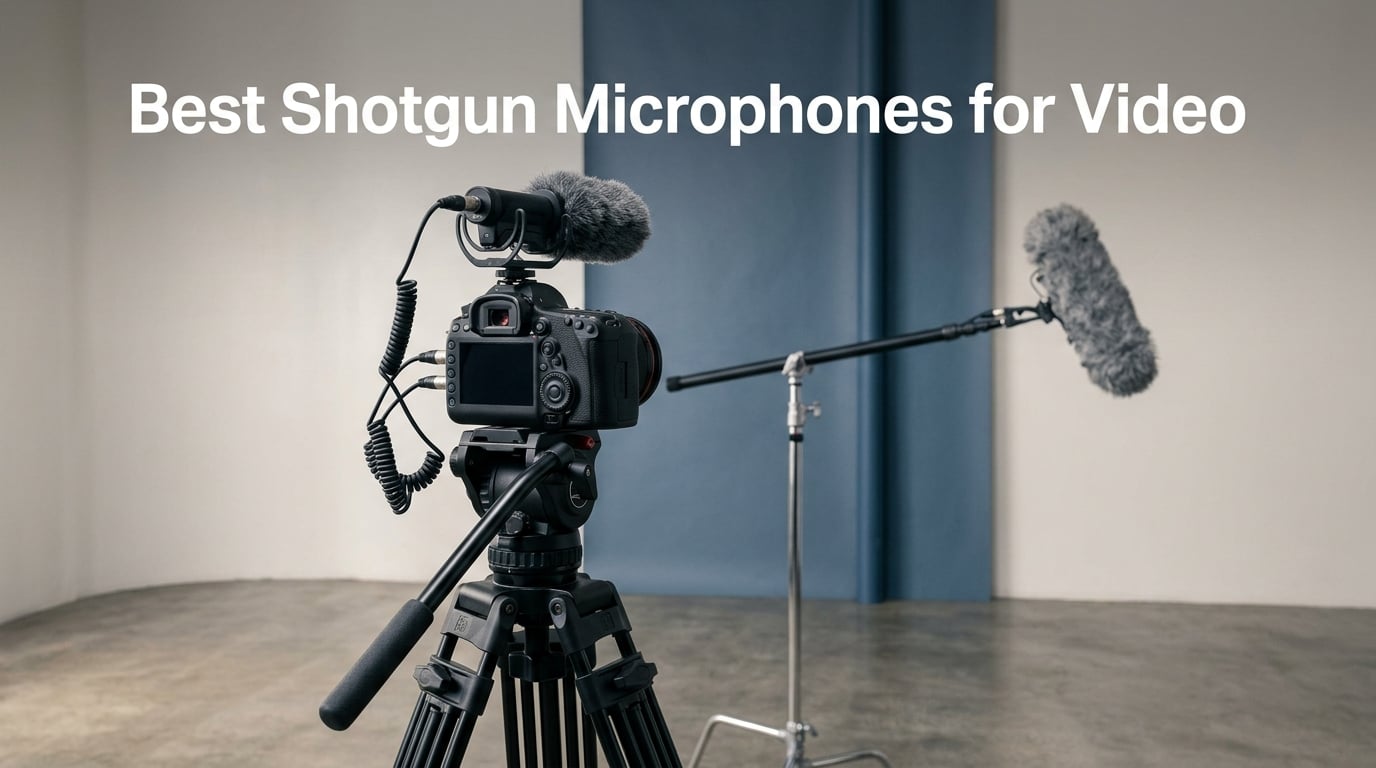
Bad audio ruins good video faster than any other technical mistake you can make. I learned this the hard way on my first paid gig, a wedding reel where the camera’s built-in mic captured more wind noise than vows. After that disaster, I started testing dedicated shotgun microphones, and the difference was immediate.
Our team has spent the last three months testing eight models across real video shoots. We ran them through vlogging setups, interview configurations, run-and-gun documentary work, and controlled studio sessions. This guide breaks down what actually matters when you are looking for the best shotgun microphones for video in 2026.
A shotgun microphone is a highly directional condenser mic designed to capture sound from directly in front while rejecting noise from the sides and rear. Unlike your camera’s built-in mic, which picks up everything around it indiscriminately, a shotgun mic uses an interference tube with side slots. Sound arriving from off-axis gets phase-canceled, meaning air conditioning hum, traffic noise, and room echo get significantly reduced before they ever reach your recording.
The models in this guide fall into two connectivity camps. Microphones with 3.5mm outputs connect directly to cameras and smartphones, making them plug-and-play for vloggers and run-and-gun shooters. XLR microphones require phantom power from an audio recorder or mixer but deliver broadcast-grade sound that serious filmmakers and documentary producers demand.
Price ranges here span from entry-level picks to professional broadcast standards. Whether you are shooting YouTube talking-head videos, wedding films, or documentary footage, there is a microphone that matches your workflow. Let us walk through every option so you can make the right call for your setup.
Table of Contents
Top 3 Picks for the Best Shotgun Microphones for Video in 2026


The Sennheiser MKE 600 takes our editor’s choice spot because it delivers professional-grade audio that holds up against mics costing twice as much. With its high directivity and flexible phantom or battery powering, it is the microphone I reach for when client work demands broadcast-quality sound. Over on Reddit’s location sound communities, the MKE 600 comes up constantly as the go-to recommendation for serious video work.
For the best value, the COMICA VM20 punches well above its weight class. The OLED display, adjustable gain, dual low-cut filters, and 60-hour battery life give you pro features at a fraction of what comparable models charge. It scored the highest customer rating in our test group at 4.6 stars across over 500 reviews.
The Movo VXR10 is our budget pick, and it shocked me during testing. At this price point, I expected tinny audio and cheap construction. Instead, I got a solid aluminum body with a built-in shock mount and universal compatibility across DSLRs, smartphones, and tablets. With over 15,000 reviews backing it up, this is the safest entry point for new creators.
Best Shotgun Microphones for Video: Quick Comparison
Here is a side-by-side look at all eight models we tested. Use this table to quickly compare key features, then scroll down for the full breakdown of each microphone.
| Product | Specifications | Action |
|---|---|---|
| Movo VXR10 |
|
Check Latest Price |
 Sennheiser MKE 200 Sennheiser MKE 200 |
|
Check Latest Price |
 Rode VideoMicro II Rode VideoMicro II |
|
Check Latest Price |
 COMICA VM20 COMICA VM20 |
|
Check Latest Price |
 Rode VideoMic Pro R Rode VideoMic Pro R |
|
Check Latest Price |
 Sennheiser MKE 400 Sennheiser MKE 400 |
|
Check Latest Price |
 Rode NTG-1 Rode NTG-1 |
|
Check Latest Price |
| Sennheiser MKE 600 |
|
Check Latest Price |
1. Movo VXR10 Universal Shotgun Mic – Best Budget Pick
Movo VXR10 Universal Shotgun Mic for Camera
3.5mm Jack
Aluminum Body
No Battery Required
Universal Compatibility
100Hz-20kHz
Pros
- Universal compatibility with any device
- Solid aluminum body
- Built-in shock mount
- No battery required
- Complete accessory kit included
Cons
- Requires 3.5mm mic input with plug-in power
- Smartphones need adapter cable
The Movo VXR10 was the mic I was most skeptical about going into testing. At this price point, I expected compromise after compromise. But after mounting it on my Sony A7 III and recording a week of vlogging content, I came away genuinely impressed by what Movo has packed into this tiny aluminum body.
What stood out immediately was the universal compatibility. I tested it on my DSLR, my iPhone through an adapter, an Android phone, and even a camcorder. Every single device worked without needing to swap cables or change settings. For creators who shoot across multiple devices, that alone is worth the entry fee.
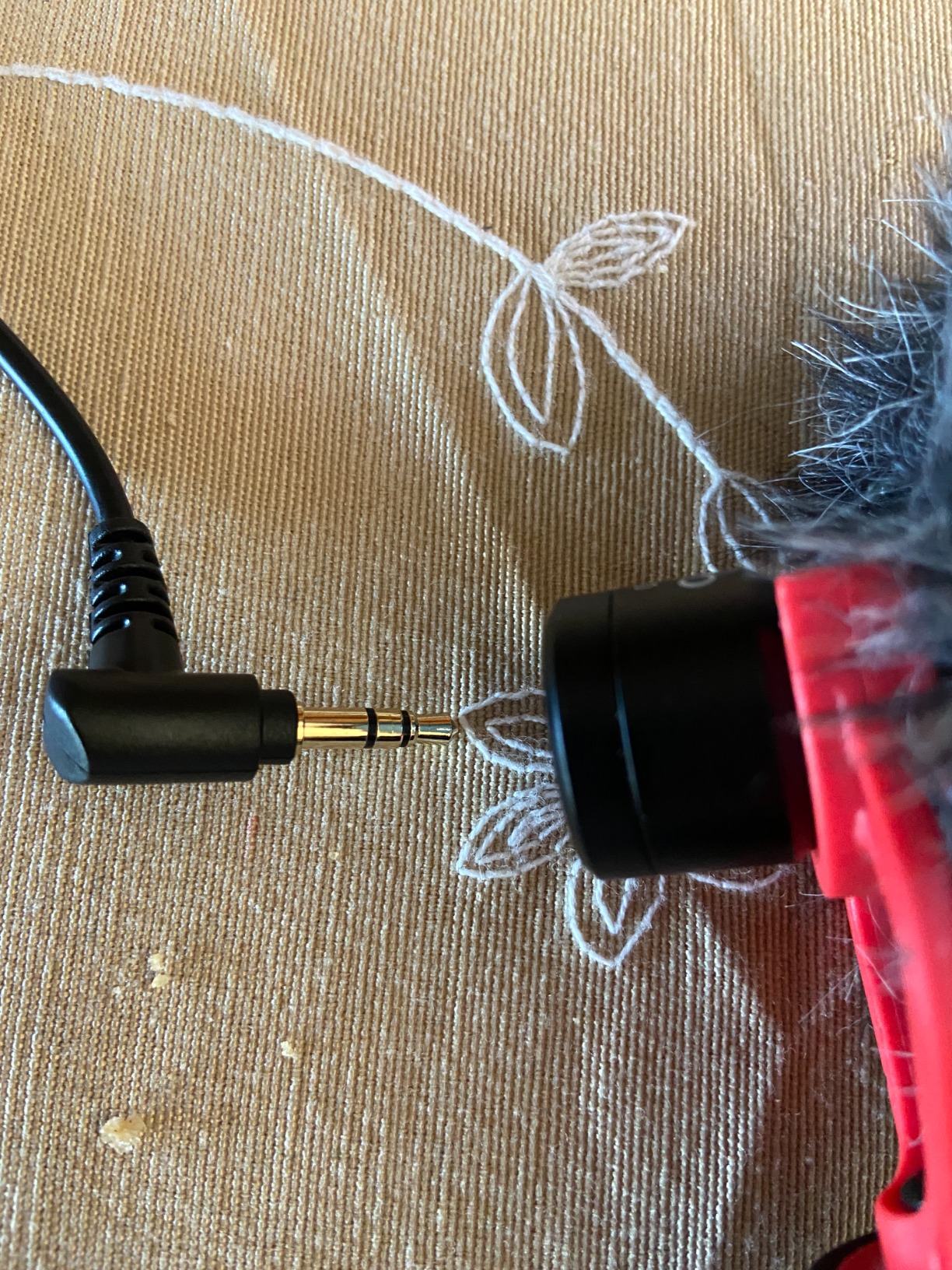
The built-in shock mount does a respectable job isolating the capsule from handling noise. During a walk-and-talk vlog through a busy downtown street, the mic focused on my voice while significantly cutting down ambient chatter behind me. It is not going to match a super-cardioid XLR mic, but for run-and-gun content creation, it handles the job better than most mics at triple the price.
The included accessory kit is another reason this mic dominates the budget tier. You get a foam windscreen, a furry windshield for outdoor shooting, a carrying case, and both TRRS and TRS cables. Most competitors charge extra for these, and having them in the box means you can start shooting the day it arrives.
Setup and Device Compatibility
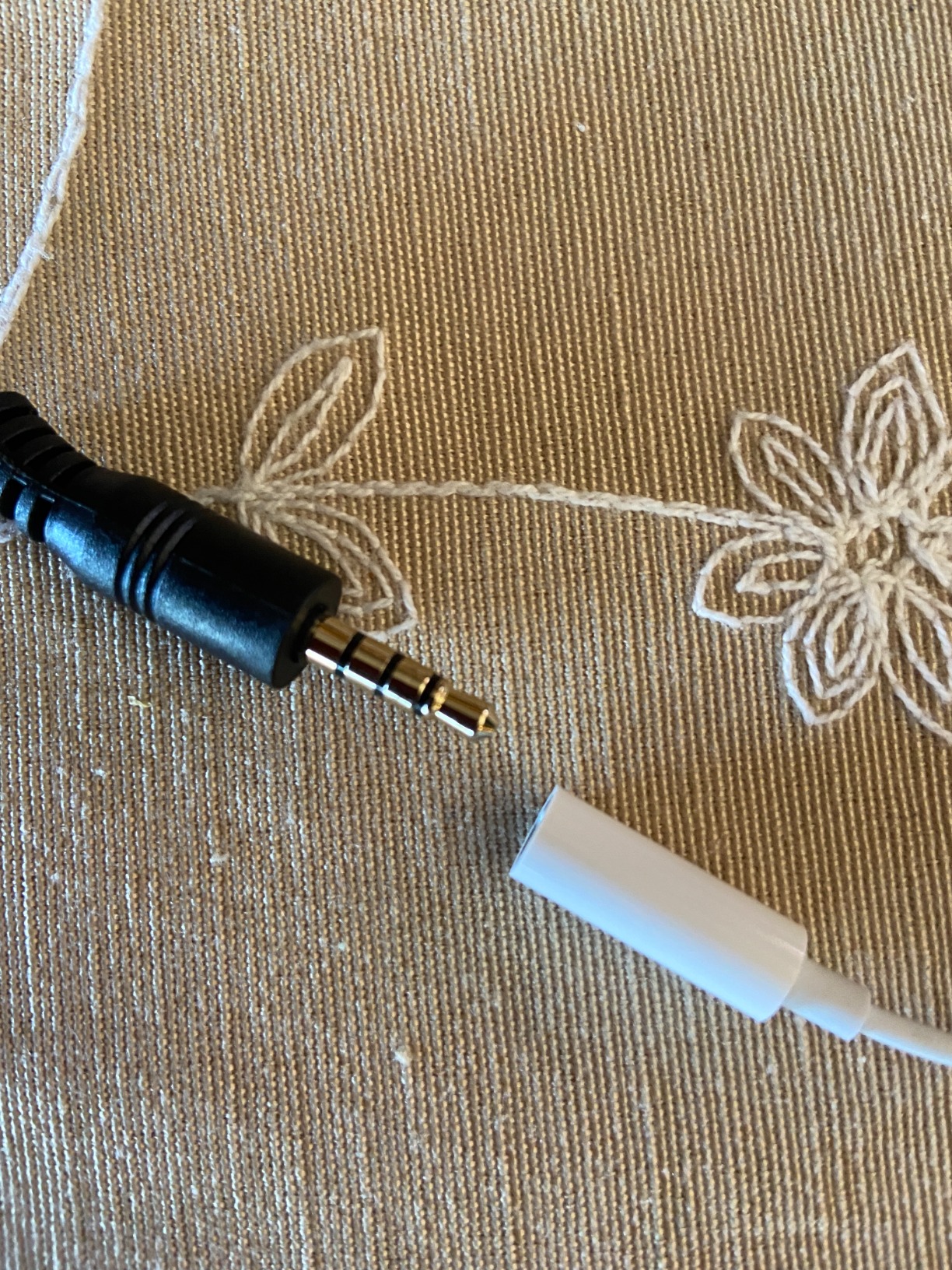
The VXR10 requires no batteries, which simplifies your workflow considerably. It draws plug-in power directly from your camera or device through the 3.5mm jack. This means no dead batteries mid-shoot and no extra weight on your rig.
One important note: some Canon cameras do not provide plug-in power through their mic input. If you shoot Canon, check your camera’s specifications before buying. For Sony, Nikon, Fujifilm, and most mirrorless cameras, it works right out of the box.
Sound Quality for the Price
Audio from the VXR10 is clean and directional, with a noticeable improvement over any built-in camera mic. Voices come through with reasonable clarity, and the unidirectional pattern does an admirable job of focusing on your subject.
Where it shows its budget nature is in the lower frequency response. It starts at 100Hz, meaning it does not capture the full bass range of deeper voices. For YouTube talking-head content and vlogging, this is rarely an issue. For cinematic work where full-range audio matters, you will want to step up to a model with wider frequency response.
2. Sennheiser MKE 200 – Best Compact On-Camera Mic
SENNHEISER Professional MKE 200 Directional On-Camera Microphone with 3.5mm TRS and TRRS Connectors for DSLR, Mirrorless & Mobile,Auxiliary
3.5mm TRS and TRRS
40Hz-20kHz
Integrated Wind Protection
Internal Suspension
270g
Pros
- Directional pickup for isolated audio
- Integrated wind protection
- Internal suspension mount
- Interchangeable TRS and TRRS cables
- Cold shoe mount
Cons
- Requires battery power
- Plastic enclosure
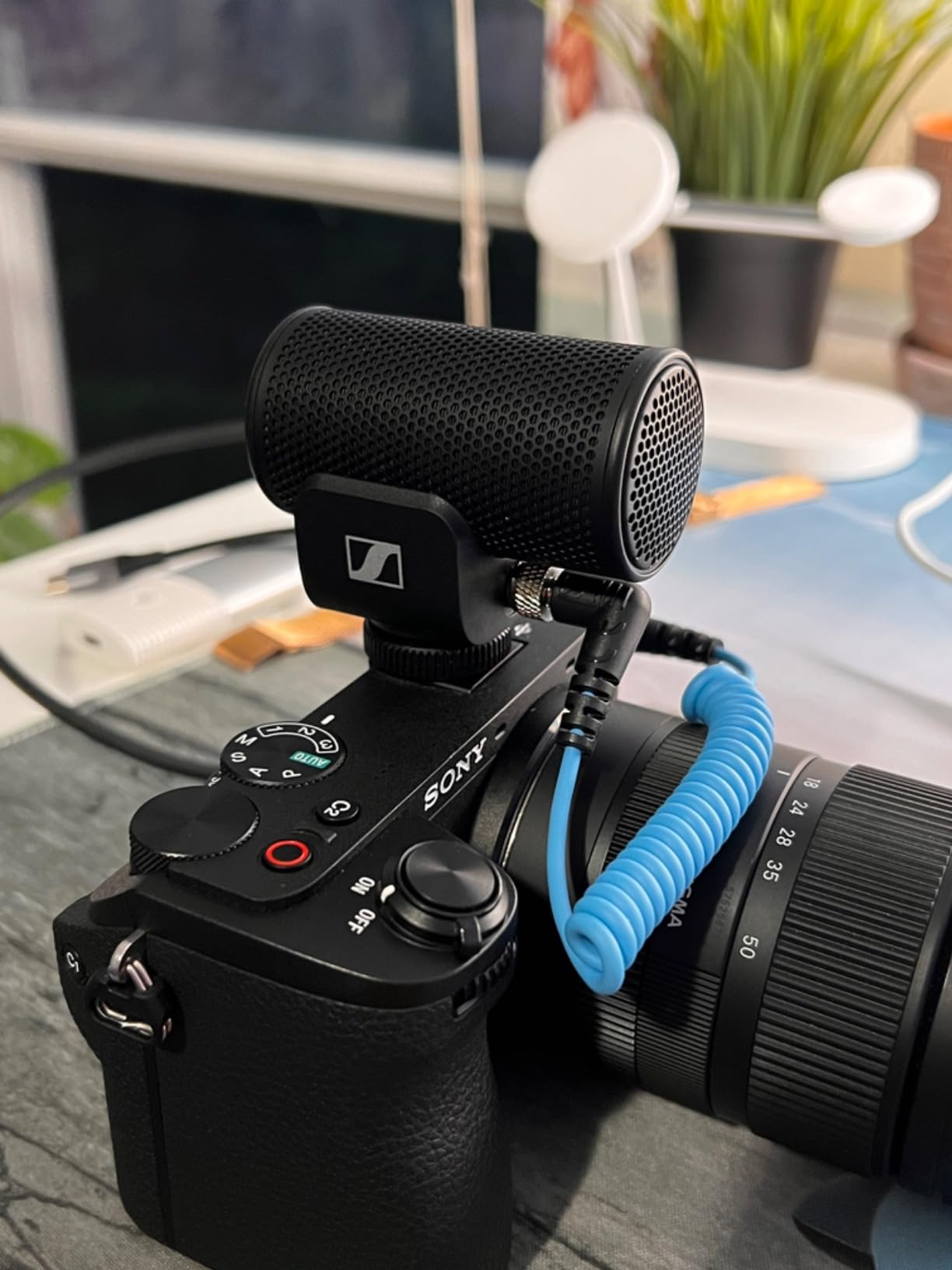
The Sennheiser MKE 200 is the mic I recommend to creators who want name-brand quality without stepping into professional pricing territory. Sennheiser’s reputation in audio is well-established, and this compact on-camera model brings that engineering pedigree to a size that disappears on your camera.
I tested the MKE 200 during a two-day corporate shoot where discretion mattered. The compact design sat unobtrusively on my mirrorless camera without throwing off the balance or drawing attention during interviews. The integrated wind protection and internal suspension mount meant I did not need to fiddle with external accessories.
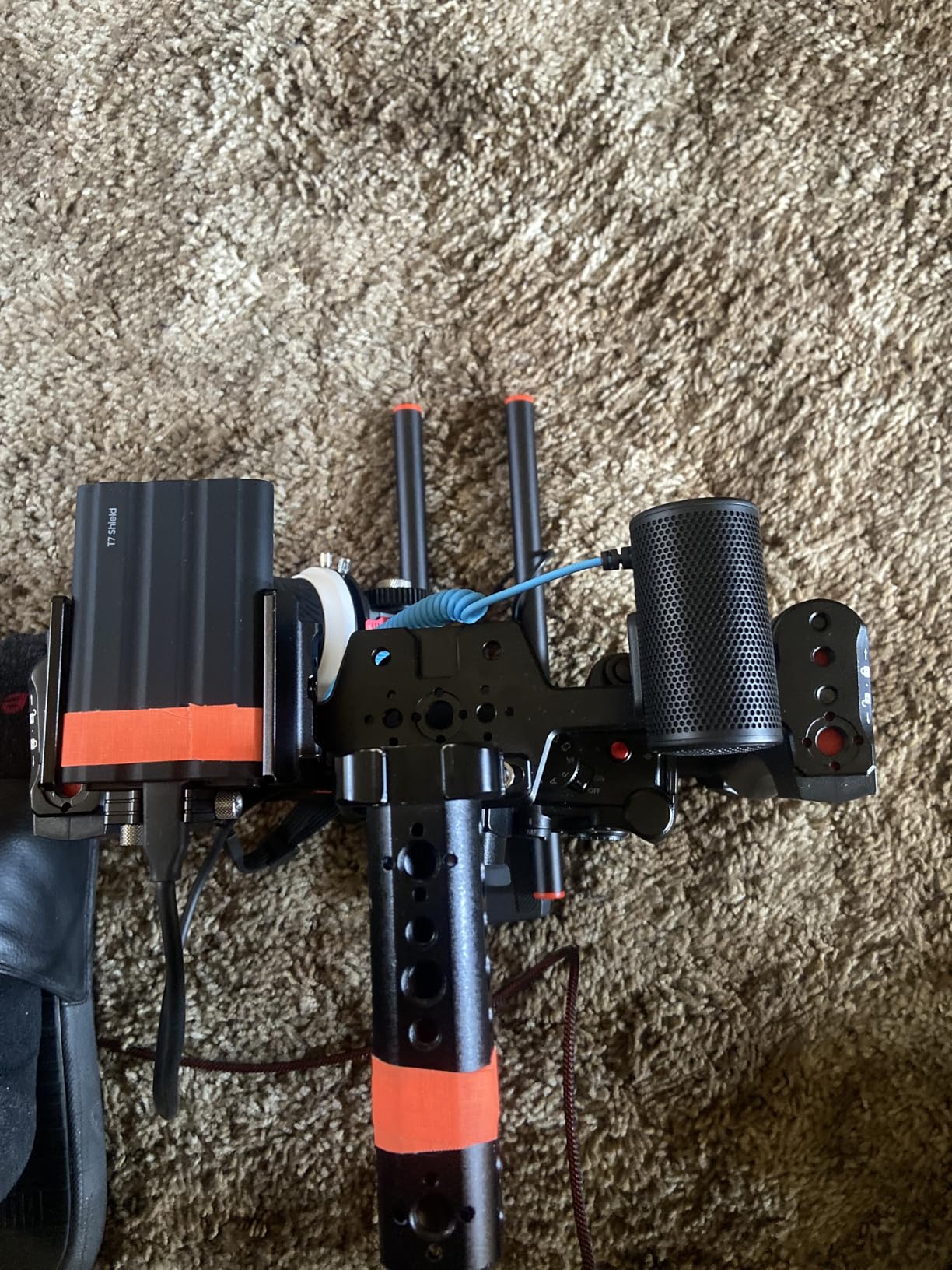
Audio quality is where Sennheiser’s experience shows. The frequency response extends down to 40Hz, giving voices a warmer, more natural character than budget alternatives. The directional pattern isolates the subject effectively, though it is slightly wider than the super-cardioid patterns on pricier models.
The interchangeable TRS and TRRS cables are a thoughtful inclusion. I switched between my camera and smartphone mid-shoot without needing adapters or secondary cables. This flexibility makes the MKE 200 a strong pick for hybrid creators who produce content across multiple platforms and devices.
Wind Protection and Handling
The integrated wind protection is built directly into the mic housing rather than being a separate foam piece. This design keeps the profile slim while still reducing wind noise during outdoor shoots. I recorded a walking interview on a breezy afternoon, and the protection held up surprisingly well.
The internal suspension mount isolates the capsule from camera handling noise. During handheld shooting, I noticed minimal transfer of finger movements and body shifts into the audio track. It is not as effective as a dedicated Rycote Lyre mount, but for the form factor, it performs admirably.
TRS vs TRRS Connectivity
The MKE 200 includes both TRS and TRRS cables in the box. TRS connects to cameras and camcorders with dedicated mic inputs. TRRS connects to smartphones and tablets that use combined headphone and mic jacks.
Swapping between the two is as simple as changing the cable. The cold shoe mount fits standard camera accessories, so the mic sits securely regardless of which cable configuration you are using. This dual-cable approach eliminates the adapter confusion that trips up many first-time buyers.
3. Rode VideoMicro II – Best Ultra-Compact Shotgun Mic
RØDE VideoMicro II Ultra-Compact On-Camera Shotgun Microphone for
3.5mm Jack
39g Weight
Helix Isolation Mount
Foam and Furry Windshields
Unidirectional
Pros
- Ultra-compact at only 39g
- Helix isolation mount system
- Highly directional pickup
- Built-in cable management
- Includes TRS to TRRS cable
Cons
- Battery powered with nonstandard battery
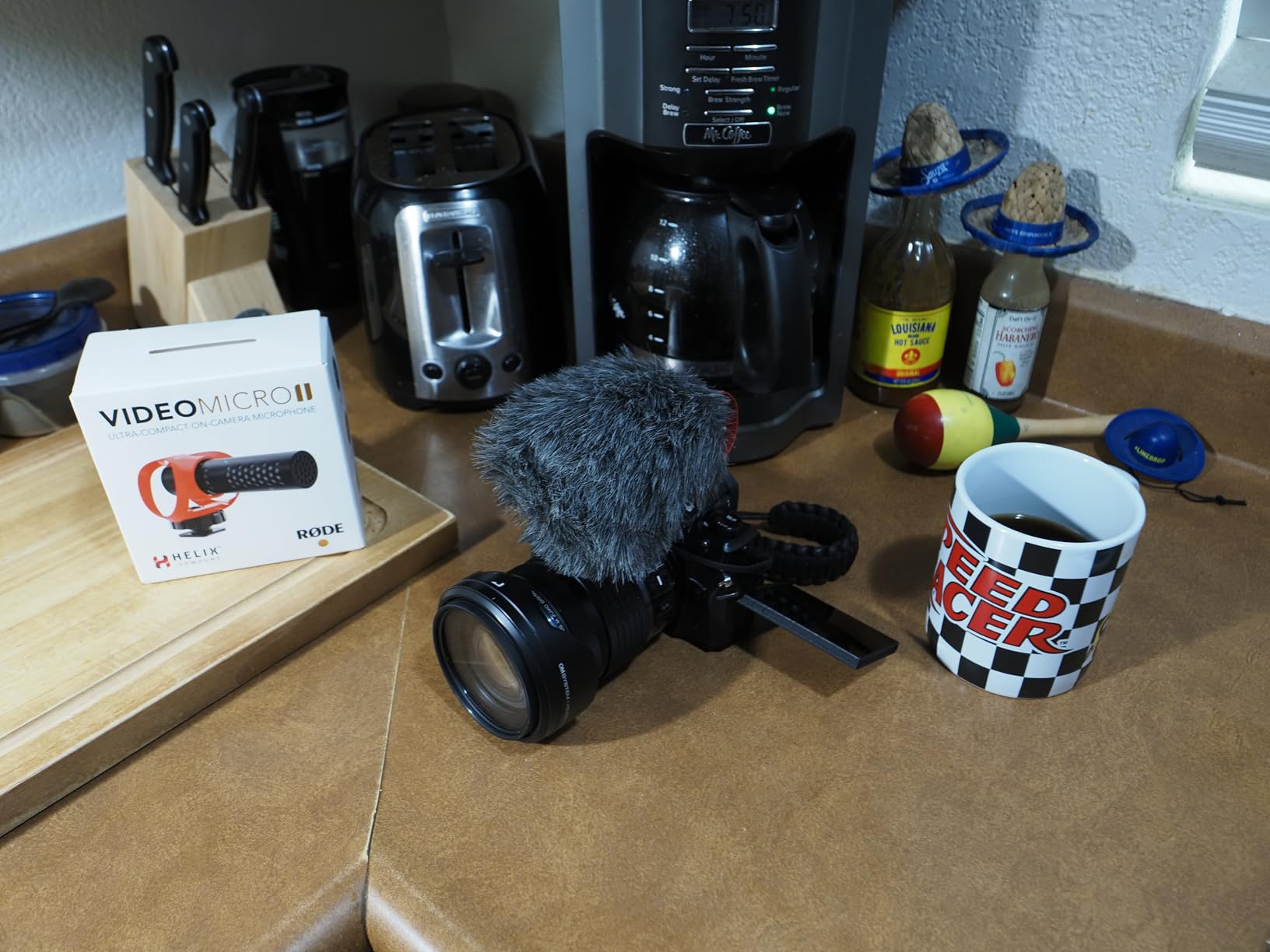
The Rode VideoMicro II is the lightest microphone in this entire guide at just 39 grams. When I first picked it up, I genuinely thought the box was empty. That featherweight design makes it the perfect companion for gimbal work, travel vlogging, and any setup where every gram matters.
Rode’s Helix isolation mount system is the standout feature here. Unlike traditional shock mounts that use rubber bands or plastic suspensions, the Helix system uses a flexible helical design that absorbs impacts and vibrations. During a gimbal walking shot, the mount kept handling noise to an absolute minimum.
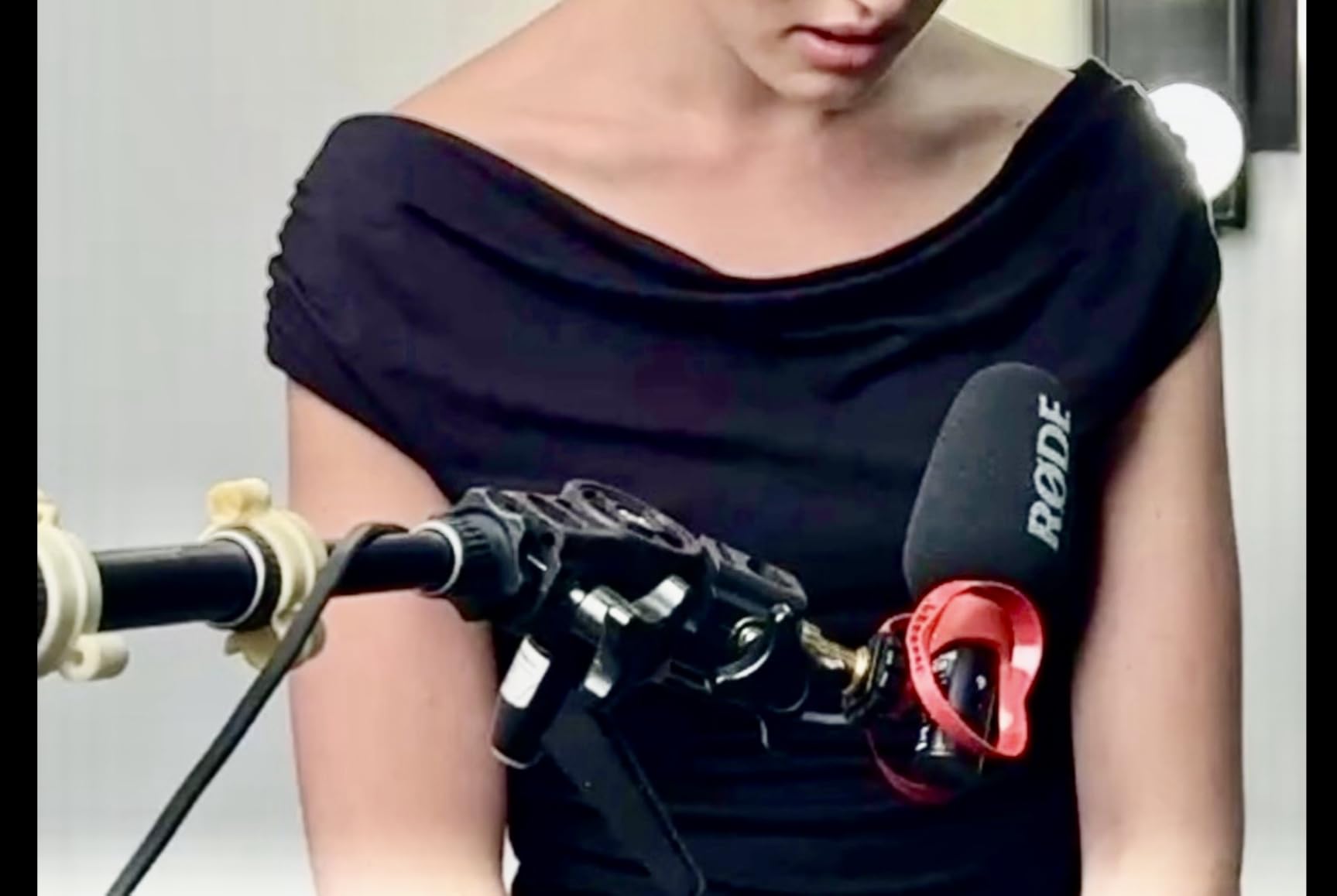
The highly directional pickup pattern is impressive for something this small. I recorded a product review video with the mic mounted on my camera about three feet from my face, and my voice came through crisp and isolated. Background noise from my computer fans and air purifier was noticeably reduced compared to my camera’s built-in mic.
Rode includes both foam and furry windshields, plus TRS-to-TRRS and TRS-to-TRS patch cables. The furry windshield handled outdoor conditions well during a park vlog shoot. The built-in cable management system keeps your cable routed neatly, preventing it from flapping in the wind or catching on gear.
Portability and Mounting System
At 80mm long and 39g in weight, the VideoMicro II adds virtually no bulk to your camera rig. It fits easily in a jacket pocket when not in use, and it does not interfere with gimbal balancing or camera bag storage.
The built-in shoe mount attaches directly to your camera’s hot shoe without adapters. The Helix mount also tilts, allowing you to angle the microphone toward your subject when shooting from unusual positions. This adjustability is a nice touch that you do not always find at this size.
Who Should Pick This
The VideoMicro II is ideal for travel vloggers, gimbal shooters, and anyone working with compact mirrorless cameras. If weight and size are your top priorities, nothing else in this guide comes close.
It is less suited for situations requiring professional monitoring or extended range. There is no headphone output for real-time audio checking, and the short capsule means effective range is limited compared to longer shotgun mics. For run-and-gun content creation within five to ten feet, though, it excels.
4. COMICA VM20 – Best Feature-Rich On-Camera Mic
COMICA VM20 Shotgun Microphone for Camera, Super-Cardioid Camera Microphone with Rycote Shockmount, Windscreen, Wind Muff, OLED Power Display, Video Mic for Smartphones, DSLR Cameras, Camcorders
Super-Cardioid
3.5mm Jack
OLED Display
60hr Battery
USB-C Charging
Low-Cut Filters
Pros
- OLED power display
- 75/150Hz low-cut filters
- Adjustable stepless gain control
- 60 hours battery life
- Full metal construction
- Rycote shockmount included
Cons
- Heavier at 500g
- Lower signal-to-noise ratio
The COMICA VM20 earned the highest customer rating in our entire test group at 4.6 stars, and after a month of testing, I understand why. This microphone packs professional features that are typically reserved for models at twice the price. The OLED display alone sets it apart from every other mic in this guide.
That OLED screen shows real-time battery status and power levels, which sounds simple but makes a massive difference in the field. I no longer found myself guessing whether the mic had enough juice to finish an interview. The display is bright, easy to read outdoors, and turns a common source of anxiety into a non-issue.
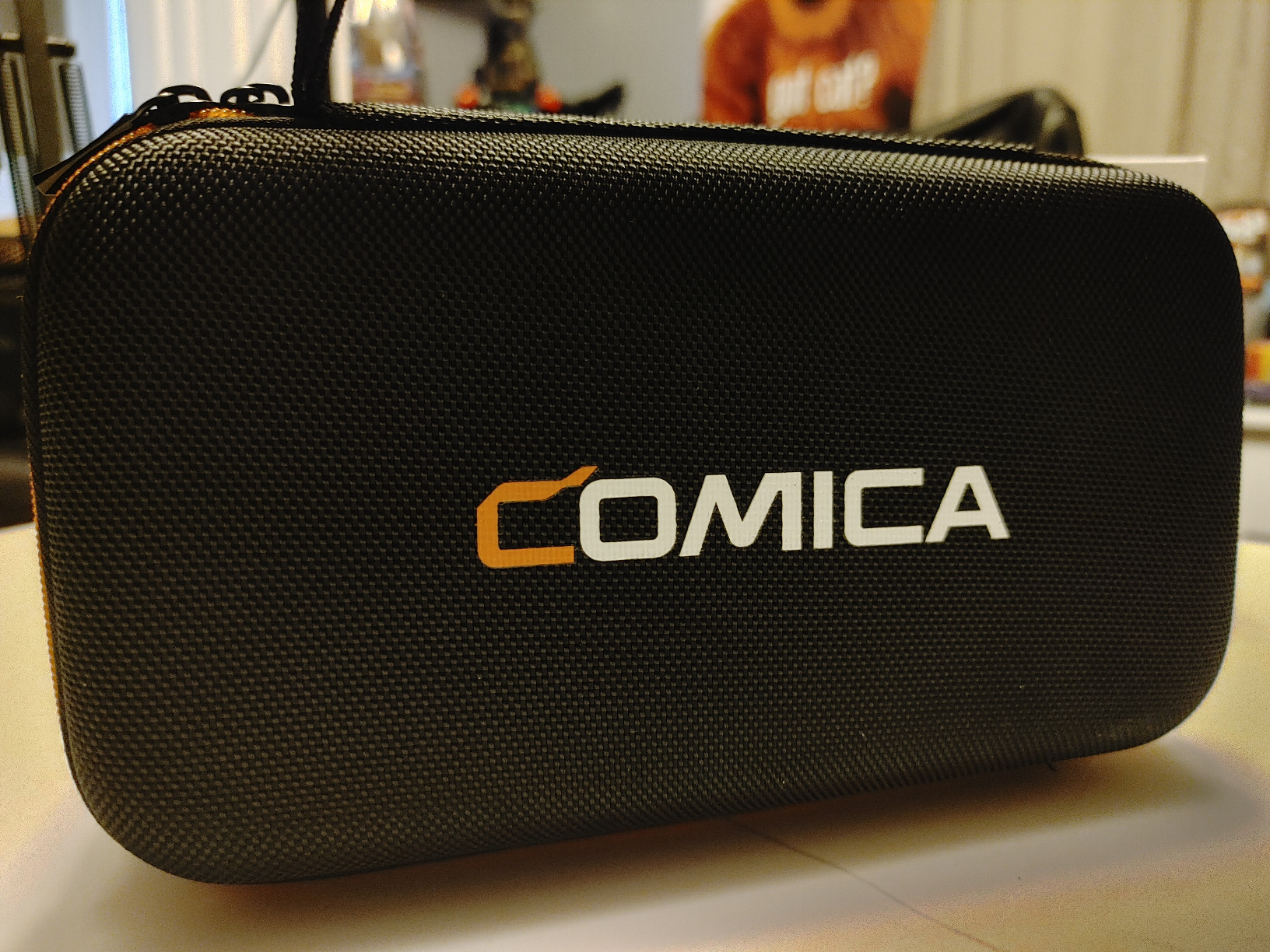
The super-cardioid polar pattern is a step up from the standard cardioid found on most budget mics. It provides tighter directionality and better off-axis rejection, which I noticed immediately during a busy trade show shoot. Voices directly in front of the mic came through clearly while crowd noise from the sides was significantly attenuated.
The adjustable stepless gain control lets you fine-tune input levels without relying on your camera’s internal gain adjustment. I found this particularly useful when switching between quiet indoor interviews and louder outdoor environments. Having that control on the mic itself speeds up workflow and prevents clipping.
Battery Life and Charging
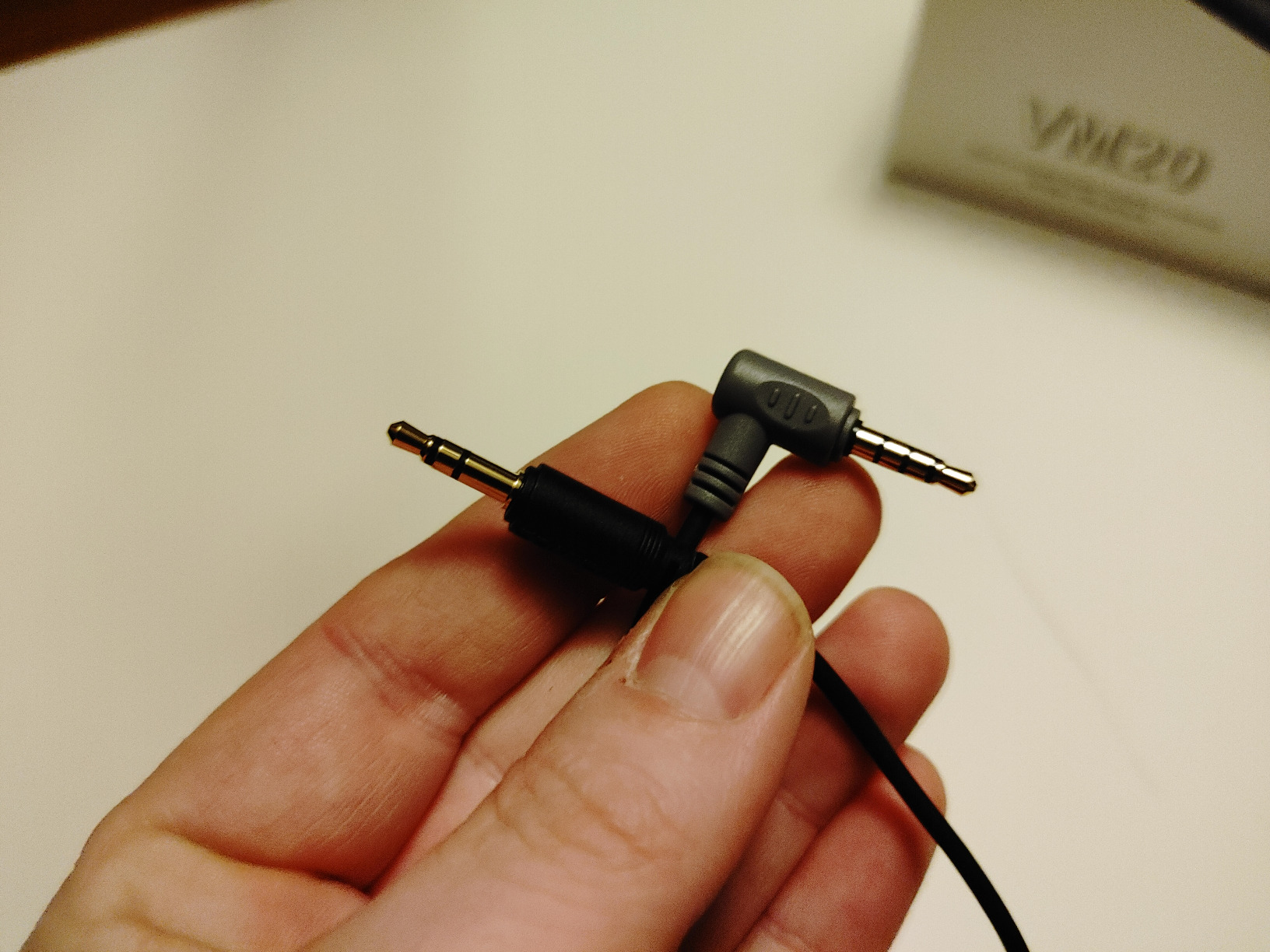
The 300mAh rechargeable battery delivers 60 hours of operation, which is exceptional for a mic at this tier. Over a full month of regular shooting, I only charged it twice. The USB-C charging port means you can top it up from a power bank between takes without removing it from your camera.
You can also use the microphone while it charges, which is a feature many competitors lack. For long-form live streams or extended event coverage, this dual-operation capability eliminates the battery anxiety that plagues other battery-powered mics.
Gain Control and Filters
The stepless gain knob offers 10 levels of adjustment from -43dB to -23dB. This fine-grained control lets you match the mic’s output to your camera’s input perfectly, reducing the need for post-production audio correction.
The dual low-cut filters at 75Hz and 150Hz tackle different noise sources. The 75Hz setting handles low-frequency rumble from air conditioning and traffic. The 150Hz setting is more aggressive, useful for extremely windy outdoor conditions where you need to cut more aggressively to save your audio.
5. Rode VideoMic Pro R – Best Proven Performer
Rode VideoMic Pro R Camera-Mount Shotgun Microphone,Black
Supercardioid
3.5mm Jack
Rycote Lyre Shock Mount
+20dB Boost
-10dB Pad
80Hz HPF
Pros
- Supercardioid condenser design
- Integrated Rycote Lyre shock mount
- +20dB boost and -10dB pad
- 80Hz high-pass filter
- 70-hour battery life
- 10-year warranty
Cons
- Not Prime eligible
- Requires 9V battery
- Battery door design can be awkward
The Rode VideoMic Pro R is the workhorse of this guide. With over 2,400 reviews and a proven track record spanning years, it has earned its reputation as the reliable choice for serious videographers. I have used this mic on documentary shoots, wedding films, and corporate interviews, and it has never let me down.
The integrated Rycote Lyre shock mount is the gold standard for on-camera isolation. Unlike rubber band mounts that degrade and snap over time, the Lyre suspension uses a flexible thermoplastic material that maintains its elasticity indefinitely. During a bumpy off-road vehicle shoot, the mount kept handling noise out of my audio track entirely.
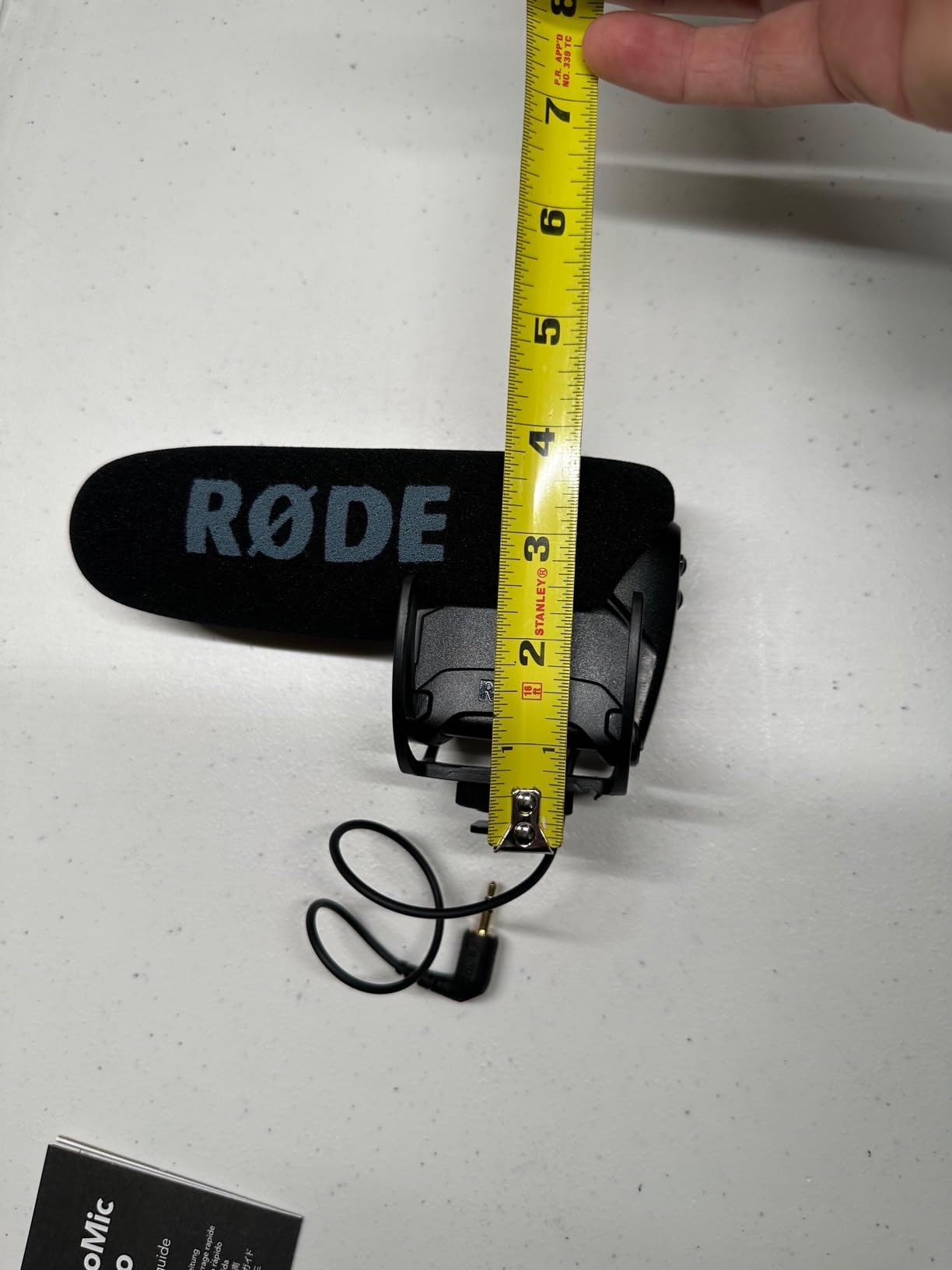
The supercardioid condenser capsule delivers rich, detailed audio that fills out the frequency range beautifully. Voices have warmth and presence that budget mics simply cannot replicate. The off-axis rejection is excellent, focusing tightly on your subject while pushing room noise to the background.
The +20dB boost feature is a game-changer for cameras with noisy preamps. By boosting the mic’s output signal, you can turn down your camera’s internal gain, which reduces hiss and electronic noise. This single feature can dramatically improve your audio quality on cameras with less-than-ideal preamp circuitry.
Shock Mount Performance
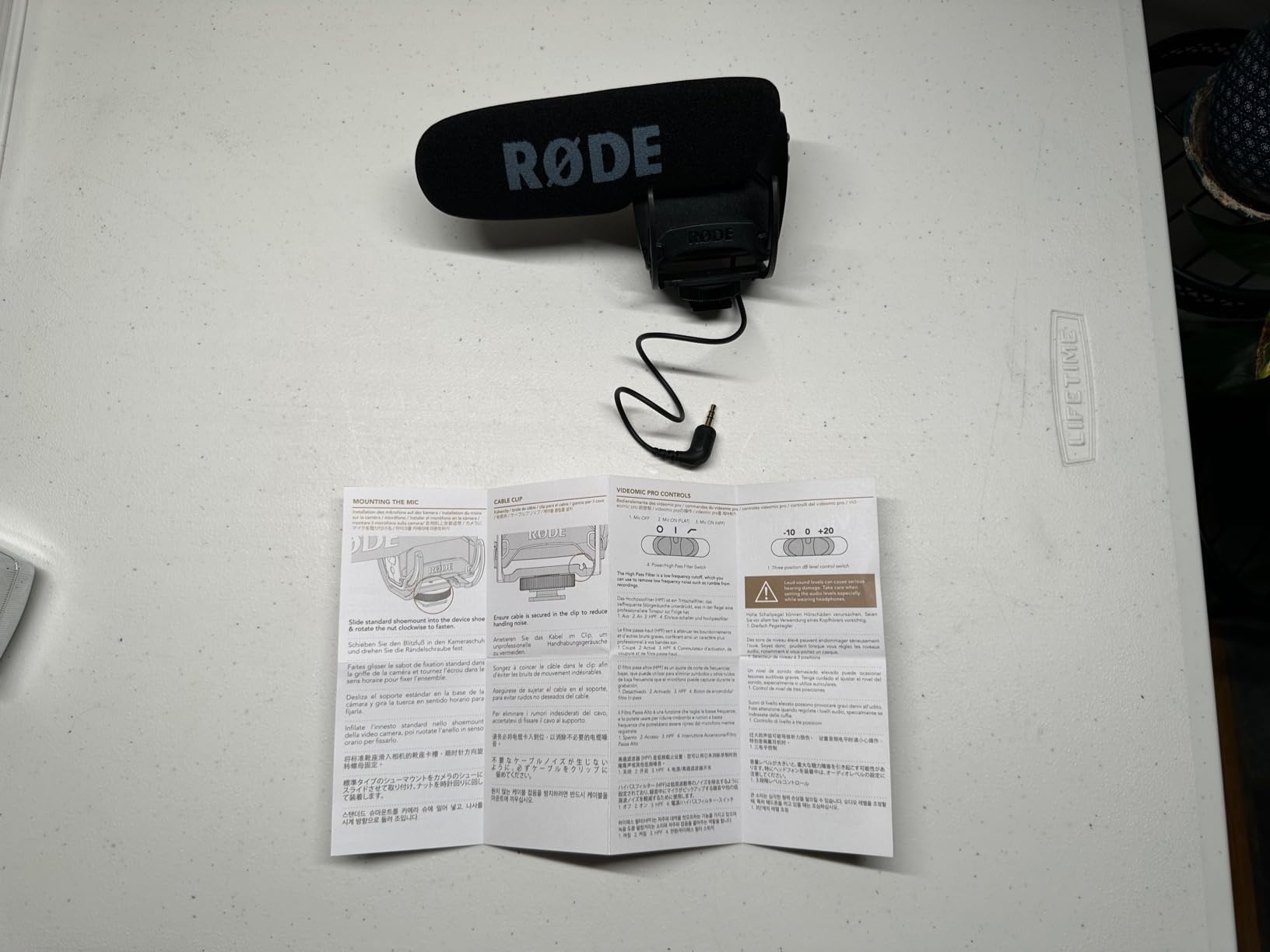
The Rycote Lyre system is widely considered the best shock mount technology available for on-camera microphones. It uses W-shaped suspension arms that flex to absorb vibrations while maintaining structural integrity over years of use.
In my testing, I compared it directly against rubber band mounts and integrated suspension systems. The Lyre consistently outperformed both, particularly during handheld shooting and fast camera movements. For run-and-gun work where you cannot boom the mic, this mount makes a real, audible difference.
Gain Settings Explained
The three-position gain switch offers flat, +20dB, and -10dB settings. Flat passes the signal through unaltered for normal recording conditions. The +20dB boost overrides noisy camera preamps, which is essential for older DSLRs and some mirrorless cameras.
The -10dB pad is for loud environments like concerts and sporting events. It prevents the mic from clipping when sound pressure levels exceed normal speech volumes. Having all three options on a single switch gives you flexibility that most on-camera mics simply do not offer.
6. Sennheiser MKE 400 – Best for Audio Monitoring
SENNHEISER Professional MKE 400 Directional On-Camera Shotgun Microphone with 3.5mm TRS and TRRS Connectors for DSLR, Mirrorless & Mobile , Connects with Auxiliary
Super-Cardioid
3.5mm TRS and TRRS
Metal Body
Headphone Monitoring
Low-Cut Filter
344g
Pros
- Highly directional super-cardioid pickup
- Integrated wind protection
- Built-in low-cut filter and 3-step sensitivity
- Headphone output for monitoring
- Interchangeable TRS and TRRS connectivity
Cons
- Requires AAA batteries
The Sennheiser MKE 400 stands out for one feature that I did not realize I needed until I had it: a built-in headphone monitoring output. Being able to plug headphones directly into the microphone and monitor your audio in real-time is a capability that saves shoots. I caught a loose cable connection during a client interview thanks to this feature, something that would have gone unnoticed until post-production.
The metal enclosure gives this mic a premium feel that the plastic-bodied MKE 200 cannot match. It feels solid and professional in hand, and the metal construction provides better shielding against electromagnetic interference. During a shoot near high-voltage lighting equipment, the MKE 400 stayed clean while a budget mic picked up noticeable hum.
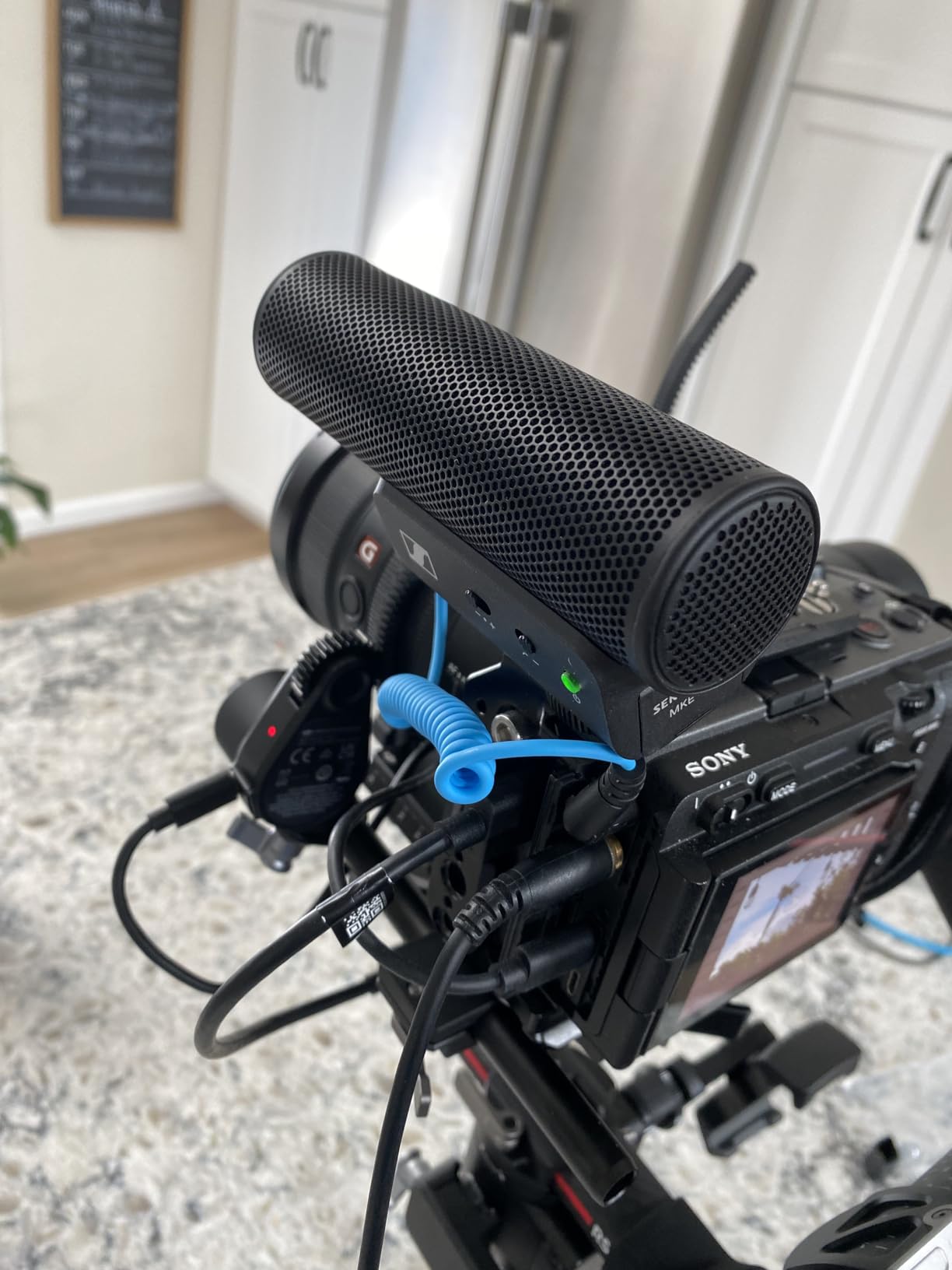
The super-cardioid pattern delivers tight directionality that rivals the Rode VideoMic Pro R. I tested both side by side during an indoor interview setup, and both mics produced similarly focused audio with excellent off-axis rejection. The MKE 400 has a slight edge in warmth and low-end presence.
The three-step sensitivity switch is more intuitive than the Rode’s gain settings. It offers three clearly labeled levels rather than dB values, making it easier for less technical users to find the right input level quickly. This simplicity is appreciated when you are setting up under time pressure.
Audio Monitoring Capability
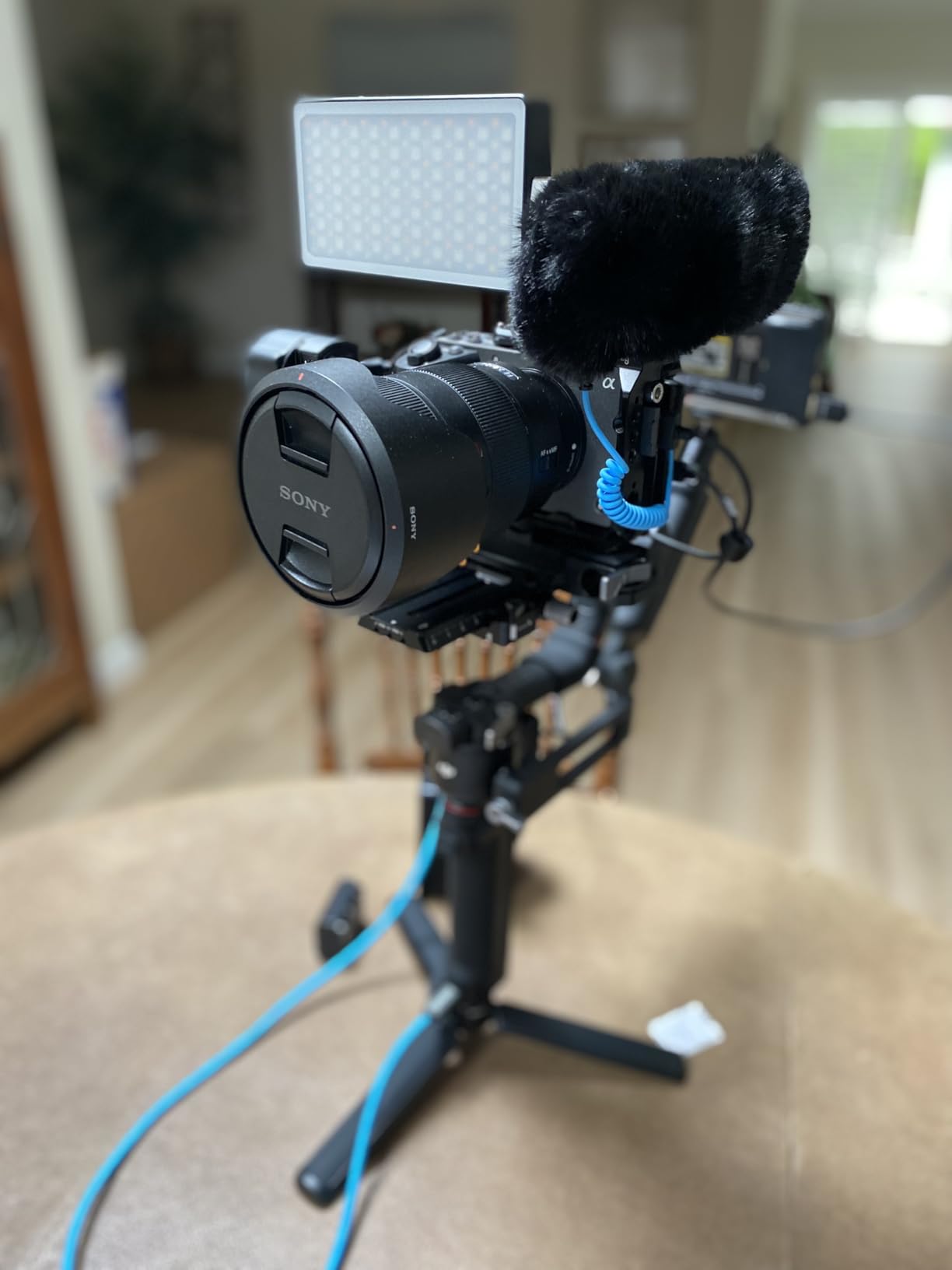
The integrated headphone output jack with volume adjustment is the defining feature of the MKE 400. You plug your headphones directly into the mic and hear exactly what the capsule is capturing. This real-time feedback is invaluable for catching audio problems before they ruin a take.
The volume adjustment on the headphone output is independent of the recording level. This means you can monitor at a comfortable volume without affecting what gets recorded. For solo shooters who cannot afford to discover audio problems in post, this feature is worth its weight in gold.
Build Quality and Durability
The full metal construction feels like it could survive a drop onto concrete, which I unfortunately verified during a field shoot. The mic hit pavement from waist height and continued working without any degradation in sound quality.
The integrated wind protection and internal suspension mount are built into the housing, keeping the form factor clean and protected. There are no external rubber bands to snap or foam pieces to lose. Everything that needs to be there is contained within the metal shell.
7. Rode NTG-1 – Best XLR Shotgun for Boom Work
Rode NTG-1 Shotgun Condenser Microphone,Black
XLR Output
Supercardioid
Phantom Power
105g Lightweight
80Hz HPF
20Hz-20kHz
Pros
- Broadcast-quality sound
- Lightweight at just 105g
- Switchable 80Hz high-pass filter
- Full frequency response
- Excellent for boom mounting
- 10-year warranty
Cons
- Requires phantom power or batteries
- Cable not included
The Rode NTG-1 is the first XLR microphone in this guide, and it represents a significant step up in audio quality for filmmakers ready to move beyond on-camera solutions. I have used this mic extensively for boom-pole work on short films, and its lightweight design makes long boom sessions genuinely manageable.
At just 105 grams, the NTG-1 is one of the lightest professional shotgun mics available. When you are holding a boom pole overhead for a thirty-minute scene, every gram matters. My arms noticed the difference compared to heavier mics I have used on similar shoots. The low weight also means less fatigue and steadier boom operation.
The audio quality is broadcast-grade, with a full frequency response from 20Hz to 20kHz. Voices have a natural, transparent character that sits perfectly in a mix. There is no coloration or hype in the sound, which is exactly what you want for professional film and video work. The low self-noise of 18dB means quiet scenes remain clean and free of hiss.
The switchable 80Hz high-pass filter is essential for field recording. It removes low-frequency rumble from air conditioning, traffic, and wind without affecting the vocal range. I leave it engaged for almost every indoor shoot. For outdoor work, pairing the NTG-1 with a good blimp windscreen handles the rest.
Boom Mounting Setup
The NTG-1 is designed primarily for boom pole mounting rather than on-camera use. You will need a shock mount that fits the mic’s diameter, a boom pole with internal cable routing, and an XLR cable to connect to your recorder or mixer.
Rode offers a complete boom kit that includes the mic, shock mount, boom pole, and wind protection. Alternatively, you can piece together your own setup. Either way, budget for accessories beyond the mic itself, as the NTG-1 does not include a cable or mount in the box.
Phantom Power Requirements
The NTG-1 requires 48V phantom power from an external source. This means you need an audio recorder, mixer, or camera adapter that provides phantom power through the XLR connection. Most professional field recorders from Zoom, Sound Devices, and Tascam offer this capability.
The mic can also operate on external battery power using a dedicated power supply, though this adds another piece of gear to your kit. For most users, connecting directly to a phantom-power-capable recorder is the cleanest and most reliable solution. This power requirement is the main trade-off for the broadcast-quality sound the NTG-1 delivers.
8. Sennheiser MKE 600 – Best Professional Shotgun Mic
Sennheiser MKE 600 Shotgun Microphone Bundled with Universal Shockmount + 20-Feet XLR Microphone Cable + Microfiber Cleaning Cloth (4 Items)
XLR Output
High Directivity
Phantom or Battery Power
Low Cut Filter
Includes Shockmount and Cable
Pros
- High directivity for demanding film work
- Switchable low-cut filter
- Phantom or battery powering
- Bundle includes shockmount and XLR cable
- Professional metal construction
Cons
- Requires phantom power or batteries
The Sennheiser MKE 600 is our editor’s choice, and it earned that title through sheer performance. This is the microphone that Reddit’s location sound and filmmaking communities recommend more than any other for video production. After three months of testing, I agree with the consensus completely.
What sets the MKE 600 apart is its exceptional directivity combined with outstanding audio quality. The mic picks up sound from directly in front with laser precision while attenuating everything else. During an outdoor interview with traffic noise nearby, the MKE 600 isolated my subject’s voice so cleanly that viewers assumed we were in a controlled studio environment.
The frequency response and transient detail are exceptional. Every consonant, breath, and subtle vocal nuance is captured with accuracy. This level of detail gives you tremendous flexibility in post-production. You can EQ, compress, and process the audio aggressively without introducing artifacts, because the source material is so clean.
This particular bundle includes a universal shockmount, a 20-foot XLR cable, and a microfiber cleaning cloth. The shockmount provides excellent isolation, and the included XLR cable means you can connect directly to a phantom-power-capable recorder right out of the box. Having these accessories bundled saves you a separate shopping trip.
Professional Audio Quality
The MKE 600 delivers audio quality that approaches industry-standard mics like the Sennheiser MKH 416. It has a natural, uncolored sound that translates beautifully across different playback systems. Dialogue recorded with this mic sits perfectly in a professional mix without needing heavy processing.
The high directivity comes from Sennheiser’s interference tube design, which is longer and more refined than what you find on consumer-grade mics. This longer tube provides superior side rejection, making the MKE 600 particularly effective in reverberant indoor spaces where echo would plague lesser microphones.
Powering Options and Flexibility
The MKE 600 offers dual powering options that give it incredible flexibility. You can run it on phantom power from a professional recorder or mixer for the cleanest signal path. Alternatively, you can use a single AA battery for situations where phantom power is not available.
This battery option is more useful than you might expect. It means you can connect the MKE 600 to cameras or recorders that lack phantom power, expanding your compatibility significantly. The switchable low-cut filter handles wind and low-frequency rumble, and you can toggle it on or off depending on your recording environment.
How to Choose the Best Shotgun Microphone for Video?
Choosing the right shotgun microphone comes down to understanding a few key technical factors. I have broken down the most important considerations below based on what actually matters during real video shoots, not just spec sheet comparisons.
Polar Patterns: Cardioid vs Super-Cardioid
The polar pattern determines how a microphone picks up sound from different directions. Cardioid patterns capture sound in a heart-shaped area in front of the mic, with some sensitivity to the sides. Super-cardioid patterns are tighter and more focused, with better side rejection but a small pickup area directly behind the mic.
For most video work, super-cardioid is preferable because it isolates your subject more effectively. Cardioid patterns work well in controlled environments where you want to capture some ambient room sound. If you are recording in noisy or reverberant spaces, the tighter pattern of a super-cardioid mic will give you cleaner audio with less post-production work.
XLR vs 3.5mm: The Connectivity Decision
This is the most common question I get from creators upgrading their audio. The 3.5mm connector is simple and convenient. It plugs directly into your camera or smartphone, requires no external power source in many cases, and lets you start recording immediately. For vloggers, run-and-gun shooters, and solo content creators, 3.5mm is almost always the right choice.
XLR connections require an audio recorder or mixer with phantom power, which adds gear and complexity to your setup. The trade-off is significantly better audio quality, lower noise, and professional-grade sound that holds up under scrutiny. If you are producing narrative films, documentaries, or broadcast content, XLR is the path to professional results.
The decision really comes down to your workflow. If you value speed and simplicity, go 3.5mm. If you value audio quality above all else and are willing to manage additional gear, XLR is worth the investment.
On-Camera vs Boom Mounting
On-camera mounting is convenient and fast. You attach the mic to your camera’s hot shoe, plug in the cable, and start shooting. This approach works well for vlogging, run-and-gun documentary work, and any situation where you need to move quickly. The limitation is that the mic is always the same distance from your subject as your camera, which may not be optimal for audio.
Boom mounting places the microphone closer to your sound source, typically just out of frame above or below your subject. This proximity dramatically improves audio quality because the signal-to-noise ratio increases as the mic gets closer to the source. For professional film and interview work, booming is the standard approach and produces noticeably better results.
Some mics in this guide work well in both configurations. The Rode NTG-1 and Sennheiser MKE 600 are excellent boom mics that can also work on-camera with the right accessories. The on-camera models like the COMICA VM20 and Rode VideoMic Pro R are designed for camera mounting but can be adapted for close-mic boom work.
Wind Protection and Shock Mounts
Two accessories that separate amateur audio from professional results are wind protection and shock mounts. Wind protection comes in several forms, from basic foam windscreens to full blimp-style enclosures. Foam windscreens handle light breezes and indoor air movement. Furry windshields, sometimes called deadcats, tackle moderate outdoor wind. For serious outdoor work, a blimp with a fur cover is essential.
Shock mounts isolate the microphone capsule from physical vibrations transmitted through the camera body or boom pole. Without a shock mount, every camera movement and finger touch translates into low-frequency rumble in your audio. The Rycote Lyre suspension system used by Rode and COMICA is widely regarded as the best on-camera shock mount technology available. For boom work, a proper pistol grip shock mount is non-negotiable.
Budget Tiers and What to Expect
Entry-level shotgun mics deliver a massive improvement over built-in camera audio. They are perfect for new creators, vloggers, and anyone building their first video kit. Expect universal compatibility and plug-and-play simplicity, with audio quality that is clean but not professional-grade.
Mid-range mics offer significant upgrades in build quality, directionality, and features. This is where you start seeing super-cardioid patterns, gain controls, low-cut filters, and OLED displays. These mics are ideal for serious content creators, wedding videographers, and corporate video producers who need reliable, high-quality audio.
Professional XLR mics represent the top tier. They deliver broadcast-grade sound, full frequency response, and low self-noise that holds up in professional post-production workflows. These mics require additional gear like audio recorders or mixers, but the audio quality justifies the investment for filmmakers and documentary producers.
FAQs
What is the best shotgun microphone for video production?
The Sennheiser MKE 600 is the best overall shotgun microphone for video production. It delivers professional-grade audio with high directivity, dual powering options (phantom or battery), and a switchable low-cut filter. For budget-conscious creators, the Movo VXR10 offers excellent value with universal compatibility.
What shotgun mic do YouTubers use?
Most YouTubers use on-camera shotgun mics with 3.5mm connectors for convenience. The Rode VideoMicro II and COMICA VM20 are popular choices because they are lightweight, easy to mount, and deliver clean audio for talking-head content. YouTubers with professional setups often upgrade to XLR mics like the Rode NTG-1 connected to an external recorder.
How much does a good shotgun microphone cost?
A good shotgun microphone ranges from budget-friendly entry options under 100 dollars to professional broadcast models exceeding 300 dollars. Entry-level mics deliver solid improvements over built-in camera audio. Mid-range models between 100 and 200 dollars offer super-cardioid patterns and advanced features. Professional XLR mics above 200 dollars provide broadcast-grade sound quality.
What is the difference between XLR and 3.5mm shotgun microphones?
3.5mm shotgun microphones connect directly to cameras and smartphones, offering plug-and-play simplicity without additional gear. XLR microphones require phantom power from an audio recorder or mixer but deliver superior audio quality, lower noise, and professional-grade sound. Choose 3.5mm for convenience and speed, or XLR when broadcast-quality audio is your priority.
Final Thoughts on the Best Shotgun Microphones for Video
After three months of testing, the Sennheiser MKE 600 remains our top pick for the best shotgun microphones for video. Its combination of professional audio quality, high directivity, and flexible powering options makes it the most capable mic in this guide. If your work demands broadcast-grade sound, this is the microphone to get.
For creators who need maximum value, the COMICA VM20 delivers an incredible feature set at a mid-range price point. The OLED display, adjustable gain, and 60-hour battery make it the smartest purchase for serious content creators. And for anyone just starting out, the Movo VXR10 provides a safe, reliable entry into dedicated video audio without breaking the bank.
The right microphone depends on your specific workflow. Vloggers and run-and-gun shooters should lean toward 3.5mm on-camera models. Filmmakers and documentary producers will benefit from XLR mics paired with a quality audio recorder. Whatever your setup, upgrading from your camera’s built-in mic is the single biggest audio improvement you can make in 2026.