
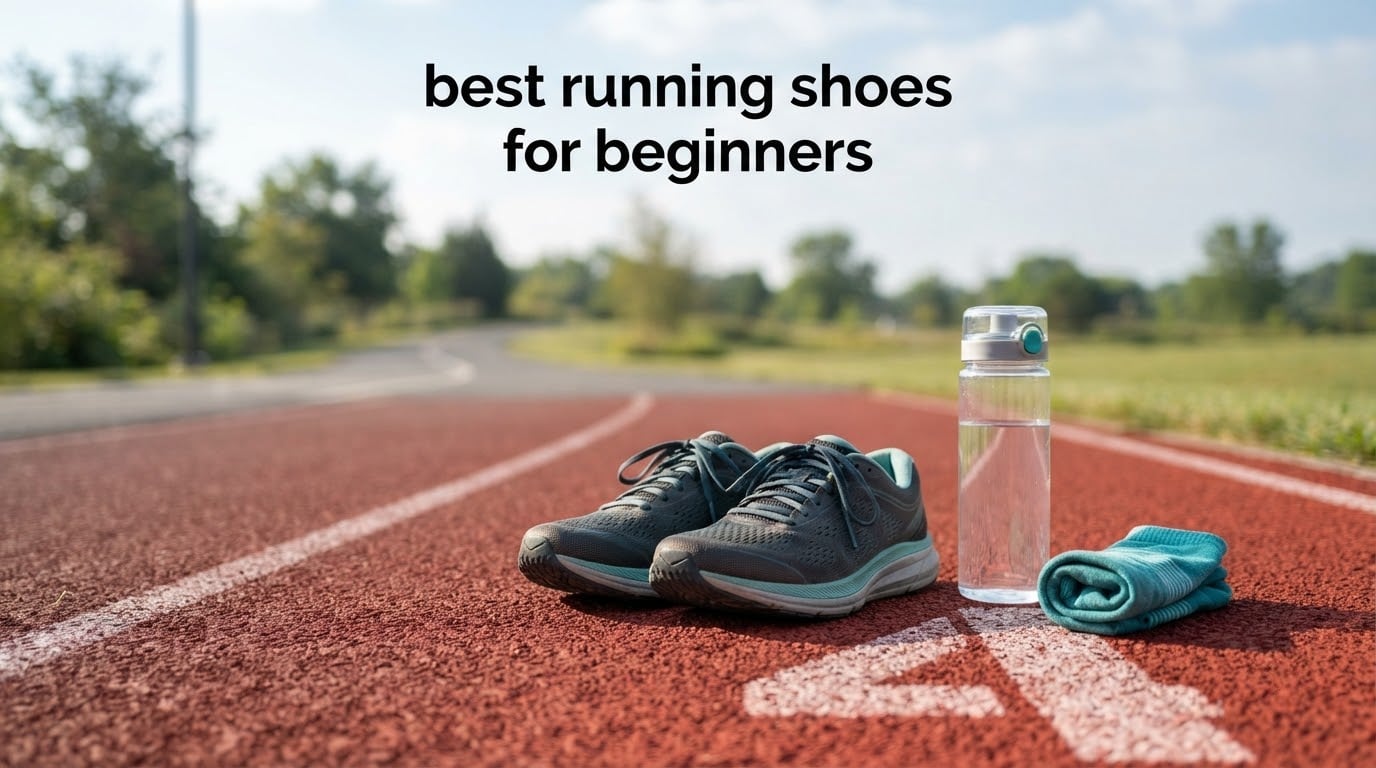
Starting to run is mostly a consistency problem, not a talent problem, and the shoe you lace up in week one shapes how that first month feels. The best running shoes for beginners do three things well: they absorb impact without feeling unstable, they fit a foot that swells during a run, and they cost little enough that replacing them every few hundred miles is not a financial event.
We spent weeks reading spec sheets, owner feedback and wear reports across twelve beginner-ready trainers, then sorted them into the categories that actually matter when you are logging your first miles. The list below covers neutral daily trainers, a stability option, a zero-drop platform and a max-cushion pick, so you can match the shoe to your foot rather than the other way around.
A note on what shaped our picks: weight, cushioning foam, drop, upper construction, width availability and how owners describe the shoe after a few months of wear. Where reviewers consistently reported one reservation, we say so, because a shoe that frustrates you in month two gets abandoned in month three. If you already know your foot is doing something unusual, our guide section on wide feet, flat feet and high arches is worth reading before you pick.
Table of Contents
Top 3 Picks for Best Running Shoes for Beginners (October 2026)
The three shoes below are the ones we would put a first-time runner in without hesitation. Each one covers a different need, so read the descriptors rather than just taking the top spot.

Brooks Glycerin 22
- DNA Tuned cushioning
- Double jacquard knit upper
- Broad transition platform

Brooks Adrenaline GTS 25
- GuideRails support system
- DNA LOFT v3 cushioning
- Narrow to 4E widths

All 12 Running Shoes Compared in 2026
This table covers every shoe in the roundup with its defining features. Scroll past it if you already know which category you need.
| Product | Specifications | Action |
|---|---|---|
| Brooks Glycerin 22 |
|
Check Latest Price |
 Under Armour Charged+ Assert 11 Under Armour Charged+ Assert 11 |
|
Check Latest Price |
 ASICS Gel-Cumulus 27 ASICS Gel-Cumulus 27 |
|
Check Latest Price |
 New Balance Fresh Foam Arishi V4 New Balance Fresh Foam Arishi V4 |
|
Check Latest Price |
 New Balance Fresh Foam 520 v9 New Balance Fresh Foam 520 v9 |
|
Check Latest Price |
 Nike Run Swift 3 Nike Run Swift 3 |
|
Check Latest Price |
 Brooks Ghost 17 Brooks Ghost 17 |
|
Check Latest Price |
 ALTRA Torin 8 ALTRA Torin 8 |
|
Check Latest Price |
| Brooks Adrenaline GTS 25 |
|
Check Latest Price |
| HOKA Bondi 9 |
|
Check Latest Price |
 Nike Pegasus 41 Nike Pegasus 41 |
|
Check Latest Price |
 New Balance Fresh Foam 680 v9 New Balance Fresh Foam 680 v9 |
|
Check Latest Price |
1. Brooks Glycerin 22: Plush Cushioning On A Broad Platform
Brooks Men’s Glycerin 22 Neutral Running Shoe – Black/Grey/White – 11.5 Medium
DNA Tuned midsole
Double jacquard knit upper
Neutral, maximum cushioning
APMA Seal of Acceptance
Pros
- Very plush shock-absorbing cushioning for long road miles
- Broad stable base that smooths heel-to-toe transitions
- Breathable double jacquard knit upper runs true to size
- Outsole grips pavement and light dirt trails
- Holds up well over long-term regular use
Cons
- Somewhat narrow toebox so sizing up helps
- Very plush heel suits jogging more than fast running
- Rubber band laces included are of questionable durability
The Glycerin 22 is the shoe I keep coming back to for people who have never run a mile on purpose. Its DNA Tuned midsole uses larger cells under the heel and smaller cells under the forefoot, which is a technical way of saying the landing is soft and the push-off is comparatively lively. That combination is forgiving without feeling like a running shoe on the bottom of a recovery boot.
What sets it apart from the other cushioned trainers here is the platform width. The base is broad from heel to toe, and that broadness is what keeps a beginner’s foot from wobbling side to side when cadence wavers and form gets sloppy. Reviewers repeatedly describe the ride as smooth rather than floaty, and the double jacquard knit upper is breathable enough for long summer miles.
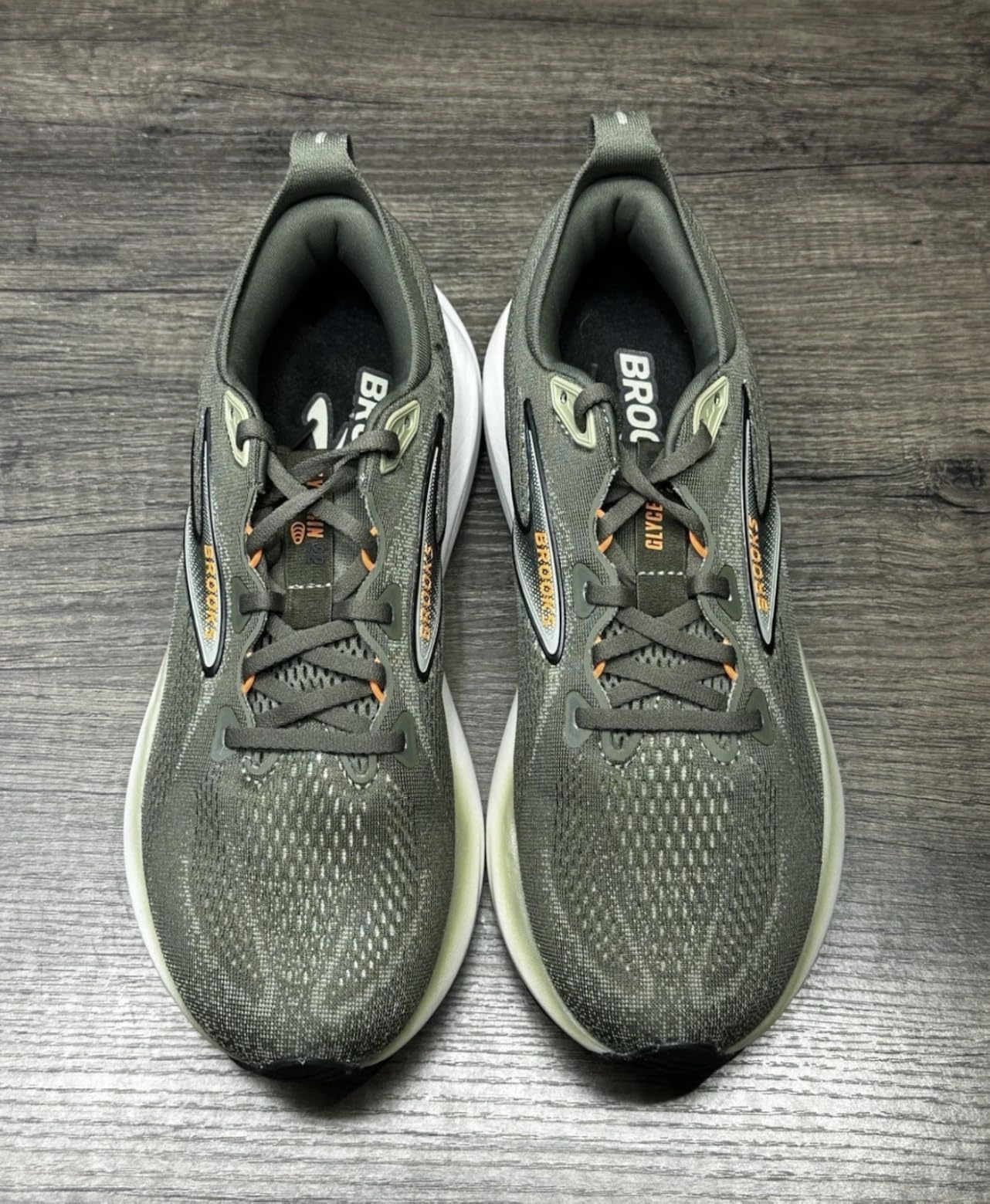
Owners are near-unanimous on cushioning quality, and the shoe carries an APMA Seal of Acceptance plus PDAC A5500 diabetic shoe certification, which tells you the brand submitted it for a medical foot review. It also holds a 4.6 rating across more than 2,500 reviews, one of the strongest rating-and-review combinations in this roundup.
The recurring complaint is the toebox. Several buyers report it runs narrower than they expected and recommend sizing up or searching for a wide version, and a small number question the durability of the elastic laces bundled in the box. A second reservation is that the very plush heel makes the shoe better suited to walking and jogging than to any kind of speed work.
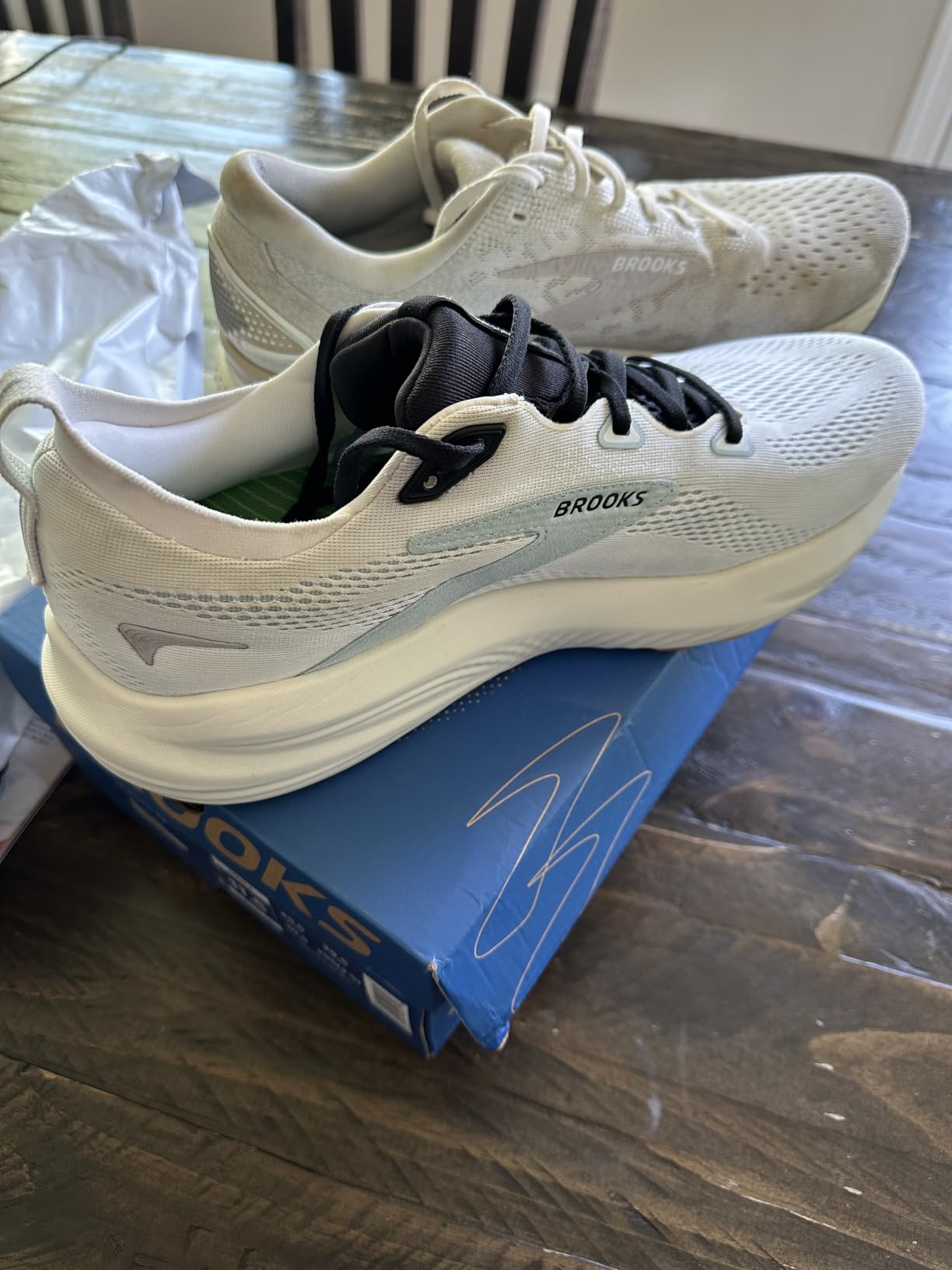
What fits well about the Glycerin 22
This is the shoe to pick if your first concern is surviving contact with a hard surface. The cushioning does the work on concrete, and the broad base means a brand-new stride pattern does not send your ankle searching for stability. People who spend a full day on their feet then walk or jog at the end of it report the same thing: the shoe absorbs a long day rather than adding to it.
It also handles mixed use well. Because the foam is soft rather than thin, gym sessions, treadmill walking and easy pavement running all feel familiar in it. For a runner building toward a first 5K with run-walk intervals, that versatility matters more than any spec sheet.
Where the Glycerin 22 falls short
If you have genuinely wide feet, this is not the safest pick on the list without trying it first, because the toebox complaint is the most common negative theme in the feedback. Swap it for the New Balance 520 v9 or the Adrenaline GTS 25 if width is your issue, both of which carry extra-wide options.
It is also not a shoe you would use for intervals or anything fast. The plush heel absorbs energy along with impact, and runners who want a shoe that responds to pace changes will find it slow to answer. Treat that as a feature, not a fault, if your plan for the next six months is steady mileage.
2. Under Armour Charged+ Assert 11: Lightweight Neutral Trainer On A Budget
Under Armour Men’s Charged+ Assert 11 4E, 002 Black, 10.5
Charged+ midsole
10.2 oz weight
Neutral ride
Mesh with leather overlays
Pros
- Soft Charged+ cushioning suits all-day comfort
- Durable rubber outsole with flex grooves for a smooth toe-off
- Neutral ride balancing flexibility and cushioning
- Mesh upper contains at least 30% recycled content
Cons
- Standard tie lacing with no quick-lace option
- Leather overlays add weight versus an all-mesh upper
The Charged+ Assert 11 does something quietly useful for a first purchase: it is neutral, it weighs 10.2 oz, and it does not pretend to be a race shoe. The Charged+ midsole is soft underfoot and flexible enough that a brand-new runner can walk briskly in it without the shoe fighting the stride.
The outsole is where this shoe quietly outshines several pricier rivals. Strategic flex grooves sit under the forefoot, which is the part of the shoe that has to bend as you push off. Owners describe the toe-off as smooth, and the rubber itself holds traction on pavement and concrete. The upper pairs athletic mesh with durable leather overlays for midfoot hold, and at least 30% of the upper material is recycled content.
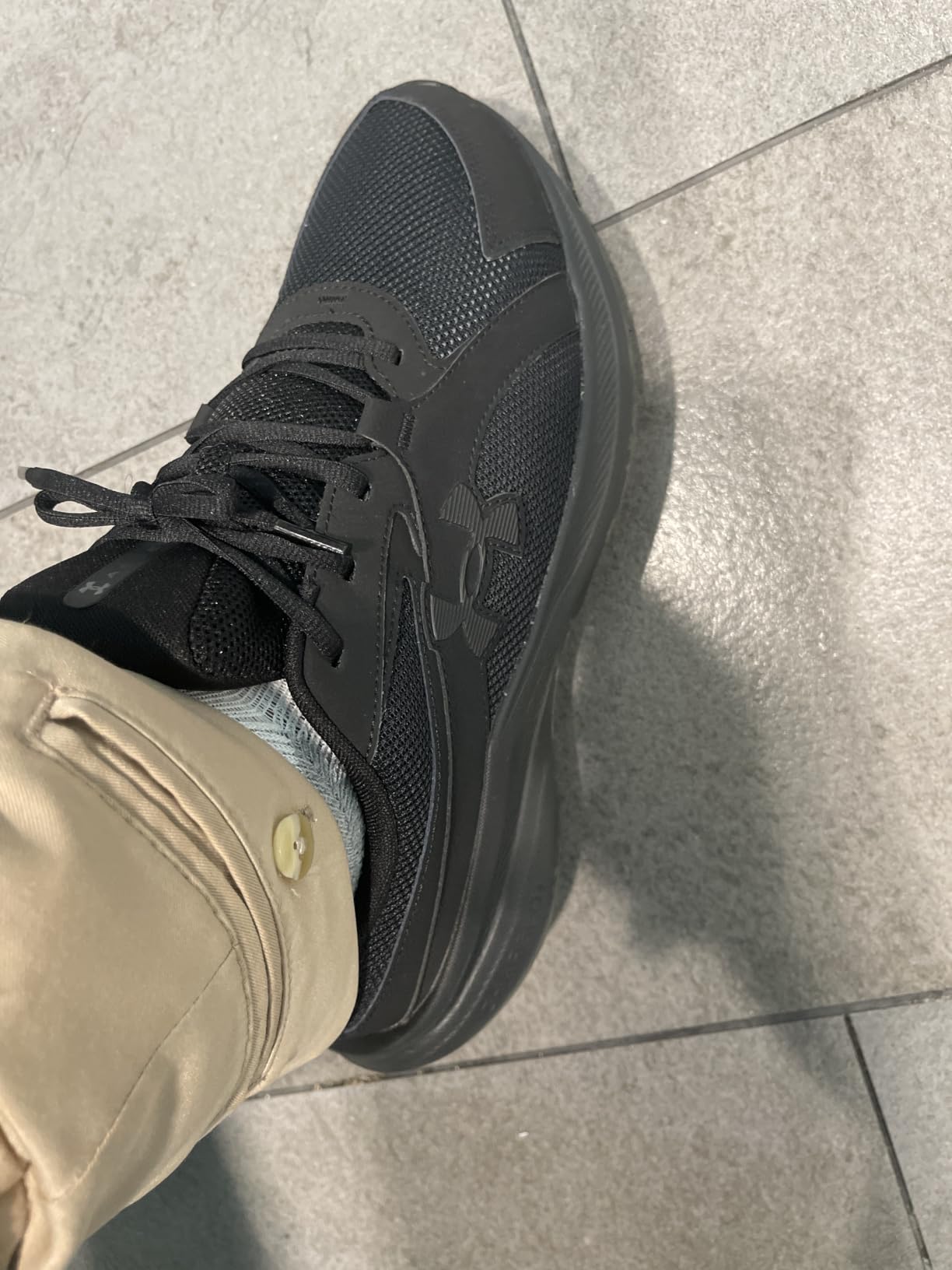
A 4.6 rating across more than 2,000 reviews puts it level with the pricier flagships in this list, and the AI summary on those reviews points to broad satisfaction with cushioning and everyday versatility rather than any single standout feature. That consistency is what makes it a sensible first pair.
The drawbacks are modest. There is no quick-lace or alternative closure, so you are stuck with a standard tie if that matters to you, and the leather overlays add a little weight compared with a pure mesh build. Neither issue affects how the shoe runs.
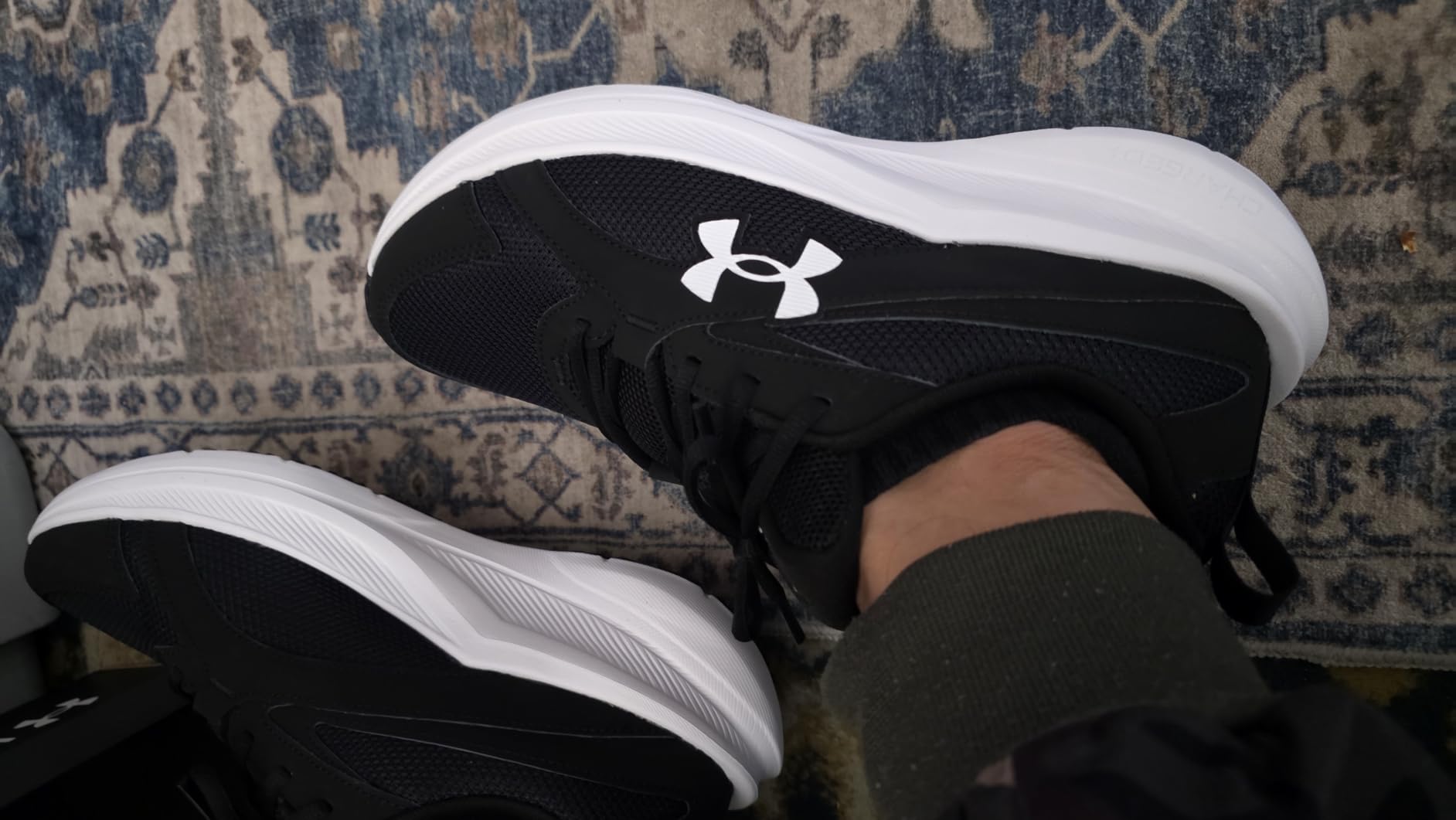
Why this works for a first pair
The Assert 11 is a good match for a runner who wants one pair of shoes that handles the walk to the track, the run itself, and the walk home without feeling like three different activities. Neutral cushioning with real flexibility suits a beginner whose stride is still settling into a rhythm.
It is also a strong option if the budget for a first pair is modest and you would rather spend the difference on a sports bra or on entry fees. The review volume suggests it is not a compromise purchase, it is simply a different tier of shoe.
Where it will not be enough
Runners who need structured support for overpronation or a pronounced arch issue will find the neutral platform underwhelming. The shoe is designed for flexibility and cushioning balance, which is the opposite of guided motion control, and it is better suited to a foot that does its own stabilising.
It is also a road shoe without much tread depth, so gravel paths and winter slush are outside its comfort zone. Stick to pavement, sidewalks, track surfaces and treadmill belts while you build the habit.
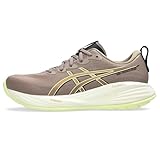
3. ASICS Gel-Cumulus 27: Balanced Cushioning With Room In The Toe Box
ASICS Men’s Gel-Cumulus 27 Running Shoes, 11.5, Taupe Grey/Black
FF BLAST PLUS foam
PureGEL cushioning
Spacious toe box
Reflective details
Pros
- Extremely comfortable cushioning for jogging walking and all-day wear
- Spacious toe box that stops toes feeling cramped
- Supportive and stable across a range of foot types
- Breathable engineered mesh upper with good colourway range
Cons
- Runs skinnier than some competing brands so sizing up may be needed
- Tread uses foam in places which some find less durable
- Tongue is thin and lightly padded for high arches
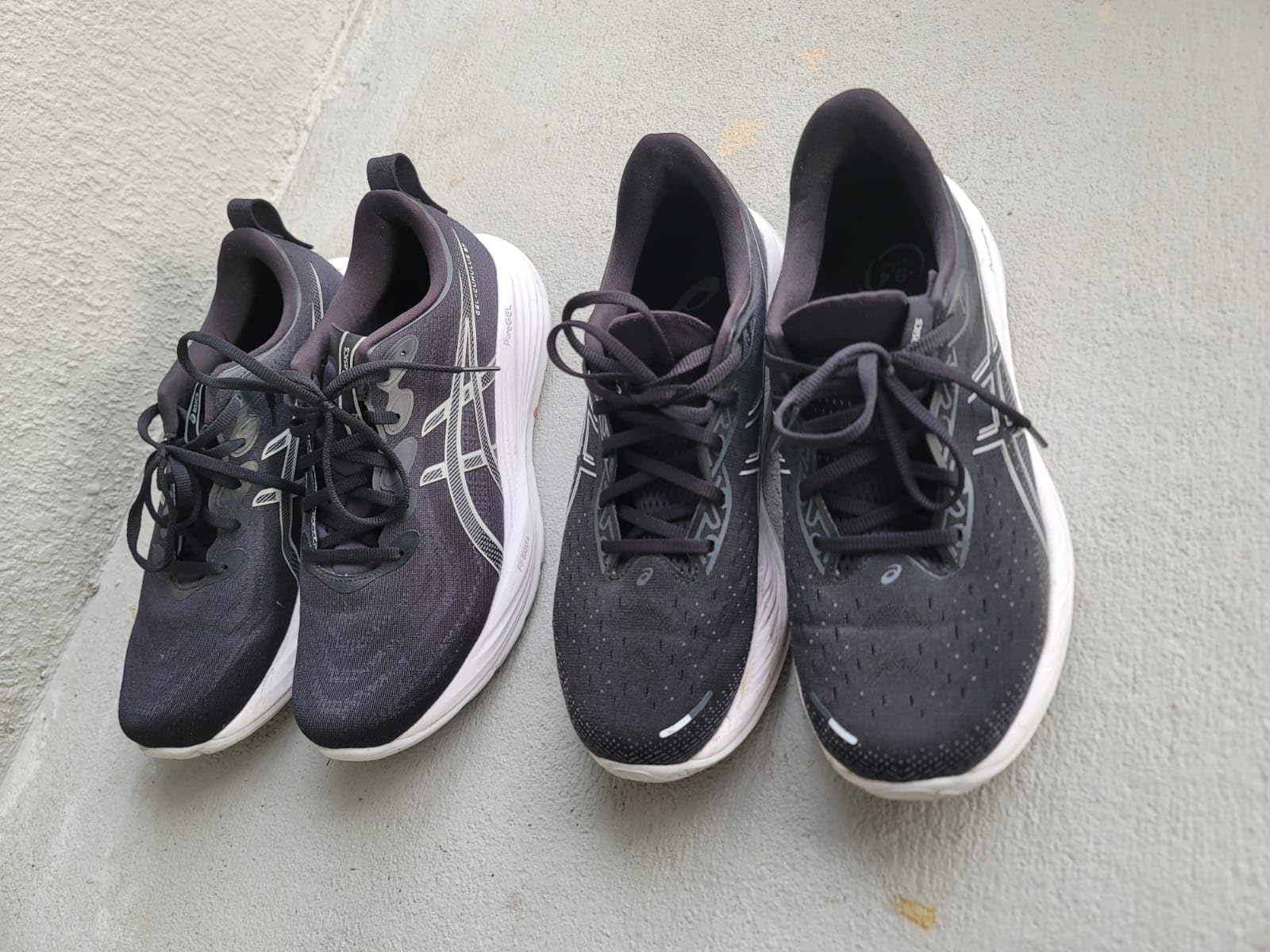
The Gel-Cumulus 27 has been the default answer for a neutral daily trainer for years, and the 27th version keeps the reason: a cushioning setup that is plush where it matters and light where it counts. FF BLAST PLUS foam handles impact absorption while PureGEL sits under the heel for softer landings, and owners describe the result as comfortable enough to wear for walking and general all-day use.
The toe box is the reason many buyers pick this shoe over a competing neutral trainer. It runs roomy at the front, which stops the bunched-toe feeling that causes blisters on long first attempts. That matters more to a beginner than a spec like energy return, because a hot spot ends a run early.
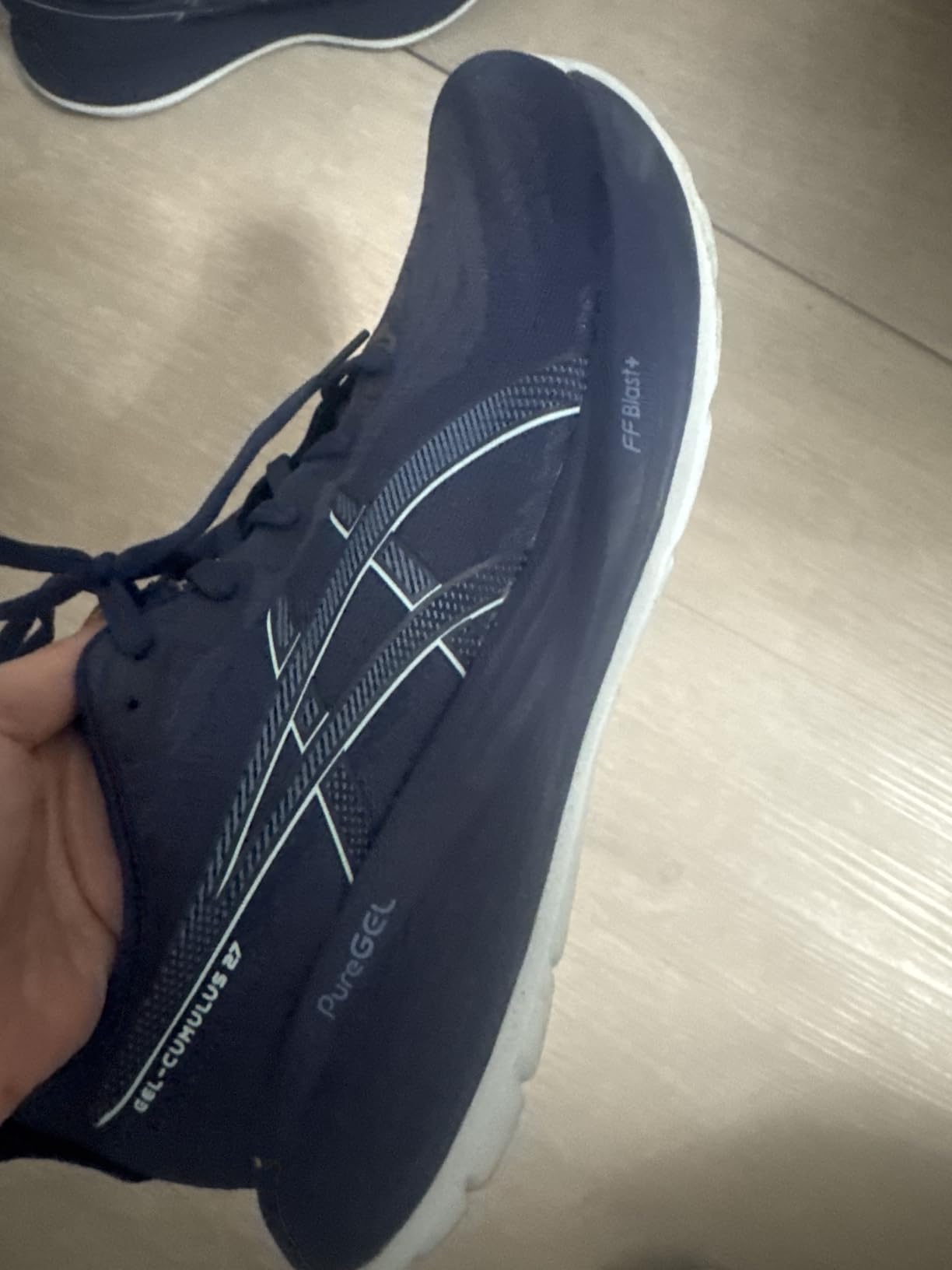
Stability is another strength. Reviewers describe the shoe as supportive and stable for both overpronators and supinators, which is an unusual compliment for a neutral trainer and one reason it works as a compromise for feet that are neither clearly flat nor clearly high. Reflective details add a small safety benefit for early evening runs, and the sockliner is solution-dyed, which the maker says cuts water use by about 33% and carbon emissions by about 45%.
There are three consistent gripes. The shoe can run skinnier than some competing brands, so sizing up is common advice. The tread uses foam rather than rubber in places, which some buyers find less durable over time. And the tongue is thin and lightly padded, which a runner with a high arch may feel pressing upward during long efforts.
Who the Cumulus 27 suits
This is the shoe for someone who wants a neutral trainer with genuine cushioning and does not want to think hard about pronation. The supportive-but-not-guided ride handles a foot that is somewhere in the middle, and the roomy forefoot reduces the most common beginner complaint we heard about narrow shoes.
It also works for people who will run on a treadmill several days a week, since the FLUIDRIDE outsole is designed to create smoother strides on consistent surfaces. Jogging, walking the dog and standing around at a community run all fall inside what this shoe does well.
Who should pass on it
If you need a genuinely wide fit, the complaint about running skinnier than competitors is a reason to try it carefully and return it if the forefoot feels tight. Foam in the tread also means it will wear faster than a full-rubber outsole on rough asphalt, so budget for an earlier replacement.
Runners with high arches may find the thin tongue uncomfortable over long distances. The Adrenaline GTS 25, with its flat-knit collar and wider size run, is the sturdier choice for that foot shape.
4. New Balance Fresh Foam Arishi V4: Soft And Light For All-Day Wear
New Balance Women’s Fresh Foam Arishi V4 Running Shoe
Fresh Foam midsole
194 g per shoe
No-sew mesh upper
Neutral support
Pros
- Very soft lightweight cushioning that stays comfortable over long walks
- Smooth ride with good ankle support for flat or pronated feet
- Lightweight at 194 g per shoe for all-day wear
- Washable and holds up well over time
Cons
- Fit runs smaller than expected in certain colourways
- Arch support is minimal so an orthotic may be needed
- Mesh upper is not waterproof
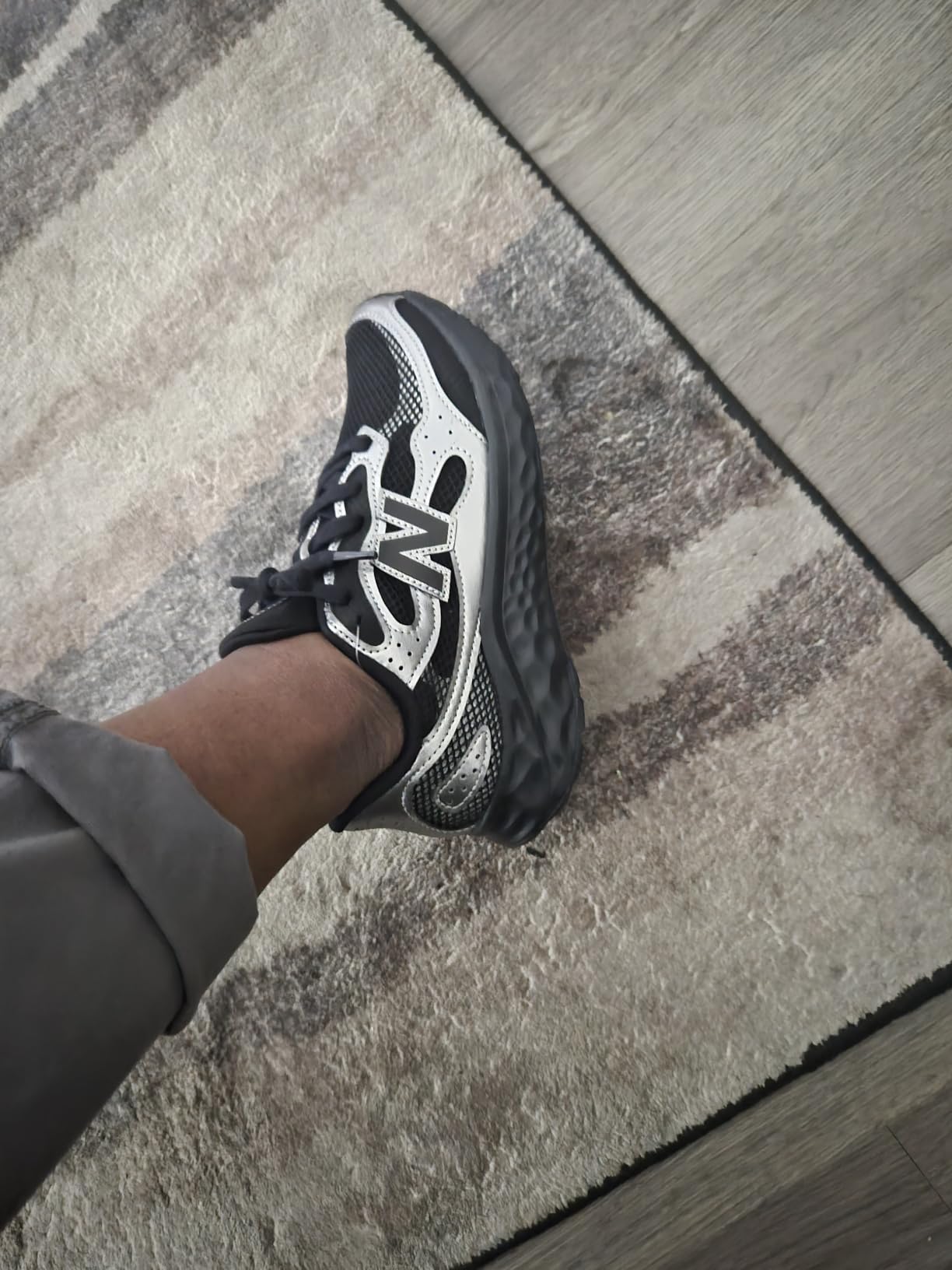
The Arishi V4 is the lightest shoe in this roundup at 194 g per shoe, and that number is the whole point. It is a Fresh Foam neutral trainer designed as much for walking and all-day wear as for running, which makes it a good companion for beginners who spend more time standing, commuting and moving around than they do logging distance.
The ride is smooth, with good support through the ankle for flat or pronated feet according to owner feedback. The breathable mesh upper uses a no-sew overlay construction, so there is no stitching pressing against the top of the foot. That is one of the quieter reasons shoes feel comfortable on hour long walks.
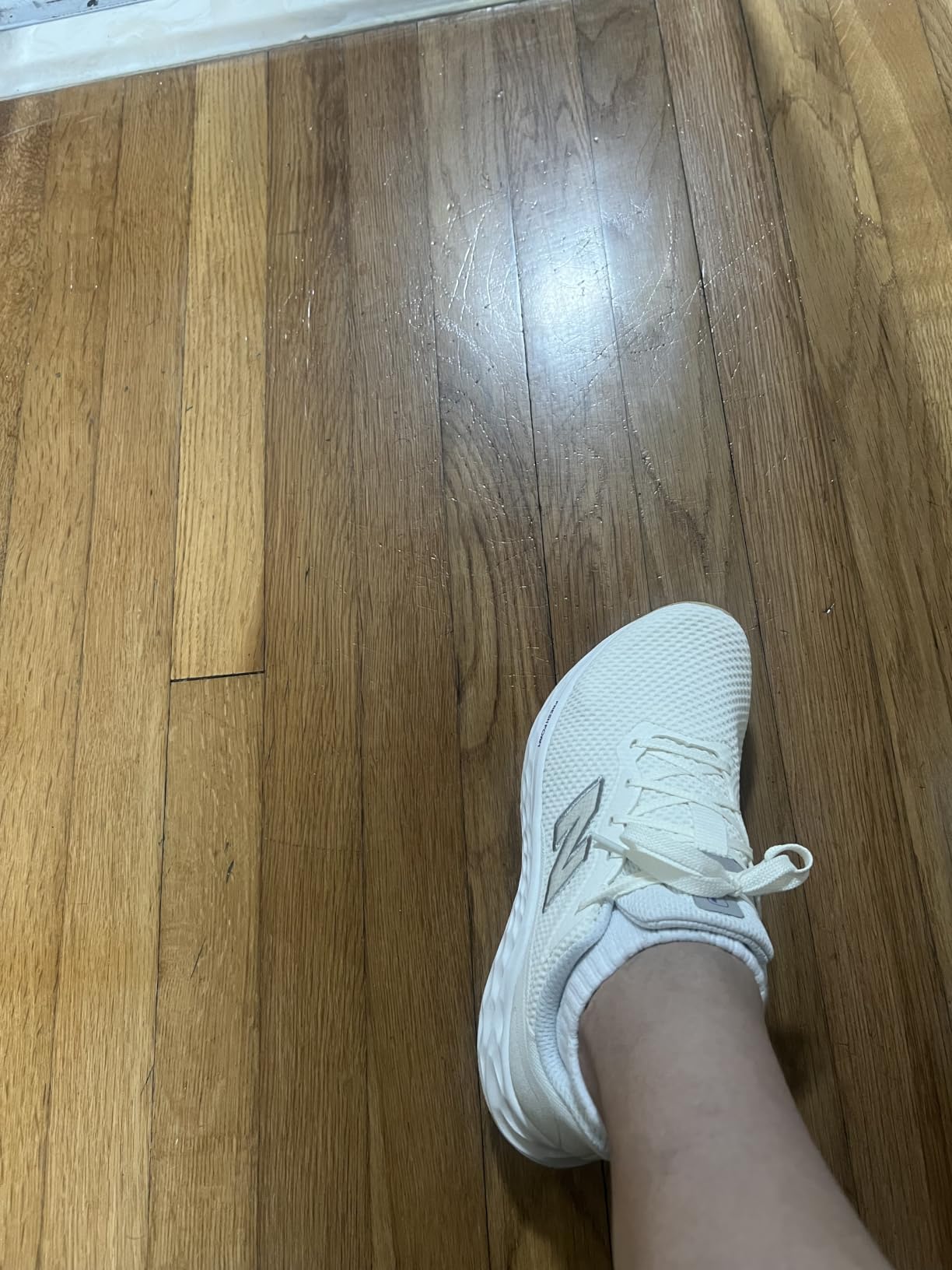
The Arishi has the largest review base of any shoe here, with more than 10,800 ratings, so the pattern in the feedback is well established. Buyers praise the value, the softness and the low weight. The 4.2 rating is the lowest in the group, and the reason shows up clearly in the critical reviews: fit and sizing.
Several buyers report the shoe runs smaller than expected, and sizing can be inconsistent between colourways of the same model. Arch support is minimal, so a runner with pronounced arch issues may need an orthotic. And the mesh upper lets water straight in, which rules out wet-weather running without a cover.
Best used as a walking and standing shoe
If your training week includes a lot of time on your feet outside of runs, this is the pair to build around. The cushioning stays comfortable over long walks, the shoe is washable, and the construction holds up well with regular use rather than falling apart after a season.
It also makes a sensible second pair. Plenty of beginners in our research described keeping one shoe for running and another for everything else, and the Arishi fits naturally into that split without competing with a dedicated trainer.
Where it disappoints
Fit is the main issue. If you are between sizes, order up and expect to test the shoe indoors on carpet before the first run, because sizing varies between colourways. The minimal arch support is also the limit for anyone whose foot needs a defined support profile.
It is a neutral shoe, so it will not manage significant overpronation on its own. If that describes you, look at a guided model such as the Adrenaline GTS 25 instead of trying to make a neutral shoe do a stability job.
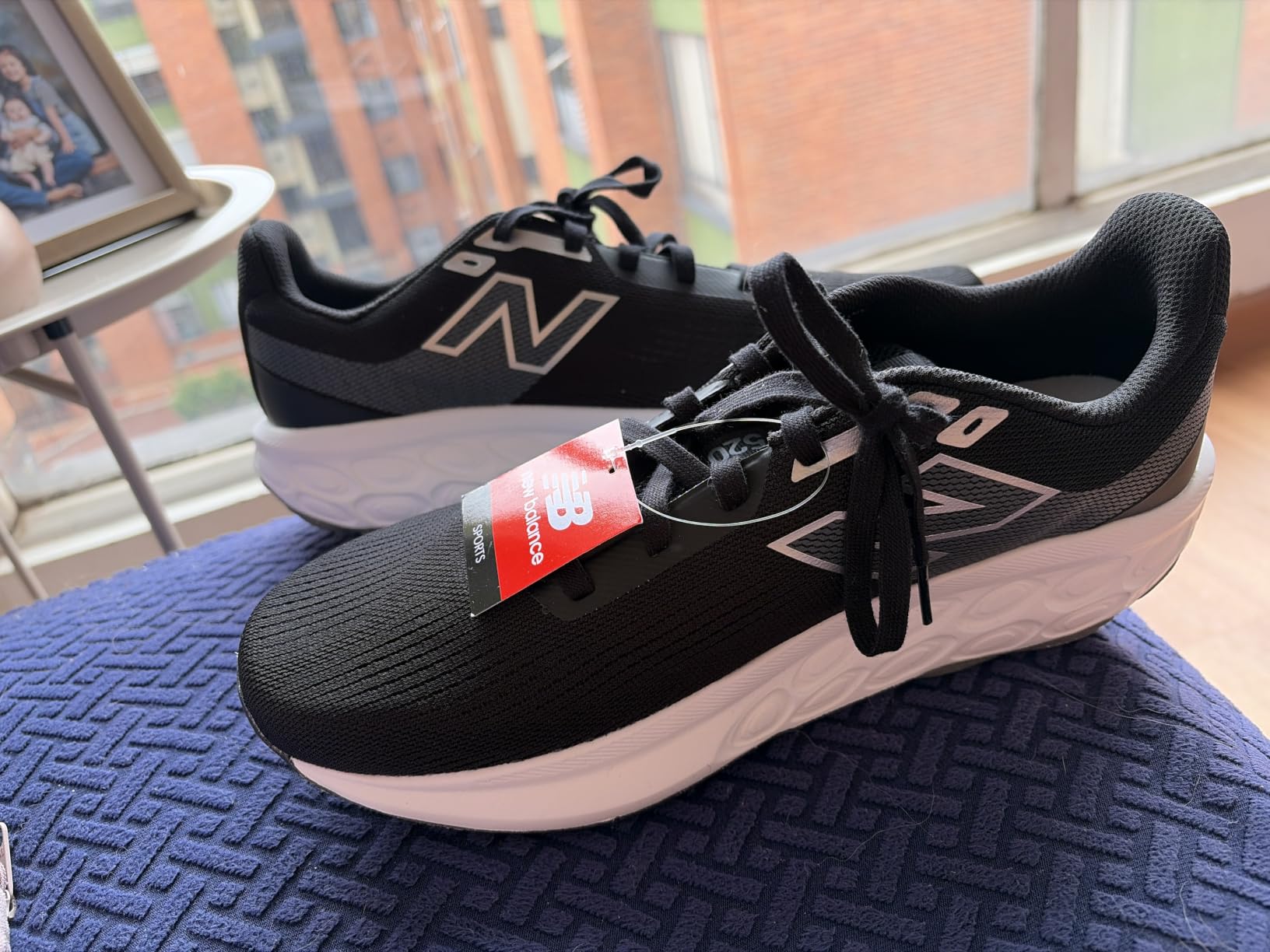
5. New Balance Fresh Foam 520 v9: A Familiar 10 mm Drop And Extra-Wide Widths
New Balance Men’s Fresh Foam 520 V9 Running Shoe, Vintage Indigo/Nb Navy/Electric Sky, 11 W
260.8 g per shoe
10 mm heel-to-toe drop
Fresh Foam midsole
Extra-wide widths
Pros
- Soft well-cushioned Fresh Foam midsole for everyday mileage
- Lightweight at 260.8 g per shoe
- Breathable mesh upper that stays comfortable on long runs
- Traditional 10 mm drop that feels familiar to new runners
- Wide range of colourways and widths including extra-wide
Cons
- Cushioning is soft rather than responsive so it suits easy runs
- Neutral support offers limited guidance for strong overpronators
The 520 v9 is the shoe to look at if width is your main worry. New Balance builds it in a wide range of widths, including extra-wide, and that availability is the single most useful thing on this page for anyone who has been squeezed by narrow athletic shoes. The weight is 260.8 g per shoe, light enough for easy daily mileage.
It also runs on a traditional 10 mm heel-to-toe drop. For a beginner stepping out of everyday athletic shoes or trainers with a built-in wedge, that familiar profile means the ankle and calf are not being asked to adapt to a suddenly flat position. Ground feel stays normal and the transition feels ordinary, which is exactly what a new runner wants.
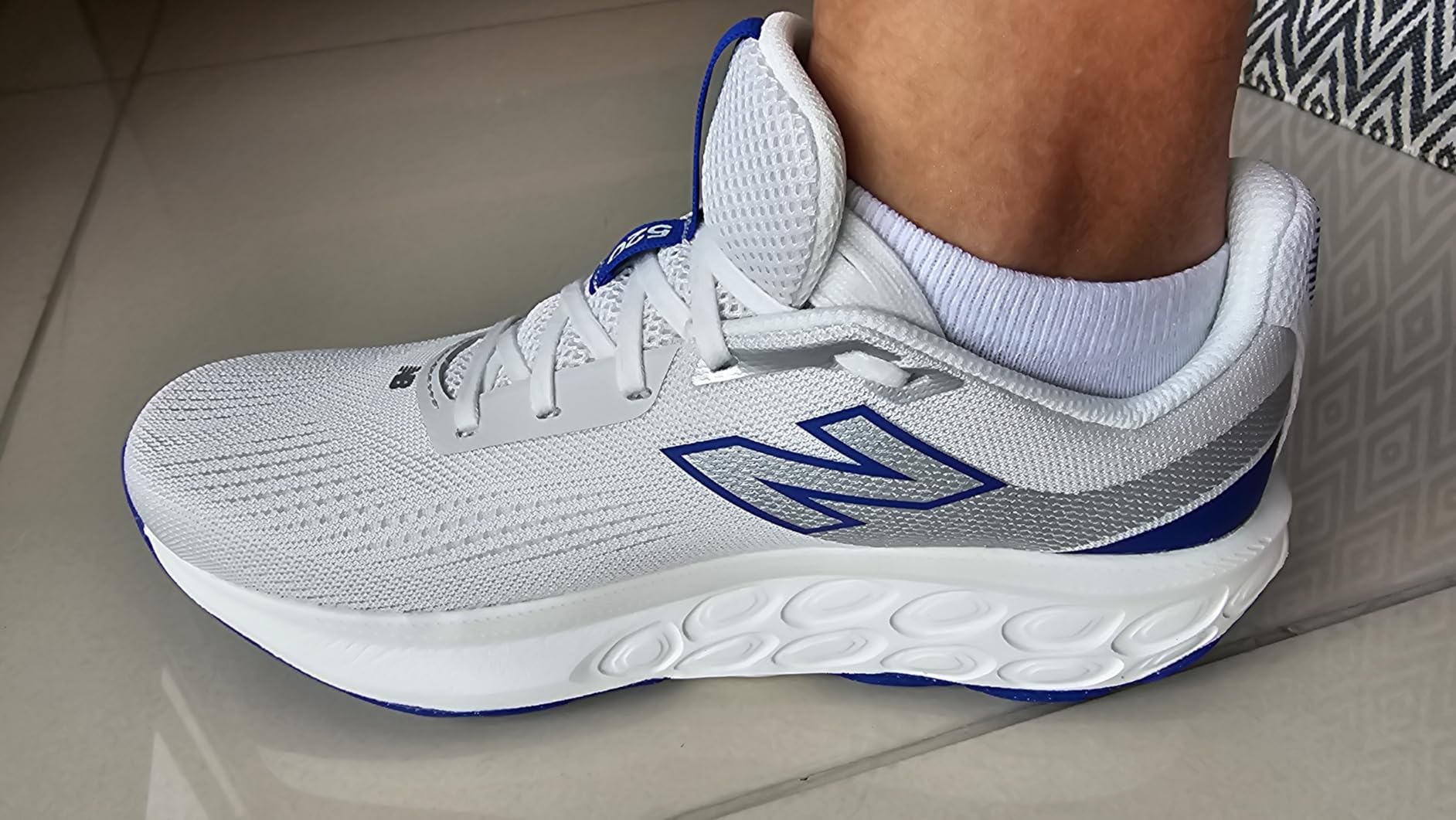
Owners highlight the Fresh Foam midsole as soft and well cushioned for everyday distance, and the breathable engineered mesh upper as comfortable on longer runs. The colourway range is broad, and the 4.4 rating across more than 3,600 reviews describes a consistent experience rather than a mixed one. Reviewers call it a solid entry-level daily trainer.
Two limits are worth being clear about. The cushioning is soft rather than responsive, so it suits easy runs and everyday wear over any kind of speed or progression work. And the neutral support offers limited guidance for strong overpronators, which is the point at which a guided shoe becomes the better choice.
Why width matters more than specs
Beginner feedback in our research was remarkably consistent on one thing: shoes that are too narrow cause blisters and pain within weeks, and that ends a habit before it forms. A shoe that exists in four or five widths removes an entire category of early failure, which is why the 520 v9 sits this high for anyone with wider feet.
The 10 mm drop is the other quiet advantage. When you have no reference point for how far your heel should sit above your forefoot, matching what your body already knows reduces the number of new things to adjust in month one.
Where it falls short
This is not a shoe for anyone hoping to add pace. Soft foam absorbs more than it returns, and the review consensus describes it plainly as a comfort-first trainer. If your plan involves interval work, hill sessions or anything faster than an easy conversational pace, a more responsive trainer will serve you better.
For a strong overpronator, the neutral platform is a limit rather than a preference. Test it over a few weeks, and if the shoe feels like your foot is rolling inward inside it, move to a stability model.
6. Nike Run Swift 3: Lightweight And Ready For The Gym Too
Nike Men’s Run Swift 3 Road Running Shoes, Black/Black-Dark Smoke Grey, 10
Flexible road build
Engineered mesh upper
Rubber road outsole
Wide width options
Pros
- Very lightweight and flexible for an everyday trainer
- Breathable upper that stays cool in warm climates
- Good traction on pavement sidewalks and light gravel
- Works equally well for gym workouts and casual wear
- Clean styling that suits everyday outfits
Cons
- Cushioning is firm and basic rather than plush
- Limited arch support for runners needing extra stability
- Sizing can feel narrow so several buyers size up
The Run Swift 3 is built for people whose training is not purely running. The whole shoe is light and flexible, with an engineered mesh upper and structural overlays that give the midfoot some hold, and a padded heel collar that stays secure without pinching.
What makes it distinctive is the versatility. Owners report using it for running, gym workouts and everyday wear with equal success, and the generous rubber outsole coverage holds traction on dry and wet pavement, sidewalks and light gravel. The colourway selection runs across regular and wide widths, which is a genuine advantage over most Nike road shoes at this level.
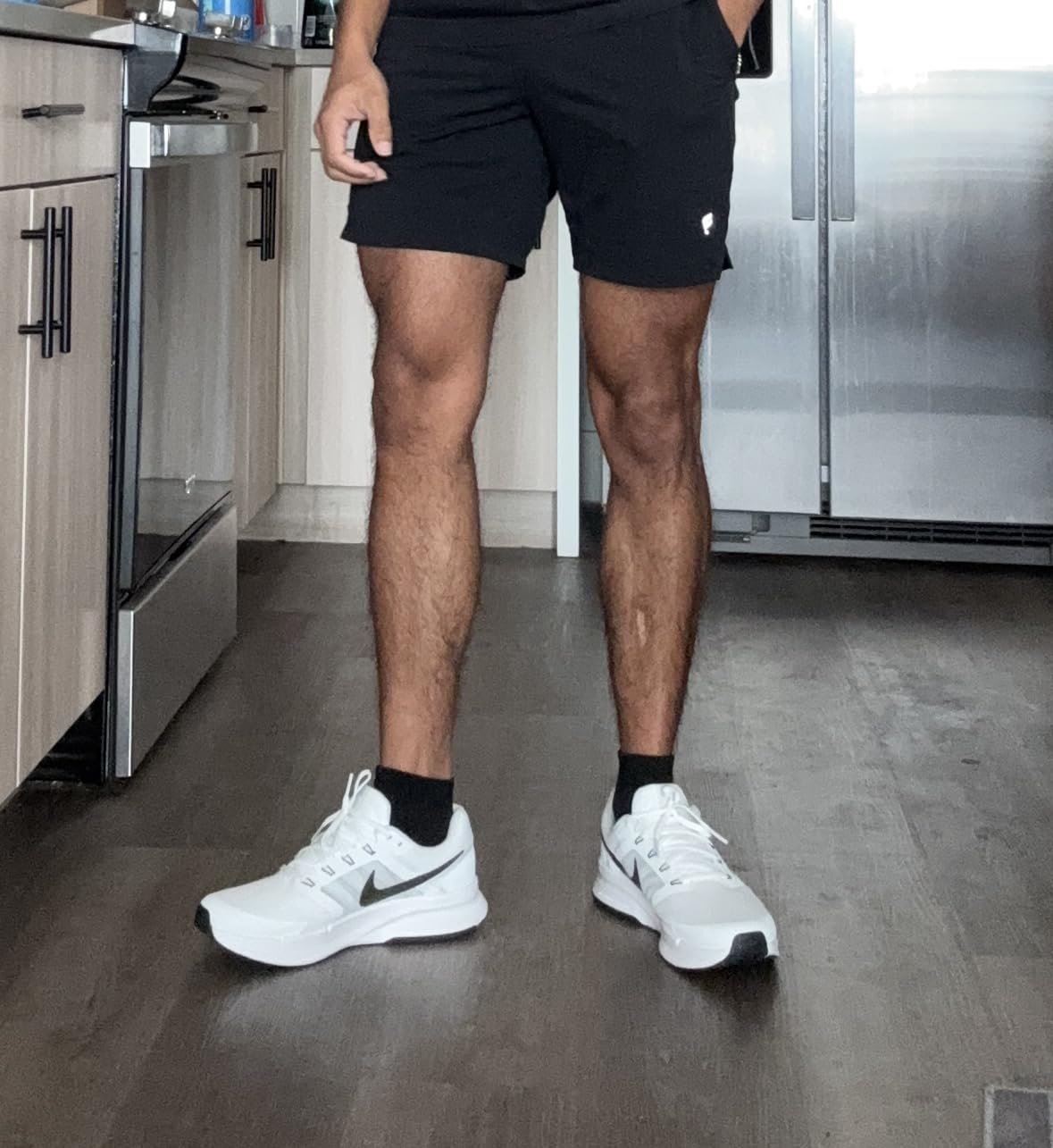
The 4.5 rating across more than 1,700 reviews is stable, and the summary of those reviews calls it a dependable, lightweight, breathable entry-level daily trainer that prioritises value over premium cushioning. That is an accurate description. It is not trying to be the softest shoe in the room.
The reservations follow from that. Cushioning is firm and basic rather than plush, so a runner who wants impact absorption for long pavement miles will notice the difference. Arch support is limited, and several buyers report the sizing can feel narrow enough to justify sizing up. The front mesh is also difficult to keep clean.
Good for mixed training weeks
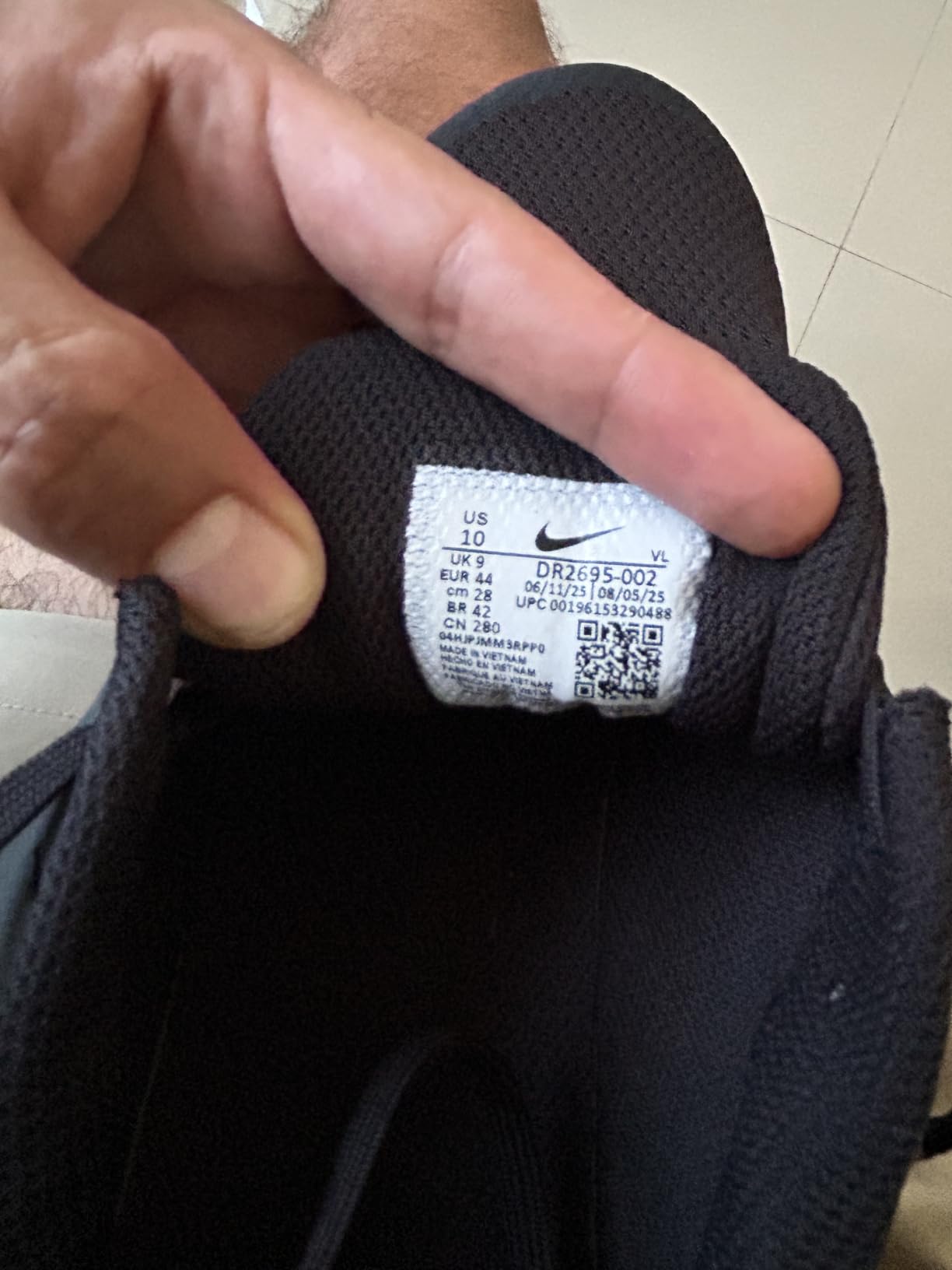
If your week includes strength sessions, a class, or a lot of walking between sessions, this shoe handles all of it. A firm platform is actually an advantage for gym work, since a soft foam sole is not what you want under a barbell. The flexibility also makes it comfortable for general wear around the house.
For short easy runs, treadmill sessions, and warm weather pavement work, the breathable upper and light weight are the strongest attributes. It is a straightforward, low-maintenance shoe that does its job without a learning curve.
Not the right pick for long slow miles
Plush cushioning is the main thing missing. If your plan is building toward a long Sunday run and you are heavier than average, a firmer shoe with more midsole volume will feel better over distance. The Bondi 9 or the Glycerin 22 are better answers for that goal.
It is also neutral with limited arch support, so a pronounced foot shape or significant overpronation is a reason to pick a guided or support-oriented model instead. And check the fit early, because the narrow-sizing complaint is common enough to plan around it.
7. Brooks Ghost 17: Durable DNA LOFT v3 For Everyday Comfort
Brooks Women’s Ghost 17Sneaker, Bluewash Nightlife Yucca, 6.5 UK
DNA LOFT v3 cushioning
Breathable engineered mesh
Wide stable base
Widths to 2E and beyond
Pros
- Soft yet responsive cushioning that stays comfortable over long distances
- Lightweight build that suits all-day walking and running
- Durable outsole that holds up to roughly 300 miles
- Available in very wide widths including 2E and beyond
- Genuine arch support on a wide stable base
Cons
- The soft platform can feel unstable until you adapt to it
- Built for comfort and daily miles rather than speed work
- Colourway selection is limited at the largest sizes
The Ghost 17 sits in the middle of the cushioning spectrum and that is exactly why it keeps showing up in beginner recommendations. DNA LOFT v3 is a nitrogen-infused foam that is softer than a race foam and more responsive than a walking shoe, and the engineered mesh upper keeps the whole thing breathable on warm days.
Durability is the standout here. Owners report the outsole holding up to roughly 300 miles, which makes this shoe a sensible choice for someone who wants to run a lot before thinking about a second pair. The base is wide and stable, and the review consensus points to genuine arch support rather than the passive kind found in most neutral shoes.
It also comes in very wide widths, going beyond 2E, which is one of the reasons we recommend it for broad feet. The build is light enough for all-day walking, so it works for a beginner who is still mixing running with ordinary daily use.
The most common criticism is the very first ten minutes. A soft platform can feel unstable while you adapt to it, and that sensation is the reason some people set a shoe aside prematurely. This is also a comfort and daily-miles shoe, not a speed shoe, and colourway selection thins out at the largest sizes.
Best for building a mileage habit
If your goal is putting distance on your feet consistently rather than chasing pace, the Ghost 17 is built for that. The roughly 300 mile outsole life means fewer replacement decisions in your first year, and the wide base and arch support keep the shoe useful as your weekly volume climbs from two runs to four.
It suits pavement, roads and track surfaces, and the breathable upper makes it reasonable in warm conditions. For anyone who spends part of the week walking for general activity, the light build carries over well.
Where the soft platform gets awkward
The stability adjustment is real, and it deserves an honest test. If the shoe feels like your foot is sliding around inside it during the first runs, that is a signal rather than a minor complaint. Give it a genuine two-week trial before deciding, because the ride usually settles once your foot strengthens and the foam opens up.
Anyone training for speed should look elsewhere. This shoe is designed for comfort over long daily miles, and asking it to respond to intervals will not produce a good experience. The Ghost 17 is a daily trainer and should be used as one.
8. ALTRA Torin 8: Zero Drop And A Genuinely Wide Toe Box
ALTRA Women’s Torin 8 Road Running Shoe, Black/Pink, 7.5 Wide
Zero-drop platform
FootShape wide toe box
Balanced Cushioning
APMA Seal of Acceptance
Pros
- Exceptionally wide FootShape toe box that stops toe compression
- Zero-drop design that eases the move away from elevated heels
- Soft upper that does not press on the top of the foot
- Cushioning is soft without becoming so squishy that balance suffers
- APMA Seal of Acceptance
Cons
- Zero drop can need an adjustment period especially for heel strikers
- Supplied laces are stiff and prone to untying
- Some buyers report heel-area breakdown before a full year
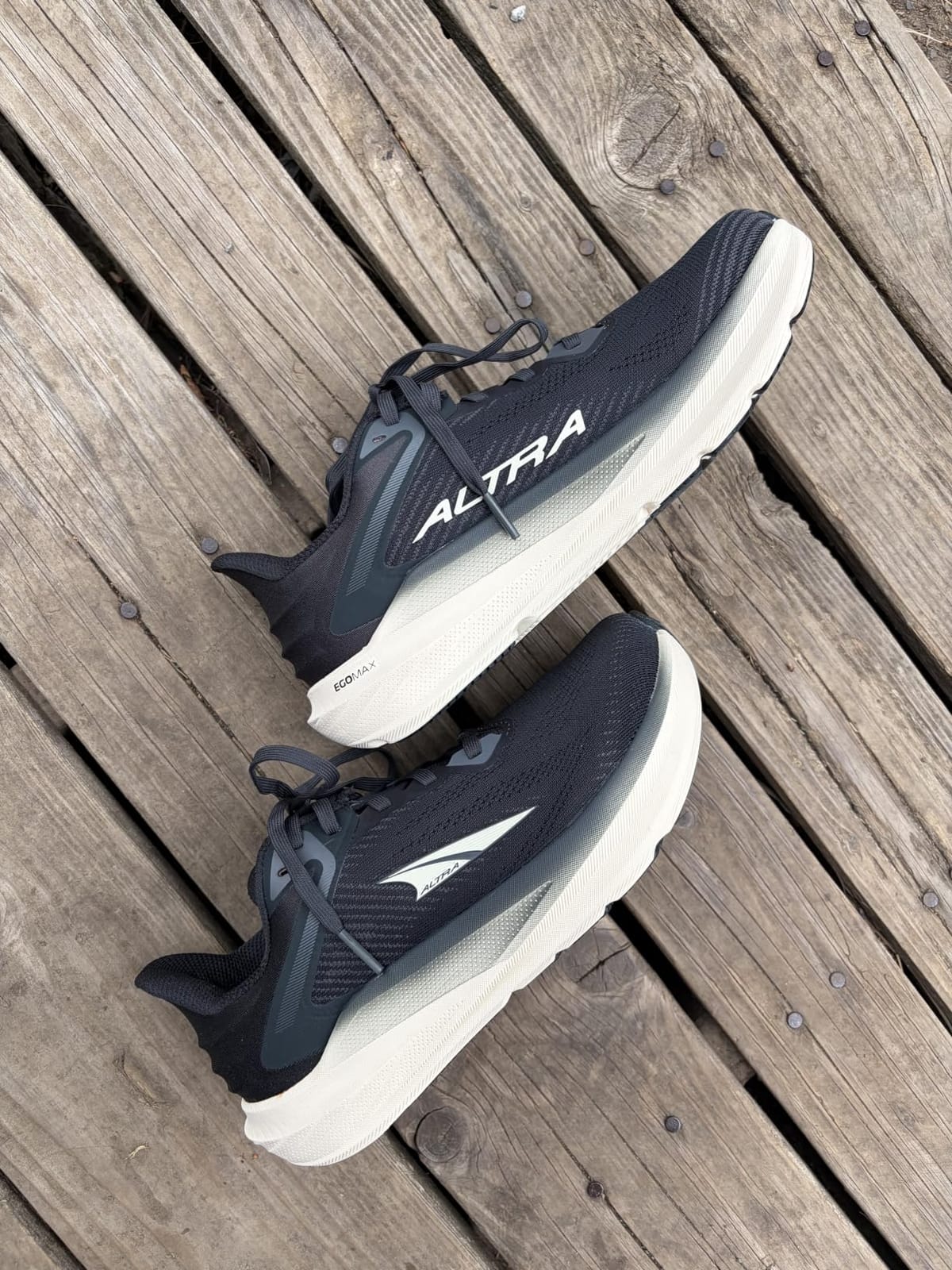
The Torin 8 is the most different shoe in this roundup, and for a specific reason: it is zero drop. Altra Balanced Cushioning places the heel and the forefoot the same distance from the ground, so there is no wedge under the heel at all. For a runner who wants to stop relying on a built-in lift, this is the clearest example of that on the market.
The FootShape toe box is the other headline feature. It is wide enough for toes to spread naturally, and reviewers describe the effect as toes no longer being compressed, which shows up as fewer hot spots and better balance. The upper is soft and avoids pressure across the top of the foot, and the shoe carries an APMA Seal of Acceptance.
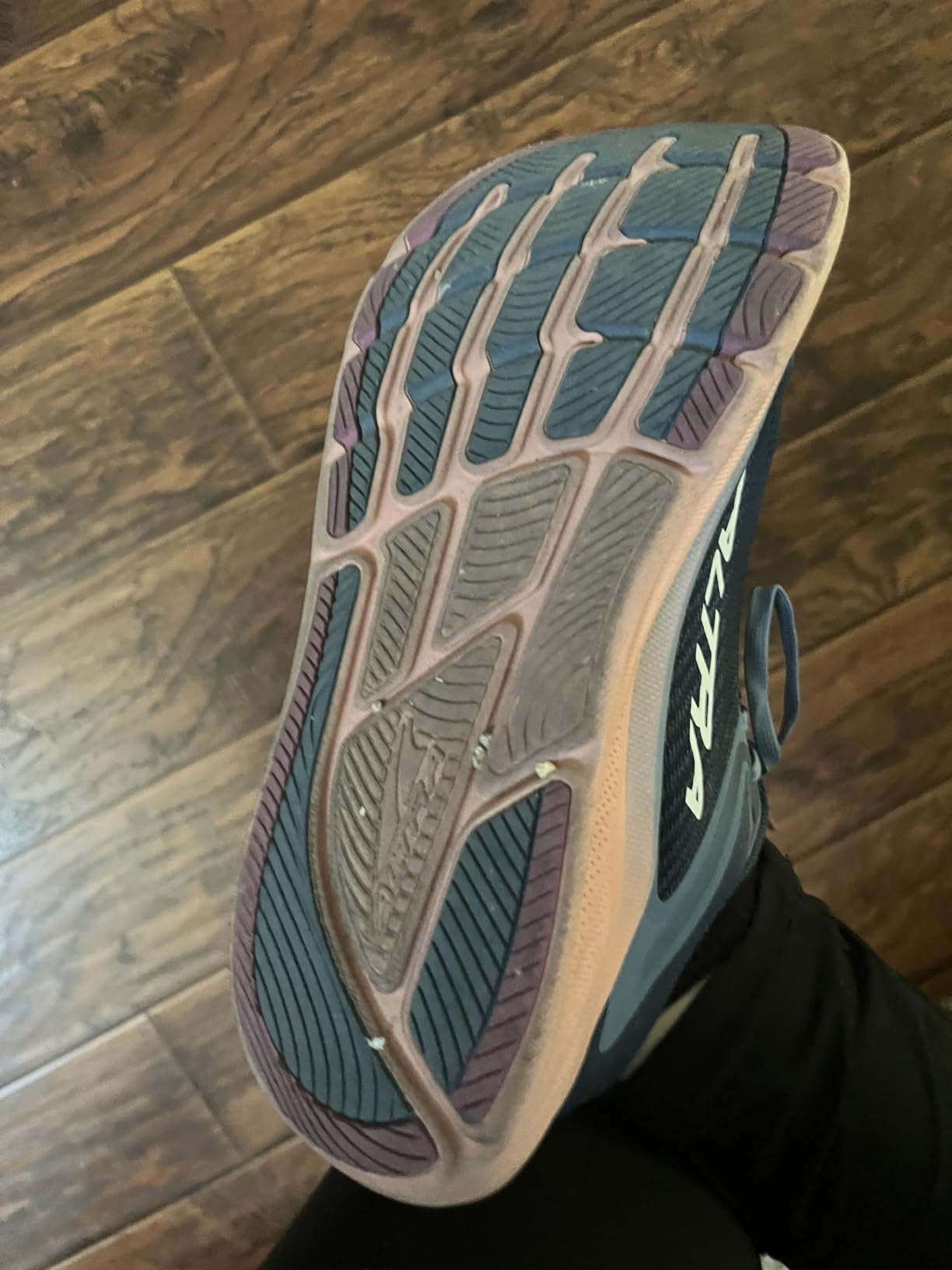
The cushioning is soft without turning so squishy that balance suffers, which is the usual objection to a wide zero-drop platform. The 4.4 rating across just under 1,000 reviews reflects a shoe people feel strongly about in both directions, and the toe box is where the praise concentrates.
Adjusting to zero drop takes time, especially if you land on your heels. Reviewers report a period of adaptation with calf and Achilles soreness, and one caution is that zero-drop geometry suits walking and easy running better than tempo work. The supplied laces are stiff and prone to untying, and some buyers report heel-area breakdown before a full year of use.
When a zero-drop shoe makes sense
If you want a second pair specifically for walking, easy running and form work, the Torin 8 fills that role without competing with a cushioned daily trainer. The wide platform also makes it a strong option for anyone who has been frustrated by narrow toe boxes in other brands.
Transition gradually. Reduce your weekly volume and shorten the first few runs, and treat calf soreness in week one as normal adaptation rather than a reason to abandon the shoe. Feet that have spent years in elevated trainers need a few weeks to adjust to a flat platform.
Who should not start here
A true first pair is usually better spent on a familiar drop. New runners are already managing unfamiliar impact, unfamiliar cadence and unfamiliar volume, and a zero-drop platform adds a third variable at the moment you least need one.
Heel strikers in particular report the adjustment period as the hardest part. The heel-area durability concern is also worth weighing, since some owners see breakdown before a full year. If you want the wide toe box without the geometry change, a roomy neutral trainer like the 520 v9 gives you most of the fit benefit with a familiar 10 mm drop.
9. Brooks Adrenaline GTS 25: GuideRails Stability For Feet That Need Guidance
Brooks Mens Adrenaline GTS 25, Primer Grey/Ebony/Jasmin 9.5 Wide
GuideRails support system
DNA LOFT v3 cushioning
Widths narrow to 4E
Flat-knit collar
Pros
- Strong reliable stability and arch support for flat feet and pronators
- Soft dynamic nitrogen-infused cushioning that absorbs long days on your feet
- Durable outsole that holds up for years of daily use
- Available in narrow through extra-wide 4E widths
- Often recommended by podiatrists for foot knee and lower-back issues
Cons
- Newer models have a squissier sole than earlier versions
- Heavier feel than lighter neutral trainers
- Lace-up closure can be laced too tightly for some feet
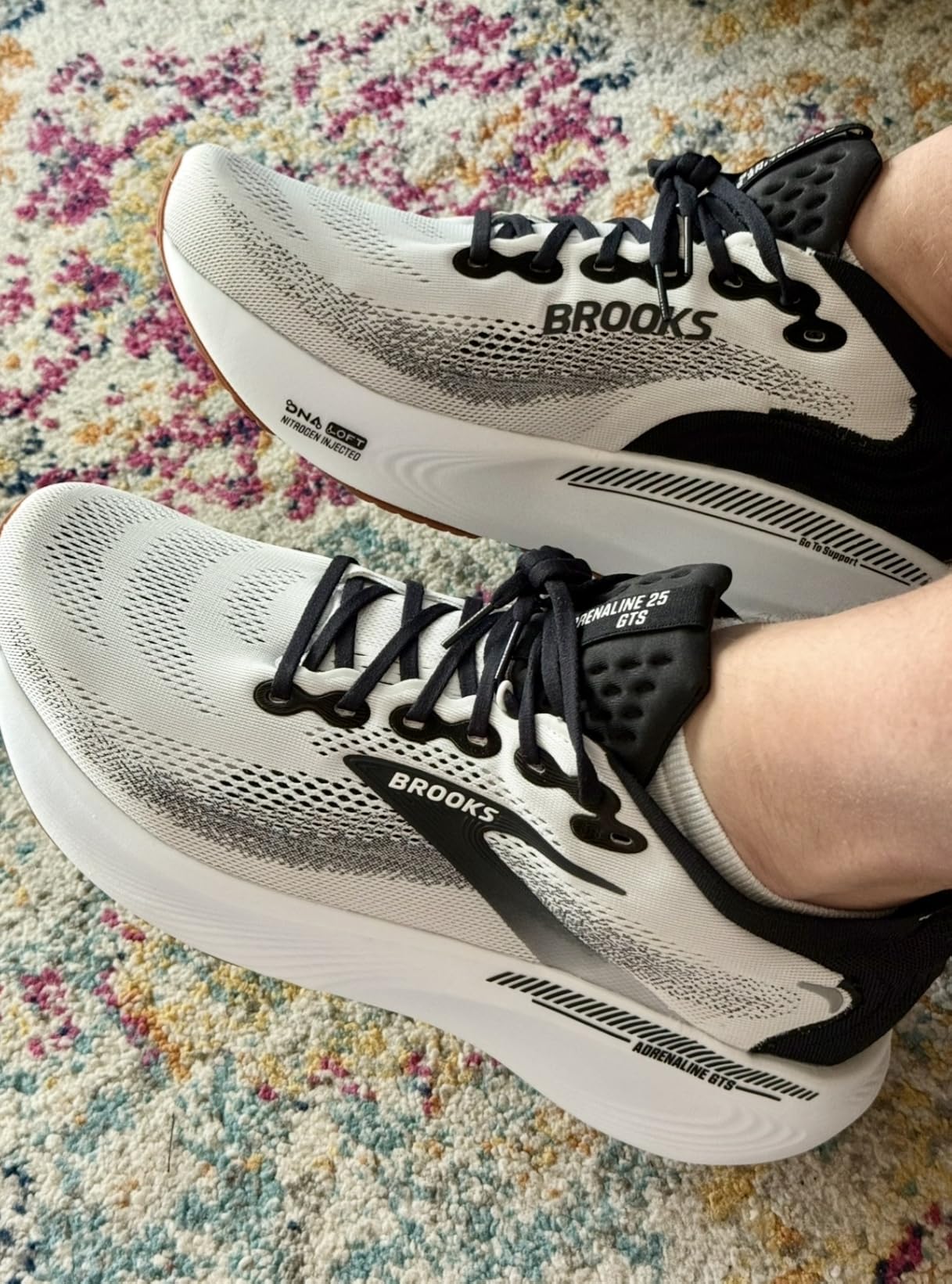
The Adrenaline GTS 25 is the shoe on this list for someone whose foot rolls inward when they land. The GuideRails system is a set of raised rails on either side of the heel that keep excess movement in check without forcing the foot into a rigid position, so the shoe guides the foot rather than correcting it aggressively. That is the modern approach to stability, and it feels very different from the hard-posted shoes many beginners have heard about.
Cushioning comes from nitrogen-infused DNA LOFT v3, the same foam family as the Ghost 17, and it is described by owners as soft and dynamic enough to absorb a full day of standing. The engineered mesh upper has a flat-knit collar that holds the heel without a hard ridge, and the specially designed outsole and midsole are tuned for smooth heel-to-toe transitions.
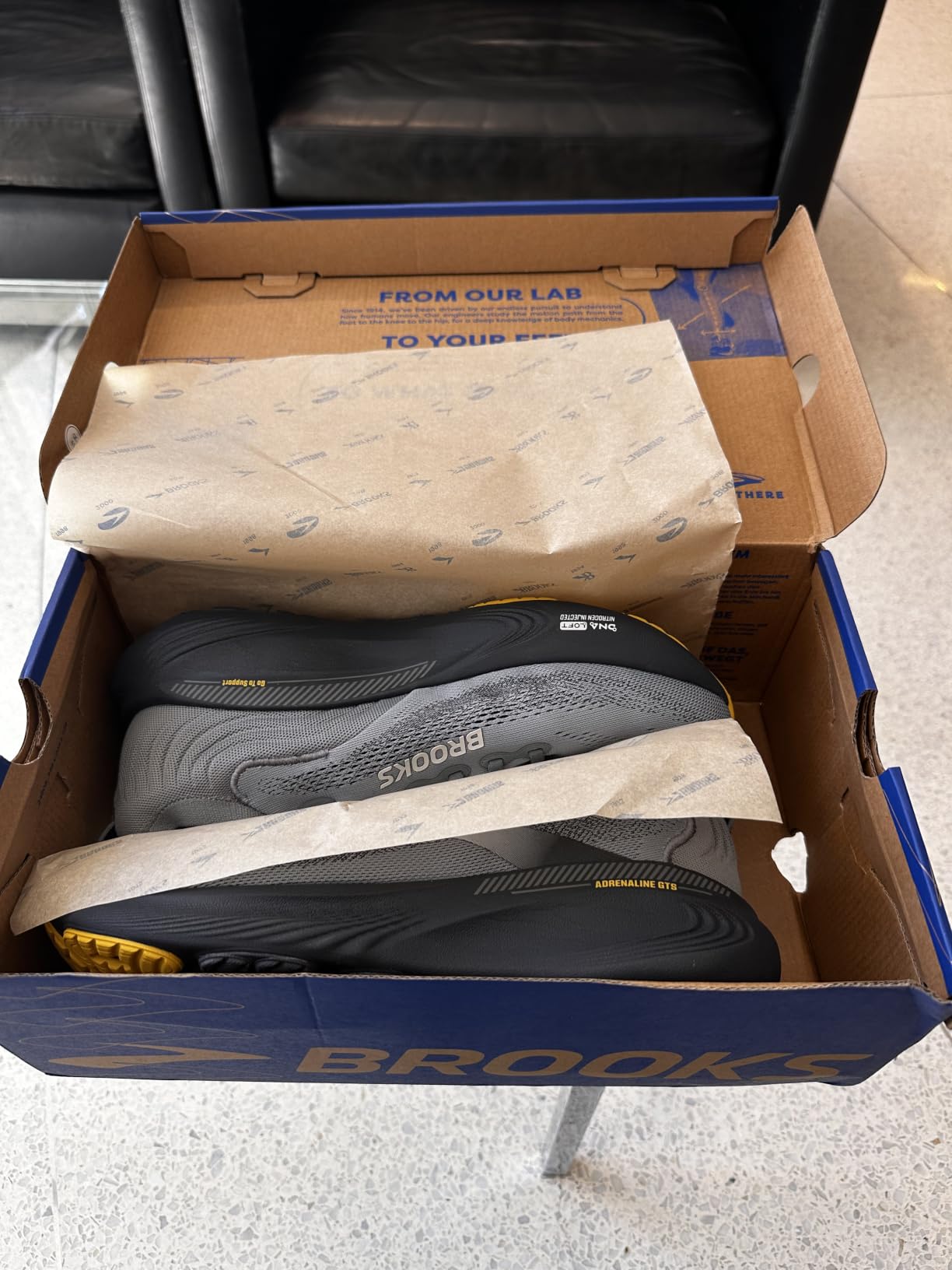
The width run is the standout practical detail, covering narrow through extra-wide 4E. Combined with the ratings this shoe has collected, most of the negative feedback about stability shoes collapses into a single issue: the newer model has a squishier sole than earlier versions, which some buyers notice as less precise. Owners also cite a heavier feel than lighter neutral trainers and colourway limits at wide sizes.
Reviewers commonly report the GuideRails system resolving plantar fasciitis, flat-foot and joint pain, and the shoe carries both a PDAC A5500 diabetic shoe certification and an APMA Seal of Acceptance. It is frequently recommended by podiatrists for foot, knee and lower-back complaints, which is a meaningful signal for anyone starting with existing discomfort.
Best for flat feet, pronation and knee complaints
If you have been told you overpronate, or you notice your shoes wear down on the outer edge in an uneven pattern, this is the most direct answer on the list. Reviewers describe the support as strong and reliable rather than intrusive, and the arch support is genuine rather than cosmetic.
It is also a good pick for beginners who spend hours on their feet in work and then run in the evening, because the cushioning handles standing and impact in the same shoe. The 4E width means even very broad feet can find a proper fit here.
The trade-offs to accept
Weight is the first cost. A guided platform with rails is heavier than a neutral trainer of similar stack, and that shows on long days if you are sensitive to shoe weight. The second cost is precision, since the squishier sole in recent models feels less responsive under hard effort.
One practical warning: lace the shoe gently. The closure is easy to pull too tight for feet with a high instep, and that tightness causes problems the shoe never caused. Lacing too hard is the most common self-inflicted fit problem in this category.
10. HOKA Bondi 9: Maximum Cushioning For Heavy Impact Days
Hoka Women’s Bondi 9 Black/White 8.5 Medium
Maximum-cushion midsole
Wide stable platform
Engineered mesh upper
Textile lining
Pros
- Exceptionally soft cushioning that reduces foot and leg pain on long days
- Stable and supportive for supination and high arches
- Light on the foot for a max-cushion shoe
- Works well for long walks standing work and recovery days
- Wide range of widths and colourways
Cons
- Sole foam can break down and feel spongy after roughly four months
- Not designed for speed or running performance
- One of the most expensive daily trainers on the market
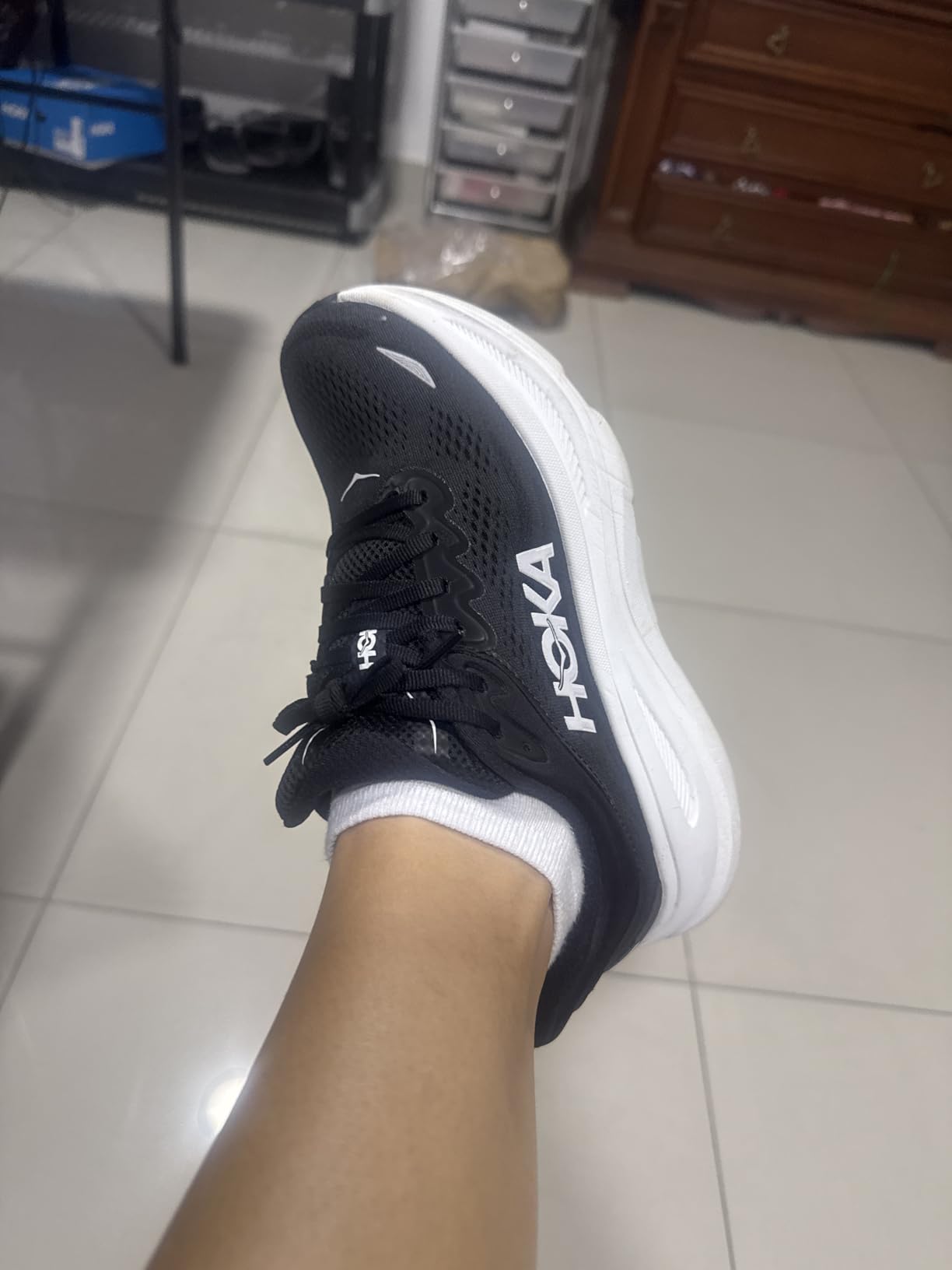
The Bondi 9 is the most heavily cushioned shoe here, and it exists for a specific kind of runner: the one who feels every footfall. The midsole is deep and soft, and owners consistently describe it as reducing foot and leg pain on long days. The platform is wide and stable, with support that suits supinating feet and high arches, and there is a textile lining inside the engineered mesh upper.
The important thing about a max-cushion shoe is that it stays light for what it is. Reviewers note that the Bondi is light on the foot despite the volume, which is what separates a good max-cushion trainer from a shoe that just feels like a platform. It works for long walks, jobs that involve standing, and easy recovery days.
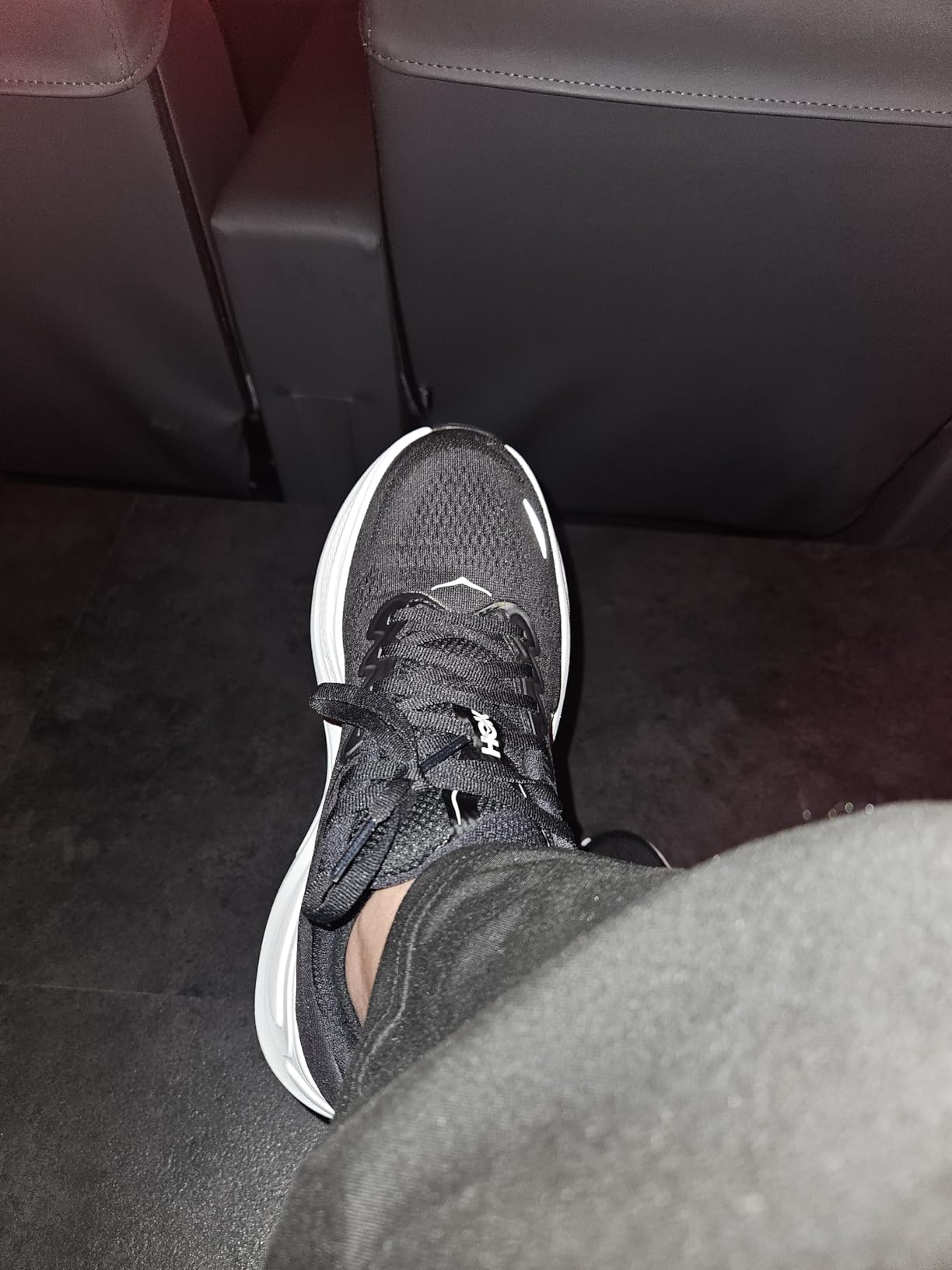
The 4.5 rating across more than 3,200 reviews shows a consistent experience. Praise concentrates on cloud-like cushioning and stability. The main complaint is durability, with several owners reporting the sole foam breaking down and feeling spongy after roughly four months, which is a shorter life than most of the trainers in this roundup.
Two more cautions. The shoe is not built for speed or running performance, so treating it as a performance trainer will disappoint. And it sits at the expensive end of the daily trainer market, which matters more given the faster midlife breakdown.
Who benefits most from a deep midsole
Heavier runners, runners with high arches, and anyone with a history of impact-related discomfort are the groups that get the most from this shoe. Feedback from heavier beginners in our research consistently pointed toward max-cushion models, and the Bondi is the deepest platform available to them in this group.
It is also excellent as an all-day shoe. If you want one pair to walk the dog, stand through a shift and take an easy run without changing footwear, the Bondi handles all three. The width and colourway range helps with fit.
The cost of the extra foam
Foam volume costs money and, in this case, durability. A midsole that feels spongy after roughly four months means a higher effective running cost than a shoe that lasts twice as long, so factor that into how long you plan to run in the pair.
Speed is out of scope here. If your running includes anything faster than a conversational pace, or if you want a shoe that encourages you to progress, a mid-range daily trainer like the Glycerin 22 or the Ghost 17 will reward you more. The Bondi is a comfort and impact tool.
11. Nike Pegasus 41: Breathable, Familiar And Easy To Find
Nike Pegasus 41 Men’s Road Running Shoes (HF1536-003, White/Wolf Grey TB) Size 12.5
Breathable upper
Road traction outsole
Lightweight build
Daily training cushioning
Pros
- Comfortable for both daily training and casual wear
- Lightweight and breathable even in humid conditions
- Durable fabric upper that resists visible wear
- Good traction and a supportive feel for heel strikers
- Widely available in a large range of colourways
Cons
- Not comfortable for all-day standing or sitting in them
- A small number of buyers report colourways not matching the listing photos
The Pegasus 41 is the most established name on this list among runners who just run, and the current version keeps the traits that made the line popular. The build is lightweight and breathable, and that shows most clearly in humid conditions, where owners report the shoe staying comfortable when heavier trainers would not.
Road traction and a supportive feel for heel strikers are the other consistent positives. The upper fabric resists visible wear, which means the shoe looks presentable well past the point where cheaper mesh trainers start to look tired. Owners also frequently repurchase the line, which is its own kind of endorsement.
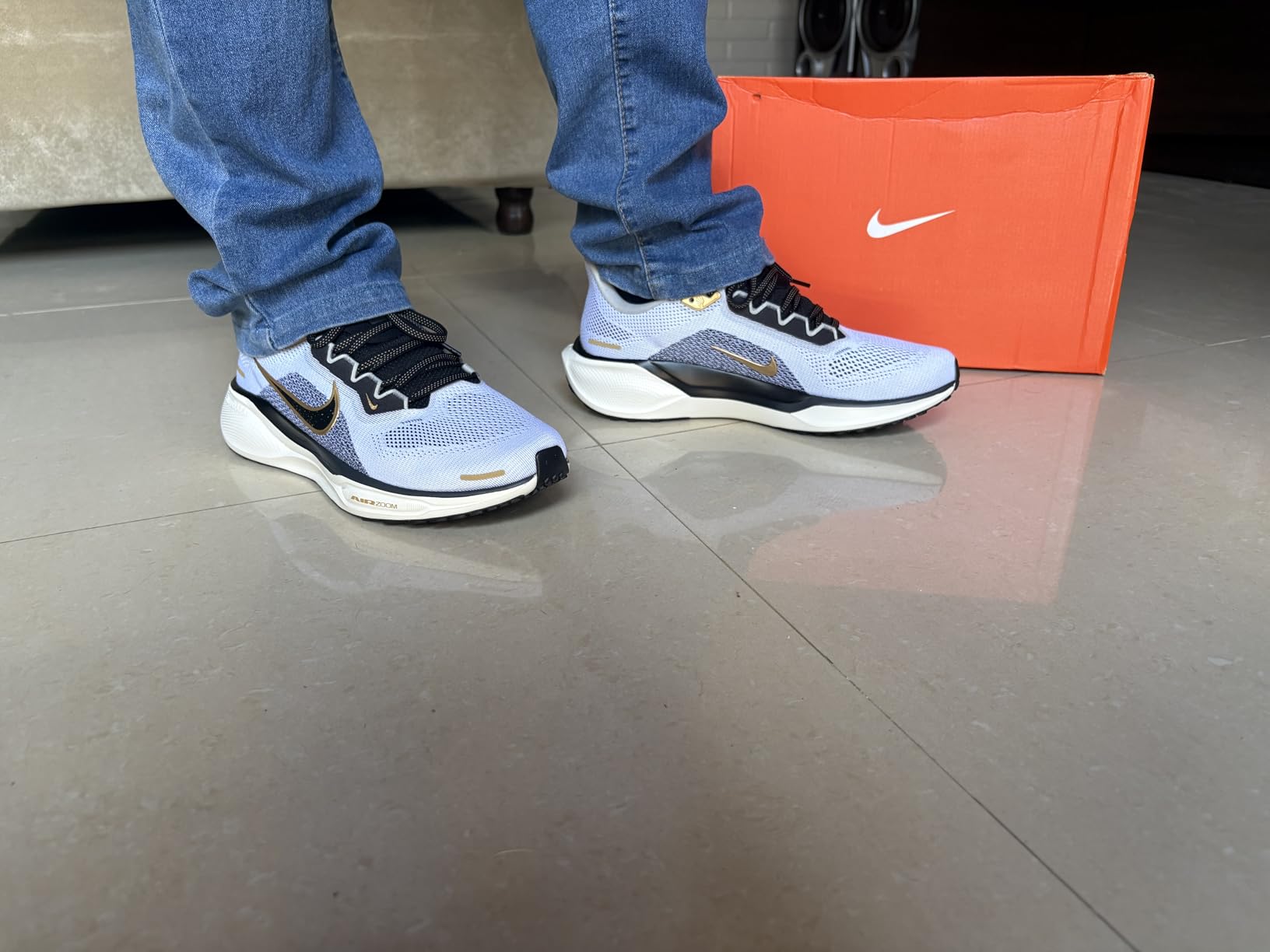
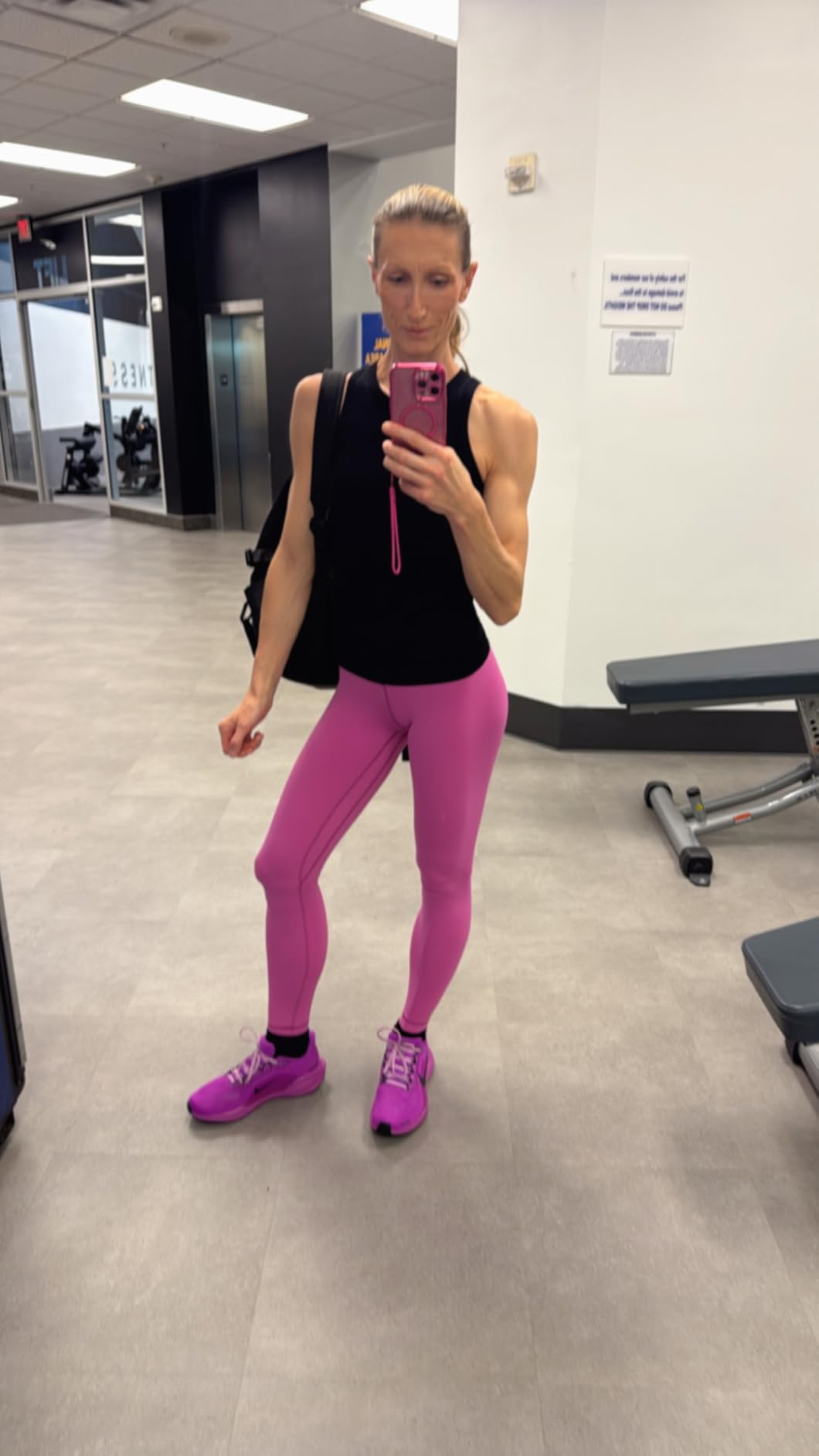
A 4.6 rating across more than 1,300 reviews places it among the highest-rated shoes in the roundup, with the review summary noting only minor complaints. One is that the shoe is not comfortable for all-day standing or sitting in, so it is a training shoe rather than a work shoe. The other is a small number of buyers reporting colourways that did not match the listing photos.
One practical note on sizing. This model is listed with a men to women sizing conversion where 8.5 men equals 10 women, so if you are ordering across that line, check the conversion chart rather than assuming the number matches your usual size.
A good pick for warm weather and high-mileage weeks
Breathability is the reason to pick the Pegasus 41 over another neutral trainer. If you run in summer heat or a humid climate, an upper that vents well changes how long you can comfortably stay out, and that supports the habit you are trying to build.
The supportive feel for heel strikers is worth noting too, because most newcomers land on the heel. The road traction holds up on pavement and track surfaces, and the durability of the upper fabric keeps the shoe in rotation longer than appearance-driven alternatives.
Where it is the wrong tool
Do not confuse it with a walking shoe. Buyers are clear that the Pegasus is not comfortable for all-day standing or sitting, so it is not the answer if you need one pair to cover a standing job. The Arishi V4 is a better walking companion.
It is also a generalist. There is no guided support platform, no max cushioning and no dramatic geometry, which is precisely why it works as a default trainer. If your foot needs something specific, a targeted shoe will do more for you than another all-rounder.
12. New Balance Fresh Foam 680 v9: A Versatile Road Trainer For Daily Use
New Balance Women’s Fresh Foam 680 v9 Running Shoe, Black/Phantom, 10
Fresh Foam midsole
Molded engineered mesh upper
Integrated rubber outsole
Lace-up closure
Pros
- Plush responsive Fresh Foam cushioning for daily miles
- Breathable engineered mesh keeps feet cool and dry
- Dependable rubber outsole traction on roads sidewalks and gym floors
- Customizable lace-up fit
- Lightweight build that works for runs workouts and casual wear
Cons
- Cushioning is softer and less responsive than faster neutral trainers
- Limited arch support compared with stability models
The 680 v9 is a straightforward, well-built road trainer, and that is a useful thing for a first pair. The Fresh Foam midsole is described as soft and responsive, sitting in a middle ground between the Arishi’s extreme softness and the firmer neutral trainers. The premium molded engineered mesh upper is shaped for ventilation, so the shoe stays cool and dry on longer runs.
The outsole is integrated rubber rather than a mix of foam and rubber, which is a durability advantage on roads and sidewalks and also fine on gym floors. The traditional lace-up closure gives you a proper adjustment range, and the build is light enough to wear casually without looking out of place.
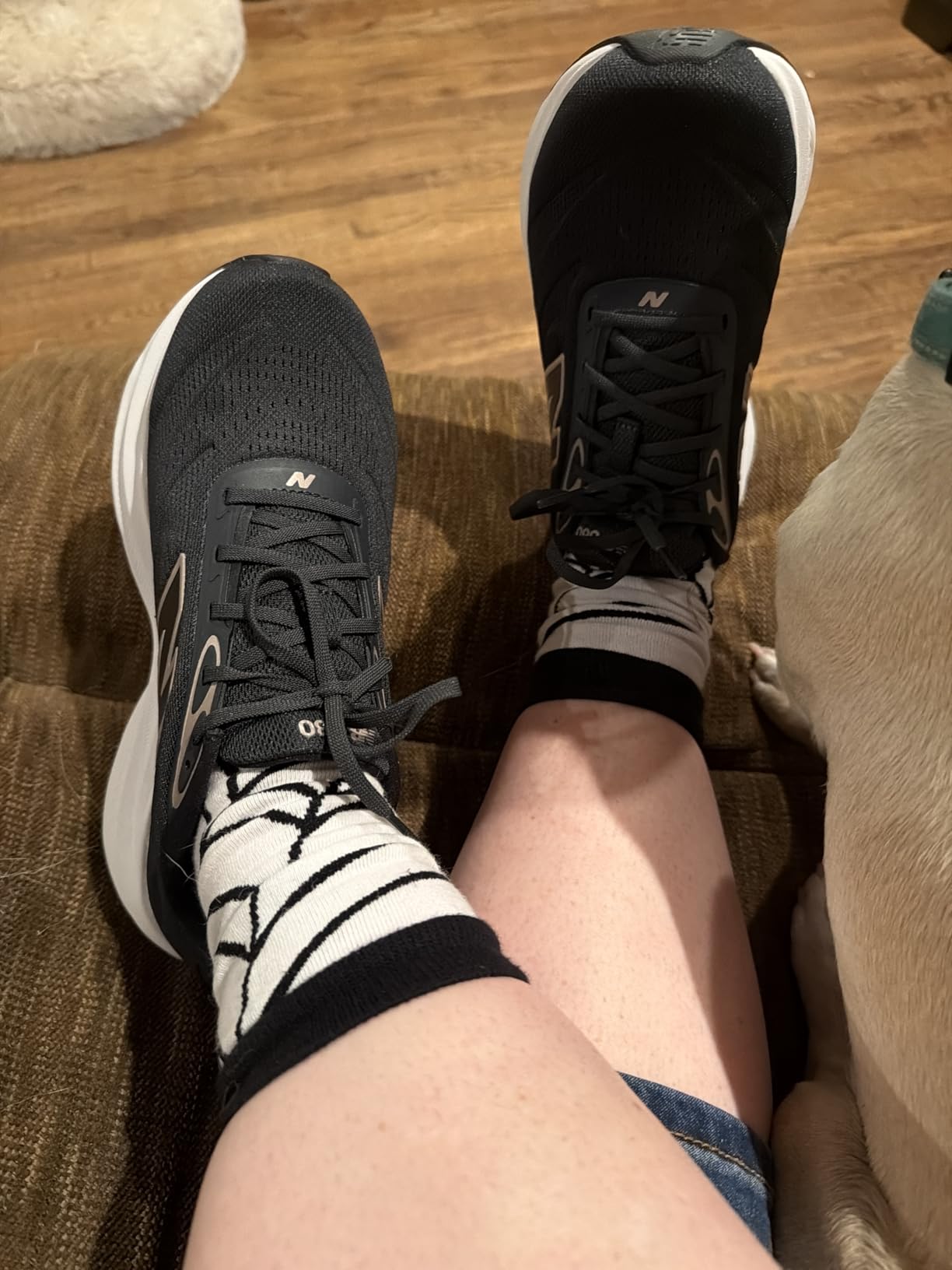
Owners describe it as a comfortable, breathable, versatile daily trainer. The 4.4 rating across 790 reviews is a little lower than the Fresh Foam flagships in this roundup, with a smaller share of top marks, and the review summary suggests the difference is in the cushioning character rather than any defect.
Two limits appear in the feedback. The cushioning is softer and less responsive than faster neutral trainers, which is the usual trade for comfort. And arch support is limited compared with stability models, so a foot that needs defined support should look elsewhere.
Where versatility pays off
This is the shoe for a week that does not look like a training week. Runs, gym sessions, errands and casual wear all fall inside what the 680 v9 handles well, and the integrated rubber outsole means you are not swapping footwear every time the surface changes from road to track to gym floor.
The molded mesh upper and secure lace-up fit also make it a comfortable choice for hours of wear, which matters for beginners who gradually add mileage to a schedule that already includes a lot of walking.
Where it is outshone
If your priority is speed or progression, a more responsive neutral trainer will give you a better experience, and several faster-feeling options appear earlier in this roundup. The softness here is a deliberate comfort choice rather than a shortcoming, but it is a choice.
Arch support is the other limit. If you have flat feet, a diagnosed pronation issue, or a history of plantar fasciitis, the Adrenaline GTS 25 provides guidance this shoe deliberately does not. Test the 680 v9 for a couple of weeks and pay attention to whether your foot feels supported or unguided.
How to Choose Your First Running Shoe
Most beginner shoe decisions go wrong for one reason: people optimise for a spec sheet instead of for their actual week. A carbon-plated race shoe has impressive numbers and no useful purpose for someone running three times a week at an easy pace. Work through the six decisions below in order and the choice narrows quickly.
Start with a neutral daily trainer
Your first running shoe should be a neutral daily trainer: cushioned enough to absorb pavement, stable enough to hold your foot, and flexible enough for walking between runs. Everything in the main list above fits that description, and choosing from that category rules out most of the catalogue that competes for your attention. If you want a wider shortlist by gender and fit, our guide to the best running shoes for men covers more of that ground.
Run-walk intervals, where you alternate walking and running, are the most common beginner format in our research, and they reward exactly this kind of shoe. You need something comfortable on your feet for the whole session, not something fast for the running portion.
Run the five-minute fit check
Fit matters more than any technology in the shoe, and beginner feedback in running forums said the same thing over and over: a specialty running store fitting beats online reviews, and shoes that are too narrow cause pain within weeks. If you can get to a store, do that first and use the list below as a backup.
When you try a pair, check five things. Leave roughly a thumb’s width between your longest toe and the front of the shoe. Make sure your foot does not slide when you lift your heel. Confirm the midfoot is held without pressure points. Check that the widest part of your forefoot sits inside the shoe’s widest part. And walk around the store rather than standing still, because most shoes feel different in motion.
On sizing, beginner advice from runners consistently recommends going up half a size from your casual shoe, because feet swell during a run. Buy from somewhere with easy returns, and test inside on carpet before your first outdoor run so you can return it without a ruined outsole.
Cushioning, stack height and drop in plain English
Cushioning is the foam between your foot and the ground. More cushioning absorbs more impact, which feels good on long hard-surface runs and can feel unstable if you are not used to it. Beginners do well with a mid-to-high cushioning daily trainer, and a max-cushion shoe only if you feel impact strongly or run heavier than average.
Stack height is simply how tall that foam stack is. A taller stack means more material under your foot and more separation from the ground. It is not automatically better, and a very tall stack takes adjustment if you are coming from a thin-soled trainer.
Heel-to-toe drop is the height difference between the heel and the forefoot, measured in millimetres. Most traditional running shoes sit around 10 mm, which matches the profile of most everyday athletic shoes. Zero-drop shoes like the ALTRA Torin 8 flatten that difference and require a gradual transition. For a first pair, matching a drop you are used to removes one variable from an already busy first month.
Wide feet, flat feet and high arches
Width is the easiest problem to solve and the most commonly ignored. If shoes feel tight across the forefoot or your toes touch the front, look for a model with extra-wide options rather than sizing up repeatedly, because a longer shoe does not widen the forefoot. The Brooks Adrenaline GTS 25 and the New Balance 520 v9 both run wide, with the Adrenaline reaching 4E.
Flat feet and pronation need guidance rather than width alone. If your shoes show uneven wear on the outer edge, or you notice your foot rolling inward at contact, a stability model such as the Adrenaline GTS 25 makes more sense than another neutral trainer. If you have high arches or supinate, the roomy, well-cushioned platforms on this list suit you better.
Road, treadmill or mixed surfaces
Most beginners run on a mix of pavement, sidewalk, track and treadmill, and every shoe above handles that combination. Match the surface to the shoe when you can: a road trainer is right for asphalt and treadmill, and if you plan to add trail or gravel runs later, look at our guide to trail running shoes for rugged terrain rather than wearing road shoes on a dirt path.
A related warning from beginner experience: do not use your running shoes for weightlifting or cross-training. Foam cushioning is designed for repetitive impact, not for loading, and a gym session on your daily trainer shortens its life considerably. Cheap indoor trainers for the gym is the cheaper habit.
When to replace running shoes
Replace on mileage and on feel, not on appearance. A well-used daily trainer usually covers 300 to 500 miles, and the durability data in this roundup ranges from roughly 300 miles for the Brooks Ghost 17 to about four months of use for the deeper HOKA Bondi 9. Track your mileage from the day you start wearing a pair.
Four signals say it is time. The midsole feels noticeably softer and lower than it did, which means the foam has compressed. A crease pattern that no longer bounces back appears in the midsole. New aches appear in your feet, knees or shins that were not there before. Or the outsole shows smooth worn patches rather than a tread pattern. Retire the pair at the first two signals rather than the last.
One more piece of advice from experienced runners: once you are running regularly, a second pair is worth adding. Old shoes recover their foam between uses, which extends their life, and it gives you a rotation for easy days and harder days. Do not buy the second pair in your first month. Wait until the first pair has taught you what your foot actually likes.
Frequently Asked Questions
What is the best running shoe for a beginner?
The best running shoes for beginners are neutral daily trainers with forgiving cushioning and a wide, stable platform. The Brooks Glycerin 22 is our top overall pick, the ASICS Gel-Cumulus 27 balances cushioning with a roomy toe box, and the Under Armour Charged+ Assert 11 covers the budget end. Avoid carbon-plated race shoes and max-cushion models for your first pair unless you specifically need maximum impact absorption.
Do beginners need stability shoes?
Most beginners do not. Stability shoes make sense if your foot visibly rolls inward when you land, if your shoes wear unevenly on the outer edge, or if a clinician has told you you overpronate. If you have one of those signs, the Brooks Adrenaline GTS 25 with its GuideRails system is the clearest option here. Otherwise a neutral trainer like the Glycerin 22 or the Cumulus 27 lets your own foot muscles do the stabilising work.
Should beginners buy max-cushion shoes?
Only if you feel a lot of impact, run heavier than average, or have high arches. Max-cushion trainers like the HOKA Bondi 9 absorb the most impact of any shoe in this roundup, but they are heavier, cost more, and their foam can feel spongy after roughly four months of use. A mid-cushion daily trainer is the more versatile first purchase for most beginners.
Should I buy running shoes a size up?
Going up half a size from your casual shoe is the most common beginner recommendation, because feet swell during a run. A longer shoe does not widen the forefoot, though, so if you need width, choose a model offered in wide or extra-wide sizes such as the New Balance 520 v9 or the Brooks Adrenaline GTS 25. Buy from a retailer with easy returns and test the shoes indoors first.
When should I replace my running shoes?
Replace a daily trainer between 300 and 500 miles, or sooner if you notice warning signs. The Brooks Ghost 17 is reported to hold up to roughly 300 miles, while deeper foams like the HOKA Bondi 9 can feel compressed after about four months. Replace early if the midsole feels noticeably softer, a crease stops bouncing back, new aches appear in your feet or knees, or the outsole shows smooth worn patches.
Final Verdict
The best running shoes for beginners in 2026 are the ones that let you keep showing up: a neutral daily trainer with real cushioning, a platform wide enough to avoid blisters, and a drop your ankle already recognises. Start with the Brooks Glycerin 22 for the most complete all-round package, move to the ASICS Gel-Cumulus 27 if toe room is your concern, and pick the Under Armour Charged+ Assert 11 if the budget for a first pair is tight.
If your foot needs guidance or you run heavier than average, the Brooks Adrenaline GTS 25 and the HOKA Bondi 9 cover those cases. Buy from somewhere with easy returns, wear them indoors first, and give any new geometry two weeks before judging it.
If you want to go deeper on a specific foot type, our guides to running shoes for overpronation, stability running shoes and cushioned shoes for long distances break the categories down further.