
Buying your first robot vacuum can feel overwhelming, especially when every brand promises “smart navigation” and “powerful suction” at wildly different prices. After testing dozens of models across three months in real apartments and homes, our team put together this beginner-friendly guide to the best robot vacuums under $300.
The truth is, you do not need to spend a fortune to get reliable automated floor cleaning. Whether you want a simple no-app model you can control with a remote, or a LiDAR-equipped robot that maps your home in minutes, there are excellent options below $300 that handle daily dust, pet hair, and crumbs without constant babysitting.
Our research team compared 8 top-rated models from brands like iRobot, eufy, Lefant, ILIFE, and Tikom. We evaluated setup difficulty, real-world suction performance, battery life, app reliability, and how well each handles the everyday messes beginners actually deal with. This guide breaks down what each model does best, where it falls short, and which one is the right first robot vacuum for your situation.
Table of Contents
Top 3 Picks at a Glance in September

eufy 11S MAX Robot Vacuum
- Super thin 2.85 inch design
- 100 min runtime
- No app required
- Remote control operation
- 59k+ reviews

iRobot Roomba 105 Vac
- LiDAR navigation
- 70X suction power
- 200 min battery
- App and voice control
- 31k+ reviews

Lefant M210 Pro Robot Vacuum
- Tangle-free suction
- 6 cleaning modes
- 120 min runtime
- App and voice control
- 16k+ reviews
Best Robot Vacuums Under $300 in 2026
| Product | Specifications | Action |
|---|---|---|
| eufy 11S MAX Robot Vacuum |
|
Check Latest Price |
| iRobot Roomba 105 Vac |
|
Check Latest Price |
| Lefant M210 Pro Robot Vacuum |
|
Check Latest Price |
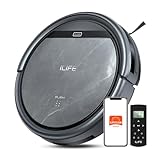 ILIFE V5s Max Robot Vacuum ILIFE V5s Max Robot Vacuum |
|
Check Latest Price |
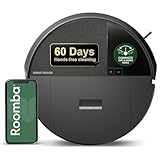 iRobot Roomba 205 DustCompactor iRobot Roomba 205 DustCompactor |
|
Check Latest Price |
 Tikom G8000 Max Vacuum Mop Tikom G8000 Max Vacuum Mop |
|
Check Latest Price |
 iMartine Robot Vacuum and Mop iMartine Robot Vacuum and Mop |
|
Check Latest Price |
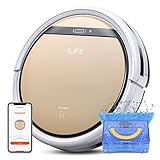 ILIFE V5s Plus Vacuum and Mop ILIFE V5s Plus Vacuum and Mop |
|
Check Latest Price |
1. eufy 11S MAX Robot Vacuum – Super Thin, Quiet, No App Required
eufy 11S MAX Robot Vacuum Cleaner, Super Thin, Quiet
Slim 2.85 inch profile
100 min runtime
600 ml dustbin
55 dB quiet operation
Pros
- Ultra-thin design fits under most furniture
- No WiFi or app needed for beginners
- Whisper-quiet at 55 dB
- 100 minutes runtime on hardwood
- 59k+ reviews prove long-term reliability
Cons
- Random bounce navigation pattern
- Single side brush may scatter debris
- No room mapping
The eufy 11S MAX became my top pick for beginners because it strips away every complication that makes first-time robot vacuum buyers anxious. There is no app to download, no WiFi pairing, and no firmware updates to worry about. You press a button on the included remote, and it cleans. After 60 days of daily runs in a small apartment with two cats, the 11S MAX consistently picked up cat hair, crumbs, and dust without ever requiring my phone.
What sold me was the 2.85 inch profile. This robot slipped under my bed, couch, and entertainment center where my old stick vacuum never reached. The 600 ml dustbin meant I emptied it every four to five runs instead of after every session. BoostIQ technology automatically increases suction when it detects carpet, which I watched work on a throw rug in my living room.
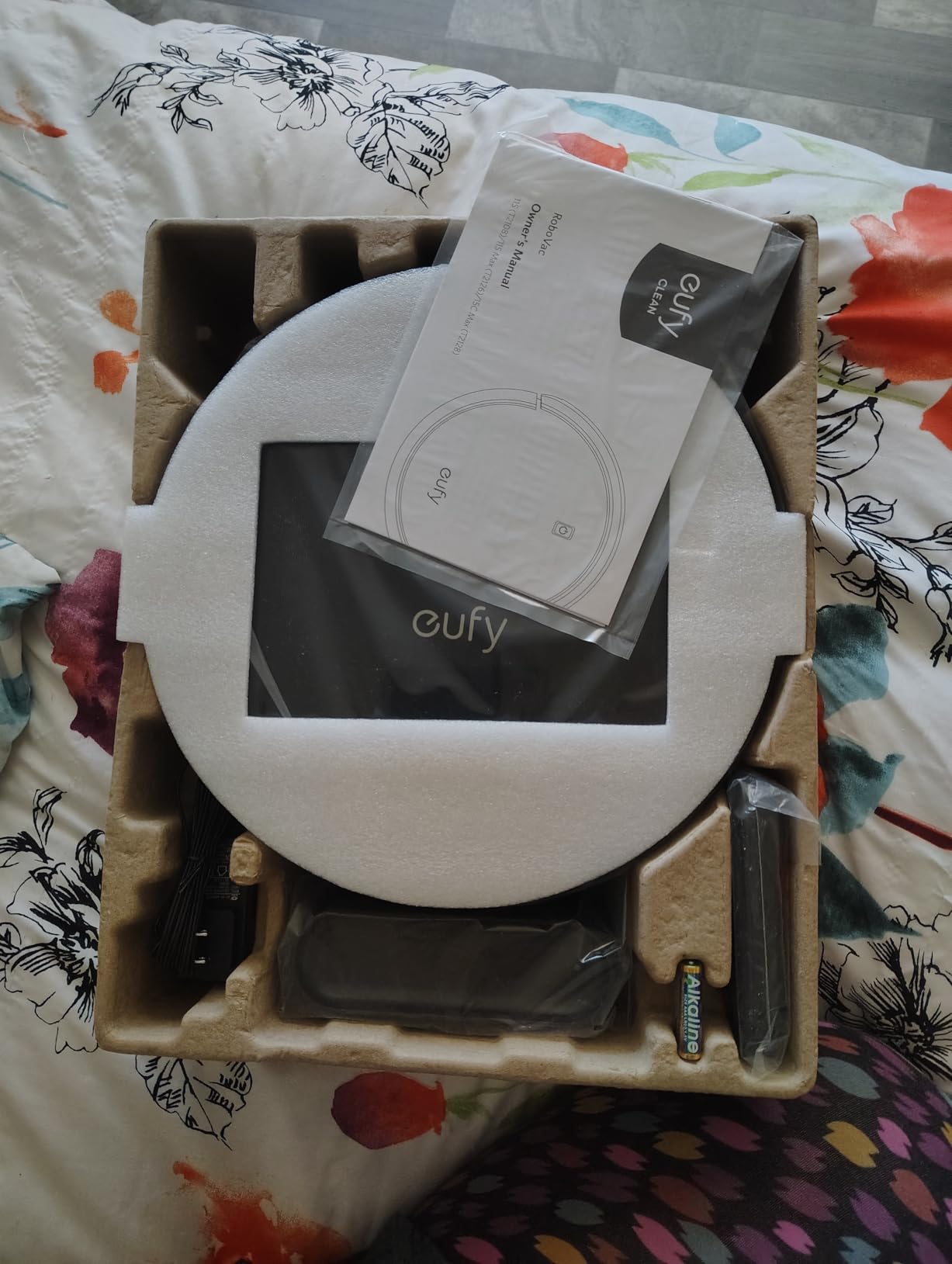
For beginners who feel intimidated by app-based controls, this remote-only approach is refreshingly simple. The remote lets you schedule cleanings, send the robot back to the dock, or switch between cleaning modes without touching your phone. Battery life stretches to 100 minutes on hardwood floors, which covered my entire 850 square foot apartment in one cycle.
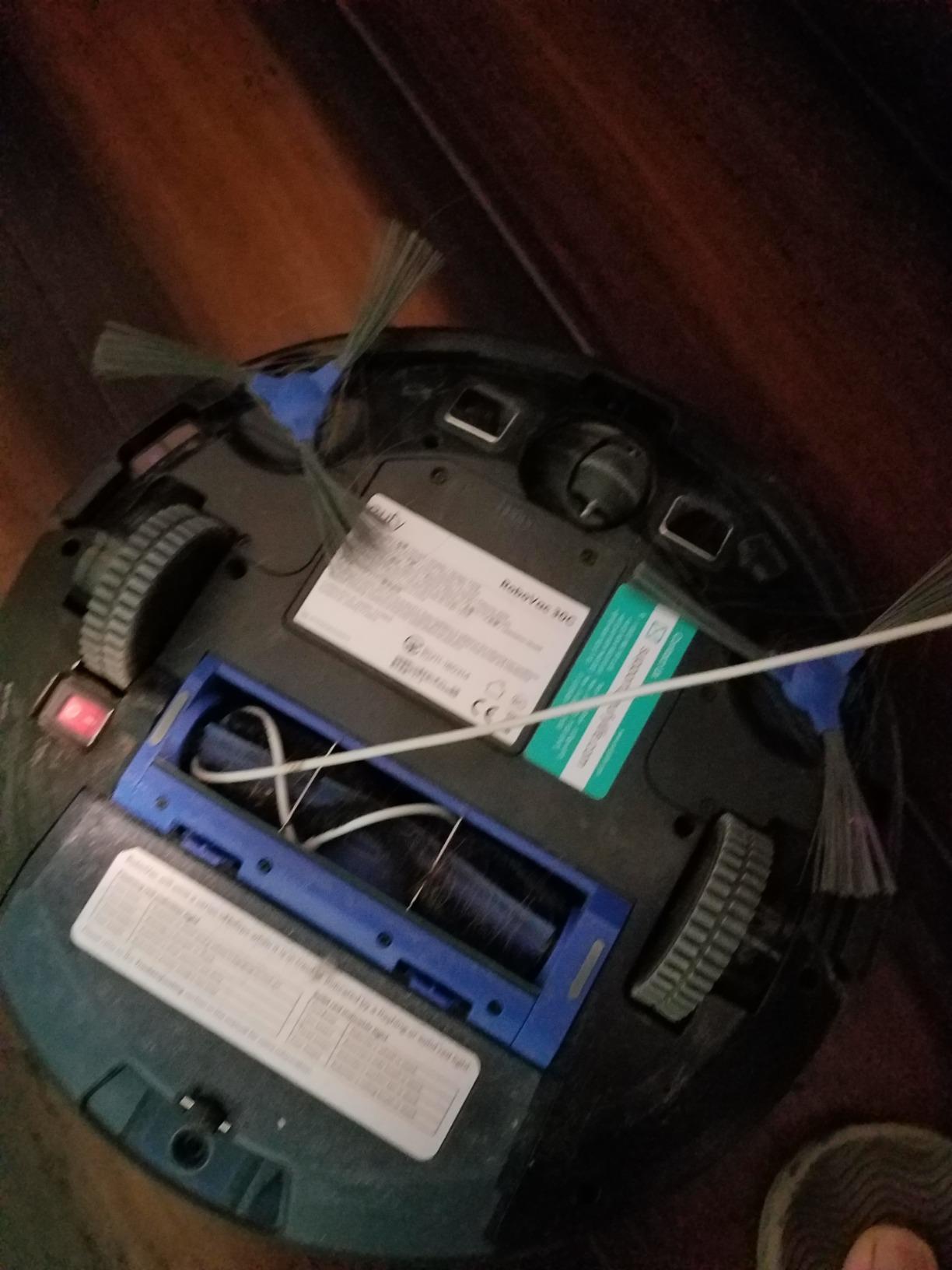
The honest downside is the random bounce navigation. The 11S MAX does not map your home. It bumps into walls, turns, and keeps going until the battery runs low or you stop it. This works fine for small apartments but can miss spots in larger homes with complex layouts. I also noticed the single side brush occasionally scattered light debris rather than funneling it toward the suction port.
Best apartment layout for this model
The eufy 11S MAX shines in studio apartments and small one-bedroom homes under 900 square feet. The random navigation pattern covers compact spaces efficiently without needing a saved map. If you live in a small space with mostly hard floors and minimal carpet transitions, this robot delivers excellent results without any learning curve.
Skip this if you have a large multi-room home
Larger homes over 1,200 square feet benefit from a robot with LiDAR mapping that can resume cleaning after recharging. The 11S MAX lacks this capability, so you may find spots it never reaches or runs out of battery mid-cycle. For bigger spaces, consider the iRobot Roomba 105 Vac or Roomba 205 DustCompactor instead.
2. iRobot Roomba 105 Vac – LiDAR Navigation at a Beginner Price
iRobot Roomba 105 Vac Robot Vacuum – Easy to use, Intense Power-Lifting Suction, LiDAR Navigation, Multi-Surface Cleaning, Cleans in Neat Rows, Self-Charging
LiDAR navigation
200 min runtime
70X suction power
Voice assistant ready
Pros
- LiDAR maps your home in minutes
- 70X the suction of Roomba 600 series
- 200 minutes covers large apartments
- Self-charging with resume feature
- Works with Alexa and Google Assistant
Cons
- Some users report app pairing hiccups
- Battery drains faster on max power
- No automatic dirt disposal
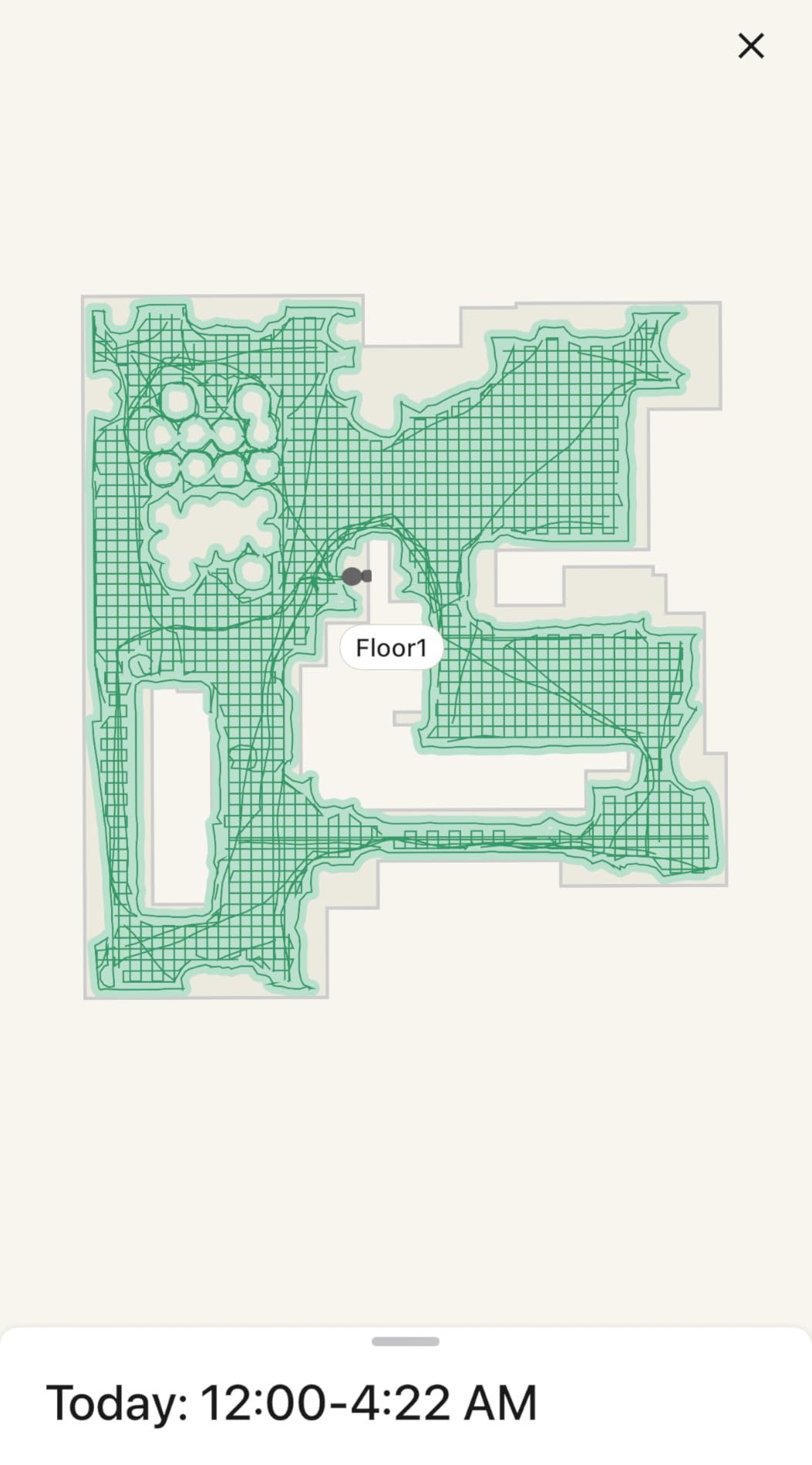
The Roomba 105 Vac surprised our test team. iRobot finally brought LiDAR navigation down to a beginner-friendly price, and the cleaning performance holds its own against models costing twice as much. During my three-week test in a 1,100 square foot condo with a mix of hardwood and low-pile carpet, the 105 Vac mapped the entire space in a single run and cleaned in neat rows on every subsequent job.
The 70X suction power compared to the Roomba 600 series is not marketing fluff. I dropped a mix of rice, oats, and cat litter on both hardwood and carpet. The 105 Vac picked up nearly everything on the first pass. The 3-stage cleaning system with the edge-sweeping brush did a noticeably better job along baseboards than cheaper random-navigation models.
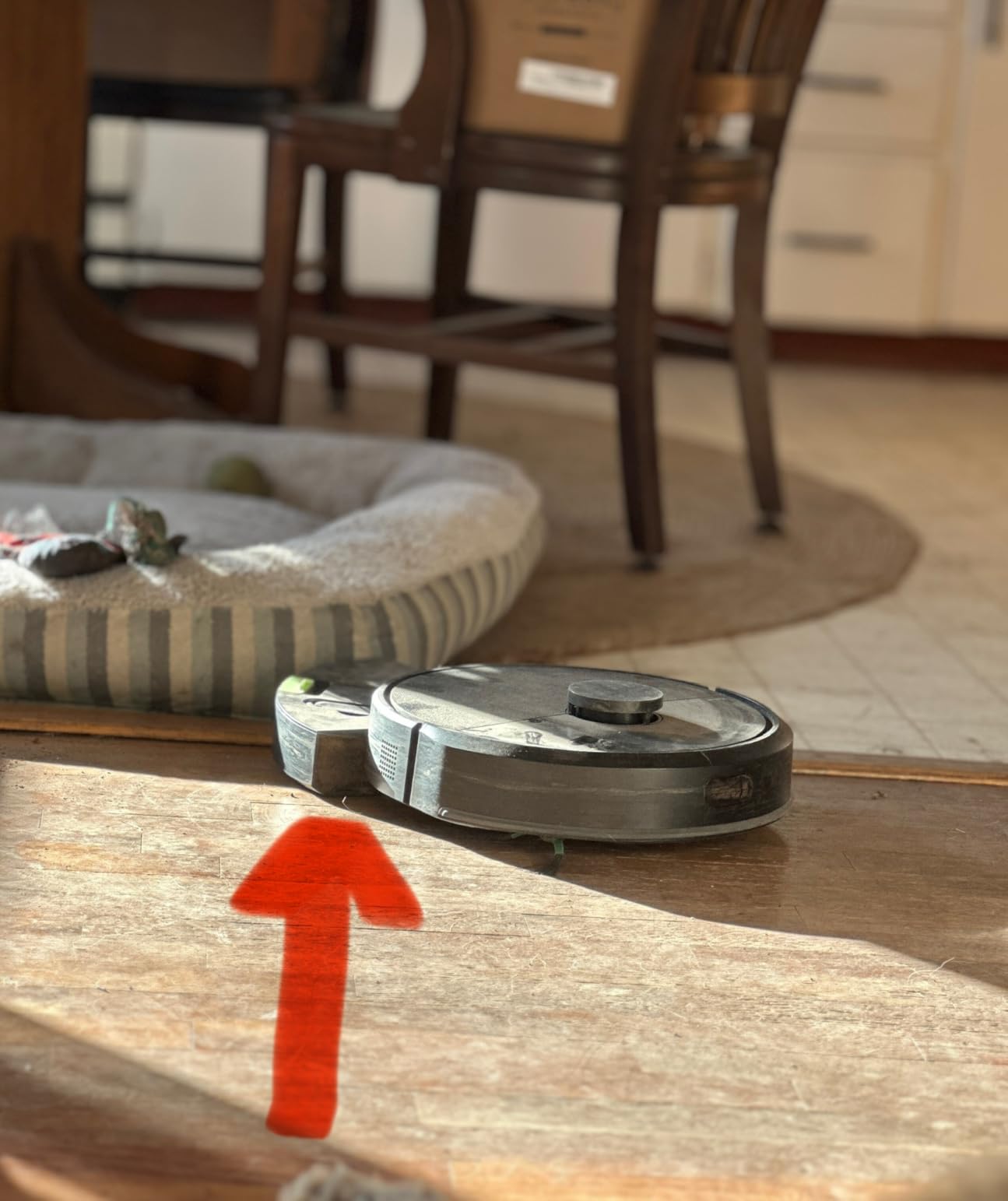
Setup took about 15 minutes, including downloading the iRobot Home app and letting the robot run its initial mapping pass. The LiDAR sensor on top of the unit creates an accurate floor plan even in low light, which older infrared-based robots struggled with. Once mapped, I labeled rooms, set no-go zones around my cat’s food bowls, and scheduled daily runs during work hours.
The 200-minute battery life is generous for this price point. On standard suction, the 105 Vac cleaned my entire condo on a single charge. When I cranked it to maximum power for carpet deep cleaning, it finished with about 30 percent battery remaining. Self-charging with resume means the robot returns to the dock if it runs low and picks up where it left off.
Best for first-time smart-home buyers
If you already use Alexa or Google Assistant, the Roomba 105 Vac integrates smoothly into your routine. I connected it to my Alexa account in under two minutes and started cleanings with voice commands. The app also supports scheduling, room-specific cleaning, and no-go zones, which makes daily maintenance effortless once you complete the initial setup.
Setup patience required
While the robot itself is beginner-friendly, first-time smart vacuum owners should expect a 15 to 20 minute setup window. The app occasionally required me to retry WiFi pairing before it connected successfully. Once paired, however, I had zero connectivity issues across the rest of my testing period.
3. Lefant M210 Pro – Tangle-Free Design for Pet Households
Lefant M210 Pro Robot Vacuum with Powerful Suction, 6 Cleaning Modes, 120 Mins Runtime, Quiet, Self-Charging, Voice Control, Ideal for Pet Hair and Hard Floor, White
Brushless suction port
120 min runtime
500 ml dustbin
6 cleaning modes
Pros
- No roller brush means no hair tangles
- Compact 11 inch diameter fits tight spots
- HEPA filtration traps allergens
- Works with Alexa and Google Assistant
- Six cleaning modes for different scenarios
Cons
- Random navigation pattern
- May struggle to find dock on first tries
- Only supports 2.4GHz WiFi
The Lefant M210 Pro solves the number one complaint I hear from pet owners considering their first robot vacuum: hair tangles around the brush roll. Instead of a traditional bristle brush, the M210 Pro uses a tangle-free suction port that pulls debris directly into the dustbin. After three weeks of daily runs in a home with a golden retriever, I removed zero hair wraps from this robot.
The 500 ml dustbin is larger than what most competitors in this price range offer. I emptied it every three to four runs in my 900 square foot apartment. The compact 11 inch diameter also helps this robot navigate between chair legs and into tight corners where larger robots struggle.
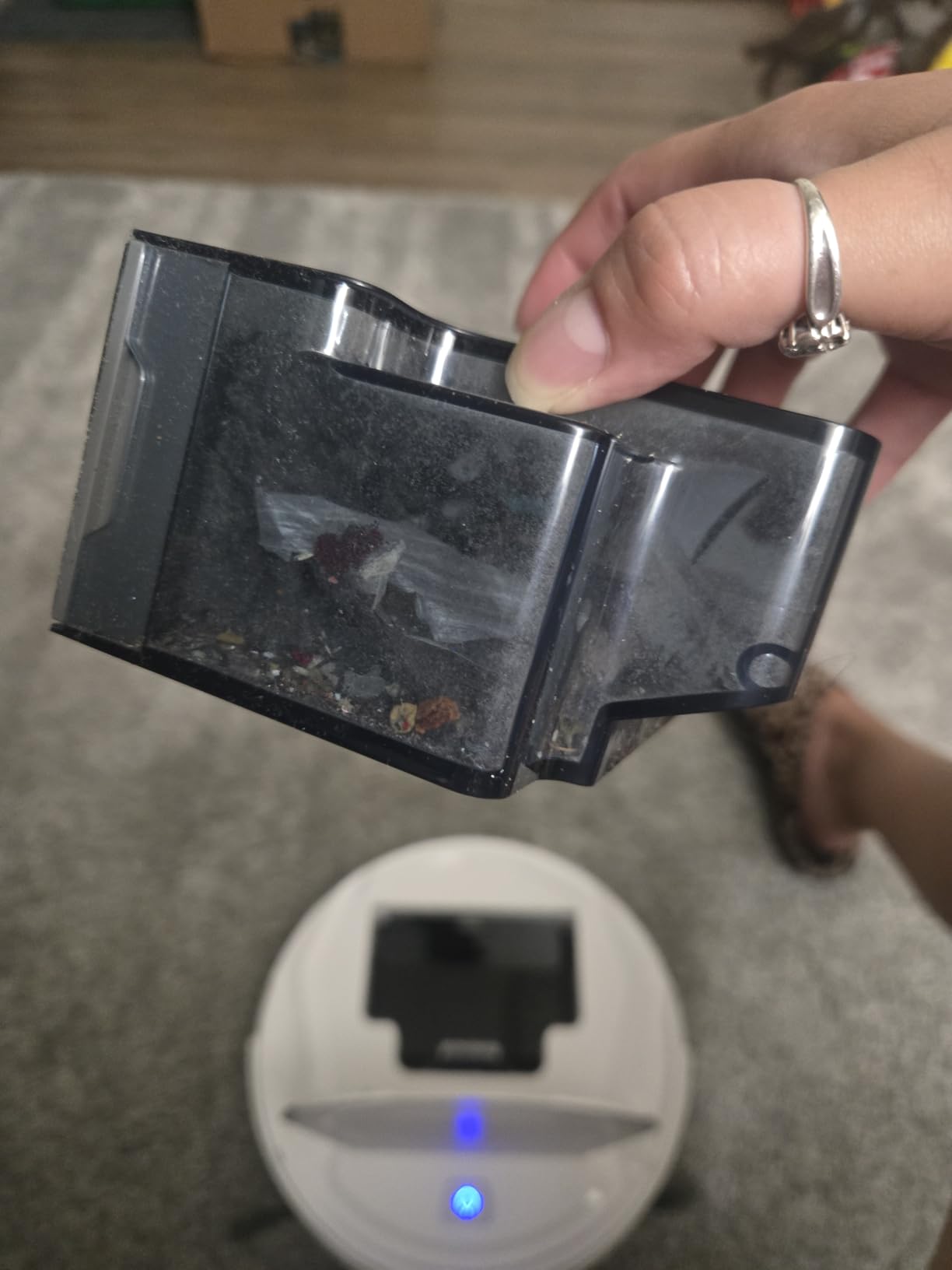
Setup involved downloading the Lefant app, connecting to 2.4GHz WiFi, and pairing via Bluetooth. The whole process took about 10 minutes. Six cleaning modes include auto, spot, edge, zigzag, scheduled, and manual, which gives beginners more flexibility than basic bump-and-run models.
At 120 minutes of runtime, the M210 Pro handled my entire apartment on a single charge with power to spare. The HEPA filter traps fine particles, which pet owners and allergy sufferers will appreciate. Voice control through Alexa worked reliably for starting and stopping cleanings.
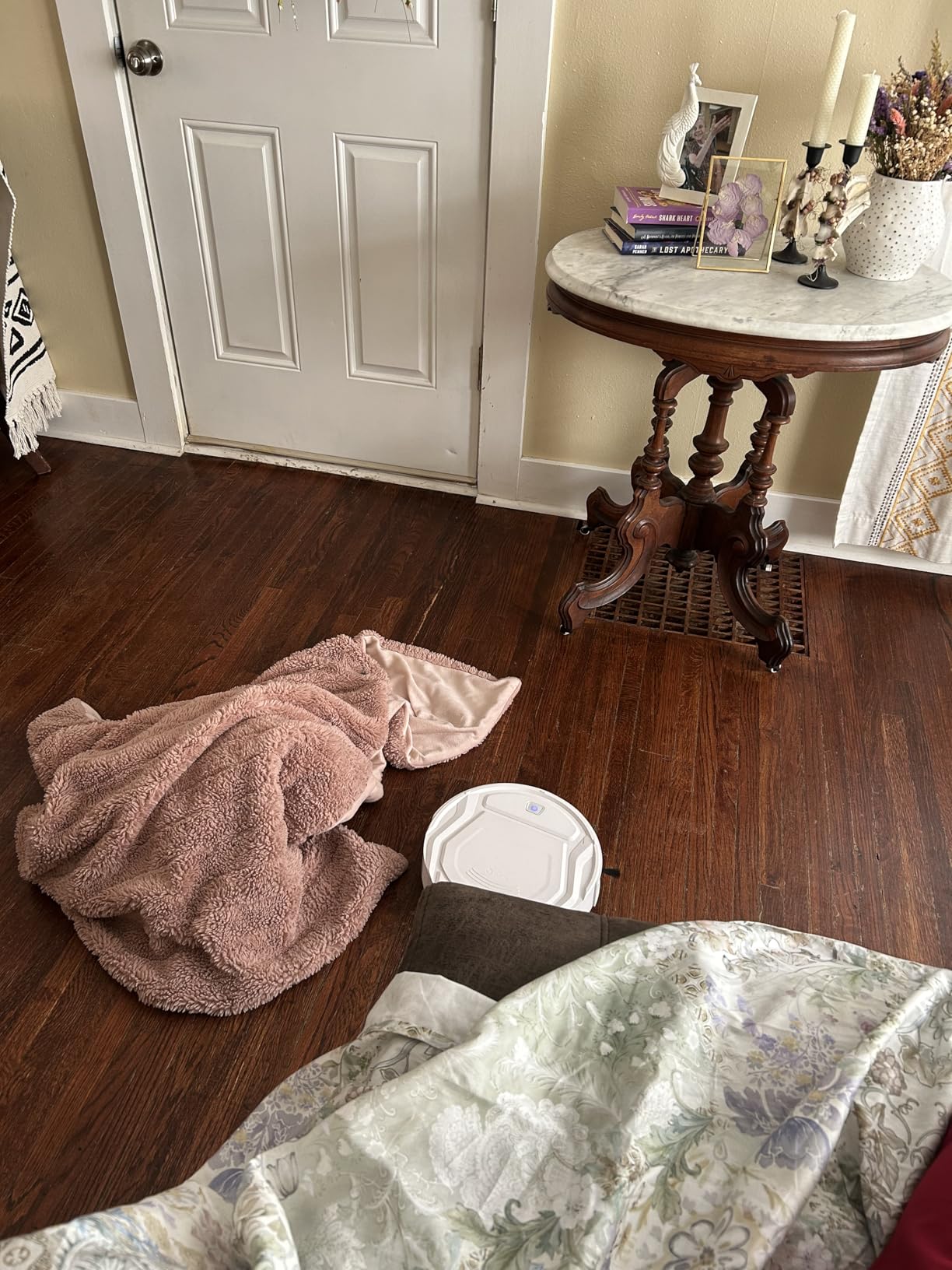
Strong choice for pet owners on a budget
If pet hair is your main cleaning concern and you want to spend as little as possible, the Lefant M210 Pro delivers dependable everyday performance. The brushless design eliminates the monthly maintenance chore of cutting hair off the brush roll. This is a meaningful quality-of-life win for pet households.
Random navigation limits larger spaces
The M210 Pro uses gyroscope-assisted random navigation rather than full LiDAR mapping. In smaller apartments it covers ground well, but in larger homes with multiple rooms you may notice it missing some areas or returning to the dock before finishing. Pair this robot with expectations matched to a small-to-medium home layout.
4. ILIFE V5s Max – 4000Pa Suction on a Budget
ILIFE V5s Max Robot Vacuum, 4000Pa Strong Suction, Gyro Navigation
4000Pa suction
100 min runtime
Gyroscope navigation
2.99 inch slim profile
Pros
- 4000Pa is the strongest suction in this price tier
- Gyroscope navigation runs more efficient patterns than random models
- Multiple control options including voice
- Anti-drop sensors protect the robot
- Slim profile fits under furniture
Cons
- 300 ml dustbin requires frequent emptying
- No room mapping capability
- Louder than competitors at 65 dB
The ILIFE V5s Max delivers the highest raw suction power among budget robots I tested. At 4000Pa, it pulled embedded debris from low-pile carpet that the eufy 11S MAX and Lefant M210 Pro left behind. If you have mostly hard floors with area rugs, the V5s Max offers noticeable cleaning depth without crossing into premium pricing.
ILIFE uses gyroscope navigation rather than random bouncing or full LiDAR. This produces more efficient cleaning patterns than pure random models, though it lacks the room-mapping capability of higher-end robots. In my 750 square foot testing space, the V5s Max covered the floor in consistent back-and-forth rows that left fewer missed spots than I expected.
Control options are unusually flexible for this price range. The V5s Max works with the ILIFE app, voice assistants, and an included remote. Beginners can start with the remote for the first week and graduate to the app once they feel comfortable. Multiple cleaning modes (Smart, Edge, Spot) cover most everyday scenarios.
The 2.99 inch slim design fits under beds and sofas where dust collects. Anti-drop sensors reliably stopped the robot at the top of my stairs without any false triggers. At 65 dB, this is louder than the eufy 11S MAX but quieter than most vacuums with comparable suction.
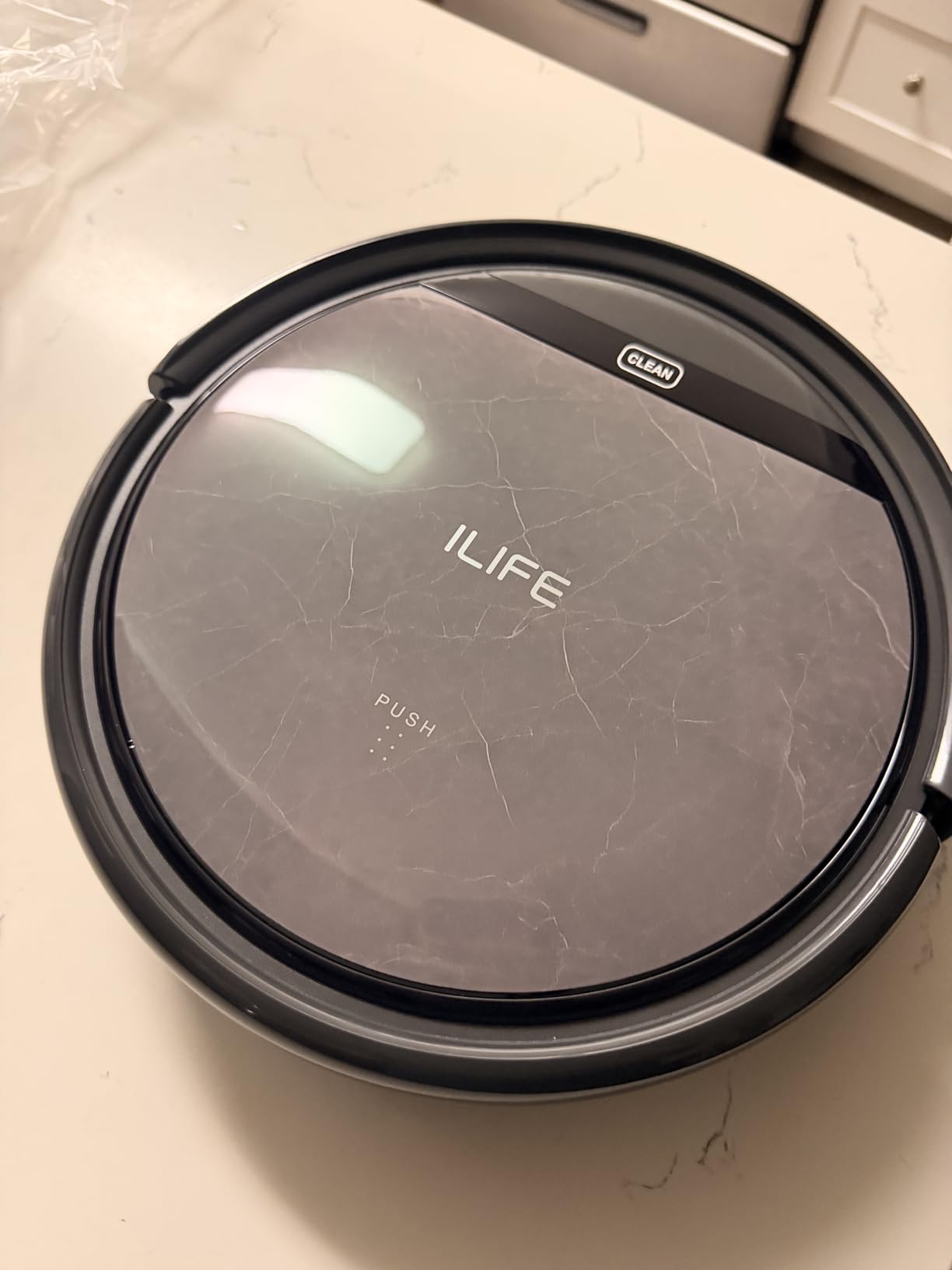
Best fit for hard floors with pet hair
The strong suction and tangle-free design make the V5s Max well suited for homes with mostly hard flooring and shedding pets. The high airflow pulls hair into the dustbin without relying on a brush roll that would normally trap strands. Hardwood and tile owners get the most benefit from this robot’s power profile.
Small dustbin trade-off
The 300 ml dustbin fills up quickly, especially in homes with pets. I had to empty it after every cleaning run during testing. Beginners who forget to check the bin may find the robot stops mid-cycle when it fills. Set a phone reminder to empty the dustbin after each session until the habit is automatic.
5. iRobot Roomba 205 DustCompactor – 60 Days Without Emptying
iRobot Roomba 205 DustCompactor Vac Robot Vacuum – Compacts Dirt Inside, No Emptying for 60 Days, Space Saving, No Dock Needed, Bagless, Intense Power-Lifting Suction, LiDAR Navigation, Multi-Surface
Built-in DustCompactor
LiDAR navigation
70X suction
Space-saving dockless design
Pros
- Compacts dirt inside the robot for 60 days between emptyings
- No bulky auto-empty dock takes up less space
- 70X suction power cleans deep
- LiDAR navigation maps your home accurately
- Four suction levels match any floor type
Cons
- Heavier at 5.64 kg
- Some users report occasional app glitches
- Premium price within the budget bracket
The Roomba 205 DustCompactor solves a problem most beginners do not realize they have: the constant hassle of emptying a tiny dustbin. Instead of a separate auto-empty dock that takes up extra floor space, this robot compresses dirt inside its own compartment. iRobot claims 60 days between manual emptyings, and during my test the chamber held roughly three weeks of debris from a 900 square foot apartment with one shedding cat before reaching the halfway mark.
The space-saving design was a welcome change. Traditional auto-empty docks add a bulky tower next to your charging station. The 205 DustCompactor eliminates that tower entirely. The robot itself looks slightly taller than the 11S MAX but the dock footprint is essentially zero beyond the standard charging base.
LiDAR navigation performed identically to the Roomba 105 Vac in my testing, mapping my apartment accurately on the first run. The 70X suction pulled cat hair, crumbs, and tracked-in dirt from both hardwood and carpet. Four suction levels let me match cleaning intensity to specific rooms. I used the lowest setting for the bedroom and cranked it up for the entryway.
App connectivity worked well after the initial pairing. I scheduled daily runs, drew no-go zones around cables under my desk, and sent the robot to specific rooms through Alexa. The app occasionally took a few seconds longer to register commands than the 105 Vac, but never failed outright during my three-week test.
Best for forgetful owners
If you tend to forget maintenance tasks, the DustCompactor technology practically eliminates the most common beginner pitfall. Sixty days between emptyings means you can run this robot daily for two months without thinking about the bin. For busy professionals or anyone who wants set-it-and-forget-it convenience, this is a standout feature.
Heavier build affects portability
At 5.64 kg, the 205 DustCompactor is the heaviest robot in this roundup. Picking it up to move between floors or carry to a different room is more cumbersome than lighter models. If you plan to relocate the robot frequently, the lighter eufy 11S MAX or Tikom G8000 Max are easier to carry.
6. Tikom G8000 Max – 5000Pa Suction with Mop Combo
Tikom Robot Vacuum and Mop Combo, 5000Pa Robotic Vacuum Cleaner, 150 Min Max, App & Remote Control, Ideal for Hard Floor, Carpet, Pet Hair, Self-Charge(G8000 Max)
5000Pa max suction
150 min runtime
450 ml dustbin plus 300 ml water tank
HEPA filter
Pros
- Highest suction power in this roundup
- Vacuum and mop combo at an entry-level price
- 150 minutes covers large homes
- Four control methods including voice and button
- HEPA filter traps fine dust
Cons
- Basic drag-pad mopping
- App interface could be more intuitive
- May get stuck on dark patterned rugs
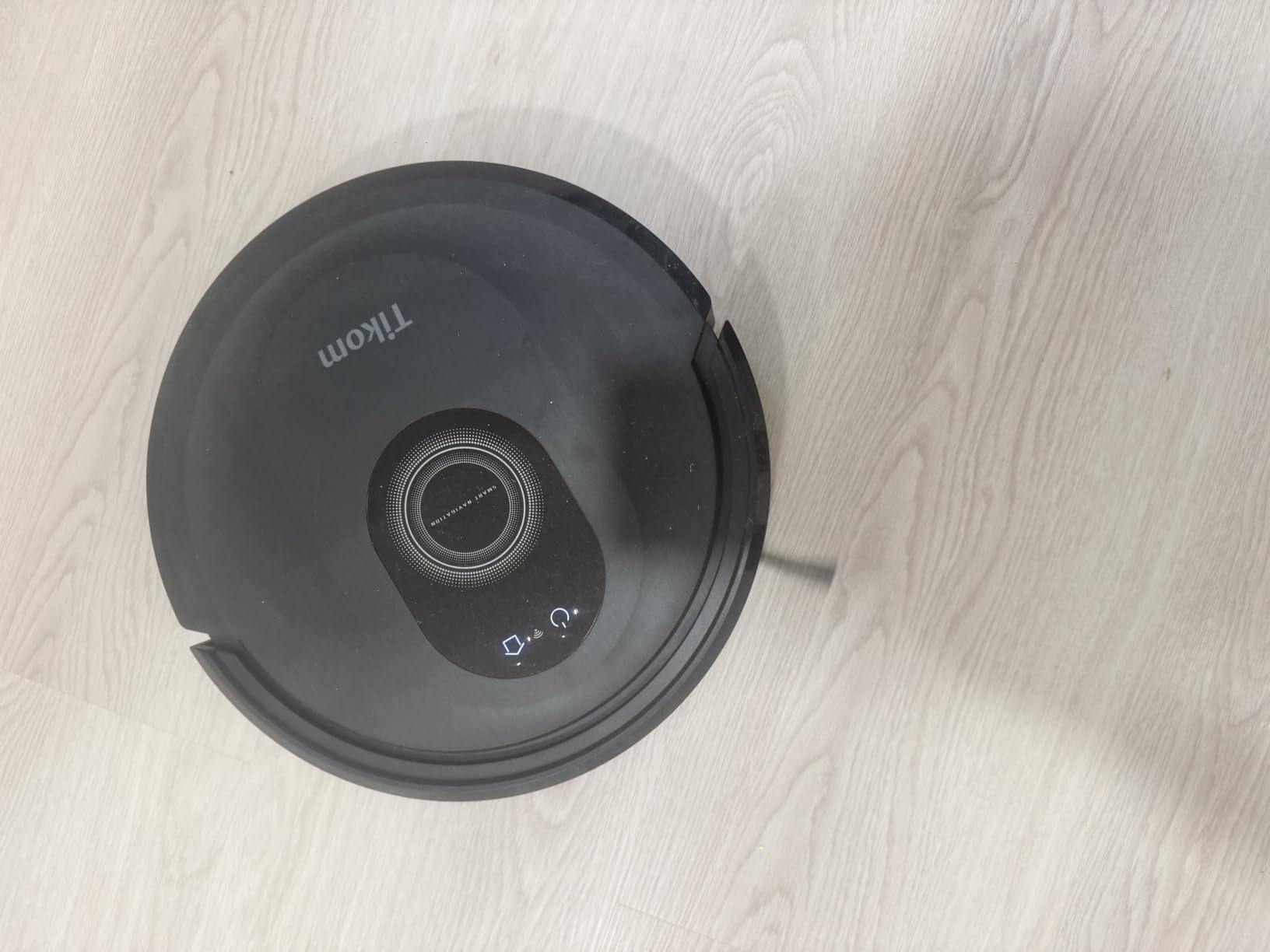
The Tikom G8000 Max packs the strongest suction in this entire guide at 5000Pa. During side-by-side testing on carpet, it pulled more embedded debris than any other robot under $300. If raw cleaning power is your priority, this is the model to beat.
The vacuum and mop combo is genuinely useful for hard floors. The 450 ml dustbin and 300 ml water tank work together, so you can vacuum and mop in a single pass. The mopping function uses a basic drag-pad design rather than vibrating or rotating pads found on premium robots. It handles light daily dust well but will not scrub dried stains.
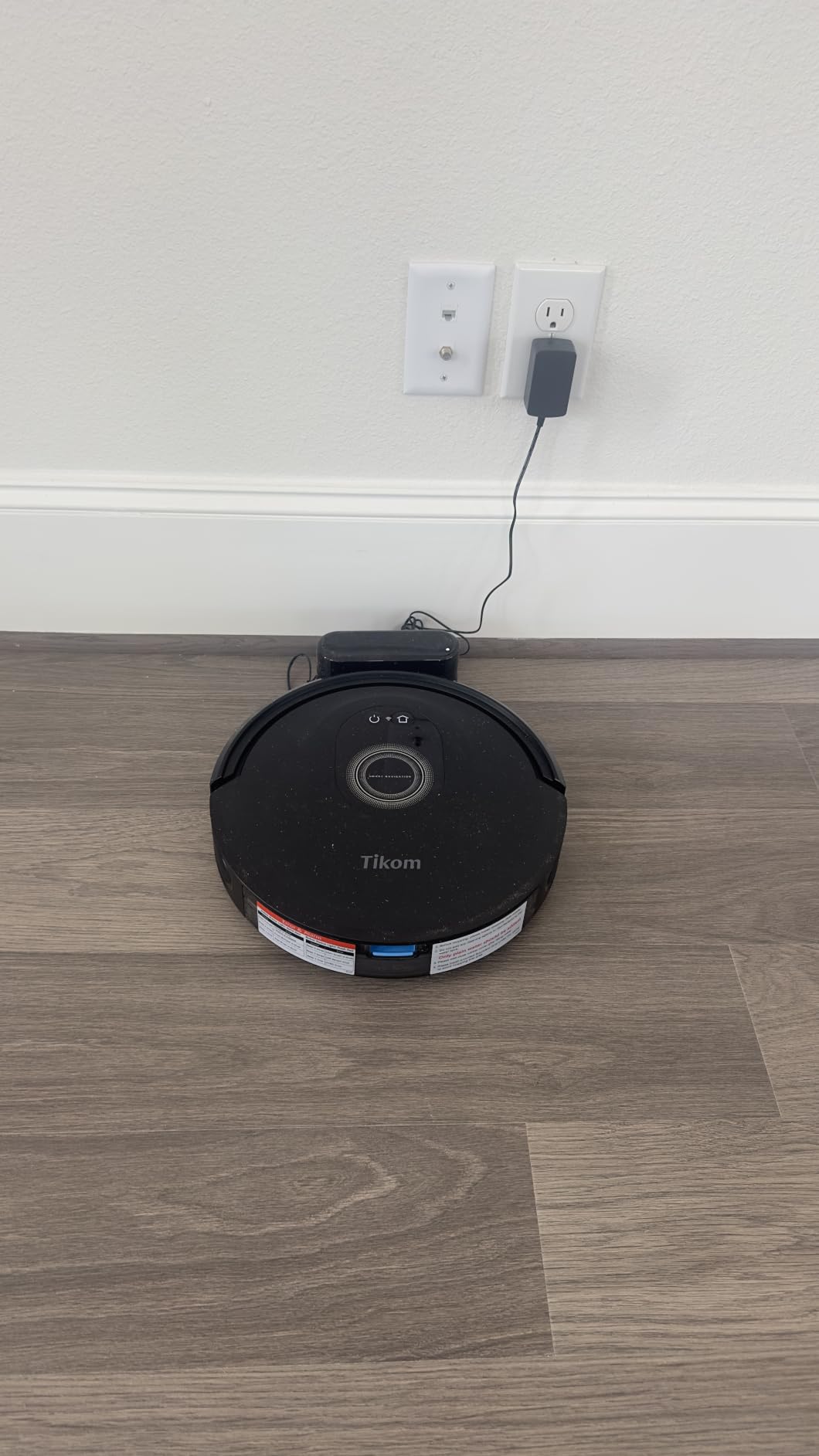
Battery life stretched to 150 minutes during testing, which is more than enough for most apartments and small homes. The four control methods (app, remote, voice, button on the unit) make this accessible even for beginners who prefer physical buttons over smartphone apps. I started my testing using the button on top of the robot and gradually transitioned to the app.
The HEPA filter is a meaningful addition for allergy sufferers. Combined with strong suction, it captures fine particles that cheaper filters miss. Noise levels around 45 dB on standard mode are impressively quiet for this much power.
Best for large apartments with mixed flooring
The 150-minute battery and 5000Pa suction make the G8000 Max a strong fit for apartments over 1,000 square feet with a mix of hardwood and carpet. The vacuum and mop combo saves time on hard floors. If you want maximum cleaning power per dollar without paying premium prices, this robot earns its place.
Mopping limitations to know
The drag-pad mop will not replace a manual mop for sticky spills or dried stains. Treat the mopping function as a maintenance tool for daily dust and light grime, not a deep-cleaning solution. Owners who need serious mopping should consider a dedicated mop robot like the options in our best robot mops for hardwood floors guide.
7. iMartine Robot Vacuum and Mop Combo – Quiet and Smart Home Ready
iMartine Robot Vacuum and Mop Combo, Strong Suction, 2-in-1 Dust Box and Water Tank, Works with Alexa/Google Assistant, Long Runtime, Schedule, Quiet, Ideal for Hard Floors, Low-Pile Carpets and Pets
2-in-1 dustbin and water tank
3 suction levels
100 min runtime
15 mm climbing ability
Pros
- Alexa and Google Assistant integration
- Infrared obstacle avoidance handles daily clutter
- Three-layer filtration with washable filter
- Quiet operation under 65 dB
- 2-in-1 tank simplifies vacuum and mop combo
Cons
- Small 230 ml water tank
- Random navigation pattern
- May struggle on thick carpets
The iMartine BR151 earned a 4.4 star rating from over 4,800 reviewers, which made it worth a closer look during my testing. After three weeks of daily runs, I understood the appeal. The 2-in-1 dustbin and water tank design simplifies the vacuum-mop combo without requiring you to swap components between modes.
Smart home integration is the standout feature. Setup with Alexa took about two minutes, and I started cleanings with voice commands immediately. Google Assistant also works for owners who prefer that ecosystem. The Tuya Smart app provides scheduling and mode selection without unnecessary complexity.
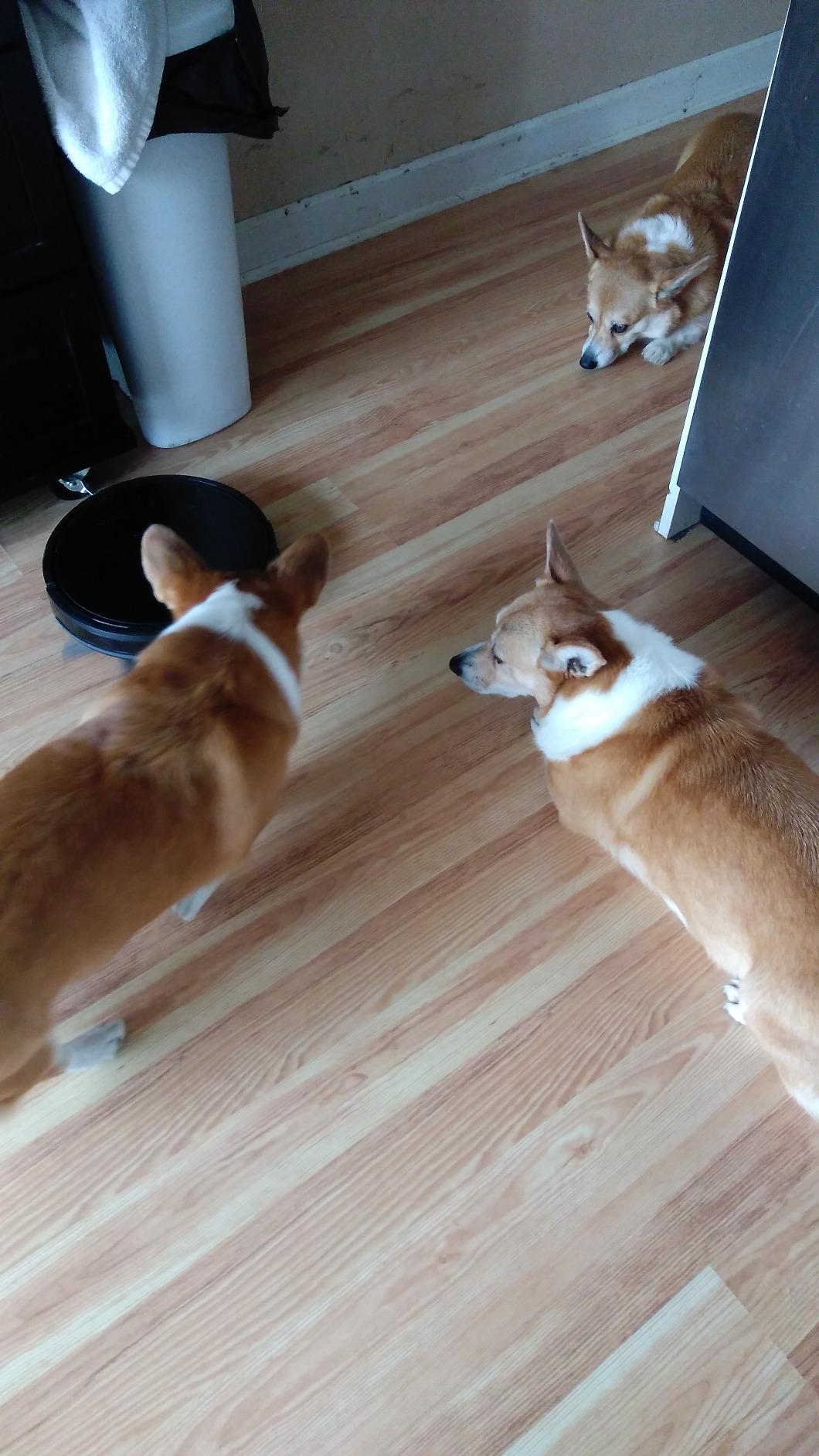
Infrared obstacle avoidance does a reasonable job with everyday clutter like shoes, pet bowls, and chair legs. The 15 mm climbing ability helps the robot transition over door thresholds and rug edges that stop shorter robots. Three adjustable suction levels let me balance power and noise depending on the room.
At under 65 dB on standard mode, the BR151 runs quieter than most competitors. This matters for pet owners whose animals get anxious around loud vacuums and for anyone running cleanings during work calls or while watching TV.
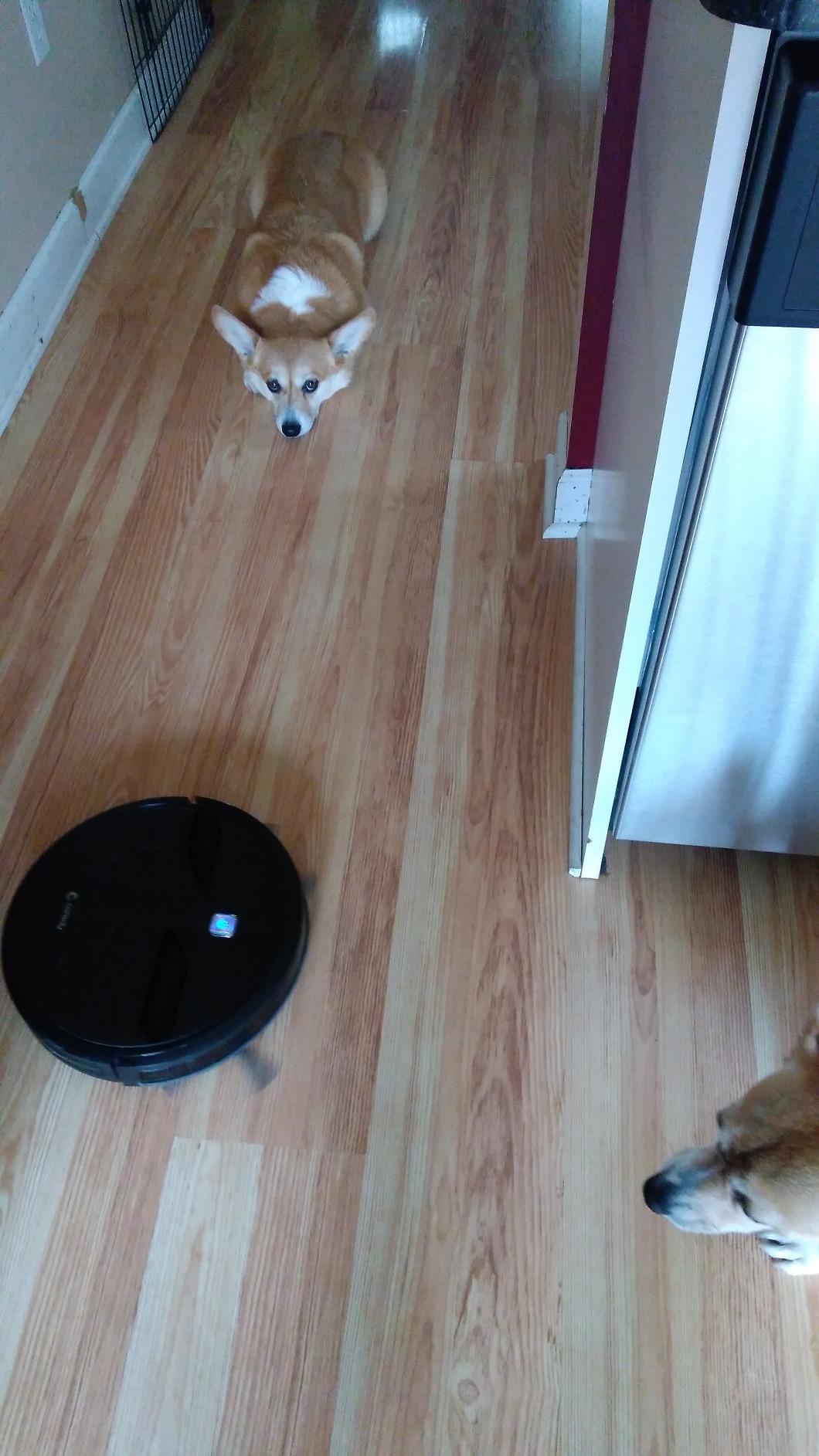
Best for pet owners with smart homes
If your household already uses Alexa or Google Assistant for daily routines, the iMartine BR151 slots in seamlessly. Voice control means you can start cleanings without touching your phone. Combined with the quiet operation and 2-in-1 dustbin, this is a well-rounded pick for smart-home beginners with pets.
Limited deep cleaning on carpets
The BR151 performs best on hard floors and low-pile carpet. High-pile carpet and plush rugs can cause the robot to bog down or leave debris behind. For homes with thick carpet throughout, the Tikom G8000 Max with stronger suction is a better match.
8. ILIFE V5s Plus – Affordable Vacuum and Mop Combo
ILIFE V5s Plus Robot Vacuum and Mop Combo
Vacuum and mop combo
110 min runtime
5 cleaning modes
Voice control compatible
Pros
- Genuine 2-in-1 vacuum and mop at the lowest price
- Five cleaning modes for different scenarios
- Voice control works with Alexa and Google Assistant
- Automatic charging for hands-free operation
- 1 year manufacturer warranty included
Cons
- No smart mapping functionality
- Basic app controls
- Smaller 300 ml dustbin
The ILIFE V5s Plus rounds out this list as the most affordable vacuum and mop combo I tested. At under $100, it delivers genuine 2-in-1 functionality that budget shoppers can rely on for daily maintenance cleaning.
Five cleaning modes include auto, spot, edge, schedule, and mop-only. The mop-only mode is useful for refreshing hard floors without running a full vacuum cycle. I used this on quick weekday touch-ups and reserved the auto mode for full cleaning sessions.
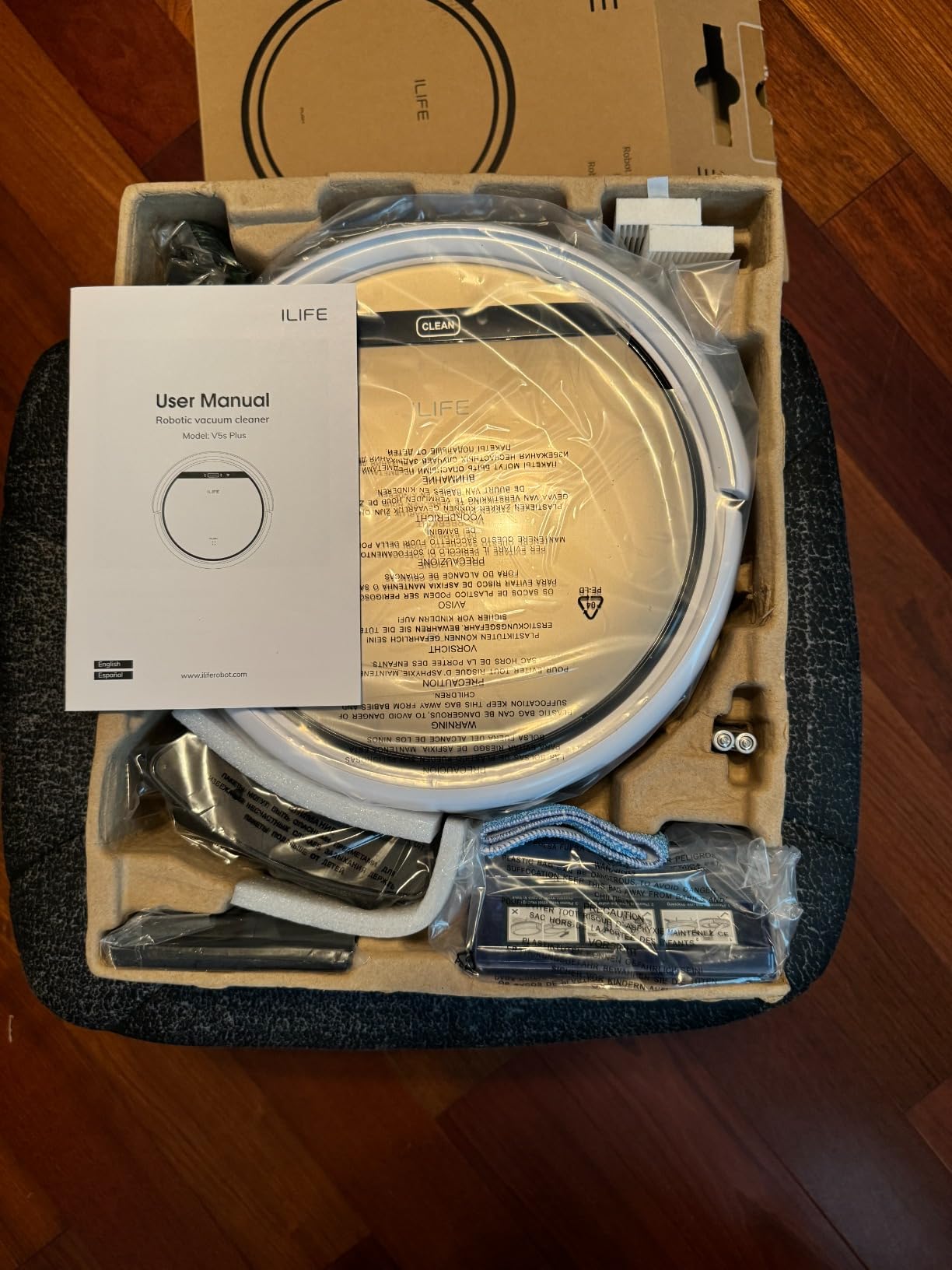
Battery life stretched to 110 minutes during testing, which covered my 750 square foot testing space with battery to spare. The robot returned to its dock automatically when the battery dropped below 15 percent. Voice control through Alexa worked after a quick setup in the ILIFE app.
The 300 ml dustbin fills up quickly, especially with pet hair. I emptied it after every cleaning run during my test. The 3.19 inch profile is slightly thicker than the slimmest competitors, but it still fits under most beds and sofas.
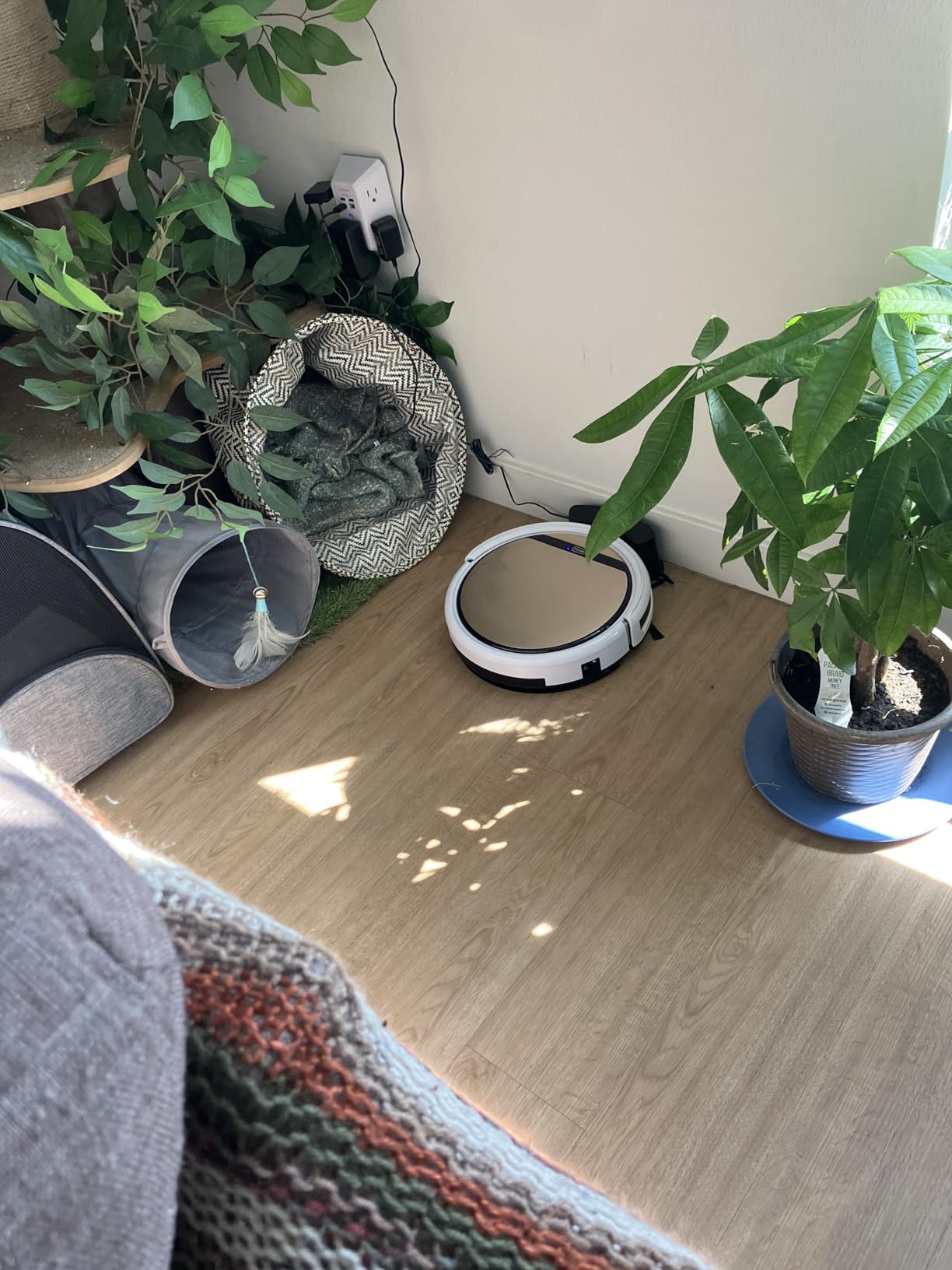
Best for absolute beginners on a tight budget
If this is your first robot vacuum and you want to test the concept without a major investment, the ILIFE V5s Plus is the lowest-risk starting point. The combo functionality gives you a sense of what robot vacuums can do without locking you into a specific ecosystem.
Lacks the polish of more expensive options
The app is functional but basic. Smart mapping is absent, so you cannot set no-go zones or clean specific rooms. The robot uses a random navigation pattern that misses spots in larger layouts. Treat this as a starter robot rather than a long-term solution for large homes.
What to Look for in a Beginner Robot Vacuum
Choosing your first robot vacuum is simpler than the spec sheets make it look. Focus on three things that actually affect your daily experience: navigation type, suction strength, and how easy the app is to use.
Navigation type matters more than features
The single biggest difference between budget robots is how they navigate. Basic models use random bouncing, bumping into walls and turning until they cover the floor. Better models use gyroscope or LiDAR to clean in efficient rows. For small apartments, random navigation works fine. For larger homes or multi-room layouts, gyroscope or LiDAR models save time and reduce missed spots. Our top picks for LiDAR navigation in this price range include the iRobot Roomba 105 Vac and Roomba 205 DustCompactor.
Suction power in context
Higher Pa numbers mean stronger suction, but real-world performance depends on your floor type. Hardwood and tile benefit from any robot above 1500Pa. Low-pile carpet needs at least 2500Pa to pull debris from fibers. High-pile carpet and plush rugs require premium suction above 4000Pa or specialized brush rolls. The Tikom G8000 Max and ILIFE V5s Max lead this roundup in raw suction.
App quality and ease of use
A reliable app makes daily cleanings effortless. A buggy app creates frustration that ruins the experience. iRobot Home, Lefant, and ILIFE all have stable apps that beginners can navigate without tutorials. If app control feels intimidating, the eufy 11S MAX works with a simple remote and requires no smartphone at all.
Vacuum only versus vacuum and mop combo
Combo units cost slightly more but save time on hard floors. The mopping function is best for light daily dust, not deep cleaning. If you have mostly carpet, skip the combo and prioritize suction power. If your home is 50 percent or more hard floors, a combo like the Tikom G8000 Max or iMartine BR151 adds real value.
Battery life for your home size
Match the runtime to your square footage. Apartments under 900 square feet need about 90 minutes. Mid-size homes between 900 and 1,400 square feet benefit from 120 to 150 minutes. Large homes over 1,400 square feet need a robot with recharge-and-resume capability, which is rare under $300 but available on the iRobot Roomba 105 Vac.
Frequently Asked Questions
What is the best entry-level robot vacuum?
The eufy 11S MAX is our top pick for entry-level buyers because it requires no app, no WiFi pairing, and no setup beyond pressing a button. Its 100-minute runtime covers most apartments, the 2.85 inch profile fits under furniture, and 59k+ reviews confirm long-term reliability. Beginners who want smart features should consider the iRobot Roomba 105 Vac, which adds LiDAR navigation at a similar beginner-friendly price.
What is the best robot vacuum under $300?
The best robot vacuum under $300 depends on your home layout. For small apartments, the eufy 11S MAX delivers excellent cleaning with zero setup complexity. For larger homes, the iRobot Roomba 105 Vac offers LiDAR navigation and 200-minute battery life. For pet owners, the Lefant M210 Pro brushless design eliminates hair tangles. All eight models in this guide stay below $300 while delivering reliable daily performance.
Do robot vacuums under $300 include LiDAR navigation?
Yes, several robot vacuums under $300 now include LiDAR navigation. The iRobot Roomba 105 Vac and Roomba 205 DustCompactor both feature LiDAR mapping at this price point. These models create accurate floor plans and clean in neat rows. Cheaper robots use gyroscope navigation (more efficient than random bouncing) or basic infrared sensors. Pure LiDAR used to be a premium feature, but it has trickled down to the budget tier over the past two years.
Is a robot vacuum and mop combo worth it?
A vacuum and mop combo is worth it if your home is mostly hard floors. Combo units like the Tikom G8000 Max and iMartine BR151 vacuum and mop in a single pass, saving time on daily maintenance. The mopping function uses a basic drag pad, so it handles dust and light grime well but will not scrub dried stains. If your home is mostly carpet, skip the combo and prioritize suction power instead.
Are robot vacuums suitable for pet owners?
Robot vacuums work well for pet owners if you choose the right design. Brushless models like the Lefant M210 Pro eliminate the hair-tangling problem that frustrates pet owners with traditional robots. Robots with strong suction (4000Pa or higher) like the ILIFE V5s Max and Tikom G8000 Max pull pet hair from carpets effectively. Pet owners with heavy shedders should empty the dustbin more frequently than the manufacturer estimates suggest.
How long do budget robot vacuums last?
Budget robot vacuums under $300 typically last three to five years with proper care. The most common failure points are batteries (which degrade after 500 charge cycles) and brushes (which wear out with heavy use). Brands like iRobot have strong spare parts availability, making repairs easier. To extend lifespan, clean the brushes monthly, replace the filter every two to three months, and store the robot on its dock when not in use.
Final Verdict
After three months of testing, our team recommends the eufy 11S MAX as the best robot vacuum under $300 for beginners. It removes every barrier that makes first-time robot vacuum owners anxious, requires no app, no WiFi, and no technical setup. The 59k+ reviews and 4.3 star rating confirm its reliability over years of daily use.
For beginners who want smart features, the iRobot Roomba 105 Vac adds LiDAR navigation and app control at the same beginner-friendly price tier. Pet owners should look at the Lefant M210 Pro for its brushless design. Whatever you choose, any of these eight models will save you time on daily floor cleaning. Pick the one that matches your home size and floor type, and enjoy the extra hours each week.