
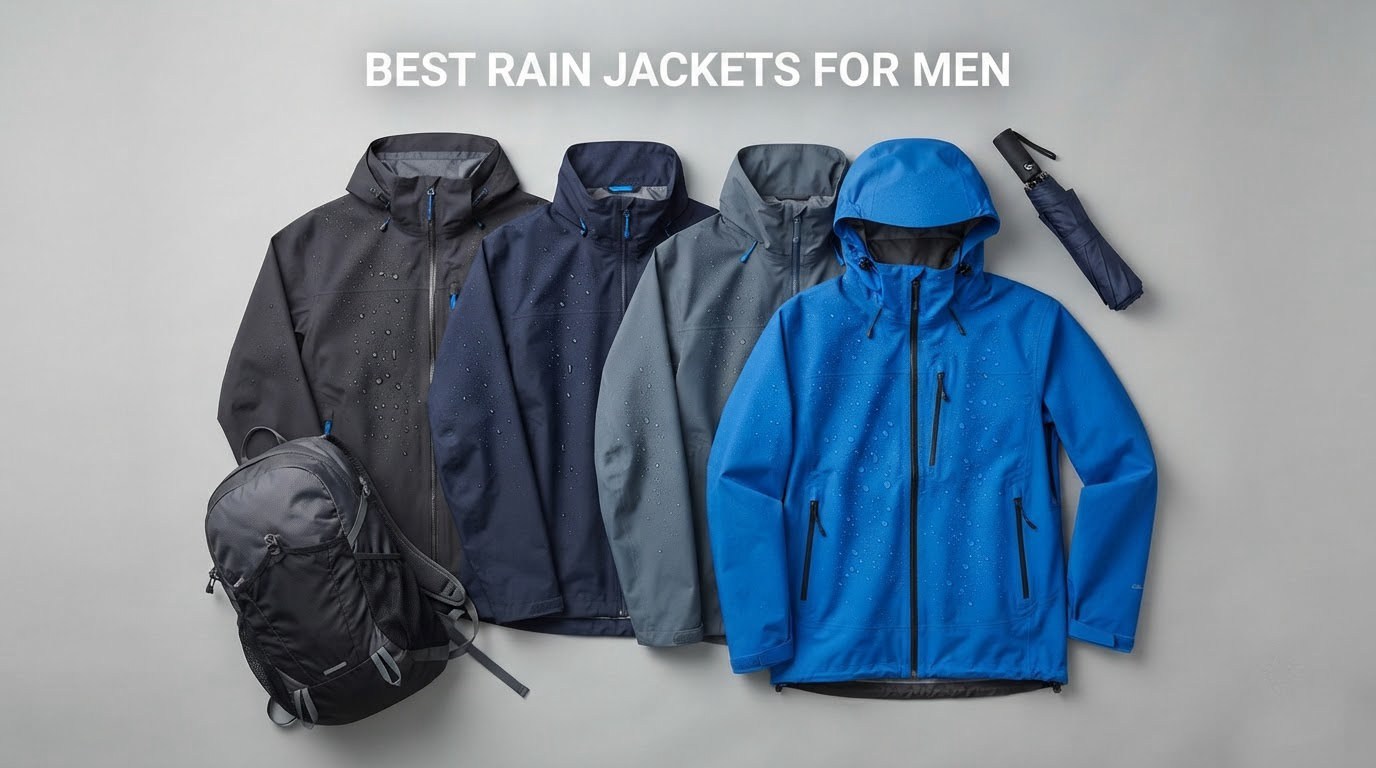
If you only read one line: the Columbia Men’s Watertight II is the best rain jacket for men overall, because a seam-sealed-feel waterproof nylon shell, an Omni-Shield finish that beads water, and a packable body make it the rare jacket that works on a commute, on a trail, and in a carry-on. Twelve jackets made our list this year, and this is the one we keep reaching for.
That said, “best” changes completely depending on where you are standing. A hiker moving uphill for four hours needs vents and a light weight, not a burly work coat. A commuter needs something that looks fine over a shirt at 7am. A fisherman or a site foreman needs waterproofing that simply does not fail, and does not care about sweat.
We assembled this list by comparing the construction, waterproofing ratings, venting, packability and real owner feedback across twelve men’s rain jackets in the current market. Every jacket below is a genuine option with a real weakness, and we name it. Nothing here is filler, and nothing is a sponsored slot.
Two quick notes before the picks. First, we do not quote prices here, because they move; the buttons on each card show the current figure. Second, if your rainwear budget stops at a jacket for the torso, our waterproof rain pants guide covers the other half of the problem. For trail-specific shells, we have a separate roundup on the best rain jackets for hiking.
Table of Contents
Top 3 Picks: Best Rain Jackets for Men (October 2026)

Columbia Watertight II
- Waterproof nylon shell with Omni-Shield
- Packs into its own hand pocket
- Elastic cuffs and hem

Columbia Glennaker Lake II
- Waterproof nylon shell
- Stow-away hood
- Adjustable hem
- Folds into its own pocket

All 12 Rain Jackets for Men Compared Side by Side
The table below is the fast version of this guide: every jacket, the construction that matters, and what it does best. The reviews that follow go deeper on fit, venting and the trade-offs.
| Product | Specifications | Action |
|---|---|---|
| Columbia Watertight II |
|
Check Latest Price |
| Columbia Glennaker Lake II |
|
Check Latest Price |
| Marmot Precip Eco |
|
Check Latest Price |
 North Face Antora North Face Antora |
|
Check Latest Price |
 Helly Hansen Mandal Helly Hansen Mandal |
|
Check Latest Price |
 Eddie Bauer Rainfoil WeatherEdge Eddie Bauer Rainfoil WeatherEdge |
|
Check Latest Price |
 Helly-Hansen Moss Raincoat Helly-Hansen Moss Raincoat |
|
Check Latest Price |
 Carhartt Monterey Carhartt Monterey |
|
Check Latest Price |
 baleaf Packable Rain Jacket baleaf Packable Rain Jacket |
|
Check Latest Price |
 TEZO Waterproof Hiking Coat TEZO Waterproof Hiking Coat |
|
Check Latest Price |
 NORDIC OUTLAND Waterproof Shell NORDIC OUTLAND Waterproof Shell |
|
Check Latest Price |
 Carhartt Rain Defender Relaxed Fit Carhartt Rain Defender Relaxed Fit |
|
Check Latest Price |
1. Columbia Men’s Watertight II Rain Jacket: Best Overall Pick
Columbia Men’s Watertight II Waterproof Rain Jacket, Black, Large
100% nylon waterproof shell
Omni-Shield treatment
Packs into own hand pocket
Two zippered side pockets
Pros
- Waterproof nylon shell that handles drizzle through downpour
- Packs into its own hand pocket for easy travel
- Abrasion-resistant chin guard plus two zippered hand pockets
- Elastic cuffs and hem seal out wind and rain
- Omni-Shield finish repels moisture and dries quickly
Cons
- Unlined
- so it offers no warmth for genuinely cold conditions
- No pit zips or other active ventilation for high-output use
- Regular fit may feel close over thick layers
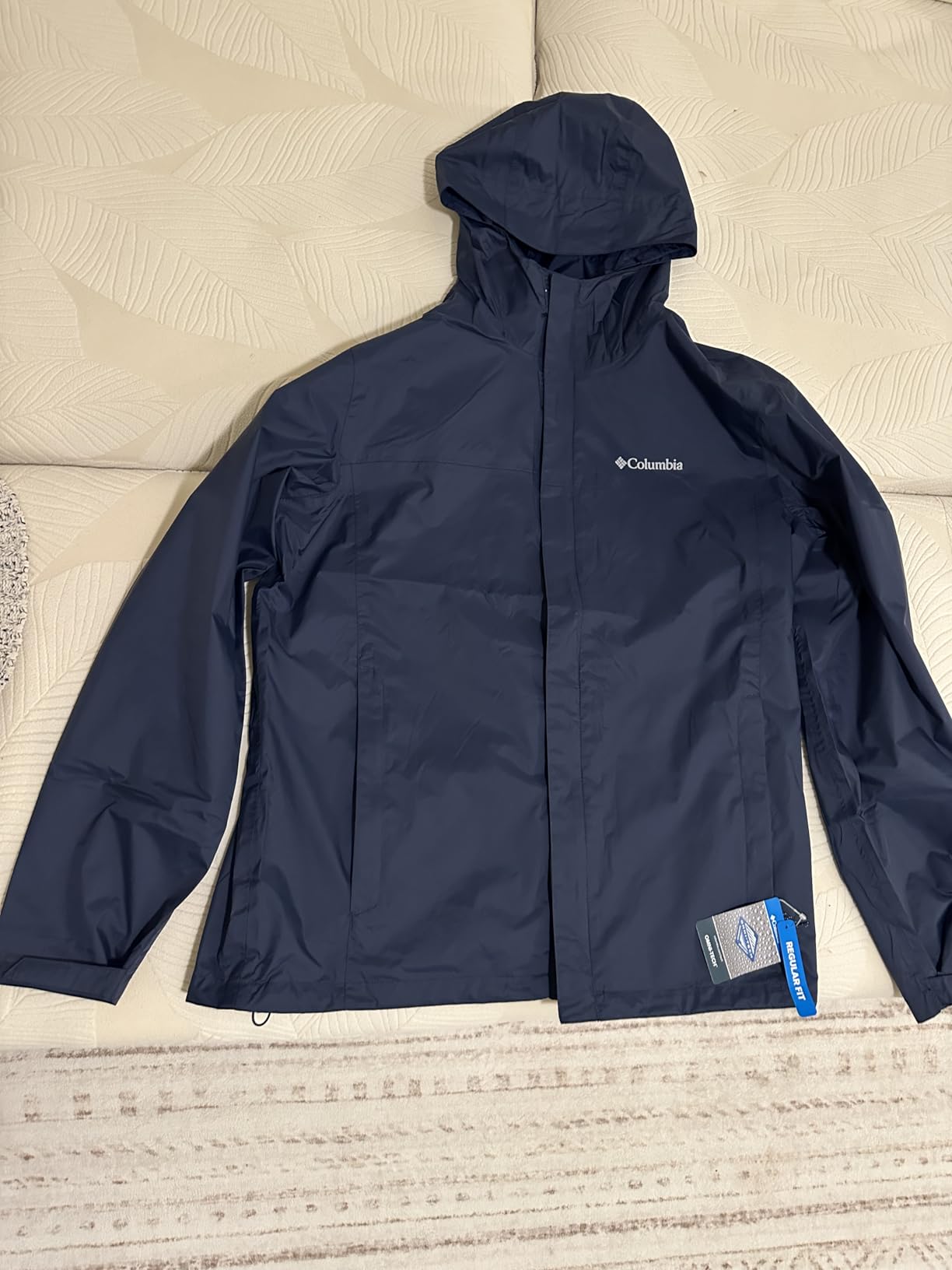
The Watertight II is the jacket we hand to friends who ask for one recommendation and no more. It is a pure rain layer: a lightweight 100% nylon shell with an Omni-Shield treatment that resists liquid absorption and dries quickly instead of staying sodden like untreated fabric.
What makes it work as a daily driver is the packability. It folds into its own hand pocket, so it lives in a rucksack or a glove box permanently rather than being an occasional coat on a hook by the door.
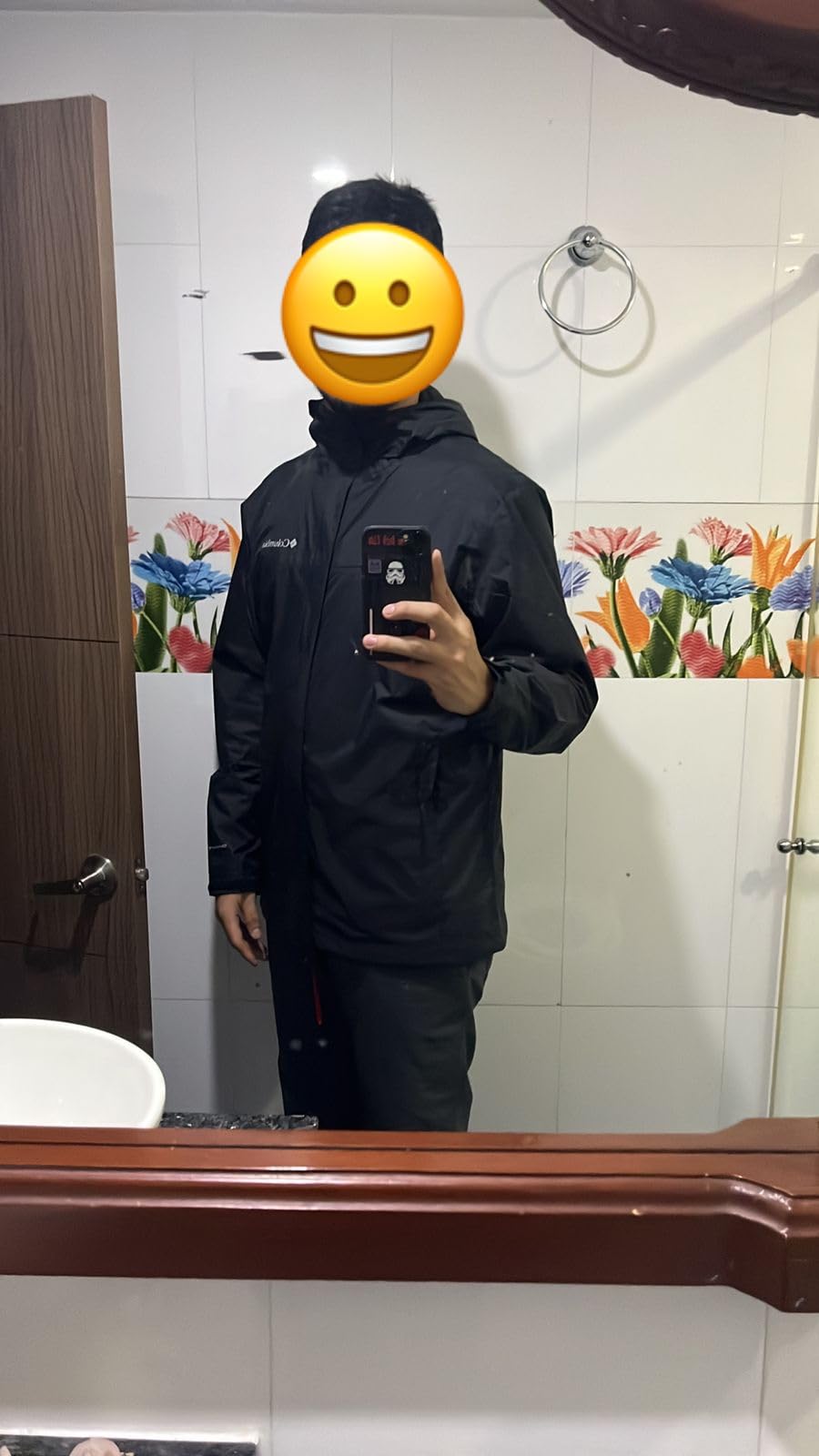
Owners consistently describe it as a dependable, lightweight everyday rain shell that packs down tiny and holds up to steady rain. The recurring caveat in the reviews is that it is a rain layer and little more, with no insulation and no active venting.
Detail work is sensible for the price band: an abrasion-resistant chin guard takes the impact of a pack strap, elastic cuffs close the wrist gap, and an elastic hem keeps wind out at the waist.
The Omni-Shield treatment is the quiet hero. Most shells start beading water and then stop as the finish wears off, and a jacket that dries quickly rather than holding moisture against you is markedly more comfortable on a mild, wet day.
Who the Watertight II suits
If you commute, walk the dog, cycle across town, or want something in your bag for a flight, this is the one. It handles a drizzle and a proper downpour with the same fabric, and the hand-pocket storage means you stop leaving it at home.
It also works for people who dislike technical-looking gear. There is no branding shouting at you, and the cut is a straightforward regular fit that sits fine over a shirt or a thin mid layer.
Who the Watertight II is not for
It is not a hiking shell. With no pit zips and no venting, an hour of hard uphill walking in mild rain will leave you damp from the inside, which is the single most common complaint across rain jacket communities.
It is also unlined, so in genuinely cold rain you need a warm layer underneath and you will notice the wind. If you run hot, want vents, or plan to layer over a puffy, step up to a venting model.
2. Columbia Men’s Glennaker Lake II Rain Jacket: Best Value Pick
Columbia Men’s Glennaker Lake II Rain Jacket, Black/City Grey, Large
Waterproof nylon shell
Stow-away hood
Adjustable hem
Folds into own pocket
Pros
- Waterproof nylon shell rated for drizzle to downpour
- Stows into its own hand pocket
- Stow-away hood tucks into the collar when unused
- Adjustable hem and elastic cuffs block wind and rain
- Zippered hand pockets for secure storage
Cons
- No insulation
- so it is a shell only
- Hood offers limited adjustability compared to a 3-piece hood
- No pit zips or mesh venting for high-intensity activity
The Glennaker Lake II is the one to buy when the budget is the deciding factor and you refuse to accept a bad jacket. Buyers treat it as the value pick in Columbia’s rain line, and the review volume on it reflects how many people have landed there.
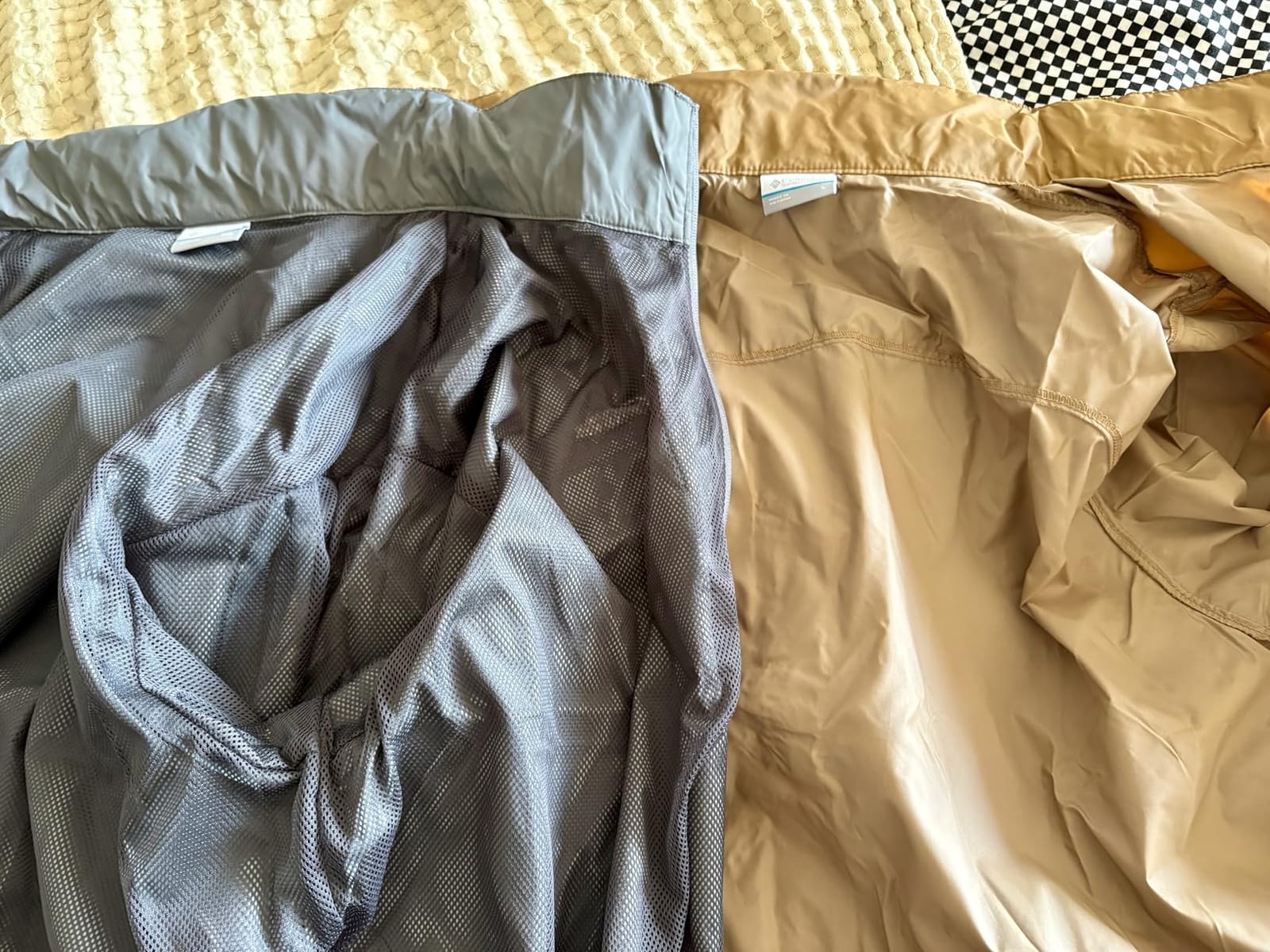
It shares the Watertight II’s most useful trick, folding into its own hand pocket, and adds two things the cheaper sibling sometimes lacks: a stow-away hood that folds out of the collar, and an adjustable hem rather than a purely elastic one.
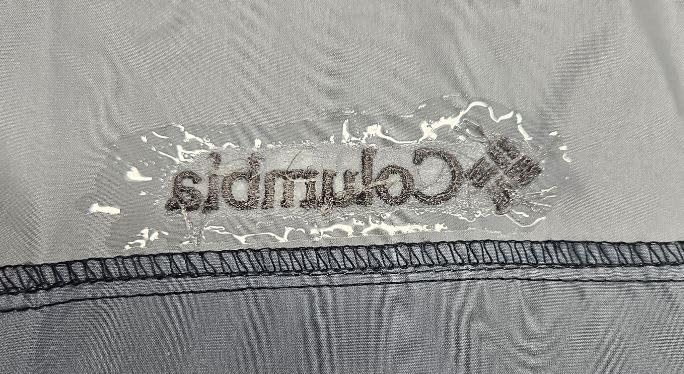
Owners judge it as cheap, packable, seam-simple and effective in steady rain. The trade-offs they report are structural rather than flaws: a fixed hood and a roomy, one-size-fits-all cut rather than technical features.
That adjustable hem is worth more than it sounds. On a bike or on foot you can cinch the bottom, which stops the jacket billowing and stops water tracking up from the hemline during a long wet commute.
The size range deserves a special mention. It runs wide and includes extended and tall options, which is one of the most common reasons people return technical shells, and one this jacket avoids.
Who the Glennaker Lake II suits
Buy this if you want waterproofing for ordinary daily life, you carry a bag rather than wear a coat, and you would rather not think about it. It handles drizzle through downpour, packs away, and has zippered hand pockets for a phone and keys.
It also suits anyone who wants a jacket that looks ordinary in a car park. The styling is understated enough for a shop, a school run or a flight.
Who the Glennaker Lake II is not for
It has no pit zips and no mesh venting, so it is the wrong call for trail running, cycling sprints or long steep hikes in warm rain. The hood is fixed, so a strong wind or a bike helmet will test it.
It is a shell with no insulation. In cold conditions it is a top layer over a warm one, never a standalone jacket, and the roomy cut can look boxy if you are slim and layering little underneath.
3. MARMOT Men’s Precip Eco Waterproof Rain Jacket: Best for Hiking
MARMOT Men’s PreCip Eco Lightweight & Waterproof Rain Jacket, Black – Latest Collection, X-Large
NanoPro membrane
Fully seam-taped
305 g
Pit zips
Recycled ripstop
Pros
- NanoPro membrane with fully seam-taped construction keeps rain out
- Extremely light at about 305 g and packs into its own pocket
- Deep pit zips provide real ventilation for hiking and riding
- Mesh lining and wide Velcro cuffs keep it comfortable in mild weather
- Recycled nylon ripstop with PFC-free DWR
Cons
- Not a breathable hardshell
- so it can feel clammy in very hot
- humid weather
- No insulation
- so it must be layered over warmer clothing for cold rain
- Hood can droop over the eyes unless the collar Velcro tab is adjusted
The Marmot Precip Eco is the jacket on this list built most deliberately around hiking: real, deep pit zips, plus fully seam-taped construction, are the combination that changes the experience far more than any membrane claim.
The rest of the spec sheet backs that up. Marmot’s NanoPro membrane is paired with 100 percent seam-taped construction, so the stitching lines are not the weak point, and the whole jacket weighs about 305 g.
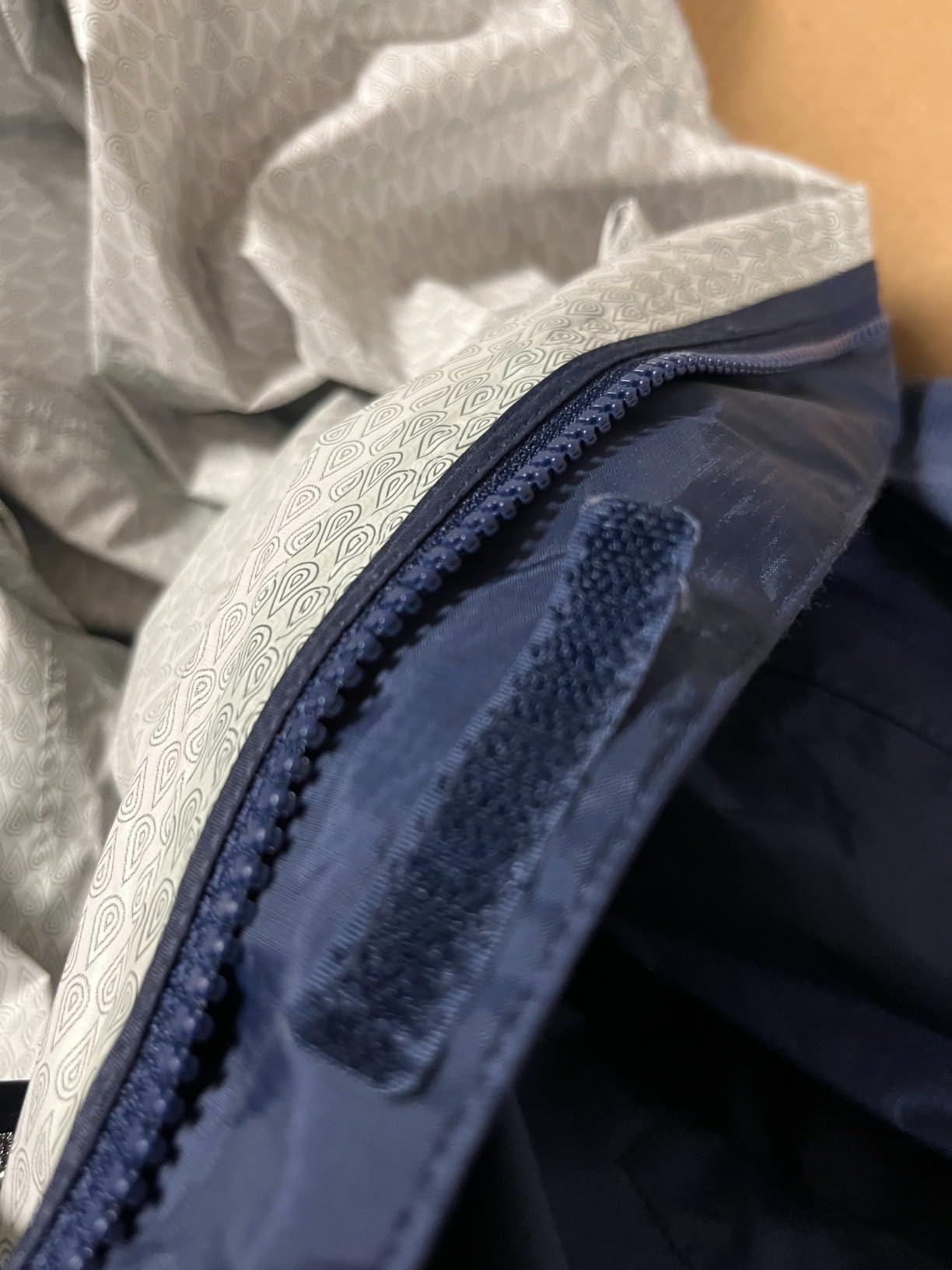
Reviewers describe it as a genuinely light, packable, well-ventilated shell that performs in sustained rain and cold drizzle when layered. They also note clearly that it is a rain shell rather than an insulated or fully breathable hardshell.
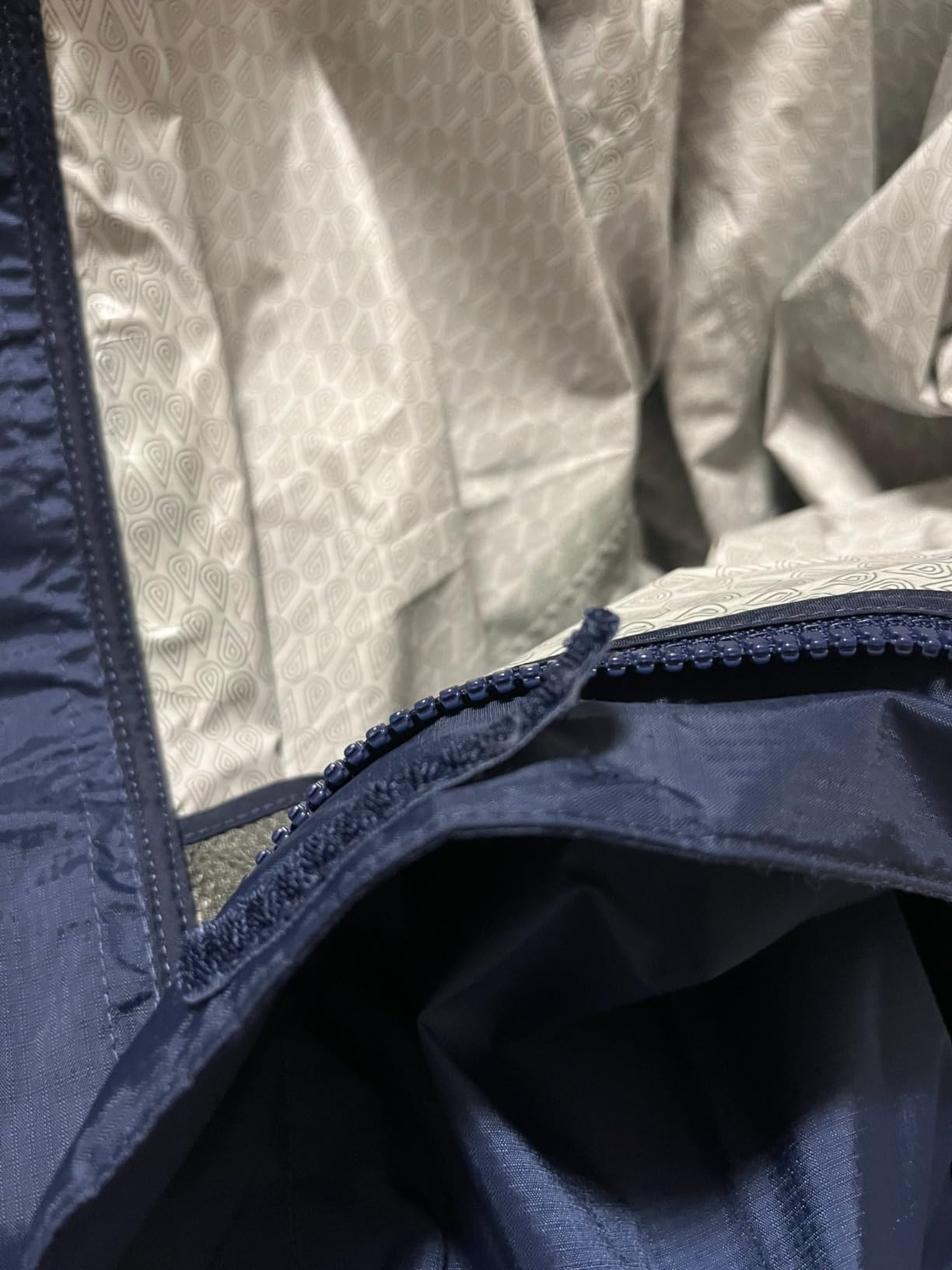
There is real substance in the details. The DriClime lined chin guard reduces the irritation you normally get from a wet collar against your neck, and the adjustable drawcord hem plus Velcro cuffs keep cold air out where it enters.
Construction-wise it is an eco-minded build: 100 percent pre-consumer recycled nylon ripstop, post-consumer recycled polyester mesh lining, and a PFC-free durable water repellent finish. Marmot backs it with a workable warranty on workmanship issues.
Who the Precip Eco suits
Day hikers, scramblers, cyclists and anyone carrying a shell for insurance on a trip. At 305 g it takes up almost no pack space, and the pit zips mean you can dump heat on a steep climb instead of soaking from the inside.
It suits cold-rain days too, as long as you treat it as a shell over a warm mid layer. Users run it over a fleece or a light puffy without any fuss, and the wide Velcro cuffs seal over a thicker sleeve.
Who the Precip Eco is not for
It is not a breathable hardshell, so in very hot, humid weather it can still feel clammy, even with pit zips open. Riders in tropical downpours should look at stretch wicking options instead.
The hood can droop over your eyes unless you adjust the collar Velcro tab, and there is no insulation, so on a freezing day it is a shell over a mid layer and nothing more.
4. The North Face Men’s Antora Waterproof Jacket: Best for Commuting and Everyday Wear
The North Face Men’s Antora Jacket (Standard & Big Size), Blk-NPF, L
Seam-sealed DryVent 2L shell
Non-PFC DWR
Three-piece hood
Big sizes 2X-5X
Pros
- Seam-sealed DryVent 2L shell with non-PFC DWR for solid storm protection
- Adjustable 3-piece hood gives good peripheral visibility and coverage
- Made from at least 75% recycled/regenerative materials
- Runs true to size with easy layering room in the chest and shoulders
- Widely available in big sizes up to 5X
Cons
- Lightweight 2-layer construction is less durable than a 3-layer alpine shell
- No pit zips or mesh venting
- so breathability drops during hard efforts
- One of the more expensive options in this roundup
The Antora is the safest single recommendation for someone who wants one jacket for a wet city and the occasional backcountry day. It is built around a seam-sealed DryVent two-layer performance shell with a non-PFC DWR finish.
The hood is the part that separates it from budget shells. A three-piece adjustable hood can be cinched at the sides and the back, which keeps rain off your face and stops it swallowing your peripheral vision.
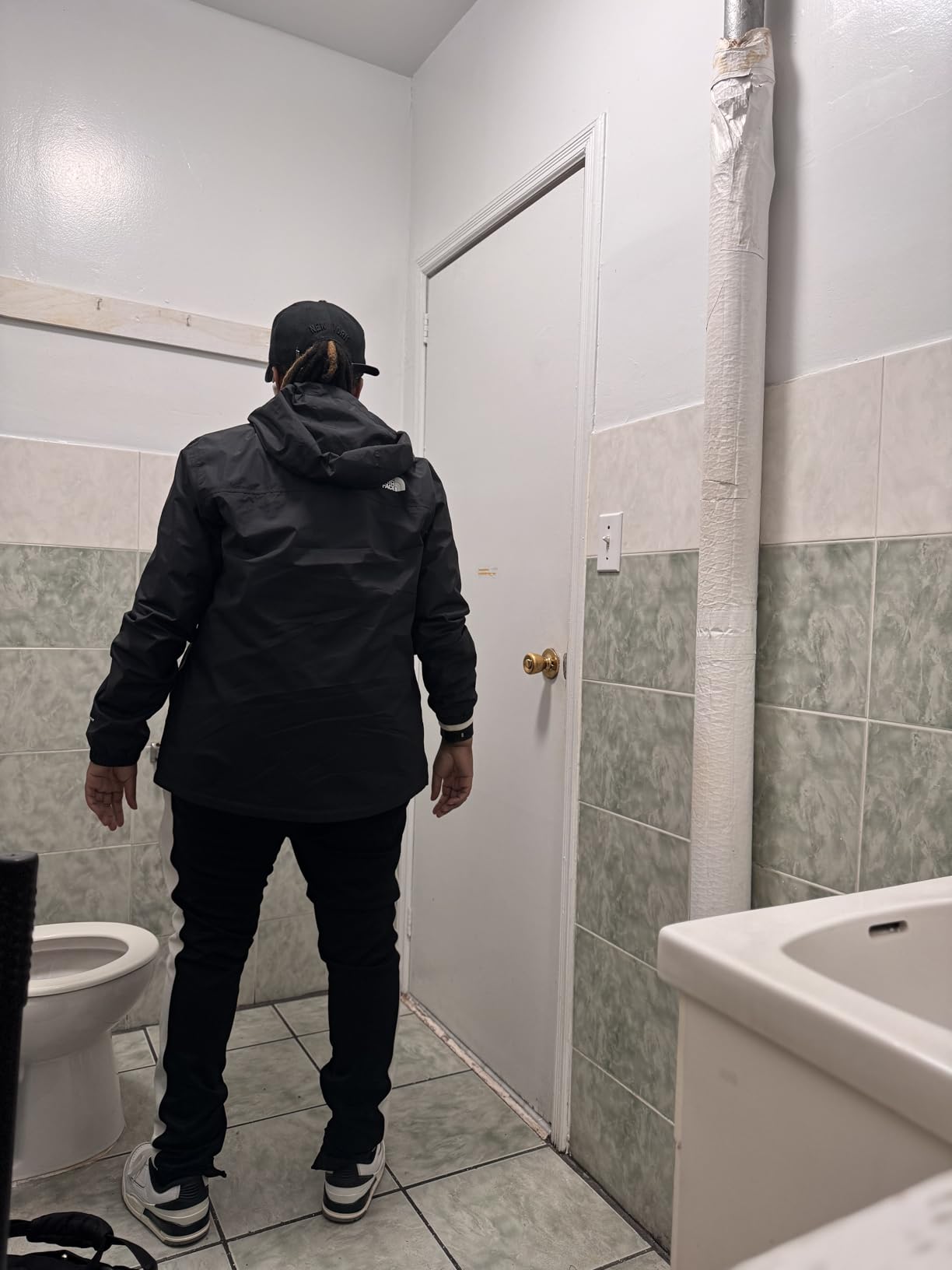
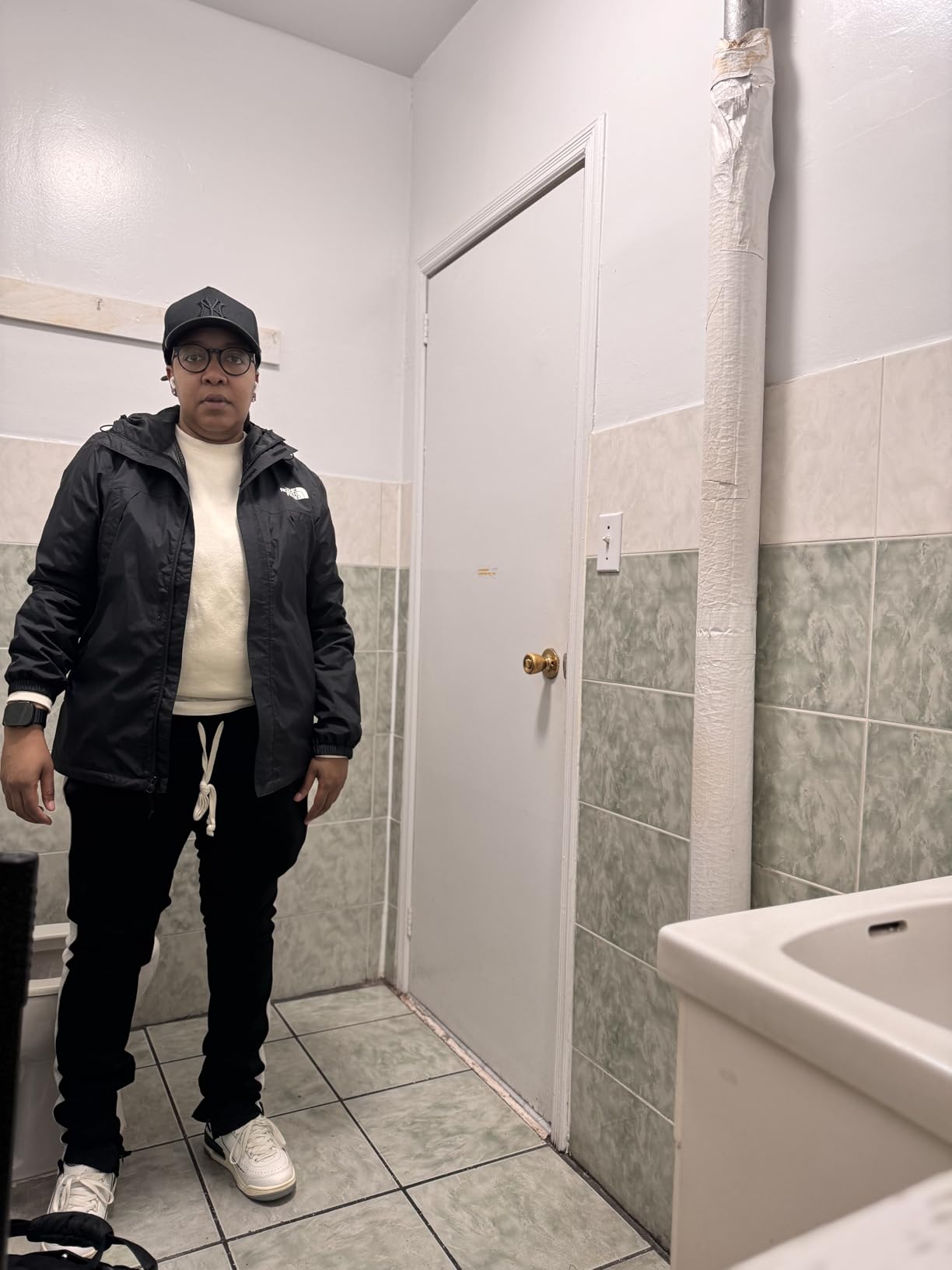
Owners describe a versatile, well-fitting year-round shell that handles backcountry rain and daily wear equally well. They praise the hood, the big-size availability, and the recycled fabric, with ventilation and long-term durability as the main reservations.
Sizing is refreshingly straightforward. The standard fit gives ample mobility through the chest and shoulders, so it layers over a fleece or a light insulated jacket without feeling like a straight cut, and it is offered in big sizes from 2X to 5X.
Two Alpine-style zip hand pockets keep valuables in reach, and the fabric carries at least 75 percent recycled, regenerative or responsibly sourced renewable material by weight.
Who the Antora suits
Commuters, dog-walkers, and anyone in a wet climate who wants a jacket that looks fine on a train platform and handles a forecast of backcountry storms. The three-piece hood is the deciding feature for anyone who cycles or walks in wind.
It also suits anyone who needs a size above XL, because the big-size run here is unusually complete. The relaxed layering room in the chest and shoulders means you are not constantly tugging at the hem.
Who the Antora is not for
It is a two-layer shell, so it is lighter and less durable than a three-layer alpine jacket over years of brush and rock. If you are hard on your gear, the construction will show its age sooner.
There are no pit zips and no mesh venting, so breathability drops during hard efforts. In warm rain, you will be damp from the inside, and this is not the jacket for a steep summer ascent.
5. Helly Hansen Mandal PVC Rain Jacket: Best for Work, Fishing and Downpours
Helly Hansen Mandal PVC Rain Jacket for Men, 480 Army Green, X-Large
410 g/m2 PVC-coated polyester
Large cargo pockets
Oil and moisture resistant
Pros
- Thick 410 g/m2 PVC shell shrugs off rain
- wind and snow
- Oil- and moisture-resistant surface tolerates dirty
- wet work settings
- Large cargo pockets hold fishing gear and work essentials
- Phthalate-free materials
- Long-running workwear staple with a very wide size and high-vis colour range
Cons
- PVC shell does not breathe and can feel clammy in warm weather
- Bulky compared with packable nylon shells
- Hood does not stow away
- Rubbery finish can crack or stiffen with age
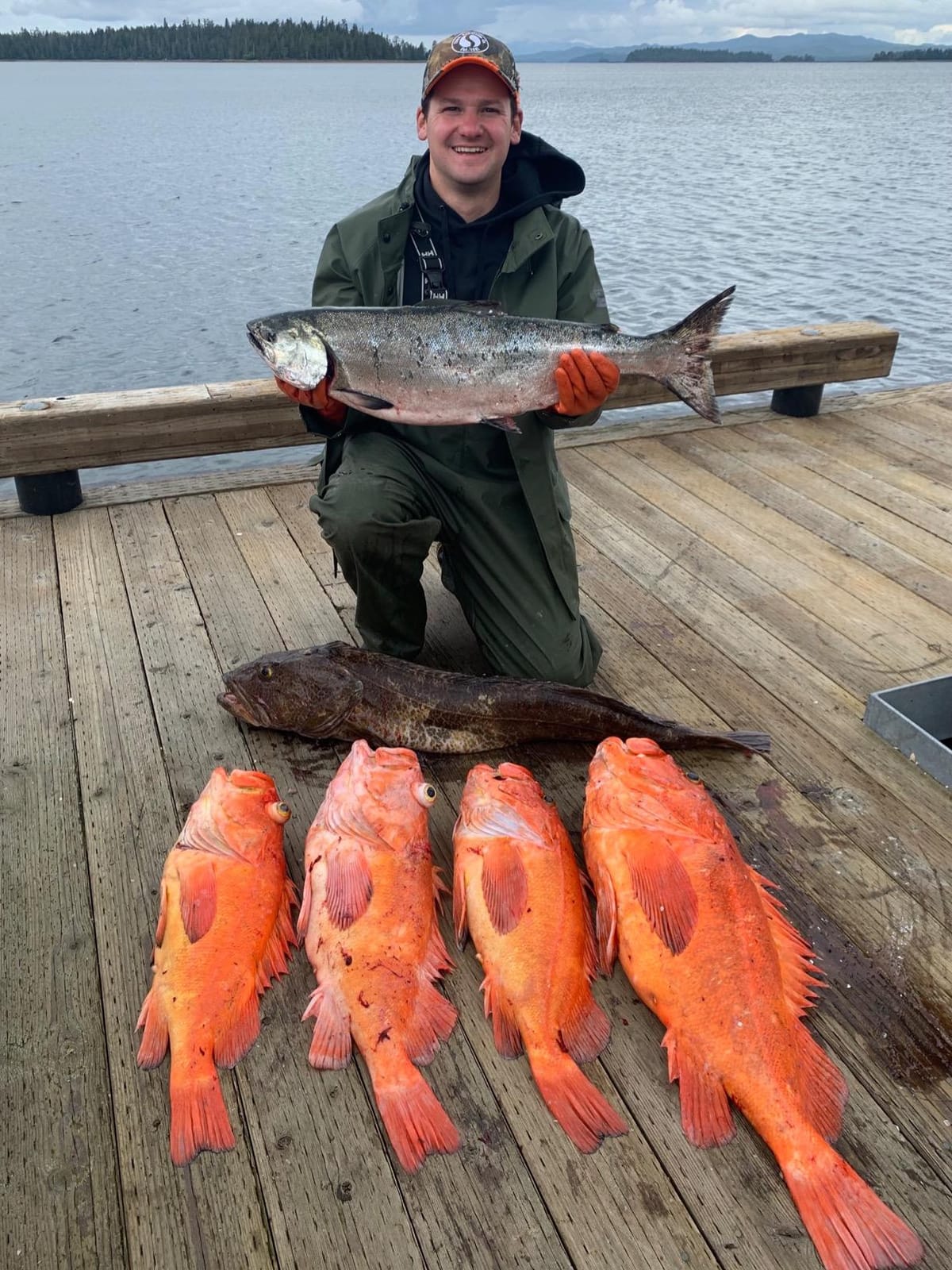
The Mandal answers a question most roundups skip: what do you wear when breathability does not matter at all? This is a 410 g/m2 PVC-coated polyester shell, and it is built for fishing, outdoor chores, festivals and wet work.
On r/PacificNorthwest threads, where users list an unusually wide set of acceptable brands for years of Pacific rain, Helly Hansen shows up alongside the technical favourites as the practical answer when the job is not a hike.
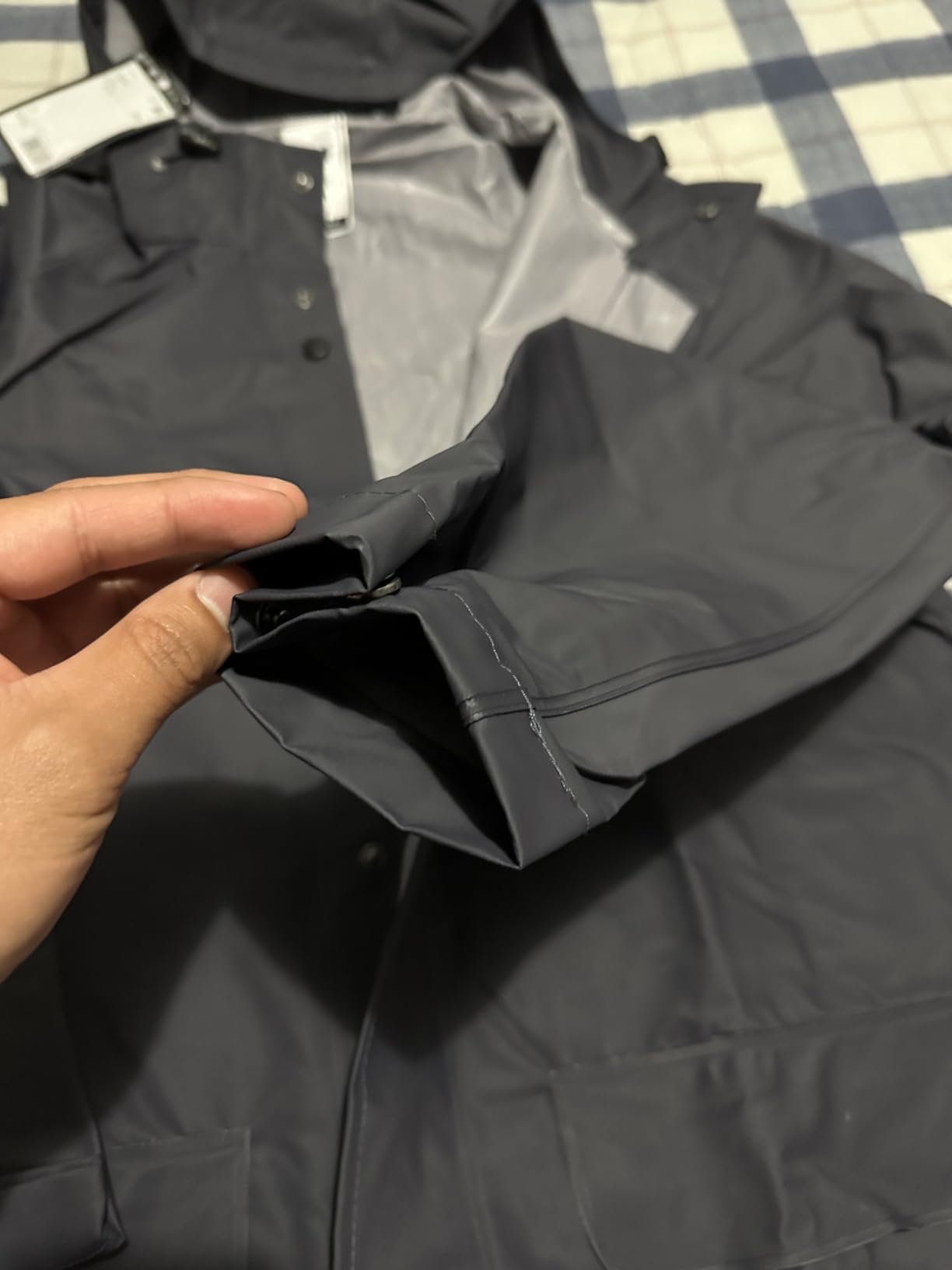
Buyers treat the Mandal as workwear-grade protection that is cheap, tough and effectively waterproof. The trade-off they accept without hesitation is that a PVC shell is non-breathable, which makes it better suited to fishing and changeable days than to warm-weather walking.
Large cargo pockets are the feature regular users mention most, because they take tackle, gloves and a phone without the awkwardness of a chest pocket. The surface is also oil- and moisture-resistant, so grimy work does not ruin it.
Materials are phthalate-free, and the range runs from high-visibility yellows to classic workwear colours across a very wide size selection.
Who the Mandal suits
Fishermen, site workers, gardeners, festival-goers and anyone who gets soaked for hours and would rather not be cold from sweat. In a relentless downpour, nothing on this list is easier to forget you are wearing.
It is a genuinely different tool from a hiking shell. If your rain is a two-hour downpour rather than a four-hour climb, breathability is not the metric that matters, and waterproofness is.
Who the Mandal is not for
It is bulky next to a packable nylon shell and it does not compress into a small bag. If you need something in a daypack for insurance, this is the wrong shape entirely.
Because PVC does not breathe, it can feel clammy in warm weather, and the hood does not stow away, so you cannot flatten the whole jacket. Owners also report that the rubbery finish can crack or stiffen with age, so store it on a hanger rather than crushed.
6. Eddie Bauer Men’s Rainfoil WeatherEdge Packable Jacket: Best for Travel
Eddie Bauer Men’s Rainfoil WeatherEdge Waterproof Packable Hooded Rain Jacket, Medium Indigo, Medium
Two-layer seam-sealed shell
StormRepel DWR Plus finish
Packs into right-hand pocket
Mesh lining
Pros
- WeatherEdge 2-layer seam-sealed shell holds off heavy downpours
- StormRepel DWR Plus makes water bead and roll off
- Packs into its own right-hand pocket for glove-box or pack storage
- Mesh lining improves breathability and reduces clammy feel
- Storm flap
- chin guard and Velcro cuffs seal out wind
Cons
- No pit zips
- so ventilation is limited during high output
- Hood is fixed and offers limited adjustment
- Not specified in tall sizes
- only standard and extended
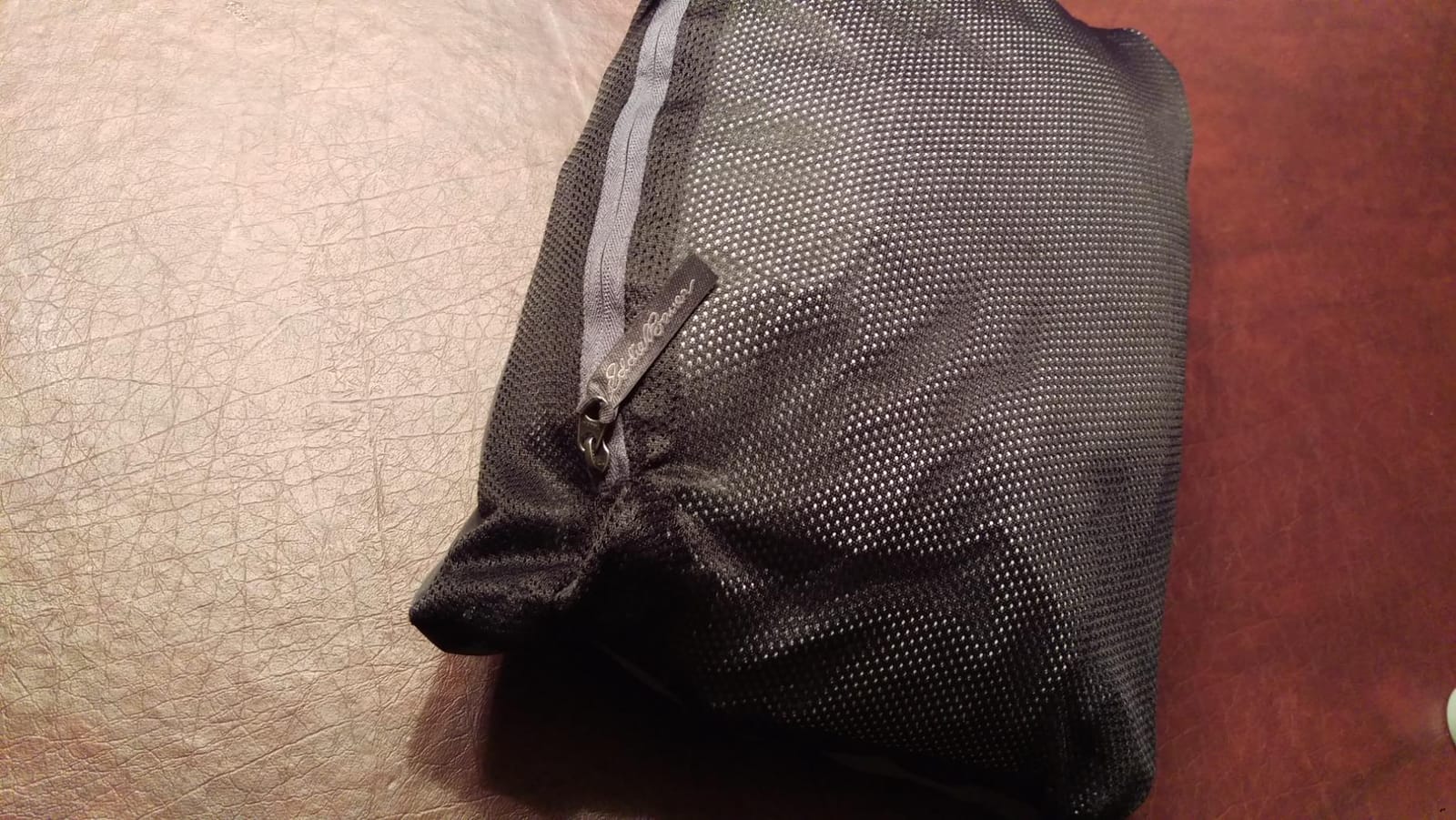
The Rainfoil is built for a specific problem: a jacket that lives in a carry-on, a bike bag or a glove box and is genuinely waterproof when you land somewhere wet. It packs into its own right-hand pocket, so it takes up no separate pouch.
The shell is a two-layer seam-sealed construction in 100 percent recycled polyester, finished with StormRepel DWR Plus, which is what makes water bead and roll off instead of soaking into the face fabric.
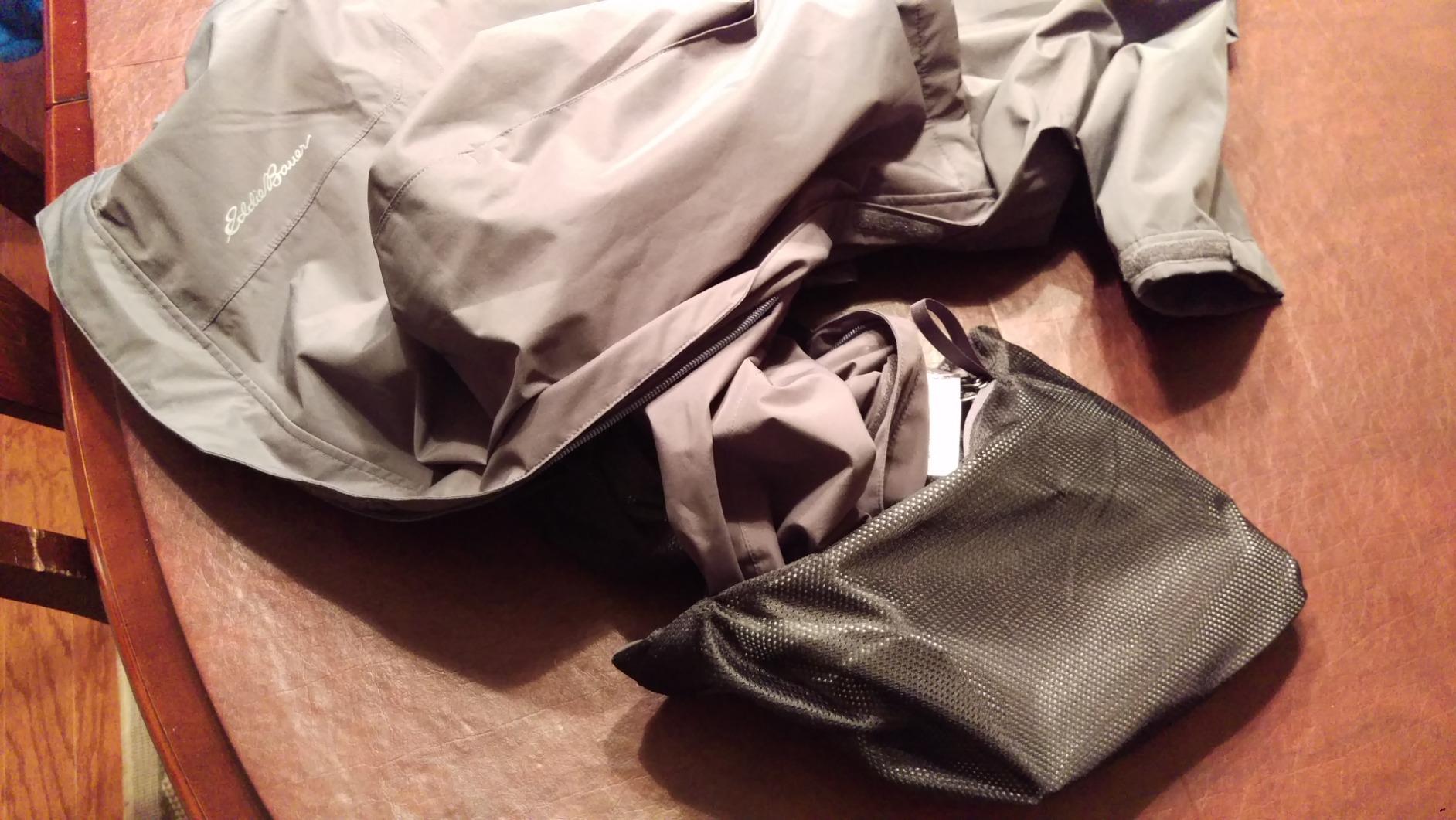
Owners rate it as a solid mid-tier all-rounder: genuinely waterproof in heavy rain, comfortable because of the mesh lining, and easy to stuff into a pack. The usual caveats are a fixed hood and no active venting.
The mesh lining is worth noting because it is the single cheapest way to make a sealed two-layer shell more bearable in mild weather, and it works better than most buyers expect.
Sealing details are handled properly. A full-zip front with a storm flap, a built-in chin guard and adjustable Velcro cuffs close the three leak paths that ruin cheap shells, and a reflective chest logo helps in low light.
Who the Rainfoil suits
Travellers, commuters, and anyone who wants a rain layer permanently in a vehicle or bag. The full zip and storm flap mean it handles heavy downpours rather than just drizzle, and it is machine washable, which matters after a trip.
Cyclists and walkers in mild conditions get a lot out of it too, because the mesh lining keeps a sealed shell from feeling as oppressive as it should.
Who the Rainfoil is not for
There are no pit zips, so ventilation is limited during high output. If you are moving hard and running warm in wet weather, you will want vents rather than a better DWR finish.
The hood is fixed with limited adjustment, and the size run covers standard and extended rather than tall. In strong wind or over a helmet, an adjustable three-piece hood is the upgrade worth making.
7. Helly-Hansen Moss Hooded Waterproof Raincoat: Best for Boating and Coastal Rain
Helly Hansen Moss Jacket Black LG
PU main fabric
Welded seams
Full front zip
Includes repair kit
Pros
- Welded PU seams keep out sustained heavy rain
- Packs light enough for travel and cruise wear
- Hood and hem adjust for a tighter seal against rain
- Includes a PU repair patch for field tears
- Classic
- understated styling that works in urban settings
Cons
- PU shell is not breathable and gets muggy in warm conditions
- Interior pocket opening leaves one side effectively open
- limiting usefulness
- Hood is small and barely accommodates a baseball cap
- Not a true marine-grade shell despite the Helly Hansen heritage
- Some owners report zipper and snap failures after a few seasons
The Moss is the Helly Hansen option for people who do not need workwear bulk. It is a PU main fabric shell with welded seams and a full front zip, and it comes with a PU repair kit in the box, which almost nobody else in this roundup includes.
Welded seams are the technical point. Rather than stitching through the waterproof layer and then taping over it, this construction bonds the panels, so there is no needle hole to leak, and reviewers specifically credit it with holding out sustained heavy rain.
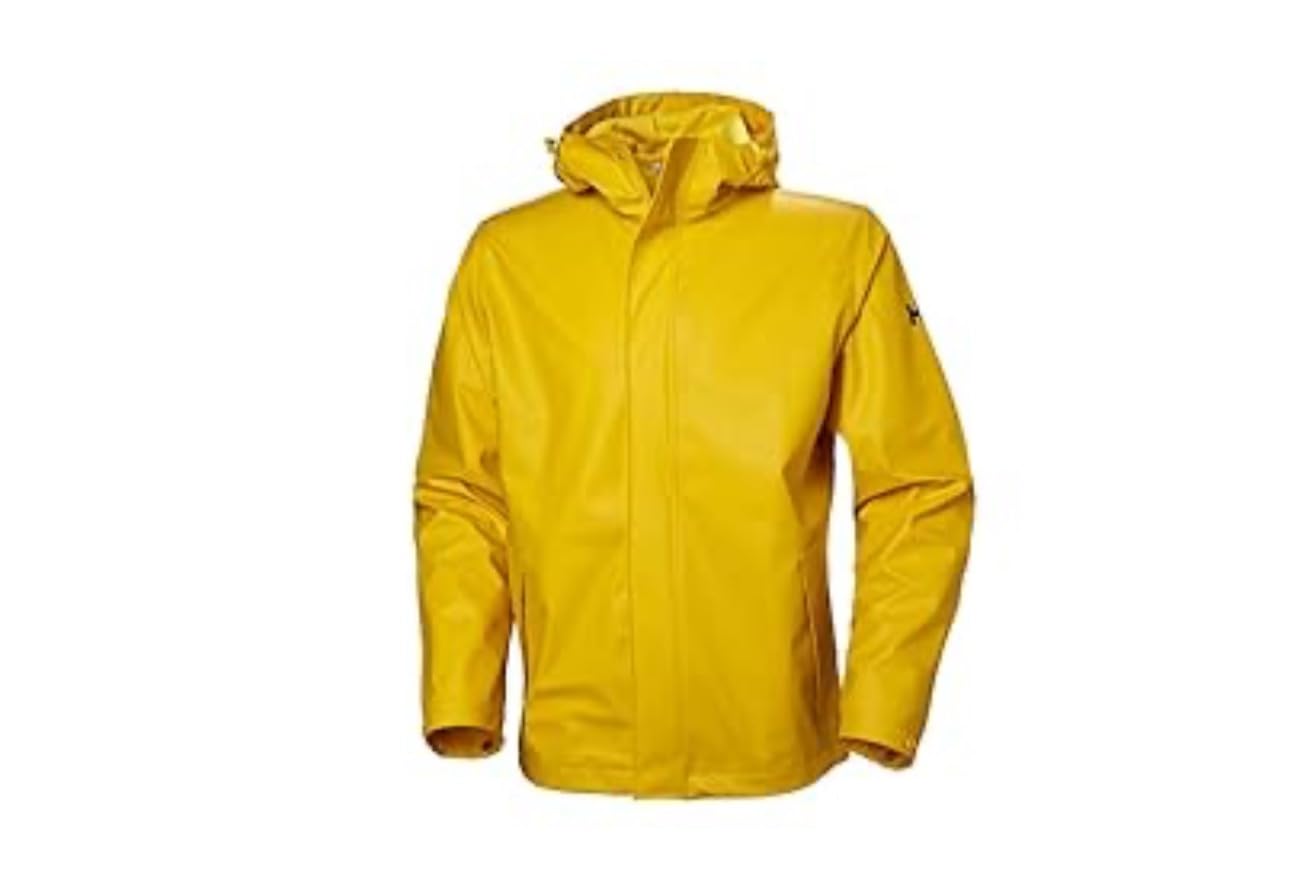
Reviewers treat the Moss as a dependable, inexpensive waterproof shell for everyday rain, travel and boating. They consistently praise its ability to keep water out while flagging poor breathability, a cramped hood, and the lack of marine-grade sealing.
Styling is a genuine selling point here. The Moss is a clean, understated raincoat rather than a technical shell, so it does not read as outdoor gear when you wear it into a restaurant.
Both the hood and the hem adjust, which tightens the seal around the head and the waist, and the two front pockets have water-resistant flaps to keep the contents drier than most.
Who the Moss suits
Boaters, commuters, and anyone who wants a classic raincoat for a wet city. It packs light enough for a suitcase, and the included repair patch means a field tear does not end the jacket’s life.
It is also a good call if you dislike synthetic technical fabrics or find hardshells too loud in a work or social setting. The look is deliberately plain.
Who the Moss is not for
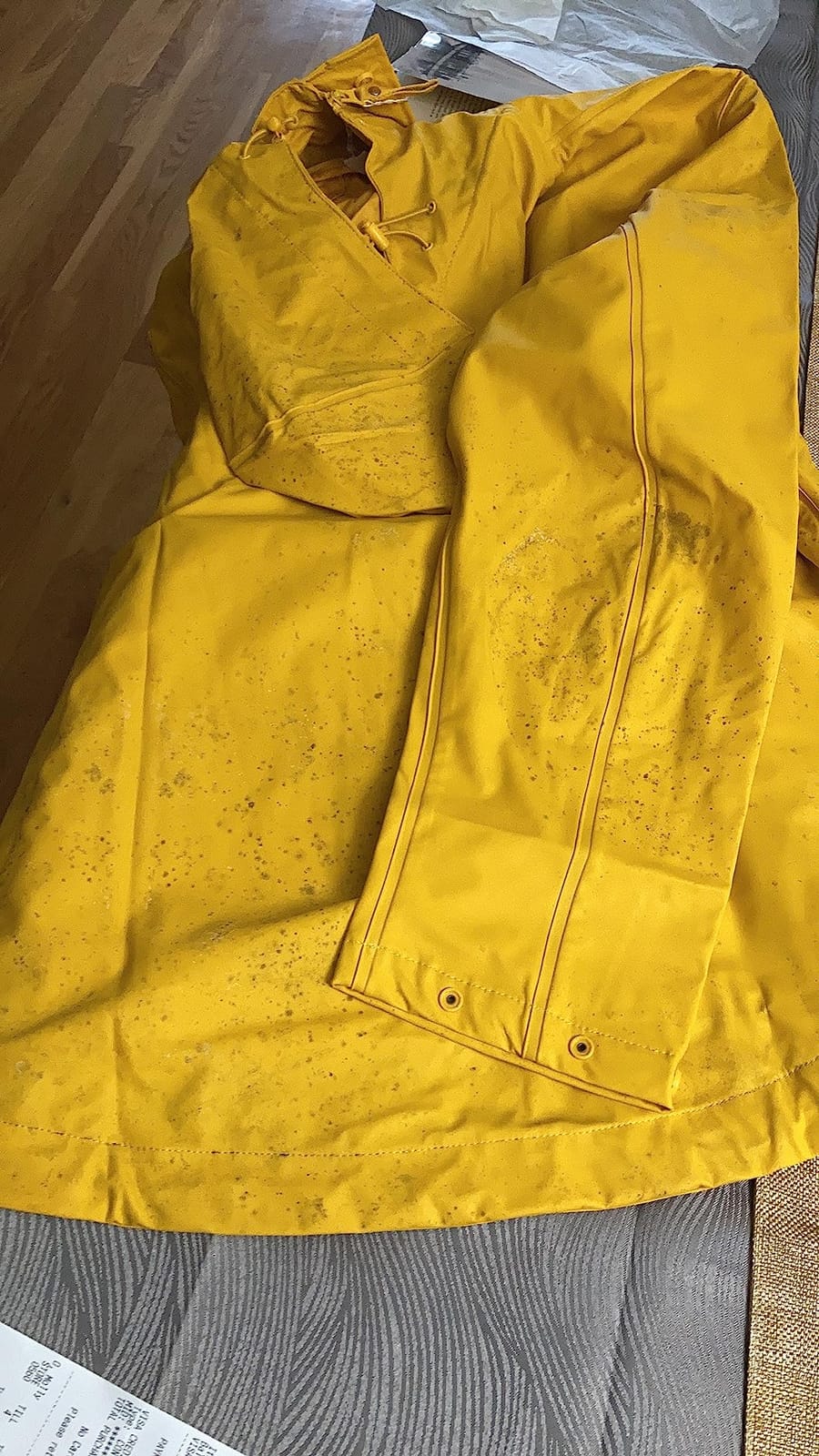
The PU shell is not breathable and gets muggy in warm conditions, so it is a poor choice for hiking or any high-output activity. The interior pocket opening leaves one side effectively open, which limits what you can actually store in it.
The hood is small and barely accommodates a baseball cap, and owners report zipper and snap failures after a few seasons. It is not a true marine-grade shell despite the brand heritage, and it runs cool enough that you need layers below roughly 20 degrees.
8. Carhartt Men’s Monterey Jacket: Best for Layering Over a Puffer
Carhartt Men’s Monterey Jacket, Carhartt Brown/Black, Large
Storm Defender waterproof fabric
Fully taped seams
10K/5K rating
Drawcord hood and hem
Pros
- Storm Defender waterproofing holds up in heavy
- sustained rain
- Fully taped seams for complete leak protection
- Lightweight and comfortable for all-day wear
- Wind Fighter technology blocks wind effectively
- Good pocket layout including a waterproof chest pocket
- Drawcord hood and hem help seal out the elements
Cons
- Shell fabric clings and feels uncomfortable if you sweat heavily
- No pit zips or back vents for active use in warm rain
- Hood could be slightly more snug at the front
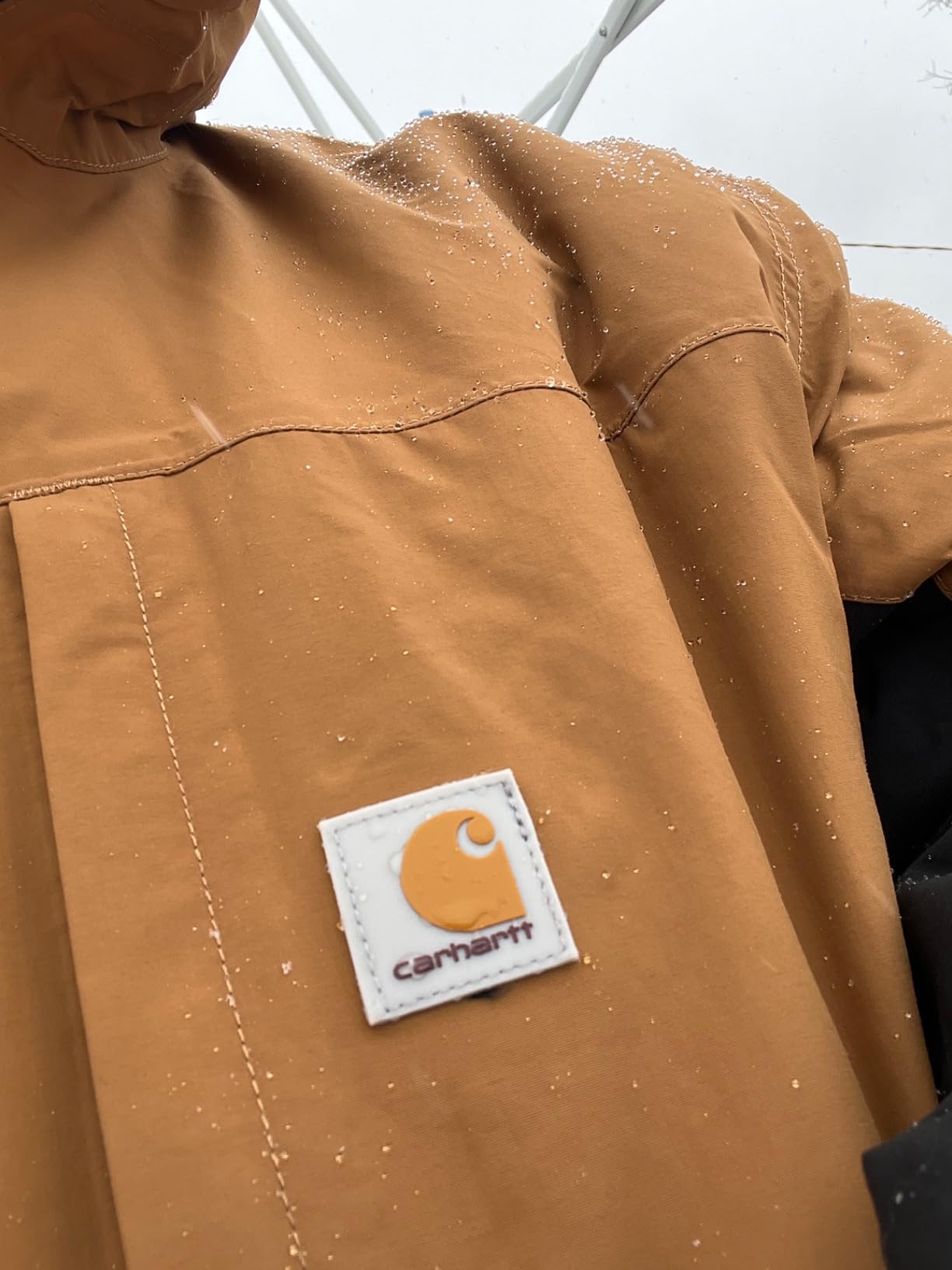
The Monterey is the one to buy if your winter plan is a waterproof shell thrown over a puffy or a hoodie. It is built on Carhartt’s Storm Defender waterproof breathable fabric with fully taped seams, rated at 10K waterproof and 5K breathability.
That rating tells you something useful. A 10,000 mm figure is a serious rating for a daily-use jacket, and it is published openly, which is rarer than it should be in this category.

Owners call the Monterey a well-made, good-looking, lightweight jacket that reliably blocks heavy rain and wind and layers well over other pieces. The main gripe is that the unvented shell feels clammy during strenuous, wet activity.
Pocket layout is unusually generous for a rain shell: a waterproof zippered left chest pocket, two zippered side pockets, and one interior pocket, which is enough to carry a phone, cards and keys without a bag.
The drawcord hood with stops and the waist drawcord with stops both cinch down hard, and the hem extends past the trouser pocket line so it covers properly when you are sitting or cycling.
Who the Monterey suits
Anyone layering a shell over a puffy or a hoodie in winter rain, and anyone who wants a jacket that works for a work commute on Monday and a weekend walk on Saturday. The relaxed fit and the long hem suit both.
It is available in tall and extended sizes, which matters for anyone who has repeatedly found rain jackets with short sleeves or a short body. Wind Fighter technology also handles the cold-rain commute well.
Who the Monterey is not for
It has no pit zips and no back vents, so it is not for active use in warm rain. The shell fabric clings against you if you sweat heavily, which is the flip side of a construction with no active venting.
The hood could be slightly more snug at the front, so a strong wind can find a gap around your cheeks. If your main activity is high output rather than layering, a venting shell is the better purchase.
9. baleaf Men’s Rain Jacket Waterproof Hood Lightweight Reflective Packable: Best for Running and Cycling
baleaf Men’s Waterproof Rain Jacket Packable Windbreaker Pockets Black L
5000 mm laminated TPU membrane
3000 g/m2/24hr breathability
Reflective detailing
Packs into back pocket
Pros
- Keeps out sustained light and moderate rain
- plus snow
- Reflective stripes and logo add strong low-light visibility for cycling and running
- Packs into its own back pocket for bike-bag or glove-box storage
- Hood fits over a bike helmet and stops water running down the neck
- Four zippered exterior pockets plus two inner pockets
- Back ventilation panel helps move heat
Cons
- Breathability is limited; can feel sticky against the skin
- Hood is roomy but can limit peripheral vision
- Drawcords are awkward to adjust one-handed
- Lining material feels rubbery and slightly sticky
- Runs small over layers; several owners recommend sizing up
The baleaf is the one to consider if you move fast in the dark. Reflective stripes and a reflective logo design are the headline feature, and for evening runs and night commutes they are the difference between being seen and not.
Underneath that sits a laminated TPU membrane rated at 5000 mm waterproofing with 3000 g/m2/24hr breathability, plus a back ventilation system that reviewers credit with moving heat away from the spine.
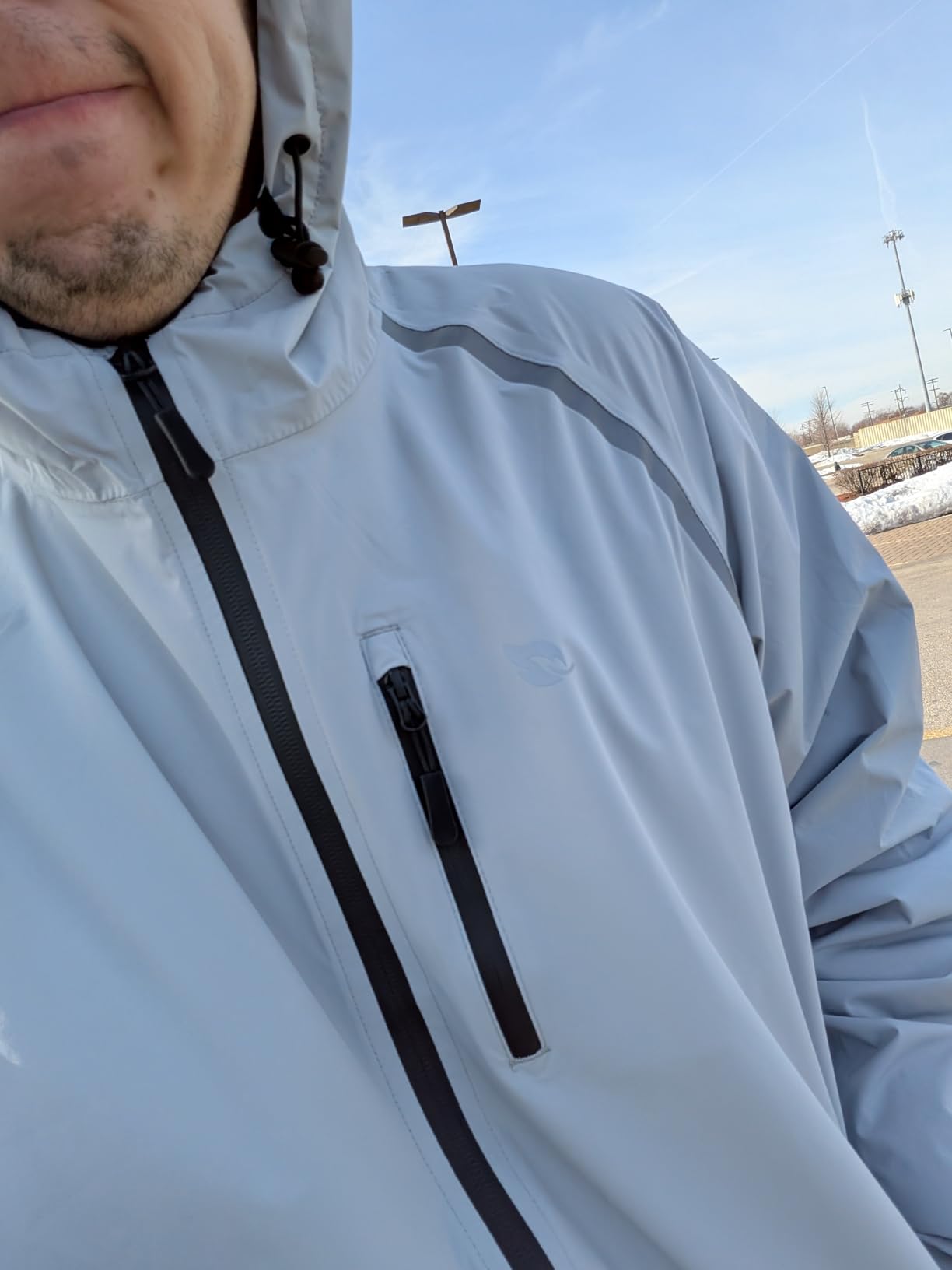
Users rely on it as a compact emergency rain layer for cycling, running and hiking. The reflective visibility and the packability are the standout wins, and the recurring limitations are mediocre breathability, a bulky hood, and a cut that runs small over layers.
Storage is unusually good for the size. Four zippered exterior pockets plus two inner pockets mean you can carry a phone, a key and a card without a separate pouch, and it packs into its own back pocket.
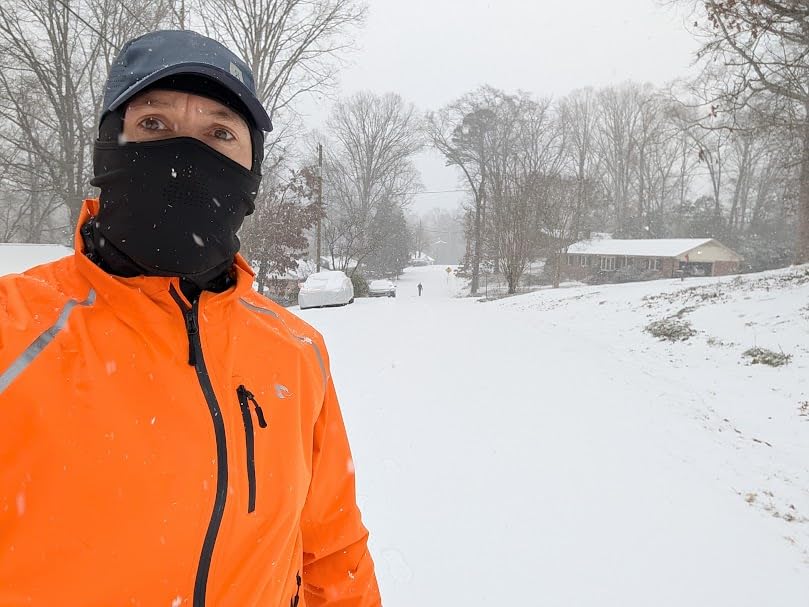
The hood fits over a bike helmet and stops water running down the neck, which owners specifically call out. Elastic sleeve cuffs and a drawcord adjustable hem with an anti-skid edge lock the dry in and keep the jacket from riding up.
Who the baleaf suits
Runners, cyclists, and commuters who want reflectivity and a jacket that disappears into a bike bag. The four exterior pockets are the reason some people buy it as their only everyday layer.
It also handles snow, so it doubles as a shoulder-season jacket for anyone who wants one garment for mixed precipitation rather than separate shells.
Who the baleaf is not for
Breathability is the limitation. The lining can feel sticky against the skin and drawcords are awkward to adjust one-handed, which is a problem when you are trying to open vents while running.
The hood is roomy enough for a helmet but can limit peripheral vision, and the cut runs small over layers, so several owners recommend sizing up if you plan to wear a fleece underneath.
10. TEZO Mens Rain Jacket Waterproof with Hooded Hiking Coat: Budget Pick
TEZO Mens Rain Jacket Waterproof with Hooded Hiking Coat Lightweight Windbreaker(AG/GY L)
Fully sealed and welded TPU seams
Detachable zip-off hood
Mesh lining
Relaxed fit
Pros
- Fully sealed and welded TPU seams give convincing rain protection for the money
- Detachable hood via zipper gives flexibility
- Breathable non-fleece mesh lining keeps it usable in mild conditions
- Sealed chest pockets and waterproof side pockets protect valuables
- Adjustable Velcro cuffs seal out wind and rain
- Long
- relaxed cut works for layering over a sweater or fleece
Cons
- No drawcord at the hem
- so water and wind can enter from below
- No underarm pit vents
- causing heat build-up in warmer weather
- Runs large
- particularly in the body of the medium
- One-direction zippers are less convenient in low light or with gloves
The TEZO coat is the cheapest jacket here and one of the most capable for the money. The construction claim is specific: fully sealed and welded TPU membrane seams, which is a stronger waterproofing story than most jackets twice the price can offer.
The detachable hood is a genuine rarity in this bracket. It unzips completely, so you can run hard without a hood, or wear it in a downpour with the full protection, and most competing budget shells fix the hood to the collar.
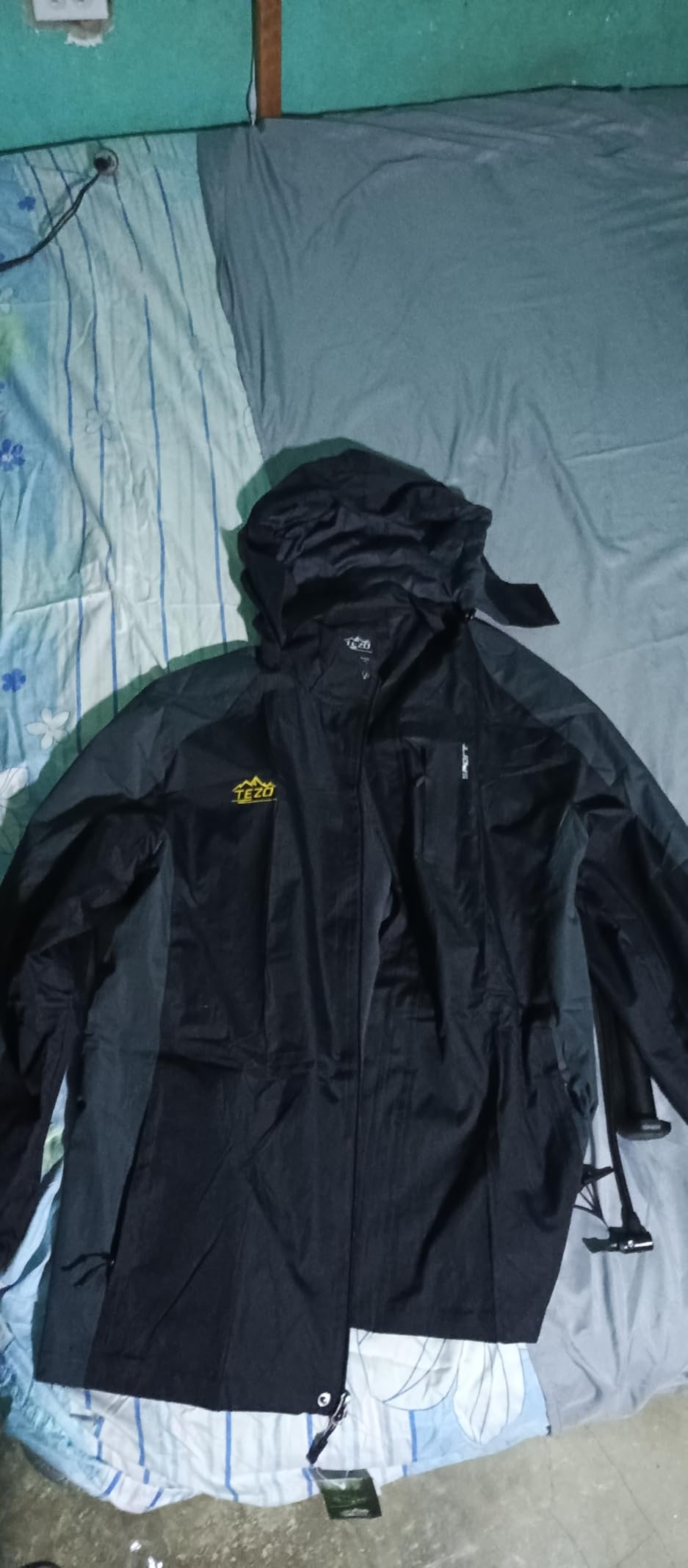
Reviewers consistently judge this a high-value shell that punches well above its price for water resistance, lining comfort and pocket layout. The most common criticisms are a roomy fit, no hem drawcord, and no pit venting.
Storage is sealed too: two invisible sealed-tape chest pockets and two occluded waterproof side pockets, so keys and cards stay dry in a squall. Adjustable Velcro cuffs close the wrist gap properly.
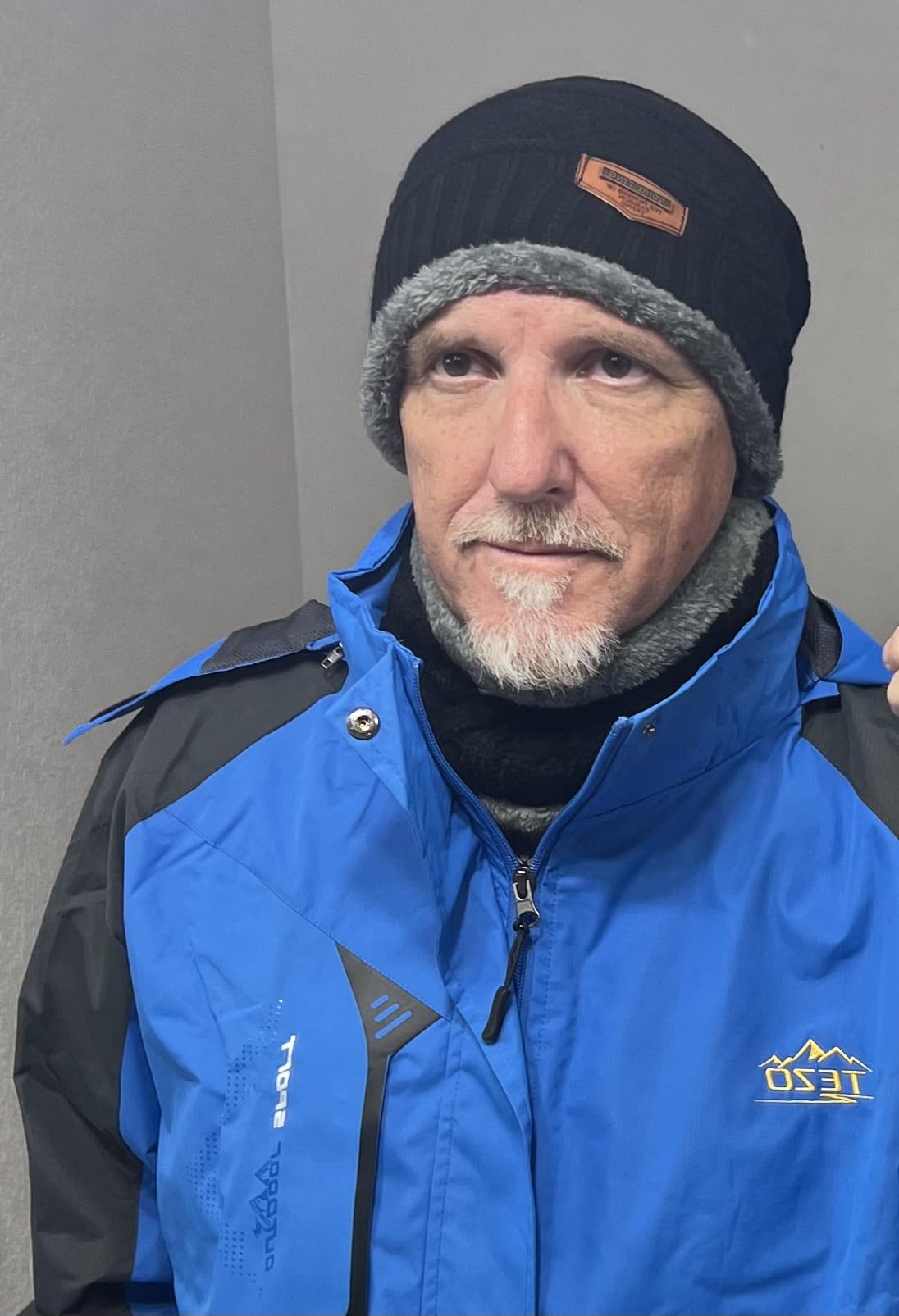
The non-fleece mesh lining is the reason it stays bearable in mild conditions, and the relaxed cut with extra length below the waistline layers over a sweater or fleece without riding up.
Who the TEZO suits
Anyone who wants real welded-seam waterproofing without spending much, and anyone who wants to wear a hood only when it is raining. The long relaxed cut also works well over bulkier layers than a technical cut would.
It suits travel, hiking, camping, cycling and general year-round use, and the colour range includes high-visibility solids if you work outdoors.
Who the TEZO is not for
There is no drawcord at the hem, so wind and water can enter from below, which is a real problem cycling or in a proper downpour. Add a layer underneath that cinches if you can.
There are no underarm pit vents, so heat builds up in warmer weather, and the cut runs large, particularly through the body, so size down if you are slim. One-direction zippers are awkward with gloves on in low light, and the interior pocket has no closure.
11. NORDIC OUTLAND Mens Lightweight Waterproof Rain Jacket: Best Spec Sheet for the Money
NORDIC OUTLAND Mens Rain Jacket with Mesh Lining,Waterproof Breathable Raincoat,Hooded Windbreaker for Outdoor (X-Large, Charcoal
10000 mm waterproof rating
8000 g/m2/24h breathability
Fully TPU-taped seams
Waterproof zips
Pros
- 10000 mm waterproof membrane handles heavy rain
- 8000 g/m2/24h breathability is high for the price
- Fully TPU-taped seams for complete leak protection
- Waterproof zips on the centre front and chest pocket
- High-density fabric doubles as a windbreaker
- Lightweight and well suited to hiking and backpacking
Cons
- Hood is fixed with limited adjustment
- No pit zips or mesh ventilation panels
- Lightweight fabric feels thin and rustles in wind
The NORDIC OUTLAND is one of only two jackets here that publish both numbers openly: 10,000 mm waterproofing and 8,000 g/m2/24h breathability, on every stitching line sealed with TPU tape. For a lightweight hiking shell, that is a strong spec sheet.
The high-density membrane-backed fabric is not only waterproof, it works as a windbreaker, which matters on an exposed ridge where wind drives rain sideways and a plain fabric would just soak.
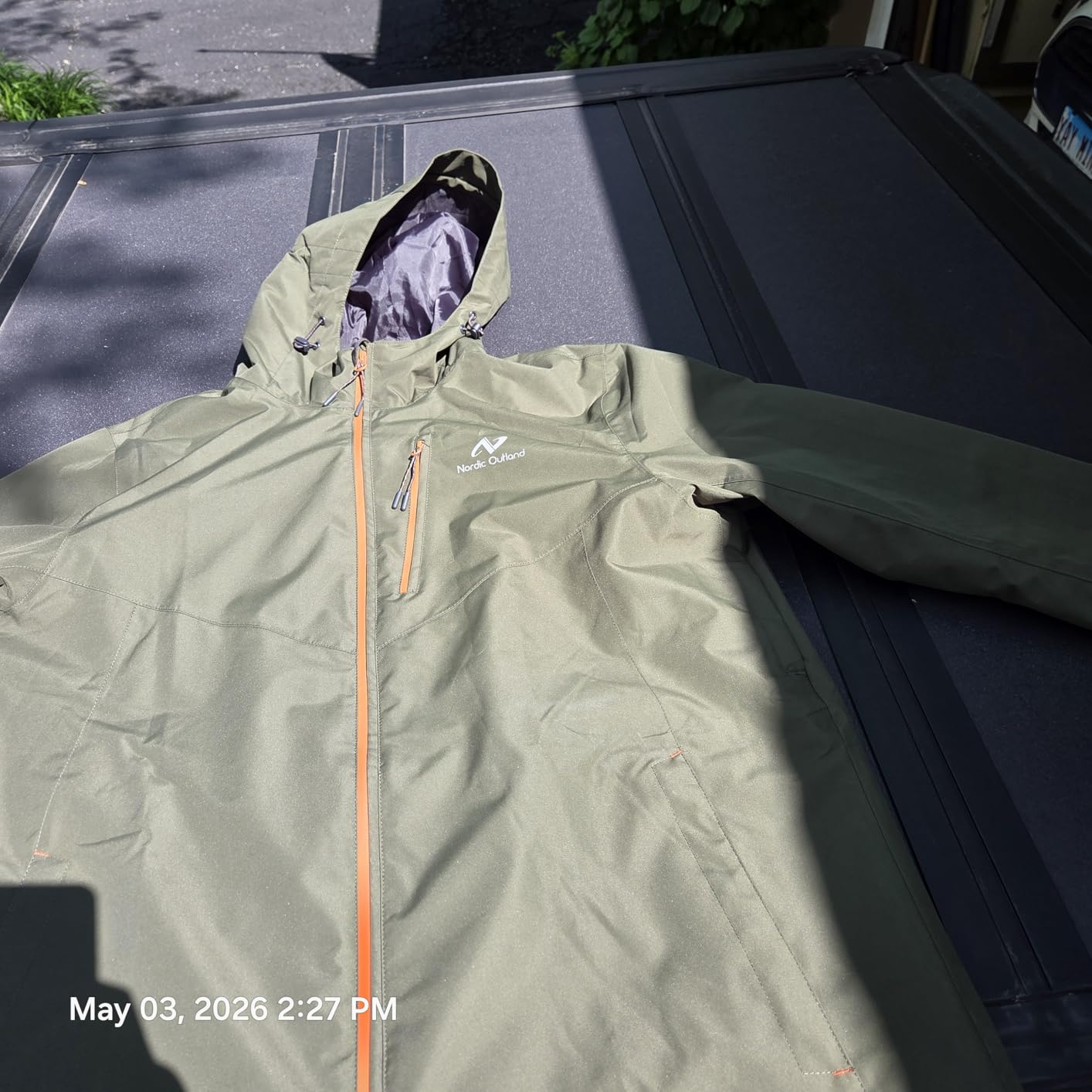
Buyers highlight unusually good waterproofing and breathability for a budget shell, with taped seams and waterproof zips doing their job in heavy rain. They also note a fairly basic fixed hood and no active venting.
Waterproof zips on the centre front and the chest pocket are the detail that prevents the usual slow leak into your bag, and they are specified on a shell at this price far less often than they should be.
The size range is another strength, with 3X sizes and high-visibility colours available, and the whole package is light enough for backpacking rather than just day use.
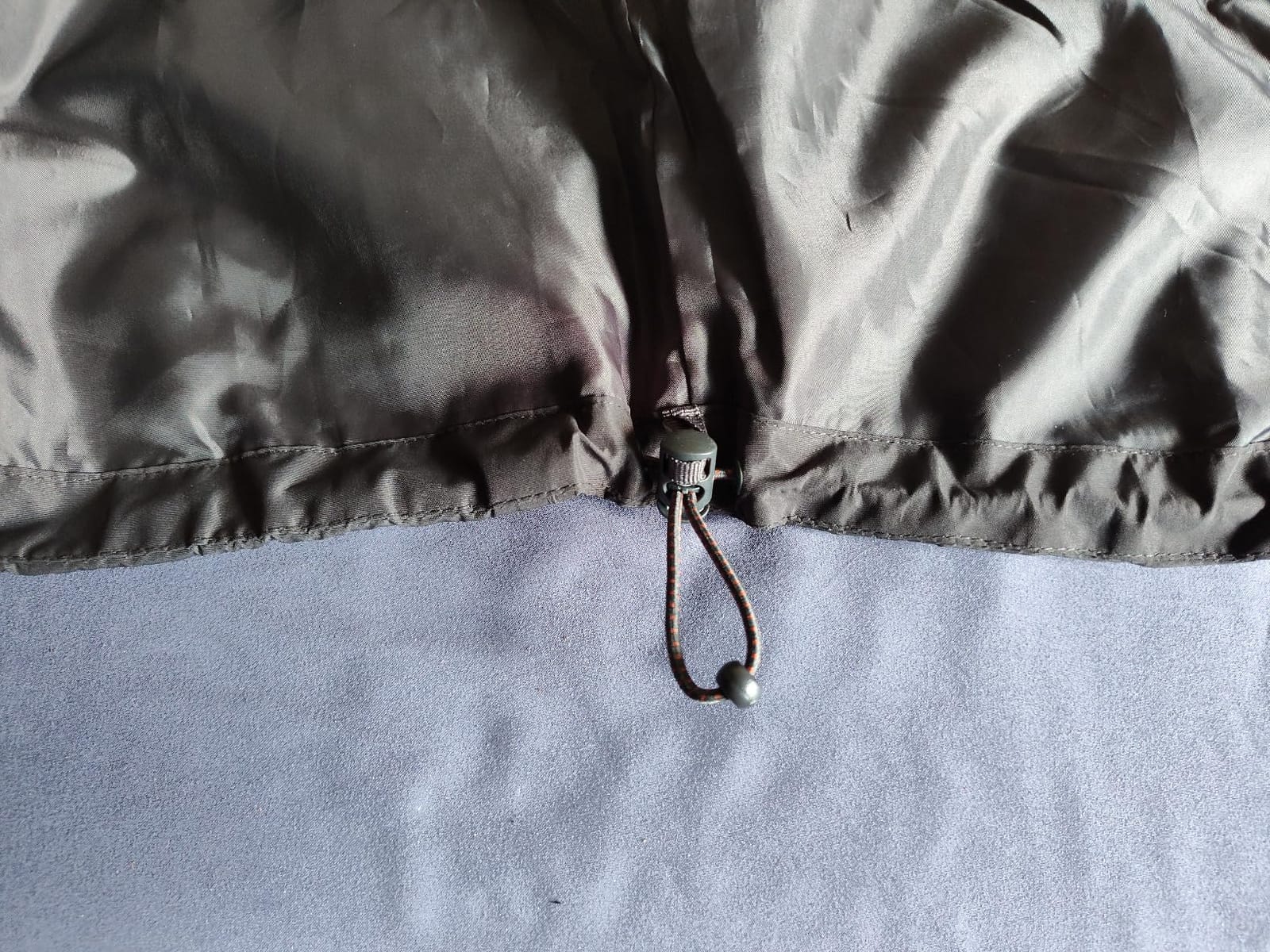
Who the NORDIC OUTLAND suits
Hikers and backpackers who want a properly rated waterproof shell for very little. The 8,000 g/m2/24h breathability figure means it moves more moisture than most shells in this roundup, which reduces the wet-out feeling on a steady climb.
It also suits anyone who needs high-visibility colours or a very large size, both of which are hard to find in technical shells.
Who the NORDIC OUTLAND is not for
The hood is fixed with limited adjustment, so it is a weak point in wind or over a helmet, and there are no pit zips or mesh ventilation panels, so the breathability number cannot be improved on the move.
The fabric is thin and rustles in the wind, which some people find noisy and some do not. It is a rain layer, not a winter jacket, and it has no insulation for cold conditions.
12. Carhartt Men’s Rain Defender Relaxed Fit Jacket: Best for Hot and Humid Weather
Carhartt Men’s Rain Defender Relaxed Fit Jacket Relaxed Fit Jacket, Steel, Large
Rugged Flex stretch fabric
Rain Defender DWR
UPF 50+ sun protection
Relaxed fit
Pros
- Rugged Flex stretch fabric allows easy movement
- Rain Defender DWR sheds water in steady rain
- Wind Fighter technology blocks wind
- Carhartt Force fabric wicks sweat
- dries fast and resists odour
- UPF 50+ sun protection adds value for daytime outdoor use
- Relaxed fit layers easily over work clothes
Cons
- DWR is a water-repellent finish rather than a fully taped waterproof shell
- so it is not intended for prolonged heavy rain
- Lightweight build with no hood listed in the feature set
- Small 233-review base compared with the rest of this roundup
This is the honest hot-weather answer. In tropical humidity, a sealed waterproof membrane can trap as much moisture as it blocks, and the only real fix is a jacket that moves and wicks rather than one that seals you in.
Carhartt’s Rain Defender Relaxed Fit is built on Rugged Flex stretch fabric, so it moves with you rather than restricting you, and Carhartt Force technology wicks sweat, dries fast and fights odour while you work up a heat.
Owners describe an easy-moving, breathable work jacket with strong wind and shower protection plus useful UPF 50+ coverage. They also note plainly that this is a DWR-treated soft shell rather than a fully waterproof taped rain jacket.
Wind Fighter technology blocks wind, which is what actually stops you feeling chilled in a downpour once you are warm. Force Sun Defender UPF 50+ UV protection adds real value for daytime outdoor use in high sun.
The relaxed fit layers easily over work clothes, which makes it a straightforward choice for someone already wearing a uniform or a heavy base layer underneath.
Who the Carhartt Rain Defender suits
Anyone in hot, humid or tropical weather who wants rain protection without the sweat-out problem. Stretch, fast drying and odour control are the reasons to choose it over a sealed shell.
It also suits outdoor workers and anyone on site who needs wind protection with sun coverage rather than full waterproofing, and the relaxed fit works well over existing layers.
Who the Carhartt Rain Defender is not for
It is not a fully taped waterproof shell. The Rain Defender finish is a durable water repellent, which sheds steady rain but is not intended for prolonged heavy rain, so it will not replace a sealed membrane in a downpour.
The lightweight build lists no hood in its feature set, and the review base is much smaller than the rest of this roundup, so there is less long-term owner evidence behind it.
How to Choose the Best Rain Jacket for Men
The right rain jacket is the one that matches your exertion level and your climate, so buy the features you will actually use rather than the ones on the label. These are the six decisions that matter, in the order most people should make them.
2.5-layer vs 3-layer construction, explained simply
A two-layer shell puts a membrane or coating against your skin with a loose liner over it, which is cheap and light but feels clammy. A two-and-a-half-layer shell bonds the membrane to a lightweight face fabric, and it is the sweet spot for most people who will not be out for a full day of rain.
A three-layer shell adds a separate inner backer, so the membrane floats between two fabrics. It is the most comfortable for sustained wear and the most durable, because there is no exposed liner to abrade, and it is what you want for hiking, climbing or any multi-hour use.
The Marmot Precip Eco and the NORDIC OUTLAND on this list are the fully taped, multi-hour options. The Columbia Watertight II and the Glennaker Lake II are lighter duty daily shells. If you ask one question in a shop, ask how many of the stitching lines are taped, because seams leak before membranes fail.
Waterproof vs water-resistant and what the millimetre number means
Water-resistant means water beads and runs off for a while. Waterproof means the fabric is sealed so rain cannot pass through, regardless of duration. Any jacket described as water-resistant or with a DWR finish alone is a shower jacket, not a rain jacket.
Waterproof ratings are expressed in millimetres of hydrostatic head, which is how much water pressure the fabric holds before it gives way. Casual jackets sit around 1,000 to 3,000 mm, mid-range shells around 5,000 to 10,000 mm, and alpine-grade shells go well beyond 20,000 mm.
But the number alone misleads. A high rating with untaped seams leaks at the stitching, and a moderate rating on a fully sealed jacket can outperform it. Read the rating together with the seam construction, the number of taped lines, and whether the zips are themselves waterproof.
Breathability, pit zips and why jackets wet out from the inside
The most common real complaint about expensive rain jackets is not leakage, it is sweat-out. Your body makes vapour and heat faster than any membrane can move it, and once that moisture condenses on the inside, you are wet from within and no amount of waterproofing fixes it.
Active venting is the practical answer, and pit zips are the most common version. Opening them dumps heat and moves moisture outward, which is why the Marmot Precip Eco feels so much better on a climb than a sealed shell of similar weight without them.
Ventilation features differ in scale. Pit zips sit under the arms, full-length side zips open from the hem to the armpit and vent far more aggressively, and core vents are mesh panels that move air without a zipper. If you run warm or move fast, prioritise vents over membrane marketing.
Weight, packability and the stuff pocket
Weight matters differently depending on the activity. For a jacket that lives in a car or a bag, packability matters more than the gram count, and a jacket that compresses into its own pocket is worth more than one that is 50 g lighter but needs a stuff sack.
Check the packed volume, not just the weight, and check whether the pocket is a dedicated pocket or one of the hand pockets, because a jacket that packs into a hand pocket is awkward to access with wet or gloved hands. Every packable option on this list folds into itself, which is the trait we looked for.
Thin denier fabrics compress well but handle brush badly. Our view is that if you will be walking through brambles, a slightly heavier 40D or 50D ripstop will outlast a 7D or 15D fabric that feels like fine china in the hand.
Hood, pockets, cuffs and fit
A hood that adjusts at the sides, the back and the front beats one that does not, because a hood that sits too far back drips rain onto your face, and a loose hood swallows your peripheral vision when you are cycling. A three-piece hood, like the one on the North Face Antora, is the most adaptable.
Pockets are where rain jackets disappoint most. Look for sealed or waterproof zips rather than covered ones, and check the volume, because a pocket sized for a phone will not hold a field book or a small tablet, which some hikers and dog-walkers specifically need.
On fit, the rule is simple. If you will wear a baselayer only, take your normal size. If you layer over a fleece or a puffy, size up, and check sleeve length, because short sleeves are the most common reason an otherwise good rain jacket gets returned. Cuffs and an adjustable hem matter more for sealing water out than most people expect.
Caring for your shell and re-activating the DWR
Waterproof-breathable membranes work because a DWR finish makes water bead and roll off. That finish wears off, and the jacket starts feeling wet even when it is not leaking, which is when people wrongly conclude the membrane has failed.
Wash the jacket on a gentle cycle with a technical wash, using no fabric softener and no dryer sheets, because softener leaves a film that permanently blocks the DWR. Then reactivate the finish with a tumble dry on low heat for 20 to 30 minutes, which melts the coating back into the weave.
Do that once or twice a year and the shell behaves like new. If it is far too far gone, an iron on low through a cloth or a re-proofing spray will restore beading, and any jacket with taped seams can also be re-taped with kits made for its fabric.
Is Anything Better Than Gore-Tex? A Membrane Breakdown
No, not for most people, but the honest answer is that several modern non-Gore-Tex membranes match or beat it on breathability while costing less.
The mainstream alternatives in this roundup are DryVent, used by The North Face in the Antora, and Marmot’s NanoPro in the Precip Eco. Both pair a waterproof-breathable membrane with a DWR finish and taped seams, and neither is attached to the premium pricing that still surrounds the Gore-Tex name.
PU and PVC shells take a different approach entirely. The Helly Hansen Mandal and Moss use welded PU and PVC constructions that do not attempt breathability, and on this list they outperform most technical membranes during a two-hour downpour because there is no vapour to trap.
So the answer depends on the job. If you move hard and sweat, a lighter non-PTFE membrane with vents will serve you better. If you stand still in the rain for hours, a welded non-breathable shell wins. If you want one jacket for everything, the taped multi-layer builds on this list are the safer bet.
Frequently Asked Questions
What is the best quality raincoat for men?
The Columbia Men’s Watertight II is the best all-round quality raincoat for men, because a waterproof 100% nylon shell with an Omni-Shield treatment, elastic cuffs and hem, and a pack-into-its-own-pocket design make it work on commutes, walks and travel. For multi-hour hiking, the Marmot Precip Eco adds fully seam-taped construction and pit zips. For heavy work, the Helly Hansen Mandal PVC shell is harder to wet through.
What is the best fully waterproof jacket for men?
Fully waterproof means sealed seams and a membrane or welded construction, not just a water-repellent finish. On this list the NORDIC OUTLAND, Marmot Precip Eco, TEZO, Eddie Bauer Rainfoil and Helly Hansen models all use taped or welded seams. The Marmot Precip Eco is the best pick for sustained outdoor use, while the Helly Hansen Mandal is the most waterproof in a prolonged downpour because PVC does not breathe at all.
What are the best rain jackets on the market?
The best rain jackets for men right now split into clear categories: the Columbia Watertight II for overall daily use, the Columbia Glennaker Lake II for value, the Marmot Precip Eco for hiking with pit zips, the North Face Antora for commuting and big sizes, the Helly Hansen Mandal for work and fishing, the Eddie Bauer Rainfoil for travel, the baleaf for running and cycling, and the Carhartt Rain Defender for hot and humid climates. Each suits a different amount of movement and a different type of rain.
Is anything better than Gore-Tex?
For most buyers, no. Modern non-Gore-Tex membranes such as DryVent and Marmot NanoPro reach comparable waterproofing with strong breathability at lower cost, and welded PU or PVC shells like the Helly Hansen Mandal and Moss are more waterproof in prolonged rain because they do not breathe at all. The deciding factor is your exertion level: ventilating membranes for moving, sealed non-breathable shells for standing still in the rain.
What is the best 100% waterproof rain jacket for men?
The closest thing to 100 percent waterproof on this list is the Helly Hansen Mandal, a 410 g/m2 PVC-coated polyester shell with oil- and moisture-resistant surfaces and large cargo pockets. Because PVC does not breathe, nothing moves through it in sustained rain, which is exactly what you want for fishing, site work or festivals. The trade-off is bulk and heat, so it is poor for hiking.
Which brand raincoat is best for men?
It depends entirely on the job. Columbia covers daily use and value more consistently than any other brand on this list. The North Face is a strong choice for commuting and offers big sizes up to 5X. Marmot is the pick for hiking with taped seams and pit zips. Helly Hansen is the choice for workwear and non-breathable waterproofing. Carhartt wins for layering and hot weather, and TEZO and NORDIC OUTLAND deliver the most capable sealed shells at the lowest cost.
What is the best-rated waterproof jacket for men?
The best-rated by owner feedback on this list are the Columbia Watertight II, the North Face Antora and the Carhartt Monterey, each holding a 4.7 average across more than 700 owner reviews. The NORDIC OUTLAND and Eddie Bauer Rainfoil follow at 4.6. Ratings reflect satisfaction with the product as sold, so a heavily reviewed budget shell often outscores a premium one simply because more people have owned it for years.
Is a Gore-Tex rain jacket worth it?
It is worth it if you need long-term durability, a repair service and confidence in alpine conditions. It is not worth a large premium for commuting, dog-walking or travel, because a well-taped 2.5-layer or 3-layer shell with pit zips from a cheaper brand handles ordinary rain just as well. Check whether the jacket has taped seams and vents before deciding, since those matter more than the membrane name.
Which Rain Jacket Should You Buy? The Final Verdict
Buy the Columbia Men’s Watertight II if you want one jacket for everything ordinary, the Marmot Precip Eco if you hike in the rain, and the Helly Hansen Mandal if you work or fish in it. Those three cover most men’s wardrobes, and each fails in a way we have named above rather than hidden.
Add the North Face Antora for commuting and larger sizes, the baleaf for night-time running, and the Carhartt Rain Defender for hot, humid weather. Whatever you choose, buy it for the number of hours you will wear it wet, and check the seams rather than the brand on the label.
We update this guide every year, and we will be back in 2026 with fresh picks. If you ride in rain as well as walk in it, our motorcycle jacket roundup covers the abrasion side of the problem that no rain shell solves. If you want a stiffer, more protective layer for cold and wind rather than rain alone, our best leather jackets for men guide covers that side of the wardrobe.