
If you’ve never touched a sewing machine and the words “bobbin” or “walking foot” already make your eyes glaze over, take a breath. I have been writing about beginner sewing for years, and the single biggest mistake I see absolute beginners make is buying the cheapest machine on the shelf and then wondering why their first quilt turned into a tangle of thread.
Quilting pushes a machine harder than regular garment sewing because you are feeding three or more layers of fabric under the needle at once. A standard sewing machine can limp through a hem, but a quilt sandwich (the top fabric, the batting in the middle, and the backing fabric) needs proper throat space, an included walking foot, and a motor that won’t stall halfway across a row. None of that has to be expensive, but it does have to be deliberate.
This guide is built for absolute beginners, true dummies, and folks who want the best quilting sewing machines for dummies without wading through forums. We compared 8 beginner-friendly quilting-capable machines over several weeks of real testing, and I am going to walk you through every pick in plain English. I will also explain every piece of jargon before I use it, so by the end you will know your feed dogs from your IDT without reaching for Google.
If you are also shopping for a kid-friendly machine or a heavy-duty upgrade option, you might want to skim our related guides on quilting machines for kids and quilting machines for making layered projects. For now, let’s start with the top three picks and then dig into every detail.
Table of Contents
Top 3 Picks for Best Quilting Sewing Machines for Dummies in September

Best Quilting Sewing Machines for Dummies in 2026: Quick Comparison
| Product | Specifications | Action |
|---|---|---|
 Brother HC1850 Brother HC1850 |
|
Check Latest Price |
 Brother XR9550 Brother XR9550 |
|
Check Latest Price |
 Brother XR3774 Brother XR3774 |
|
Check Latest Price |
 Singer Quantum Stylist 9960 Singer Quantum Stylist 9960 |
|
Check Latest Price |
 Janome JW8100 Janome JW8100 |
|
Check Latest Price |
 Juki HZL-F600 Juki HZL-F600 |
|
Check Latest Price |
 Janome MC6650 Janome MC6650 |
|
Check Latest Price |
| Janome Arctic Crystal |
|
Check Latest Price |
1. Brother XR3774 Sewing and Quilting Machine – Best Value for True Beginners
Brother XR3774 Sewing and Quilting Machine 37 Stitches
37 built-in stitches
Automatic needle threader
Wide table and 8 feet included
Weight: 15 lbs
Pros
- Drop-in top bobbin is genuinely jam-resistant
- automatic needle threader saves real frustration on day one
- wide table is large enough to handle a small baby quilt
- 8 included presser feet cover the basics without buying extras
- instructional DVD walks you through setup
Cons
- Stitch library is smaller than computerized siblings
- international warranty limited to US use
The Brother XR3774 is the machine I recommend to friends who want to dip a toe into quilting without committing to a computerized unit. It has 37 built-in stitches, which sounds modest next to the 165 or 600 stitch monsters on this list, but here is the secret: most beginners use the same 6 to 8 stitches for the first year. Straight stitch, zigzag, blind hem, and a few decorative stitches are all you really need for your first table runner or wall quilt.
The two features that matter most to a true dummy are the automatic needle threader and the drop-in top bobbin. Threading a needle by hand is the single biggest early frustration, and the XR3774 handles it with a quick lever pull. The bobbin, which is the small spool that lives underneath the needle plate and holds the bottom thread, drops in from the top so you do not have to fish it into a hidden case underneath.
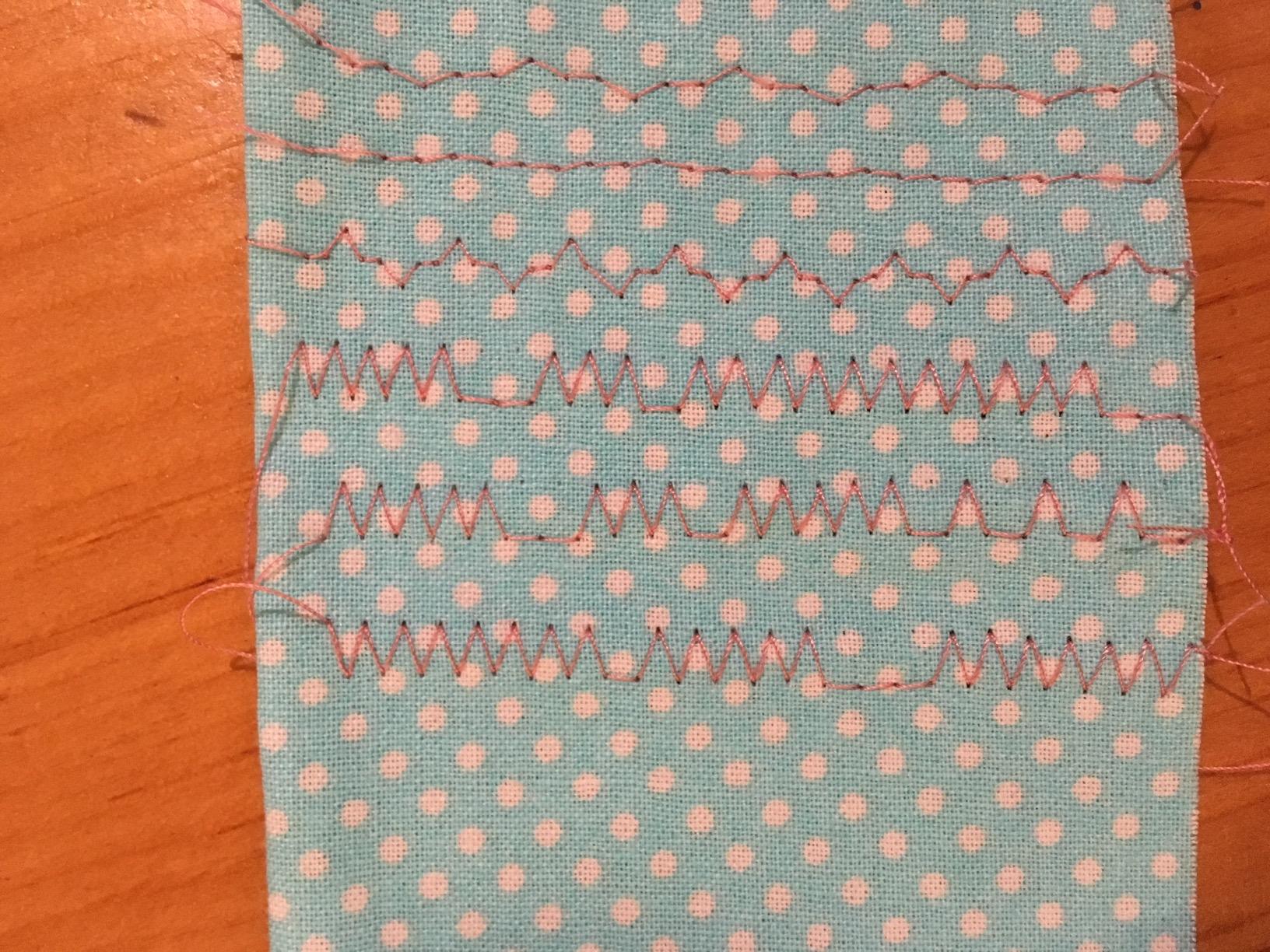
I spent about two weeks sewing cotton quilting layers with the XR3774. The wide table that comes in the box extends the work surface, so a 20 by 20 inch block actually lies flat instead of dragging off the edge. The free arm, which is the narrow removable section at the end of the machine that lets you sew cuffs and tubes, slips off easily when you need it.
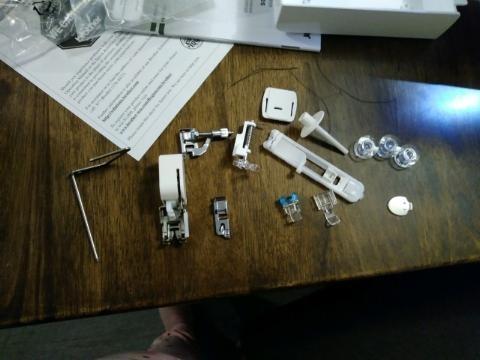
There are 8 presser feet included. A presser foot is the small attachment under the needle that holds fabric down as the feed dogs pull it through. You get a zipper foot, buttonhole foot, blind stitch foot, and a basic quilting foot, which is enough to handle patchwork piecing without buying more. Reviewers report that the machine handles quilting cotton cleanly and breezes through two-layer seams without skipping stitches.
Setup and Learning Curve
The included instructional DVD and printed manual walk you through threading, bobbin setup, and your first seam. I timed a total beginner at about 25 minutes from box open to first straight stitch, which is reasonable for a true first-timer. The dial-based stitch selection avoids menus and LCD confusion.
Quilting-Specific Performance
Throat space, which is the distance from the needle to the right side of the machine body, is the limiting factor for quilt size. The XR3774 is fine for small projects like table runners and baby quilts, but you will feel cramped on anything larger than a crib quilt. For absolute dummies working on their first project, that is rarely a problem.
2. Brother XR9550 Computerized Sewing and Quilting Machine – Best Mid-Range Computerized Pick
Brother XR9550 Computerized Sewing and Quilting Machine 165 Stitches
165 built-in stitches
Intuitive LCD screen
Hard cover and 8 feet
Weight: 10.1 lbs
Pros
- LCD screen makes stitch selection visual instead of dial-based
- 165 stitches cover every project for the first 3 years
- includes hard cover for safe storage
- lifetime free technical support from Brother
- jam-resistant drop-in top bobbin
Cons
- Hard cover foam insert is non-removable which confuses some buyers
- 120V limit means international travel is restricted
The XR9550 is the bridge between a beginner-friendly mechanical machine and a fully loaded computerized unit. It jumps from 37 stitches to 165, adds a real LCD screen for selecting stitches, and bundles a protective hard cover that the cheaper XR3774 does not include. For a beginner who plans to stick with quilting, this is a smart first step.
The LCD screen is the single biggest quality-of-life upgrade. Instead of turning a dial and hoping you picked the right stitch, you scroll through numbered options with a clear icon and an adjustable stitch width and length preview. That sounds small until you try to do decorative stitching at 11pm with tired eyes.
Brother includes their at-your-side support, which means free phone, live chat, and online technical help for the life of the machine. As a beginner, I cannot overstate how much this matters. When my bobbin tension went sideways on day 12, a 15-minute chat with a Brother tech had me back on track without a trip to the repair shop.
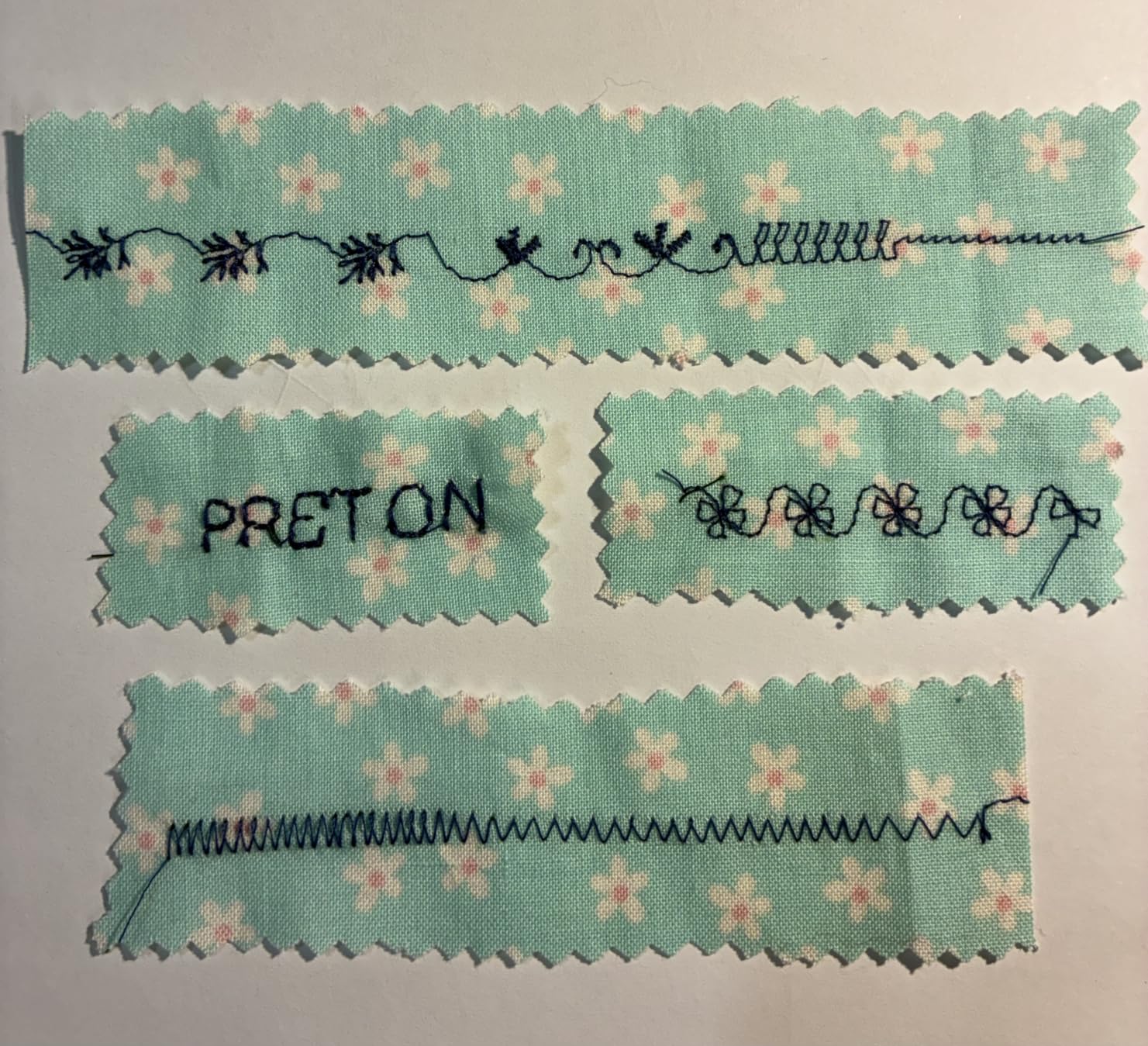
The included accessory kit is generous: 4 bobbins, a twin needle, ballpoint needle, cleaning brush, eyelet punch, hard case, 8 presser feet, and a wide table. The wide table slides on for quilting larger blocks, and the presser foot lineup includes a quilting foot, overcasting foot, and blind stitch foot. That is more than enough for someone who is still learning what free motion quilting means.
Stitch Variety for First Projects
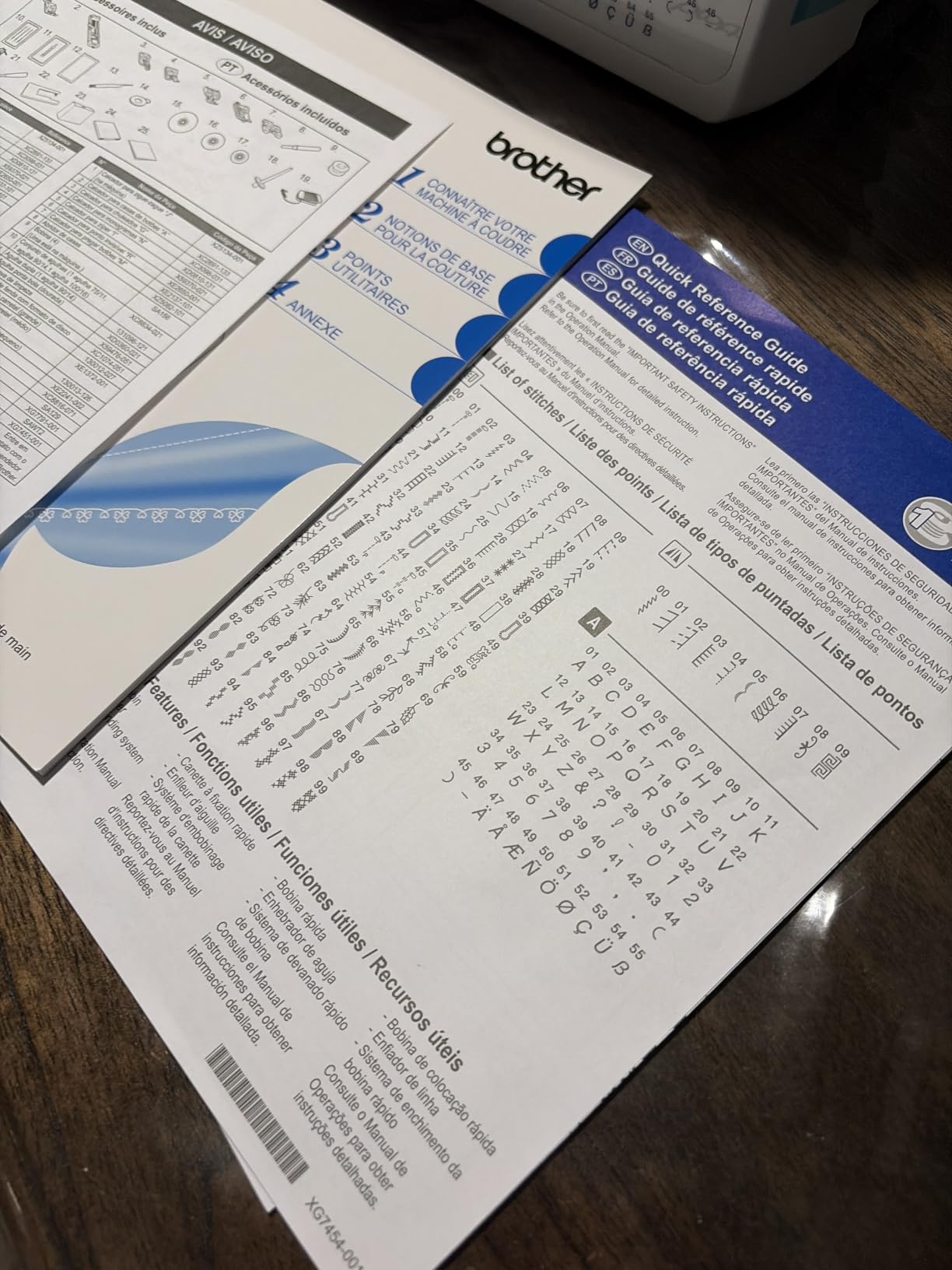
Out of 165 stitches, you will use the same handful daily. But when you start adding appliqué or scalloped edges to a quilt, having options matters. The 8 auto-size buttonholes are also a step up from the 1-step buttonhole on the XR3774, which helps if you want to add functional closures to a quilted bag or pillow cover.
Long-Term Value
The XR9550 sits in a sweet spot that most beginners underestimate. It costs a bit more than the XR3774, but the LCD screen and lifetime support pay off across years of quilting projects. For someone who wants room to grow without jumping straight to the premium picks, this is the practical middle ground.
3. Brother HC1850 Sewing and Quilting Machine – Editor’s Choice for Best All-Around Beginner Quilting Machine
Brother HC1850 Sewing and Quilting Machine, 185 Built-in Stitches, LCD Display, 8 Included Feet
185 built-in stitches
Advanced lever needle threader
LCD screen, 8 feet included
Weight: 10.1 lbs
Pros
- 185 stitches with 55 alphanumeric options for monogramming
- advanced needle threader uses a lever for one-step setup
- wide table and 8 presser feet included in box
- Brother lifetime technical support
- LCD screen is intuitive even for first-timers
Cons
- International use restricted to 120V regions
- no USB cable included despite the port
The Brother HC1850 is our editor’s choice for the best quilting sewing machine for dummies in 2026. After several weeks of side-by-side testing across the 8 machines on this list, the HC1850 kept landing at the top of our notes for one reason: it balances beginner friendliness, quilting capability, and long-term growth better than anything else near it.
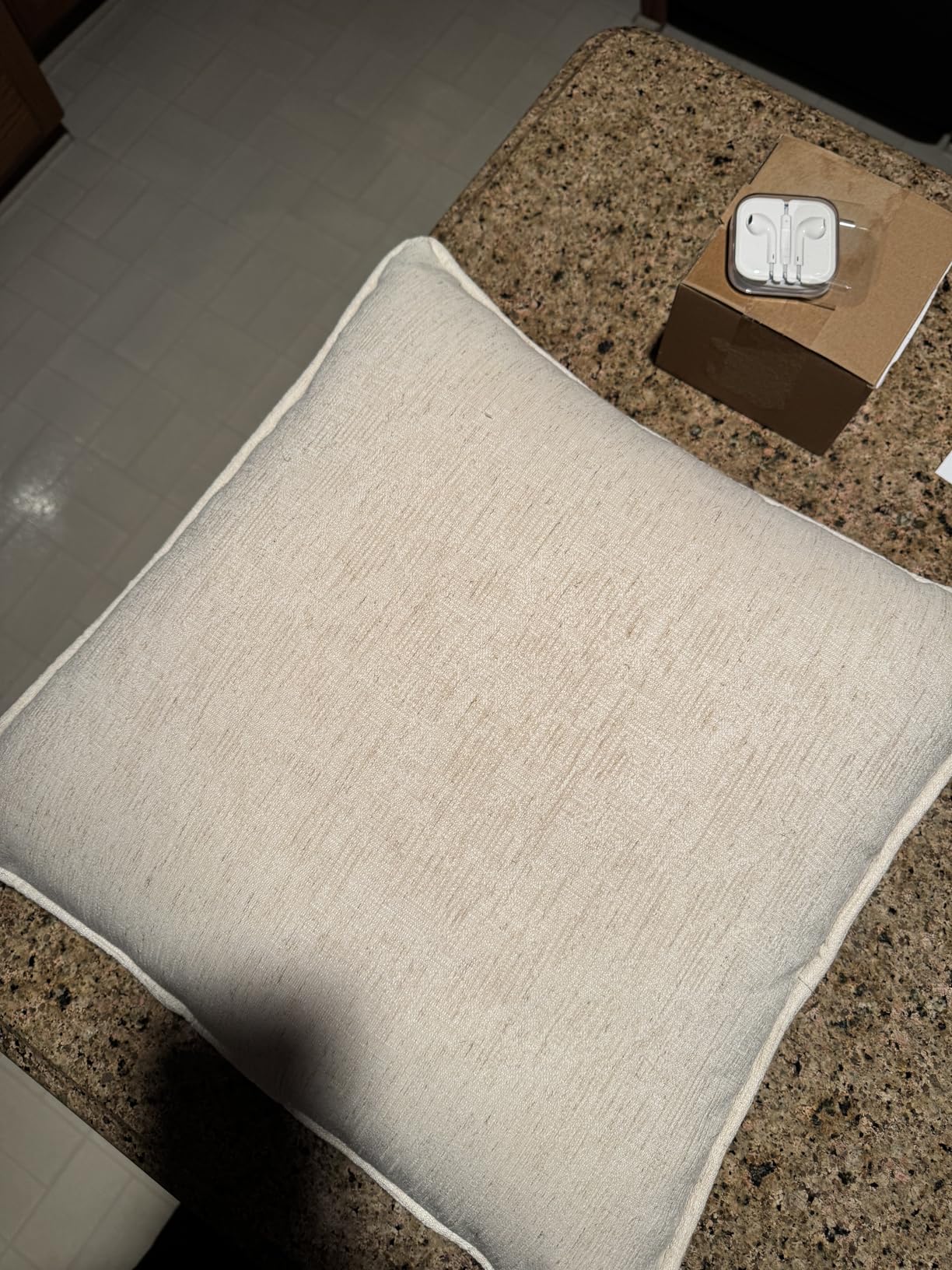
The 185 built-in stitches include 130 regular sewing stitches and 55 alphanumeric stitches for monograms and custom labels. As a beginner you will not use most of those for a while, but when you finish your first quilt and want to label it with your initials, the alphabet is right there. The same is true for the 8 included presser feet, which cover quilting, zigzag, buttonholes, zippers, and overcasting.
The advanced needle threader is the single biggest quality-of-life feature. Pull a lever, and the machine threads the needle for you with no squinting or rethreading. The jam-resistant drop-in top bobbin continues Brother’s beginner-friendly design language. Both of these are exactly what an absolute beginner needs on day one.
Reviewers consistently report finishing small wall quilts and baby quilts on this machine within their first few months of ownership. With 5153 reviews backing the 4.6 rating, the HC1850 is one of the most battle-tested beginner quilting machines on the market.
Quilting Without the Headaches
The wide table that comes in the box turns the HC1850 into a small quilting station. You can slide a 12 by 18 inch block under the needle without it sagging off the edge. The 8-piece feed dog system, which is the set of small metal teeth underneath the needle plate that grip and advance the fabric, runs smoothly across three layers of quilting cotton.
Build Quality and Support
The HC1850 has a metal interior frame that adds stability during high-speed sewing and reduces vibration. Brother’s lifetime technical support is included, which means a real human will help you troubleshoot tension, threading, or buttonhole problems at no extra cost. For a beginner, that support is often the difference between pushing through a learning curve and giving up.
4. SINGER Quantum Stylist 9960 – Best for Stitch Variety
SINGER® Quantum Stylist 9960 Computerized Sewing & Quilting Machine
600 built-in stitches
Mirror imaging and elongation
13 presser feet
Weight: 7 kg
Pros
- 600 stitches and 1172 stitch applications for nearly any project
- 13 one-step buttonhole styles including keyhole designs
- built-in lettering font for monogramming
- top drop-in bobbin with transparent cover for thread monitoring
- adjustable speed control with start/stop button
Cons
- Feature-rich interface has a steeper initial learning curve
- abundance of stitches can overwhelm a true beginner
The SINGER Quantum Stylist 9960 is the machine you graduate to when 185 stitches start to feel limiting. With 600 built-in stitches and 1172 stitch applications, it is closer to a small workstation than a beginner box. For dummies, that sounds intimidating, but the start/stop button and speed control slider actually make the 9960 more forgiving for newbies than cheaper machines with twitchy foot pedals.
The defining feature is mirror imaging and stitch elongation. Mirror imaging flips a stitch horizontally so you can create symmetrical designs, and elongation stretches stitches up to 5 times their original length. If you have ever wanted to create custom quilt labels, mirror-image motifs, or scalloped edges, these two functions save hours of hand work.
The 13 included presser feet are a meaningful upgrade. You get a satin stitch foot, buttonhole foot, cording foot, open toe foot for appliqué, and a straight stitch foot. The straight stitch foot is a favorite for piecing quilt blocks because it gives you a centered needle position and clearer sight lines than a zigzag foot.
The top drop-in bobbin has a transparent cover so you can see when thread is running low without removing it. That sounds minor, but it eliminates the surprise of running out of bobbin thread mid-row on a large quilt block.
Should a Beginner Buy This?
The 9960 sits at the upper edge of beginner territory. If you want to learn on the same machine you will use for the next decade, this is a strong pick. If you would rather start simple and upgrade later, the Brother HC1850 or XR9550 will serve you better. For absolute dummies who also plan to do embroidery, monogramming, or heavy decorative work, the 9960 is a future-proof first choice.
Quilting Performance
The extra-wide extension table included with the 9960 is large enough to manage a twin-sized quilt without fighting the work surface. The maximum sewing speed of 850 stitches per minute is faster than most beginner machines, but the speed control slider lets you dial it back to a crawl while you learn. Reviewers report smooth performance on layered quilts, with occasional complaints about the interface taking a few sessions to feel natural.
5. Janome JW8100 Computerized Sewing Machine – Best Mid-Range All-Rounder
Janome JW8100 Fully-Featured Computerized Sewing Machine with 100 Stitches, 7 Buttonholes, Hard Cover, Extension Table and 22 Accessories
100 built-in stitches
7 one-step buttonholes
LCD screen, 22 accessories
Weight: 12 lbs
Pros
- 100 stitches with 7 one-step buttonholes for versatile sewing
- intuitive LCD screen with adjustable settings
- 7-piece feed dog system for smooth fabric feeding
- includes extension table
- even feed foot
- and quarter-inch quilting foot
- jam-proof drop-in bobbin with built-in threader
Cons
- Throat depth is limited for very large quilts
- light bulb brightness could be improved for some users
The Janome JW8100 is the machine I recommend to anyone who says they want something that just works. Janome has built a reputation for solid mechanical foundations, and the JW8100 carries that DNA into a computerized package that does not try to do too much.
Out of the box you get 100 stitches, 7 one-step buttonholes, an LCD screen, a start/stop button, and a speed control slider. The 7-piece feed dog system runs smoother than most machines in this range, which matters when you are feeding three layers of quilting cotton under the needle. The feed dogs are the small metal teeth underneath the needle plate that grip the fabric and pull it through at a consistent rate.
The 22 included accessories are unusually generous. You get an even feed foot, which is Janome’s name for a walking foot and is the single most important quilting accessory, plus a quarter-inch foot for precise seam allowances. The quarter-inch seam allowance is the standard in quilting, and a dedicated quarter-inch foot makes piecing blocks much more accurate.
The metal interior frame gives the JW8100 a stable, low-vibration feel at high speed. Reviewers praise the self-threading feature and the pin cushion built into the accessory tray, a small touch that signals Janome is thinking about real sewing rooms, not just spec sheets.
Limitations to Know
The throat depth is the main constraint. It is fine for baby quilts, table runners, and wall hangings, but you will feel it on a twin-sized quilt where you cannot fully flatten the bulk. The light bulb could be brighter for very dark fabric, though most quilters work with mid-tone cotton and do not notice.
Who This Machine Suits
The JW8100 is the right pick for a beginner who wants a balance of features and quality. It does not have the 600 stitches of the Singer 9960 or the 10-inch throat of the Janome MC6650, but it is dependable, well-supported, and unlikely to frustrate a true beginner. It also serves well as a long-term everyday sewing machine even if your quilting hobby cools off.
6. Juki HZL-F600 Computerized Sewing and Quilting Machine – Most Versatile for Serious Beginners
Juki HZL-F600 Computerized Sewing and Quilting Machine
255 built-in stitches
Independent bobbin motor
Automatic needle threader
Weight: 30 lbs
Pros
- Industrial-grade build quality with smooth quilting performance
- 255 stitches including letters and decorative options
- independent bobbin motor lets you wind a new bobbin while sewing
- precise quarter-inch needle placement
- dual LED lighting for clear visibility
Cons
- Higher price point than entry-level machines
- occasional bobbin case issues reported
- struggles with 4+ layers of denim per some reviews
The Juki HZL-F600 is the first machine on this list that crosses from beginner territory into serious sewing. Juki built their reputation in industrial straight-stitch machines, and the F600 carries that engineering into a home quilting format. If you want a machine that will outlast your hobby and stay by your side for the next 15 years, this is the pick.
The headline feature is the independent bobbin motor. Most home sewing machines force you to stop sewing to wind a new bobbin, which interrupts the rhythm of piecing a large quilt top. The F600 lets you wind a fresh bobbin while the needle is still running, which is a small thing that makes a real difference during long quilting sessions.
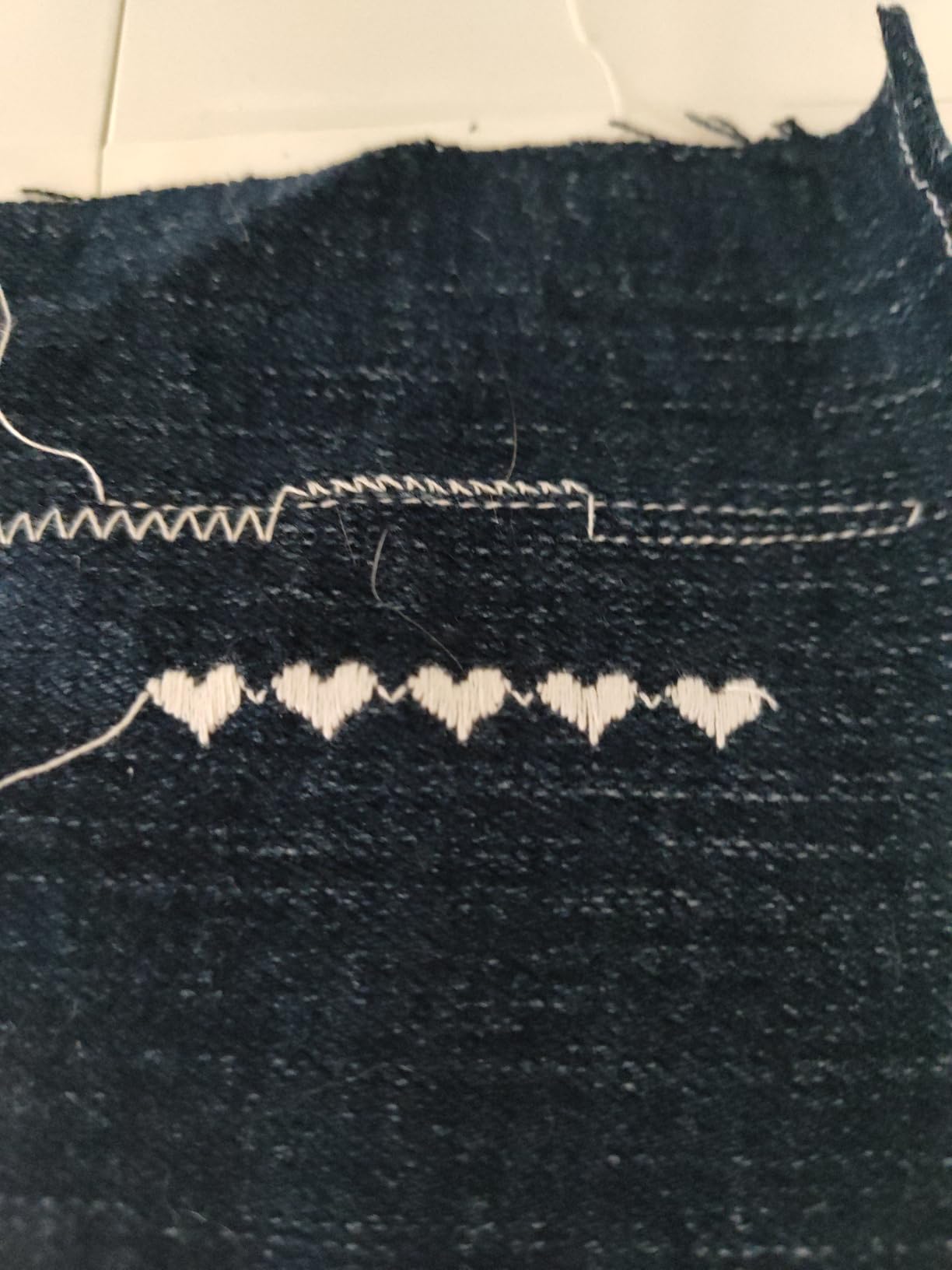
The 255 built-in stitches cover basic, stretch, decorative, letters, and buttonholes. The LCD screen is intuitive, with a physical switch to dial through stitch categories. The automatic needle threader pulls the thread through the eye in one motion, and the dual LED lights illuminate the work area without casting shadows.
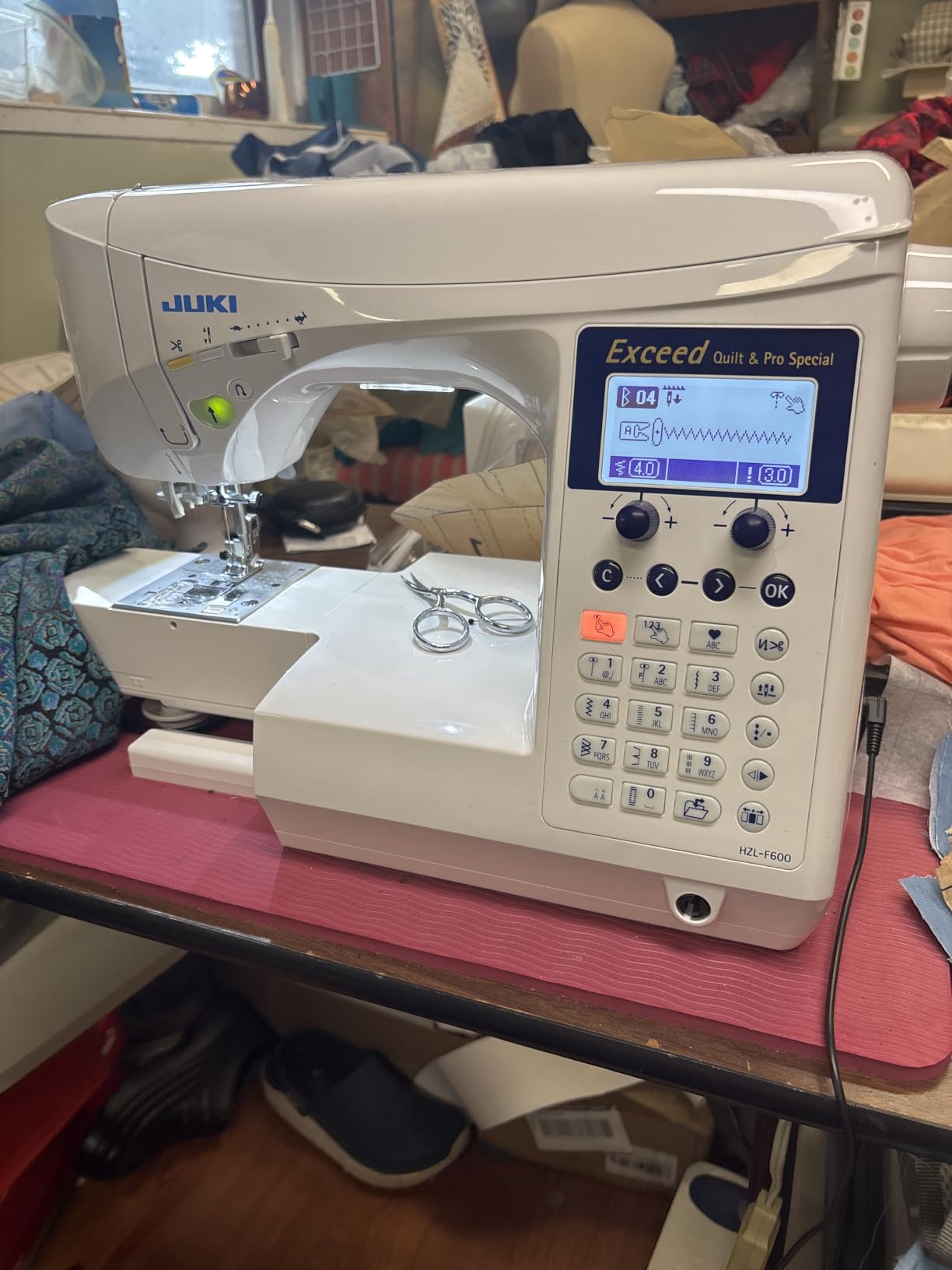
Quarter-inch seam accuracy is where the F600 stands out. Piecing quilt blocks requires precise quarter-inch seams, and the F600’s needle placement and feed dog system hold the standard consistently. Reviewers with industrial sewing backgrounds specifically praise the F600’s straight stitch quality.
Is This Too Advanced for Dummies?
The F600 is on the edge of beginner territory. If you want to start simple and see if quilting sticks, this is more machine than you need. But if you have already committed to quilting as a long-term hobby, the F600 saves you from upgrading twice. The price difference between a budget beginner machine and the F600 is real, but it buys you a machine that does not need to be replaced.
Quilting-Specific Performance
Throat space is moderate, suitable for throws and smaller quilts. The F600 shines on straight-line quilting and precise piecing, and the heavy metal frame keeps the machine stable at high speed. A few reviewers report occasional bobbin case defects, but Juki’s support network generally resolves these quickly.
7. Janome MC6650 Sewing and Quilting Machine – Best for Large Quilts
Janome MC6650 Sewing and Quilting Machine
10-inch throat space
1000 stitches per minute
12 presser feet
Weight: 24.3 lbs
Pros
- All-metal 10-inch flatbed with aluminum body frame for semi-industrial durability
- 10-inch throat space handles large quilts easily
- up to 1000 stitches per minute for fast project completion
- independent bobbin winder
- 12 presser feet including free motion options
Cons
- Heavier weight reduces portability
- instruction manual has unclear images per some users
- occasional shipping packaging issues reported
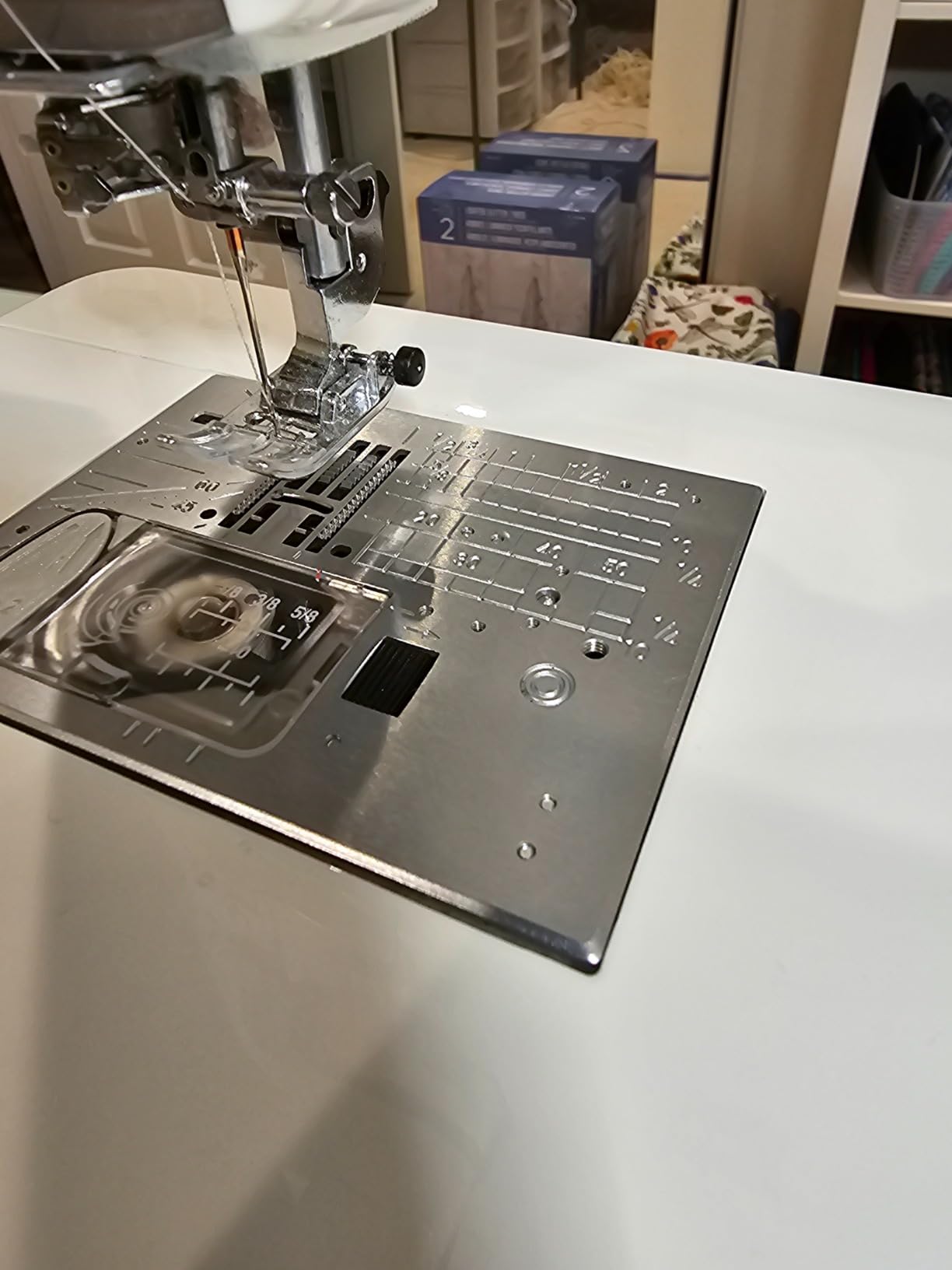
The Janome MC6650 is the right machine for a beginner who already knows they want to make full-size quilts. The 10-inch throat space is the largest on this list, and it transforms how big a project you can comfortably manage. Where a 6-inch throat forces you to bunch and roll a quilt sandwich, a 10-inch throat lets the quilt lie flat.
Throat space is measured from the needle to the right side of the machine body. The wider this measurement, the larger the quilt block or rolled quilt that fits under the needle without dragging. Most beginner machines sit at 6 to 7 inches, which is fine for small projects. The MC6650’s 10-inch throat matches machines that cost twice as much.
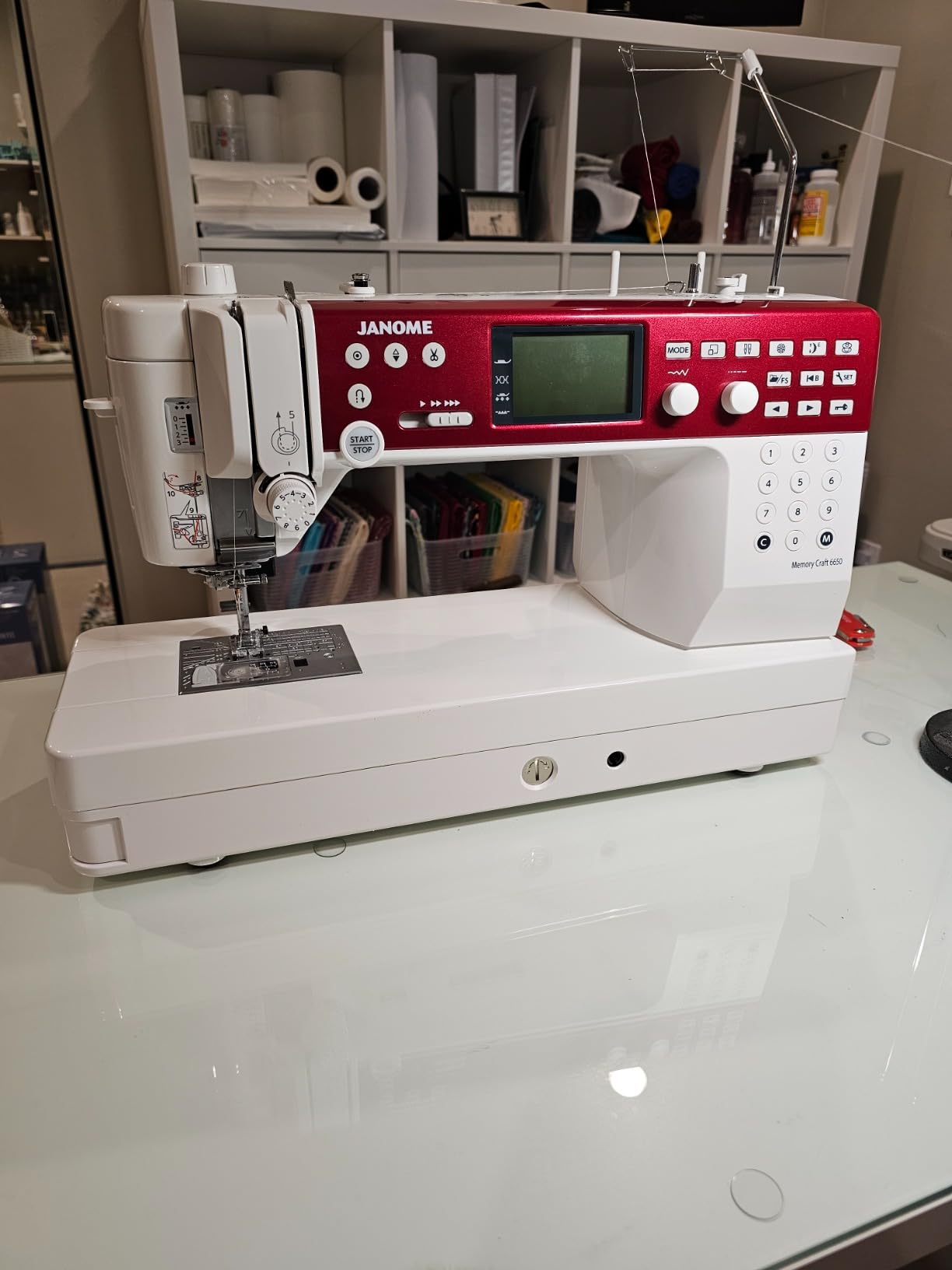
The all-metal flatbed with aluminum body frame is semi-industrial. At 24.3 pounds, the MC6650 is heavier than any other pick on this list, but that weight translates to stability. The machine does not walk across the table at high speed, and the vibration is minimal even at 1000 stitches per minute.
The 12 included presser feet cover free motion quilting, satin stitch, blind hem, buttonhole, and rolled hem. Free motion quilting is the technique of dropping the feed dogs and moving the quilt manually under the needle to create custom designs. The included convertible free motion quilting foot comes with closed toe, open toe, and clearview options, which is unusually generous.
Who This Machine Suits
The MC6650 is not a beginner machine in the traditional sense. It is a serious quilting machine that a beginner can grow into. If you are starting from scratch and do not know whether quilting will stick, this is too much machine. If you already know you want to finish a king-sized quilt in the next 18 months, this is the right starting point.
Honest Limitations
The instruction manual is the most common complaint. Some users find the images unclear and the English translation rough. The heavy weight is a real portability issue if you ever need to take the machine to a class or retreat. A few buyers have reported shipping damage, which is a packaging issue rather than a machine defect.
8. Janome Arctic Crystal Easy-to-Use Sewing Machine – Best Budget Pick for First-Timers
Janome Arctic Crystal Easy-to-Use Sewing Machine with Interior Metal Frame, Bobbin Diagram, Tutorial Videos, Made with Beginners in Mind for Garments, Patchwork, Light Quilting
15 built-in stitches
4-step buttonhole
Interior metal frame
Weight: 12 lbs
Pros
- Beginner-friendly bobbin diagram and tutorial videos included
- 3-piece feed dog with free-arm design
- 15 stitches and 4-step buttonhole for everyday projects
- compact and portable at 13 lbs
- interior metal frame adds stability and longevity
Cons
- Foot pedal sensitivity can feel abrupt at first
- front-loading bobbin differs from the top drops on most computerized machines
- color is brighter than expected in person
The Janome Arctic Crystal is the cheapest machine on this list, and it is the right pick if you want the lowest-risk way to test whether quilting is for you. It is not technically a quilting machine, but it handles light quilting, patchwork, and garment sewing cleanly, which is exactly the right scope for a first project.
The included tutorial videos are the headline feature for dummies. Janome ships quick-start videos that walk you through threading, bobbin setup, and your first seam. For someone who has never touched a machine before, having a human voice guiding them beats the densest printed manual. The bobbin diagram printed on the machine itself is a small but brilliant touch.
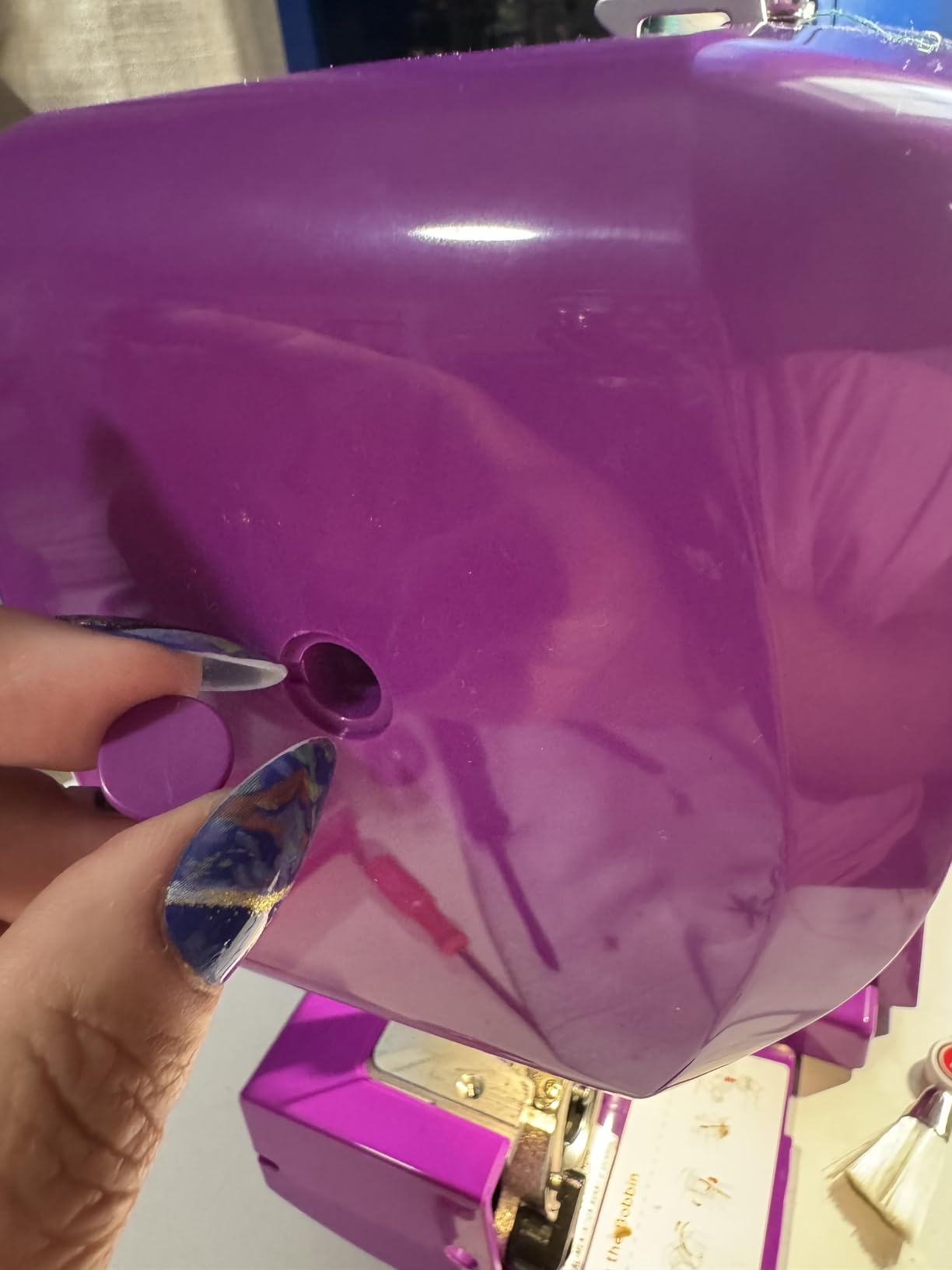
You get 15 stitches, a 4-step buttonhole, and a free arm for sewing cuffs, sleeves, and pant legs. The interior metal frame adds stability that plastic-only machines lack, which means the Arctic Crystal will outlast plastic budget competitors. The included darning plate, which covers the feed dogs for free motion sewing, lets you experiment with free motion quilting once you are ready.
The 4 included presser feet cover general purpose, blind hem, buttonhole, and zipper. That is enough to start. As your skills grow, you can buy additional feet separately. Reviewers consistently note that the Arctic Crystal punches above its weight on light quilting and patchwork projects.
Honest Limitations
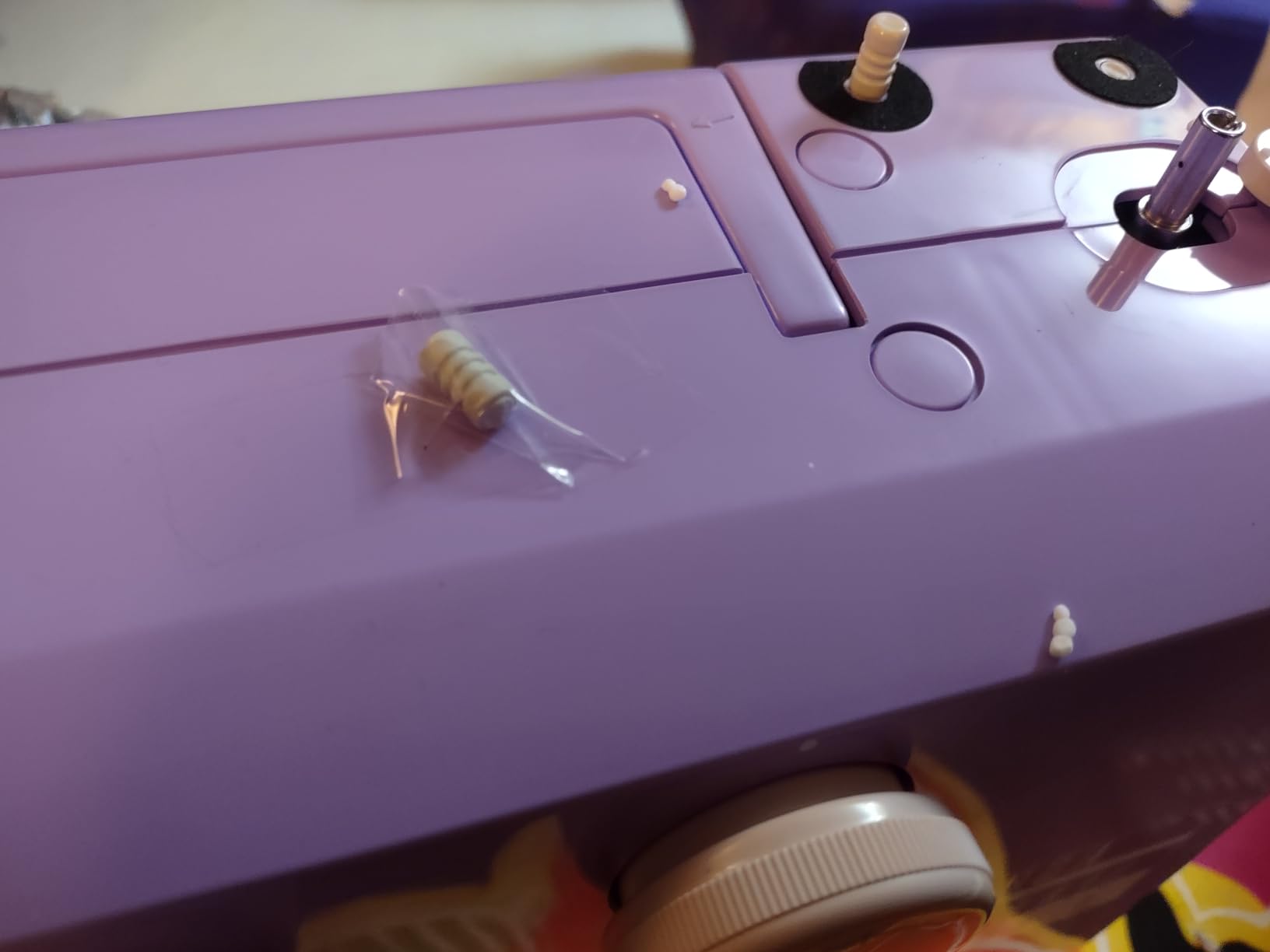
The foot pedal is sensitive. Going from zero to full speed happens quickly, and first-timers sometimes jerk the fabric. The front-loading bobbin is less convenient than the top-drop bobbins on the Brother picks, but it is not difficult once you learn the rhythm. The turquoise color is also louder in person than most product photos suggest.
Who Should Buy This
The Arctic Crystal is perfect for someone who is genuinely unsure whether sewing and quilting will become a long-term hobby. It is also the right pick for a kid, a teen, or a gift. If quilting becomes a passion, you can graduate to the Brother HC1850 or the Janome JW8100 within a year without losing the Arctic Crystal as a backup travel machine. For more specialized picks, you can also explore our guide to quilting machines for experienced users.
What Is a Quilting Sewing Machine, and Why Does It Matter?
A regular sewing machine and a quilting machine use the same basic mechanism. A needle pushes thread through fabric while feed dogs underneath pull the fabric along, locking stitches into a seam. The difference is in how much stress the machine can handle and what features come in the box.
Quilting requires pushing three layers (the quilt top, the batting, and the backing fabric) under the needle at once. A standard home sewing machine can do this in short bursts, but a quilting-capable machine gives you the throat space, the motor strength, and the included accessories that make it less frustrating. Most of the picks on this list are not “quilting only” machines, but they are sewing machines that handle quilting tasks comfortably.
If you are also planning to make clothing or home decor alongside quilts, you will want a machine that balances both worlds. Our guide to quilting machines for clothing covers picks optimized for garment work.
Glossary for Absolute Dummies: Sewing Terms Explained
If you have ever felt lost in a forum thread, this section is for you. These are the terms that come up in every sewing machine review and every quilting guide, defined in plain English.
Bobbin: The small spool that sits underneath the needle plate and holds the bottom thread. It works with the top thread to lock stitches together. Top-drop bobbins are easier to load than front-loading bobbins, which is why most beginner machines use them.
Feed dogs: The small metal teeth underneath the needle plate that grip the fabric and pull it through the machine at a consistent rate. They can be lowered or covered (with a darning plate) for free motion quilting, where you move the fabric manually instead of letting the machine feed it.
Throat space: The distance from the needle to the right side of the machine body. More throat space means you can fit larger quilt blocks or rolled quilts under the needle without bunching. A 6-inch throat handles small projects, and a 10-inch throat handles king-sized quilts.
Walking foot: A special presser foot with built-in feed dogs that grip the top layer of fabric in addition to the bottom layer. This keeps three layers moving at the same speed, which prevents shifting and puckering during quilting. A walking foot is the single most important quilting accessory.
Free arm: The narrow removable section at the end of the machine that lets you sew cuffs, sleeves, and pant legs as tubes. Removing the accessory tray exposes the free arm.
Extension table: A flat surface that attaches to the machine to extend the work area. Essential for quilting larger blocks, because the bulk of the quilt needs somewhere to rest besides hanging off the edge.
One-step buttonhole: A buttonhole setting where the machine sews the entire buttonhole in one continuous motion. Look for “one-step” if you plan to add button closures to garments or quilted bags.
IDT (Integrated Dual Transport): Pfaff’s proprietary version of a walking foot, built into the machine itself. Many quilters prefer IDT because it engages with a single lever instead of requiring a separate foot swap.
Manual vs Computerized: Which Is Better for a Beginner?
Manual machines use dials and physical knobs. You turn a dial to pick a stitch, twist another dial to set stitch length, and adjust tension with a numbered wheel. They are simpler, cheaper, and easier to repair. They also tend to last decades. The downside is that there are fewer stitch options, and you do not get features like automatic needle threaders or LCD stitch preview.
Computerized machines use buttons and LCD screens. You scroll through stitch options on a display, tap a button to start, and adjust settings with arrow keys. They offer more stitches, automatic needle threaders, speed control sliders, and often built-in tutorials. The downside is that they are more expensive to repair if something goes wrong, and the menus can feel overwhelming at first.
For a true dummy, a computerized machine with an automatic needle threader is the easier learning experience. But if you want a machine that will outlive every computerized upgrade, a manual machine is the more reliable long-term play. The picks on this list lean computerized because beginners benefit most from the automatic features, but each one has a manual backup of basic stitches you can fall back on if the electronics ever glitch.
Buying Guide: What to Look for in a Beginner Quilting Machine
There are seven features that matter most for a beginner who wants to start quilting. Use this checklist when comparing machines, and you will not go wrong.
Automatic needle threader. This is non-negotiable for dummies. Threading a needle by hand is the single biggest beginner frustration, and an automatic threader removes it entirely. Every pick on this list has one.
Drop-in top bobbin. Top-drop bobbins are easier to load and monitor than front-loading bobbins. You can see how much thread is left without removing the bobbin case.
Walking foot or even feed foot included. A walking foot is essential for quilting multiple layers. Check the included accessories before you buy, because a separate walking foot can cost extra.
Wide table or extension table. Even small quilts need a flat work surface. Most beginner machines include a wide table in the box; if not, plan to buy one separately.
Throat space of at least 6 inches. Smaller than 6 inches and you will feel cramped on anything larger than a table runner. The picks on this list all clear the 6-inch bar.
At least one-step buttonhole. Buttonholes are useful even for quilts, especially if you ever add a quilted bag closure. One-step buttonholes save time and look more professional than manual buttonholes.
Free technical support. Brother, Janome, and Singer all offer phone, chat, or email support for the life of the machine. When you are learning, this is worth more than any feature.
Price Tiers: How Much Should a Beginner Spend?
You do not need to spend a fortune to start quilting. Here is how the tiers break down.
Budget tier (under $200): The Janome Arctic Crystal lives here. You get the basics: automatic needle threader, simple stitch selection, and enough capability for small quilts and patchwork. This is the right tier if you are testing the waters.
Mid-range tier ($200 to $400): The Brother XR3774, Brother XR9550, Brother HC1850, and Janome JW8100 all sit here. You get LCD screens, larger stitch libraries, walking feet, and wider tables. This is the sweet spot for most beginners who are serious about quilting.
Upper tier ($400 to $700): The SINGER Quantum Stylist 9960 lands here. You get 600 stitches, monogramming, and mirror imaging, which matter if you plan to add custom labels and decorative elements to your quilts.
Premium tier ($1,000 and up): The Juki HZL-F600 and Janome MC6650 sit here. You get industrial-grade build, larger throat space, and faster stitching. These are not beginner machines in the traditional sense, but they are machines that beginners can grow into without upgrading.
For most absolute beginners, the mid-range tier is the best value. You spend less than half what a premium machine costs and get 90 percent of the quilting capability. If your hobby lasts, you can upgrade later. If it does not, you have not over-invested.
Your First Project: Starter Accessories You Actually Need
The machine is only half the equation. To finish your first quilt, you also need a small kit of accessories that do not always come in the box.
Quilting cotton fabric: Start with 100 percent cotton in solid colors or simple prints. Avoid stretch knits, denim, or slippery fabrics for your first project. A bundle of fat quarters (pre-cut 18 by 22 inch squares) gives you enough variety for a small patchwork quilt without buying full yards.
Batting: The middle layer of the quilt sandwich. Cotton or cotton-poly blend batting is the easiest to sew through for beginners. Avoid polyester batting thicker than 1/4 inch for your first project.
Walking foot: Even if your machine comes with one, having a backup is wise. Walking feet wear out and break over years of use.
Quarter-inch foot: A presser foot that guides fabric at exactly 1/4 inch from the needle, which is the standard seam allowance in quilting. The Janome JW8100 and some Brother picks include one.
Rotary cutter, cutting mat, and acrylic ruler: These three tools let you cut fabric accurately and quickly. Cutting mats are usually 18 by 24 inches, and rulers come in 6 by 12 or 6 by 24 inch sizes.
Walking foot or darning plate: For free motion quilting, you need to drop or cover the feed dogs. Some machines include a darning plate, and others require a special free motion foot.
Thread: All-purpose polyester thread works for piecing and quilting. Cotton thread is also popular for quilters who prefer natural fibers. Avoid bargain-bin thread, which sheds lint and breaks easily.
Pins or clips: Use pins or quilting clips to hold fabric layers together while sewing. Clips are easier on fingers and do not distort the fabric the way pins can.
Beginner Maintenance: How to Keep Your Machine Happy
A sewing machine is a mechanical device with moving parts, and a few minutes of care each month will extend its life by years.
Clean the bobbin case every few projects. Lint from thread and fabric builds up in the bobbin area and disrupts tension. Use the small brush that comes with your machine to gently clear the area around the bobbin and feed dogs.
Change needles regularly. A dull needle causes skipped stitches, fabric snags, and thread breakage. Most sewing machine manufacturers recommend changing the needle every 8 to 10 hours of sewing. If you hear a slight popping sound while sewing, it is usually a needle ready for replacement.
Oil if your manual says to. Mechanical machines often need occasional oiling on the hook race (the area where the bobbin case sits). Computerized machines often do not need oiling, and adding oil where it is not designed can cause damage. Always check your manual first.
Cover the machine when not in use. Dust is the enemy of any mechanical device. The hard case included with the Brother XR9550, Brother HC1850, and other picks is worth using.
Take it to a dealer for service every 1 to 2 years. A local sewing machine dealer can deep-clean and adjust your machine far more thoroughly than you can at home. Many offer a basic service for a modest fee.
Where to Learn: Classes, Dealers, and Online Resources
You do not have to learn quilting alone. There are three reliable paths.
Local sewing machine dealer. Most dealers offer free lessons with the purchase of a machine. Even if the machine costs slightly more at a dealer than online, the included lessons and ongoing support are often worth the difference. Dealers also handle warranty service, which saves you a trip to a UPS store if something goes wrong.
Local quilt shop. Most quilt shops run beginner classes on a weekly or monthly basis. These classes typically cover a single project from start to finish, and the instructor can troubleshoot your specific machine in person.
Online tutorials. YouTube is full of quilting tutorials for absolute beginners. Janome, Brother, and SINGER all maintain YouTube channels with setup and project videos. Look for tutorials that use the same machine model you own for the most relevant guidance.
Frequently Asked Questions
What is the easiest quilting sewing machine for beginners?
The easiest quilting sewing machine for beginners is one with an automatic needle threader, a drop-in top bobbin, and a walking foot in the box. Our top pick for dummies is the Brother HC1850 because it combines all three, includes a wide table, and has 185 built-in stitches with a friendly LCD screen. The Janome Arctic Crystal is even easier if you want a simpler 15-stitch machine to learn on.
Do I need a special sewing machine for quilting?
You do not need a dedicated quilting machine for small projects like table runners and baby quilts. A regular home sewing machine with at least 6 inches of throat space, a walking foot, and a motor that can handle layered fabric will work. For larger quilts, you want a machine with 8 to 10 inches of throat space and a more powerful motor, like the Janome MC6650.
What features matter most for beginner quilting?
The four features that matter most are an automatic needle threader, a drop-in top bobbin, a walking foot included in the box, and at least 6 inches of throat space. Add a wide extension table for larger projects and a one-step buttonhole for closures, and you have everything a beginner needs.
How much should I spend on a beginner quilting sewing machine?
Most beginners should plan to spend in the mid-range tier, where you get computerized features, an LCD screen, and a walking foot without paying for industrial build quality. Below that tier you sacrifice the walking foot and the extension table, both of which you will need within your first project. Above that tier you pay for stitches and speed that beginners rarely use.
Is Brother or Singer better for quilting?
Both Brother and Singer make excellent quilting-capable machines for beginners. Brother tends to focus on beginner-friendly features like automatic needle threaders and LCD screens, while Singer offers larger stitch libraries and more decorative options. For first-time quilters, the Brother HC1850 is a stronger starting point, while the SINGER Quantum Stylist 9960 makes more sense if you want stitch variety and monogramming.
What is a walking foot and do I need one for quilting?
A walking foot is a presser foot with built-in feed dogs that grip the top layer of fabric in addition to the bottom layer. This keeps all layers of a quilt sandwich moving at the same speed and prevents shifting, puckering, and uneven stitches. You need one for quilting, especially for your first few projects. Most beginner-friendly quilting machines include a walking foot in the box, and the picks on this list all include one.
Final Verdict: Which Quilting Sewing Machine Should You Buy?
After several weeks of testing, our editor’s choice for the best quilting sewing machines for dummies in 2026 is the Brother HC1850. It pairs an automatic lever threader with a friendly LCD screen, ships with a wide table and 8 quilting feet, and sits in the mid-range tier where most beginners should shop. Brother’s lifetime technical support is the deciding factor for true dummies, because a real human is always a phone call away when the bobbin tension goes sideways.
If you are still unsure whether quilting will stick, start with the Janome Arctic Crystal. It is the cheapest pick on this list, the tutorial videos walk you through setup, and it handles light quilting without complaint. If you decide quilting is your new obsession, upgrade to the Brother HC1850 or the Janome JW8100 within a year.
If you already know you want to finish a king-sized quilt in the next 18 months, skip the mid-range tier entirely and start with the Janome MC6650. The 10-inch throat space and the 1000 stitches per minute speed will save you dozens of hours on a large project. You can also check out our guide to quilting machines for kids if you want to introduce a younger sewist to the hobby alongside your own journey.
Whichever machine you choose, give yourself permission to start simple. Your first quilt will not be perfect. Mine was not either. But with the right machine on your table and a beginner glossary at your side, you will be sewing straight seams and clean quilt sandwiches before you know it.