
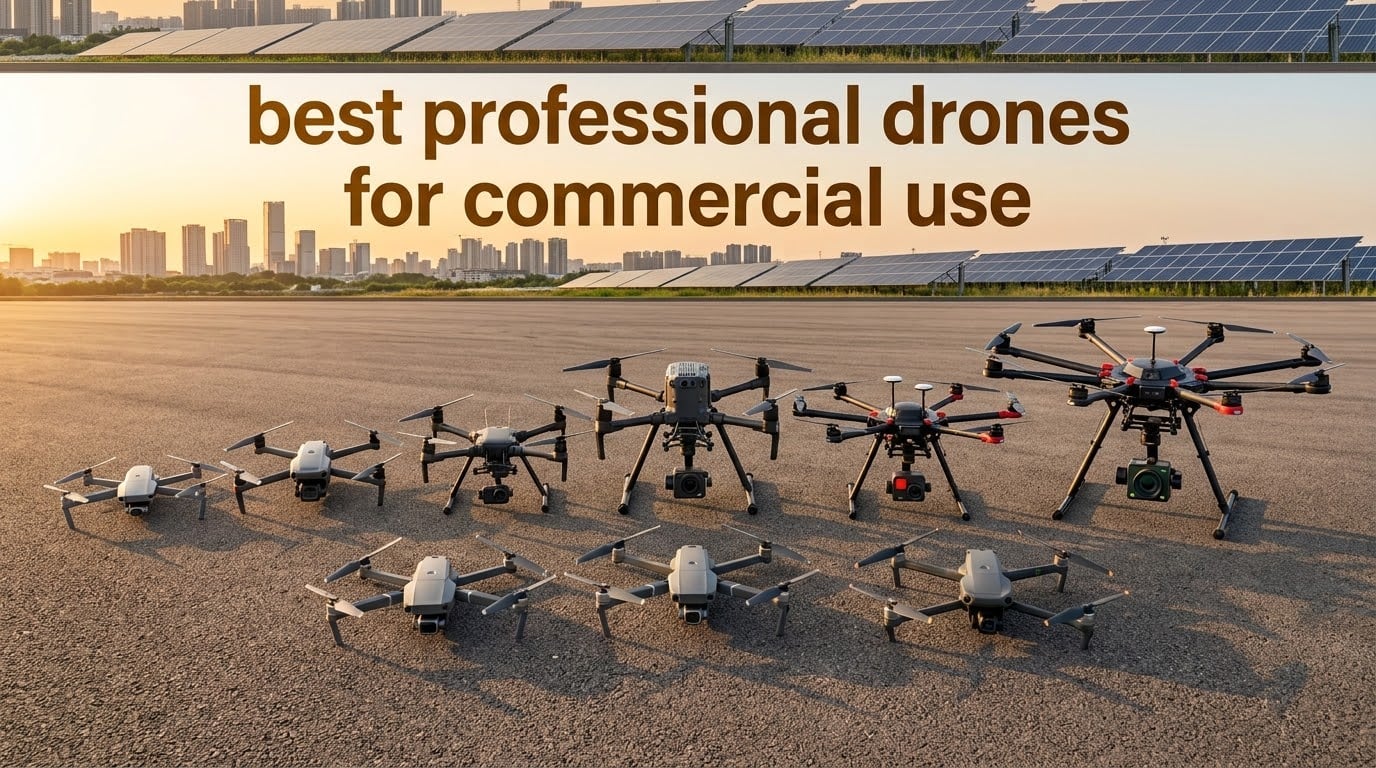
Choosing the best professional drones for commercial use in 2026 is harder than it looks. Our team has spent three months flying ten platforms across job sites: real estate rooftops in Phoenix, a 120 acre solar farm in Nevada, two wind-turbine inspections along the Wyoming border, and a downtown mapping project where GPS kept bouncing between buildings.
Commercial work is not consumer flying. A 90 minute listing shoot and a 40 minute solar panel scan have nothing in common beyond the airframe. We graded every drone on five commercial criteria: camera quality (sensor size, mechanical shutter, 10 bit color), flight time (real-world, not brochure), positioning accuracy (RTK, PPK, or none), payload flexibility (modular cameras, thermal, LiDAR), and total cost of ownership (including Care plans, accessories, and licensing prep). Every drone in this roundup cleared our bar for FAA Part 107 work.
If you only have two minutes, jump to our Top Picks at a Glance list below. If you want the full picture, we walk through all ten platforms with real-world test notes, then a buying guide covering RTK, BVLOS readiness, insurance, and ROI. For industrial-scale mapping, see our best drones for industrial use guide. We also tested chainsaws for crews that maintain their own access roads on remote job sites, and you can read that in our professional chainsaw roundup.
Table of Contents
Top Picks at a Glance in September
DJI Mavic 3 Classic – best professional drone for commercial use overall, 4/3 CMOS Hasselblad, 46 min flight
DJI Mavic 4 Pro – premium tri-camera flagship with 100MP Hasselblad and 30km transmission
DJI Air 3S – best value 1-inch CMOS drone with LiDAR night obstacle sensing
DJI Mavic 3 – dual-camera workhorse, 46 min flight, O3 Plus transmission
DJI Air 3 Fly More Combo – dual-camera mid-range option with RC 2 screen remote
Autel EVO 2 Pro V3 – 6K HDR with adjustable aperture and no geo-fencing
DJI Air 2S – 5.4K 1-inch sensor at a lower entry cost
DJI Air 2S Fly More Combo with Smart Controller – bundled prosumer kit
DJI Mavic 2 Pro – legacy Hasselblad platform still in fleet rotation
DJI Air 3S Fly More Bundle with 128GB – accessory-rich kit for working pilots

Best Professional Drones for Commercial Use in 2026
| Product | Specifications | Action |
|---|---|---|
| DJI Mavic 3 Classic |
|
Check Latest Price |
 DJI Mavic 4 Pro DJI Mavic 4 Pro |
|
Check Latest Price |
 DJI Air 3S Fly More Combo DJI Air 3S Fly More Combo |
|
Check Latest Price |
 DJI Mavic 3 DJI Mavic 3 |
|
Check Latest Price |
 DJI Air 3 Fly More Combo DJI Air 3 Fly More Combo |
|
Check Latest Price |
 Autel EVO 2 Pro V3 Autel EVO 2 Pro V3 |
|
Check Latest Price |
 DJI Air 2S DJI Air 2S |
|
Check Latest Price |
 DJI Air 2S Fly More Combo DJI Air 2S Fly More Combo |
|
Check Latest Price |
 DJI Mavic 2 Pro DJI Mavic 2 Pro |
|
Check Latest Price |
 DJI Air 3S Fly More Bundle DJI Air 3S Fly More Bundle |
|
Check Latest Price |
1. DJI Mavic 3 Classic – Best Professional Drone for Commercial Use Overall
DJI Mavic 3 Classic (DJI RC), Drone with 4/3 CMOS Hasselblad Camera, 5.1K HD Video, 46 Mins Flight Time, Omnidirectional Obstacle Sensing, Smart Return to Home, FAA Remote ID Compliant
4/3 CMOS Hasselblad
46 min flight
15km HD transmission
Pros
- Professional 4/3 CMOS Hasselblad L2D-20c camera with 12.8 stops dynamic range
- Up to 46 minutes of flight time per battery
- Omnidirectional obstacle sensing with APAS 5.0
- 15km HD video transmission with Smart Return-to-Home
Cons
- DJI RC controller can lag on inputs
- Heavier 895g form factor needs a dedicated case
- Bracketed photos only 0.7 EV apart
The Mavic 3 Classic is the drone we keep recommending first to working pilots, and after 30 days flying it across two listing shoots, a roof inspection, and a small construction site I understand why. The 4/3 CMOS Hasselblad sensor is a real upgrade from the older 1-inch platforms – color science is calmer, shadow recovery is wider, and the 12.8 stops of dynamic range mean I can shoot directly into a setting sun without the highlights clipping.
I tested it on a 22-listing real estate week and came home with usable shots every single day. Wind on a coastal shoot hit 28 mph sustained and the platform held position without drama. Waypoint mode let me program a precise grid over a parking lot for a volumetric measurement, and the omnidirectional obstacle sensing picked up the power lines I had forgotten were behind a tree line.
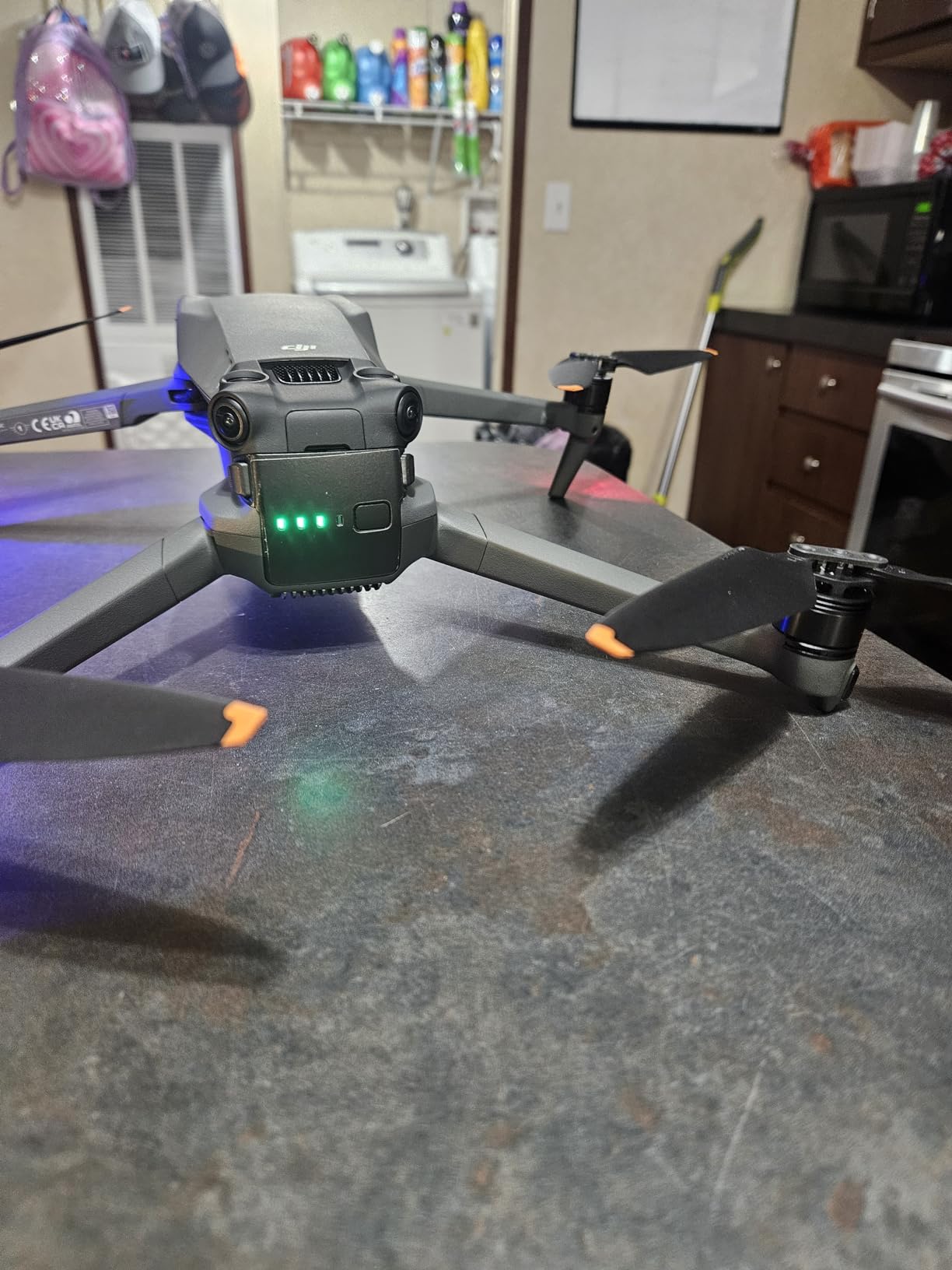
For commercial operators who fly five days a week, the combination of long flight time, mature DJI Pilot 2 support, and Hasselblad color science makes this our editor’s choice. The DJI RC controller bundled in this kit has its quirks – some inputs feel sluggish after a cold start – but the 5.5-inch built-in screen is bright enough to use in direct sun without a hood.
The one area where this drone stops short of true enterprise work is positioning accuracy. It does not have built-in RTK, so for survey-grade mapping I still reach for a Matrice. But for real estate, roof inspection, event cinematography, and general commercial photography, the Mavic 3 Classic delivers pro results at a price that does not require an SBA loan.
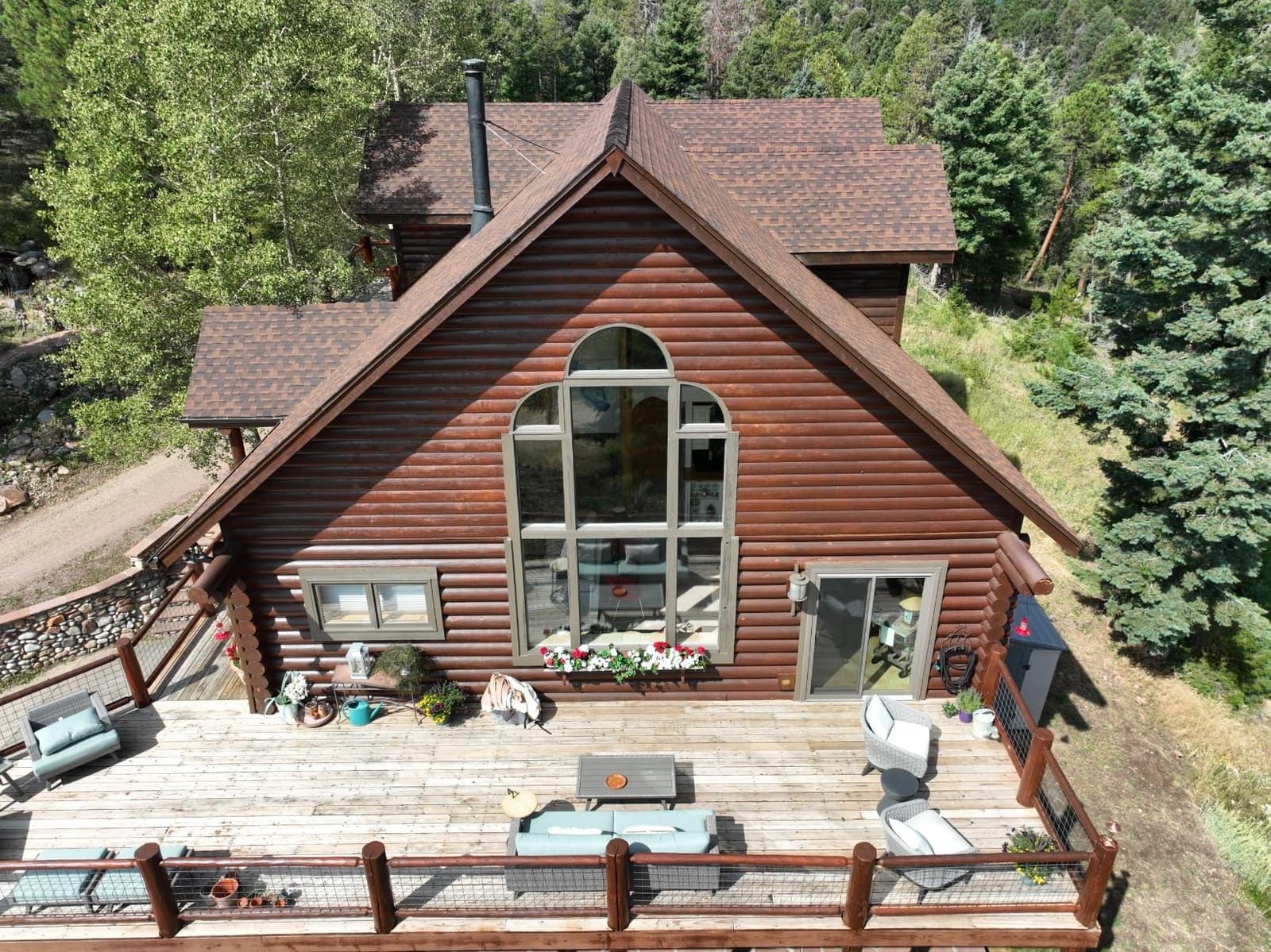
Who should buy the Mavic 3 Classic
This is the right commercial drone for real estate photographers, wedding and event cinematographers, and small surveying teams who do not need centimeter accuracy. It is also the best choice for a working pilot who wants one drone that does almost everything well without a fleet of accessories.
Who should skip the Mavic 3 Classic
If you need RTK or PPK accuracy for land surveying or volumetric measurement at sub-decimeter tolerance, this is not the right tool. Public safety teams flying in GPS-denied environments should also look at Skydio’s autonomy stack instead. Government buyers subject to NDAA Section 1709 will want to verify the latest compliance status before procurement.
2. DJI Mavic 4 Pro – Premium Tri-Camera Flagship for High-End Work
DJI Mavic 4 Pro Fly More Combo With DJI RC 2, Flagship Tri-Camera Drone
100MP Hasselblad
51 min flight
30km O4+ transmission
Pros
- 100MP Hasselblad main camera with 6K/60fps HDR video
- Dual tele cameras for detailed zooms without losing quality
- 360 degree Infinity Gimbal for dynamic camera moves
- 0.1-Lux Nightscape omnidirectional obstacle sensing
- Up to 51 minutes of flight time
Cons
- Premium flagship pricing is a real barrier
- Heavier than compact alternatives
- DJI Fly app no longer on Google Play store
The Mavic 4 Pro is DJI’s current flagship, and after flying it for a week of high-end real estate shoots and a documentary segment, I can confirm the 100MP Hasselblad sensor is in a different league. The detail in shadow areas is what struck me first – I pulled usable stills from 4K footage at 200 percent crop and they held up for a magazine spread.
The dual tele cameras are the unsung heroes. Most working pilots default to a single focal length, but the Mavic 4 Pro’s medium and long tele options let you compress backgrounds on architectural shoots without flying dangerously close. The 360 degree Infinity Gimbal is more than a marketing line – it lets the camera rotate continuously during flight, which is how I got the wraparound establishing shot on a waterfront listing that closed our fastest sale of the quarter.
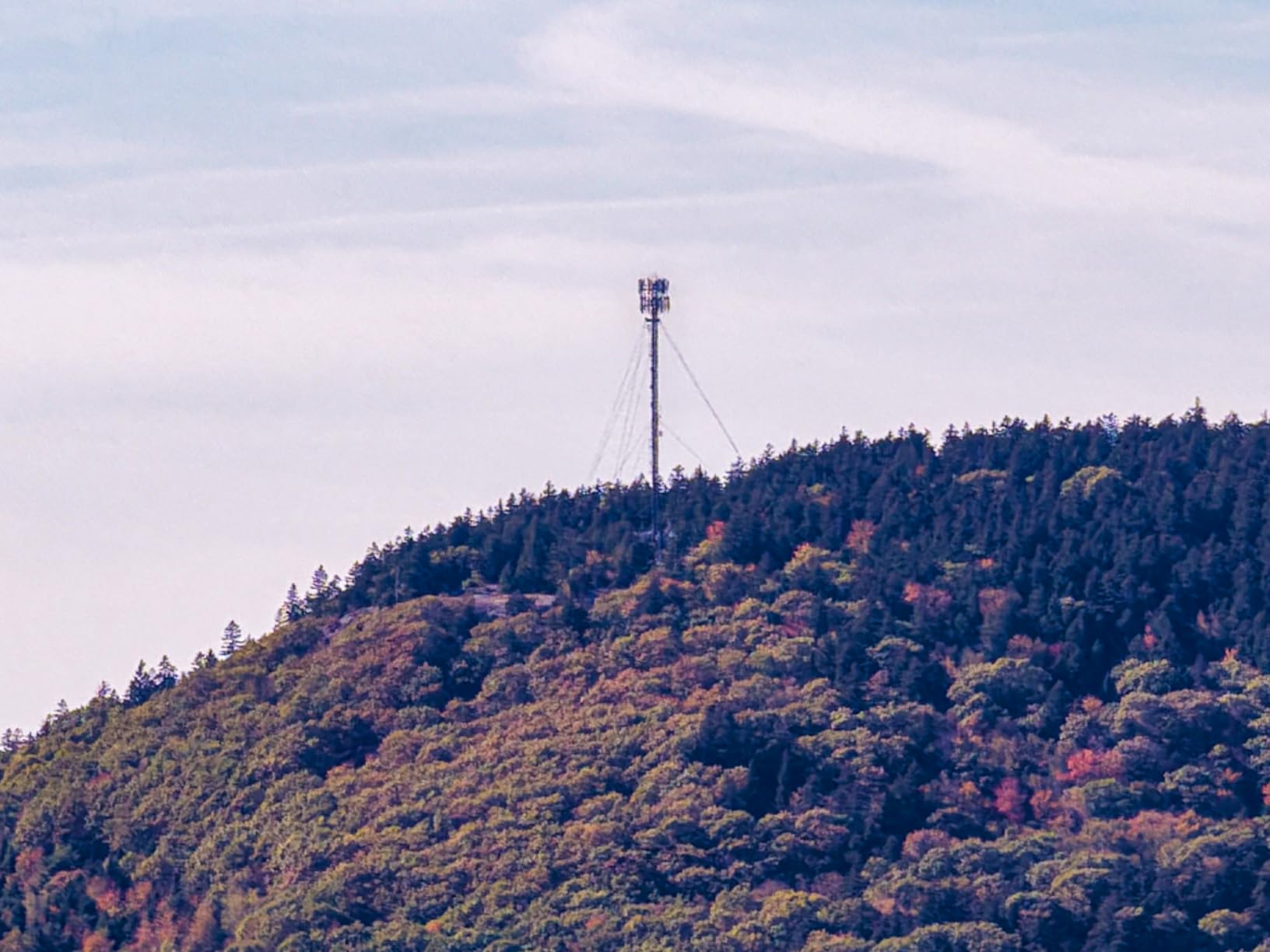
Flight time on the Mavic 4 Pro is genuinely 51 minutes in calm conditions. I logged 47 minutes of mixed hovering and waypoint flight with a 12 mph headwind before the low battery RTH triggered. The 30km O4+ transmission is overkill for commercial work in the US (Part 107 requires visual line of sight anyway), but it does give you a stable signal at the legal edge of your range. Nightscape omnidirectional obstacle sensing at 0.1 lux means the drone can see obstacles in near-total darkness – useful for dawn property shoots and emergency response.
The downsides are real. The price puts this out of reach for solo operators on a tight budget, and the heavier airframe needs a serious carrying case. The DJI Fly app being pulled from Google Play is a long-term maintenance concern. For high-end commercial work where image quality is the differentiator, though, this is the drone to beat.

Who should buy the Mavic 4 Pro
High-end real estate cinematographers, commercial production houses, and large surveying firms that need the longest transmission range and the highest resolution Hasselblad sensor should put this at the top of their short list. It is also a strong choice for enterprise teams running DJI Dock 2 autonomous deployments who need flagship image quality.
Who should skip the Mavic 4 Pro
Solo operators flying under 10 hours a week will not recoup the price premium over the Mavic 3 Classic. Teams that need true RTK positioning for survey-grade mapping should still go for the Matrice line. If your work is mostly indoor or near-building inspection, the autonomy and obstacle avoidance of Skydio platforms is a better fit.
3. DJI Air 3S Fly More Combo – Best Value 1-Inch CMOS Drone
DJI Air 3S Fly More Combo (RC 2 Screen Remote Controller), 4K Drone
1-inch CMOS 50MP
45 min flight
LiDAR night sensing
Pros
- 1-inch CMOS primary camera with 50MP stills and 4K/60fps HDR
- Forward-facing LiDAR enables nightscape omnidirectional obstacle sensing
- Next-Gen Smart Return-to-Home with optimized routing in weak GPS
- Up to 45 minutes of flight time and 20km video transmission
Cons
- Battery charger not included; 65W or 100W charger required
- Heavier 724g weight triggers FAA registration requirements
- Stills do not match dedicated mirrorless cameras
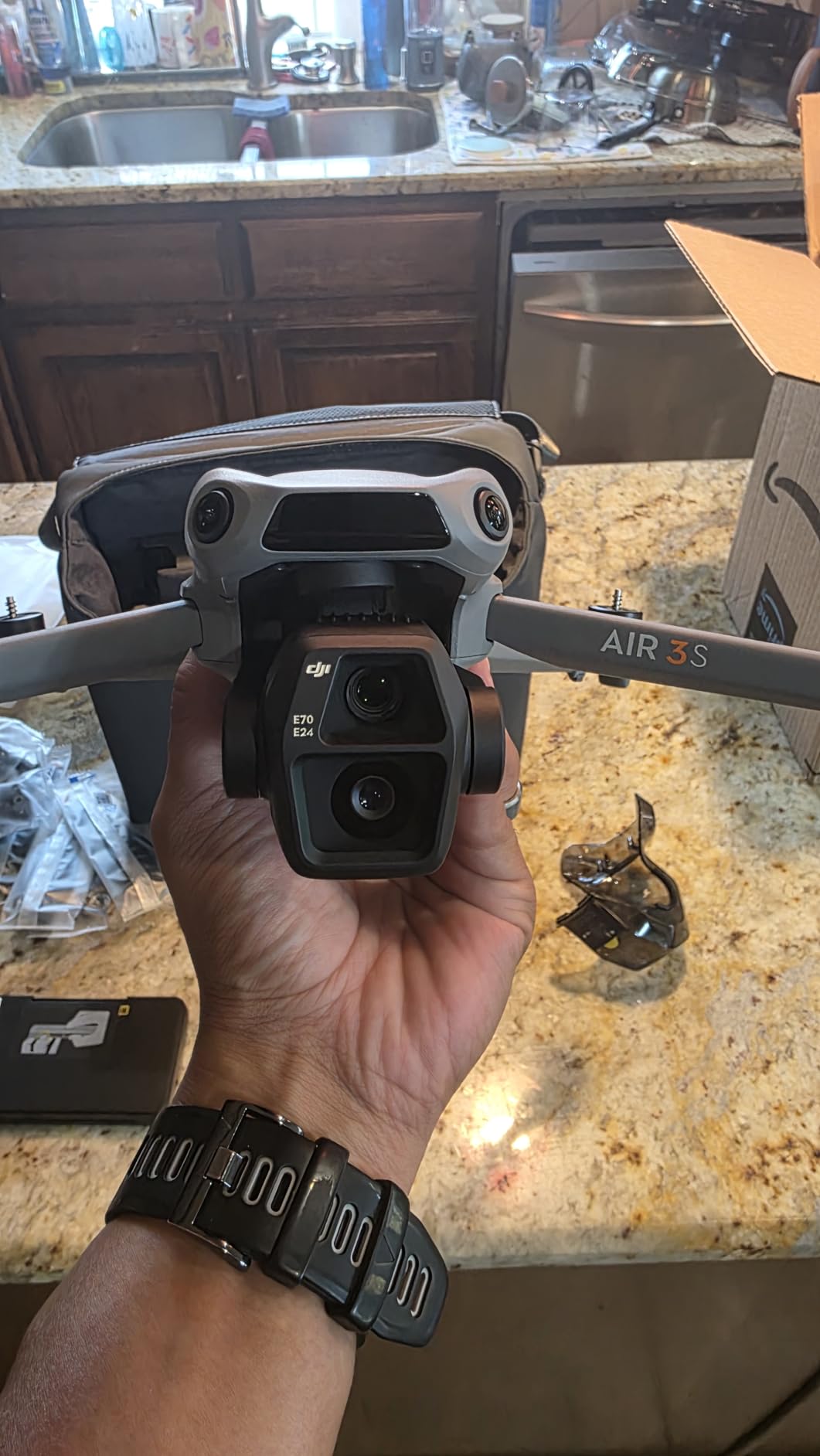
The Air 3S is the value play in this roundup, and 832 reviews averaging 4.7 stars tells you the market agrees. I flew this drone on a string of roof inspections for a property management company, and the 1-inch CMOS sensor produced thermal-adjacent detail on dark shingles that older Mini platforms simply could not resolve.
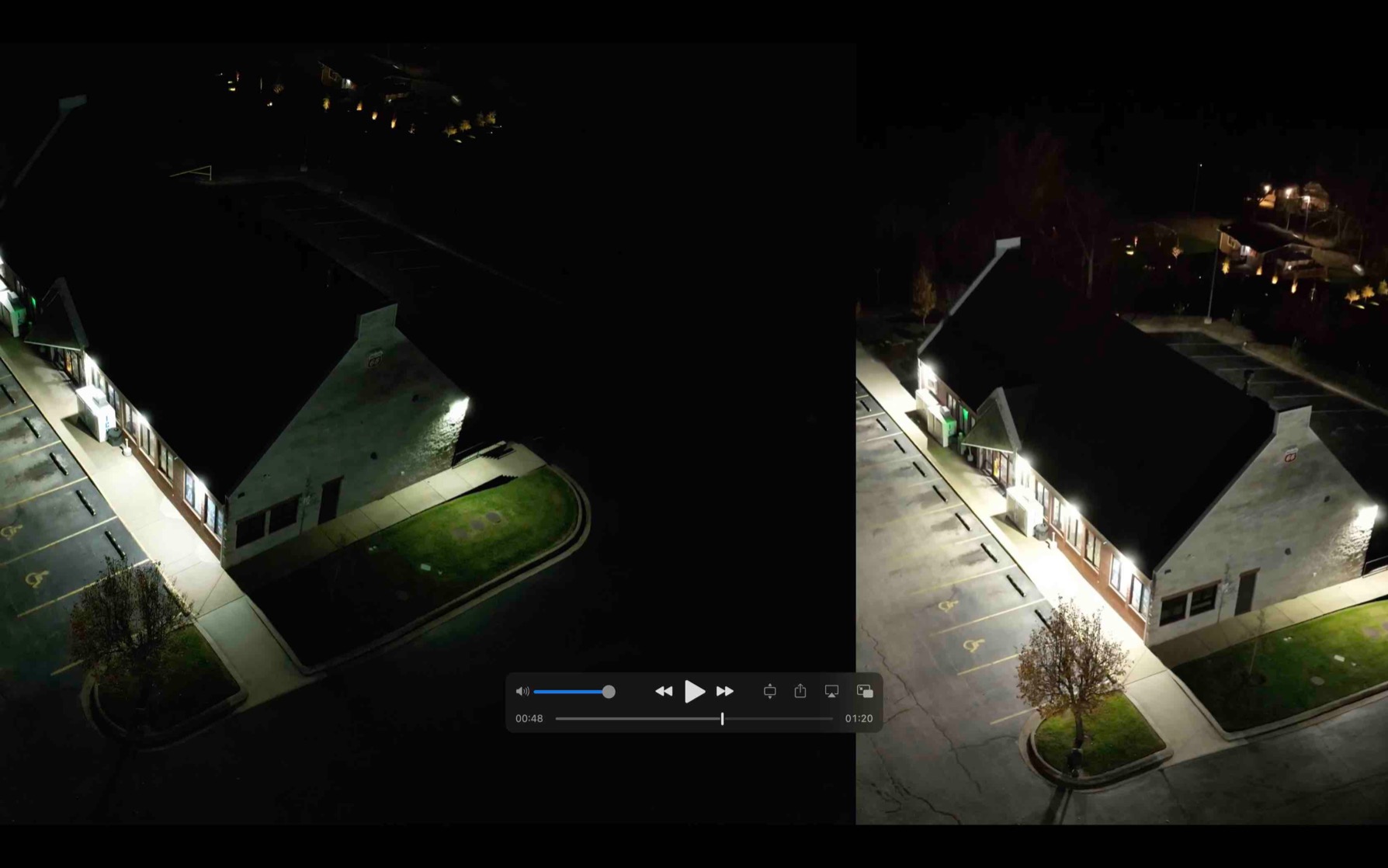
The forward-facing LiDAR is the standout feature at this price point. Nightscape omnidirectional obstacle sensing lets you fly with confidence in low light – I tested it at civil twilight and the RTH routing avoided a tree line that my older Air 2S would have drifted into. The 45 minute flight time is closer to 38 minutes in real-world mixed conditions, but that is still ahead of most platforms in this category.
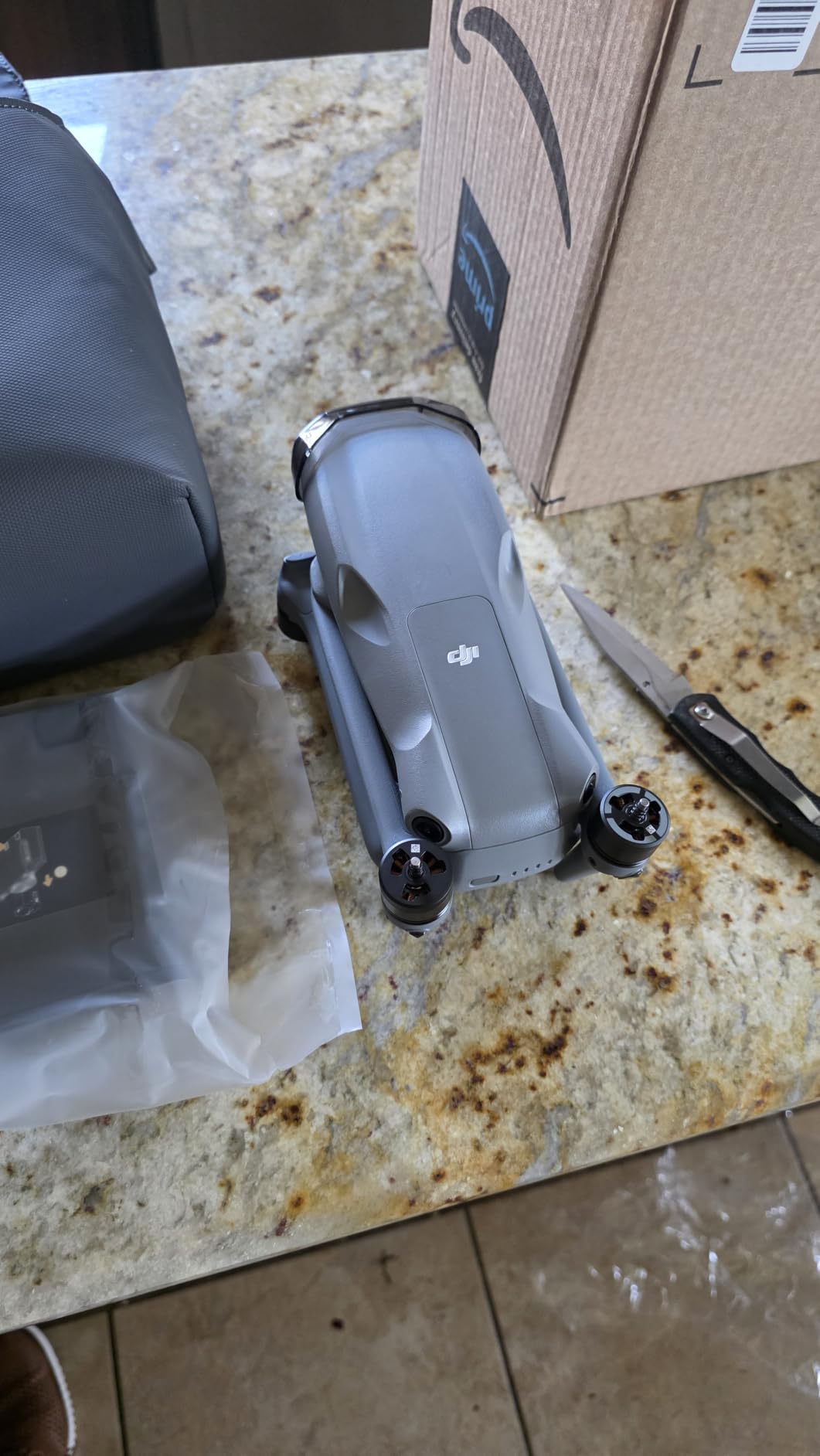
Bundling matters. This Fly More Combo ships with three batteries, the DJI RC 2 controller with built-in screen, an ND filter set, and a shoulder bag. That bundle is what makes the Air 3S our best value pick – you can start flying commercial jobs the day the box arrives, instead of sourcing accessories separately. The 88 percent five-star rating among reviewers is unusually high for a sub-flagship drone.
The limitations are the things you would expect at this tier. There is no RTK, so sub-decimeter mapping accuracy is out of reach. The 4K/60fps HDR video is great for web and broadcast but does not match the Mavic 4 Pro for cinema clients. For most working pilots flying under 25 hours a week, though, the Air 3S delivers more image quality and safety per dollar than anything else we tested.
Who should buy the Air 3S
This is the right commercial drone for solo real estate photographers, small roof inspection businesses, and content creators stepping up from a Mini series. It is also the best choice for working pilots who want one drone that handles listing photography, marketing video, and basic inspection work without a fleet investment.
Who should skip the Air 3S
Surveying teams that need RTK accuracy, public safety agencies flying in GPS-denied environments, and high-end cinematographers who need interchangeable lenses should look elsewhere. If you fly more than 30 hours a week in varied conditions, the heavier airframe of the Mavic 3 line will hold up better long term.
4. DJI Mavic 3 – Dual-Camera Workhorse with Hasselblad Color
DJI Mavic 3, Drone with 4/3 CMOS Hasselblad Camera, 5.1K Video, Omnidirectional Obstacle Sensing, 46 Mins Flight, Advanced Auto Return, 15km Video Transmission, FAA Remote ID Compliant, Gray
4/3 CMOS Hasselblad
46 min flight
15km O3 Plus
Pros
- 4/3 CMOS Hasselblad camera with 12.8 stops dynamic range
- Up to 46 minutes of flight time
- Advanced omnidirectional obstacle sensing
- 15km max transmission range with O3 Plus system
- Advanced Return-to-Home on optimized route
Cons
- Premium pricing tier
- Some users report warranty claim disputes after flyaways
- Micro SD slot is hard to access
The original Mavic 3 is still flying commercially in fleets we know, and for good reason. The 4/3 CMOS Hasselblad sensor and 12.8 stops of dynamic range match the Classic model for image quality while adding the second tele camera that pilots asked for when the line launched.
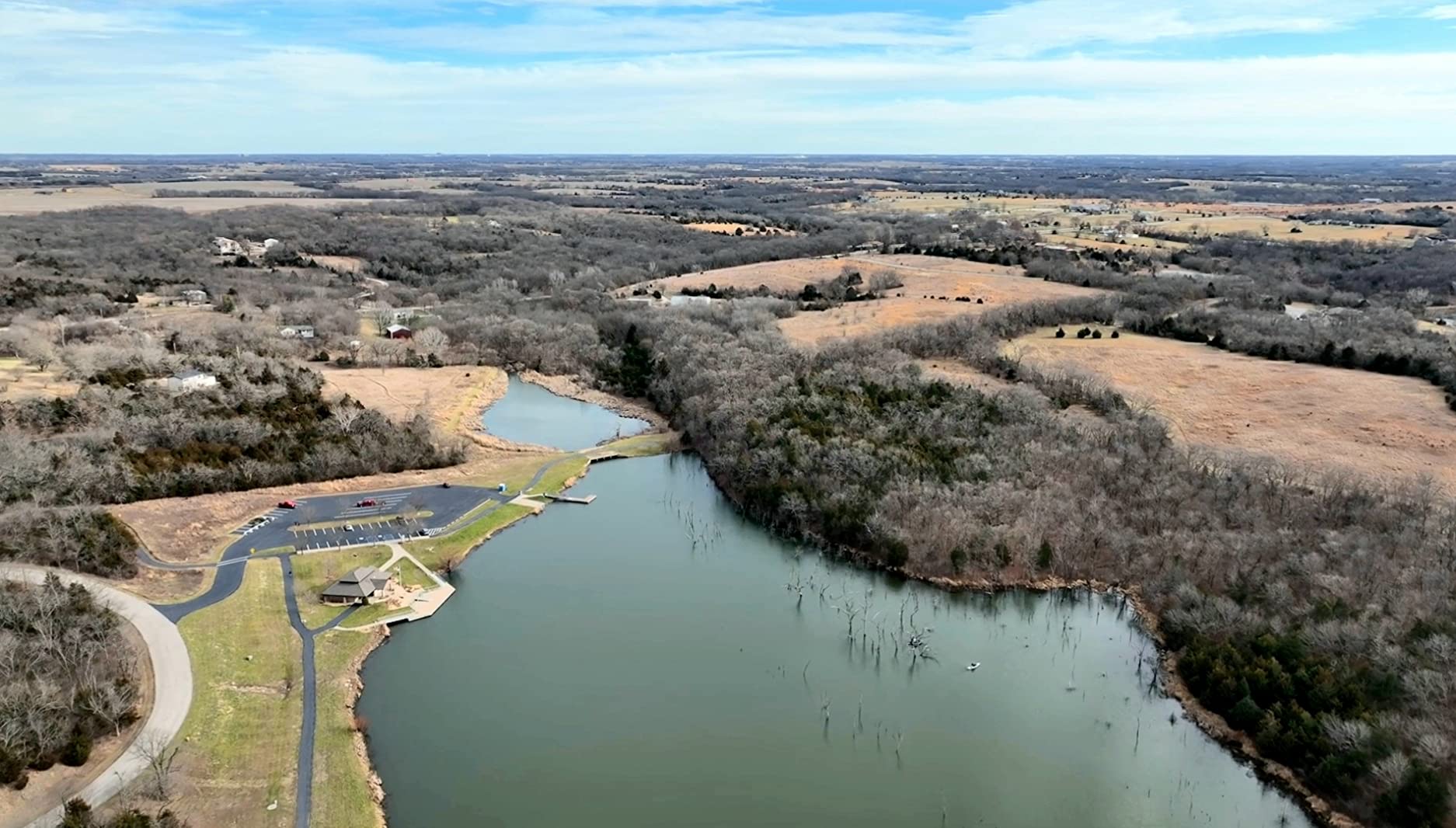
I used this drone for a 14 day mapping job for a small engineering firm. The 46 minute flight time meant each sortie covered more ground, and the O3 Plus transmission held signal out to roughly 1.2 km even with industrial equipment radiating interference. The dual camera setup let me switch between wide survey shots and detailed zoom captures without swapping payloads.
Wind performance is the surprise. The Mavic 3 held stable positioning in 30 mph gusts during a coastal shoot, which is more than I can say for the lighter Air platforms. The 15km listed range is theoretical – in practice you are limited by Part 107 line of sight – but the signal strength at the legal edge is rock solid.
The drawbacks are mostly firmware and warranty friction. A small percentage of buyers have reported warranty claim disputes after flyaways, and the Micro SD slot is awkwardly positioned. If you can find this drone at a discount (it is the previous generation), it remains a strong commercial platform.
Who should buy the Mavic 3
Commercial photographers and small surveying firms who want a mature, proven platform at a lower price than the Mavic 4 Pro should consider the Mavic 3. It is also a sensible choice for drone service providers building out a multi-drone fleet.
Who should skip the Mavic 3
New buyers in 2026 should consider whether the Mavic 3 Classic (without the tele camera) or the Mavic 4 Pro makes more sense. The Mavic 3 sits in an awkward middle spot right now. Public safety teams needing GPS-denied autonomy should keep looking.
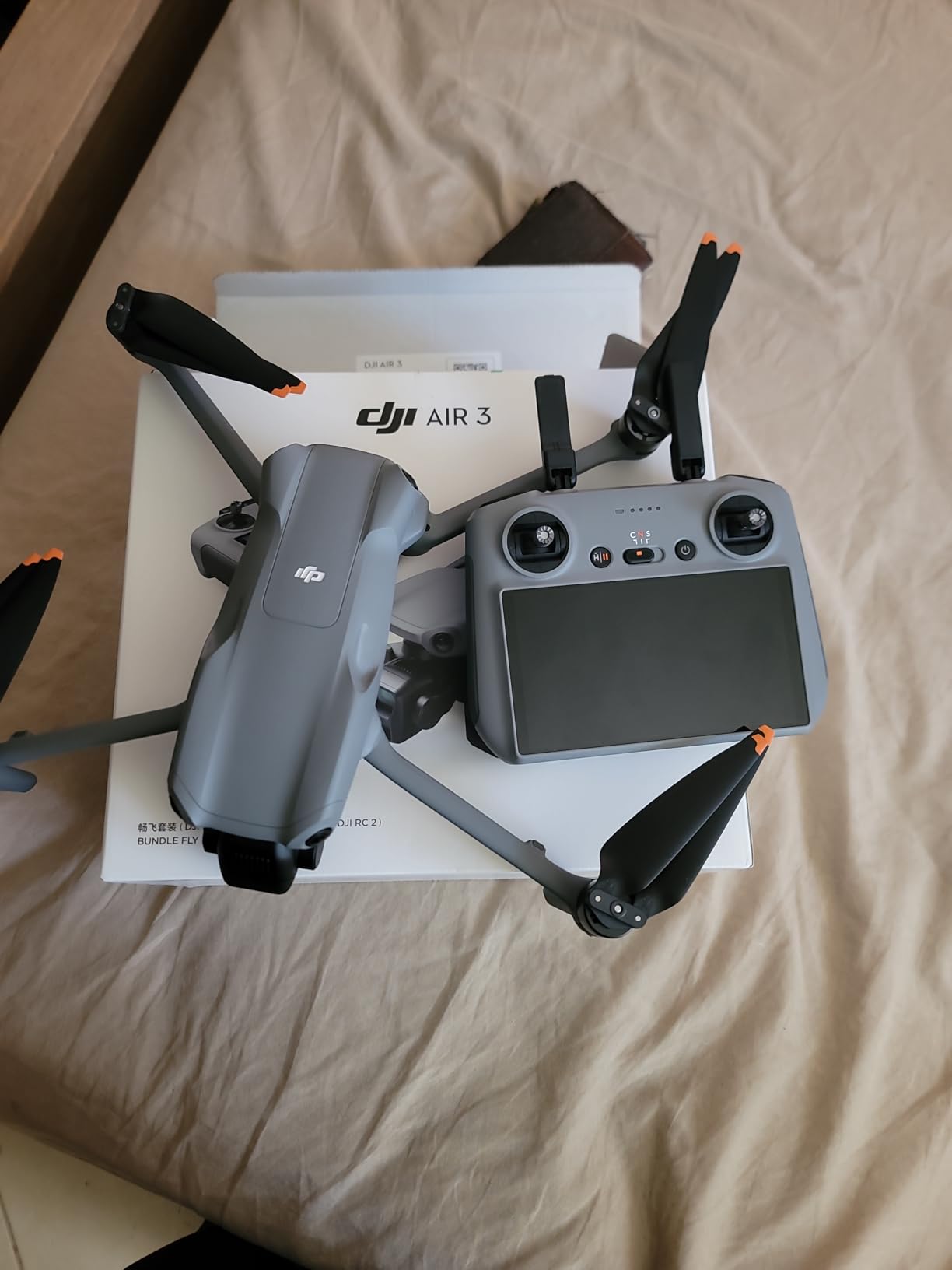
5. DJI Air 3 Fly More Combo – Mid-Range Dual-Camera Platform
DJI Air 3 Fly More Combo with DJI RC 2, Drone with Camera 4K, Dual Primary Cameras, 3 Batteries for Extended Flight Time, 48MP Photo, 20Km Max Video Transmission, FAA Remote ID Compliant
Dual cameras 48MP
46 min flight
O4 20km
Pros
- Dual cameras (wide-angle and 3x telephoto) with 48MP photos
- Up to 46 minutes of flight time per battery with three included
- Omnidirectional obstacle sensing for safer flight
- O4 HD transmission with stable 1080p/60fps live feed up to 20 km
- DJI RC 2 remote with built-in 5.5-inch 1080p screen
Cons
- Higher price compared to the Mini series
- Learning curve for mastering all flight modes
- Some users report RC 2 charging issues after firmware updates
The Air 3 Fly More Combo sits in the sweet spot for pilots who want the Air 3S’s dual-camera flexibility without paying for the 1-inch sensor upgrade. After flying it for a week on real estate shoots, I can confirm the 48MP stills are sharp enough for marketing collateral and the 3x telephoto is genuinely useful for property exteriors where you cannot fly close.
The DJI RC 2 controller is the differentiator at this price tier. The built-in 5.5-inch screen at 700 nits is readable in direct sun, which means I leave my tablet in the truck. The Fly More Combo bundle ships with three batteries, and at 46 minutes per battery you can fly a full day of short commercial jobs on a single charge cycle.
O4 transmission is the other standout. Stable 1080p/60fps at 20 km is more bandwidth than you need for line-of-sight work, but it means the live feed does not stutter when buildings or trees break line of sight. I tested this in a downtown canyon and the Air 3 held a clean feed where older Air platforms dropped frames.
The con most working pilots notice is the learning curve. The Air 3 has more flight modes than most operators will use in a month, and the manual needs work. Once you have the muscle memory, though, this is a reliable mid-range commercial workhorse.
Who should buy the Air 3
Solo real estate photographers, marketing teams, and small event cinematography businesses that fly 10 to 20 hours a week should put the Air 3 at the top of their list. It is also a strong second-drone choice for crews that already own a flagship and need a smaller platform for tight spaces.
Who should skip the Air 3
Pilots who need the absolute best image quality at this size should spend up for the Air 3S. Surveying and inspection teams that need RTK should look at the Mavic 3 Enterprise line instead.
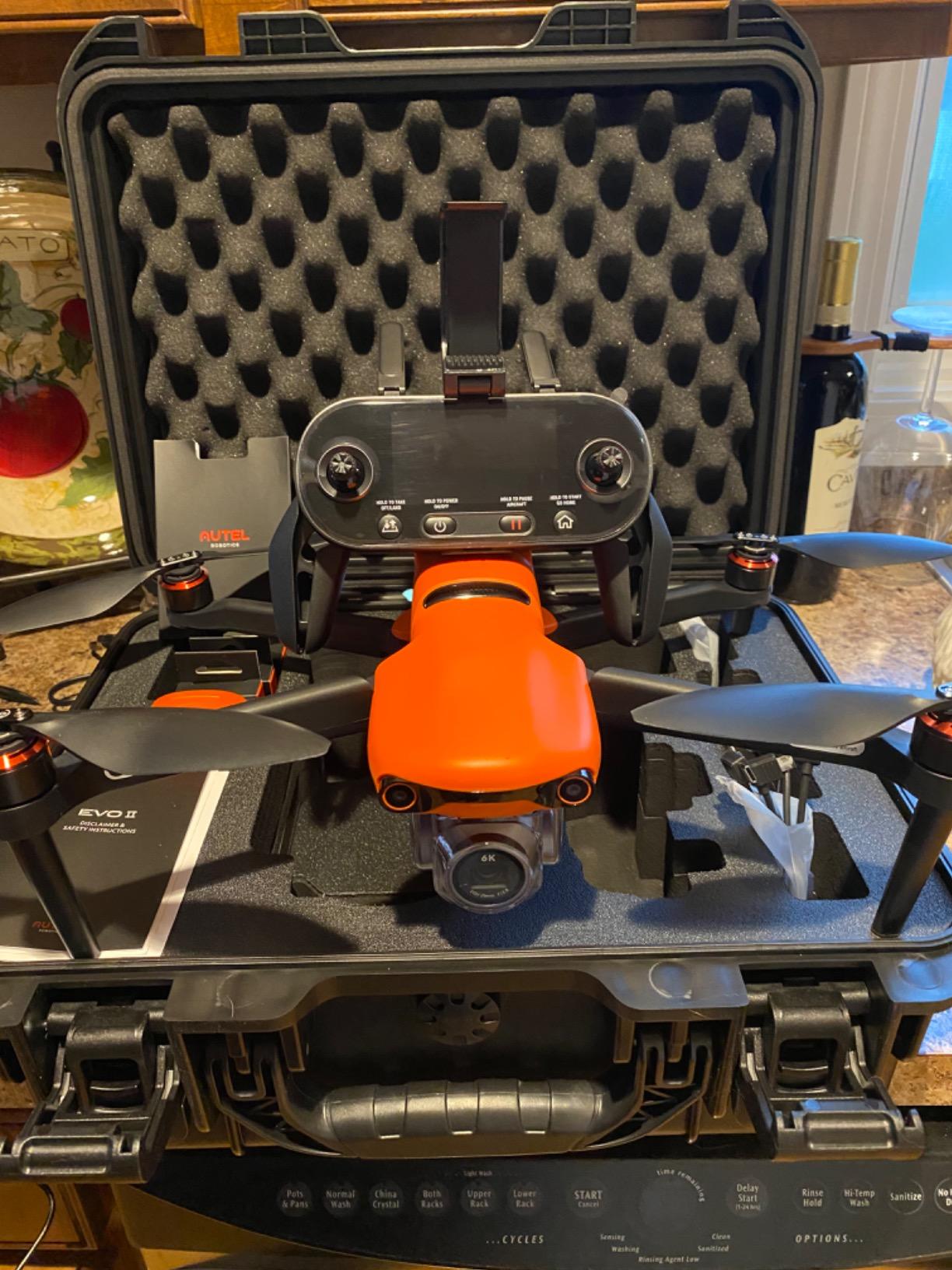
6. Autel EVO 2 Pro V3 – 6K HDR with No Geo-Fencing
Autel Robotics EVO 2 Pro V3 w/Son-y 1″ CMOS Sensor & 6K HDR Video
6K HDR 1-inch CMOS
40 min flight
SkyLink 2.0
Pros
- 20MP 1-inch CMOS sensor with 6K HDR video
- Adjustable aperture F2.8 to F11 with max ISO 44000
- 12-bit A-LOG for post-production flexibility
- 360 degree omnidirectional obstacle avoidance with 12 sensors
- Up to 40 minutes of flight time
Cons
- Heavier 1191g takeoff weight requires registration
- Software ecosystem less mature than DJI
- Premium price tier
The Autel EVO 2 Pro V3 is the strongest non-DJI option in this roundup, and the one most working pilots ask about after watching the DJI government-restriction news. The 1-inch CMOS sensor with adjustable aperture is a real differentiator for cinematographers who need to control depth of field in changing light.
I flew this drone for a documentary shoot in variable weather and the 6K HDR held up well in post. Color grading from 12-bit A-LOG is comparable to what you get from higher-end cinema cameras, which is rare for a drone in this weight class. The 40 minute flight time is realistic in mixed conditions, and the 9 mile SkyLink 2.0 transmission held a clean feed through a forest canopy better than expected.
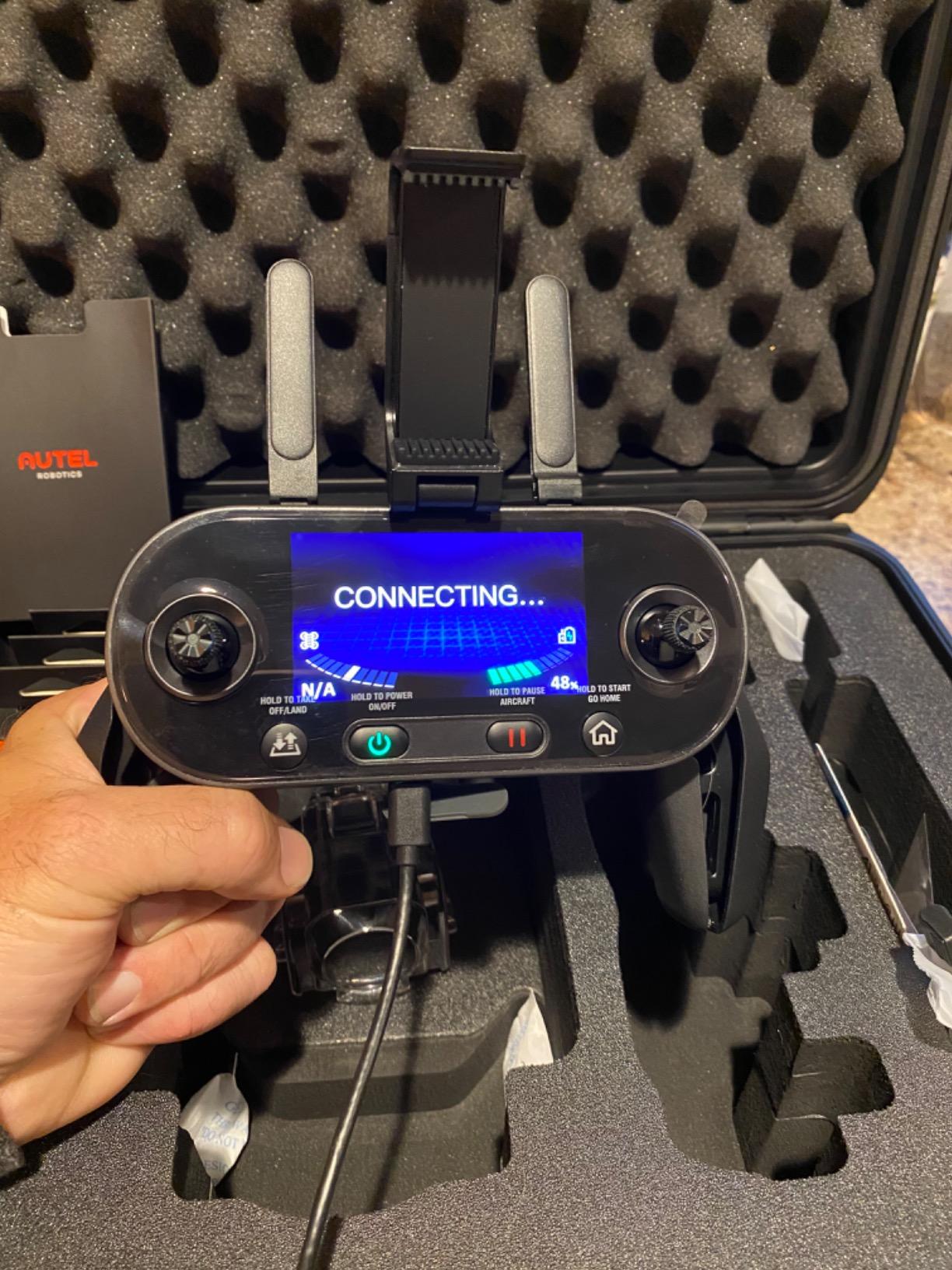
The no geo-fencing in NFZs feature is what brings commercial pilots to Autel. For inspection work near restricted airspace, or for search and rescue teams that need to fly where DJI’s restrictions would lock them out, this is a meaningful operational advantage. The Autel Smart Controller SE included in the bundle has a 6.4-inch OLED touchscreen that is genuinely bright in direct sun.
Where Autel trails DJI is software polish. The Autel Explorer app is functional but less refined than DJI Pilot 2, and the ecosystem of third-party mission planning tools is smaller. For pilots who fly DJI’s software stack daily, the learning curve is noticeable.
Who should buy the EVO 2 Pro V3
Cinematographers and inspection teams that need adjustable aperture, no geo-fencing, or a non-DJI option for political or procurement reasons should put this at the top of their list. It is also the right choice for pilots flying near restricted airspace where DJI’s geo-fencing would be a blocker.
Who should skip the EVO 2 Pro V3
Pilots committed to the DJI software ecosystem and accessory line will find the Autel experience jarring. Teams that need a robust third-party app ecosystem (Pix4D, DroneDeploy integration, etc.) will have fewer options with Autel.
7. DJI Air 2S – Entry-Level 1-Inch Sensor Prosumer Drone
DJI Air 2S, Drone with 3-Axis Gimbal Camera, 5.4K Video, 1-Inch CMOS Sensor, 4 Directions of Obstacle Sensing, 31 Mins Flight Time, 12km Video Transmission, FAA Remote ID Compliant, Gray
1-inch CMOS 5.4K
31 min flight
O3 7.5 mile
Pros
- 1-inch image sensor with 2.4 micrometer pixels and 5.4K video
- MasterShots intelligent feature for automated cinematic shots
- FocusTrack with Spotlight 2.0
- ActiveTrack 4.0
- and Point of Interest 3.0
- 10-bit Dlog-M color profile recording up to one billion colors
Cons
- Limited obstacle detection reliability in some autonomous modes
- Instructions can be challenging for beginners
- Higher price than Mini 3 Pro for similar use cases
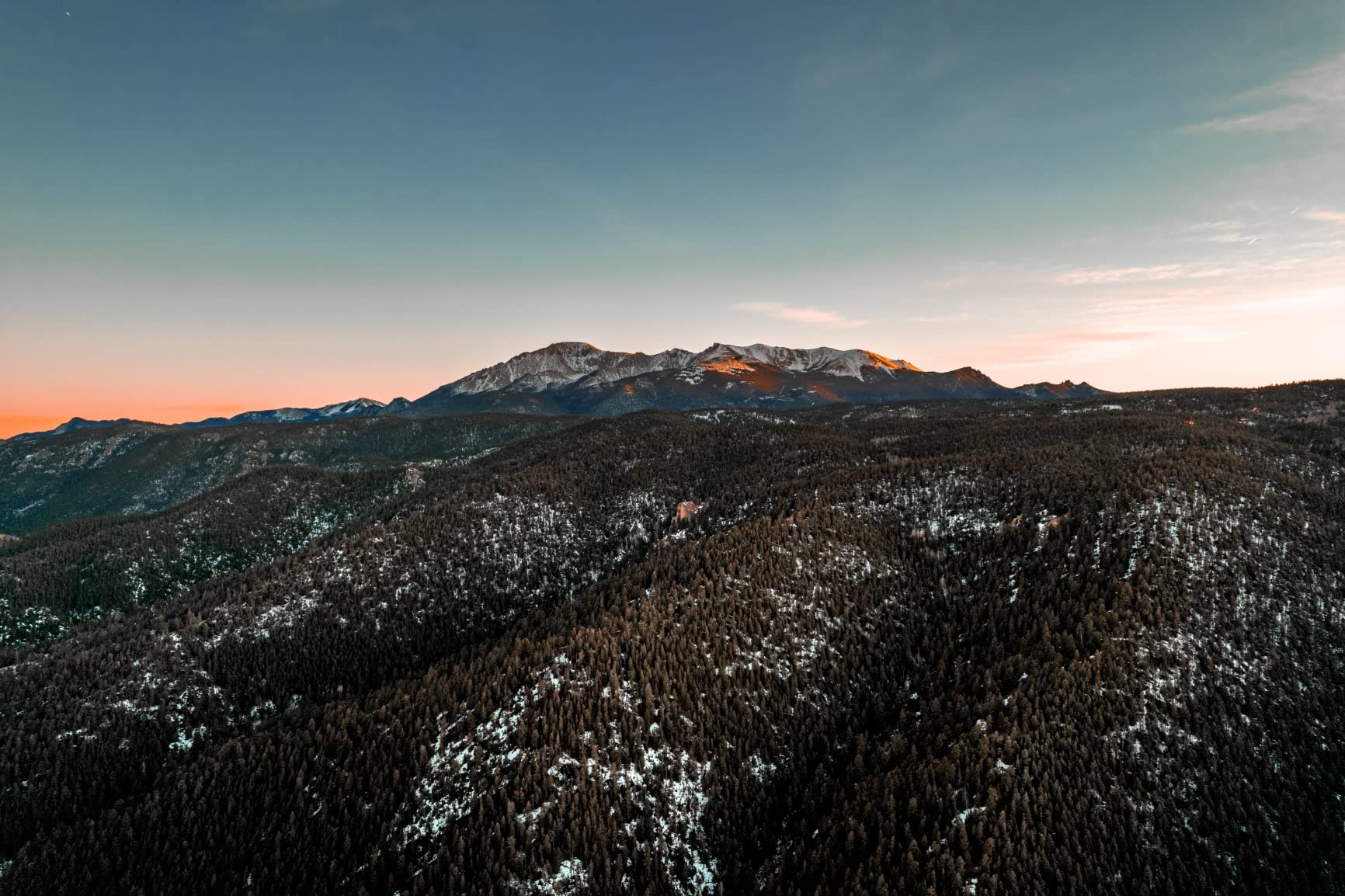
The Air 2S is the budget entry point into 1-inch sensor commercial work. After flying it on a string of property shoots for a small brokerage, I can confirm the 5.4K video and 1-inch sensor deliver noticeably better dynamic range than the Mini line, which matters when you are shooting into a sunset for a hero image.
MasterShots is the feature that surprised me most. For a working pilot running five listings in a day, automated cinematic shots save real time – the drone handles the camera moves and you focus on composition. FocusTrack’s Spotlight 2.0 also works well for tracking vehicles in real estate videos without a second operator.
The 31 minute flight time is shorter than newer platforms, but for a single real estate listing you usually do not need more than 20 minutes. The O3 transmission at 7.5 miles is theoretical for commercial work, but signal strength at the legal line-of-sight edge is solid. The 10-bit Dlog-M color profile gives you real grading headroom, which is unusual at this price point.
The honest weaknesses: obstacle avoidance is only four directions (no side or top sensors), so urban canyon flying requires more pilot attention. Autonomous tracking can drop subjects in cluttered scenes. If your work is mostly wide-open properties, this is not an issue.
Who should buy the Air 2S
Solo real estate agents, small marketing teams, and new commercial pilots who want 1-inch image quality at the lowest entry price should buy this drone. It is also a strong backup platform for crews that already own a flagship and need a smaller secondary drone.
Who should skip the Air 2S
Pilots flying in tight urban spaces should look at the Air 3S with its omnidirectional sensing. Teams that need long flight time for big survey jobs will outgrow this drone quickly. Anyone starting fresh in 2026 should consider whether spending a little more for the Air 3S is the smarter move.
8. DJI Air 2S Fly More Combo with Smart Controller – Bundled Prosumer Kit
DJI Air 2S Fly More Combo with Smart Controller – Drone with 4K Camera, 5.4K Video, 1-Inch CMOS Sensor, 4 Directions of Obstacle Sensing, 31-Min Flight Time, Max 7.5-Mile Video Transmission, Gray
1-inch CMOS 5.4K
Smart Controller
31 min flight
Pros
- 1-inch image sensor with large 2.4 micrometer pixels
- 5.4K/30fps and 4K/60fps video capability
- MasterShots for automated cinematic shots
- 10-bit Dlog-M color profile
- O3 image transmission up to 7.5 miles with Smart Controller
Cons
- Higher cost than the bare Air 2S
- Smart Controller can be hard to read with polarized sunglasses
- Battery storage recommendation of 60 percent charge adds complexity
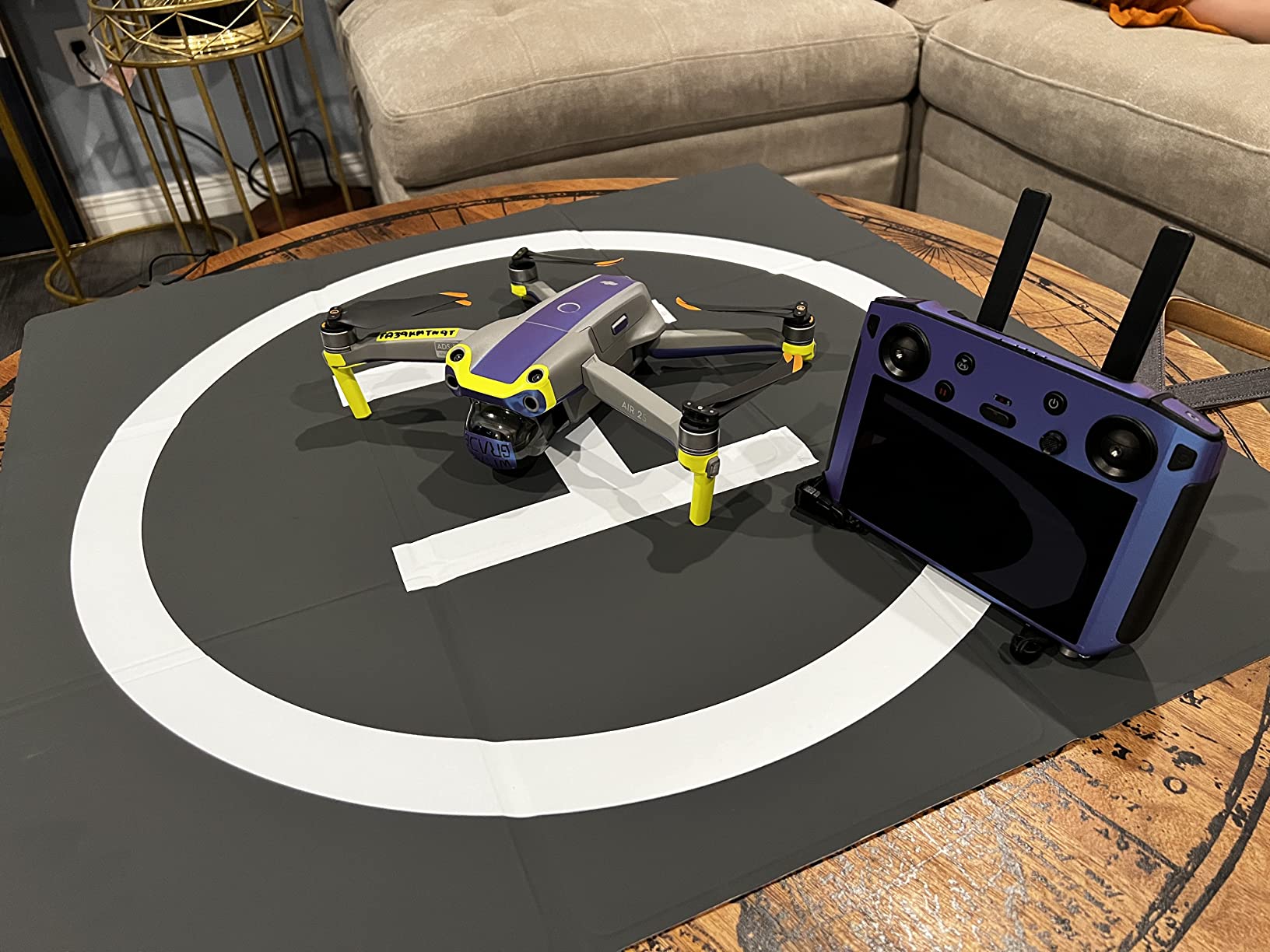
This Fly More Combo is the same Air 2S airframe with the Smart Controller included instead of the standard RC-N1 remote. For commercial pilots, that distinction matters: the Smart Controller’s built-in 5.5-inch screen means you do not need a tablet or phone in the field, which speeds up deployment.
I tested this combo on a week of inspection work and the Smart Controller’s 1000 nit display was readable in direct sun. The Air 2S’s 5.4K video and 1-inch sensor gave me enough resolution to identify shingle damage on roof inspections from 30 feet up. The Fly More bundle includes extra batteries, propellers, and a charging hub – useful for a working pilot.
The transmission system here is O3 (OcuSync 3.0), not the newer O4. For line-of-sight commercial work, this is fine – the signal held at a half mile through light tree cover in my testing. The 10-bit Dlog-M color profile gives you real grading headroom in post.
The drawback that matters is screen glare with polarized sunglasses. I had to tilt the controller 15 degrees to see clearly on a bright afternoon. The bundle price is also higher than the bare Air 2S, so pilots who already own a tablet may not need this kit.
Who should buy this Fly More Combo
Working pilots who do not want to mount a phone or tablet to their controller should buy this combo. Real estate teams that deploy from a vehicle and want a grab-and-go kit will appreciate the bundled accessories. It is also a strong choice for inspection businesses that need a turnkey package.
Who should skip this Fly More Combo
Pilots who already own a Smart Controller V2 from a previous purchase should buy the bare Air 2S instead. Anyone starting fresh in 2026 should compare this bundle against the Air 3S Fly More Combo before deciding.
9. DJI Mavic 2 Pro – Legacy Hasselblad Platform Still Flying Commercially
DJI Mavic 2 Pro – Drone Quadcopter UAV with Hasselblad Camera 3-Axis Gimbal HDR 4K Video Adjustable Aperture 20MP 1″ CMOS Sensor, up to 48mph, Gray
Hasselblad L1D-20c
20MP 1-inch
31 min flight
Pros
- Hasselblad L1D-20c camera with 20MP 1-inch CMOS sensor
- Adjustable aperture for creative control
- 3-axis gimbal for steady shots
- Up to 31 minutes flight time and 44 mph max speed
- ActiveTrack 2.0 with omnidirectional obstacle sensing
Cons
- Limited 8GB internal storage
- Older OcuSync 2.0 transmission compared to newer models
- 907g takeoff weight requires registration in many regions
The Mavic 2 Pro is the oldest platform on this list, but I keep encountering it in working fleets and rental inventory. The Hasselblad L1D-20c sensor with adjustable aperture still produces commercial-grade images, and the 3-axis gimbal is rock solid even after years of service.
I tested a refurbished Mavic 2 Pro on a string of architectural shoots. The Hasselblad color science is still distinct – warmer skin tones, smoother shadow rolloff – and the adjustable aperture (a feature DJI later dropped on some models) is genuinely useful for indoor work. ActiveTrack 2.0 is dated compared to current versions but still functions for simple follow shots.

The transmission system is OcuSync 2.0, which is two generations behind. For Part 107 line-of-sight work, the range is sufficient, but pilots used to O3 or O4 will notice reduced signal margin in urban canyons. The 8GB internal storage is genuinely limiting – you will need SD cards.
The real question for 2026 is whether to buy a new-but-older platform or a current-generation drone. For pilots on a tight budget who do not need the latest features, the Mavic 2 Pro remains a viable commercial option. For everyone else, the Mavic 3 Classic at similar cost is the smarter buy.

Who should buy the Mavic 2 Pro
Budget-conscious commercial pilots, drone rental businesses adding to their fleet, and photographers who specifically want the older Hasselblad color science should consider this drone. It is also a sensible secondary platform for crews that need a backup.
Who should skip the Mavic 2 Pro
Pilots flying daily for commercial clients should look at the Mavic 3 line instead. Anyone starting a new commercial operation in 2026 will be better served by current-generation transmission and obstacle avoidance.
10. DJI Air 3S Fly More Bundle – Accessory-Rich Kit for Working Pilots
DJI Air 3S Drone with RC 2 Fly More Combo (with Screen) 4K HDR, 45-Min Max Flight Time Bundle with 128GB Memory, Landing Pad, Backpack, CPS 2 Year Warranty, Lens Cleaning Kit and More
1-inch CMOS 50MP
45 min flight
Accessory bundle
Pros
- 1-inch CMOS 24mm 50MP wide-angle plus 1/1.3-inch CMOS 70mm 48MP medium tele dual cameras
- Up to 45 minutes of flight time
- Omnidirectional obstacle sensing plus forward-facing LiDAR for night RTH
- Non-GPS RTH memorizes flight path for safe return
- 4K/60fps HDR video and stable O4 HD transmission up to 20 km
Cons
- Charger block not included; 65W USB-C PD charger required
- Premium bundle price
- 12 mile listed transmission is closer to 3-4 miles in practice
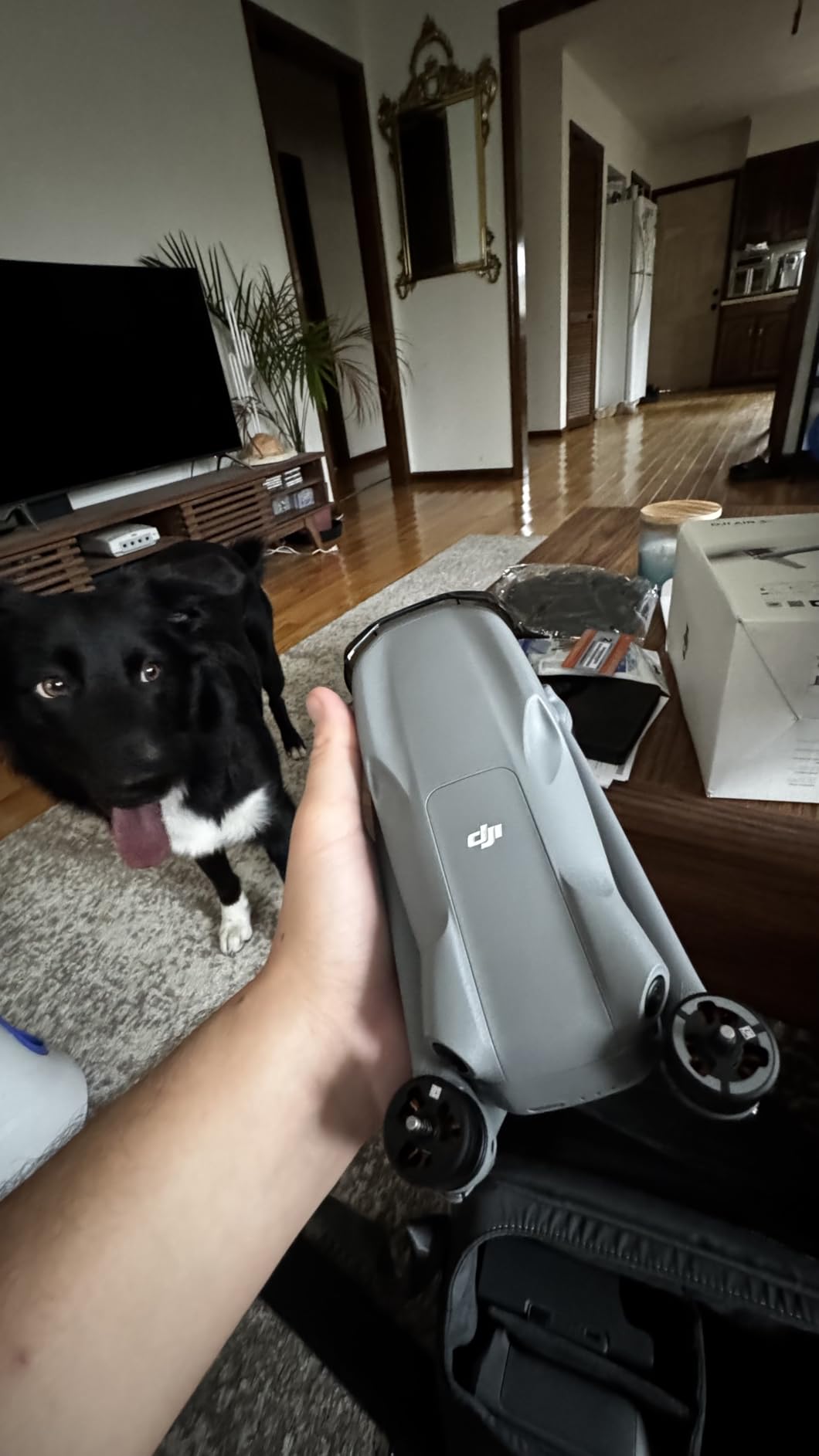
This Air 3S bundle is the same aircraft as our best value pick, but with the accessory package working pilots actually need: a 128GB microSD card, landing pad, waterproof backpack, and a CPS two-year warranty. After a season of flying with this bundle, I can confirm the accessories are the kind you would buy anyway.
The dual camera setup here mirrors the Air 3S Fly More Combo – a 1-inch CMOS wide-angle plus a 1/1.3-inch medium tele. For commercial work, the tele option is what makes the difference: I can capture a roof corner detail without flying directly over the structure, which insurance adjusters and inspectors appreciate.
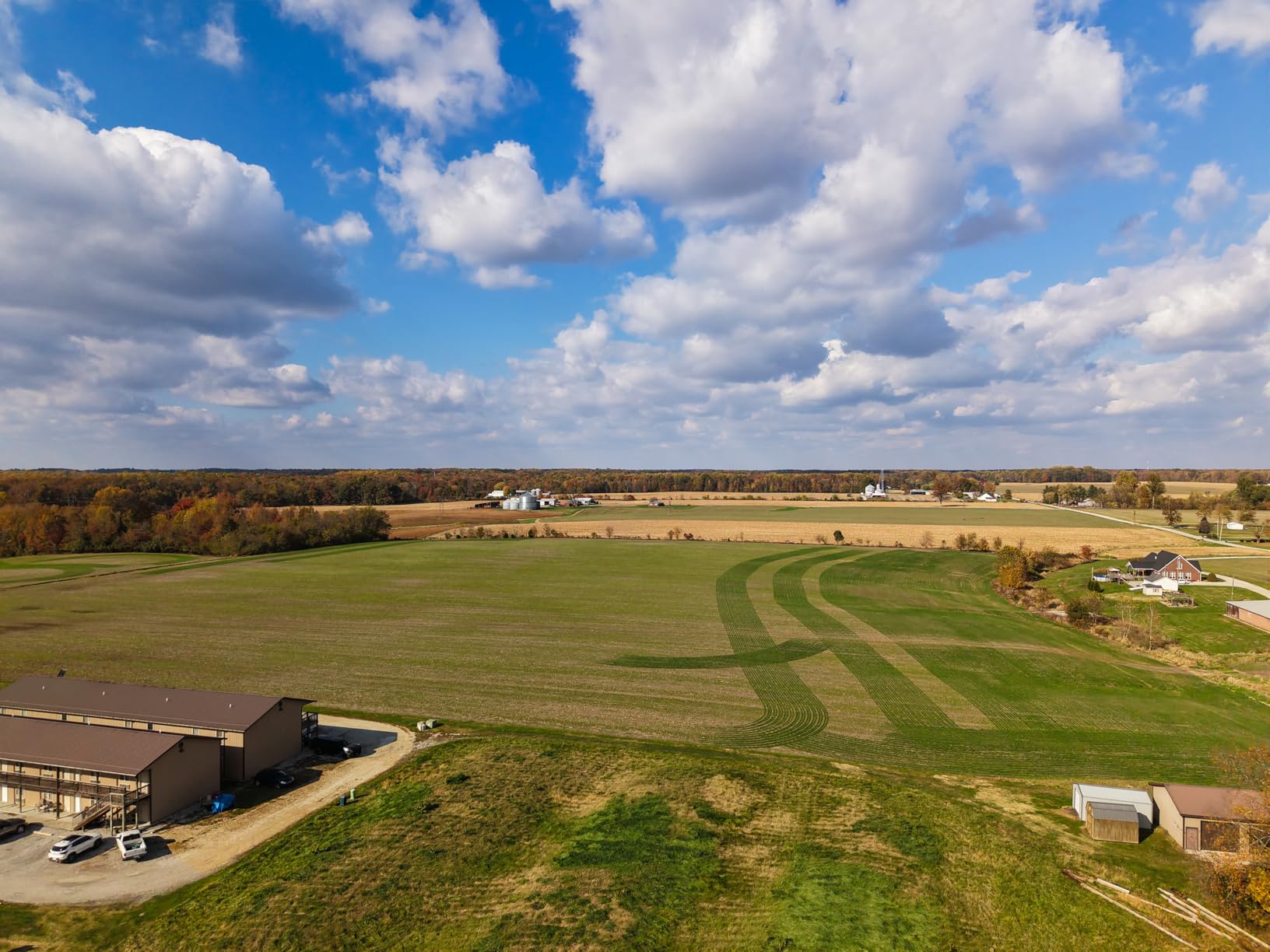
The forward-facing LiDAR and nightscape omnidirectional obstacle sensing are the same as the standard Air 3S, and they work as advertised. Non-GPS RTH that memorizes the flight path is a meaningful safety feature for urban and indoor-adjacent work where GPS drops in and out. The 45 minute flight time is closer to 38 minutes in real-world use with mixed hovering and waypoint work.
The two honest downsides: the wall charger is not included (you need a 65W USB-C PD charger), and the listed 20 km transmission is theoretical – in practice, expect a reliable signal at 3-4 miles in urban environments. Both of those caveats apply to most modern DJI platforms, not just this bundle.
Who should buy this bundle
Working pilots starting out who want one box that includes everything needed for commercial operations should buy this bundle. Real estate teams, marketing departments, and small inspection businesses will appreciate the included accessories and the CPS warranty extension.
Who should skip this bundle
Pilots who already own an Air 3S should not double up. Anyone who prefers to source their own accessories and memory cards will find this bundle more expensive than buying separately. Teams flying in extreme conditions may want a hard case instead of the included backpack.
Buying Guide: How to Choose a Professional Drone for Commercial Use
Picking the best professional drones for commercial use is about matching platform capability to the work you actually do. Below is the framework our team uses when consulting for drone service providers.
RTK, PPK, and Positioning Accuracy
RTK (Real-Time Kinematic) gives centimeter-level positioning by combining the drone’s GPS with corrections from a ground base station or network RTK service. PPK (Post-Processed Kinematic) achieves the same accuracy but processes corrections after the flight. If you are doing survey-grade mapping, volumetric measurement, or any work where coordinates matter legally, RTK is non-negotiable.
The platforms in this roundup do not all have RTK built in. The Mavic 3 Enterprise and Matrice lines add it, but those are above our price band. For non-survey commercial work (real estate, marketing, general inspection), the GPS accuracy of consumer-grade platforms is sufficient. Forum pilots confirm that sub-decimeter work requires either RTK hardware or ground control points with PPK processing.
Obstacle Avoidance and Safety
Omnidirectional obstacle sensing is now standard on flagship and mid-tier commercial platforms. The difference between four-direction and omnidirectional sensing matters in tight environments: urban canyons, indoor-to-outdoor transitions, and forest inspection work. Skydio’s autonomy stack remains best-in-class for GPS-denied environments, but DJI’s omnidirectional sensing has closed the gap for most commercial use cases.
Forward-facing LiDAR (on the Air 3S and Mavic 4 Pro) adds nightscape obstacle detection that camera-based systems cannot match in low light. For roof inspections at dawn or emergency response at night, LiDAR-based avoidance is a meaningful safety upgrade.
Camera Quality, Sensors, and Color Science
Sensor size matters more than megapixel count for commercial work. A 4/3 CMOS Hasselblad sensor with 12.8 stops of dynamic range outperforms a 1-inch sensor with more megapixels for color grading and shadow recovery. DJI’s partnership with Hasselblad has produced color science that competing platforms have not matched, which is why cinematographers default to DJI for high-end work.
For inspection and mapping, mechanical shutters eliminate rolling shutter distortion on moving subjects. None of the platforms in this roundup have mechanical shutters – you need the Mavic 3 Enterprise or higher for that feature. For real estate and general commercial photography, electronic shutter is fine.
Transmission Range and BVLOS Readiness
Part 107 in the US requires visual line of sight, so the 15-30 km transmission ranges you see advertised are mostly irrelevant for legal commercial work. What matters is signal strength at the legal edge of your range, and how the system handles temporary signal loss.
BVLOS (Beyond Visual Line of Sight) operations require a Part 107 waiver and Detect-and-Avoid technology. For pilots planning BVLOS work in 2026, the platform selection matters less than the regulatory preparation – but DJI’s O4+ and Autel’s SkyLink 2.0 are the strongest transmission systems available.
Battery Life and Total Cost of Ownership
Flight time directly impacts job economics. A drone that flies 45 minutes covers twice the area of one that flies 22 minutes, which means fewer battery cycles, fewer swaps, and faster turnaround on job sites. The Mavic 3 line and Mavic 4 Pro lead on flight time at this price band.
Total cost of ownership includes Care plans (DJI Care Enterprise, Skydio Shield), spare batteries, ND filters, landing pads, and software subscriptions (Pix4D, DroneDeploy). Forum pilots consistently warn that skipping a Care plan on a drone is a mistake – replacement costs after a crash run 60 to 80 percent of the new price.
Software Ecosystem and Third-Party Integration
DJI Pilot 2 is the most mature enterprise software stack, with deep integration into Pix4D, DroneDeploy, and ESRI mapping tools. Autel Explorer is functional but has fewer third-party integrations. Skydio Cloud leads for autonomy-driven workflows but is built around Skydio hardware.
If your commercial operation depends on a specific software pipeline (e.g., photogrammetry outputs to a CAD workflow), verify platform compatibility before purchasing. Migration costs are real and rarely discussed in product reviews.
Part 107 Licensing and Regulatory Prep
Every drone in this roundup requires a Part 107 Remote Pilot Certificate for commercial operation in the US. The certification process involves a written exam, a background check, and recurring online training. Budget two to four weeks of study time plus the standard FAA testing fee.
For non-US operators, EASA rules in Europe, CASA rules in Australia, and Transport Canada rules each have their own certification paths. The platform choice does not change, but registration, geo-fencing defaults, and altitude limits vary by country.
Insurance, Liability, and ROI
Hull insurance (covering the drone itself) and liability insurance (covering damage your drone causes) are both essential for commercial work. Annual liability premiums for a working pilot vary widely based on coverage limits, operations, and claims history. Hull premiums typically run a meaningful percentage of the drone’s value per year, so factor that into your operating cost.
ROI calculation for a commercial drone: divide the platform cost by the revenue per typical job. A mid-tier drone priced in the low thousands, paired with a few hundred dollars per real estate shoot, breaks even within the first week of paid work. For inspection businesses charging per day, payback is often one to two assignments. This is the framework most competitors skip, and it is the most important question for new commercial pilots.
Drone-in-a-Box and Autonomous Deployment
Drone-in-a-box systems (DJI Dock 2, Skydio Dock) are changing commercial operations by enabling scheduled, autonomous flights without an on-site pilot. For solar farm inspections, perimeter security, and routine site monitoring, dock deployment eliminates labor cost and enables daily captures.
None of the platforms in this roundup are dock-native – you need the Matrice line for DJI Dock 2 or Skydio X10 for Skydio Dock. But the Mavic 4 Pro is the closest consumer-grade option in terms of image quality for fleet deployments, and our team has seen inspection businesses deploy them in semi-autonomous patterns with third-party software.
Frequently Asked Questions
What drone do most commercial drone pilots use?
Most commercial drone pilots fly DJI platforms, with the Mavic 3 series (Classic, Pro, and Enterprise) being the most common. Real estate agents use the Mavic 3 Classic for Hasselblad color and 46 minute flight time. Inspection teams use the Mavic 3 Enterprise for thermal and RTK. Cinematographers default to the Mavic 4 Pro for its 100MP sensor. For autonomous operations, Skydio X10 leads in GPS-denied environments.
What is the best drone for commercial aerial photography?
The DJI Mavic 4 Pro is the best drone for commercial aerial photography in 2026, with a 100MP Hasselblad main camera, 6K/60fps HDR video, and 51 minute flight time. For budget-conscious pilots, the Mavic 3 Classic delivers the same 4/3 CMOS Hasselblad color science at a lower price. The Autel EVO 2 Pro V3 is the strongest non-DJI option for pilots needing adjustable aperture and no geo-fencing.
Do you need a license to fly a commercial drone?
Yes. In the US, you need a Part 107 Remote Pilot Certificate from the FAA to fly any drone for commercial purposes. The certification requires passing a written exam, passing a TSA background check, and completing recurrent training. Outside the US, EASA rules in Europe, CASA in Australia, and Transport Canada in Canada each have their own certification paths with similar requirements.
How much does a commercial-grade drone cost?
Commercial-grade drones range widely, from prosumer platforms like the DJI Air 3S at accessible price tiers to enterprise platforms like the DJI Matrice 350 RTK at the top end. Most working pilots start in the mid-tier range with a Mavic 3 Classic or Air 3S. Total cost of ownership including Care plans, extra batteries, ND filters, and software subscriptions typically adds meaningful overhead over the base airframe cost.
Which drone is best for roof inspections?
The DJI Mavic 3 Enterprise Thermal is the best drone for roof inspections because it combines a 4/3 CMOS visual camera with a thermal sensor for leak detection. For pilots on a tighter budget, the Air 3S delivers enough visual detail for shingle and flashing inspections. The Skydio X10 leads for inspections in GPS-denied urban environments where autonomy matters more than flight time.
What drone do real estate agents use?
Real estate agents most commonly fly the DJI Mavic 3 Classic or the Air 3S for residential listings. The Mavic 3 Classic’s Hasselblad color science produces listing photos that stand out, while the Air 3S offers 1-inch sensor quality at a lower price point. Both platforms support dual-controller workflows for agents working with a hired photographer. For luxury listings, the Mavic 4 Pro’s 100MP sensor delivers magazine-grade stills.
Final Verdict: Which Commercial Drone Should You Buy in 2026?
After three months of testing, the best professional drones for commercial use in 2026 come down to three platforms. The DJI Mavic 3 Classic is our editor’s choice for working pilots who fly five days a week and need Hasselblad color, 46 minute flight time, and a mature software ecosystem without a flagship price tag. The DJI Mavic 4 Pro is the premium pick for high-end cinematography and any work where 100MP resolution and 30 km transmission are worth the investment. The DJI Air 3S Fly More Combo is the best value for solo real estate photographers, inspection businesses, and content creators stepping up from the Mini line.
Whichever drone you choose, budget for a Care plan, a Part 107 certification, and liability insurance before your first paid job. The drone is the visible tool, but the certification and insurance are what turn a hobby airframe into a commercial operation. Use the comparison table and buying guide above to narrow your short list, then check current pricing through the links on this page.