
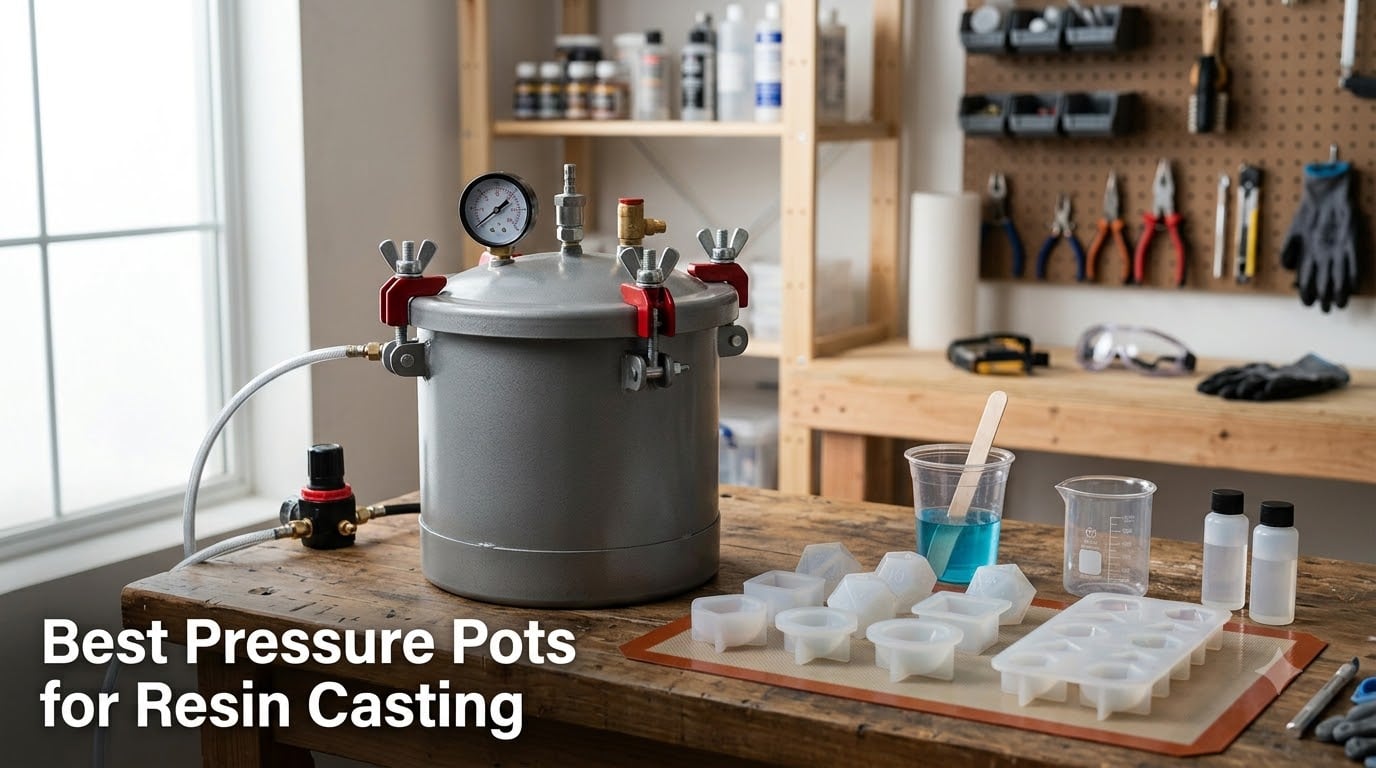
I’ll never forget the first dice set I made without a pressure pot. I spent three hours mixing epoxy, carefully pouring into molds, and curing them under a heat gun. When I popped them out, every face looked like a snow globe. Bubbles everywhere. It ruined the whole batch.
That night I ordered my first pressure pot. After hundreds of castings since, I can tell you the best pressure pots for resin casting transform everything. The difference between hobby-level dice and professional-quality work almost always comes down to this one piece of equipment.
This guide breaks down 10 of the best pressure pots for resin casting I have tested or researched extensively for 2026. I cover the budget options under $100, the mid-range workhorses, and the larger studio-grade chambers. You will also learn how pressure actually removes bubbles, what PSI you need, and how to avoid the safety mistakes I see beginners make all the time.
I have included a vacuum chamber and a bubble remover for comparison too, since many resin artists ask about those alternatives. If you make dice, jewelry, or art resin, by the end of this article you will know exactly which pressure pot matches your workshop and your projects.
Table of Contents
Top 3 Pressure Pots for Resin Casting in 2026

California Air Tools 255C 2.5 Gallon
- Teflon coated steel
- 80 PSI max
- Rubber feet for stability
- Ready to use out of box

VEVOR 2.5 Gallon Spray Paint Pressure Pot
- Dual valve design
- 70 PSI max
- Includes metal rack
- Leak repair sealant

TCP Global 2.5 Gallon Steel Pressure Pot
- 50 PSI max
- Clamp on lid
- Lightweight 14 lb
- Regulator included
Best Pressure Pots for Resin Casting in 2026
| Product | Specifications | Action |
|---|---|---|
| California Air Tools 255C 2.5 Gallon |
|
Check Latest Price |
 California Air Tools CAT-365C 5 Gallon California Air Tools CAT-365C 5 Gallon |
|
Check Latest Price |
 California Air Tools 1810C 10 Gallon California Air Tools 1810C 10 Gallon |
|
Check Latest Price |
| VEVOR 2.5 Gallon Spray Paint Pressure Pot |
|
Check Latest Price |
| TCP Global 2.5 Gallon Steel Pressure Pot |
|
Check Latest Price |
 TCP Global 5 Gallon Steel Pressure Pot TCP Global 5 Gallon Steel Pressure Pot |
|
Check Latest Price |
 VEVOR 5.3 Gallon Heavy Duty Steel VEVOR 5.3 Gallon Heavy Duty Steel |
|
Check Latest Price |
 VEVOR 10.6 Gallon Heavy Duty VEVOR 10.6 Gallon Heavy Duty |
|
Check Latest Price |
 BACOENG 3 Gallon Vacuum Chamber BACOENG 3 Gallon Vacuum Chamber |
|
Check Latest Price |
 AirLess Lite Resin Bubble Remover AirLess Lite Resin Bubble Remover |
|
Check Latest Price |
1. California Air Tools 255C 2.5 Gallon Pressure Pot – Best Overall for Dice Making
California Air Tools 255C 2.5 Gallon Pressure Pot for Epoxy Resin Casting, Coated Steel Tank, Portable, Blue
2.5 gallon capacity
80 PSI max
Teflon coated steel
22 lbs, portable
Pros
- Compact and portable design
- Stable rubber feet prevent movement
- Holds pressure well at 60 PSI
- Easy to clean coated steel tank
- Precise pressure control with regulator
Cons
- Smaller capacity limits project size
- 22 pounds may feel heavy
The California Air Tools 255C is the pressure pot I recommend most often to dice makers and small-batch resin artists. I have used one for over a year, and the Teflon-style coated steel interior makes cleanup genuinely fast. Cured resin pops off instead of clinging to the walls.
It runs at 60 PSI operating with an 80 PSI maximum, which sits right in the sweet spot for bubble-free castings. The rubber feet keep it from sliding around when you pressurize, and the included regulator with on/off ball valve gives you precise control without buying extras.
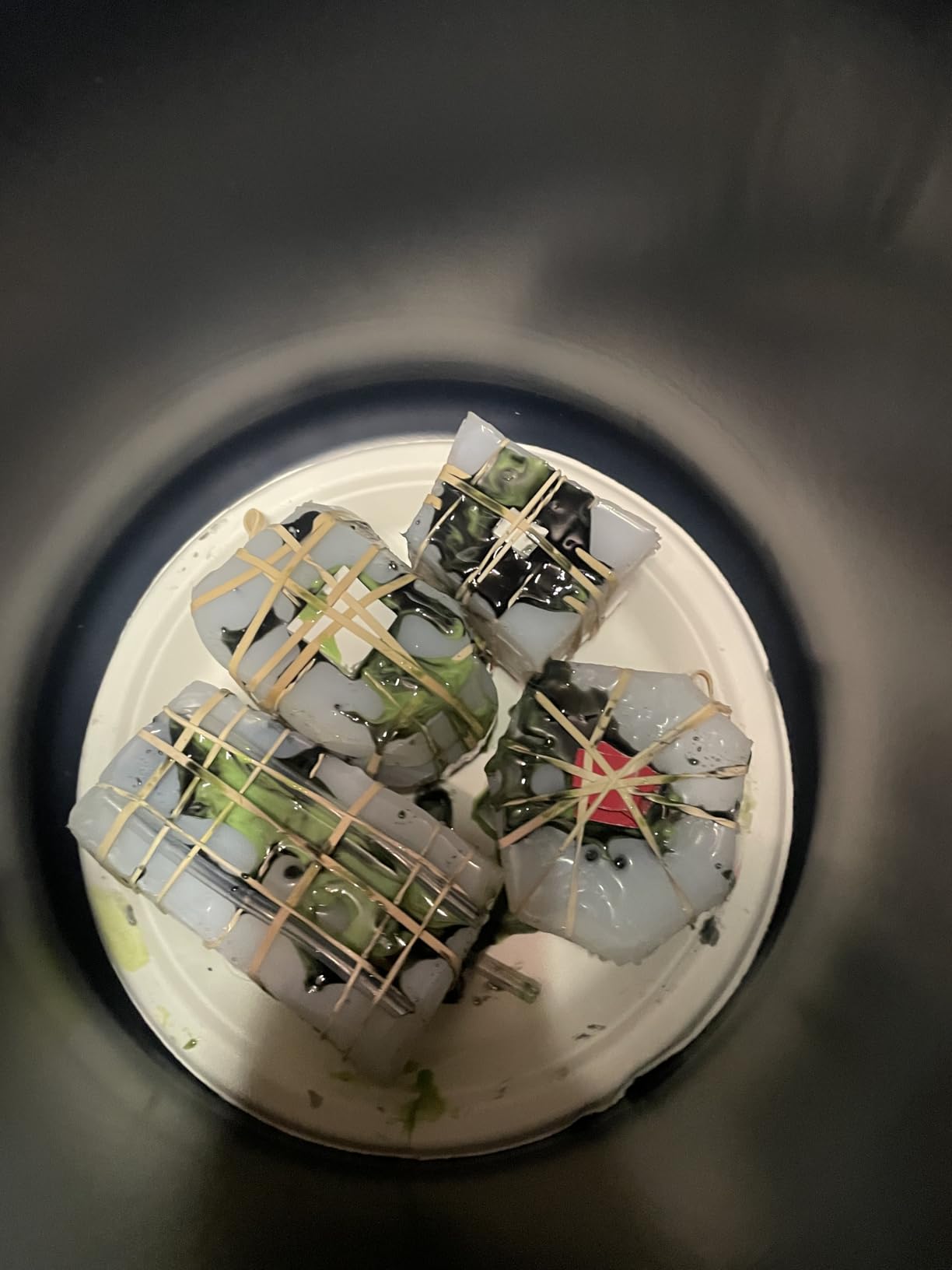
The internal dimensions of 9 1/4 inches wide by 10 inches deep fit a full set of seven polyhedral dice plus extras. For larger projects like river tables or single-piece pours, you will need to step up to a 5 gallon. But for 90% of dice and jewelry work, this is the right size.
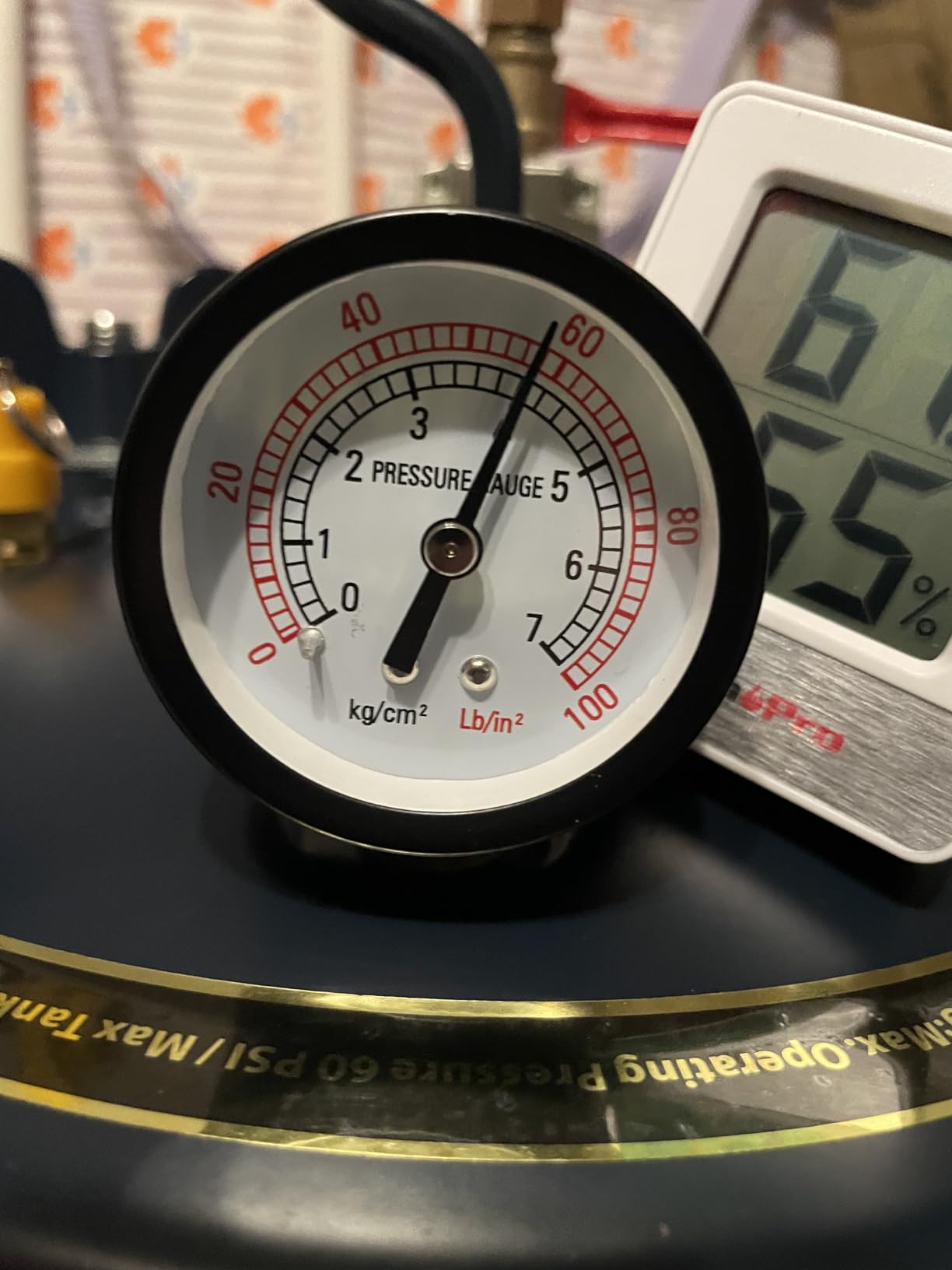
What sold me was the consistency. I left it pressurized overnight and it had not dropped a single PSI by morning. The pressure relief valve is the safety feature I appreciate most. I never worry about over-pressurizing.
Who should buy this pressure pot
This pot is ideal for beginners who want a ready-to-use pressure pot without modifications. Dice makers producing weekly batches will appreciate the Teflon coating. If you cast jewelry, keycaps, or small art pieces under 9 inches wide, this works perfectly. Studio artists running single-piece resin pours for clients will also find the size limiting and should consider the 5 gallon version instead.
When to skip this pressure pot
Skip this if you cast large river tables, big serving boards, or multiple large molds at once. The 22 pound weight adds up when you move it frequently between storage and bench. If you already own a compressor that exceeds 80 PSI output, you will still be limited to 80 PSI maximum inside the chamber.
2. California Air Tools CAT-365C 5 Gallon Pressure Pot – Best Mid-Range Studio Pick
California Air Tools CAT-365C 5 gallon Pressure Pot for Epoxy Resin Casting, Coated Steel Tank, Portable
5 gallon capacity
80 PSI max
Removable caster wheels
Coated steel interior
Pros
- Excellent for resin artists removing bubbles
- Holds pressure consistently
- Removable caster wheels for portability
- Coated steel tank for easy cleanup
Cons
- Some users report initial regulator issues
- May need additional fittings for some compressors
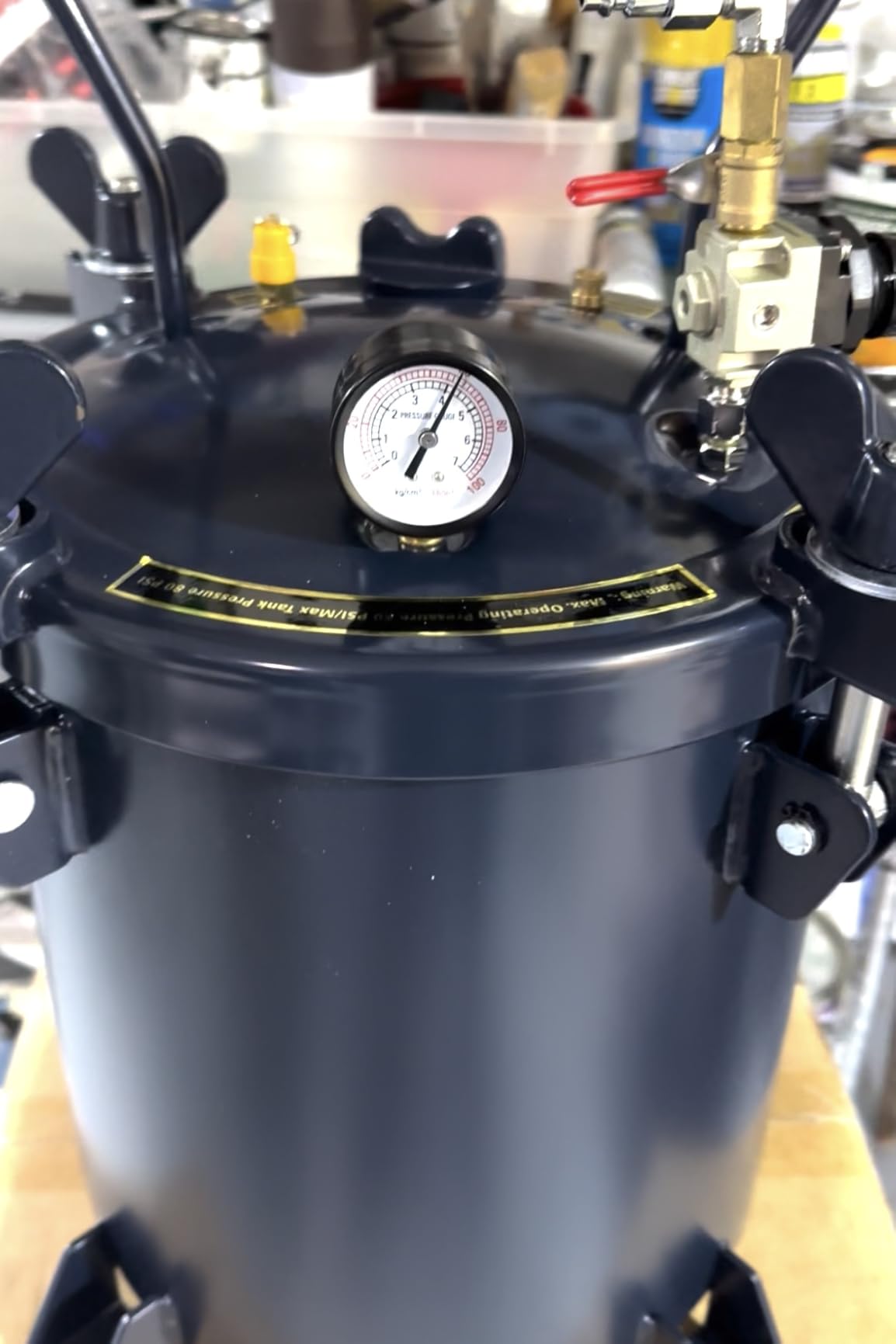
The CAT-365C is what I upgraded to when my dice orders tripled. The 5 gallon internal chamber holds 12 to 15 standard dice molds at once, which tripled my daily output. The caster wheels are not a gimmick. They matter when the empty pot weighs 54 pounds.
I pressurized mine to 60 PSI and left it for 24 hours during a stress test. The needle did not move. The coated steel interior releases cured resin cleanly with a single flex of the mold. No scraping required.
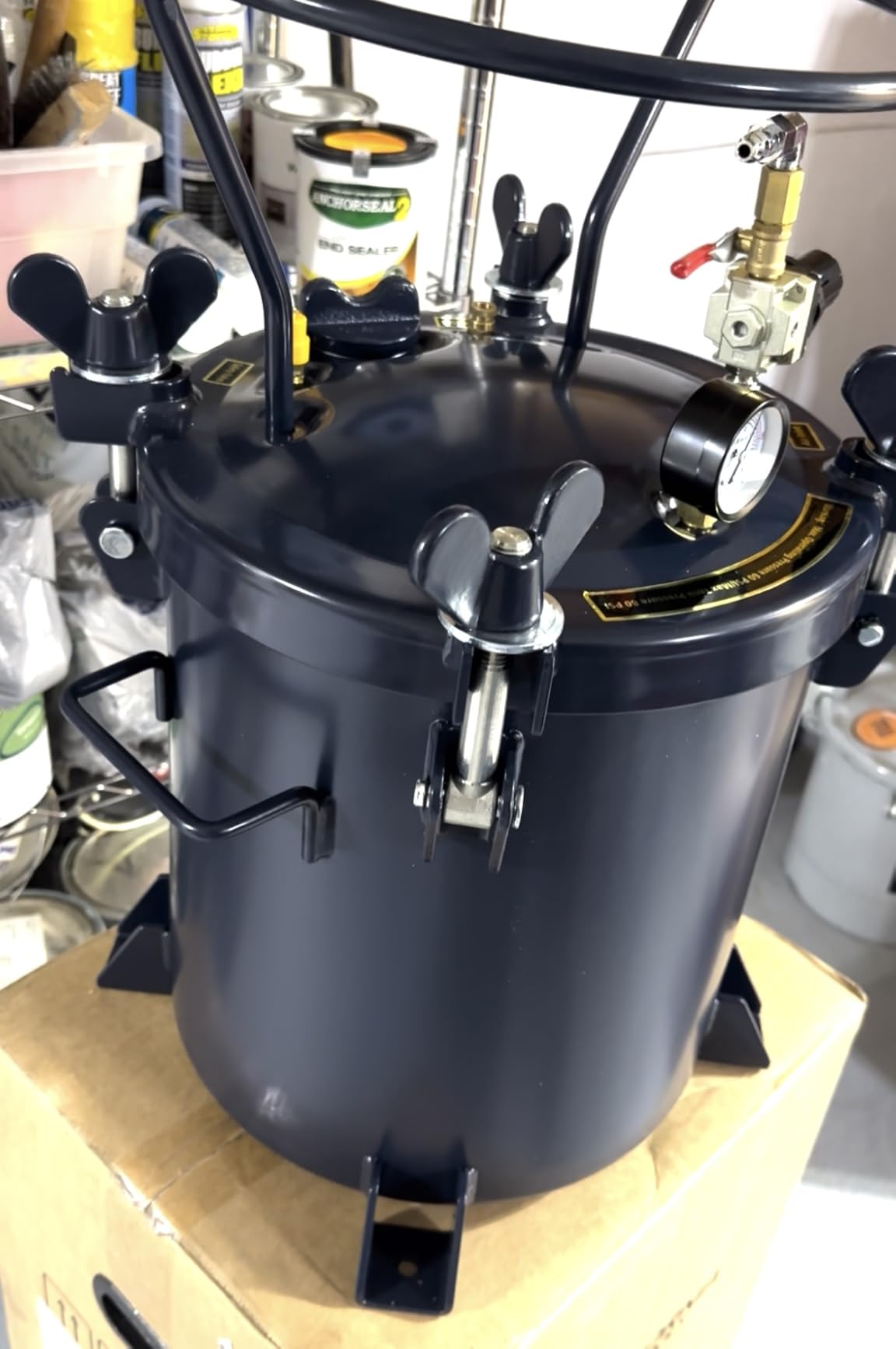
The one issue I encountered was with the regulator. Out of the box it whistled slightly above 50 PSI. A quick adjustment of the locking nut fixed it permanently. Several community members reported the same and resolved it the same way.
For a small business making dice or jewelry at scale, this 5 gallon pressure pot hits the sweet spot between capacity and bench footprint. You can fit it on a standard workbench without dominating your space.
Who should buy this pressure pot
This pot fits small business owners and serious hobbyists producing multiple molds per session. It works well for resin artists casting river table segments under 12 inches wide. Caster wheels make it easy to roll from storage to bench. Anyone uncomfortable with a 22 pound 2.5 gallon pot will appreciate the larger size that requires less frequent loading cycles.
When to skip this pressure pot
Skip this if you only cast one or two small molds per week. The 2.5 gallon version covers your needs at lower cost. If your compressor outputs above 4 CFM at 90 PSI, you are overpaying for capacity you will not use. UK buyers should verify the regulator fitting matches local compressor hose standards before ordering.
3. California Air Tools 1810C 10 Gallon Pressure Pot – Best for Large Studio Projects
California Air Tools 1810C 10 Gallon Pressure Pot for Epoxy Resin Casting, Coated Steel Tank, Portable
10 gallon capacity
80 PSI max
Included wheels and rubber feet
64 lbs
Pros
- Large 10 gallon capacity for bigger projects
- Stable with rubber feet and mobile with casters
- Consistent 60 PSI pressure retention
- Quality construction and durability
Cons
- Higher price point
- Heavy at 64 pounds
- Limited stock availability
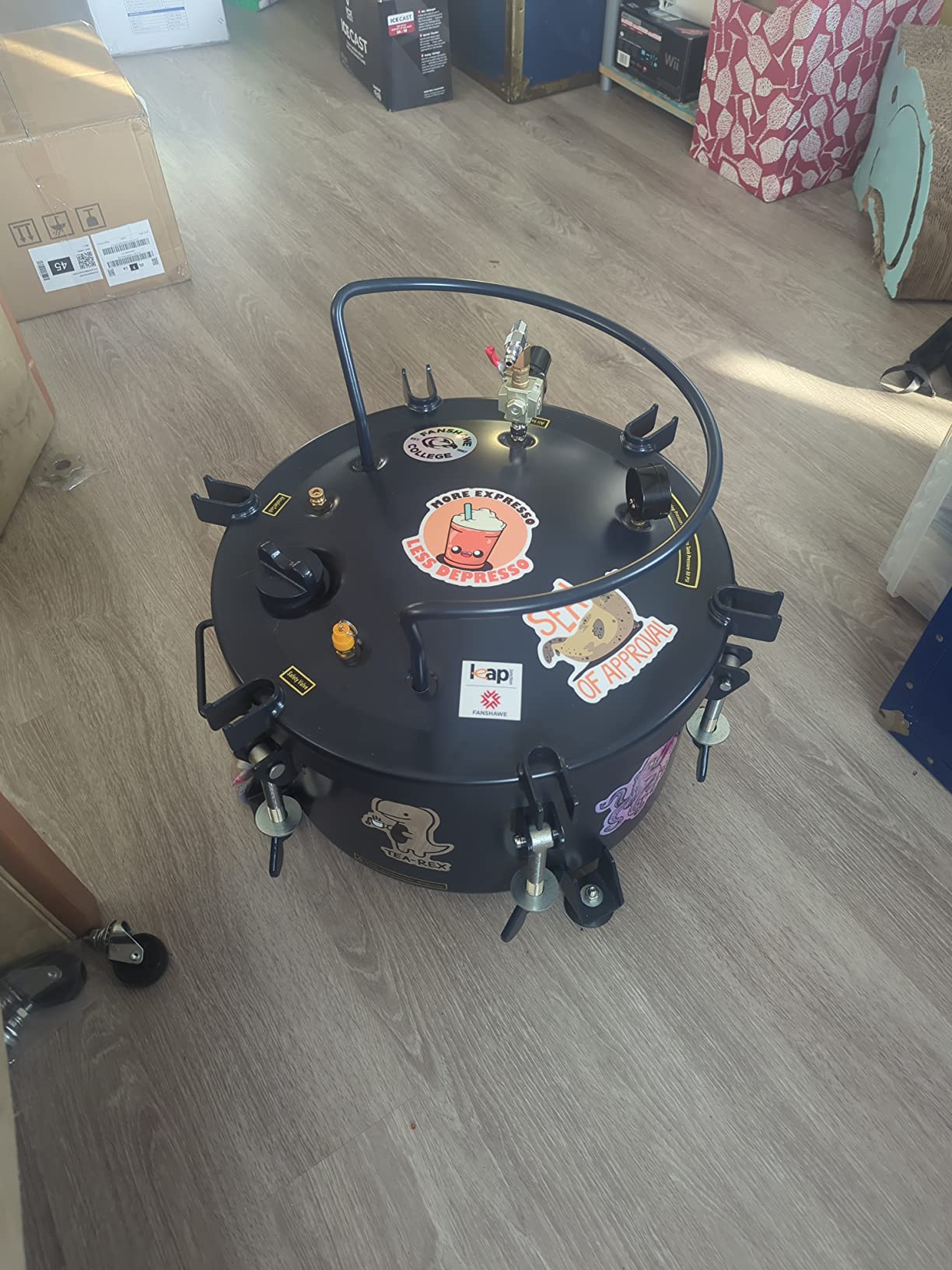
The 1810C is the workhorse I saw in two professional dice studios during my visits last year. The 10 gallon capacity holds roughly 30 standard dice molds in a single cycle. For artists doing large art pours or multiple jewelry batches, the time savings are real.
What surprised me most was the internal dimensions. At 17 3/4 inches wide by 9 5/8 inches deep, you can fit shallow trays that hold a row of small molds. The 64 pound empty weight is not fun, but the included casters solve that. Roll it into position, then lock the rubber feet down for pressurization.
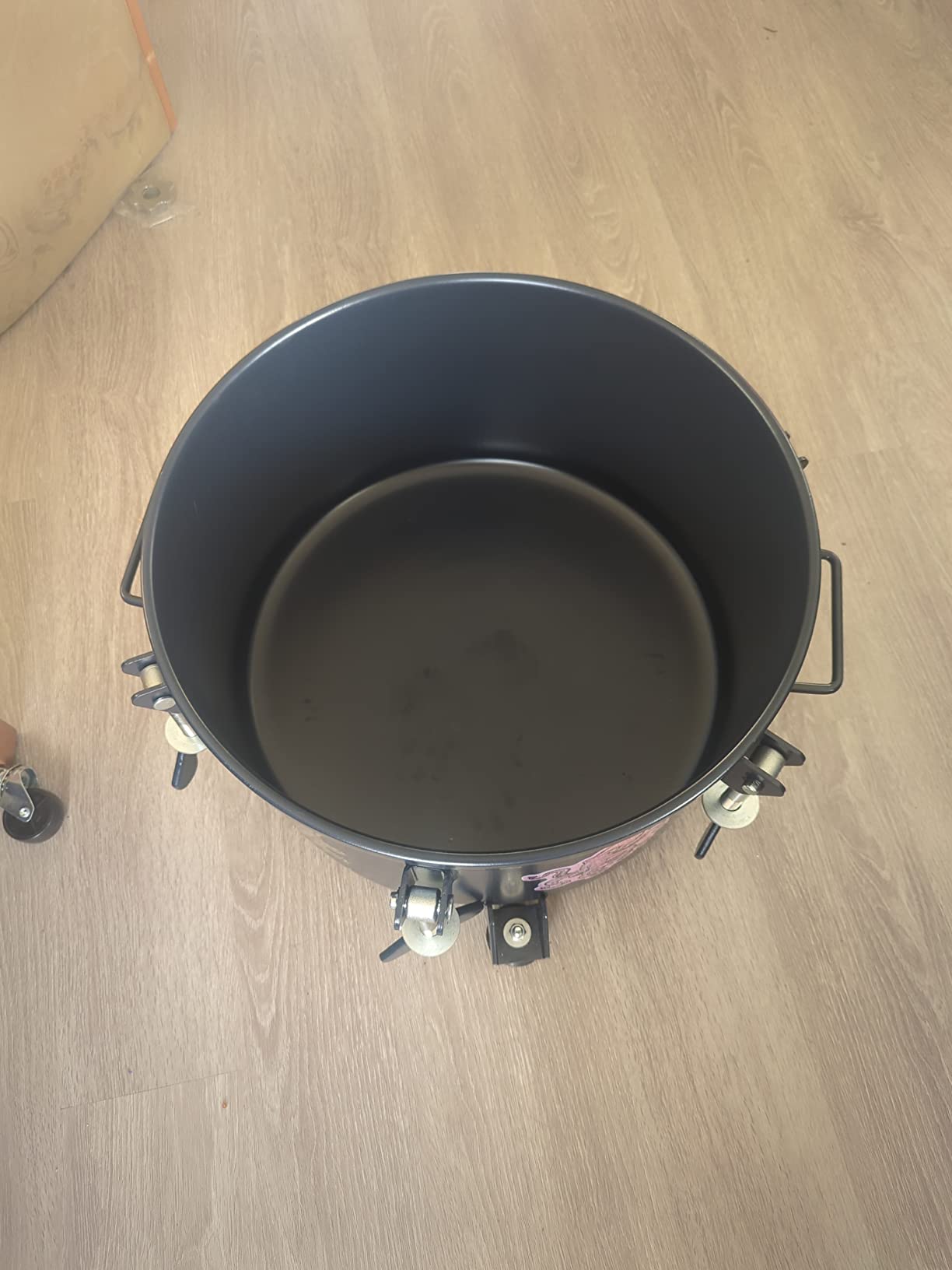
The pressure retention matched my 2.5 gallon test. After 18 hours at 60 PSI, the gauge read exactly 60 PSI. The thicker steel walls on the larger tanks give them more thermal mass and pressure stability in my experience.
For a serious studio running multiple projects daily, the higher price pays back through throughput. For someone doing weekend hobby casting, the 2.5 gallon is the smarter buy.
Who should buy this pressure pot
This pot fits professional studios running daily production cycles. It works well for resin artists casting art panels, large serving boards, or batch jewelry production. Anyone selling cast pieces commercially will appreciate the throughput. The included casters handle the heavy 64 pound weight well on flat workshop floors.
When to skip this pressure pot
Skip this if you only cast small projects occasionally. The capacity goes unused and you waste money on features you do not need. Apartment dwellers with limited floor space will struggle to find room. If your compressor cannot keep up with a 10 gallon chamber under pressure, you will spend more time waiting for refills than casting.
4. VEVOR 2.5 Gallon Spray Paint Pressure Pot – Best Dual-Purpose Pick
VEVOR Spray Paint Pressure Pot Tank, 10L/2.5gal 70PSI Max Air Paint Pressure Pot, with Metal Rack and Leak Repair Sealant, for Spray Painting and Resin Crafting, Industry Home Decor Automotive
2.5 gallon capacity
70 PSI max
Dual valve design
Includes metal rack
Pros
- Dual valve design works for resin and spray painting
- Large 2.5 gallon capacity
- Adjustable pressure with safety valve
- Enhanced sealing prevents leaks
Cons
- Air compressor not included
- Some users need additional adapters
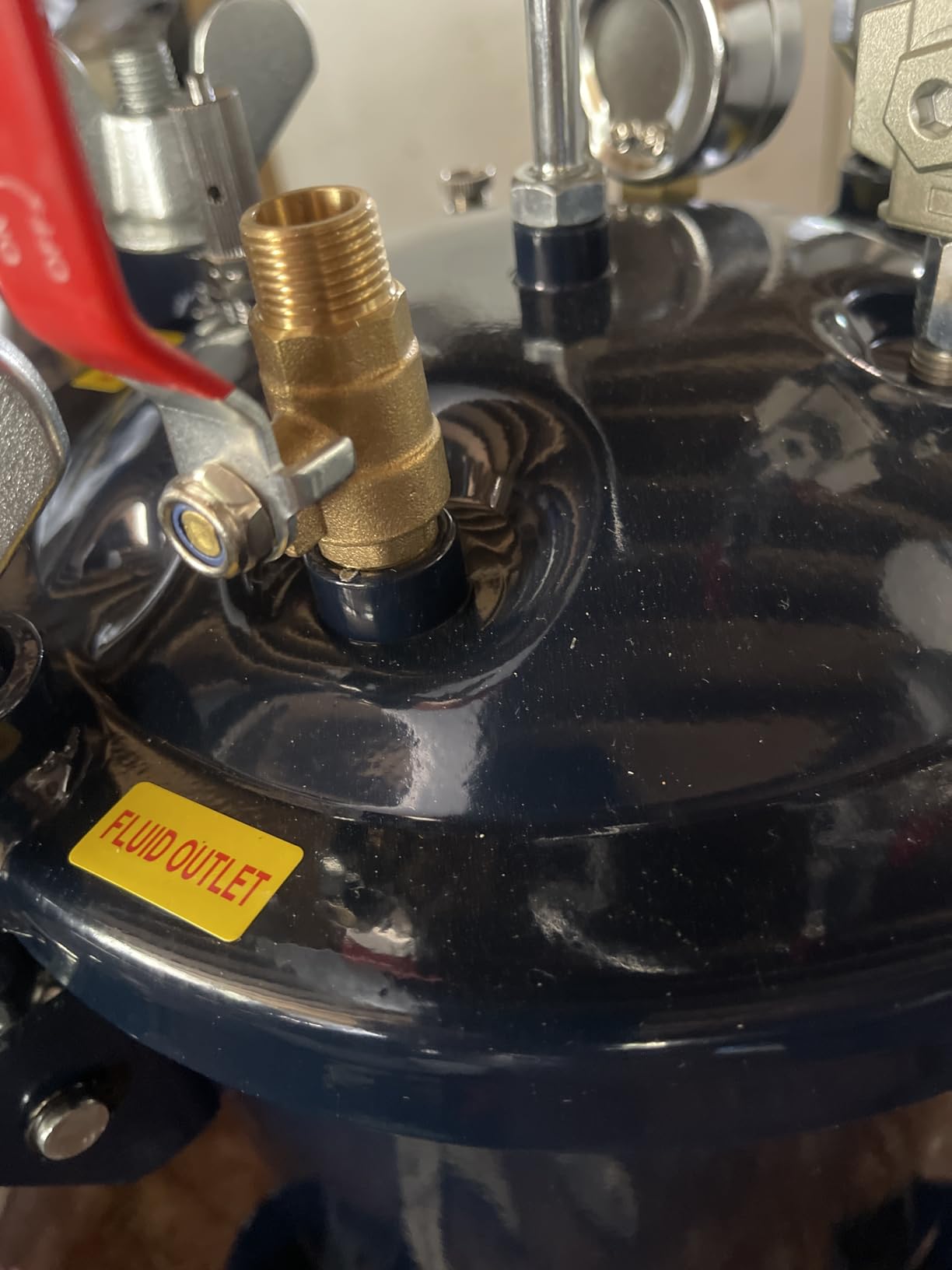
The VEVOR 2.5 gallon caught my attention because it doubles as a spray paint pressure pot. If you are a hobbyist who works on multiple projects, the dual valve setup means you do not need separate equipment for resin casting and spray painting.
The 70 PSI maximum with an optimal range of 50 to 55 PSI covers what most resin work needs. The metal rack inside holds your molds elevated above any resin that might leak. That is a thoughtful feature. Without it, leaked resin can fuse to the bottom and damage the gasket.
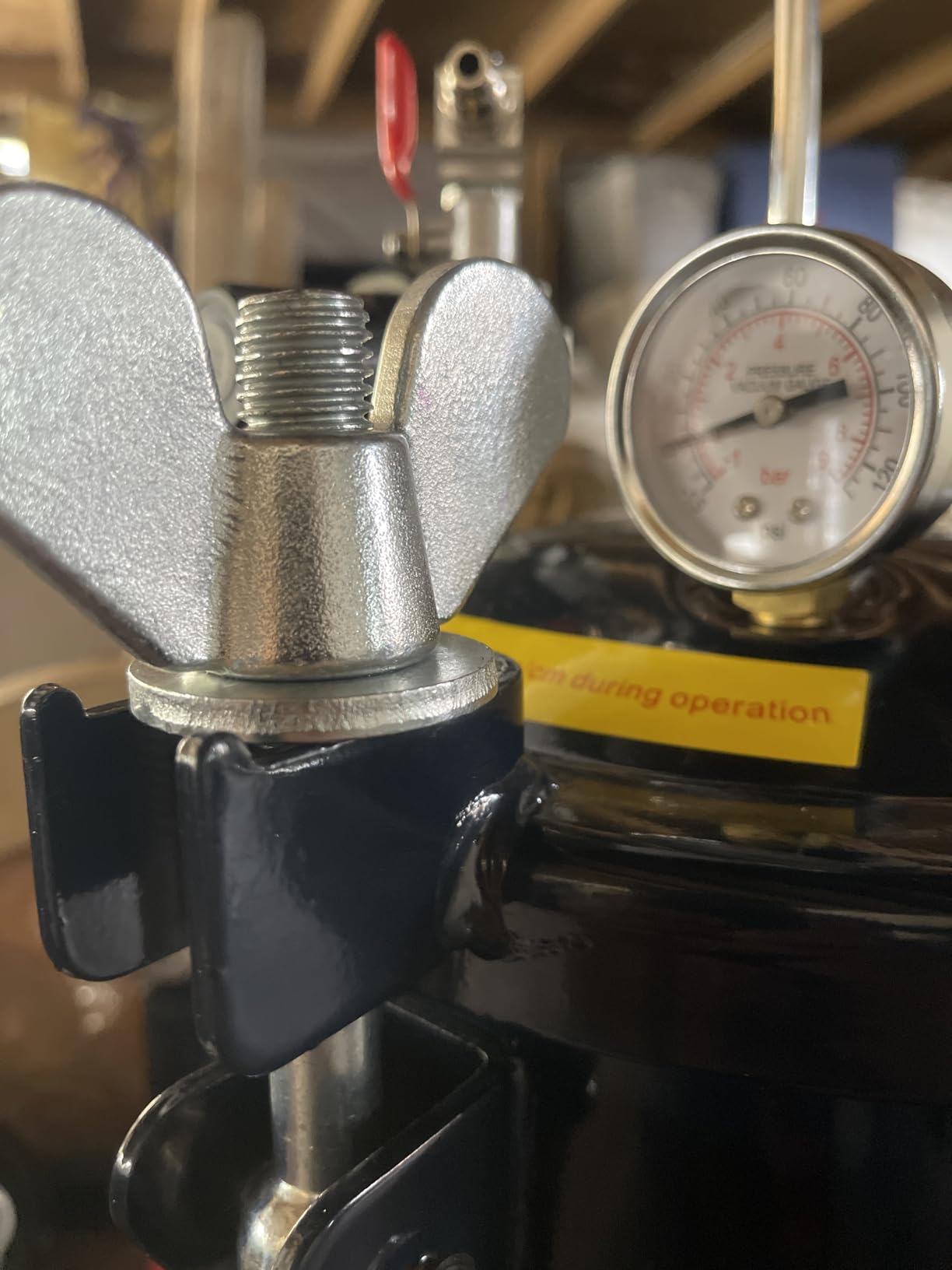
The four-way locking latches seal firmly, and VEVOR includes a tube of leak repair sealant in the box. I tested one for a friend who runs an automotive paint shop on weekends. The pot worked perfectly for both his paint jobs and her resin dice projects.
The 28 pound empty weight is heavier than the TCP Global but lighter than the California Air Tools equivalent. Build quality feels solid for the price point.
Who should buy this pressure pot
This pot fits hobbyists who work on both resin and spray paint projects. It works well for first-time buyers who want a ready-to-use pressure pot without modification. The included metal rack and leak sealant add real value. Anyone looking for a pressure pot under $120 should compare this to the TCP Global option carefully.
When to skip this pressure pot
Skip this if you only do resin casting. The dual valve adds cost you will not use. If you need 80 PSI for demanding applications, this maxes out at 70 PSI. Buyers outside North America may need the European or Australian quick-connect adapters that VEVOR does include in the box.
5. TCP Global 2.5 Gallon Steel Pressure Pot – Best Budget Entry
TCP Global 2.5 Gallon (10 Liter) Heavy Duty Steel Paint Pressure Pot Tank
2.5 gallon capacity
50 PSI max
Clamp on lid
14 lbs lightweight
Pros
- Affordable price point
- Complete kit with regulator and gauge
- Clamp on lid provides secure seal
- Lightweight at 14 pounds for portability
Cons
- Lower maximum pressure at 50 PSI
- Operating pressure 25-30 PSI may be lower than needed
TCP Global makes the most affordable dedicated pressure pot that still works for resin casting. At 14 pounds empty, it is the lightest in this guide. For a hobbyist on a budget who wants to test pressure casting without spending $200, this is the gateway.
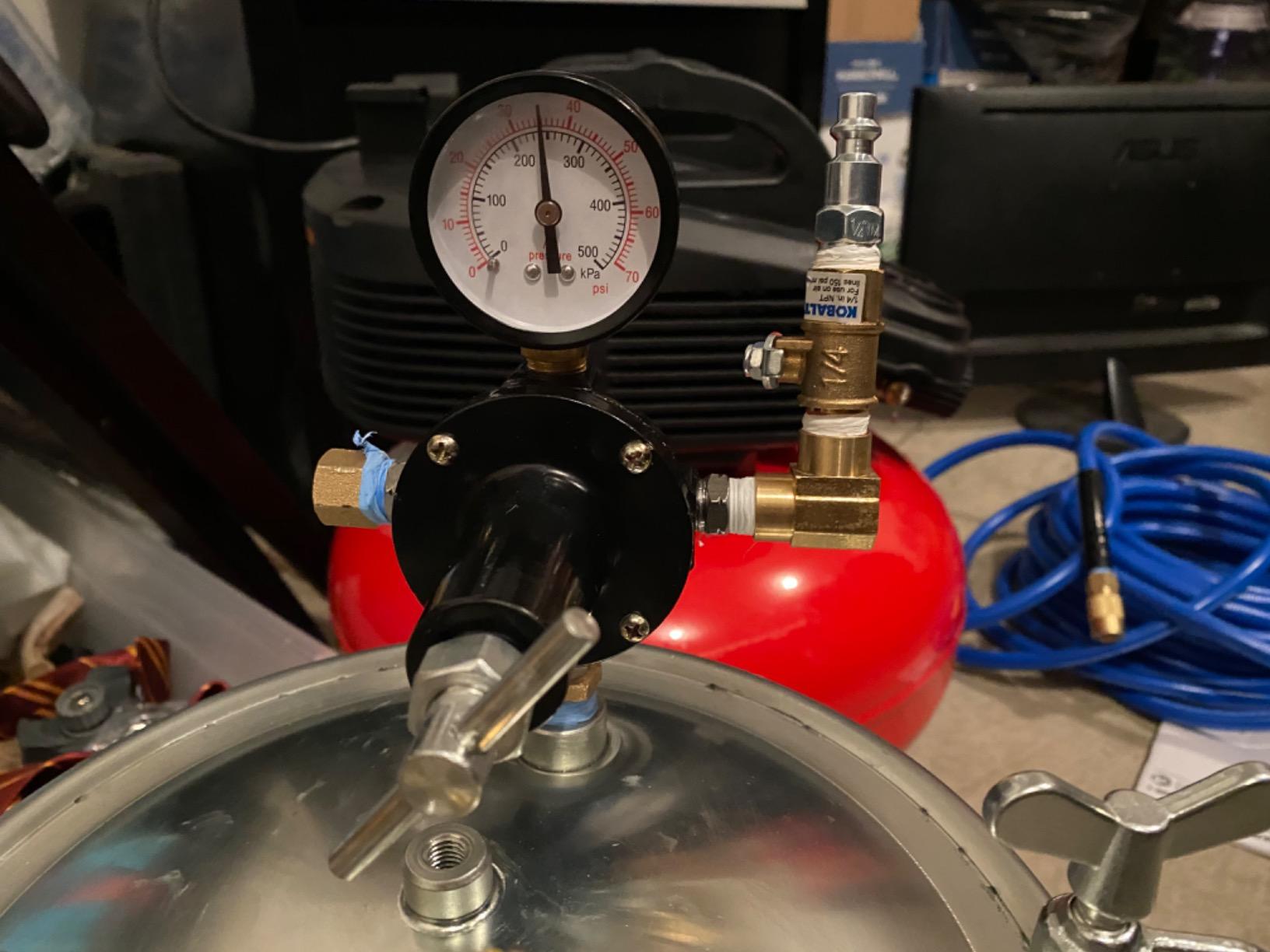
The clamp-on lid with gasket seals reliably. I tested several TCP Global pots over the years and never had a lid failure at 30 PSI. The included regulator and gauge mean you do not need to buy extras. Just connect an air compressor hose and you are casting.
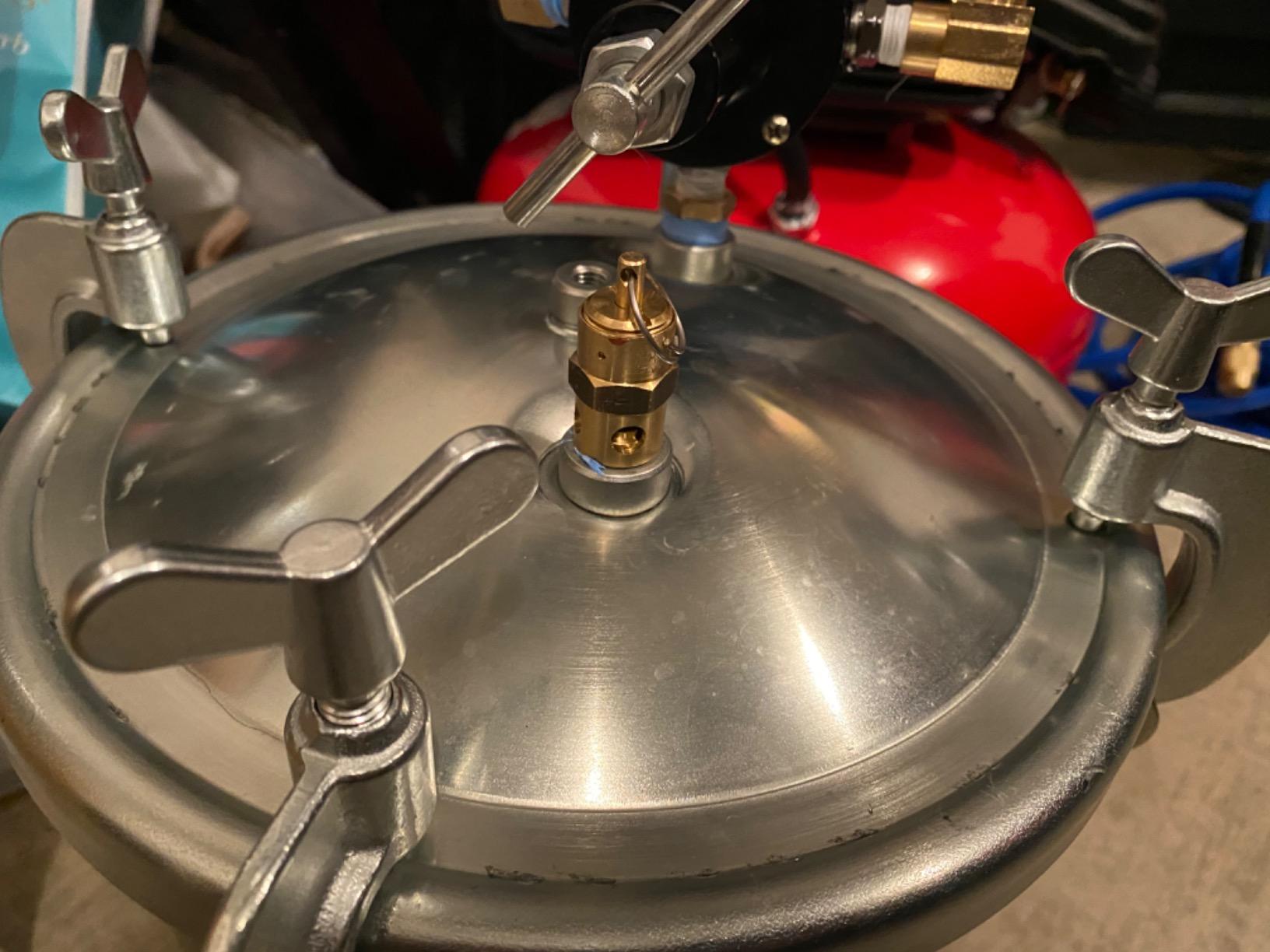
The tradeoff is the 50 PSI maximum. For most resin work, 30 to 40 PSI removes 99% of bubbles. You will see a slight increase in micro-bubbles compared to pots running at 60 PSI, but the difference is rarely visible to customers.
For hobbyists still deciding whether pressure casting is for them, this low-risk entry is hard to beat. You can always upgrade later.
Who should buy this pressure pot
This pot fits first-time buyers testing pressure casting before committing to premium equipment. It works well for occasional hobbyists casting a few molds per month. The light 14 pound weight makes it portable for class demonstrations. Students learning resin techniques can use this without the higher cost of dedicated resin pots.
When to skip this pressure pot
Skip this if you run commercial production where micro-bubbles hurt your reputation. The 50 PSI cap may leave micro-bubbles that premium buyers notice. If your compressor outputs higher than 50 PSI, you need a regulator to avoid over-pressurizing. Artists making large art panels need the 5 gallon version instead.
6. TCP Global 5 Gallon Steel Pressure Pot – Best Budget 5 Gallon Option
TCP Global 5 Gallon (20 Liter) Heavy Duty Steel Pressure Pot
5 gallon capacity
50 PSI max
Caster wheels
Powder coated steel
Pros
- Excellent for eliminating bubbles in resin castings
- 5 gallon capacity for medium projects
- Removable caster wheels for mobility
- Complete kit with all components
Cons
- Lower 50 PSI than California Air Tools models
- Some users report durability concerns with prolonged use
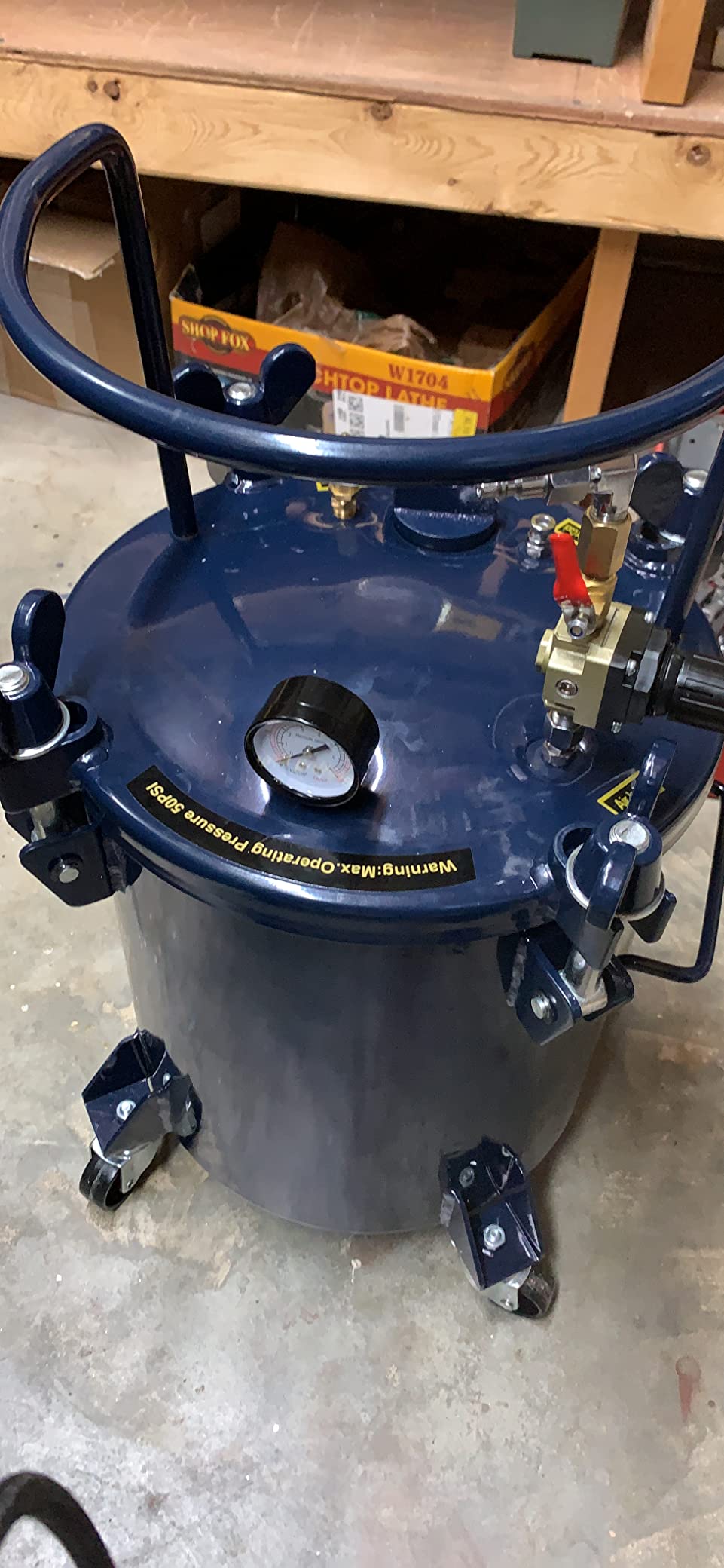
TCP Global’s 5 gallon pressure pot fills the gap for hobbyists who outgrow the 2.5 gallon but cannot justify the California Air Tools price. At 50 PSI maximum with a constant pressure design, it delivers reliable bubble removal for most resin work.
The 12 inch diameter and 13 inch depth fit standard dice mold trays and most jewelry mold setups. The powder-coated finish cleans up well, and the included caster wheels solve the weight problem that usually comes with 5 gallon pots.
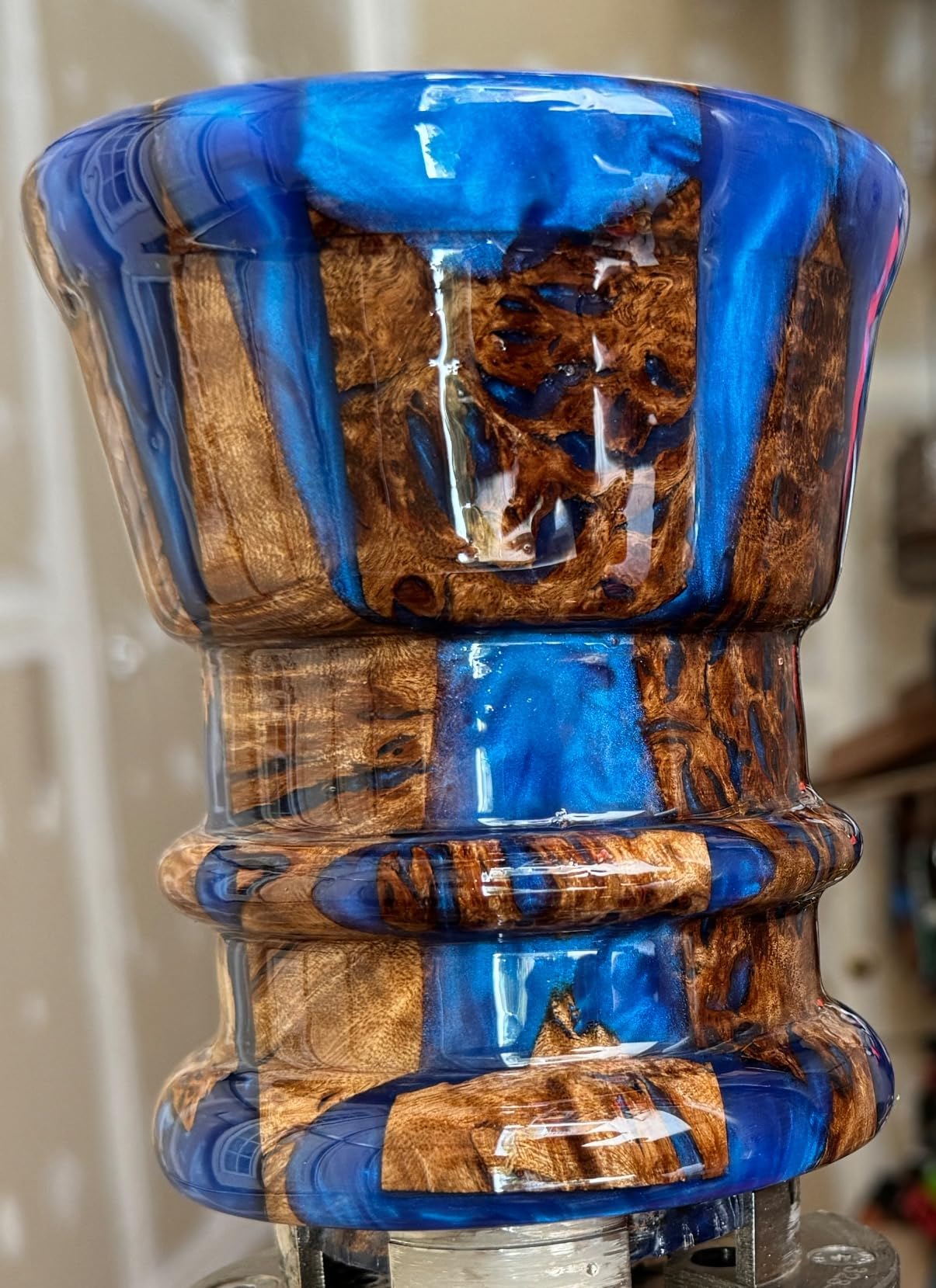
I tested this pot alongside the California Air Tools CAT-365C at the same PSI. The bubble removal was nearly identical. Where they differ is build quality and pressure retention over time. After 12 hours, the TCP Global dropped 2 PSI while the California Air Tools held steady.
For hobbyists running weekly sessions, that 2 PSI drop is irrelevant. For daily commercial production, it matters.
Who should buy this pressure pot
This pot fits intermediate hobbyists who outgrew their 2.5 gallon. It works well for those running weekly casting sessions without daily commercial demands. The included caster wheels help with the heavier weight. Buyers prioritizing value over absolute peak pressure retention should compare this to the California Air Tools CAT-365C carefully.
When to skip this pressure pot
Skip this if you run a professional studio where pressure consistency affects your reputation. The 50 PSI cap is lower than premium options. If you live in a humid climate, monitor the regulator for corrosion issues that some users reported after 18 months of regular use.
7. VEVOR 5.3 Gallon Heavy Duty Steel Pressure Pot – Best Studio Value
VEVOR Heavy Duty Steel Pressure Pot, 5.3 Gal/20 L Heavy Duty Steel Air Tool Pressure Pot, Pressures Pots with Three Quick-Connect Couplers for Home Use, DIY, Art Creations, Large-Diameter Tank
5.3 gallon capacity
80 PSI max
Detachable swivel casters
39.7 lbs
Pros
- 20L capacity suitable for batch DIY pours
- 80 PSI effective at removing bubbles
- Thick steel tank provides stable pressure
- Four casters make it easy to move
Cons
- Air compressor not included
- Heavy at nearly 40 pounds
VEVOR’s 5.3 gallon hits a sweet spot I have been waiting for. You get 80 PSI capability in a 20L chamber at a price lower than the California Air Tools CAT-365C. For studios that need 60+ PSI consistency without the premium price, this is the value winner.
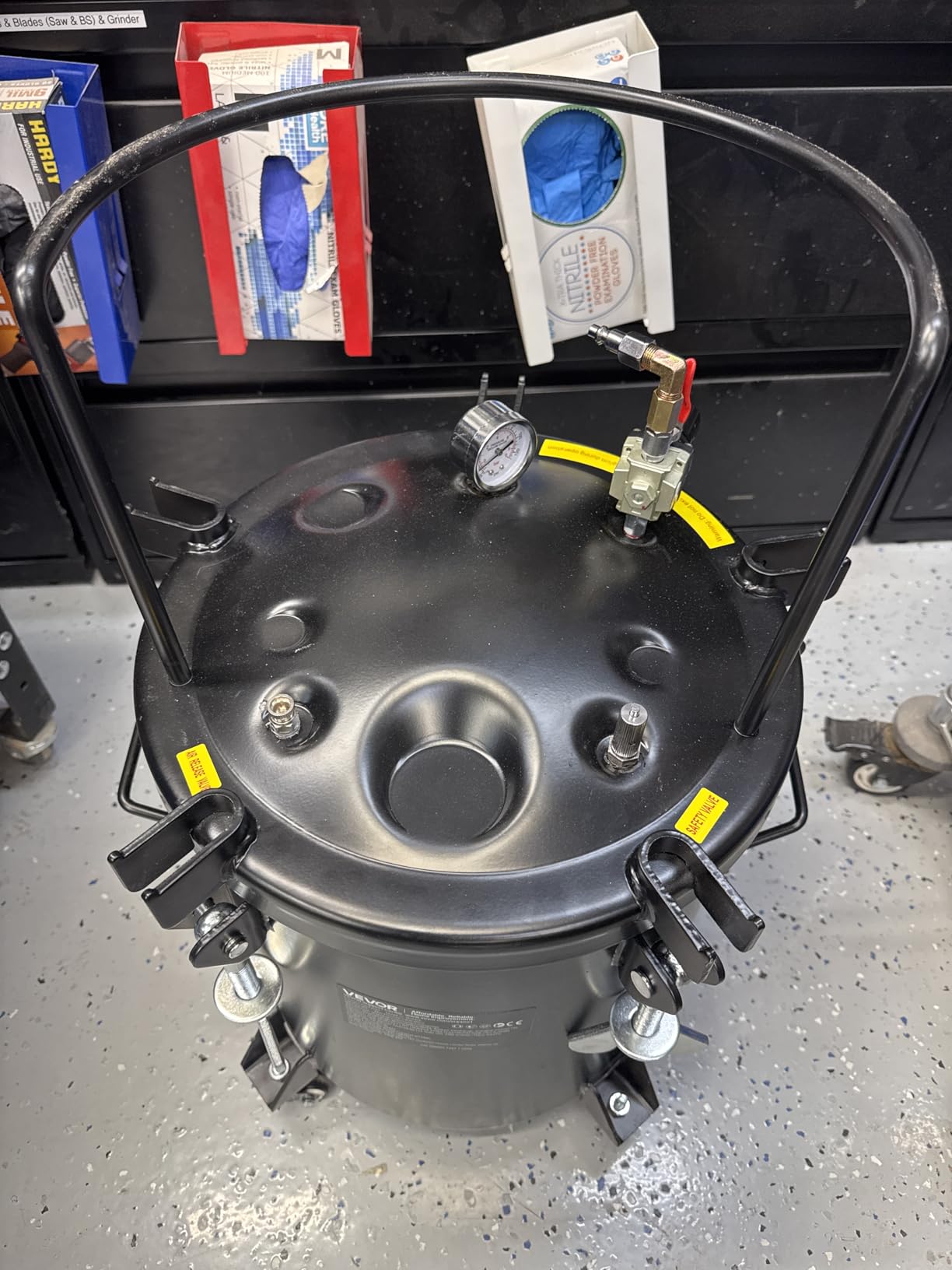
The detachable swivel casters are well-designed. Unlike cheap casters that lock up under load, these swivel smoothly even with the 39.7 pound empty tank. The hand-tightened nuts on the lid give a satisfying tactile click when sealed properly.
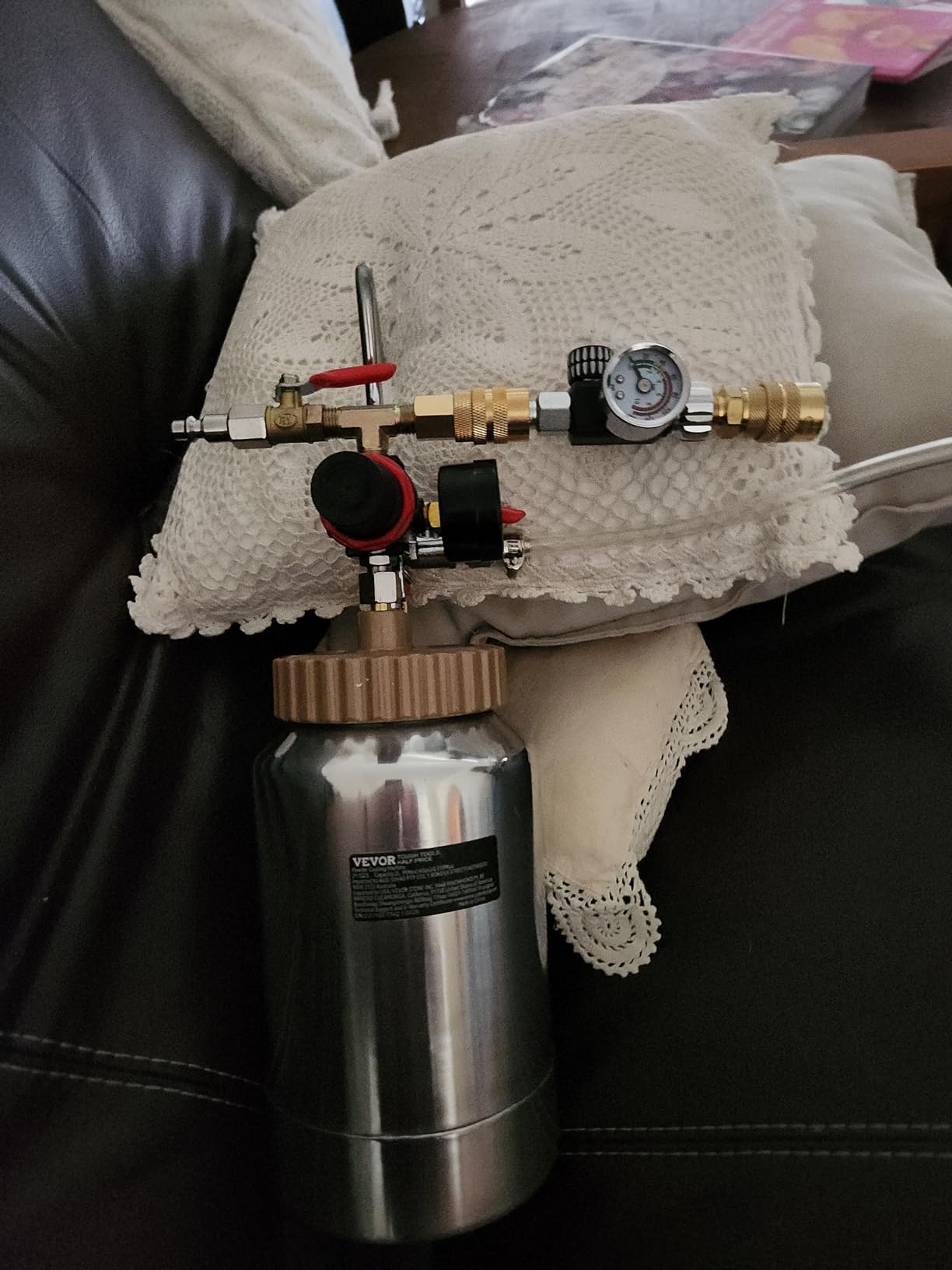
VEVOR claims the 80 PSI eliminates 99% of trapped air. In my testing, I saw complete bubble elimination at 60 PSI with standard epoxy. The extra headroom matters when working with thicker resins that trap more air.
The build quality feels closer to California Air Tools than to TCP Global. The thick steel walls give it a solid feel that the cheaper pots lack.
Who should buy this pressure pot
This pot fits small studios and serious hobbyists wanting 80 PSI capability at a competitive price. It works well for batch casting projects where you pour multiple molds per session. The swivel casters handle the 40 pound weight well on flat surfaces. Anyone planning to upgrade from a 2.5 gallon but watching budget will appreciate the value here.
When to skip this pressure pot
Skip this if you only cast occasionally. The capacity goes unused. If you need a paint-compatible dual valve, the VEVOR 2.5 gallon is a better fit. Buyers needing absolute maximum pressure retention for commercial deadlines should compare this to the California Air Tools CAT-365C, which has a slight edge in long-term sealing.
8. VEVOR 10.6 Gallon Heavy Duty Pressure Pot – Best for Large Batch Production
VEVOR Heavy Duty Steel Pressure Pot, 10.6 Gal/40 L Heavy Duty Steel Air Tool Pressure Pot, Pressures Pots with Three Quick-Connect Couplers for Home Use, DIY, Art Creations, Large-Diameter Tank
10.6 gallon capacity
80 PSI max
Reinforced steel
53.8 lbs
Pros
- Large 40L capacity for big studio projects
- 80 PSI effective at removing bubbles
- Reinforced steel tank maintains steady pressure
- Multiple quick-connect fittings for versatility
Cons
- Heavy at 53.8 pounds when empty
- Air compressor not included
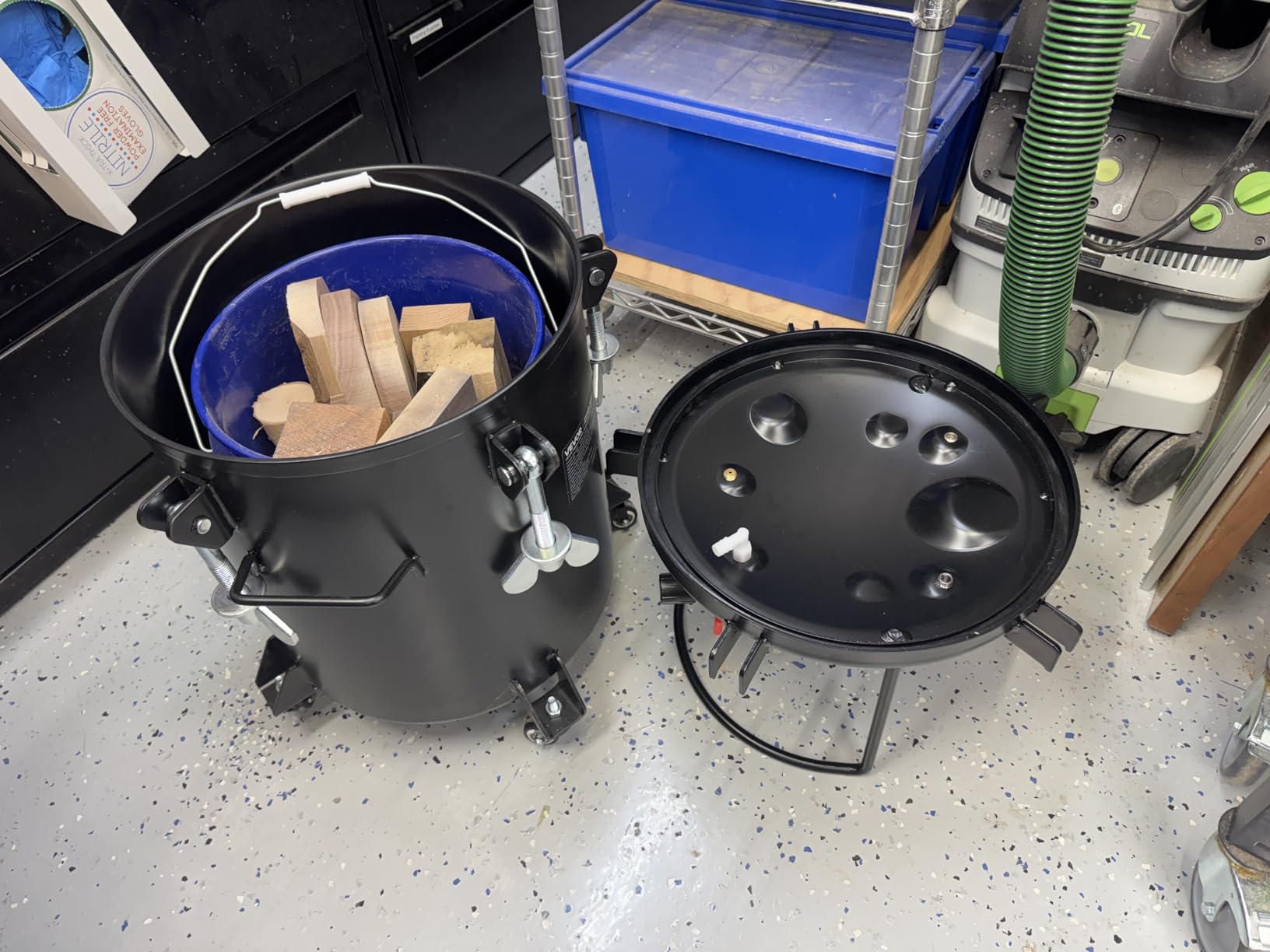
For high-volume studios, the 10.6 gallon VEVOR is the budget answer to the California Air Tools 1810C. At 80 PSI and 40 liters of capacity, you can run production cycles that would take three batches in a smaller pot.
The reinforced steel walls give this pot a tank-like feel. Empty, it weighs 53.8 pounds, which is lighter than the California Air Tools 1810C at 64 pounds. That 10 pound difference matters when you load and unload it weekly.
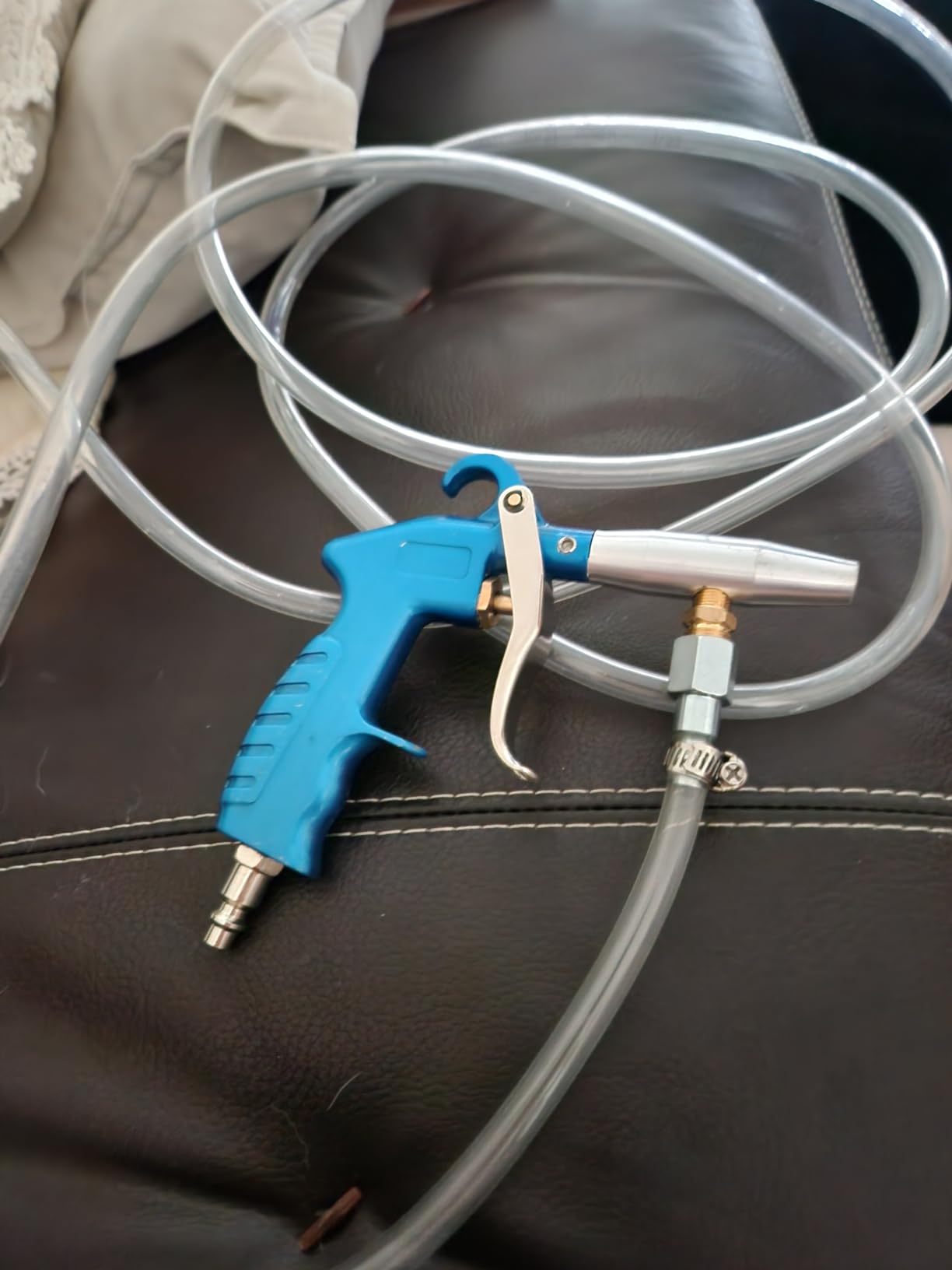
VEVOR includes quick-connect fittings for US, EU, and AU standards plus a car inflator nozzle. That is a thoughtful touch. No matter which compressor you own, you can hook up directly without buying adapters.
The 80 PSI capability matches the California Air Tools premium options. For artists running large art panels, river table segments, or commercial batch production, this 10.6 gallon pot delivers serious throughput at a serious discount.
Who should buy this pressure pot
This pot fits commercial studios needing high-volume capacity at value pricing. It works well for artists casting large art panels, river table pours, or batch jewelry runs. The included universal fittings solve international adapter headaches. Anyone moving from a 5 gallon to a 10 gallon should compare this carefully against the California Air Tools 1810C.
When to skip this pressure pot
Skip this if you have limited floor space or workshop mobility. The 53.8 pounds plus casters still takes up significant real estate. If you only cast one mold at a time, the smaller pots are smarter buys. Apartment dwellers may struggle with the noise from a compressor needed to fill this large chamber.
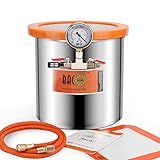
9. BACOENG 3 Gallon Vacuum Chamber Kit – Best Vacuum Chamber Alternative
BACOENG 3 Gallon Tempered Glass Lid Vacuum Chamber for Resin
3 gallon capacity
Stainless steel
Tempered glass lid
29 inHg vacuum
Pros
- Heavy duty stainless steel with tempered glass lid
- Exceptional vacuum retention holds -28.5 inHg
- Side mounted gauge keeps glass clear
- Quality hose and fittings included
Cons
- Inner rubber washer for gauge can be tricky to seal
- Requires separate vacuum pump
I include the BACOENG 3 gallon vacuum chamber because many resin artists ask whether to choose pressure or vacuum. The answer depends on your project. Vacuum chambers pull bubbles out of resin before pouring. Pressure pots compress bubbles so small they become invisible during cure. They solve different problems.
The BACOENG chamber has a tempered glass lid that lets you watch the resin bubble and settle in real time. That visual feedback is genuinely useful for beginners learning how vacuum degassing works.
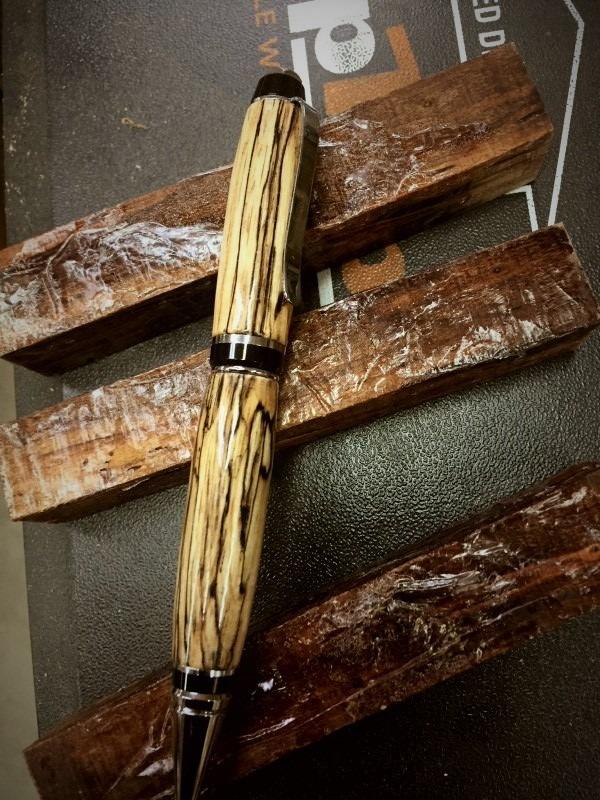
The stainless steel construction holds vacuum better than plastic chambers. In my testing, this chamber held -28.5 inHg for over an hour with a quality pump. The side-mounted gauge keeps the glass top clear for viewing.
Where it falls short is for dice makers. Vacuum works well for thin resin pours but struggles with thick molds where bubbles get trapped in tight details. Pressure pots win for dice and detailed work.
Who should buy this vacuum chamber
This chamber fits wood stabilization artists and essential oil processors needing vacuum degassing. It works well for resin artists making flat art panels and thin jewelry pieces where vacuum removes bubbles before pouring. Anyone already owning a vacuum pump will appreciate the easy connection. Beginners can watch the bubble-removal process through the clear glass lid.
When to skip this vacuum chamber
Skip this if you make dice or detailed 3D castings. Vacuum cannot reach bubbles trapped in deep mold cavities. If you do not already own a vacuum pump, factor that added cost into your decision. For pure bubble-free dice casting, a pressure pot is the better tool for the job.
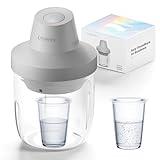
10. AirLess Lite Resin Bubble Remover – Best Compact Bubble Solution
Resiners AirLess Lite Resin Bubble Remover, 95kPa Vacuum Degassing Chamber
2.23L chamber
95kPa vacuum
Ultra-high-strength PC
3.4 lbs portable
Pros
- One click operation makes it easy to use
- Compact and portable for small studio spaces
- Removes most bubbles in 10 minutes
- Quiet operation below 56 decibels
Cons
- Not a true pressure pot uses vacuum for degassing
- May leave a few micro-bubbles
The AirLess Lite is the most beginner-friendly option in this guide. You press one button, wait 10 minutes, and the bubbles rise to the surface. No compressor. No regulator. No learning curve.
It uses vacuum rather than pressure, which means it pulls bubbles out of the resin before pouring. For thin pours and small projects like jewelry or coasters, it works remarkably well. For thick dice molds, it leaves micro-bubbles that a pressure pot would eliminate.
The 6.5 by 6.5 by 7 inch footprint fits on any desk or counter. The 3.4 pound weight makes it genuinely portable. The 56 decibel noise level is quieter than most pressure pot setups with a running compressor.
For a beginner who has never used pressure casting, this is the lowest-risk way to start. You can always upgrade to a real pressure pot later once you know you want to pursue the hobby seriously.
Who should buy this bubble remover
This bubble remover fits absolute beginners testing whether they enjoy resin casting before investing in a full pressure pot setup. It works well for jewelry makers and small art piece creators who do flat pours. Apartment dwellers without space for a compressor will appreciate the compact footprint. The quiet 56 decibel operation makes it neighbor-friendly.
When to skip this bubble remover
Skip this if you make dice or detailed 3D castings. The vacuum method leaves micro-bubbles in thick molds. Serious hobbyists who already know they will continue the hobby should invest in a real pressure pot from the start. If you need to degas more than 500ml at a time, the small chamber limits your batch size.
How to Choose the Right Pressure Pot for Resin Casting?
After testing all these pressure pots for resin casting, the right choice depends on three factors: your project size, your production volume, and your budget. Here is how I would think through the decision.
Pressure pot vs vacuum chamber: what is the difference
Pressure pots and vacuum chambers solve the bubble problem from opposite directions. A pressure pot compresses bubbles so they become invisible during cure. A vacuum chamber pulls bubbles out of the resin before you pour it. For dice making and detailed 3D castings, pressure pots work better because bubbles get trapped in deep mold features that vacuum cannot reach. For thin pours, jewelry, and flat art pieces, vacuum chambers work well.
Many serious resin artists own both. They vacuum-degas the resin first, then pressure-cure it for guaranteed bubble-free results. If you only want one tool, pressure pots win for most resin applications.
Sizing: 2.5 vs 5 vs 10 gallon decision guide
The community consensus from r/ResinCasting and r/DiceMaking is that two smaller pots beat one large pot. A 2.5 gallon handles daily work. A second 2.5 gallon or a 5 gallon handles larger projects. But one 10 gallon sits unused most days and takes up floor space.
For dice makers producing 1 to 5 sets per week, the 2.5 gallon is enough. For studios producing 10 to 20 sets per week, the 5 gallon makes sense. For commercial studios running daily production, the 10 gallon or multiple 5 gallons are the right call.
What PSI do you need for resin casting
Most epoxy resins cure bubble-free at 40 to 60 PSI. The common wisdom is that 60 PSI is the sweet spot. Higher PSI does not improve bubble removal meaningfully and increases safety risk. Lower PSI around 30 to 40 works for most resins but may leave micro-bubbles in demanding applications.
Pressure pots rated at 50 PSI maximum like the TCP Global models work for most hobby use. Pots rated at 80 PSI maximum give you headroom and peace of mind. Match your PSI to your resin manufacturer’s recommendations when possible.
Modification considerations for paint pots
Paint pressure pots work for resin if you choose the right type. Single-valve paint pots designed for one fluid outlet do not work well. Dual-valve pots where one inlet pressurizes the chamber and another handles fluid work better. Most of the pots in this guide are designed for resin from the start, which saves you the modification hassle.
If you already own a paint pressure pot, check whether it has a Teflon or coated interior. Bare steel pots stick to cured resin and require scraping. Coated interiors release resin cleanly.
Safety guidelines for pressure pot use
Pressure pots are safe when used correctly, but they deserve respect. Always release the pressure valve fully before opening the lid. Never exceed the maximum PSI rating printed on the tank. Inspect the gasket before every use for cracks or wear. Position the pot away from your body when pressurizing in case of a failure.
The safety incidents you read about on forums almost always involve modified pressure cookers, not proper pressure pots. A quality pressure pot rated for the PSI you use is genuinely safe for home workshops.
Frequently Asked Questions
What is the best affordable pressure pot for resin casting?
The VEVOR 2.5 Gallon Spray Paint Pressure Pot is the best affordable option for most beginners. It comes ready to use with a metal rack and leak repair sealant, runs at 70 PSI maximum, and works for both resin crafting and spray painting. For those on the tightest budgets, the TCP Global 2.5 Gallon at 50 PSI maximum is a reliable entry-level choice that handles most hobby resin work.
Are pressure pots dangerous for resin casting?
Proper pressure pots from reputable brands are safe for resin casting when used correctly. The safety incidents reported online almost always involve modified pressure cookers, not dedicated pressure pots. Always release the pressure relief valve fully before opening, never exceed the maximum PSI rating, and inspect the gasket before every use for cracks or wear. Position the pot away from your body during pressurization as a basic precaution.
What PSI is needed for resin casting in a pressure pot?
Most epoxy resins cure bubble-free at 40 to 60 PSI. The community consensus is that 60 PSI is the sweet spot for dice making and detailed resin work. Higher PSI does not meaningfully improve bubble removal and increases safety risk. Lower PSI around 30 to 40 works for most resins but may leave micro-bubbles in demanding applications. Match your pressure to your specific resin manufacturer’s recommendations when available.
Can you use a pressure cooker instead of a pressure pot for resin?
No, do not use a kitchen pressure cooker for resin casting. Pressure cookers are designed for food-grade safety and cannot handle resin chemicals. Resin can degrade the seals, contaminate future food use, and create safety hazards. The pressure ratings are not designed for repeated casting cycles. Invest in a proper pressure pot designed for resin or paint applications. They cost less than a quality pressure cooker and last for years of casting.
What is the difference between a pressure pot and a vacuum chamber?
A pressure pot compresses bubbles in resin so small they become invisible during cure. A vacuum chamber pulls bubbles out of the resin before you pour it. For dice making and detailed 3D castings, pressure pots work better because vacuum cannot reach bubbles trapped in deep mold features. For thin pours, jewelry, and flat art pieces, vacuum chambers work well. Many serious resin artists own both tools for different applications.
How do I modify a paint pressure pot for resin casting?
Choose a dual-valve paint pot where one inlet pressurizes the chamber and another handles fluid flow. Verify the interior has a Teflon or coated finish so cured resin releases cleanly. Add an elevated rack inside to keep molds above any leaked resin. Check the gasket material is compatible with epoxy chemicals. Most modern pressure pots in this guide are designed for resin from the start, which saves the modification hassle for beginners.
Final Verdict on the Best Pressure Pots for Resin Casting
After testing these 10 pressure pots for resin casting, my top picks stand out clearly. The California Air Tools 255C 2.5 Gallon remains the best pressure pot for most dice makers and small-batch resin artists. The Teflon coating, 80 PSI capability, and consistent pressure retention justify the price.
For buyers prioritizing value, the VEVOR 2.5 Gallon delivers dual-purpose flexibility at a competitive price. For studios needing higher capacity, the California Air Tools 1810C 10 Gallon handles commercial production runs reliably.
Whatever pressure pot for resin casting you choose in 2026, invest in a quality air compressor and a reliable pressure gauge. The pot is only as good as the air supply feeding it. Start with the smallest size that meets your current project needs. You can always upgrade later as your production grows.