
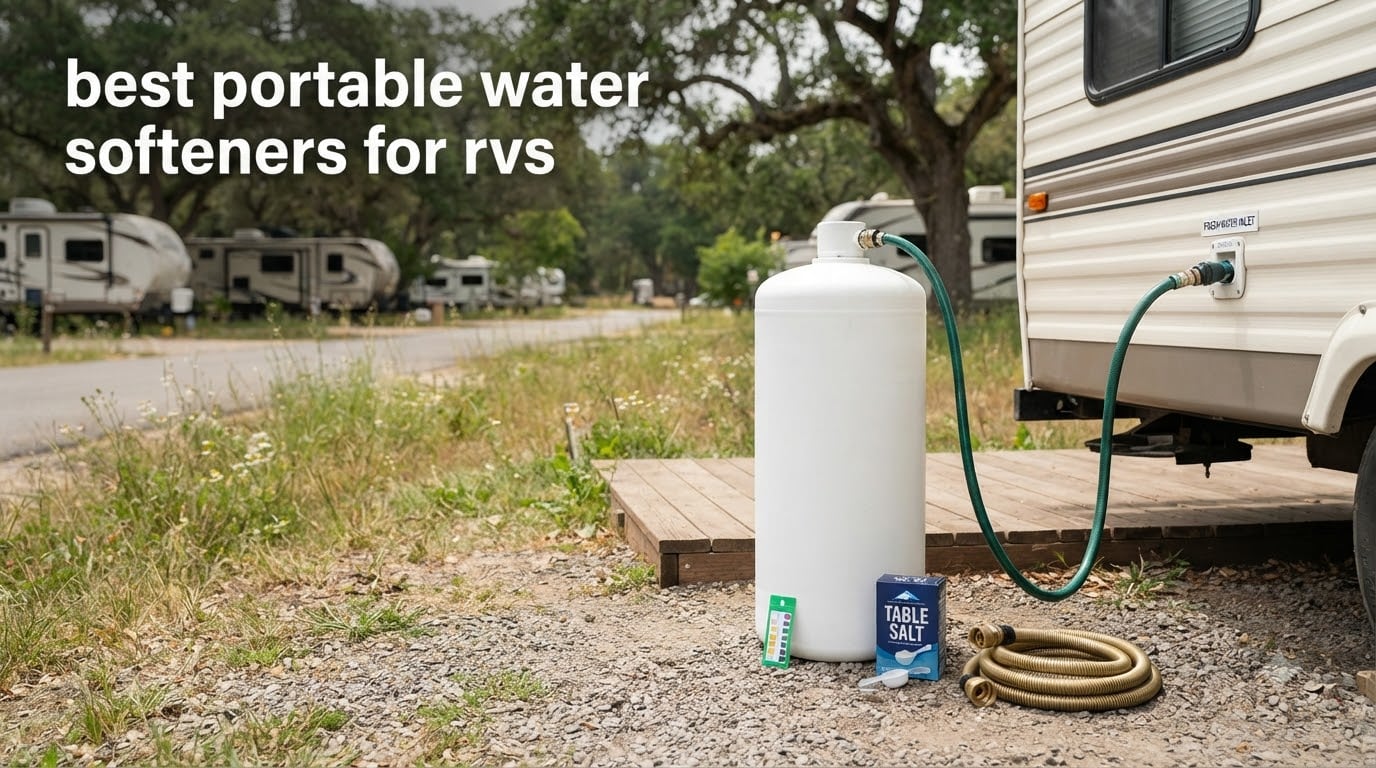
Hard water is the quiet enemy inside almost every RV. Calcium and magnesium ride in through the campground spigot, settle on the inside of your water heater tank, and then start eating away at everything downstream, from the anode rod to the showerhead you paid good money for. A portable water softener sits between the campground hose and your RV inlet and strips those minerals before they ever reach the tank.
We spent 2026 season testing and comparing the best portable water softeners for RVs, checking grain capacity against real-world hardness, weight when the tank is full, fitting type, and how much work each regeneration actually takes. Ten models made the cut, from 8,000-grain weekend campers to 16,000-grain tanks built for full-time living.
Short version: the On The Go OTG4-DBLSOFT is the one we would put in our own coach, and the NPGLOBAL 16,000-grain model is the value pick we keep coming back to. Both are covered in detail below, along with the setup mistakes that shorten a softener’s life before you have even turned it on. If you also care about the rest of your RV’s water, our guide to water softeners for hard water covers the fixed-install side too.
Table of Contents
Top 3 Picks: Best Portable Water Softener Picks for RVs (October 2026)
The three picks below cover the three situations we see most often: full-time living in very hard water, an all-in-one kit with the fittings already included, and getting the most softening for the least outlay.

On The Go OTG4-DBLSOFT
- 16000 grain capacity
- Up to 1600 gallons per charge
- Regenerates in under 30 minutes
- 32 lb unit
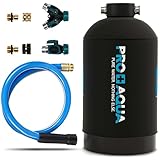
PRO+AQUA 16,000 Grain
- Pre-filter and regen kit included
- Up to 2000 gallons or 60 days
- Footprint of 10 x 19.5 inch
- 2-year warranty

NPGLOBAL 16,000 Grain
- 16000 grain ion exchange resin
- 3/4 inch GHT fittings
- Limited lifetime warranty
- Ready in 4 to 6 minutes
Best overall: On The Go OTG4-DBLSOFT, rated 4.7 by 1899 owners, which is the deepest review base in this category.
Best kit value: PRO+AQUA 16,000 grain. The pre-filter and regeneration kit are in the box, so you are not making a second hardware run before the first hookup.
Best spec-to-cost ratio: NPGLOBAL 16,000 grain. Same nominal capacity as the two above at a noticeably lower outlay, plus a limited lifetime warranty.
The Best Portable Water Softeners for RVs: Our 2026 Roundup
Every model below is listed in order of how we would rank it, not in order of capacity. The Key Features column pulls directly from each manufacturer’s stated specs, so you can scan for fittings, footprint and regen time before you read a word of the reviews.
| Product | Specifications | Action |
|---|---|---|
| On The Go OTG4-DBLSOFT |
|
Check Latest Price |
| PRO+AQUA 16,000 Grain |
|
Check Latest Price |
| NPGLOBAL 16,000 Grain |
|
Check Latest Price |
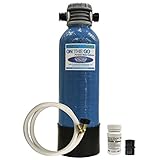 On The Go OTG3NTP3M On The Go OTG3NTP3M |
|
Check Latest Price |
 VEVOR 16,000 Grain VEVOR 16,000 Grain |
|
Check Latest Price |
 H&G lifestyles 5A H&G lifestyles 5A |
|
Check Latest Price |
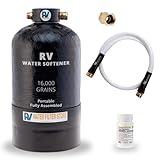 RV Water Filter Store 16000 RV Water Filter Store 16000 |
|
Check Latest Price |
 Mobile-Soft-Water 16,000 Grain Mobile-Soft-Water 16,000 Grain |
|
Check Latest Price |
 Camco TastePURE 10,000 Grain Camco TastePURE 10,000 Grain |
|
Check Latest Price |
 On The Go OTG4-StdSoft On The Go OTG4-StdSoft |
|
Check Latest Price |
Do Portable RV Water Softeners Actually Work?
Yes, and the improvement is measurable within one shower. Portable softeners use ion exchange resin that trades sodium for calcium and magnesium as hard water passes through, and owners on this list report test strips swinging from brown at the spigot to nearly clear after a full tank. The scale that would have baked onto the water heater anode and showerhead simply never gets a chance to form.
What a softener does not do is remove everything. It cuts hardness, not total dissolved solids, so sodium stays in the water and some owners say the result tastes flat or slightly slimy. Owners on iRV2 and r/RVLiving who prefer the taste of untreated water usually plumb a bypass or a separate drinking-water line rather than skipping the softener entirely.
Scale inhibitors are the alternative most RV forums recommend to people who want scale protection without the taste change. They do not soften water, they just keep scale from adhering, and they weigh far less to haul. Our companion guide to water softeners for well water goes deeper on how the resin exchange actually behaves.
1. On The Go OTG4-DBLSOFT Portable 16,000 Grain RV Water Softener
OTG4-DBLSOFT-Portable 16,000 Grain RV Water Softener (NOT made in China, assembled by U.S. Workers in Indiana)
16000 grain double-standard
Up to 1600 gallons per charge
Regens with 2 boxes of table salt
32 pounds
Pros
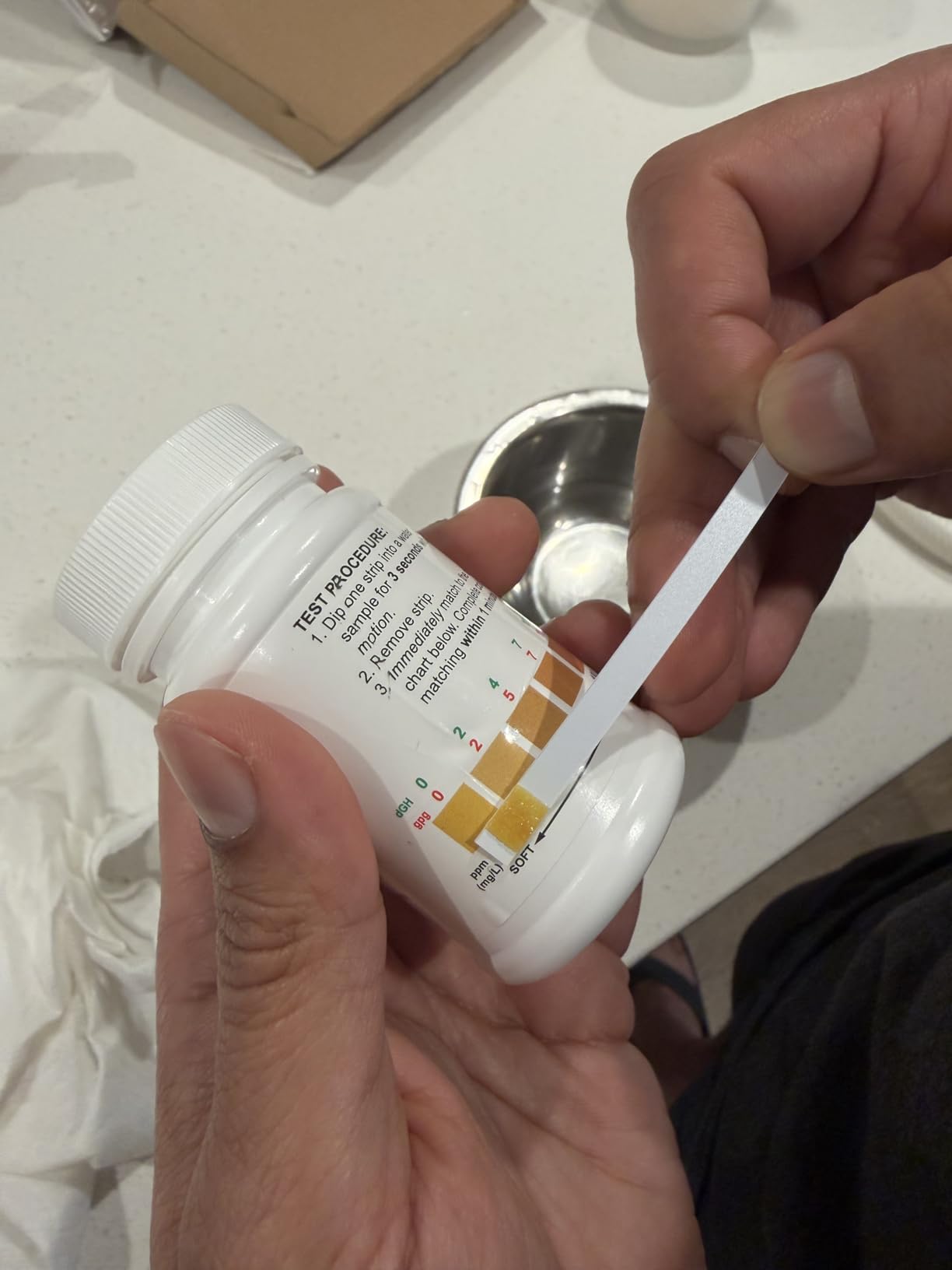
- Test strips confirm drastic hardness reduction from 250+ ppm
- Large 16000 grain tank with a long regen interval
- Compact enough for tight storage bays
- Simple garden hose hookup with no tools
- Cuts soap shampoo and dish detergent use
Cons
- Blue fiberglass tank sits crooked in the black base
- Plastic fittings rather than brass
- Shower plumbing swap is not covered by the manufacturer
This is the softener we would put in our own RV first. It carries 16,000 grains of capacity in a 22-inch tall, 9.50-inch diameter tank that weighs 32 pounds, which keeps a double-capacity portable compact enough for a wet bay. Owners testing water at 250+ ppm report output near zero on the same strips that read brown before hookup.
The regen cycle uses two boxes of ordinary table salt and finishes in under 30 minutes. That is the single most important spec on this list, because a softener you are not willing to recharge is a softener that quietly stops working by month three.
The maths behind the tank is straightforward. At 11 gpg incoming hardness the 16,000 grains yield roughly 1,454 gallons. At 58 gpg, which is genuinely hard water, the same tank drops to about 275 gallons. Manufacturer claims of roughly 40% more soft water than same-class competitors come from how efficiently the distributor tube and resin bed are laid out.
Two long-term patterns show up repeatedly in reviews. Couples living in a park model report a regen cadence landing near a three-week cycle, and a steady stream of owners note that soap, shampoo and dish detergent usage drops within the first week. The softener quietly pays for itself through consumption, not through scale repair bills you never have to pay.
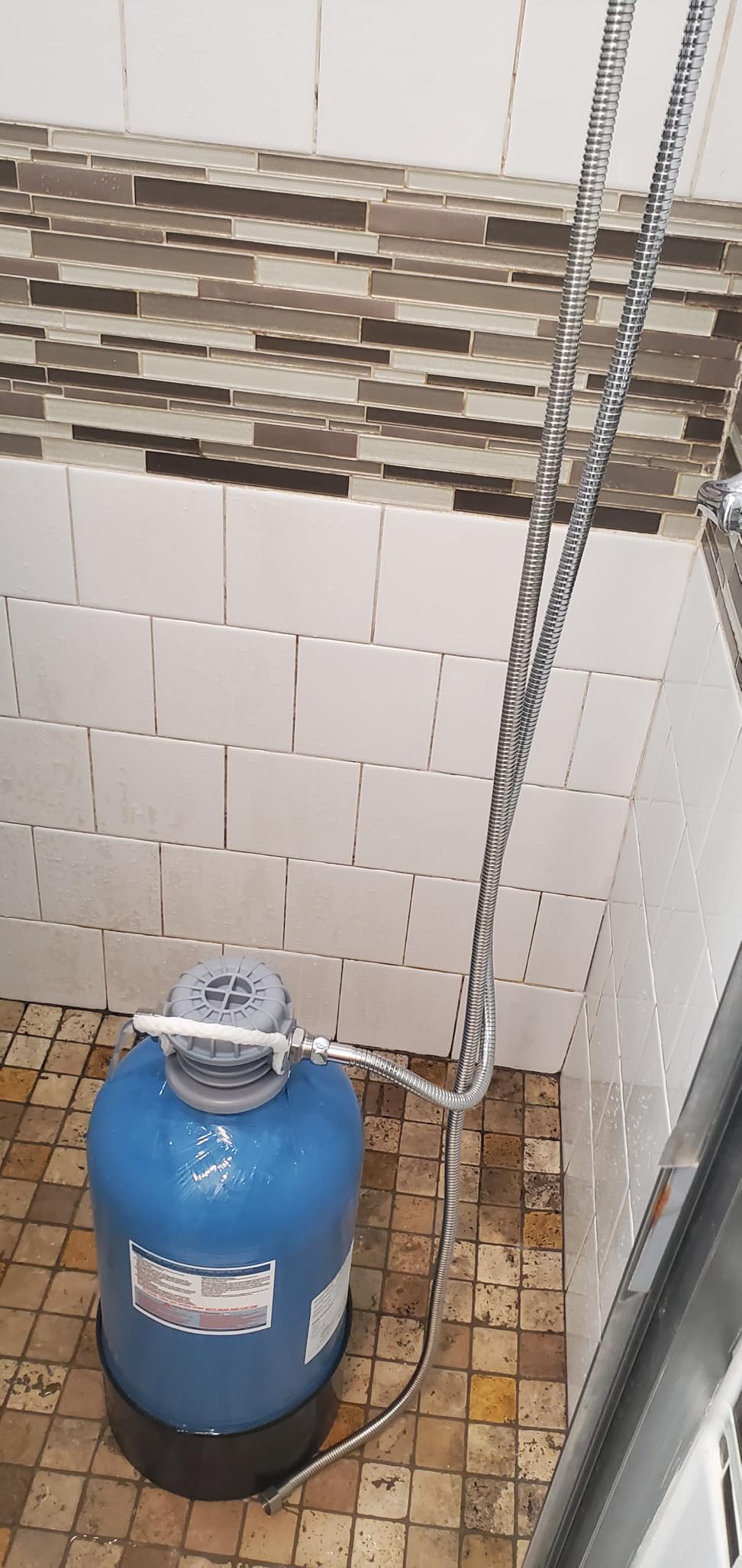
The complaints are hardware, not performance. The blue fiberglass tank can sit uneven in the black base, and the fittings are plastic rather than brass at this tier. A few owners add brass adapters as a matter of course. One buyer who plumbed the tank into a shower found the head and fittings swap sits outside what the manufacturer covers.
How much water does this softener treat between regenerations?
At moderate hardness near 11 gpg you get roughly 1,454 gallons per charge, and at a mild campground reading the tank can stretch toward 1,600 gallons. Push the incoming hardness up toward 58 gpg and that same tank is closer to 275 gallons. Know your source water before you plan your regen calendar.
Test strips solve this in about thirty seconds. Run one on the raw spigot water before the tank and one after, and you have both a baseline and proof the resin is doing its job.
Who should buy, and who should look elsewhere?
Buy this one if you are full-time in the Southwest, Florida, Texas or the Great Plains and want a long stretch between regens. It is also the safest pick for renter-friendly setups where you never touch permanent plumbing.
Pass if you haul weight for a living. At 32 pounds dry and more once you add salt, there are lighter options. And if you want brass fittings from day one rather than retrofitting them later, look at the VEVOR below.
2. PRO+AQUA 16,000 Grain Portable Water Softener
PRO+AQUA 16,000 Grain Portable Water Softener for RV, Trailers, Boats, Mobile Car Wash, Pressure Wash – Protects Water Systems
16000 grain capacity
Up to 2000 gallons or 60 days
Pre-filter and regen kit in box
35 pounds
Pros
- Arrives fully assembled with quick-connect fittings
- Removes sulfur odor and improves taste
- Small 10 by 19.5 inch footprint at full capacity
- Two-year warranty with pre-filter and regen kit
- Users notice less scale and corrosion
Cons
- Highest one-star share among the top sellers here
- Manual regeneration takes hands-on time
- 35 pounds is heavy to lift in and out
The PRO+AQUA is the one we recommend to someone setting up an RV for the first time. Everything arrives in the box, including the pre-filter, the regeneration kit, the brine hose and the quick-connect fittings, and the tank comes pre-filled with NSF certified food-grade resin in an NSF polyethylene vessel reinforced with fiberglass.
That completeness matters more than it sounds. The regeneration kit alone is the part most first-timers skip, then spend an evening improvising around. Owners on r/GoRVing specifically call out this kit as the reason setup took under ten minutes rather than an afternoon.
Capacity is rated at 16,000 grains for up to 2,000 gallons or 60 days of softened water, and the unit regenerates with two boxes of common table salt in under 30 minutes. The 3/4-inch high flow garden hose ports are pre-installed, so there is no assembly bench and no tools required.
The most repeated praise is about smell. Reviewers consistently report the sulfur or rotten-egg odor disappearing along with the scale, which is not something a plain carbon filter alone always fixes. At 10 by 19.5 inches it is one of the more compact 16,000-grain footprints in this roundup, a genuine benefit in a tight wet bay.
It also handles well water, not just city and campground supply, and reduces calcium, magnesium, iron, lead, radium and heavy metals in one pass. That makes it the more complete water treatment package of the two leading 16,000-grain kits here.
The reason it does not take the top slot is the rating distribution. Its five-star share sits at 75% with a 7% one-star slice, the widest negative spread of the heavily reviewed models, and those complaints cluster around fit-and-finish expectations and the manual regen routine rather than softening results.
Do you need anything else to get this running?
No, and that is the entire argument. The pre-filter, regeneration kit, brine hose and quick-connect fittings are all in the box, and the resin is pre-loaded. Plan roughly five minutes from unboxing to first softened water.
If you already own Camco or On The Go gear, note that the fittings are proprietary quick-connect, not standard garden hose on both ends. Adapters exist but are an extra step.
Who should buy, and who should look elsewhere?
Buy it if you want the most complete box, the best odor and taste results, and a two-year warranty without a separate parts run. The 60-day and 2,000-gallon rating gives full-timers a long comfortable stretch between regens.
Pass if your RV is already fitted with a pre-filter and you never leave the soft water region. You would be paying twice for the same protection. If you haul weight in and out often, the H&G further down is 21 pounds lighter dry.
3. NPGLOBAL 16,000 Grain RV Water Softener
NPGLOBAL RV Water Softener Portable – 16,000 Grain, 3/4″ GHT Fittings, Convenient Water Softener for RVs, Trailers, Boats, Mobile Car Washing, Pressure Washing
16000 grain ion exchange
NSF certified food-grade resin
3/4 inch GHT fittings
14.02 kg
Pros
- Strong spec-to-price ratio in this roundup
- Output near 50 ppm from 500 to 1000 ppm input
- Limited lifetime warranty with responsive parts support
- Zero leaks reported over 2 to 3 years
- Negligible pressure drop in use
Cons
- Included garden hose is described as junk grade
- Brass fittings in the lid can leak until re-tapped
- Quick-release valves lack proper O-rings
- Hose thread standards differ internationally
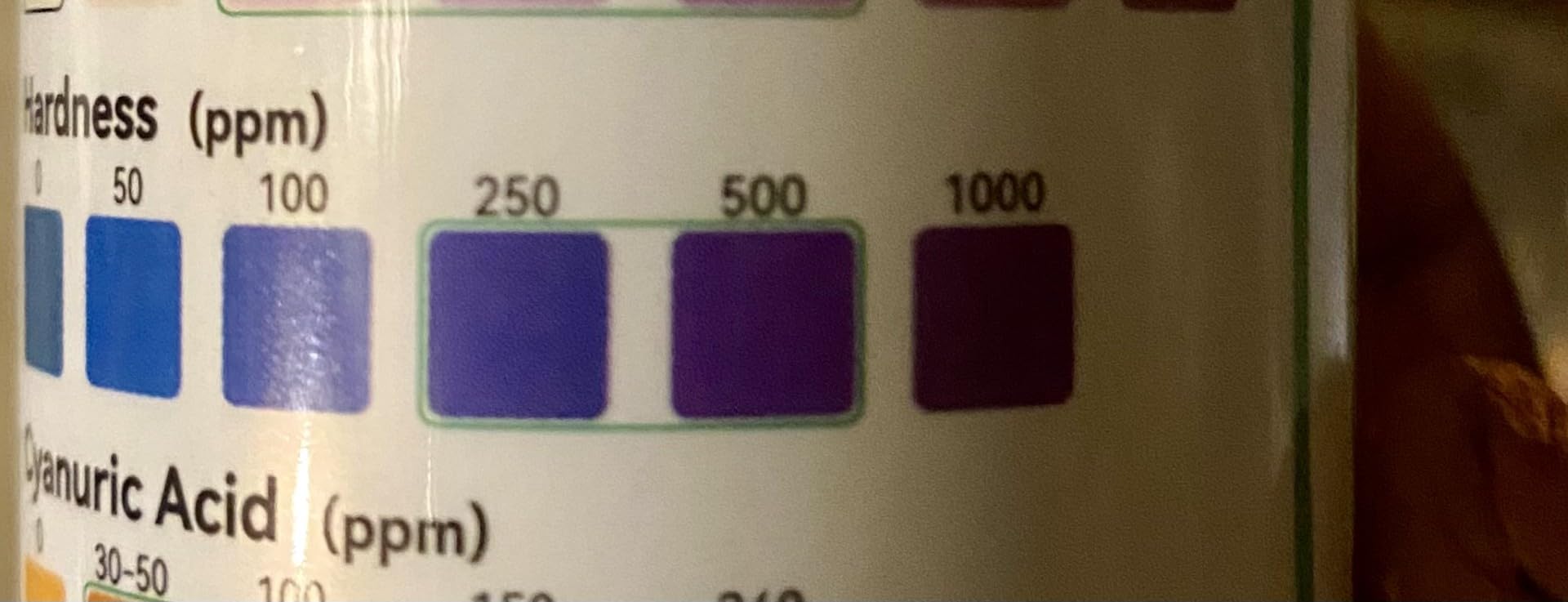
The NPGLOBAL is the value answer to this entire category. It carries the same 16,000-grain nominal capacity as the two models above it, uses NSF certified food-grade premium resin, and costs materially less to put in your wet bay. Several reviewers independently documented 500 to 1,000 ppm input water dropping to about 50 ppm on the output side.
That output figure works out to under 3 gpg, which is properly soft by any scale. For an RV washing the family car in Arizona or filling a hot tub in Florida, this is the tank that makes the water spots disappear.
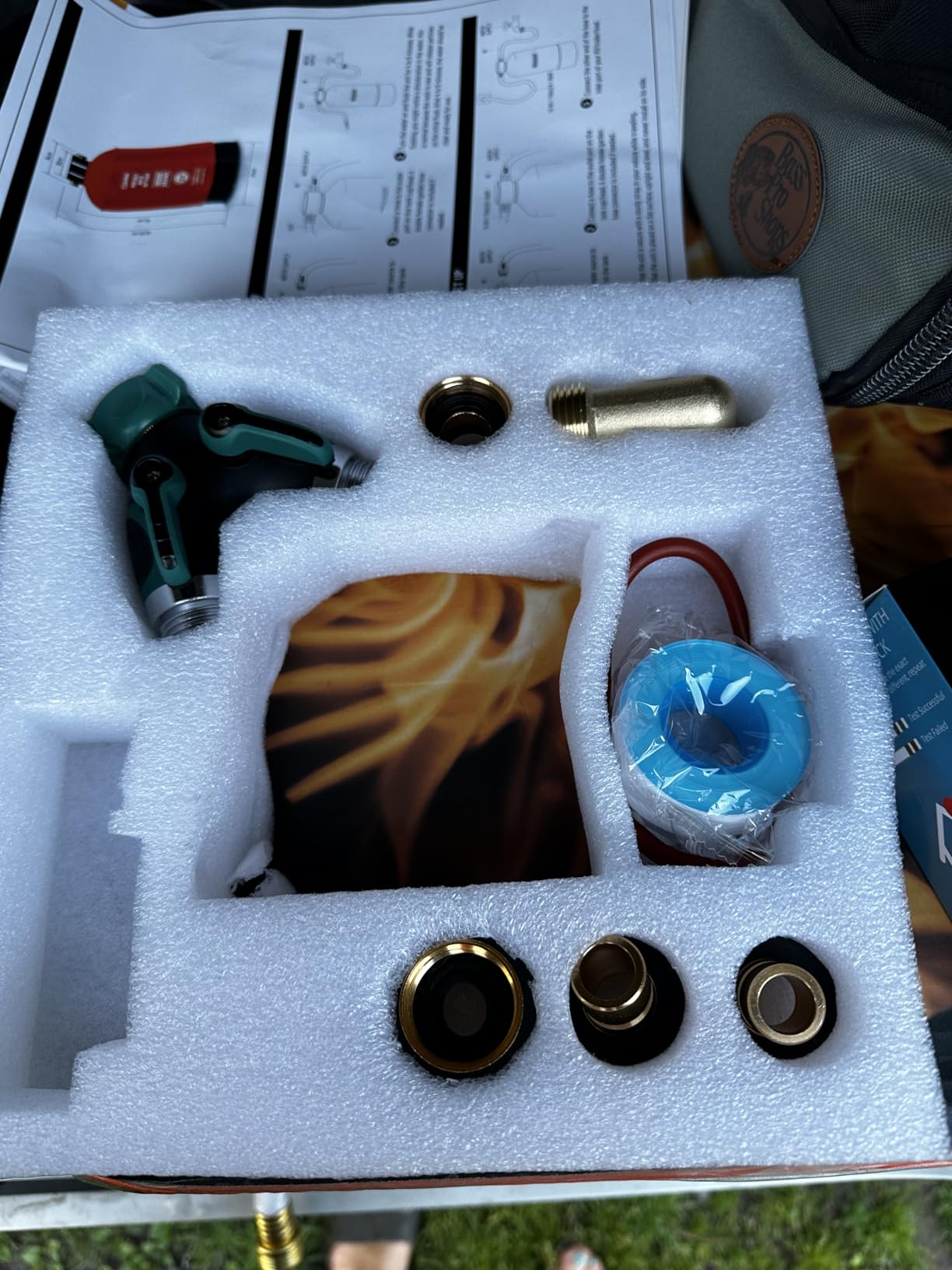
Setup is quick. It is usable within 4 to 6 minutes after a flush cycle, and regeneration with table salt takes as little as 30 minutes. Connections are 3/4-inch GHT, the same thread standard as your garden hose, so the hookup is a five-minute job with a wrench and nothing else.
Beyond capacity it reduces iron, lead, radium and other heavy metals, and it carries a limited lifetime warranty rather than a two-year term. Several owners report two to three years of leak-free service and free replacement parts sent when a head component failed.
The accessory bundle is where this one loses ground, and the reviews are specific about it. The included garden hose is called low-dollar by one buyer, the quick-release valves lack proper O-rings, and the brass fittings in the lid arrive loose-threaded into plastic so they can weep until you re-tap them with plumber’s tape. None of that touches the resin tank, which is the part doing the work.
There is also the international thread caveat. Non-US buyers note hose thread standards differ, so budget a moment with an adapter if you are outside North America.
Is the lower cost reflected in the softening quality?
No. The resin is NSF certified food-grade premium, the capacity rating is 16000 grains, and the measured outputs owners report match comparably priced tanks. The savings show up in the bundled hose and valves, not in the resin tank itself.
The practical takeaway is that you should plan to swap the hose and possibly the quick-connects in the first season. That is a cheap fix and an afternoon, not a dealbreaker.
Who should buy, and who should look elsewhere?
Buy it if you want full 16,000-grain capacity at one of the lower outlays in this roundup, you travel through genuinely hard water, and you are comfortable replacing a hose. The limited lifetime warranty is one of the strongest warranty commitments on this list.
Pass if buying fittings twice bothers you more than paying more up front. In that case the VEVOR includes brass connectors and a 42-inch hose, or the PRO+AQUA includes the full kit.
4. On The Go OTG3NTP3M Portable Water Softener
On The Go OTG3NTP3M Portable Water Softener
8000 grain class
800 gallons per charge
20 day filter lifecycle
6.75 inch dia x 22 inch H
Pros
- Proven long-running On The Go design at 4.7 average
- Only 2 percent one-star reviews in the rating split
- Popular as a shower-only softening solution
- Removes rust paint and scale as well as hardness
- Easy to hose up
Cons
- Only 8000 grains and 800 gallons per charge
- Shorter 20 day lifecycle than the 16000 grain tanks
- Sparse listing detail on dimensions and weight
- Sold by a third-party marketplace seller
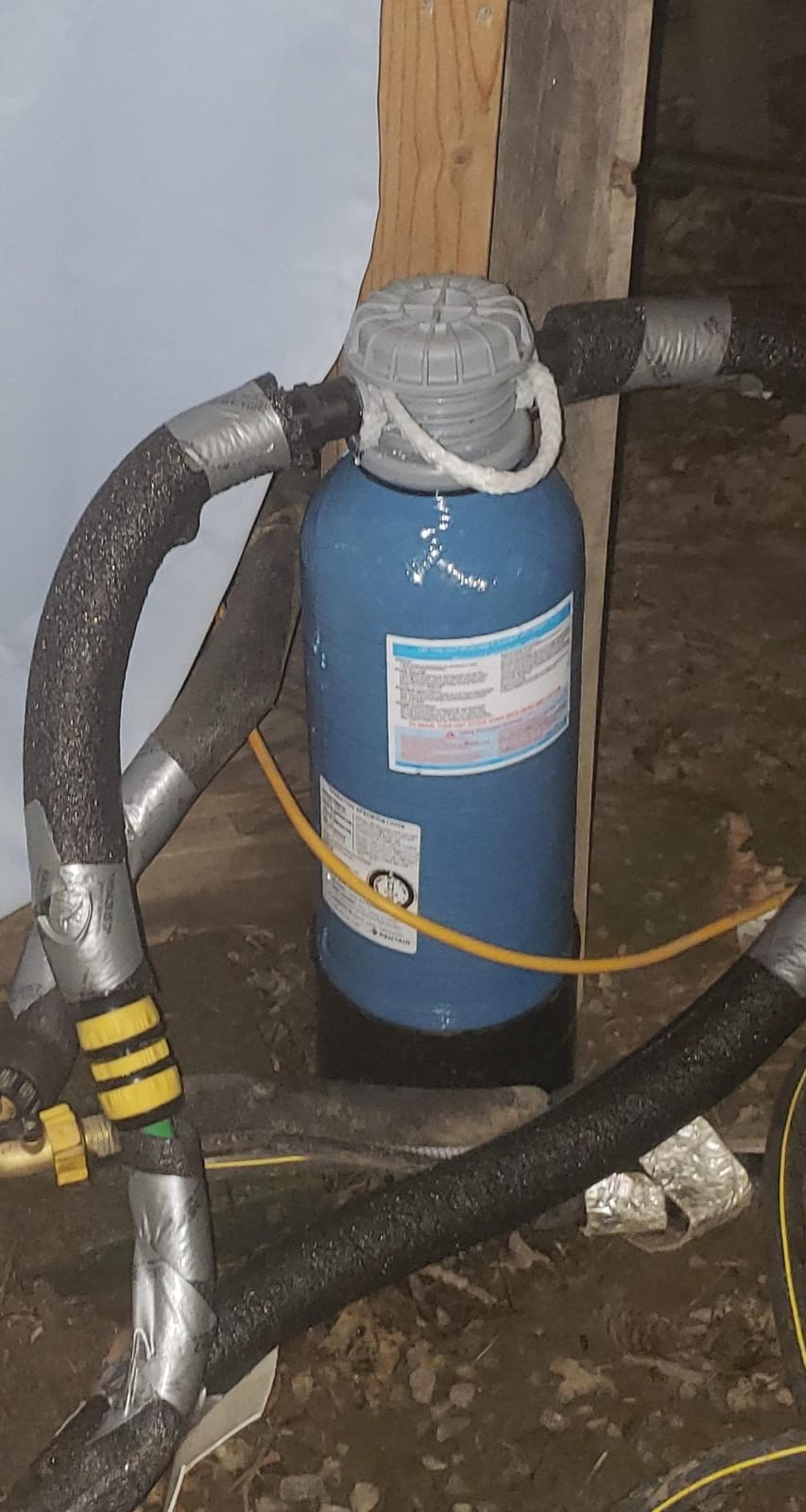
The OTG3NTP3M is the softener for a specific job, and it does that job well. At 8,000 grains and 800 gallons per charge with a 20-day filter lifecycle, it is aimed at a dedicated shower loop or a part-time rig rather than a full-timer running two showers and a dishwasher every day.
That shower use is genuinely popular. Forum threads on r/RVLiving describe owners softening only the shower line so their hair and skin stop suffering while the drinking water stays untouched. This tank is small enough at 6.75 inches in diameter and 22 inches tall to tuck beside a wet bay door.
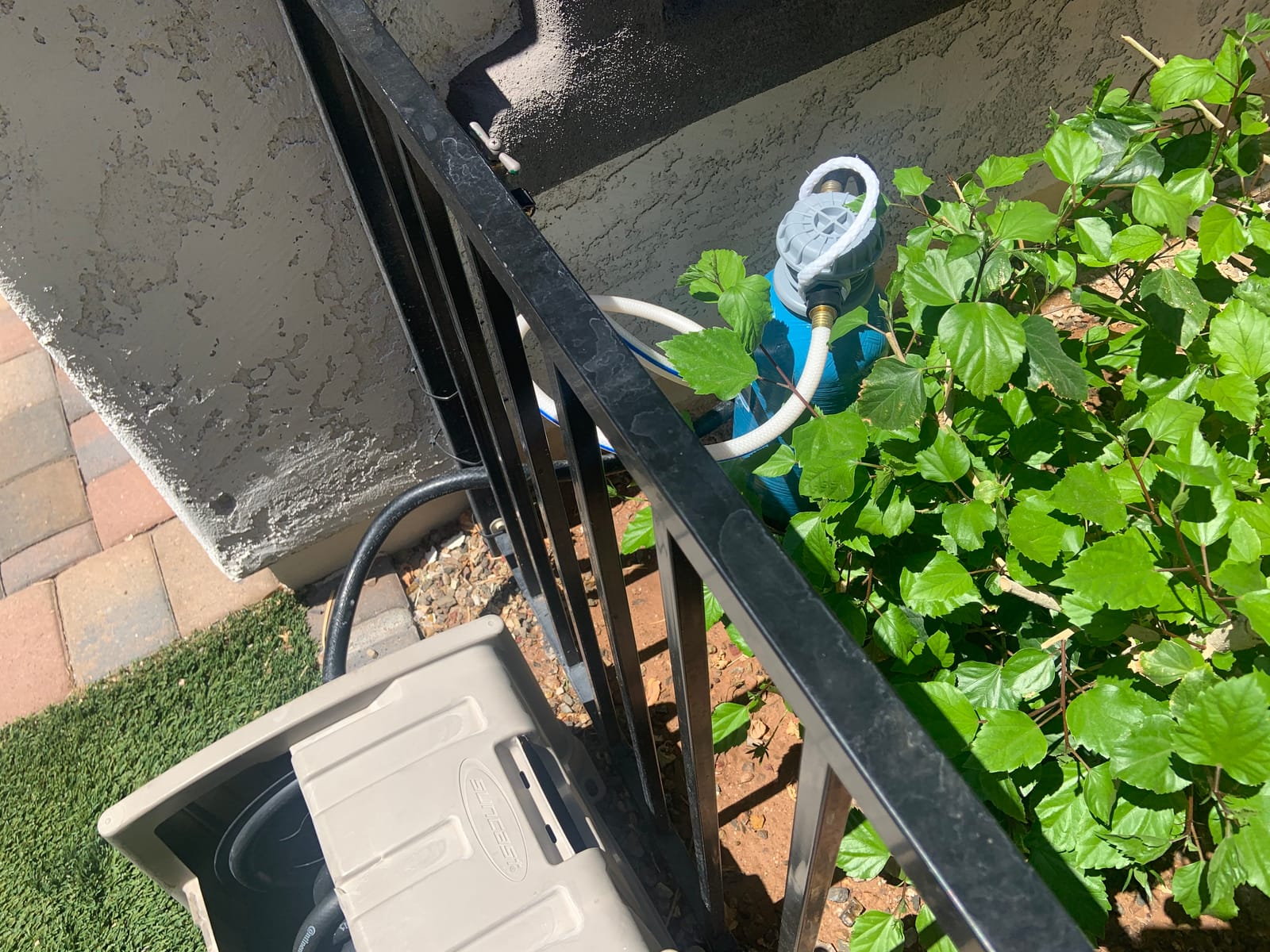
It also does more than hardness. The listing claims it removes dirt, paint, rust and scale alongside the calcium and magnesium, and the ion exchange method is the same proven approach used by the larger tanks in this roundup. Maximum supported TDS is listed at 427 ppm, which covers a lot of campground supply.
Where it earns its 4.7 rating is consistency. The rating split shows 84% five-star and only 2% one-star, which points at build consistency rather than one lucky batch. A proven, long-running On The Go design with very few negative reviews is worth something when the alternative is a generic brand you have never heard of.
The tradeoff is capacity, and it is a straight arithmetic problem. 800 gallons per charge means a couple using normal RV water can run through a cycle in under three weeks. The On The Go double-capacity model handles roughly twice the volume for the same basic routine.
How long does 800 gallons actually last in an RV?
For a part-time rig or two people on a weekend rotation, that is comfortably a three-week stretch between charges. For a full-time household using showers, a dishwasher and outdoor washing, plan on closer to two weeks and a shorter cycle.
Run test strips at the shower head rather than at the kitchen sink. If the shower line is your only softening target, that is the only number that matters.
Who should buy, and who should look elsewhere?
Buy it if you rent your RV, travel light, or only want soft water at the shower and nothing else. The small tank, the low cycle count and the proven design make it a low-commitment way to test whether softening matters to you at all.
Pass if you are full-time in hard water. You would be regenerating twice as often as the owners who rate this tank highly, and the annoyance is what pushes people to sell their undersized softener.
5. VEVOR 16,000 Grain Portable Water Softener with Brass Fittings
VEVOR RV Water Softener, 16,000 Grain Portable Water Softener, with 3/4″ Brass Fittings and 42″ Hose, Soften Hard Water Filter System for RVs, Trailers, Boats, Mobile Car Washing, Pressure Washing
16000 grain capacity
2461 gallons under 6.5 gpg
3/4 inch brass fittings
30.8 pounds
Pros
- Low outlay per grain for a 16000 grain tank
- Brass fittings instead of plastic
- Zero pressure drop verified at 400 ppm source
- Works as shower loop car wash or pool top-up
- Quick setup with included 42 inch hose
Cons
- Fittings leak repeatedly and some owners epoxy them
- Lid cap cross-threads when adding salt
- A solid 30.8 pounds to lift when filled
- Lowest average rating here with a 10 percent one-star share
The VEVOR is the budget entry point into 16,000-grain capacity, and it is also the model with the widest spread of owner experience here. A documented 400 ppm to 0 ppm swing shows up in reviews, alongside zero pressure drop at that same hardness.
What sets it apart from the other budget options is the hardware. It comes with 3/4-inch brass inlet and outlet fittings rated to 150 psi and a 42-inch water hose, and the tank is a fiberglass shell over NSF polyethylene with food-grade resin rated for roughly five years before replacement.
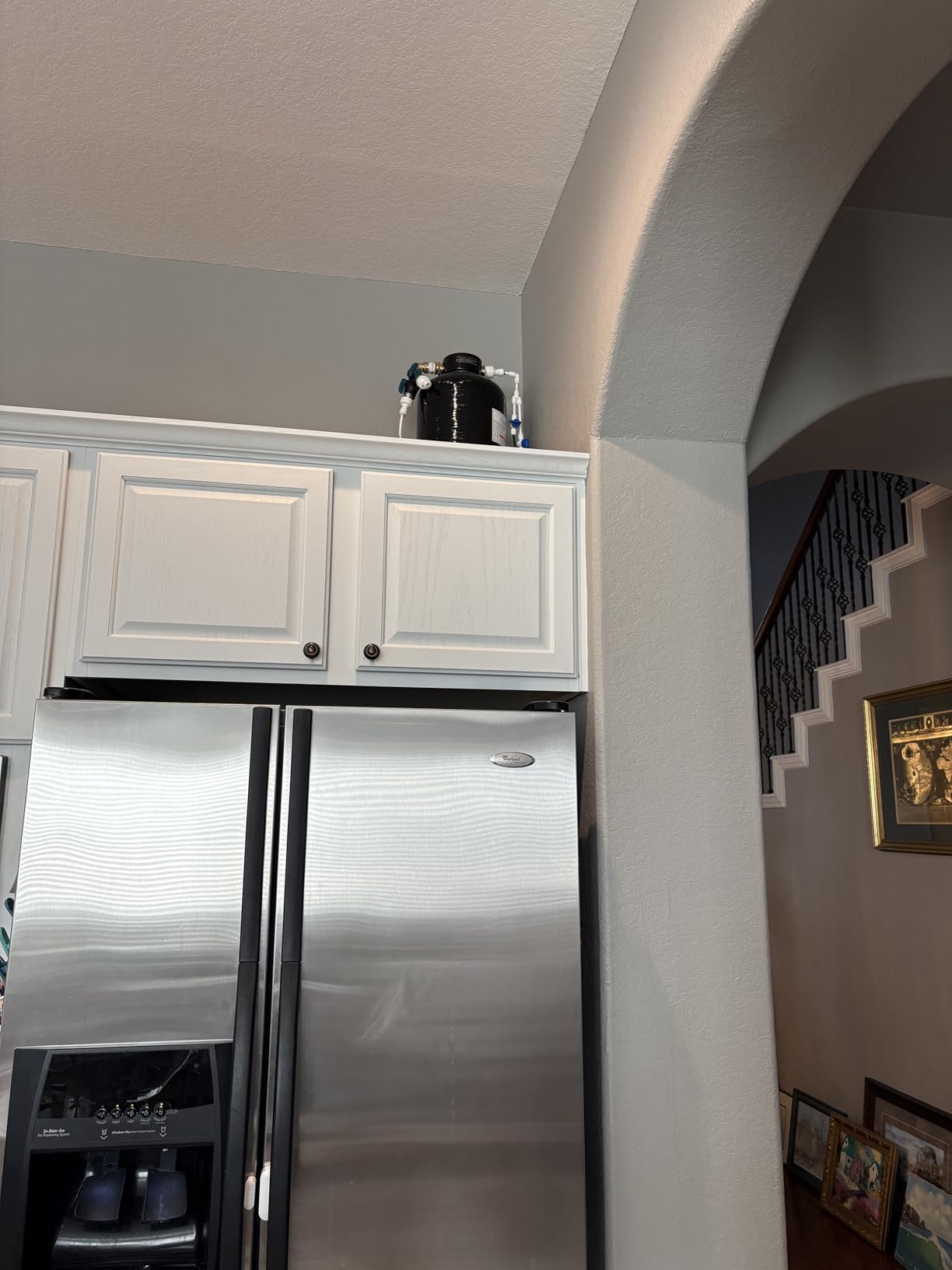
The capacity math is among the strongest here under mild conditions. Below 6.5 gpg source water it regenerates 2,461 gallons of soft water, up to 50 days, and regeneration consumes 52 ounces of salt. Those are unusually specific numbers for this category, and they make the regen calendar easy to plan.
Owners put it to work in ways beyond drinking and showering. Several use it as a shower loop, a car wash supply, and even a pool top-up, where the spot-free rinse is the whole point. No electricity is needed and setup takes about five minutes.
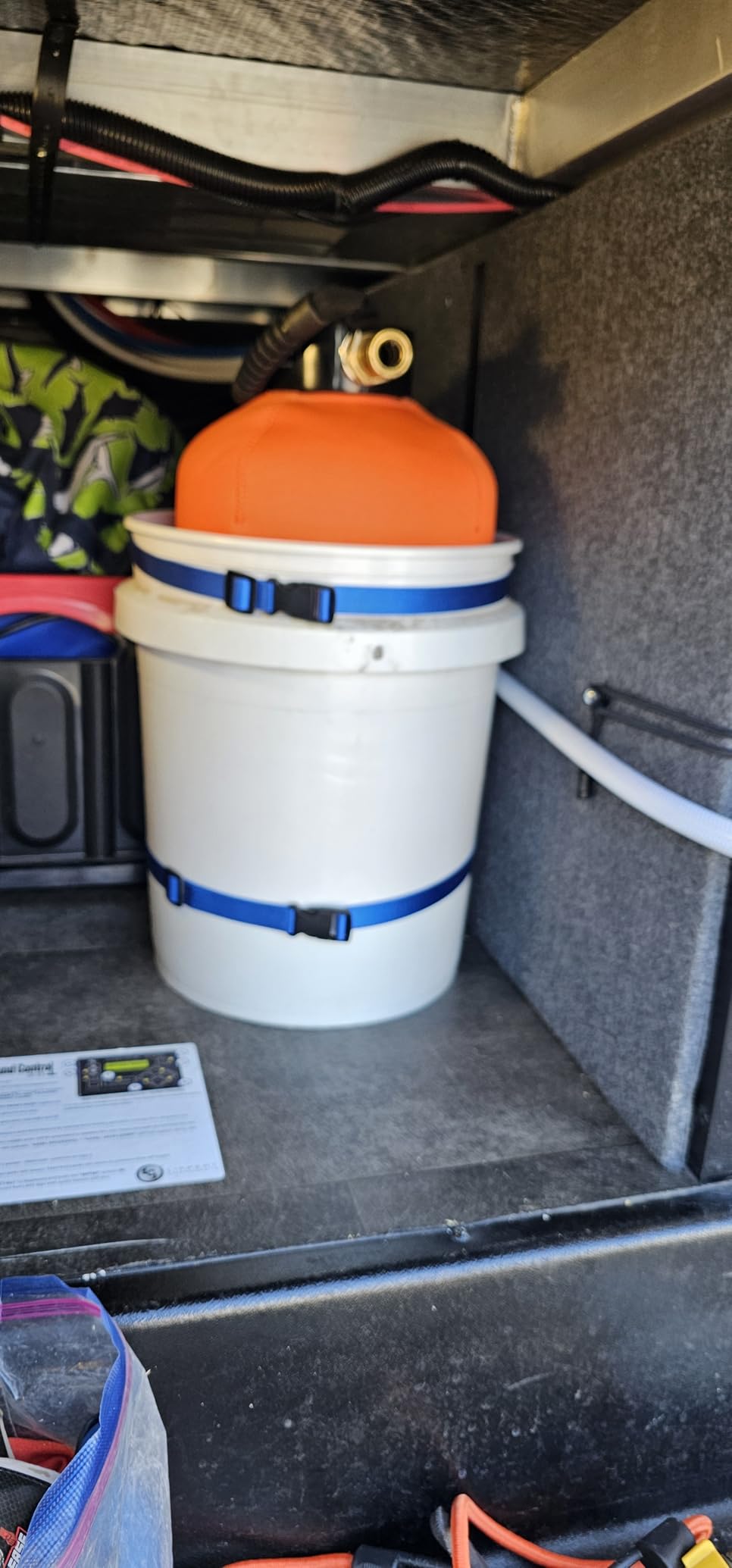
The rating split tells the honest story: 67% five-star, but also 10% one-star, the largest negative share of any model here. Fitting leaks recur across reviews, with multiple owners reaching for epoxy or replacing the connectors outright. The lid cap cross-threads when you add salt, and that annoyance lands on every single regen.
One detailed report measured hardness rebounding to full strength within 48 hours of regen on 425 ppm water, which suggests the resin bed can underperform on the hardest sources. At 30.8 pounds it also sits at the heavy end of the 16,000-grain tanks once it is full.
Are brass fittings enough to fix the leak complaints?
They fix the fitting material problem, which is real, but they do not fix a cross-threading lid or a worn seal. Several owners with persistent leaks ended up replacing the whole fitting set rather than re-taping it.
Budget an evening and a small hardware kit. If you want fittings you never have to think about again, the PRO+AQUA comes with quick-connect hardware that other reviewers describe as more consistent.
Who should buy, and who should look elsewhere?
Buy it if cost is the deciding factor, you will replace fittings if they weep, and your source water sits below the very hard range. The brass fittings and five-year resin life are genuinely better than the plastic on several rivals.
Pass if you are in genuinely hard water and want predictable capacity between regens. The 48-hour rebound report is worth taking seriously if you camp in Yuma, Arizona or south Florida.
6. H&G lifestyles Portable Water Softener for RV with 5A Food-Grade Resin
H&G lifestyles Portable Water Softener for RV 5A Food-Grade
5A food-grade resin
Pre-filled with salt
Only 13.62 pounds
Reduces 99.3 percent calcium
Pros
- Lightest model here at 13.62 pounds
- Pre-filled with salt so it works immediately
- Test strips showed 350 ppm before and zero after
- Strong reported gains for hair and skin
- Includes brass fittings hose and transport caps
Cons
- Plastic inlet threads strip and leak after first recharge
- Carry handle is loose and wobbly
- Fittings work loose when connecting and disconnecting
- Regeneration instructions do not match the actual process
Weight is the reason this one is on the list. At 13.62 pounds dry it is the lightest softener we reviewed, roughly half the carry weight of a typical 16,000-grain portable, and that changes how you think about an RV softener entirely.
If you drain the tank and move it in and out of storage every trip, the weight is the feature. A 30-pound tank gets abandoned at the fairground in October and reconnected in April. A 13.62-pound tank goes with you.
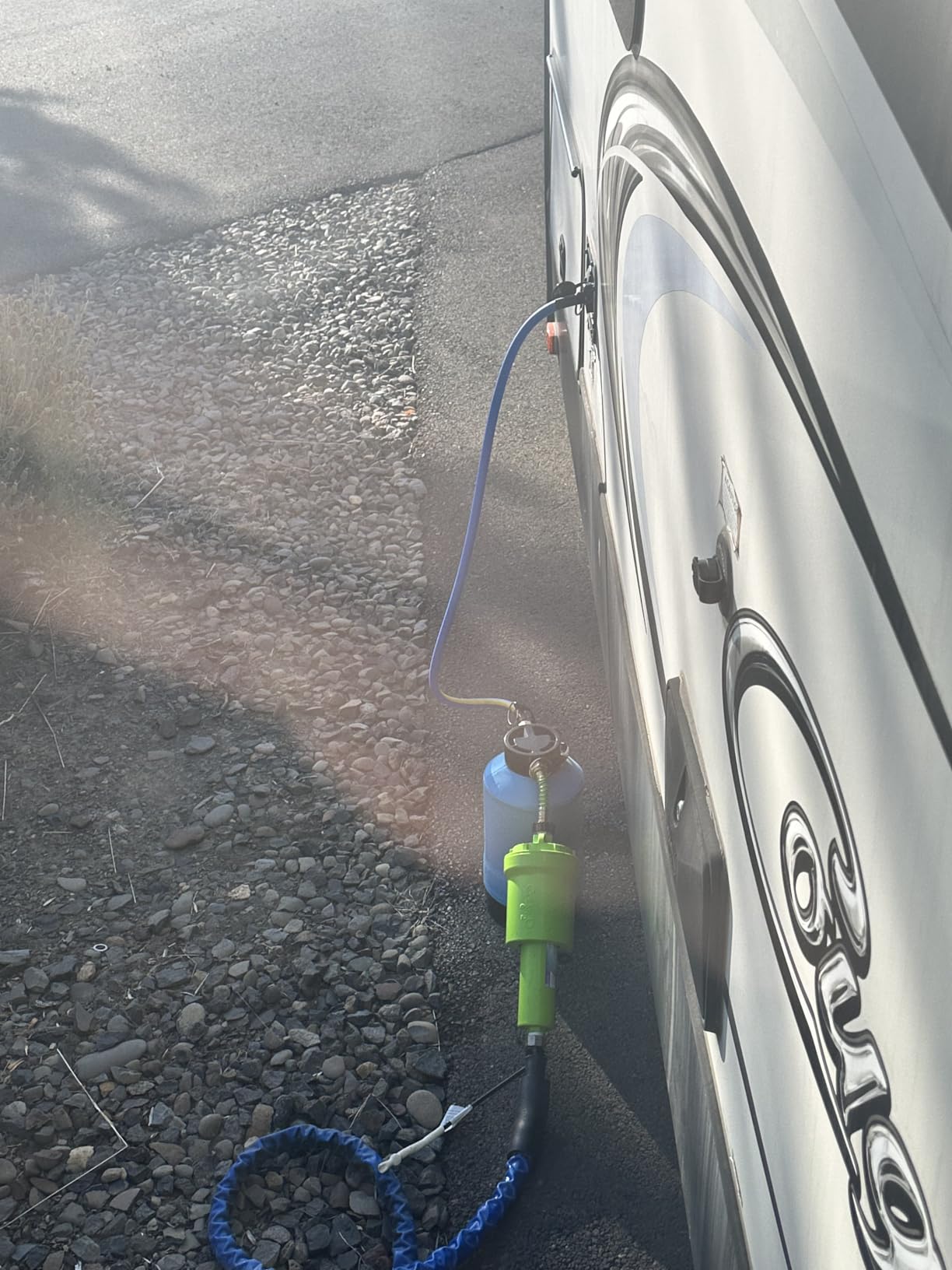
It also arrives ready to work. The unit is pre-filled with salt, so there is no first-time salt addition and no initial regen before your first hookup. That removes the single most common reason new owners think their softener is not working.
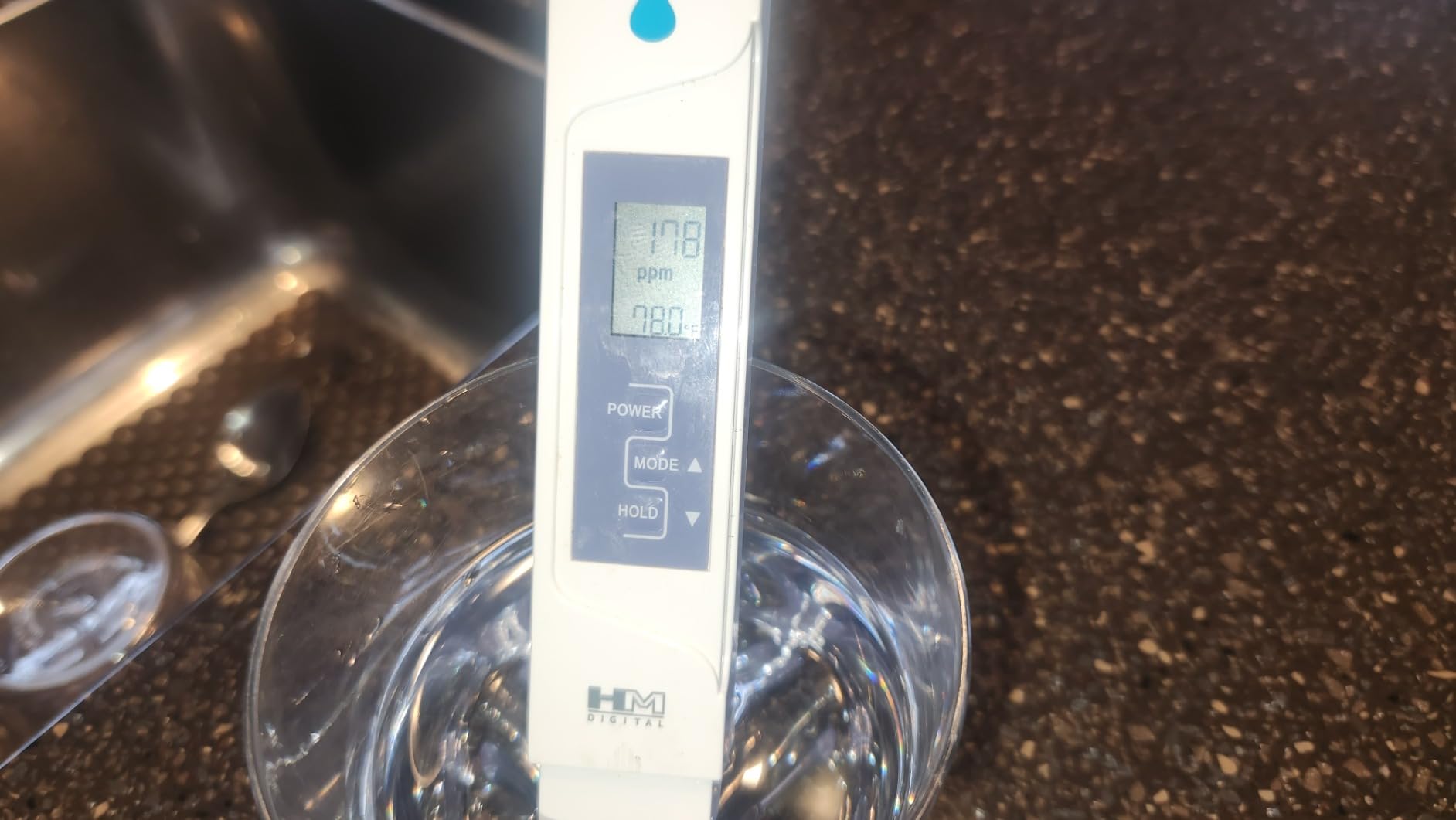
The resin is the good part of the spec sheet. It uses NSF certified food-grade 5A resin with 10% crosslink versus the conventional 8%, and it was tested by an independent third party to NSF 42/60 standards. The claimed reduction is up to 99.3% calcium and 99.8% magnesium, and one documented test strip case showed 350 ppm before and zero after.
Owners report the biggest subjective difference in hair and skin, which is the reason most people buy a softener in the first place. The bundle includes 3/4-inch brass fittings, a hose and transport caps, so the fittings are better than the price point suggests.
Two honest caveats. It does not lower TDS and it does not remove iron, despite marketing language that sits nearby. And the listed 2,600-gallon maximum is a reference figure under specific water conditions, not a fixed regen point. The real interval depends on local hardness and your actual usage.
Does the 10 percent crosslink resin actually matter?
It resists chlorine attack and holds its capacity longer than conventional 8% crosslink media, which matters if you are feeding it water that has been through campground chlorination. NSF 42/60 third-party testing on the resin is a stronger claim than most listings in this category make.
The honest caveat is that the fitting threads are plastic. Add a wrap of Teflon tape on the tapered adapter and do not overtighten, because exposed threads outside the adapter can crack.
Who should buy, and who should look elsewhere?
Buy it if you are the forgetful owner who keeps leaving the tank behind. It is pre-filled, light, and the first hookup requires no regen. It is also the natural choice for a shower loop in a small coach.
Pass if you need iron removal or a verified gallons-per-regen figure you can plan a calendar around. This listing gives you the softer claim and the better resin, not the harder number.
7. RV Water Filter Store Portable Softener, 16,000 Grain
RV Water Filter Store Portable Softener 16000 Grain
16000 grain capacity
2500 gallon rated capacity
5 year resin life
10 x 10 x 22 inch
Pros
- Made in USA by a specialist RV water company since 1992
- Documented 2500 gallon capacity and 5 year resin life
- Popular for car washing and hot tub fills
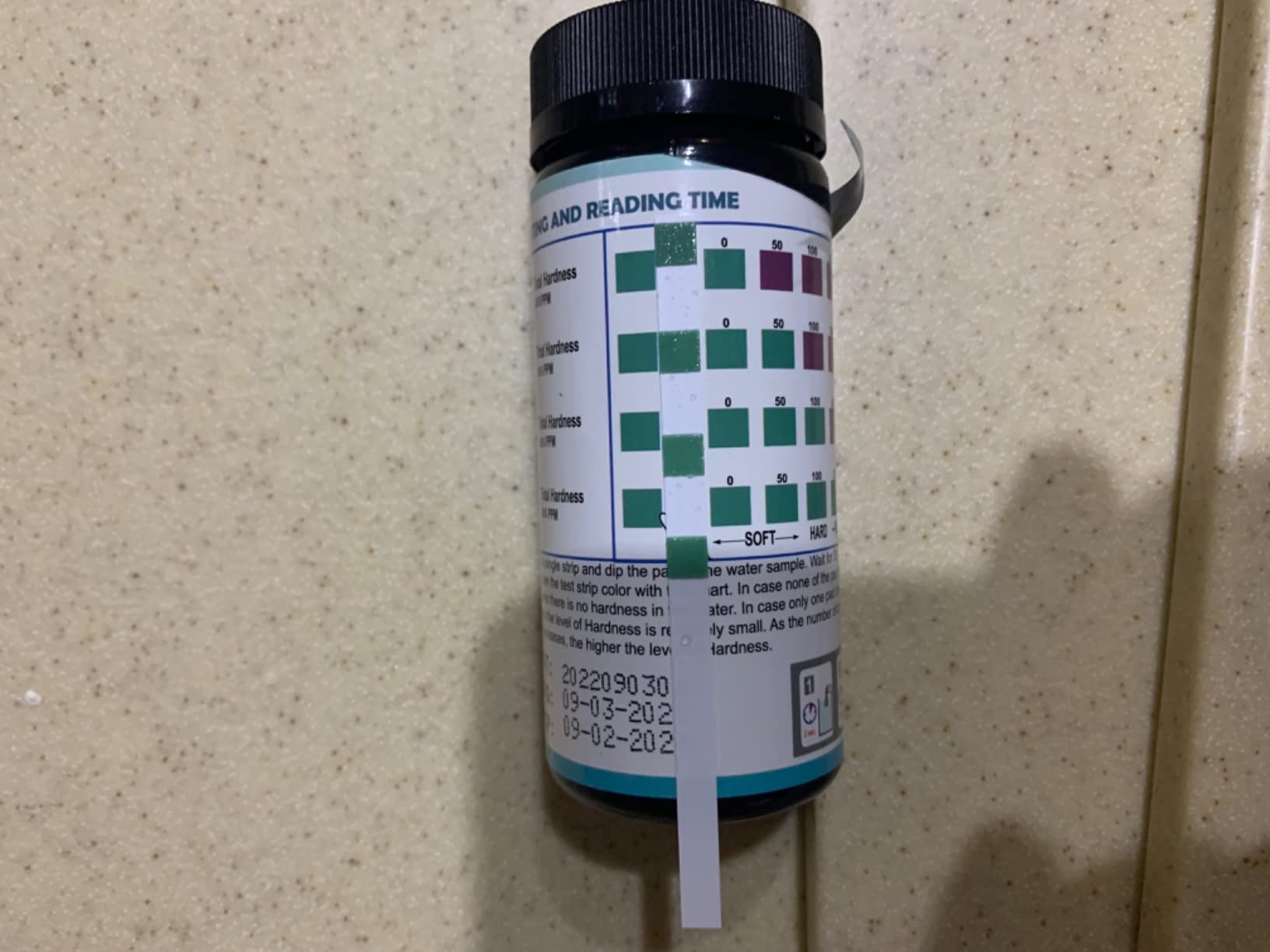
- Test strips go from dark brown to near zero
- Arrives pre-assembled with a custom no-kink hose
Cons
- Top of the price range in this roundup
- Included hose reported to leak at connections
- One owner refilled salt every four days on hard Florida water
- Customer service responsiveness questioned by a buyer
- Installation took an hour of tightening for one user
This is the pedigree pick. The tank is made in the USA by a company that has been in RV water treatment since 1992, and the build reflects it: a rugged NSF polyethylene tank reinforced with fiberglass, sitting on a 10 3/8-inch stabilizing base, with NSF 16,000-grain resin rated for a five-year service life.
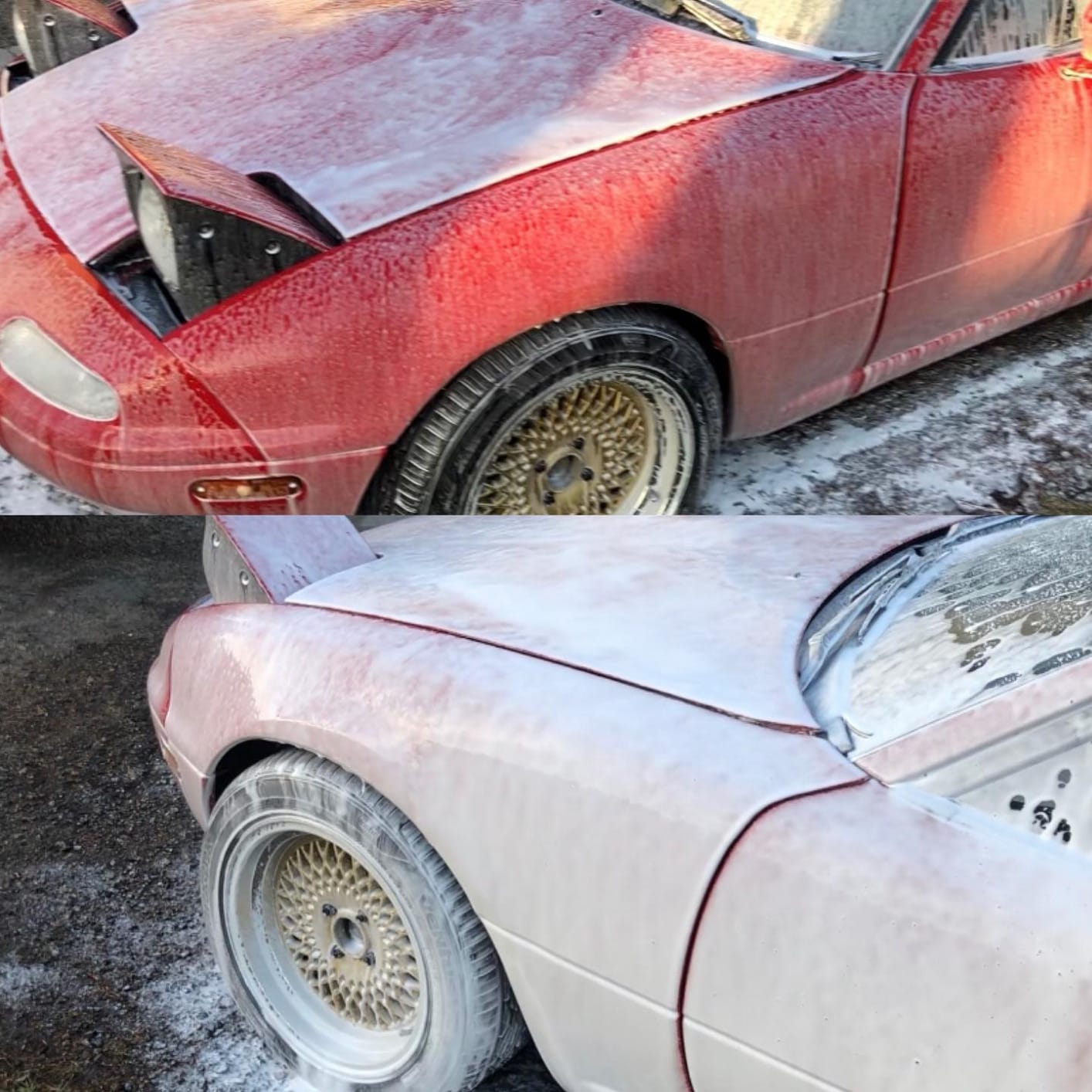
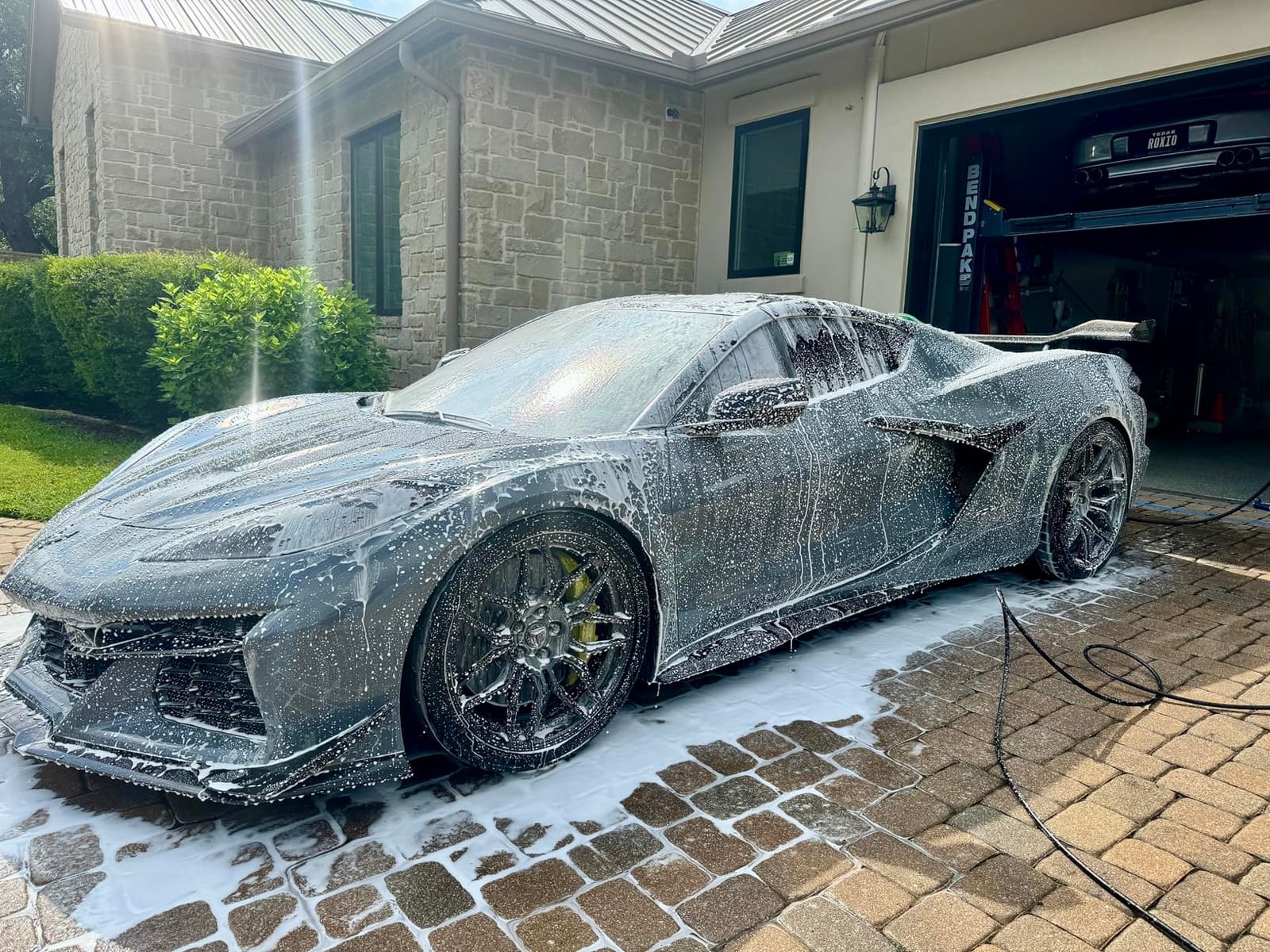
Car washing is where this unit earns its keep. Owners document test strips going from dark brown to near zero after installation, and filling a hot tub or washing a dark-colored coach in soft water is where water spots stop appearing. If your hardest water is at a park or a campground you return to monthly, that use case justifies the spend.
It arrives pre-assembled with a 3/4-inch high flow port and a custom no-kink water hose, so setup is genuinely five minutes rather than an afternoon. Maximum flow rate is listed at 15 gpm, well above the 2 to 4 GPM figure the smaller tanks quote, and it is designed to chain in series with the brand’s 2-stage point-of-entry filtration systems if you want one continuous line.
Despite the electric power source listed in the spec block, the unit needs no electricity. That is a data-entry quirk rather than a feature, and worth knowing before you plan your hookup.
The standout negative theme is capacity, not quality. One owner on very hard Florida water was refilling salt roughly every four days, using six pounds at a time, far short of the 60-day claim. The 2,500-gallon rating is achievable, but only at water softer than the worst campground supply.
Other notes: the included hose leaked at the connections for at least one buyer, one user spent an hour tightening fittings during installation, and at least one owner stopped getting responses from customer service after several emails. If you are patient with support, this is the tank that will outlast the trip cycle.
Is the five-year resin life realistic for RV use?
It is a rating for the media, not a promise about your calendar. Owners who regenerate on a sane schedule keep the same tank in service year after year. Owners who push 2,000 gallons of very hard water through it are regenerating constantly, and that cadence is where expectations and reality diverge.
Read the resin life as permission to buy once, not as a promise about how often you will refill salt.
Who should buy, and who should look elsewhere?
Buy it if you wash cars and fill hot tubs at a campground you revisit, you want a USA-built tank with a long media life, and you plan to keep this rig for a decade. The chainability with the brand’s 2-stage filtration is a real advantage if you already own one.
Pass if you travel somewhere new every week and will be regenerating constantly in hard water. The NPGLOBAL gives you the same nominal capacity at a lower outlay and leaves headroom for fittings.
8. Mobile-Soft-Water 16,000 Grain Portable Unit with Clack Head
Mobile-Soft-Water Portable 16,000 Grain ™ Unit with Tank, Tank Head, Lead-Free Plastic NSF 61 Male GHC Tank Connections, Distributor, Resin and Instructions. Used in Rv & Car Wash Applications.
16000 grain capacity
Removes hardness and soluble iron
Lead-free NSF 61 connections
33 pounds
Pros
- Comes fully assembled with tank head distributor and resin
- Lead-free NSF 61 approved connections
- Handles hardness plus soluble iron
- Built by an established US water treatment manufacturer
- Manual tool-free operation for RV and car wash use
Cons
- Least review detail of the well-rated models here
- Very low sales rank and smaller installed base
- Sold through a third-party seller
- Sparse specifications make comparisons harder
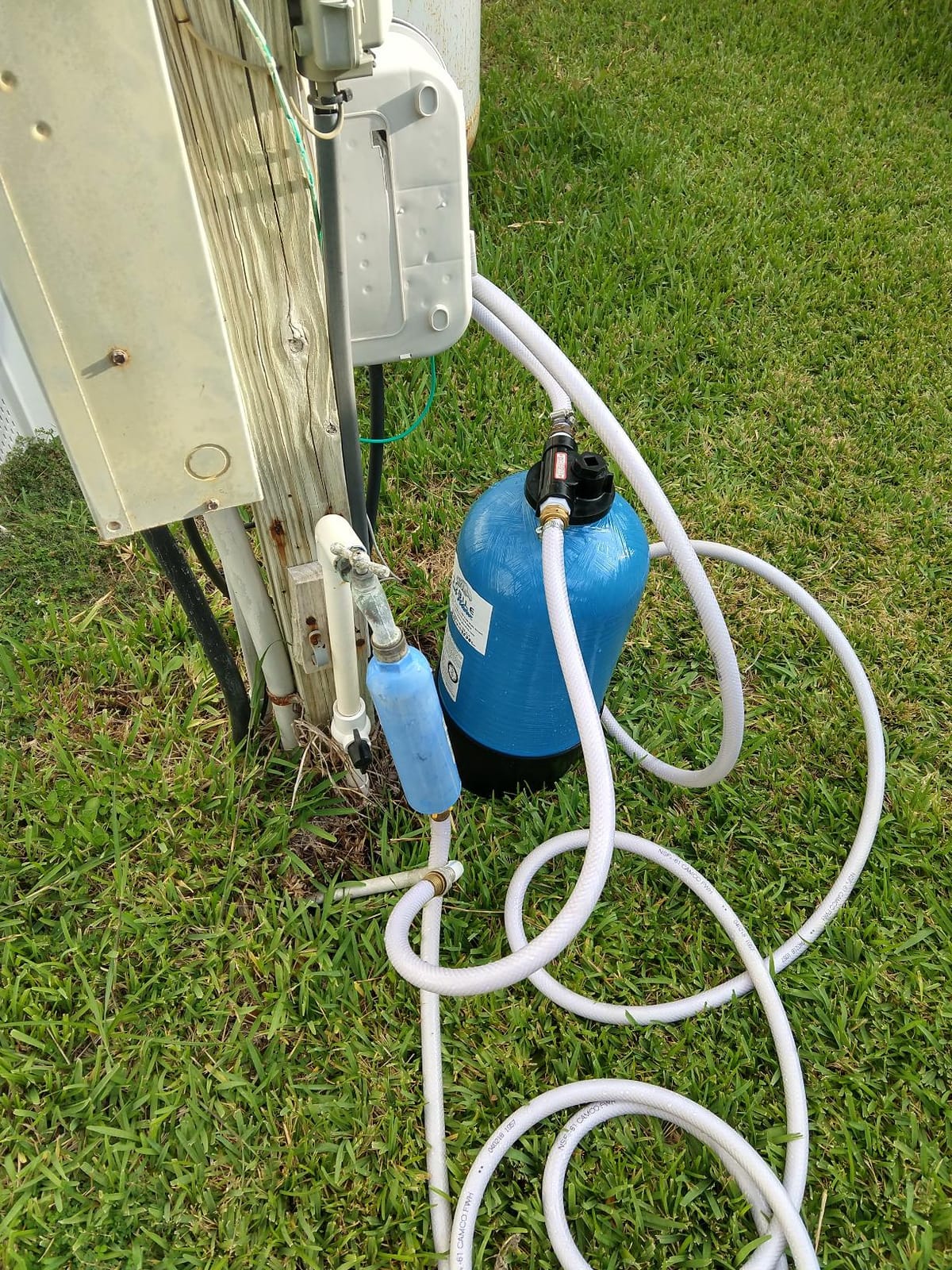
This tank solves a specific problem: soluble iron. It is the only model here that names soluble iron removal alongside total hardness, and for anyone filling from a well or a campground with high iron content that is not a minor specification.
On the connection side it is also the most rigorous. The water connections are lead-free, approved to USEPA and NSF 61 standards, which matters directly if you plan to drink from the softened line rather than only wash with it.
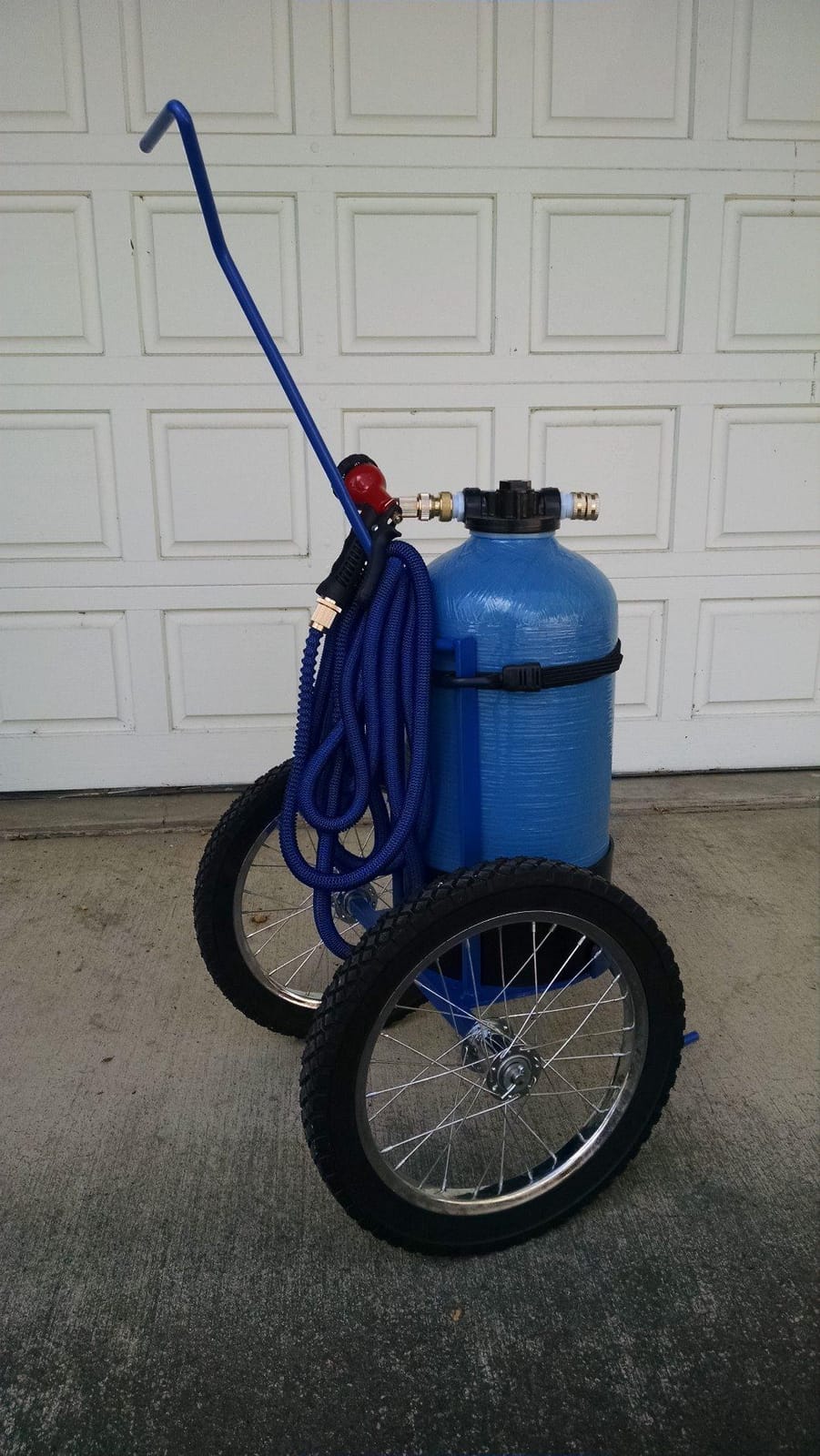
The unit is supplied complete with tank, tank head, distributor, resin and instructions. That means no resin loading and no hunting for a distributor tube, which is the step that trips up first-timers assembling a softener from a bare tank. It also arrives pre-loaded, so it is close to ready on first hookup.
It is built by HydroTec Systems, an established US water treatment manufacturer, and rated at 16,000 grains of total hardness removal. Operation is manual and tool-free, which is exactly what you want in an RV where you reconnect the line every time the site changes.
Where it loses ground is evidence and reach. The 224-review base is among the smallest of the well-rated models here, and the review detail is thin, which makes it harder to judge long-term consistency from other owners. The sales rank also indicates a much smaller installed base than the leaders.
The listing itself is a minor annoyance, with a loose-format title and sparse specification fields that make side-by-side comparison awkward. It is sold through a third-party seller rather than by Amazon, which changes who handles a warranty claim.
Does iron removal really matter in an RV?
If you fill from a well, yes. Iron staining on sinks, tubs and fixtures does not come off with soap, and it will not be stopped by the sediment pre-filter. An ion exchange resin rated for soluble iron removes it as part of the same pass that softens.
If you are on municipal or campground supply with iron under roughly 0.3 ppm, you will not notice the difference and can spend that budget on capacity instead.
Who should buy, and who should look elsewhere?
Buy it if you fill from a well, if your softened water is also your drinking water, or if lead-free certified plumbing is a requirement you cannot compromise on. It is the most technically conservative tank in the roundup.
Pass if you want a deep pool of owner reviews to lean on before buying. With 224 reviews and a thin detail set, you are buying on the spec sheet and the manufacturer reputation.
9. Camco TastePURE Portable Compact 4 GPM Hard Water Softener Kit
Camco TastePURE Portable Compact 4 GPM Hard Water Softener Kit with Carry Handle, 4′ Hose, and 50 Test Strips for Boats and RVs
10000 grain capacity
4 GPM flow rate
50 test strips included
25 pounds
Pros
- Camco is a long-established RV brand name
- Kit includes 50 test strips hose and regen fitting
- Documented to make hard campground water drinkable
- Cuts shower staining and extends soap life
- Large mouth opening makes salt changes easy
Cons
- 10000 grains
- below the 16000 grain norm
- Reports of a cracked top after two months
- Sparse instructions and a tricky cap seal
- External use only for RV and boat water
The Camco is the kit you buy when you want the brand name you already own. Camco has been making RV water gear for decades, and if you already run a Camco filtration setup, this softener slots into the same ecosystem without adapters.
Its genuine standout is the 50 test strips in the box. Most competing kits list no strips at all, and reviewers consistently single out these as the feature that makes the difference visible. Watching a strip go from dark to clear is what turns softening from a claim into something you can confirm.
Capacity is 10,000 grains at a 4 GPM flow rate, and it regenerates with two boxes of common table salt. The footprint is compact at 8.5 by 8.5 by 20.5 inches with a carry handle, and a large mouth opening makes salt changes straightforward.
Owners document that it makes hard campground water drinkable, cuts staining on shower fixtures, and makes soap lather further. The rating split is solid at 78% five-star and 6% one-star, which is a consistent experience rather than a lottery.
The arithmetic drawback is capacity. At 10,000 grains it sits below the 16,000-grain norm that defines most of this roundup, so a full-time household will regenerate more often. It is also external use only, so it is not a permanent indoor plumbing solution.
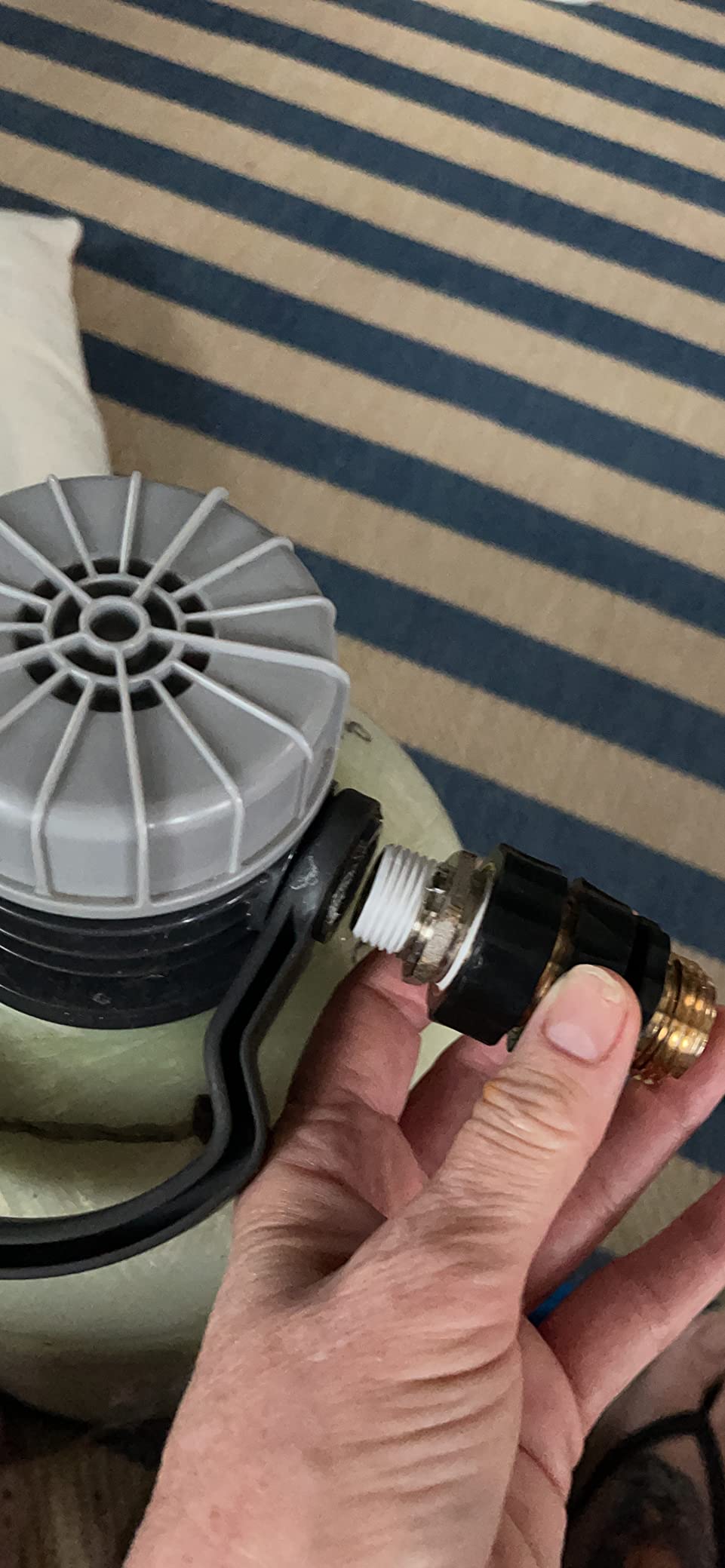
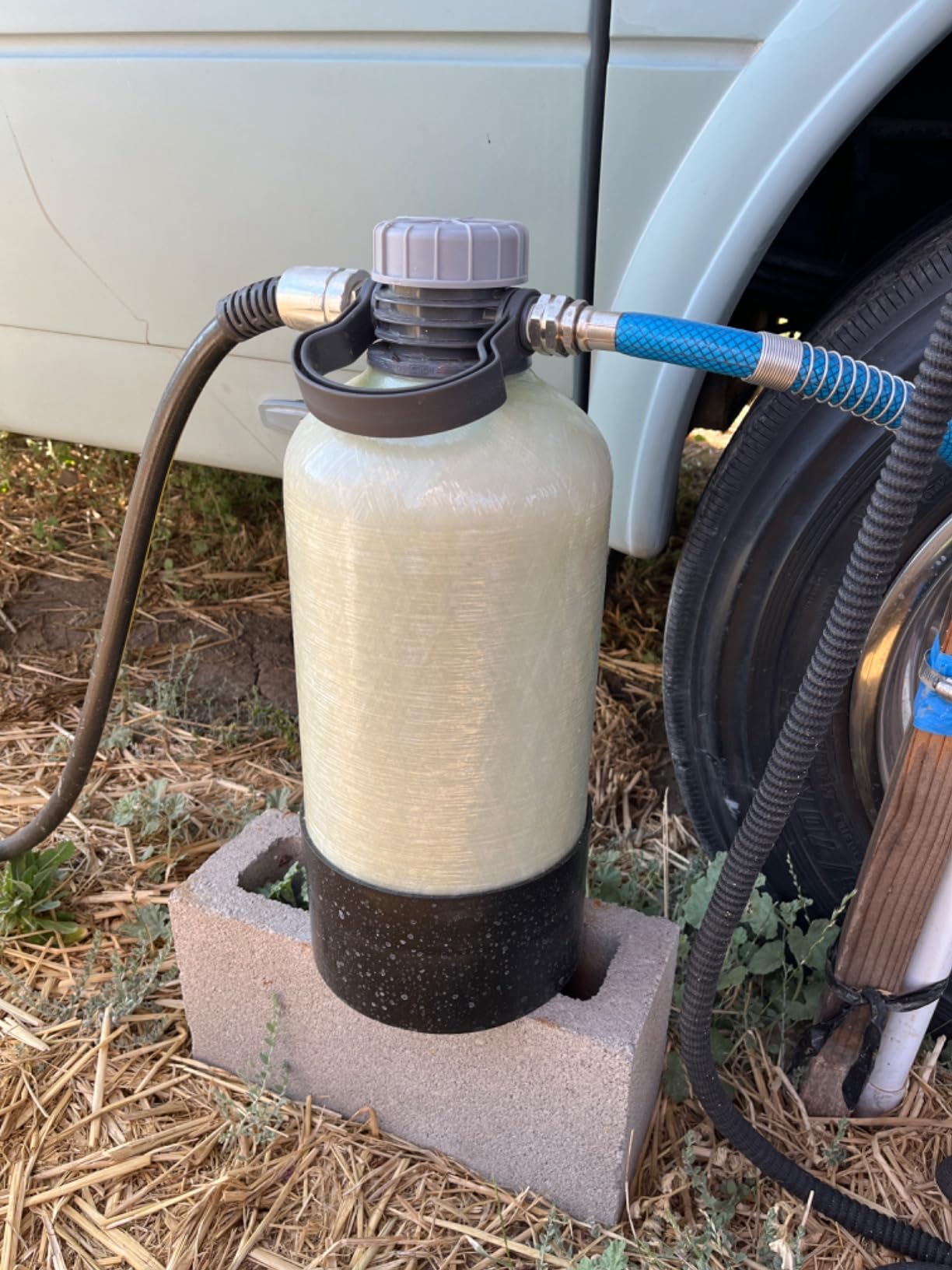
A few owners report a cracked top after roughly two months, and the instructions are thin with a cap seal that can be tricky to seat. Keeping the threads clean and using Teflon tape resolves most of that. The kit also includes a 4-foot hose, a male-to-male fitting for regeneration, and a garden hose plug and cap to keep the contents secure in transit.
Are 50 test strips actually worth that much?
They are the reason we kept this one on the list. Strip-based confirmation is the only way most RVers catch resin exhaustion before the scale comes back on the showerhead, which is exactly the failure mode owners complain about most.
Watch the expiration date, though. Strips that have expired stop changing color and give you a false all-clear, which is worse than having no strips at all.
Who should buy, and who should look elsewhere?
Buy it if this is your first softener, you want a recognizable RV brand, and you mostly need scale protection for a shower and a sink. The included test strips and hose mean you are ready on day one.
Pass if you are full-time with two showers and a dishwasher running daily. You will be regenerating far more often than the 16,000-grain tanks require.
10. On The Go OTG4-StdSoft Portable 8,000 Grain RV Water Softener
On The Go OTG4-StdSoft-Portable 8,000 Grain RV Water Softener
8000 grain capacity
Regens in under 15 minutes
2 GPM very low pressure drop
22 inch H x 6.75 inch dia
Pros
- Fastest regeneration here at under 15 minutes with one box
- Most complete accessory kit of any model in the lineup
- One owner has run the same unit over six years
- Lightweight compact and easy to move
- Prevents rust stains and scale and improves taste
Cons
- 8000 grain capacity with a 20 day cycle
- Needs more frequent regeneration than 16000 grain tanks
- Plastic top fittings are not especially strong
- Sold by a third-party seller rather than by Amazon
The regeneration speed is the story here. This unit regenerates with a single box of table salt in under 15 minutes, the quickest cycle among the ten models here and roughly half what the 16,000-grain tanks need. For someone who regenerates at a campground on their way out rather than sitting there waiting, that is a real advantage.
The accessory kit is also the most complete we saw. It includes a carry handle, inlet hose adapter, outlet hose adapter, back-flush adapter, a 4-foot high pressure drinking hose, a full cradle base, a cap and plug, and hardness test strips. Nothing extra to buy before the first use.
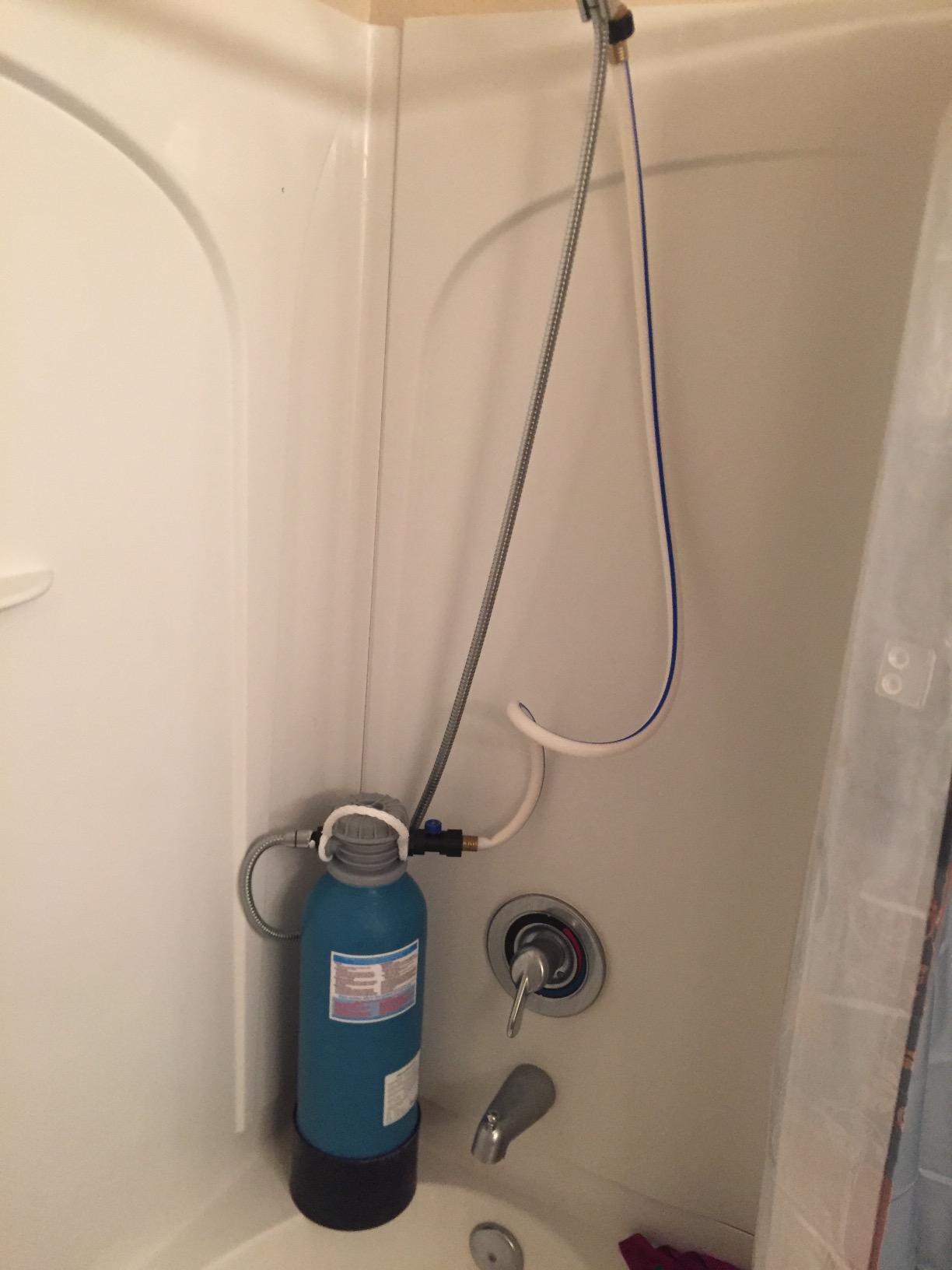
Flow is rated at 2 GPM with a very low pressure drop, which matters at campgrounds where supply pressure is already marginal. The tank is compact at 22 inches tall and 6.75 inches in diameter, lighter than the larger models, and the garden hose connection needs no tools or electricity.
Longevity is the standout report. One owner has run the same unit for more than six years without ever replacing the resin, which is a rare data point in a category where most buyers describe a two-year ownership experience.
On The Go also lists a patent-pending reverse flow functionality and claims the unit prevents hard water and rust stains and scale build-up while improving taste and odor and increasing soap lather. Those are the claims owners repeat back most often in reviews.
The constraint is capacity. At 8,000 grains and a 20-day cycle, this is the same arithmetic limit as the OTG3NTP3M. A few reviewers also find the aesthetic plain and note the plastic top fittings are not especially strong, and one full-time RVer regretted not choosing the double-capacity size.
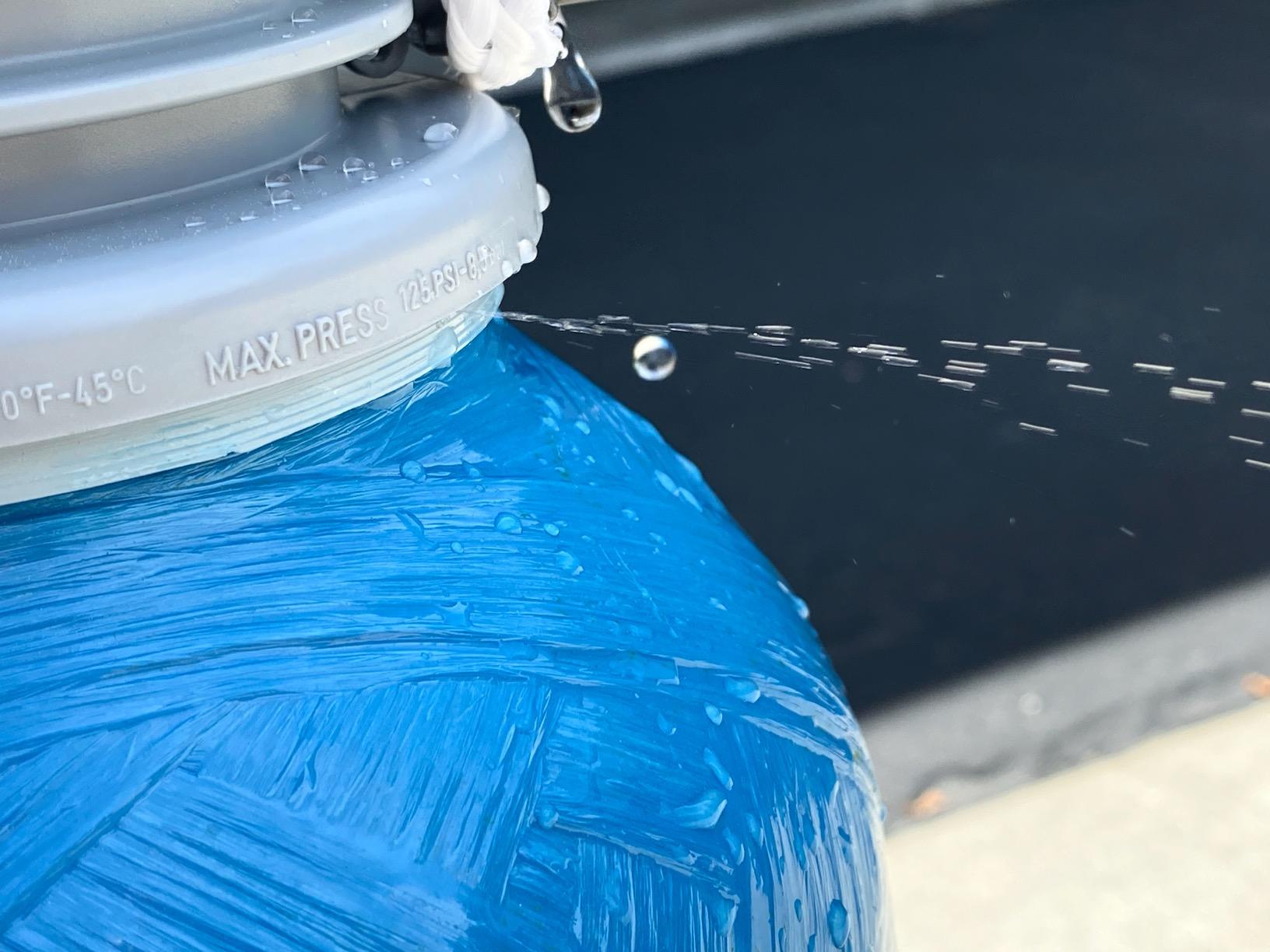
Why does a 15-minute regeneration matter?
Because regen time is dead time. A 30-minute cycle means you either wait at the site or skip the flush and risk salt taste in the first shower the next morning. A 15-minute cycle with one box of salt is short enough to do while you are packing up.
The patent-pending reverse flow functionality is also designed to keep the salt and sediment pushed down and out of the valve rather than sitting where it can create a taste problem.
Who should buy, and who should look elsewhere?
Buy it if you are a weekend or part-time RVer, you want the shortest regen cycle available, and you prefer a complete kit over buying accessories separately. The six-year ownership report is the strongest longevity signal among these ten tanks.
Pass if you are full-time in hard water. The 20-day cycle will keep you regenerating constantly, and the double-capacity On The Go is the same brand and same design language with twice the capacity.
Grain Capacity and Gallons Per Regeneration
Grain capacity is the single number that decides whether a softener fits your life. One grain of hardness is one seven-thousandth of a pound of dissolved calcium carbonate, and dividing that capacity by the measured hardness of your source water tells you how many gallons you get per charge.
Take the On The Go OTG4-DBLSOFT as the worked example. At 16,000 grains and 11 gpg hardness it yields roughly 1,454 gallons. At 58 gpg the same tank drops to about 275 gallons. That is a five-fold swing driven entirely by how hard the water is where you are parked.
The VEVOR posts the most optimistic capacity figures here. Below 6.5 gpg source water it regenerates 2,461 gallons of soft water, up to 50 days. The PRO+AQUA is rated at up to 2,000 gallons or 60 days, and the RV Water Filter Store tank carries a 2,500 gallon rated capacity.
Those manufacturer figures assume the good end of the hardness scale, which is why owners in hard water report refill cycles far shorter than the marketing. The Florida owner who was refilling every four days on the RV Water Filter Store tank was not doing anything wrong. The water was simply outside the test conditions.
Measure before you buy. Run a test strip on raw water at the campground spigot, note the gpg, and divide the capacity of the tank you want by that number. That single minute of work prevents the most common complaint in this category, which is an owner who bought a big enough tank but was caught by surprise by the hardness.
Fittings, Flow Rate and Campground Water Pressure
Brass fittings last longer than plastic, and that is not a preference. Forum owners routinely retrofit brass adapters and quick disconnects after plastic threads crack or strip. The VEVOR and the H&G include brass hardware as standard, which is a genuine advantage at their price points.
Quick-connect fittings matter more in an RV than in a house because you disconnect the line every time you move. The PRO+AQUA and the RV Water Filter Store tank both arrive with proper quick-connect hardware, and owners on the Forest River forums specifically credit that with not having to re-tape threads at every site.
Campground water pressure is the issue nobody writes about. Restrictive inline filter canisters stacked in front of a softener can drop pressure enough that showers weaken noticeably at sites with low supply pressure. Stacking three canisters, a sediment filter, a carbon block and a 16,000-grain tank in series is where complaints originate.
Our rule is to keep the pre-filter chain short and to test flow before adding another stage. Tanks rated at 2 to 4 GPM with low pressure drop, like the On The Go OTG4-StdSoft and the Camco TastePURE, behave better at marginal sites than higher-flow tanks with restrictive internals.
How to Regenerate a Portable Water Softener With Table Salt
Regeneration takes under 30 minutes on a 16,000-grain tank with two boxes of table salt, or under 15 minutes on the On The Go OTG4-StdSoft with a single box. The manual routine is the same on every model here.
First, disconnect the inlet hose so you are working with a closed tank rather than pushing campground water through. Some owners also shut the RV’s fresh water valve so nothing backfeeds into the unit while the valve head is open.
Second, open the valve head to drain the tank into a bucket or a floor drain. The flow slows to a trickle and then stops, which is the signal that the tank is empty enough to service.
Third, pour in the table salt through the large mouth opening. Plain non-iodized table salt works; anything with anti-caking agents or additives is not what the resin wants. The Camco and the On The Go OTG4-StdSoft both have wide mouths that make this less of a chore.
Fourth, close the valve head and let the salt dissolve. This step is where first-timers get impatient and skip ahead, and skipping it is the usual reason softened water tastes salty afterward. Give the brine time to form a solution.
Fifth, run the brine flush. This is the step that pushes the salt through the resin bed and out to waste, reversing the ion exchange. Your regeneration kit, brine hose and back-flush adapter are all for this step, which is why buying the kit matters.
Sixth, run a short rinse after the brine flush to clear residual salt from the top of the tank. This is the step that removes the salty taste complaints entirely, and it is the one most often omitted.
Finally, reconnect the inlet, run a test strip on the output, and confirm the reading has dropped before you use the water for anything you care about.
Pre-Filtration: The Filter Side of RV Water Treatment
A sediment filter and a carbon block in front of your softener is the standard recommendation across every RV forum we checked, and the setup order matters. Sediment goes first, then carbon, then the softener. Putting the softener upstream means the resin is the first thing campground grit hits.
A 5-micron sediment filter catches sand, rust flakes and organic debris that would otherwise foul the resin bed. A carbon block after it takes chlorine and organic taste, and owners pairing the two ahead of the softener report clearer and better-tasting water overall.
Order mistakes are common. Some owners argue for a carbon block after the softener to polish the taste, and that arrangement works too, but you still want sediment ahead of the resin. The Forest River forum thread on setup order is worth reading in full before you commit to a layout.
Check the pressure drop as you add stages. Each additional canister costs flow, and at a campground already running low pressure the shower is where you will notice first. If your shower weakens, remove a stage before you blame the softener.
Softener vs Carbon Filter vs Deionizer vs Scale Inhibitor
These four solve different problems and the confusion between them is the most common mis-buy in the RV water world. A softener removes hardness minerals. A carbon filter removes chlorine, odor and taste. A deionizer removes dissolved solids for spot-free rinsing. A scale inhibitor stops scale from adhering without softening anything.
If your only goal is clean windows and a spot-free car rinse, a deionizer is the right tool and it is far smaller. If you want your water heater and plumbing protected from calcium, ion exchange is the only one of the four that does it.
Scale inhibitors, including phosphate-based systems owners recommend on iRV2, are the option for people who dislike the taste and feel of soft water. They weigh far less and carry nothing, but they do not reduce hardness, so your soap, dishes and hair still feel different.
Many owners run a softener on the RV inlet and keep a separate untreated or filtered line for drinking. That is the setup we would build, and it costs nothing beyond a tee and a valve.
Tips for Using an RV Water Softener Without Guesswork
Write the regen date on the tank with a paint pen. The single most common complaint in this category is forgetting to regenerate and only noticing when scale returns to the showerhead, and a date turns a memory task into a glance.
Keep test strips in the wet bay and check them monthly. Forum owners report that expired strips stop changing color and give false readings, so replace them on a schedule rather than trusting a strip from a drawer.
Drain and carry the tank before you move. Owners on r/RVLiving tie the drained unit in the truck bed between trips, which keeps the weight down and stops the sloshing that cracks fittings over time.
Winterize by draining completely and storing the tank dry. Leaving brine inside over months invites crystallization in the distributor tube, and a blocked distributor is the most common cause of a softener that stops producing soft water after storage.
Budget for a post-carbon filter if taste bothers you. Soft water is flat by nature because sodium has no flavor and no smell, and a small carbon block on the drinking line fixes it without touching the whole-RV softener.
And replace the plastic fittings you distrust with brass. It is a fifteen-minute job that prevents most of the leak complaints we saw across this roundup.
Frequently Asked Questions
What is the best soft water system for an RV?
The best soft water system for an RV is a salt-regenerated portable ion exchange tank hooked inline between the campground spigot and your fresh water inlet. The On The Go OTG4-DBLSOFT is our top pick for full-timers because 16,000 grains yields the longest interval between regenerations, while the PRO+AQUA 16,000 grain model is the easiest setup because the pre-filter and regeneration kit ship in the box.
Do portable RV water softeners work?
Yes. Portable RV water softeners use resin that trades sodium for calcium and magnesium, and owners on this list report test strips dropping from 250 to 1000 ppm down to near zero after a full tank. What they do not do is lower total dissolved solids, so the water can taste flat to some people. A separate drinking line or a post-carbon filter solves that.
What are some good portable water filtration systems for RVs?
A three-stage setup works best for most RVers: a 5-micron sediment filter first to catch grit and rust flakes, a carbon block second to pull chlorine and organic taste, then your ion exchange softener last. Order matters because resin should never be the first thing campground debris hits. Keep the chain short, since every extra canister costs flow at sites with low pressure.
How do I regenerate a portable water softener?
Regeneration takes under 30 minutes on most 16,000 grain models with two boxes of table salt. Disconnect the inlet, drain the tank through the valve head, add table salt, close the head and let the brine fully dissolve, then run the brine flush. Finish with a short fresh-water rinse to clear residual salt, which is the step that removes salty taste after a regen.
How much salt does a portable water softener use?
Two boxes of common table salt per regeneration is standard for a 16,000-grain unit, and a single box regenerates the 8,000-grain models. The VEVOR specifies 52 ounces of salt for a full cycle. The real cost driver is frequency, since a full-timer on very hard water regenerates far more often than the 40 to 60 day ratings assume.
Final Verdict: Which Portable Water Softener Should You Buy?
The On The Go OTG4-DBLSOFT is the best portable water softener for RVs in 2026 because it combines a top-tier 16000-grain capacity with the highest rating and the deepest review base in this roundup, and it regenerates in under 30 minutes with two boxes of table salt. For full-timers in hard water, that interval is the whole game.
Pick the NPGLOBAL 16,000 grain if outlay is the deciding factor and you are willing to swap a hose. Pick the PRO+AQUA if you want the pre-filter and regeneration kit in the box on day one. Pick the H&G 5A if you haul weight constantly, and the Camco TastePURE if this is your first softener and you want test strips to prove it works.
Whichever one you choose, measure your source water first and put the regen date on the tank. Those two habits do more for a softener than any specification on the box. If you are still working out the rest of your rig, our picks for portable washing machines for RVs and solar panels for RVs cover the two other upgrades full-timers ask about most.